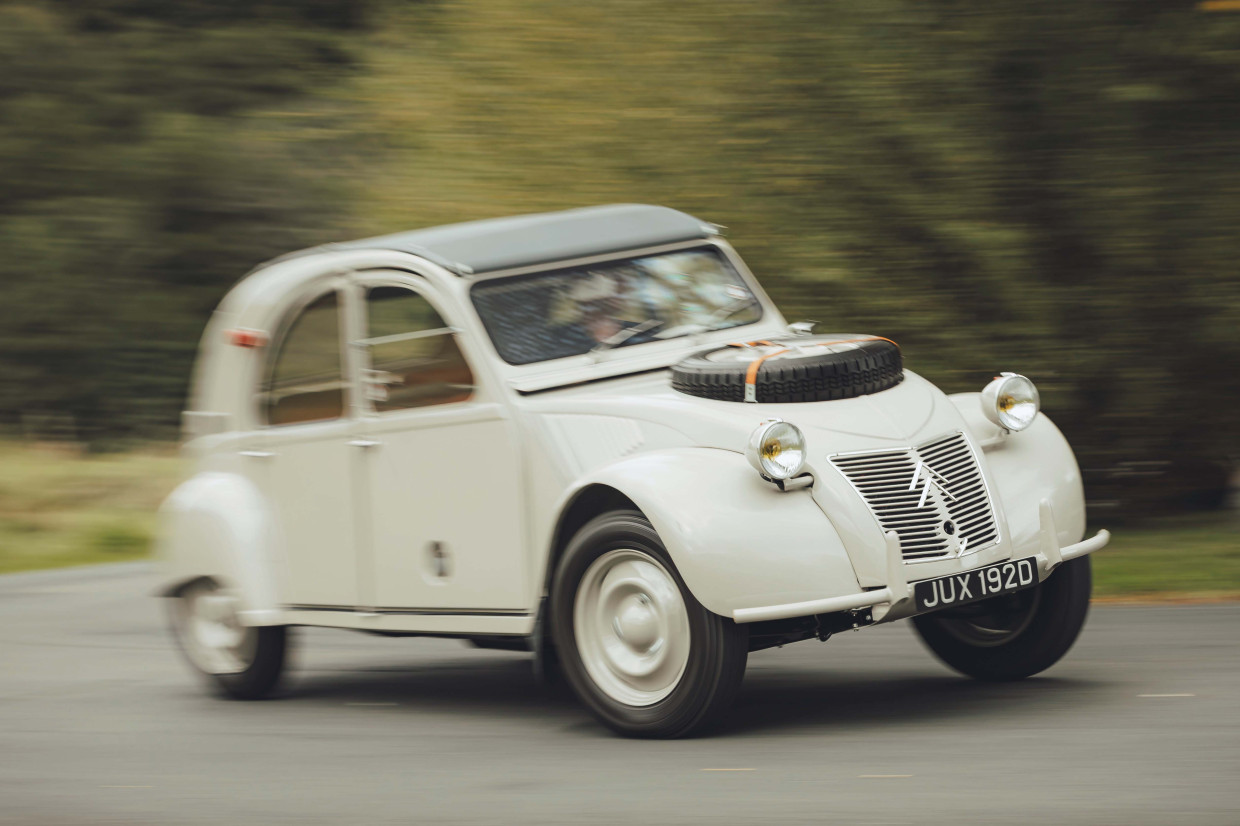
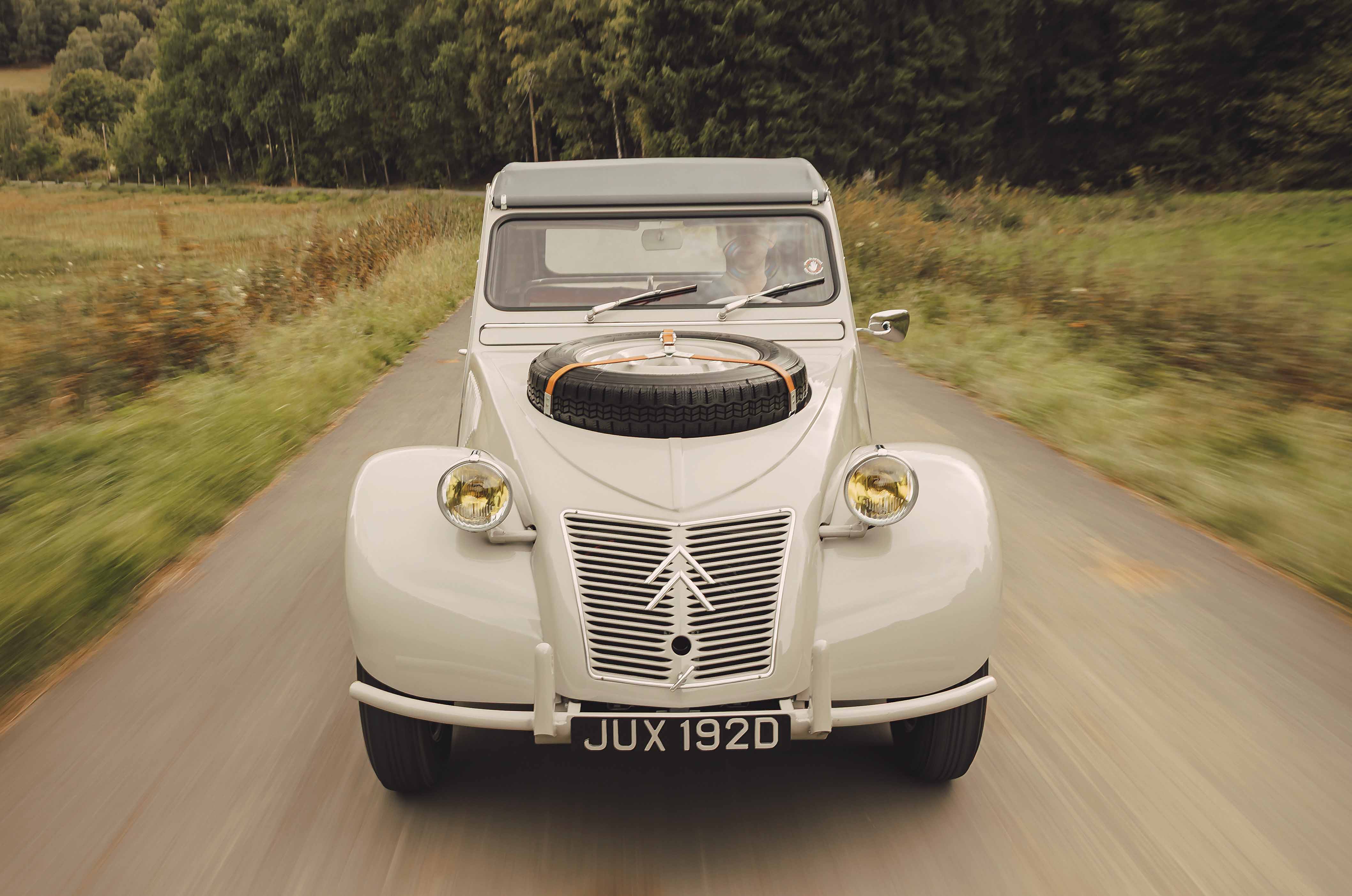
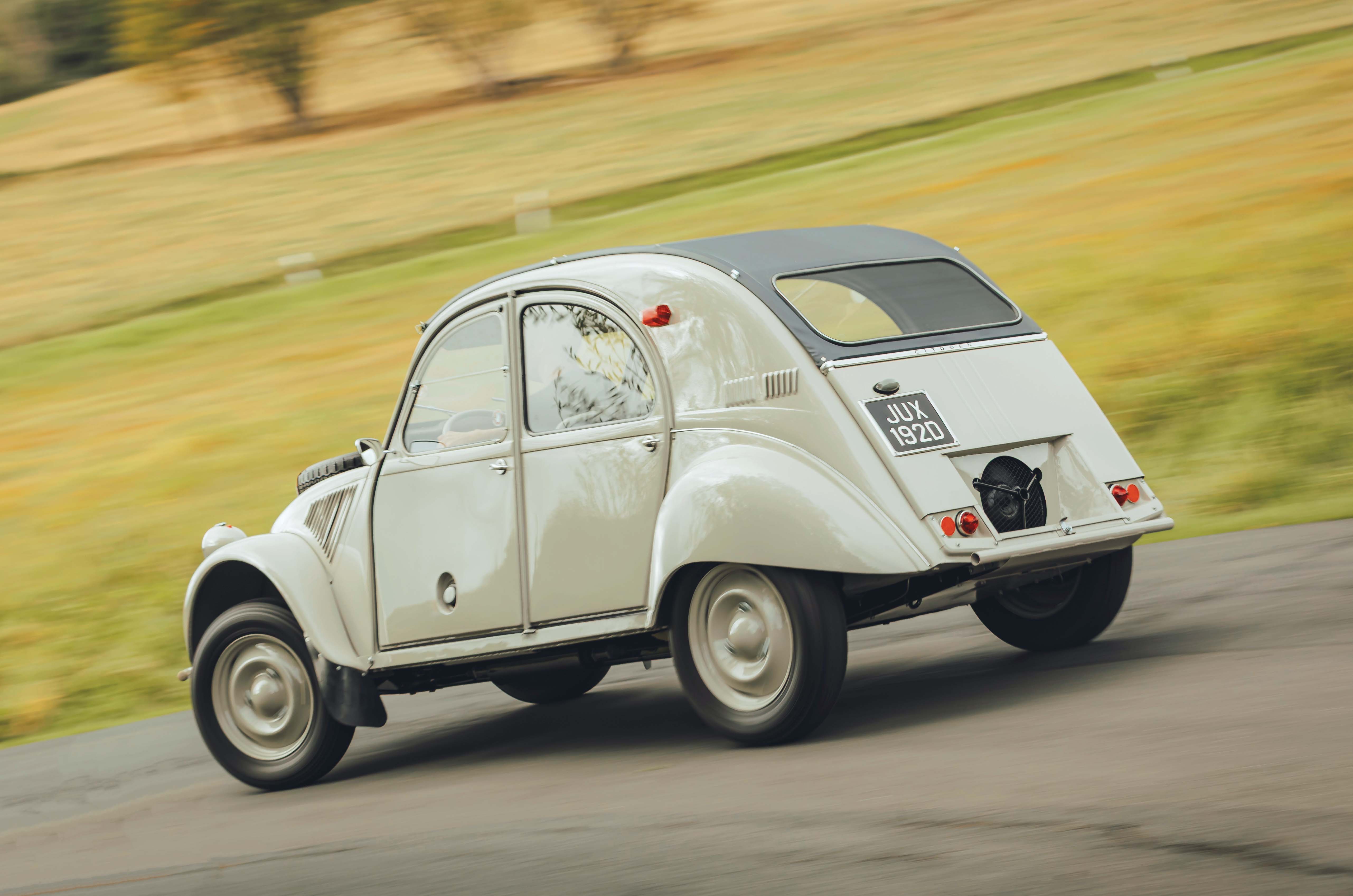
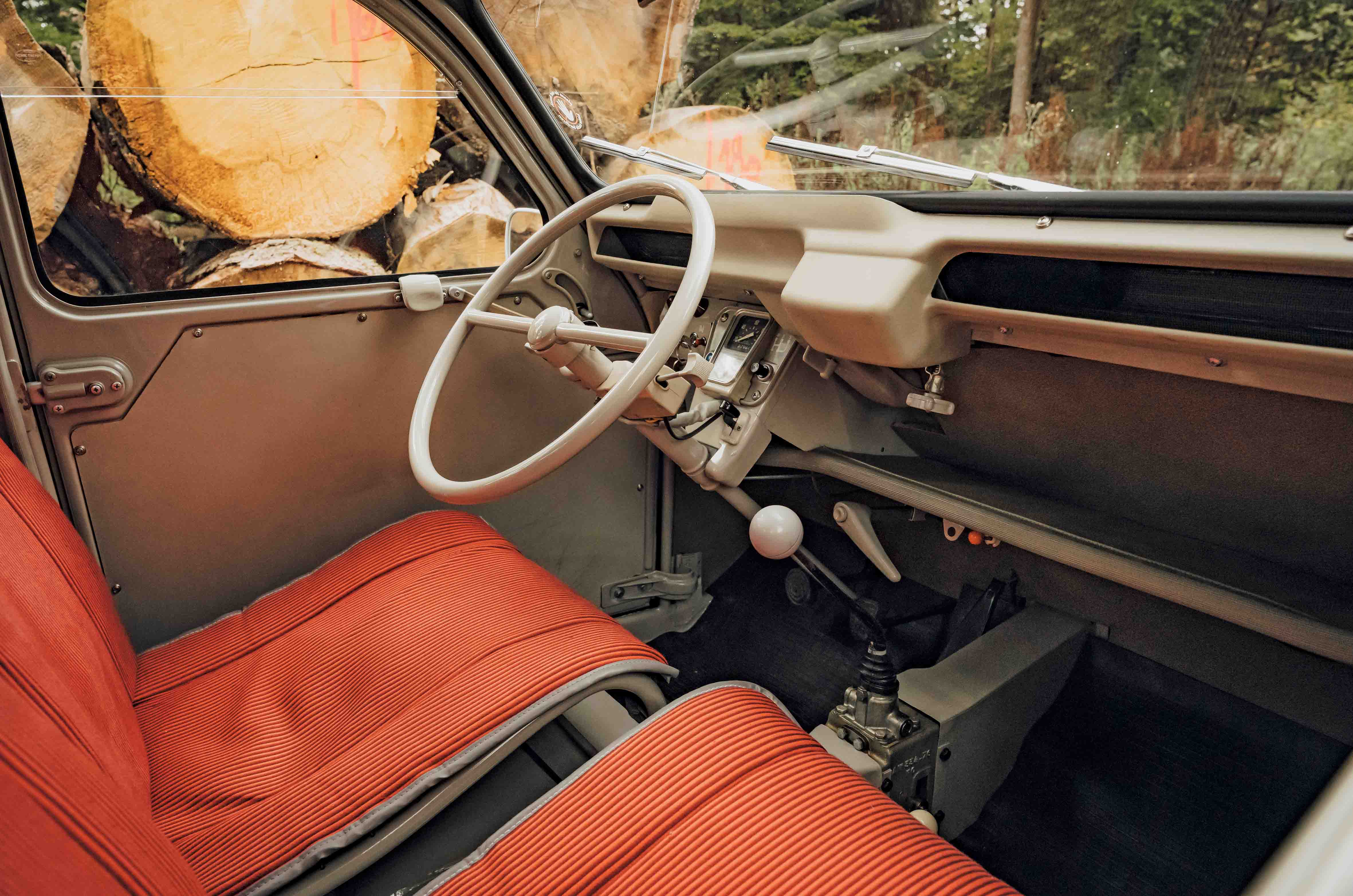
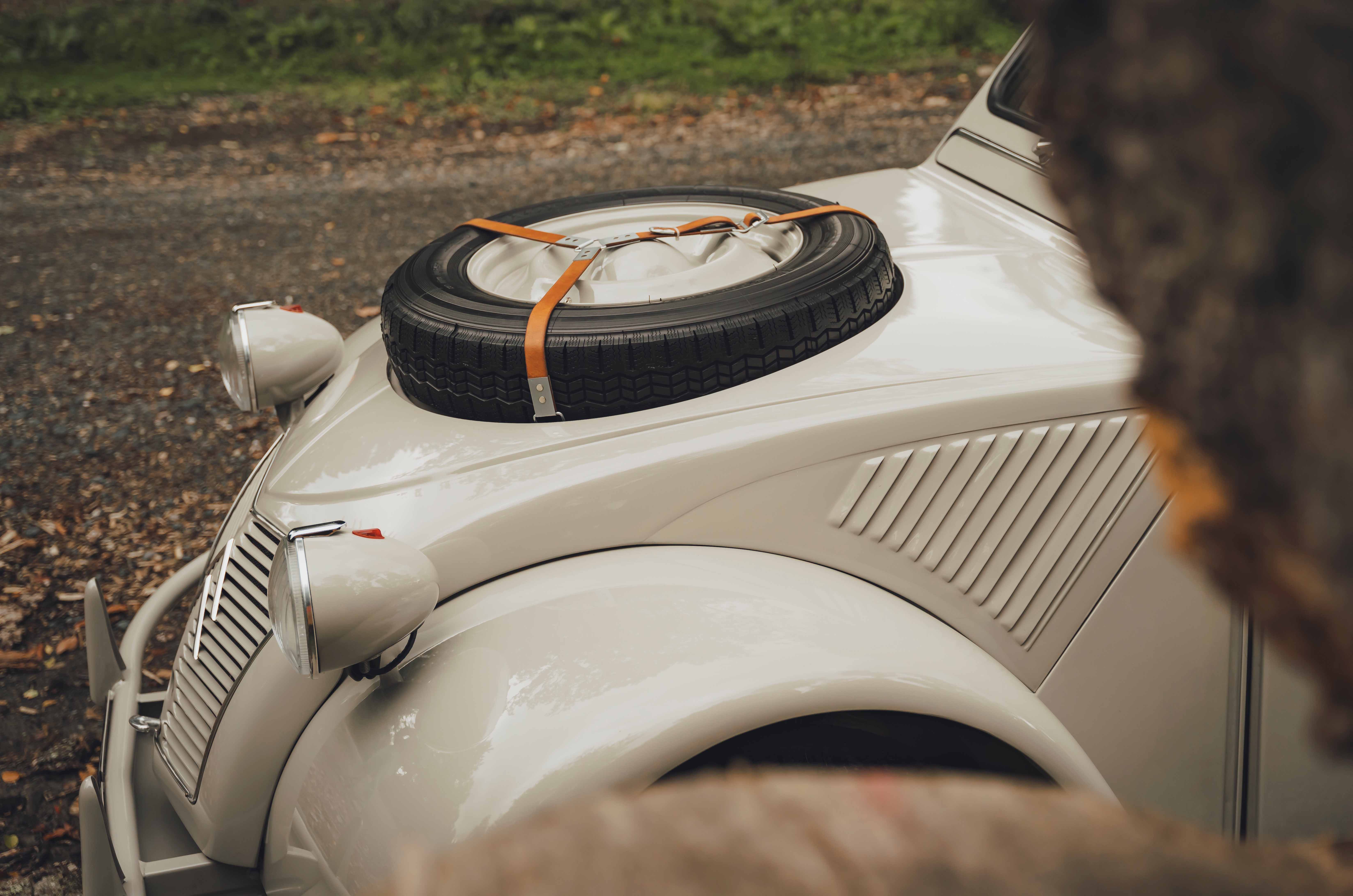
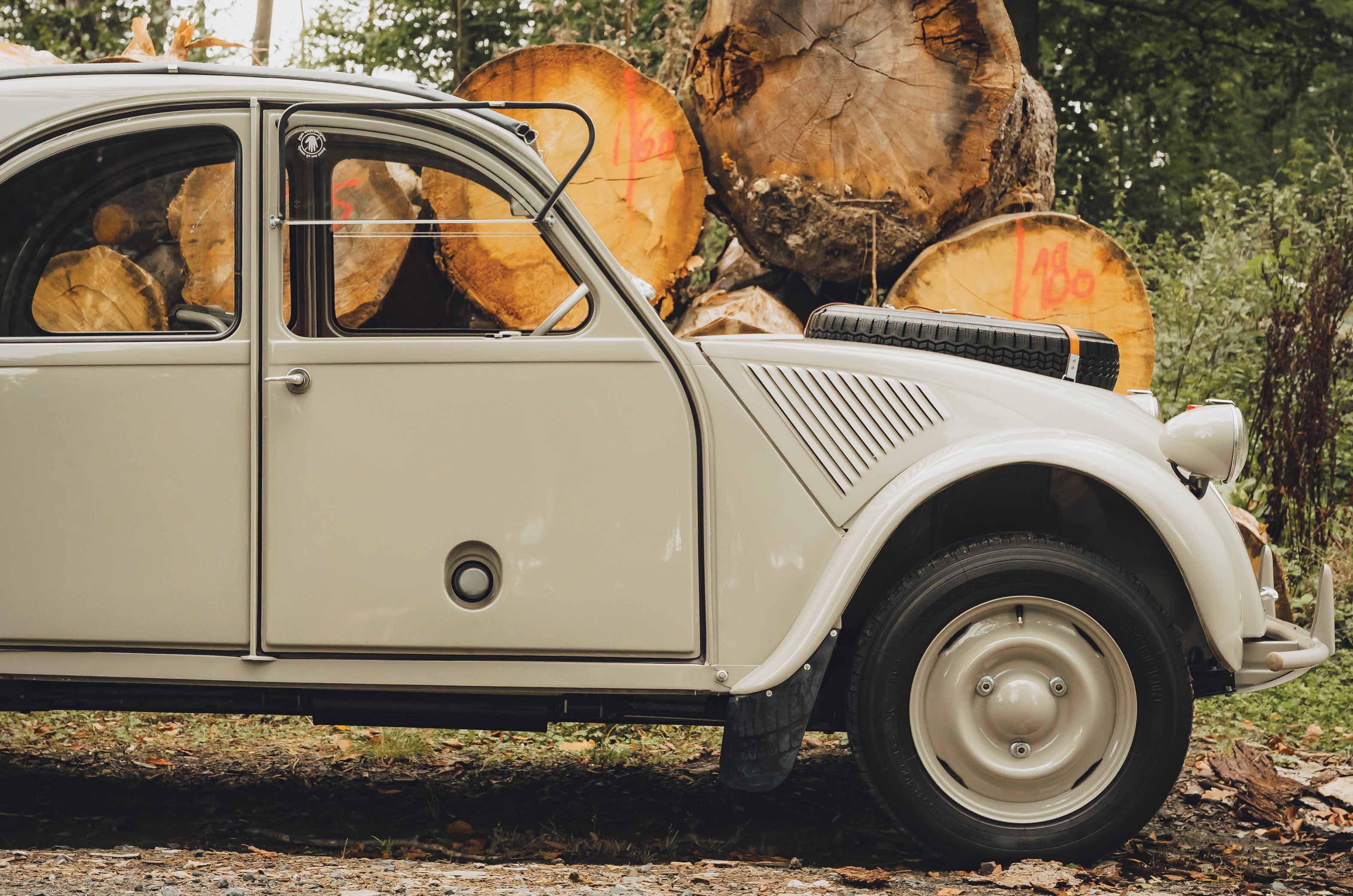
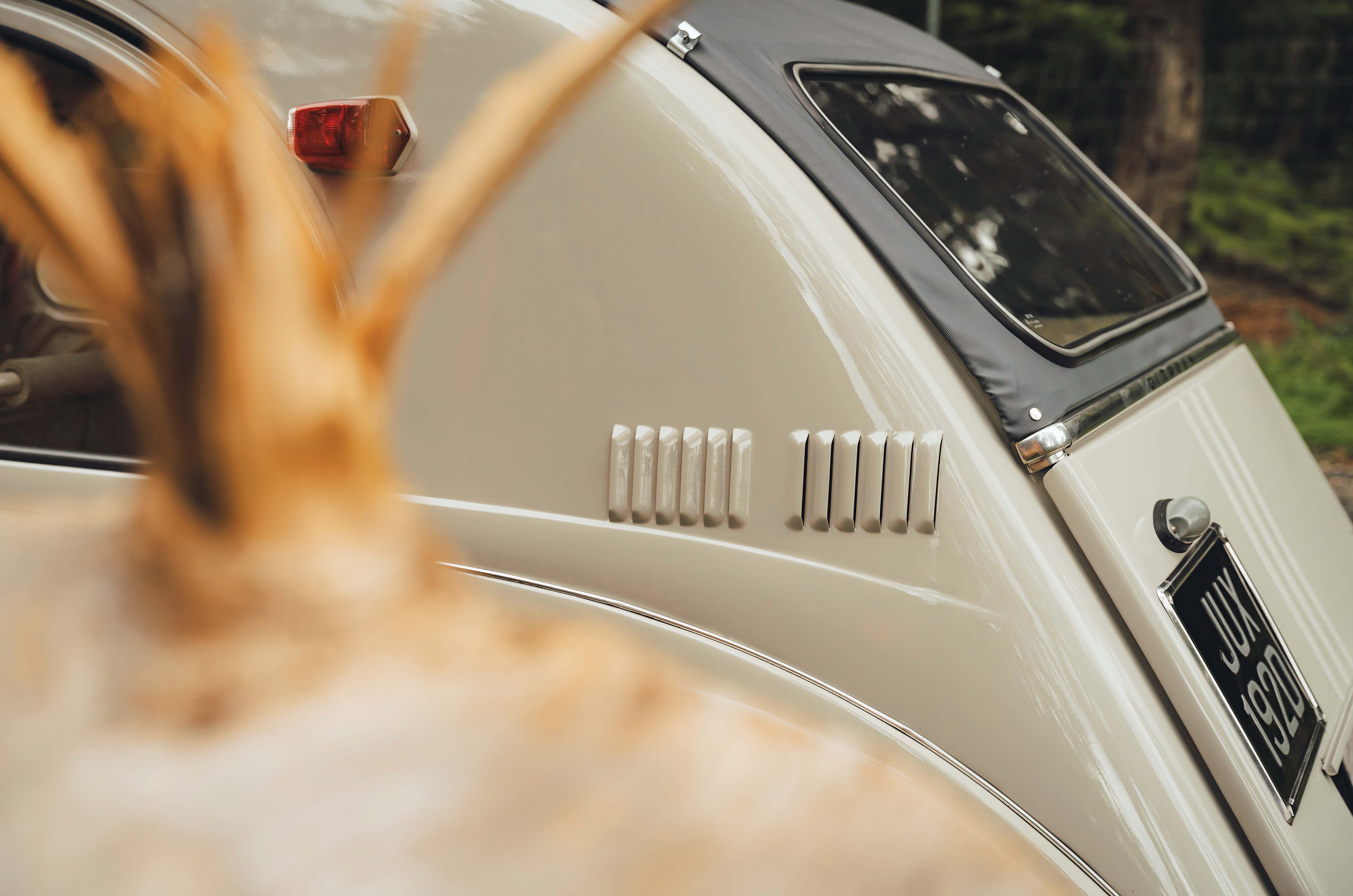
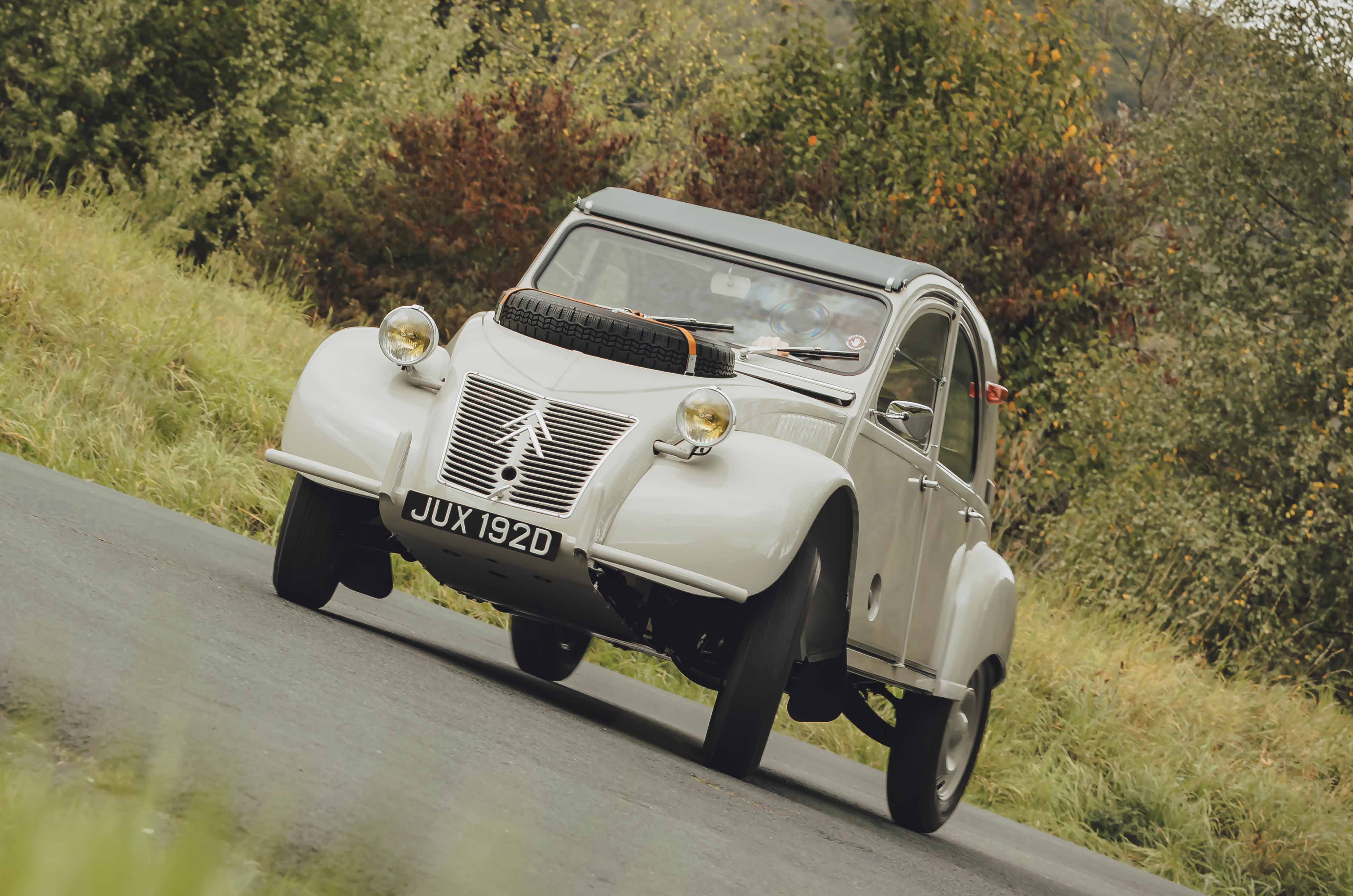
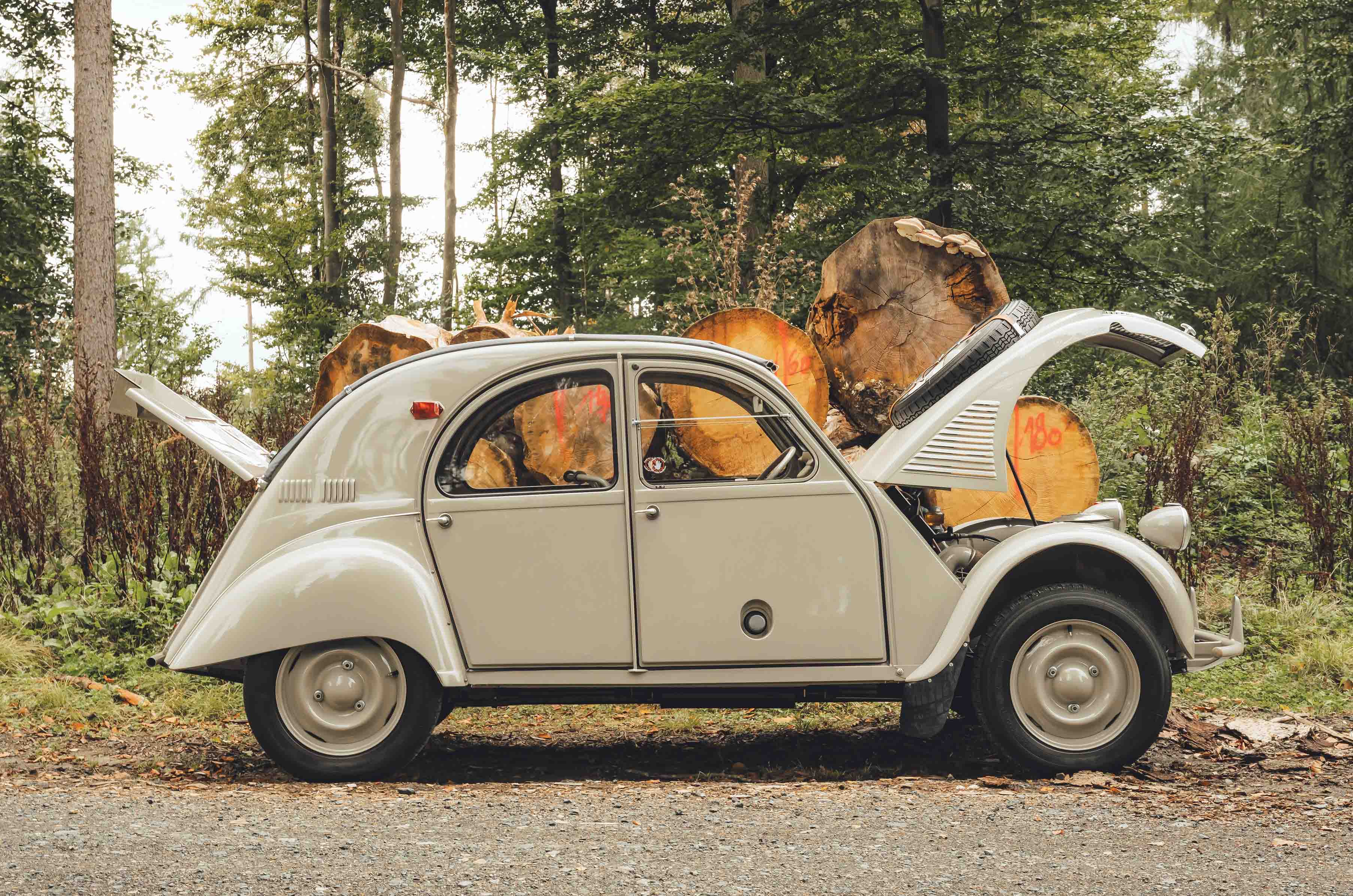
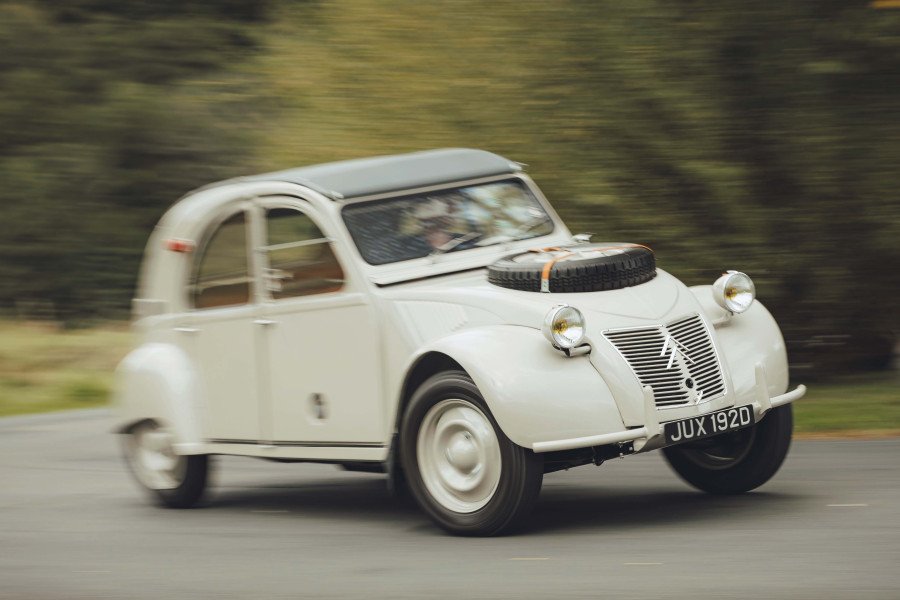
The Sahara name was replaced with 2CV 4x4 in 1962 as Algeria gained its independence and the company attempted to unpigeonhole the model, sales already having been disappointing.
The greatest thing working against the Citroën was not decolonisation, however, but that, with similar, long-travel suspension and front-wheel-drive traction, a regular 2CV was already a good car for all but extreme off-road use.
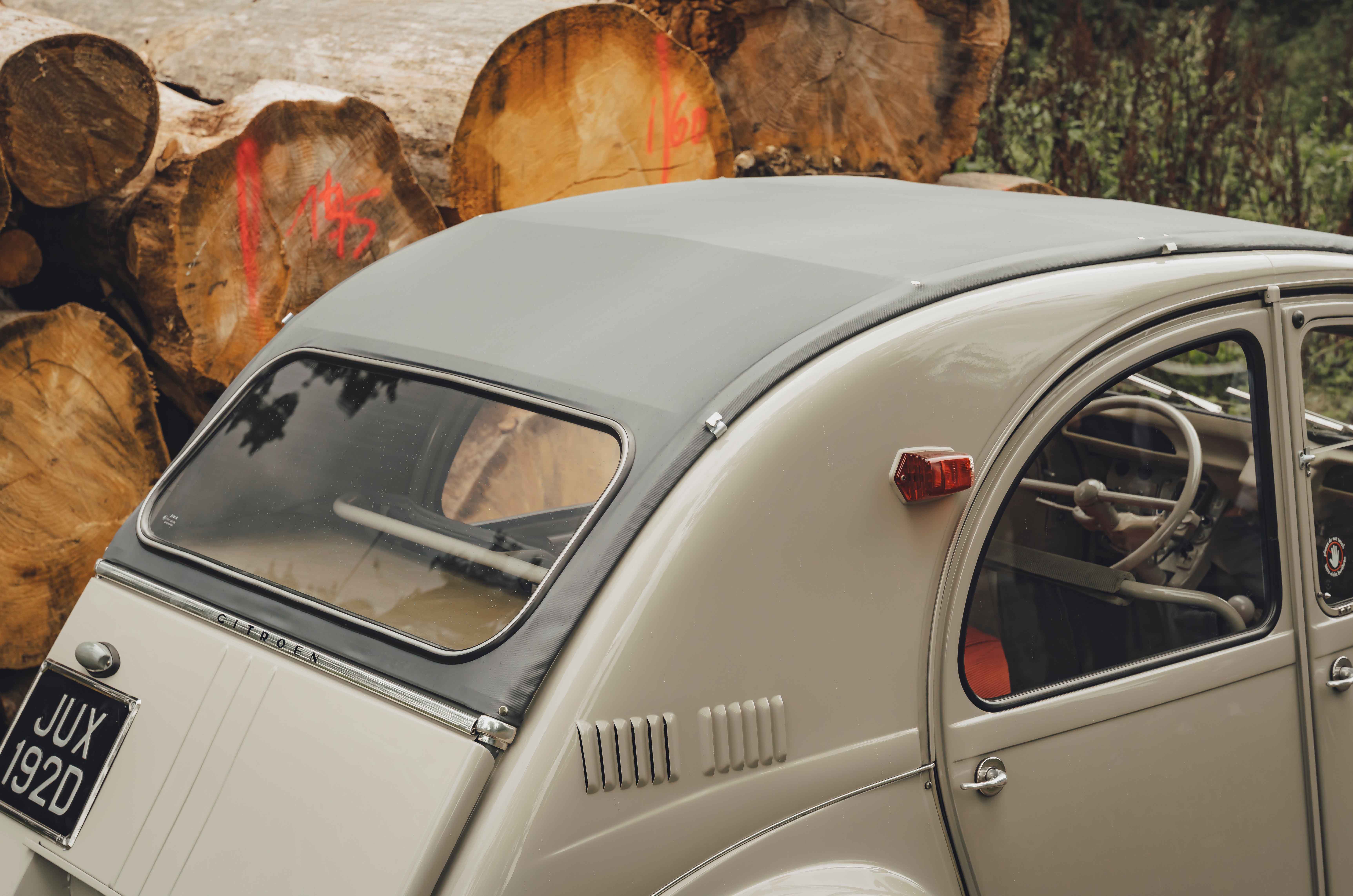
‘Roll back the car’s roof and flip up the side windows, and this is one of the most fun ways of tackling the rough stuff’
More fuel efficient, easier to look after and half the price, it was the basic Deux Chevaux, along with competitors such as the Renault 4, that the limited new-car markets of Africa wanted.
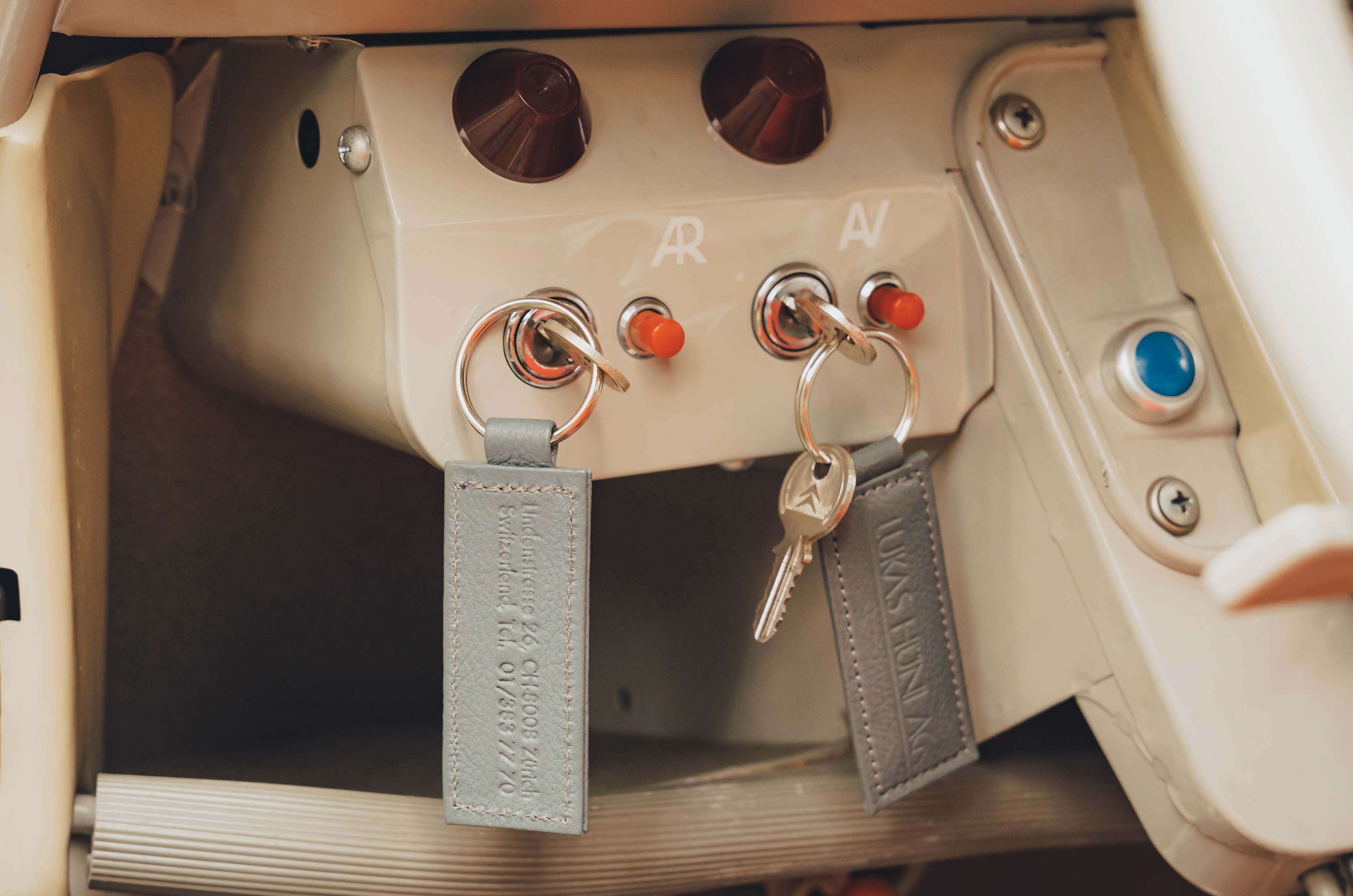
This was reflected in the names that did populate the order sheets of the 694 2CV 4x4s built: European institutions, such as the Spanish Guardia Civil and the Swiss post office, ended up buying most of them.
As is ever the curse of innovators, Citroën’s good idea was just too early, too expensive and ahead of the technical reality.
Available in the UK only in left-hand drive at a massive £913 in 1963, it was more expensive than a Land-Rover Series IIA 88in, while even among penalised foreign imports it was trading at the same price as a Peugeot 403.
It only got more expensive, too, leaving French price lists in 1967 at near-parity with an entry-level Citroën ID19.
‘Citroën boasted the Sahara could climb a 45% gradient, outperforming many conventional off-roaders’
A four-wheel-drive economy car would be a commercial success less than two decades after the Sahara: 1983’s Fiat Panda 4x4. So, too, the Subaru Justy that followed it a year later.
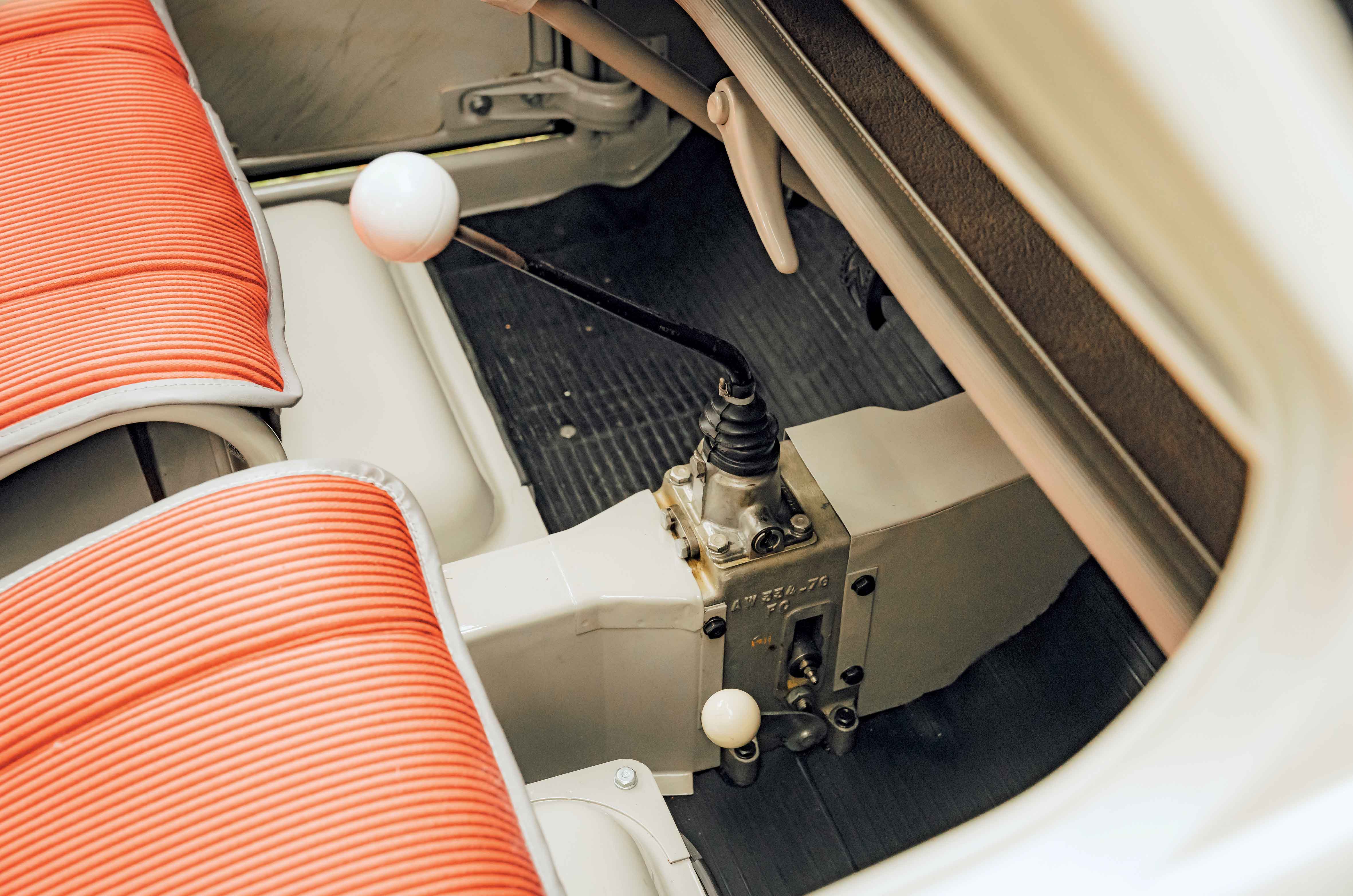
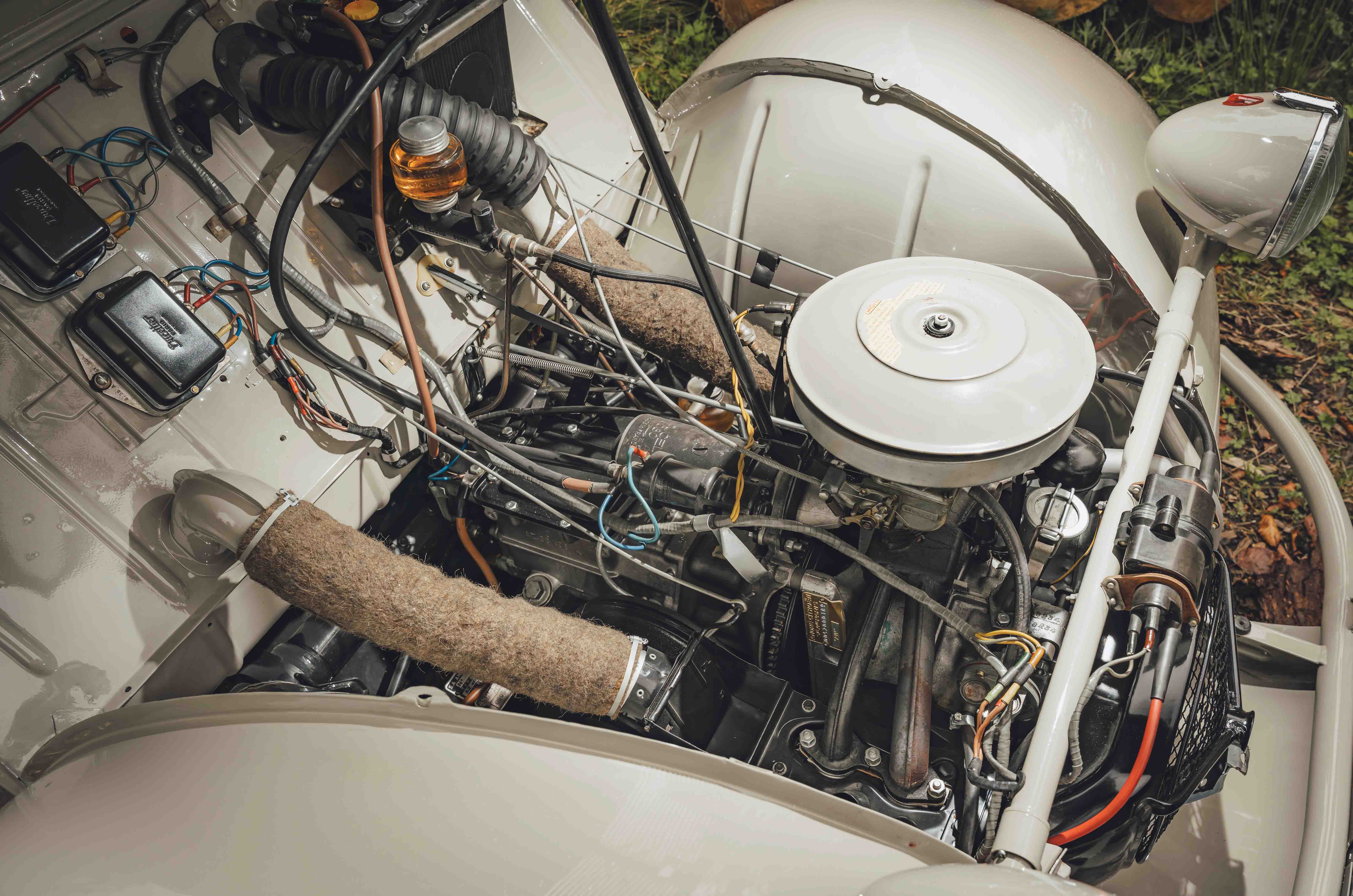
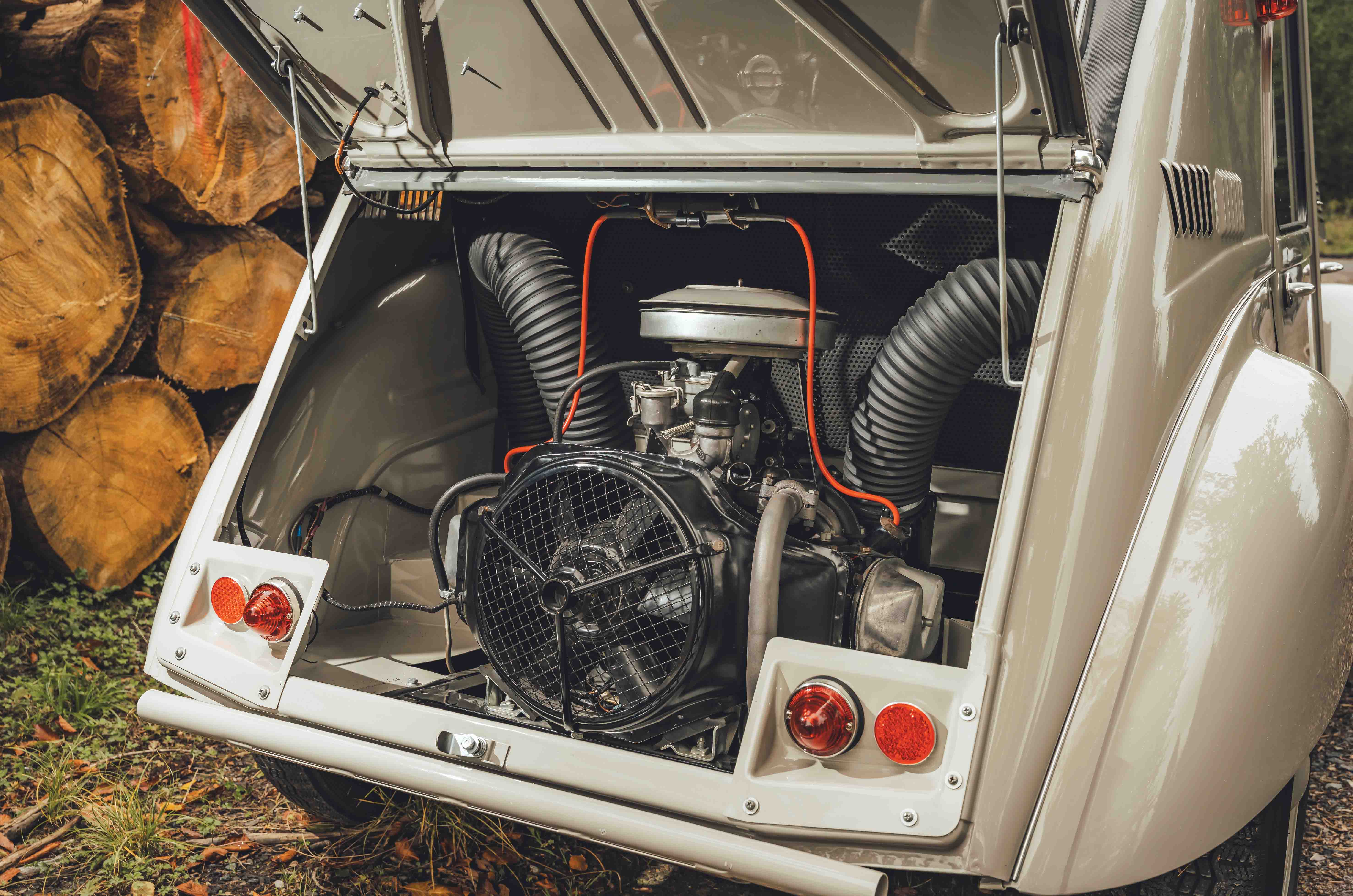
Both offered what the 2CV 4x4 did, though they were far less compromised, cheaper cars that used simplified and shrunk four-wheel-drive systems, rather than featuring two engines.
Further vindication of Citroën’s concept has, surprisingly, come in the electric age.
Twin-motor, four-wheel-drive cars now abound, powering their axles independently with no connection other than software and the road surface.
Even the next Fiat Panda 4x4, now produced by the same company as Citroën, is rumoured to achieve its four-wheel drive by combining a front-mounted petrol engine with an electrified rear motor.
History doesn’t repeat itself – no one but pre-merger Citroën could have come up with the brilliant lunacy of the 2CV 4x4 – but it certainly rhymes.
Images: Max Edleston
Thanks to: Nationales Automuseum: The Loh Collection
Factfile
Citroën 2CV 4x4
- Sold/number built 1960-’67/694
- Construction steel chassis and body
- Engines two iron-block, alloy-head, ohv 425cc flat-twins, each with a single Solex carburettor
- Max power 27bhp @ 4000rpm
- Max torque 17lb ft @ 2000rpm
- Transmission paired four-speed manuals, 4WD
- Suspension independent, at front by leading arms, friction dampers rear trailing arms, telescopic dampers; horizontal, interlinked coil springs, inertia dampers f/r
- Steering rack and pinion
- Brakes drums
- Length 12ft 5in (3785mm)
- Width 4ft 10in (1480mm)
- Height 5ft 3in (1600mm)
- Wheelbase 7ft 9in (2375mm)
- Weight 1620lb (735kg)
- 0-60mph n/a
- Top speed 62mph
- Mpg 31
- Price new £913 (1963)
We hope you enjoyed reading. Please click the ‘Follow’ button for more super stories from Classic & Sports Car.
Charlie Calderwood
Charlie Calderwood is Classic & Sports Car’s Features Editor