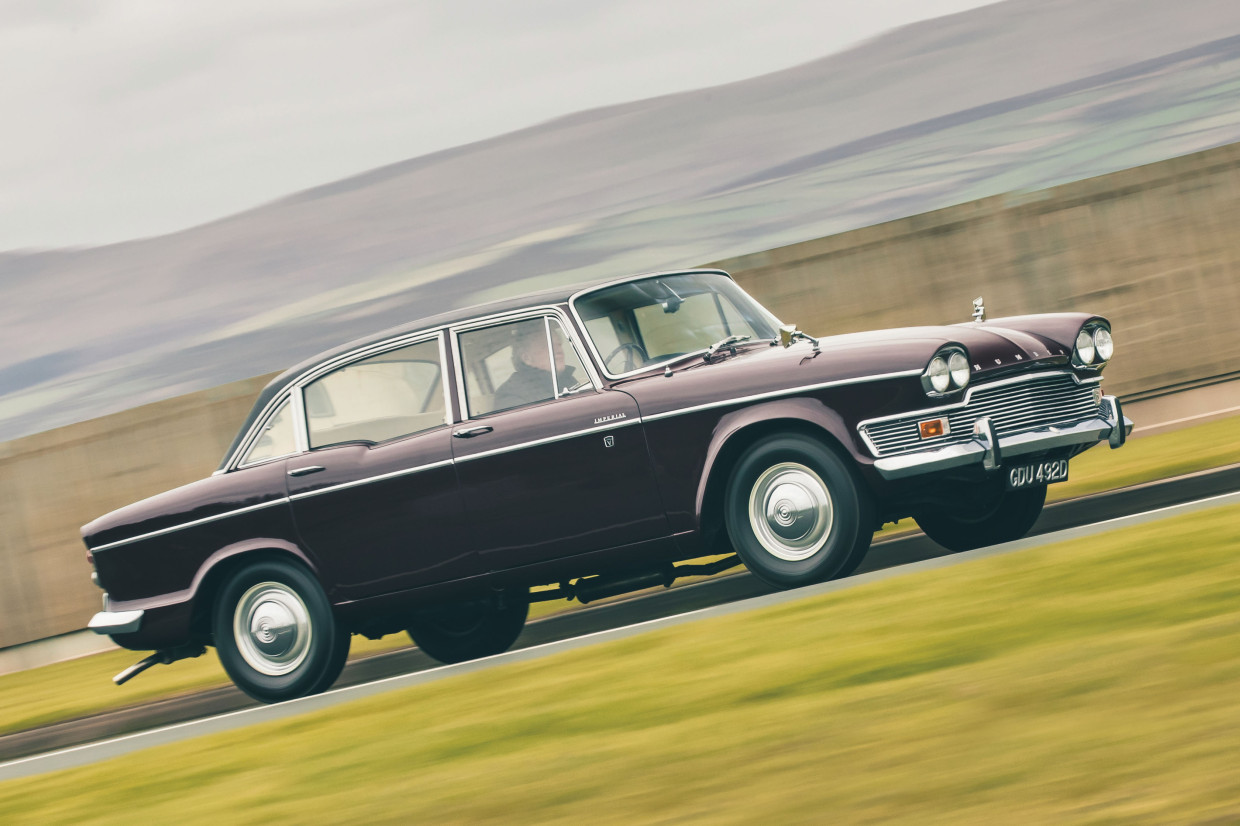
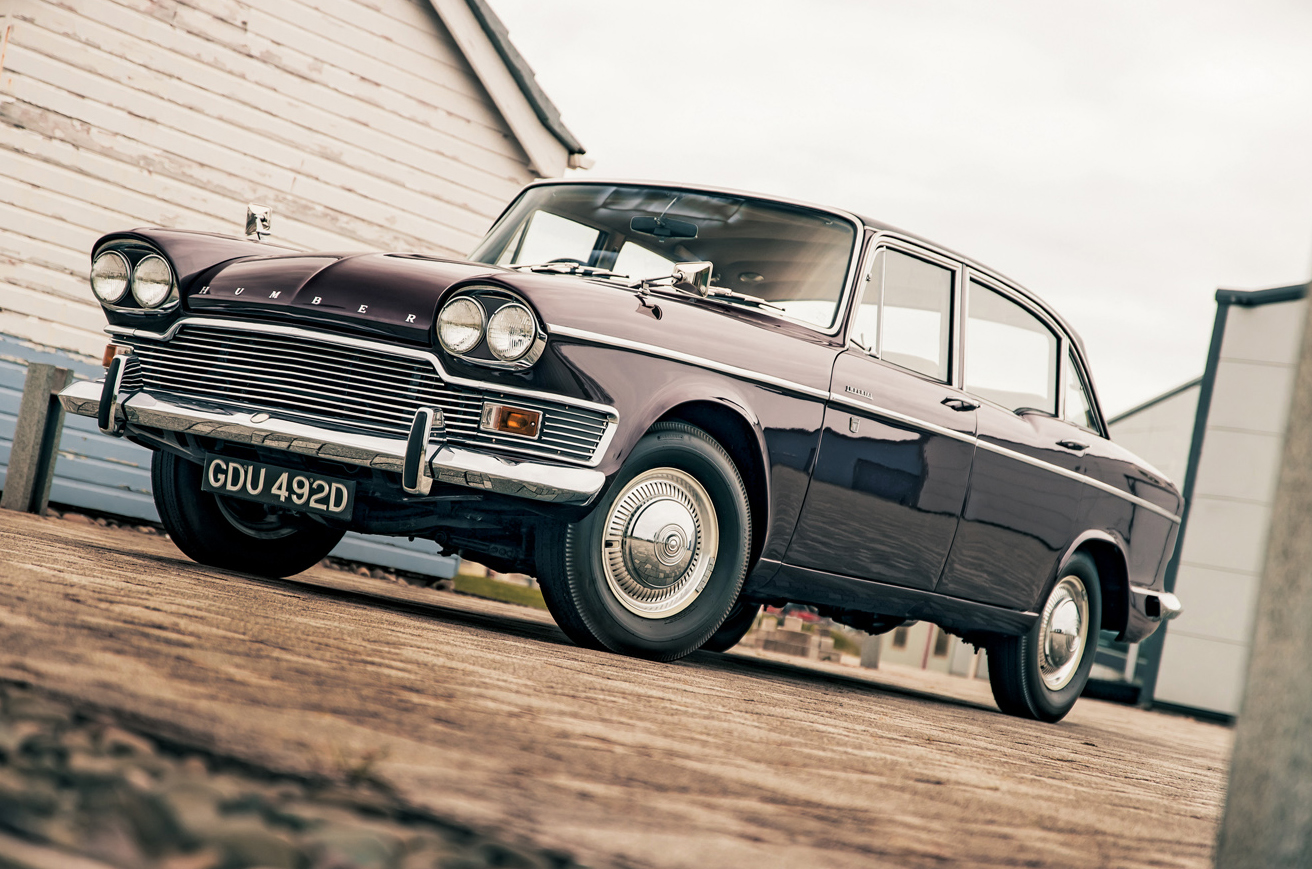
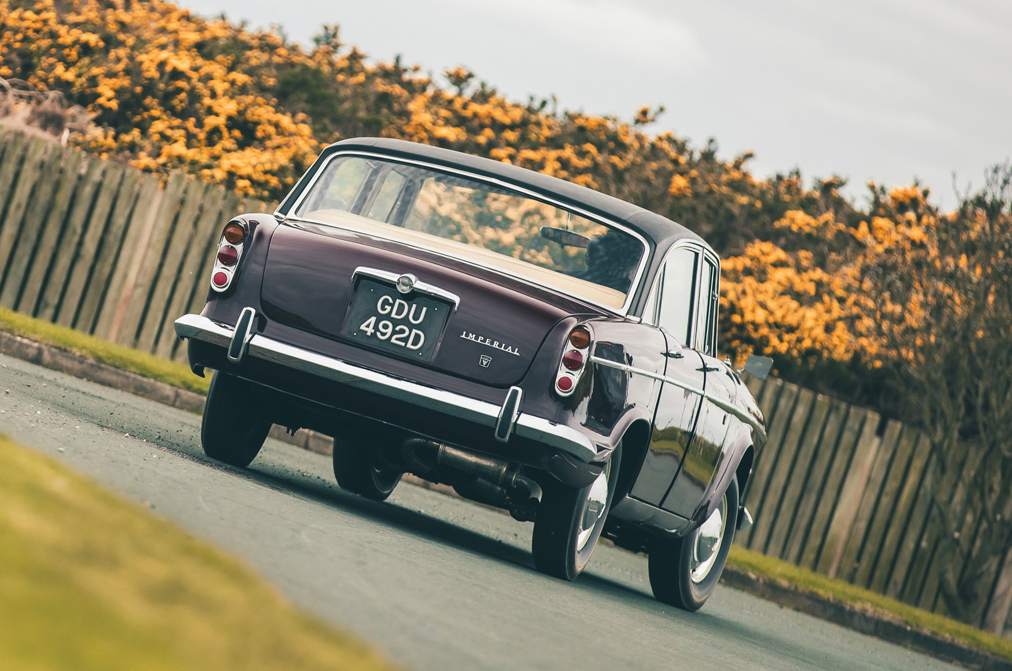
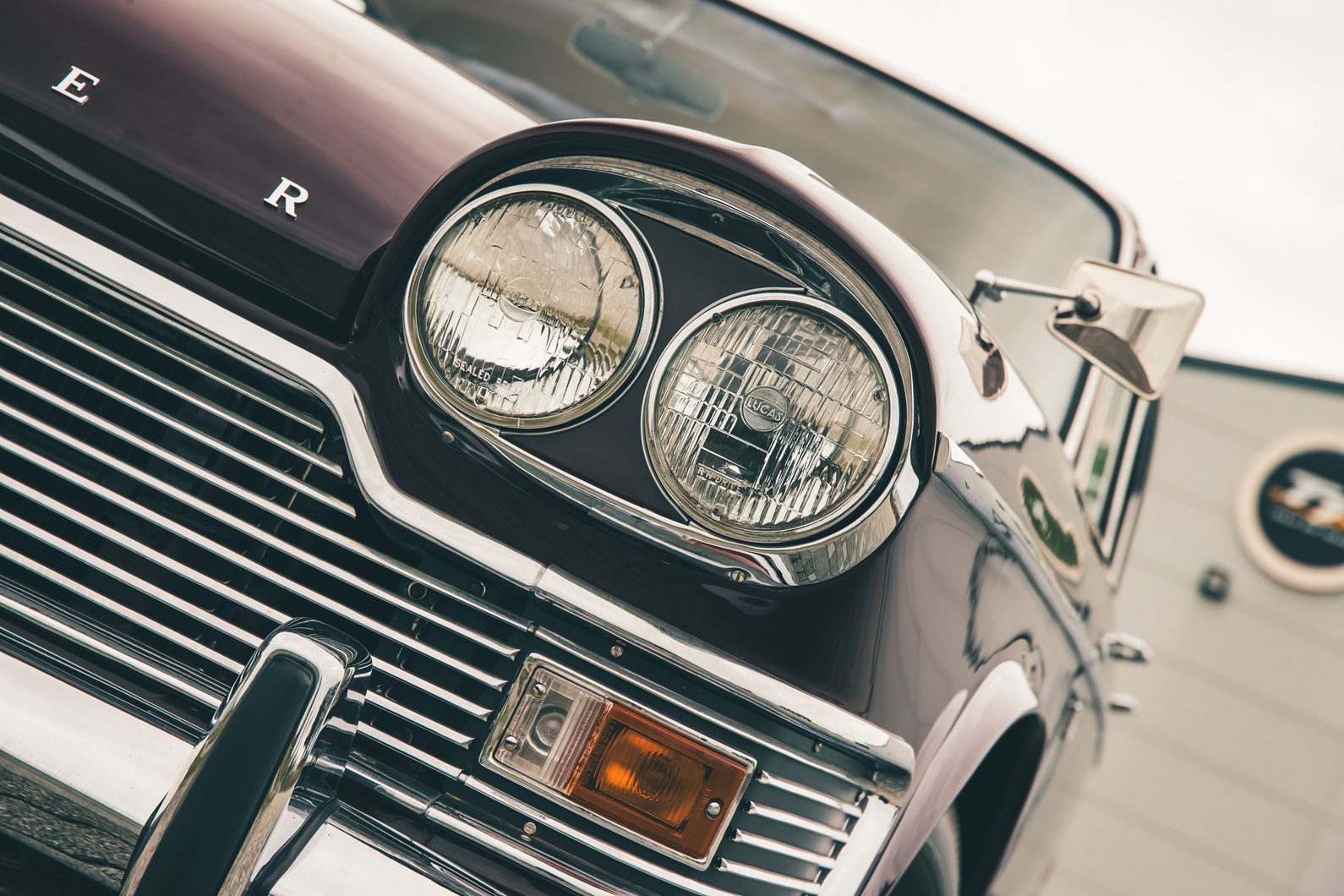
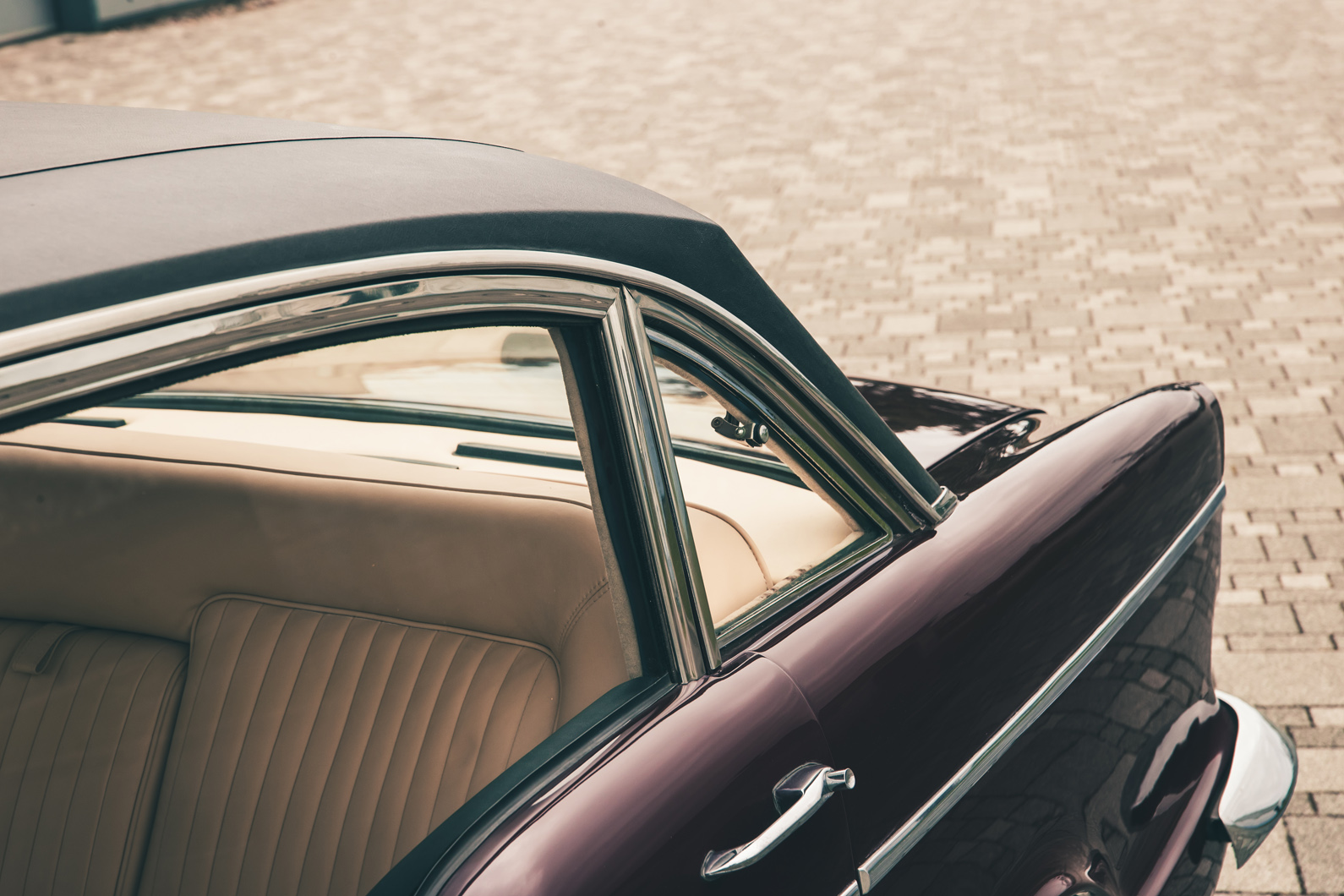
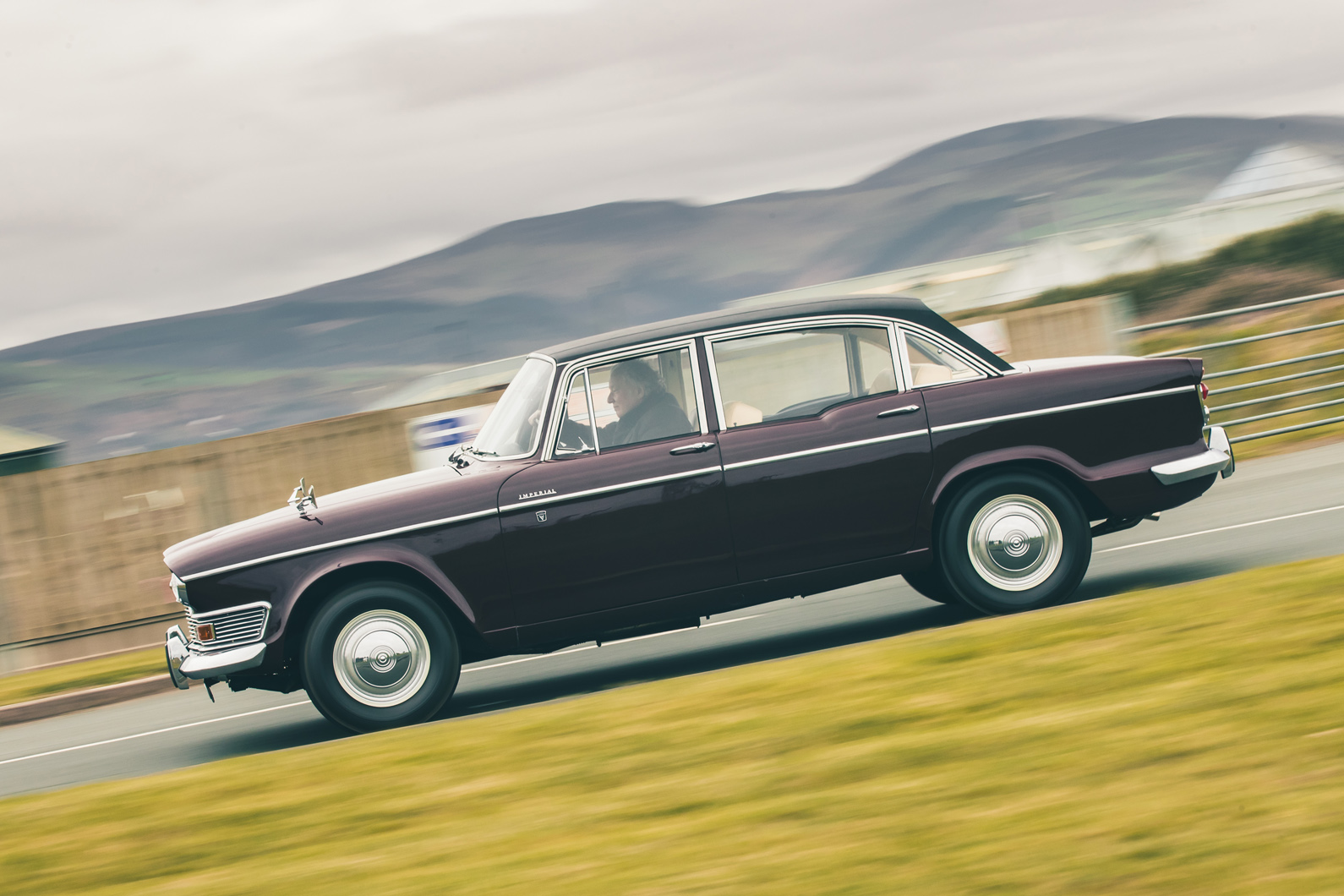
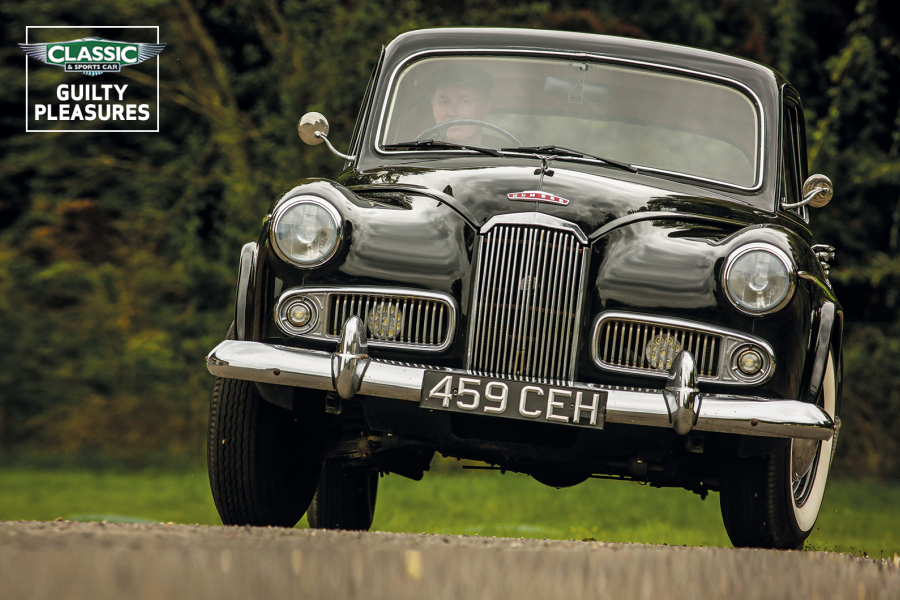
I can never decide if I prefer the squared-off Series V roofline or the earlier, Chevrolet-inspired type, but in either case the quad headlights are a must.
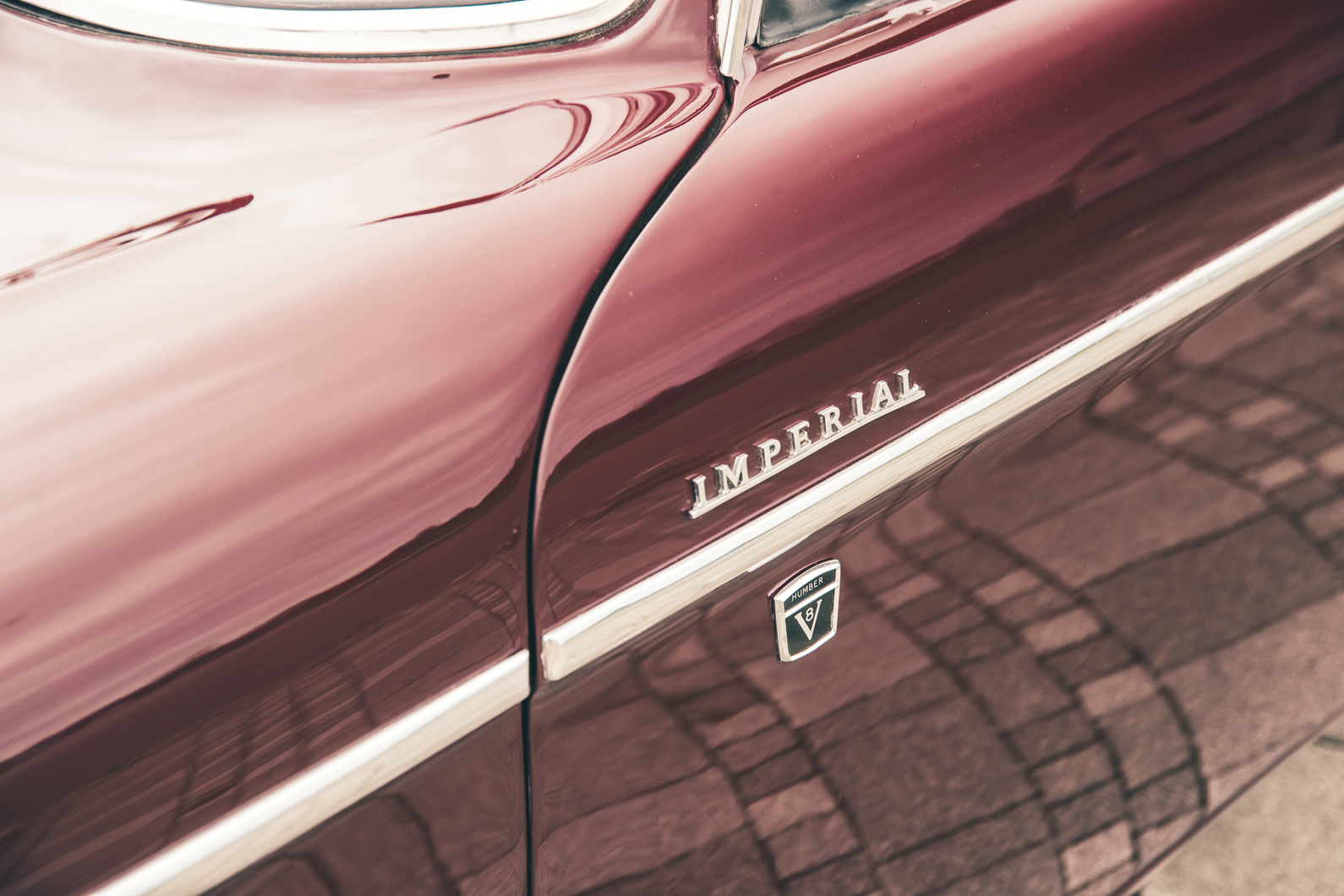
Maroon suits the shape, and the overall car is magnificent.
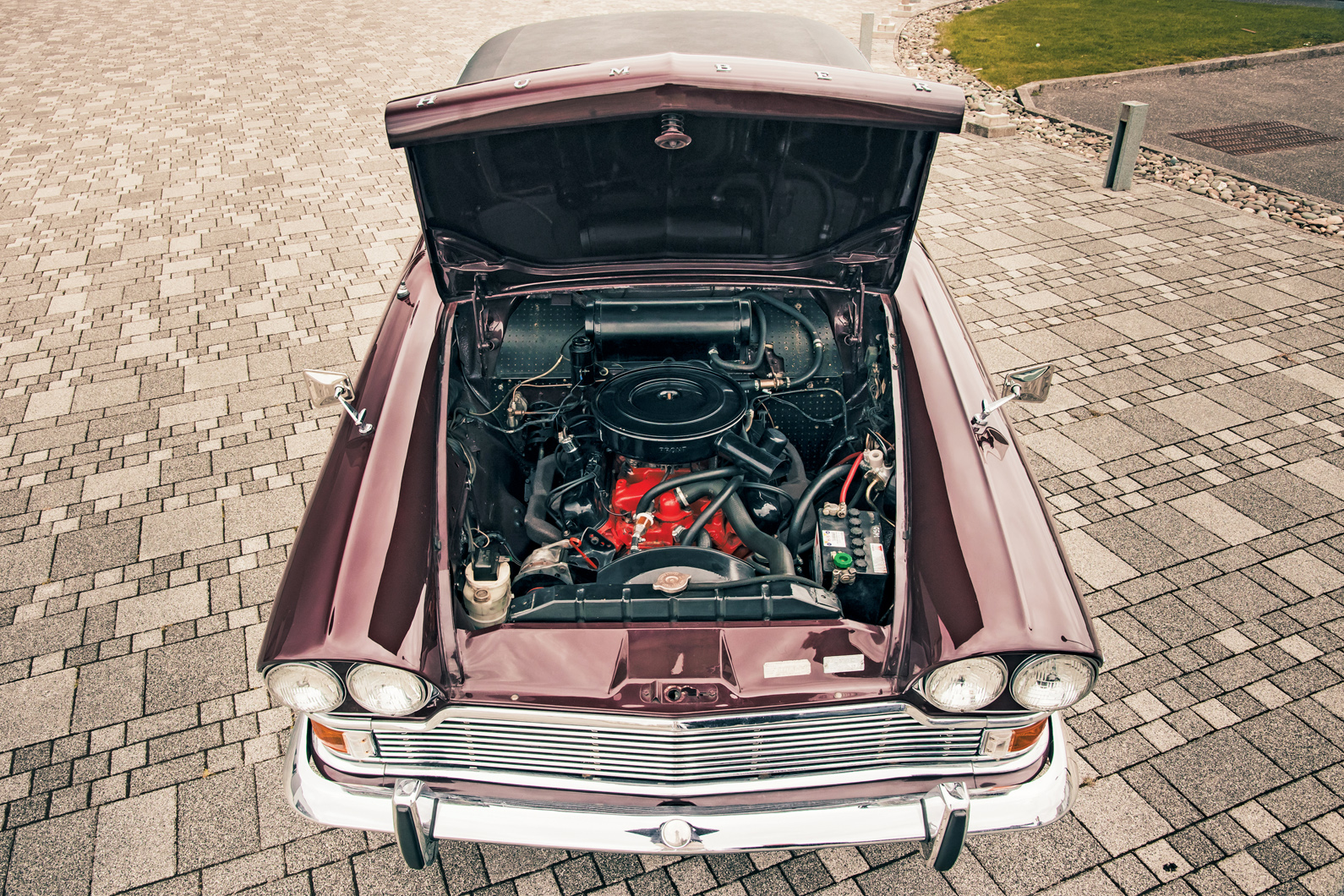
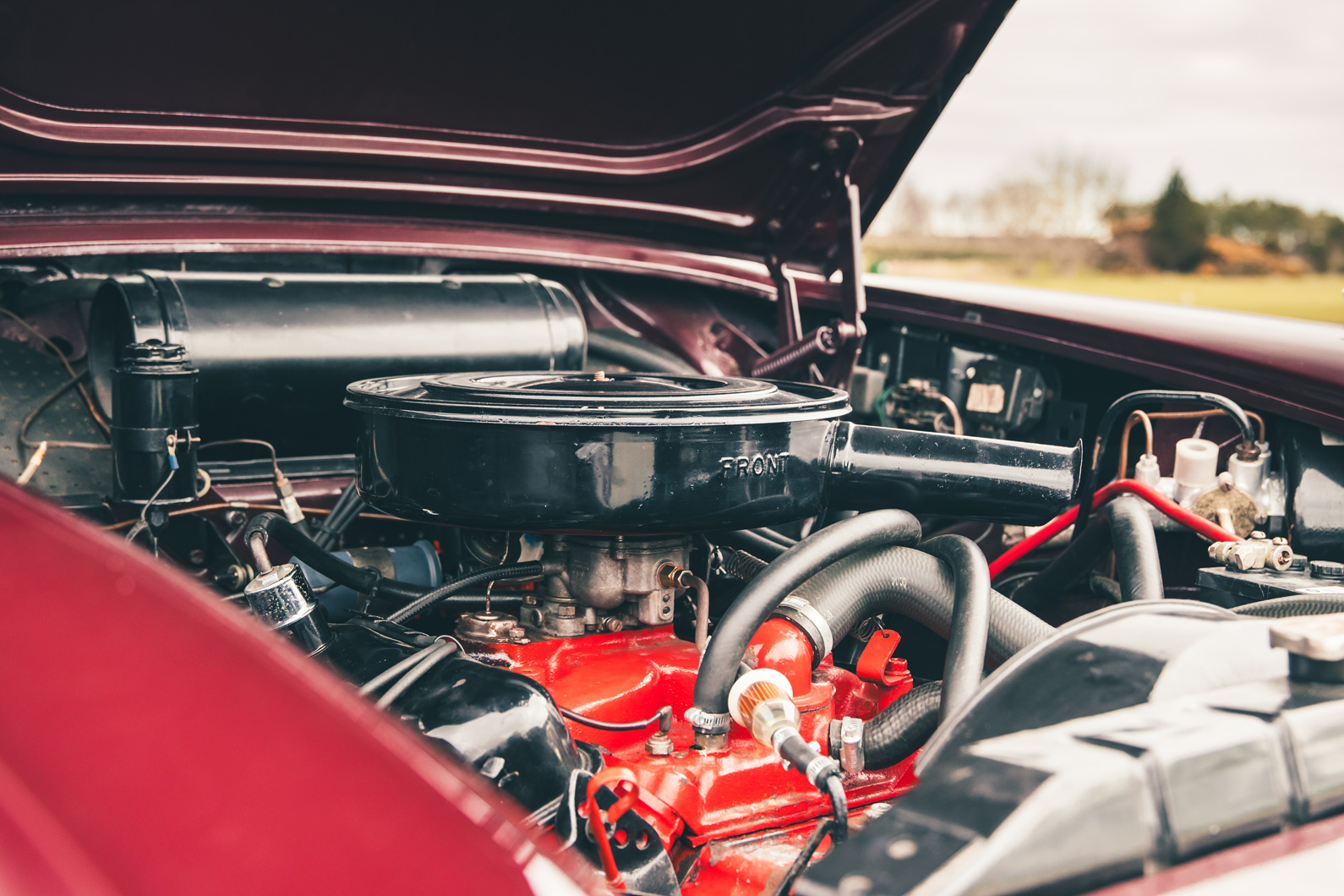
There is room aplenty for the Chrysler V8 in the engine bay, with battery, brake servo and other ancillaries shuffled around.
The red block, black air-cleaner lid and black valve covers are true to what is depicted in the details leaked before the project was canned.
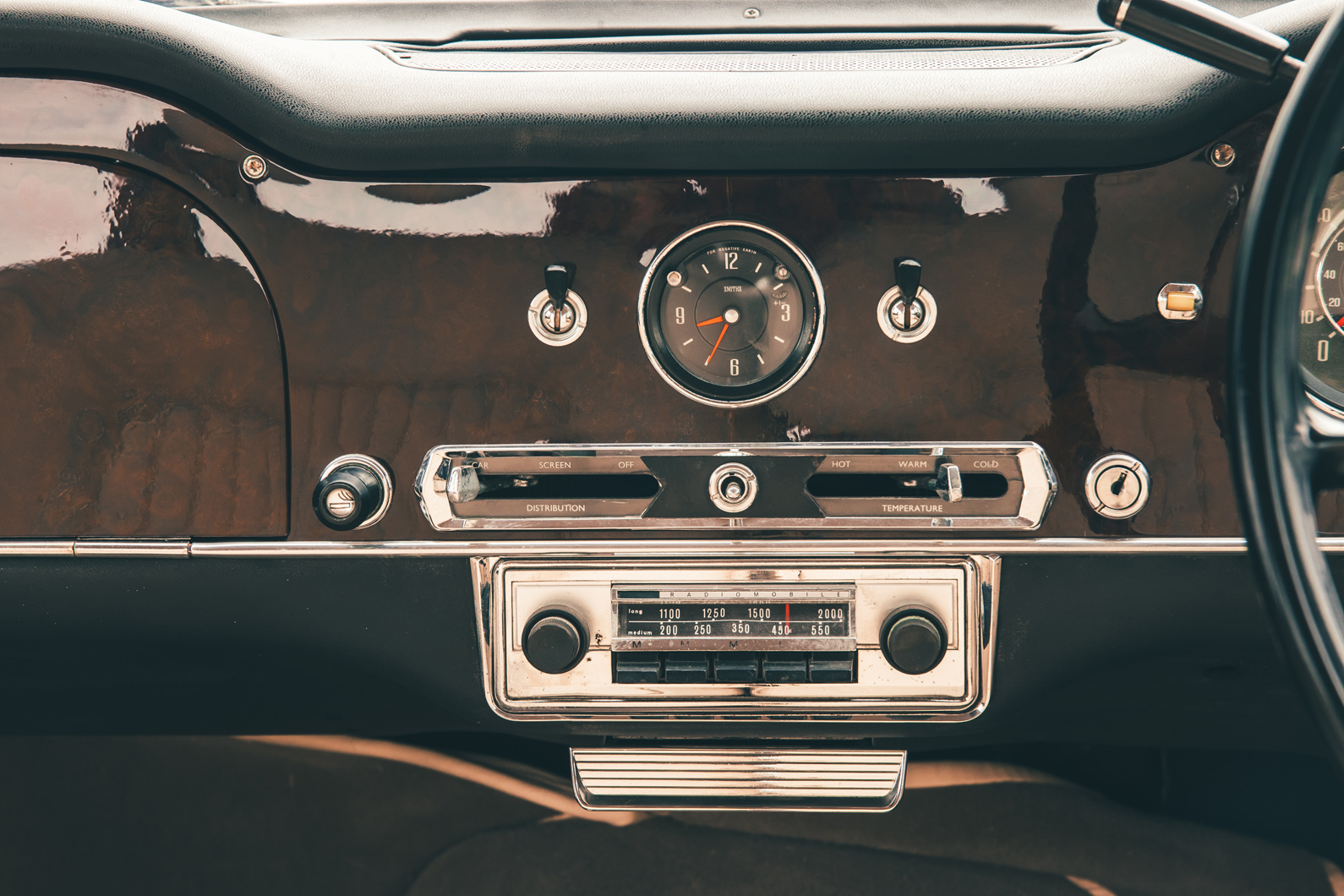
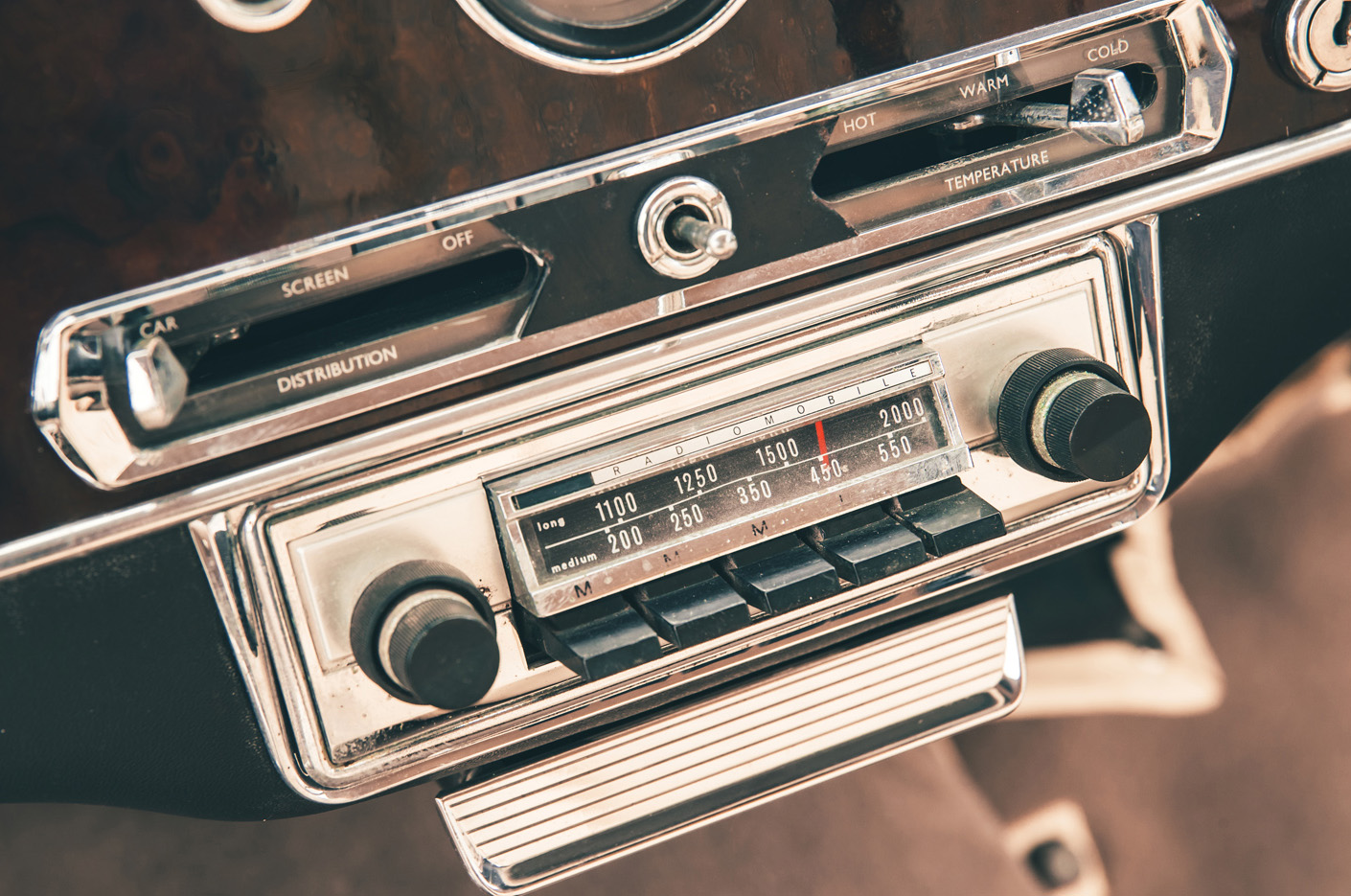
The Humber Imperial V8’s stereo must compete with the 4473cc V8 engine
Even without the V8 the Imperial was an upmarket barouche.
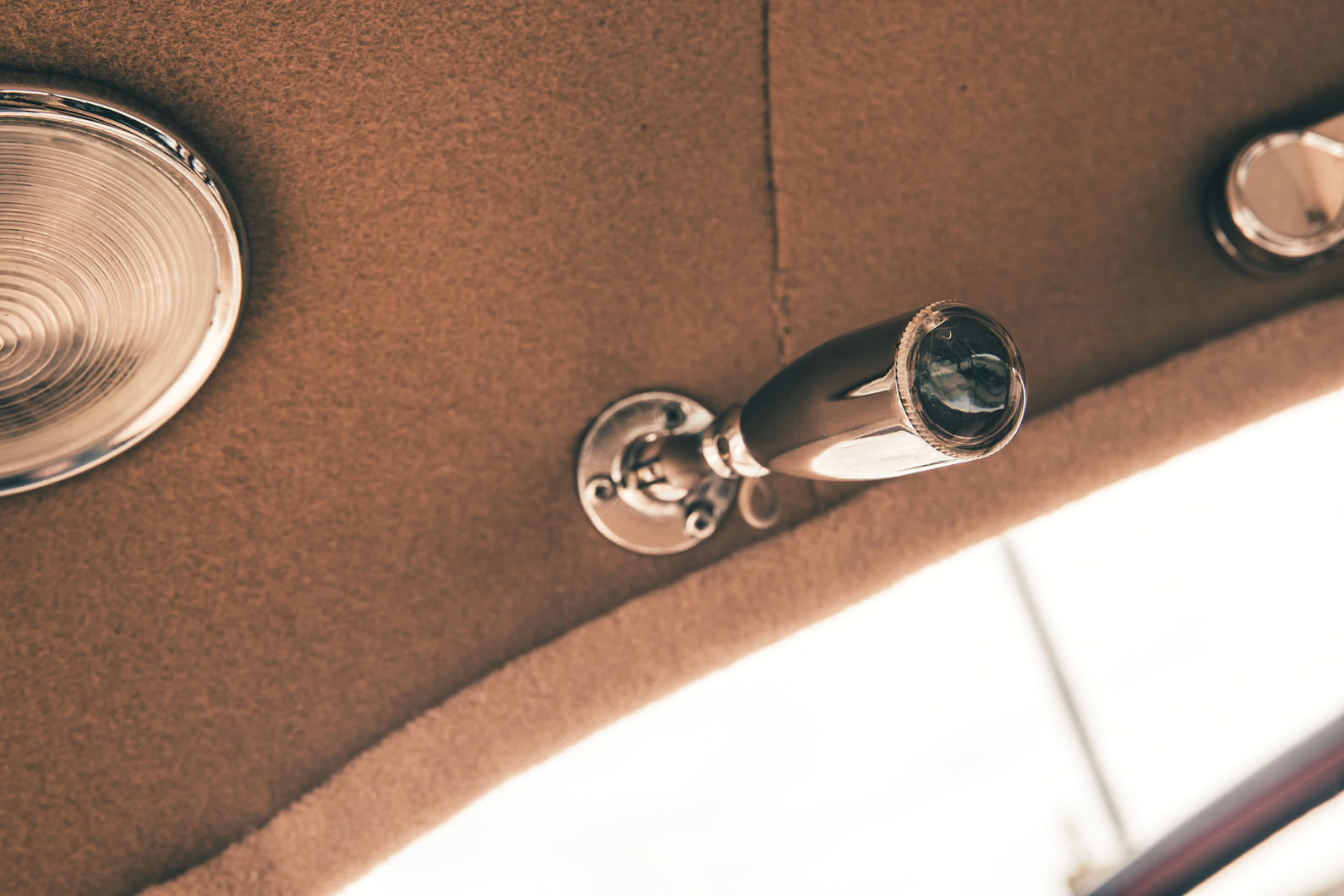
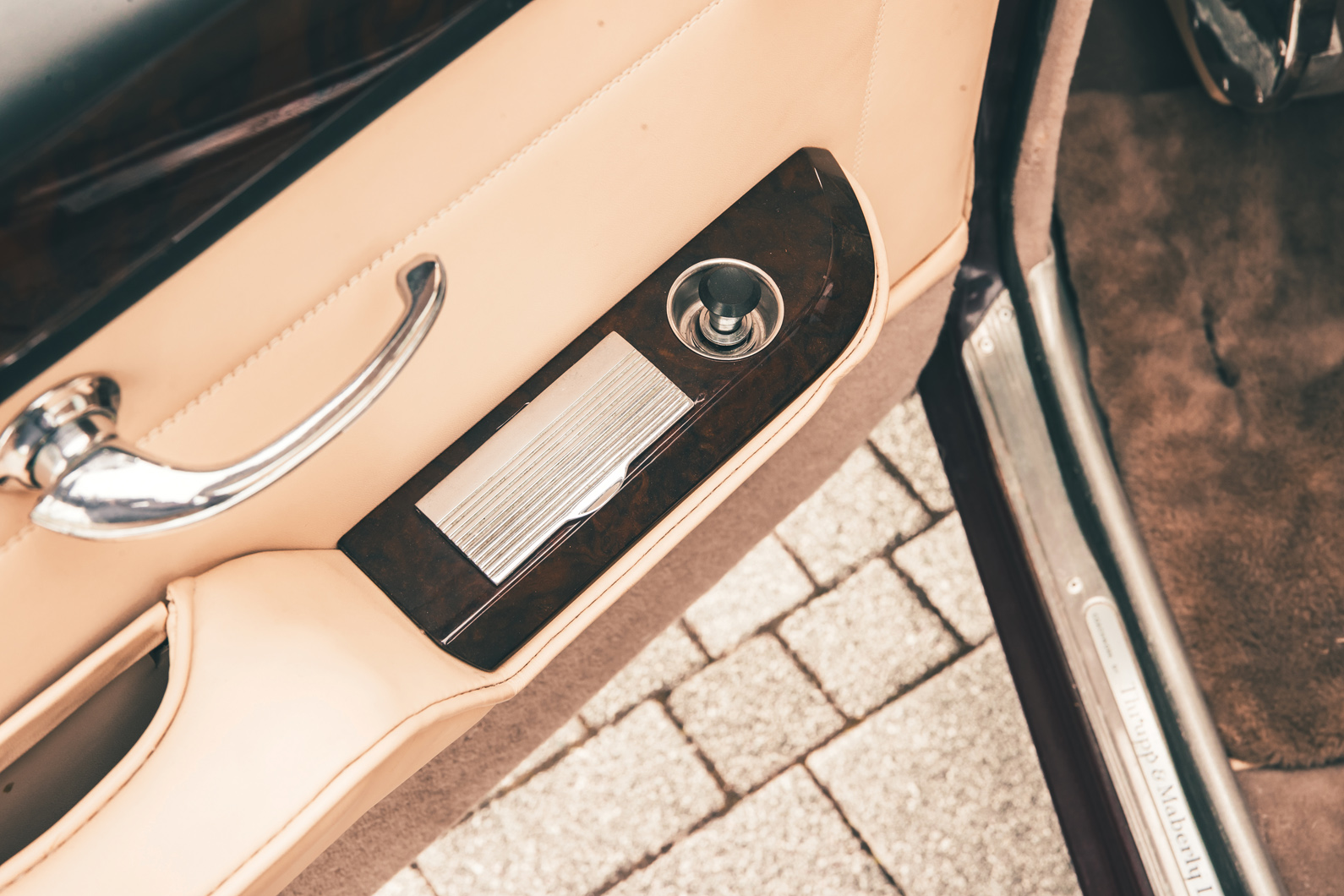
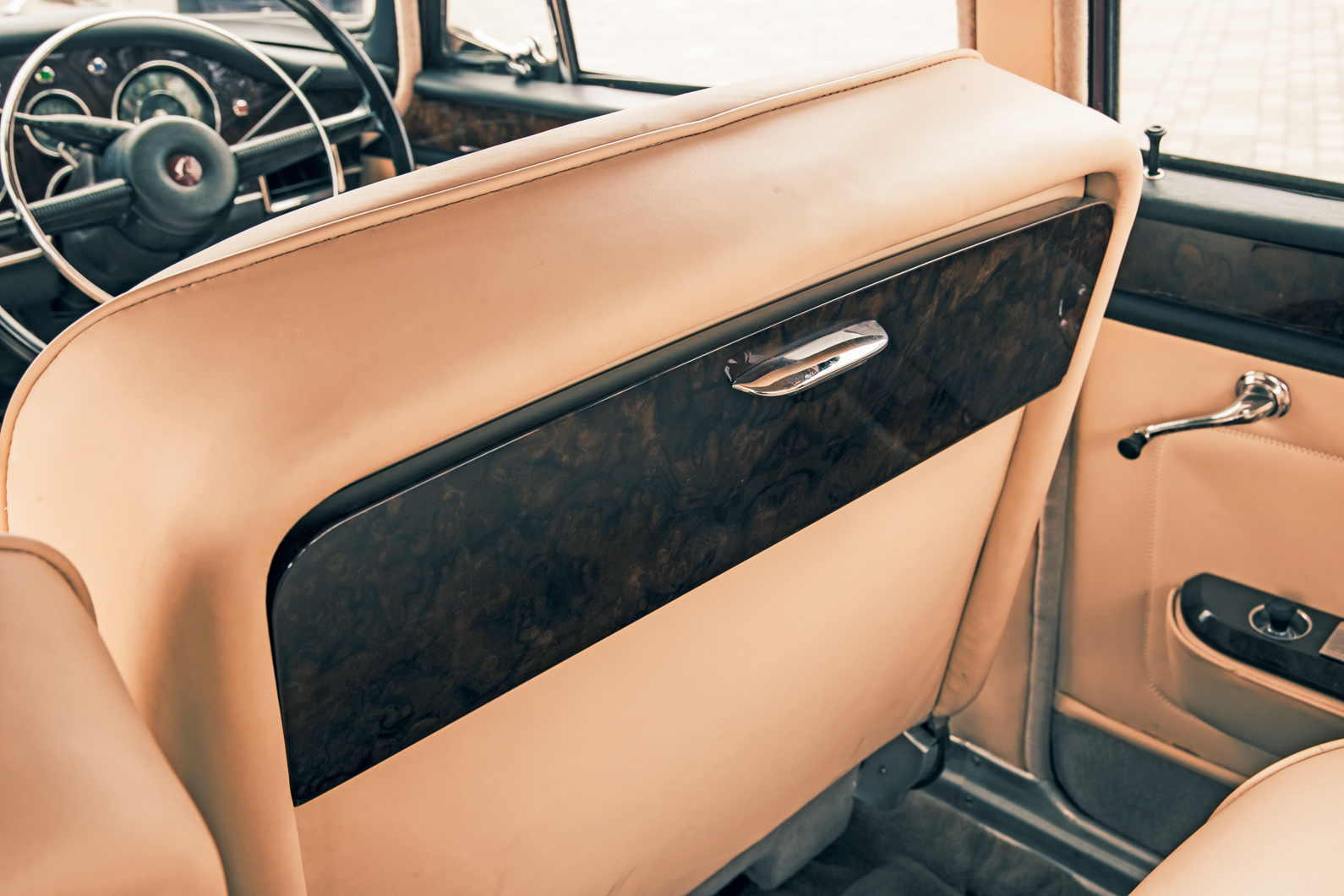
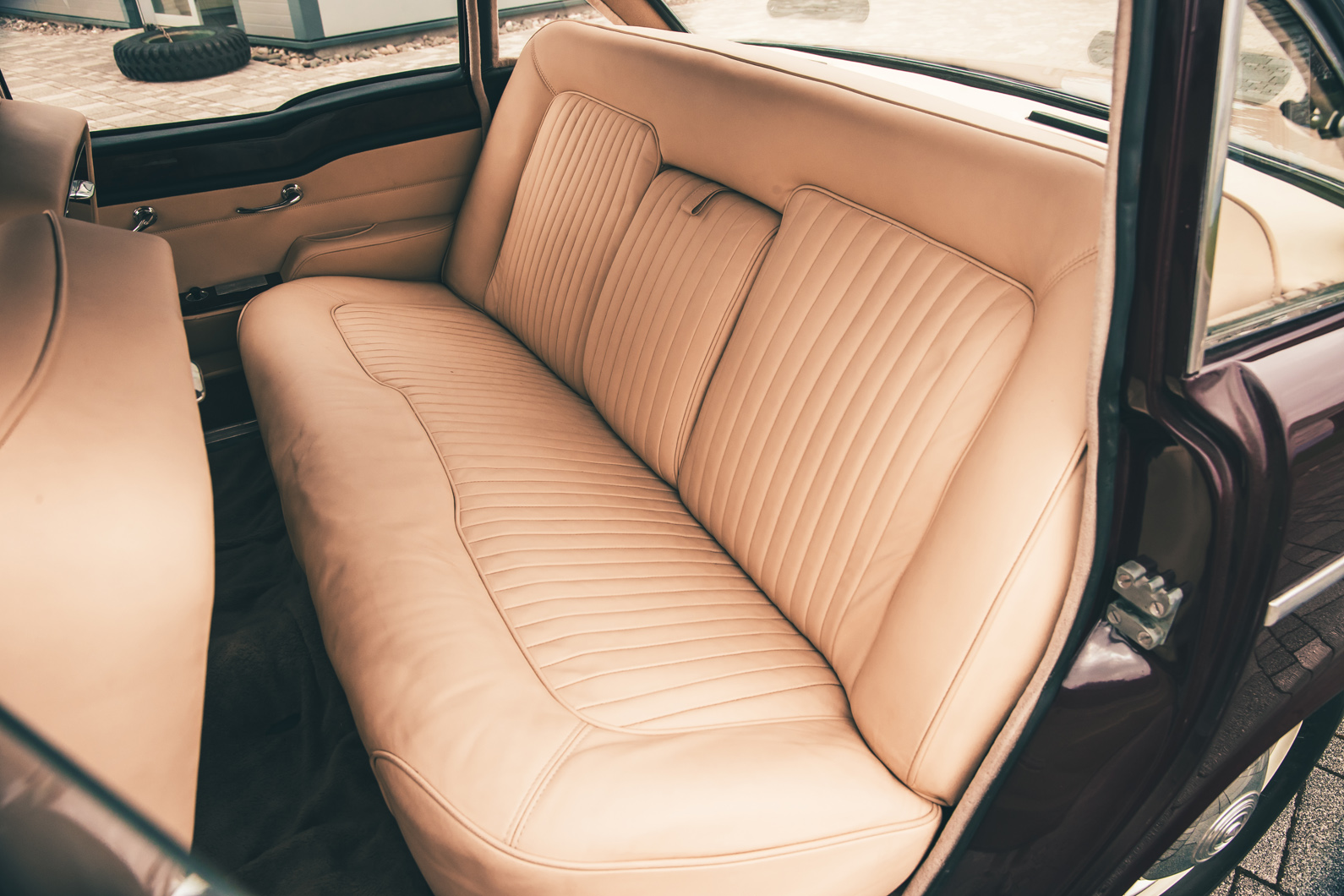
Separate reclining front seats, with ‘drop-leaf’ writing tables in the backrests, reading lights and separate front and rear heating/ventilation controls were standard.
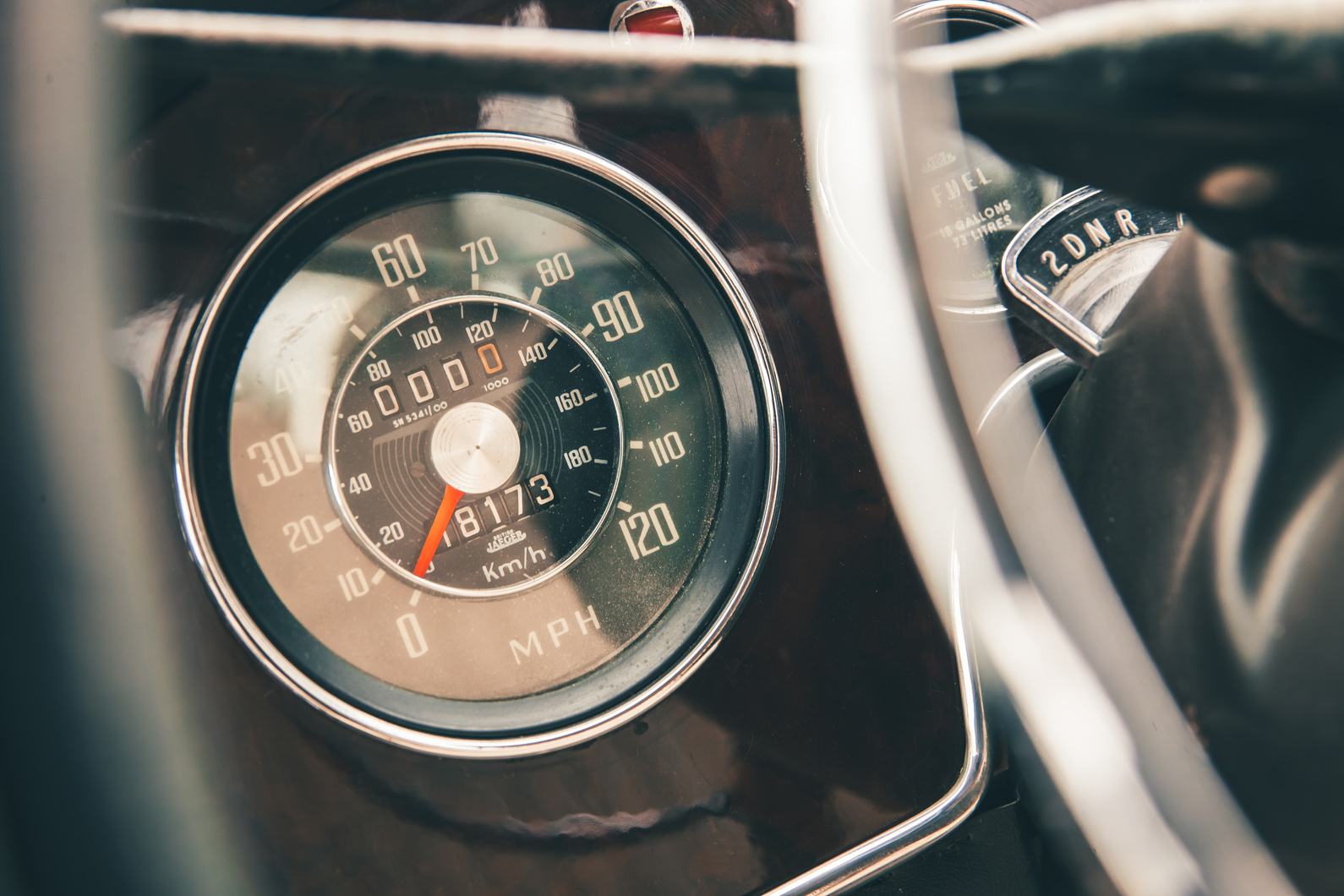
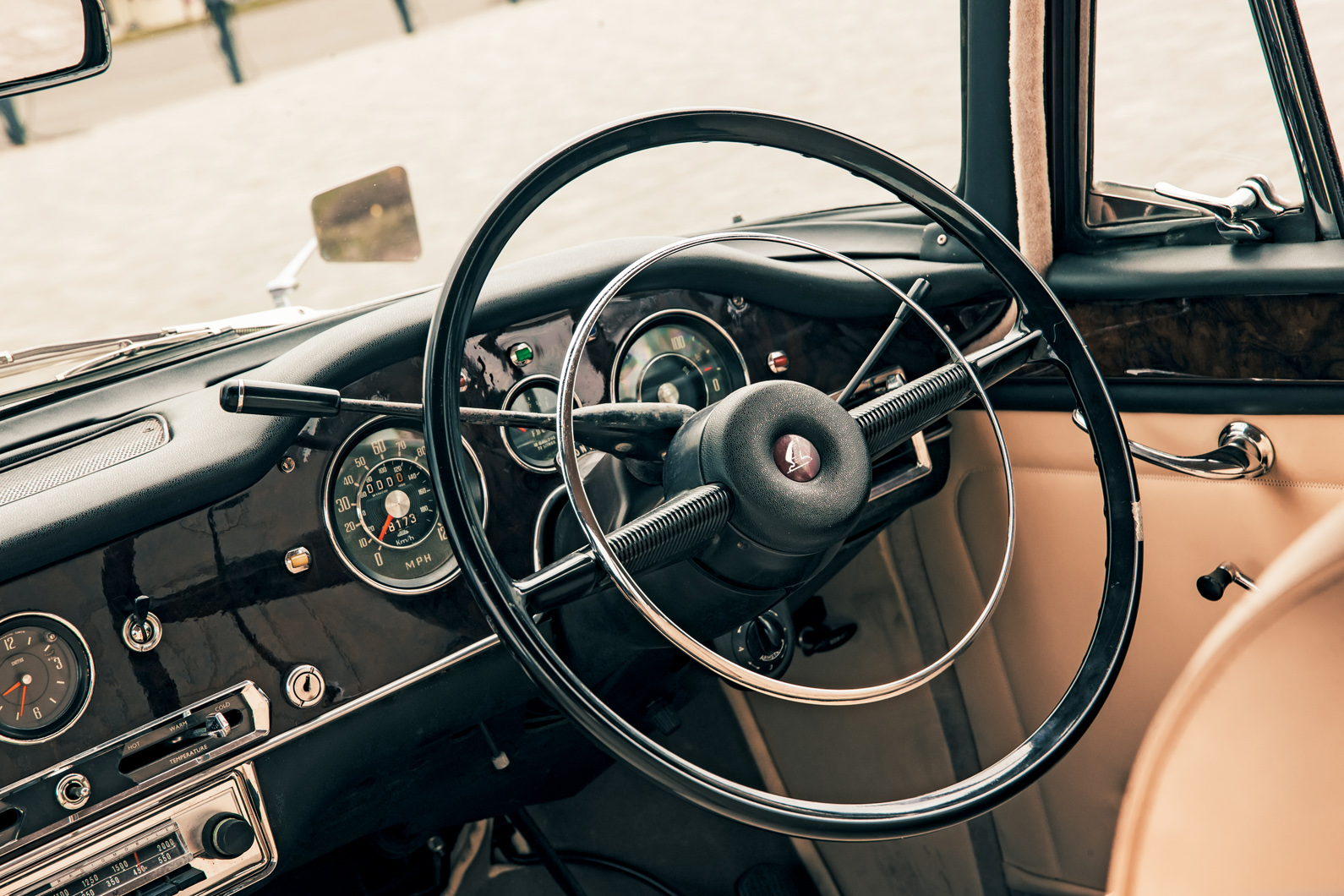
Power steering and automatic transmission were standard on the Imperial, along with Selectaride dampers, but the lack of electric windows seems a shame.
This one has the column shift and the same massive steering wheel but, unlike most Imperials, GDU has leather rather than West of England cloth.
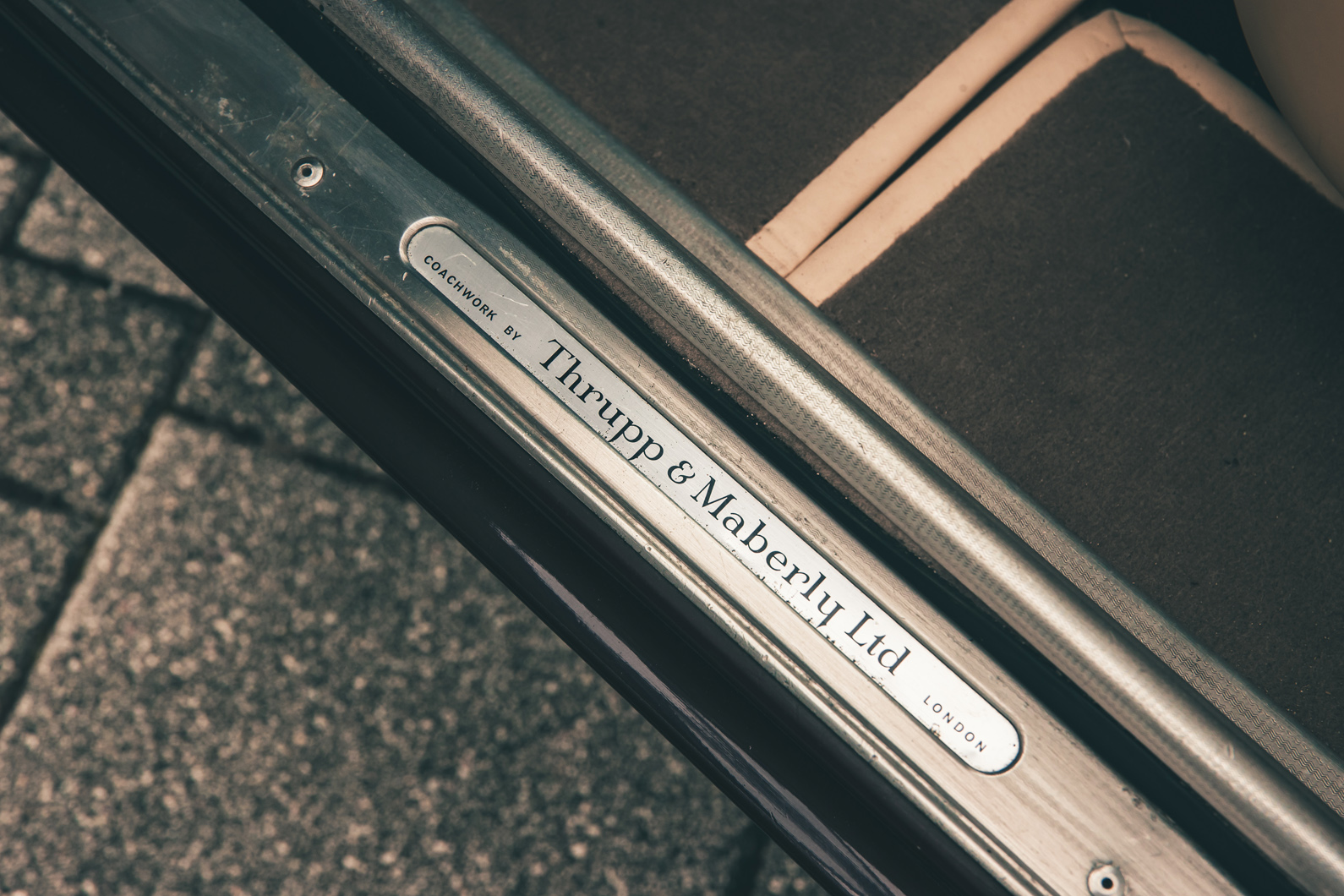
The Humber Imperial V8 carries the name of coachbuilder Thrupp & Maberly on its sill plates
The finish, effortless manoeuvrability and ride are everything Humber customers knew and expected. Big sidewalls, softish springs and sheer weight insulate you from the worst potholes.
But the American V8 does give a quite different and more appealing character.
Where the six-pot Imperial wafts away quite promisingly but loses the will to live above about 50mph, the Chrysler-engined car just keeps on pulling, its silky efforts assisted by a Torqueflite gearbox that was leagues ahead of the Borg-Warner DG in responsiveness and the smoothness of its changes.
Corners are arrived at more quickly than expected, at which point you soon realise this is not a four-door Jensen.
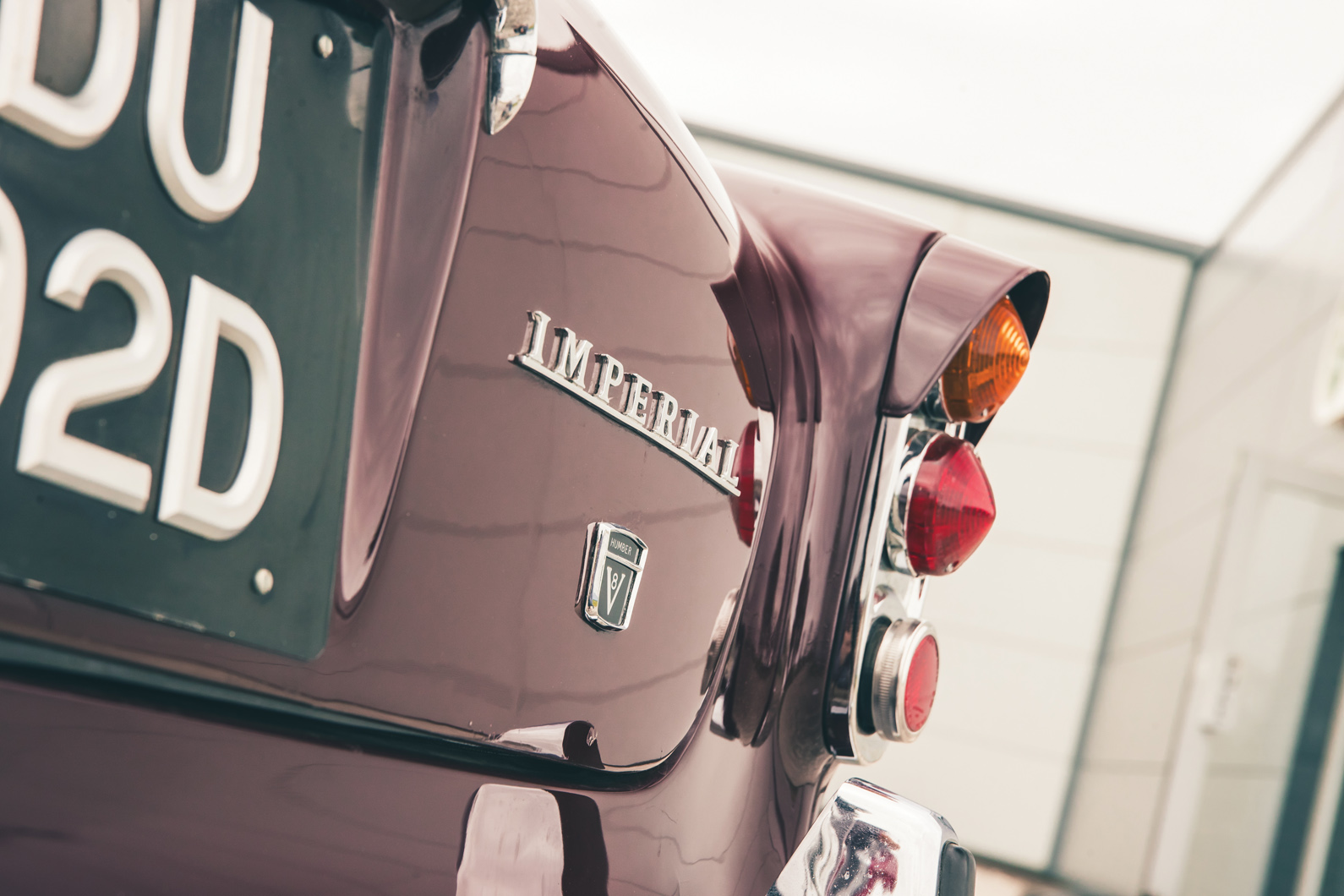
The Humber Imperial V8’s stacked tail-lights
The featherweight steering that makes the Humber so easy to palm around at low speeds is now too light and insensitive, so you place the Imperial to the foot not the inch against a build-up of understeer that you hear but don’t really feel. There is some tyre squeal, but not all that much roll.
Would the V8 have taken the car over the £2000 tax threshold? Possibly, but not if, as with Bristol, a source of Chrysler engines could have been secured in Canada at a lower ‘British Commonwealth’-friendly rate of import duty.
A V8 Super Snipe and Imperial would almost certainly have lifted Humber’s crusty image.
These cars would have attracted new, younger customers and extended the life of a body style that was only 10 years old.
They likely would have led to bigger, better and brighter things than the marque’s ignominious end as a posh version of a Hillman Hunter.
Images: Jack Harrison
Thanks to: Isle of Man Motor Museum
The V8 Humber Sceptre that never was
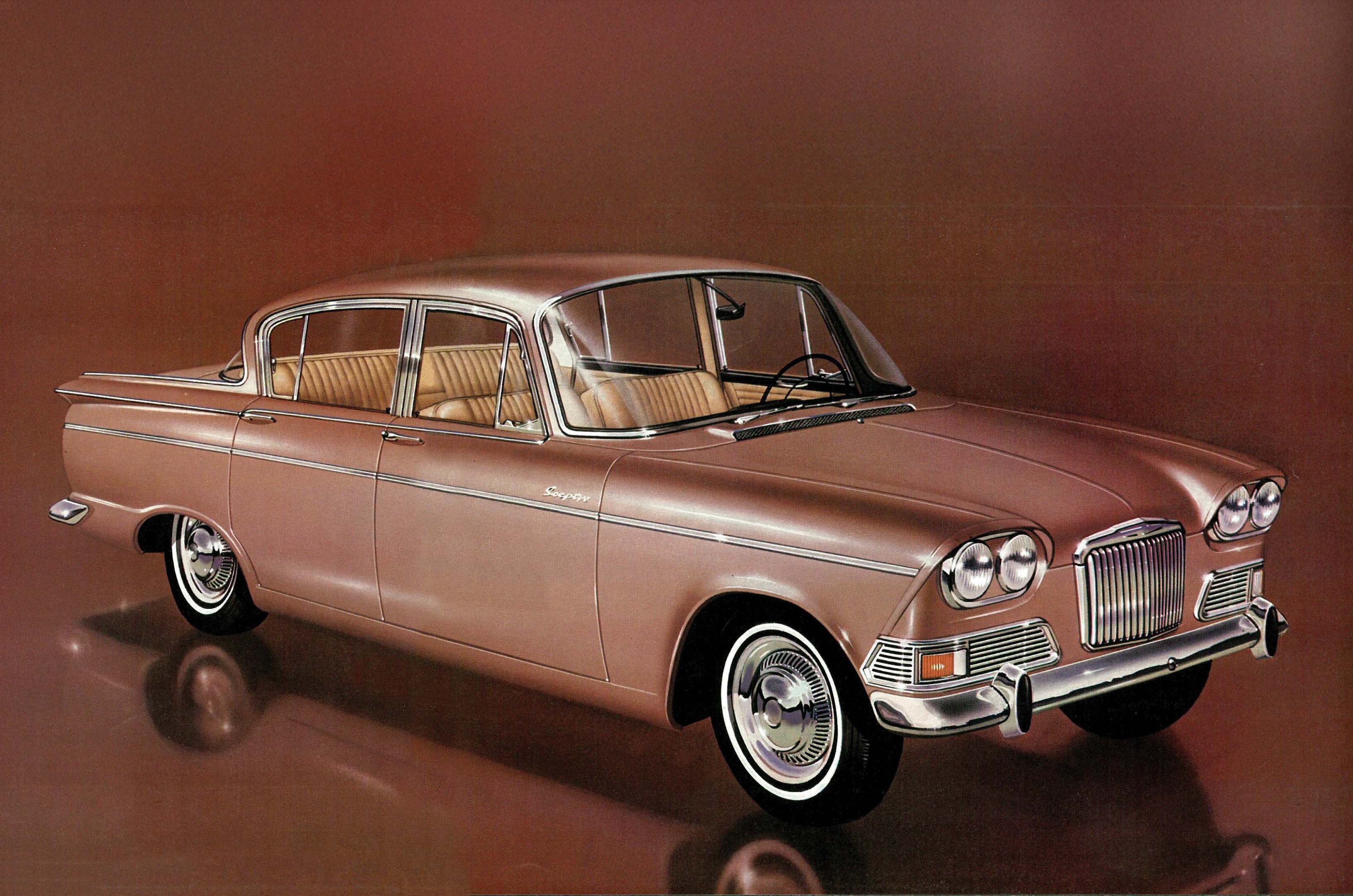
American power was set to give a boost to the Humber Sceptre
The 1963-’67 Humber Sceptre was a typical Rootesmobile in that it was nicely finished and attractive – in a slightly frumpy way – but rather heavy and slow.
That said, in 1965-’67 MkII form it upped its game with a 1725cc engine, and in this form it was the fastest-accelerating Humber Motor had tested, at 0-60mph in 12 secs.
It started life as a Sunbeam, but became a Humber because the fuel consumption was on the high side.
Behind the scenes, and emboldened by the success of the Sunbeam Tiger, Rootes engineers were experimenting with the idea of a Chrysler V8 version.
The prototype was a Super Minx with a Sceptre grille and fitted with a 4.4-litre Plymouth Barracuda engine.
The V8 was sited quite well forward but still intruded somewhat into the cabin; the suspension and brakes were from the Sunbeam Tiger.
Running a four-barrel carburettor and a 10.5:1 compression ratio, it made 196bhp at 5500rpm and, with the Torqueflite automatic ’box and a 3.07:1 differential, was reputed to hit 133mph.
Talking to Classic & Sports Car’s Jon Pressnell in 2008, Rootes Group chief development engineer Don Tarbun remembered it very fondly: “Why we didn’t make it I will never know. As far as I was concerned it outshone the Tiger and anything else we had made.
“I think it was the quickest Rootes car ever, and the finest Q-car on the roads of Britain. The engine just dropped into the hole. It handled well enough considering; we probably stiffened the front suspension, but nothing more.”
Tarbun lined himself up to buy the V8 Sceptre after the works had finished with it, but instead he was ordered to break it up.
Factfile
Humber Imperial V8
- Sold/number built 1966/12 (all V8s)
- Construction steel monocoque
- Engine all-iron, ohv 4473cc Chrysler V8, two-barrel carburettor
- Max power 195bhp @ 4400rpm
- Max torque 265lb ft @ 2000rpm
- Transmission three-speed Chrysler Torqueflite automatic, RWD
- Suspension: front independent, by wishbones, coil springs rear live axle, semi-elliptic leaf springs; Armstrong Selectaride dampers, anti-roll bar f/r
- Steering power-assisted recirculating ball
- Brakes discs front, drums rear, with servo
- Length 15ft 8in (4775mm)
- Width 5ft 9in (1753mm)
- Height 5ft 1in (1549mm)
- Wheelbase 9ft 2in (2794mm)
- Weight 3527lb (1600kg)
- 0-60mph 11.4 secs
- Top speed 104mph
- Mpg n/a
- Price new n/a
- Price now £10-25,000 (est)*
*Price correct at date of original publication
Enjoy more of the world’s best classic car content every month when you subscribe to C&SC – get our latest deals here
READ MORE
Keeping up appearances: Ford vs Vauxhall vs Hillman vs Singer vs Humber vs Riley
Rover P5B: yes, Prime Minister
Classic shrine: Isle of Man Motor Museum
Martin Buckley
Senior Contributor, Classic & Sports Car