BMW 700 Sport Coupé: Munich’s first Mini

| 8 Oct 2026
Classic & Sports Car – BMW 700 Sport Coupé: Munich’s first Mini

In the late 1950s, BMW was on the verge of imploding.

With its upmarket cars struggling to sell, and even talk of a merger with Daimler-Benz, it was on the edge of a precipice.

When its desperately needed saviour arrived, however, it seemed an unlikely hero.

Thanks to the Iso-designed Isetta, BMW had been shown the appeal of small cars, but it viewed them only as something suitable ‘for a limited transition from the two- to the four-wheeled vehicle’.
Classic & Sports Car – BMW 700 Sport Coupé: Munich’s first Mini

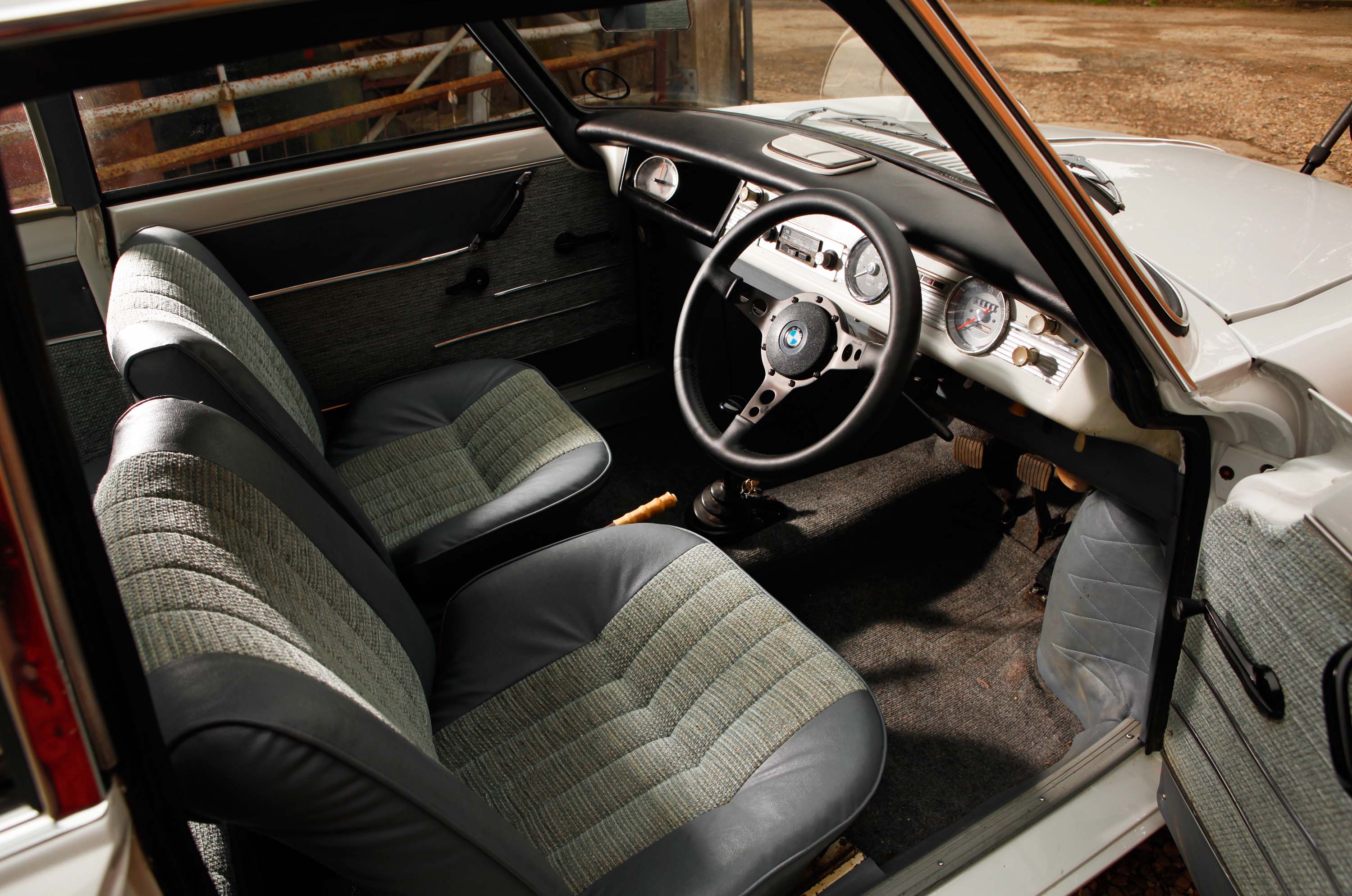
This BMW 700 Sport Coupé’s original steering wheel was a spindly two-spoke affair

The marque’s first attempt, the grown-up Isetta 600, didn’t go far enough to turn that corner, and it didn’t sell as well as expected.

Customer research showed there was still a stigma attached to the 600, that for potential buyers the glorified bubble car did not fit with the BMW brand.

Yet it was a similar branch that Austrian distributor Wolfgang Denzel – he of the eponymous Porsche 356-alike – grabbed on to for dear life as the company fell over the cliff.

Having been given the go-ahead by the board, Denzel commissioned the prolific Giovanni Michelotti to style a small family car on an extended 600 platform, and the 700 was born.
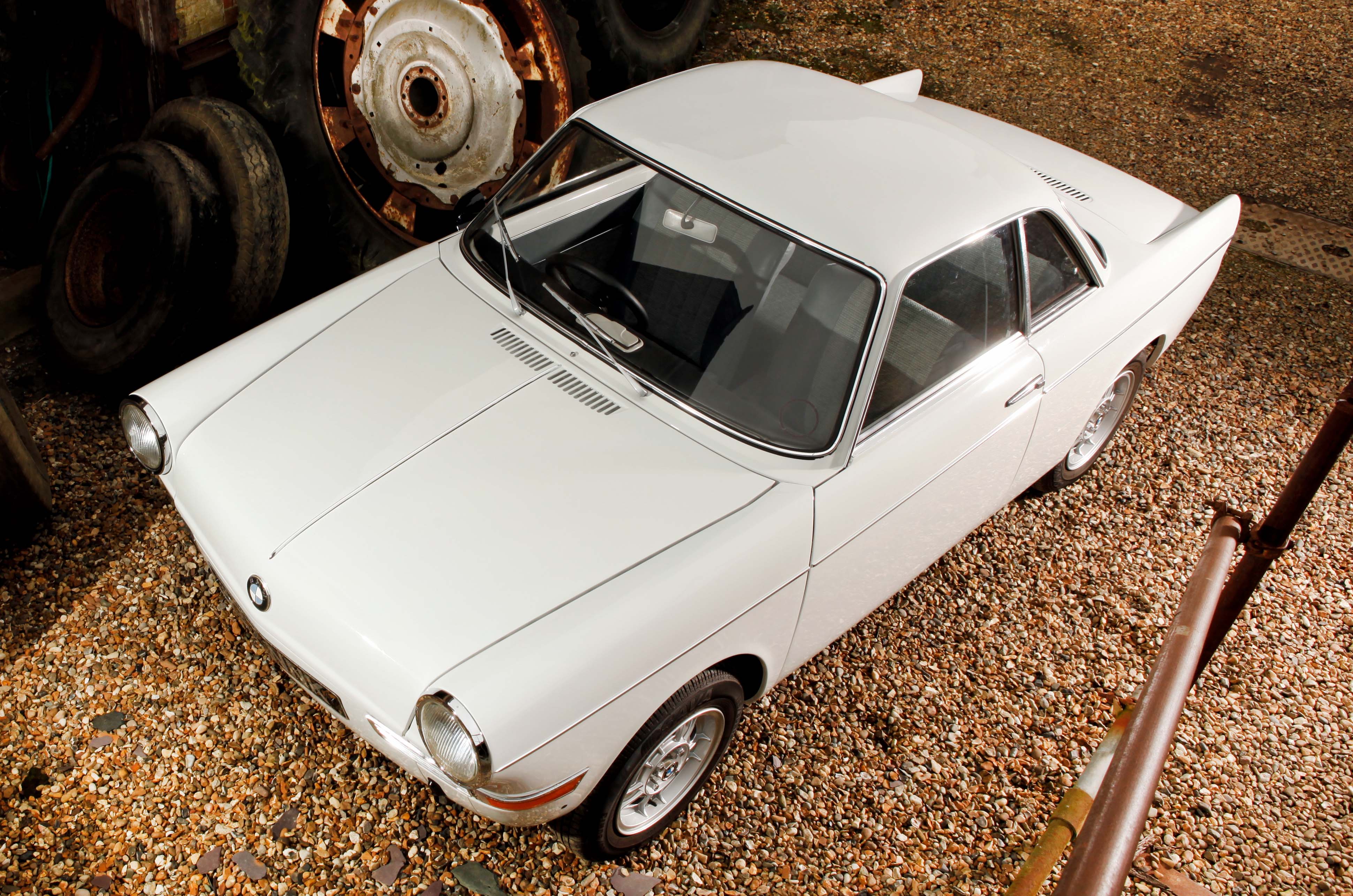
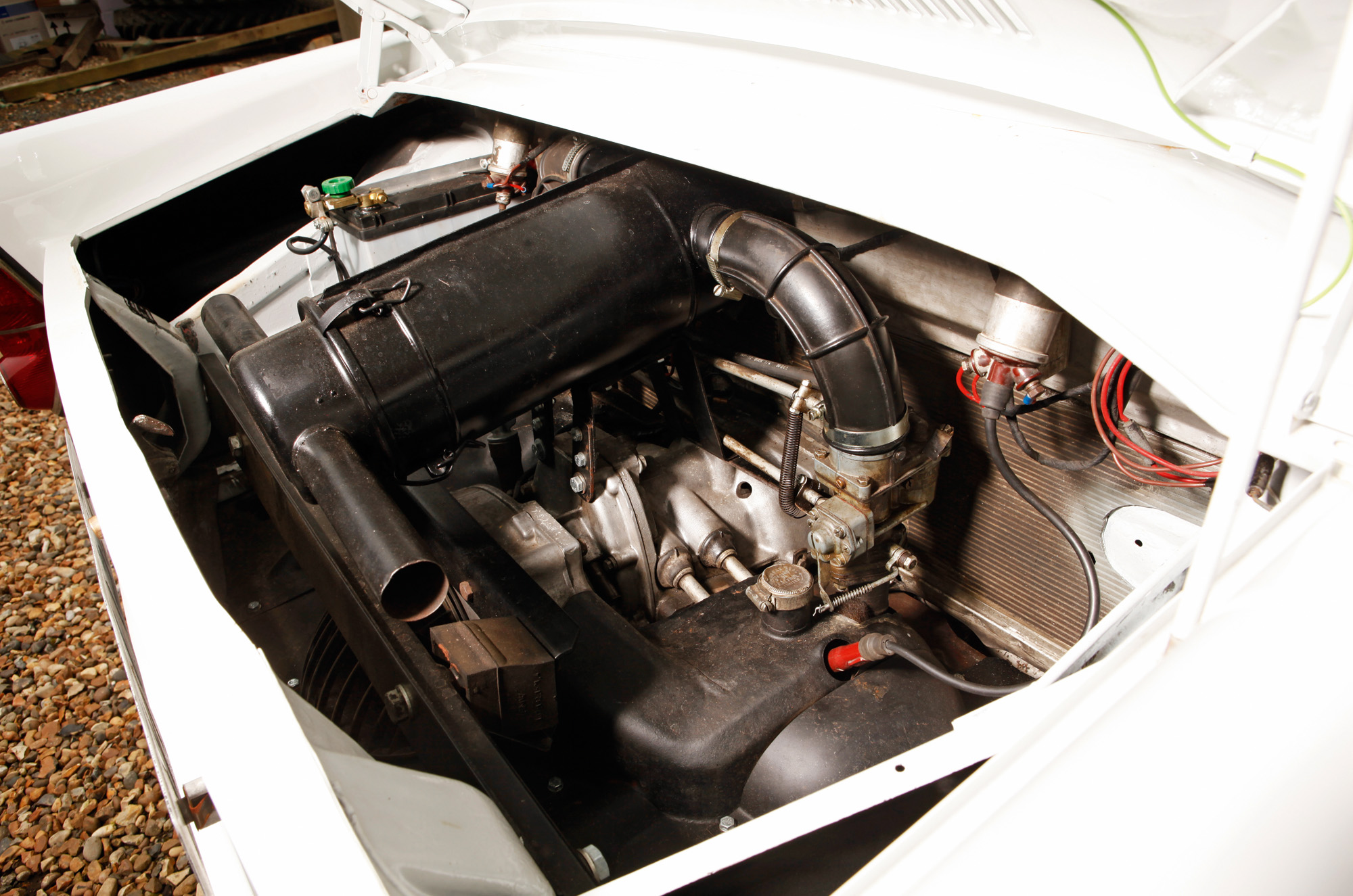
Powered by a rear-mounted flat-twin of 697cc – derived from the R67 motorcycle engine – driving the rear wheels, and with independent suspension all-round, it was groundbreaking in that it was BMW’s first monocoque car.

Classic & Sports Car – BMW 700 Sport Coupé: Munich’s first Mini

BMW had supermini form long before it revived BMC’s baby, but would the cute 700 have worried Issigonis?

The 700 made its debut at Frankfurt in 1959 and the orders came flooding in, prompting a company-saving production of 188,000 vehicles in all variants over six years.

According to BMW records, in 1960 the 700 accounted for nearly 60% of the firm’s turnover.

The vast majority were two-door saloons, but there was also a Baur convertible and a Sport Coupé, the latter renamed the CS in 1963.

Just over 30,000 Coupés were built, a third of them Sports, and not many of them (only 400 or so) in right-hand drive.

Thus survivors are scarce: there are said to be fewer than 20 in the UK, and that includes left-hand-drive cars, making this little snowdrop a very rare machine.

Classic & Sports Car – BMW 700 Sport Coupé: Munich’s first Mini

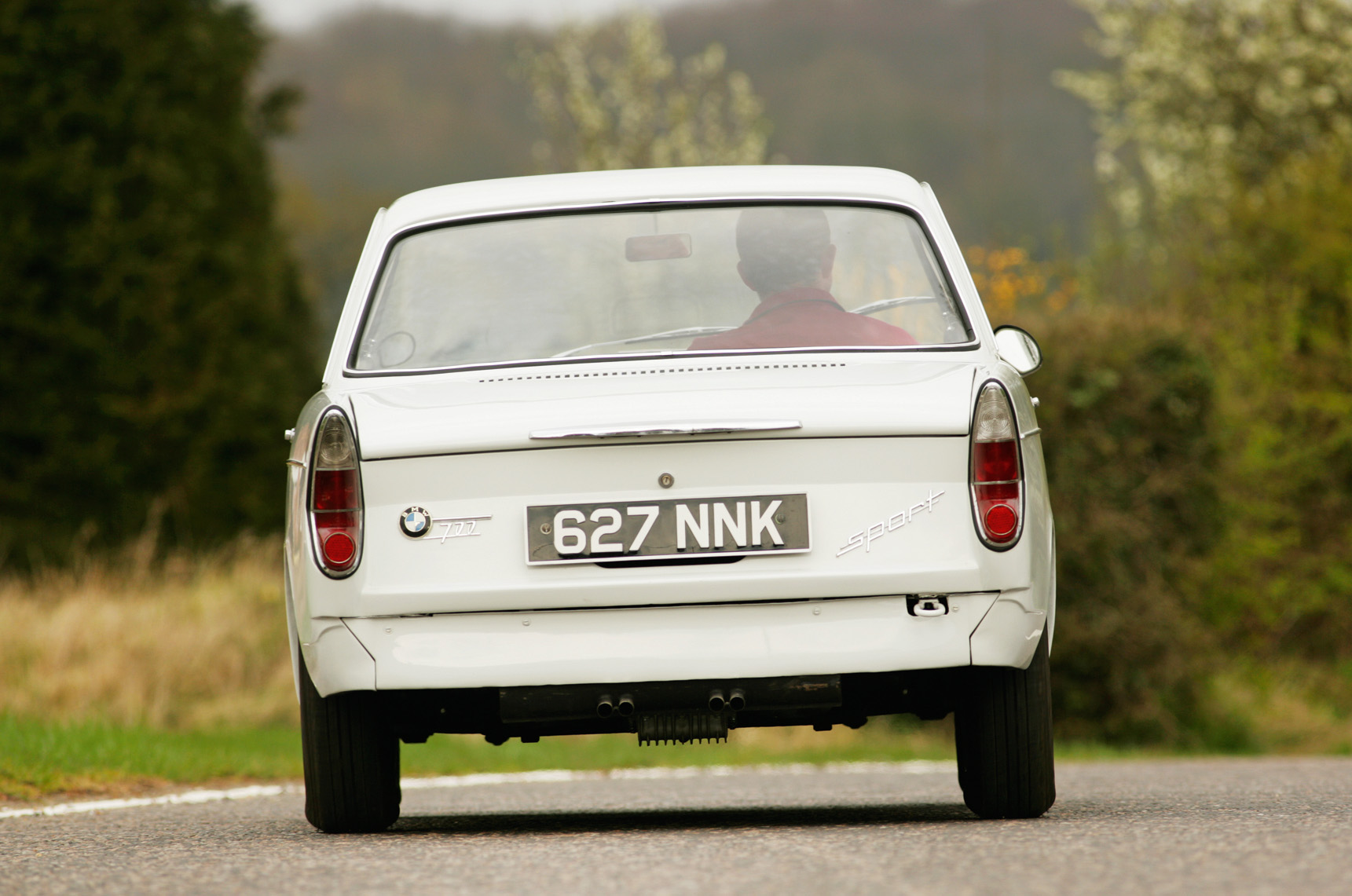
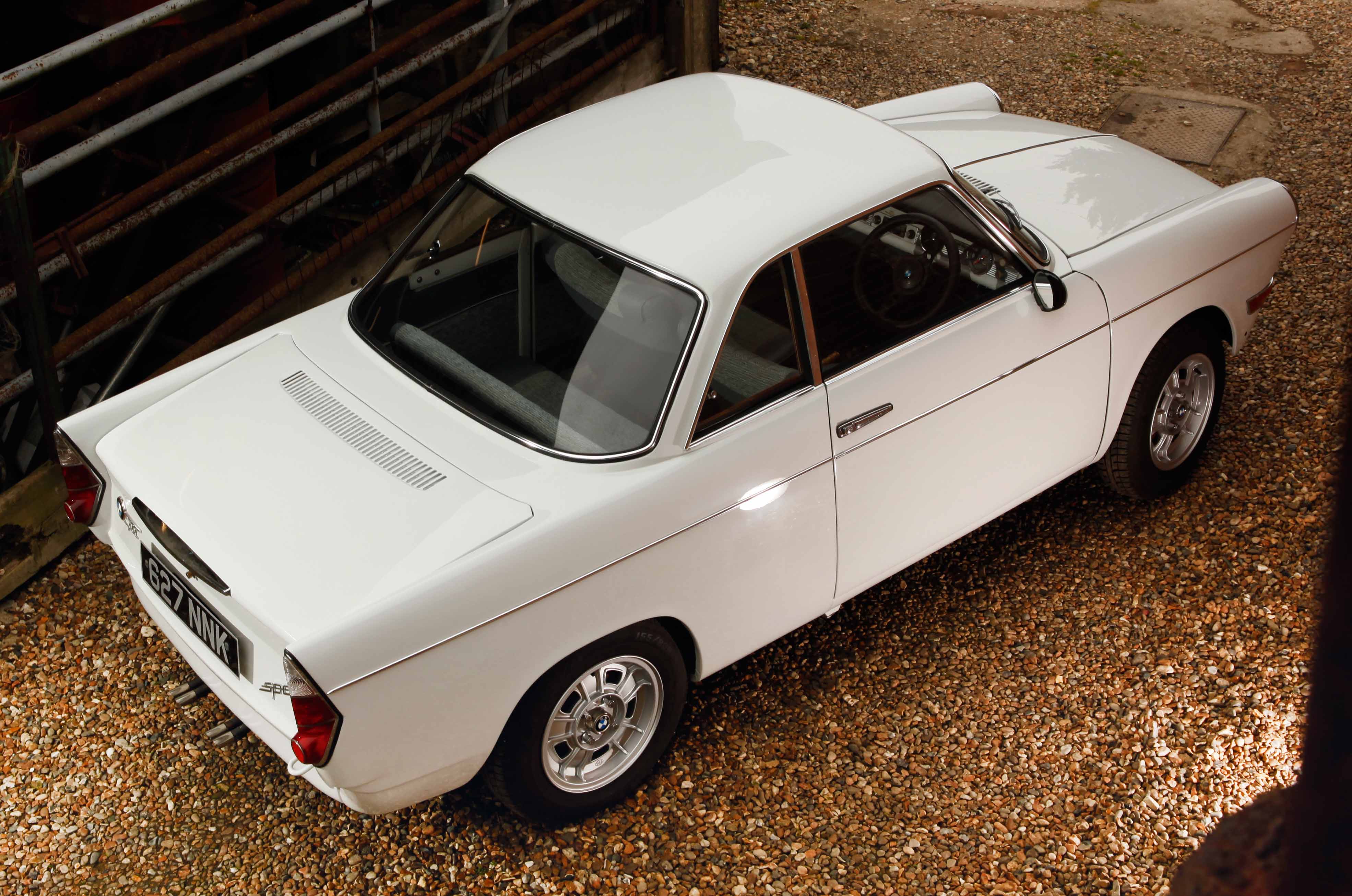
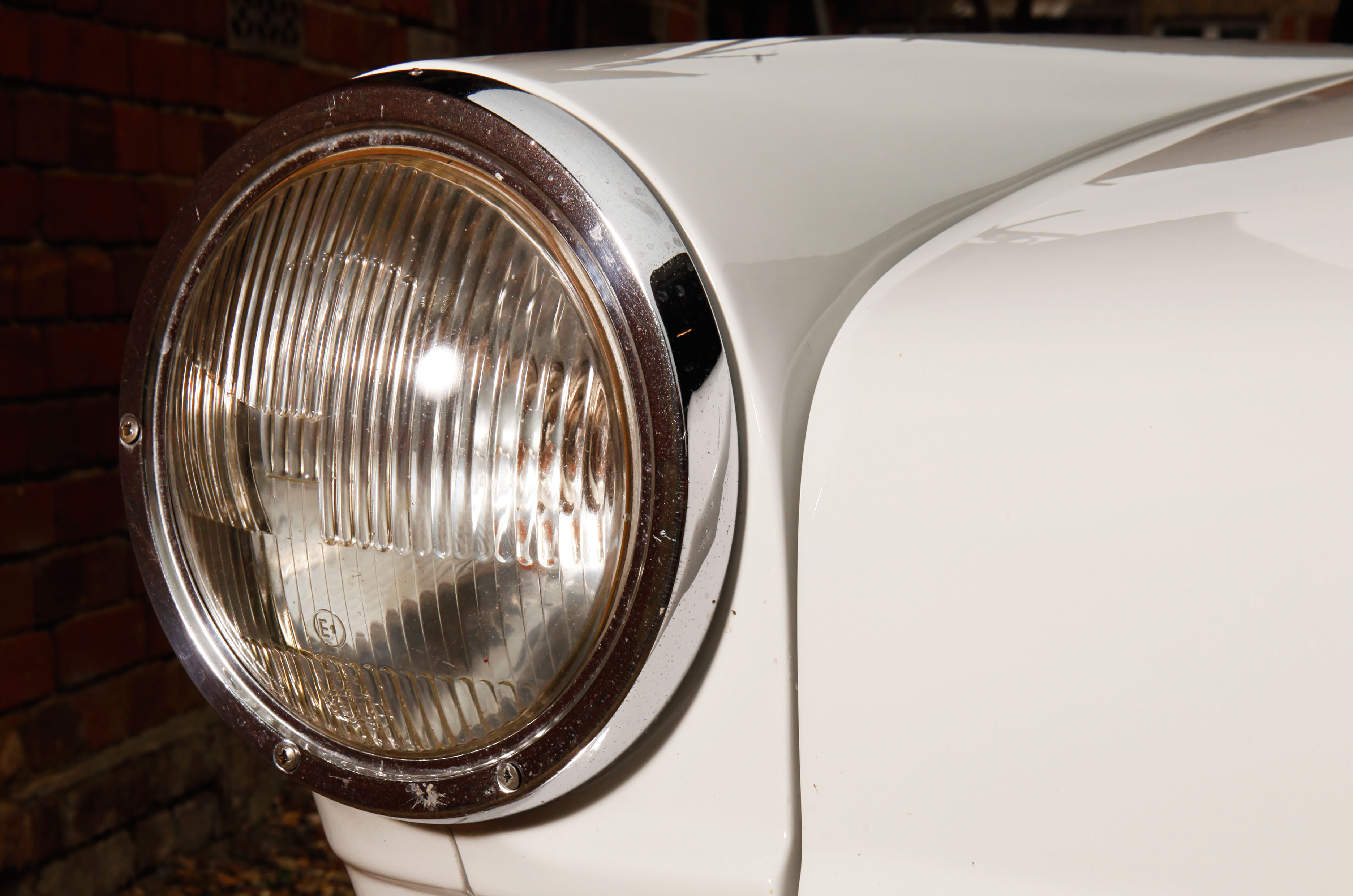
The BMW 700 Sport Coupé’s neat detailing extends to the false air intakes and wraparound indicators

It still has its original logbook and was in one family’s ownership for the majority of its life, but the documents also suggest that it spent a fair portion of that time off the road.

At some point it was set up for competition – a later owner commenting that “driving it around town was rather like rowing a boat” – and it is now fresh out of a respray and restoration.

Just because it is a small car, BMW didn’t skimp on any of its quality standards.

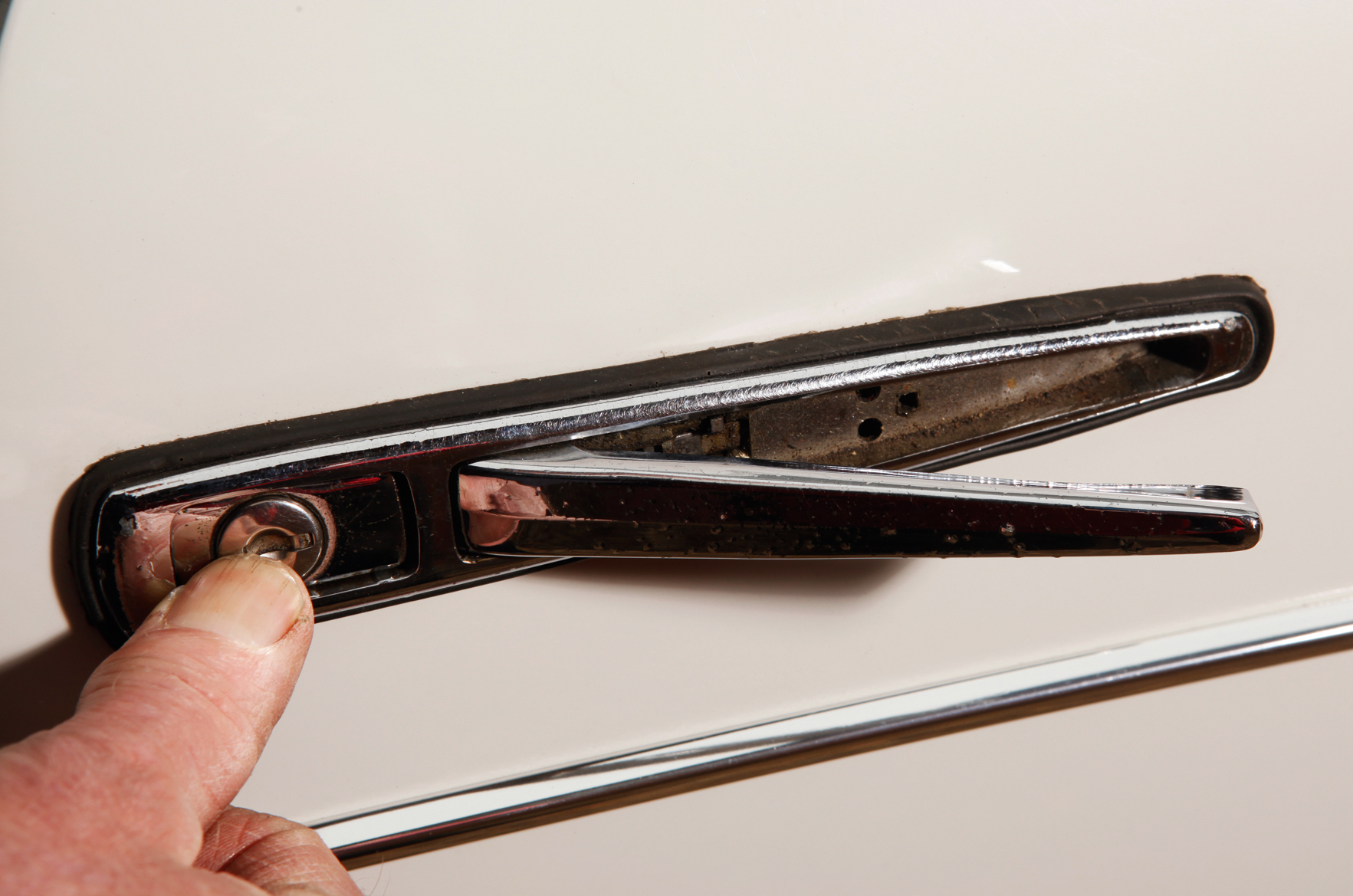
It shares its delightfully Italianate doorhandles – on which you push the button for the sliver of a lever to pop out – with the exotic 507, and those doors clunk shut with the same reassurance.

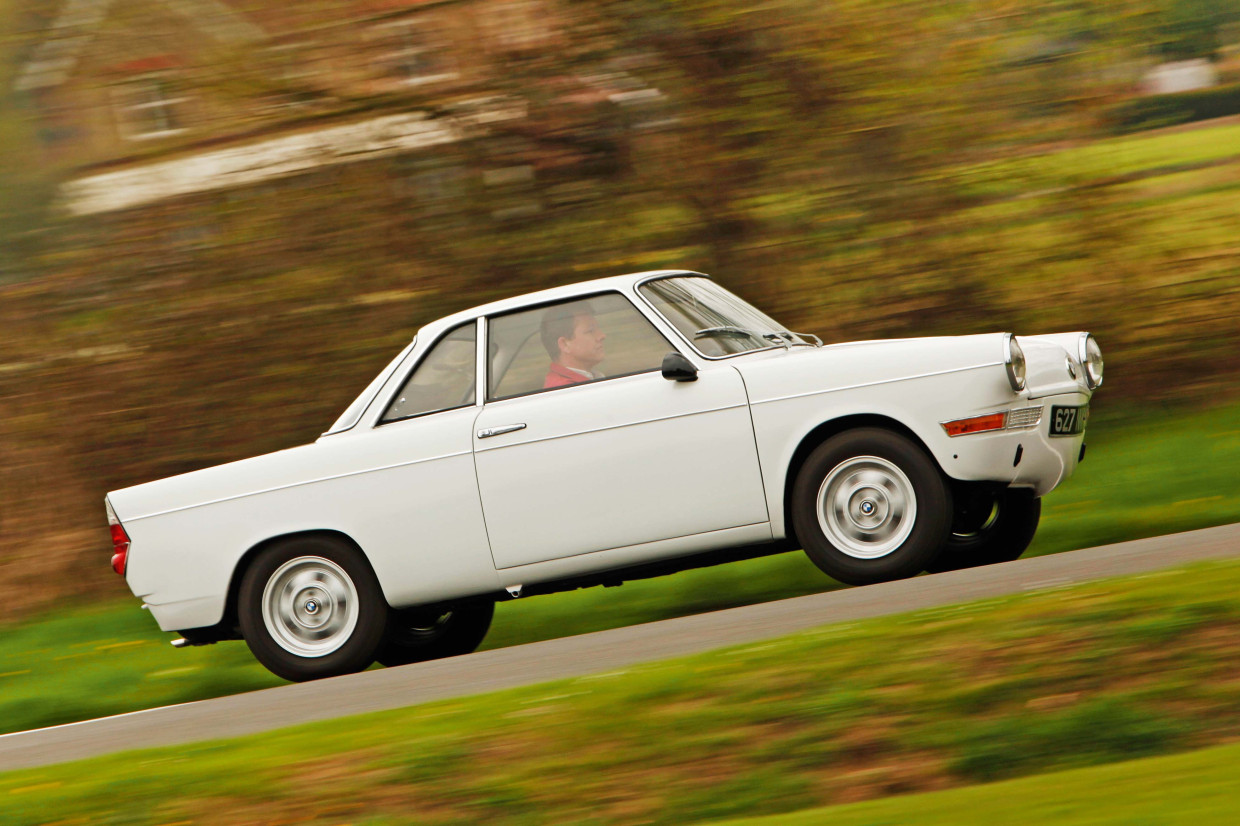
The Michelotti styling is unashamedly cute and the plain front end reminiscent of small French rear-engined cars of the period, while the rear is dominated by those hallmark Euro-fins, smaller than US equivalents and Mk2 Ford Zephyr-like.

Classic & Sports Car – BMW 700 Sport Coupé: Munich’s first Mini

The BMW 700 Sport Coupé’s motorbike-derived 697cc flat-twin

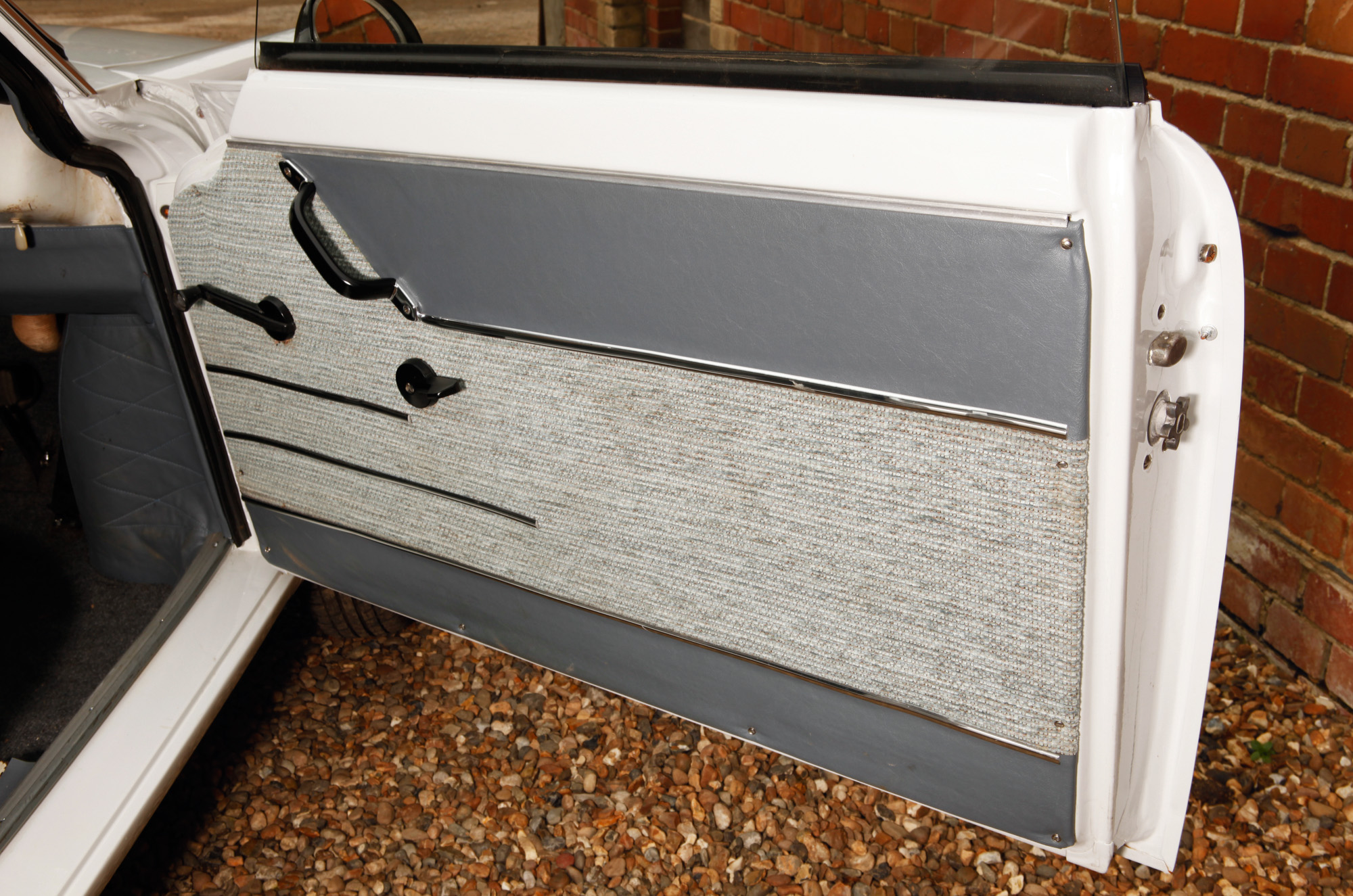
Inside, the 700 is spartan, but a very confidently built version of it, telling the customer that the lack of adornment does not imply that it was built down to a price.

Indeed, it wasn’t: when it was new, this BMW 700 Sport would have cost its first British buyers the equivalent of one and a half Minis.

There is ample door furniture thanks to the imposing grabhandles and the trio of chromed strakes. Overall, it is airy and spacious, but it is definitely a small family car for a small family.

Everything is scaled down, such as the compact dials with an 8000rpm rev counter (no redline) and 90mph speedo.

The painted-metal dash is topped by a thick crash-pad and has several knobs and switches poking out of the bottom.

Classic & Sports Car – BMW 700 Sport Coupé: Munich’s first Mini

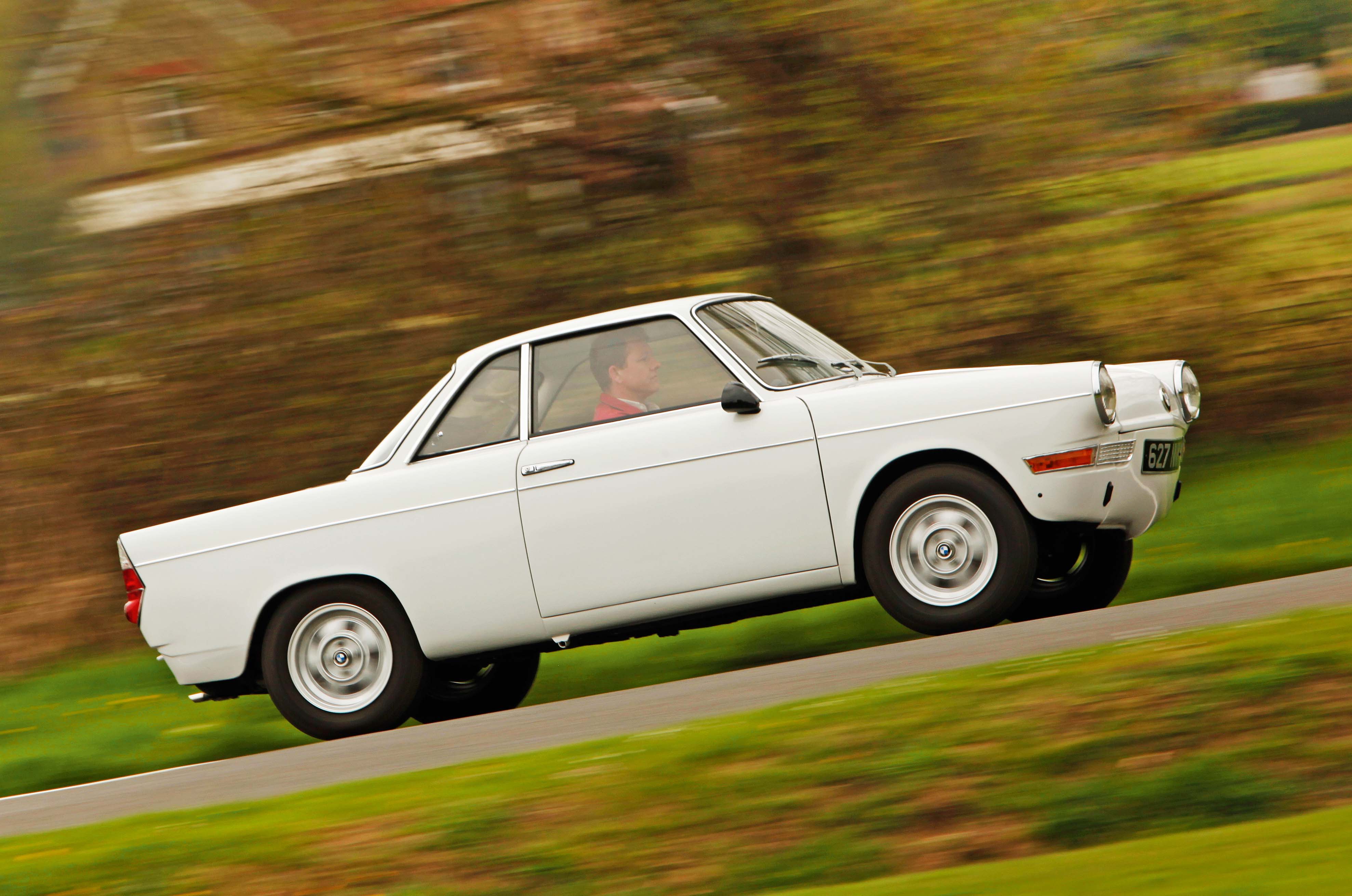
The BMW 700 Sport Coupé has nimble handling, without the power to upset its balance

The driving position is fine but takes some adjustment on the springy seat.

The slender steering column threads between the pedals and is easy to catch your foot on when braking.

The throttle is directly in front of your right foot, the clutch is angled off to the left, sprouting and curving towards the driver but not immediately comfortable to operate.

Like many a rear-engined, air-cooled car, the 700 features a pair of small levers – choke and heater controls – flanking the floor-mounted handbrake. Ahead of that is a stubby, functional gearlever.

This one has the wrong steering wheel and rides on the wrong rims (the correct ones are still with the car), wearing grippy 155/80 R13 radials instead of the specified 5.20 crossplies on 12in steels.

Classic & Sports Car – BMW 700 Sport Coupé: Munich’s first Mini

The BMW 700 Sport Coupé’s appealing Italianate doorhandle

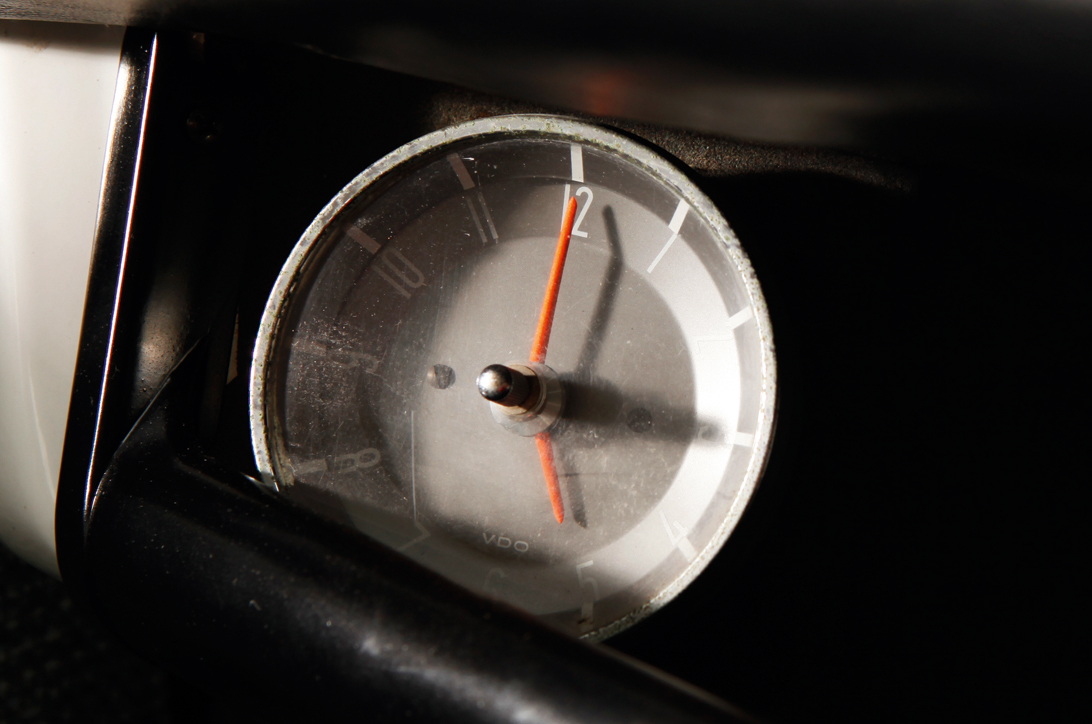
In the open glovebox – in which a clock nestles – is a wonderful owner’s manual that sells the car with flowery descriptions and patronises the owner with some pretty basic driving lessons.

With those instructions in mind, it is time to turn the key in the ignition barrel – sited at the base of the gearlever, which is locked in neutral with the ignition off – and wait for the clatter from behind to settle down.

It takes a fair few revs to get it going, and after that the organ-pedal throttle will be flat to the floor most of the time to keep the engine fizzing (and sounding like a swarm of hornets in a dustbin).

Classic & Sports Car – BMW 700 Sport Coupé: Munich’s first Mini

The BMW 700 Sport Coupé’s frameless doors feature stylishly minimal decoration

You know that this is a Sport because there is a rear anti-roll bar, plus twin Solex 34PC1 carburettors on the low-slung engine, whose exhaust gases are funnelled through the four tiniest peashooters you have ever seen.

When combined with a far higher compression ratio – 9:1 instead of 7.5:1 – this translates to 40bhp and an 85mph top speed.

The success of the 700’s competition programme, with class wins in saloon racing followed by 60-year-old Hans Stuck Snr’s German Hillclimb Championship victory in the lightweight RS, earned the 700 the nickname ‘The weasel with the heart of a lion’.

That perhaps flatters the performance of the Sport Coupé, but it does have some zip.

Classic & Sports Car – BMW 700 Sport Coupé: Munich’s first Mini

The BMW 700 Sport Coupé’s glovebox clock points towards the driver

In March 1962 Autosport was effusive, claiming an easy average of 80mph for the length of the newly opened M1.

‘When cruising at 80mph it is almost impossible to believe that only 700cc of engine is propelling this little projectile,’ reported the magazine, before concluding: ‘What a marvellous little grand touring car this is.’

These comments were then widely reproduced in BMW’s advertising. And no surprise, because when you set off that seems inconceivable, as does the claim that ‘second gives a rousing 52mph and third an easy 69mph’.

There is only one way to drive the 700: flat-out.

Not much happens until you get above 4500rpm, which means working your way through the all-synchro four-speed ’box.

Classic & Sports Car – BMW 700 Sport Coupé: Munich’s first Mini

The 700 was BMW’s unlikely saviour

Some models were offered with an optional Saxomat semi-automatic clutch, but the Sport’s long-throw manual shift demands that you grasp and haul it around to get the best from it.

Try to delicately coerce the lever and it is vague, getting more so as the linkages loosen.

That aftermarket wheel makes the steering slightly heavier than expected, while the brakes, though not particularly sharp, are progressive and haul the car up well.

There are the shortcomings you expect from a fresh rebuild that is still bedding in, but even so it’s a car you need to tune into to enjoy.

Once you do, you can make it sing along, keeping it in second and third because that’s where all the power is – and the fun.

It handles adroitly, but doesn’t have the grunt to get you into trouble. It feels like a small ‘proper’ car rather than a big bubble car, and that was the intention.

Comparisons with the Mini are inevitable and, especially when values are considered, the BMW is never going to come out on top.

This example was delivered to the Brighton dealership in November 1961 but not registered until January 1963, which illustrates how overshadowed the German was in period.

That is understandable, if a little unfair, because it offers something else: it’s different, with a level of charm and joyousness that borders on the irresistible.

Images: Tony Baker

Thanks to: Gavin McGuire’s Fine Automobiles

This was first in our June 2012 magazine; all information was correct at the date of original publication


Factfile

Classic & Sports Car – BMW 700 Sport Coupé: Munich’s first Mini

BMW 700 Sport Coupé 

  • Sold/number built 1959-’65/31,062
  • Construction steel monocoque
  • Engine all-alloy, air-cooled 697cc flat-twin, with hemispherical cylinder heads and twin Solex carburettors
  • Max power 40bhp @ 5700rpm
  • Max torque 38lb ft @ 4-5000rpm
  • Transmission all-synchromesh four-speed manual, RWD
  • Suspension independent, at front by leading links rear semi-trailing arms; coil springs, telescopic dampers, anti-roll bar f/r
  • Steering rack and pinion
  • Brakes drums
  • Length 11ft 7½in (3540mm)
  • Width 4ft 10¼in (1480mm)
  • Height 4ft 2in (1270mm)
  • Wheelbase 6ft 11½in (2120mm)
  • Weight 1390lb (630kg) 
  • Mpg 35.7
  • 0-60mph 20 secs
  • Top speed 85mph
  • Price new £728 9s 10d

Enjoy more of the world’s best classic car content every month when you subscribe to C&SC – get our latest deals here


READ MORE

Isetta 300 and FMR KR200: meet the bubble-car king

Glas T700: the Goggomobil grown up

Autobianchi A112: Italy’s Mini