Range Rover or Mercedes-Benz G-Wagen? Go anywhere in classic style

| 7 May 2026
Classic & Sports Car – Luxury on the farm: Range Rover vs Mercedes G-Wagen

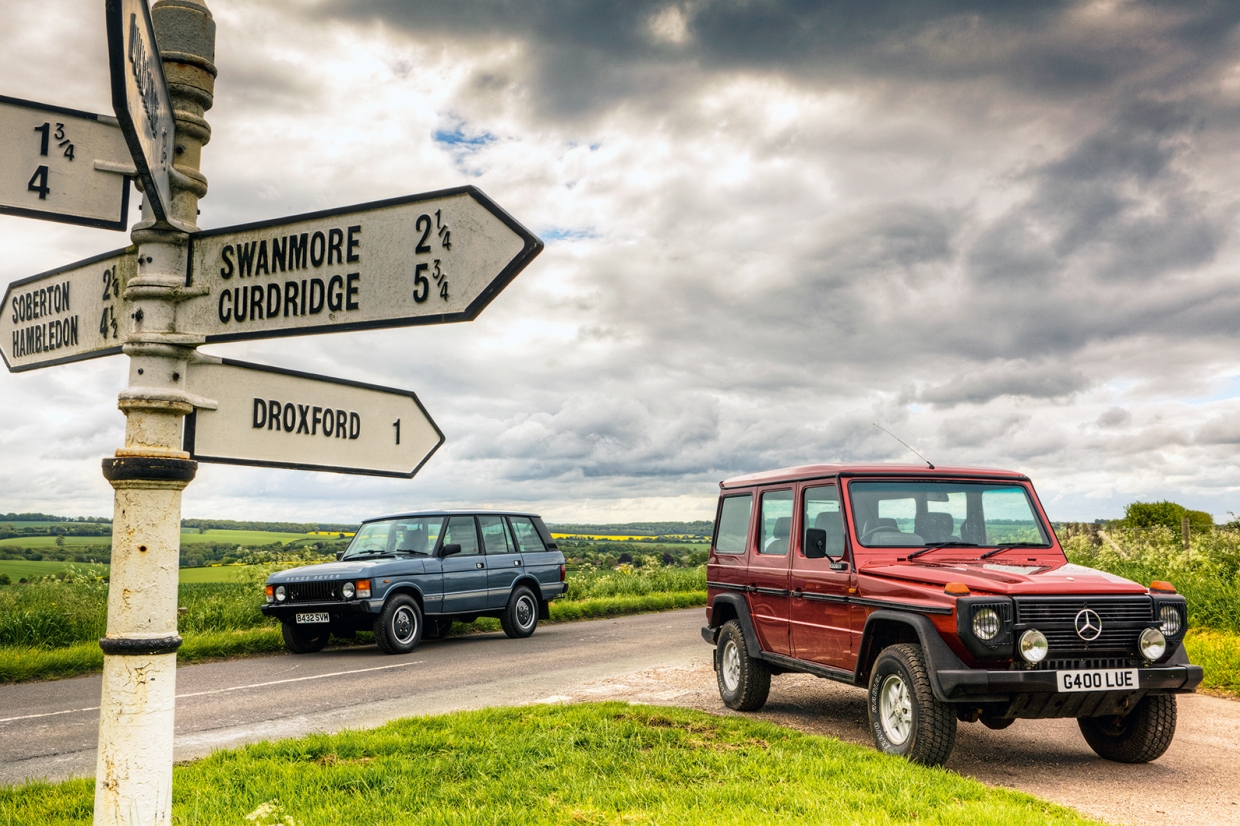
The forecast is for rain. Lots of it. Even photographer Baker calls to see if we should cancel, but there are two overriding reasons why this particular photoshoot doesn’t need to be rescheduled: the vehicles themselves.

Fortunately for us, we are testing something rather more substantial than a pair of delicate Italian soft-tops that, if myth is to be believed, would be heard fizzing away in the lightest of showers.

Instead, we’ve got two proper toys to play with, which means that the suede loafers and sports jacket have been left in the cupboard in favor of a stout pair of boots and a Barbour.

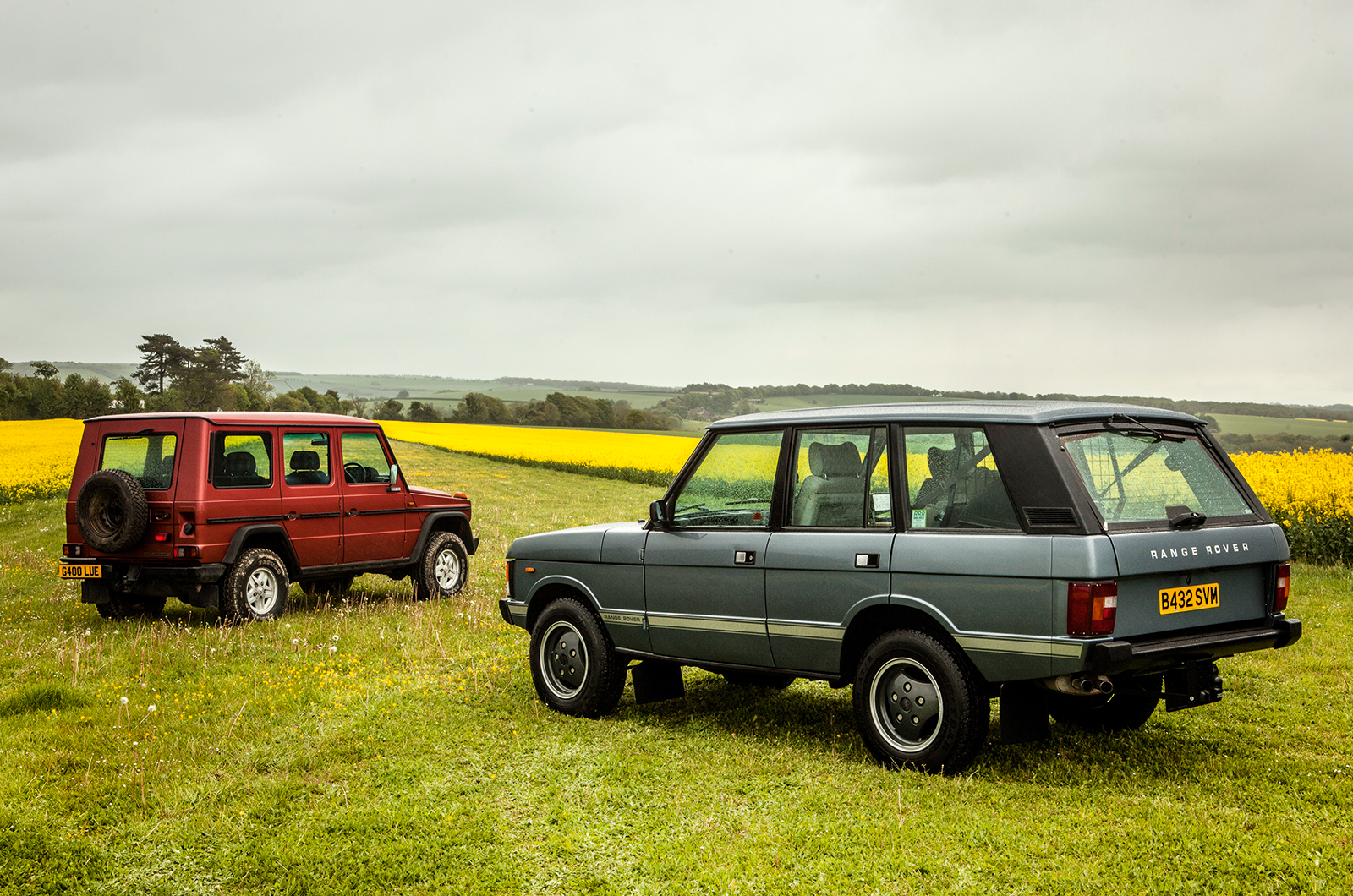
We’re not talking about a complete ‘back-to-basics’ experience, though, because the pairing of Range Rover and Mercedes-Benz G-Wagen offers an insight into the world of luxury 4x4s that came to prominence in the late 1970s and early ’80s.

Classic & Sports Car – Luxury on the farm: Range Rover vs Mercedes G-Wagen

Luxury off-roaders are now all the rage, but in the 1980s the Range Rover and Mercedes G-Wagen had few peers

Previously, those country folk who wanted an alternative to their Land-Rover were left a little high and dry. Solihull’s staple seller was more than capable, but it lacked creature comforts and was basic even when compared to the standard sedan of the previous decade.

As the 1960s drew to a close, the British firm was ready to offer something quite different. At that point, America already had a thriving market for what would become known as Sports Utility Vehicles, courtesy of the Jeep Wagoneer and Ford Bronco. It took a visit by Graham Bannock, Land-Rover’s head of market research, to convince the management that this was an area worthy of exploration.

As the man in charge of new projects, ‘Spen’ King set to work along with chassis designer Gordon Bashford and, in 1970, the two-door Range Rover was launched.

Classic & Sports Car – Luxury on the farm: Range Rover vs Mercedes G-Wagen

Classic & Sports Car – Luxury on the farm: Range Rover vs Mercedes G-Wagen

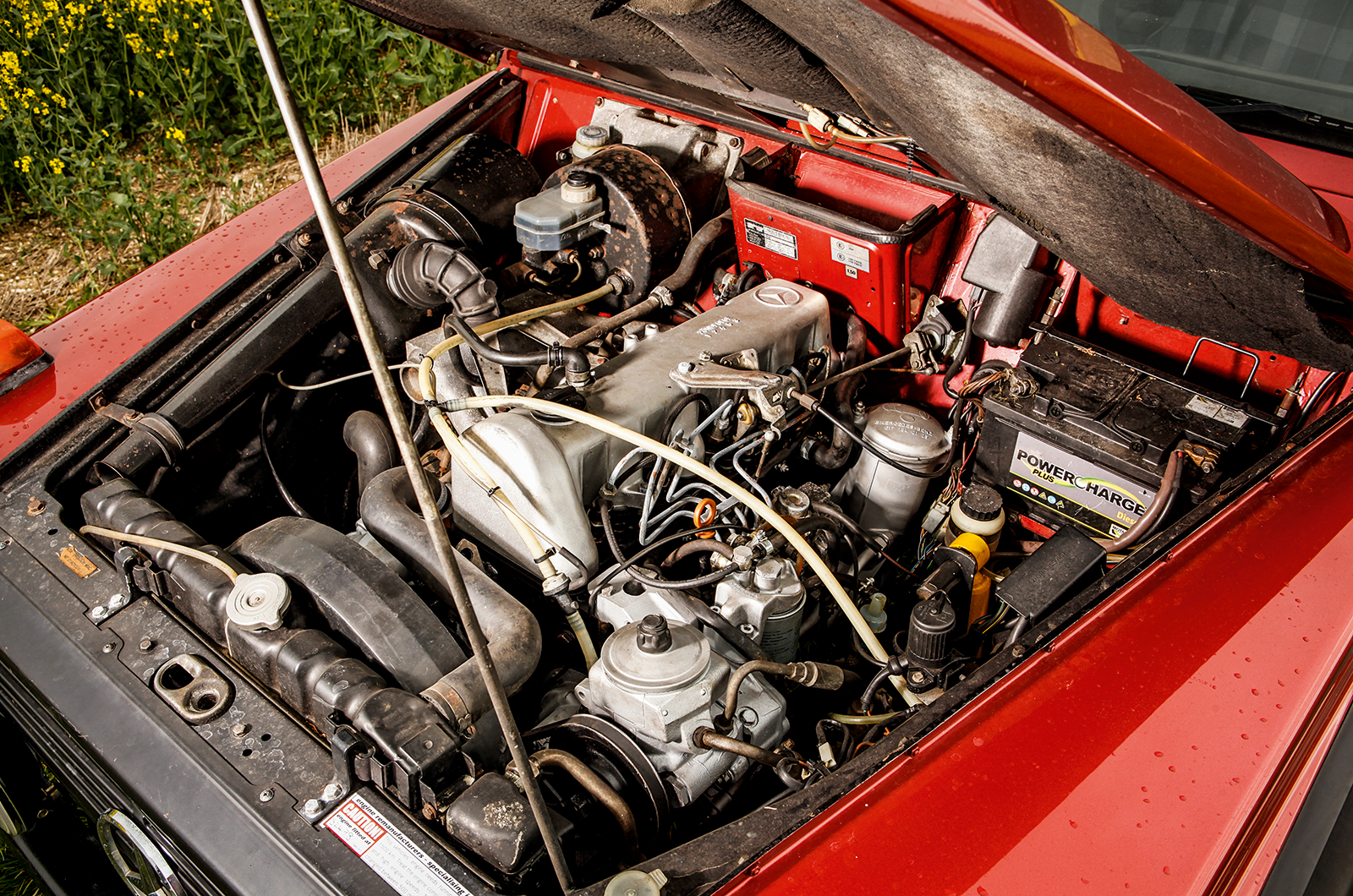
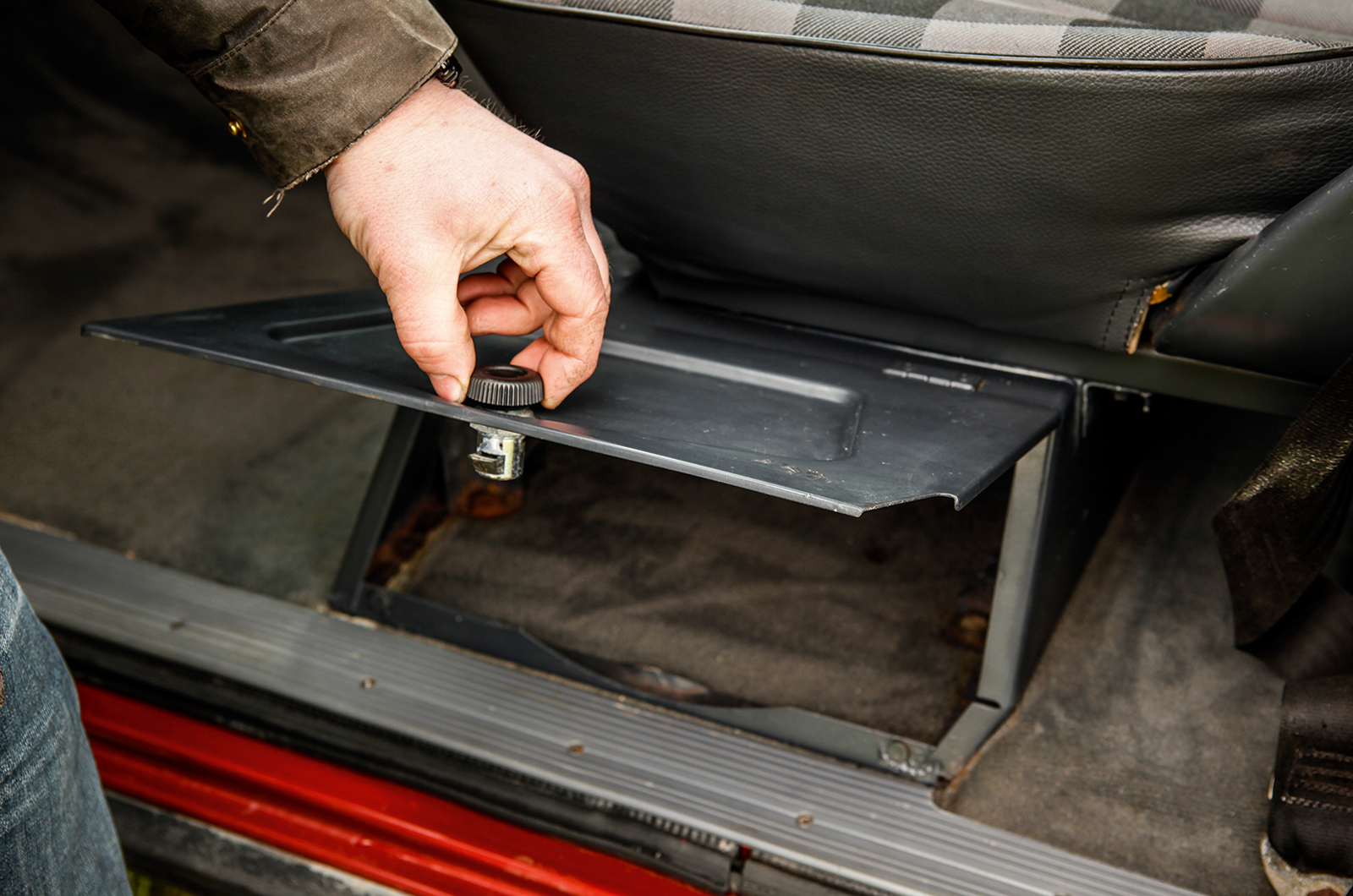
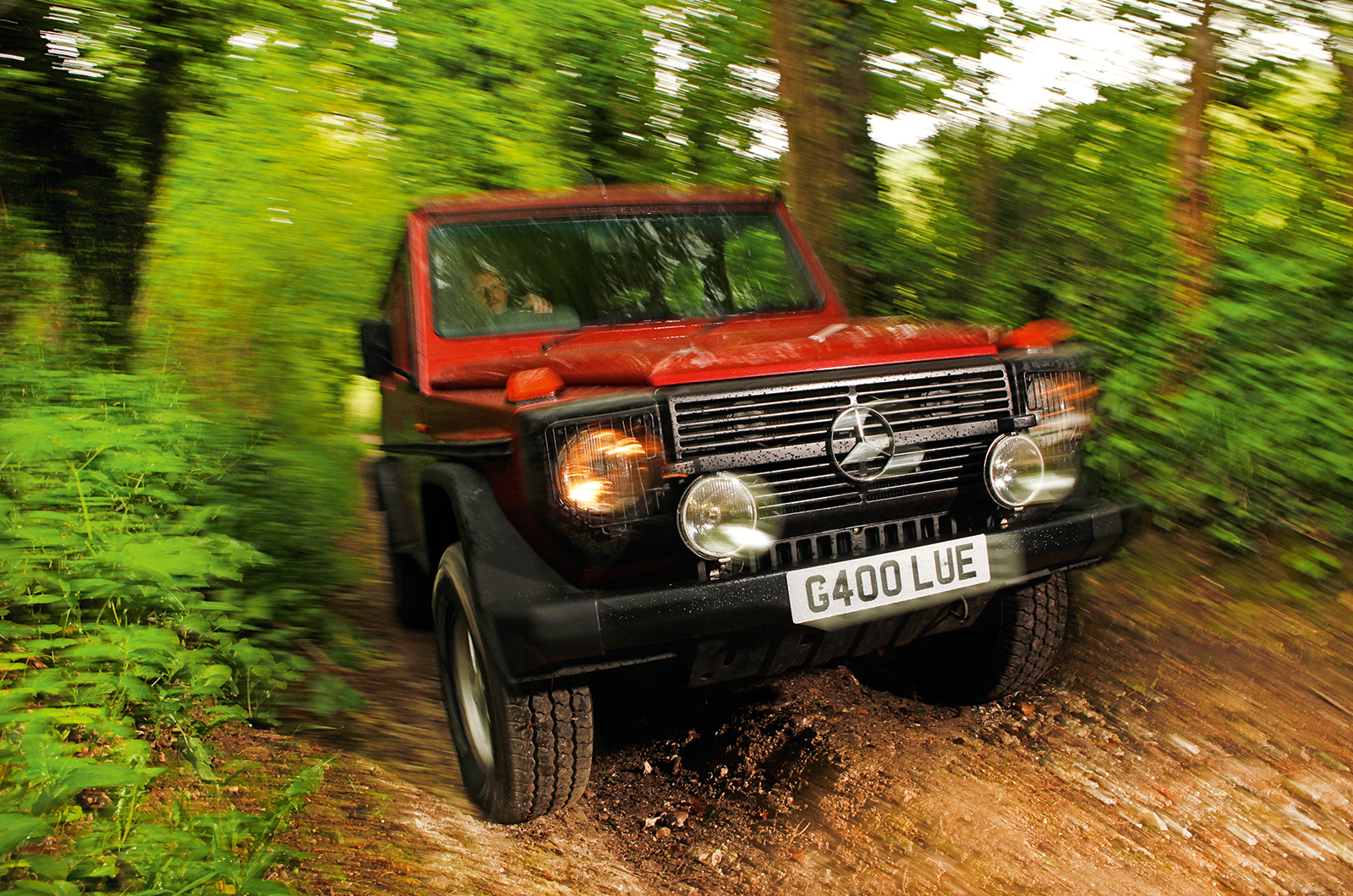
Clockwise from top: Mercedes’ G-Wagen arrived a decade after the Range Rover; neat storage underneath the seats for jack; diesel engine does not offer the last word in performance

In contrast, the G-Wagen (or Geländewagen, to use the full name) finally came to the market almost a full decade after the Range Rover, although its story actually begins back in 1973 with a plan between Daimler-Benz and Steyr-Daimler-Puch to develop a light, all-wheel-drive, off-road vehicle.

Steyr-Puch already had experience in this field as producers of the Haflinger and Pinzgauer, and there is an obvious military influence to the G-Wagen’s look and feel.

Right from the beginning, at its launch in the south of France in 1979, the versatility of this new Mercedes-Benz was immediately clear.

Classic & Sports Car – Luxury on the farm: Range Rover vs Mercedes G-Wagen

Range Rover received hot- and cold-weather testing prior to release

While the Range Rover was available only as a two-door, the G-Wagen came in four possible body configurations (with a fifth added a year later) with four engine alternatives – a staggering 40 possible combinations in total.

The design process of the Mercedes also differed greatly from that of its British rival. While initial development for the Range Rover consisted of hot-weather testing in the Sahara and cold running in Alaska, the G-Wagen was evaluated within the factory.

It served to highlight the difference a decade can make, with computer-based analysis and mathematical simulations being used to find the limits of the ladder-frame chassis before any mules were even built.

Classic & Sports Car – Luxury on the farm: Range Rover vs Mercedes G-Wagen

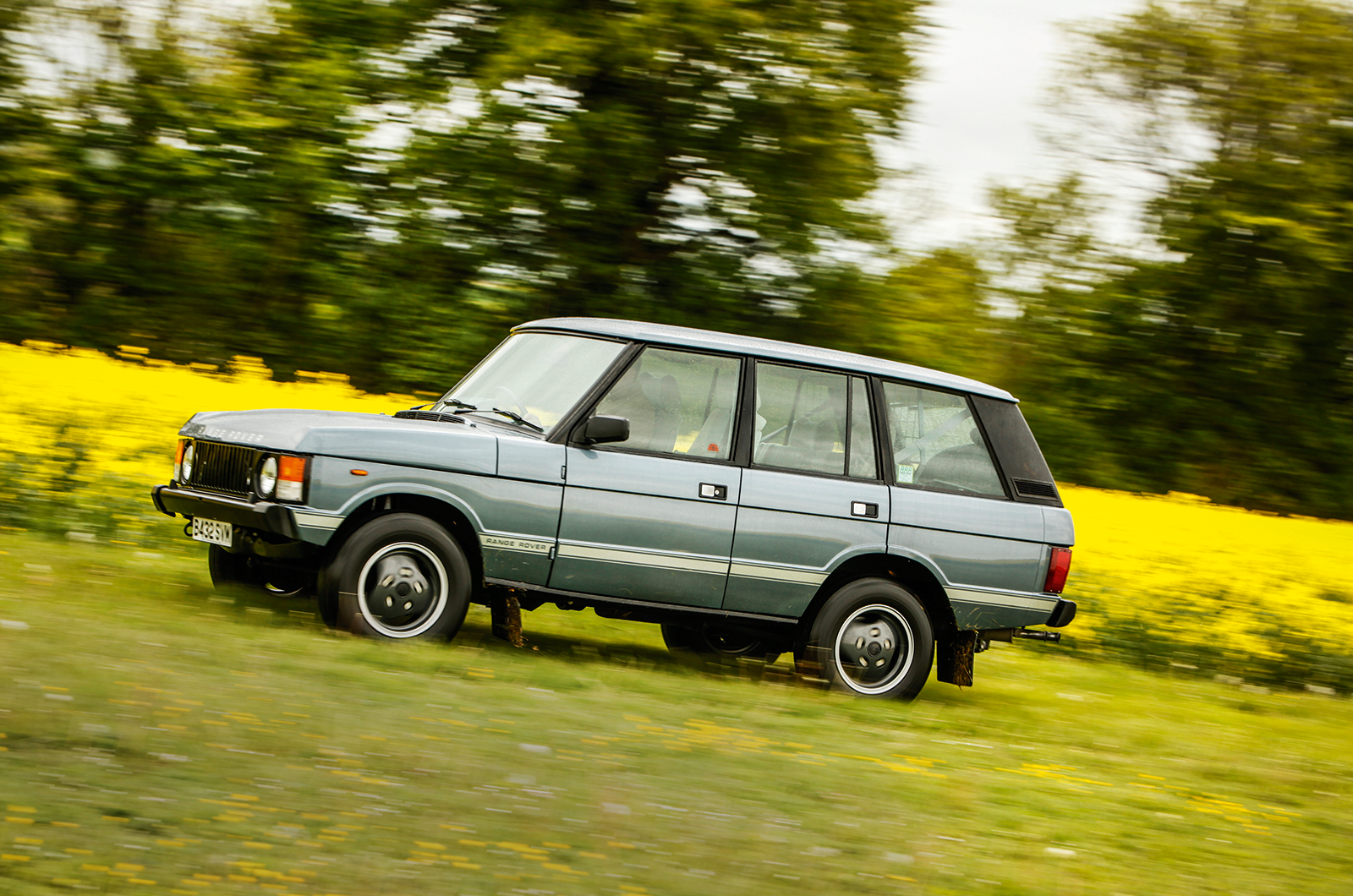
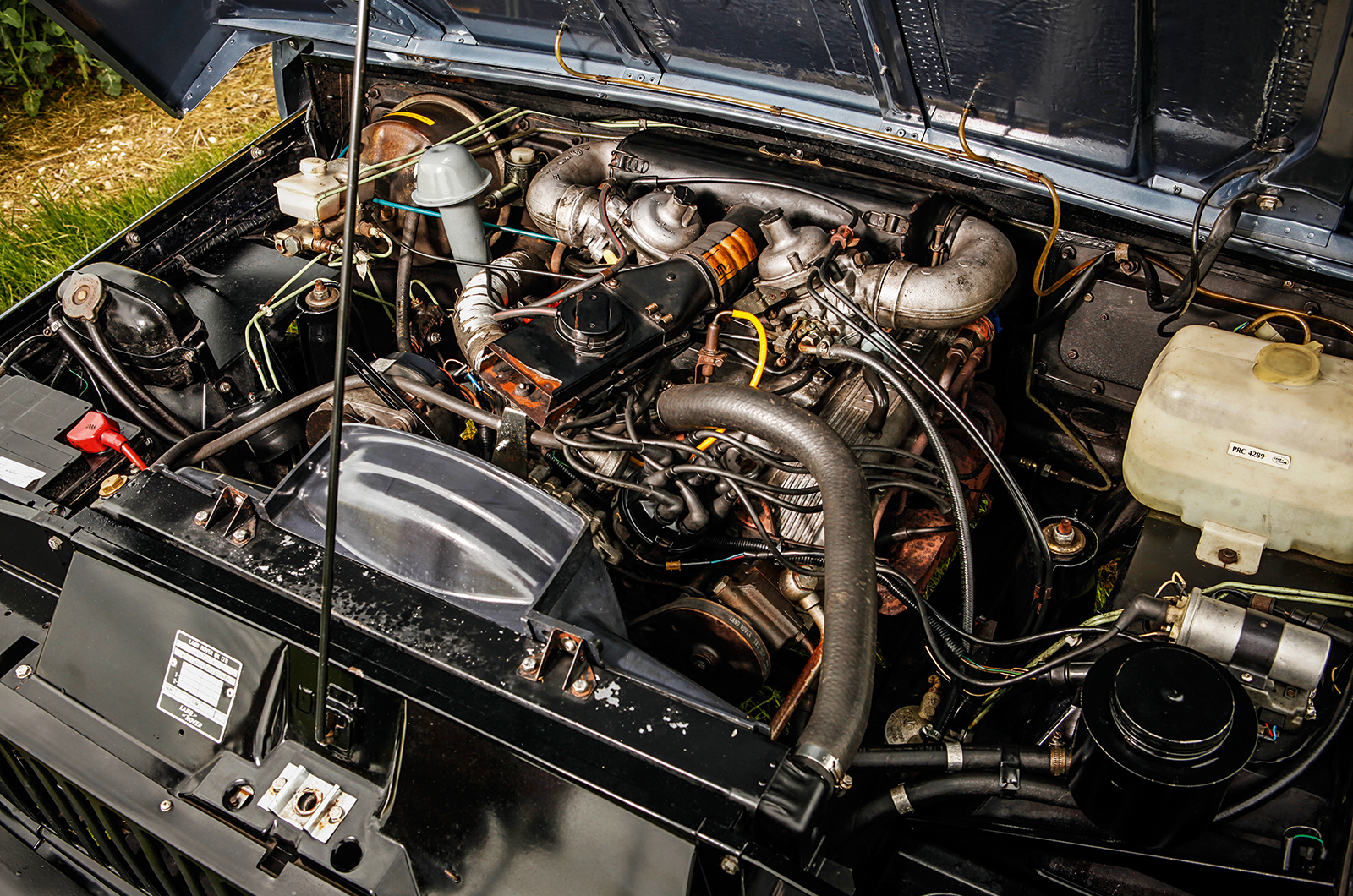
Strong performance from the famous Rover V8

Once the first ready-to-drive prototype rolled out of the factory in Graz, testing took on a more familiar twist, visiting coalfields between Cologne and Aachen, Steyr-Puch’s Shöckl site in Austria, the North African desert and even the Atlas mountains and Arctic Circle.

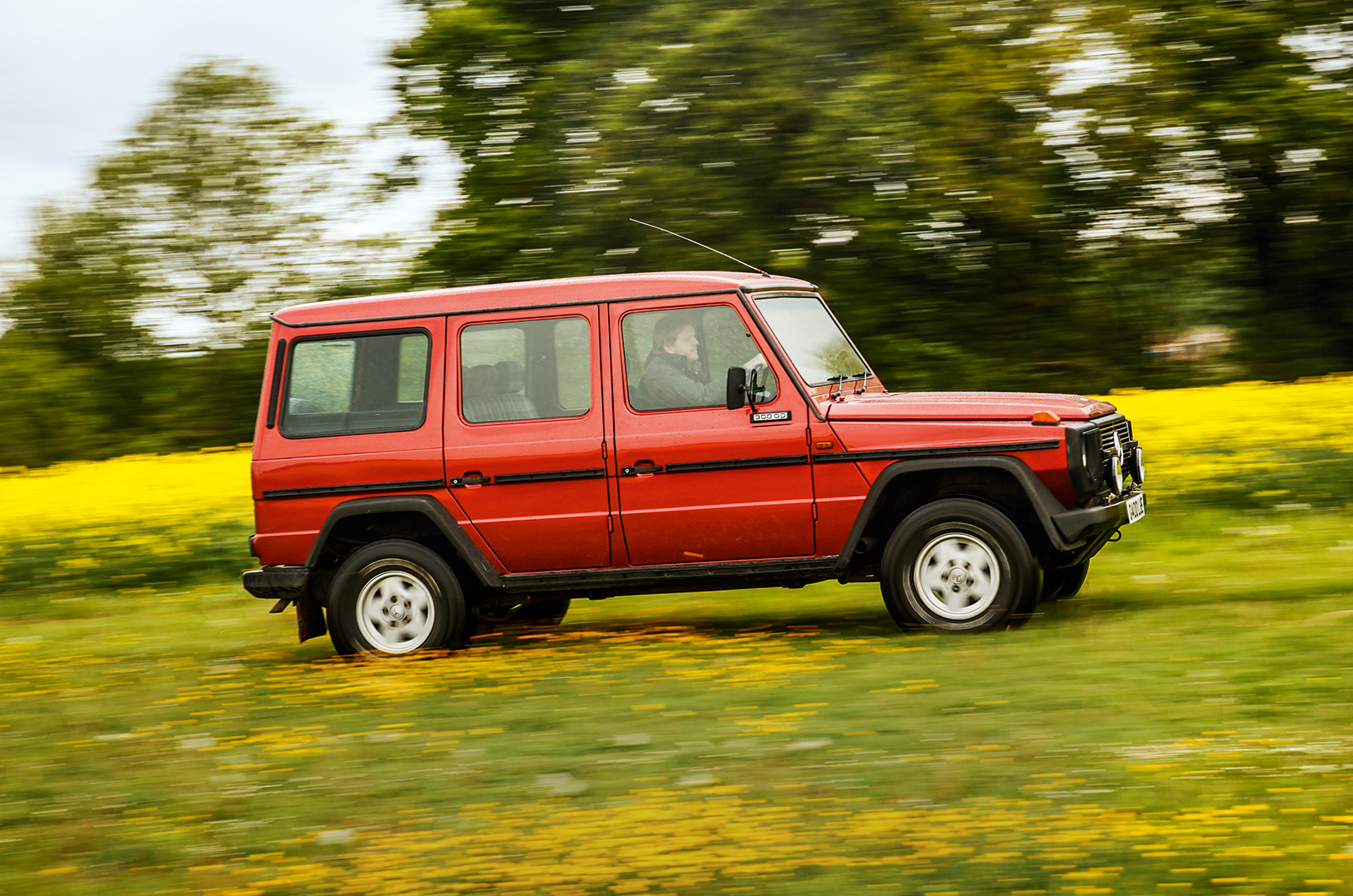
All of that work paid dividends because the moment you climb into the G-Wagen, you feel as though you could go anywhere and do anything... albeit at a stately pace in the featured 1989 300GD, which ‘boasts’ a 0-60mph time of 23.7 secs!

The five-cylinder, 3-liter diesel unfortunately runs out of puff unless exact and full use of the rev range and gearchanges is made, and on the highway you find yourself jostling for position with lorries when it comes to facing any sort of gradient.

Classic & Sports Car – Luxury on the farm: Range Rover vs Mercedes G-Wagen

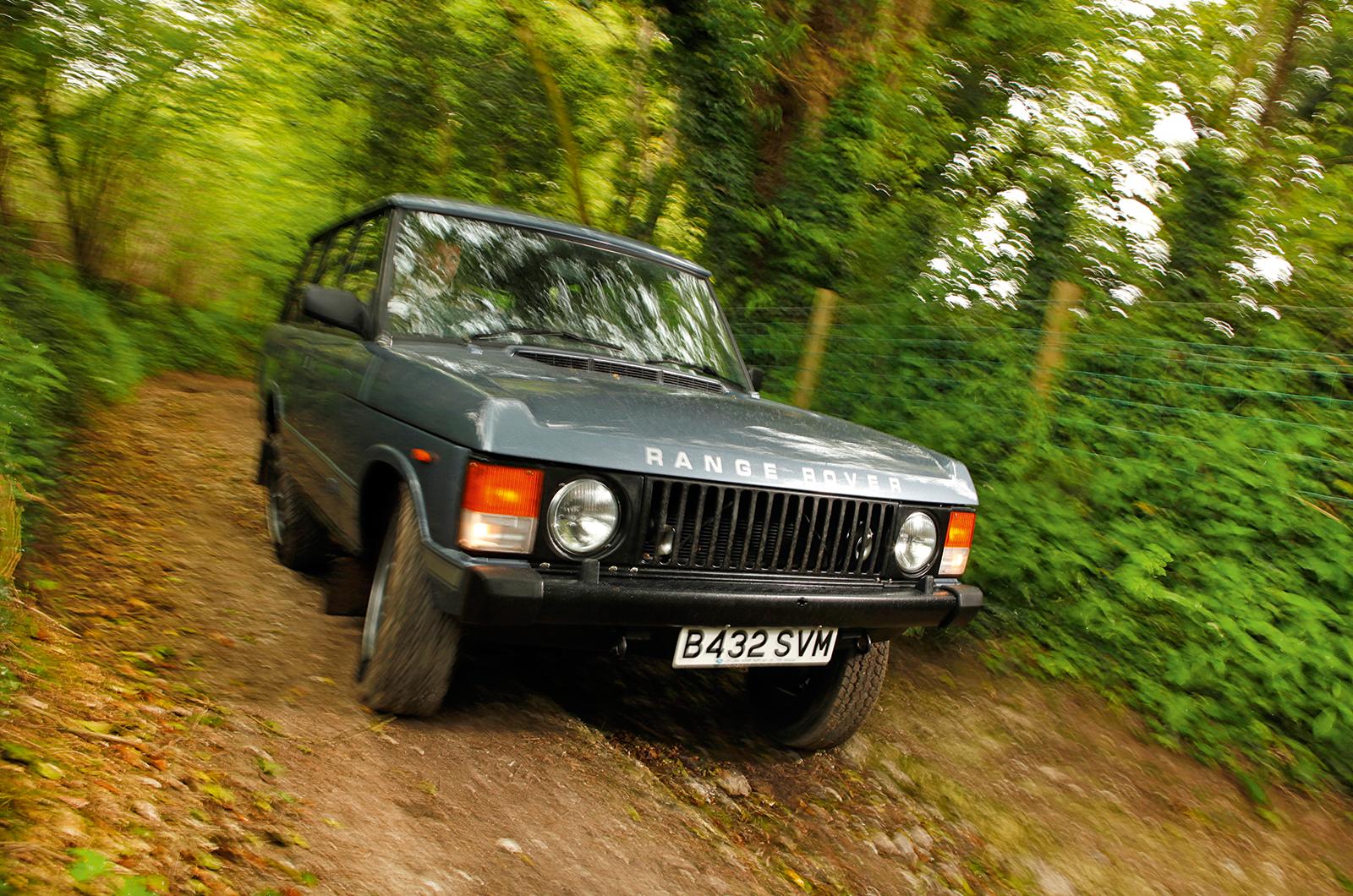
Immense axle articulation makes the Range Rover supreme when the going gets rough

It’s completely at odds with the Range Rover, which feels like a sports car in comparison thanks to the Buick-derived 3.5-liter V8 powerplant beneath the hood.

Rather than having the later fuel injection, this 1984 Vogue is fitted with twin Zenith-Stromberg carburetors, which makes for a smooth power delivery and a pleasing rev range when coupled with the five-speed manual gearbox. It’s a combination that results in a rather more impressive 0-60mph figure of 15 secs.

Once off the beaten track, however, those figures don’t really count for much – it’s all about how effectively you get to where you are going rather than how quickly, and it’s fair to say that both cars impress in their own way.

Classic & Sports Car – Luxury on the farm: Range Rover vs Mercedes G-Wagen

With four-wheel drive and low-range selected, the Mercedes performs well off-road

The Range Rover boasts permanent four-wheel drive, a lockable center differential and a dual-range transfer box that, with low range selected, assists on particularly tricky surfaces.

The G-Wagen is two-wheel drive as standard – something that is easily displayed on wet grass, for instance. Selecting four-wheel drive immediately restores grip, as well as parity between the two vehicles.

The Mercedes-Benz also features a dual-range transfer box, but the difference comes with the fact that it features two locking differentials that you can select from the cabin.

Four-wheel drive in both vehicles feels robust enough, but the rutted green lane on which we opt to test them offers both a loose surface and a challenging gradient.

Classic & Sports Car – Luxury on the farm: Range Rover vs Mercedes G-Wagen

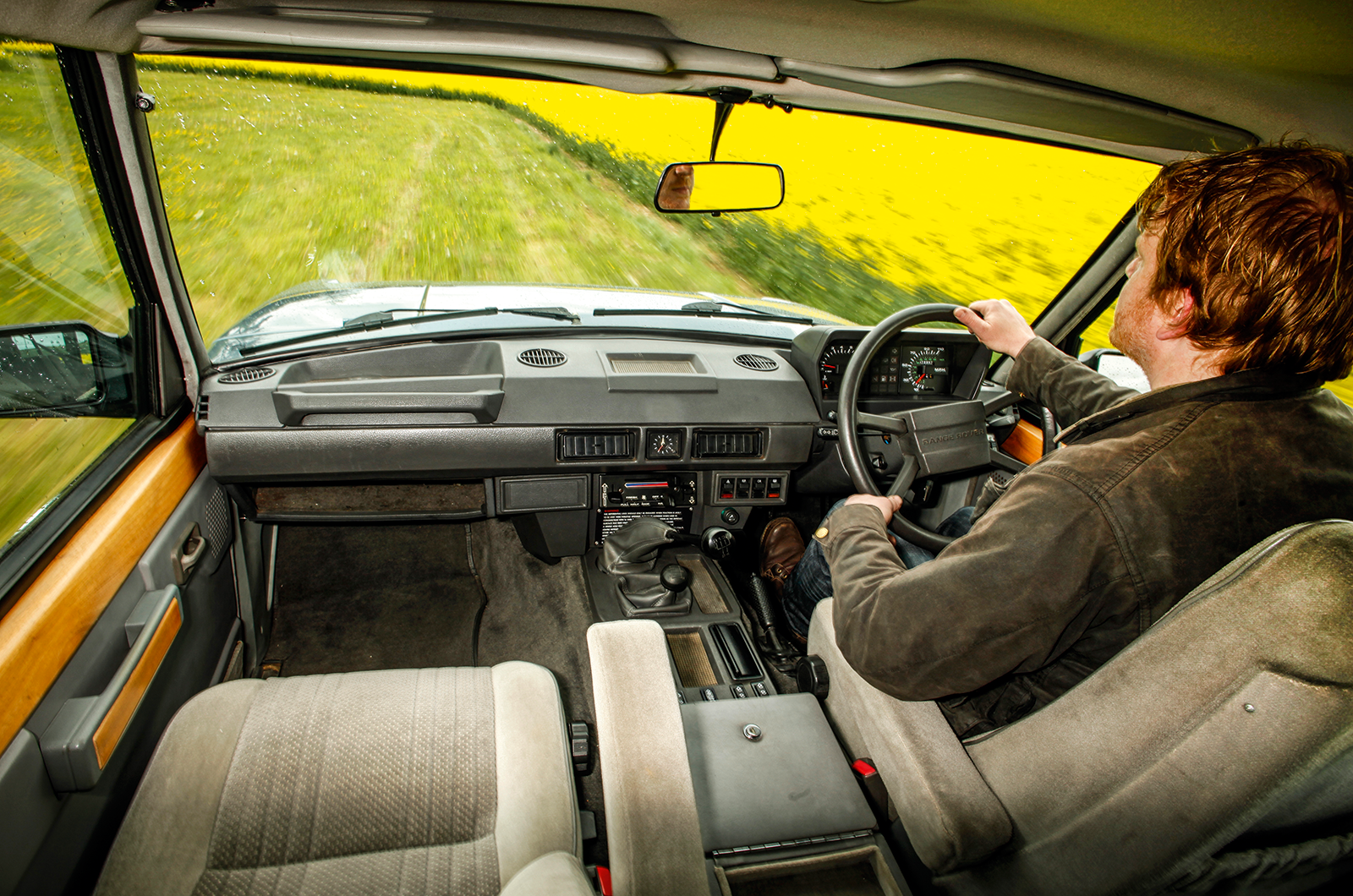
Luxurious intentions are signaled loud and clear by the comfortable and well-equipped interior of the Range Rover

With low range selected, neither Range Rover nor Mercedes shows any sign of a struggle and propel us to the top with aplomb, not once breaking traction.

Both manufacturers opted to ditch the traditional, and often harsh, leaf-spring suspension in favor of a coil-spring set-up, and each coupled it with telescopic dampers and Panhard rods.

In the case of the British car, Spen King argued for the change not just on the grounds of comfort, but also because the extra articulation would help to keep all four wheels in contact with the ground once you ventured off the beaten track – helping to maintain grip in the process.

But the point of these off-roaders is not just how well they perform on the odd green-laning excursion.

Classic & Sports Car – Luxury on the farm: Range Rover vs Mercedes G-Wagen

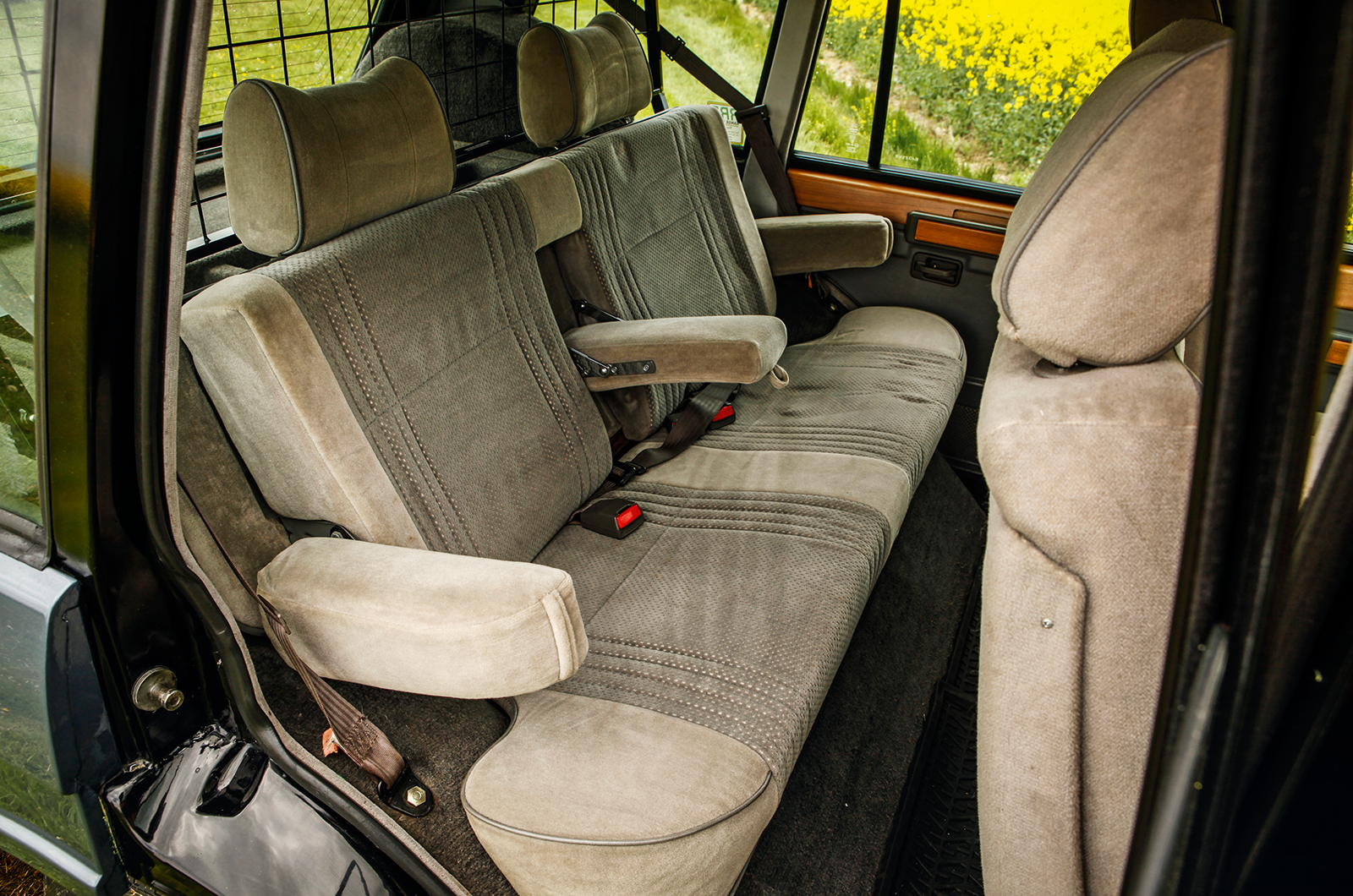
Even the rear seats get armrests in the Range Rover

Climb into the Range Rover and the luxury aspect is plain to see.

Unlike the Series or 90/110 Land-Rover, this interior can’t be hosed down once the dirty work is done, but the ergonomics of the dashboard layout and seating position mean that it is easy to forget the ‘go anywhere’ side of the Rangie’s split personality and just enjoy it as a spacious and well-equipped roadgoing classic.

Deep-pile carpet, velour seat trim and golden wood cappings on the door tops all contribute and, with air-conditioning and electric windows as options added over the years, its target market is clear.

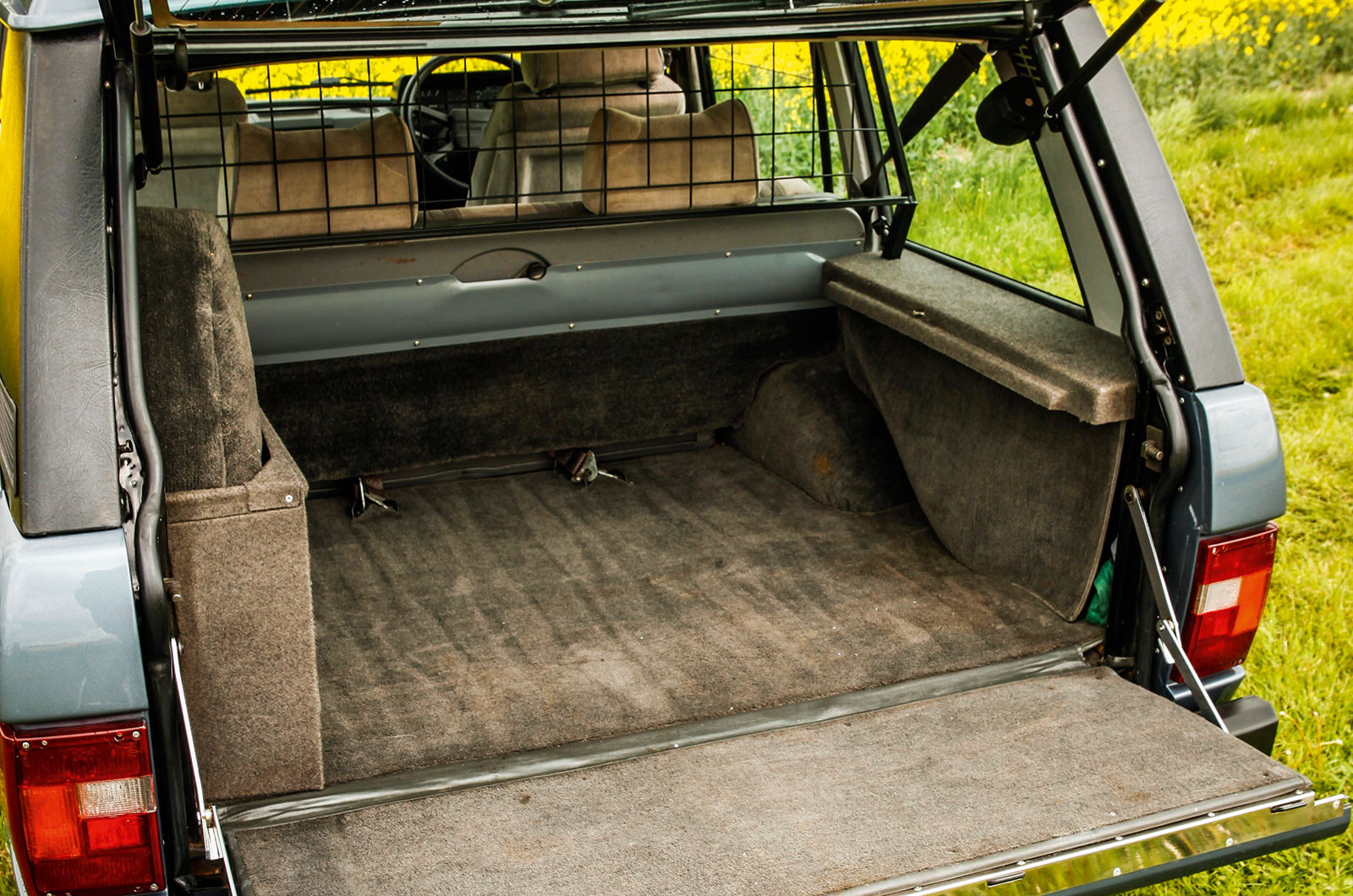
The spacious rear seats boast triple folding armrests, while there is also plenty of room in the trunk. It is accessed by that basic requirement of any grouse shoot – the split folding tailgate, on which many a picnic and midday scotch will have been served to the landed gentry.

Classic & Sports Car – Luxury on the farm: Range Rover vs Mercedes G-Wagen

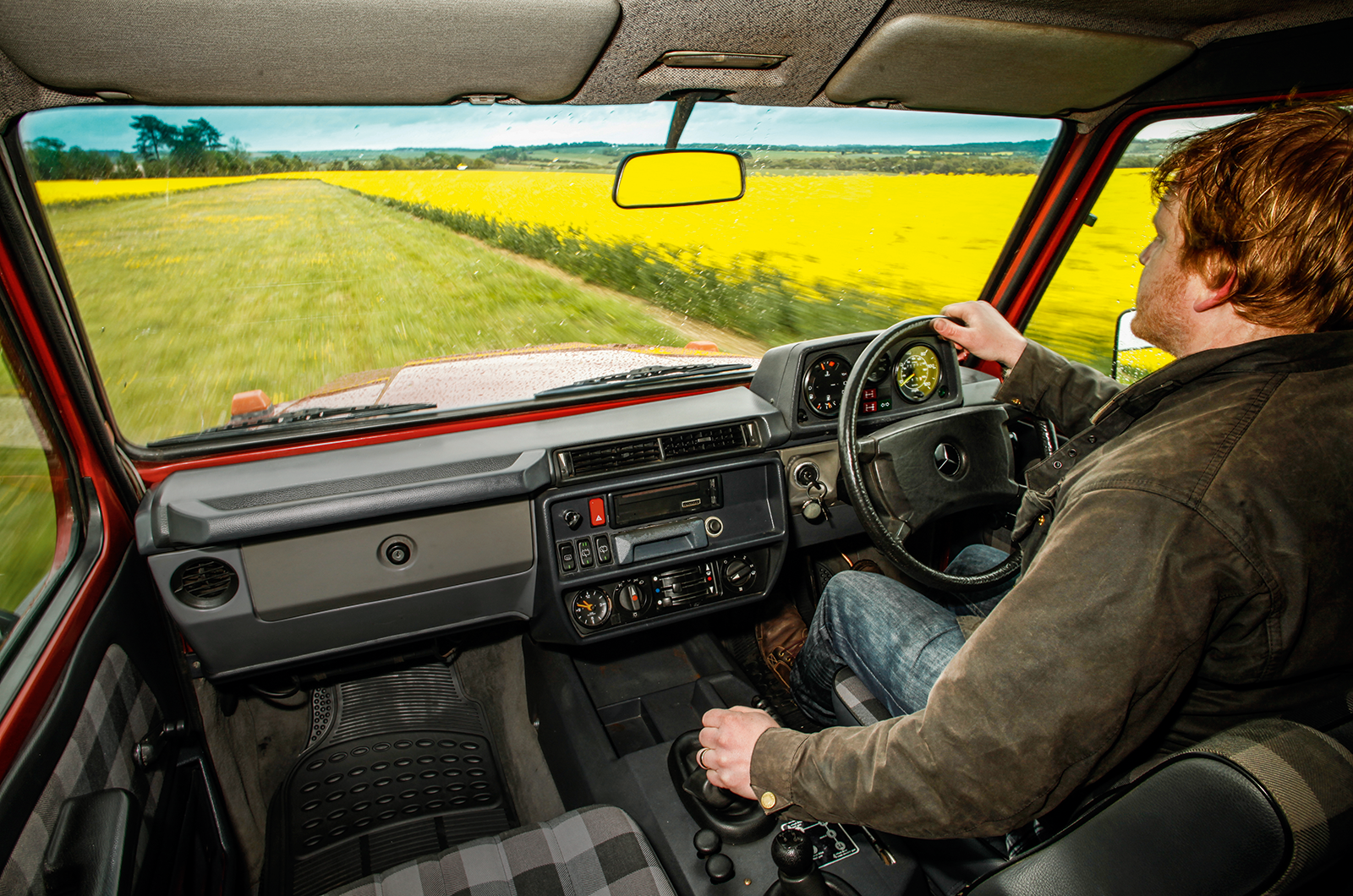
The Mercedes-Benz G-Wagen’s interior is far less luxurious than the Range Rover’s, but the driving position is good and the controls are neatly arranged

The G-Wagen is more utilitarian in design. Obviously Mercedes-Benz and Steyr-Daimler-Puch had different ideas as to what constituted luxury, but there is nothing actually at fault with the interior.

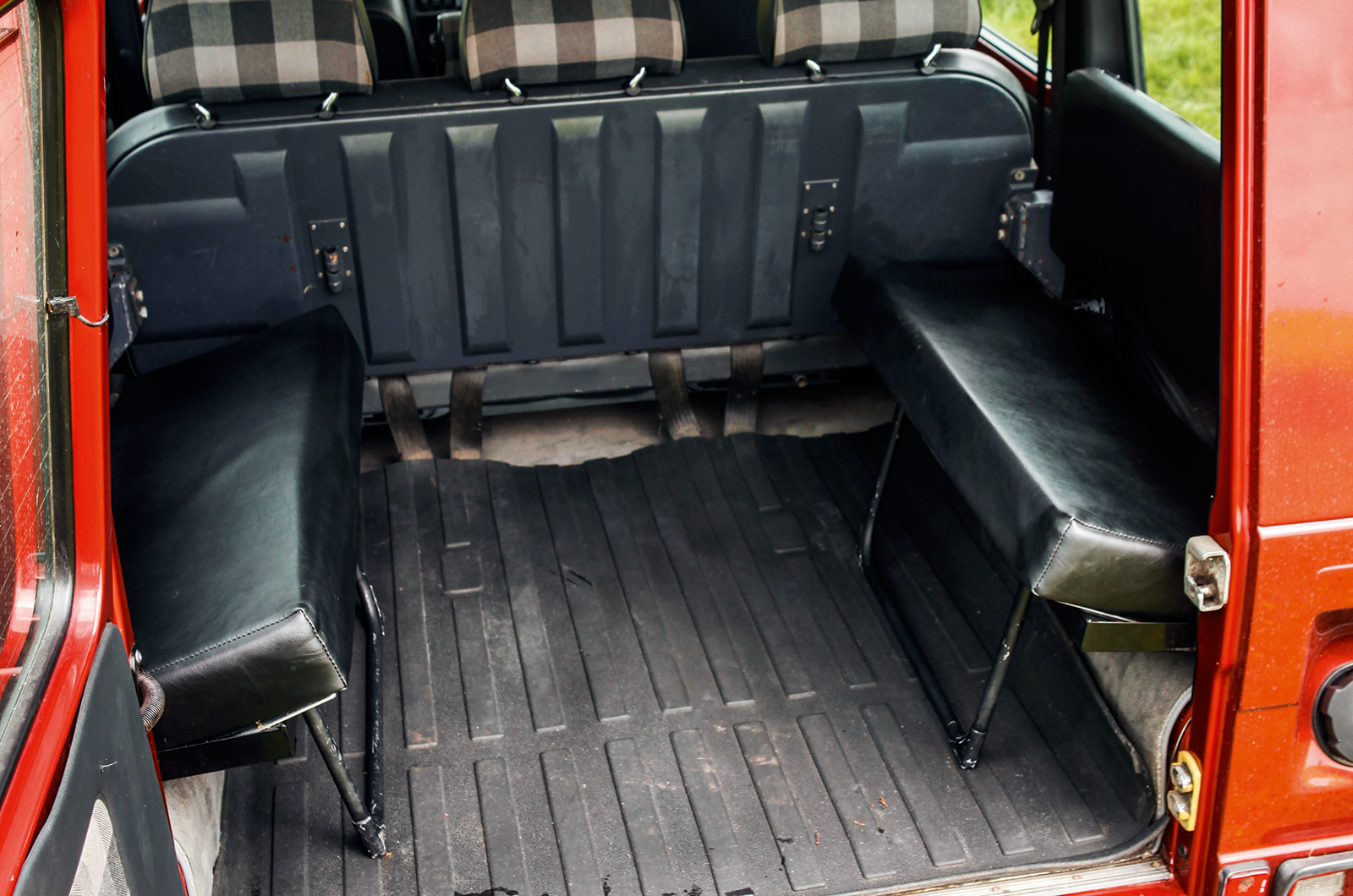
In fact, there are some neat touches, such as the under-seat ‘locker’ that holds the jack, and the large side-hinged rear door that means you can make the most of the load bay, which also boasts an extra set of seats on this long-wheelbase model.

It got more luxurious over the years, too, with the 1990 facelift giving the G-Wagen a W124-style interior.

Once you’re behind the wheel, the gearknob seems a decent reach away thanks to the lower transmission tunnel but, as with the Rangie, the dash and its controls are clearly arranged and accessible.

Classic & Sports Car – Luxury on the farm: Range Rover vs Mercedes G-Wagen

There’s a split tailgate for the Range Rover

In another classic car you might be critical of the quantity of plastic trim panels, but here it serves to reassure you that it won’t be the end of the world if you get your 4x4 dirty.

“Do you want to wash these wheels before I photograph them?” asks Baker, but it seems almost disrespectful to the G-Wagen to do so.

We’ve been splashing through half-flooded routes, navigating our way down green lanes and racing across a grass runway, and neither car has done anything to lead us to doubt their ability.

They have also provided a comfortable place to sit, heat at the push of a button or slide of a lever, plus styling that still appeals, even after so many decades.

Classic & Sports Car – Luxury on the farm: Range Rover vs Mercedes G-Wagen

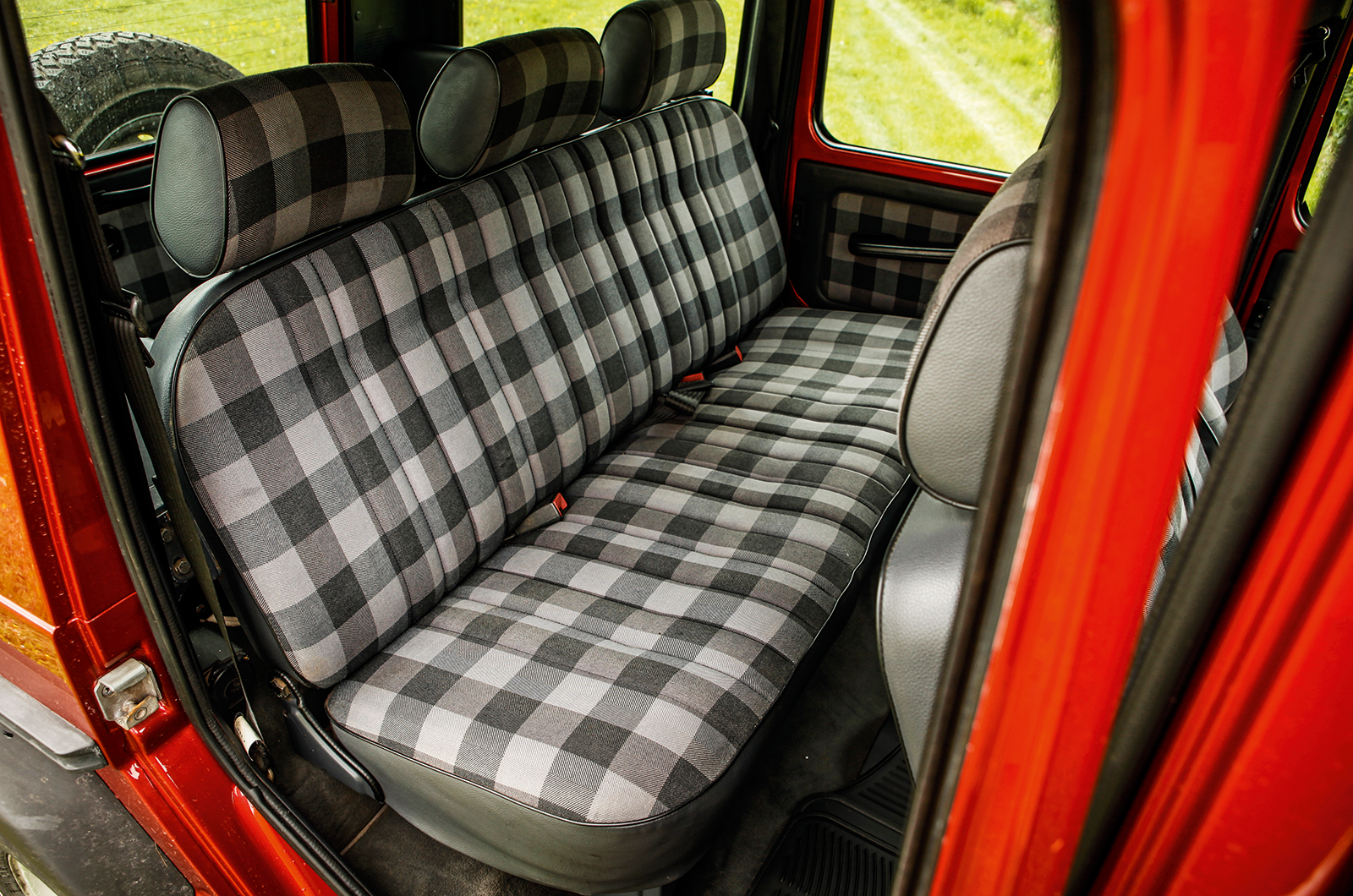
The G-Wagen has plenty of room for three adults on the rear bench seat

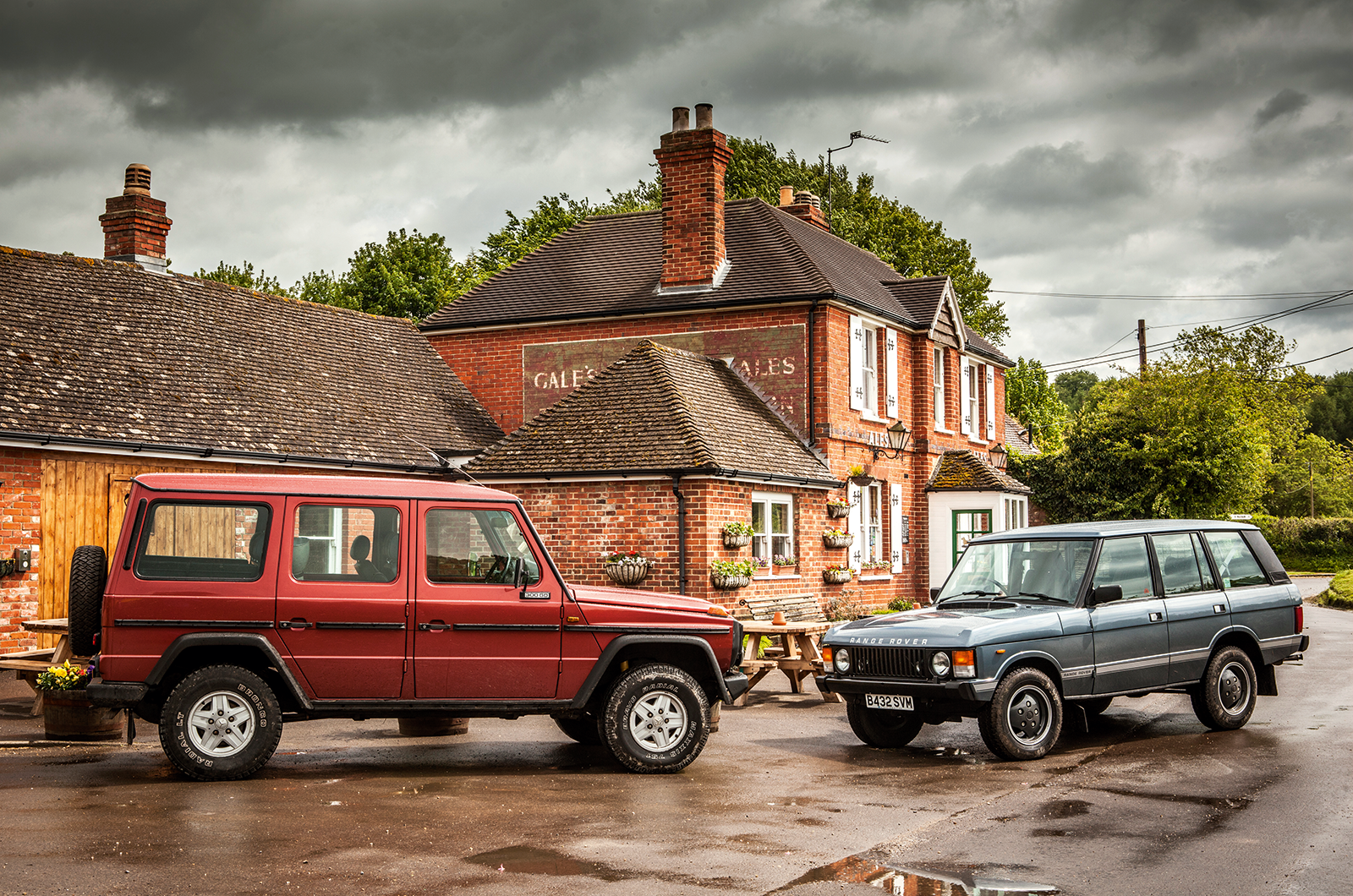
We leave the wheels dirty and trundle off to a country pub where, as if to further illustrate their broad appeal, they look right at home and draw plenty of admiring glances.

Both examples have been the subject of some restoration – in particular the Range Rover, which was bought by owner Ben Metcalfe on eBay and then given a full rebuild by the marine engineers he normally employs to fit out luxury yachts.

This was never meant to be a straight back-to-back – the two models are fundamentally different in terms of specification and you could argue that the Mercedes would be better paired with an early Defender.

But as we sit in the pub, looking out at the mud-splattered workhorses, untroubled by everything we had thrown at them, I can’t help but ponder the usual question: if I had to choose one, which would it be?

Classic & Sports Car – Luxury on the farm: Range Rover vs Mercedes G-Wagen

This long-wheelbase G-Wagen boasts additional seats

I struggle to get over just how limited the 300GD is on the highway, but a different engine option would solve that particular problem, and the six-cylinder gasoline alternative would certainly reduce the disparity between the G-Wagen and the Range Rover.

Off road, it felt indestructible – a sense that was reinforced by the lack of luxury compared to the cosseting offered by its rival.

Given the brief, however, perhaps that is where the Brit just edges it.

The combination of eager V8 with that trademark sound, comfort, space and excellent off-road ability means that it ticks all the boxes, while also being a damn fine-looking classic.

Classic & Sports Car – Luxury on the farm: Range Rover vs Mercedes G-Wagen

Even after a hard day’s use, both these classic vehicles offer stylish transport to your evening venue of choice

Perhaps more importantly, I started the day convinced that the Range Rover was the one for me: I didn’t really get the appeal of the Mercedes-Benz thanks to its distinct looks and neither-here-nor-there stance in the utility/luxury market.

But, as the day draws to a close, I am disappointed at having to hand back the keys now that I have had a peek into just why the G-Wagen has such a dedicated following.

Another few goes and I reckon I might consider myself a convert. 

Ultimately – and despite the rain, the wind and the cold – it is heart-warming to know that there are two classic cars out there that can still raise a smile, even in the most British of weather.

Images: Tony Baker


Factfiles

Mercedes-Benz 300GD LWB

  • Sold/number built 1984-’91/3905
  • Construction steel chassis, steel body
  • Engine all-iron, overhead-cam 2998cc five-cylinder diesel, indirect fuel injection
  • Max power 88bhp @ 4000rpm
  • Max torque 126.5lb ft @ 2400rpm
  • Transmission five-speed manual, driving rear or all four wheels, dual-range transfer box, twin differential locks
  • Suspension: front live axle on leading arms, coil springs with Panhard rod rear live axle on trailing arms with Panhard rod; telescopic dampers f/r
  • Steering power-assisted recirculating ball
  • Brakes discs front, drums rear, with servo
  • Length 14ft 4in (4395mm)
  • Width 5ft 5¾in (1700mm)
  • Height 6ft 5in (1975mm)
  • Wheelbase 9ft 4in (2850mm)
  • Weight 4491lb (2037kg)
  • Mpg 19
  • 0-60mph 23.7 secs
  • Top speed 83mph
  • Price new £17,240


Range Rover Mk1 4-door

  • Sold/no built 1981-’94/326,070 (all Mk1s)
  • Construction steel chassis, aluminum and steel body panels
  • Engine all-alloy, ohv 3528cc V8, twin Zenith-Stromberg carburetors
  • Max power 125bhp @ 4000rpm
  • Max torque 190lb ft @ 2500rpm
  • Transmission five-speed manual, driving all four wheels, dual-range transfer box, automatic differential lock
  • Suspension: front live axle, radius arms, coil springs rear live axle, radius arms, self-leveling struts; telescopic dampers and Panhard rods f/r
  • Steering power-assisted recirculating ball
  • Brakes discs, with servo
  • Length 14ft 7in (4470mm)
  • Width 5ft 8in (1780mm)
  • Height 5ft 9in (1800mm)
  • Wheelbase 8ft 3in (2540mm)
  • Weight 4650lb (2109kg)
  • Mpg 15.4
  • 0-60mph 14.4 secs
  • Top speed 96mph
  • Price new £15,473

We hope you enjoyed reading. Please click the ‘Follow’ button for more super stories from Classic & Sports Car.