Ford vs Vauxhall vs Austin vs Standard: Brits with transatlantic flavour

| 6 May 2026
Classic & Sports Car – Ford vs Vauxhall vs Austin vs Standard: Brits with transatlantic flavour
An A-road transport cafe circa 1958, the atmosphere thick with intrigue and cheap-cigar fumes.

The waitress, a twin for comedy starlet Liz Fraser, scowls at the attempts of four businessmen at the window table to speak with American accents – the result is Coventry meets outer Vancouver.

But, after all, they all own a UK interpretation of Detroit’s post-war dream cars.

Classic & Sports Car – Ford vs Vauxhall vs Austin vs Standard: Brits with transatlantic flavour
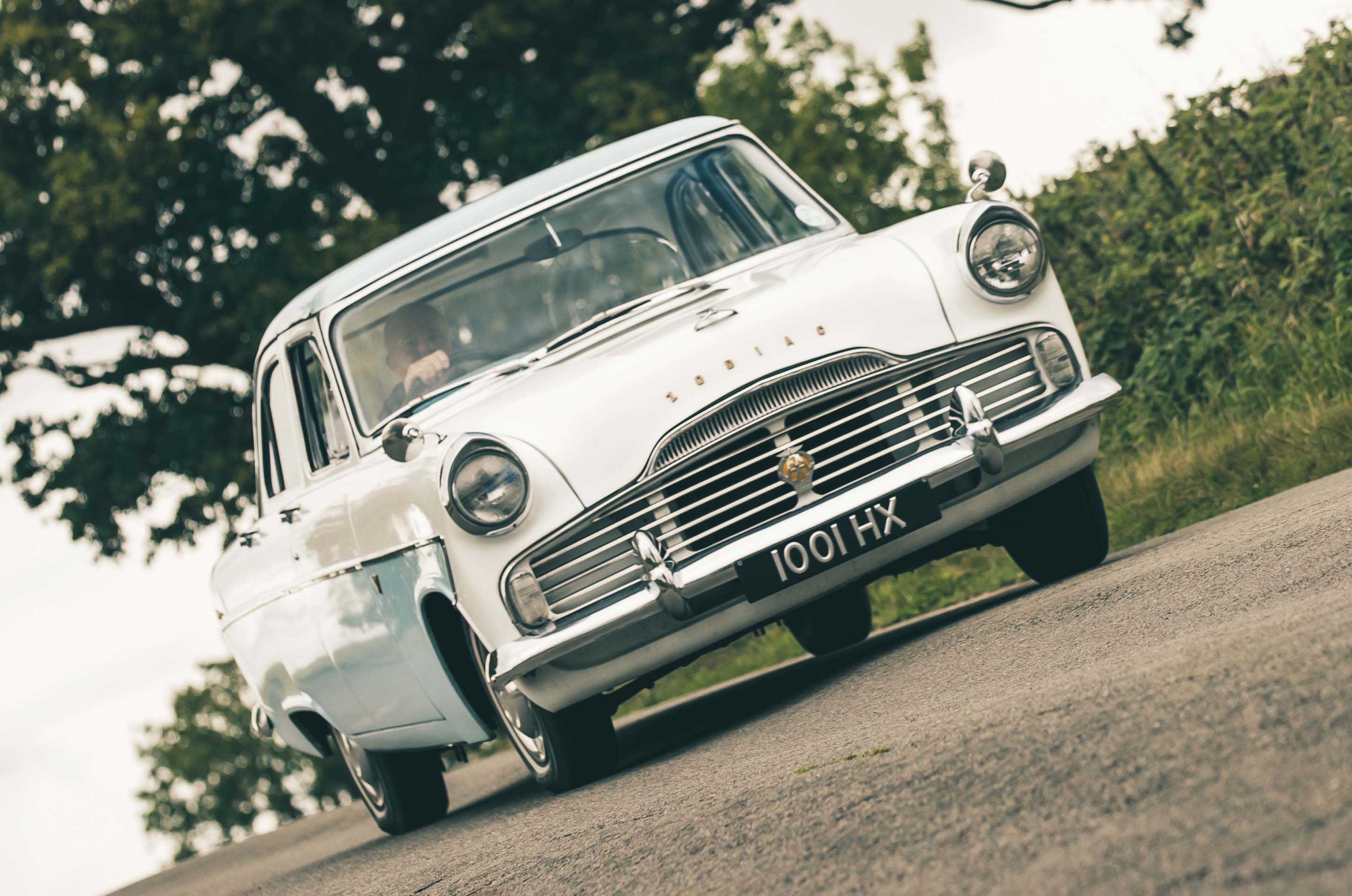
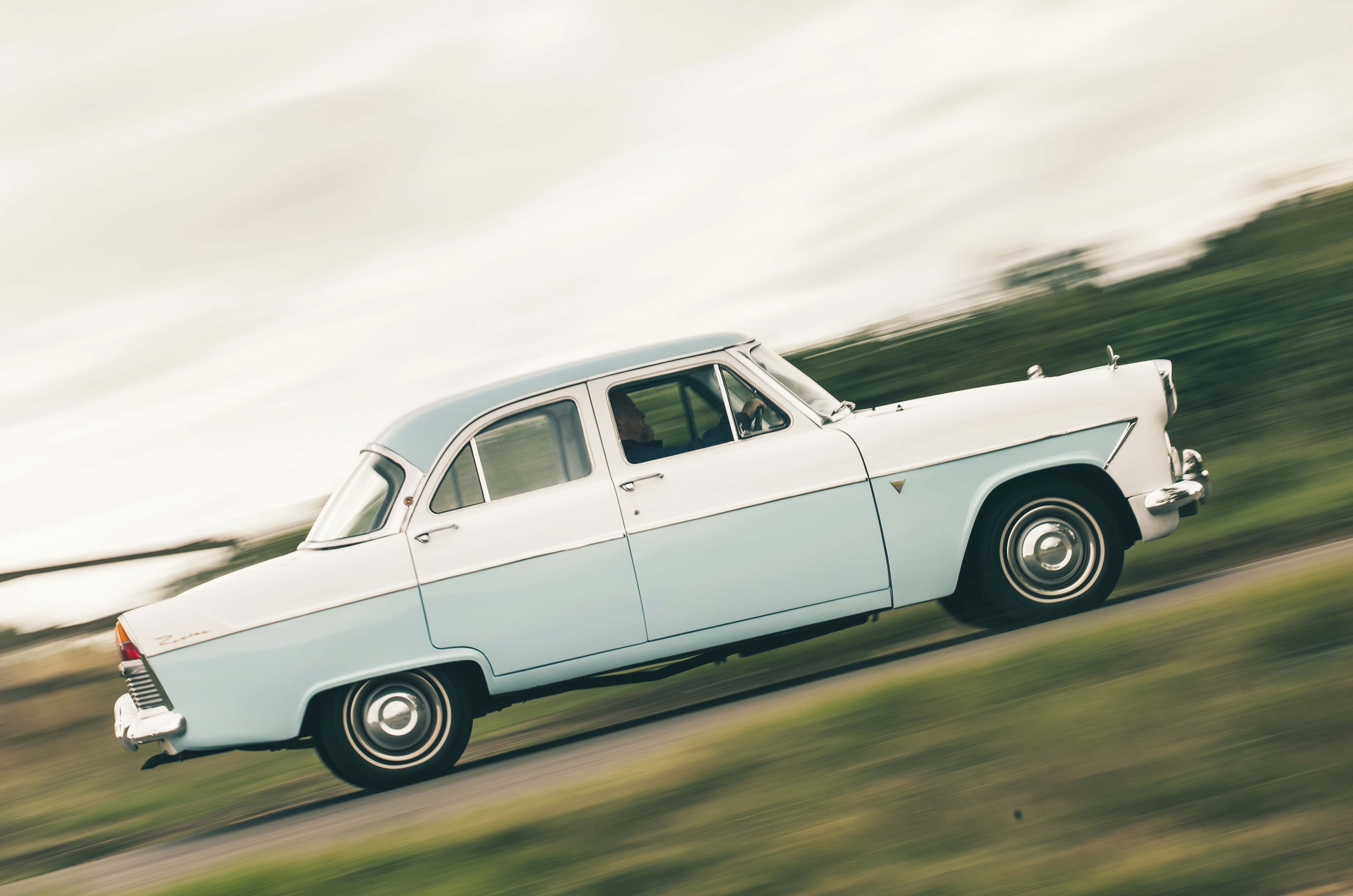
The Ford Zodiac MkII wears its US design influences with some success

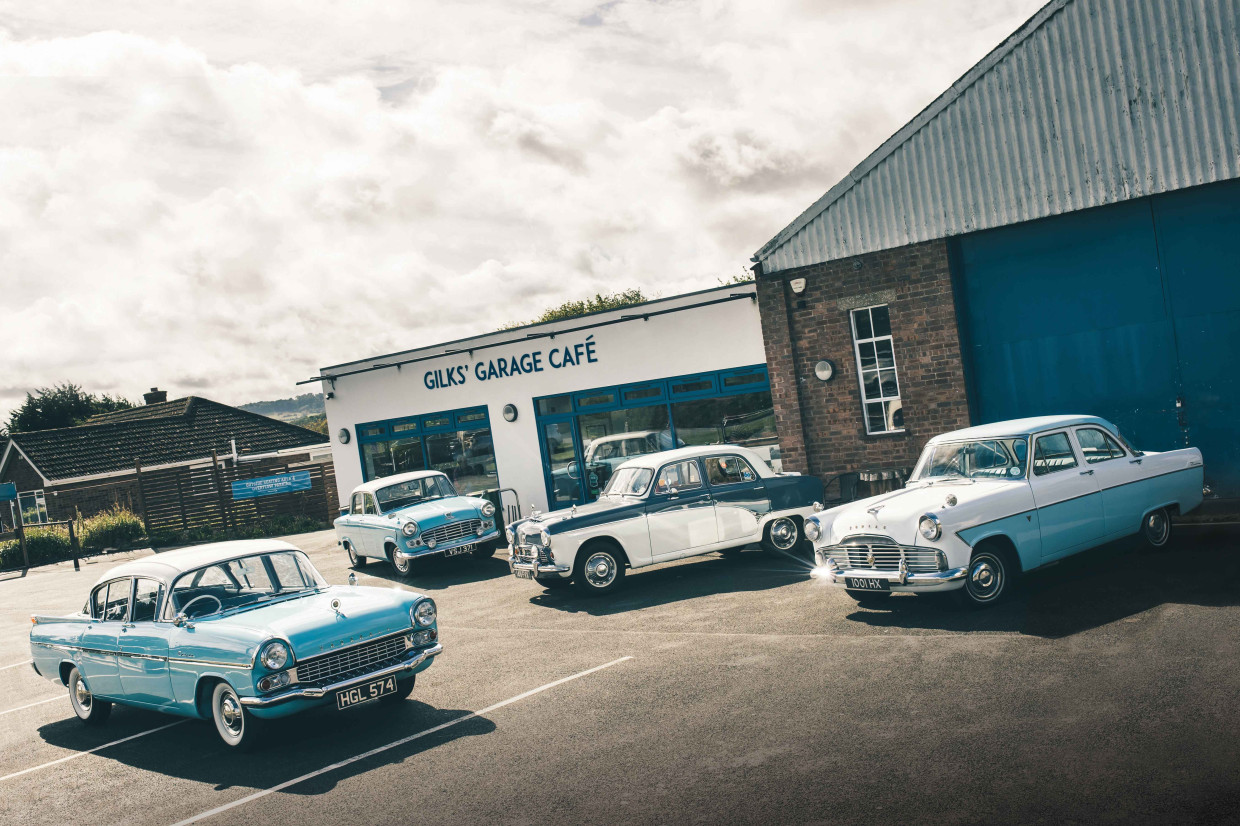
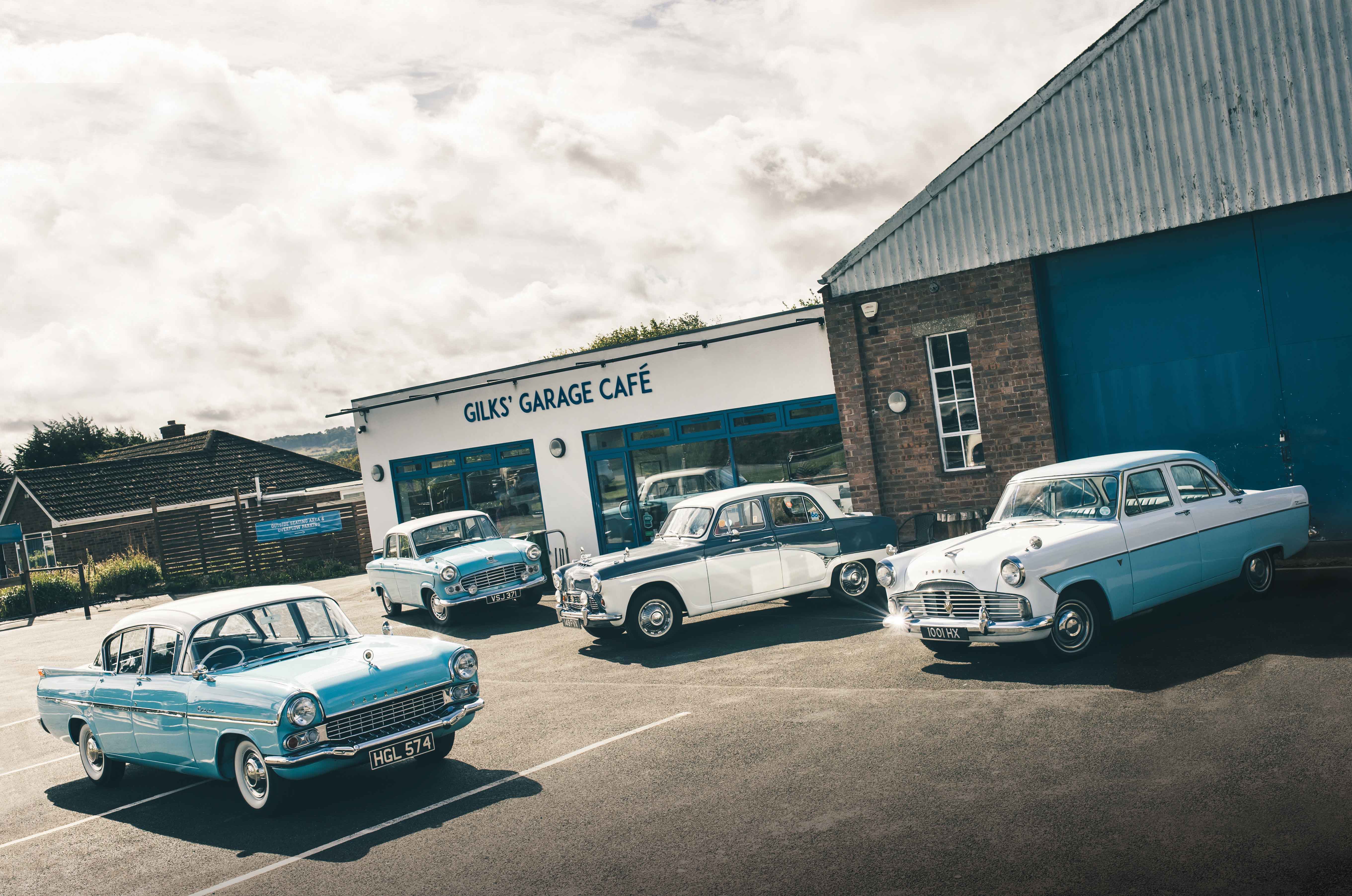
Fast-forward to the charming surroundings of Gilks’ Garage Café circa 2026, for a tribute to these Kodak Eastmancolor fantasies with a quartet of fine saloons.

We start with Mike Hartley’s 1960 Ford Zodiac MkII, because the original Zephyr-Zodiac MkI of 1953 symbolised the dawn of post-war affluence.

That car was craved by local business owners, wide boys with dreams of respectability and Palais de Danse Teddy Boys alike, and the MkII continued this tradition.

Classic & Sports Car – Ford vs Vauxhall vs Austin vs Standard: Brits with transatlantic flavour
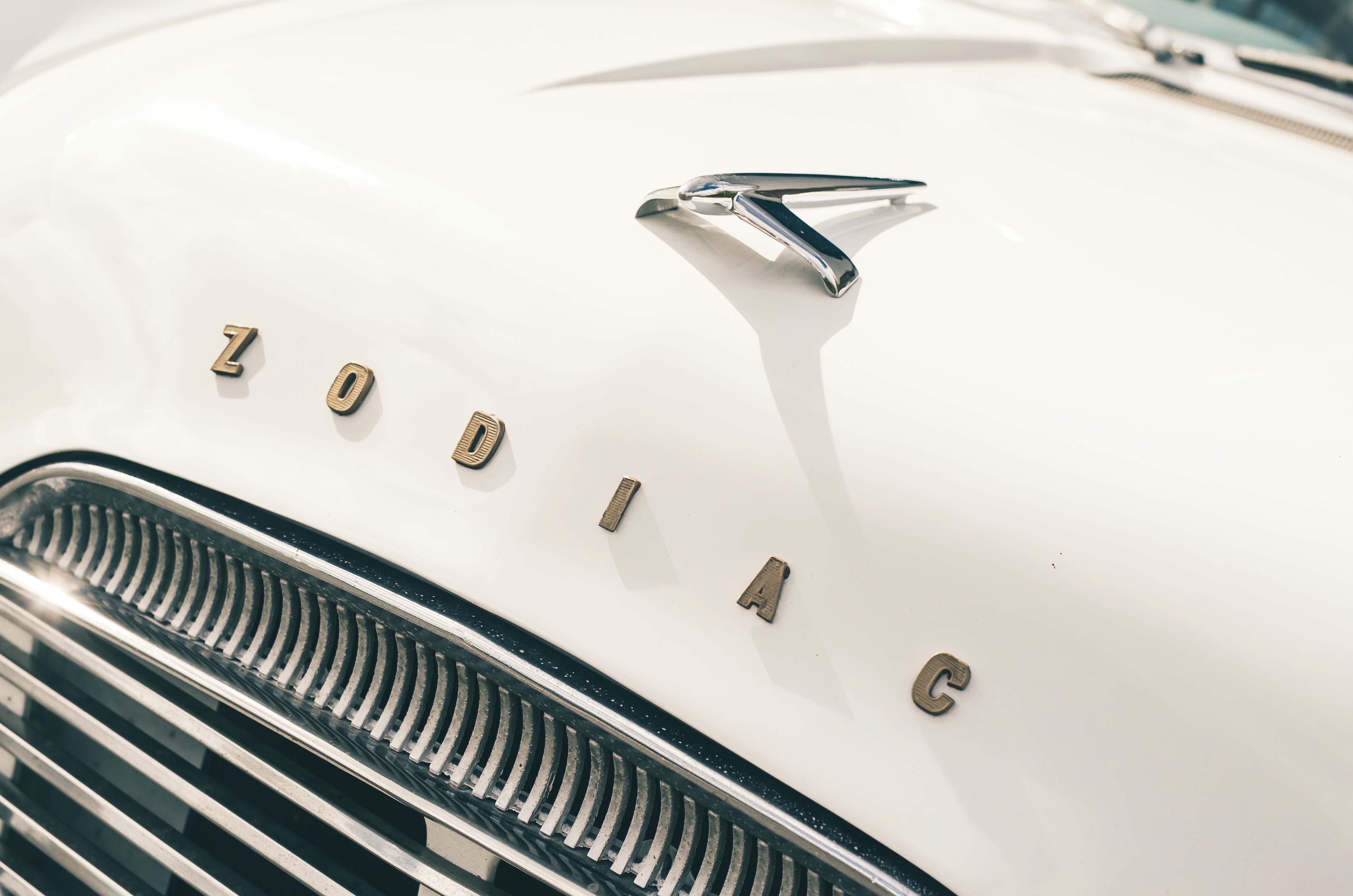
The Ford Zodiac MkII’s grille and brightwork mark it out from the Zephyr

Dagenham tested prototypes across Germany, The Netherlands and Kenya in 1955, and the new ‘Three Graces’ – Consul, Zephyr and Zodiac – took their bow in February 1956.

Naturally, the sales copy eschewed all modesty with the latest flagship.

The Zodiac MkII – the Zephyr prefix had been dropped – was ‘the finest expression of Ford achievement’.

Here was a mass-produced car with ‘the finish and attention to detail that speaks of the craftsman’s touch’.

Classic & Sports Car – Ford vs Vauxhall vs Austin vs Standard: Brits with transatlantic flavour
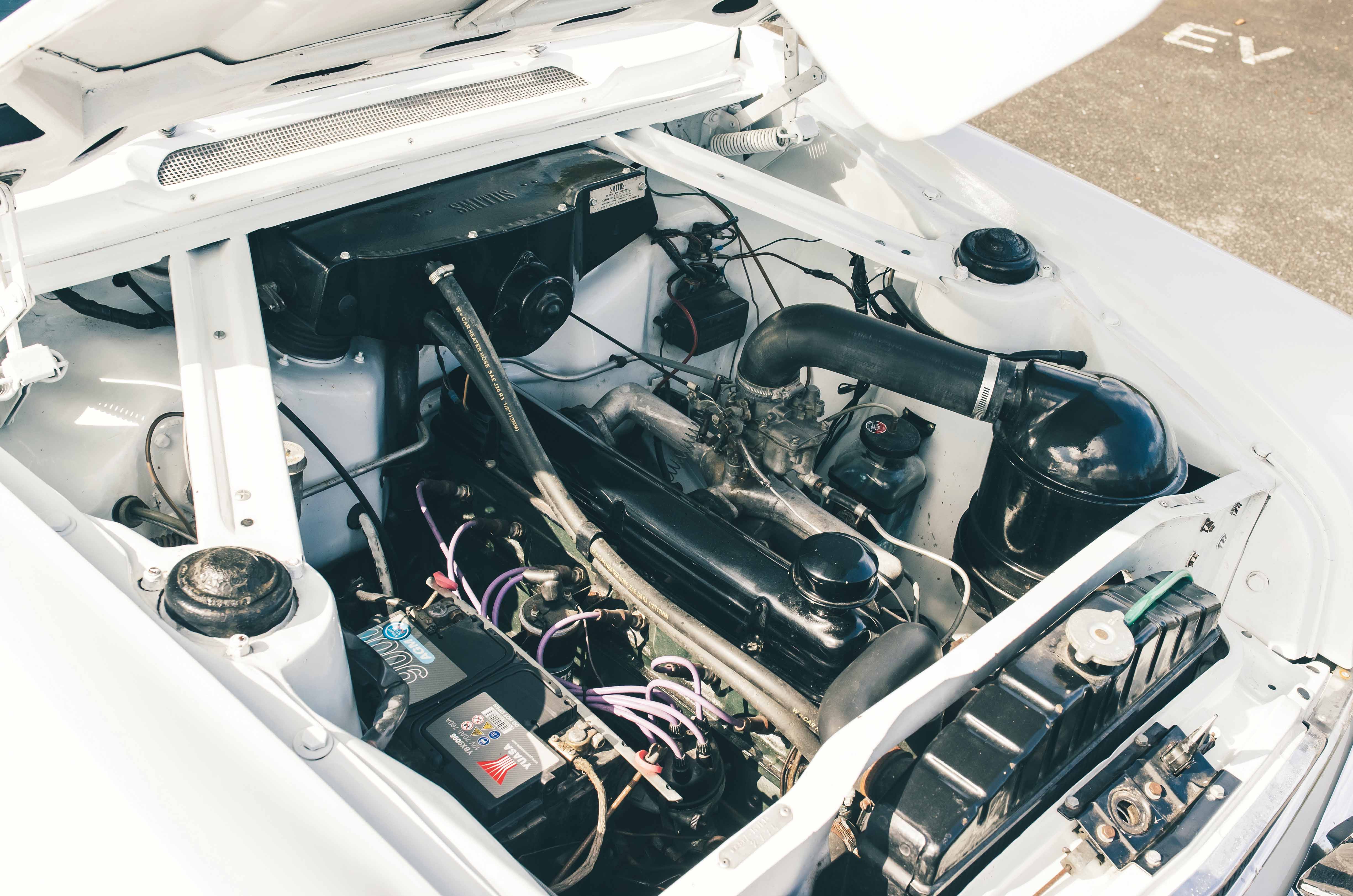
The Ford Zodiac MkII’s 2553cc ‘six’ makes 85bhp

More prosaically, the Zodiac MkII boasted a 2.6-litre straight-six engine and Colin Neale’s rather elegant styling, with vestigial tailfins and overtones of the 1955 Ford Fairlane.

The Autocar bemoaned wings that ‘uselessly slice the atmosphere on the hindquarters of the current American crop’, but the Zodiac quite successfully interpreted US design tropes for the drivers of English suburbia.

The Hartley Zodiac has the ‘lowline’ roof of the post-’59 versions, which many believe enhances the looks.

Classic & Sports Car – Ford vs Vauxhall vs Austin vs Standard: Brits with transatlantic flavour
This post-1959 Ford Zodiac MkII has the sleeker ‘lowline’ roof

“I bought it in 2016 from two retired aircraft engineers who restored it,” says Mike. “I now find my Zodiac is recognised only by those in the know. A lot of people think it is a Zephyr.”

This, of course, is a base insult to proud owners of the flagship model.

The Zodiac could be distinguished from the mid-range Zephyr by its grille, brightwork and such essential additional equipment as a cigar lighter and a clock, the latter mounted above the rear-view mirror.

Classic & Sports Car – Ford vs Vauxhall vs Austin vs Standard: Brits with transatlantic flavour
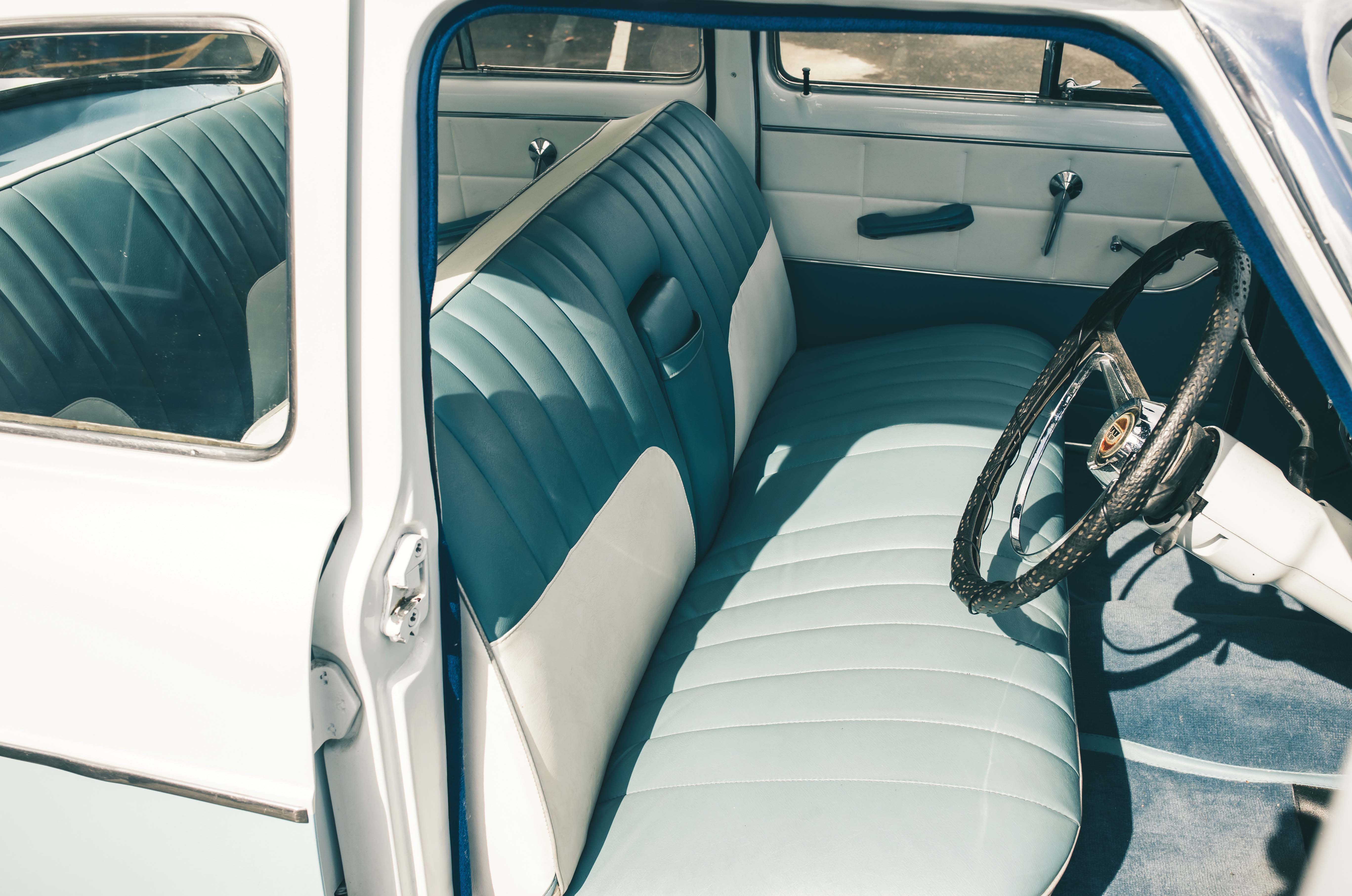
The Ford Zodiac MkII’s cabin features a wide front bench and two-tone trim

As with the other Three Graces, the windscreen wipers are vacuum-operated (the 1962 Zephyr and Zodiac MkIII would be the first large British Fords with electrically powered blades).

“They slow down on acceleration,” Mike adds, “but at least they don’t stop altogether, as they do on a sidevalve Ford!”

The dated wiper system is a curiously pre-war touch on a vehicle that otherwise symbolises a brave new world.

With regard to performance, Mike says: “My Zodiac is unmodified, and it handles well since I have seen to the rear shock absorbers.”

Classic & Sports Car – Ford vs Vauxhall vs Austin vs Standard: Brits with transatlantic flavour
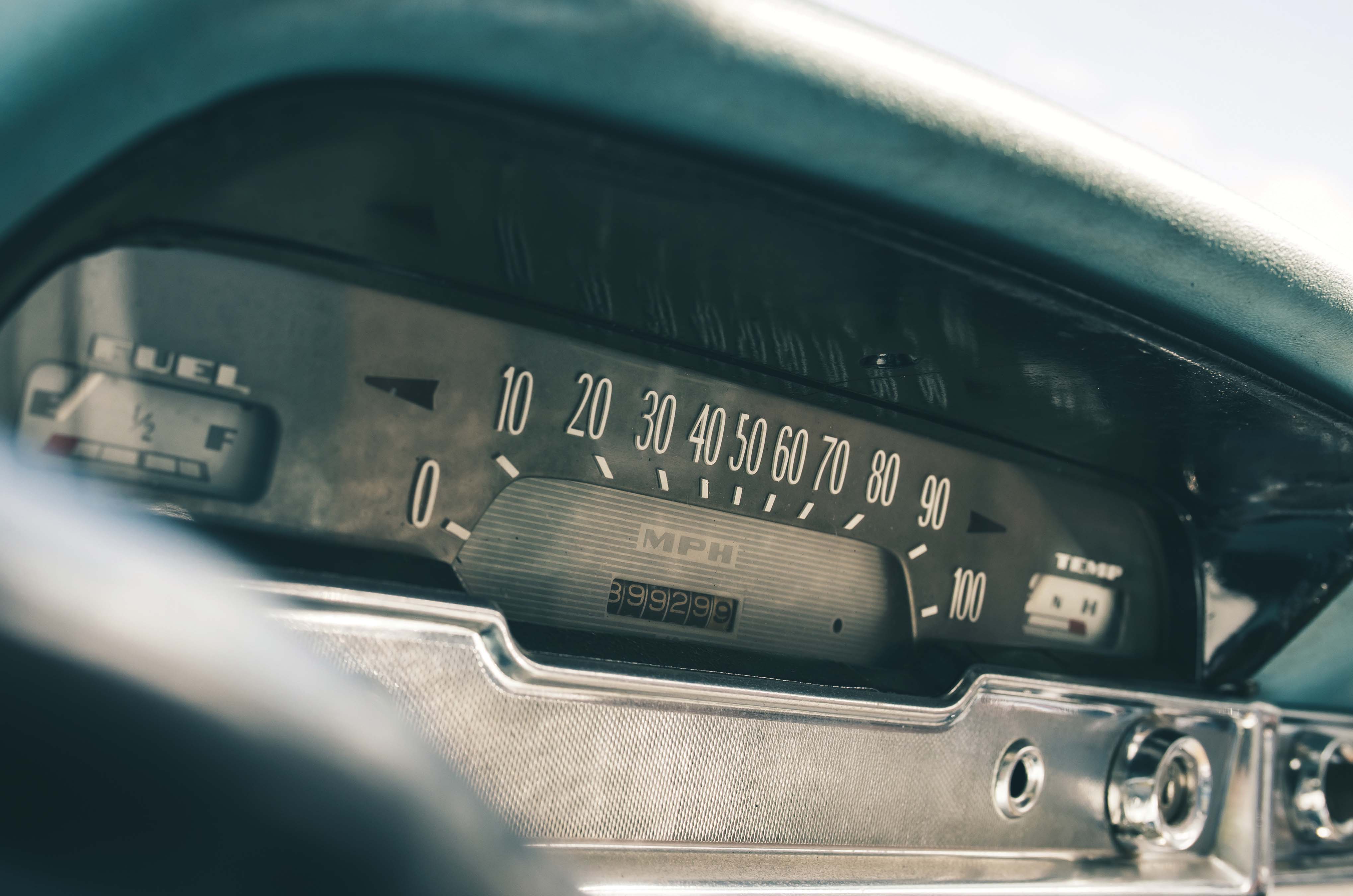
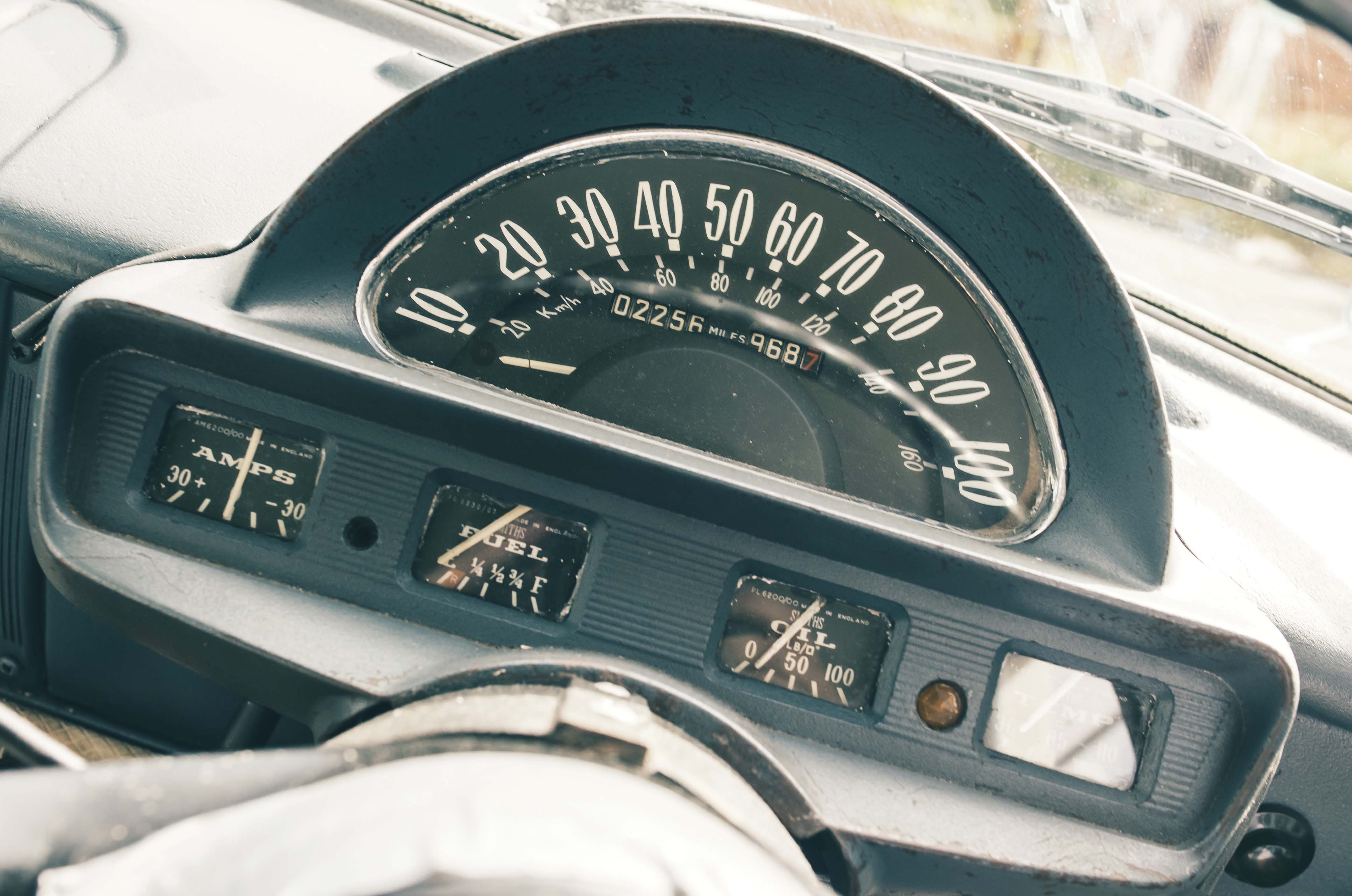
The Ford Zodiac MkII’s strip speedometer is a blast from the past

“It’s not the best in modern traffic, and it is a good idea not to rush the column-mounted three-speed gearchange if you don’t want to jam the lever,” he adds. “Occasionally I have to double-declutch from third to second to make life easier.”

He also suggests owners should keep adjusting the drum brakes if given hard use; front discs weren’t standardised on the MkII until 1961.

In the late 1950s, a prospective Zodiac owner might have given more than a passing thought to an Austin A105 Westminster.

The original 1954 A90 ‘Westie’ was the first car to be powered by the C-series engine, and was Longbridge’s first large, unitary-bodied saloon.

Classic & Sports Car – Ford vs Vauxhall vs Austin vs Standard: Brits with transatlantic flavour
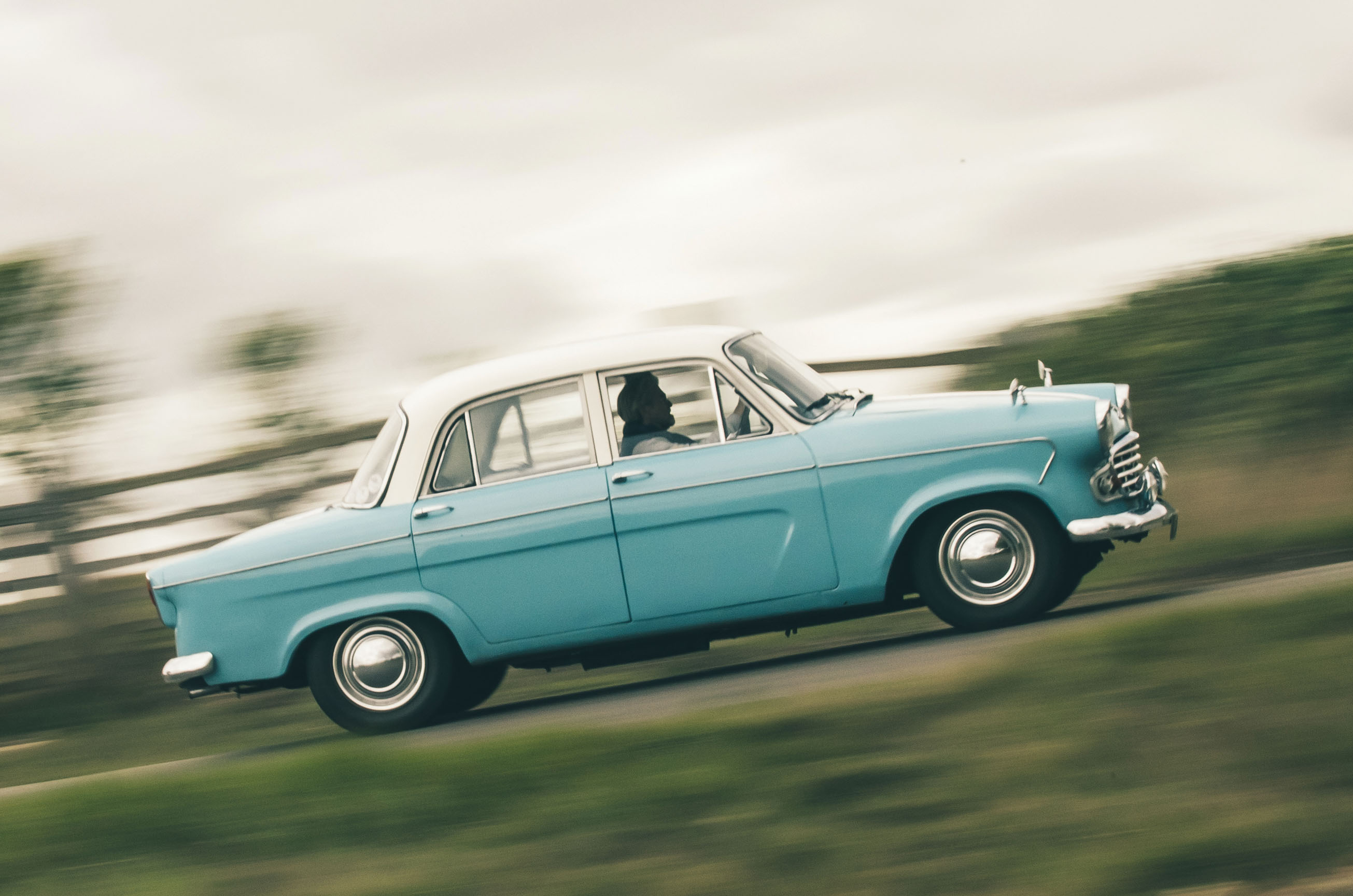
This early, short-body Austin A105 Westminster predates the late-1956 ‘long-boot’ facelift

In May 1956 Austin launched the A105, featuring lowered suspension and a 2.6-litre powerplant that employed twin SU carburettors instead of the A90’s single downdraught Zenith.

This engine was subsequently used in the Austin-Healey 100/6, and in the meantime the A105 had aspirations to be a dashing sports saloon rather than a suburban cruiser.

As if to prove it, in 1958 Jack Sears won the first British Saloon Car Championship aboard a top-of-the-range Westminster.

Classic & Sports Car – Ford vs Vauxhall vs Austin vs Standard: Brits with transatlantic flavour

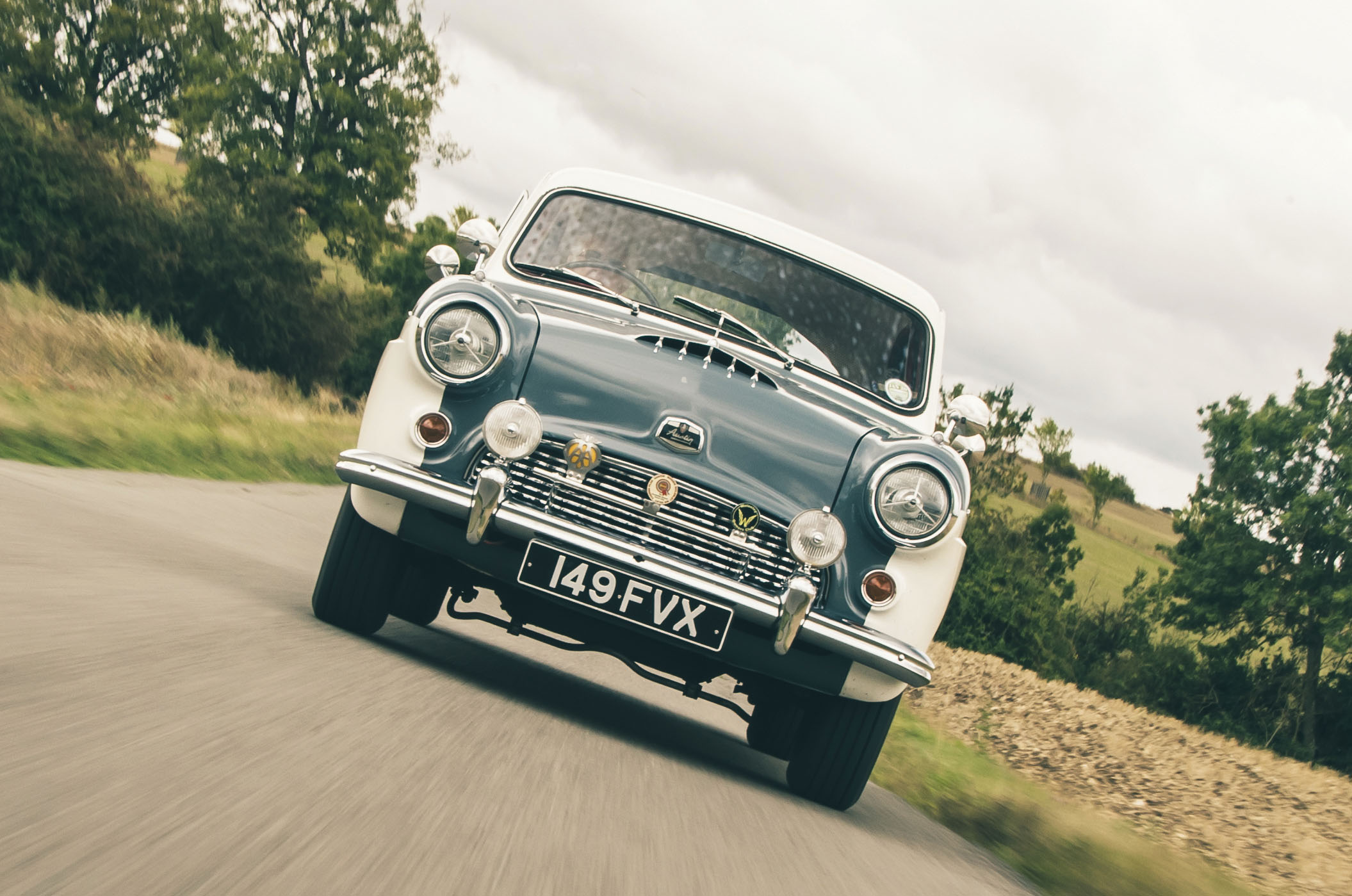
The Austin A105 Westminster has a prominent intake in the centre of its bonnet

For those drivers more concerned with creature comforts, Austin proclaimed: ‘She’s got the lot.’ Your new A105 came with dual overdrive on the four-on-the-column transmission, wing mirrors, duotone paintwork, foglights, whitewall tyres and copious amounts of chrome.

The effect was of a band singer of the Alma Cogan/Dickie Valentine school of crooning successfully updating their image to the rock ’n’ roll era.

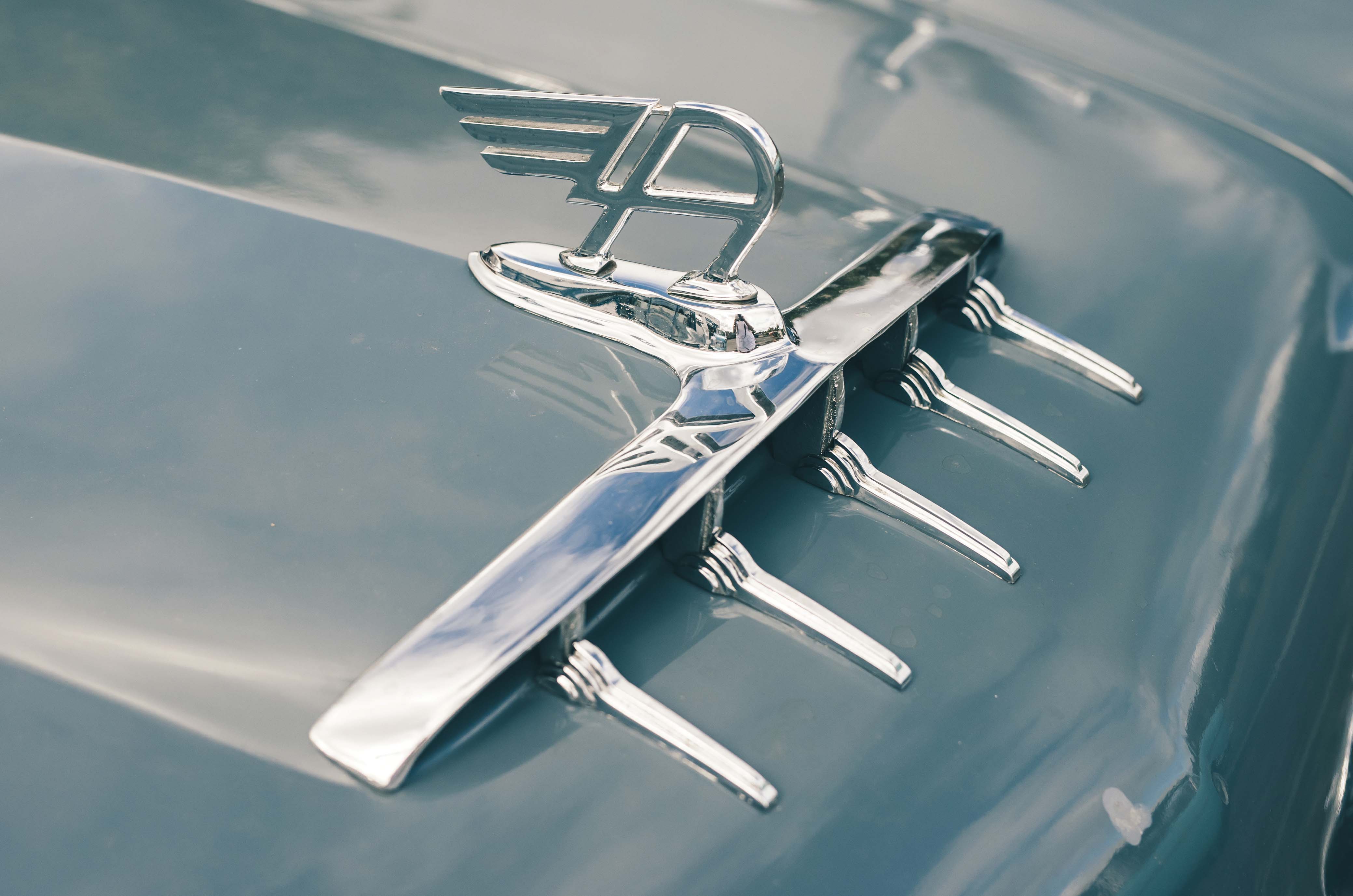
Its overall appearance is positively exuberant, down to the ‘Flying A’ bonnet mascot. 

The Westminster shared doors with the 1.5-litre A50 Cambridge and, despite the longer bonnet for the C-series engine, the A105 looks almost diminutive by 2026 standards.

Classic & Sports Car – Ford vs Vauxhall vs Austin vs Standard: Brits with transatlantic flavour

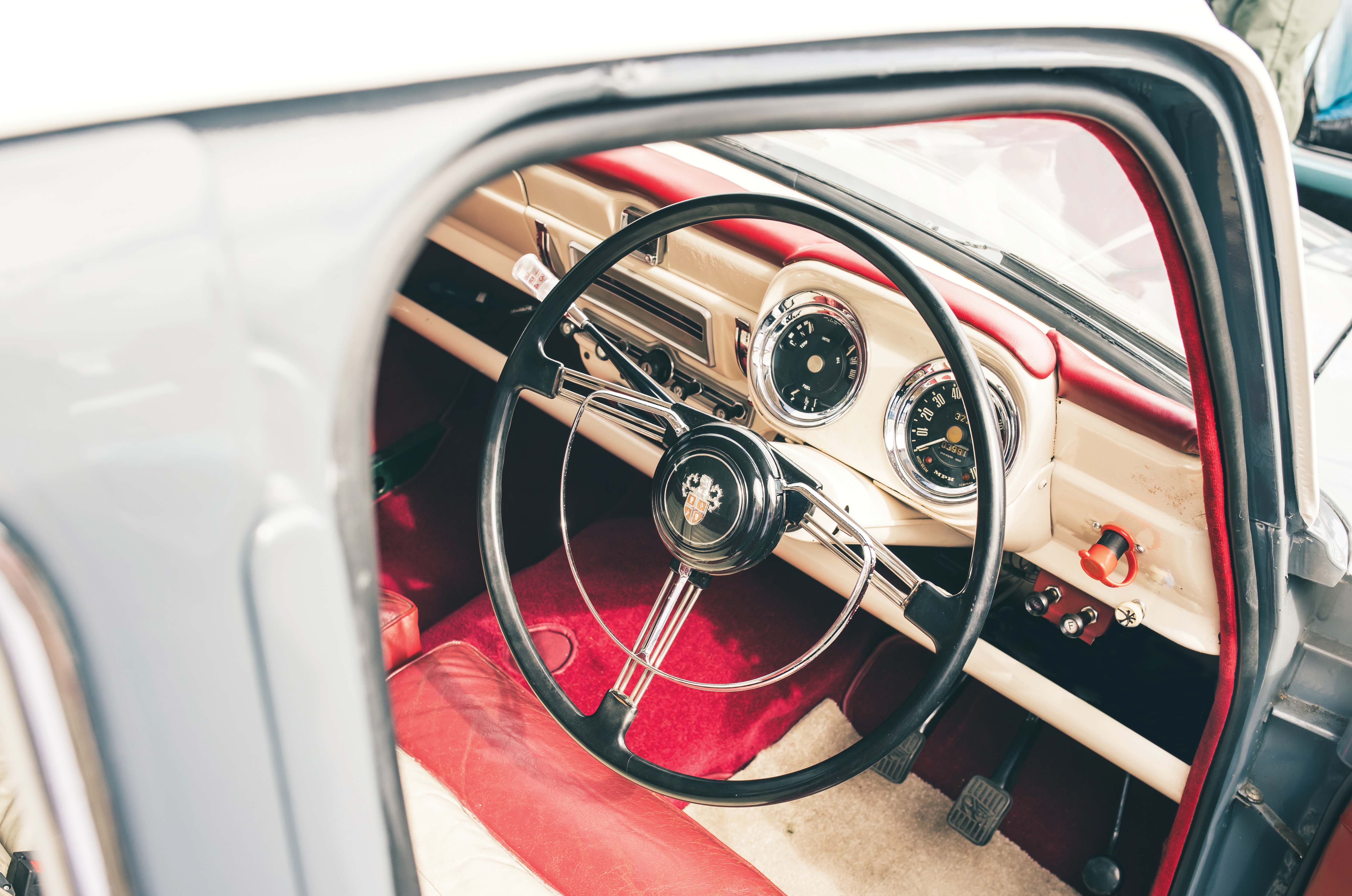
The Austin A105 Westminster’s sober exterior gives way to a bright interior with bold trim

BMC replaced the ‘cow-hip’ Westminster with the facelifted ‘long-boot’ A95/A105 in late 1956, making Fred Oldham’s early example, which is nicknamed ‘Effie’, a rare machine. 

“I acquired the Austin in August 2015,” he says.

“I’m only the second owner, which is quite amazing. When I bought the car, it had a stuck clutch plate, no hydraulics, dismantled brakes, no fuel pump and incomplete ignition wiring.

“The interior was full of spares, and there was literally a shed-load of other parts. My son and I trailered it from Dudley back to Sheffield.”

Classic & Sports Car – Ford vs Vauxhall vs Austin vs Standard: Brits with transatlantic flavour

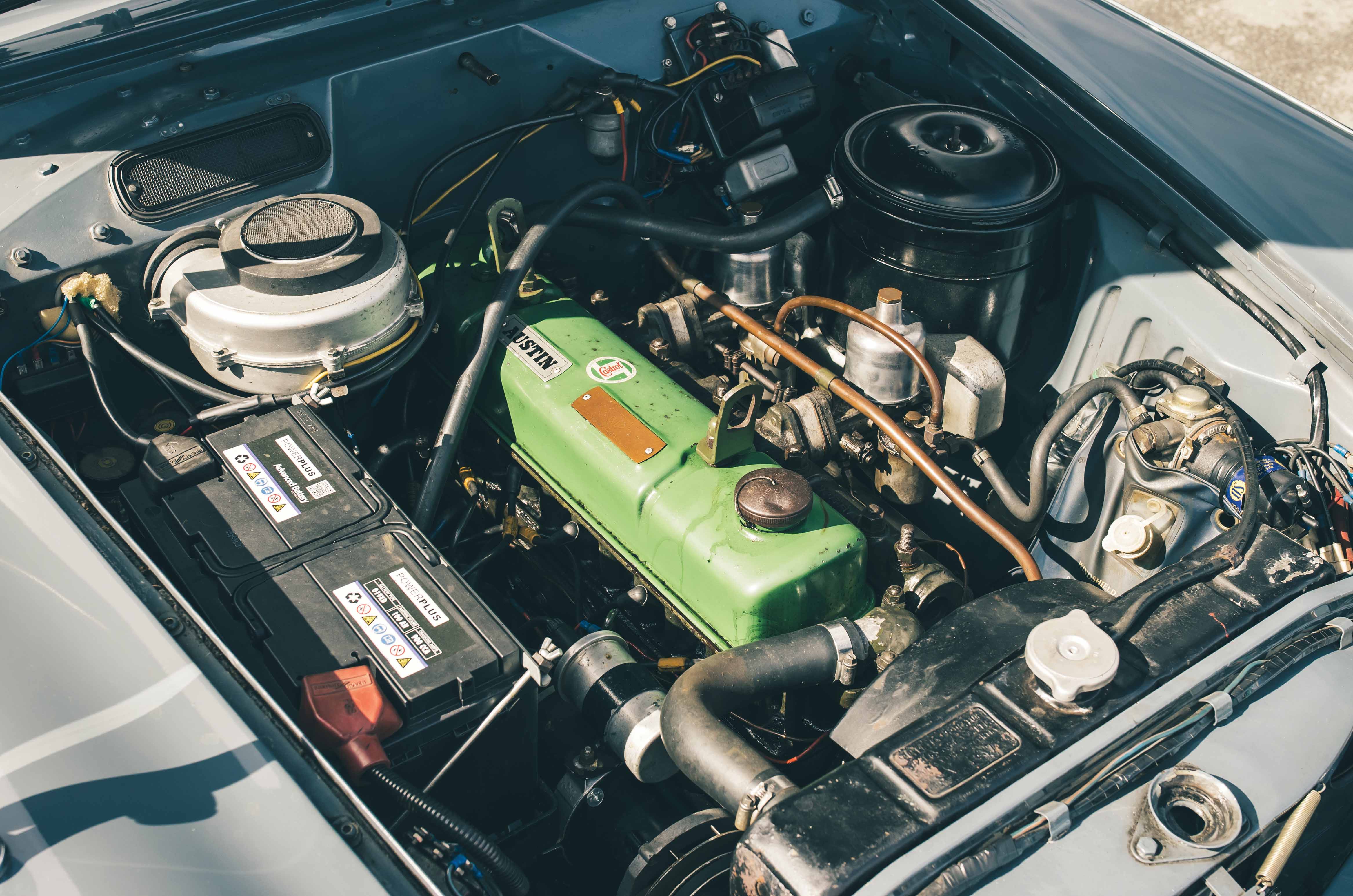
The Austin A105 Westminster’s ‘six’ later powered the Austin-Healey 100/6 sports car

This Austin is fitted with a 2912cc engine from the 1959-’68 ‘Farina’ Westminster, which replaced the A95/A105.

Fred finds his Austin smooth and quiet to drive. He adds: “With its later 3-litre unit, it pulls well. The Westminster gets admiring comments wherever we go, and attracts waves and flashed headlights from other motorists.”

He also notes that most young people haven’t got a clue what it is, and many haven’t heard of Austin in the first place.

This is quite shocking, not least because the Westminster deserves recognition for its sheer jauntiness, from its brightly upholstered, split-bench front seat to its chrome décor.

Classic & Sports Car – Ford vs Vauxhall vs Austin vs Standard: Brits with transatlantic flavour

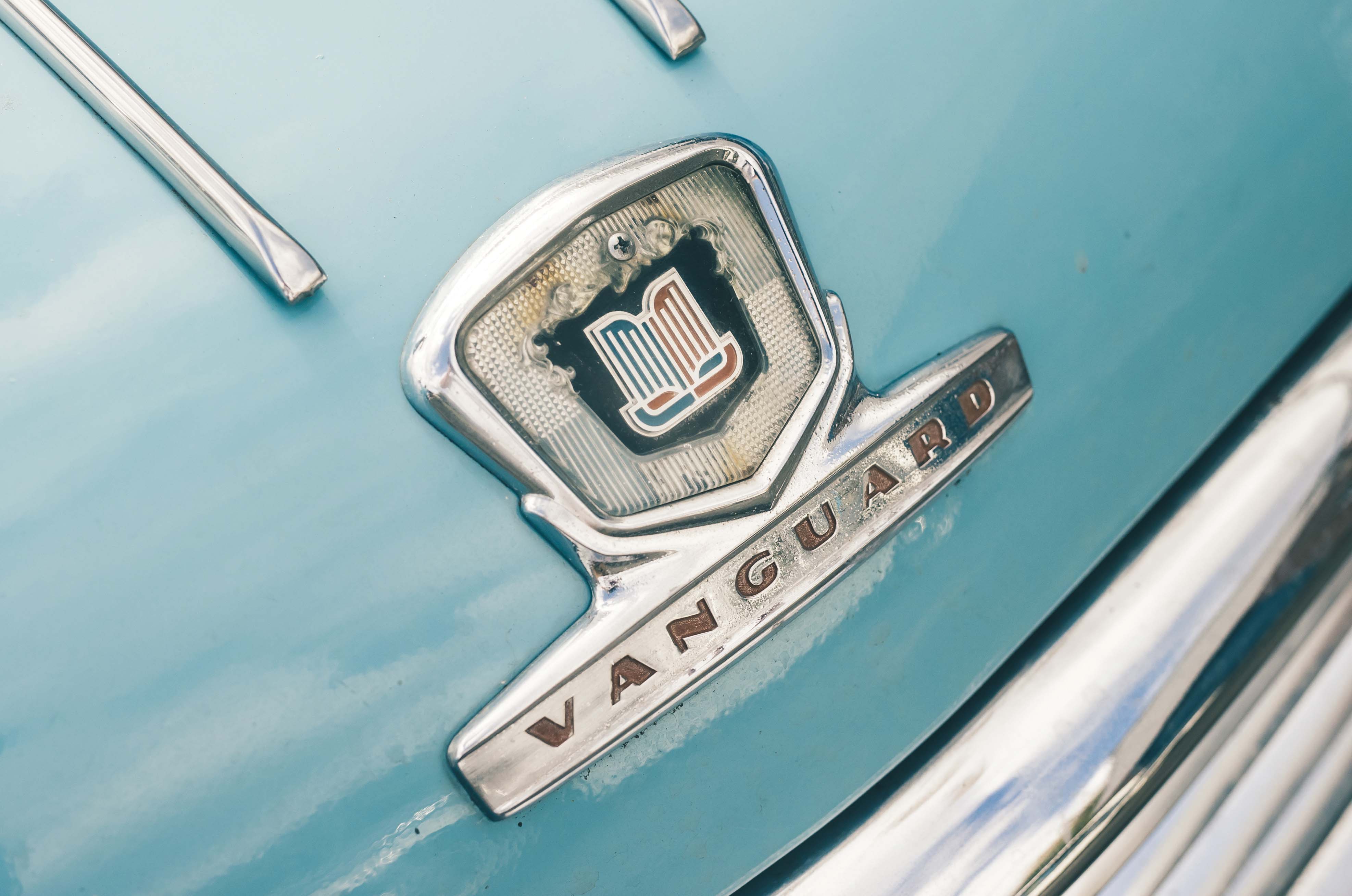
Michelotti brought some well-received style to the Phase III Standard Vanguard

In 1956, The Telegraph concluded: ‘[It should] go a long way to resuscitating Britain’s world supremacy as a car-exporting nation.’

Anyone who dared to disagree with this view was clearly a bounder.

In marked contrast to the big Austin, the Standard Vanguard’s image, as established by the original 1948 Phase I and reinforced by the 1953 Phase II, was of an utterly sensible motor car.

The unitary-bodied Phase III was launched in 1955 and became the vehicle of choice for RAF staff cars and civilians who regarded The Goon Show as akin to a Communist plot.

Classic & Sports Car – Ford vs Vauxhall vs Austin vs Standard: Brits with transatlantic flavour

The Standard Vanguard Vignale remained a sensible car

However, the 1958 London Motor Show hosted the premiere of a facelifted version, in keeping with the rise of the affluent society.

The previous year, Standard-Triumph had unveiled its TR3 Speciale, designed by Giovanni Michelotti.

The management at Canley was so impressed, it put Michelotti on a retainer as a house stylist, and an early assignment was to subtly transform the Phase III body with a higher roofline, larger windows, plus a new grille and tail-lights.

Don Szymanski’s 1961 Vignale displays Michelotti’s achievement, for it is a rather elegant machine that belies the in-demand designer’s lack of time and budget.

Classic & Sports Car – Ford vs Vauxhall vs Austin vs Standard: Brits with transatlantic flavour

The Standard Vanguard Vignale’s jaunty speedometer script lifts the mood

One brochure displayed an airbrushed couple apparently enraptured by their Vignale, parked on the driveway of a contemporary villa, and Standard claimed its smooth lines would ‘appeal instantly to the feminine eye’. 

It was also ‘the car with the sleek international line, the car with reliability built into it’, because beneath that fresh bodywork was an eminently sensible machine in the Vanguard tradition.

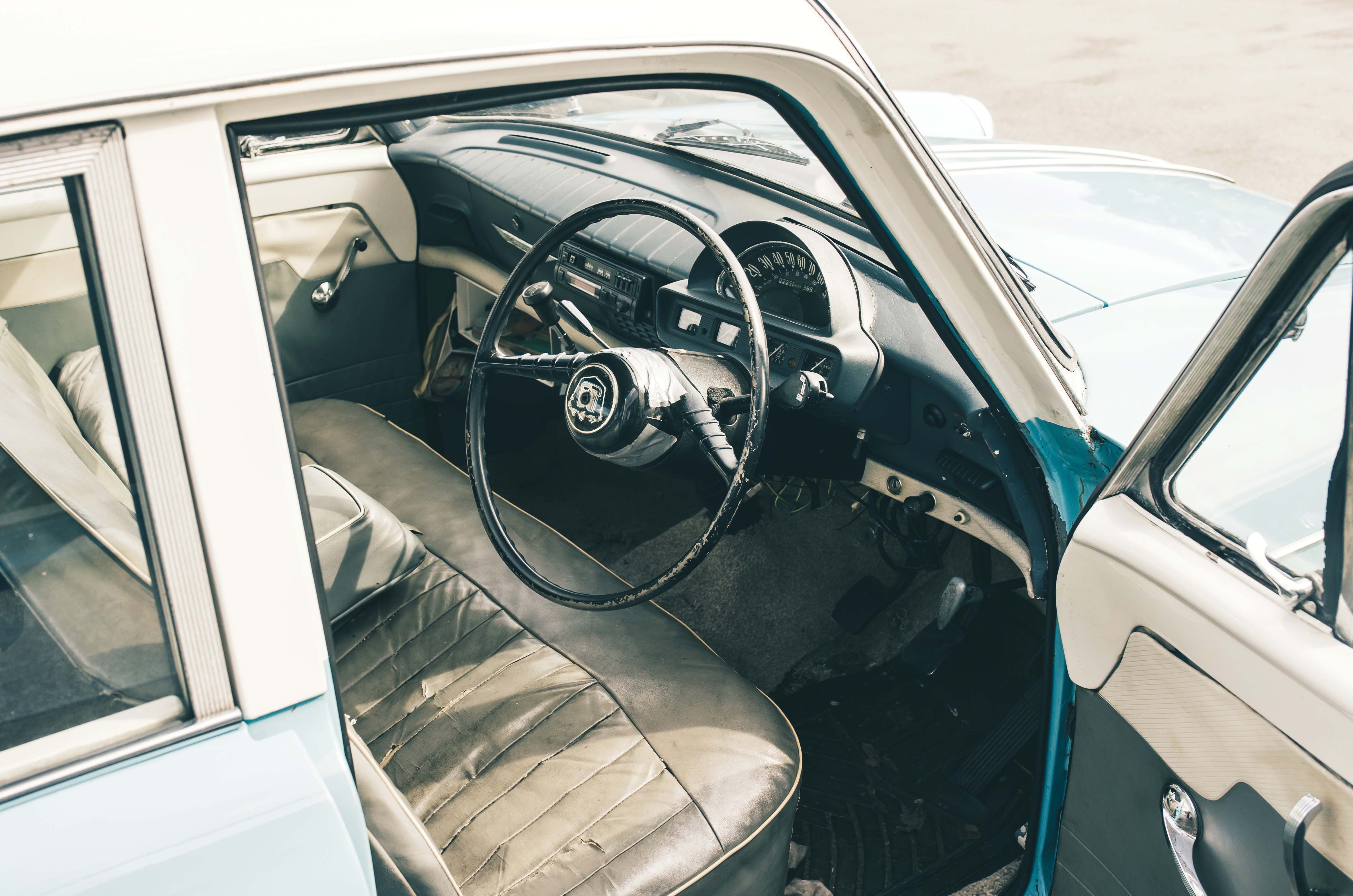
The upholstery was practical Vynide, and equipment included useful features such as a three-gallon reserve tap on the petrol tank.

The Autocar praised the Vignale for having more than 7in of ground clearance and ‘wheels of sensible [15in] size’, and the magazine’s testers noted the ‘conservative good looks’.

Classic & Sports Car – Ford vs Vauxhall vs Austin vs Standard: Brits with transatlantic flavour

The Standard Vanguard Vignale’s cabin is trimmed with Vynide

Standard even provided a Vignale for The League of Gentlemen. Any car good enough for Jack Hawkins could surely grace a well-to-do driveway – even if his character used it in planning for a bank raid.

Standard promoted the Vanguard as ‘The Car All Gentlemen Prefer’.

Unlike the rest of our quartet, the Vanguard’s four-speed ’box has a floor-mounted gearlever (a three-on-the-column shift was optional) and a four-cylinder engine.

Ford chose a small ‘six’ in 1950 with the original Zephyr, but Standard stayed loyal to the ‘big four’, arguably to the detriment of Vanguard sales.

Classic & Sports Car – Ford vs Vauxhall vs Austin vs Standard: Brits with transatlantic flavour

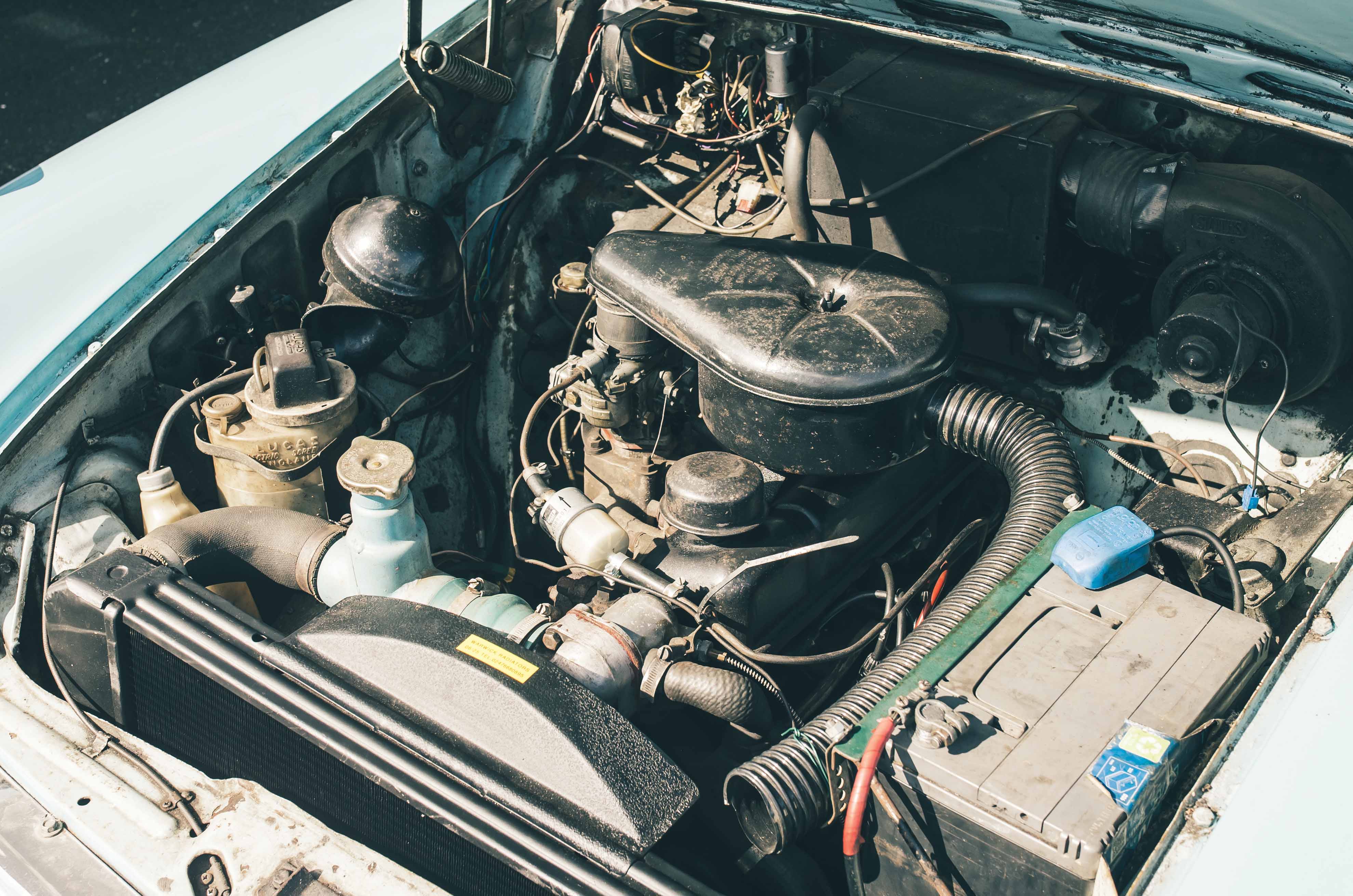
The Standard Vanguard Vignale’s ‘big four’ can keep up with modern traffic

It wasn’t until 1960, only three years from the model’s end, that Standard introduced the Luxury Six.

Don bought his Vanguard in 2021. “When I was a young chap, about a century ago, I traded in an A30 van for a black Vignale,” he says.

“Compared with the Austin, the Standard felt like a Rolls-Royce! That car was sadly written off in an accident, but years later I was able to buy another.

“Driving it is like going back in time. Mine has overdrive, which functions very well, and it easily keeps up with modern traffic.

“The all-iron, 2088cc ‘big four’ is nearly indestructible – it has almost the same block as a Ferguson tractor.”

Classic & Sports Car – Ford vs Vauxhall vs Austin vs Standard: Brits with transatlantic flavour

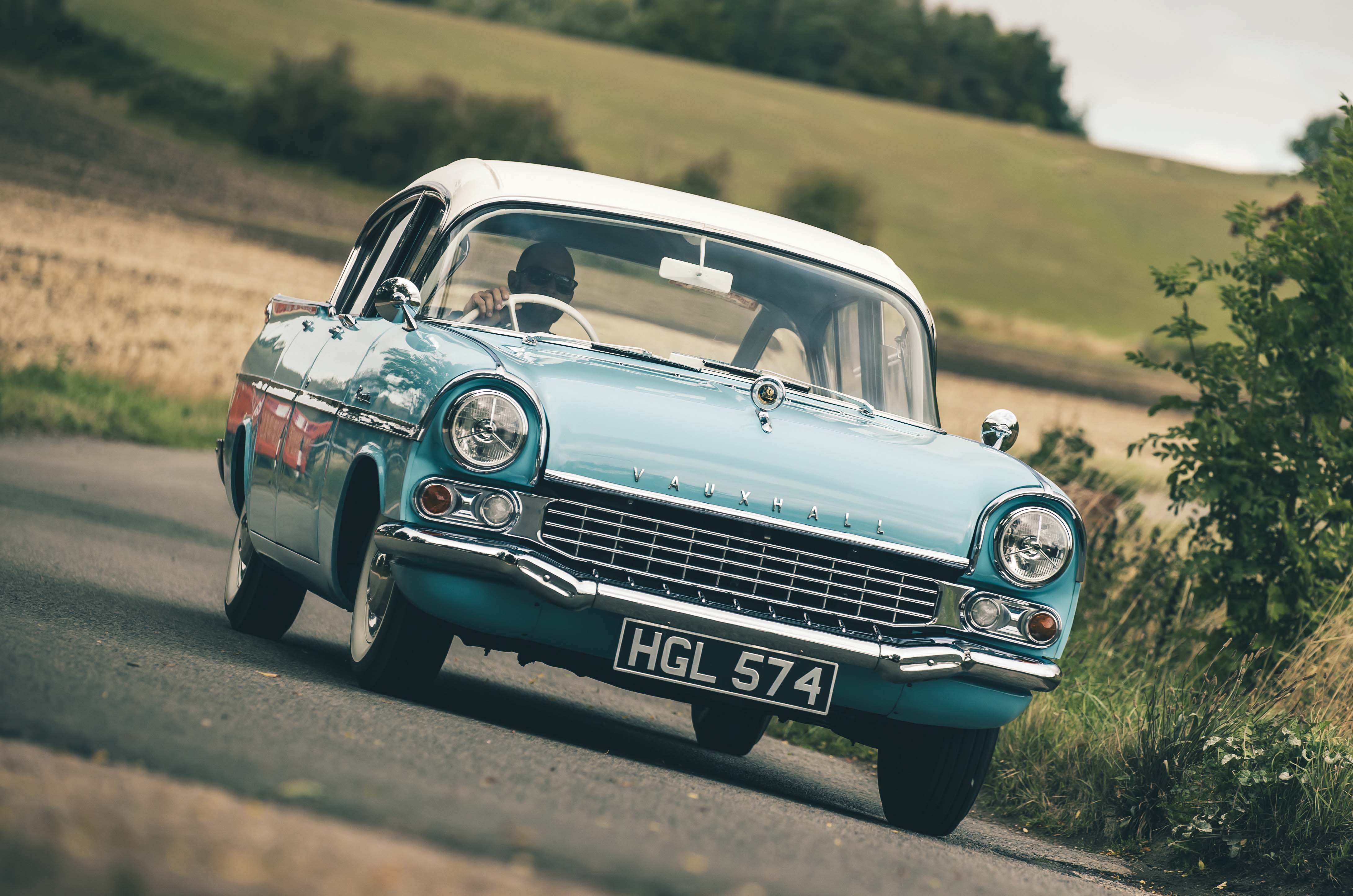
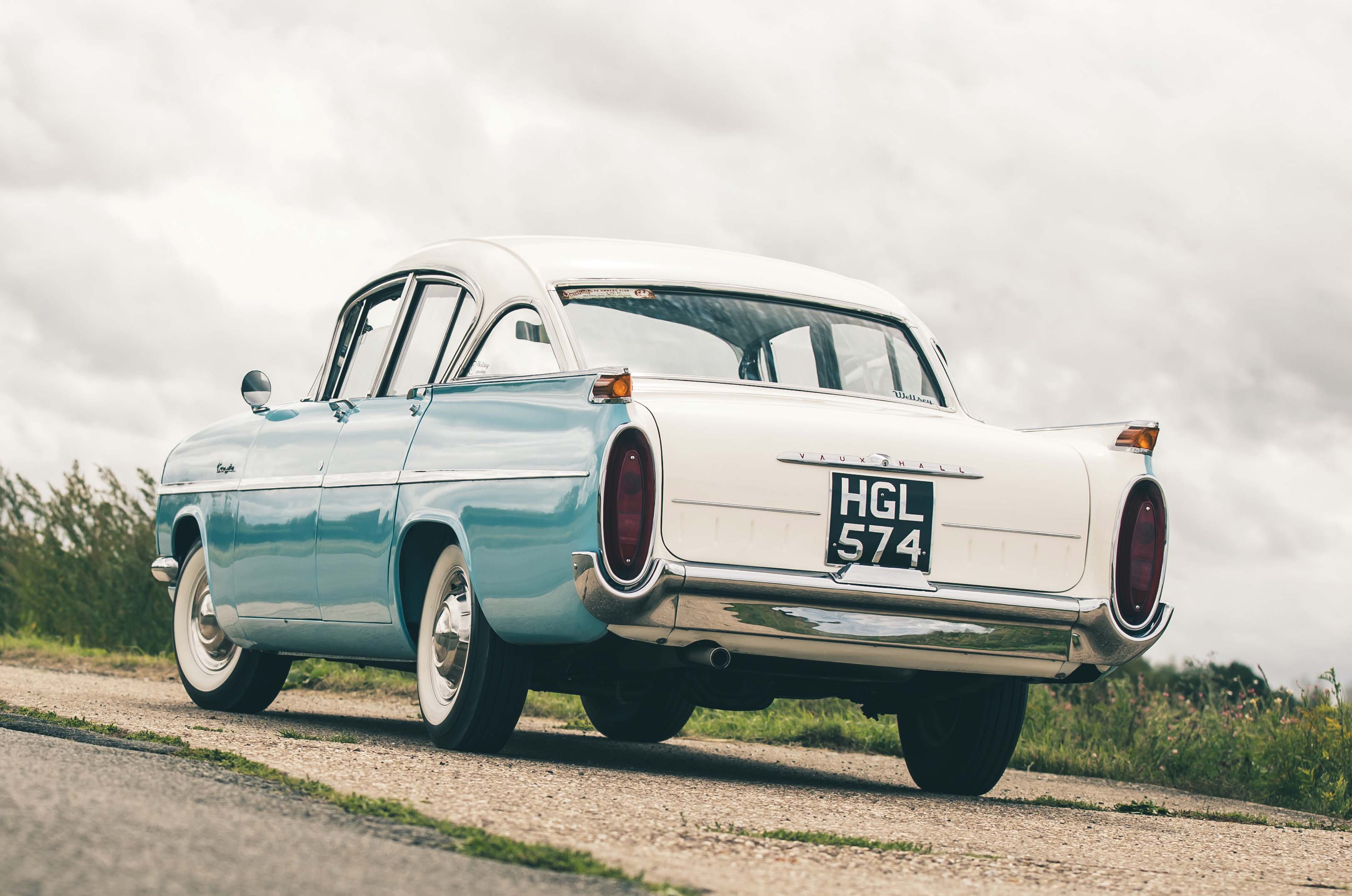
This pre-facelift Vauxhall Cresta PA sports the ‘harmonica’ grille

Alas, by 1960 the Standard marque’s days were numbered, and its 2000 successor of ’63 wore Triumph badges.

By the late 1950s, an increasing number of up-and-coming owners craved ‘deluxe’ motoring rather than the standard kind, and Vauxhall provided just that with the Cresta PA.

If some Britons were amazed by the F-type Victor that had been launched in early 1957, the PA, which made its debut that October, was an unabashed celebration of conspicuous consumption.

The first E-series Cresta of 1954 followed in the wake of the Zephyr-Zodiac, and with the PA-series replacement there was the sense that Luton was on a mission to out-chrome Dagenham.

Classic & Sports Car – Ford vs Vauxhall vs Austin vs Standard: Brits with transatlantic flavour

The Vauxhall Cresta PA wooed buyers with lots of equipment

Earlier Vauxhalls had copied US design tropes, but the Cresta is perhaps the member of our set that comes the closest to providing Route 66 style for A66 motoring.

Vauxhall assuaged fears that the new Cresta was faintly decadent, by fitting it with windows that, the manufacturer insisted, allowed for ‘all-round vision that makes driving easy and safe’.

It also boasted ‘low, graceful, functional lines’, although various provincial rock ’n’ roll band leaders exclaimed “functional be blowed” (or words to that effect). 

For such musicians, who had painstakingly studied Bert Weedon’s Play in a Day guitar tutor, a new Cresta was as much of a success symbol as a residency on pioneering pop series Six-Five Special.

Classic & Sports Car – Ford vs Vauxhall vs Austin vs Standard: Brits with transatlantic flavour

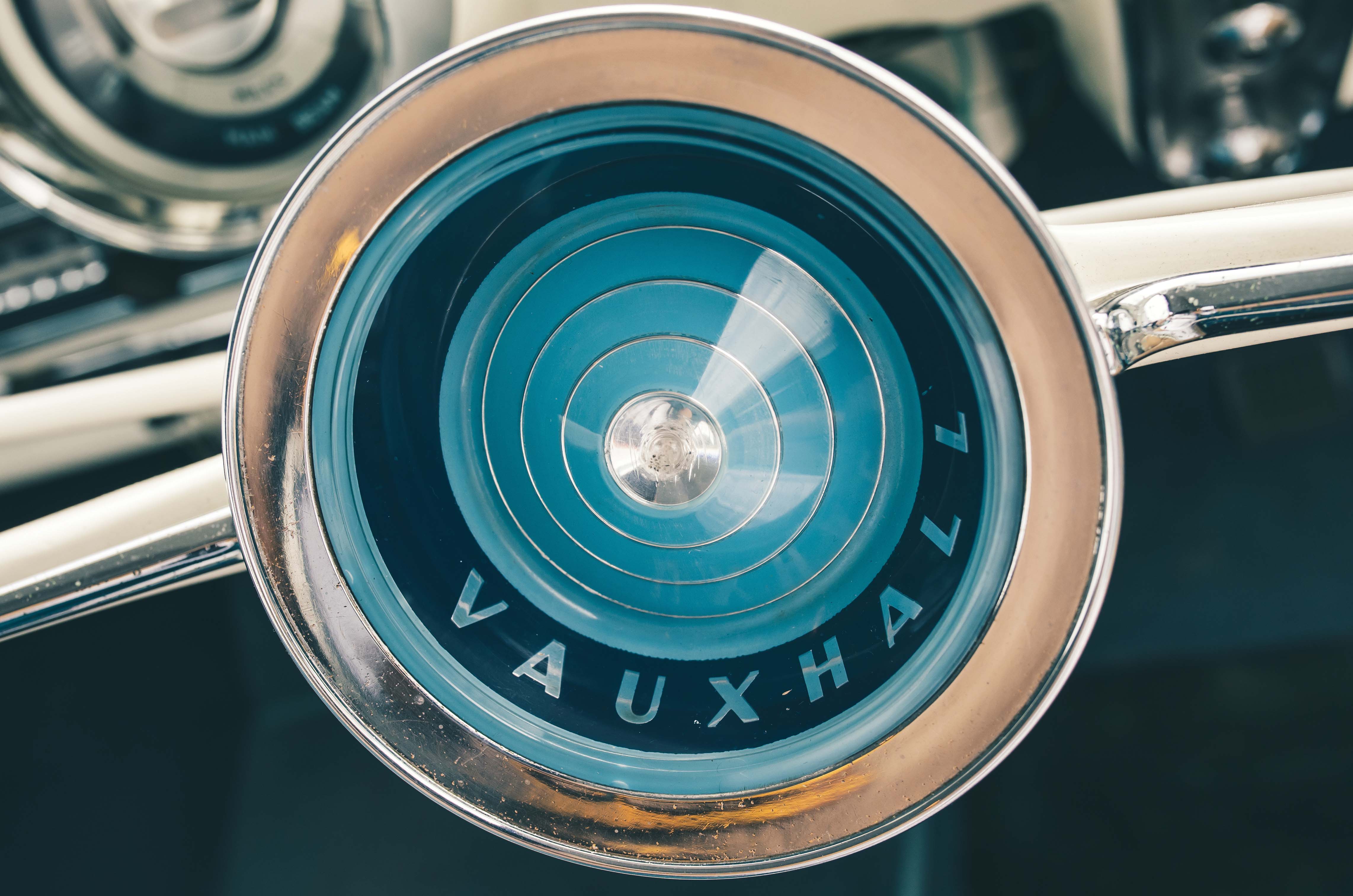
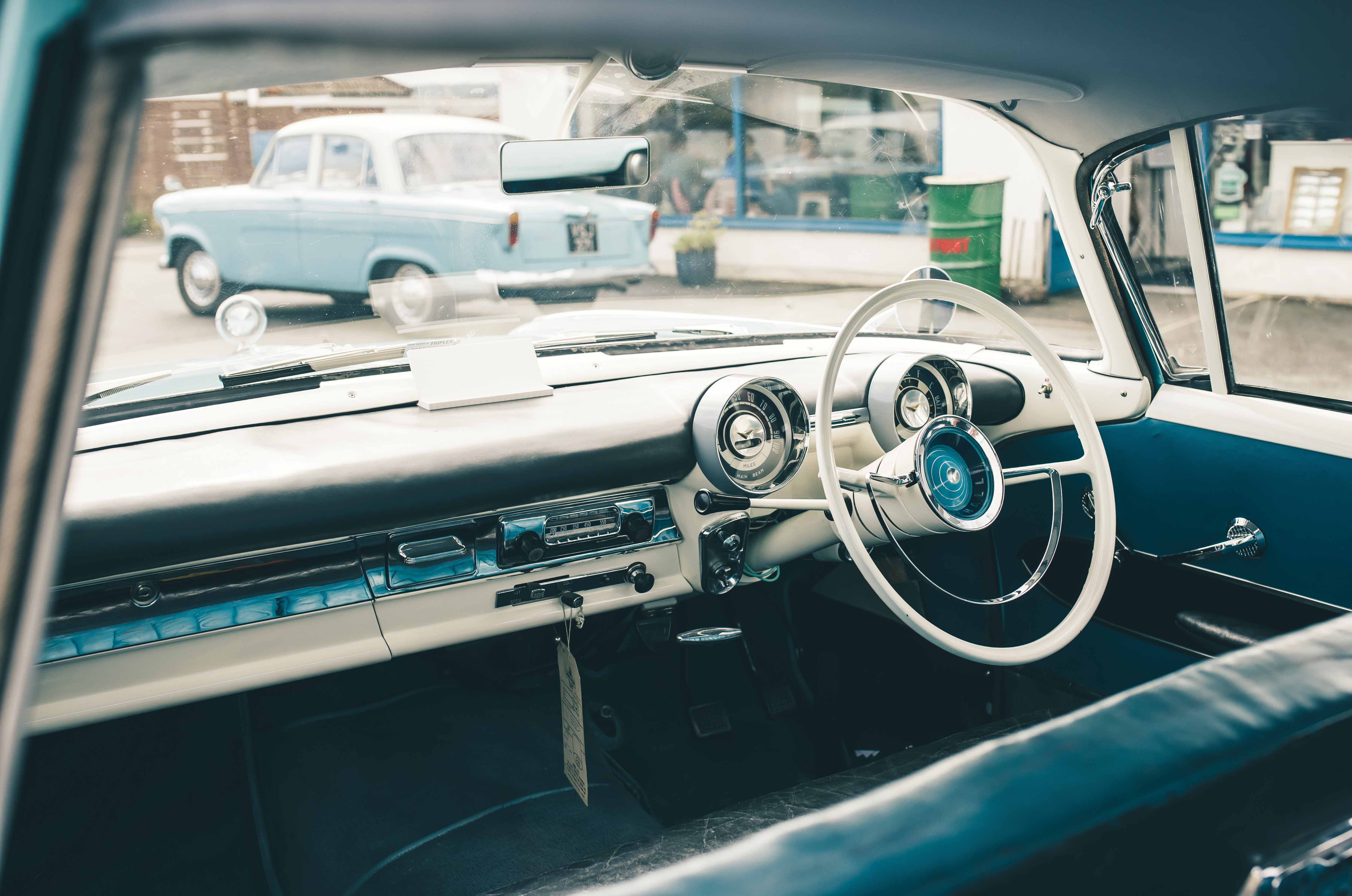
The Vauxhall Cresta PA’s American influence continues inside

As with the E-series, Vauxhall offered the cheaper Velox PA, while the Cresta featured two-tone paintwork, a heater, windscreen washers and the buyer’s choice of either hide or Elastofab upholstery.

There was also a lighter for your Rothmans, a clock positioned à la Zodiac and, befitting a car for the provincial jet-set, a speedometer whose centre turns amber as the pace increases.

The Motor praised the acceleration, speed and ‘reasonable economy’ from the Cresta PA’s 2262cc engine, as well as its ‘high standards of roadworthiness’.

Vauxhall facelifted the model in late 1959 with a new grille and rear ’screen, and in 1960 the Cresta and Velox range gained a 2.6-litre engine, but the oval tail-lights were lost. Two years later, the replacement PB arrived.

Classic & Sports Car – Ford vs Vauxhall vs Austin vs Standard: Brits with transatlantic flavour

‘An increasing number of up-and-coming owners craved “deluxe” motoring, which Vauxhall provided with the Cresta PA’

Ian Wells has owned his 1958 Cresta with the harmonica grille and three-window rear styling for 10 years.

He says: “When I bought my PA, it was a complete wreck. The bodywork was so far gone that I had to fabricate all the panels myself. 

“The brightwork was another challenge: some had to be rechromed, while some is new-old stock.”

Today, his Vauxhall looks resplendent, and demonstrates just how well duotone paint suits the Cresta.

As for road manners, Ian finds that miles in the Cresta are “an absolute pleasure”.

Classic & Sports Car – Ford vs Vauxhall vs Austin vs Standard: Brits with transatlantic flavour

The Vauxhall Cresta PA’s large, oval rear lights survived only until 1960, but the two-tone paintwork remained popular

He adds: “It is such a lovely car to drive. My PA is on crossply tyres and it handles very well; the drum brakes are efficient, and I find the three-on-the-column shift to be preferable to a floor gearlever.

“I have fitted an overdrive unit, which was not officially available on this Vauxhall, because it is 100% necessary – especially on motorway runs.

“One myth about these Crestas is that you’re prone to hitting your knees on the ‘dog-leg’ windscreen frame – you have to climb in at a really strange angle to do that!”

It’s hard not to fall for the Luton saloon’s charms, because this is one of the few vehicles that genuinely capture the spirit of its era.

When Laurence Harvey danced through Soho in my favourite British movie musical, he surely dreamed of owning a duotone Vauxhall equipped with whitewall tyres.

A Cresta PA truly is Expresso Bongo on wheels.

Images: Jack Harrison

Thanks to: Gilks’ Garage Café; Eddie Foster of The Cambridge-Oxford Owners’ Club; The MkII Consul/Zephyr/Zodiac Owners’ Club; the Standard Motor Club; The Vauxhall Cresta Club


Factfiles

Classic & Sports Car – Ford vs Vauxhall vs Austin vs Standard: Brits with transatlantic flavour

Ford Zodiac MkII

  • Sold/number built 1956-’62/294,506 (including Zephyr)
  • Construction steel unitary
  • Engine all-iron, ohv 2553cc ‘six’, Zenith downdraught carburettor
  • Max power 85bhp @ 4400rpm
  • Max torque 133lb ft @ 2000rpm
  • Transmission three-speed manual, optional overdrive, RWD
  • Suspension: front independent, by MacPherson struts, anti-roll bar rear live axle, semi-elliptic leaf springs, lever-arm dampers
  • Steering worm and peg
  • Brakes drums (front discs from 1961)
  • Length 15ft ½in (4585mm)
  • Width 5ft 9in (1753mm)
  • Height 5ft ½in (1537mm)
  • Wheelbase 8ft 11in (2718mm)
  • Weight 2744lb (1245kg)
  • 0-60mph 17 secs
  • Top speed 88mph
  • Mpg 25
  • Price new £983
  • Price now £6-25,000*


Vauxhall Cresta PA

  • Sold/number built 1957-’62/173,764 (including PA Velox)
  • Construction steel unitary
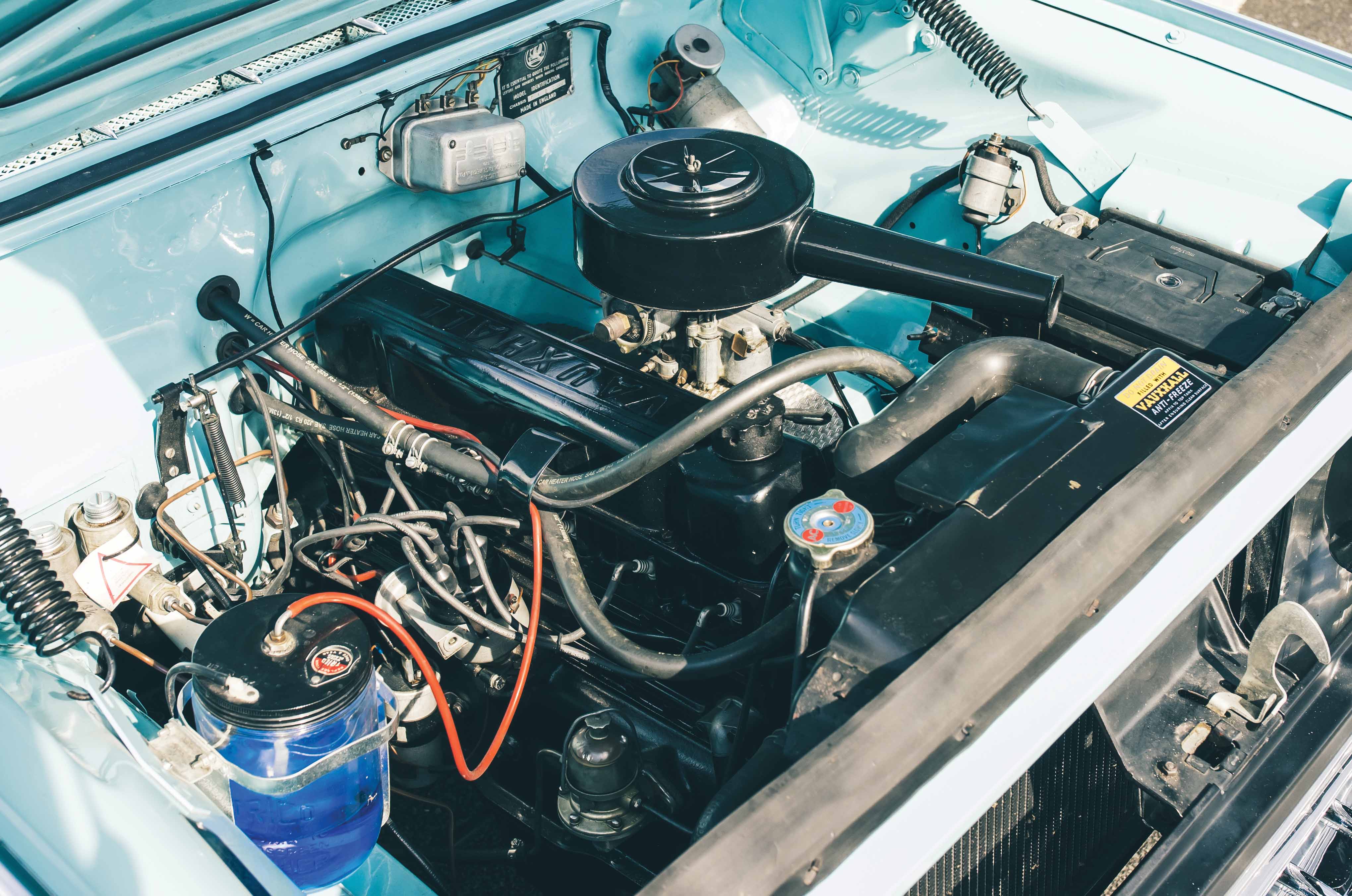
  • Engine all-iron, ohv 2262cc ‘six’, Zenith downdraught carburettor
  • Max power 83bhp @ 4400rpm
  • Max torque 124lb ft @ 1800rpm
  • Transmission three-speed manual, optional overdrive, RWD
  • Suspension: front independent, by coil springs, wishbones, anti-roll bar rear live axle, semi-elliptic leaf springs; telescopic dampers f/r
  • Steering recirculating ball
  • Brakes drums (optional front discs from October 1961)
  • Length 14ft 10in (4521mm)
  • Width 5ft 8½in (1740mm)
  • Height 4ft 9in (1448mm)
  • Wheelbase 8ft 9in (2667mm)
  • Weight 2646lb (1200kg)
  • 0-60mph 16.8 secs
  • Top speed 90mph
  • Mpg 23
  • Price new £1073 17s
  • Price now £6-20,000*


Austin A105 Westminster

  • Sold/number built 1956-’59/6770
  • Construction steel unitary
  • Engine all-iron, ohv 2639cc ‘six’, twin SU carburettors
  • Max power 102lb ft @ 4600rpm
  • Max torque 142lb ft @ 2400rpm
  • Transmission four-speed manual, overdrive on third and top, RWD
  • Suspension: front independent, by wishbones, coil springs rear live axle, semi-elliptic leaf springs, anti-roll bar; lever-arm dampers f/r
  • Steering cam and roller
  • Brakes drums
  • Length 14ft 2¼in (4330mm)
  • Width 5ft 4in (1630mm)
  • Height 5ft 2in (1570mm)
  • Wheelbase 8ft 10in (2692mm)
  • Weight 2910lb (1320kg)
  • 0-60mph 15.4 secs
  • Top speed 96mph
  • Mpg 22
  • Price new £1109 17s
  • Price now £5-12,000*


Standard Vanguard Vignale 

  • Sold/number built 1958-’61/26,267
  • Construction steel unitary
  • Engine all-iron, ohv 2088cc ‘four’, Solex downdraught carburettor
  • Max power 68bhp @ 4200rpm
  • Max torque 108lb ft @ 2000rpm
  • Transmission four-speed manual, optional overdrive, RWD
  • Suspension: front independent, by wishbones, coil springs, lever-arm dampers rear live axle, semi-elliptic leaf springs, telescopic dampers
  • Steering cam and roller
  • Brakes drums
  • Length 14ft 4in (4370mm)
  • Width 5ft 7½in (1720mm)
  • Height 5ft (1520mm)
  • Wheelbase 8ft 6in (2591mm)
  • Weight 2570lb (1170kg)
  • 0-60mph 17 secs
  • Top speed 87mph
  • Mpg 28
  • Price new £1044
  • Price now £5-10,000*

*Prices correct at date of original publication


Enjoy more of the world’s best classic car content every month when you subscribe to C&SC – get our latest deals here


READ MORE

Luton chic: Vauxhall PA Cresta and F-series Victor

Buyer’s guide: Ford Consul, Zephyr and Zodiac

Austin A70 Hereford vs Standard Vanguard: a life more ordinary