Buick Riviera vs Mercedes-Benz 250SE Coupé: cut to shape

| 24 Dec 2025
Classic & Sports Car – Buick Riviera vs Mercedes-Benz 250SE Coupé: cut to shape
If the 1963-’65 Buick Riviera is not the peak of American luxury coupes, I cannot think of one that looks better.

It was the early ’60s passion project of General Motors’ styling vice president Bill Mitchell, allegedly inspired by the vision of a coachbuilt Bentley driving through a foggy London evening, and a response to the seemingly unstoppable success of Ford’s four-seat Thunderbird, then selling at a rate of 80,000 units per year.

But it was also something more than that.

Mitchell was conscious that the appetite for highly embellished, rocketship bodywork was on the wane, particularly among wealthy domestic customers who were increasingly turning to prestige European makes in search of a restrained and balanced aesthetic.

Classic & Sports Car – Buick Riviera vs Mercedes-Benz 250SE Coupé: cut to shape
Buick’s daring Riviera ditched jet-age styling for a more sharp-edged form

The Harley Earl era at GM had finished, and Mitchell wanted a clean-lined, all-American classic for the new decade: a ‘personal luxury’ machine with tightly tailored, chisel-edged lines that merged coachbuilt Bentley and Pininfarina Ferrari overtones into a pillarless two-door, four-seat coupe with a razor-edged roofline and Coke-bottle waist.

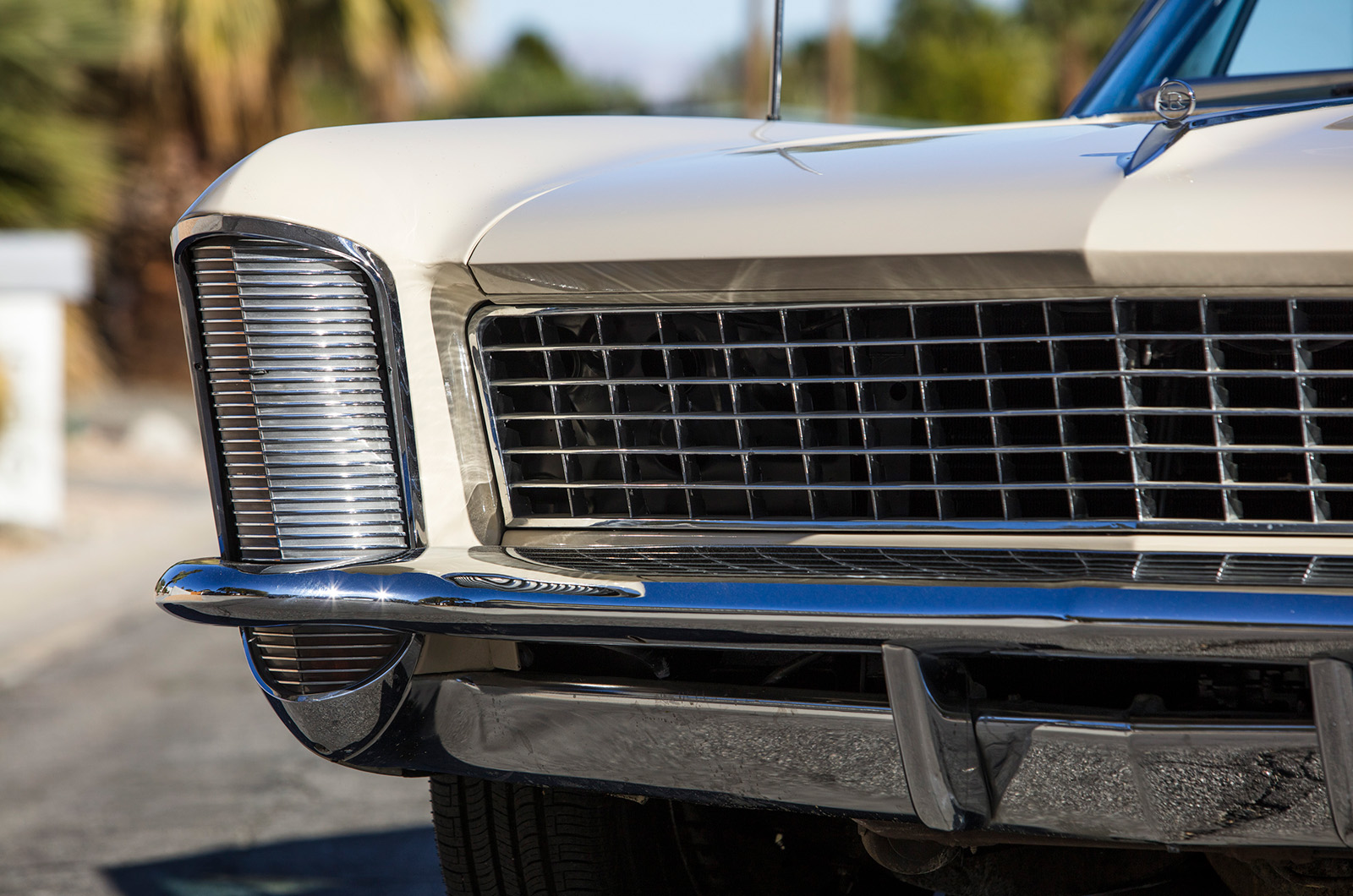
The 1961 XP-715 prototype revived the LaSalle name (hence the bladed ends of the front wings, a homage to the final-year 1940 LaSalle), but neither the Cadillac nor Chevrolet divisions – already selling every car they could make – needed it.

Considering his creation as near-perfection, Mitchell was unwilling to accept the changes to the design proposed by the Pontiac and Oldsmobile divisions.

Thus, the gig to build the as yet unnamed Riviera fell to Buick, simply because it agreed to productionise the design as Mitchell (and lead designer Ned Nickles) had originally intended. 

Classic & Sports Car – Buick Riviera vs Mercedes-Benz 250SE Coupé: cut to shape
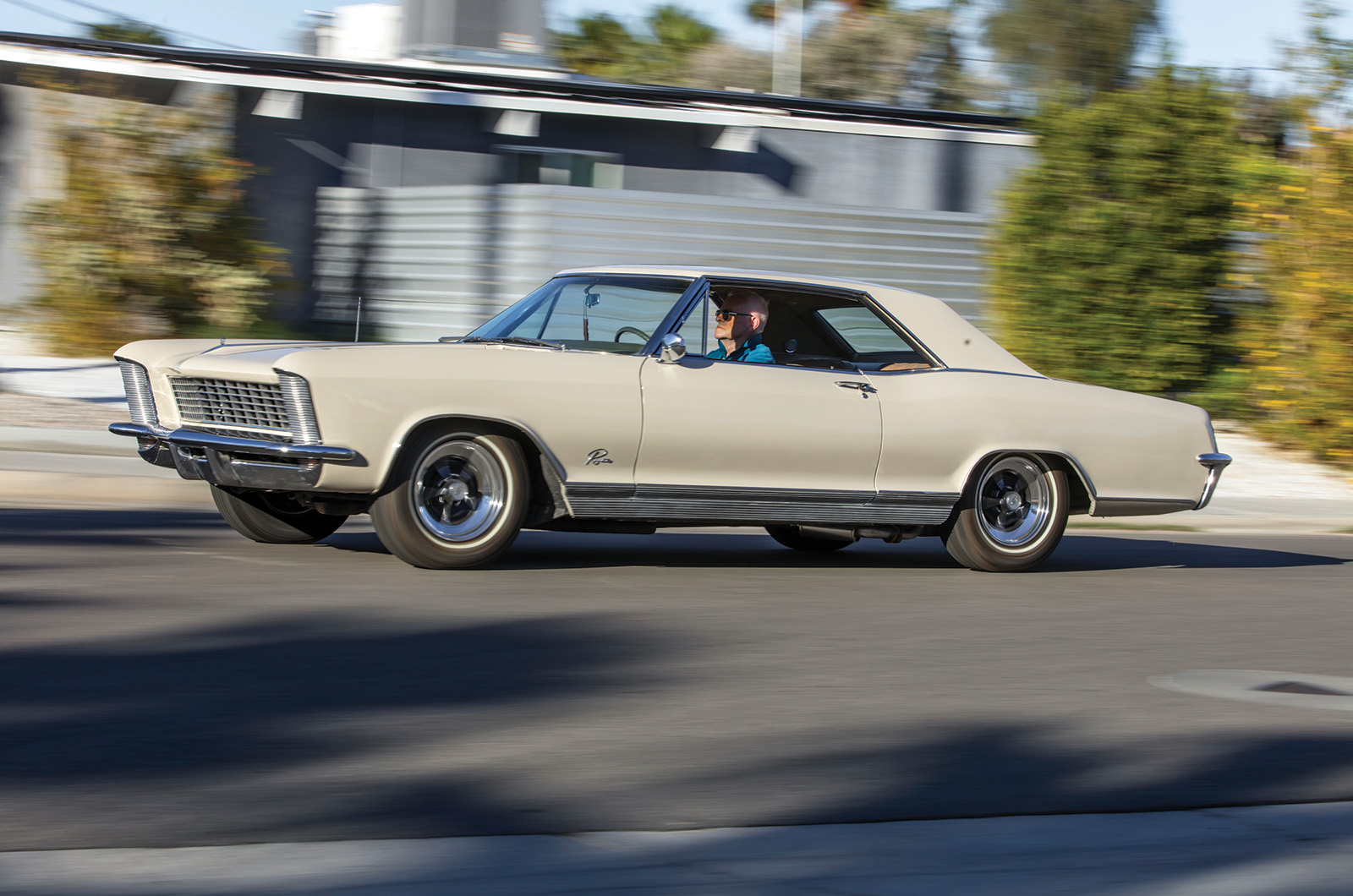
The Buick Riviera has immediate pick-up with 465lb ft of torque, and is effortless to handle

Alongside the ‘clap-door’ Lincolns, the 1963-’65 Buick Riviera redefined what the prestige American car could look like.

It had a svelte and disciplined elegance that found ready acceptance among wealthy buyers and industry luminaries such as Sir William Lyons and Battista Pininfarina.

Invariably highly optioned and always very adequately powered, the Riviera was destined to sell in numbers healthy enough to turn a profit, but sufficiently restricted to maintain an aura of exclusivity – no more than 40,000 annually.

Promoted as ‘The Riviera by Buick’, it was as much a marketing and lifestyle invention of Madison Avenue as it was a car with innovative engineering credibility.

Classic & Sports Car – Buick Riviera vs Mercedes-Benz 250SE Coupé: cut to shape
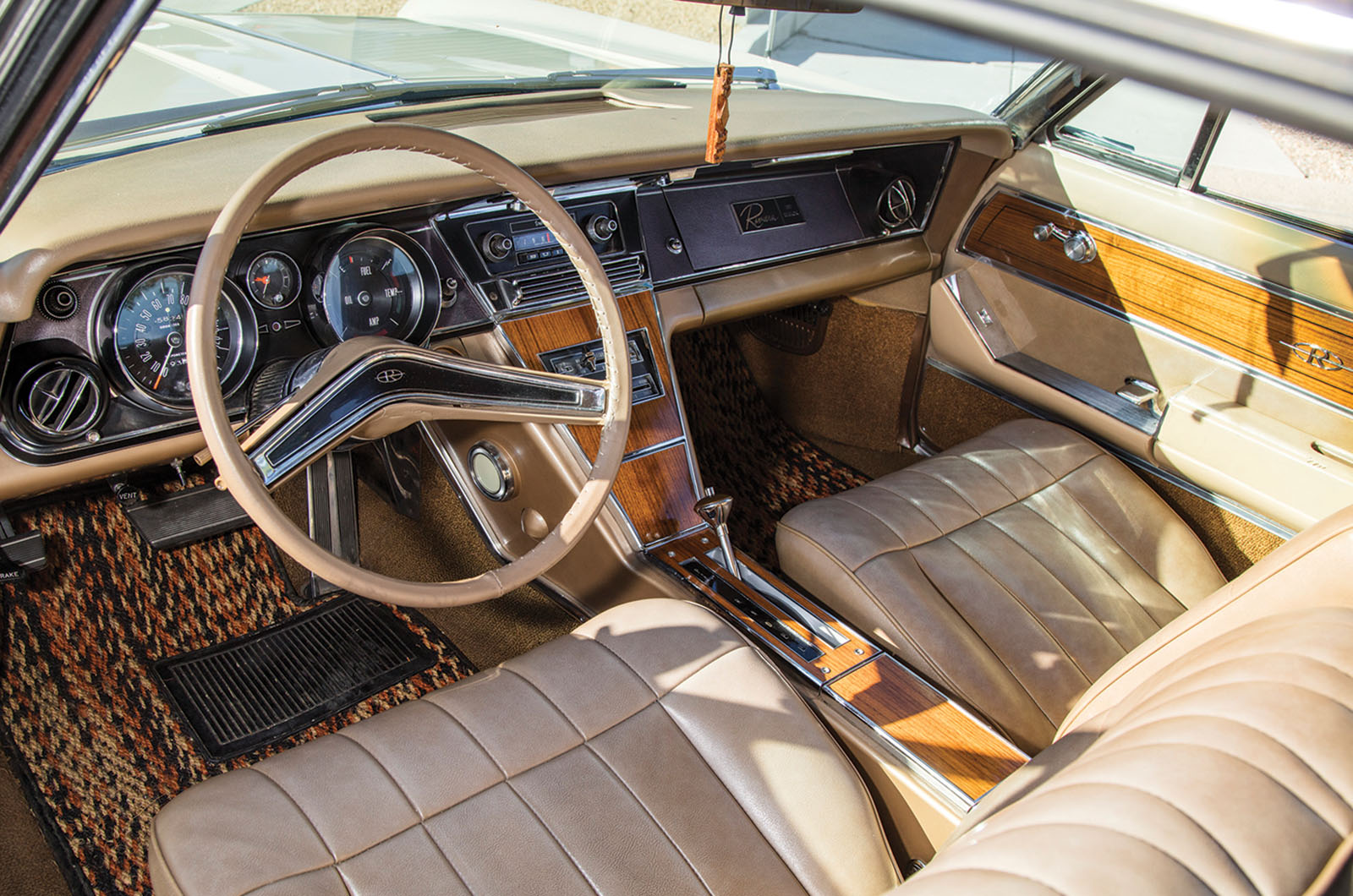
The Buick Riviera’s circular dials and crisp lines were a new look for the American marque

Based on a cruciform X-frame rather than a perimeter design, the Riviera was 6-9in shorter than contemporary full-sized Buick sedans, with a 2in narrower track and a shorter, 9ft 9in wheelbase.

At 17ft 6in long, it was still a huge car – even Americans in the gracious-living class expected a large expanse of steel in exchange for a large amount of money – but shared no sheet metal with other Buicks.

It had a sensibly located, coil-sprung and relatively light live rear axle, and came only as a two-speed automatic with power steering, alternator and dual exhausts.

Its designers had done their best to reconcile ride and handling compromises by playing with spring rates, anti-roll-bar thickness and geometry for anti-dive and anti-squat.

Classic & Sports Car – Buick Riviera vs Mercedes-Benz 250SE Coupé: cut to shape

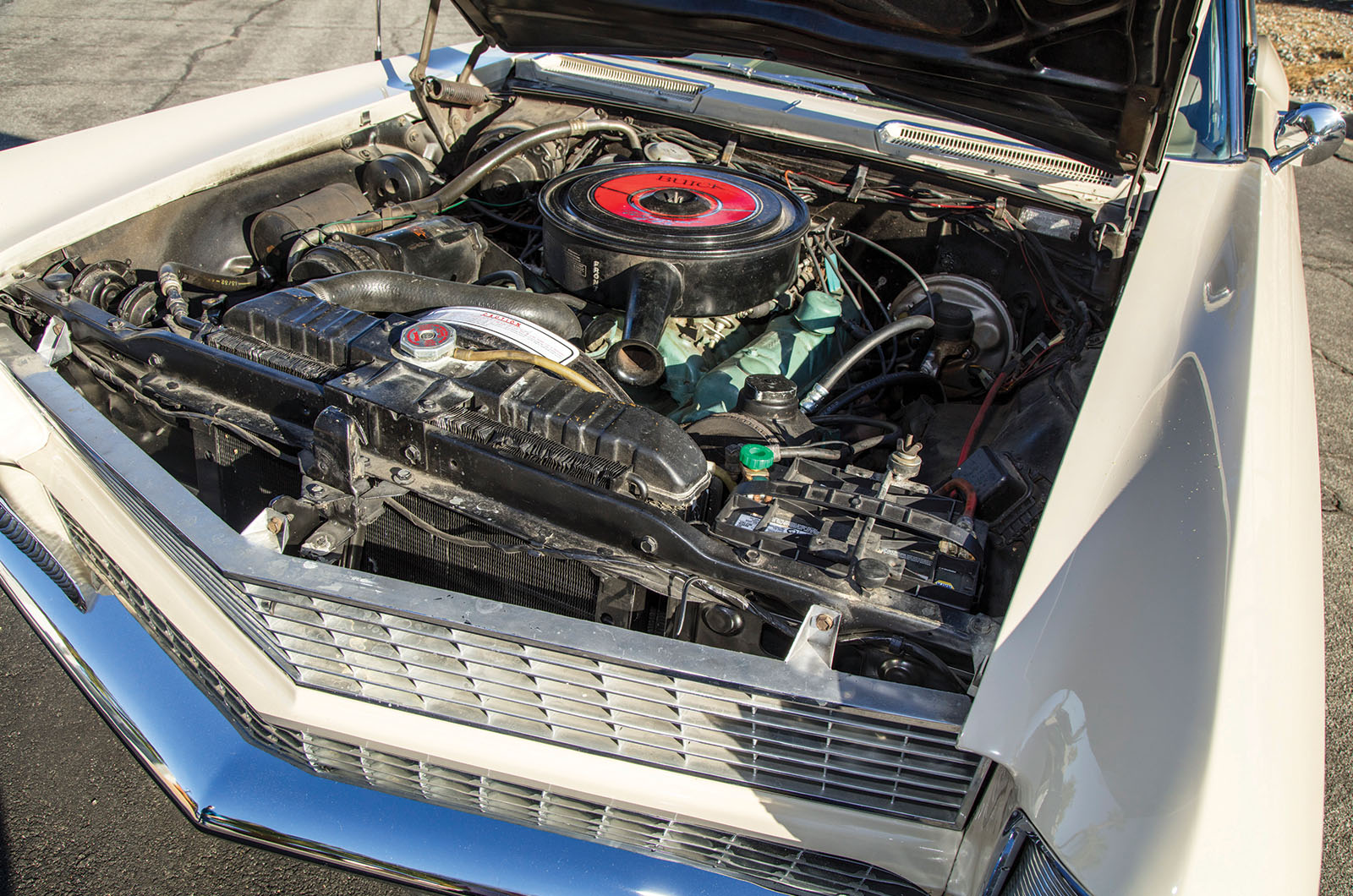
The Buick Riviera’s 425cu in V8 makes 340bhp on a single carburettor

By keeping the centre of gravity low, the Riviera handled as well as could be expected for its size and weight.

Even the likes of Car and Driver and Road & Track (both famed for the derision they regularly heaped upon domestic American cars) were impressed with its general roadability.

Buick stopped short of giving it the ultimate in brakes – 12in finned drums with 200in² of lining were barely up to the task of maximum-effort, high-speed stops in this 4369lb, 120mph car.

It is interesting to note that, while the American magazines considered the Riviera’s anchors wholly adequate, the likes of Autosport and especially Motor were much less convinced when testing one of the Ruddspeed-converted 1965 Rivieras under UK conditions.

Classic & Sports Car – Buick Riviera vs Mercedes-Benz 250SE Coupé: cut to shape
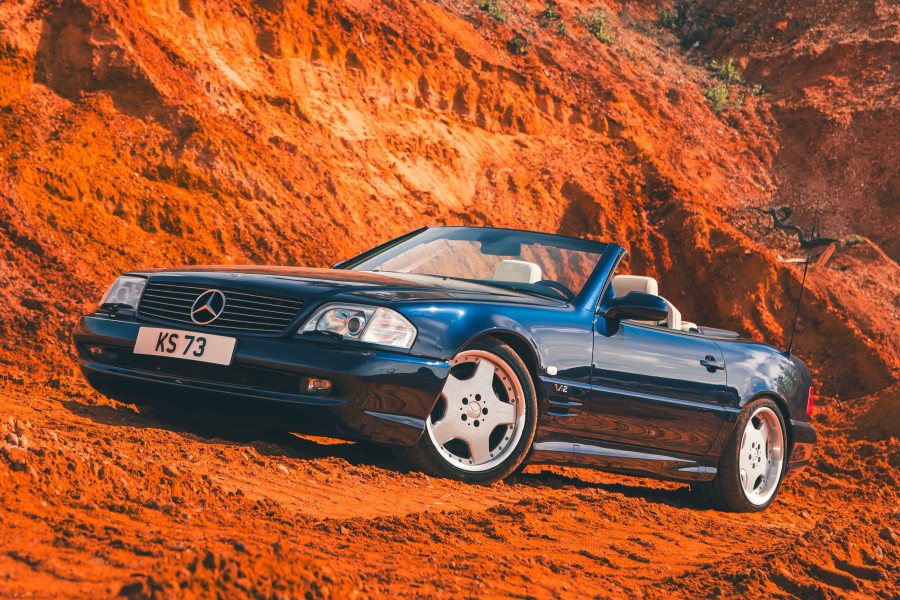
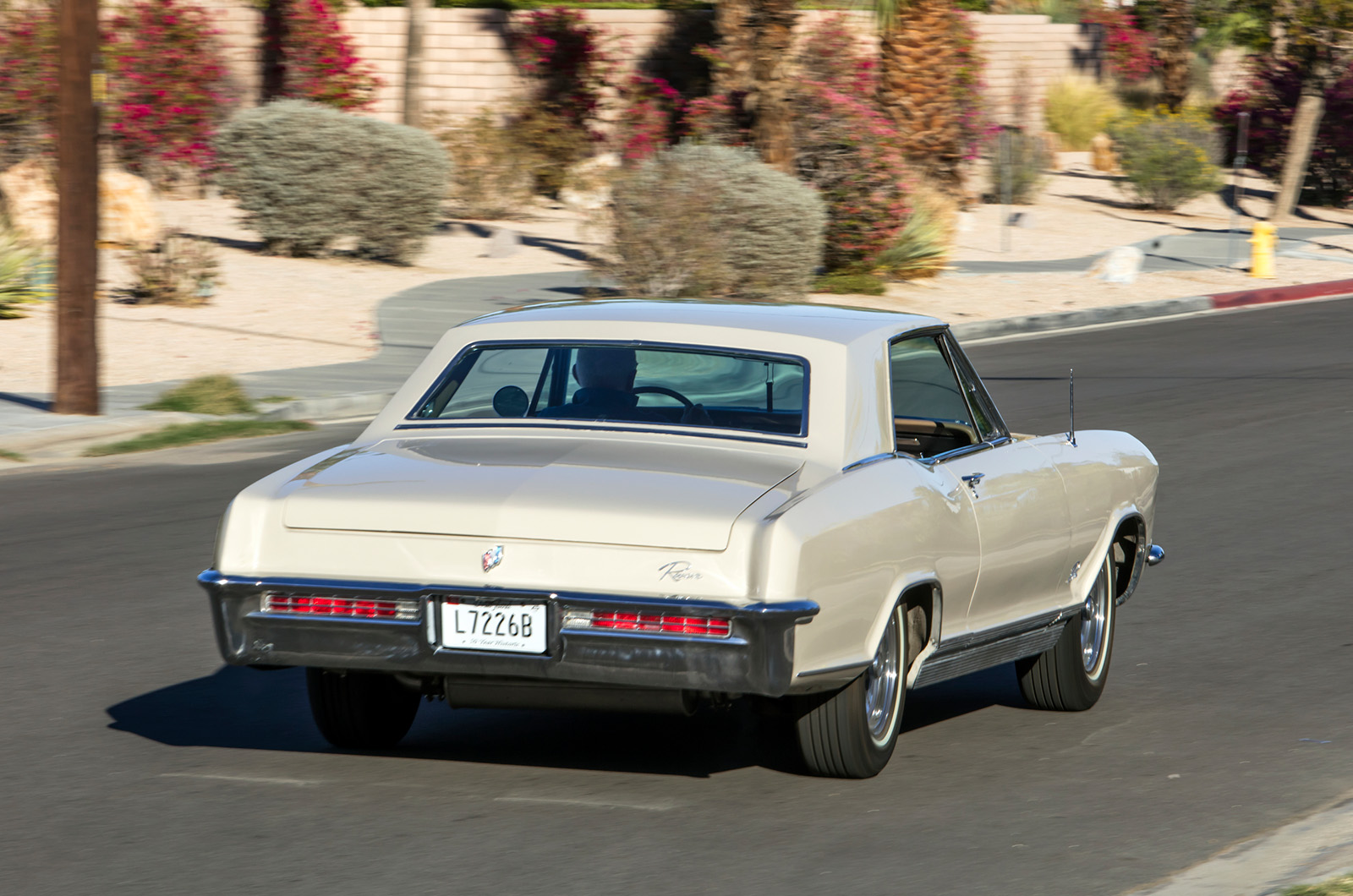
The Buick Riviera’s European-influenced lines were apparently inspired by a coachbuilt Bentley

In fact, the latter found the drums ‘quite inadequate’ for stopping the car from really high speeds.

One hard application at 100mph was apparently enough to generate complete fade by the time they had got the black Riviera to 40mph (where are you now, FBP 260C?).

Writing in favourable terms of the Buick’s general handling, Motor talks about the feasibility of ‘power sliding the monster’ but adds, drily, that such techniques ‘worried other motorists within half a mile’.

Classic & Sports Car – Buick Riviera vs Mercedes-Benz 250SE Coupé: cut to shape
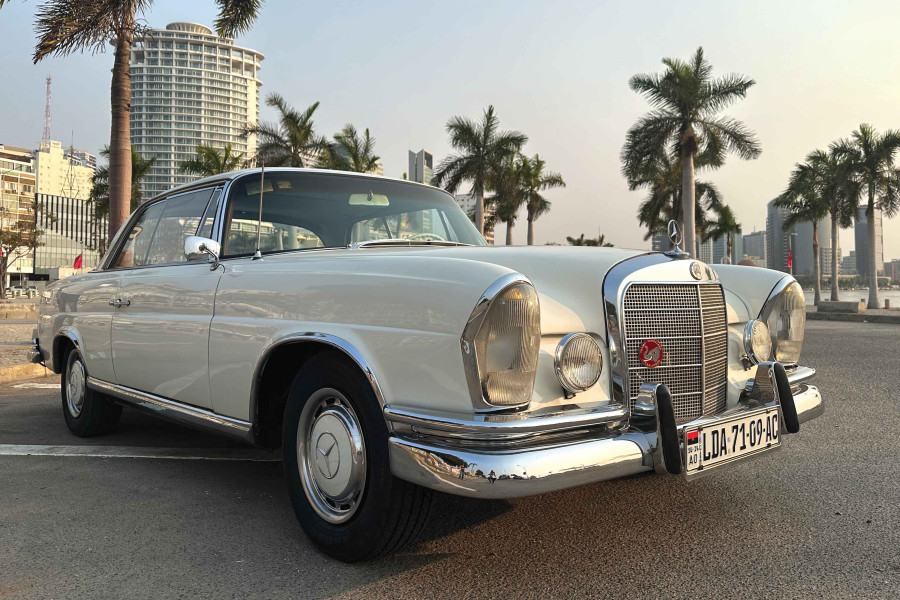
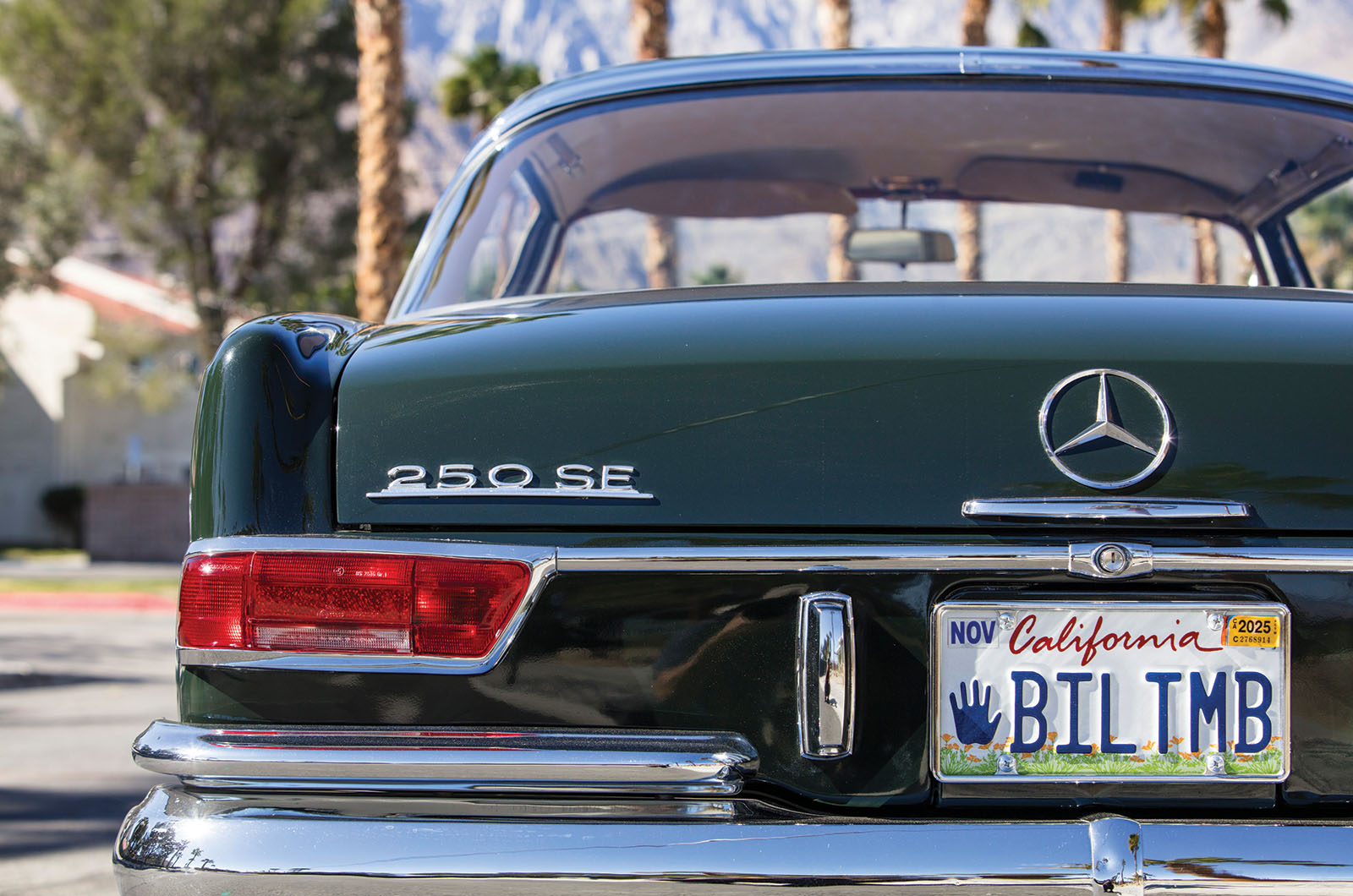
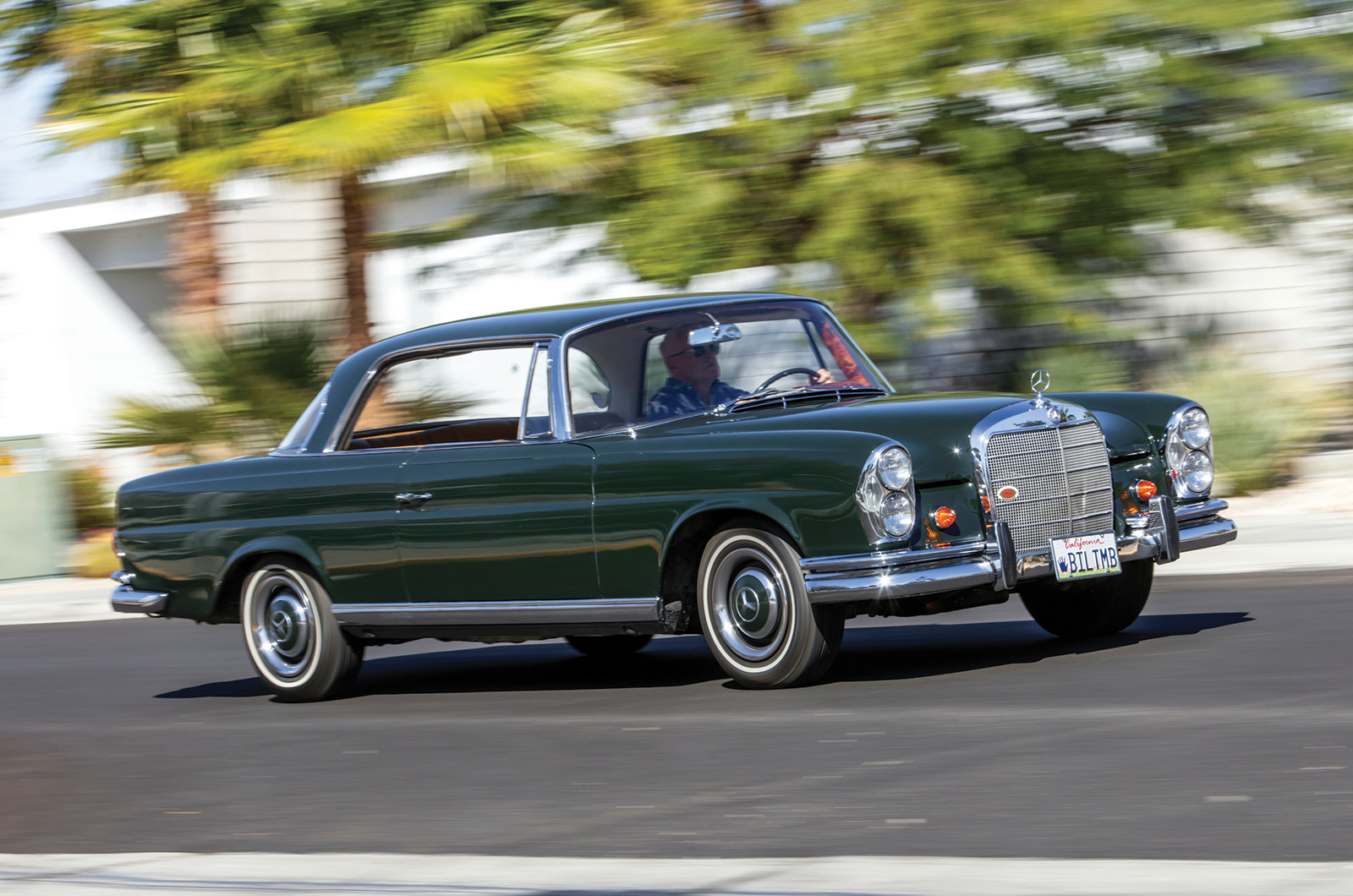
The iconic three-pointed star sits atop the Mercedes-Benz 250SE Coupé

Only the briefest perusal of the weights, measures and production figures pertaining to the various six-cylinder Mercedes-Benz W111 and W112 coupés of 1961-’67 throws the validity of this comparison into doubt.

More than a foot shorter, 2in narrower and 1000lb lighter than the Buick, the German car followed entirely divergent criteria for a completely different, European environment.

Even compared to British cars its 2.5-litre engine was small for the task in hand, a product of a domestic tax system that heavily penalised cars of above 2.8 litres.

Classic & Sports Car – Buick Riviera vs Mercedes-Benz 250SE Coupé: cut to shape
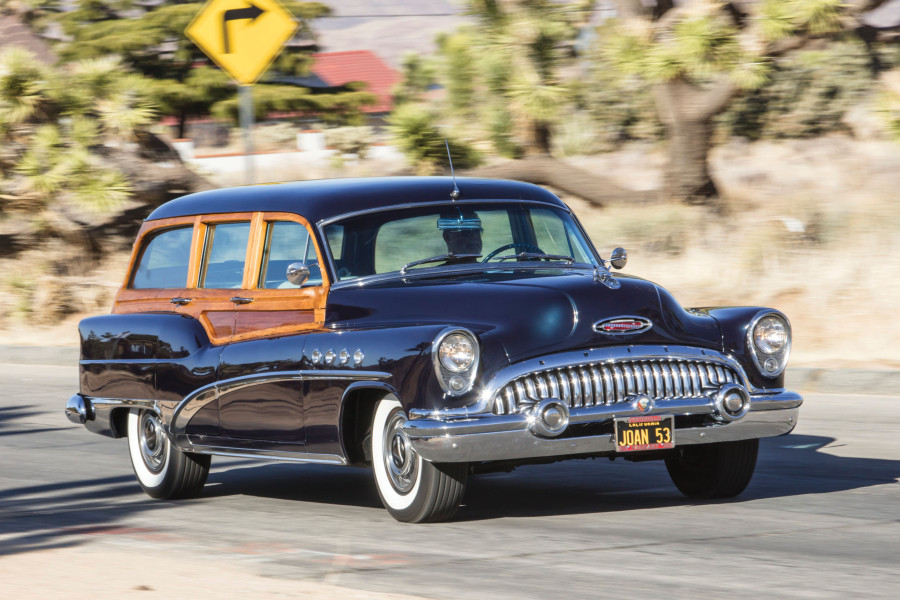
The Mercedes-Benz 250SE Coupé’s large glass area helps with visibility

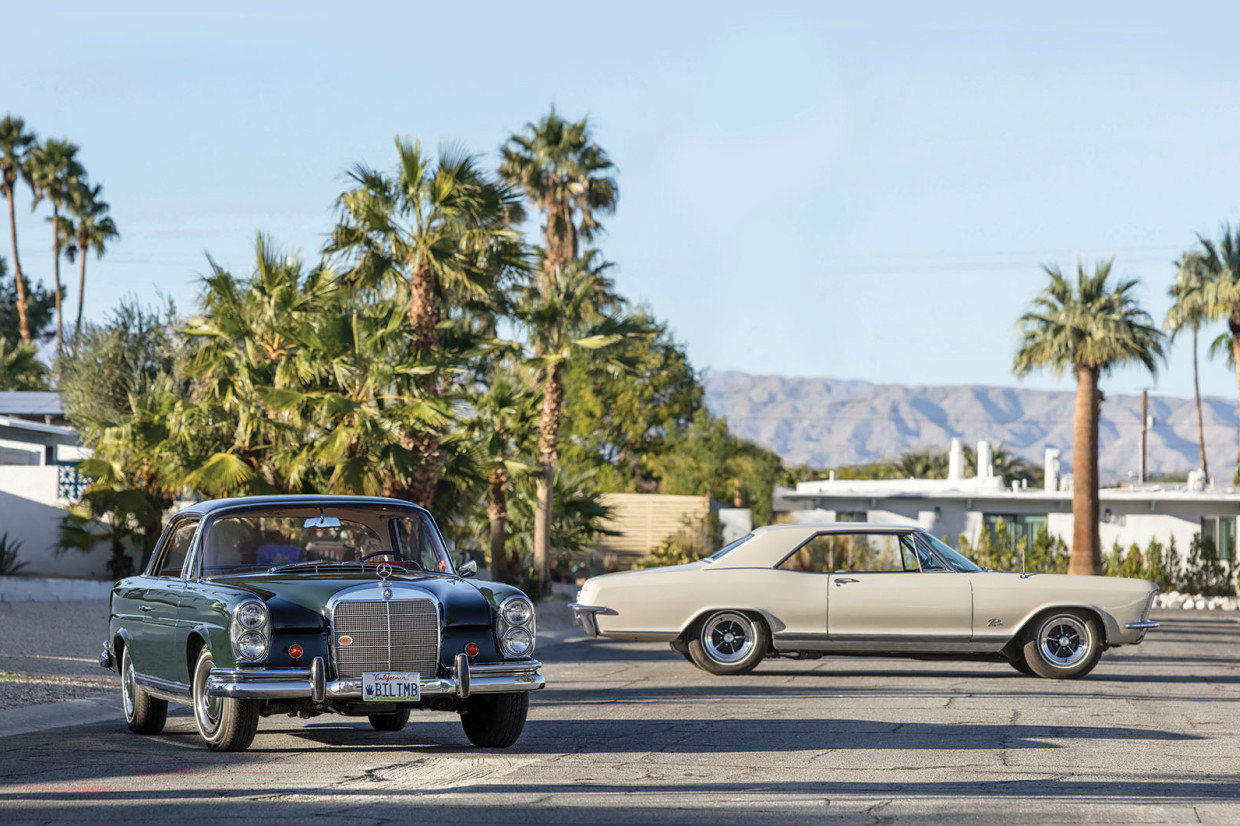
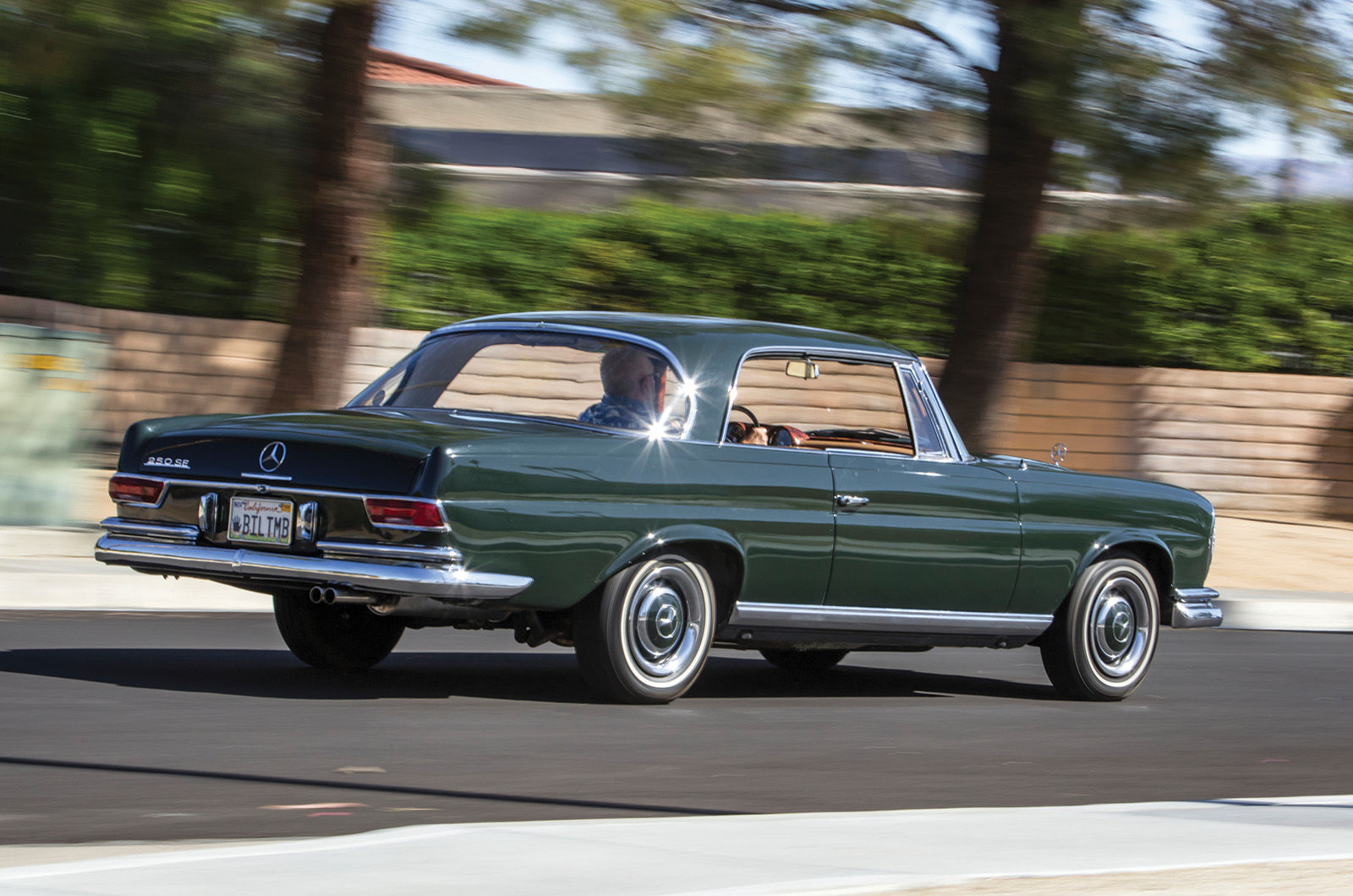
Yet it is hard not to see the shape of Paul Bracq’s beautiful W111 Coupé as Mercedes-Benz’s ‘Riviera moment’: a graceful two-door with long front and rear decks, open-plan, pillarless side windows and an aura of sporty yet dignified luxury that Stuttgart has struggled to recapture in its big coupés since.

Bracq had styled the car for American tastes, with a hardtop, lots of glass and proportions that somehow made the Coupé appear much longer than the contemporary Mercedes saloon, although it wasn’t.

The stacked – or ‘bubble’ – lights linked it to the Fintail cars that shared its unitary structure and mechanical architecture, but the overall shape prepared buyers for the cleaner lines of the post-1965 W108 saloons, prominent tailfins having been clipped late in the design stage.

Classic & Sports Car – Buick Riviera vs Mercedes-Benz 250SE Coupé: cut to shape
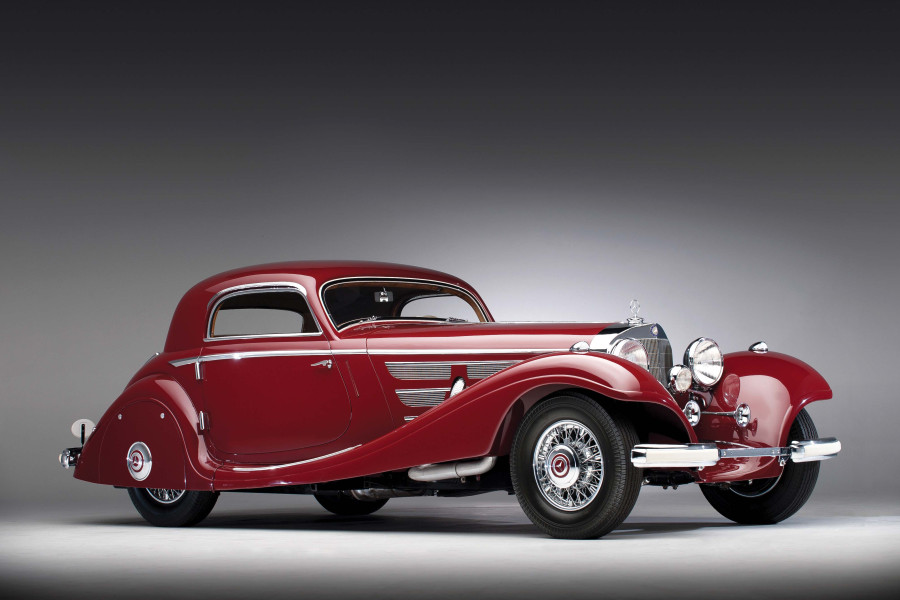
No more fins for the Mercedes-Benz W111 Coupé

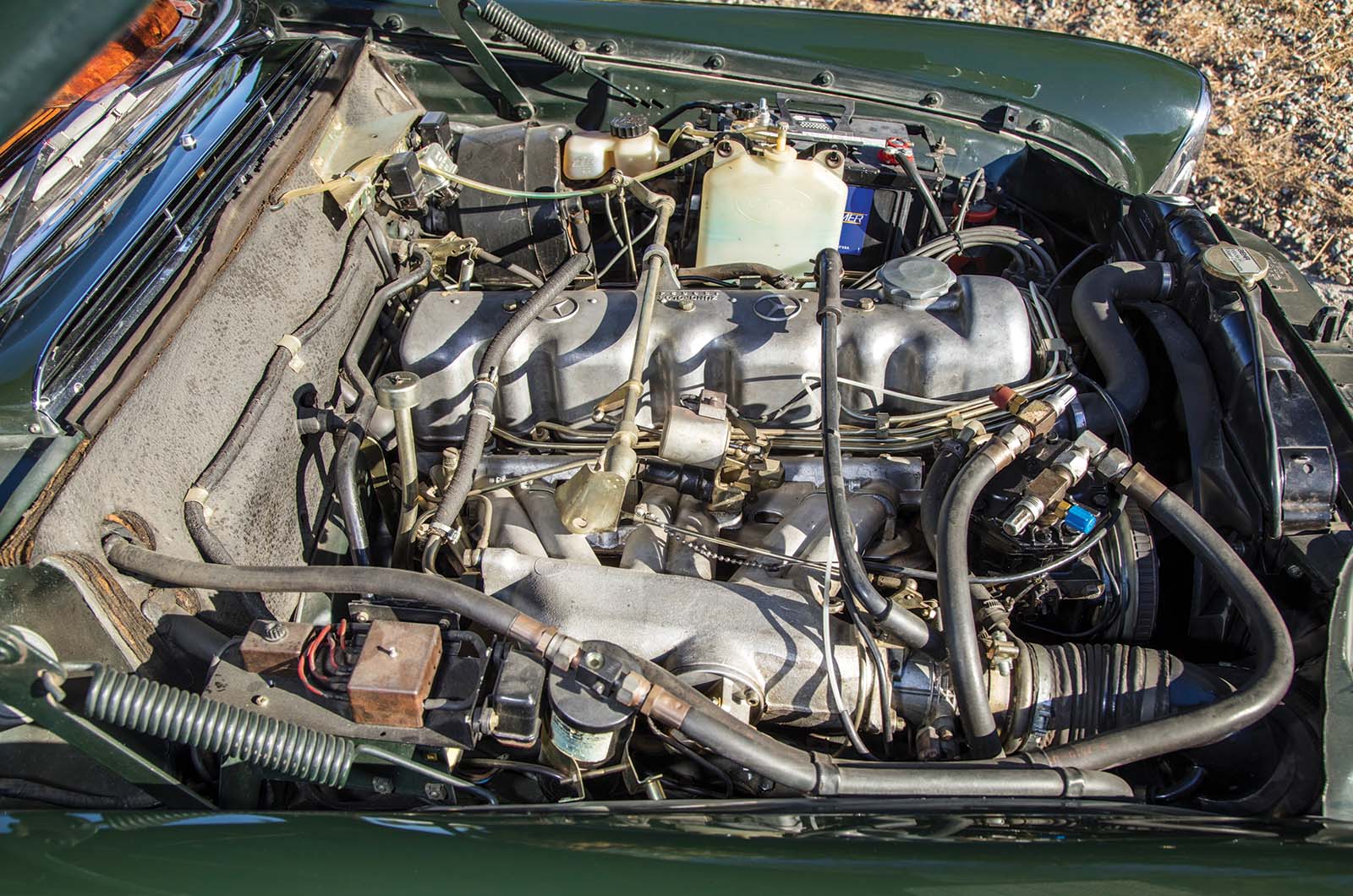
In 250SE form, its high-revving, overhead-cam straight-six was virtually a third of the size of the Buick’s high-compression Nailhead V8 and produced about half the power on Bosch mechanical fuel injection.

That’s assuming the advertised outputs of the various 401 and 425cu in (6.6- and 6.9-litre) V8s fitted to the Riviera were 80-100bhp adrift of reality.

The 1961-’65 220SE had pioneered front disc brakes on the company’s production cars. 

The 1965-’67 250SE had them all round, and came routinely with power steering and automatic transmission, although neither was officially standard.

Classic & Sports Car – Buick Riviera vs Mercedes-Benz 250SE Coupé: cut to shape

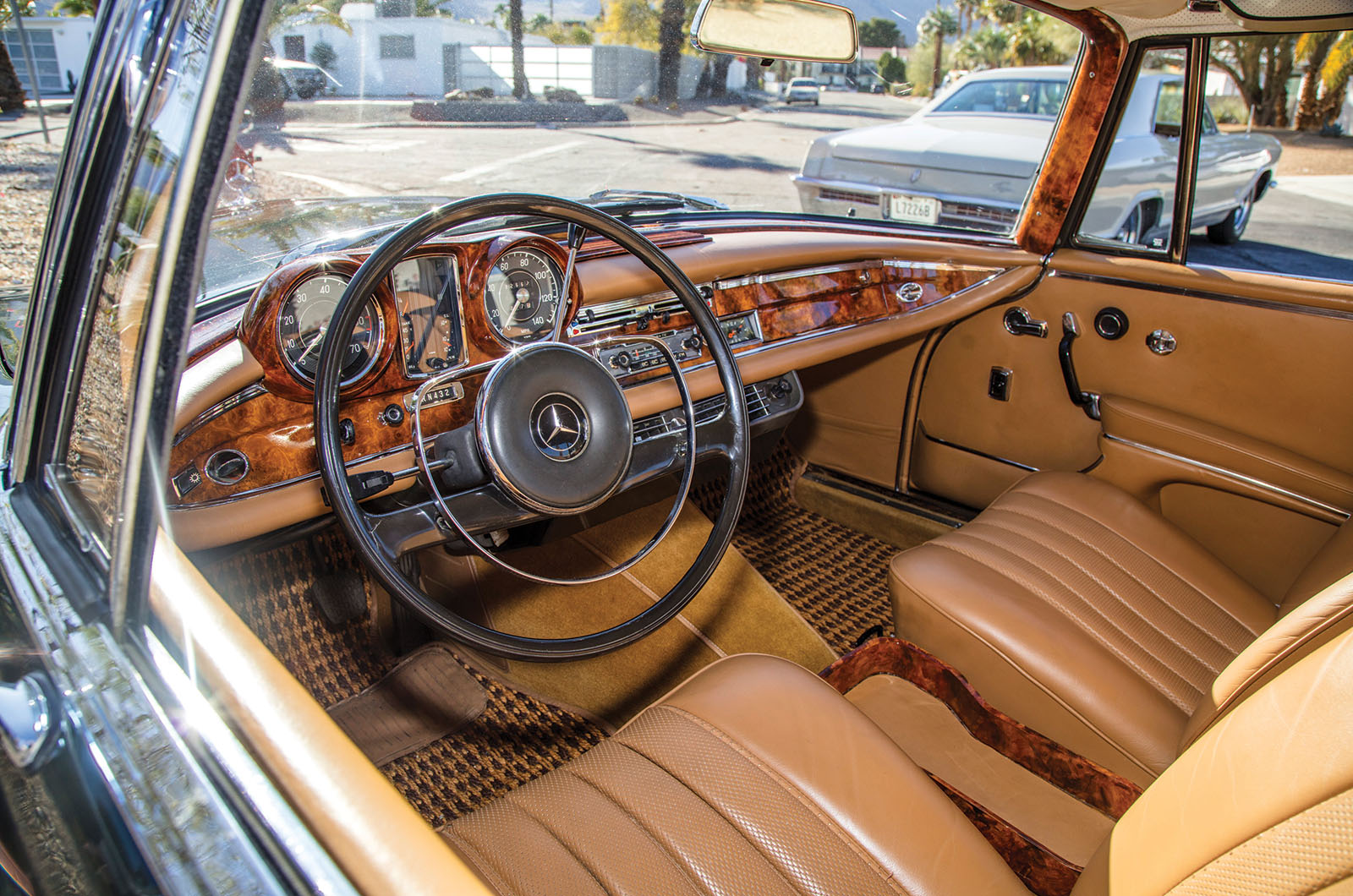
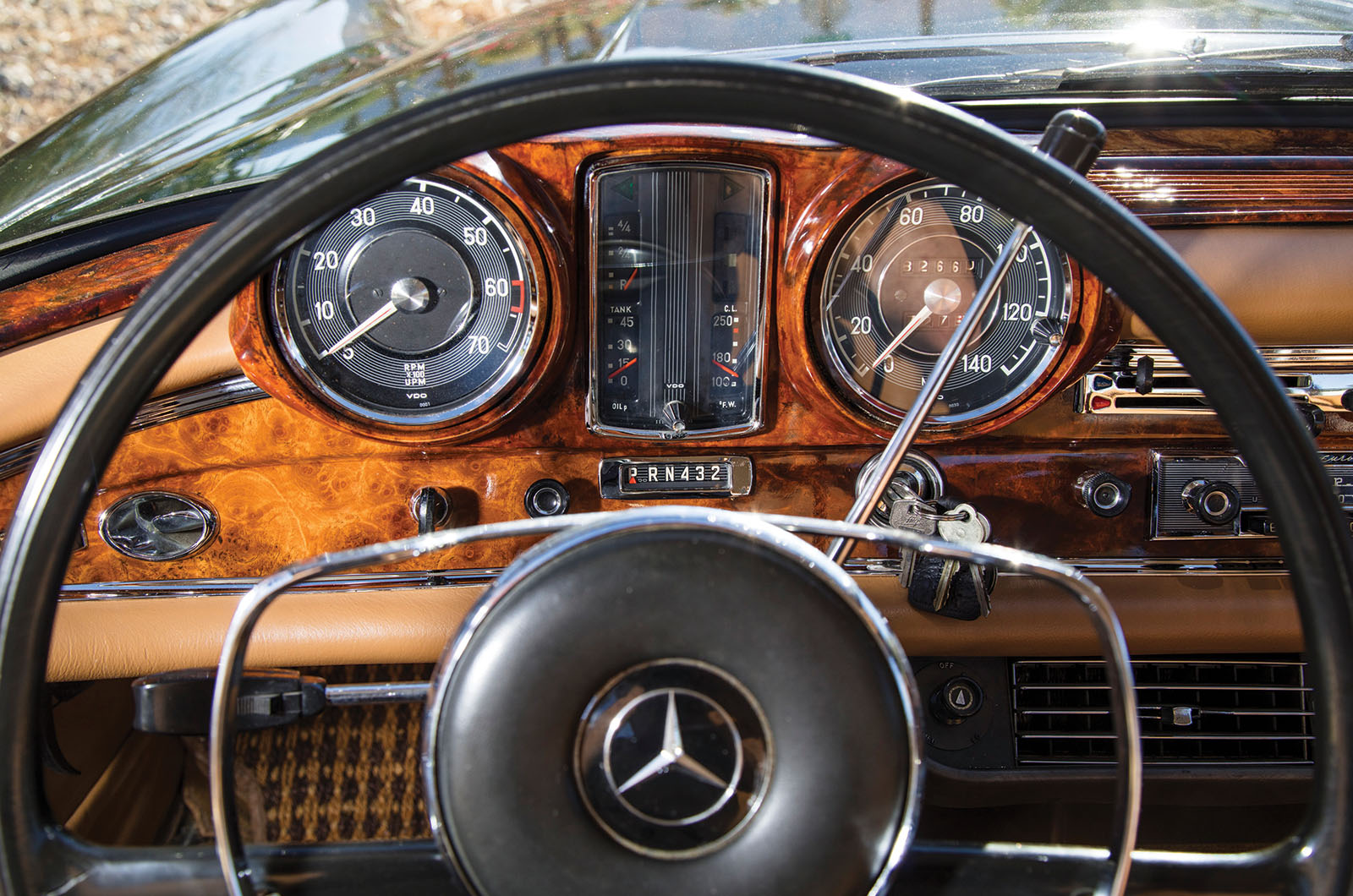
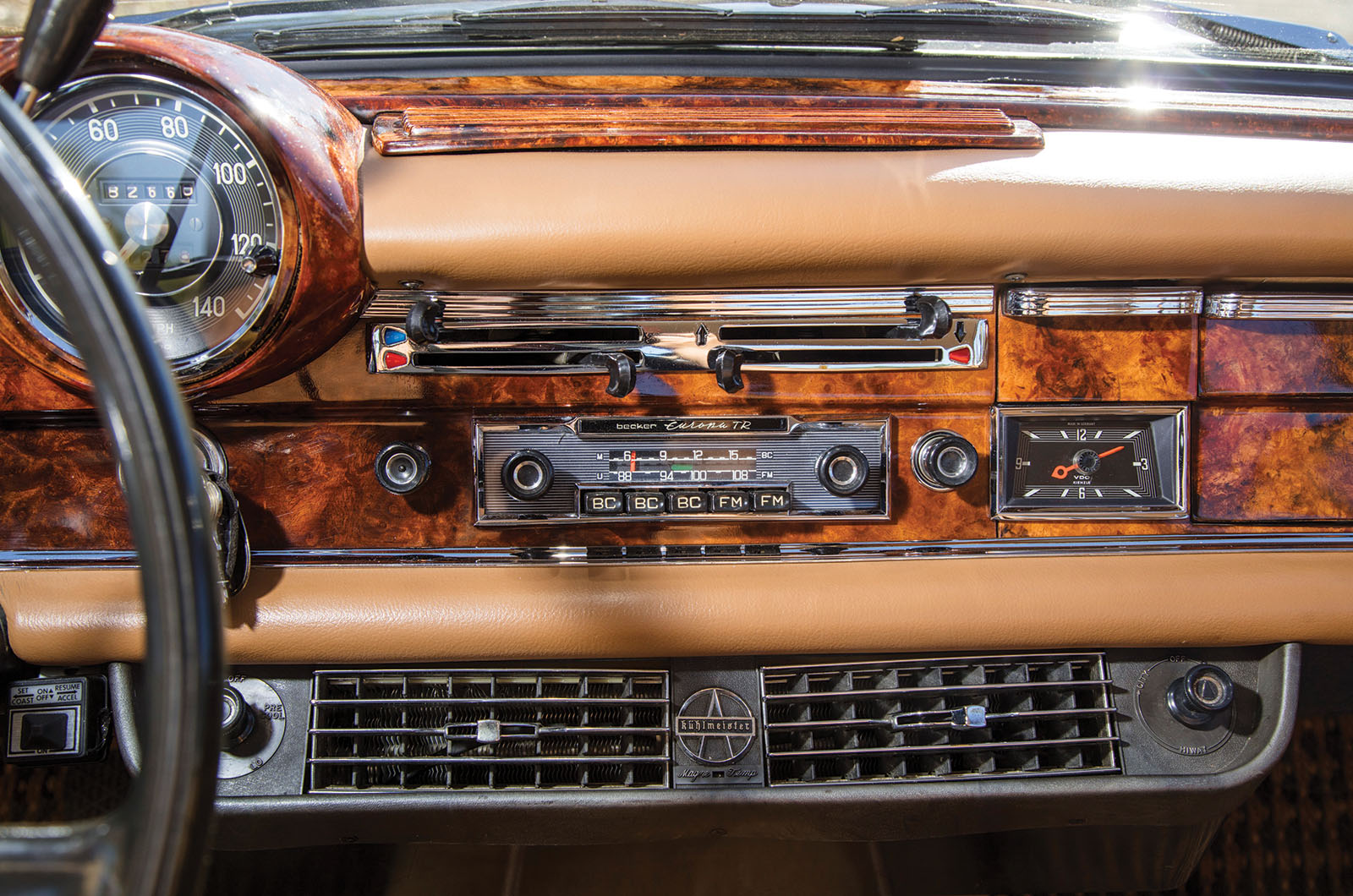
The Mercedes’ cabin features full-width veneer and an upright binnacle that shows gear position

In the UK, import duty – and the cost of a right-hand-drive conversion on the Buick – put these two coupés at least £500 apart, the American being the cheaper.

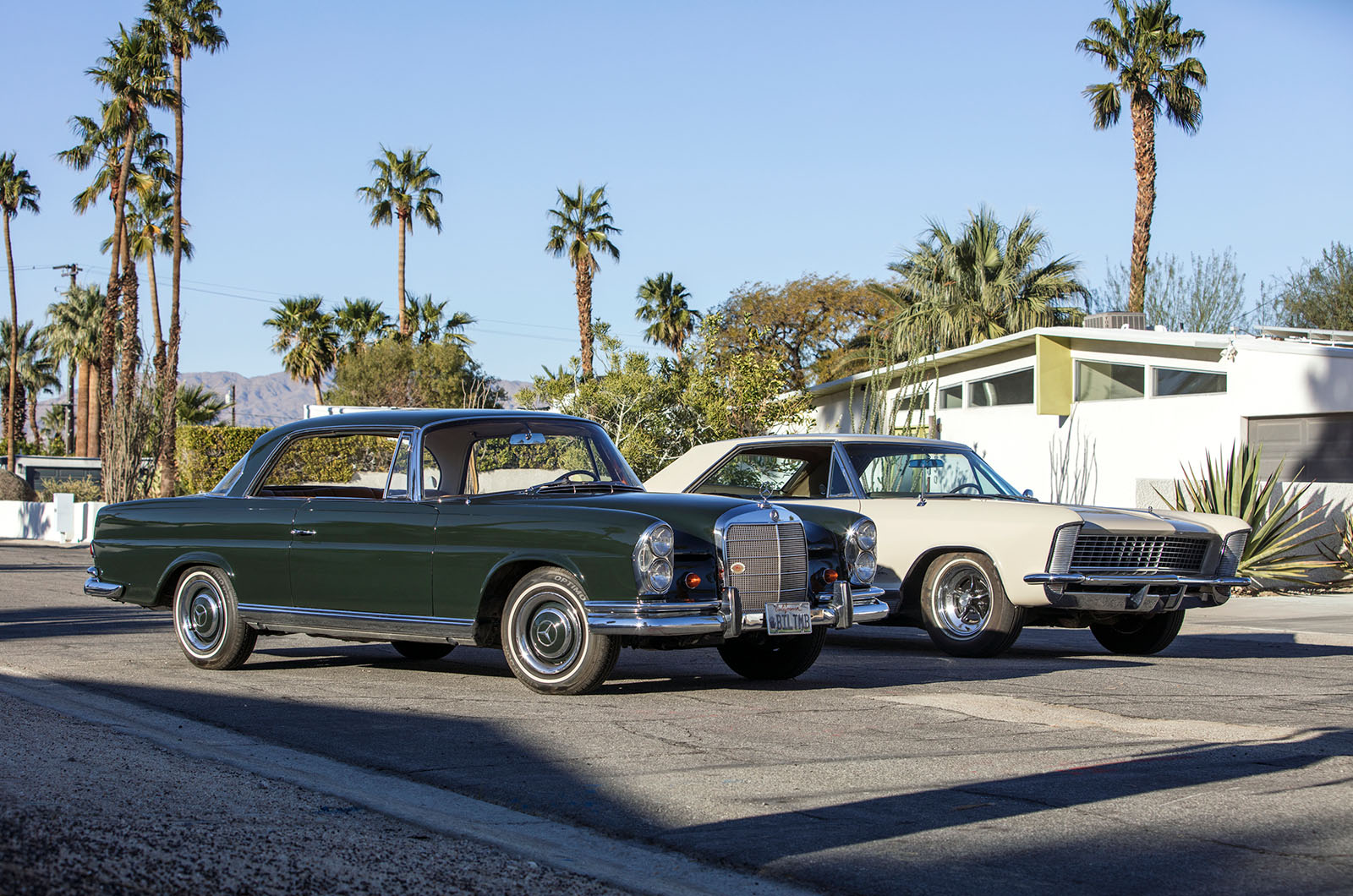
Sam McKeon and Bill Clin of Palm Springs were both focused on acquiring a Riviera and a 250SE Coupé of 1965 vintage. 

“We wanted a ’65 Buick,” says Sam, “because of the clamshell lights. They are mechanical, not pneumatic, with motors and limit switches.

“The Riviera was supposed to have them in 1963, but the accountants only allowed it in ’65 because the car was making money.”

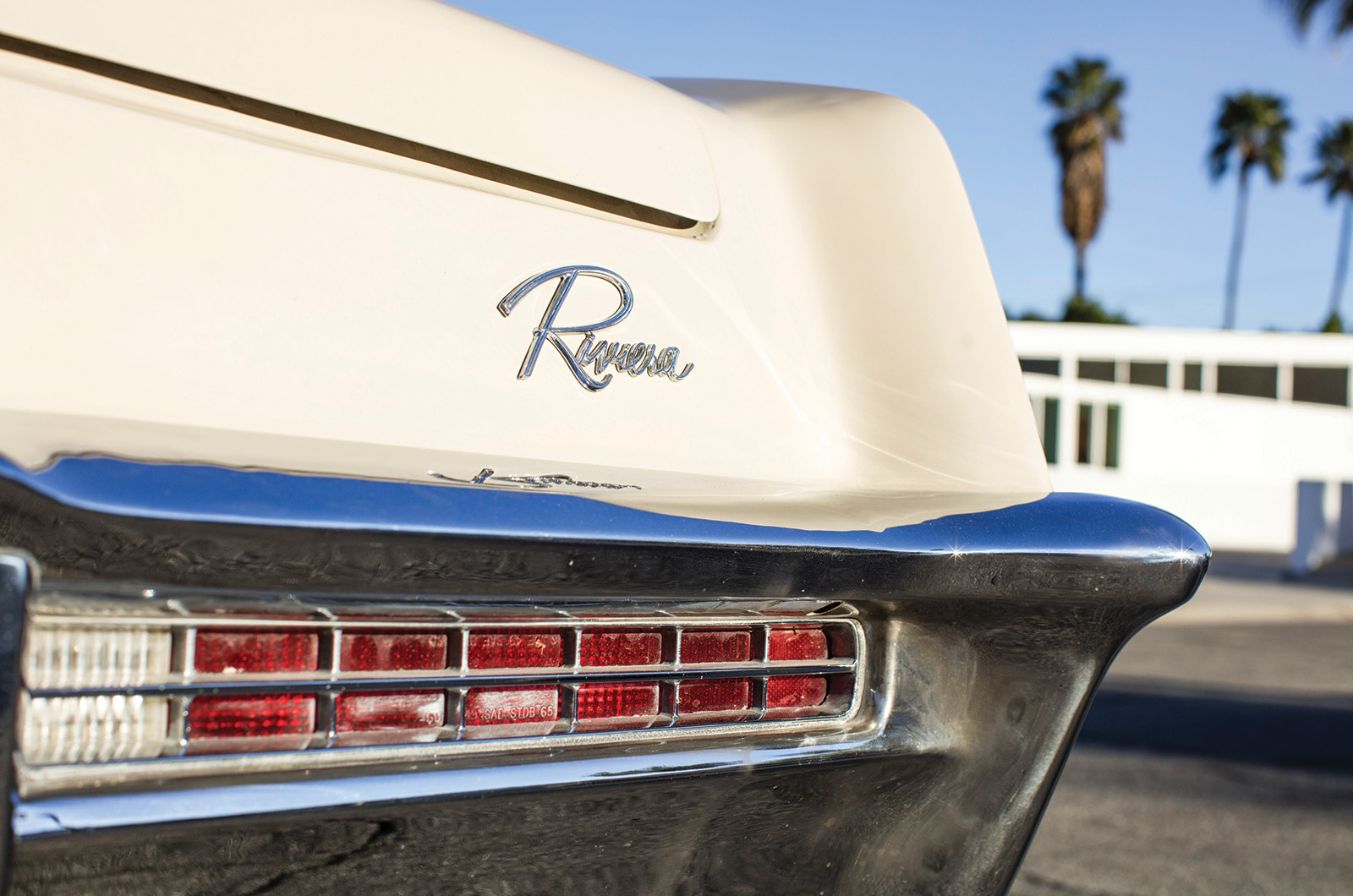
Bill adds: “I also like the tail-lights in the bumper on the ’65, and the lack of fake side scoops.”

Classic & Sports Car – Buick Riviera vs Mercedes-Benz 250SE Coupé: cut to shape

‘Writing in favourable terms of the Buick’s general handling, Motor talked about “power sliding the monster”’

They looked hard for an example in an original colour with an original interior.

“This one has the 425cu in engine, but it’s not the GS with the twin four-barrel carburettors, high-lift cam and high compression,” says Bill. “It’s overpowered for its braking system as it is…”

The 250SE was found 16 years ago, in Palm Springs. “I wanted the last handbuilt series,” explains Bill.

“The later 280SE and 280SE 3.5 don’t have the full wooden dash, because of glare on the windscreen. And they had to lower the hood so you could see pedestrians better.”

Classic & Sports Car – Buick Riviera vs Mercedes-Benz 250SE Coupé: cut to shape

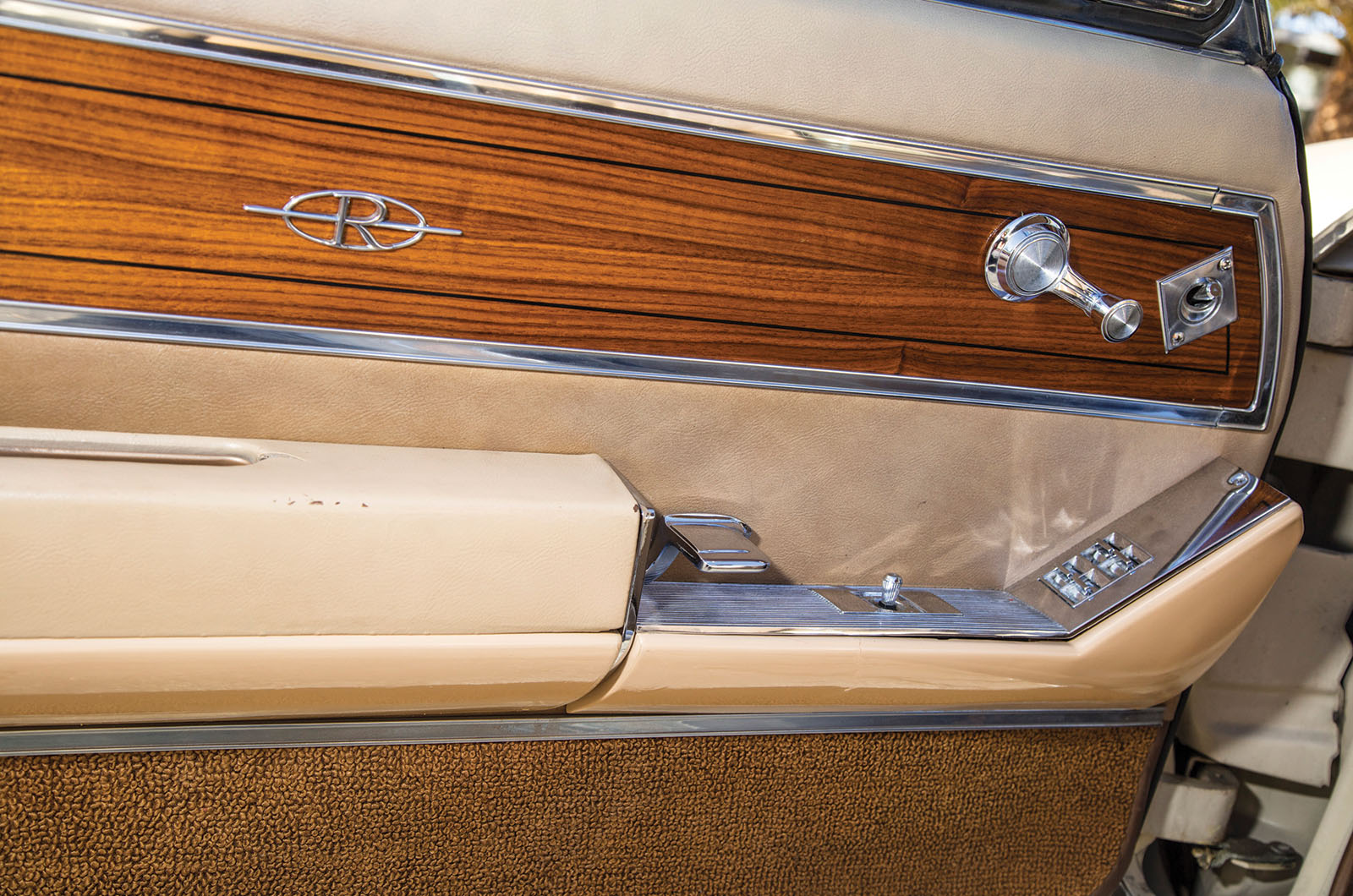
The Buick Riviera’s faux-wood door panel

“They were very Hollywood,” interjects Sam. “When I was living in Manhattan in the ’60s, these were the cars to have, not a Cadillac… and the Mercedes coupé cost multiples of the Buick in period, although Riviera prices have taken off. These sell in the mid-40s now.”

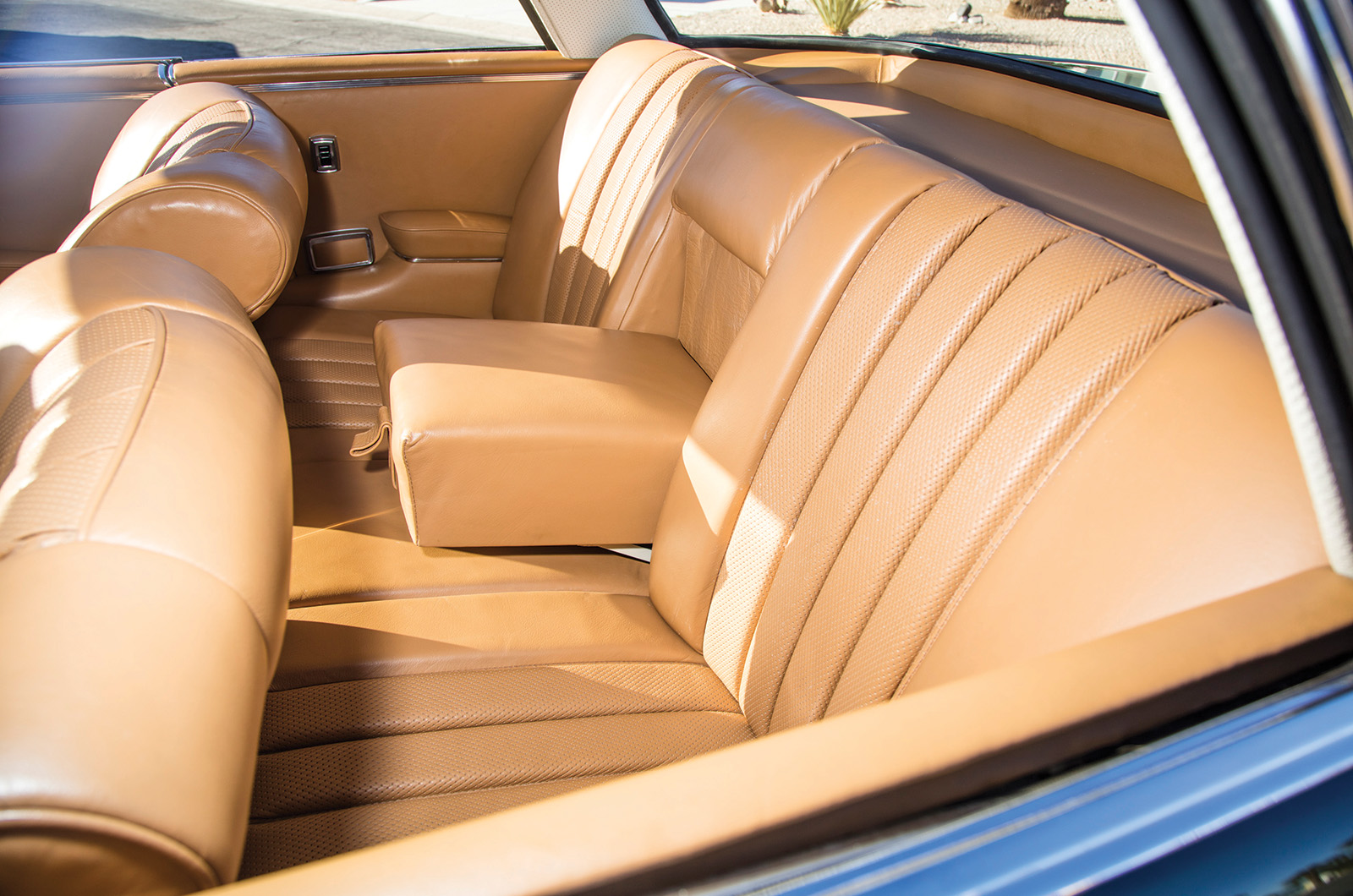
The Mercedes has almost as much room inside as the Buick, and substantially more boot space, mostly because the spare wheel dominates the Riviera’s luggage compartment.

Its cabin is styled with mostly man-made materials, denying it the bespoke character of the leather- and wood-lined 250SE.

Classic & Sports Car – Buick Riviera vs Mercedes-Benz 250SE Coupé: cut to shape

‘Superficially sedate but expensively engineered, Mercedes-Benz gave its drivers a sense of command and detail satisfaction’

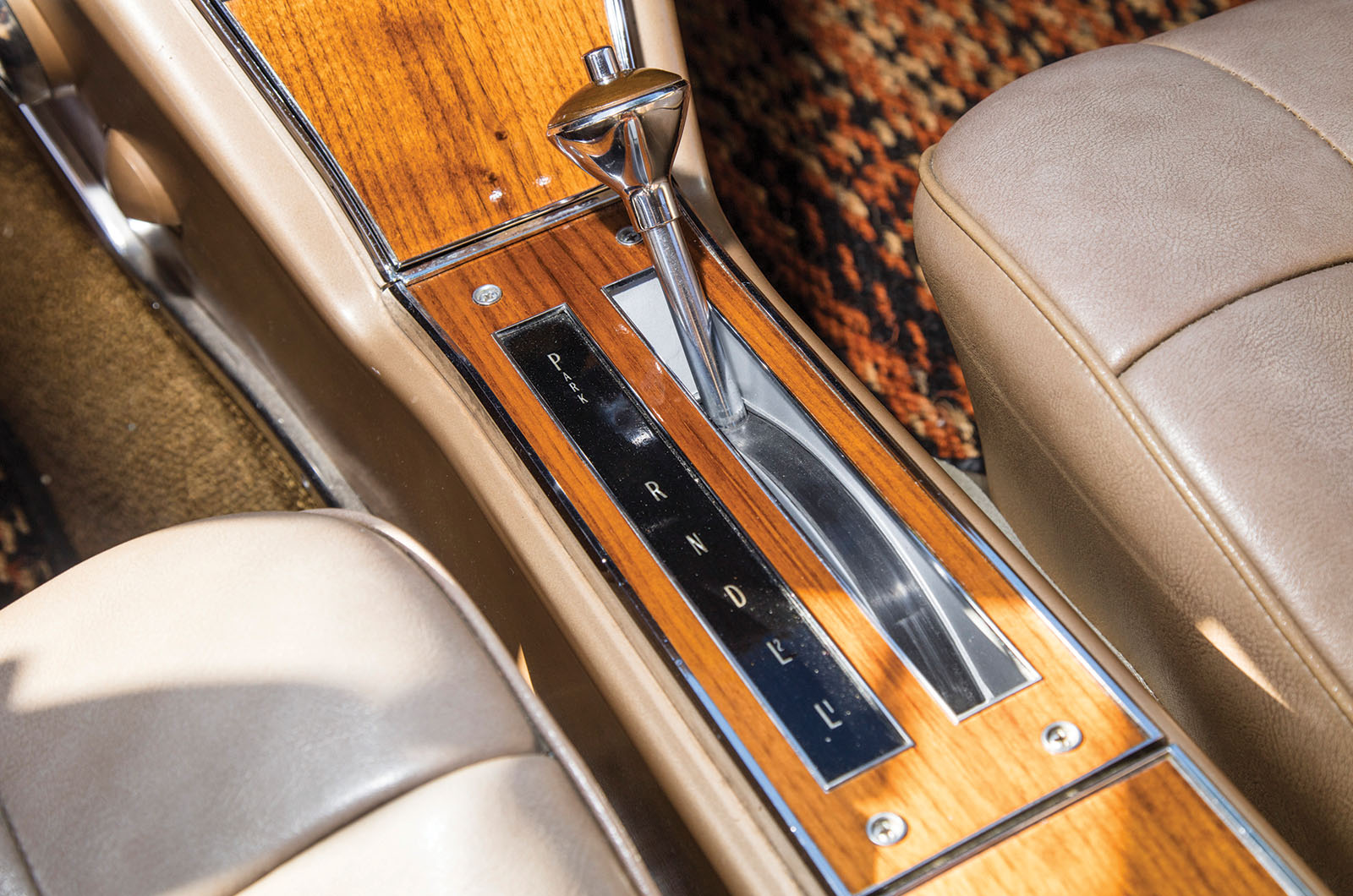
The Buick’s centre console flows into what must be one of the first instrument stacks, although there are no minor controls, only those for a heating, ventilation and air-conditioning system that was hugely in advance of anything Mercedes could offer at the time.

Though the dashboard has none of the fine detailing of the German car, its circular gauges and straightforward design was a new look from Detroit.

The Mercedes has the more commanding driving position and better all-round vision than the Riviera.

It is missing the American car’s power windows, seats and adjustable steering column but, conversely, the lack of a reclining backrest seems a strange omission on Buick’s part, in a car otherwise focused on making the driver’s life as easy as possible.

Classic & Sports Car – Buick Riviera vs Mercedes-Benz 250SE Coupé: cut to shape

The Buick Riviera has a GM400 three-speed gearbox

Its steering can be controlled with one finger and its acceleration is as effortless as the sweet but fussy Mercedes feels slightly laboured, with its low overall gearing and hard upshifts.

Thanks to huge torque and an early version of the GM400 three-speed automatic, the Riviera has the sort of epic pick-up not offered by Mercedes until the highly specialised 300SEL 6.3.

With 0-60mph in 7.2 secs and 128mph, the Riviera GS was among the fastest four-seaters in the world.

Classic & Sports Car – Buick Riviera vs Mercedes-Benz 250SE Coupé: cut to shape

The Mercedes-Benz 250SE Coupé’s 2496cc straight-six needs revs for its 148bhp, but it’s creamily smooth

Yes, the Benz feels much less lively – it could hardly be otherwise – but even here the performance figures don’t tell the full story.

The 250SE may have been 15mph and many seconds adrift of the Riviera’s tyre-smoking accelerative abilities, yet its tolerance of sustained high revs meant it could cruise as fast as the Buick (say 110mph, all day long) and use a lot less fuel doing so.

Consider also that the 20mpg Mercedes could extract well over 300 miles from its 18-gallon capacity; the Riviera, averaging 11mpg, had to stop every 170 miles or so to replenish its absurdly small 16-gallon tank.

But perhaps none of the above matters all that much for a 60-year-old car.

Classic & Sports Car – Buick Riviera vs Mercedes-Benz 250SE Coupé: cut to shape

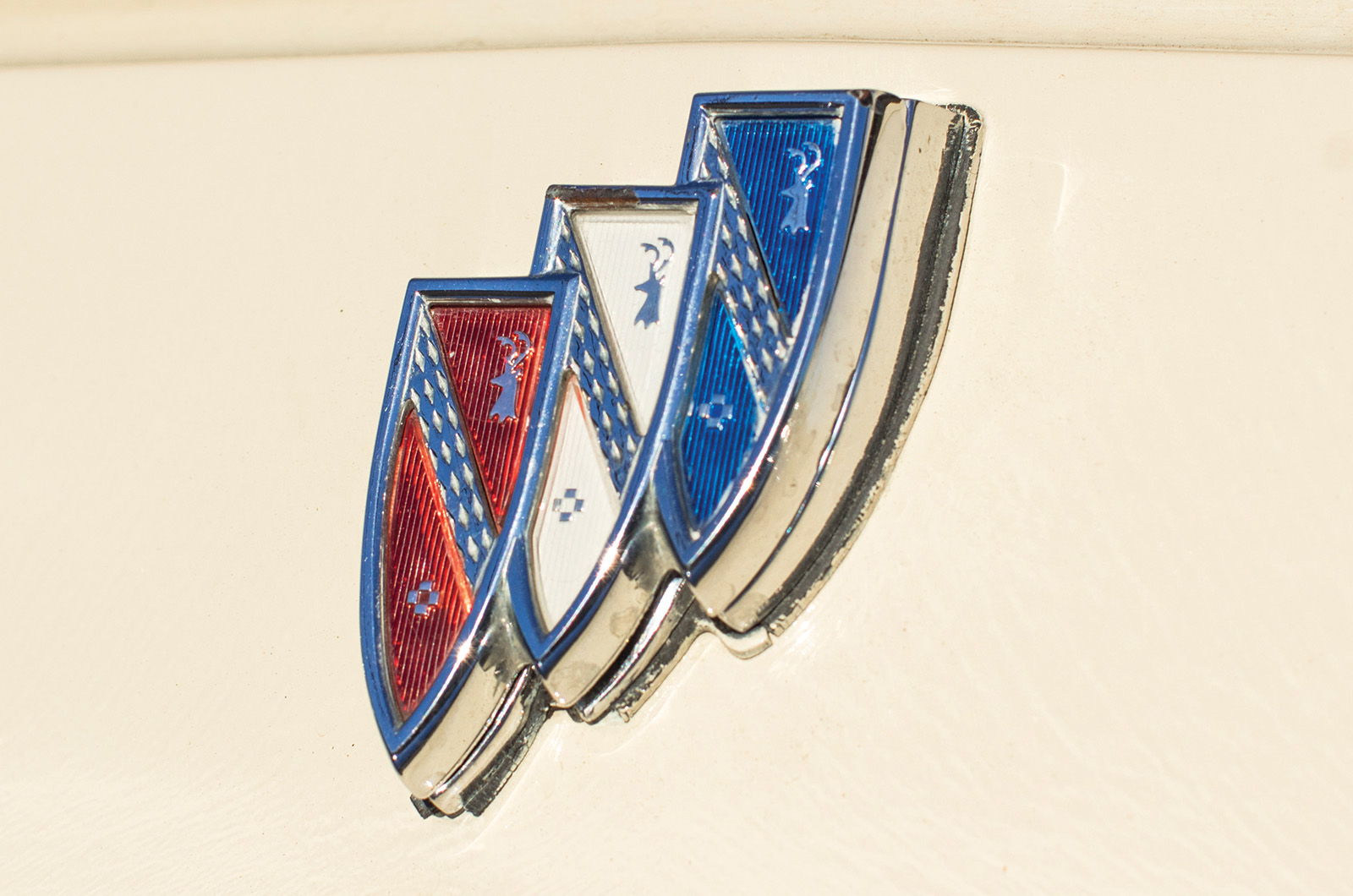
Buick’s three-shield logo on the Riviera

What we can say is that both are directionally stable and you would not overtly criticise the light, numb control offered by the over-boosted Riviera without having the 250SE on hand for direct comparison. 

Mercedes’ recirculating-ball system set the standard for power steering for many years, allowing the driver to guide the car with a true feel for what the front wheels were doing.

In other words, because you can sense the build-up of understeer, you can drive the Benz briskly, with confidence, almost at once.

Over and above the superb finish and the beautiful materials, it was this sense of completeness that the 250SE Coupé owner was paying for, even if they couldn’t quite put it into words themselves.

Classic & Sports Car – Buick Riviera vs Mercedes-Benz 250SE Coupé: cut to shape

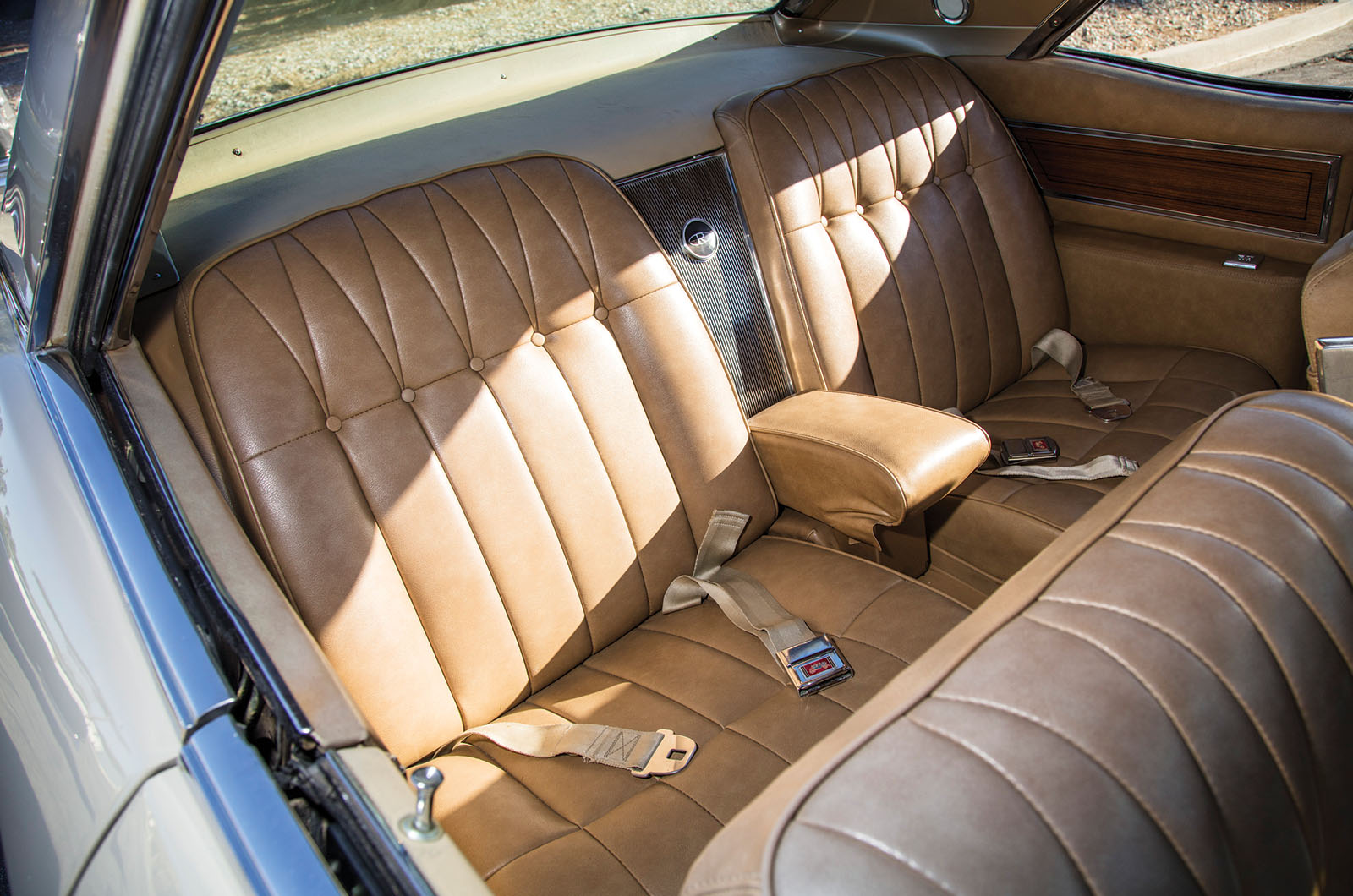
Buick’s Riviera has a 2+2 layout

Superficially sedate but more expensively engineered, a Mercedes-Benz gave its drivers a sense of command and detail satisfaction that no American cars have even pretended to emulate.

The Riviera is not all bad news on the road; far from it. It does not roll all that much more than the German – it is quite a squat, low-slung car – and if there is a hint of transitional wallow, it was probably considered a fair compromise for the soft ride.

On its low-pivot swing axles, the Mercedes has a more controlled, equally comfortable but more of-a-piece feel than the American.

It is set up to understeer gently and, unlike the Buick, offers roadholding way in excess of its power.

Classic & Sports Car – Buick Riviera vs Mercedes-Benz 250SE Coupé: cut to shape

The Mercedes-Benz 250SE Coupé drives with willing precision, if less outright pace than the Buick

Such limits as it has are not easily found but, as is the wont of swing axles, a little unforgiving when encountered, which is almost never on the public road.

You tend to guide the Buick visually rather than by messages through the wheel, while treating the throttle with respect and taking care not to jab too abruptly on the sensitive brakes.

In the end, the lightweight, minimum-effort character of the Riviera is intrinsic to its louche appeal – you either embrace or reject its shortcomings.

It is a handsome but flawed hero from the last great era of American car design: such an unashamed Madison Avenue fantasy that the advertising agency McCann Erickson, rather than the Buick division, presented the original concept to GM management.

Classic & Sports Car – Buick Riviera vs Mercedes-Benz 250SE Coupé: cut to shape

Quality details abound in the Mercedes-Benz 250SE Coupé’s cabin

In contrast, there was no requirement to create an image for the prestigious 250SE.

The price-tag assured the car’s boutique status even in the realm of exclusive big coupés of the ’60s.

And it was, in the end, a Mercedes-Benz – and a hand-finished Mercedes-Benz coupé at that, with a status in the Stuttgart hierarchy second only to the mighty 600.

I like it. I admire it. Its beauty, engineering values and all-round Teutonic wholesomeness make it the obvious choice for any right-thinking enthusiast who dons the imaginary cravat of connoisseurship.

Classic & Sports Car – Buick Riviera vs Mercedes-Benz 250SE Coupé: cut to shape

The Mercedes-Benz 250SE Coupé’s rear quarters are cramped

And yet there remains an 18- or 19-year-old version of myself who fell in love with the Buick Riviera upon reading that Motor road test, swiftly followed by exposure to a black-and-white 1964 Michael Winner flick called The System, featuring Oliver Reed and… a Riviera.

Reed was one of a bunch of dissolute characters residing at an English seaside resort, suddenly enlivened by the arrival of a new potential conquest (Jane Merrow) in her father’s Buick. 

I can only remember one line: “Which would you have, the girl or the Riviera?” asks a fellow layabout of Ollie. “Both.”

Images: Pawel Litwinksi


Factfiles

Classic & Sports Car – Buick Riviera vs Mercedes-Benz 250SE Coupé: cut to shape

Buick Riviera

  • Sold/number built 1965/34,586
  • Construction steel chassis, steel body
  • Engine all-iron, ohv 6970cc V8, single Carter four-barrel carburettor
  • Max power 340bhp @ 4400rpm
  • Max torque 465lb ft @ 2800rpm
  • Transmission three-speed Super Turbine automatic, RWD via limited-slip diff
  • Suspension: front independent, by double wishbones, anti-roll bar rear live axle, radius arms, Panhard rod; coil springs, telescopic dampers f/r
  • Steering power-assisted recirculating ball
  • Brakes drums, with servo
  • Length 17ft 6in (5334mm)
  • Width 6ft 4in (1930mm)
  • Height 4ft 7in (1397mm)
  • Wheelbase 9ft 9in (2972mm)
  • Weight 4369lb (1982kg)
  • 0-60mph 8 secs
  • Top speed 122mph
  • Mpg 11
  • Price new £3639
  • Price now £15-45,000*


Mercedes-Benz 250SE Coupé

  • Sold/number built 1965-’67/6213
  • Construction steel monocoque
  • Engine iron-block, alloy-head, sohc 2496cc straight-six, Bosch mechanical fuel injection
  • Max power 148bhp @ 5500rpm
  • Max torque 159lb ft @ 4200rpm
  • Transmission four-speed manual or automatic, RWD, optional limited-slip diff
  • Suspension independent, at front by double wishbones, anti-roll bar rear swing axles, hydropneumatic self-levelling; coil springs, telescopic dampers f/r
  • Steering recirculating ball, optional power assistance
  • Brakes discs, with servo
  • Length 16ft ⅕in (4882mm)
  • Width 6ft ⅔in (1847mm)
  • Height 4ft 9in (1448mm)
  • Wheelbase 9ft ¼in (2750mm)
  • Weight 3285lb (1490kg)
  • 0-60mph 12 secs
  • Top speed 112mph
  • Mpg 20.2
  • Price new £4484
  • Price now £25-60,000*

*Prices correct at date of original publication


Enjoy more of the world’s best classic car content every month when you subscribe to C&SC – get our latest deals here


READ MORE

Pontiac Grand Prix: excess all areas

Lincoln, Buick and Packard: rust in peace

Mercedes-Benz 220SEb Cabriolet vs 280SE 3.5 Cabriolet: a numbers game