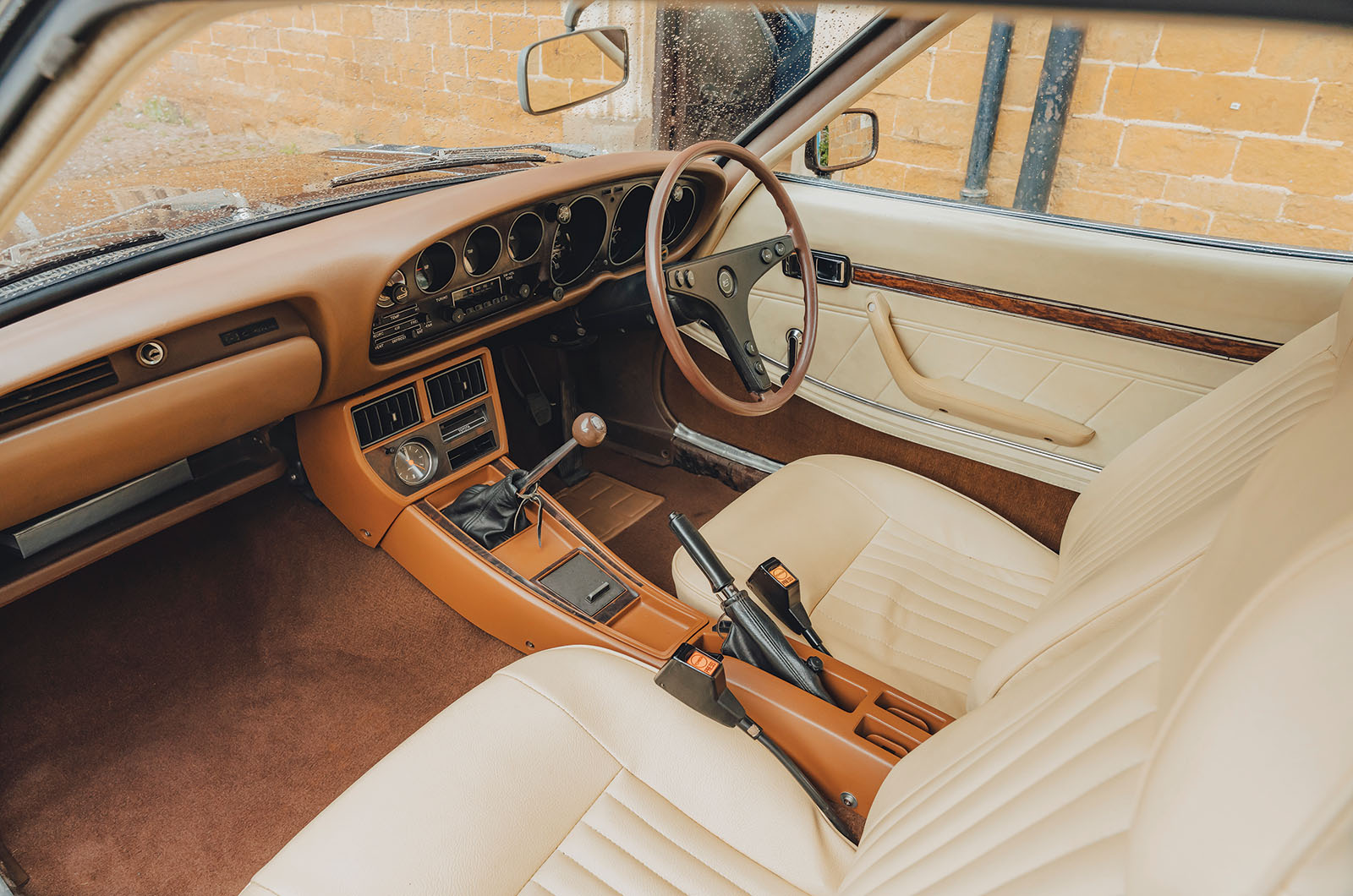
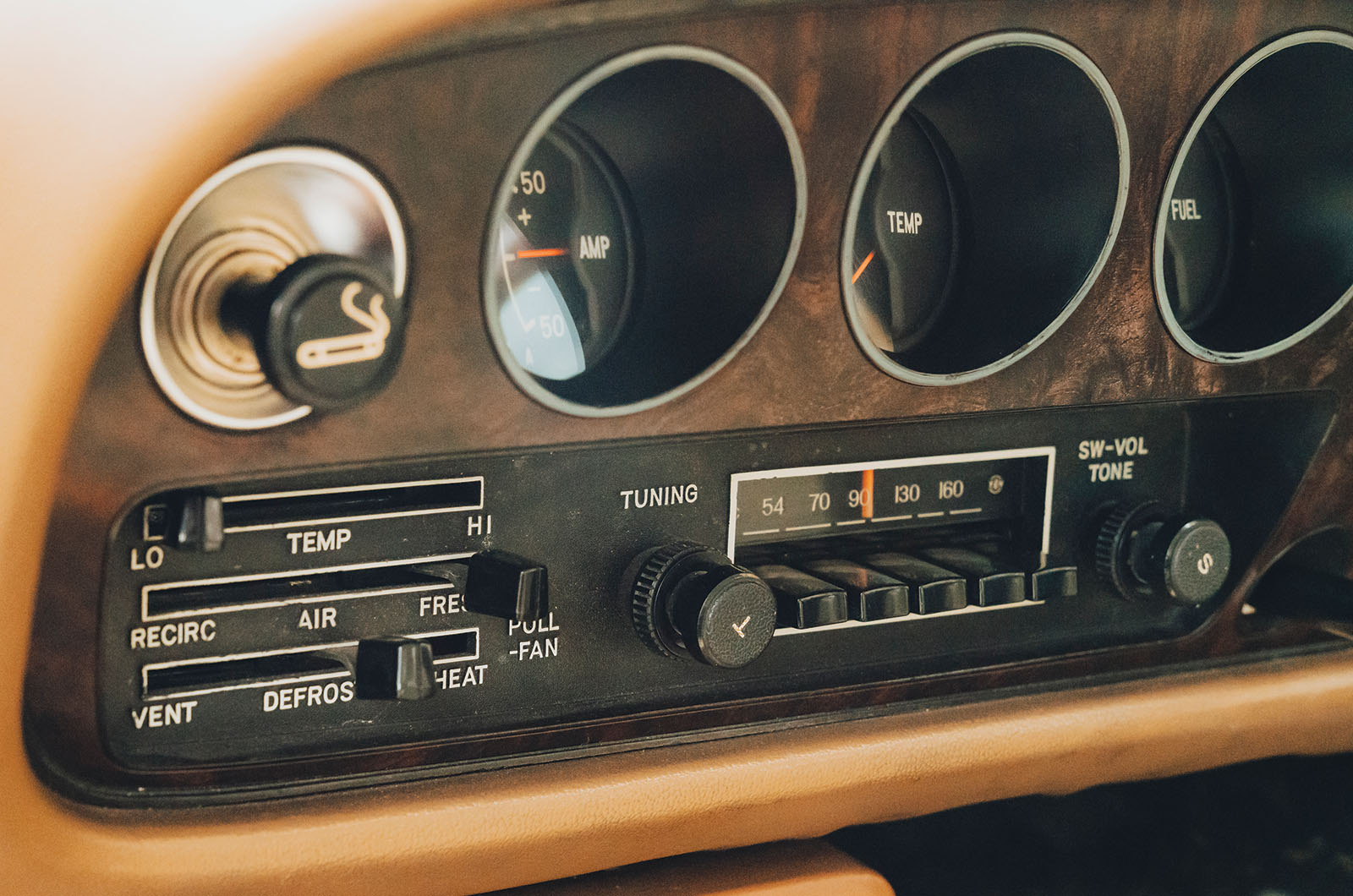
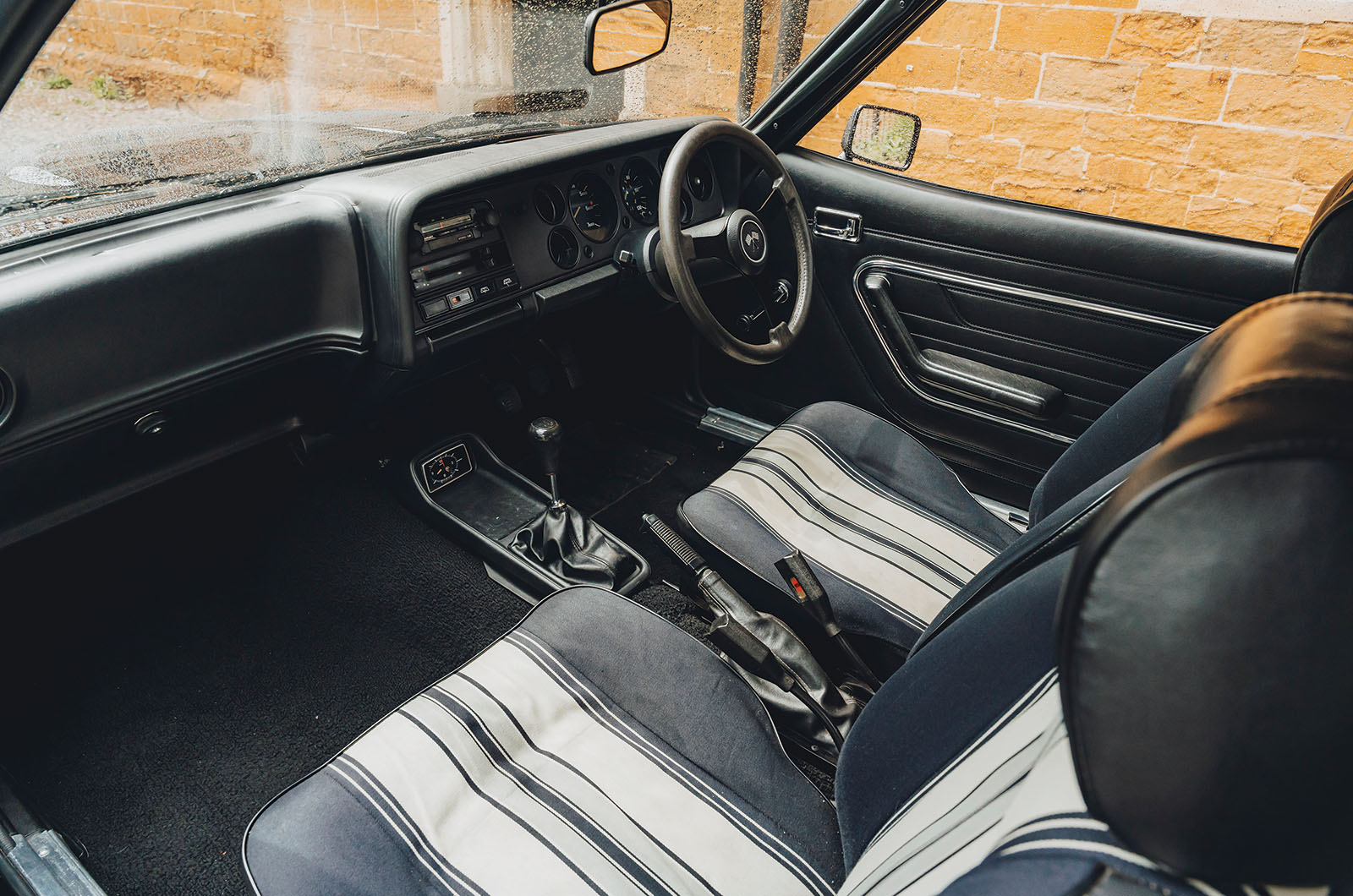
The slab of dashboard behind it is quite bland after the Celica’s, but the S model’s rather fetching striped fabric trim – along with the practicality of split, folding rear seats – goes some way to compensate for this.
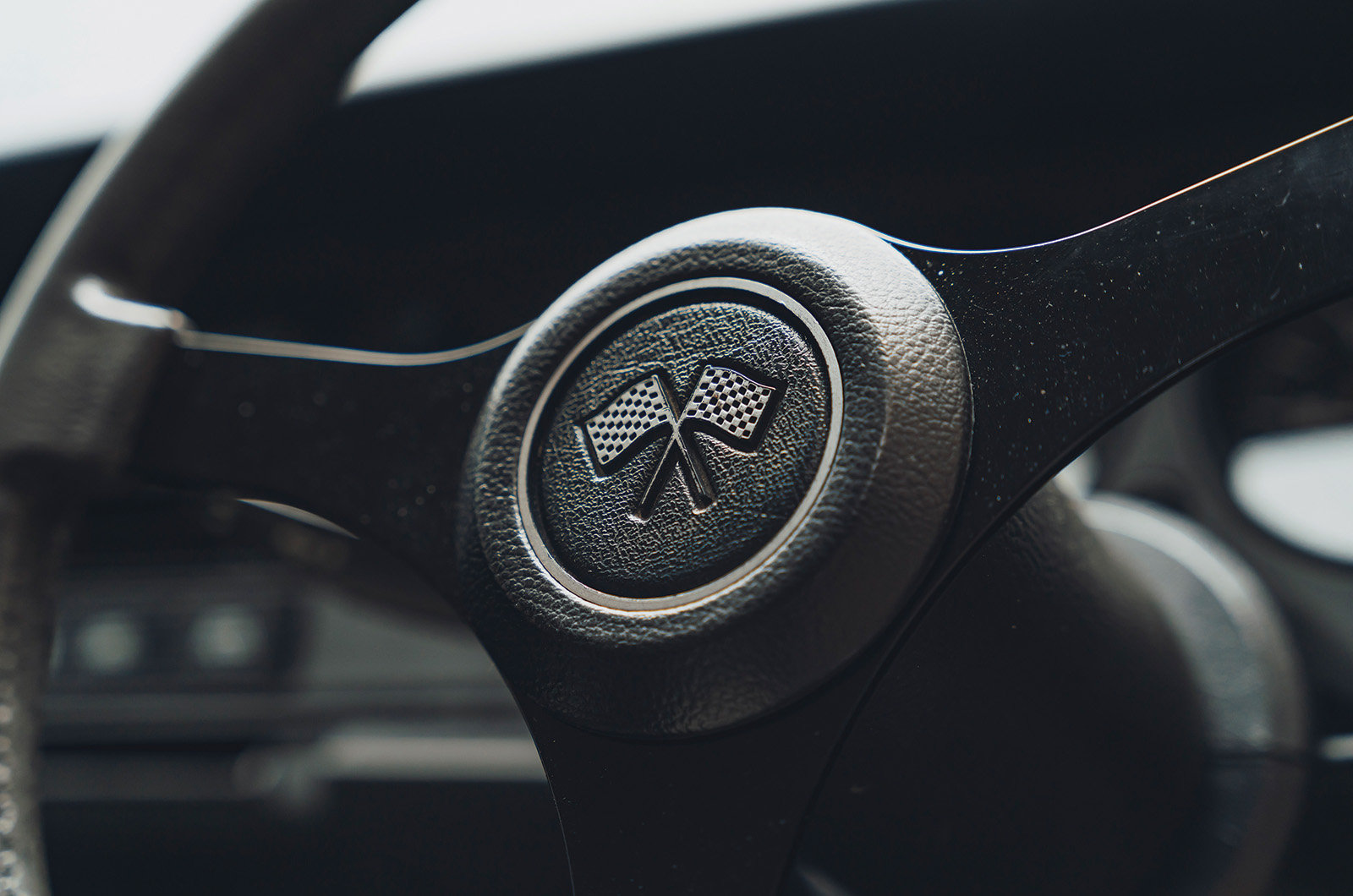
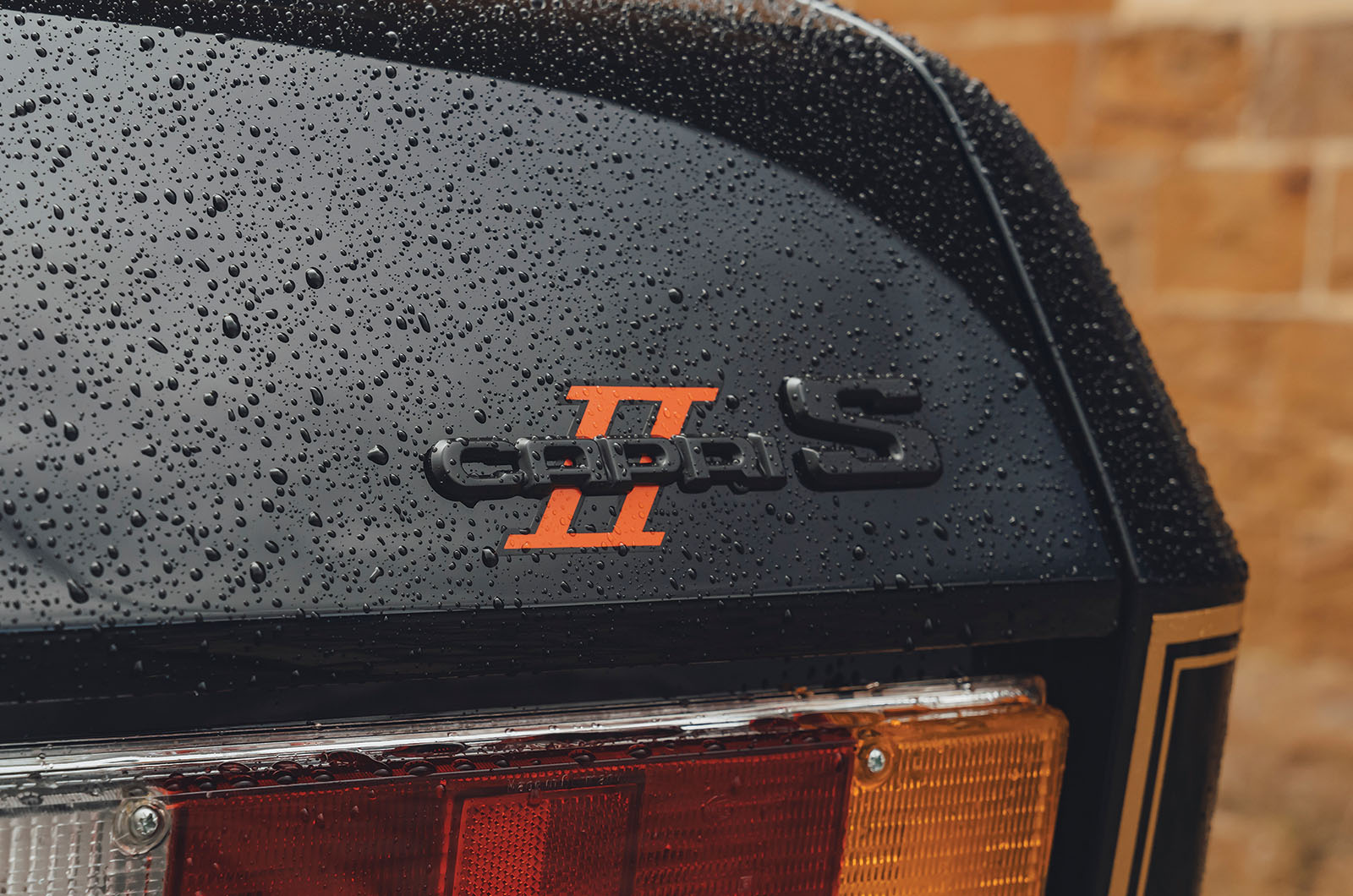
The steering wheel’s flags hint at the Ford Capri II’s sporting aspirations
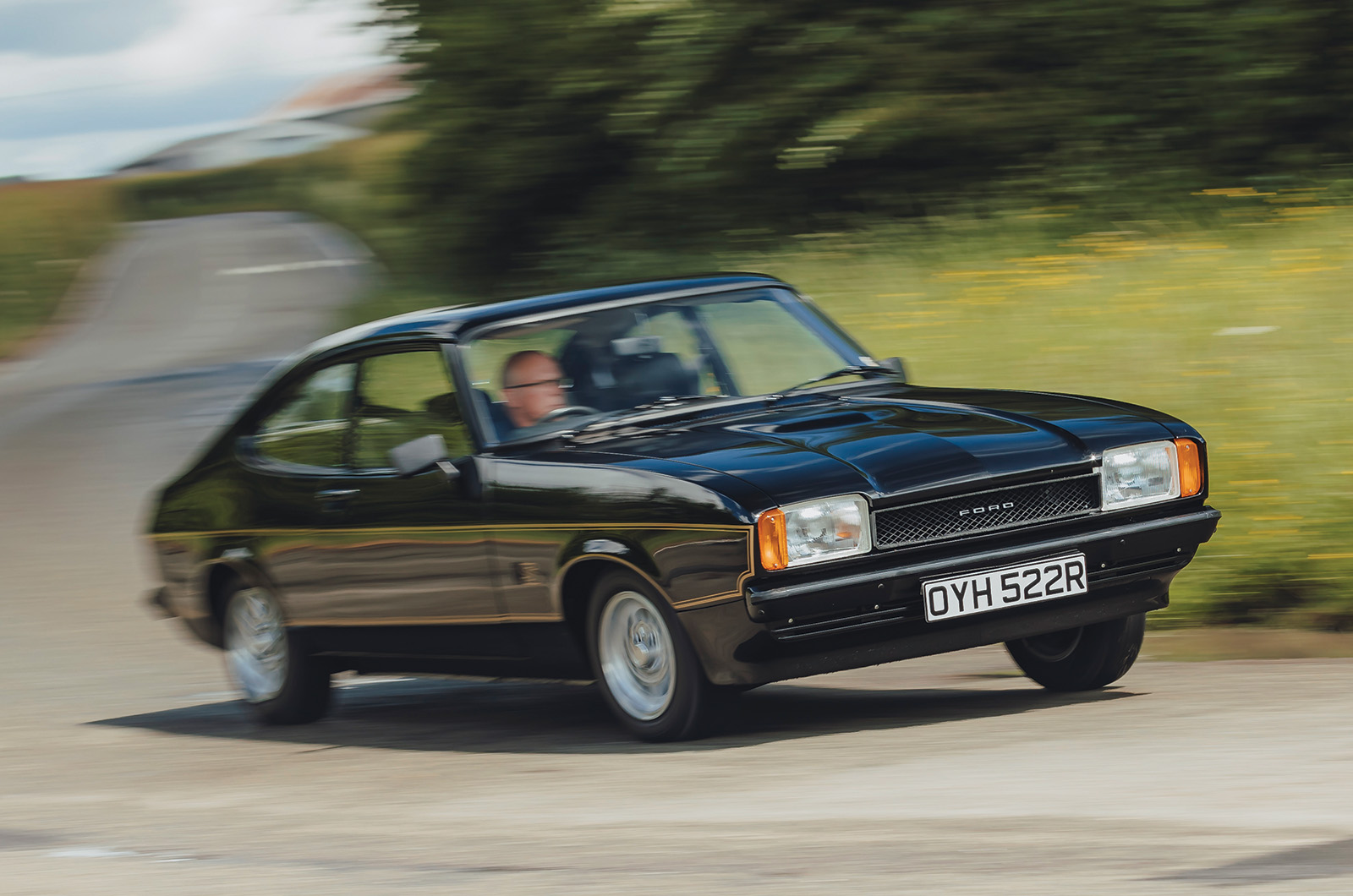
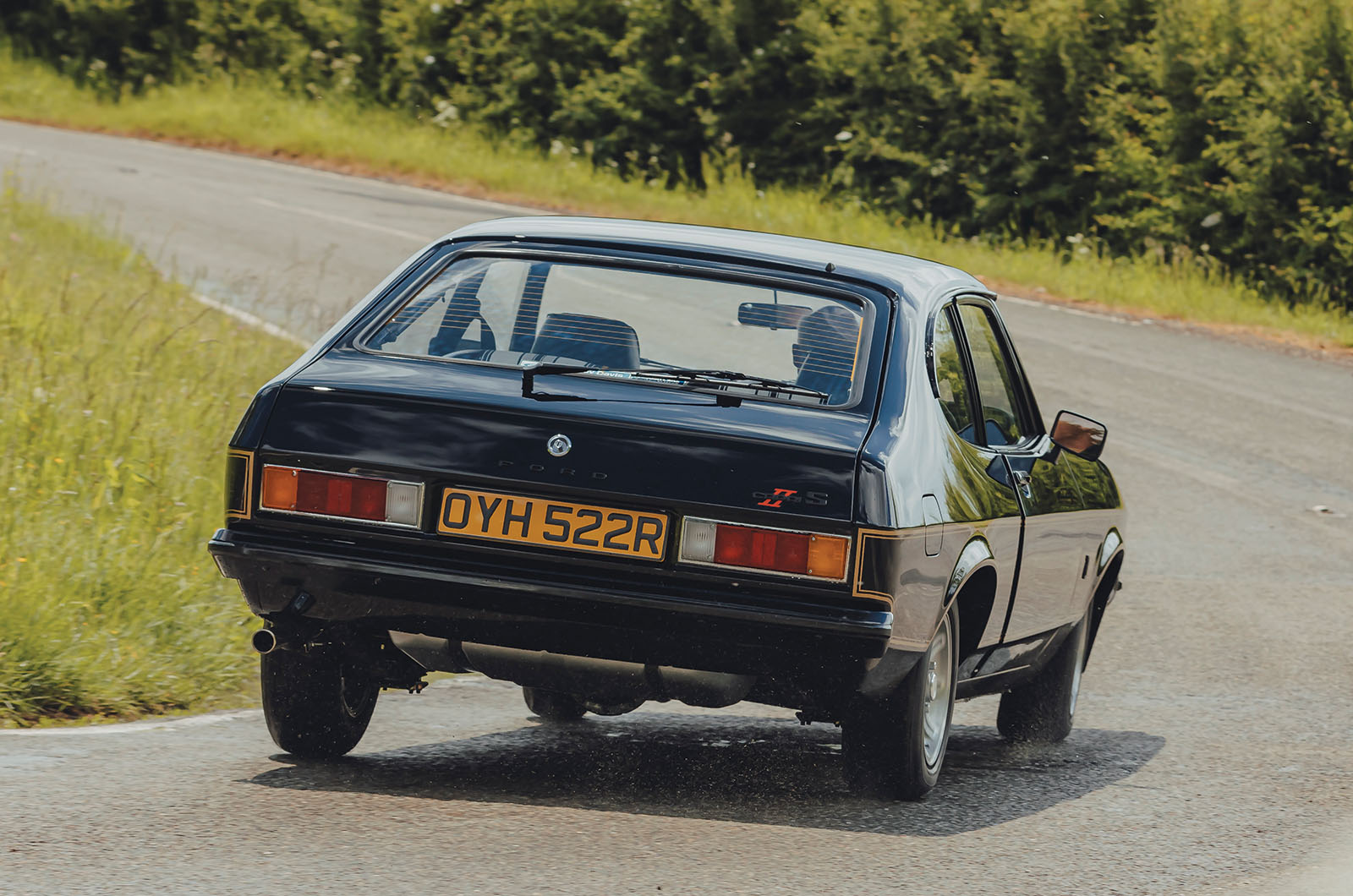
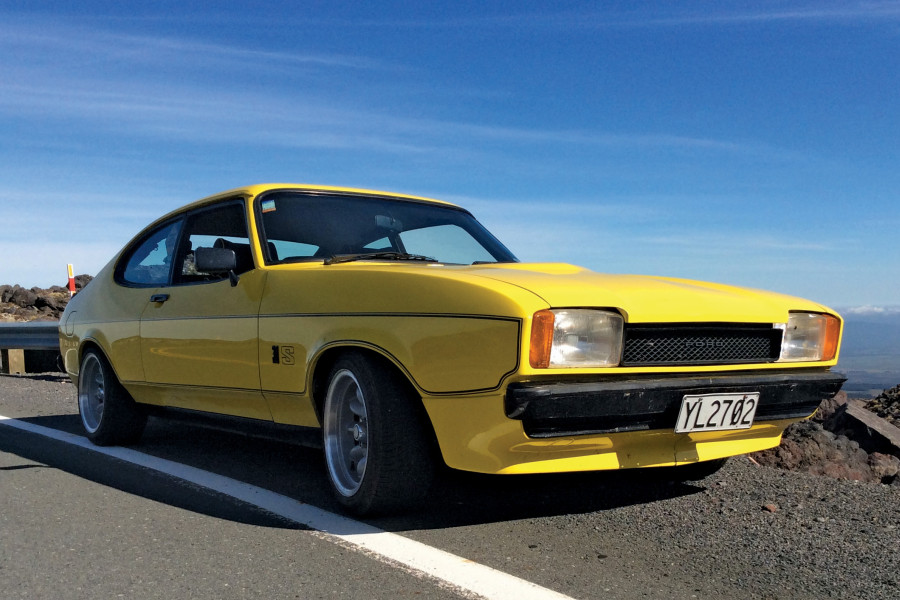
On the road, the Capri immediately feels like a more substantial car.
From the weight of its steering to the way its chassis interacts with the road’s surface (although it is barely 80kg/176lb heavier than the lighter-feeling Celica).
Pick up speed across our fast B-road test route and, while there’s an abundance of grip from the chunky, 13in 175/70 Pirelli tyres – actually, a bit too much of it to be truly entertaining through the twisties – the Capri’s old-school rear end runs out of ideas relatively early on, which in turn tempers your enthusiasm.
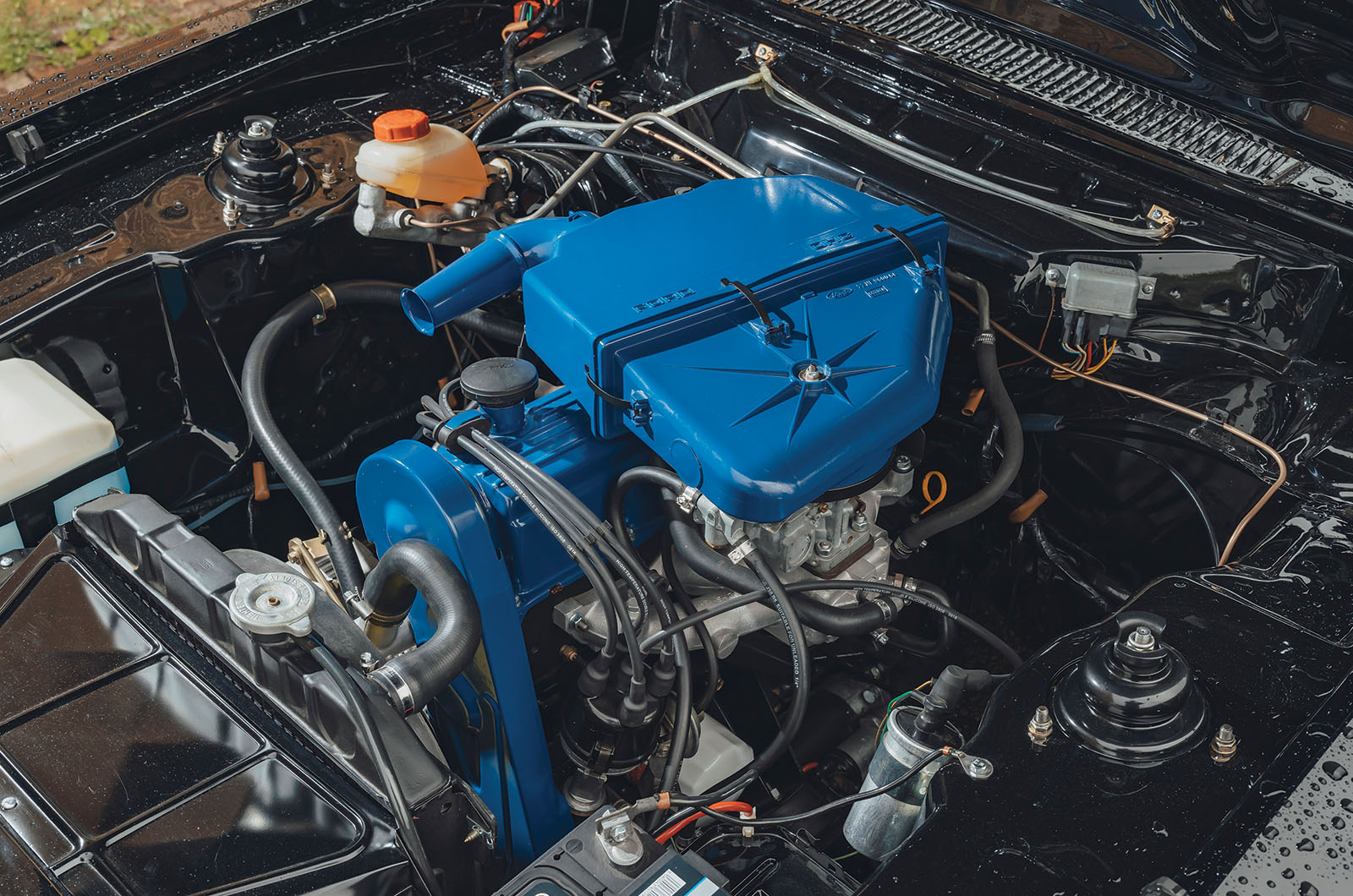
Subjectively, the Capri’s Pinto feels torquier at lower revs versus the Toyota, although there’s little between them on paper: the Ford’s 113lb ft at 4000rpm just pips the Celica’s 109lb ft at 4200rpm.
Ford’s Capri II was launched in 1974
That is just as well, though, since the Ford engine, working through a typically slick and enjoyable four-speed gearbox, starts to sound agricultural when extended.
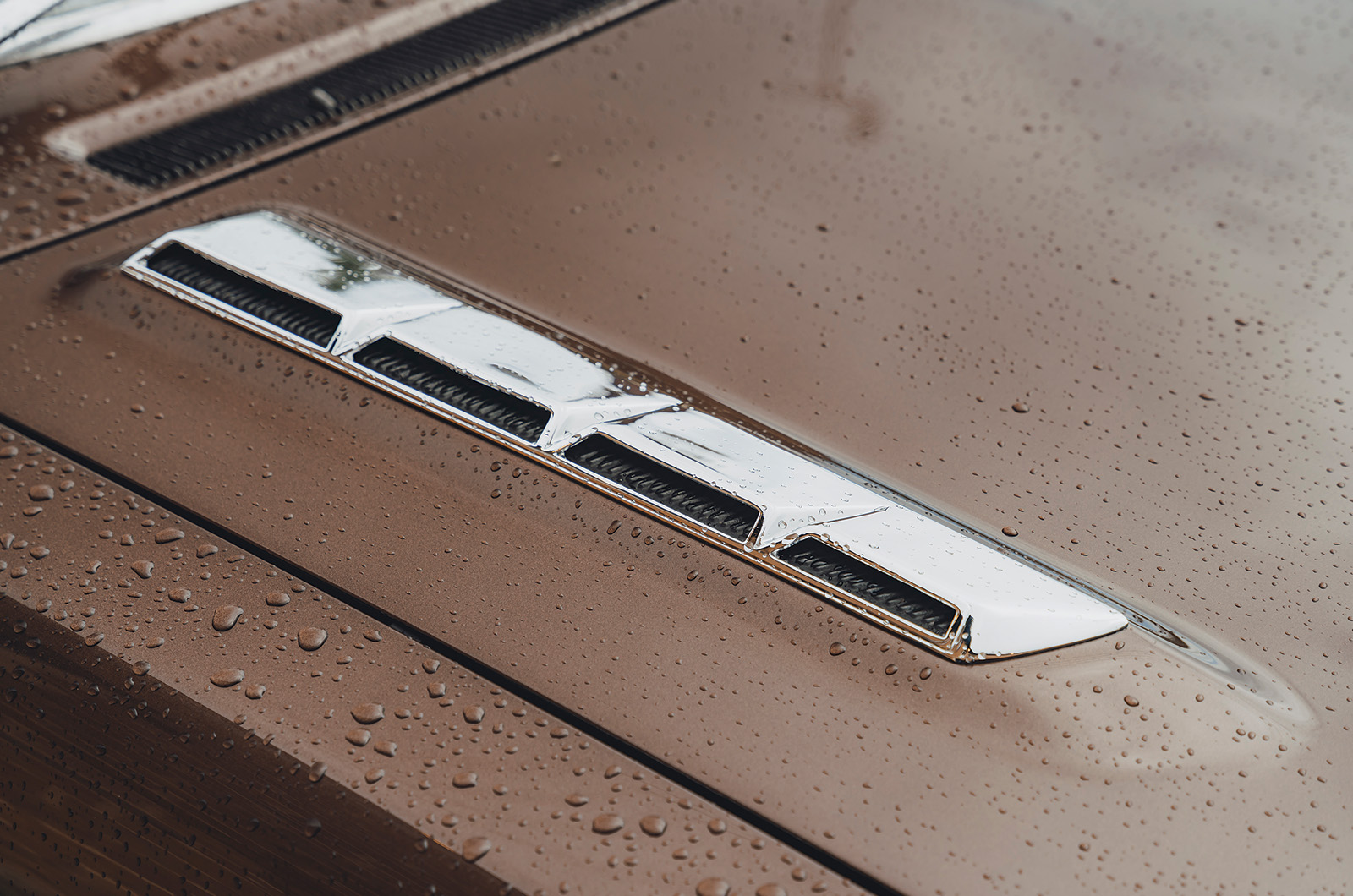
But keep it below 4000rpm, enjoy the view over the long, power-bulged bonnet and the Capri would make a superb long-distance companion.
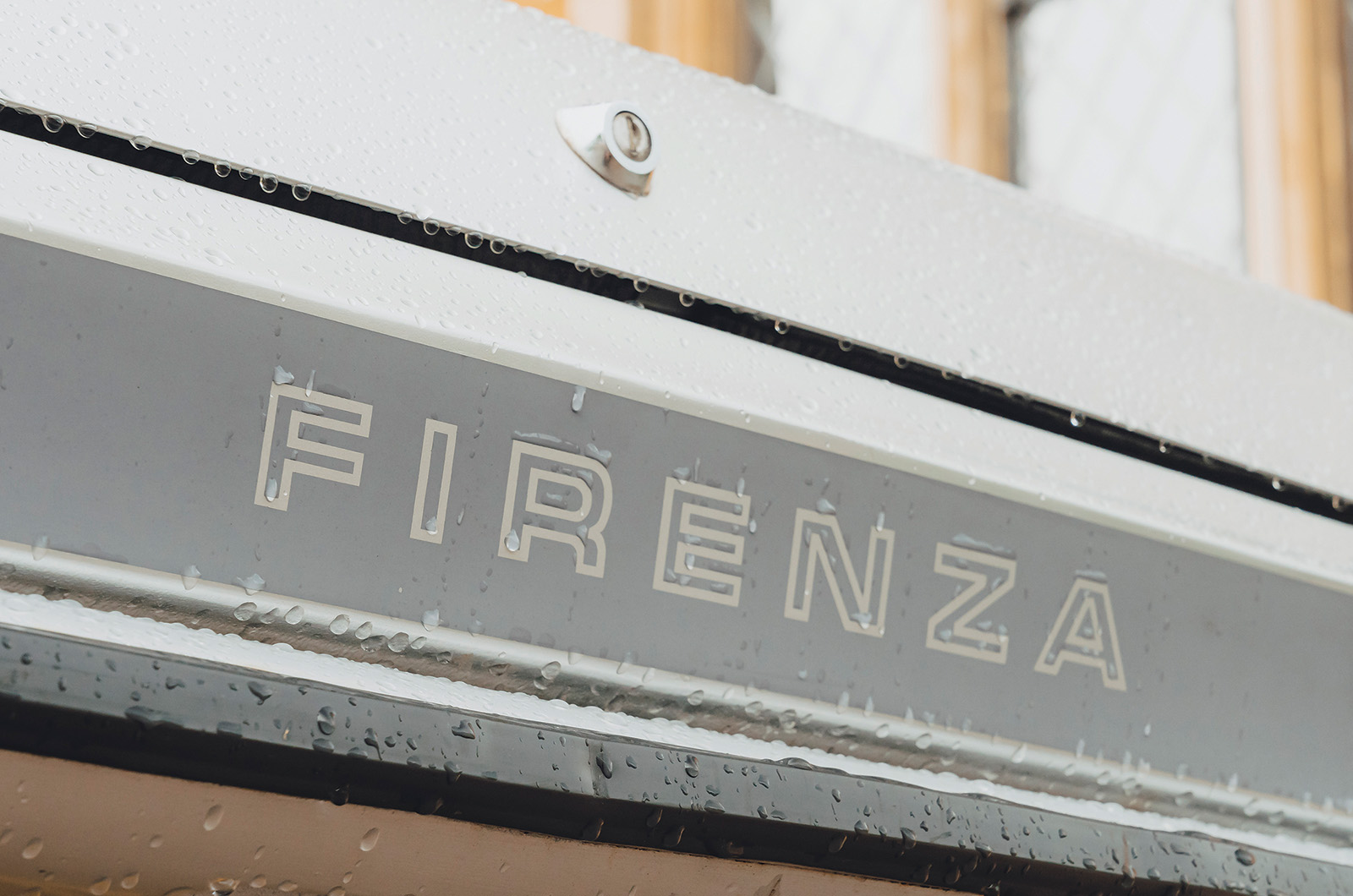
Which was not what Vauxhall had in mind when it introduced the HP (High Performance) Firenza, known as the Droopsnoot.
The Firenza had first been conceived to take on the Capri, arriving in the UK in 1971 with a range of engines from 1159cc to (the following year) 1759, 1975 and 2279cc, all based on the Viva HC saloon’s platform.
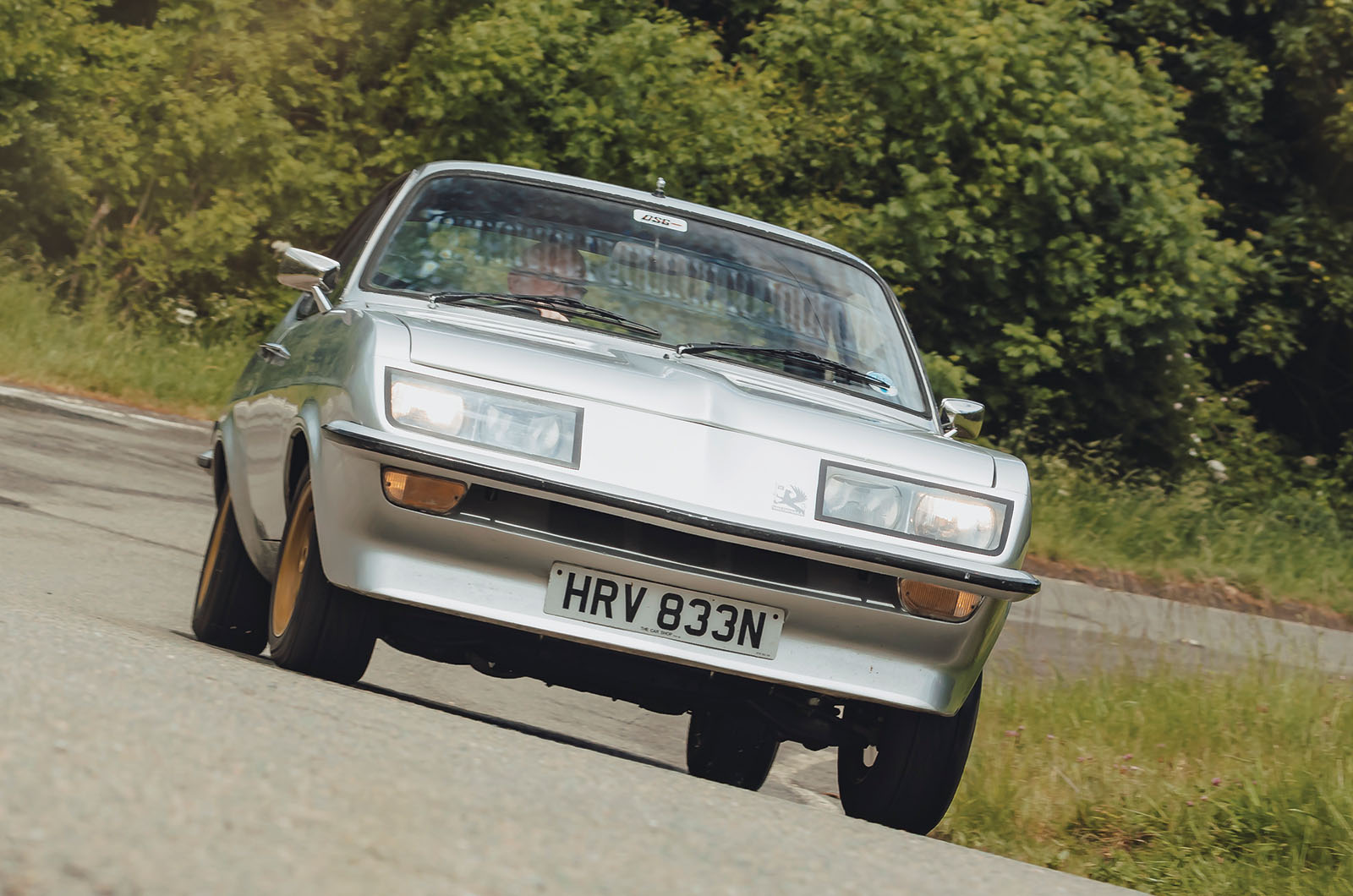
The Vauxhall HP Firenza ‘Droopsnoot’ has a very distinct front end
However, in 1973 the larger-engined Firenzas were renamed Magnum Coupés, leaving the new HP Firenza as the sole bearer of the nameplate.
This was no one-off special edition, either, with Vauxhall seeing it as the cornerstone of its return to motorsport, supported by the DTV (Dealer Team Vauxhall) network and the likes of tuner Bill Blydenstein and legendary driver Gerry Marshall.
The new model was even launched to much fanfare at Thruxton Circuit, with a non-championship race for pro drivers all piloting stock HPFs.
Vauxhall had done a proper job in separating the Droopsnoot from the Magnum, too.
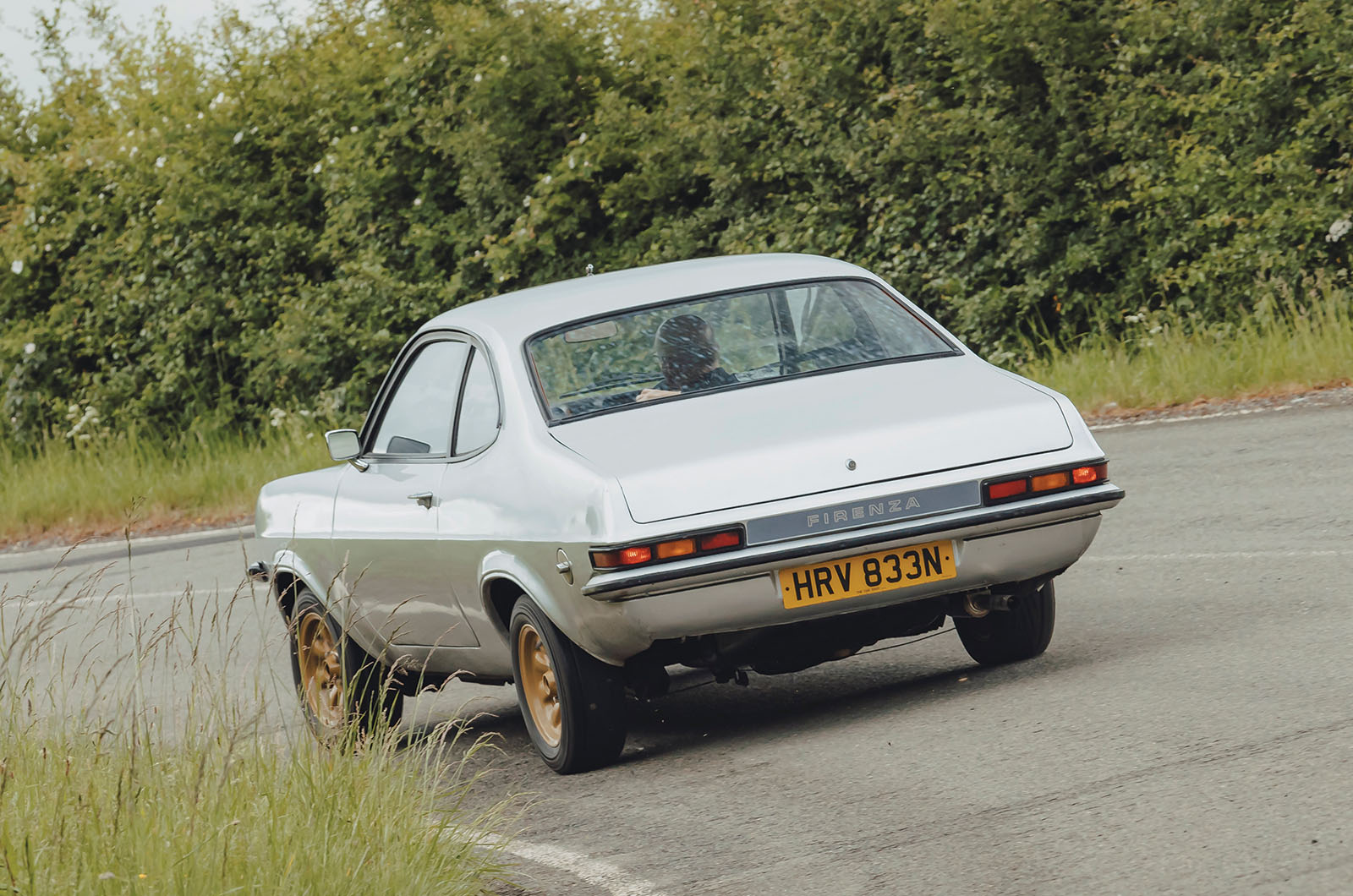
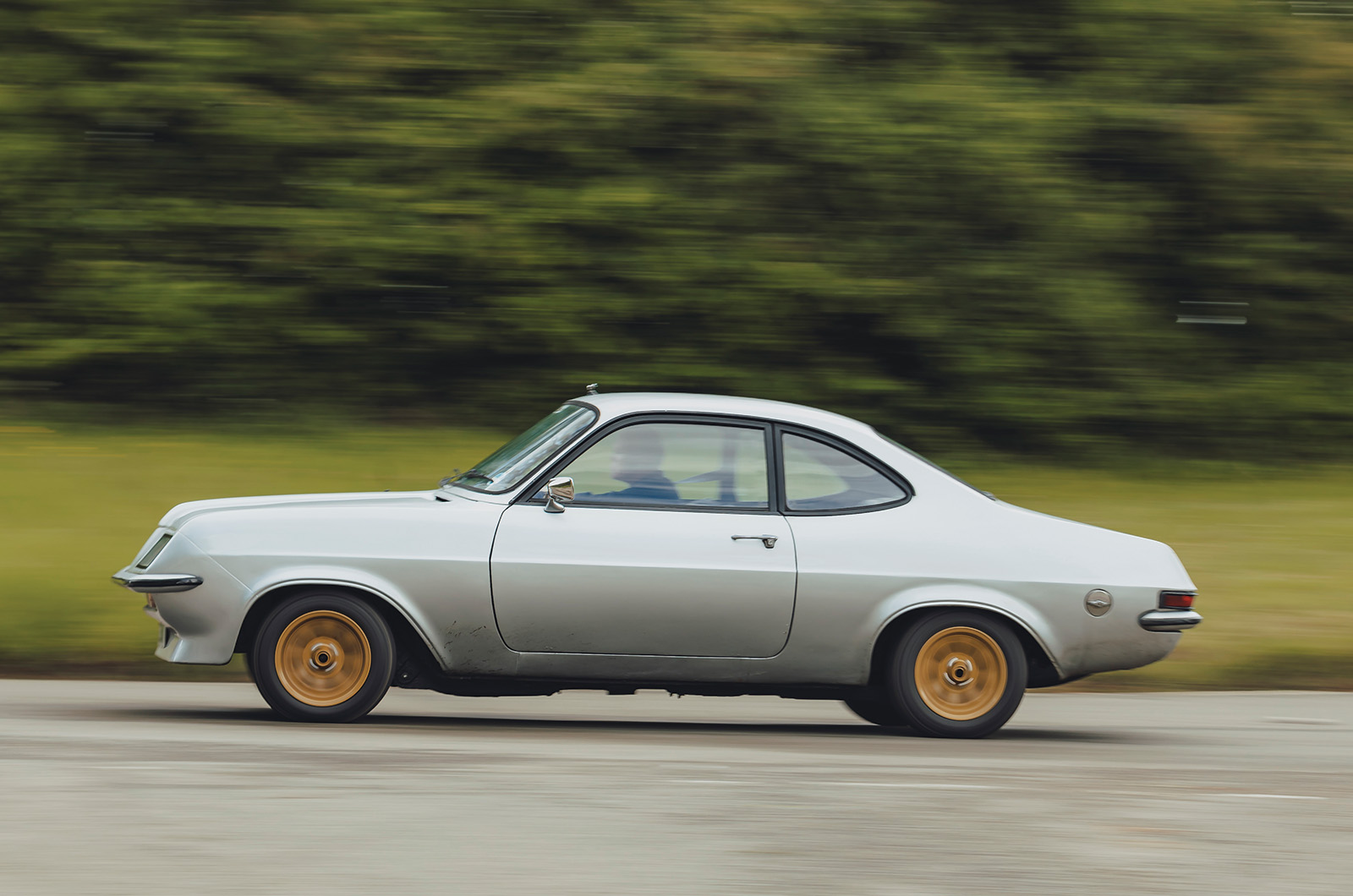
The Vauxhall HP Firenza’s distinctive nose is most obvious in profile
Luton’s 2.3-litre, overhead-cam, slant-four engine was uprated with twin Stromberg 175CD-2SE carburettors, plus hand-finished combustion chambers, inlet tracts and valve throats to make 131bhp – 21bhp more than the Magnum’s equivalent unit.
Delivered to the four-link, coil-sprung live axle through a ZF five-speed gearbox, it was also the first Griffin-badged car with a fifth ratio, and the first to achieve a sub-10-second 0-60mph time – of 9.4 secs – on the way to a top speed of 120mph.
The Firenza’s chassis was upgraded with stiffer springs and dampers, plus bigger brakes, while Vauxhall’s American design chief, Wayne Cherry, created the signature streamlined nosecone, which begat the Droopsnoot epithet.
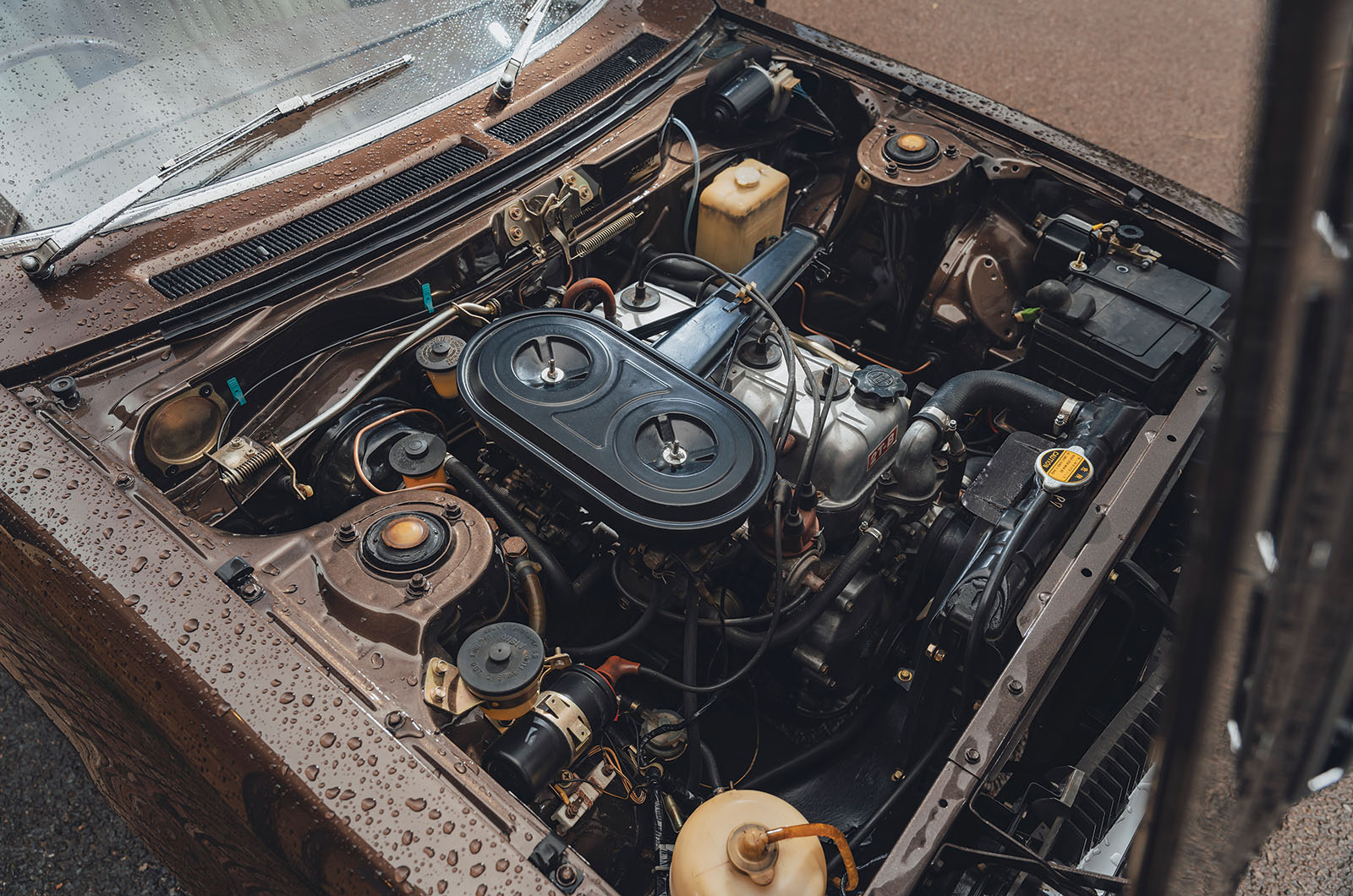
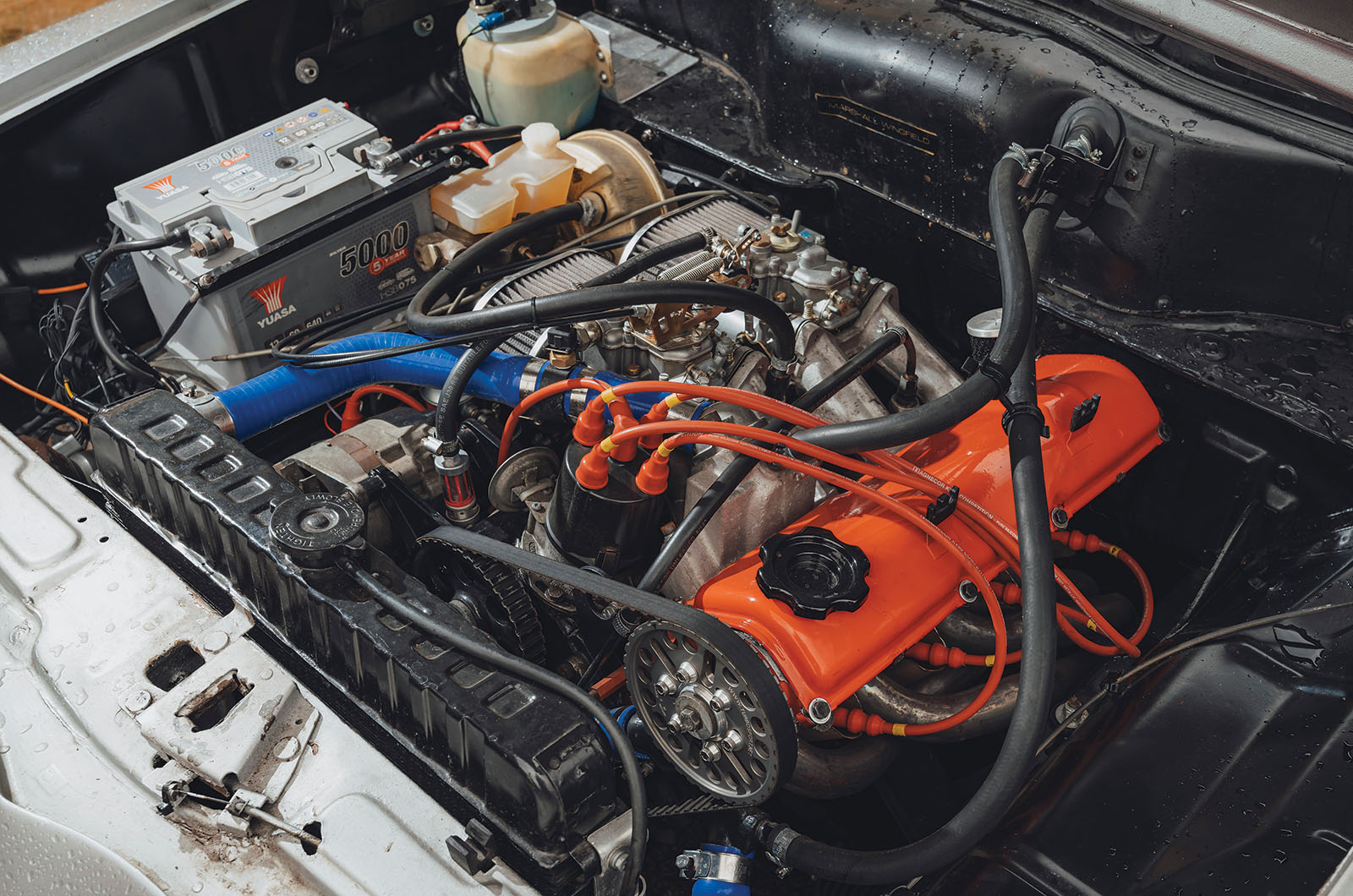
This Vauxhall HP Firenza’s engine sports a high-lift camshaft and non-standard Weber carburettors
Made from moulded, glassfibre-reinforced plastic, the distinctive appendage, incorporating a set of four Cibié headlights, was said to improve aerodynamics, but it also provided Britain’s ’70s automotive landscape with one of its most memorable styling cues.
Alas, Vauxhall’s ambitious plans to sell 1000 HP Firenzas per year were scuppered by the Yom Kippur War and the ensuing oil crisis; in the end, just 235 of them were produced, a number which included 14 prototypes and 14 export models.
Clive Cannon’s 1975-registered car that you see photographed here is thought to be one of only 50-60 that survive today.
The Vauxhall HP Firenza’s dramatic rear strip
Sold new to DTV driver John Haden and campaigned as a rally car in its early days, it has been owned by Clive for the past 15 years, during which time it has been subtly modified in keeping with what many would have done in period.
As such, the Stromberg carburettors have been replaced by Weber 45s, and the cylinder head is a works item with a high-lift camshaft.
Externally, it presents yet another contrasting design approach: its lower body betrays the HPF’s modest, Viva-derived origins, but the graceful sweep of its glasshouse in profile sets it apart from the urbane saloon.
The Avon Safety Wheels (here gold rather than the original grey) add another unique touch.
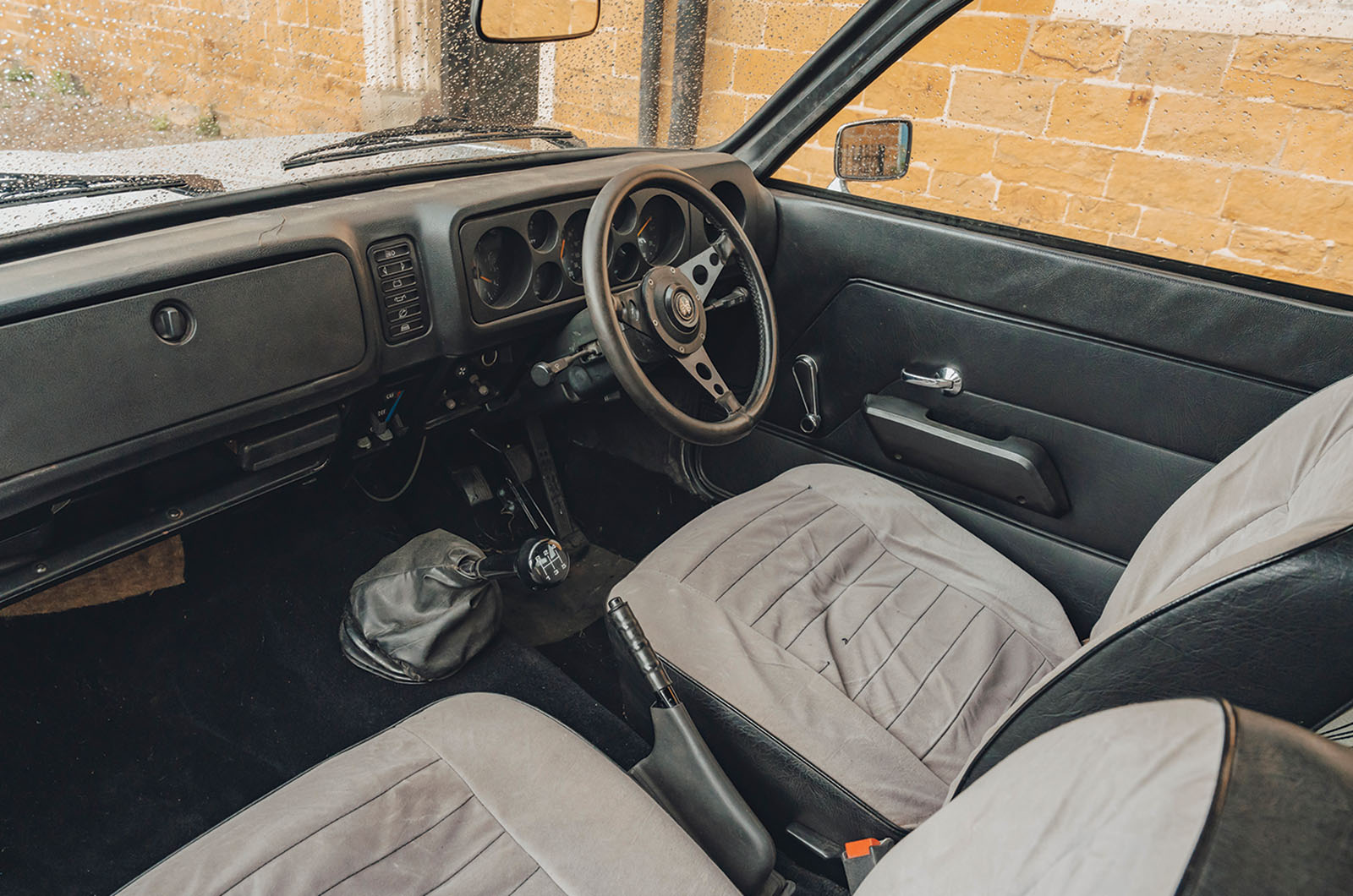
The Vauxhall HP Firenza’s simple interior feels relatively low-rent compared with the Ford and Toyota’s cabins
Inside, while the dashboard and binnacle appear the most modern from our trio, the material quality, appointments and build quality of the Vauxhall cabin are a step or three down from the Ford and Toyota, not helped by swathes of cheap black vinyl throughout.
You tend to let that pass on start-up, though.
Engage a dog-leg first in the ZF ’box and start to motor off, and you soon realise the HPF is a force to be reckoned with.
Its hardcore, brutish demeanour demands greater physical effort to drive quickly after the Capri and Celica, from the agricultural quality of the ZF’s shift to the weight of, and kickback through, the wheel.
The potent Vauxhall HP Firenza is easily the quickest on the road
That it’s by far the fastest and most capable car across our test route comes as no surprise.
It dispatches short straights accompanied by a glorious, Weber-induced snarl from the slant-four motor, brakes powerfully on the approach to bends, and corners adroitly, with minimal body movement and a nicely balanced transition from under- to oversteer on tighter corners.
There’s no doubt that this car demands your absolute effort and attention but, having driven many miles in a standard model in the past, it’s safe to say that a regular HPF would be around 20% less focused and intense than this example.
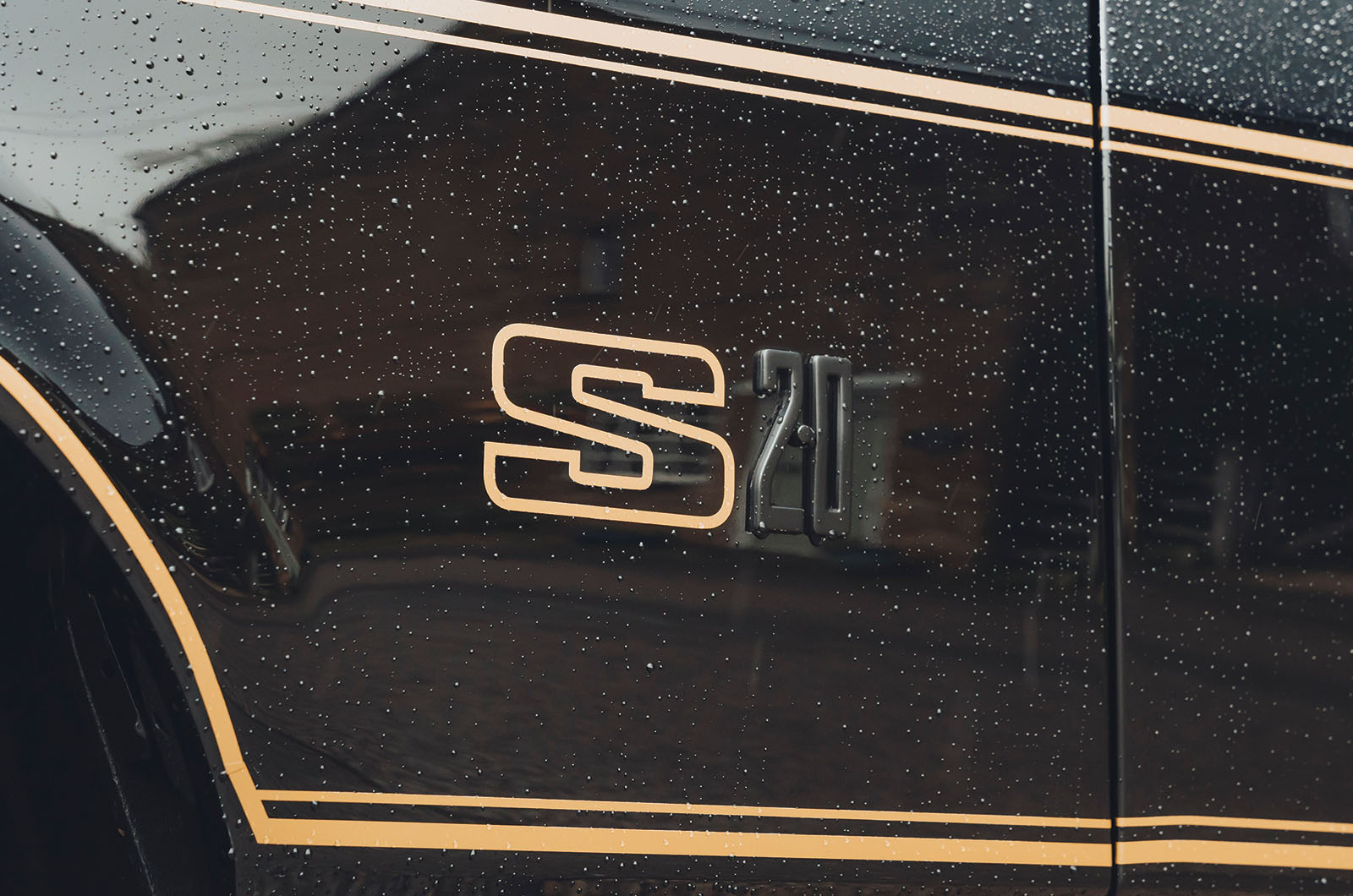
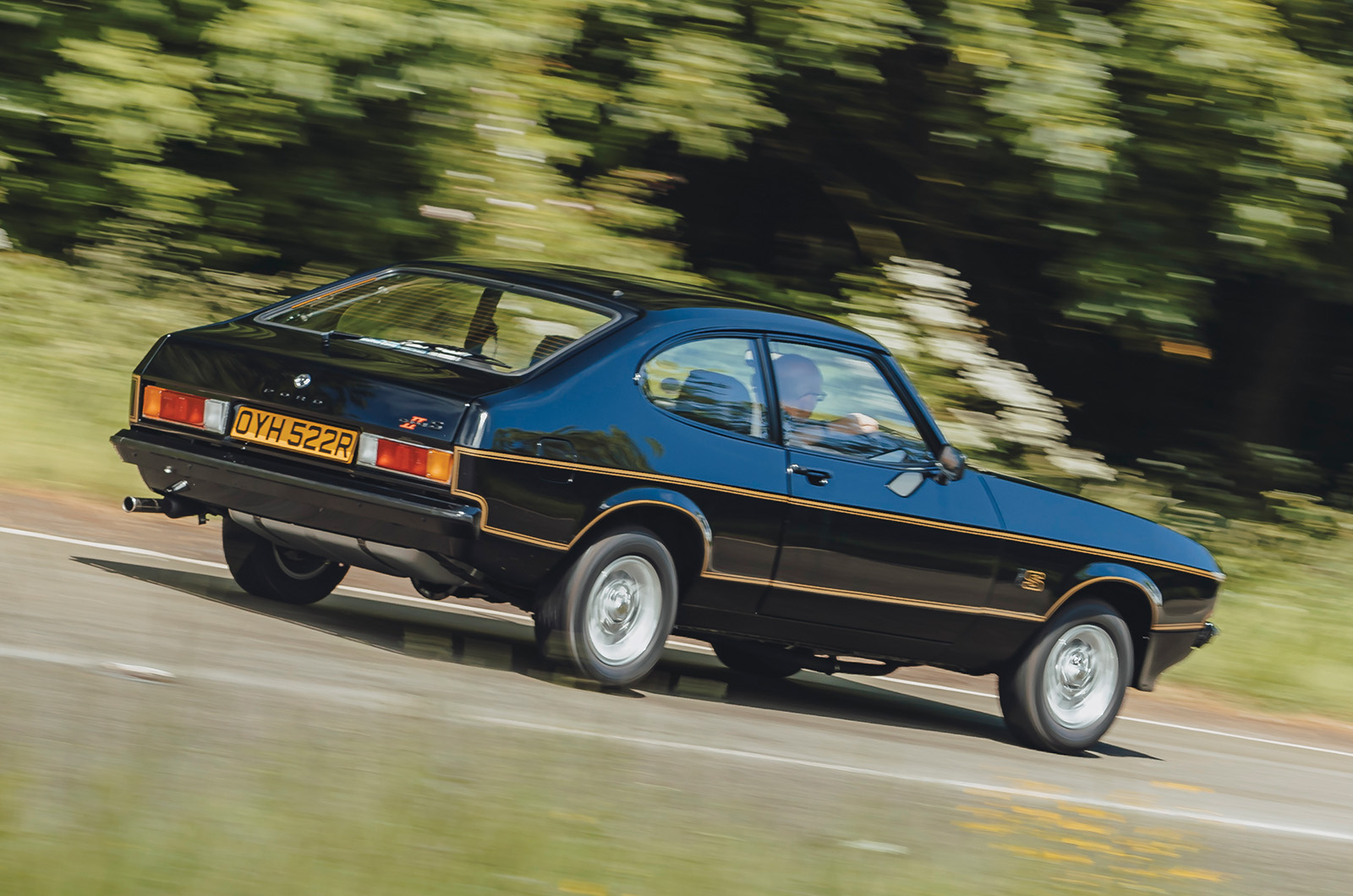
This Ford Capri II’s paintjob apes the limited-edition JPS model
Nonetheless, the Vauxhall Firenza remains the wild card of our featured trio.
In period it was also the most expensive of these three, too, costing £2625 in October 1974, when both the Ford Capri (the 2000GT at the time) and the Toyota Celica were priced at less than £2000.
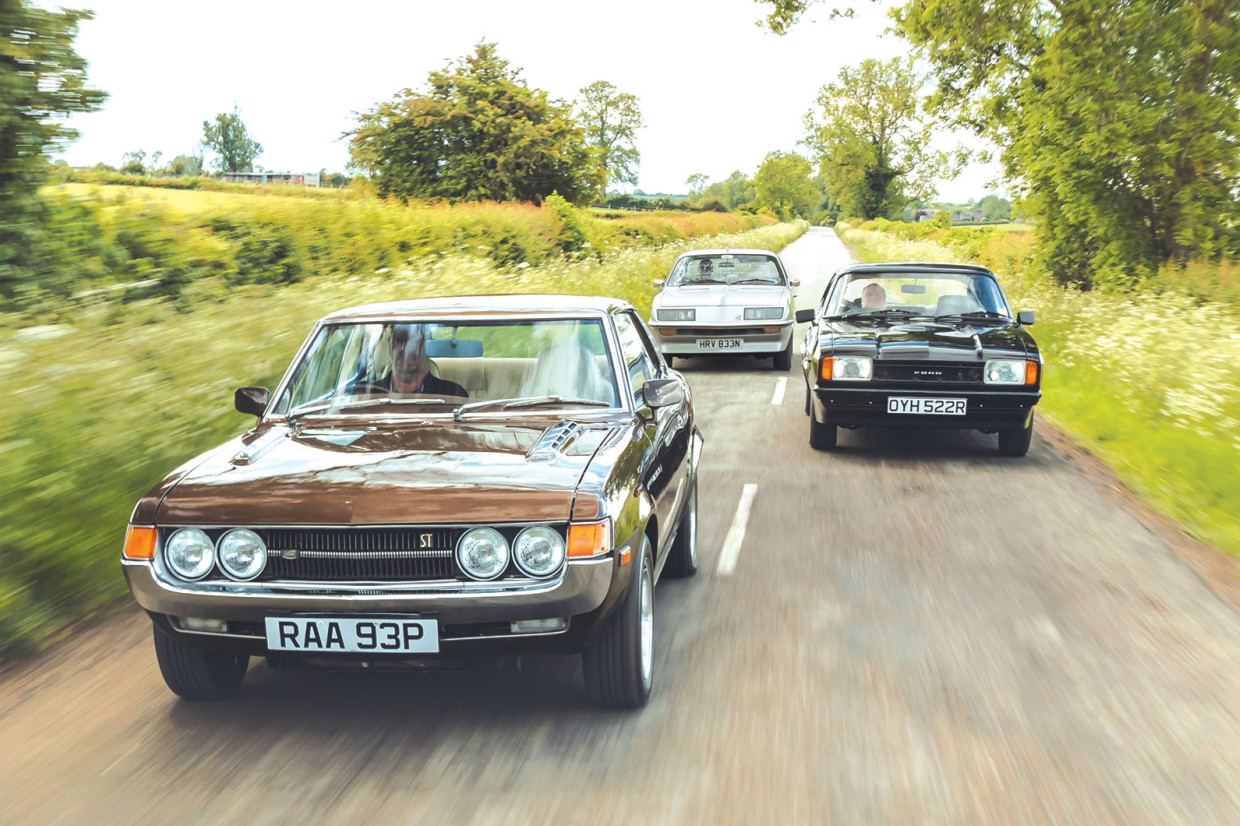
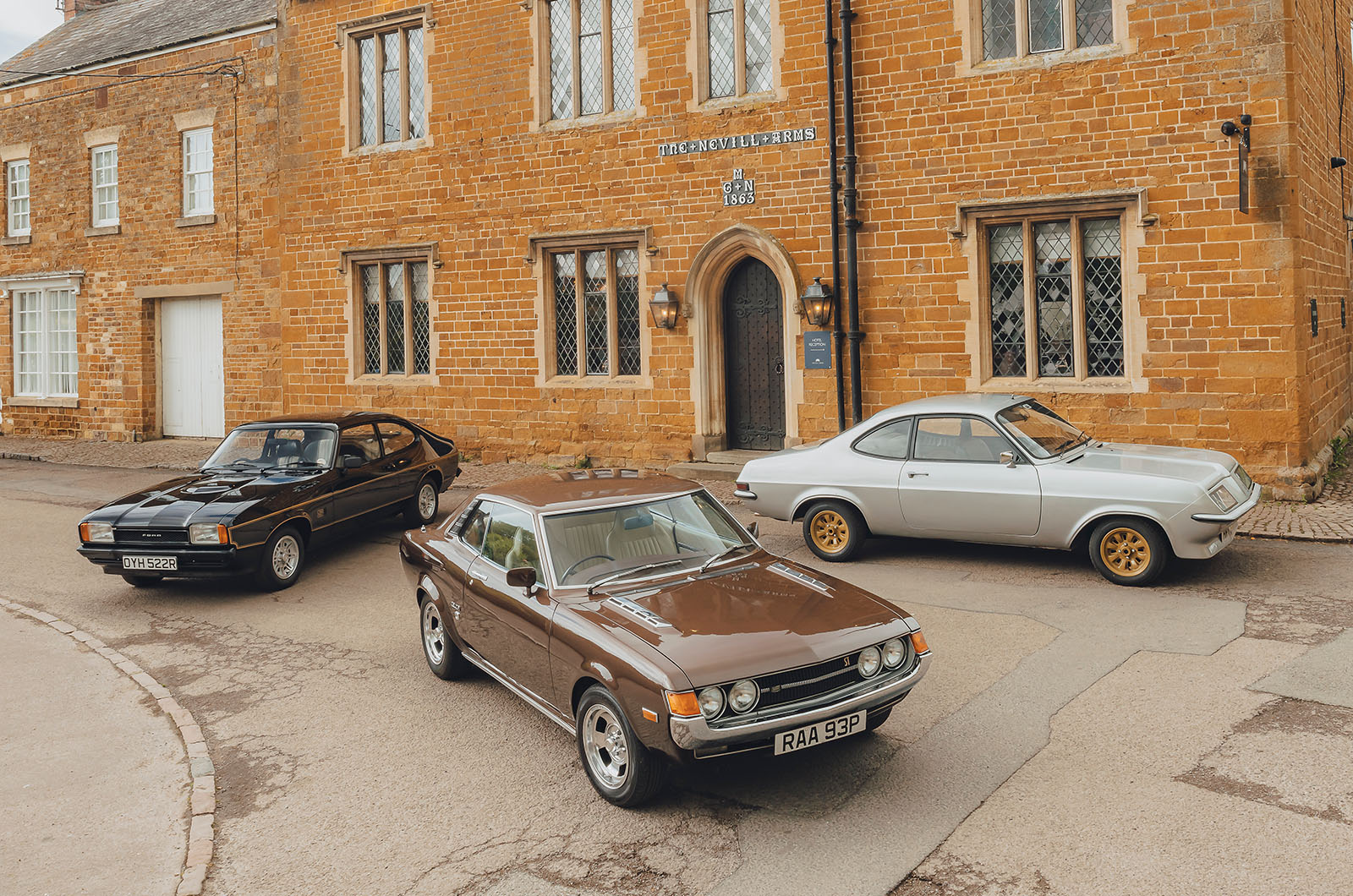
Financial considerations aside, all three were, in one form or another, practical, four-seater, two-door coupés from the same class, each offering a markedly different approach to the same concept. And each charming in its own way.
The question is: which to choose today? Ford Capri II 2.0S, Toyota Celica 1600 ST or Vauxhall HP Firenza?
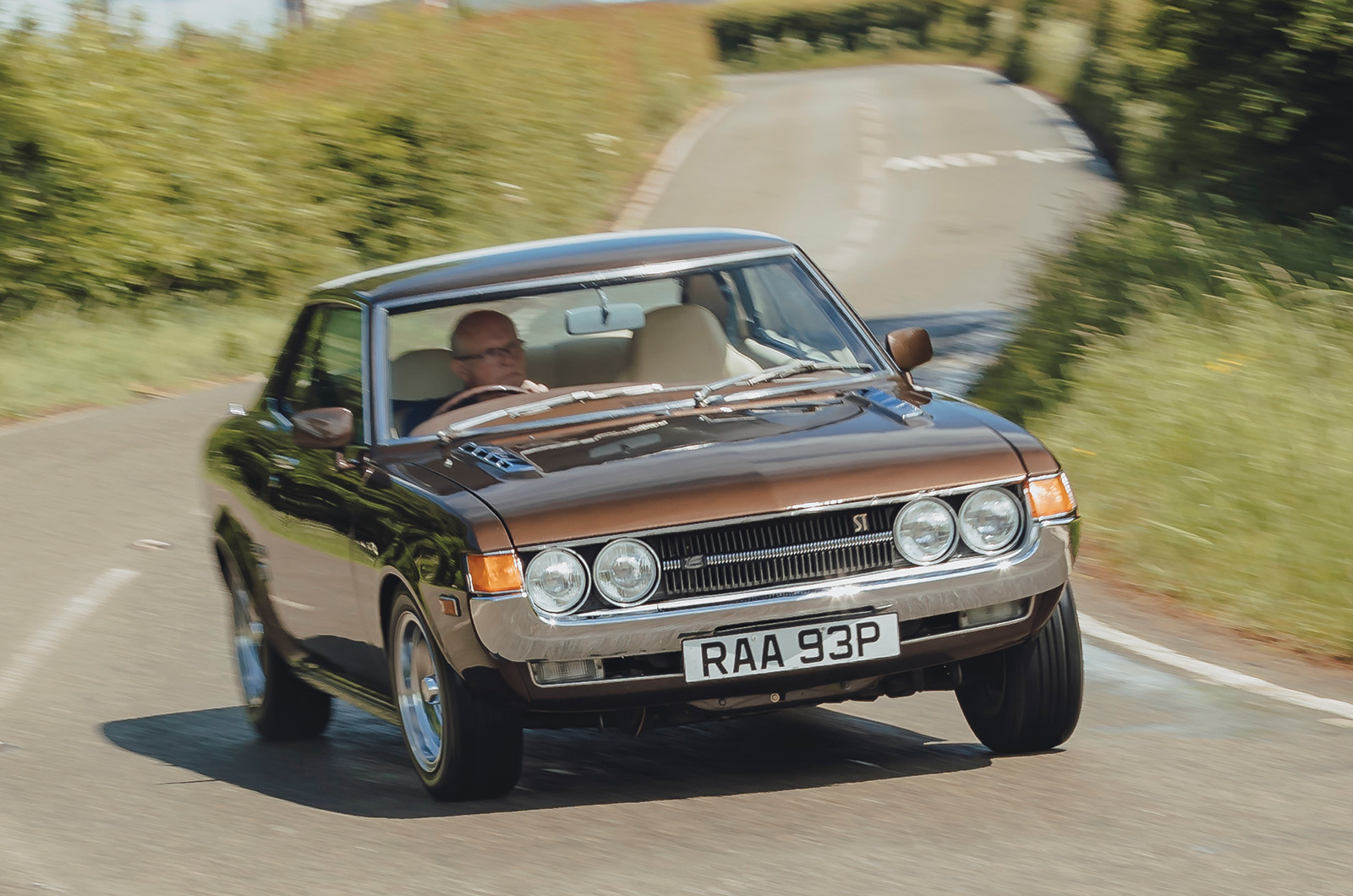
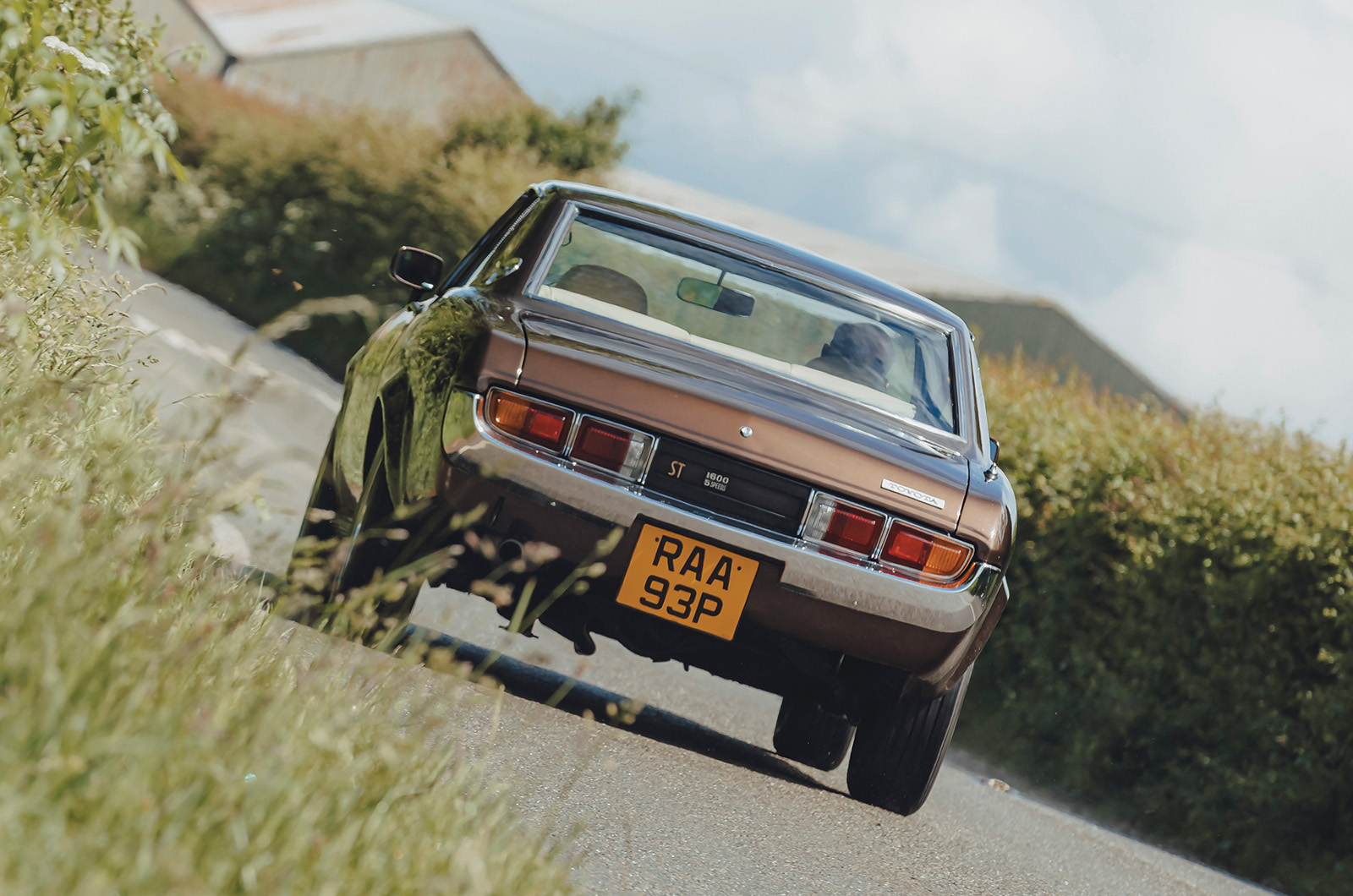
The Toyota Celica 1600 ST is more of a cruiser than an out-and-out sports car
For rarity and driver engagement the Vauxhall HP Firenza stands alone, even in standard guise, rather than the tweaked example we’re driving today.
Meanwhile, I have to admire the Ford Capri for its no-nonsense technology, and also for the comfort and practicality of its cabin.
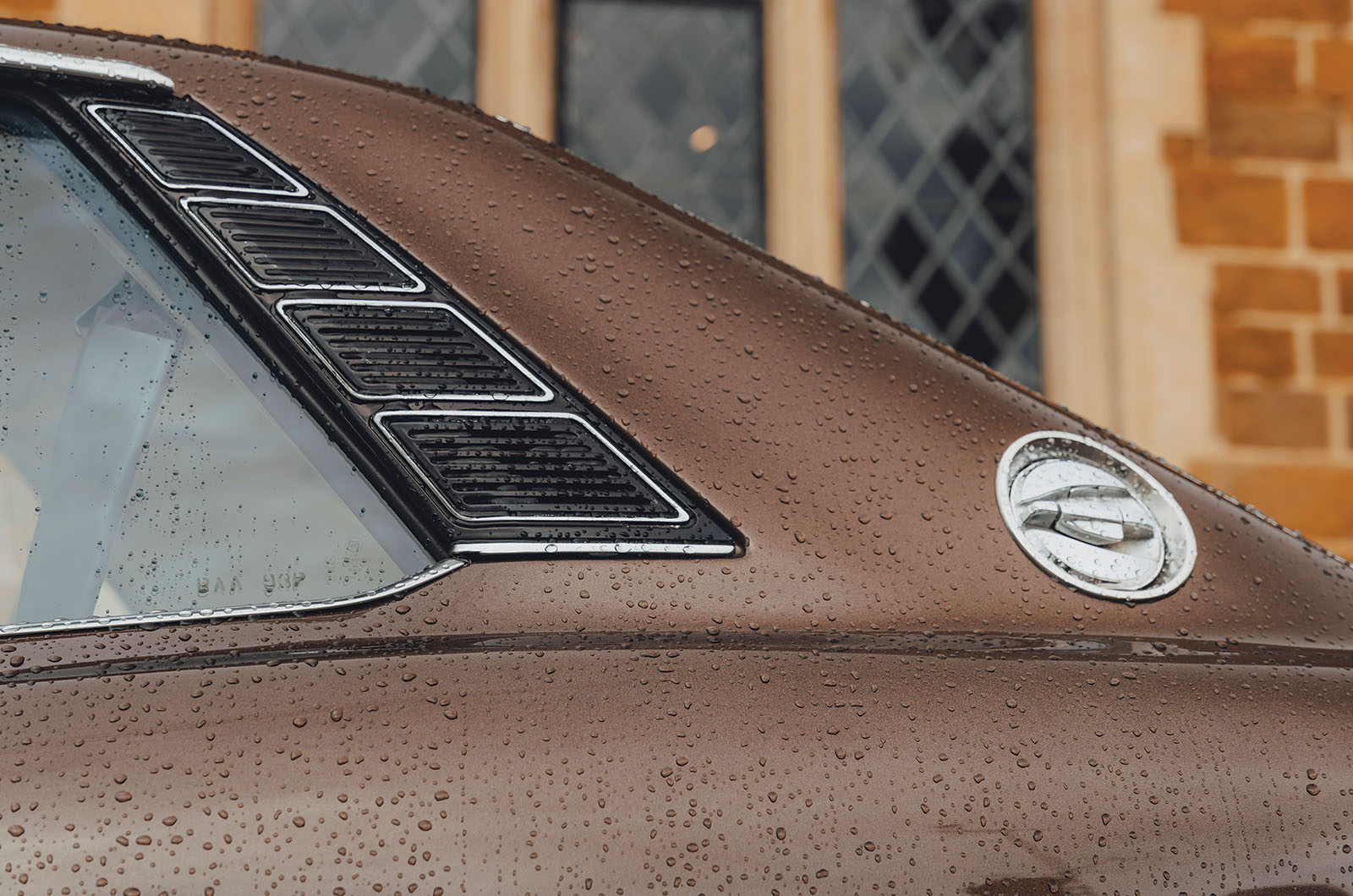
But the intelligently engineered and neatly styled Toyota Celica wins the day for being the best real-world classic car.
Images: Max Edleston
Thanks to: Capri Mk2 Register; Droop Snoot Group
Factfiles
Ford Capri II 2.0S
- Sold/number built 1974-’78/568,357
- Construction steel monocoque
- Engine all-iron, sohc 1993cc ‘four’, single twin-choke Weber 32/36 carburettor
- Max power 98bhp @ 5200rpm
- Max torque 113lb ft @ 4000rpm
- Transmission four-speed manual, RWD
- Suspension: front independent, by MacPherson struts, lower links rear live axle, semi-elliptic leaf springs, telescopic dampers; anti-roll bar f/r
- Steering rack and pinion
- Brakes discs front, drums rear, with servo
- Length 14ft 3in (4343mm)
- Width 5ft 7in (1701mm)
- Height 4ft 3in (1295mm)
- Wheelbase 8ft 5in (2565mm)
- Weight 2304lb (1045kg)
- 0-60mph 10.8 secs
- Top speed 106mph
- Mpg 25.6
- Price new £1963 (1974)
Toyota Celica 1600 ST
- Sold/number built 1970-’77/1.1 million (est, all Celica Mk1s)
- Construction steel monocoque
- Engine iron-block, alloy-head, sohc 1588cc ‘four’, twin 40mm Mikuni-Solex carburettors
- Max power 100bhp @ 6000rpm
- Max torque 109lb ft @ 4200rpm
- Transmission five-speed manual, RWD
- Suspension: front independent, by MacPherson struts, anti-roll bar rear live axle, four trailing links, Panhard rod, coil springs, telescopic dampers
- Steering recirculating ball
- Brakes discs front, drums rear, with servo
- Length 13ft 4in (4064mm)
- Width 5ft 3in (1600mm)
- Height 4ft 4in (1320mm)
- Wheelbase 7ft 11½in (2425mm)
- Weight 2128lb (966kg)
- 0-60mph 11.5 secs
- Top speed 105mph
- Mpg 28
- Price new £1806 (1974)
Vauxhall HP Firenza
- Sold/number built 1973-’75/235
- Construction steel monocoque
- Engine iron-block, alloy-head, sohc 2279cc ‘four’, twin Stromberg 175CD-2SE carburettors
- Max power 131bhp @ 5500rpm
- Max torque 145lb ft @ 3500rpm
- Transmission five-speed manual, RWD
- Suspension: front independent, by double wishbones rear live axle, trailing and semi-trailing links; coil springs, telescopic dampers, anti-roll bar f/r
- Steering rack and pinion
- Brakes discs front, drums rear, with servo
- Length 13ft 6in (4114mm)
- Width 5ft 4in (1625mm)
- Height 4ft 7in (1397mm)
- Wheelbase 8ft 1in (2463mm)
- Weight 2237lb (1015kg)
- 0-60mph 9.4 secs
- Top speed 120mph
- Mpg 22
- Price new £2625 (1974)
We hope you enjoyed reading. Please click the ‘Follow’ button for more super stories from Classic & Sports Car.
Simon Hucknall
Simon Hucknall is a senior contributor to Classic & Sports Car