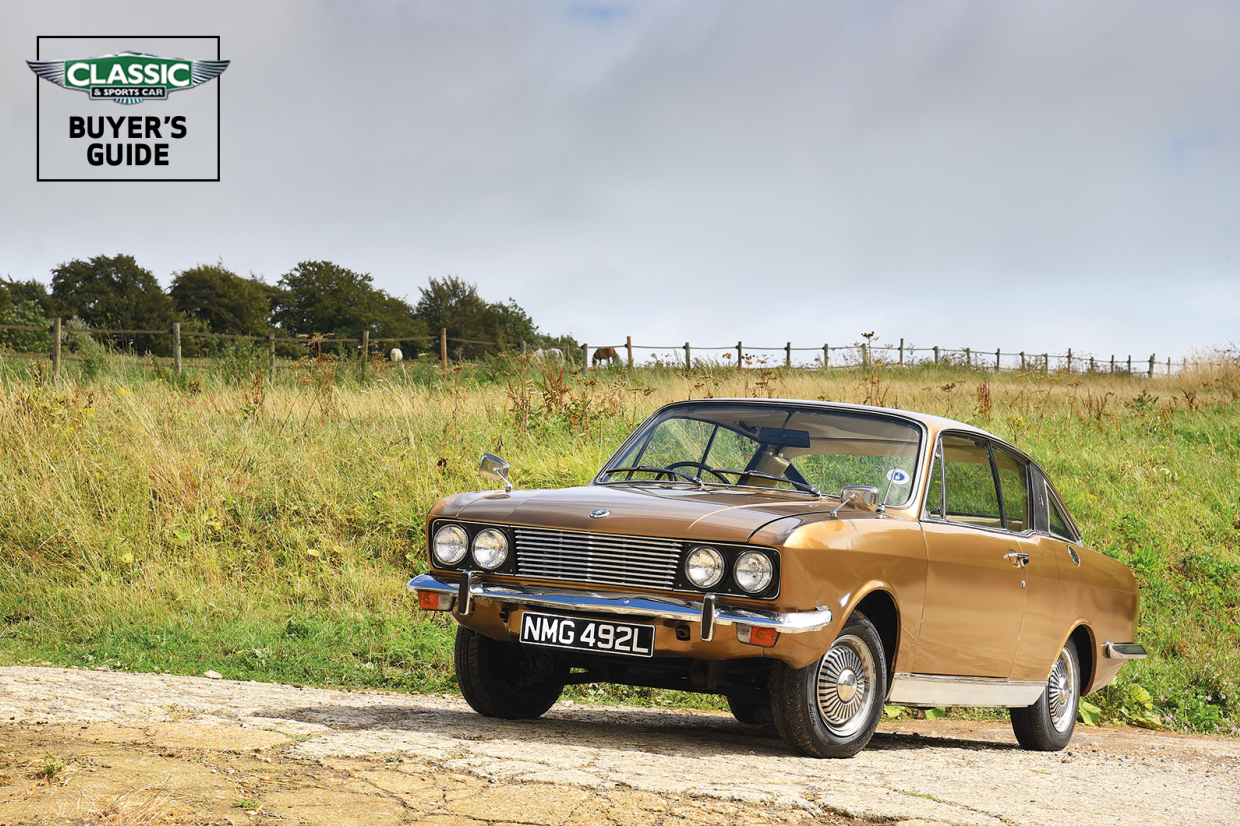
Why you’d want a car from the Rootes’ Arrow range
The final new cars designed under Rootes ownership, before the Chrysler take-over, ‘Arrow’ saloons were styled principally by Rex Fleming, with Roy Axe responsible for the coupés.
It was Rootes’ answer to the Ford Cortina – and the Capri – and although produced in much smaller numbers, they make an interesting alternative.
Robust running gear made base models popular taxis worldwide, clocking up huge mileages, and helped the Hunter win the gruelling London-Sydney Marathon in ’68; the model continued in production in Iran for decades.
There were many variants: Hillman Minx/Hunter, Singer Gazelle/Vogue, Sunbeam Vogue and Humber Sceptre saloons, plus Sunbeam Alpine/Rapier coupés, each with a range of trim, spec and engine options.
Base models used the iron-head 1500 (or 61bhp iron-head 1725 in automatic form); the iron-head 1725 was optional for manuals from late 1968 and can be found in a few other models, such as early Singer Vogues and all Singer Gazelles.
The standard alloy-head 1725 had 72bhp, but the twin-carb version in the Rapier and Sceptre put out a useful 79bhp, which, with a close-ratio ’box and overdrive on third and top, gave it lively performance.
The ultimate spec was the Holbay-tuned Rapier H120 and Hunter GLS, with ‘Holbay’ cast into the rocker cover and twin Webers.
If you find one, check its history before paying top price, because many parts have been swapped from car to car: make sure the spec is correct.
Rot is the biggest enemy, and once it gets established, it’s rarely eradicated properly when repairs are made, due to the cars’ low values – so check restored cars very, very carefully and don’t be taken in by a shiny exterior. A restoration, unless you do it all yourself and don’t count your time, will always cost more than the car is worth./p>
Arrow saloons, in particular, tended to be chosen by ageing middle-class customers who garaged them and used them sparingly – some still turn up, long-cocooned, in remarkably original condition and are well worth rescuing.
There’s a keen following, if fragmented between different marque clubs, and a small but dedicated group of specialists, so keeping a sound car in running order is neither difficult nor expensive.
Compared to some of its period rivals, the Arrow range of cars represents good value and deserves greater recognition.
Images: Will Williams
The Rootes’ Arrow range: what to look for
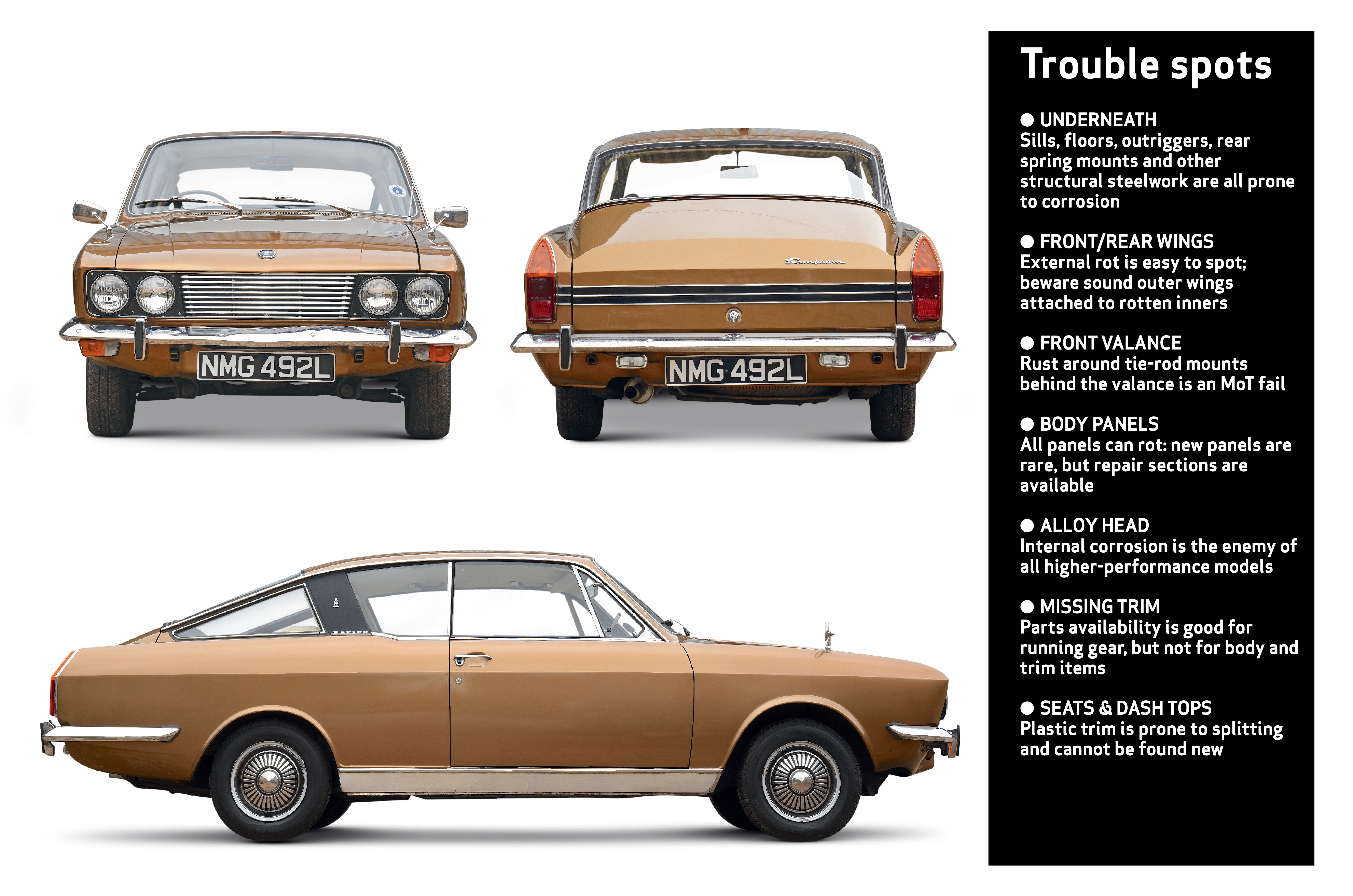
Bodywork
See above for trouble spots
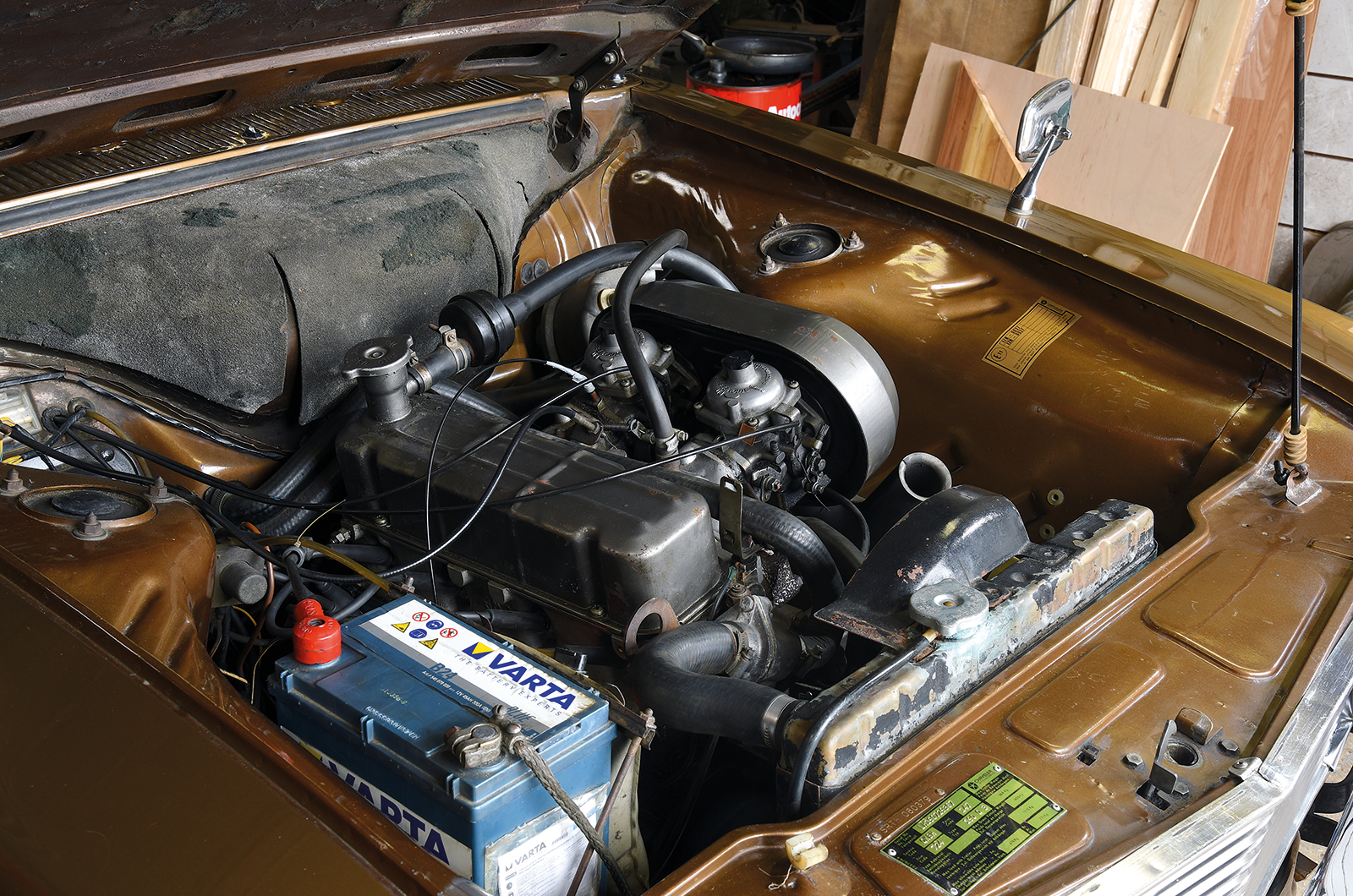
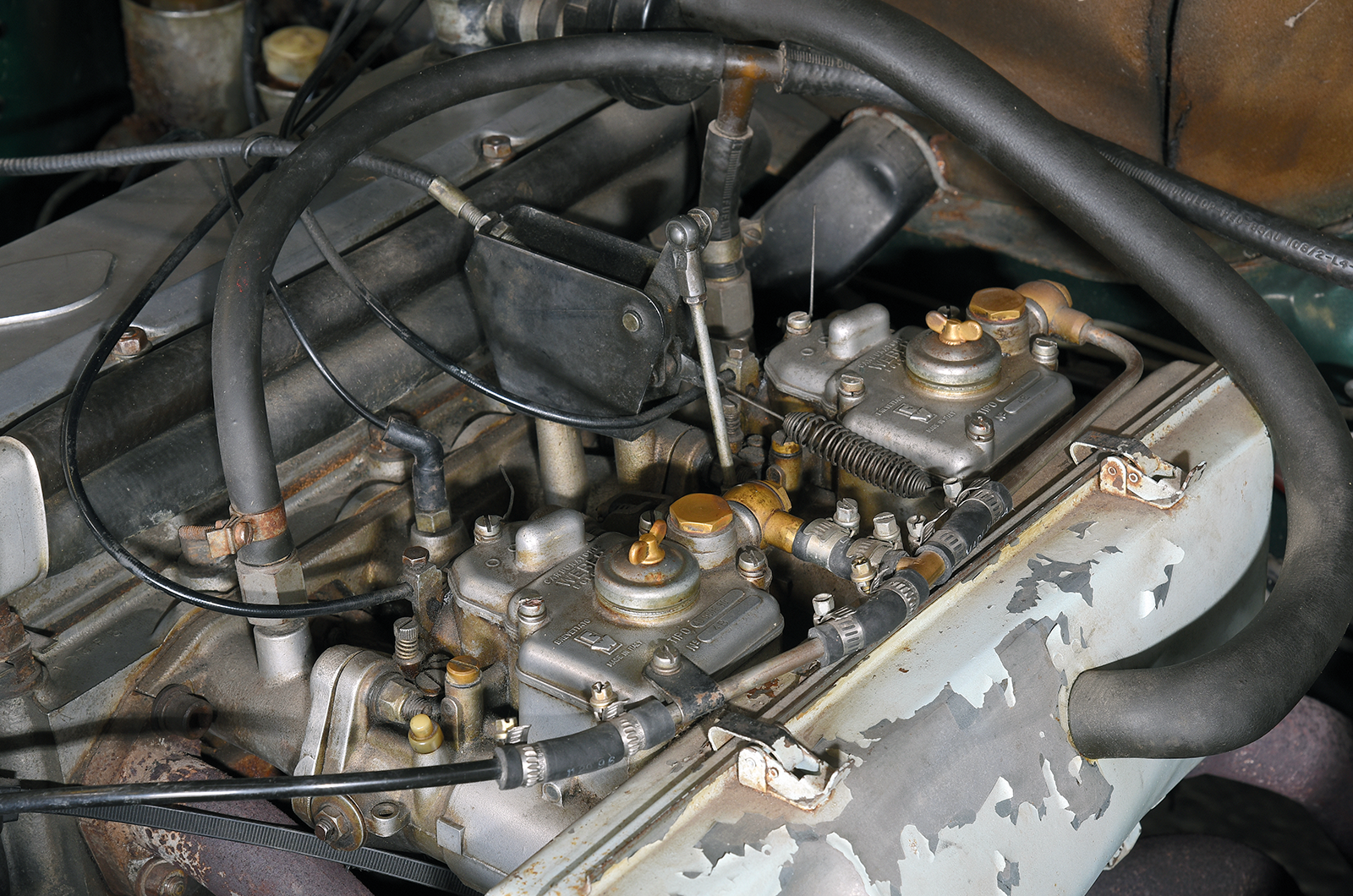
Engine
Cared-for engines will do 200k+ miles between rebuilds.
Neglecting antifreeze/corrosion inhibitor in alloy-head cars leads to corrosion, blocked radiators and coolant passages, overheating and warped/cracked heads.
Check for damage/overheating; listen for bearing knock/rumble; and look for 40psi+ oil pressure.
The Holbay-tuned Rapier H120 and Hunter GLS went well – the Hunter best of all, because it was lighter. Check for originality and full spec.
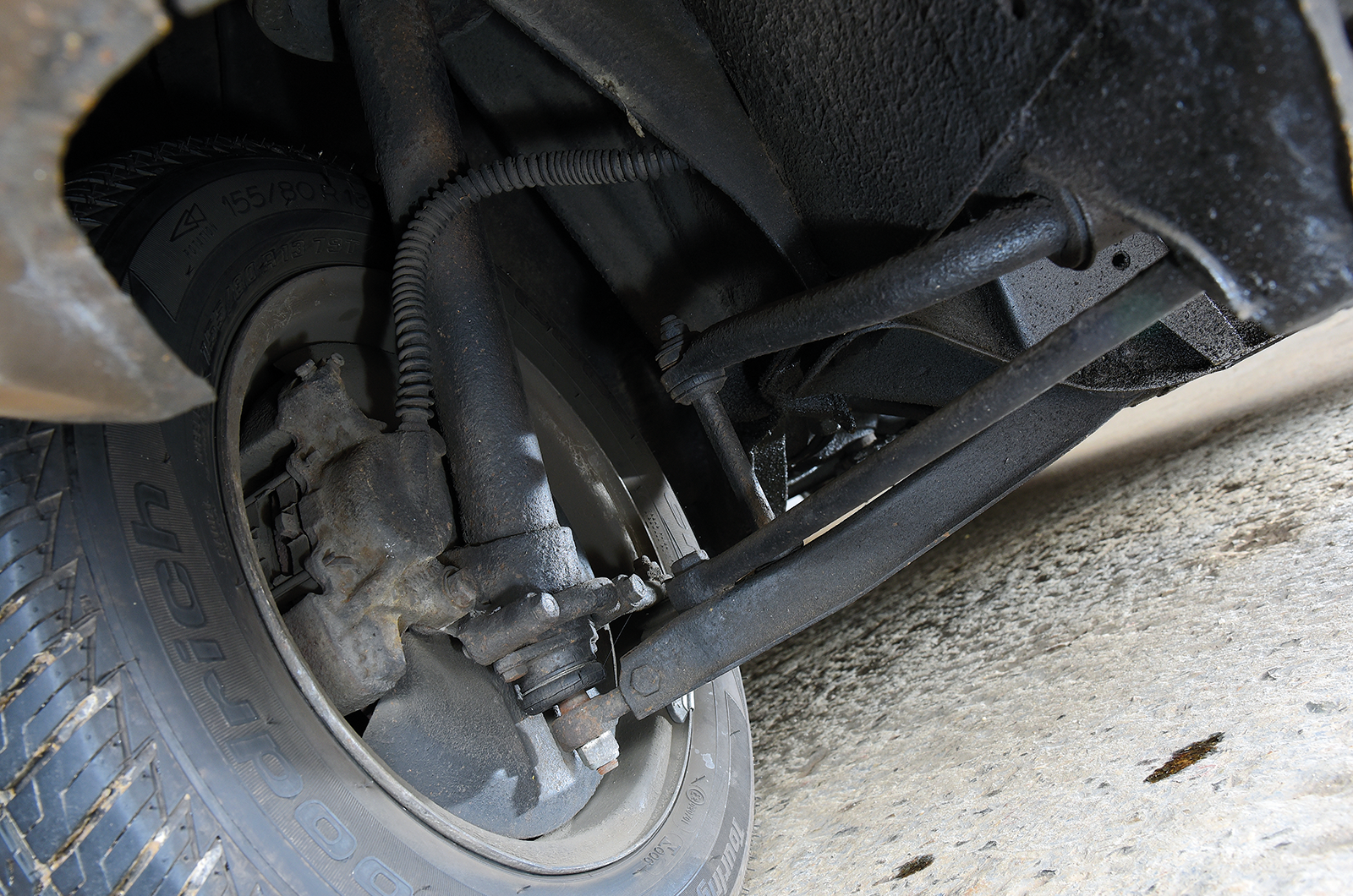
Steering and suspension
15° of play is acceptable for the steering; more or a gritty feel and it’s rebuild time.
Check the suspension for wear and for effective damping.
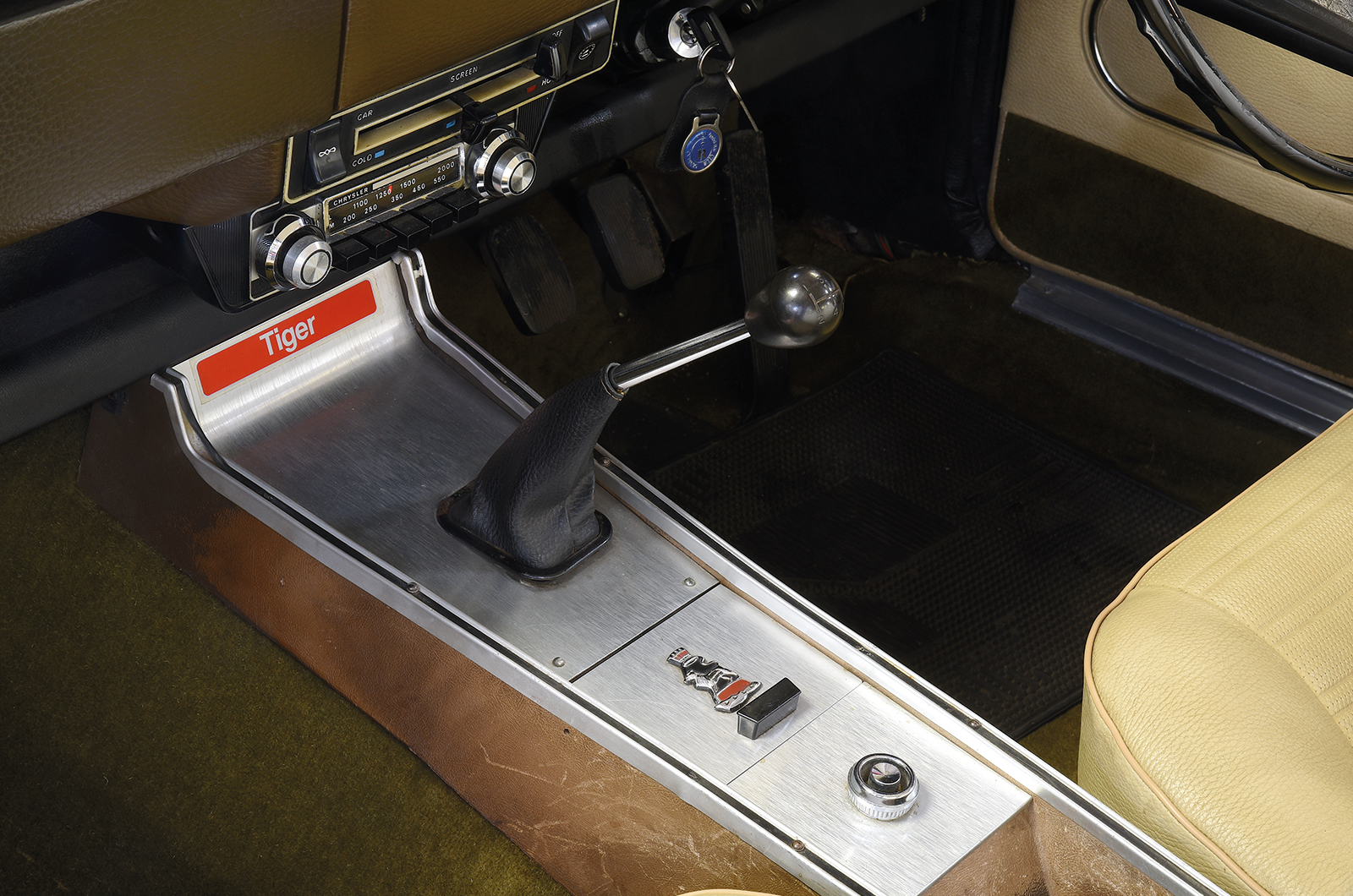
Gearbox
Most had a rugged all-synchro manual gearbox with overdrive on top models (optional on others).
Autos were three-speed, four-speed from 1974.
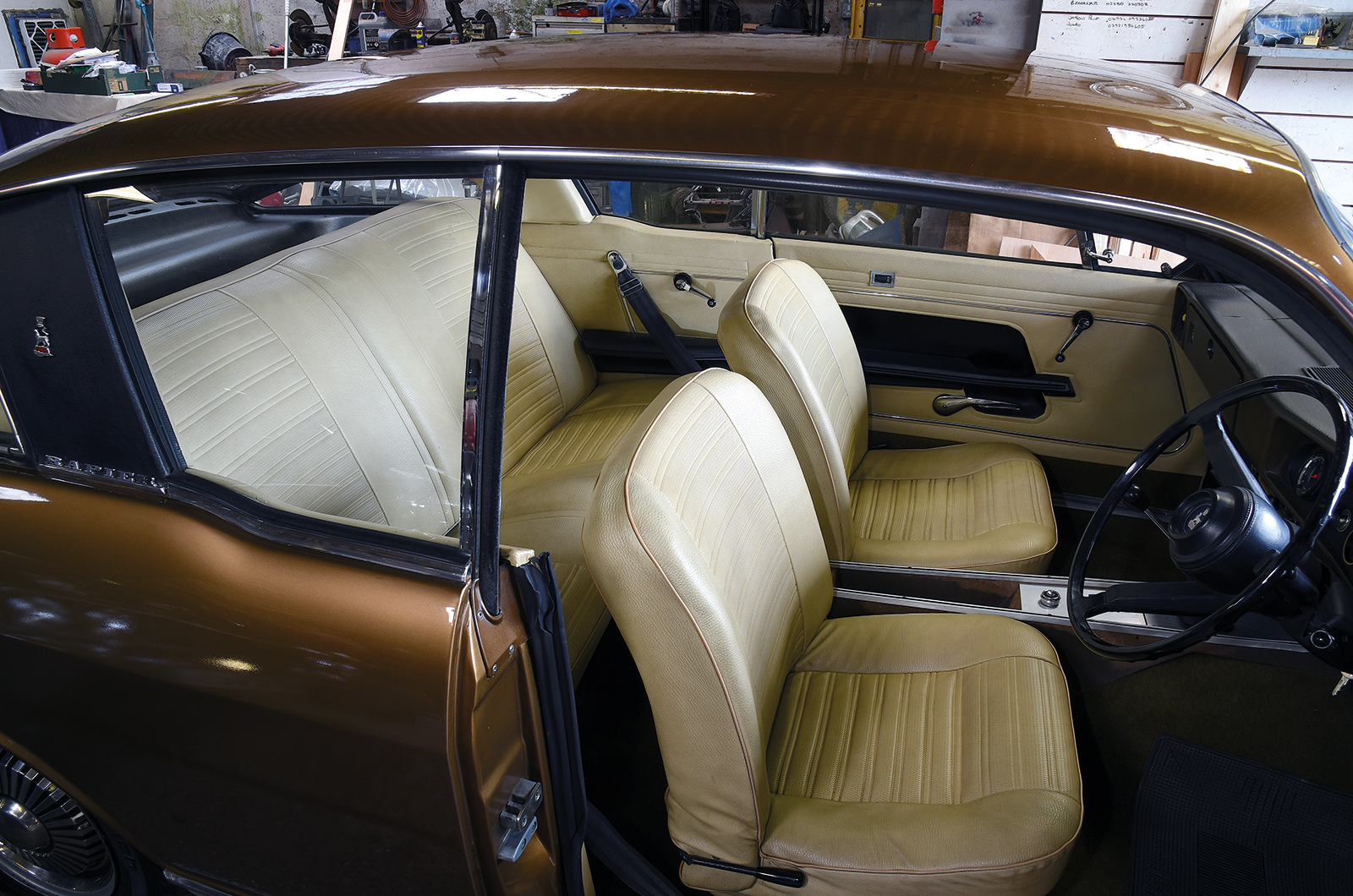
Interior
Plastic seat trim, dash top and rear shelf crack from age, UV degradation and wear. Hunters had leather, vinyl or cloth.
Some used parts are around.
Rootes’ Arrow range: on the road
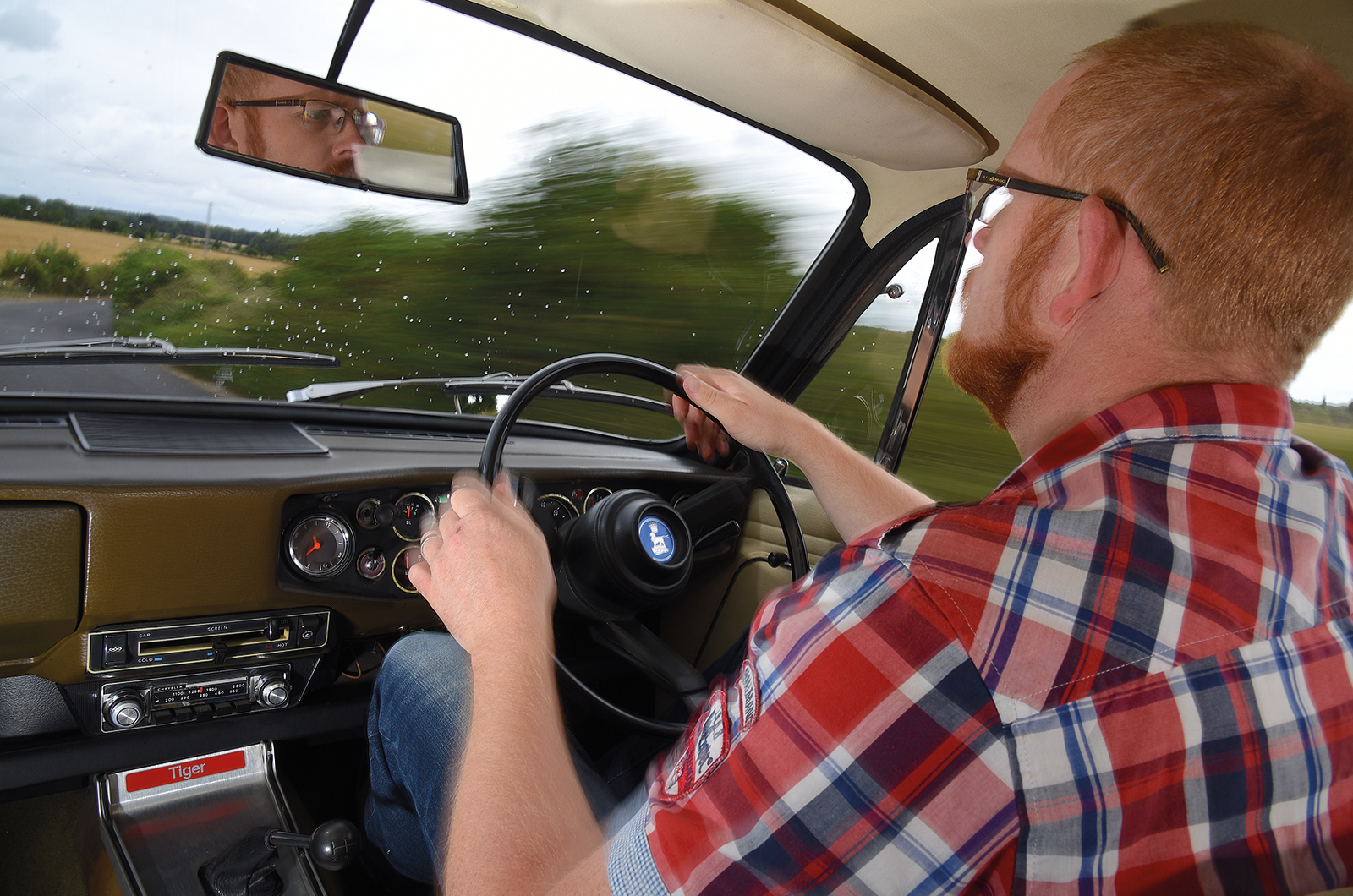
The Arrow cars encompassed a wide range of trim and performance levels, from the rubber-matted and rather pedestrian iron-head 1500 Minx and Hunter DL, through iron-head 1725s, alloy-head 1725s with single carbs, alloy-head with twin Strombergs and alloy-head with twin Webers, spec levels also going up through the range to the ultimate leather-trimmed Sceptre with a dashboard stacked with instruments and even a separate cigar lighter for rear-seat passengers.
Some variants were very rare, such as the desirable Sceptre Estate, and one-off specs were ordered including, it’s believed, Holbay power in a Sceptre and a Sunbeam GT saloon.
Parts are available to rebuild engines and running gear, carburettors etc, but a car with missing or damaged trim may be difficult to put right.
Through the clubs you can usually track down most parts, lurking in private hoards: a great many have been broken over the years.
Check for a smooth pull through the revs commensurate with engine spec, with no untoward noises or overheating, or excessive oil breathing or leaks.
The gearbox should change easily without baulking and overdrive, if fitted, should engage cleanly in third and top.
Post-’73 J-type overdrives are the most robust; Rootes used an unusual relay so if that’s failed, it may be tricky to find.
If you prefer an auto, try to find a late model with the Borg-Warner 45 four-speed.
Check brakes – upmarket models had servoes – as well as handbrake for effective operation.
Rootes’ Arrow range price guide
(Minx, Hunter, Gazelle/Vogue, GT, Alpine/Sceptre, GLS, Rapier/H120)
- Show/rebuilt: £6000/7000/9000/11,000
- Average: £2500/3000/3500/4500
- Restoration: £300/400/750/1000
Prices correct as of November 2018
Rootes’ Arrow range history
1966 Hillman Hunter/Singer Vogue introduced
1967 Apr Hillman Minx, Humber Sceptre, Singer Gazelle, Hillman/Vogue Estates and Sunbeam Rapier fastback (99mph, 12 secs 0-60) launched
1968 Hunter wins London-Sydney; H120 added
1969 Hillman GT and Sunbeam Alpine arrive
1970 Minx, Estate and GT become Hunters; Singer Vogue becomes Sunbeam, then Hunter GL
1971 Range facelift; Hunter GLS (Holbay) added
1974 Oct Humber Sceptre Estate added; auto transmission cars get four speeds
1976 Sceptre and Sunbeams dropped
1977 Rebadged Chrysler Hunter
1979 Production ends (Peykan in Iran to 2001)
Also consider
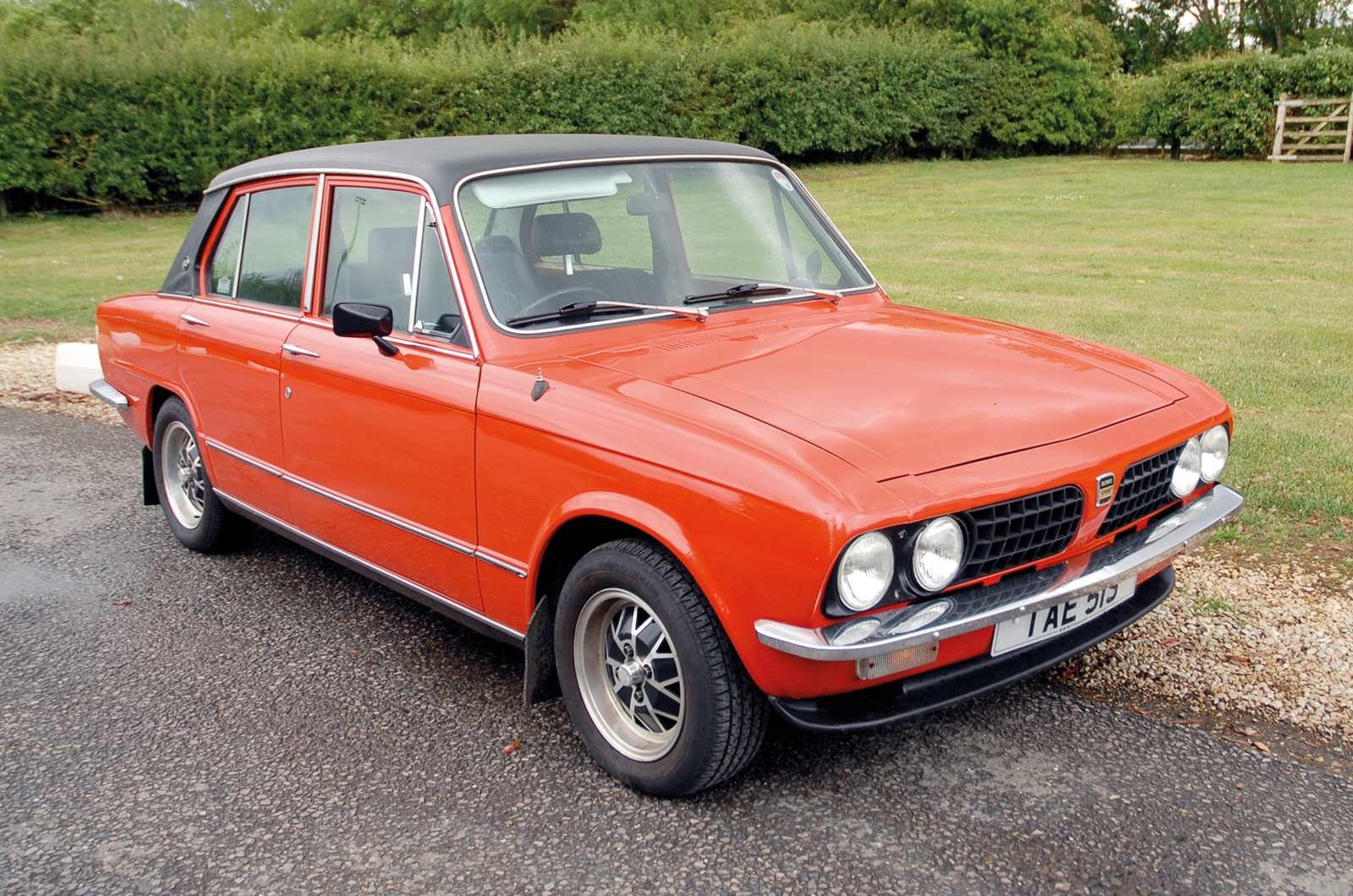
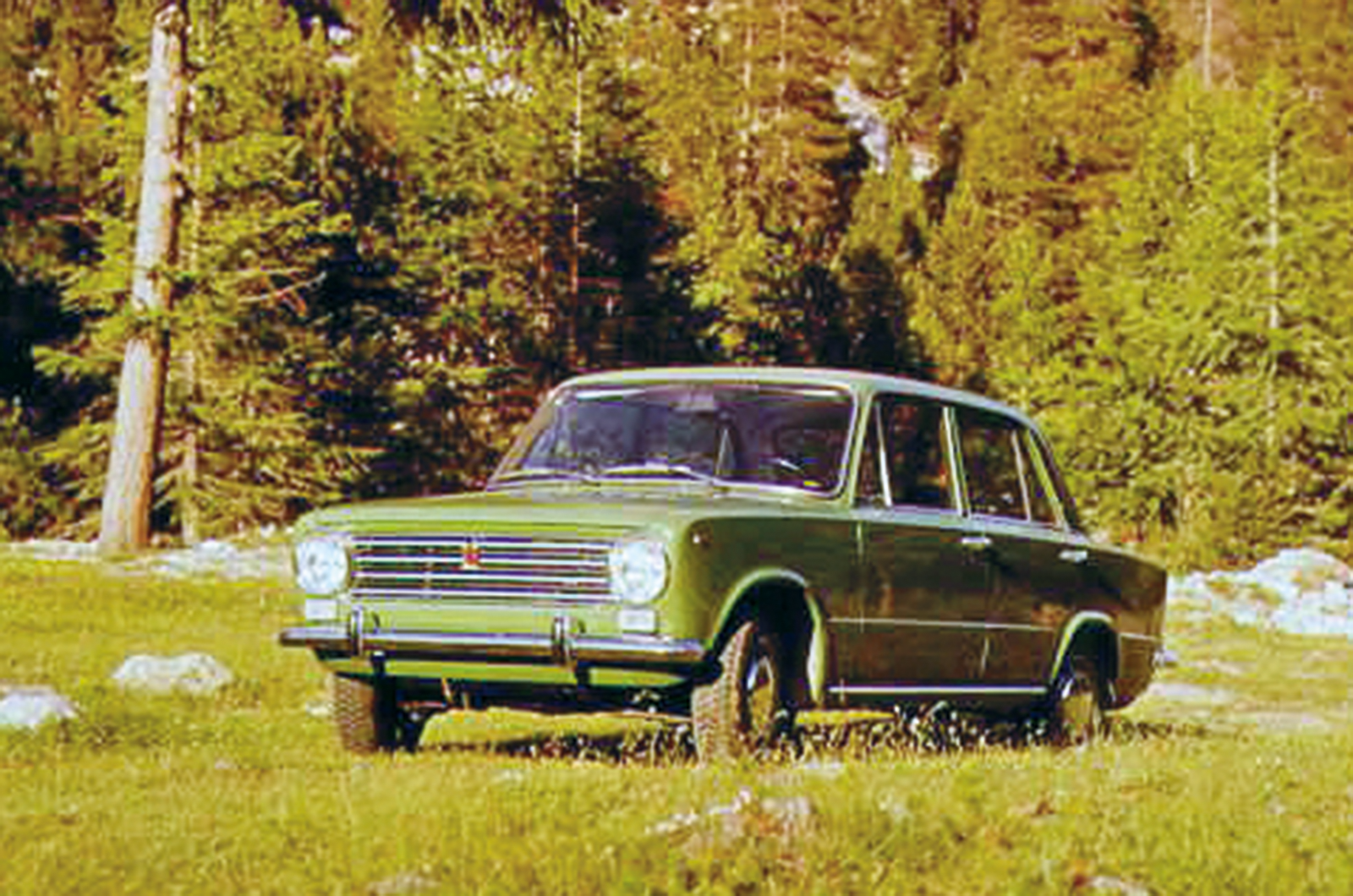
Triumph Dolomite (left) and Fiat 124 are alternative buys
TRIUMPH DOLOMITE
Traditional British middle-class luxury with a frisson of excitement in the 16-valve Sprint. Parts availability good, tendency to rot less so.
Sold 1970-’80 • No. built 275,000 • Price now £2-12,000
FIAT 124
Compact and modern-looking, with lively engines, this saloon/estate/coupé range had much to offer, but rusted; survivors are rare.
Sold 1966-’75 • No. built 1,823,000 • Price now £4-12,000
Prices correct as of November 2018
Rootes’ Arrow range: the Classic & Sports Car verdict
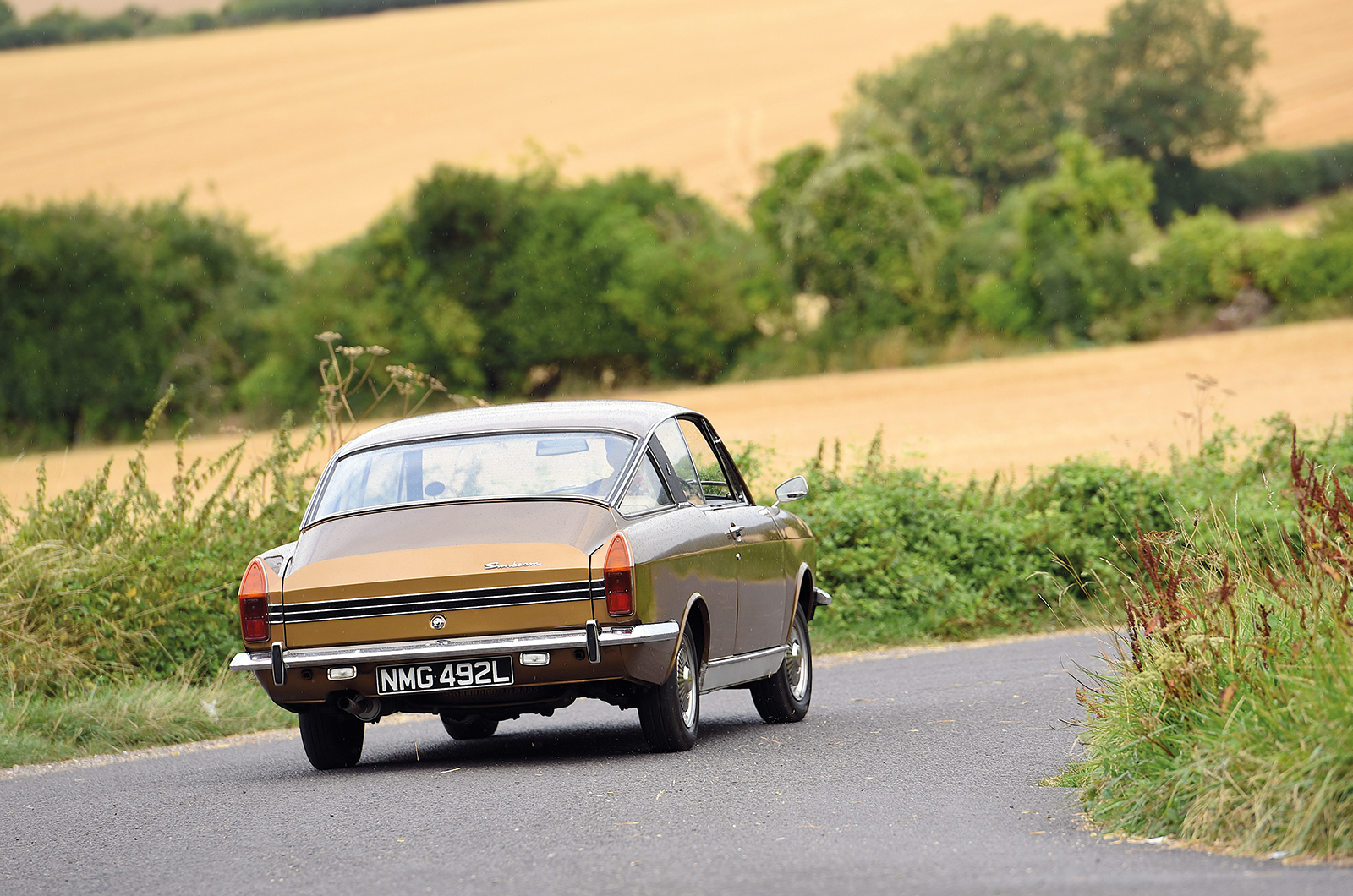
Prices are quite low for these attractive classics, but it’s likely that their rarity will soon have an effect on values, meaning that now could be a good time to buy one of the Arrow range.
Buyers can choose from a wide selection, from simple, practical and durable to comfortable, lively and well-equipped: just don’t buy a rusty car, or one that’s been messed with, or an example whose trim parts are missing or damaged.
FOR
- Good value
- Reasonably economical
- Highly durable and pleasant to drive
- An appealing classic option
AGAINST
- Base models have a simple charm but won’t suit all
- Rust is public enemy number one and bodged cars are common – as are those whose original specs have been lost in the mists of time
Rootes’ Arrow range specifications
- Sold/number built 1966-’79/c640,000
- Construction steel unitary
- Engine iron-block, iron/alloy head, ohv 1496/1725cc ‘four’, single/twin Stromberg or twin Weber carburettors
- Max power 54bhp @ 4600rpm to 93bhp @ 5200rpm
- Max torque 73lb ft @ 2500rpm to 106lb ft @ 4000rpm
- Transmission all-synchro four-speed manual, overdrive on Sceptre and Rapier (optional on others), or three/four-speed auto, RWD
- Suspension: front independent, by MacPherson struts, anti-roll bar rear semi-elliptic leaf springs, telescopic dampers, live axle
- Steering recirculating ball
- Brakes discs front, drums rear, with servo on Sceptre/Rapier/Vogue
- Length 14ft-14ft 6¾in (4267-4439mm)
- Width 5ft 3½in-5ft 5½in (1613-1664mm)
- Height 4ft 6½in-4ft 8in (1384-1422mm)
- Wheelbase 8ft 2½in (2502mm)
- Weight 2000-2275lb (909-1034kg)
- Mpg 25-35
- 0-60mph 17.8-10.5 secs
- Top speed 83-109mph
- Price new £1223-2072 (Hunter DL-Rapier H120, 1974)
READ MORE
All Classic & Sports Car buyer’s guides