Remembering the race series that didn’t make it
Competition improves the breed, apparently. However, not all motorsport series are born equal. Some don’t even engender competition.
After all, there have been countless categories of racing that have fallen by the wayside. Some deservedly so, others due to outside forces pressing in.
Of these, a handful were memorable, often for the wrong reasons, while a few were clearly destined for disaster because the demand simply wasn’t there to start with.
Then there were the championships that priced themselves out of the game – those where even the wealthiest amateurs reasoned that there was a poor return on investment.
Gathered here, then, in no particular order, are 10 of the least successful categories of motorsport.
There are one or two that we wish had continued, and a couple of standouts where you can only wonder what fevered imaginations conjured them in the first place.
We stopped short of including championships that were axed before they began, or the likes of the British Formula 3000 series for that matter (the 1997 category revival mustered just three cars on the grid for the first and last rounds).
And, for full disclosure, not all of our choices involve strictly car racing and rallying as such.
1. National Caravan Road Rally Championship
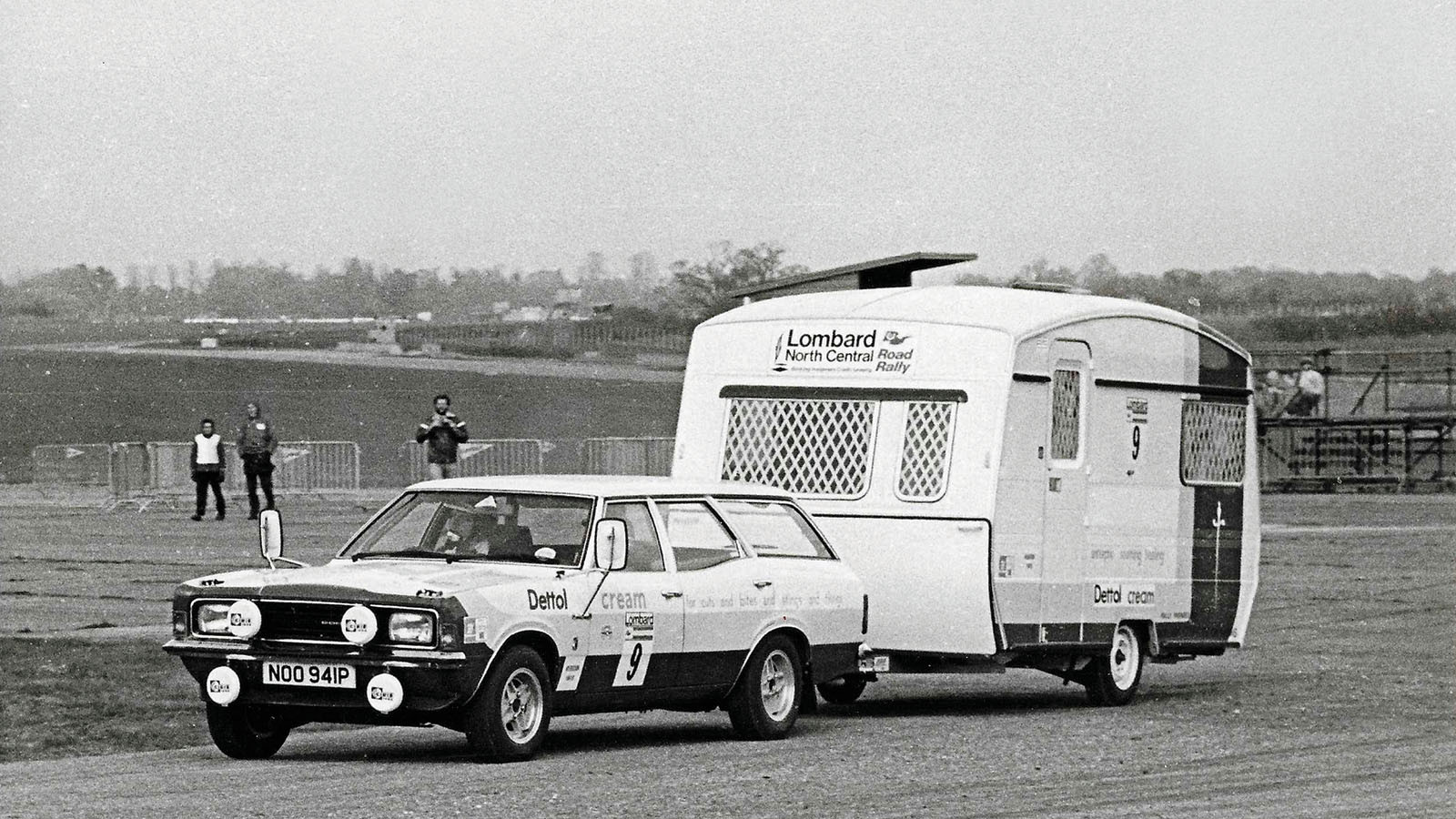
It seems improbable now, but there was a time when caravan-related motorsport didn’t take place around quarter-mile ovals or result in carnage, at least not intentionally.
In the 1950s, the Caravan Club introduced driving tests, which later involved slaloms, time trials and circuit stages (Goodwood was popular).
This spawned the National Caravan Road Rally Championship and standalone circuit races in ’74.
However, some manufacturers took it a bit too seriously, entering ‘works’ caravans. The same was true of those supplying the tow cars.
This resulted in a few ringers joining the fray, with the likes of Andy Dawson, Tony Pond, Tony Fall, Roger Clark and Vic Elford taking part.
Dealer Team Vauxhall fielded a VX4/90 and Bailey Maru caravan combo for Andrew Hignett, and it cleaned up.
Such professionalism in effect killed off caravan motorsport at a stroke.
Anorak fact Roger Clark won his class on the 1976 International Caravan Rally of Great Britain in his Dettol Cream entry (above)
2. Formula Classic
Tom Wheatcroft famously brought motor racing back to Donington Park.
He also created a truly world-class museum filled with Grand Prix cars, but his attempt at shaping a one-make racing series was a rare misstep.
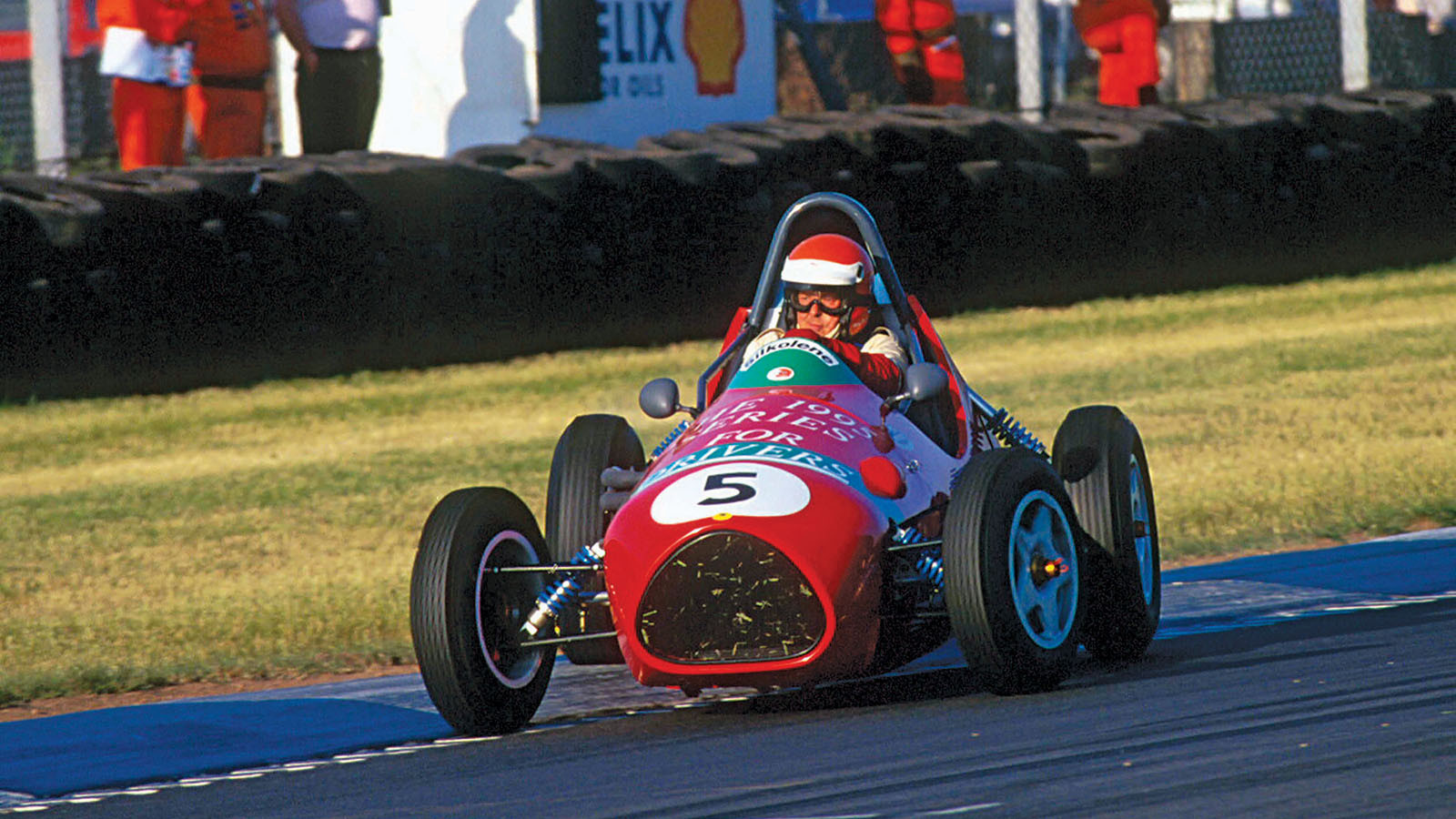
Wheatcroft conceived the championship for ‘new’ historic cars: front-engined machines on skinny tyres that looked and handled like Grand Prix cars of yore.
However, the project came unstuck due in no small part to Holbay Engineering’s parlous state.
Unbeknown to Wheatcroft, this once proud firm was struggling, so the gig to build engines for Formula Classic had provided a much-needed boost.
However, Holbay soon collapsed after its co-creator, John Read, was killed in an aircraft accident in 1992.
When the car finally emerged, it was powered by a four-cylinder Millington Diamond unit.
Take up for the series wasn’t great, with Wheatcroft seriously discounting entries by the time racing began in May 1995.
Just two rounds were held, with a pair of races per meeting, before Formula Classic became a thing of the past.
Anorak fact Wheatcroft wrote in his autobiography – Thunder in the Park, published in 2005 – that he had invested £1.6million in the scheme
3. Fast Masters
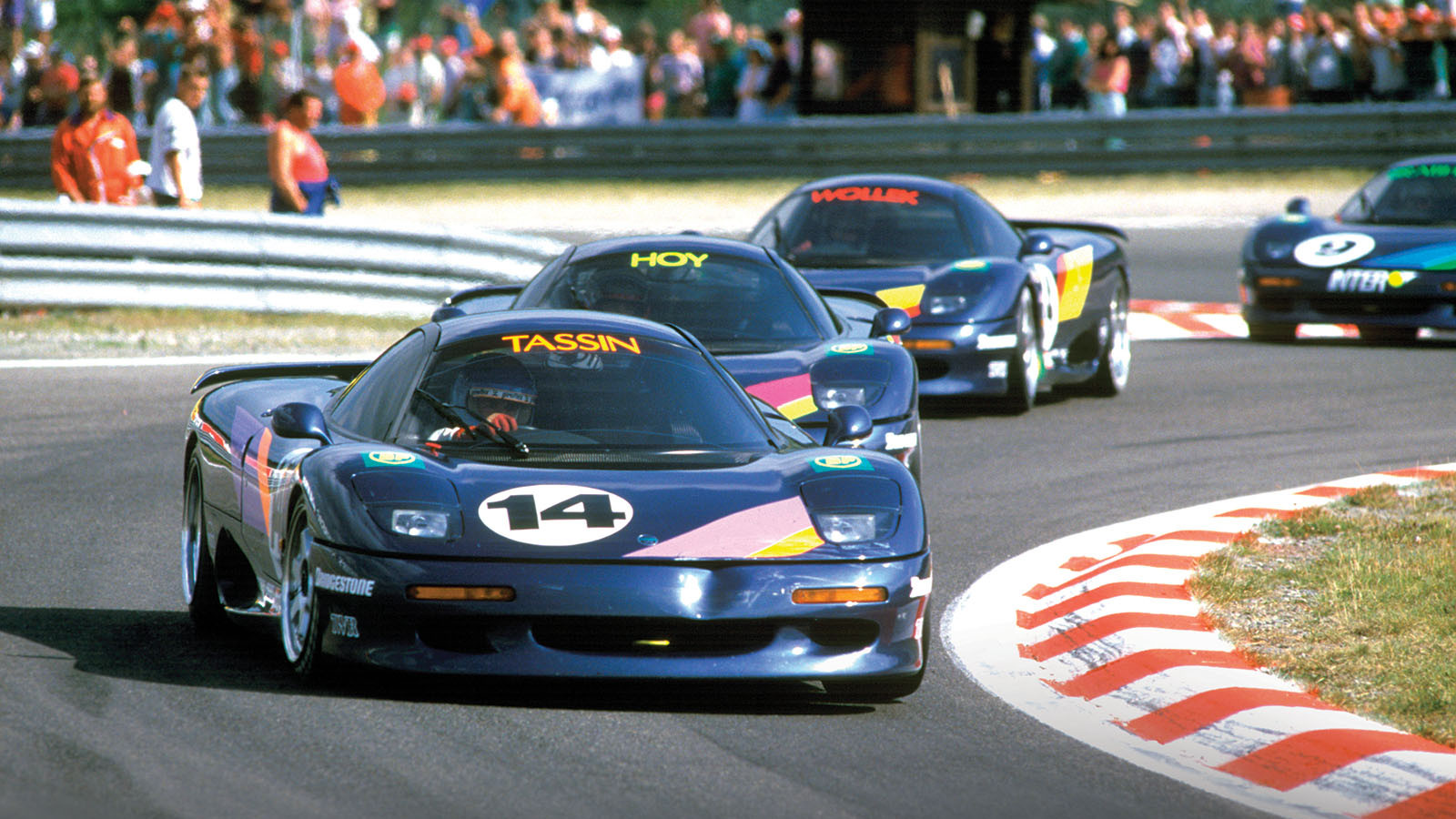
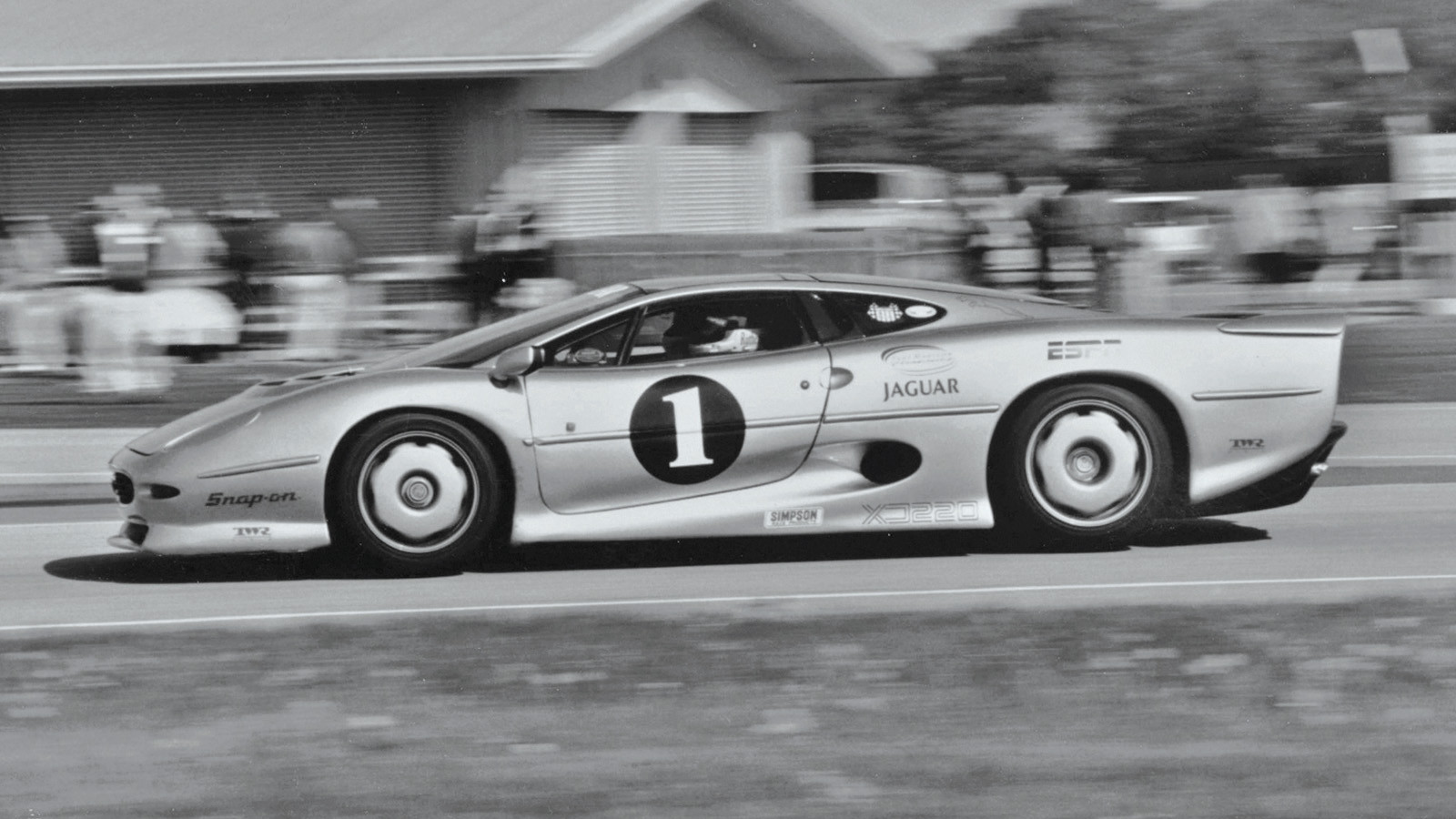
Imagine the pitch: a made-for-TV championship for racers the wrong side of 50, competing in identical Jaguar XJ220s worth £450,000 apiece – around a ⅝-mile ‘short’ oval track. What’s the worst that could happen?
The brilliantly barmy, ESPN-backed Fast Masters series inevitably earned the moniker ‘Crash Masters’.
The format was for two heats per meeting at Indianapolis Raceway Park (not the Indianapolis Motor Speedway) across four consecutive weekends in June 1993, the fourth culminating in the grand finale.
There were 10 veterans entered in each race, which formed part of the Saturday Night Thunder television programme, but the format was tweaked after three cars were destroyed in huge shunts first time out.
With everyone from sports-car superstar ‘Brilliant Bob’ Wollek and Carrera Panamericana winner Hershel McGriff vying for victory, it provided a spectacle – even if you were obliged to watch between the cracks in your hands.
Bobby Unser emerged as the first – and only – Fast Masters champion.
Anorak fact One heat winner was drag-racing star Eddie ‘The Thrill’ Hill
4. North American Touring Car Championship
The USA rarely embraces European-style championships. North America doesn’t need to borrow, and this series was a case in point.
Saloon-car racing during the Super Touring era was hugely popular elsewhere, but the NATCC failed to take off.
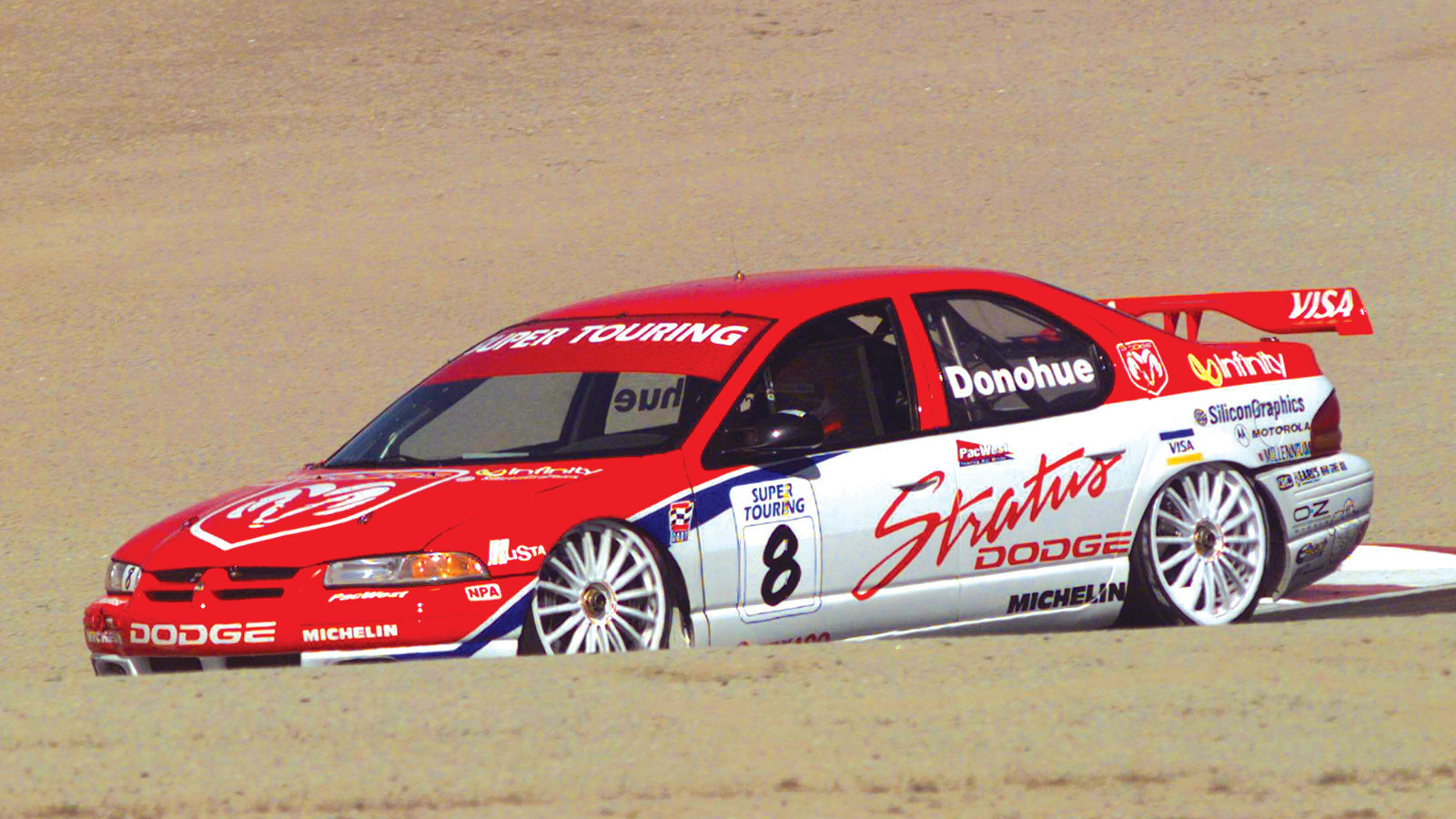
Often run as part of the CART (IndyCar) support package on purpose-built circuits and street courses, only two big factory teams entered works cars: PacWest Racing for Chrysler and Tasman Motorsports for Honda.
It wasn’t lacking for quality drivers, mind. It’s just that there weren’t many of them.
With only a dozen cars running in the inaugural 1996 season, and barely nine at most meetings the following year, the NATCC folded with Randy Pobst and David Donohue (above) taking the respective drivers’ titles.
Anorak fact The ’96 season briefly attracted two plucky British underdogs: British Touring Car Championship independent Nigel Smith and historics ace Martin Stretton
5. BRDC Sportscars
Thundersports had been a popular race series during the mid-1980s, attracting quality cars and a raft of able drivers, spanning amateurs and Le Mans winners alike.
However, it ultimately descended into a contest of who could spend the most and its replacement was foiled before it got out of the starting blocks for much the same reason.
Group C2 had been highly subscribed in the World Sports-Prototype series and there were plenty of eligible cars around.
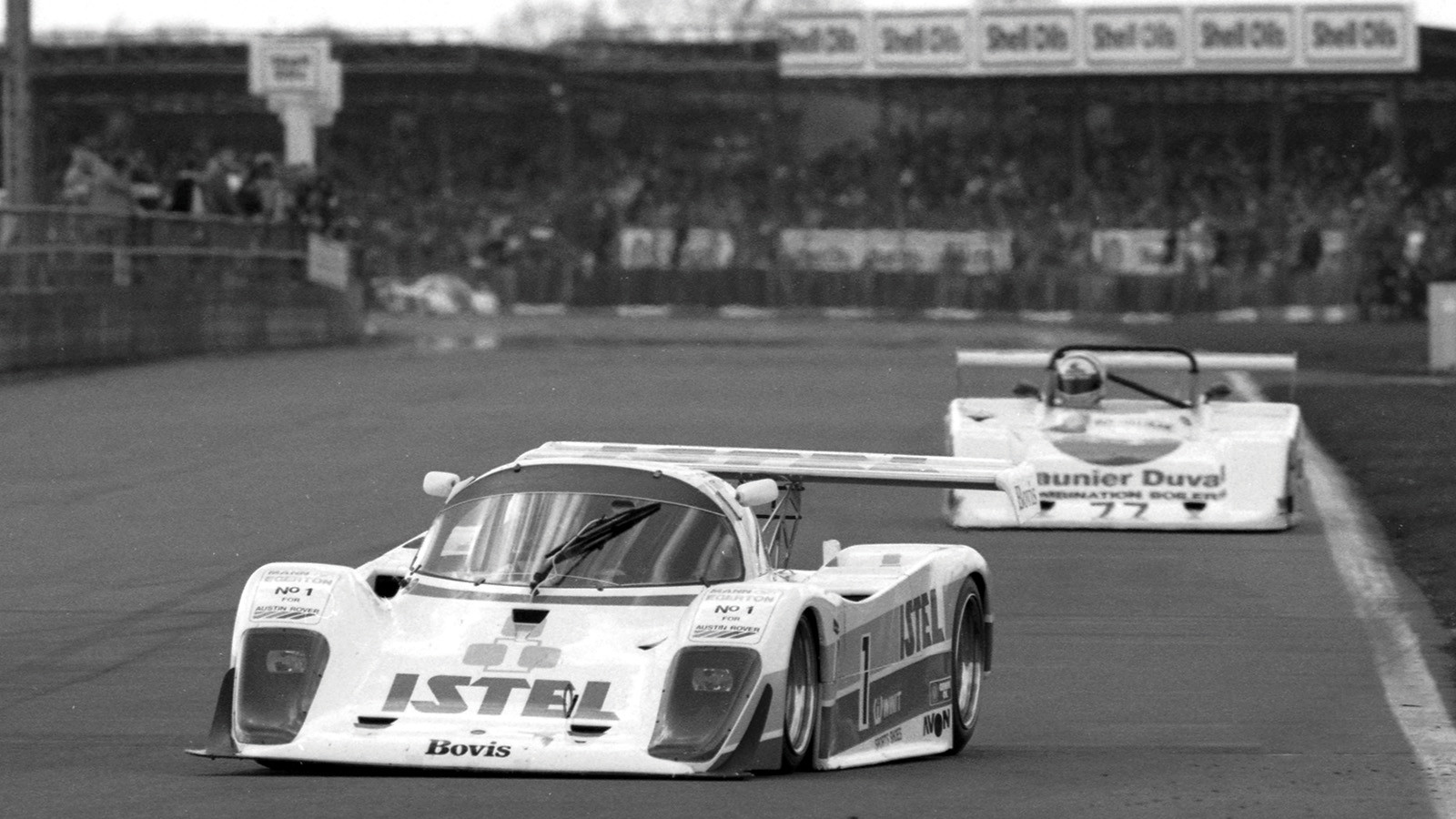
As such, a national championship had some merit, but only seven cars made the first round of this British Racing Drivers’ Club series at Silverstone in March 1988. Three finished.
The racing was great thereafter – what there was of it, at least, with around a dozen cars appearing at some rounds a year later.
Autosport opined in its end-of-year round-up: ‘The quality of competition was high, and Britain surely needs a national sportscar championship. All it lacked in 1989 was another 10 cars.’
Owners and patrons pledged 20-car grids for year three, but they didn’t materialise. The curtain descended at the end of 1990.
Anorak fact Touring Car ace Tim Harvey was the standout performer in 1988-’89, driving for Team Istel (above)
6. Grand Prix Masters
The idea had been mooted for decades, but now it was more than just talk: there was finally a seniors’ tour for former Formula One drivers… Kind of… Ish.
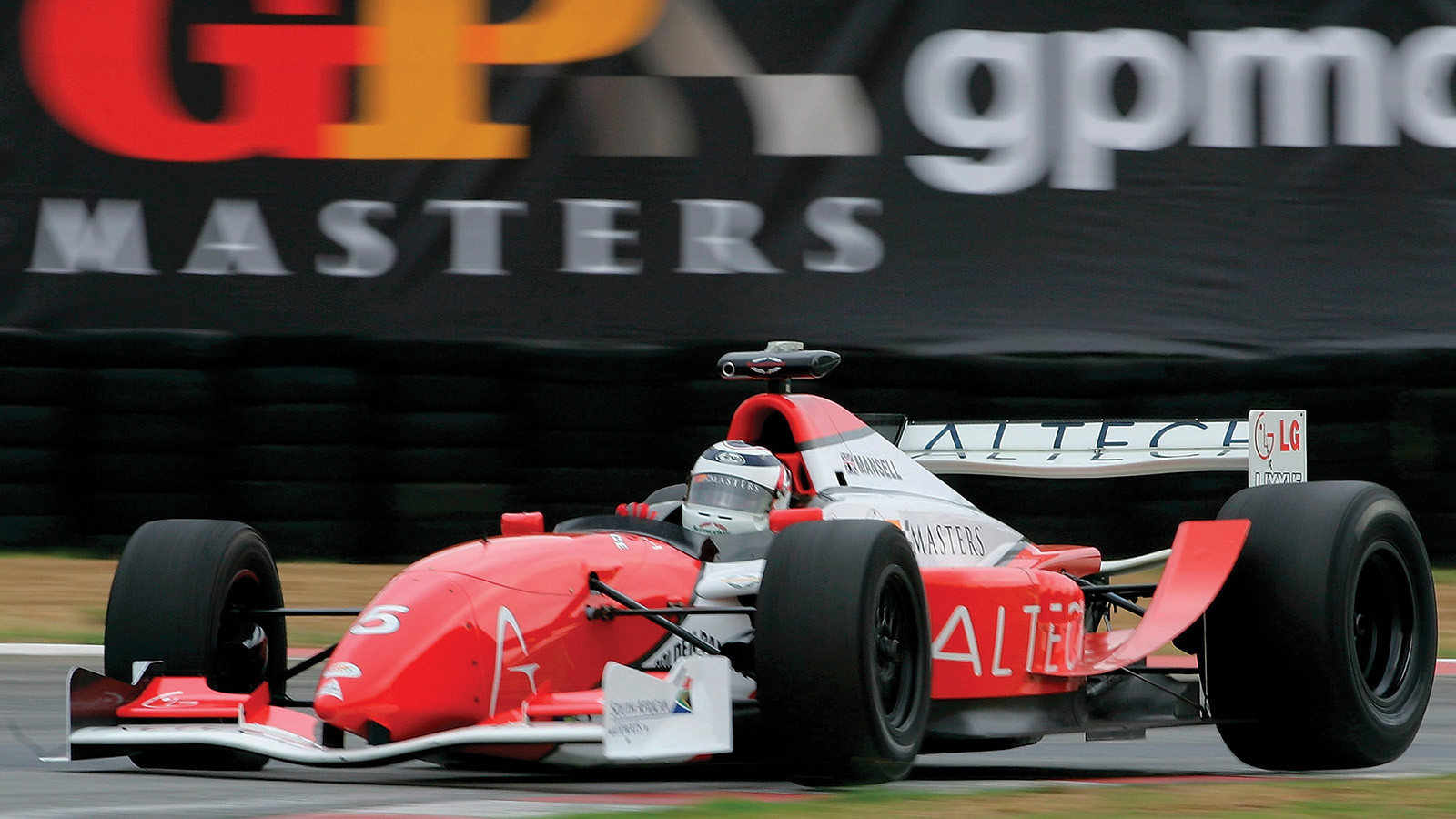
Grand Prix Masters arrived in 2005 amid much hullabaloo, the series targeting veterans aged 45 and older who had competed in at least two seasons of F1.
Each would be armed with a Delta Motorsport single-seater – essentially a Reynard 2KI IndyCar racer powered by a 3.5-litre Nicholson-McLaren V8 that produced around 650bhp.
However, the rules were tweaked constantly in a bid to attract both drivers and an audience, and the age limit was soon being lowered to 40.
The bit about complete seasons was also fudged to the point where quite a few drivers who had lost the battle with F1’s pre-qualifying early on in their careers were admitted.
Nigel Mansell (above) won the opening round in November 2005, and the second race that wasn’t staged until the following April; Eddie Cheever was victorious four months later at Silverstone, but there would never be a fourth round as the series sadly collapsed amid much acrimony.
Anorak fact Delta Motorsport attempted to revive the series in 2008 under the F1 Masters banner. It didn’t come to pass
7. Formula F100
Brands Hatch supremo John Webb instigated umpteen categories of motor racing. Most were successful and while this series promised much, it fell short.
F100 aimed to be to sports-racing cars what Formula Ford was to single-seaters.
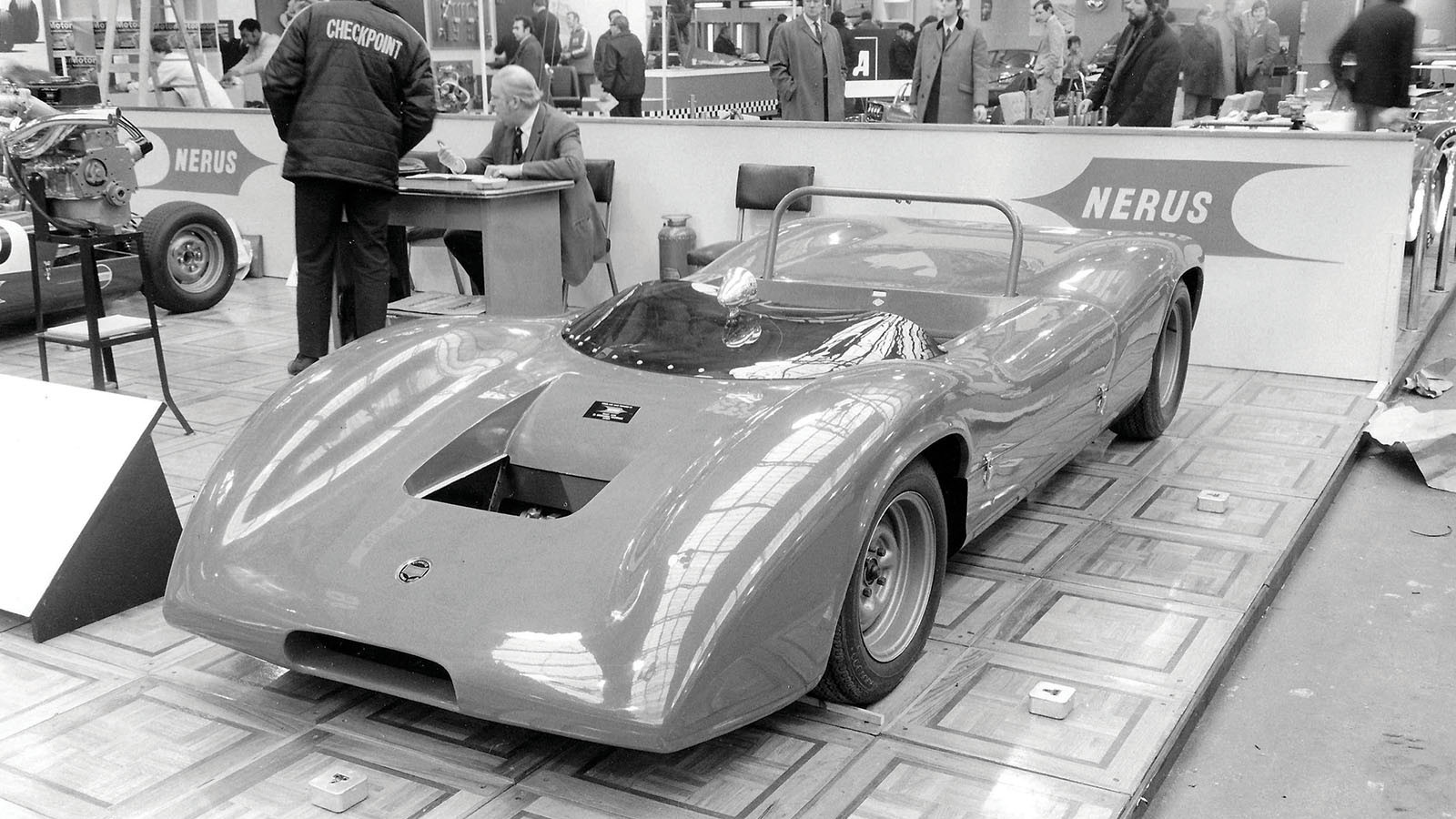
For the most part the cars looked wonderful, with multiple constructors from Aldon to Royale and Lenham to Nerus (above) providing diversity.
There was also a wealth of talent on track, not least Les Leston, Tony Lanfranchi, Tom Pryce and Ray Allen, and Firestone funded the series (the F100 tag referred to its brand of tyre).
However, it only lasted two seasons before interest petered out. The 1.3-litre Ford- or BMC-powered cars were reasonably quick, but grids remained small.
While it may take only two cars to make a motor race, only one made the grid for the 1971 season finale. The subsequent demise of F100 was inevitable.
Anorak fact John Webb wasn’t done. He refined the concept and came up with the globally popular Sports 2000 category
8. Uniroyal P100 Challenge
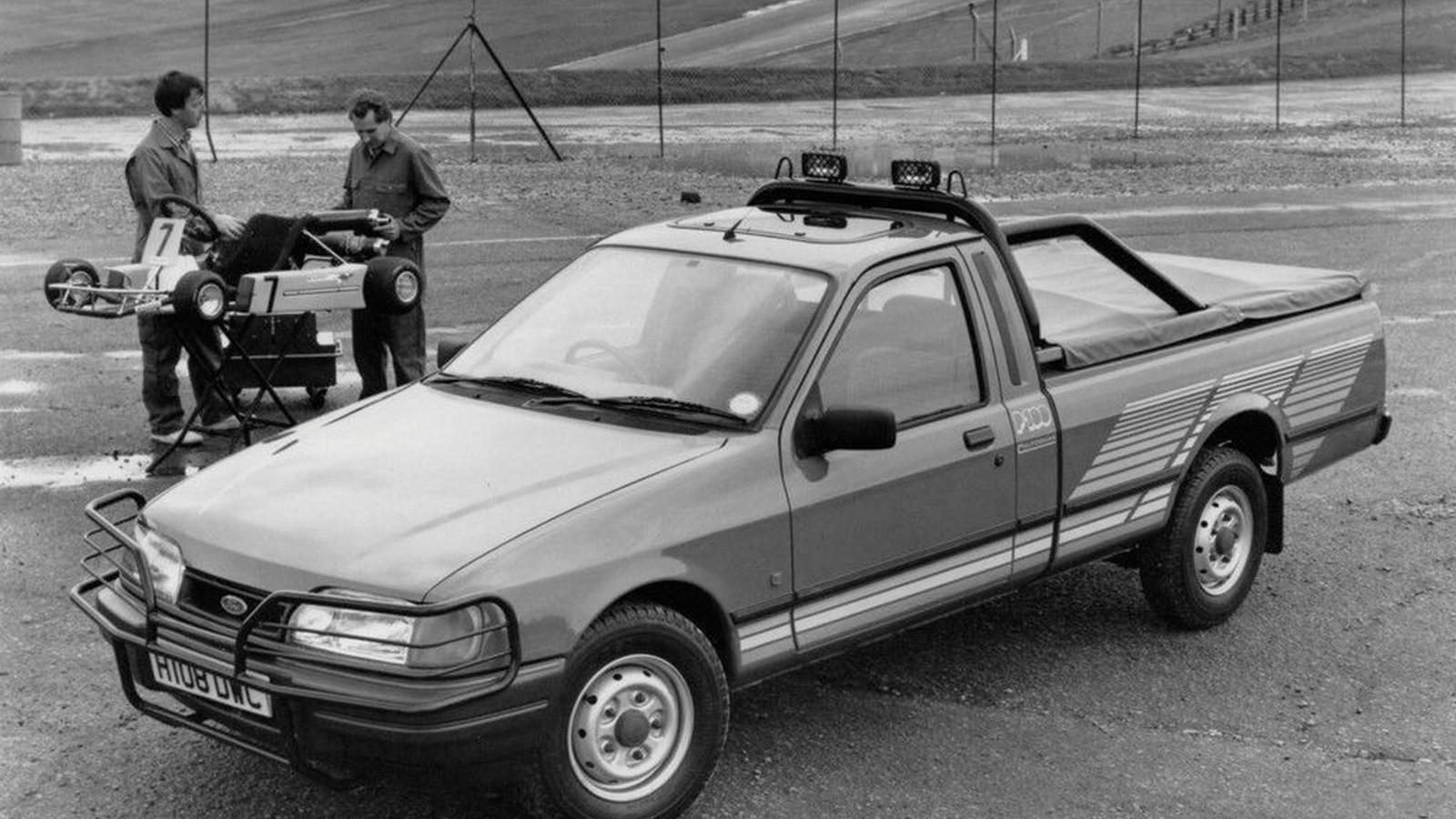
Inspired by the popularity of truck racing, Brands Hatch Leisure unleashed this new championship for Ford P100 pick-ups in 1988.
If nothing else, it created a little light relief at the Kent venue, with rounds also being staged at Oulton Park and Cadwell Park.
With the exception of the obligatory rollcage and other safety-related equipment, the vehicles were essentially in standard trim, save the adoption of lower-profile road-car tyres in place of the usual C50 commercial-spec rubber.
Despite stretching credulity beyond its limits, the series attracted some names, with a few guest stars thrown in such as Tiff Needell, Slim Borgudd, Divina Galica and Rod Chapman.
Nevertheless, the series failed to find traction despite garnering plenty of media attention. It continued into the
following year, only to be axed mid-season.
Anorak fact Keith Holland, winner of the 1969 Spanish Grand Prix, bagged the 1988 title
9. Formula Talbot
There has rarely been a shortage of unnecessary single-seater championships.
The sad part here is that this series actually provided some quality racing, such as it was.
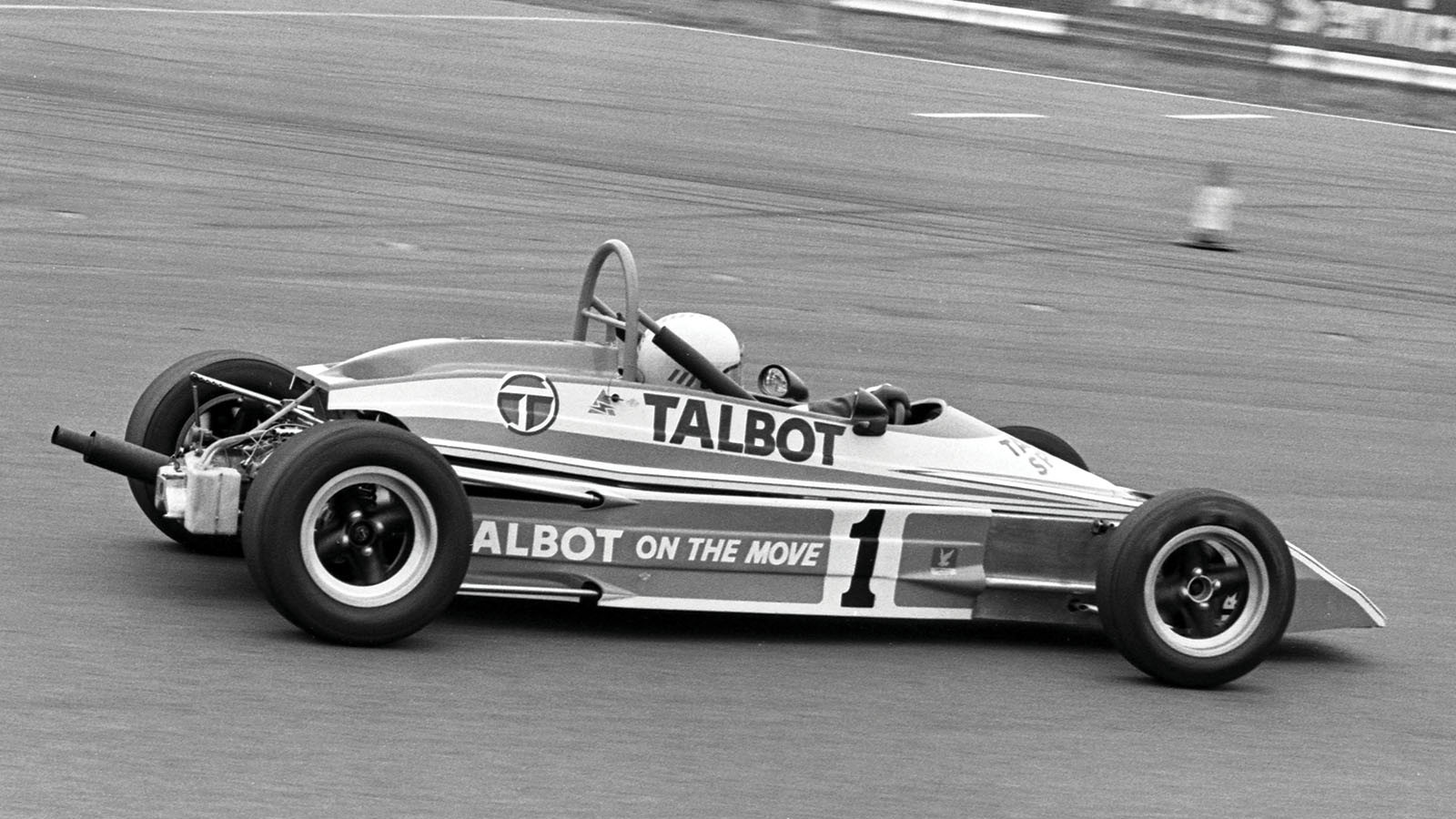
It was yet another John Webb creation, this time taking aim at Formula Ford 1600, and it was similarly a multi-chassis affair, with the likes of Royale and Delta adapting existing designs to accommodate the 1.6-litre engine from the Talbot Sunbeam Ti.
It was much-hyped when launched in 1980, the standout element being that the cars ran on methanol.
There were some good drivers in the mix, too, including guest star Mike Wilds in addition to regulars such as Sean Walker.
However, the grids never blossomed. Webb did his best to sustain the series, but it was killed off in 1982.
Anorak fact Would-be racing driver Mark Thatcher (son of Margaret) was the most widely publicised competitor
10. JaguarSport Intercontinental Challenge
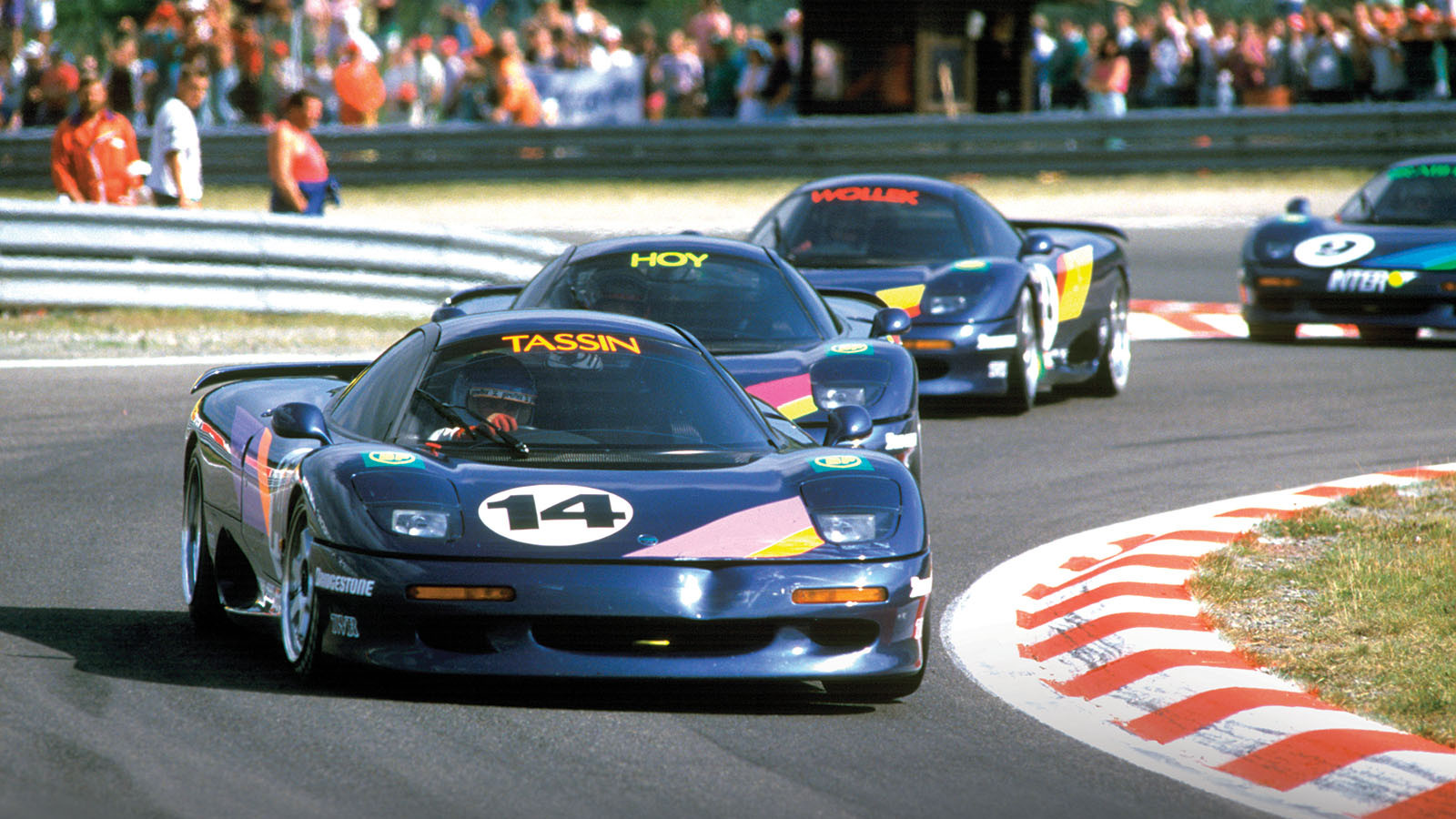
While some have viewed this as being the spiritual successor of the Procar Championship for BMW M1s, the Intercontinental Challenge was essentially a means to an end.
Tom Walkinshaw had been tasked with making the Jaguar XJ220 a production reality, but he also happened to be creating a direct rival for it behind his paymaster’s back.
His XJR-15 programme put a lot of noses out of joint within the corridors of power at Jaguar and its parent company, Ford, the upshot being that he was told to think again.
The ever-canny Walkinshaw cut his losses by creating the most exclusive one-make race series yet conceived.
The three-round Intercontinental Challenge would support the 1991 Grands Prix at Monaco, Silverstone and Spa-Francorchamps.
Derek Warwick kept it out of the barriers to win in the principality, while IMSA ace Juan Manuel Fangio II emerged victorious in Northamptonshire.
TWR regular Armin Hahne bagged honours in the final round. That, and a ‘winner takes all’ cheque for a cool $1million (in theory, at least).
Anorak fact Each of the 16 race cars was pre-sold, and 11 of them were damaged during the race at Silverstone
We hope you enjoyed this gallery. Please click the ‘Follow’ button above for more super stories from Classic & Sports Car.