The finest flashy-tailed Brits
In February 1948, the Cadillac Series 62 Coupe became the first American car with tailfins, inspired by the Lockheed P38 Lightning aircraft.
A decade later, they reached such baroque heights on US cars that their next logical evolutionary stage was their demise.
Meanwhile, on the other side of the Atlantic, various models copied the design trope with equally varying degrees of success.
The idea of British cars following Detroit trends was far from a new phenomenon by the late 1950s.
Aside from the obvious Ford GB and Vauxhall products, the Rootes Group had commissioned Raymond Loewy Associates to design the ‘Audax’ Hillman Minx.
Even the Rover P4, a car widely perceived as the epitome of English respectability, owed a strong allegiance to the 1947 Studebaker Champion.
There were also logical commercial reasons for adding tailfins, with many UK car makers believing that they would assist export sales.
However, some motorists regarded them as a step too far, and the antithesis of all that was decent, proper and tweed-wearing.
Another problem was that, unlike Detriot’s regular updates, many British vehicles tended to retain the same look for several years.
By the 1960s the result often looked surreally dated – but it always possessed a sense of flair.
1. Vauxhall Cresta PA
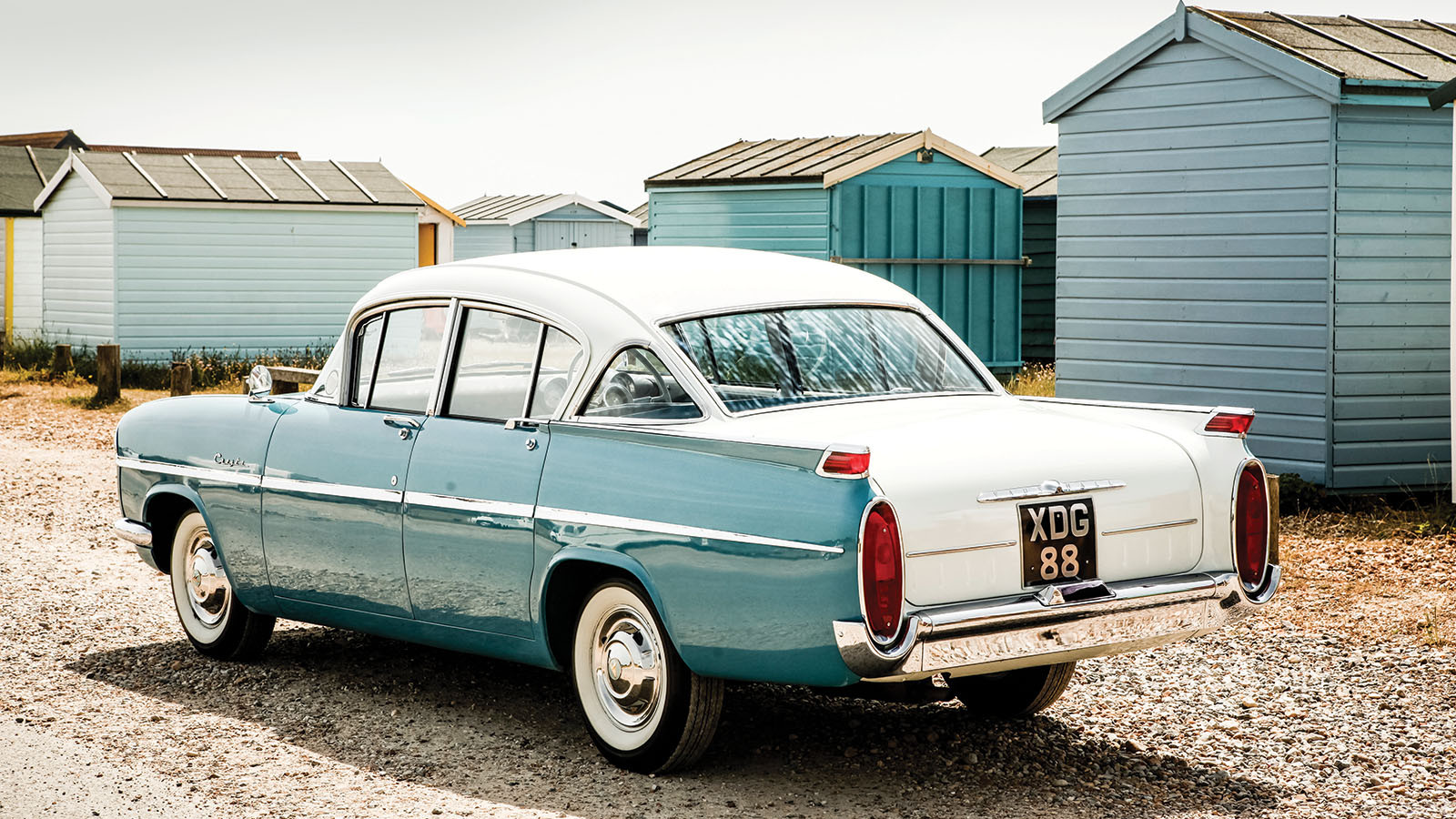
‘Low, graceful, functional lines,’ claimed Vauxhall when it unveiled the PA-series in October 1957.
Its E-series predecessor had resembled a 1949 Chevrolet, but to some Britons this new glitzy model was utter decadence on wheels.
The panoramic windscreen, the ‘dog’s-leg’ A-pillar and, above all, those tailfins were as much proof of Britain’s decline as the Six-Five Special on BBC television.
But what Luton had very successfully created was scaled-down Americana for the ambitious motorist – less Route 66 and more A36.
The entry-level Velox cost £983 17s, but few skiffle-band leaders and socially ambitious wide boys could resist the flagship Cresta: £1073 17s gained you a heater, a cigar lighter, a clock mounted above the interior mirror, whitewall tyres and a vast amount of style.
As the brochure put it, here was ‘vigorous, dynamic beauty’.
Anorak fact The most famous PA is the ’61 model that starred in The Specials’ Ghost Town video
2. Turner 950S/Sports MkI/Sports MkII
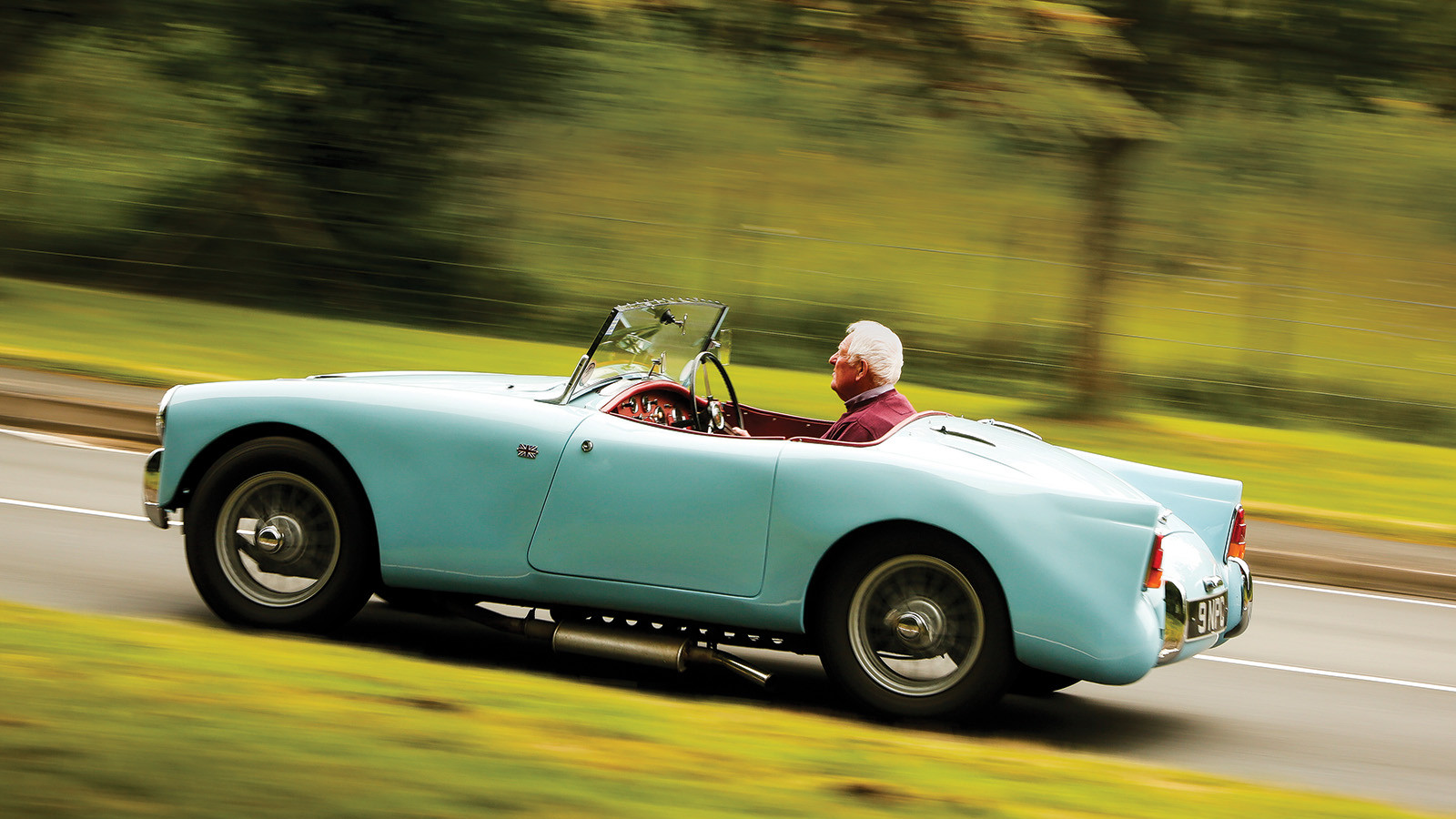
Turner Sports Cars (Wolverhampton) Ltd built its first production car, the A30, in 1955.
Three years later, the 950S (above) arrived with a choice of 948cc BMC A-series or the Coventry Climax 1097cc FWA engines, and sporting tailfins to tempt American customers.
The 1959 Sports MkI featured svelte new bodywork, plus the options of the 1216cc Climax or a crossflow conversion for the BMC unit by Alexander Autos & Marine.
The 1960 MkII could also be specified with various Ford engines.
When Autocar evaluated the Turner-Climax Sports, its testers enthused: ‘Exhilarating to drive and attractive to look at, and it has a very good performance in its capacity class.’
At £1099 10d, it was far more expensive than the Austin-Healey Sprite, but owners could always assemble it at home to save on Purchase Tax.
Anorak fact Turners took a class title in the 1960 Autosport Championship
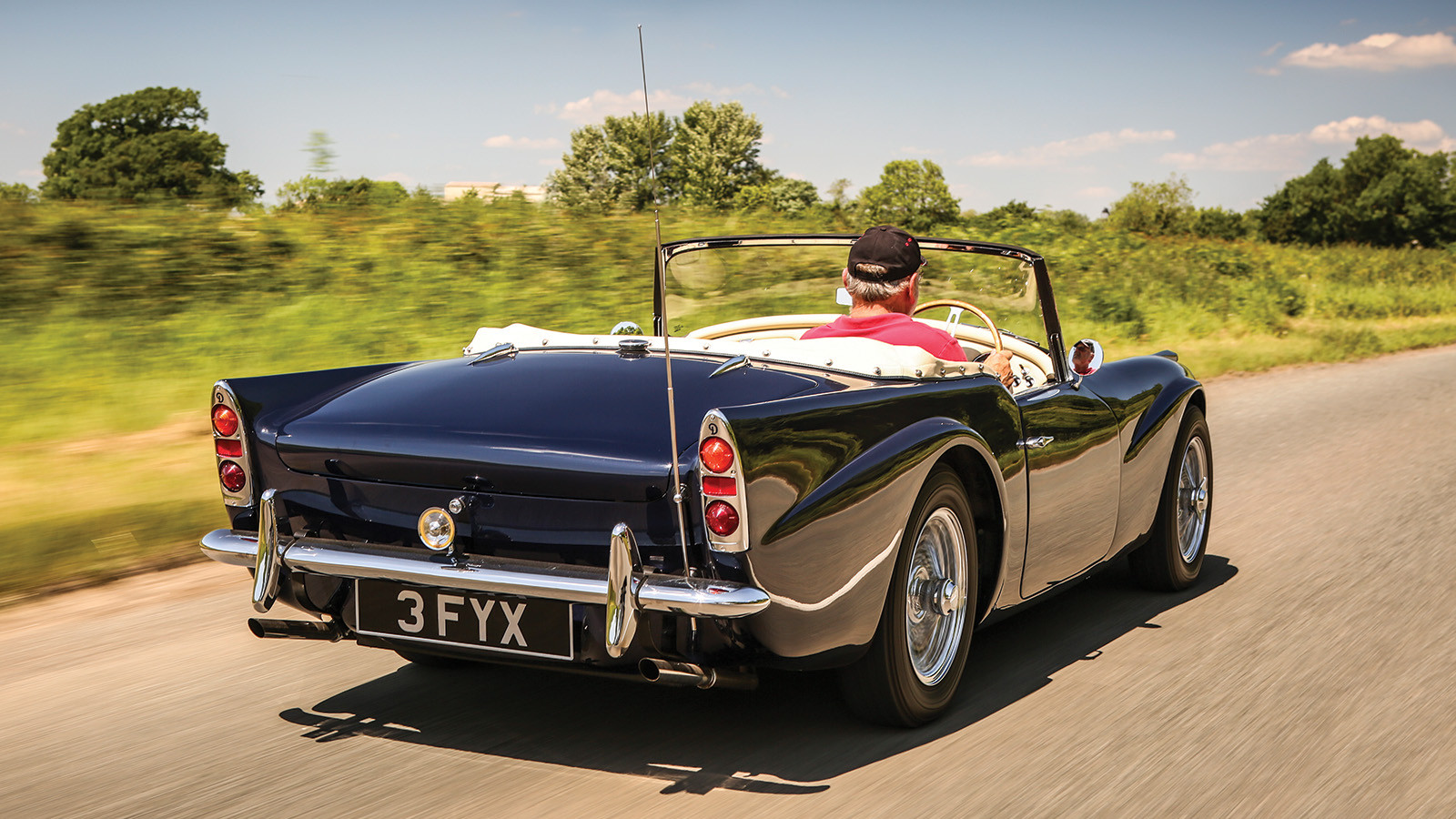
3. Daimler SP250
There had been flamboyant Daimlers prior to the SP250’s arrival in April 1959, but never ones sporting such prominent tailfins.
The distinctive bodywork was partially due to the appreciation of Cadillacs by Edward Turner, the MD of the BSA parent company’s automotive division.
This was a grand tourer for the motorway age, and one that it was hoped would help revitalise the marque’s image in the face of competition from those Jaguar upstarts.
The new hemi-head 2.5-litre V8 engine resulted in a top speed of nearly 125mph, while the glassfibre body was cheaper than steel. British sales commenced in September 1959, priced at £1395.
The Motor praised the engine’s turbine smoothness, but thought the body and chassis were ‘average rather than particularly commendable’.
But no Daimler before or since has possessed the same Terry-Thomas/Leslie Phillips image as befinned transport for the high-speed cad.
Anorak fact In 1961, the London Metropolitan Police commissioned SP250 traffic cars to combat the ‘Ton-Up Boy’ menace. It stationed 26 Daimlers at traffic garages throughout the capital
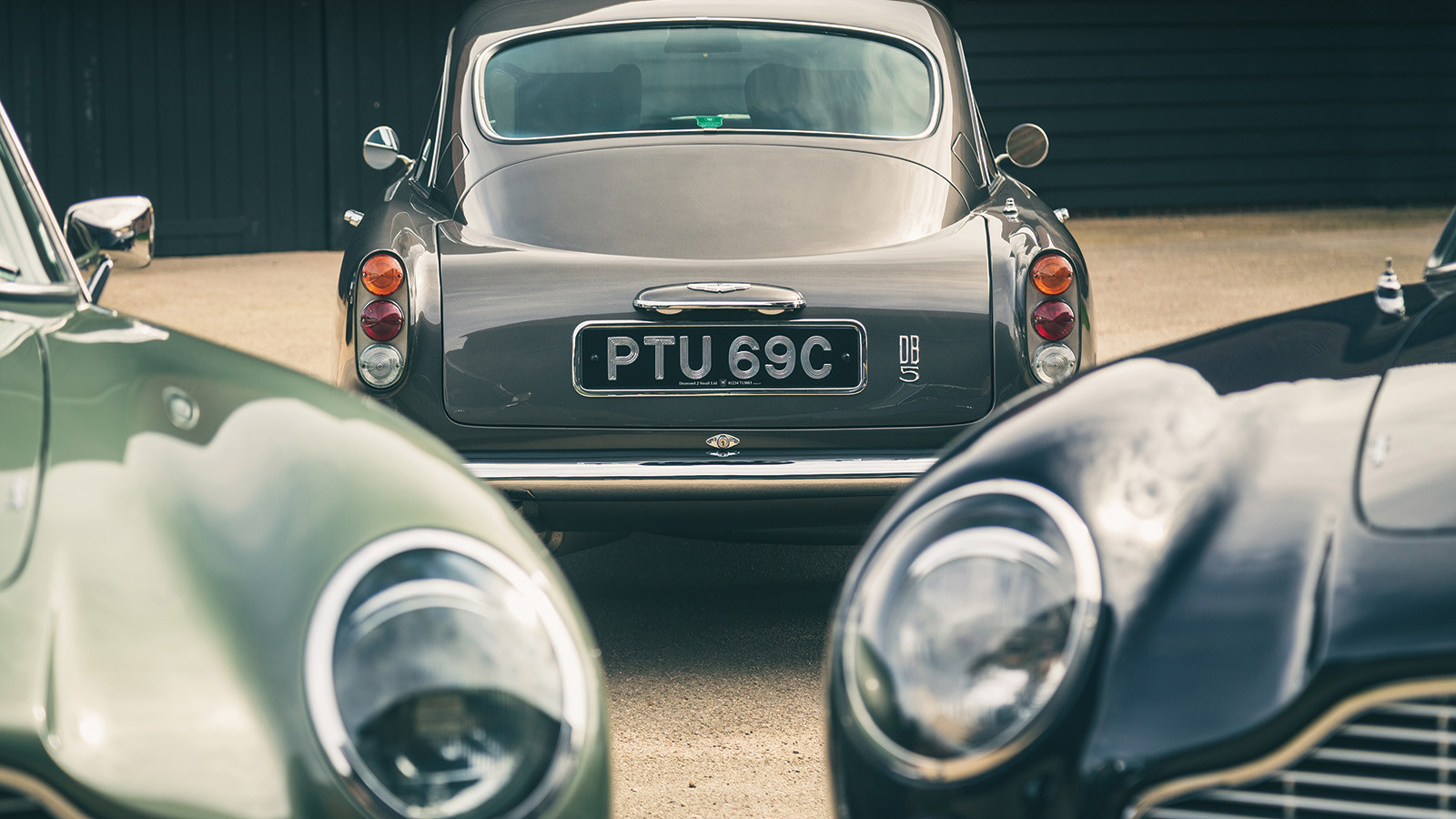
4. Aston Martin DB4/5
Work commenced on the DB4 in 1956, and it made its debut two years later at the Paris Salon.
The advertisements promised ‘An entirely new concept in motoring’ for £3976 7s, and the latest Aston Martin was the first production car capable of 0-100-0mph in less than 30 secs – such a figure was science fiction to many drivers in 1958.
As for the styling, Carrozzeria Touring of Milan had created one of the most exquisite profiles in automotive history, and it was enhanced by neat vestigial tailfins.
The DB4 employed the design house’s Superleggera construction, with the aluminium body panels fixed to a tubular frame mounted on a platform chassis.
The Series V that arrived in September ’62 got a longer body and higher roofline, anticipating the looks of the 1963 4-litre DB5.
In 1965 the DB6 dispensed with fins, but most enthusiasts preferred the earlier look.
Anorak fact The DB4 Series V that guest-starred in The Noble Sportsman episode of The Saint became the Goldfinger DB5
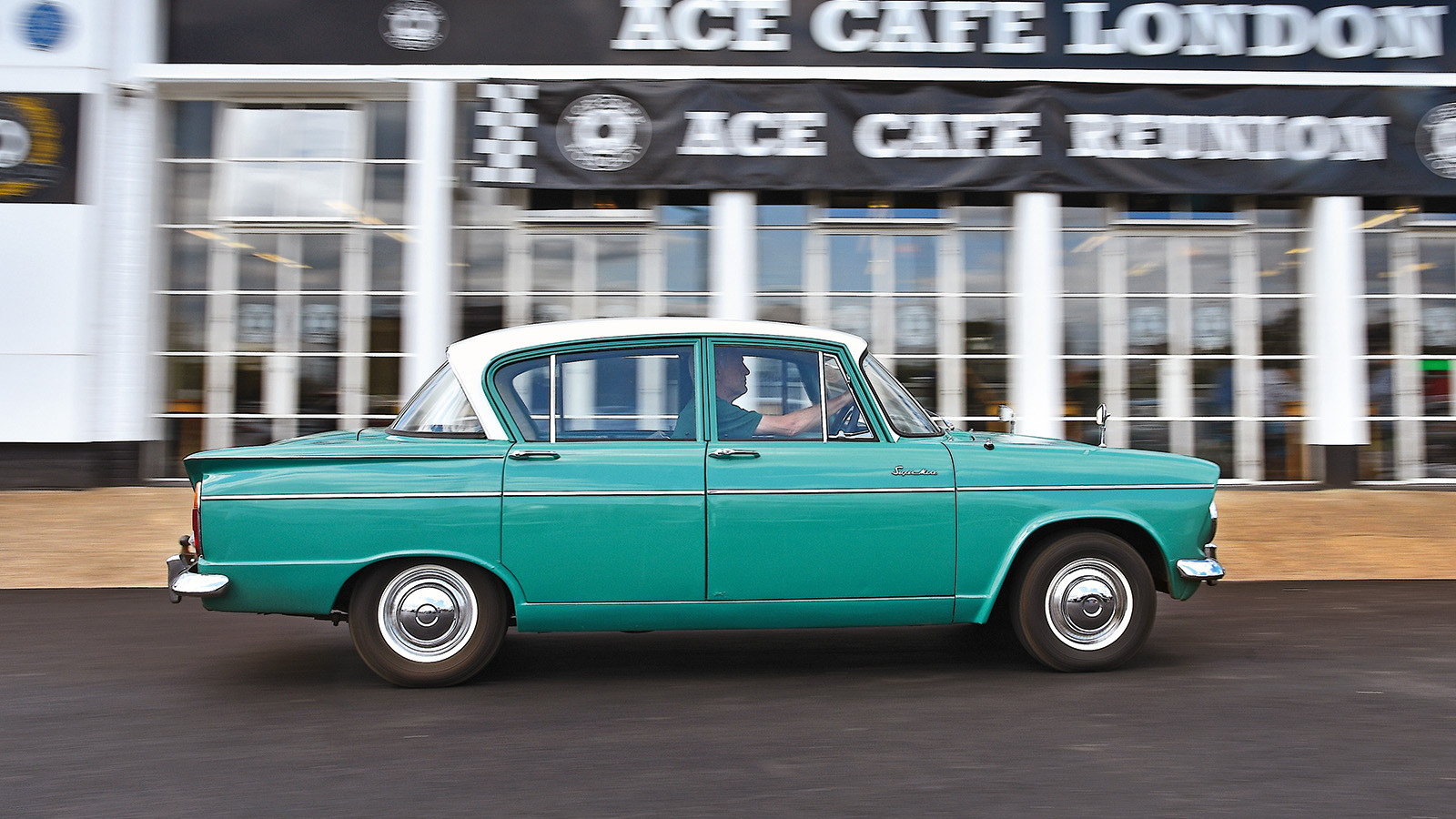
5. Hillman Super Minx/Singer Vogue/Humber Sceptre MkI-II
Rootes intended the Super Minx family as the replacement for the Audax Minx range, but decided to produce both line-ups.
The Vogue was introduced in July 1961, followed by the cheaper Super Minx four months later.
Both featured fins for that 77 Sunset Strip look on cars that were more suited to East Cheam.
The Sceptre flagship appeared in January 1963 and blended a sleeker roofline with the Sunbeam Rapier’s 1592cc engine.
The Hillman and the Singer gained a ‘six-window’ facelift in 1964, two years before their demise, but the ’65 Sceptre MkII retained the same basic look until ’67.
By then, it was about as contemporary as rock ’n’ roller Vince Taylor guesting on Pink Floyd’s The Piper at the Gates of Dawn – but still ideal ‘for the man who wants to do more than just sit there and steer’.
Anorak fact Rootes originally planned the Sceptre as the Sunbeam Rapier MkIV – hence the Rapier-like grille of the 1963-’65 versions
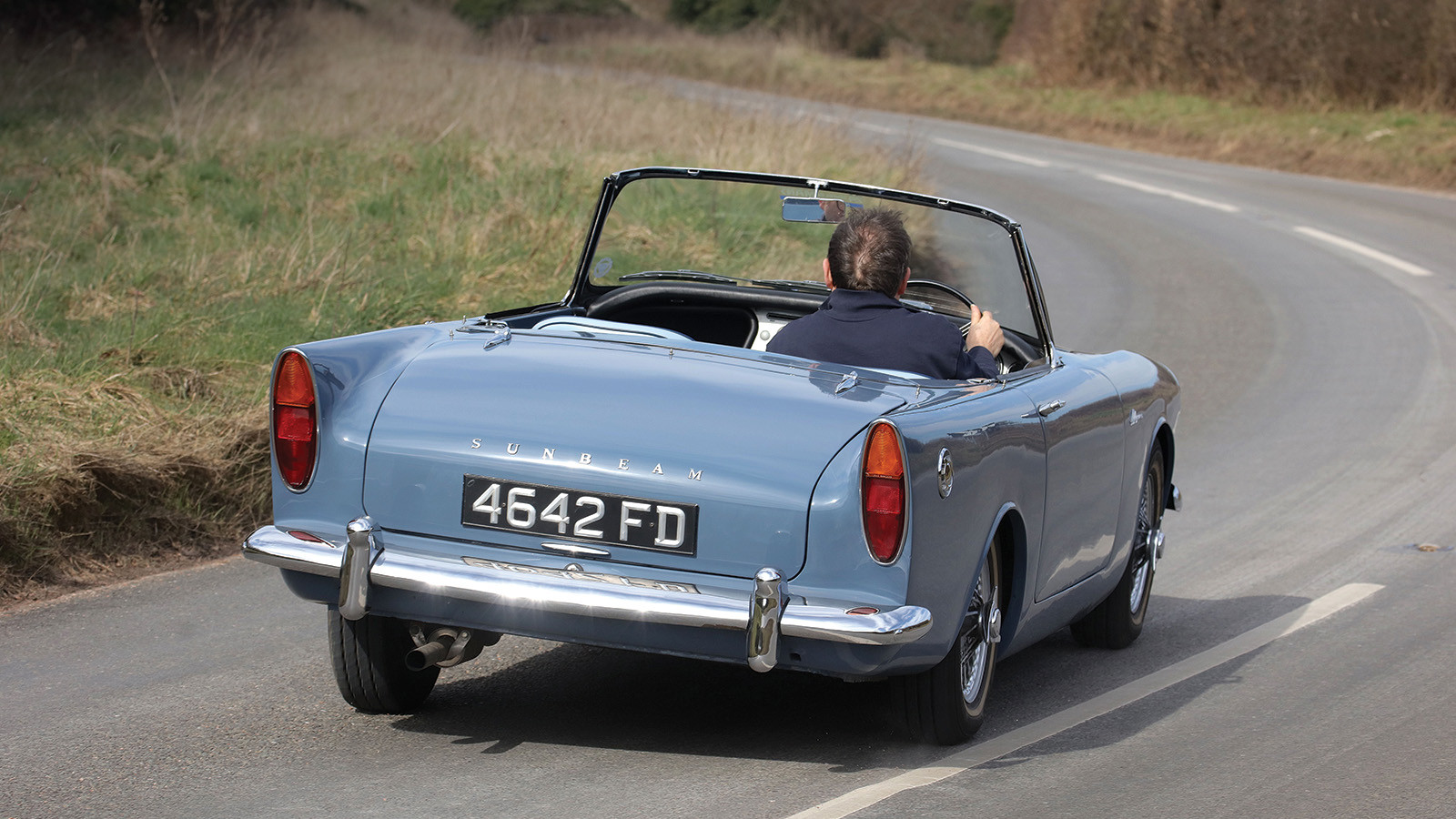
6. Sunbeam Alpine Series I-III
The Alpine appeared in July 1959, with Ken Howes, who was responsible for the bodywork, stating: “I wanted a sports car that would be slightly ahead of the competition – projected into the future.”
The result looked striking, and few motorists preparing to invest £971 10s 10d could believe the new Sunbeam’s floorpan was from the defiantly unglamorous Hillman Husky.
The 1494cc engine was shared with the Rapier, while those dynamic tailfins were to assist sales in the USA.
Fortunately, Tom McCahill of Mechanix Illustrated thought it ‘a real dream bucket’ and ‘a fun sports car’.
In addition, the slender rear bench was ideal for ‘a drunk friend who does not mind sprawling out across the entire seat’, while the Alpine’s looks were ‘as sharp as a weasel’s teeth’.
Who could possibly ask for more in a roadster?
Anorak fact A 1961 Lake Blue Alpine Series II became the first Bond car in 1962’s Dr No
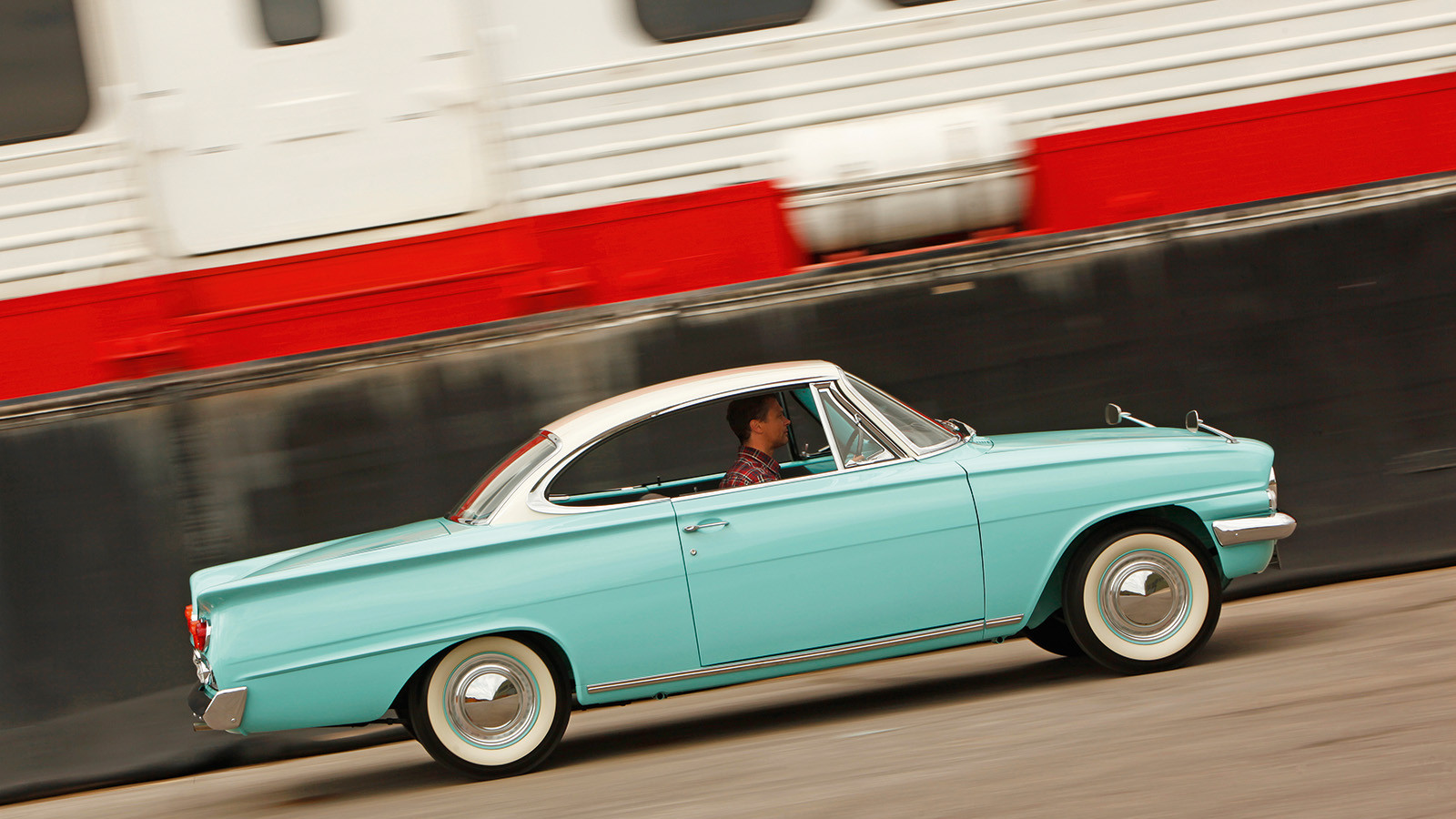
7. Ford Consul Capri
In 1956, Ford of Great Britain commenced work on a new range that would be suitable for the golf club car park, and sales director Horace Denne wanted a two-door flagship.
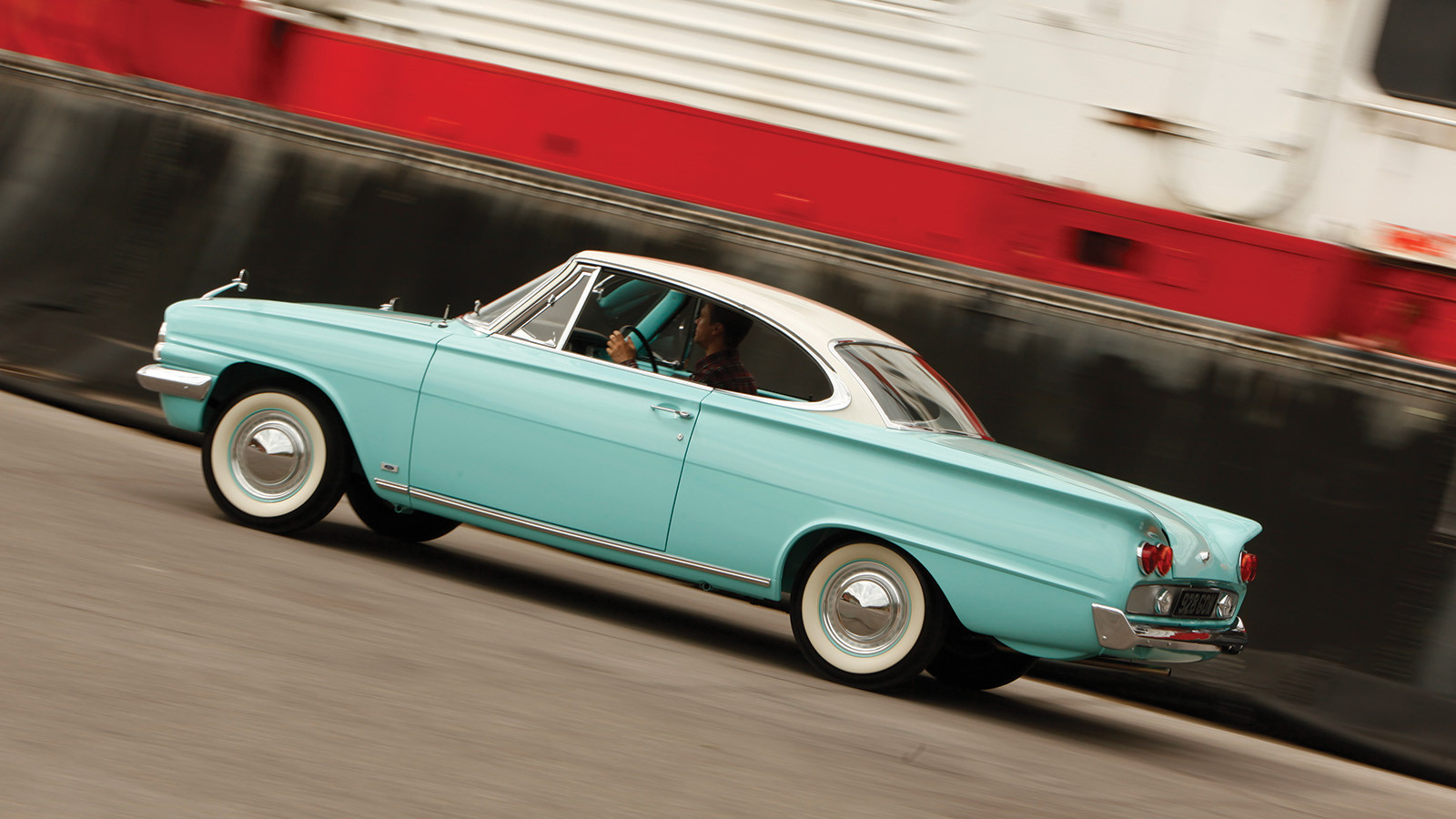
The result was the Consul Capri, which made its debut in September 1961, four months after the Consul Classic 315 saloon.
The first models were reserved for export, with British sales beginning in January 1962. The price of ‘The First Personal Car from Ford of Great Britain’ was £915 12s 3d.
Aside from the handsome quad headlights, the main attraction was the rakish styling.
However, the performance of the first versions did not quite live up to Ford’s promises: the 1340cc engine meant the Capri did not exactly ‘glide like a panther’.
Anorak fact The Capri originally had a roofline as high as the Consul Classic saloon, until Ford’s management had it lowered by 2in
8. Reliant Regal 3/25 and 3/30
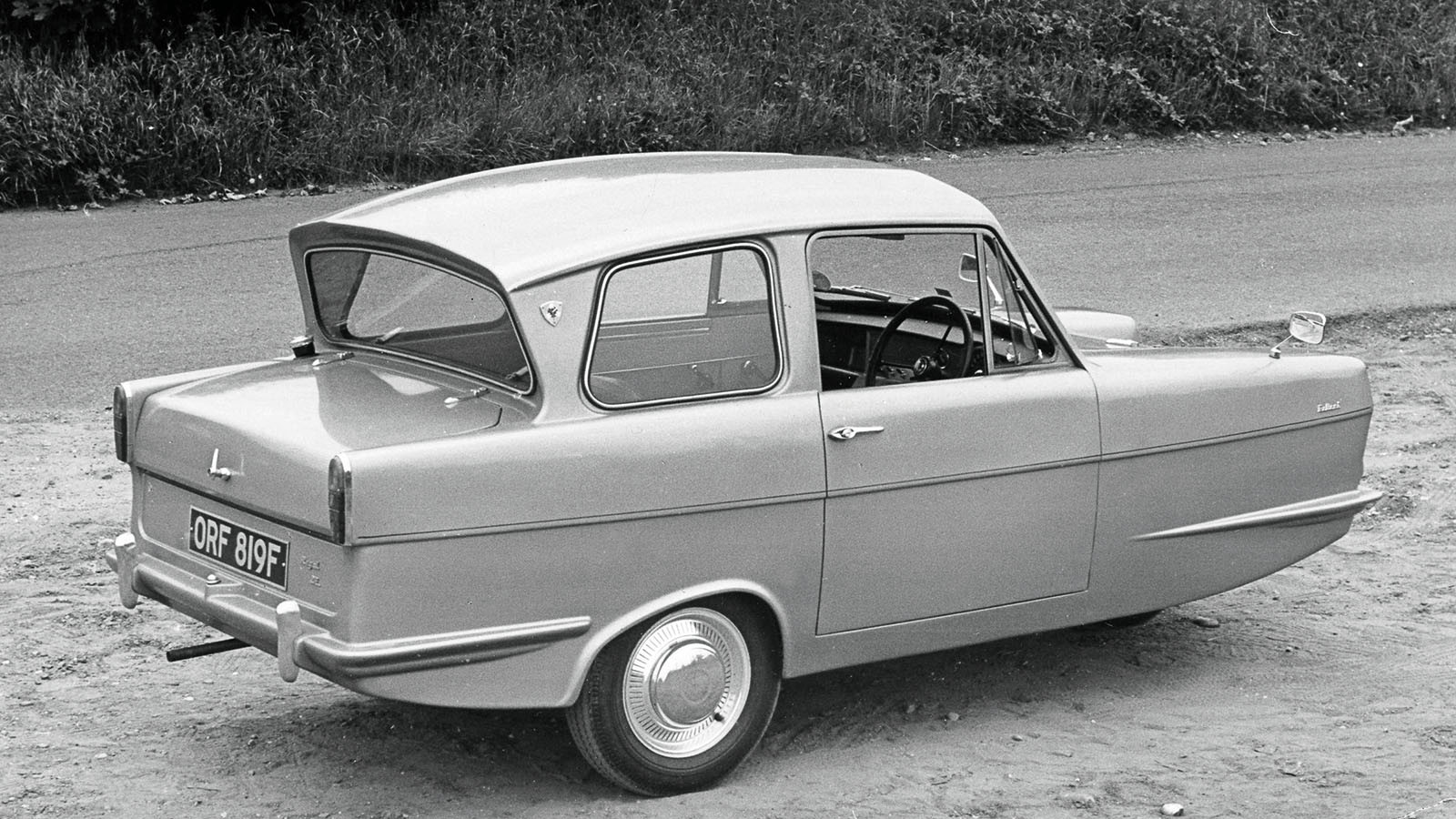
The introduction of the 3/25 in October 1962 marked a significant change for the Tamworth firm’s three-wheelers.
Unlike the outgoing Regal MkIV, there was a glassfibre body mounted on a steel chassis and an all-alloy, ohv 598cc engine – the first of its kind in the UK.
Equally important was the 3/25’s entirely new look.
Its predecessor appeared ideal for motorists who regarded a brown shopcoat and flat hat as high fashion, but the latest Reliant sported an ‘excitingly styled, rustless, fibre-glass body’ – complete with fins.
This was dynamic motoring indeed for £471 4s 2d (including a heater).
By 1967, you could order the 21E, a version fit for Carnaby Street with its mock-leather steering-wheel cover.
In 1968 Reliant introduced the 701cc 3/30, and by ’69 Regal sales had passed the 50,000 mark.
Anorak fact Pre-’63, you could drive a Regal on a ’bike licence if reverse gear was blocked off; only drivers with a car licence could go backwards
9. Bentley S1 Continental Sports Saloon
The Bentley S1 took its bow in 1955.
The Continental specification was available as a Sports Saloon and a Drophead Coupé by Park Ward, and a Sports Saloon by HJ Mulliner & Co.
The latter had been associated with the marque since 1923, and Rolls-Royce acquired the Chiswick firm in 1959.
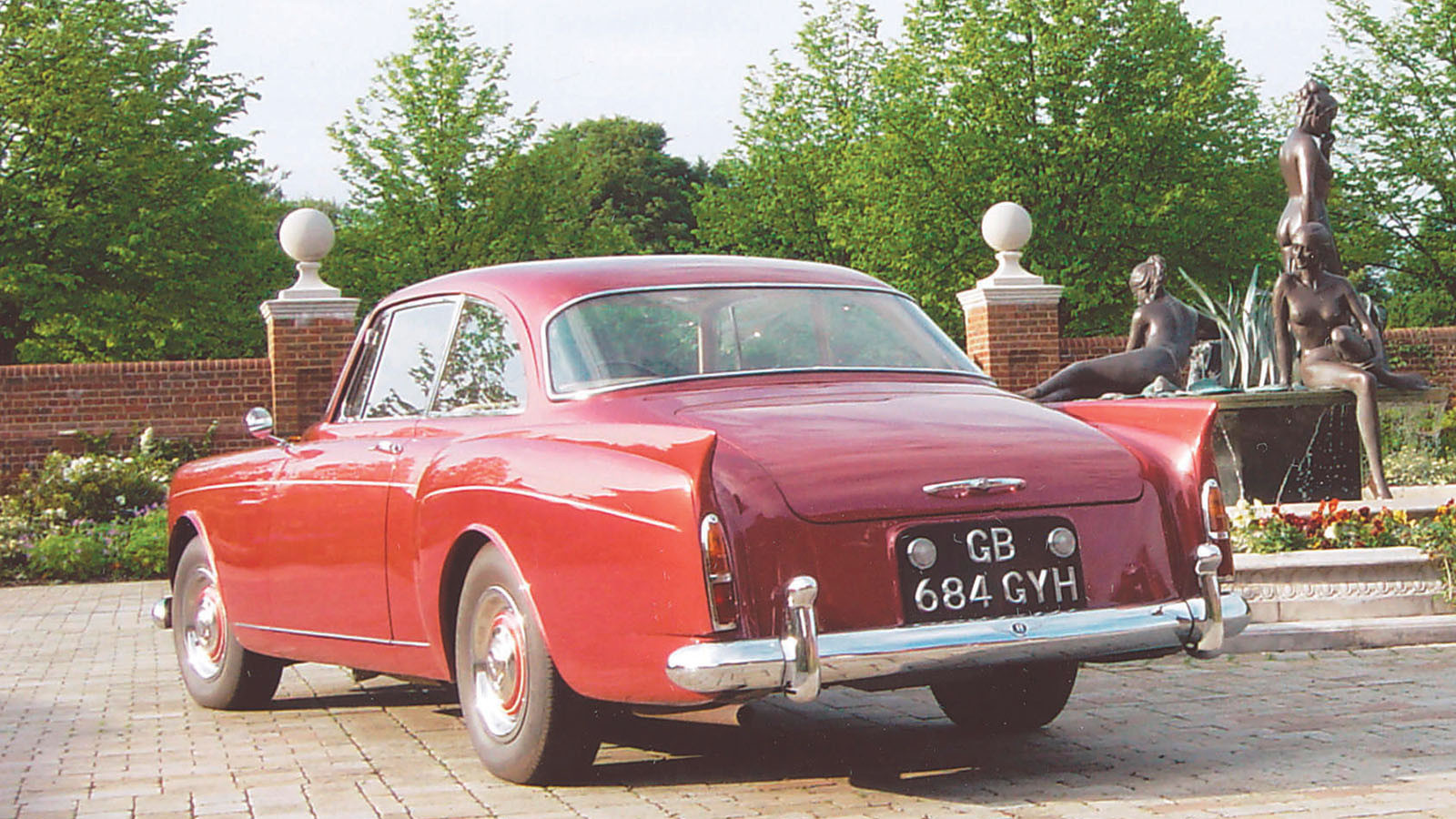
That year, the coachbuilder devised two special versions of the S1 Continental.
The fastback bodywork remained as elegant as ever, but the rear had definite American overtones with prominent fins.
Traditionalists had nightmares of future models with Cadillac-style rocket tail-lights, but Peter Sellers had no such concerns when he ordered chassis BC50FM.
But the two-door sports saloon cost £8118 12s 6d, so such a Bentley was a rare sight.
In 1959, HJ Mulliner built just two examples with those distinctive fins.
Anorak fact Bonhams auctioned the Sellers Bentley in 2003 (above): guide price £39-42,000
10. Wolseley 15/60
To generations of motorists, the Wolseley name was associated with taste, decency and low-budget B-films, yet never the word ‘radical’.
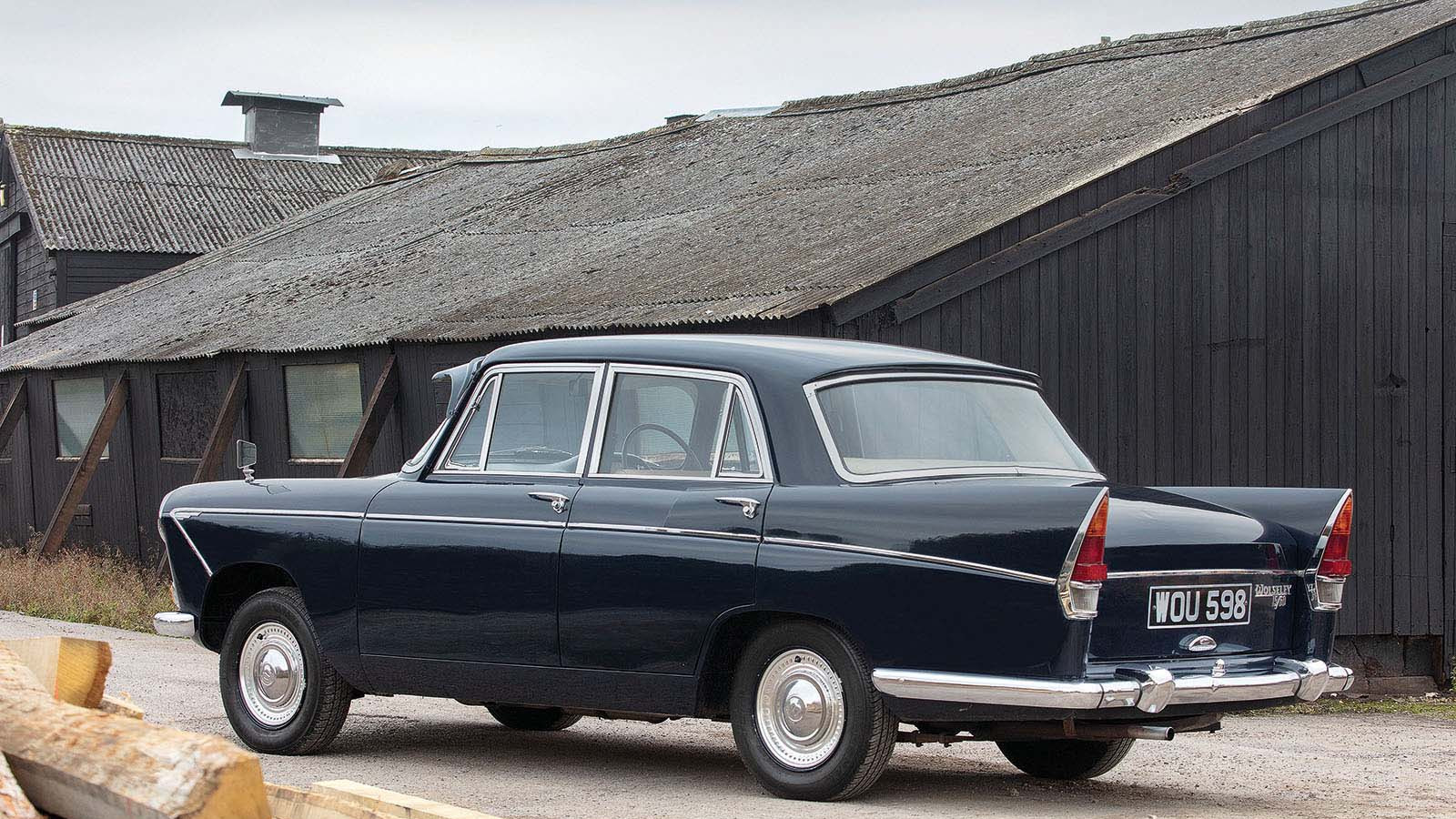
But in December ’58 this changed with the new 15/60, which combined ‘the brilliance of Italian line and the technical excellence of Wolseley engineering’ – including very prominent fins.
In 1955 the British Motor Corporation commissioned Battista ‘Pinin’ Farina – for an £84,000 fee – to revitalise much of its saloon range, resulting in the A40 of October 1958, followed by the 15/60 two months later.
By April 1959, stablemates from Austin, Morris, MG and Riley had joined the Wolseley.
The Farina’s engineering remained utterly conventional, but the looks were a departure from the norm.
Some marque diehards compared the 15/60’s styling with Alan Whicker bursting into song while reporting for the Tonight programme.
Anorak fact A 15/60 helped to save Midwich from a pre-pubescent alien menace in 1960’s Village of the Damned