
Some of the quirkiest homologation specials
Both car manufacturers and motorsport organisers have an interest in keeping the vehicles on track and stage vaguely like those sold in the showrooms.
But one way car makers can give their works teams a leg up is to release an exciting variant of a model that legalises certain components – usually special engines or bodywork – for use in competition.
Almost every marque has done it, with the extent of the homologation special’s extreme nature usually dependent on how many need to be built for public sale in order to meet the regulations of the series in question – it can vary from just one to many thousands.
On occasion manufacturers have simply made a few roadgoing versions of their racers to satisfy the rules, but it’s the modified takes on regular models that most encapsulate the spirit of the homologation special.
Often it’s a recipe for the enthusiast’s favourite variant, but it can create surprising, technically strange or even cynical models.
Here are 10 classic cars that represent some of the more unusual examples…
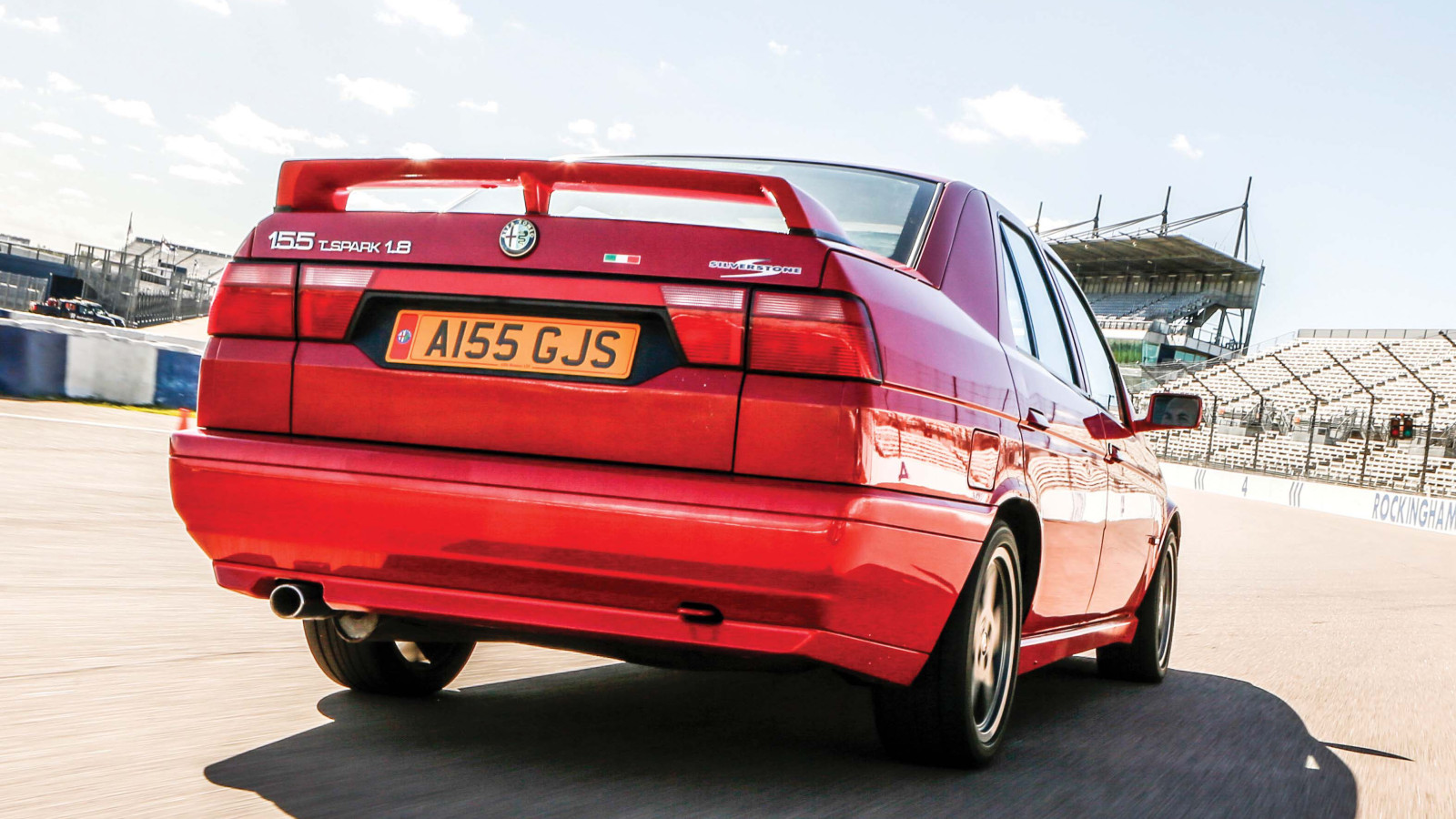
1. Alfa Romeo 155 Silverstone
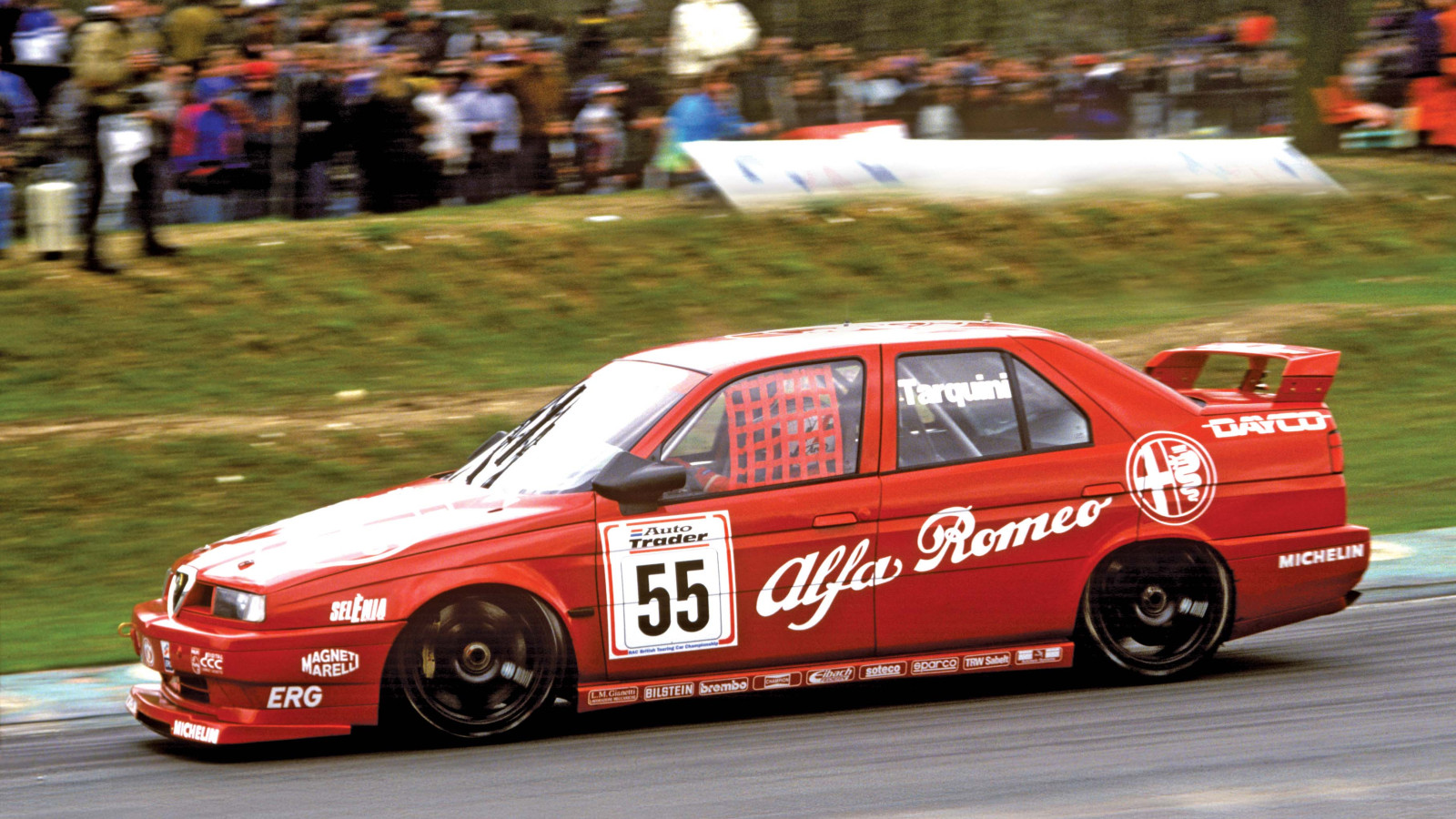
Looking to add extra aerodynamic ability to its British Touring Car Championship contender, Alfa Romeo launched this special edition of the 155 in 1994 – the only homologation special to feature in what was considered one of the great BTCC seasons.
No one had any doubts that the firm had built the appropriate number of Silverstones (2500); the controversial bit was that the car was sold with parts that allowed adjustment of its front and rear spoilers, but which were confiscated from new owners as soon as they were given the keys.
Alfa Romeo argued this allowed it to use the extra aero parts in competition.
Alfa Romeo 155 Silverstone (cont.)
Its rivals cried foul. That created a multi-week saga, in which points were docked then returned on appeal, and Alfa withdrew from one meeting before a compromise was reached that allowed the cars to race with the extra parts, but with the rear wing fixed in its lowest-downforce setting.
The team duly won the 1994 championship. Back on the forecourt, however, the Silverstone was indistinguishable from a regular 1.8-litre 155, with the exception that it was only available in red or black, and came with a Silverstone badge and a high level of standard equipment.
Anorak fact Despite the fact that the BTCC racer was a 2-litre and Alfa already offered a 2-litre 155, the Silverstone used a short-stroke 1.8-litre motor. Alfa Romeo chose to stroke the 1.8 block for its racer rather than use the factory 2-litre item
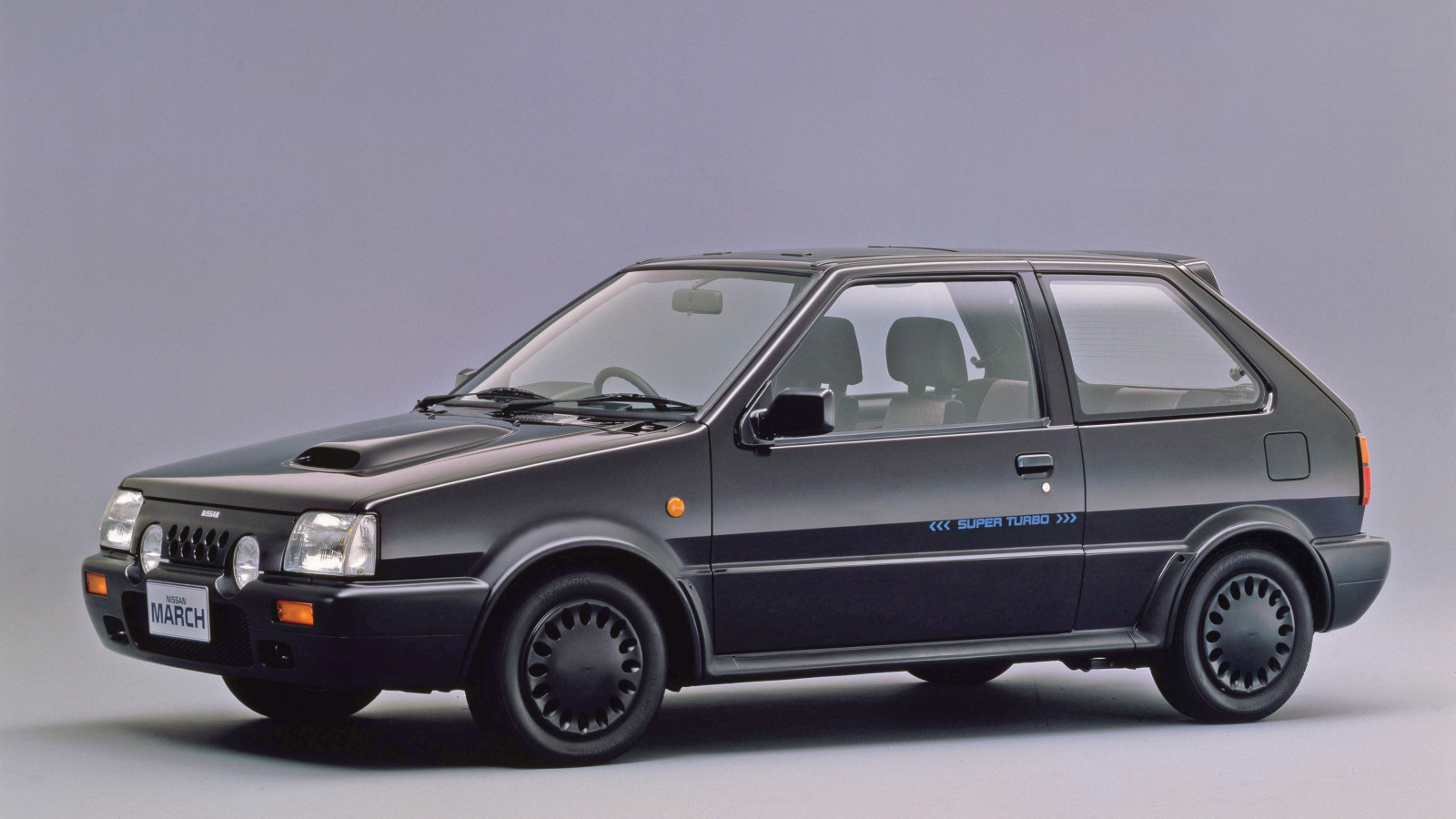
2. Nissan March Super Turbo
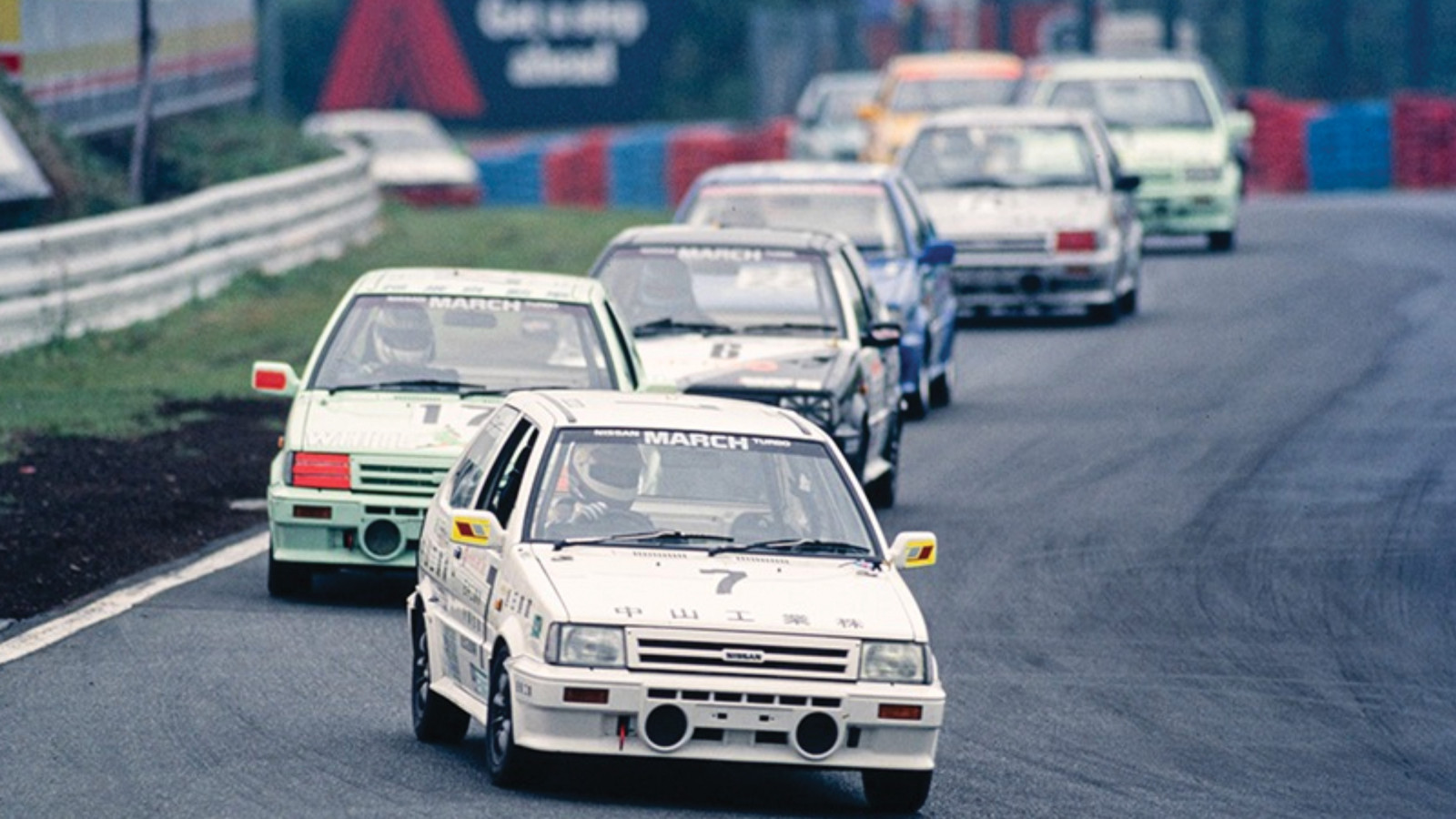
Nissan might just be the only company to have backed itself into an unnecessary homologation corner with the March Super Turbo, but it nonetheless created the first mass-produced super- and turbocharged car, two decades before Volkswagen introduced its ‘twincharged’ TSI engine.
The 1989 March Super Turbo was a roadgoing version of the Micras used in the marque’s 1987 March Little Dynamite Cup single-model race series.
While there was no need for homologation for the one-make competition, Nissan thought take-up would be stronger if the cars were eligible for other championships, with a production run of 10,000 cars.
It made for what remains the fastest-accelerating March (badged Micra in most other markets) ever built, with 110bhp from its aluminium-block 930cc engine. It was only ever sold in Japan.
Nissan March Super Turbo (cont.)
The car gained a sporty interior, bodykit and inset spotlights, and with just 770kg (1698lb) to push along, it would complete the 0-60mph dash in less than 8 secs.
Although fitted with a limited-slip differential, the cars were still rather prone to wheelspin and understeer, but power delivery was as lag-free as the twincharger theory promised.
Nissan also released a stripped-out version, the March R, which was just a road-legal version of the racer, and it achieved notable use as a privateer rally car.
Despite it proving fast and reliable, Nissan hasn’t used twincharging in any car since.
Anorak fact Nissan labelled the Super Turbo’s engine PLASMA, which, in typically stilted Japanese naming tradition, stood for Powerful & economic, Light, Accurate, Silent, Mighty, Advanced
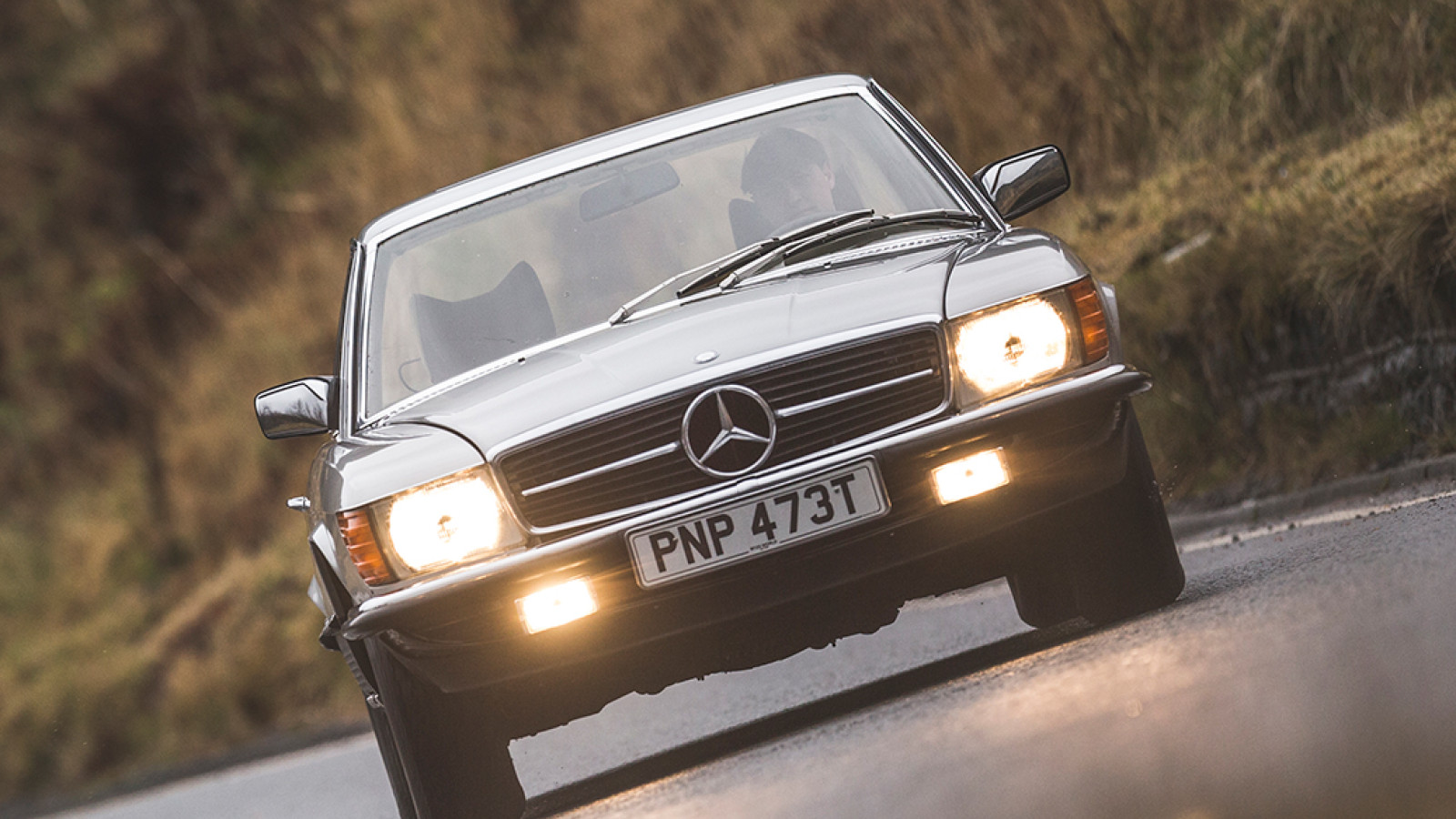
3. Mercedes-Benz 450SLC 5.0
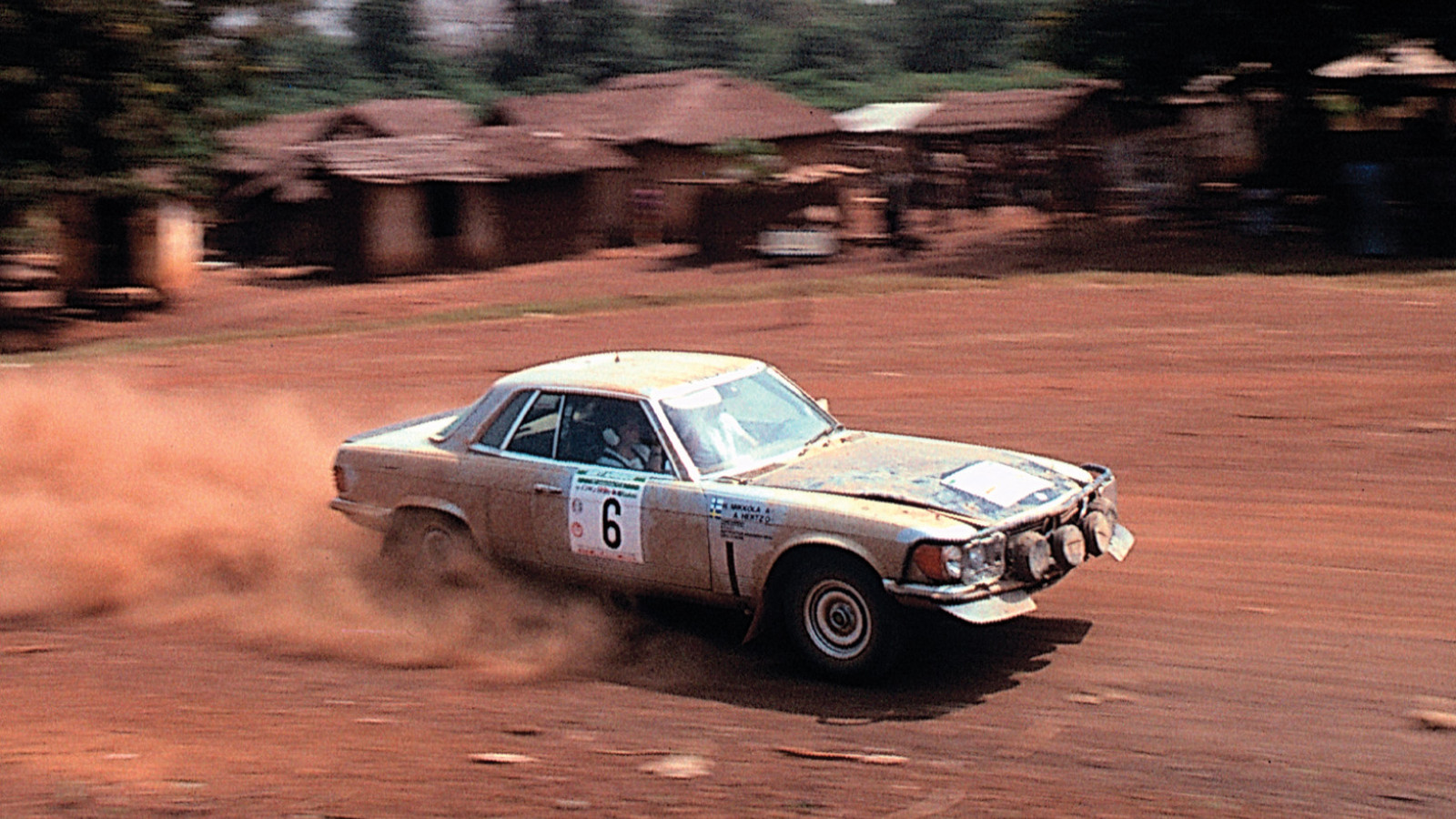
Andrew Cowan’s 1977 London-Sydney Marathon win in a Mercedes-Benz 280E (W123) alerted Stuttgart to the fact that the toughness of its cars could allow it to beat lighter and faster rivals on the rally circuit, especially on endurance events.
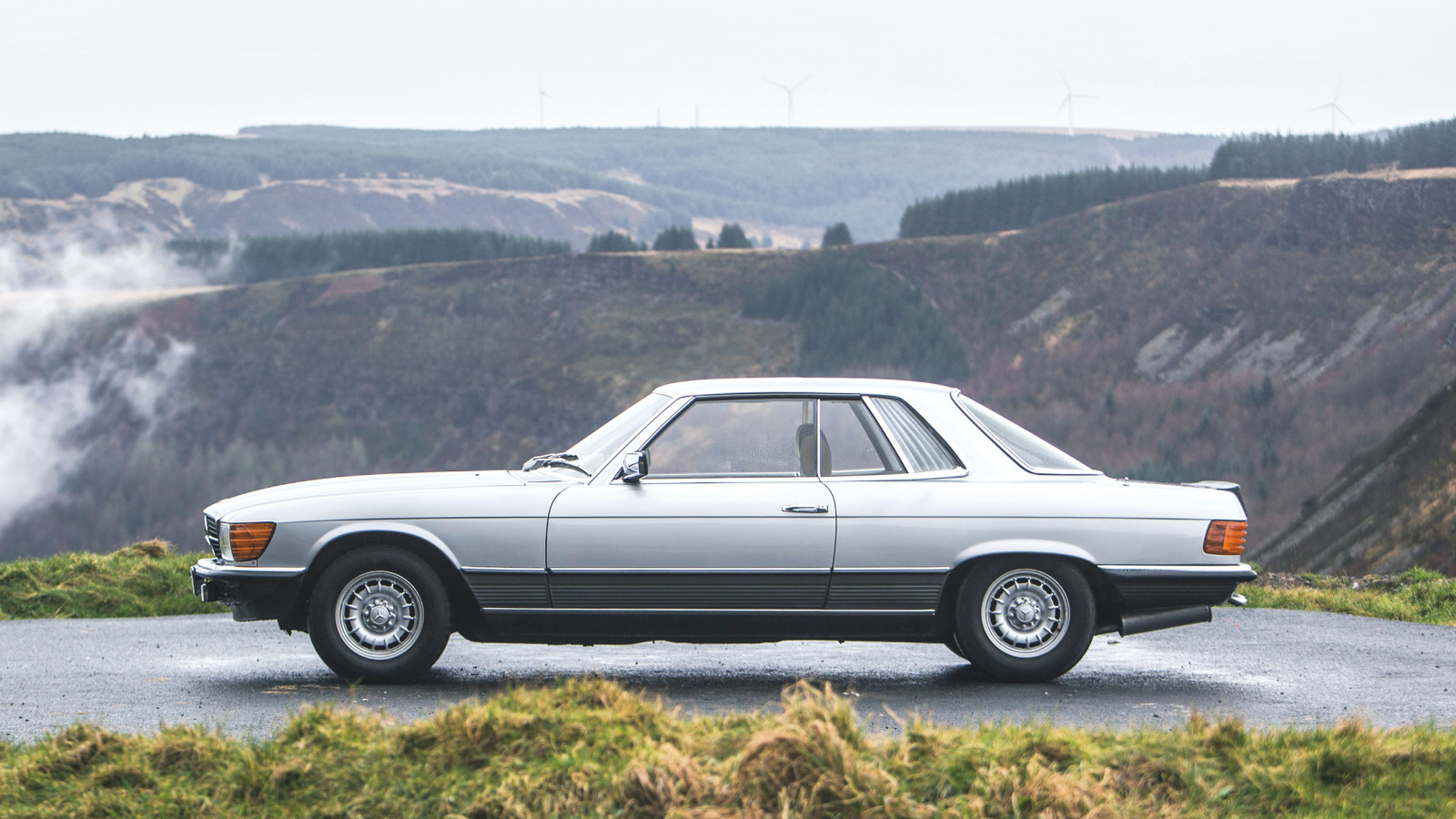
But a car with a better power-to-weight ratio was needed: enter the 450SLC 5.0.
Based on the C107, the long-wheelbase 2+2 coupé version of the R107 SL, the new model not only homologated a rise in engine capacity, but also introduced a new, alloy-block version of the M117 V8, later rolled out across the Mercedes range.
Mercedes-Benz 450SLC 5.0 (cont.)
All of the opening panels of the new 5.0 were made from aluminium to further reduce weight, making it 96kg (212lb) lighter than the regular SLC to make the most of the extra 20bhp.
For the sake of reliability, the road car’s three-speed automatic gearbox remained, as – perhaps more surprisingly – did its power steering.
Mercedes put its full force behind the car to ensure success, with support crews unlike anything rallying had seen before.
Wins duly followed, including an impressive 1-2-3-4-5 on the 1979 Rally Bandama (Ivory Coast).
In 1980 it became the 500SLC, marking a revision to the engine that further increased power.
The model was discontinued in 1981, with 2769 built, due to generally poor SLC sales – today, they’re sought-after classic cars.
Anorak fact The 5.0’s ‘Mexican hat’ alloys might look standard, but they are ½in wider than those on most SLs and SLCs
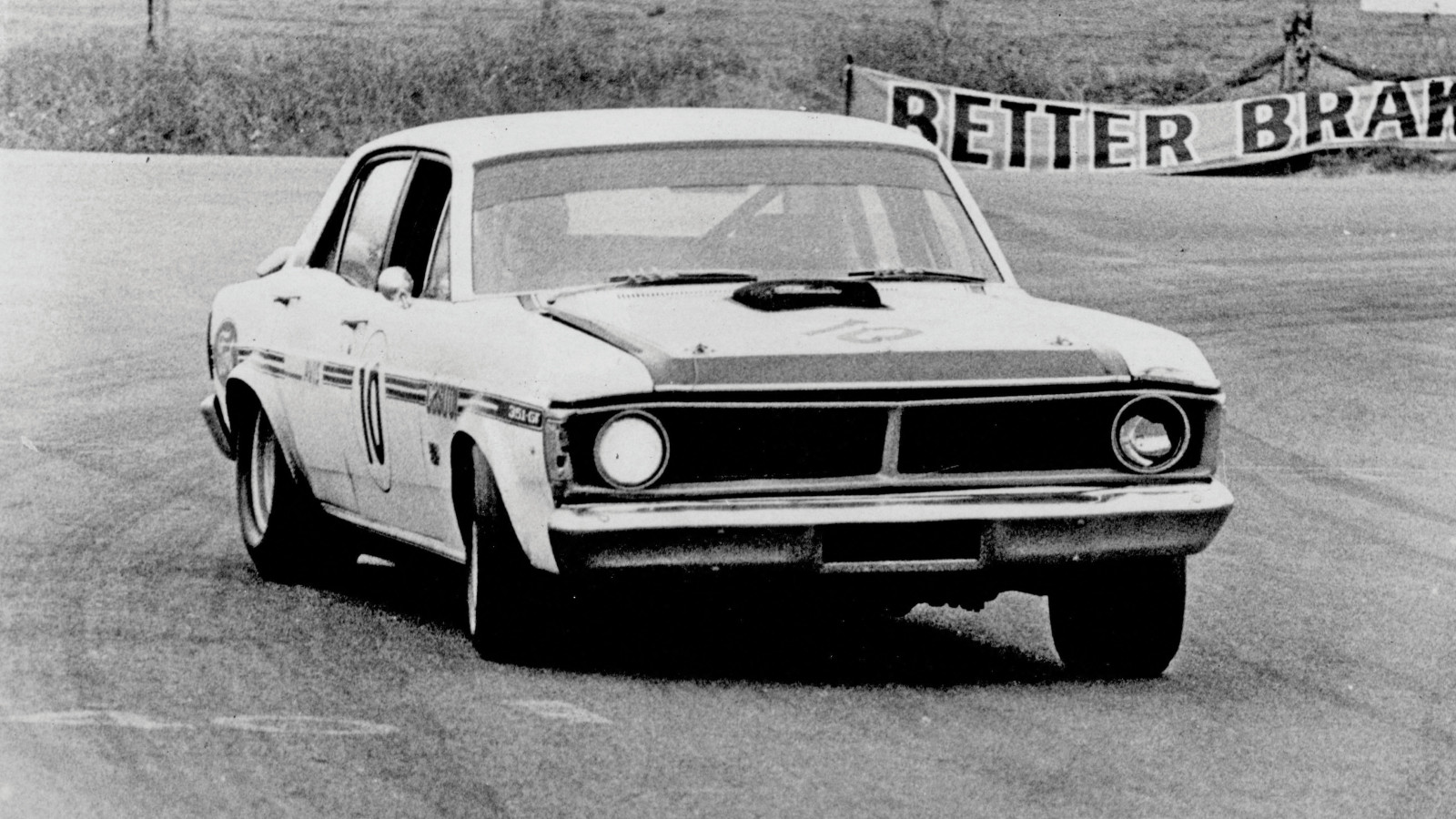
4. Ford Falcon GTHO
In the early ’70s, Australia’s ‘big three’ of Chrysler, Ford and Holden did battle at Bathurst.
Originally the Hardie-Ferodo 500 (later Bathurst 1000), it required 200 sales to make a car legitimate to compete, and all three leading marques built high-powered specials to keep up on track.
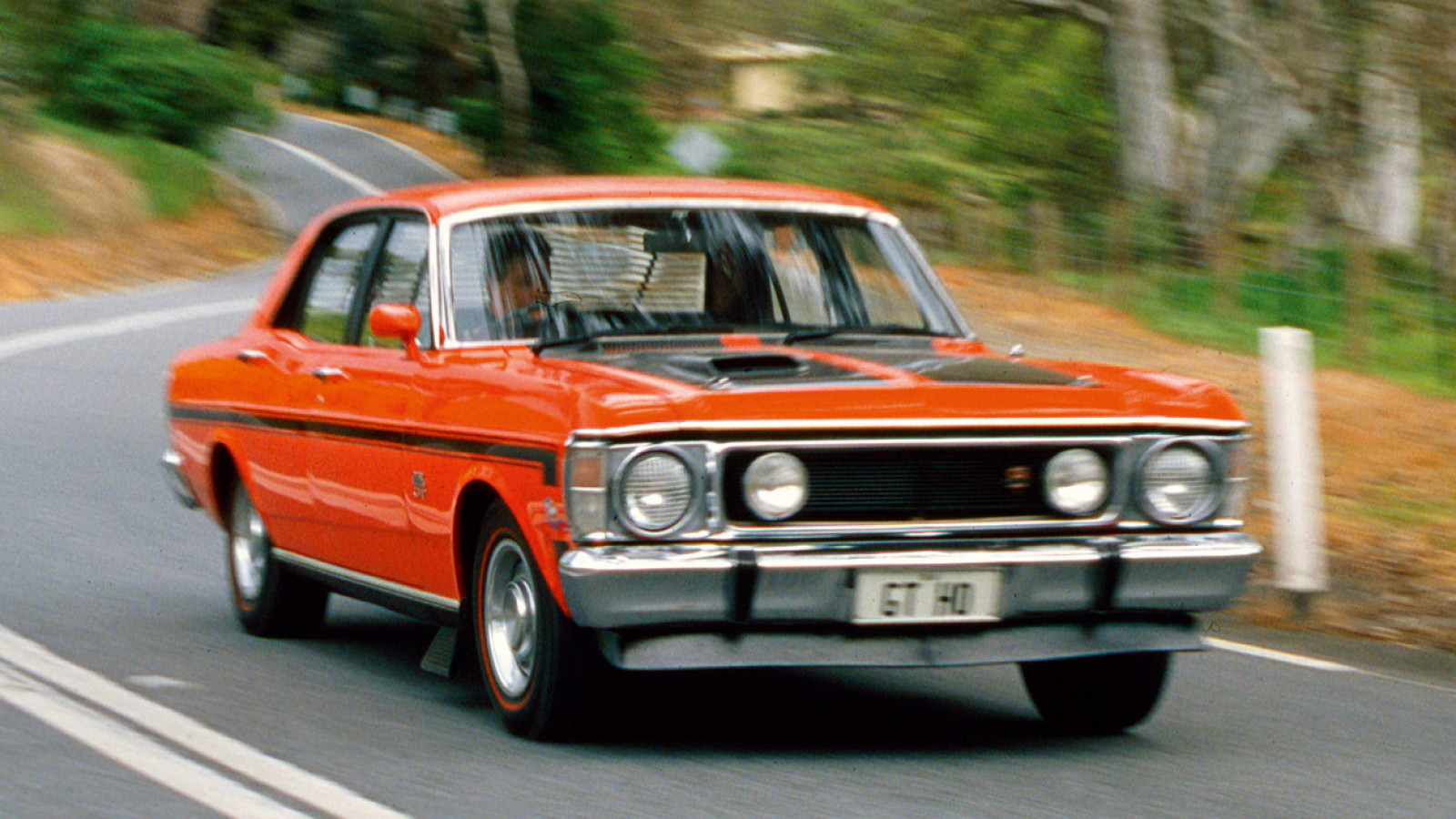
Ford’s Falcon GTHO would prove to be the winner, despite being the only four-door of the trio, landing the 1971 and ’72 victories.
Powered by a 5.7-litre Cleveland V8, the ultimate Phase III made more than 350bhp, even if official figures underrated it at 300bhp.
With 142mph flat-out, it had a claim to be the world’s fastest saloon.
Ford Falcon GTHO (cont.)
Based on the existing Ford Falcon GT, ‘HO’ stood for ‘handling option’, referring to stiffened suspension, a locking Detroit diff and uprated brakes.
Reflecting the Bathurst 500’s duration, the fuel tank was expanded to a huge 36 gallons, too.
A national controversy broke out in 1972: transport ministers threatened a ban on the high-speed ‘supercars’, prompting Bathurst organisers to end homologation requirements – and all three manufacturers subsequently cancelled their next generation of homologation specials.
Anorak fact A GTHO Phase III classic car sold at Lloyds Auctions for AU$1.3million (£685,000) in 2021, a public sales record for an Australian-built automobile (the four Falcon Phase IV prototypes are known to trade for even more in private sales)
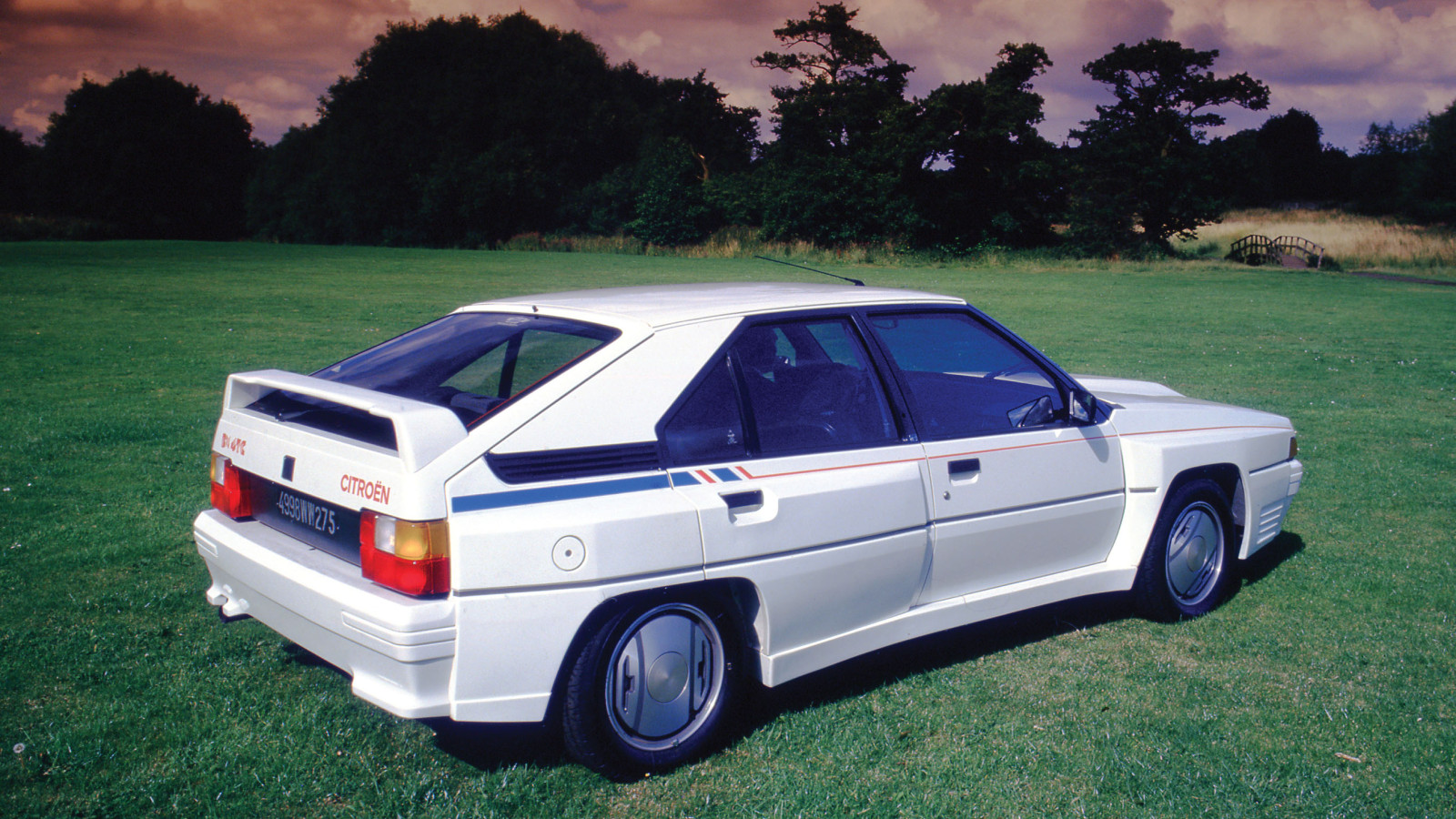
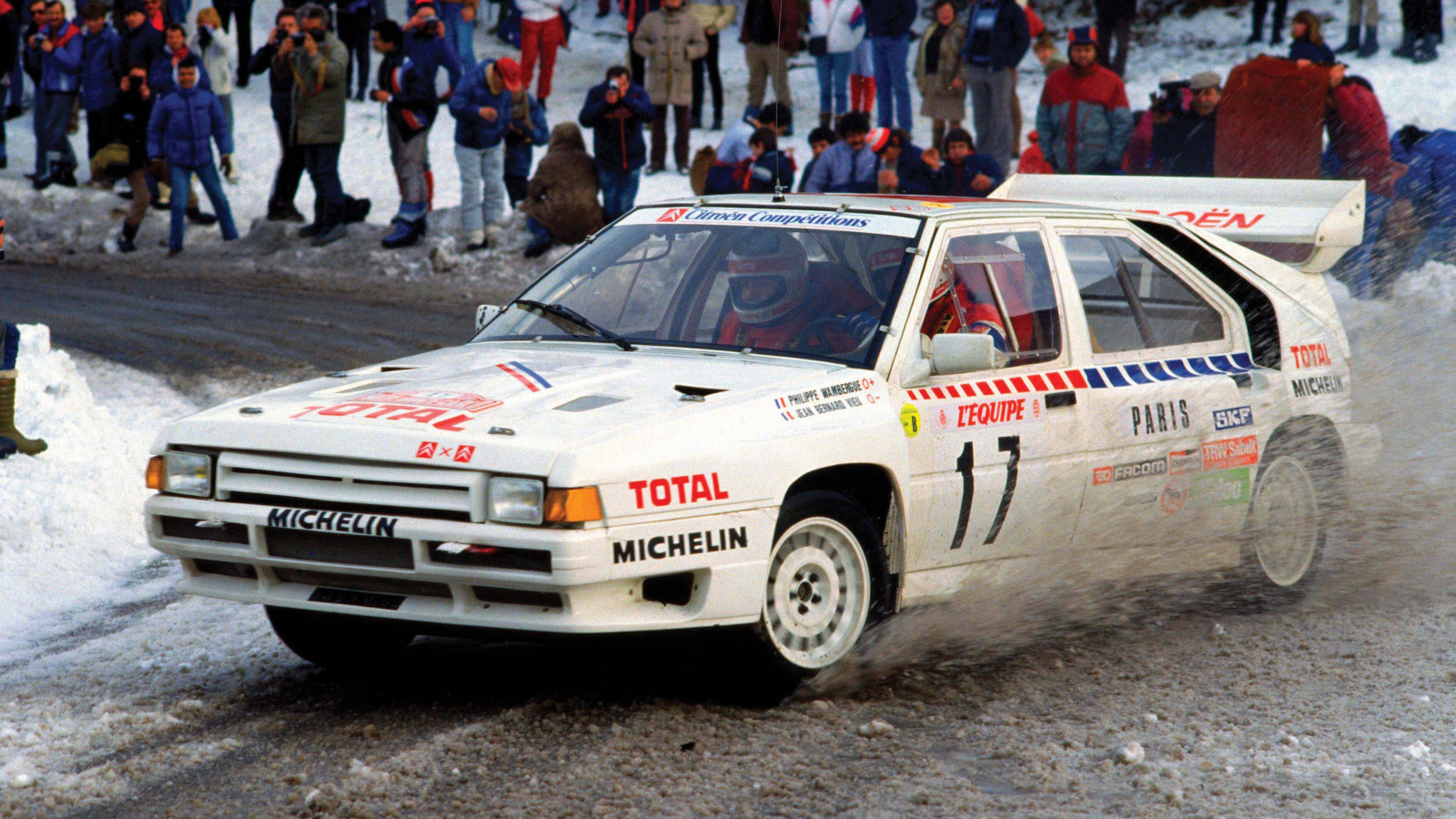
5. Citroën BX 4TC
Having successfully campaigned its Visa Trophée throughout the early 1980s, Citroën looked to join the upper echelons of the World Rally Championship’s famous Group B era.
It started development of the BX 4TC in 1984 for a 1986 debut, but by the end of that first season, in which it contested just three events and scored a best result of sixth, Group B was banned.
The 4TC was a real parts-bin mash-up: the rear axle came from a Peugeot 505, while the entire front end was lengthened to allow the longitudinal mounting of a turbocharged 2.2-litre engine from PSA’s recently acquired Simca.
It looked like the best way to get more power into the BX (Audi was winning WRC titles with a similar layout), but the poor weight distribution of the set-up would make the 4TC obsolete by the time it hit the stages.
Citroën BX 4TC (cont.)
Citroën struggled to sell even just the 200 cars required for homologation – they were expensive to put together and build quality was poor.
It was such a disaster, both in terms of reputation and warranty claims, that Citroën bought back many of the cars and scrapped more than half of them.
Anorak fact The turbos of roadgoing 4TCs were fitted with an electric compressor made from an adapted Citroën CX heater motor. It was of negligible effectiveness, but legalised a theoretical lag-reduction system that never came
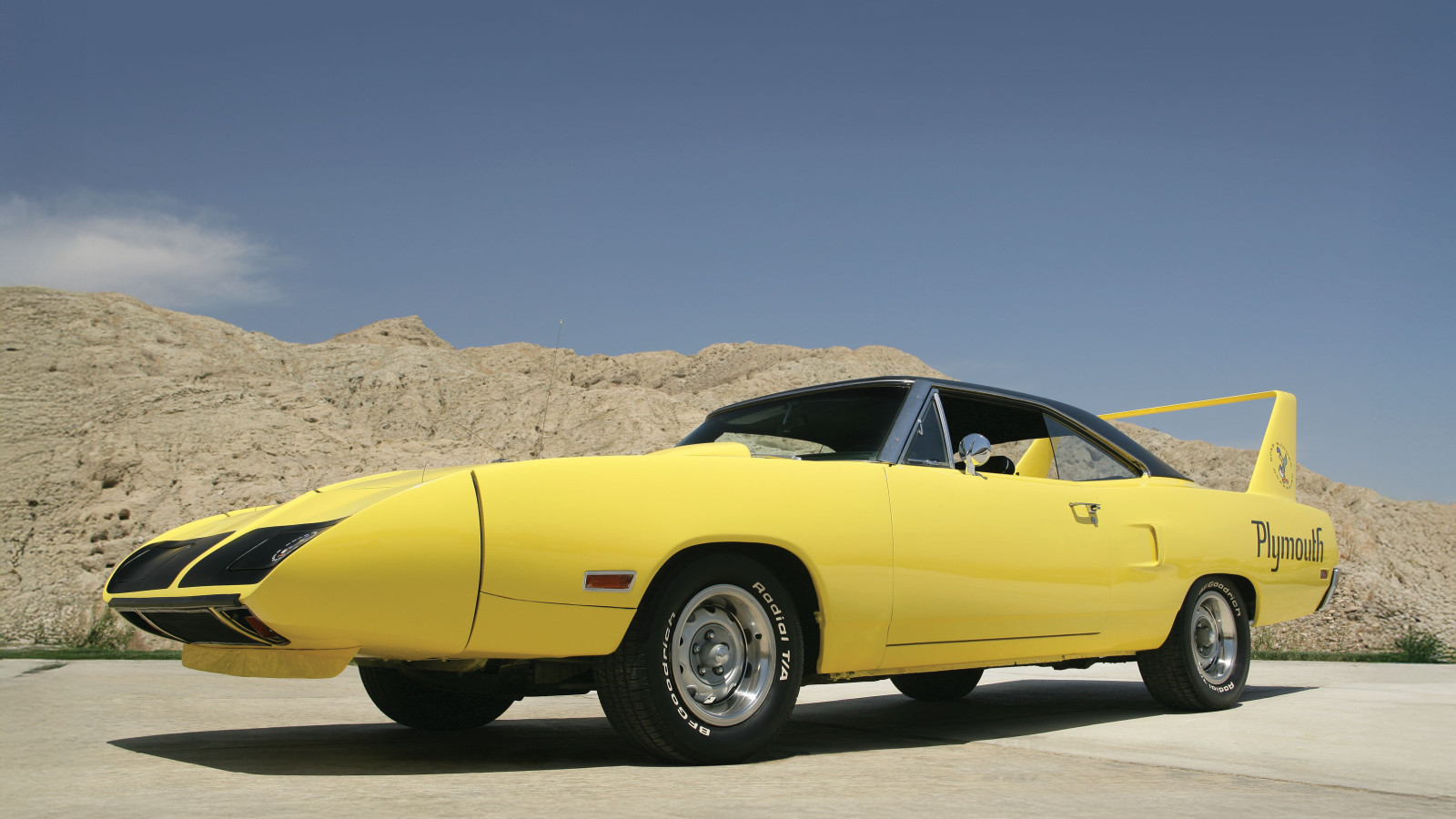
6. Plymouth Road Runner SuperBird
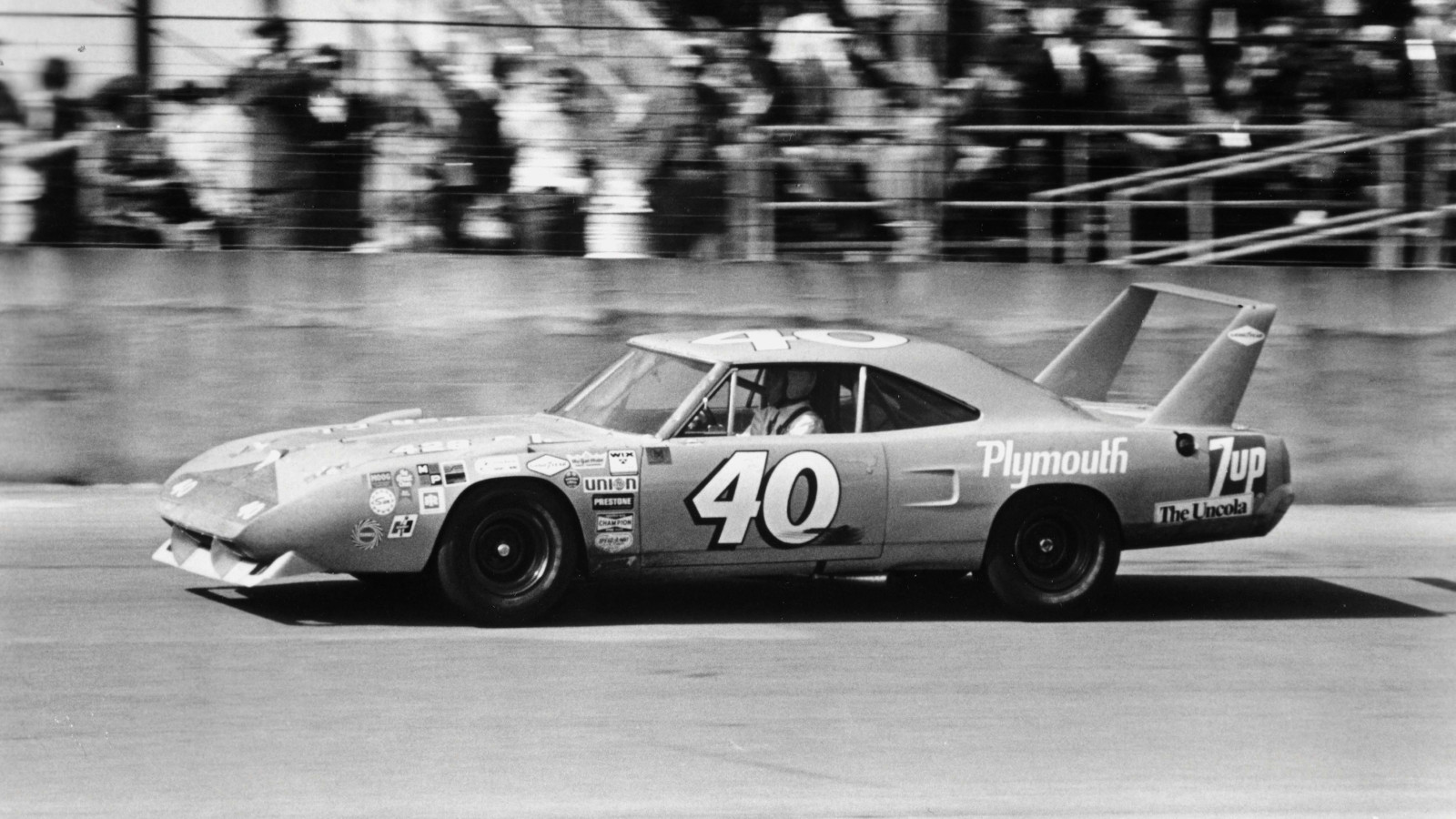
NASCAR’s 1969-’70 ‘Aero Wars’ created a handful of homologation specials from Ford and Mopar, but the Dodge Charger Daytona and its Plymouth Road Runner SuperBird sibling proved the most ridiculous and memorable.
Ford was first to the game, with the Torino Talladega homologating a new, more streamlined nose for racing; Dodge quickly fought back with the Daytona.
Stealing all of the attention, inevitably, was the 23in-high rear wing.
It was twice as tall as it needed to be for aerodynamic reasons, but Dodge built it that way so the bootlid would open beneath it – although no doubt the visual impact was appreciated, too.
Plymouth Road Runner SuperBird (cont.)
A steel nosecone covered the regular Charger’s bluff front end and, more subtly, the flush-fitting rear windscreen of the 1968 Charger 500 was carried over, rather than using the recessed and buttressed design from the standard model.
Most were powered by Chrysler’s massive 440cu in Magnum engine, but 70 were built with the 426 Hemi that, despite being slightly smaller, was the high-performance option, capable of higher revs.
Dodge built just a couple more than the 500 that were required, but regulations changed the following year and just under 2000 SuperBirds were sold to allow it to race.
As a classic car, it has serious appeal.
Anorak fact Only on the Charger Daytona are the front-wing-mounted scoops functional; on roadgoing SuperBirds they are blocked off
7. Volvo 242 Turbo Evolution
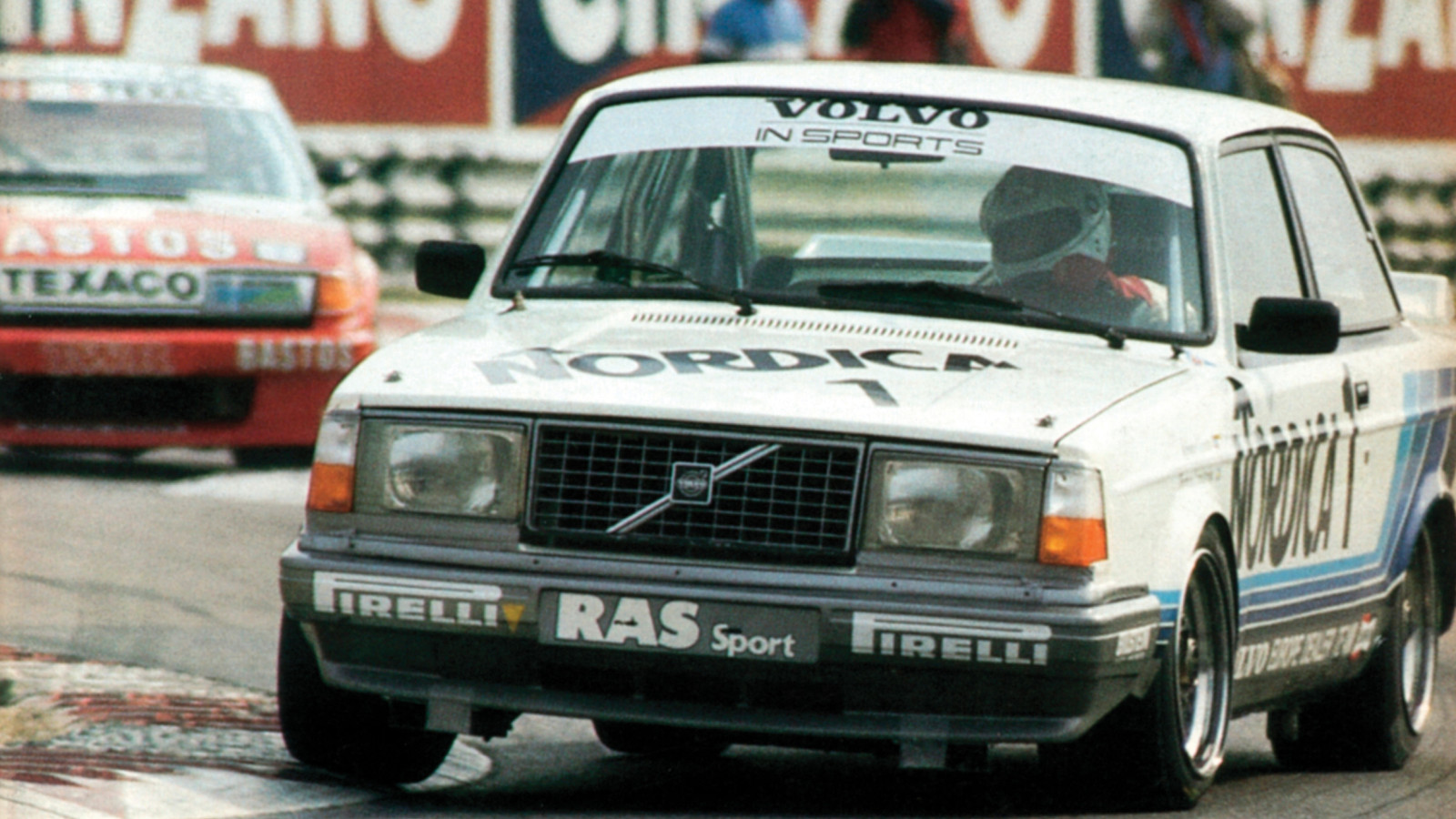
In 1983, looking for further speed in Group A touring-car racing, the Swedes developed an Evolution model of the 242 Turbo that featured a large rear wing, an uprated turbo, a bigger intercooler and water injection.
Looking to compete primarily in the European Touring Car Championship, Volvo noticed that, while the rules said 500 homologation cars had to be built, there was nothing about them being sold.
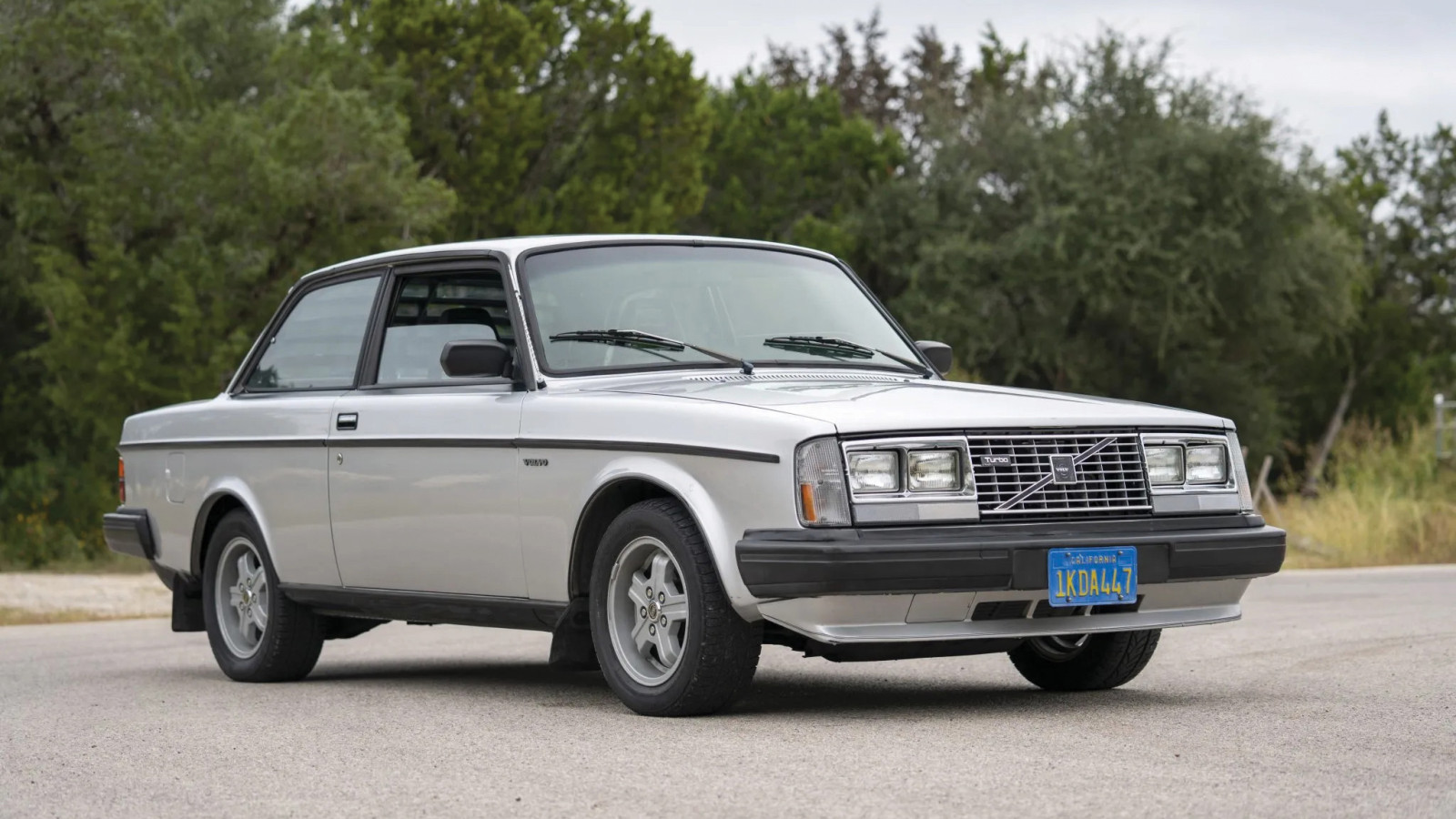
It produced the required 500 units, fitting the new homologated parts to the cars in North America where, unlike in Europe, a regular 242 Turbo model was sold.
But after passing the FIA’s random homologation checks, and before even selling the 242s, it removed the spicy componentry from all but 20 to 30 cars, which were sent back to Europe.
Volvo 242 Turbo Evolution (cont.)
The move proved controversial and the cars were briefly banned, until Volvo revealed that a few examples of the roadgoing Evolution were in Sweden, and the ‘Flying Brick’ went on to win the 1985 ETCC.
The 470 or so 242 Turbo Evolutions that were left in North America were still distinctive: they kept their intercoolers and GT springs, and they were the only 242 Turbos to feature the older, ‘flat hood’ design.
Anorak fact The 242 Turbo Evolutions used bodyshells built at Volvo’s Belgian factory, but racing variants used base-model bodies built in Sweden because they didn’t feature sunroofs
8. BMW 320Si
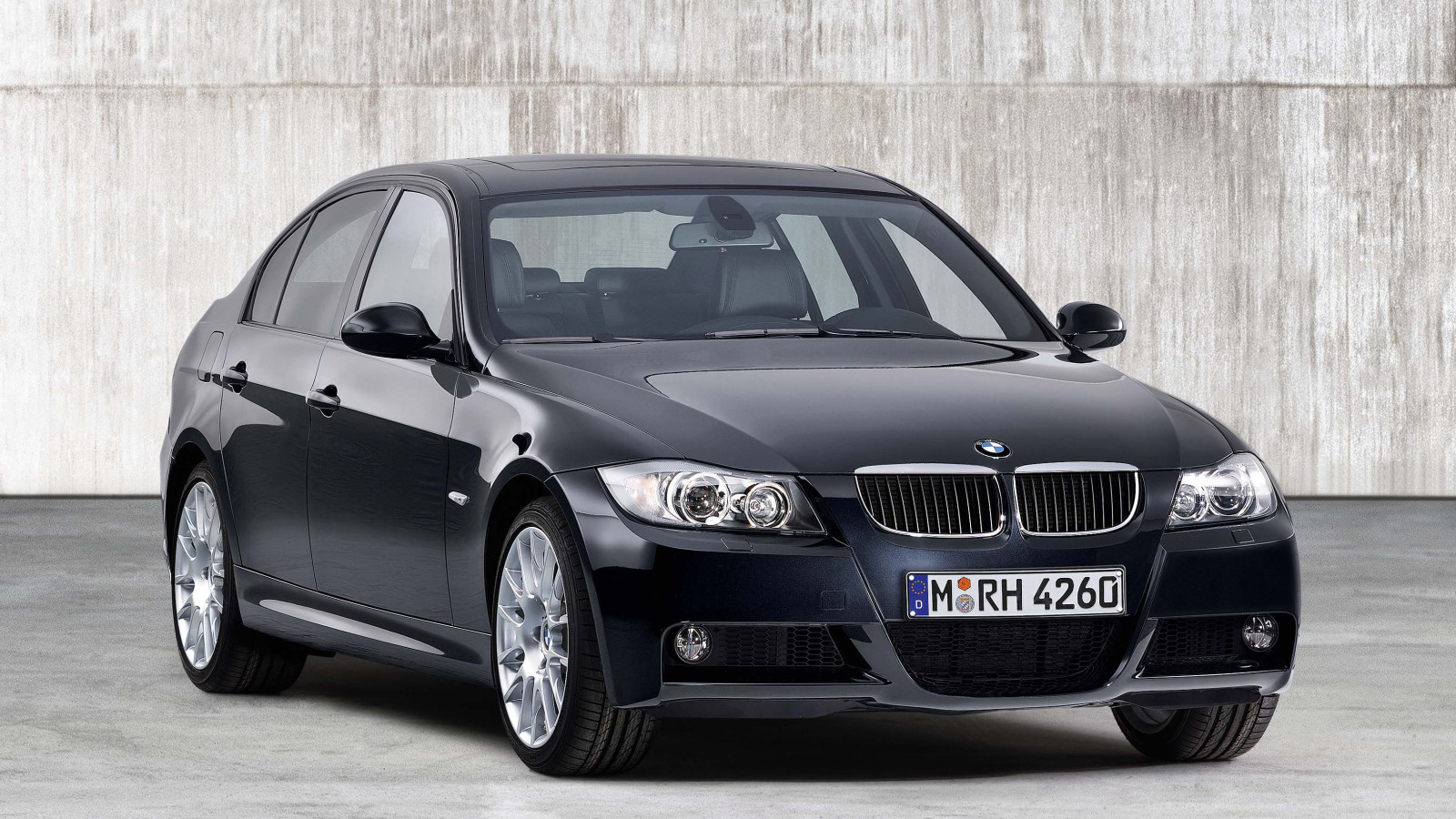
The understated BMW 320Si is a true Q-car.
Only real nerds will ever recognise it, and it remains one of the cheapest ways into a homologation special.
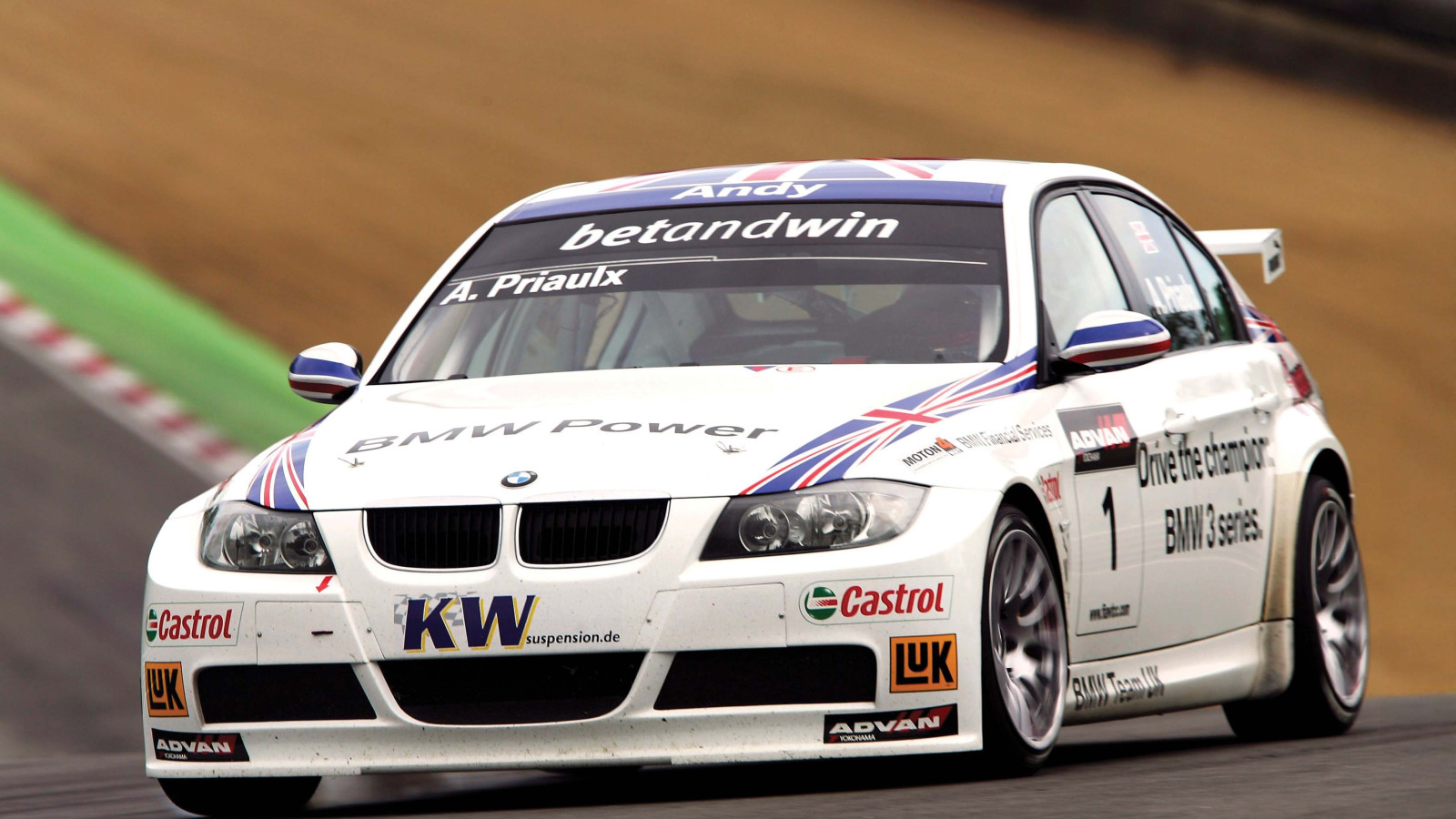
Built to legalise a modified N45 four-cylinder motor for the 2006 World Touring Car Championship, the 320Si has a handbuilt, high-revving, oversquare engine.
In showroom tune it made 170bhp and had a 7300rpm redline.
It also gained revised suspension, a slightly deeper front bumper and 18in alloys that left it almost indistinguishable from other E90 3 Series.
BMW 320Si (cont.)
BMW produced only the 2600 units needed to homologate the model – the 400 UK cars sold for just £25,000 – and it duly won the 2006 WTCC.
Engine-block failures are a known issue, but the 320Si remains a favourite among Munich obsessives.
And, as with many homologation specials, their limited status means as classic cars they can be very collectible.
Anorak fact The 320Si’s heads were cast on the same production line as BMW’s F1 units, and the engine wore a carbonfibre cylinder-head cover that saved 10kg (22lb)
9. Peugeot 206 GT
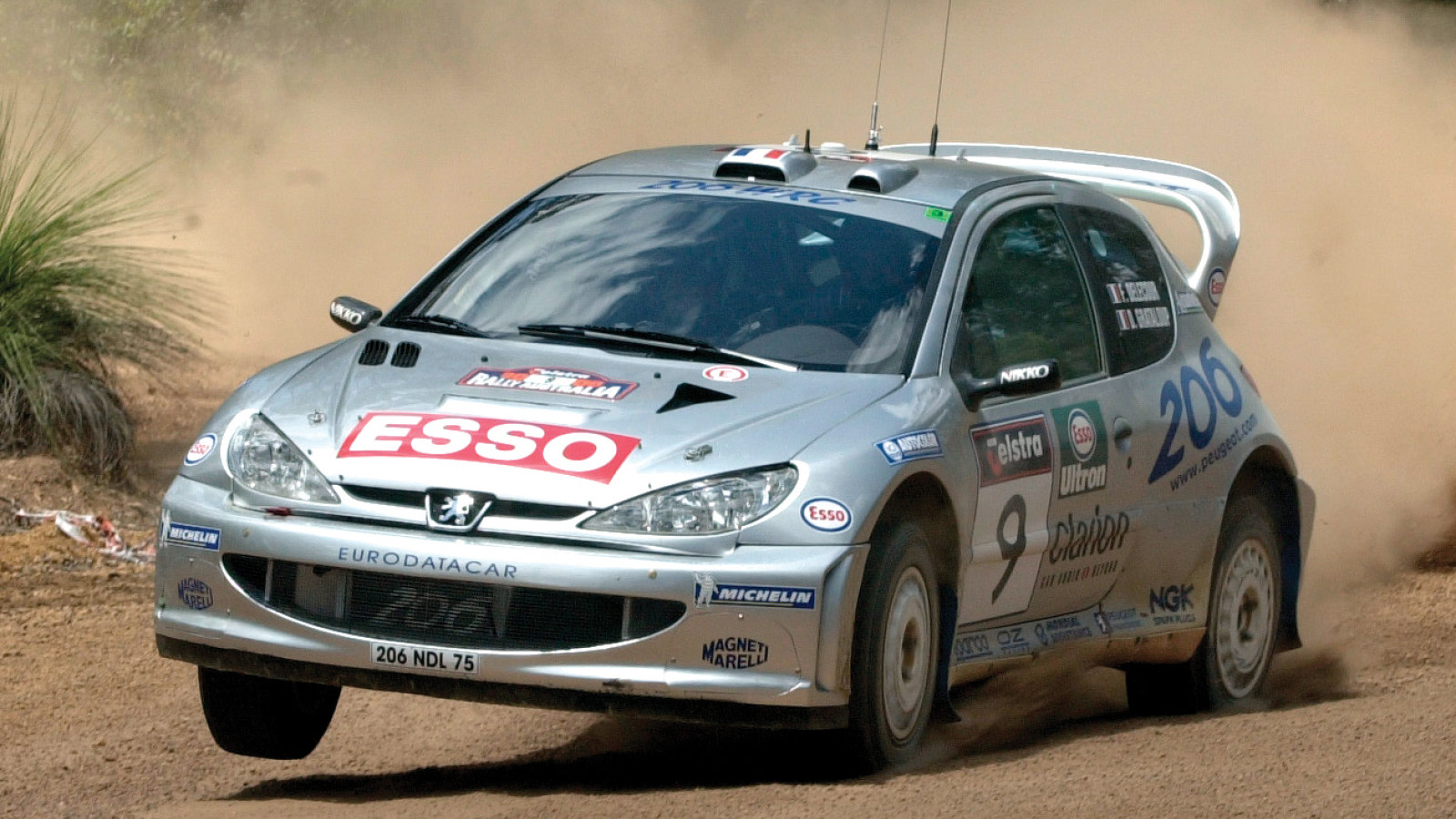
Peugeot walked away from the World Rally Championship following Group B’s abrupt end, but when it returned in 1998 it faced a problem: the 206 was 165mm (6.5in) shorter than the sport’s four-metre (157in) minimum length.
The rally car’s extra front and rear aero tweaks would take it over the limit, but the 4000 homologation cars had to exceed it, too.
Enter the Grand Tourisme – and a future classic car was born.
Peugeot 206 GT (cont.)
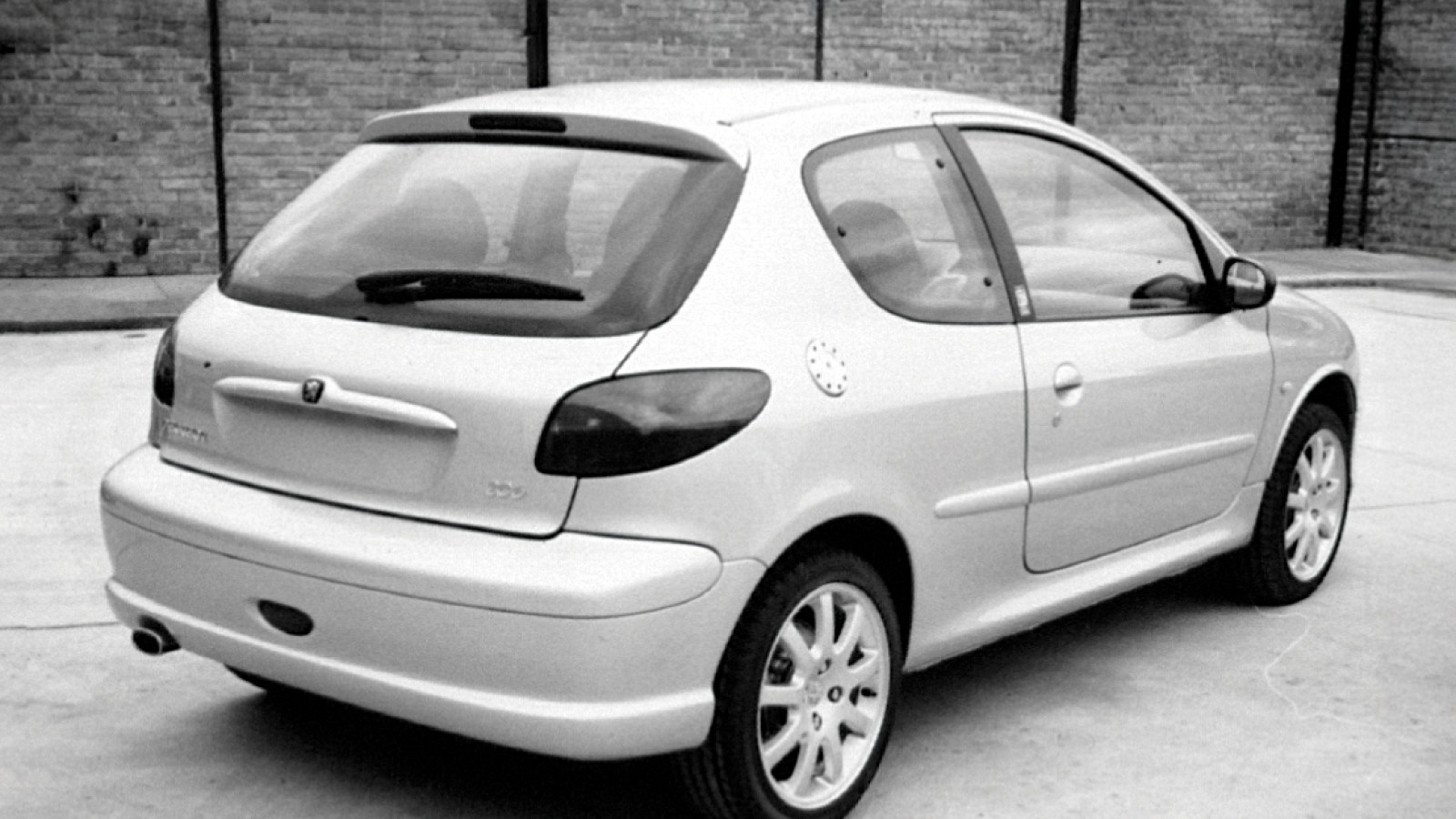
Almost certainly the most cynical homologation special of all time, it took the running gear of the 138bhp GTI model and simply stuck on inflated front and rear bumpers that gave it the extra millimetres.
The front bumper added some aggression, if also giving the look of a swollen lip, but the rear end was especially egregious, forming a large step on the back of the car.
All Peugeot 206 GTs were sold in metallic silver.
Anorak fact The GT was released a short while before the GTI, so for about six weeks in 1999 the strange-looking car was the only option if you wanted a high-performance 206
10. Buick LeSabre Grand National
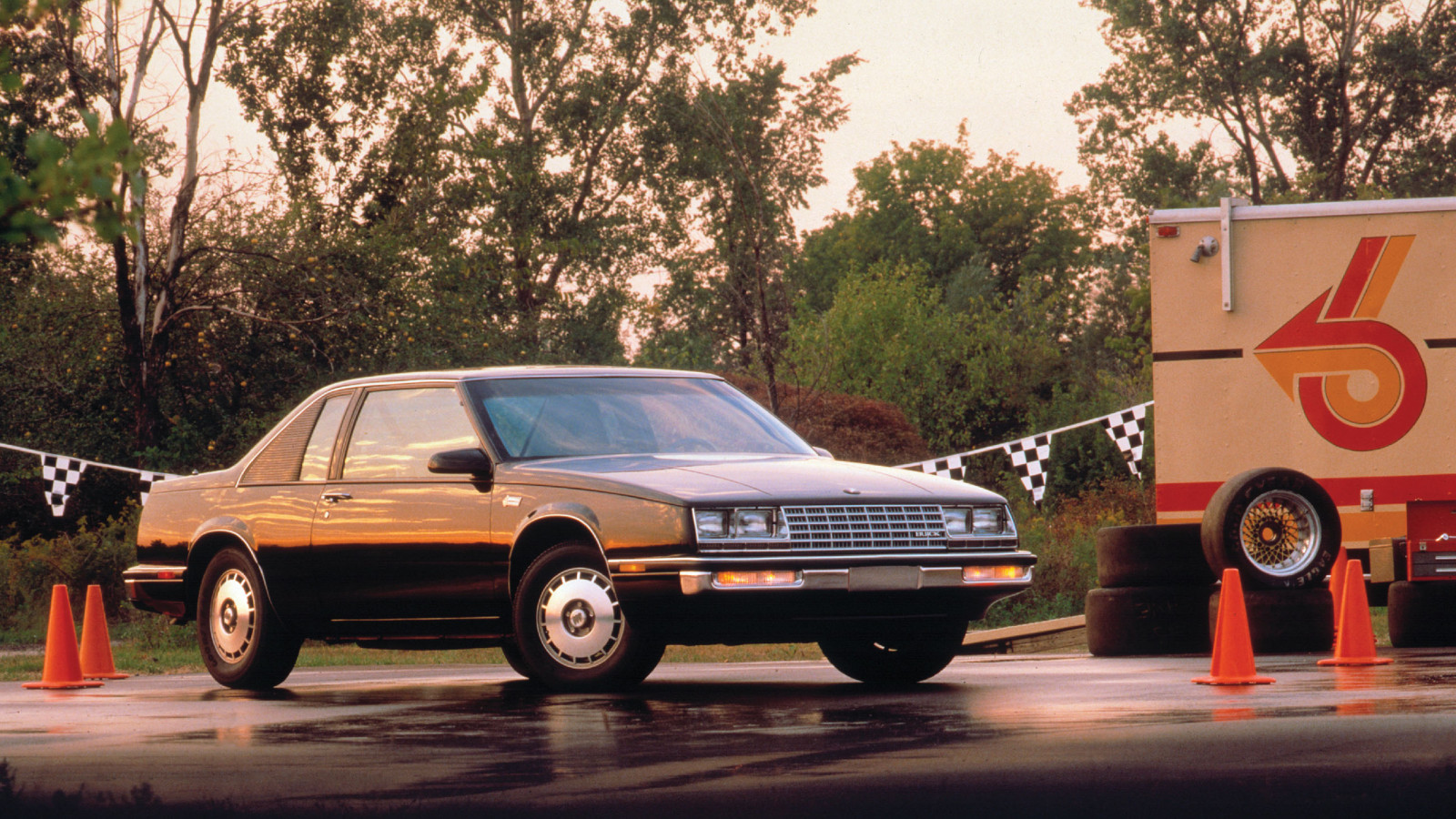
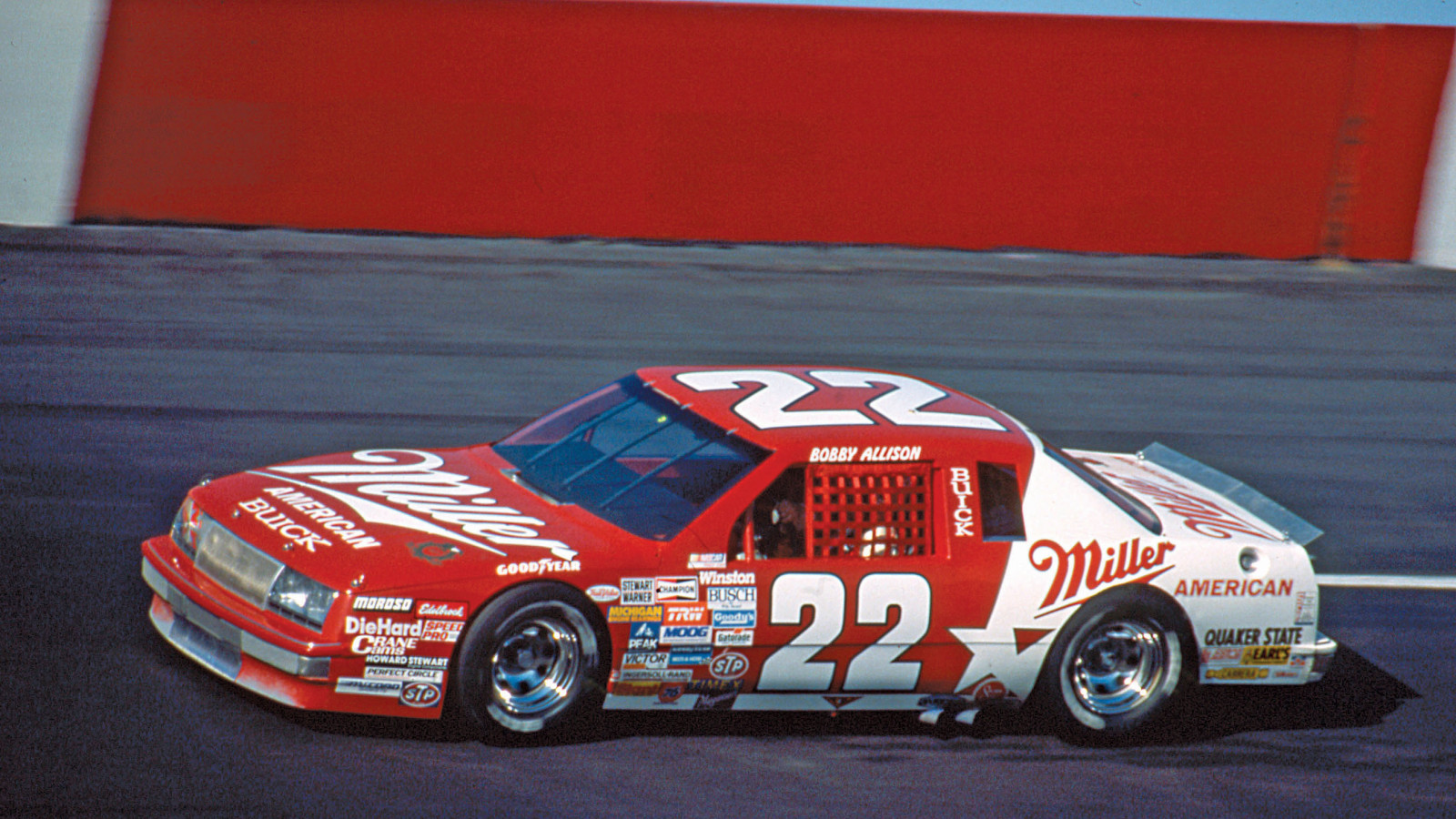
In an echo of the ‘Aero Wars’ of the 1970s, Buick found its LeSabre, a genteel front-drive coupé, was more slippery than the angular Regal, so it was chosen as the firm’s 1986 NASCAR challenger.
To further improve the aerodynamics, Buick released a special edition of which just over 100 were made with further improvements – making those changes legal for racing.
The key difference was the shrunken rear windows that improved airflow, but otherwise it was a standard LeSabre – including, sadly, a naturally aspirated V6.
Buick LeSabre Grand National (cont.)
Offered only in black with a modified grille and special badging, it’s one of the rarest Buick models.
Bobby Allison won at Talladega in the LeSabre’s sole NASCAR season; Chevrolet’s Monte Carlo SS Aerocoupe proved the dominant car that year.
Anorak fact Reflecting NASCAR’s southern-state origins, nearly all of the LeSabre Grand Nationals went to dealers in the US south-east