Coming back for more
If a model name is good enough to be used for one car, it’s good enough to be used for others.
This appears to be the attitude of those manufacturers who have brought back names they used before, and we’re giving 12 examples here.
To keep the list at a manageable size, we’ve applied a few rules: all the car makers are European, no manufacturer appears more than once, the first use of the name has to have been in the 20th century and there must be a reasonable gap between the old and the new (immediately replacing a Mk1 with a Mk2, for example, doesn’t count).
There are many other possibilities, so if you’re wondering why the Alpine A110, Aston Martin Vantage, Ford Puma or any other candidates don’t appear here, don’t worry – we were thinking of them, too.
The cars are presented in alphabetical order.
1. Alfa Romeo Giulia (original)
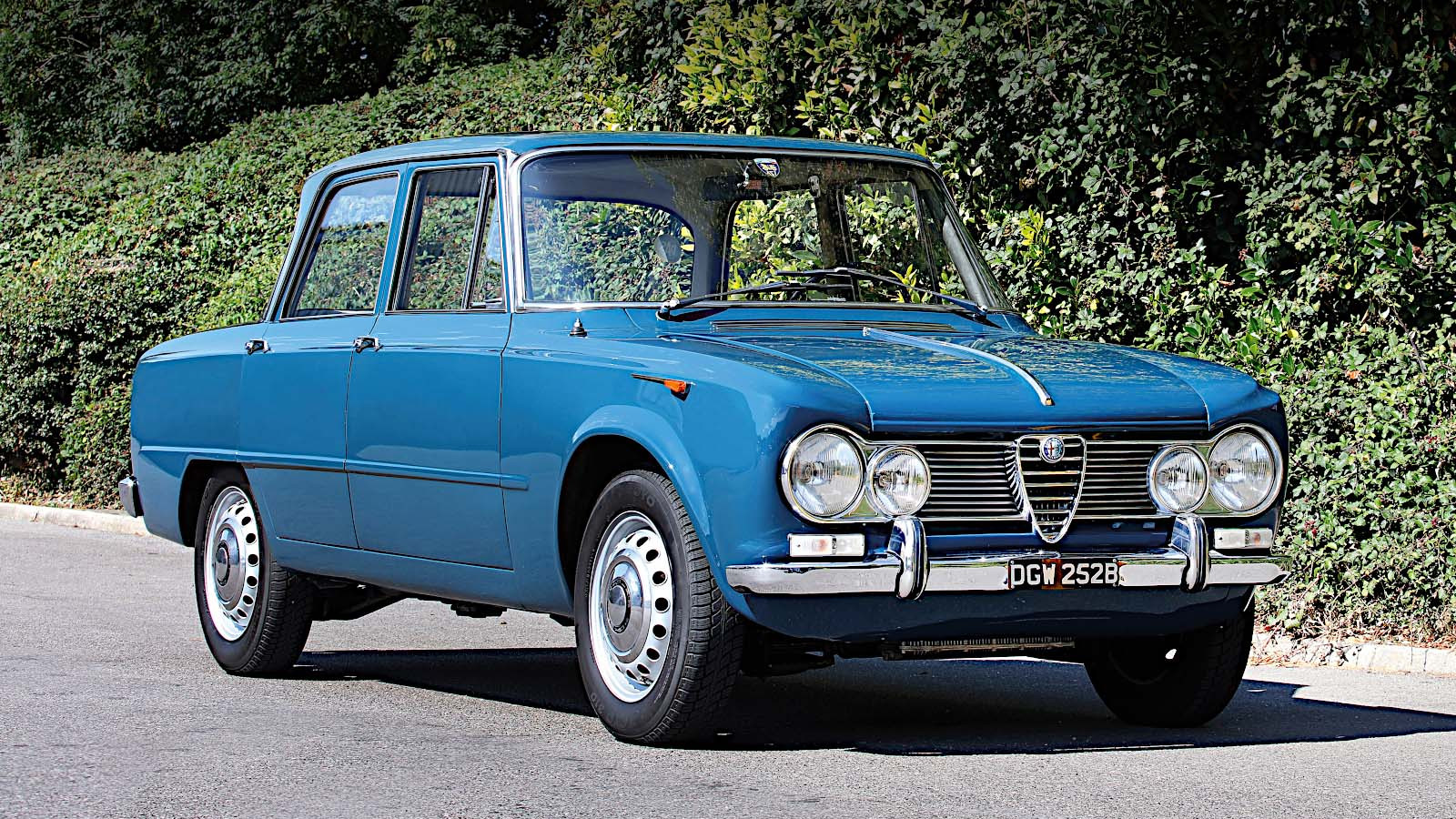
Alfa Romeo’s first Giulia was introduced in 1962 as a replacement for the Giulietta.
Its three-box saloon body appears upstanding and a little slab-sided from a 21st-century perspective, but compared with what else was available at the time it was impressively aerodynamic.
Most Giulias of this period were powered by Alfa’s Twin Cam engine, available in 1.3- and 1.6-litre forms, but in 1976 a 1.8-litre diesel was added to the range.
Few diesels were built, because the Giulia was discontinued the following year, and replaced by a new Giulietta.
Alfa Romeo Giulia (new)
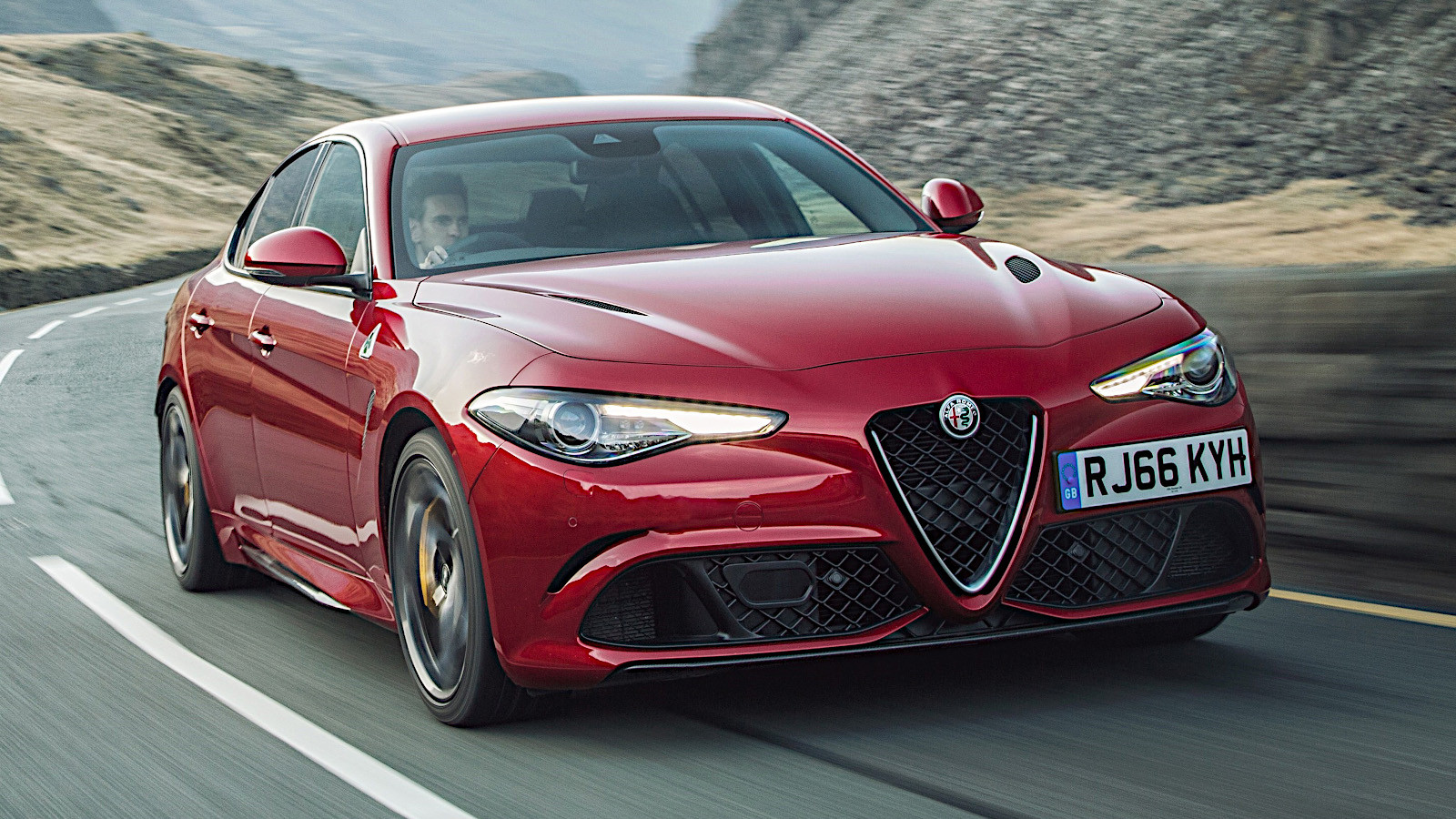
One of the few similarities between the original Giulia and the model of the same name introduced in 2015 is the fact that they were both saloons with engines mounted longitudinally at the front, driving the rear wheels.
In most cases, the engine at that time was either a four-cylinder, 2-litre, turbocharged petrol unit, or a 2.2-litre turbodiesel.
The halo model, however, is the Quadrifoglio (Italian for ‘cloverleaf’ and traditionally applied to high-performance Alfas), whose 2.9-litre, twin-turbo V6 produces more than 500bhp.
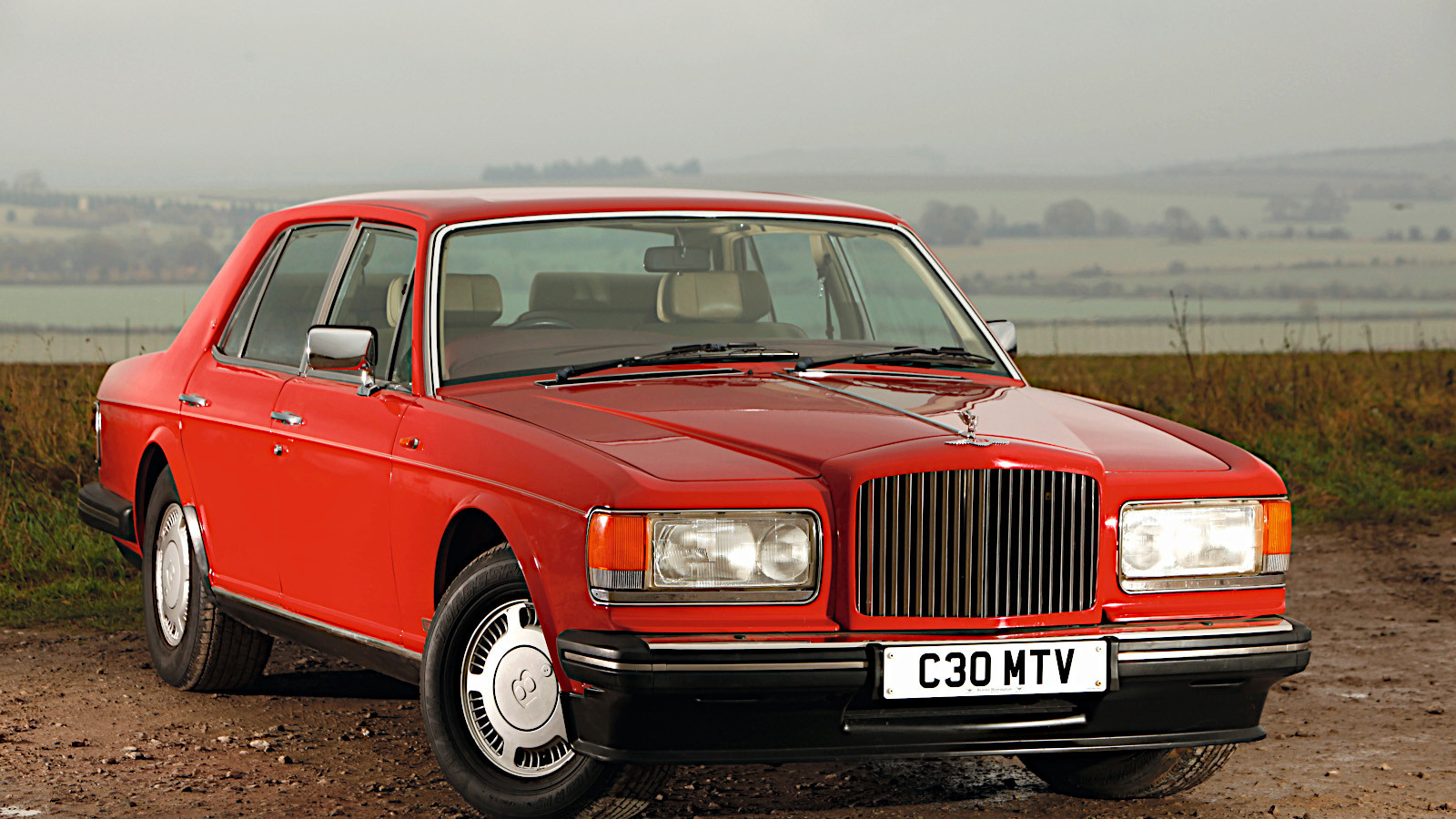
2. Bentley Mulsanne (original)
Mulsanne was the first proper word for a Bentley model, Continental having previously been used only to denote particular versions of cars such as the R-type.
It refers to the longest straight on the Le Mans race circuit (where Bentley won the 24-hour race five times between 1924 and 1930), the corner which follows it and the village a driver might inadvertently reach if their car’s brakes failed at the corner.
As was common at the time, the Mulsanne was almost exactly the same car produced by its then owner Rolls-Royce, in this case the Silver Spirit.
However, Bentley had a much more sporting reputation than Rolls-Royce, so it was fitting that in 1982, two years after both cars had been launched, the Mulsanne became available with a turbocharged version of their shared 6.75-litre V8, while the Silver Spirit did not.
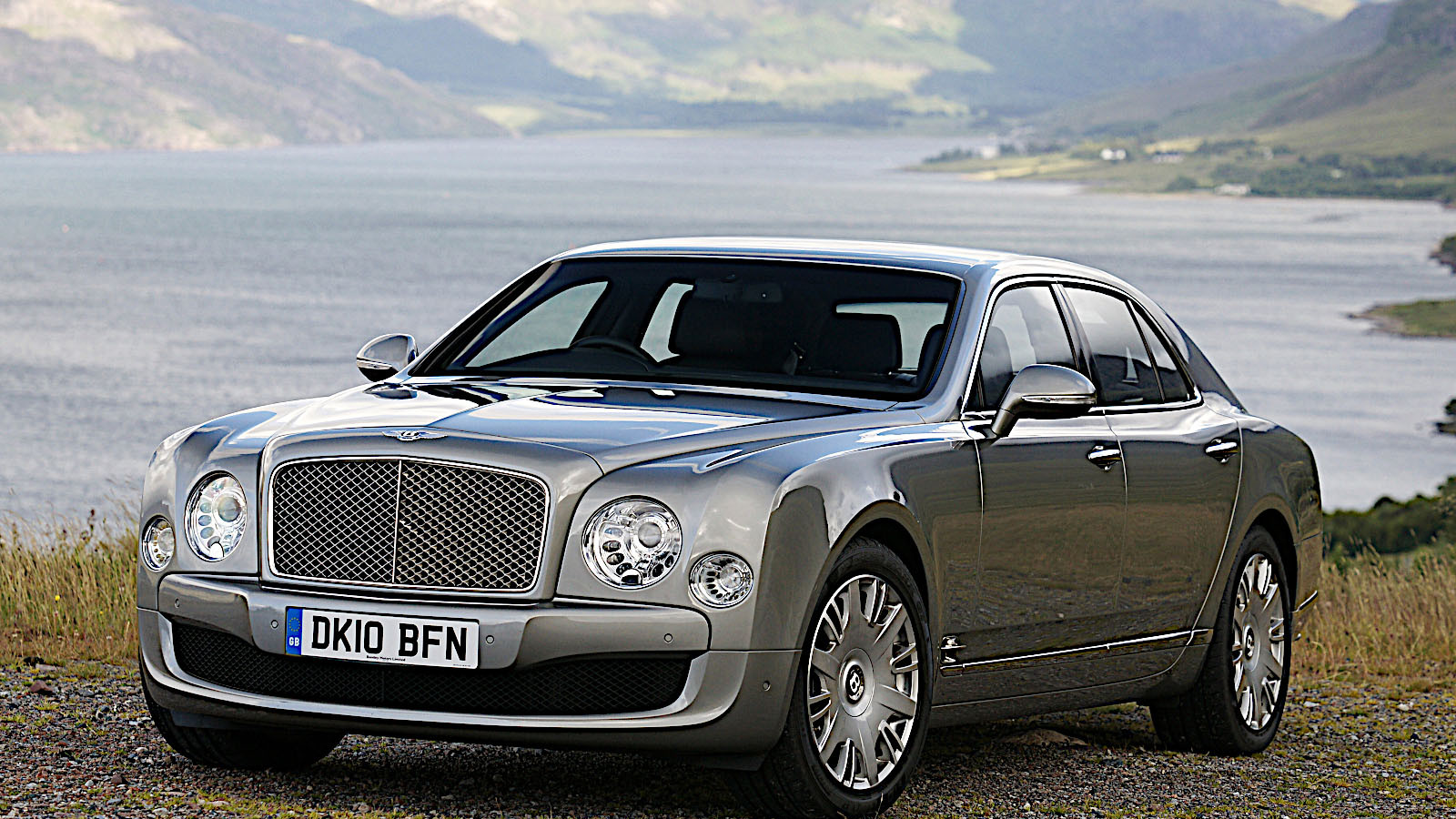
Bentley Mulsanne (new)
The second Mulsanne was introduced in 2010, 18 years after the first was discontinued and 80 after the launch of the 8 Litre, then the most recent Bentley created by the marque itself rather than by Rolls-Royce.
Although the two companies were now under separate ownership, there was still a connection – the new Mulsanne was powered by the final, twin-turbo version of the 6.75-litre V8.
The car was updated in 2014, and over the next two years Bentley added the even-more-powerful Speed and the Extended Wheelbase, before bringing production to a halt in 2020.
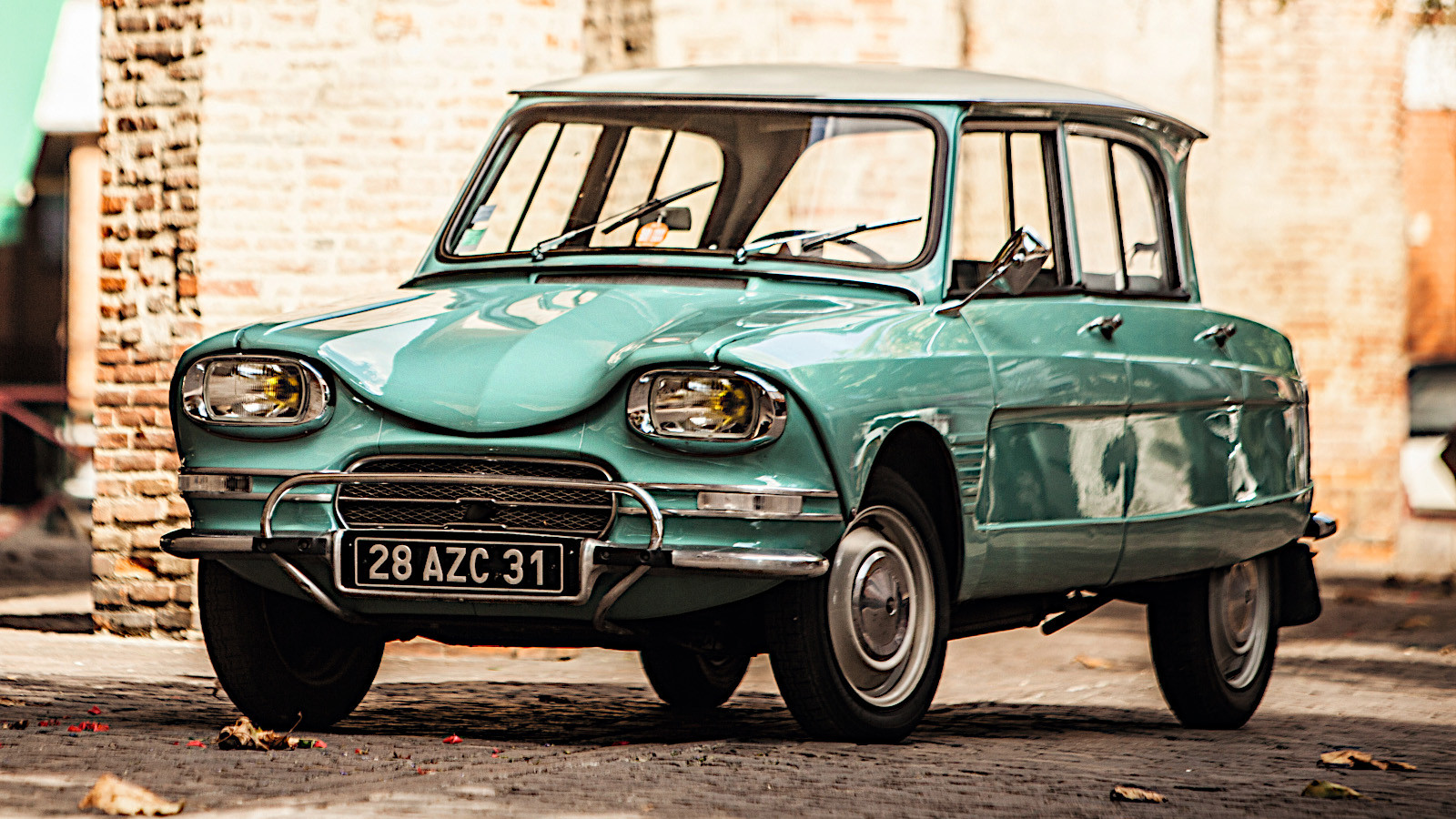
3. Citroën Ami (original)
With its lozenge-shaped headlights and – in the case of early saloons, at least – a reverse-raked rear window, the Ami surpassed even Citroën’s own 2CV for visual eccentricity.
The models shared an engine, though in the case of the Ami the little flat-twin was only ever available in 602cc form.
A 1015cc flat-four, as found in the Citroën GS, was fitted to the Ami Super, while the experimental M35 (never officially sold, but offered to customers for evaluation purposes) was powered by a rotary engine.
Despite its oddness, the Ami was so successful that it was worth Citroën keeping it in production all the way from 1961 until 1978.
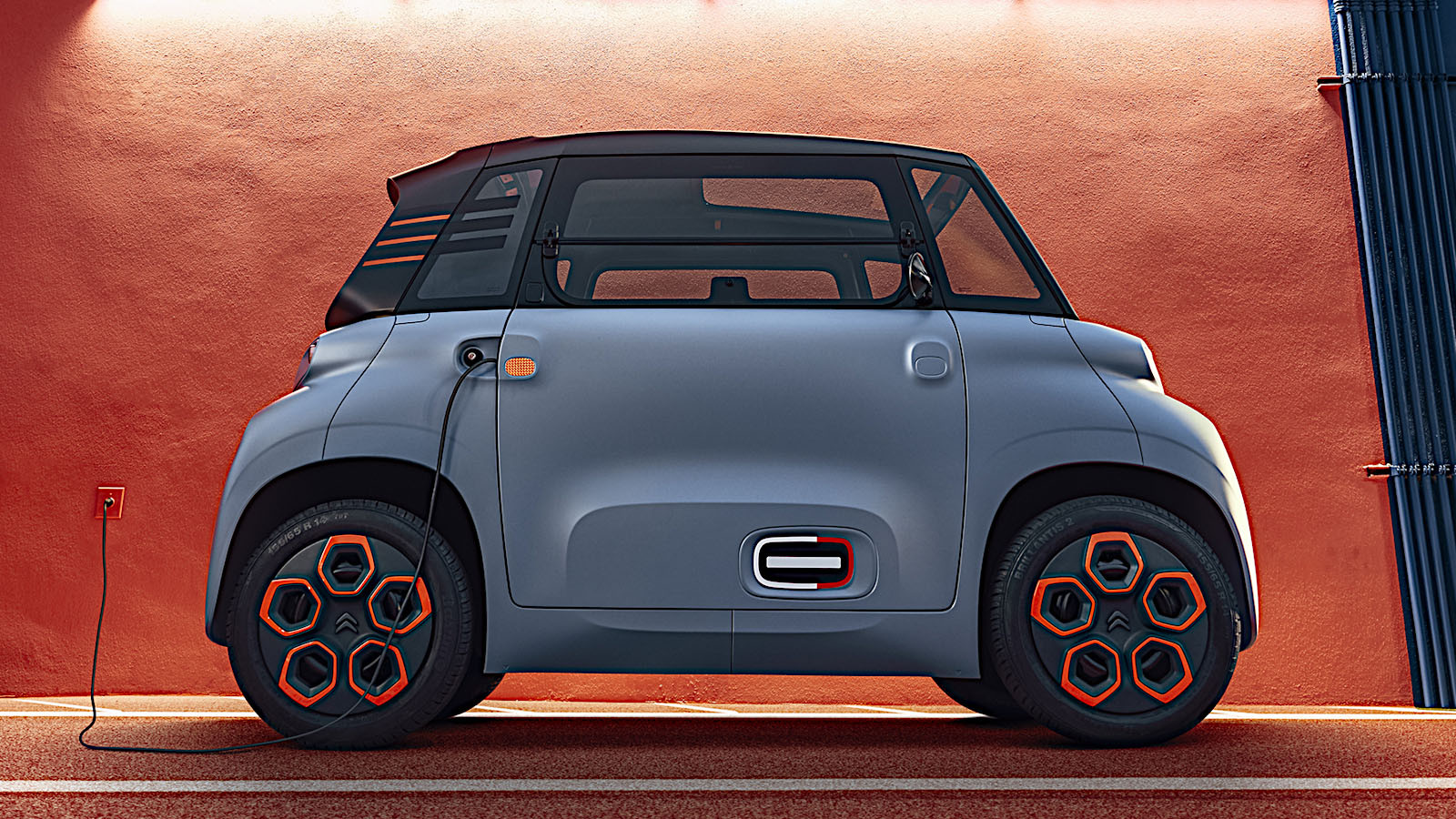
Citroën Ami (new)
As strange as the original Ami must have seemed in the early 1960s, the vehicle to which its name was applied in 2020 might have been regarded back then as a work of fiction.
Smaller than its namesake in every dimension, the current Ami is an electric quadricycle whose body is so symmetrical that it’s not always easy to tell at first glance which way it’s pointing.
Although there is very little connection between the cars, they do have one thing in common: both have front-wheel drive.
A model almost identical to the Ami is marketed by Citroën’s Stellantis partner Opel as the Rocks.
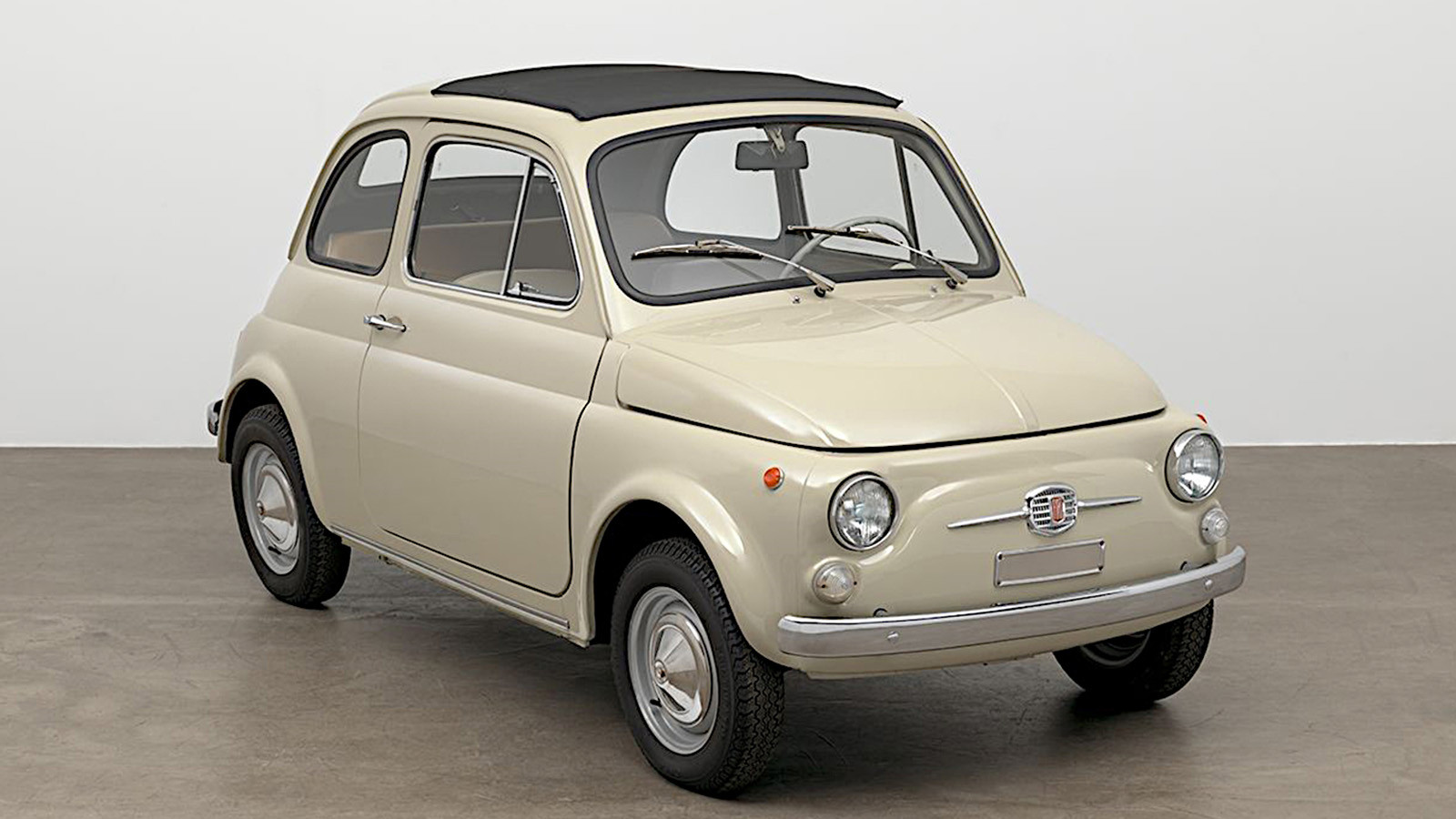
4. Fiat 500 (original)
Fiat produced three different models called 500 in the 20th century.
The second, or Nuova (‘new’), 500 of 1957-’75, which we’re focusing on for reasons which will shortly become apparent, succeeded the 1936-’55 version nicknamed Topolino (‘little mouse’), while the car known in all markets as Cinquecento was manufactured from 1991-’98.
Cinquecento is the Italian word for ‘five hundred’, and is what all three would have been called in their home country.
Whatever the merits of the other two, the Nuova 500 is widely regarded as one of the most attractive cars of any period in motoring history.
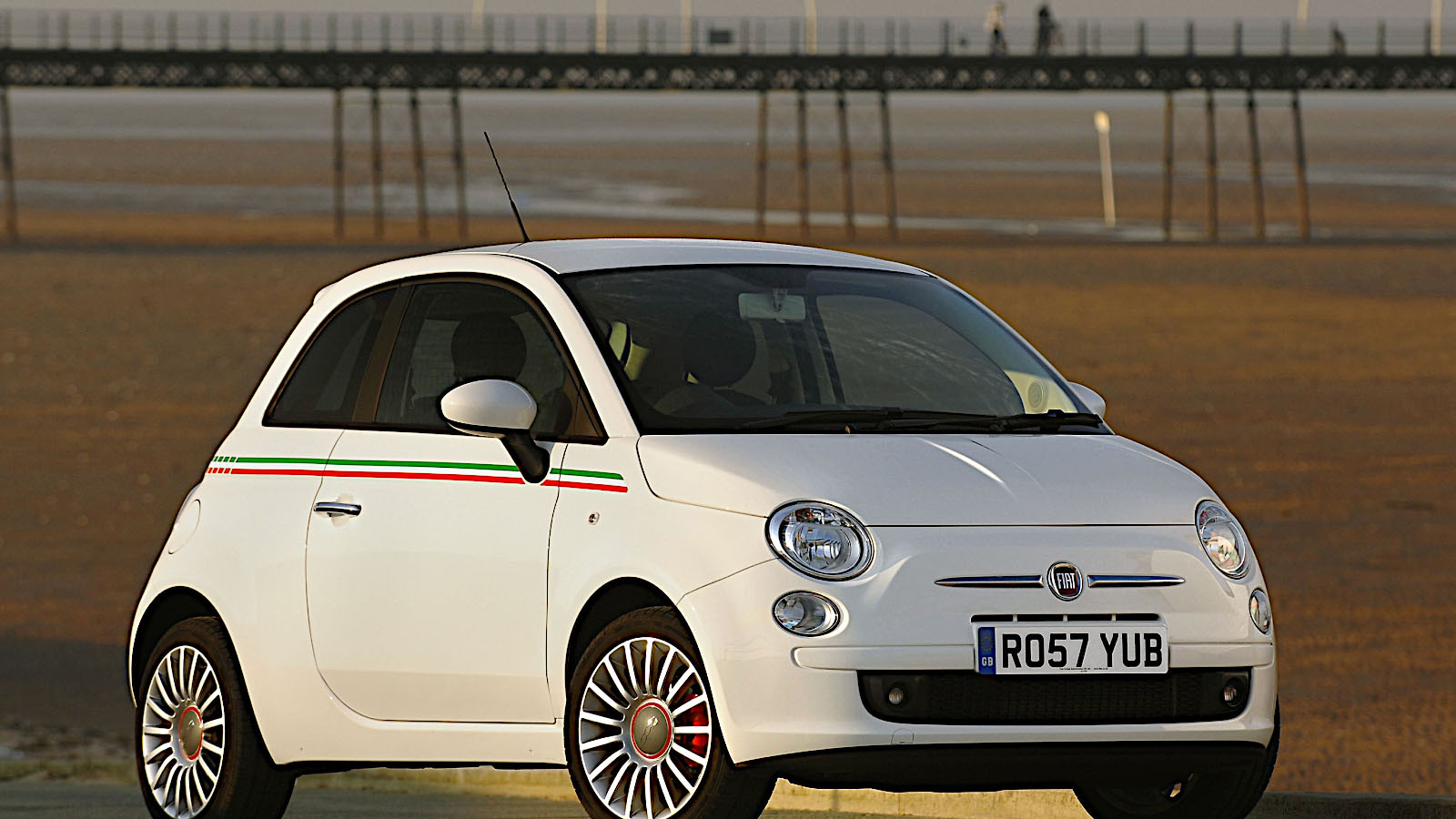
Fiat 500 (new)
When Fiat introduced its fourth 500 in 2007, there was no doubt as to which of the previous three had been used as inspiration.
While by no means an exact copy (for one thing, the engine and gearbox were both at the opposite end), Fiat’s new supermini was clearly influenced by the Nuova 500, which had at the time been out of production for more than 30 years.
Several Abarth derivatives, an electric version and the larger 500L and 500X followed, all of them with the styling which was the model’s most immediately appealing feature.
Fiat’s version of the Citroën Ami and Opel Rocks electric quadricycle also bears some resemblance to the Nuova 500 at the front, though it is named after the earlier Topolino.
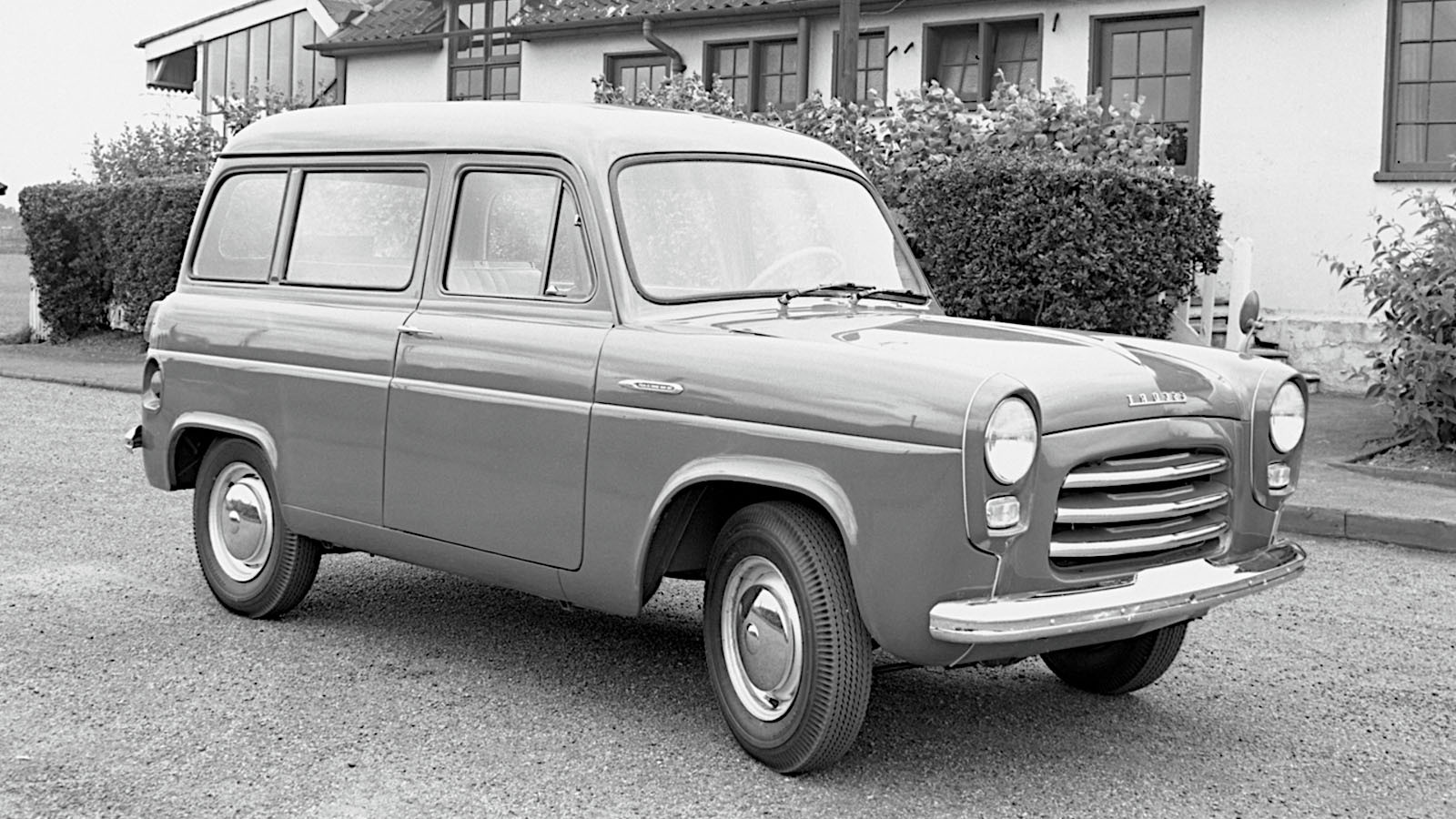
5. Ford Escort (original)
It seems reasonable to assume that the first Ford of this name was the car known retrospectively as the Escort Mk1, but this is not the case.
Escort was in fact one of four names given to slightly different versions of closely related models introduced in the 1950s.
The Anglia two-door saloon which went into production in October 1953 was quickly followed by the more upmarket four-door Prefect, and then in 1955 by the Squire estate and its cheaper equivalent, the first Escort.
Estate-car buyers greatly favoured the Escort, which lasted until 1961, while the Squire was removed from the order books in 1959.
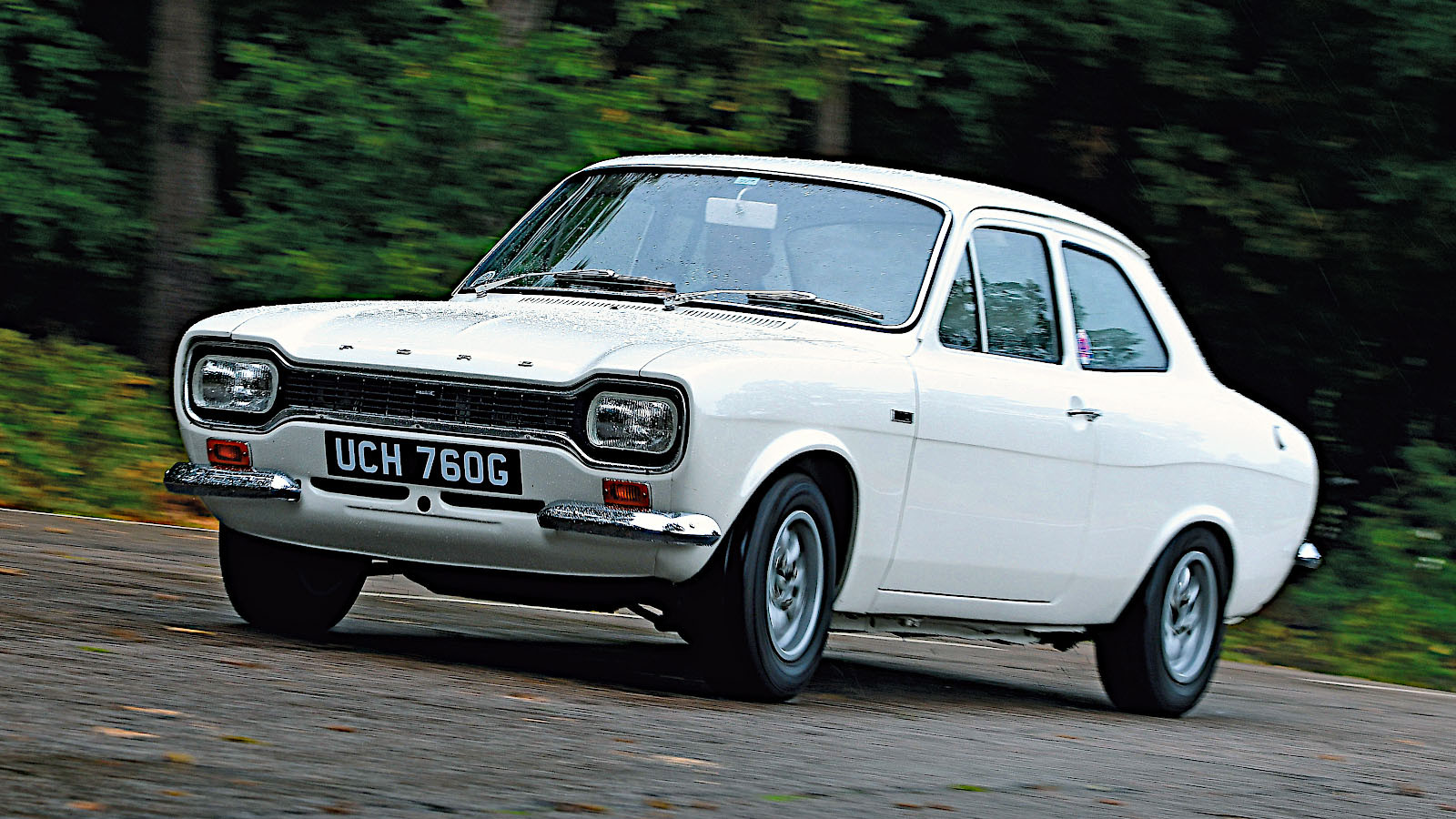
Ford Escort (new)
On its return in 1968, the Escort name was used far more widely for all versions of the last-generation Anglia’s replacement.
This was available as a saloon, an estate and a van, and with engines ranging from the smallest versions of the Kent crossflow to the Lotus-developed Twin Cam – and the even-mightier Cosworth BDA.
Several more generations followed (there is some dispute over how many, since some models are considered to be either new or simply updates of the previous one), and from the third onwards nearly every Escort was front-wheel drive, unlike any of the cars built before 1980.
There were very occasional four-wheel-drive derivatives, too, such as the RS 2000 4x4 and the RS Cosworth which, despite its appearance and badging, was based on the larger Sierra.
6. Lamborghini Countach (original)
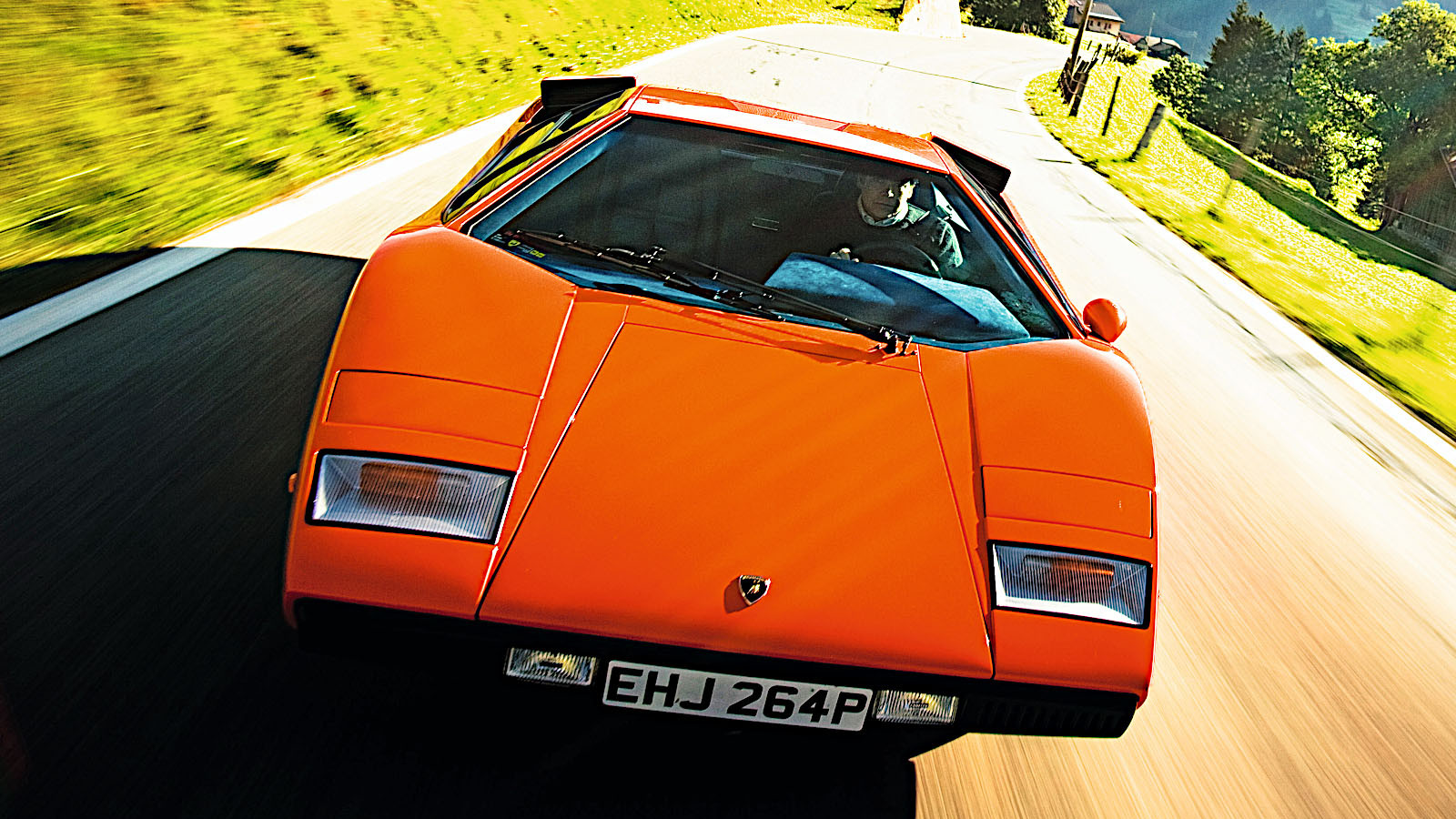
Countach, an exclamation in the Piedmontese language spoken in northern Italy, was used for one of the longest-lived and most dramatic of all Lamborghinis.
It was particularly notable for its aggressive appearance (all the more so when fitted with a large rear wing), its scissor doors and its mid-mounted V12 engine, whose capacity gradually increased from 3.9 to 5.2 litres.
The Countach made its debut in 1974 and, remarkably for a car of this type, survived into 1990.
Lamborghini Countach (new)
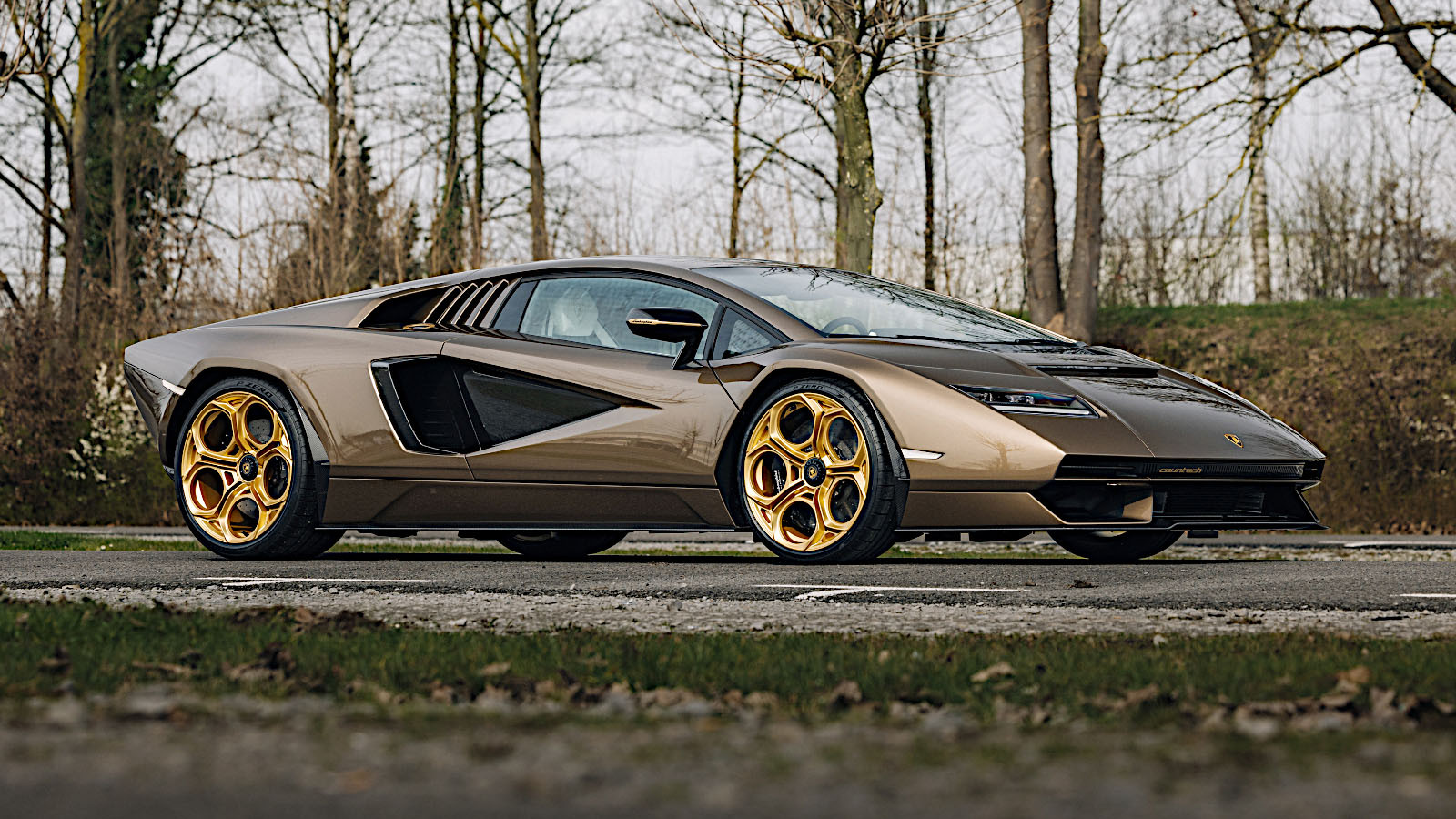
Since 2007, Lamborghini has created several limited-edition vehicles which it refers to as ‘few-offs’.
The first was the Reventón of 2007, and it was followed by the Seseto Elemento in 2010, the Veneno in 2013, the Centenario in 2017 and the Sián in 2019.
For the car introduced two years after the Sián, Lamborghini not only brought back the Countach name (adding LPI 800-4 to the end of it) but paid tribute to several of the original model’s design features.
The engine was again a V12, but this time it measured 6.5 litres and was assisted by an electric motor, the total system output being more than 800bhp.
7. Land Rover Defender (original)
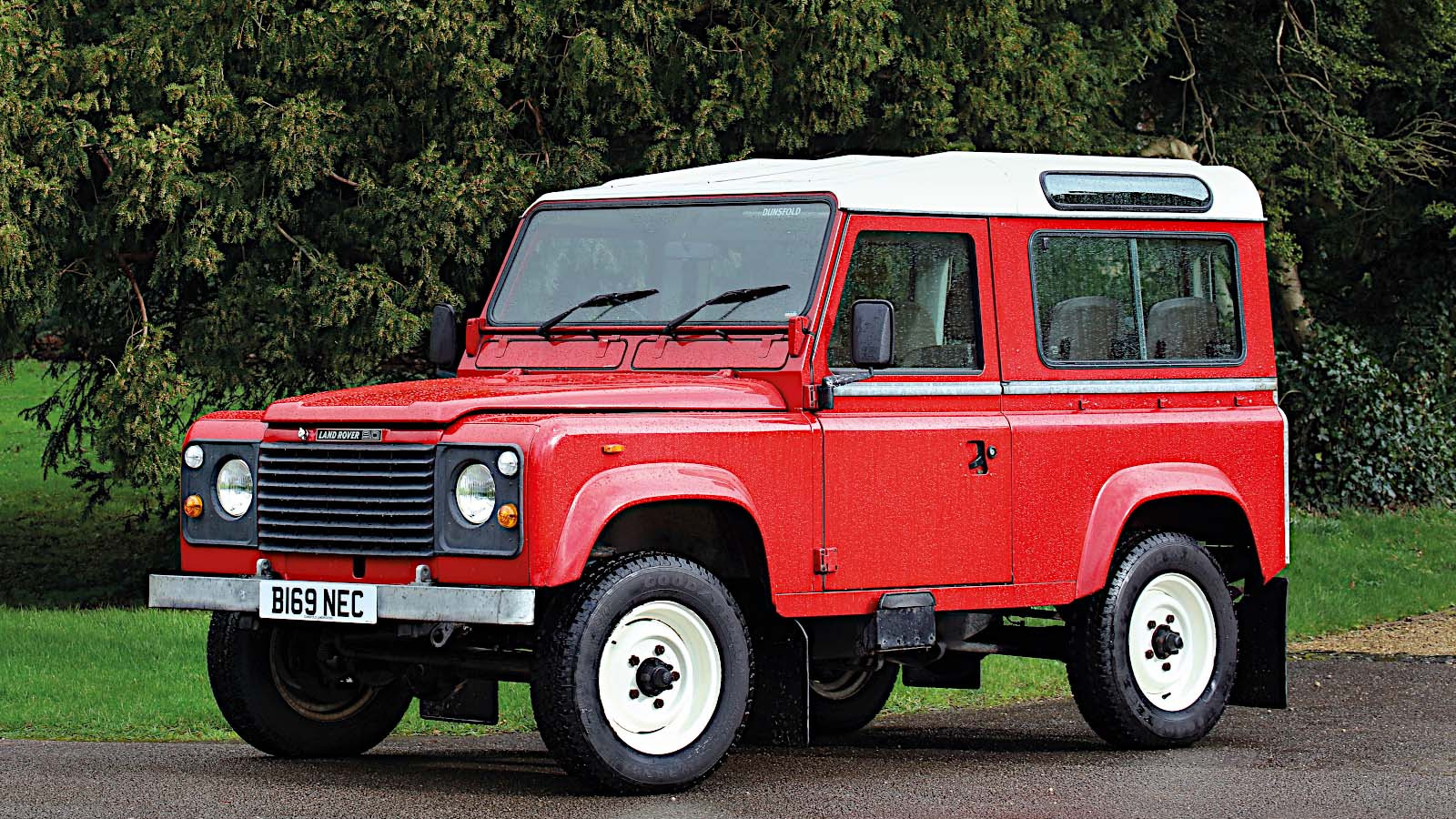
At its first usage in 1948, Land-Rover was the name of a specific model (‘Rover Land’ would have been more conventional but less mellifluous) denoting that, of all Rover’s products, this was the only one capable of being driven off-road.
It was only when the Discovery made its debut 41 years later that Land Rover became the name of a marque, and ‘Defender’ was conjured up to distinguish the long-established vehicle from the modern one.
Despite becoming old-fashioned almost to the point of anachronism, the Defender survived for a further 27 years until the last example came off the production line in January 2016.
Land Rover Defender (new)
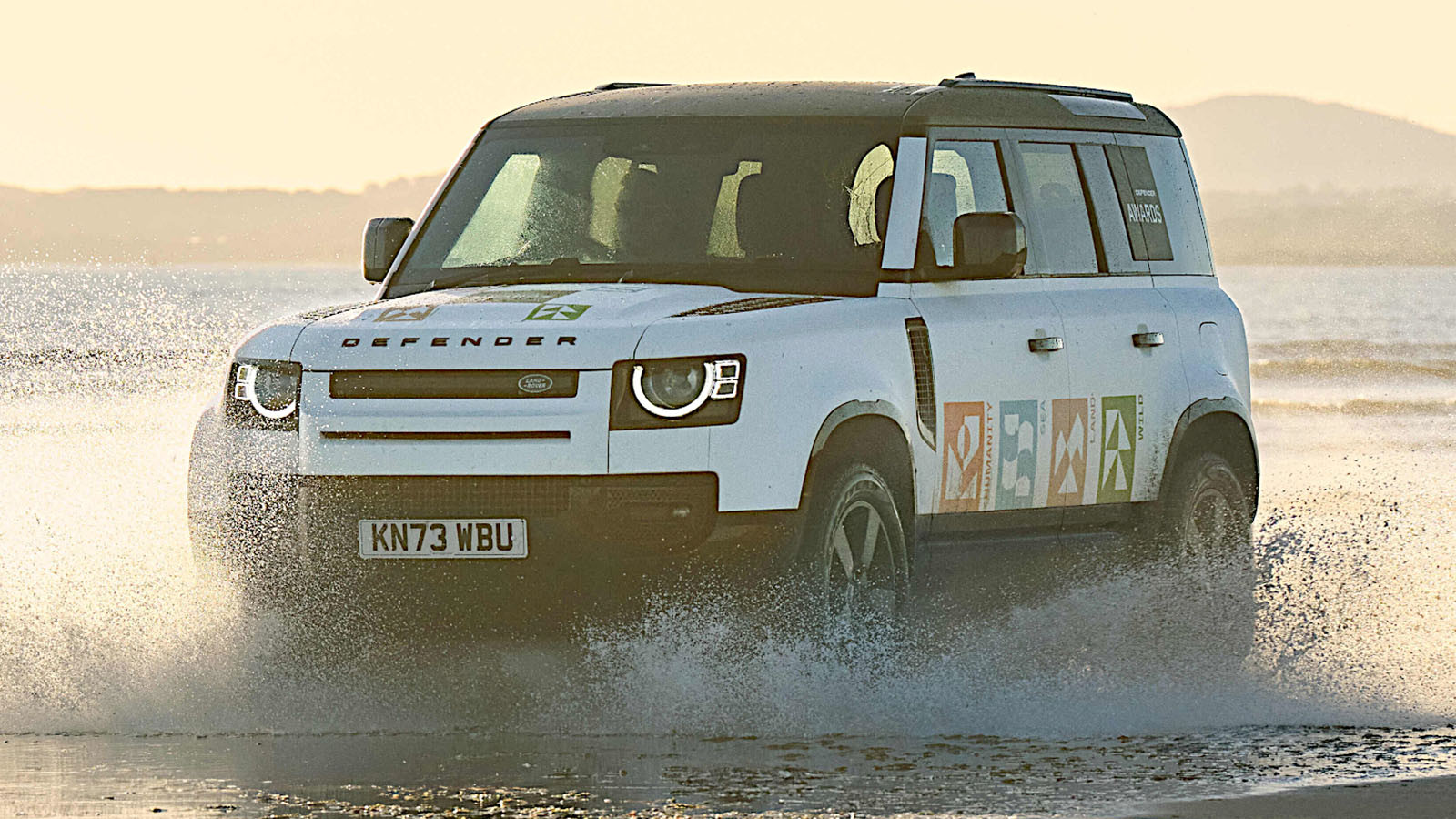
The Defender name made its comeback after just four years, the new model making its debut in 2020.
It had a deliberately strong visual resemblance to its predecessor, but it was a quite different vehicle, with an aluminium unibody structure rather than the previous separate body and chassis.
While still very capable off-road, the new Defender is a more upmarket vehicle than the old, available (in Octa form) with a twin-turbo V8 and electric motor hybrid system producing up to 626bhp.
8. Mini Countryman (original)
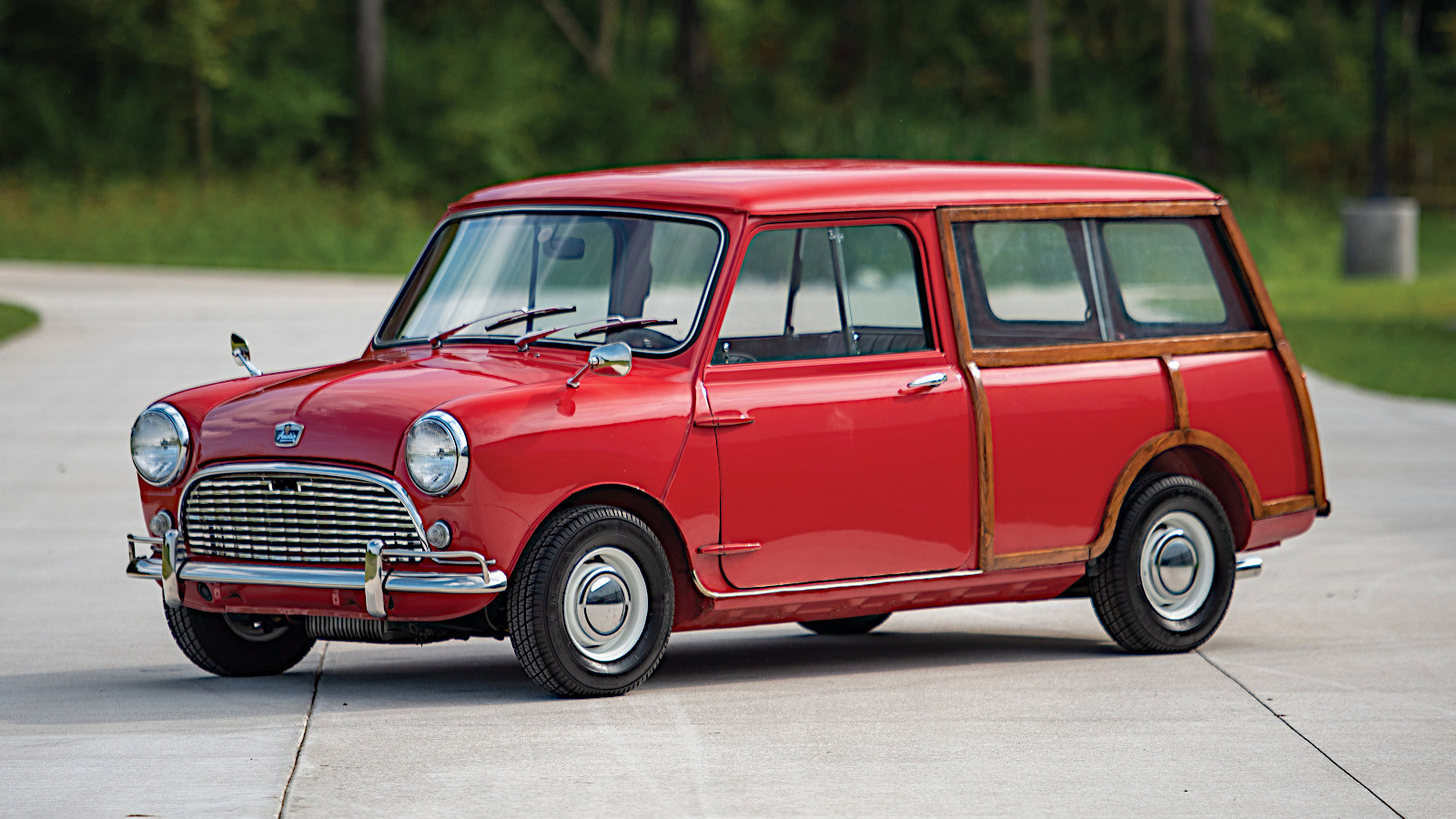
Mini Countryman can reasonably be described as a generic term covering two of the many models which were introduced in the 1960s to capitalise on the success of the Mini saloon.
Known as the Austin Mini Countryman (pictured) and Morris Mini Traveller, they were long-wheelbase estates whose extra practicality appealed to many customers including, perhaps unexpectedly, film star Clint Eastwood.
Like the Riley Elf and Wolseley Hornet three-box saloons, their stars waned long before that of the original Mini, and neither survived into 1970.
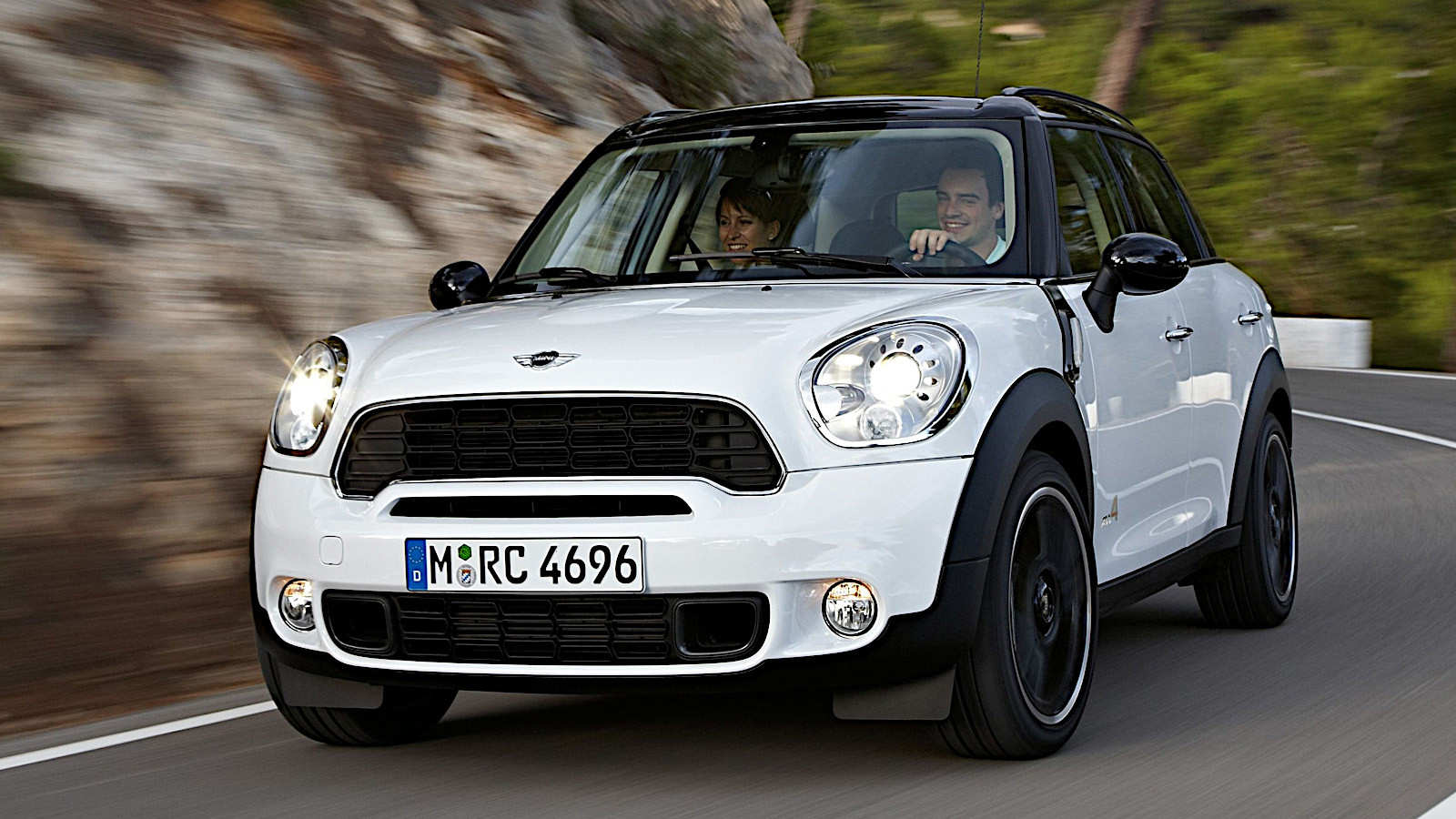
MINI Countryman (new)
In an echo of the previous situation, BMW-owned MINI diversified wildly in the early 2010s, introducing the new Countryman, the Coupé, the Roadster and the Paceman in rapid succession.
Of these, only the Countryman survived for long, and as of 2025 it is in its third generation.
The choice of model was considered slightly odd at first, because this Countryman is not an estate but a crossover SUV.
An actual estate introduced at around the same time was called Clubman, a name used in the pre-BMW era not for an estate but for a regular saloon with a more modern front end which, however, was abandoned long before classic Mini production ended at the turn of the century.
9. Renault 5 (original)
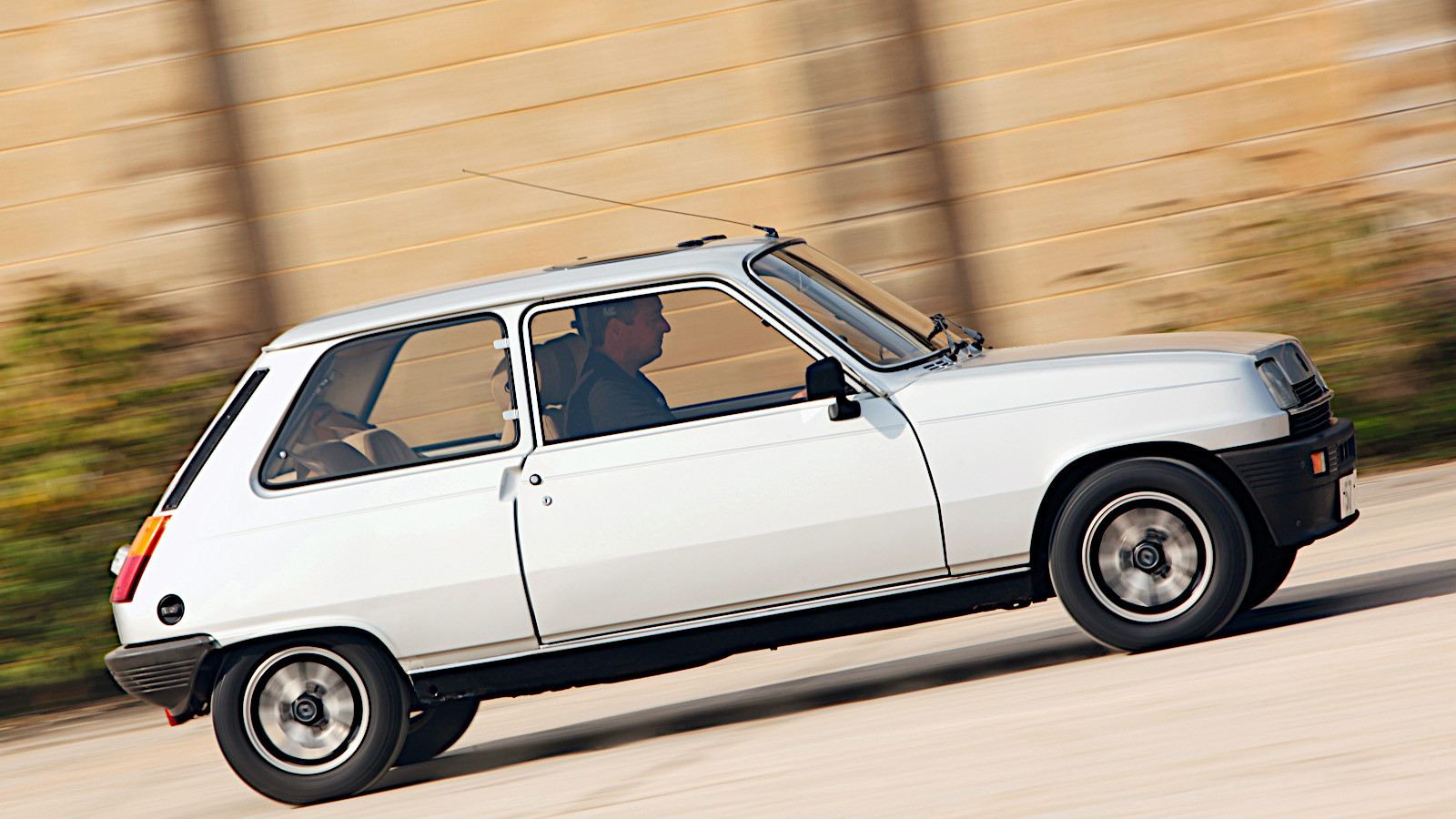
Other than the fact that its engine was mounted longitudinally, the 5 was essentially Renault’s first modern supermini, with a hatchback body, unitary construction and front-wheel drive.
Instantly popular from its launch in 1972 (partly because of an excellent advertising campaign in its home country), the 5 was developed slowly over the next few years, the mid-engined 5 Turbo homologation special being a uniquely startling variation of the theme.
The second 5, launched in 1984, was significantly different, though some engines were carried over, as were aspects of Michel Boué’s original design.
There might have been a third 5 in the 20th century, but by 1990 Renault’s model-naming policy had switched from using words instead of numbers, so the second generation’s replacement was instead called Clio.
Renault 5 (new)
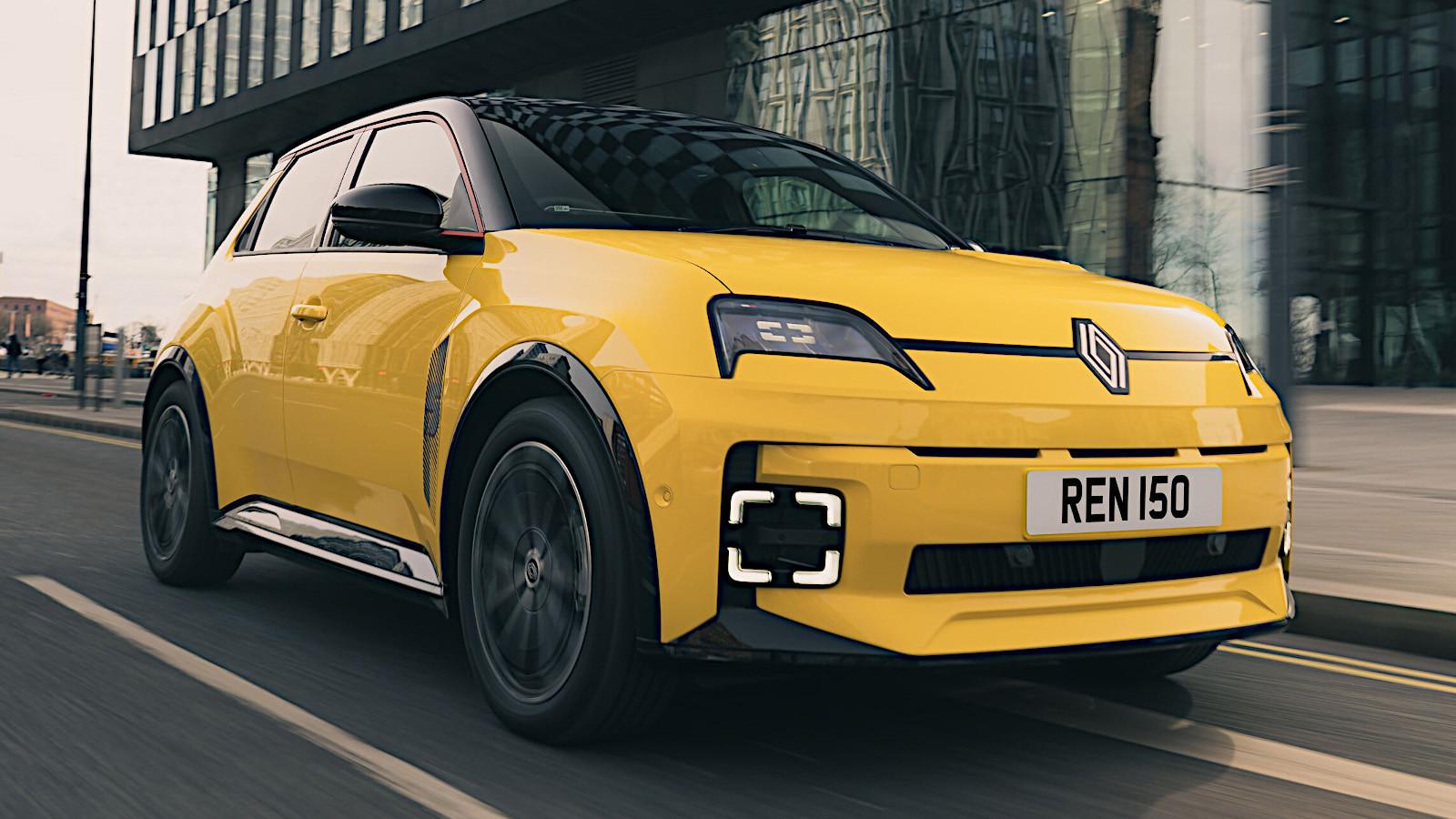
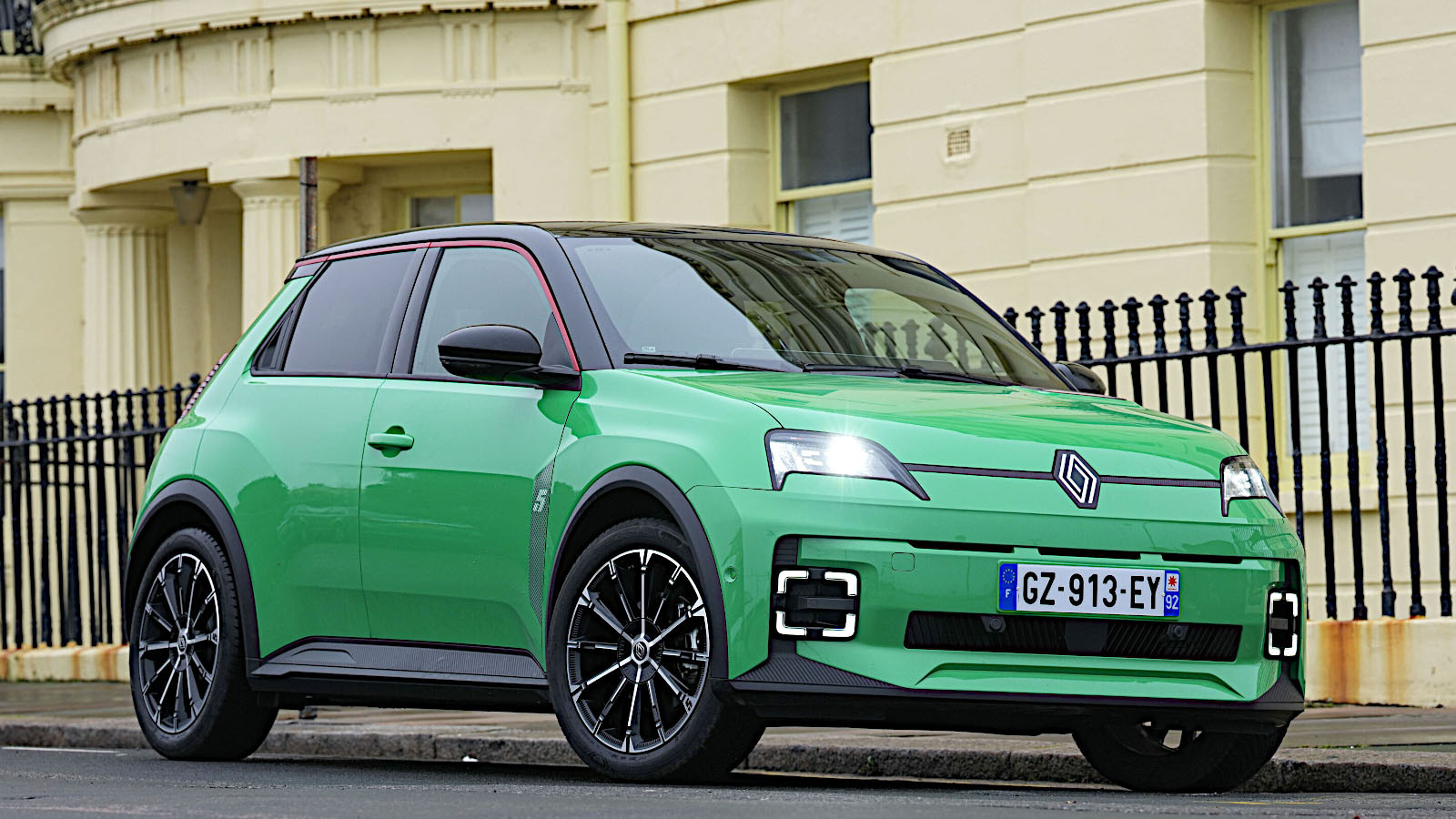
The supermini introduced by Renault in 2024 referenced the classic 5 both in its name (slightly modified to 5 E-Tech) and in its styling, which recalled that of the earlier models.
Unlike those, this version had an electric powertrain, with either one or, in the case of the Turbo 3e, two motors, and was based on the same platform as the later 4 E-Tech, which also shares its name with a previous Renault and is styled accordingly.
A total of 100,000 5 E-Techs were built within 15 months of production starting, and by that time the model had been named joint Car of the Year (along with the Alpine A290, which is a more powerful version of the same model) by a jury of European journalists.
10. Rolls-Royce Phantom (original)
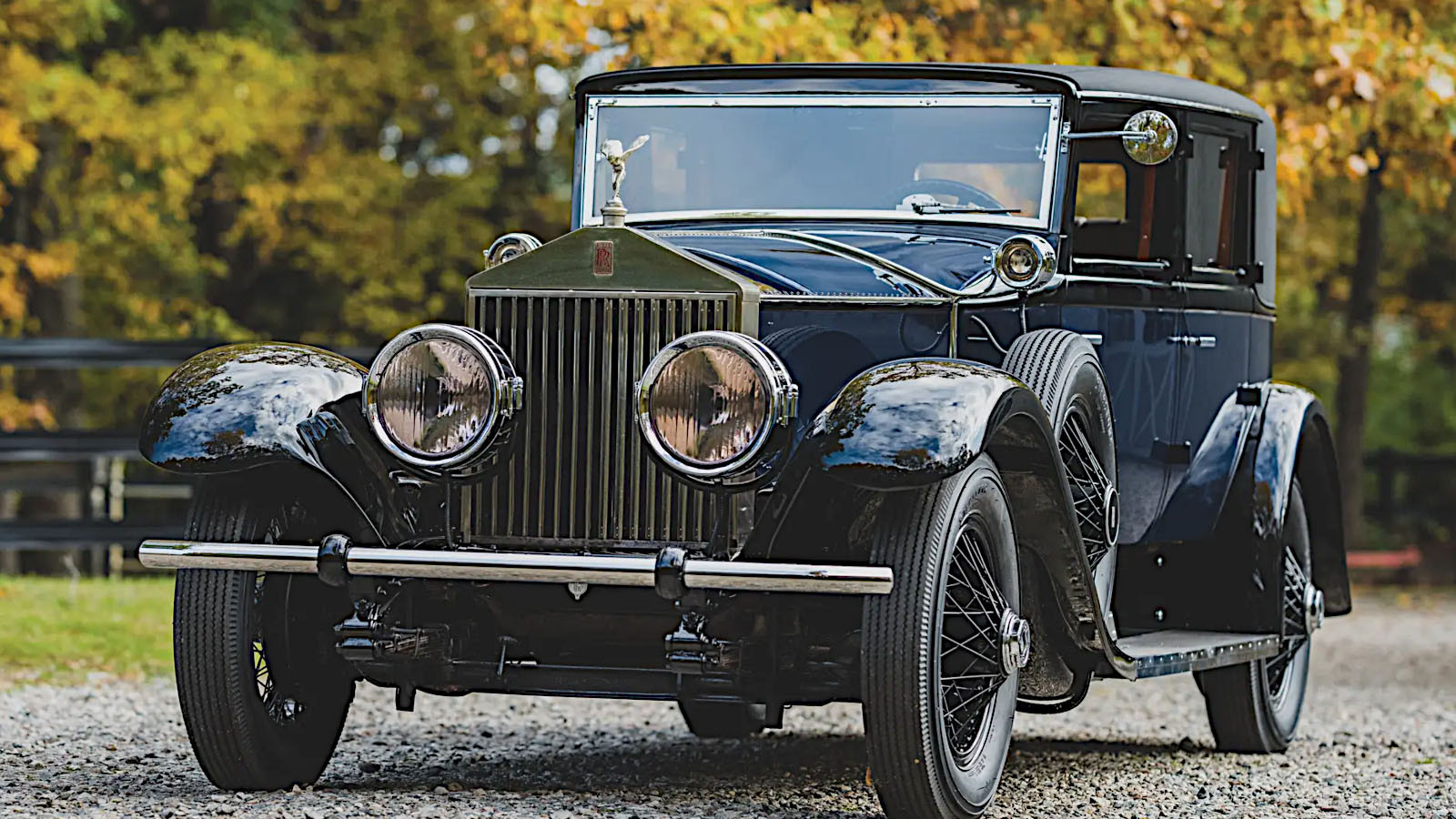
Paradoxically, what is now the oldest generation of Phantom was known as New Phantom from its introduction in 1925.
Two more generations followed before the outbreak of the Second World War, and there might not have been another if Prince Philip (husband of the then Princess Elizabeth, later Queen Elizabeth II) hadn’t expressed interest in having one built for him.
Production resumed in 1950 and continued – in a very limited form – until 1993.
The 374th and last Phantom VI, sold in that year, was also the last Rolls-Royce with a separate body and chassis, and unless there is a major change in motor industry practice it’s likely to remain so.
Rolls-Royce Phantom (new)
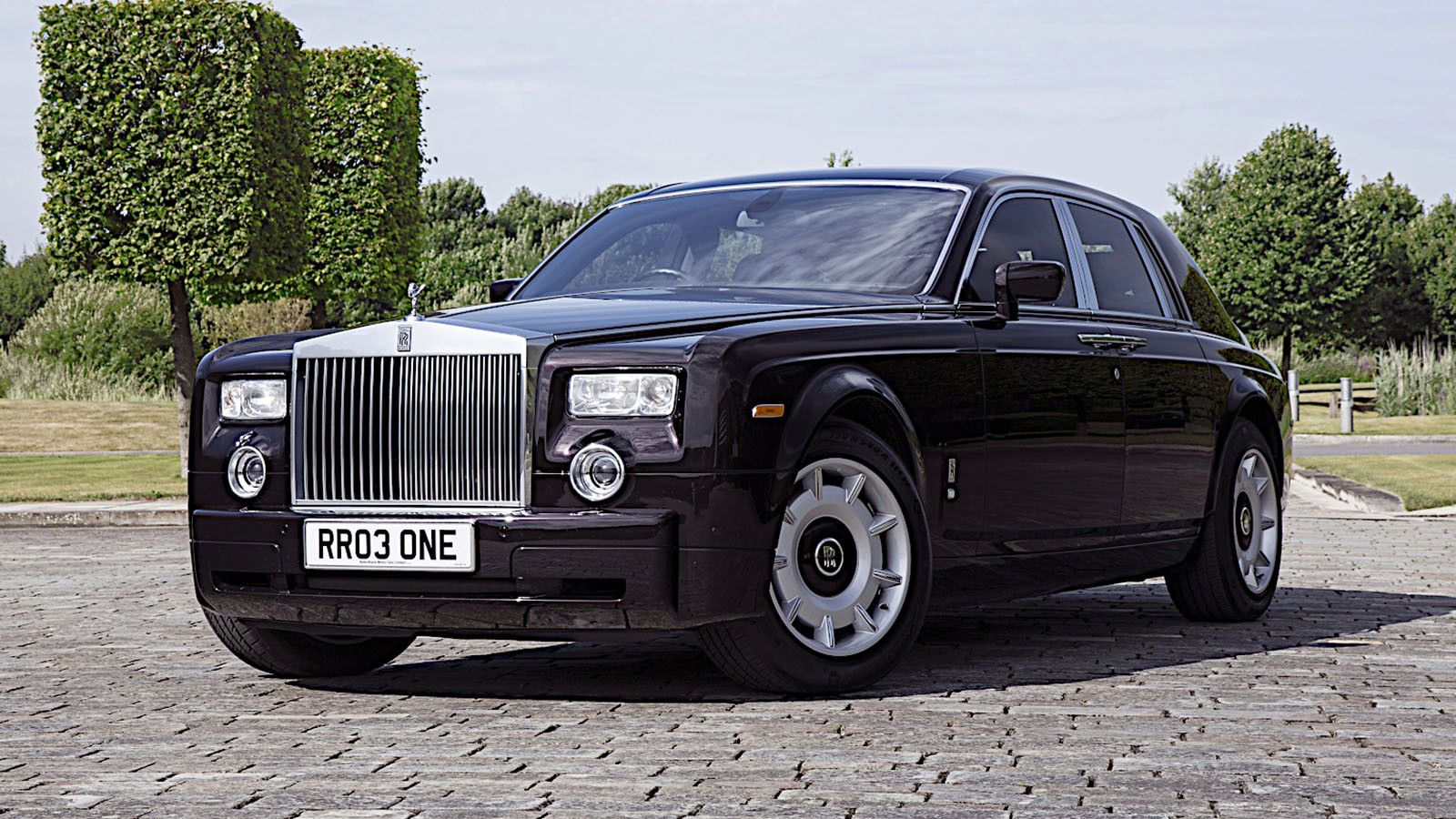
In the opening minute of 2003, when Rolls-Royce was based in Goodwood and owned by BMW (facts which, if suggested half a century before, would have been considered unlikely and ridiculous respectively), the keys of the first Phantom VII were handed over to its buyer.
Based on an aluminium spaceframe, it had little to do with any previous car with the same name, but it did have the rear-hinged back doors seen on earlier models, and was the first Phantom since the 1930s to be powered by a V12 engine.
This was Rolls-Royce’s only model of the new era until the introduction of the Ghost in 2009, and the company saw no need to replace it until 2017.
11. Vauxhall Viva (original)
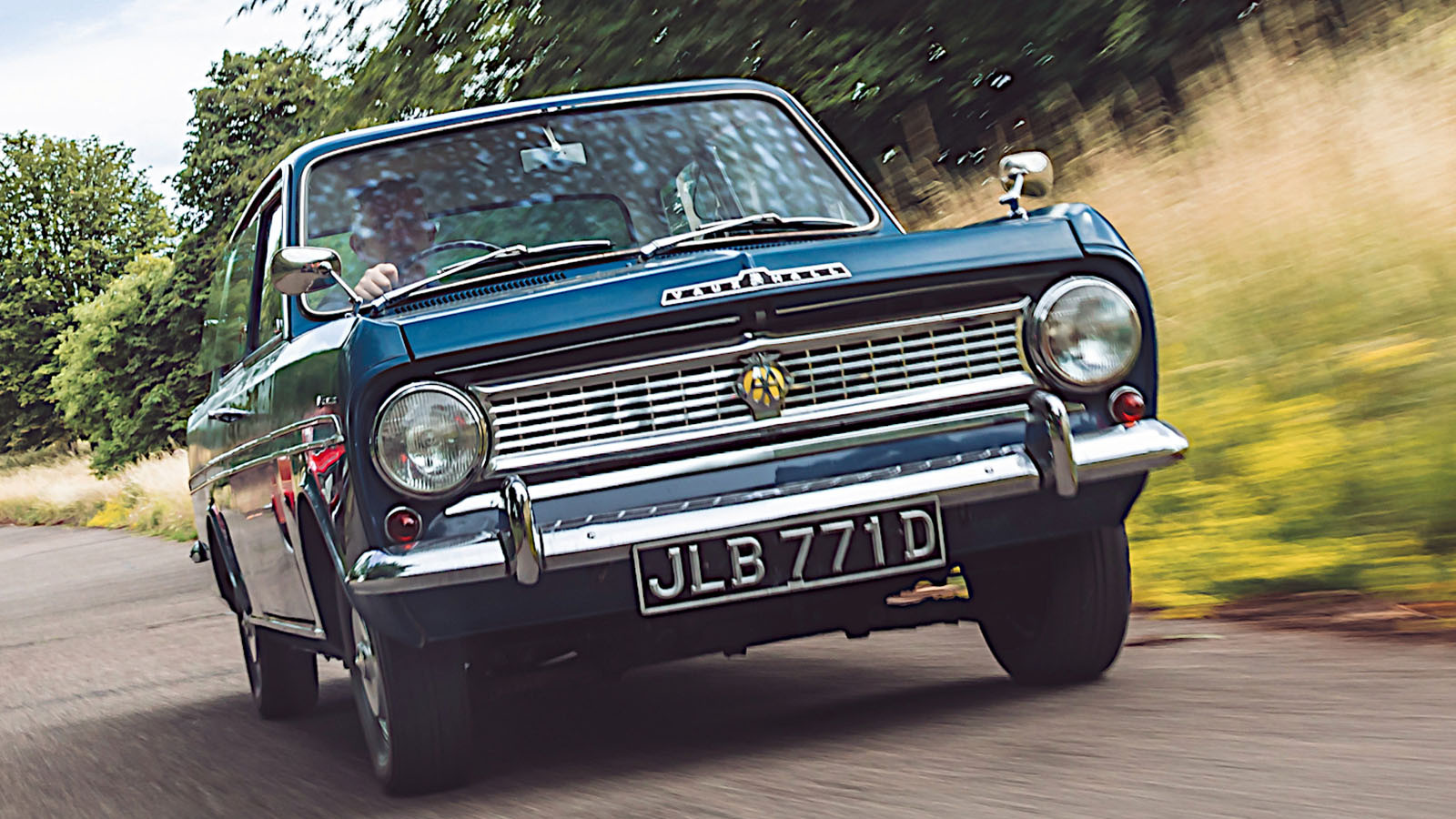
The original Viva, launched in 1963, was the first small Vauxhall since the discontinuation of the 10-4 15 years earlier, while its 1057cc engine (an enlarged version of a unit developed by Opel) had a smaller capacity than any the marque had offered since 1904.
More conventional than Vauxhall had originally planned, the car was admirably successful, though production lasted for less than three years.
It was replaced by a larger model in 1966, and that in turn gave way after just four years to a still larger third, which gave rise to the Magnum and Firenza.
Production of that version ended in July 1979, and the Viva name fell into what seemed for a long time to be permanent abeyance.
Vauxhall Viva (new)
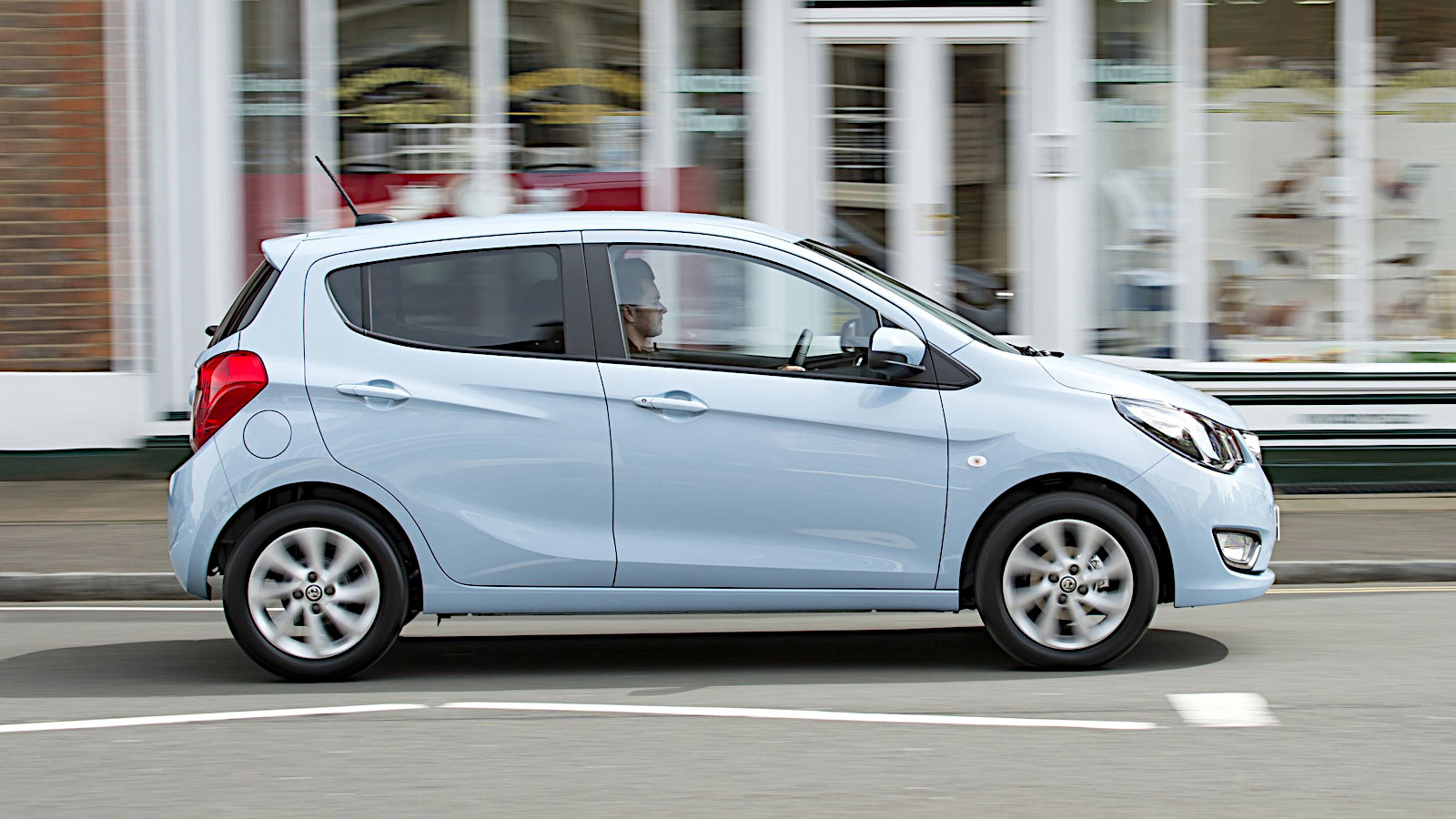
After 36 years, the Viva name was brought back for a small hatchback launched in 2015.
Even taking into account Opel’s influence on the very first model, this one was less of a Vauxhall than any of its predecessors.
It was simply the UK equivalent of the Opel Karl, itself a mild reworking of the Chevrolet Spark developed by the South Korean division of General Motors.
Although the word ‘viva’ is used in some languages to wish people a long life, the car in fact had quite a short one – its discontinuation was announced in October 2018, and took place the following year.
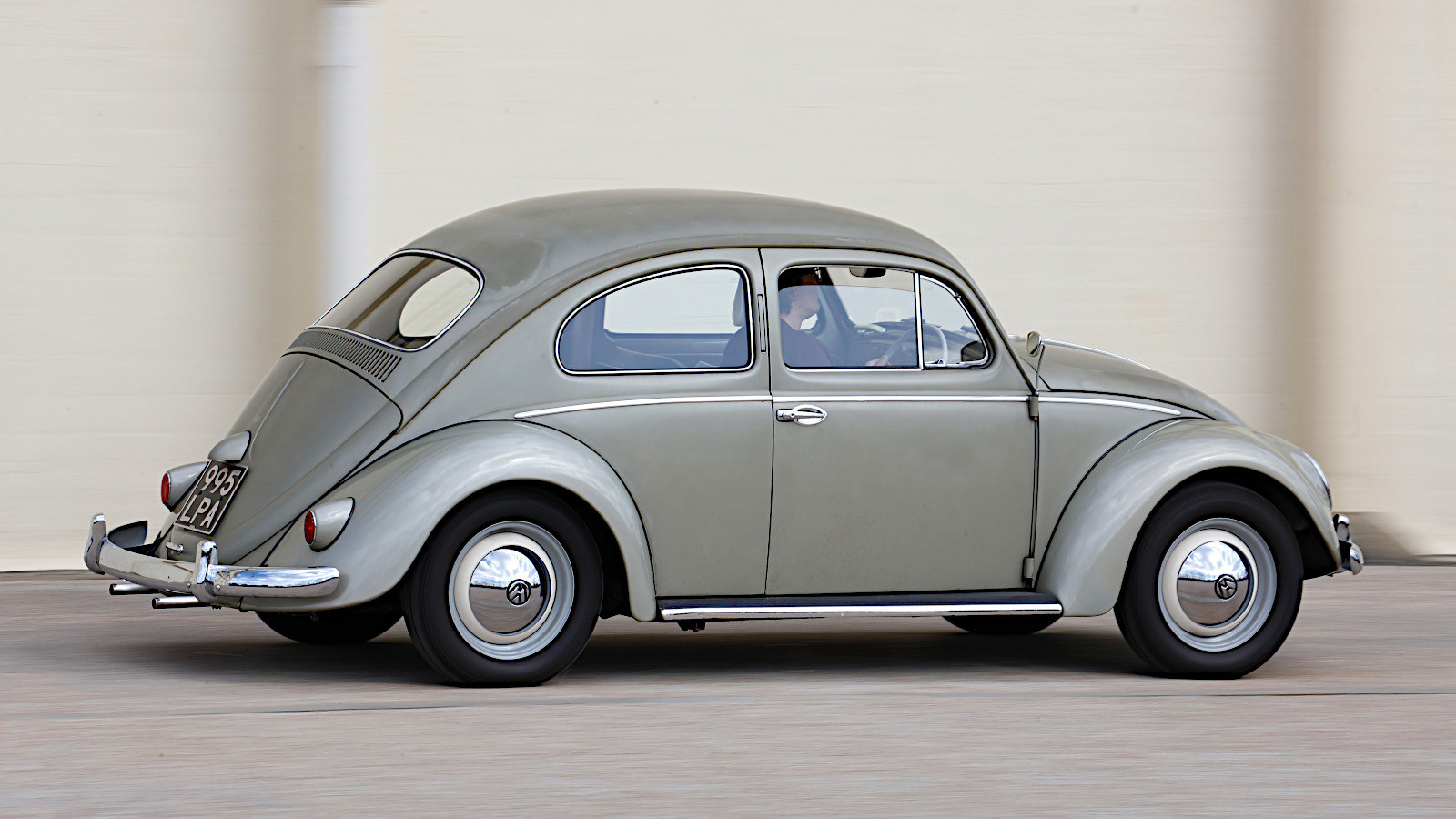
12. Volkswagen Beetle (original)
Volkswagen is a German word meaning ‘people’s car’, a term which exactly explains its intended purpose.
It was designed to provide economical and reliable personal transport for Germans who might otherwise not have been able to afford a car at all, and although that plan, hatched in the 1930s, came to almost nothing at first, the project was resurrected by the British Army after the Second World War.
The car – which, unlike Adolf Hitler’s other projects, became popular among the hippy generation – was never officially called Beetle (except in such cases as the limited-edition Jeans Beetle of the 1970s), but this, along with Bug, was one of its many nicknames.
Volkswagen Beetle (new)
In 1997, Volkswagen introduced a new Beetle (called, reasonably enough, the New Beetle) which had similar styling to the original but was mechanically quite different, with a front-mounted engine driving the front wheels as opposed to the exact opposite layout.
By our definition, however, this wasn’t really a comeback, because the old Beetle was still in production, the very last example being built in Mexico in 2003.
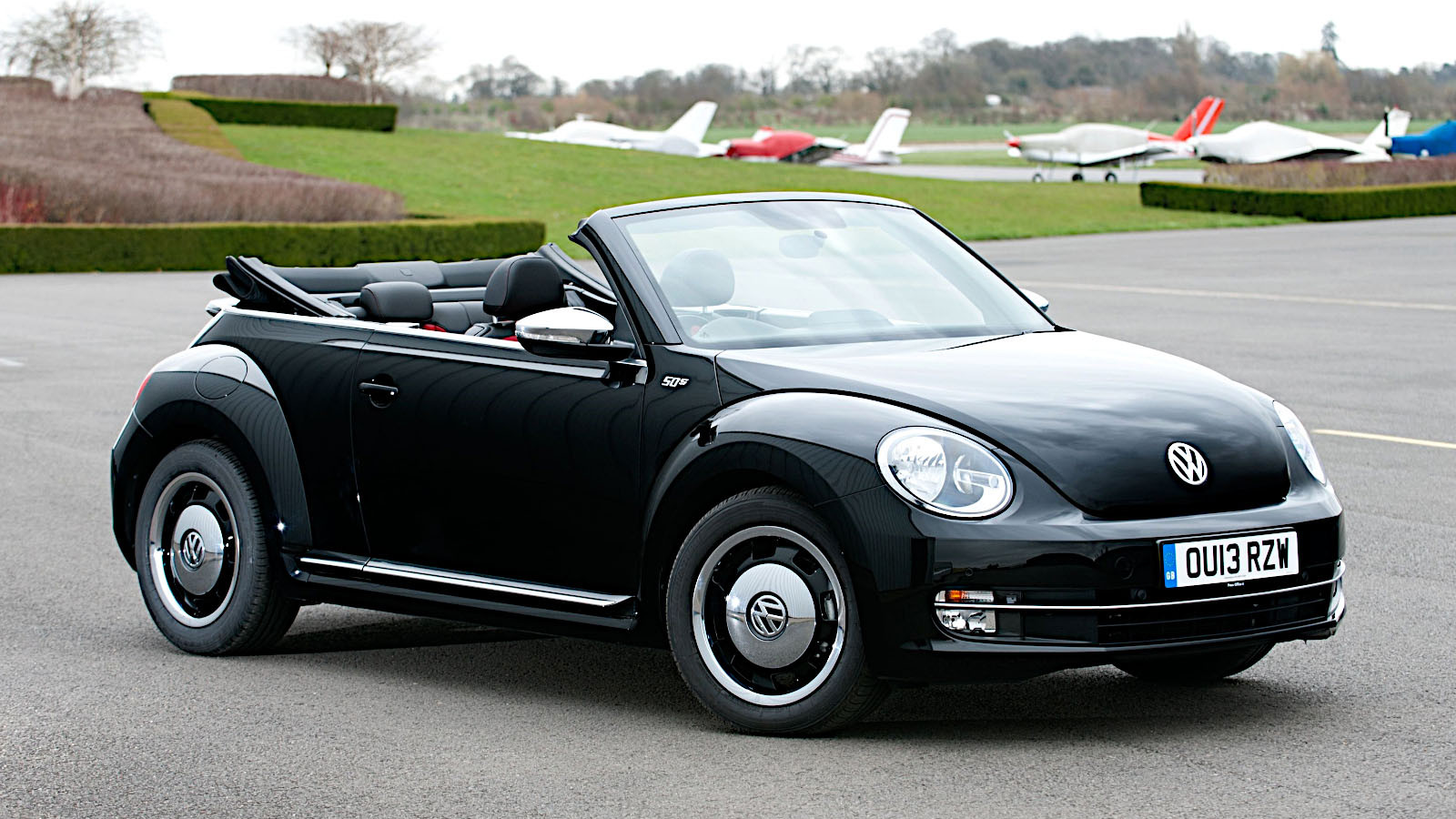
The true comeback model, and the only one actually called Volkswagen Beetle by the company that built it, arrived in 2011, with the same layout as the New Beetle but even more retro styling, accentuated in some cases (such as the 50s Edition pictured here) with design elements which recalled Beetles of long ago.
That version survived for eight years, the very last Beetle of all, at least at the time of writing, leaving the factory in July 2019.