Curious convertibles
Automotive convertible roofs come in all shapes, sizes and configurations, as proved by this collection of oddball drop-top designs.
Unusual convertible roofs are sometimes dictated by a car’s styling or shape, while others are just strange for the sake of it.
Different doesn’t have to mean impractical, although there are several in this list that fit the description well.
From four-door saloons to hypercars, here’s a look at the more curious convertible roof styles, arranged in alphabetical order.
1. BMW 3 Series Baur Topcabriolet (E36)
BMW’s E30 3 Series had started out as a Baur-converted drop-top, but the following E36 generation was an in-house design.
This didn’t stop Baur from coming up with its own take on an open-roofed E36, however, and it chose the four-door saloon as its unlikely candidate.
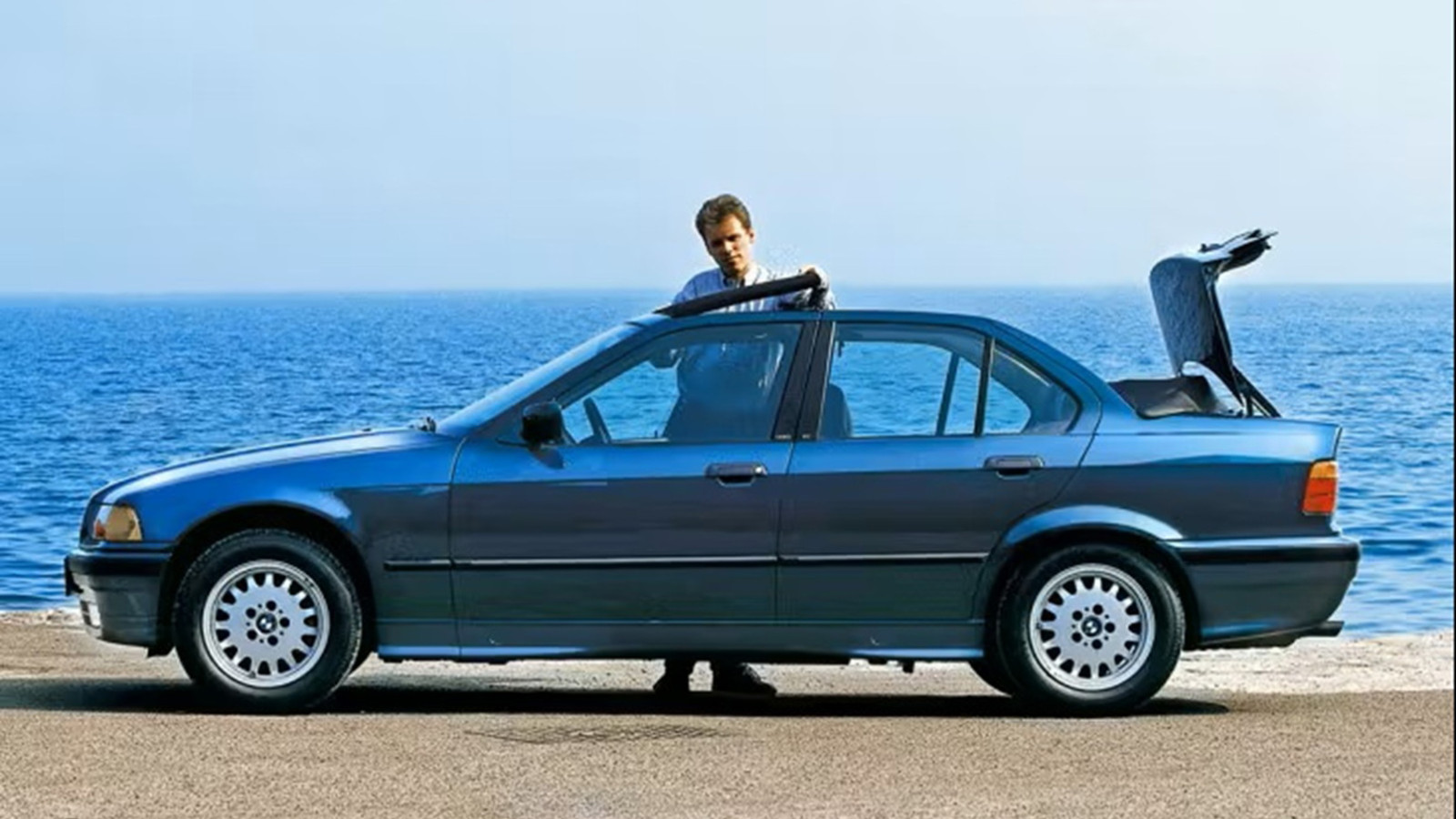
Called the Topcabriolet, the original side windows and door frames were retained, and there was a rollover bar to brace between the B-pillars.
Above the front passengers was a removable targa section, while the rear compartment had a folding fabric roof.
BMW sold the Baur Topcabriolet through its dealers, but only 311 were ever made.
2. Bugatti Veyron Grand Sport
You would have to be a committed wind-in-the-hair enthusiast to drive the Bugatti Veyron Grand Sport with its roof open while making the most of this car’s performance.
It is capable of the same 253mph top speed as the Veyron coupé, although its maximum speed was limited to a mere 223mph with the roof removed.
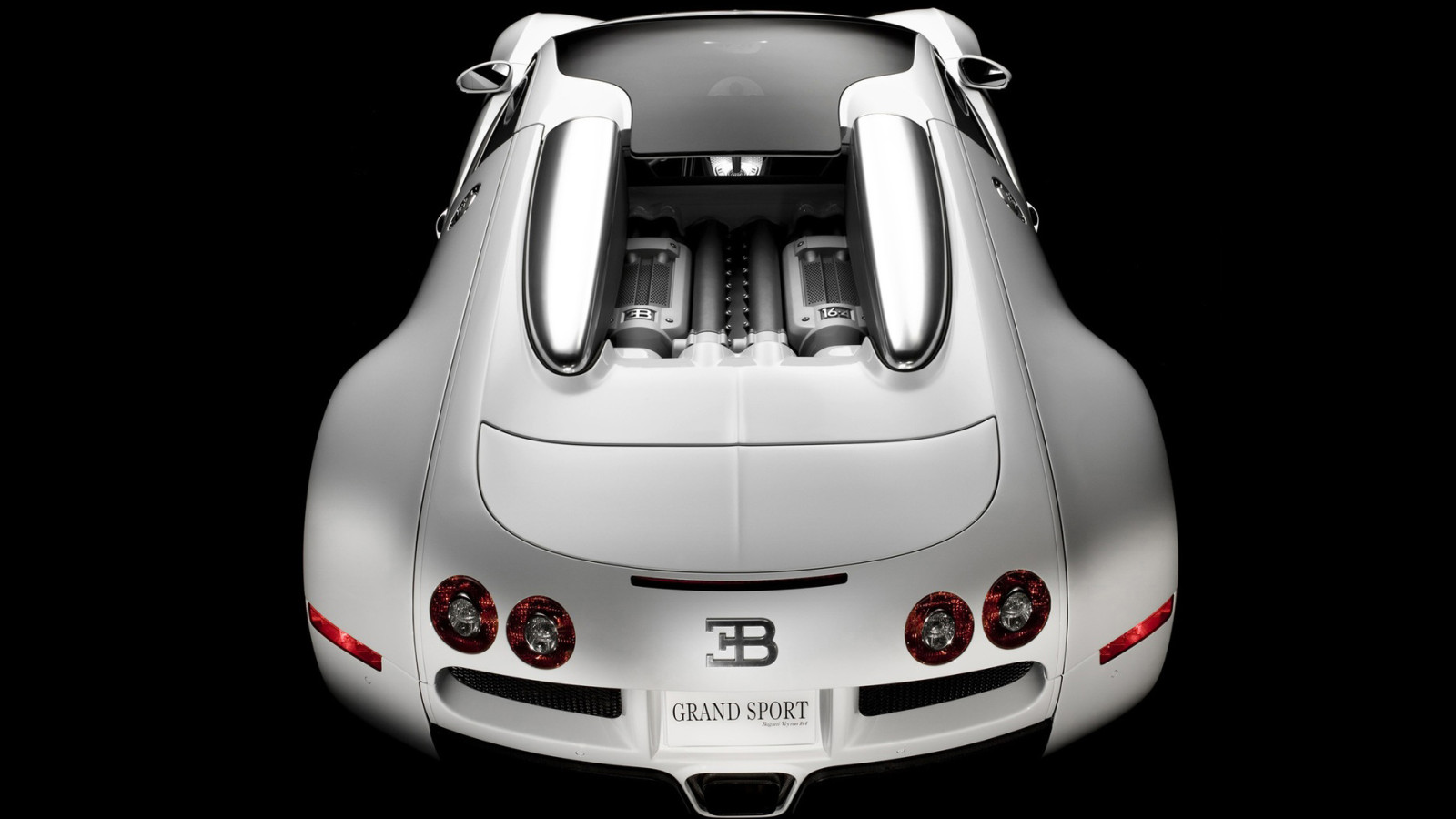
Bugatti used a transparent roof panel for the Grand Sport, while the roofline was set a little higher than the coupé’s to reduce wind buffeting.
Only 150 Veyron Grand Sports were made, including the even faster Vitesse version tested at 254mph.
3. Citroën C3 Pluriel
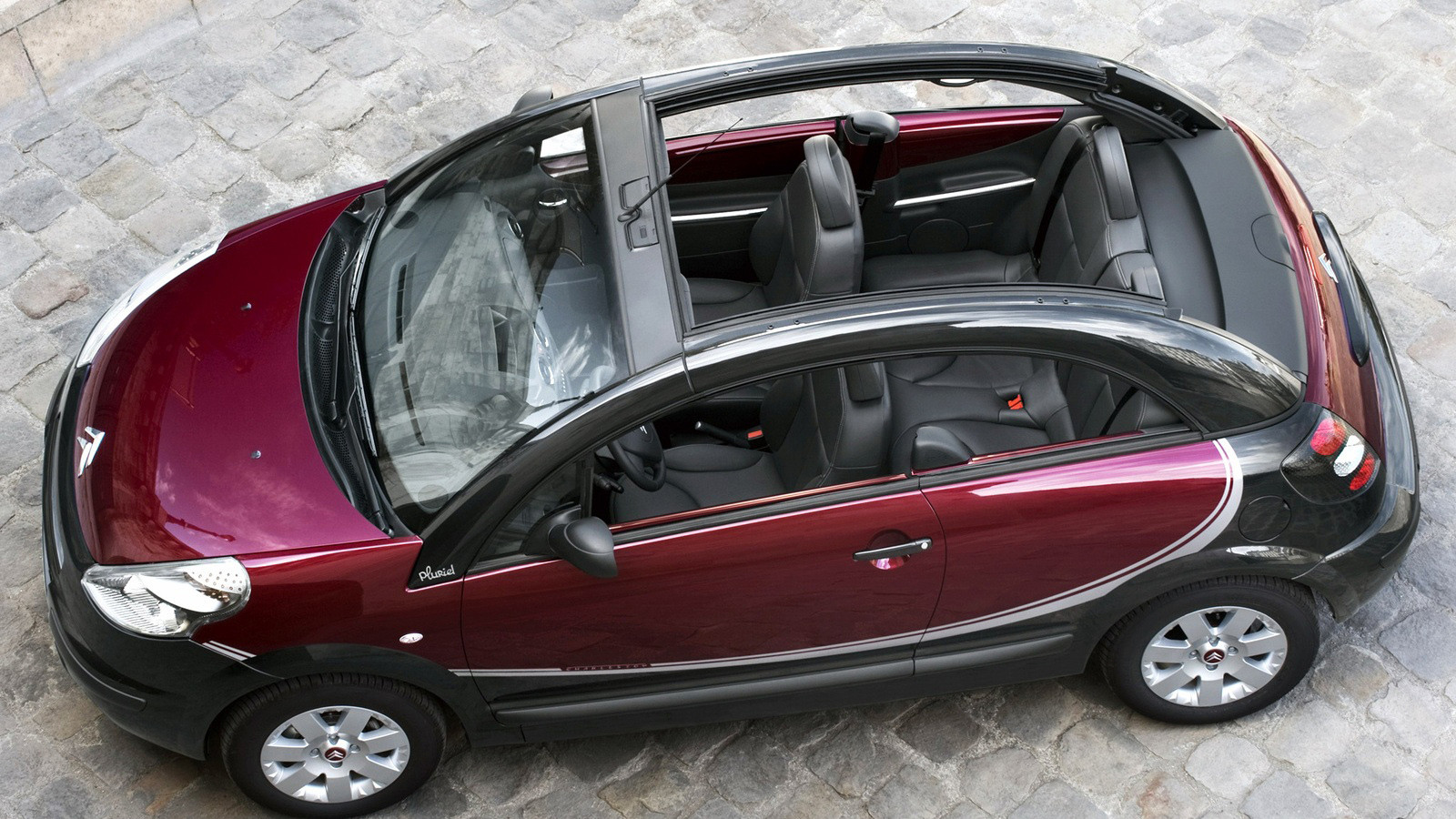
Pitched as ‘five cars in one’ by Citroën when it launched the Pluriel, in production from 2003-2010, it was an intriguing idea but failed to work well in any one of its configurations.
The most simple convertible form was achieved by electrically retracting the fabric roof, which could then be further folded to flip and stow underneath the boot’s floor.
To turn the Pluriel into a fully open car, you could remove the curved roof pillars, but there was nowhere to store them, so it meant getting wet if it rained while driving in this configuration.
The Citroën C3 Pluriel could also be turned into a pick-up, but few customers bothered to buy one to find out if it was useful or not.
4. Citroën Visa Décapotable
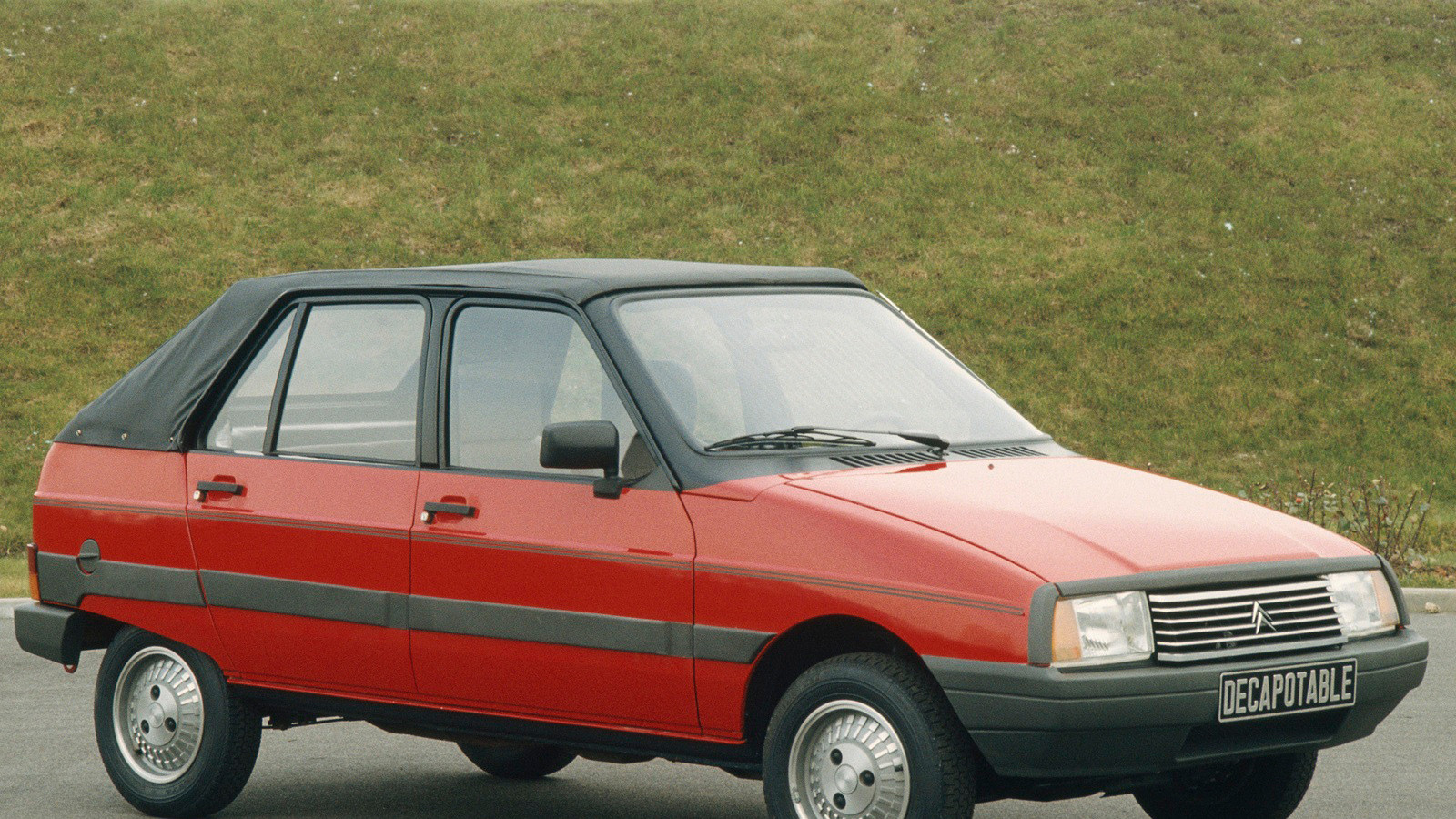
The market for a convertible Citroën Visa might have been very limited, but French coachbuilder Heuliez did a neat job.
The folding roof closely followed the lines of the standard hatchback, so with the roof up the Décapotable didn’t stand out.
Roof down, the hood stowed neatly behind the rear bench but also robbed the boot of space.
Keeping the roof pillars and a cross brace helped with the body’s stiffness, but the Décapotable conversion made it heavier than a standard Citroën Visa.
There was also the issue of price, because the Décapotable cost half as much again as the Visa 11RE model it was based on.
5. Fiat 500 Jolly
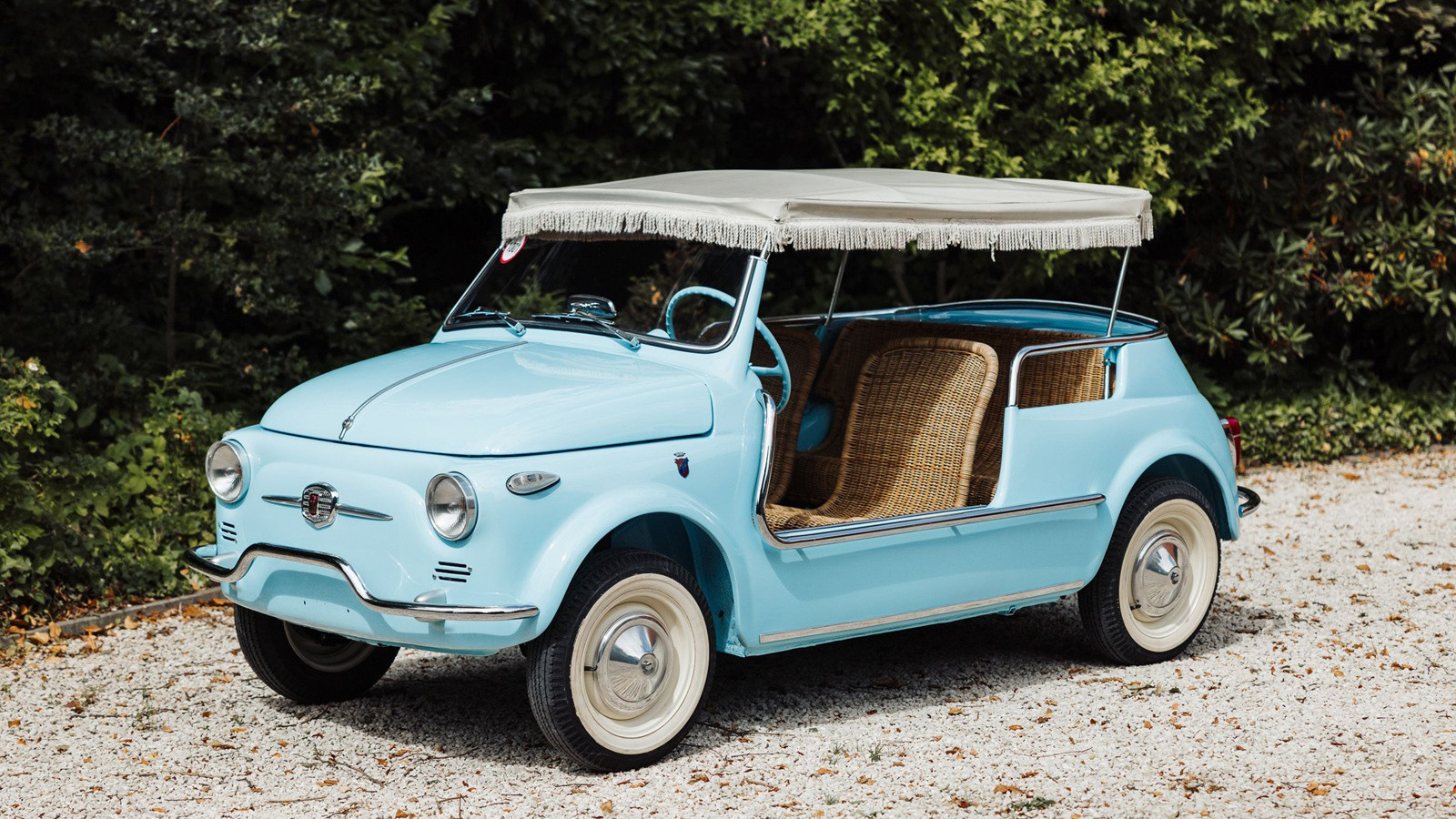
The list of Fiat 500 Jolly owners is as impressive as the diminutive soft-top and includes Aristotle Onassis, Yul Brynner, Grace Kelly and Lando Norris.
This model was the pet project of Fiat’s owner, Gianni Agnelli, who wanted a compact and fun car to keep aboard his yacht and use on land while his boat was docked.
Around 400 examples were produced by Ghia with its trademark striped roof, which looked more like a shopfront awning than serious weather protection.
The doorless sides added to the wide, open feel of the Fiat 500 Jolly’s cabin, which featured wicker seats because they are more resistant to sand and water.
6. Lamborghini Murciélago Roadster
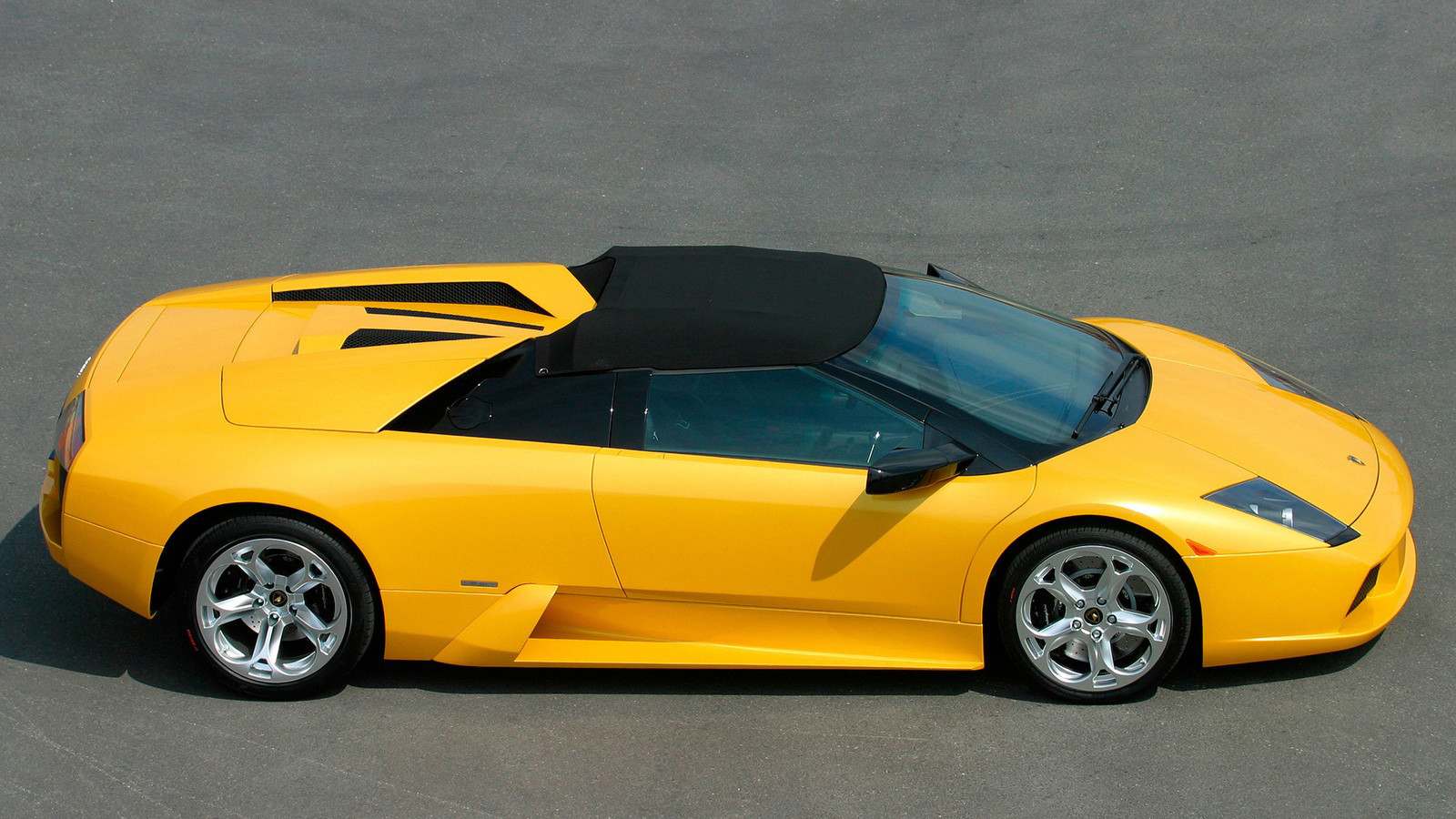
Lamborghini clearly thought its 899 Murciélago Roadster owners lived in permanently sunny climates because this car’s roof was more an attachable umbrella than a serious soft-top.
Consigned to the front boot of the car alongside a can of tyre sealant, this complicated roof was a last resort rather than a weather-tight hood to permit all-year driving.
Made up of various separate components, owners also had to pop up the engine cover to access securing studs.
Even once in place, the roof was only rated for use up to 100mph – of course, this is fine for everyday driving, but it is less than half of the Murciélago Roadster’s 205mph top speed.
7. Land Rover Freelander
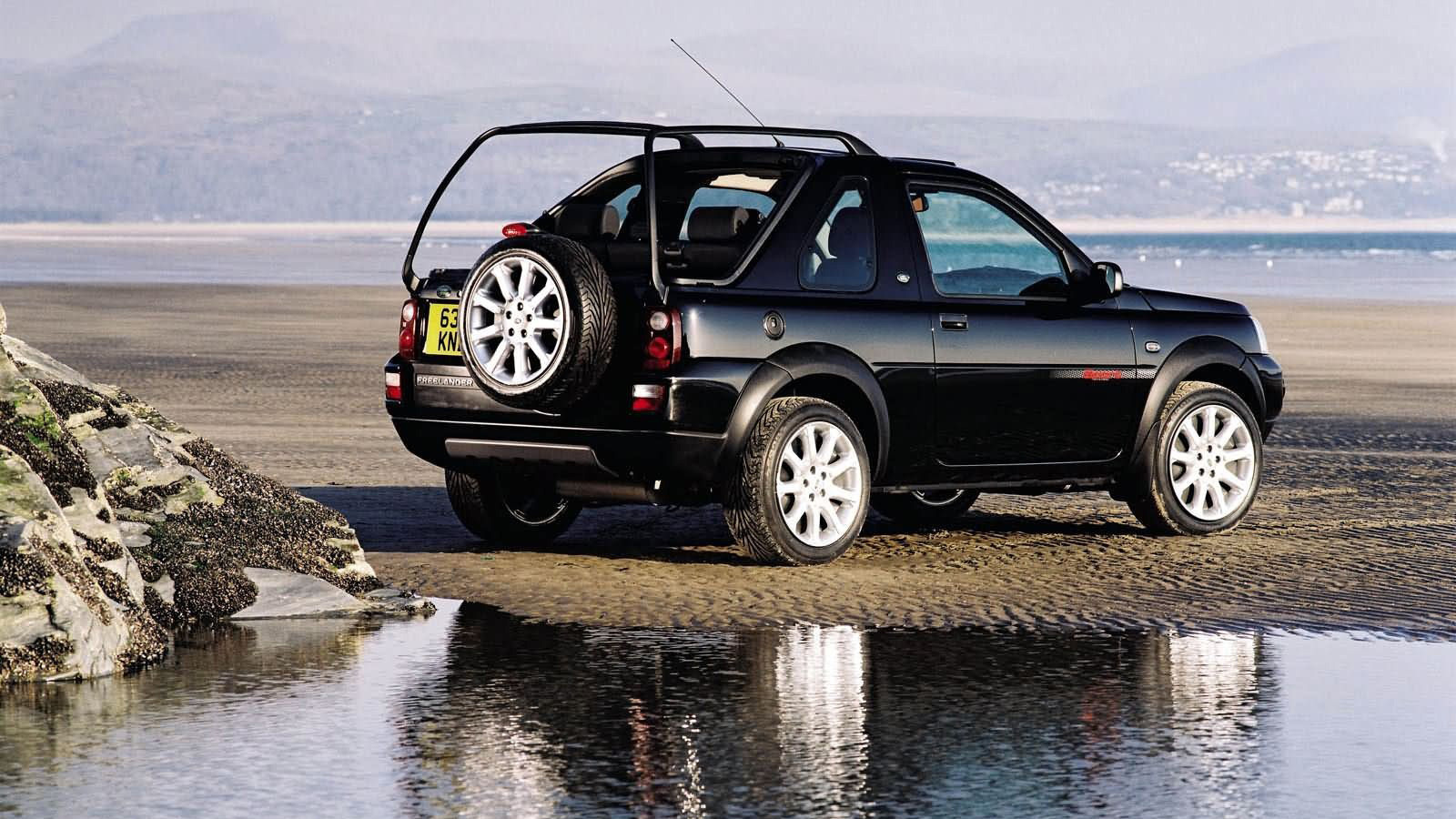
If you’ve ever wondered why you rarely see a first-generation Land Rover Freelander three-door in open-top form, you haven’t experienced the convertible process.
Removing the hardtop is a lengthy job best done with two people, then replacing it with the soft-top means the sun is likely to have disappeared by the time it’s fitted.
Even with the fabric roof in place, the sidescreens had to be removed for folding and then the roof stowed against the sloping rear cabin pillars.
It made the simplicity of a Defender’s canvas tilt desirable and few Freelander owners bother to remove the hardtop.
8. Lincoln Continental Convertible
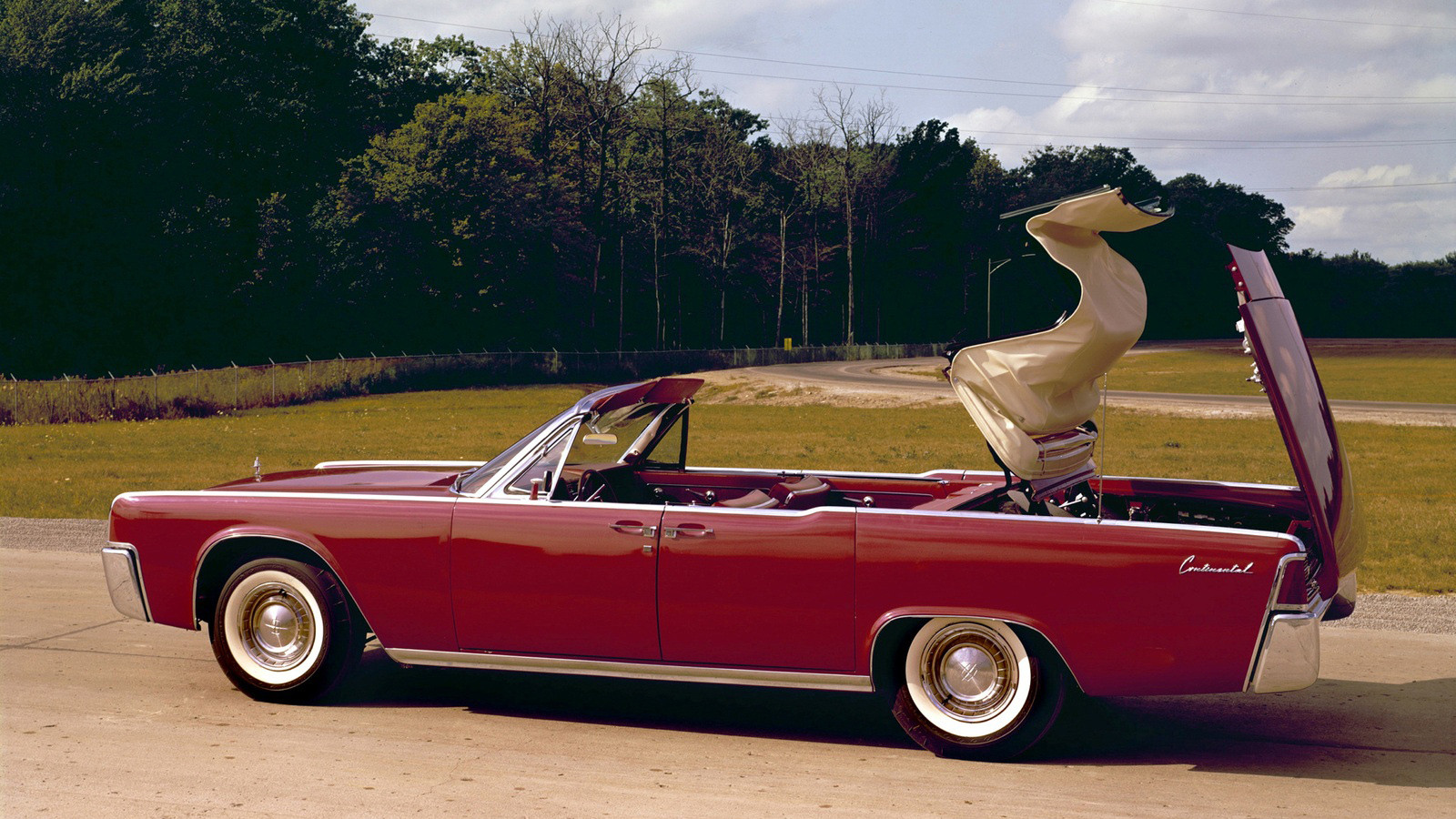
When Ford unveiled its new Lincoln Continental Convertible in late 1960, it was a radical break from the previous generation.
As well as its styling with clap-hand doors, it was also the world’s only production four-door convertible at the time.
The powered roof was a marvel of the latest technology: it rotated through 180 degrees as it folded under the rear-hinged boot panel.
A button on the dashboard operated the roof, but from the 1966 model year the roof could also be worked from an optional key slot next to the fuel-filler flap from outside the car.
9. Lotus Elise
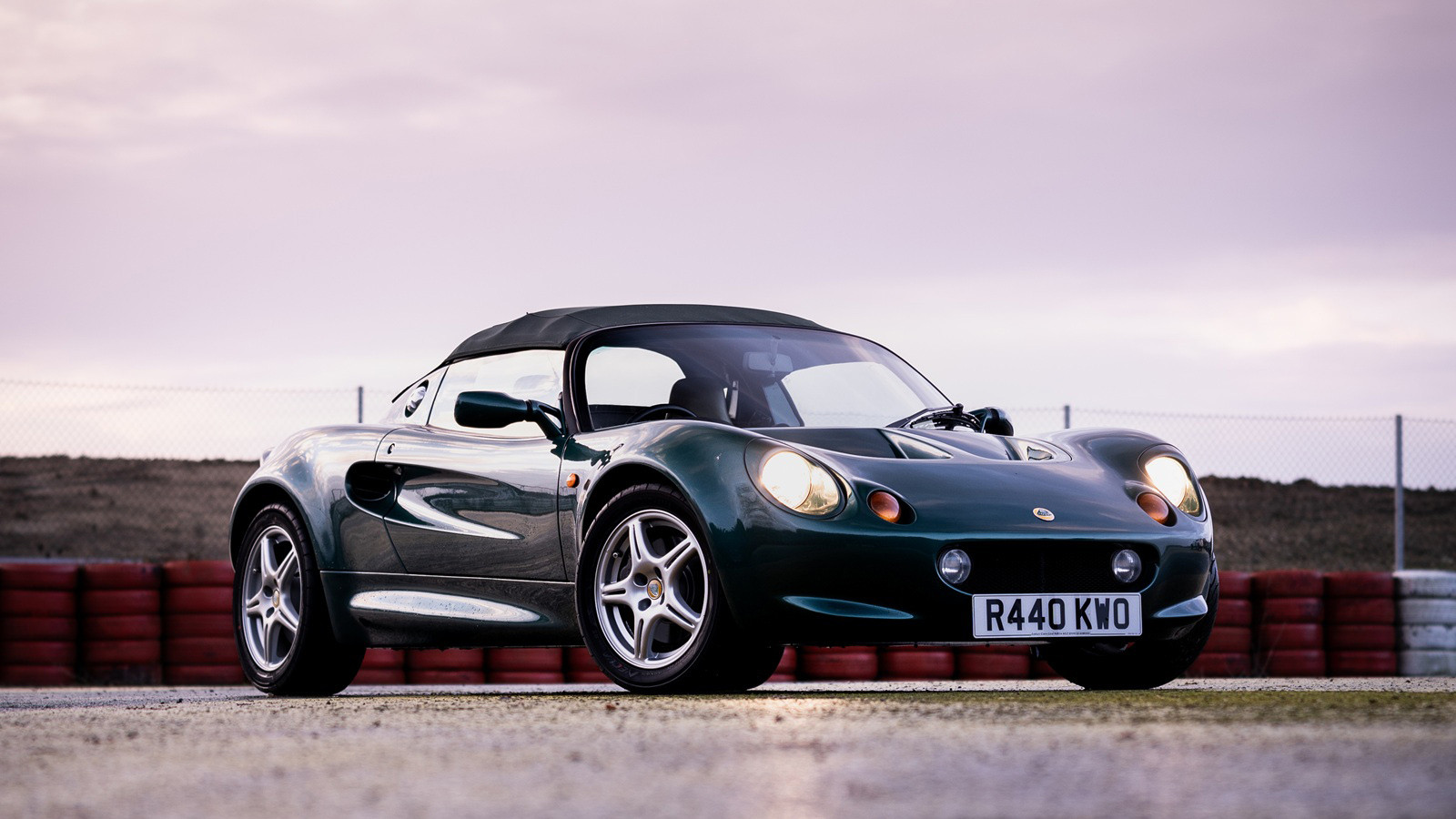
The Elise was a brilliant return to a back-to-basics sports car for Lotus, although its lightweight roof was less impressive.
An Allen key stored behind the driver’s seat tightened or released bolts on the rear buttresses, which then allowed the roof to be freed from the windscreen rail.
With the fabric hood tucked in the boot, owners then had to remove two tensioning spars and stow them in slots behind the seats.
Finally, the bars above the doors could be removed and put in the boot.
Fitting the Lotus Elise’s roof was the reverse of removal, and you needed a good waterproof jacket because this wasn’t the quickest process.
10. Mini Moke
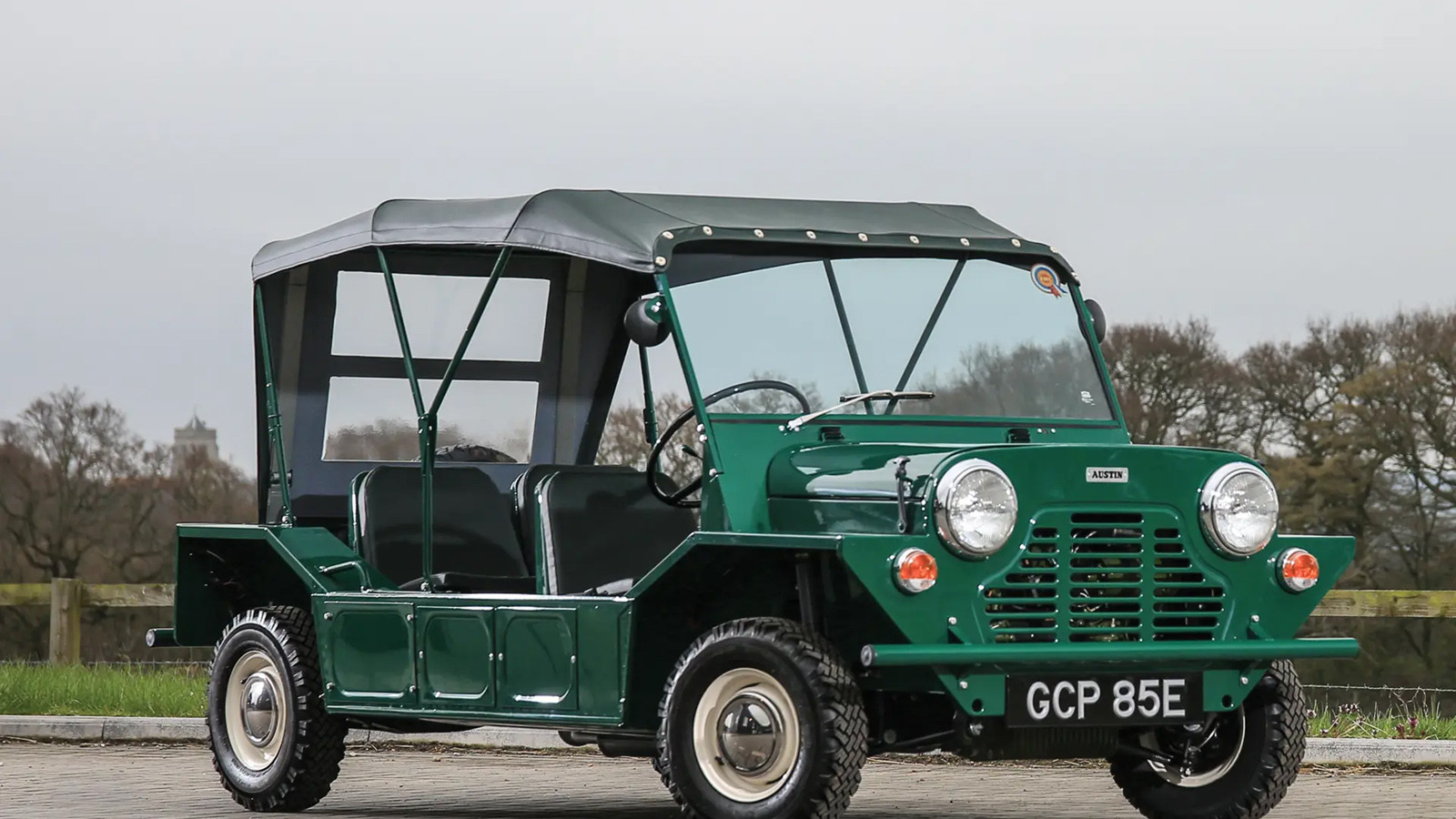
When you know that the Mini Moke was originally intended as a stripped-out vehicle for military use, the fact that its roof resembled an army tarpaulin makes more sense.
A lightweight solution was required for the Moke to help it traverse rough ground and be transported by aircraft, but limited ground clearance limited this.
It looked like the Moke was a failure, but then it was repurposed as a cheap, fun car where its basic roof design didn’t matter.
The Mini Moke soon became a 1960s style icon and featured in many films, which helped to sell 29,393 of the original model between 1964 and 1968.
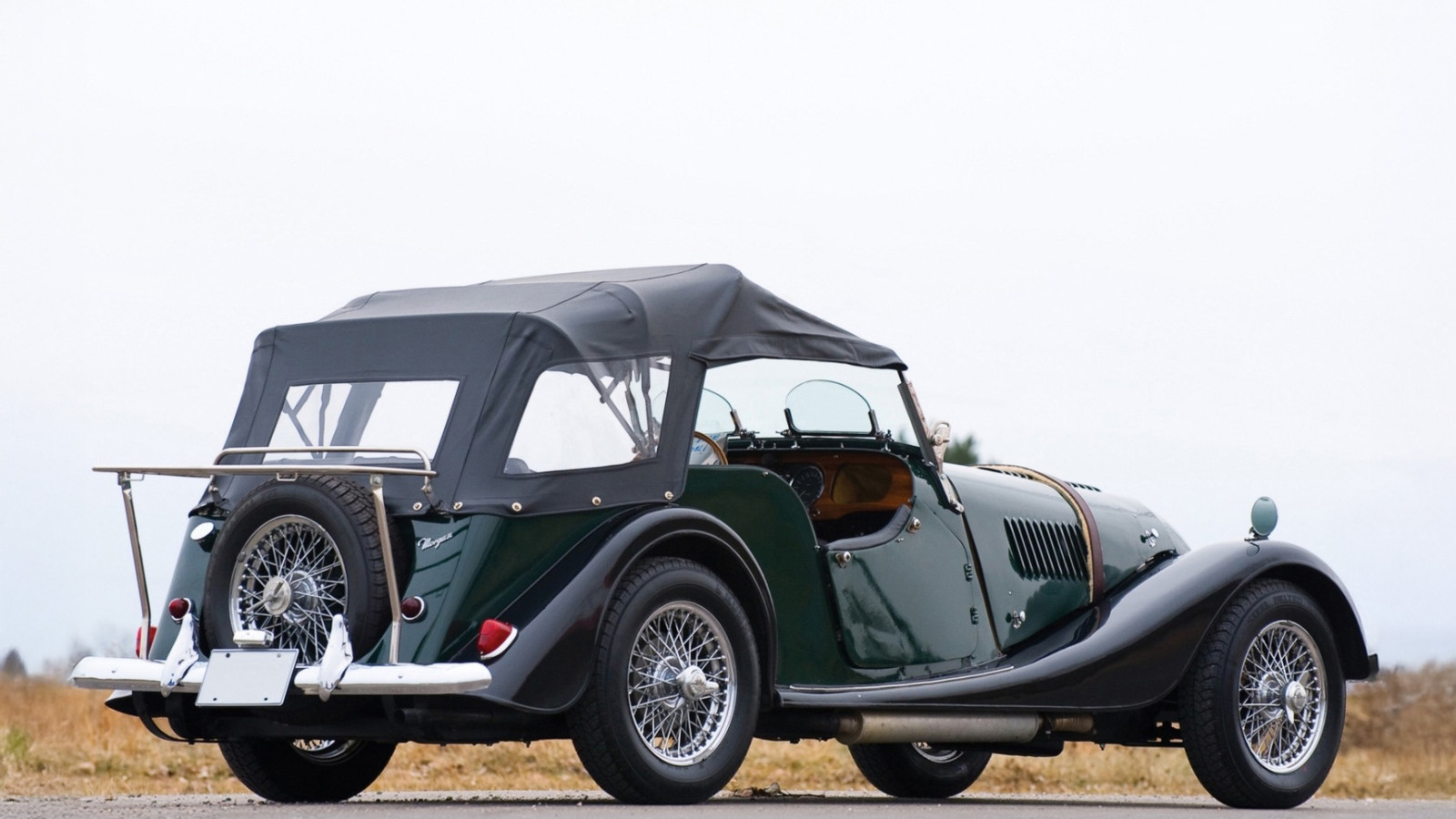
11. Morgan 4/4 Four Seater
Morgan made a pitch for families with its four-seat 4/4 model, offered on and off between 1936 and 2016.
The longer body of the four-seat model required a roof of standard construction, but its sheer size relative to the car made it stand out in a crowd.
In 2000, Morgan improved the Four Seater’s hood design to make it easier and quicker to put in place, although this was all relative, because it still took a couple of minutes compared to the seconds needed to do the same for the likes of a Mazda MX-5.
With the roof raised, the Four Seater was not as svelte looking as its two-seat sibling, which was a good excuse to leave it folded away.
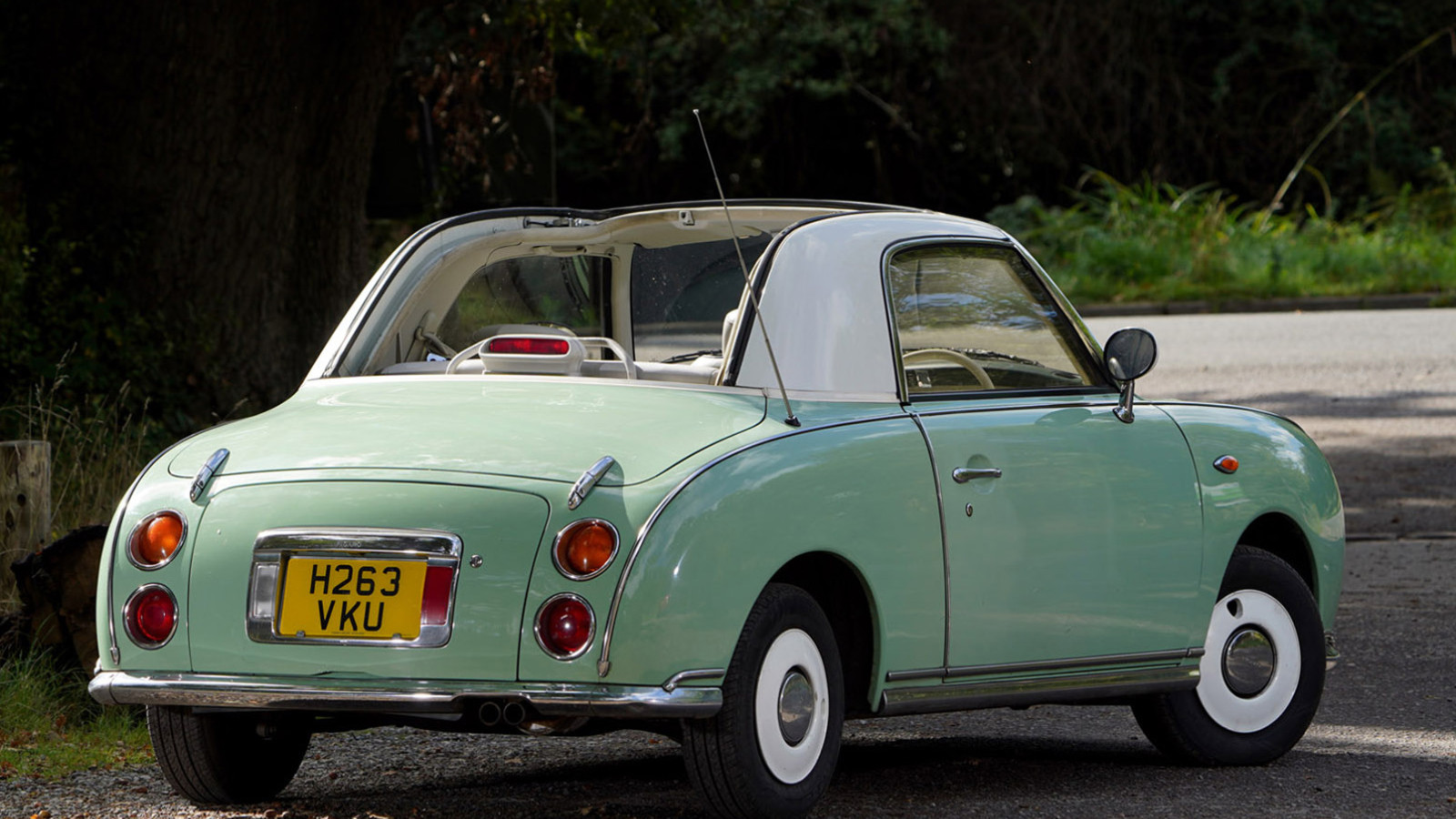
12. Nissan Figaro
The retro design of Nissan’s Figaro in 1991 predated the likes of the BMW MINI and Volkswagen Beetle by some margin.
Key to the Figaro’s appeal was its opening roof design, which looked like it should simply slide back behind the cabin.
In fact, this was a fully folding roof which was stored under the rear boot deck that was released with a switch hidden by the driver’s left leg.
However, the roof had to be stowed and raised manually, though the fixed side pillars made it remarkably free from buffeting.
Only built for 12 months for Japanese customers, Nissan sold 20,073 Figaros in total.
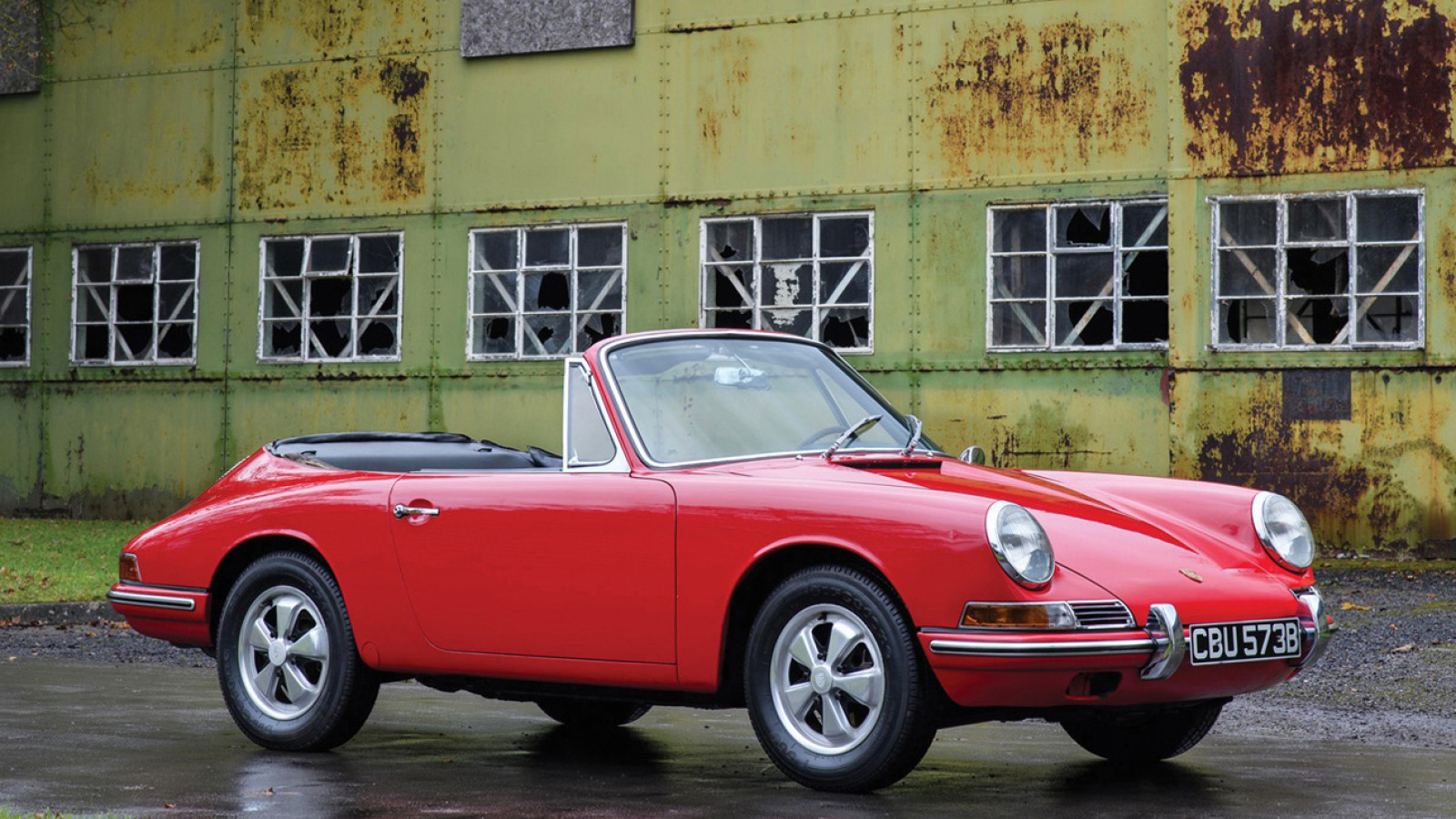
13. Porsche 901 Cabriolet
Porsche was caught off-guard by demand for a cabriolet version of its new 911 at launch in 1964.
It hadn’t planned for an open model, so it quickly enlisted the help of German coachbuilder Karmann.
The roof was chopped off an early coupé and a fabric roof was fitted, along with additional bracing to retain the car’s structural strength.
Testing soon showed the roof was not very weathertight and this design was abandoned until the first proper 911 Cabriolet arrived in 1981.
In the meantime, Porsche came up with its Targa model with a removable roof panel and, on early cars, a folding rear windscreen panel, too.
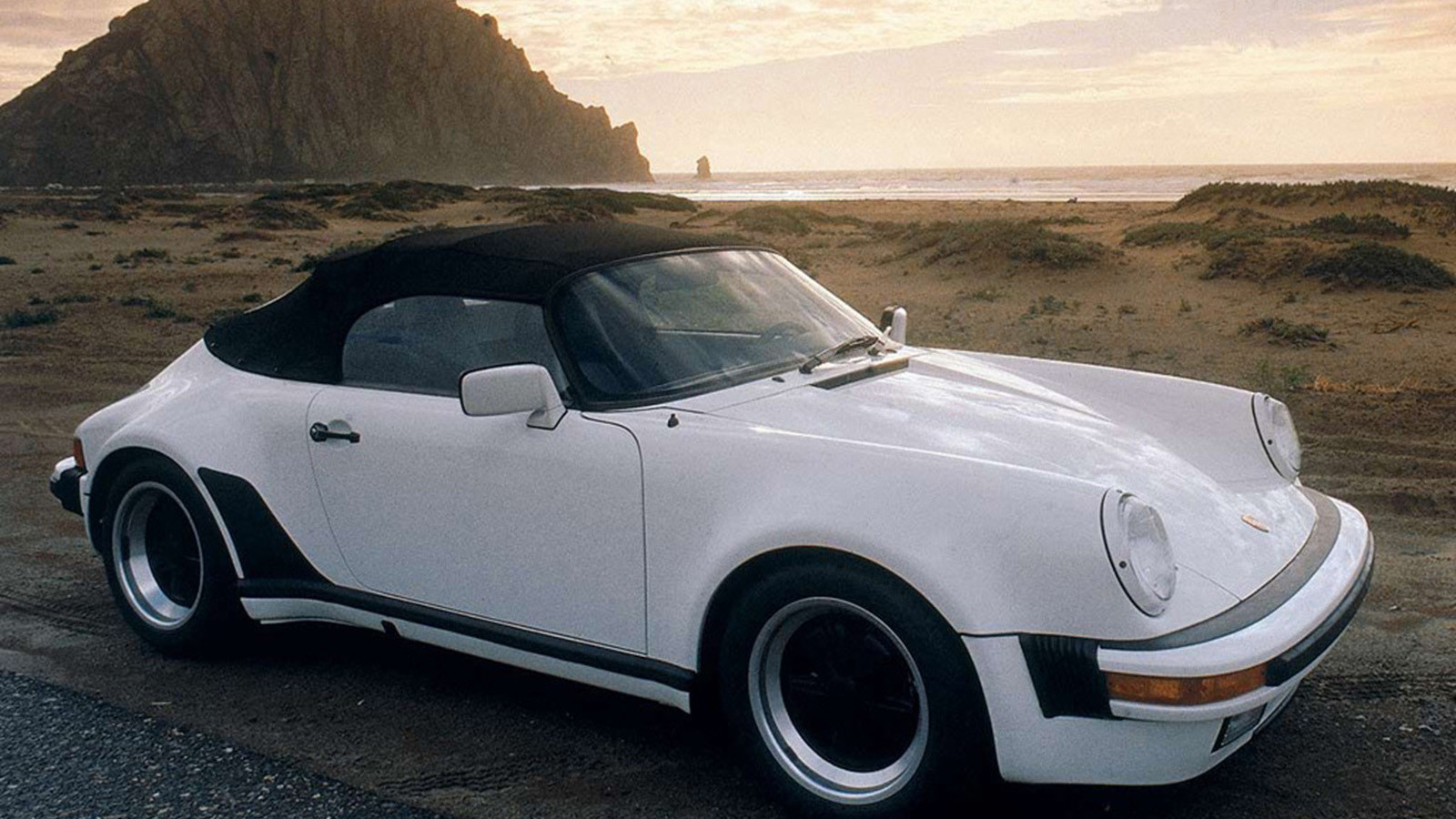
14. Porsche 911 Speedster G-Model
Porsche invoked the name and style of its 356 Speedster for this open two-seat version of the 911 in 1988.
The cut-down windscreen required a new roof design, which was complicated.
The rear clamshell behind the cabin had to be released and opened before the hood could be raised, and it required plenty of fixing and clipping of edges before the roof could finally be secured in position.
Most of the 2103 Porsche 911 Speedsters made were destined to be used only as a second, fun car, so the roof was more of a last resort – assuming the owner had read the instructions and knew what they were doing.
15. Porsche Boxster Spyder
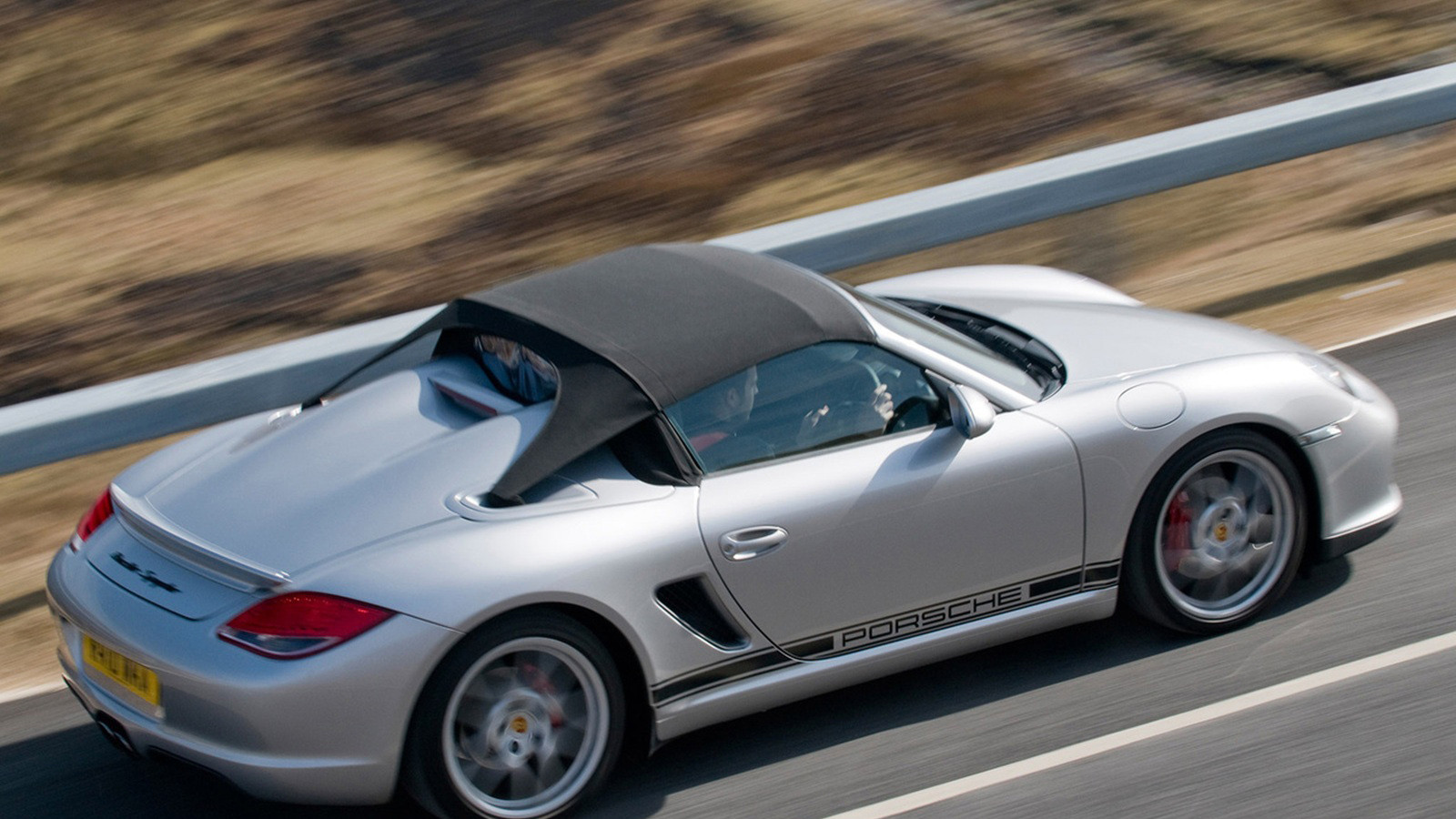
To save weight, Porsche ditched the standard roof in favour of a more basic canvas top for its first Boxster Spyder.
This saved 21kg (46lb), but it added a good deal of hassle when you wanted protection from a downpour.
The roof had to be clipped to the windscreen rail before a hoop slotted into the roll bars behind the seats.
Then you had to attach and tighten the tensioning cable before fitting the separate rear-window section with poppers.
Only then could you tighten the rearmost section of the main roof by closing the boot.
Little wonder Porsche opted for a more simple system for the 981 Spyder.
16. Renault Sport Spider
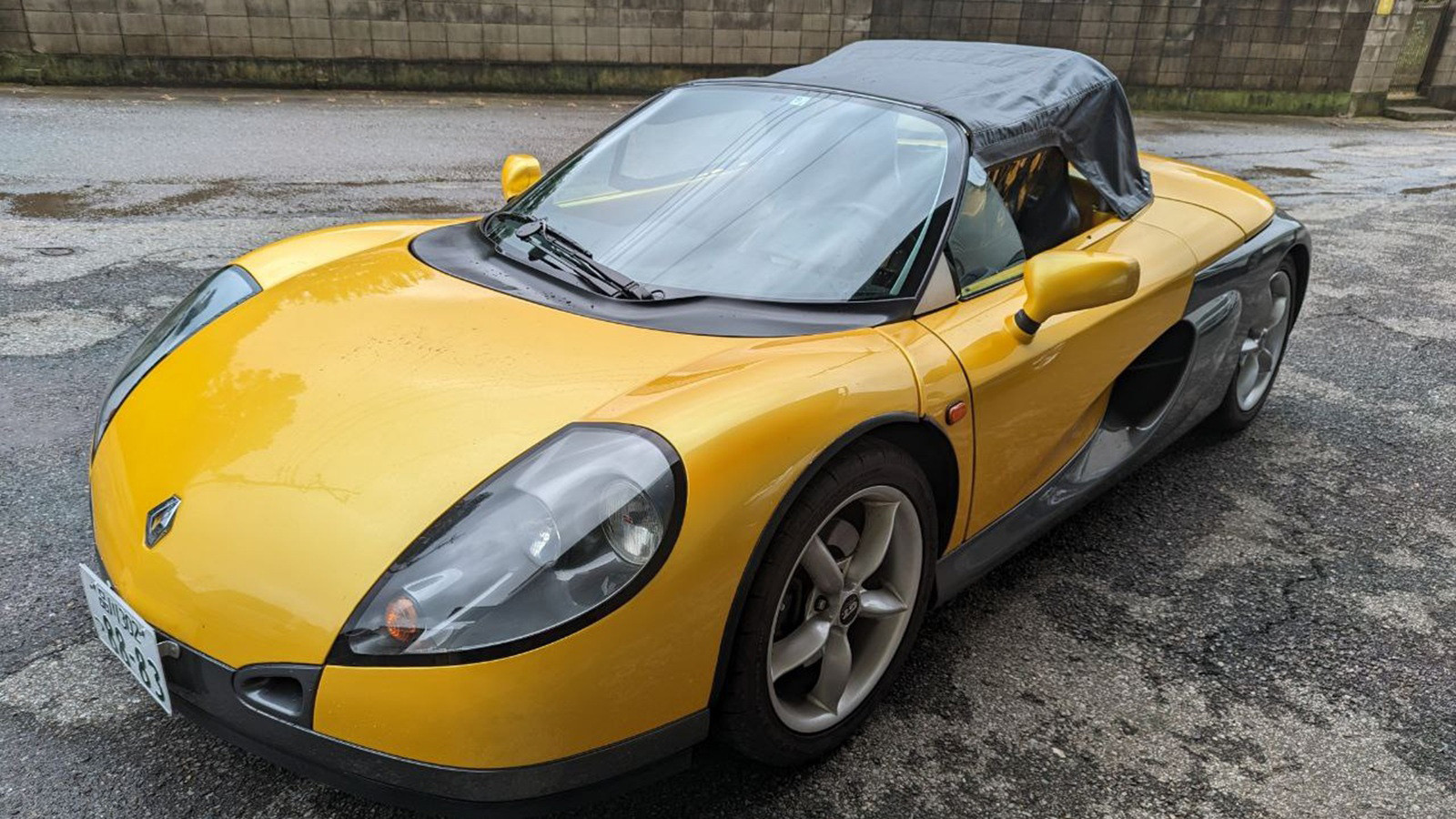
Never mind a roof, Renault designed its radical Spider without a windscreen.
That made it a tricky sell and the French car maker relented by adding a large windscreen, with the option of a canvas roof.
All 96 right-hand-drive Renault Sport Spiders, out of a total of 1685 made, came with the windscreen, but few people bothered with the roof because it was awkward to fit and made getting in and out of the car rather tricky.
It was also far from a good look, because the roof was secured on to the high-riding rollover bar, so this solution was better viewed as a device to keep the rain out the car when it was parked.
17. Smart Roadster
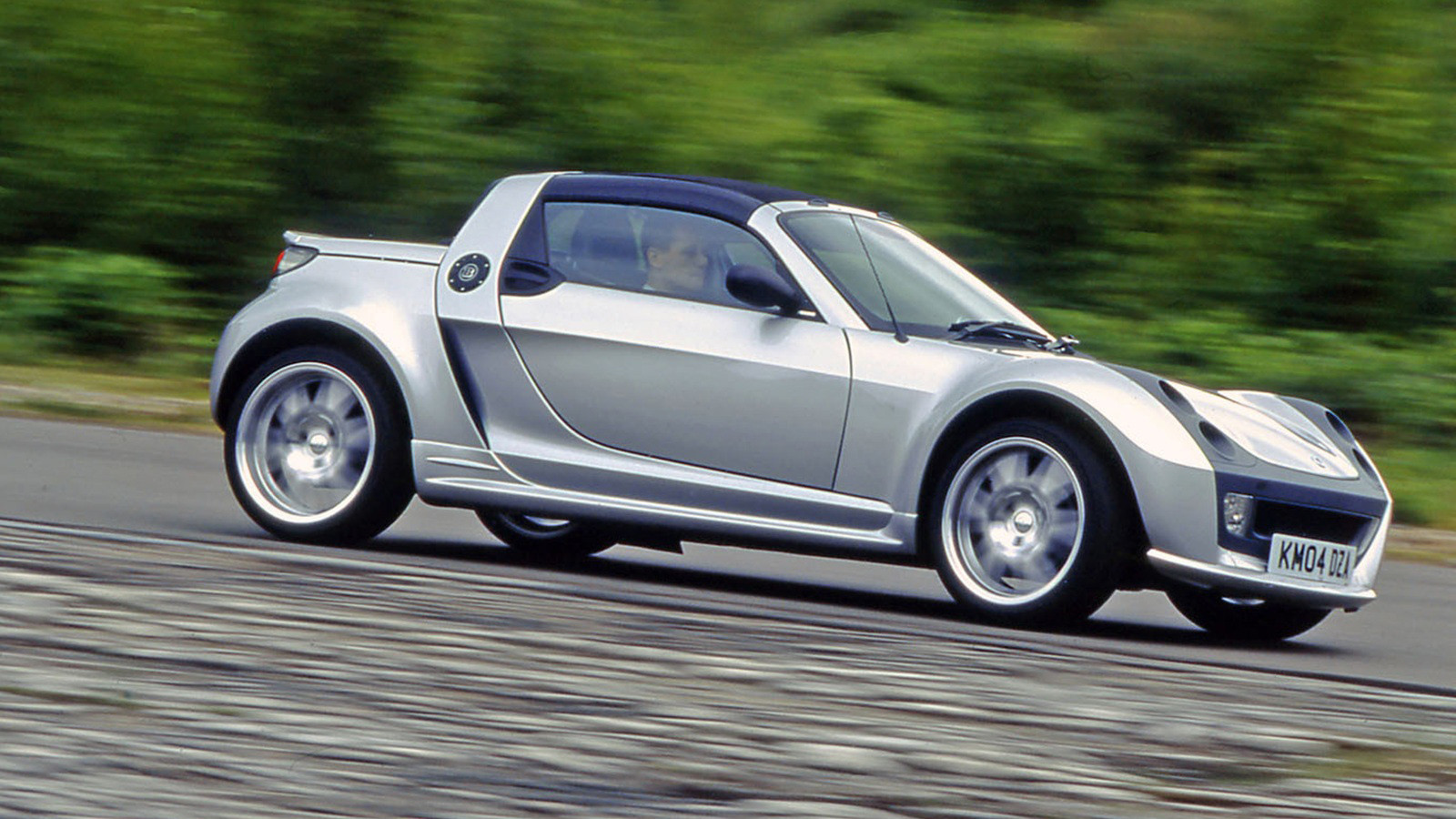
The diminutive Smart Roadster was the spiritual successor to the likes of the Austin-Healey Sprite in size and style.
Part of the Roadster’s appeal lay in its open-top driving experience, which was quickly and easily accessed with its unusual roof design.
Rather than having to fold away the hood yourself, it slid back electrically and its party piece was disappearing below the rear window into a dedicated space.
To fully open the cabin to the elements you had to remove the roof’s side bars, which was quick and easy to manage.
The Smart Roadster Coupé with its bigger boot used the same roof system.
18. TVR Chimaera
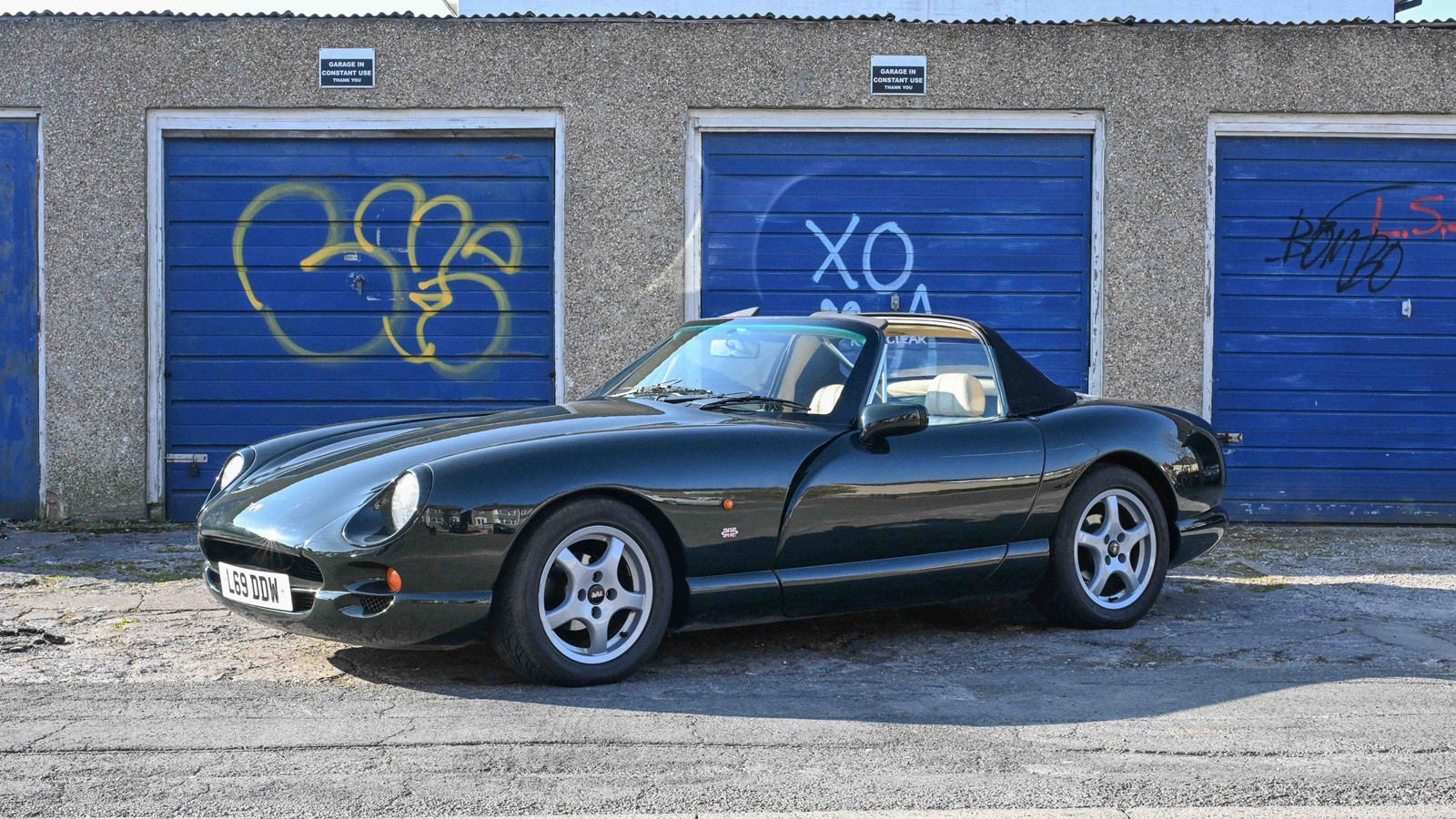
The Chimaera was not the first TVR to use this style of roof, but the Blackpool marque had perfected it by the model’s arrival in 1993.
The separate roof and rear hood sections meant the upper portion was stored in the surprisingly large boot, and the car could be run with the roof in a targa style.
The aluminium uprights that tension the back half of the hood were easy to fold, which meant this part of the roof dropped below the waistline for the full convertible look.
Quick, easy and remarkably effective, TVR saw no need to offer an electrically operated drop-top that would add complexity and cost.
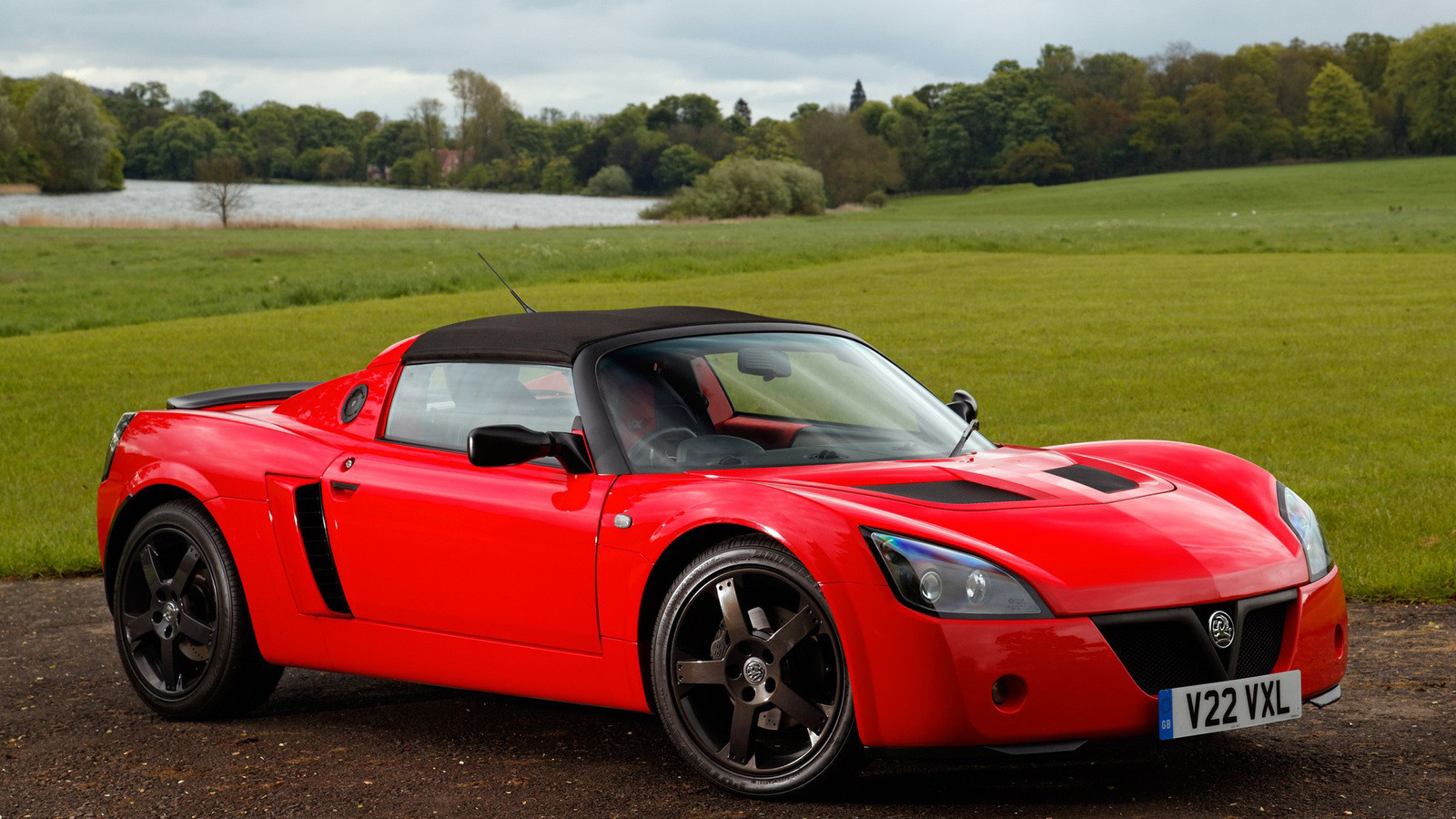
19. Vauxhall VX220
The Vauxhall VX220 may have been based on the Lotus Elise chassis, but its roof design was completely different and a huge improvement.
In place of the Elise Series 1’s poppers and Allen bolts, the VX220 used simple latches built into the bars that sat above the door windows.
A couple of spars to keep the hood taut were the only similarity to the Elise’s design.
Better still, the Vauxhall’s roof could be removed or fitted in seconds compared to minutes for the Lotus.
In fact, it was such a good idea that Lotus adopted it for its Elise S2.
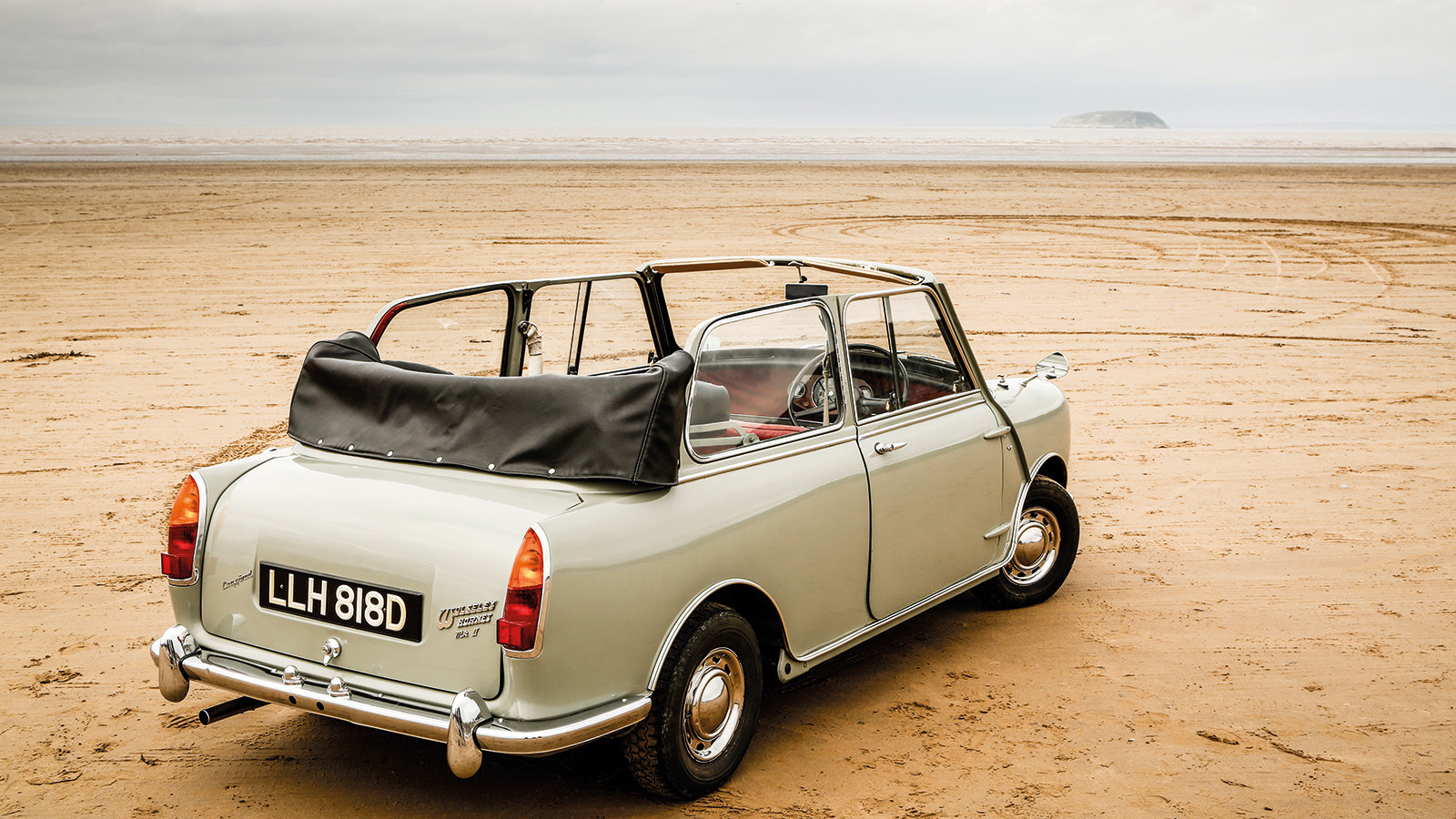
20. Wolseley ‘Heinz’ Hornet
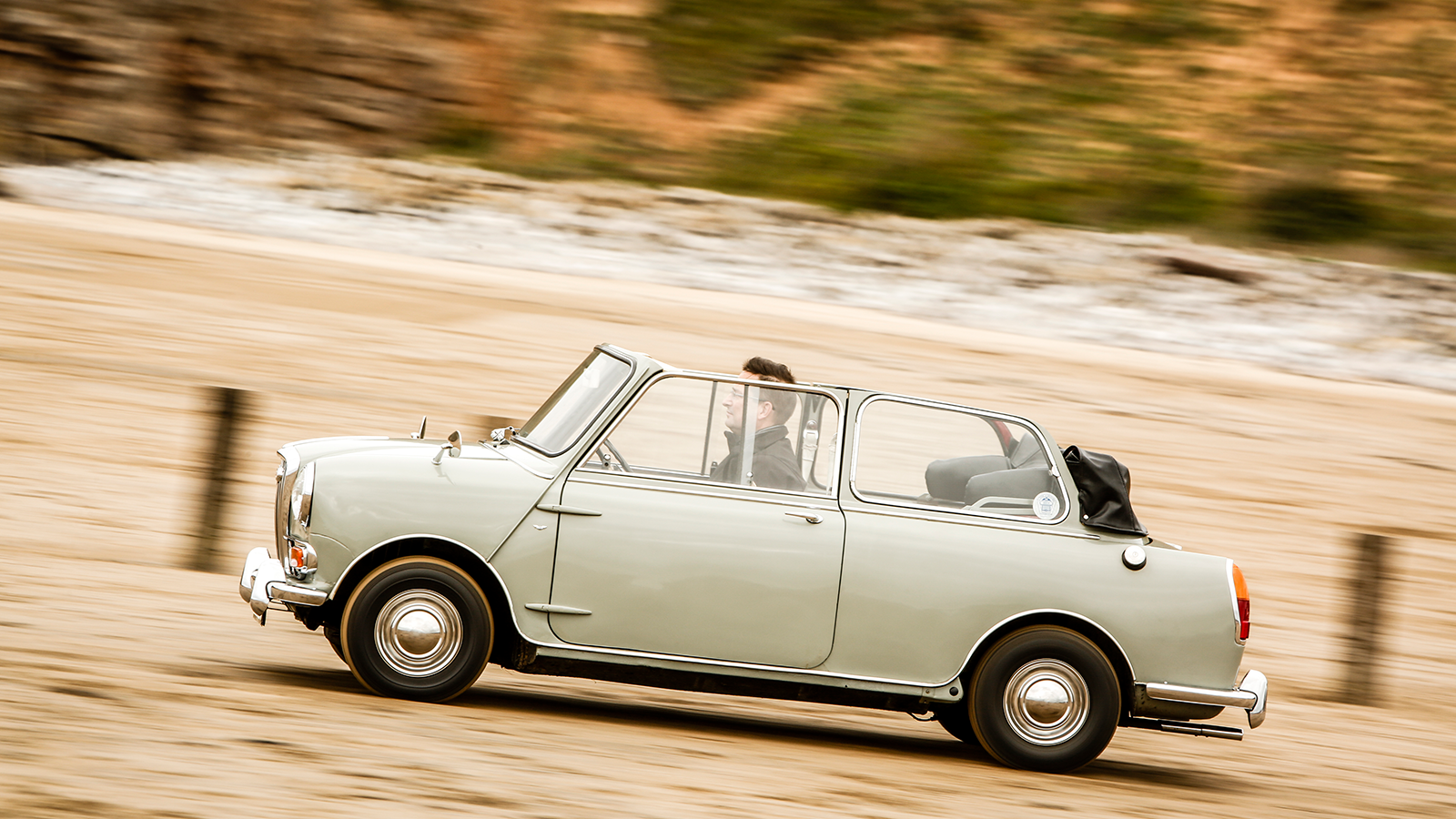
A competition to promote Heinz soup resulted in 57 of these special Wolseley Hornet convertibles being built by Crayford.
The 57 cars, finished in either grey or white, all had red-leather interiors and a large folding roof that sat on the parcel shelf when lowered, somewhat limiting rearward visibility for the driver.
The standard side glass was retained, with the roof fitting over it in a slightly awkward but watertight manner.
Crayford agreed not to build any other Hornet convertibles and, impressively, 41 of the 57 Heinz Hornets are known to survive today.