20 bubble cars in all shapes and one size
Bubble cars arrived as the great small hope in the 1950s to deliver efficient, low-cost motoring.
For a brief period, it looked like they would do just that, but the advent of cars like the Mini saw off this charge of the microcars.
However, the bubble-car genre never quite went away, and the idea has been revisited in later decades all the way to the present day.
Here’s a list of 20 bubble cars, including hits, misses and maybes, arranged in alphabetical order.
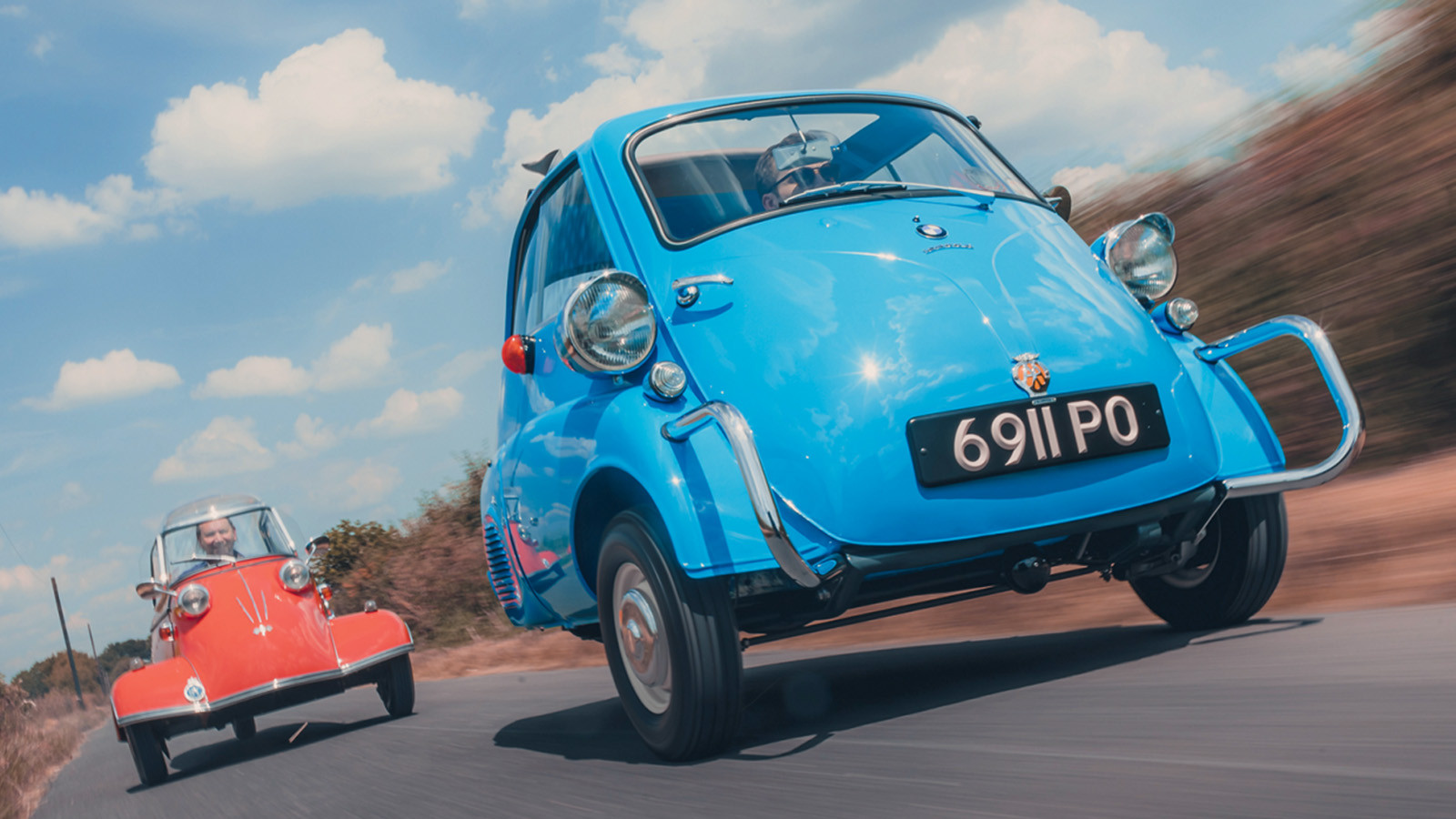
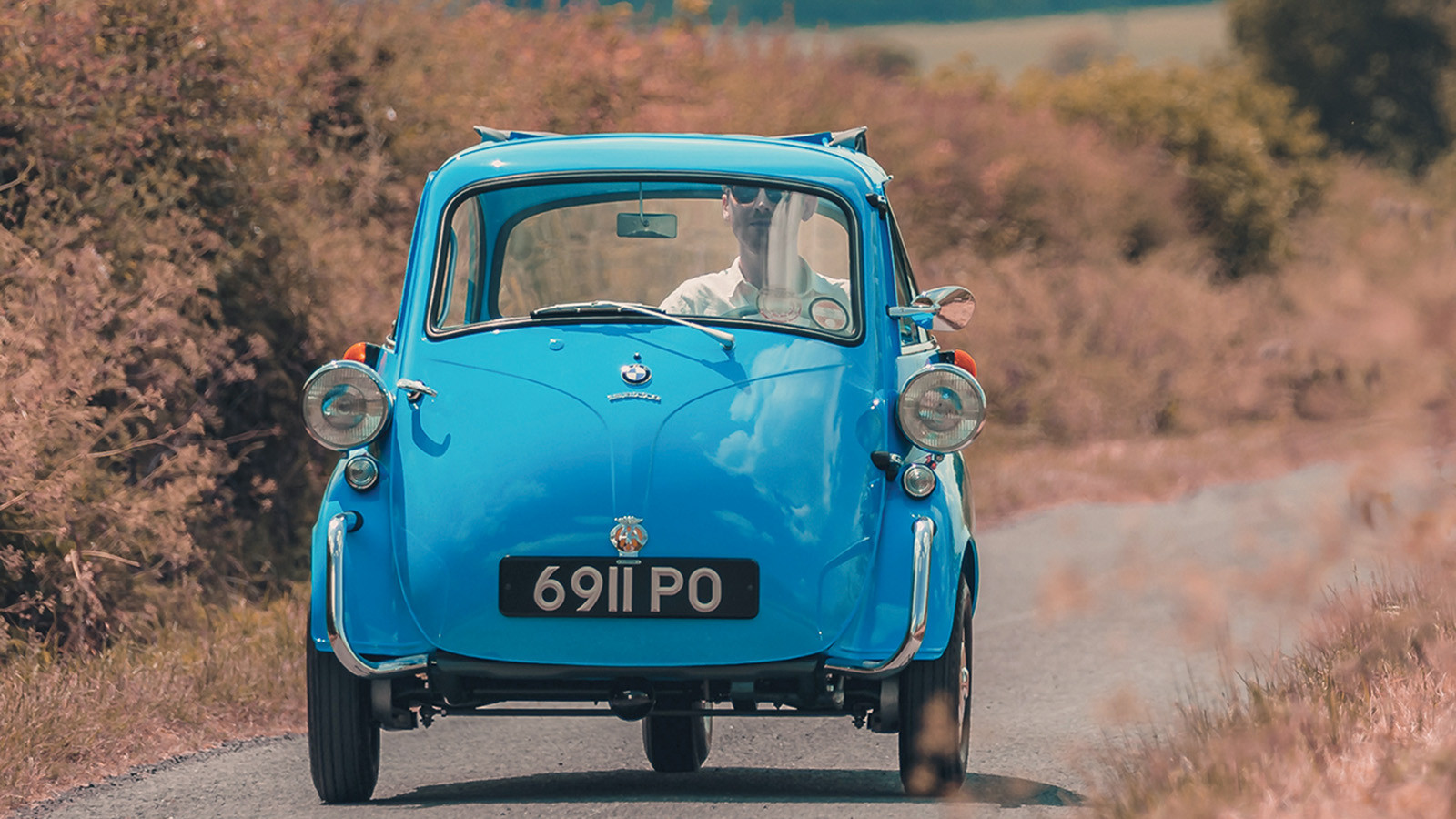
1. BMW Isetta
The Isetta started out in life in 1953 as an Iso, long before the fridge maker began to build exotic sports cars.
However, the Isetta didn’t find favour with Italian buyers and the project was sold to BMW, which desperately needed a low-cost car to underwrite the losses being made by its range of luxury models.
Where Iso struggled, BMW turned the Isetta into the definitive bubble car, powered by its own 247cc engine for this tiny two-seater with its trademark single front door.
BMW also offered the 600 with four seats and a single side door for easier access.
Around 160,000 BMW Isettas were produced, including some made in Brighton in the UK. These British models continued to 1964, outlasting the German version that ended production in 1962.
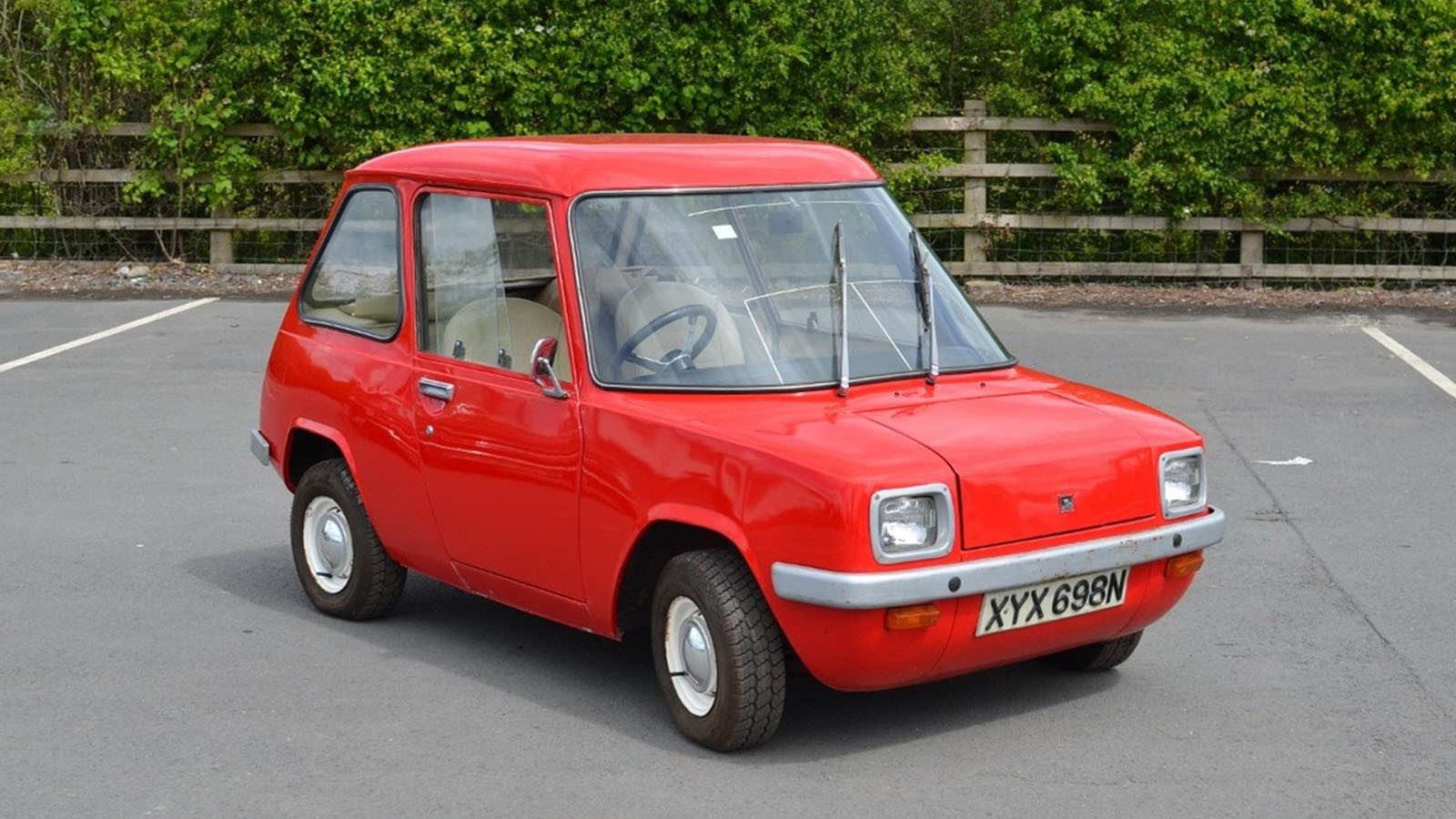
2. Enfield 8000
The Enfield 8000 may well have been just too far ahead of its time as a battery-powered urban runabout.
The brainchild of Greek shipping magnate John Goulandris, the 8000 arrived in 1969 with an 8bhp electric motor and 44mph top speed.
With all of its batteries fully charged, the Enfield could cover up to 66 miles and it came with independent front suspension, hydraulic brakes and Dunlop Denovo tyres.
With an aluminium body over spaceframe construction, the 8000’s spec read more like a sports car’s.
Unfortunately, so did the price and it flopped with only 103 produced – and most of those went to the Electricity Council.
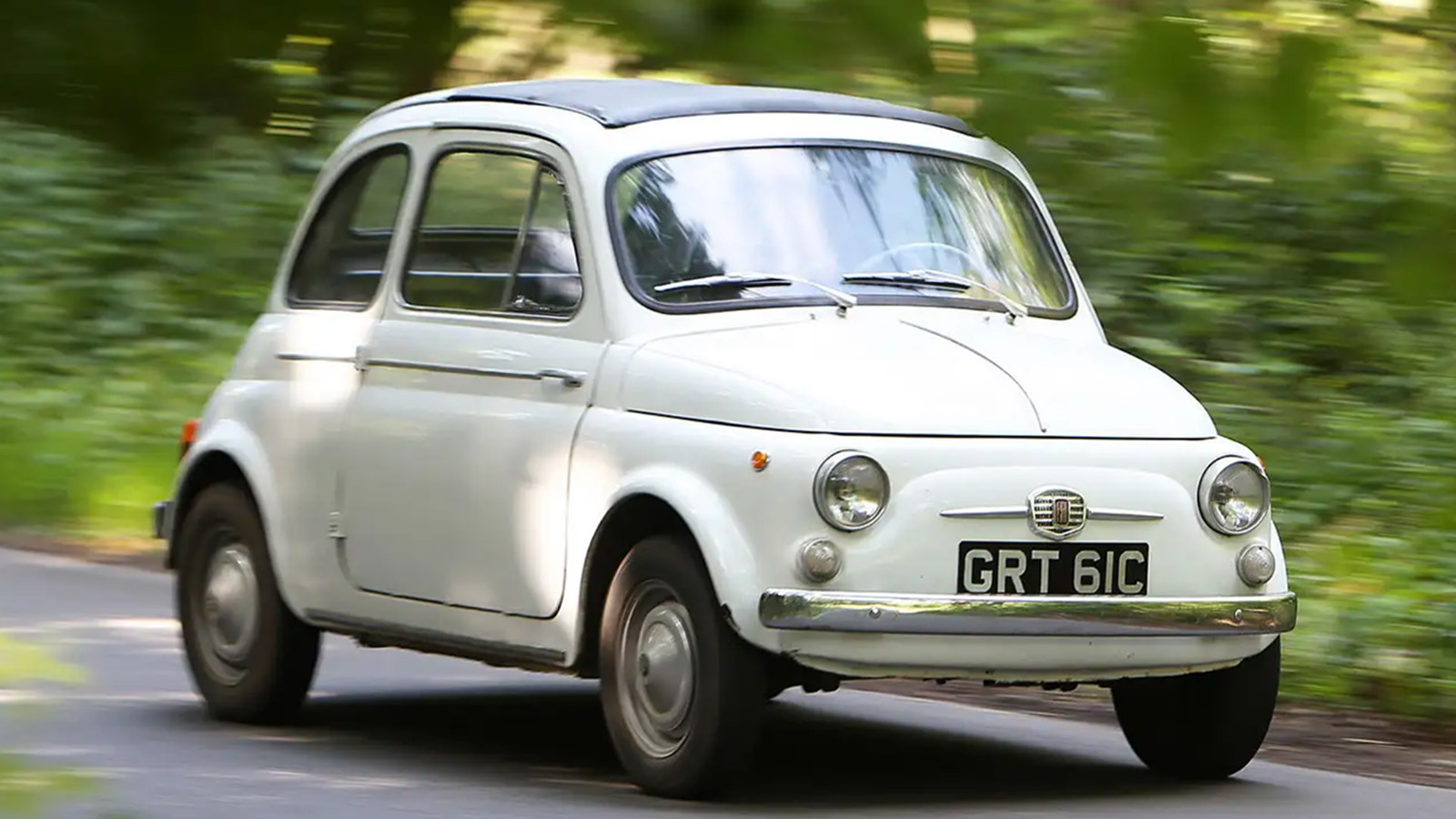
3. Fiat 500
The Fiat 500 is arguably the most rounded, complete bubble-car design thanks to its simplicity, huge sales success and longevity.
It arrived in 1957 as the Nuova 500 with four seats, a basic cabin and a parallel-twin 479cc engine, later increasing to 499cc in 1958.
While it was crude to drive, the 500 offered drivers a very cheap to buy and run car that could reach 50mph, which was beyond most bubble cars.
None of this bothered the buying public, who took the Fiat 500 to heart and helped it sell 2.9 million examples by the time it finally went out of production in 1975.
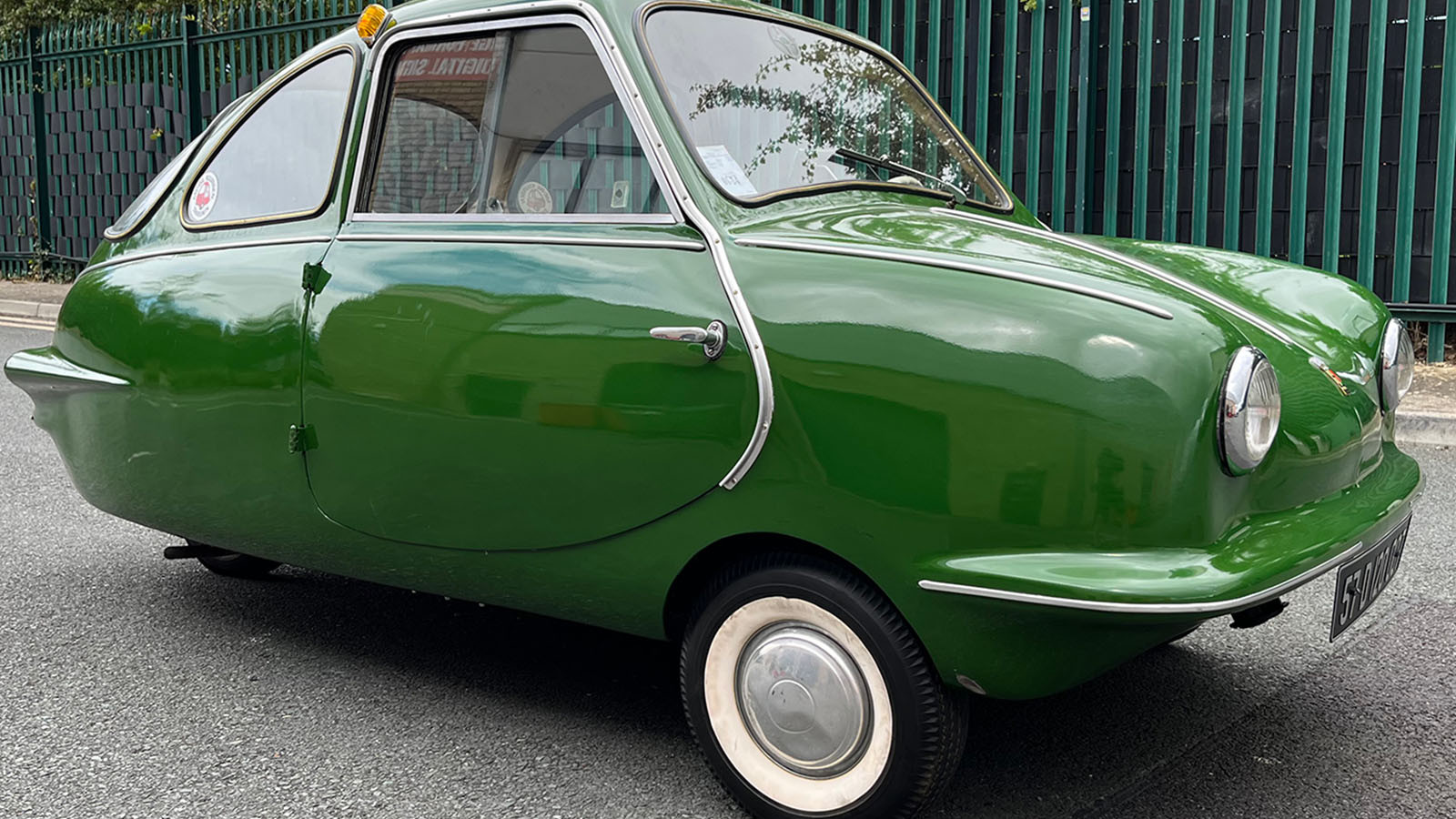
4. Fuldamobil
Fuldamobil was one of the first out of the blocks with its initial bubble car in 1951, called the Type N after its designer Norbert Stevenson.
The later S4 and S7 models adopted a more rounded, teardrop shape and were altogether more sophisticated cars, plus the S7 used a glassfibre body.
The S7 had a 191cc Fichtel & Sachs single-cylinder, two-stroke engine, which offered a top speed claimed at 40mph and 90mpg fuel economy.
Fuldas were manufactured in Germany, as well as Argentina, Chile, Greece and India with varying degrees of success. It was also built as the Nobel in the UK by Lea-Francis.
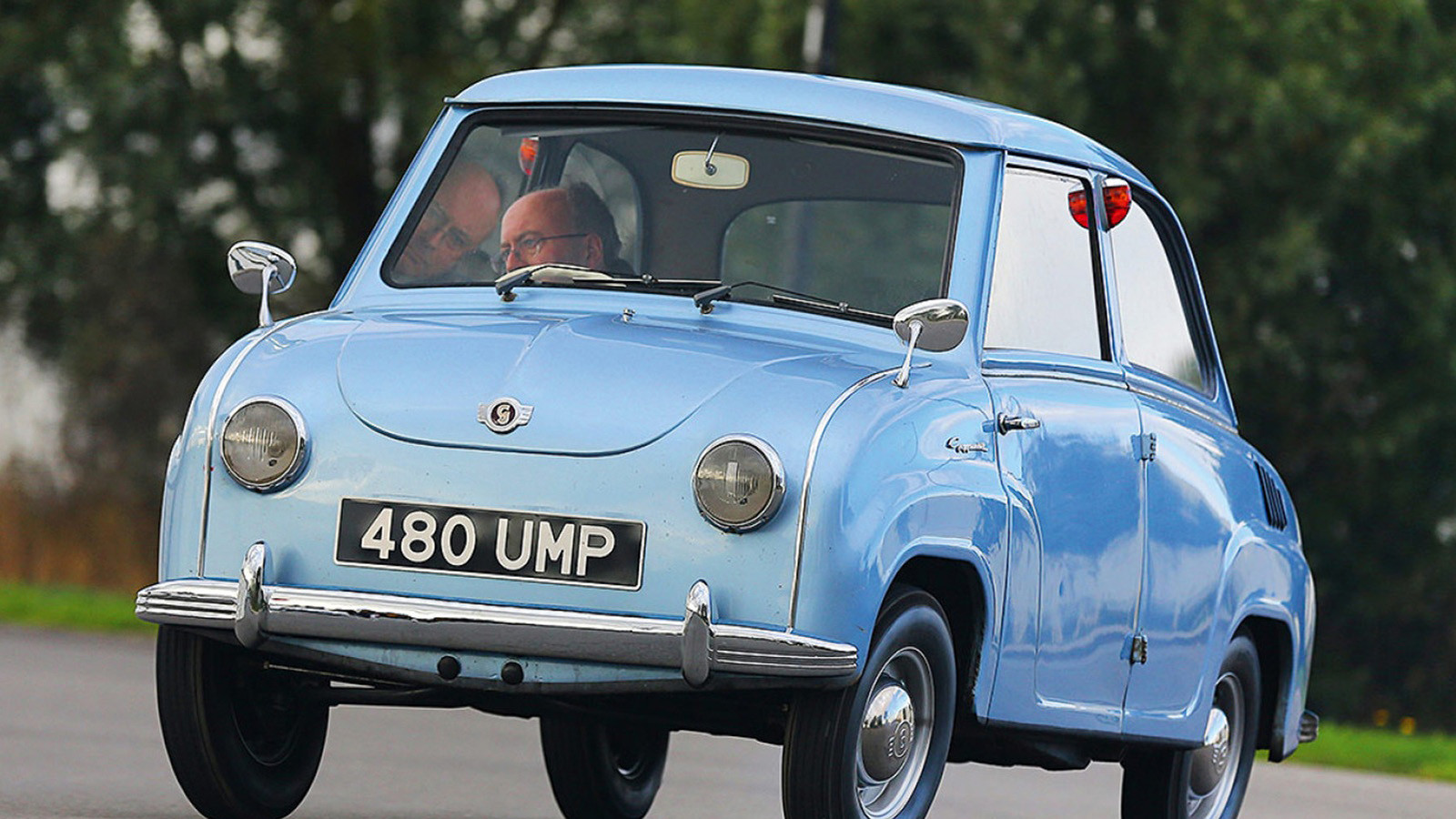
5. Glas Goggomobil
Like many bubble-car manufacturers, Goggomobil started out making scooters before branching out to build tiny automobiles.
The first Goggomobils were the T300 and T400, which offered seating for two adults and a pair of children. Around 280,000 of these cars were made up to 1969.
The TS versions followed in 1957 to offer a mildly sportier car in looks and performance, and they could reach a giddy 60mph.
The 269cc and 395cc twin-cylinder, two-stroke engines gave the Goggomobil models better performance than most rivals, but that wasn’t enough to stop the company being bought and absorbed into BMW in 1967.
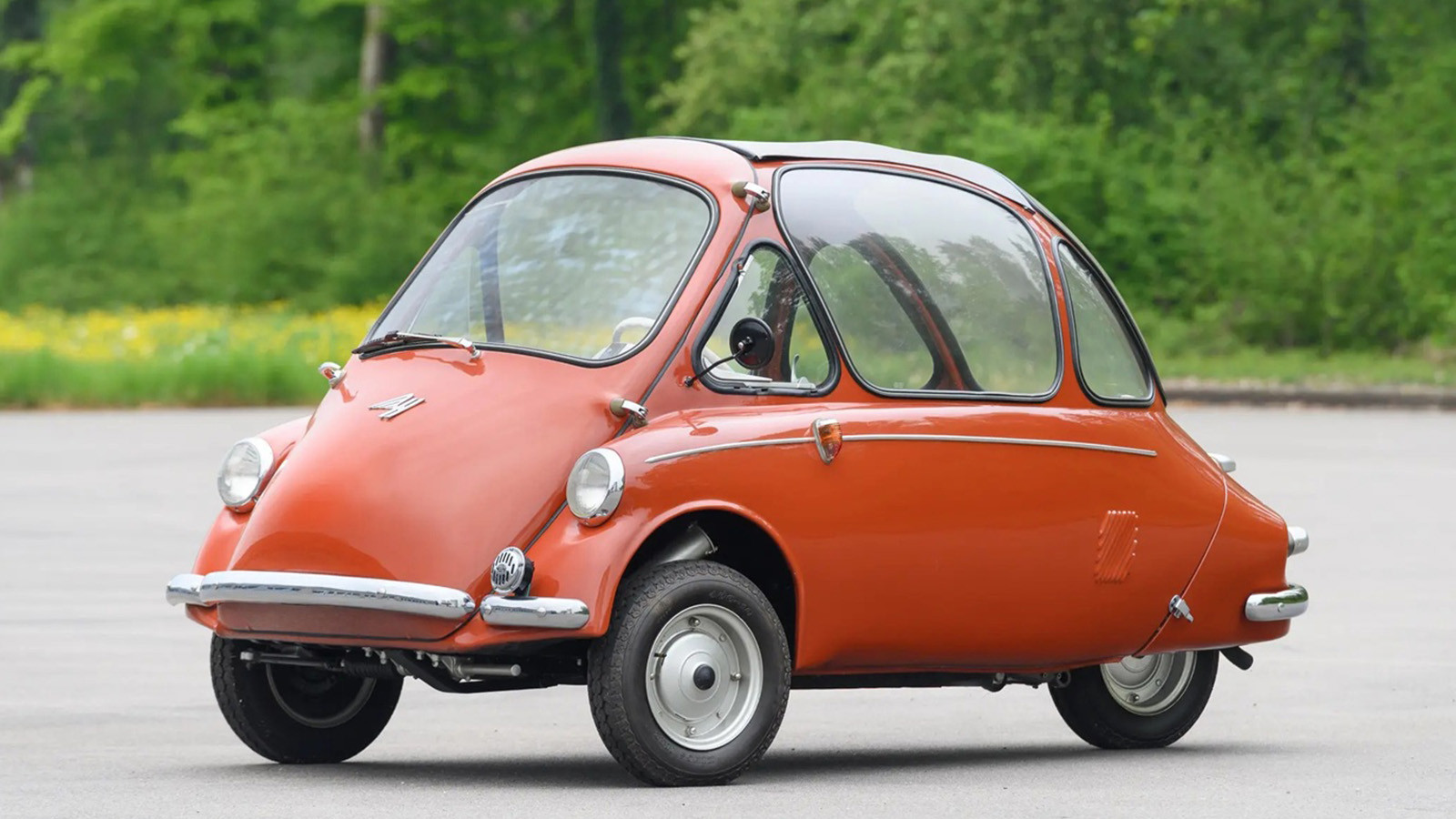
6. Heinkel Kabine
Along with the BMW Isetta and Messerschmitt, the Heinkel is how most people imagine a bubble car to look.
Built in Stuttgart, Germany, the Kabine arrived in 1956 with a single front door to access the two-seat cabin.
It started out with a 174cc, single-cylinder engine, which was upgraded to a 198cc unit in 1957, but braking remained solely on the front two wheels.
Most Heinkels were three-wheelers, though some were made with two wheels at the rear, and production moved to the UK in 1961 when the car was renamed Trojan and lasted until 1965.
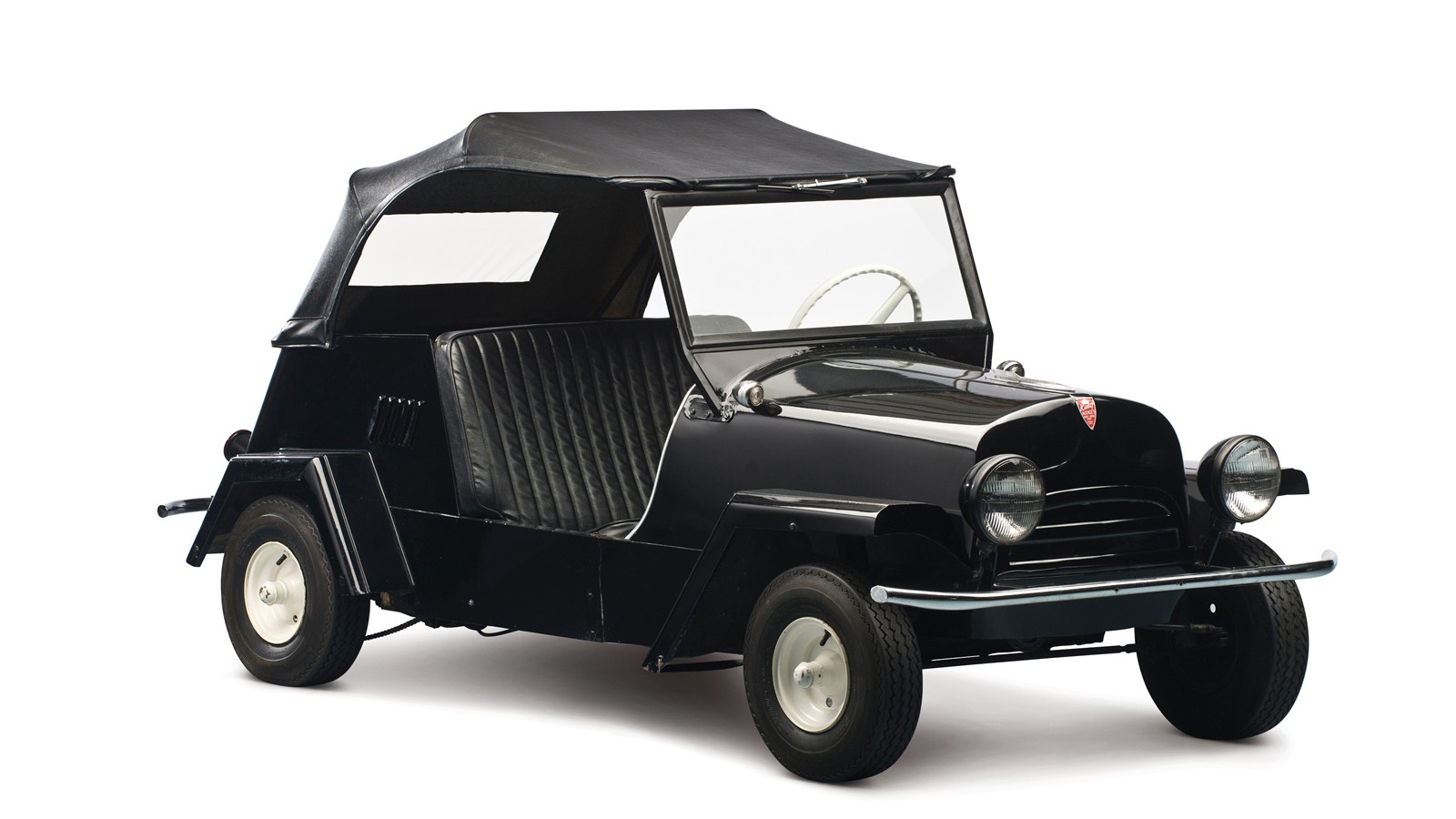
7. King Midget
The King Midget was one of the few attempts to introduce bubble cars to the USA, and it met with moderate success.
Styled along the lines of a scaled-down Jeep, the King Midget started with a 380cc engine with 7.5bhp, but it gained a punchier 12bhp 476cc motor by the end of its life.
With 60mph possible, the King Midget was advertised as being able to run on 75 cents per week.
The two-seater found a niche as a fun hire car in resorts such as Daytona Beach, but by 1969 it was all over for this American bubble car after around 3400 had left the Athens, Ohio, factory.
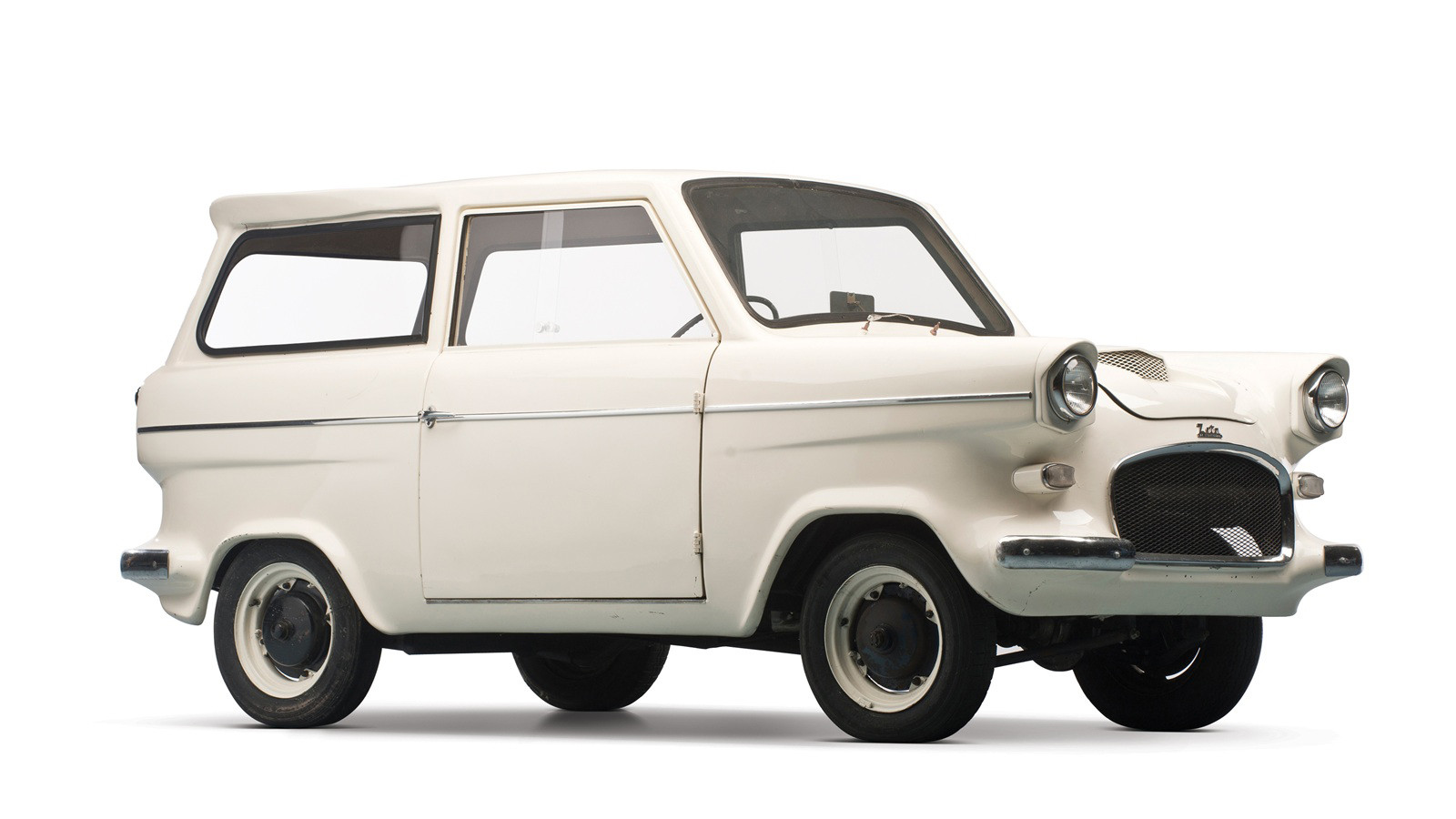
8. Lightburn Zeta Runabout
Harold Lightburn offered his take on the bubble-car theme to Australian buyers from 1963 when he introduced the Runabout.
This was a compact wagon aimed as a city car and something businesses could use for local deliveries.
With a 324cc Villiers twin-cylinder engine making 16.5bhp, the Lightburn was nippier than most bubble cars with a near 60mph top speed.
This inspired the Adelaide-based firm to add the Zeta Sports model in 1964, with its body that was an update of the British-built Frisky Sprint that Lightburn had bought the rights to.
Both the Zeta Runabout and Sports had high hopes, but they were dashed by better alternatives like the Mini and MG Midget.
Eventually, 283 Runabouts were made and 28 Sports before the firm stopped producing them in 1965.
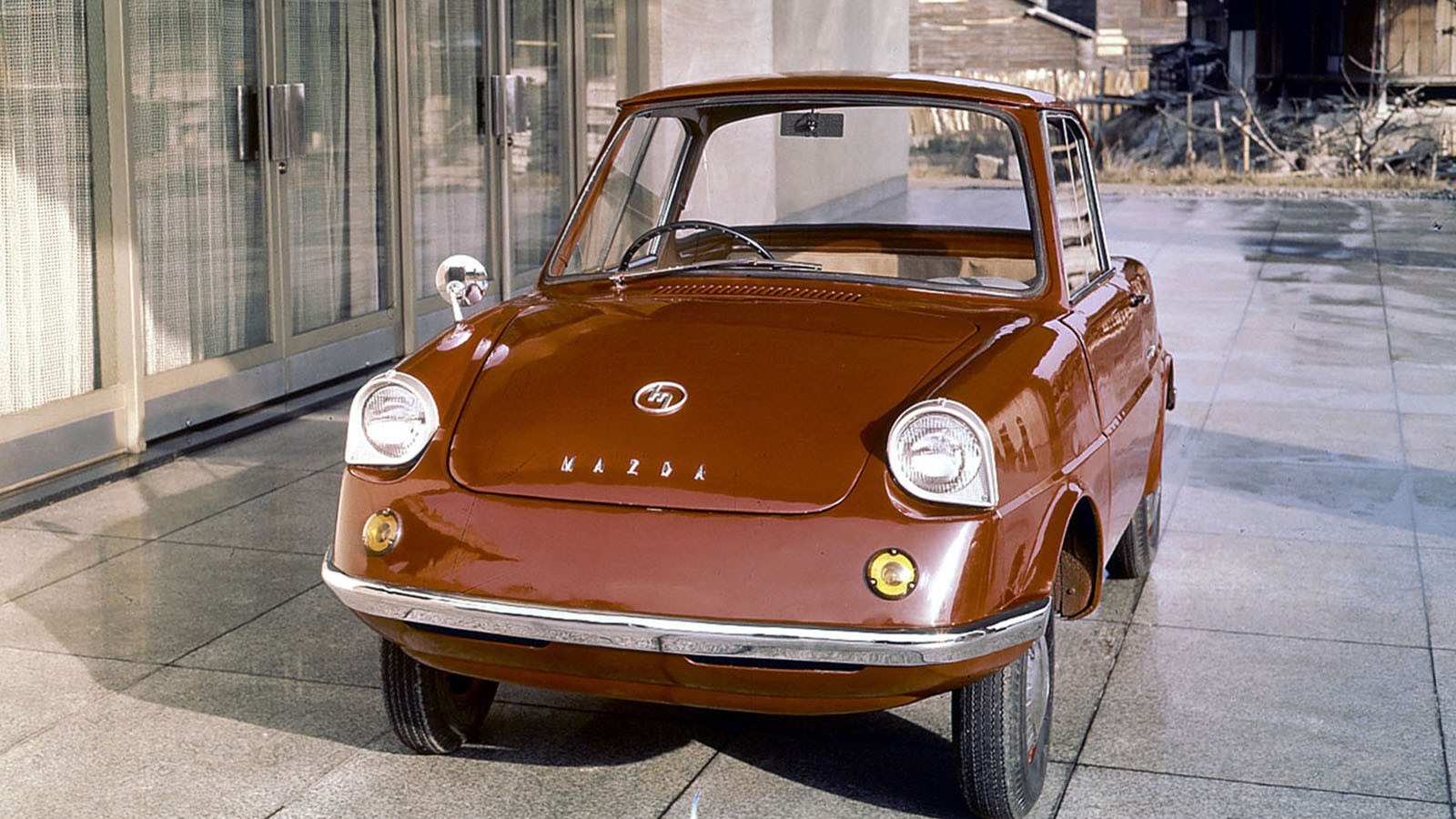
9. Mazda R360
Mazda’s first production passenger car was the R360, which fitted the bubble-car mould and met Japanese kei car regulations.
Although few were sold outside Japan, the R360 was one of the best-sellers of the bubble-car genre with around 65,000 made between 1960-’65.
Mazda worked to make the R360 a much higher-quality machine than most of its domestic rivals, so there was a 356cc, V-twin, four-stroke engine rather than a two-stroke.
There were also good looks and a well put together interior with decent space for two people.
The result was the Mazda R360 accounted for around 65% of the Japanese kei car market in 1960 and 15% of the country’s overall new car sales that year.
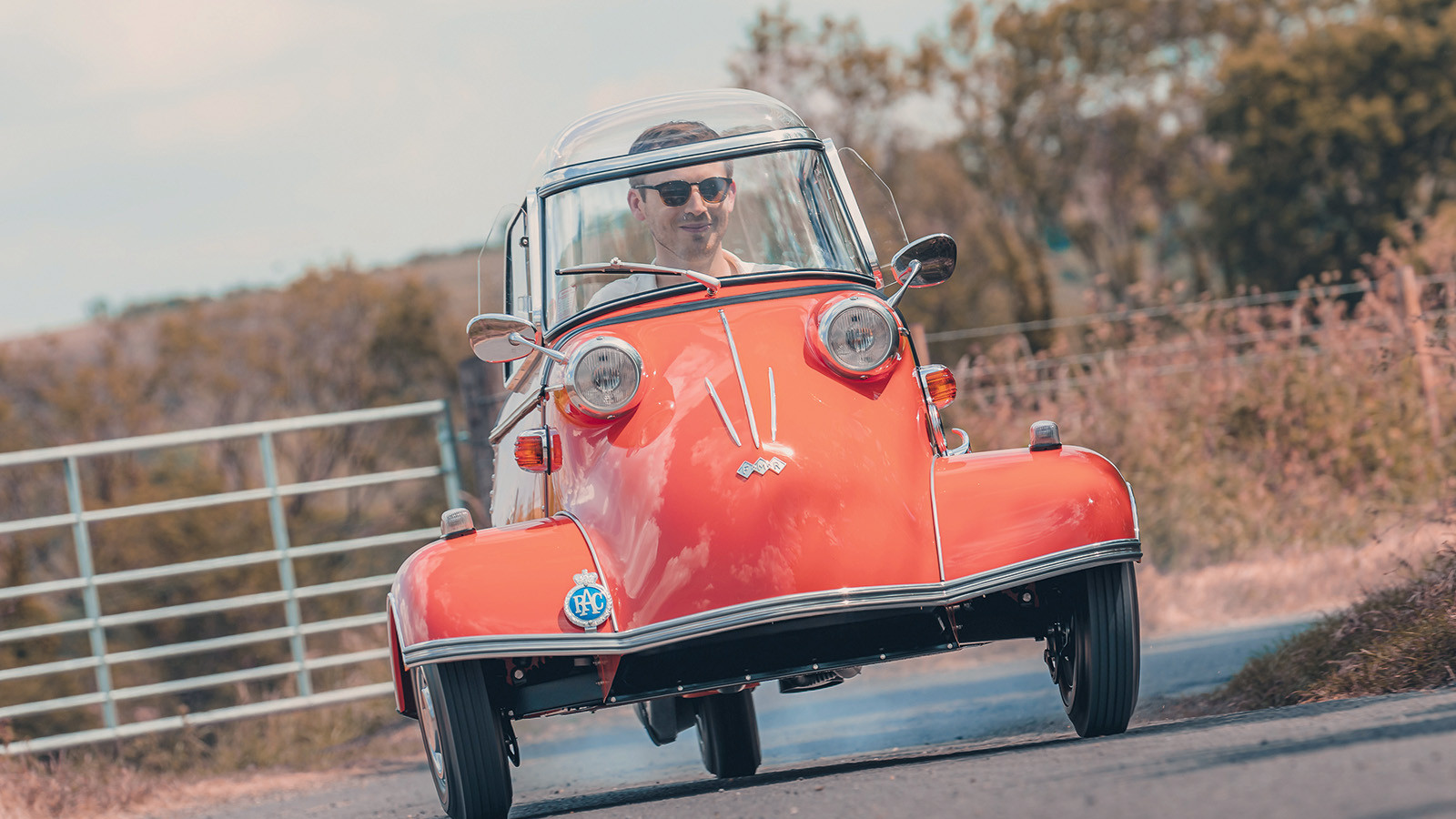
10. Messerschmitt KR175/200
The Messerschmitt KR175 and 200 models grew out of designer Fritz Fend’s earlier Flitzer car.
Messerschmitt was desperate for something to build while it was banned from making aircraft after the Second World War, and a bubble car appealed to the company.
The KR175 arrived in 1953 with a 173cc, two-stoke engine and tandem, two-seater body, plus the distinctive canopy that gave a nod to the company’s aircraft heritage.
The KR200 that followed in 1956 was capable of 60mpg and was great fun to drive, guided by its plane-like steering wheel.
In all, about 40,000 KRs left the Regensburg factory in Germany, with some made in Brescia, Italy, too.
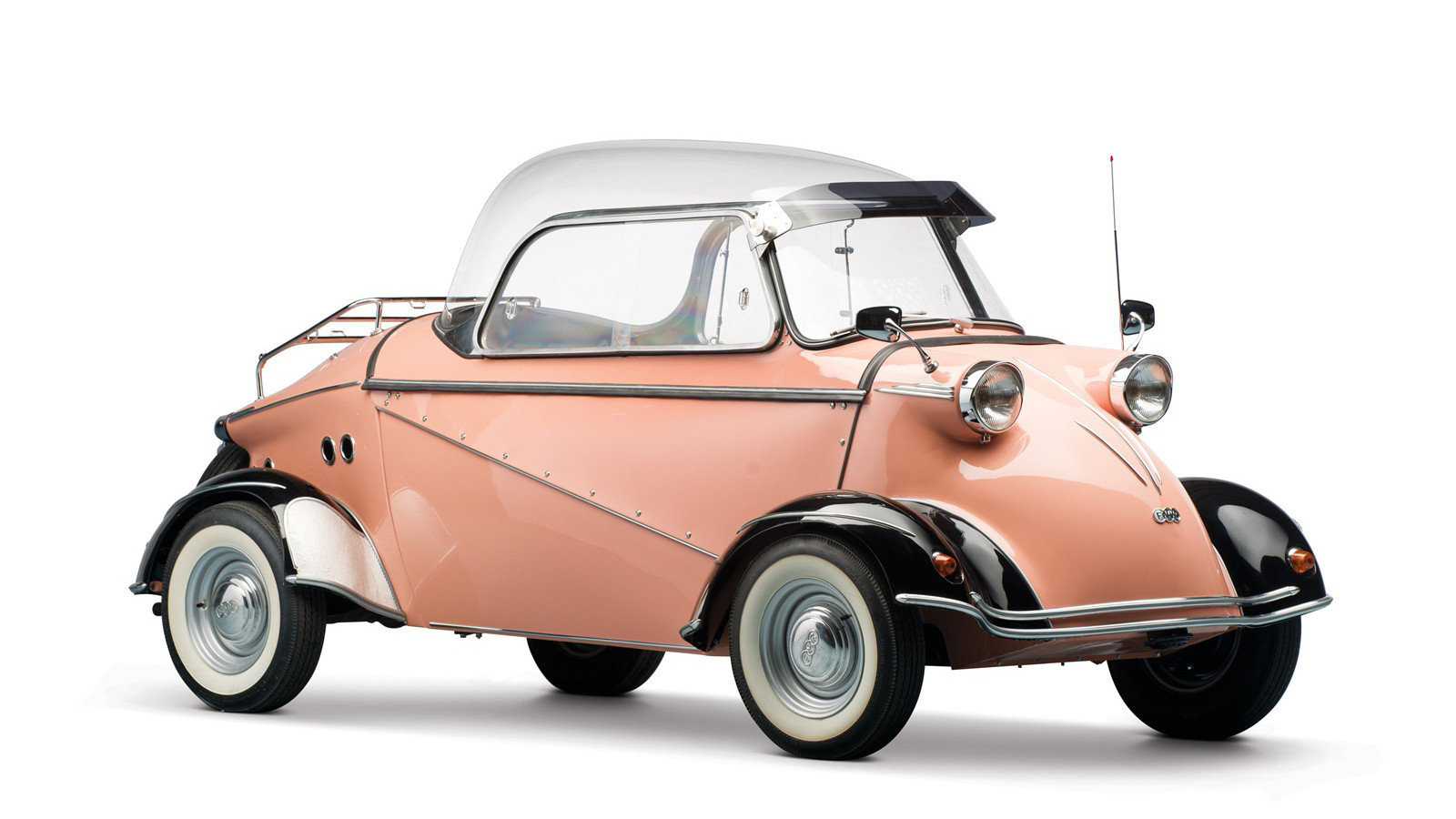
11. Messerschmitt TG500 Tiger
Few bubble cars made any serious attempt to offer a performance version, but Messerschmitt did a better job of this than most with its TG500 Tiger.
The Tiger was a four-wheeled model with looks similar to the KR range, including the trademark Perspex canopy.
Its 493cc, twin-cylinder engine offered a heady 20bhp and 75mph, and it could handle the extra power over the KR models thanks to the additional rear wheel giving it much-needed stability.
Only a handful of these were made, reckoned at around 250 in total, though Tiger enjoyed some motorsport success that promoted its image beyond the poor sales tally.
12. Opperman Unicar
The name might have suggested German origins, but the Opperman was made in the UK and the Unicar was designed by Laurie Bond.
A glassfibre body sat over a platform made of the same material, while power came from a 328cc, two-stoke, twin-cylinder engine.
The Unicar was basic in the extreme and came with hammock-style seats to save weight, as well as a single windscreen wiper.
The Unicar lasted from 1956-’59, with around 200 made.
The larger-engined Stirling model of 1958 had a 424cc unit and 25bhp to be a more convincing small car, but very few were sold.
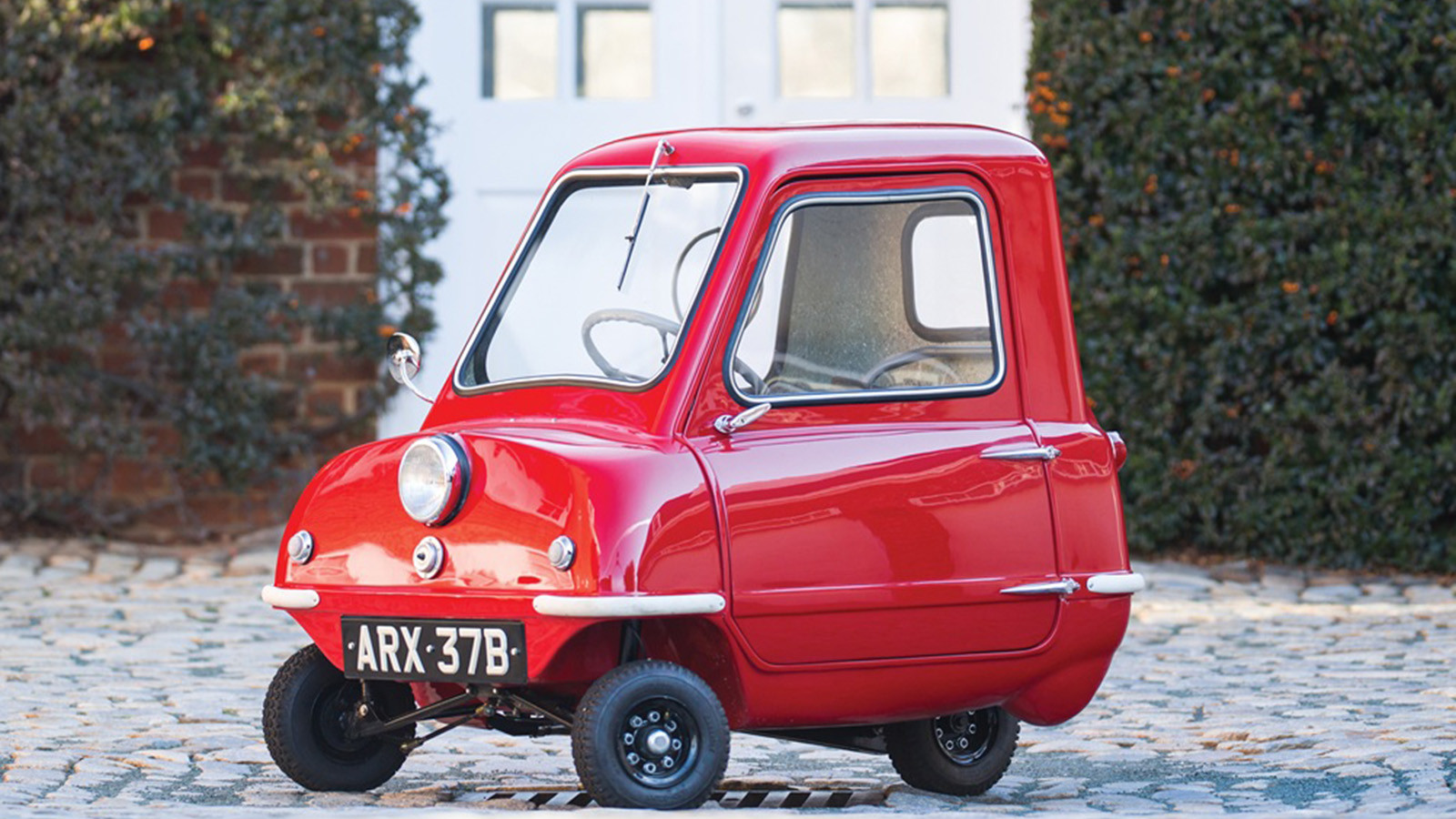
13. Peel P50
The Isle of Man is an unlikely location to build cars, but then the Peel P50 was an unlikely car.
It was unveiled in 1962 as the bubble-car boom was waning, yet it grabbed headlines when it was described as the world’s smallest and cheapest car.
The P50 had tiny wheels, with two at the front and one at the back, a single-seat cabin, and power from a 4bhp, 49cc, DKW single-cylinder engine driving the back wheel.
Fuel economy was the main draw of the P50 because it could manage a claimed 95mpg, but the 33mph top speed meant only around 50 were ever sold. The sportier-looking Trident model with two seats was no faster.
The Peel P50 enjoyed a revival in 2010 when the car went back into production with an eye-watering £80,000 price-tag.
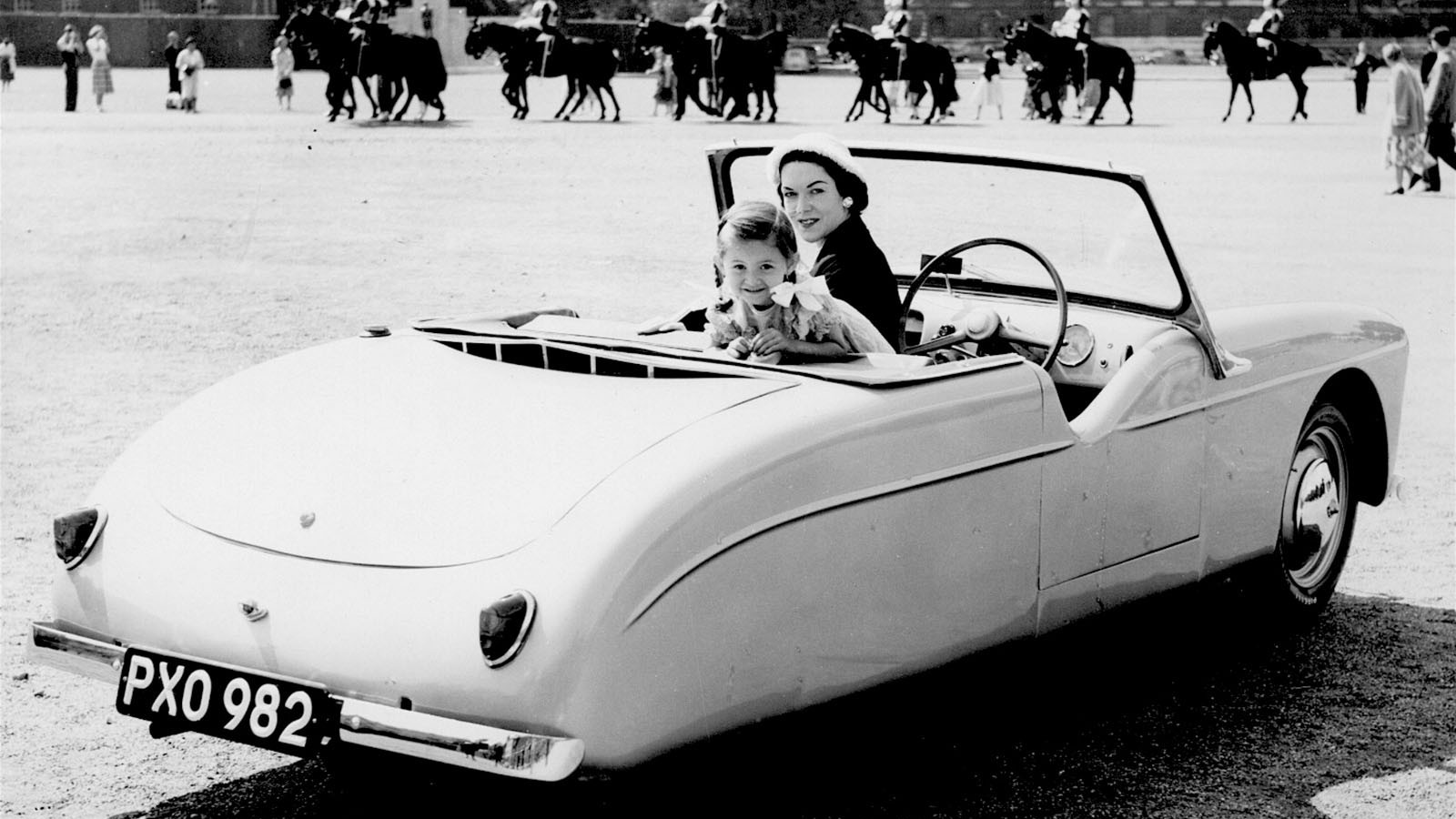
14. Powerdrive Roadster
A glitzy launch at The Dorchester hotel in London was somewhat at odds with the economy nature of the Powerdrive Roadster.
This London-built bubble car came with Villiers or Anzani motorcycle engines and gearboxes, which should have given decent consumption and performance if it hadn’t been for the heavy glassfibre body.
The David Gottlieb styling was better resolved than many bubble microcars, but few were made between 1956-’58. A brief revival as the Coronet didn’t improve the sales tally much.
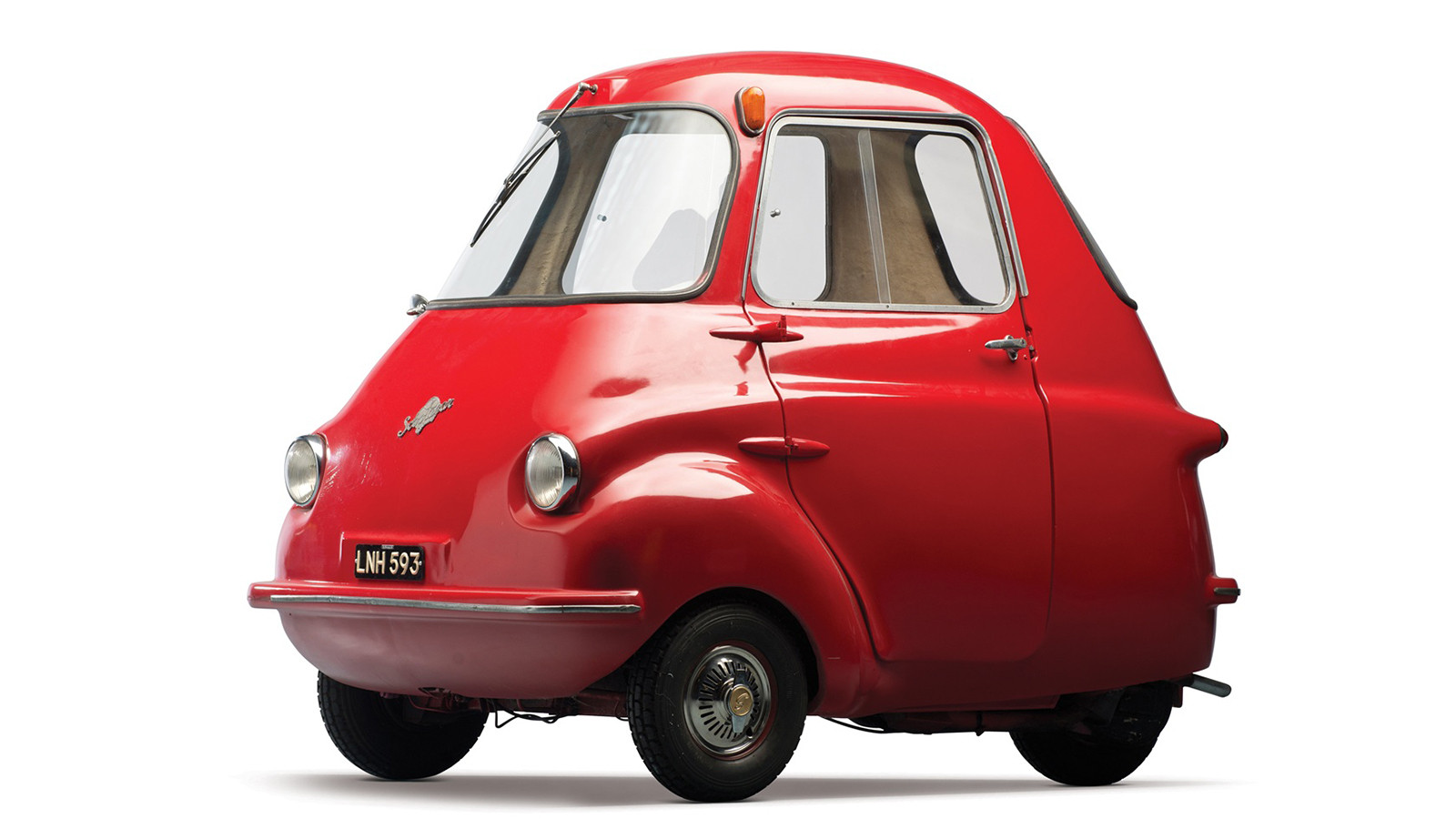
15. Scootacar
If any car lived up to the name of ‘bubble car’, it was the Scootacar produced in Leeds in the UK from 1957.
The bulbous looks made the Scootacar appear as if it was slightly over-inflated, but yet the company managed to sell around 1000 examples thanks to its 50mph top speed and impressive fuel economy.
Power came from either a 197cc single-cylinder or 324cc twin-cylinder engine, and the Scootacar was noted for being easy to drive and for parking in tiny spaces.
The twin-cylinder model is very rare because only around 10 were sold, and the whole Scootacar project came to an end in 1965.
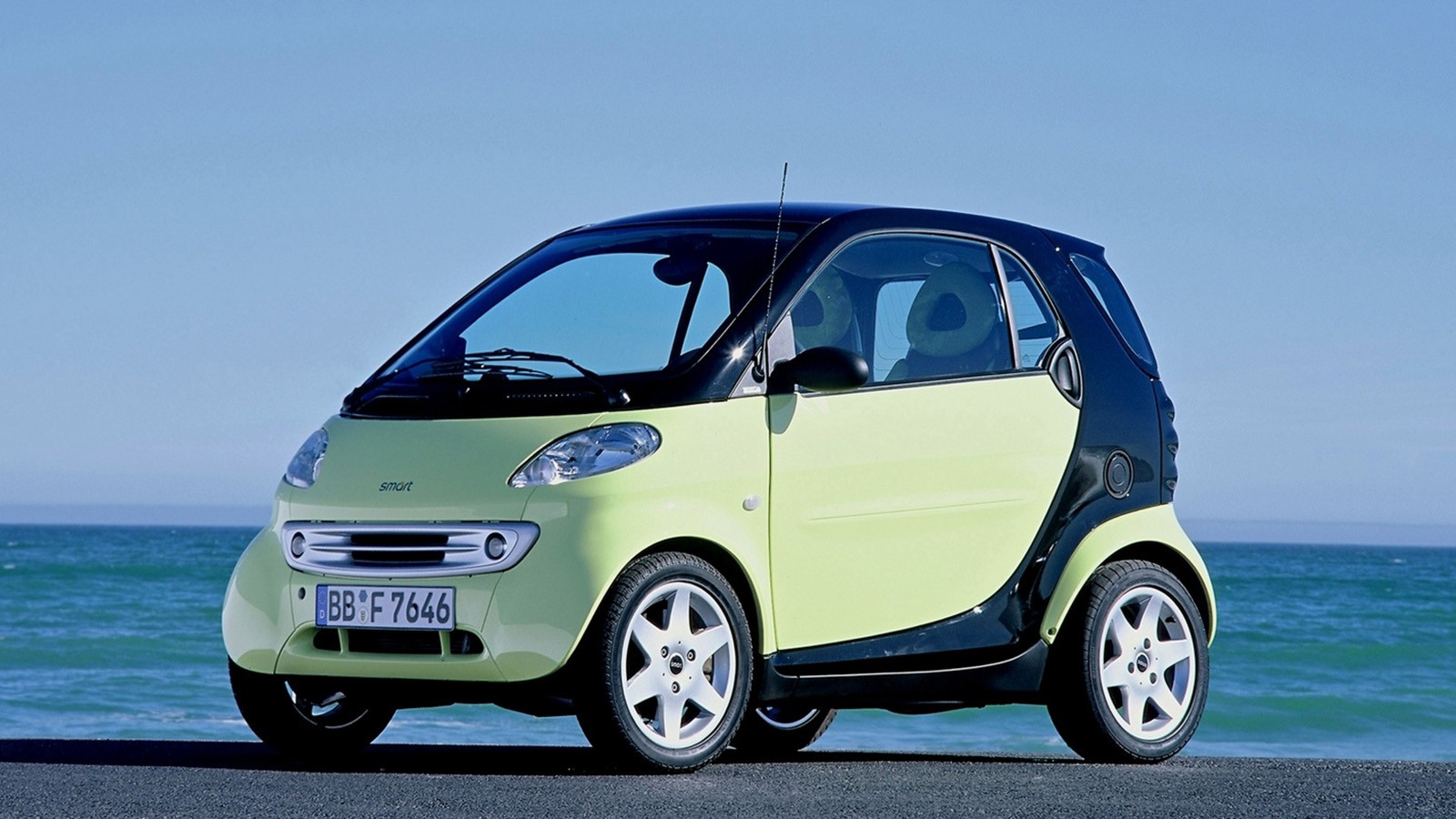
16. Smart Fortwo
The Smart showed there was still a place for the bubble car in the 1990s when it negotiated a convoluted path to production.
Conceived as a project from the Swatch watch firm, it was initially developed with help from Volkswagen before Mercedes-Benz became involved and created the Smart brand to sell the Fortwo from 1998.
Compact external dimensions hid a roomy two-seat cabin within the car’s ‘Tridion cell’ safety structure.
Power started with a 698cc three-cylinder engine, later upped to 799cc, and there was also a 0.8-litre turbodiesel version for dedicated fans of fuel efficiency.
Bright colours and special editions, such as the stripped-out and open-to-the-elements Crossblade, kept the Fortwo in the public eye.
When production of the third-generation Smart Fortwo ended in 2024, more than 2.5 million had been sold.
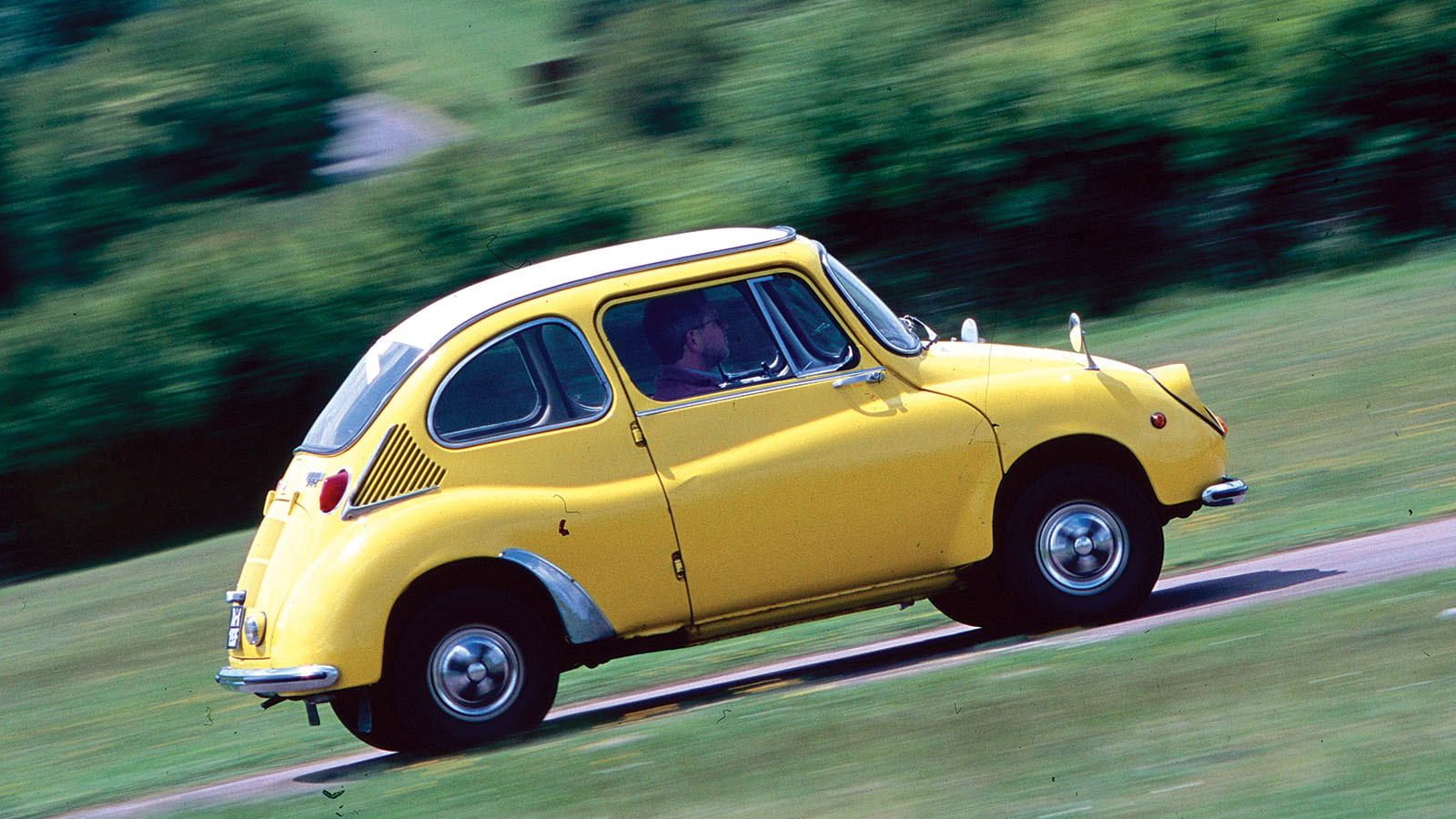
17. Subaru 360
The 360 was the first car made by Subaru and it was designed to conform to Japan’s strict kei car regulations.
When the 360 was launched in 1958, it had an 18bhp, 356cc, twin-cylinder, two-stroke engine and was livelier than most rivals, offering 50mph and 50mpg.
Subaru also made the 360 so it looked like a scaled-down car, so it was not as unusual to look at as many of its competitors.
This meant it was exported to the US, though not Europe, where it was marketed as an economy car.
However, that failed to excite American buyers and the last few 360s lying unsold there were converted with a beach-buggy style of body to sell them.
Even so, the 360 was a success and Subaru sold 392,000 of them.
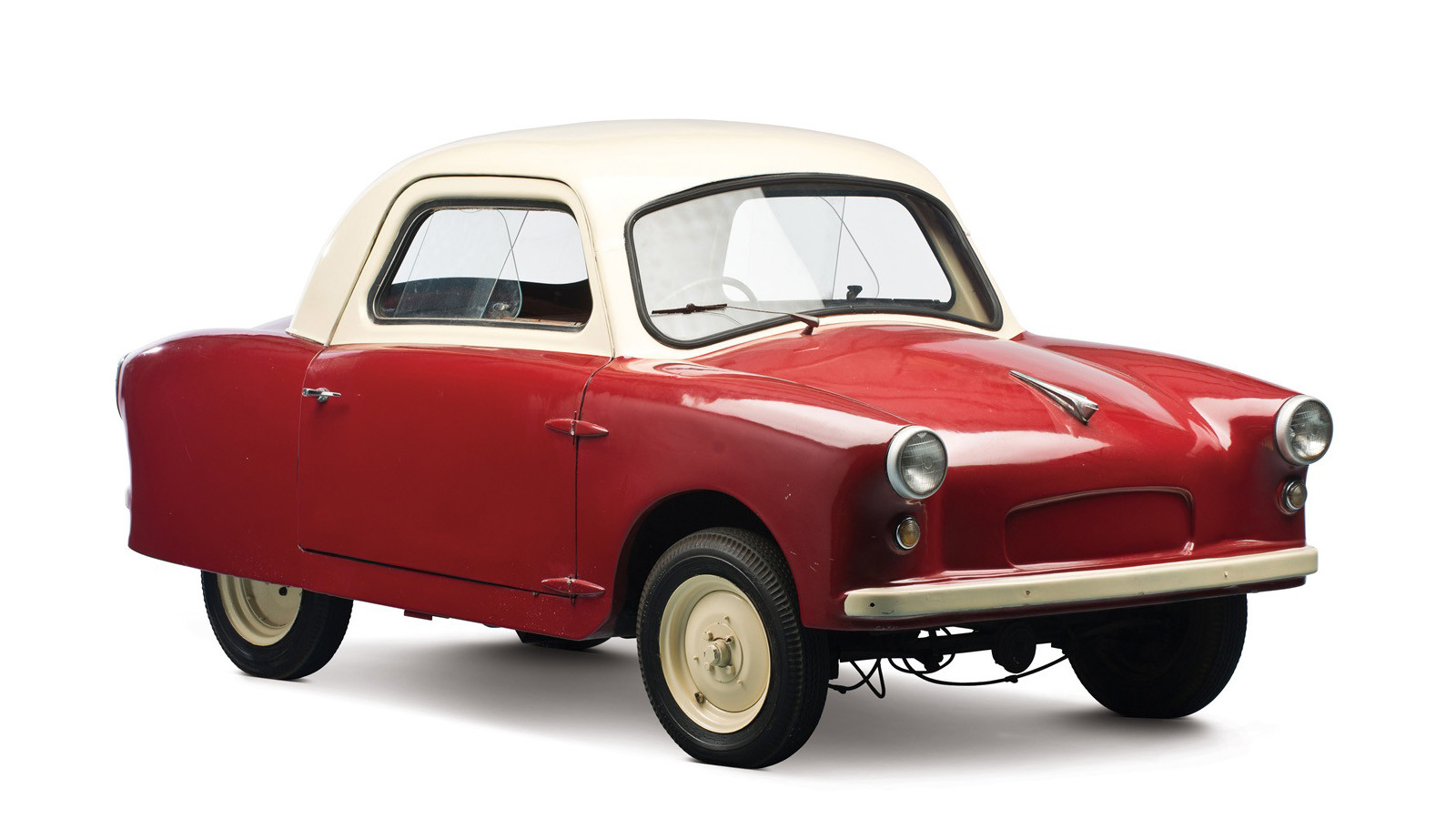
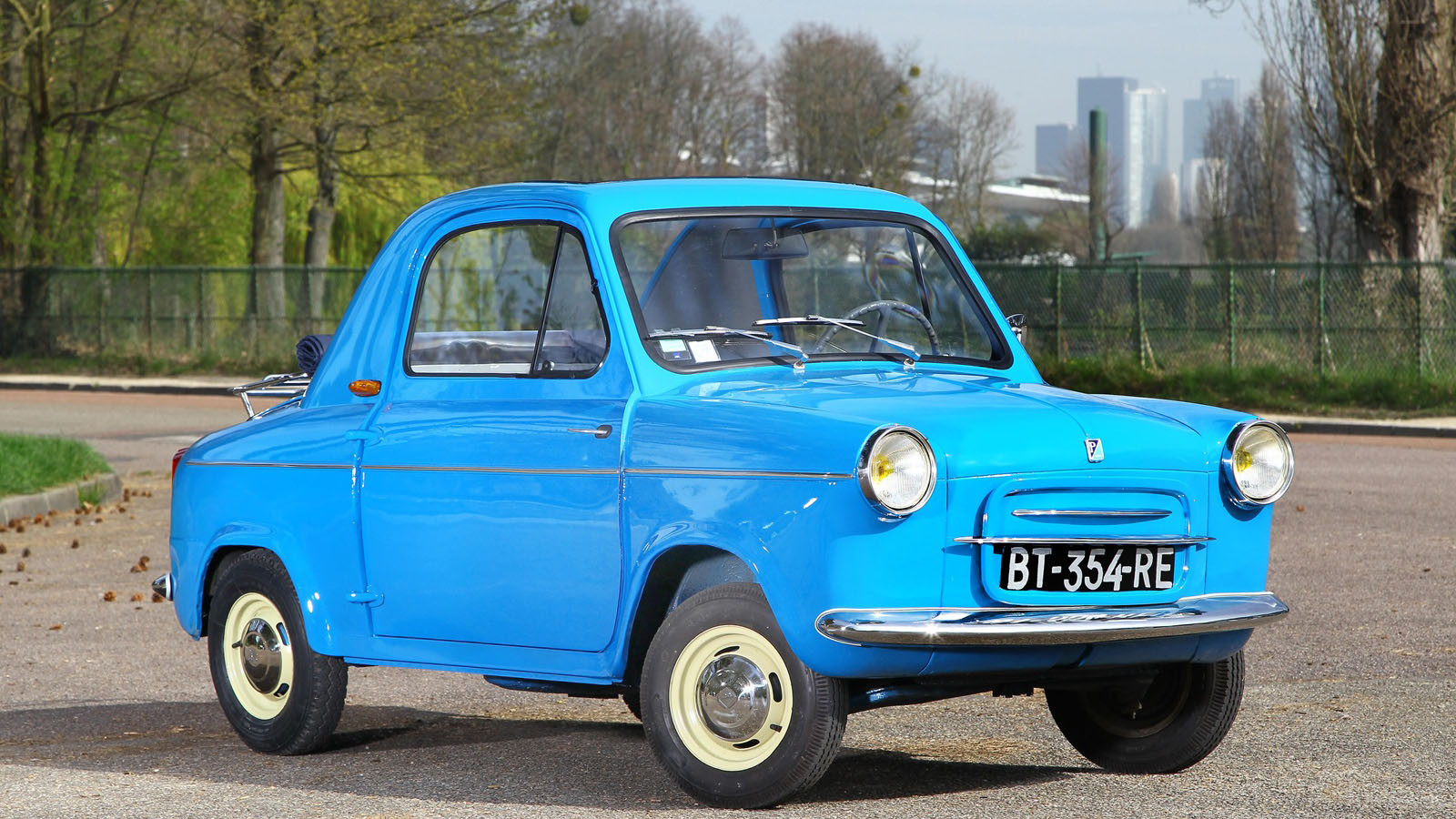
18. Vespa 400
With its background in building scooters, it was no surprise that Vespa moved into the bubble-car market in 1958 with the 400.
What was a surprise is the car was built in France rather than Italy, though this did nothing to dent its appeal in either country, because around 34,000 were sold by the time production ceased in 1961.
A twin-cylinder, 393cc two-stroke meant the 400 could offer a 50mph top speed and 50mpg fuel consumption.
It also came with such sophisticated kit as hydraulic brakes, independent suspension and synchromesh on all four of its gears.
The Vespa 400 was also reasonably chic thanks to its two-door, coupé-esque styling with a roll-back roof similar to the Fiat 500’s.
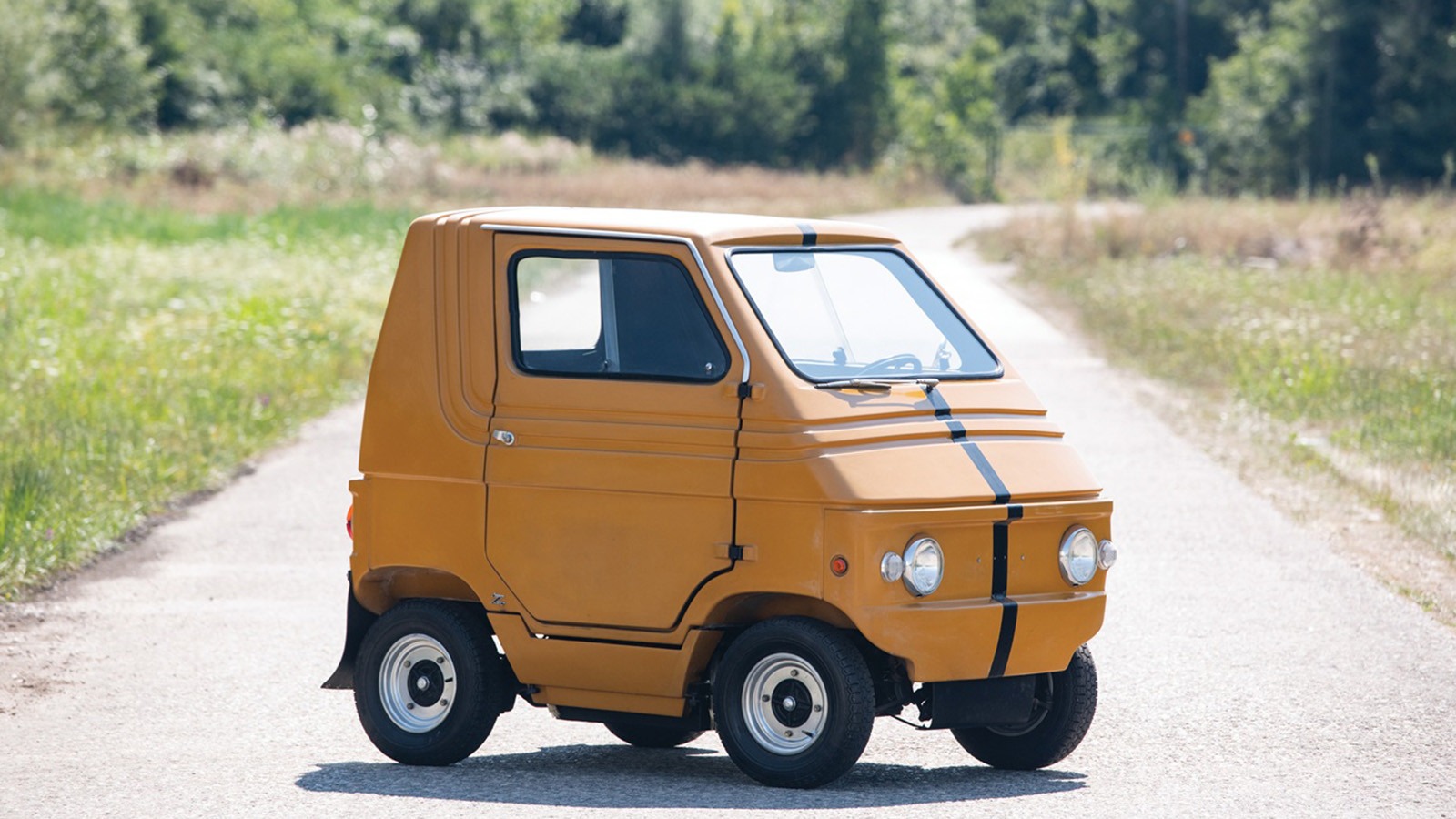
19. Zagato Zele
Zagato’s battery-powered Zele arrived in 1974 as a potential answer to concerns about spiralling oil prices.
Using Fiat 500 parts for its mechanical base, a 48-volt electric motor powered the rear wheels and gave a top speed of 30mph.
The Zele could cover up to 50 miles on a full charge, but its innovative approach found few takers and only around 500 were sold by the time production ended in 1976.
A few Zeles were sold in the USA under the Elcar name and there was even a stretched prototype version with four seats trialled for the US.
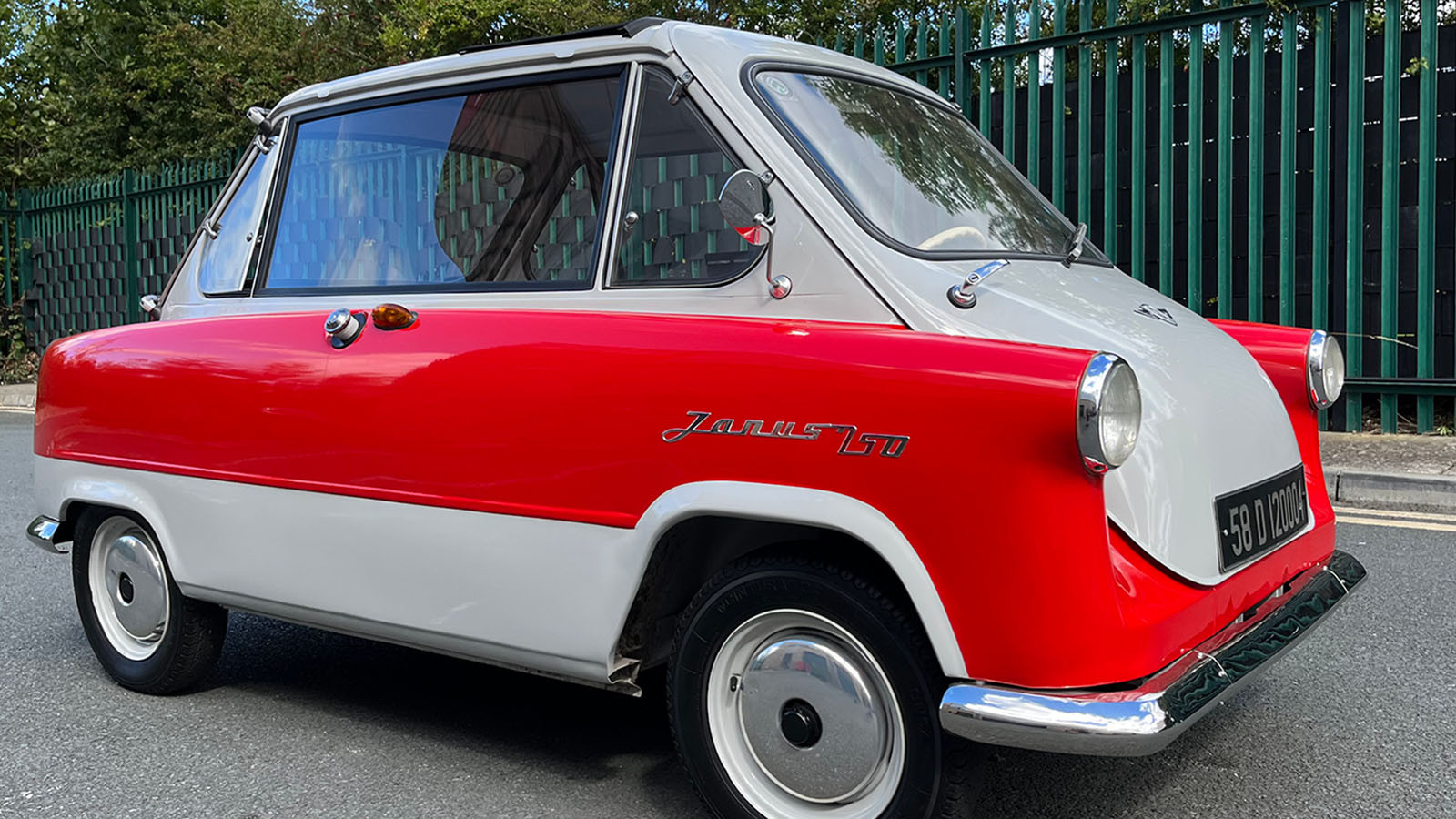
20. Zündap Janus
The push-me-pull-you style of the Zündap Janus came with a door at each end to allow passenger access to the four-seat cabin.
The seating was arranged with the two benches back to back, so rear passengers faced the way they had just come.
Launched in 1957, the Janus used Zündap’s own 245cc, air-cooled, single-cylinder engine from its Bella scooter that provided 14bhp and a top speed of 50mph.
Undoubtedly a high-quality machine, the Janus was too closely priced to the larger, faster, Volkswagen Beetle in its German domestic market.
As a result, only 6902 were made when the plug was pulled by Zündap in mid-1958.
We hope you enjoyed this gallery. Please click the ‘Follow’ button above for more super stories from Classic & Sports Car.