Rover’s saloon story
The Rover badge and saloon cars have been happy bedfellows from early in the British marque’s history.
It started with relatively small and light models, before adding larger and more refined saloons to its range.
Rover hit on a successful formula for its saloon cars in the 1930s and developed the theme right up to the company’s unfortunate end in 2005.
While other body shapes came and went, including dropheads, coupés and estates, the saloon was the mainstay of Rover’s models across the decades.
Here’s our look at Rover’s saloons, arranged in chronological order.
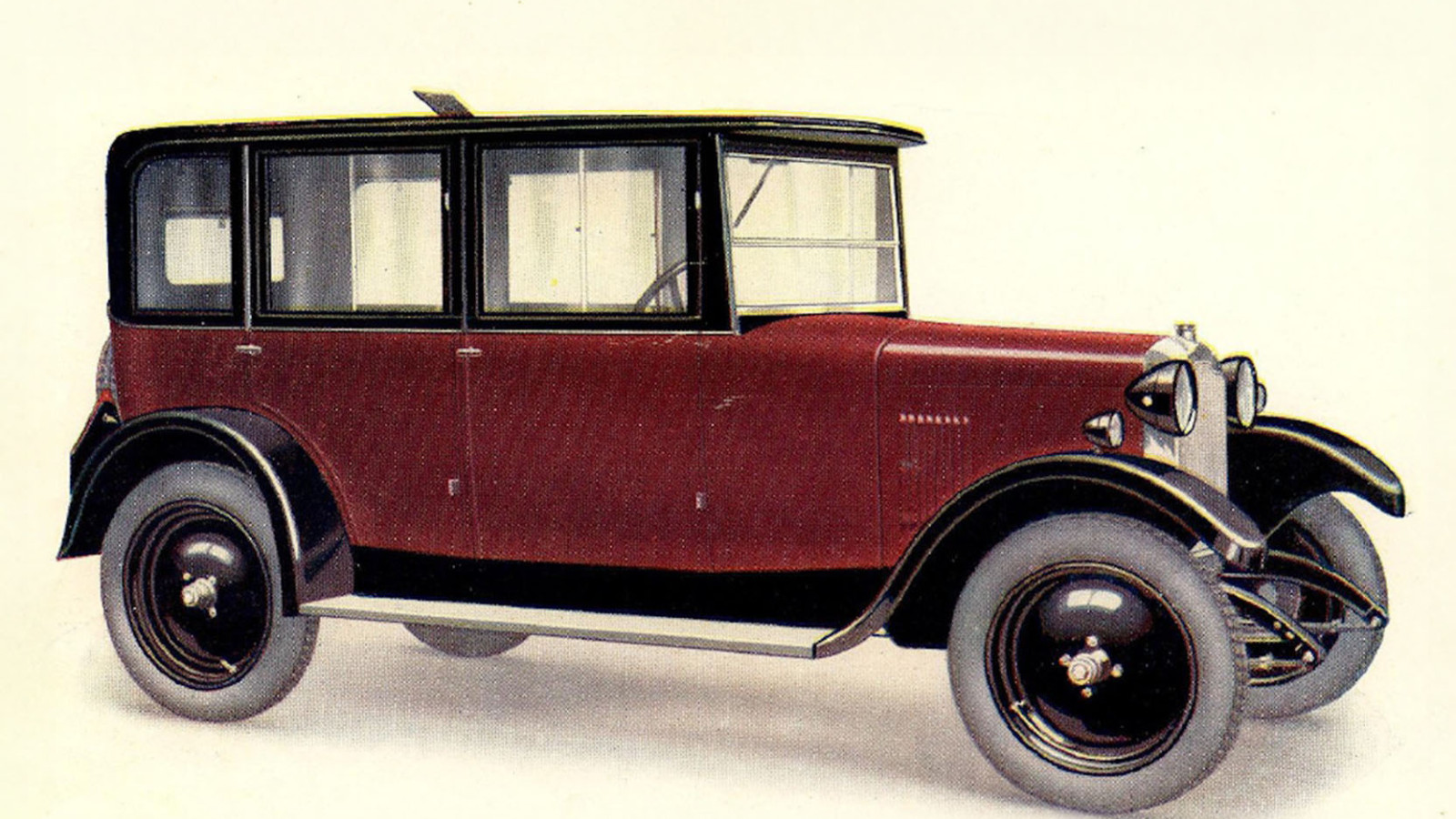
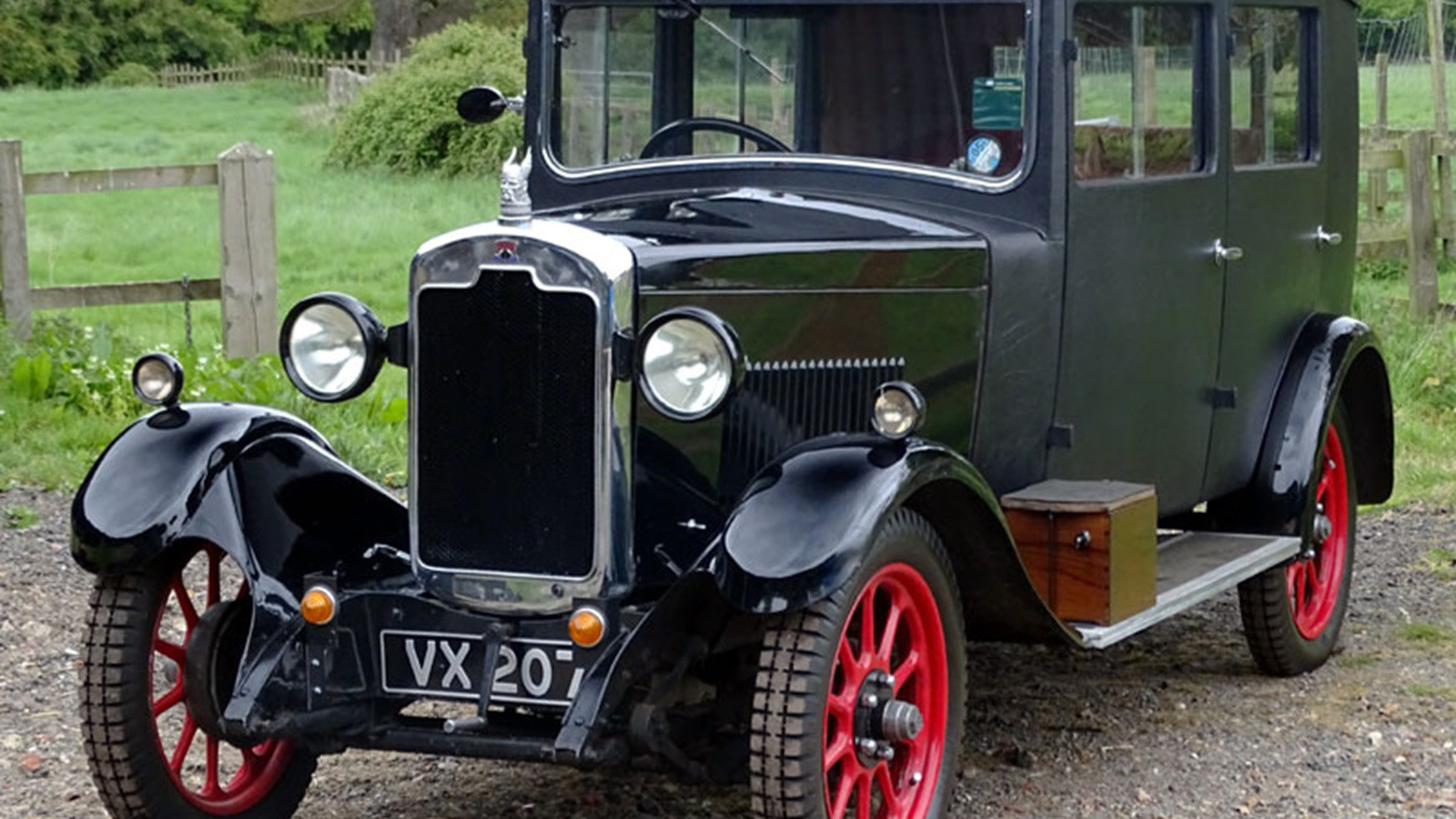
1. 1924 Rover 9/20
The Rover 9/20 was a more refined and able successor to the earlier Eight and brought with it a water-cooled engine in place of its predecessor’s air-cooled unit.
The 1075cc, four-cylinder engine drove through a three-speed manual gearbox and it could offer 40.9mpg, as proved during an RAC Trial to see how far the car could travel on £5 worth of fuel – the answer was 2077 miles.
Sporting open bodies were offered for the 9/20, but most were the simple saloon.
A Super version arrived in 1925 and the final 1000 or so of 13,000 9/20s built used the 10/25 model’s larger, 1185cc engine.
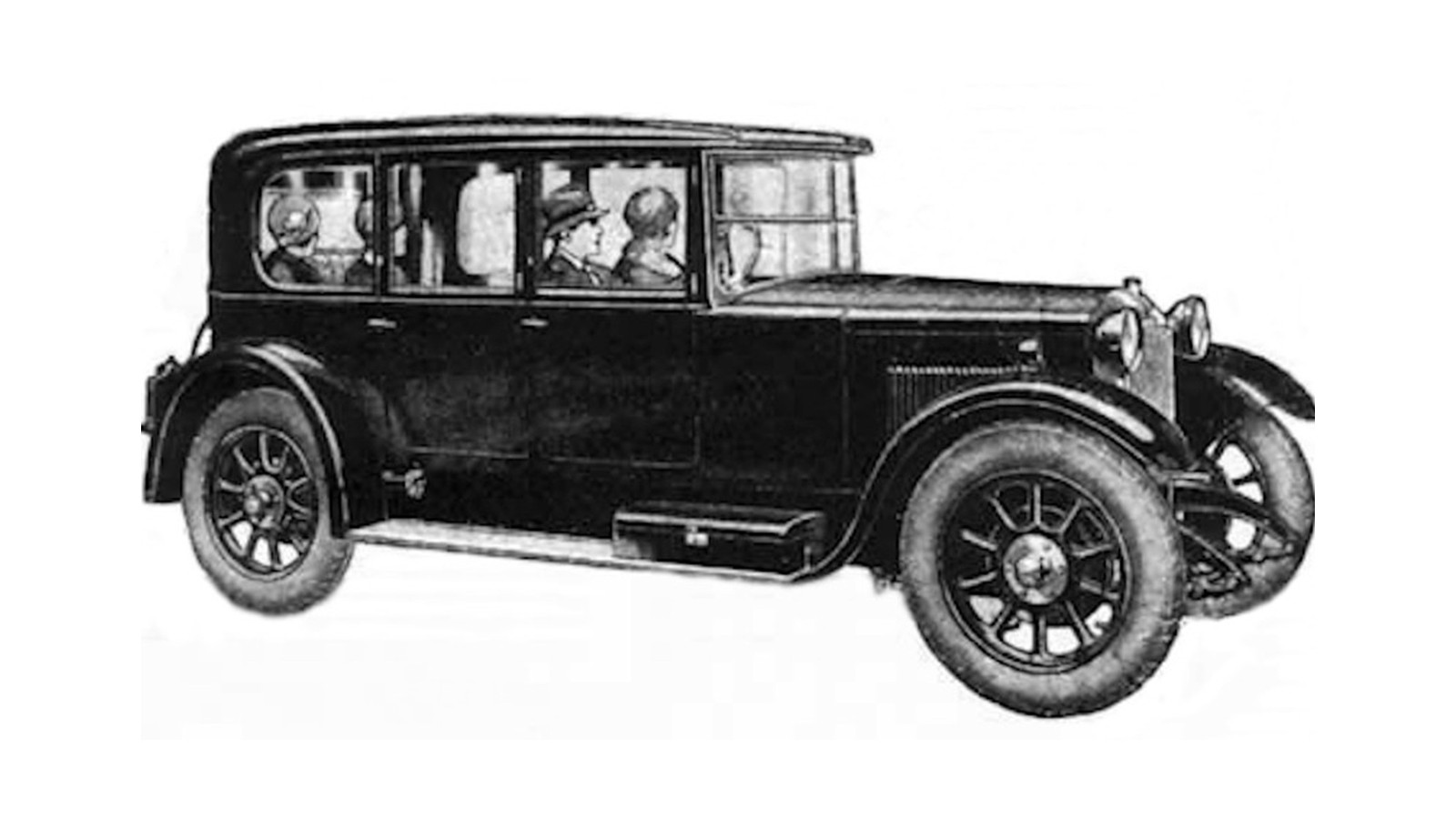
2. 1925 Rover 14/45
The formal looks of this larger Rover saloon hid a technically sophisticated mechanical package.
Its 2136cc engine featured hemispherical combustion chambers with inclined valves.
A racing model called Odin was developed with a 100mph top speed, but was solely for test purposes.
However, many 14/45s were fitted with the larger, 2425cc engine to turn them into the 16/50, and it’s believed 1364 16/50s were made in addition to 2778 14/45s.
A Rover 14/45 went on to win a Dewar Trophy for completing an impressive 50 consecutive ascents of the Bwlch-y-Groes Pass in Wales during an RAC Test.
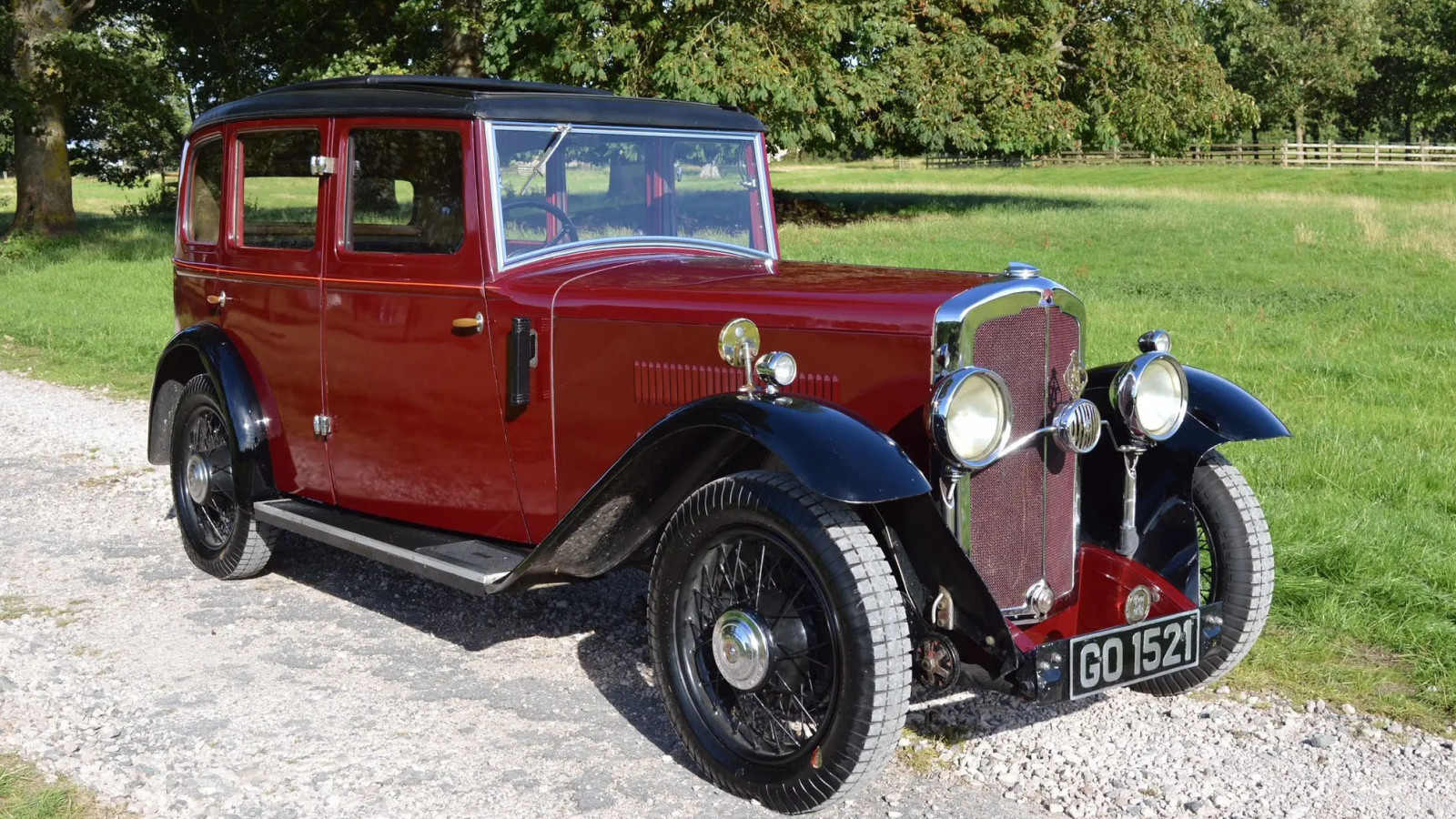
3. 1927 Rover 10/25
The 10/25 was sold by Rover as the Nippy Ten from 1925 and the model name persisted through two subsequent updates.
During its lifetime that lasted up to 1933, the 10/25 always used the same 1185cc, four-cylinder engine and from 1931 there was a four-speed manual gearbox.
Most were sold with Weymann saloon bodywork, with versions known as the Paris or the Riviera, which came with a fully opening roof.
From 1931, the Regal option for the Rover 10/25 saloon provided a sliding roof, bumpers at the front and back, and direction indicators.
All in, Rover built approximately 15,000 10/25s.
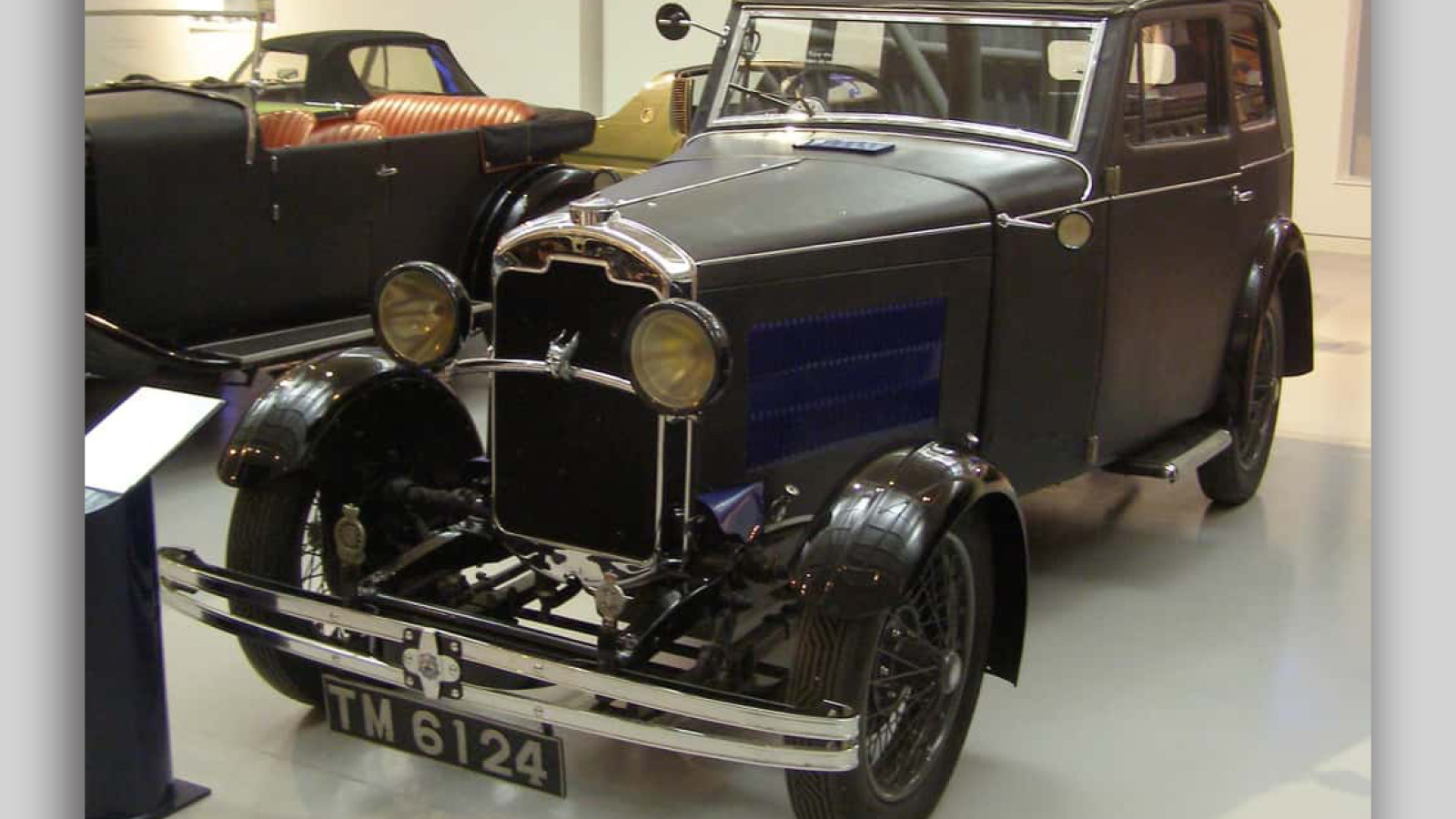
4. 1927 Rover Two-Litre
Rover had developed a six-cylinder engine earlier, but this was the first production model with this many cylinders.
The 2023cc straight-six was smooth and offered good power for these saloons, mostly supplied with Weymann coachwork, though there was a multitude of other styles from other coachbuilders built on this chassis.
As the Rover company struggled with a dull image, the Two-Litre at least earned it credit for the quality of its engineering and construction, which would go on to become hallmarks of the firm.
This model proved to be a steady seller for Rover and around 8000 were sold altogether.
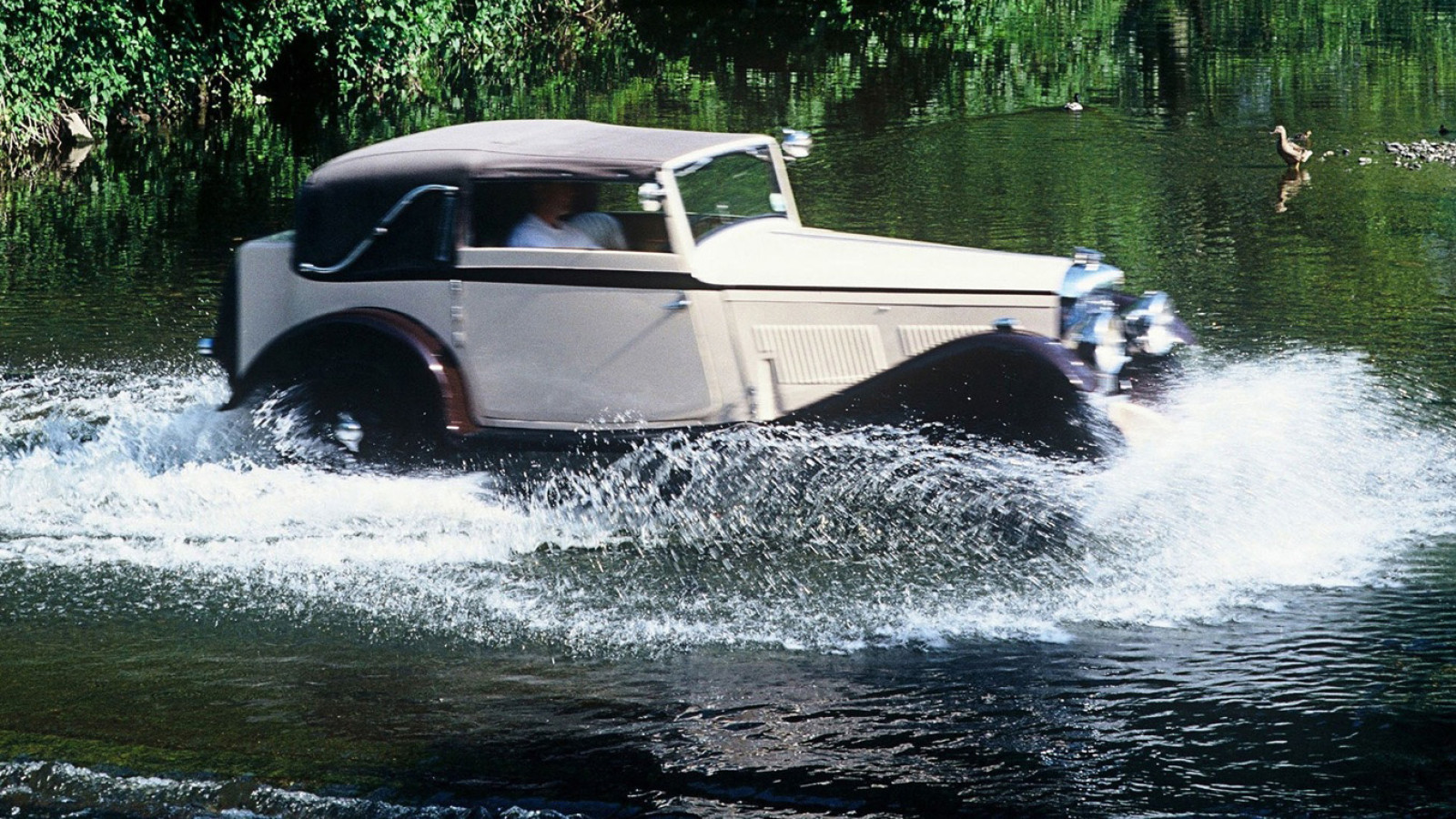
5. 1930 Rover Light Six
The Two-Litre gave rise to an offshoot known as the Light Six that came with two-door saloon coachwork referred to as the Sportsman style.
To add to its athleticism compared to the more formal Two-Litre model, the Light Six had a shorter, 106in (2692mm) frame.
The Sportsman came with three- or four-speed manual gearboxes, cycle wings in place of full running boards and it was capable of 70mph.
Different radiator designs were offered in 1929 and 1931, but this version was best known for beating the Blue Train across France from Saint-Raphaël on the Côte d’Azur to Calais on the country’s north coast by just 20 minutes in January 1930.
6. 1930 Rover Meteor
While the Meteor did not appear to be a radical step forward for Rover, it did offer a turning point in the company’s fortunes and its approach to its cars.
Alongside two- (as shown) and four-seat tourer models, many of the 2171 Meteors built were fitted with coachbuilt saloon bodies, and there was a Sportsman’s saloon with more rakish lines.
A Regal version was an option and this provided vacuum servo-assisted brakes all round, while wire wheels were standard.
Sold in 16HP and 20HP forms with 2023cc and 2565cc six-cylinder engines respectively, the Meteor was also fitted with a freewheel from 1933.
7. 1931 Rover Speed 20
Rover applied the time-honoured approach of fitting the largest engine in its range to the most compact chassis from its line-up to create a sporting model.
The Speed 20 used an 111in (2819mm) frame from the 10/25 fitted with the 2565cc straight-six from the Meteor.
It was a quick car right from the start, even with the original, single carburettor for the engine, which was uprated to a triple-SU-carb set-up in 1934 to give an 85mph top speed.
Servo brakes helped cope with the performance, and the Speed 20’s engine was mounted lower and further back in the chassis than a 10/25’s for improved handling.
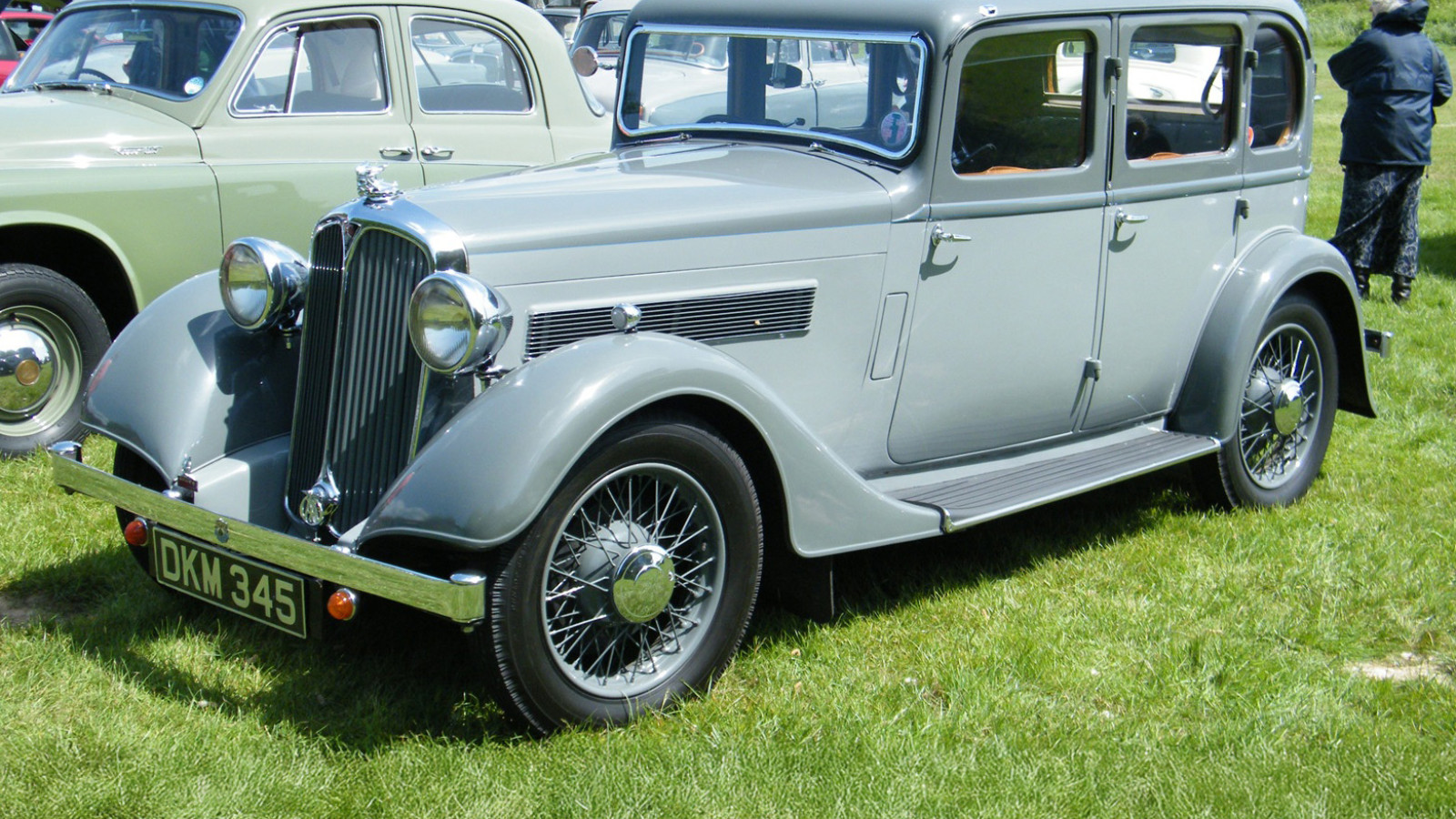
8. 1932 Rover Pilot
The Rover Pilot had a lot going for it as a refined, comfortable car with either coachbuilt saloon styles or Weymann bodies fitted to most.
However, the small-capacity 1410cc and 1577cc straight-sixes were far from powerful, so the Pilot was sluggish, even by the standards of its time.
This didn’t prevent it from generating 4396 sales for Rover in the two years it was on sale.
Later Pilots with the larger-capacity engine enjoyed a new chassis, constant-mesh gearbox with freewheel and Lucas Startix system that automatically restarted the engine if it stalled.
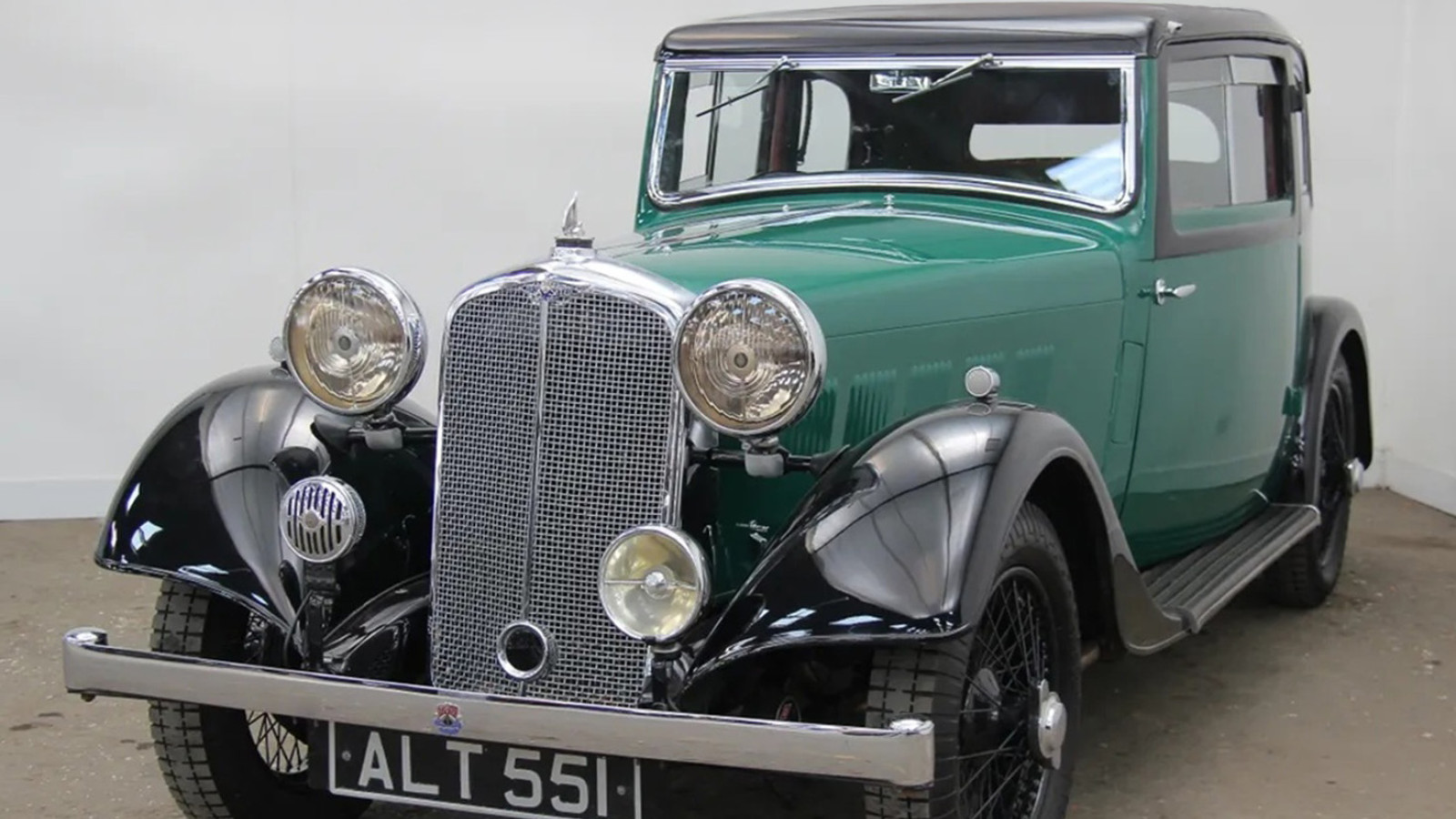
9. 1933 Rover P1
The P1 name was not used by Rover, but is applied retrospectively to the cars from the Ten, Twelve and Fourteen ranges.
These formed the bulk of Rover’s sales, and the great majority came with saloon bodywork to cement the company’s position as a maker of solidly built and dependable cars.
When it arrived in 1933, the Ten offered a new, 1389cc engine and underslung chassis, reflecting the latest ideas of brothers Spencer and Maurice Wilks after they joined the marque.
The Twelve provided a larger, 1496cc, four-cylinder engine, while the Fourteen came with a 1577cc motor.
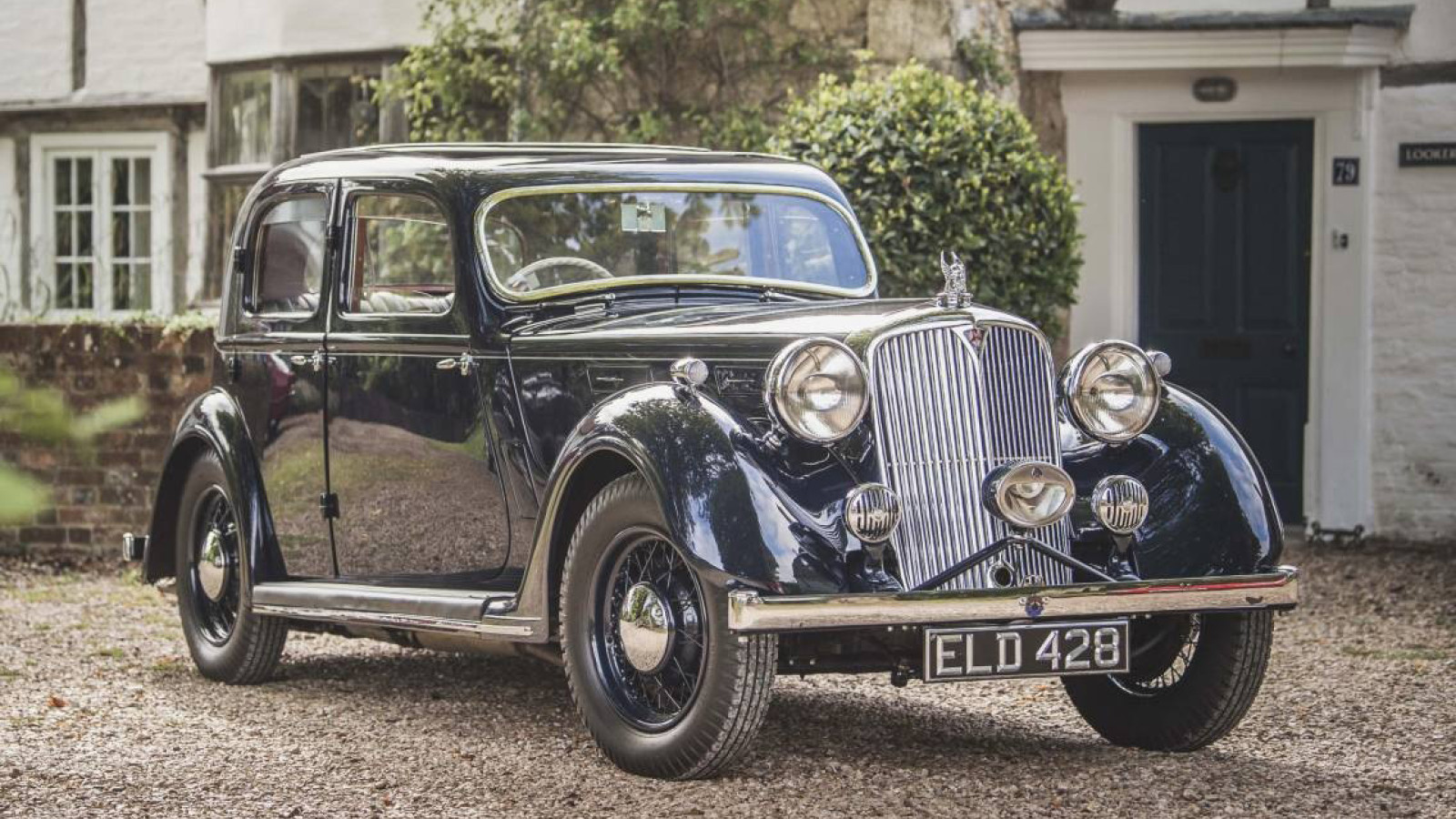
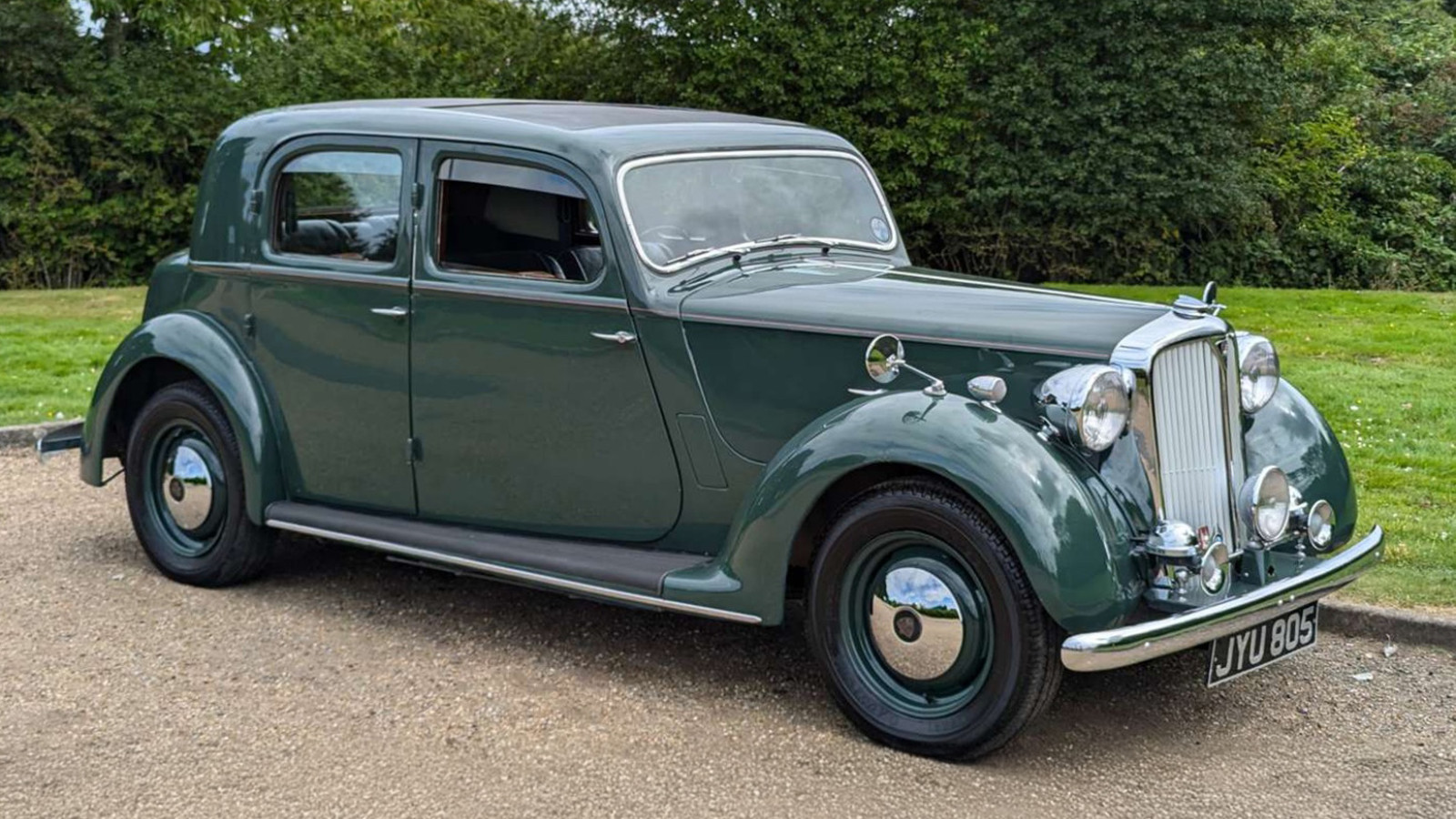
10. 1937 Rover P2
The Rover P2 range gradually replaced the earlier models as the 12 and 16 cars arrived in 1937, followed by the 14 in 1938, and then the 10 and 20 for 1939.
The big changes for the P2 models were lower, sleeker looks for the body and flowing wings that gave these cars a more upmarket feel.
A stiffened chassis helped with refinement and Girling brakes improved stopping power, while synchromesh was added to the top two ratios of the four-speed gearbox in 1939.
The P2 models made a return after the Second World War to get Rover back on its feet and, like before the conflict, saloons were the most common style.
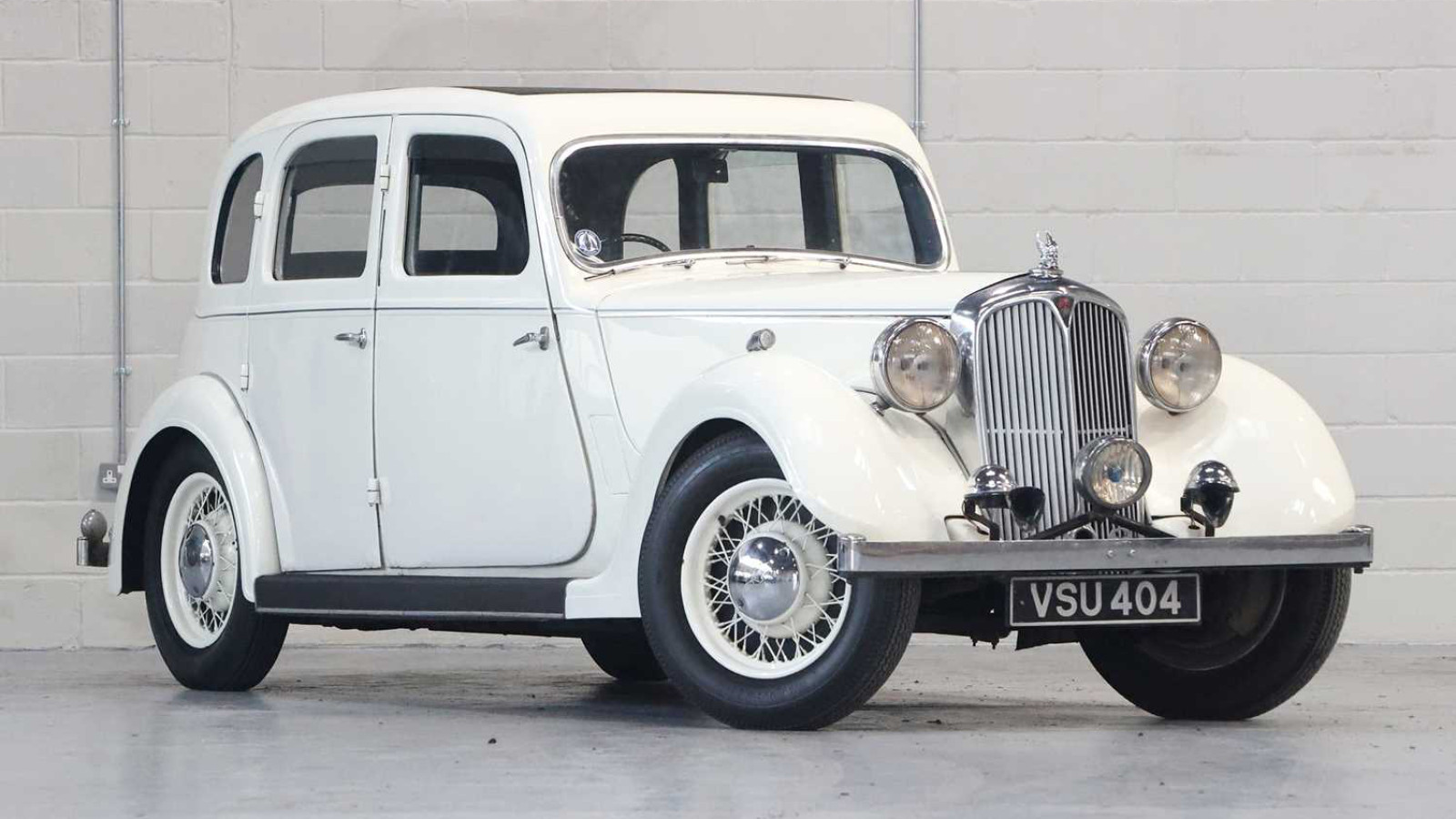
11. 1948 Rover P3
You’d have to be keen-eyed to spot the differences made by Rover for the P3, yet this upright saloon only shared its wings and bonnet with the earlier P2.
The P3 was half an inch (13mm) wider to give the saloon, and its rare drophead sibling, more cabin space.
There were 60 and 75 models that used, respectively, the 1595cc four-cylinder and straight-six 2103cc engines.
Drivers would also appreciate the new independent front suspension, while Rover’s now traditional freewheel was still present.
As a stopgap model, the P3 was only on sale for two seasons but sold modestly well, with 9111 built.
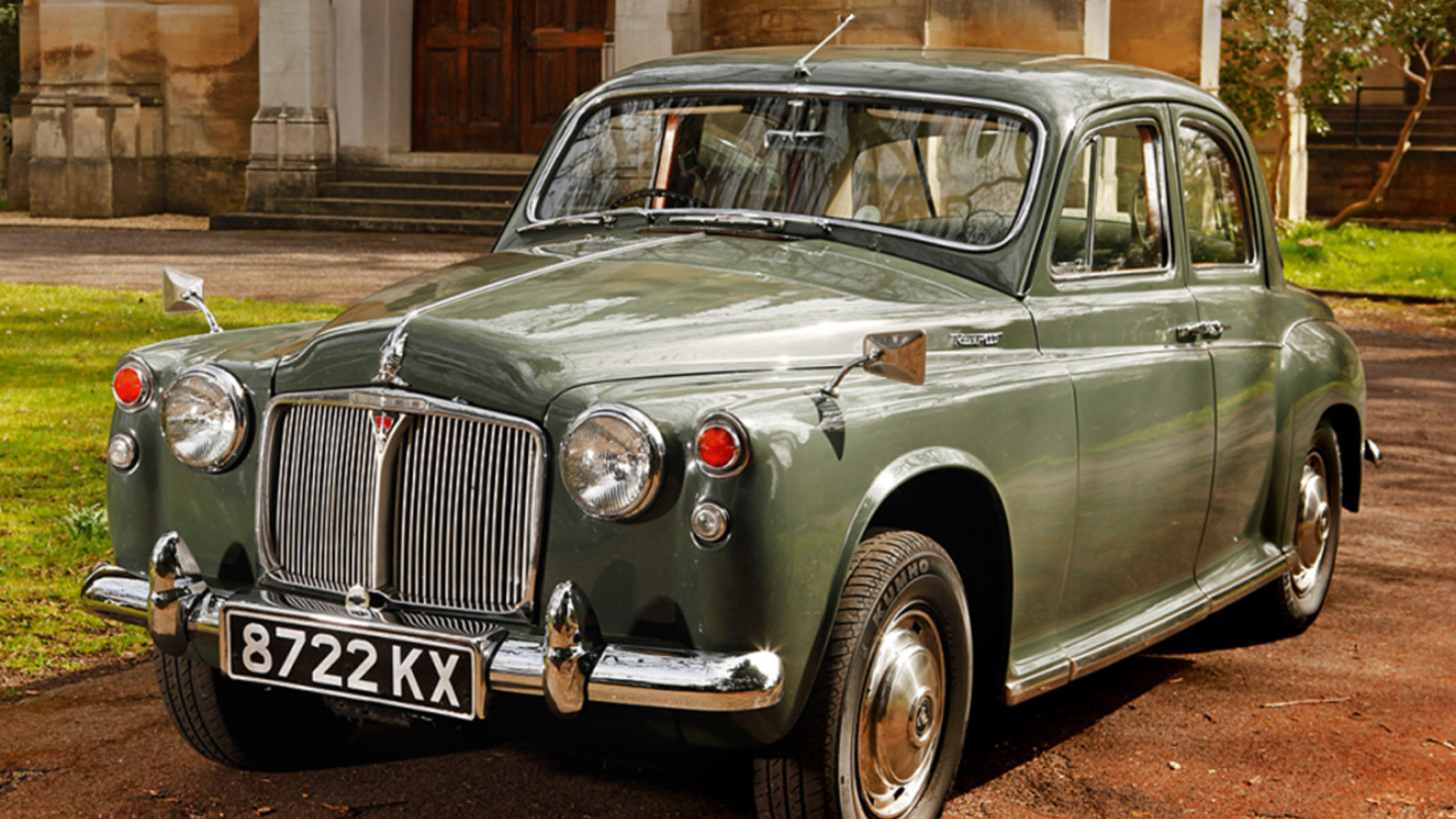
12. 1950 Rover P4
The Rover P4 range encompasses a variety of four- and six-cylinder models that lasted from 1950 all the way through to 1964.
Seen as very radical when it arrived as the 75 with its single, central spotlamp, which gave the car its ‘Cyclops’ nickname, the P4 soon became accepted for its sturdy quality and comfort.
The four-door saloon retained rear-hinged doors throughout its life, which were regarded as anything but radical by the time the last of the 130,342 P4s rolled off the line.
A 2639cc straight-six arrived in 1954, followed by a facelift in 1955 that kept the P4 as a firm favourite with its core buyers.
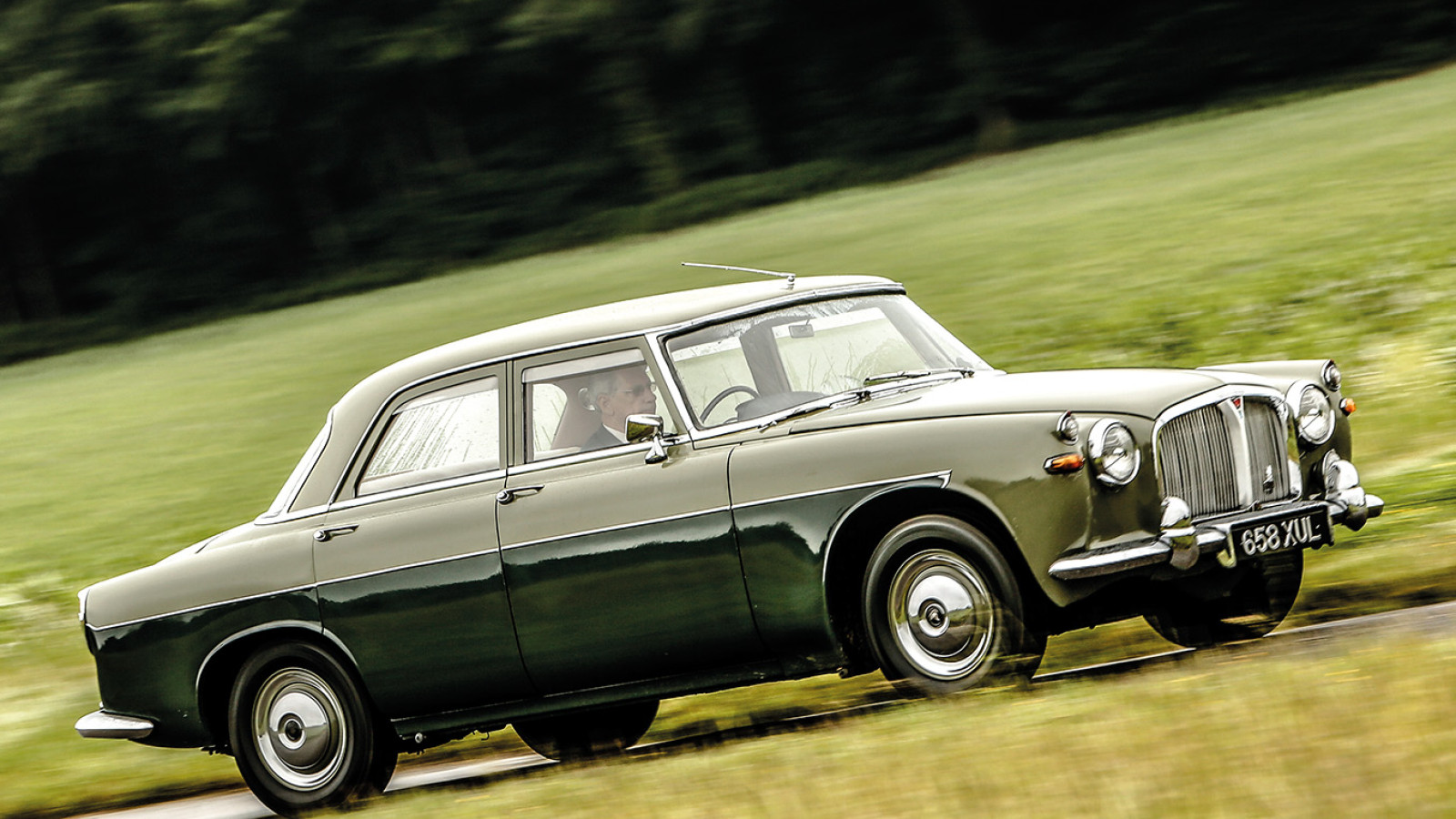
13. 1959 Rover P5
Beloved of government ministers and prime ministers, the Rover P5 saloon offered a roomy cabin with plenty of comfort.
There were stylish touches, such as the ergonomic design of the dashboard, while the upright styling gave it an air of authority.
That took on a more caddish charm when Rover introduced the Coupé version with its lower roofline and sloping rear window in 1962.
The 2995cc, straight-six engine gave way to the ex-Buick, all-aluminium, 3.5-litre V8 for 1968, with the P5B name recognising the Buick origins.
Effortlessly stylish and capable, the Rover P5B remained in production until 1975.
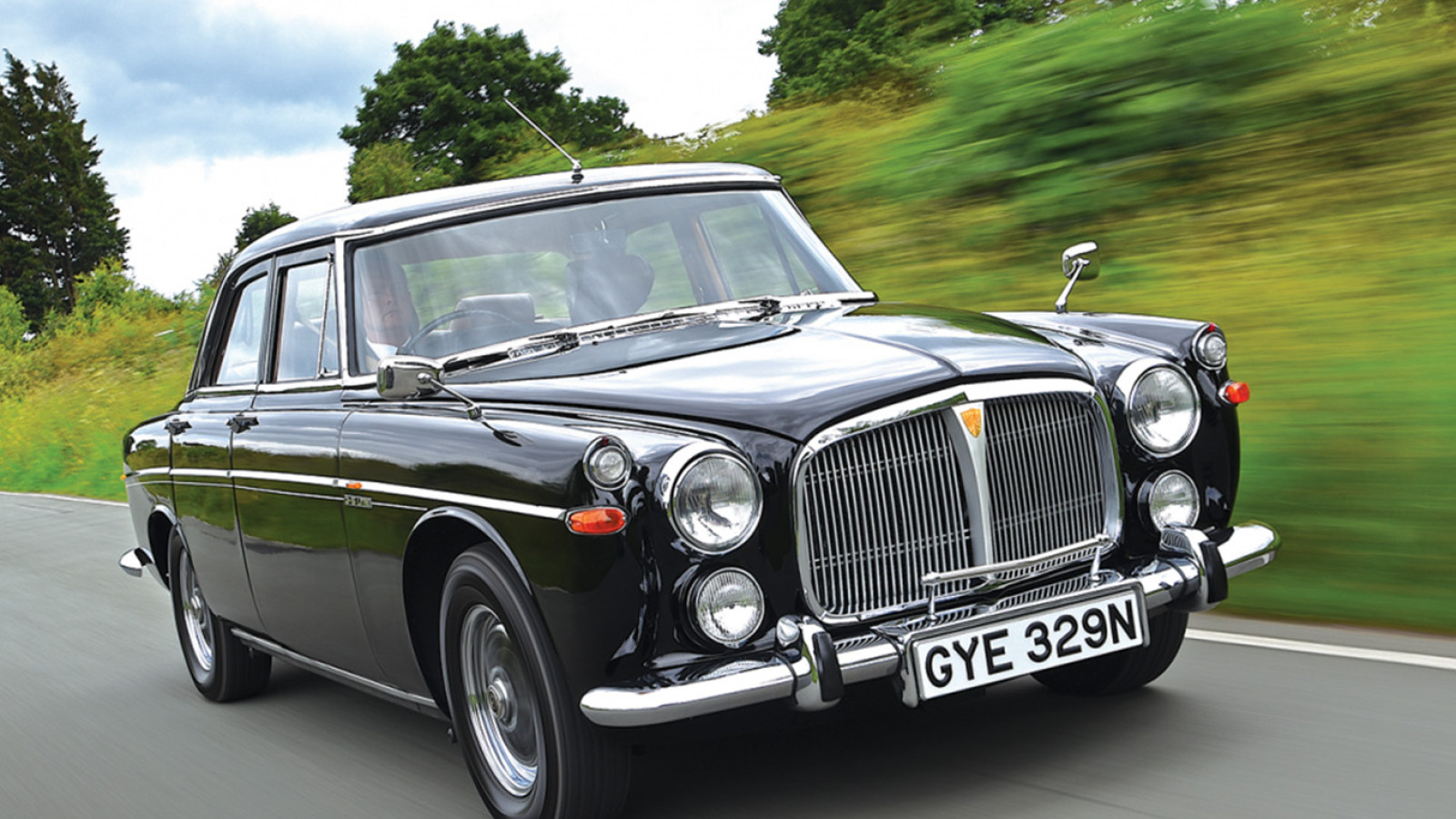
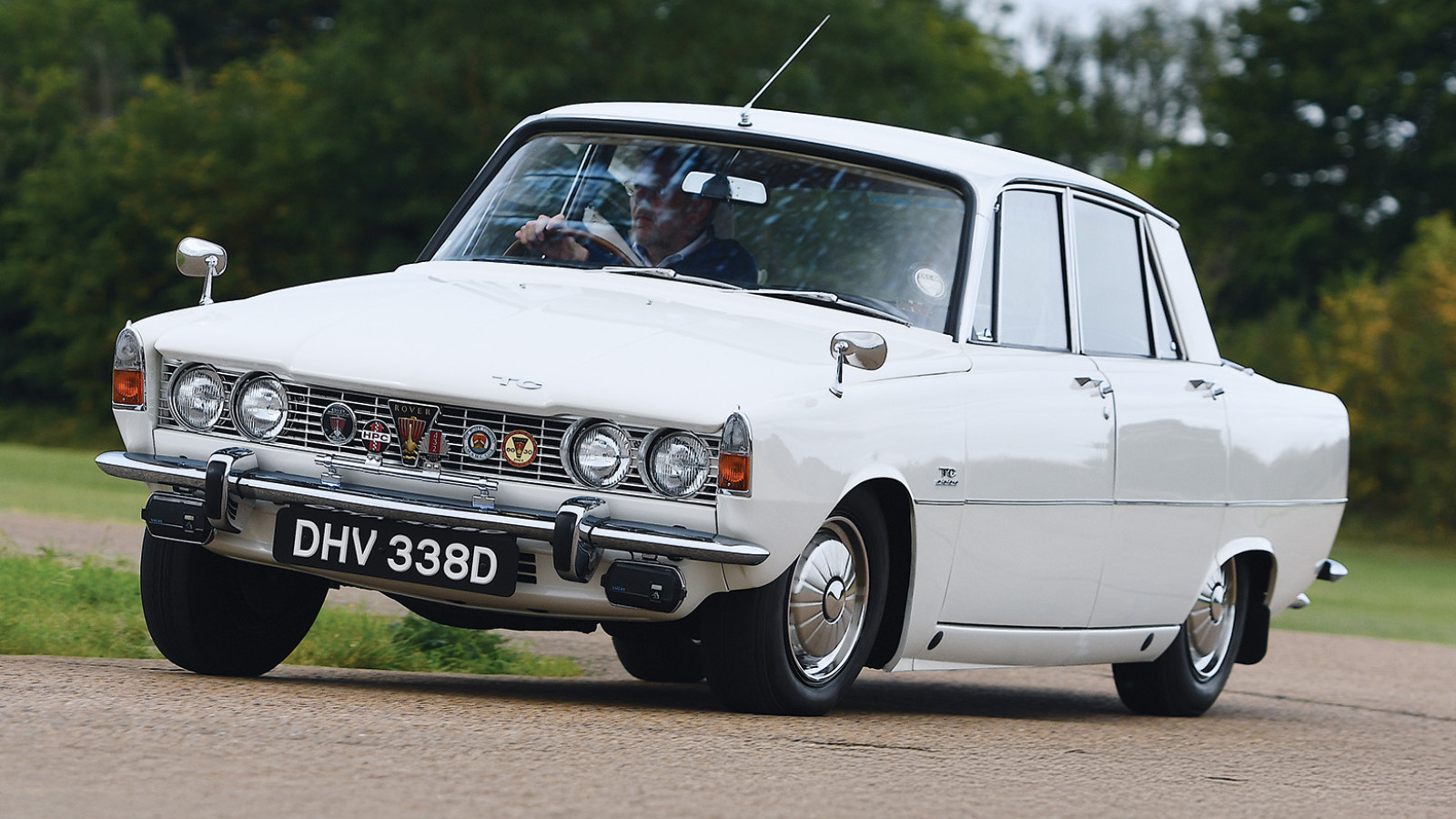
14. 1963 Rover P6
Perhaps the most revolutionary car Rover ever made was the P6 saloon that put it right in the hunt for executive buyers when it arrived in 1963.
This handsome, four-door saloon used a base unit with bolt-on panels, clever front-suspension design and a de Dion rear end.
The result was a car that rode and handled superbly, while single- and twin-carb, four-cylinder engines offered 100mph for the UK’s new motorway network.
Better still was the 3.5 V8 model from 1968, while a facelift in 1971 kept the P6 attractive to buyers all the way to the end of its life in 1976, with almost 300,000 built in total.
15. 1976 Rover SD1
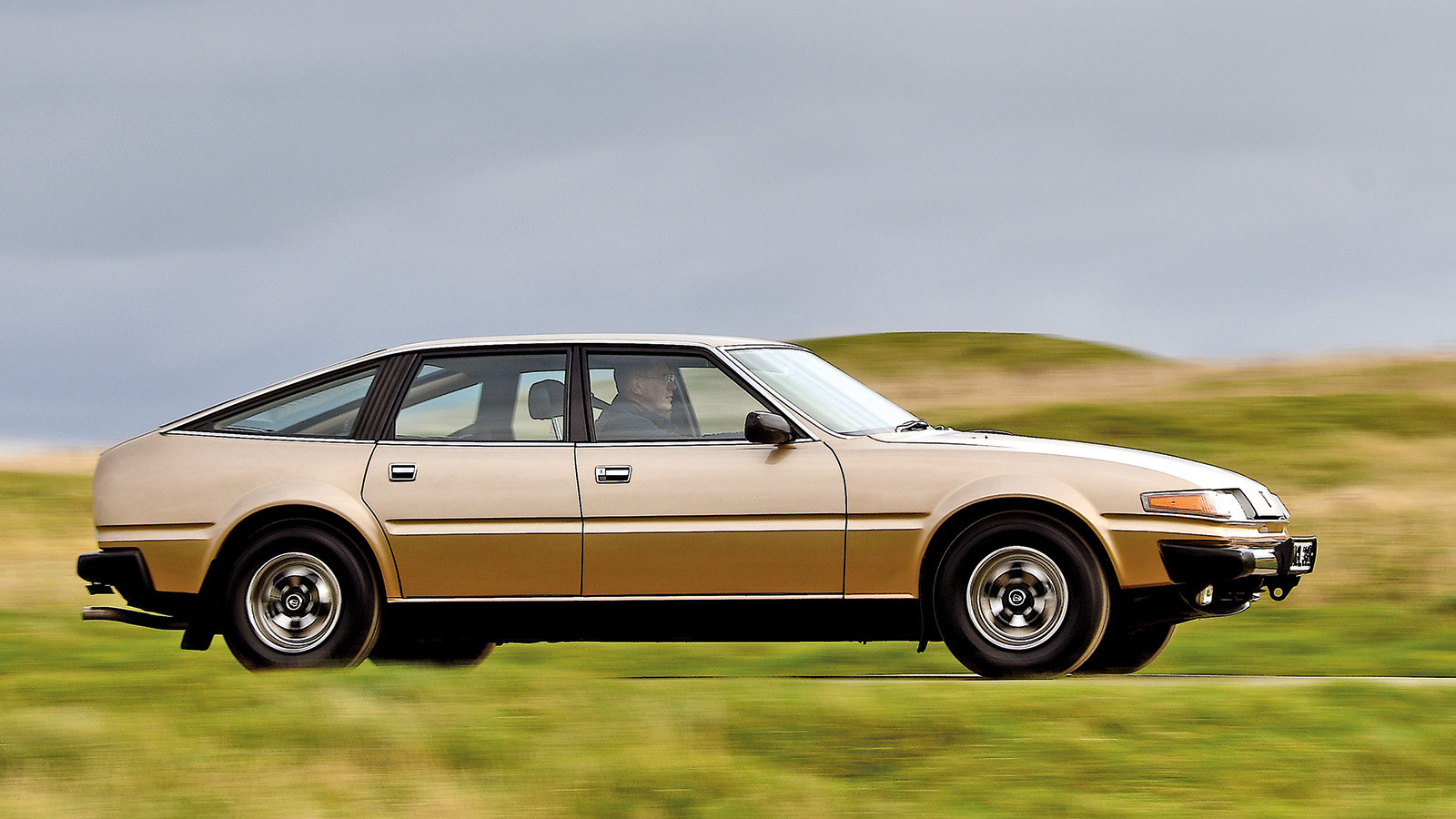
Not strictly a saloon, the Rover SD1 was a newfangled hatchback to put the marque in contention with the Ford Granada, Renault 30 and Saab 900.
The only familiar bit to die-hard Rover fans was the 3.5 V8 engine, which was joined by 2.3- and 2.6-litre straight-sixes in 1977. Later, there were also petrol and diesel four-cylinder motors.
Importantly, the SD1 offered more cabin space than most of its saloon rivals, along with a generous boot under that tailgate.
A live rear axle was a bit of a backwards step, but few complained thanks to the car’s performance, especially in later 190bhp Vitesse form.
16. 1984 Rover 200
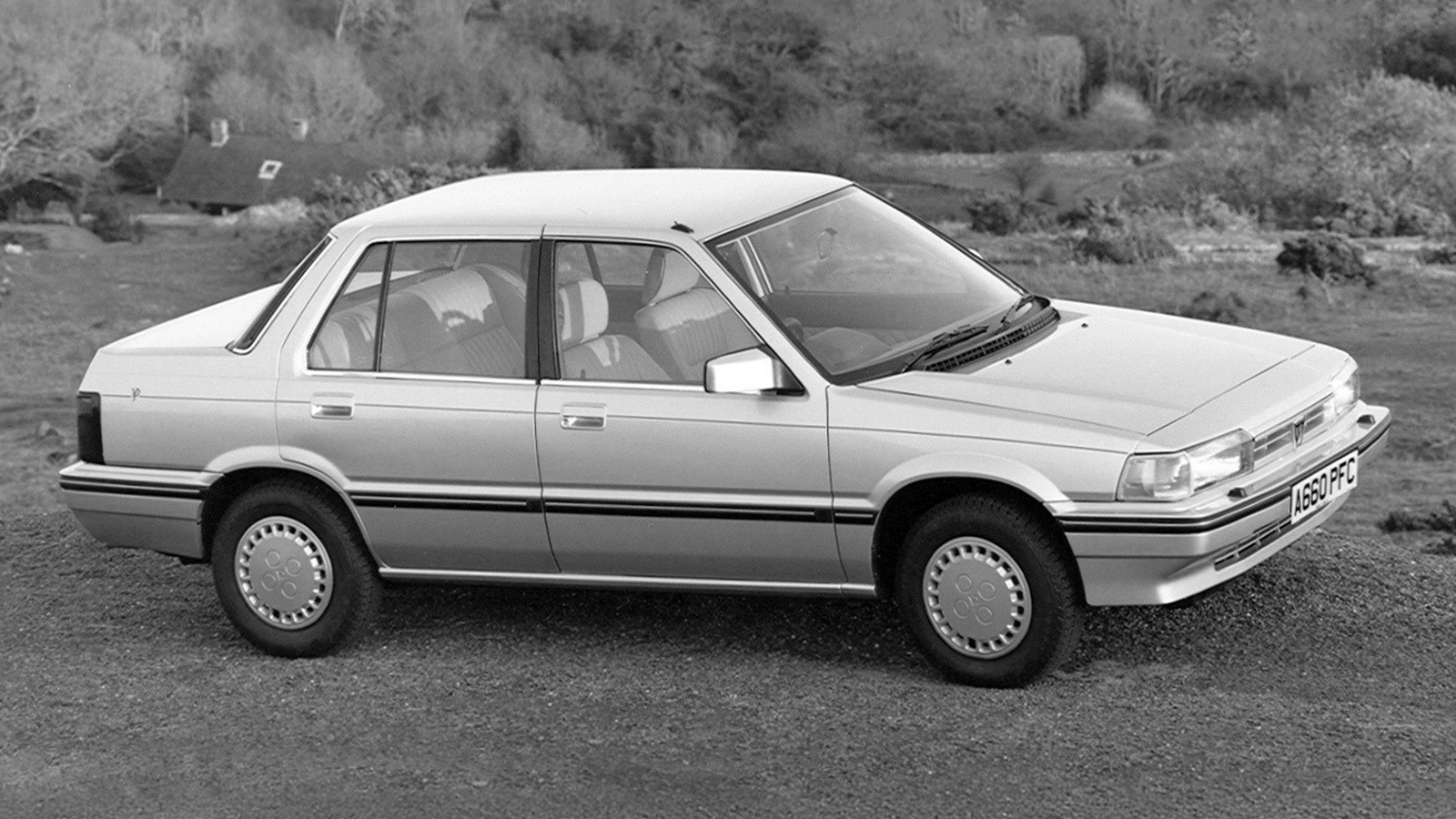
Rover finally got a smaller car in its range with the arrival of the 200 in 1984, which was based on the second-generation Honda Ballade.
Neatly designed, the 213 used a 70bhp 1.3-litre Honda engine, while the 216 had a 102bhp 1.6 from Rover.
The saloon styling meant the 200 competed with the Ford Orion and Vauxhall Belmont at a lower end of the market than Rover was used to.
However, it reaped rewards with total sales of 408,521, and it also gained a reputation for being well made and reliable.
The 200’s replacement in 1989 switched to a hatchback design and benefitted from Rover’s superb K-series engine.
17. 1986 Rover 800
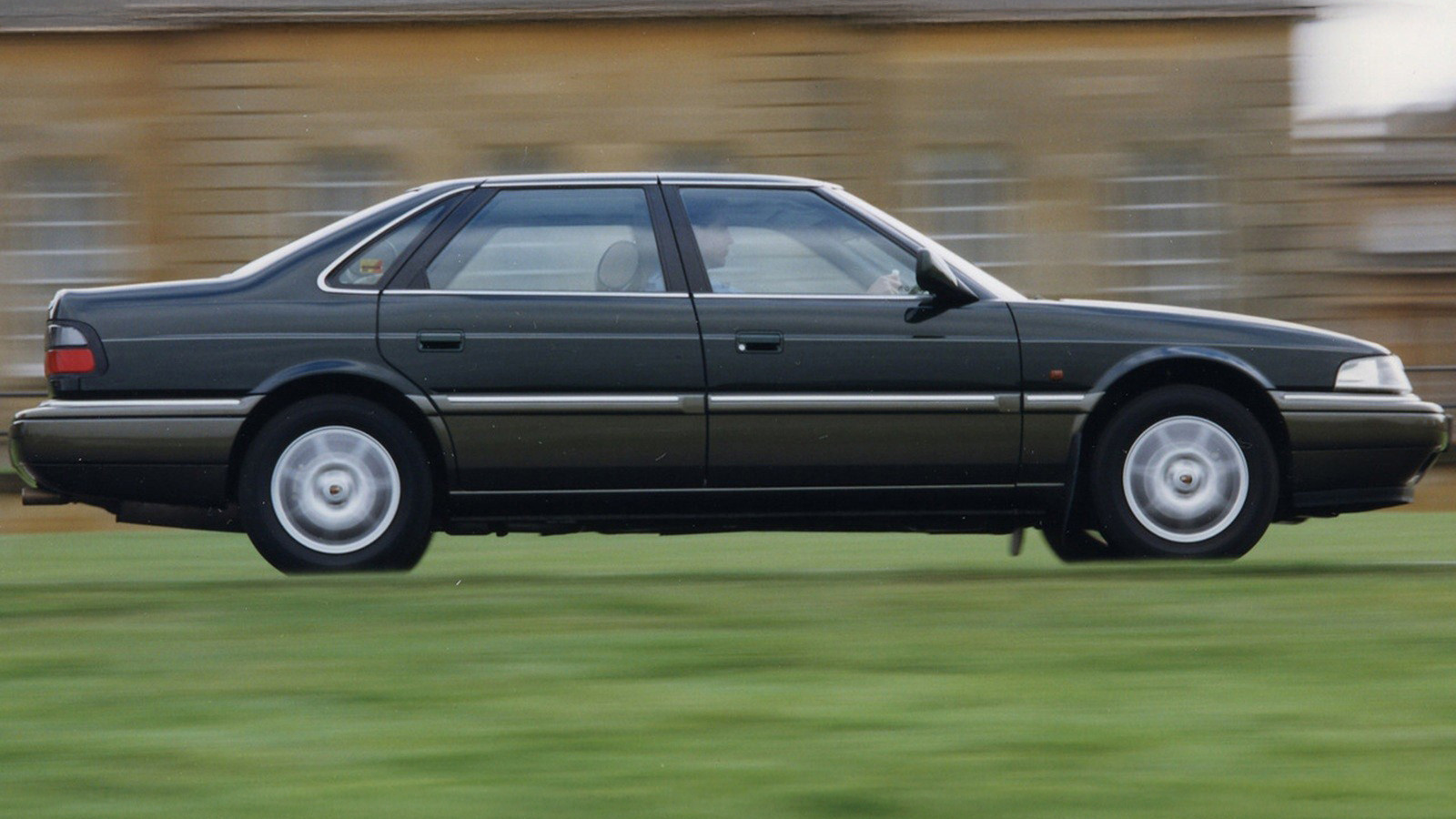
The 800 took over from the SD1 as Rover’s flagship model and made full use of the company’s links with Honda.
The saloon was joined by a five-door fastback, and both were offered with 2-litre four-cylinder and V6 engines, the latter from Honda.
The Vitesse model was only ever available as a fastback, but saloon fans were rewarded with the Sterling that was the most luxurious model in the range.
It came with leather upholstery, air conditioning, electrically adjusted and heated front seats, and ABS anti-lock brakes.
Poor sales in the US aside, the Rover 800 was popular and a total of 221,227 found homes.
18. 1989 Rover Montego
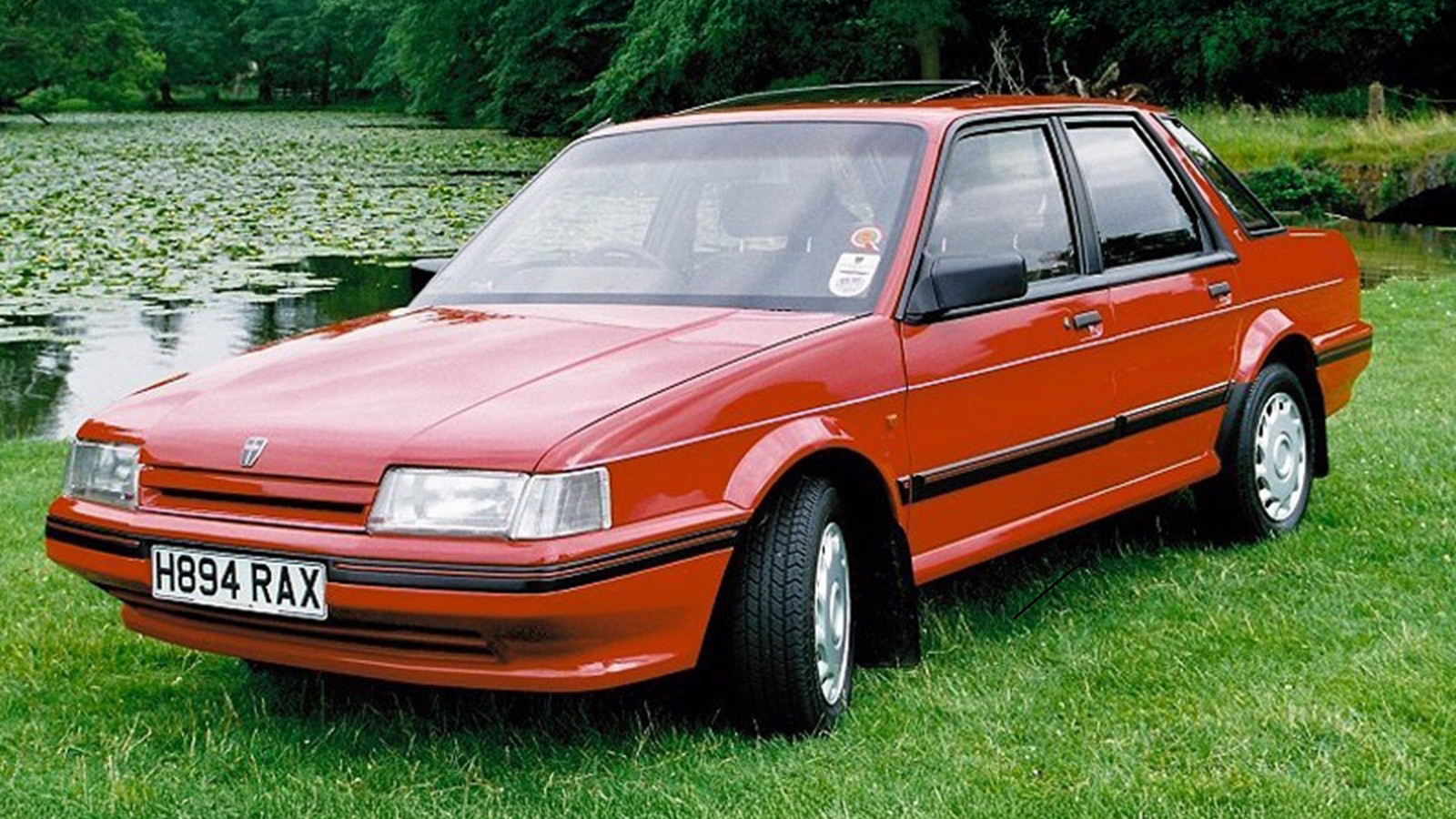
History is hazy on when the Montego became a Rover model, although it ceased being an Austin-badged car in 1986.
In the UK, it was only very late Montegos that were ever sold as Rovers, but the name was used in certain European markets.
When BMW bought Rover in 1994, it shut down the last vestiges of its production.
However, the Rover Montego was sold in India by the Sipani company as a more upmarket offering compared to most locally produced cars.
Rover exported 500 of these Montegos to India, all with diesel engines, and approximately half were saloons and the rest were Clubman estates.
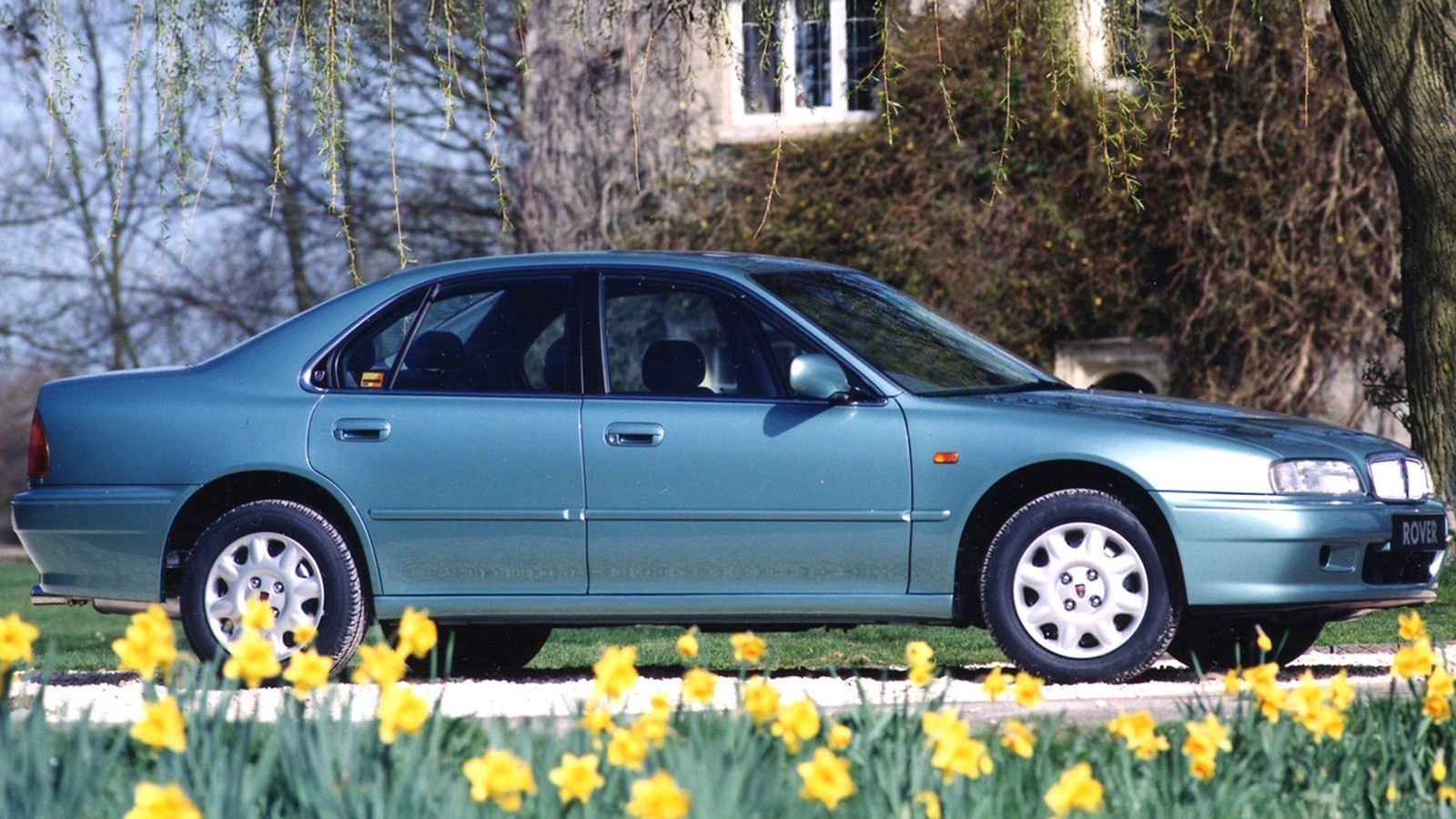
19. 1990 Rover 400
The 1989 Rover 200 became a hatchback, which meant the company’s new small saloon was now the 400.
Again using a mix of Honda and Rover parts, the 400 was comfortable and roomy for this class.
It also came with a touch of luxury thanks to wooden trim in better-specced models.
The 400 had a good turn of speed if you opted for the 2-litre, turbocharged, petrol-fuelled model that offered 0-60mph in 8 secs and a 125mph top speed – numbers to rival many hot hatches of the time.
A major facelift arrived in 1995 and then Rover changed the name to 45 in 1999, which saw this model through to its demise in 2005.
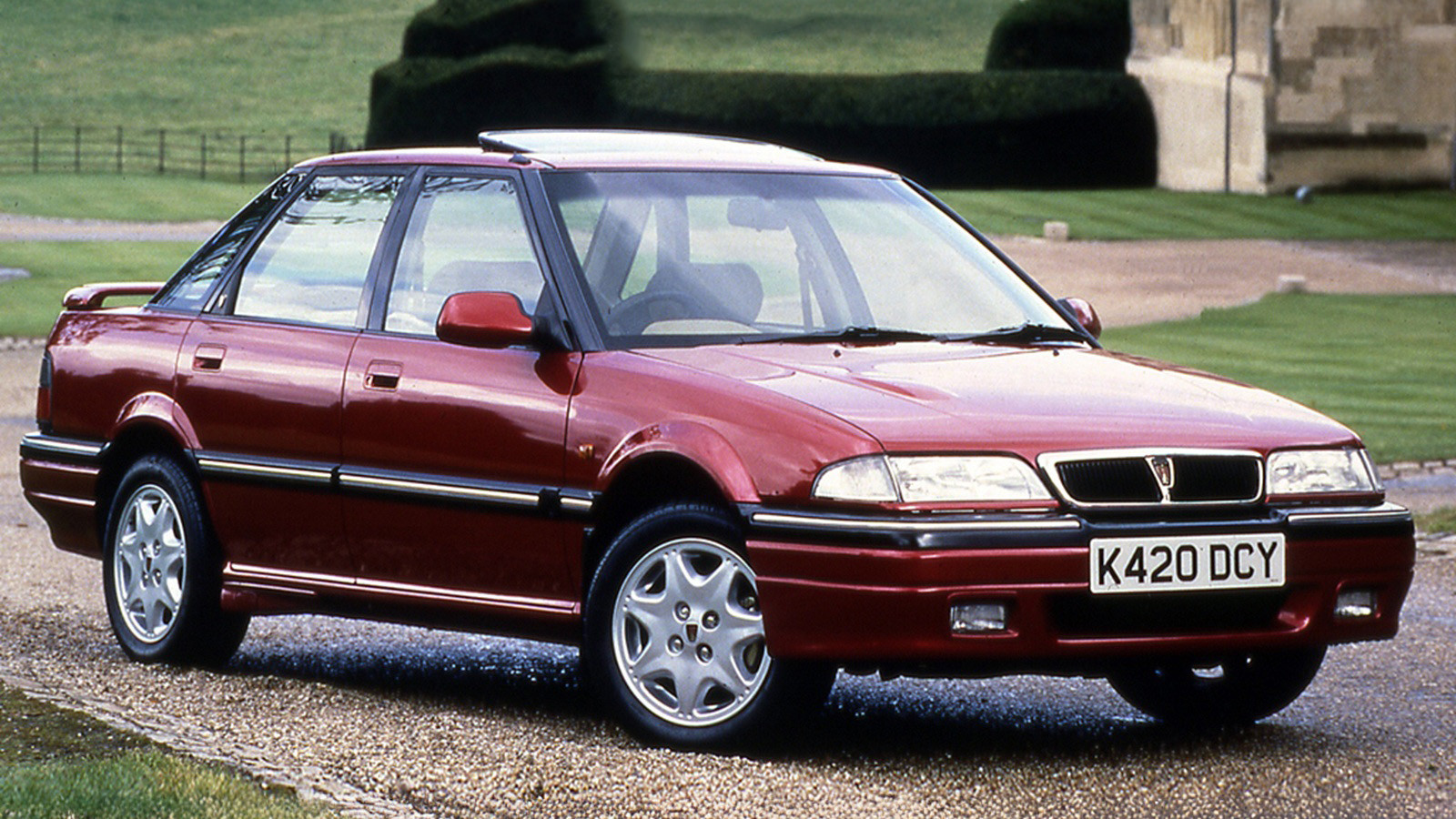
20. 1993 Rover 600
This was another Rover-Honda combination that resulted in a surprisingly good alternative to the Ford Mondeo and Vauxhall Cavalier, if not quite in the league of the BMW 3 Series.
The handsome saloon styling was smooth and retained just enough of a Rover grille to add some old-school charm.
Inside, the 600 was more Honda-like, but that was good for quality and there was lots of room.
A choice of petrol or diesel engines powered the front wheels, and the 600 was a capable and comfortable car to drive.
Best of the bunch was the 620ti with a 197bhp, 2-litre, turbocharged motor that delivered 141mph and 0-60mph in 7.8 secs.
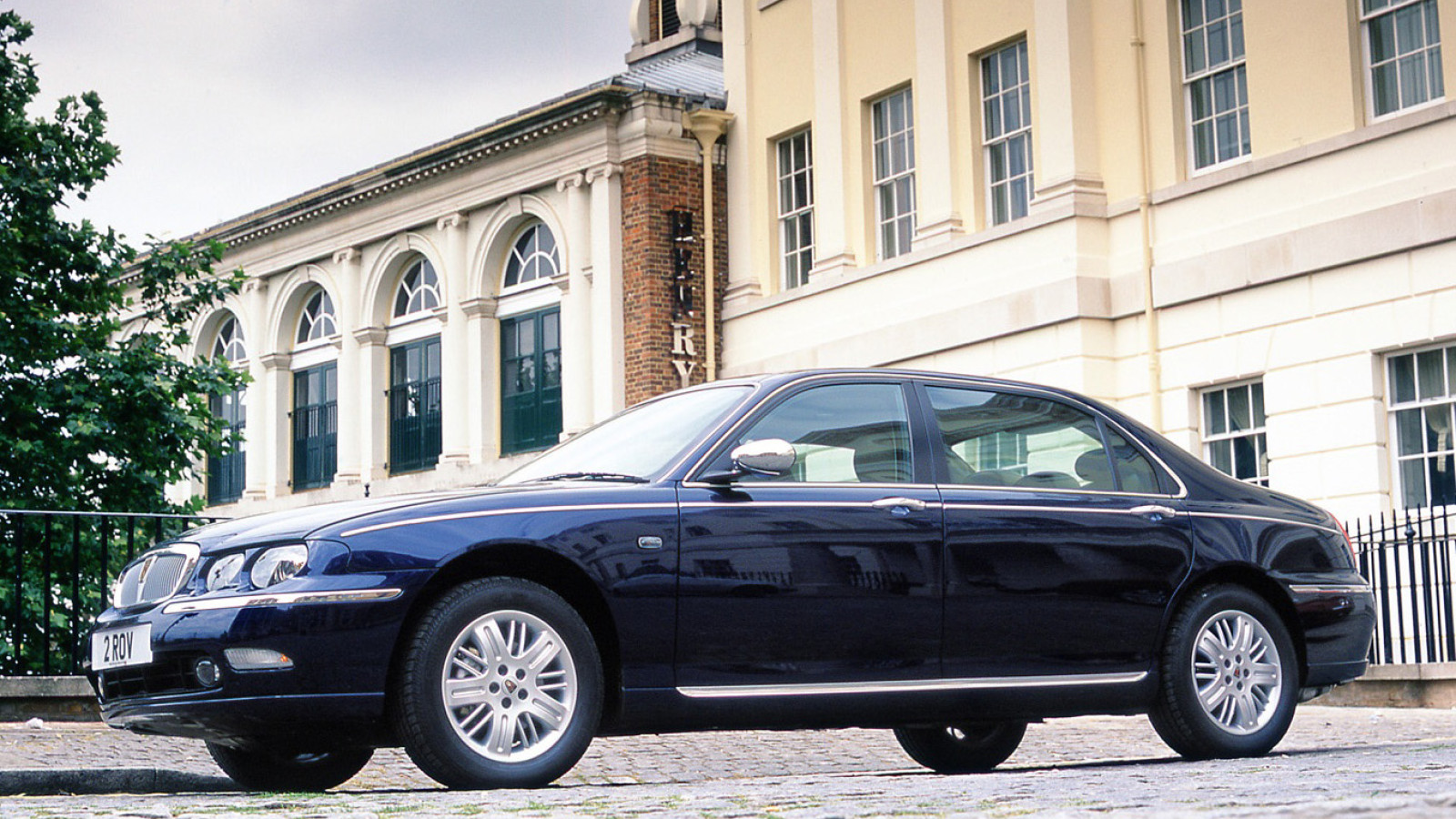
21. 1999 Rover 75
The small executive saloon market was dominated by the Germans, but Rover had a tempting alternative with its 75.
Built during BMW’s ownership of Rover, the 75 used the German company’s Z-axle rear suspension and turbodiesel engine.
Petrol V6s offered refinement, while a 256bhp, Ford V8-powered version came with more muscular performance.
The result was a great motorway cruiser, while the stretched Vanden Plas was an off-the-shelf limousine.
It might have been the last all-new saloon to wear the Rover badge, but the 75 went on to enjoy sales of 211,175 when the curtain came down in 2005.