Australia’s automobiles
Geographically distant from most of the world’s motor industry, Australia nevertheless has a long and proud tradition of building cars dating back well over a century.
Much of it has involved manufacturers based elsewhere seeing a potential increase in their business, but there are also many cases of cars being developed within the country.
Overall, there have been far more than we can possibly list in a single gallery, so we’ve made life simpler, if more frustrating, by giving only one example per marque.
They are presented in alphabetical order (leading to a wildly random and perhaps therefore entertaining chronology), and all of them were built before 2000.
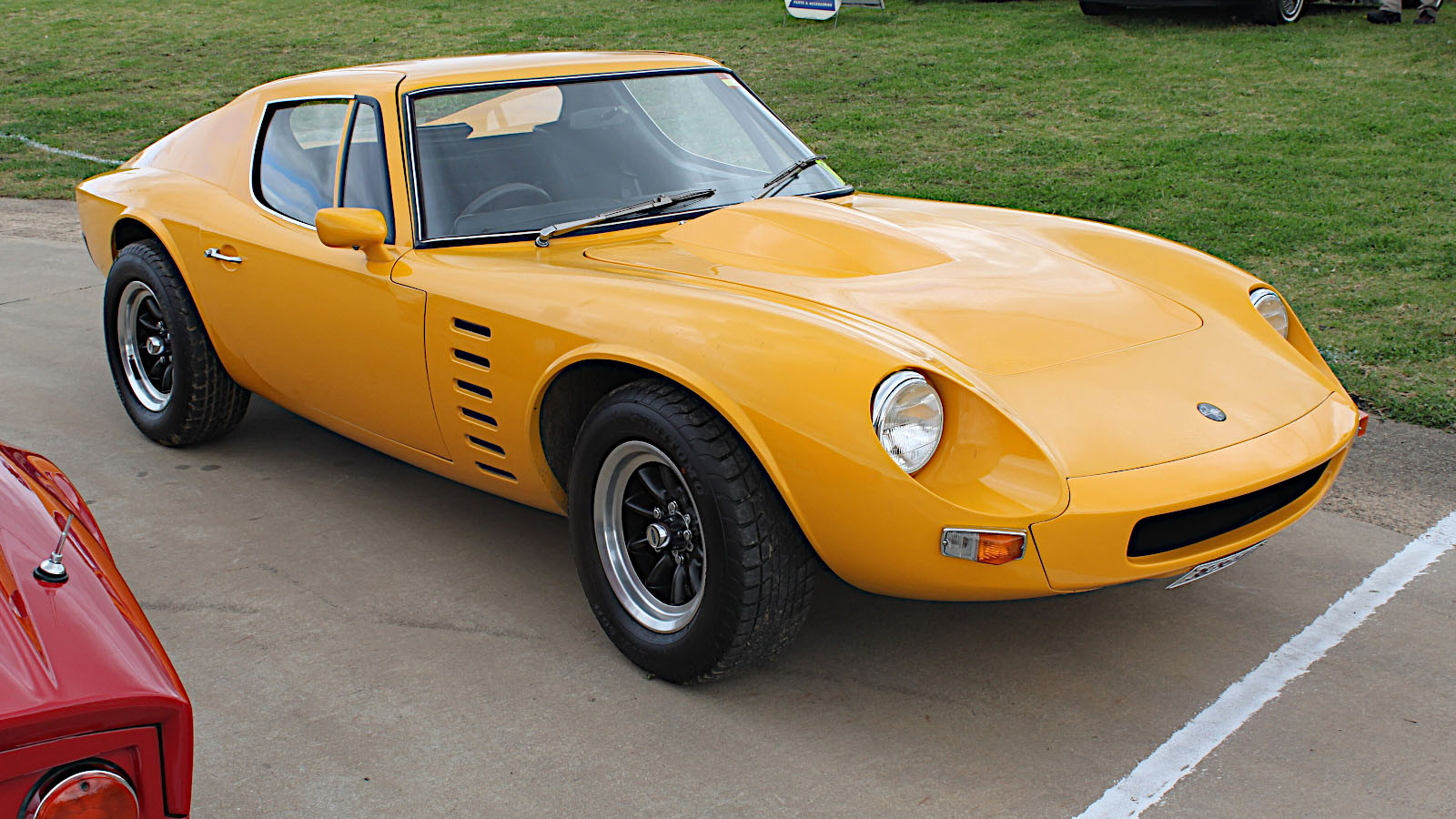
1. Ascort TSV 1300 GT
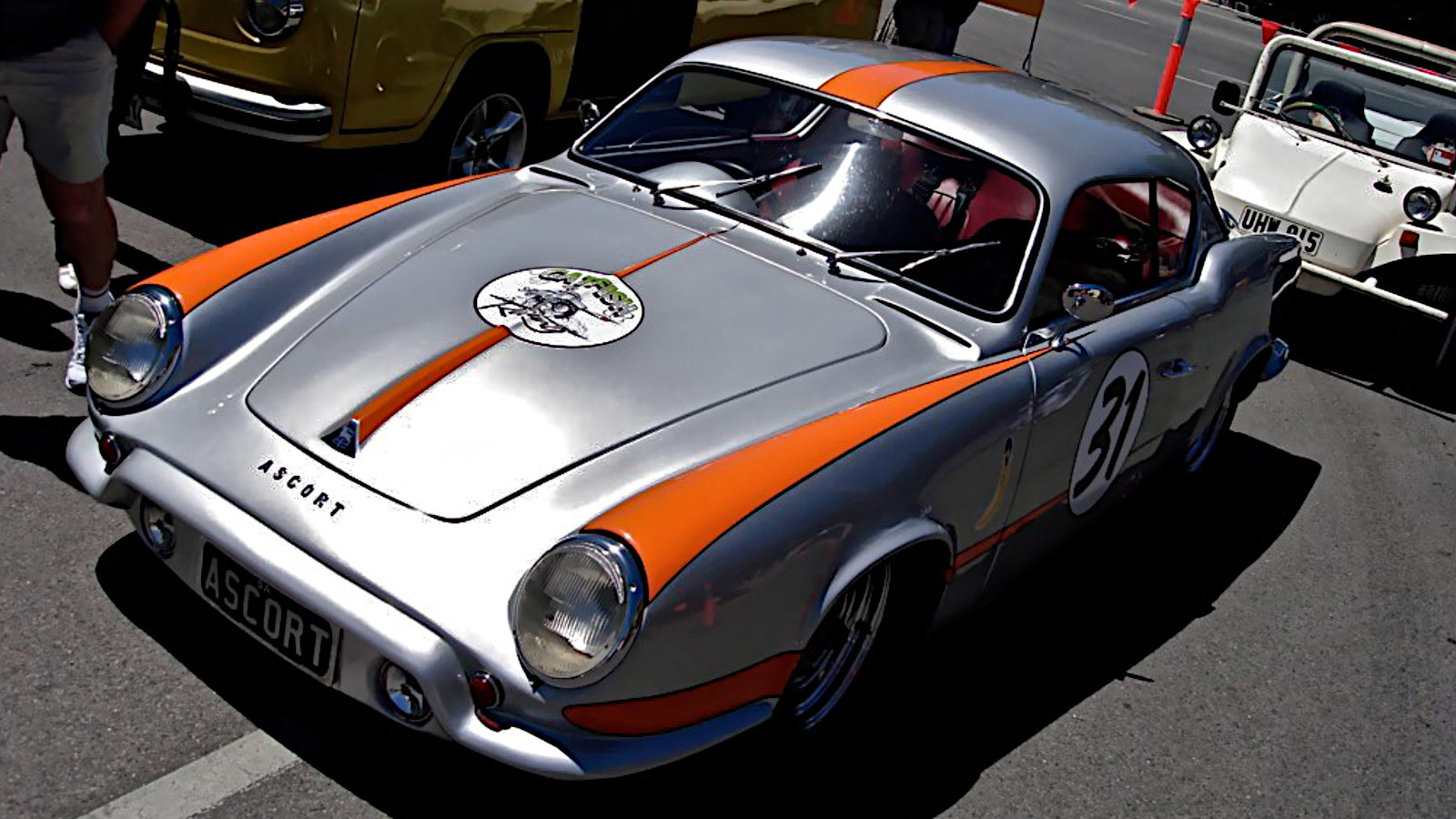
The only Ascort model ever devised was based on the floorpan and running gear of the Volkswagen Beetle but had a coupé body which is sometimes compared with that of the VW Karmann Ghia, though the two cars look significantly different.
Sources agree that the body consisted of two layers of glassfibre sandwiching a network of steel tubes, a system which resulted in low weight, an unusual amount of crash protection and an impressive feeling of quality.
Despite positive reviews, no more than 20 1300 GTs are believed to have been attempted between 1958 and 1960, with nearly half of those not being completed before the project was abandoned.
2. Austin Kimberley
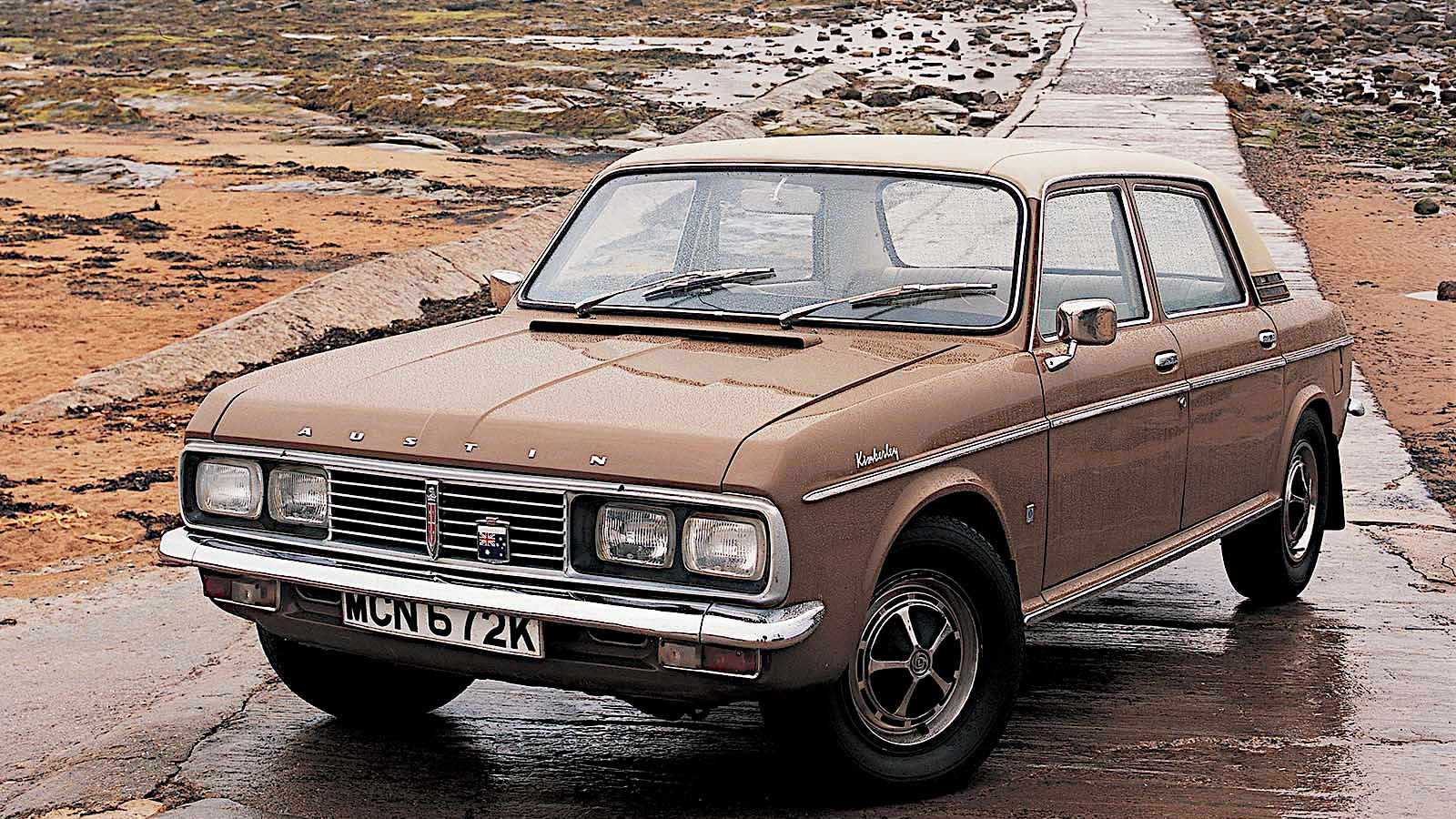
Based on the Austin ADO17, the Kimberley was produced by the Australian equivalent of the company then known as British Leyland.
ADO17s sold in the UK had four-cylinder B-series or six-cylinder E-series engines, but customer preferences dictated that only the ‘six’ would be used in the Kimberley.
Measuring 2.2 litres, it was mounted transversely and drove the front wheels, an unusual arrangement for a medium-sized car sold in Australia at the time, but one which allowed for a great deal of passenger space.
Despite this advantage, production of the Kimberley (and the Tasman, a lower-spec and therefore cheaper version of the same car) lasted only from 1970 to 1972.
3. Australian Six
According to the National Museum of Australia, which acquired a beautifully restored example in 2013, the Australian Six came about due to the efforts of Sydney businessman Frederick Gordon, who went on a fact-finding mission to the US in 1917 and 1918.
There he met Louis Chevrolet, who was then working at a company called the American Motors Corporation (not the one formed in 1954 by the merger of Hudson and Nash-Kelvinator), and returned home with the specifications of what was known then as the American Six and later as the American Balanced Six, along with enough parts to assemble three vehicles.
The Australian Six entered production in 1919, but although Gordon is reported as having said they were “selling faster than we can build”, his company was unable to build very many for one reason or another, leading to its eventual collapse.
4. Bolwell Nagari
The Nagari was the best-known of several vehicles developed by Campbell Bolwell, who made a glassfibre body for an old Ford when he was 16 and set up his own business four years later.
The first production model was the Mk4, and while there was technically a Mk8 it was marketed as the Nagari, an Australian aboriginal word meaning ‘flowing’.
With its backbone chassis, elegant glassfibre bodywork and front-mounted, Ford V8 engine, the Nagari was produced from the early to the mid 1970s, at which point the Bolwell company began concentrating on other design and engineering work.
It returned to cars in the 20th century, bringing out a new carbonfibre-bodied Nagari powered by a mid-mounted, 3.5-litre Toyota V6.
5. Buckle
Only 20 Buckle sports cars are believed to have been built in the late 1950s, but they represent an important part of Australian motoring history.
The creation of Bill Buckle, who died in 2023 at the age of 96, they featured a glassfibre body, a straight-six engine developed by Ford of Britain (and used in the Zephyr, Zodiac and Consul) and a chassis designed by Ron Tauranac, later of Brabham and Ralt.
For their time, the Buckles had an excellent power-to-weight ratio, and they performed very well in Australian motorsport events.
Bill Buckle would subsequently develop a fastback version of the Mini, along with another car which we’ll be dealing with when we reach the appropriate part of the alphabet.
6. Chrysler Valiant
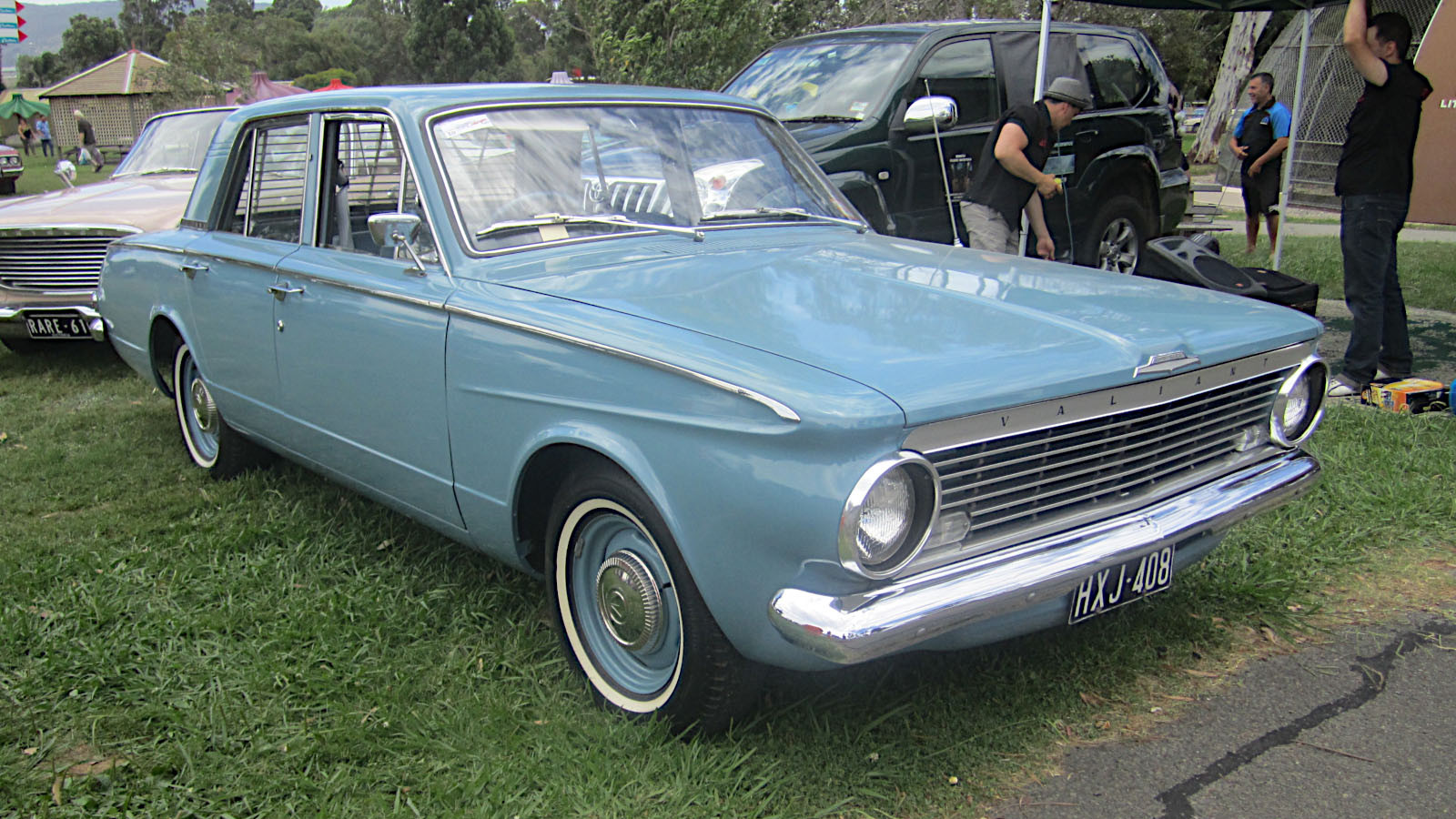
The first Chrysler Valiant was essentially a rebadged version of the 1962 Plymouth Valiant (the Plymouth marque having no history in Australia) and assembled using parts shipped in from North America.
The second (pictured), known initially as the AP-5, was almost entirely manufactured in Australia, with the exception of its 3.7-litre, slant-six engine.
This was the only unit available for the AP-5, because the 4.5-litre version of Chrysler’s LA V8, which made its debut in the US in the 1964 model year, did not reach Australia until 1965, when the AP-5 had evolved into the AP-6.
In total, 565,338 Valiants ranging across four generations were produced before the model was discontinued in 1981, five years after the last Plymouth Valiant had been built.
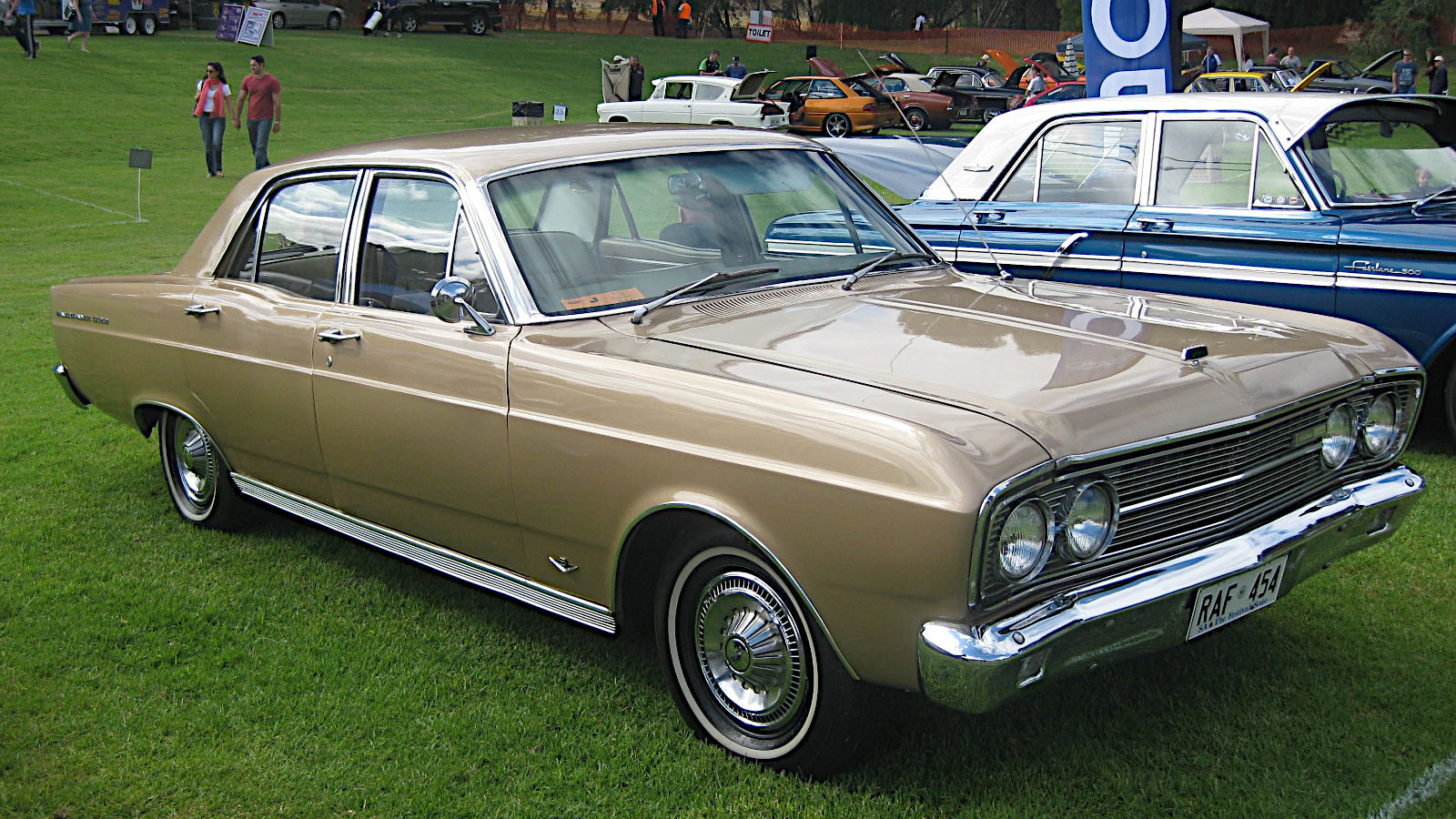
7. Ford Fairlane
Like the Chrysler Valiant, the Australian Fairlane started out as a locally assembled version of a North American model, this time bearing exactly the same name, because everyone knew what a Ford was.
The process began in 1959, and the divergence took place in 1967, when Ford Australia conceived and manufactured its own Fairlane (pictured), though one with some similarity to the American version.
Straight-six and V8 engines were available, and in 1973 Ford added an even more luxurious variant called the LTD, a name that had been used in North America since 1965.
By the time the LTD came along, there was no longer any such thing as an American Fairlane, the nameplate having been dropped in 1970, but Australian Fairlanes remained in production until 2007.
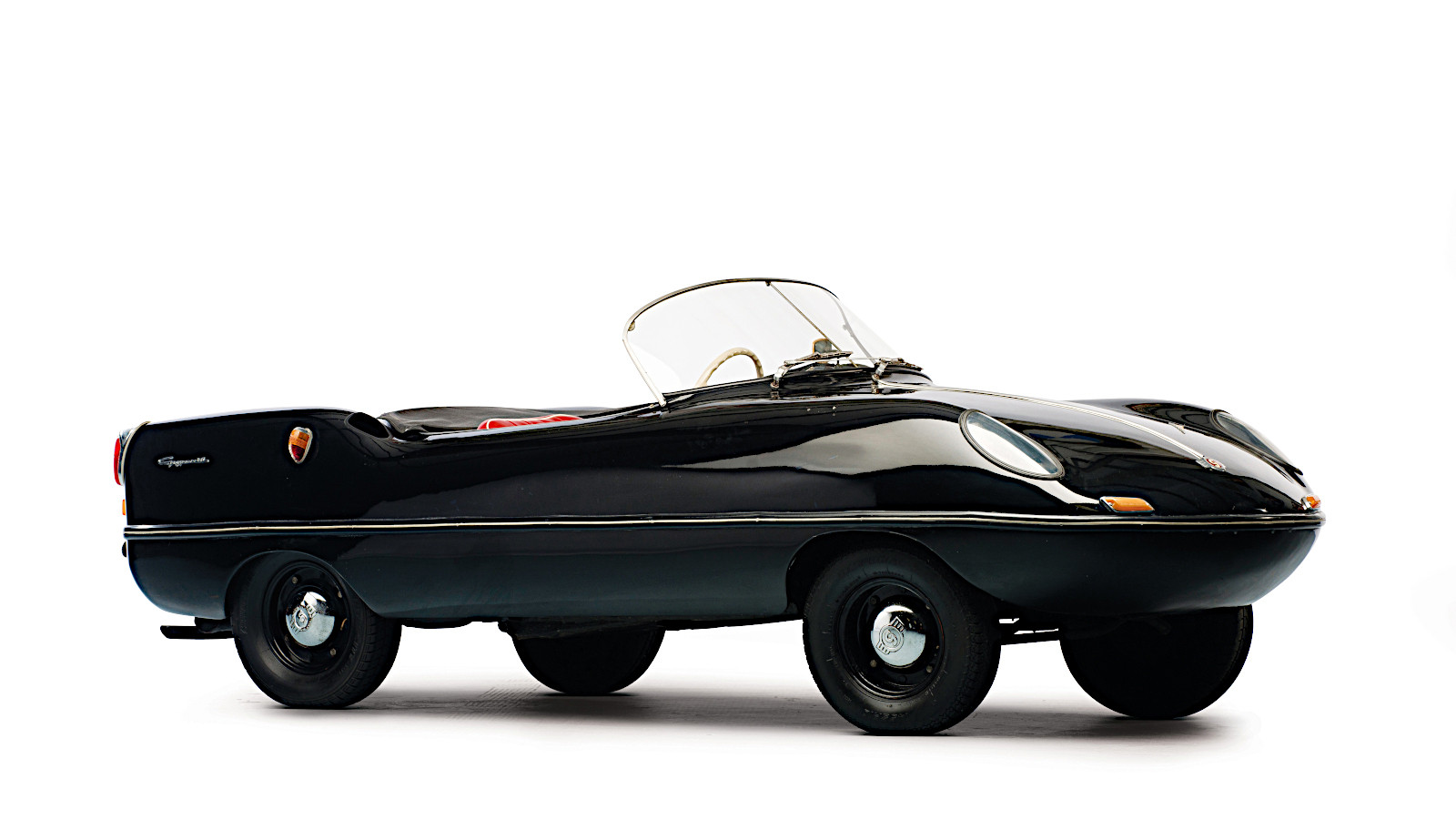
8. Goggomobil Dart
As mentioned earlier, Bill Buckle moved on to other things after his brief production of sports cars.
This included building under licence the various micro vehicles created in Germany by Glas and sold under the brand name Goggomobil.
Unlike their German counterparts, the Australian Goggomobils had glassfibre bodies. The most interesting was the Dart, a tiny roadster with an open and, in early examples, doorless body which, other than the mechanical parts, was quite unlike anything produced by Glas.
Around 700 Darts are believed to have been built over a period of a few years around 1960, out of an estimated 5000 Buckle-built Goggomobils.
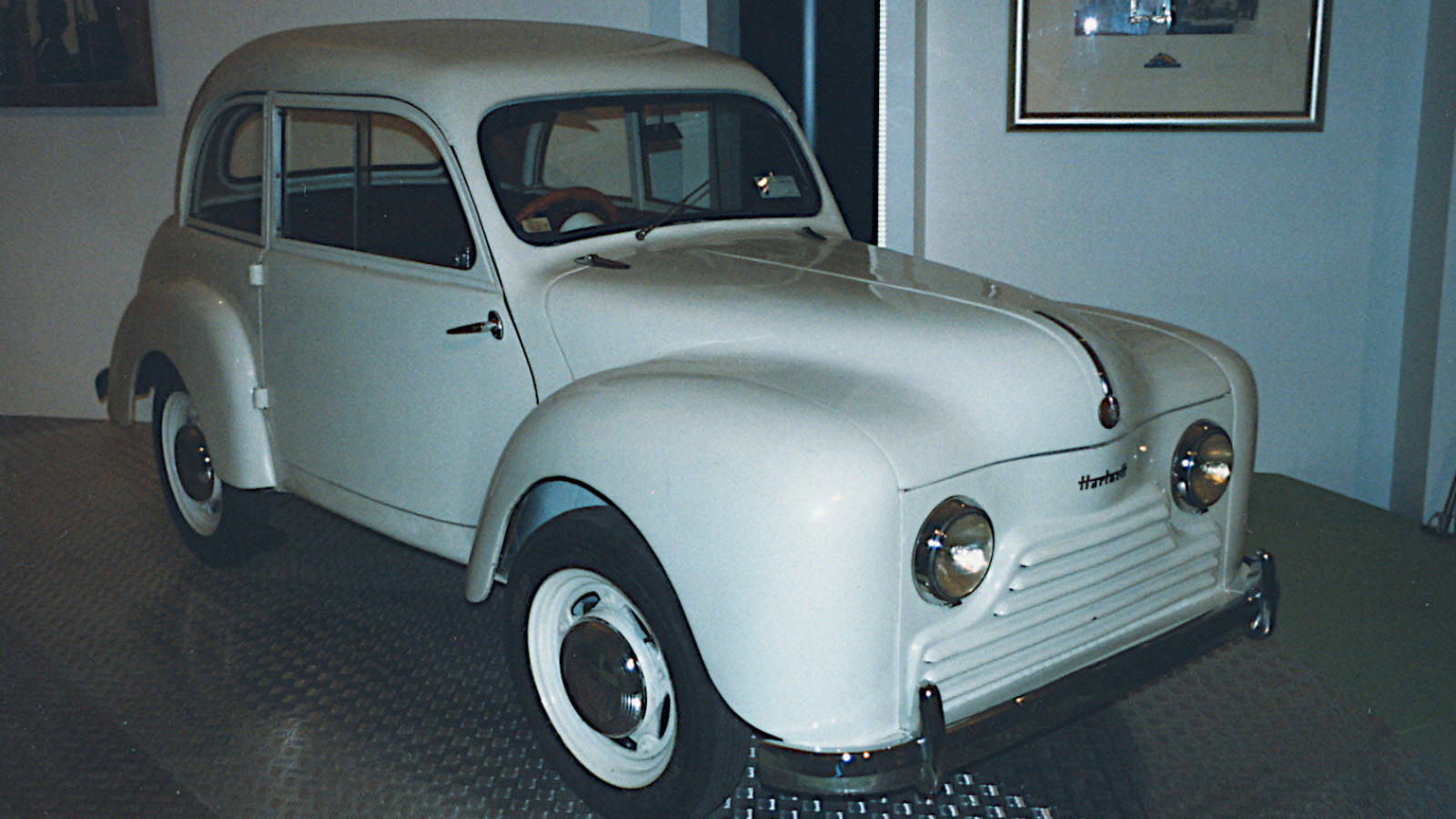
9. Hartnett Tasman
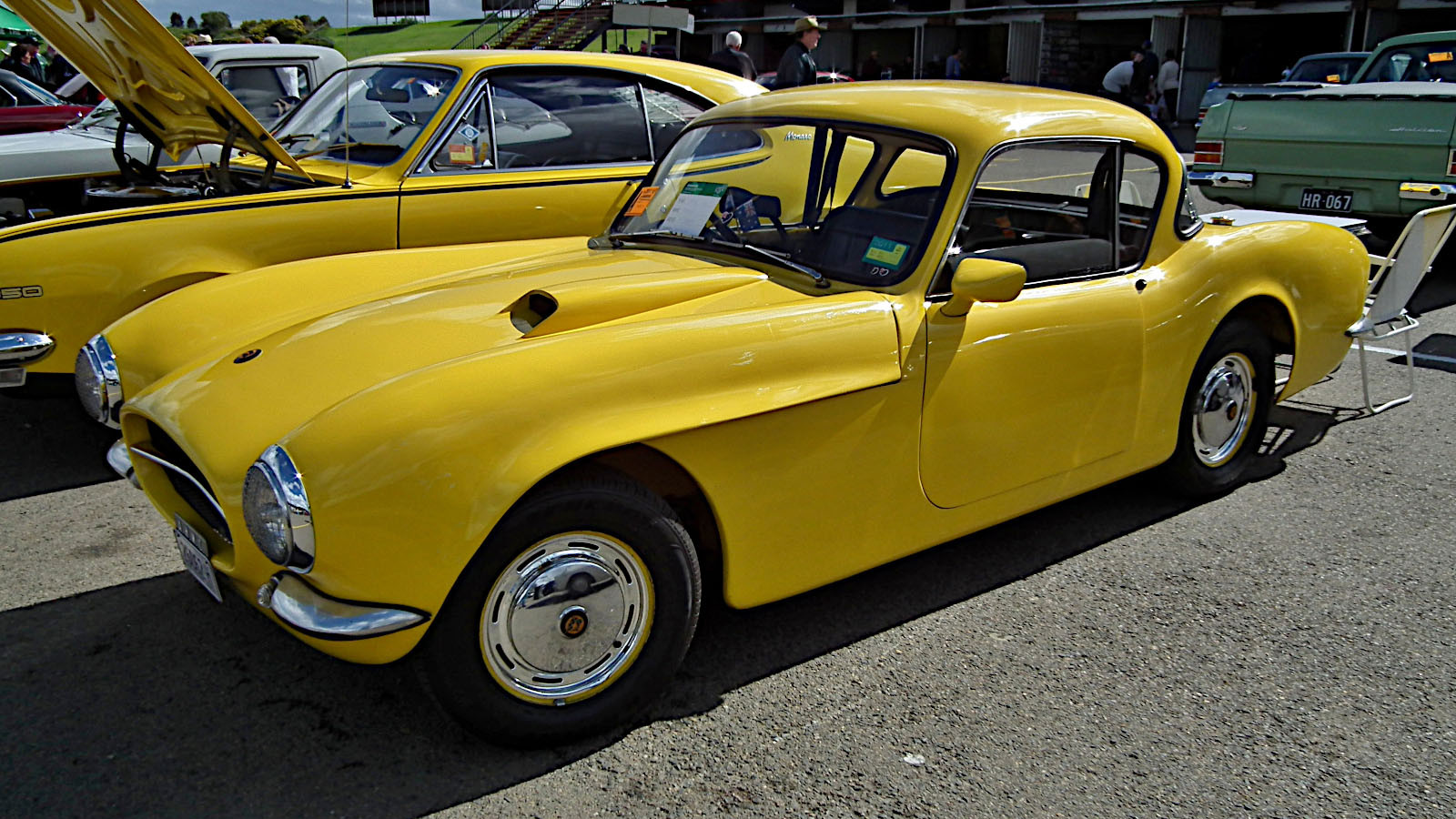
During a varied career which included a spell as managing director of Holden, expatriate Englishman Laurence Hartnett established a company under his own name which would be dedicated to the production of a small economy car.
Designed by Jean-Albert Grégoire, it had a 594cc, air-cooled, flat-twin engine driving the front wheels, and would be available as a saloon called Tasman (pictured) and a roadster called Pacific.
The project was beset by serious difficulties – production lasted for only a few months during 1952.
Hartnett also co-created another Australian manufacturer, Lloyd-Hartnett (Lloyd being the German company of that name, part of the Borgward Group), and while this was more successful, with around 3000 cars built, it folded in 1962.
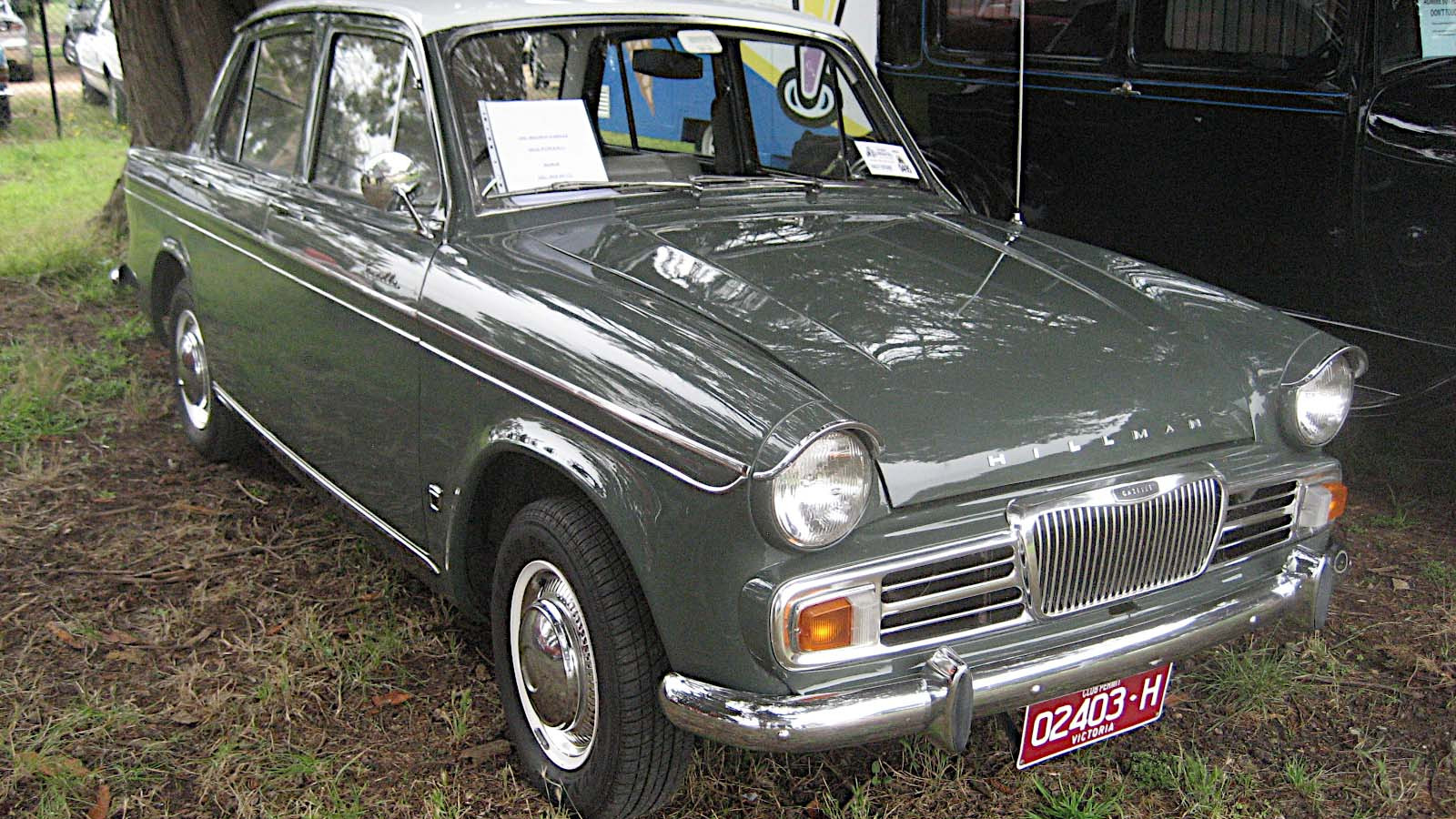
10. Hillman Gazelle
The Hillman Gazelle was an Australian version of the Singer Gazelle, one of two variants (the Sunbeam Rapier being the other) of the ‘Audax’ Hillman Minx produced in several forms during the 1950s and 1960s.
Late in the run, the standard engine became one with a five-bearing crankshaft and, strictly speaking, a capacity of 1724cc, though it is usually referred to as a 1725.
In the British Minx and Gazelle, this engine produced less than 70bhp, though in the sportier Rapier its output was much higher at 91bhp.
For the Hillman Gazelle, produced only in 1966 and 1967, it was set at 84bhp, giving the car performance which was described in the brochure, in separate sentences, as both ‘outstanding’ and ‘superb’.
11. Holden 48-215
Holden was established as a saddlery in 1856, but by the time it was acquired by General Motors in 1931 it had become a specialist in producing vehicle bodies.
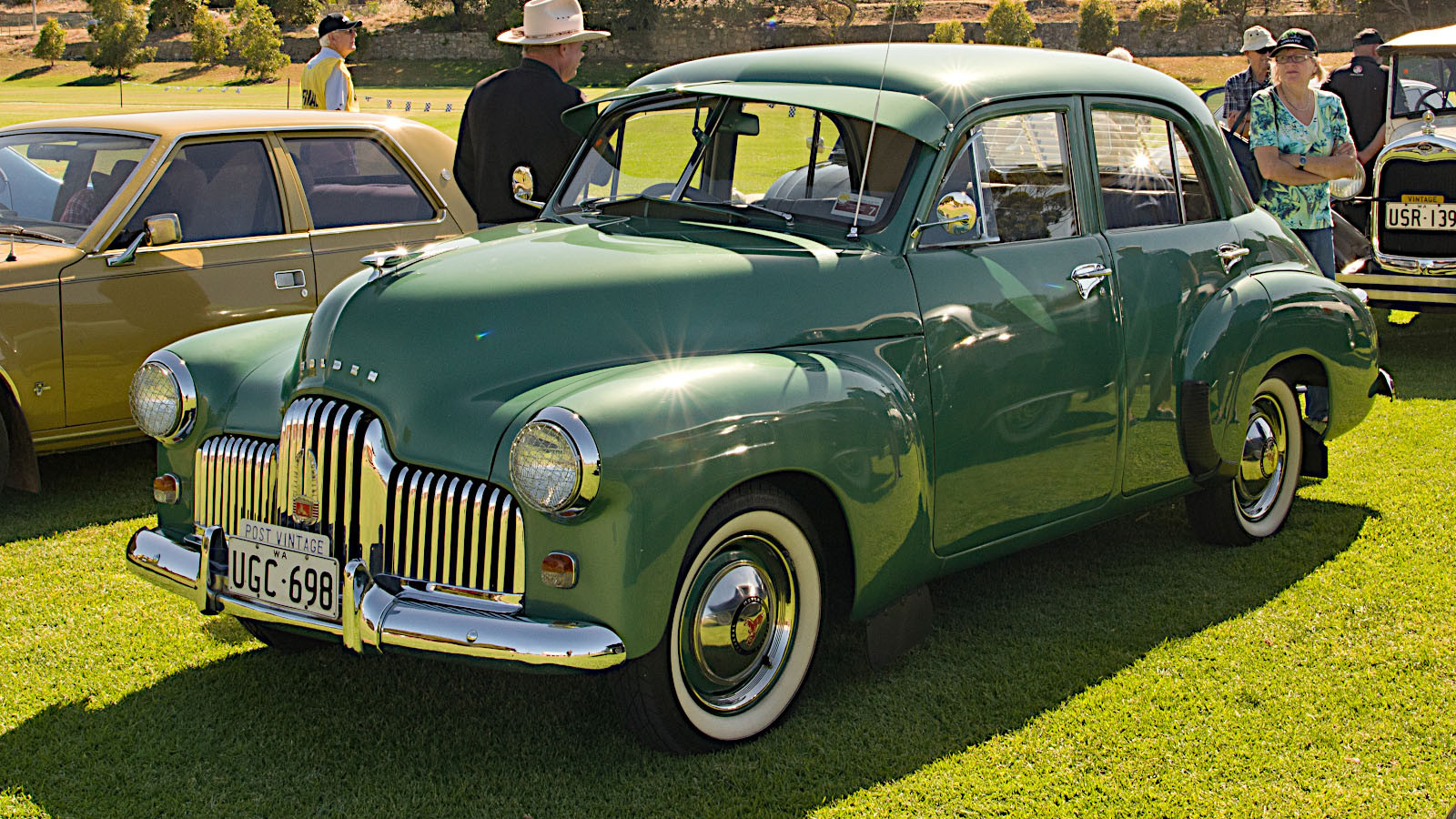
The 48-215 (unofficially the FX but usually referred to simply as ‘the Holden’) was its first complete car, revealed in late 1948.
It was reminiscent, perhaps understandably, of contemporary Chevrolets, and powered by a new 2160cc, overhead-valve, straight-six engine which would appear in other Holdens, latterly with a slightly larger capacity, until the early 1960s.
Production ended in 1953, by which time a pick-up (or ‘ute’) body style had been added to the range.
12. Leyland P76
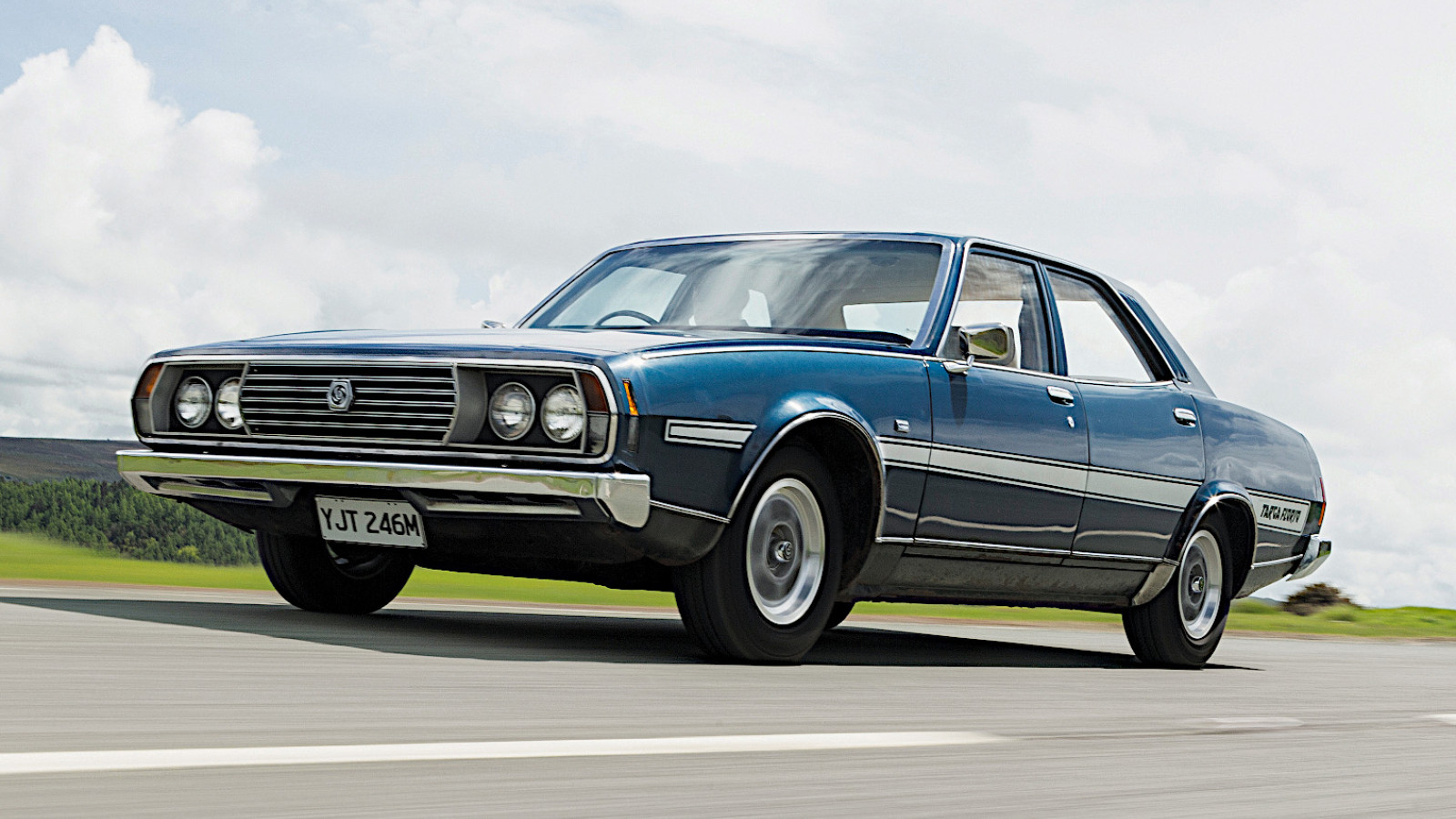
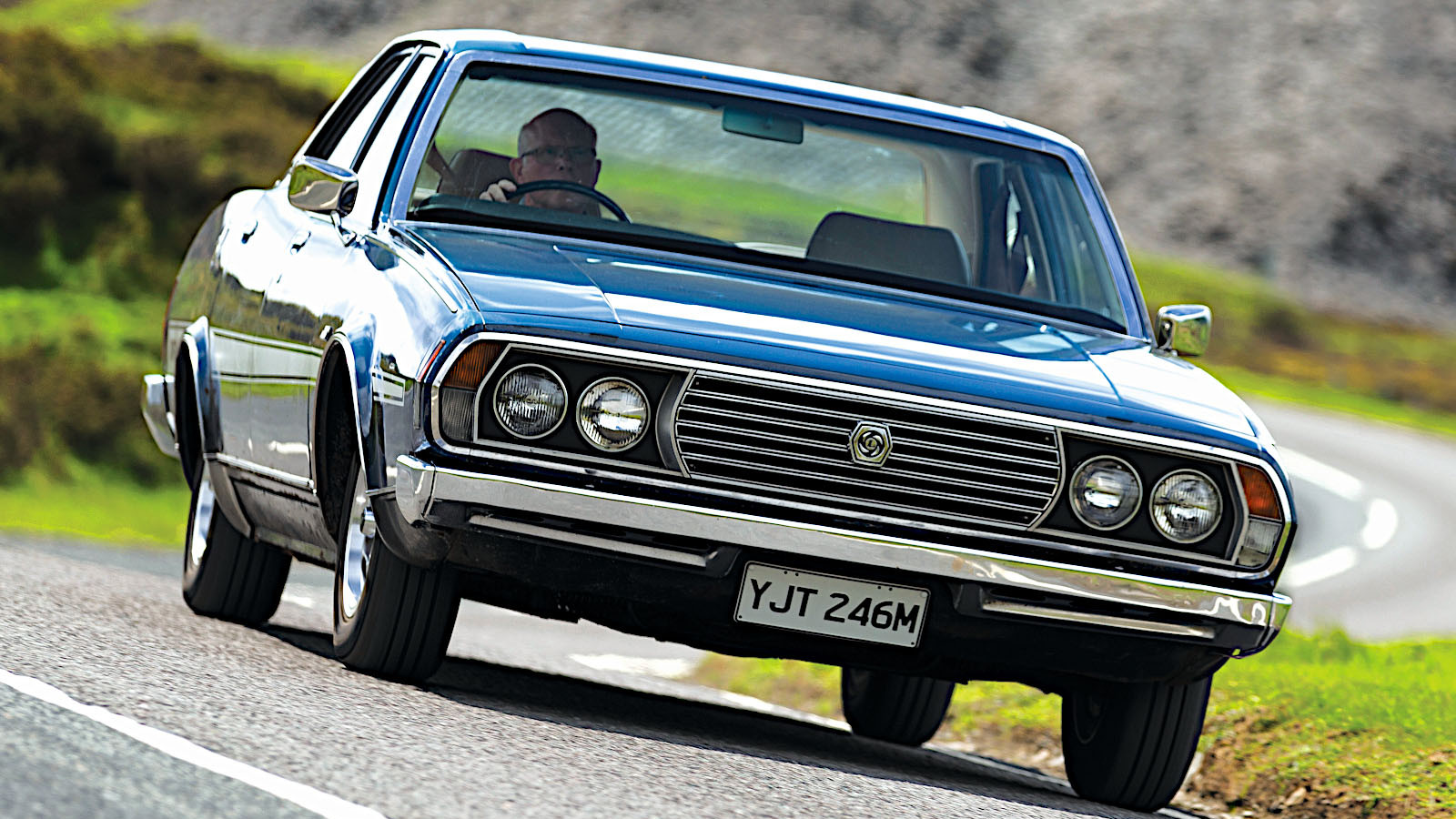
The Leyland P76 was intended to be a challenger to the big and powerful rear-wheel-drive cars being built in Australia by Chrysler, Ford and Holden.
It was powered either by a larger, 2622cc version of the E-series straight-six used in the Austin Kimberley and Tasman (which the P76 replaced), or by a 4416cc development of Rover’s Buick-derived, all-alloy V8, a significantly lighter unit than the iron-block V8s found in rival models.
The P76 was launched in 1973, and due to various factors (among them major production difficulties and a cooling of enthusiasm for uneconomical cars during a global oil crisis) it was gone by 1976, before coupé and station-wagon derivatives had progressed beyond the prototype stage.
13. Mitsubishi Magna
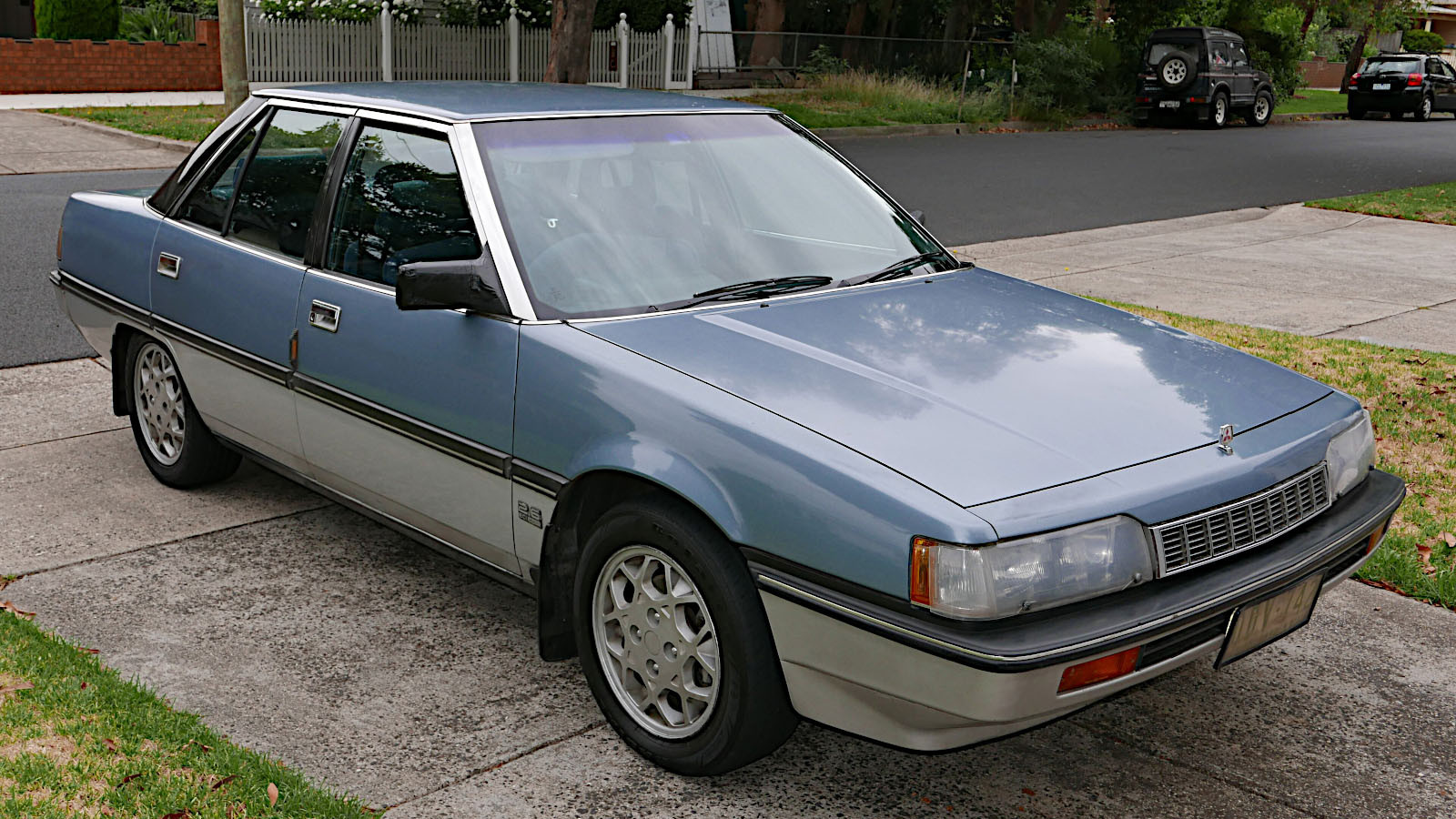
At heart, the first-generation Magna, introduced in 1985, was a fifth-generation Galant, but for Australian purposes its width was extended by 65mm (2½in), making it wider than a contemporary Holden Commodore.
Unlike the Commodore, the Magna was not available with a V8 engine, and in fact the only unit available was a 2555cc inline-four, mounted transversely and driving the front wheels.
Two even wider Magnas (both based on the Mitsubishi Diamante and with optional V6 engines) would follow before the nameplate was discontinued in 2005 on the introduction of the 380, the last Mitsubishi manufactured in Australia.
14. Morris Major
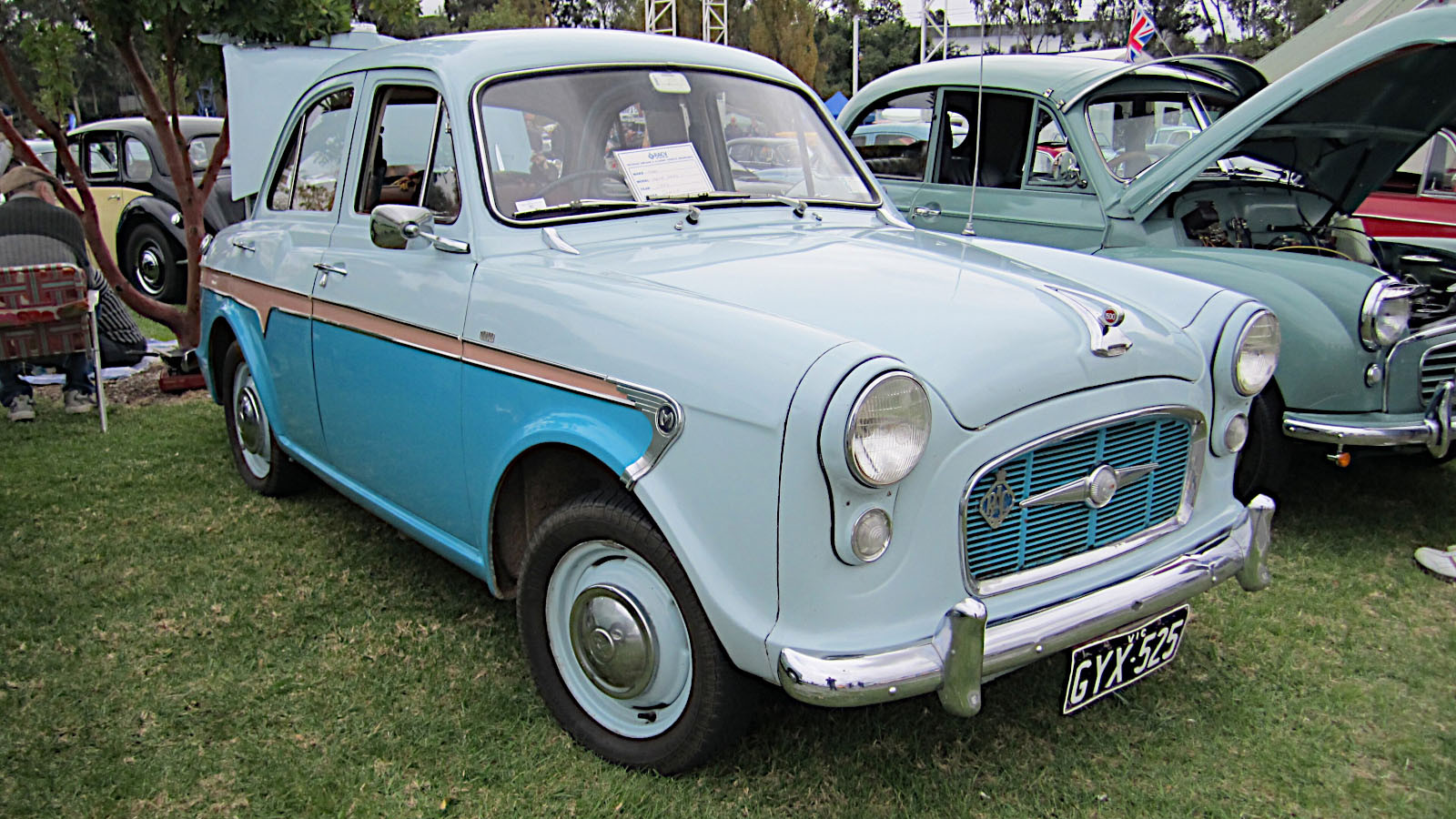
Named to distinguish it from the smaller Minor, the Major was the first Morris produced at BMC Australia’s Victoria Park plant in Sydney, and was reported by Melbourne newspaper The Age as also being the first ‘to be released here before being shown abroad’.
Powered by BMC’s 1489cc, B-series engine, it was mechanically almost identical to the market-specific Austin Lancer and the UK’s Wolseley 1500, both of which were also built at Victoria Park.
The Lancer and the 1500 looked almost identical, but the Major had distinctively different styling which gave it a slight, though probably not deliberate, resemblance to the Ford Anglia of the 100E generation.
The Series I (pictured) was introduced in 1958 and replaced the following year by the re-engineered Series II, which in turn gave way to the further-developed Major Elite, powered by the 1622cc version of the same engine.
15. Nissan Pintara
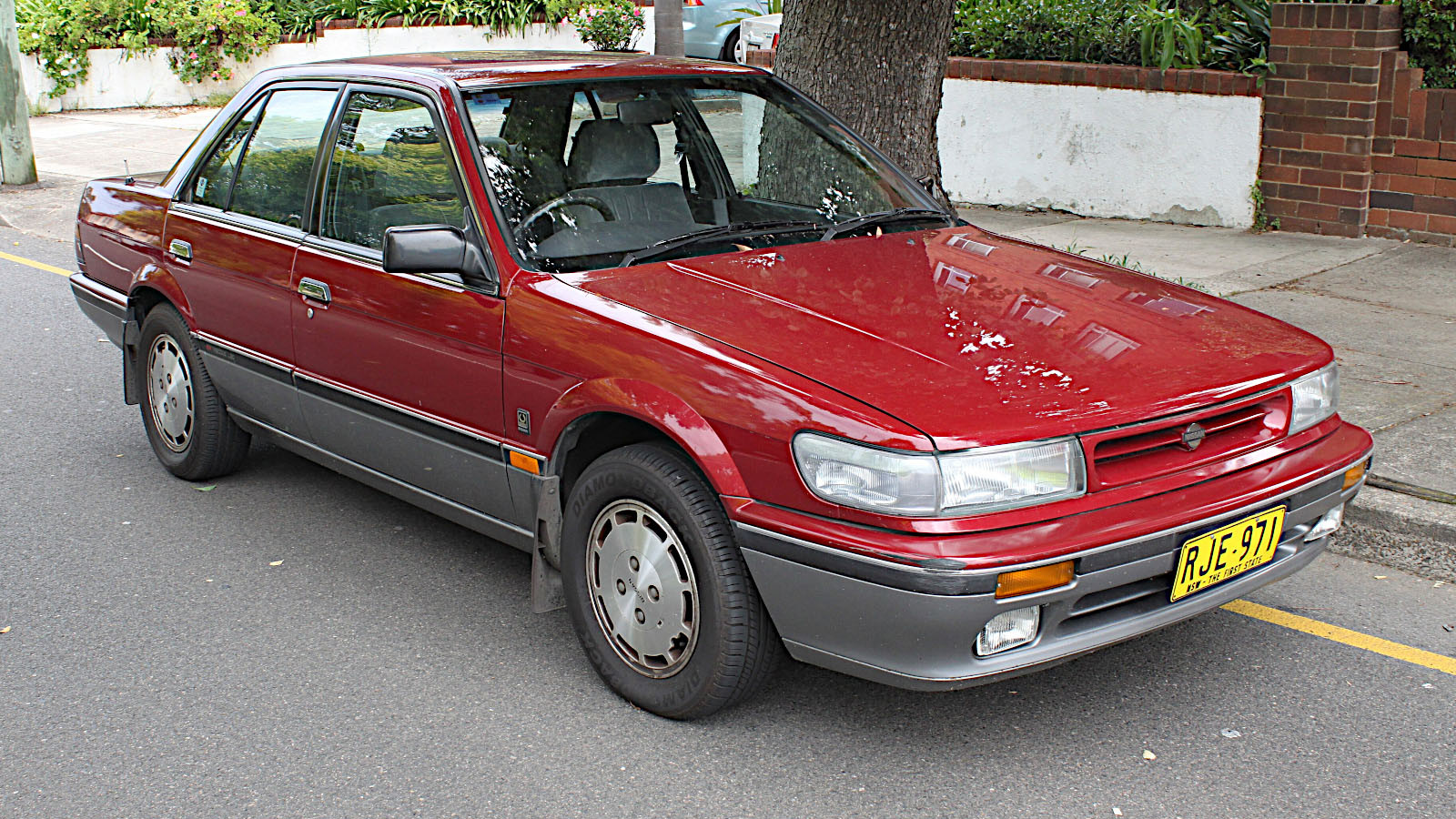
The first of two Nissan Pintara models built in Australia from 1986 to 1992 was simply a Skyline (also built and sold in the country) with a 2-litre, four-cylinder engine and rear-wheel drive.
It was replaced in 1989 by the second (pictured), a locally manufactured, badge-engineered, front-wheel-drive Bluebird.
This later car was also sold by Ford as the Corsair, recalling a name used by Ford of Britain for a model of the 1960s, with which the Nissan version had nothing whatever to do.
Neither Pintara had a positive effect on Nissan Australia’s declining fortunes, and the concern built its last complete car in 1992, though it continues to exist as an importer.
16. Purvis Eureka
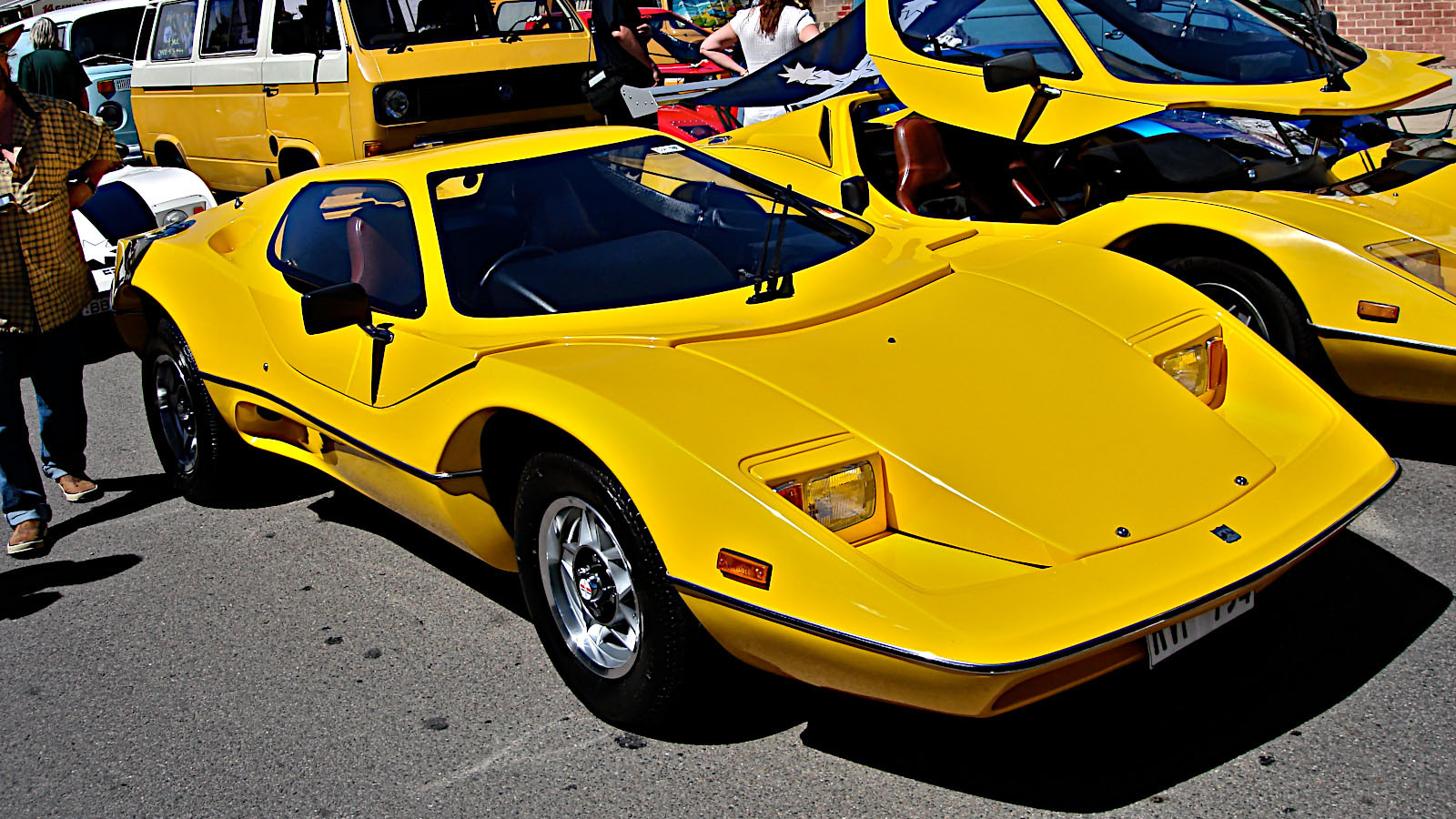
The dramatic-looking Nova kit car, launched in 1971 and featuring VW Beetle mechanicals and an upward-opening canopy instead of doors, attracted a great deal of attention, and licences to build it in countries far from its British base were soon acquired.
Allan Purvis made a home for the Nova in Australia and named it the Eureka.
The 1974 version, known as the Sports, was replaced the following year by the taller PL30, which was refined further in 1976 and became the F4, whose production run lasted until 1991.
A total of 683 Eurekas were built, though it might have been more if the more angular Free Spirit, with a Ford engine and an Elfin chassis, had made it beyond the concept stage.
17. Shearer
David Shearer was a member of a family which moved from Orkney in Scotland to Australia when he was very young.
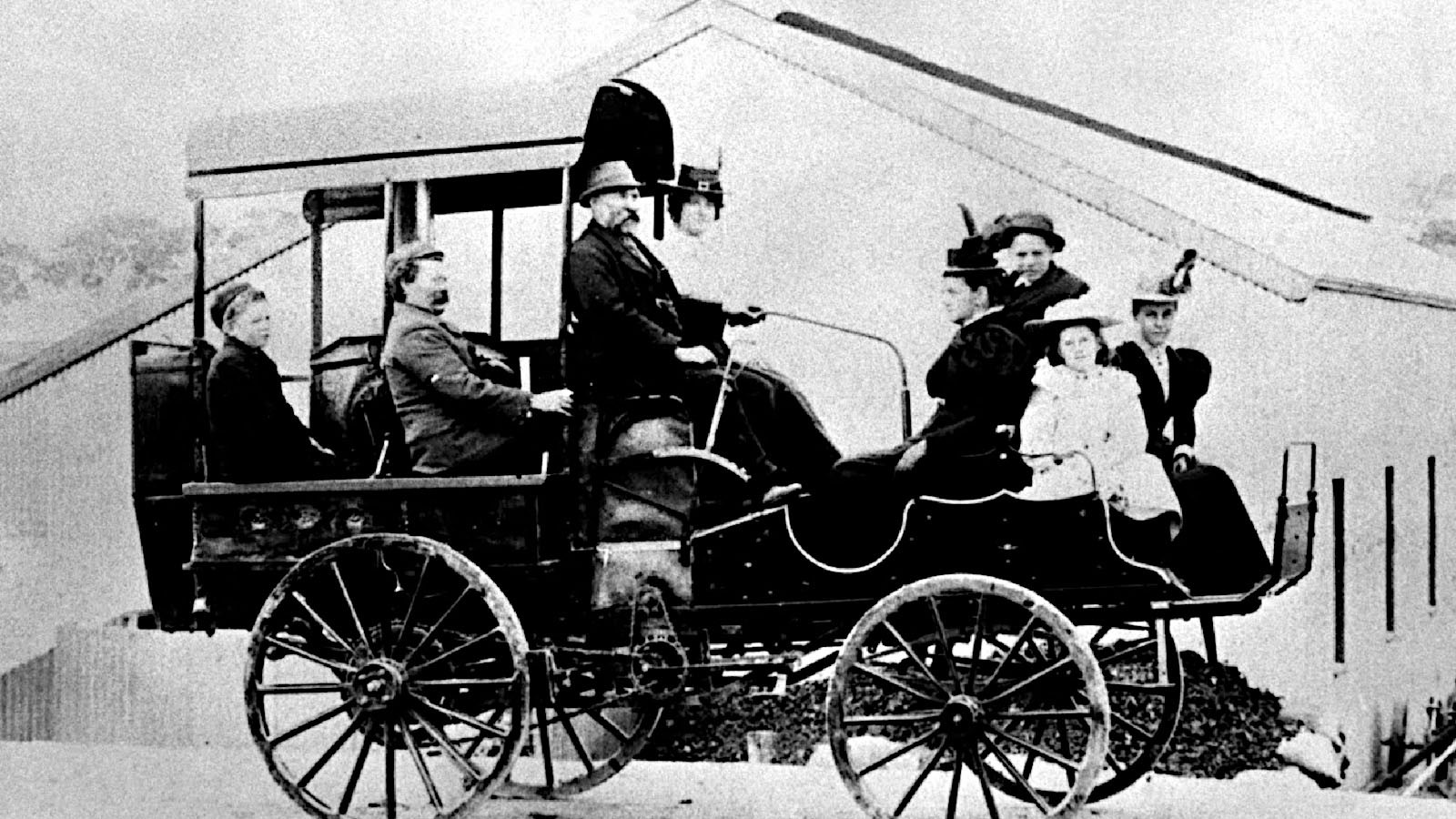
With his brother John, he founded an engineering company which had no presence in the motor industry, but in his spare time he also created a steam carriage.
This first ran in the late 1890s, though reports differ on the exact year (some time from 1897 to 1899) and on how many years it took him to complete the project, which might have been as many as 15.
One of Australia’s very first motorised vehicles, the carriage fell into disuse after being driven for around 3000 miles, but it was restored in 1984 by the Sporting Car Club of South Australia.
18. Statesman de Ville
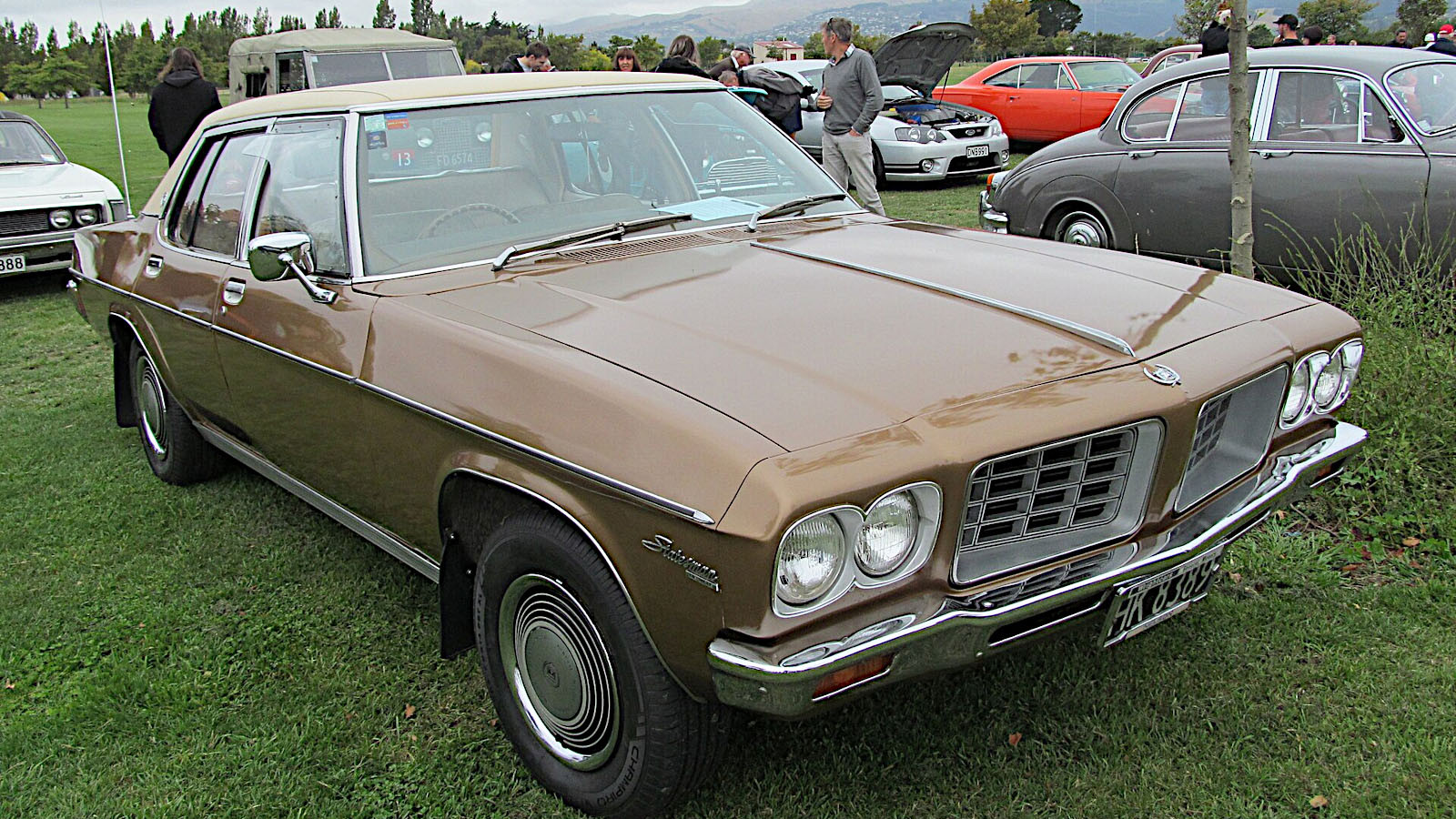
During the 1970s and 1980s, Statesman was used by General Motors as a marque name to distinguish luxury cars from the rest of the Holden range.
The first-generation models, produced from 1971 to 1974, were four-door saloons similar in most respects to the contemporary Holden HQ, but with longer wheelbases and more equipment.
The de Ville was the ultimate version, powered as standard by a 5-litre V8 or, optionally, by a 5.7, while the slightly less well-equipped alternative was called the Custom and was available with a 3.3-litre straight-six.
The Statesman line would continue through another four generations before being discontinued in 1985.
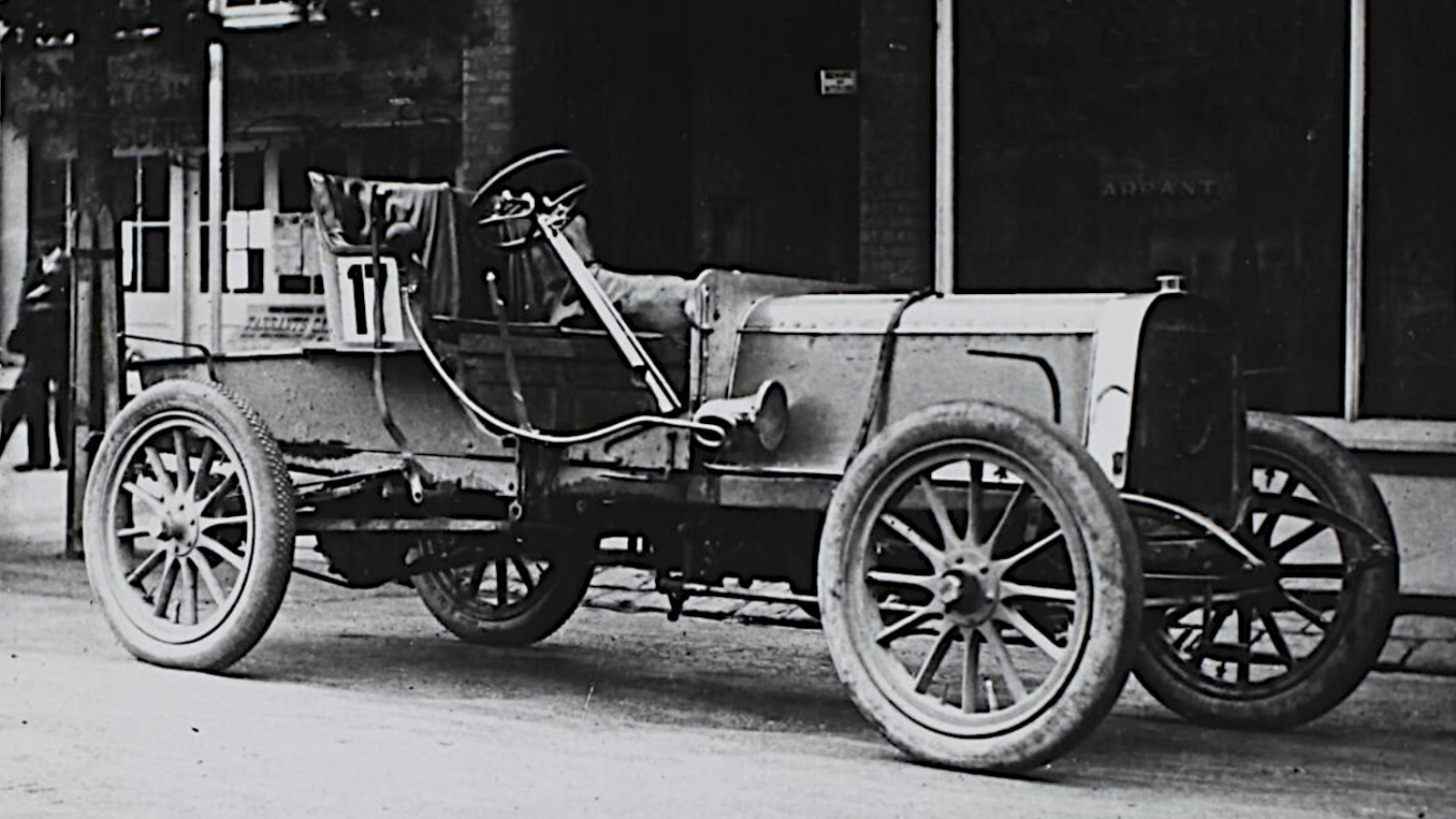
19. Tarrant
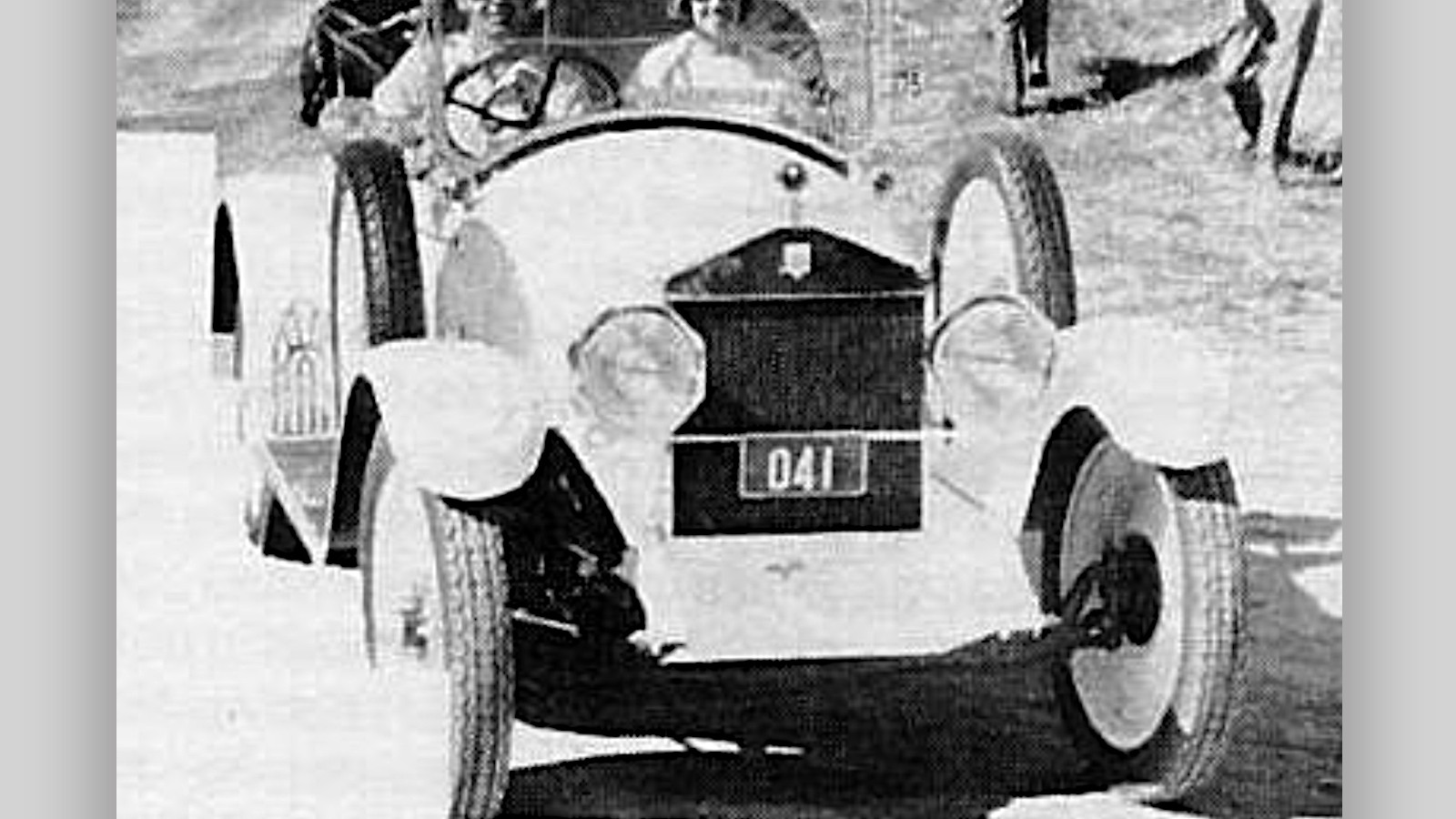
Among many other achievements, Harley Tarrant is credited with being the first person in Australia to build a petrol-engined car.
He went on to construct a total of 16 including the four-cylinder model pictured here, which was purchased new by Russell Grimwade (later awarded the CBE and later still a knighthood) and won its class in the 1000-mile Dunlop Reliability trial held in the state of Victoria in November 1906.
When the Ford Model T went on sale in Australia, Tarrant realised his cars couldn’t compete with it, especially on price, and he devoted his efforts to his import business.
According to its 1912 catalogue, Tarrant Motors was at that time the sole agent in Victoria for cars built by BSA, Fiat, the Belgian marque FN, Ford, Rover and Sunbeam, along with Commer and Thornycroft commercial vehicles, and was also a Mercedes dealership.
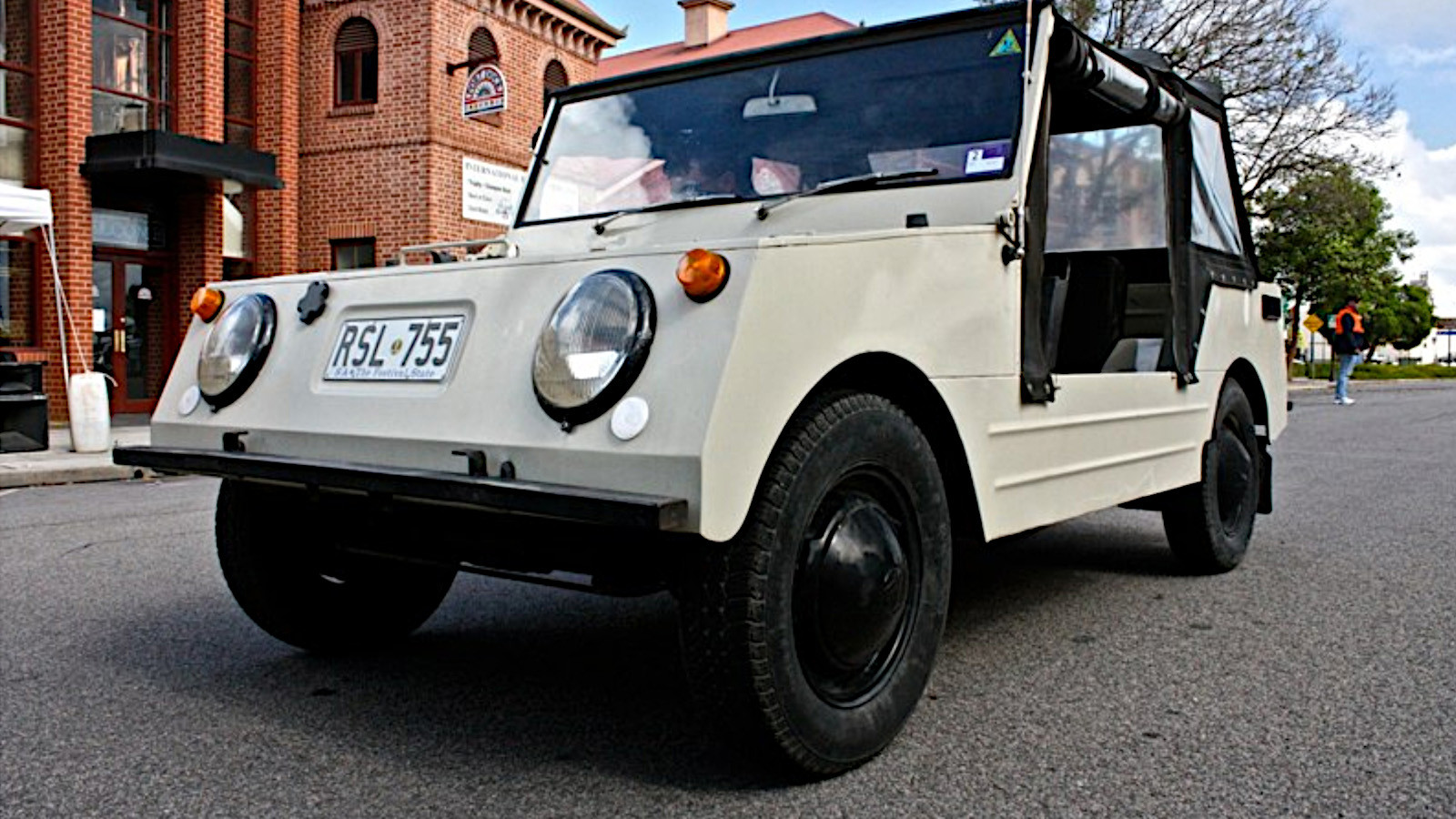
20. Volkswagen Country Buggy
During its relatively short history, Volkswagen’s Australian arm mostly produced cars familiar in other parts of the world, but it also created one of its own.
Based on the Type 1 (commonly known as the Beetle), but with some elements of the Types 2 and 3, it was a thoroughly utilitarian vehicle which could reasonably be spoken of in the same sentence as the Citroën Méhari, Mini Moke and Renault Rodeo.
Its arrival coincided with a sharp downturn in VW Australia’s affairs, and production stopped after just 1956 examples had been built in the late 1960s.
Around a quarter of these were exported to other countries in the southern hemisphere – notably the Philippines, where the model had a much longer life, being sold as the Sakbayan and updated several times.
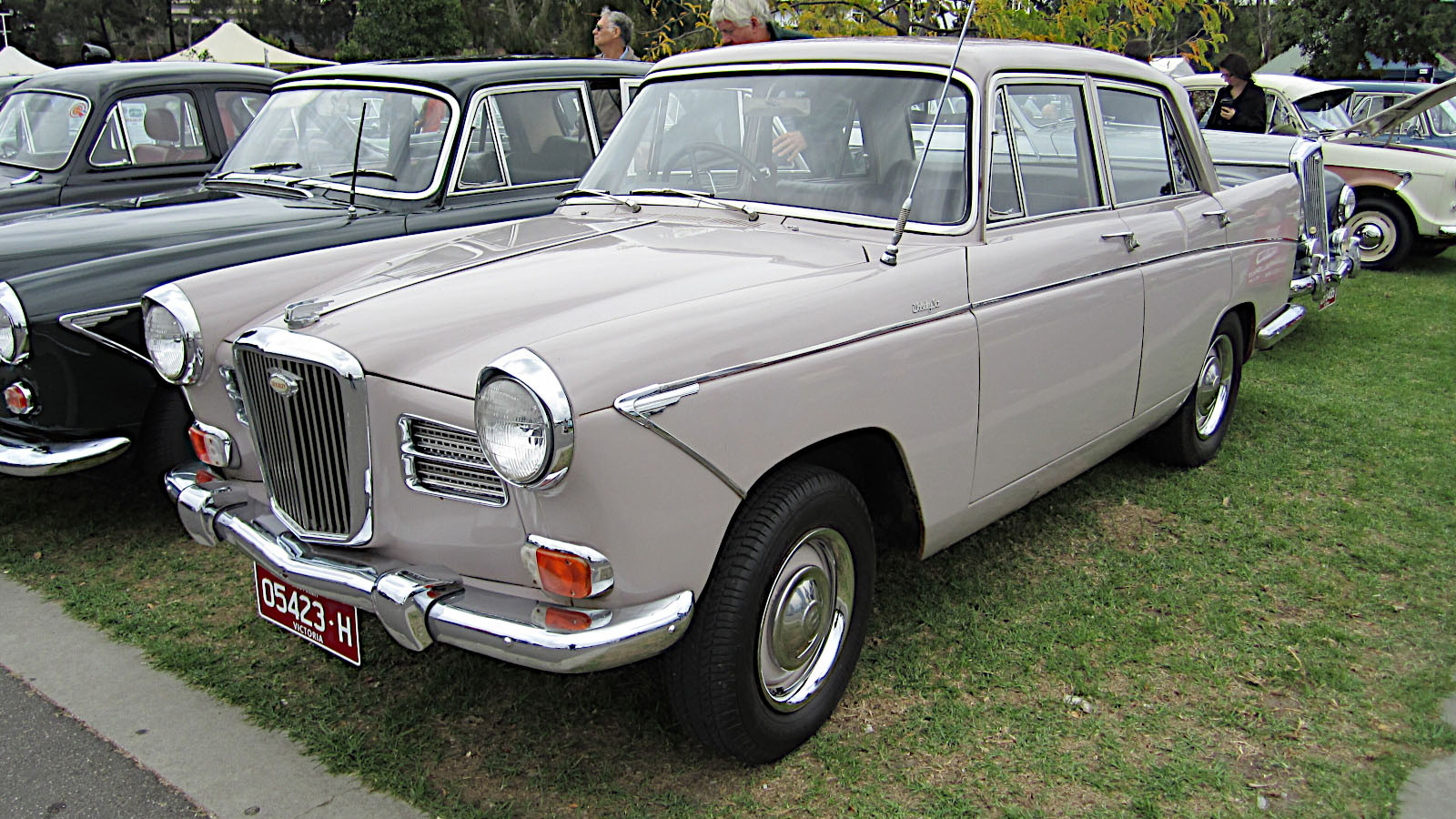
21. Wolseley 24/80
BMC’s mid-sized Farina saloons were very popular in the UK but less so in Australia, where their four-cylinder engines did not sit well with customers who had become enamoured of six-cylinder units.
The Wolseley 24/80, otherwise very similar to the British 15/60, was created to address this issue, and was fitted with a 2433cc, six-cylinder version of the B-series engine (known in this form as the Blue Streak), while other changes included slightly increasing the wheelbase and track.
Production lasted from 1962 until 1965, and coincided with that of the Austin Freeway, which was simply a less luxurious version of the same car.
BMC Australia built a prototype Freeway whose bodyshell had been widened by 5in (127mm), but this project was abandoned and no wide-bodied Freeway or 24/80 was ever put on sale.
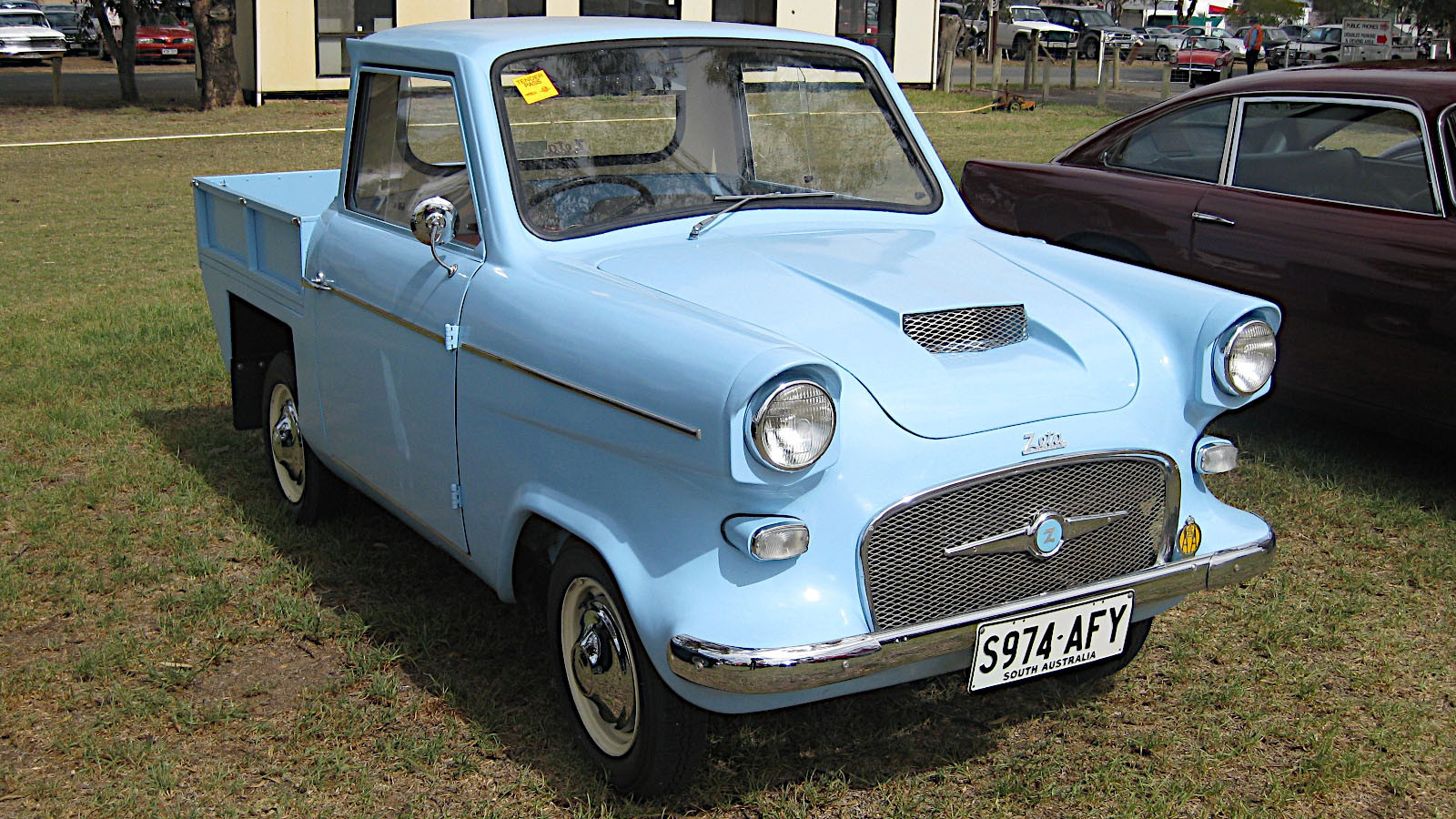
22. Zeta
Among many other products, the Lightburn manufacturing company devised a range of little, front-wheel-drive cars called Zeta, which were meant to act as the second vehicle in Australian households.
These included the Sedan (actually an estate car) and the Utility pick-up (pictured), both powered by a 392cc, air-cooled, Villiers twin, and the Sports roadster which had a larger and more powerful, but still by most standards tiny, engine.
Zetas went on sale for the first time in 1963, but any chance of success was quashed by the fact that the Mini had entered the world and become the second car that Australians really wanted.
Lightburn persevered with the Zetas for a couple of years, but abandoned ship after fewer than 400 examples had been built.