Turning heads 60 years ago
The Geneva motor show was once the launch pad to the motoring year and many new models.
Regarded as a glamorous backdrop to any new car launch, this Swiss event was always in its element as car manufacturers and coachbuilders gathered in its halls.
The 36th Salon de l’Automobile was held from 10-20 March 1966 and the undoubted star was the sensational Lamborghini Miura, but there were plenty more new cars and concepts for visitors to take in.
Now, 60 years on, we’re taking a look at 22 cars that raised eyebrows as the covers were pulled off, with the list arranged in alphabetical order.
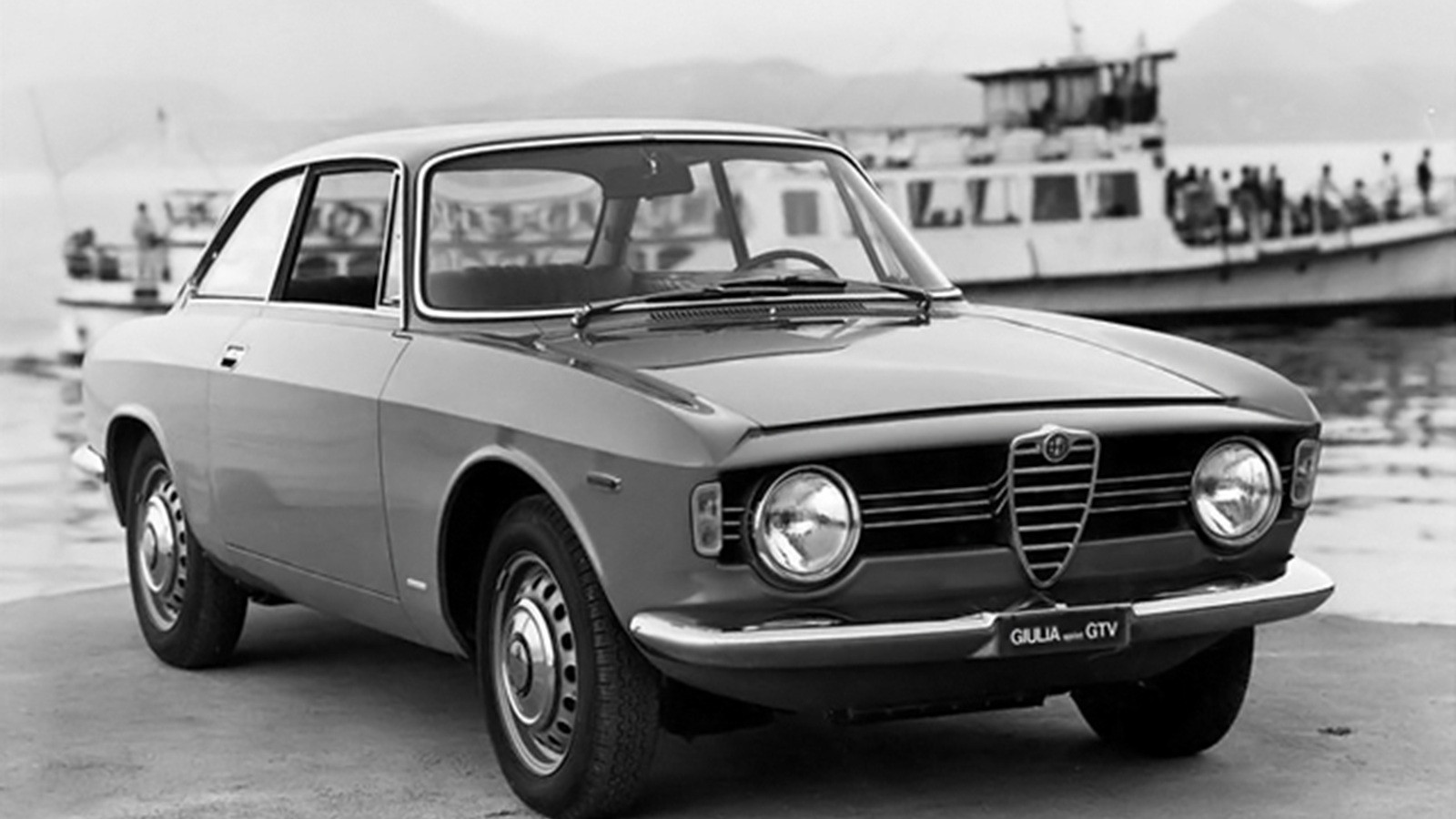
1. Alfa Romeo Giulia Sprint GT Veloce
Alfa Romeo took the opportunity at the 1966 Geneva motor show to introduce the Giulia Sprint GT Veloce as a replacement for the earlier Sprint GT, this new model offering more power and torque from its 1.6-litre engine.
There were few other clues to the updated car beyond a discreet Quadrifoglio (four-leaf clover) badge on the rear windscreen pillar and a chrome ‘Veloce’ badge at the back of the car.
Only built for two years, the 1.6-litre GTV was replaced by a 1750cc car in 1967 after 14,240 had been produced.
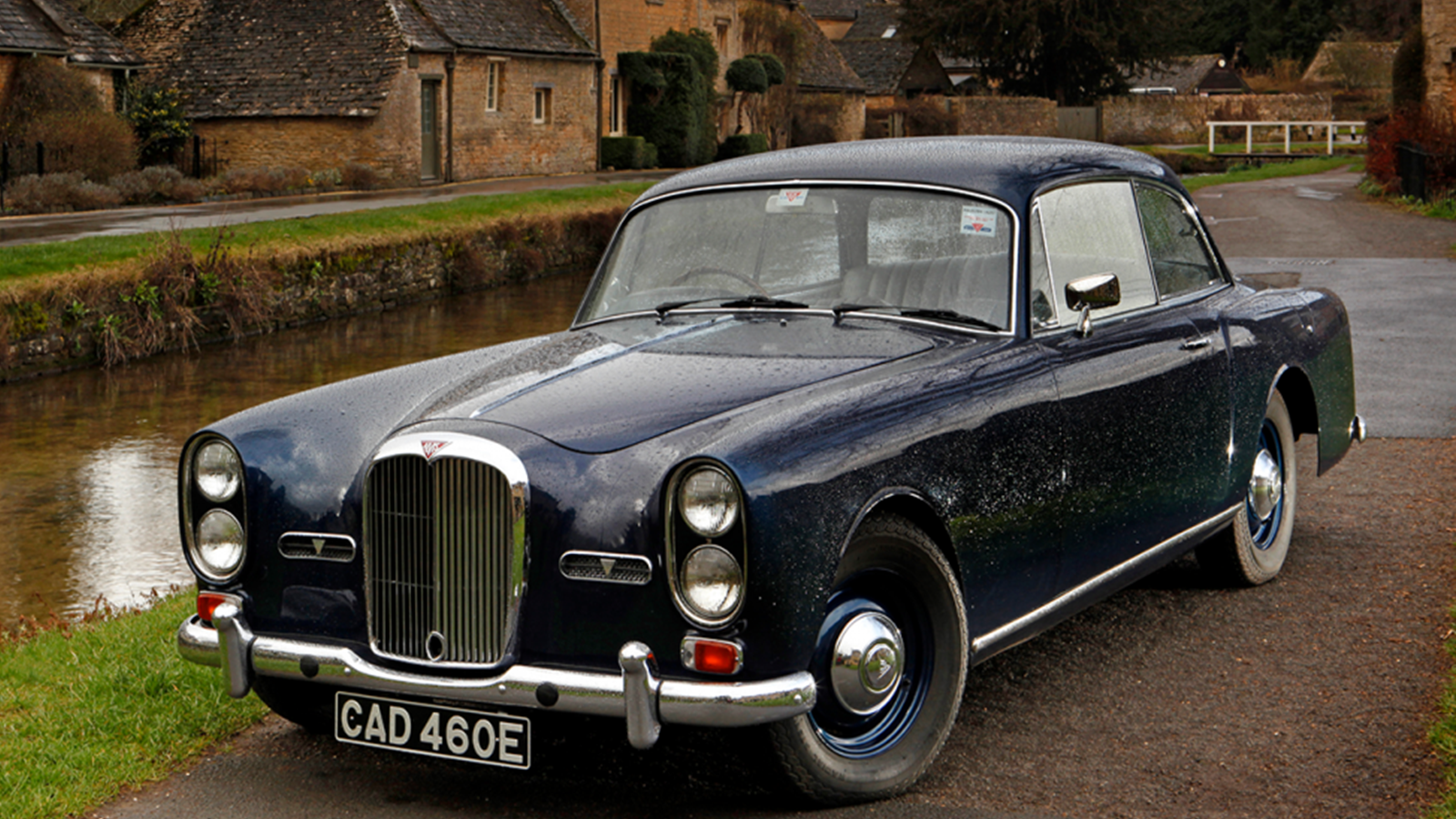
2. Alvis TF21
The Alvis TF21 was a last hurrah for the British car company and the Geneva show was where it introduced this model.
Only 106 TF21s would go on to be made until the curtain came down on production in 1967, but TF21 customers enjoyed a boost in power to 150bhp from the 3-litre straight-six.
This gave the Alvis TF21 a top speed of 120mph, while all-round disc brakes were now standard and power steering was an option.
A convertible version was offered alongside the two-door saloon, with 20 dropheads built.
Most TF21 bodies were built by Mulliner Park Ward, while six were finished by Graber.
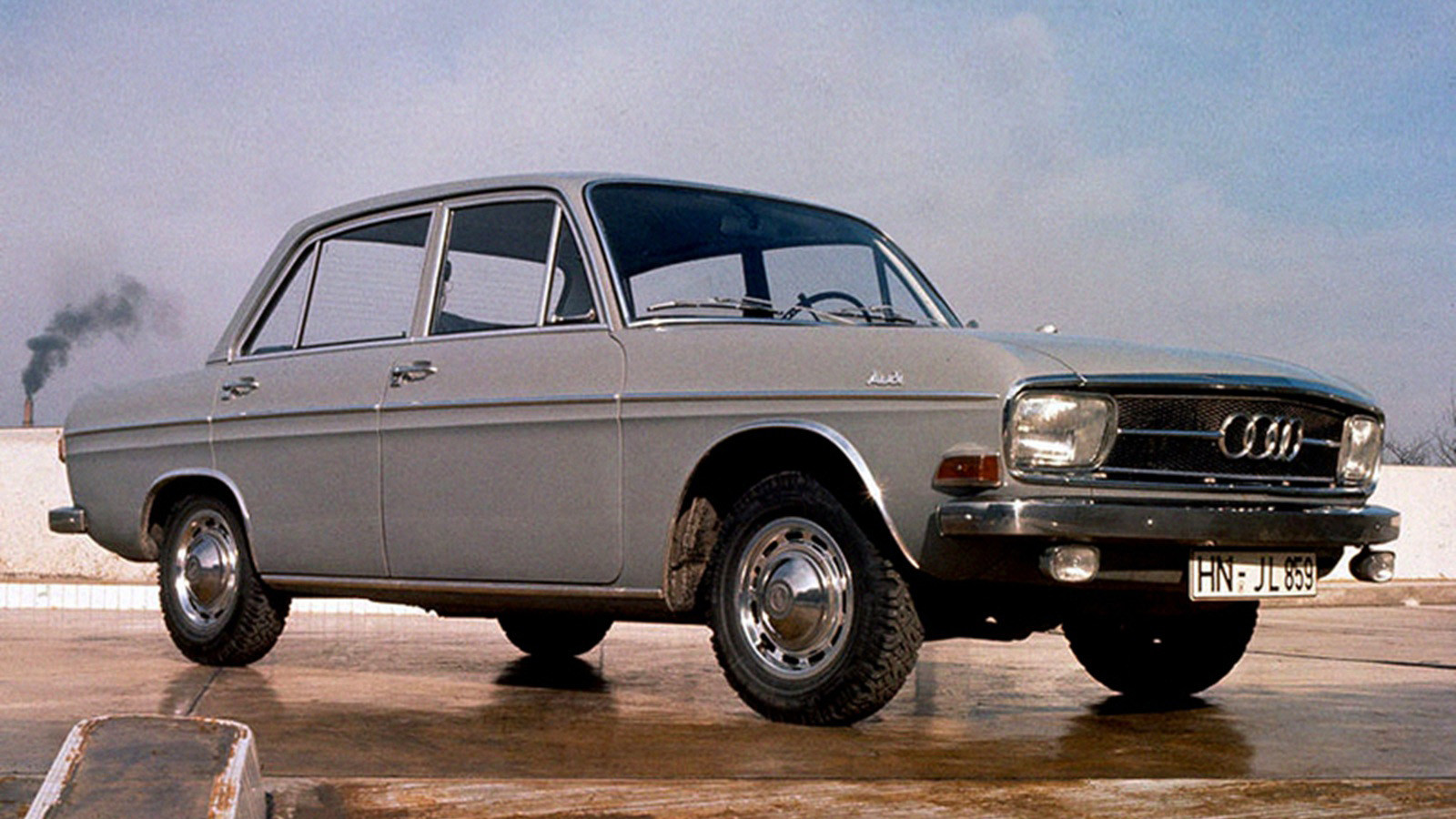
3. Audi 72
Derived from the DKW F102, this new car unveiled at the Geneva show in 1966 adopted the Audi name that had been unused since before the Second World War.
This name change also denoted a shift from DKW’s two-stroke engine to a 1.7-litre four-stroke with 72 horsepower as measured by the metric system, hence it became the Audi 72.
There were also other engine options ranging from 55 to 90 horsepower.
The front-wheel-drive Audi was offered in sober, sensible, two- and four-door saloon shapes, and they set the tone for much of Audi’s future success because they appealed to a growing executive audience.
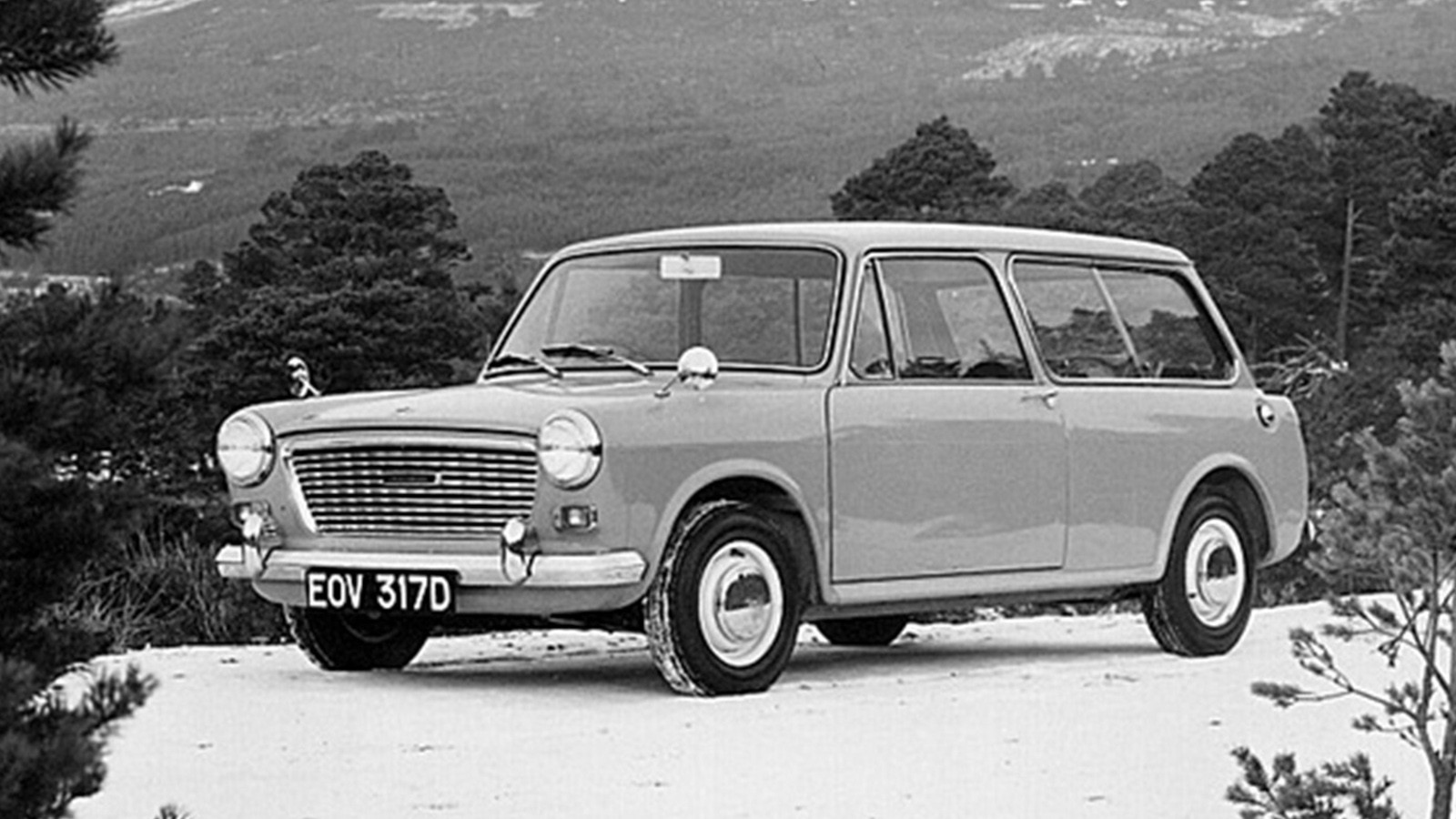
4. Austin 1100 Countryman
The Austin 1100 Countryman, and its Morris 1100 Traveller sibling, were the latest derivations of the British Motor Corporation’s ADO16 range.
These three-door estate cars were first shown to the public at Geneva to offer a roomy, comfortable and practical solution for family buyers on a budget.
Mechanically, they were identical to their saloon counterparts, but there were no MG, Riley, Vanden Plas or Wolseley variants for the estates.
As with the saloons, the Countryman and Traveller were offered in 1300 form with the larger 1.3-litre engine from 1967.
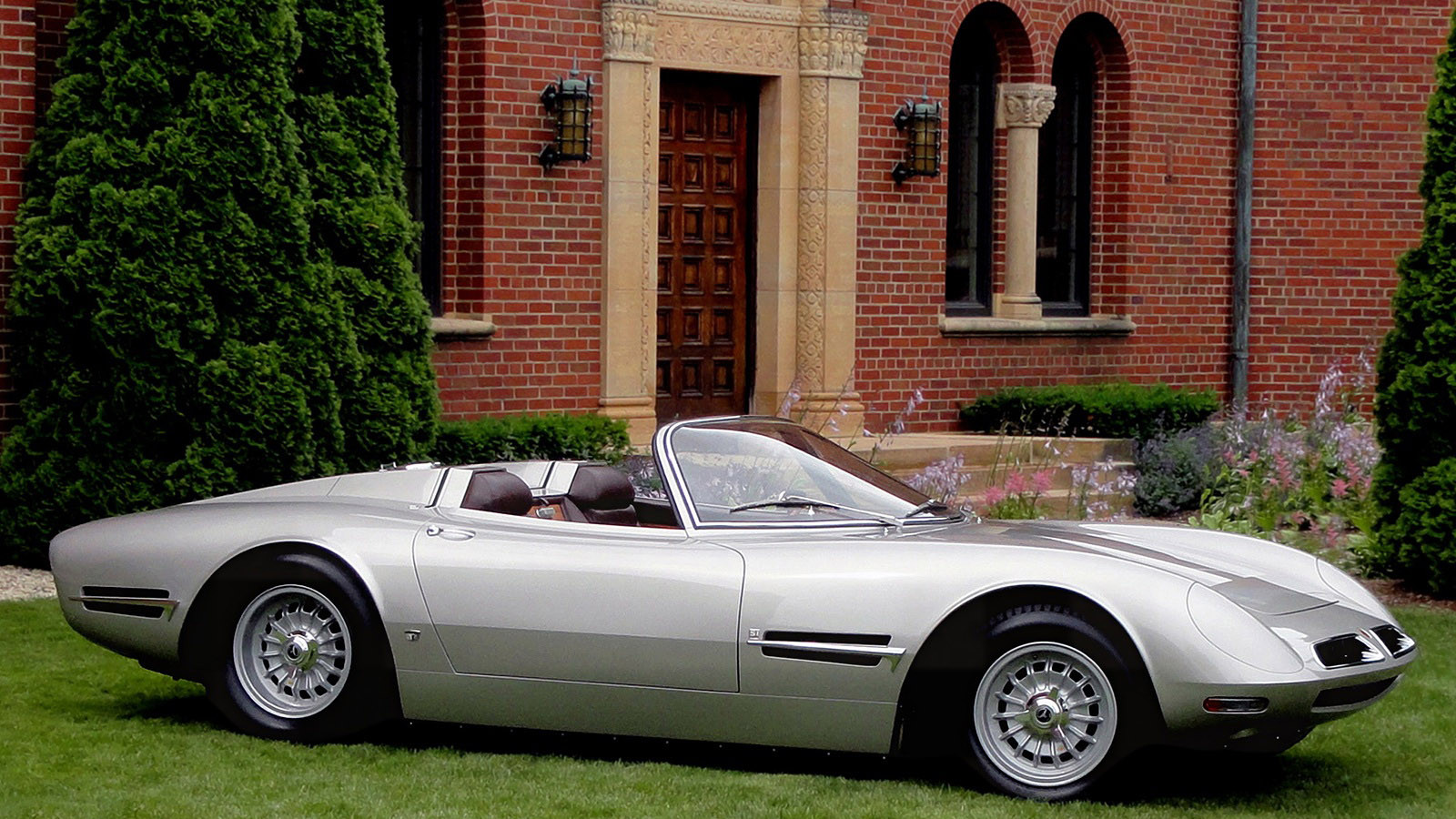
5. Bizzarrini 5300 Spyder SI
The prototype Bizzarrini Spyder SI very nearly didn’t make it to the Geneva motor show in 1966 because the transporter it was on crashed en route to the venue.
In the end, this merely created more suspense around its unveiling, not that this dramatic drop-top needed any fanfare to wow the crowds.
With bodywork by Stile Italia, hence the ‘SI’ in its title, the Bizzarrini 5300 Spyder was one of the undoubted big draws of the show.
For such a crowd-pleasing car, the Spyder got Bizzarrini plenty of headlines, but sales were harder to come by and only three were ever produced.
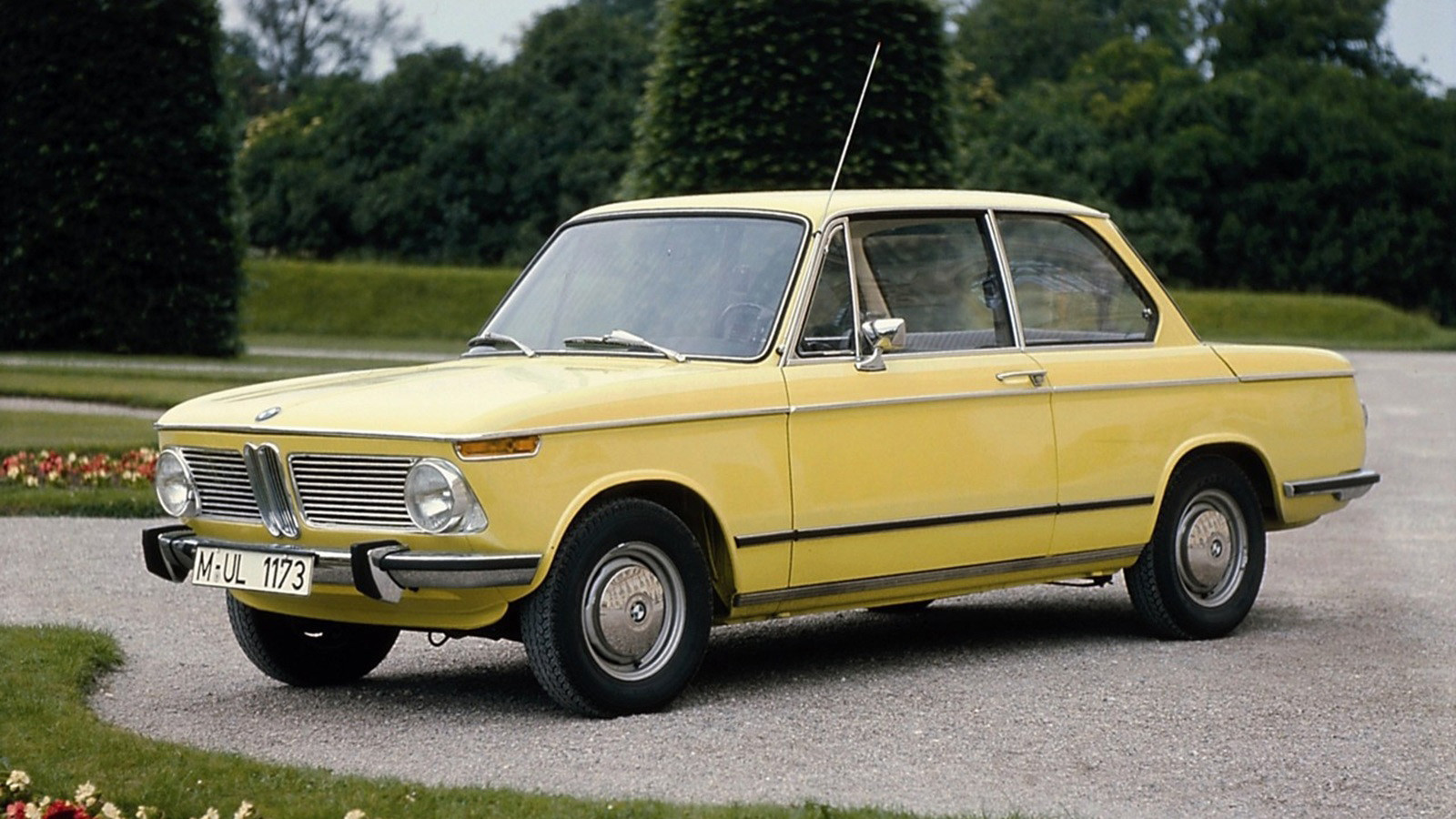
6. BMW 1600-2
There are no prizes for guessing that the name of BMW’s Geneva debutant stemmed from its 1.6-litre engine and two-door configuration.
Less obvious was just how influential the 1600-2, and the following ’02 series models it spawned, would be to BMW’s future.
Based on a shortened Neue Klasse platform, the 1600-2 came with a 1573cc, four-cylinder engine, yet its lighter weight made it almost as quick as the 1800 saloon.
A year later, at the 1967 Frankfurt motor show, a sportier 1600ti model and a convertible were introduced at the same time.
In 1971, the model was renamed 1602 in line with the rest of the range.
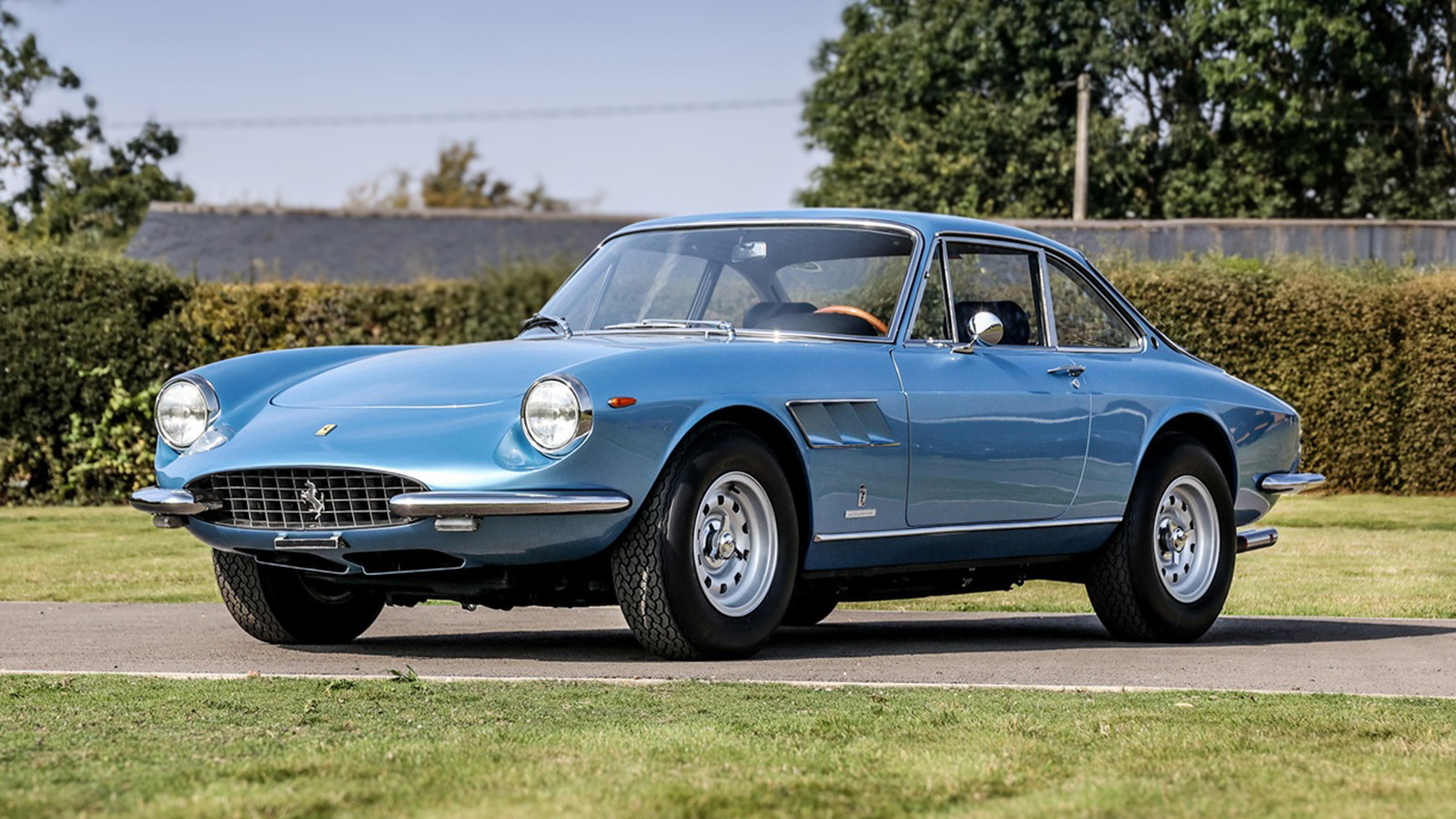
7. Ferrari 330GTC
As Ferrari looked more and more to fast luxury models to expand its range, the 330GTC was an important arrival at the 1966 Geneva show.
Launched as a car to bridge the gap between the 275GTB and the 330 2+2 coupé, the GTC used the same 4-litre V12 as its 330 sibling.
The body was styled by Pininfarina with an elegantly restrained appearance, while performance was up with the fastest road cars of the era thanks to a claimed 150mph top speed.
This combination proved extremely alluring for many and the 330GTC did good business for Ferrari by finding 600 willing owners during its three-year run.
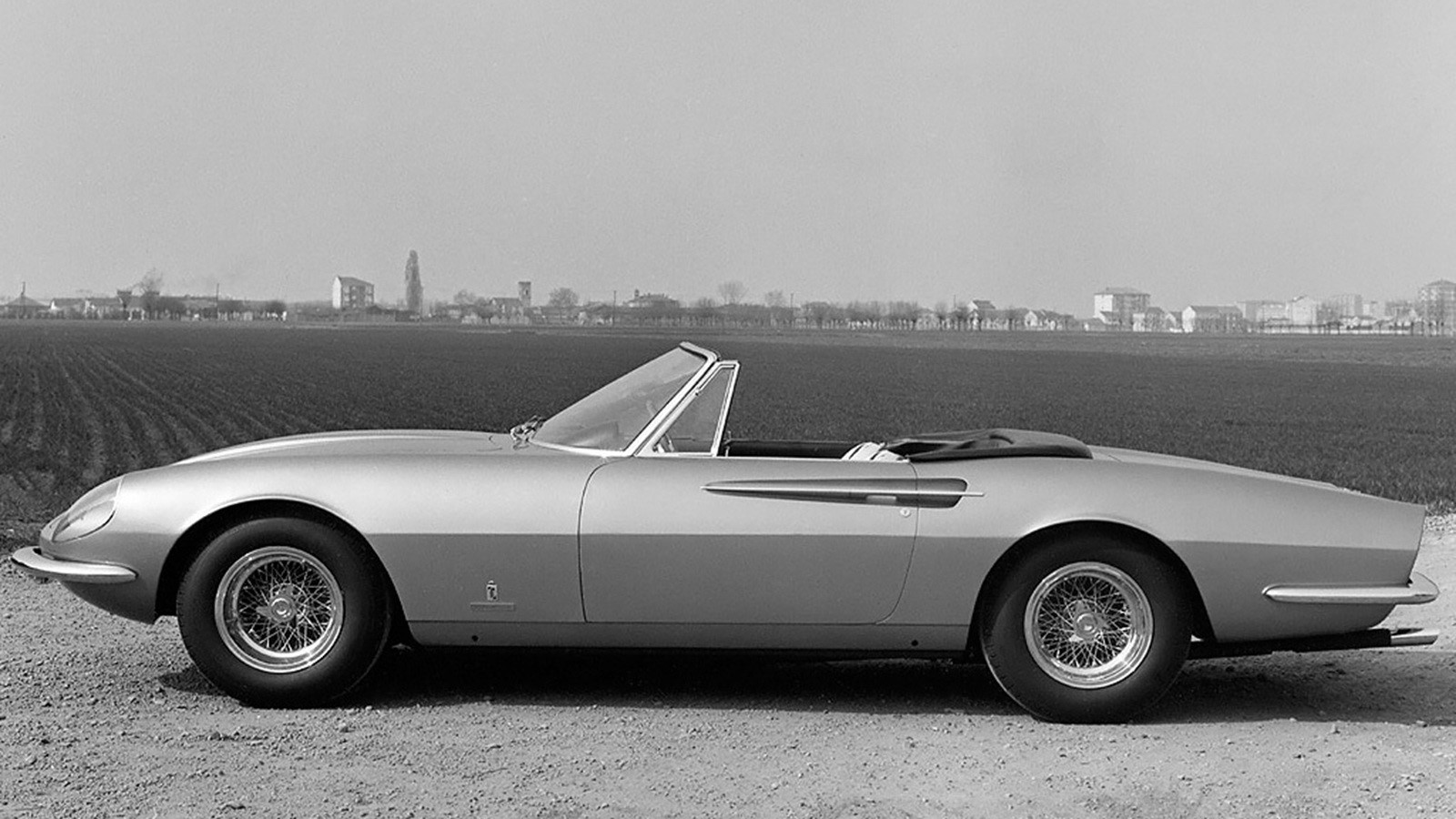
8. Ferrari 365 California
Alongside the new 330GTC on Ferrari’s 1966 Geneva motor show stand was a car aimed squarely at its most elite customers in the sculpted shape of the 365 California.
The soft-top 365 was styled by Pininfarina, which also fitted the bodywork and interiors to chassis supplied by the Ferrari factory.
Ferrari then finished the cars by adding the mechanical components and only 14 were ever built.
Unusually, the 365 California has swivelling driving lamps set into its nose.
The engine was more orthodox: a 4.4-litre, Colombo V12 with 315bhp, giving a top speed of 150mph.
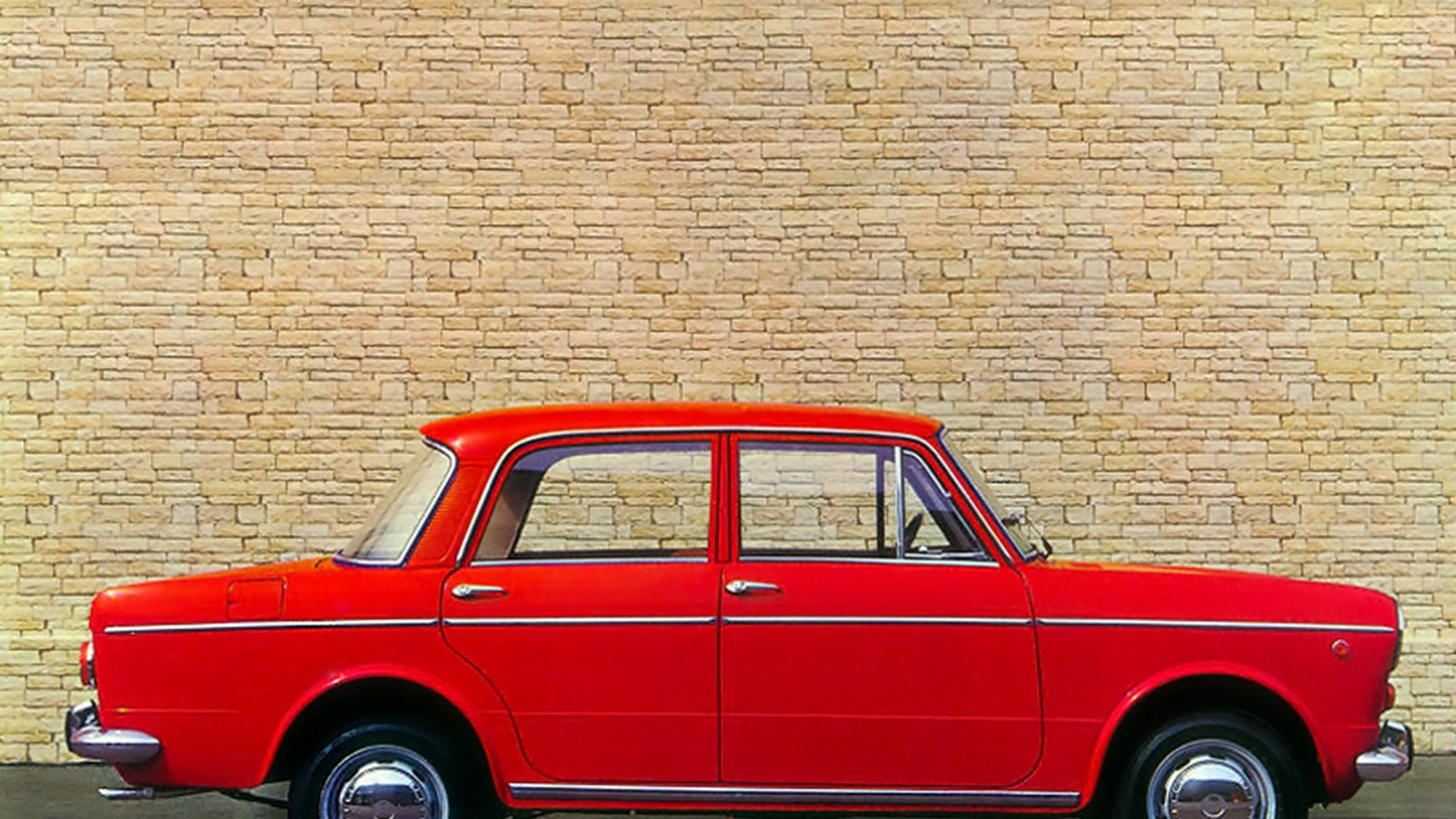
9. Fiat 1100 R
The long-running Fiat 1100 saloon might have appeared to be at the end of its life, yet the Italian car maker had one roll of the dice left with the 1100 R.
The ‘R’ stood for Rinnovata, Italian for ‘refreshed’, and this was obvious to the Geneva crowds in the car’s simplified, clean lines.
It used the older, 1089cc, four-cylinder engine with 48bhp, so it was not particularly quick, but it was rugged and offered a spacious cabin.
There was also a larger boot thanks to repositioning the spare wheel and fuel tank.
All of this saw the R shift 340,000 units by the time it went off sale in 1969.
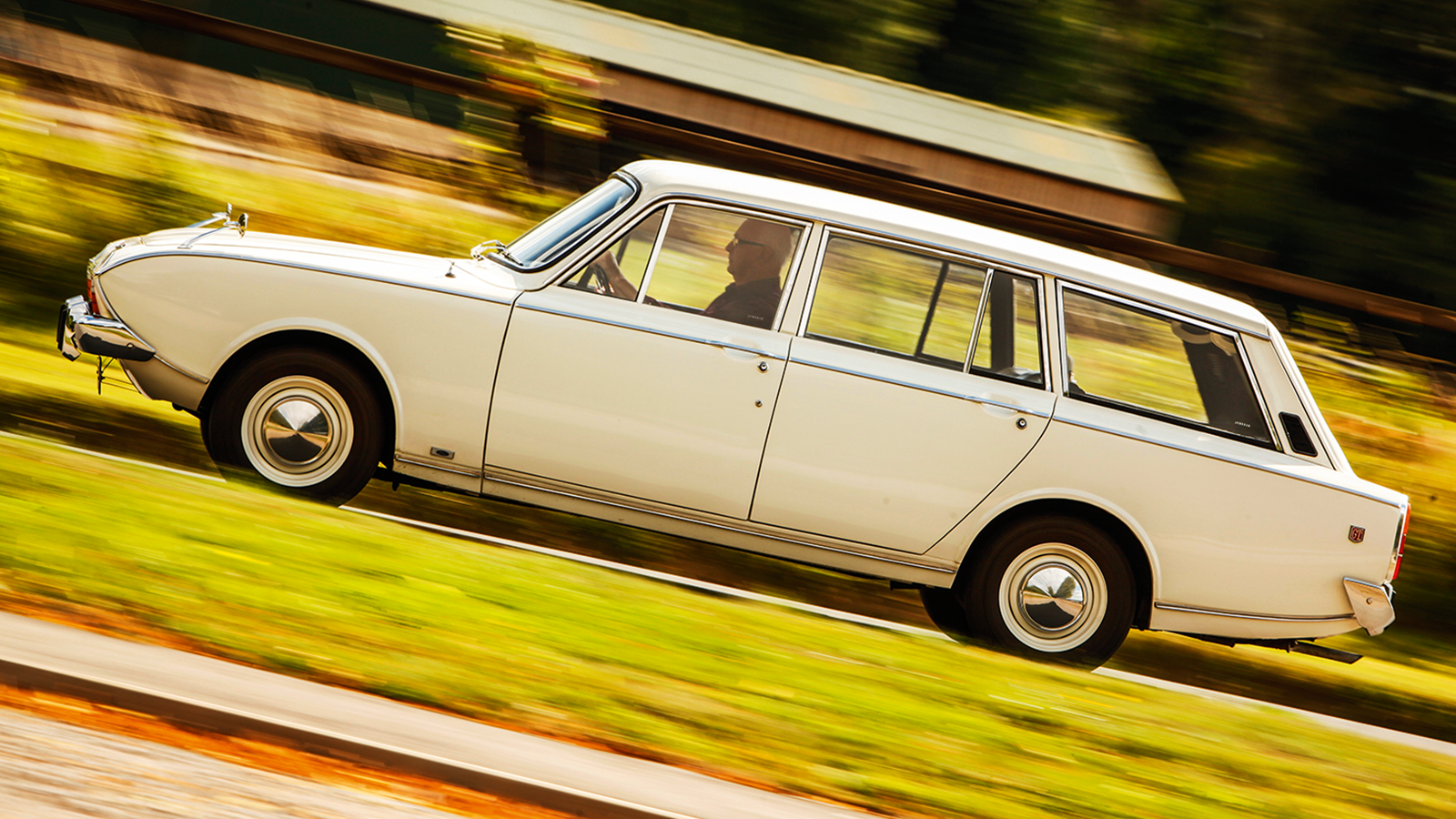
10. Ford Corsair Estate
The Ford Corsair saloon had been around since 1963, but it wasn’t until 1966 that the Blue Oval added an estate version to the line-up.
Built by Abbott, the Corsair Estate made its entrance on Ford’s stand at the 1966 Geneva motor show as an upmarket alternative to the Cortina wagon.
Due to its introduction in 1966, the Corsair Estate only ever had the V4 engine. Most used the 1.7-litre version, with 899 sold, while the 2-litre V4 Estate was much rarer and Ford only shifted 41 of these.
The Estate remained available up to the Corsair’s demise in 1970, and was offered in sporty 2000GT and luxurious 2000E trims.
11. Ford OSI 20M TS
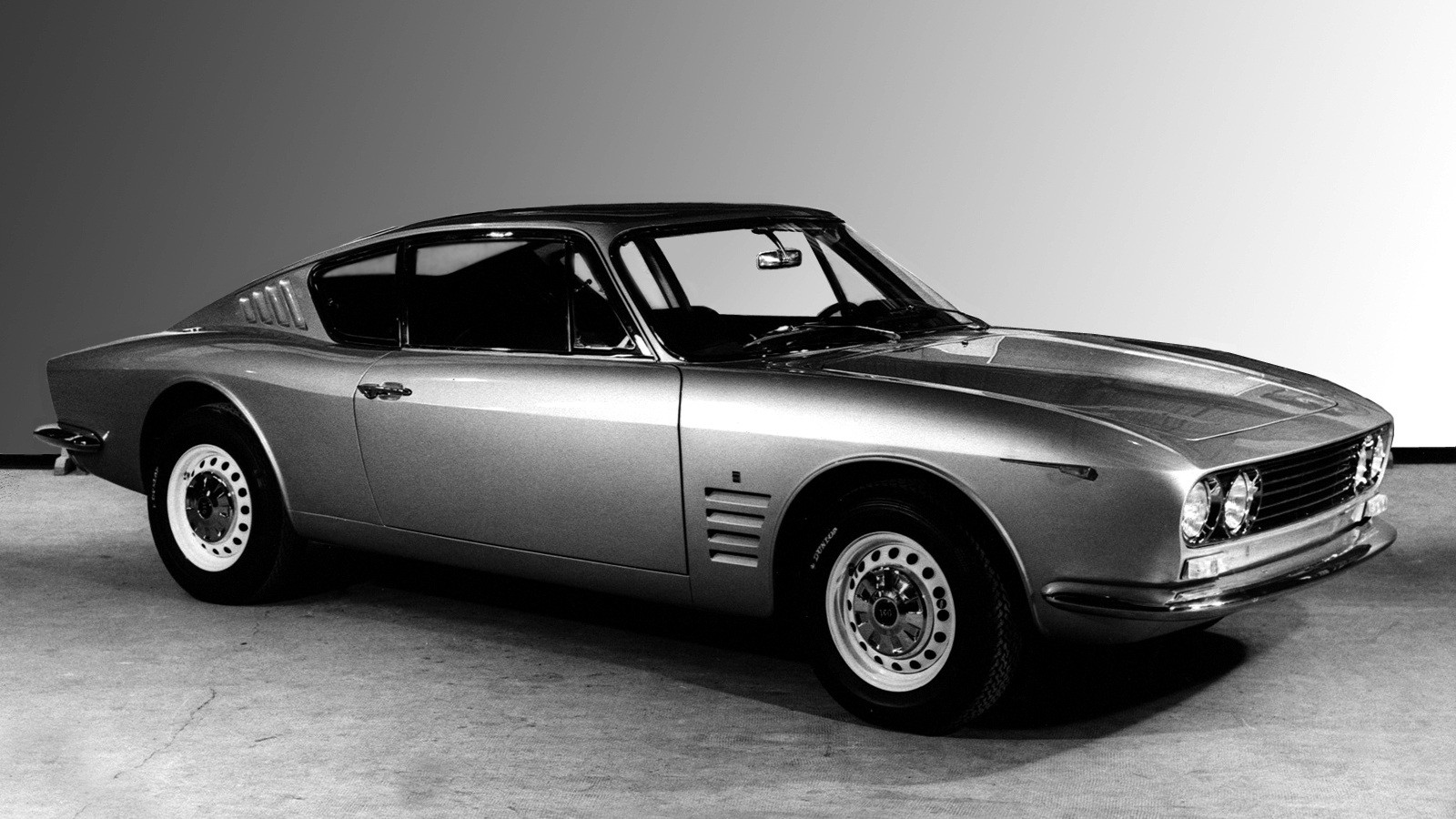
Ford fancied a successor to its Taunus Coupé and commissioned Italian company OSI (Officine Stampaggi Industriali) to style it.
The four-seat fastback was based on the Taunus 20M, complete with a 2- or 2.3-litre V6 engine when it reached production in 1967.
Before that, the car was shown at the 1966 Geneva show on Ford’s stand in concept form – and it was very well received.
Despite its Italian good looks and German underpinnings, the 20M TS was only on sale from 1967 to 1968, with estimates varying between 2000 and 3500 cars built.
A sole convertible version was displayed at the 1967 Paris show.
12. Frua S-type
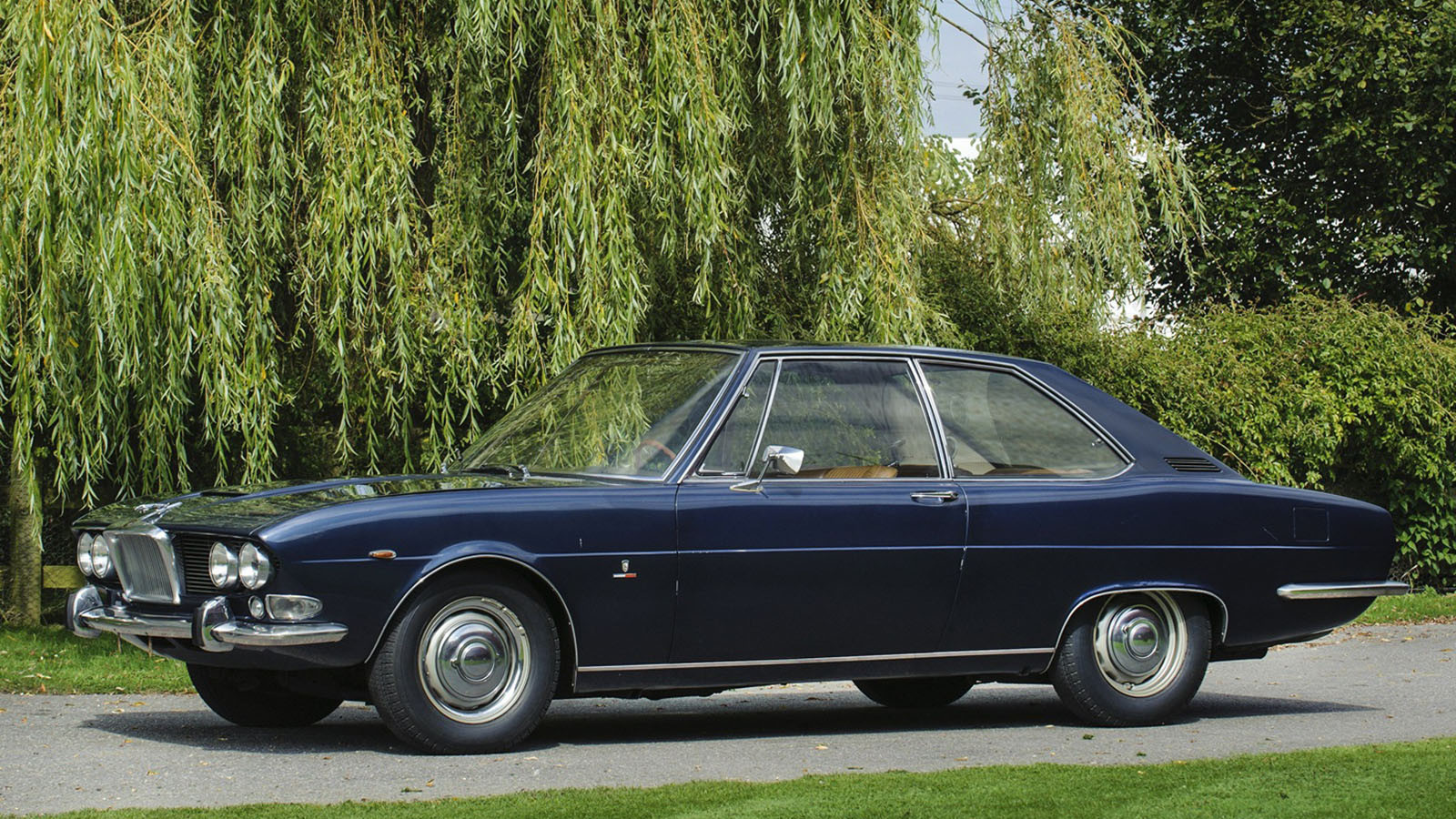
Frua proudly displayed this rebodied Jaguar S-type at the 1966 Geneva show more as a rolling advertisement for its services than to attract further orders.
It was a one-off commission from a Signor Respino, who had an S-type rolling chassis delivered new from Jaguar to the Turin dealer.
From there, the 3.8-litre car with a manual gearbox was delivered to Frua’s factory for its sharp new bodywork to be added.
It took only three months to complete the transformation into a two-door, four-seat coupé.
Inside, Frua’s S-type was much closer to Jaguar’s original, with wood, leather and a full complement of dials.
13. Isuzu 117 Coupé prototype
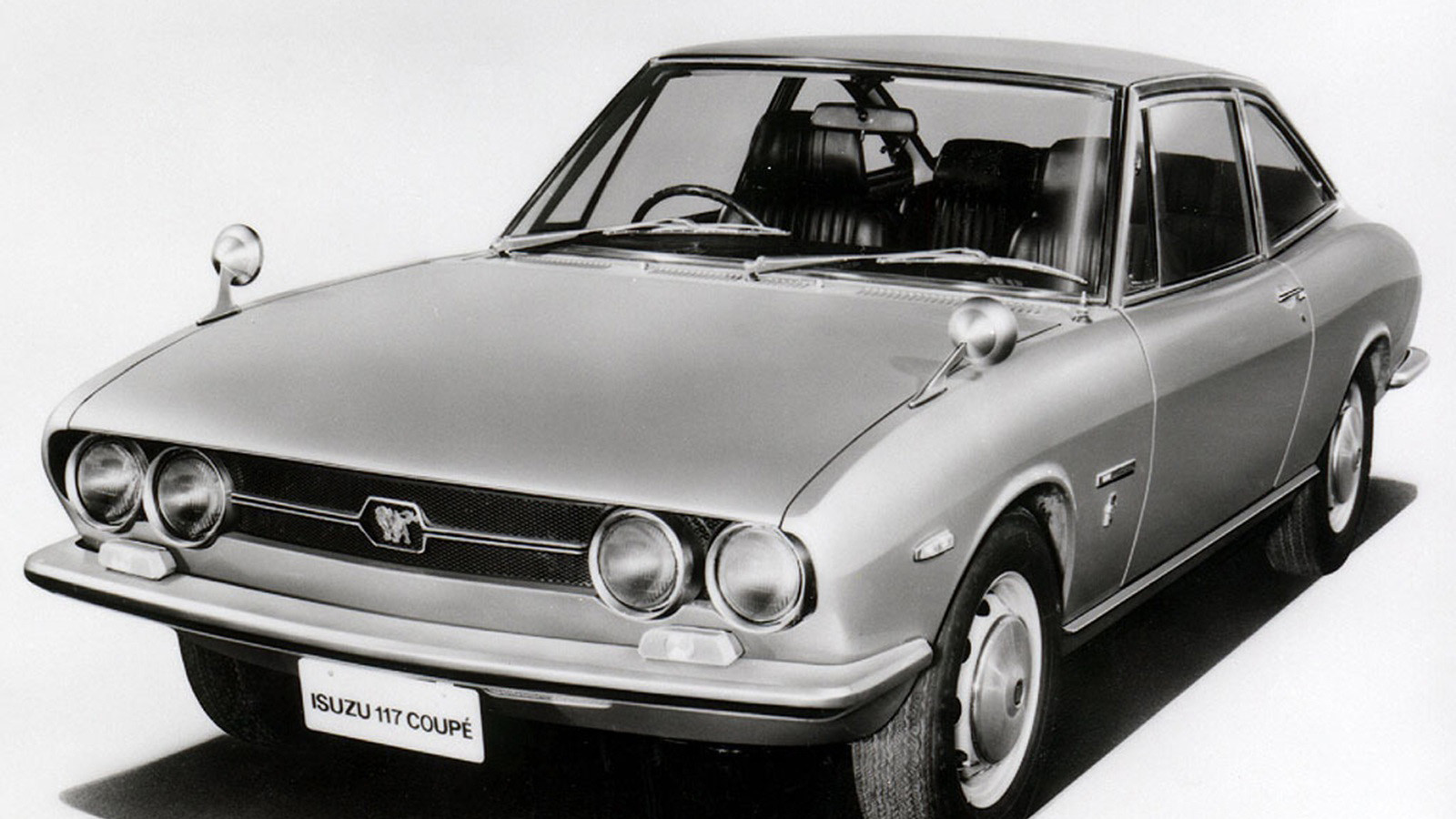
Isuzu would have been an unusual and exotic name to European ears at the ’66 Geneva motor show – and its prototype 117 Coupé was a sharply modern fastback.
Styled by Giorgetto Giugiaro, the Isuzu had a more European look than many of its Japanese rivals.
This helped the 117 Coupé catch plenty of attention at 1966’s Swiss show, but it wasn’t until late 1968 that it entered production.
Power came from a humble 1.6-litre engine to begin with, followed by a 1.8 and later a 2-litre motor, and there were two facelifts during the 117’s long production life that lasted until 1981.
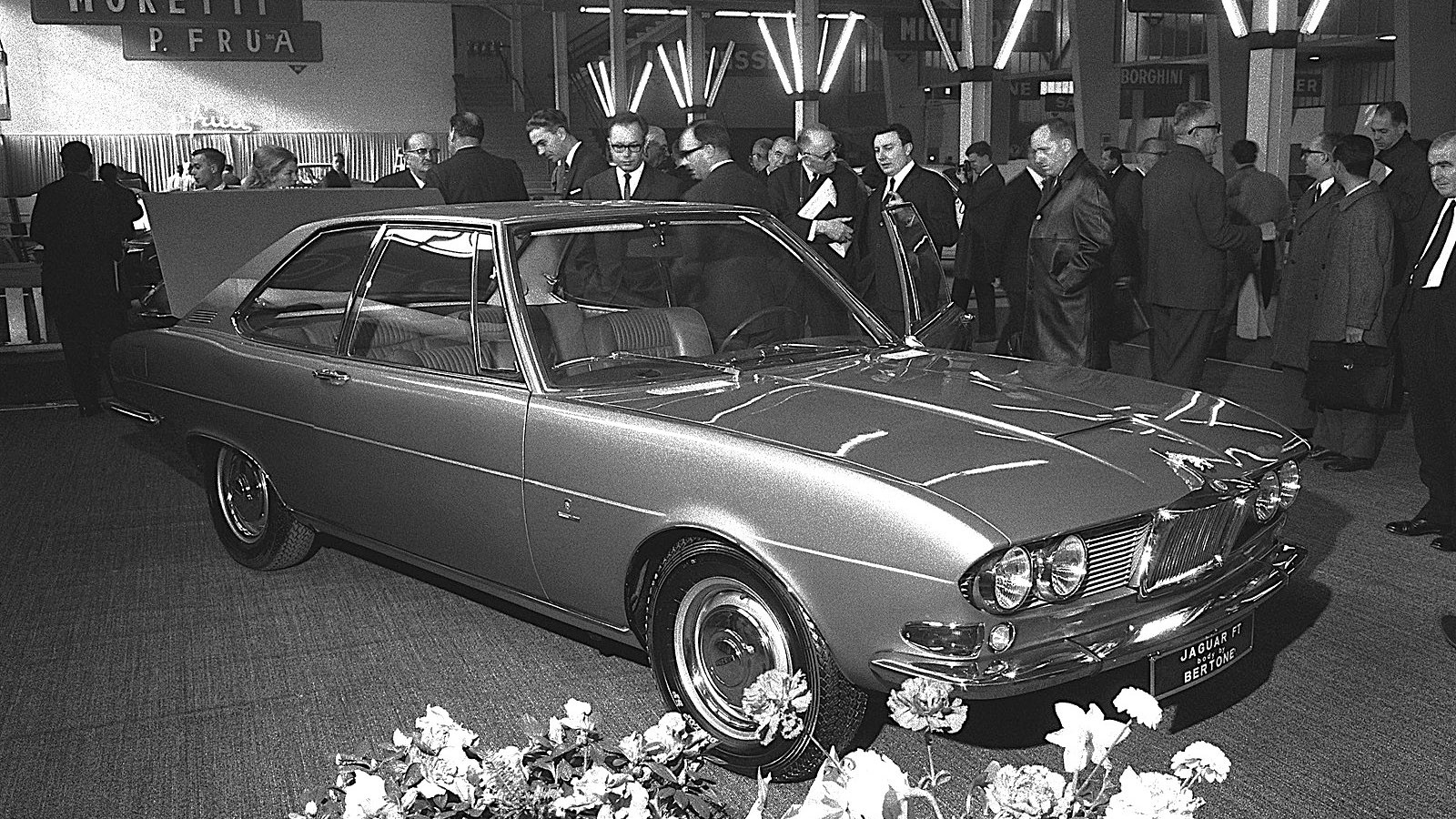
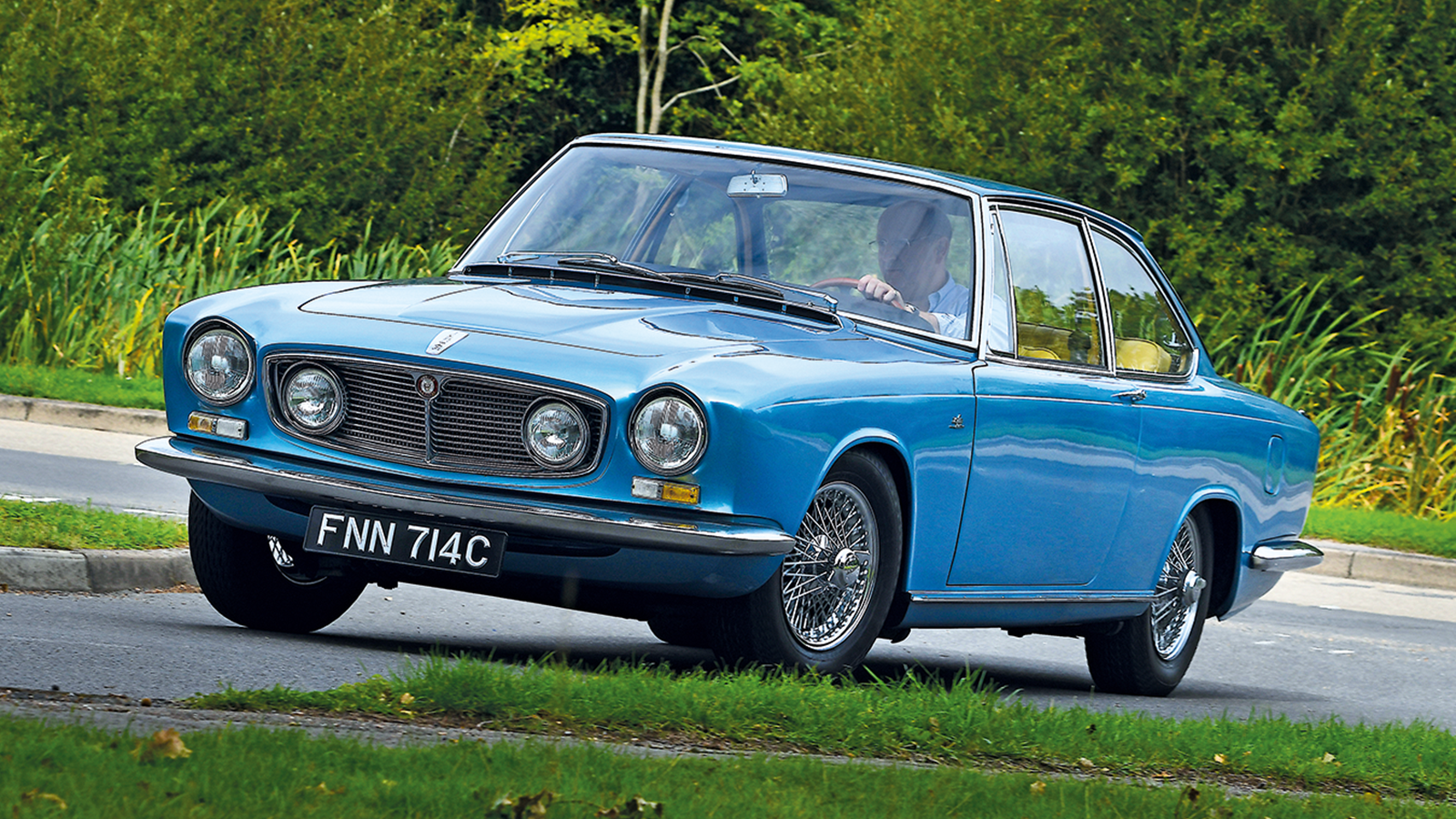
14. Jaguar FT Coupé by Bertone
Similar in style to the Frua S-type, the Jaguar FT Coupé by Bertone was another two-door, luxury car aiming to fill a gap in the British marque’s range.
The difference between this car and Frua’s is the Italian Jaguar importer had plans to sell the coupé to order, rather than creating a one-off.
The importer, Ferruccio Tarchini, gave the car its ‘FT’ initials, and he commissioned Bertone to style and construct it.
Displayed at the 1966 Geneva motor show, the car was built on the S-type platform, while a second FT Coupé was completed using a Jaguar 420 as the base, before further plans were dropped.
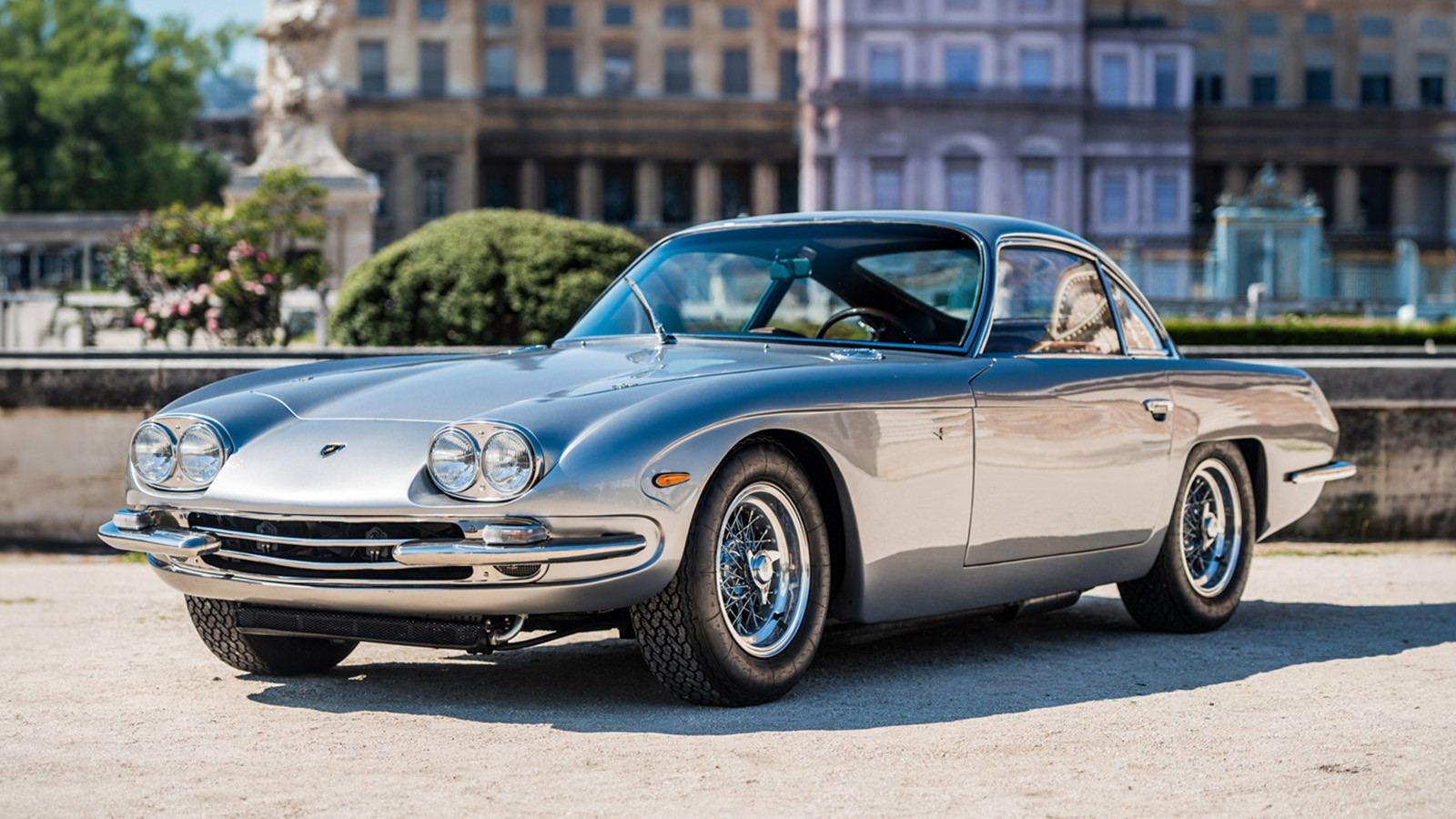
15. Lamborghini 400GT 2+2
It’s easy to forget there was another Lamborghini making its entrance at the 1966 Geneva motor show: the 400GT 2+2.
While the mid-engined Miura (which we will come to in a moment) fascinated many, the 400GT 2+2 was a conscious effort to expand the blossoming car company’s range.
Similar in style to the 400GT, the 2+2 freed up space for rear passengers by raising the roofline by 2.6in (66mm) and lowering the floorpan.
There was also a larger boot to make this a more practical option for those wanting to use their Lamborghini for touring, though the 2+2 remained a very exclusive car with just 242 built in total.
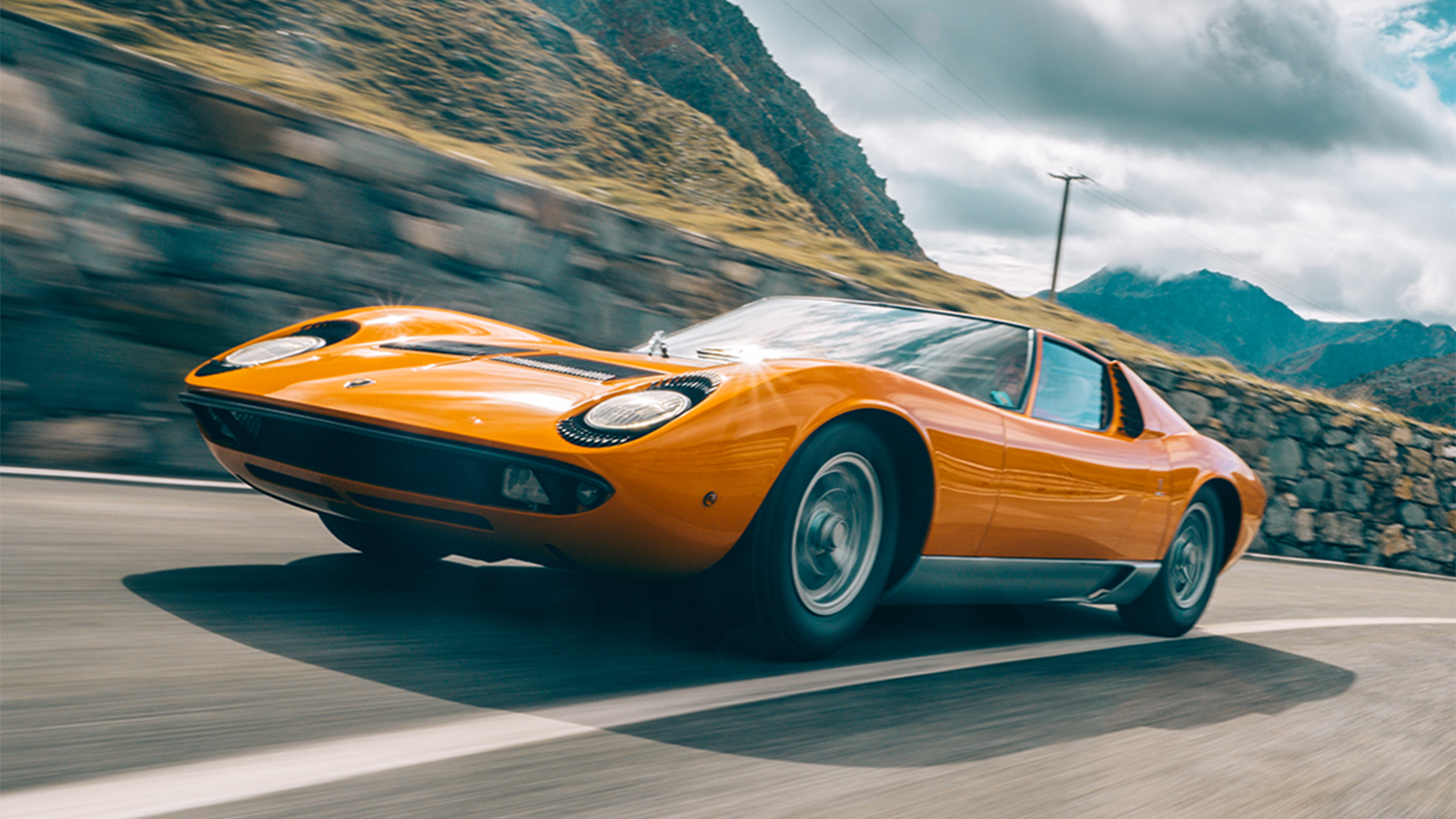
16. Lamborghini Miura
The Lamborghini Miura was the undoubted star attraction at the 1966 Geneva show – and it’s easy to see why.
Here was the world’s first true mid-engined supercar, beating Ferrari to this by some years, and delivering drama in both its engineering and looks.
From its original appearance as a chassis at the previous year’s Turin show, Geneva visitors got to see the finished item and the Miura was stunning.
From the Marcello Gandini-penned lines to the transversely mounted V12 engine, everything was sensational about this Lamborghini, and that was before you experienced its claimed 174mph top speed.
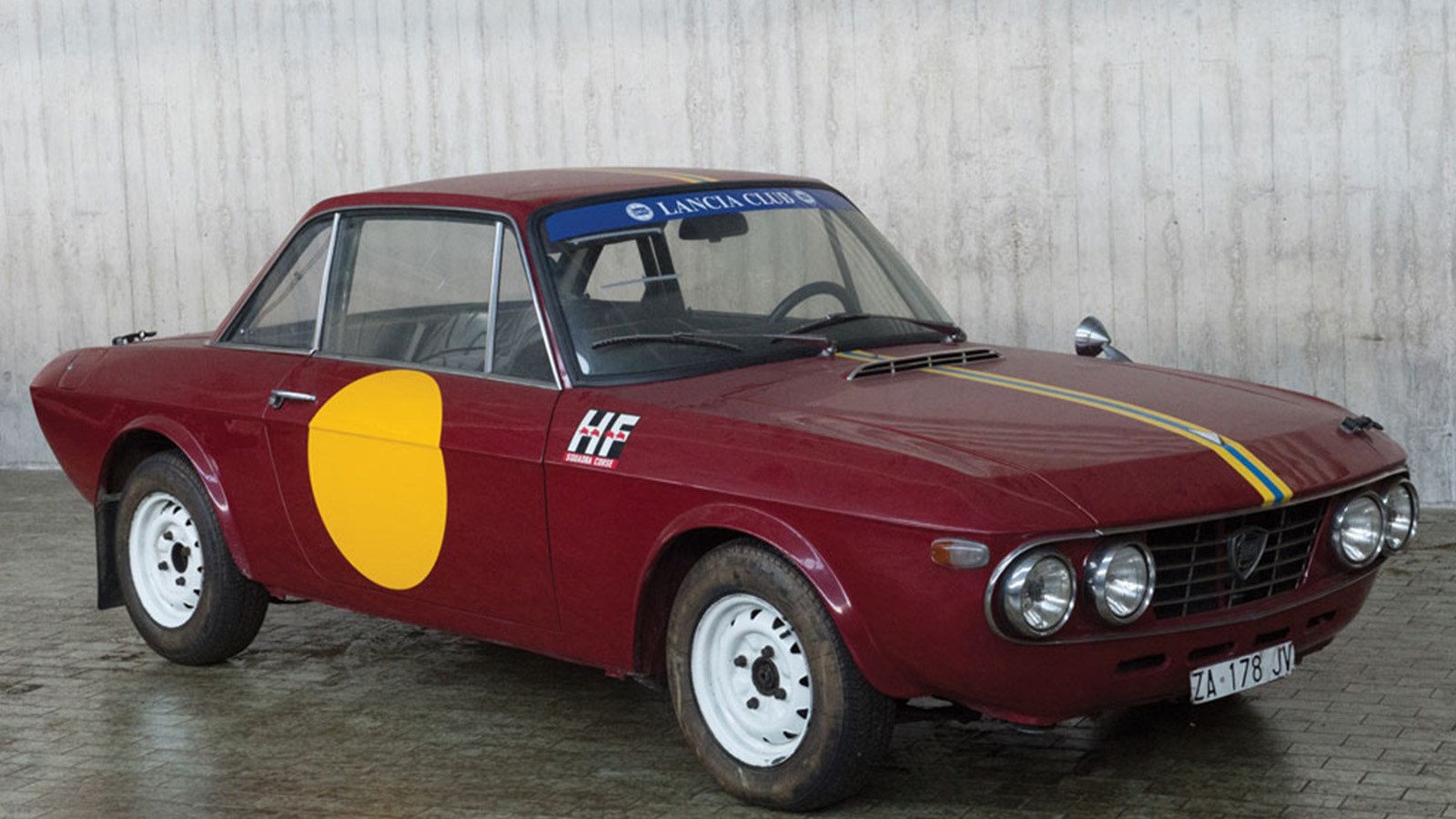
17. Lancia Fulvia Coupé HF
Lancia’s Fulvia Coupé was already a success, but it needed a lighter, more powerful version to win in rallying.
This led to the homologation Coupé HF that made its debut in the Geneva show halls in 1966.
With no bumpers, aluminium in place of steel for the doors, bonnet and boot, plus Plexiglas for the side and rear windows, weight was reduced by 280lb (127kg).
Added pep came from the 1216cc V4 being tuned to give 87bhp, 10% up on the standard model.
Lancia was supposed to build 500 for homologation; only 435 were eventually made, but that didn’t stop the HF from succeeding in rallies.
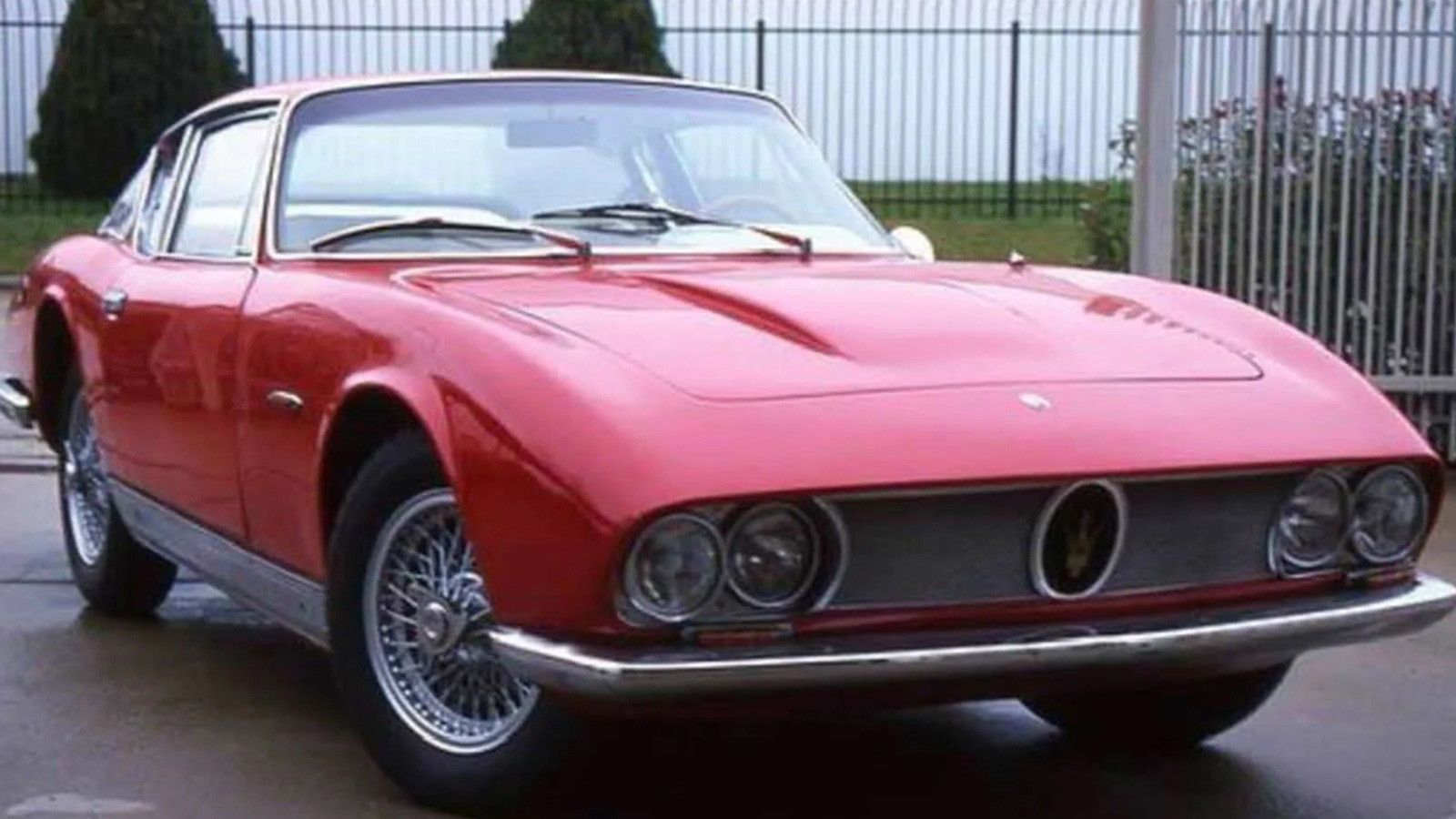
18. Maserati 3500GT Moretti Coupé
The move to unitary construction hit small coachbuilders like Moretti hard, but the Italian company still decided to showcase its talents at the big Swiss show with a Maserati-based coupé.
Using a 3500GT originally built in 1962 and then crashed, Moretti created a unique body at the owner’s behest.
The fastback style is reminiscent of the Iso Grifo, which had been launched the previous year, but the Moretti offering was certainly no clone. Mechanically, it remained standard.
This car disappeared for many years before resurfacing in the 1980s, still in its original red colour.
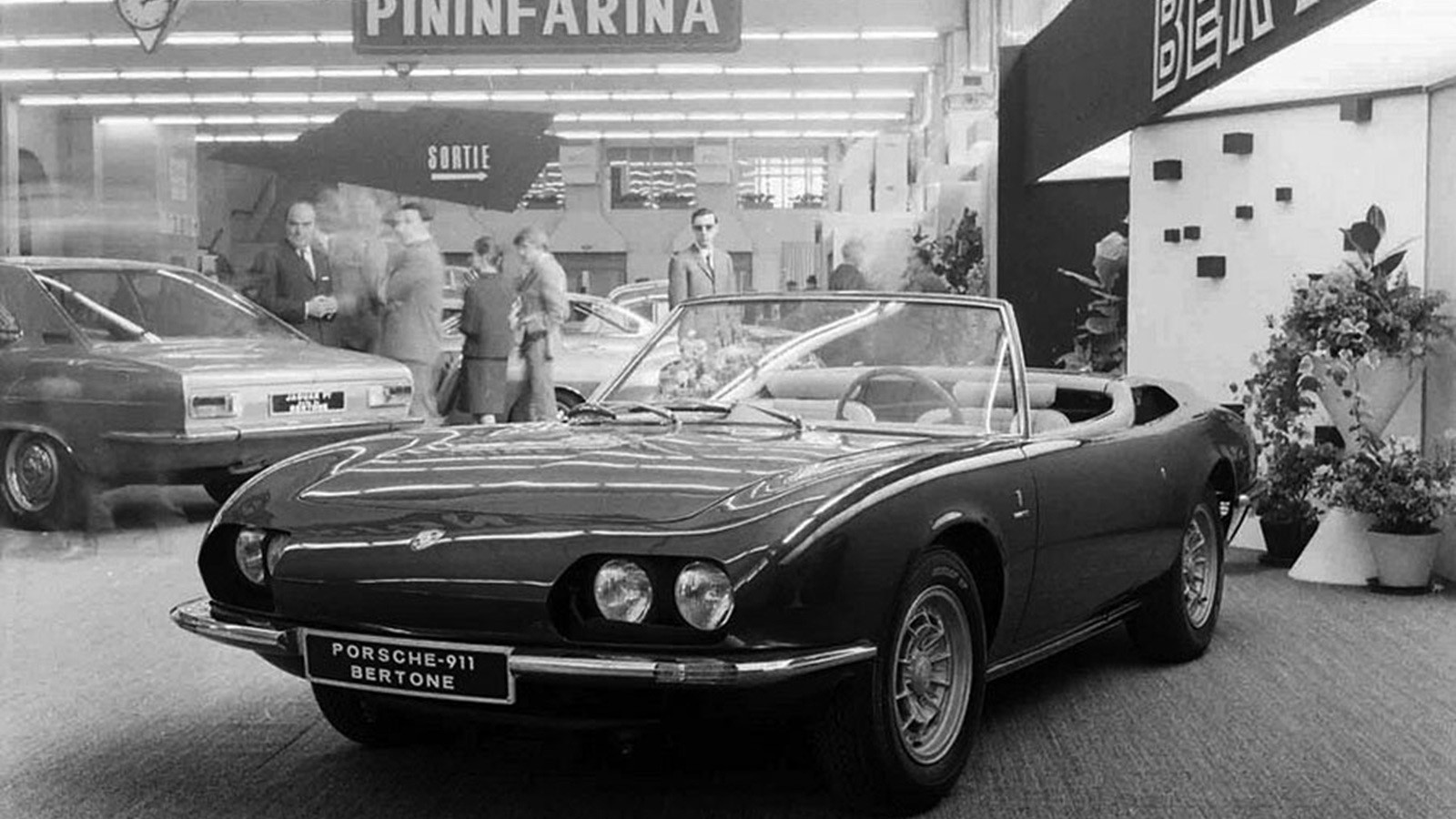
19. Porsche 911 2.0 Bertone Roadster
Not convinced the 911 targa would satisfy his customers, Californian Porsche dealer John von Neumann asked the factory to consider a full roadster based on its new sports car.
Amazingly, Porsche agreed and Bertone was given the job of creating the fully convertible body based on the 911.
The finished car was undoubtedly pretty and attracted a lot of attention, and it drove well thanks to its 2-litre engine.
However, there were no firm offers to buy one, which meant von Neumann had to accept his idea was unrealistic, and the factory targa went on to become a staple of the Porsche 911 line-up.
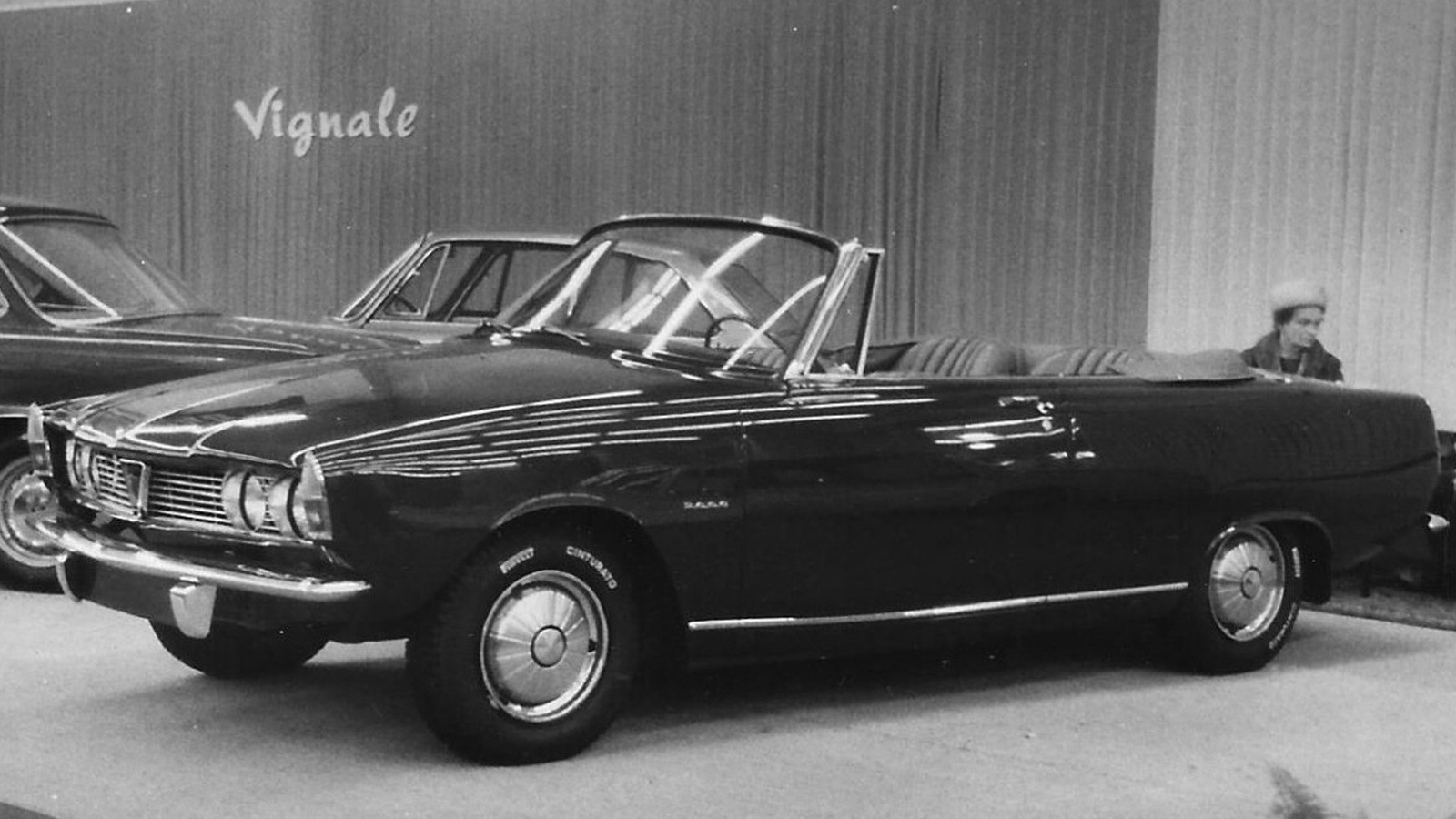
20. Rover 2000 Cabriolet Graber
Swiss coachbuilder Graber was more closely associated with Alvis, but it turned its attention to the Rover P6 ahead of the 1966 Geneva motor show.
The resulting two-door, four-seat convertible commissioned by Rover was extremely elegant.
Contemporary reports remarked how well the P6’s lines lent themselves to the conversion.
Neither Rover nor Graber decided to offer the car to the public, though the P6 2000 Cabriolet was registered for road use in Switzerland.
Graber did, however, build a handful of coupé versions, which it displayed at the Geneva show between 1967 and 1969.
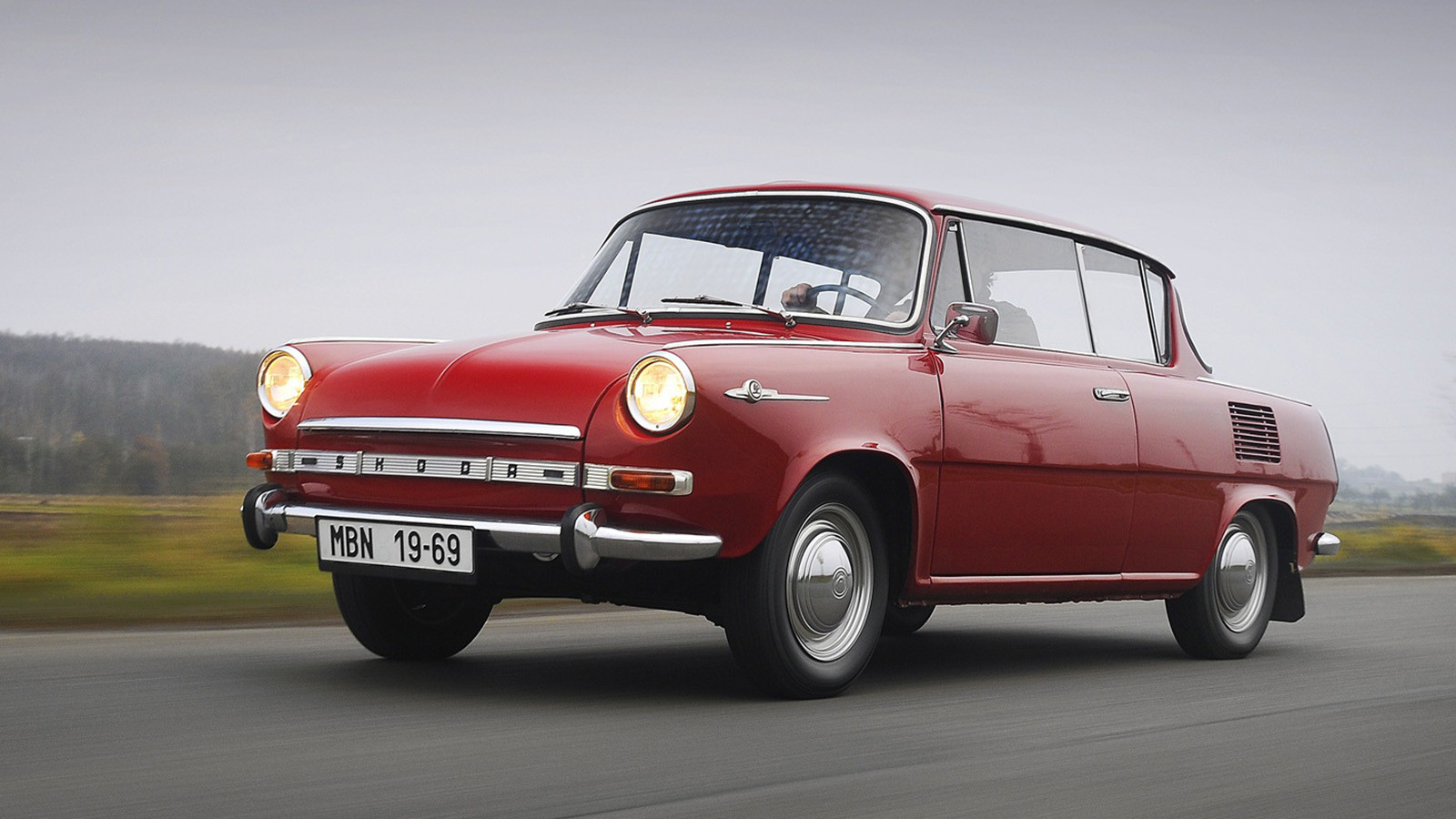
21. Škoda 1000 MBX De Luxe
Škoda took the opportunity of the 1966 Geneva motor show to unveil a luxury version of its 1000 MB saloon, the 1000 MBX De Luxe.
Not only was the MBX better equipped, it stood out thanks to its two-door design with a slender B-pillar that gave its cabin an airy ambience.
The front and side windows could be wound down to further add to the classy appeal of the MBX De Luxe.
Power was more humble, because of the model’s 988cc, four-cylinder engine.
Due to much of the MBX being handmade in a dedicated section of the factory, Škoda had only produced 1403 of this model when the last left the line in 1968.
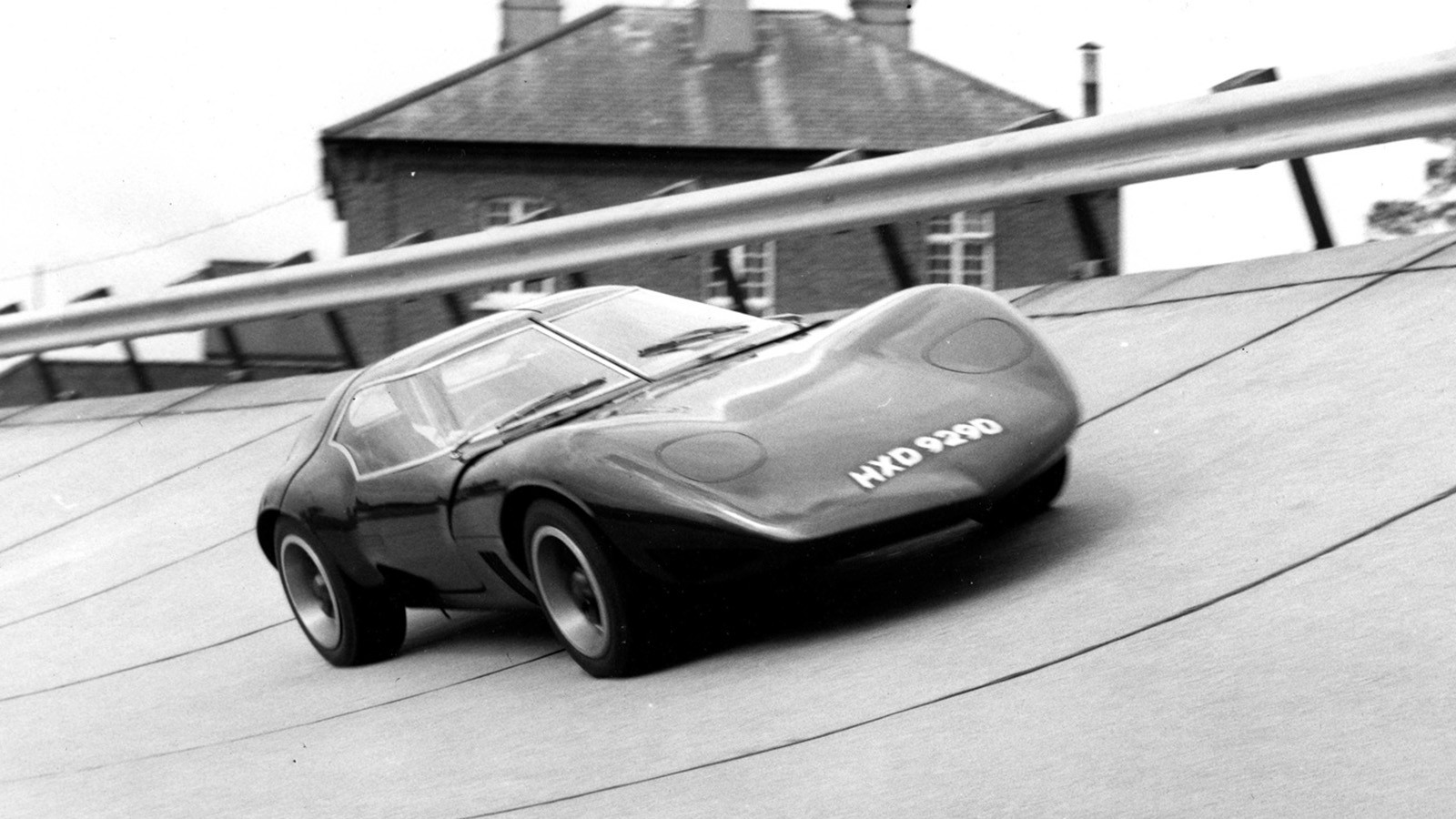
22. Vauxhall XVR concept
The Vauxhall XVR could very easily have developed into a production model.
If it weren’t for the Opel GT receiving a lukewarm reception, bosses at Vauxhall in Luton might have been keener to see the XVR progress.
The Xperimental Vauxhall Research (XVR) had no trouble grabbing attention when it was on show in Switzerland, thanks to its low-slung lines and gullwing doors.
That door design demanded a split windscreen, while the entire front section lifted to reveal the 1.6-litre engine that could take the XVR to 100mph.
Design cues from the XVR did survive, such as the slimline rear lights seen on Vauxhall’s Viva HC.