Wind-in-your-hair Chevys
Chevrolet has been building cars whose roofs can be raised or lowered depending on the preference of their occupants since before the First World War – and is still doing so today.
From a very wide field, here we’ve selected 23 Chevrolet drop-tops, all of them on sale during the 20th century, and listed them in chronological order.
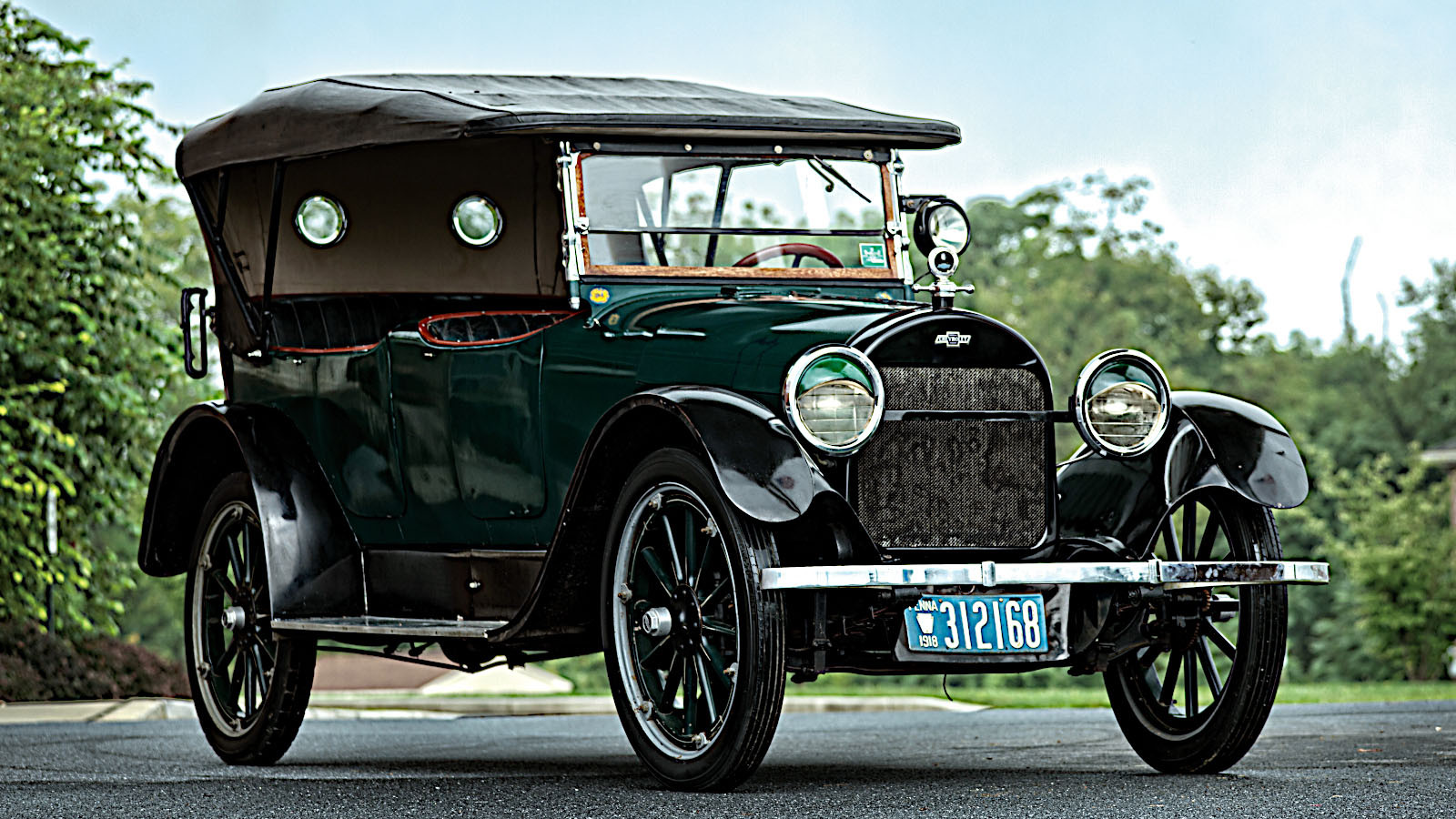
1. 1912 Chevrolet Type C
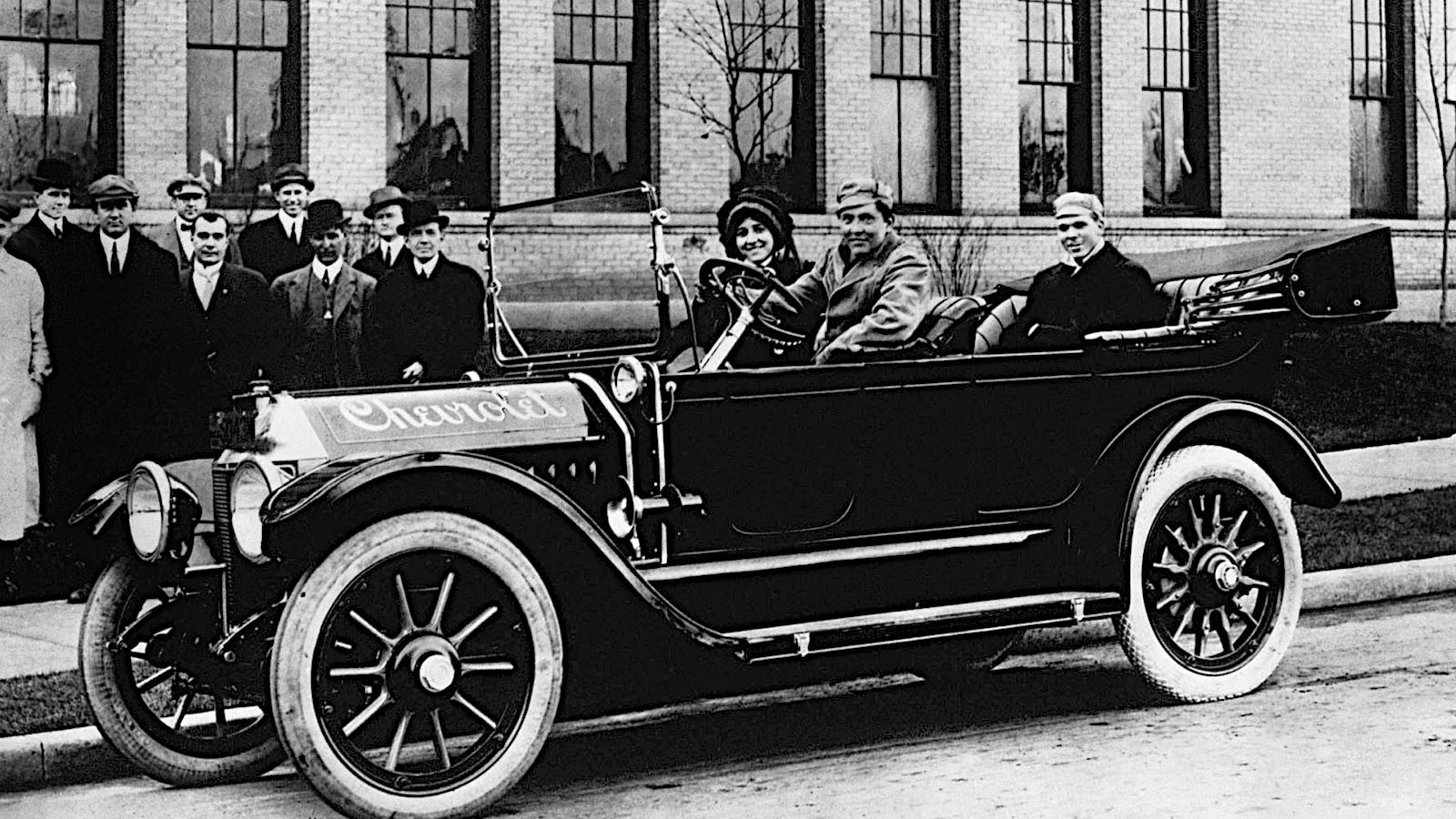
Chevrolet was co-founded by the expatriate Swiss mechanic and engineer Louis Chevrolet and businessman William Durant, recently ousted from the General Motors consortium he had established in 1908.
A difference of opinion quickly became apparent: Chevrolet intended to build upmarket cars, while Durant wanted something cheap to rival the Ford Model T.
Chevrolet won the opening round of that battle, and the marque’s first car was an impressive machine with a powerful, 4.9-litre, straight-six engine.
As this archive photo shows, it had an open body with a folding roof which could be raised to protect the occupants from harsh weather.
2. 1914 Chevrolet Series H
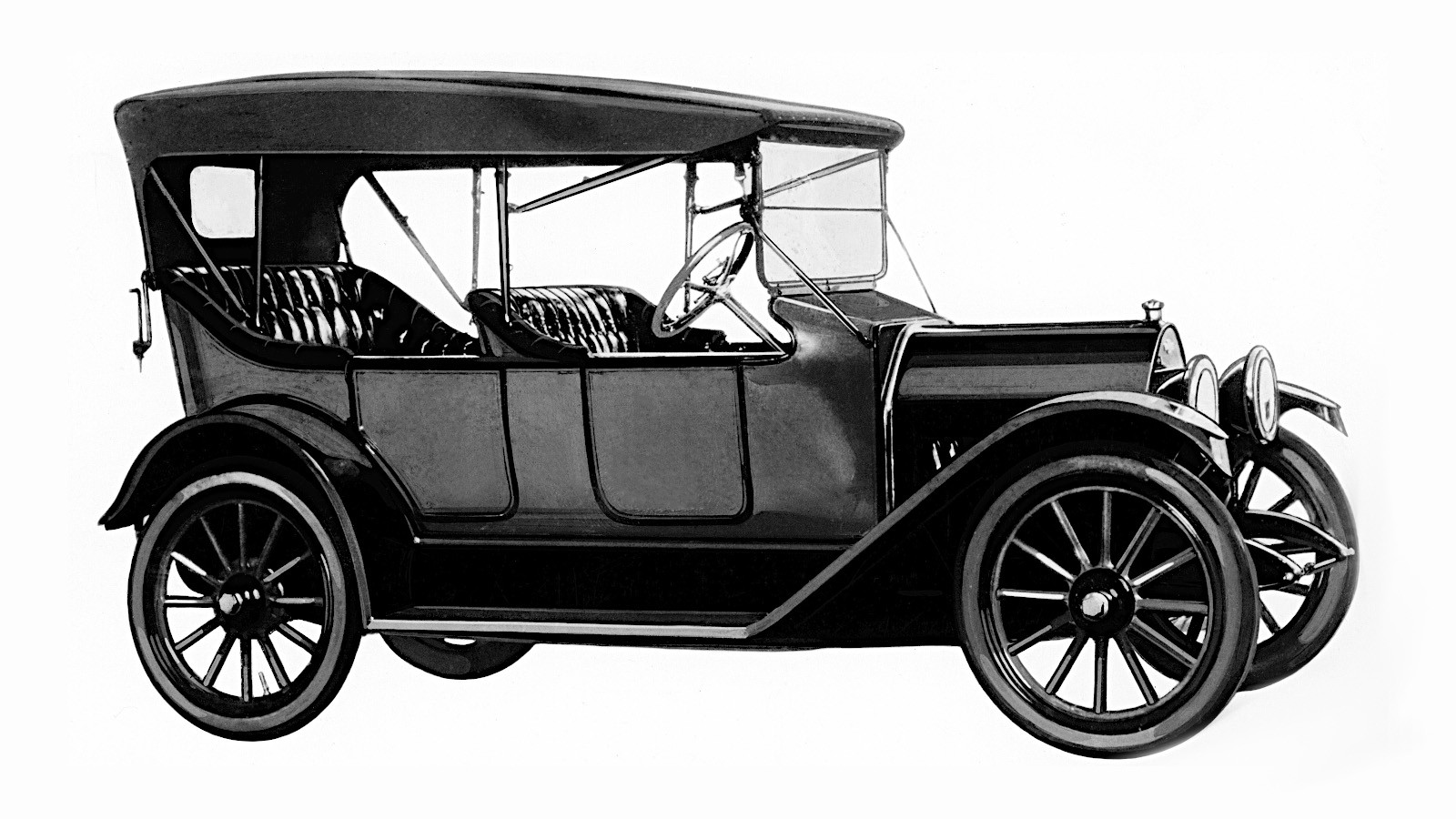
Durant’s preference for cheaper cars soon took precedence, and while Louis Chevrolet was packing his bags and moving to Canada the company named after him introduced the Series H.
Available in several forms, including the Baby Grand pictured here, it was powered by a 2.8-litre, four-cylinder engine and cost around half as much as a Type C, which no doubt has some influence on the fact that it accounted for nearly 80% of Chevrolet production.
Durant had had the right idea after all, and he made so much money out of the Chevrolet project so quickly that he was able to buy his way back into General Motors.
3. 1917 Chevrolet Series D
Ironically, the Series D was far more the type of car that Louis Chevrolet would have preferred to be associated with, even though he had already left the company when it was launched.
Durant’s policy was vindicated by the Series D, which was expensive and not particularly successful, and would be discontinued after a very short run.
It’s notable, however, for being the first Chevrolet with a V8 engine, a type of unit still a long way from being widely accepted at the time, even in the USA.
Chevrolet abandoned it quickly, and would not produce another V8 until the 1950s.
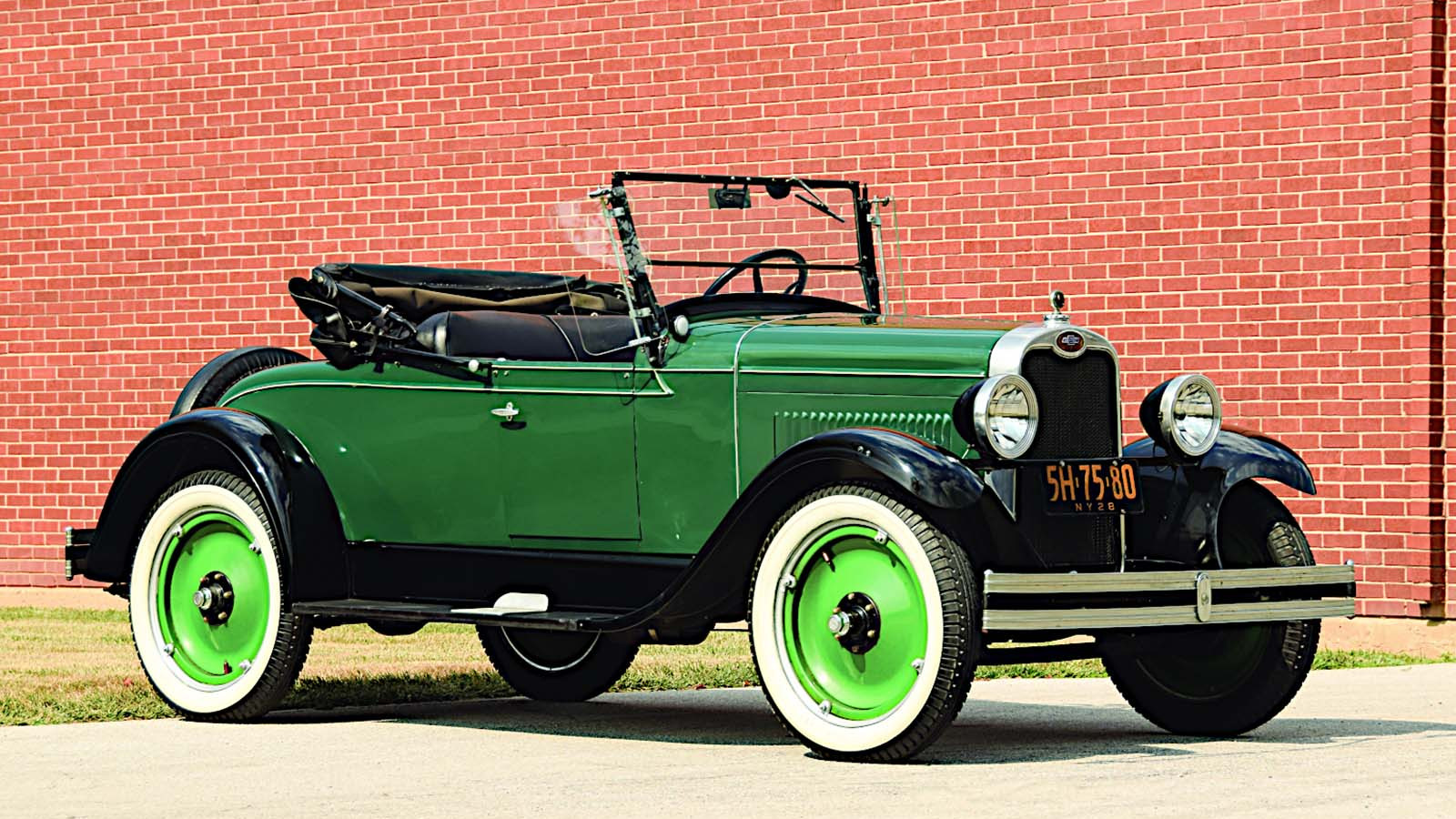
4. 1928 Chevrolet Series AB National
In the 1920s and 1930s, Chevrolet employed a policy of apparently bringing out a new model every year, while in fact mildly updating a car it was already building and changing its name.
The Series AB National of 1928 was therefore very similar to the 1927 AA Capitol, the 1929 AC International and several more Chevys which followed that.
Various body styles were available, including the neat little drop-top roadster pictured here.
One of the car’s advantages was that its controls were, by today’s standards, more conventional, and easier to operate, than those of the Ford Model T, but Ford clawed back the lost ground by introducing the Model A, whose controls were similar to the Chevrolet’s.
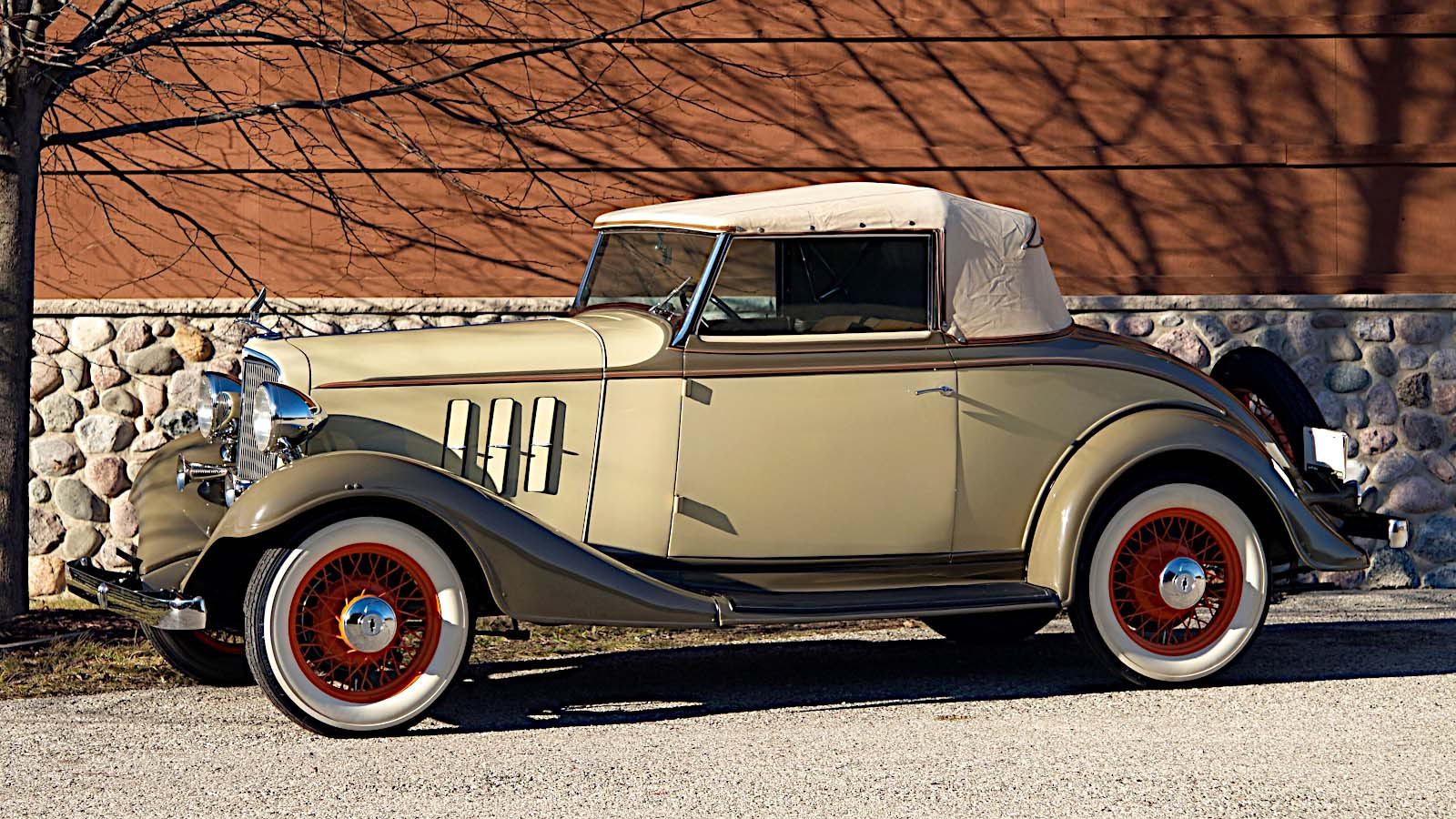
5. 1933 Chevrolet Master
The Master name was applied to the Chevrolet Series CA when it was joined in early 1933 by the shorter and less powerful, but otherwise similar, Standard.
Compared with the 1932 version, known as the Series BA, the windscreen of the drop-top model was mounted at 25 degrees to the vertical rather than 18, its glass was shatterproof rather than plate, and insect protection was built in.
All derivatives, including saloons and commercials, were powered by a 2965cc, straight-six engine.
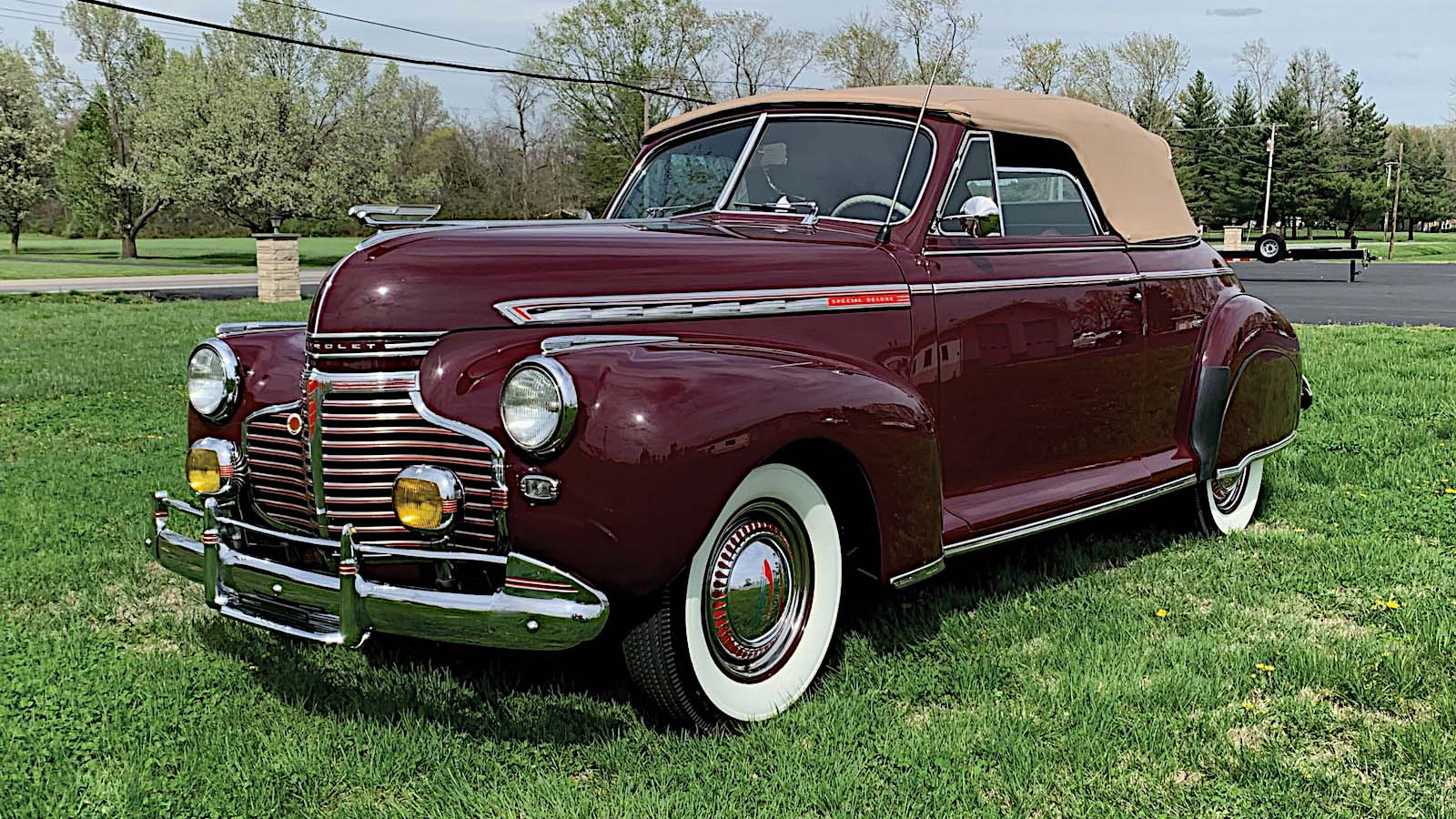
6. 1941 Chevrolet Deluxe
The Chevrolet Deluxe range was divided into two categories, each with its own name.
The Special Deluxe was the better-equipped of the two, while the Master Deluxe was described, rather charmingly, as being ‘intended for those customers who, to obtain the pleasure of owning a Chevrolet, are willing to dispense with the more unessential items of luxury equipment and ornamentation which are furnished in the Special Deluxe line’.
If you wanted a drop-top Deluxe, you had to find enough money to buy a Special, because this was the only one available with an open-top body style which Chevrolet referred to as a cabriolet.
In every form, the Deluxe was larger and stronger, and therefore heavier, than its immediate predecessor, so Chevrolet increased the power of the existing 3548cc, straight-six engine, largely by raising the compression ratio from 6.25:1 to 6.5:1.
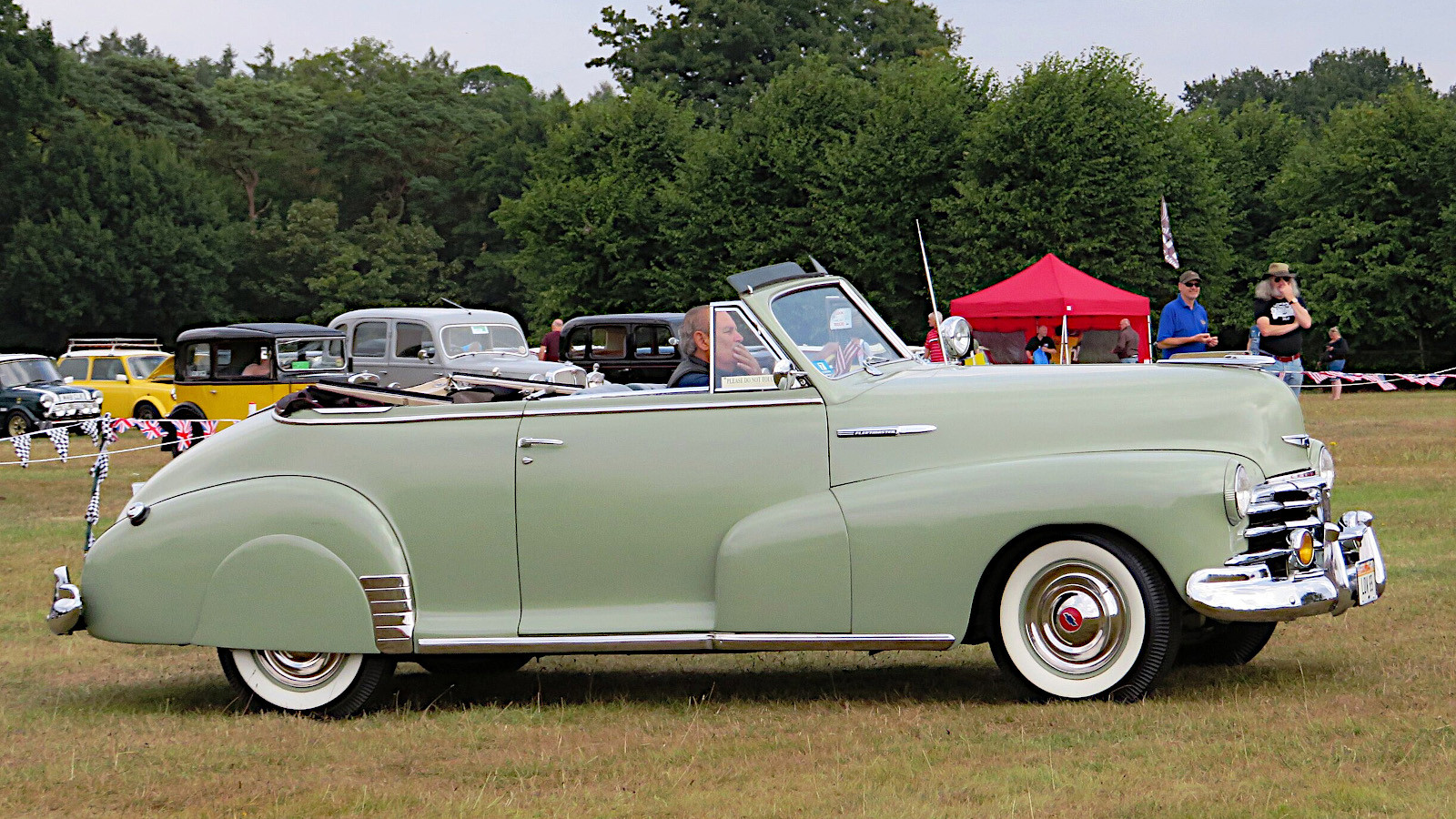
7. 1946 Chevrolet Fleetmaster
While the Fleetmaster, Stylemaster and Fleetliner were the first Chevrolets to go on sale after the Second World War, they were also essentially reintroductions of the Deluxe models whose production had been suspended when the US entered the conflict in 1942.
There was a choice of 10 body styles (or no body at all, because the Fleetmaster could be purchased as a rolling chassis by those who wished to employ the services of a coachbuilder), but as in the Deluxe days there was just one option for drop-top enthusiasts.
The cabriolet was one of only two bodies specific to the Fleetmaster, the other being a station wagon with enough space for the driver and seven passengers.
The straight-six engine, now known as ‘Thrift-Master’, was carried over, and retained its output of 90 gross and 83 net horsepower all the way through to the Fleetmaster’s cancellation after the 1948 model year.
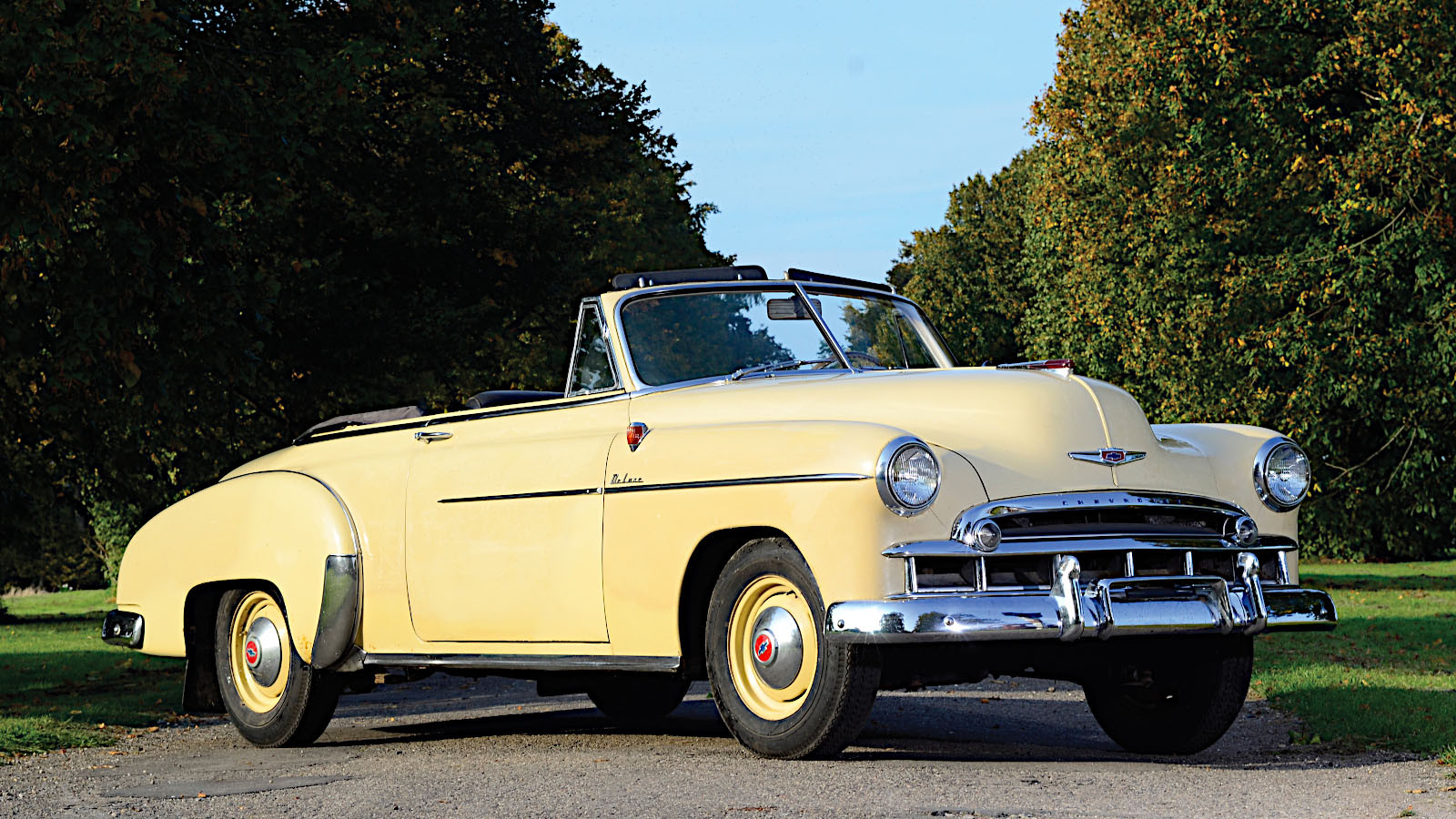
8. 1949 Chevrolet Styleline
All Chevrolets were restyled for the 1949 model year, so the only drop-top in the marque’s line-up looked very much more modern than its ’48 equivalent.
It was called the Styleline Convertible Coupe, and naturally it bore a close resemblance to the hard-roofed Styleline Sport Coupe.
One notable difference between the two (other than the opportunity to enjoy top-down motoring) was that Chevrolet claimed the Sport Coupe could seat six people, while the Convertible Coupe could seat only five.
The Thrift-Master engine continued in the same form as before, not only in the drop-top but in all other Chevrolets of that year, though by 1952 its claimed output had risen slightly to 92 gross horsepower, 85 net.
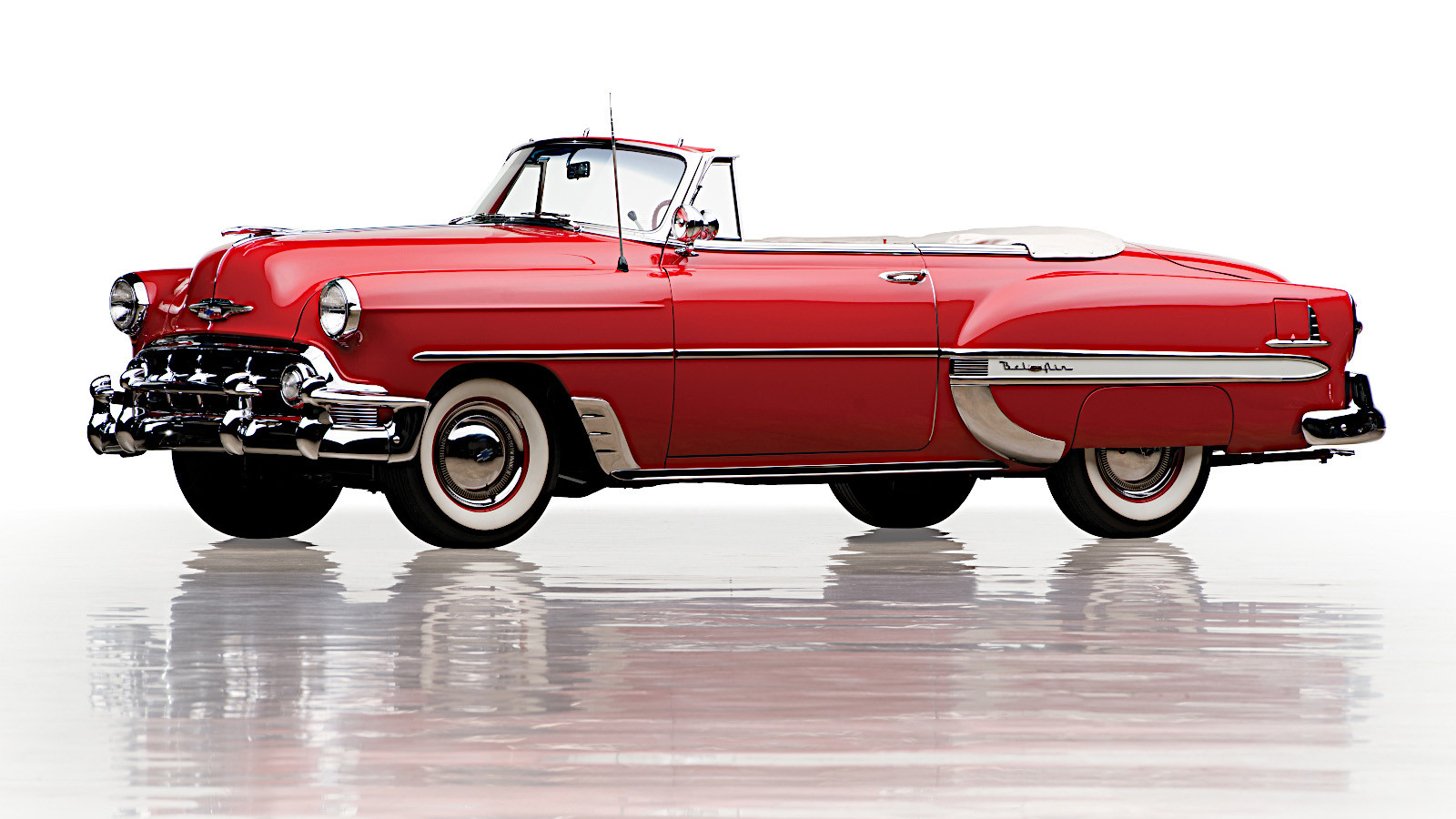
9. 1953 Chevrolet Bel Air
Chevrolet first used the Bel Air model name in 1950, but initially applied it only to a two-door coupe.
In 1953, the Bel Air also became available as a sedan (with two or four doors) and as a convertible, with cheaper equivalents being known as Two-Ten.
There was now a new version of the Thrift-Master called the Thrift-King, which had a capacity of 3851cc, a 7.1:1 compression ratio and a quoted power output of 108 horsepower gross or 92 horsepower net.
In Bel Airs and Two-Tens fitted with the new Powerglide two-speed automatic transmission, the Thrift-King’s compression ratio and gross power rating were raised to 7.5:1 and 115 horsepower respectively.
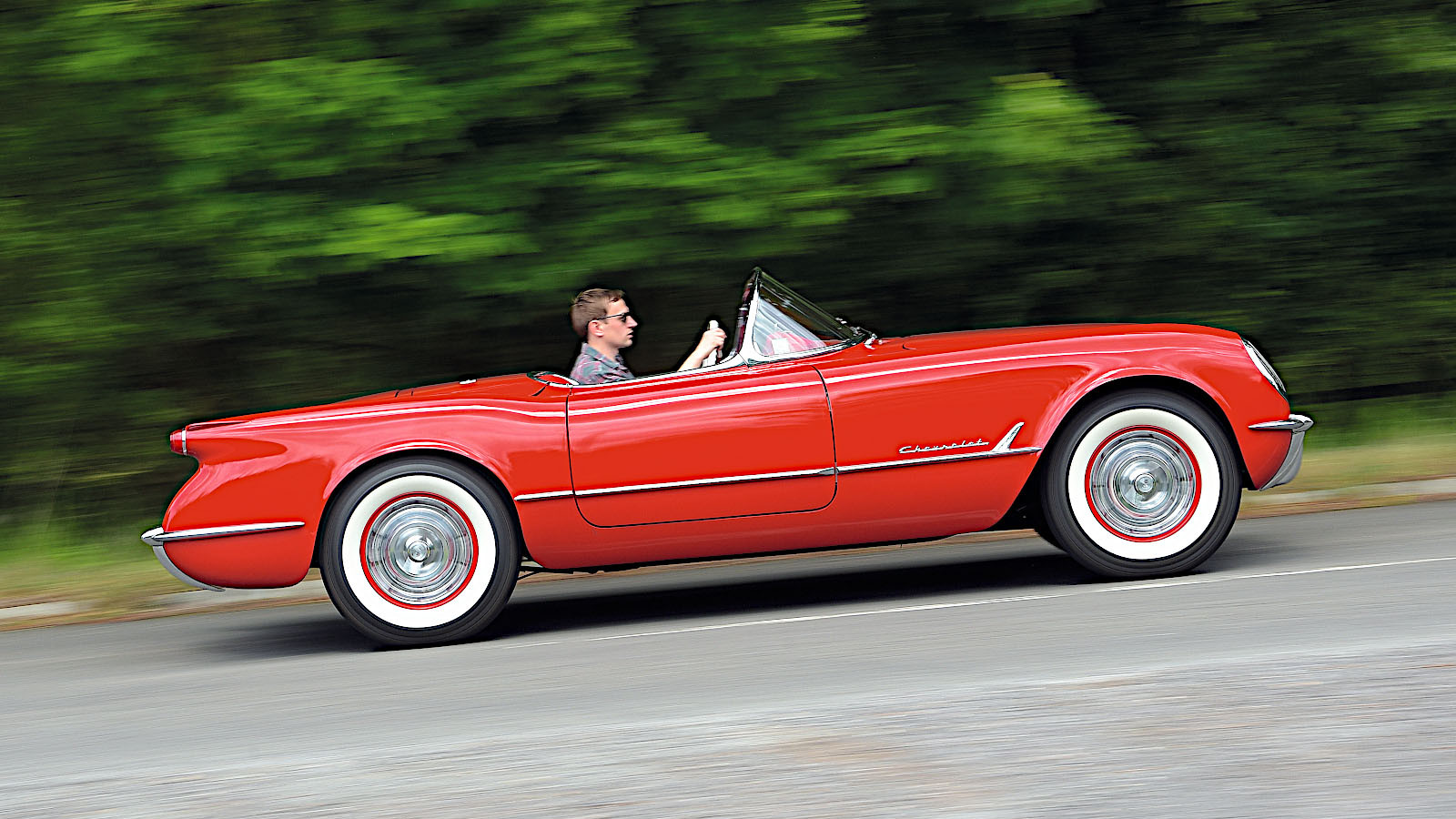
10. 1953 Chevrolet Corvette
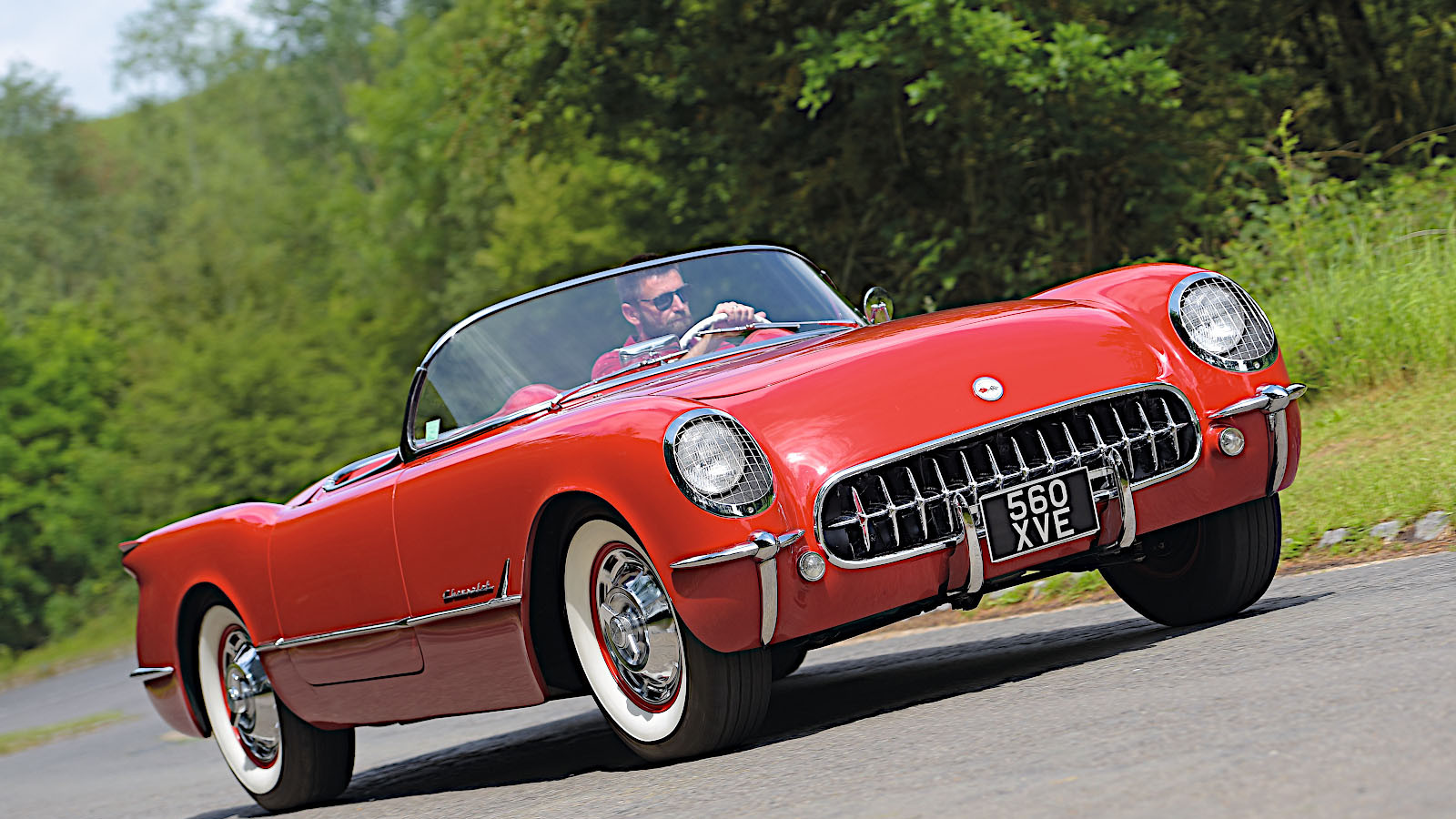
With the Corvette, which entered production on the last day of June 1953, Chevrolet became the first major motoring manufacturer to sell a car with a glassfibre body.
That body, only ever available in drop-top form, was bolted to a separate chassis, and the mechanical specification included a solid rear axle, a Powerglide automatic transmission and an uprated version of the Thrift-King engine with a maximum output of 150 horsepower net.
This would later be raised to 155, but the Corvette still wasn’t as exciting as it looked, so in 1955 Chevrolet introduced its new 4343cc, V8 engine, which produced a more satisfactory 195 horsepower.
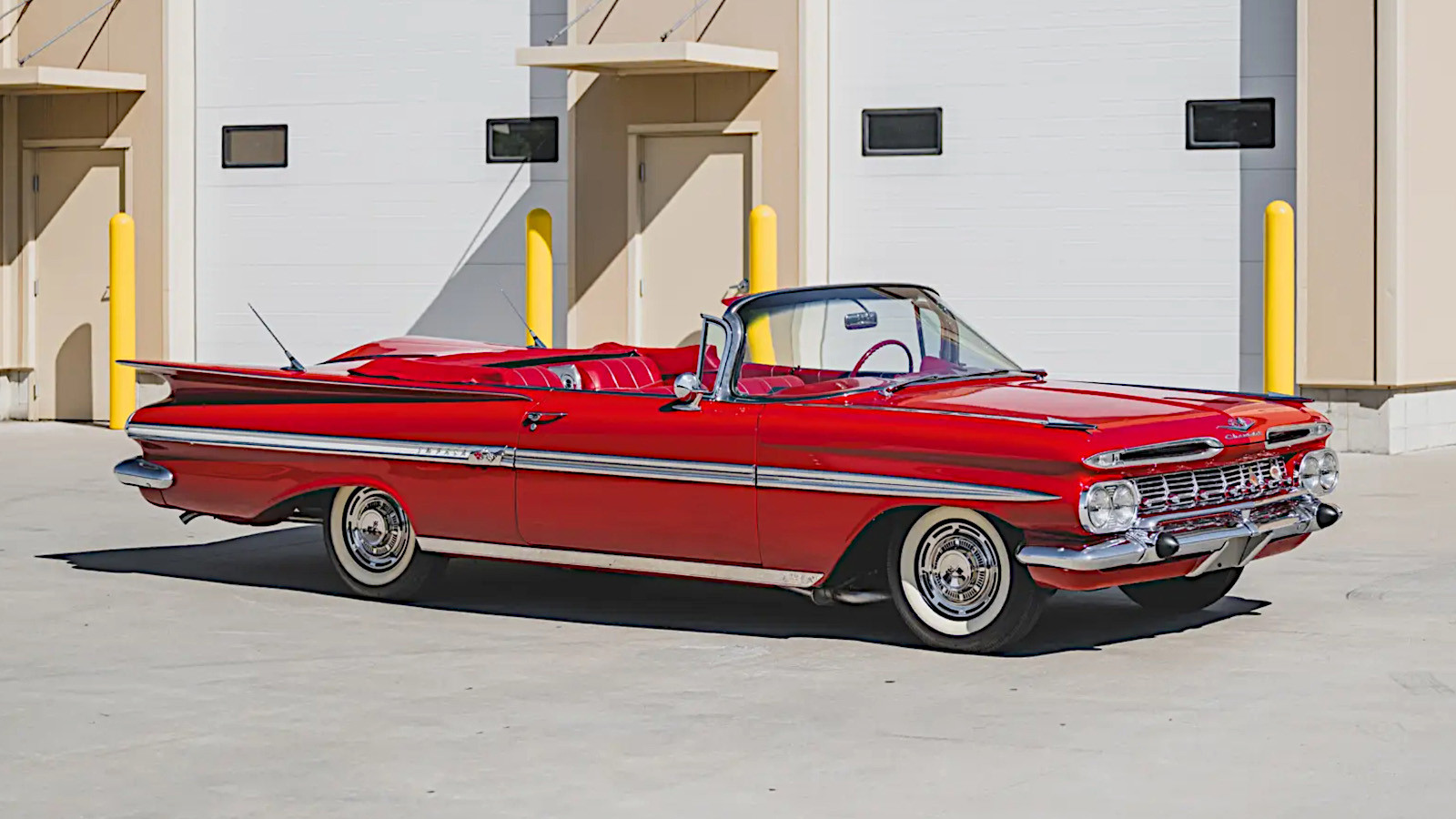
11. 1959 Chevrolet Impala
The Chevrolet Impala started out as part of the Bel Air series and became a model in its own right the following year.
Several body styles were available, but the convertible which is of particular interest to us here was the only drop-top in Chevrolet’s range at the time other than the Corvette.
Like the Corvette, and indeed following GM practice at the time, the Impala was available with both six-cylinder and V8 engines, as later generations would be until the 1990s.
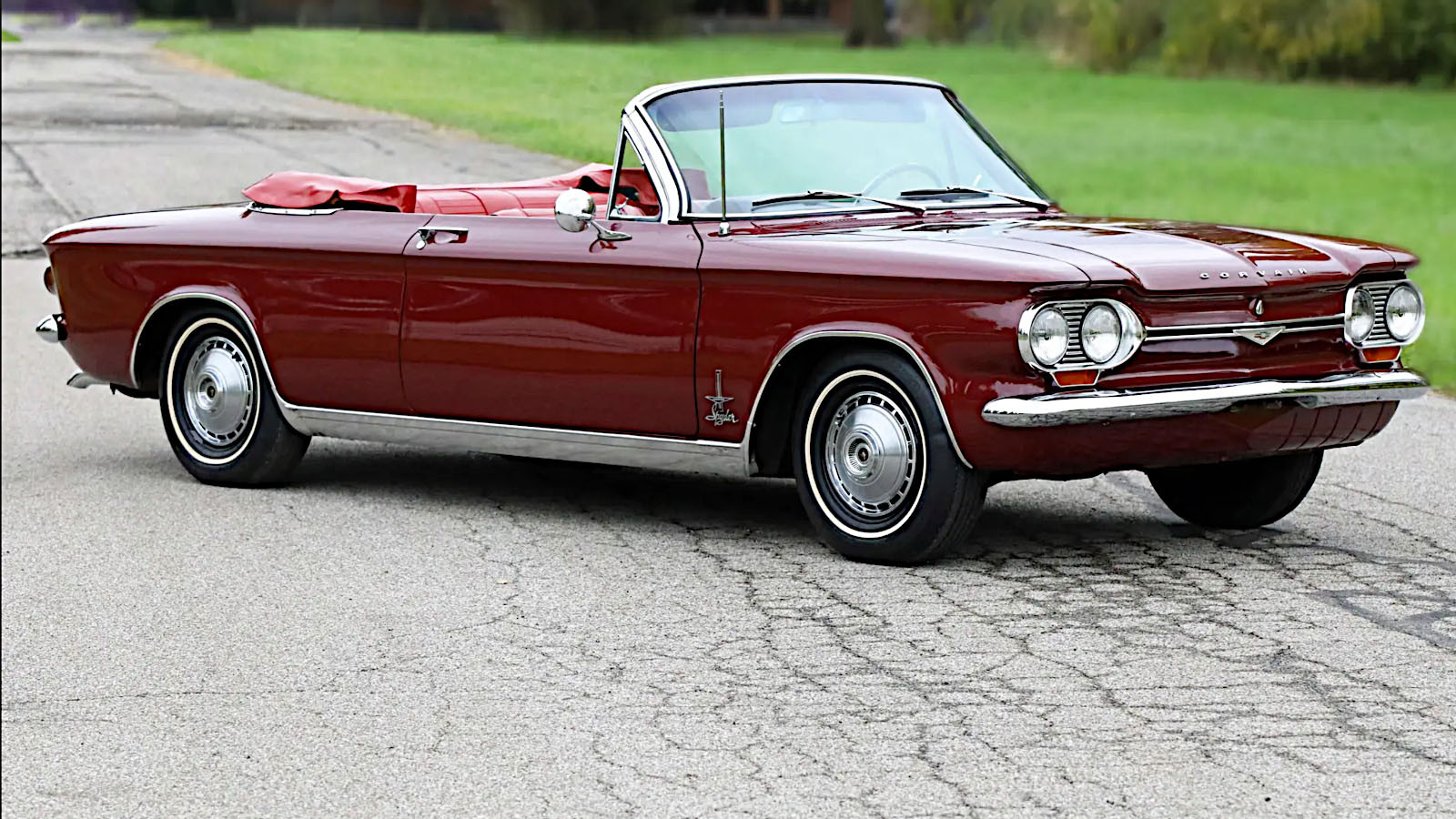
12. 1962 Chevrolet Corvair
With its rear-mounted, air-cooled, flat-six engine and swing-axle rear suspension, the first-generation Corvair stands alone as the strangest and most controversial of all Chevrolet models.
At its launch in 1960, it was offered as a sedan and a coupe, with a station wagon following a year later, and in 1962 it became available as a convertible.
At that time, the engine was quoted as measuring 145cu in – apparently a round-up from 144.7, going by the official bore and stroke figures, but in either case around 2.4 litres – and was available in turbocharged form with a gross output of 150 horsepower in Monza versions of the coupe and the drop-top.
Less powerful versions of the same engine were confusingly known as Turbo-Air, even though they weren’t turbocharged.
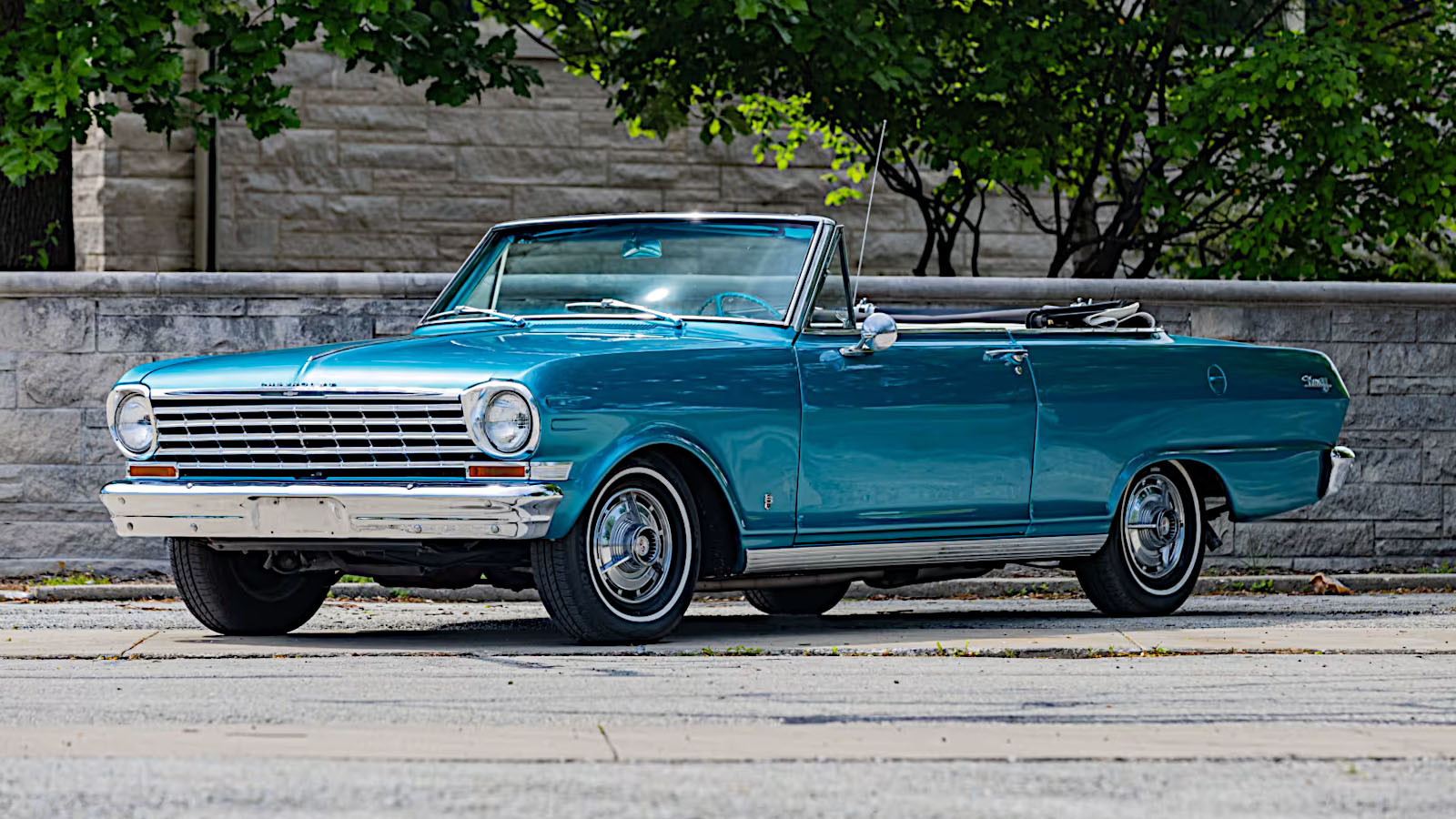
13. 1962 Chevrolet Nova
The Nova was the highest of three series in the Chevy II line-up introduced in 1962, and the only one available as a drop-top.
Chevy IIs in general were offered with either a 2.5-litre Super-Thrift four-cylinder engine or a 3.2-litre Hi-Thrift straight-six, but Novas of this period, and therefore the convertibles, were only fitted with the ‘six’.
A 3.8-litre V8 with the dramatic name Turbo-Fire was introduced for the 1964 model year, but whether it would have been fitted to the convertible is a moot point, because that body style had just been discontinued.
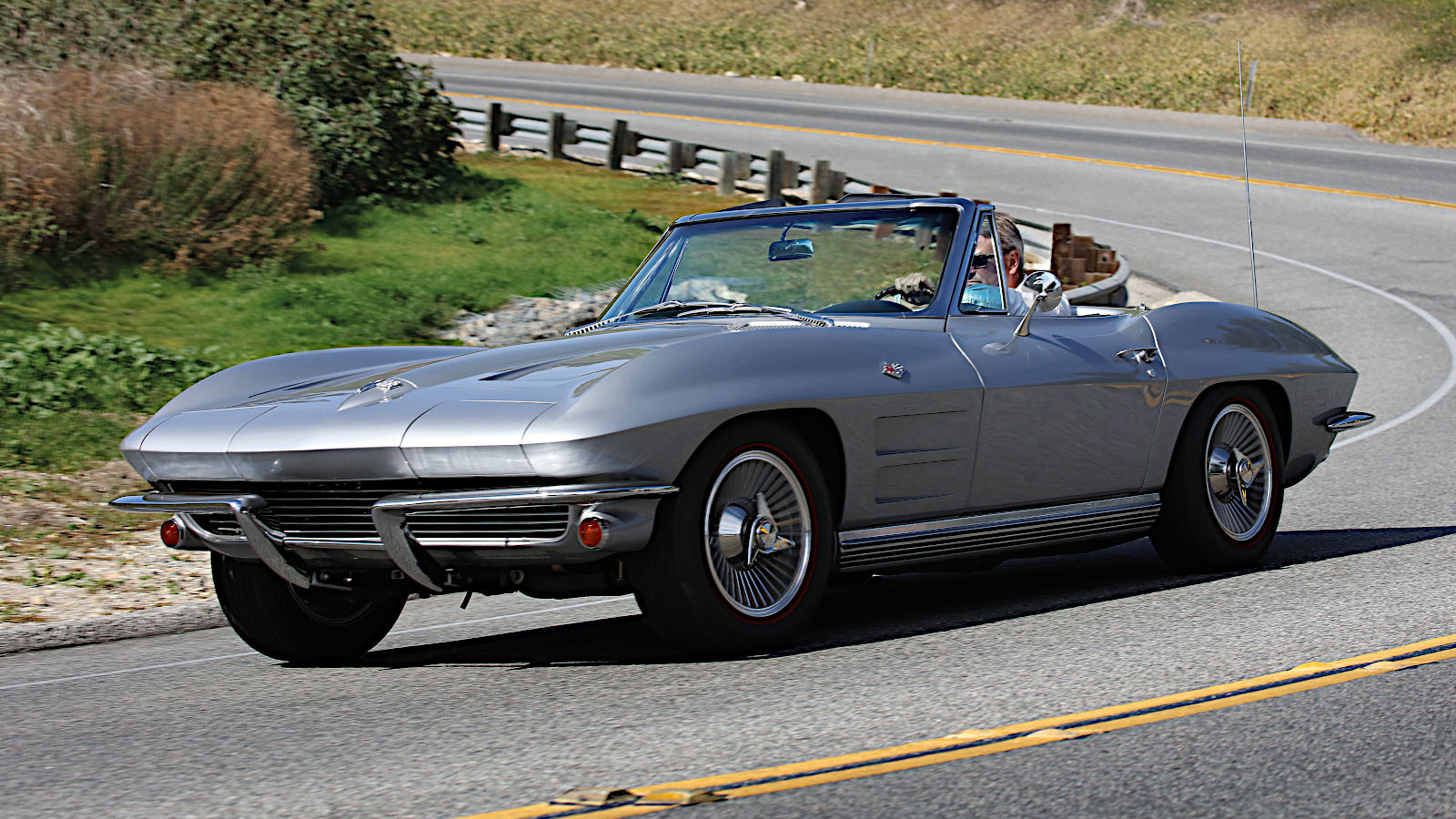
14. 1963 Chevrolet Corvette
Since the original model had only ever been manufactured as a drop-top, its successor was the first Corvette to be available in coupe form.
That said, there was still a convertible version, and it had the benefit of being slightly cheaper (base model retail price of $4037 compared with the coupe’s $4257 in 1963), though convertible buyers could reverse that by spending $236.75 on the optional hardtop.
The only engine available at launch was a 5.4-litre version of the small-block V8, available in a wide range of specifications.
By 1967, the last year of this generation’s relatively short life, the small-block had been joined by the 7-litre, big-block V8, which in its most imposing form produced 435 gross horsepower.
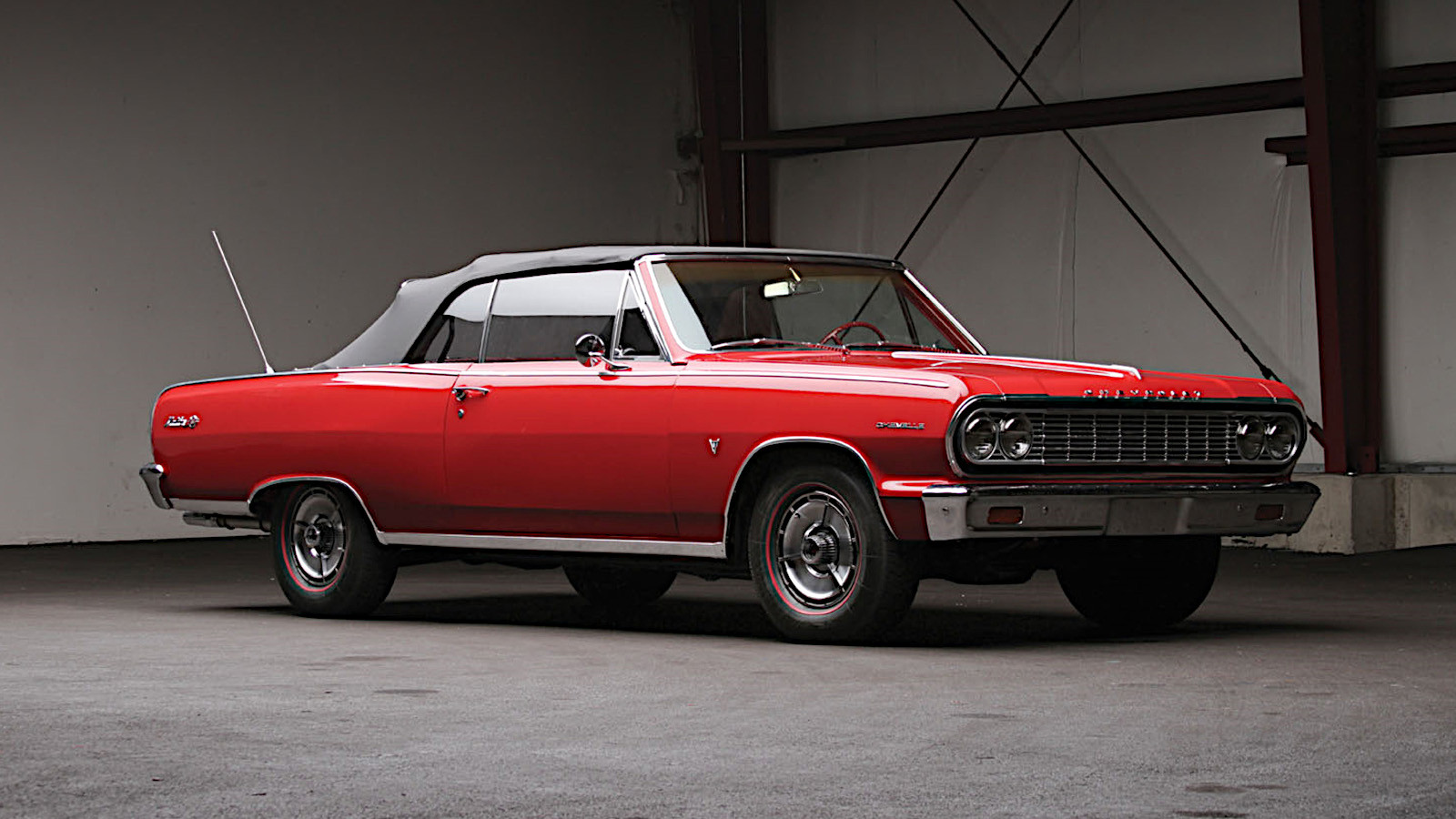
15. 1964 Chevrolet Malibu
The Chevrolet Malibu was part of the Chevelle range introduced in 1964, and distinguished by the fact that while regular Chevelles were not offered as convertibles, there were several such versions of the Malibu.
The sub-range was further divided into the regular Malibu and the Malibu Super Sport (also known as SS), the latter having several styling upgrades and individual front seats rather than a wide bench.
To begin with, Malibus of every body style were available with 3.2- and 3.8-litre straight-six engines or the 4.6-litre, small-block V8.
The 6.5-litre, big-block V8 was added to the range in 1966, and offered with the coupe and convertible bodies, but in a reversal of previous practice the cars fitted with it were known only as Chevelle SS 396s and not as Malibus.
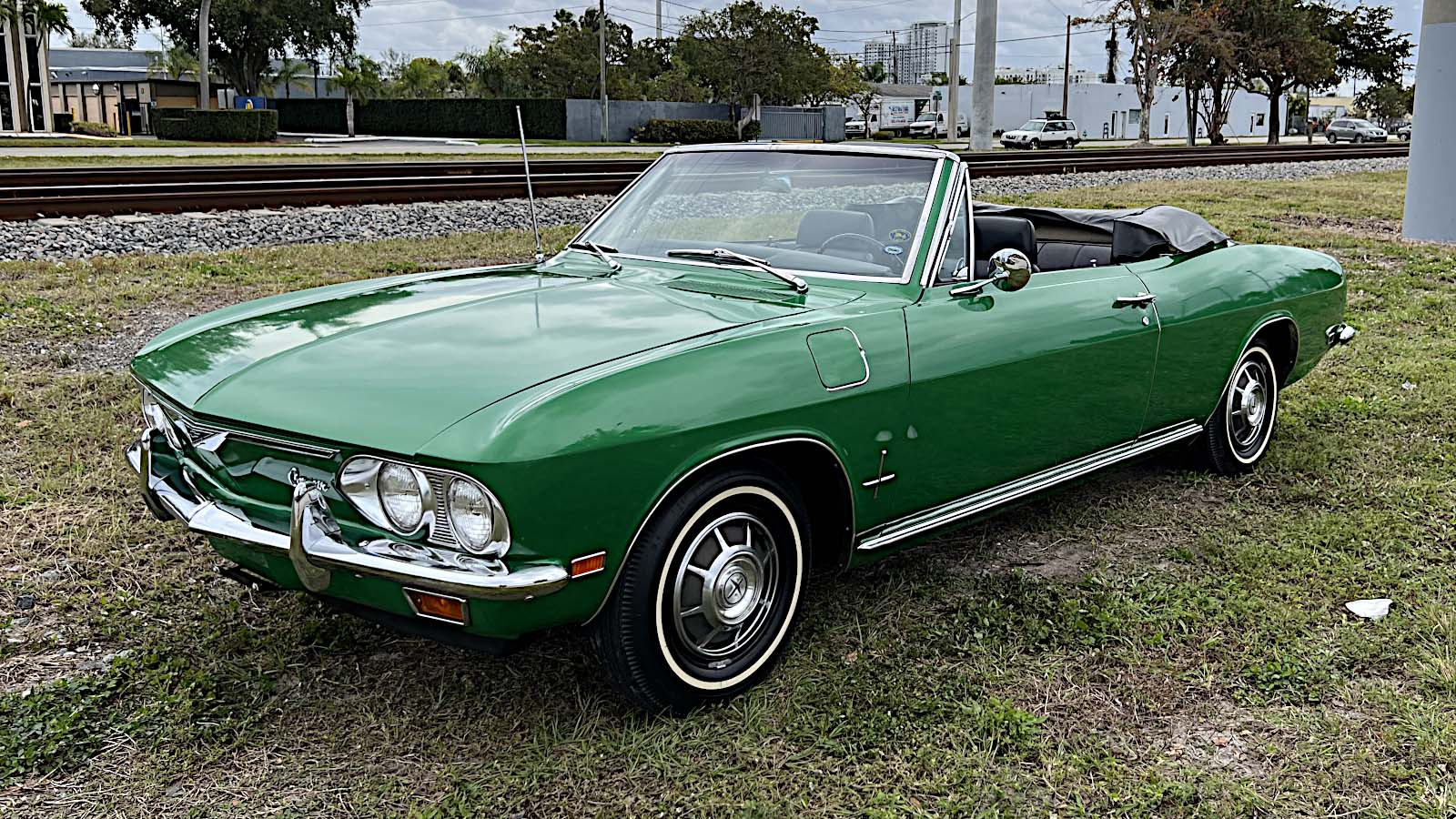
16. 1965 Chevrolet Corvair
Although it retained the unusual engine type and location, the Corvair was redesigned in a big way for 1965, with significantly different styling and conventional (meaning non-swing-axle) independent rear suspension.
This time, a convertible body was offered right from the start, though only in the higher-spec Monza and Corsa versions.
The Corsa did not survive to the end of production in 1969, so in that final year all Corvair convertibles were Monzas.
The flat-six engine, now enlarged to 2.7 litres, was offered for the entire run, but the turbocharged version was dropped after 1966.
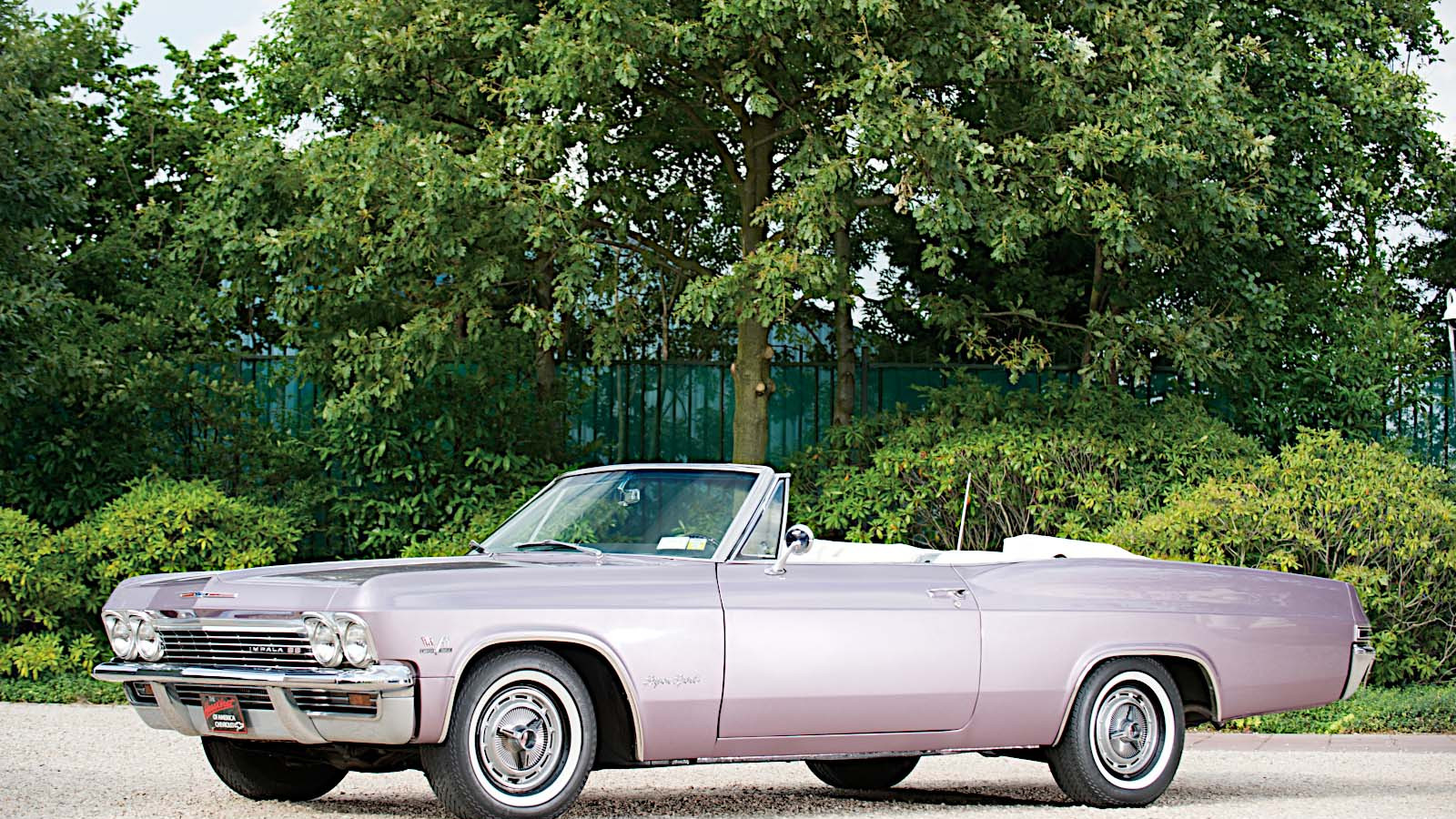
17. 1965 Chevrolet Impala
We return to the Impala story in a year when, like the Corvair, the nameplate entered a new generation, adding for the sake of completeness that there had also been drop-top versions earlier in the 1960s.
This time, there were regular and Super Sport (pictured) models, the latter having only slightly different exterior and interior details in ’65, and both were available with either a straight-six engine or a V8.
At just under 18ft (c5.4m), Impalas of this period were long cars, and the convertibles gave the impression of being even longer, because with the roof down almost nothing apart from the windscreen and its surround was above the body line.
Extremely successful in the first few years of its run, the Impala was updated on an annual basis, but was not replaced until 1971.
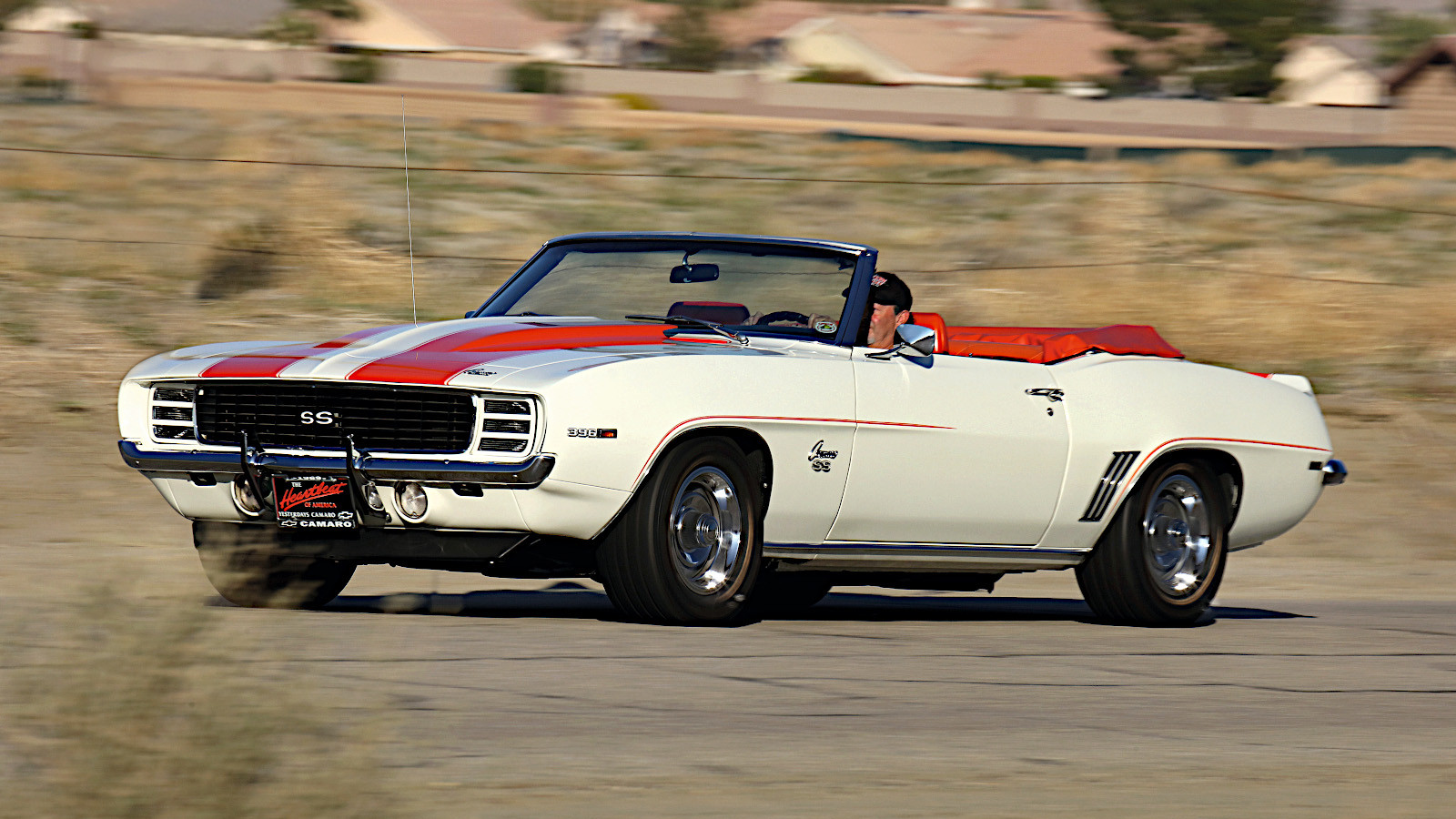
18. 1967 Chevrolet Camaro
Establishing a nameplate which lasted for nearly six decades, the first Camaro made its debut in the 1967 model year, and was available right from the start as both a coupe and a drop-top.
Roof arrangements apart, there was no mechanical difference between the two, both being available with engines ranging from a 3.8-litre straight-six to a 6.5-litre V8 (fitted to the 1969 SS 396 Indy Pace Car edition shown here).
There was also a wide choice both of gearboxes and of final drive ratios, the latter being classified as Standard, Economy, Performance and Special.
Inevitably, the extra strengthening required for a roofless bodyshell had a major effect, a six-cylinder convertible being significantly heavier than a V8 coupe.
19. 1968 Chevrolet Corvette
The third Chevrolet Corvette, like the second, was only ever available with a V8 engine, the options in the ’68 model year being the 5.4-litre, small-block Turbo-Fire and the 7-litre, big-block Turbo-Jet.
The convertible was offered as standard with either a foldaway roof or a hardtop (with, for the first time in Corvette history, a glass window), but at extra cost a customer could order both of them.
In a major contrast to the Camaro situation, the Corvette coupe (which had a removable top panel rather than the Camaro’s solid roof) was almost exactly the same weight as the drop-top, the latter being only 10lb (4.5kg) heavier.
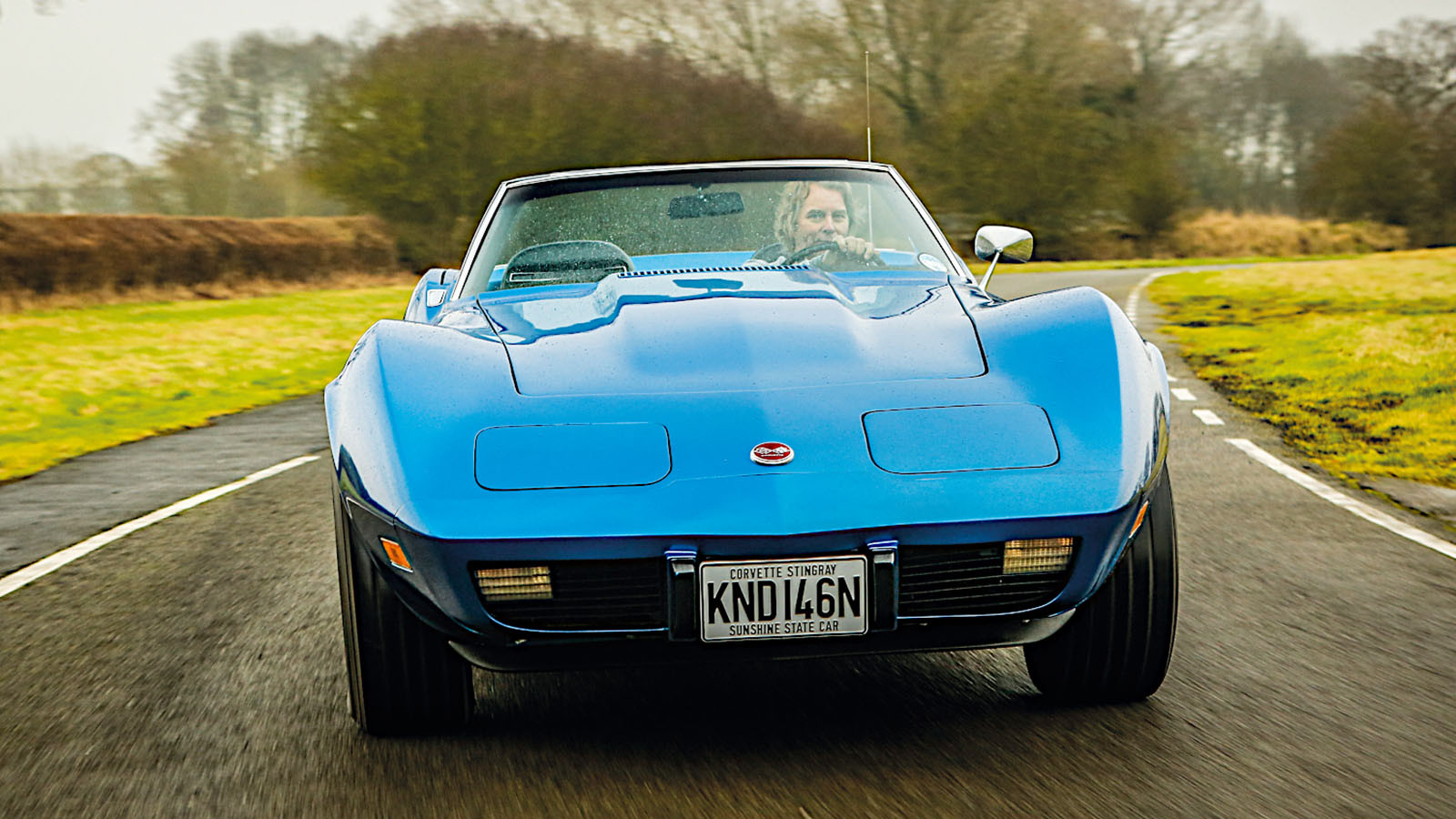
This generation lasted longer than any other, remaining in production until 1982, but the convertible was no longer as popular as it had once been, and Chevrolet stopped building it after July 1975.
20. 1986 Chevrolet Corvette
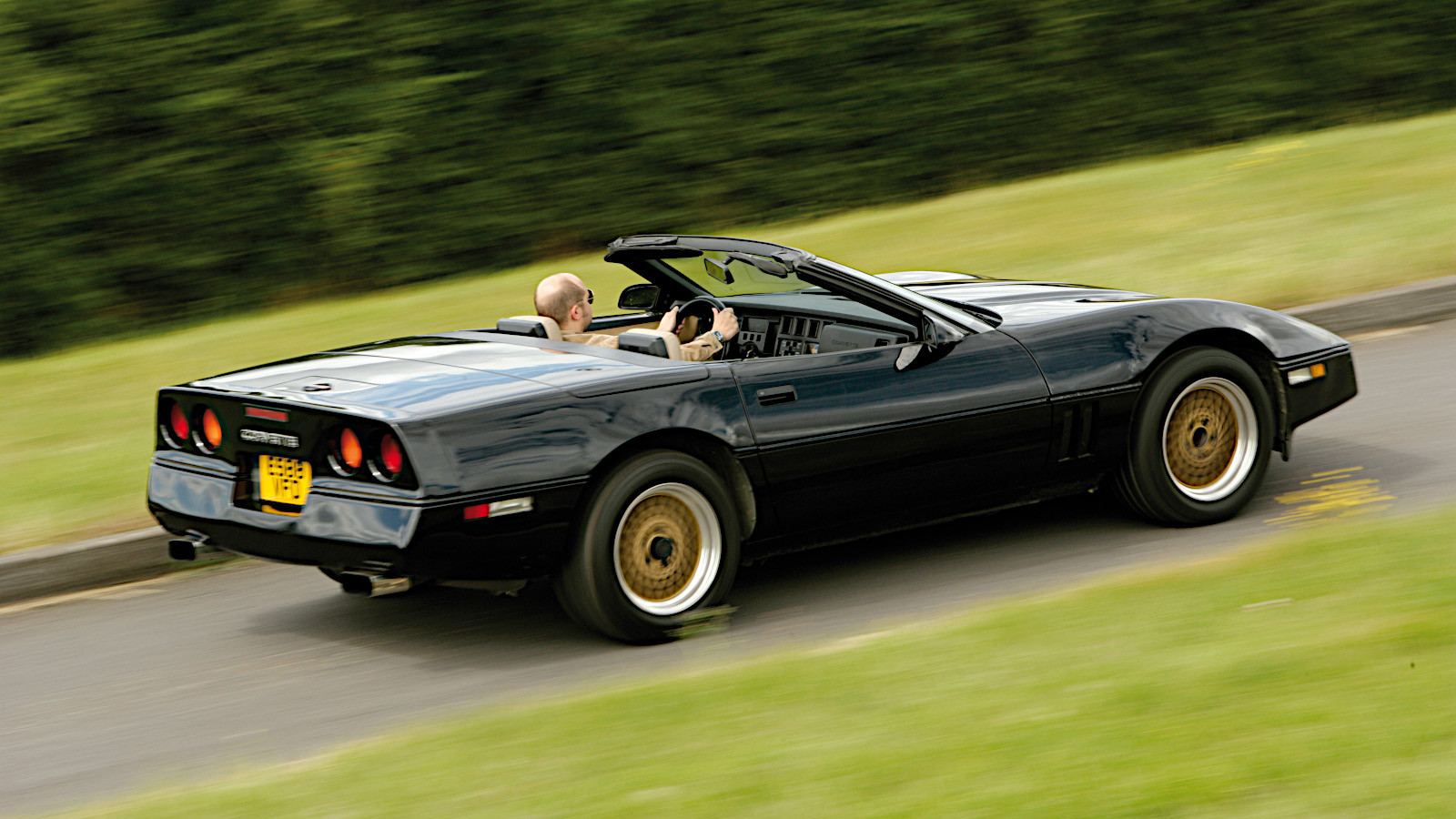
According to GM, the fourth Corvette was introduced in March 1983 (other sources suggest this happened in January) but it was designated as a 1984 model year car.
At first, and following the policy introduced in mid-1975, it was sold only as a coupe, but a drop-top was added during 1986.
All Corvettes of this generation were powered by a 5.7-litre, small-block V8, though the states of tune varied considerably.
In 1996, the car’s final year, Chevrolet released customer-profile information which showed that the average Corvette convertible customer was slightly older than their coupe counterpart (44 years to 43), less likely to be married (62% to 64%), somewhat more likely to be a college graduate (63% to 59%) and significantly richer (annual income $100,000 to $85,000).
21. 1987 Chevrolet Camaro
After deleting the convertible option for the Camaro in 1969, Chevrolet did not return to it for more than a decade and a half.
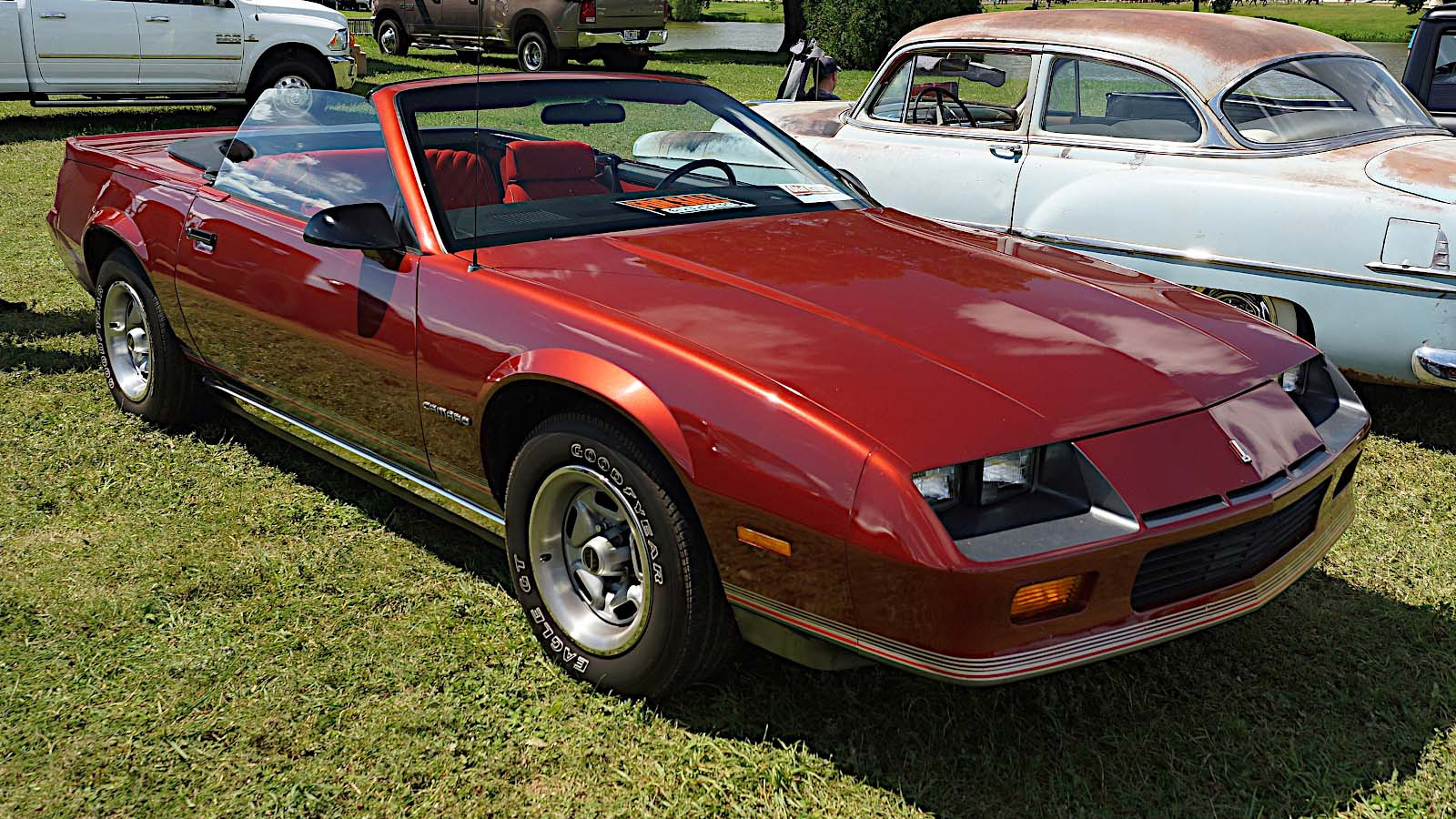
The third Camaro was introduced in 1982, and five years later a drop-top was added to the range, though Chevrolet was not completely responsible for it.
Complete cars – with either the 2.8-litre V6 or a much larger V8, but in every case a T-top rather than a full-roofed coupe – left the factory and were sent to ASC in Michigan for conversion.
Convertibles attracted only a small proportion of Camaro customers during this period, but they were still available up to the point where the generation came to an end in 1992.
22. 1994 Chevrolet Camaro
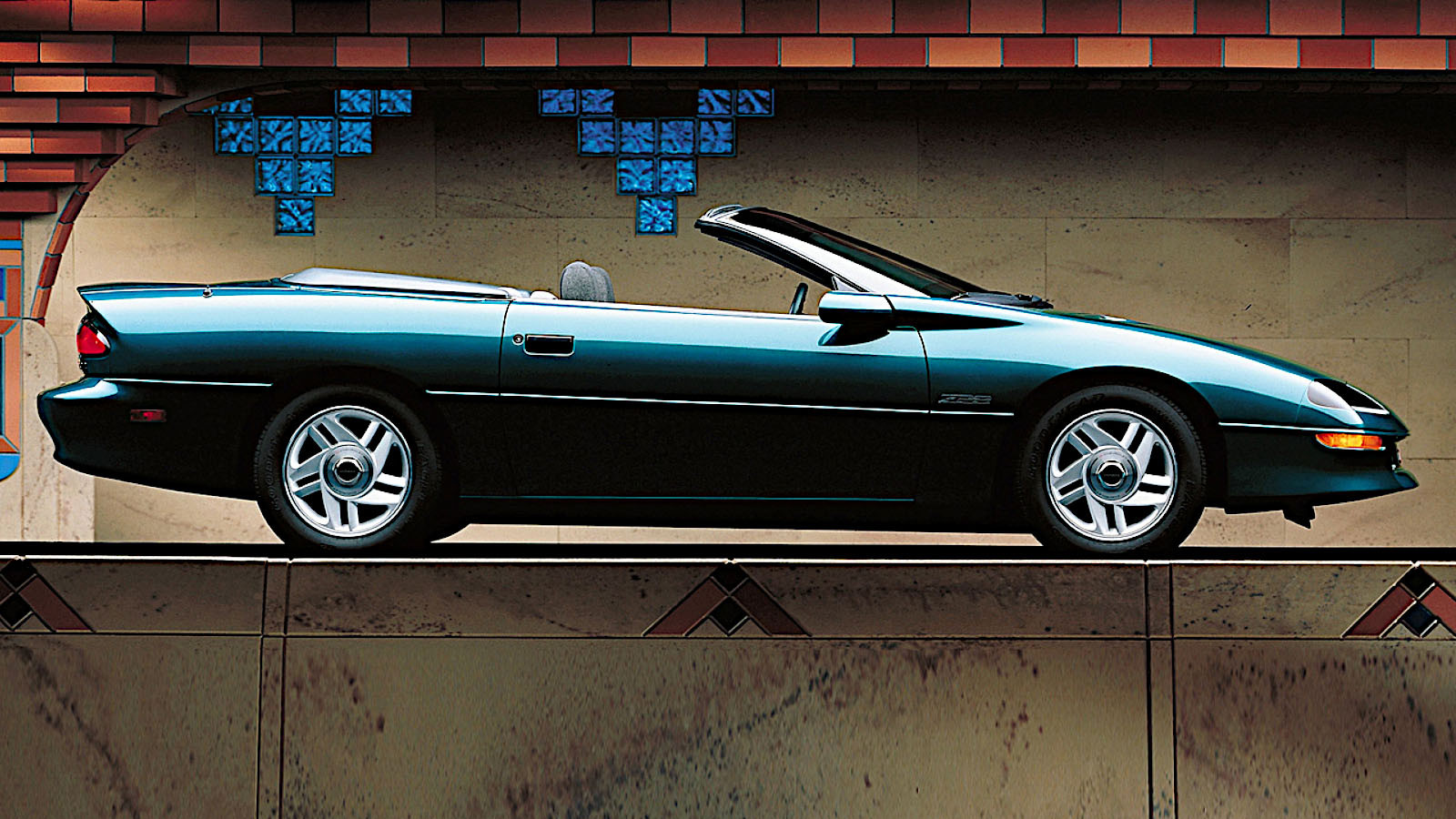
The fourth Camaro, and by far the one with the most rounded body, made its debut as a coupe only in 1993, but a convertible (described in the brochure as ‘the coolest Camaro ever’) was added to the range the following year.
Engine choice was limited to a 3.4-litre V6 and a 5.7-litre V8, with a five-speed manual gearbox available as standard with the former and a six-speed with the latter, plus the option of a four-speed automatic for both.
The original V6 was replaced by a 3.8-litre, which was the only alternative to the V8 when production came to an end in 2002.
After that there would be no more Camaros until the slightly retro-styled model of 2010 and its 2016 successor, both of which were sold both as coupes and as drop-tops.
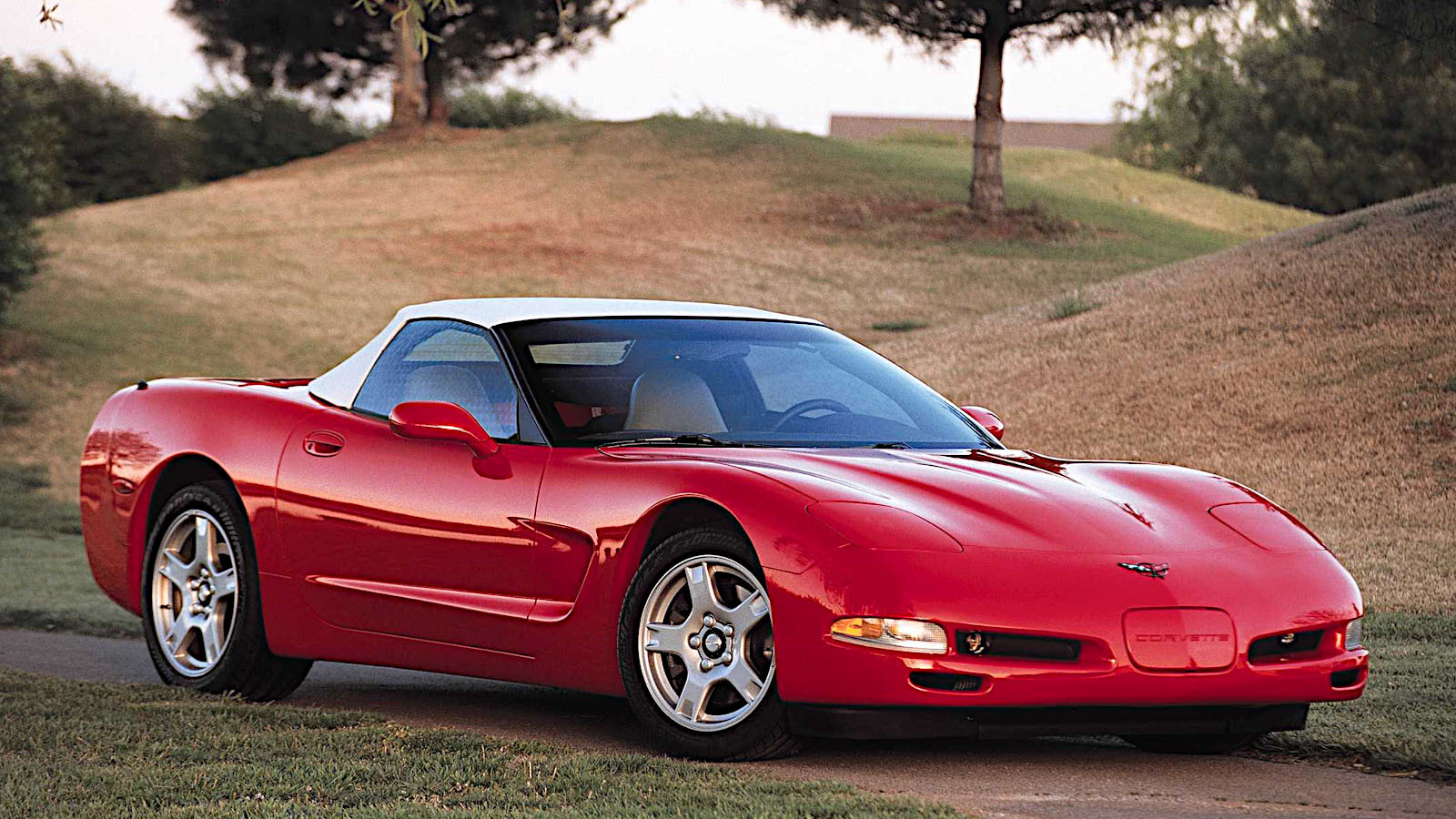
23. 1998 Chevrolet Corvette
In a similar situation to that of the Camaro, the last Corvette of the 20th century was introduced in the 1997 model year as a coupe only, but a convertible soon followed.
The latter was described as the ‘feature vehicle’ and the former as the ‘focus vehicle’, meaning that the convertible was there to attract customer attention but was not expected to sell in such high numbers as the coupe.
Throughout the model’s life, the only engine was a 5.7-litre V8 (though different power outputs were available), while a four-speed Hydra-Matic automatic transmission was standard and a six-speed manual was an optional extra.
Production ended in 2004, but the Corvette which followed this one was described by GM as a ‘comprehensive upgrade’, rather than a completely new car.