
All right
Today, only around one third of the world’s motoring population drives on the left.
Which means that if you’re travelling in Britain, Australia, Ireland, Cyprus or Japan, for example, you’ll most likely be piloting a right-hand-drive car.
And while a majority of modern cars are designed to cater for all markets, so can have their steering wheels on either the left or the right, just occasionally certain models end up as ‘exclusives’ for RHD markets, as shown in this alphabetical list of 23 examples.
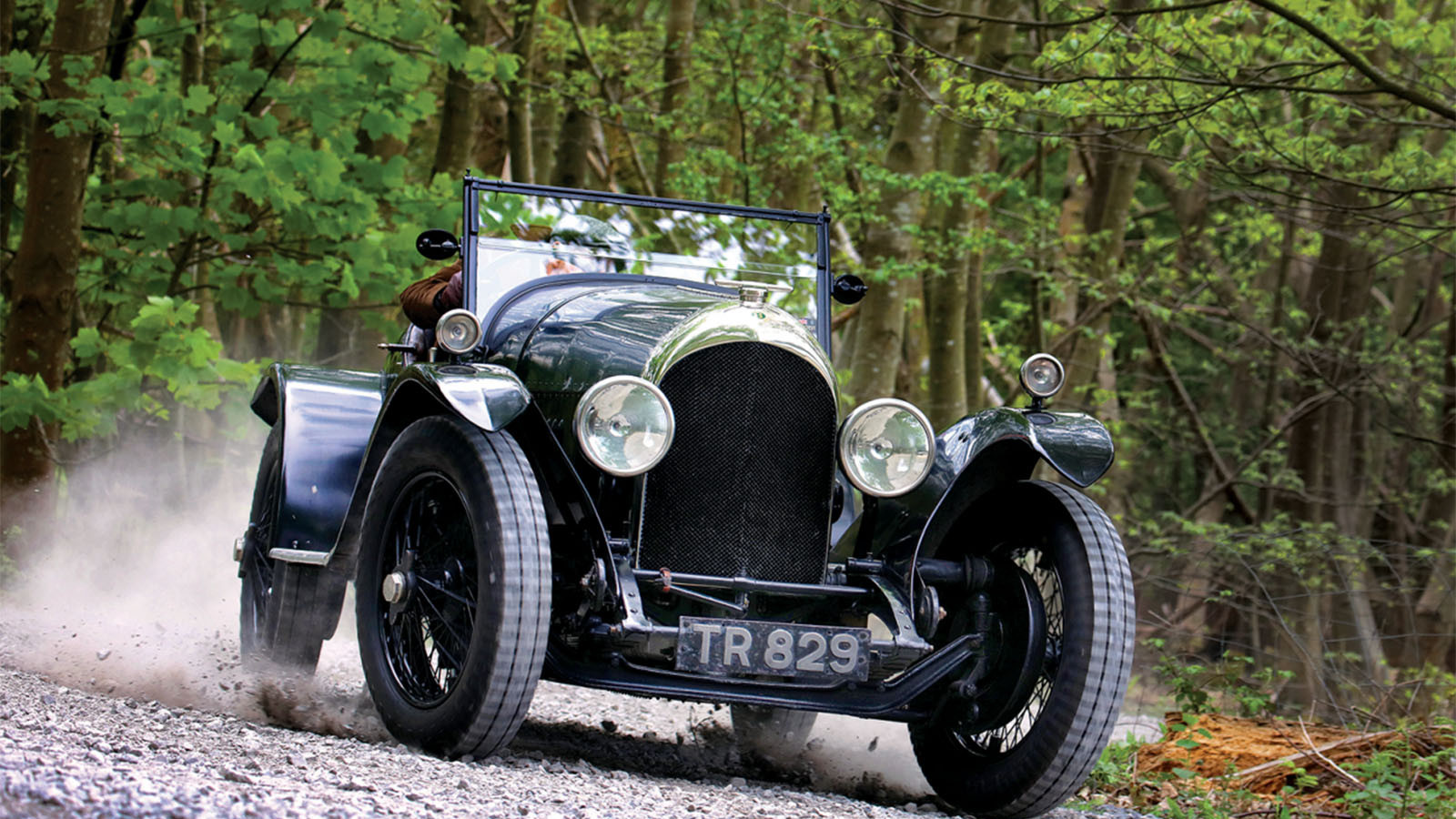
1. 1921 Bentley 3 Litre
Bentley Motors’ foundations were built around its 3 Litre model, which first went into production two years after WO Bentley founded his eponymous company in 1919.
The 3 Litre gained global exposure through its much-publicised victories in 1924 and 1927 at the 24 Hours of Le Mans, which had become the best place for manufacturers keen to demonstrate the speed and durability of their cars.
While most Bentley 3 Litre sales went to British buyers, interest from overseas markets resulted in many 3 Litre cars being exported, yet all the chassis that left the marque’s Cricklewood factory had their steering columns on the right.
Proof, perhaps, that re-engineering a driving position was far from straightforward, then as now.
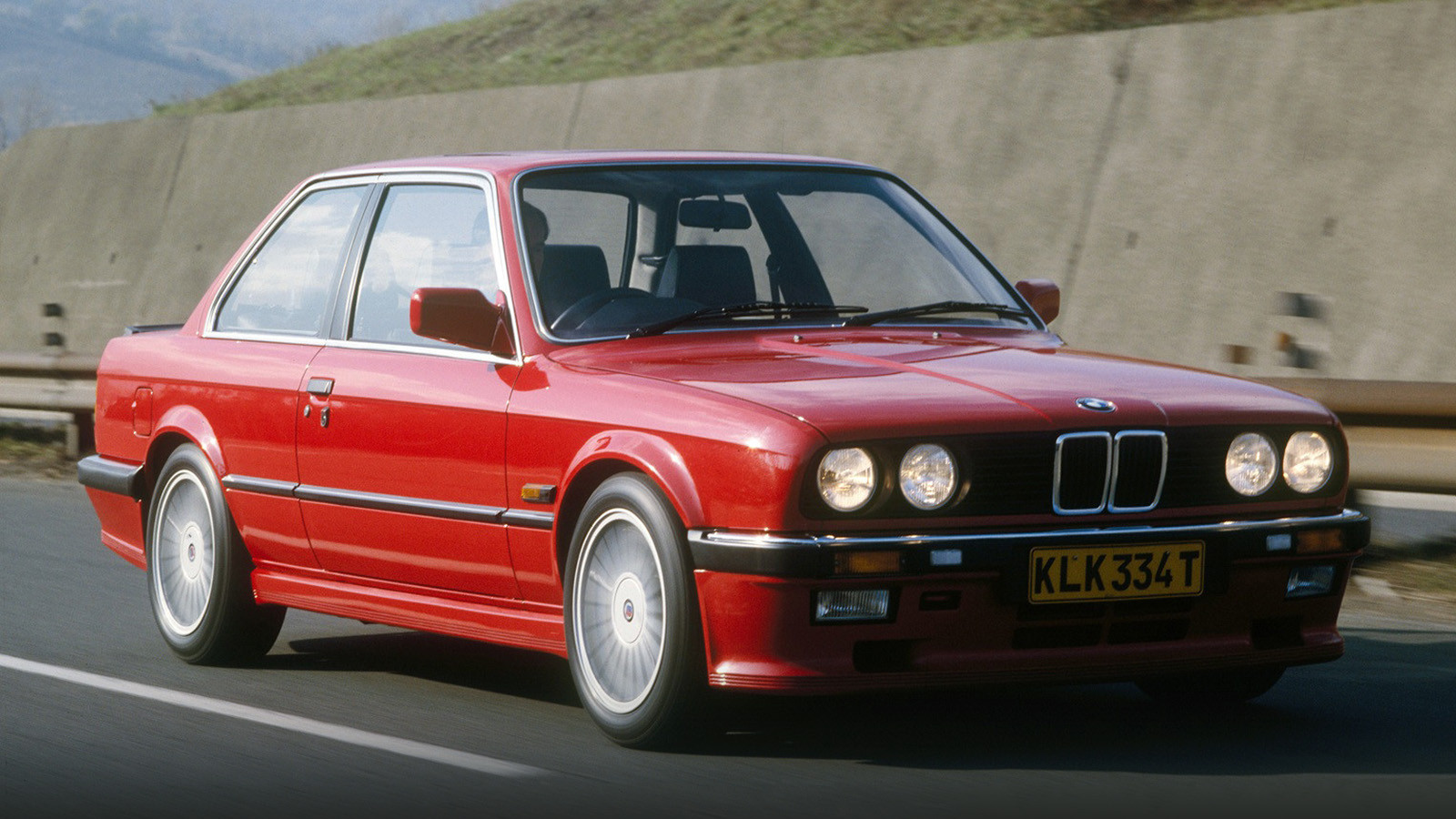
2. 1985 BMW 333i (E30)
BMW’s 333i is the first of a few cars here manufactured solely for the right-hand-drive South African market.
The 333i was based on the 3 Series’ first-generation, E30 model and went on sale in South Africa between 1985 and ’86.
Using the M30 straight-six also seen in the 5, 6 and 7 Series ranges, the 3210cc engine was developed with Alpina and BMW Motorsport, and produced 194bhp at 5000rpm.
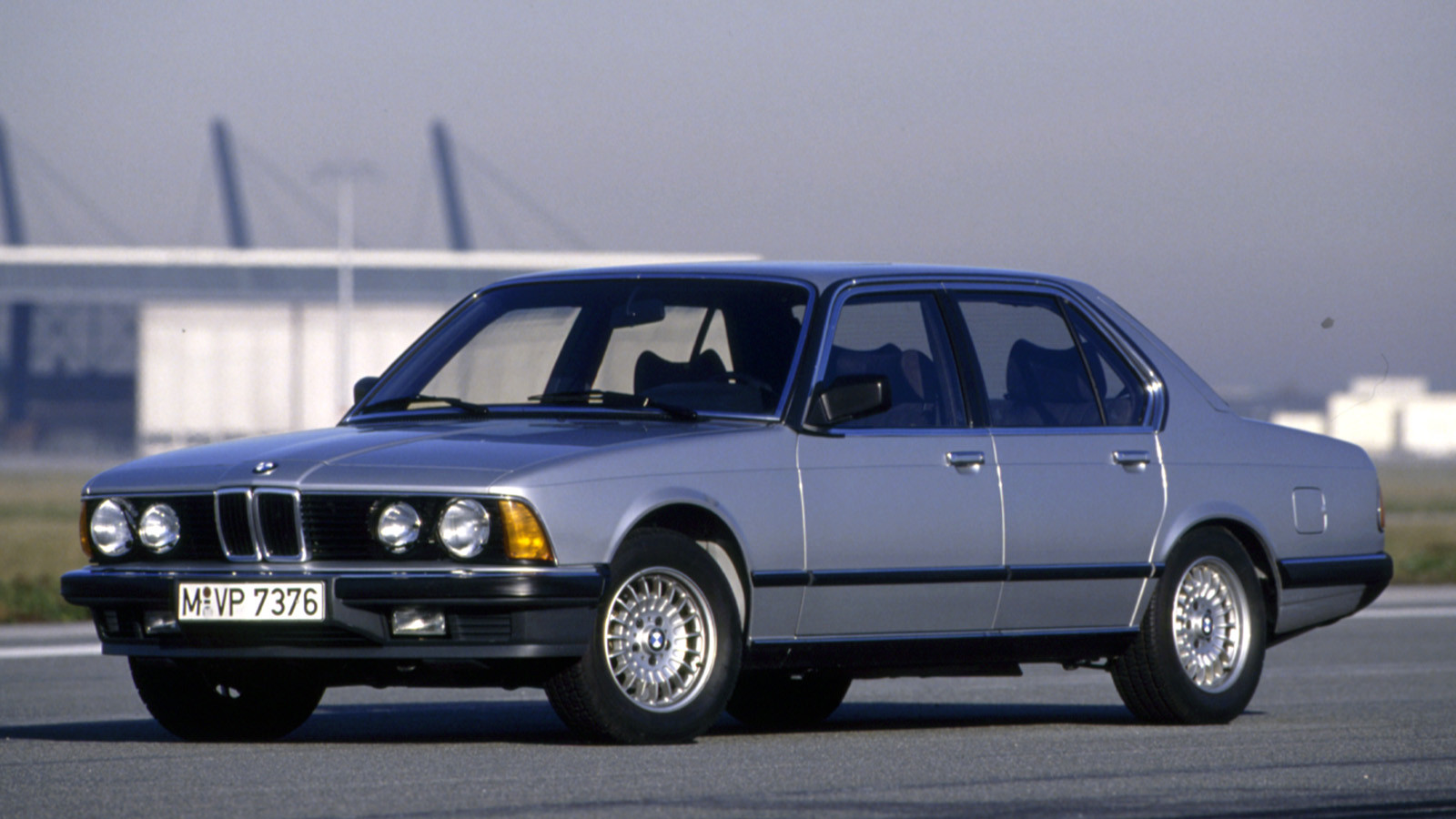
3. 1984 BMW 745i (E23)
Not to be confused with the left-hand-drive-only turbocharged model which used the same moniker, the E23-based 745i sold exclusively in South Africa – and therefore only in RHD – used entirely different mechanicals.
Developed by BMW South Africa, this 745i employed the naturally aspirated, 3.5-litre engine from the BMW M1 sports car, because the blown unit from the European model could not be adapted to suit a RHD application.
Producing 282bhp and capable of 150mph with a manual gearbox, it was, at the time, the fastest production BMW 7 Series in the world.
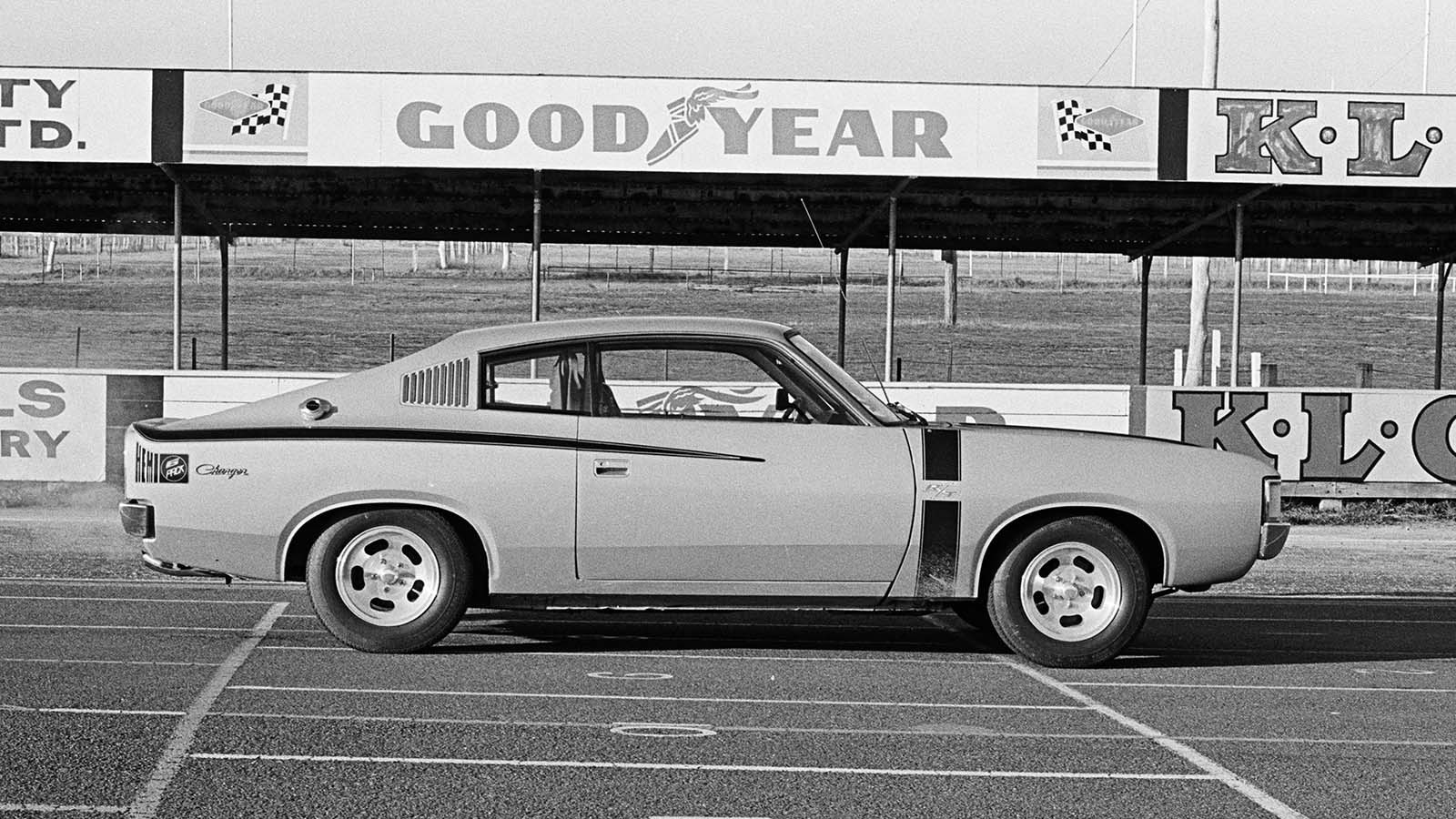
4. 1971 Chrysler Valiant Charger
Produced by Chrysler Australia from 1971-’78, the Valiant Charger in its various guises was a home-market, two-door coupé built only in RHD.
Based on Chrysler USA’s A-body platform, it was widened for the Australian market, permitting the use of larger wheels – and a wide range of powerful engines.
Available with either Chrysler’s Hemi-6 or LA V8 units, engine capacities ranged from 3.5 to 5.6 litres, with maximum power peaking at more than 300bhp.
A hugely popular model, the Charger at one point accounted for 80% of all Valiant sales.
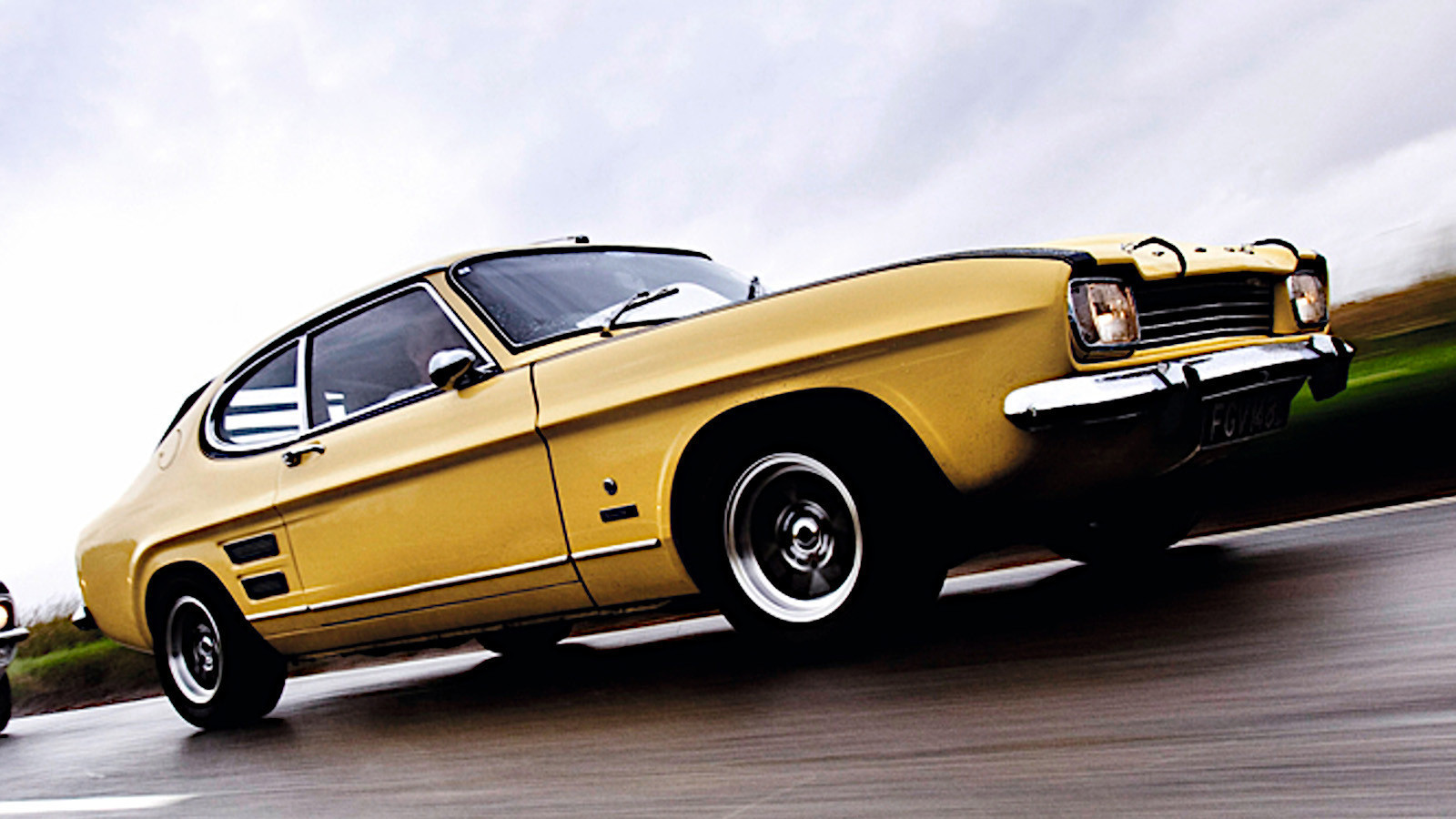
5. Ford Capri Perana
Johannesburg-based Basil Green Motors had effectively become Ford’s in-house tuning company for the South African market.
As part of its series of Ford Perana models, a high-performance version of the first-generation Capri was produced, initially with a V6 engine from 1969, but after Ford started using the Essex unit the following year, it upped the game by installing the marque’s Windsor V8 from the Mustang, driving through either a four-speed manual or three-speed automatic gearbox.
Available in Bright Yellow or Piri Piri Red, in manual guise the Ford Capri Perana could accelerate from 0-60mph in 6.7 secs.
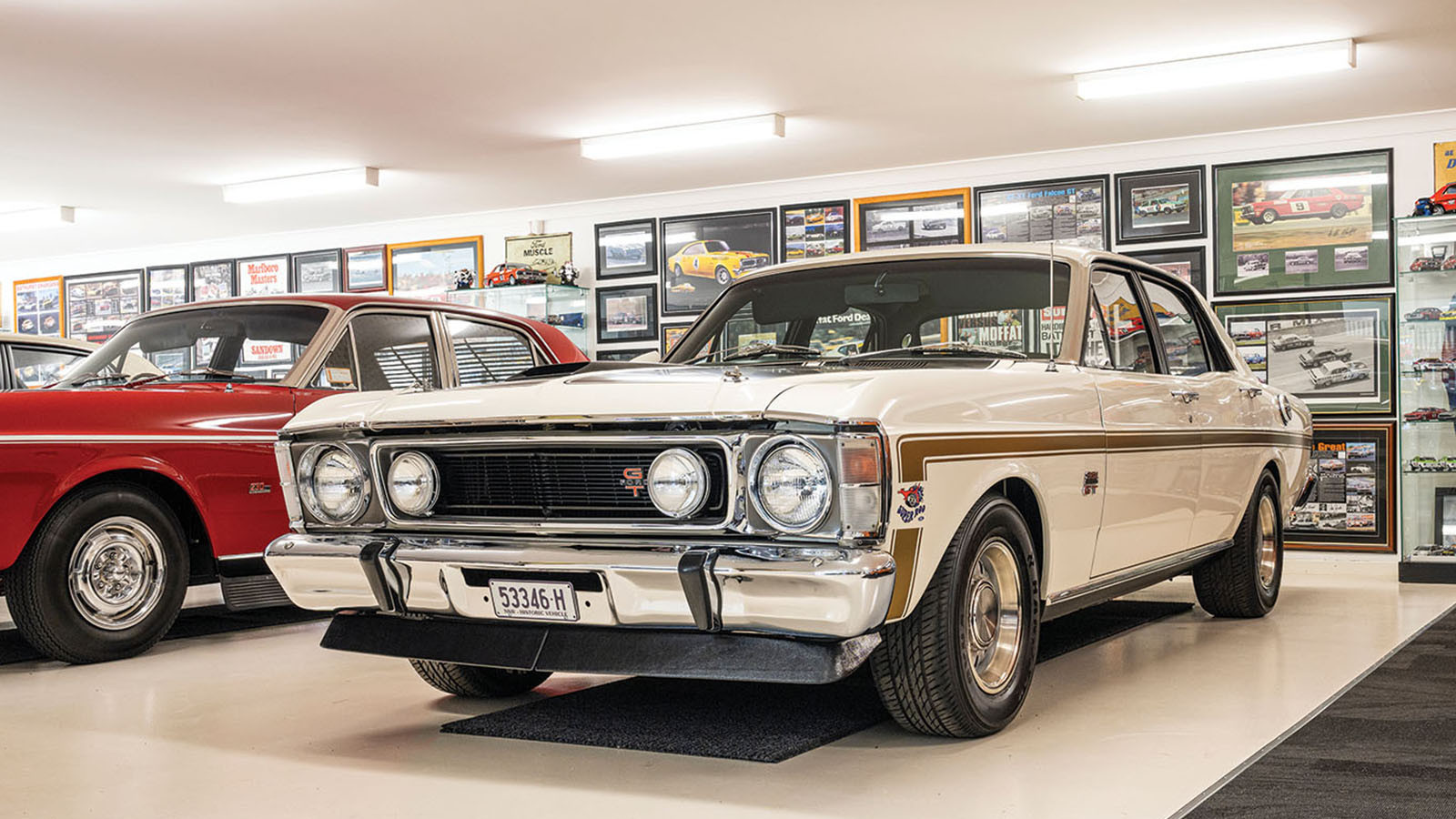
6. 1969 Ford Falcon GT-HO
Two years after Ford Australia launched the Falcon GT, its entry in the Australian Touring Car Championship dictated that the car be homologated for racing.
The first RHD-only production version was the 1969 Falcon GT-HO (for ‘Handling Option’) with upgrades to its powertrain, brakes and suspension. In XW guise, the car was powered by an uprated Ford Windsor V8.
But in 1971, the XY version brought a switch to 5.7-litre Ford Cleveland V8 power, rated at 300bhp (but believed to produce considerably more), mated to a four-speed ‘Top Loader’ transmission and Detroit Locker differential.
With a top speed of 157mph, it was claimed to be the fastest production saloon in the world.
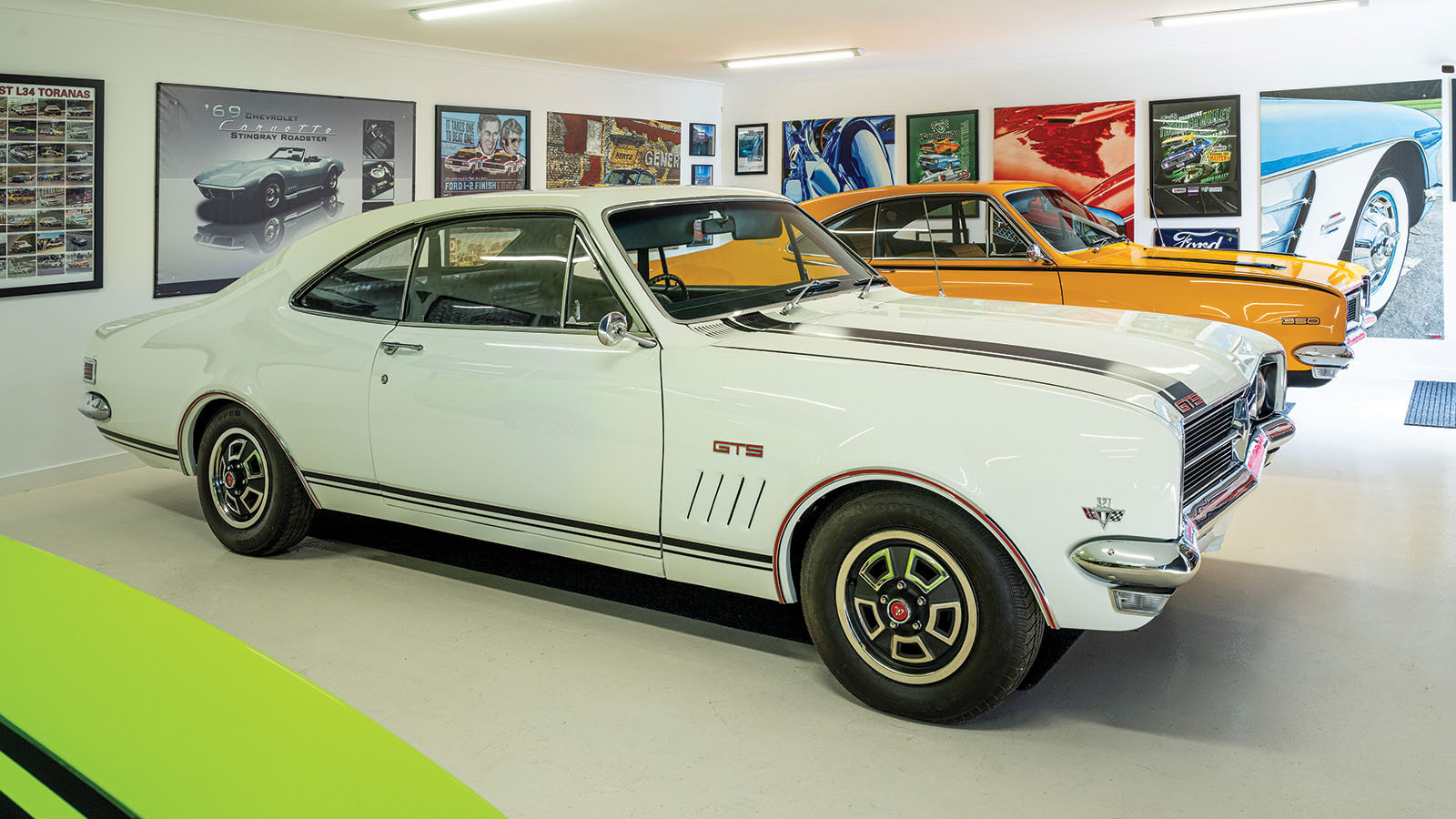
7. 1968 Holden Monaro GTS
The Ford vs Holden battle was a perennial feature of the Australian racing scene, so when the latter introduced its HK Monaro GTS in 1968, a hardcore GTS wasn’t far behind.
On sale from 1968-’69, the standard GTS was equipped with a 3050cc straight-six, a 5-litre Chevrolet V8 being optional.
But the GTS 327 – which eventually took third place in the 1969 Australian Touring Car Championship – upped the ante with a 5.4-litre Chevrolet V8 producing 249bhp, available only with a four-speed manual gearbox.
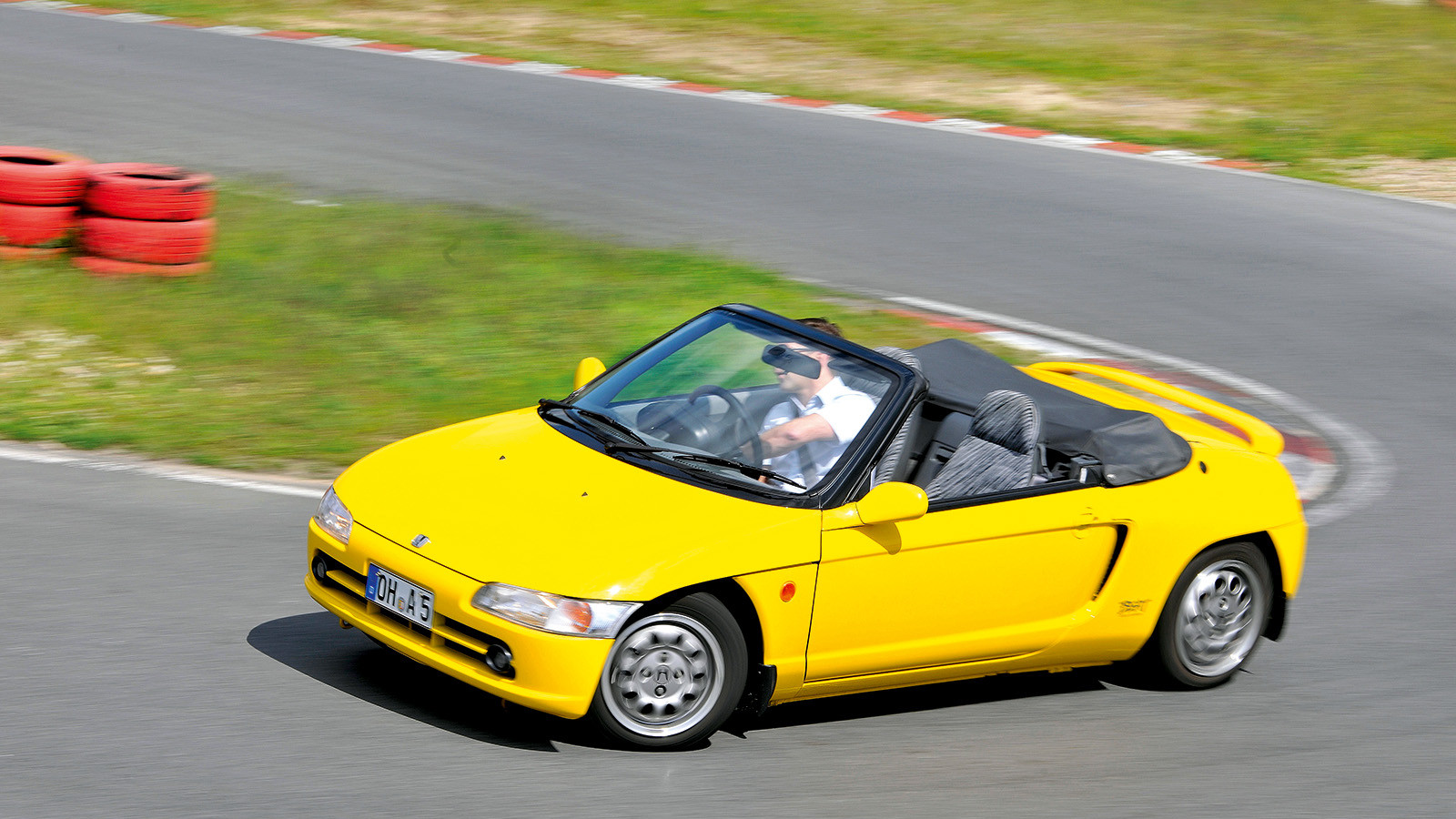
8. 1991 Honda Beat
Created to take advantage of Japan’s kei car tax regulations, the Beat was the last model to be signed off by Soichiro Honda before he died in 1991.
The two-seat roadster’s design originated from Pininfarina’s studios, but was later sold to Honda.
Despite its mid-mounted, three-cylinder engine’s 656cc capacity, the Beat’s meagre 760kg (1676lb) kerbweight meant performance remained peppy.
With 63bhp available at a frenzied 8100rpm, the Beat could hit 84mph.
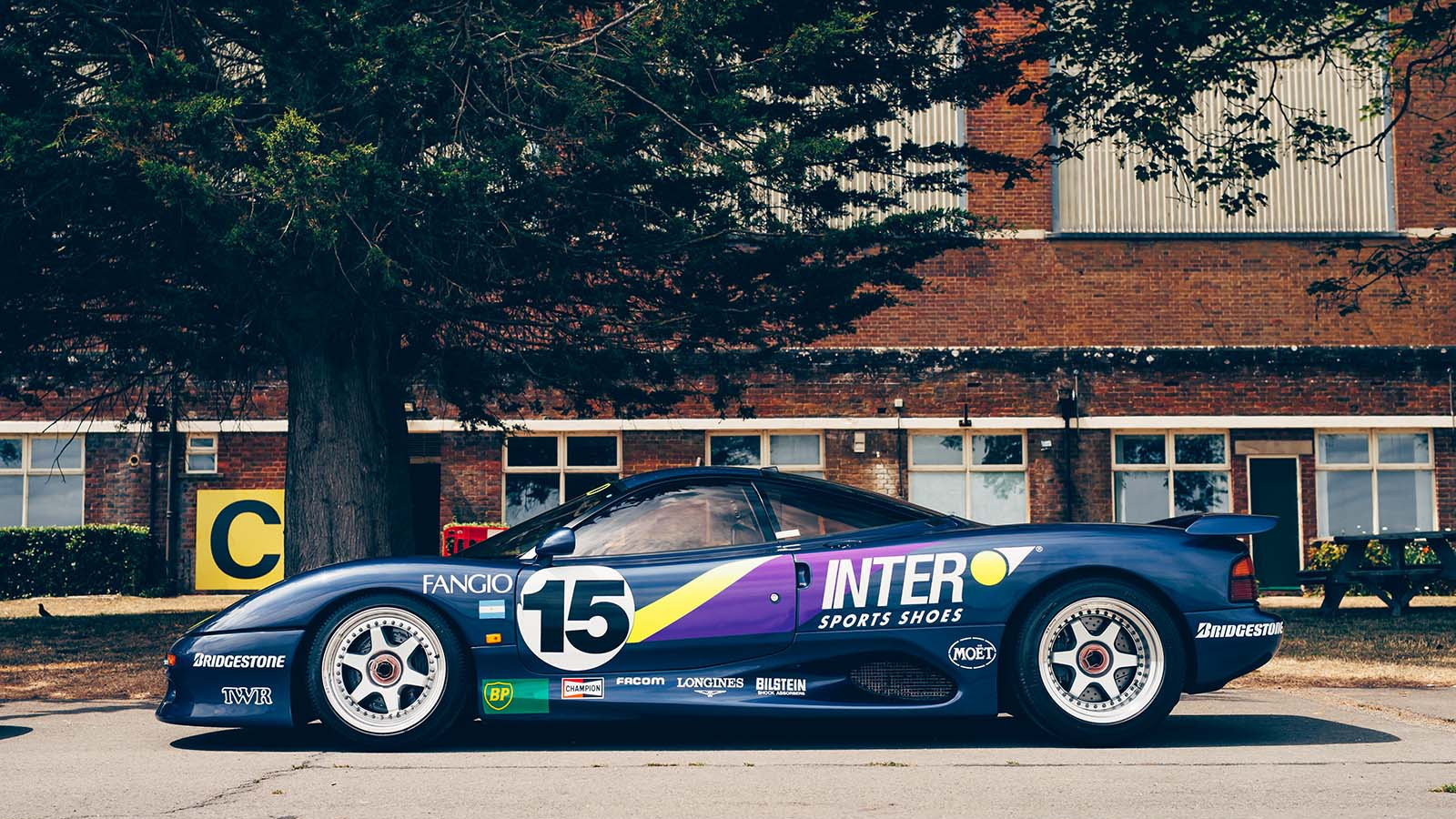
9. 1990 Jaguar XJR-15
While most people connect Jaguar’s XJR-15 with competition, only 16 out of the 50 cars produced were so prepared, with many of the other cars converted to road specification.
Derived from Jaguar’s XJR-8 racing car, and designed by Peter Stevens, the XJR-15 was a harder-core alternative to Jaguar’s XJ220, as well as the world’s first carbonfibre-bodied production car.
Powered by Jaguar’s 6-litre V12, producing a cool 451bhp in road form, the XJR-15 could top 185mph and accelerate from 0-60 in 3.5 secs.
Built from 1990-’92, it cost £500,000.
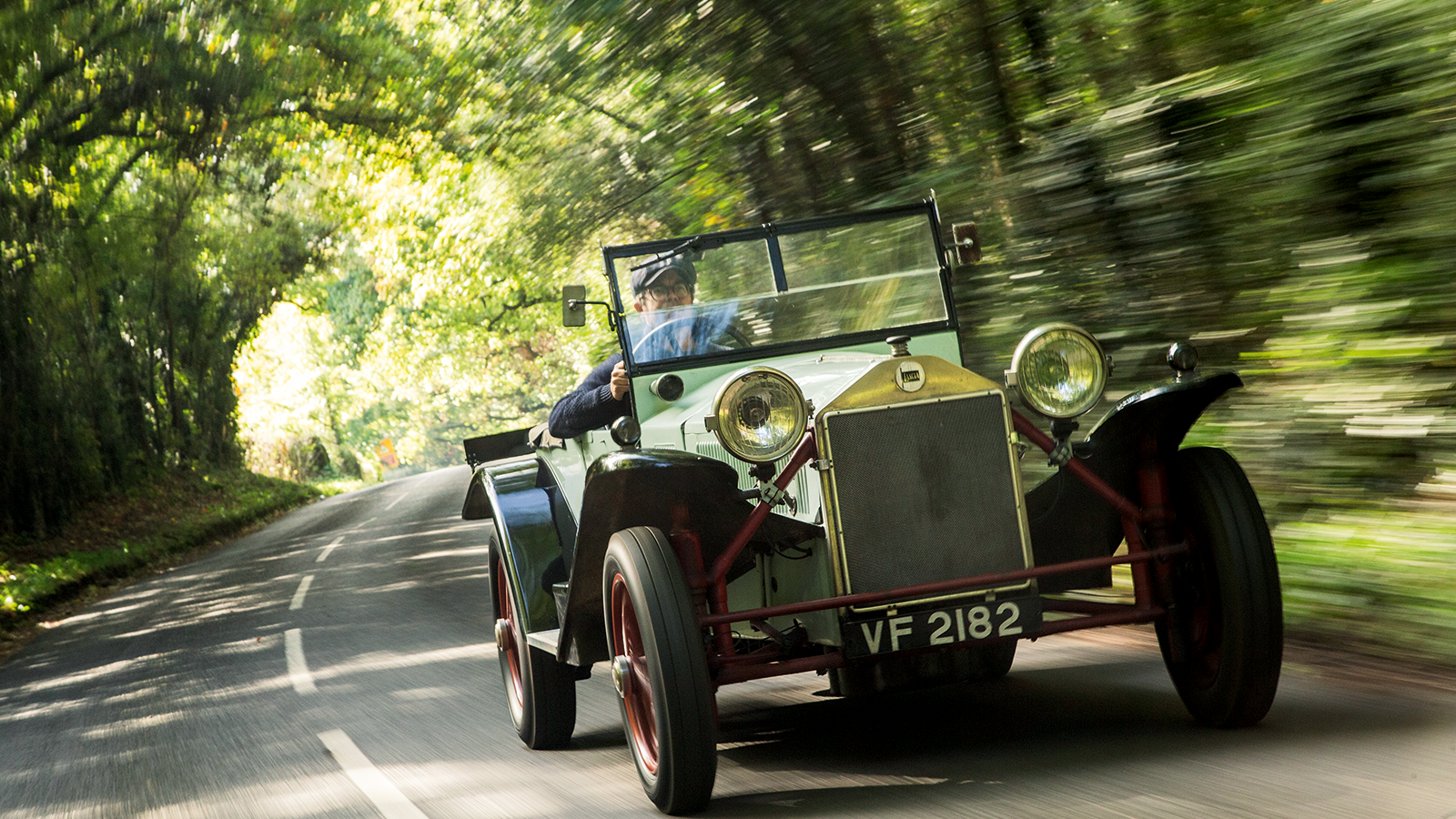
10. 1922 Lancia Lambda
Even though our second vintage entry here, the Lancia Lambda, is clearly Italian, only in its eighth generation was it produced in both left- and right-hand drive.
The first seven generations of Lambda all had their steering wheels on the right, before Italy’s conversion to driving on the right was complete in the mid-1920s (a fourth-series car is pictured, produced from 1924-’25).
Which shouldn’t divert from the fact that the Lambda was a true trendsetter in the automotive industry.
It was one of the first production cars to employ unitary construction and four-wheel braking, and the first to use independent front suspension.
The Lancia Lambda’s advanced, overhead-cam V4 was also a revelation in a market used to sidevalve technology.
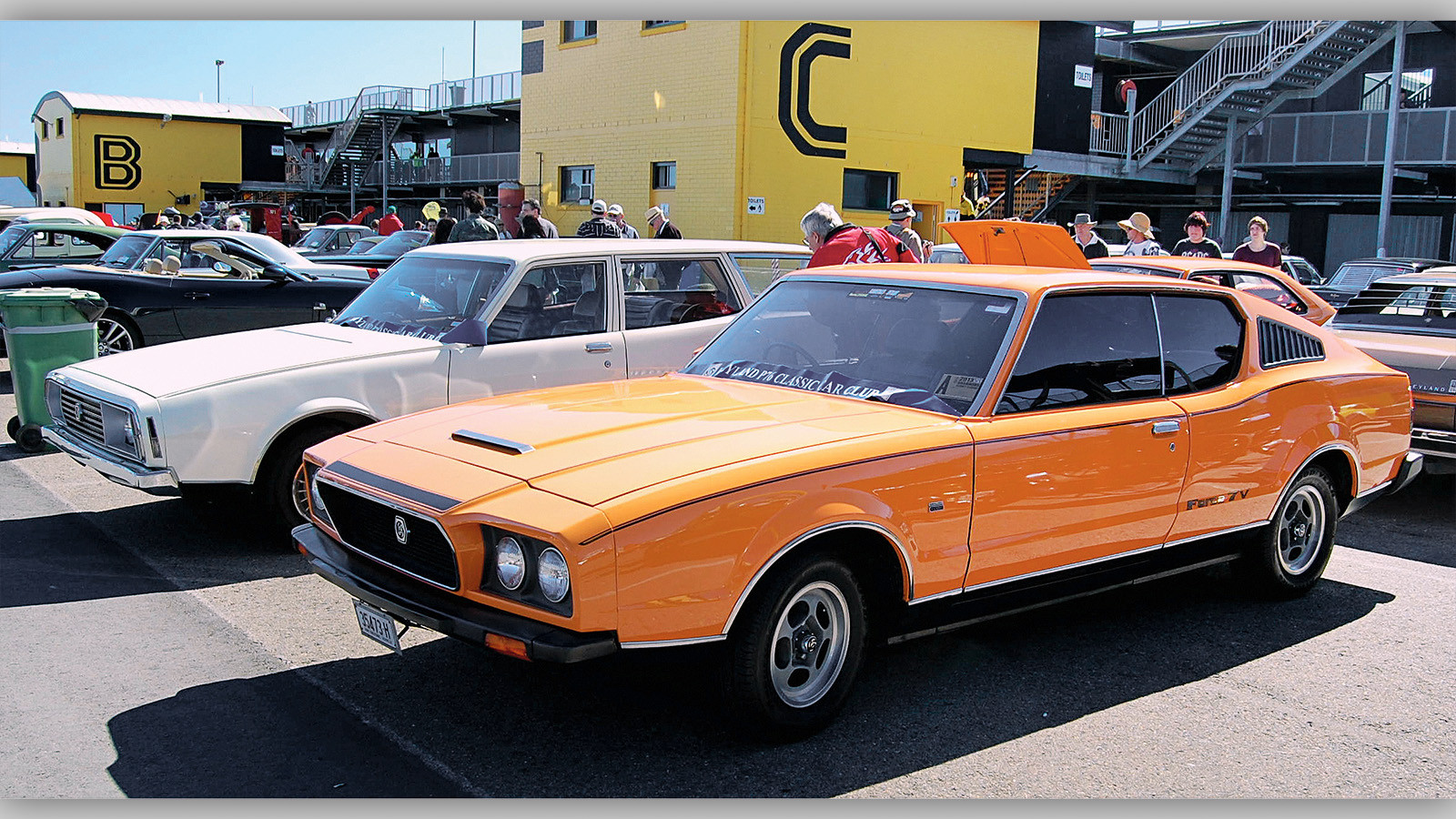
11. 1974 Leyland Force 7
The Force 7 was Leyland Australia’s riposte to those who thought its P76 saloon (see next image) too conservative.
Only available with the P76’s V8, with either an auto or a manual, it was created to take the fight to Holden and Ford in the muscle-car class.
Alas, the P76’s failure in the market took the Force 7 with it. Some 56 cars were built – all RHD, naturally – but were never sold before production ceased.
Most cars were crushed, but one returned to Leyland in the UK where it was presented to BL boss Lord Stokes.
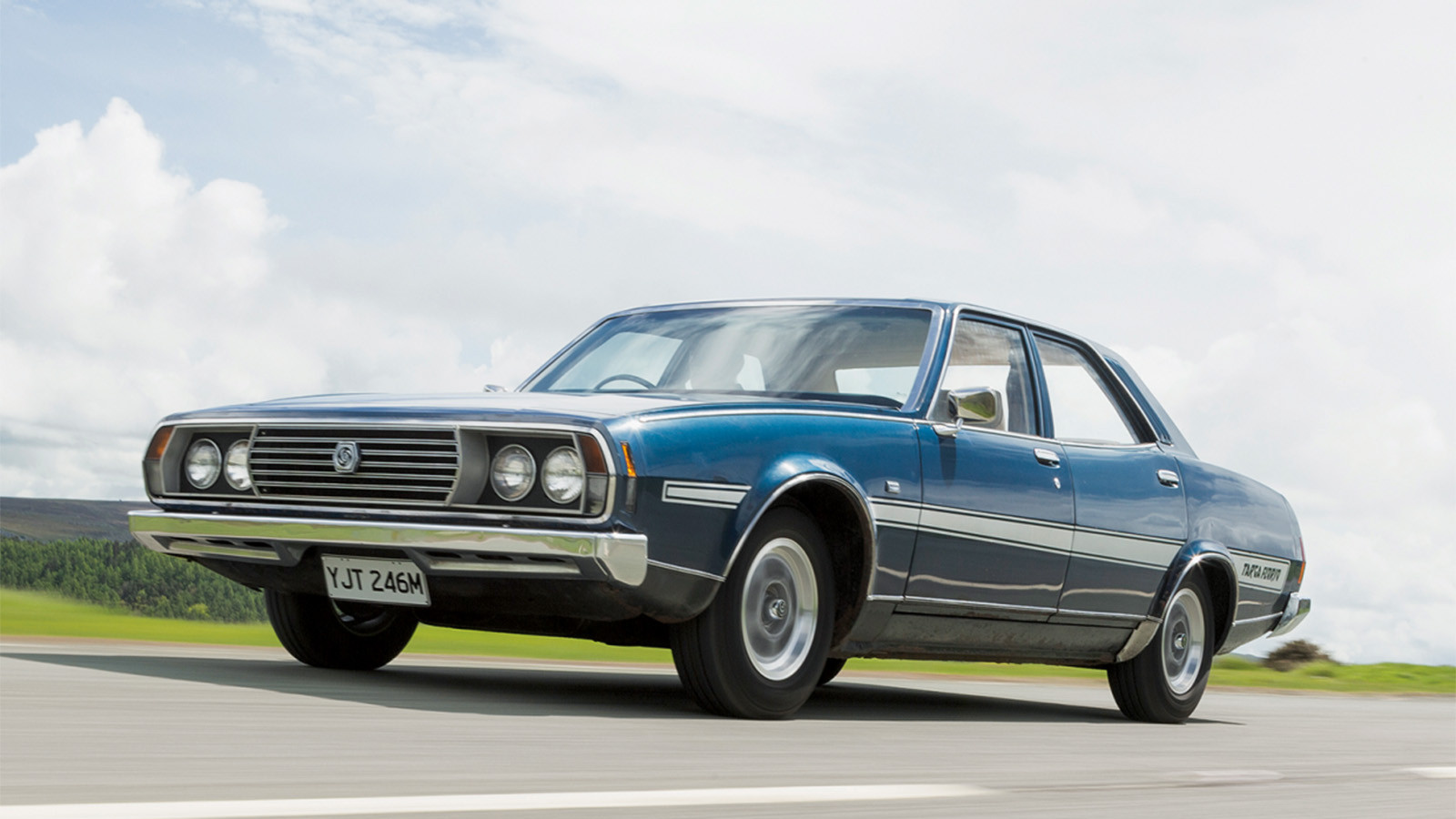
12. 1973 Leyland P76
Leyland Australia’s P76 was a great white hope that rapidly turned into a great white elephant.
Conceived in the early 1970s to take on Australia’s large-saloon market, including Ford’s Falcon and Holden’s Kingswood, the P76 employed conventional technology and a range of straight-six and V8 engines with a choice of manual or automatic transmissions.
Alas, the car’s launch was plagued by quality woes, industrial unrest and a looming fuel crisis, all of which scuppered its chances of success.
While a little more than 18,000 cars were built from 1973, production drew to a halt less than two years later.
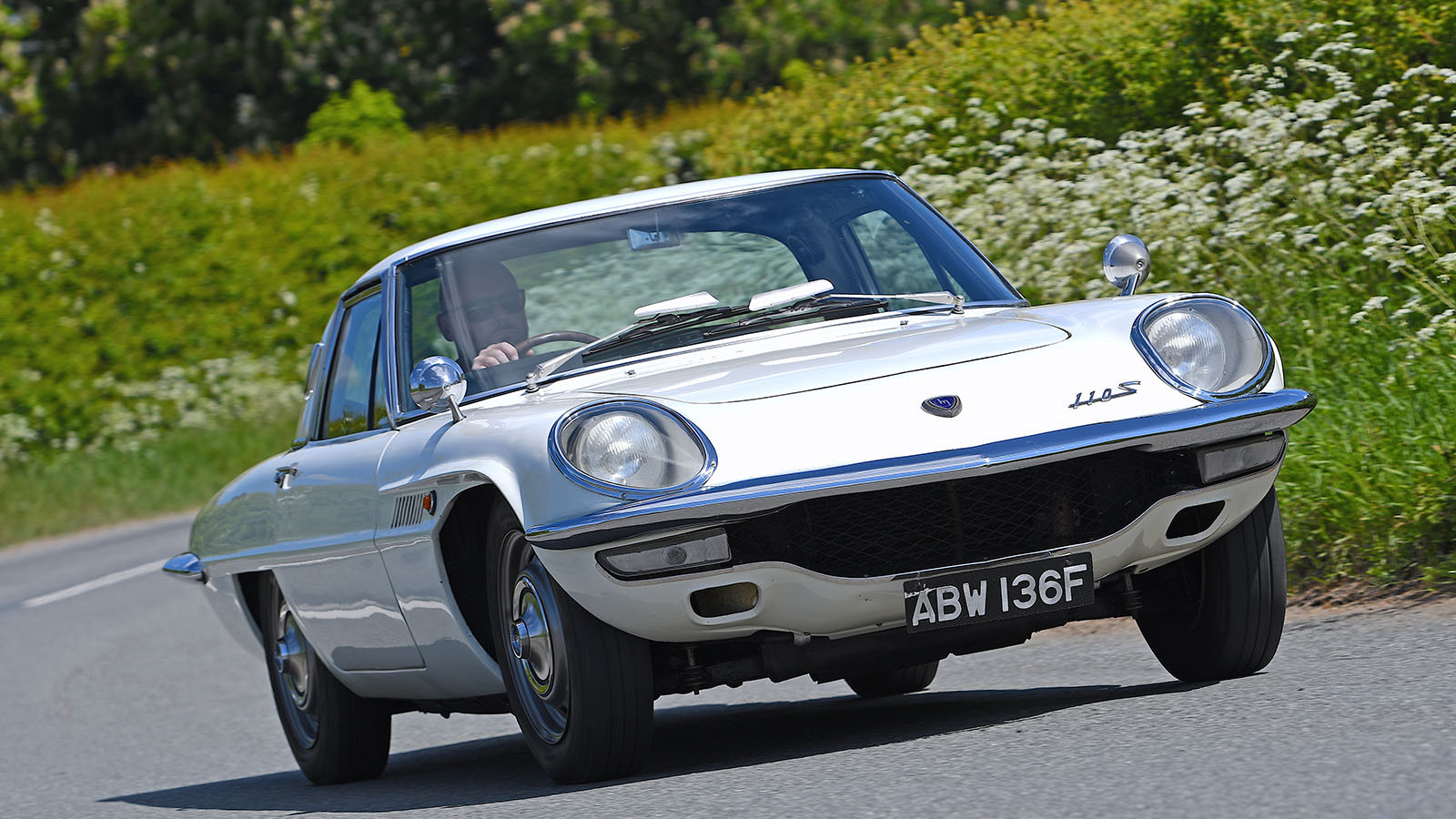
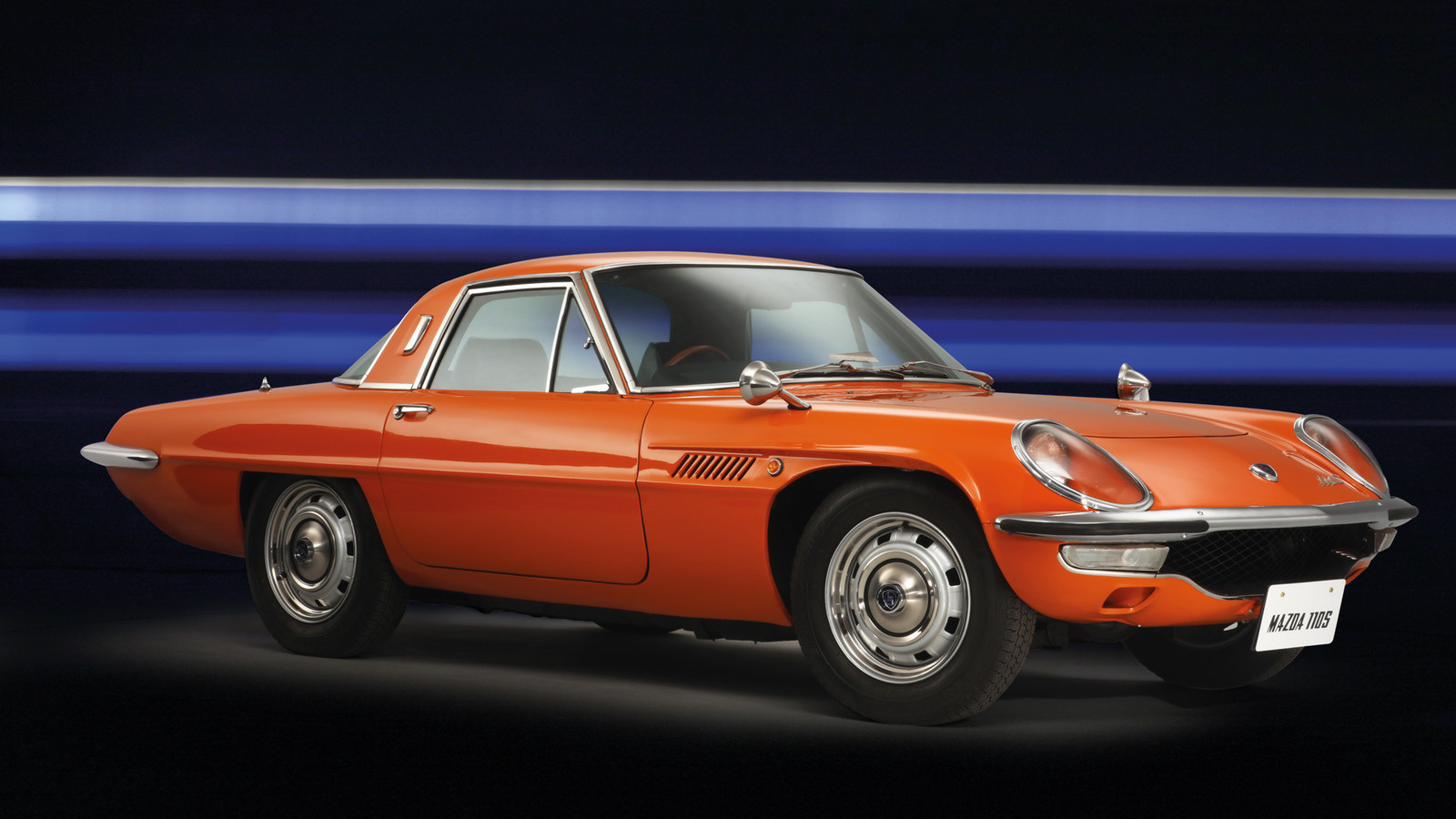
13. 1967 Mazda Cosmo
Launched as a showcase for Mazda’s future technology, the Cosmo was one of the first cars to be powered by a twin-rotor Wankel engine.
This groundbreaking motor displaced 982cc, which fell below Japan’s 1-litre tax bracket, yet still produced c110bhp thanks to its innovative design.
Its chassis was equally advanced, using double-wishbone suspension at the front and a de Dion tube arrangement at the rear.
Performance was impressive, with a top speed of 115mph.
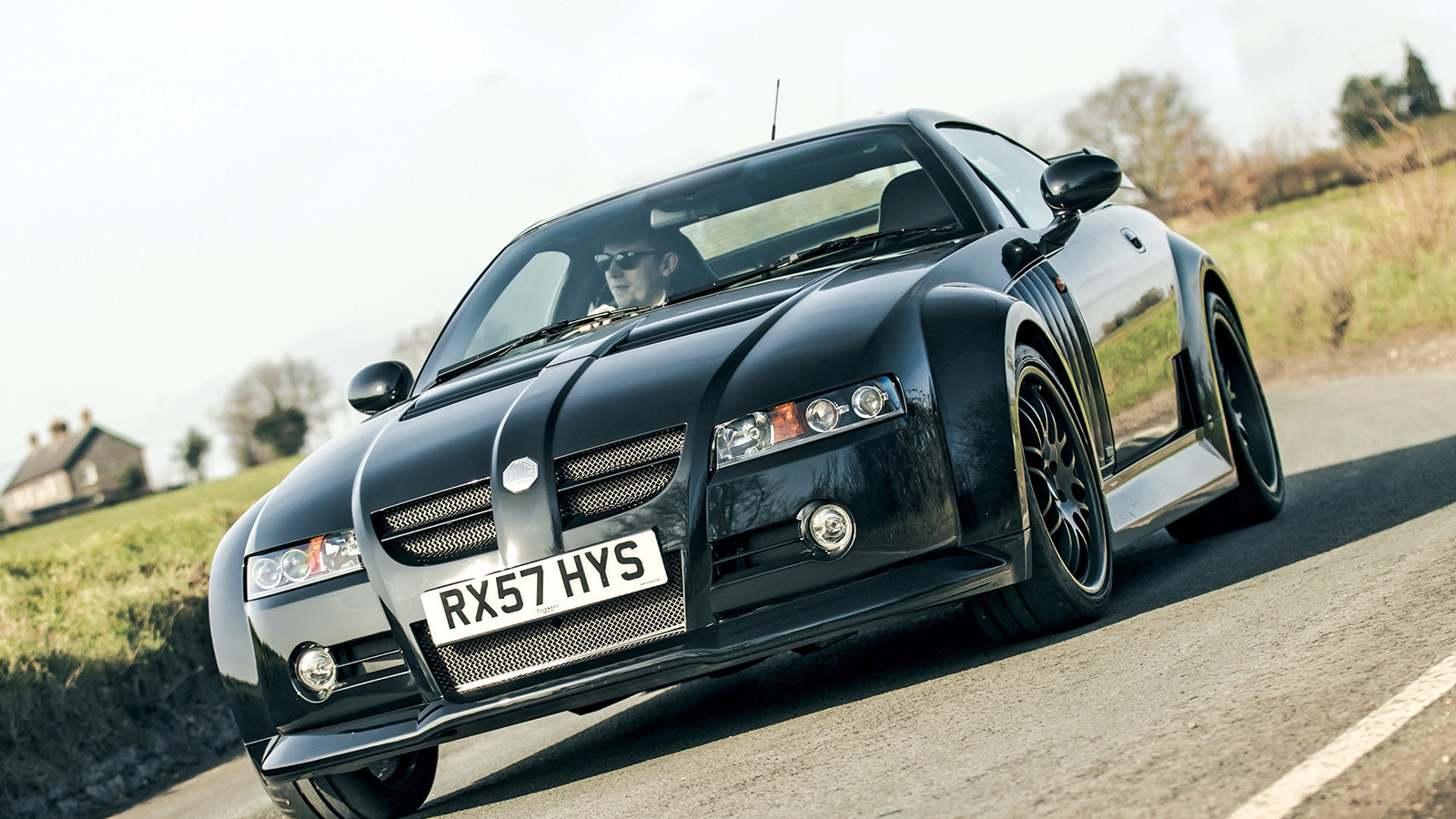
14. 2003 MG X-Power SV Coupé
What started as MG’s plan to raise its profile, using an already homologated Qvale Mangusta sports car as a base, ended as a sad epilogue to a once-great company.
Designer Peter Stevens had been brought in to give the entry-level MG X80 some much-needed sex appeal – powered by the Ford Mustang’s 4.6-litre V8, with performance to match, it ticked all the right boxes.
But the logistics of manufacturing a carbonfibre-bodied car, with assembly split between Italy and Longbridge in the UK, proved too ambitious for what was already an ailing manufacturer.
MG closed its doors in 2005.
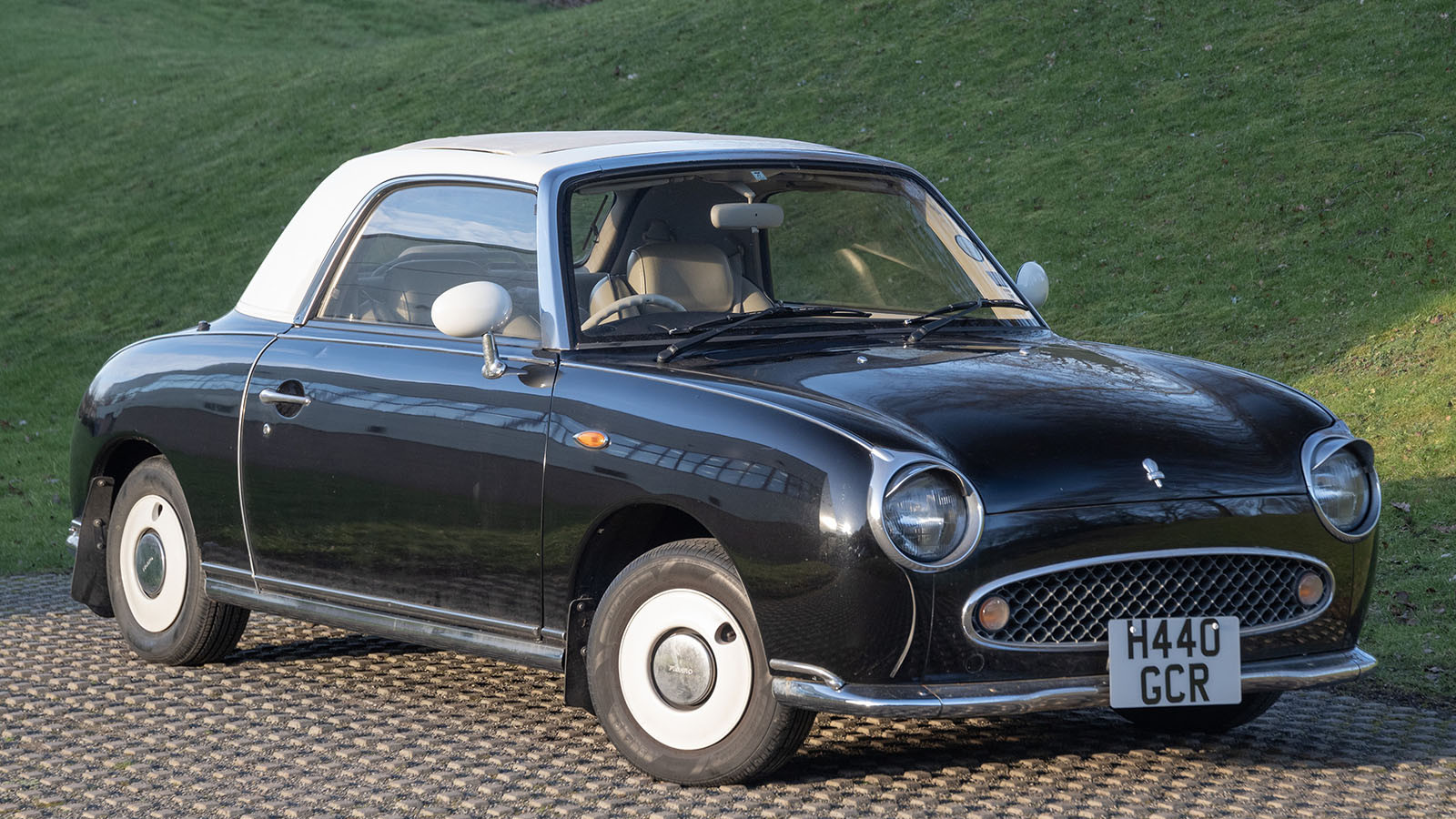
15. 1991 Nissan Figaro
Nissan first revealed the Figaro at the 1989 Tokyo motor show, with the tagline ‘Back to the Future’.
The 2+2 convertible entered production in 1991, based on the first-generation Nissan Micra’s platform and was powered by a turbocharged 987cc ‘four’, producing 75bhp.
In its single year of manufacture, a little more than 20,000 Figaros were produced for the RHD Japanese market.
However, such was its appeal further afield that around 7000 have found their way to the UK as grey imports.
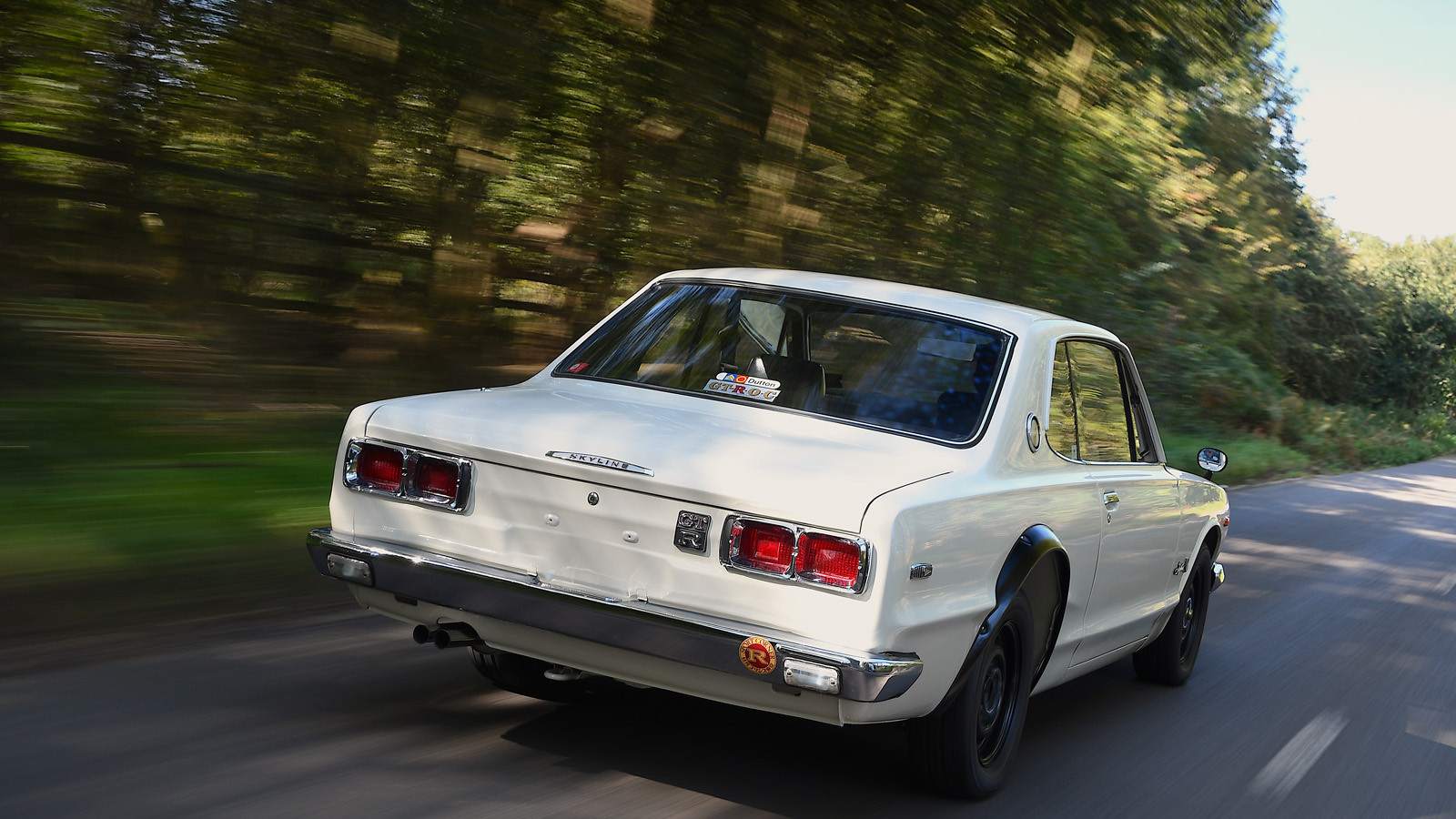
16. 1969 Nissan Skyline GT-R
While Nissan’s ultimate GT-R exponent has only recently ceased production (the R35), the original Skyline model to carry the name was first displayed at the 1968 Tokyo show as a saloon, next to Nissan’s R380 racing car.
Power from its 2-litre, double-overhead camshaft straight-six was delivered to its rear wheels via a five-speed gearbox and a limited-slip differential.
A coupé (pictured) arrived in 1971, and both models were sold exclusively through Nissan Prince Store dealers in Japan – in RHD only, naturally.
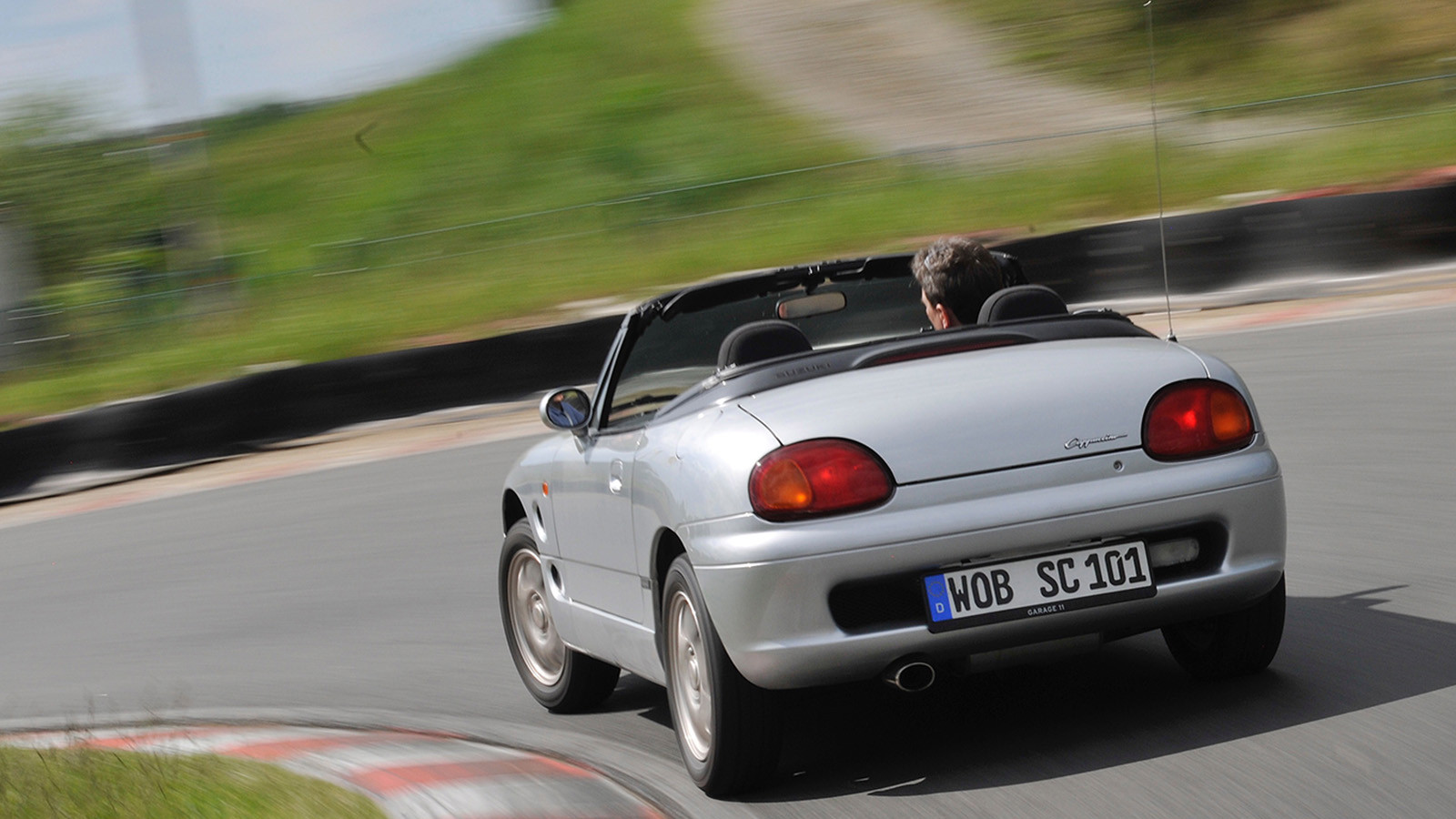
17. 1991 Suzuki Cappuccino
Built from 1991-’98, the Suzuki Cappuccino was a diminutive, two-seat roadster with a detachable hardtop.
Designed to meet Japan’s kei car regulations, it measured just 3295mm (c130in) long and 1395mm (c55in) wide.
The Cappuccino also fully optimised kei regulations for engine capacity: with 657cc, its 63bhp, turbocharged, double-overhead-cam, three-cylinder motor sat just 3cc below the maximum permitted displacement.
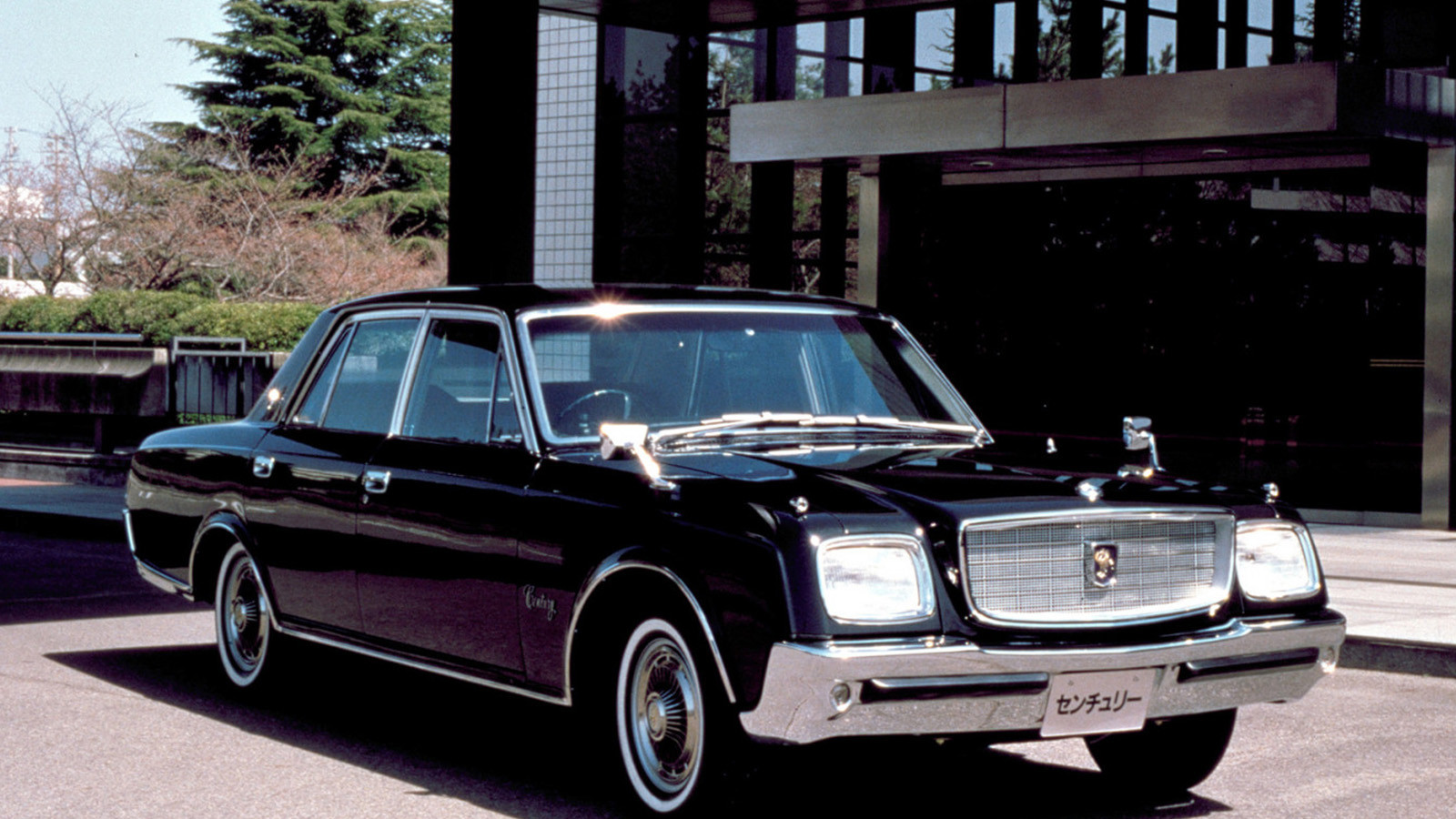
18. 1967 Toyota Century
Launched in 1967, and sold mainly in right-hand-drive Japan throughout its three generations, the Toyota Century has since become the country’s de facto chauffeur car.
Luxurious, but understated, the first-generation Century (the name used to mark Toyota founder Sakichi Toyoda’s centenary in its launch year) was powered by a V8, which grew in capacity from 3 to 4 litres during its 30-year life, though otherwise the car changed very little.
Century models from its second generation (from 1997) always took their power from a V12 engine, and only when the third generation arrived in 2018 was the Century V8-powered once more – though this time it was hybridised.
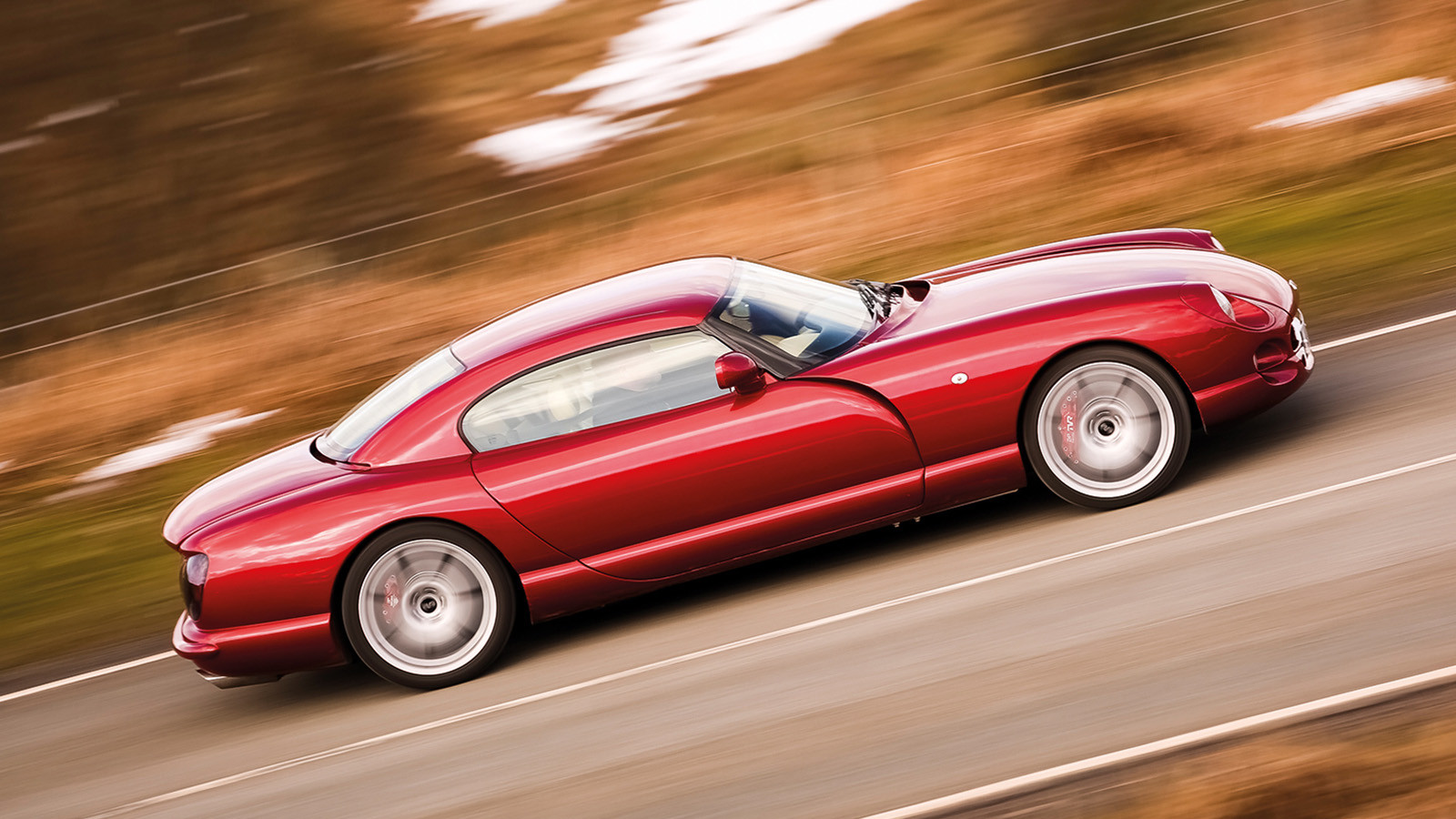
19. 1996 TVR Cerbera
First seen at the 1993 British Motor Show, the Cerbera was TVR’s third model launched under Peter Wheeler’s management.
Conceived as a grand tourer, with 2+2 seating, the Cerbera was the first TVR to use the marque’s own engines, and its first model with a fixed hardtop.
Race engineer Al Melling designed the first AJP8 units, which ranged in capacity from 4.2 to 4.7 litres.
Later in the model’s life, the Speed Six motor was added to the range, though this proved unreliable and tainted TVR’s reputation.
No matter what, the Cerbera’s performance was prodigious, with up to a 193mph top speed and sub-4-sec 0-60mph acceleration claimed for the Speed Eight Red Rose model.
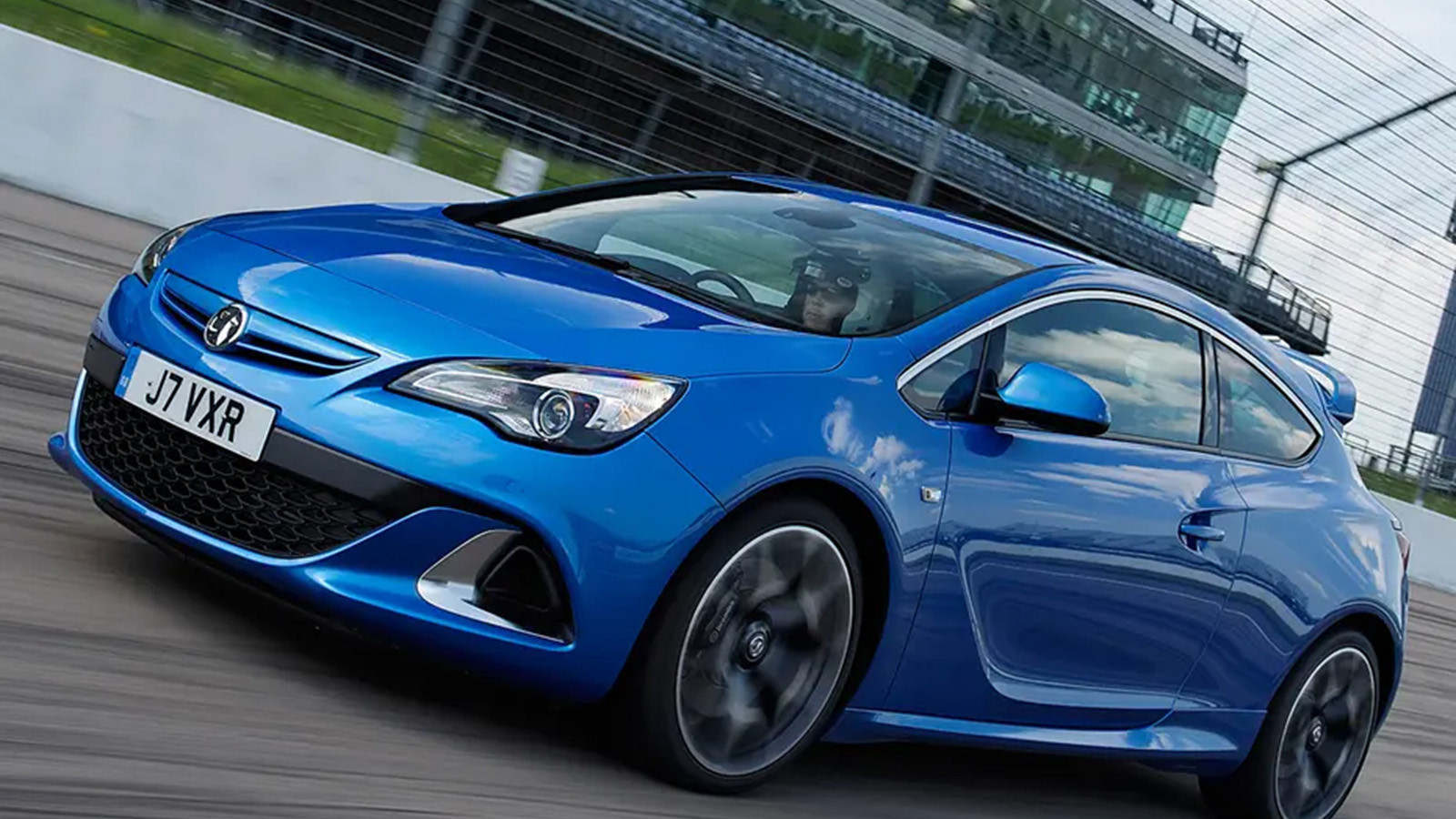
20. 2012 Vauxhall Astra VXR
Technically, Opel’s left-hand-drive Astra OPC was no different to this car, but as a Vauxhall Astra VXR it was only ever sold in right-hand-drive Britain, which was also the largest market overall for the model.
Based on the everyday Astra GTC, the VXR model used a single twin-scroll turbocharger to boost its 2-litre, four-cylinder engine to 276bhp.
This surfeit of power to the Astra’s front axle was managed by a clever, mechanical, limited-slip differential that reduced understeer, and an innovative front-suspension design that minimised torque steer.
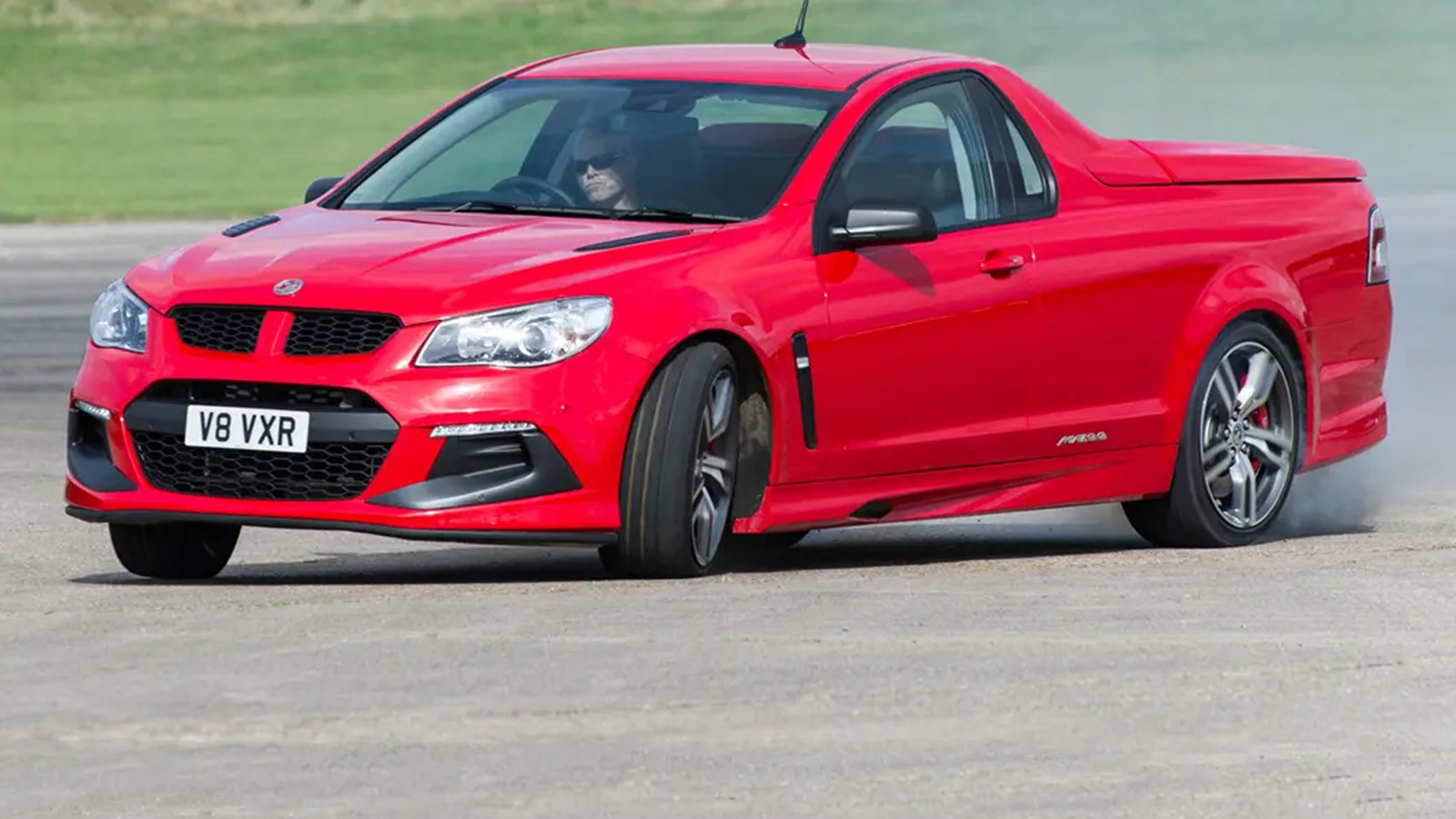
21. 2012 Vauxhall Maloo
In an effort to differentiate the VXR sub-brand from its Opel sibling in Europe, Vauxhall turned to its other sibling – Holden Special Vehicles, or HSV – in Australia, to capitalise on its solely right-hand-drive output.
And in 2012, that led to the HSV Maloo ute – or pick-up – arriving on British shores, which was then rebadged as a Vauxhall, fully warranted and sold through the company’s approved VXR dealer network.
Initially available with GM’s 425bhp LS3 V8, two years later its power was upped to 536bhp, when it was equipped with the supercharged LSA V8.
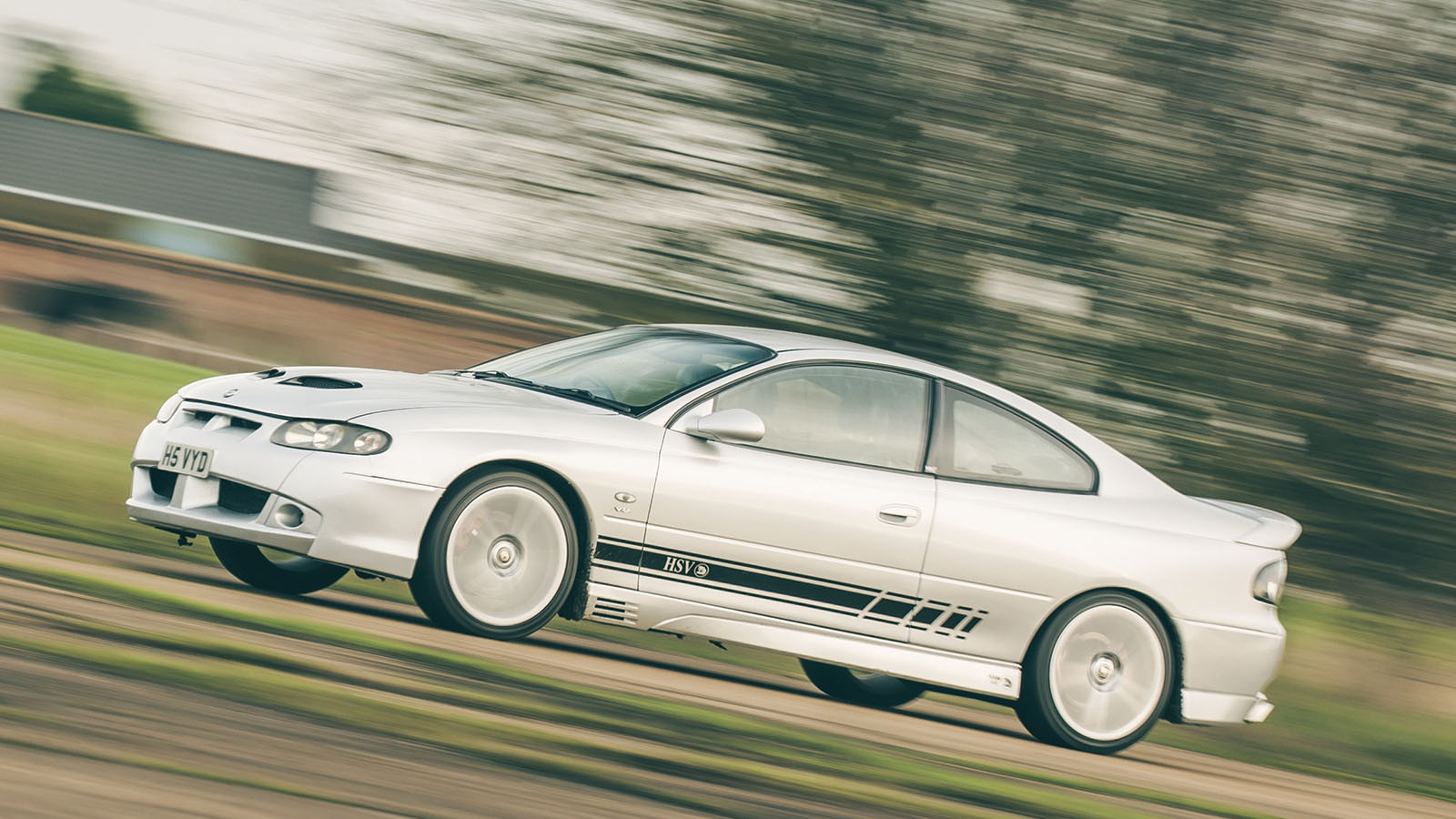
22. 2004 Vauxhall Monaro
When Vauxhall started importing its sibling Holden’s Monaro coupé in 2004, it provided just the kind of old-school performance that aligned perfectly with its all-new VXR sub-brand’s image.
Rebadged as a Vauxhall, and out of reach to its Opel sibling due to being right-hand drive, the Griffin-badged Monaro took Vauxhall into a very different performance-car arena.
Initially available with a naturally aspirated LS1 V8, the Vauxhall Monaro acquired more power in line with the HSV products Down Under, ending with the near-400bhp 6-litre VXR model (there was even an aftermarket, supercharged VXR500 approved by the manufacturer).
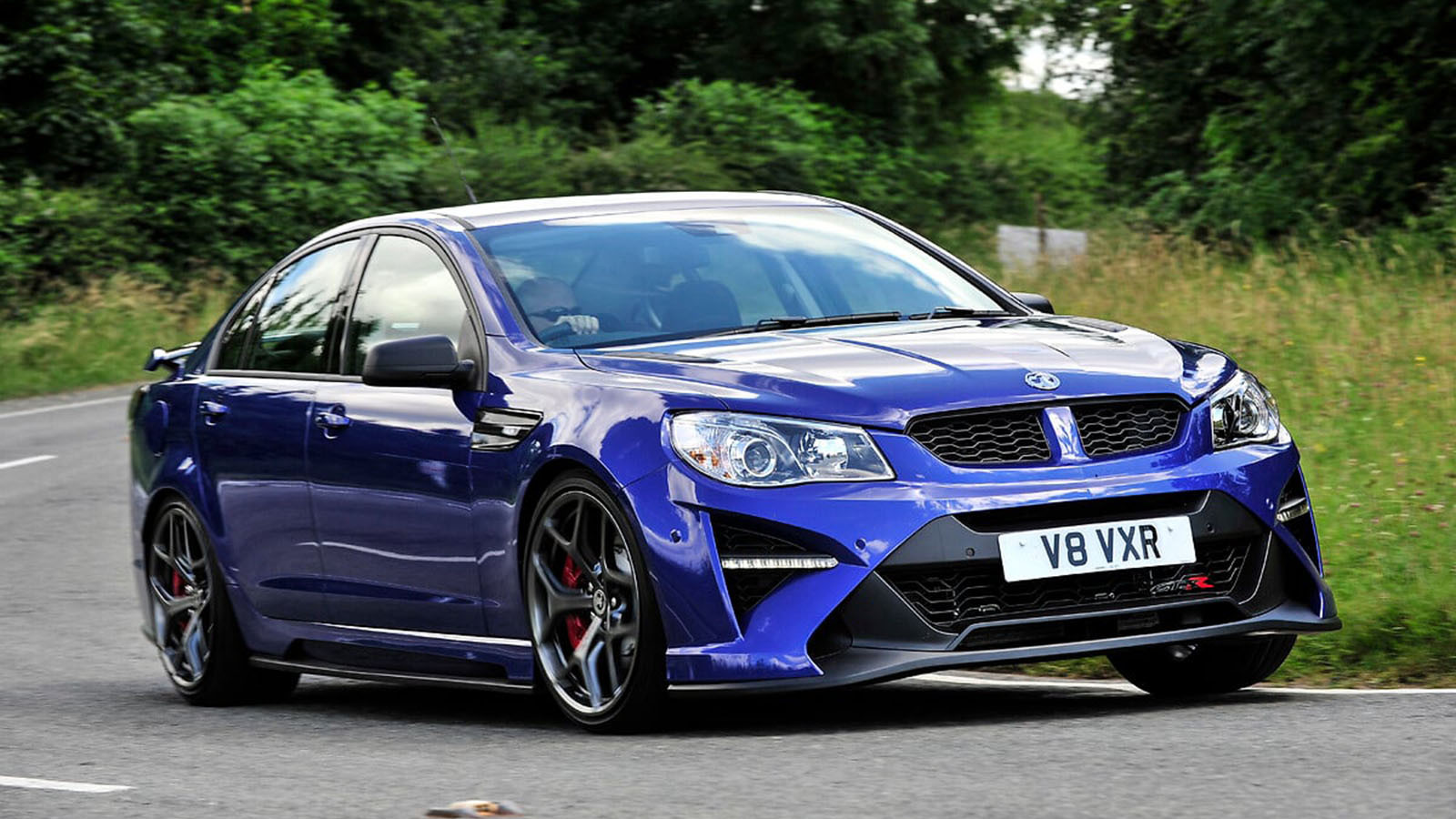
23. 2007 Vauxhall VXR8
In 2007, Vauxhall replaced the Monaro with the VXR8, a full-sized, rear-drive, four-door saloon based on the E-series HSV ClubSport R8.
Launched with a 410bhp LS2 V8 engine, over the next 10 years – until all Holden and HSV production ceased in Australia in 2017 – the VXR8 evolved through ever-more powerful derivatives.
In its final guise, as the 6.2-litre supercharged VXR8 GTS-R, it produced 587bhp, making it the most powerful Vauxhall production car ever to be sold.
We hope you enjoyed this gallery. Please click the ‘Follow’ button above for more super stories from Classic & Sports Car.