Car names that were heaven sent
Ever since the end of the 1950s, the human race has been determined to blast itself free from the shackles of gravity and explore what lies beyond the Earth’s atmosphere.
And because it is fraught with risk, space travel has always seemed deeply cool, an activity undertaken by heroes transported on incredible machines of gargantuan power and speed.
Which is why car makers have been determined to get in on the act. After all, what better way to sprinkle a little star quality on your latest offering than by giving it an other-worldly name.
Here’s our countdown of 23 cars named after the universe and all that’s in it, presented in chronological order.
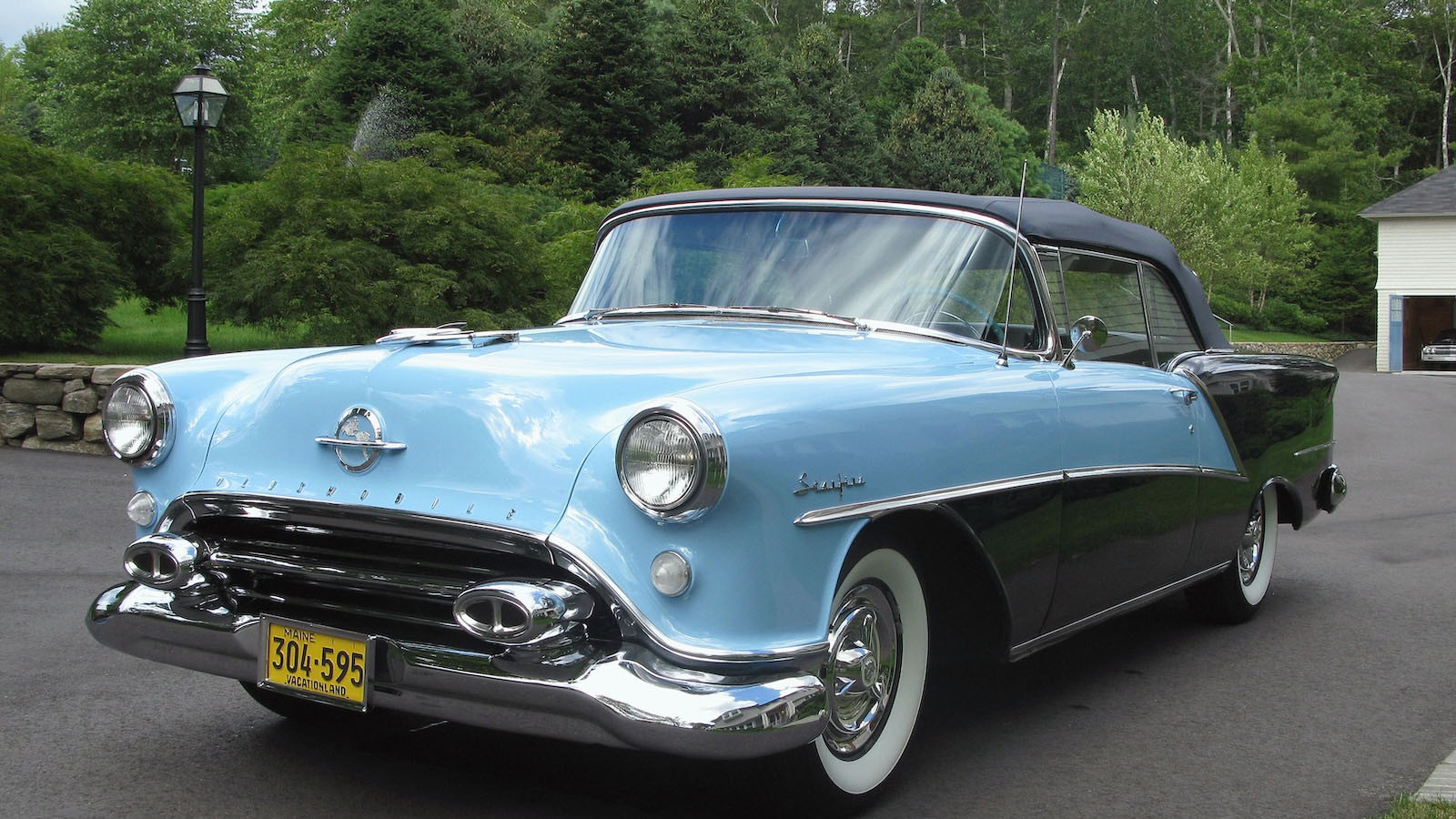
1. Oldsmobile 98 Starfire (1954-’57)
The Oldsmobile brand was one known for building sturdy, robust cars that wouldn’t let you down.
Dependability was the watchword, while excitement was some way down the list. Near the bottom.
However, that changed in 1953 when the company revealed the Starfire concept car, a name designed to conjure images of comets streaking across the night sky.
Oldsmobile was determined to attract younger buyers, so the name found its way onto the Starfire convertible of 1954, a four-seat drop-top with a ‘Rocket’ 324cu in (5.4-litre) V8 engine, bucket seats, a wraparound windscreen and plenty of chrome trim.
It also featured a 12-volt electrical system to work its electrically adjustable seats and powered convertible top.
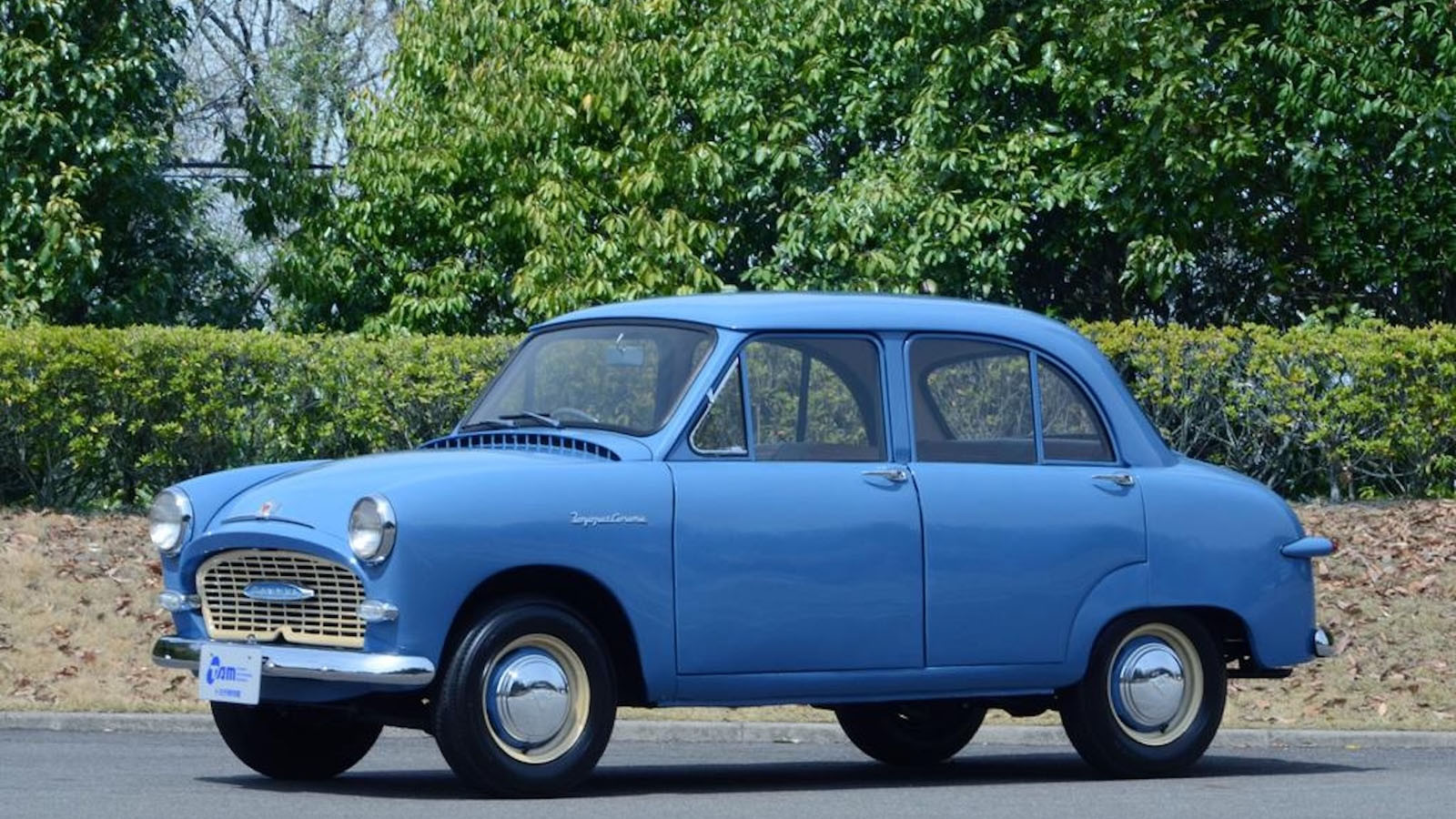
2. Toyota Corona (1957-’60)
Back in the 1950s, by far the biggest car market influence in Japan was the taxi industry, and while Toyota was the dominant player in the medium- and large-sized taxi segments, its rival Datsun ruled the small-taxi roost.
Toyota’s response was the Corona, a car designed to answer the industry’s demand for sub-1000cc cabs.
A corona is a halo of light around the sun, so the name was intended to convey warmth, energy and strength.
The Corona was groundbreaking because it was Toyota’s first monocoque vehicle, complete with Toyota Crown mechanicals.
Early examples were able to carry four occupants, but a facelift later in the car’s life allowed it to accommodate one more passenger, vital for the tax industry.
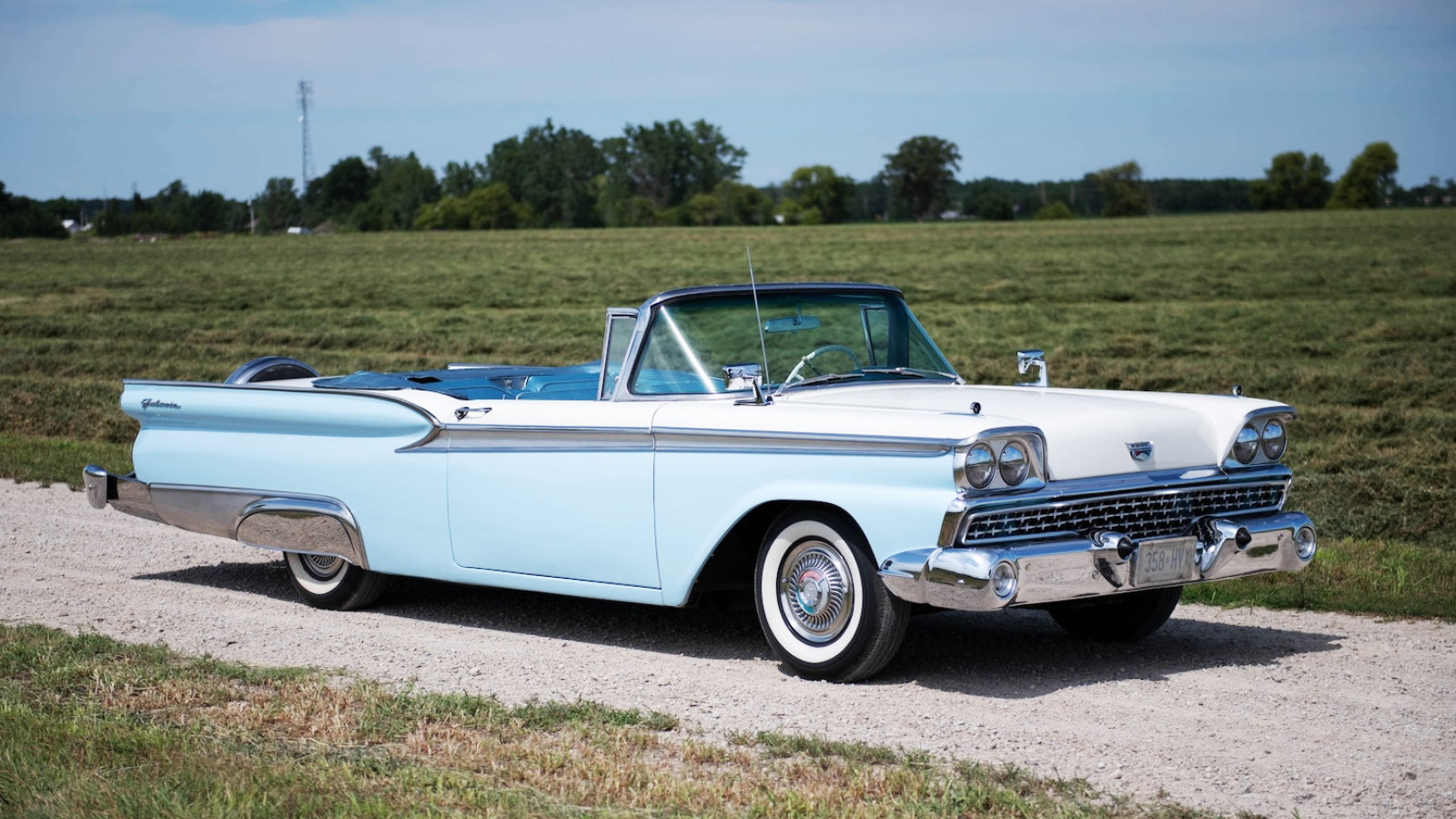
3. Ford Galaxie Mk1 (1958-’59)
If you’re wanting your new model to convey an impression of speed, vast ground-covering ability and space, then calling it Galaxie is a good place to start.
The name Galaxie appeared initially as a top-end trim level on the Ford Fairlane 500, which was available as a saloon, a hardtop and a convertible.
It had a wraparound windscreen, nylon interior fabrics and vinyl trim.
Ford also championed the fact that the Galaxie featured ‘front-seat safety anchorages’, which stopped the seats moving forward in the event of a front-end crash.
It had huge interior space, as well as a large boot for everyone’s luggage – except for the Skyliner model with its retractable hardtop, which took up most of the load capacity.
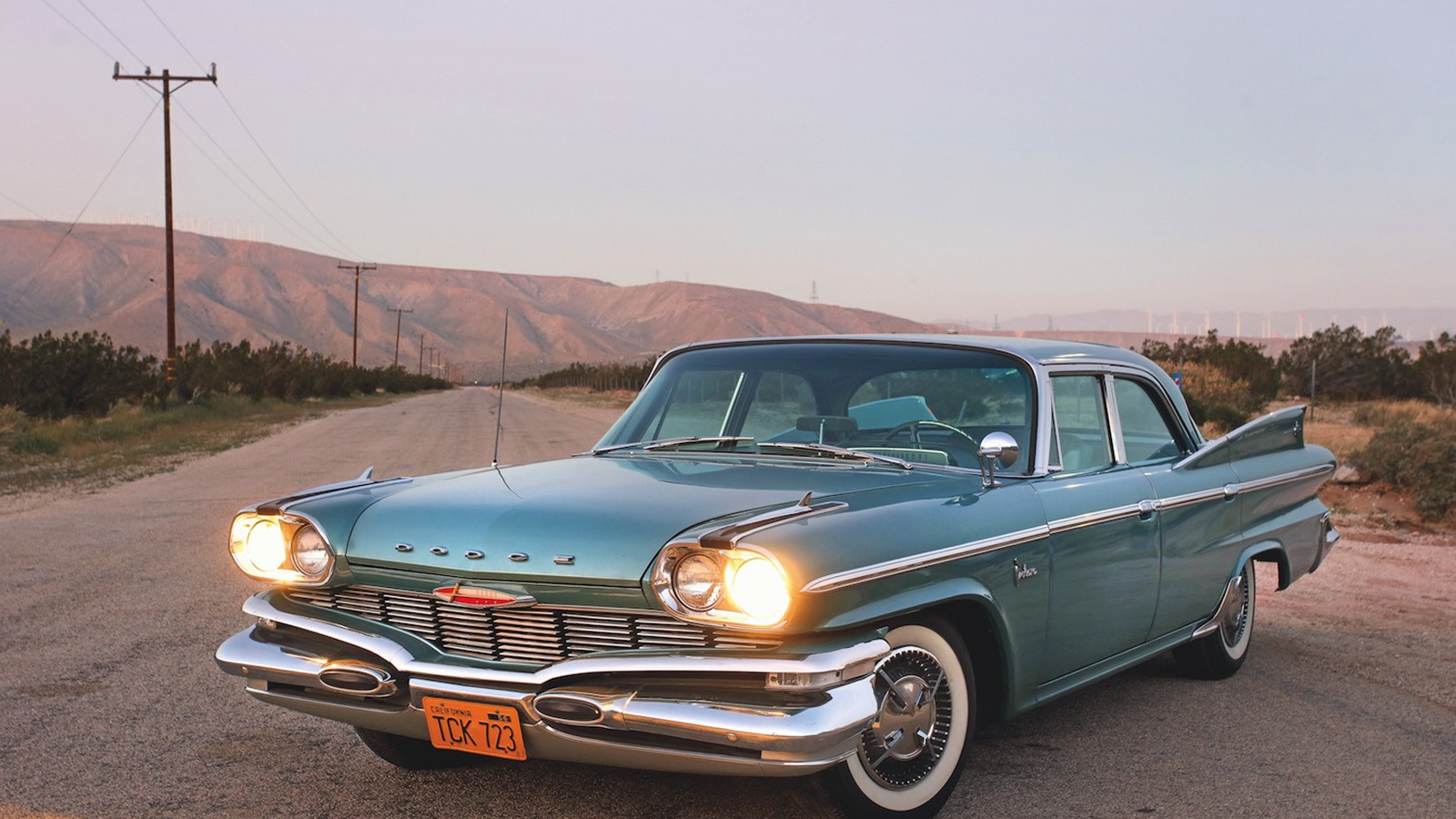
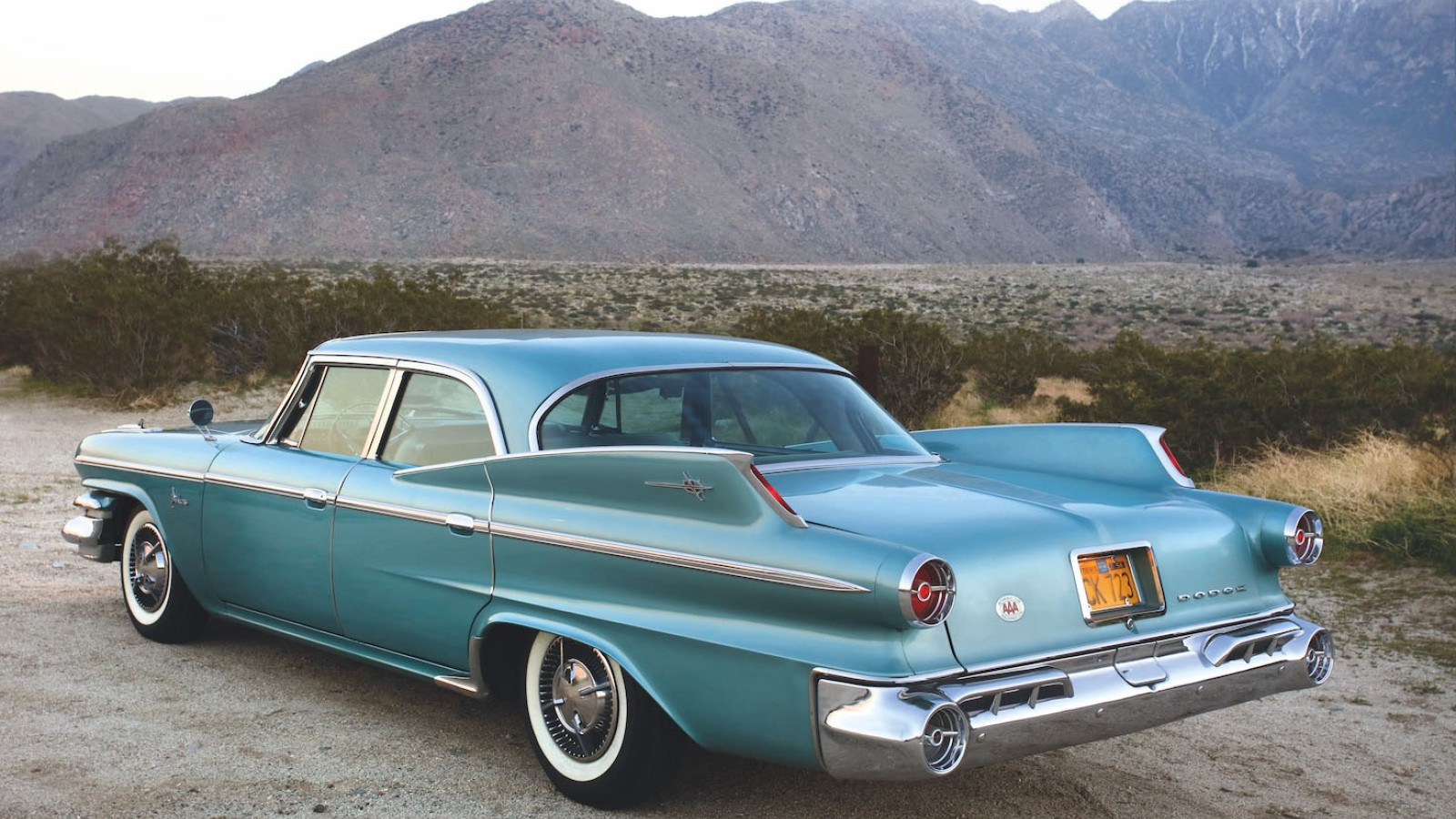
4. Dodge Polara (1960-’61)
The space race was in full swing at the end of the 1950s, and Russia was well ahead; it had launched a satellite and managed to land a probe on the moon.
As a result, space fever was rife in America, and car designers cottoned on to that fact.
One of those designers was Virgil Exner, who understood that making cars appear futuristic would encourage sales, and so he set to work on the Dodge Polara, a car named after the star Polaris.
The Dodge featured ‘jet pod’ rear lights and the sort of fins a launching rocket would be proud of.
This was a car that epitomised the glamour of space travel, with an interior dominated by a dashboard featuring numerous instrument pods and a glittery steering wheel.
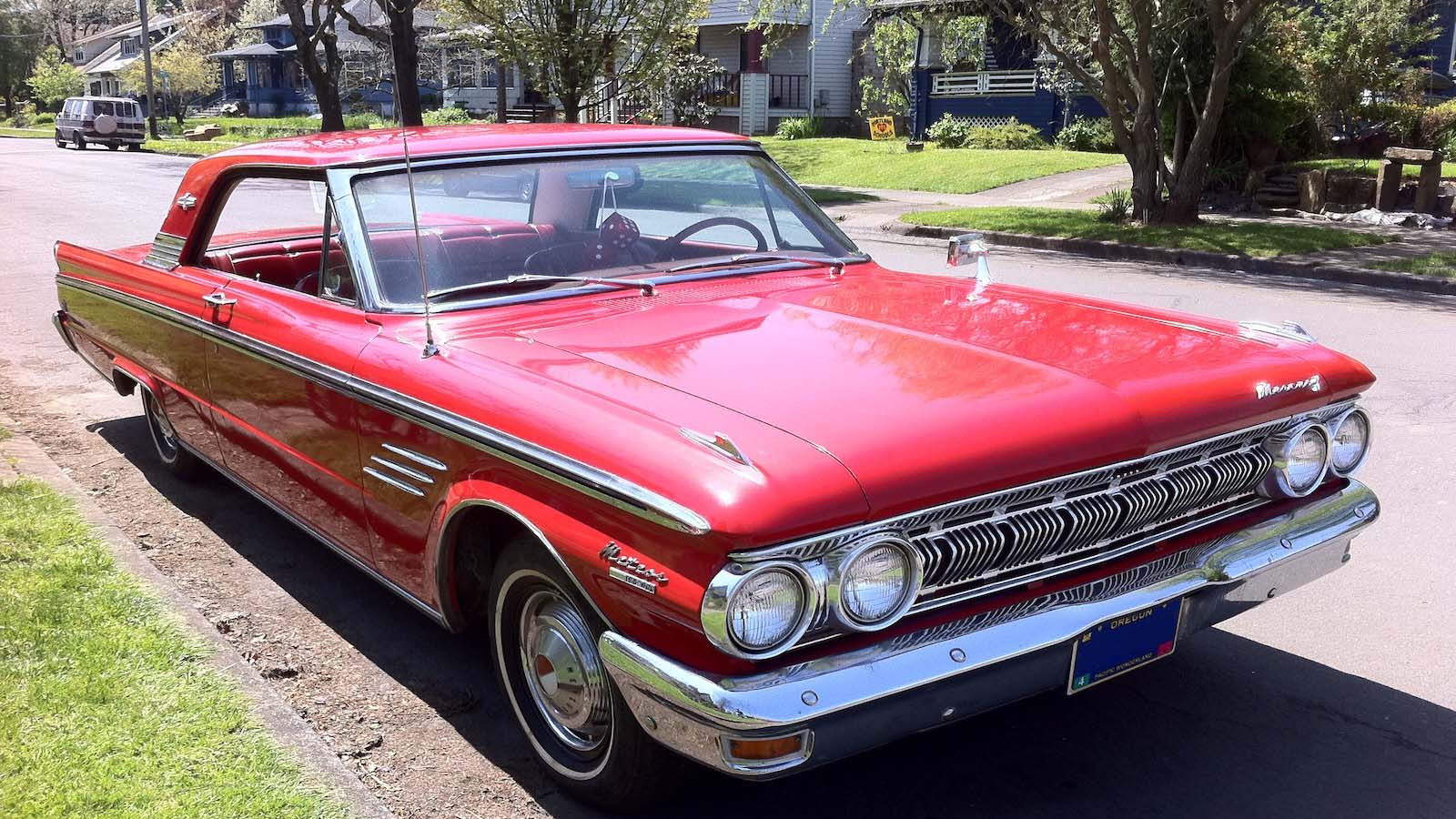
5. Mercury Meteor (1961-’63)
At the end of the 1950s, the Mercury brand had actually been marked for closure by owner Ford, but a late reprieve gave it fresh impetus and new models, one of which was the Meteor.
This Ford-based car might not have had the same turn of speed as its namesake, but it flew out of showrooms at a reasonably rapid rate, helped by the variety of models on offer: it was available as a two- or four-door saloon, and a two- or four-door hardtop.
The Meteor had a range of engines available, starting with a 223cu in (3.7-litre) straight-six motor, plus four V8 engines, the largest a 390cu in (6.4-litre) unit.
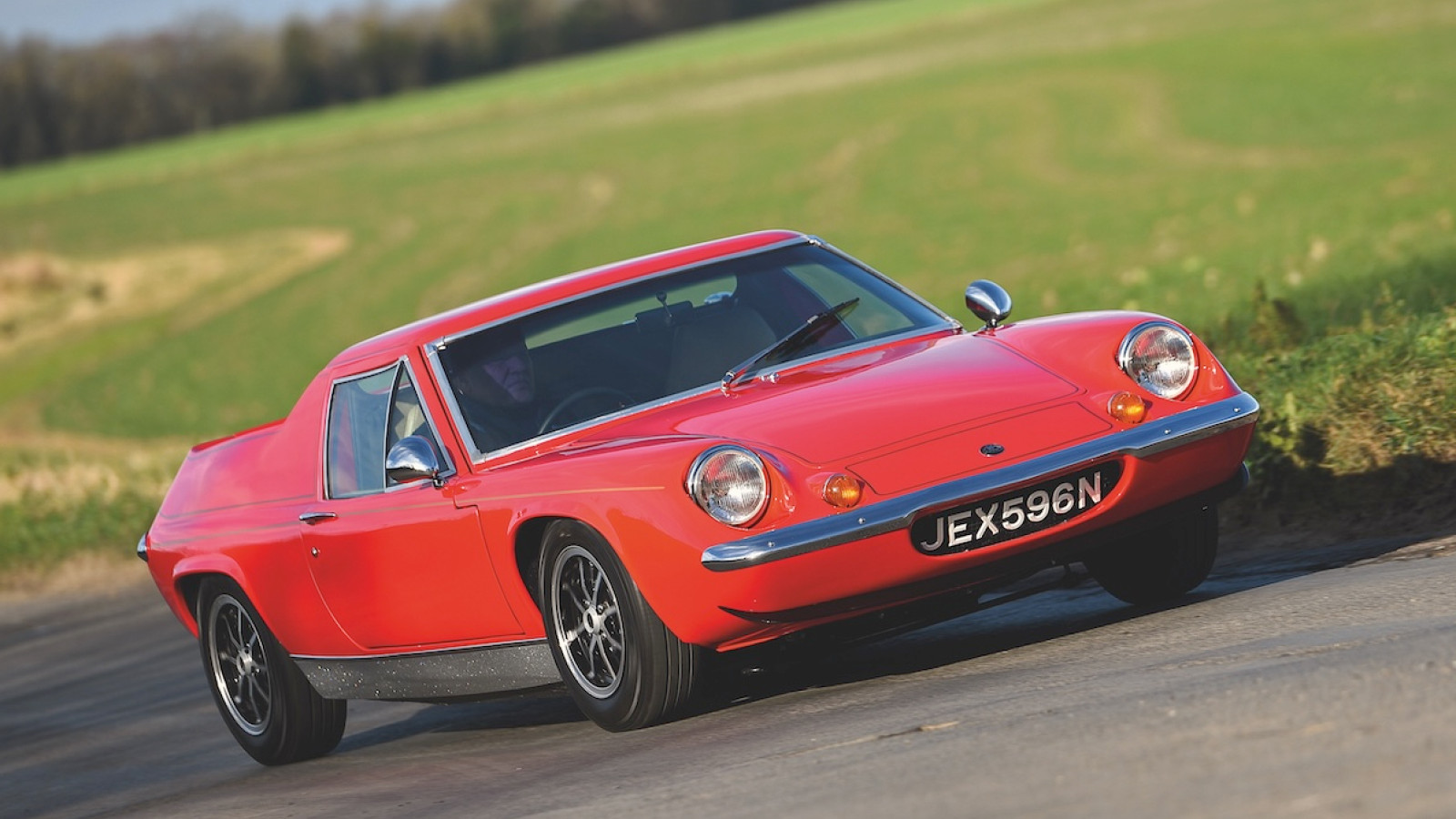
6. Lotus Europa (1966-’75)
Lotus boss Colin Chapman’s cars were doing the business on the Grand Prix stage, and he wanted to make the most of the success by designing a small and comparatively cheap mid-engined sports car for the road.
Launched in 1966, the Lotus Europa was that car, named to appeal to European markets and, coincidentally, after one of Jupiter’s moons.
The Europa stood just 3ft 7¼in (1098mm) tall, which made getting in and out quite an exercise, especially when parked next to a kerb, which could stop the door from opening fully.
The driving position was adjustable, but only if you used a spanner to move the pedals – the seats didn’t move. A Lotus Europa required commitment.
But it rewarded that dedication, because it drove with a deftness that few contemporaries could get close to.
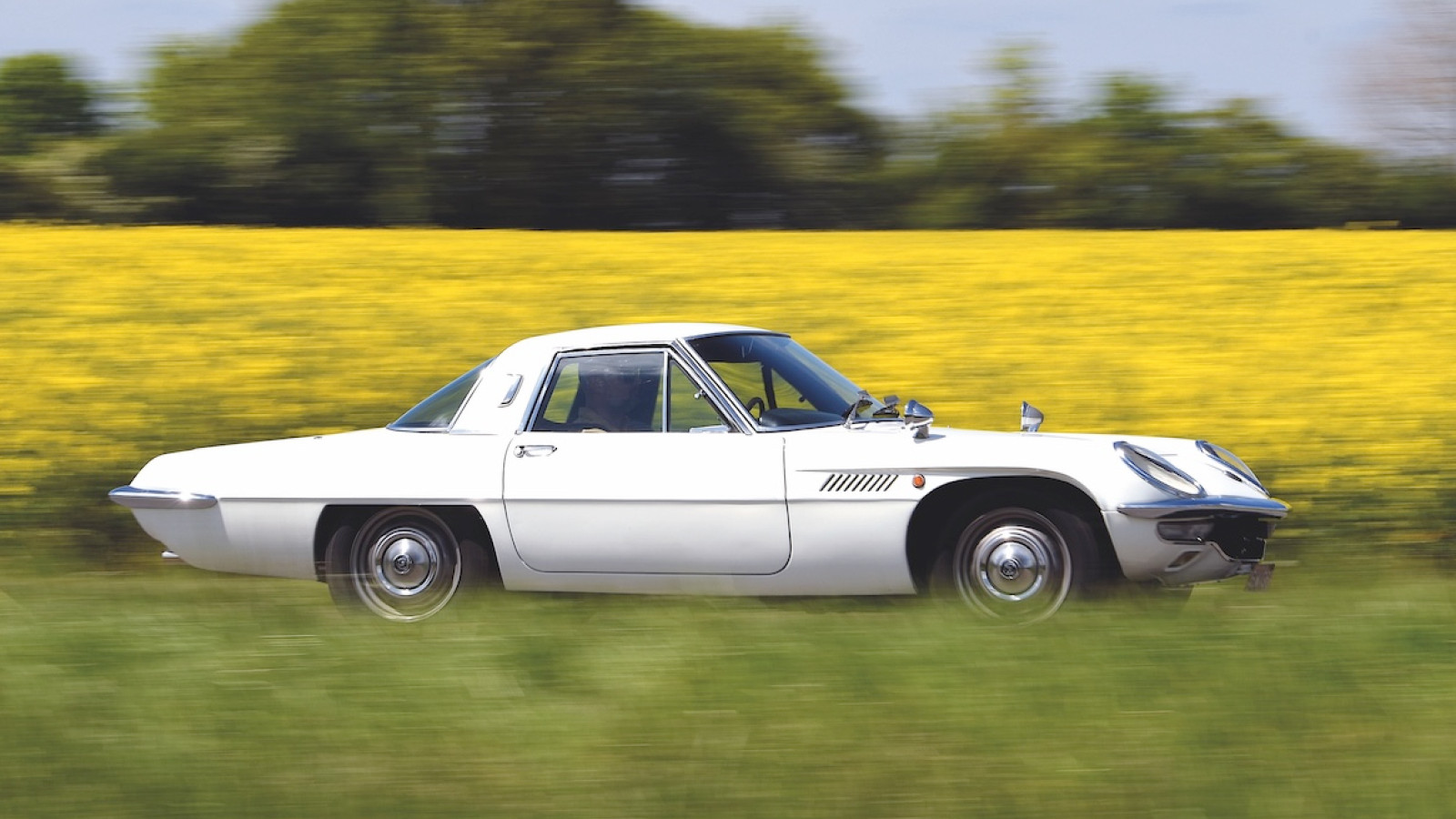
7. Mazda Cosmo 110S (1967-’72)
Given that the cosmos has numerous objects spinning and orbiting around others, it’s appropriate that the Mazda Cosmo features a rotary engine instead of a conventional unit with cylinders and pistons.
That 2-litre powerplant produced 110HP (hence the model name), or 108bhp. A second-generation version with 127bhp came along in 1968.
Either figure was more than capable of raising a smile from the driver. It might not have been a rocketship, but it was properly brisk.
The Mazda’s interior managed to be comfortable and snug, while the positions of all the major controls were ‘just so’, which made the Cosmo 110S an easy car to get along with.
And of course, the Cosmo was the first in a line of illustrious Mazdas powered by rotary engines, notably the RX-7, the RX-8 and the 787B which triumphed at the Le Mans 24-hour race in 1991.
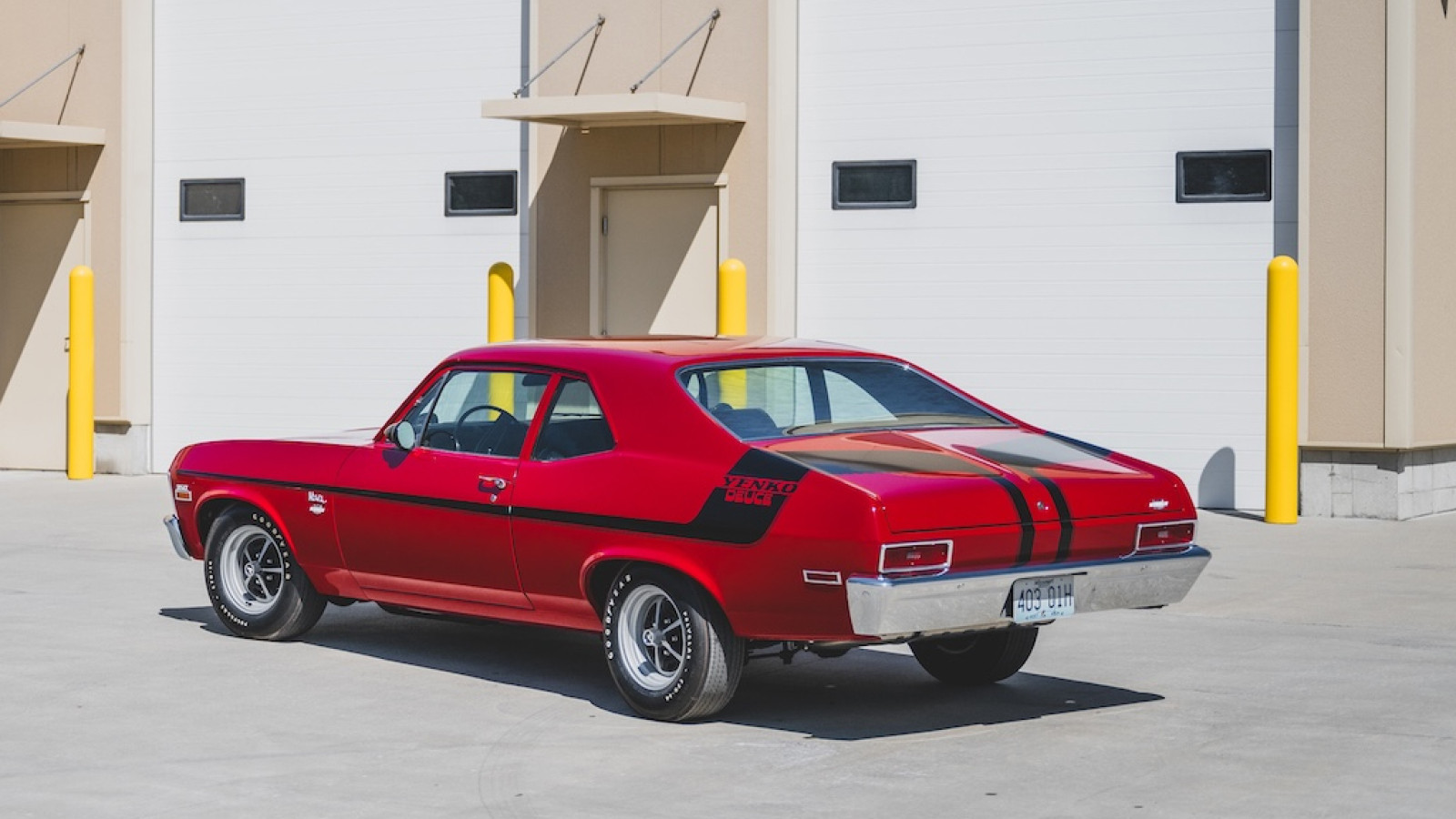
8. Chevrolet Nova Mk3 (1968-’74)
The third-generation Chevrolet Nova was the first iteration of the car to be called a Nova outright; previous-generation models simply had Nova as a trim level.
This name change coincided with a complete redesign, and for the first time the model had a front subframe that incorporated the engine and the front suspension.
The range comprised a two-door coupe, a three-door hatchback and a four-door saloon.
The star of the show arrived in 1970, the Nova SS, which had a 396cu in (6.5-litre) V8 that produced 370bhp, plus upgrades to the brakes and exhausts, a blacked-out grille and more.
And while a nova in space is a star that briefly burns brightly before gently fading away, the Chevrolet Nova hung around for decades before finally being killed off in 1988.
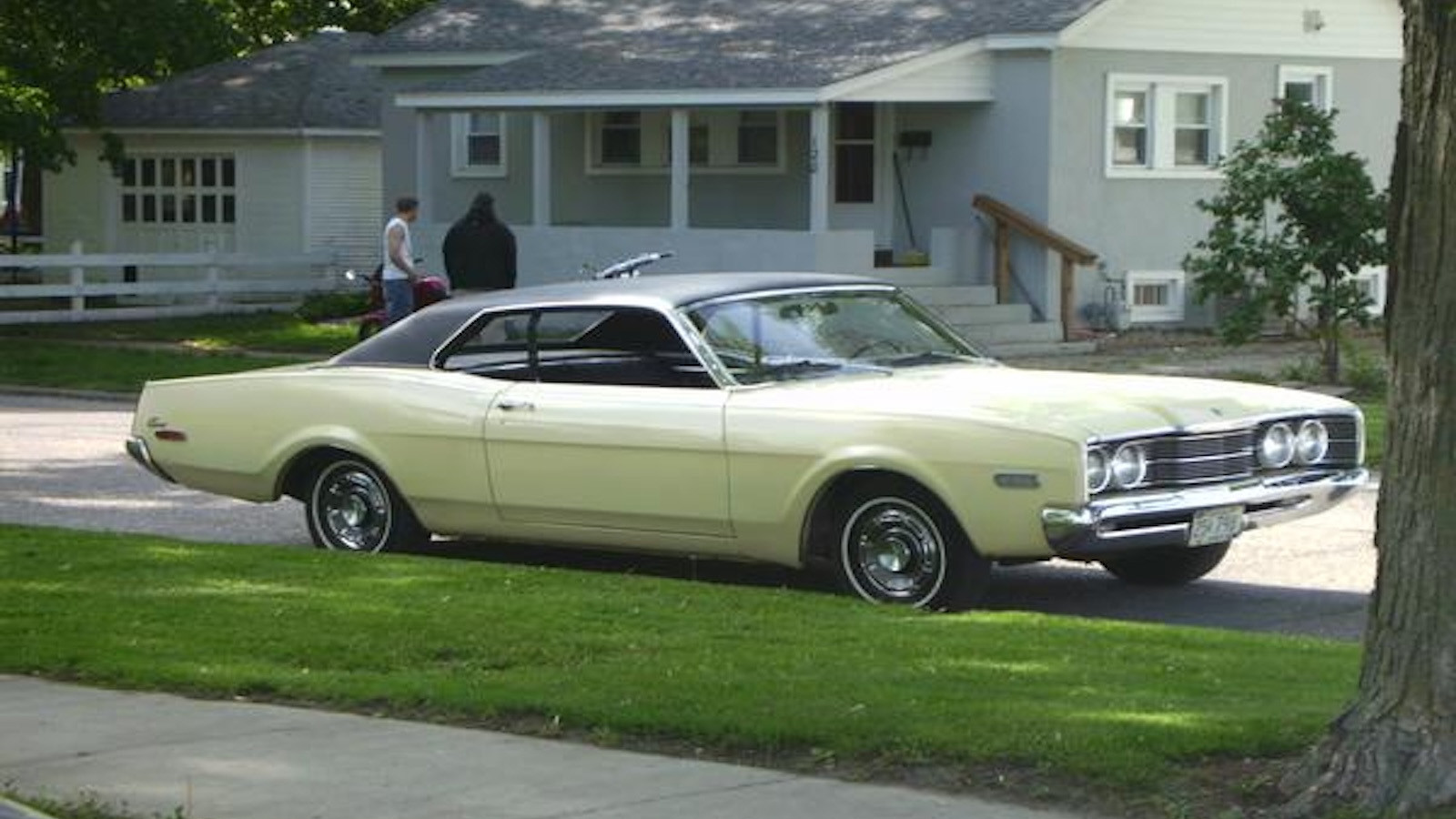
9. Mercury Comet Mk4 (1968-’69)
Mercury’s offerings had already grown from being compact cars to mid-sized models with the previous-generation Comet, named to suggest images of bright objects streaking into view.
It was underpinned by the platform from the Ford Fairlane of the era.
For the Mk4 Mercury Comet the range was reduced to just a solitary model: a two-door hardtop. The company had worked on a four-door version of the Mk4, but this never made it as far as the marketplace.
There was a range of engines on offer, starting with a 250cu in (4.1-litre) straight-six, climbing to a 428cu in (7-litre) V8.
Sales weren’t huge and the Comet name died for a couple of years, before being resurrected for the fifth-generation car in 1971.
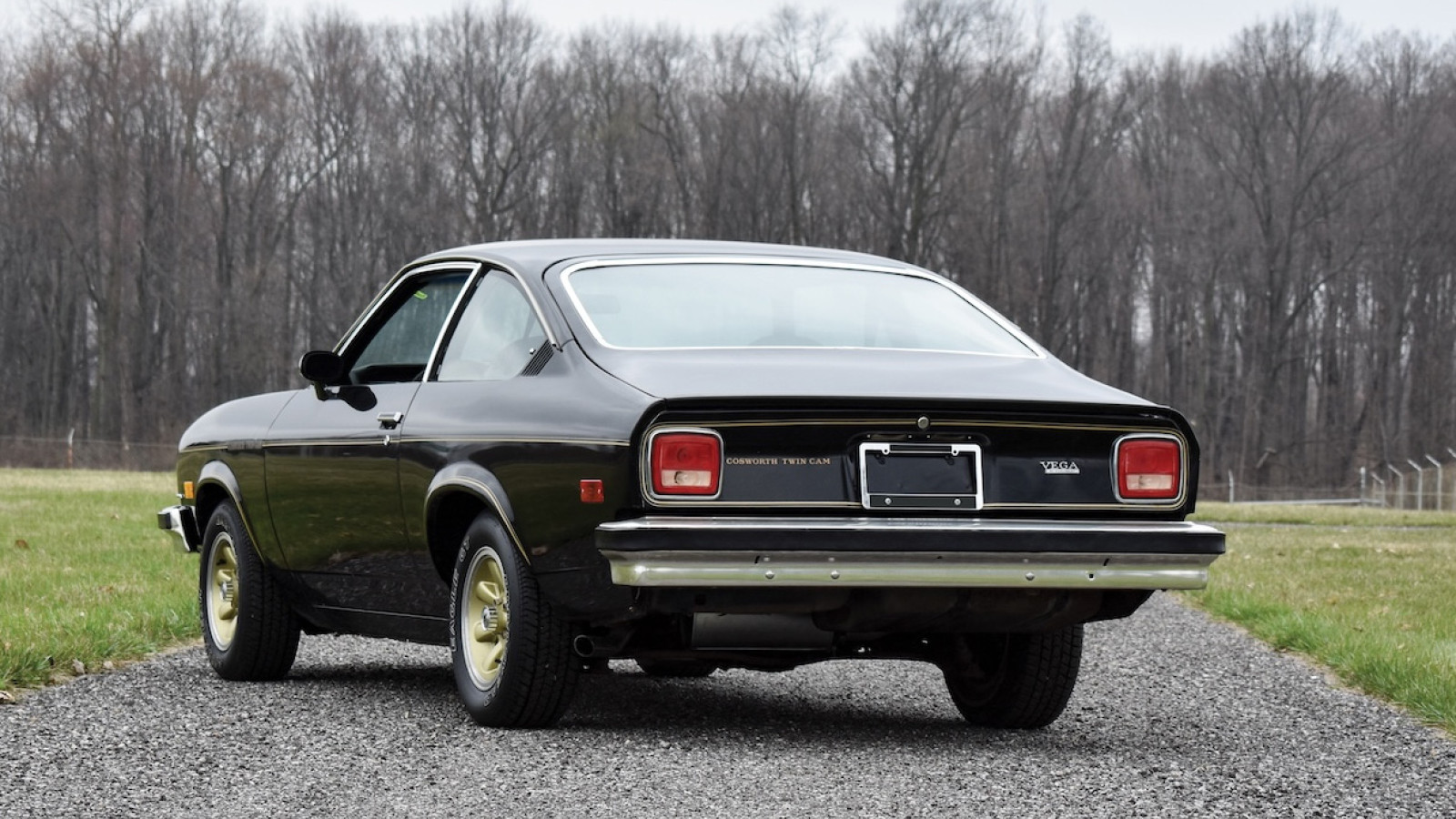
10. Chevrolet Vega (1970-’77)
Named after the fifth-brightest star in the night sky, the Chevrolet Vega was a recognition of the fact that American buyers wanted a car that would be usable for a family, while not costing too much to run.
Therefore, it came with a range of four-cylinder engines – there was not a V8 in sight.
One of the aims of this car was to provide the ride comfort of an American machine with the nimbleness and handling of a European model.
Practicality was high on the list of desires, too, which is why it was available not only as a coupe and a saloon, but also as an estate and a two-door, estate-based van.
Chevrolet even worked out an unusual transportation method for the car – it would roll off the production line and onto trains right beside the factory, where it was stored upright in each wagon.
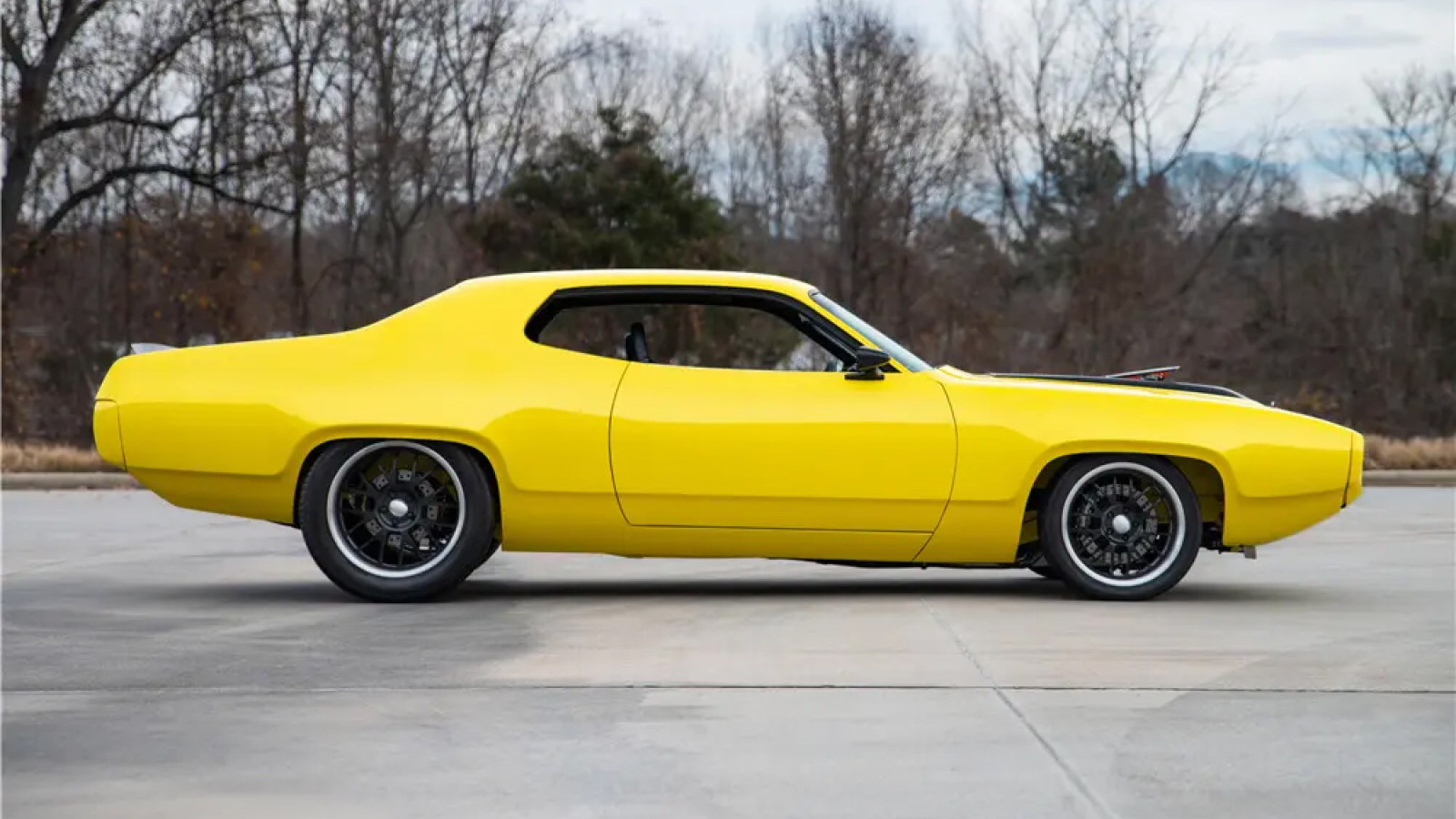
11. Plymouth Satellite Mk3 (1970-’74)
Gone was the designed-with-a-ruler styling of the earlier generation of Satellite, and in came the ‘fuselage’ body style, which was much more curved.
The car was available as a two-door coupe, a two-door hardtop, a four-door saloon and an estate. And, slightly oddly, the estate and saloon were styled differently from the coupe and hardtop.
The base engine was a 225cu in (3.7-litre) straight-six, but thereafter it was V8 all the way, with the range topping out with the 440cu in (7.2-litre) unit.
Come 1973, Plymouth decided that having different styling for its two-door Satellites was a folly, and brought them into line with the saloon and estate car to lower costs.
However, the model lasted only until 1974, after which the name died.
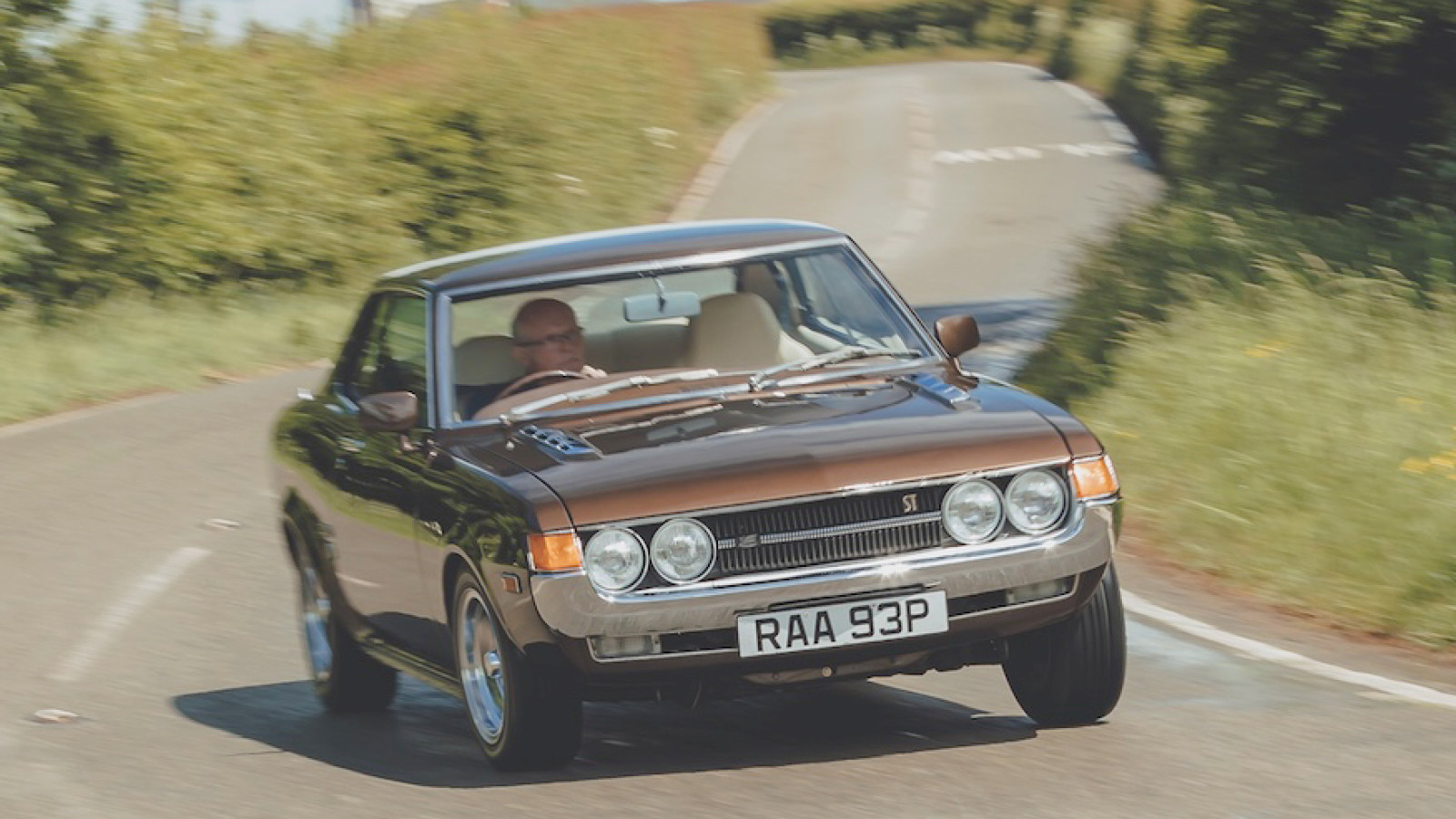
12. Toyota Celica Mk1 (1970-’77)
Toyota wanted a slice of the coupé market and so took a leaf out of Ford’s book.
The Blue Oval’s Capri was based on the contemporary Ford Cortina, so Toyota did the same thing in making the Celica based on the oily bits from its Carina saloon, which made it comparatively cheap to produce.
The Celica name originated from the Spanish word for ‘celestial’.
The Toyota Celica was stylish, with two-door, ‘coke-bottle’ styling and an unusual, U-shaped front bumper.
Under the bonnet lay a peppy, 1.6-litre, four-cylinder engine, while inside was a list of standard kit that shamed many rivals, equipment including a heated rear window, a pushbutton radio, a clock and a steering lock.
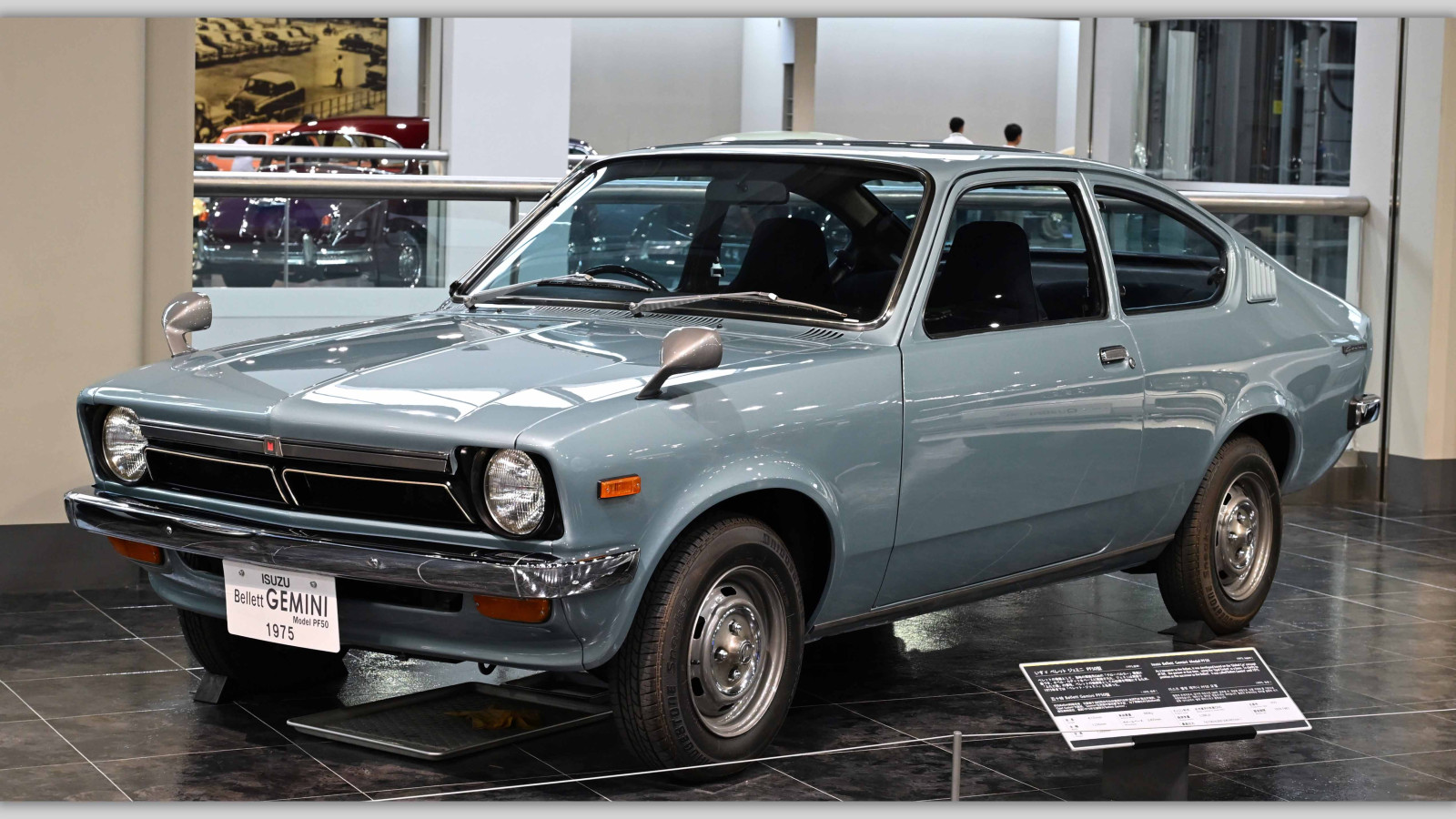
13. Isuzu Gemini (1974-’85)
In 1971, General Motors took a 34% stake in Isuzu, and when the Bellett model came to the end of its life in 1974, it was time for a replacement.
That’s when GM stepped in with its global T-car platform, which already underpinned the Opel Kadett, Pontiac 1000 and Vauxhall Chevette.
The Bellett Gemini appeared in 1974, with the name of a constellation and the US space programme at its heart.
However, while the Bellett part of the name was used to link this all-new car to its predecessor, it was quietly dropped in 1975, and the Gemini continued until 1985.
Given that the Kadett and Chevette were already sold in the UK and Europe, the Gemini was never available in these markets, but it proved a popular choice in Australia, Malaysia and the United States of America.
14. Colt Celeste (1975-’80)
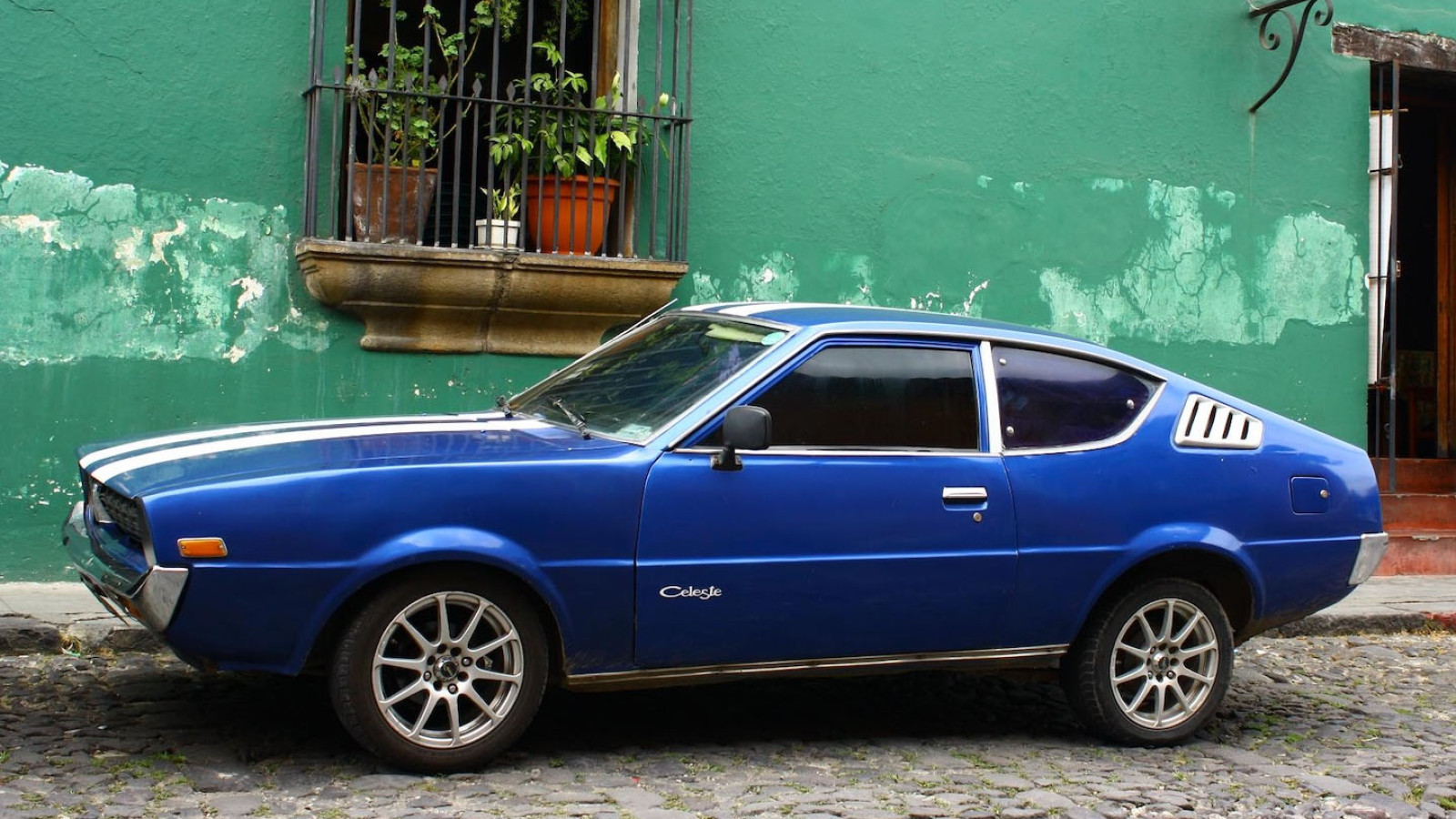
With a name derived from the French for ‘heavenly’, you’d expect the Colt Celeste to be something special. But it wasn’t.
The Celeste appeared in 1975 as a sleeker, two-door version of the Lancer saloon.
There were three engines available, a 1.4-, a 1.6- and a 2-litre – although you’d not call any of them sporting.
The same applies to the rest of the driving experience, so while the Celeste looks neat and purposeful, the way it drives is relaxed and comfortable. It isn’t as fun as you might expect.
The Colt Celeste was well equipped as standard, with tinted glass, a laminated windscreen and a lockable fuel-filler door. Not so good was the fact it needed a service every 5000 miles.
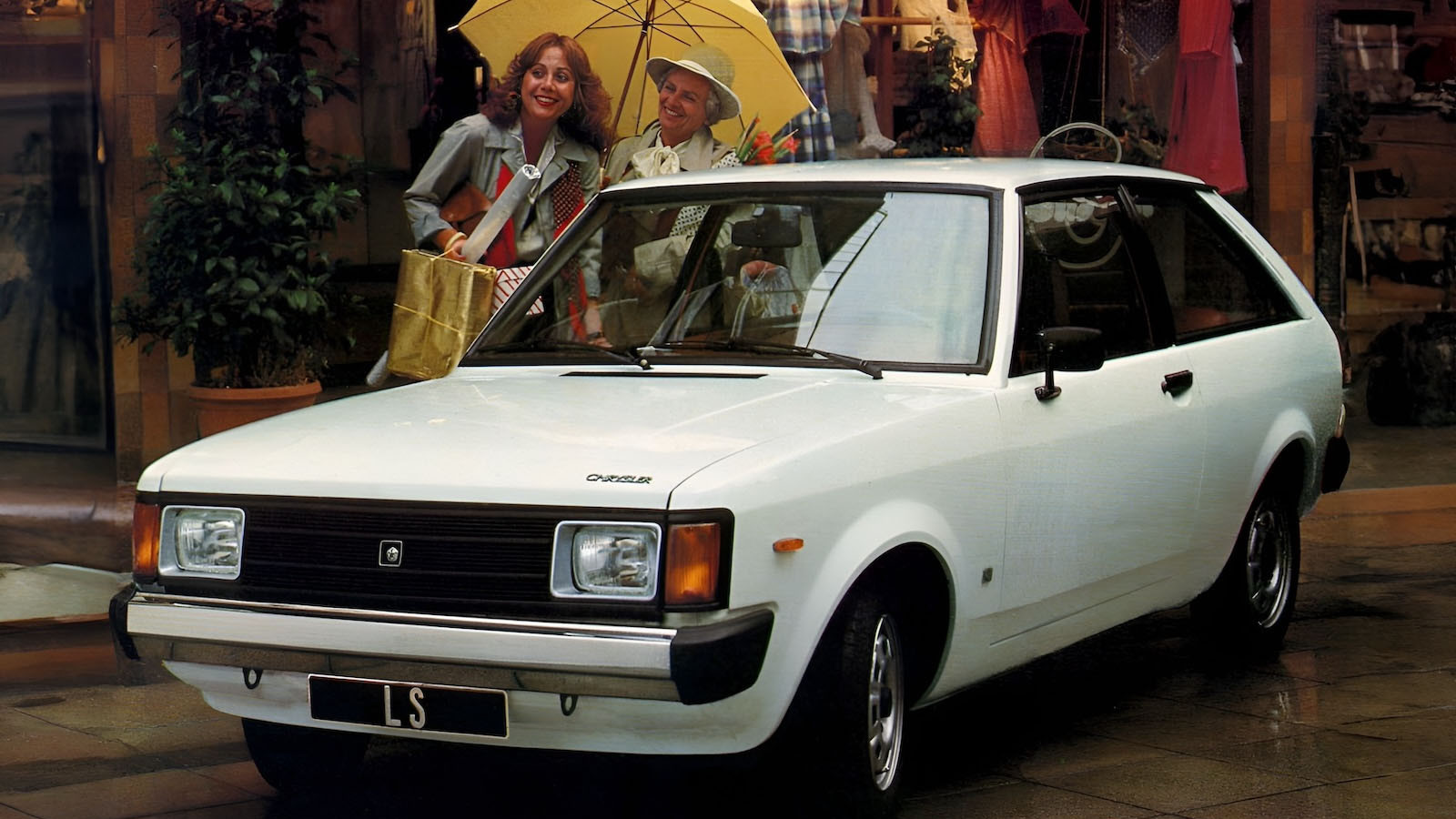
15. Chrysler Sunbeam (1977-’81)
Chrysler was in financial trouble in the middle of the 1970s and needed a cheap model that would sell in big numbers.
It came up with the Sunbeam, named to inspire thoughts of bright sunlight and hope.
This model was based on the rear-wheel-drive underpinnings of the Hillman Avenger which, in an era when cars such as the Renault 5 and Volkswagen Golf were making the most of compact, front-drive layouts, seemed an unusual choice.
The three-door-only Chrysler Sunbeam also featured an unusual tailgate, which was just one piece of glass. However, this necessitated a high boot lip, which compromised usability.
Despite the car’s popularity plus its success on the rallying stages of the world, it couldn’t save its parent company; in 1978 Chrysler was sold to the PSA Group, which rebranded it as a Talbot.
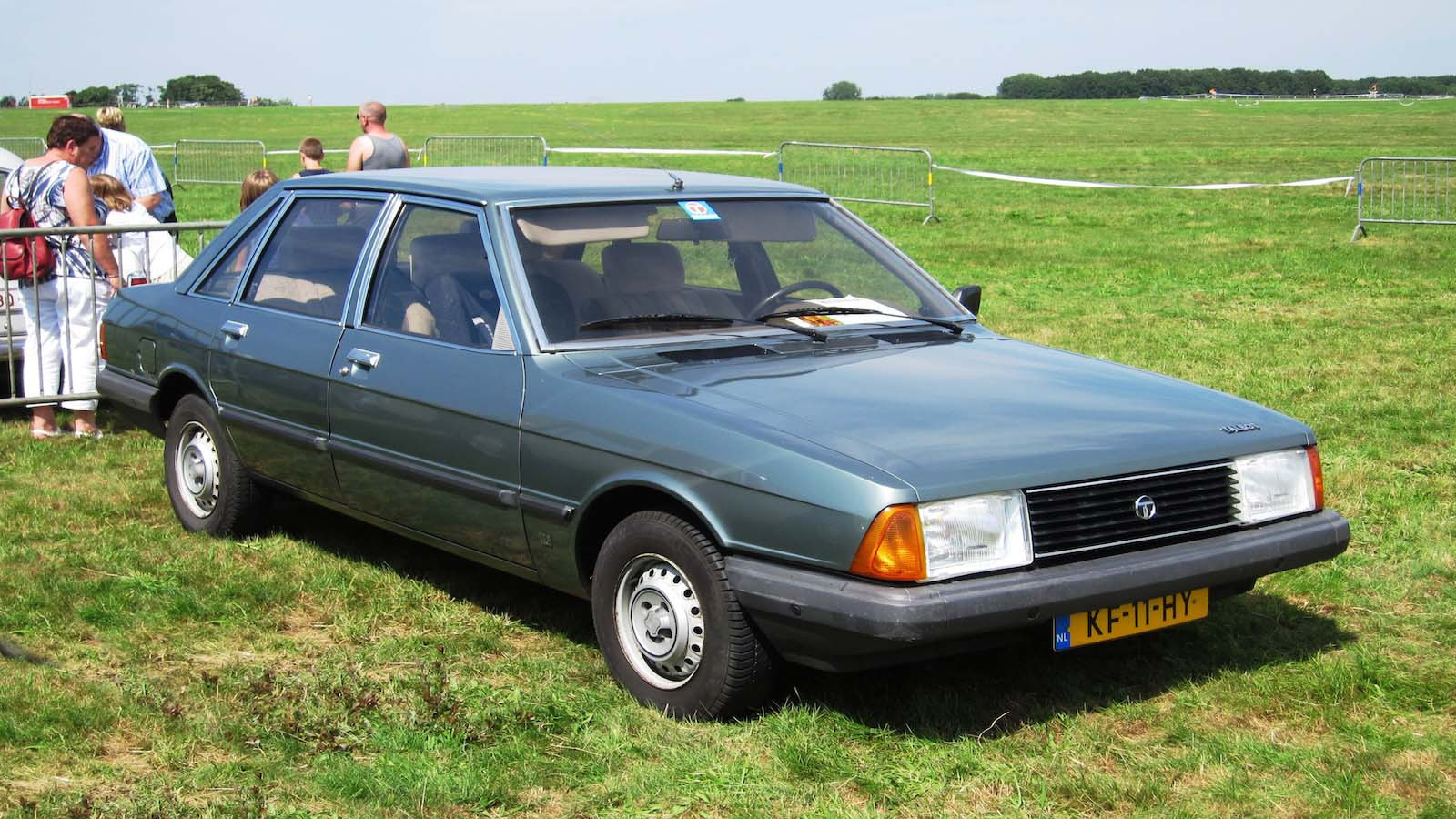
16. Talbot Solara (1980-’85)
The Talbot Solara may have the sun in its name, but the car it was based on wasn’t a hot seller for parent brand Chrysler.
That car was the award-winning Alpine hatchback, which had been around since 1976. However, at the time, British buyers vastly favoured three-box saloons such as the Ford Cortina or Vauxhall Cavalier, and Alpine sales were suffering.
When Talbot took over the struggling Chrysler brand, it decided a four-door Alpine was what was required – and quickly. Hence the Solara.
It was sold alongside the hatchback, in the same trim levels and with the same engines, until 1985, when it went off sale, with the Talbot brand following shortly after.
Saloons were on the wane, so the Solara was replaced by vastly more modern PSA hatchback offerings such as the Citroën BX and Peugeot 309.
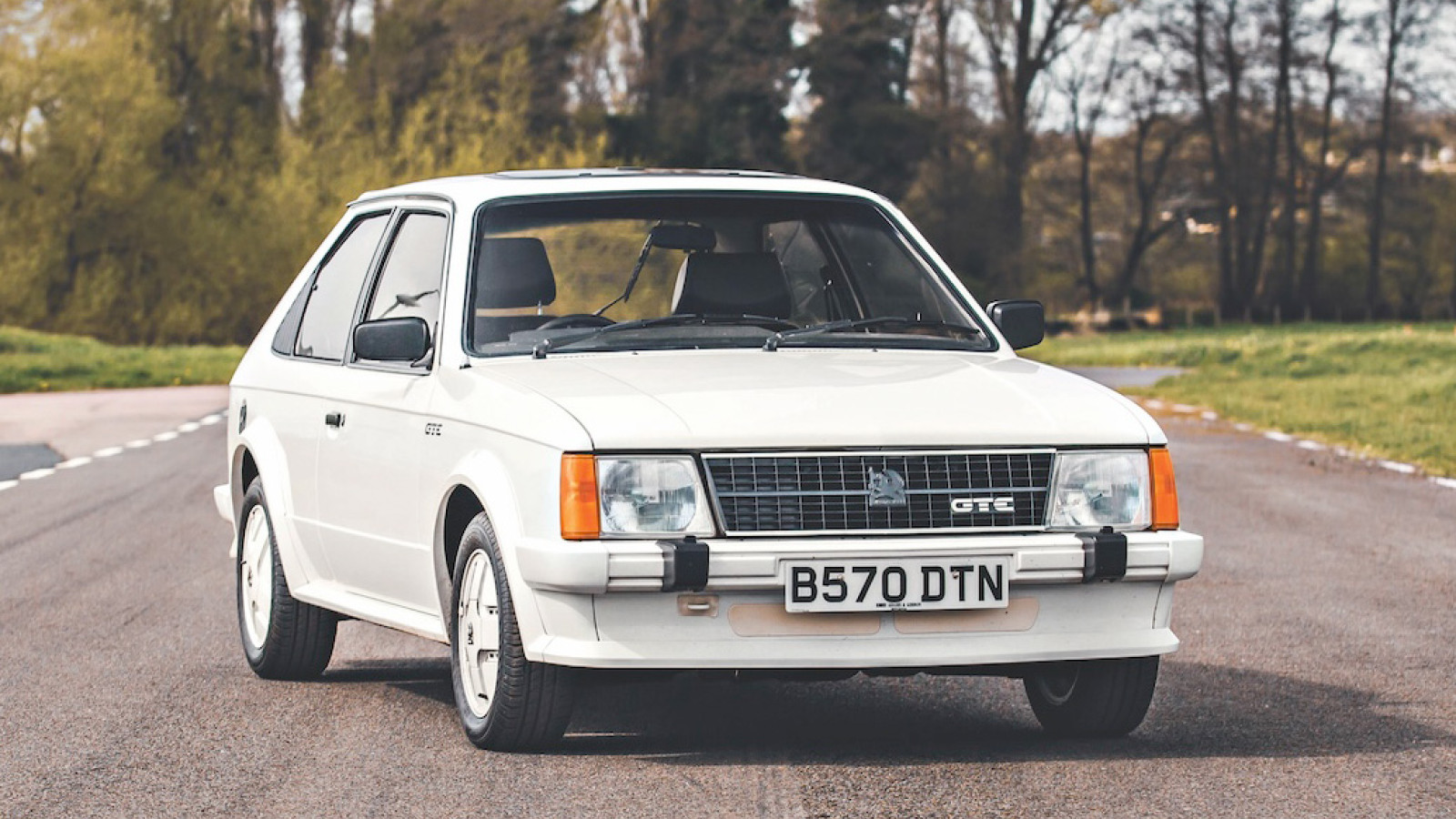
17. Vauxhall Astra Mk1 (1980-’84)
As the 1980s came into view, the Chevette was looking old.
Vauxhall needed something new, and the angular Astra was the car that brought it into a decade that had space travel at its core with the new Space Shuttle orbiter.
Not only did the Astra look sharp and modern, it also featured a new range of engines, which were a giant leap over the ones they replaced.
One of these was an 1800cc unit that sat in the front of the new hot-hatch model, the Astra GTE.
The Vauxhall Astra was available as a hatchback, a saloon and an estate, all with the option of three or five doors.
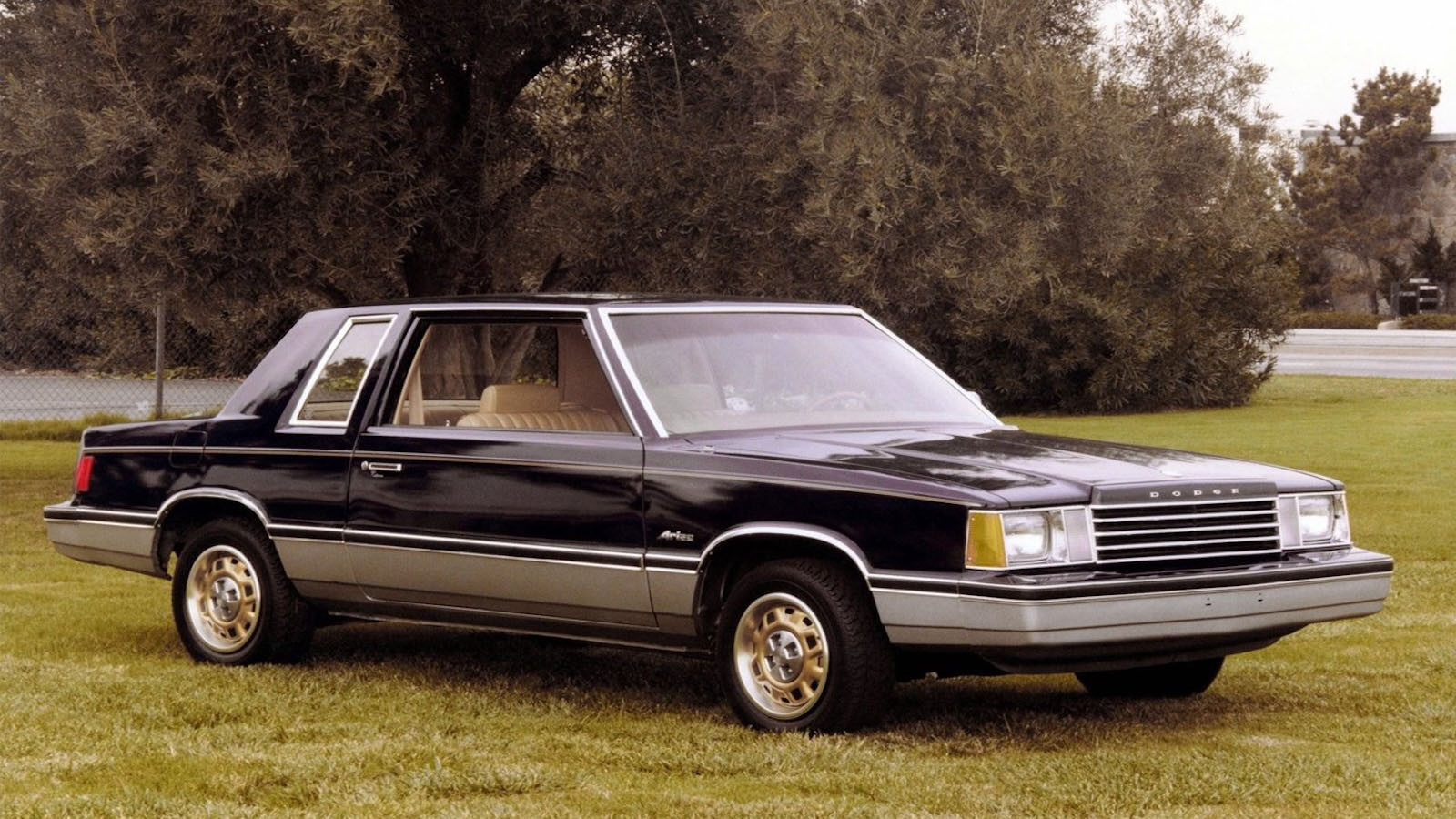
18. Dodge Aries (1981-’89)
K wasn’t just a character in the film Men in Black, it was the designation given to a range of new mid-sized models built by the impecunious Chrysler Corporation in 1981.
These included the Dodge Aries, a car that was the very definition of the word angular.
However, despite the star-sign name, few could have predicted quite how well it would sell.
After a few teething troubles, caused mainly by Chrysler building too many high-end trims when buyers wanted entry-level cars, sales skyrocketed.
There were two trim levels on offer, one of which came with standard wood-effect exterior panelling, although this could be deleted at no cost.
The Aries and its Plymouth Reliant sibling stayed on sale until 1989, with more than a million examples reaching consumers.
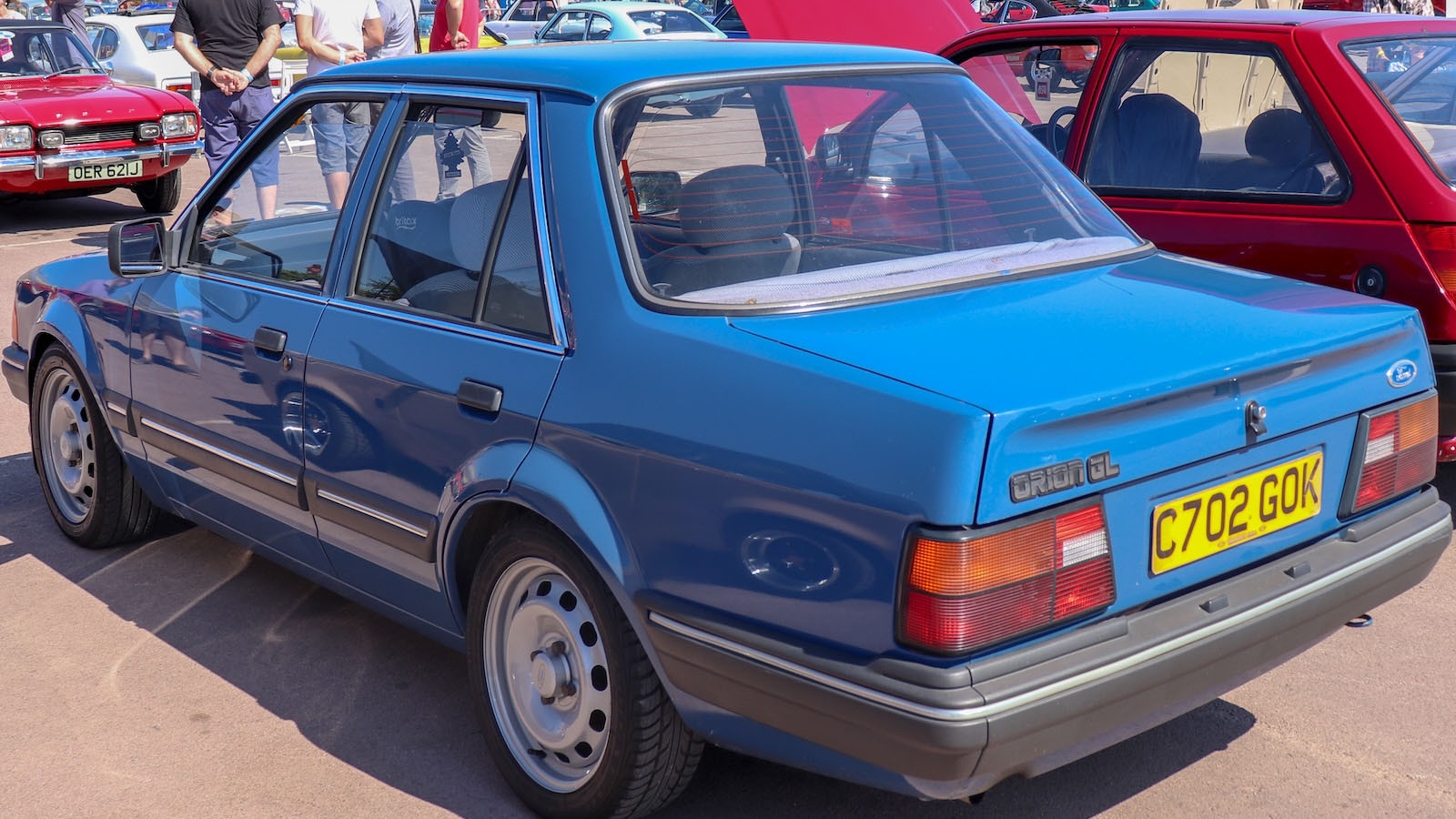
19. Ford Orion (1983-’93)
The Ford Orion was an example of the marque covering all the bases.
This was because since its third-generation Escort had appeared in 1981, the range had offered only a hatchback or an estate – and this was in an era when UK buyers still loved saloons.
Hence the Ford Orion, which was named after the constellation and actually developed under the codename Apollo.
It was, in effect, an Escort with a boot, although it also provided greater rear legroom than even the Ford Sierra from the class above.
It was marketed initially as a slightly upmarket option, so was available only in higher trim levels.
Indeed, the Orion 1.6i Ghia shared its underpinnings with the Escort XR3i of the time, so was a truly practical hot saloon that didn’t attract high insurance ratings.
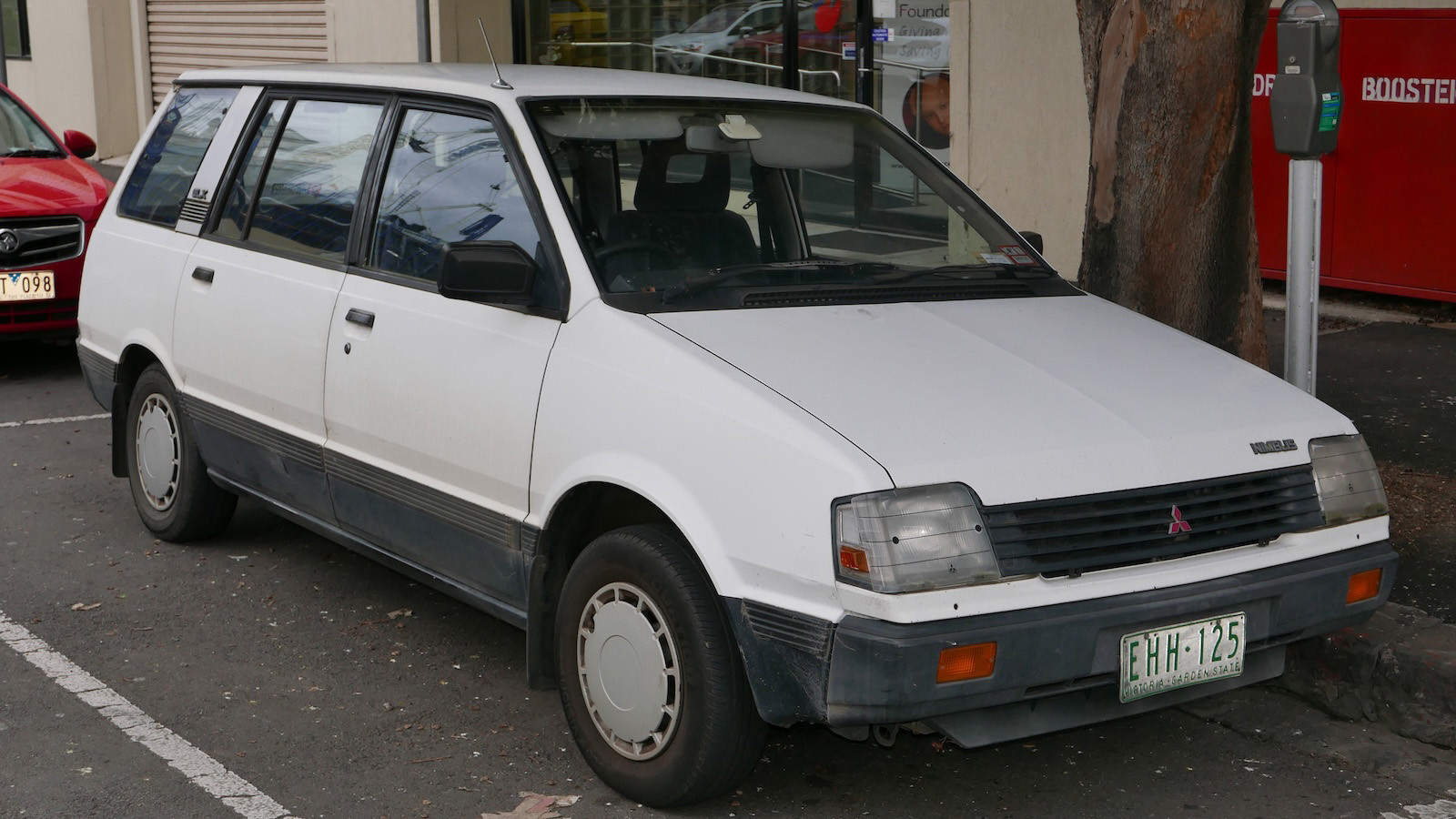
20. Mitsubishi Space Wagon (1983-’91)
Mitsubishi had a moment of genius in the early 1980s, because it foresaw the rise of the MPV.
To that end, it replaced the Galant Estate with the Space Wagon, a car with roominess and practicality at its core.
And if you want to convey an idea of lots of room, using the word Space in the name is sensible.
In Japan it was available with either six or seven seats, but that version never made it out of the country – it was a five-seater with a massive boot in the UK.
There were petrol- or diesel-powered versions available, although the latter was entirely of its era and therefore noisy and slow.
Unfortunately, the four-wheel-drive model that was popular in its home country was never available elsewhere.
Nevertheless, by providing simple, spacious family transport, the Space Wagon forged a path for truly revolutionary MPVs such as the Renault Espace.
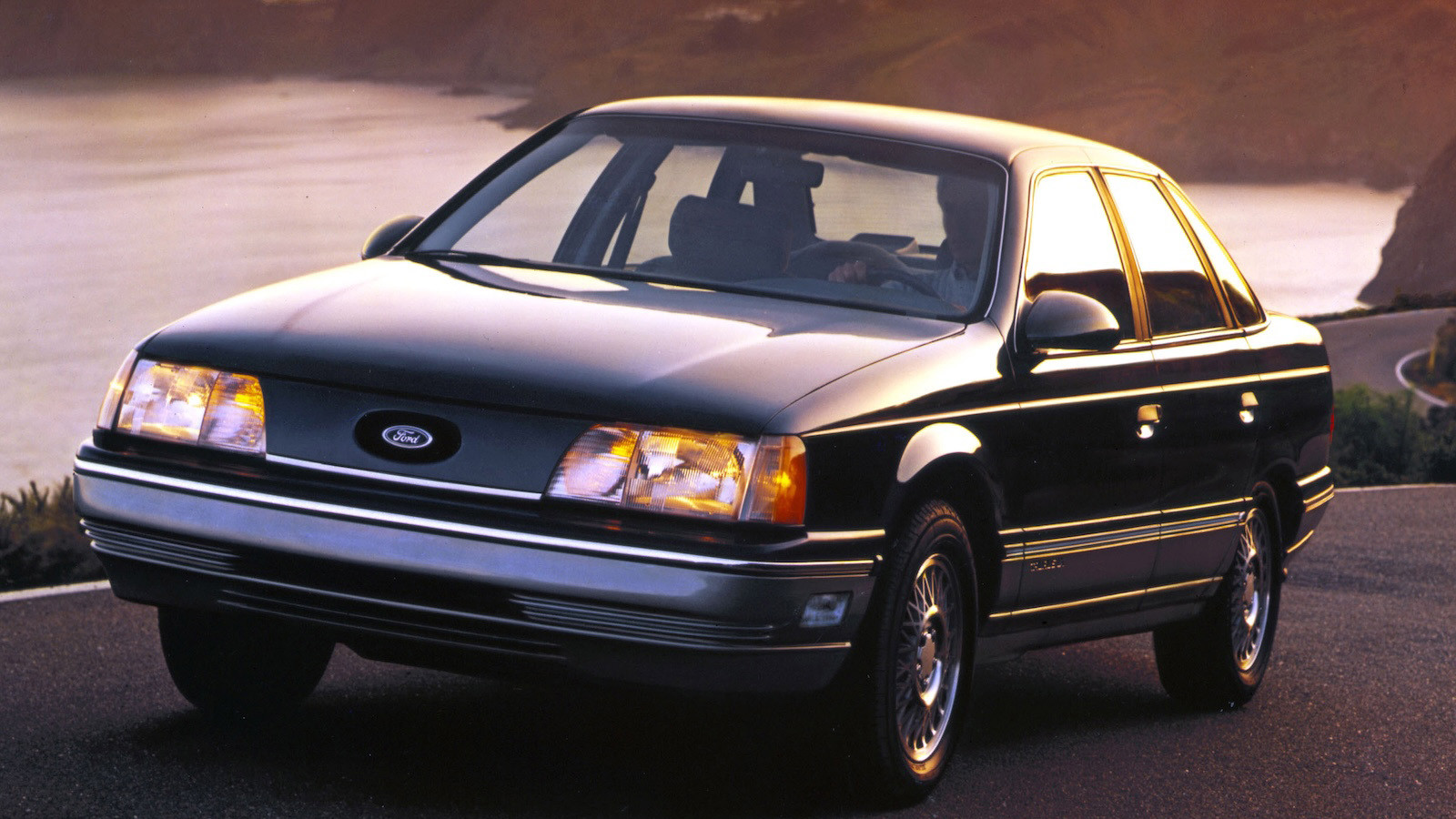
21. Ford Taurus Mk1 (1986-’92)
Ford in the USA had a reputation problem as the middle of the 1980s rolled round.
Well, the word ‘problem’ is underselling it a bit, because sales had plummeted due to the company’s perceived poor-quality products. It had lost $3billion between 1979 and ’82. Something had to be done.
The 1986 Ford Taurus, which was named after the star-sign constellation, was a new model that had been designed in-house and was aimed at restoring confidence in quality.
It was aerodynamic and it was front-wheel drive, which made it fuel efficient, something buyers were asking for.
The interior, too, was modern and designed to be used without the driver ever having to take their eyes off the road.
Buyers loved it, to the extent that Ford sold more than two million examples by the time the Taurus Mk1 was replaced in 1992.
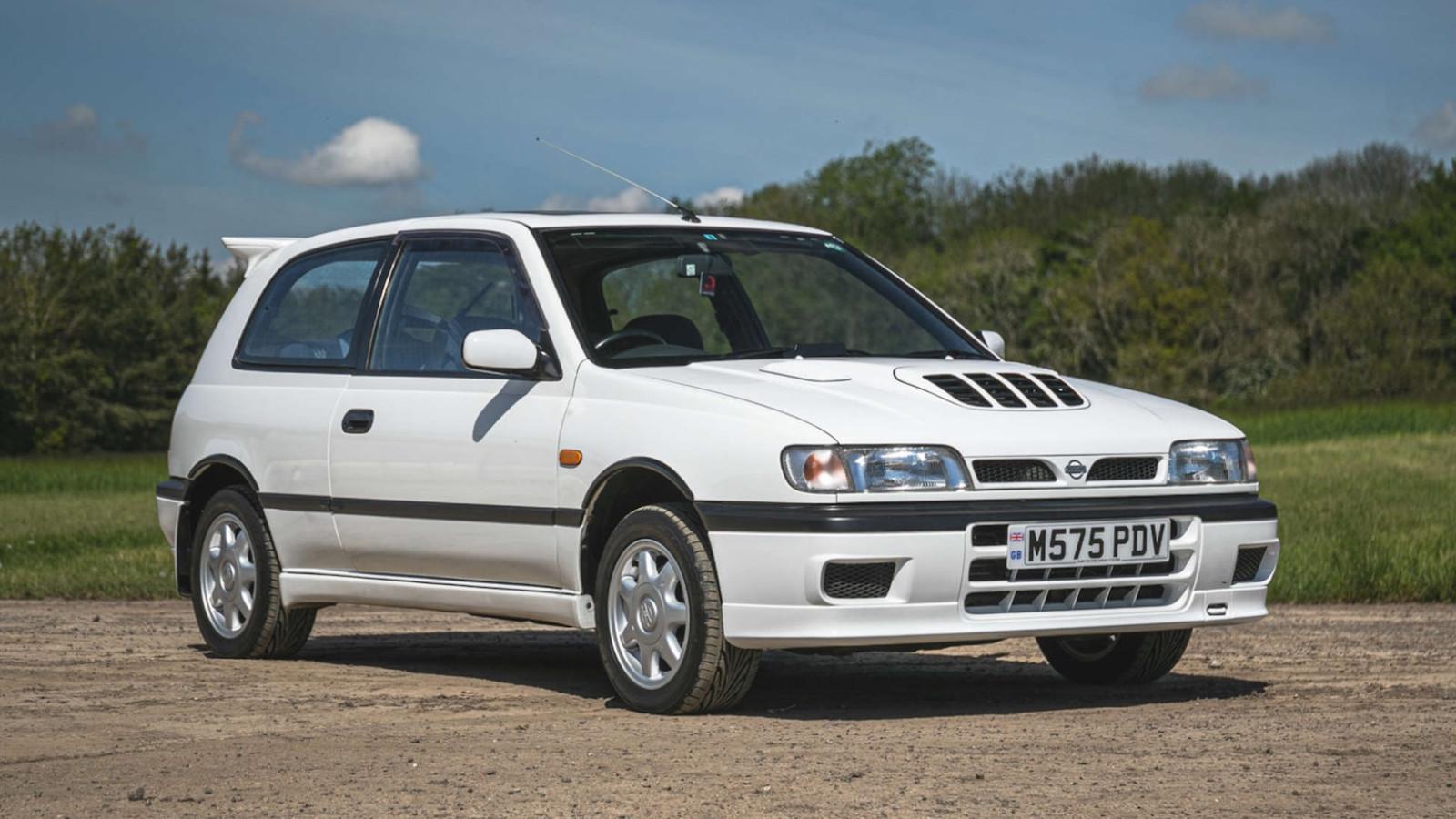
22. Nissan Pulsar GTI-R (1990-’94)
If you want your hot hatch to have a bright future, naming it after one of the brightest things in the universe is a good start.
But to say the Nissan Pulsar GTI-R was unexpected is underplaying the shock a bit.
The Nissan Pulsar of the era was the motoring equivalent of magnolia paint, so when Nissan unveiled a 227bhp, 2-litre, turbocharged hot hatch with four-wheel drive and that famous egg-box bonnet grille, the world collectively drew in a gasp.
Nissan produced the car because it wanted to enter the World Rally Championship’s Group A category.
Unfortunately, a solitary podium in the hands of Stig Blomqvist and Benny Melander at the WRC’s Swedish round in 1992 didn’t really do the car justice, because it was a road car par excellence, with the sort of power, nimbleness and grip to worry sports cars of the day.
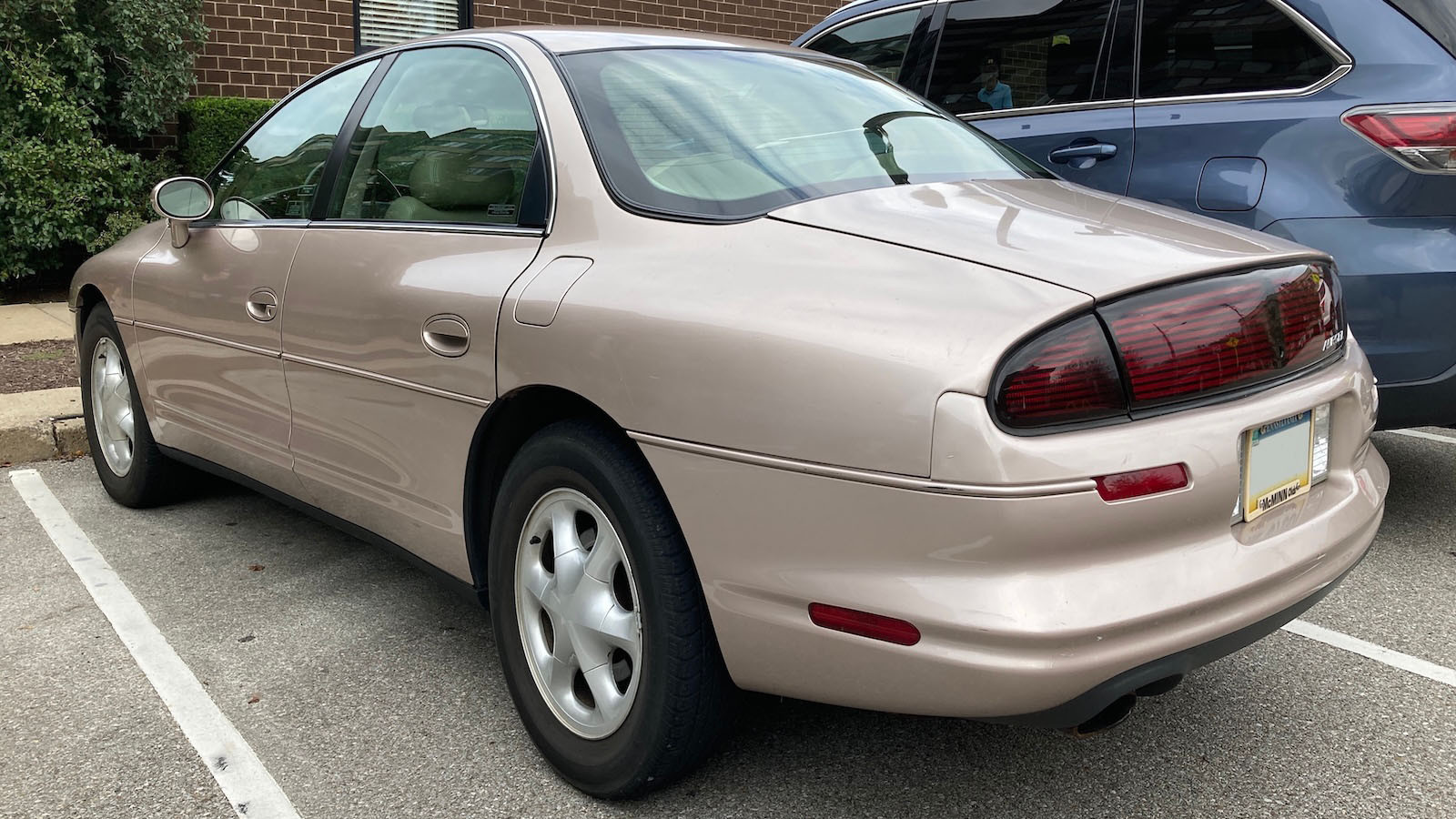
23. Oldsmobile Aurora (1995-’99)
Oldsmobile needed an eye-catching name for its next flagship saloon so chose to name it after one of the most spectacular displays the night sky has to offer: the aurora borealis.
Its exceptionally aerodynamic shape was based on the Oldsmobile Tube Car concept, and given that this model was designed to be a luxury offering, it came with a vast amount of standard equipment, including a high-end audio system, memory electrically adjustable seats that were clad in leather, dual-zone climate control, and airbags for both front-seat occupants.
It was powered by a 244cu in (4-litre) V8 engine that was based on the Northstar V8 motor that had hitherto been exclusively used in various Cadillacs for a number of years.
The car was also supremely strong, to the extent that it broke GM’s testing machine instead of collapsing.