Three-figure performance
The 1960s was a transformational period for production cars’ maximum speeds.
At the start of the decade, achieving 100mph was the preserve of the most sporting or capacity-laden motors.
But by 1969, not only were the fastest cars approaching 200mph (take a bow, Ferrari Daytona and Lamborghini Miura), but far more humble family cars were taking what Brits call ‘the ton’ – or a top speed of 100mph - in their stride.
So, listed in alphabetical order, here are 25 cars, each from a different manufacturer, that cracked the magic mph century.
We’ve trawled the archive of Autocar and used its contemporary road-test data to make sure there’s no cheating.
1. 1967 AC 428 Fastback
By the mid-1960s, AC boss Derek Hurlock needed a replacement for the ageing Cobra.
He tasked Pietro Frua with creating a grand tourer based on the Cobra’s platform, but retaining its extraordinary performance.
The AC 428 – its name derived from the cubic-inch displacement of its Ford V8 engine – was first unveiled as a convertible at the British Motor Show in 1966, then as a Fastback, costing an eye-watering £4850, at Geneva the following year.
The two-seater had no problem achieving a genuine 142mph in Autocar’s hands.
AC 428 production ended in 1973, with just 52 Fastbacks built.
2. 1967 Alfa Romeo 1750 GTV
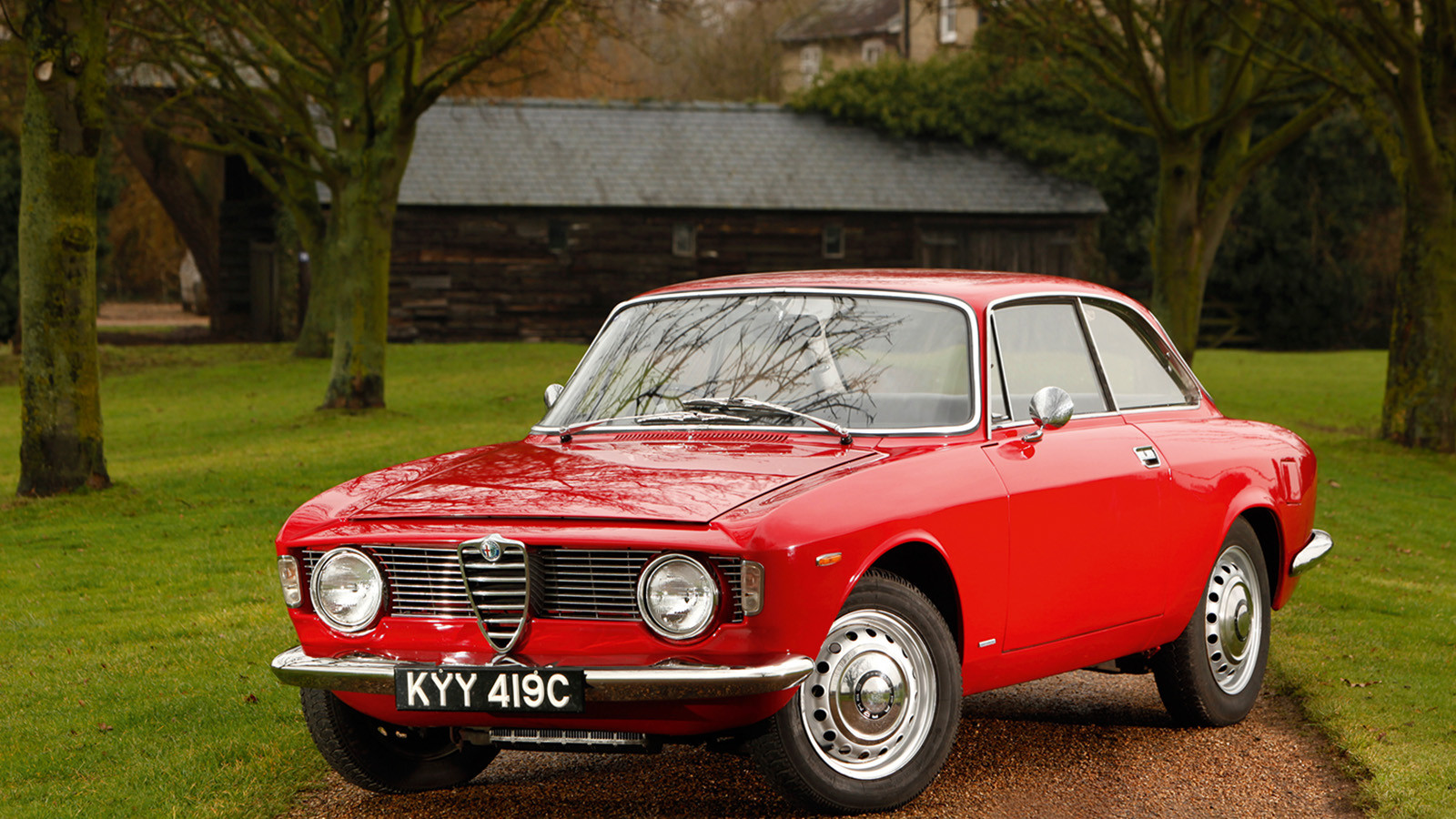
The first of Alfa Romeo’s Giorgetto Giugiaro-penned 105-series coupés was launched in 1963, but by 1967 the 1750 GTV (for GT Veloce) brought more power, plus design revisions inside and out.
Alfa’s lusty twin-cam ‘four’ now displaced 1779cc and while power was only slightly above that of its 1600cc predecessor, it was enough for Autocar to record a 118mph maximum speed.
The 1750 GTV also received larger disc brakes all round, a front-end restyle, losing the previous ‘step-nose’ feature, and a new design of dashboard and seats.
Production ended in 1972.
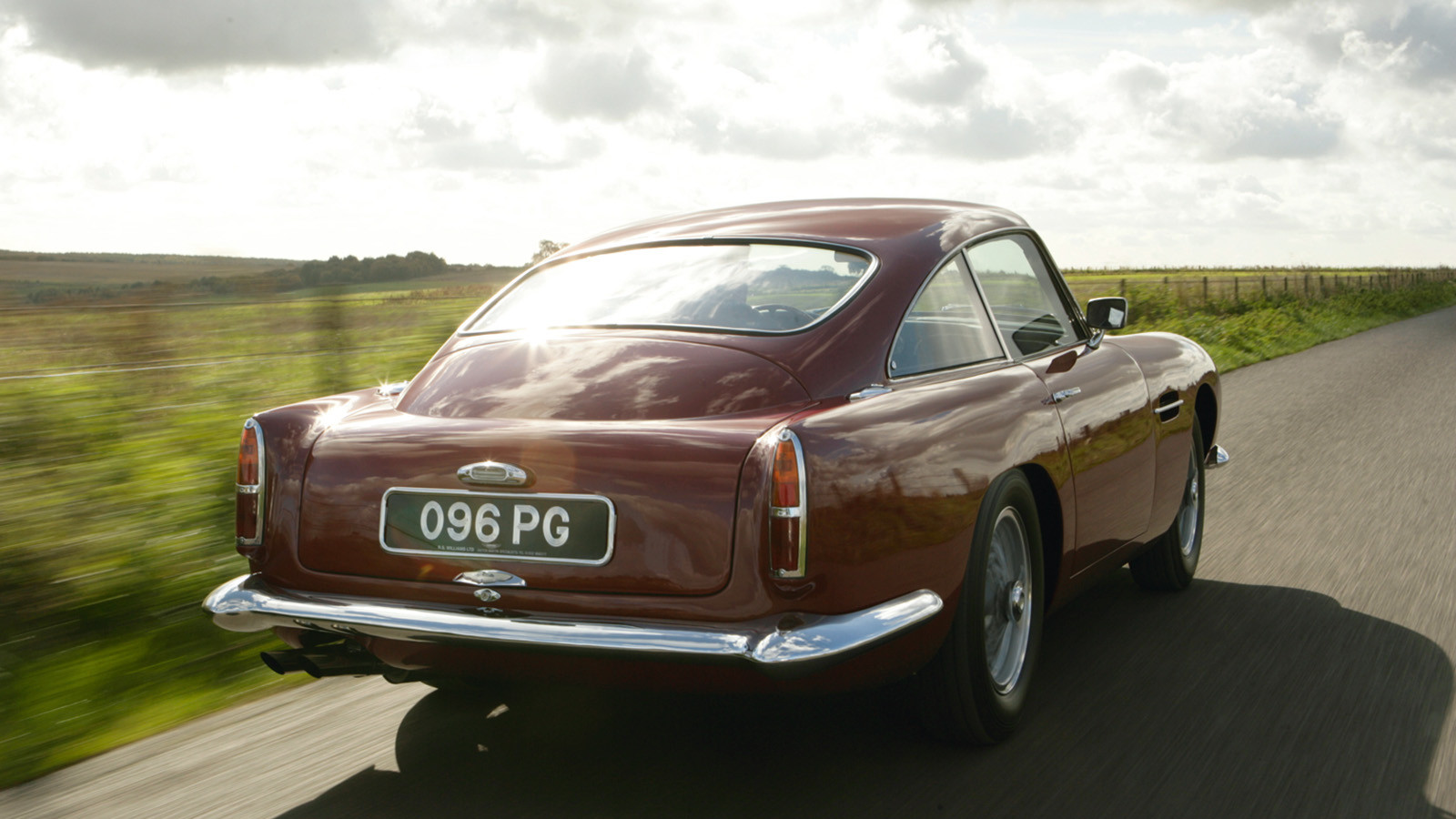
3. 1960 Aston Martin DB4GT
Revealed in late 1959, but with first cars reaching owners early the following year, the Aston Martin DB4GT was a lightweight, performance derivative of the marque’s DB4.
Still employing the DB4’s superleggera construction and Touring’s exquisite fastback design, the GT used thinner-gauge aluminium for its body and had a shorter wheelbase than the regular model.
The DB4GT’s engine – displacing either 3670cc or 3750cc – used two spark plugs per cylinder, twin distributors and three twin-choke Webers, as well as a raised compression ratio, helping Autocar’s road testers to hit a top speed of 152mph.
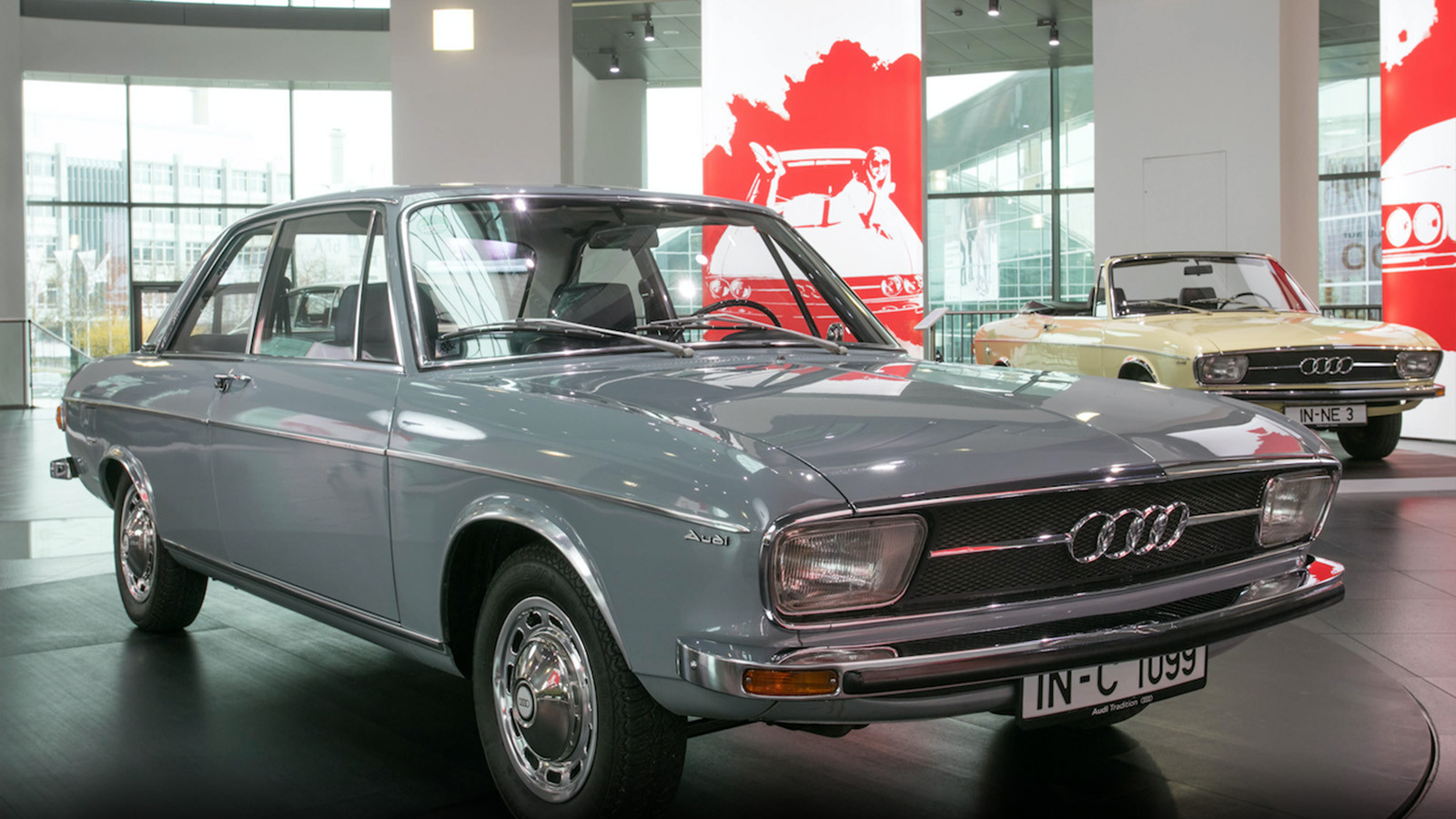
4. 1968 Audi 100 LS
The Audi 100 was launched in 1968 and took its name from its 1.8-litre engine’s 100PS (for Pferdestärke, or the metric version of the imperial ‘bhp’) output.
While the original 100 was a four-door saloon, its front-wheel-drive platform was also used for a two-door saloon version, followed by an attractive, two-door coupé from 1970.
Autocar quoted a 106mph top speed after testing the 100 LS, which continued in production until 1976.
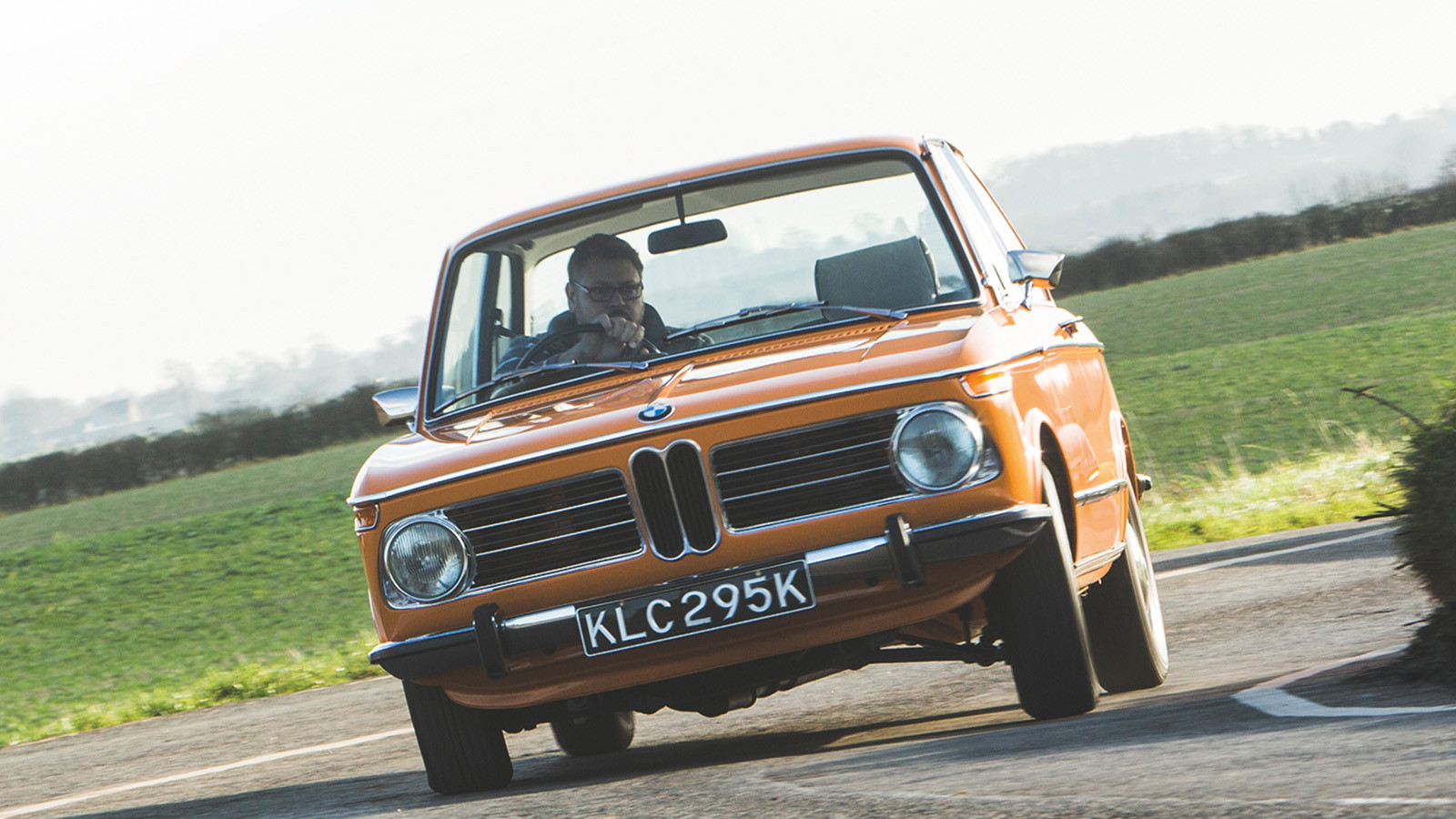
5. 1968 BMW 2002
Based on the Neue Klasse saloon which had preceded it, BMW’s ’02 series was shorter, lighter, faster and more agile, though not quite as salubrious as the outgoing model.
Originally launched in 1966 as the 1600-2, and designed by a team working under Wilhelm Hofmeister, the more powerful 2002 version arrived in 1968, powered by BMW’s 2-litre M10 four-cylinder engine, which Autocar took to 107mph.
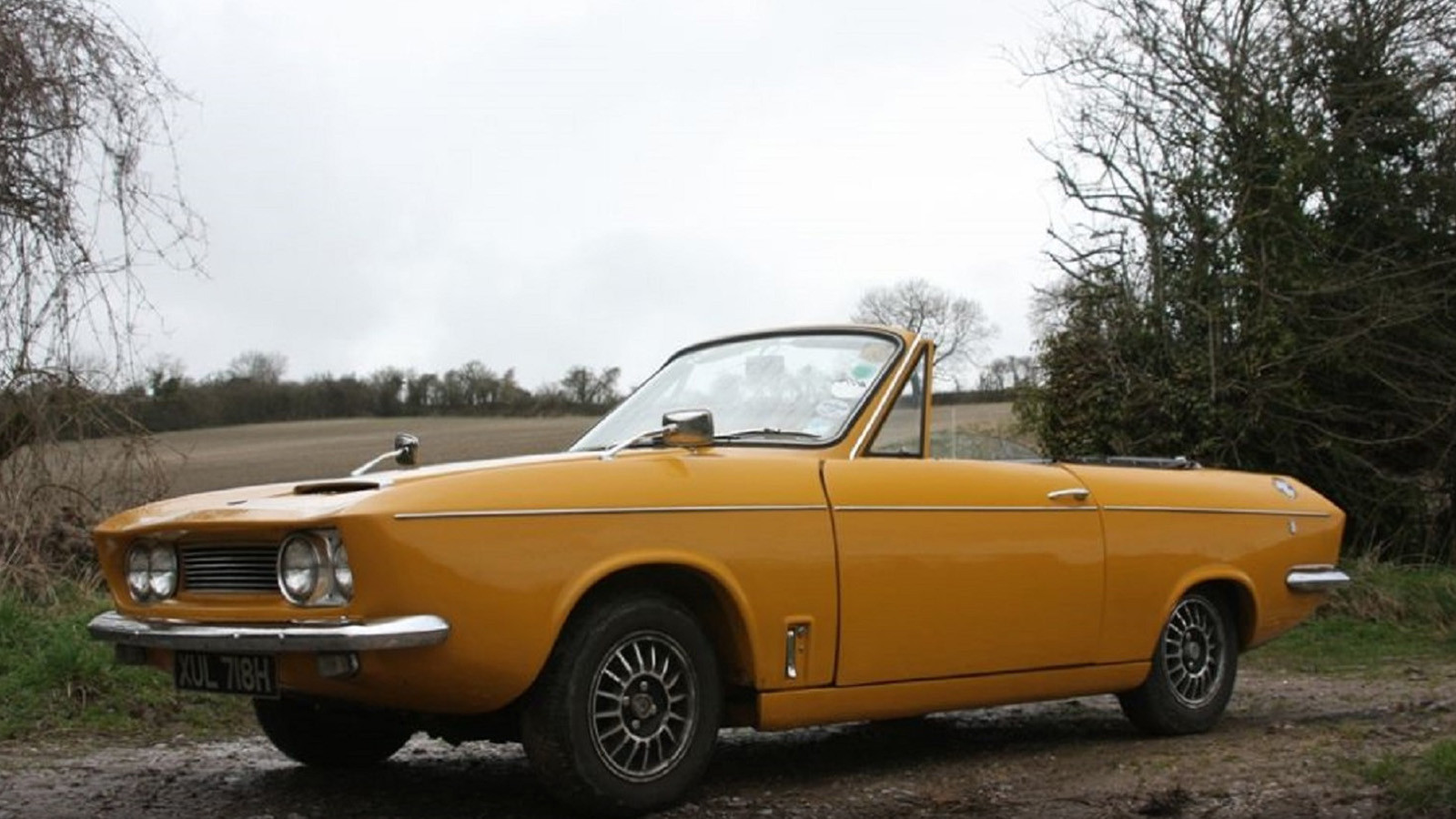
6. 1963 Bond Equipe Convertible
The Equipe was Bond’s first four-wheel offering.
Launched in 1963, and making considerable use of Triumph Herald componentry, including the chassis, windscreen, scuttle and doors, the Equipe was initially powered by either a 1147cc or 1296cc ‘four’ from the Triumph Spitfire.
However, it wasn’t until the Equipe 2.0 GT was introduced in 1967 that the car acquired the Triumph Vitesse’s 1998cc straight-six, allowing it to crack 100mph.
Well, just: Autocar saw 102mph by the end of its test.
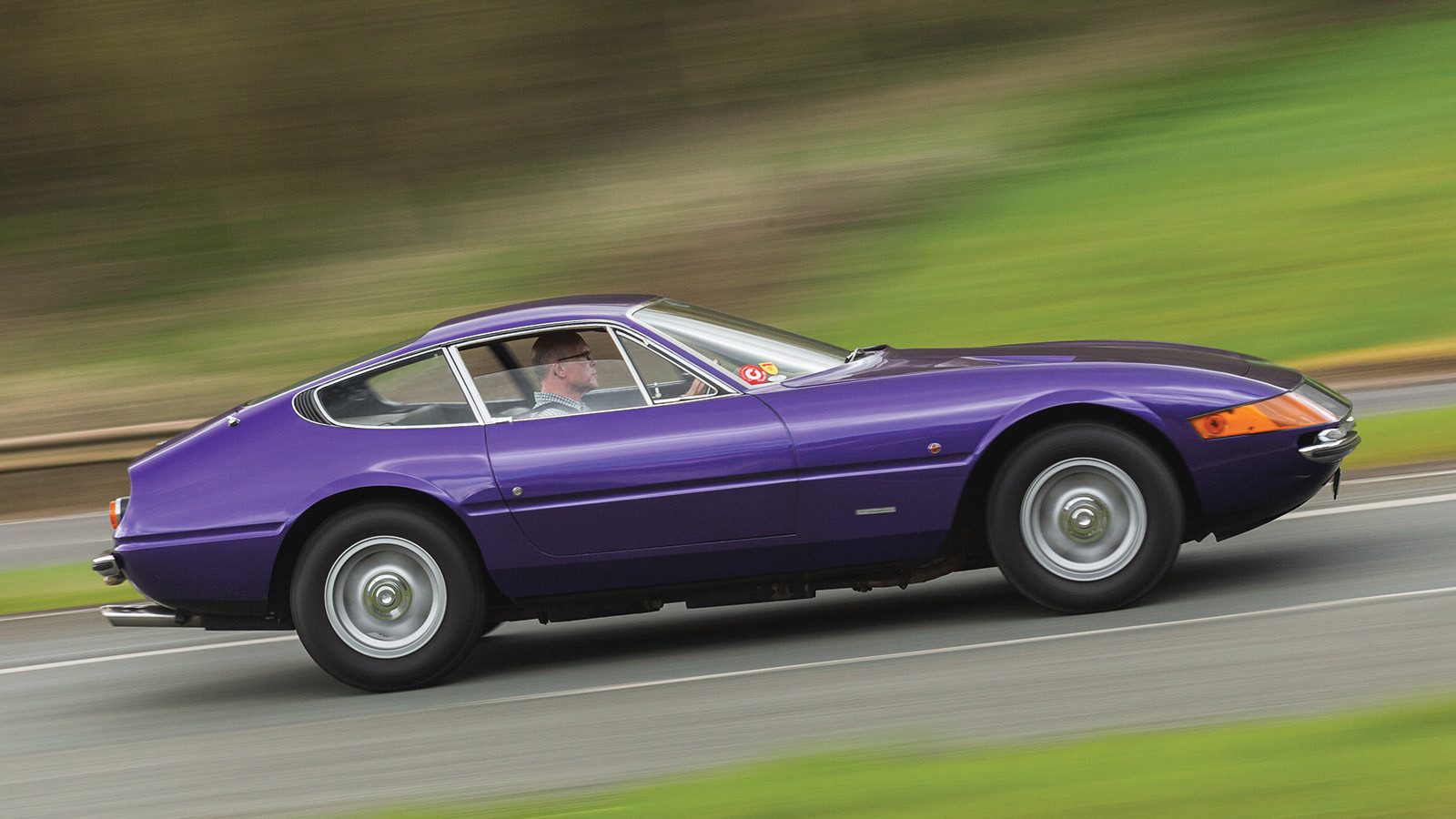
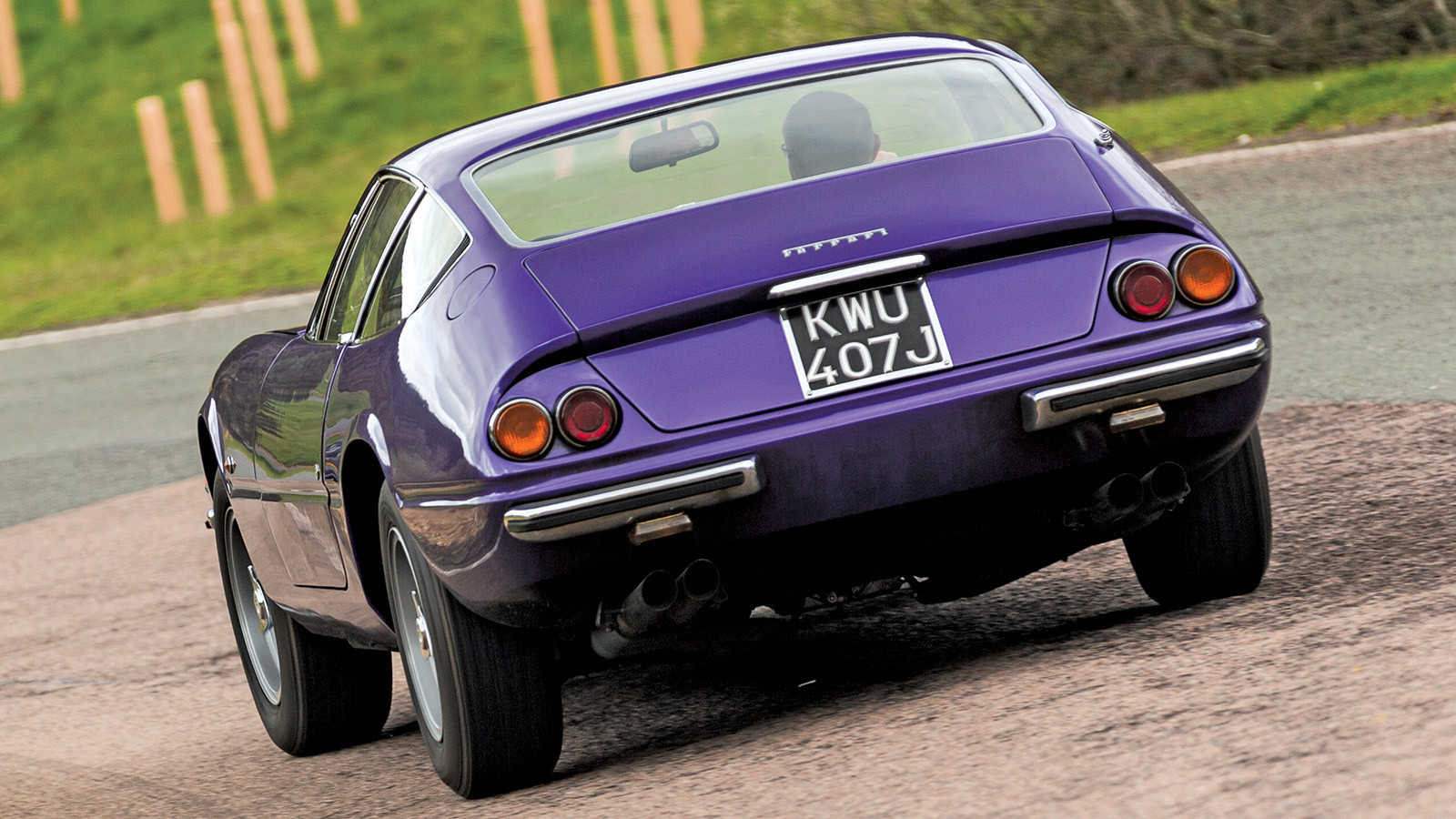
7. 1968 Ferrari 365GTB/4 Daytona
Maranello Concessionaires, Ferrari’s UK importer, was clearly besieged with press requests for Ferrari’s new 365GTB/4 Daytona, hence Autocar’s road test didn’t happen until 1971, three years after the car was launched.
Designed by Pininfarina and built by Scaglietti, the Daytona was heavily based on the 275GTB/4 which preceded it, but this time powered by a larger, 4.4-litre, double-overhead-camshaft V12.
Ferrari quoted a top speed of 174mph for the Daytona and, remarkably, Autocar was able to match that claim, at the same time setting a new record for a maximum speed achieved during one of its road tests.
And that also makes it the fastest car in this group.
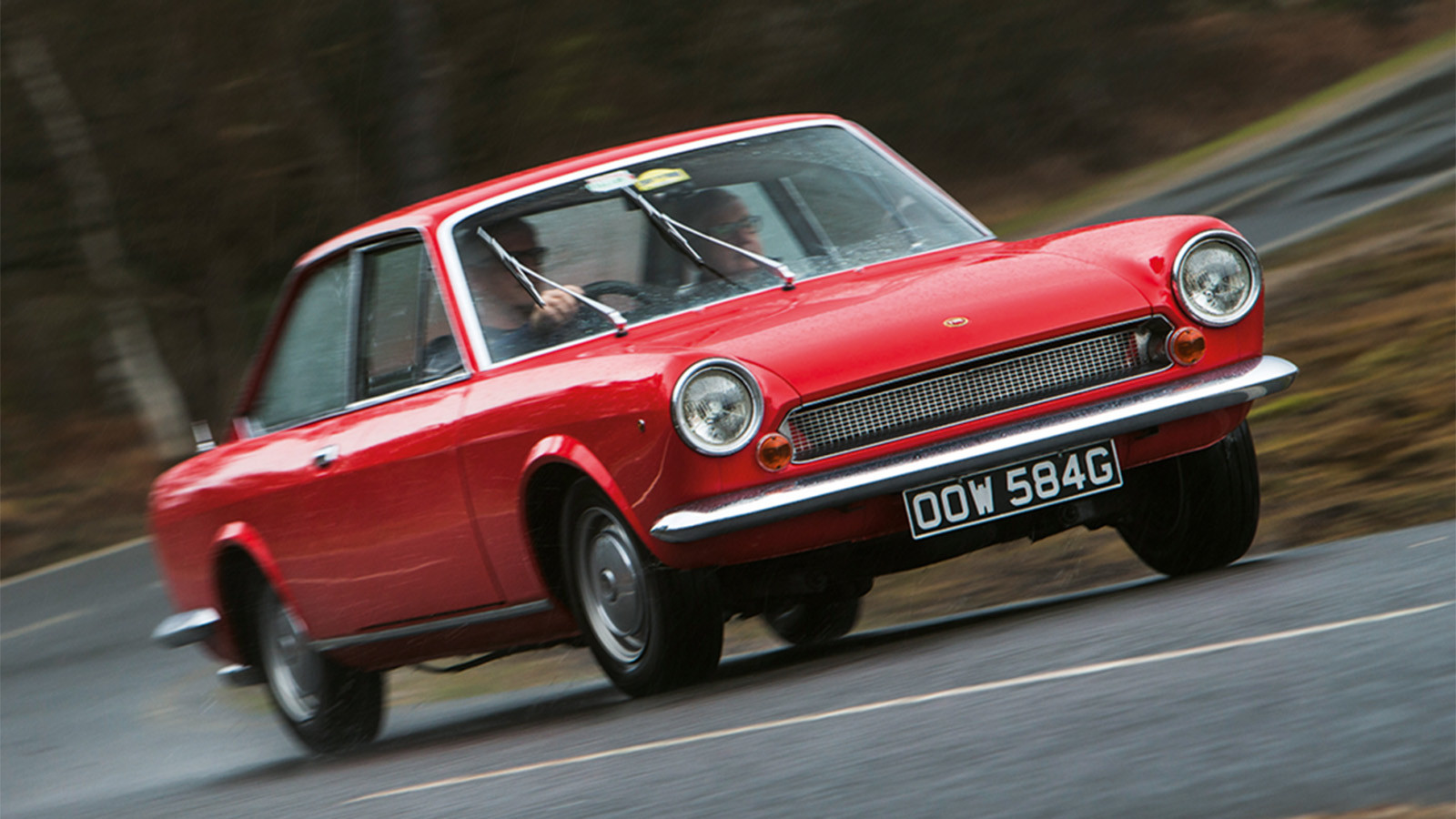
8. 1967 Fiat 124 Sport Coupé 1400
Designed in-house by Mario Boano at Fiat’s Centro Stile department, the four-seat 124 Sport Coupé was based on the 124 saloon, but with its wheelbase cut by 14cm (5½in).
Launched in 1967, and equipped with disc brakes all round and double-wishbone suspension, the Coupé was praised for its handling and driveability.
It was initially powered by a Lampredi-designed, 1438cc, double-overhead-camshaft ‘four’, enough for Autocar to claw its way up to 102mph during testing.
Larger engines were introduced in the course of three generations, with production finally coming to an end in 1975.
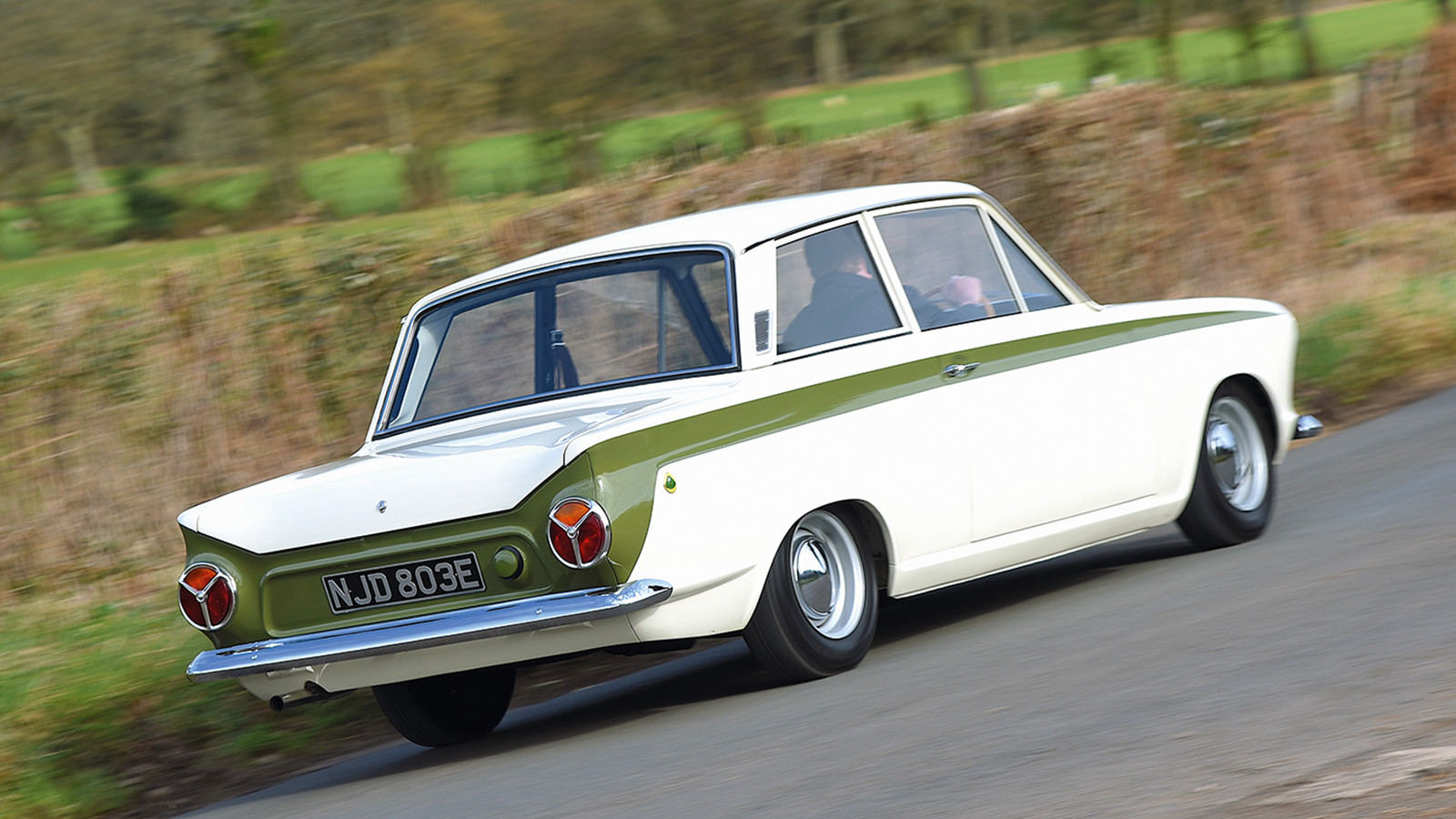
9. 1963 Ford Cortina Lotus Mk1
Colin Chapman of Lotus had commissioned engine designer (and Autocar’s technical editor) Harry Mundy to design a twin-cam head for Ford’s new Kent engine.
After the Lotus/Ford unit was trialled successfully by Jim Clark in a Lotus 23, Ford’s Walter Hayes asked Chapman if he could supply 1000 units to homologate the Cortina for competition.
What resulted was the Ford Cortina Lotus, with Ford supplying Lotus with two-door Cortina bodyshells, which were fitted with a 1557cc version of the new engine.
Lightweight body panels and transmission casings, plus heavily revised suspension components (including replacing the Cortina’s rear leaf springs with coils and an A-bracket) transformed the Ford/Lotus hybrid into a formidable racer.
Autocar, meanwhile, extracted 107mph from the hot Cortina during its road test.
10. 1969 Gilbern Invader
Similar in concept and design to the Genie that preceded it, Gilbern’s Invader aimed to take the Welsh car maker upmarket.
Still powered by Ford’s 2994cc Essex V6, the Invader – which could be purchased complete or as a component car – used a strengthened Genie chassis, a glassfibre body and MGC front suspension, with coils and trailing arms at the rear.
Now more salubrious inside, with electric windows and a walnut-veneer dashboard, the Invader survived through three generations until production halted in 1973.
Autocar managed a creditable 115mph top speed when the magazine tested the Invader soon after its launch.
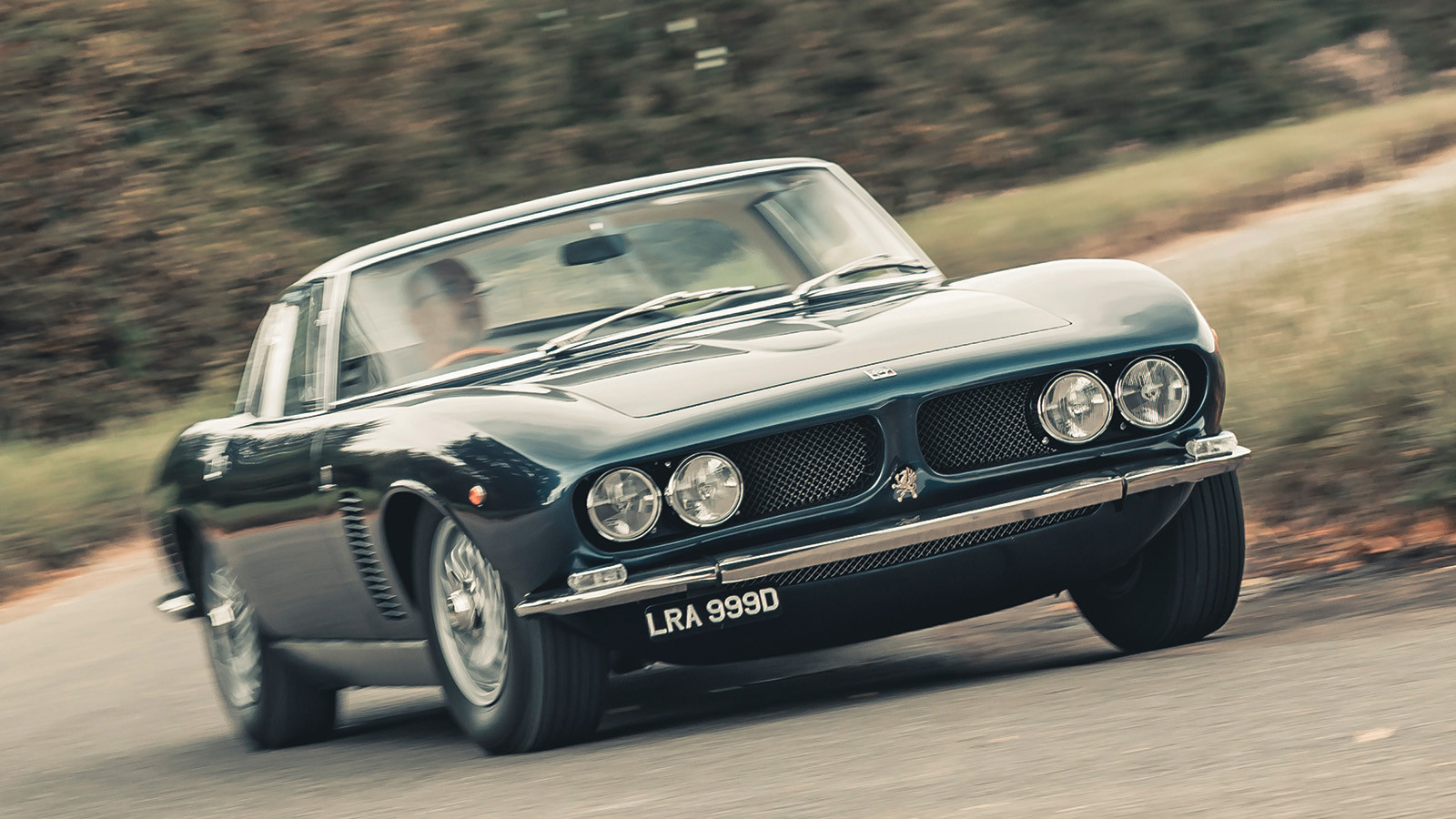
11. 1965 Iso Grifo
Iso’s Grifo was set to become another Autocar record-breaker: when the magazine tested it on 29 April 1966, it achieved a top speed of 161mph, the fastest speed recorded in a road test to that point.
The Iso Grifo GL had been introduced the year before, the brainchild of Giotto Bizzarrini, with its body designed by Giorgetto Giugiaro at Bertone.
While various US-designed V8 engines were used during the Grifo’s life, it was initially powered by a 5.4-litre Chevrolet small-block, delivering drive to the rear wheels through a four-speed manual gearbox.
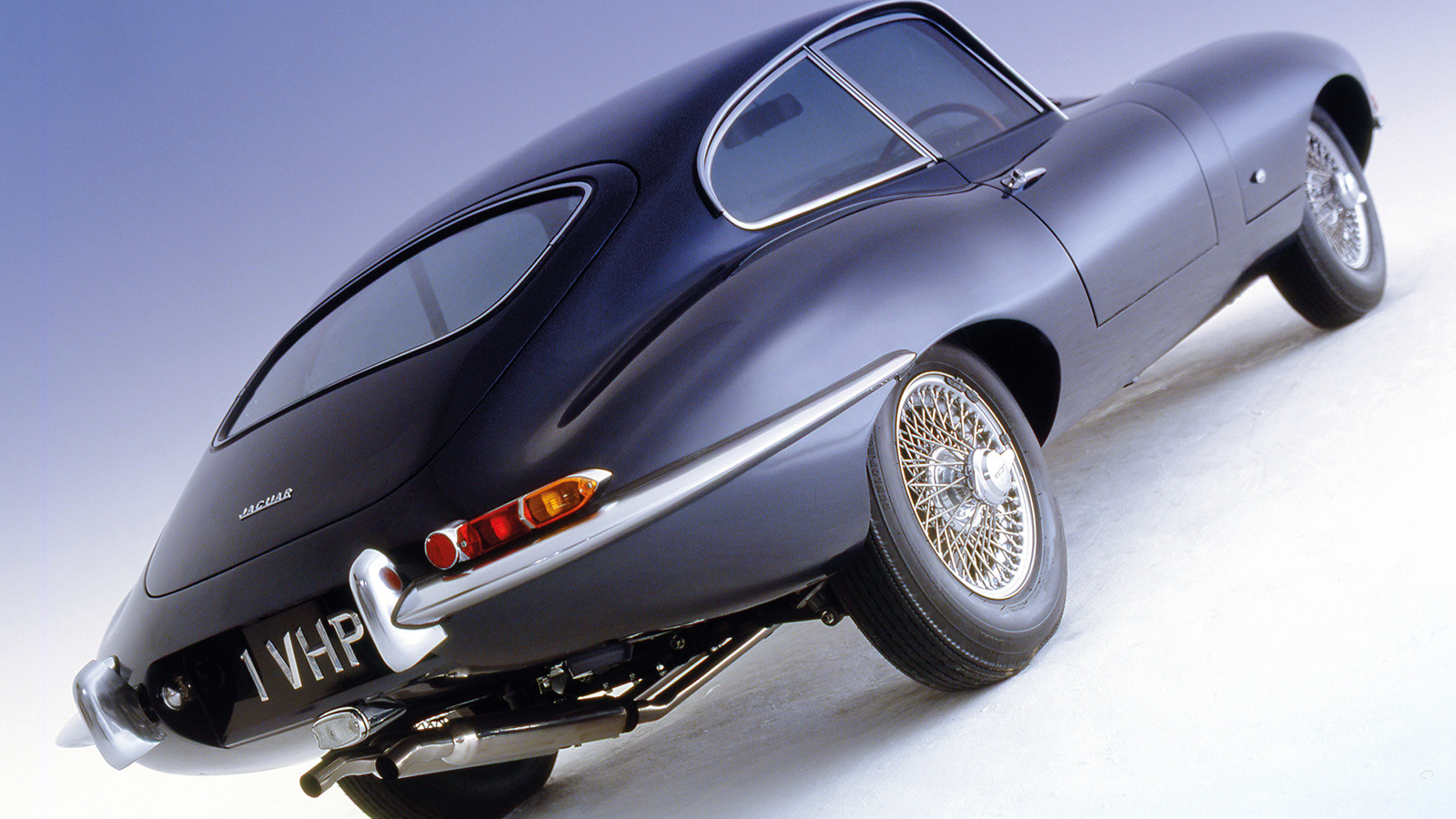
12. 1961 Jaguar E-type 3.8 fhc
According to Autocar’s data, Jaguar’s original 3.8-litre fixed-head two-seater E-type managed a mind-boggling 152mph top speed when it was tested soon after its launch (though, like many manufacturers’ press cars, it was undoubtedly tuned to perfection).
Either way, the Jaguar E-type was a revelation when it was launched in 1961. As well as looking like a slice of the future, front and rear independent suspension, rack-and-pinion steering and disc brakes all round (inboard at the rear) were among a long list of high-tech componentry that wouldn’t have appeared out of place on cars costing twice its price
The E-type’s enduring appeal and captivating design saw it through three generations before production ended after 13 years in 1974.
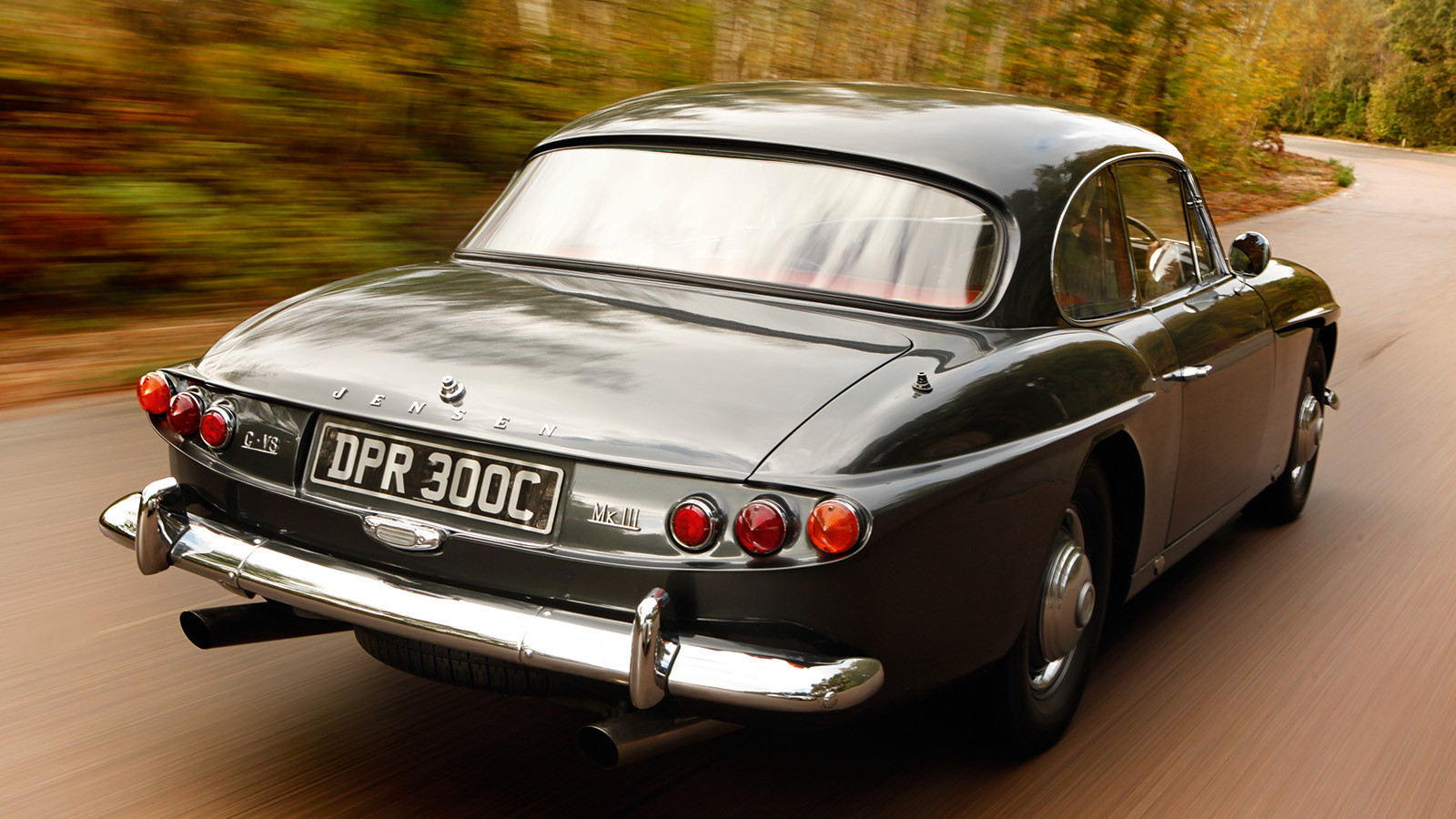
13. 1962 Jensen C-V8
After many years of sourcing British-designed/built engines for its outgoing 541, Jensen, like some of its rivals, opted for a US-built V8 for its new C-V8.
The recipe of lightweight, GRP construction was carried over from the 541, but this time Jensen fitted a big-block, 361cu in (5.9-litre) Chrysler V8, mounting it behind the C-V8’s front axle for optimum weight distribution.
Eric Neale’s design divided opinion, especially the C-V8’s front-end styling, but with an output of up to 330bhp (from 1963, a larger 383cu in lump was employed) and acceleration from 0-60mph in 6.7 secs, few would complain about its performance.
Including Autocar, which achieved a top speed of 131mph.
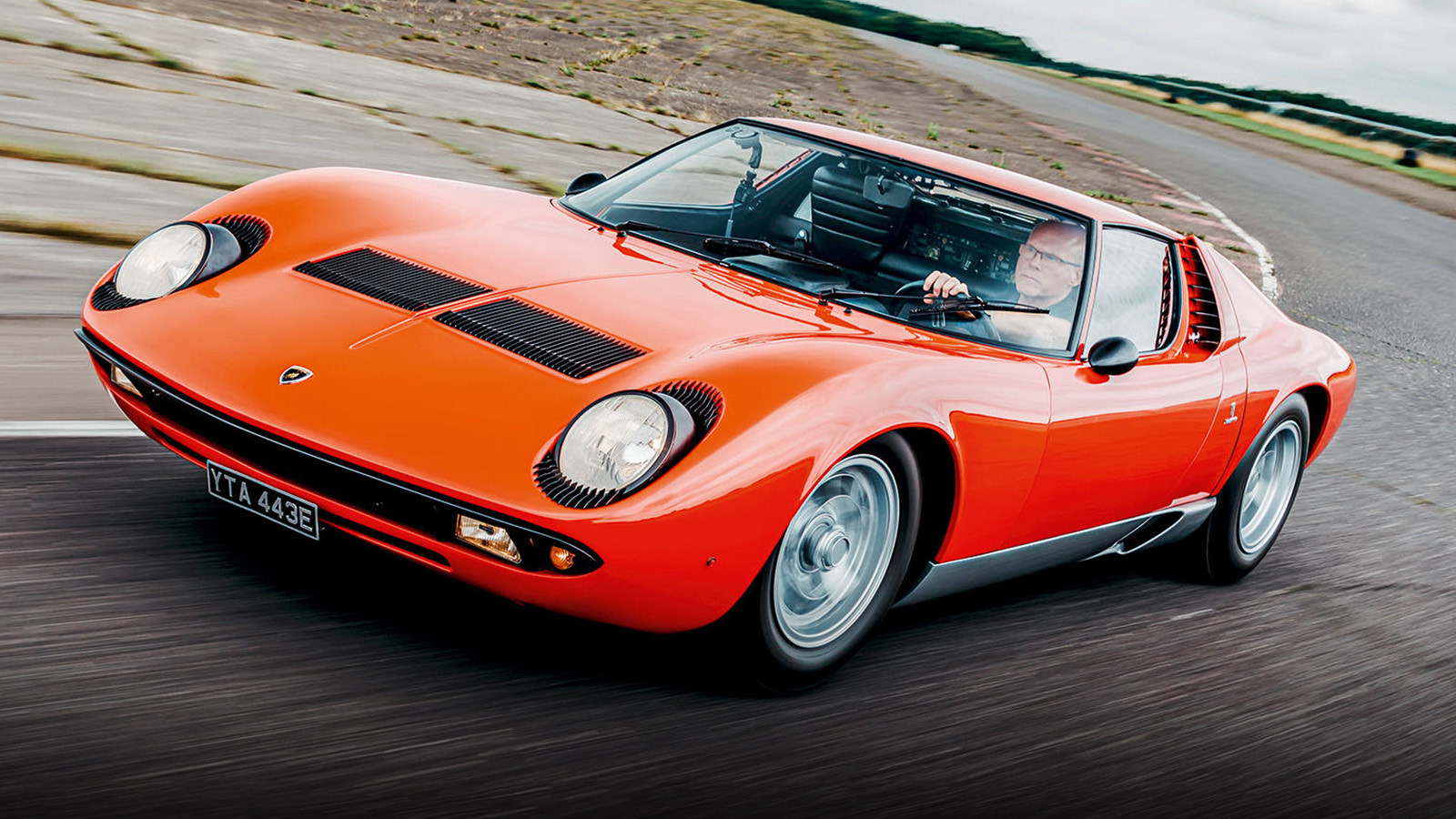
14. 1966 Lamborghini Miura P400S
Lamborghini had already sent shockwaves around the industry when it displayed a bare chassis with a transverse/mid-mounted V12 engine in 1965 at the Turin show.
The outrageous recipient of that chassis appeared a year later as the production Miura, and in an instant made Ferrari’s rival product – the 275GTB/4 – look slightly old hat.
Designed by Marcello Gandini at Bertone, with Giampaolo Dallara, Paolo Stanzani and Bob Wallace in charge of engineering, the Miura is often acknowledged as the first true supercar.
Powered by a 3929cc V12, Autocar set a record top speed of 172mph when the team road tested it in 1970.
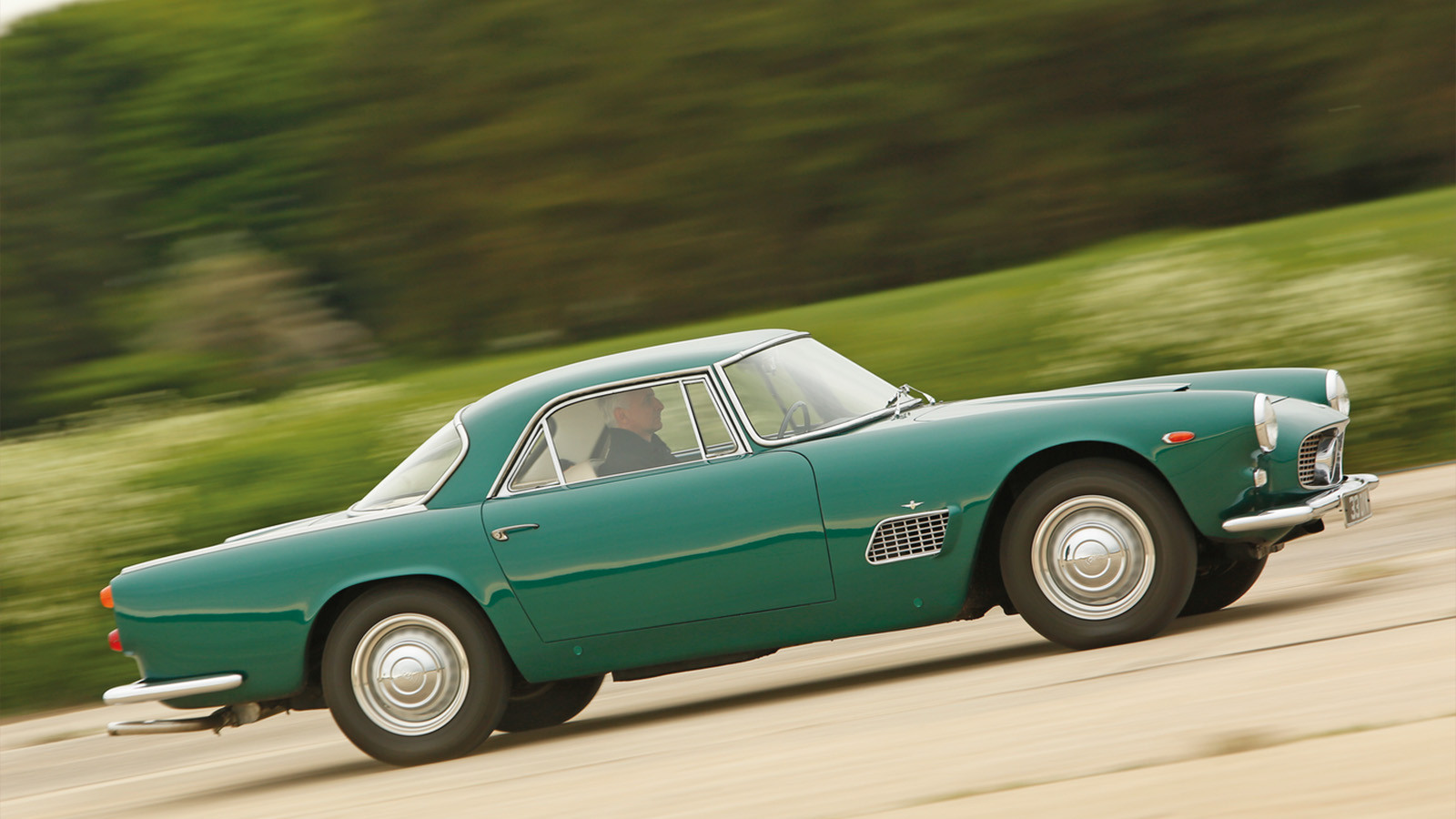
15. 1962 Maserati 3500GTi Sebring
Maserati’s Sebring 2+2 coupé was an evolution of the 1957 3500GT.
Launched in 1962, its name paid homage to Maserati’s success at the Floridian race track in 1957.
Powered by the 3500’s 3.5-litre straight-six, the Sebring was fitted with Lucas mechanical fuel injection – the first Italian car so equipped – and came as standard with a five-speed gearbox.
Autocar tested the model in 1963 and managed a top speed with it of 137mph.
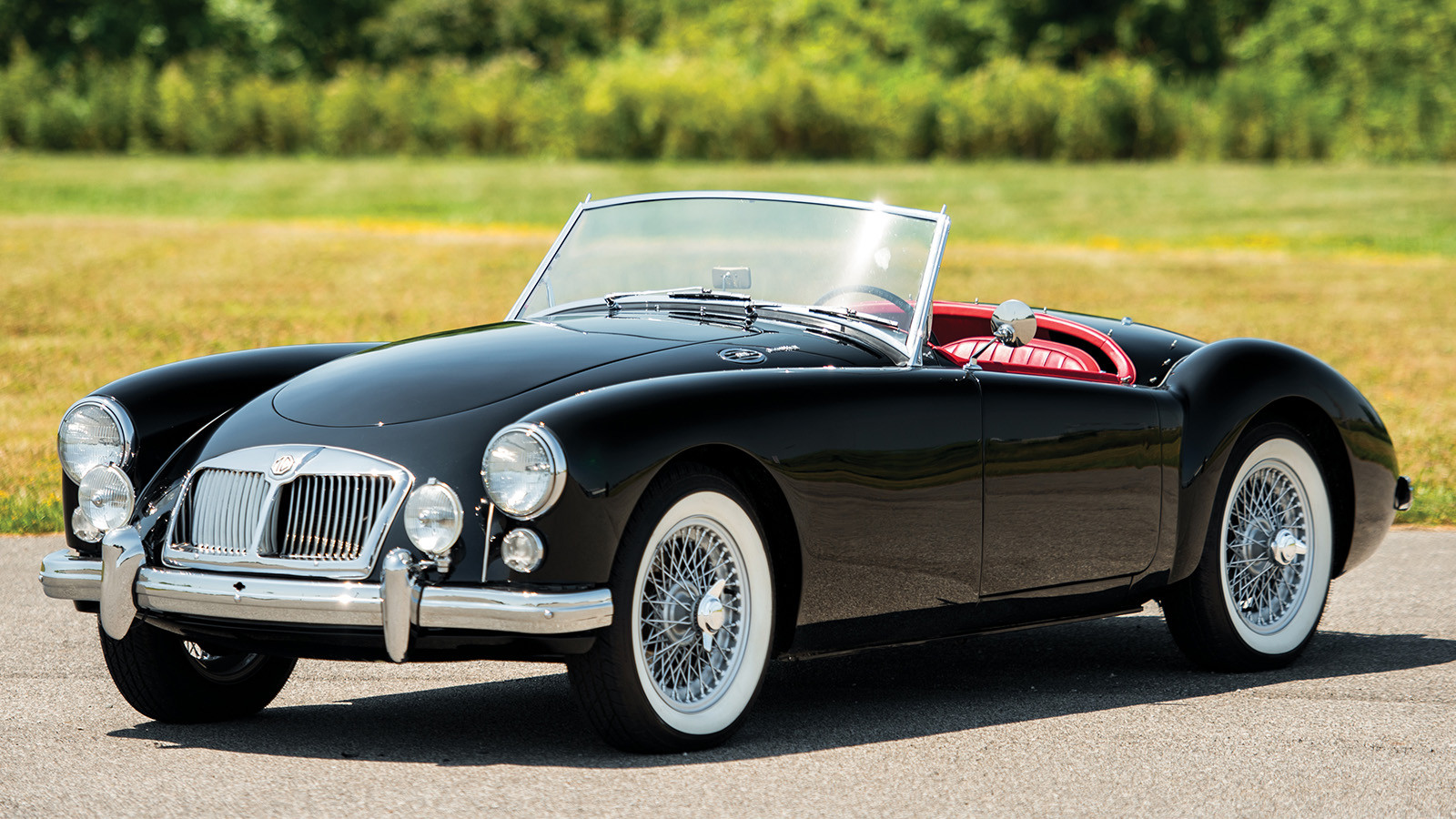
16. 1961 MGA 1600 Mk2
The 1600 Mk2 was the MGA’s final hurrah before the new MGB arrived in 1962.
Launched in ’61, this MGA was powered by a larger, 1622cc engine with a revised cylinder head.
Visually, the model was identifiable by a new design of front grille and horizontal, rather than vertical, tail-lights.
Prior to the Mk2’s launch, only the troublesome MGA Twin Cam had managed to crack 100mph, but Autocar proved that the MGA’s last derivative could do it, too, mustering a top speed of 101mph during testing.
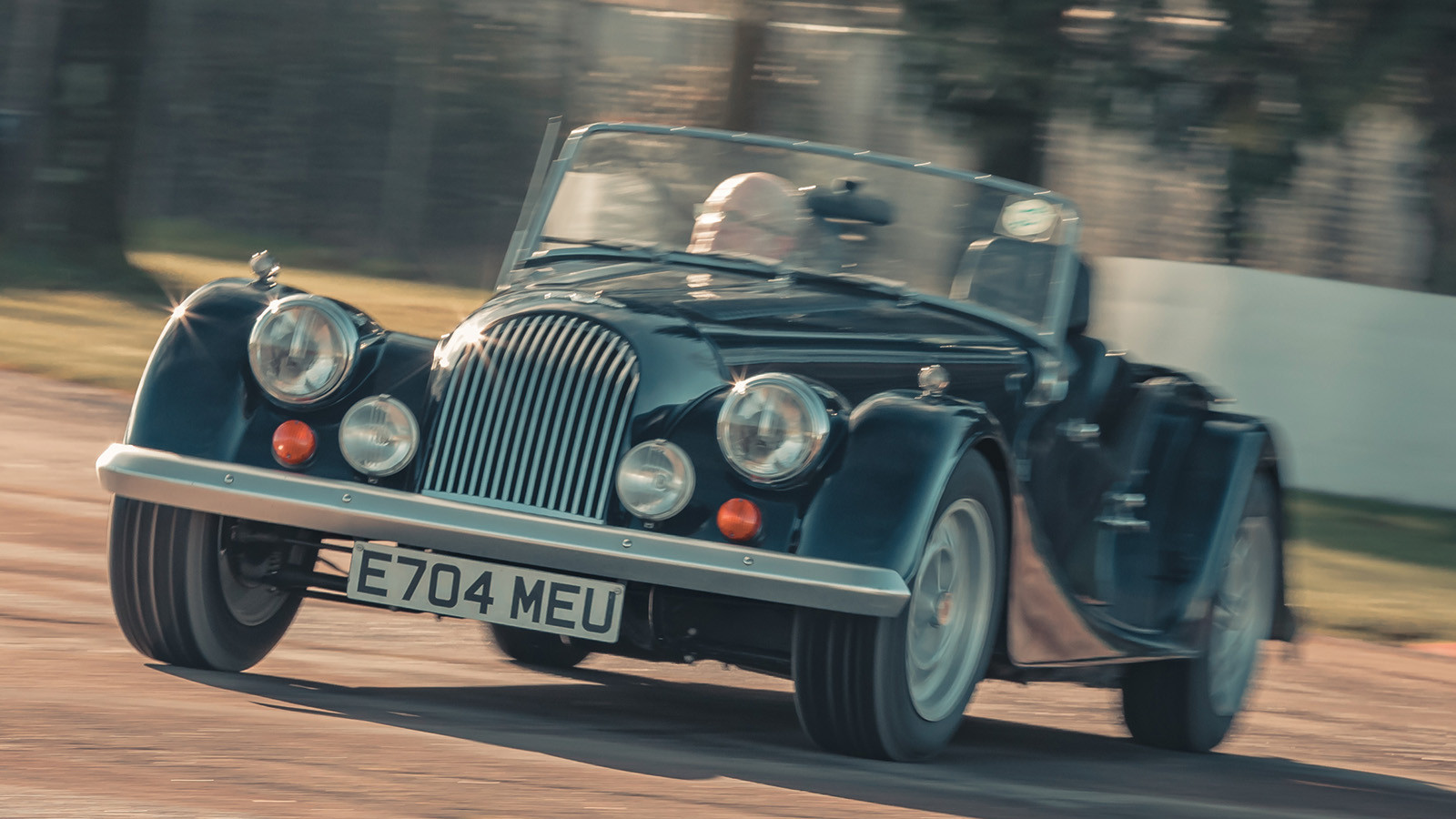
17. 1968 Morgan Plus 8
After Rover bought the rights and tooling from General Motors to produce its defunct Buick V8, the engine was modified by the British company and, after first fitting it to the 3500 (P6) model, Morgan became the engine’s first external customer.
Morgan installed the all-aluminium, 3.5-litre unit to a modified Plus 4 chassis and named the production car the Plus 8.
While, initially, the Plus 4’s four-speed Moss gearbox was carried over, power was deployed to the Plus 8’s rear wheels through a limited-slip differential.
For many years, the Plus 8 was the fastest-accelerating production car in Britain between 20-80mph, and Autocar proved that it had a healthy top end, too, recording 124mph during testing.
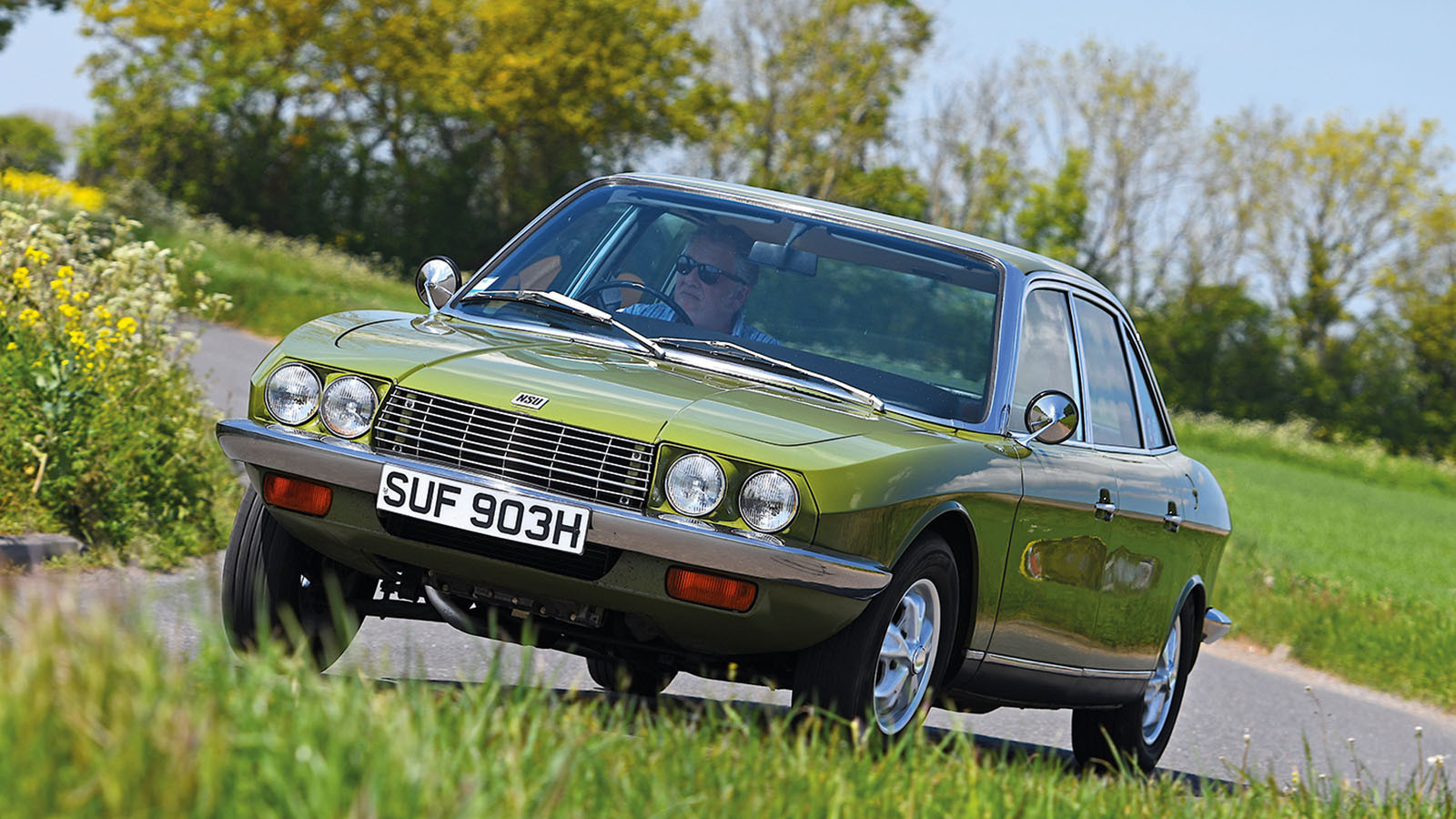
18. 1967 NSU Ro80
A technological tour de force, NSU’s Ro80 was initially praised for its innovative design and engineering, and was awarded the Car of the Year trophy for 1968.
Designed by Claus Luthe, the Ro80 was powered by a 995cc twin-rotor Wankel engine, producing 113bhp.
Drive was delivered to its front axle through a semi-automatic gearbox with a vacuum-operated clutch.
The Ro80’s chassis was also advanced versus class rivals, with disc brakes all round – inboard at the front for less unsprung weight – and for having power-assisted rack-and-pinion steering.
Autocar recorded a top speed of 107mph for the Ro80.
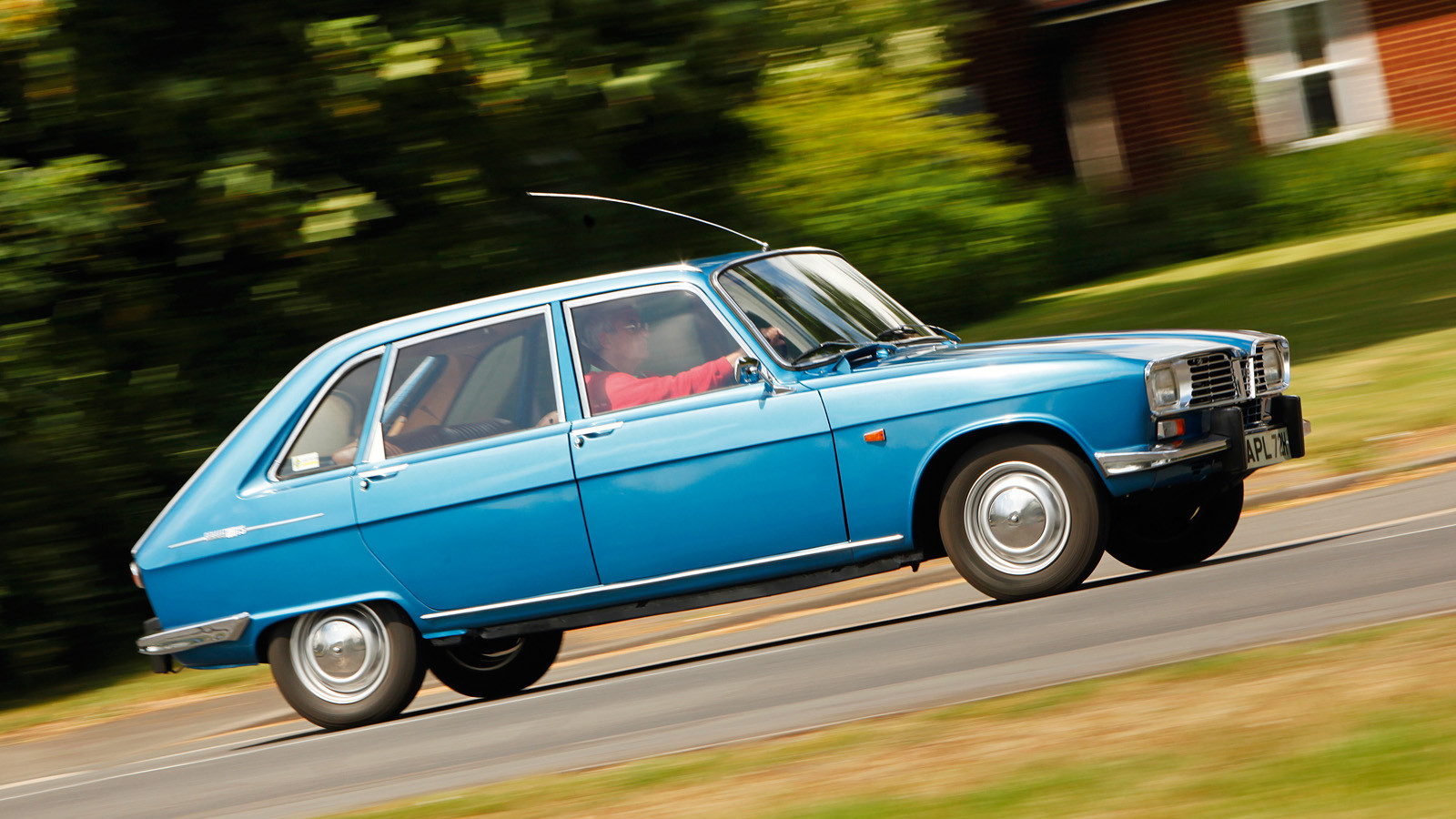
19. 1968 Renault 16 TS
The Renault 16 gave an early hint of how the automotive industry was starting to embrace hatchback bodies and front-wheel drive, in this case with a distinctly French twist in terms of ride and handling.
With all-round independent torsion-bar suspension, the R16 rode supremely, albeit with comedic levels of body roll when pressing on.
But it was the R16’s practicality, with its large rear hatch and multi-configurable rear seat, that set it apart from most class rivals.
And when the TS was launched with a 1565cc ‘four’ in 1968, Autocar also proved that it was no slouch, achieving a maximum speed of 102mph.
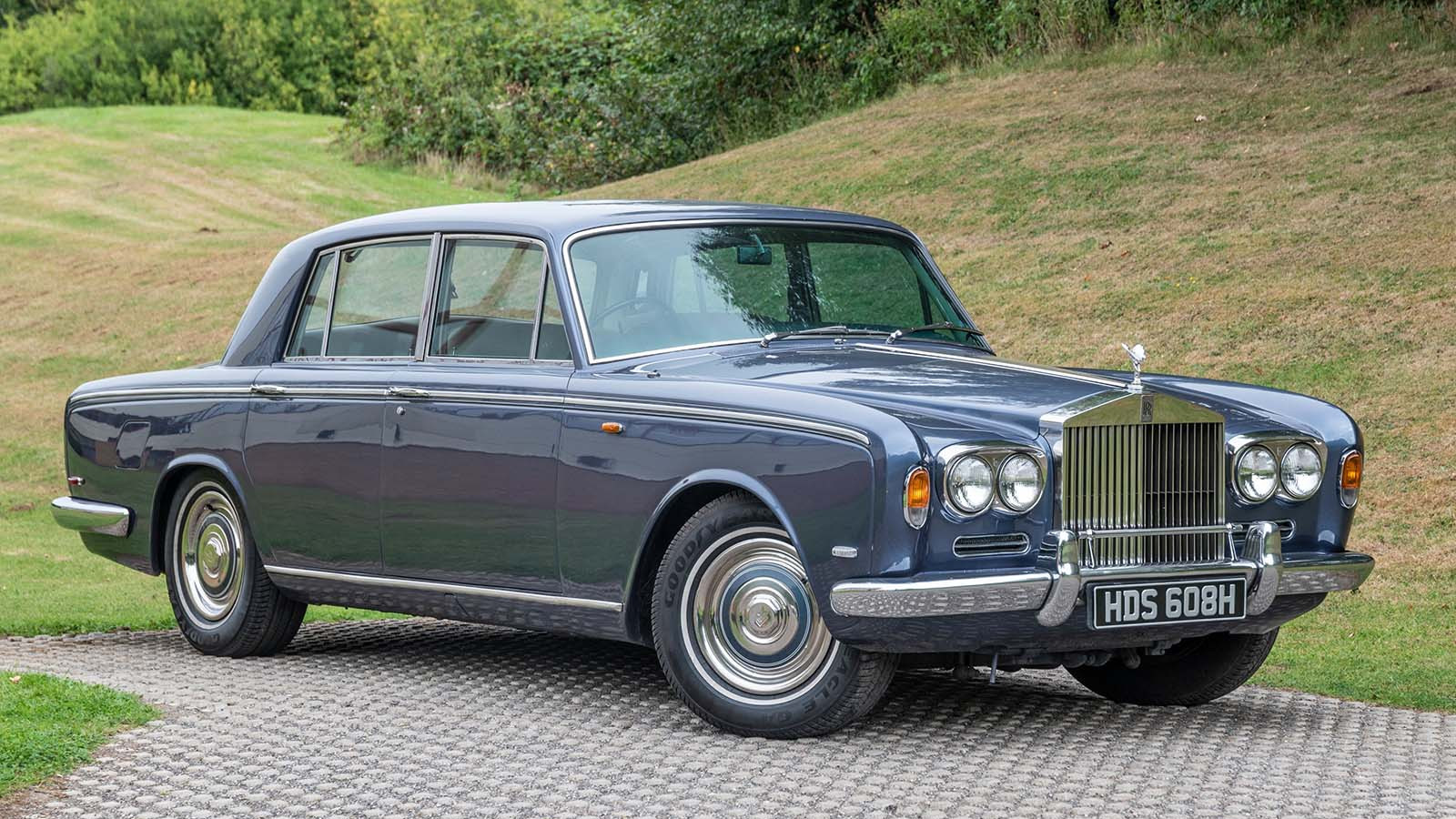
20. 1965 Rolls-Royce Silver Shadow
Rolls-Royce’s Silver Shadow was its transformative follow-up to the by-then ageing Silver Cloud III.
The Cloud’s separate chassis was replaced by a monocoque body produced for Rolls-Royce by Pressed Steel, and the Silver Shadow’s suspension and brakes were operated by a daringly advanced hydropneumatic system licensed from Citroën.
Carried over from the S3, though, was the L-series V8, initially mated to a four-speed automatic transmission, offering 0-60mph performance of 10.9 secs and, according to Autocar, a 114mph top speed.
From 1969, the Silver Shadow V8’s displacement grew to 6.75 litres, where it remained until production ceased in 1980.
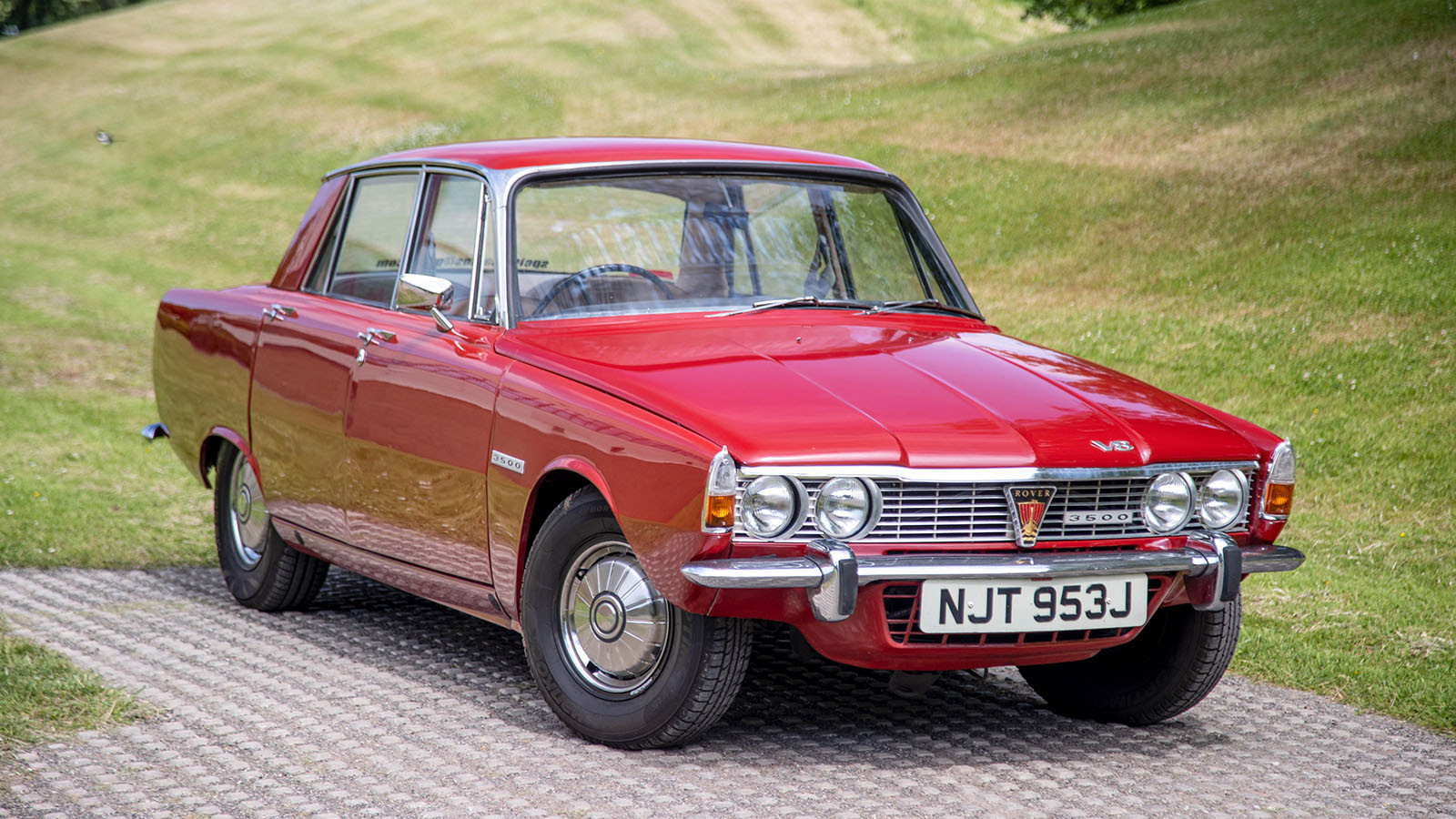
21. 1968 Rover 3500
When the Rover 2000 (P6) became the inaugural winner of Car of the Year, David Bache’s design blended just the right measure of modernity, without offending traditional Rover buyers.
Underpinning the Rover was an advanced chassis with de Dion rear suspension and all-round disc brakes, giving these cars real dynamic flair.
The icing on the cake came in 1968, when Rover fitted the 3.5-litre V8 engine it had purchased from General Motors and modified it to suit what would turn out to be a long line of applications. The 3500 (P6) was the first of those.
Only available with an automatic transmission until the ‘S’ model appeared, post facelift, Autocar recorded a top speed of 114mph for the 3500.
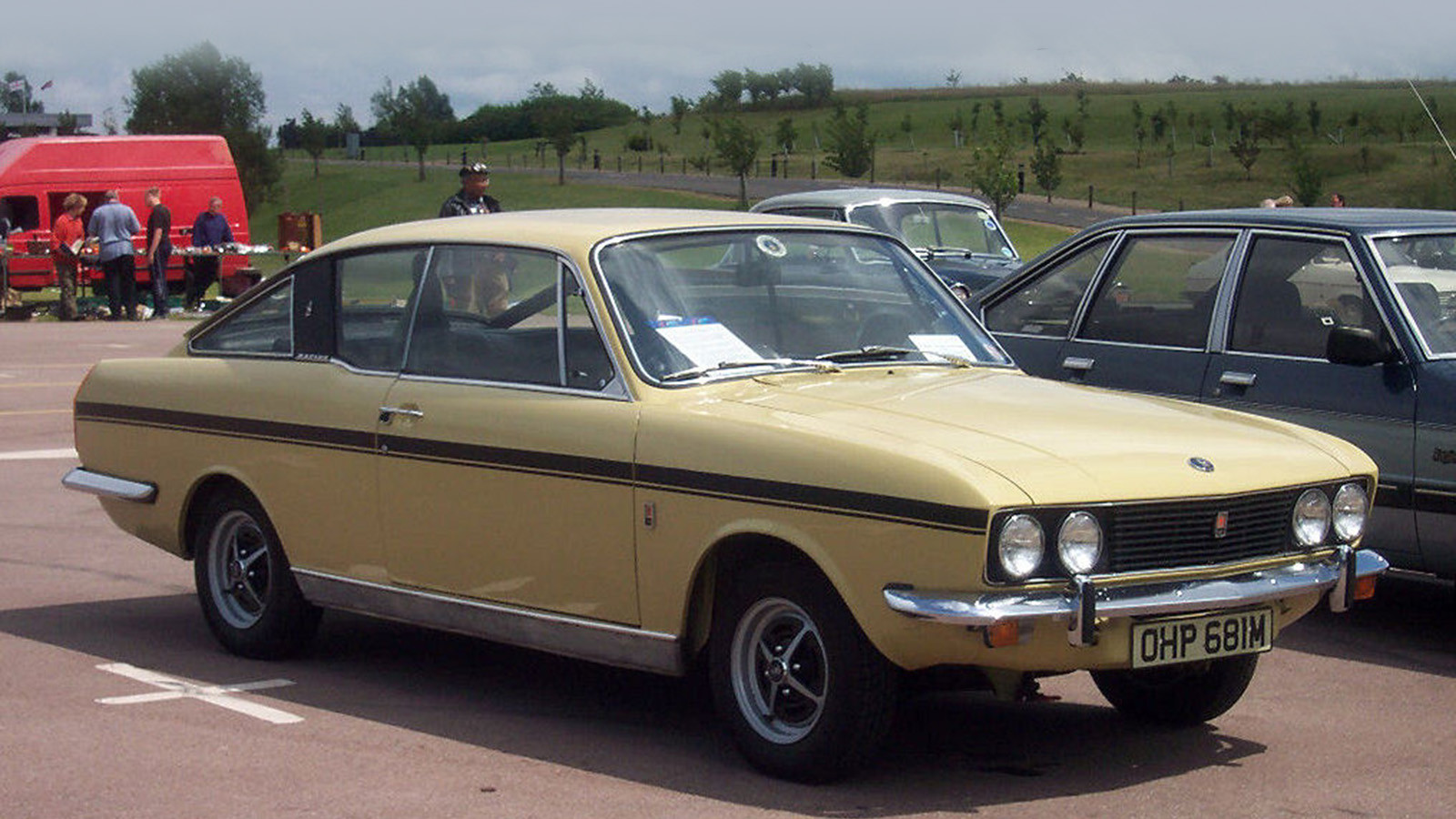
22. 1968 Sunbeam Rapier H120
The Rootes Group’s Hillman Hunter-based Rapier was given a performance makeover late in 1968.
Visually, RoStyle wheels, go-faster graphics along its flanks and a boot spoiler set it apart from more humble Arrow range cars.
Mechanically, the Rapier’s 1725cc ‘four’ was breathed on by tuner Holbay, and fitted with twin Webers, which helped it propel Autocar’s test team to a top speed of 105mph.
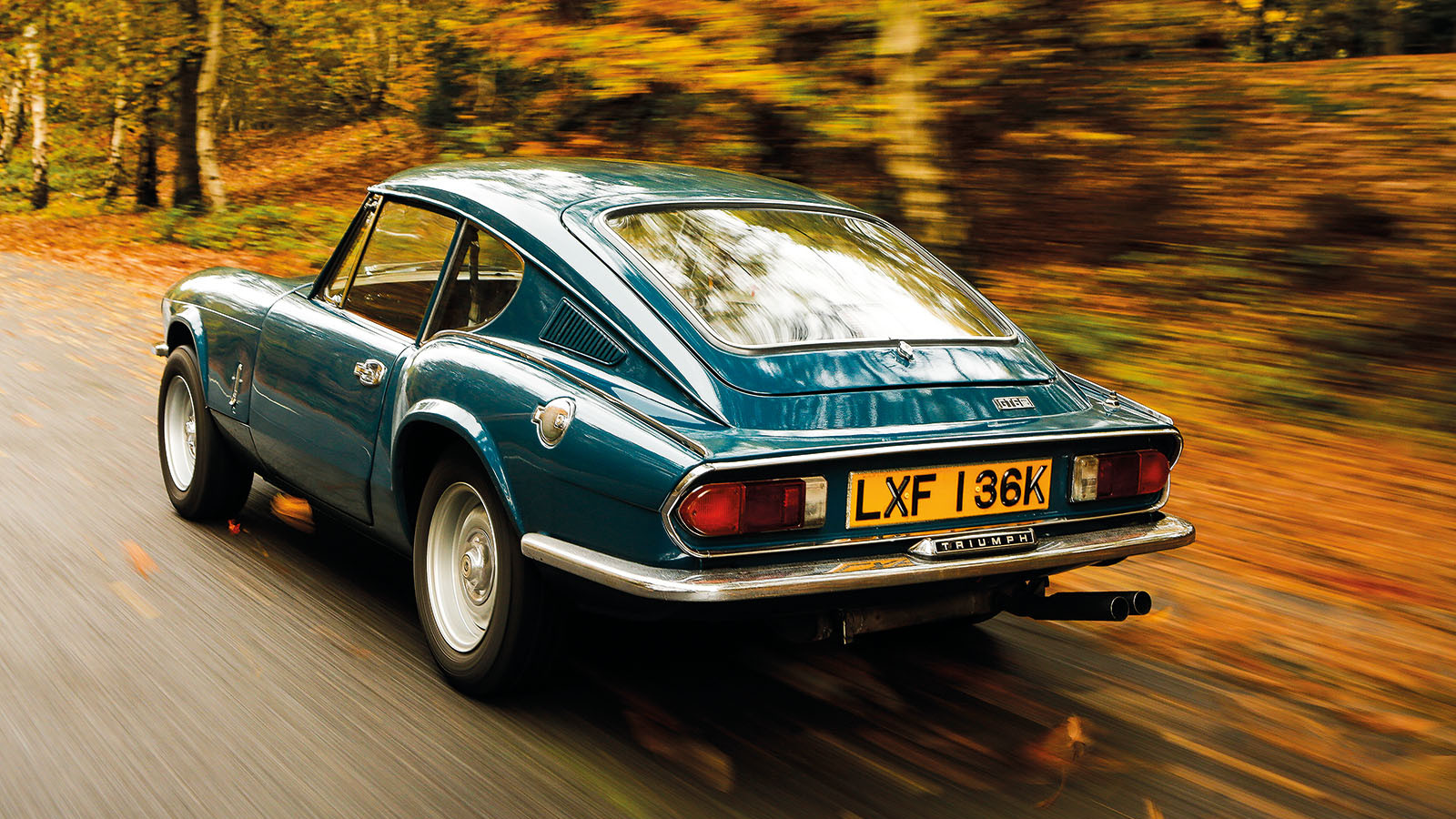
23. 1969 Triumph GT6 Mk2
Triumph’s Michelotti-designed GT6 first appeared in 1963, but rapidly developed a nasty reputation for lift-off oversteer thanks to the design of its rear suspension.
When the Mk2 appeared six years later, a heavily revised rear set-up tamed the car’s wayward handling.
At the same time, Triumph refreshed the styling (partly in response to US crash regulations) and fitted a more powerful version of the 2-litre ‘six’ from the Vitesse Mk2, producing 105bhp.
Acceleration from 0-60mph dropped to 10 secs, and Autocar achieved a top speed of 107mph.
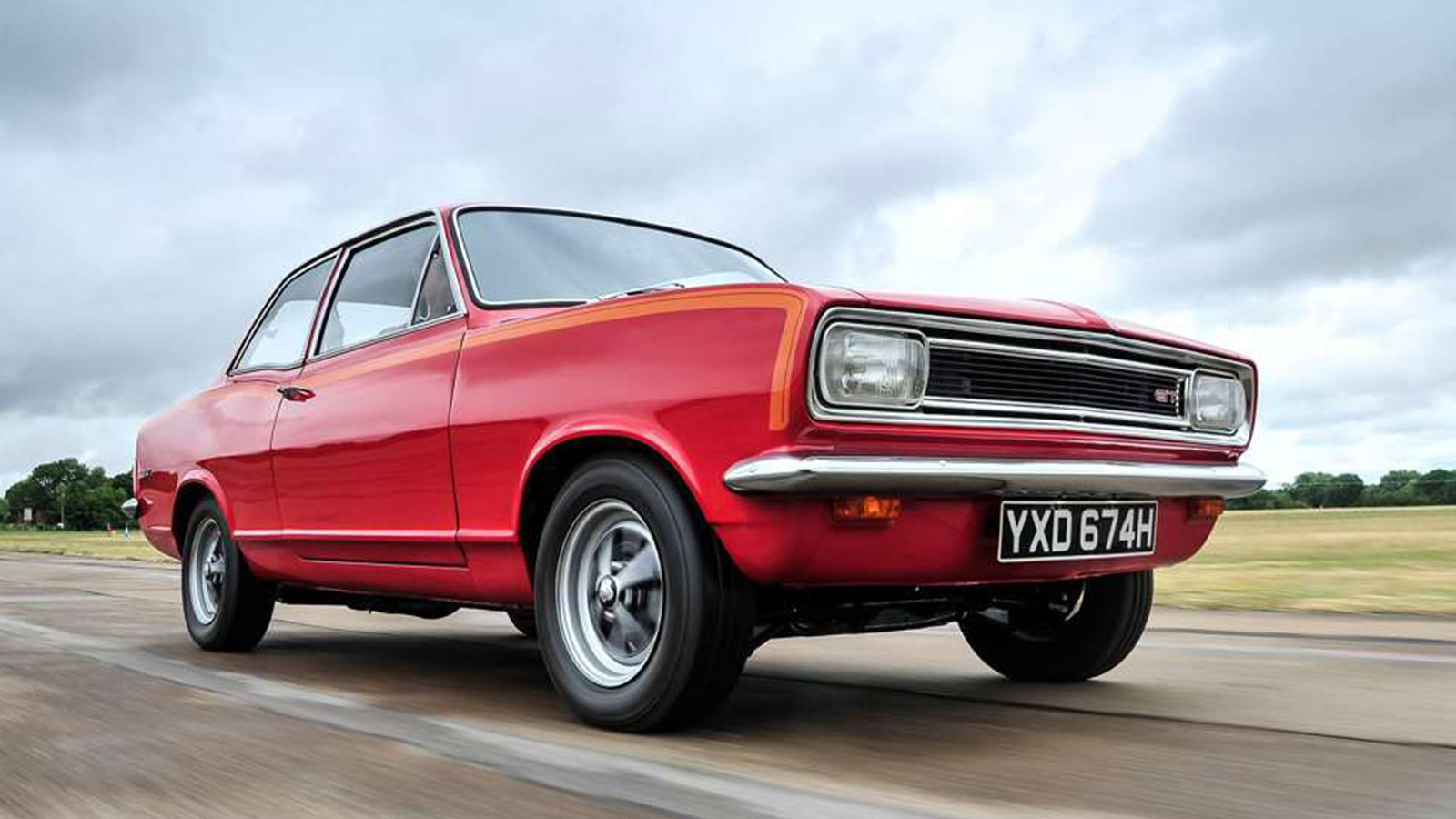
24. 1968 Vauxhall Viva GT
Vauxhall had launched the second version of the Viva, the HB, in 1966 and by the end of the decade it represented Luton’s retort to the newly revealed Ford Escort.
The GT came two years later and was the first genuine performance Viva. It was fitted with the 1975cc engine from the Victor, with twin carburettors, and drive was sent to the rear wheels via Vauxhall’s first five-speed gearbox.
Bonnet scoops, a black radiator grille and toughened, lower suspension set it apart from lesser Vivas, as did the GT’s top speed, which Autocar recorded as 101mph.
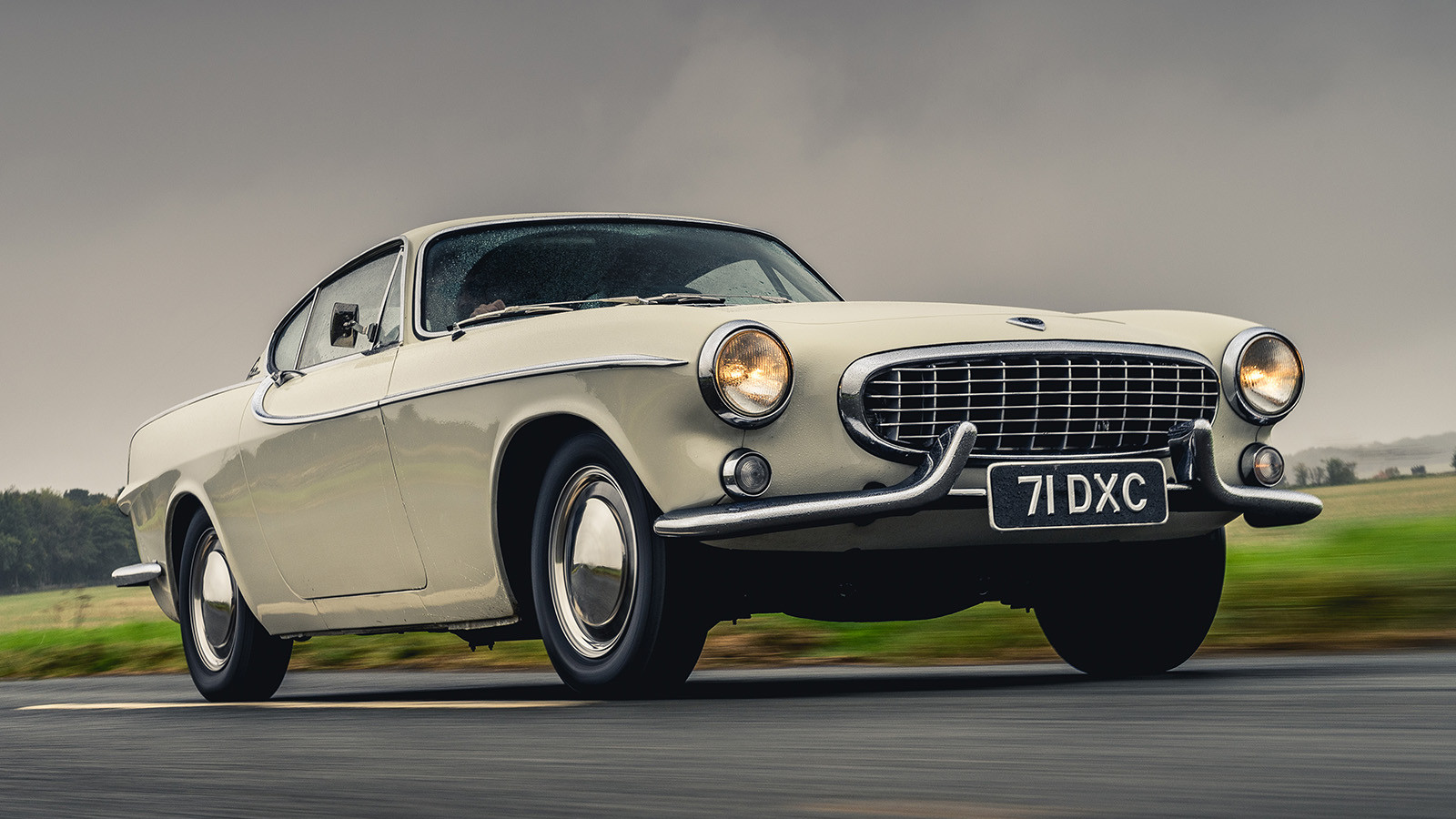
25. 1961 Volvo P1800
Perhaps best known as Roger Moore’s co-star in the first run of TV series The Saint in the 1960s, the Volvo P1800 was a 2+2 two-door sporting coupé which enjoyed a long production life from 1961-’73.
Designed by Frua’s Pelle Petterson, the striking low-slung P1800 was based on the Amazon/122 saloon platform and conceived to target the important US market, as well Europe and the UK.
Initially powered by a 1.8-litre ‘four’, a 2-litre engine was later offered, as was the option of an equally stylish three-door estate variant.
But even fitted with its smaller engine, Autocar clocked the P1800 at 102mph.