German greats
Germany has a strong claim to being the birthplace of the motor industry, and is still a major player in it to this day.
In well over a century and a quarter, many brilliant German cars have been designed and built, and in listing just 25 we’re happy to acknowledge that there are several other suitable candidates.
Presented in order of their first appearance, the ones we’re mentioning here were all on sale before 2000, and we’re making life slightly easier for ourselves by ignoring those built solely for use in motorsport.
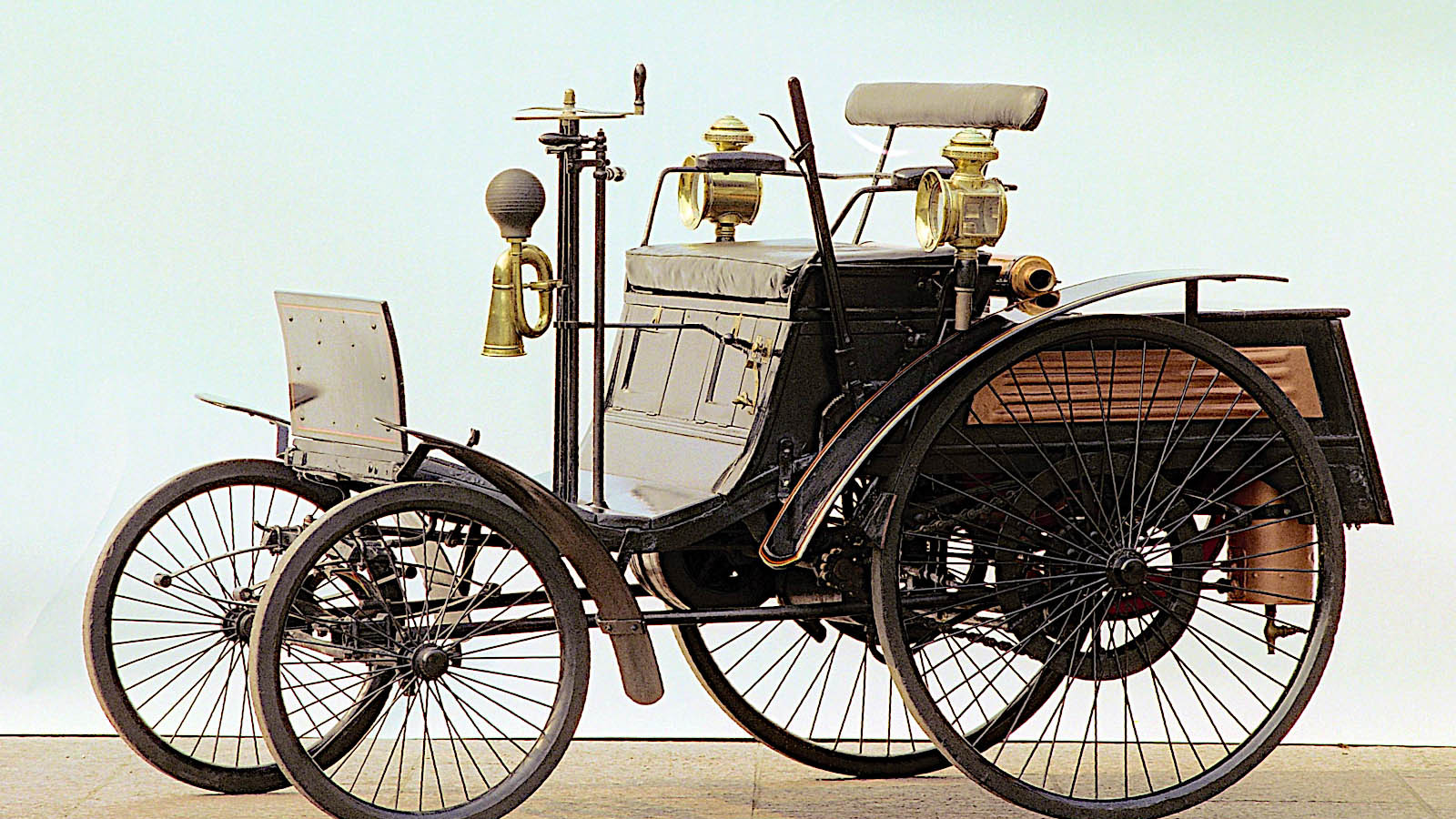
1. 1894 Benz Velo
The Benz Patent Motorwagen of the 1880s is commonly described as the world’s first car, but the later Velo might, in its own way, have been even more significant.
While the Motorwagen had only three wheels and a production run in the mid 20s, the Velo was a proper four-wheeler, and was built in such extraordinary numbers (for the time, at least), that Mercedes-Benz now claims, not unreasonably, that it was the first mass-produced car in history.
Including the better-equipped Comfortable derivative, around 1200 Velos were built up to 1901, a figure unmatched by any other car introduced in the 19th century.
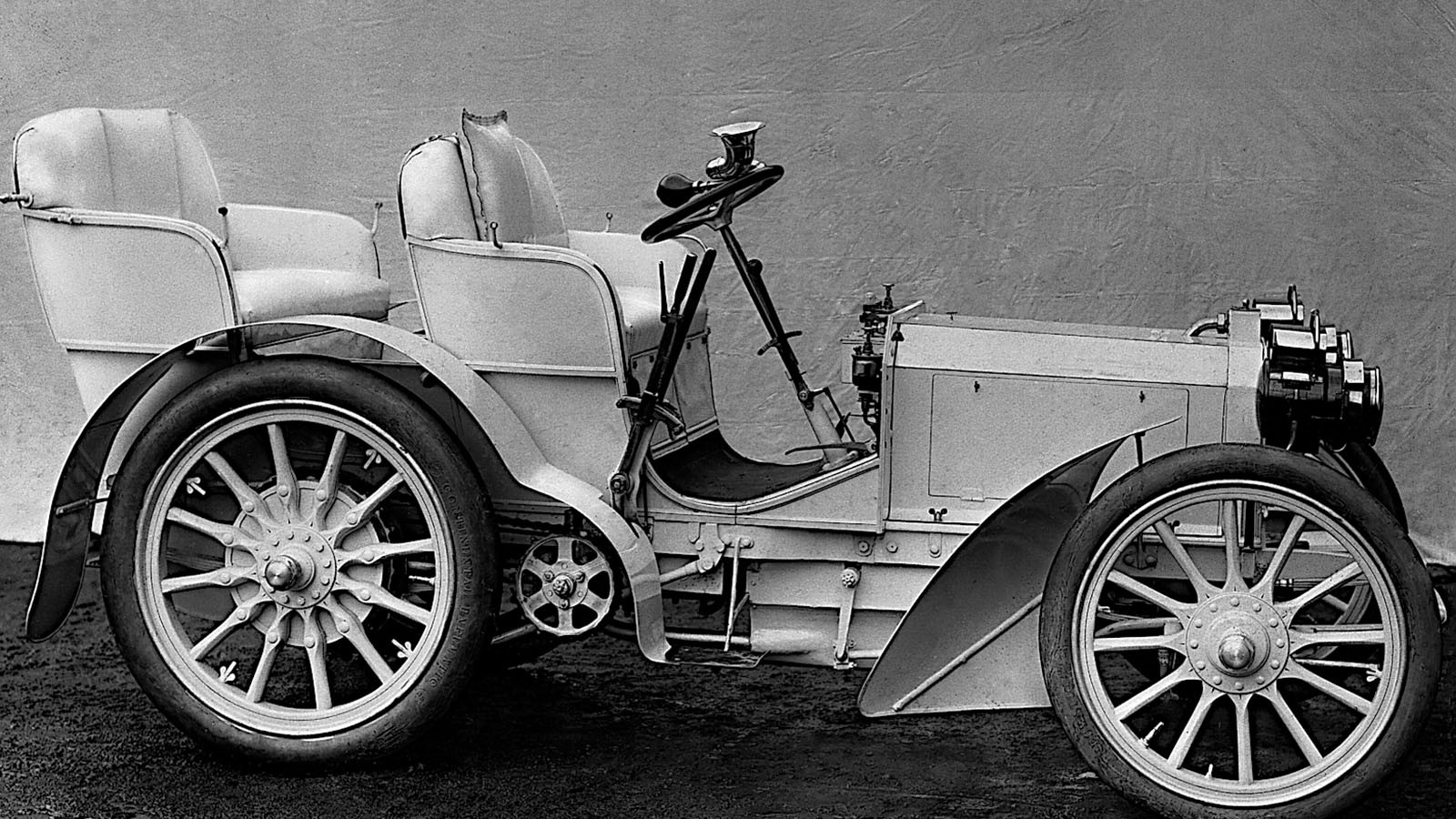
2. 1900 Mercedes 35hp
A rival to Benz in the early days of motoring (though the companies would merge in the 1920s), Daimler developed the first Mercedes at the suggestion of one of its agents, Emil Jellinek.
Designer Wilhelm Maybach produced a lightweight marvel with a long wheelbase, a low centre of gravity, a powerful alloy engine and an innovative radiator.
The 35hp’s immediate purpose was to compete in motorsport, which it did to devastating effect, but it also laid out a new path for cars in general, making it inappropriate to describe them any longer as ‘horseless carriages’.
Within a year of its first trial run, the 35hp had become the senior car in a series of three, Daimler having introduced the related but less powerful 12/16hp and 8/11hp in March and August 1901 respectively.
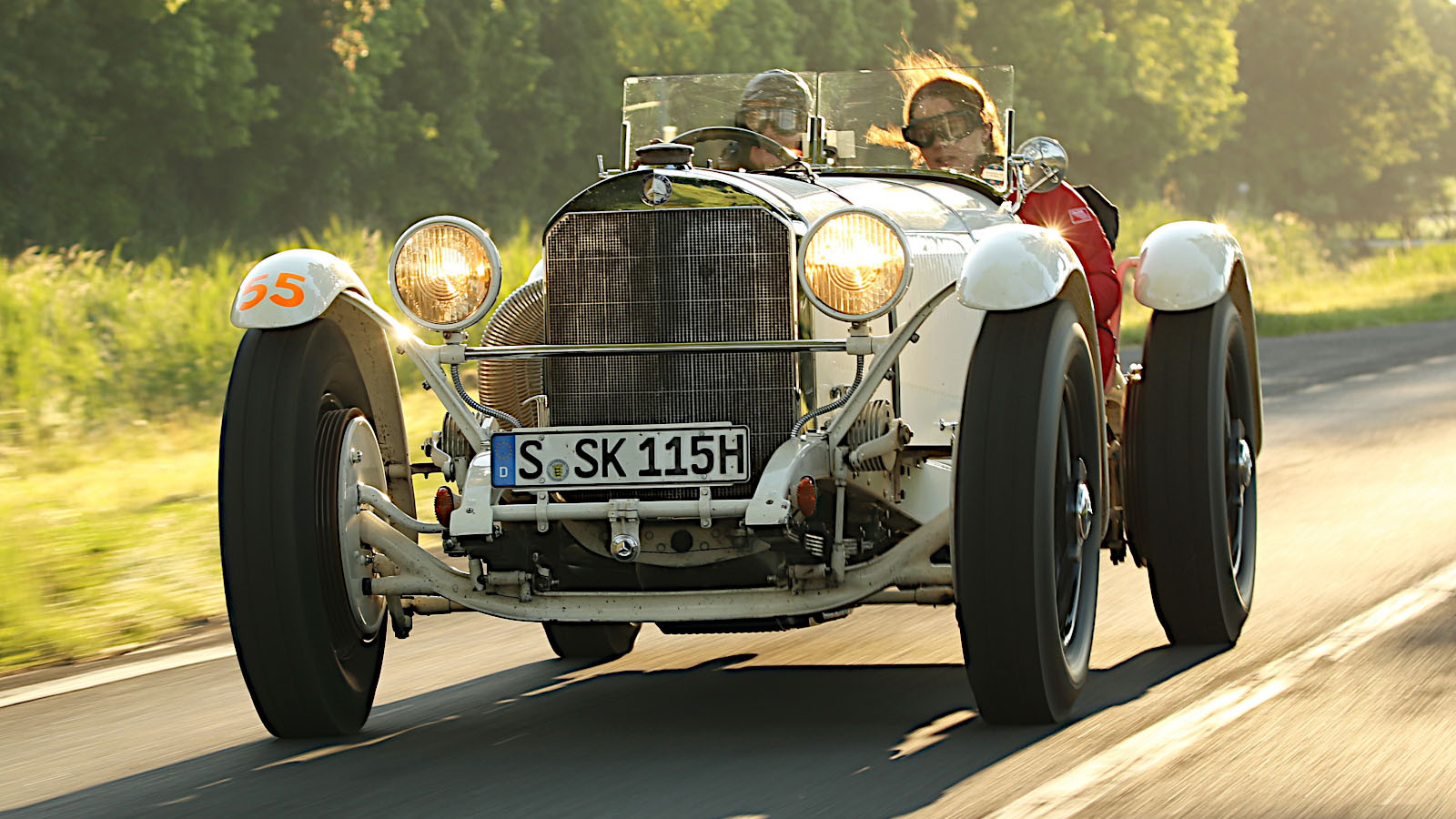
3. 1928 Mercedes-Benz SSK
From 1927 to 1933, Mercedes-Benz produced a series of remarkable sports cars called the S, SS, SSK and SSKL.
Arguably the most famous today, the SSK was a short-wheelbase version originally intended for hillclimb events, powered by a 7.1-litre, straight-six engine which latterly produced a phenomenal 247bhp.
This glorious – and very expensive – machine found only 33 customers in six years, 20 of them in 1929.
Some bought theirs for racing, but others preferred to avoid the hurly-burly of competition and simply enjoyed using their SSKs as formidably fast road cars.
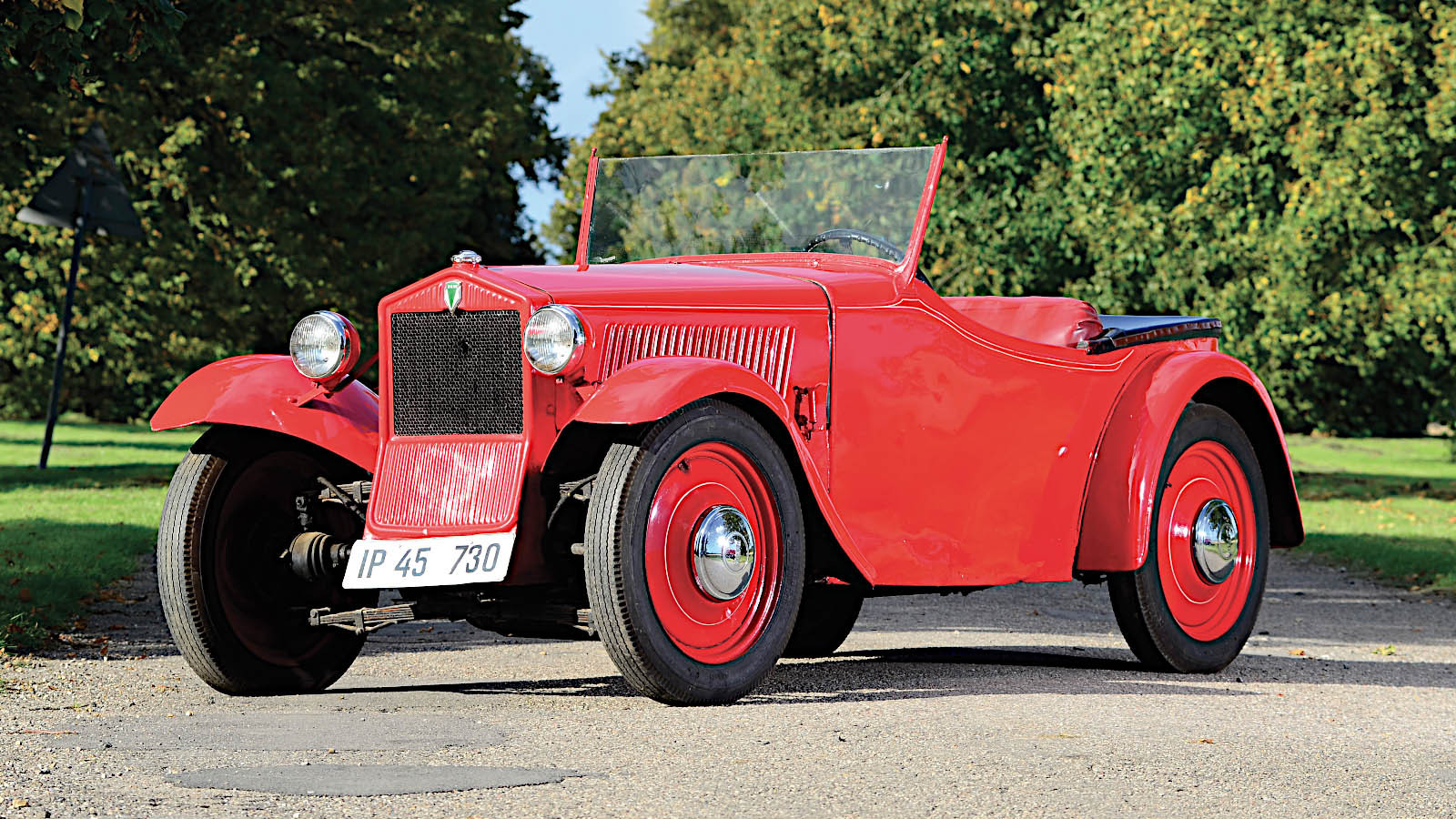
4. 1931 DKW F1
Already an enormously successful manufacturer of motorcycles, DKW entered the car industry in 1928, and three years later launched the F1.
Like all other DKWs, it had a two-stroke engine (for which the company owned an important patent), but it was the first with the then relatively new feature of front-wheel drive.
That combination, rather than anything else about the car, turned out to be a stroke of brilliance, since it made DKW even more successful than it had been before, and led to it becoming the centrepiece of the Auto Union created in 1932.
Today’s equivalent of the Auto Union is Audi, and it’s reasonable to suggest that without the F1, and the various cars of similar layout which followed it, there would not be an Audi marque as we now know it.
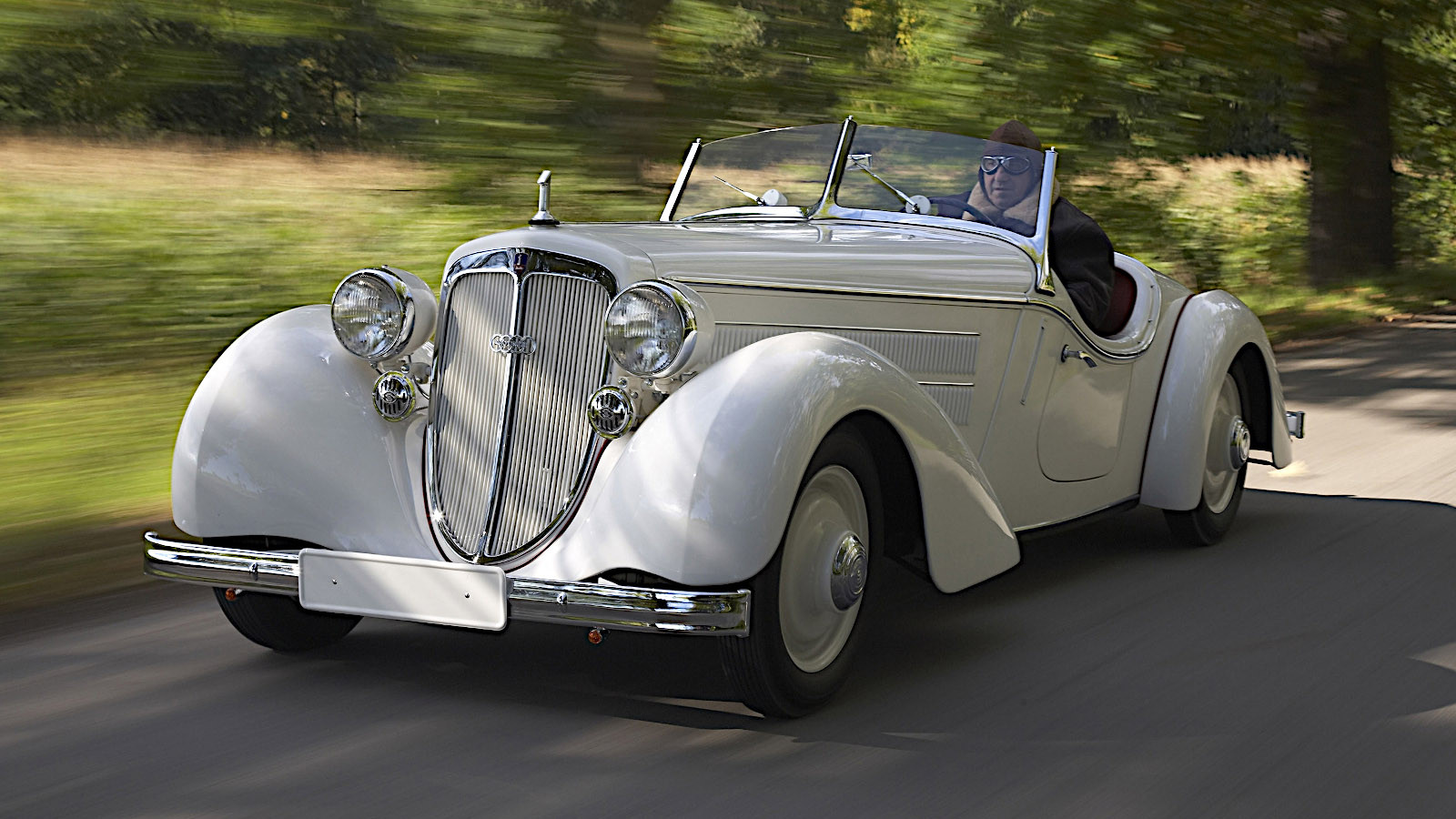
5. 1933 Audi Front
The Front was the first Audi introduced after the marque became part of the Auto Union along with DKW, Horch and Wanderer, and was clearly influenced by two of its new companions.
Like the much smaller and cheaper DKWs, it had front-wheel drive (hence the name), and its straight-six engine was designed by Wanderer, which used it in the more conventional rear-wheel-drive W22 of the same period.
Thanks to these and other interesting features, there was no other German car quite like it, but sales were low, an unfortunate situation Audi now claims was because ‘buyers at the time were not prepared to pay for such avant-garde technology’.
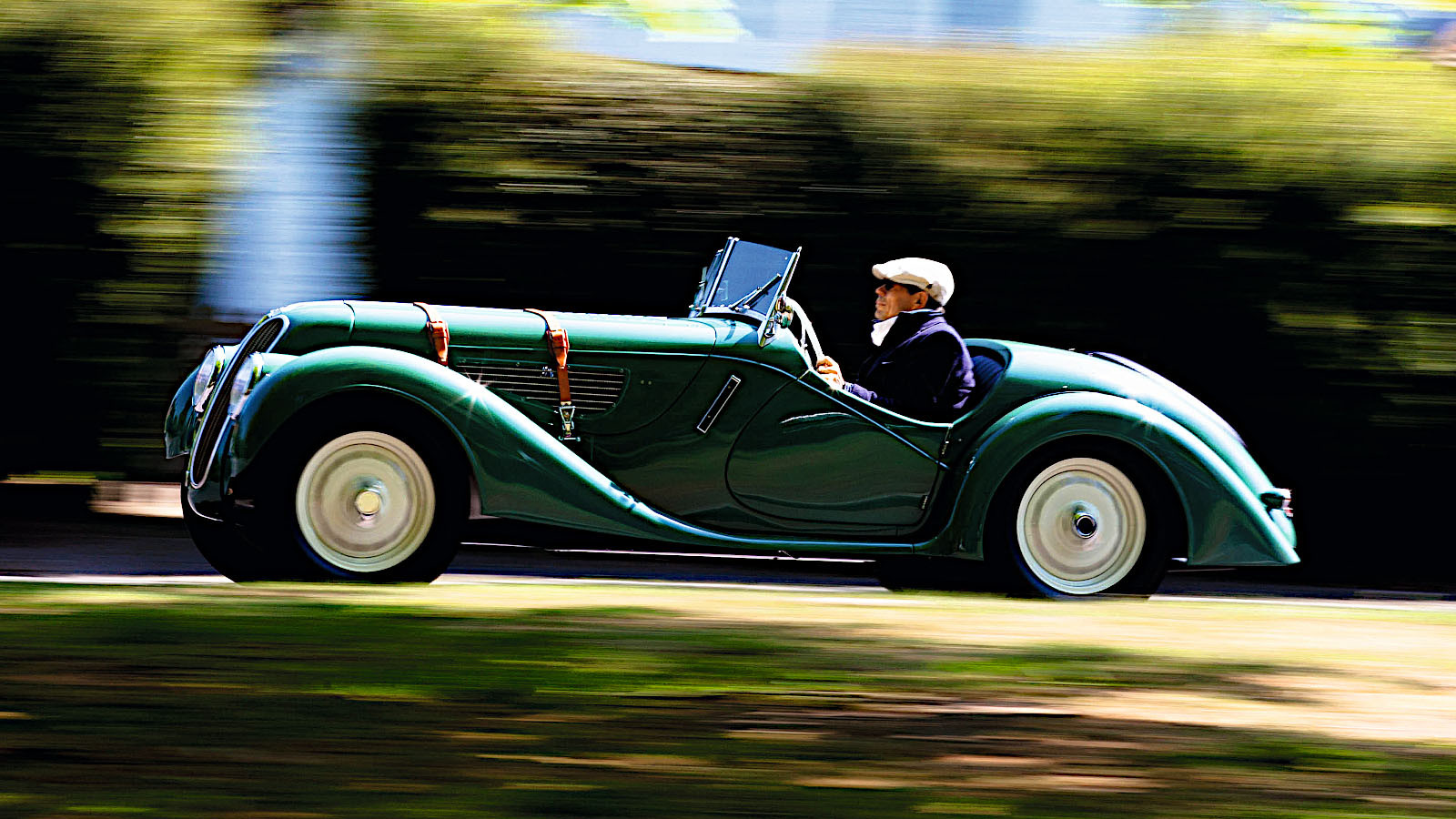
6. 1936 BMW 328
Originally a manufacturer of aircraft engines, BMW entered the motor industry in a small way in 1928 by taking over a company which built Austin Sevens under licence.
It would have been difficult to imagine at the time that BMW would produce a memorable sports car, but just eight years later it brought out the 328, one of the most celebrated pre-war cars of its type.
Described years later as ‘the best all-rounder of its generation’, the BMW 328 was a sought-after road car with a tremendous record in motorsport, notably winning the UK’s RAC Rally in 1939 and the Mille Miglia a year later.
Production ended in 1940, but the 328’s engine lived on, falling into British hands and going on to be used in Frazer Nashes and early Bristols.
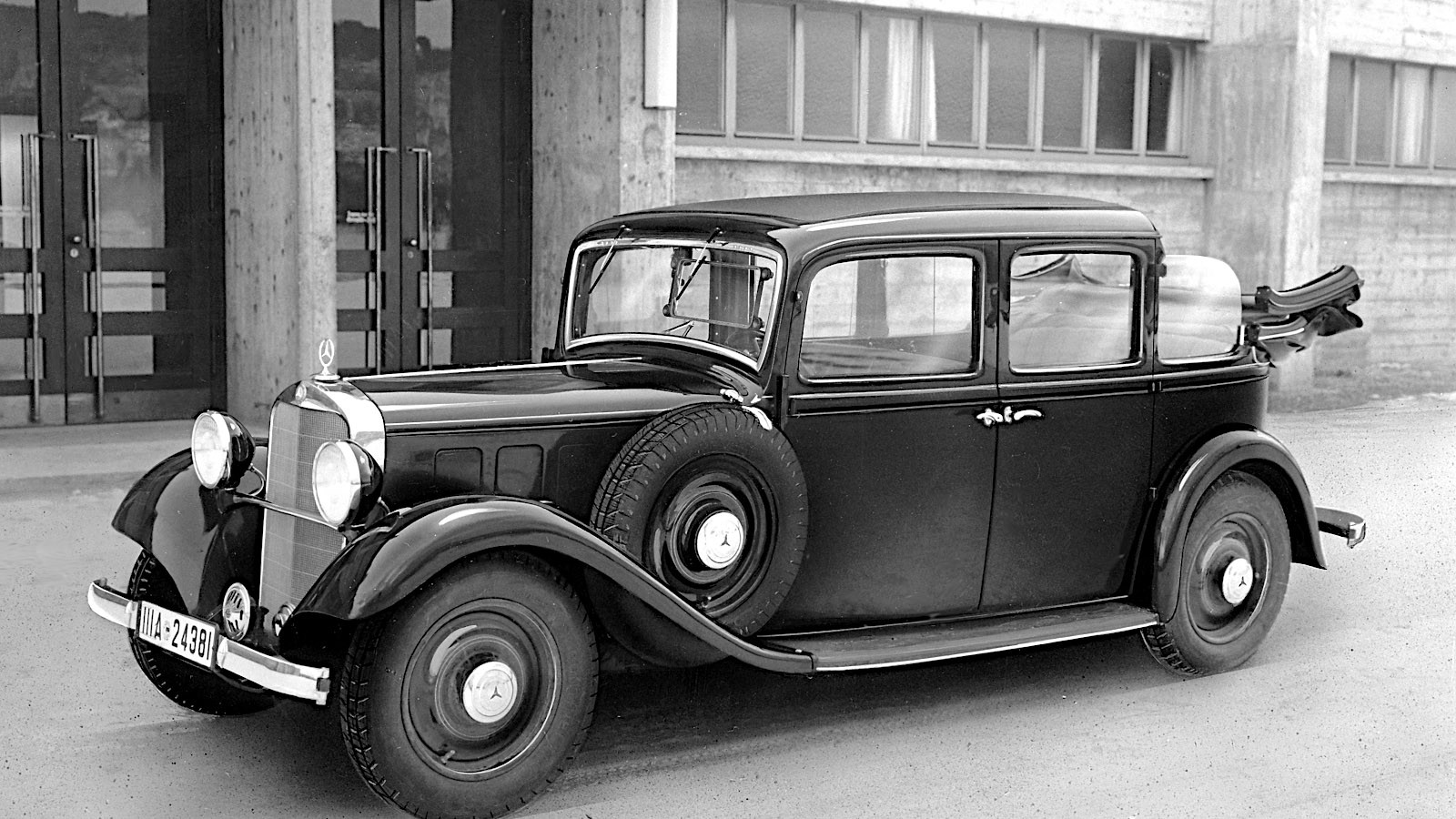
7. 1936 Mercedes-Benz 260D
The outstanding feature of the Mercedes-Benz W138 260D was its 2.6-litre, four-cylinder engine, which ran on diesel fuel.
Power (just 44bhp) and refinement were in short supply, but economy and durability were excellent, making the car particularly attractive to taxi operators.
Diesel cars would not become as completely accepted as petrol-fuelled ones in Europe until the early 21st century, but Mercedes-Benz – along with Citroën and Hanomag, the other pioneers in the field – was on the case seven decades before that happened.
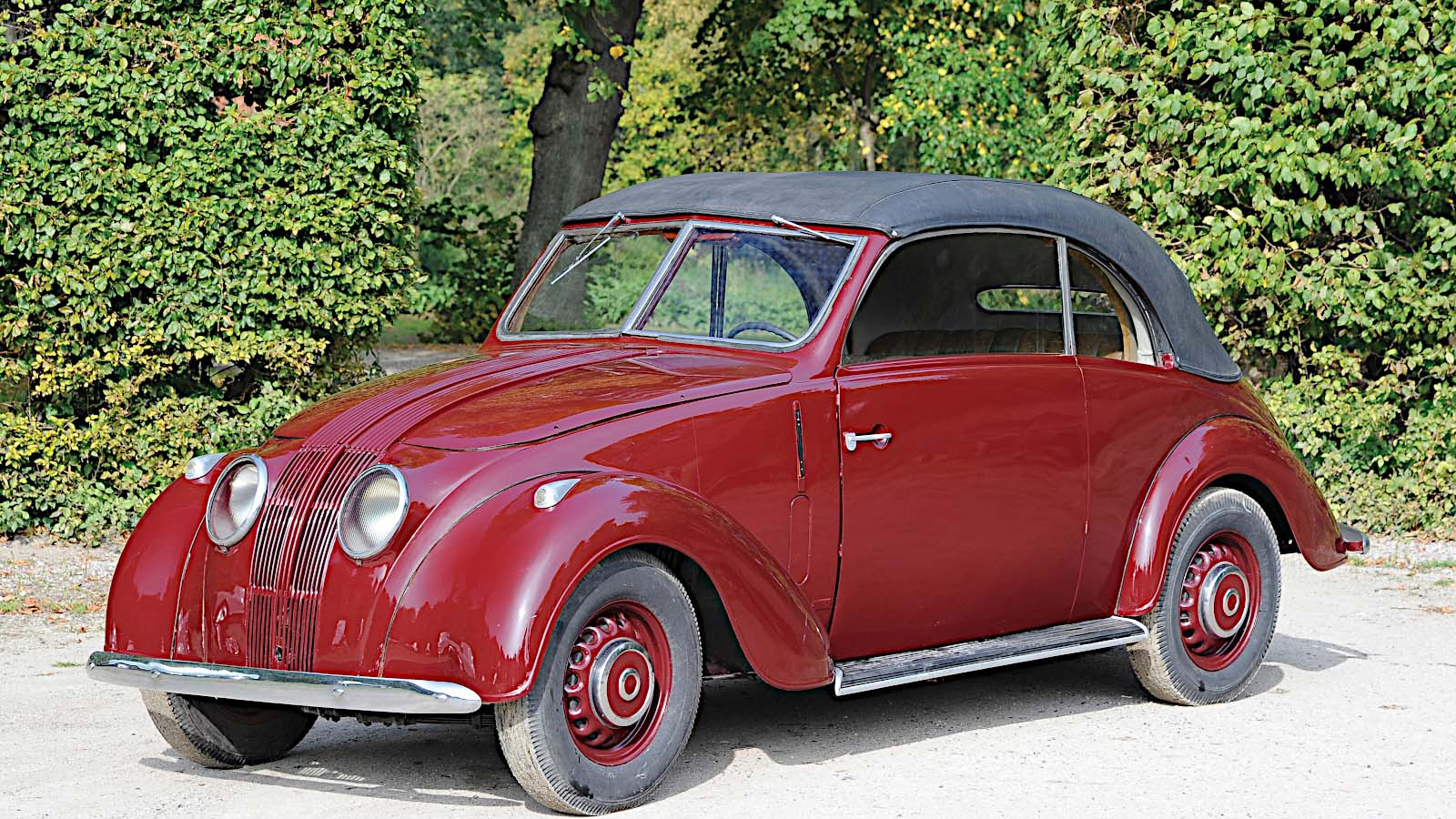
8. 1937 Adler 2.5 Litre
Frankfurt-based Adler was one of the few car makers to go for streamlining in a big way in the 1930s.
Like the slightly earlier Chrysler Airflow, it sold very poorly, perhaps because potential buyers were put off by its radical appearance, but it was certainly ingenious.
Each of the available bodies was extremely curvy, allowing air to pass over it relatively undisturbed and giving a car whose straight-six engine produced only 57bhp a remarkably high top speed of 78mph (different figures are quoted by some sources, but the principle is the same in each case).
There was no follow-up, because after the Second World War Adler abandoned cars and concentrated on building motorcycles, and later office equipment.
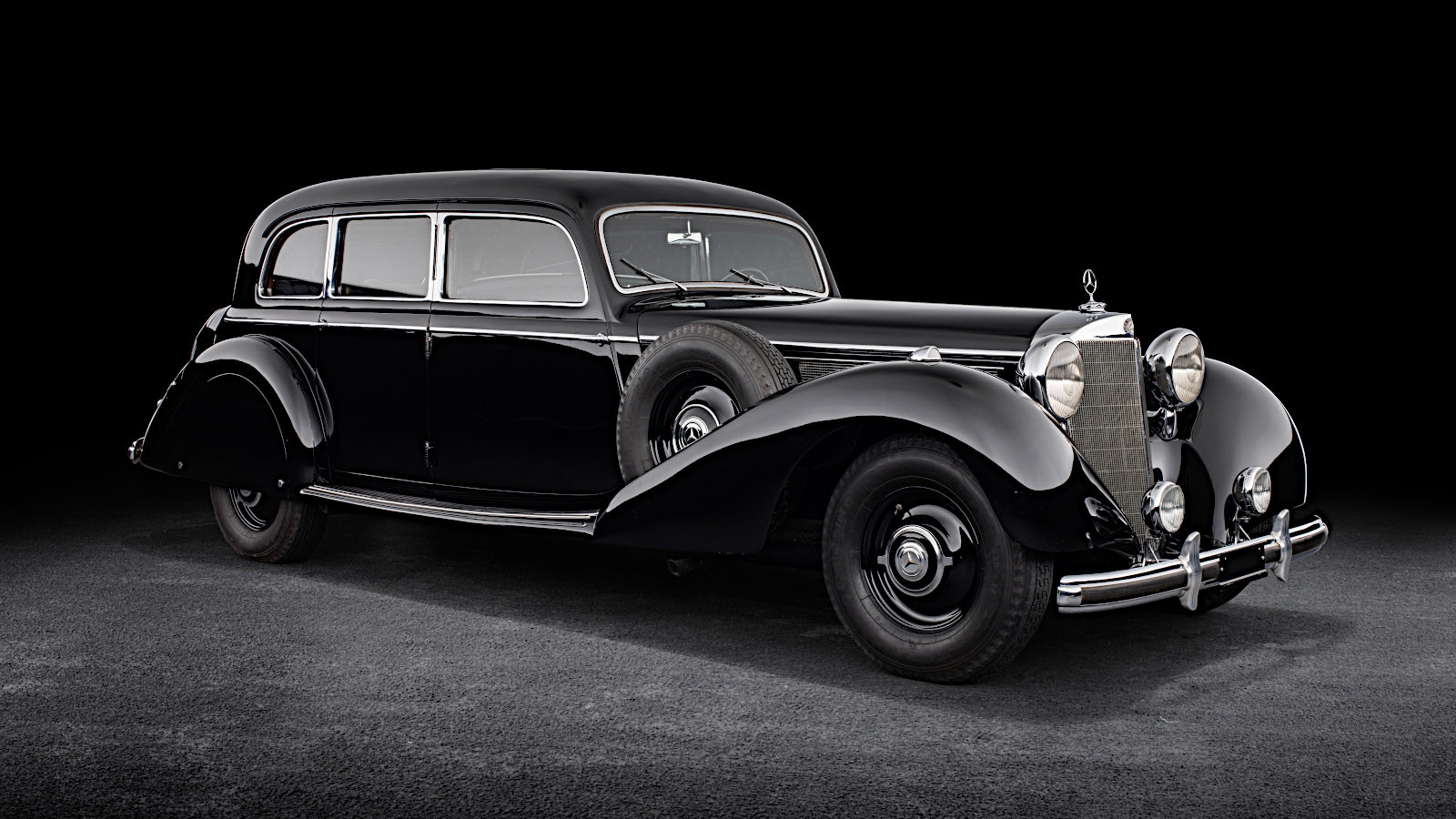
9. 1938 Mercedes-Benz 770
The second car usually referred to as the Grosser, or ‘grand’, Mercedes resembled, at least in concept, the earlier Bugatti Royale, but it was far more successful.
Available with several types of imposing bodywork, in some cases armour plated, the 770 was technically advanced, highlights including a supercharged, 7.7-litre, straight-eight engine and a five-speed gearbox.
While Royale production failed to reach double figures, Mercedes built 88 770s up to 1943, slightly more than half of them being open tourers.
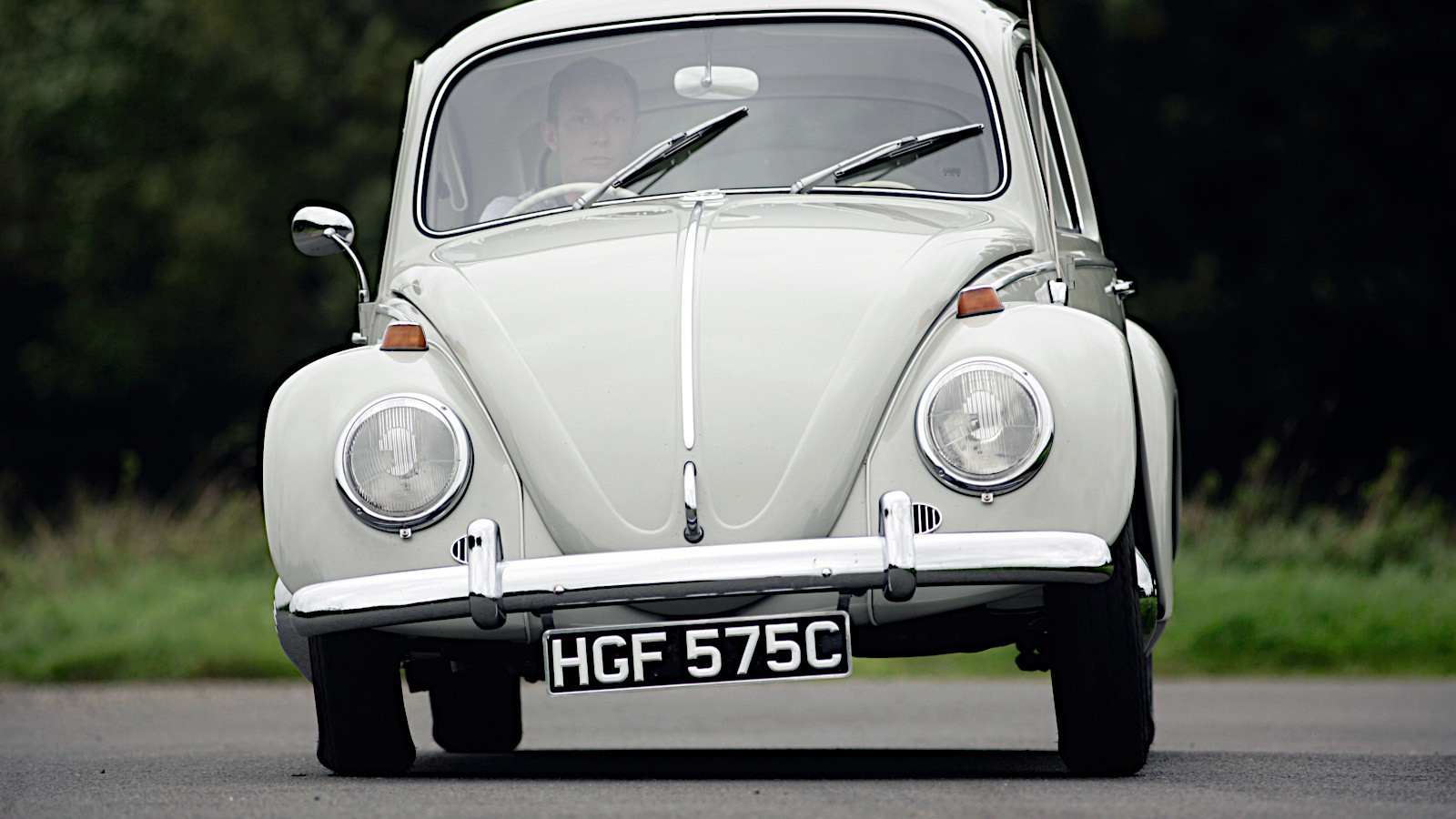
10. 1938 Volkswagen Beetle
Only informally called ‘Beetle’, the car properly known as the Type One was built in small numbers before the Second World War.
It’s inescapable that the Beetle was the brainchild of Adolf Hitler, but its post-war success is down to the British Army, and in particular to Major Ivan Hirst.
Due to their efforts, a car which might otherwise have been almost completely forgotten was revived, caught the public imagination in many countries and eventually became one of the best-loved cars built in Germany, or indeed anywhere.
It remained so popular that production continued (in Mexico) until 2003, six years after the launch of its retro-styled successor.
11. 1955 Volkswagen Karmann Ghia
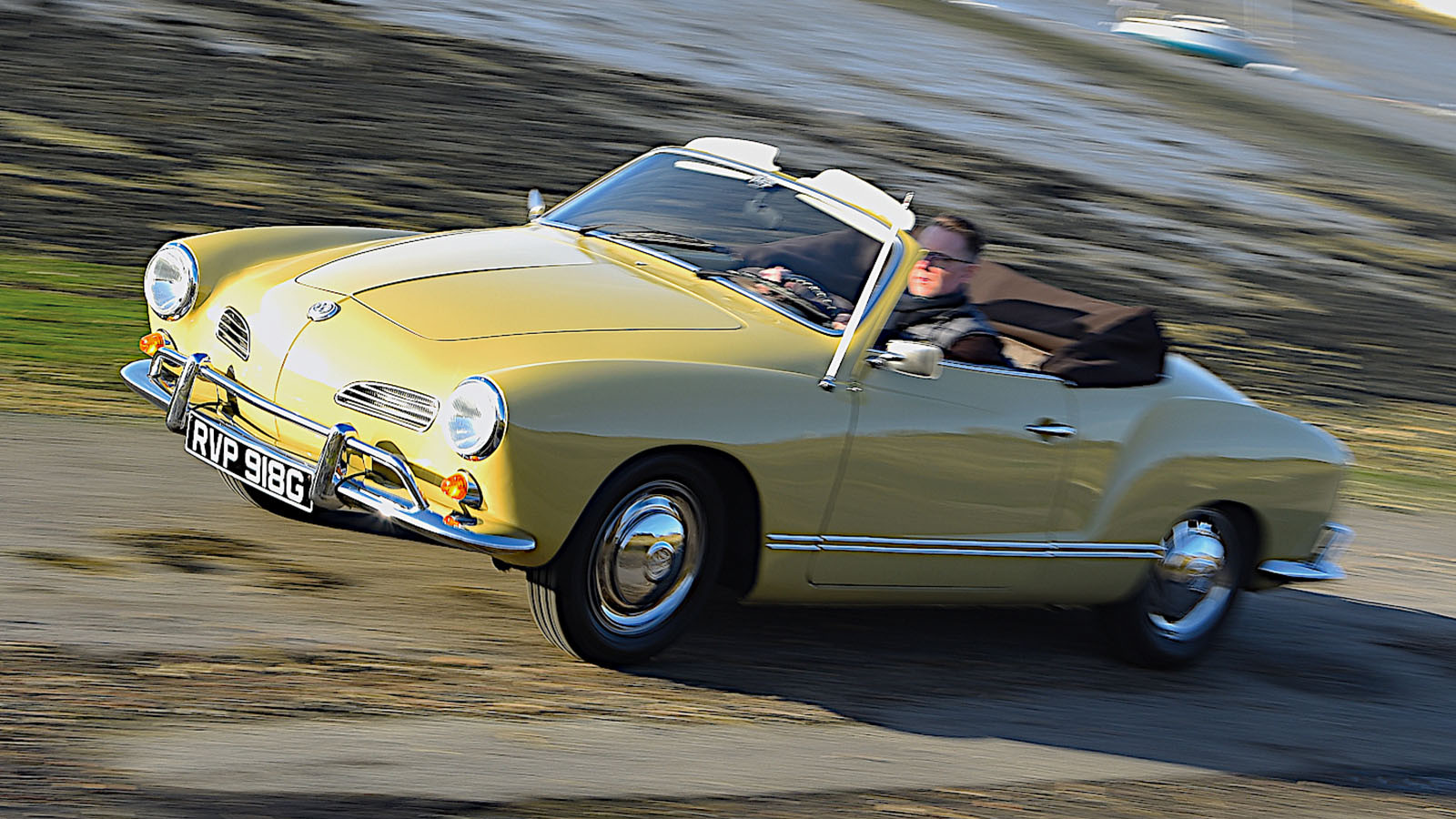
Closely related to the VW Beetle, the Type 14 Karmann Ghia was named after the companies which built it and designed its bodywork, respectively.
Ghia’s contribution was particularly notable, since the coupé (and later convertible), while based on an ugly-in-a-charming-way saloon, was simply beautiful.
The Beetle survived for far longer, but the Type 14 had an impressive run, remaining on sale for two decades.
Another Karmann Ghia, the Type 34, didn’t catch on in quite the same way, arguably because it wasn’t as pretty, and was produced only during the 1960s.
12. 1959 BMW 700
BMW got itself into terrible trouble in the 1950s through its policy of building luxury models, which did not sell at all well, or the bubble car whose rights it had acquired from Isetta, which sold very well but made hardly any profit.
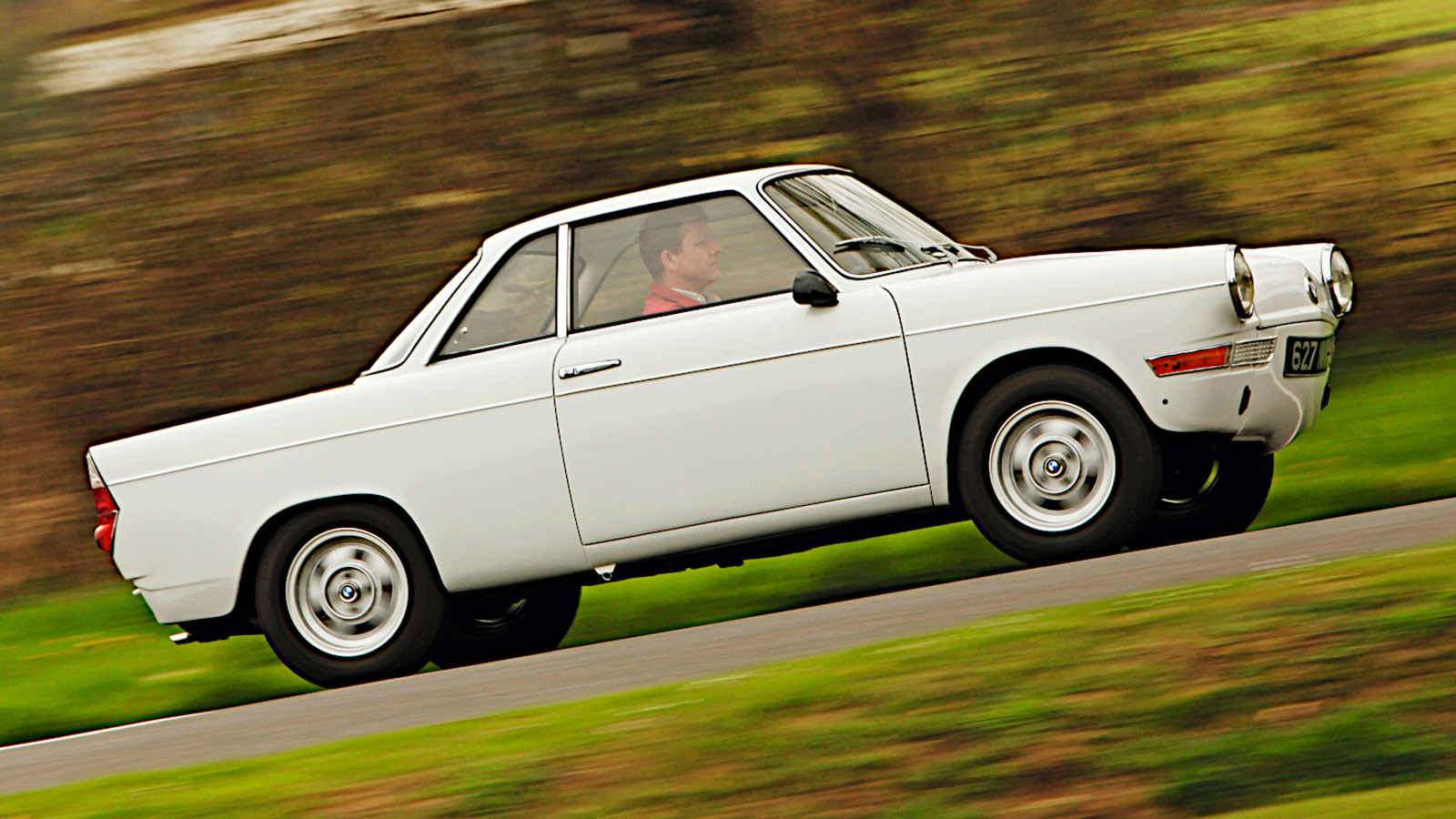
Catastrophe was averted by the introduction of the 700, which came with various body styles (coupé pictured here), but was always powered by a rear-mounted, 697cc, flat-twin engine.
Despite being an outlier in any imaginable list of BMW production cars, the 700 was a success, finding nearly 190,000 buyers in just six years, and it returned the company to financial stability.
The 700 was brilliant not so much in its own terms, but because it saved its maker – all subsequent BMWs have existed because this one did.
13. 1962 BMW New Class
If the 700 saved BMW, the New Class models established its future path.
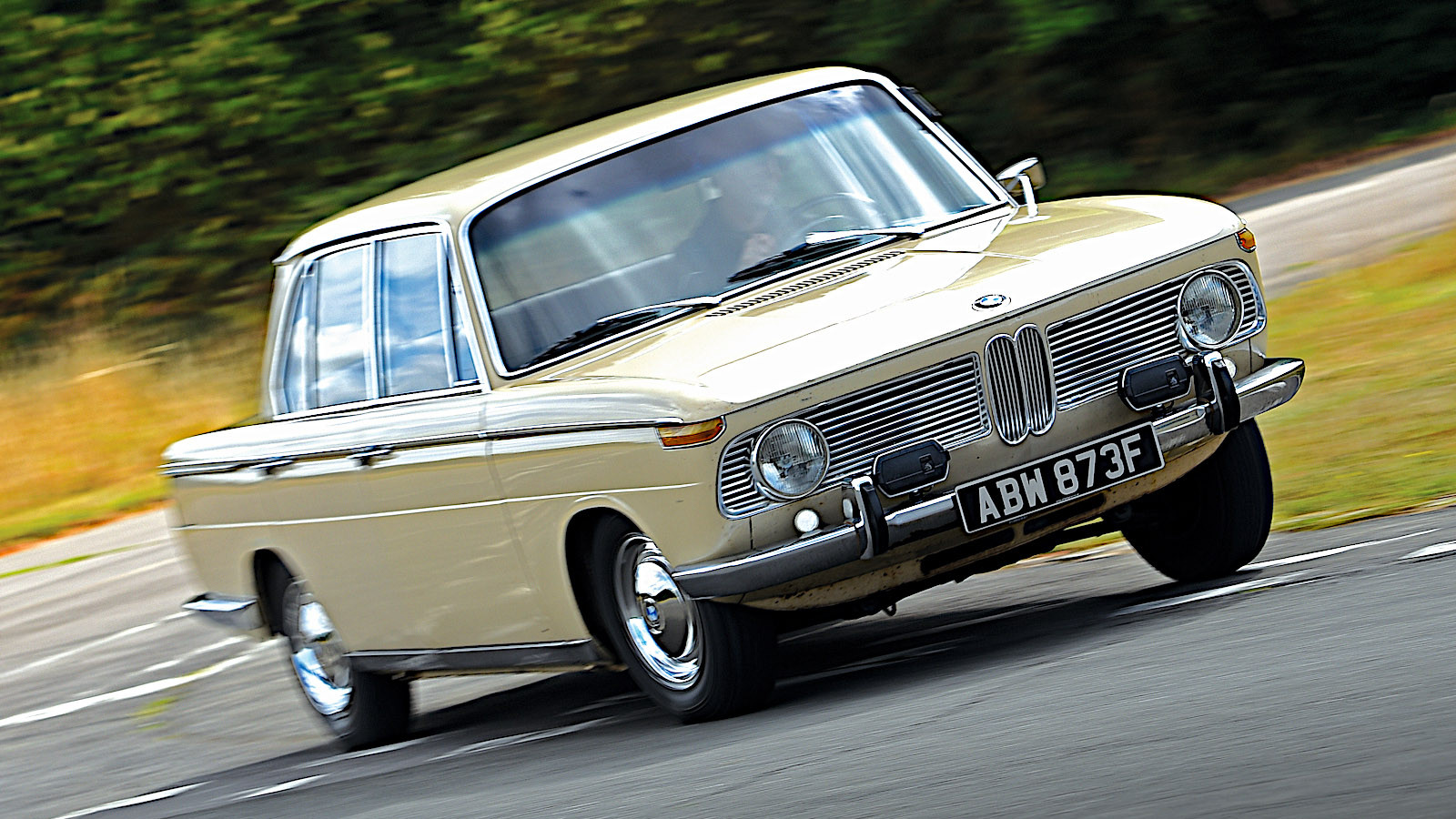
Quite unlike the smaller car introduced three years earlier, they were conventional, front-engined, rear-wheel-drive saloons and coupés with elegant and, in the latter case, dramatic styling.
All were powered by four-cylinder petrol engines (their capacities giving each model its name – 1800 pictured here) from a then-new family which continued to be used in BMWs through to the late 1980s.
The New Class cars were very successful, and can be seen as the progenitors of all 3 and 5 Series BMWs.
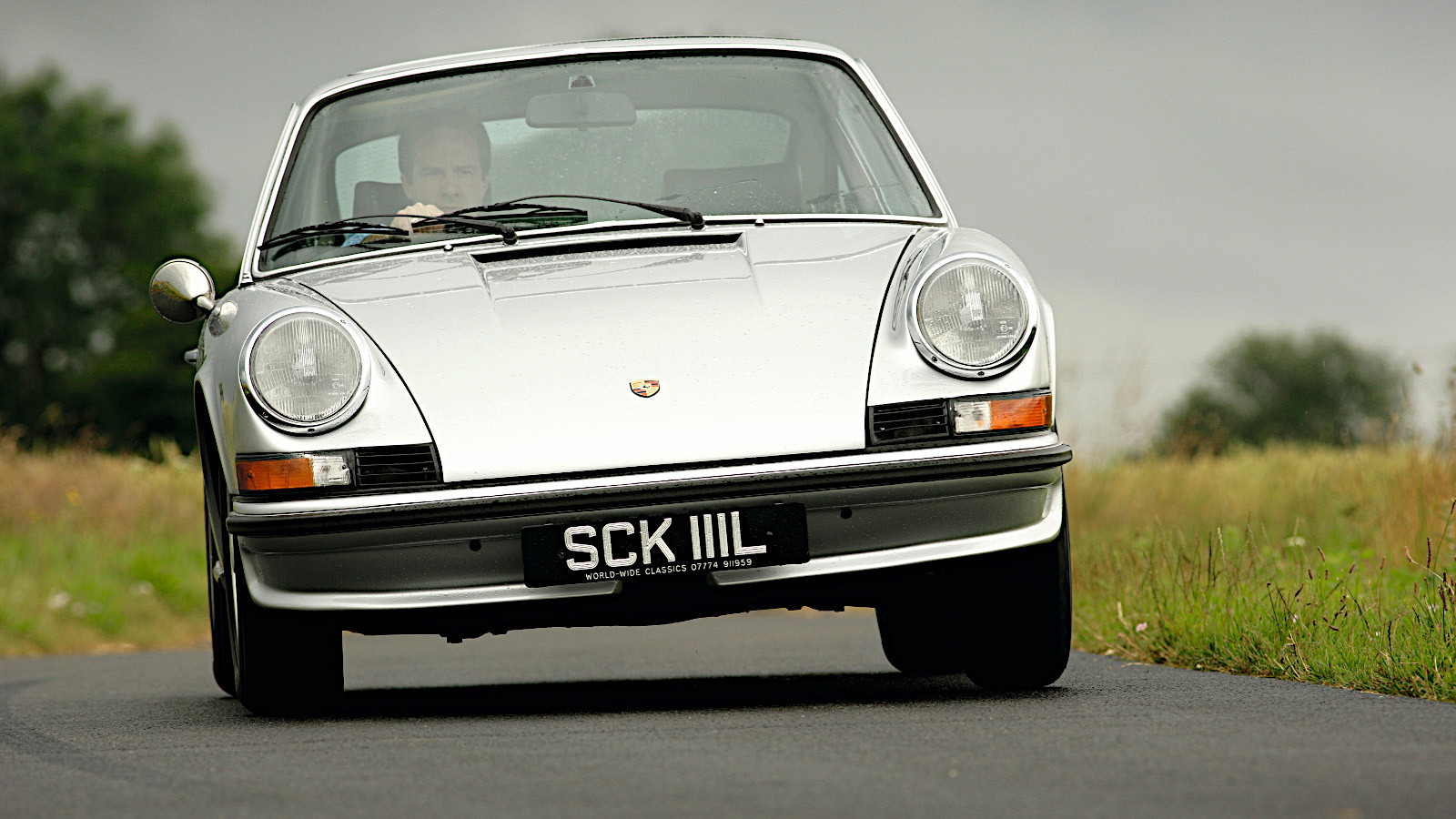
14. 1963 Porsche 911
Strictly speaking, the Porsche 911 first went on sale in 1964, but it was introduced the previous year with the soon-to-be-changed name 901.
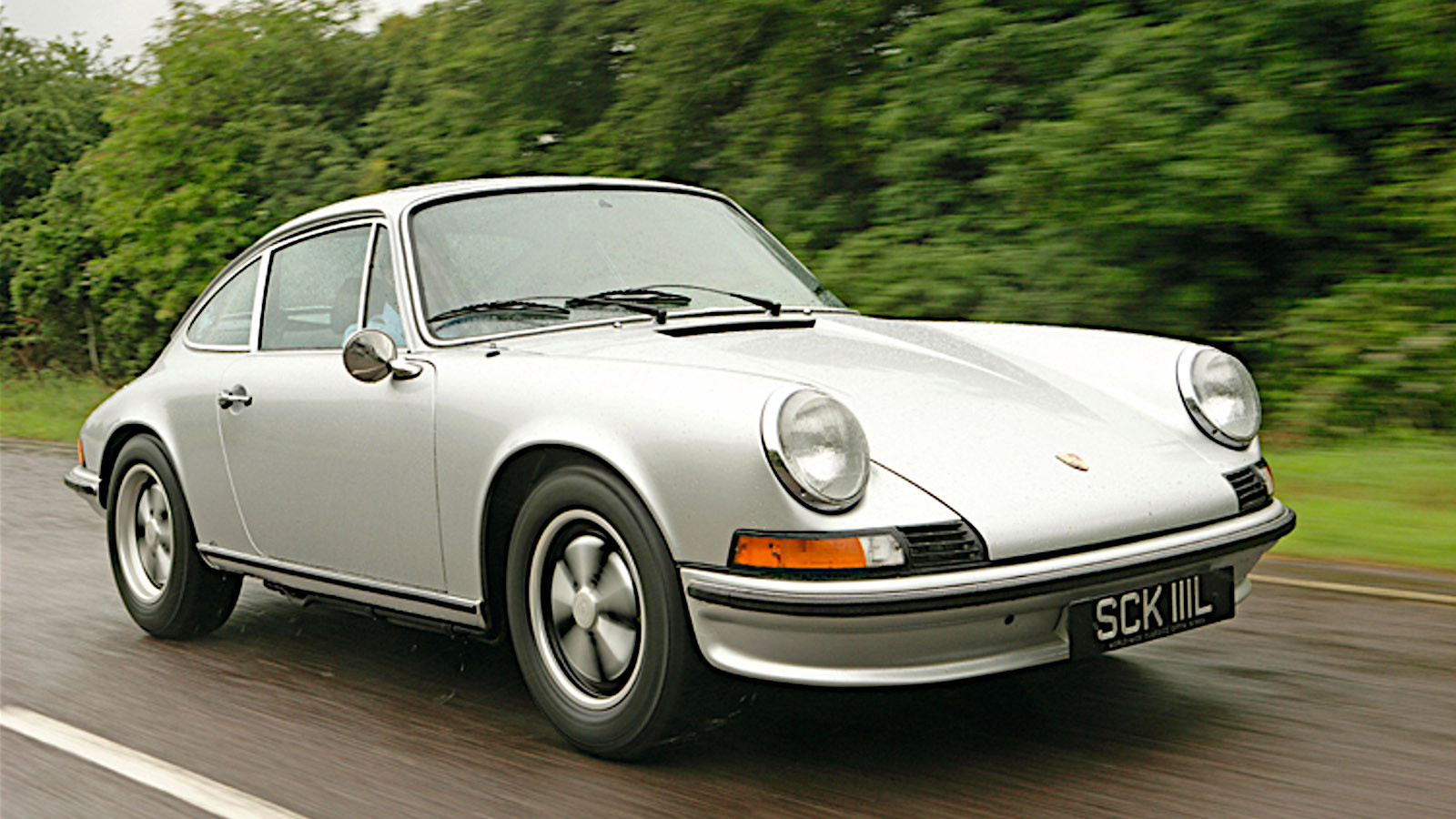
Whatever it was called, the car in its original form was powered by a rear-mounted, 2-litre, air-cooled, flat-six engine producing 130bhp, and had a four-seat coupé body which has become one of the most immediately recognisable in the entire motor industry.
There have been a great many changes since then, water cooling and turbocharging being among the more significant, but the basic concept of the Porsche 911 has survived for more than 60 years, and shows no sign of being abandoned any time soon.
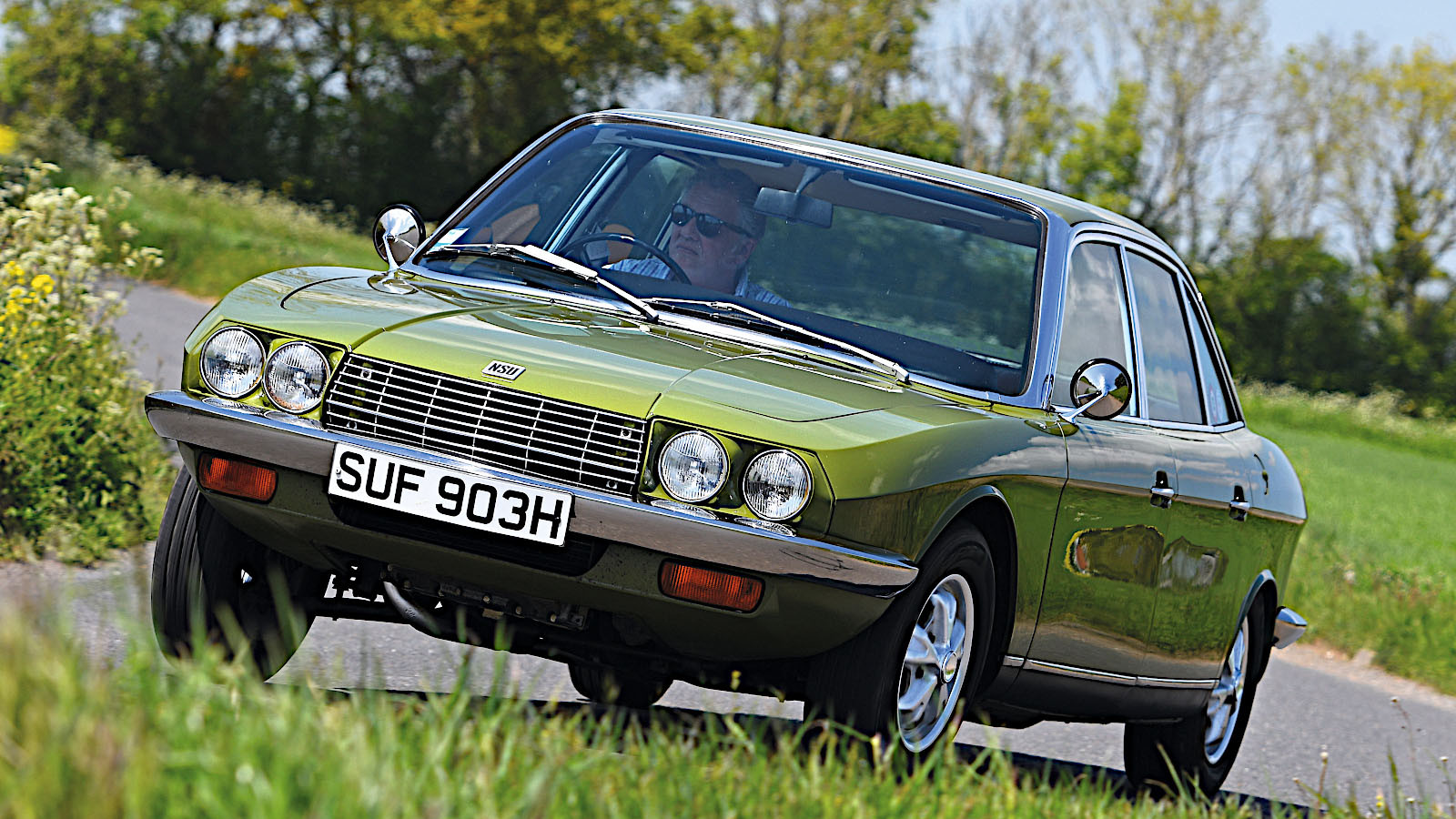
15. 1967 NSU Ro80
With the Ro80, the now-dormant NSU marque produced an absolute masterpiece.
Very unusually for the 1960s, each wheel was independently suspended and had its own disc brake, the body was remarkably aerodynamic, the clutch was operated not with a pedal but by touching the gearlever, and the ride and handling were excellent.
The engine was a rotary (NSU being one of the few companies to take this technology as far as production, though many others experimented with it) and ran very smoothly, with concerns about its poor economy and emissions not as widespread as they would become a few years after launch.
The rotary motor was also the car’s weak point. Early units were fearsomely unreliable, and although this was soon resolved, the reputational damage led to the eventual demise not just of the Ro80, but of NSU itself.
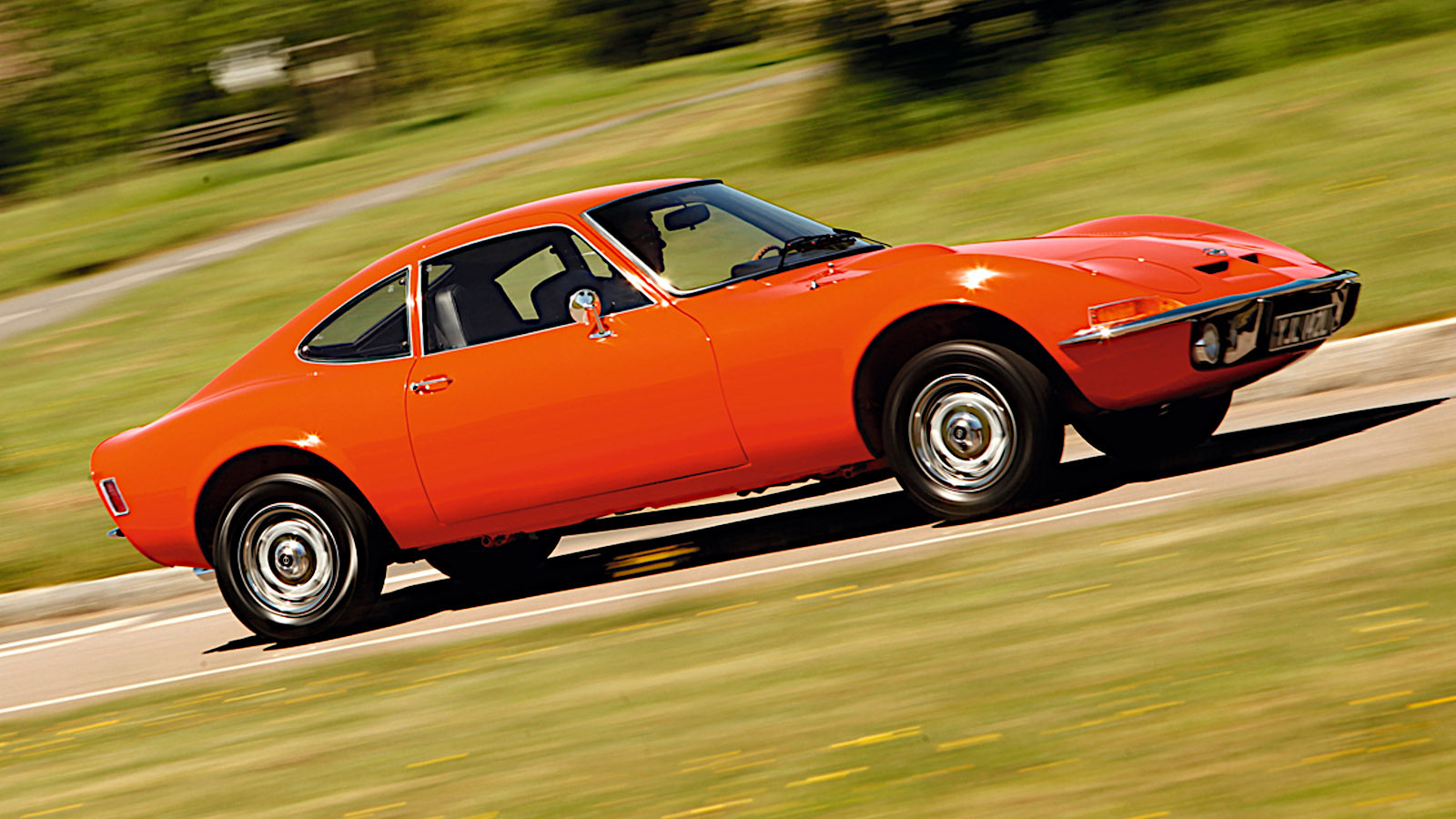
16. 1968 Opel GT
Swiss-American ex-fighter pilot Bob Lutz’s first major job in the motor industry was with Opel, which he has described as, at the time, ‘basically building boring cars for boring people’.
Against considerable opposition, he made a strong case for the GT, which was quite unlike any other contemporary Opel.
The engines – a 1.1 and a 1.9, both with four cylinders – were conventional, but the body design, strongly influenced by the third-generation Chevrolet Corvette, was both dramatic and beautiful.
Production ended in 1973, and General Motors Europe would have nothing like it on the books again until the Lotus Elise-adjacent Opel Speedster/Vauxhall VX220 came along 27 years later.
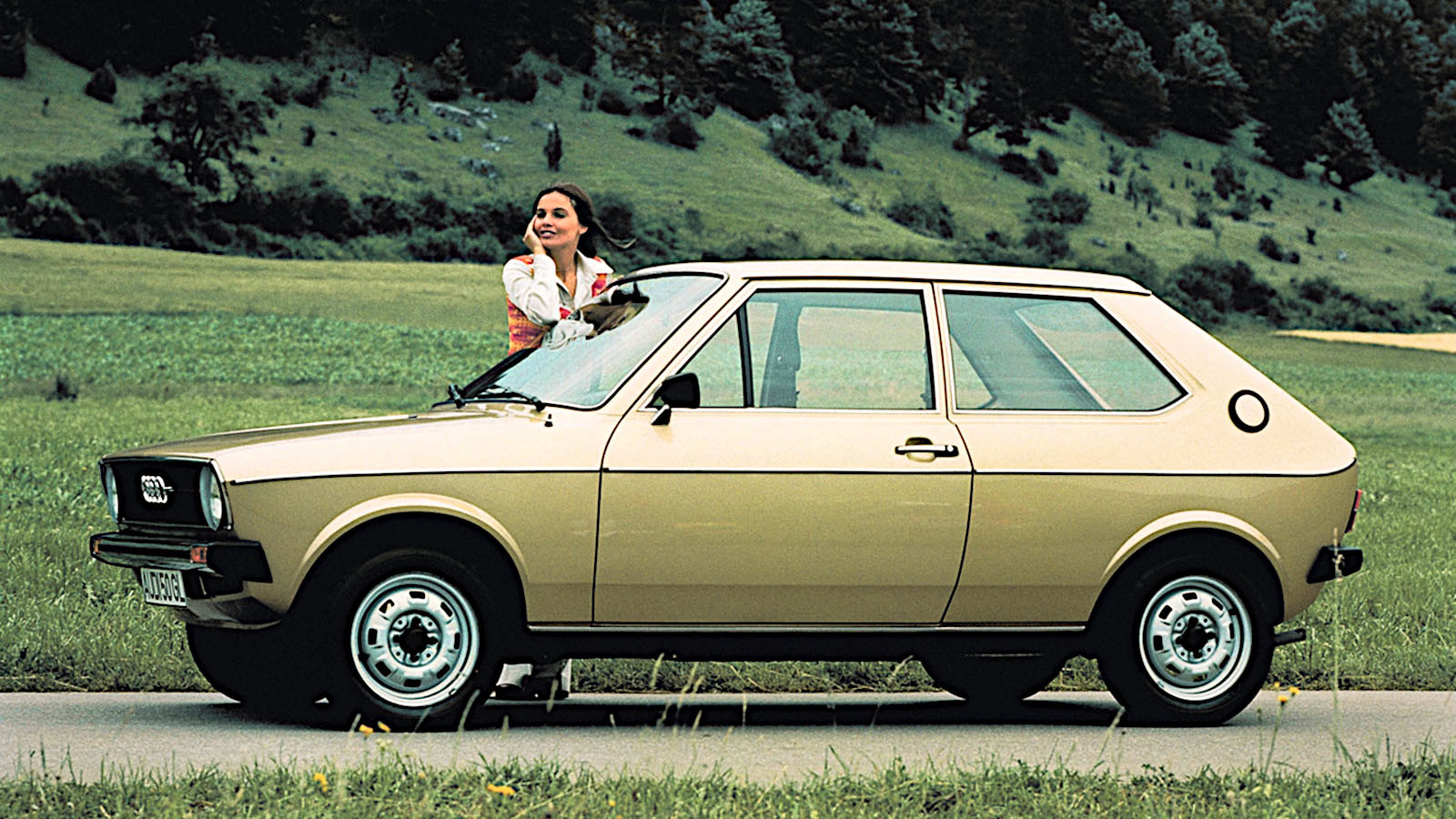
17. 1974 Audi 50
The 50 was originally intended as a replacement for the rear-engined NSU Prinz, but a change of policy led to it being branded as an Audi instead.
Audi can therefore claim to have produced one of the first of what we could now call superminis (small, front-wheel-drive hatchbacks with transverse engines), a type of car it has not generally been known for.
The 50 lasted only a few years, and there was no comparable Audi until the A2, but an almost identical, though slightly cheaper, version was introduced in 1975 and marketed as the Volkswagen Polo.
Now in its sixth generation, the Polo became one of VW’s most important cars, but its history begins with this little Audi.
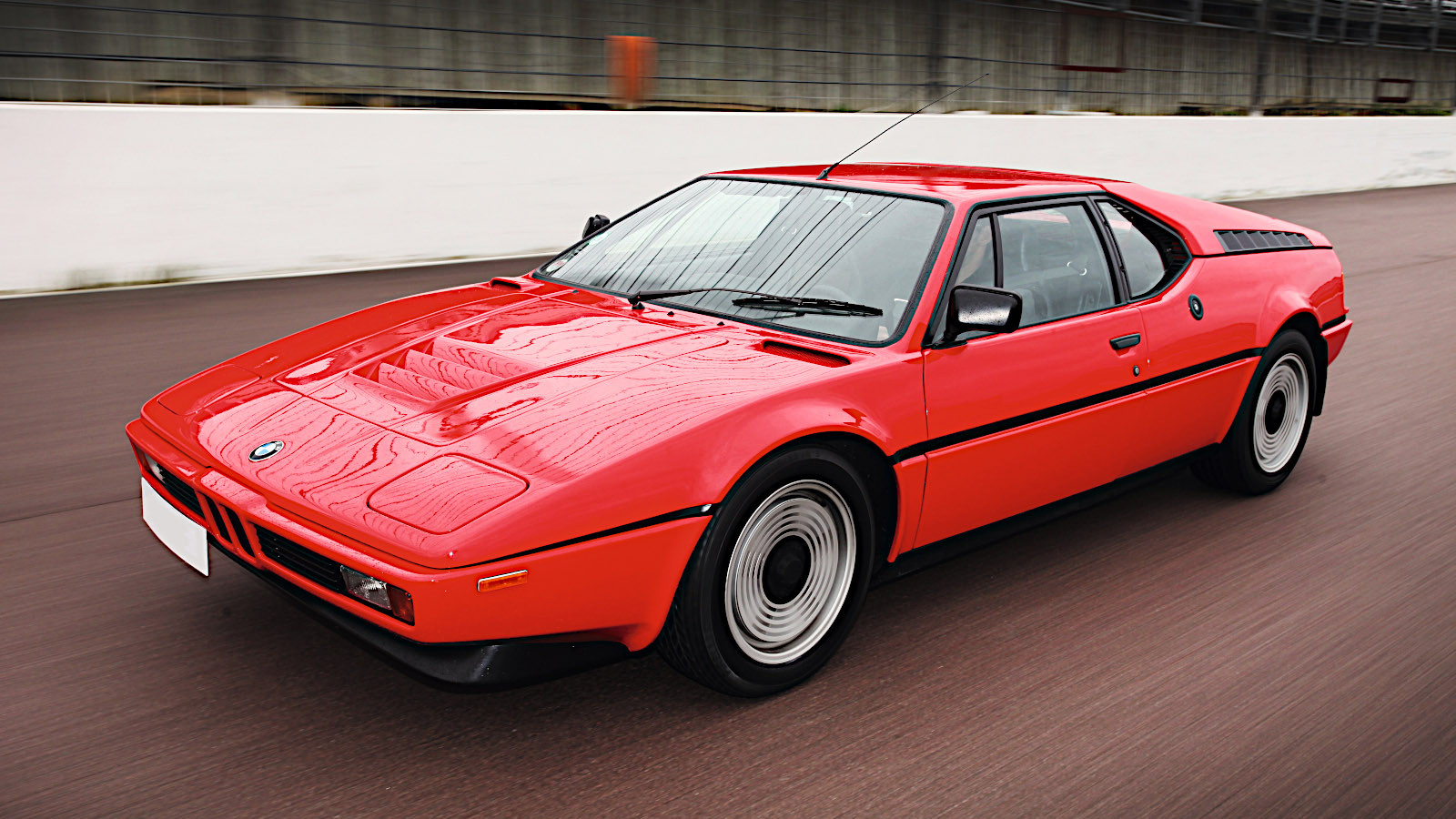
18. 1978 BMW M1
The M1 is almost as unlikely a part of BMW’s portfolio as the much earlier 700.
It was BMW’s first mid-engined production car (the second, the i8, not appearing until more than 30 years later) and was powered by a 3.5-litre straight-six which produced, remarkably for the 1970s, 274bhp.
Measuring just 45in (1.1m) from the road to its highest point, and weighing only 1300kg (2866lb), it was close to being a street-legal racer, and was indeed used widely in competition, notably in the Procar series for which no other car was eligible.
In all, 460 examples were built before production came to an end in 1981.
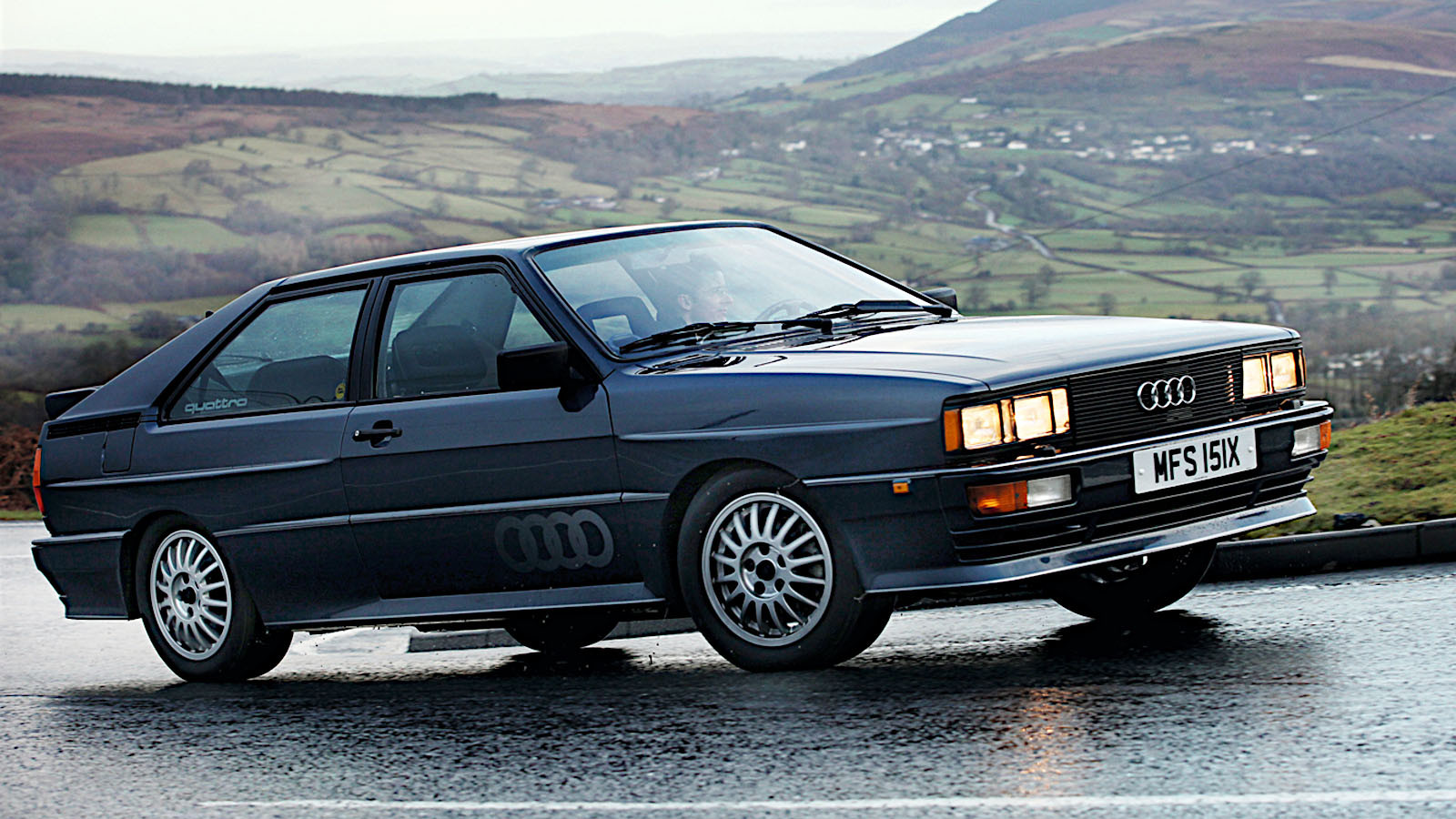
19. 1980 Audi quattro
Possibly the most significant car in Audi’s history, the quattro raised its maker’s global profile enormously through its dominant performance in rallying.
The sport’s first serious four-wheel-drive contender gave Audi two drivers’ (Hannu Mikkola and Stig Blomqvist) and two manufacturers’ titles in the World Championship from 1982 to 1984, and the previously unfamiliar howl of its turbocharged, five-cylinder engine became a widely recognised announcement of great performance, even before the car came into view.
Peugeot’s mid-engined 205 T16 eventually put the quattro to the sword, but history had been made, and nearly everyone now knew what an Audi was.
Although the quattro model is long gone, it lives on through its name, which Audi appends to its four-wheel-drive models.
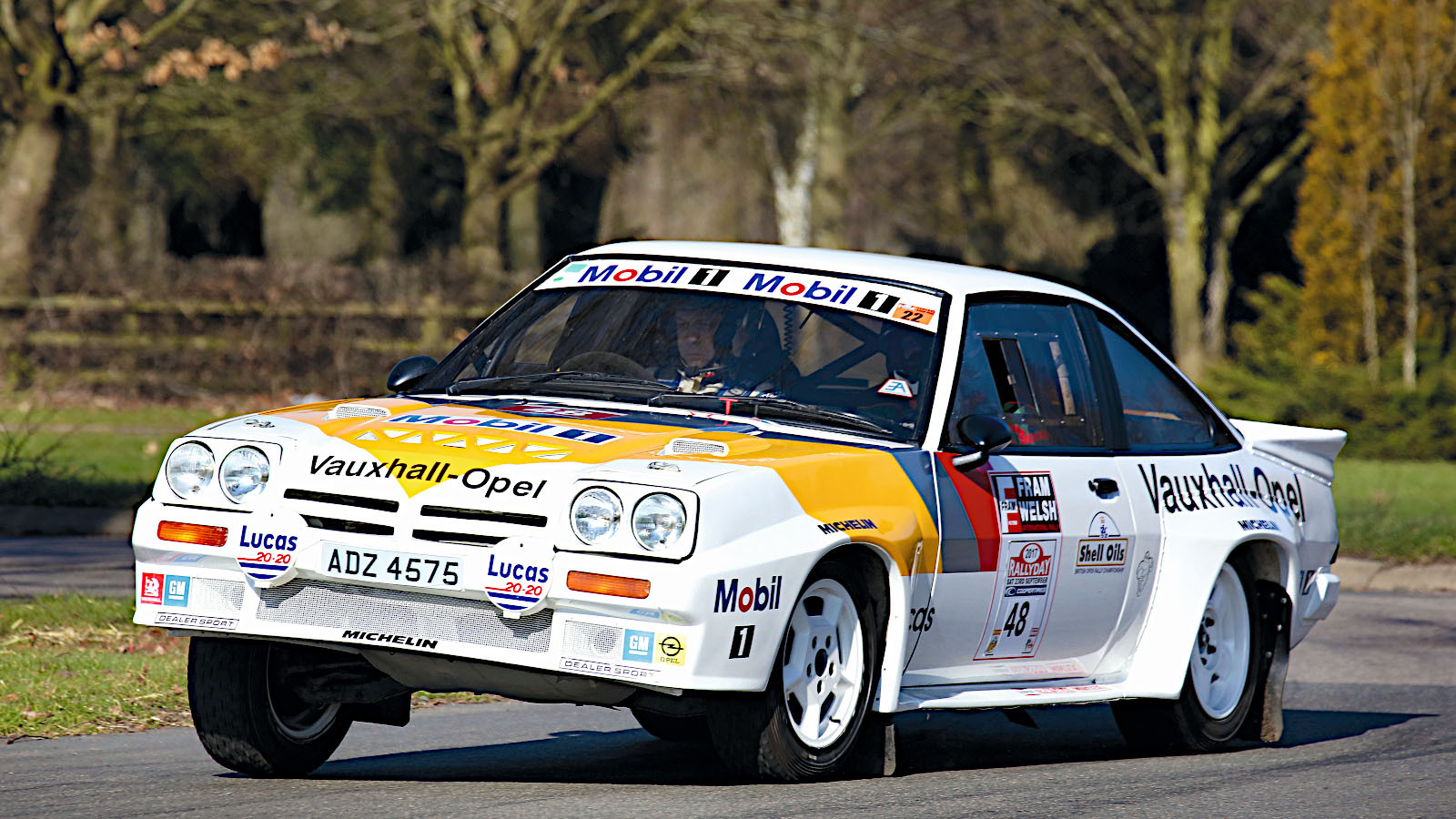
20. 1981 Opel Manta 400
While the coupé version of the second-generation Manta was a conventional, though certainly attractive, car, the 400 derivative was rather wonderful.
With lightweight extended wheelarches at both ends, it looked fantastic, and the 2.4-litre engine with a Cosworth cylinder head produced an impressive amount of power.
The 400 was, of course, a homologation special, developed to allow Opel to build more highly developed models for rallying.
Lacking four-wheel drive, these cars could not compete on equal terms with the Audi quattro at world level, but they did very well on national events, and were among the most charismatic rally cars of the early 1980s.
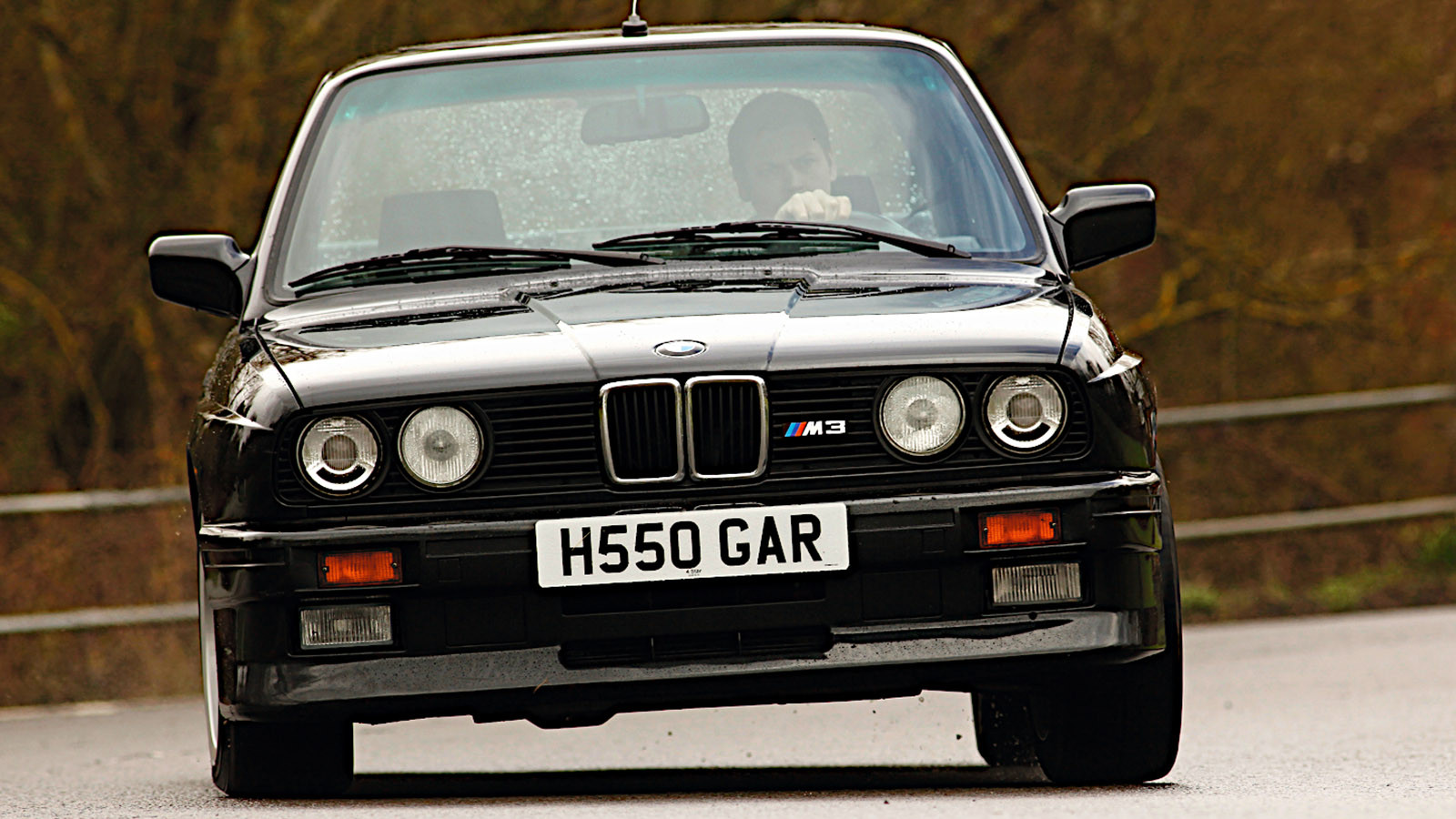
21. 1986 BMW M3
Of the six generations of BMW M3 so far, the first was unique in two ways.
It was the only one with a four-cylinder engine (measuring 2.3 and later 2.5 litres), and also the only one intended from the start to be used in motorsport.
It made a big impact in both rallying and Touring Car racing, its undoubted performance being backed up by the scream of that engine.
Standard versions sounded almost as good, and were fabulous to drive, tackling corners and soaking up bumps in the road with great aplomb.
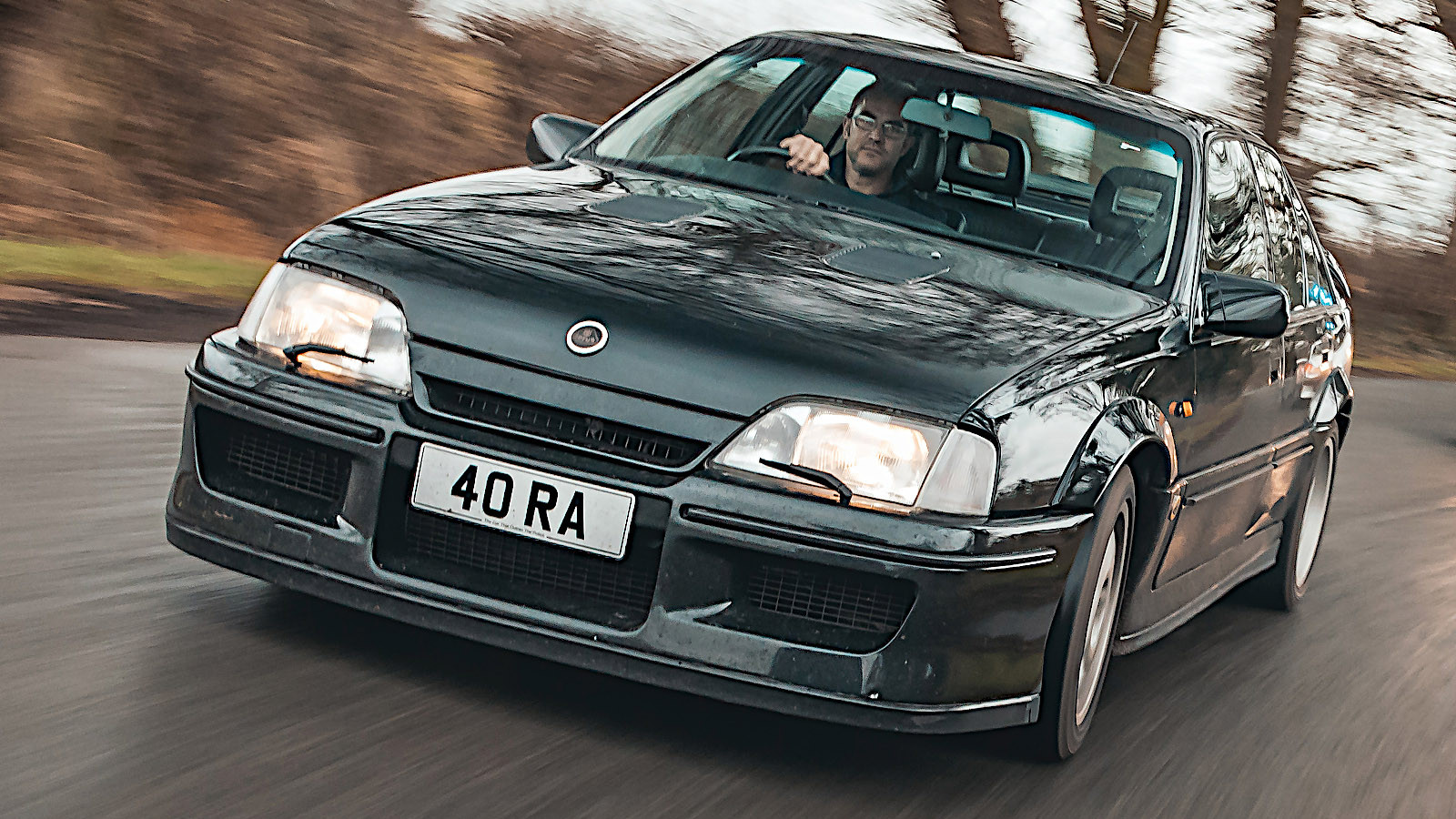
22. 1990 Opel Lotus Omega
Known in the UK as the Vauxhall Lotus Carlton, this was a radical development of the Omega/Carlton 3000 GSi.
Every example left Opel’s factory in Rüsselsheim as a standard, complete Omega/Carlton 3000 GSi and was transported immediately to Norfolk, where Lotus increased the engine capacity to 3.6 litres, added twin turbochargers and performed its magic on the suspension.
With 377bhp available (if you bought sufficiently high-octane petrol), the car was so fast it caused a scandal, with demands in the British press that it should be banned.
However, the resulting straight-line speed – up to 177mph, GM claimed, perhaps understating the case – was perhaps less impressive than the car’s handling, which was simply extraordinary.
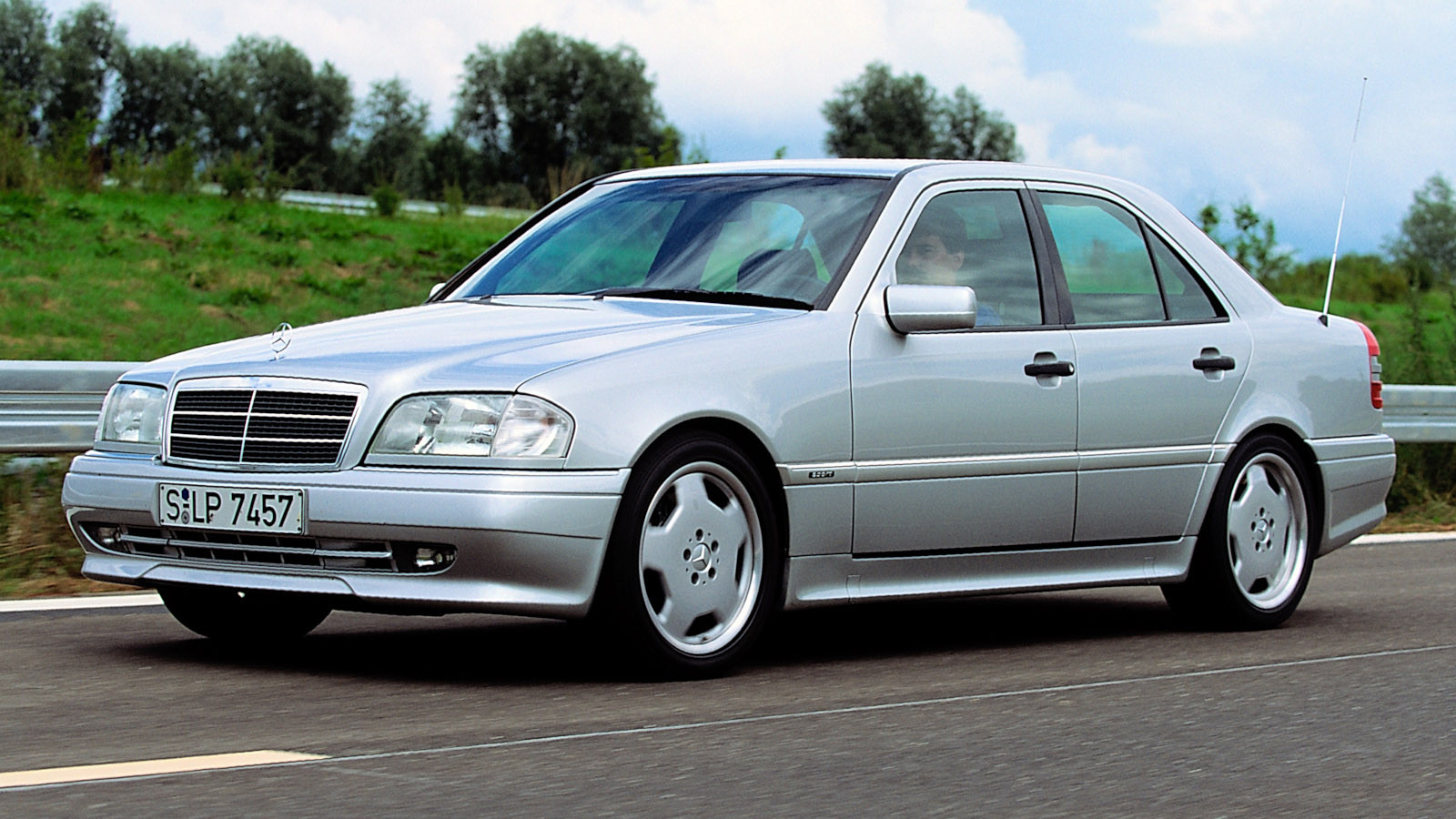
23. 1993 Mercedes-Benz C36 AMG
Starting out as a builder of competition engines, AMG began developing its own high-performance versions of Mercedes-Benz cars which so impressed the larger company that it suggested a co-operation.
This was agreed in 1990, and three years later the first jointly developed model – a 202-series C-Class with a 3.6-litre engine, as the name implied – went into production.
By today’s standards, the engine’s output of 276bhp was modest, but it was perfectly balanced by the car’s superb handling.
With 5221 examples built in less than four years, the C36 AMG was a big success for a car of this type, and the relationship deepened to the point where Mercedes-Benz took on full ownership of AMG in 2005.
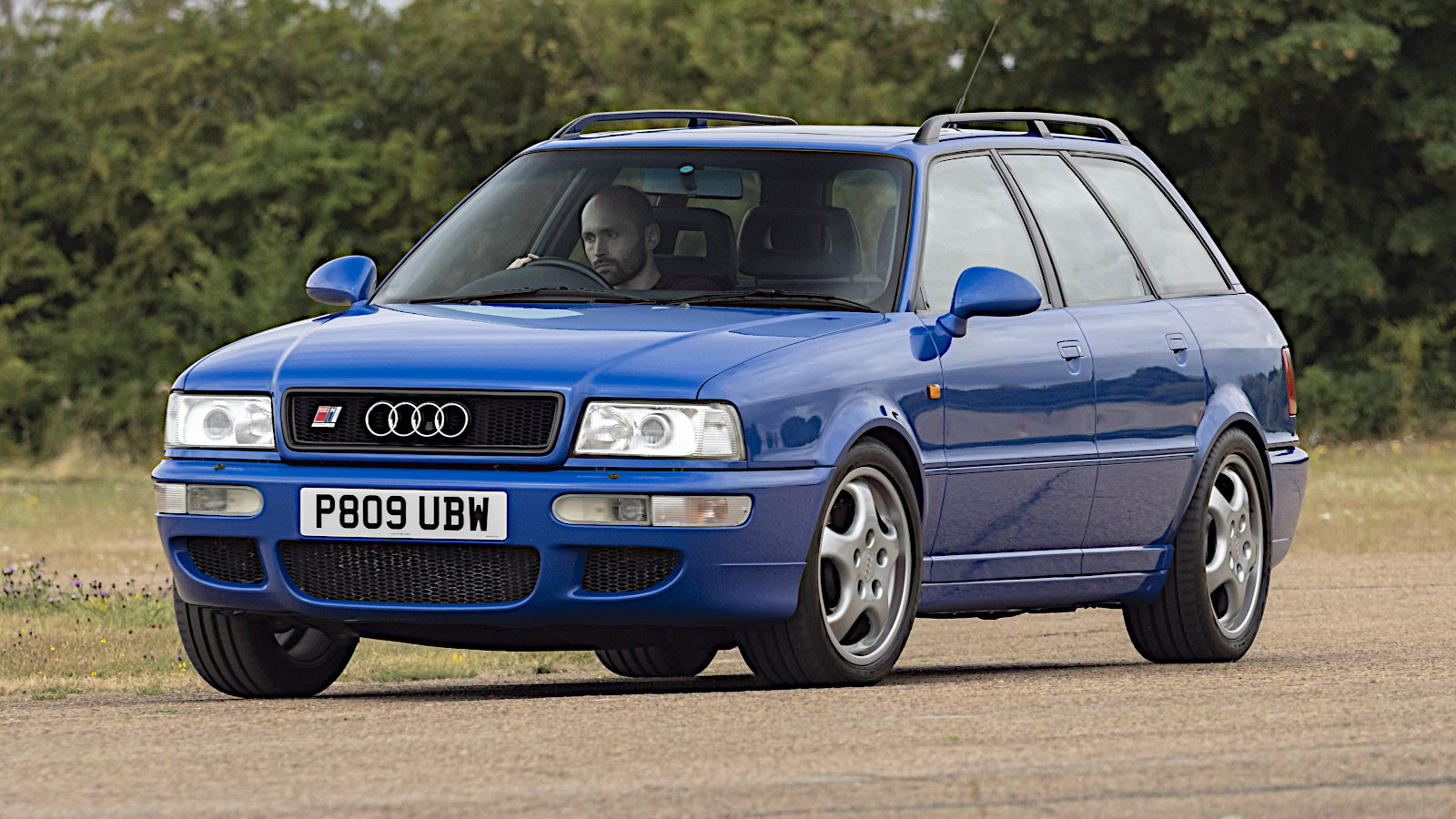
24. 1994 Audi RS2 Avant
This was the first in a long series of high-performance RS models marketed by Audi.
Co-developed by Porsche, which also assembled it, the RS2 Avant had, like the quattro, a 2.2-litre, turbocharged, five-cylinder engine whose power output of 311bhp meant that challenging the earlier Vauxhall/Opel Lotus Carlton/Omega in a straight line was out of the question.
However, unlike the GM model, the Audi had four-wheel drive and was available only as an estate.
This choice of body style was considered bizarre at the time, but Audi repeated it with the RS4 and RS6 in 1999 and 2013 respectively.
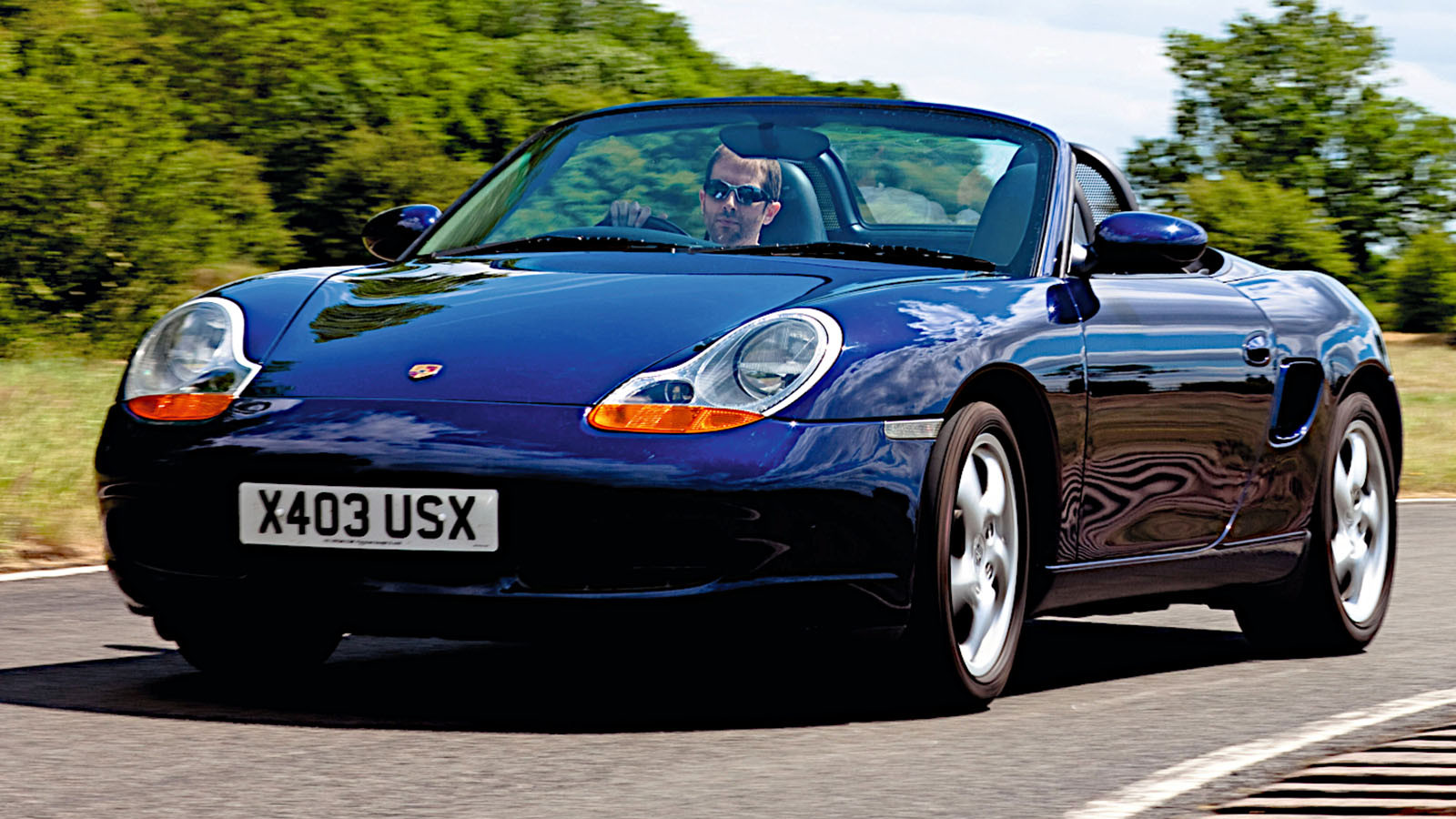
25. 1996 Porsche Boxster
After several decades of putting the engine either in the front or the extreme rear of its high-volume road cars, Porsche finally opted for a mid-engined layout when designing the Boxster.
Billed as a junior alternative to the more powerful and expensive Porsche 911, the Boxster convertible was an immediate sensation.
It brought Porsche ownership within reach of people who had not previously been able to afford it, and was also an exceptionally good sports car, with excellent handling and a stirring flat-six soundtrack.
The formula was so successful that, several generations on, the Boxster (along with its younger, solid-roofed sibling, the Cayman) is still around today.
We hope you enjoyed this gallery. Please click the ‘Follow’ button above for more super stories from Classic & Sports Car.