
Quarter-century star cars
To many of us, the year 2000 doesn’t seem that long ago.
Not only did the cosmic clock tick over to a new millennium, it was also the year in which we heard the final cultural chimes of the 20th century – whether we were aware of it or not.
Plenty of what was left behind deserved to be dumped, but few enthusiastic drivers would argue that motoring has improved much (if at all) since.
The noughties saw some of the last and best traditional, big-displacement performance cars launched upon an adoring fanbase – we never had it so good.
Here, in alphabetical order, are a handful of those millennial heroes turning 25 this year.
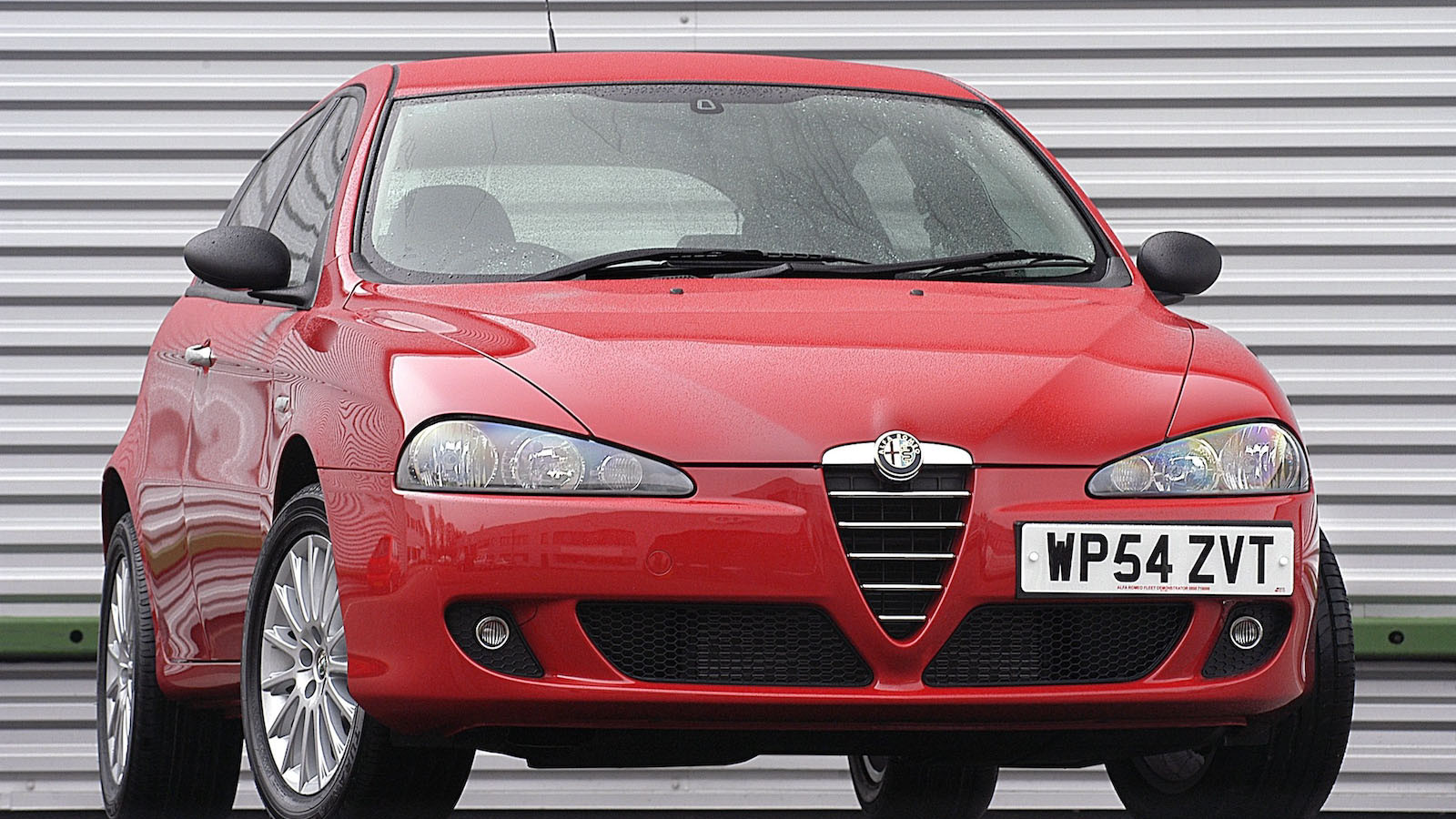
1. Alfa Romeo 147
For driving enthusiasts, with a Latin leaning, Alfa Romeo’s output has always raised pulses.
During the hot-hatch era, however, Arese sometimes struggled to compete with the best of the rest of Europe. The Alfasud was an entertaining, if flawed, proposition and its follow-up 33 fared little better.
The mid-1990s 145 Cloverleaf clawed back a lot of lost faith but the 147 – especially the super-hatch GTA version – catapulted the marque right back to the pinnacle.
In the mould of Ford’s excellent Focus, even basic, four-cylinder 147s proved to be a joy to drive – the 2-litre TwinSpark a particular highlight.
Great looks, decent handling and relatively good build quality saw Alfa Romeo sell more than 600,000 147s.
2. Ariel Atom
Track days were a big thing in the early 2000s.
Those bitten by the wannabe-racing-driver bug – whose budget extended well beyond four figures – were the target of many a British company who made limited-run, high-end, track-day specials.
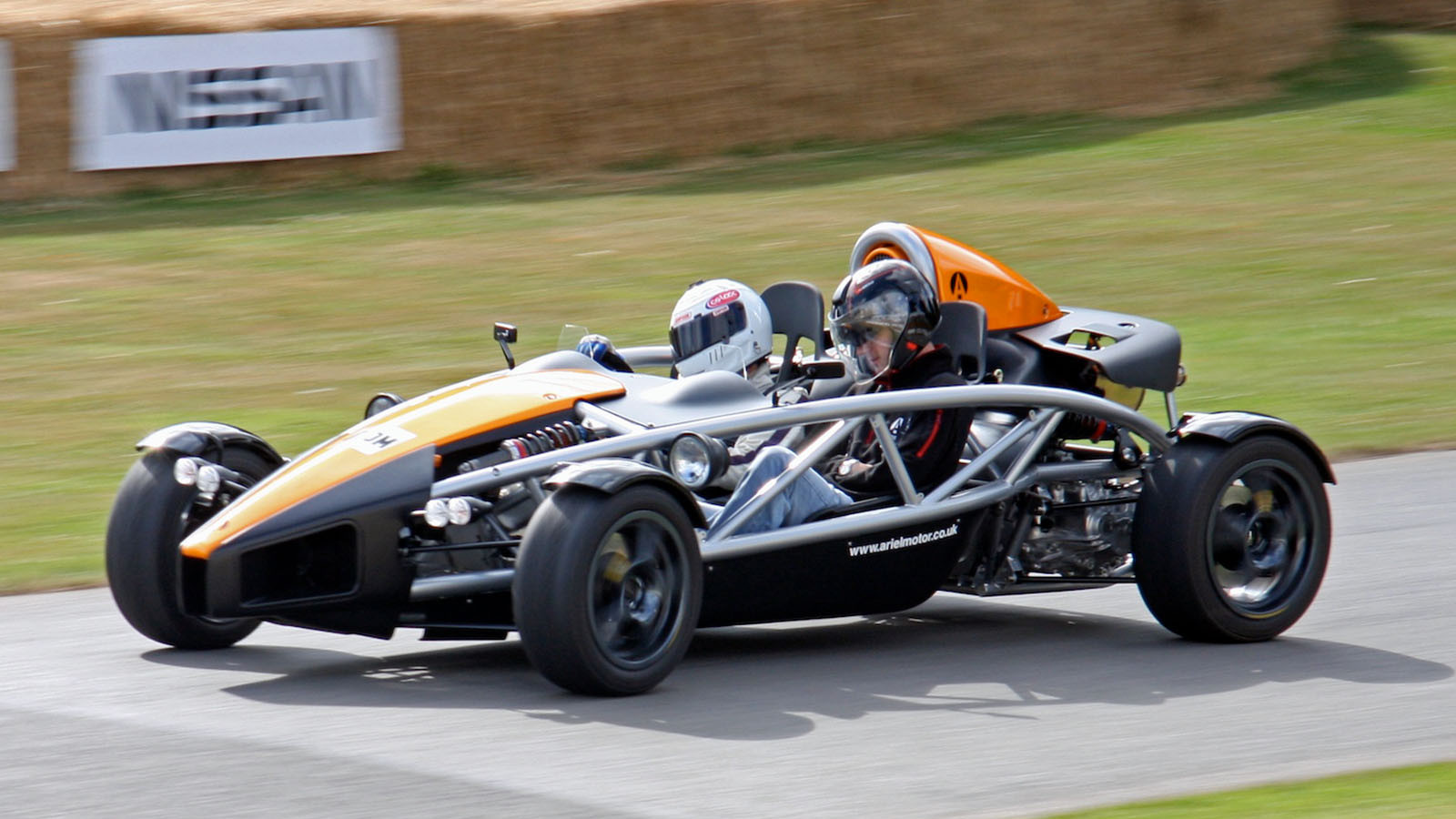
Along with Caterham and Radical, traditional motorcycle maker Ariel joined the fray in 2000 with a tubular lightweight wonder, the Atom.
A ground-up, track-day machine, the Atom made the most of its Rover K-series engine, much like that other lightweight motoring phenomenon, the Lotus Elise.
3. BMW Z8
What started out as an off-the-cuff, somewhat wistful comment from a BMW director in 1993, led to a secret project spearheaded by Henrik Fisker to reimagine a 507 for the new millennium.
The Z07, which was only ever designed to be a one-off, motor-show concept, was finished and displayed at the 1997 Tokyo show.
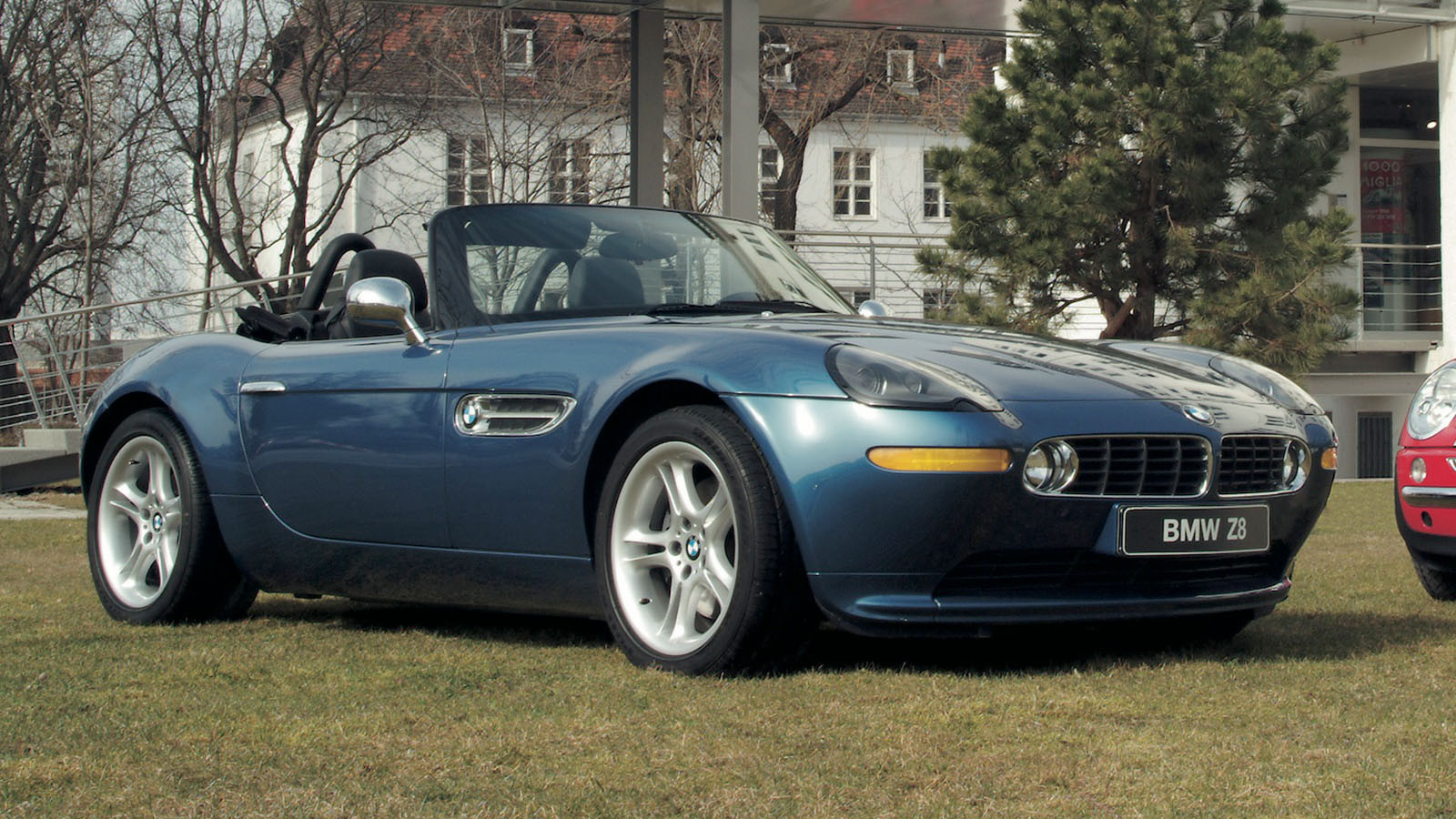
The wild reaction it provoked meant we got the majestic, limited-run Z8 we know and love today.
Utilising most of the drivetrain from the then-new M5 (E39), BMW Z8 sales began (in the US) in 2000 and were kept strictly limited, with only 5703 built by the end of production in 2003.
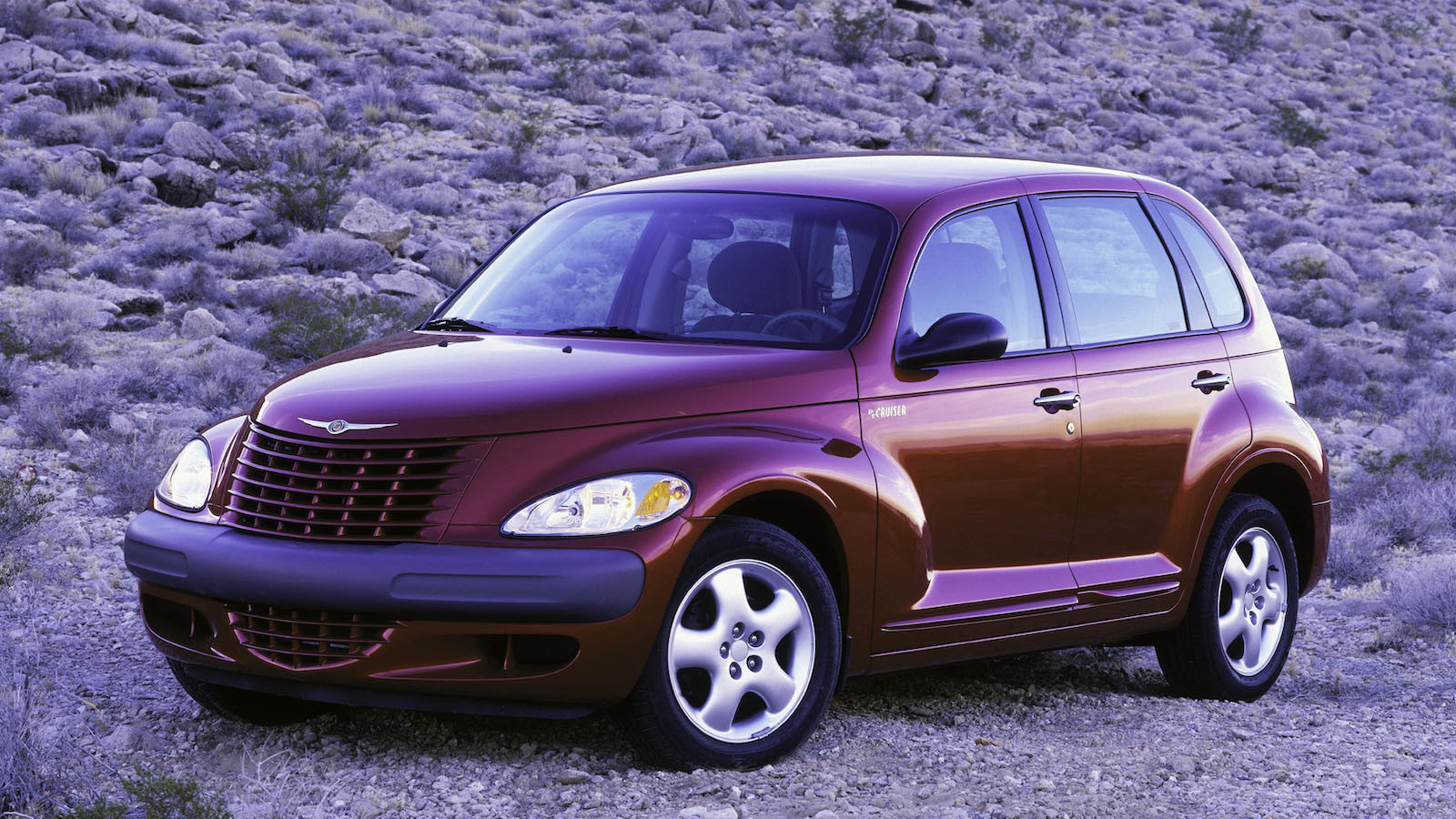
4. Chrysler PT Cruiser
The flowing, organic lines of the Chrysler PT Cruiser were part of a trend of retro automotive throwbacks in the late-1990s and early 2000s, exemplified by the likes of the ‘BMW’ MINI, the Audi TT and the VW Beetle.
The Cruiser’s design, with its hint of separate wings and running boards – and a large side of hot rod – was the work of then young and untested designer Bryan Nesbitt who, at the time of writing, is now head of General Motors Corporation International Operations Design.
Deliberately designing your car with a classic aesthetic can lead to a timeless look, but there’s something about the Chrysler PT Cruiser that still places it firmly in the noughties.
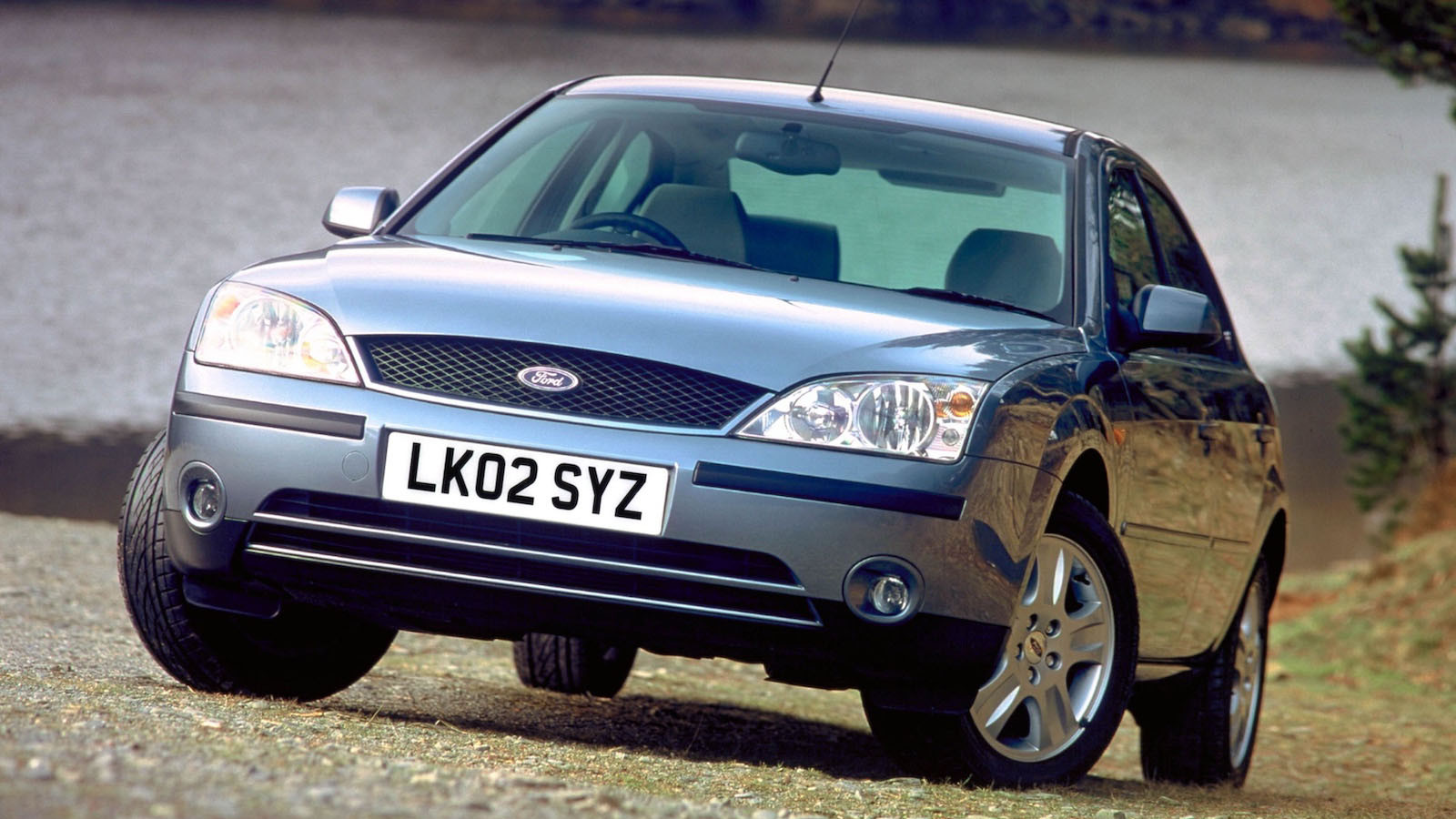
5. Ford Mondeo
The second-generation Ford Mondeo (not to be confused with the facelifted Mk1 of 1996) – was arguably even more vital to the Blue Oval than the original.
It had to build on the phenomenal triumph that was the first model, while also successfully challenging the market benchmark (at least in Europe) in the form of the Volkswagen Passat.
Thankfully, for Ford, it did just that. With an excellent range of potent petrol engines and some frugal diesels, this follow-up from Ford proved to be a fleet-buyer favourite.
It came with greatly improved safety and a much higher-quality interior, both of which won it many fans.
Ford sold a colossal 86,500 during the Mondeo’s first year on sale, in the UK alone.
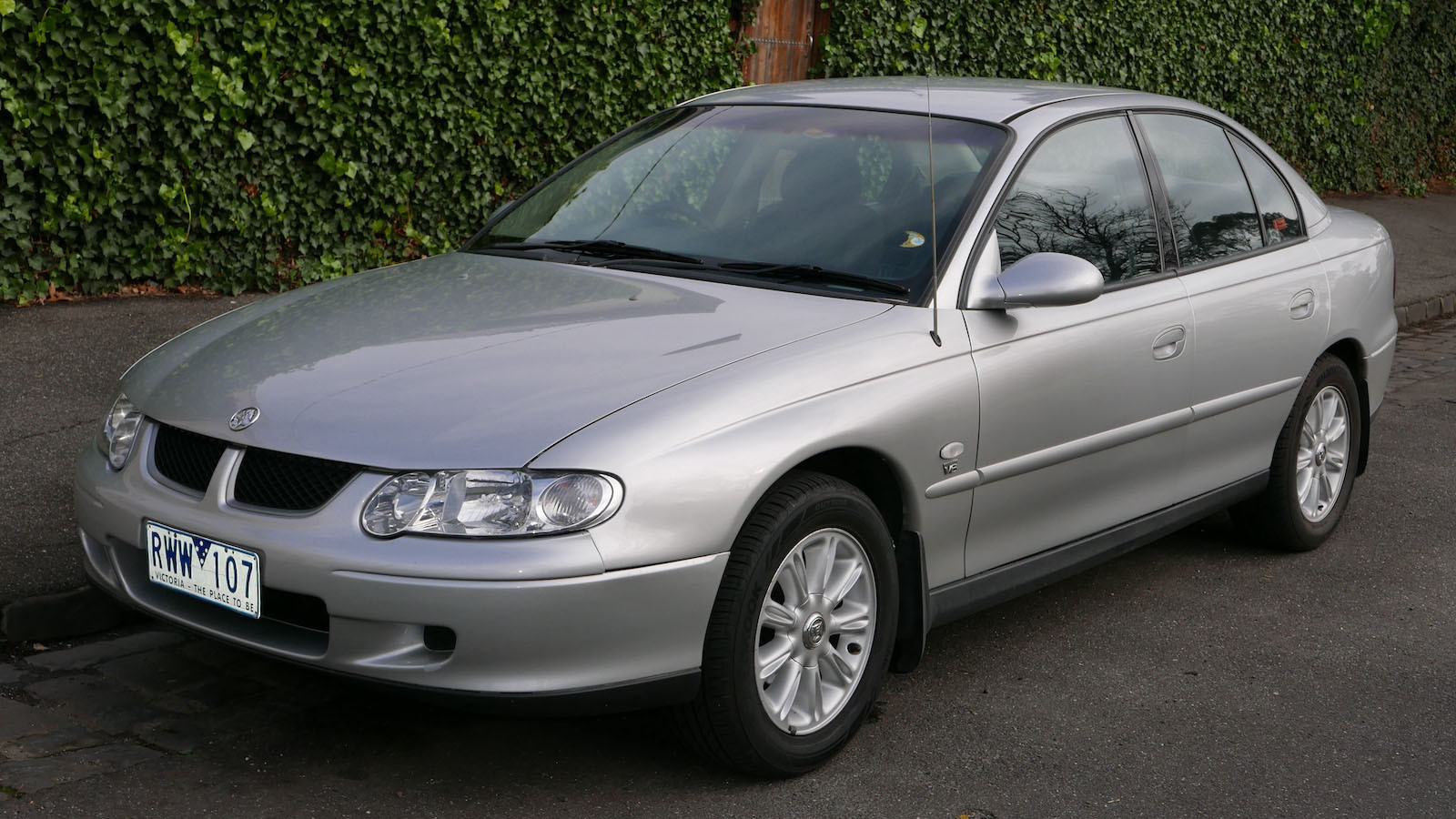
6. Holden Commodore VX
The Australian car market has, seemingly, always been treated to some fantastically brutal muscle saloons, with the Holden Commodore and Ford Falcon the beefiest among them.
A quarter of a century ago, GM introduced the smart and much-improved Commodore VX.
Its supercharged V6 engine gained improved management, raising power and economy figures, however, the big-deal motor was – and always has been – the Chevrolet V8. In the VX it came in 5.7-litre Gen 3 form, making 302bhp.
Better able to handle that power, the VX received substantially modified front and rear suspension.
It might have looked a lot like its predecessor, but it was crucially different where it mattered.
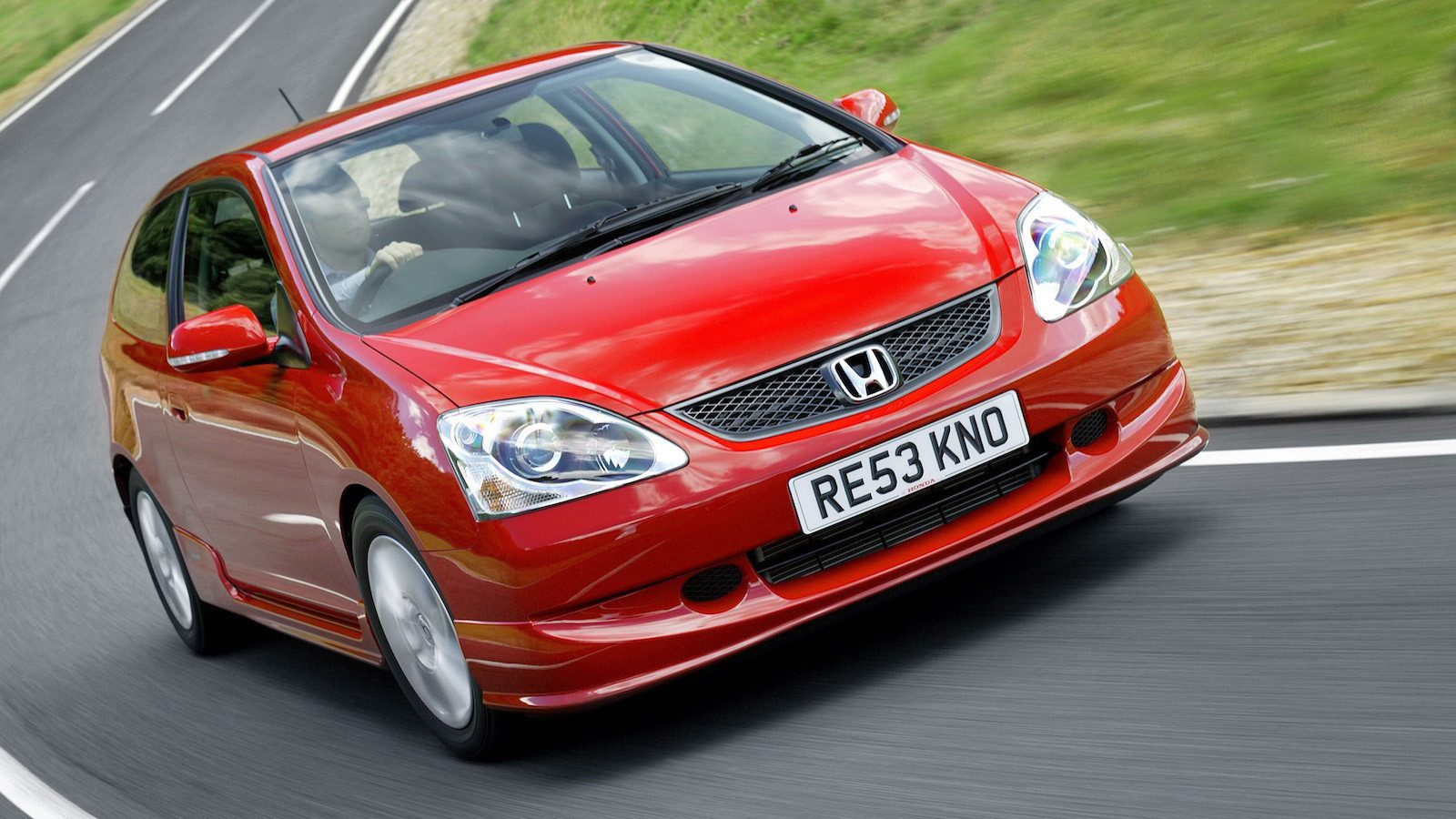
7. Honda Civic
The evergreen Honda Civic has been a thorn in the side of the likes of VW’s Golf and Ford’s Fiesta since its introduction – predating both – in 1972.
The model has always caught the imagination of compact-car customers, looking for a reliable, refined and efficient, yet fun, little hatchback.
For its seventh generation, the Honda Civic’s front suspension was changed to MacPherson struts – from double wishbones – to allow more room for this generation’s star turn, its K-series engine.
It really got to sing in the Type R, the Swindon-built EP3. With its redline at an astounding 8600rpm and 197bhp on tap – without forced induction – it was Honda performance at its very best.
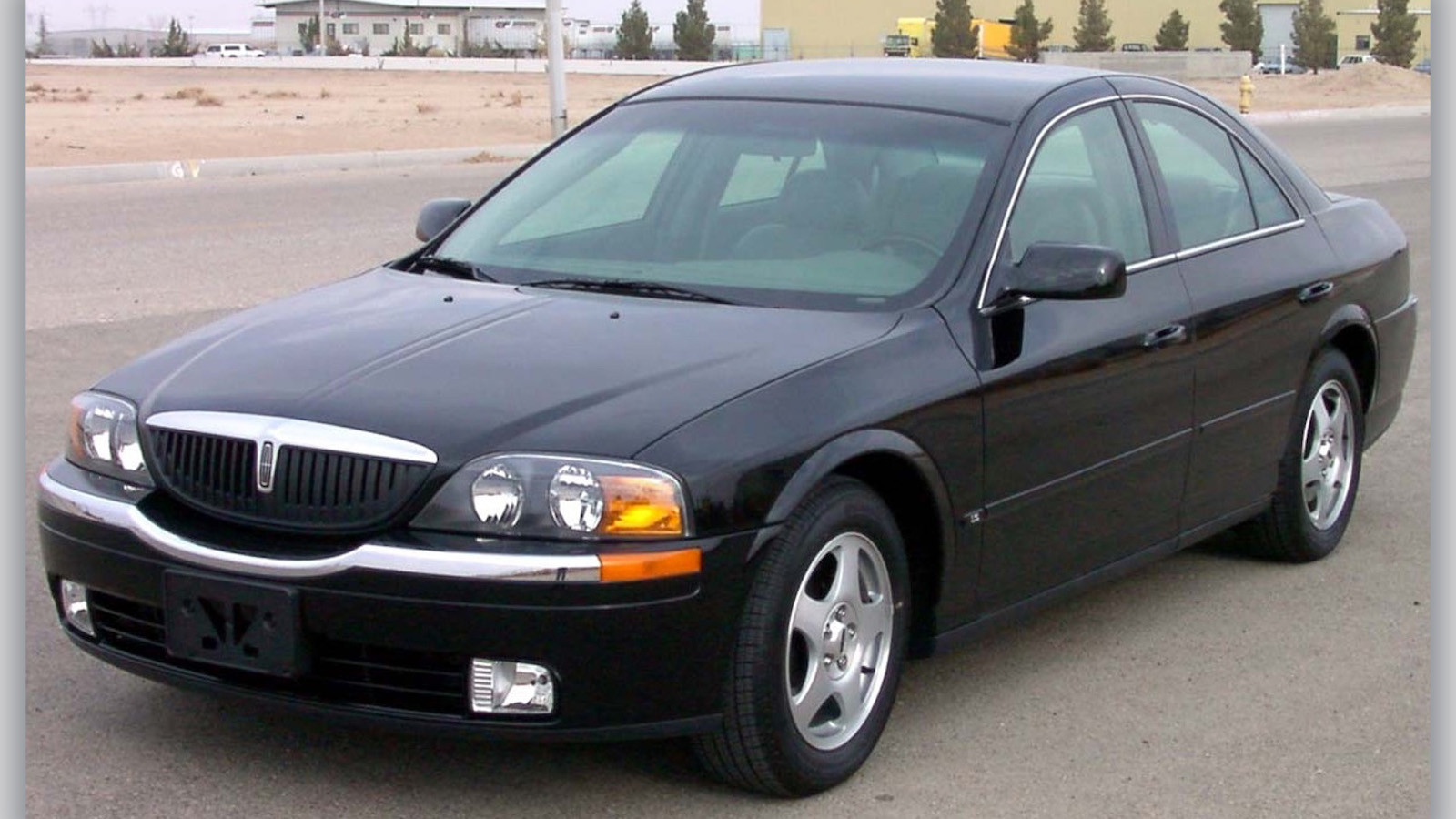
8. Lincoln LS
In order to better compete with the likes of performance German saloons from Mercedes-Benz and BMW, and to raise its appeal and attempt to lower the age of its customers, Ford developed the Lincoln LS for the 2000 model year.
It’s safe to say that it wasn’t massively successful at the latter, however, this mid-size Lincoln managed to take Ford’s DEW98 platform – which also underpins the Jaguar S-type – and turned it into a pretty convincing driver’s car.
With a near 50/50 weight distribution, a battery in the boot and several alloy panels, the Lincoln LS drives a lot better than many expected.
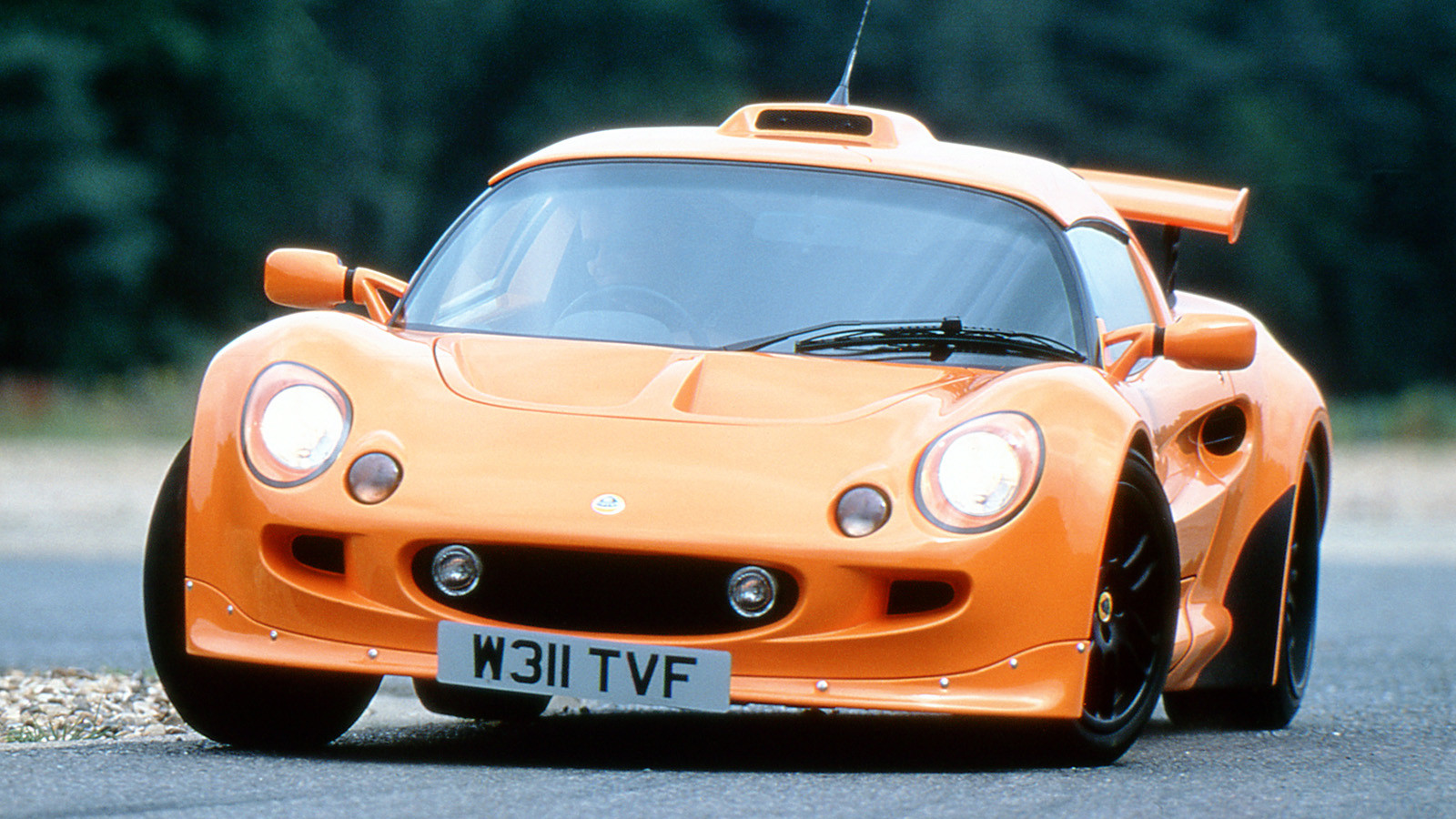
9. Lotus Exige
The Lotus Elise had already reintroduced the world to the joys of its maker’s lightweight lineage, however the Exige, that followed in 2000, turned everything up to 11.
Stripped to its essentials and given even more power was a formula that had already proven popular with progressively more extreme limited editions of the Elise, but adding a roof was a whole new challenge.
Popping a hardtop on the Elise, to create the Exige coupé, proved to be a serious engineering and packaging challenge, but the result looked – and drove – like a mini Le Mans racer.
Incidentally, it wasn’t that far removed, because Lotus did develop a GT1 contender from the Elise platform… Although that was powered by the 5.7-litre Chevrolet V8 from a Corvette!
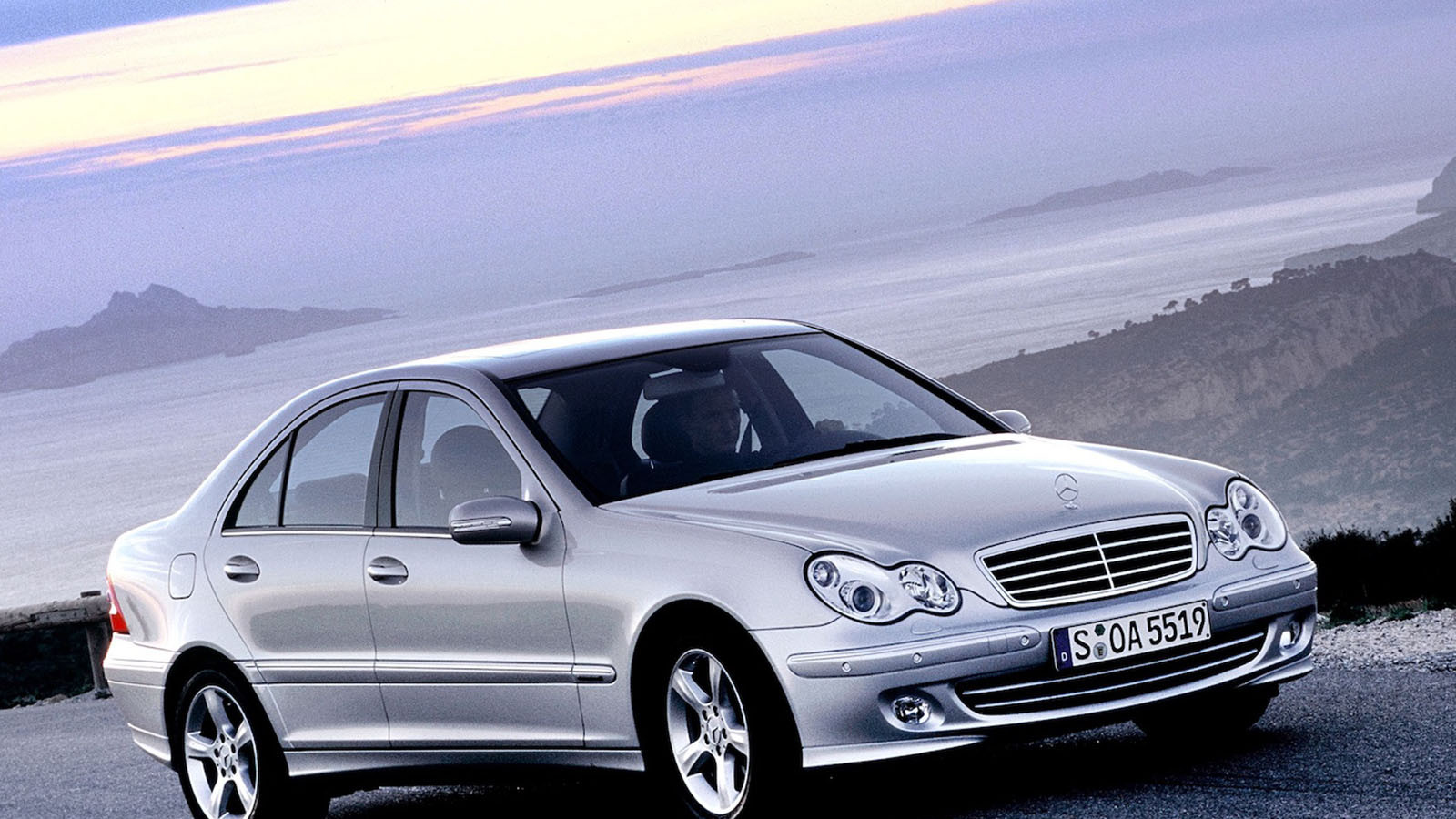
10. Mercedes-Benz C-Class
The second C-Class – even though the W201 190 was the first compact Mercedes-Benz saloon – had been in development since the mid-1990s.
That lead time allowed the W203 to take a big leap forward over its W202 predecessor.
Engine choices centred around the same V6 and four-cylinder units as the outgoing C-Class, but diesels were now fed by common rails and turbochargers came with variable geometry.
In another major technical and efficiency leap forward, manual transmissions now came with six ratios, even though most Mercedes buyers still chose the automatics.
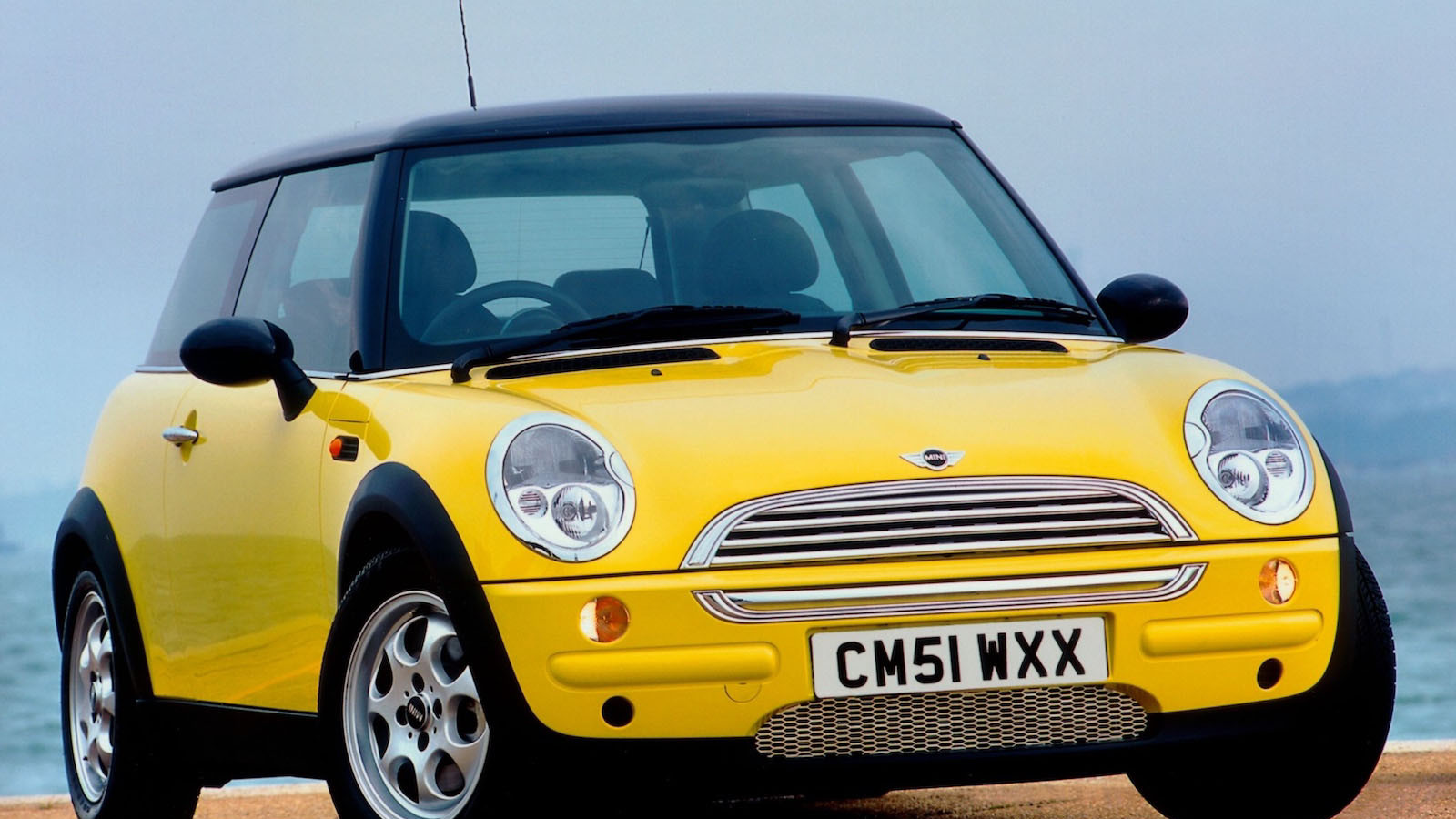
11. MINI
We have come to embrace the modern MINI with something approaching the same level of love lauded upon its predecessor in the 1960s.
In another nod to its famous forebear, however, the initial reception wasn’t uniformly positive. The wider motoring public loved it from the off, but car enthusiasts weren’t as easily convinced.
Even the most diehard of classic Mini devotees couldn’t argue that the 2000 MINI utterly nailed the dynamics.
Huge fun to drive, but a lot larger than its name would suggest – only made worse by subsequent bloat – the ‘BMW’ MINI utterly nailed the retro aesthetic while stirring modern compliance and build quality into the mix.
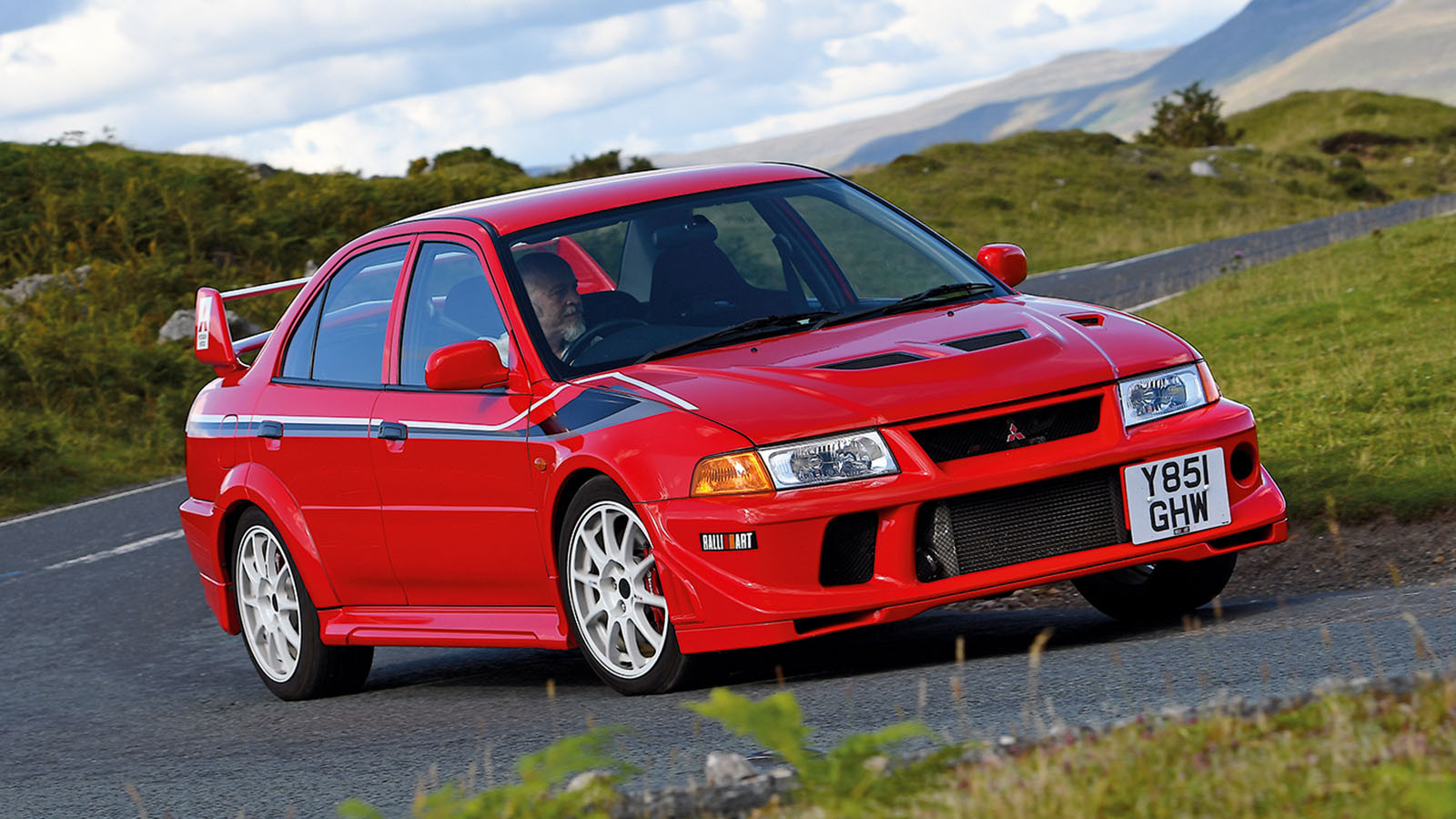
12. Mitsubishi Lancer Evolution Tommi Mäkinen Edition
This one technically arrived at the very end of 1999, with all the limited run of 2500 Tommi Mäkinen Edition cars – made to celebrate the titular flying Finn’s prodigious World Rally Championship success – produced for the 2000 model year.
Although it wasn’t a dramatic improvement over the already-fantastic Lancer Evolution VI, the TME has arguably become the most collectible Evo of them all.
The suspension was a little tauter and its more-responsive turbo came with titanium innards, but it was basically still an Evo VI with optional £700 WRC war paint.
There were numerous mild suspension and chassis tweaks, too, which made this Evo one of the dynasty's best drives.
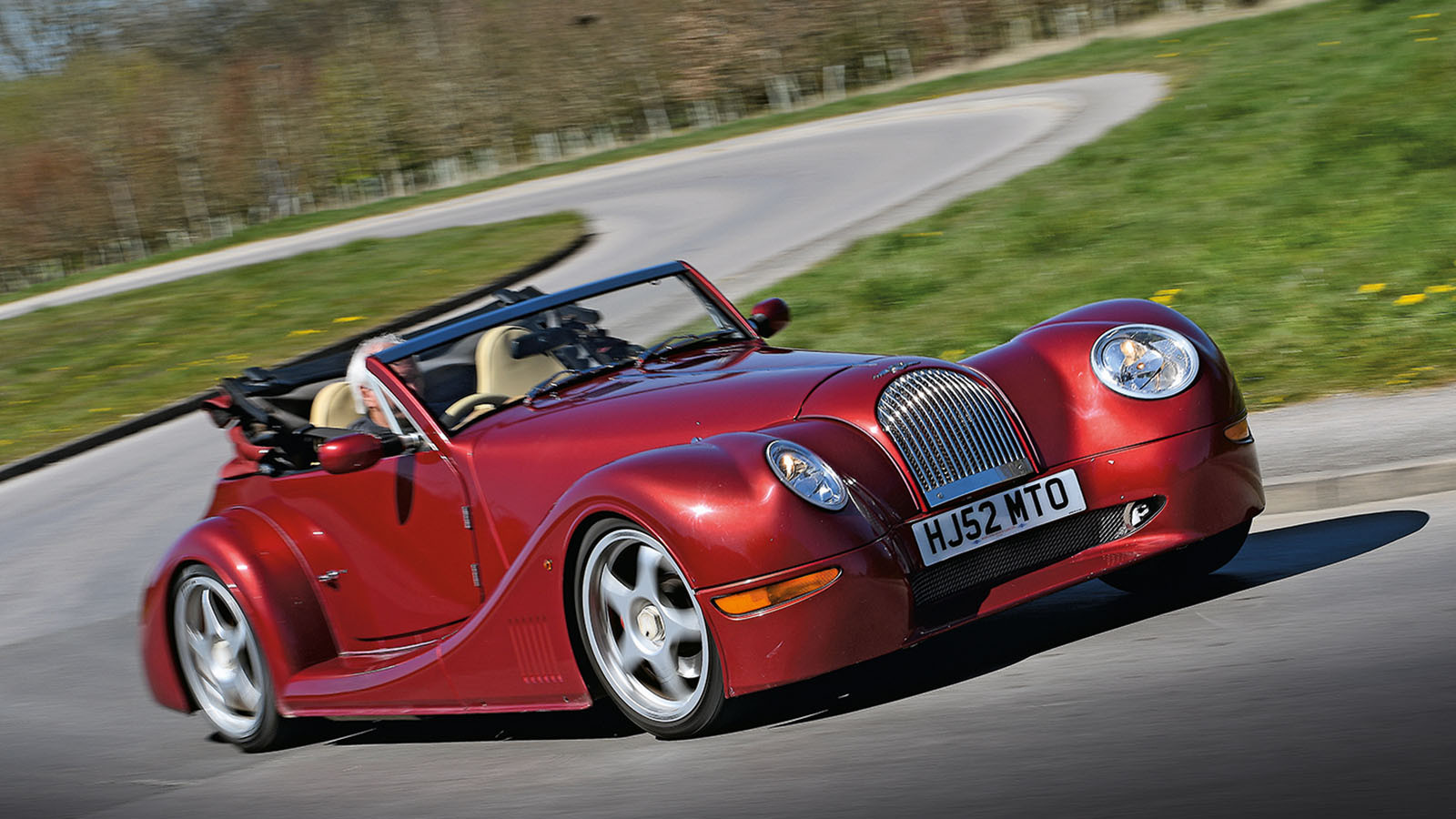
13. Morgan Aero 8
Think Morgan and you probably think of old men in tweed, crafting wooden body frames with their bare hands.
A fair presumption, because the Malvern-based marque is famous for keeping traditional techniques alive.
However, there was nothing old fashioned about the – mostly aluminium – Aero 8 when it arrived in 2000, destined to hook new millennial customers.
Ditching the Rover V8, Morgan instead deployed the 4.4-litre BMW M62 V8, its 282bhp usually found in huge X5s and bloated 5 Series saloons.
In the 1145kg (2524lb) Morgan it resulted in a 0-60mph sprint time of just 4.8 secs. Shame about its cross-eyed headlights that came from the VW Beetle!
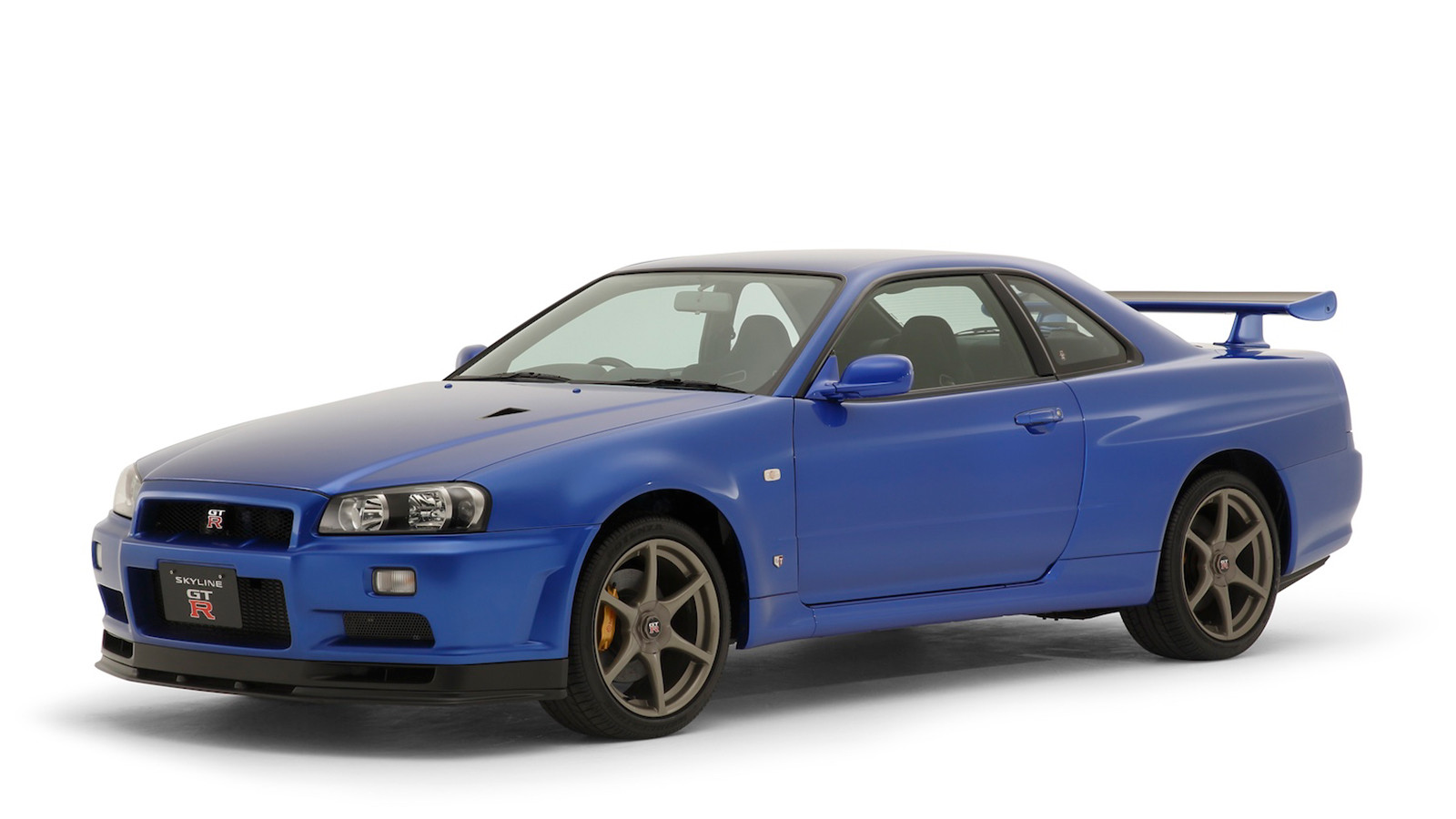
14. Nissan Skyline V-Spec II (R34)
If you’re a Japanese car fan, you don’t need to be told how special the R34 was.
This 1999-onwards model perfected the ‘Godzilla’ formula of giant killing on race tracks and roads alike.
JDM GT-Rs often boasted ridiculous power figures, achieved by a host of tuners, but in less modification-friendly markets, the model was still relatively unknown.
The R34 changed all that, being the first GT-R to be officially offered for sale in the UK. The V-Spec II, that arrived in 2000, is mainly identified by its NACA ducted carbonfibre bonnet.
Oh, and that 276bhp figure? It’s believed to be extremely conservative. The blown RB26DETT six-cylinder engine is thought to make much more than 300bhp from the factory.
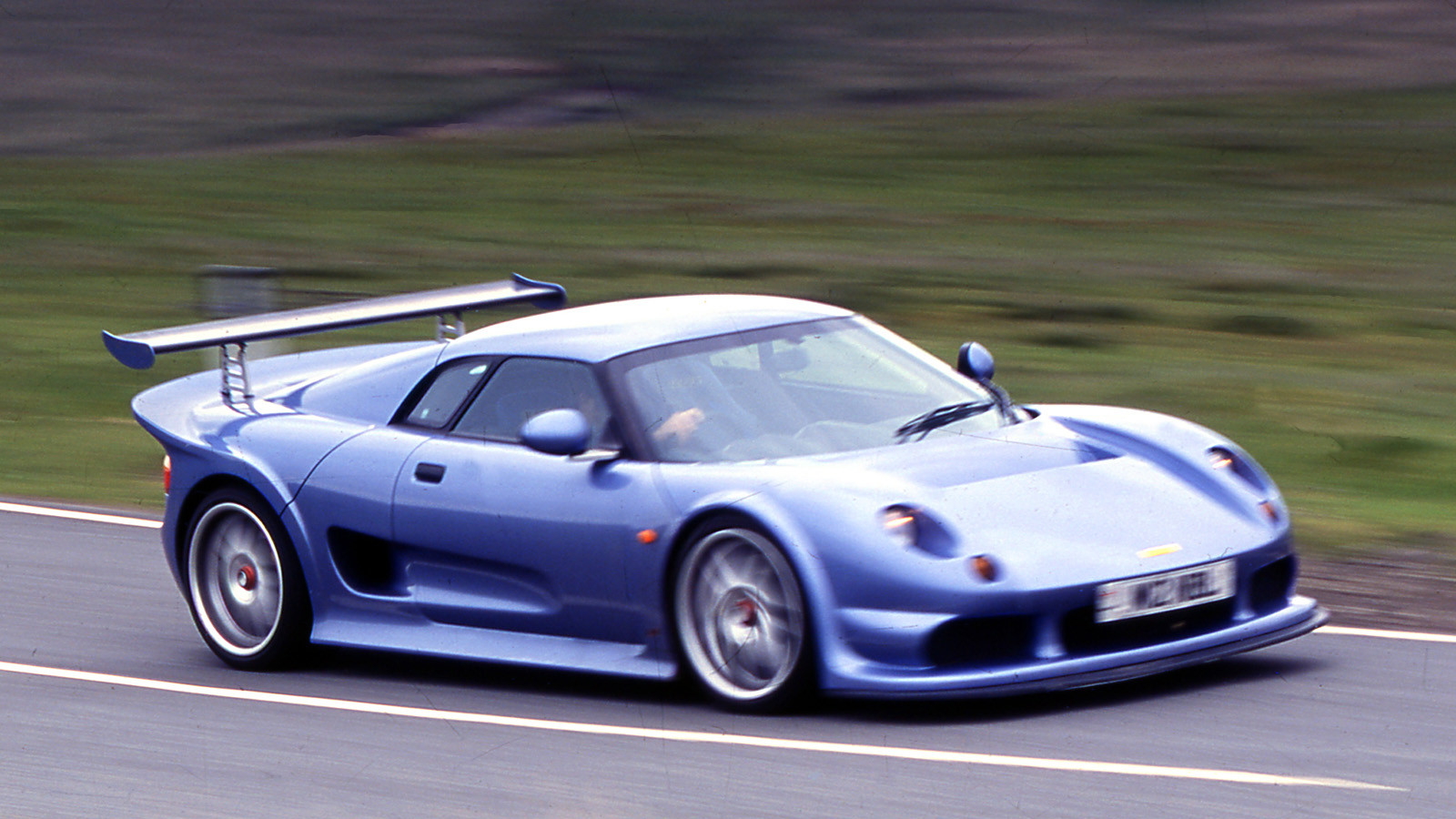
15. Noble M12
Britain has a long, successful history of making lightweight, tiny-displacement sports cars that shine in the corners. Giant killers that proved themselves as magnificent steeds for carrying speed.
The big ones came from Norfolk, with a Lotus badge on their bonnets, but there were many, many more…
One of the best Lotus pretenders was Leicester-based Noble. The same glassfibre bodywork over a tubular steel frame chassis worked wonders for Lee and his team, just as it had for Colin Chapman.
The M12 made the most of its blown Ford Mondeo V6 by only weighing 1050kg (2315lb), helping the model achieve 0-60mph in 3.9 secs and a top speed of 185mph.
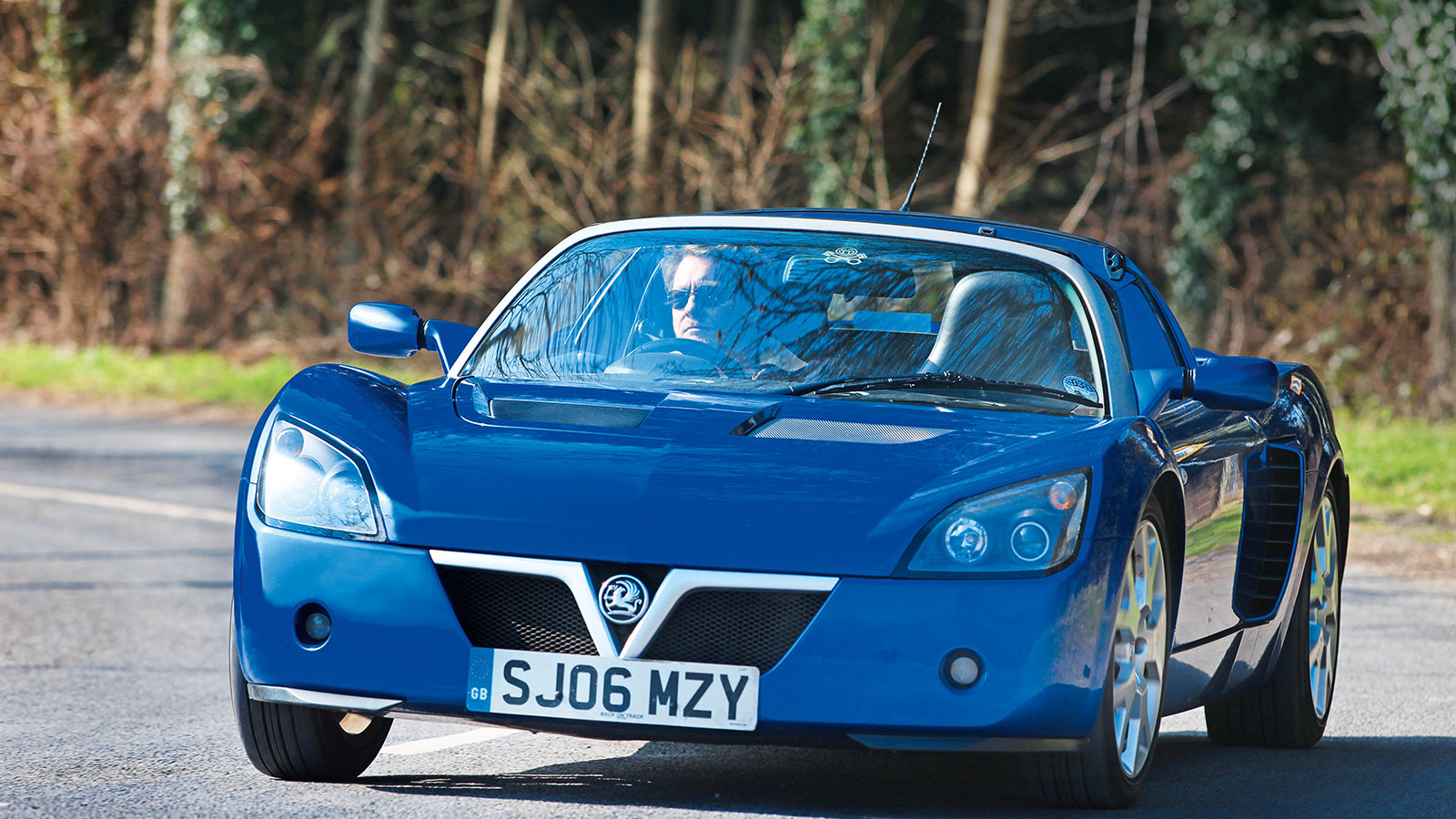
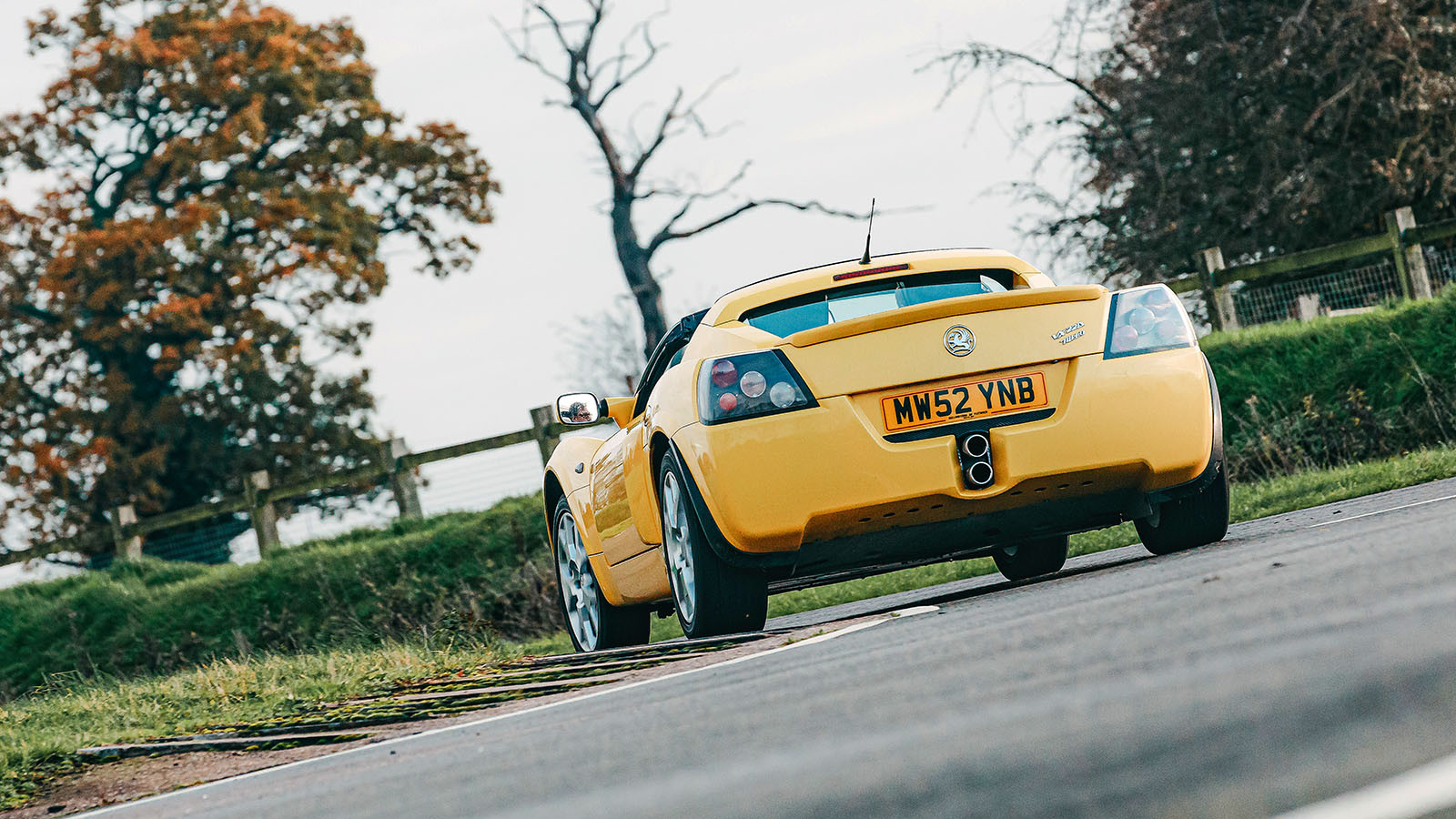
16. Opel Speedster/Vauxhall VX220
The original Lotus Elise was a driver’s dream; it brought back the simple pleasures of driving for driving’s sake.
With few considerations aside from outright thrills, it perhaps wasn’t surprising that this focused machine couldn’t last forever.
By the new millennium, legislation was bearing down on the Elise and, as usual, Lotus lacked the cash to develop its replacement alone.
That’s where GM stepped in and stumped up the funds for the second Elise, on the proviso that it got its own version.
The more comfortable and less extreme Vauxhall VX220/Opel Speedster was the result, and what a result it was.
In turbo form, the VX was more potent than its Elise counterpart and its better-trimmed cabin made it a lot easier to live with.
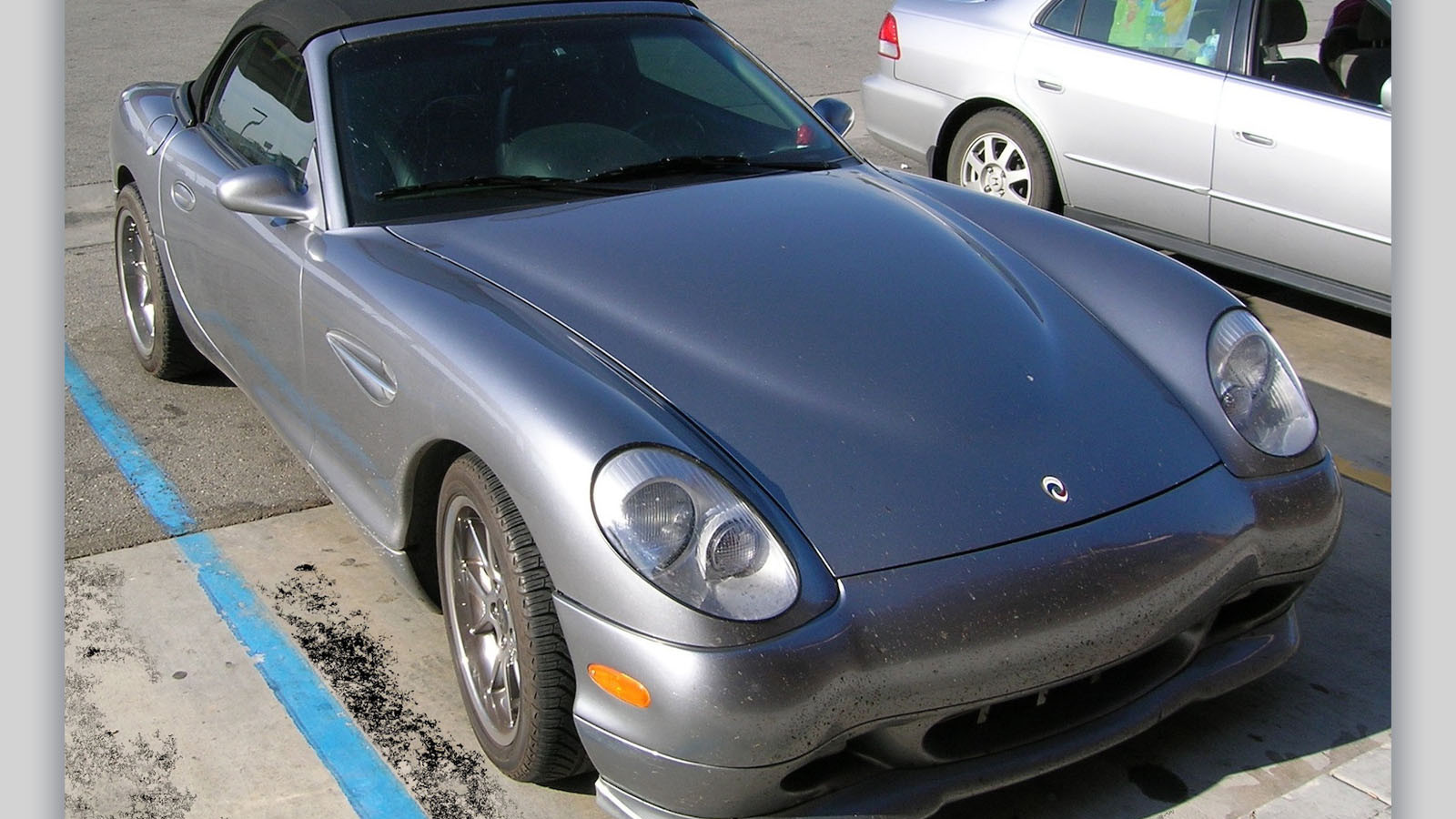
17. Panoz Esperante
You could be forgiven for thinking, with a name like that, that this sports car comes from a long-established, European, exotic-car maker.
The reality is that Panoz is an American company with a long tradition of sports-car racing, but very little road-car lineage.
A dynasty that’s apparently responsible for the American Le Mans series, Panoz made its first road car in the early 1990s.
The Roadster was a Caterham-like lightweight, but the Esperante was a much more accomplished and rounded machine. Chassis construction took the Lotus extruded-aluminium approach.
Its front-mid mounted Ford Modular V8 engine allowed a top speed in excess of 182mph and a 0-60mph sprint of just over 4 secs.
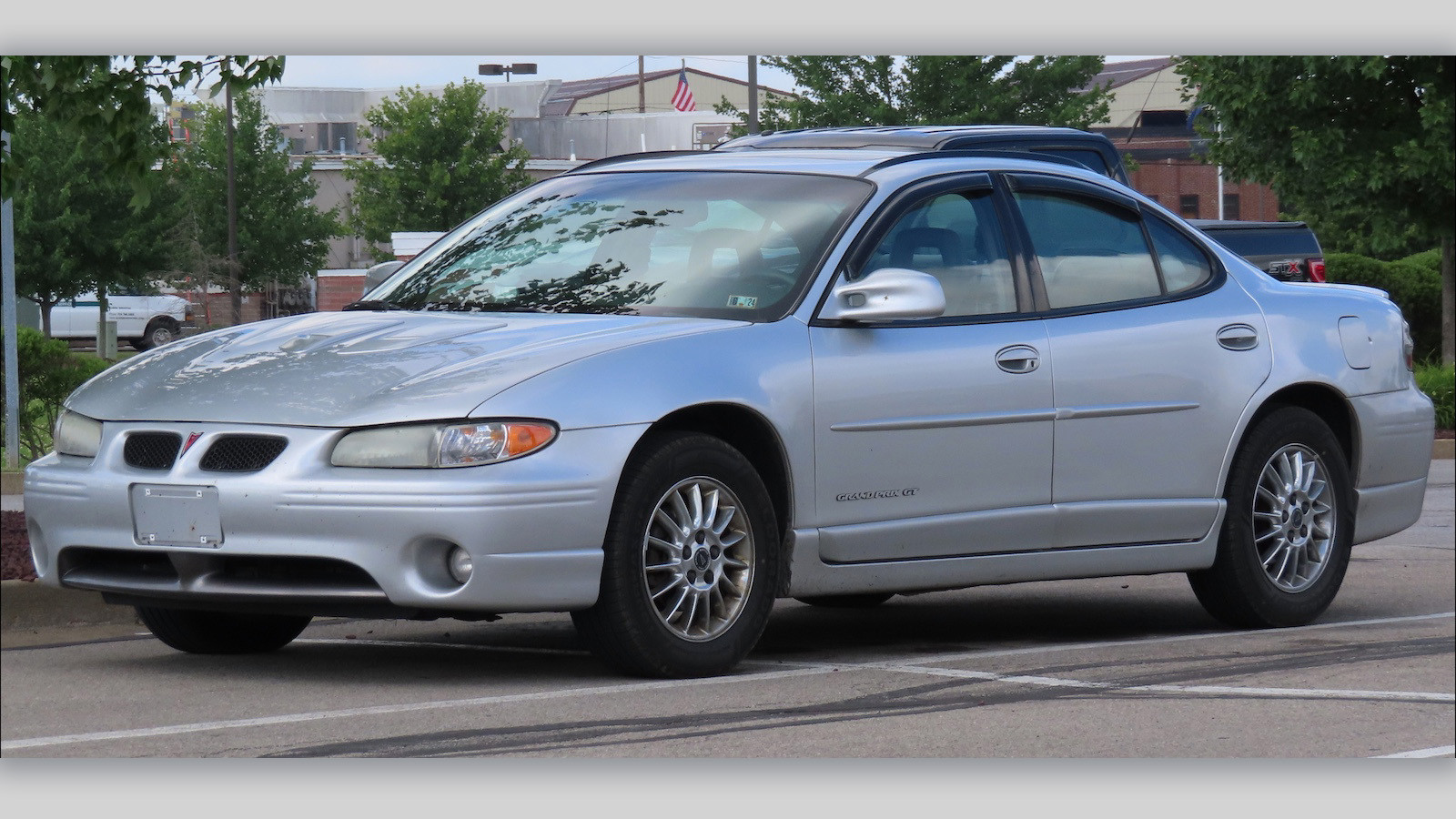
18. Pontiac Grand Prix Daytona 500 Edition
The W-platform served GM well over the course of its extremely long life cycle; introduced in 1988, it lasted until 2016!
The seventh-generation Pontiac Grand Prix was merely one of a myriad of models making use of this versatile, mid-size platform. The most exciting of these, but still surprisingly undervalued, is the 2000 limited-edition Daytona 500 Grand Prix.
This millennial special edition had bonnet vents, unique three-spoke-looking wheels, stitched logos on its bespoke seats and large decals on the rear three quarters.
Power came from a supercharged, 3.8-litre V6, which has proven to be both highly durable and potent. Surely this, and more, makes it an under-the-radar modern classic car.
Pontiac Grand Prix GT pictured
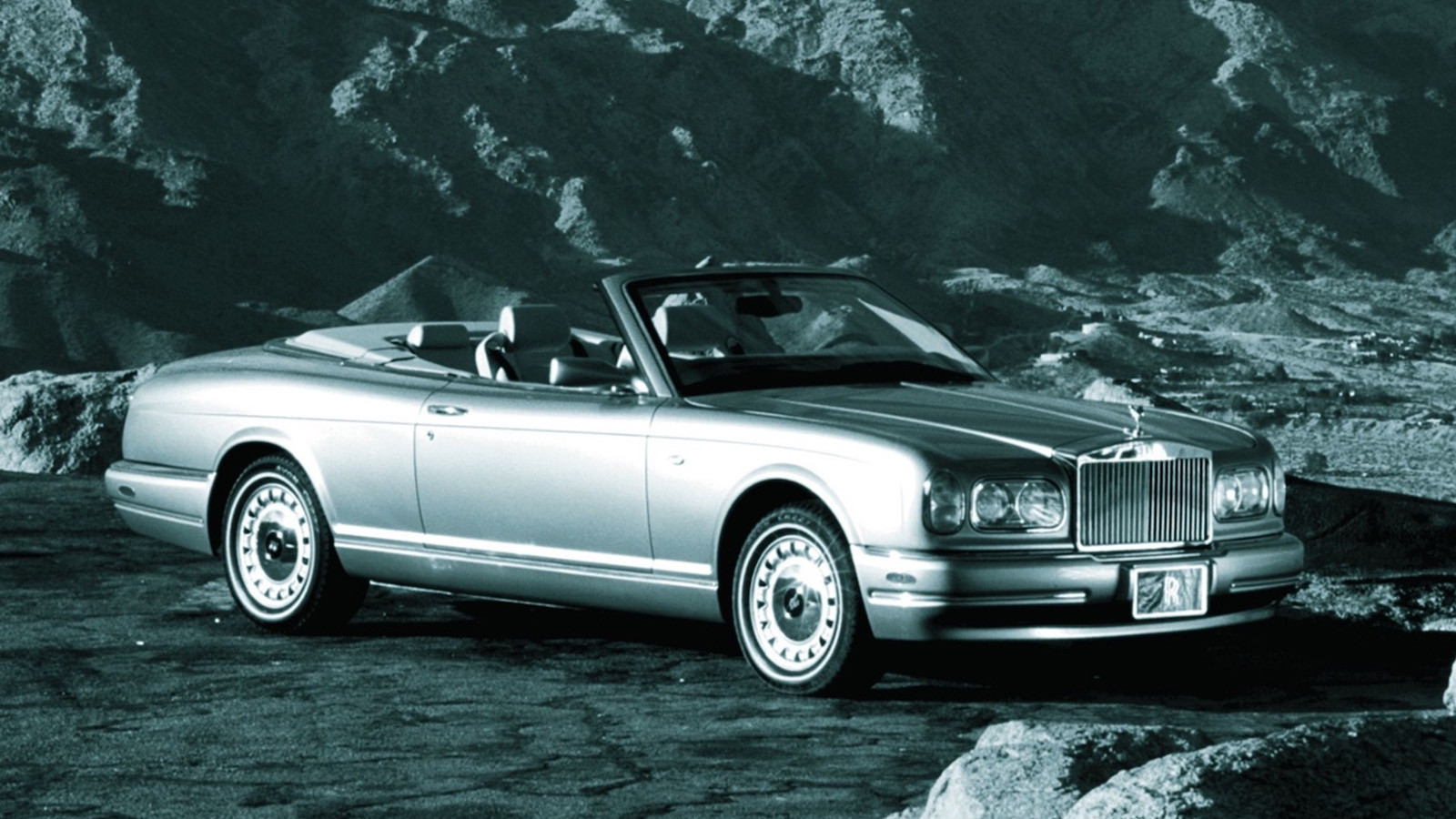
19. Rolls-Royce Corniche
The follow-up Rolls-Royce Corniche for the year 2000 sought to capitalise on the success of its predecessor, something it quickly managed then went on to comfortably exceed.
The convertible Corniche was the ultimate expression of open-top opulence and that position as a motoring monarch didn’t come cheap.
The Corniche V cost an eye-watering £250,000 upon launch in January 2000, that’s more than £466k (US$580k) today.
Despite appearances, the Corniche was based on the Bentley Azure, rather than the Silver Seraph it more closely resembled.
That lineage is clear in the car’s mechanical layout, because it made use of the venerable old L-series V8, but in blown Bentley guise, a first for this model of Rolls-Royce.
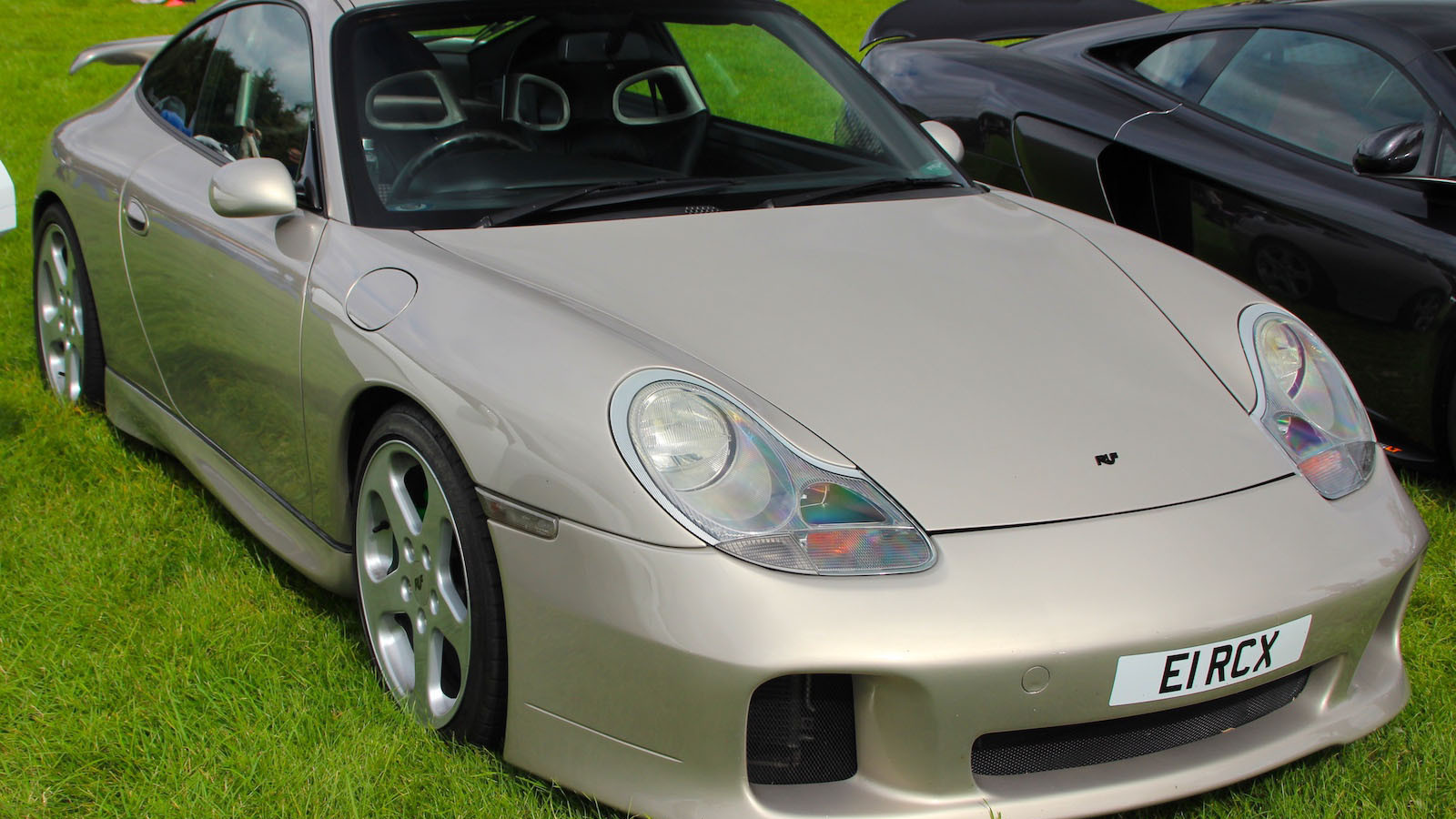
20. RUF RGT
The RUF RGT was based on the 996-generation Porsche 911 but, as we’d expect from this company, the result was considerably more exciting than the sum of its parts.
The first-generation RGT – there have been three to date – made use of Porsche’s water-cooled, 3.6-litre, flat-six engine, with the second using a bored-out 3.8-litre, and the third a RUF-developed, 4.5-litre V8.
That first RGT from 2000 might have had the lowest displacement and power, but that tinkered engine was still good enough for the RGT to reach 60mph from rest in 4.6 secs and to get its more aerodynamically assisted bodywork up to 190mph.
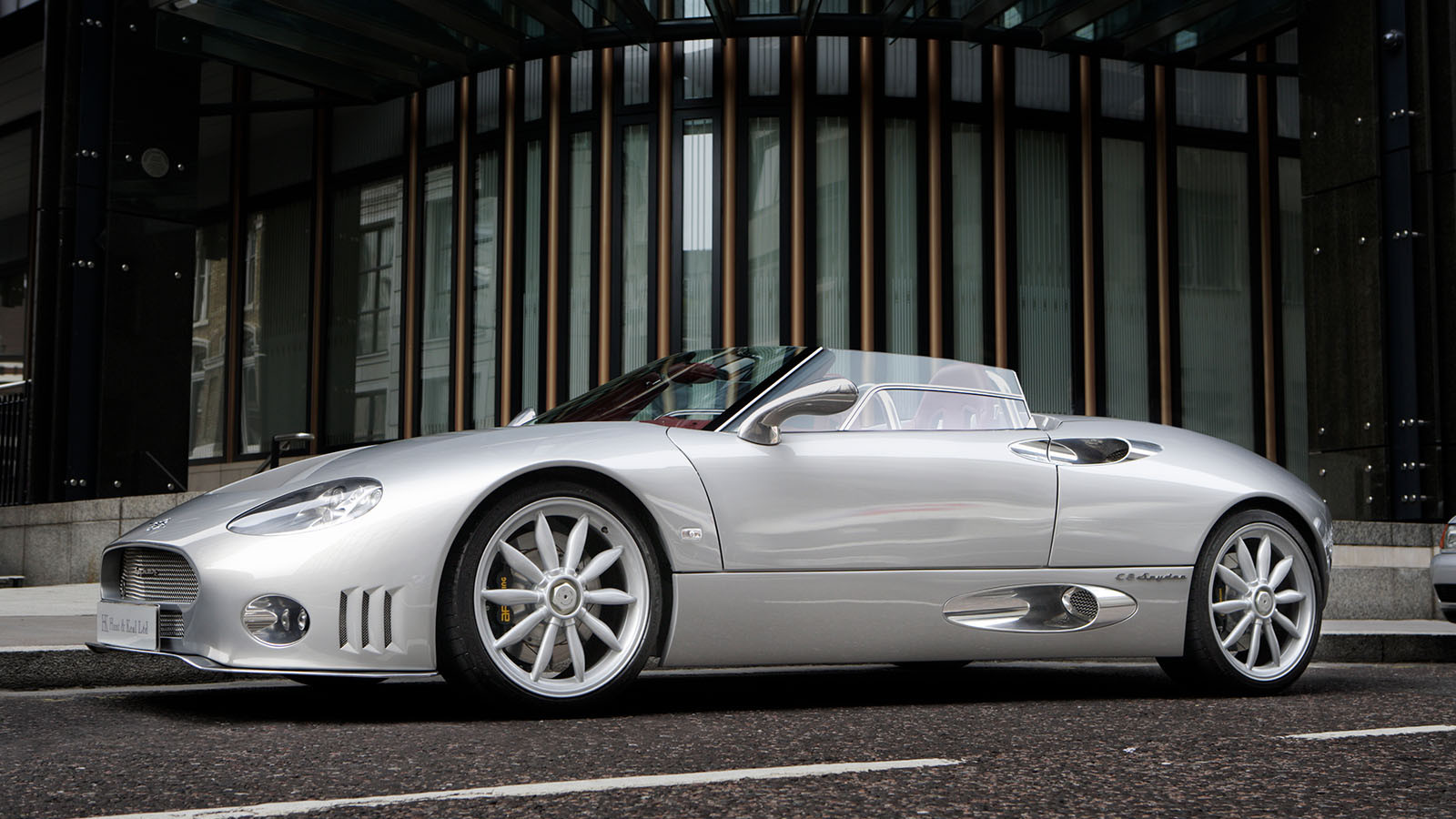
21. Spyker C8 Spyder
An automotive firm that had laid dormant since 1925 was reignited in 2000 by Victor Muller, with the intention of creating supercars.
The company’s first attempt was the C8 Spyder, which broke cover at the 2000 Birmingham motor show.
Although it was kind to say it was dynamically challenging, the C8 Spyder showed huge promise, largely fulfilled by its successor, the Aileron.
The C8 made use of Audi’s already-potent, 4.2-litre V8 engine, tuned further to develop an extremely useful 394bhp.
Its six-speed manual transmission unlocked a 0-60mph sprint of just 4.4 secs and a top speed – if you were brave enough – of 186mph.
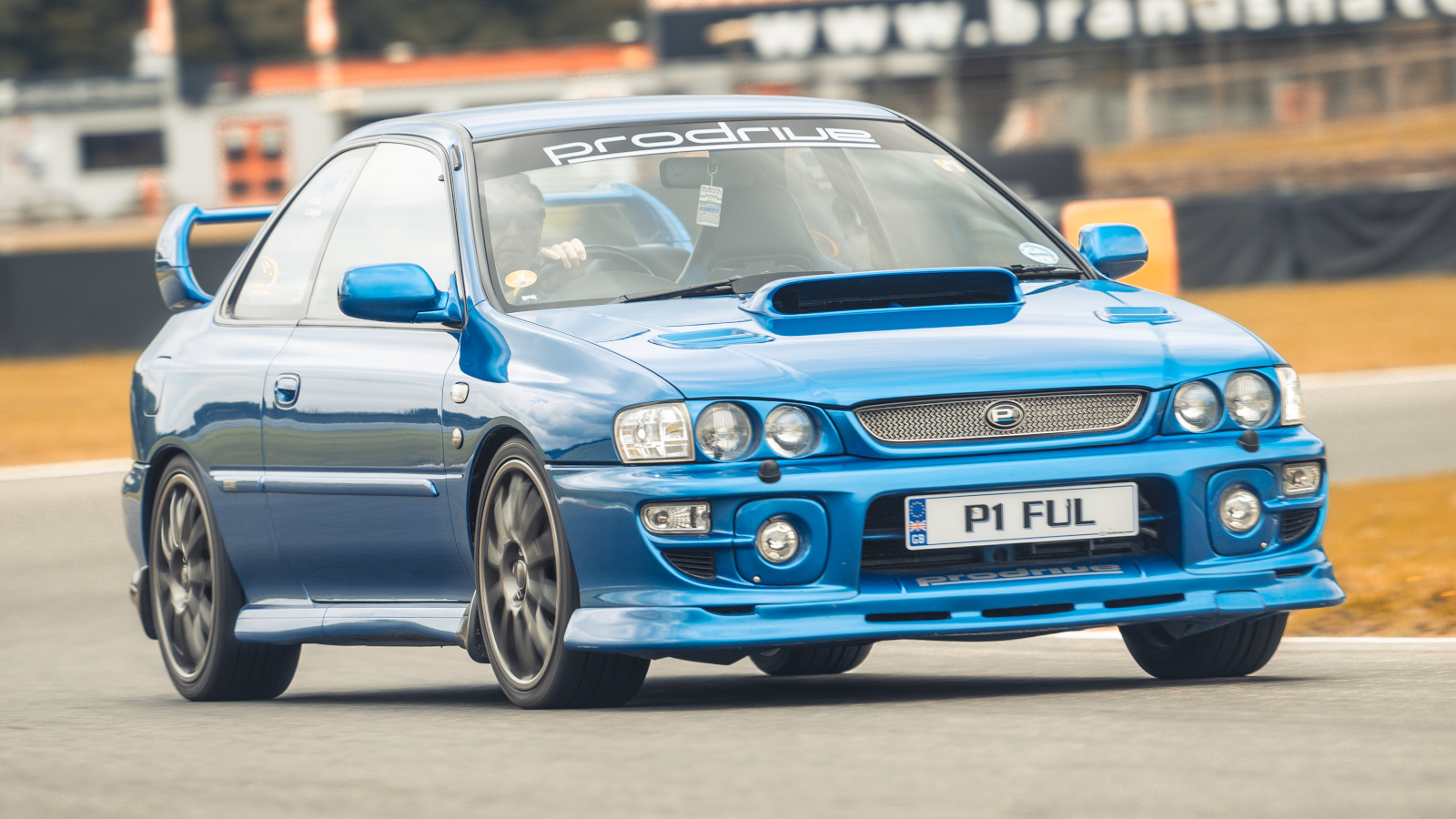
22. Subaru Impreza P1
Although spiritually it’s a homologation special – though not actually – the Subaru Impreza P1 was nothing more than a fabulous and flamboyant roadgoing homage to Prodrive and Subaru’s collaborative, all-conquering WRC machinery.
If you’re of a more cynical persuasion, or perhaps merely realistic, you’d see that the real purpose of the P1 was to squash the trade in grey imports to the UK.
As with most JDM makers, the domestic market (Japan) got the pick of the bunch, which left British buyers in the 1990s and early 2000s forking out vast sums to bring their favourite JDM models to the UK.
Subaru UK therefore tasked its rally partner Prodrive with creating an ultimate, first-gen Impreza special edition, and the result was the fearsome 276bhp, three-door, P1.
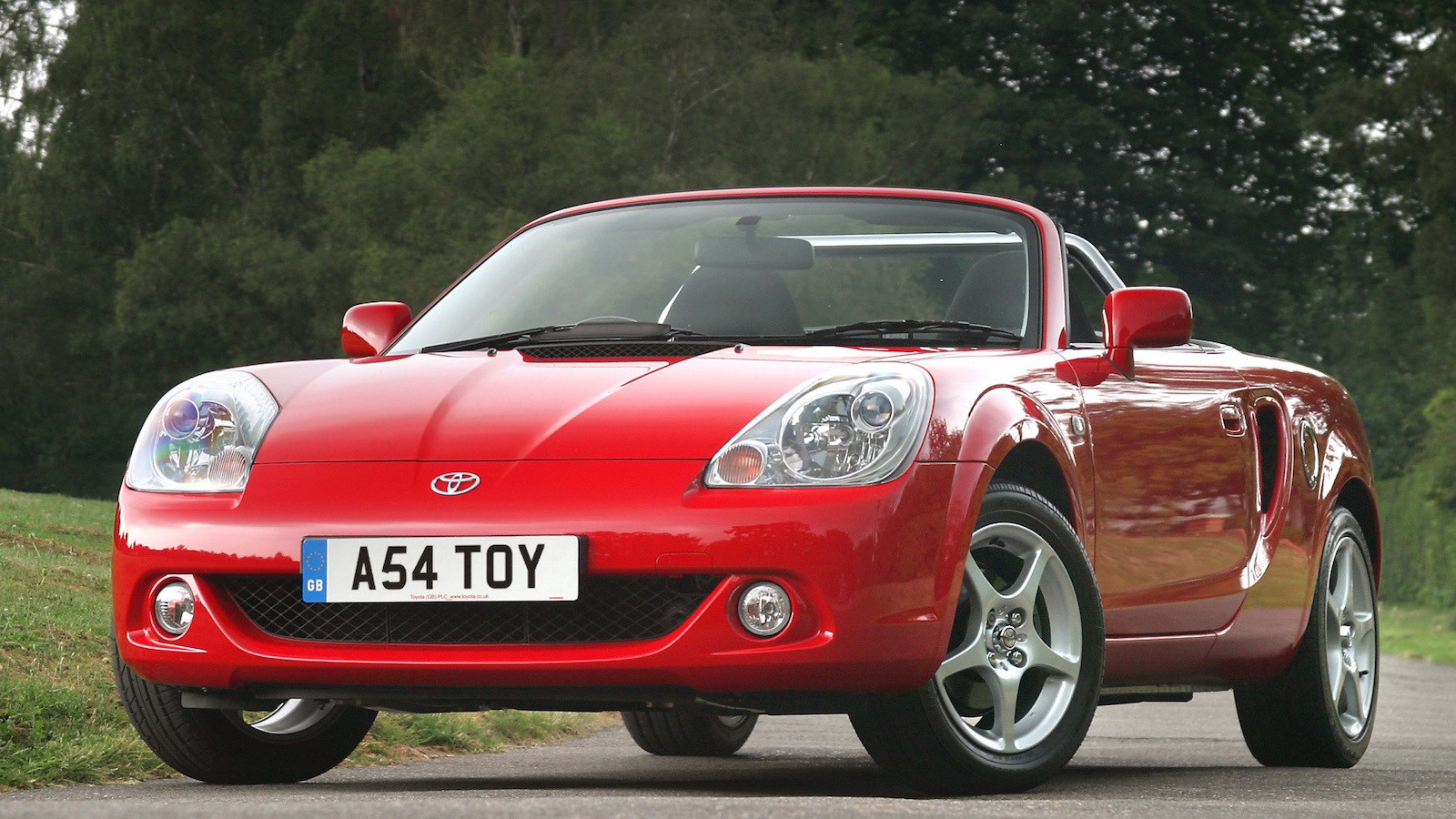
23. Toyota MR2
Although it had arrived in Japan in October 1999, the rest of the world got the third generation of Toyota’s feisty little mid-engine MR2 in 2000.
There was only one specification and engine available, at first, but that didn’t really matter, because the package was an extremely neat and tidy one.
The third MR2 looked great, handled sweetly and its 1ZZFE motor, shared with the Celica, seemed to rev to the moon.
Peak power was just 138bhp at 6400rpm, but the little roadster only weighed 975kg (2150lb), so it was more than enough to prove entertaining.
Add to that the open-top configuration and Toyota’s legendary mechanical reliability, and the last MR2 (to date) was always going to be a sure-fire hit.
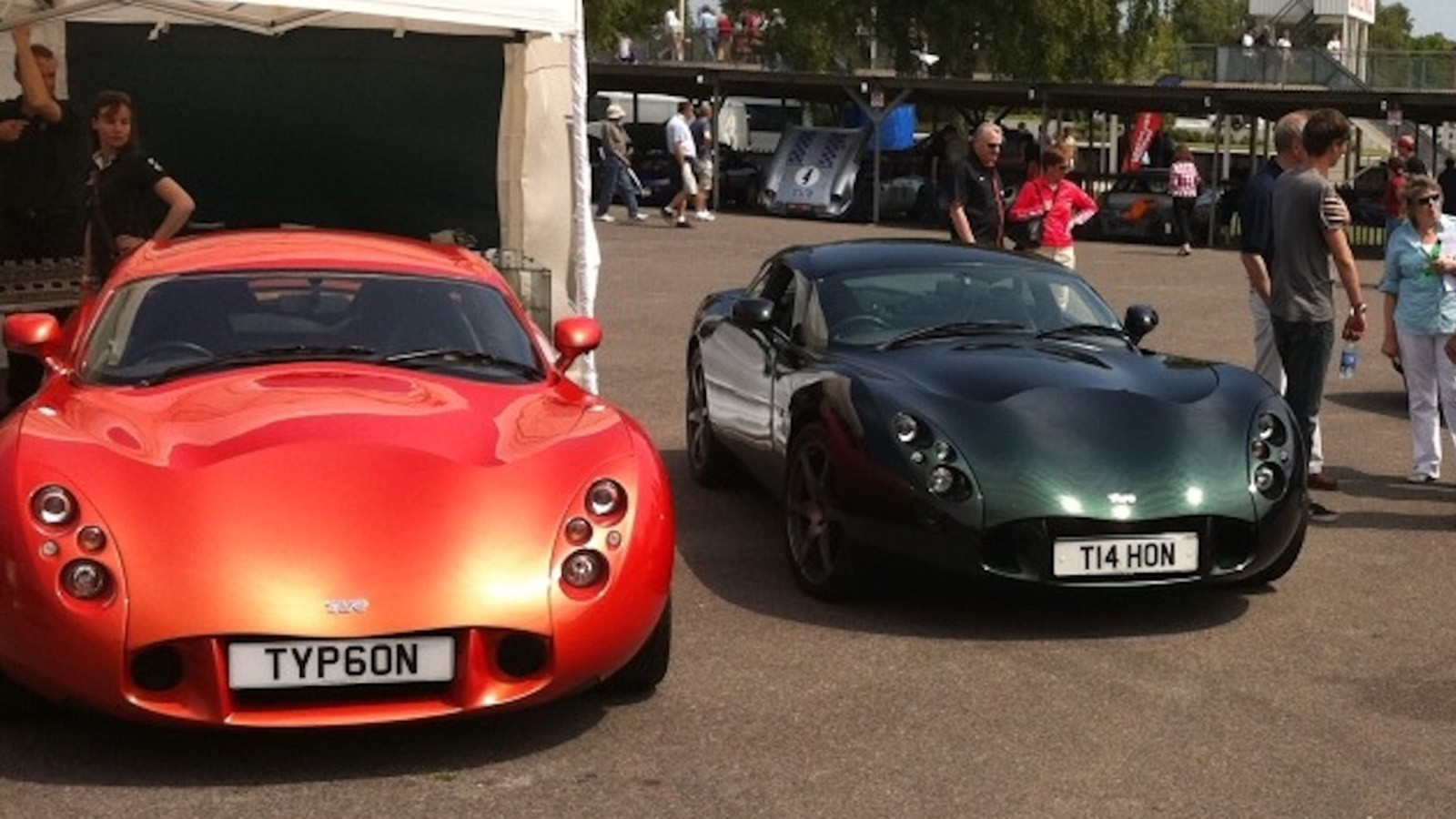
24. TVR Typhon
This is one of those painful what-might-have-been moments, because at least one Typhon (or as many as four, depending on your source) was built.
The TVR brand was booming in the late-1990s and early-2000s, with nothing seemingly deemed too excessive.
That’s where the idea of developing the Tuscan R racer into a road car emerged, with the name changing from T400 to Typhon.
Power came from TVR’s own monumental, 4.2-litre Speed Six engine, which could have as much as around 440bhp, rather terrifying in a car that weighed roughly a ton.
It gave the Typhon approximately twice the power-to-weight ratio of a contemporary Porsche 911 turbo.
And that wasn’t all… A single example, fitted with a TVR-developed sequential gearbox and supercharged c585bhp engine apparently also exists!
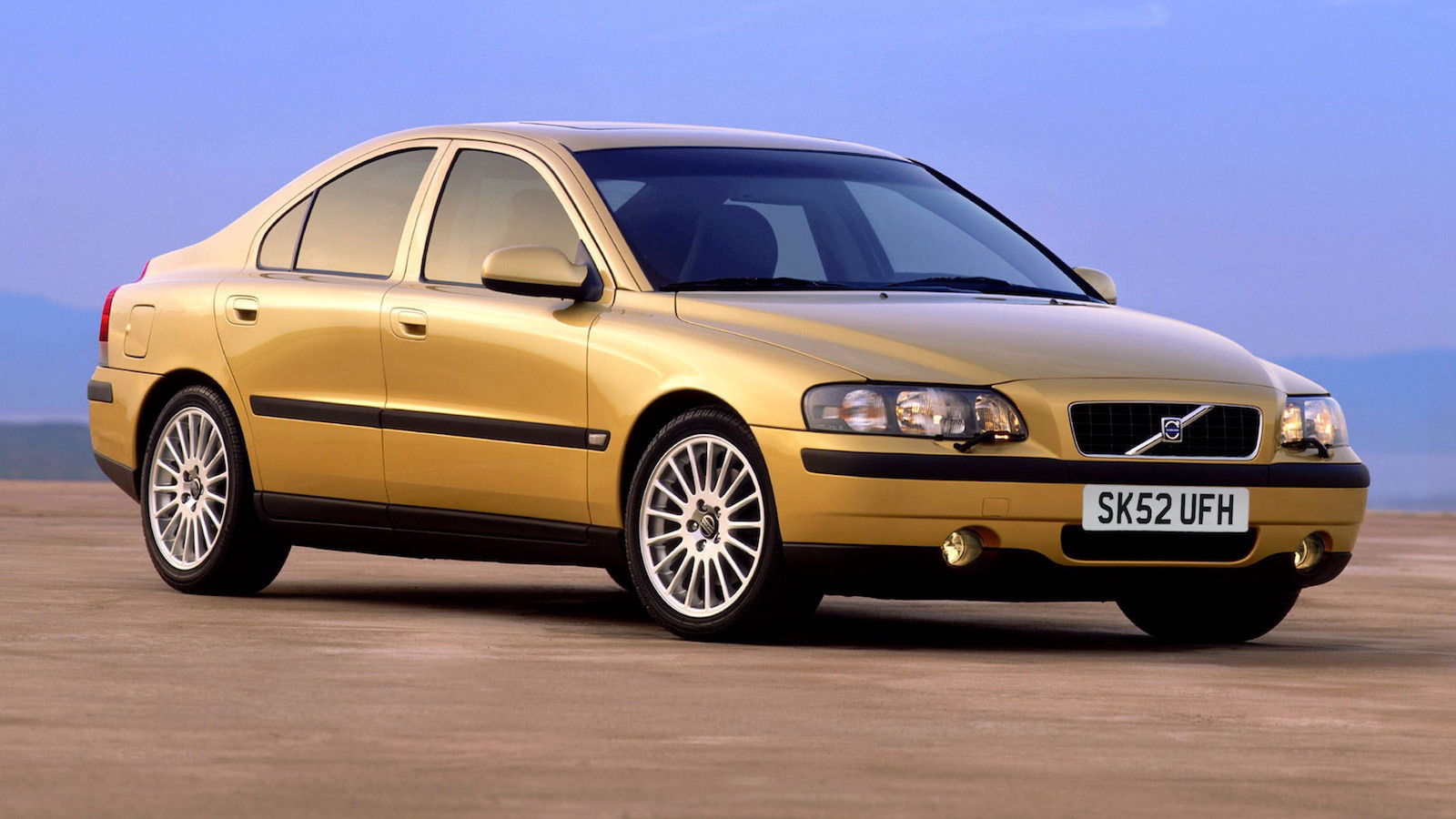
25. Volvo S60
The words sports saloons and Volvo don’t always trip off the tongue together, but the famously sensible Swedish firm has made a few standouts over the decades.
One such model was the slippery S60 that was designed to go head-to-head with the likes of the BMW 3 Series and Mercedes-Benz C-Class.
The Volvo S60’s exceptional drag coefficient, of just 0.28Cd, allowed it to cheat headwinds, and when paired with the 2.3-litre, five-cylinder, turbocharged engine, the results were somewhat remarkable.
A fact that wasn’t overlooked by the UK’s police fleet buyers of the time, who snapped up the top-performing S60s as motorway pursuit vehicles.