North American newbies
The Detroit Auto Show will be opening its doors from 14-25 January this year, and while more recently it has been overshadowed by the LA Auto Show, its long history as a go-to event for international media has seen a plethora of important cars being launched in its halls.
It’s also one of the oldest US motor shows, dating back to 1907. But its global status was reinforced in 1989, after which it was renamed the North American International Auto Show (NAIAS).
Since then, manufacturers have flocked to Huntington Place (formerly the Cobo Center, and the show’s home from 1965) in Detroit to display their wares.
Only a brief hiatus, mainly caused by the COVID-19 pandemic, broke the show’s successful run, but it’s now back – and, since 2023, it’s used its original Detroit Auto Show name, too.
So here, in chronological order, are some of the Detroit show’s most notable debuts and prominent highlights.
1. 1965 Jeep Wagoneer
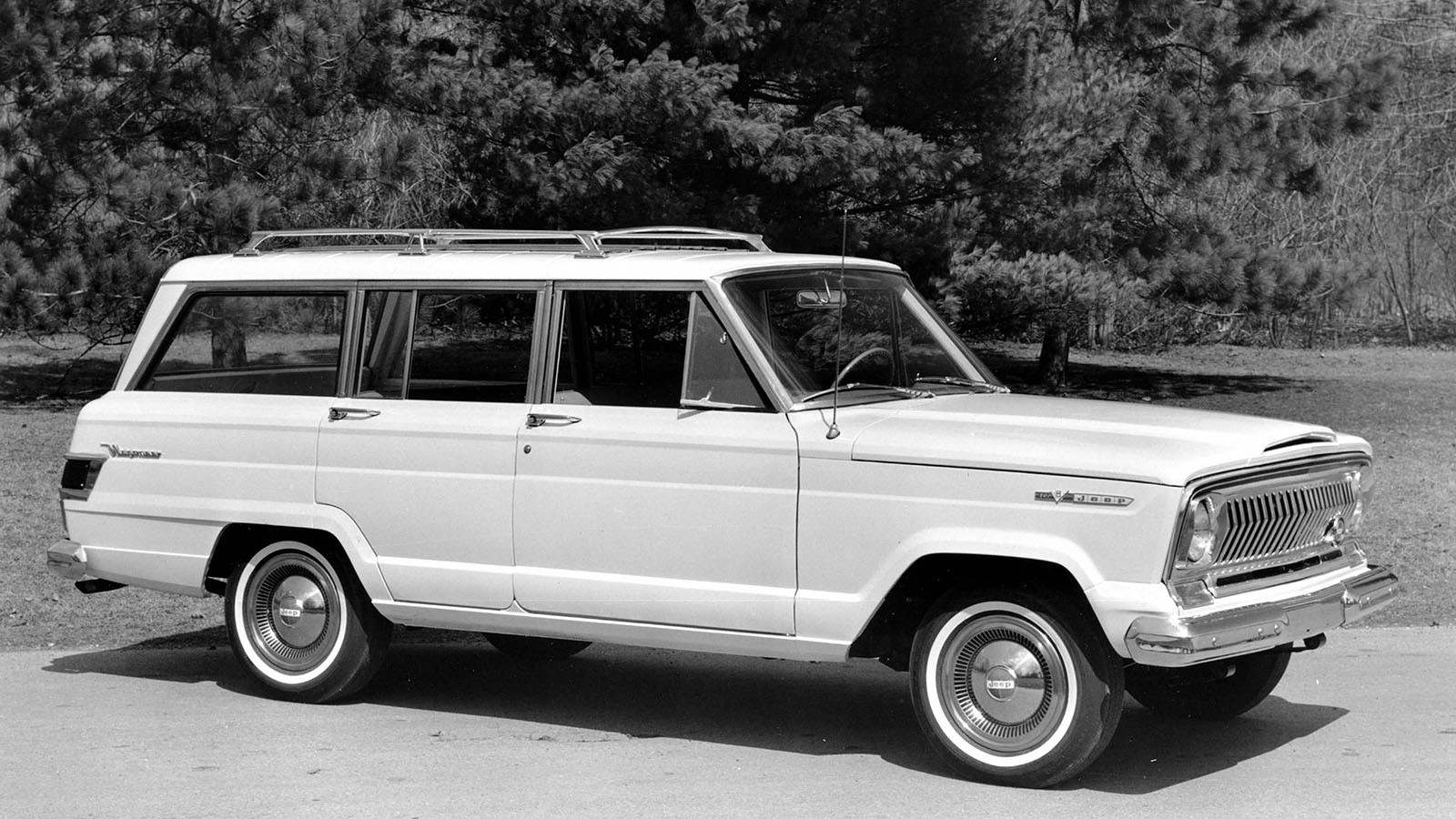
Jeep’s Wagoneer was originally launched in 1963 to replace the outgoing Station Wagon model.
But in 1965, its model-year upgrades – all-round seatbelts, a padded dashboard and a new dual-circuit braking system – made it a show star at Detroit.
Powered by an overhead-camshaft ‘Tornado’ straight-six displacing 3.8 litres, the Jeep Wagoneer can claim to be one of the very first luxury off-roaders, beating the Range Rover to market by half a decade.
2. 1966 Ford Mustang Mach 1 show car
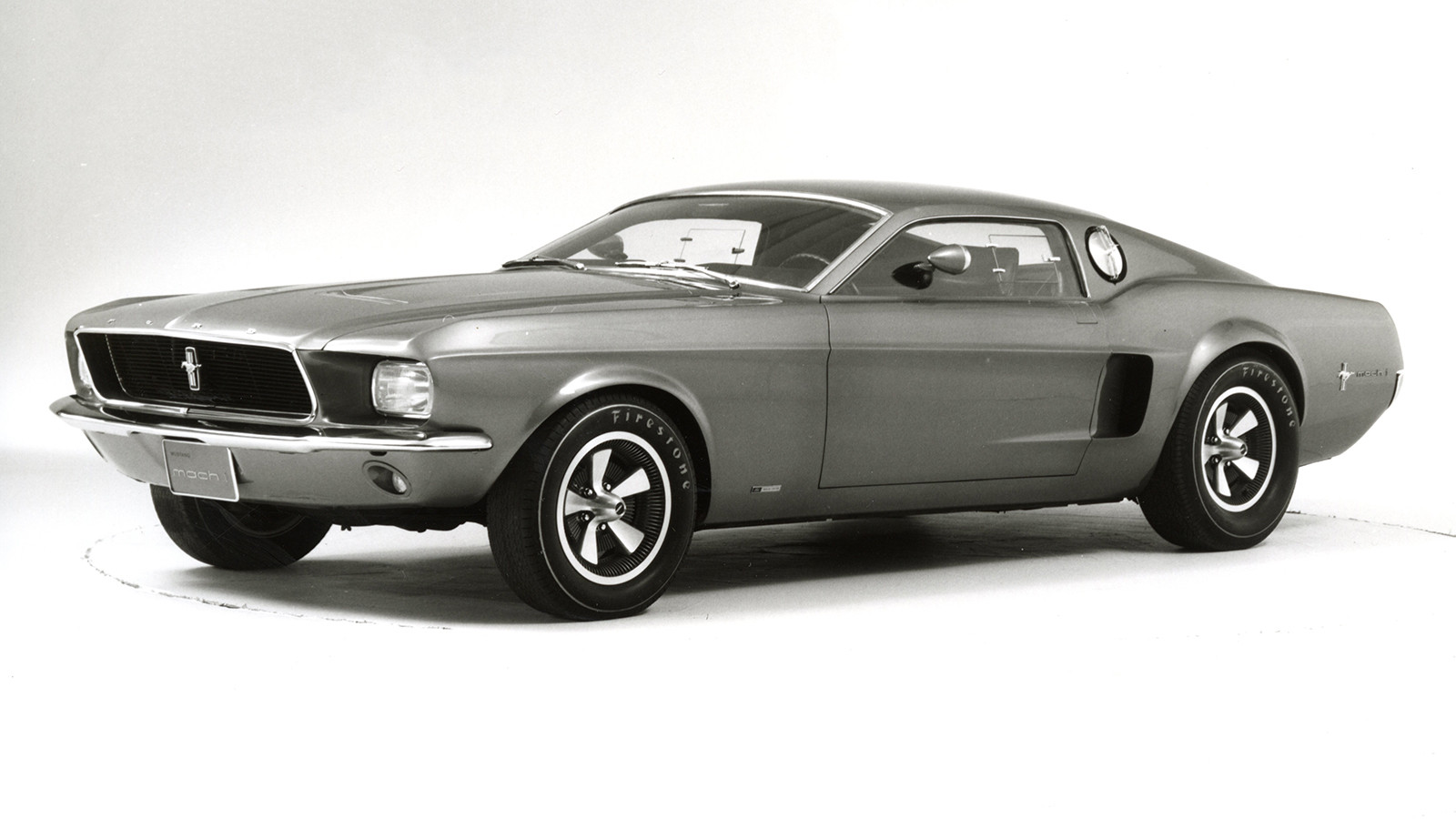
Ford designer Peter Stacy realised some of his hot-rodding dreams when he drew the lines of the Ford Mustang Mach 1 show car.
Conceived to preview future design cues for the Mustang range, the show car’s roof was radically ‘chopped’ and its windscreen steeply raked, complementing the car’s extended front end.
Fitted with a mighty 7-litre V8 engine, the concept car came together in 1966 and received its first airing at the 1967 Detroit show.
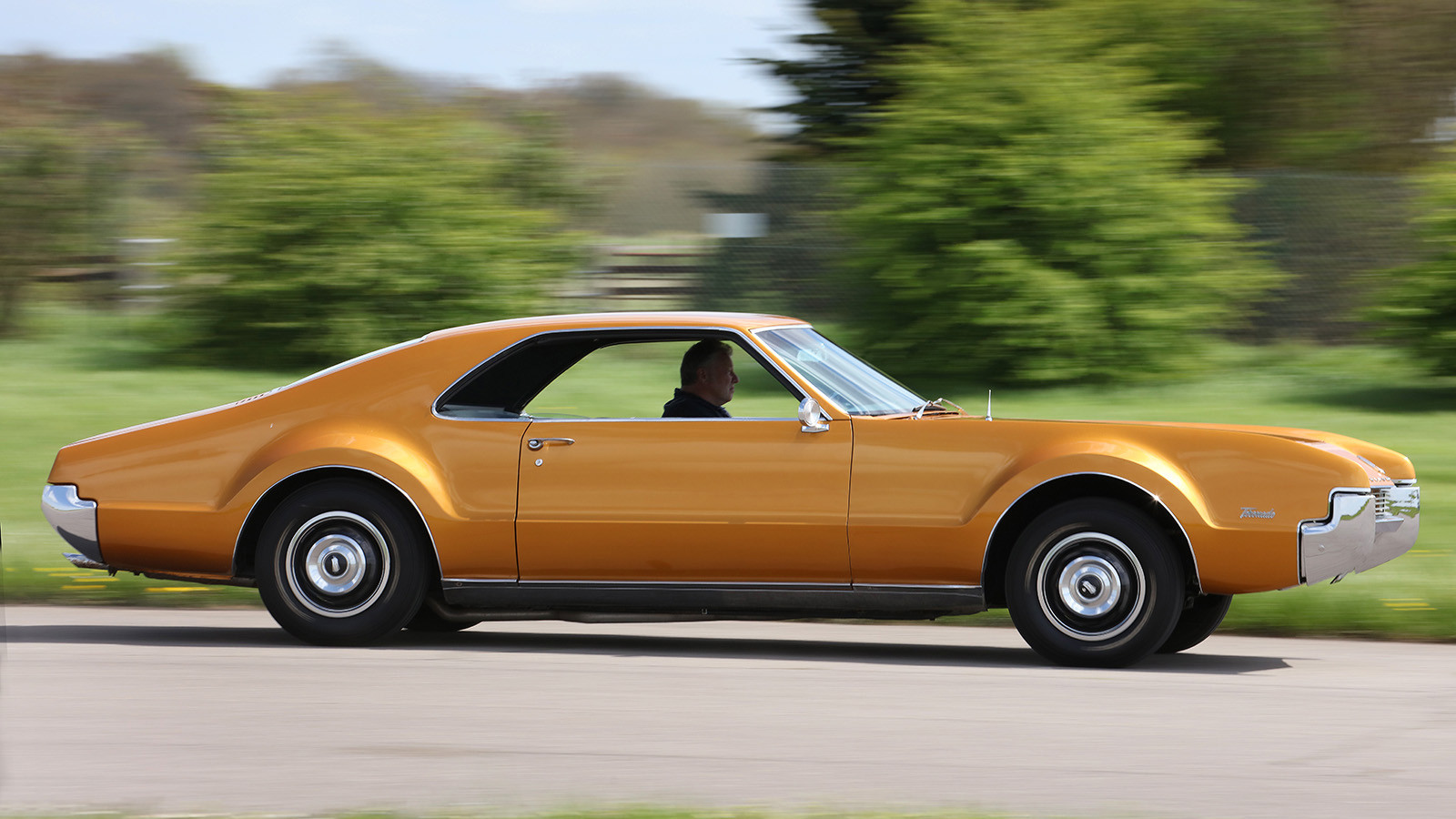
3. 1966 Oldsmobile Toronado
Oldsmobile’s Toronado was a genuinely groundbreaking model, being the first mass-produced, front-wheel-drive car from an American manufacturer since the Cord in the 1930s.
While it was first revealed late in 1965, the Toronado was a highlight of the Detroit show in January 1966.
Bill Mitchell’s GM design team created a rakish fastback body that appeared to be of monocoque construction, but actually sat over a three-quarter-length, box-section frame.
The Oldsmobile Toronado’s bespoke ‘Super Rocket’ 7-litre V8 gave the car performance to match its looks, producing a generous 385bhp with 475lb ft of torque.
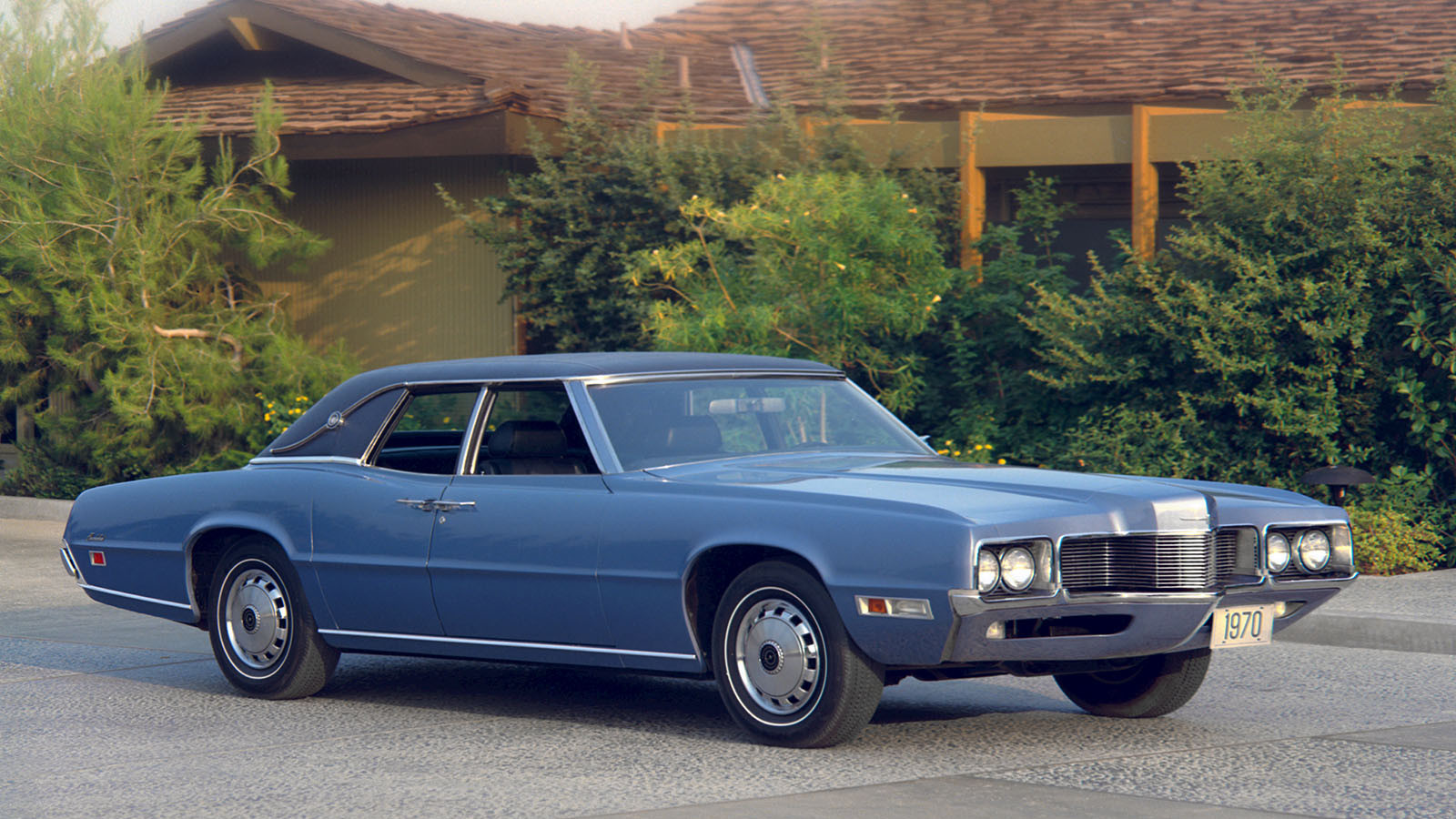
4. 1970 Ford Thunderbird
The fifth-generation Ford Thunderbird represented pinnacle excess before environmental regulations became the new bane of the American motor industry.
Measuring more than 5.3 metres (more than 17ft) in four-door guise, the Ford Thunderbird had been updated for 1970 and was revealed in hardtop Coupe form at the Detroit Auto Show.
Now sporting a beak-like protrusion from its front grille as part of its model-year styling revisions, beneath the skin the Thunderbird retained the model’s body-on-frame construction.
Also carried over were the car’s V8 engines, ranging in size from 6.4 litres to 7 litres, each of which drove the rear wheels through a three-speed automatic transmission.
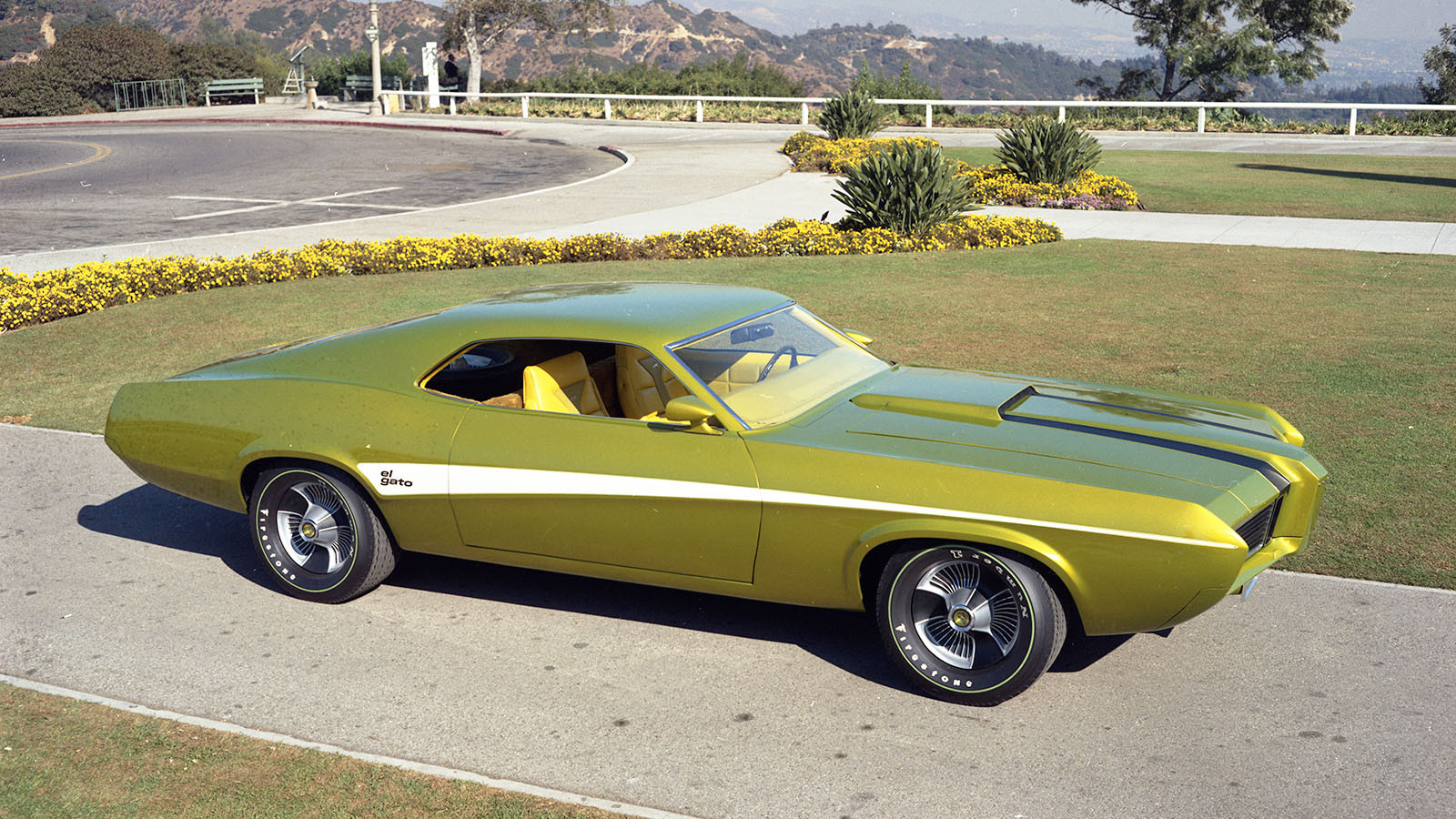
5. 1970 Mercury Cougar El Gato concept
Despite Mercury’s product planners promoting the Cougar more as a luxury Ford Mustang, the company’s Cougar El Gato (‘the cat’ in Spanish) concept appeared more racing-car than luxo-barge.
Based on a 1970 Cougar platform, the standard car’s roofline was severely chopped and its windscreen radically raked.
The front end received a prominent ‘Bunkie-beak’ – the name in honour of Bunkie Knudsen, Ford’s president – and its notchback roof replaced with a fastback panel from the Mustang.
Painted Candy Lime Gold, the El Gato was a highlight of 1970’s Detroit Auto Show.
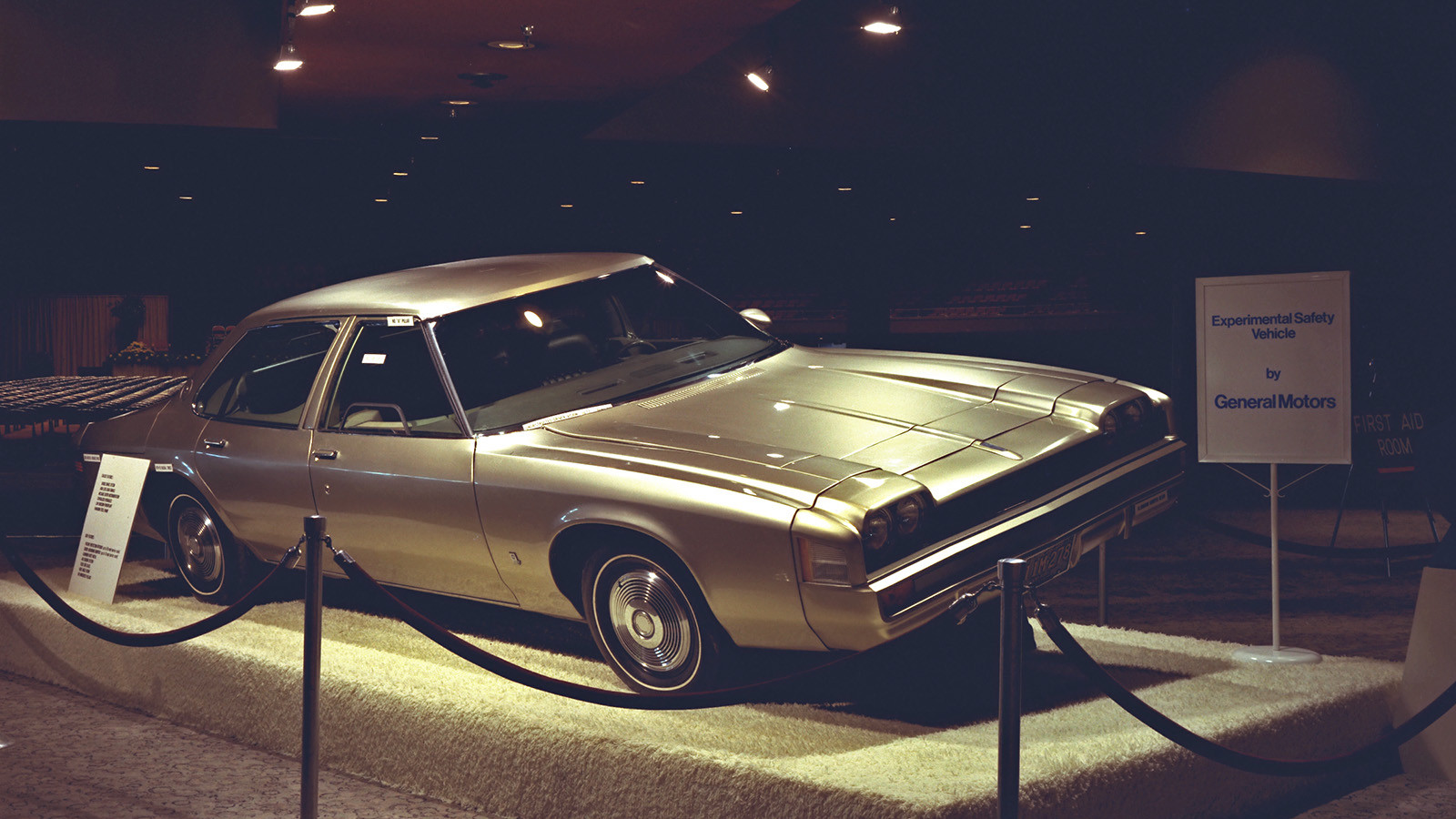
6. 1972 GM Experimental Safety Vehicle
Unveiled at the 1972 Detroit Auto Show, the General Motors Experimental Safety Vehicle (ESV) was built to specifications supplied by the US Department of Transportation, as automotive safety became ever-more important to manufacturers in the wake of Ralph Nader’s book, Unsafe at any speed.
The ESV’s cabin included large padded structures designed to protect un-belted occupants at up to 30mph (48kph).
Substantial B-posts aimed to enhance roll-over protection and compensated for a lack of A-pillars, their absence improving visibility.
Airbags were also installed for additional protection at speeds over 30mph.
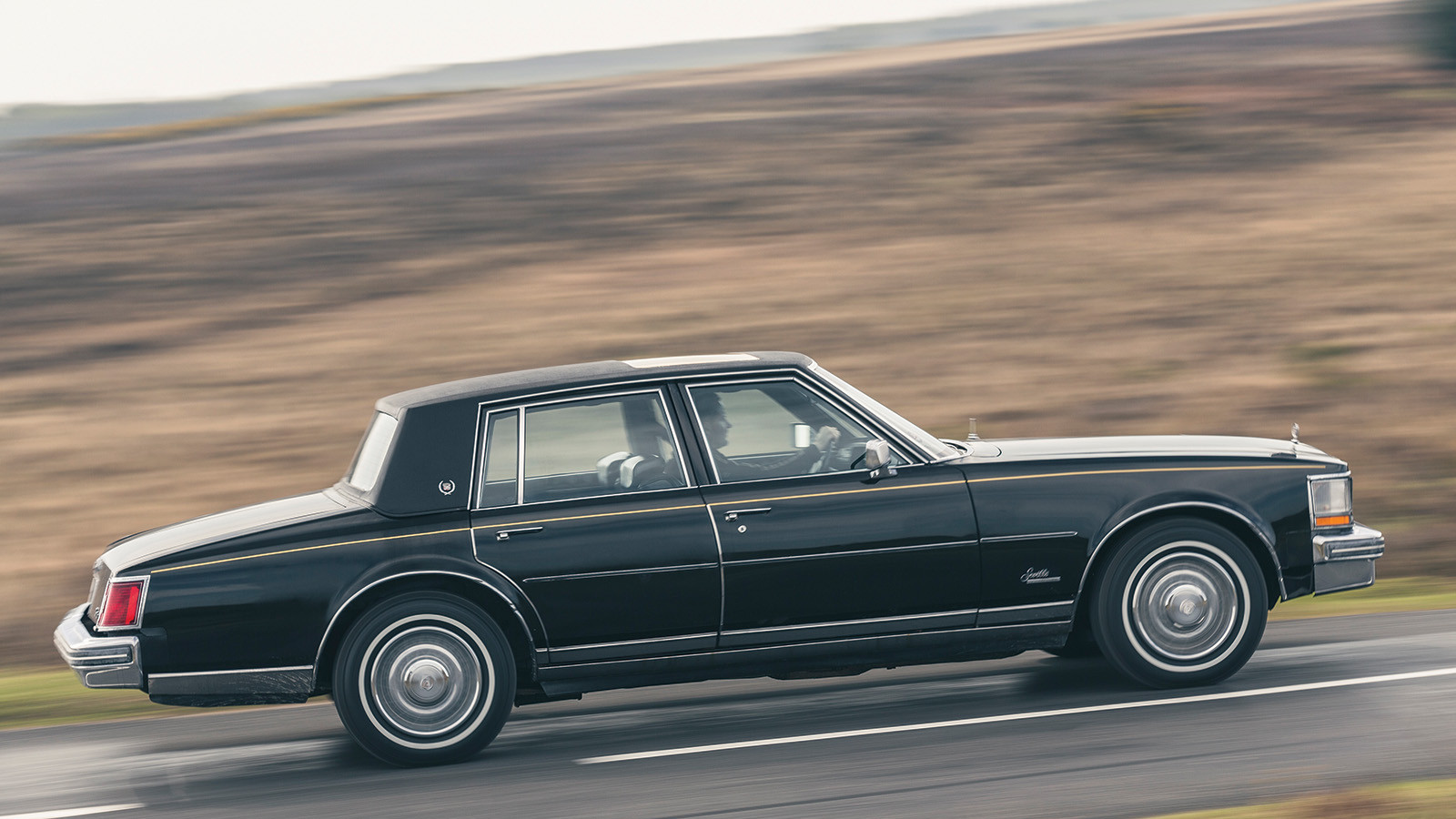
7. 1975 Cadillac Seville
Detroit’s luxury brands were under serious threat by the early 1970s – and Cadillac was no exception.
Its 1975 Seville model artfully mimicked the dimensions and basic style of the Rolls-Royce Shadow in response to US buyers’ increasing love of European prestige cars.
Powered by a fuel-injected, 5.7-litre V8, producing a rather strangled 180bhp thanks to various emissions controls, the Seville was based on a heavily revised version of GM’s unitary X-platform.
Weighing a massive 450kg (992lb) less than its larger DeVille sibling, the Seville was actually priced as the most expensive car in Cadillac’s range, save for its limousines.
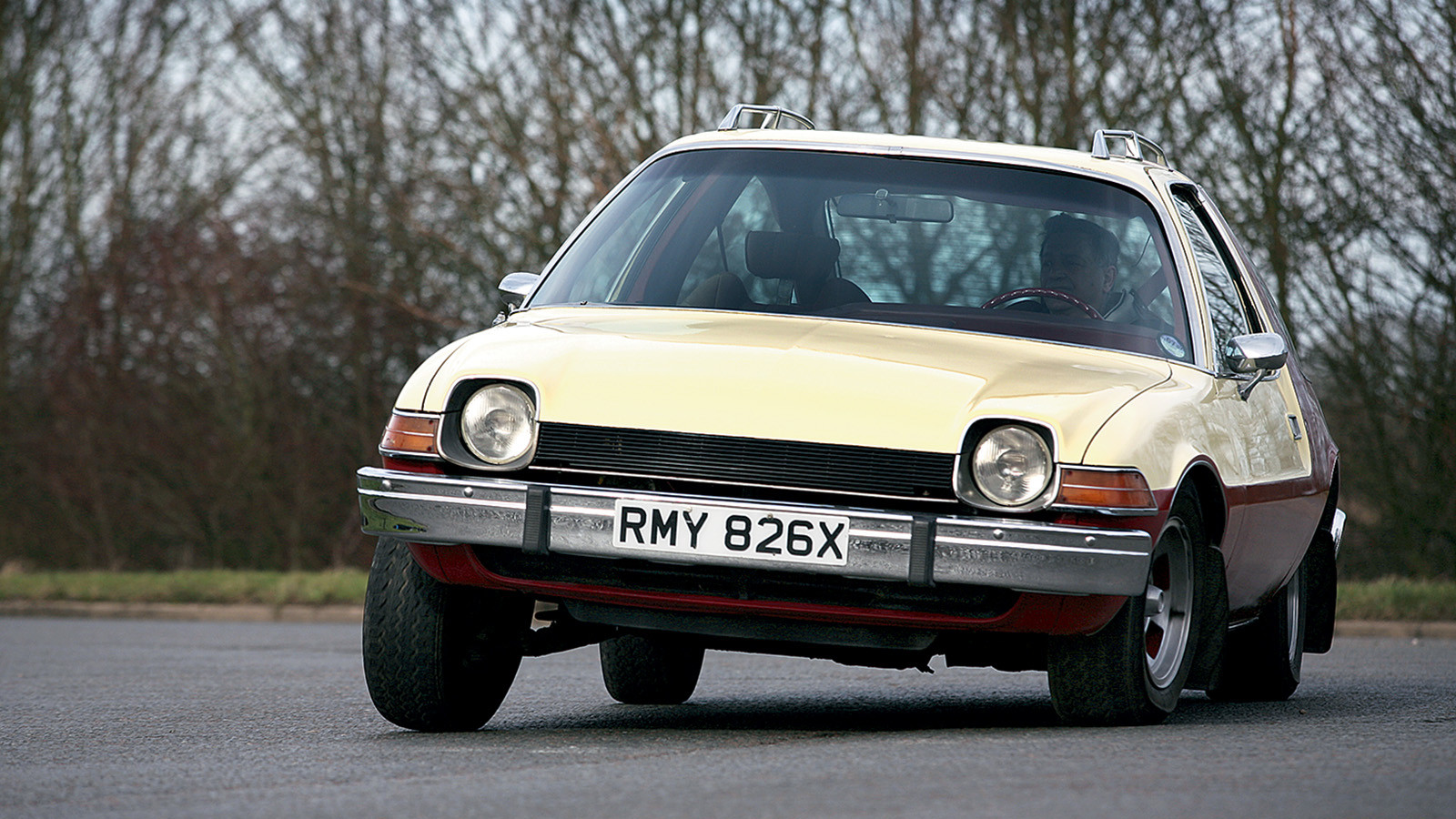
8. 1977 AMC Crown Pacer
American Motors Corporation’s Pacer had originally broken cover in 1975, the two-door compact billed as ‘the first wide small car’.
Designed by AMC’s chief stylist, Dick Teague, the Pacer was conceived to meet the growing demand for smaller, more economical cars which was increasingly being satisfied by European and Japanese car makers.
However, for the 1977 Detroit Auto Show, AMC felt the Pacer needed a luxury makeover and presented the Crown Pacer concept on its stand.
With pearlescent white paintwork and gold accents, complemented by gold, wire-spoke wheels and a padded vinyl roof, it was the height of 1970s ‘good taste’.
Image is of standard AMC Pacer
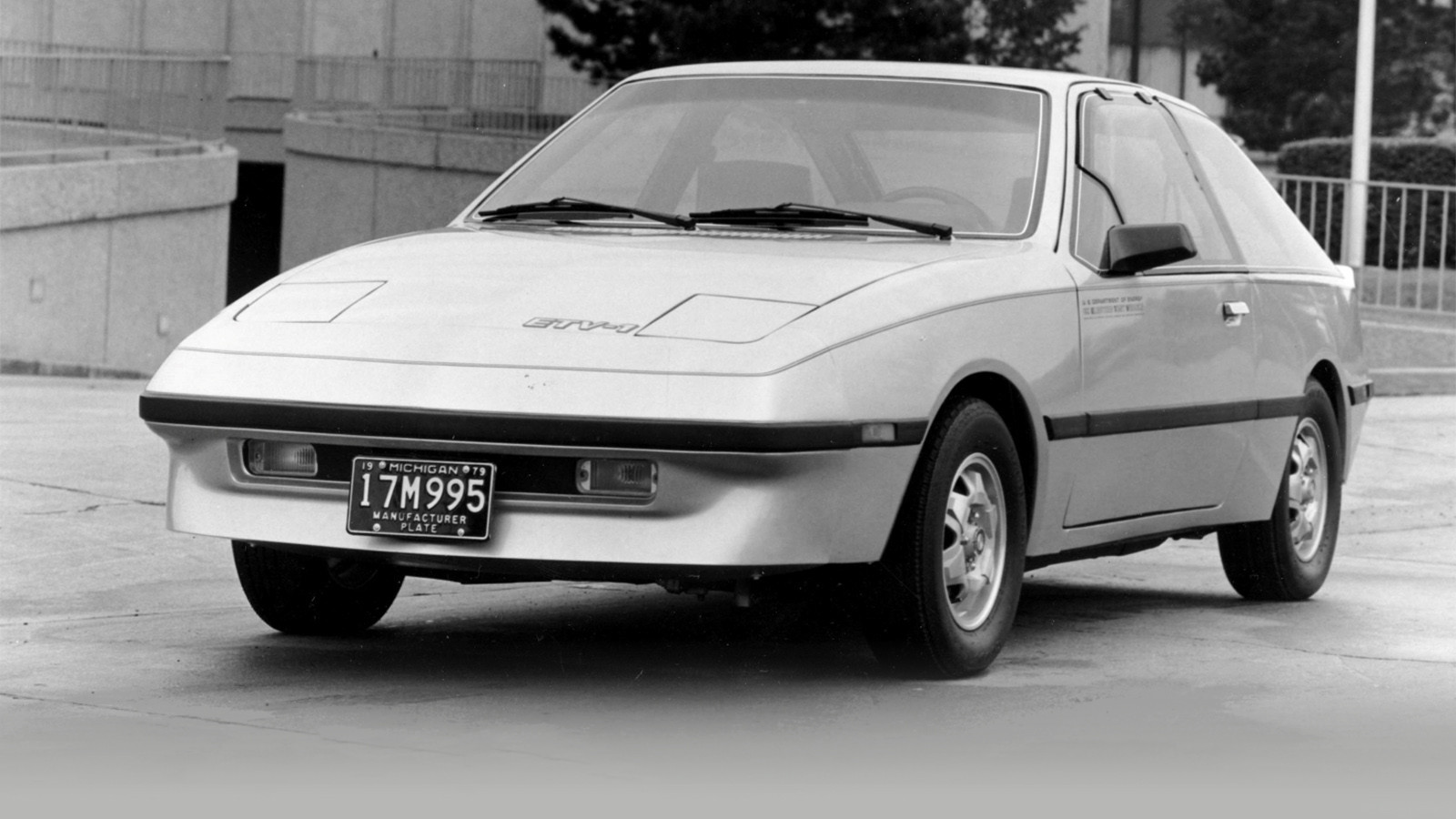
9. 1979 Chrysler ETV-1 concept
Claimed by Chrysler to be ‘the first ground-up modern day electric vehicle design’, its ETV-1 took a bow at the 1979 Detroit Auto Show.
Powered by a single General Electric motor located over the front axle and sending drive to the two-door coupé’s front wheels, ETV-1 took its power from 18 6-volt batteries.
Generating a humble 41bhp, the ETV-1 was no road-burner, accelerating from 0-30mph in 9 secs and on to a top speed of 65mph.
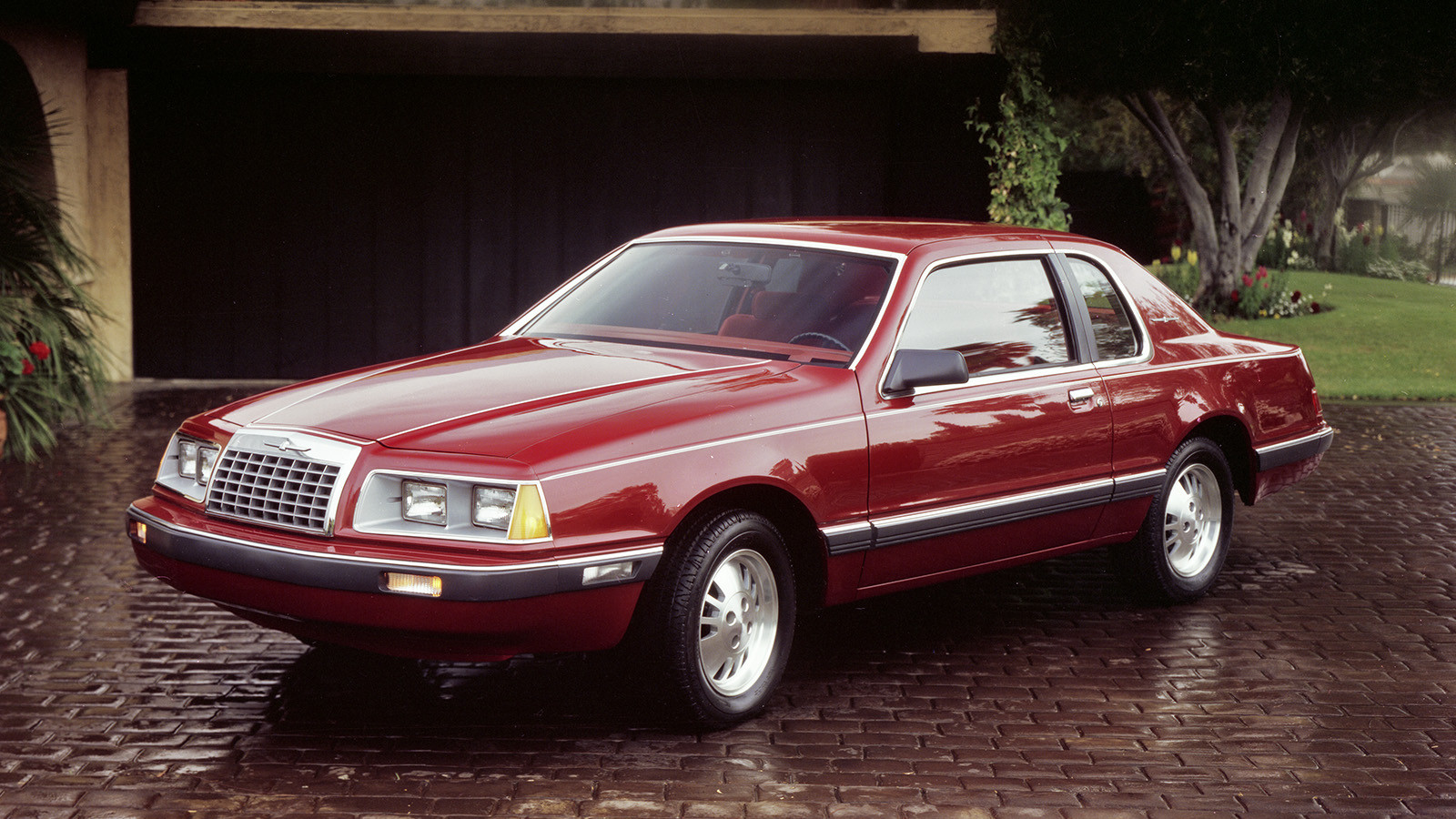
10. 1983 Ford Thunderbird
The lacklustre sales performance of the 1980-’82 Thunderbird had forced Ford into a major rethink for its 1983 model year, ninth-generation offering.
The car that emerged put aerodynamics front and centre in its design, reducing its body’s drag coefficient to 0.35Cd versus the outgoing model’s 0.50Cd.
Now with a sleeker and more sporting appearance, the new Ford Thunderbird, which retained its predecessor’s Fox platform underpinnings, was powered by a choice of three engines: a turbocharged 2.3-litre ‘four’, a 3.8-litre V6, or a 4.9-litre (though marketed as a 5-litre) Windsor V8.
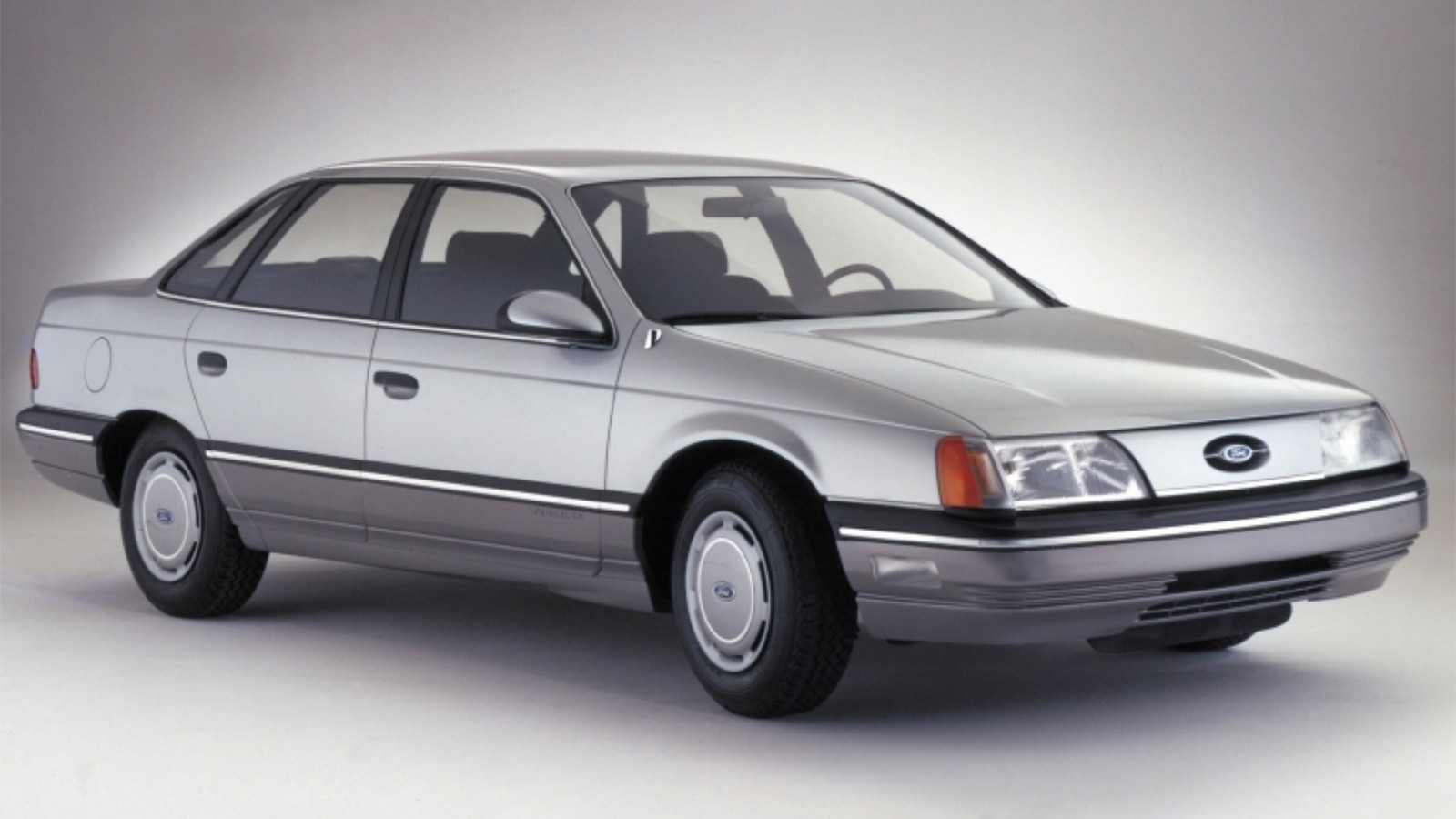
11. 1985 Ford Taurus
While the Taurus was first unveiled to the press in mid-’85 at MGM Studios in Los Angeles, it soon became a regular motor show fixture, including at Detroit.
And that was not surprising, since it was soon hailed as ailing Ford’s saviour, taking the US’s mid-size market by storm when it went on sale in 1986, and receiving solid praise from media, including Motor Trend, which named it its Car of the Year.
Available as a saloon or station wagon/estate, it was powered by a choice of in-line four-cylinder or V6 engines, ranging from 2.5 to 3.8 litres.
Its popularity was boosted by notable appearances in the films Back to the Future II and Robocop, and by the end of production in 1991, more than 2m examples of the Ford Taurus had been sold.
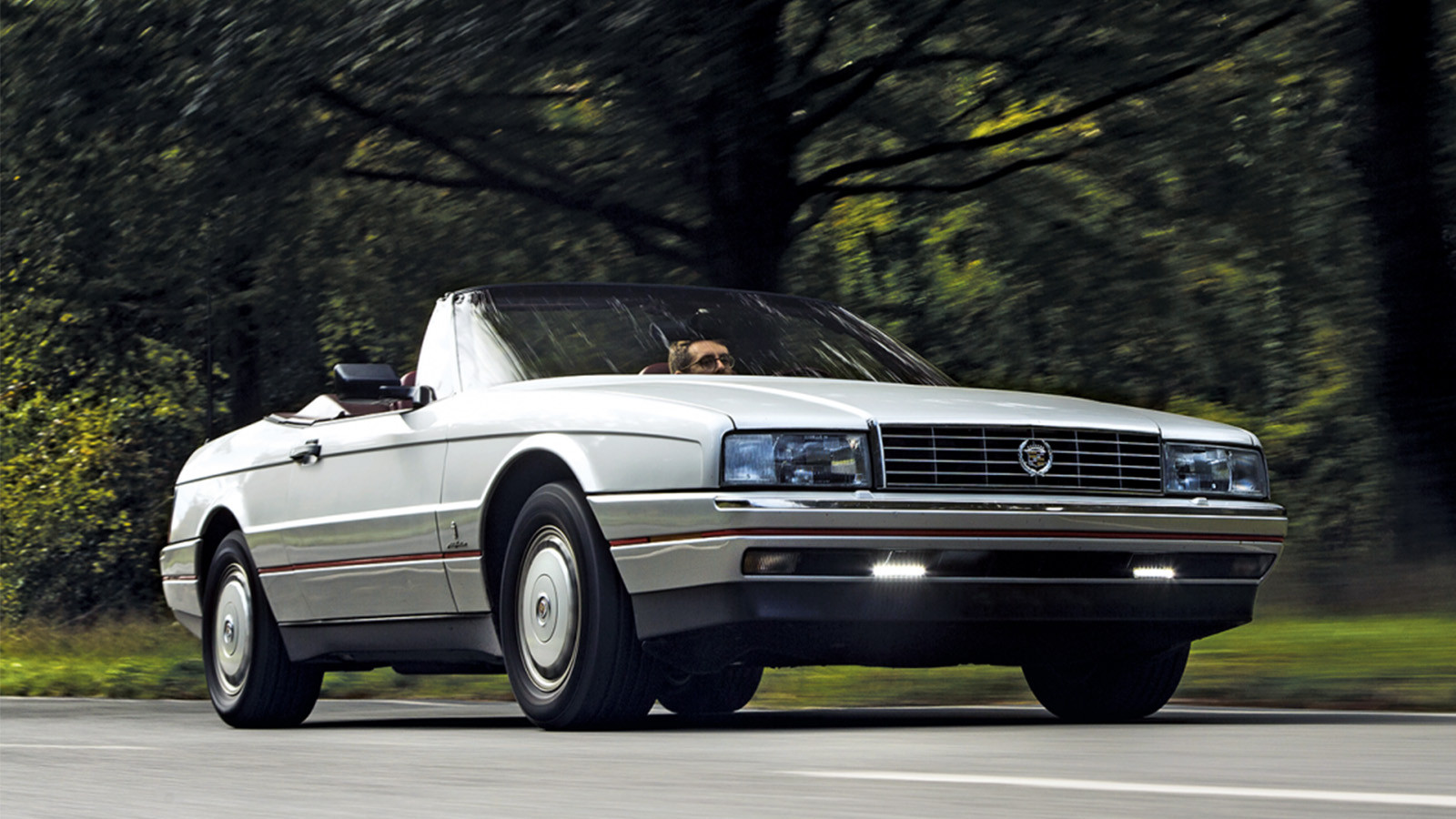
12. 1987 Cadillac Allanté
Aiming to combine US engineering with Italian design flair, the Allanté convertible was Cadillac’s first two-seat model of the modern age, resurrecting a name not used by the brand since the 1930s.
The Allanté’s body was designed and manufactured by Pininfarina in Italy, and up to 56 at a time were then flown to Detroit in a specially adapted Boeing 747 for final assembly.
Based on a shortened version of the Cadillac Eldorado’s platform, the Allanté was powered by V8 engines ranging in size from 4.1 to 4.6 litres.
The Allanté took its bow at the ’87 Detroit Auto Show and was sold until 1993.
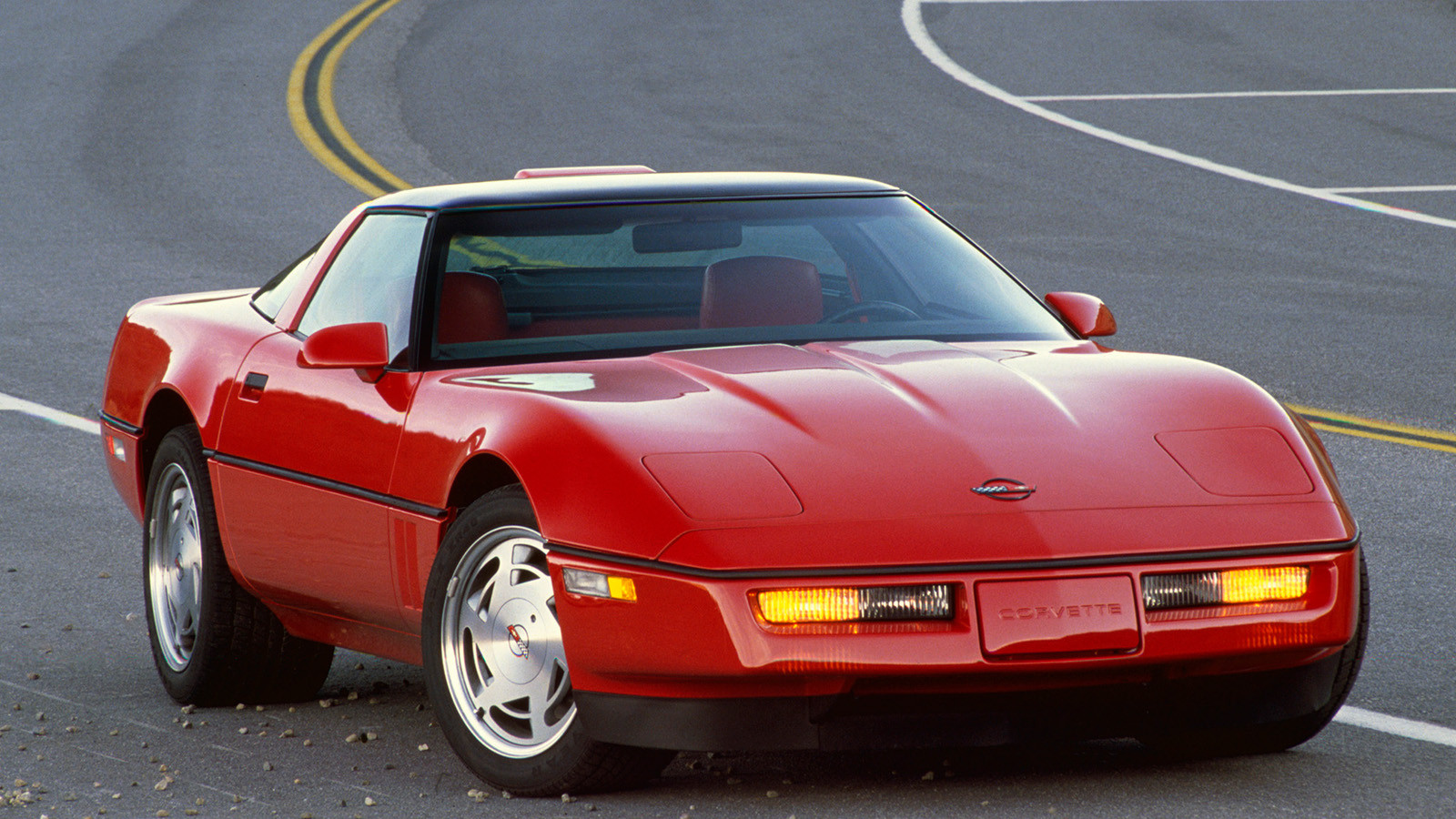
13. 1989 Chevrolet Corvette ZR1
While Chevrolet’s hot Corvette was first revealed at the Geneva show, its US debut happened at what had now become the North American International Auto Show in Detroit.
Based on the C4-generation Corvette, GM utilised its ownership of Lotus during the car’s development, with the Hethel-based engineering team designing a bespoke, 5.7-litre V8 engine – the ‘LT5’ – with four overhead cams and 32 valves.
Although the unit was heavier than that from the stock C4, its prodigious output of 375bhp, deployed to the rear axle via a six-speed manual gearbox, compensated. A 0-60mph time of 4.9 secs and a 179mph top speed were the result.
Bilstein and the Lotus Formula One team engineered the ZR1’s suspension, including its multi-adjustable damping system.
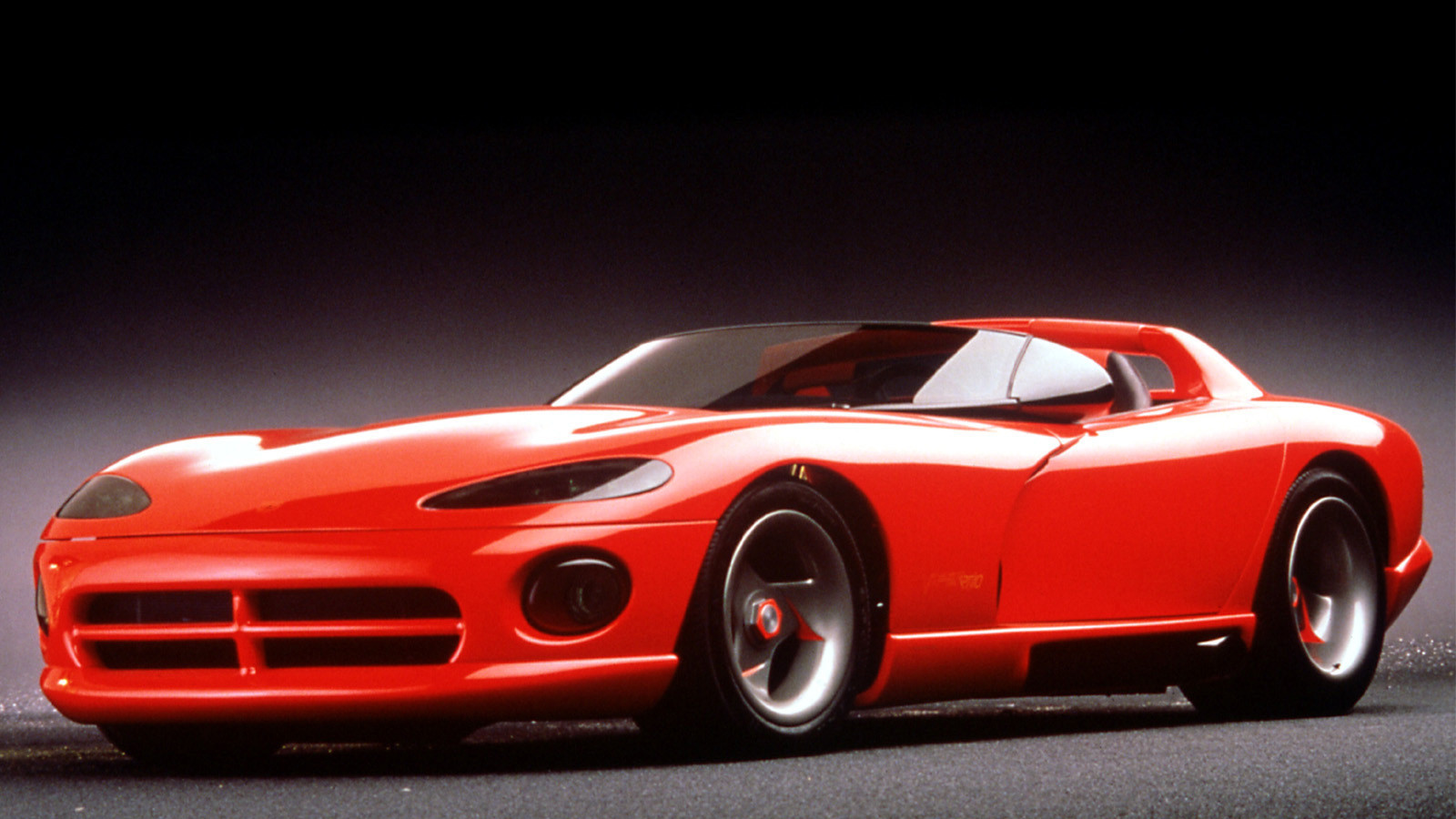
14. 1989 Dodge Viper
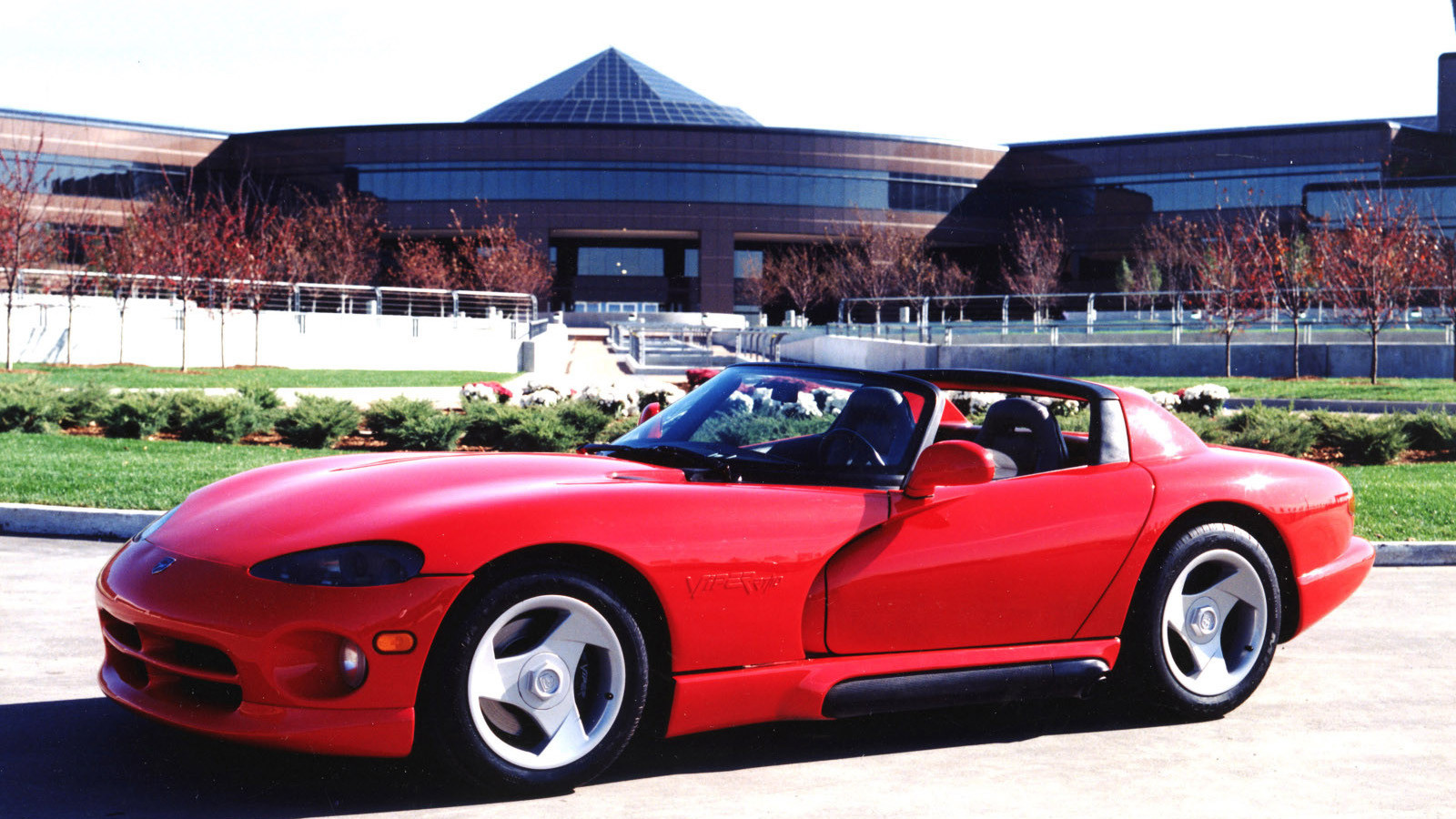
If ever proof was needed that occasionally a concept vehicle has a direct and near-immediate influence on a production car, then look no further than the 1989 Dodge Viper.
Inspired by the legendary Bob Lutz in the wake of a long period of Dodge product blandness during the 1980s, the Viper concept was penned by Tom Gale and quickly cobbled together for the 1989 show in Detroit.
The ecstatic reception to the dramatic-looking two-seater was all Dodge needed to take it to prototype stage.
And when Chrysler chief Lee Iacocca was asked to sign it off for production a year later, he just quipped: “What are you waiting for?”
Three years and $50 million after that, the production Dodge Viper was launched.
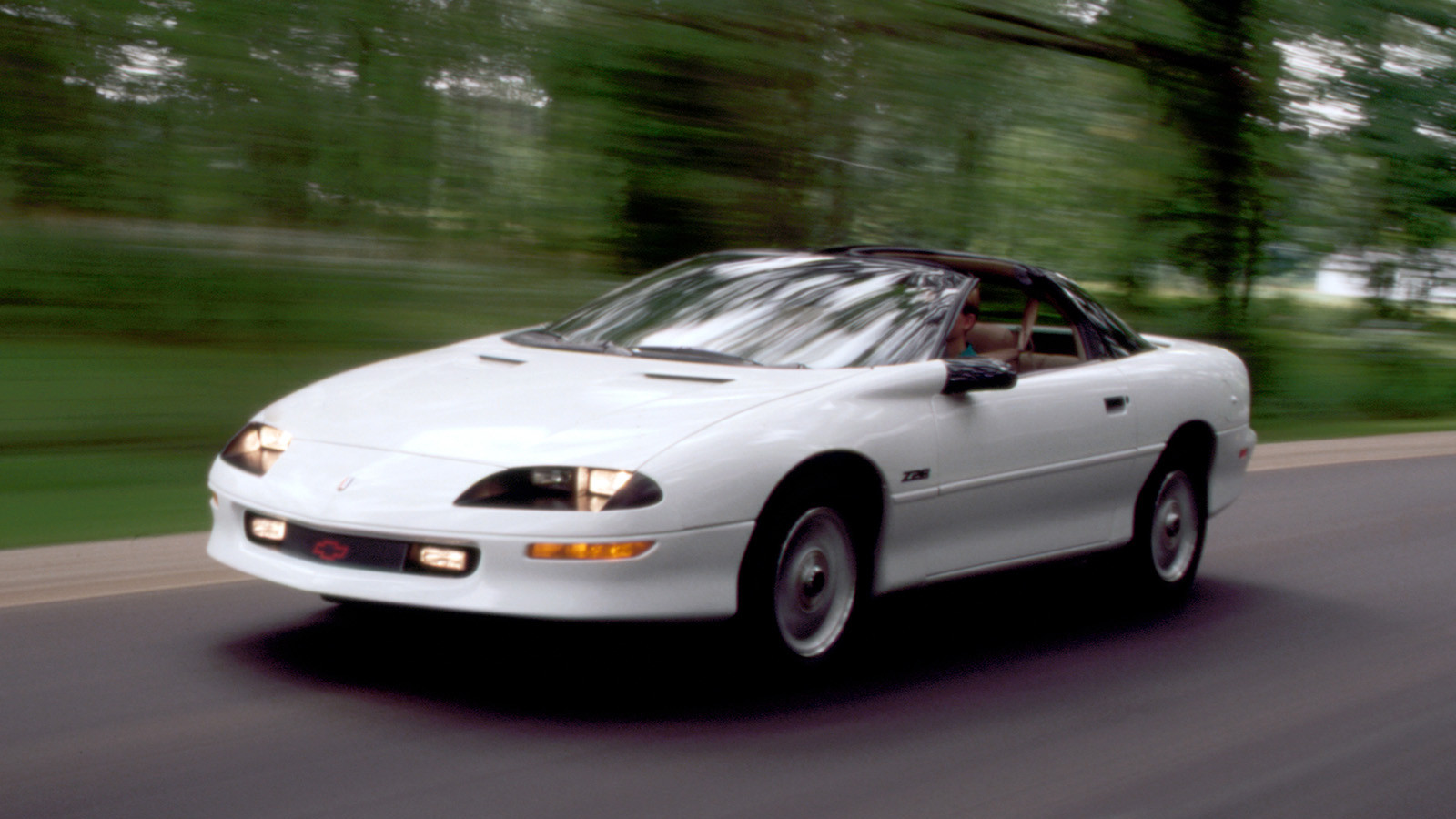
15. 1993 Chevrolet Camaro Z/28
Introduced at the NAIAS in 1993, the Chevrolet Camaro Z/28 was based on a heavily uprated version of GM’s F-body platform.
Powered by a 5.7-litre, overhead-valve V8, the Z/28 developed a healthy 275bhp and 325lb ft of torque.
Joining the production car at the show was a second Z/28, which had been specially prepared as that year’s pace car for the Indianapolis 500.
A ‘pace car edition’ trim was introduced later that year to celebrate the model’s starring role at the world-famous race.
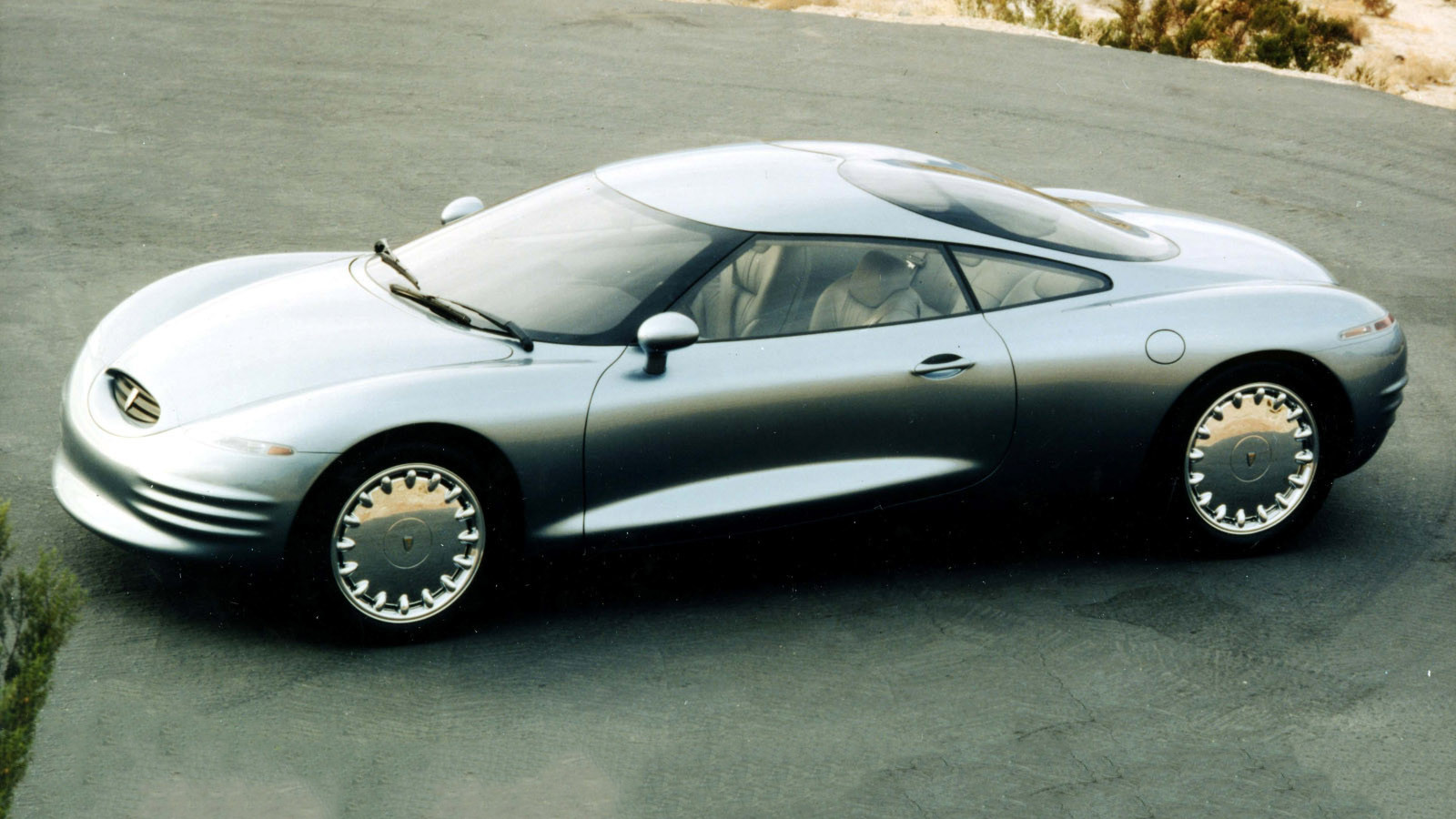
16. 1993 Chrysler Thunderbolt
Intended as a potential halo car for the Chrysler brand, the streamlined, two-door, four-seat Thunderbolt concept was unveiled at the 1993 North American International Auto Show in Detroit.
Designed by Tom Gale, the Thunderbolt was based on a lengthened version of Chrysler’s LH platform.
Technically advanced, this concept was equipped with ABS and satellite navigation, plus an infotainment system with built-in video games.
Power for the Thunderbolt came from an all-alloy, 4-litre V8 engine.
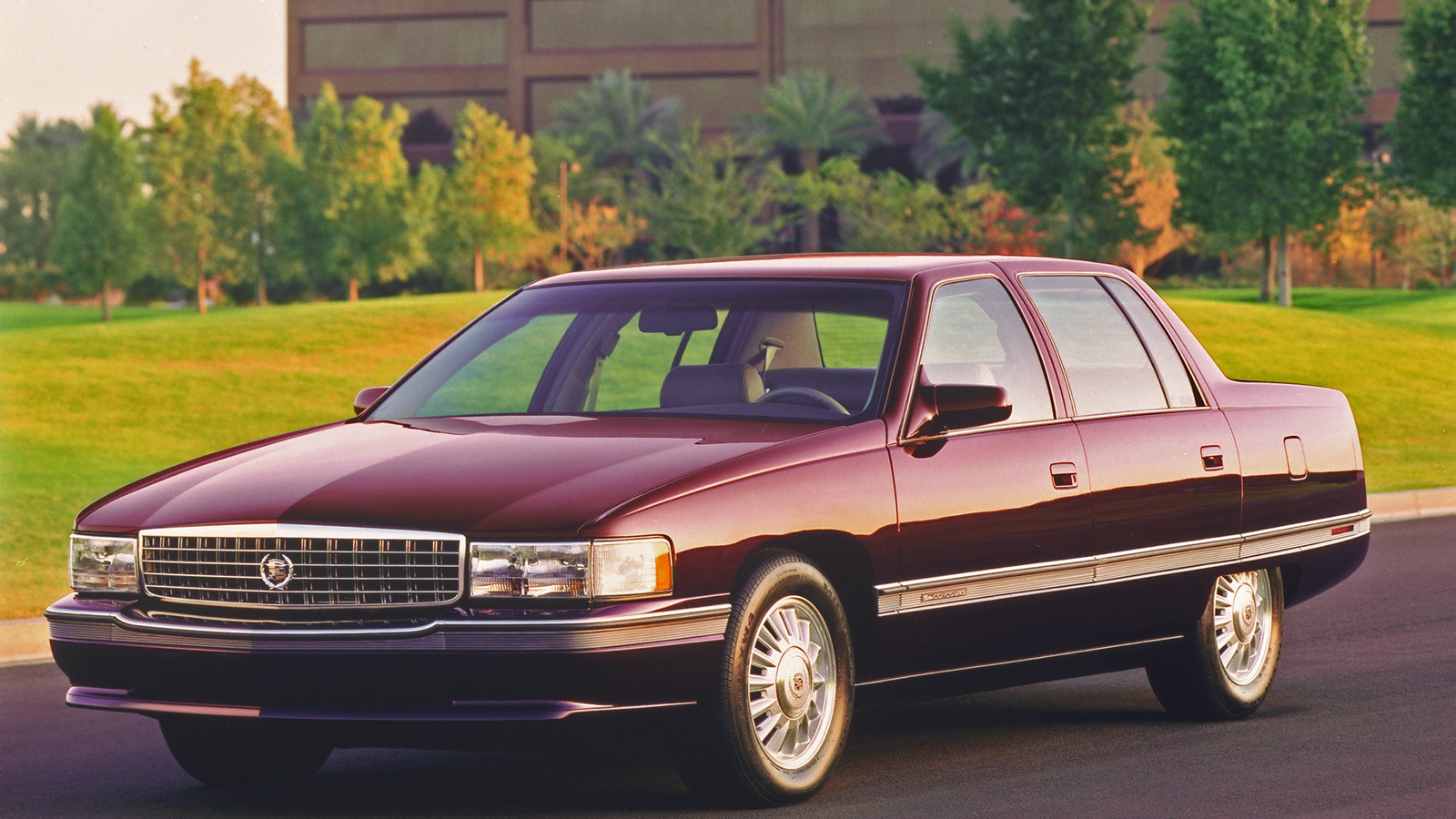
17. 1994 Cadillac DeVille
Cadillac’s full-size saloon had entered its seventh generation when it was introduced at Detroit in 1994.
Now based on a lengthened version of GM’s K-platform, with a wheelbase of 2890mm (almost 9.5ft), the new DeVille was styled by Chuck Jordan, under the auspices of the legendary design director Wayne Cherry.
It was initially powered by a 4.9-litre V8 sending drive to the front wheels.
The DeVille came with adaptive suspension and such goodies inside as dual-zone air conditioning, digital instrumentation and automatic headlights.
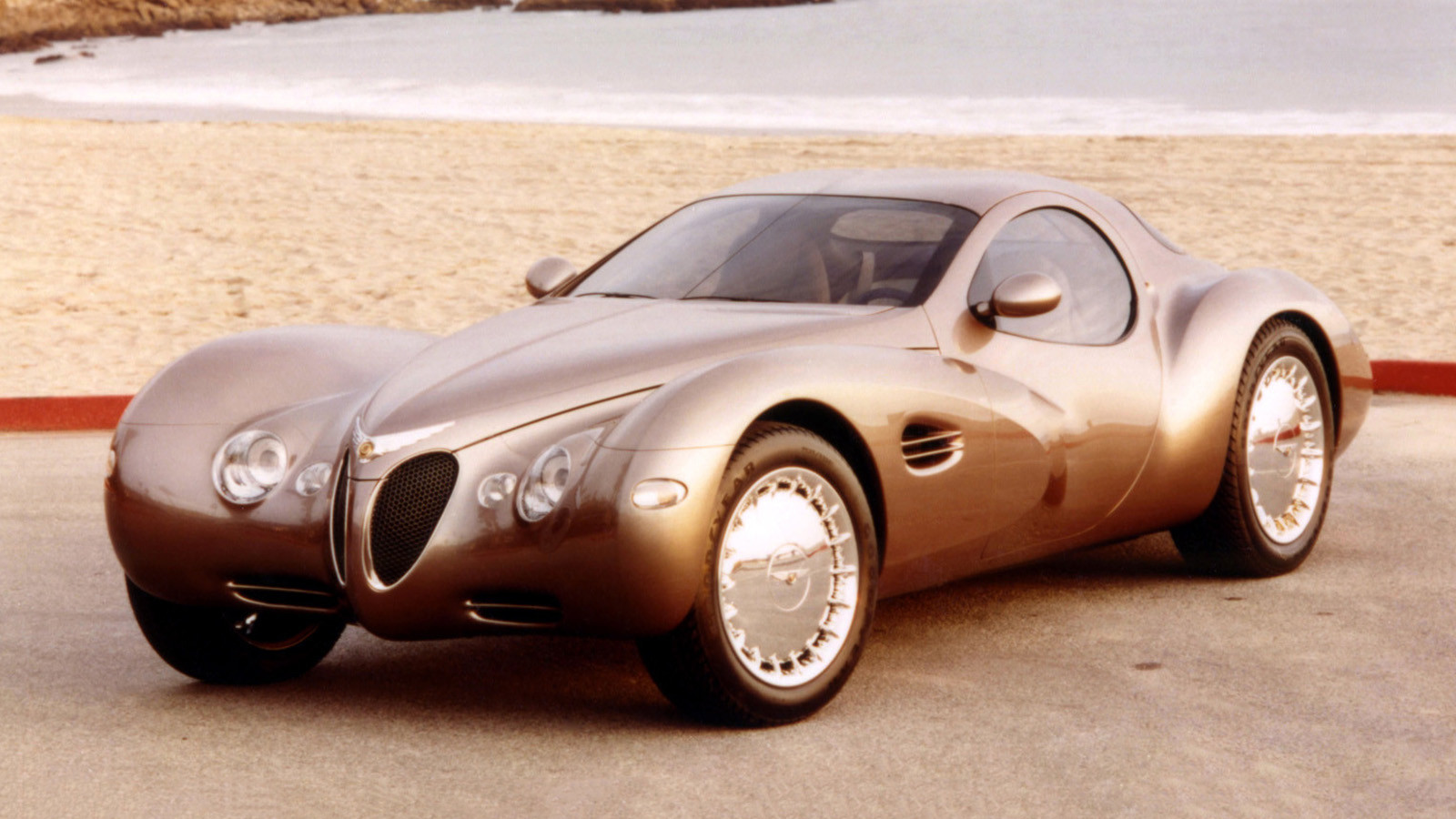
18. 1995 Chrysler Atlantic concept
‘Maximum’ Bob Lutz was the inspiration behind a dramatic concept, which this time had a deliberately retro flavour to it.
Designed by Bob Hubbach, the Atlantic was a modern recreation of the ultra-rare Bugatti Type 57S Atlantique, its rakish lines and Art Deco cabin a clear tribute to the pre-war car.
Chrysler’s Atlantic even used a straight-eight motor, the same configuration as in the Bugatti, but this time formed from two four-cylinder Chrysler Neon engines, giving it a total displacement of 4 litres.
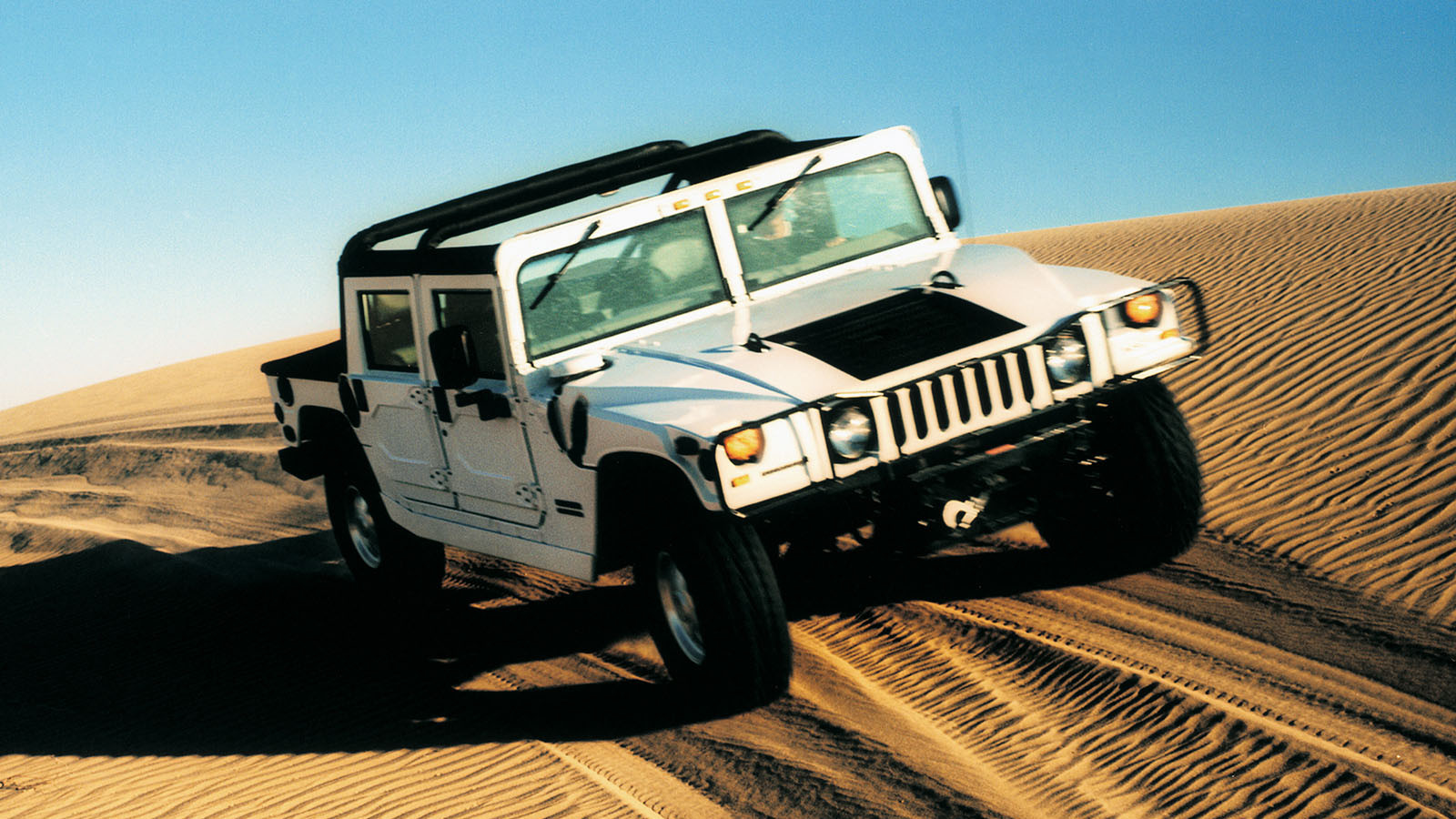
19. 1995 Hummer H1
Originally conceived by AMC subsidiary AM General as the ‘Humvee’ for military use, in 1992 a civilian version was launched and branded the Hummer.
Previewed at Detroit’s 1995 show was the first petrol-engined Hummer, fitted with a 5.7-litre V8 producing 190bhp.
However, weighing more than 3200kg (more than 7055lb), performance was no more than passable, with acceleration from 0-60mph taking 18.6 secs.
And while the new petrol model was more refined than its diesel-powered sibling, economy took a hit, coming in at a little over 16mpg.
In 1999, General Motors bought the rights to sell the Hummer and continued to build the H1 until 2006.
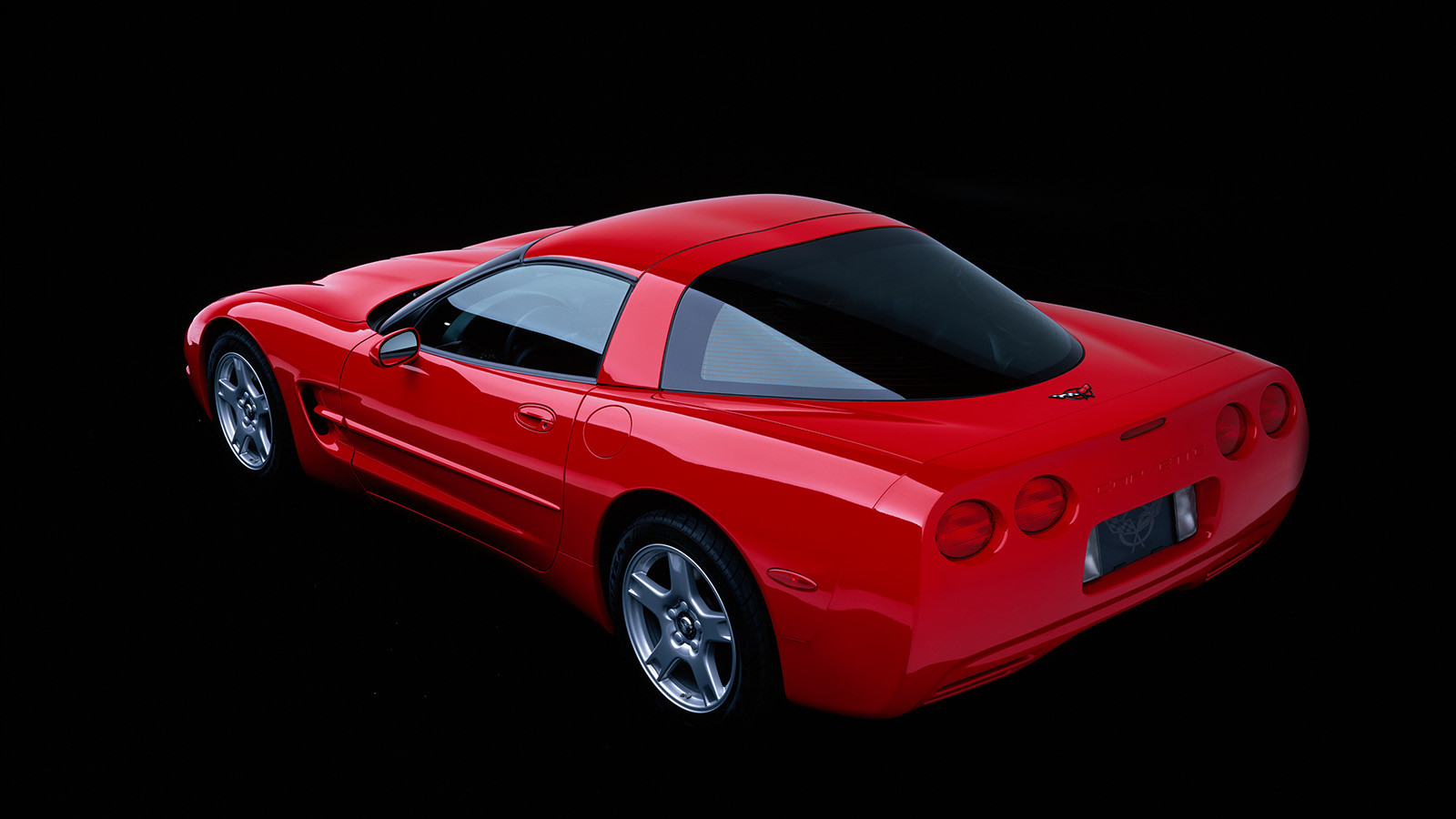
20. 1997 Chevrolet Corvette C5
A significant departure from its fourth-generation predecessor, Chevrolet’s Corvette C5 was the first to use GM’s new third-generation, small-block V8, with a maximum output of 345bhp.
Available solely as a fastback coupé at its 1995 NAIAS debut in Detroit (a convertible appeared two years later), the C5 was praised for its stiffer, hydroformed, box-frame structure.
A rear transaxle helped the C5 achieve 50/50 front/rear weight distribution, and performance was improved over that of the outgoing model, with 60mph from standstill arriving in 4.5 secs, and the standing quarter in 13.3 secs.
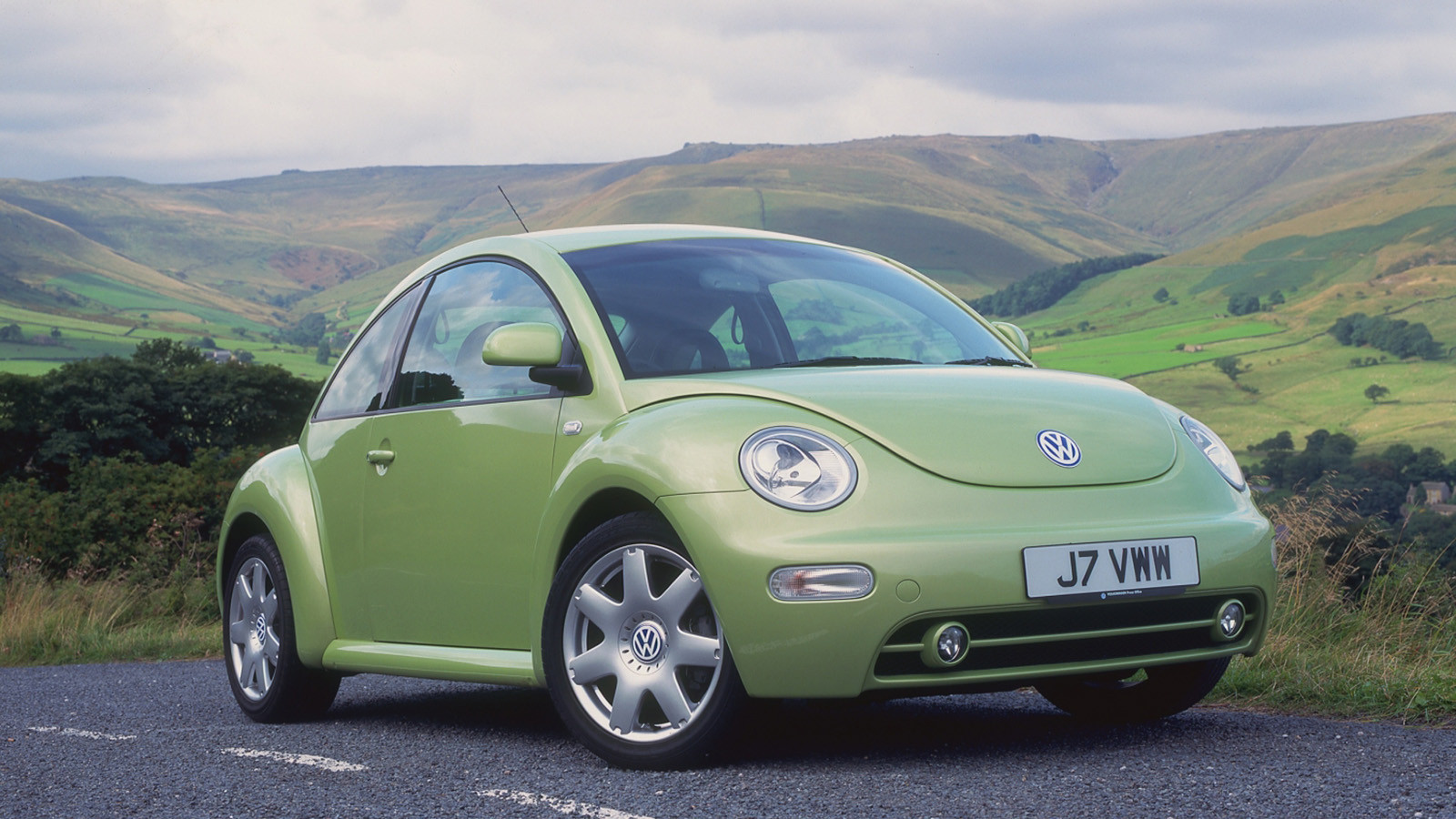
21. 1998 Volkswagen Beetle
After receiving such a positive reaction to its J Mays/Freeman Thomas-penned Concept One at the Detroit show in 1994, it was only a matter of time before Volkswagen put its retro-styled, three-door hatchback into production.
Now with its engine in the front and driving the front wheels – the complete opposite of the legendary model from which it took its name – the New Beetle was based on the Golf Mk4’s (among many others) PQ34 platform.
A comprehensive range of petrol and diesel engines was available from launch (though not all of them in the US), and a convertible version was added to the range in 2003.
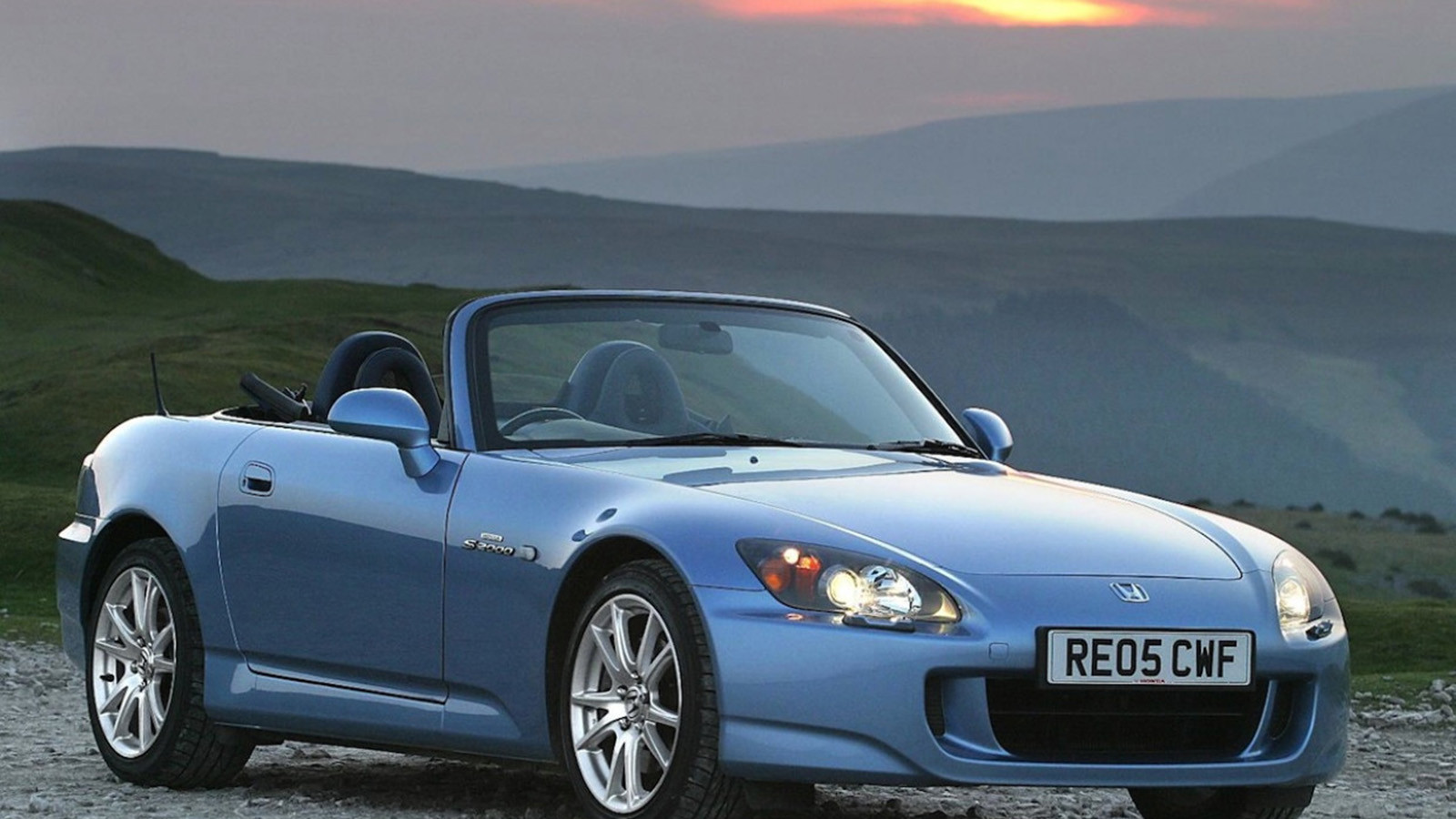
22. 1999 Honda S2000
It appears that 1999 was a major year for Honda at the Detroit show, because joining the current NSX and new Insight on the stand was the S2000.
Originally shown as the SSM concept at Tokyo in 1995, the 1999 production car, with its front/mid-engine, rear-wheel-drive layout, continued Honda’s roadster tradition from the 1960s, with models like the S600 and S800.
At the heart of the S2000 was Honda’s fizzing, 1997cc, double-overhead camshaft, VTEC, naturally aspirated ‘four’, producing around 240bhp depending upon variant.
Honda claimed the unit had the highest specific output of any unblown production engine in the world.
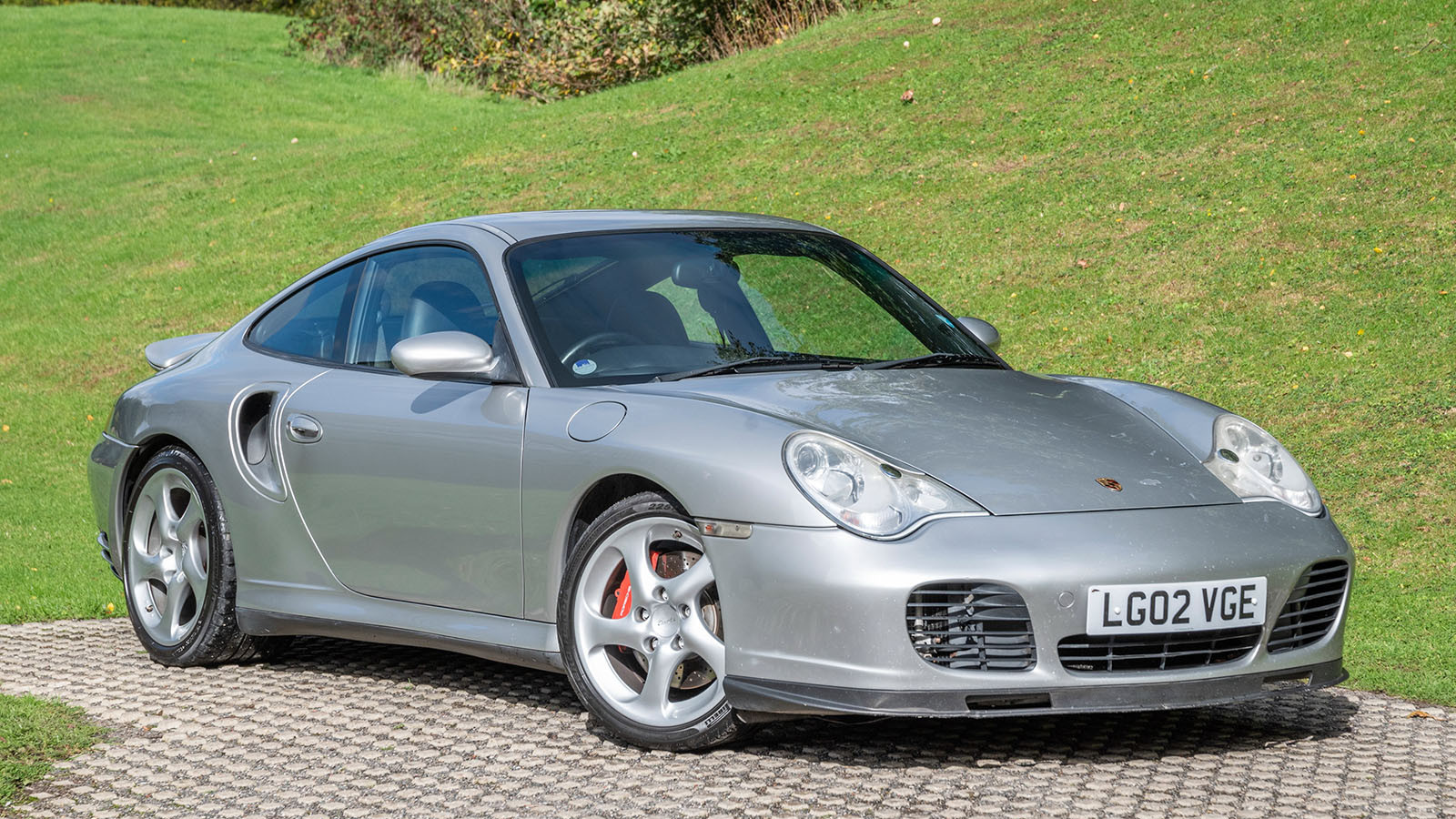
23. 2000 Porsche 911 (996) turbo
It made its debut at the Frankfurt motor show in 1999, but a few months later, Porsche’s first water-cooled 911 turbo was presented to the US market at the NAIAS in January 2000.
The 996-generation model marked the biggest departure from the marque’s 911 turbo lineage, and was visually set apart from lesser models by a wider and lower stance, additional body addenda and a retractable spoiler.
Firepower came from a 3.6-litre flat-six engine derived from Porsche’s 1998 Le Mans-winning GT1 racer, which in production form delivered 414bhp and 415lb ft of torque.
Transmission to the rear wheels was through either a six-speed manual or a five-speed Tiptronic gearbox.
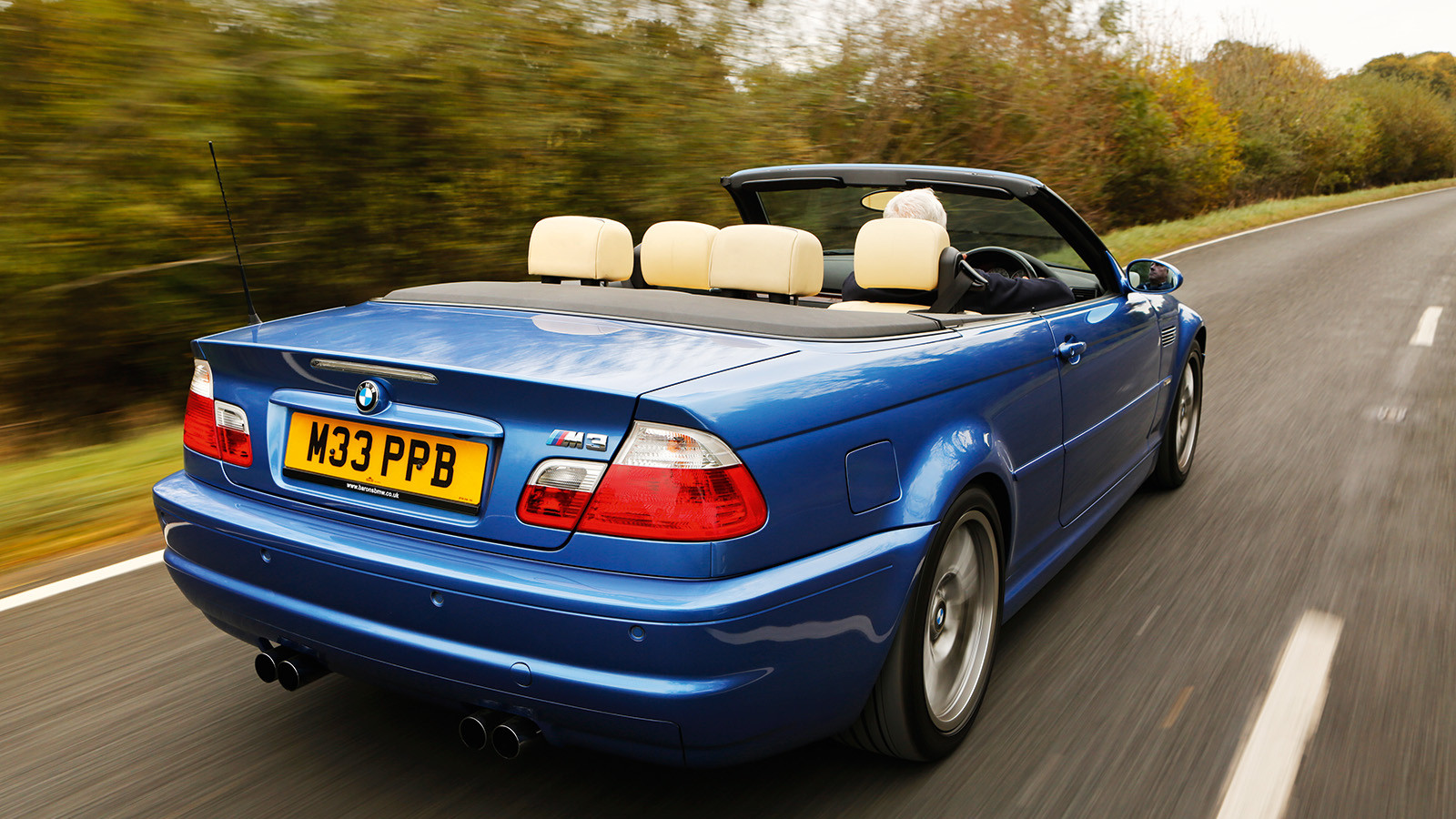
24. 2001 BMW M3 Convertible (E46)
The third generation of BMW’s M3 convertible received its US debut at the Detroit show in 2001.
It was powered by BMW’s S54, 3.2-litre straight-six with 338bhp, delivered to the rear wheels through either a six-speed manual or automated-manual SMG gearbox – sufficient for a limited top speed of 155mph and a 0-60mph time of 5.2 secs.
A total of 29,633 BMW E46 M3 convertibles were built before production ended in 2006.
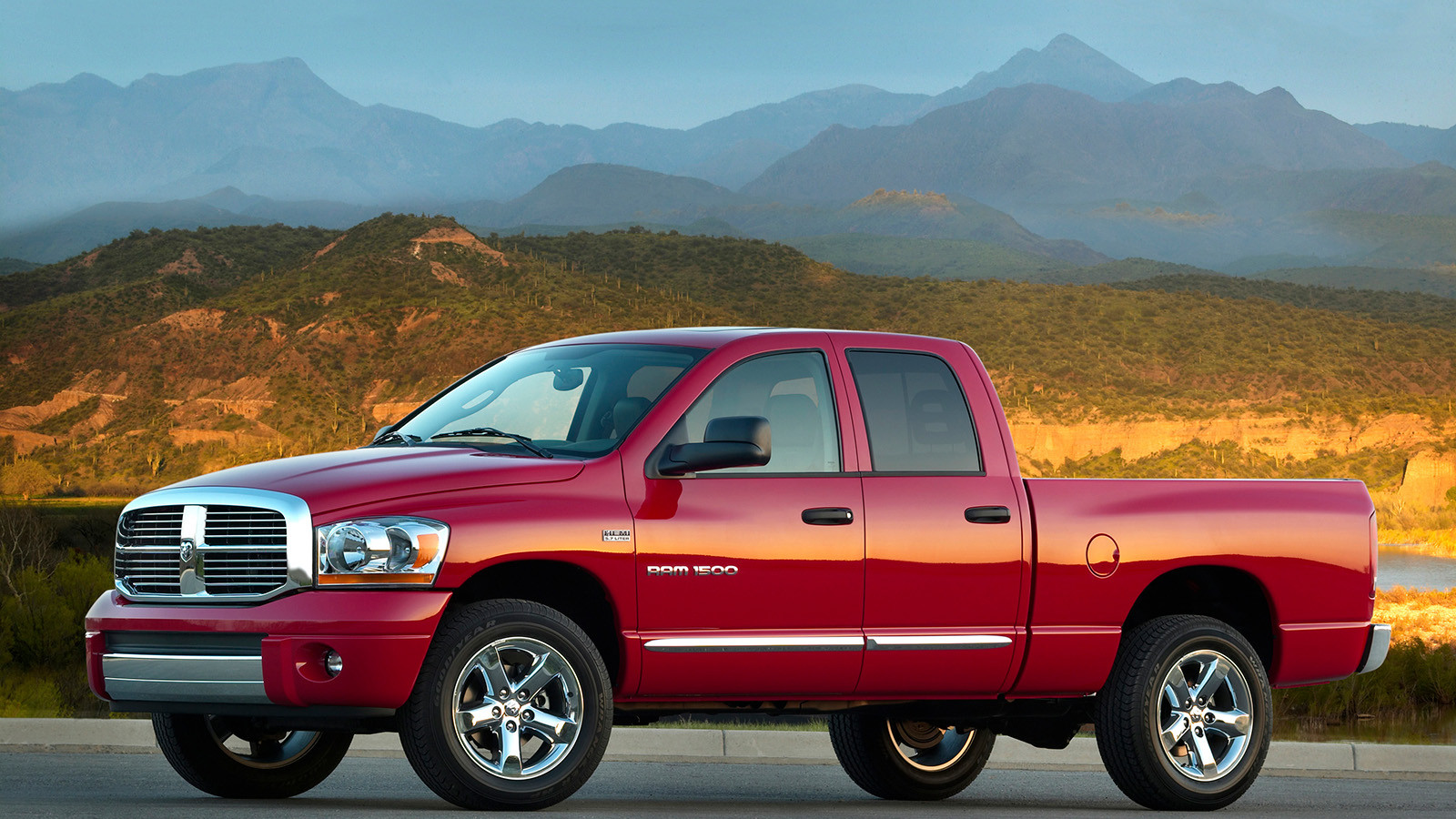
25. 2008 Dodge Ram
Dodge’s fourth-generation, 2009 model year Ram was the last to carry its manufacturer’s name, with ‘Dodge’ dropped from the moniker in 2010.
Introduced at the 2008 Detroit show in 1500 guise, the Ram was offered with the option of a four-door cab and a Hemi V8 engine.
That engine topped a vast powertrain range, from 3 to 6.4 litres in petrol form, and from 3 to 6.7 litres for the diesel-powered trucks.