
Wind in your hair at 100mph+
We’ve used the word ‘targa’ to introduce this gallery, because it is a default descriptor for any semi-convertible car with a removable roof between its front windscreen and the roll-over panel behind its front seats.
The only cars that you’ll see here sporting ‘targa’ badges, however, are Porsches, after that company patented the name in the 1960s, honouring the Targa Florio road race.
But no matter if the following are called ‘targa’, ‘SC’, ‘Spider’ or ‘Aero Top’, they are all among the fastest practitioners of their type from the last century, with each capable of 100mph or more.
So here, in ascending order of Vmax, are our 25 ton-up targas.
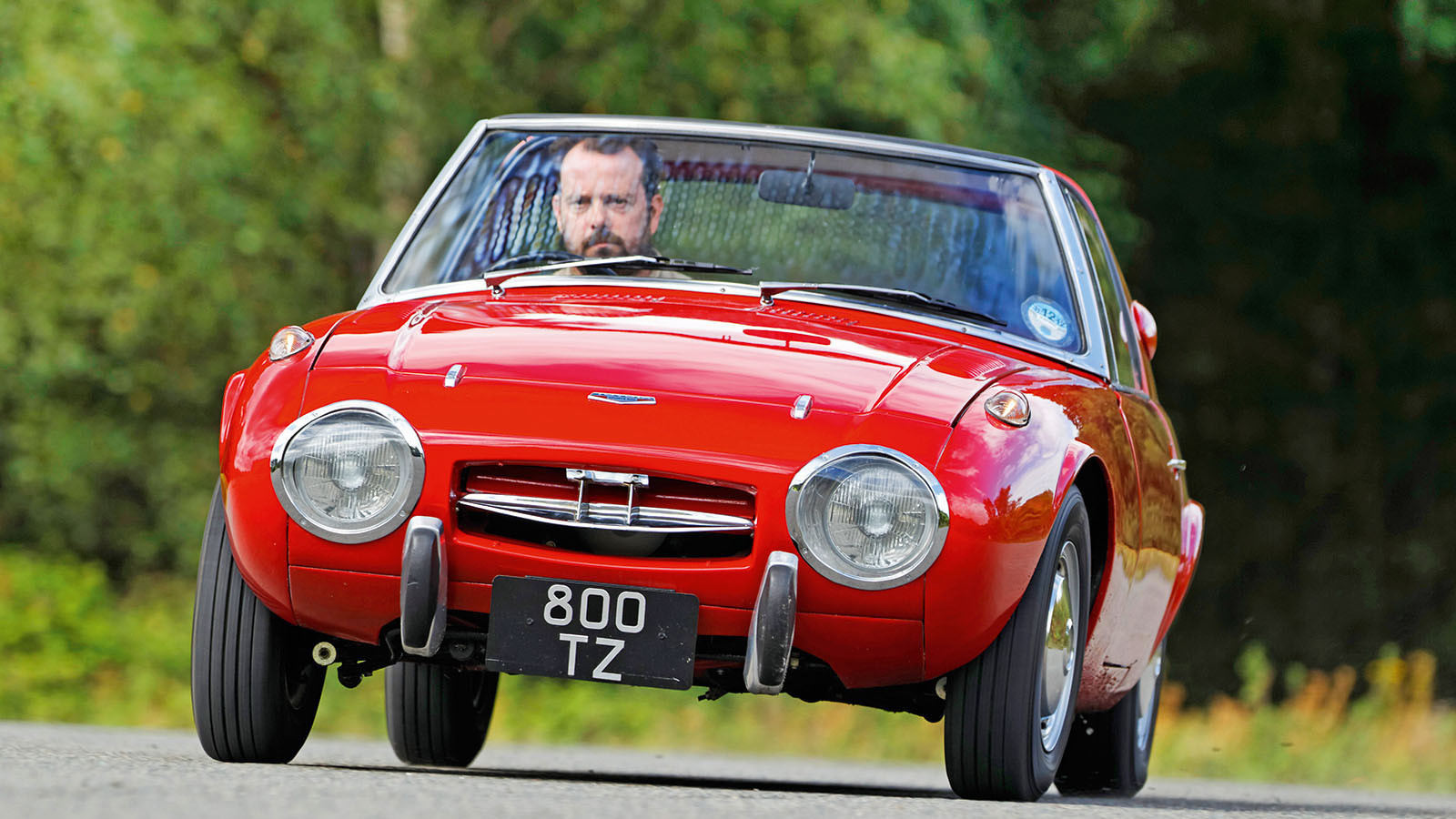
25. 1965 Toyota Sports 800 (100mph)
Less well known than its Honda S800 rival, which also launched in 1965, Toyota’s Sports 800 was only ever sold in the Japanese domestic market.
Its dinky dimensions – 358cm (141in) in length and 147cm (58in) wide – kept the weight down to a piffling 580kg (1279lb), also helped by the boot and bonnet panels being made from aluminium.
The Toyota Sports 800 was also available with a removable, aluminium targa top which could be stored in the boot.
Sending power to the rear wheels was a 790cc, air-cooled, twin-cylinder engine producing an impressive 44bhp, with fuel economy of 73mpg and a top speed of 100mph.
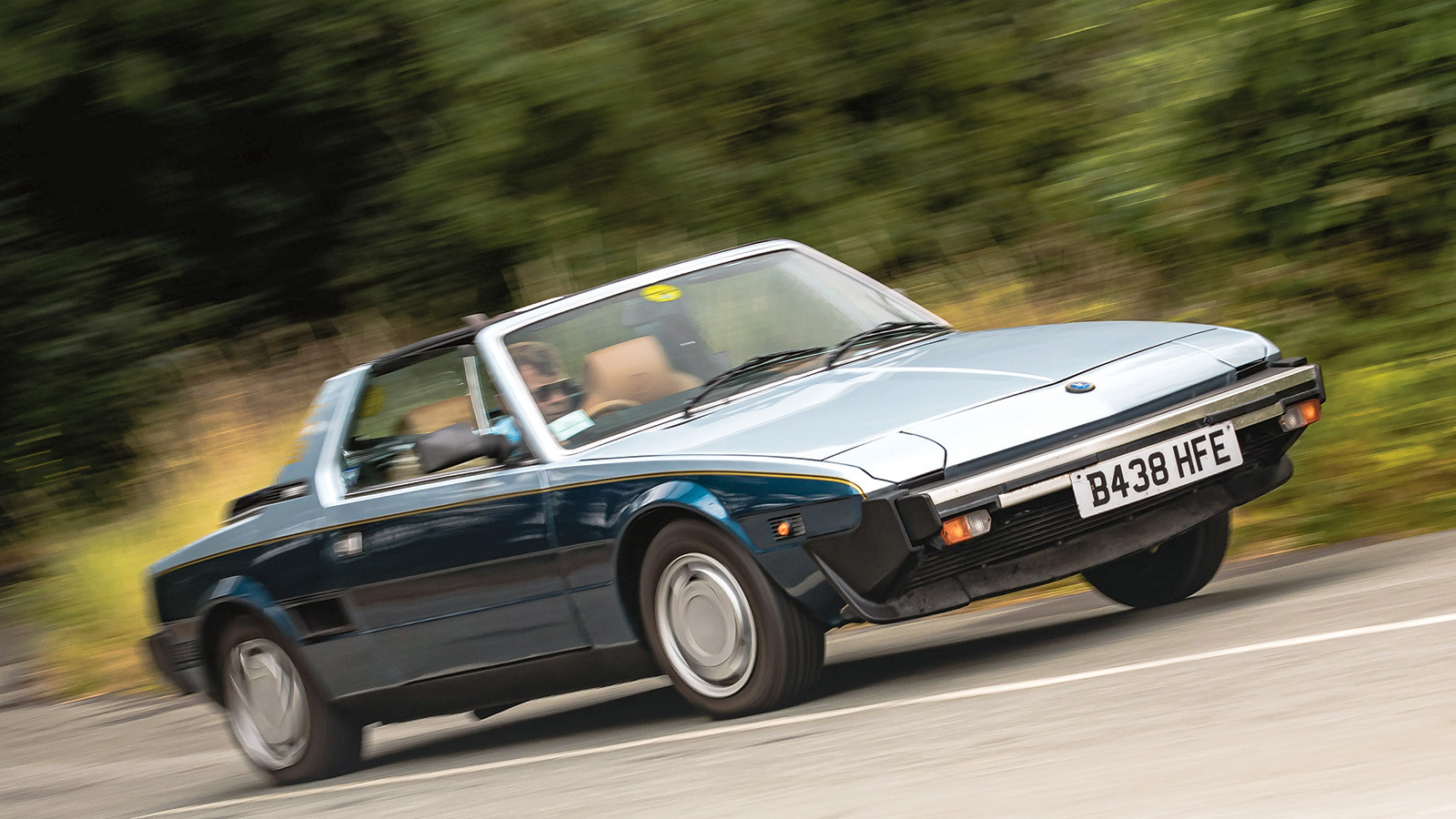
24. 1979 Fiat X1/9 1500 (108mph)
While the first-series Fiat X1/9 was launched in 1972, we’re focusing on the fleeter, 1.5-litre version which was on sale from 1979.
Despite the original X1/9’s ingenious design, which took the mechanical parts and basic suspension componentry from the talented, front-wheel-drive Fiat 128 saloon and reconfigured it for a rear-drive, mid-engined, two-seat sports car, with 1290cc and 74bhp its performance was a little underwhelming.
After the 128 was replaced by the Strada/Ritmo hatch, the new model’s stroked Lampredi ‘four’ was deployed in a revised X1/9, producing a healthier 84bhp, and delivering a top speed of 108mph and 0-60mph in 9.9 secs.
The Fiat’s (or Bertone’s from 1982) targa could be easily unclipped and stored in the front boot, still leaving space for a small amount of soft luggage.
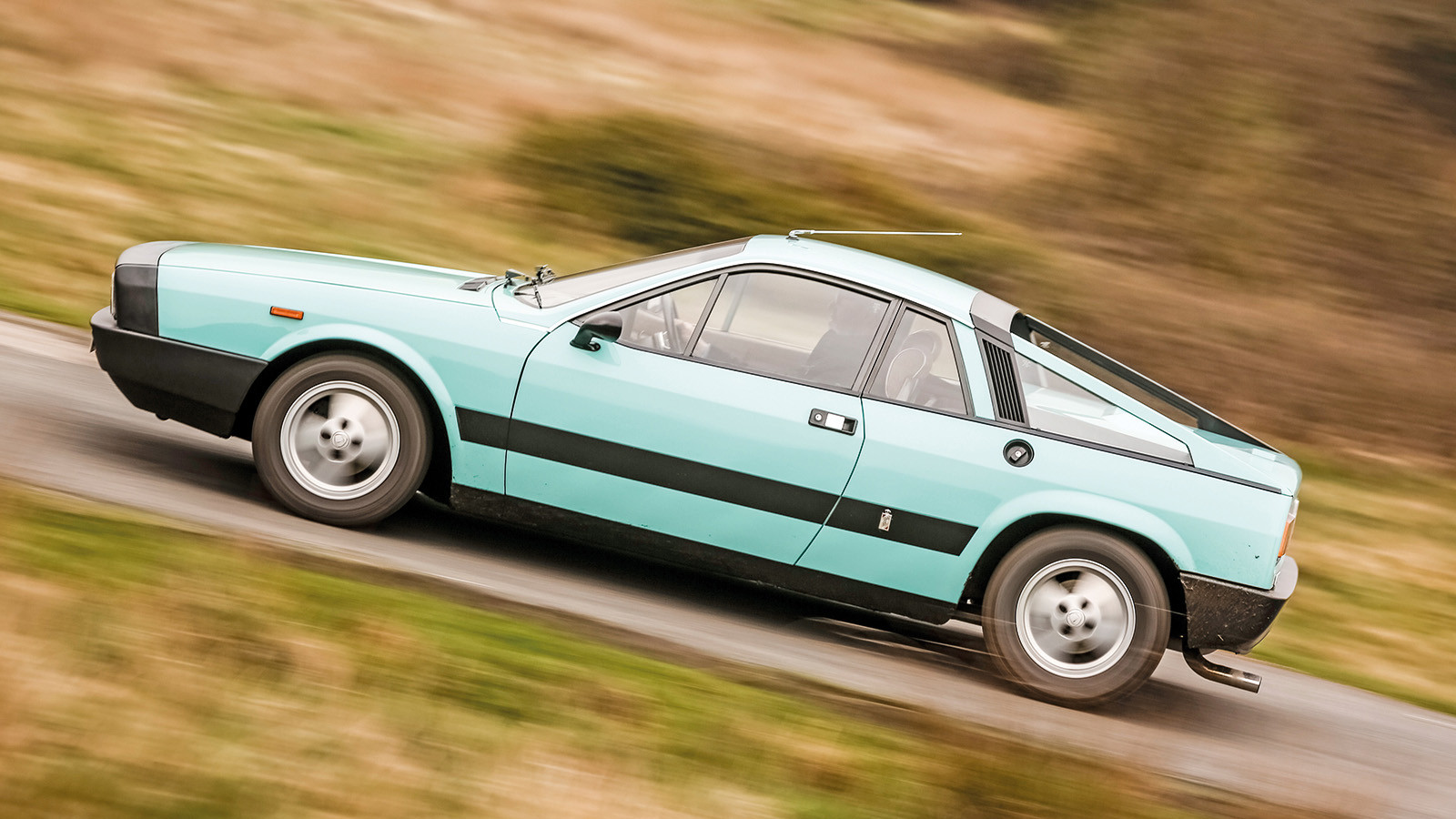
23. 1975 Lancia Beta Monte-Carlo Spider (119mph)
Originally intended as a Fiat-badged replacement for the 124 Spider, but emerging in its final development stages as a Lancia, the Monte-Carlo was effectively the big sibling to the X1/9.
Available as a two-door targa, as well as a coupé, the Monte-Carlo employed Aurelio Lampredi’s double-overhead-camshaft, 2-litre ‘four’, producing 118bhp and mounted amidships, providing finely balanced handling.
A 119mph top speed and 0-60mph acceleration of 8.9 secs gave the Monte-Carlo performance to match its looks.
First-series cars had a nasty reputation for brake lock-up in the wet, and after a pause in production in 1979, the issue was rectified for second-series cars (written ‘Montecarlo’), which were sold between 1980-’81.
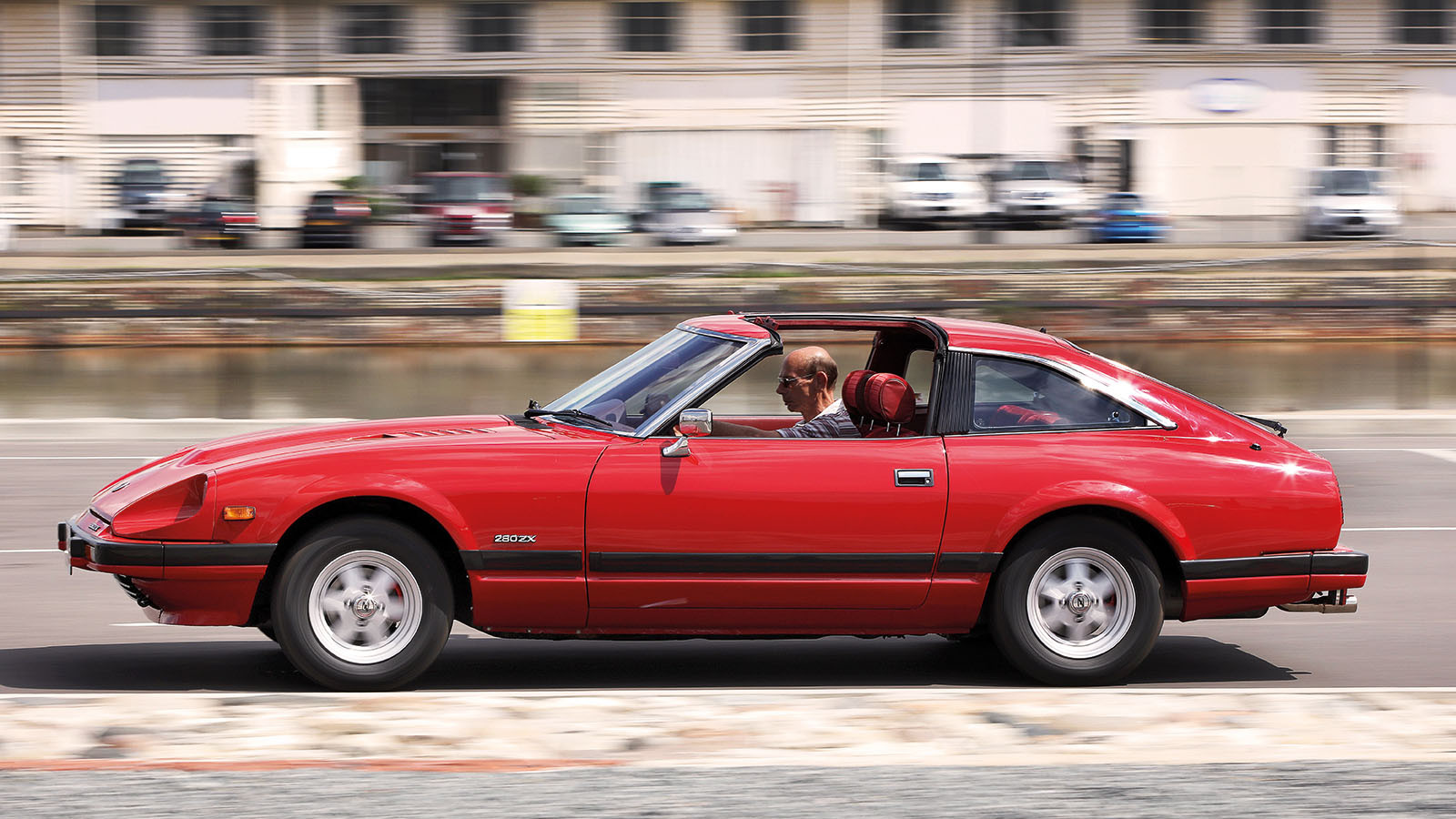
22. 1980 Datsun 280ZX T-top (121mph)
Based on Datsun’s 1978 280ZX, the T-top was available from 1980, with its two roof panels stored in bags in the rear of the car.
In contrast to the 240Z and 260Z models which preceded it, the 280ZX was more grand tourer than sports car, being a larger and heavier car overall with higher equipment levels, including power steering and all-round disc brakes.
The 280ZX’s MacPherson strut/semi-trailing-link suspension also prioritised ride comfort over precision handling.
Nonetheless, with a choice of atmospheric or blown 2- and 2.8-litre straight-six engines, the Datsun 280ZX – or Nissan Fairlady, depending on market – was a respectable performer: in 2-litre guise it achieved a top speed of 121mph.
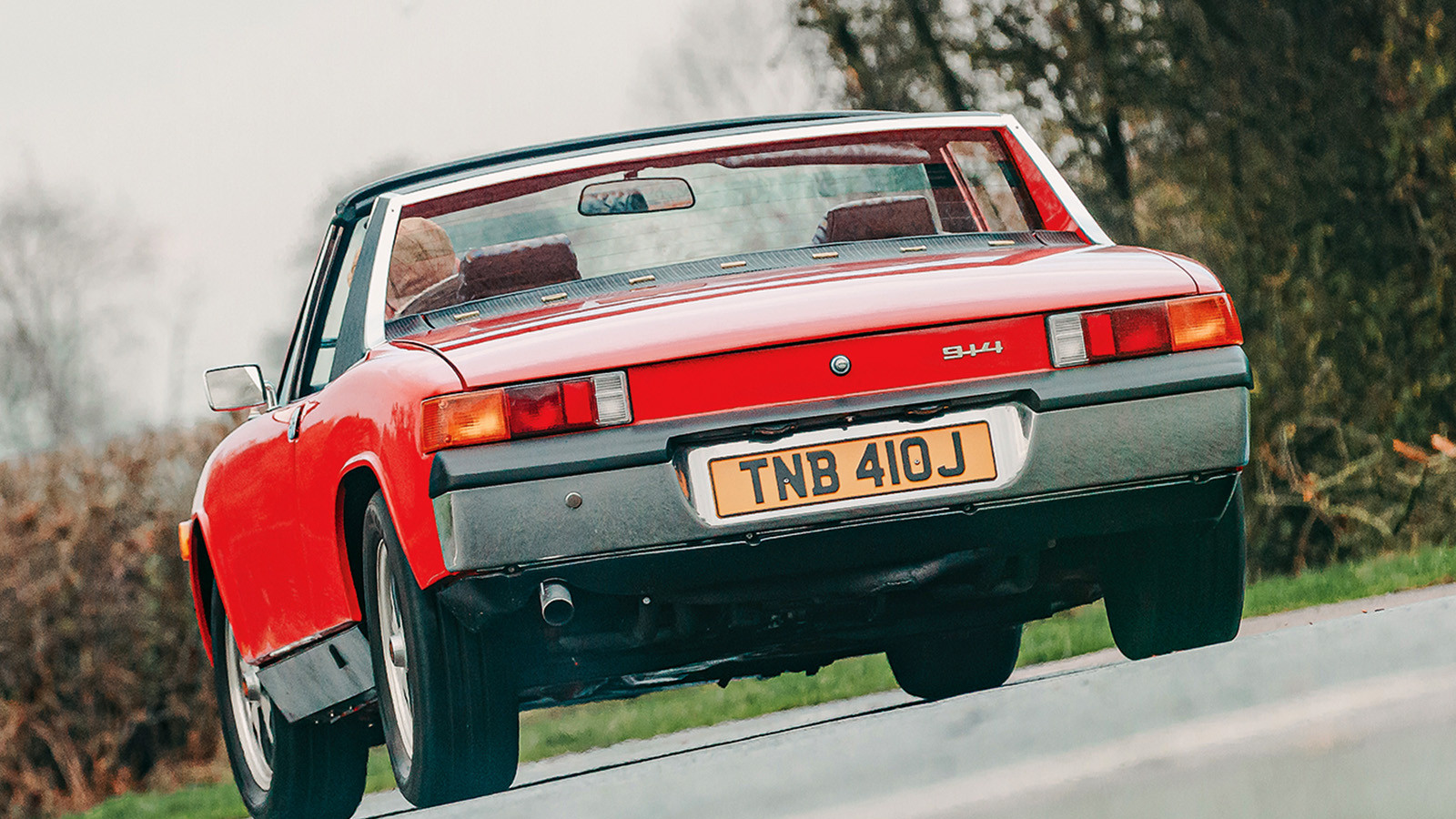
21. 1970 Porsche 914/6 (123mph)
A joint-venture model between Volkswagen and Porsche, the targa-topped, mid-engined 914 was sold in both four- and six-cylinder guise, with the latter always badged as a Porsche (the ‘fours’ were Volkswagen-Porsches in Continental Europe).
The higher-powered 914/6 was available from launch, with a 1991cc, single-overhead-camshaft, air-cooled, flat-six engine delivering 108bhp to its rear wheels, allowing a top speed of 123mph.
Alas, slow sales totalling just 3351 units led to the model ceasing production in 1972, although the four-cylinder car continued until 1976.
Porsche 914 pictured
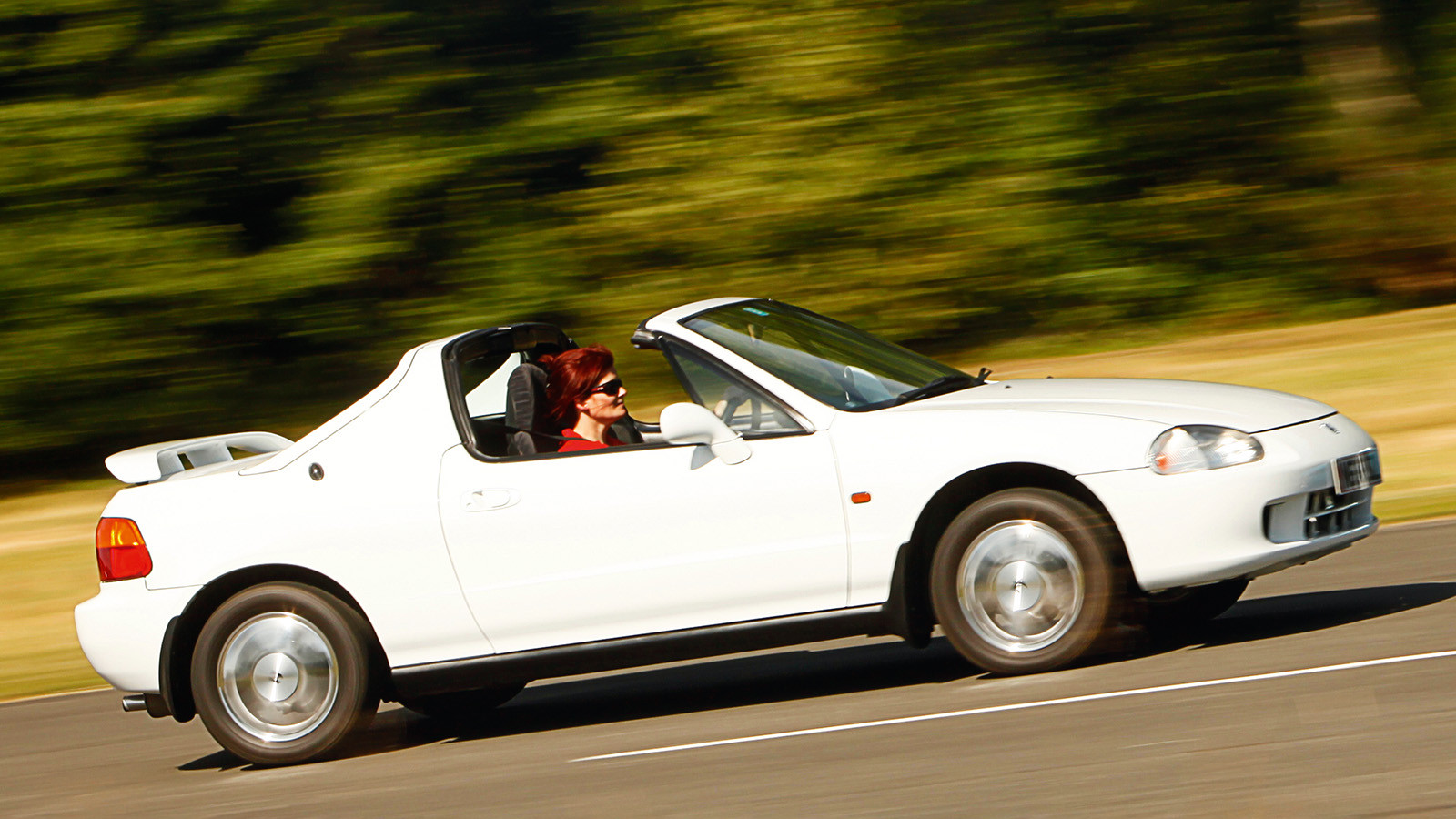
20. 1992 Honda CR-X del Sol 1.6 (130mph)
Adding some much-needed sparkle to Honda’s humble CR-X range was the del Sol, available for the 1992 model year.
As standard, the del Sol came with a lightweight (11kg/24lb) roof panel that could be removed manually and stowed in the car’s boot, occupying a mere 62 litres of space.
But there was also the option of the TransTop, which, at the continuous push of a button, would automatically lift the roof back and into the boot-space, a process that took a leisurely 38 secs.
The del Sol’s rev-happy, 1.6-litre engine delivered a top speed of 130mph.
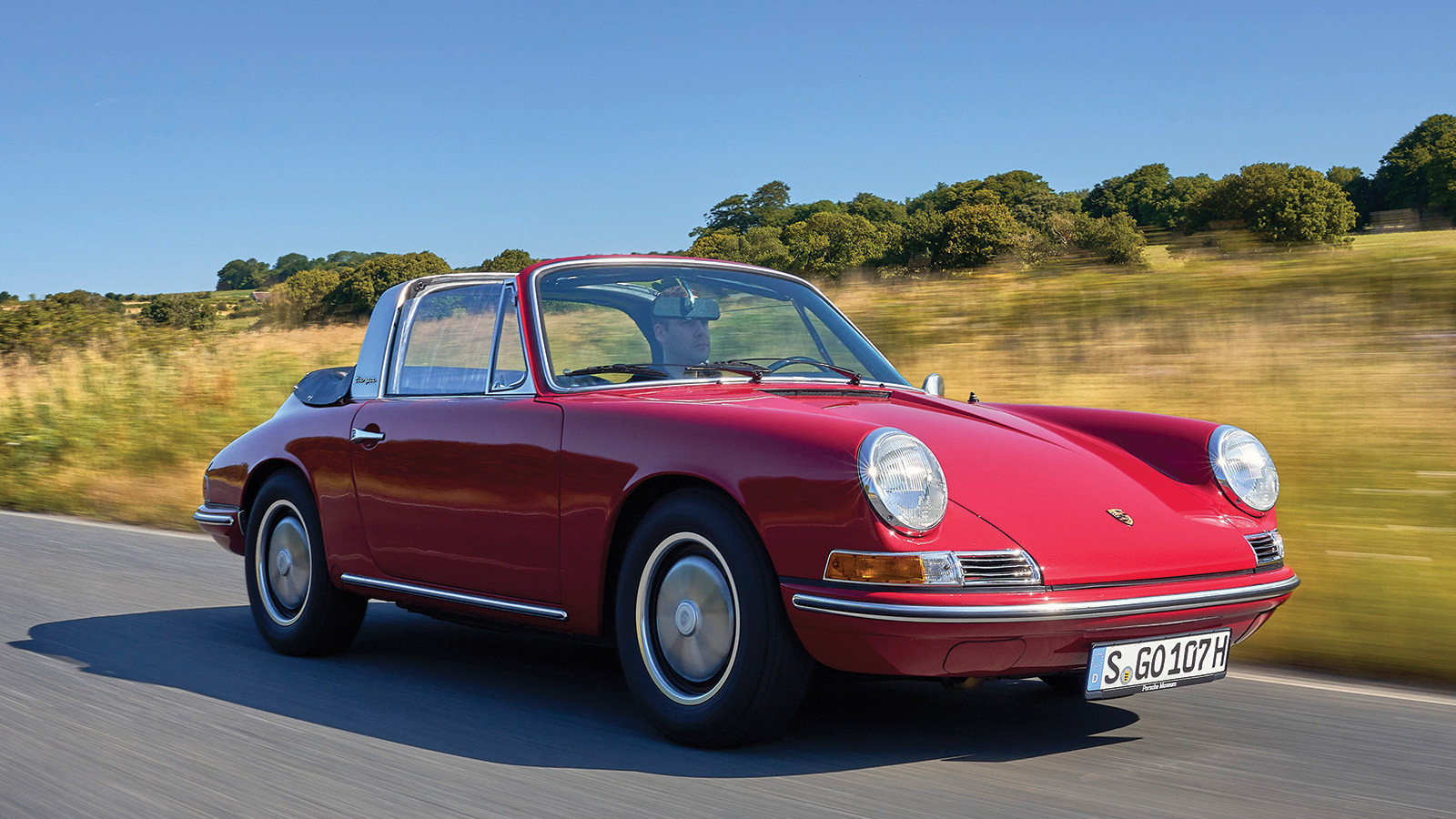
19. 1967 Porsche 911 2.0 targa (130mph)
Undoubtedly, the world’s best-known, targa-topped car, with the name ‘targa’ patented by Porsche and still used today in its current 911 range.
Porsche had wanted an open 911 soon after the fixed-head model was launched in 1963, but concerns about rigidity and the threat (which never materialised) of a US ban on convertibles without roll bars, forced it down the targa route.
The first Porsche targa arrived in 1967, employing folding fabric roof panel and rear-window sections. (From 1969, the rear window was fixed.)
Powered by an all-aluminium, single-overhead-camshaft-per-bank, air-cooled flat-six, displacing 1991cc, the Porsche 911 targa could reach 60mph in 9.1 secs and on to a top speed of 130mph.
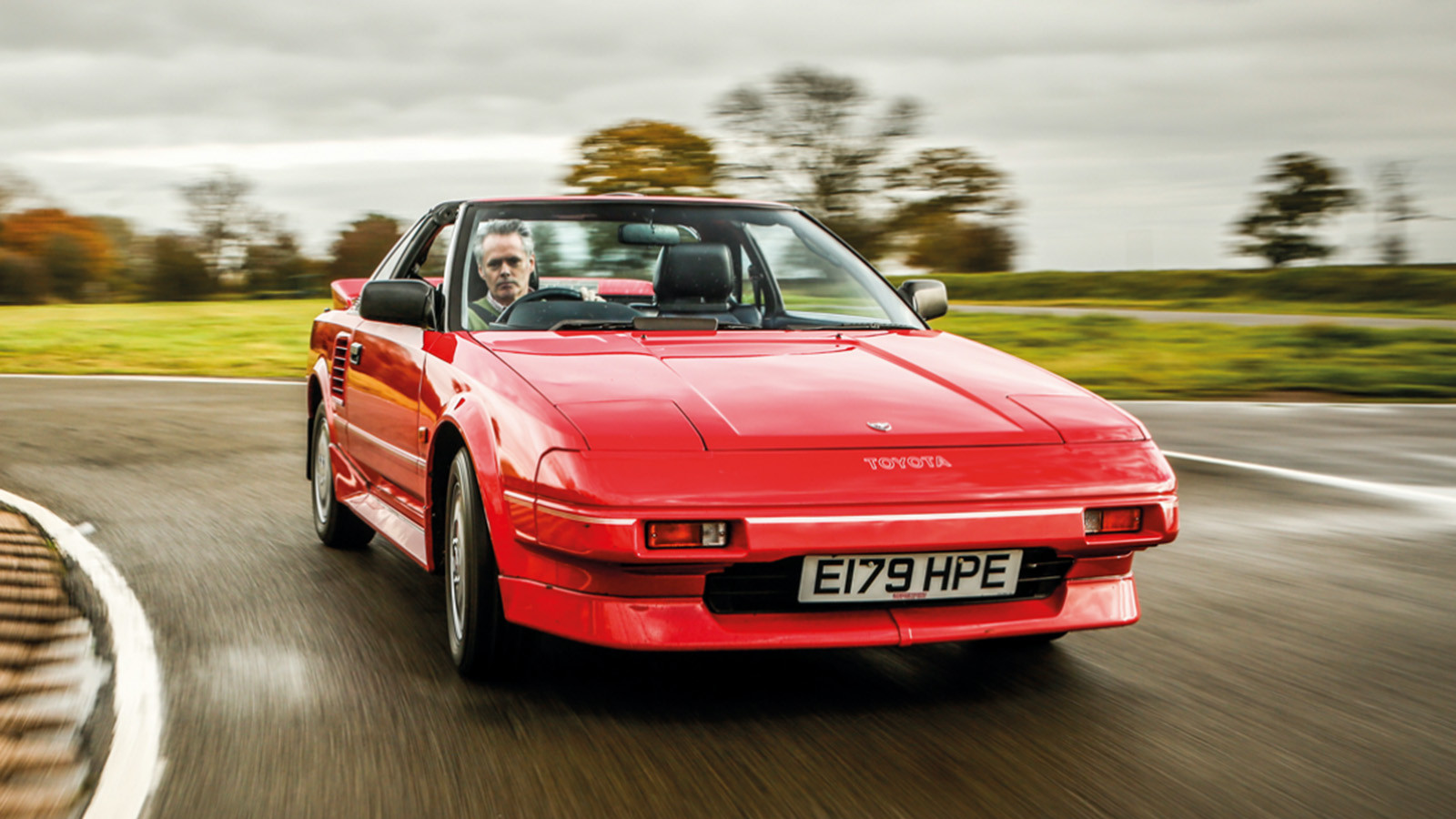
18. 1986 Toyota MR2 T-bar (131mph)
Toyota’s first-series MR2 (for mid-ship runabout two-seater) was launched in 1984 and was a resounding sales success from the start.
Initially powered by a 1.5-litre ‘four’, its output was soon increased with a larger, fuel-injected, 1587cc unit plucked from the Corolla, still mated to a sweet-shifting, five-speed gearbox.
Roger Becker of Lotus tuned the MR2’s mid-engined chassis, making it one of the most engaging small drivers’ cars available at the time.
From 1986, there was the option of a T-top roof, with two removable panels that could be stored in the car’s front boot.
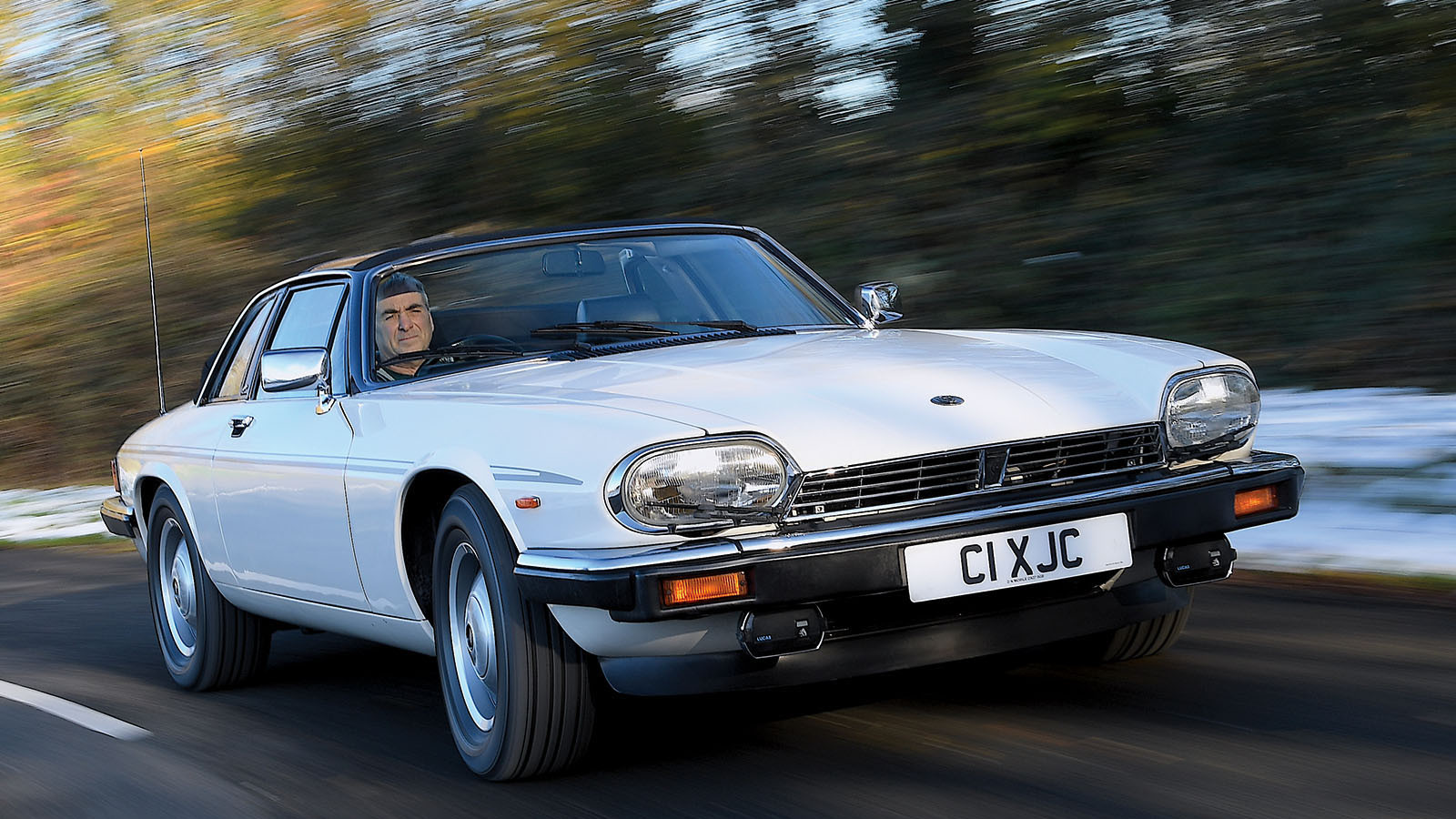
17. 1983 Jaguar XJ-SC 5.3 (140mph)
Jaguar’s XJ-SC – ‘C’ for convertible – retained the regular coupé’s profile, with fixed cant rails and rear quarter windows, but removed the buttresses and +2 rear seats to liberate space for a fabric roof to fold down from behind a central T-top.
Two removable roof panels above the front seats could be stored in the boot to create a near-open cabin.
It was as close to a targa model as Jaguar ever managed with the XJ-S, and when equipped with the then newly revised HE (for high efficiency) 5.3-litre V12, a genuine 140mph performer.
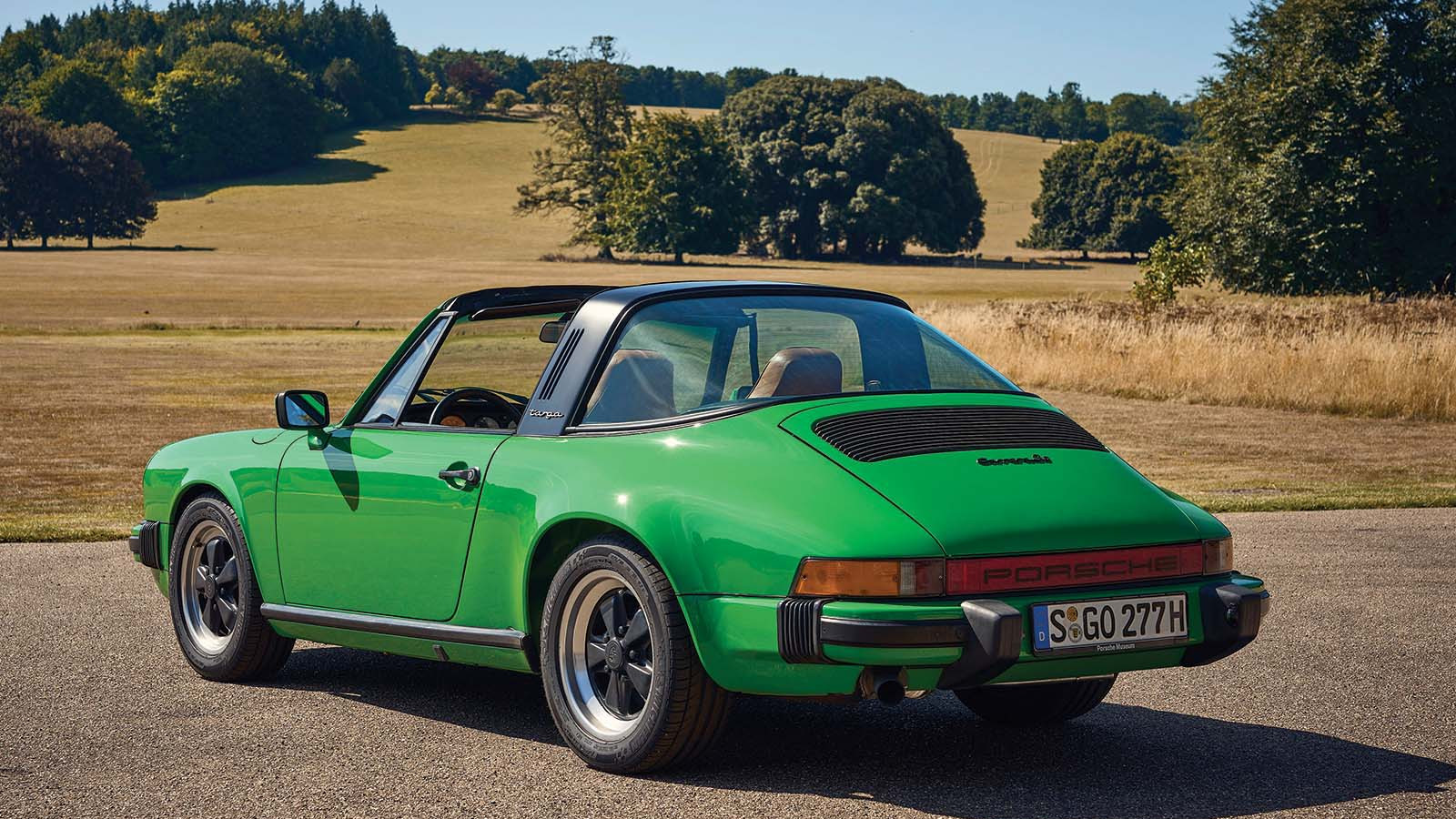
16. 1975 Porsche 3.0 Carrera targa (143mph)
A year after Porsche introduced its G-series 911 targa, sales of its semi-convertible model had risen from 15% to 43%.
And that was no surprise, since the new-for-1975 3.0 Carrera targa now had a solid fixed rear ’screen, its increased glazed area making for a lighter cabin and improved structural rigidity.
This was complemented by a 2994cc, flat-six engine with K-Jetronic fuel injection, giving the targa a 143mph top speed and 0-60mph acceleration of 6.5 secs.
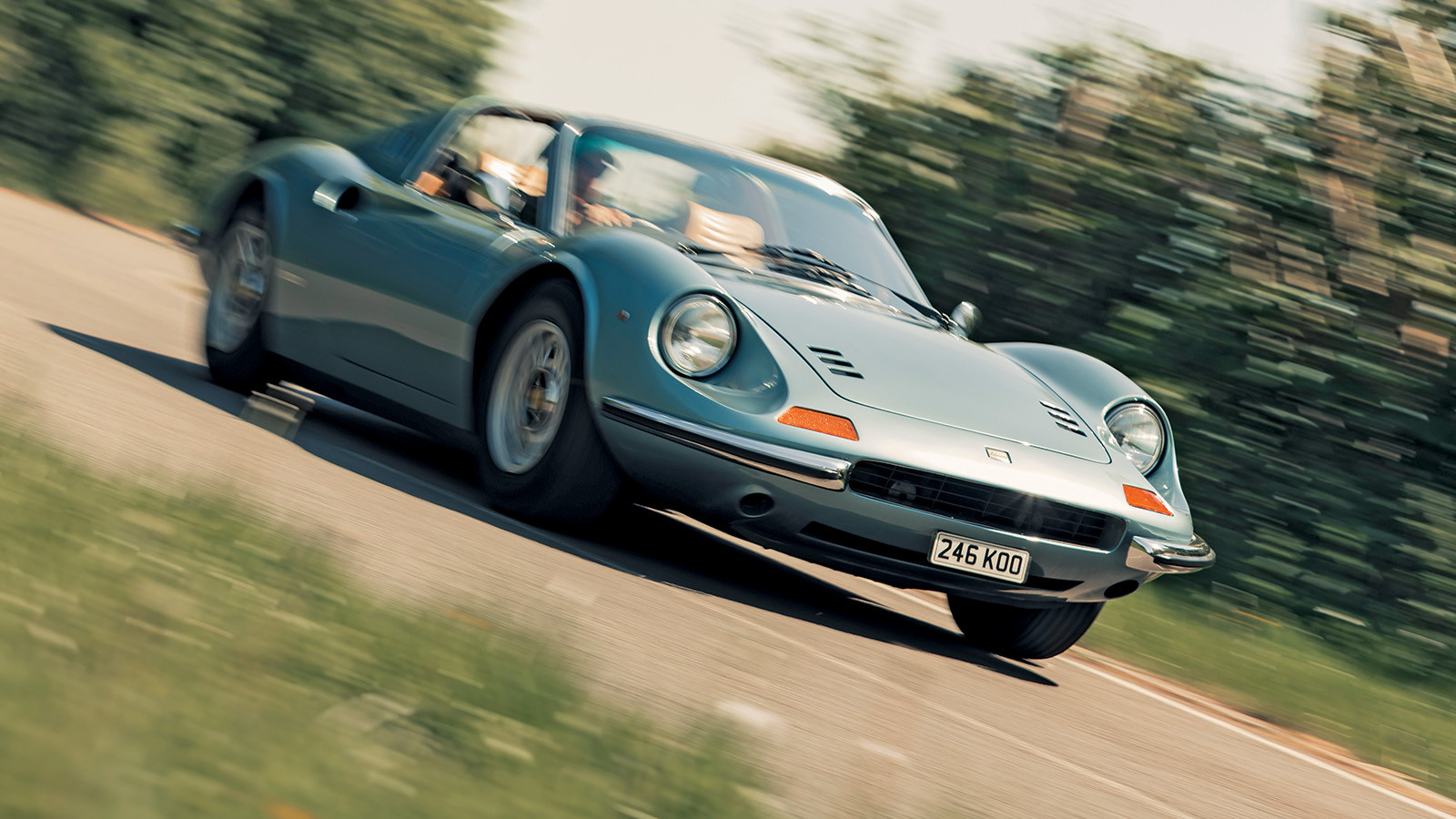
15. 1972 Ferrari Dino 246GTS (149mph)
Ferrari’s original template for the mid-engined Dino arrived in 1967 in the shape of the aluminium-bodied, 2-litre 206GT, which sold in relatively tiny numbers.
It wasn’t until the 2418cc, V6-powered 246GT arrived two years later that Ferrari buyers started to be weaned off Maranello’s traditional front-engined V12 formula.
Now with a mostly steel body, and power up to 192bhp, the 246 was a 149mph car, with acceleration to 60mph taking just 7.1 secs.
The targa-topped 246GTS arrived in 1972, with its removable roof panel stowable behind the seats.
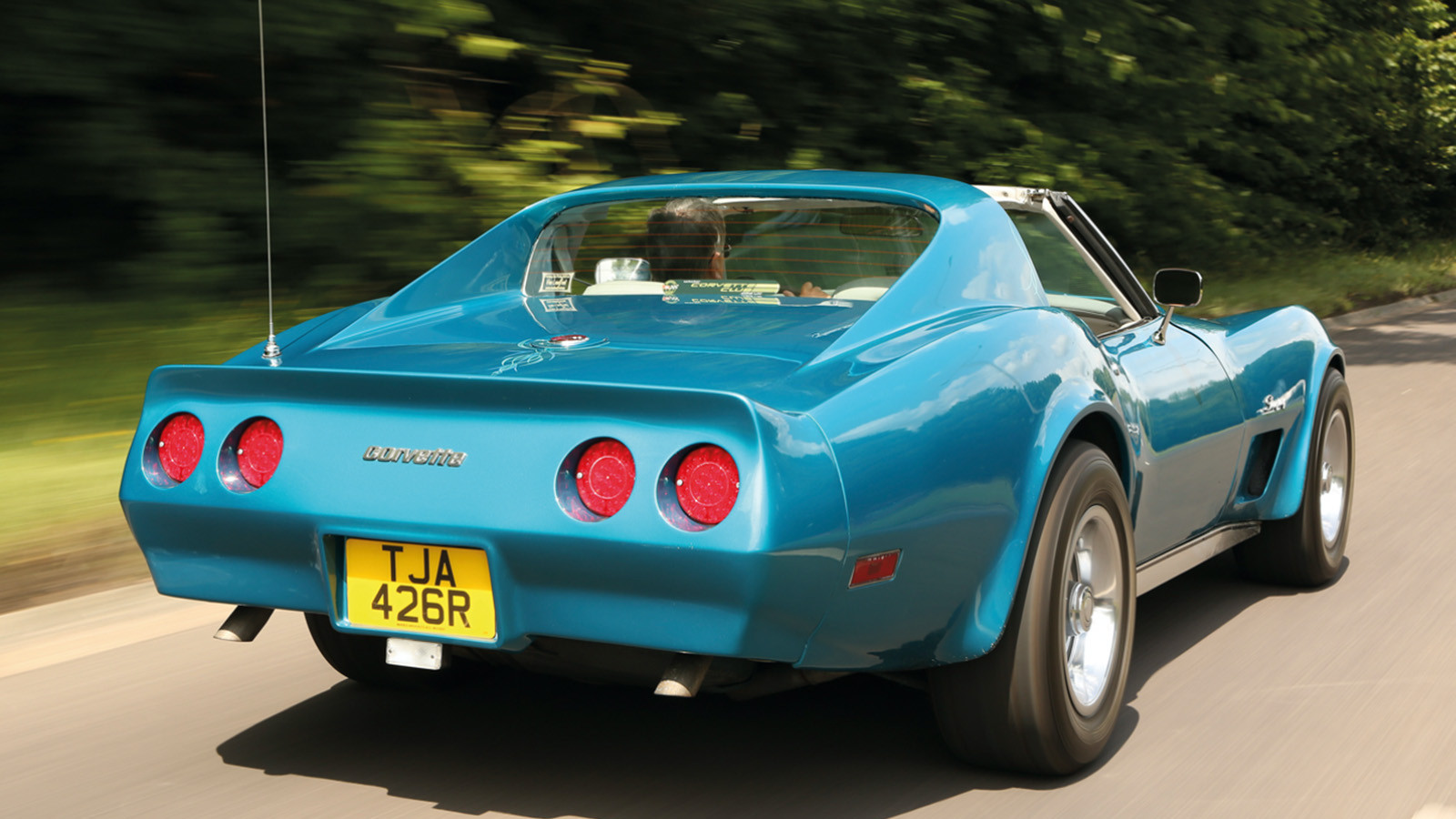
14. 1968 Chevrolet Corvette C3 (150mph)
It’s strange to think that the Chevrolet Corvette C3’s power output peaked just three years into its 14-year production run, thanks to the neutering effect of the US’s environmental regulations during the 1970s.
By 1971, if you plumped for the 7.4-litre LS6 motor, you had 425bhp under your right foot with the promise of 150mph – two figures that would never be beaten during the C3’s life.
The third-series Corvette – better known as the ‘Stingray’ up to 1976 – carried over engines and many components from its C2 predecessor, but it was the Mako Shark II concept-inspired Coke-bottle styling that proved so popular, with the C3’s production traversing three decades.
While there was never a targa, as such, a T-top with two removable roof panels supplemented convertible and coupé versions in the range.
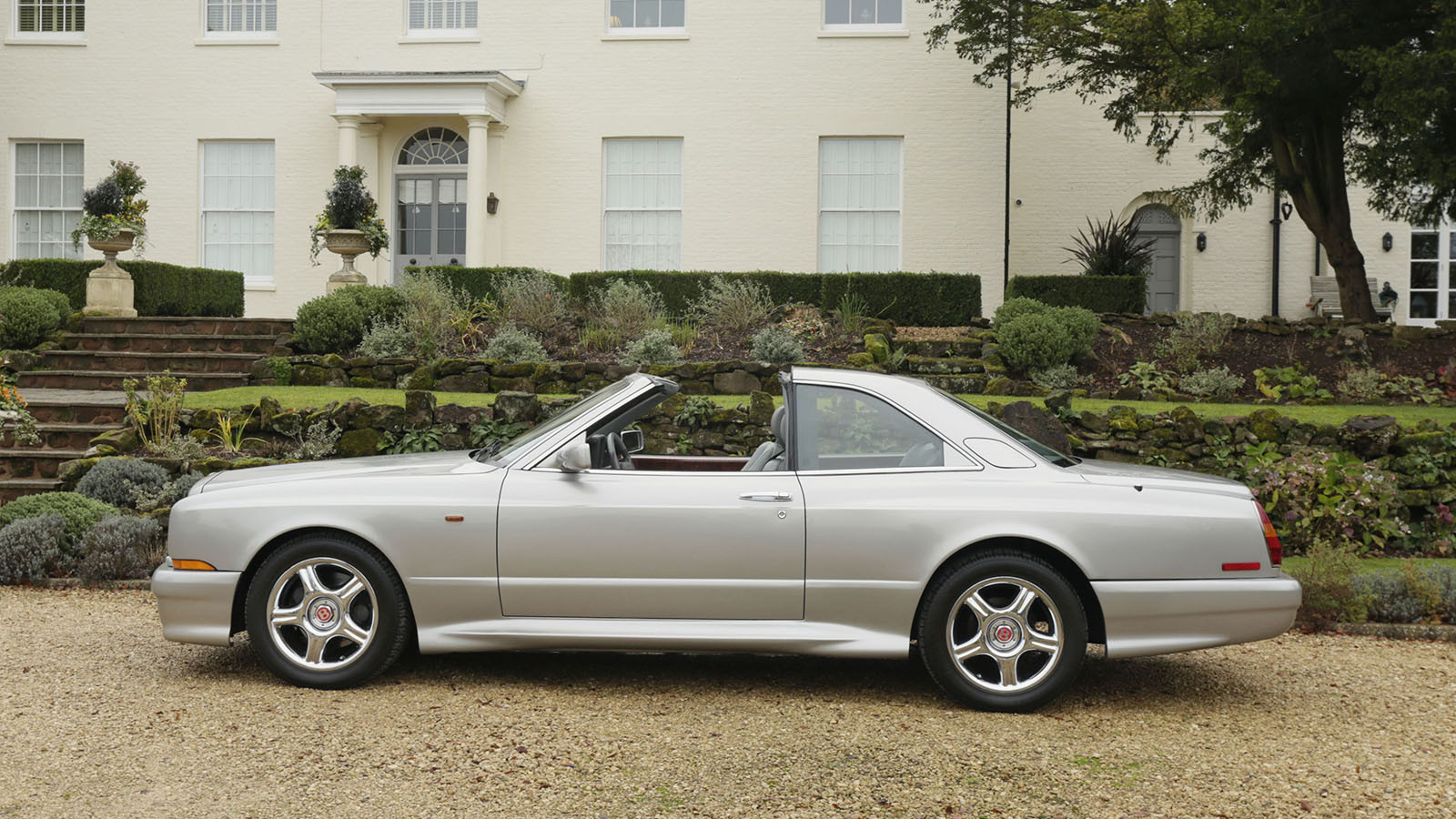
13. 1999 Bentley Continental SC (155mph)
The aesthetic impact of removing a Bentley Continental T’s roof panel certainly polarised opinions, but 73 buyers around the world bought into the concept of an open-topped version of (at the time) the world’s most expensive car, known as the Continental SC (Sedanca Coupé).
Using the Continental T as a base brought with it Crewe’s venerable ‘six-and-three-quarter’ V8, in this guise producing 420bhp and a mind-blowing 650lb ft of torque.
Mind you, it needed outputs of that magnitude to propel the 5340lb/2422kg behemoth to a limited top speed of 155mph.
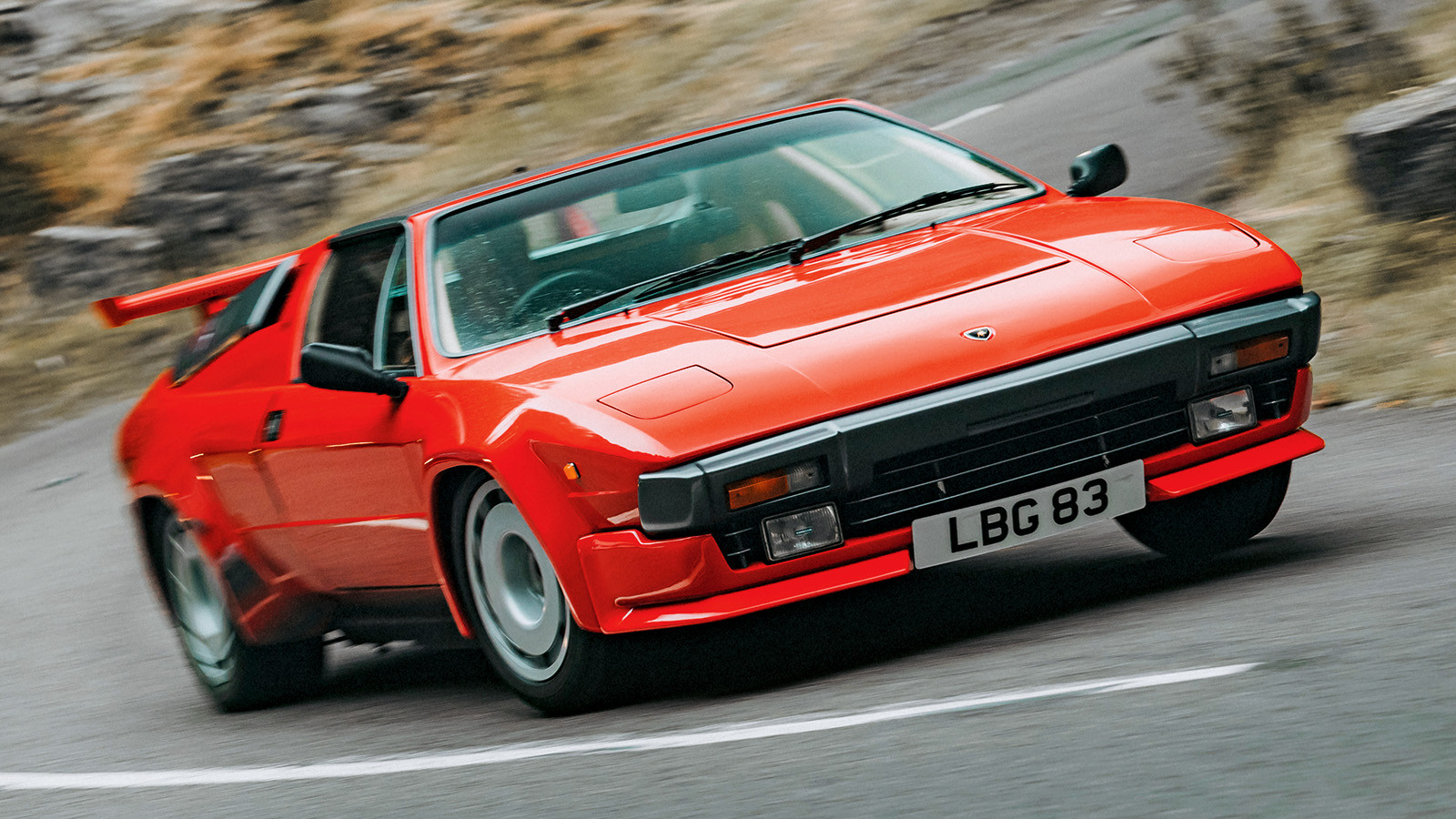
12. 1981 Lamborghini Jalpa Targa (155mph)
Effectively an evolution of Lamborghini’s earlier Silhouette – which in turn was based on the Urraco – the Jalpa was Sant’Agata’s response to Ferrari’s popular 308GTSi.
Powered by a mid-mounted, 3.5-litre V8, producing 252bhp, the Jalpa could clip 155mph and, depending on who tested it, accelerate to 60mph in between 5.8 and 6.8 secs.
Perhaps the biggest advantage of the Jalpa’s removable, targa-style roof was the enhanced roar from its V8 on full chat, something that a mere 410 buyers got to experience from new.
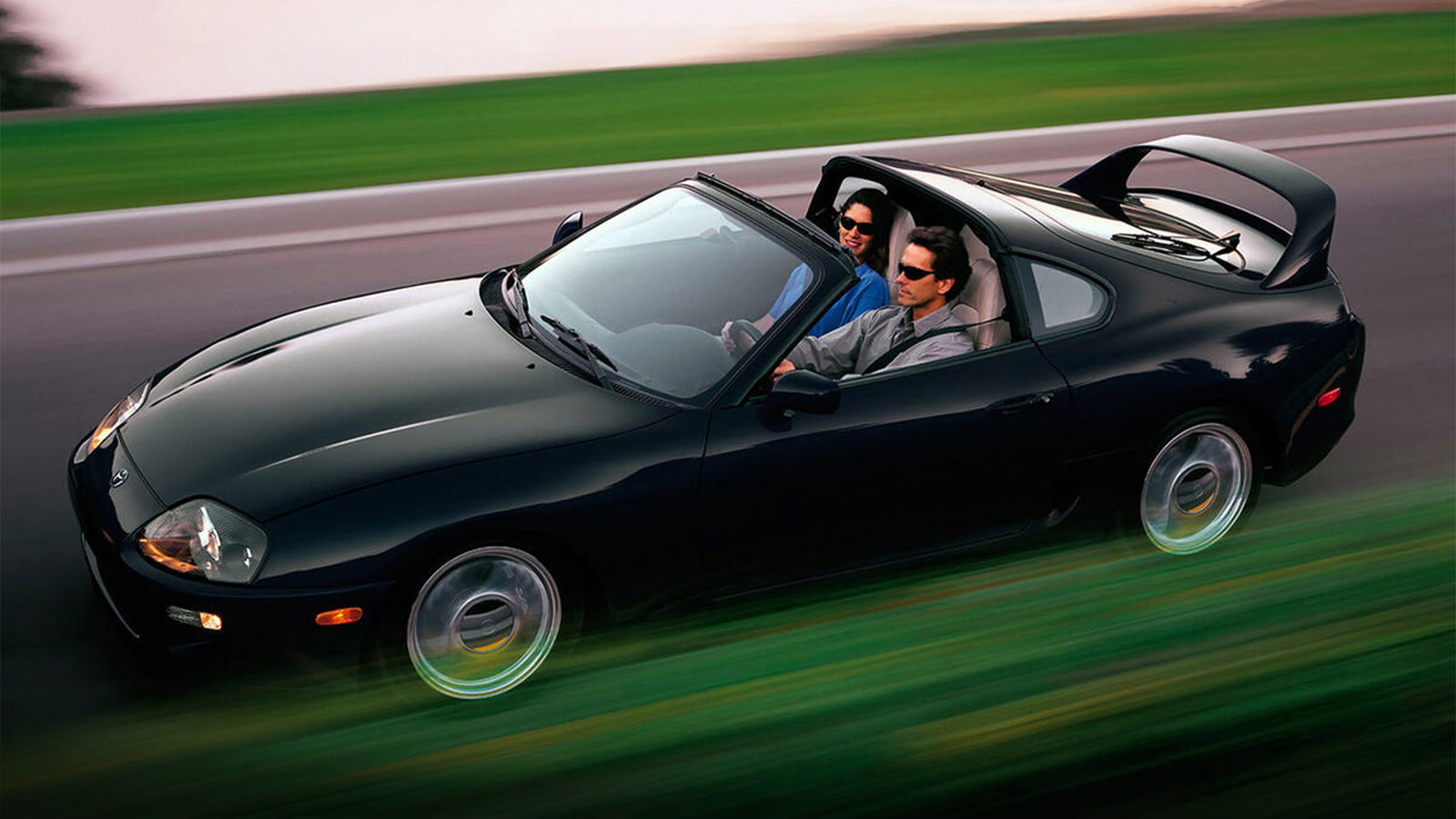
11. 1993 Toyota Supra Aero Top (155mph)
The Toyota Supra had been offered with targa-style roof arrangements in previous eras, but the fourth-generation A80 upped the ante when it came to outright performance.
Fitted with Toyota’s twin-turbocharged, straight-six motor, the Supra could now achieve a sub-5-sec 0-60mph time en route to a (limited) 155mph top speed.
The Aero Top comprised two removable glass roof panels that could be stored in the rear of the car.
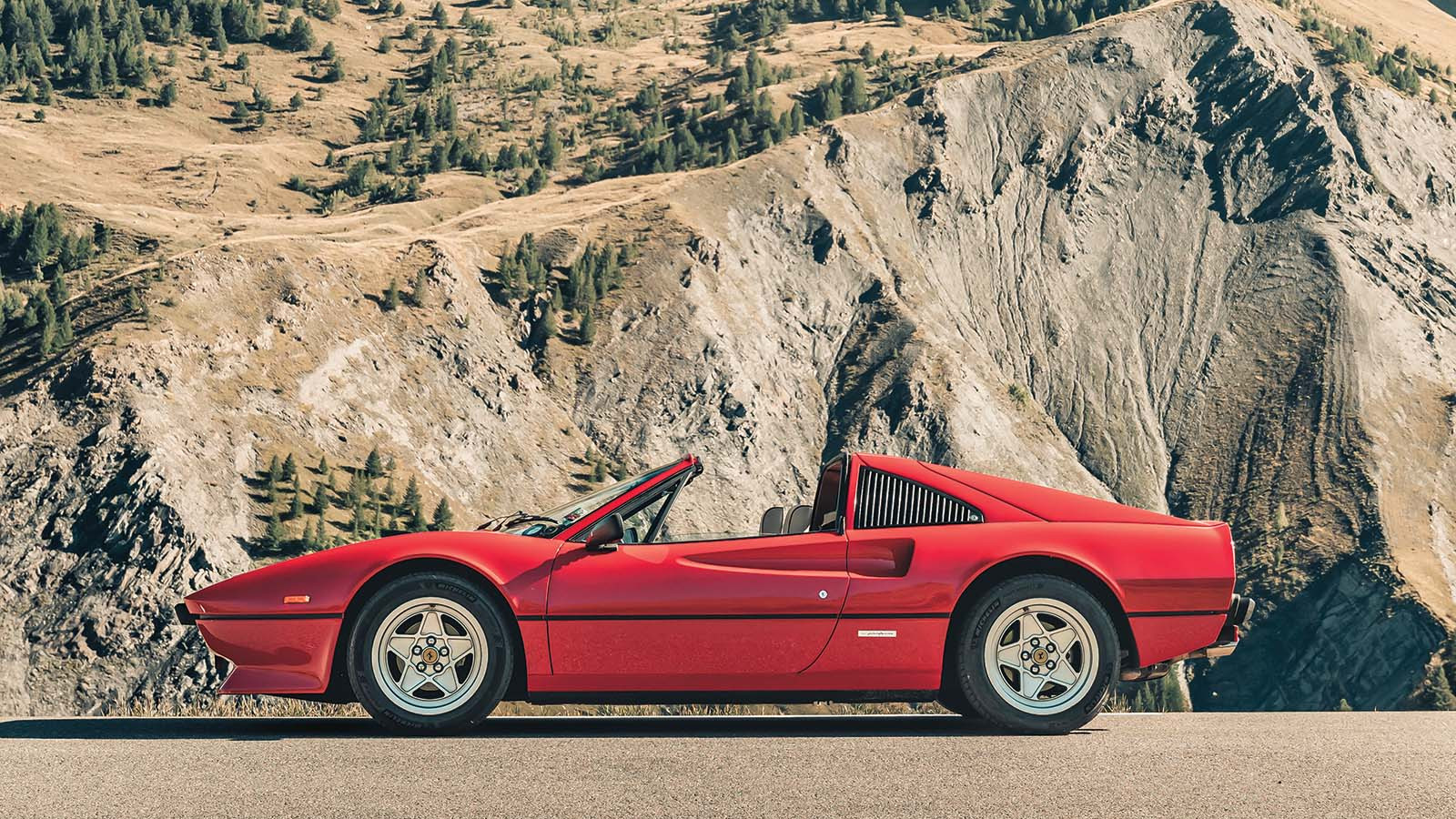
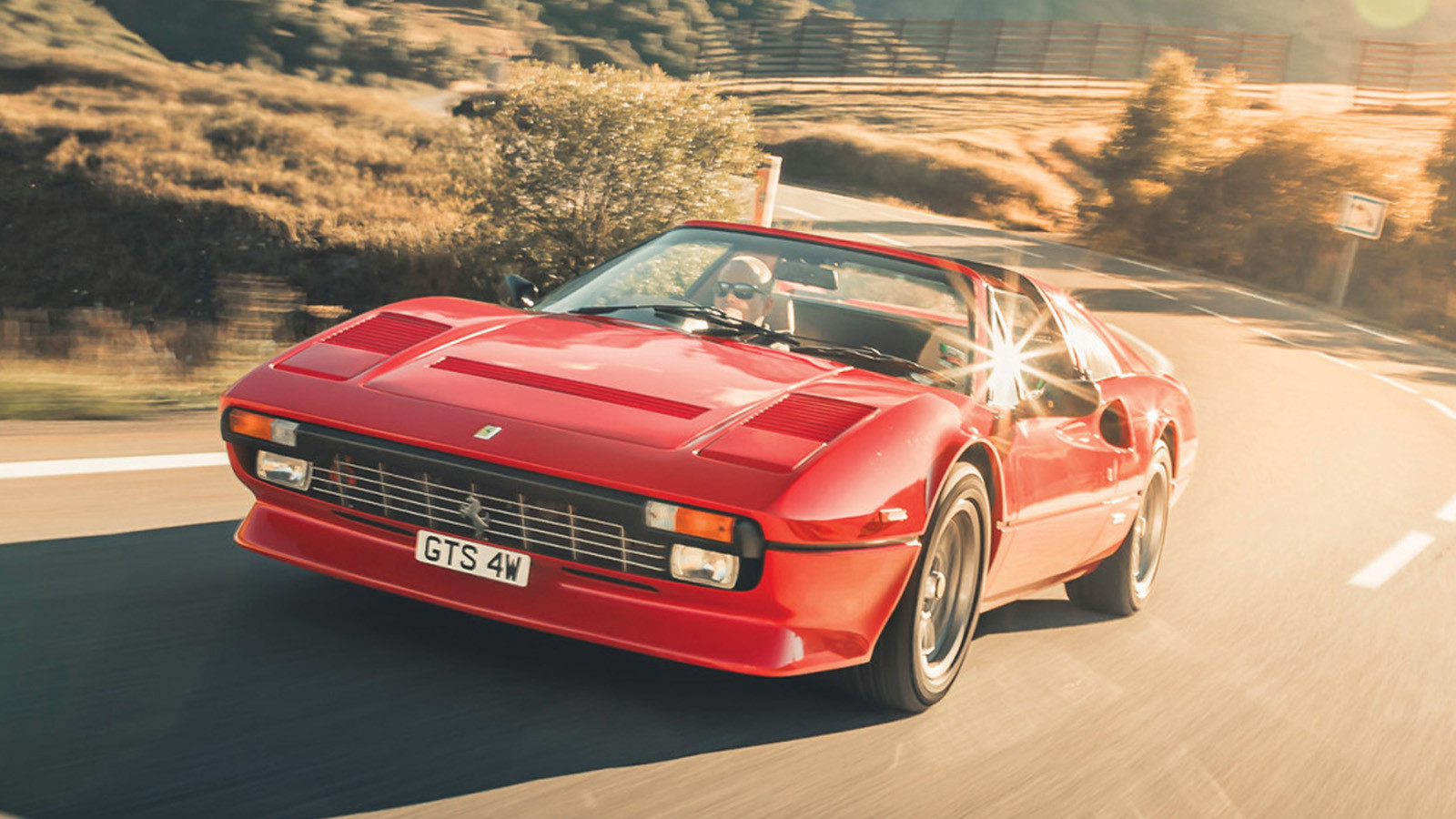
10. 1982 Ferrari 308GTS QV (158mph)
Arriving two years after its closed-top GTB sibling, the 308GTS was the spectacularly successful successor to the Dino 246GTS.
Now officially badged Ferrari, the design of the 308GTB/GTS design was a Leonardo Fioravanti (at Pininfarina) masterpiece, with only the advent of power-sapping fuel injection slightly tainting its appeal.
But that was rectified in 1982 with the quattrovalvole (QV) model with four-valve cylinder heads, restoring output to 237bhp (231bhp in the US), and gifting the mid-V8-engined Ferrari a 158mph top speed.
Talk to Fioravanti today, and he’ll tell you that the clever shaping of the removable roof panel of the GTS so it fits neatly behind the seats is one of his favourite design cues.
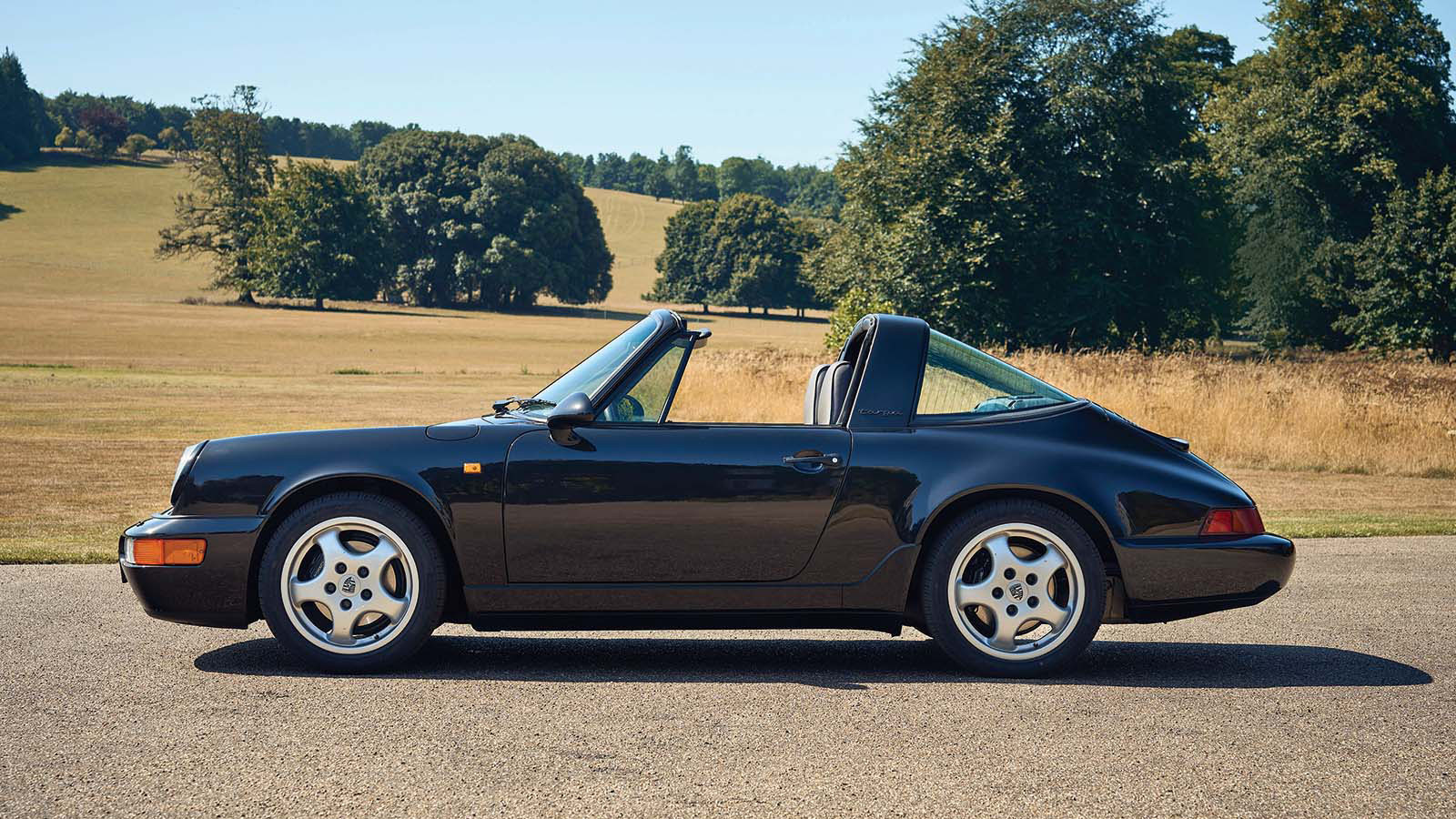
9. 1989 Porsche 911 (964) Carrera 2 targa (161mph)
Porsche’s 964-series 911 marked a significant step-change in terms of engine, drivetrain and aerodynamics.
While its targa-top design – manually removable for the last time on a 911 – was unchanged, superior aerodynamics meant less wind noise with the roof in place.
Capacity of the 911’s air-cooled flat-six was upped to 3600cc, and a new and much-needed G50 five-speed gearbox was fitted, giving the 911 a 0-60mph time of 5.7 secs and top speed of 161mph.
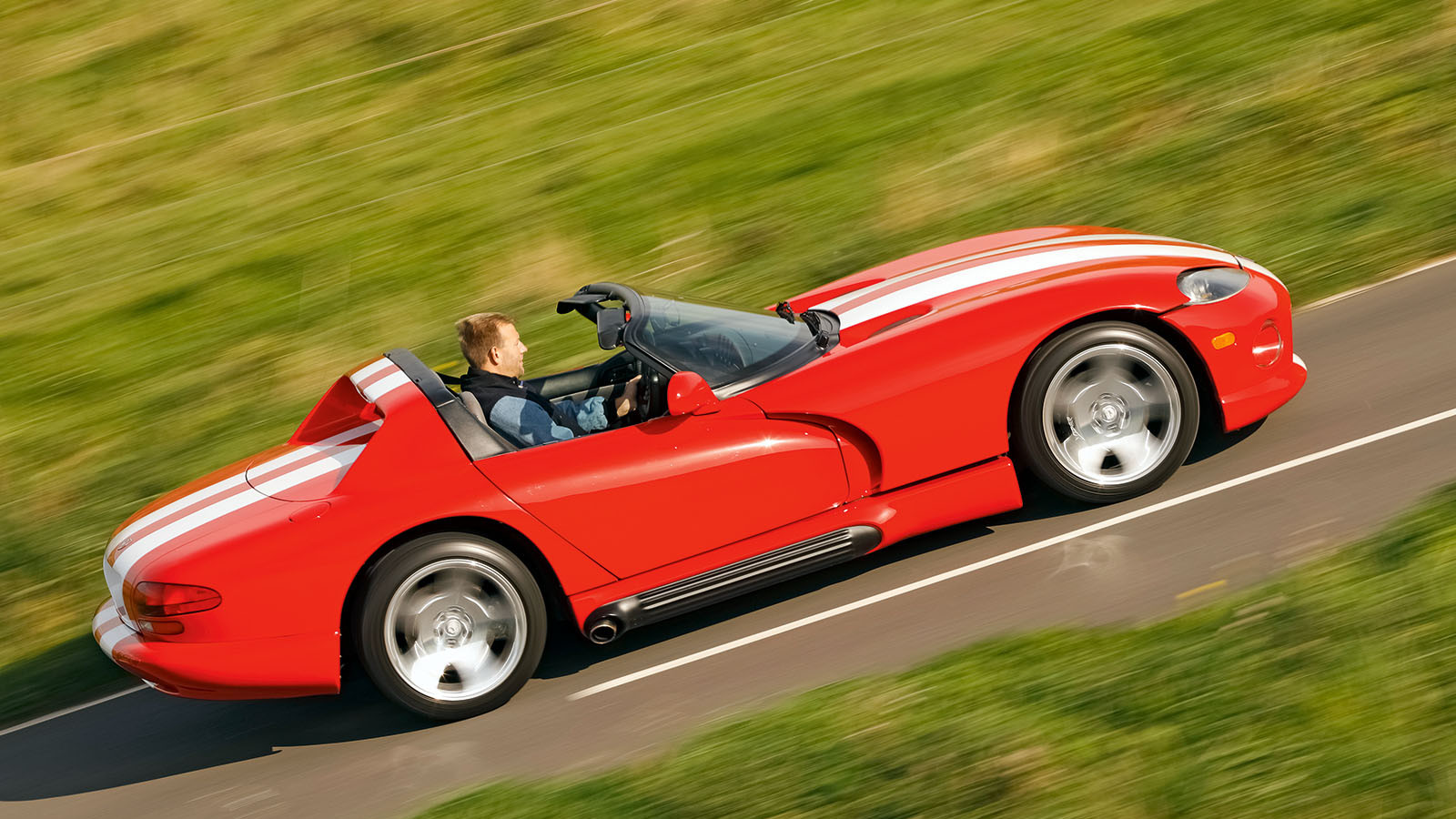
8. 1991 Dodge Viper RT-10 (165mph)
It was Chrysler president Bob Lutz’s passion project to create an AC Cobra for the ’90s, and his development team didn’t disappoint.
Raw and unforgiving the Viper may have been, but beneath its pared-back cabin and approximate panel fit was a highly competent chassis rolling on massive, 13in-wide rear wheels.
Lamborghini adapted Chrysler’s 7997cc pushrod V10 engine, which had previously been seen powering some of its truck range, the resulting output giving a blistering 4.6-sec 0-60mph time and a 165mph top end.
And the Viper’s targa? Most owners kept the rather Heath Robinson cloth affair tucked away out of sight, and kept their pedal to the metal when it rained to stay dry.
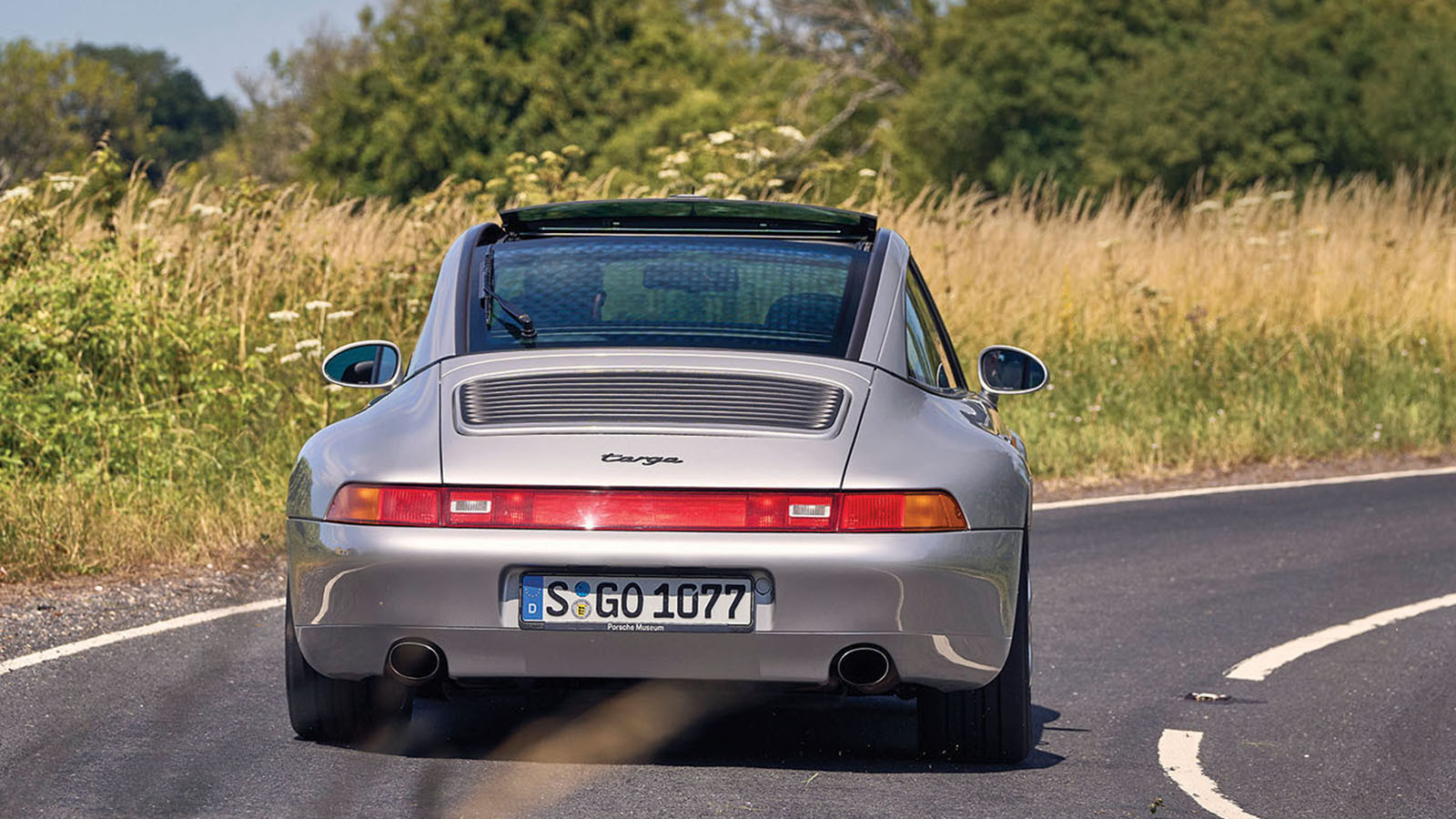
7. 1996 Porsche 911 (993) targa (167mph)
The last 911 targa of the 20th century was also the last to use Porsche’s venerable, air-cooled flat-six, with the next (996) targa employing a water-cooled engine for the first time.
Other than an increase in power from the new 993 model’s motor, bringing a fractionally higher 167mph top speed, a bigger change came in the form of electric operation of its targa panel.
The roof’s mid-section was now made from glass, and at the touch of a button, slid down and back into the car, dropping below the rear window and out of sight.
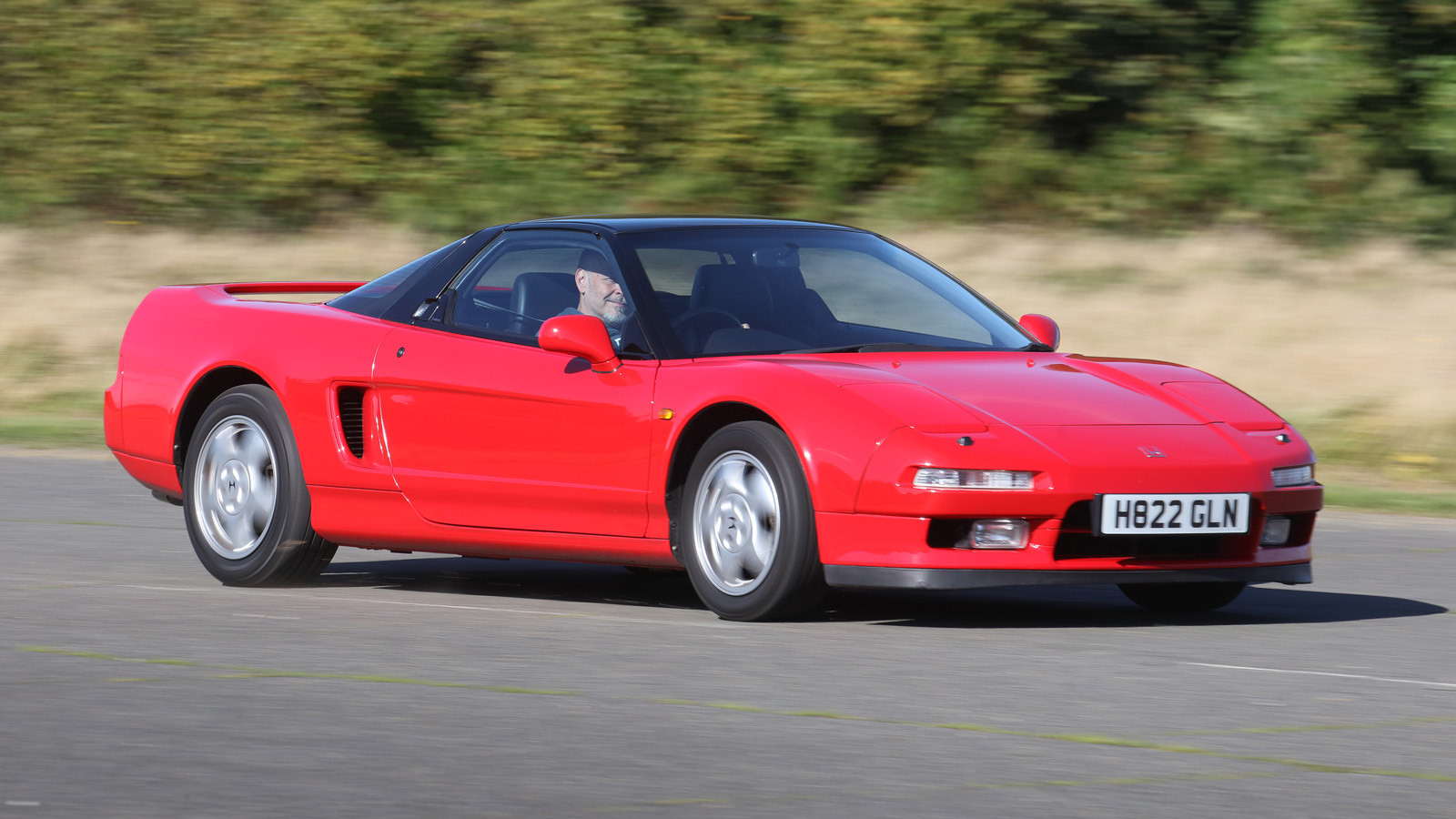
6. 1995 Honda NSX (170mph)
Unveiled at the Chicago Auto Show in 1989, Honda’s NSX threw down the gauntlet to the likes of Ferrari and Porsche with its blend of exceptional, mid-engined chassis dynamics and everyday usability.
Famously signed off by Formula One hero Ayrton Senna during its final development, the NSX was built around an all-aluminium semi-monocoque.
Power came from Honda’s all-alloy, 3-litre, V6 engine with the company’s trademark VTEC (Variable Valve Timing and Lift Electronic Control) system, producing 271bhp – good enough for a maximum speed of 170mph.
Available from launch as a fixed-head two-seater, a targa-top was offered from 1995.
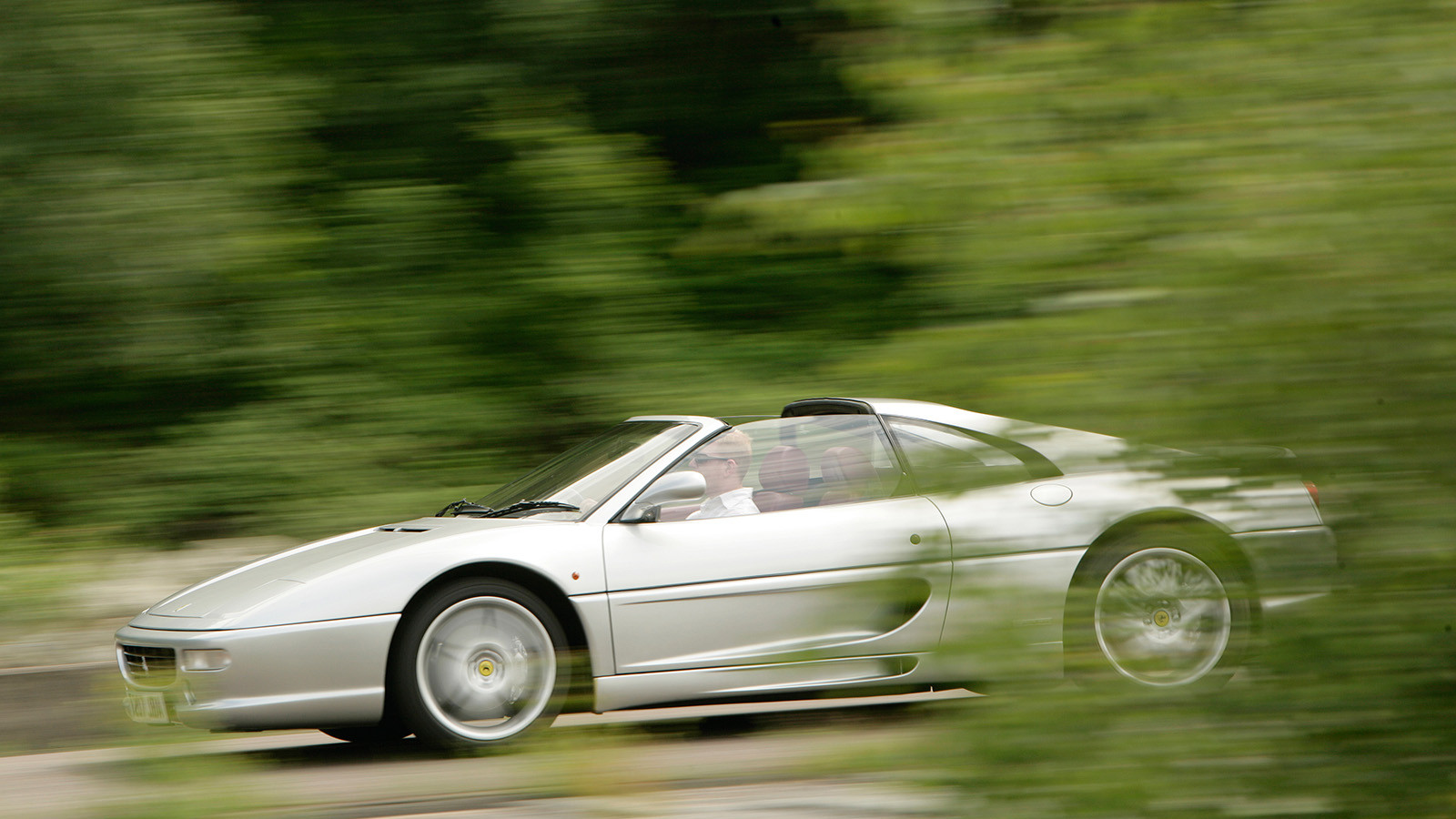
5. 1994 Ferrari F355GTS (173mph)
Replacing the oft-maligned 348GTS, the targa-topped F355GTS, along with its F355 Berlinetta sibling, did much to redress the balance in Ferrari’s favour.
With its steel and aluminium body clothing a stress-bearing, semi-monocoque, steel chassis and full-body undertray for optimised aerodynamics, this GTS was by far a more advanced product than its predecessor.
It was indecently quick, too. The 3496cc dry-sump V8 benefitted from an all-new cylinder head, with five valves per cylinder, resulting in 374bhp overall – enough for a 0-60mph time of 4.6 secs and 173mph top speed.
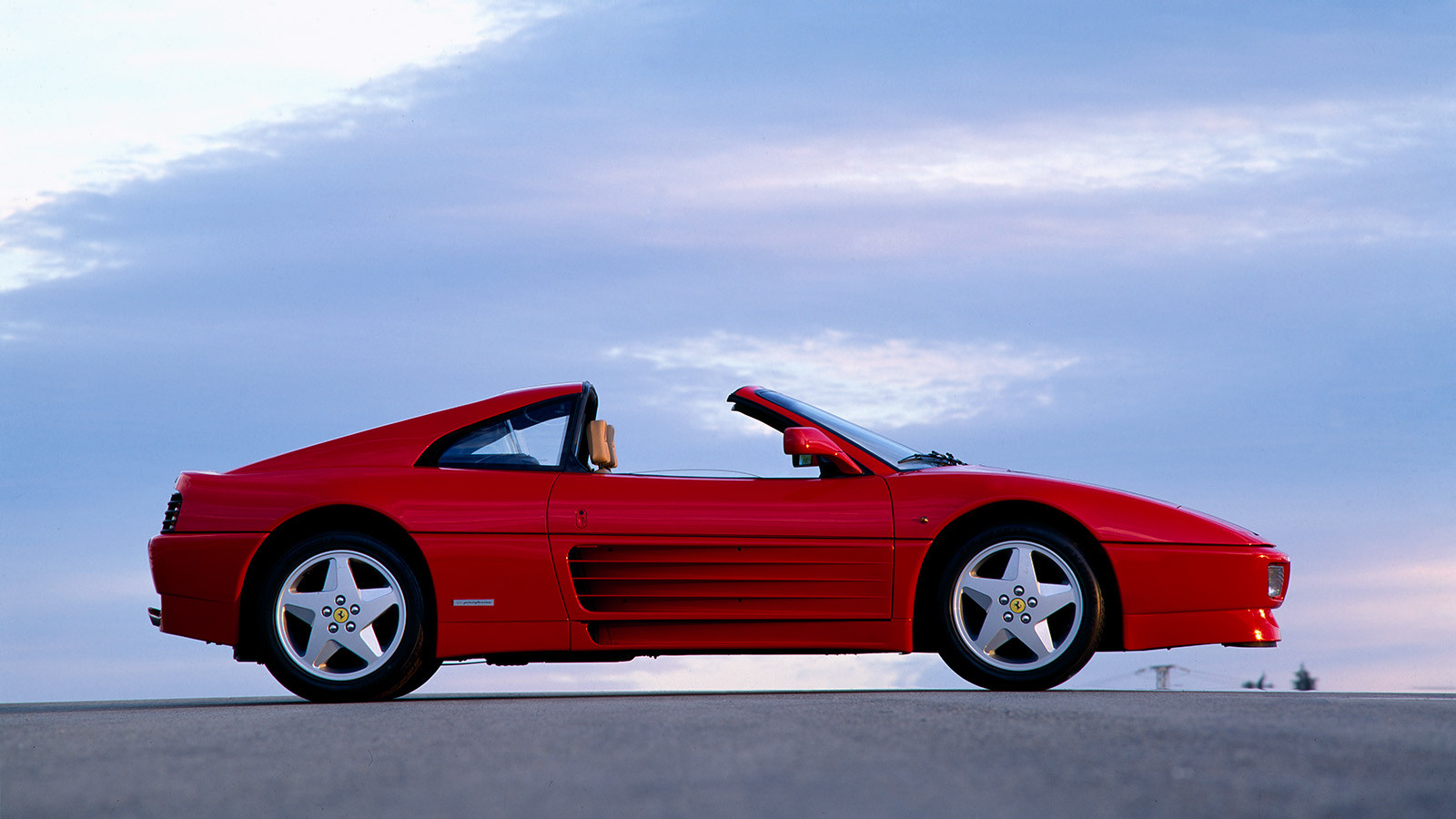
4. 1993 Ferrari 348GTS (174mph)
Replacing the then aged 328GTS, which itself was derived from the 1977 308GTS, shouldn’t have been a tall order for Ferrari.
But when the original 348ts (for Trasversale Spider) arrived in 1989, its driving dynamics polarised opinion, with many critical of its relatively soft set-up and unresolved on-limit handling.
While the 348 never fully recovered from this reputation, from 1993 a facelifted version, known as the 348GTS, was offered, with power raised to 315bhp and top speed of 174mph.
Revised suspension geometry also improved the car’s handling.
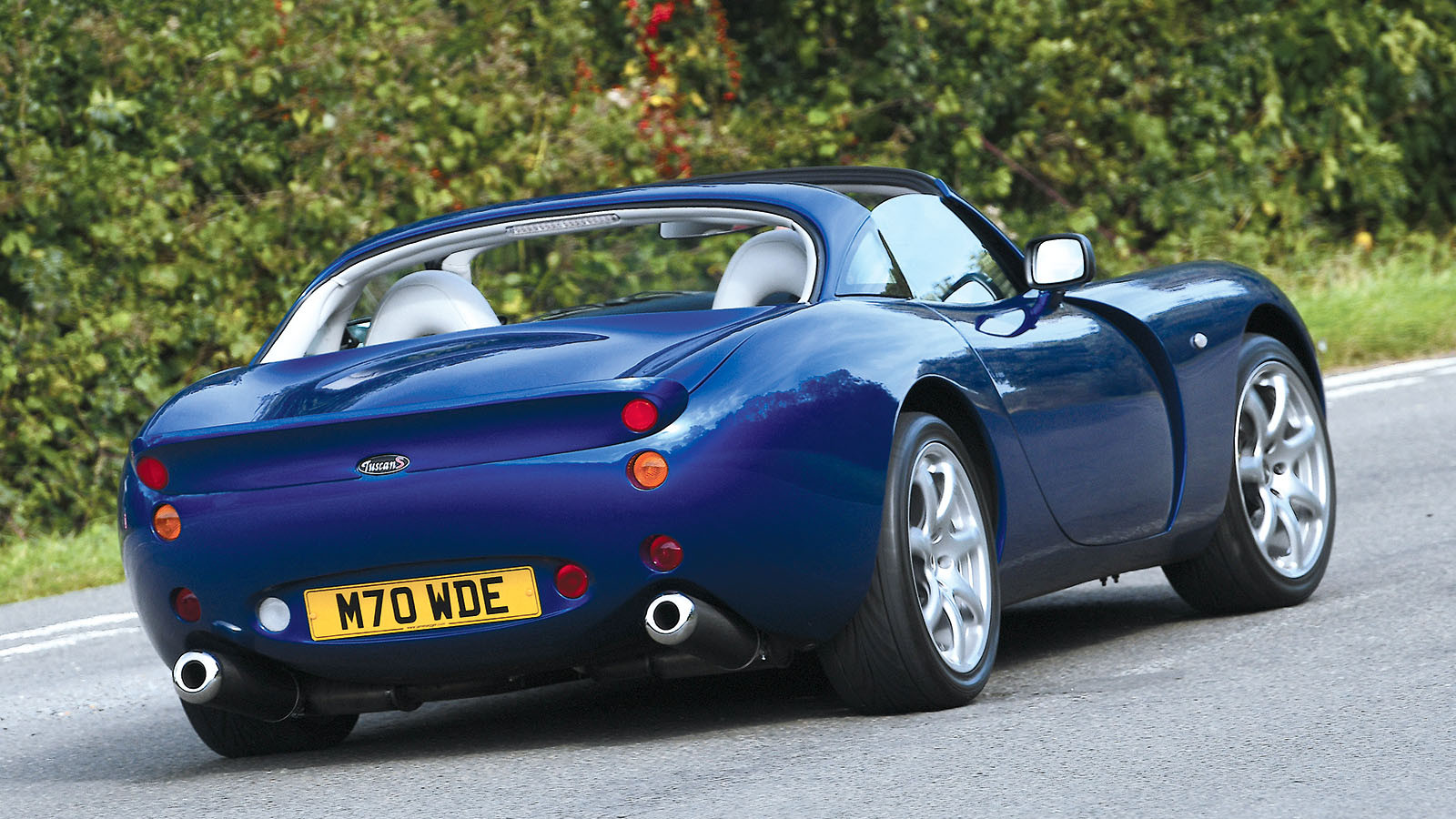
3. 1999 TVR Tuscan Speed Six (190mph)
Unlike many of its predecessors, the Tuscan Speed Six was largely manufactured from scratch at TVR’s Blackpool works, with much of its componentry made in-house.
And that included the Al Melling-designed, 4-litre straight-six, which was mid-front mounted in the car, delivering (in early guise) 350bhp to the Tuscan’s rear wheels.
Weighing just 1090kg (2403lb), the glassfibre-skinned Tuscan offered a gloriously raw driving experience, and could accelerate from 0-60mph in under 4 secs, and on to a theoretical top speed of 190mph.
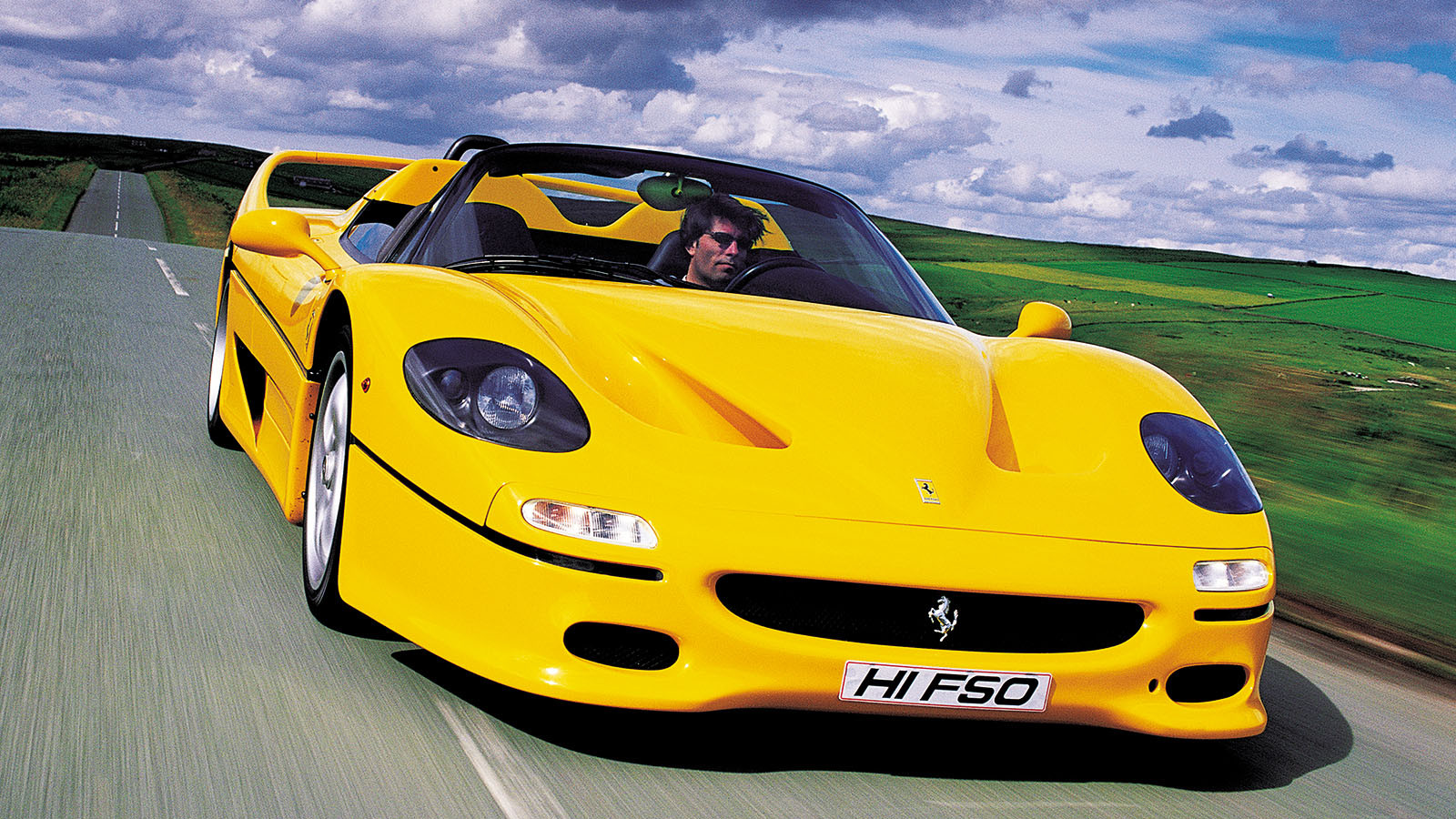
2. 1995 Ferrari F50 (202mph)
Taking on the ‘extreme’ Ferrari mantle from the legendary F40, the F50 – celebrating the company’s 50th anniversary, albeit slightly early – was as close as Maranello had ever come to producing an F1 car for the road.
No surprise, then, that only 349 were built.
Its composite monocoque was derived from Ferrari’s 1990 F1 car, with front suspension bolted directly to the carbonfibre passenger cell, which, F1-style, also supported the mid-mounted engine as a load-bearing member.
And that engine was derived straight from the F1-89 Grand Prix car.
Producing 512bhp at 8500rpm, Ferrari ditched the F40’s twin-blown V8 for an atmospheric, 4.7-litre V12.
Performance was predictably prodigious: 0-60mph in 3.7 secs, on to a top speed of 201mph.
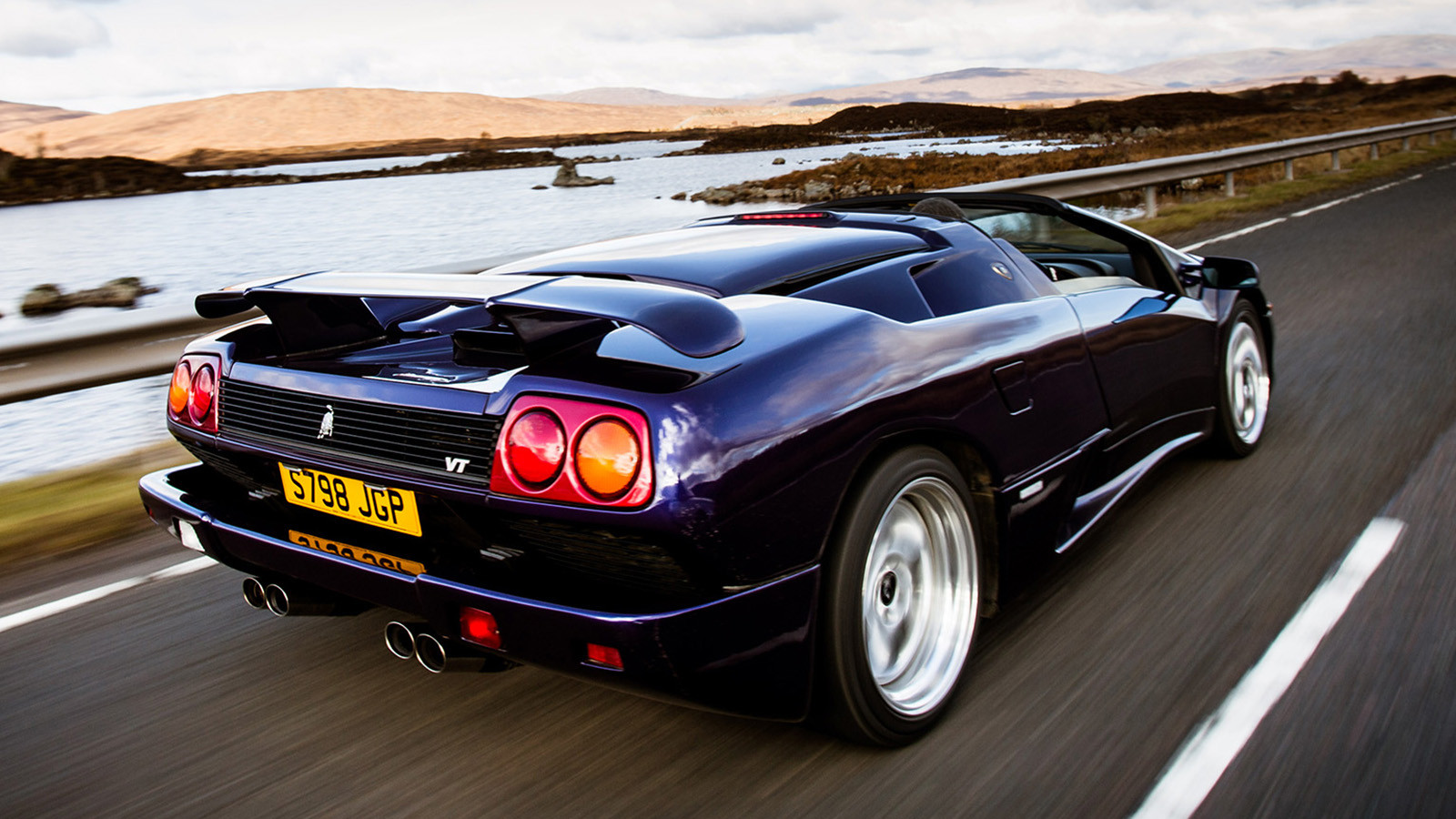
1. 1995 Lamborghini Diablo VT Roadster (208mph)
Only the second targa-topped car here to achieve more than 200mph, the Lamborghini Diablo VT Roadster was a derivative of the original 1990 Diablo and joined the range in 1995.
Versus the closed-top model, the VT Roadster had a revised front grille and cooling ducts, while its carbonfibre roof panel could be removed and stored atop the 5.7-litre V12 engine’s lid.
Lamborghini claimed a top speed of 208mph for the mid-engined, all-wheel-drive supercar.