Awesome autos
Today, automatic transmissions are steadily becoming the default way of shifting gears in the majority of new combustion-engined cars.
But back in the 1970s, a torque-converter auto – or ‘slush-box’ – was largely the preserve of more opulent machinery.
Quite simply, a self-shifter was better equipped to deal with the prodigious torque from a large-capacity engine and – in most cases – more appropriate to the type of car in which it was installed.
The following list of cars with automatic transmissions, on sale during the 1970s, also proves they were certainly not lacking on the performance front.
Classic & Sports Car stablemate Autocar magazine tested each of them, and from its data we’ve selected 25 of the fastest-accelerating models (from 0-60mph) available during the decade, presented in descending order of acceleration times.
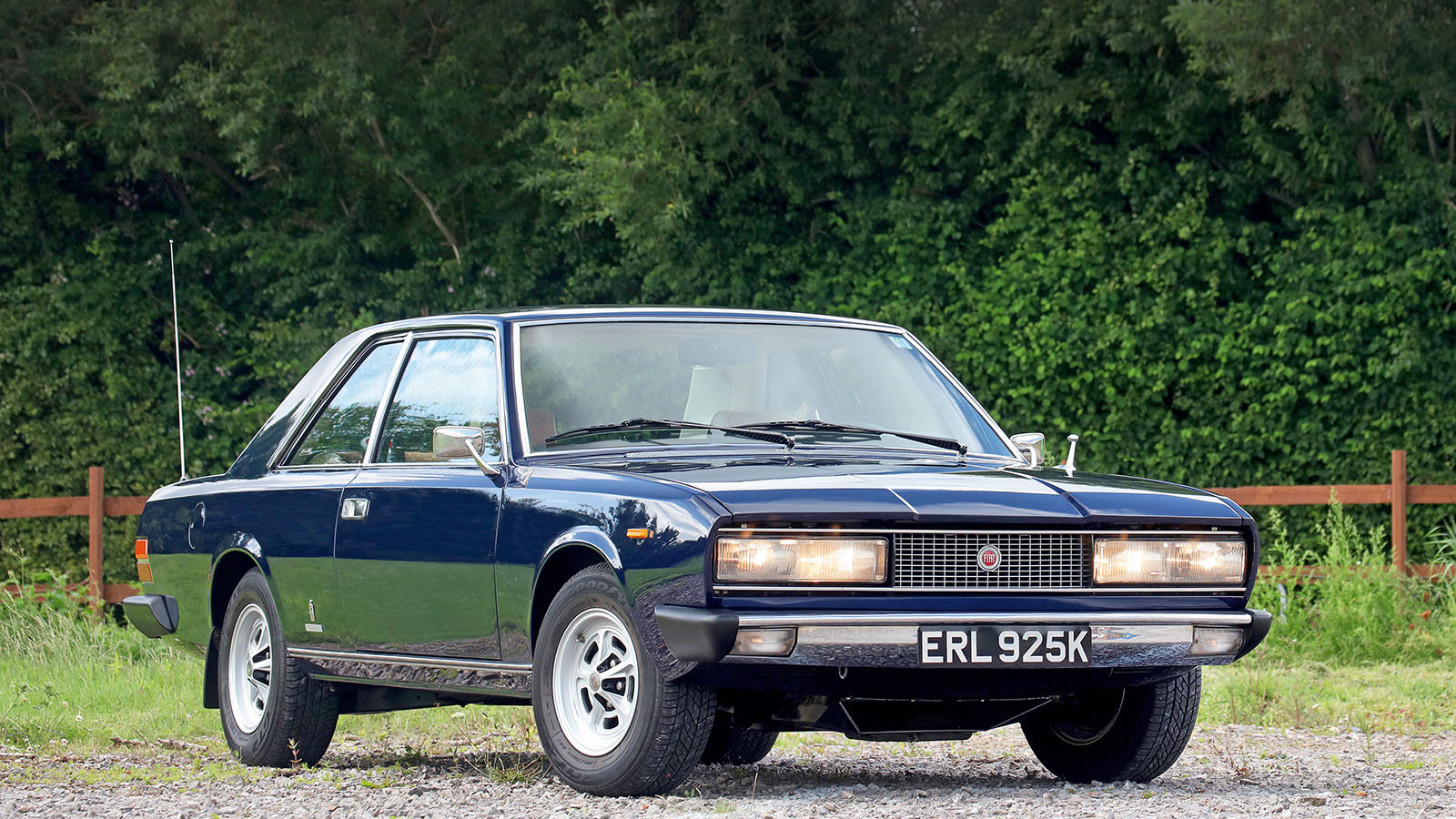
Fiat 130 Coupé (10.6 secs)
Pininfarina’s Paolo Martin created an instant design classic with the Fiat 130 Coupé.
Power came from an Aurelio Lampredi-designed, oversquare, single-overhead-camshaft-per-bank, 3.2-litre V6.
Autocar’s testers managed a respectable 0-60mph time of 10.6 secs when they sampled the car in 1972.
While a majority of Fiat 130 Coupés were fitted with automatic gearboxes, a ZF five-speed manual transmission was available as an option, too.
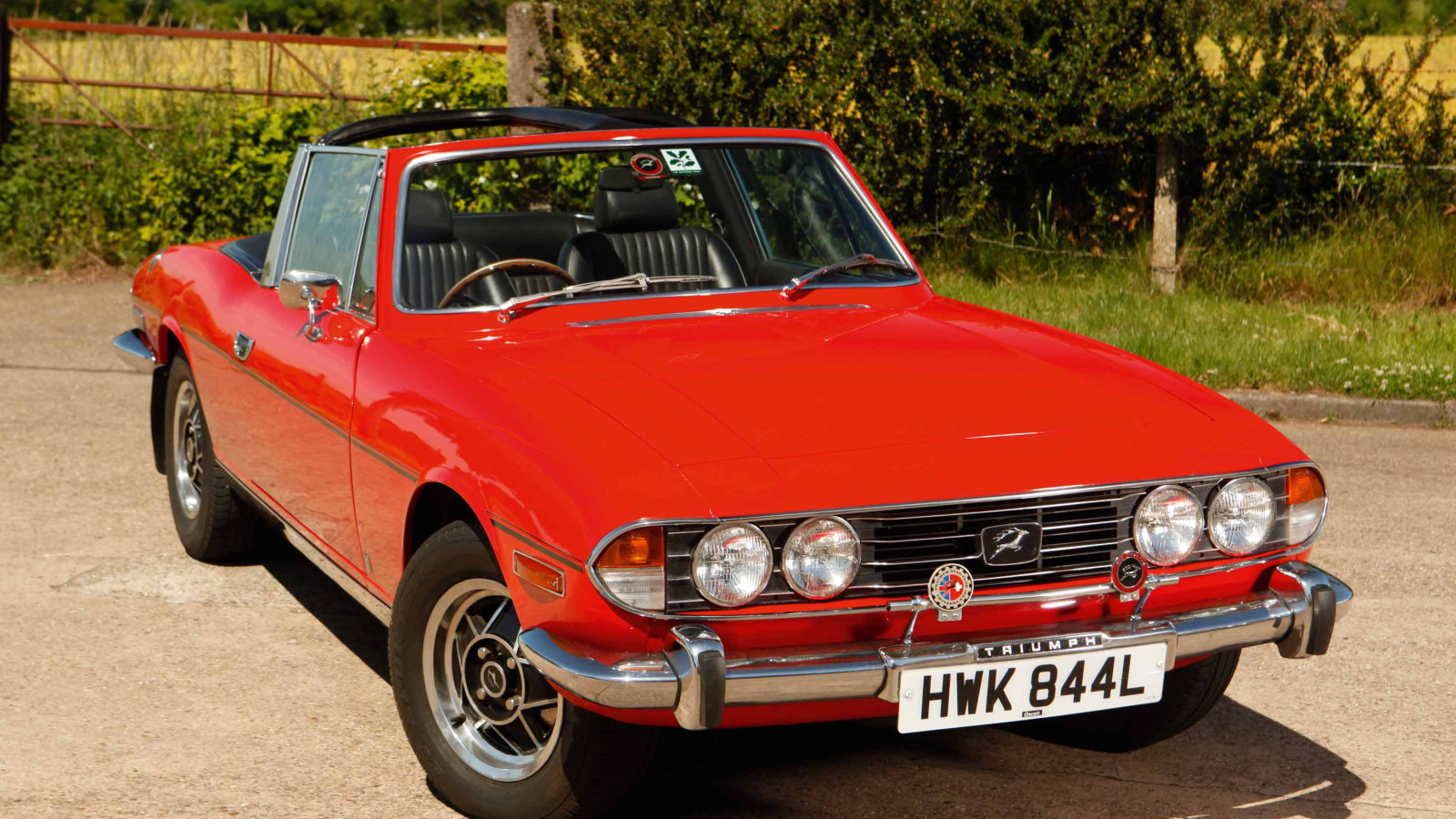
Triumph Stag (10.4 secs)
Autocar had already tested a manual Triumph Stag soon after it was launched in 1970, achieving a 0-60mph time of 11.6 secs.
But in 1971, the magazine tested the 2+2 convertible once again, this time equipped with an automatic transmission, and shaved 1.2 secs off that original time, achieving 60mph in 10.4 secs.
Despite some well-documented reliability problems with its 3-litre V8, the Stag was produced until 1977 and today enjoys a gratifyingly high survival rate – and a strong following.
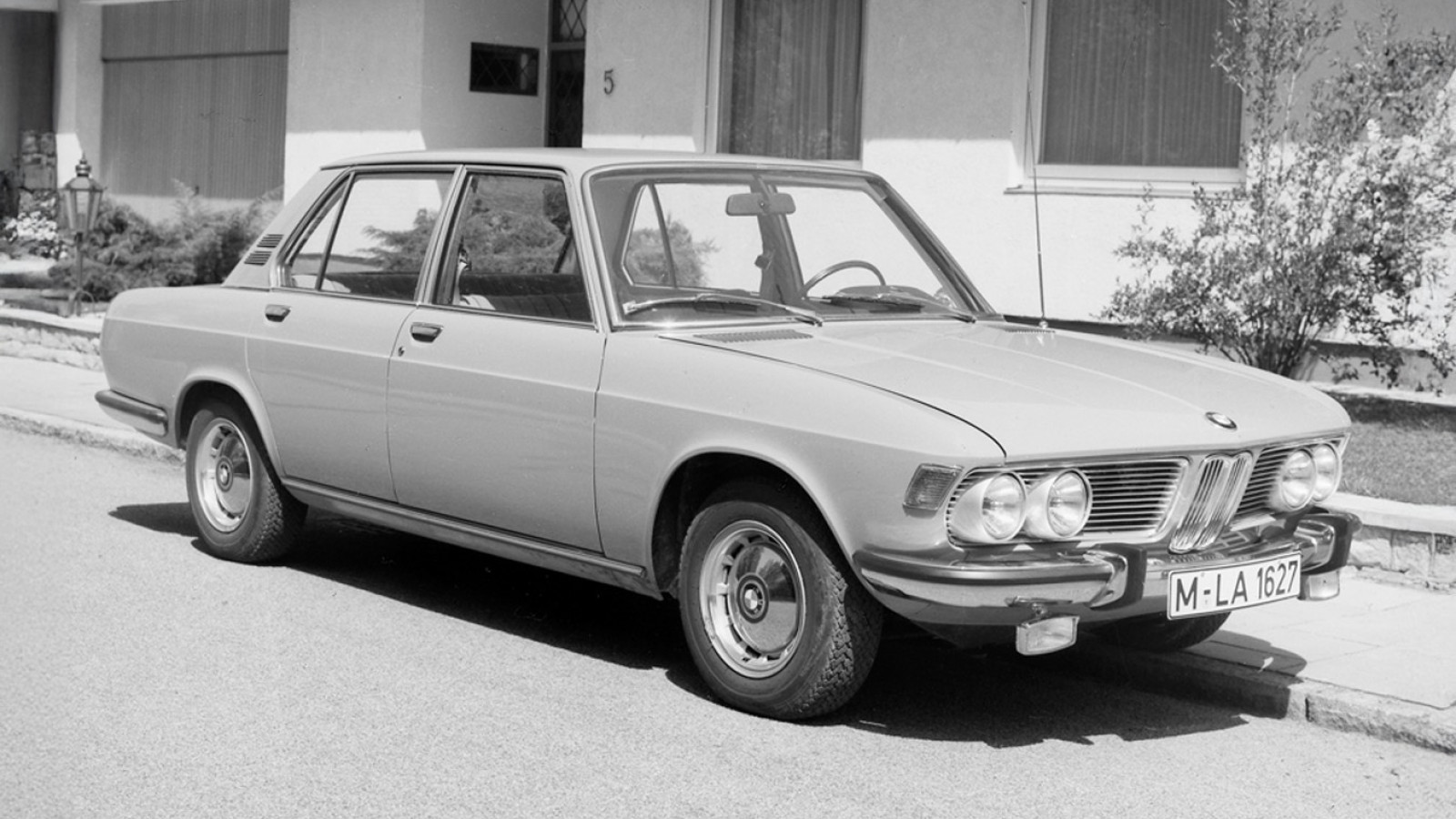
BMW 2800 (10.3 secs)
The E3 2800 saloon, launched in 1968, showed how serious BMW was about entering the executive market, hot on the heels of the earlier Neue Klasse 2002.
Powered by BMW’s 2.8-litre, M30 straight-six, Autocar managed a credible, 10.3-sec 0-60mph time, 1.4 secs slower than in the manual 2800 it had tested before.
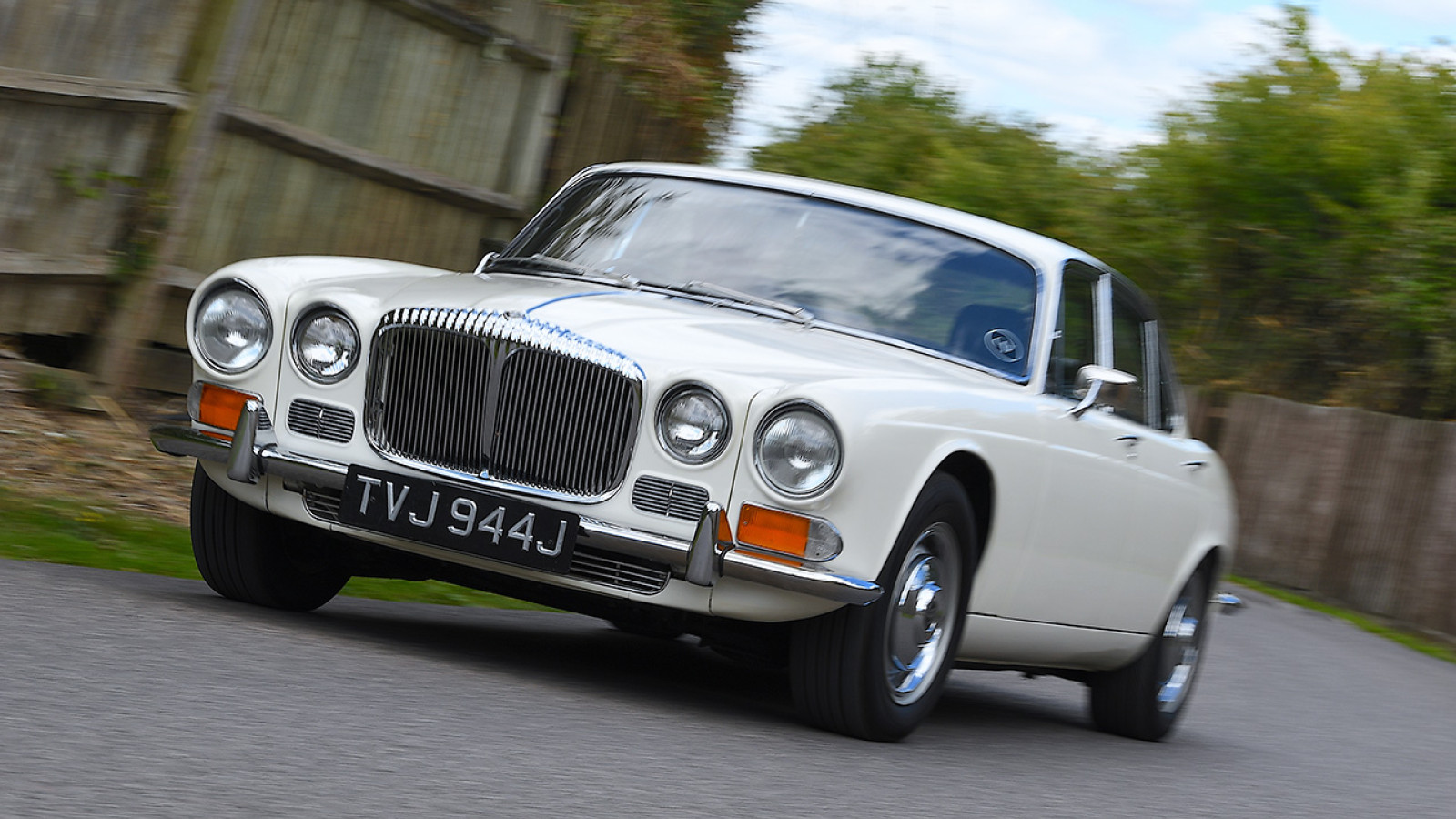
Daimler Sovereign (10.3 secs)
By the time Autocar got around to testing the Daimler version of Jaguar’s already hugely successful XJ6, the car was by then in its second series.
Now sporting a raised front bumper and shallower grille, the Daimler continued to be powered by the classic 4.2-litre, straight-six engine shared with the XJ.
Road testing the Daimler in 1974, Autocar achieved a 0-60mph time of 10.3 secs.
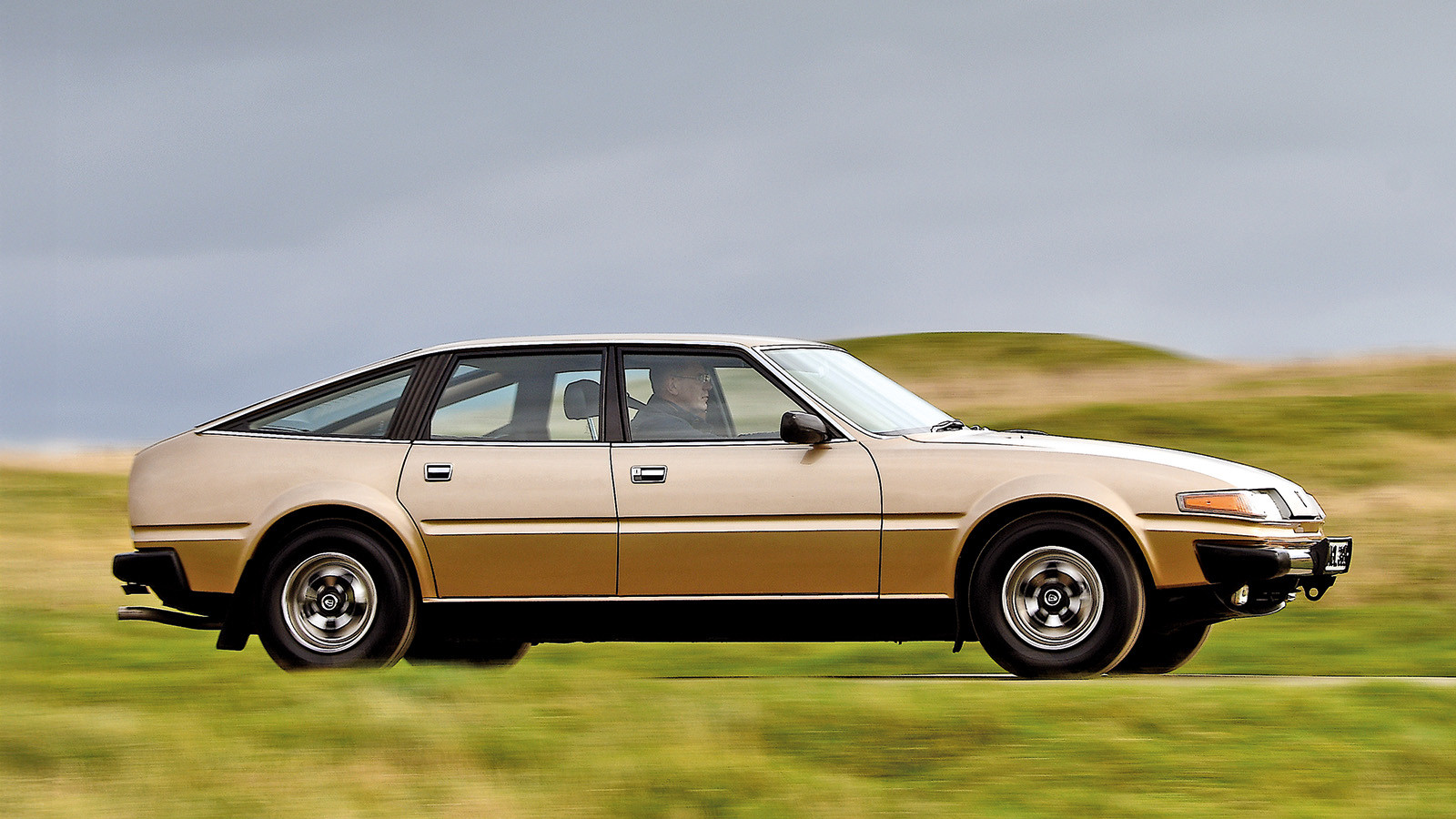
Rover 3500 (SD1) (10.3 secs)
Replacing the long-lived P6 3500, Rover’s SD1 heralded a new dawn for the company, and in 1977 became the European Car of the Year.
The 3500 model carried over the P6’s Buick-derived 3528cc V8, and in later Vitesse guise became a formidable challenger to performance BMWs and Mercedes.
Autocar initially tested the SD1 as a manual, but later as an auto, when it set a 10.3-sec 0-60mph time, almost 2 secs off the manual car’s pace.
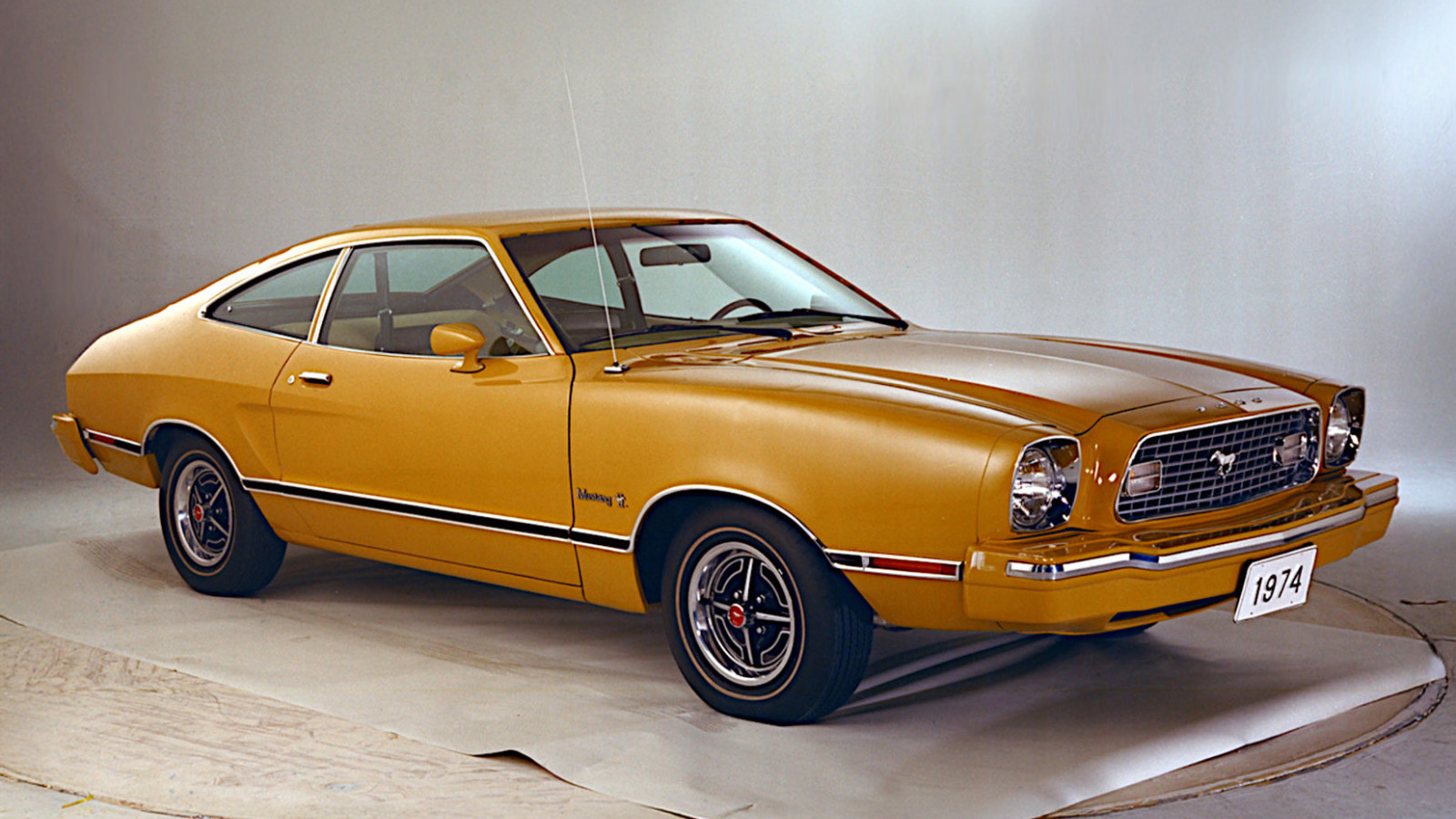
Ford Mustang II V8 (10.1 secs)
While the then-recent fuel crisis had taken its toll on the large-car market, the UK was still welcoming official imports of key American marques.
Based on Ford’s Pinto platform, the Mustang II was smaller than its predecessor, and in Britain was available with a 5-litre V8 option, producing a modest 139bhp.
Which certainly accounted for Autocar’s rather disappointing, 10.1-sec 0-60mph time when it tested the car in 1975.
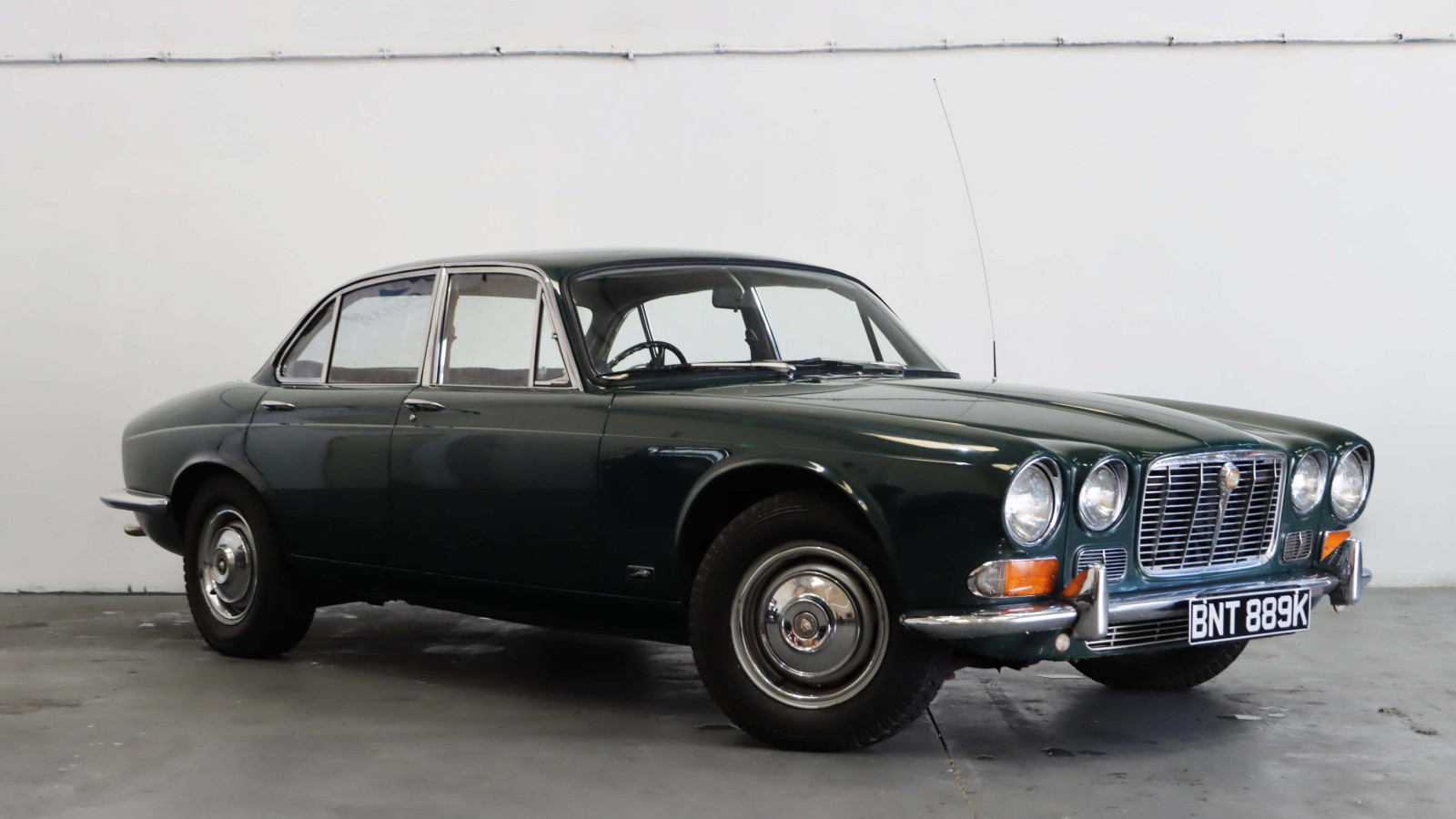
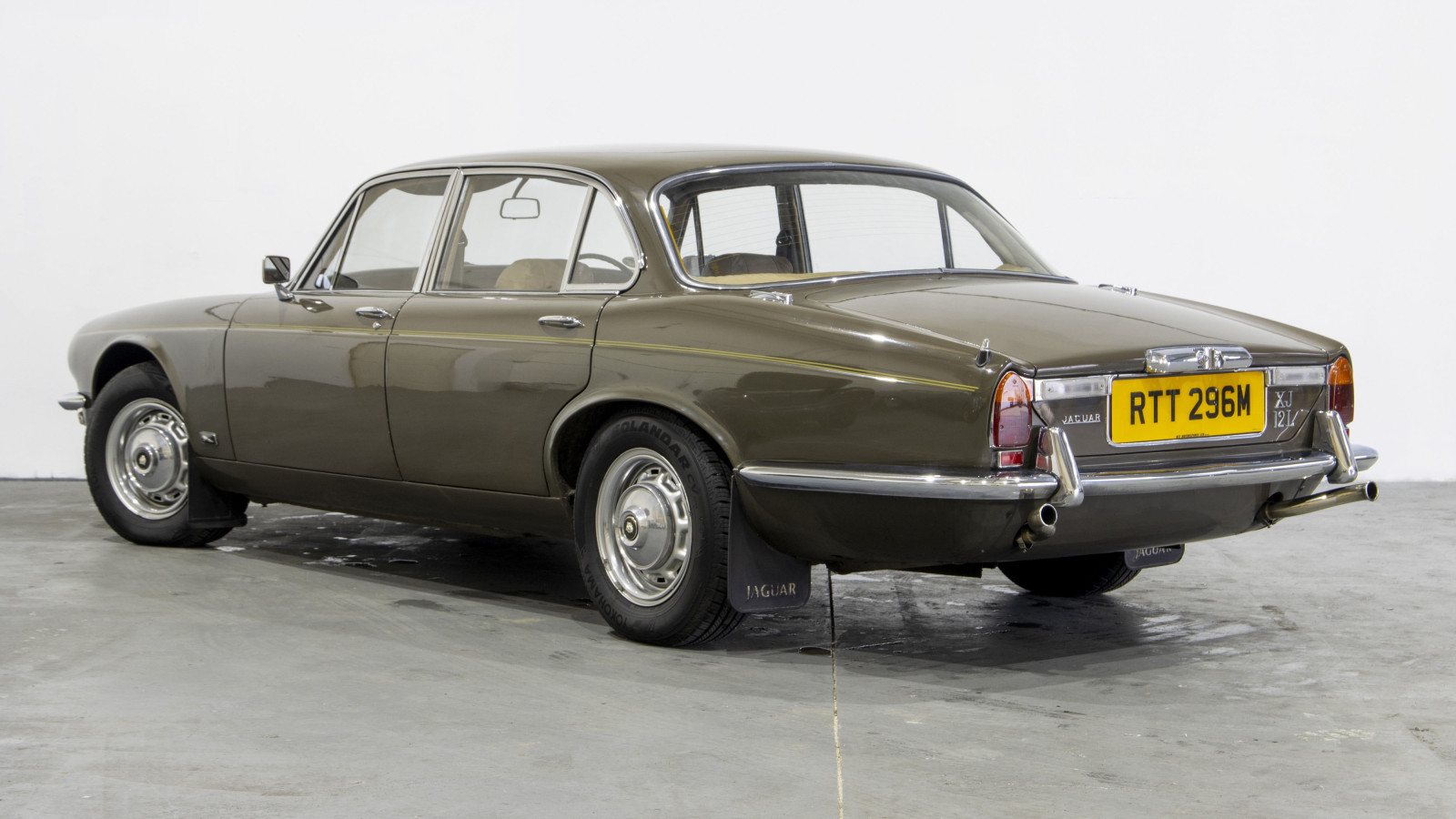
Jaguar XJ6 4.2 (10.1 secs)
Launched in 1968, the XJ6 was to prove transformative for Jaguar, starting a lineage that was to endure three generations and almost 25 years.
It handled and performed like a performance saloon, rode like a Rolls-Royce, yet was priced within reach of most mid-ranking executives.
Autocar tested the 4.2 auto model (a 2.8-litre was also available) and achieved a respectable 10.1 secs from 0-60mph.
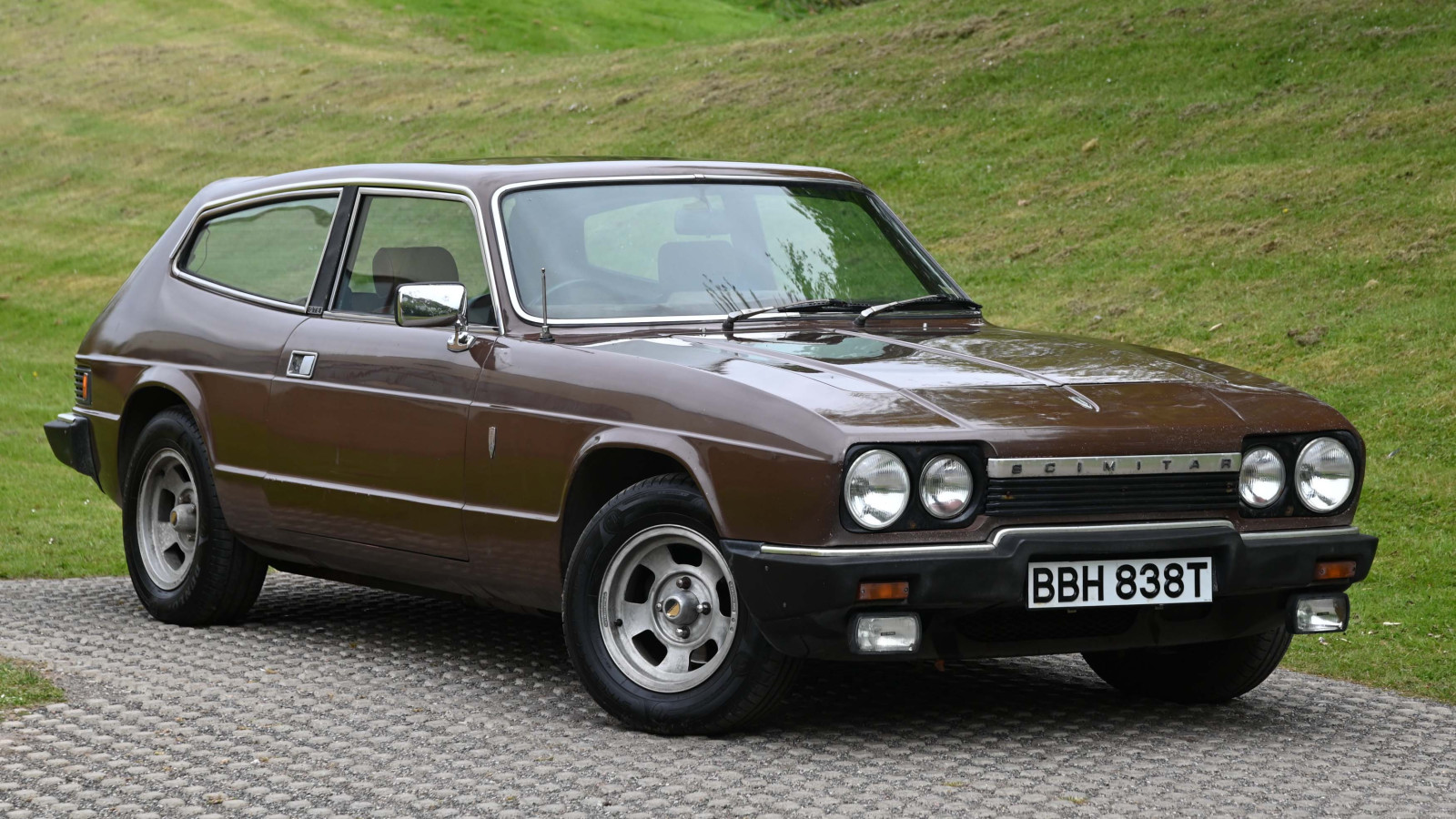
Reliant Scimitar GTE (10 secs)
The Reliant Scimitar SE6’s introduction in 1976 gave Autocar the excuse to update its test data for the facelifted model.
Reliant’s sporting, glassfibre-bodied estate had received an interior refresh, and externally gained a revised front grille and rubber bumpers.
Ford’s venerable 3-litre Essex V6 was carried over, though, providing enough urge for a 120mph top speed, and, according to Autocar’s testers, a 0-60mph time of exactly 10 secs, just 0.6 secs slower than the manual version.
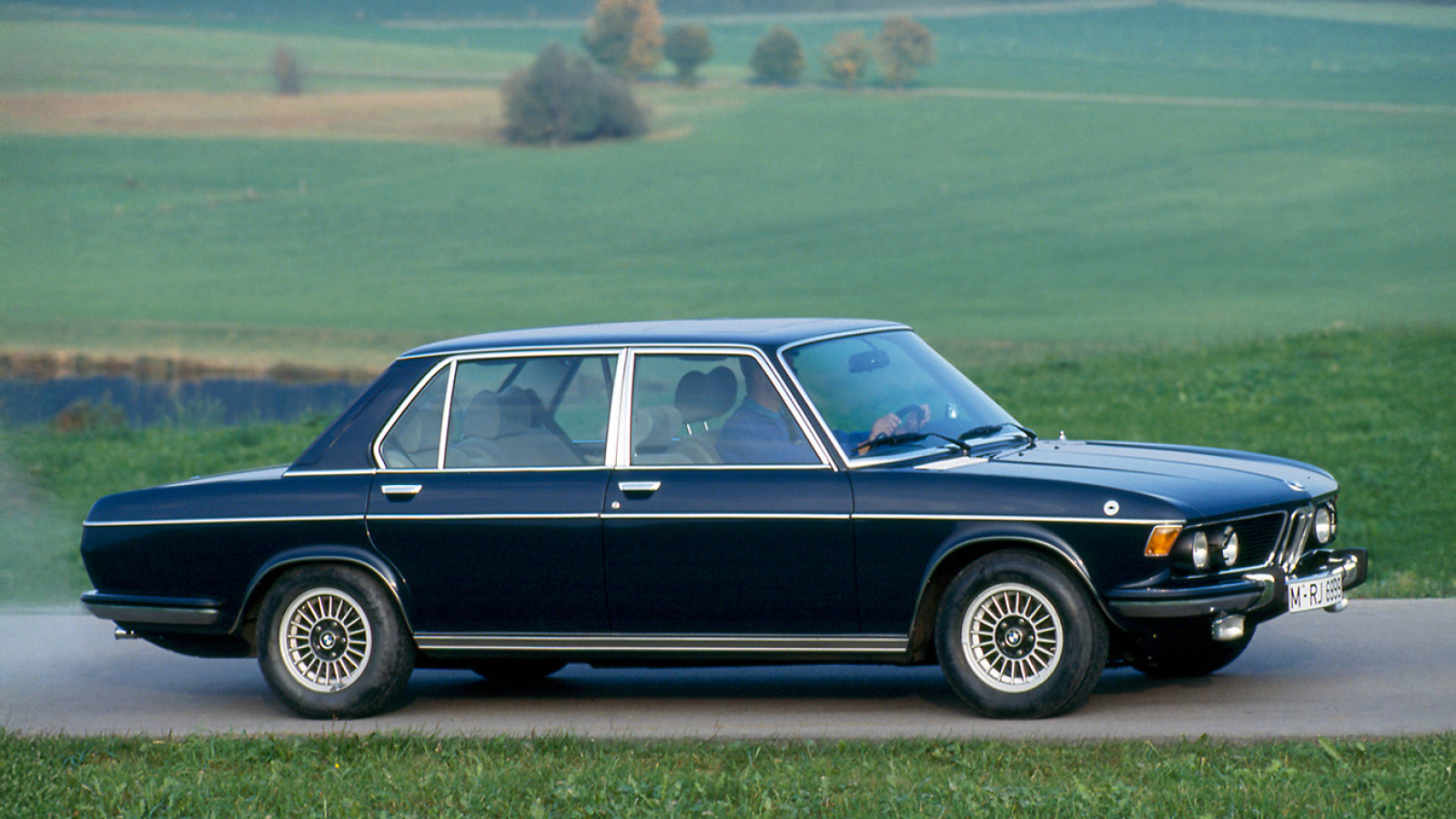
BMW 3.3L (9.9 secs)
BMW’s range-topping 3.3L (E3) was only produced between 1974-’77 and preceded the first of the 7 Series generations.
Costing DM42,960 in its home market, it was always destined to be a rare and exclusive model.
Powered by a 3210cc straight-six producing 187bhp, the 3.3L was good for 127mph and, in Autocar’s hands, accelerated to 60mph from a standstill in 9.9 secs when it was tested in 1974.
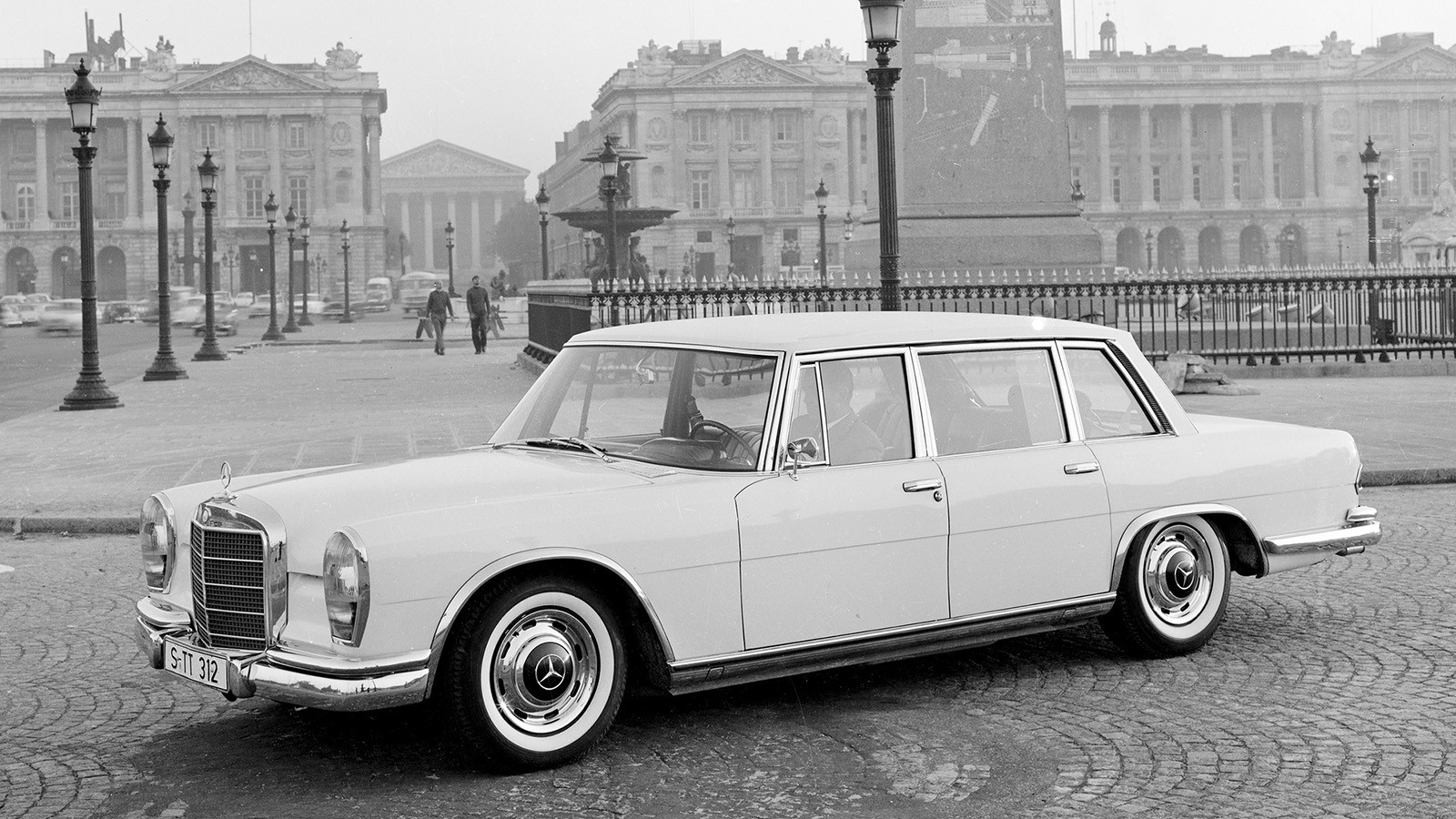
Mercedes-Benz 600 (9.7 secs)
Default wheels for royalty and heads of state, Mercedes’ W100 600 Grosser enjoyed a long run from 1963 until 1981.
Handbuilt, and with almost all its functions – including the power windows – controlled by a complex system of hydraulics, the 600 could be specified in a variety of bodies and wheelbases.
At its heart was a 6.3-litre, V8 engine, which was definitely required if it was going to achieve a respectable pace, given the standard model’s 2475kg (5456lb) kerbweight.
Autocar proved this, achieving a decent 9.7-sec 0-60mph acceleration time.
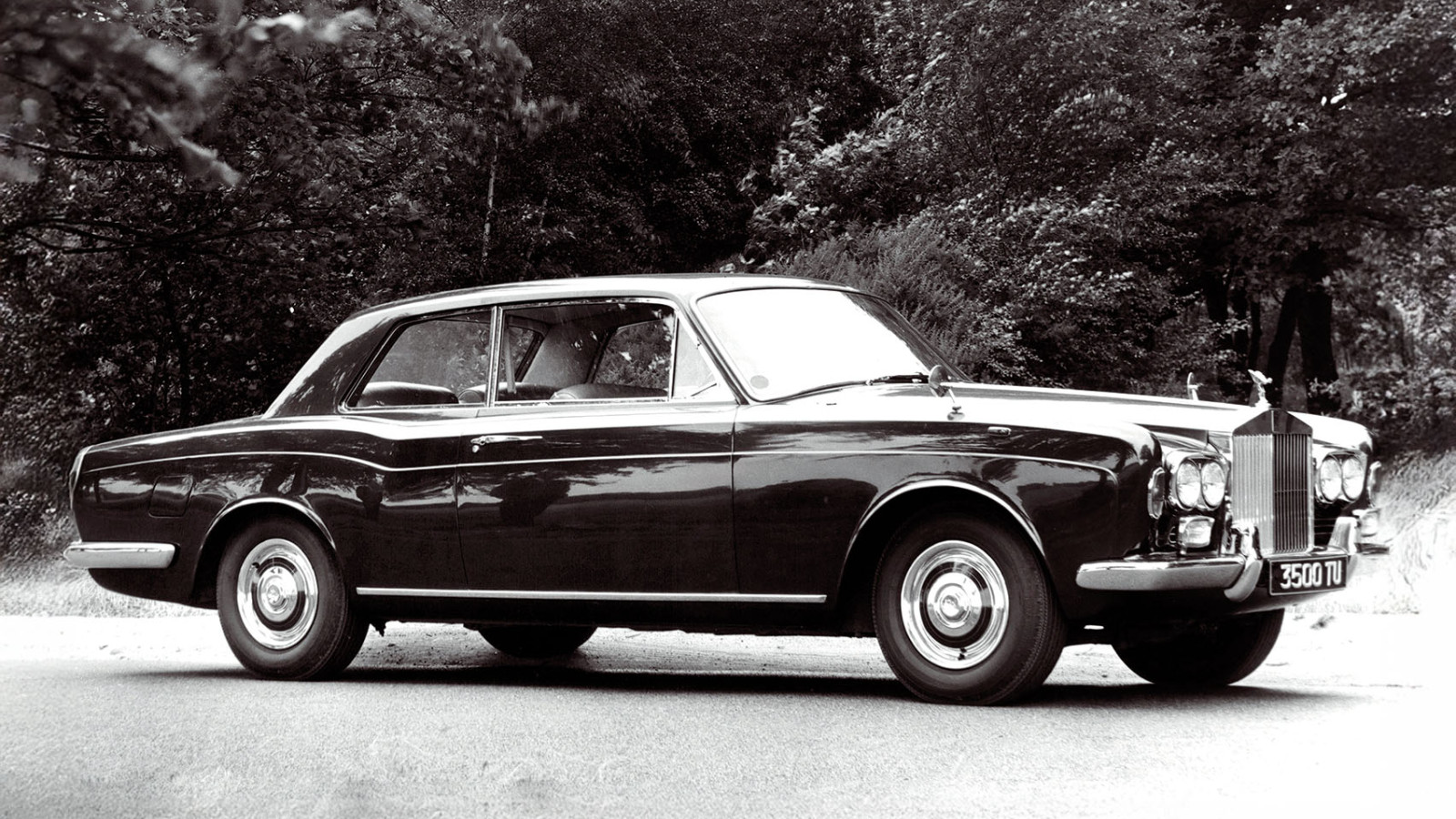
Rolls-Royce Corniche (9.6 secs)
Based on Rolls-Royce’s Silver Shadow platform, the Corniche was introduced in 1971 as both a two-door, fixed-head coupé and as a convertible.
Powered by Rolls/Bentley’s all-aluminium, 6.75-litre V8, it delivered drive to its rear axle through a three-speed GM Turbo Hydramatic gearbox.
Autocar’s road test from 1974 produced an acceleration time to 60mph of 9.6 secs.
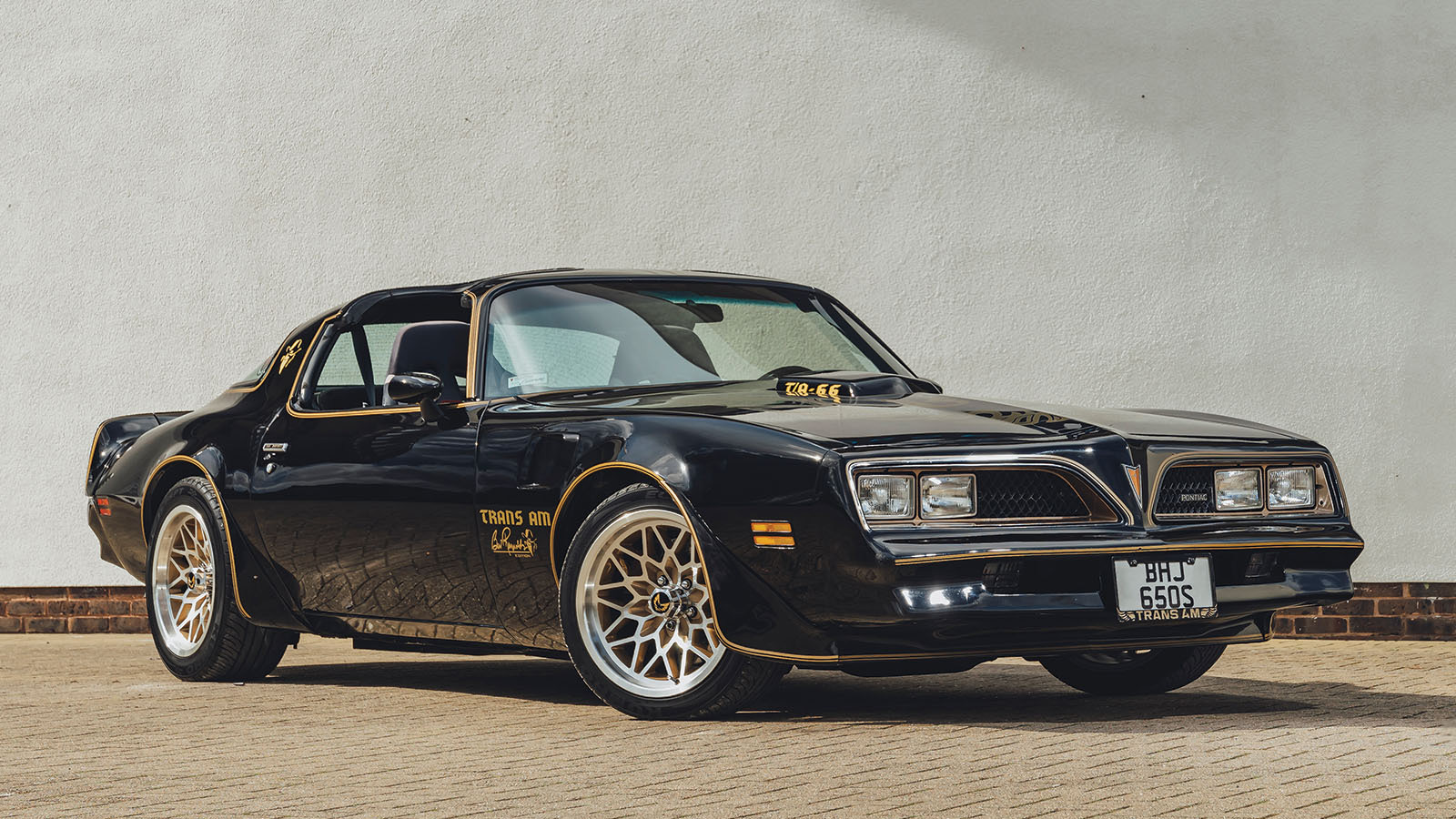
Pontiac Firebird Trans Am (9.4 secs)
Famed for its starring role in the 1977 comedy caper Smokey and the Bandit, Pontiac’s Firebird Trans Am was perhaps the quintessential ’70s muscle car.
Various performance packages were available from the factory, with toughened suspension, larger wheels and the promise of 0-60mph times in the 6.5-sec ballpark.
But when Autocar tested the Trans Am in 1978, the numbers were more sedate, its team recording a rather sober 9.4 secs to 60mph.
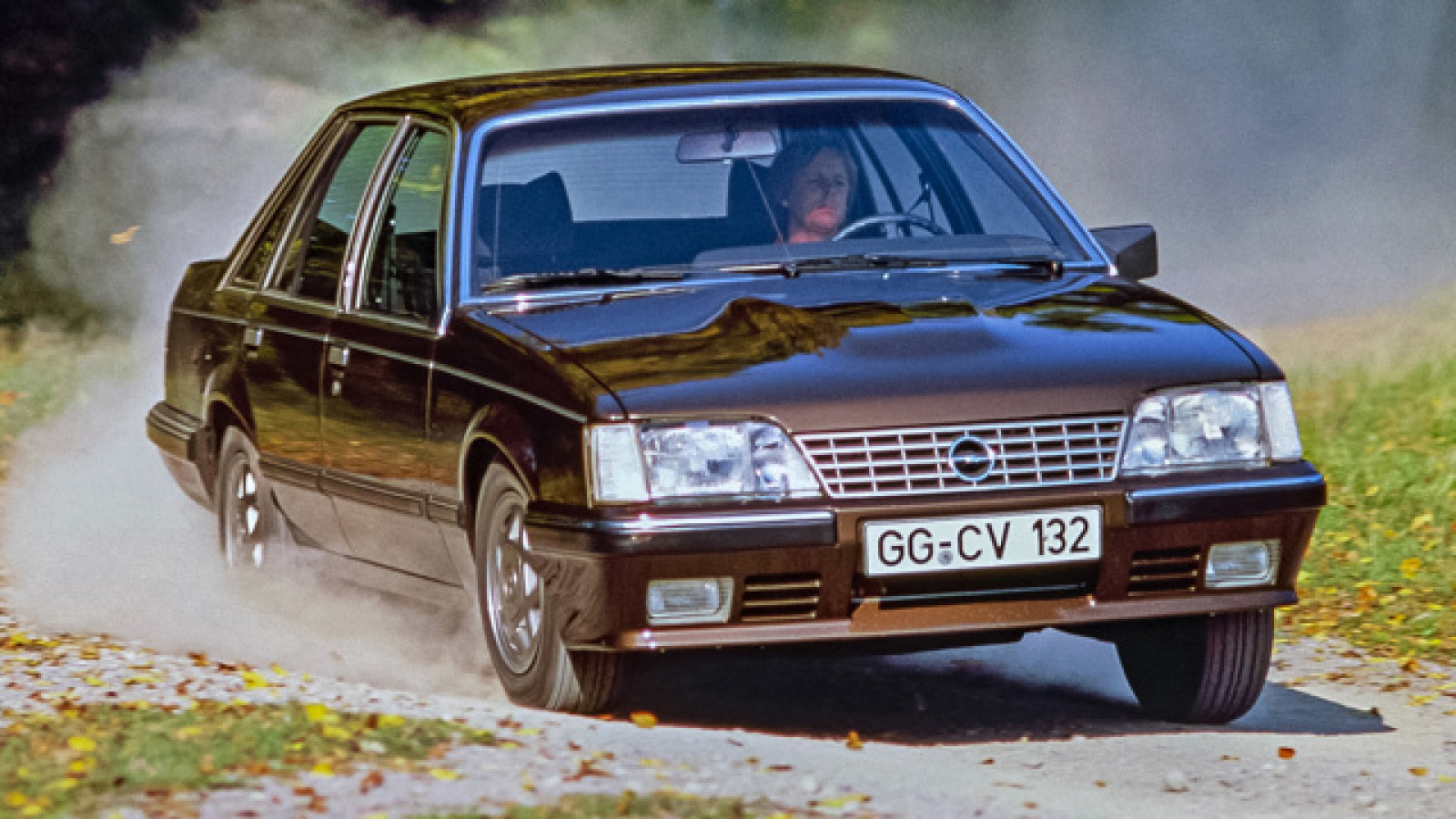
Opel Senator (9.2 secs)
Also sold as the Vauxhall Royale in the UK, Opel’s flagship Senator saloon was based on a stretched Rekord E platform.
With its well-resolved chassis dynamics, plus well-appointed and spacious interior, the Senator was Opel’s inroad into the prestige market, then owned by Mercedes-Benz and BMW.
Offered with a variety of engines on the Continent, in the UK the Senator was only available with Opel’s 3-litre straight-six, with which Autocar recorded a 9.2-sec acceleration run to 60mph.
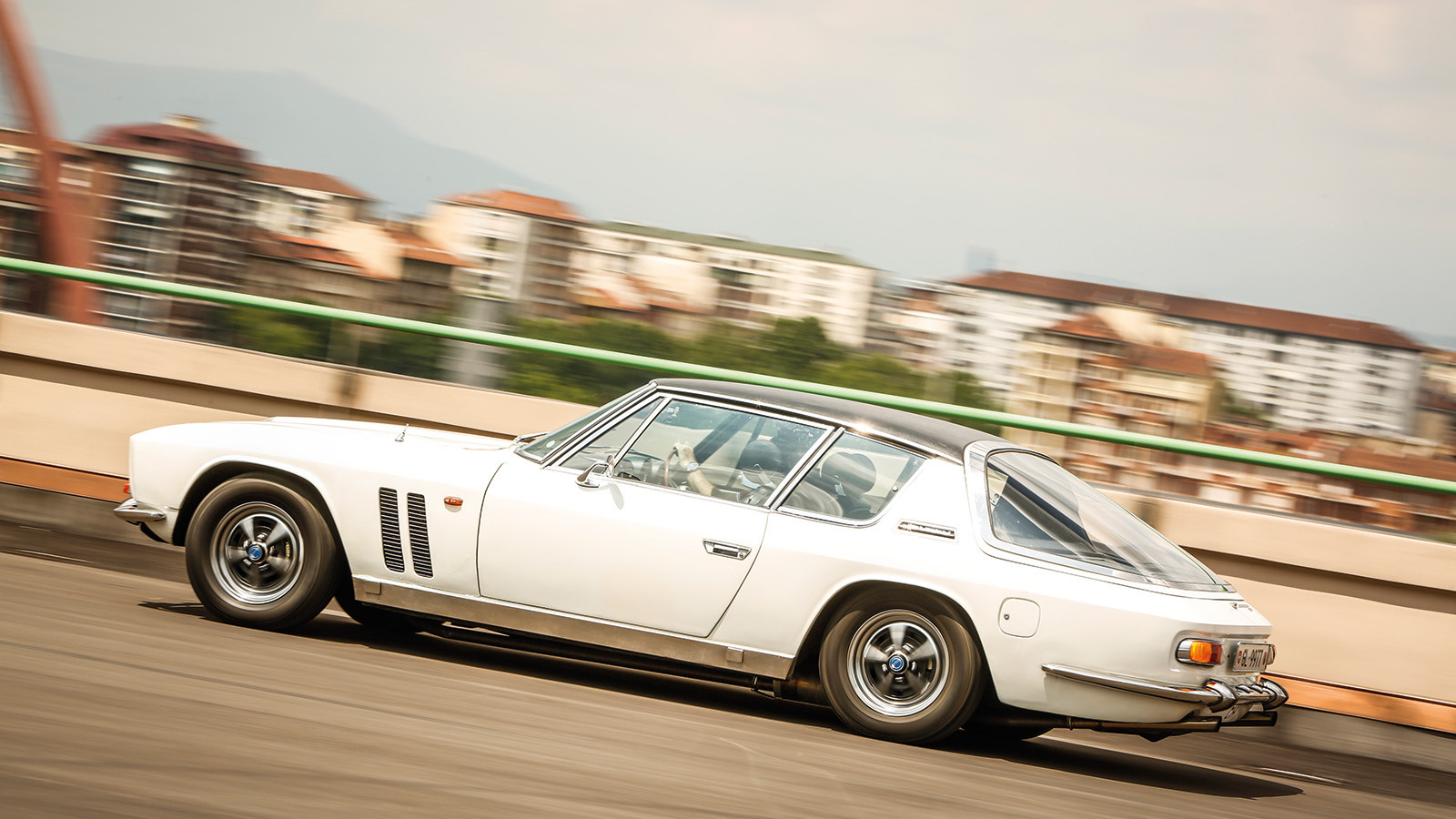
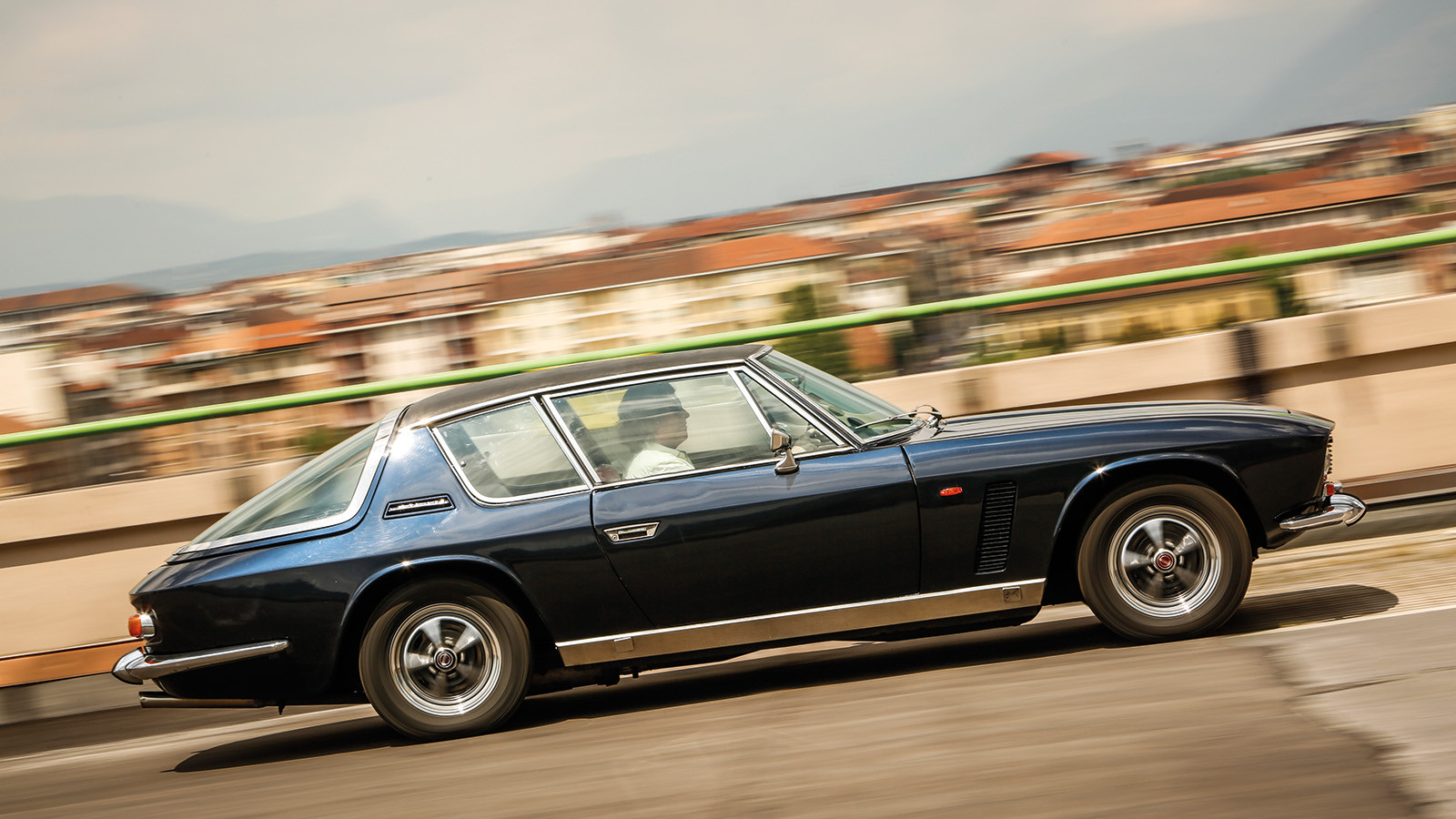
Jensen FF MkII (8.4 secs)
A groundbreaking car, if ever there was one, Jensen’s FF was the world’s first non-all-terrain production car equipped with permanent four-wheel drive, as well as ABS, courtesy of Dunlop-Maxaret’s anti-lock-braking system.
Identifiable from the visually similar Interceptor in Jensen’s range by air vents set into the side of each front wing – and for measuring an extra 5in (127mm) in length – the FF was only built between 1969 and ’71.
Despite the FF technology’s extra weight, Autocar still took the 6.3-litre, V8-powered GT from 0-60mph in just 8.4 secs.
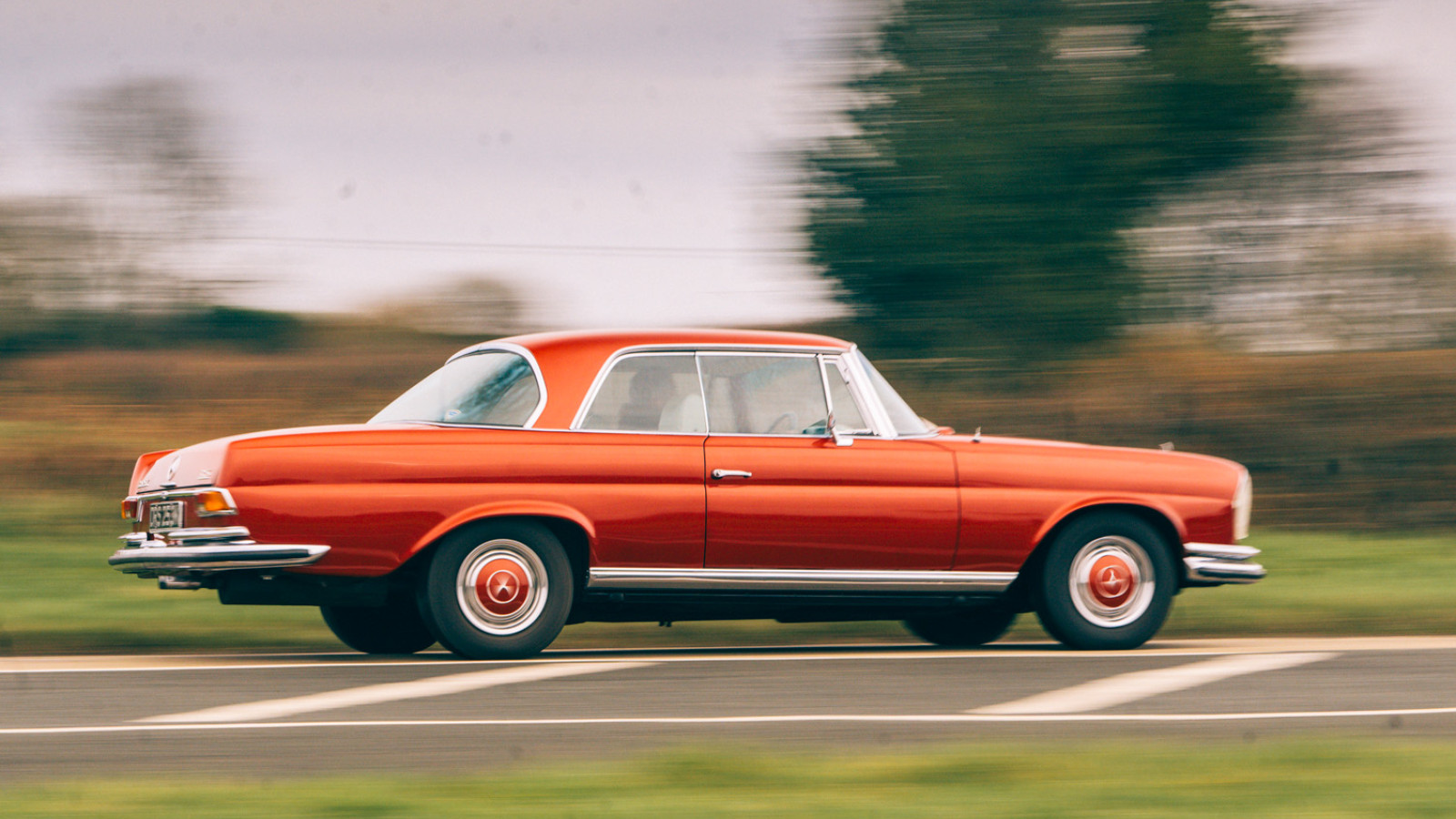
Mercedes-Benz 280SE 3.5 Coupé (8.4 secs)
With its elegant, Paul Bracq-designed, pillarless body, the 280SE 3.5 Coupé was the pinnacle of Mercedes’ W111-series model line.
Even as standard, the 280SE was lavishly fitted out, and came equipped with leather and wood trim, air conditioning, electric windows – and an automatic transmission.
The 280SE’s 3.5-litre (M116) V8 generated 197bhp. When Autocar drove it in 1972, its testers managed a 0-60mph time of 8.4 secs, a full 1.3 secs less than in the optionally equipped manual model rated by the magazine previously.
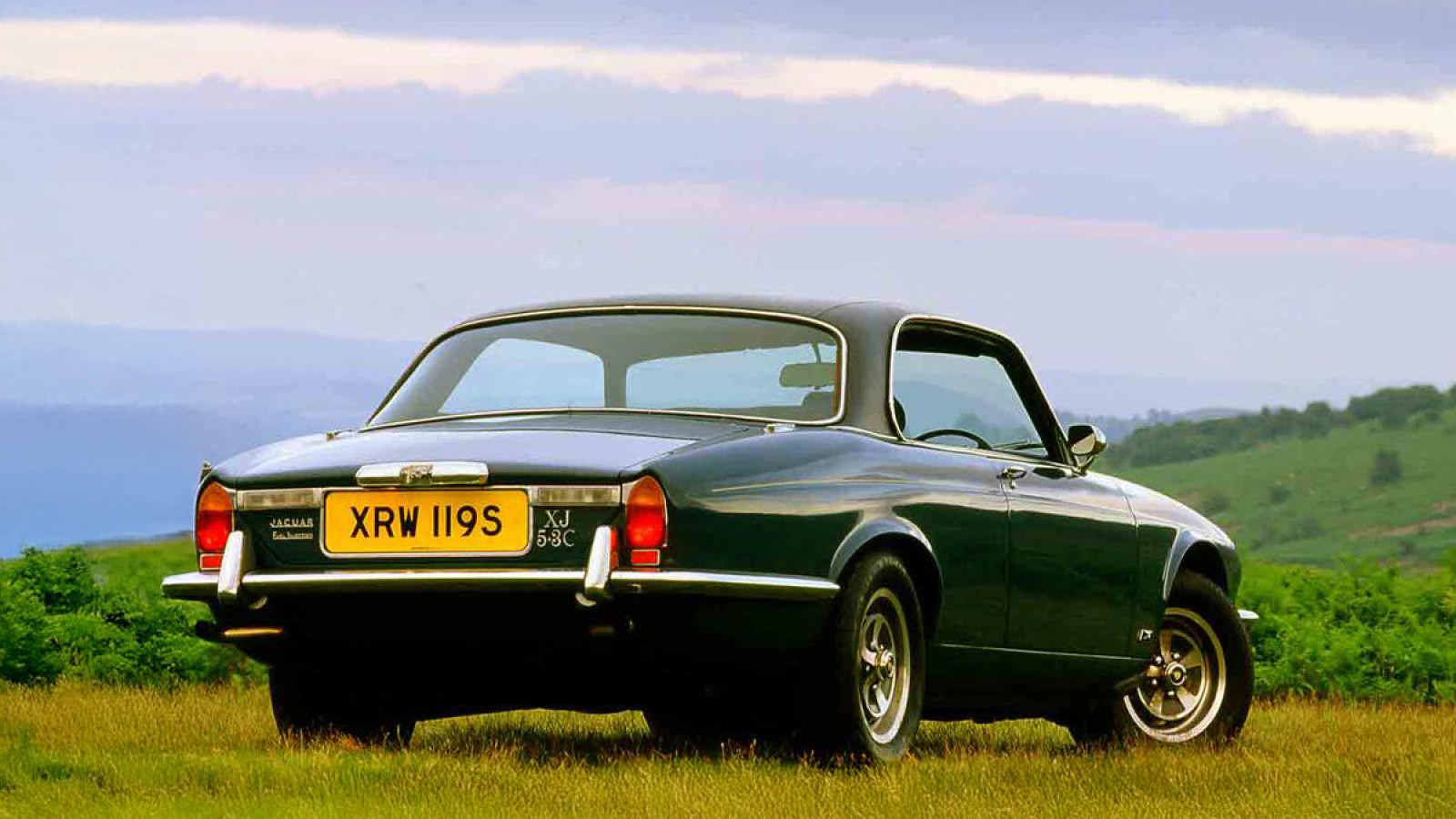
Jaguar XJ 5.3C (8.3 secs)
This list’s Jaguar V12 trio starts with the XJ 5.3C, the pillarless, two-door coupé based on a short-wheelbase version of the XJ’s second-series model.
With its doors subtly extended in length, all XJCs (a 4.2-litre ‘six’ was also available) wore vinyl roofs to cover up the likelihood of their paint cracking, due to extra body flex once the B-pillars had been removed.
But fitted with Jaguar’s mighty, all-aluminium, 5.3-litre V12, Autocar found that it was a consummate performer, accelerating from 0-60mph in 8.3 secs when tested in 1975.
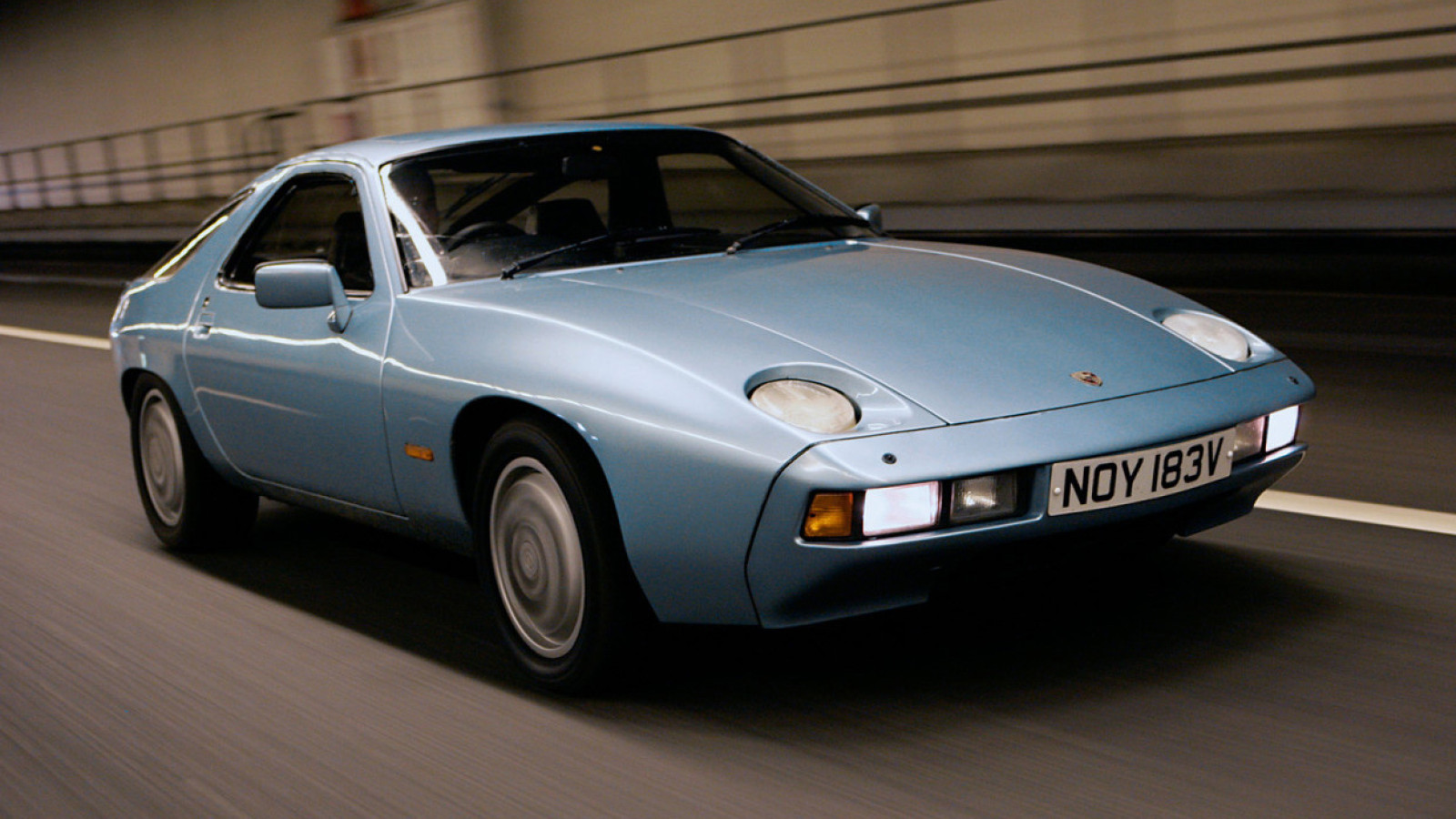
Porsche 928 (8 secs)
Presented at the 1977 Geneva motor show, the Porsche 928 went on to become the only sports car (to date) to ever be crowned European Car of the Year.
The 928 allowed Porsche to take the GT fight to BMW and Mercedes-Benz.
Thanks to its (relatively) efficient, 4.5-litre, V8 engine, advanced safety features and sleek, ultra-modern, 2+2 body design, including those memorable, fold-flat headlights, it could almost have been a credible replacement for the aged 911. But only one of those cars still exists today.
Autocar tested both manual and automatic versions of the Porsche 928, recording 8 secs flat for the latter to reach 60mph, half a second slower than the manual car.
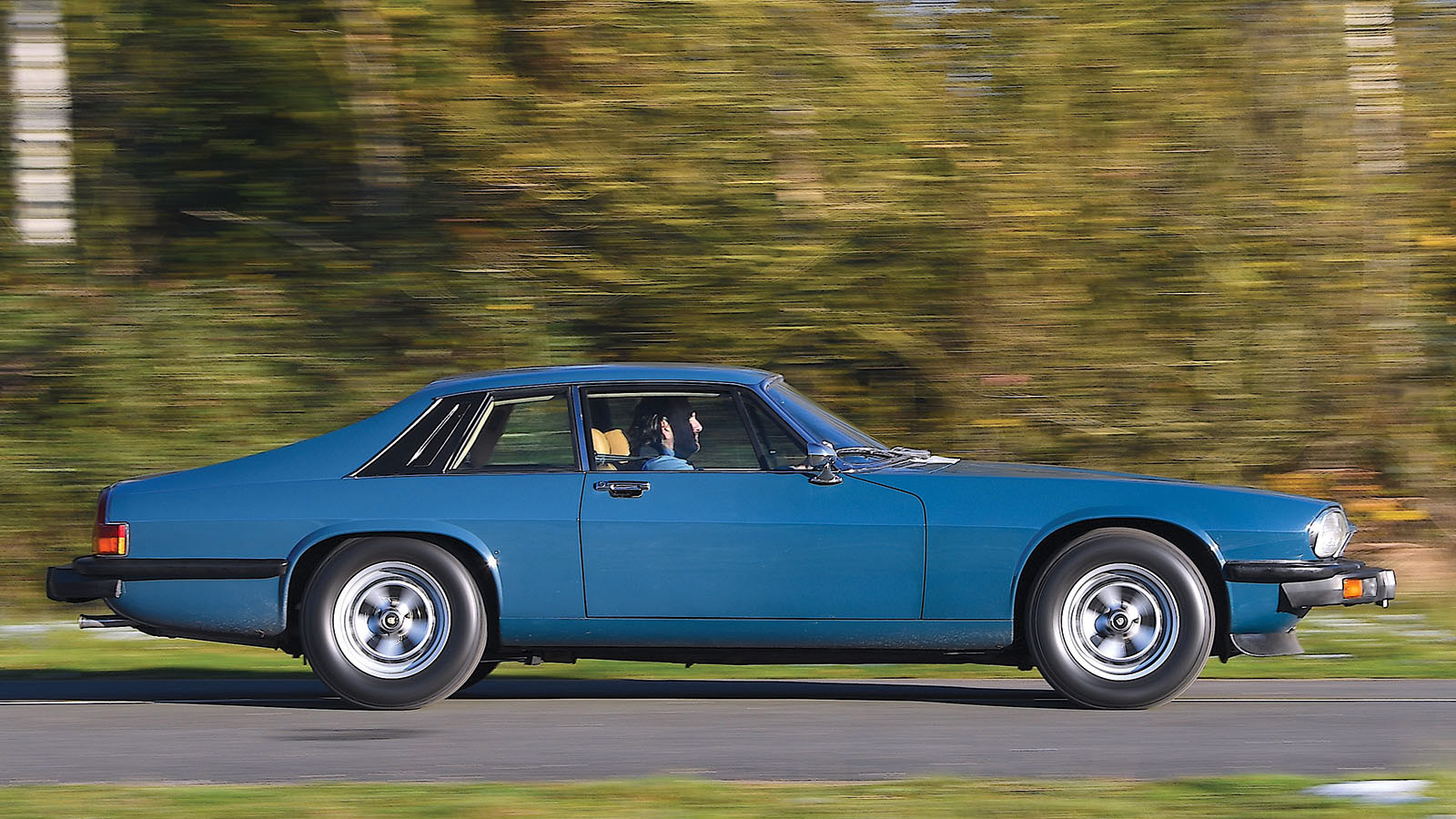
Jaguar XJ-S (7.5 secs)
Replacing the Jaguar E-type was never going to be an easy task, and that was borne out when the XJ-S was launched in 1975, design pundits aghast at its rear buttresses and the press bemoaning its V12 engine’s thirst.
But its XJ-saloon-based platform was excellent and, despite build-quality woes in the early years, Jaguar successfully evolved the XJ-S, leading to a production life of more than two decades.
In 1975, Autocar had already driven a manual XJ-S (which was then only available as a V12), setting a 6.9-sec 0-60mph time. Testing the auto added an extra 0.6 secs, with 7.5 secs recorded.
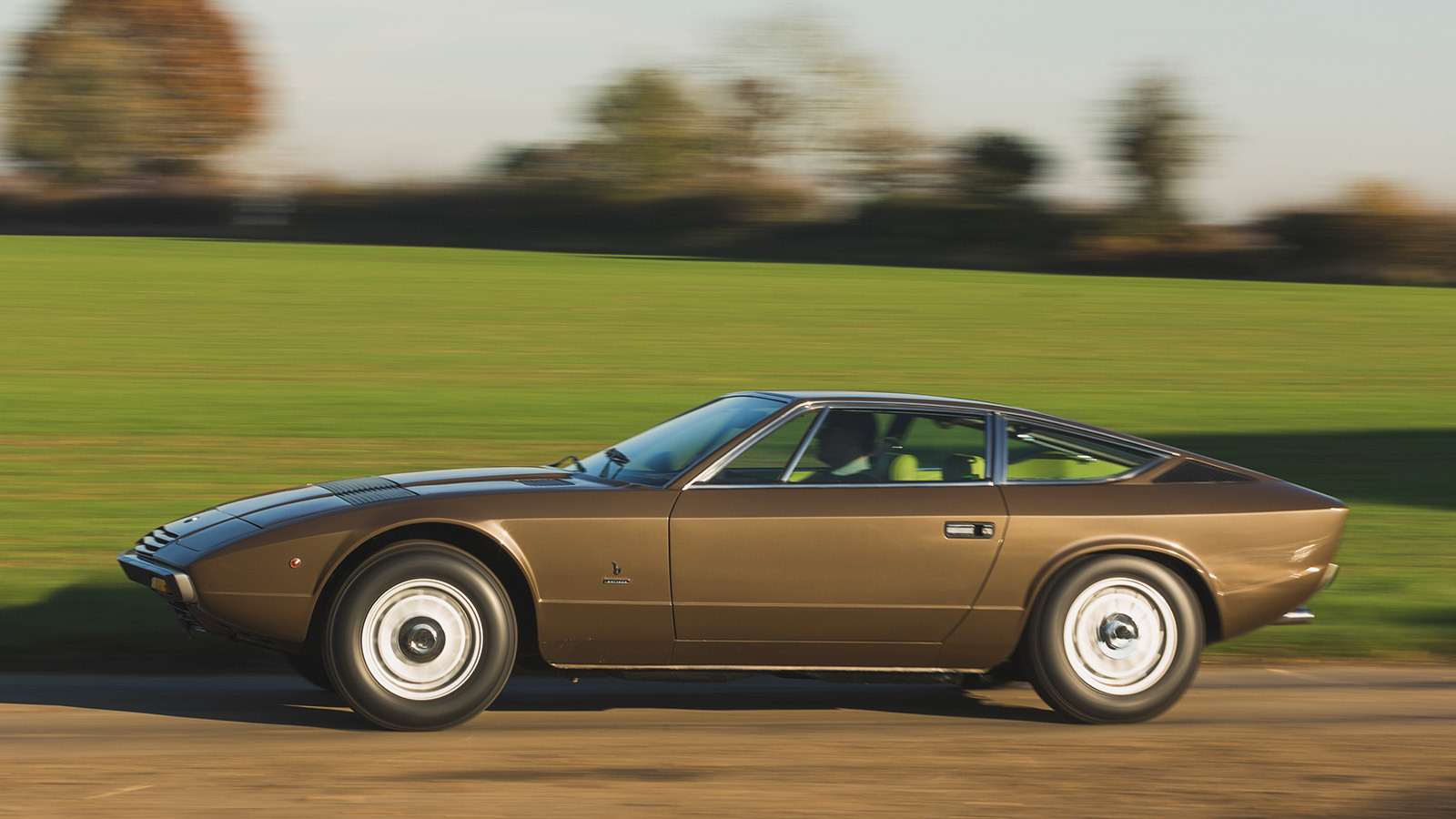
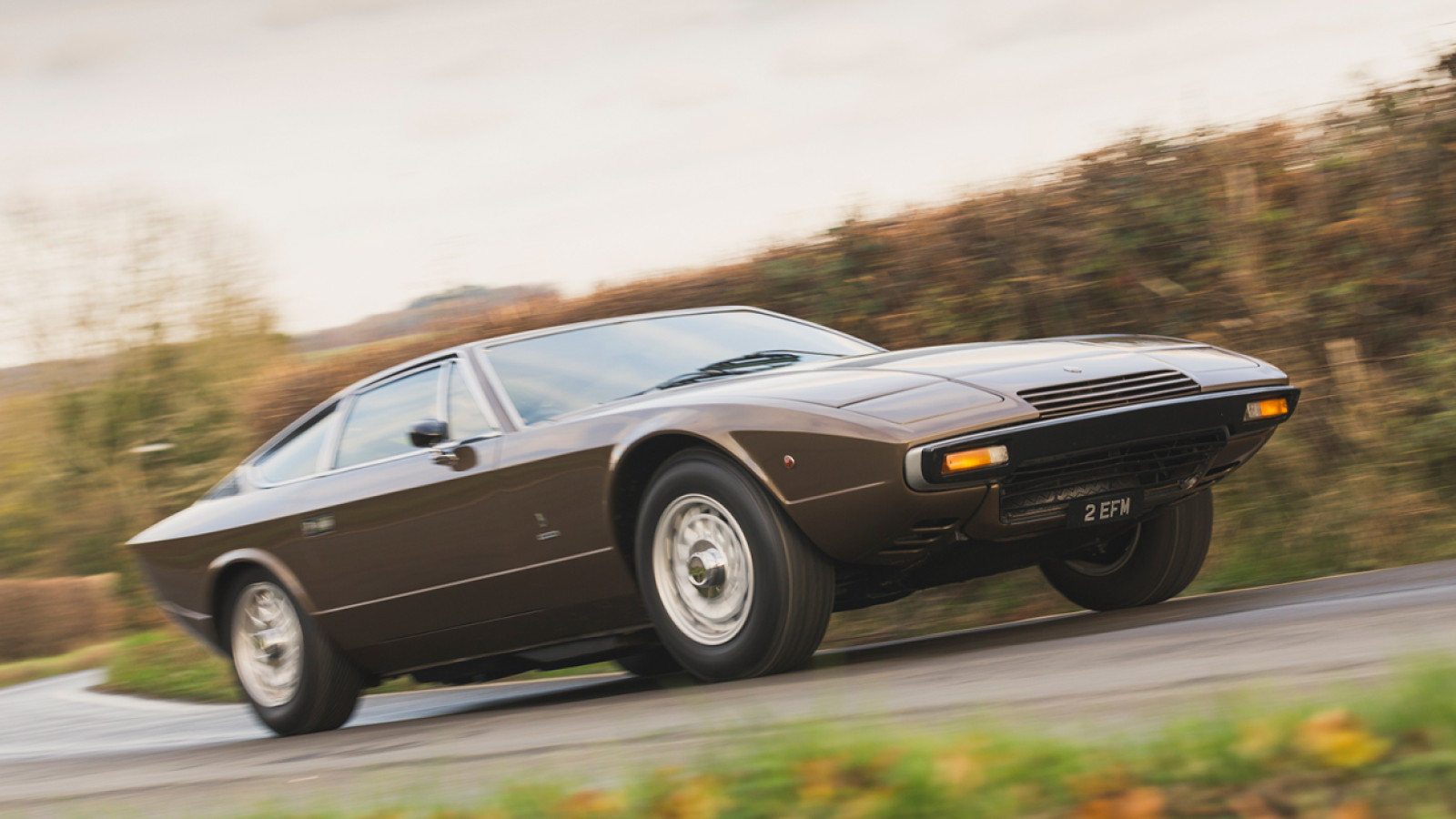
Maserati Khamsin (7.5 secs)
The front-engined, 2+2 Khamsin was the last of Maserati’s traditional large GT models until the 3200GT of the late ’90s, with Marcello Gandini penning the model’s elegant, wedge-shaped lines.
Borrowing the 5-litre drivetrain and chassis from its Ghibli stablemate, the Khamsin also inherited a series of hydraulic controls thanks to Maserati’s relationship with Citroën, for example, for its pop-up headlights, driver’s seat adjustment and variable steering assistance.
Once again, Autocar tested both manual and auto versions of the Khamsin, with the auto setting a 7.5-sec time to 60mph, a second shy of that of the manual.
Jaguar XJ12 (7.4 secs)
At last, Jaguar had endowed the XJ with the grace and pace it deserved, by making it the second of its models, after the third-series E-type, to be fitted with the all-alloy, 5.3-litre V12.
Available with either short- or long-wheelbase bodies, the XJ12 was a richly trimmed hot rod, capable of accelerating from 0-60mph in 7.4 secs and on to a top speed of 146mph, according to Autocar.
A rather clunky, three-speed automatic gearbox and 11mpg fuel consumption would put off many buyers, but few Jaguars better epitomised the company’s ethos.
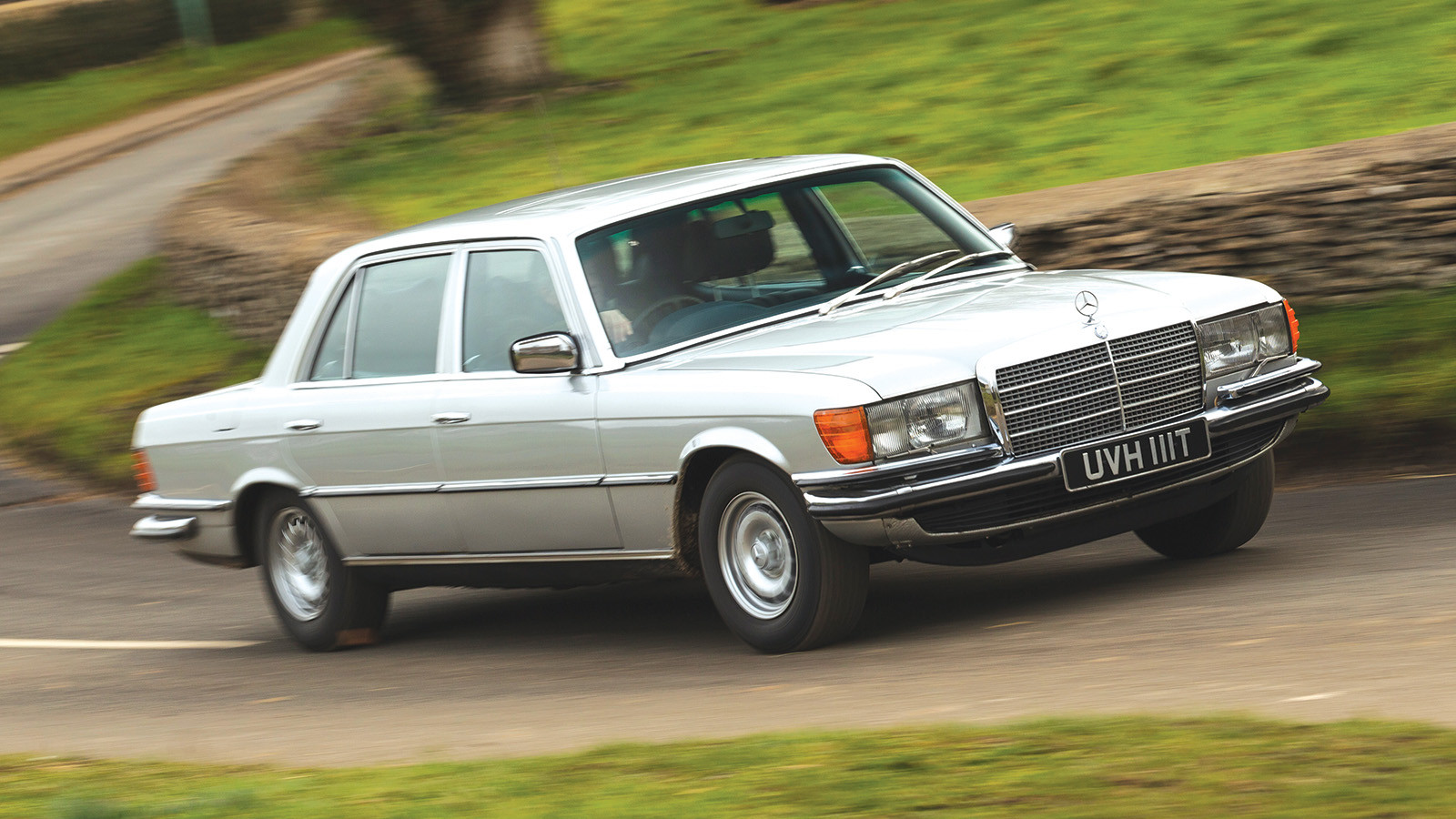
Mercedes-Benz 450SEL 6.9 (7.3 secs)
Setting aside Mercedes’ 600, the 450SEL 6.9 was the company’s real-world range-topper, and the ultimate evocation of the 116-series S-Class saloon.
An exclusive bruiser of a car, the 6.9 rode on hydropneumatic suspension, with handling that belied its 1935kg (4266lb) kerbweight.
Powered by a dry-sump, 6.9-litre V8, which produced 282bhp and a stonking 405lb ft of torque, in Autocar’s hands it hit 60mph from rest in just 7.3 secs when tested in 1979.
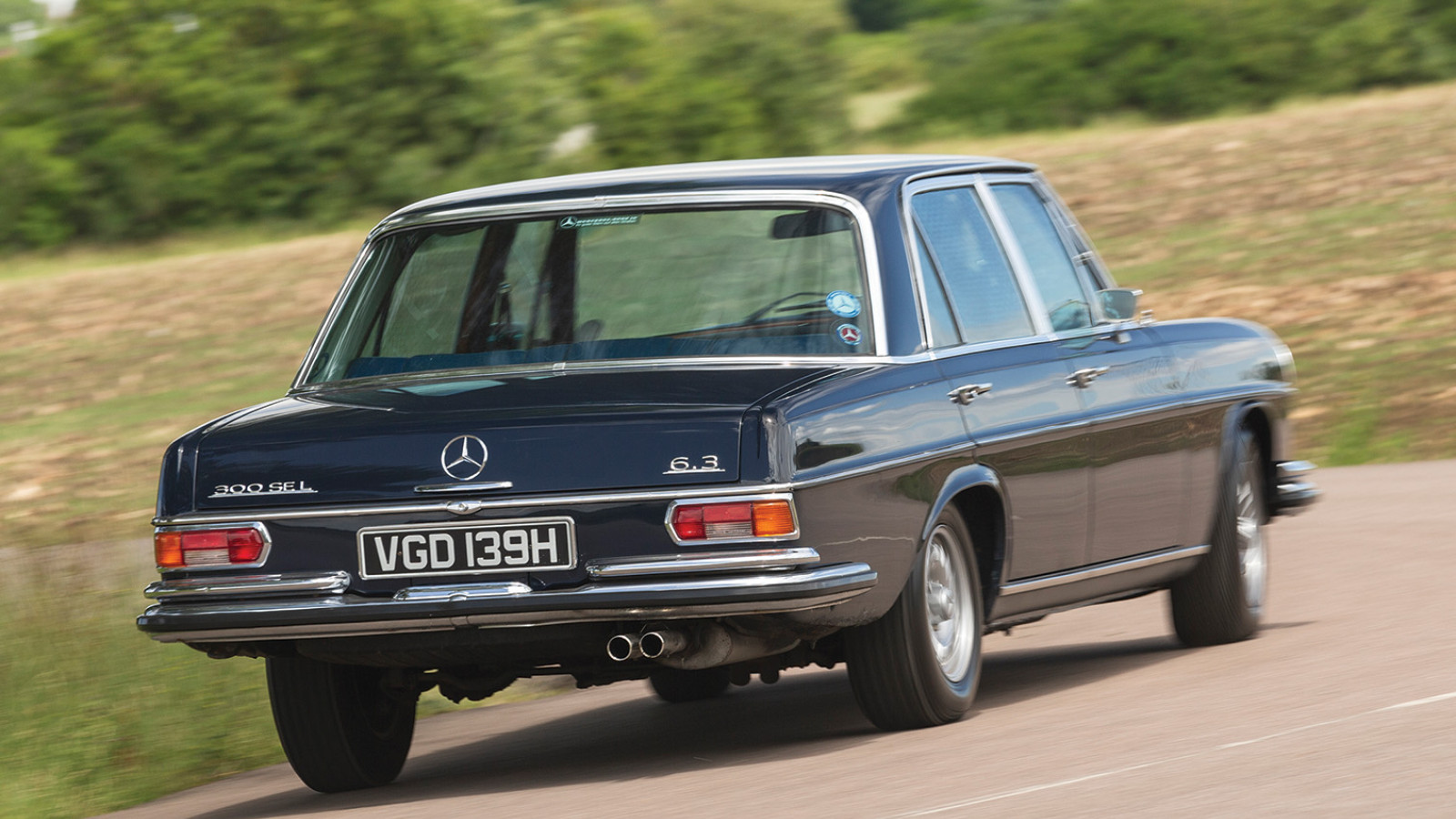
Mercedes-Benz 300SEL 6.3 (7.1 secs)
It’s ironic that, of the handful of cars that out-accelerated Mercedes’ 450SEL 6.9 during Autocar’s 1970s tests, one of them was its direct predecessor, the W109 300SEL 6.3.
Produced from 1967, the model took the regular 300SEL’s long-wheelbase body and powered it with the company’s 247bhp, 6.3-litre M100 V8, also found in the W100 600.
That it could be specified with options like an audio tape deck, reading lamps and writing tables, seemed incompatible with the 7.1-sec 0-60mph time that Autocar set during testing.
Jensen Interceptor MkII (6.4 secs)
In 1965, Jensen scouted various Italian carrozzerie to design a replacement for its CV8.
At first, Vignale was chosen to complete the design and produce the bodies for the car to be built on to the CV8’s platform, also employing the older car’s mechanicals. Production switched to Jensen’s West Bromwich base in the UK between 1966-’76.
Autocar tested the Interceptor when it was initially powered by Chrysler’s 6.3-litre V8 and achieved a 0-60mph time of just 6.4 secs.
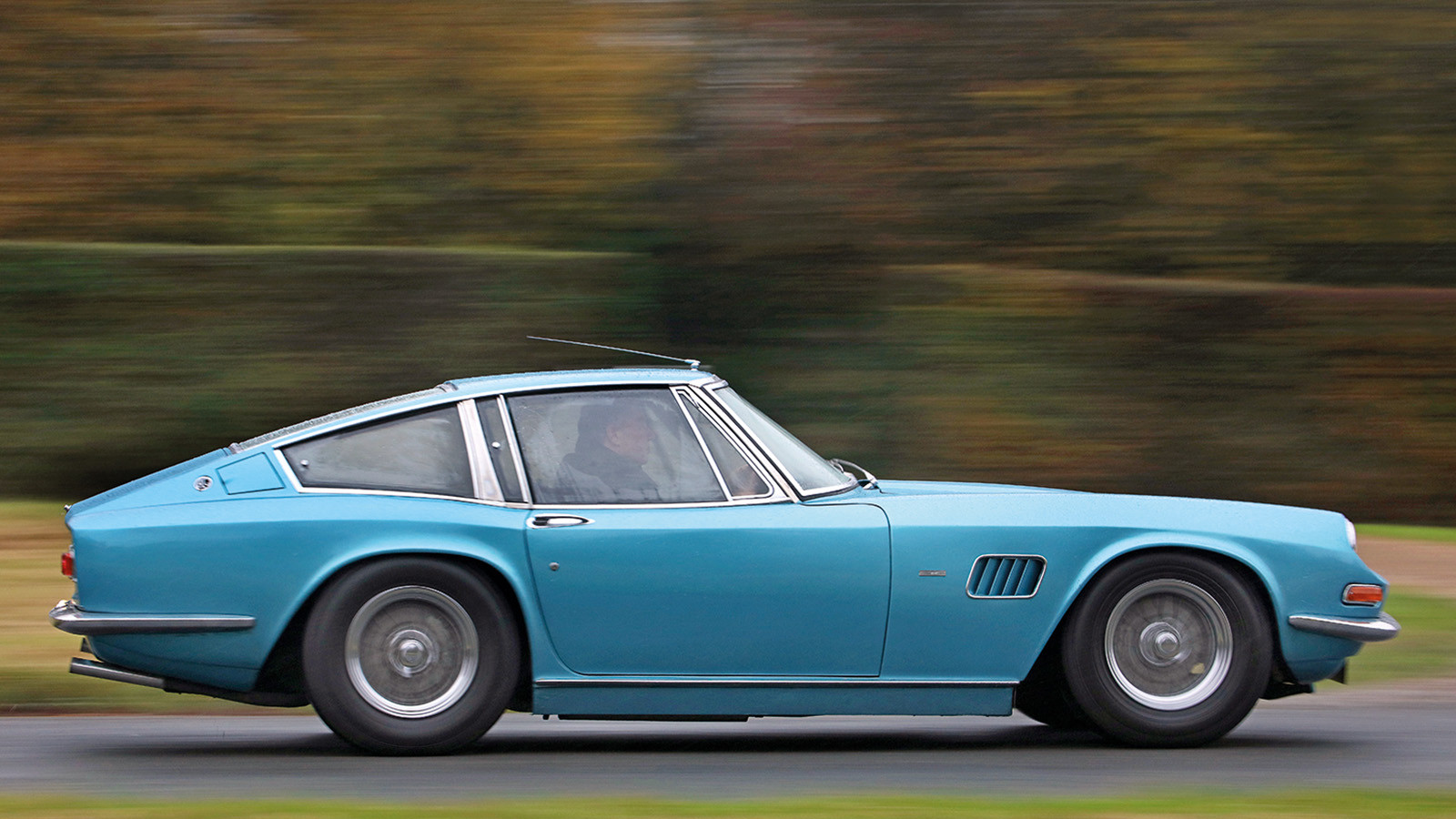
AC 428 Fastback (6.2 secs)
The AC 428 – its name derived from the cubic-inch displacement of its Ford V8 engine – was first unveiled as a convertible at the British Motor Show in 1966.
It then appeared as a Fastback, costing an eye-watering £4850, at the Geneva show the following year.
The two-seater had no problem achieving a genuine 142mph in Autocar’s hands – plus it achieved a scorching 0-60mph time of 6.2 secs.
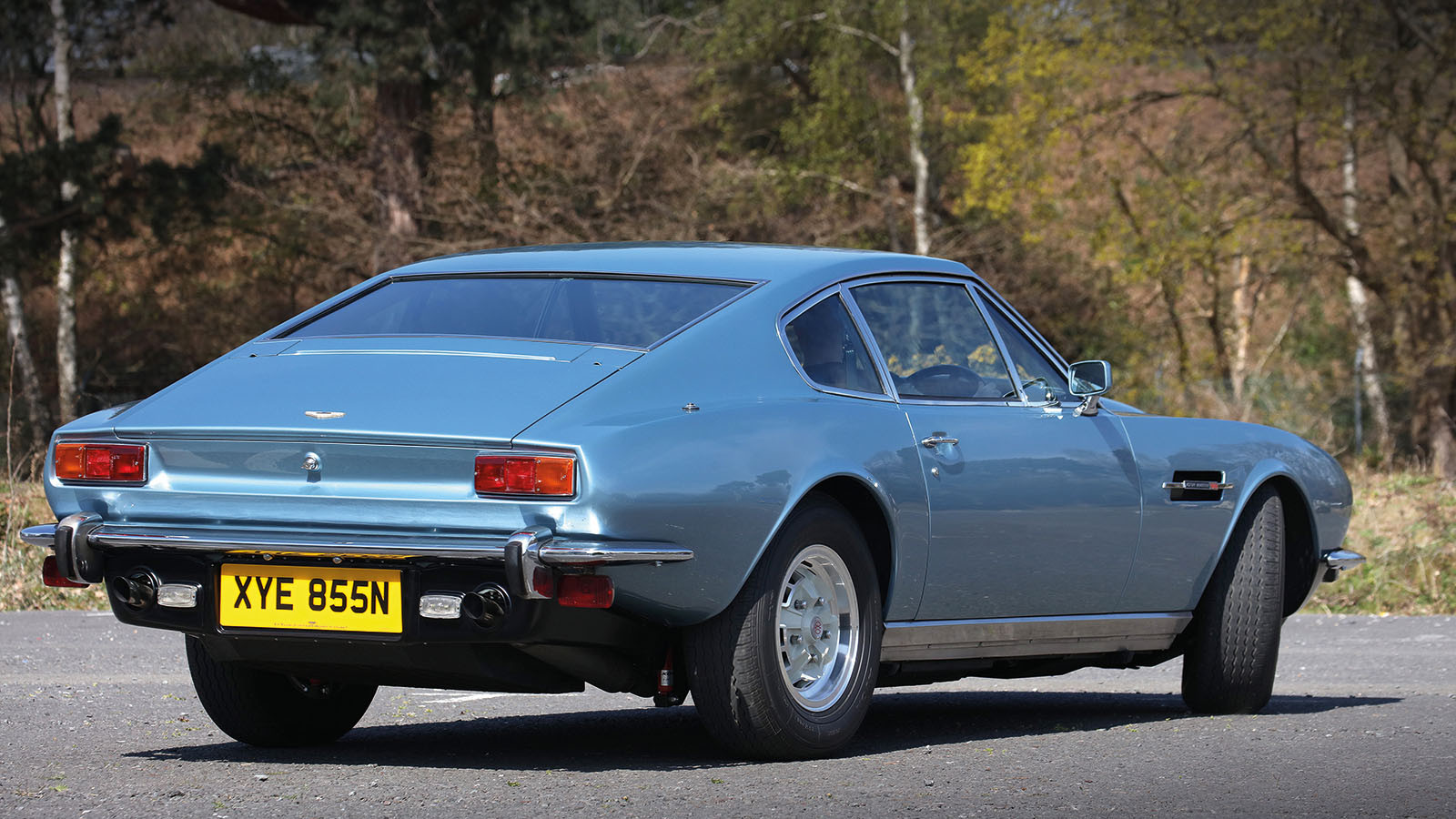
Aston Martin V8 (6.2 secs)
Autocar set one of its fastest acceleration times with this automatic car a full seven years before the end of the decade.
The V8 was an evolution of the DBS V8 which launched in 1973.
Out went the Bosch fuel injection of the DBS, replaced by a quartet of twin-choke Weber carburettors, helping the car’s 5.3-litre V8 generate a fulsome 310bhp.
Aboard the Aston Martin V8, Autocar matched the 6.2-sec 0-60mph time it had previously set with the AC 428 Fastback – the only reason the Aston clinches the top spot here is the alphabetical sequence of the letters in its maker’s name.