Saloon power in sports cars
A surprising number of the most popular and best-selling sports cars have used engines lifted from saloons.
Some of these choices have been through financial necessity or because of corporate insistence, but others have proved to be inspired, and have helped forge the car’s distinct character and propel it to sales success.
From featherweights through to heavy-hitting sporting machinery, here we are looking at some of the classic sports cars powered by saloon-car engines, presented in chronological order.
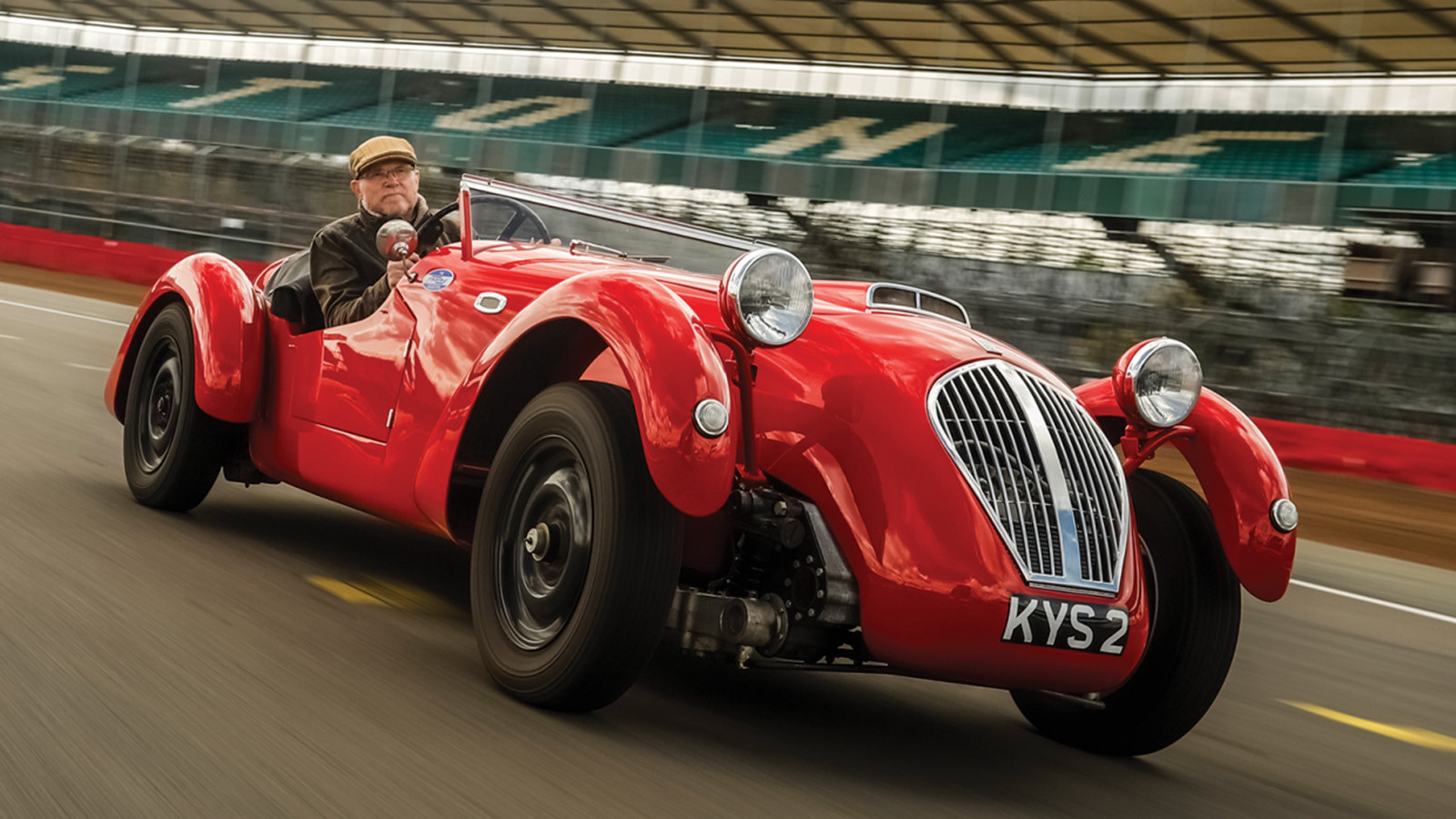
1. 1949 Healey Silverstone
Donald Healey was no stranger to the performance of Riley engines, so it was natural to choose them for his post-war cars that included the Silverstone sports model.
Only 105 Healey Silverstones were built and all were fitted with the 2443cc ‘Big Four’, as used in the Riley RMB.
For the Silverstone, the engine’s power was improved thanks to twin SU carburettors, a sports exhaust and an inlet manifold of Healey’s own design.
The result was a 107mph sports car, while the power and torque of the Silverstone’s engine also meant it could drive from 10mph to its maximum speed in top gear.
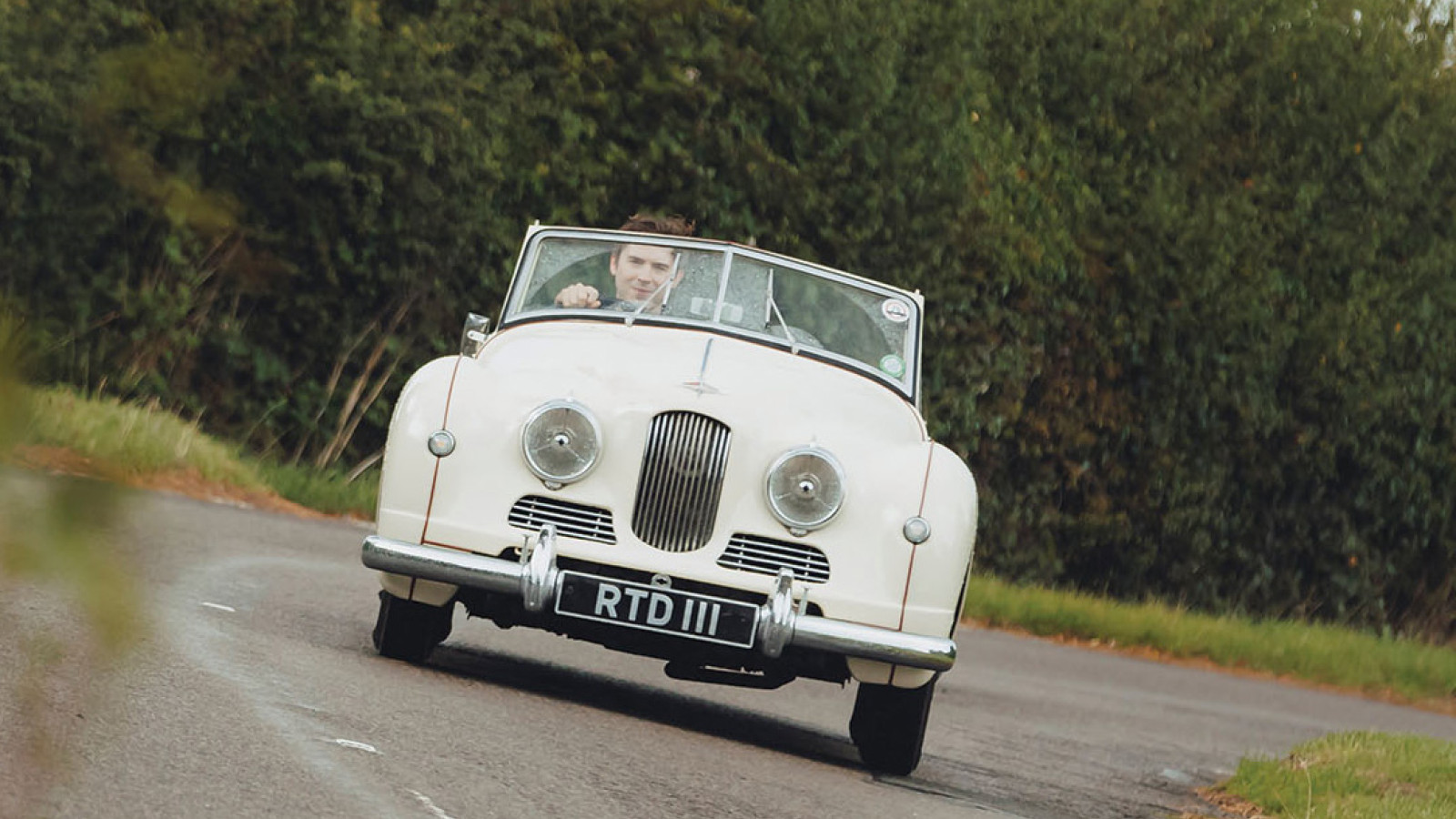
2. 1950 Jowett Jupiter
Jowett had been building its flat-twin engine since before the First World War, but it was the Bradford motor manufacturer’s post-war flat-four engine that went into its Jupiter sports car.
It was introduced in the Javelin saloon in 1947, so was already tried and tested when the Jupiter arrived in 1950.
The 1486cc flat-four was tuned to give 60bhp compared to its saloon sibling’s 50bhp, which meant the lighter Jupiter was capable of 84mph, and it enjoyed success at Le Mans and Rallye Monte-Carlo.
Jowett experimented with this engine in the glassfibre-bodied R4 Jupiter, but only three were ever made.
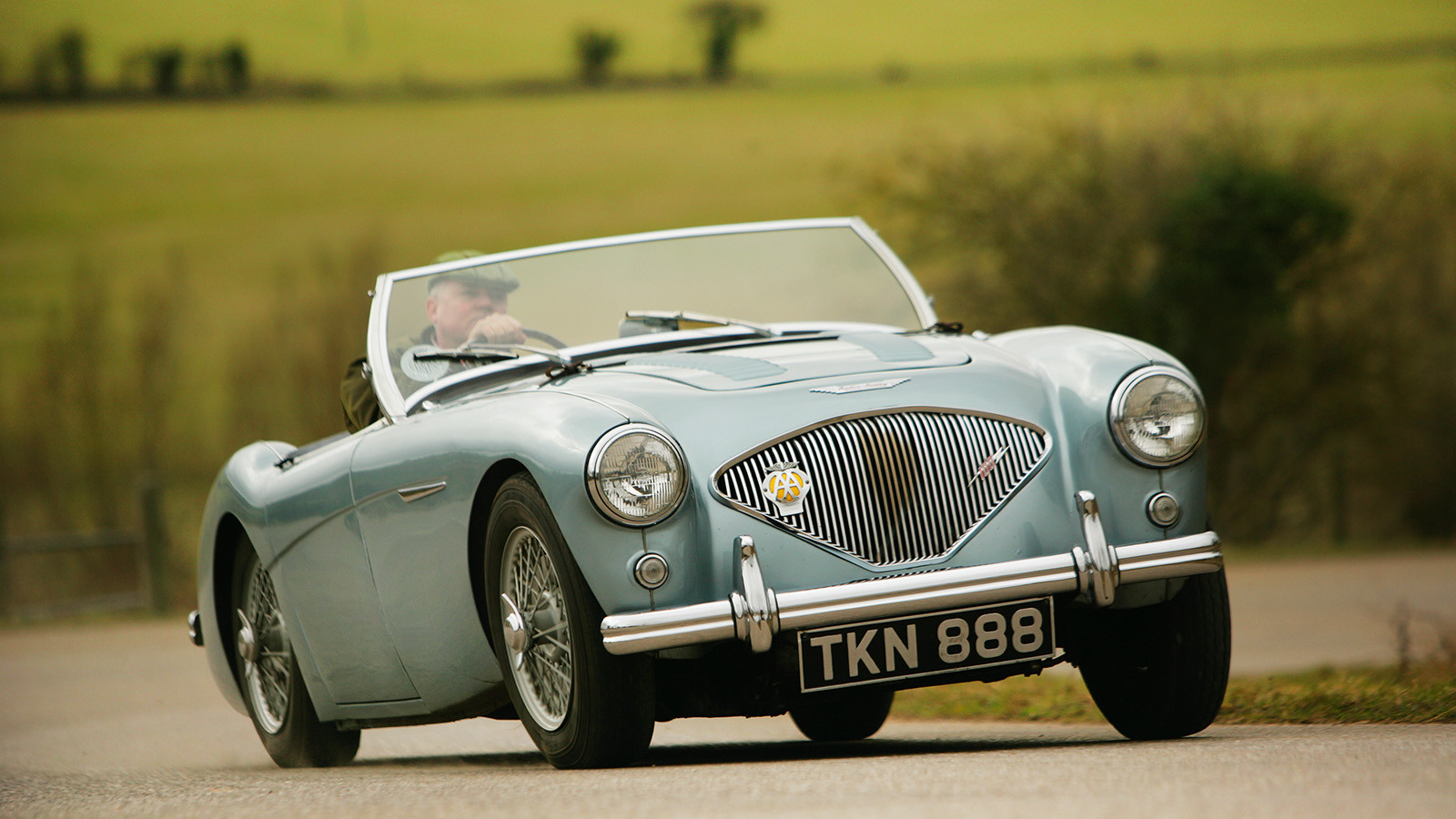
3. 1953 Austin-Healey 100
The A90 Atlantic was a sales flop for Austin, but its 2660cc, four-cylinder engine went on to enjoy much greater success when the firm struck a deal with Donald Healey.
The resulting Austin-Healey 100, with its name expressing its 100mph-plus top speed, used the standard 90bhp version of the engine for 0-60mph in 10.3 secs.
From 1955, a four-speed gearbox took over from the three-speeder, while a 100M version upped power to 110bhp.
The 131bhp 100S was the ultimate development of the model – it was aimed at competition use with its alloy body and reduced weight contributing to a 120mph maximum speed.
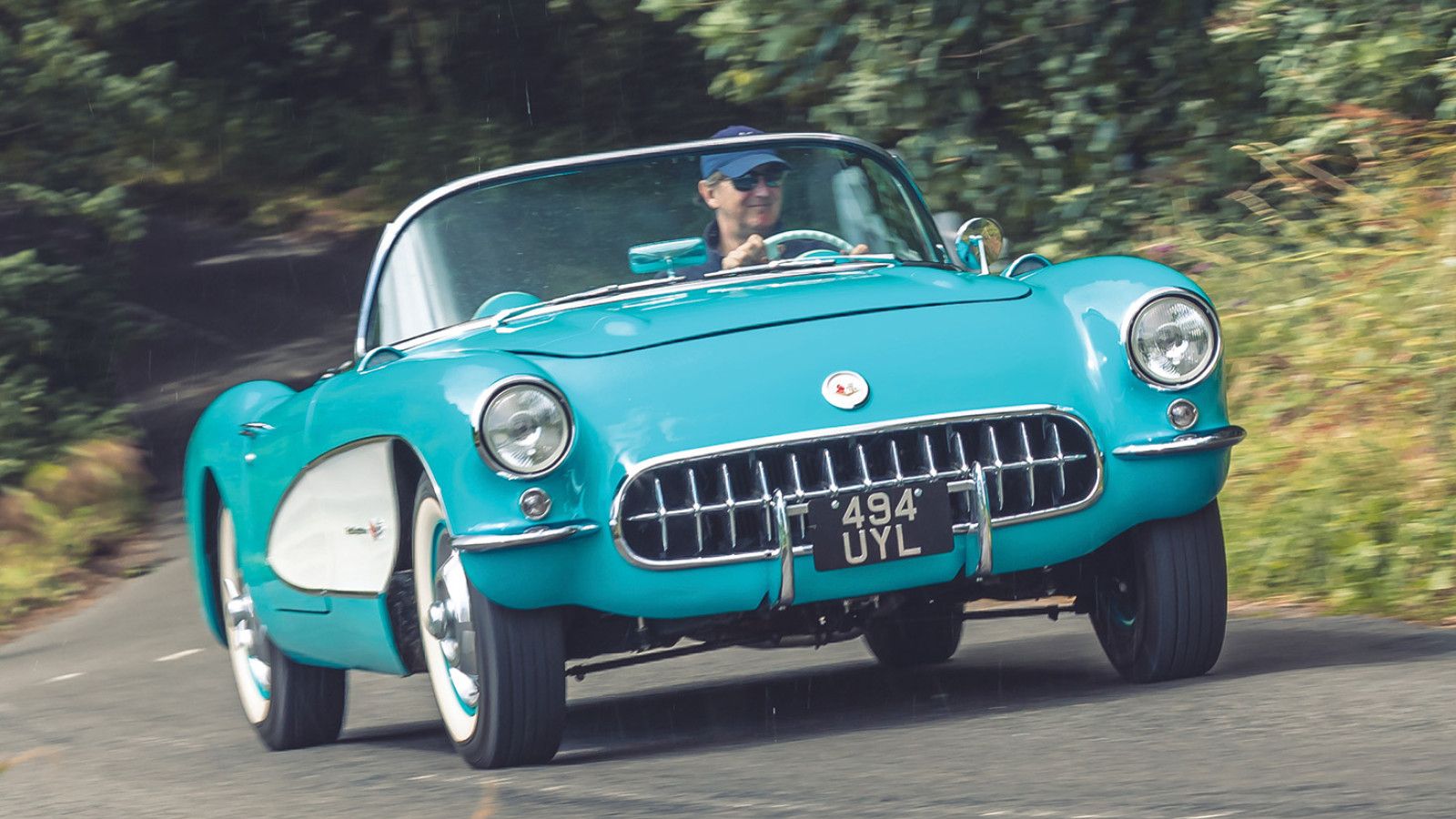
4. 1953 Chevrolet Corvette
For a car that became known as America’s sports car, the Chevrolet Corvette started with a humble engine.
To begin with, a 3.9-litre (235cu in) straight-six was used direct from Chevrolet’s passenger-car range with a modest 150bhp.
It was coupled to a two-speed manual transmission, which delivered 0-60mph in 11.5 secs, but was considered too slow by US sports-car buyers.
This problem was addressed in 1955 when the Corvette gained a 4.3-litre (265cu in) V8, which itself was a mainstay of Chevrolet’s saloon models.
The sports car’s popularity boomed as the V8 became its staple engine.
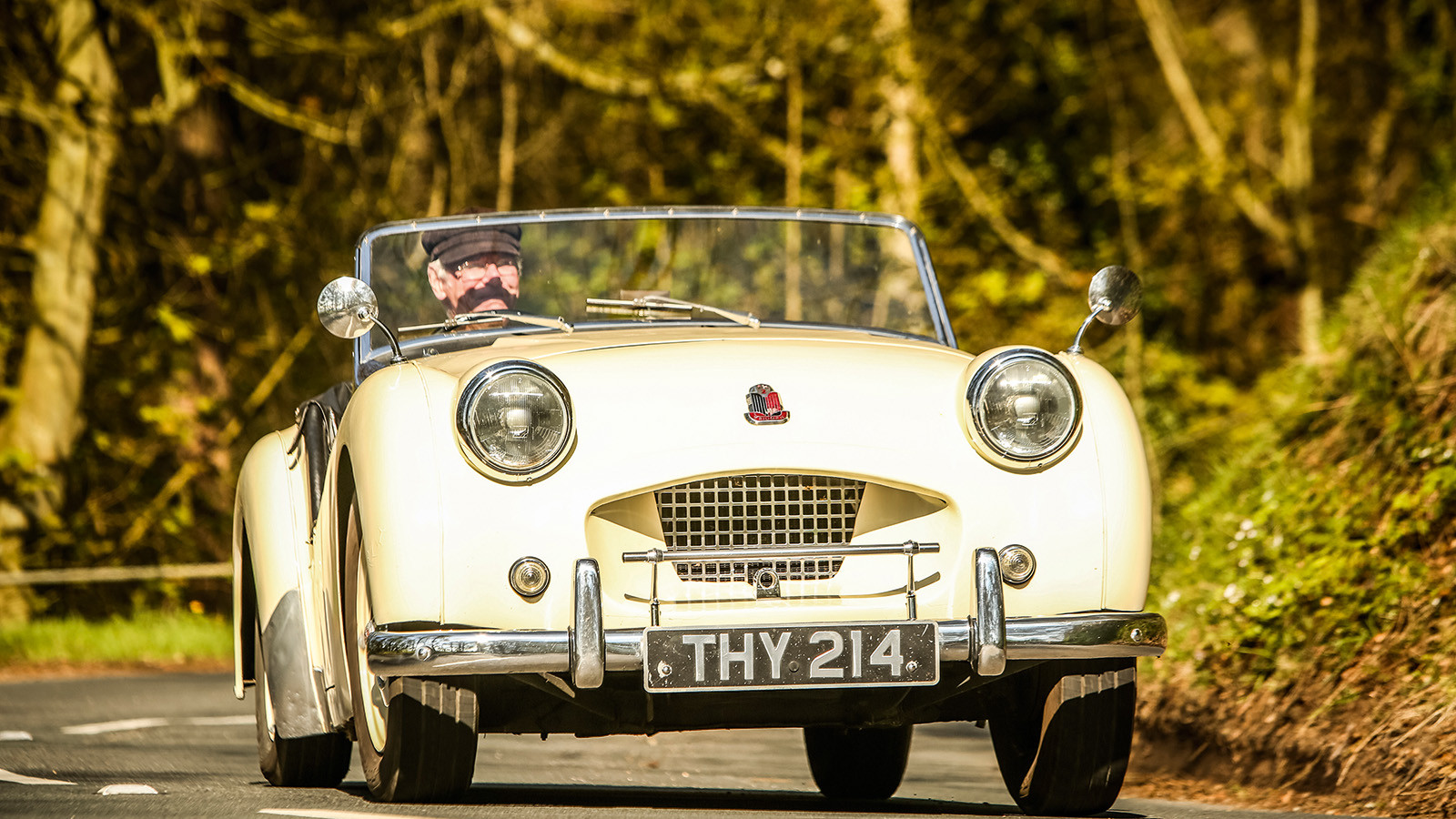
5. 1953 Triumph TR2
The Standard Vanguard was perhaps not a likely source of inspiration for a sports car, but its rugged, 2088cc, four-cylinder engine was chosen for the new Triumph TR2.
The motor had been used in the TRX concept car, but the TR2 enjoyed a 90bhp 1991cc version of the engine compared to the Vanguard’s modest 68bhp.
This endowed the simple TR2 with a top speed of 103mph.
The toughness of the TR2 and its engine meant these models leant themselves to rallying, while a streamlined version set a speed of 124.889mph on the Jabbeke motorway in Belgium in May 1953.
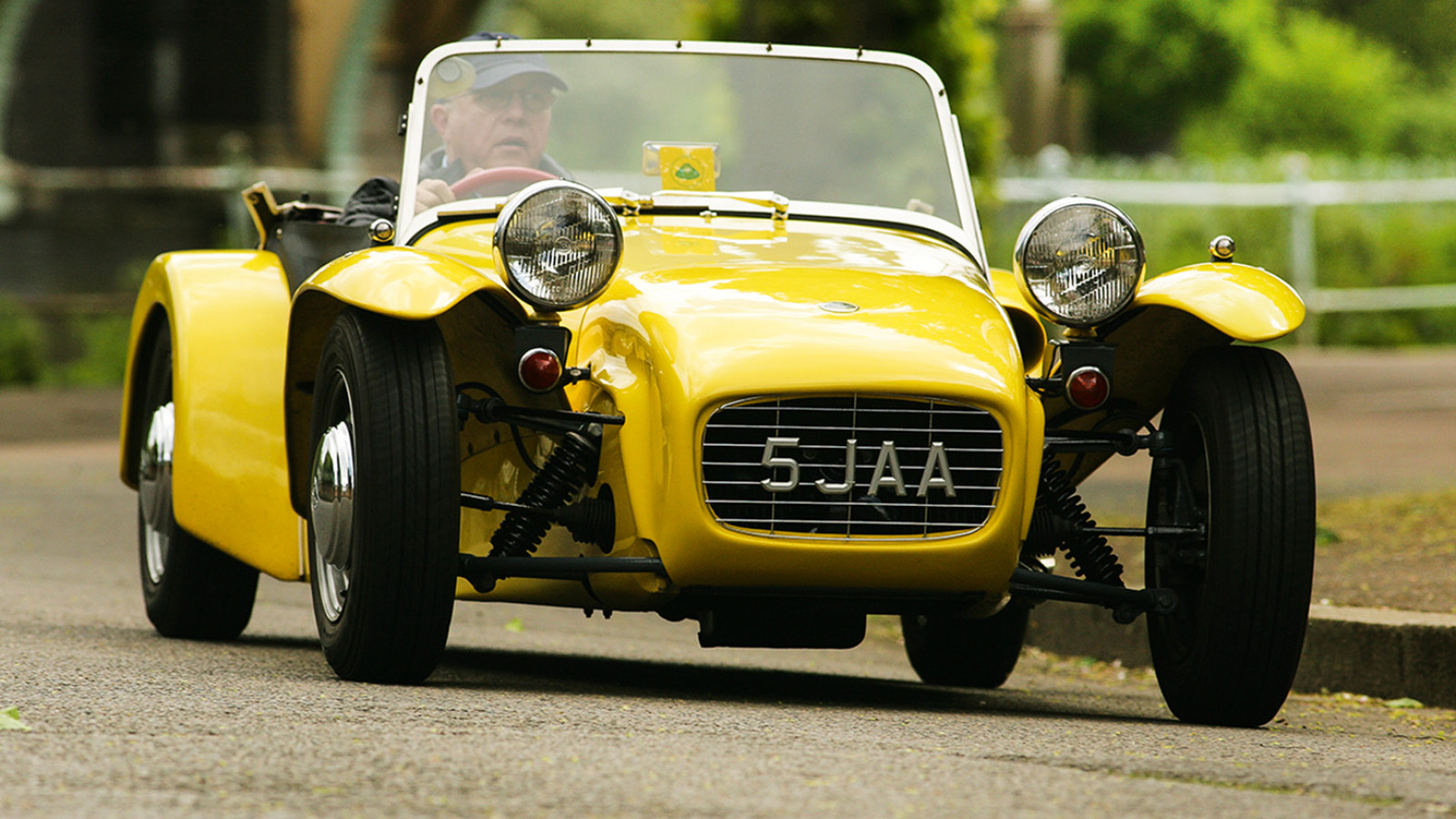
6. 1957 Lotus Seven
It was natural that Lotus, like many small sports-car makers of the time, used engines borrowed from affordable saloon donors.
While some Lotus Sevens were fitted with more exotic twin-cam or Coventry Climax engines, most used the BMC A-series from the Austin A35, or Ford’s 997cc and 1172cc motors lifted from the Anglia.
The advantage of these units were they could be easily and cheaply tuned for more power, giving the lightweight Lotus tremendous performance.
As the Seven evolved, it continued to use saloon engines from the Ford Escort and Mondeo, as well as the Rover K-series, among others.
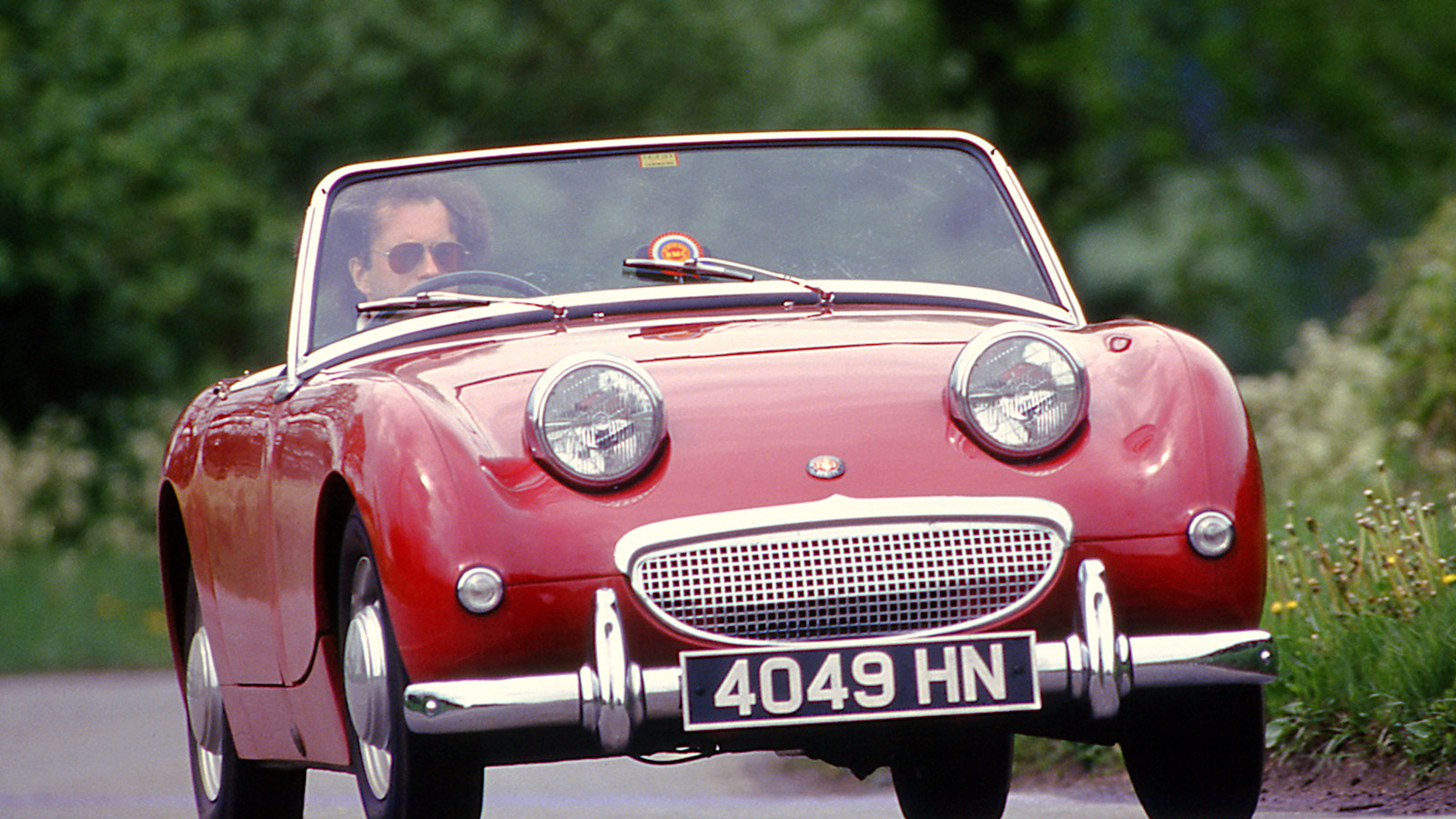
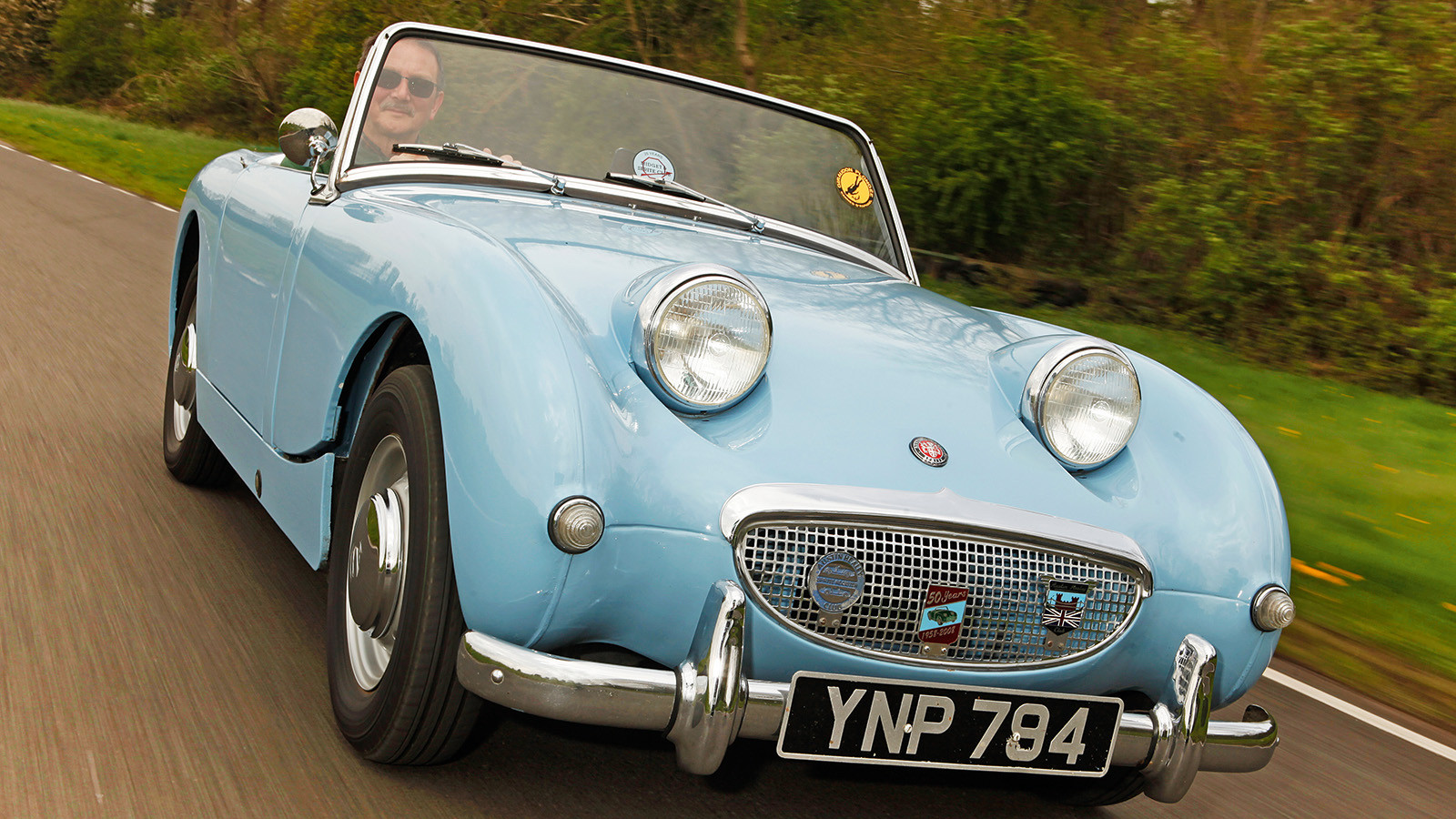
7. 1958 Austin-Healey Sprite
If ever a car was more than the sum of its parts, the Austin-Healey Sprite was it.
Using the 948cc A-series engine pinched from the Austin A35, along with that car’s suspension, it enjoyed a boost to 43bhp from the saloon car’s wheezy 34bhp.
In the lighter and more aerodynamic Sprite, this equated to an 86mph top speed and 0-60mph in 20 secs.
If those numbers were modest, the feel from the driver’s seat was much more invigorating and the Austin-Healey Sprite gained a keen following that helped it sell a total of 48,987 cars between 1958 and 1961.
The Sprite also set the template for the MG Midget that followed.
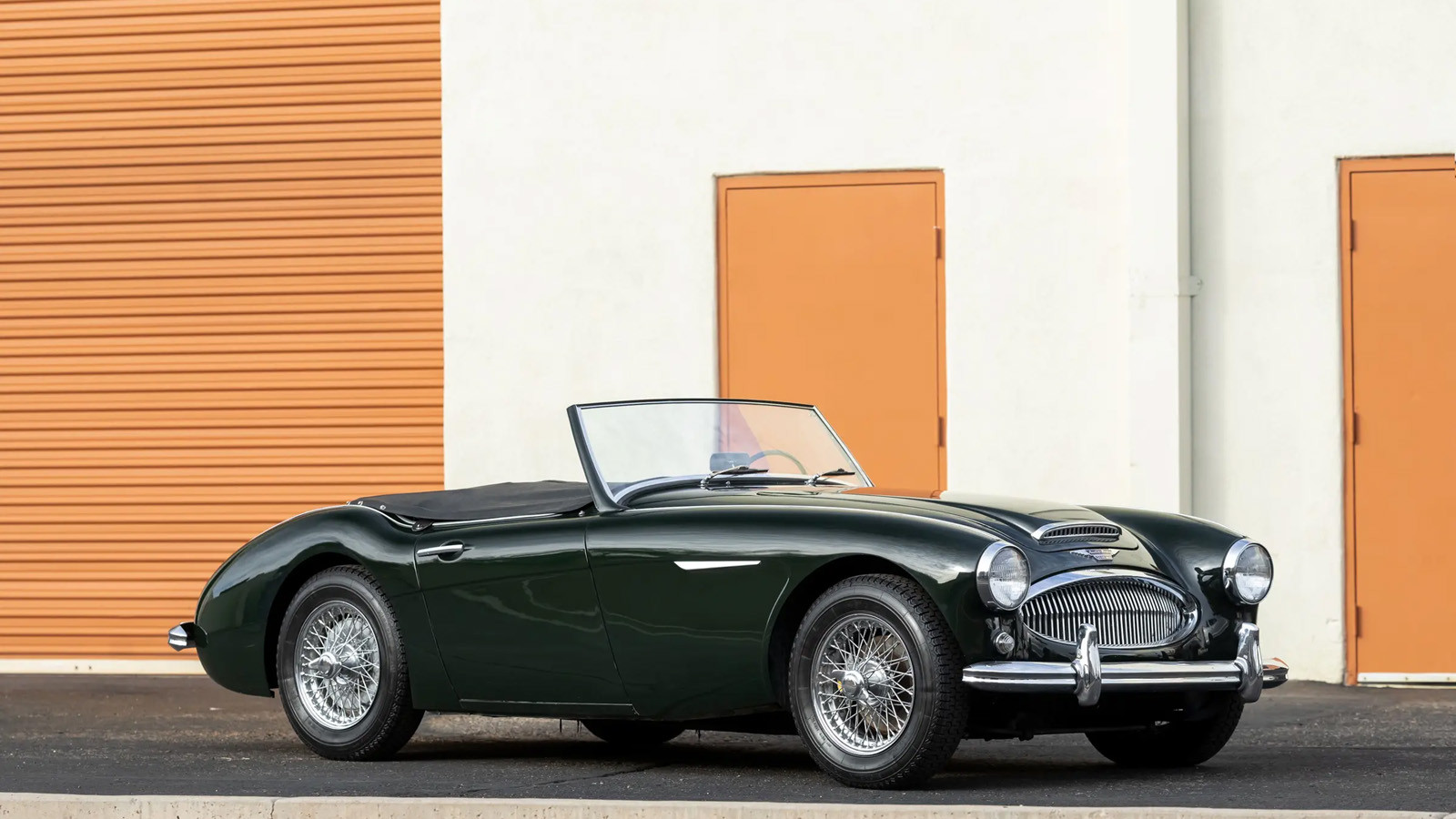
8. 1959 Austin-Healey 3000
Using the same formula as the 100 and its six-cylinder 100/6 successor, the Austin-Healey 3000 took a luxury saloon’s motor and popped into a much more sporting body.
In this case, the 2912cc straight-six was a newly enlarged version of the Austin C-series engine that had previously been used in the 100/6 in 2.6-litre form.
Luckily, the Austin-Healey 3000’s performance was reflected in this model gaining a stronger gearbox and front disc brakes compared to the earlier 100/6.
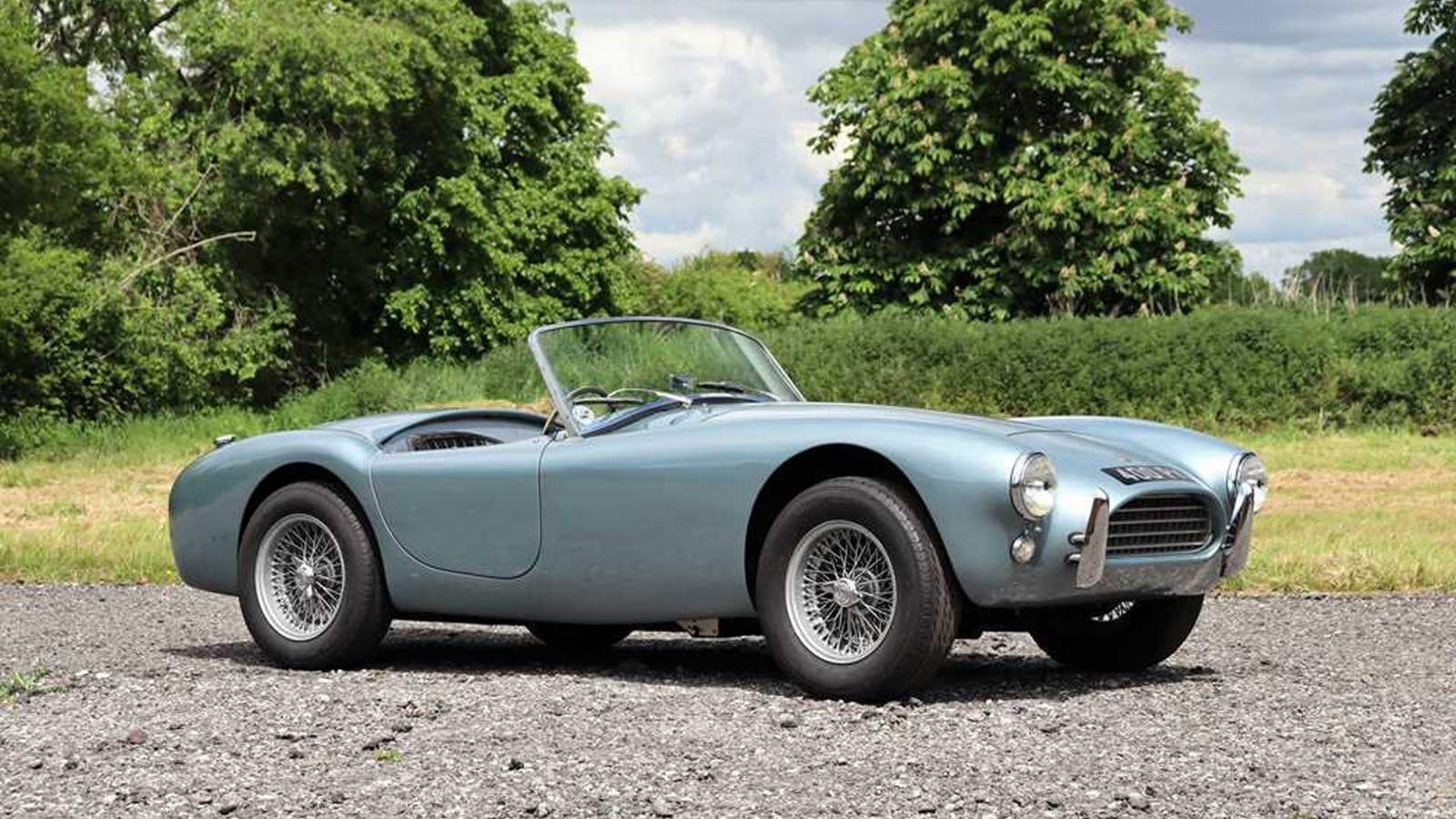
9. 1961 AC Ace
The AC Ace was launched in 1951 using the company’s own 2-litre, straight-six unit and was followed by a Bristol-powered iteration in 1956.
However, the final hurrah for Ace came in 1961 with the 2.6-litre straight-six taken from the Ford Zephyr.
This engine had been fitted as a conversion by Ruddspeed, but factory-supplied cars only came on stream from ’61.
Only 47 of these Ford-powered cars were made by the factory in four different states of tune.
The most powerful version of the 2553cc engine delivered 170bhp and bridged the performance gap between the standard Ace and soon-to-arrive Cobra.
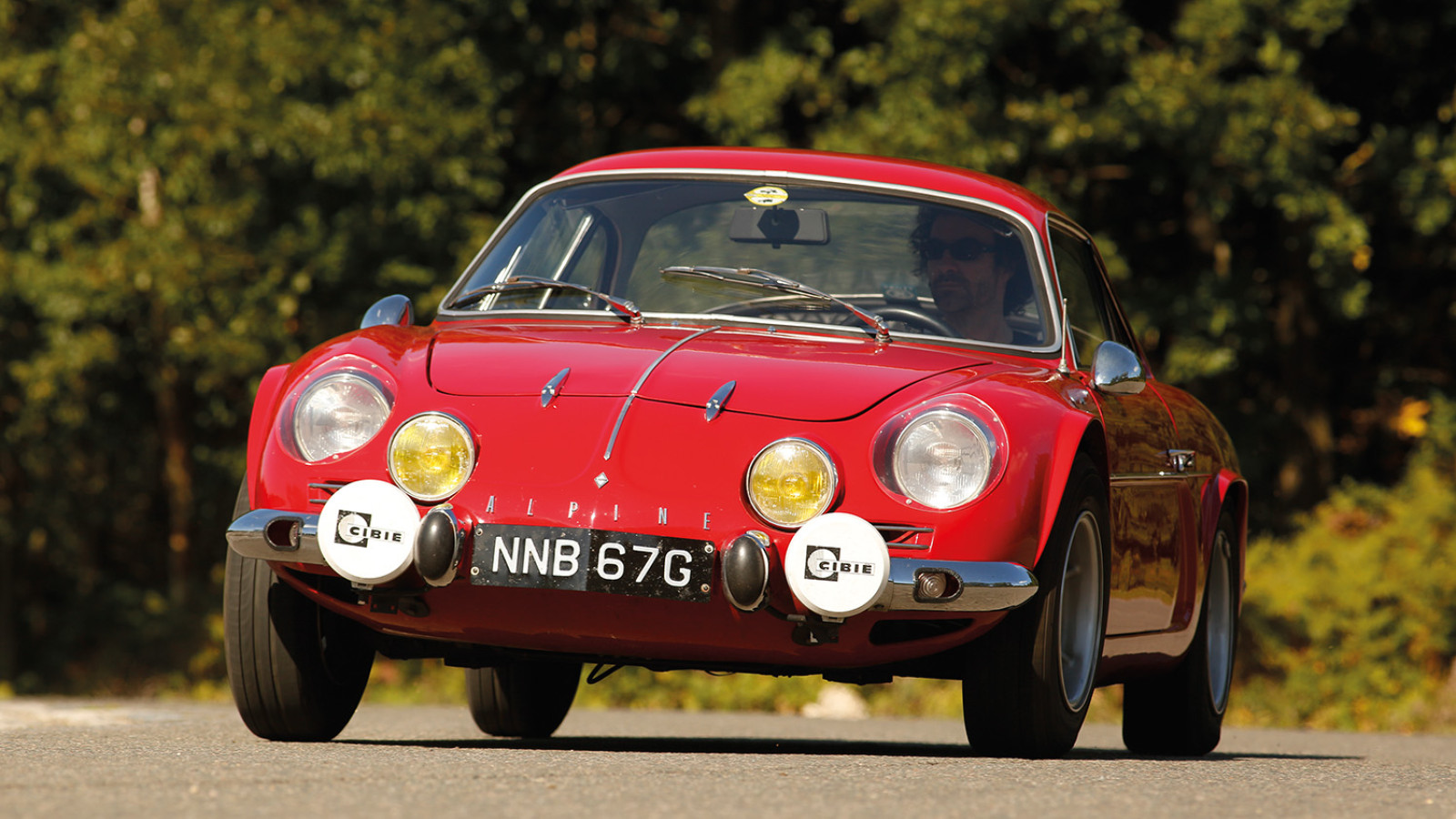
10. 1962 Alpine A110
Alpine had already been raiding the Renault parts bin for engines to power its sports cars before the A110 arrived.
The A110, however, perfected the recipe with its neat looks and rear-engined layout using a Renault 8 motor in perkier Gordini tune.
With as much as 138bhp powering the 625kg (1387lb) car and excellent traction, the A110 made a formidable rally machine and won the inaugural World Rally Championship in 1973.
Later Alpine models continued to use V6 engines from Renault all the way up to the A610 launched in 1992, and the 21st-century A110 still uses a Renault motor.
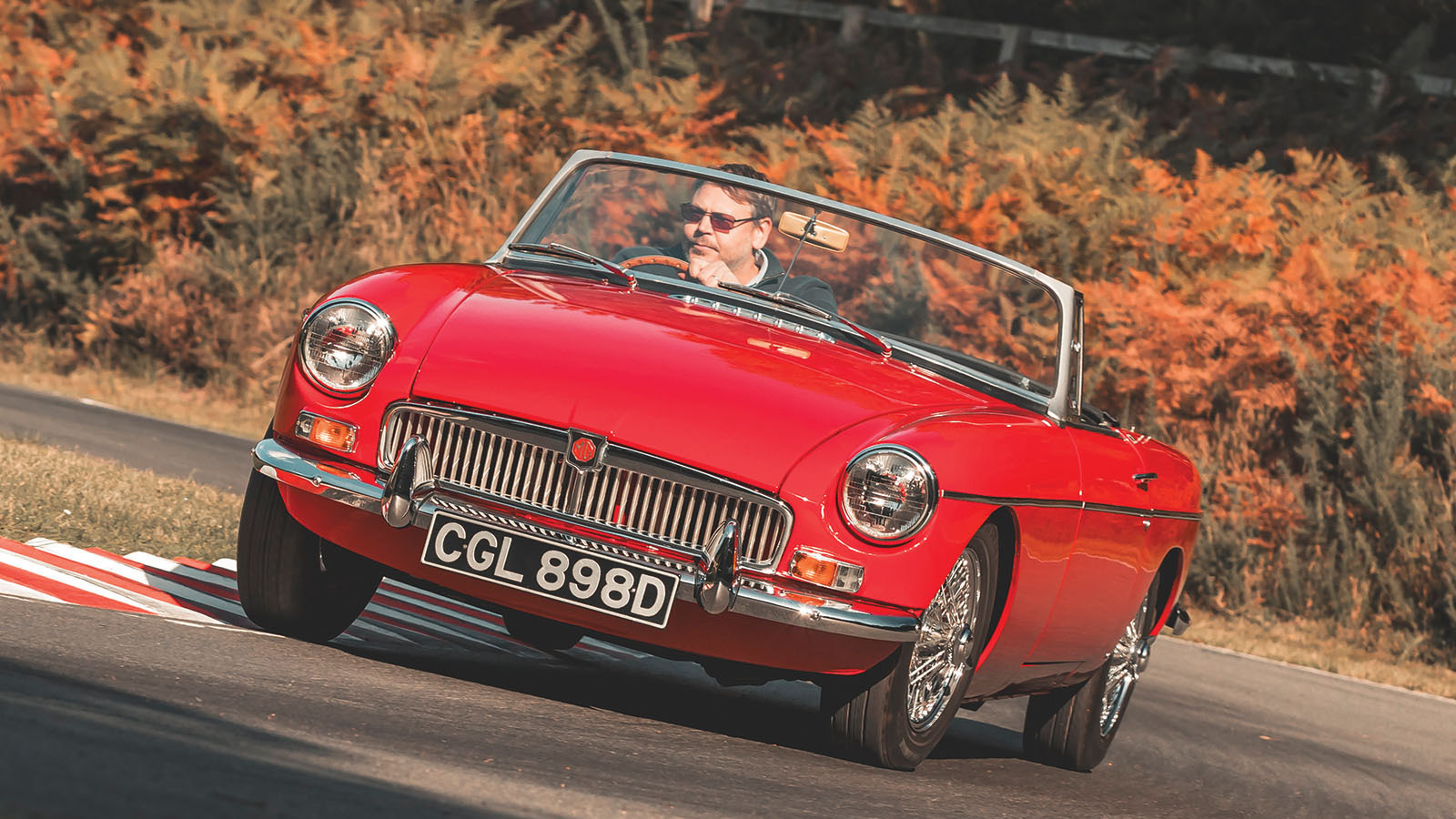
11. 1962 MGB
The BMC parts bin had already delivered the B-series, four-cylinder engine, used in a variety of saloons, to power the MGA.
For the MGB, the B-series was chosen in 1798cc capacity with twin carburettors helping it produce 95bhp and a useful 110lb ft of torque.
While not as swift as some rivals, notably the Triumph TR4, the MGB was good for more than 100mph and a 0-60mph time of 12.2 secs.
It also offered sleek looks and could cruise all day on the emerging motorway networks of Europe and the USA.
Allied to decent handling, the MGB went on to sell more than half a million cars in roadster and coupé shapes.
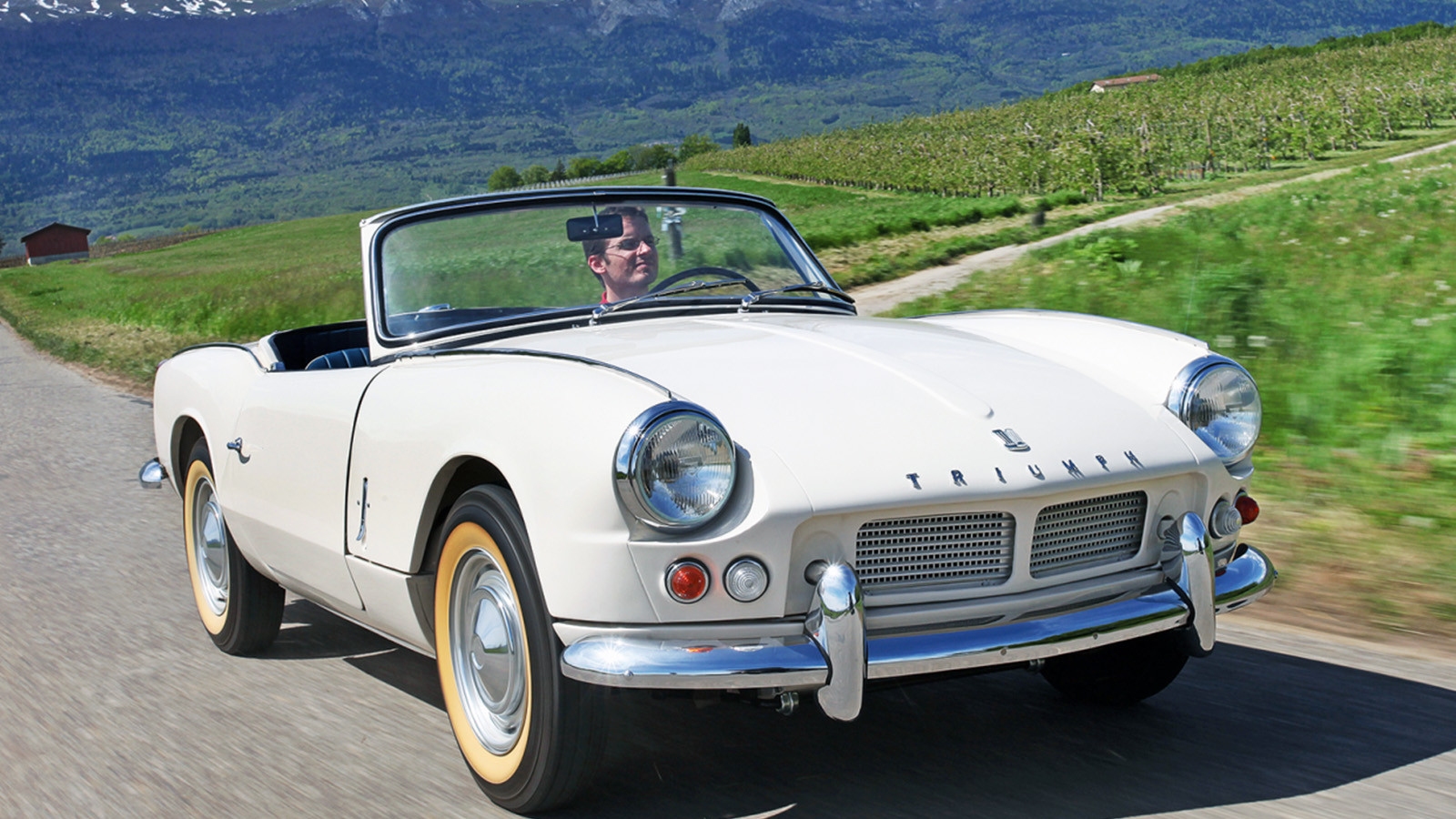
12. 1962 Triumph Spitfire
The sharply styled Triumph Herald came with a separate chassis, which in turn leant itself to creating a sports car on the same frame.
The handsome Spitfire was the outcome, sharing the 1147cc, four-cylinder engine of the Herald but with twin carburettors to give 63bhp.
That was sufficient in a car weighing only 711kg (1567lb) to offer 0-60mph in 15.5 secs and 92mph all out.
As the Spitfire evolved, it gained a 75bhp 1296cc engine, also from the Herald, and later a 1.5-litre motor from the 1500TC saloon with less power at 70bhp, but enough torque to finally propel the Triumph to a 100mph top speed.
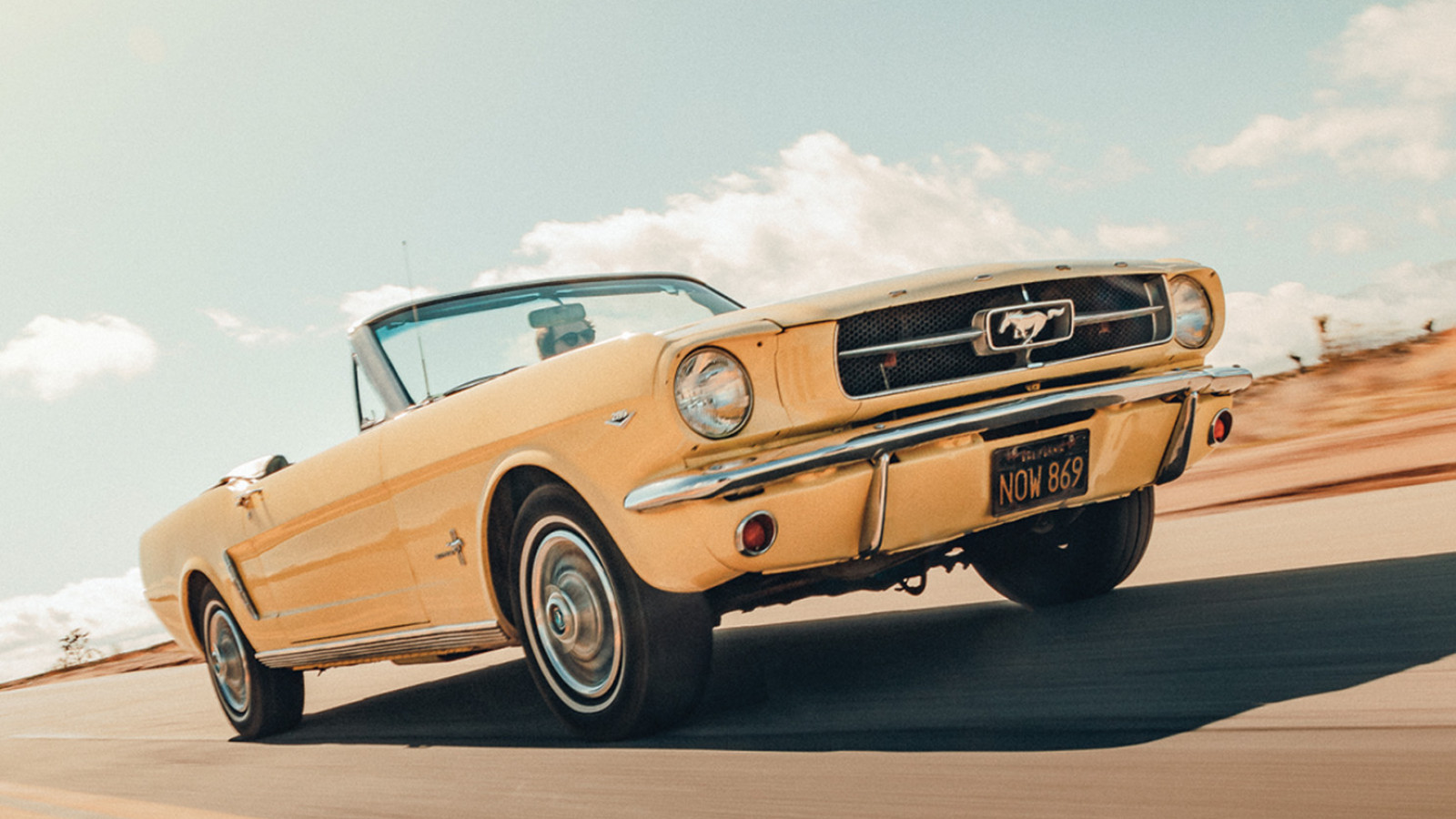
13. 1964 Ford Mustang
As with many Ford models, the original Mustang shared its engines with a broad selection of the company’s range.
The cheapest Mustang at its launch in 1964 was powered by a 2.8-litre (170cu in) straight-six, known as the Thriftpower, which was used by the US- and Australian-market Falcon saloons.
The small-block V8s most commonly associated with the Mustang were also from Blue Oval saloons, such as the Galaxie and Fairlane.
For a more bespoke engine, buyers could look to Carroll Shelby for his uprated Mustangs that offered more power through tuning and supercharging.
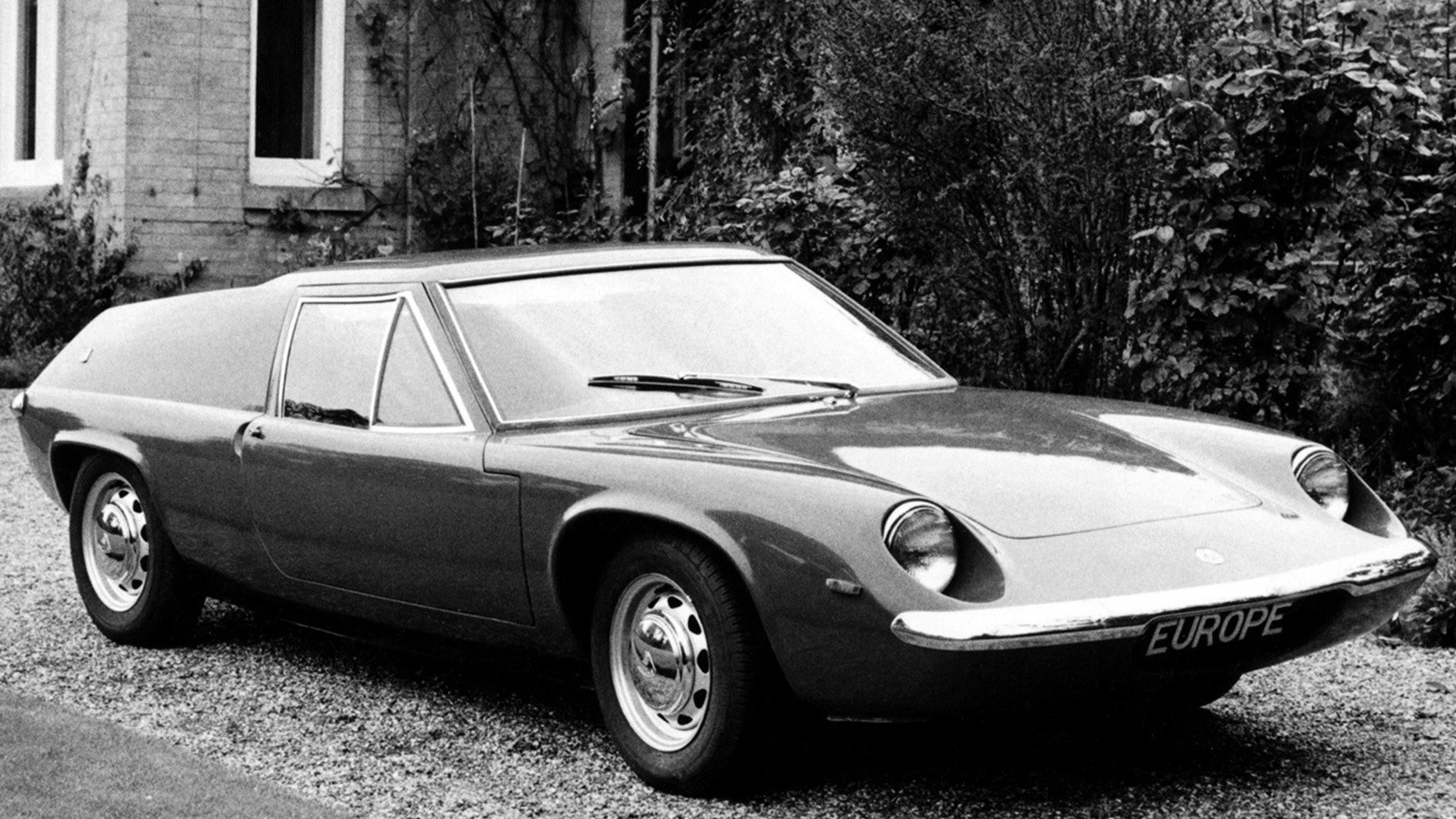
14. 1966 Lotus Europa
The Renault 16 was maybe not an obvious starting point from which to power a sports car, but the French family four-door had the distinct advantage of a transaxle gearbox mounted ahead of the engine.
When transferred to the midship layout of the British-built Lotus Europa, this made for an easy mid-engined installation.
From 1966, in its lowest state of tune, this unit gave 78bhp, but this output increased in some markets.
Then starting in 1971, the Europa adopted the Lotus Twin Cam engine with 105bhp or 126bhp for the Special.
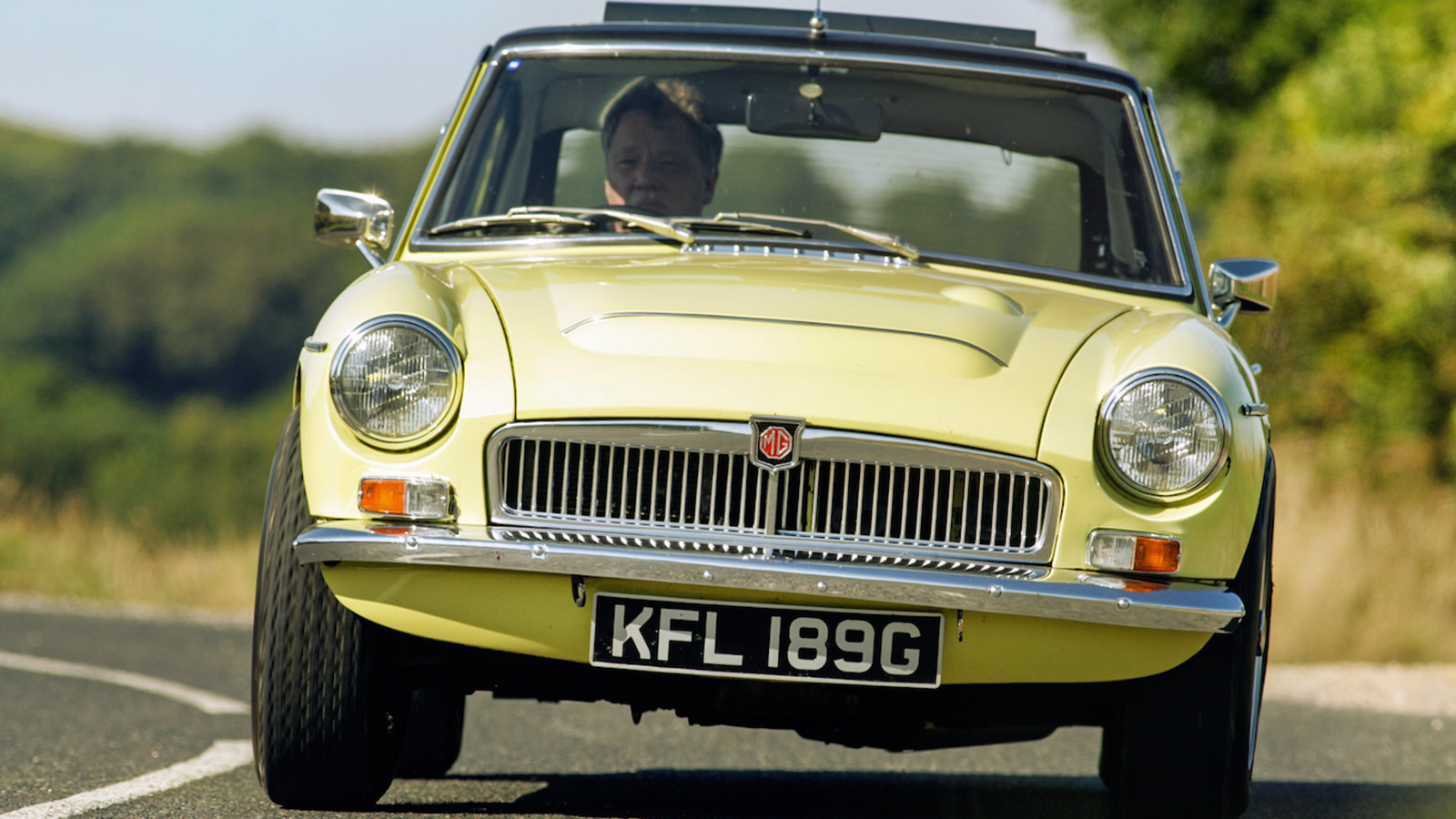
15. 1967 MGC
The thinking behind the MGC was sound: adding a larger engine to the popular B boosted performance and added a halo model.
Using the new 3-litre, six-cylinder engine from the Austin 3-Litre, it gave the MGC 145bhp and smooth revs thanks to seven main bearings.
However, the ‘six’ was heavy compared to the B’s four-cylinder unit and its extra length necessitated a bonnet bulge to accommodate it.
A harsh press reception sealed the fate of the MGC, which lasted from 1967 to 1969, with just 8999 sold.
The later MGB GT V8 with Rover’s P5B motor sold in even smaller numbers with a mere 2591 built.
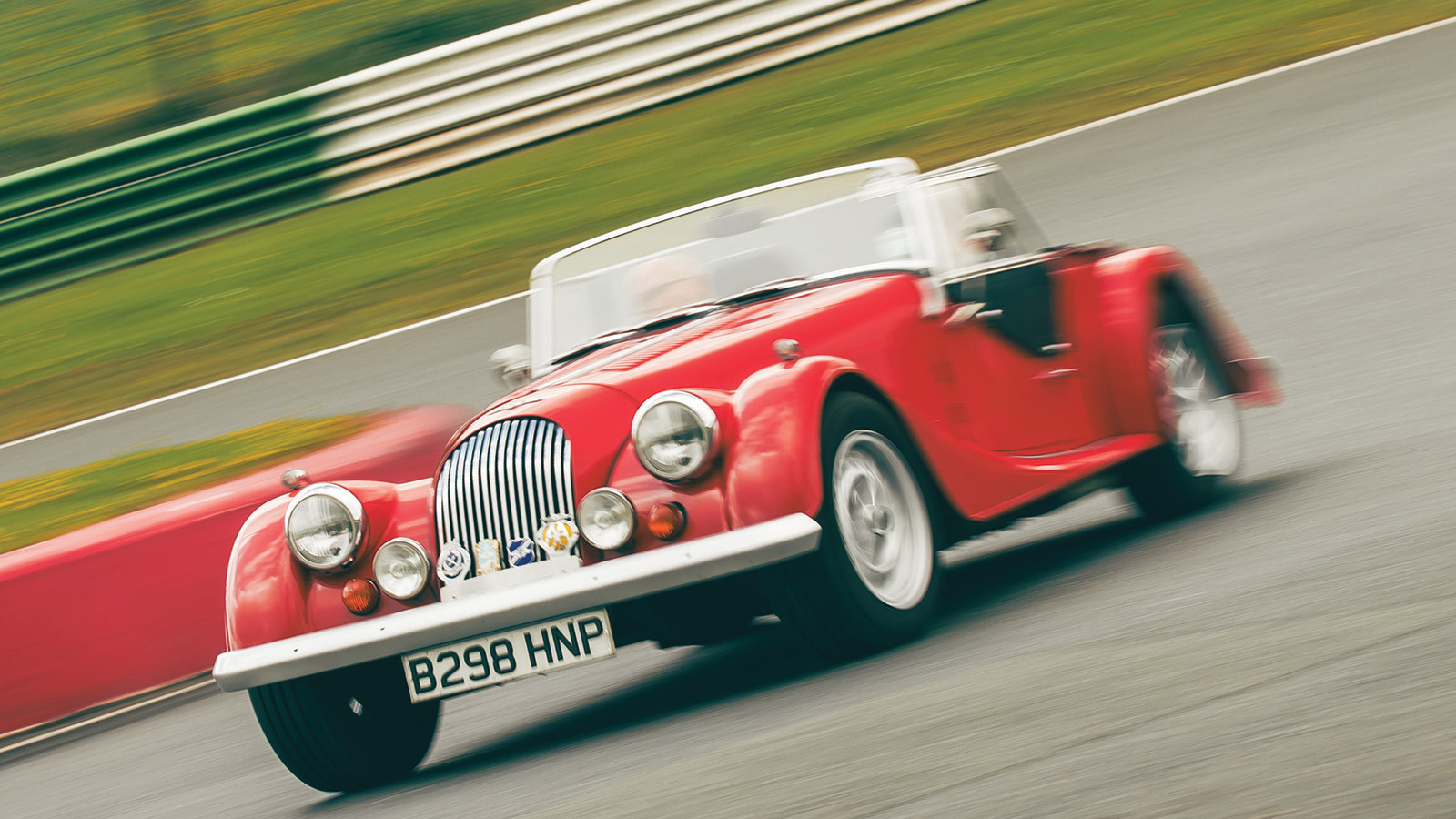
16. 1968 Morgan Plus 8
Morgan was quick out of the blocks to realise the potential of Rover’s new 3.5-litre V8 used in the P5B from 1967.
Just a year later, the British sports-car maker had it installed in its new model, the Plus 8, to join its other cars powered by mainstream saloon engines.
When the Morgan Plus 8 was introduced in 1968, according to its maker it was the fastest-accelerating British production car, capable of achieving 0-60mph in 6.7 secs, with a superb soundtrack to accompany it.
The Plus 8 stuck with the Rover engine up to 2004 when it reached a peak of 4.6 litres. After a break in production, in 2012 the Plus 8 returned, now with a 362bhp 4.8-litre V8 from BMW, that kept the model in production until 2018.
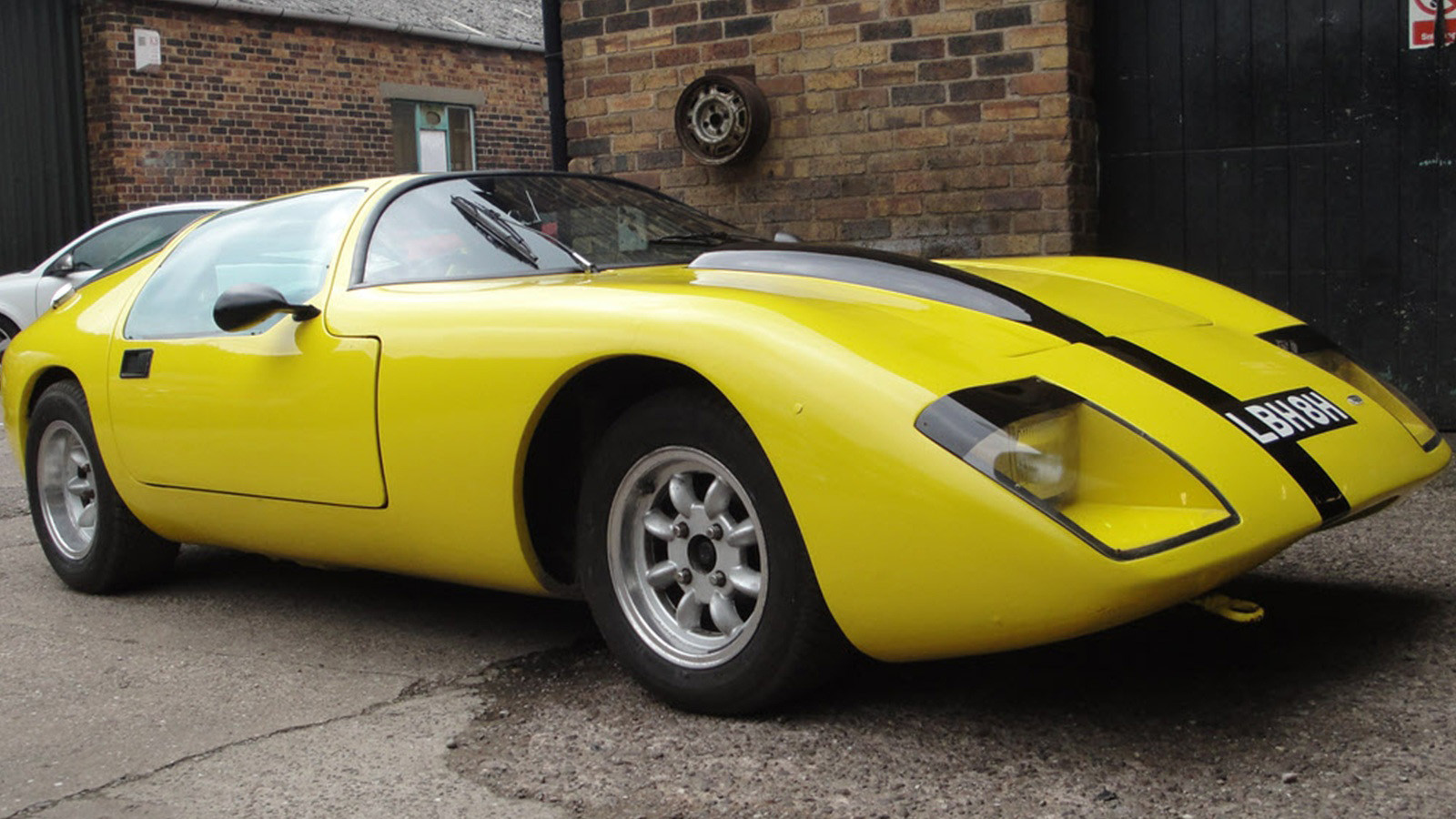
17. 1968 Piper GTT
The low-slung and wedge-nosed Piper GTT looked suitably exotic for a model from a low-volume, British-based, specialist sports-car maker, and designed by a racing driver and garage owner.
Yet, underneath Tony Hilder’s dramatic styling was the engine borrowed from a Ford Cortina 1600 GT which, in the featherweight Piper, meant a sprightly car with a top speed of 115mph.
Some GTTs and the following P2 model were fitted with Ford’s 1.3-litre Kent engine, though the exact split between engine capacities is unknown, because this was down to the owner who built the car from a kit in order to avoid paying purchase tax.
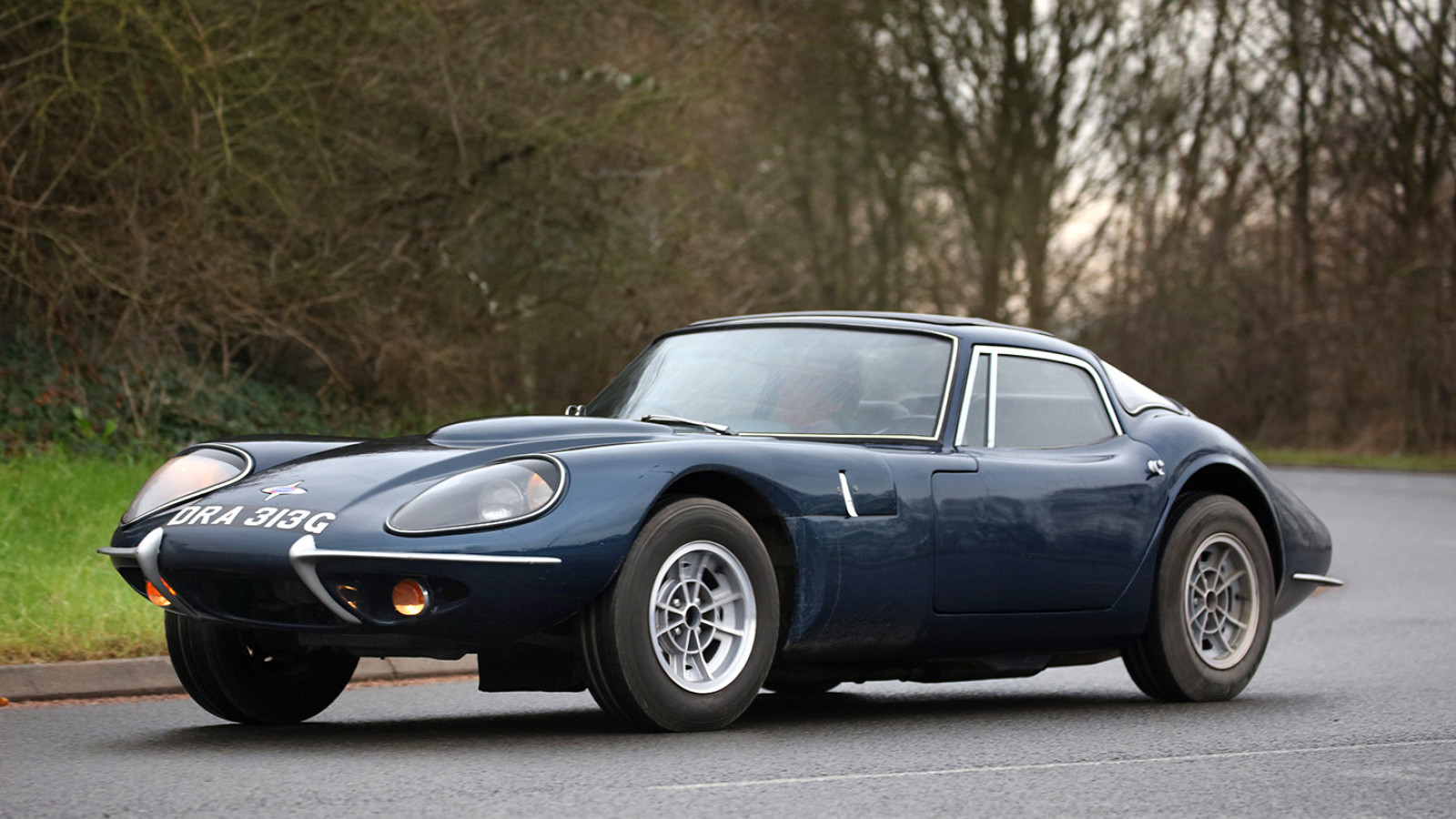
18. 1969 Marcos 3-Litre
The 3-litre straight-six from a Volvo executive saloon was not, perhaps, the most obvious choice for a sports car, but it played into the hands of Marcos.
The British marque had already used the Ford 3-litre V6, but the Swedish unit opened up the lucrative US market, where the Volvo ‘six’ met emissions regulations.
Launched in late 1969, the Volvo-engined Marcos 3-Litre was subtly differentiated from the Ford-powered car by its single exhaust pipe and the lack of a central bonnet bulge.
Marcos had also made use of Volvo’s 1.8, as well as four-cylinder Ford motors and a 2.5-litre Triumph straight-six.
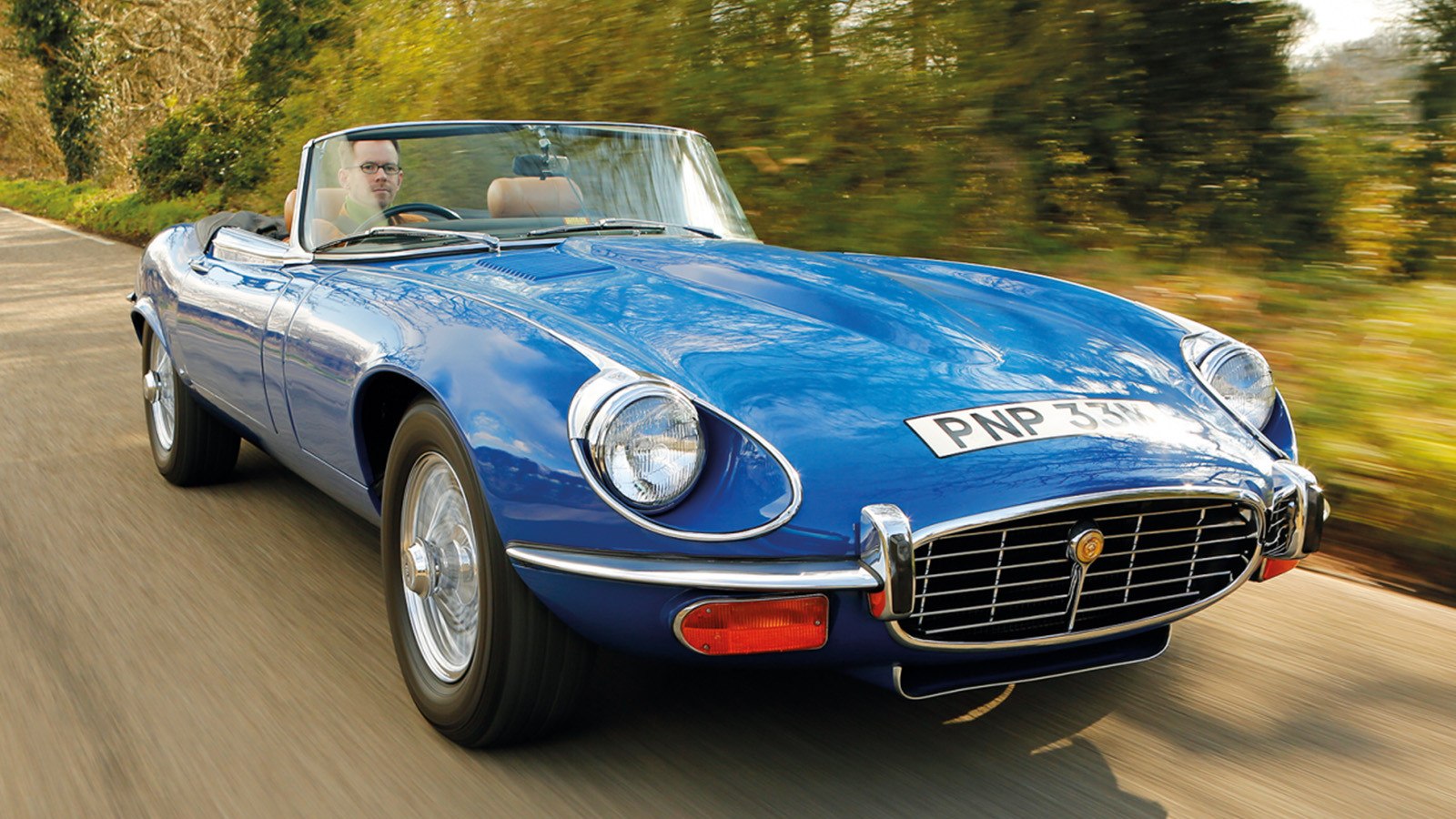
19. 1971 Jaguar E-type V12
The E-type V12 is unusual in that it received this engine before the Jaguar XJ12, even though the motor was developed with the saloon in mind.
Conscious of the US market’s love of V8s and competition from Germany, Jaguar had been developing a V12 since the 1950s.
Unable to have the V12 ready in time for the XJ’s 1968 introduction, Jaguar used the E-type to launch it to the world.
This required employing the E-type 2+2’s longer-wheelbase platform for the coupé and roadster models, as well as wider wheelarches.
It was worth it, though, because it gave the E-type a performance boost and remained in production until 1975.
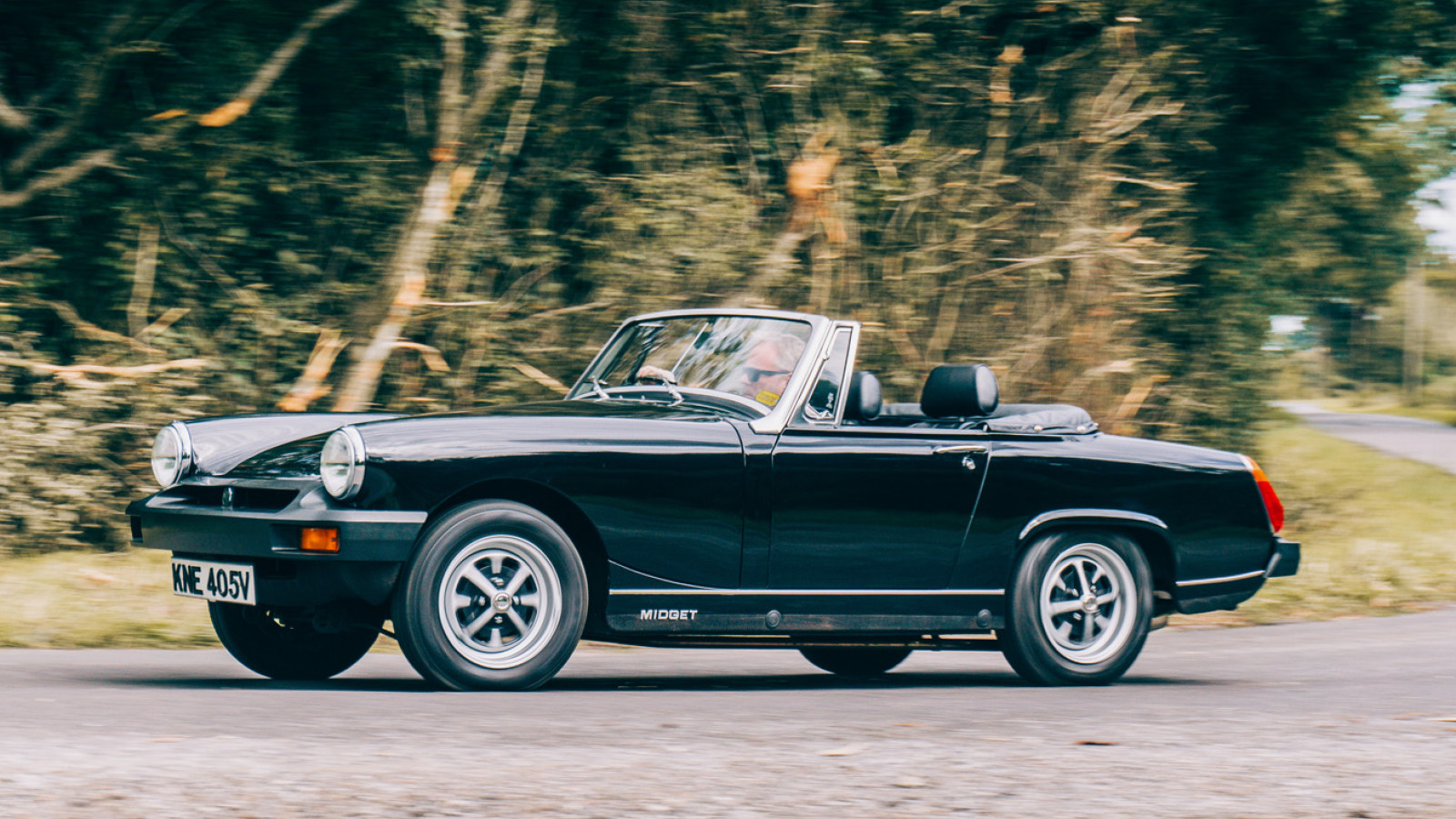
20. 1974 MG Midget 1500
MG diehards spluttered at fitting a Triumph engine into the Midget, but the 1.5-litre unit taken from the 1500TC and shared with the Spitfire was arguably the highlight of this model.
A modest 64bhp was enough to power the Midget past 100mph at long last, but this was not sufficient to distract from the ungainly rubber bumpers needed to meet US safety regulations.
Nor did the raised ride height to satisfy American crash tests do the handling any favours, a shame for a car that had previously been loved for its nimbleness.
However, the MG Midget 1500 went on to sell 73,899 examples by the time production ceased in late 1979.
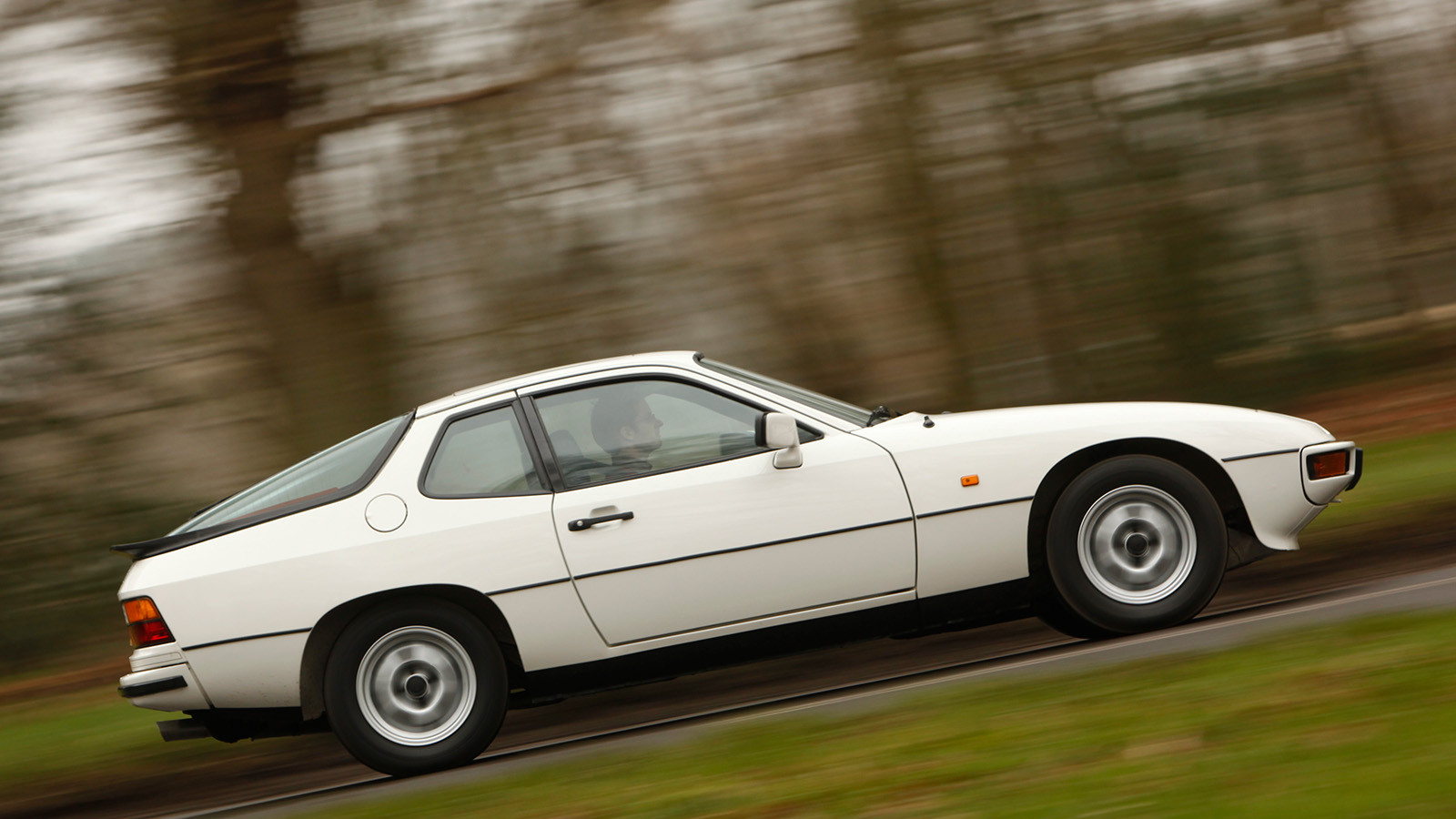
21. 1976 Porsche 924
The Porsche 924 might have had a slightly convoluted route to production, starting as a Porsche project commissioned by Volkswagen and ending up being sold under the sports-car maker’s name.
This led to the use of the Audi 100 2-litre engine, albeit with a cylinder head designed by Porsche to extract 123bhp from the motor.
A rear transaxle gave the 924 near-perfect weight distribution for great handling, which meant turbocharging the 2-litre engine to 168bhp was easily accommodated for 1979’s turbo model.
An all-Porsche 2.5-litre engine arrived with the 1985 924S to replace the 2-litre car.
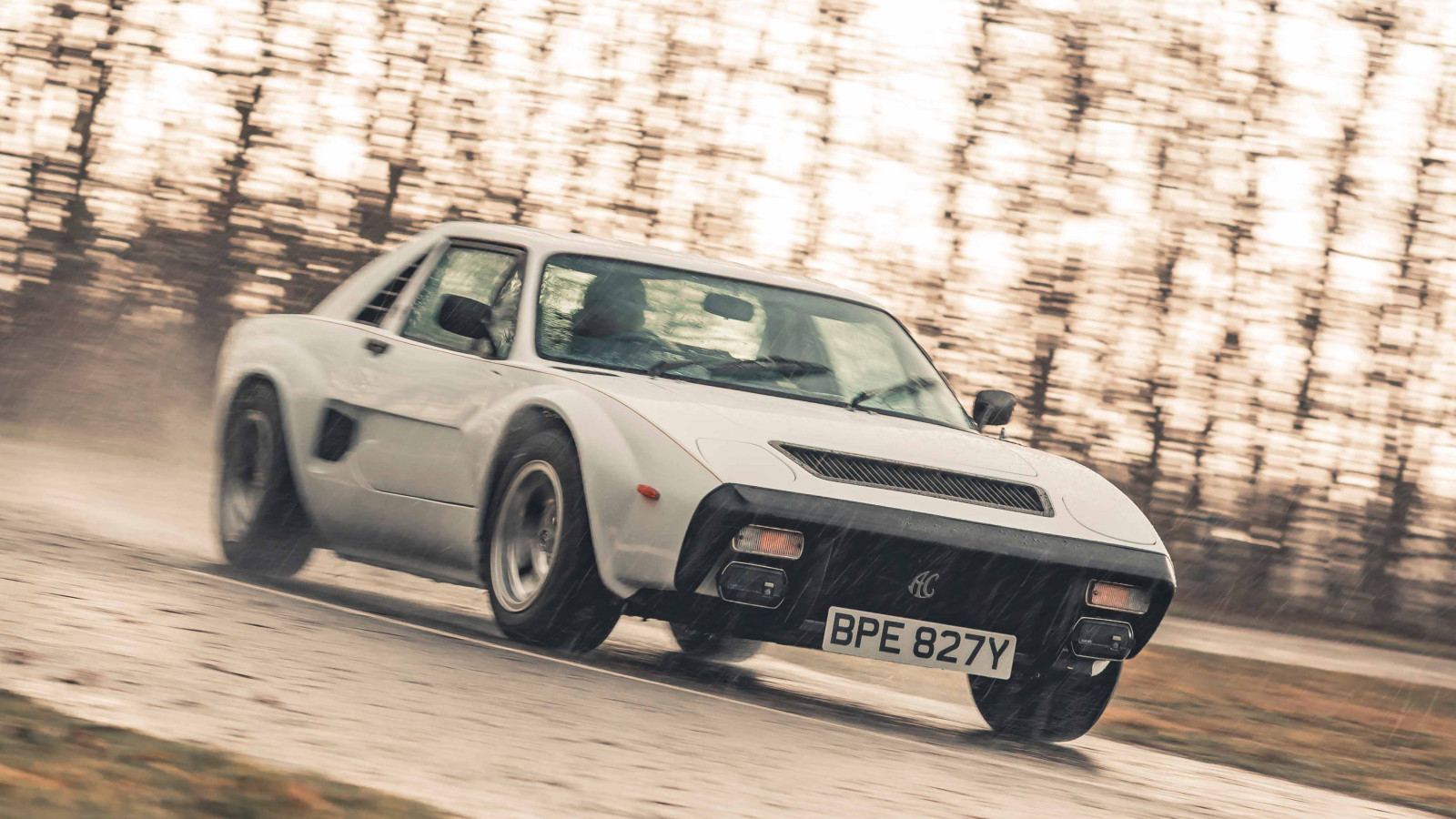
22. 1979 AC 3000ME
Having used Ford units in the Ace and Cobra, AC once again looked to the Blue Oval for an engine to go in its mid-engined 3000ME.
The job went to Ford’s 3-litre V6 in standard 138bhp tune, which might have sounded fine when the car was first shown in 1973.
However, by the time the 3000ME went on sale in 1979, its 120mph top speed and 0-60mph in 8.5 secs lagged behind the cheaper Lotus Esprit.
Nor did it help that the weight of the Ford engine hampered handling, resulting in only 82 cars leaving AC’s factory, plus a handful more from an ill-fated project to build the 3000ME in Scotland.
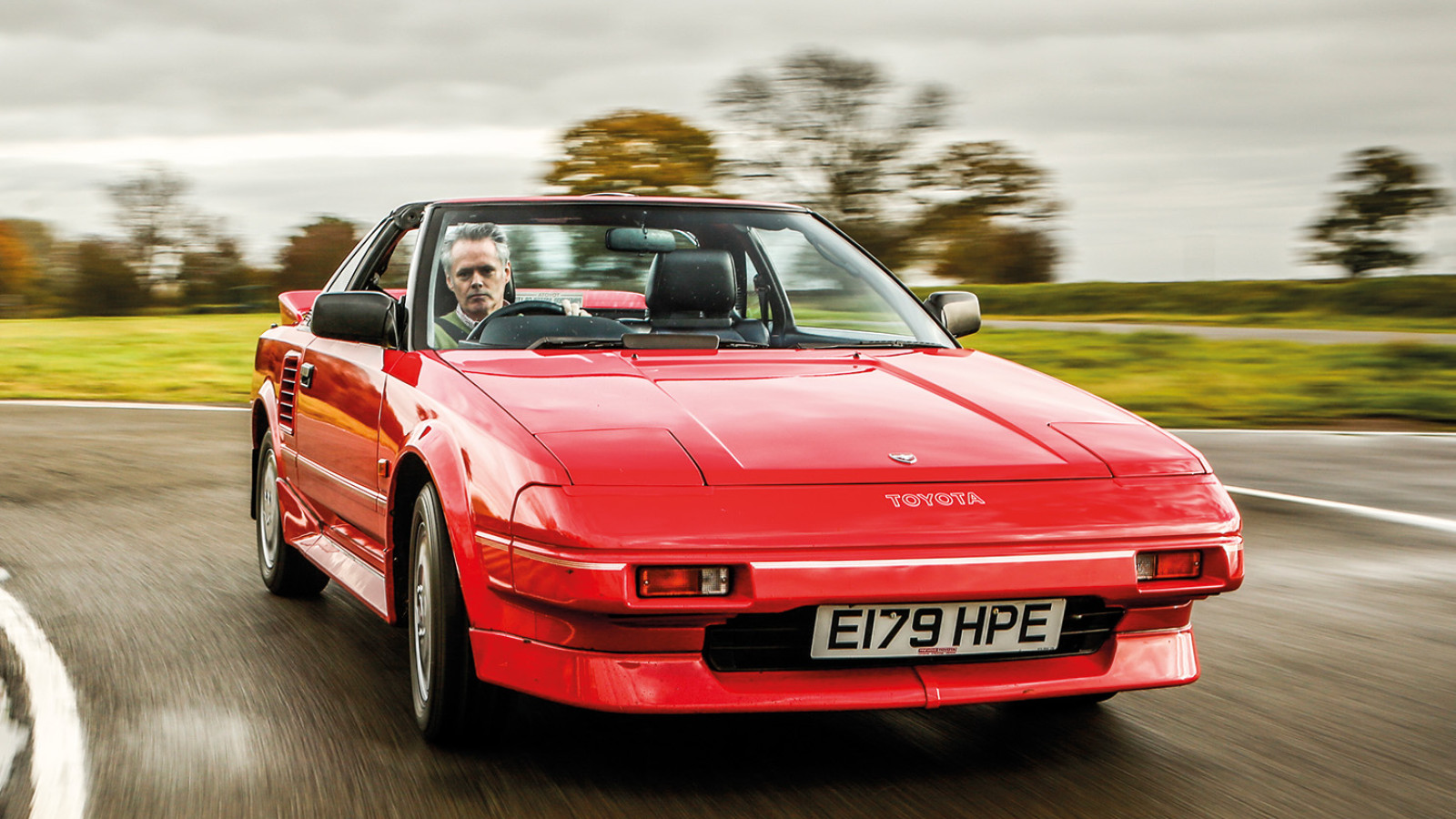
23. 1984 Toyota MR2
Lifting an engine from the Toyota Corolla did not sound promising for a new sports car, but the Japanese manufacturer had an ace up its sleeve.
The Corolla that donated its powerplant was the GT model, so the MR2 received a fizzing, 1.6-litre, twin-cam motor that thrived on revs.
Coupled to a slick, five-speed manual gearbox, the mid-engined MR2 knocked off 0-60mph in 7.7 secs to be hot-hatch fast.
The Japanese market was also offered a supercharged version of the MR2 with 145bhp, that was capable of 0-60mph in 6.5 secs.
Two subsequent MR2 generations also made good use of Toyota saloon engines.
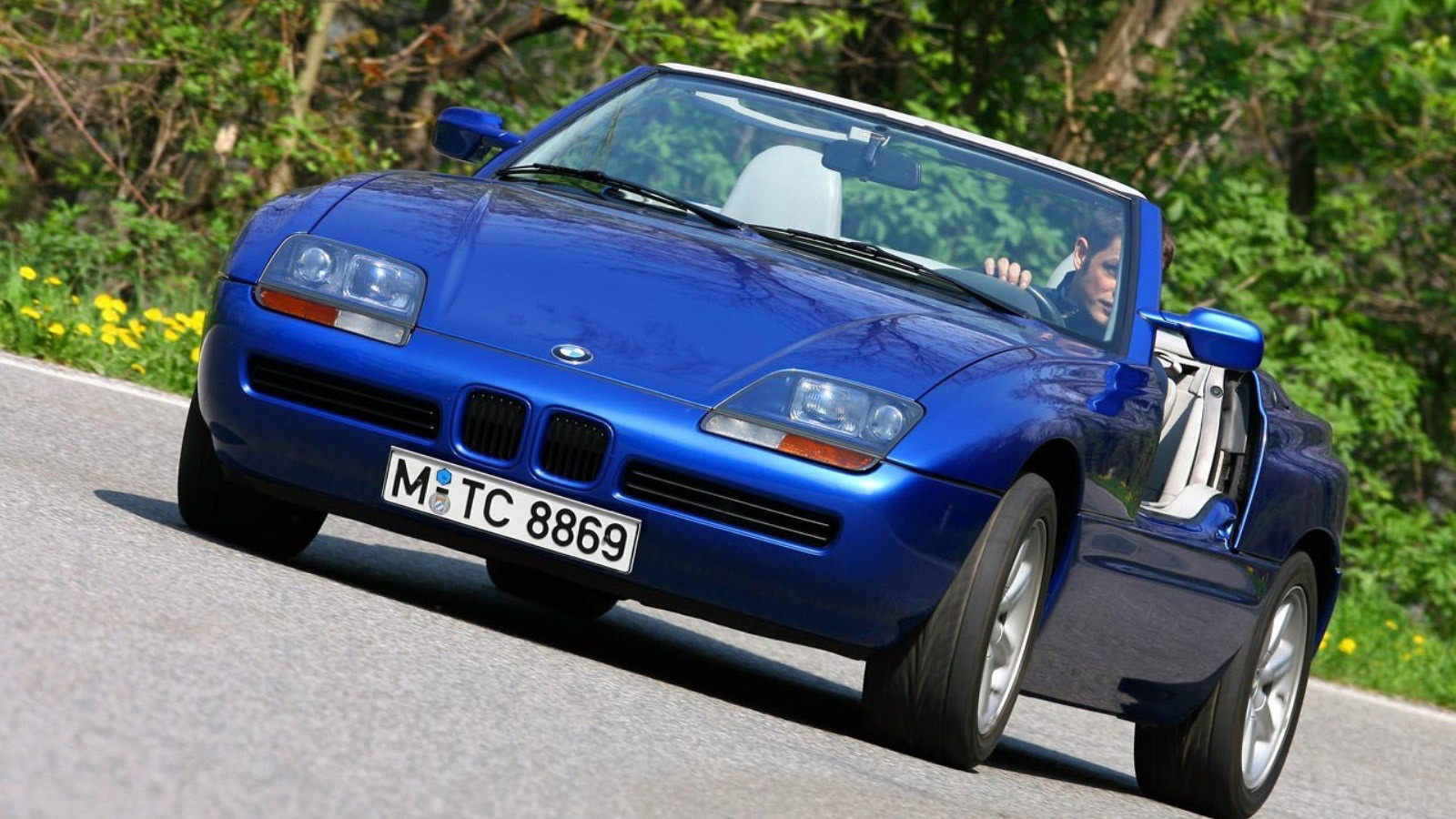
24. 1988 BMW Z1
With so many radical design features, it might have been expected that the BMW Z1 would have an equally exotic source of power.
However, this car was conceived primarily to develop BMW’s Z-axle rear suspension, hence its name, so using the marque’s existing 168bhp, 2.5-litre straight-six made sense.
Some buyers of the 8000 Z1s made noted the performance wasn’t quite a match for its dramatic looks, but 0-60mph in 7.9 secs and a 140mph top speed were hardly sluggish.
The engine was canted over slightly to allow for the Z1’s low nose, while its exhaust was cleverly designed to form part of the car’s aerodynamic underside.
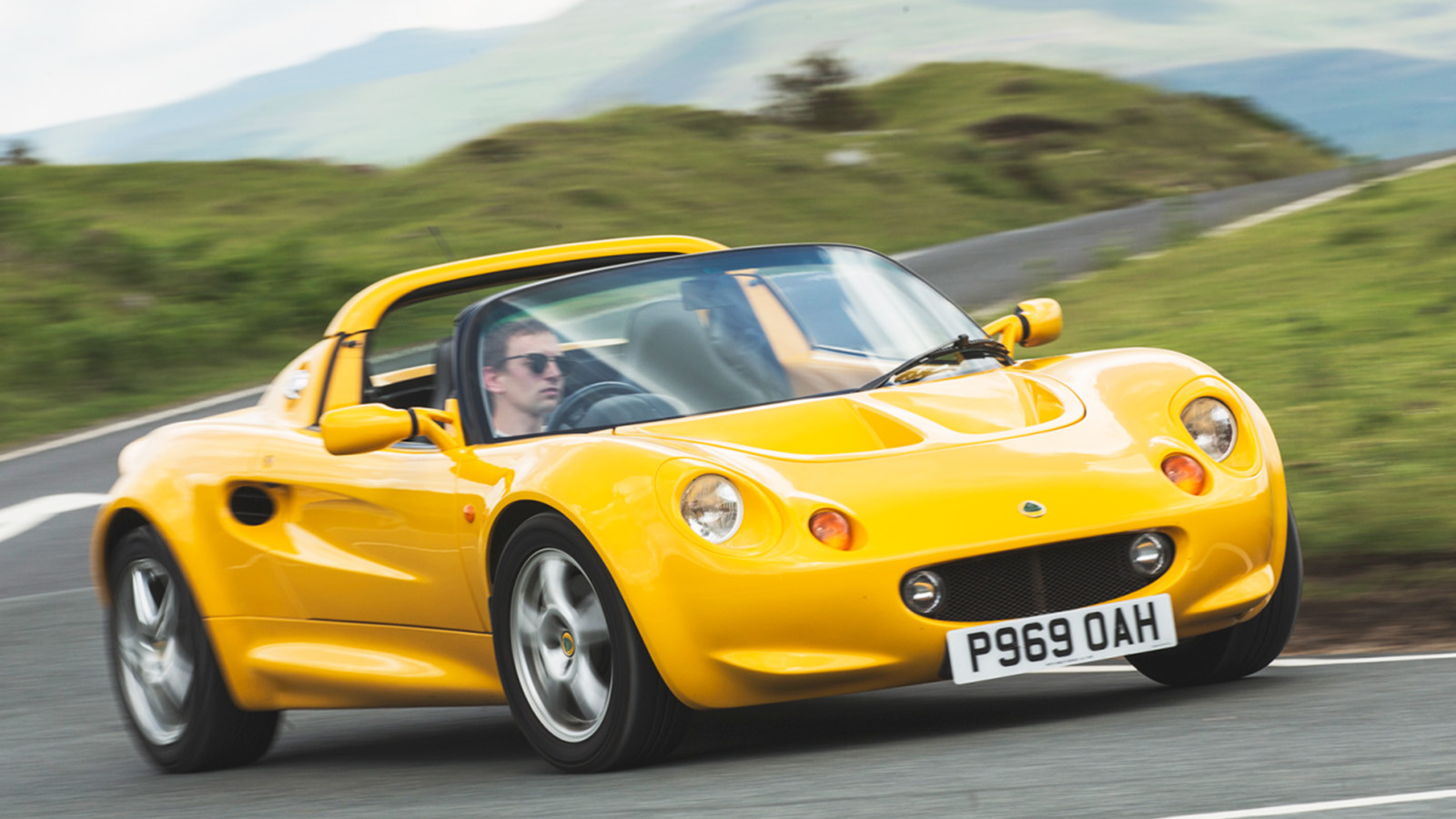
25. 1995 Lotus Elise
Lotus engineers are experts at spotting potential in an ordinary engine, which is why they came to use the Rover K-series in their new Elise.
This lightweight and revvy motor was ideally suited the ethos of the pared-back Elise.
Mounted in this mid-engined model with a five-speed manual gearbox, it provided 0-60mph in 5.9 secs and a 126mph top speed from a mere 118bhp.
Lotus later adopted more powerful versions of the K-series, offering up to 190bhp.
Later Elise generations moved to a Toyota Corolla-sourced, 1.8-litre unit with anything from 120bhp all the way to a supercharged 249bhp in the limited-edition Elise Cup 260 of 2017.