Aspirational thinking
Before SUVs ruled the roost, the coupé was the car body style to aspire to.
From humble fastback versions of mainstream hatch and saloon models to sophisticated rarities, the coupé was a car that stood out in the 1990s.
Almost every car maker had at least one coupé in its ranks, and plenty offered this body shape in different sizes.
The 1990s was also a time when many mass car manufacturers returned to the coupé scene to make it a decade of unprecedented choice.
Here’s our look at some of the coupés that distinguished the 1990s. All the cars here were launched during the 1990s and the list is arranged in alphabetical order.
1. Alfa Romeo GTV
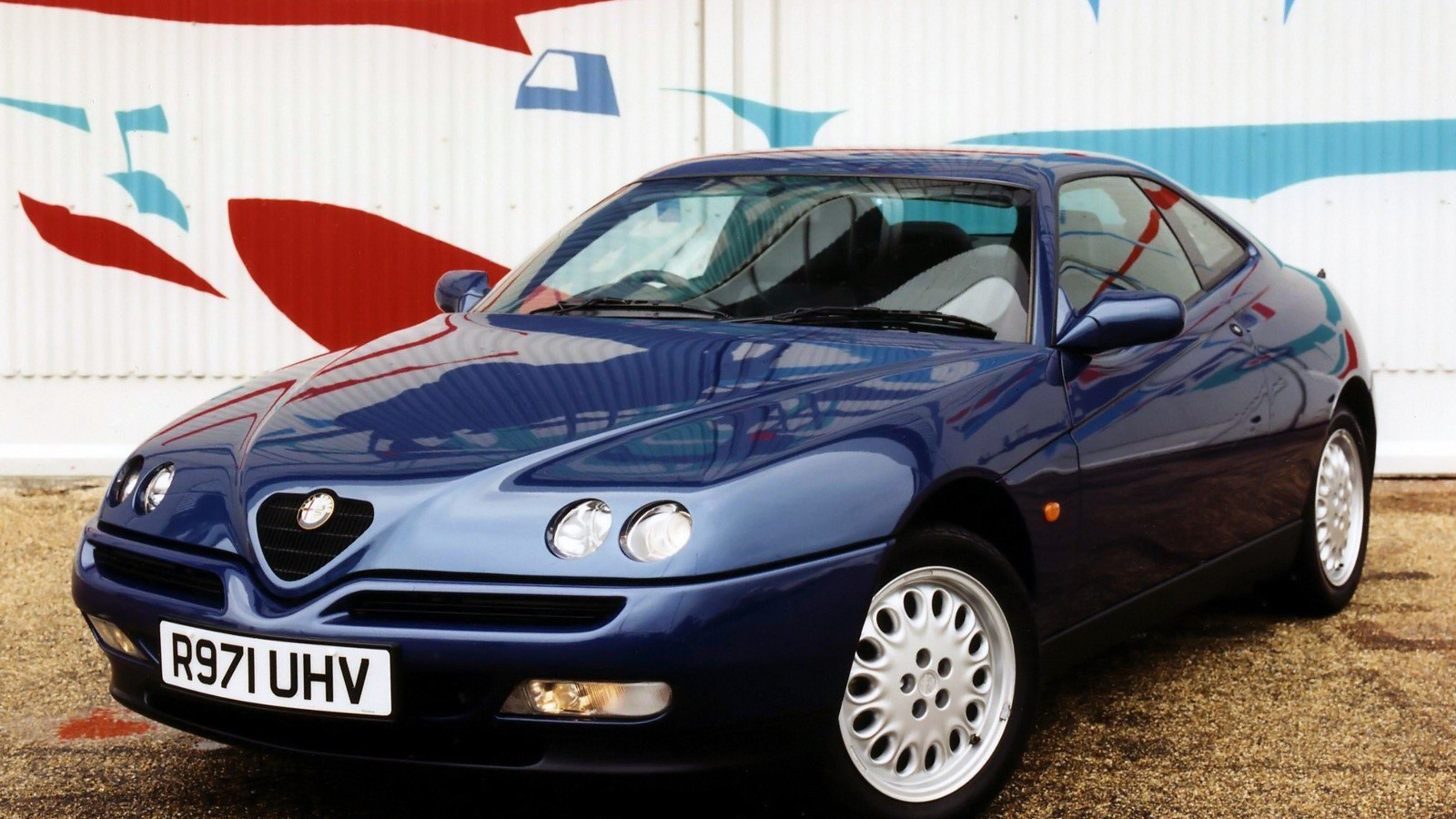
Following the shock of Alfa Romeo’s SZ coupé that pitched up in 1989, the new GTV of 1995 was a welcome return to svelte styling.
The Pininfarina shape had a wedge profile but neat detailing gave it, and its open-top Spider sibling, a look that was classic yet bang up to date.
Front-wheel drive was also very much a modern twist for the GTV and the chassis was able to deliver nimble handling.
Power came from a Twinspark 2-litre, four-cylinder engine or the much brawnier, 3-litre V6, which offered a top speed of 145mph. A facelift in 2003 brought an even stronger, 3.2-litre version of the V6.
By the time production of this Type 916 GTV ended in 2005, Alfa had sold 42,937 coupés, which just pipped the Spider’s 38,891.
2. Aston Martin DB7
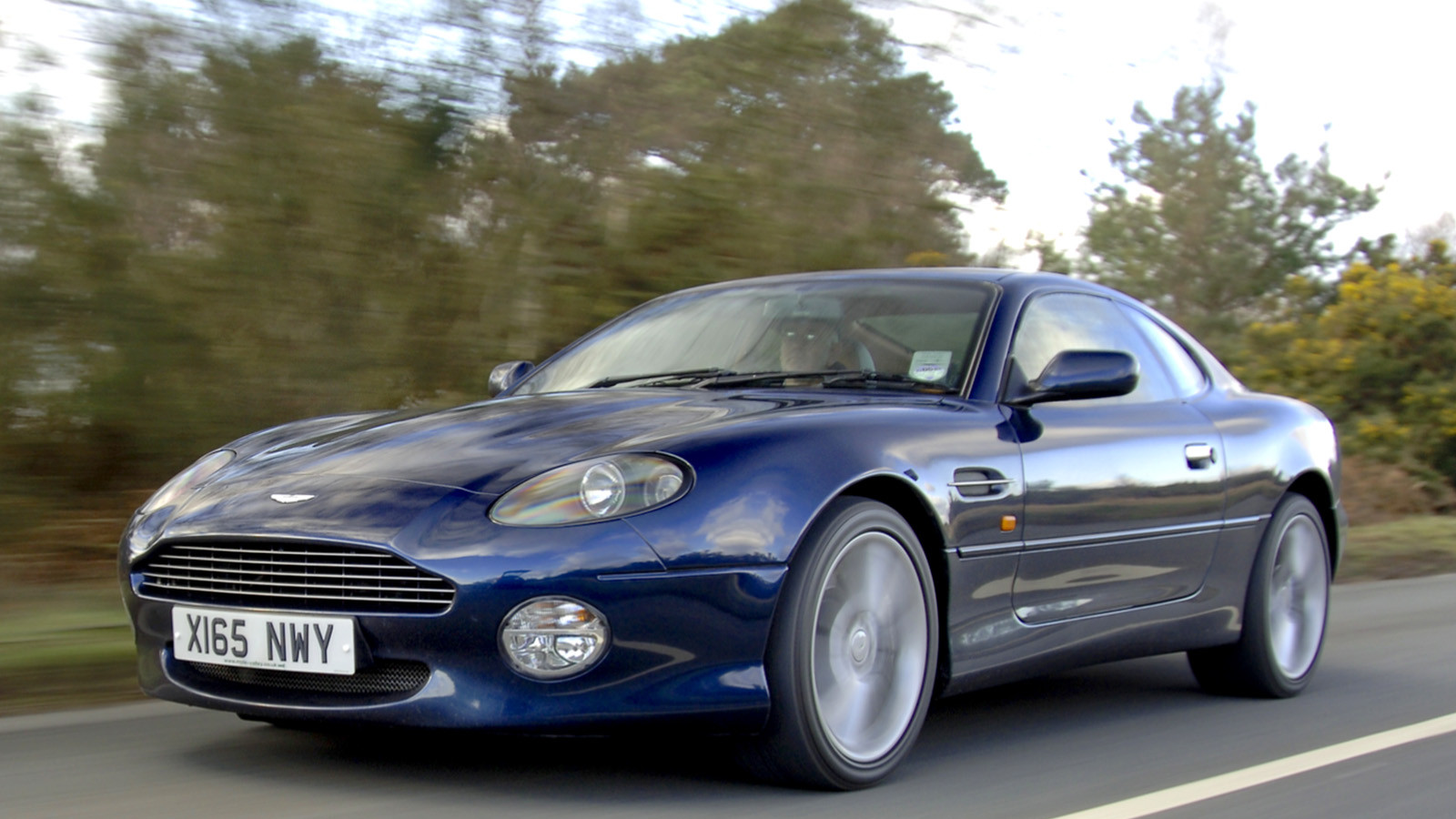
Many models have been make or break for Aston Martin, but none more so than the DB7.
It arrived when the company was making its V8-powered models in penny numbers and new owner Ford was determined to change that.
Luckily for everyone, Ian Callum’s sleek coupé was made relatively affordable thanks to borrowing from Jaguar to develop its chassis and engine.
By the time the DB7 went on sale in 1994, it had a supercharged, 3.2-litre, straight-six producing 335bhp. It was sufficient for 0-60mph in 5.8 secs and 157mph, so quick enough to match the car’s sleek looks.
Far greater power and pace arrived with the V12-engined Vantage with 420bhp to deliver 0-60mph in 4.9 secs and 185mph.
Aston Martin also offered a Volante convertible, but it’s the original supercharged DB7 that truly turned the marque’s fortunes around. The DB7 went on to sell around 7000 cars in all its forms.
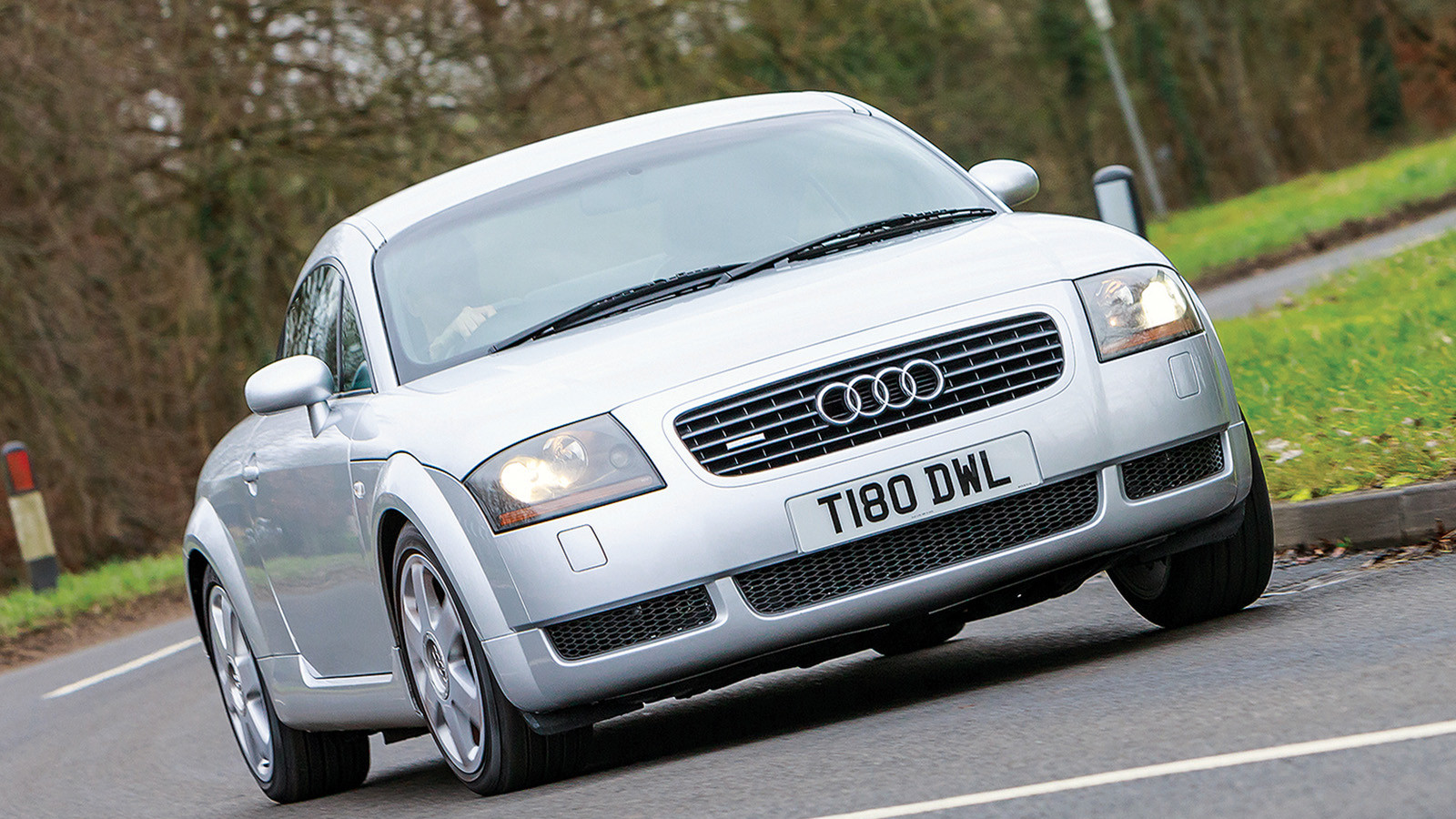
3. Audi TT
Audi had started the 1990s with its S2 quattro coupé, using a 217bhp, 2.2-litre, five-cylinder engine, but it never recaptured the magic of the original quattro.
That was left to the TT that arrived in 1998 and stunned the world with its bubble-topped looks.
It might have been based on the humble Volkswagen Golf, but the TT was too good looking to dismiss in that way.
Audi also made sure its coupé delivered the goods for keen drivers thanks to four-wheel drive, a 221bhp, turbocharged, 1.8-litre engine and a six-speed manual gearbox. This gave 0-60mph in 6 secs and 150mph.
You could have the Audi TT with less potent engines, front-wheel drive and as a drop-top Roadster, but it was always the TT 225 that set the tone. Little wonder Audi went on to shift 265,346 first-generation TTs.
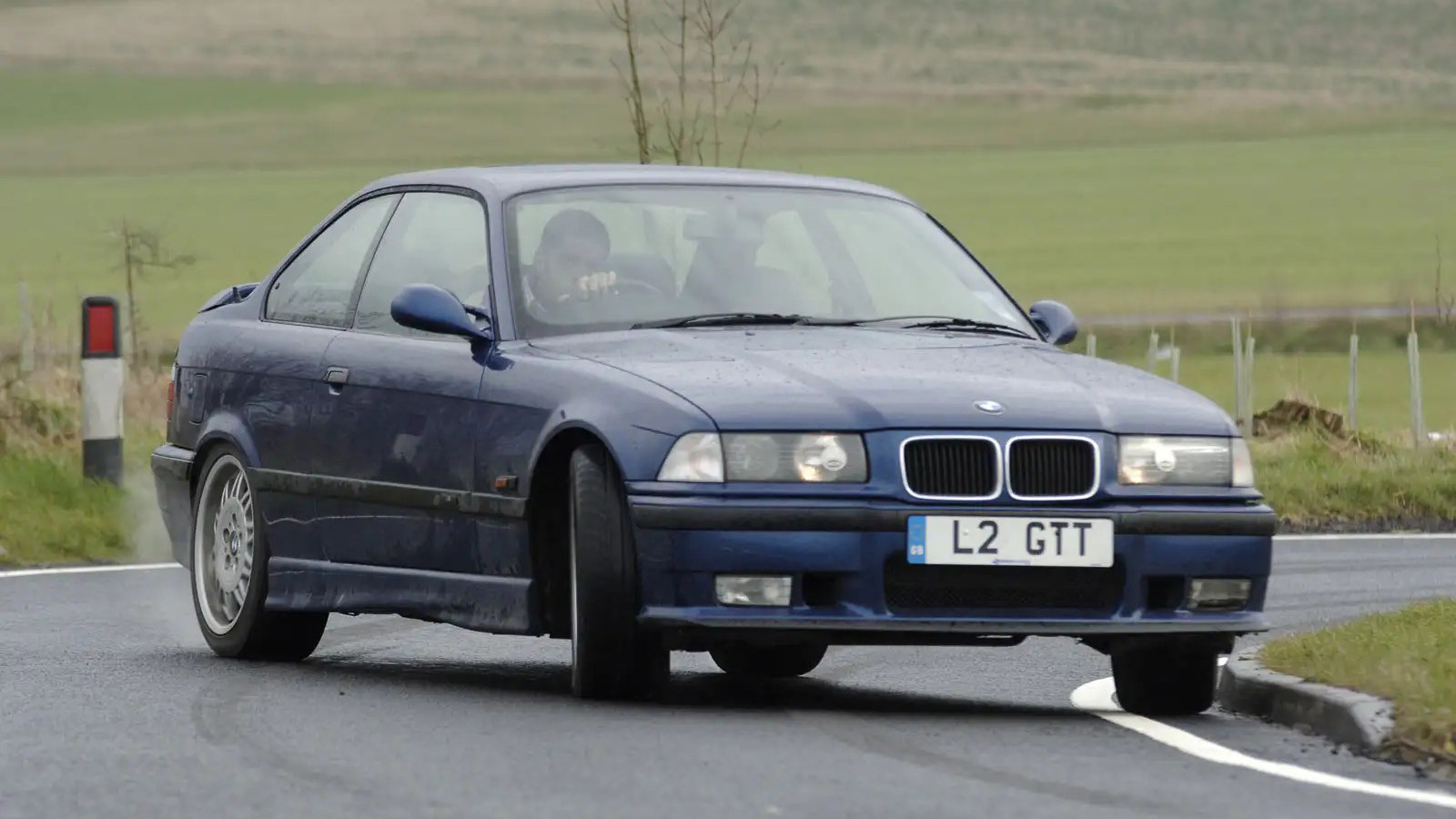
4. BMW 3 Series
Few cars have judged their intended market better than BMW’s 3 Series Coupé of 1992.
This E36 generation of the compact BMW range took all that was great about the saloon and repackaged it into a handsome two-door that oozed sporting appeal, even in the most basic 316i model.
Plenty were drawn to the 3 Series Coupé, helped by the sporty but affordable 318iS with its 138bhp, 1.9-litre engine.
You could have punchy six-cylinder engines for proper autobahn pace, or you could indulge in near-supercar performance with the M3 variant, which eventually ended up with a Formula One-style manual gearbox that did away with the clutch pedal.
BMW offered the M3 in saloon and convertible shapes, but it was the coupé that buyers loved and they bought 46,525 of them. That was on top of around 440,000 non-M3 Coupé sales.
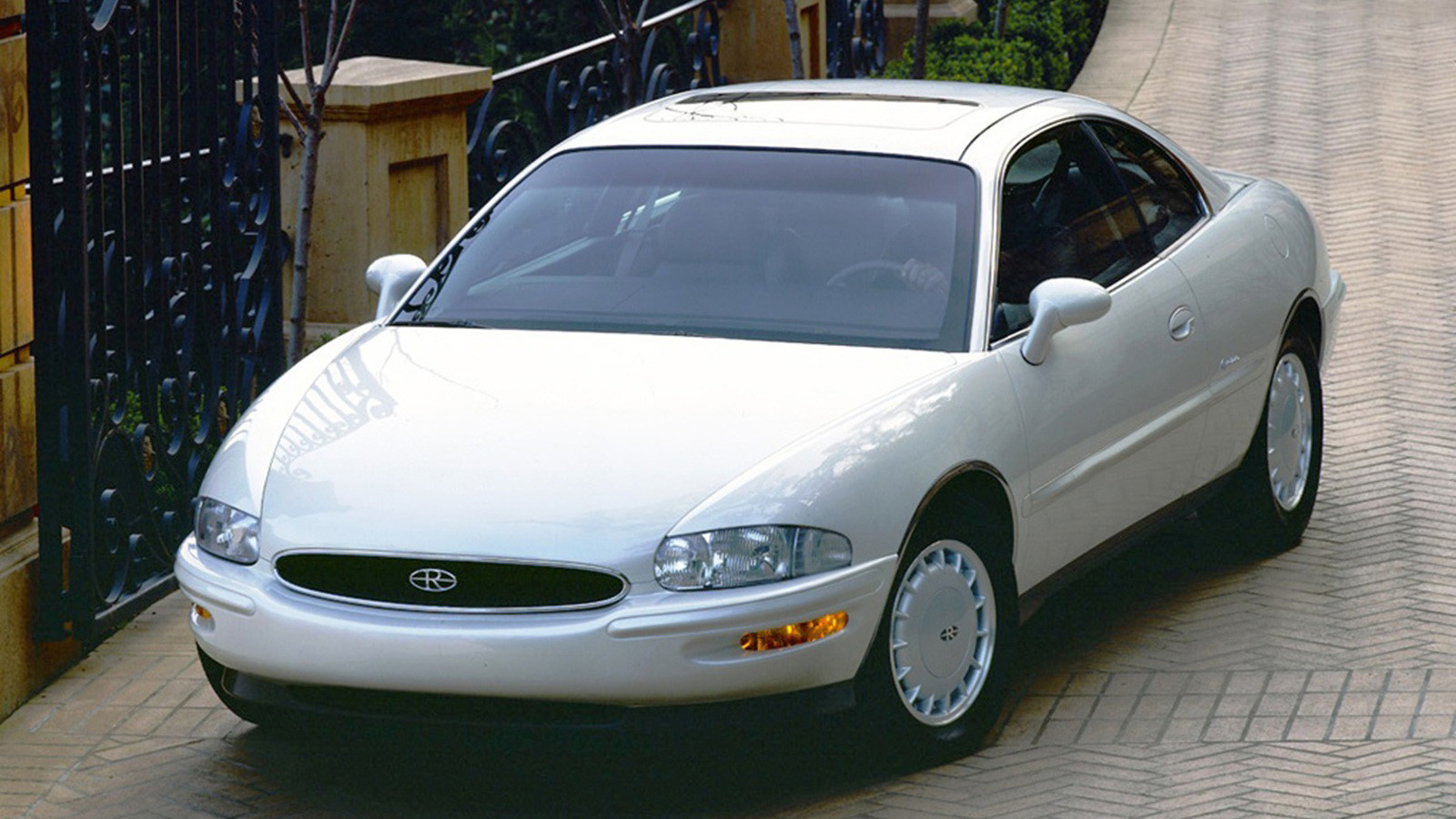
5. Buick Riviera
Following a two-year pause, Buick brought back the Riviera name in 1995 with its curvy new coupé. It was the eighth generation in the long-running Riviera line, but was also to be the last.
Like the previous two Riviera incarnations, this one used front-wheel drive and was more about long-distance cruising than outright handling.
Even so, Buick saw fit to offer its supercharged, 3.8-litre, V6 motor as an option in its coupé, which started out with 225bhp and grew to 240bhp in 1996.
This engine latterly became the only choice towards the end of the Riviera’s life, whereas earlier there was a non-supercharged 3.8 V6 with 205bhp as a base engine. The supercharged Riviera was no slouch and could tick off 0-60mph in 7.2 secs.
Even so, the Buick Riviera was pulled from sale in 1999 after 89,579 had been produced altogether.
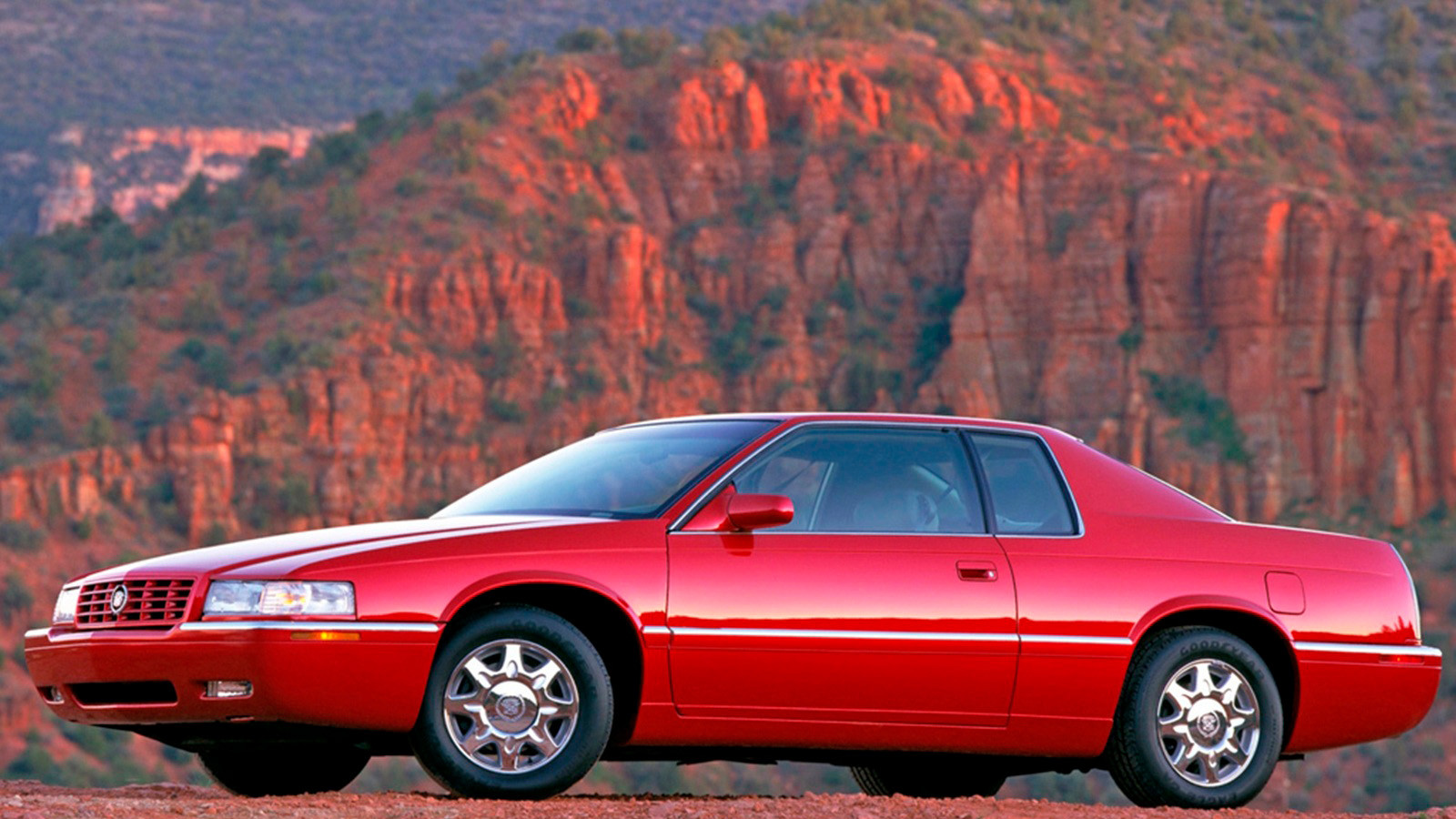
6. Cadillac Eldorado
Clearly based on the Cadillac Seville saloon of the same era, the Eldorado coupé came in Sport or Touring trims. Early models used a 4.9-litre V8, but Cadillac soon introduced its latest 4.6-litre Northstar V8, in two states of tune.
There wasn’t much difference in performance between the two engine options, both taking 7.5 secs to get from 0-60mph – and both were much more about refined cruising that outright speed, just as Eldorados had always been.
However, this generation of Cadillac Eldorado met some resistance from its core buyers due to its swoopier styling and less glitzy exterior.
Inside, it was loaded with luxury equipment and even came with 12-way, electrically adjusted front seats when even electric sliding seats were something of a novelty.
Sales dwindled sharply towards the end of the Eldorado’s production and the car was dropped in 2002 after 193,625 had been made. The model was replaced by the CTS.
7. Chevrolet Camaro
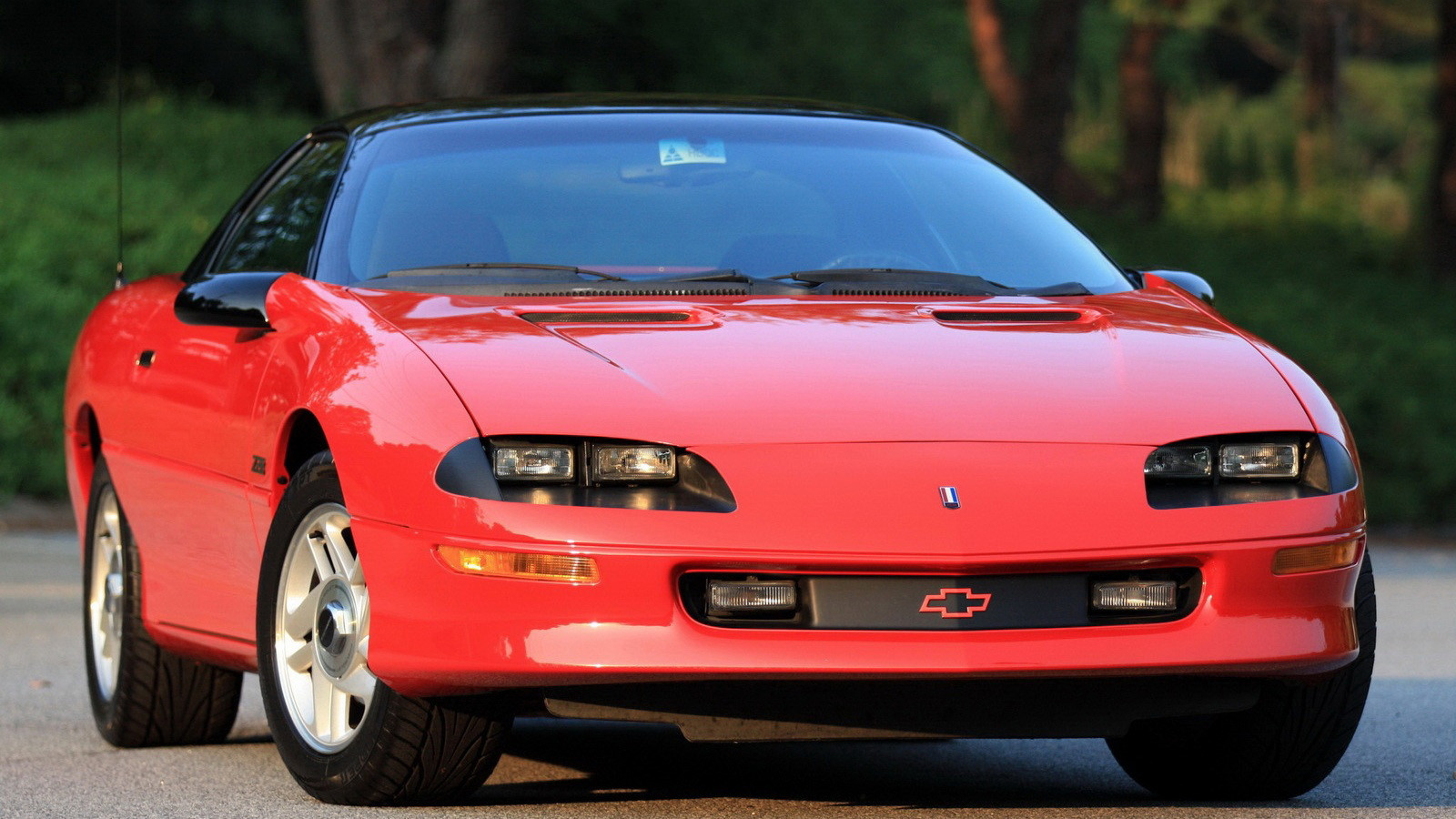
The sharp lines of the 1980s Chevrolet Camaro gave way to a much more rounded look for the fourth generation of the nameplate, introduced late in 1992.
The jelly-mould looks were ideal for the era and matched by an interior with just enough space for four people.
Under the long bonnet, base models made do with a 160bhp 3.4-litre V6 engine, which grew to be a 3.8 V6 with 200bhp in 1995.
A much more attractive Camaro was the Z/28 performance version with its 275bhp 5.7-litre V8.
This model’s appeal was further enhanced because Chevrolet made sure it was used as the pace car for the Indianapolis 500 race and customers could buy a limited-edition model that looked the same.
Minor updates kept this Camaro on the go up to 2002, but it wasn’t until 2010 that Chevrolet eventually launched a replacement.
8. Chevrolet Corvette
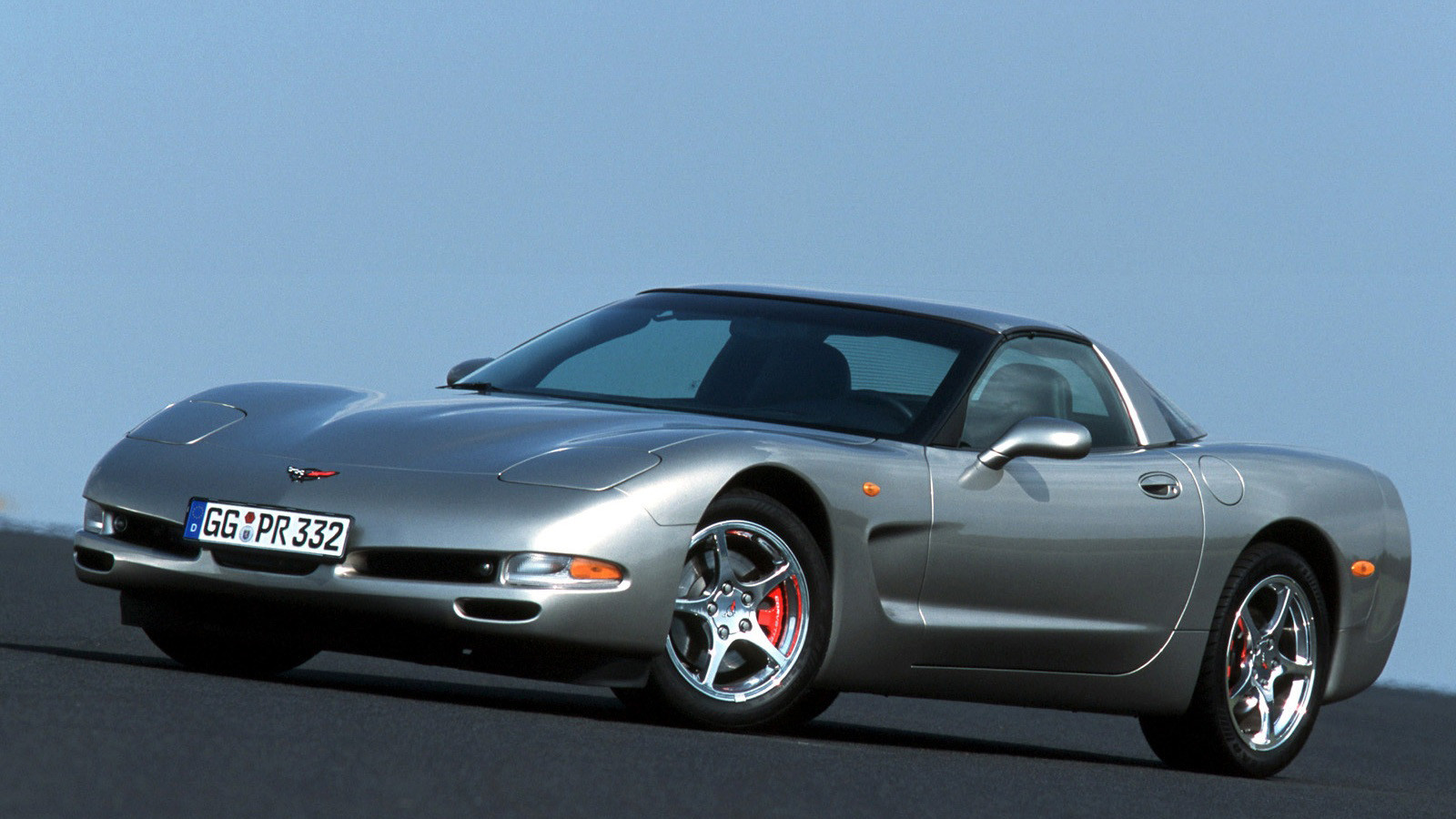
The Chevrolet Corvette C4 model was launched in 1984 and did much of the heavy lifting of sales throughout the 1990s. However, Corvette did launch a new model, the C5, in 1997 and it was a far better car in every respect.
The C5 used a new small-block, 5.7-litre, V8 motor with 345bhp at launch, which was enough for a 171mph top speed and 0-60mph in 5.7 secs.
This pace and the good looks were complemented by a new chassis and suspension, while a transaxle rear end contributed to ideal 50/50 front-rear weight distribution.
A Z-06 version arrived in 2001 with a 385bhp motor and pace to match the best supercars, yet the Corvette remained affordable.
After its launch year in 1997, C5 sales never dropped below 30,000 cars per year, and just shy of 250,000 C5s in both coupé and convertible body styles were made in total.
9. Ferrari 456GT
Ferrari has a better back catalogue of coupés than most for almost any decade you care to mention in the post-war era.
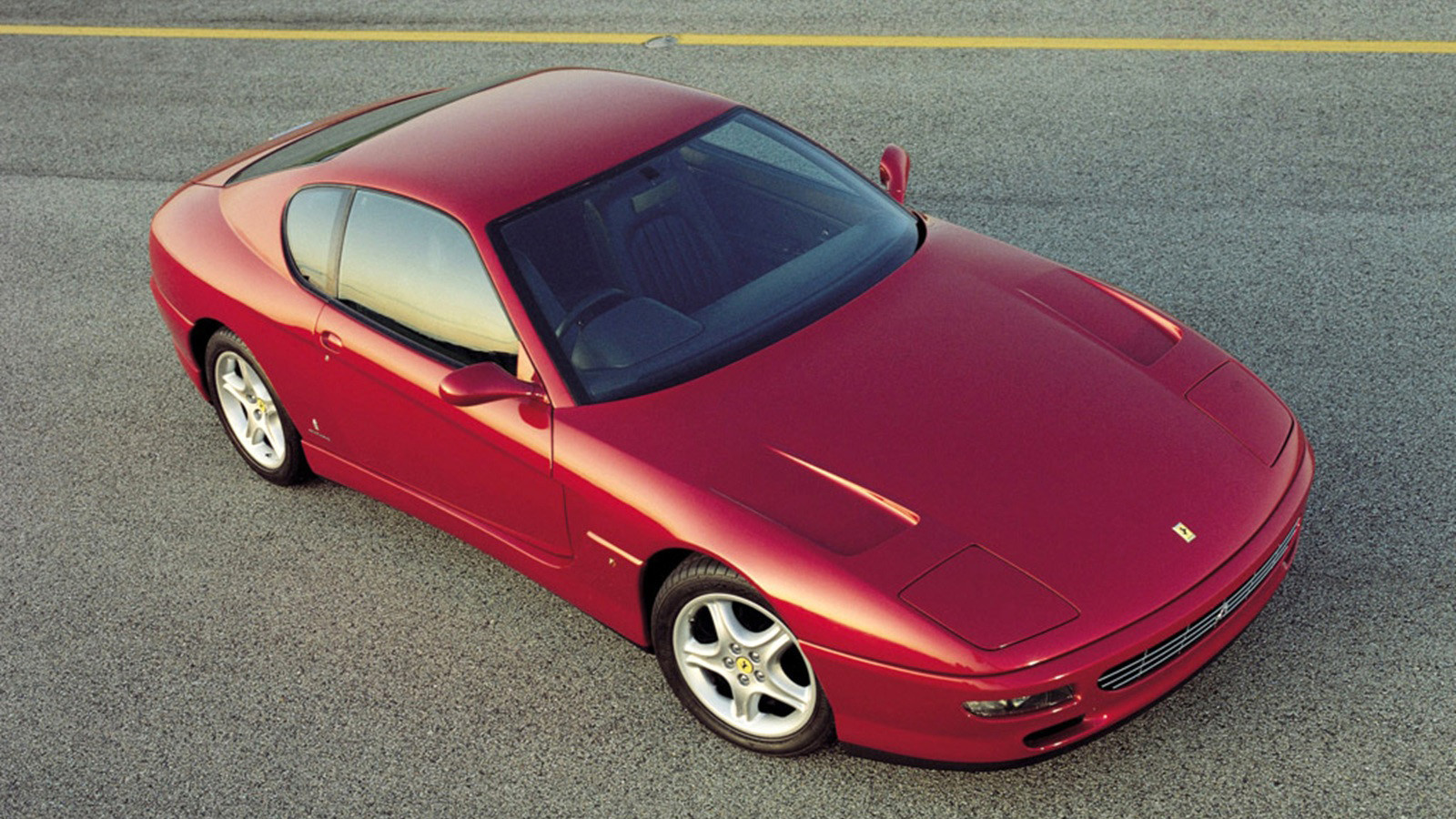
For the 1990s, the 500 Maranello earned plaudits in every road test, but it was the 456GT that brought back the front-engined, V12 coupé to the company’s line-up in 1992.
The 456GT was every inch the pinnacle of Ferrari’s range at the time, offering a 193mph top speed coupled to seating for four people and space for their luggage.
With 436bhp on tap from the 5.5-litre V12 and the choice of manual or automatic gearboxes, this was a coupé designed for long-distance travel in the utmost ease, yet capable of out-dragging almost any other car on the road.
The 456M (M for Modificato) took over in 1998, but was essentially the same formula.
With 3289 456s sold, plus 1338 Ms, it showed this style of coupé was what many Ferrari buyers lusted after.
10. Fiat Coupé
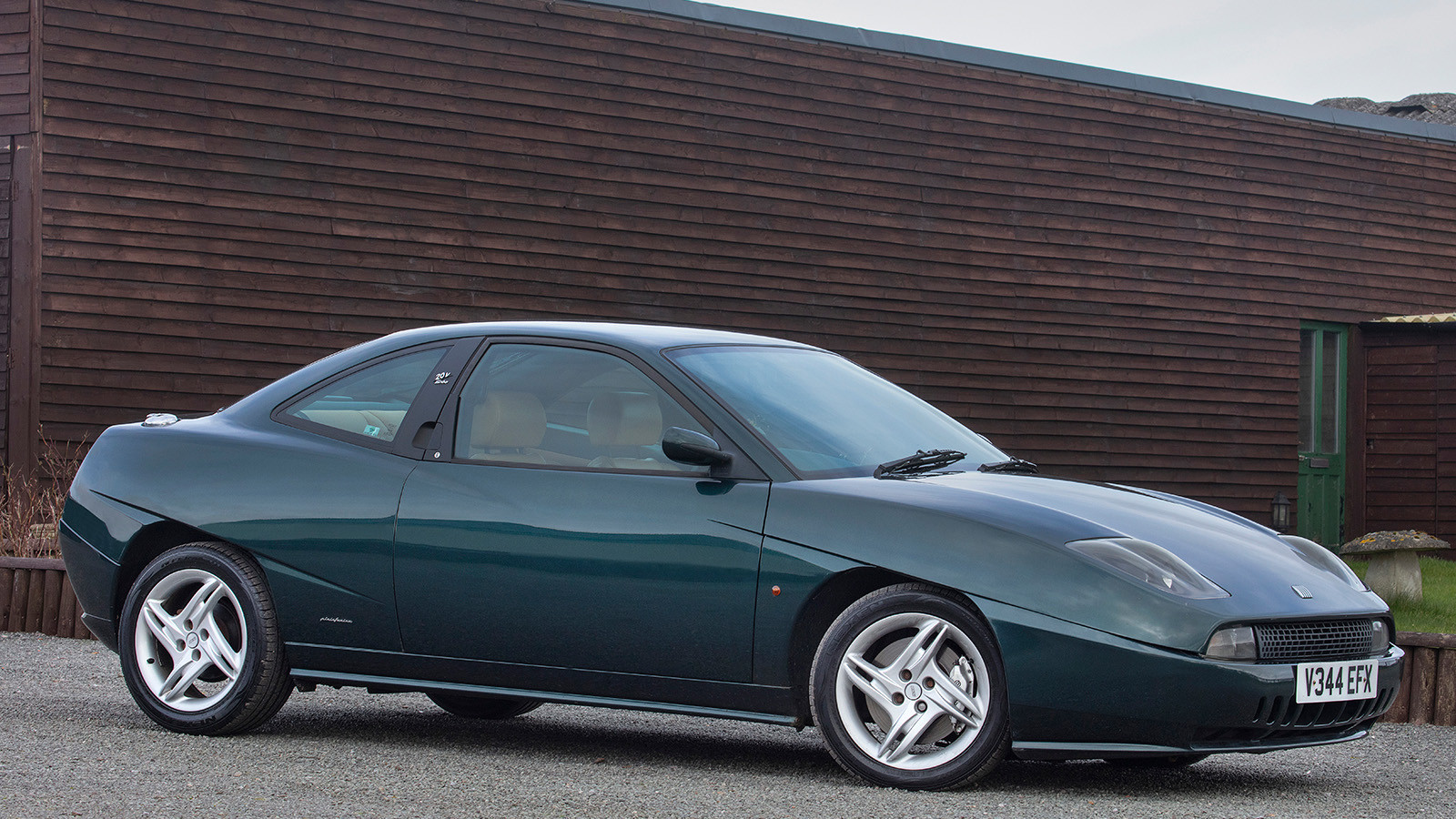
Just ahead of Alfa Romeo introducing its GTV, Fiat got in first with its Coupé in 1993. It was a brilliant move that took the humdrum Fiat Tipo platform and dressed it in a stunning body designed by Chris Bangle.
Buyers could have the four-seat coupé with a brisk, 2-litre, four-cylinder engine, or they could have something with the punch to live up to the looks – the turbocharged version of the 2-litre offered 140mph and 0-60mph in 6.5 secs.
However, Fiat wasn’t done with the Coupé and later added the five-cylinder Turbo model with 217bhp, 0-60mph in 6.3 secs, 149mph and a chassis that only just coped with this sort of power thanks to a limited-slip differential.
Whether it was the looks or performance, plenty were willing to pay for the Fiat Coupé and the company sold 72,762 of them.
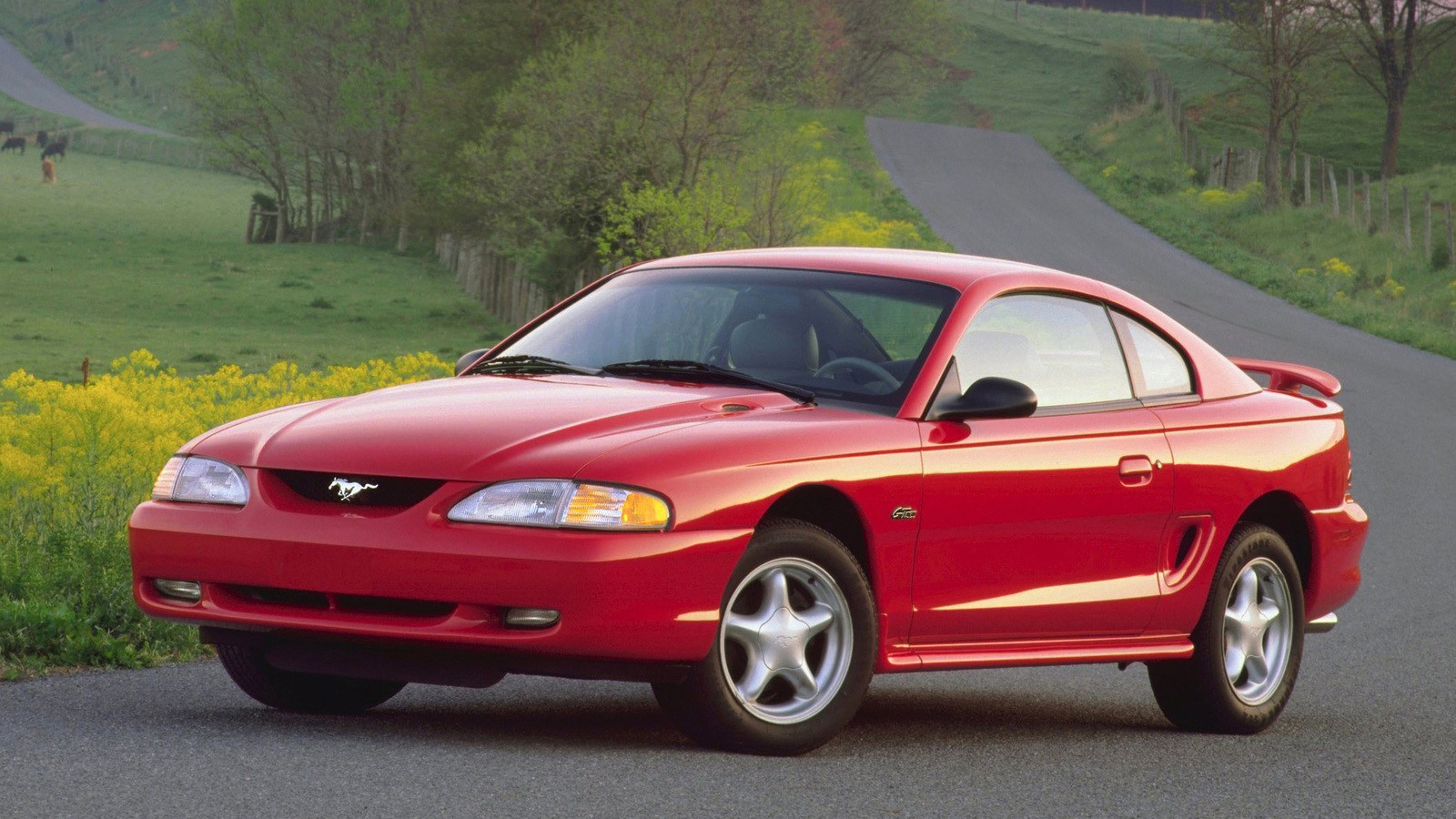
11. Ford Mustang
Ford finally got around to replacing its long-running, third-generation Mustang in late 1993.
This new, fourth-gen car had more rounded styling by Patrick Schiavone that stuck with a fastback shape, rather than offering a notchback coupé as an option.
Under the skin, the base was a much-updated ‘Fox’ platform, while power came from a range of V6 and V8 engines.
The V6 offered as little as 145bhp, while the 4.6-litre V8 delivered a modest 215bhp, soon raised to 225bhp.
A much more appealing prospect was the Mustang Cobra of 1994 with a 304bhp 4.6 V8, while a facelift for 1999 gave all Mustangs Ford’s ‘New Edge’ style.
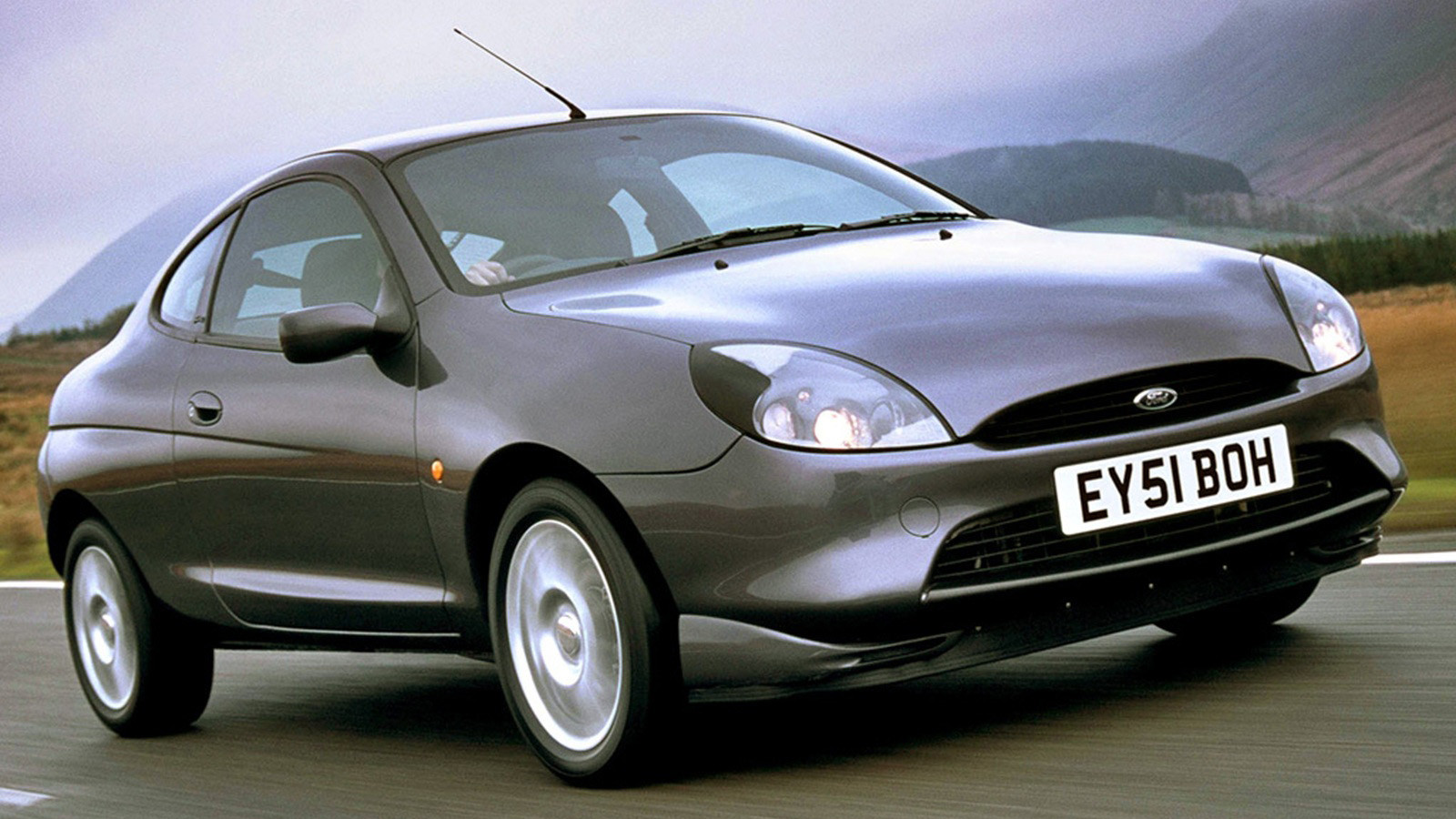
12. Ford Puma
Ford offered the US-made Probe earlier in the 1990s and went on to try again with the Cougar in 1998, but it was the Puma of 1997 that hit the sweet spot.
Based on nothing more exotic than the Ford Fiesta Mk4, the Puma looked every inch the catwalk star with its mix of curves and slashes for the exterior.
Inside, it was more obviously related to the Fiesta, but still looked good and could, at a pinch, seat four.
The best bit, though, was under the bonnet with a 123bhp 1.7-litre engine developed with Yamaha. It gave zingy performance and a bespoke feel to the Puma, though you could also have less impressive 1.4- and 1.6-litre engines.
Ford also offered the limited-edition Puma Racing – just 500 were made. That’s on top of around 133,000 other Pumas built up to 2002.
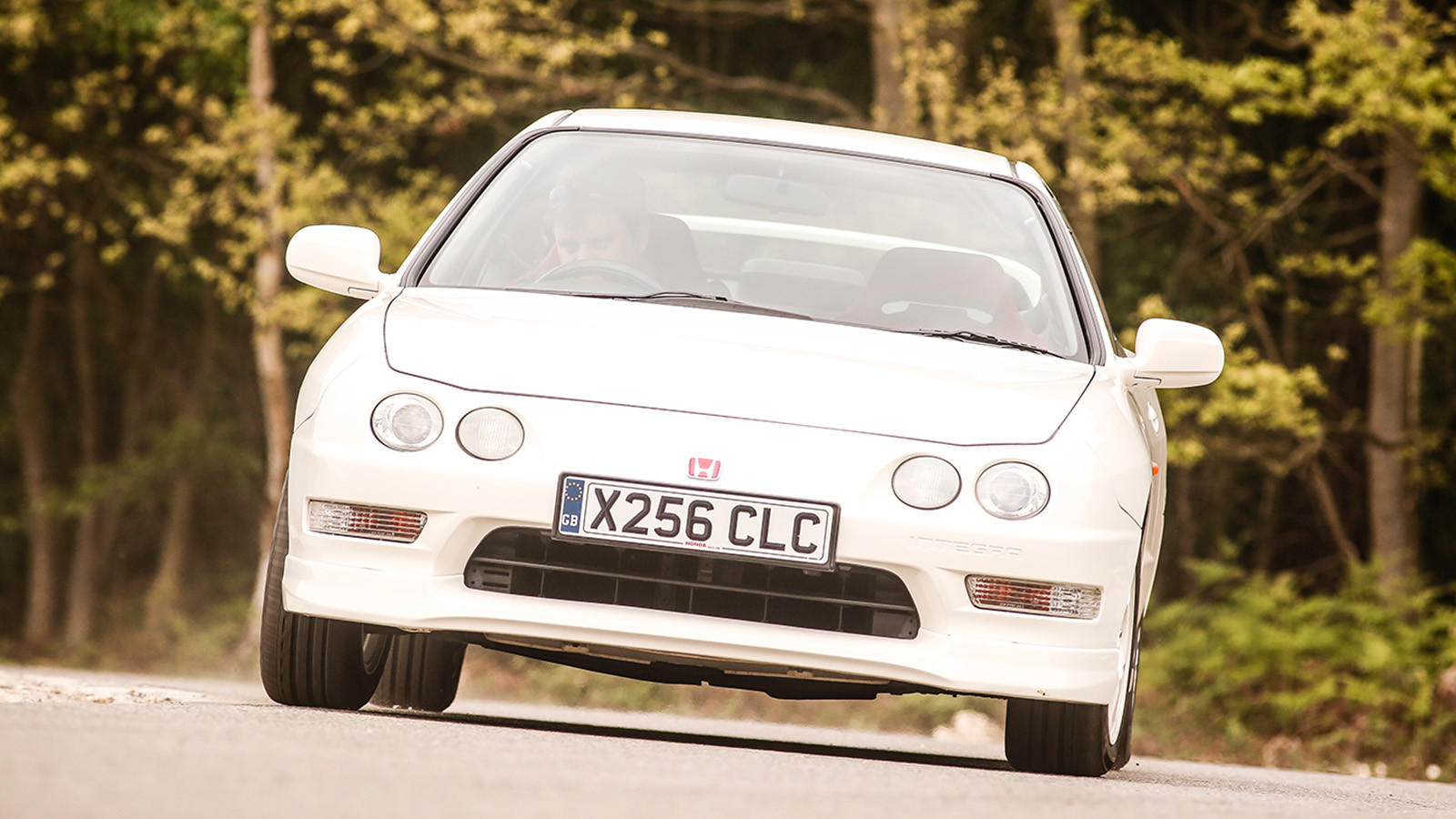
13. Honda Integra Type R
Honda launched its Integra coupé in third-generation form in 1993 at home in Japan.
Then, in 1995, Honda introduced the R model with a screaming 9000rpm rev limit for its 1.8-litre engine.
Every other element of the Integra R was just as thoroughly developed, so it had a close-ratio, five-speed gearbox, less weight, firmer suspension, a limited-slip differential and sublime steering.
It all added up to a brilliant driver’s car that Honda imported to the UK in limited numbers – you can spot one of these 500 cars by their round headlights in place of Japanese-market rectangular ones.
Honda reckons it lost money on every Integra Type R made, but a wonderful way to waste it.
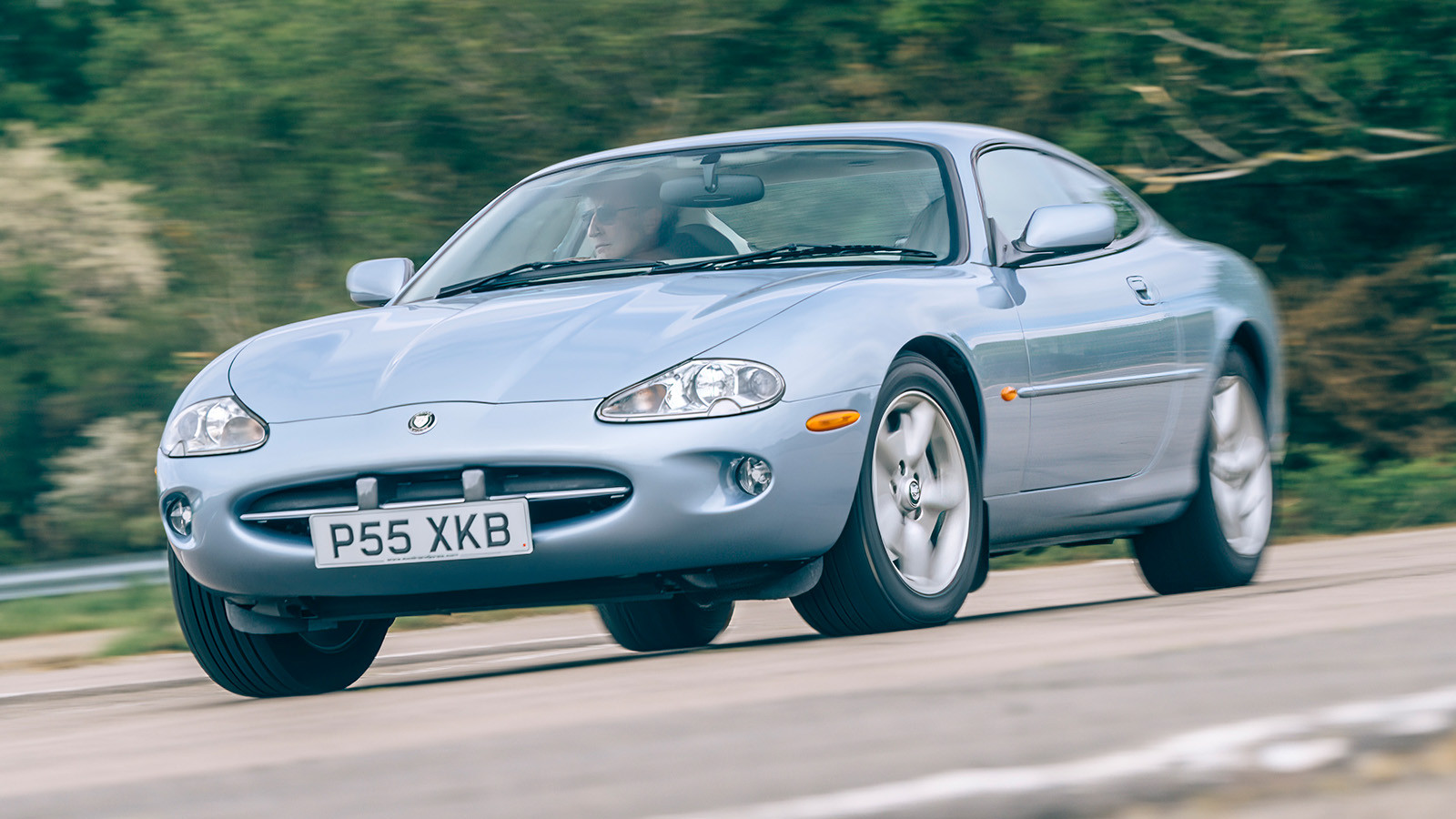
14. Jaguar XK8
The Jaguar XJ-S (which became the XJS from 1991) finally took retirement in 1996 and was replaced by the XK8.
Even then, the XJS chassis was carried over in modified form, but there was all-new power under the long bonnet with a 4-litre V8.
The 290bhp V8 offered easy performance, and just the right mix of noise and refinement that Jaguar buyers craved.
It was later upped to 4.2 litres and 300bhp, or you could opt for the XKR with its supercharged V8 with 370bhp, which later peaked at 400bhp in 4.2-litre guise.
There were nominally four seats in the XK8’s cabin, but it was really a 2+2. Not that those in the front would worry as they enjoyed the wooden dashboard, leather seats and superb ride comfort.
The XK8 also handled very well to put Jaguar right back at the forefront of its class, which yielded sales of 90,616 (total for the coupé and convertible variants).
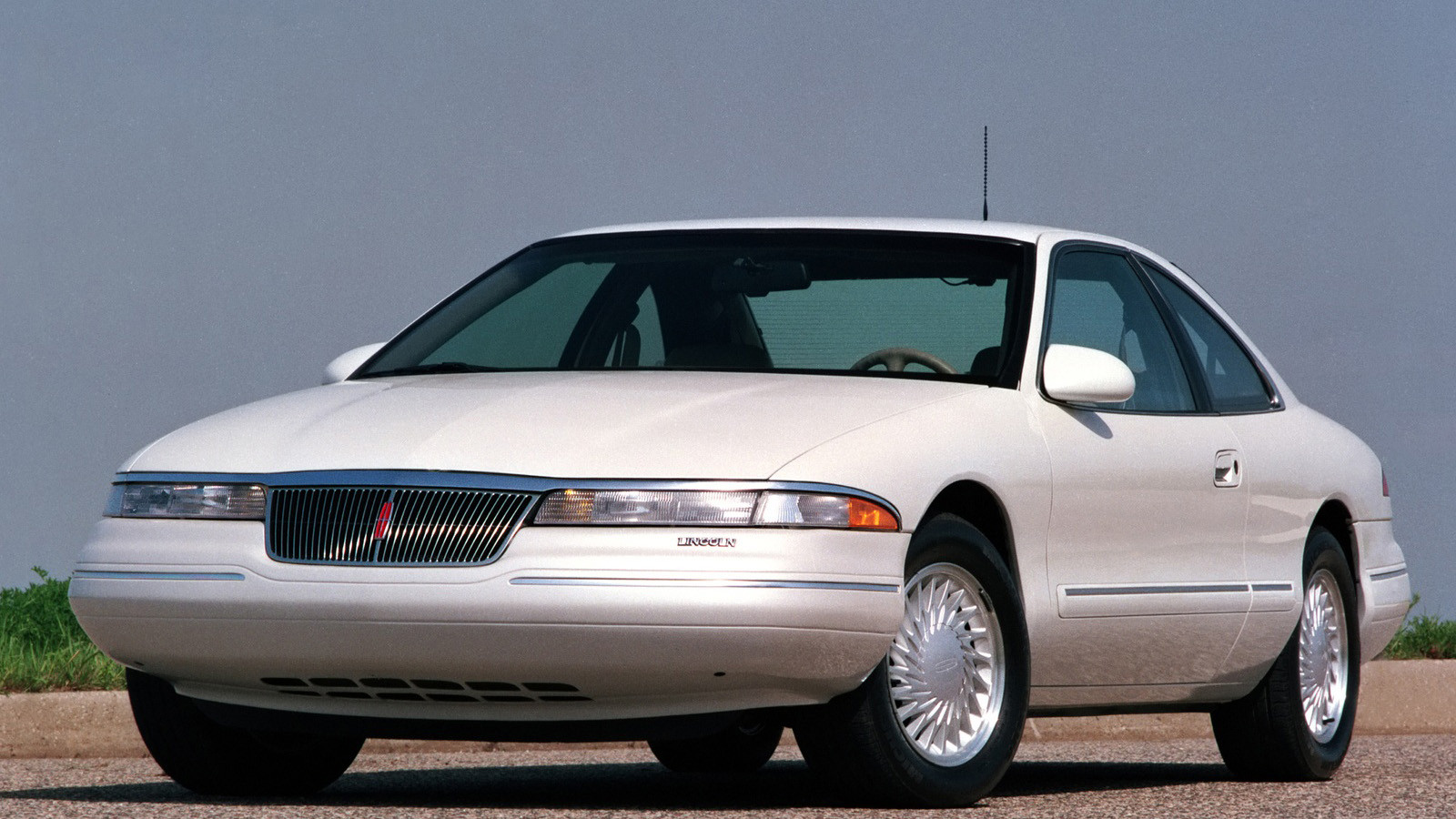
15. Lincoln Mark VIII
The square-rigged styling of the previous Lincoln Mark VII gave way to a much more slippery shape with the Mark VIII of 1992.
This luxury coupé still had space inside for four people and a large boot, so it could vie with the Cadillac Eldorado for buyers wanting a modern take on the ‘personal luxury car’.
Sharing its mechanical bits with the Ford Thunderbird of the period, the Lincoln Mark VIII was bigger than the car it replaced yet also lighter. This helped the new 280bhp 4.6-litre V8 engine serve 0-60mph in 7.5 secs and a top speed of 130mph.
A facelift arrived in late 1996, but the Mark VIII reached the end of the road in 1998, after 122,060 cars had been built. The model was not directly replaced.
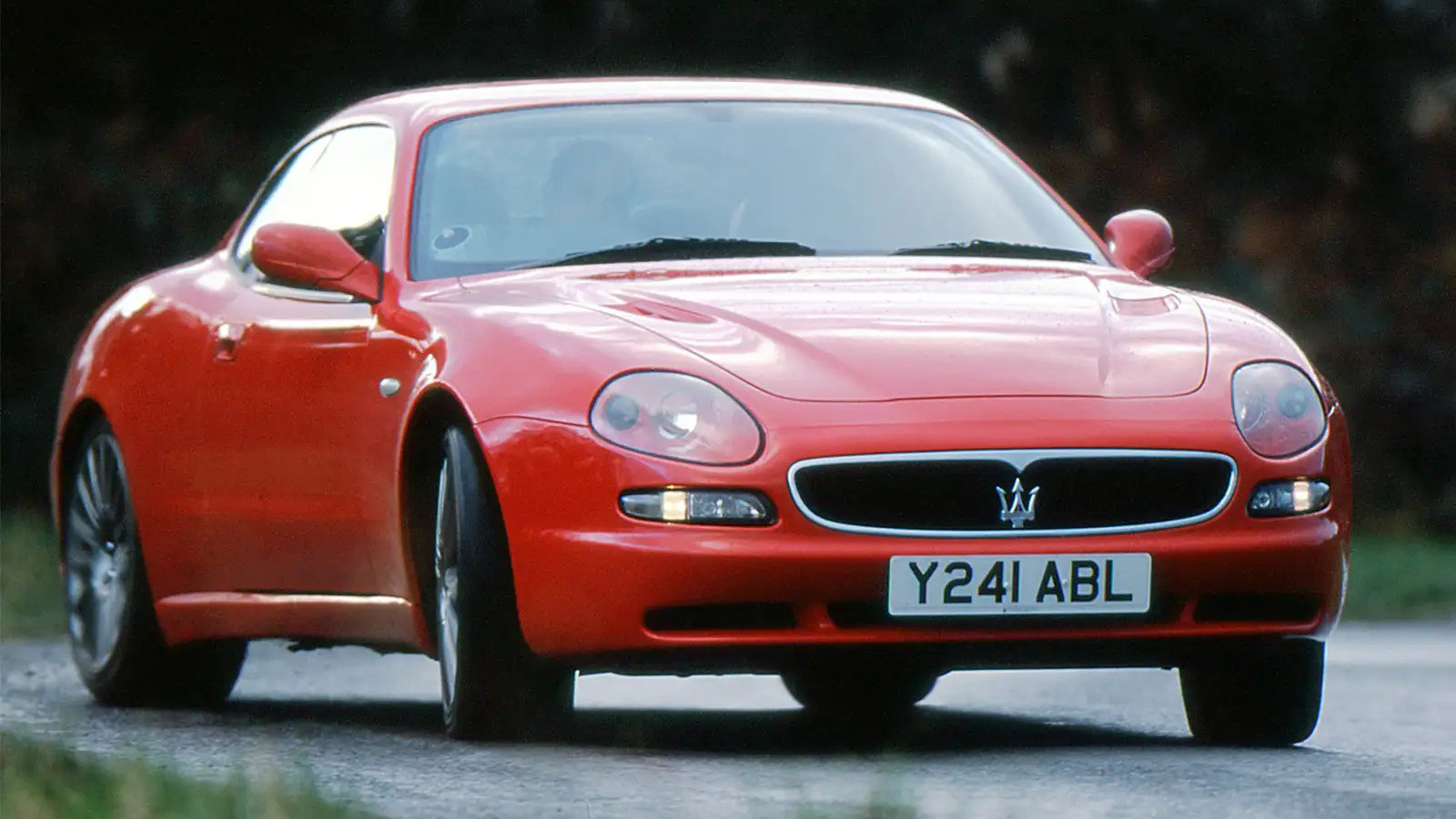
16. Maserati 3200GT
Variations on the Biturbo had kept Maserati’s coupé line afloat through the 1980s and into the late 1990s, but it was time for something new. That arrived in the shape of the gorgeous 3200GT.
Under Fiat ownership and Ferrari guidance, the 3200GT put Maserati right back in contention with Porsche, Jaguar and Aston Martin for coupé buyers’ cash.
As well as the svelte looks, the cabin was sumptuous and roomy enough to carry four in true comfort.
Being a Maserati, performance was equally important and that was amply taken care of by a twin-turbo V8 with 365bhp, which meant 0-60mph in 5 secs and a 170mph top end to rival a Porsche 911.
The 3200GT successfully put Maserati back on buyers’ radars and 4795 were more than happy to oblige with cheques before this model was replaced by the 4200GT in 2001.
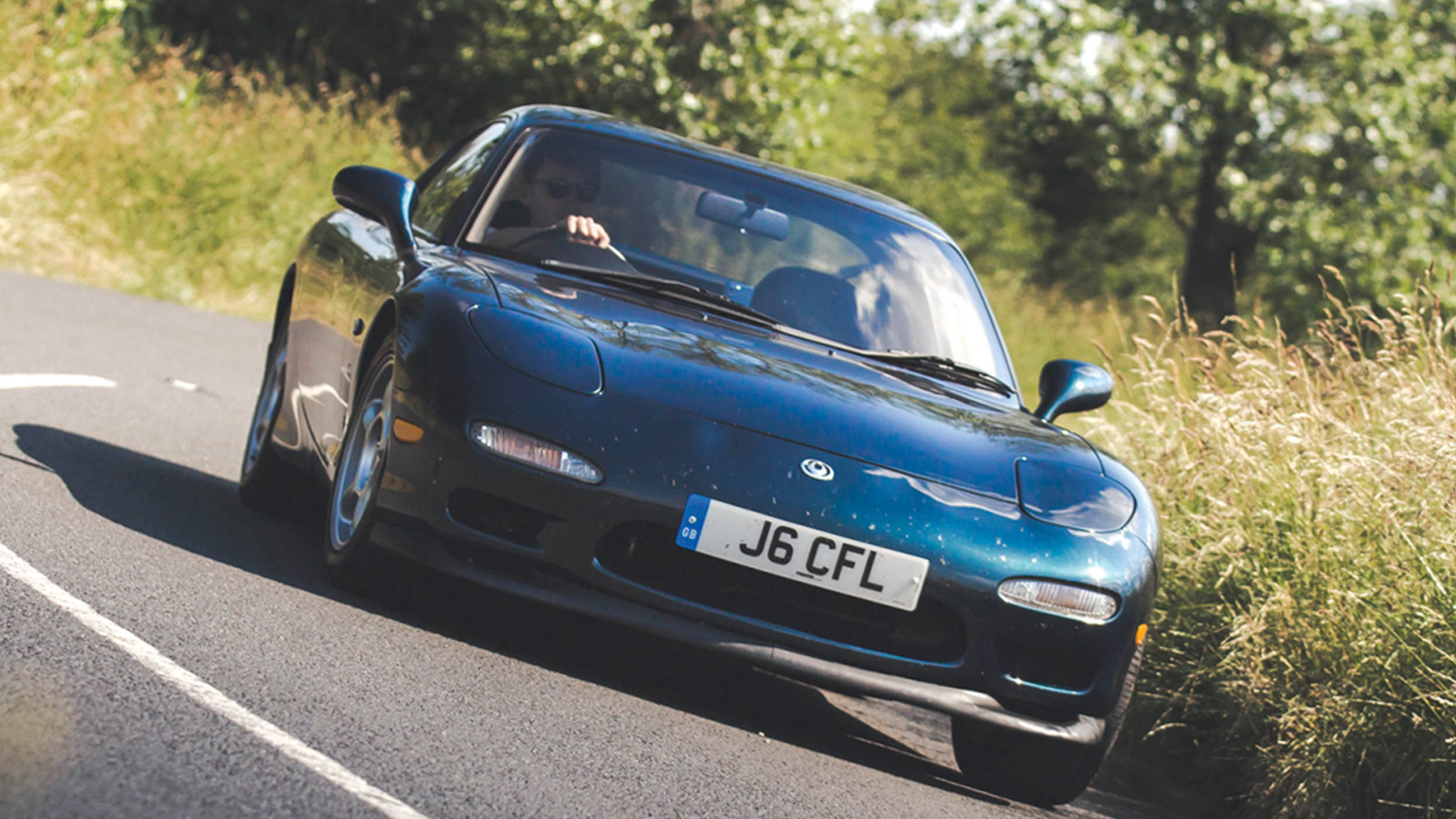
17. Mazda RX-7
The third Mazda RX-7 lifted its ambitions to take on Porsche, as well as the growing number of fast coupés from Mazda’s homeland in Japan.
With 252bhp from its turbocharged, rotary engine, which had a nominal 2.6-litre capacity from its twin-rotor design, the RX-7 was capable of 0-60mph in 5.4 secs and could head on to 153mph.
With the rev limiter set at 8000rpm, this pace was accompanied by the distinctive yowl.
Handling was just as adept and the RX-7 looked fantastic from every angle, yet the engine design held back many from buying the Mazda. As a result, a modest 68,589 were made between 1992 and 2002.
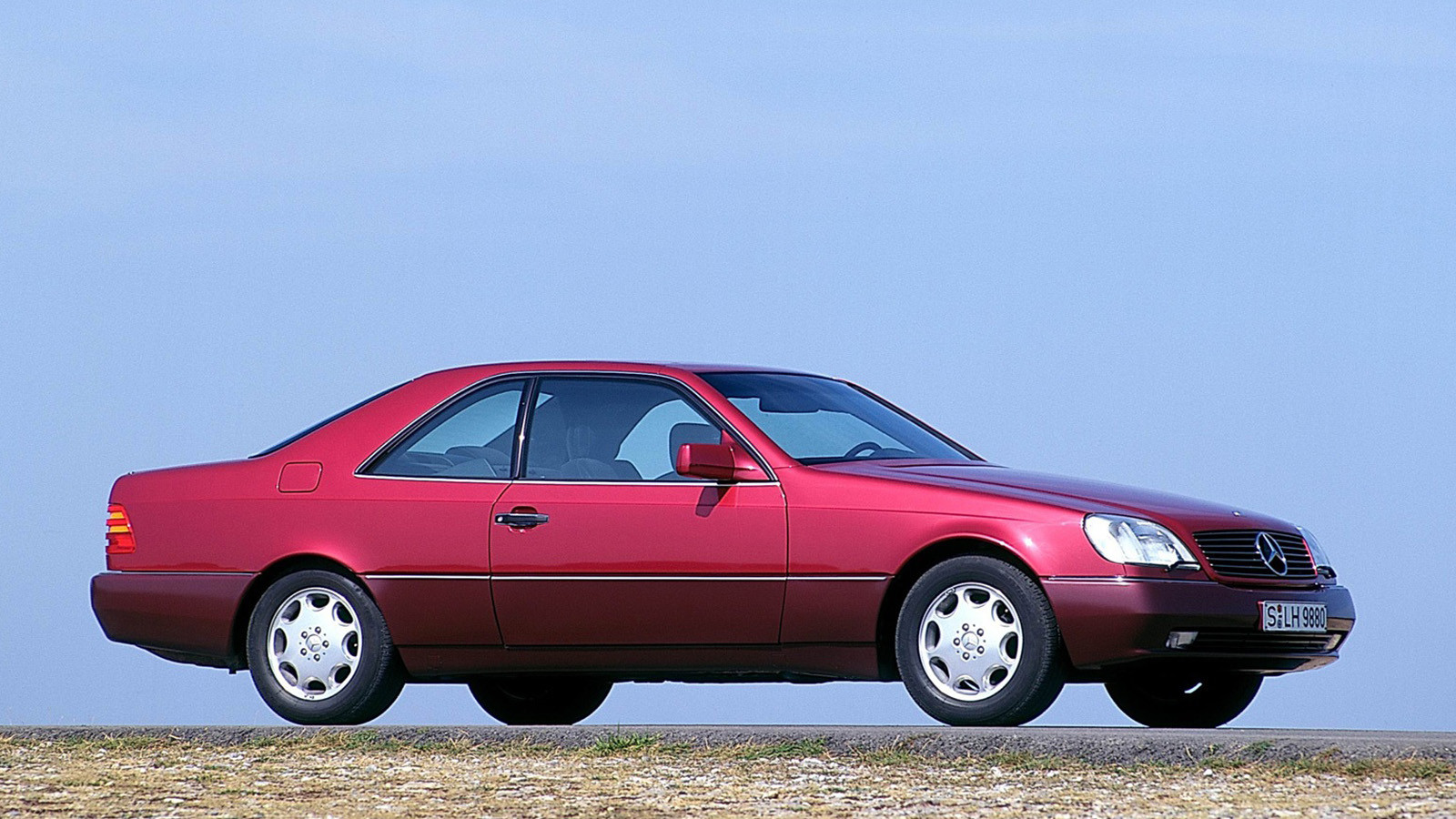
18. Mercedes-Benz CL
Known variously as the SEC, S-Class Coupé and then CL, this was the flagship coupé of the Mercedes-Benz range when it arrived in 1992.
Obviously derived from the 140-generation S-Class saloon, the two-door model was equally opulent, large and meticulously built.
The interior came with every luxury feature you could wish for in the early 1990s, plus space to carry four in genuine comfort.
The Bruno Sacco styling followed Mercedes’ fashion of the time with a pillarless design when all four windows were lowered.
With the double-glazed windows up, the cabin was a haven of calm, though you would just about hear the V8 or V12 engine options if they were pushed hard.
This CL was replaced by an all-new model in 1999, which was based on the latest S-Class and offered a more sporting drive, but luxury was still at the heart of its being.
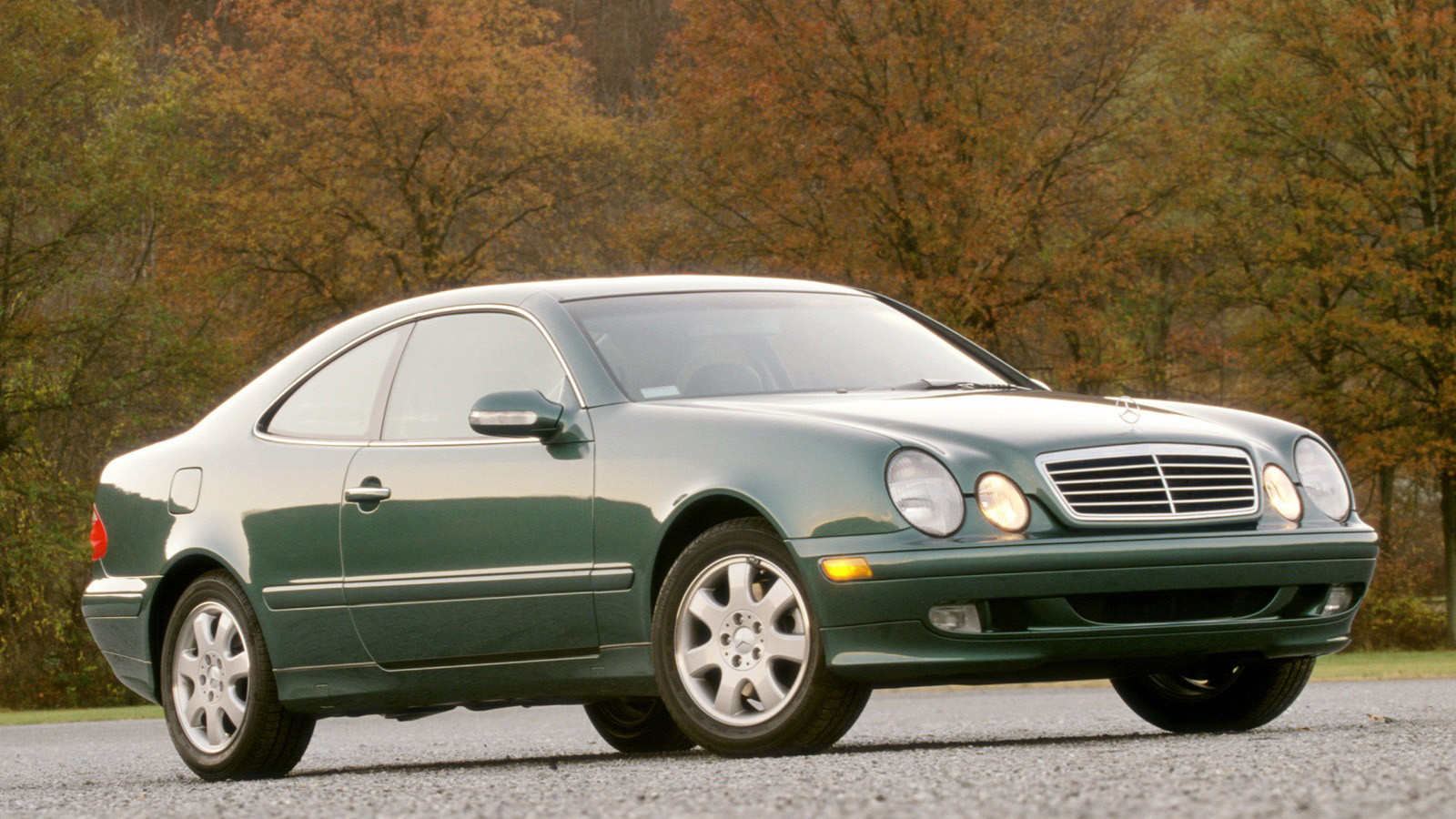
19. Mercedes-Benz CLK
Mercedes-Benz’s elegant, W124-based coupé bowed out in 1996 and it wasn’t until the following year that its replacement arrived in the shape of the CLK.
The styling of the CLK came from the latest E-Class saloon, but the basis of this BMW 3 Series Coupé rival was the C-Class saloon that had been launched back in 1992.
The result was that the CLK was more a grand tourer than sporting coupé, though AMG versions with potent V8s added plenty of pace to the range.
The CLK’s cabin offered more space than its direct rivals, and the E-Class looks inside and out made it feel more expensive than it was.
This helped sales reach a total of 204,062 by the time it was replaced by the next generation of CLK in 2003.
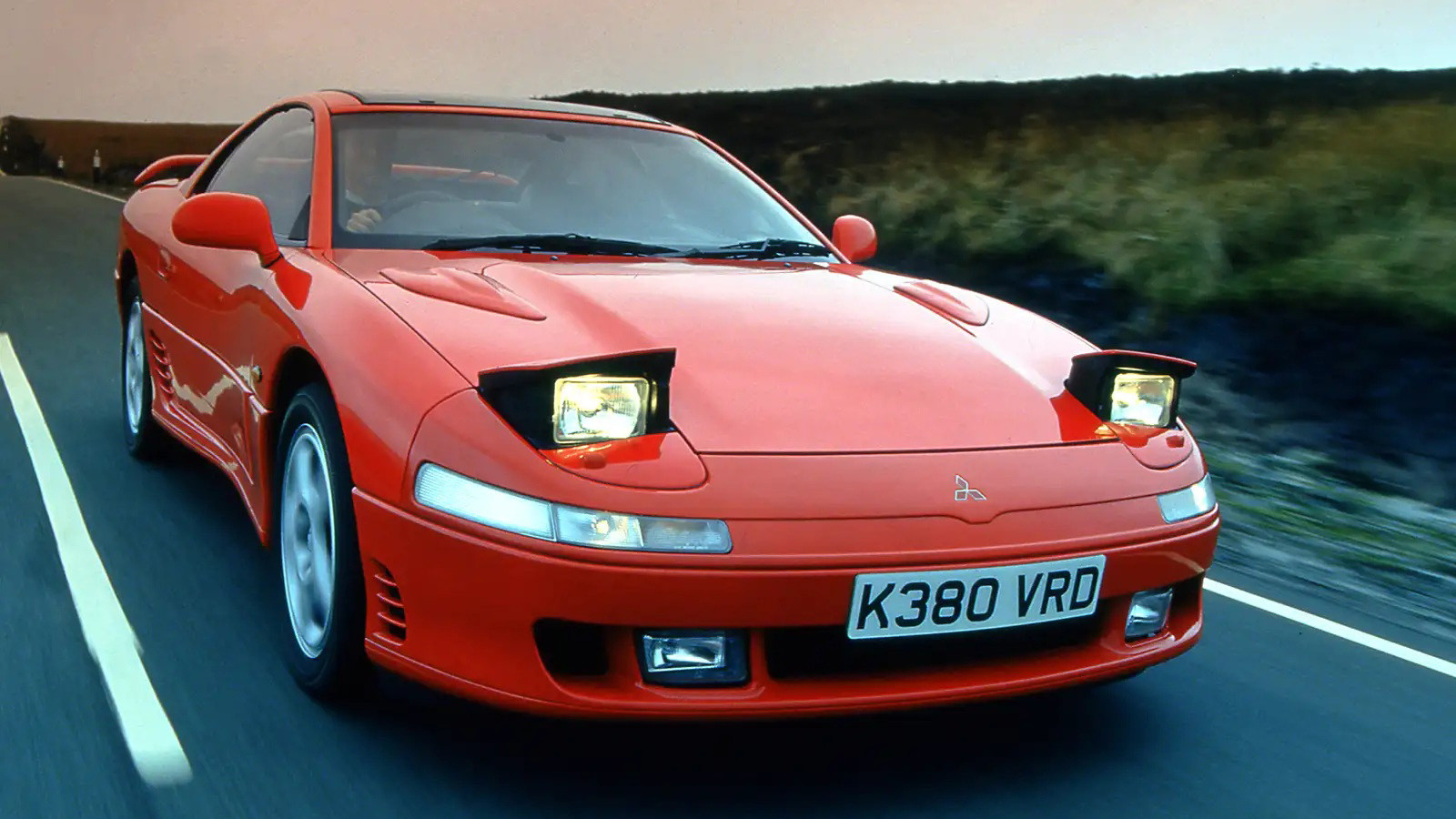
20. Mitsubishi 3000GT
Mitsubishi kicked off the 1990s in fine style with its 3000GT coupé that was a greatest hits of technical achievements.
Included in the GT’s specification were four-wheel drive, four-wheel steering, electronic suspension control, ABS anti-lock brakes, active aerodynamics and a twin-turbo, V6 engine.
All of this kit made rivals like the Toyota Supra, Nissan 300ZX and even the Porsche 928 look decidedly dull by comparison.
And the Mitsubishi backed it up on the road thanks to 282bhp from its 3-litre motor, delivering 0-60mph in 5.8 secs and 153mph.
The only downside to all of this was the Mitsubishi 3000GT just didn’t feel that great to drive, so rivals like the Mazda RX-8 and Porsche 968 won keen drivers’ hearts and wallets. In the USA, the 3000GT was known as the Dodge Stealth, and both it and the Mitsubishi won loyal fans who kept the car in sales up to 2001.
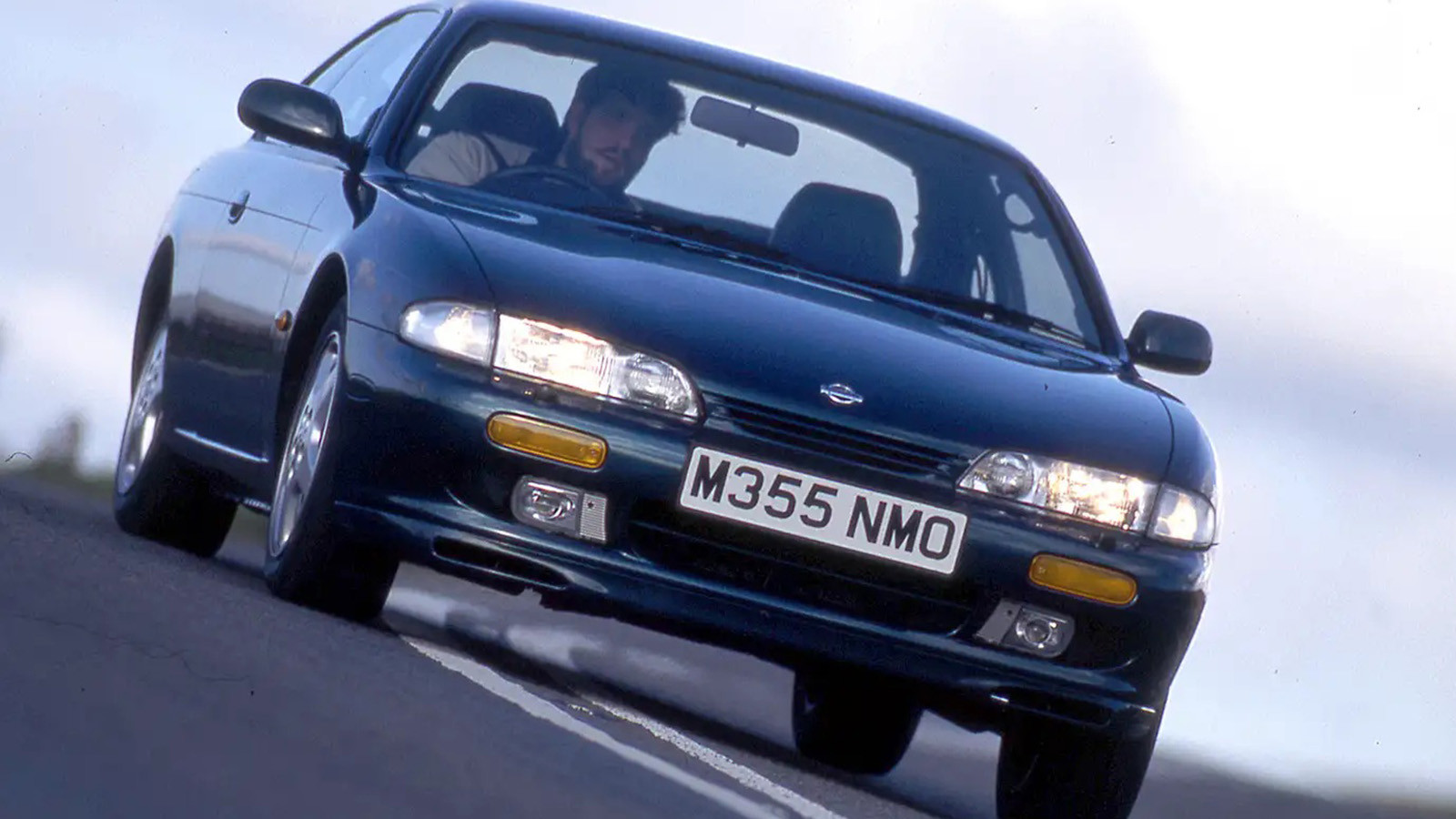
21. Nissan 200SX
The fastback style of the earlier Nissan 200SX gave way to a more traditional coupé profile with the 1993 model.
While the lift-up tailgate was gone in favour of a bootlid, the rest of the formula was much the same.
Up front was a 2-litre, four-cylinder engine with turbocharger that produced 197bhp. Driving the rear wheels through a five-speed manual gearbox, or with the option of an auto, the 200SX was good for 0-60mph in 6.4 secs and 150mph.
The Nissan was also very happy to goad its driver into oversteer through corners at every opportunity thanks to its agile chassis and punchy power delivery.
Nissan cheekily advertised the car alongside a BMW 3 Series Coupé, but the 200SX’s character was more in line with the firm’s Skyline, which by then had graduated to being a supercar rival.
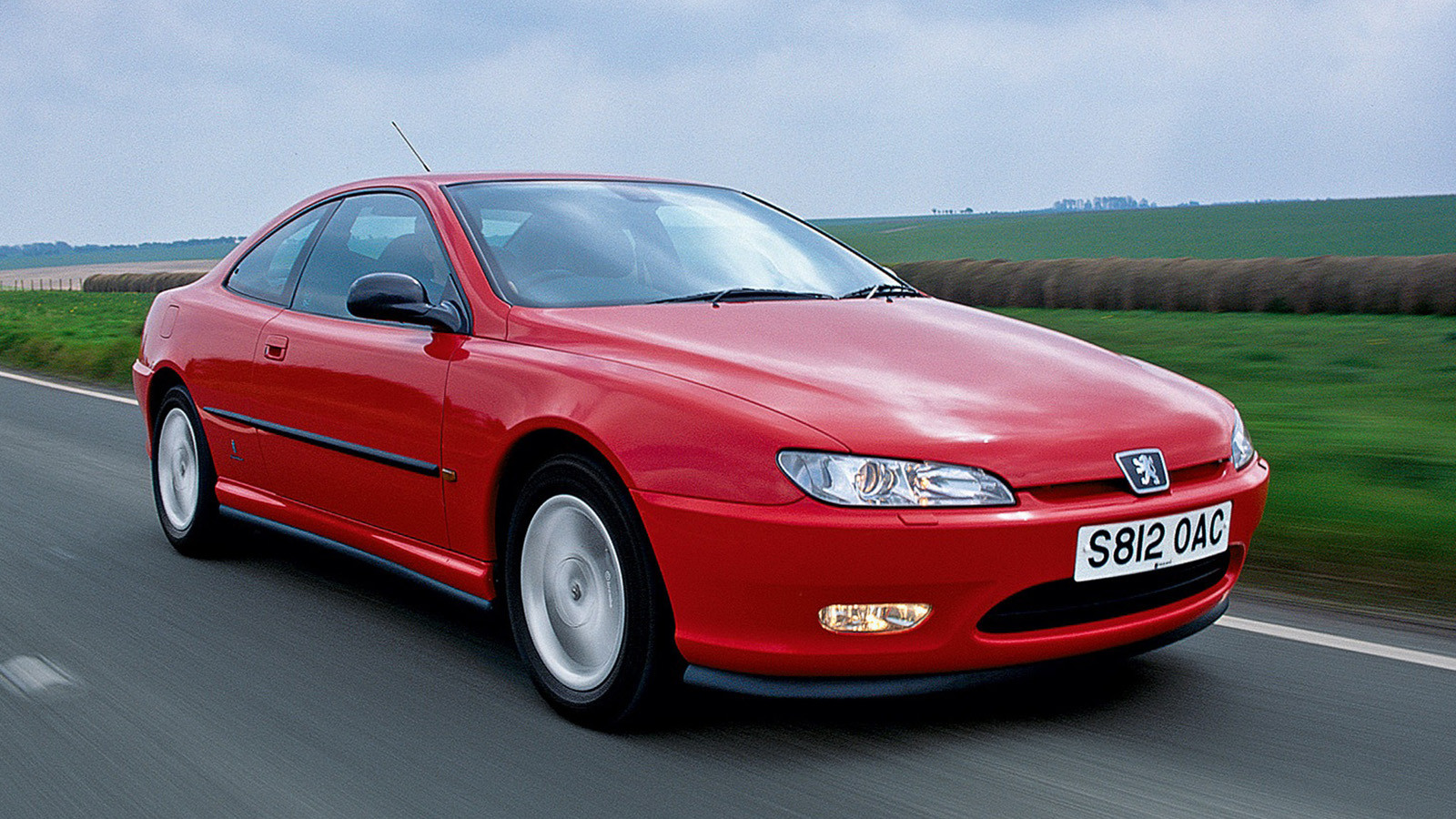
22. Peugeot 406 Coupé
While there is some truth in the Peugeot 406 Coupé being little more than a saloon model in posh clothes, what a great way to dress.
The Coupé’s looks came courtesy of Pininfarina, which did a superb job of turning the saloon into a two-door of distinction.
It helped the Peugeot 406 compete with the likes of the BMW 3 Series Coupé and Mercedes-Benz CLK, and handling was worthy of comparison, too, thanks to its agility plus a supple ride.
A 2-litre, four-cylinder engine gave buyers an affordable entry point to the 406 Coupé, but it was at its best with the smooth 3-litre V6 motor.
Latterly, there was also the option of a 2.2-litre turbodiesel to widen the car’s appeal to company car drivers. This plan succeeded and Peugeot sold 107,663 examples of its 406 Coupé.
23. Porsche 968
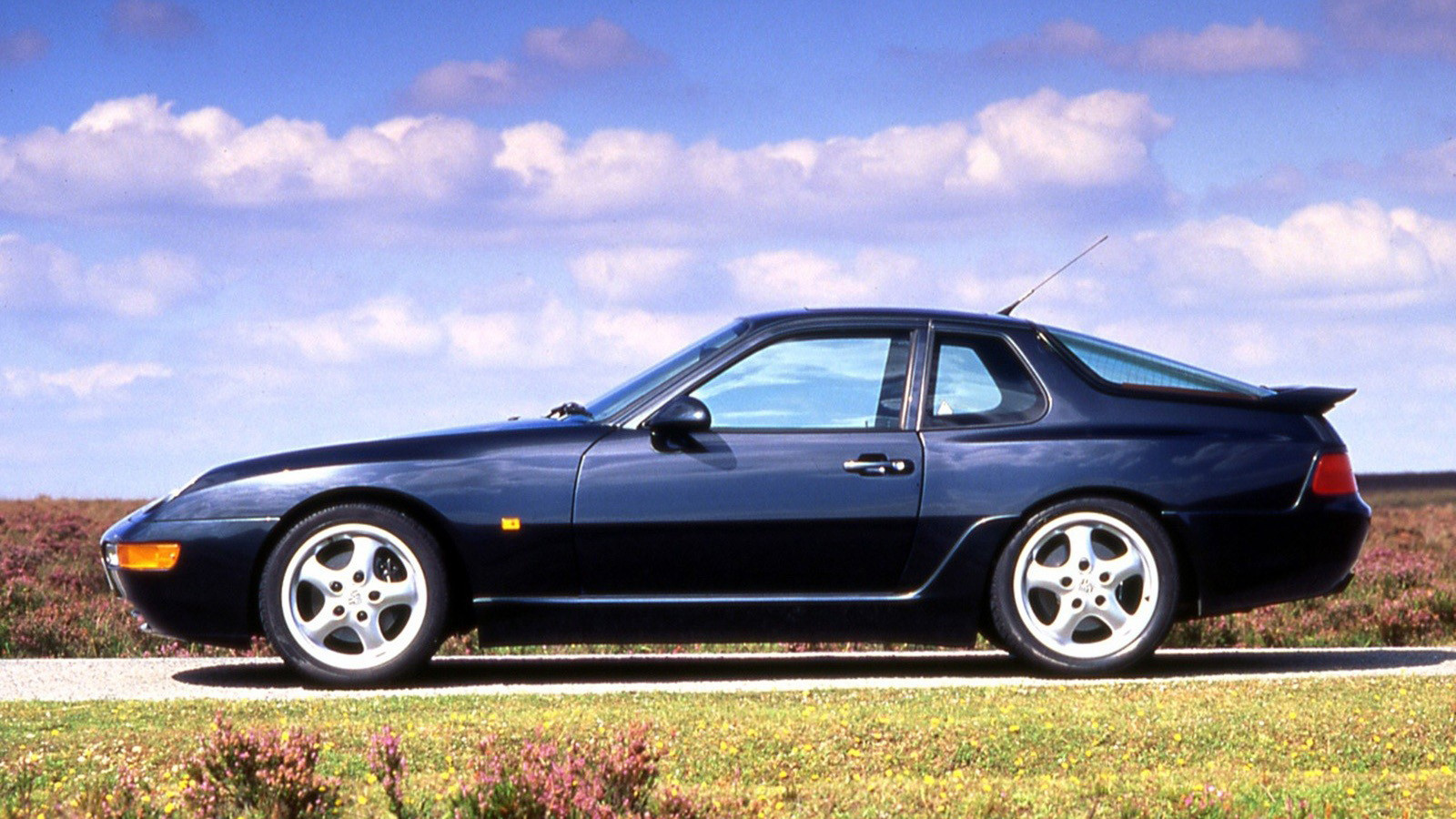
Some dismissed the Porsche 968 as dull and boring, but that rather missed the point of this ultimate development of the 924/944 theme.
Yes, the engine was a derivation of the 16-valve, 3-litre, four-cylinder motor from the 944, but it had 237bhp driving the rear wheels.
The 968 also had impeccable cornering balance, a well-judged ride and build quality to shame almost any rival.
It wasn’t cheap, of course, but you got what you paid for and the 928-style headlights added a bit of glamour.
Porsche then added the Club Sport model, where it stripped out kit to save weight and cost.
Buyers loved it, and the UK also had the Sport model which was a Club Sport but with the rear seats and some luxury items reinstated.
As a stopgap until the Boxster arrived, the 968 did the job and Porsche sold 12,793 (coupé and convertible figures combined).
24. Rover 200/220 Turbo Coupé
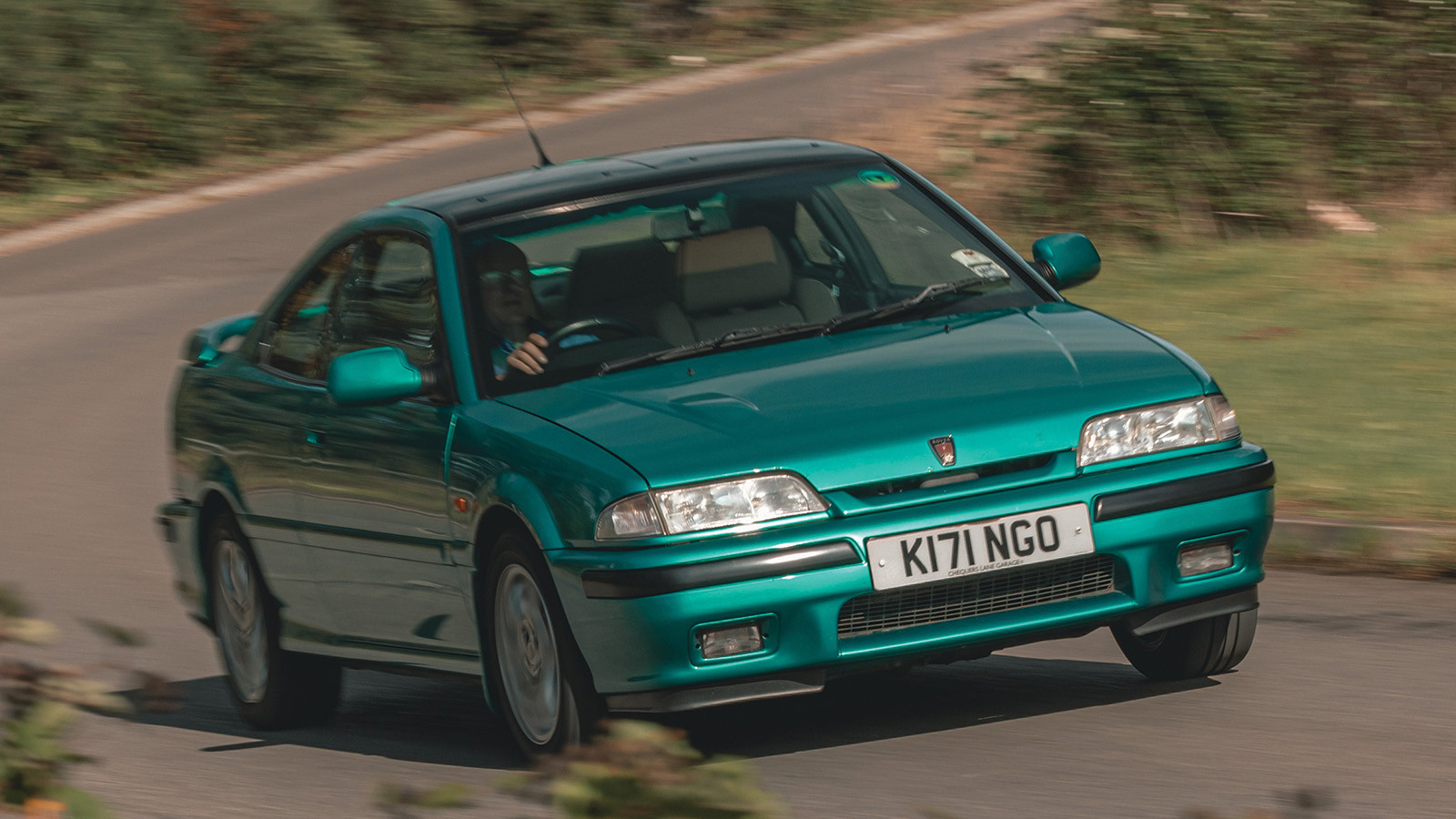
Rover’s coupé offering for 1992 was a curious amalgam of traditional wood and chrome trim, with a two-door fastback body and lift-out roof panels.
Where the 800 Coupé was really just a two-door version of its saloon counterpart, the 200 was a more concerted effort.
As well as the unique body, Rover offered the 200 Coupé with 1.6- and 2-litre engines, but the real fun lay with the 220 Turbo that also became known as the Tomcat.
It had 197bhp driving the front wheels, helped by a limited-slip differential and traction control. Get it hooked up and the Turbo could see off 0-60mph in 6.3 secs and hit 149mph flat out.
The impressive performance didn’t earn the Rover the sales it deserved, but it demonstrated that the marque still had plenty of fight left in it.
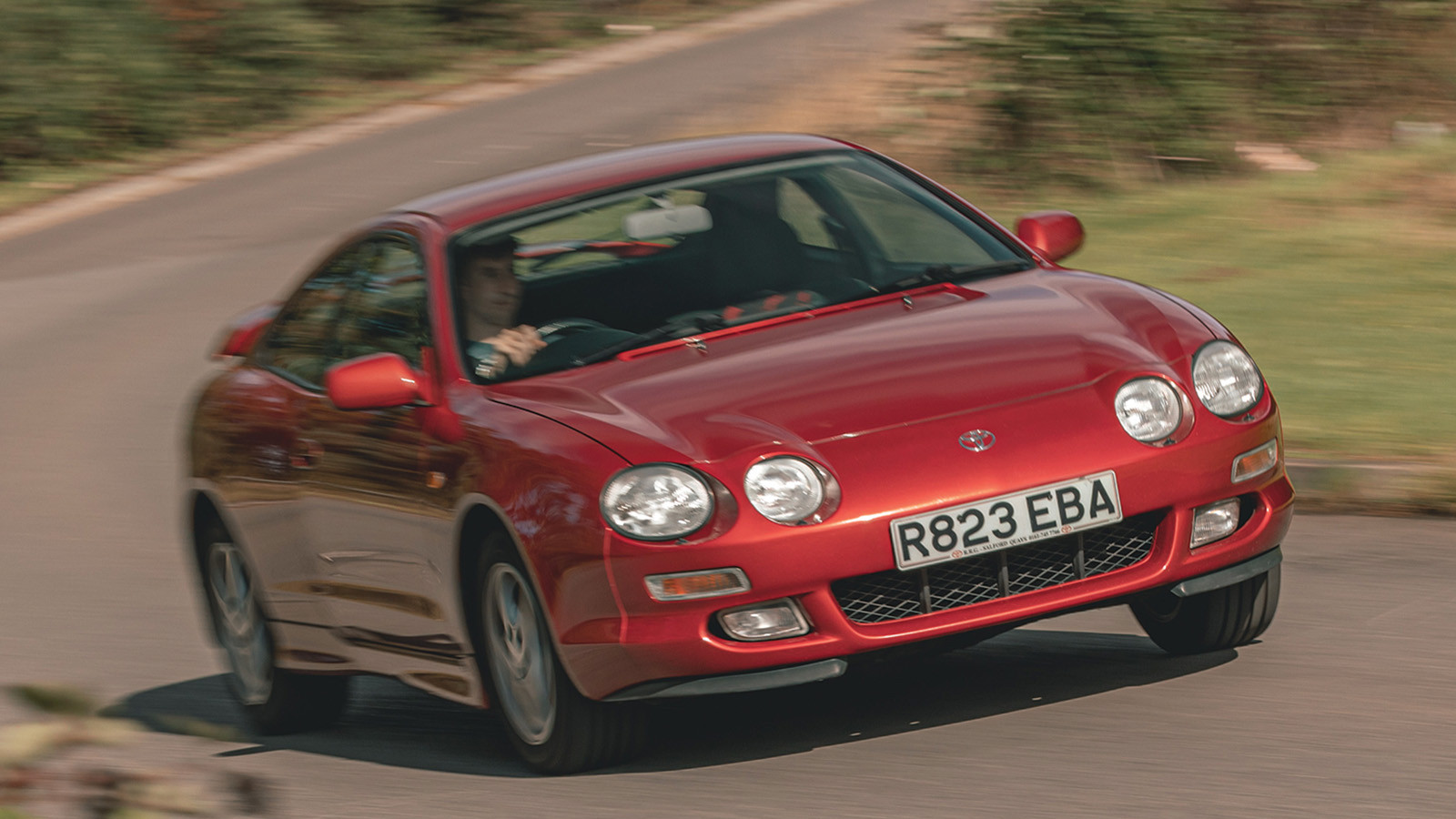
25. Toyota Celica
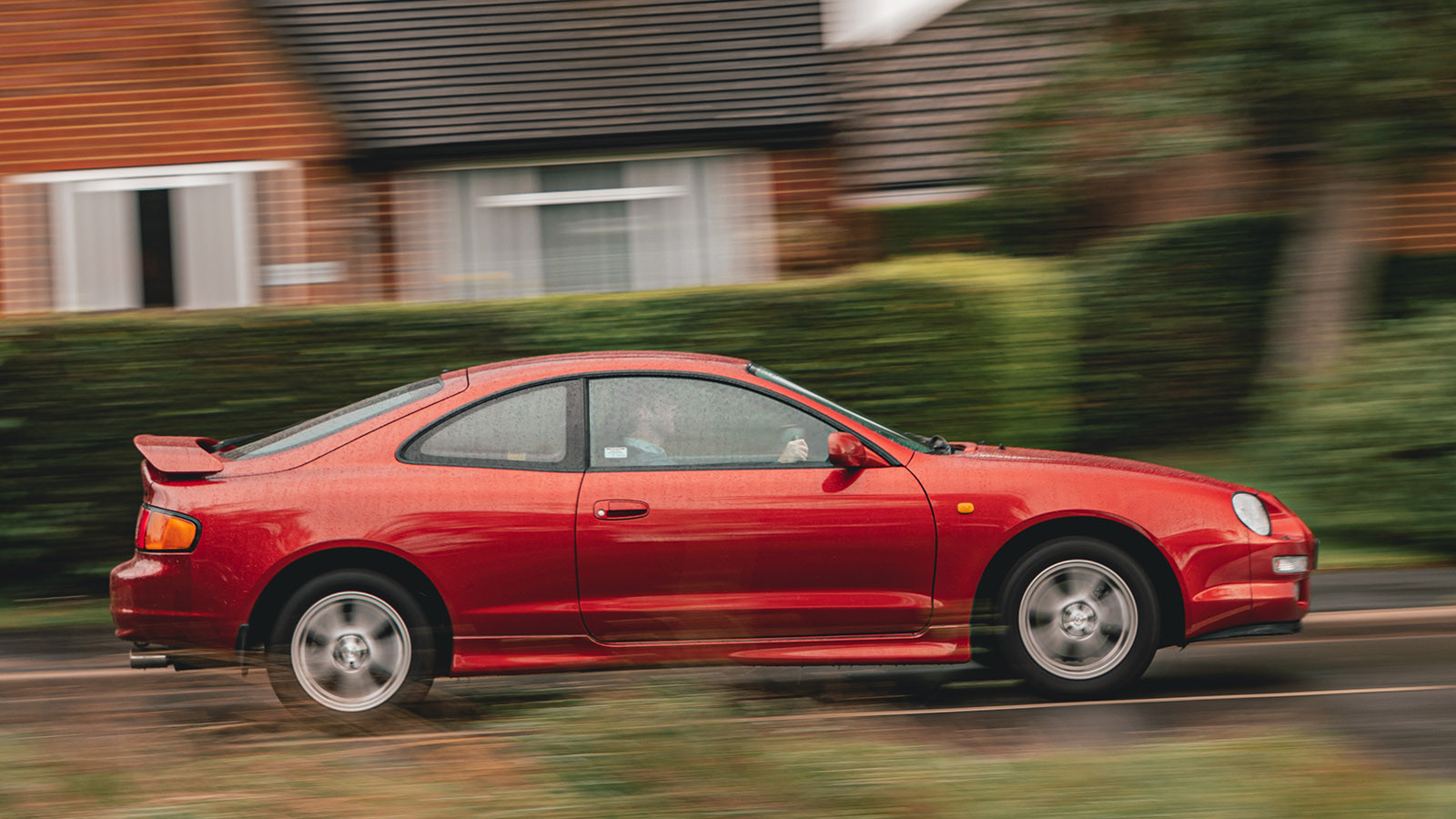
The Toyota Celica already had a history stretching back to 1970 when this sixth-generation model arrived in 1993.
Its fastback looks were similar in silhouette to its predecessor’s, but there were larger rear windows to make it a little more pleasant for anyone sitting in the back.
Some markets were also offered a notchback model with a boot, rather than a tailgate.
Up front, the range started with a weedy 1.8-litre, but the fun came when you chose the turbocharged 2-litre model.
Or, you could have the GT-Four ST205 with a 239bhp motor to homologate the Celica for the World Rally Championship.
Toyota made 2500 of these rally-bred cars that offered 0-60mph in 5.9 secs and a 153mph top speed to give it performance on a par with the Supra.
26. TVR Cerbera
Defiant as ever, TVR decided to build its own engine when it looked like supplies of Rover’s V8 would dry up.
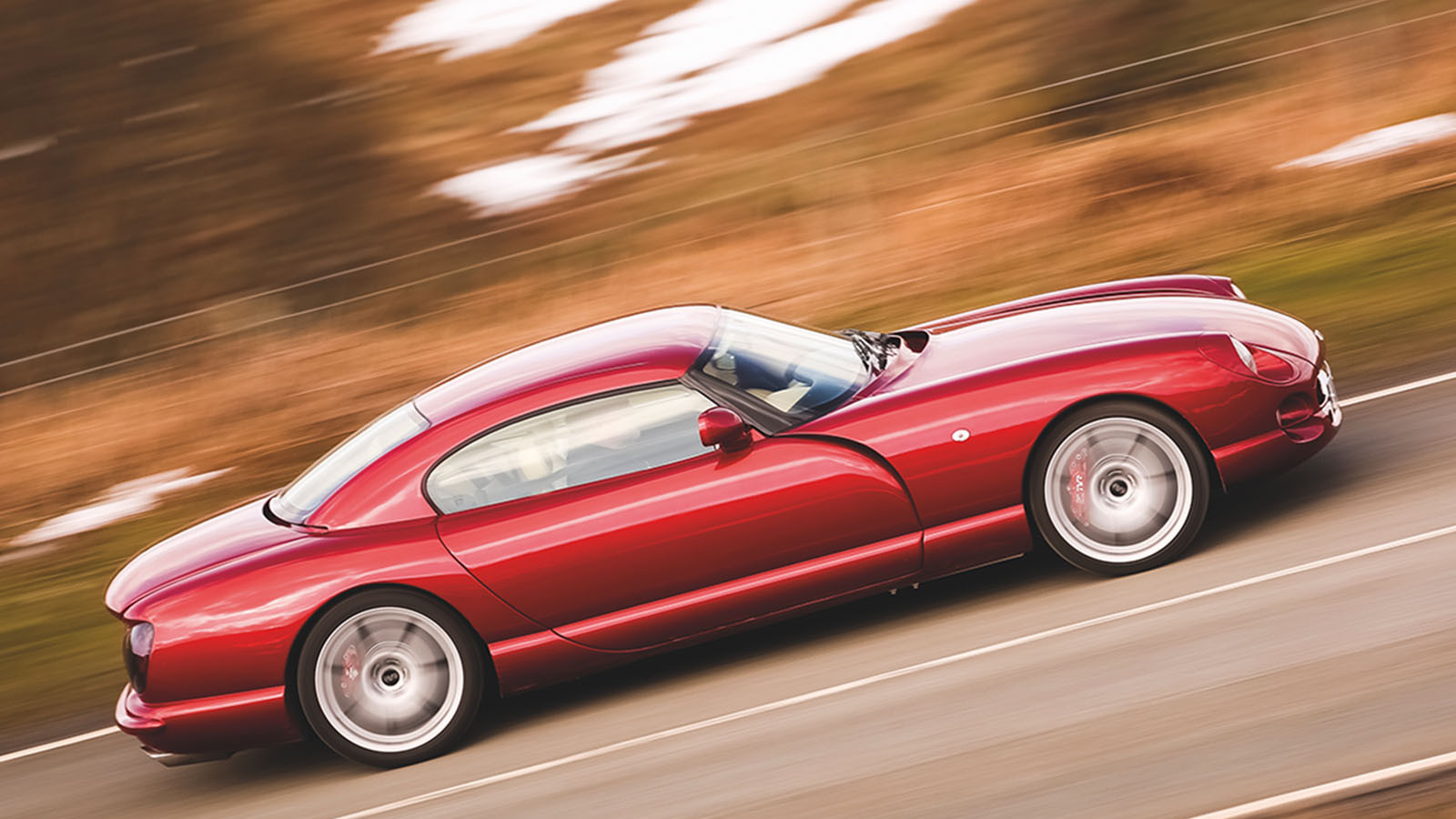
This led the company to develop its own 4.2-litre V8 engine and the Cerbera coupé was the only model to make use of it.
The 4.2 V8 had 359bhp and was joined by a 420bhp 4.5-litre version for 170mph performance. TVR then added its own 4-litre, straight-six engine to make the Speed Six version of the Cerbera.
All were outlandishly quick and loud, which sat well with the Cerbera’s swooping lines and low roofline. Even so, the cabin offered four seats, even if the rears were minuscule.
The dashboard was not the easiest to fathom, but looked fabulous, and the Cerbera was like nothing else you could buy for the money.
Between 1995 and 2003, TVR made around 1500 Cerberas. It was one of the last cars to be made by the company before it ceased production in 2004.
27. Vauxhall/Opel Calibra
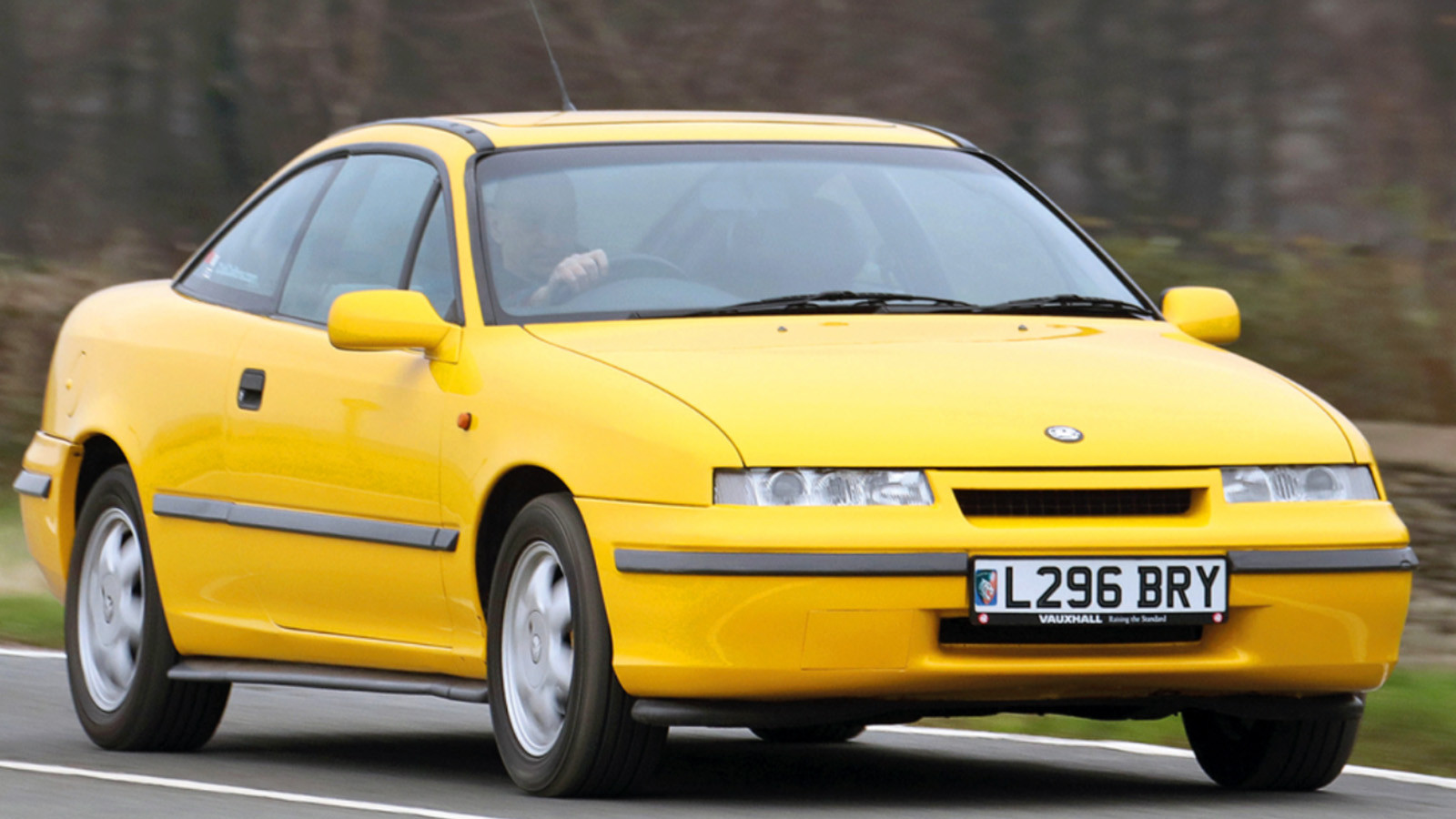
Vauxhall and Opel launched the Calibra coupé in 1990 ahead of Ford’s Probe, and it proved a strong seller in Europe.
It might not have been the last word in dynamics, but its looks were enough to make it desirable.
Those looks contributed to the Calibra’s 0.26Cd drag coefficient, which made it the most aerodynamic production car in the world when it went on sale. That didn’t prevent it from offering decent cabin space and a large boot.
While the handling wasn’t much sharper than the Cavalier’s it was based on, the Calibra could be had with anything from the humble 114bhp, 2-litre engine all the way to a gutsy 2.5 V6.
Best of the lot, though, was the 204bhp turbo 2-litre, which had four-wheel drive to make the most of its power.
Buyers loved the Calibra in all its forms and Opel/Vauxhall shifted an impressive 238,164 of them.
28. Volvo C70
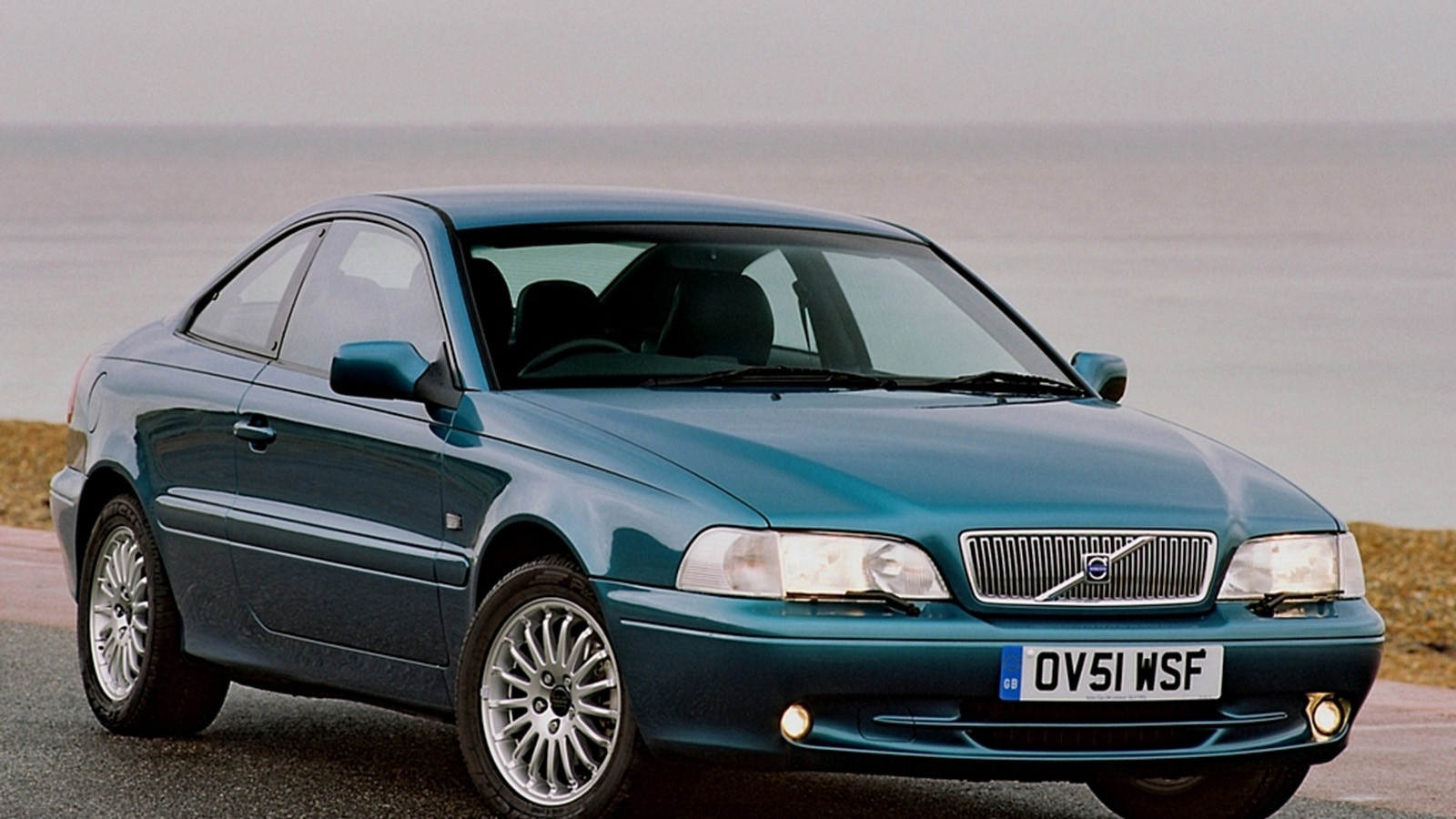
Volvo had dabbled with coupés in all of the previous four decades, so why not the 1990s?
This led to the C70, which used the eminently sensible V70 saloon as its base, but with bodywork styled by Ian Callum and Peter Horbury. The result was an exceedingly handsome fastback, with a convertible version also available.
Power for the C70 came from a variety of five-cylinder motors offering between 161 and 241bhp. The more potent versions could hit 155mph and see off 0-60mph in 6.3 secs.
With input from Tom Walkinshaw’s TWR team, the C70 coupé handled well enough, but the Volvo was a car best driven at seven tenths.
Regardless of its dynamic shortcomings, the C70 was a hit for Volvo and the Swedish brand made 72,000 examples (coupé and convertible figures combined).