Three decades of memories
Yes, 1995 really was 30 years ago.
And during the 1990s it was customary, at least in some quarters, to regard modern cars as boring.
But, today, with the useful tool of hindsight, it’s possible to look back on that period as no less inventive than any other.
In the middle of the decade, car manufacturers were introducing new vehicles of many types, and while it would be difficult to describe all of them as classics, there was certainly no shortage of variety.
Here, then, in alphabetical order, is a look back at what was starting to appear in the showrooms in 1995, with our gallery of 30 cars from 30 years ago.
1. Acura SLX
As Lexus and Infiniti are to Toyota and Nissan respectively, Acura is the luxury and performance division of Honda.
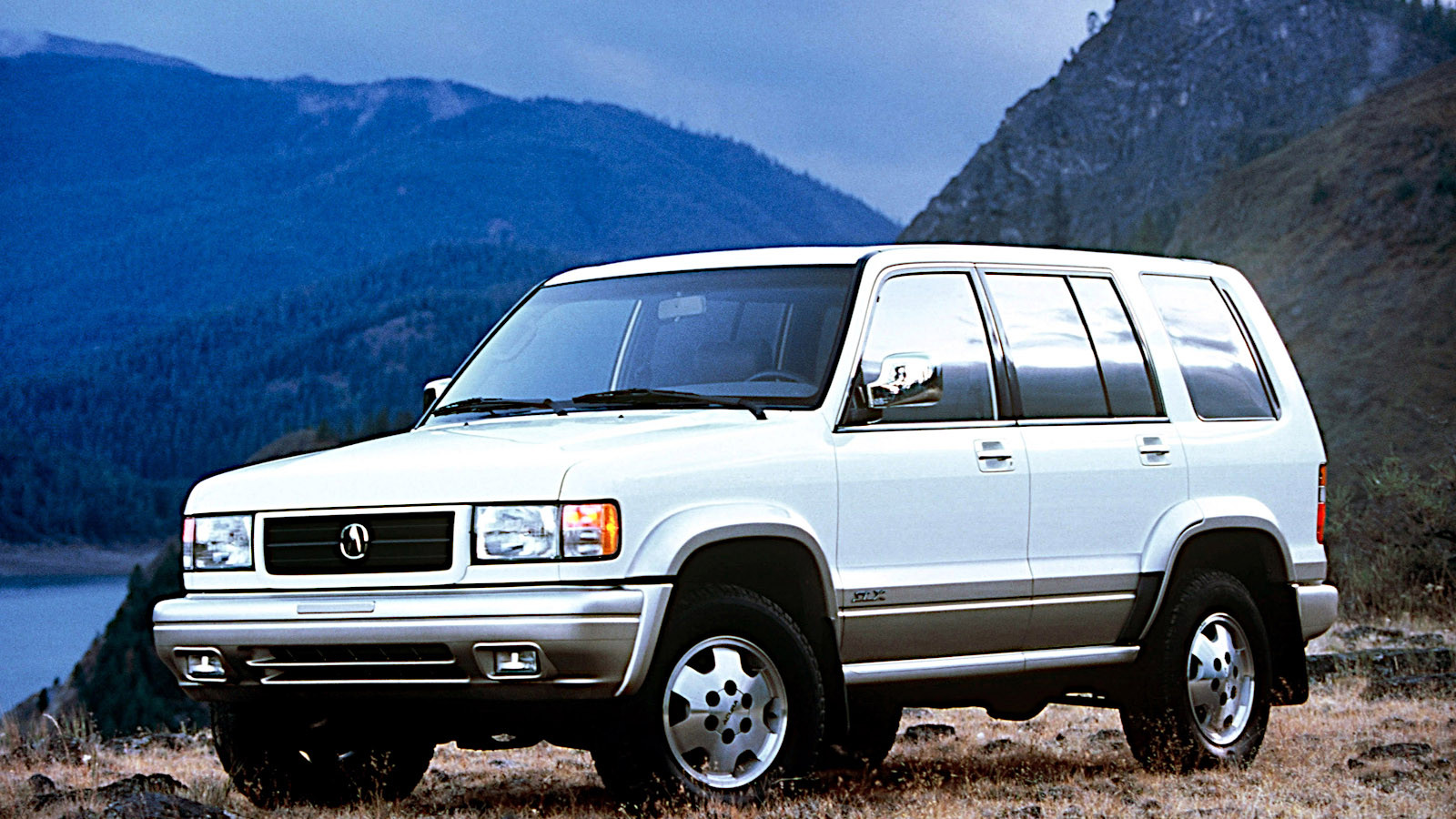
The SLX was both Acura’s first SUV and its first four-wheel-drive vehicle, but there was almost nothing of Honda about it.
Instead, it was a rebadged and only mildly altered second-generation Isuzu Trooper, a vehicle accused (and acquitted) in the US of having an unreasonable tendency to fall over.
Whether or not the controversy affected sales was a matter of vigorous argument in the courts, but in any case the SLX was replaced in 2001 by the original MDX, which was very much a Honda.
2. Acura TL
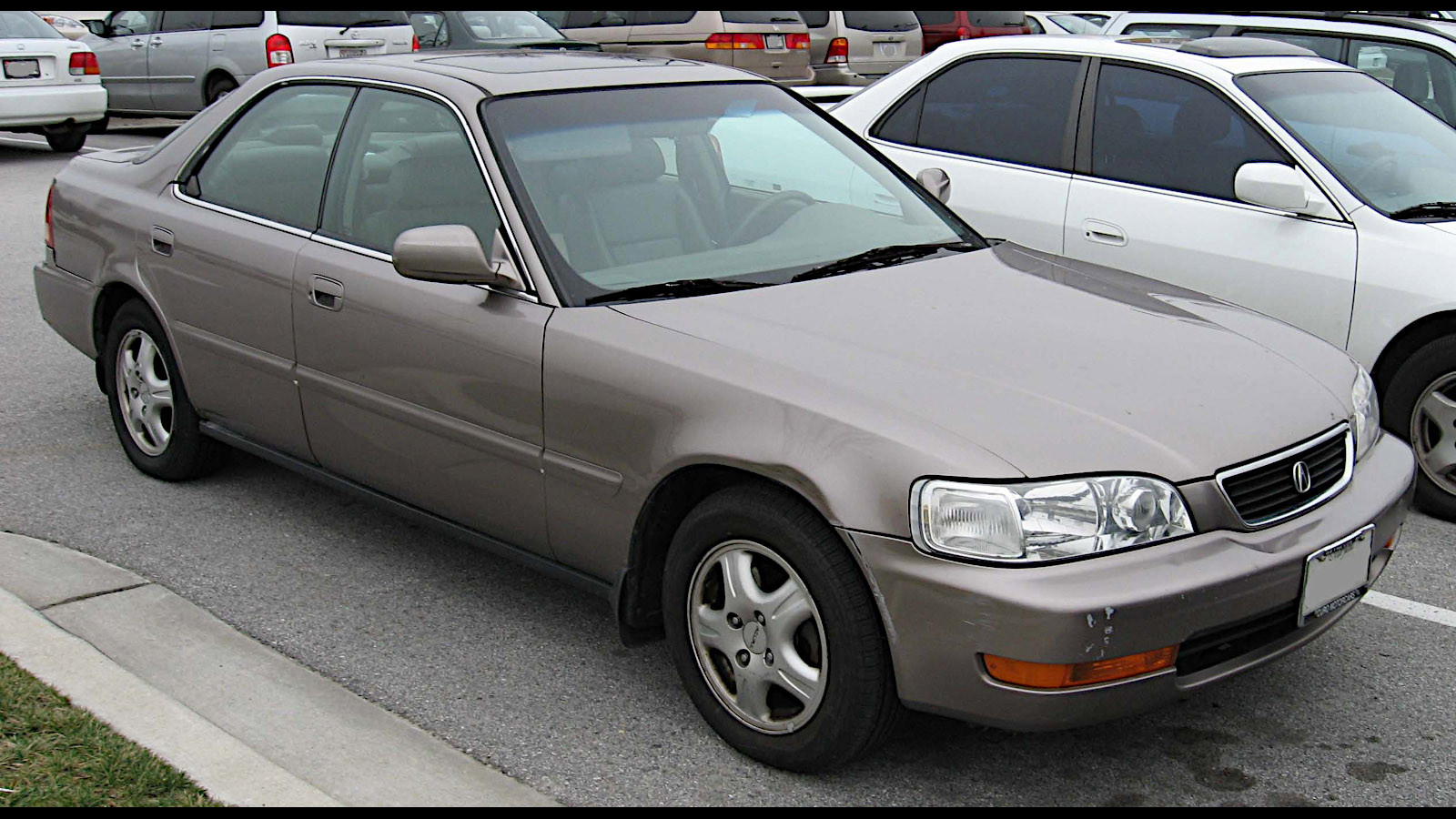
The TL saloon was a more conventional member of Acura’s 1990s line-up than the SLX, and far more reliant on Honda technology.
Front-wheel drive came as no surprise but, unusually, the engine – whether a 2.5-litre, five-cylinder unit or a 3.2-litre V6 – was not mounted transversely.
Instead, and in the interests of weight distribution, it was oriented longitudinally behind the front axle, the only connection between this car and the much earlier (and very different) Renaults 4 and 16.
The Acura TL went into its second generation in 1999, and its fourth lasted until 2014.
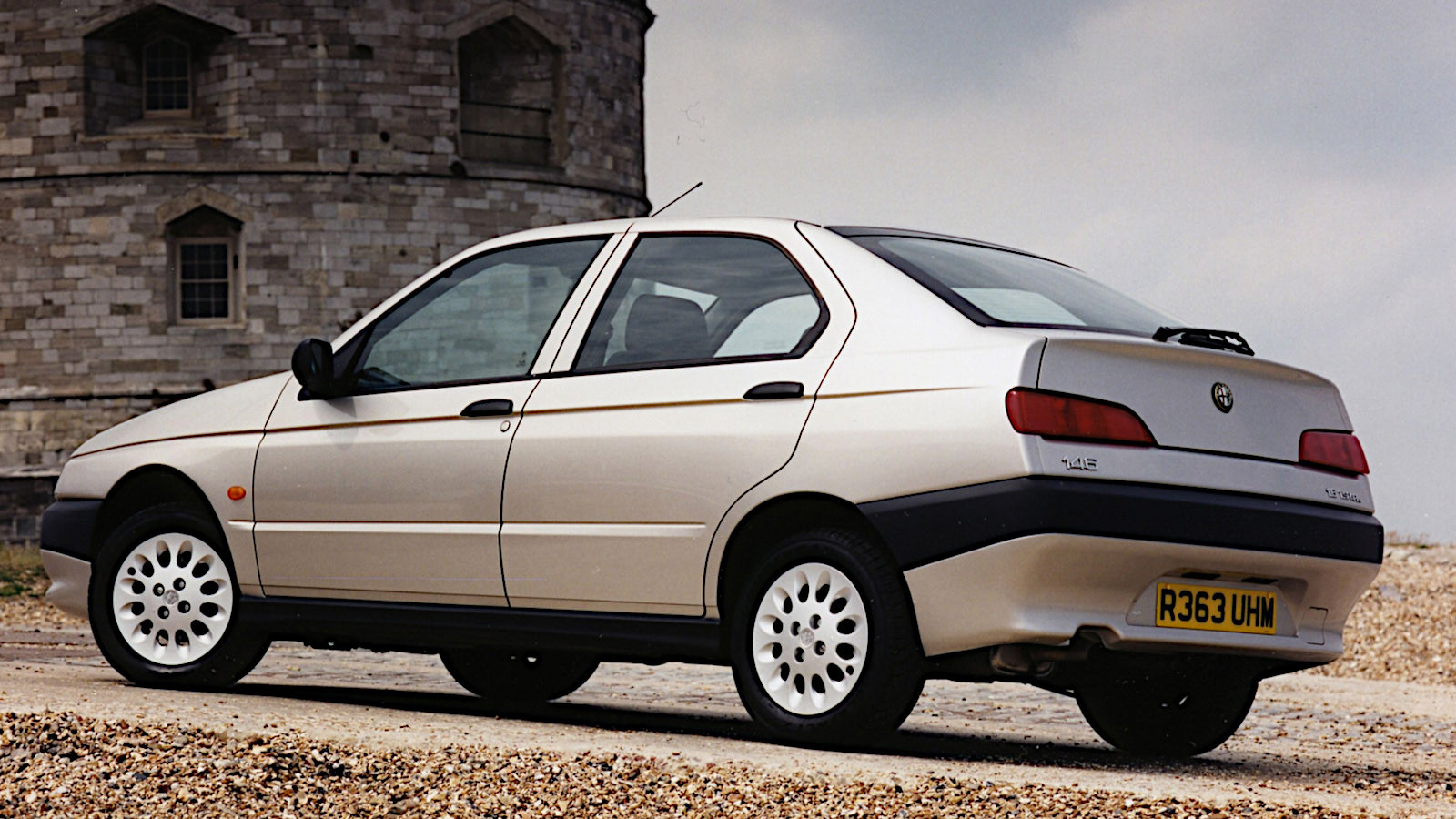
3. Alfa Romeo 146
In the late 20th century, there was a tendency for some car makers to give separate names for versions of the same car with different body styles, the Ford Orion and Talbot Solara (for example) being saloon versions of the Escort and Alpine respectively.
The Alfa Romeo 145 and 146 were both hatchbacks, but the latter, introduced in 1994, had three doors, while the 146 which arrived a year later had five, and was slightly longer.
In both cases, the available engines were initially flat-four petrol units and in-line-four diesels, but the former were soon replaced by in-line, four-cylinder motors called Twin Spark, after the fact that the fuel/air mixture in each cylinder was ignited by two spark plugs.
The earliest, and highest-performance, Twin Spark models also had different names, Quadrifoglio for the 145 and ti, meaning turismo internazionale or ‘international touring’, for the 146.
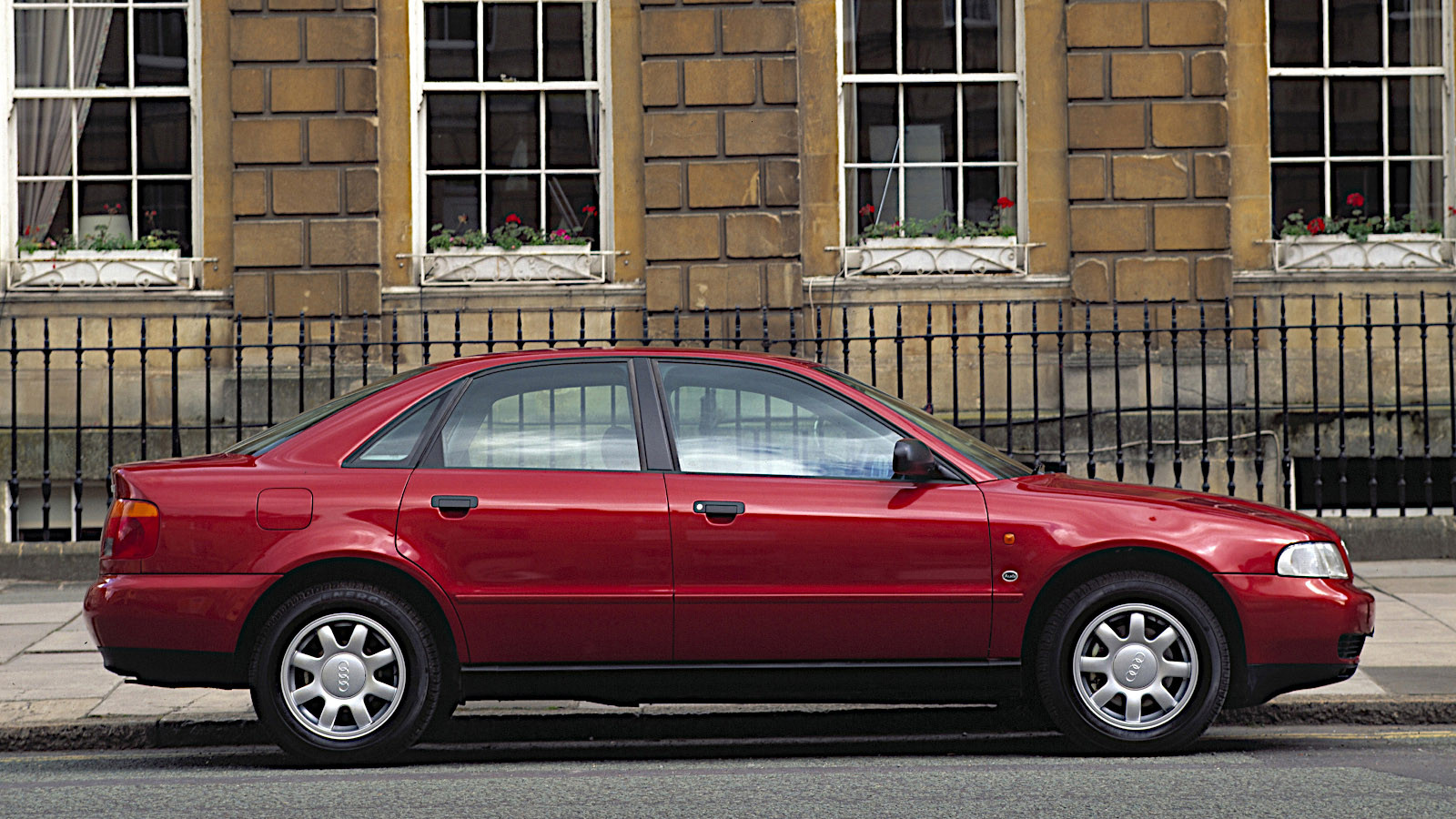
4. Audi A4
The A4, which went on sale in 1995, was the first mid-sized Audi to use the marque’s then-new A-plus-digit naming convention.
Replacing the last-generation 80, it was based on the same platform used for the Volkswagen Passat and later, in extended form, the Škoda Superb.
It was available as either a saloon or an estate (but not a convertible, because Audi saw no immediate need to replace the 80-based Cabriolet), and the estate body was the only one used for the remarkable RS2 Avant, which had a power output on the high side of 300bhp.
After being placed third in the European Car of the Year award in 1996, this generation of Audi A4 remained in production until 2001, when it was replaced by a new one based on a different platform.
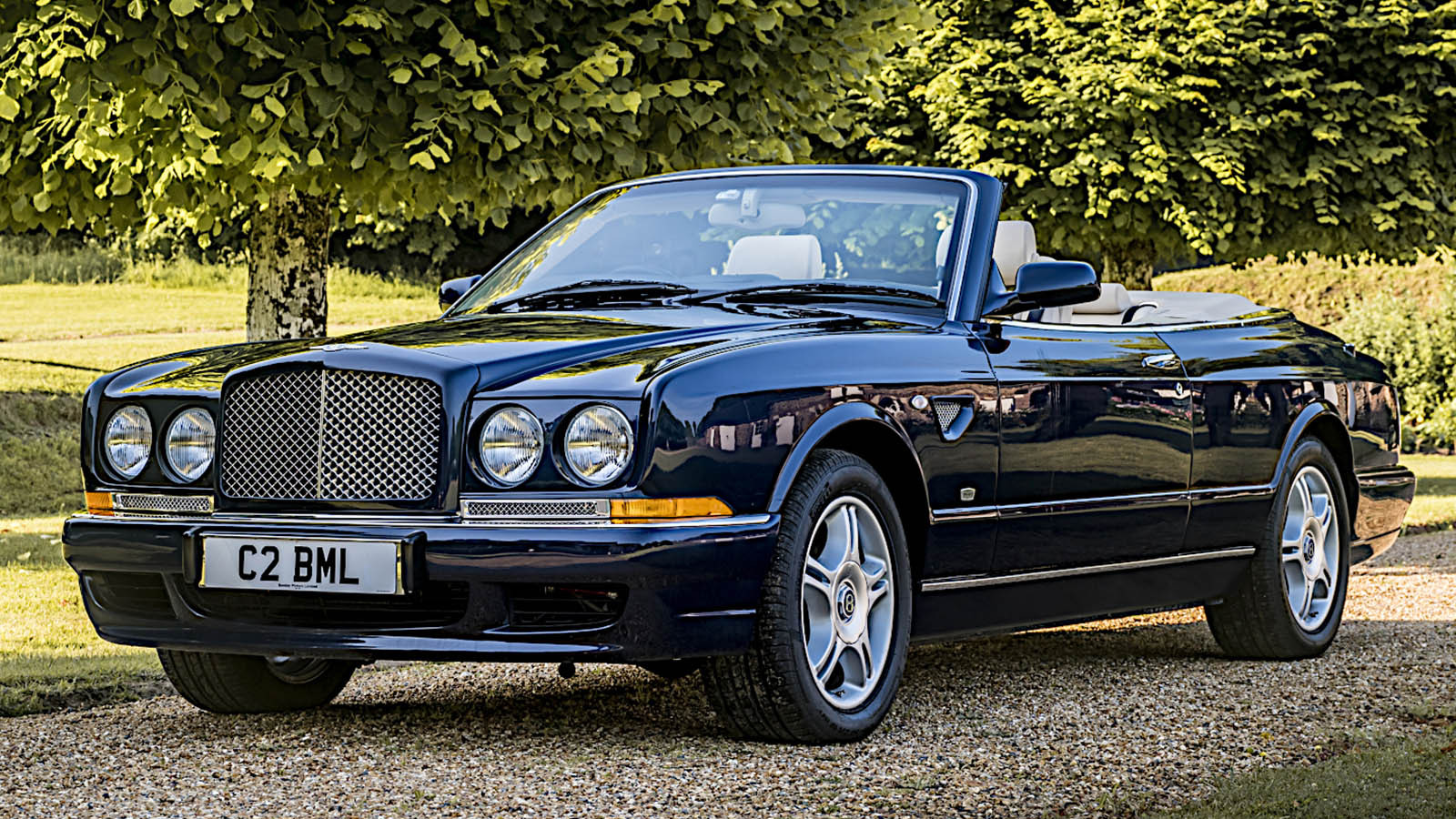
5. Bentley Azure
The Azure was the convertible version of the Bentley Continental R introduced four years earlier, in 1991.
The bodyshell was built and partly designed by Pininfarina, and required considerable strengthening to counteract the loss of the saloon’s roof.
Otherwise, the cars were mechanically similar, being powered by a turbocharged, 6.75-litre derivative of the Rolls-Royce L-series V8, which had started out as a naturally aspirated, 6.25-litre engine as far back as 1959.
The first Bentley Azure remained in production until 2003. It was followed three years later by the second, which was based on the Arnage.
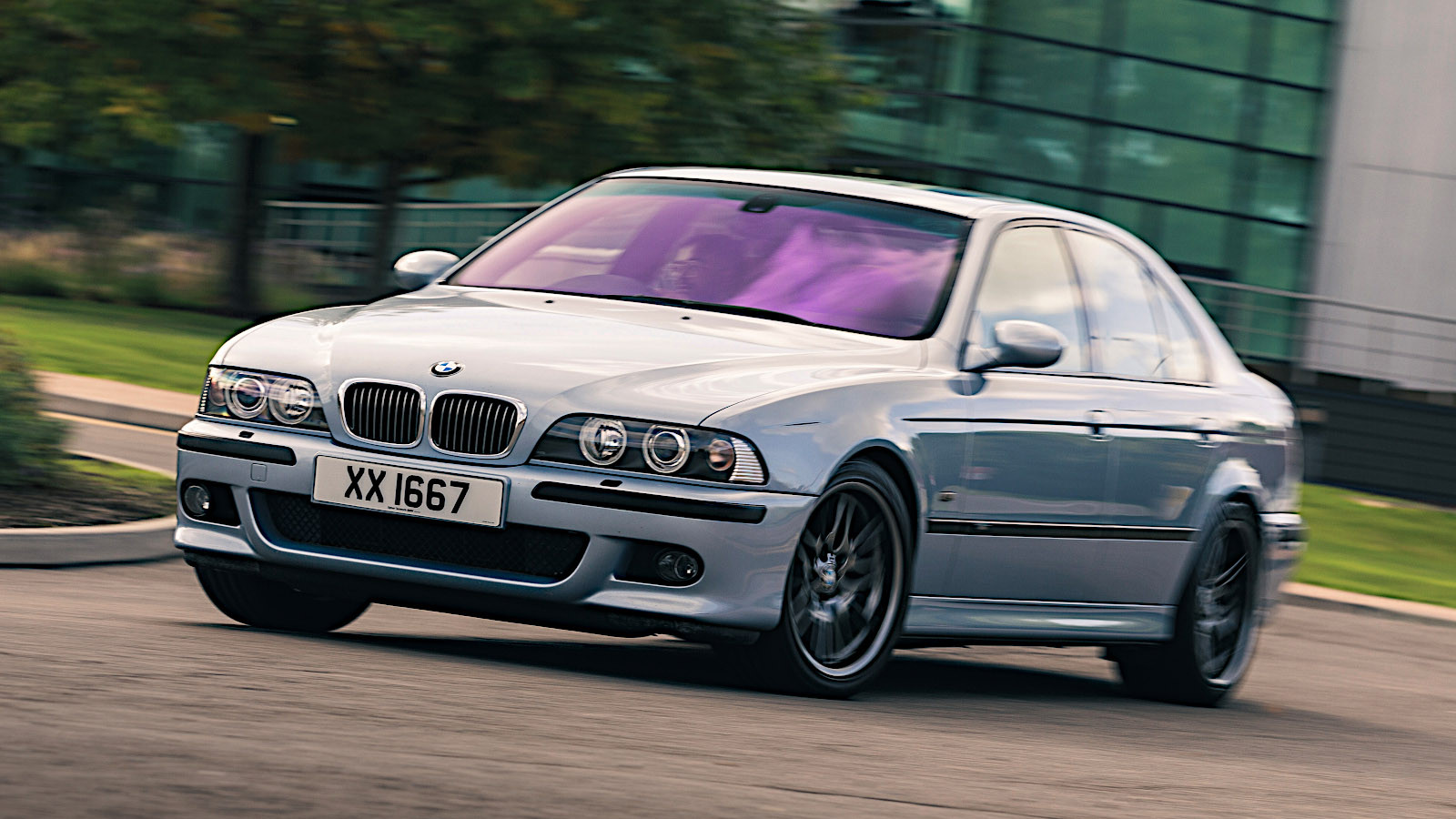
6. BMW 5 Series
The BMW 5 Series went into its fourth generation in the year we’re looking at, with a far more modern and aerodynamic look than its by now seven-year-old predecessor.
This was BMW’s largest 5 Series yet, but the corresponding gain in weight was limited by extensive use of aluminium.
There was no four-cylinder engine in the range from launch, though a 2-litre, four-cylinder diesel was introduced in 1999.
The highest-performance variant (pictured) was the first M5 to be powered by a V8 engine, and a lower-capacity version of the same unit was used in the 540i.
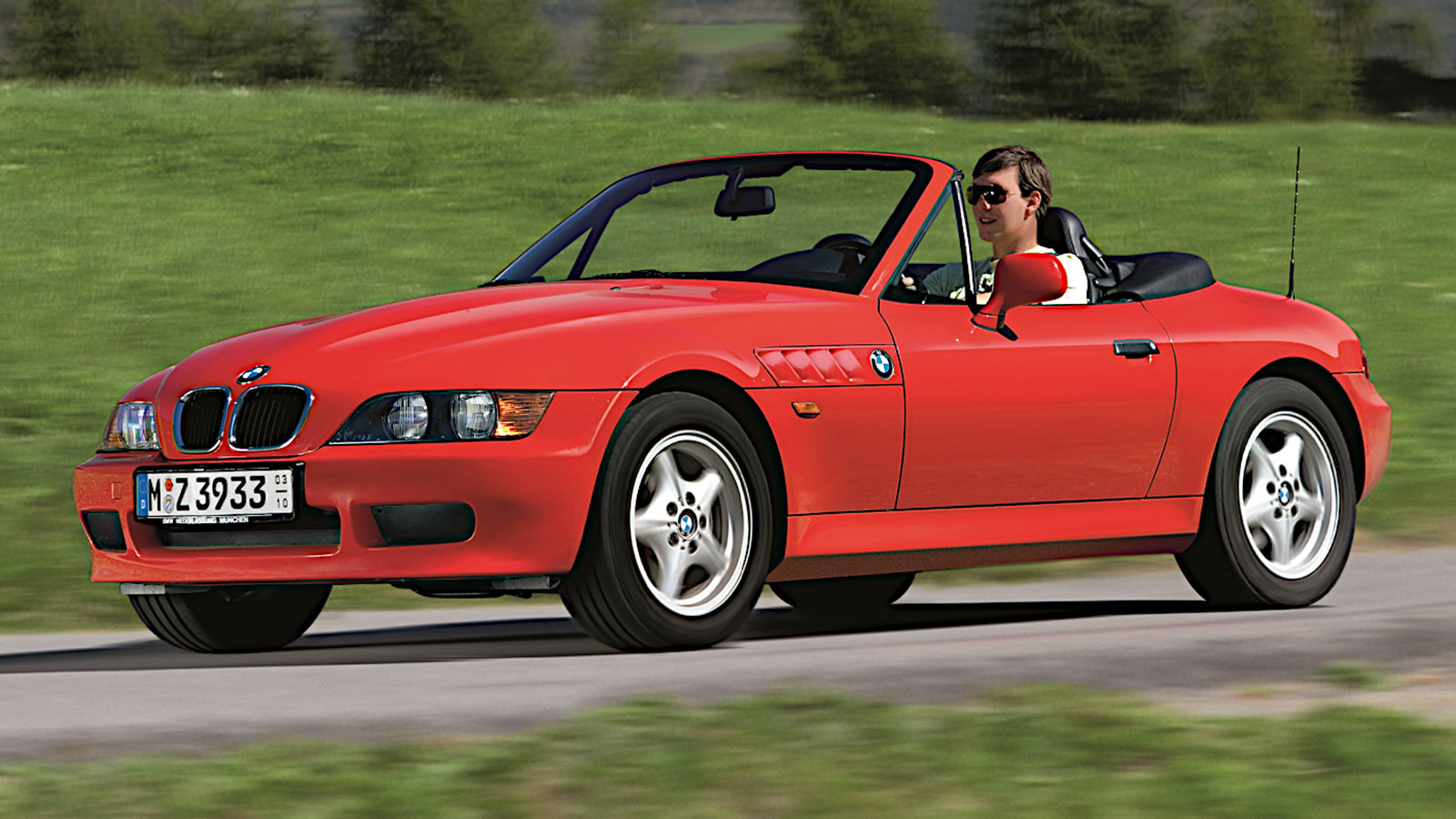
7. BMW Z3
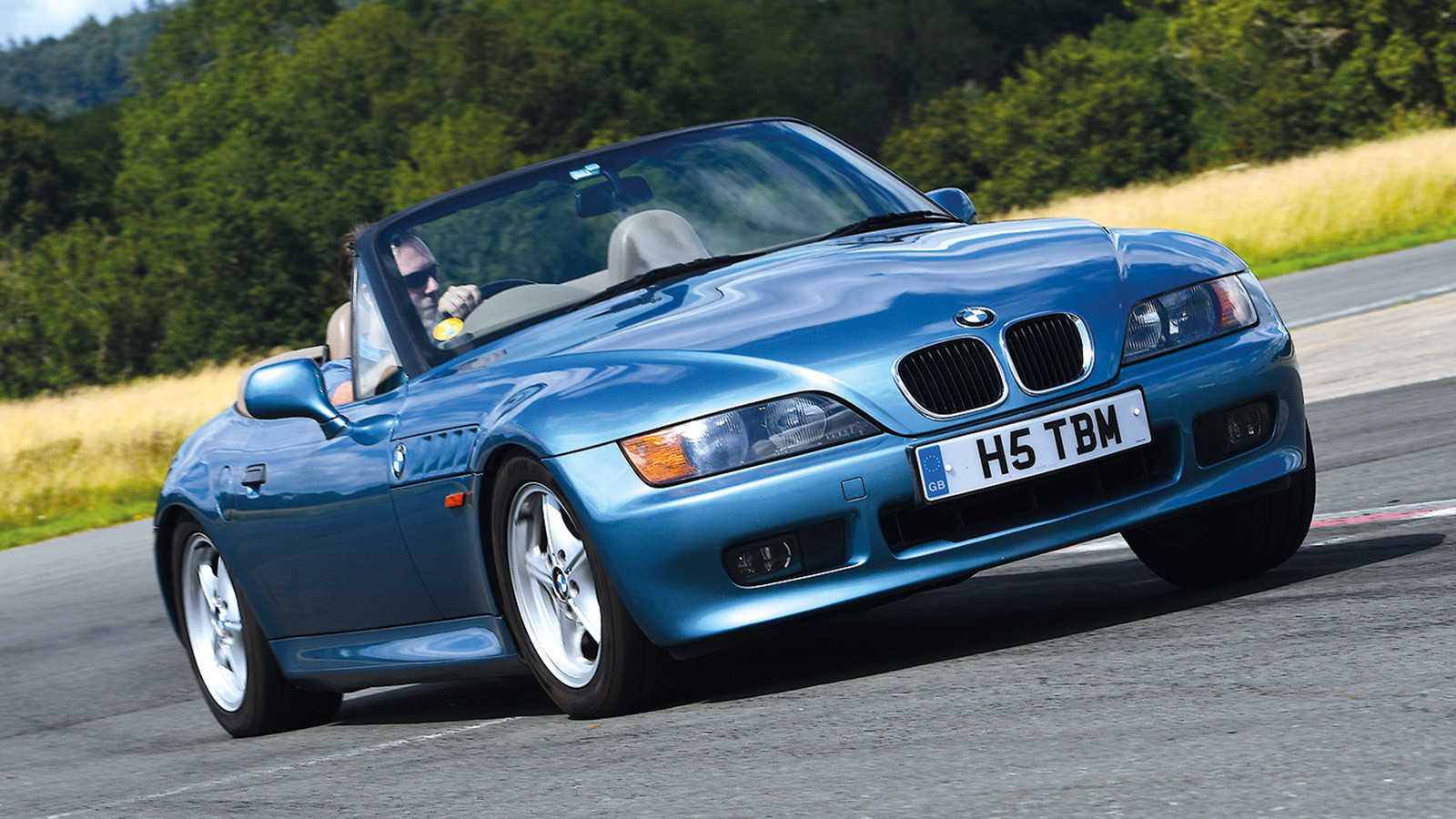
Following the limited-production Z1 of the late 1980s, the Z3 was BMW’s first mass-market, two-seat roadster of the modern era.
Related to the contemporary 3 Series, it was produced at what was then a recently opened factory in Spartanburg, South Carolina.
At first, the only engines offered were 1.8- and 1.9-litre four-cylinder units producing 114bhp and 138bhp respectively, but BMW soon responded to a clamour for more power.
Several larger straight-sixes, including the 3.2-litre motor from the M3, were added to the range, although there is a school of thought that the Z3 was more satisfying to drive, if less exciting, when fitted with the little, four-cylinder engines.
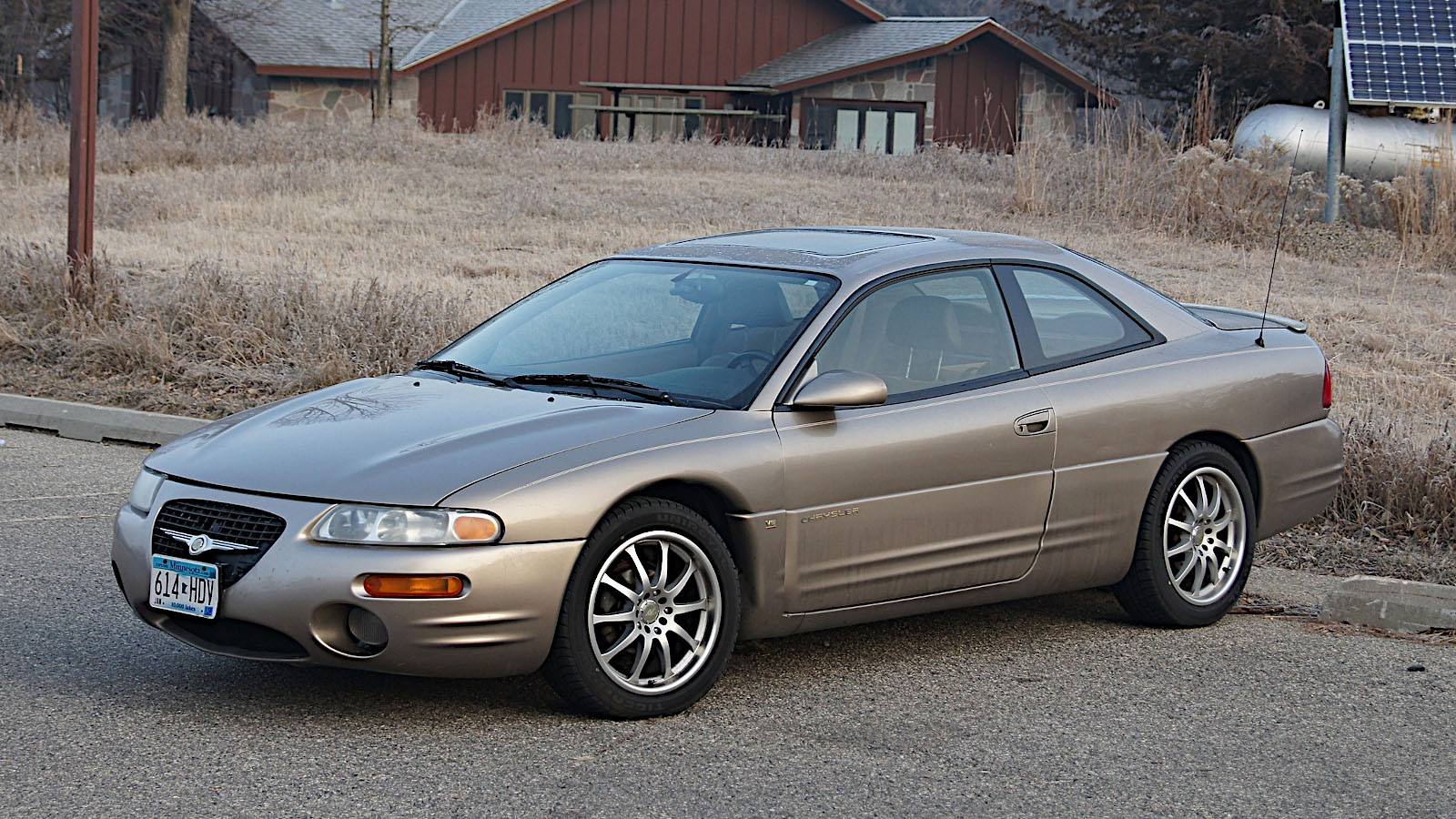
8. Chrysler Sebring
In the first of its three generations, the Sebring (named after a famous race circuit in Florida) was closely related to both the Dodge Avenger and the Mitsubishi Eclipse.
Those cars were already on the market when the Sebring made its debut in 1995, available at the time only as a coupé.
A convertible followed in 1996, but although this was also called Sebring, it had only a minor connection with the coupé, being based on the platform used for the Cirrus sedan.
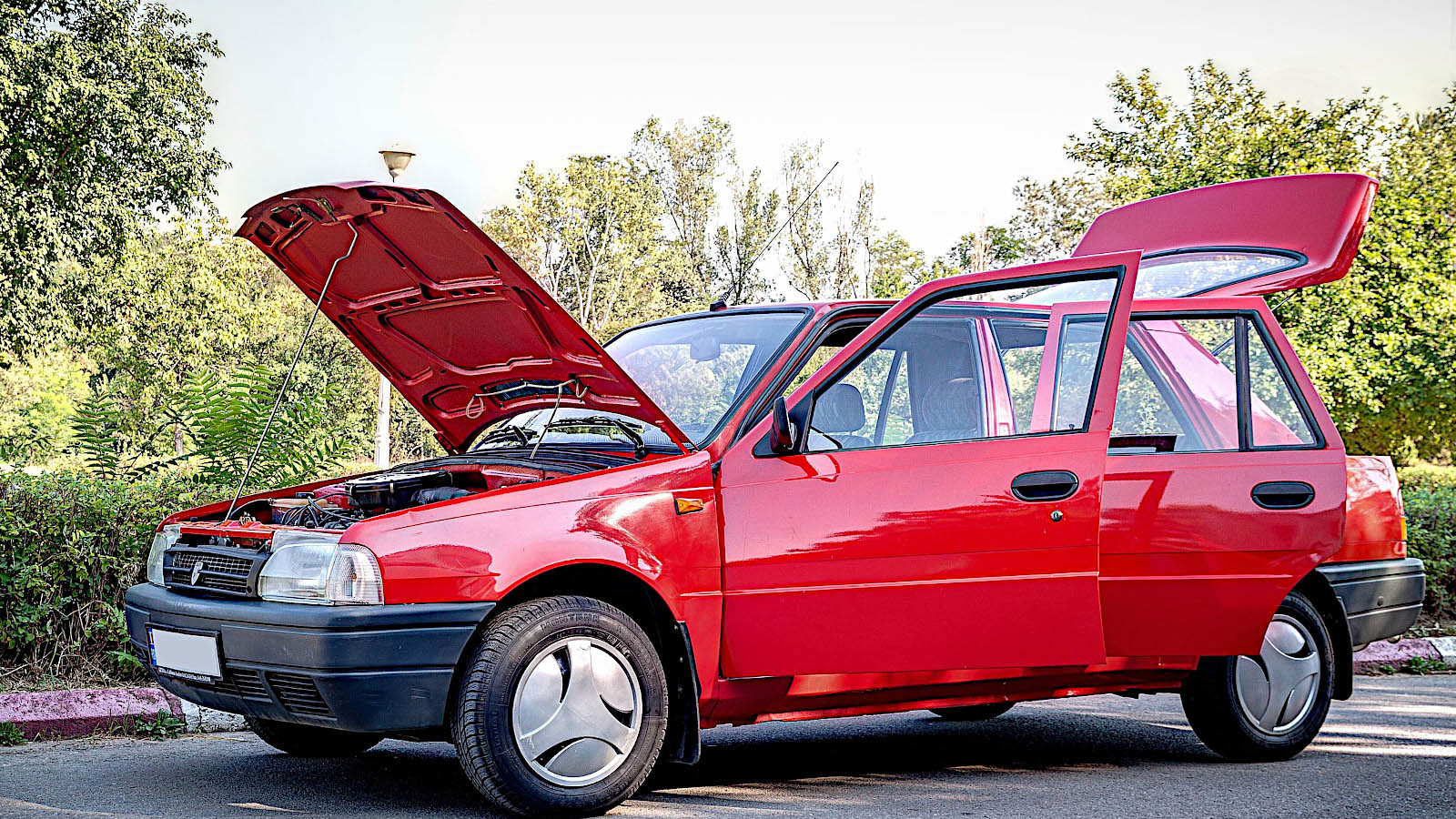
9. Dacia Nova
From its formation in 1966 until the end of the 20th century, Romanian brand Dacia’s output consisted almost entirely of locally built Renaults, the 1100 being based on the 8 and the very successful 1300 on the 12.
One of the rare exceptions was the Nova, a three-box hatchback designed by Dacia itself.
Despite being far more modern than the Renault-based cars, it was not much prized even by the locals, or by the residents of the small number of countries to which it was exported.
Dacia gave up on it in 2000 and began building the conceptually similar SupeRNova, though even this was outlasted by the Pickup, the final model in the 1300 family.
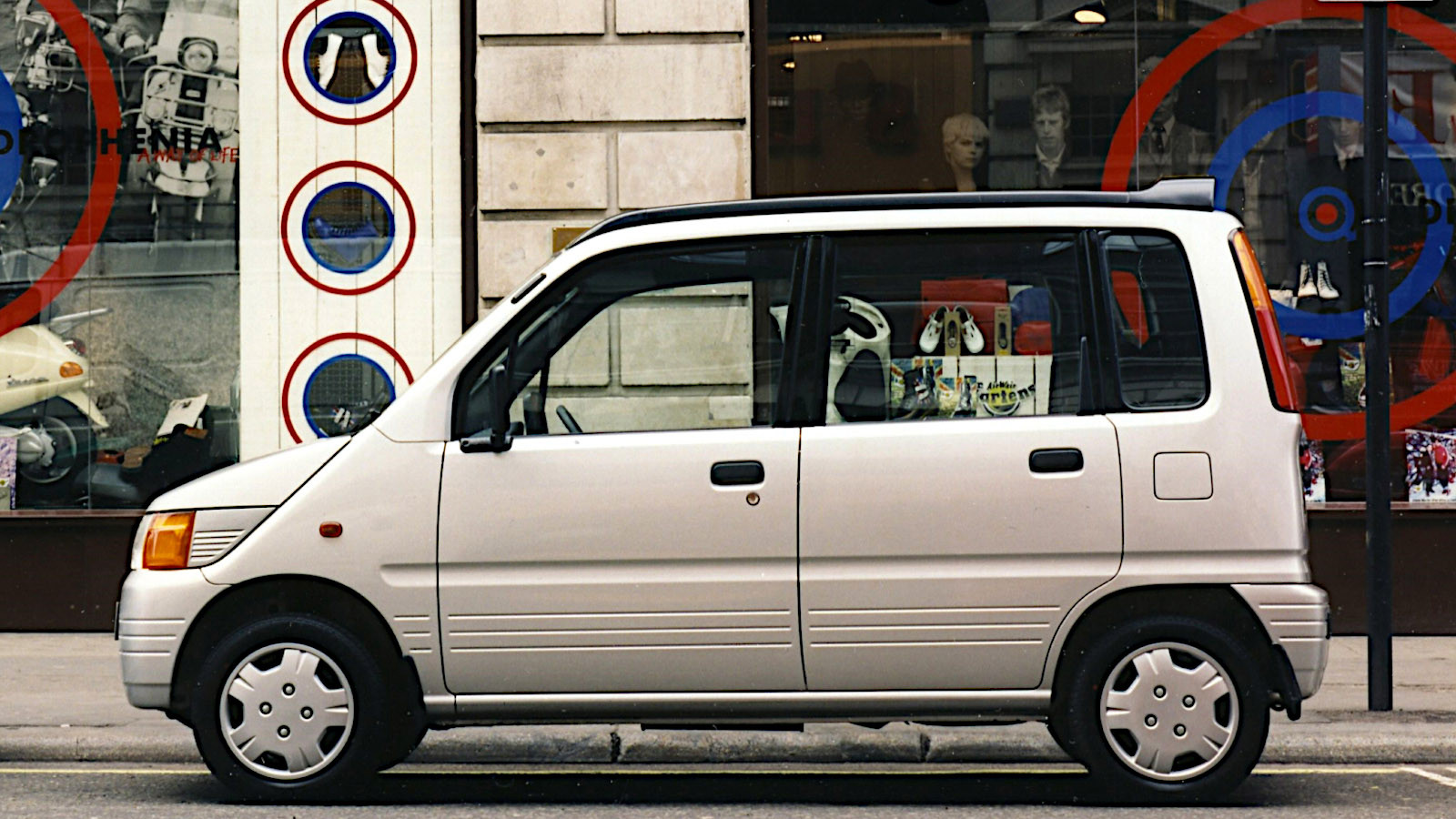
10. Daihatsu Move
Before MPVs – multi-purpose vehicles, or colloquially ‘people carriers’ – fell under the sword wielded by SUVs, they ranged in size from the tiny to the enormous.
The Daihatsu Move occupied the lower end of that spectrum but still offered a lot of interior space, not because it was long or wide (it was neither), but because it was more than 5ft (1.5m) tall.
The dimensions and resulting appearance, which do not appear to have caused concern to anyone in Japan, were not looked on favourably elsewhere, where the Move was very much a minority-interest vehicle.
Launched in 1995, which is why we’re mentioning it here, the Daihatsu Move entered its second generation three years later, and is now in its seventh.
11. Dodge Viper
In production and sales terms, the Dodge Viper dates back to the early 1990s, and what has been described as the ‘second iteration’, which arrived in the middle of the decade, was very similar to the first.
The car, named after a snake to emphasise that it was the spiritual successor of the AC Cobra, was still a two-seat roadster, and still had a V10 engine with the original capacity of 8 litres, although this would in due course rise first to 8.3 litres and finally to 8.4.
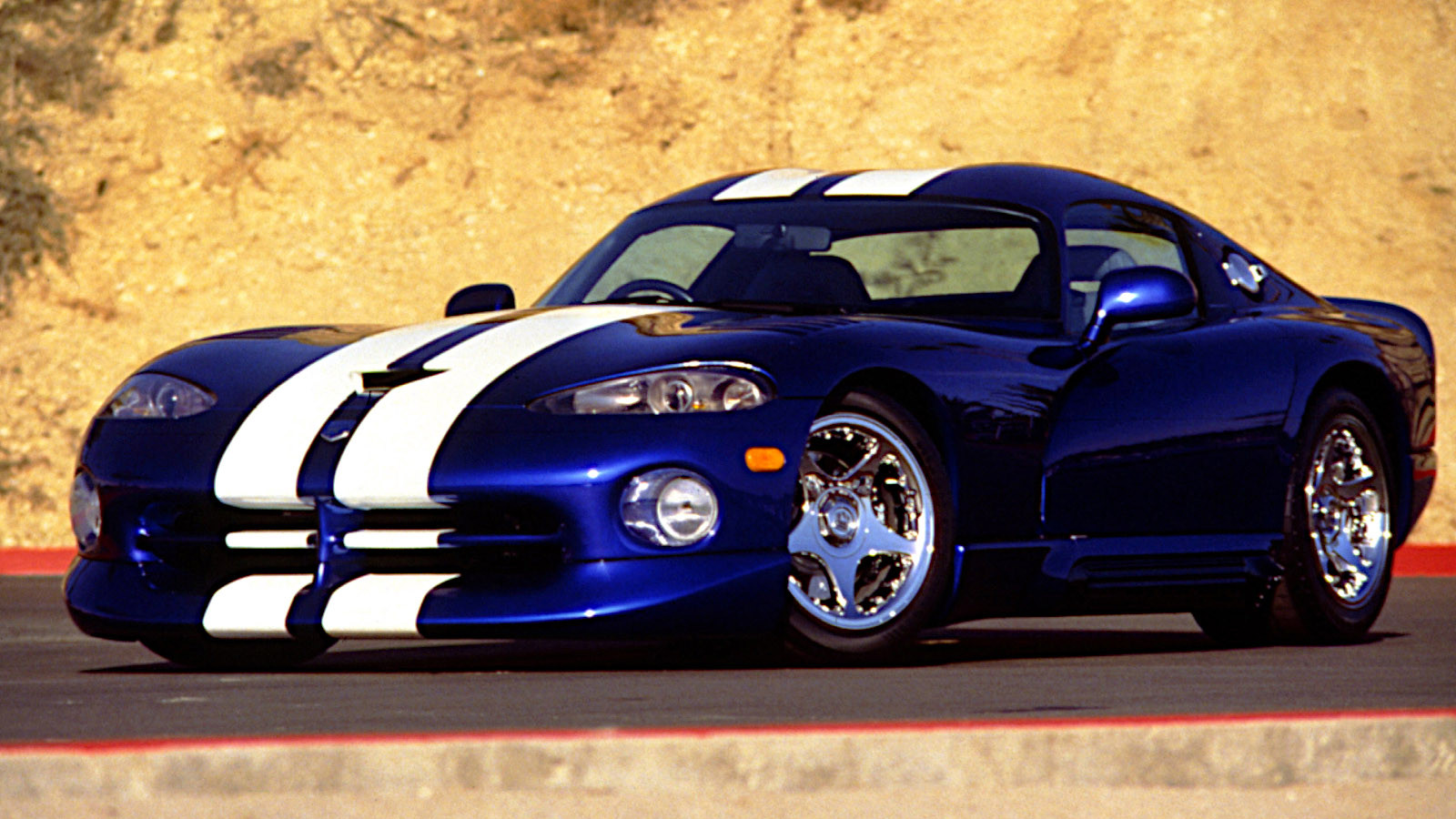
A GTS version (pictured), the first Viper hardtop coupé, was introduced in 1996, at which point the engine’s output was raised to 451bhp.
A more substantial reworking of the original idea led to the introduction of a new Viper in 2003.
12. Ferrari F50
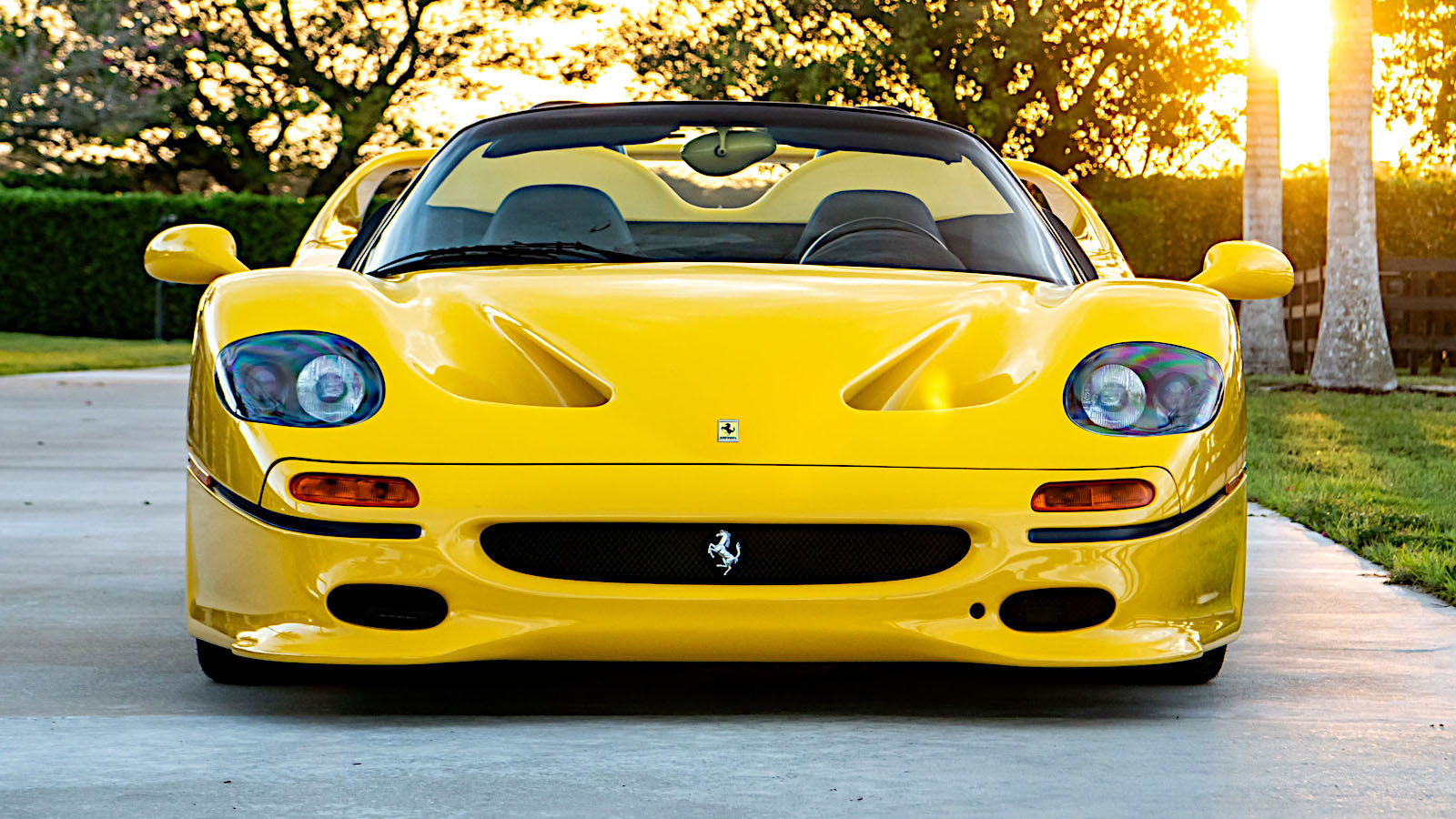
The F50 became Ferrari’s flagship supercar three years after production of the F40 came to an end in 1992.
The older car’s 2.7-litre, twin-turbo V8 was dropped in favour of a much larger, though naturally aspirated, 4.7-litre V12 which produced more than 500bhp at 8500rpm.
The V12 was bolted to the rear of a carbonfibre monocoque capable of holding a driver and one passenger.
Production ended in 1997 after 349 F50s had been built.
13. Fiat Barchetta
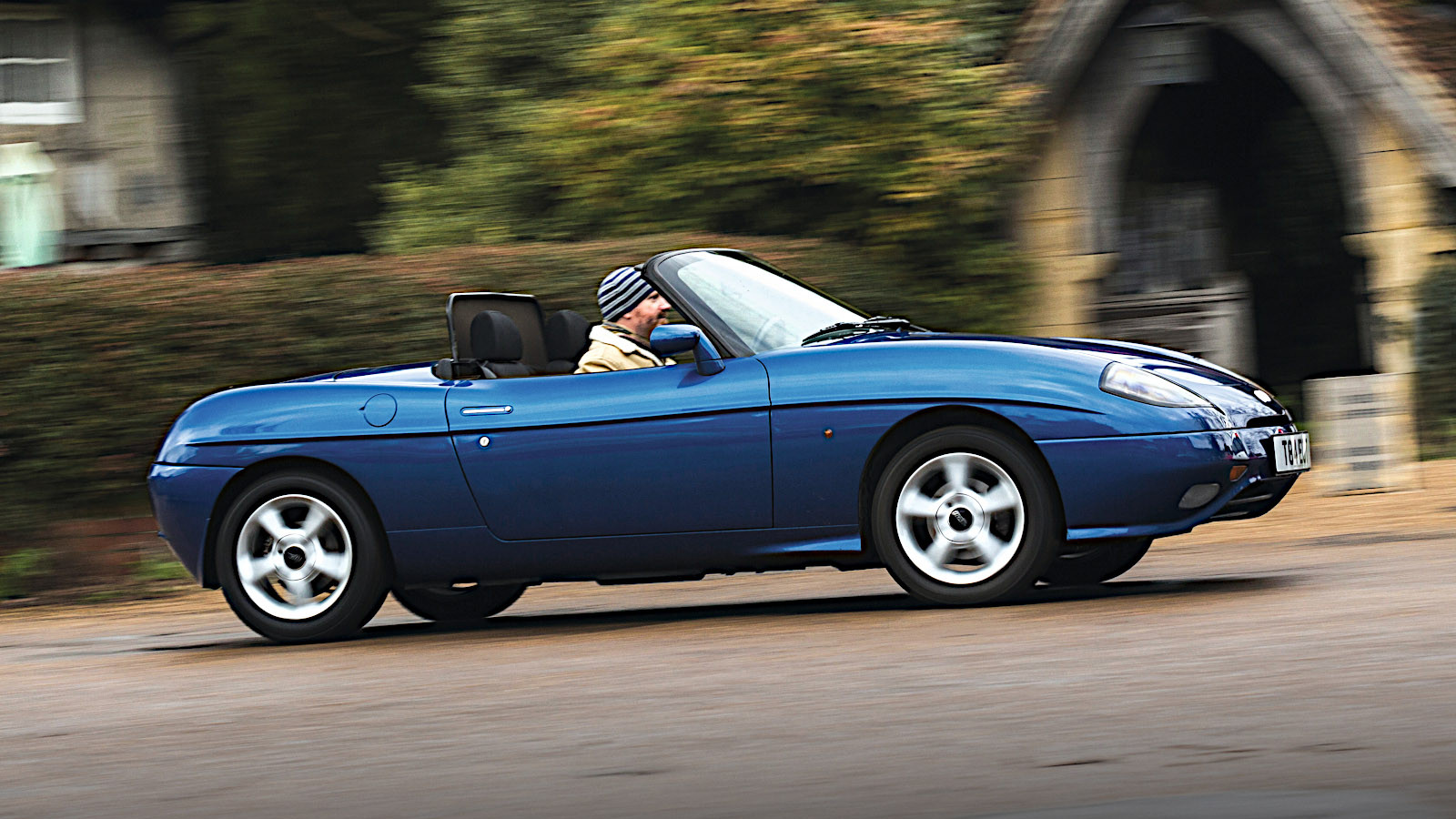
The Barchetta was the result of Fiat’s decision to produce an inexpensive but fun sports car, possibly following the sudden increase in popularity of such models created by the Mazda MX-5.
Unlike the Mazda, though, the Barchetta was front-wheel drive, being based on a shortened version of the platform used for the first-generation Punto and powered by the transversely mounted, 1.8-litre Pratola Serra engine.
In all, 57,000 examples were built in a decade, most of them by Maggiora but latterly by Fiat itself after Maggiora’s collapse in 2003.
14. Fiat Bravo and Brava
Like Alfa Romeo’s 145 and 146, Fiat’s Bravo and Brava, both introduced in 1995, were in many respects the same car.
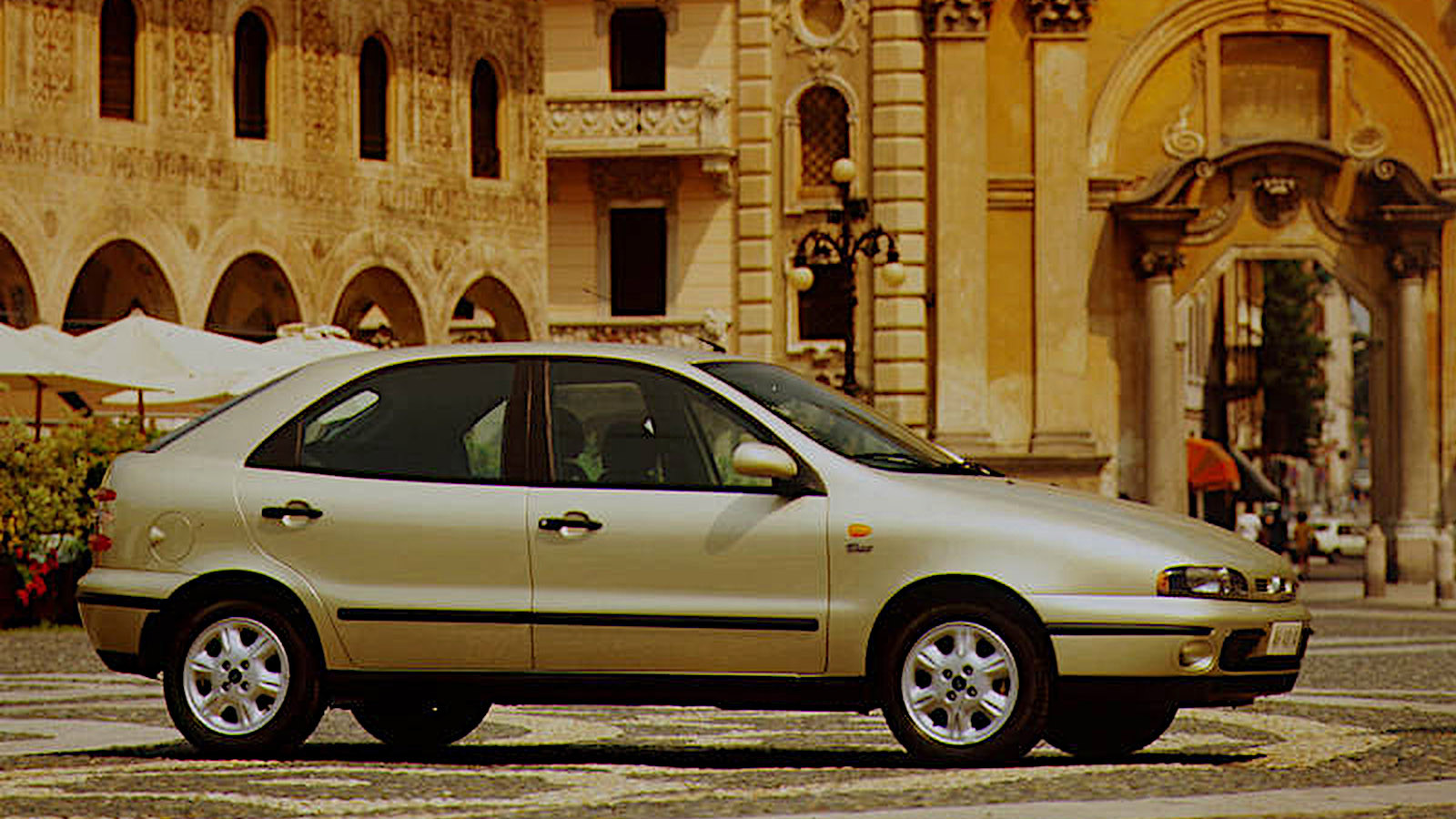
The differences were more marked than in the case of the Alfas, though, the Bravo being a relatively sporty, three-door hatch and the Brava (pictured) a more practical, five-door fastback.
They were jointly named European Car of the Year in 1996, beating the Peugeot 406 narrowly and the Audi A4 more decisively.
Fiat later took the idea a stage further by launching the closely related Marea, which was offered as both a saloon and an estate.
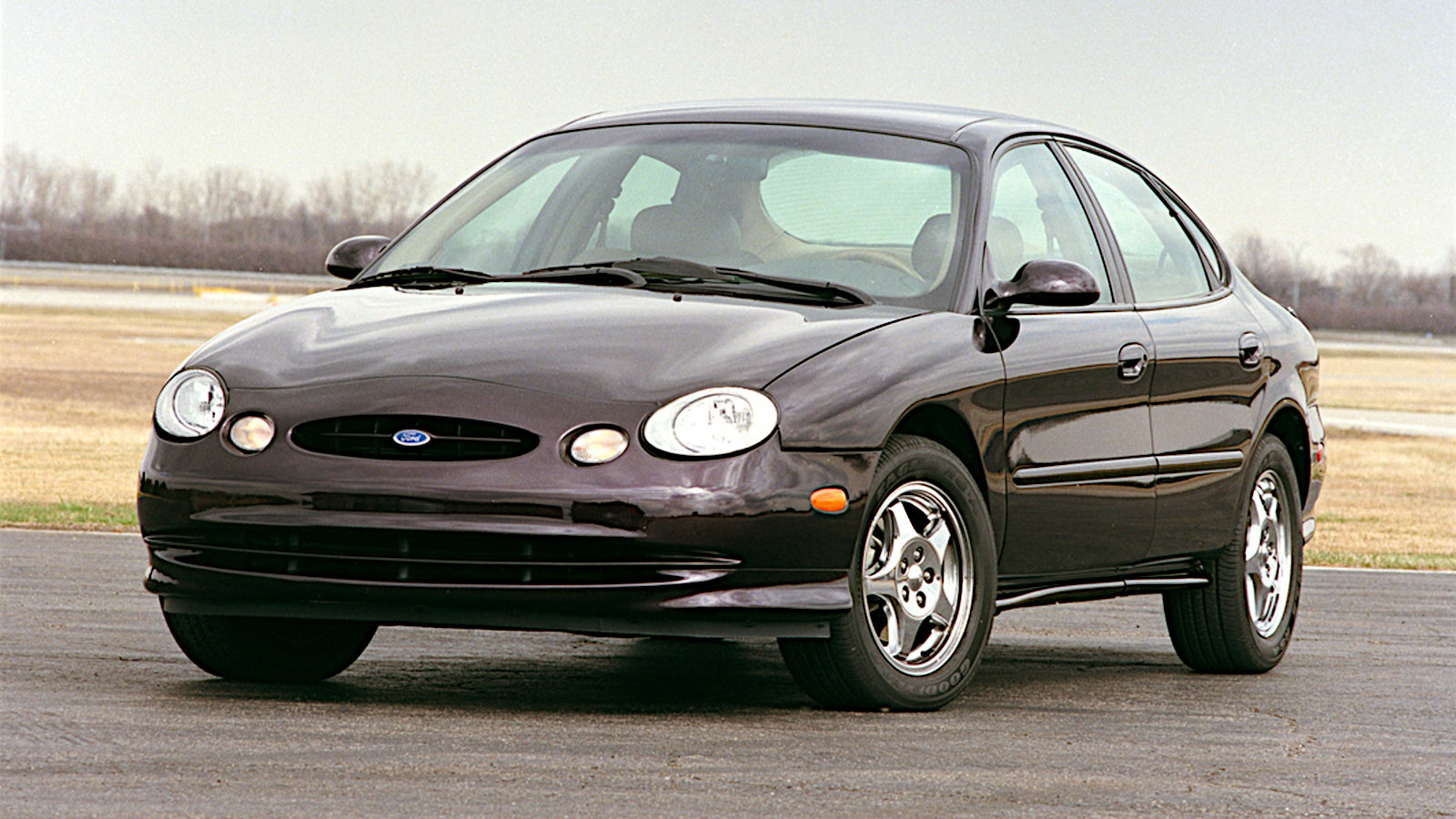
15. Ford Taurus
After two generations of Taurus with relatively straightforward designs, Ford decided to mix things up in a big way with the third.
Its swooping, ovoid bodywork, in both saloon and estate forms, was certainly eye-catching, though it attracted some controversy.
Performance wasn’t a priority across most of the range, but there was an SHO (Super High Output) derivative with a 3.4-litre V8 engine, while a racing version performed very well in NASCAR events.
The mechanically similar Sable from Ford’s Mercury brand had slightly more sober, though still very curvy, styling, and there was no equivalent of the SHO.
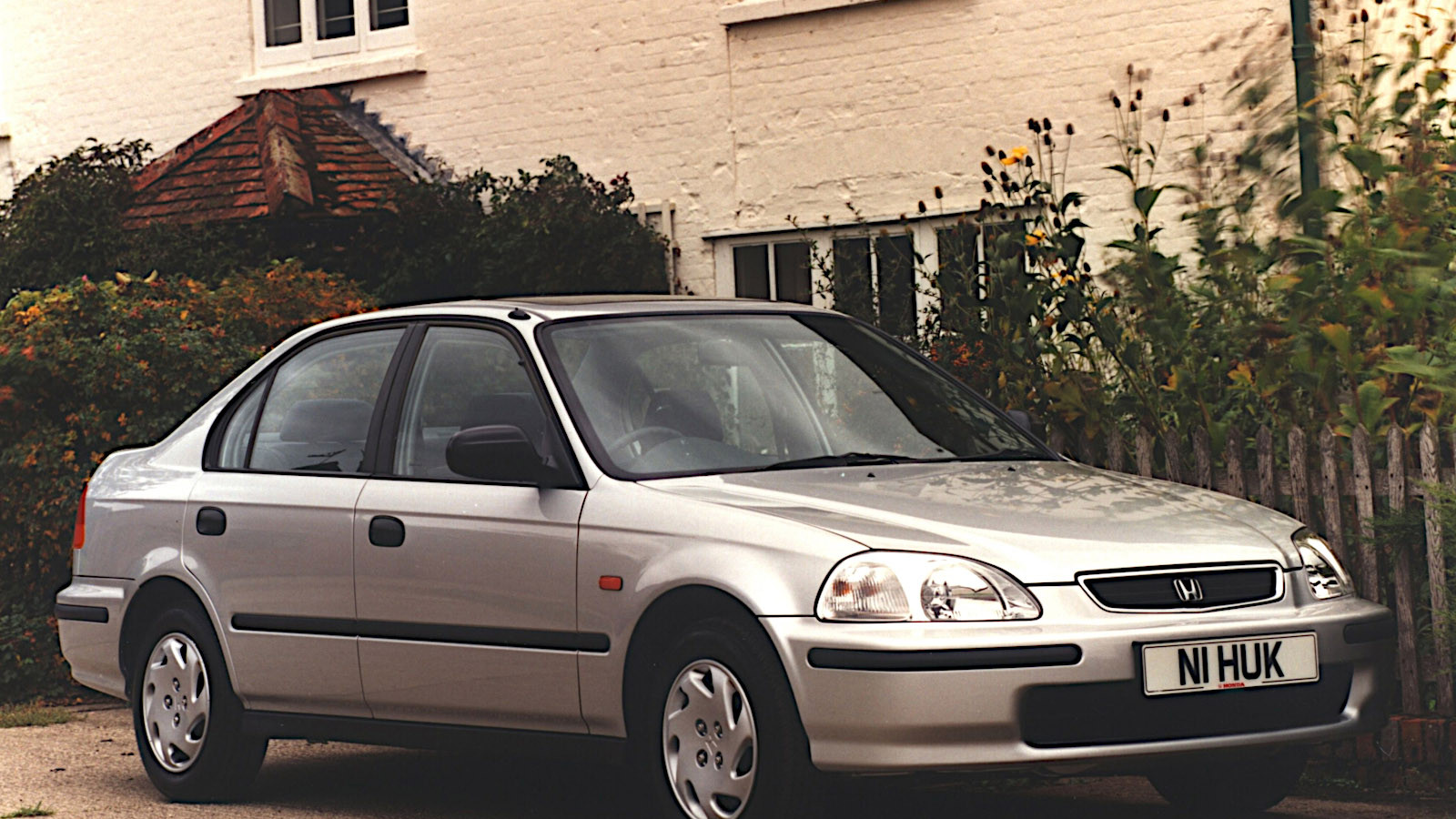
16. Honda Civic
The 1995 Honda Civic occupies the middle position in the nameplate’s history as it stands today, being the sixth of 11 generations.
Manufactured until 2000, it was offered as a saloon, a hatchback, a liftback and an estate, and as the Aerodeck.
This was also the first Honda Civic to have a Type R derivative, that car being unusual in having a 1.6-litre engine rather than, as all subsequent ones have done, a 2-litre unit.
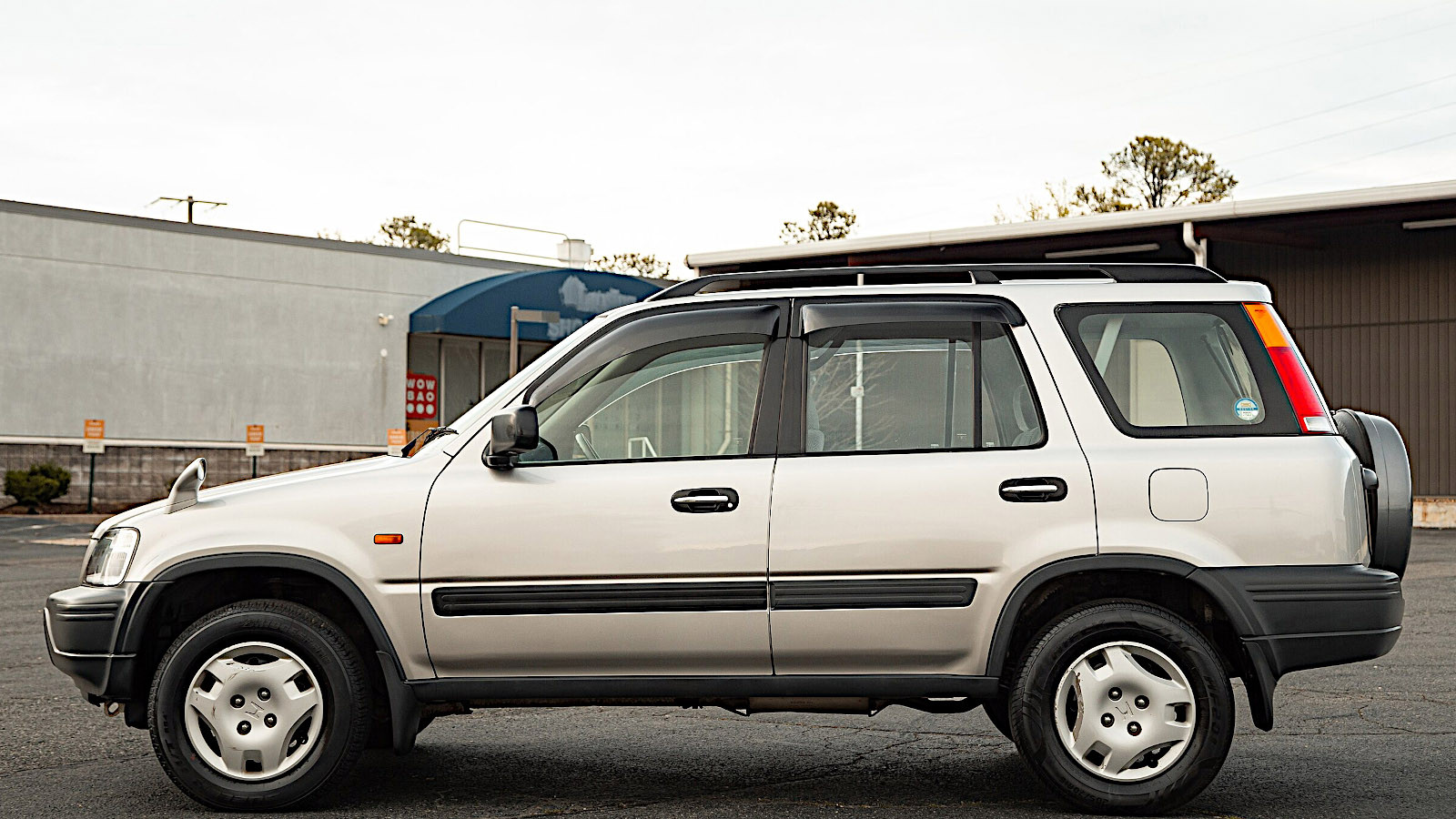
17. Honda CR-V
Until the first-generation CR-V arrived, Honda’s only SUV had been the Crossroad, which was simply a Land Rover Discovery V8 with different badges.
The CR-V, in contrast, was all Honda’s work, only ever available with the company’s 2-litre, petrol engine, but with a choice of front- and four-wheel drive.
This debut model in the sector was so successful that Honda followed it with several more, the current CR-V being the sixth so far.
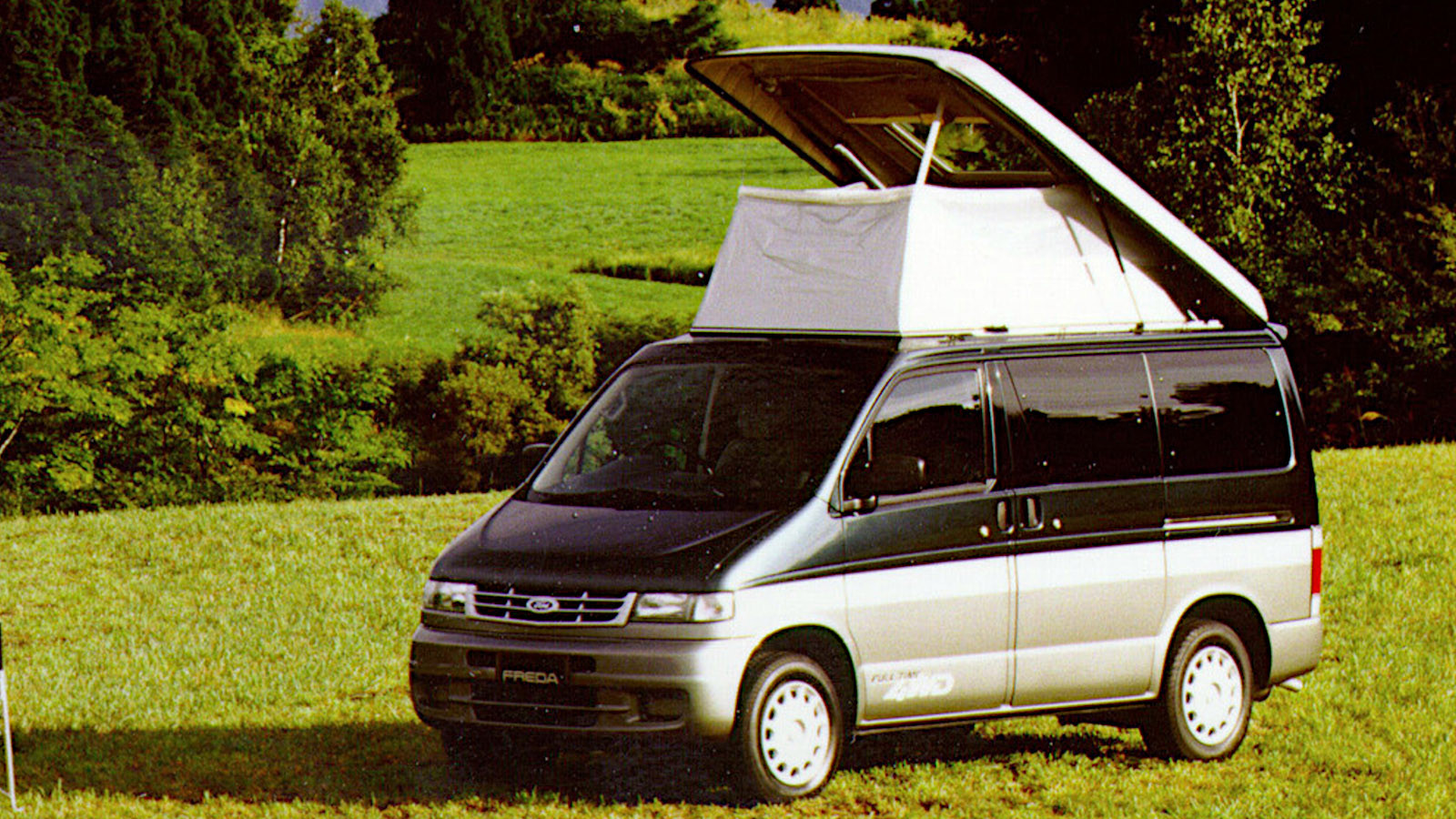
18. Mazda Bongo Friendee
This extravagantly named machine was a large, eight-seater MPV with the option of an upwardly extending roof panel – just the thing for people who wanted to go camping with their friends or family.
Intended for the Japanese market, the Mazda Bongo Friendee became reasonably popular half a world away when used examples were imported to the UK.
Ford, a part owner of Mazda at the time, marketed the same vehicle in Japan with the significantly shorter, but similarly unlikely, name Freda (pictured).
19. Mercedes-Benz E-Class
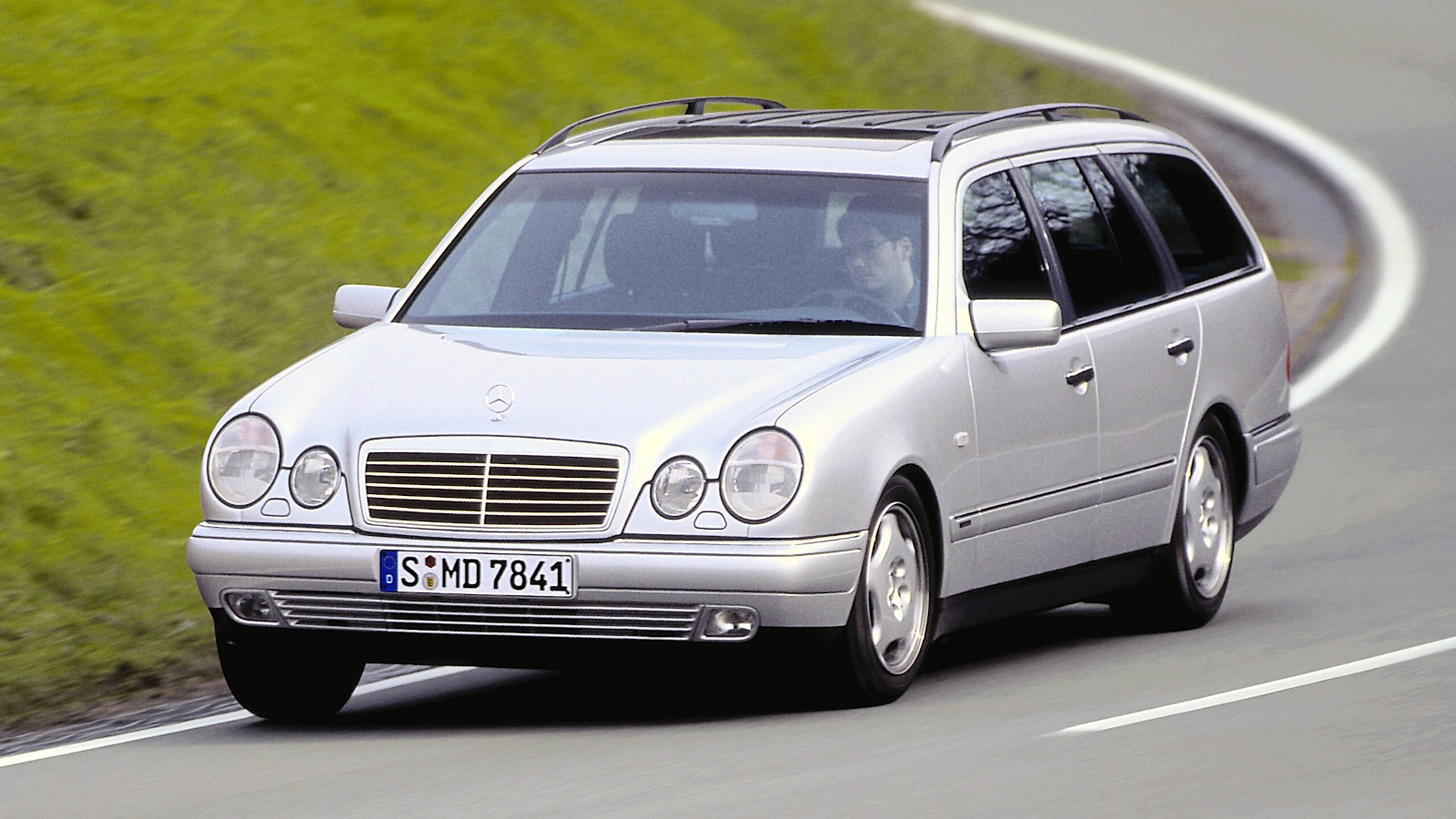
There had been mid-sized Mercedes-Benzes for many years before the 124-series was given the E-Class name as part of a 1993 makeover.
The car that replaced this, the 210-series, was the first known throughout its production run as E-Class, and was offered both as a saloon and as an estate.
The choice of petrol and diesel engines was very wide, ranging from the modest to the formidable, including high-performance AMG versions.
20. MGF
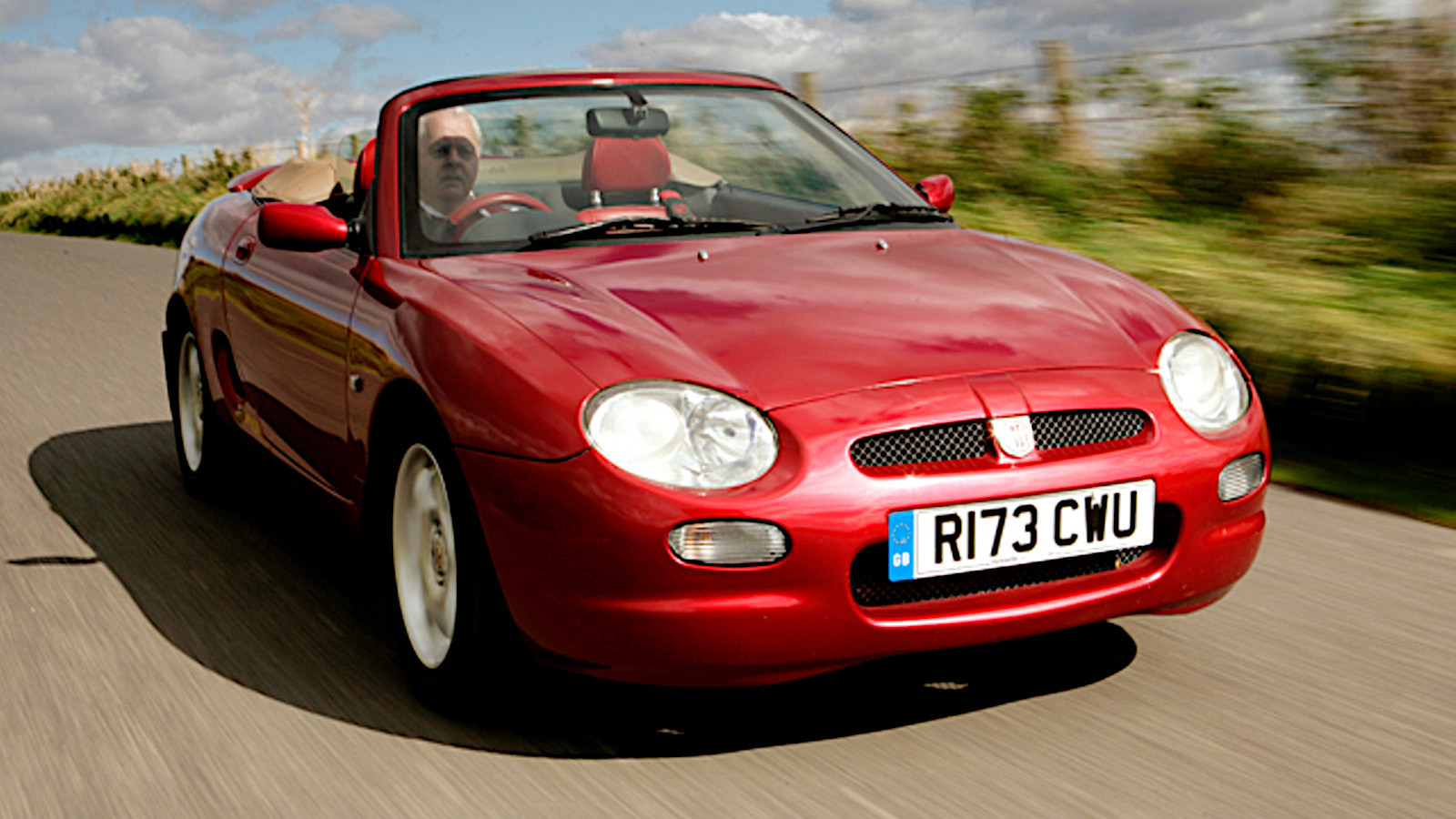
The MGF, or MG F, as the press office once insisted it should always be referred to in print, was the marque’s first newly designed sports car since the demise of the MGB in 1980.
Unlike any of those that had gone before, it was mid-engined, that engine being the Rover K-series which had been around since the late 1980s.
The F was facelifted during its run and was replaced in 2002 by the TF, in honour of a distant ancestor manufactured nearly half a century earlier.
21. Mitsubishi Carisma
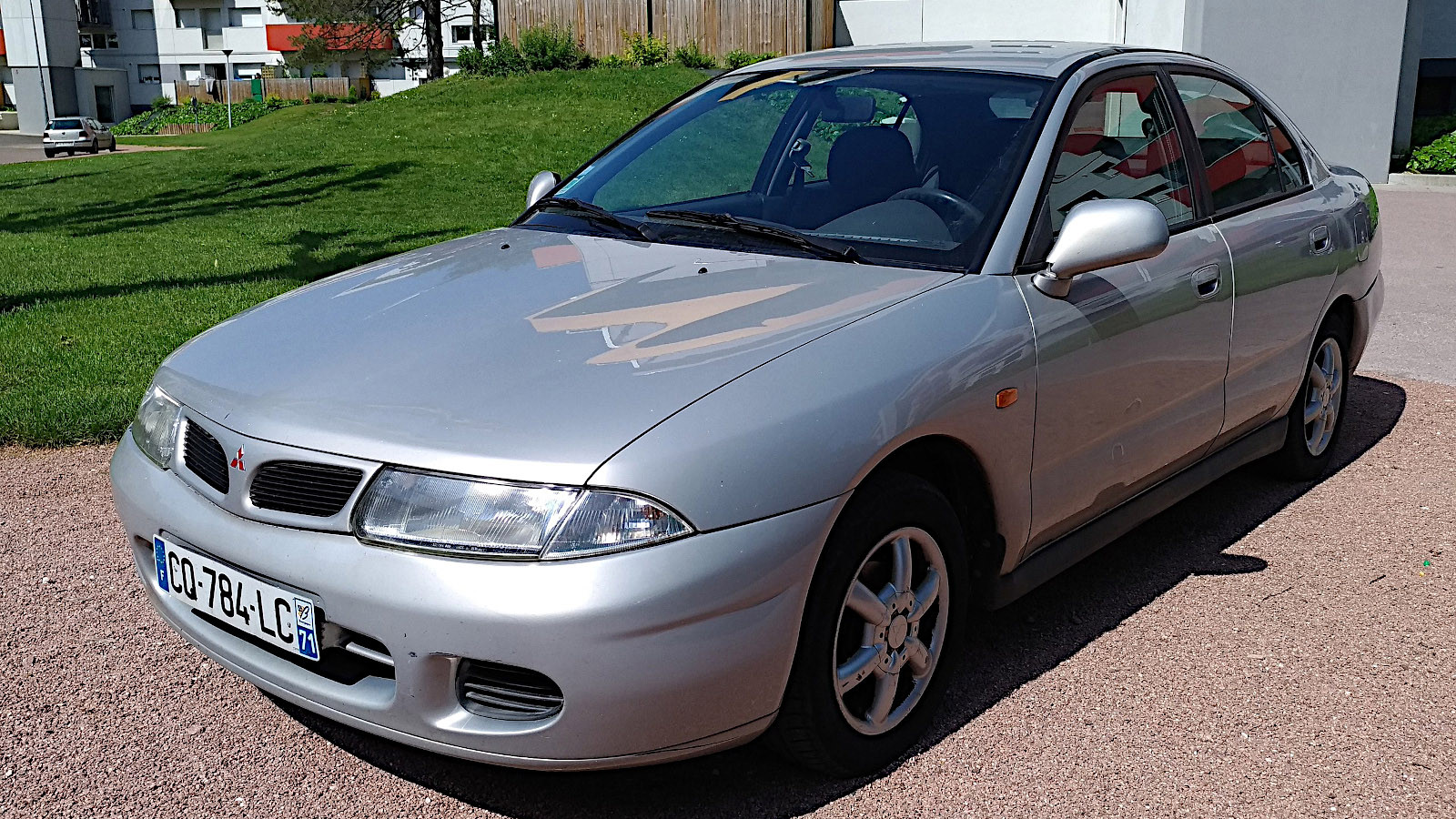
In naming its new model Carisma, Mitsubishi somehow failed to take into account that English-speaking journalists might (and in many cases did) point out that this car was far from being charismatic.
It wasn’t particularly meant to be. The Carisma – a result of the same development process which brought about the Volvo S40, and built in the same Dutch NedCar factory – was simply a straightforward, mid-sized hatchback (and later saloon) aimed at the general motoring public.
Its outstanding feature, introduced in 1997, was a 1.8-litre engine with, astonishingly for the time, direct petrol injection, intended to give the best combination of performance and economy.
Production continued for nine years, though in all that time the Carisma failed to make an impression on a market sector dominated by the Ford Mondeo, Opel/Vauxhall Vectra, Renault Laguna and others.
22. Nissan Almera
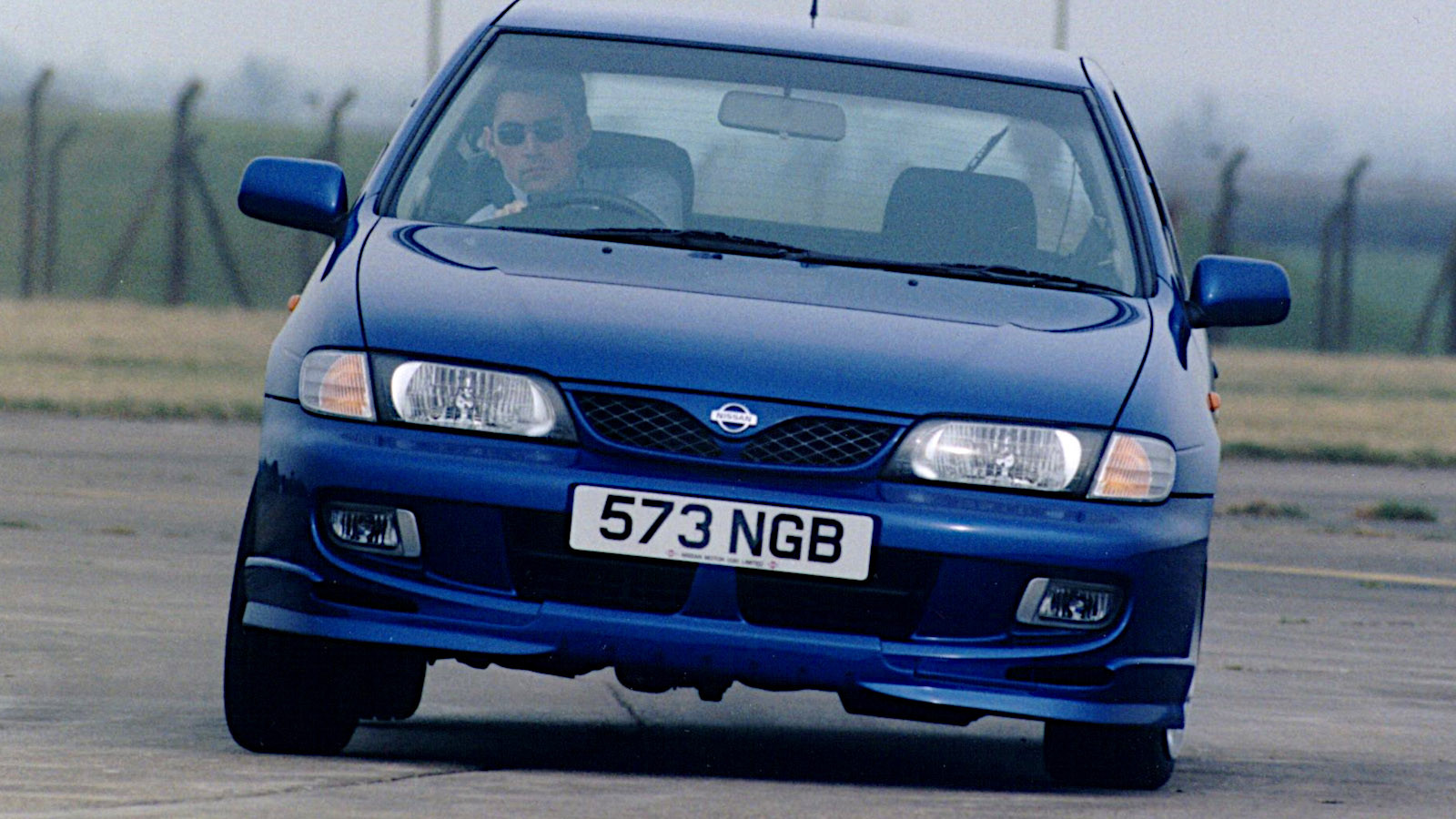
Despite the new name, the Almera was the next in a long line of small family cars known as Nissan Sunny.
Produced as a hatchback or a saloon (though the latter was vanishingly rare in the UK, where hatches were greatly preferred), it was a competent but undramatic car, but not nearly exciting enough to justify the advertising claim that it was ‘the car they don’t want you to drive’.
The 2-litre GTi (pictured) was a capable hot hatch, though not to be compared with the turbocharged, four-wheel-drive Sunny GTi-R of just a few years earlier.
The Nissan Almera entered its second generation in 2000, and is now in its fourth.
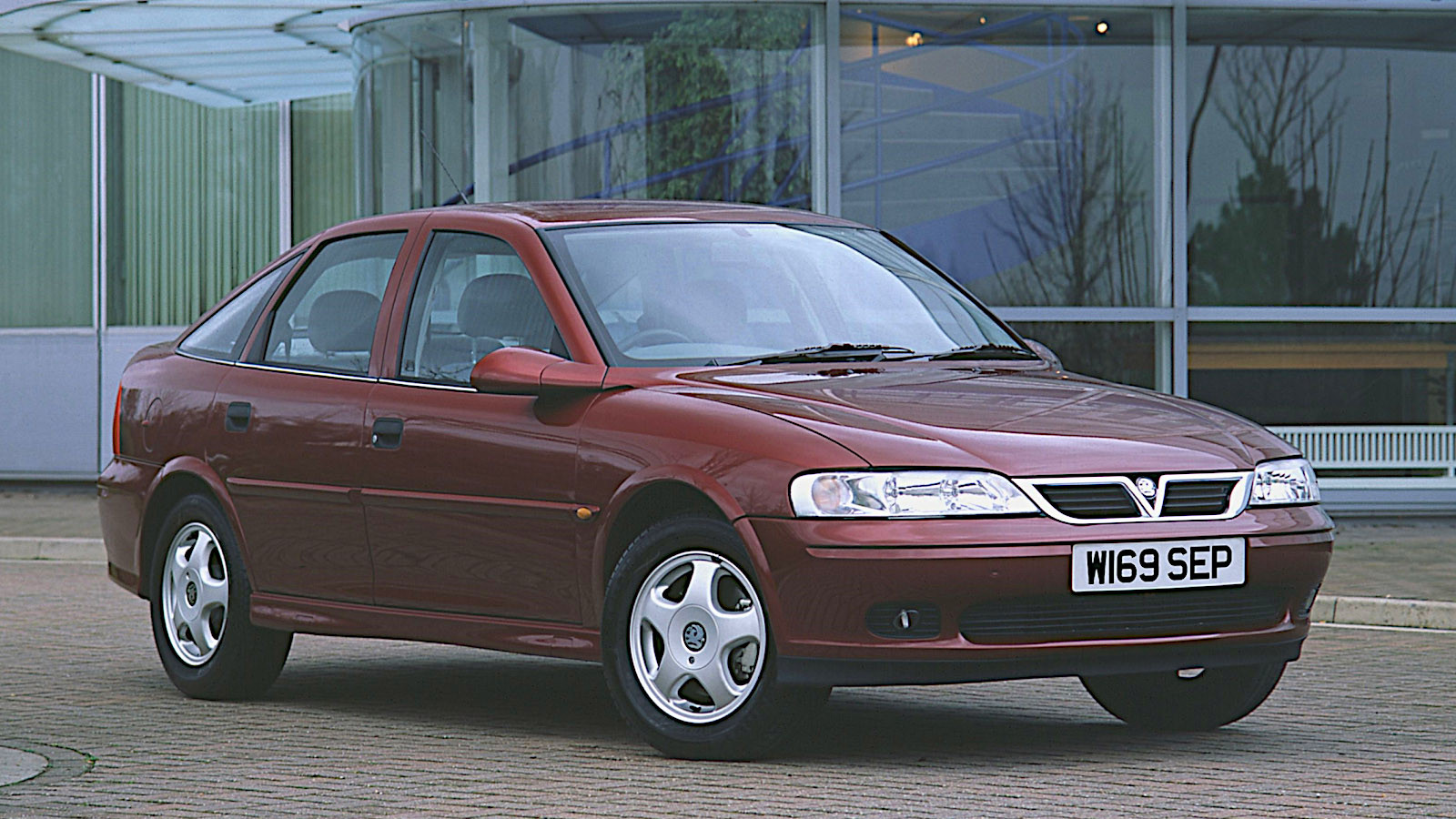
23. Opel/Vauxhall Vectra
GM Europe reversed its naming policy in the 1990s, going straight from allowing Vauxhalls and Opels to have different model names to insisting that they didn’t.
The second Opel Vectra was therefore marketed in the UK as the first Vauxhall Vectra and not, as might otherwise have been the case, the fourth Vauxhall Cavalier.
The car was initially a disappointment, until Opel’s chassis people made it the way they thought it should have been in the first place, an improvement which coincided with the arrival of a version with a 2.5-litre V6.
The V6 was the basis of a UK one-make race series in which Mark Ticehurst won several rounds in a car fuelled by LPG, though since it was entered by Vauxhall’s own motorsport division it was not eligible for championship points.
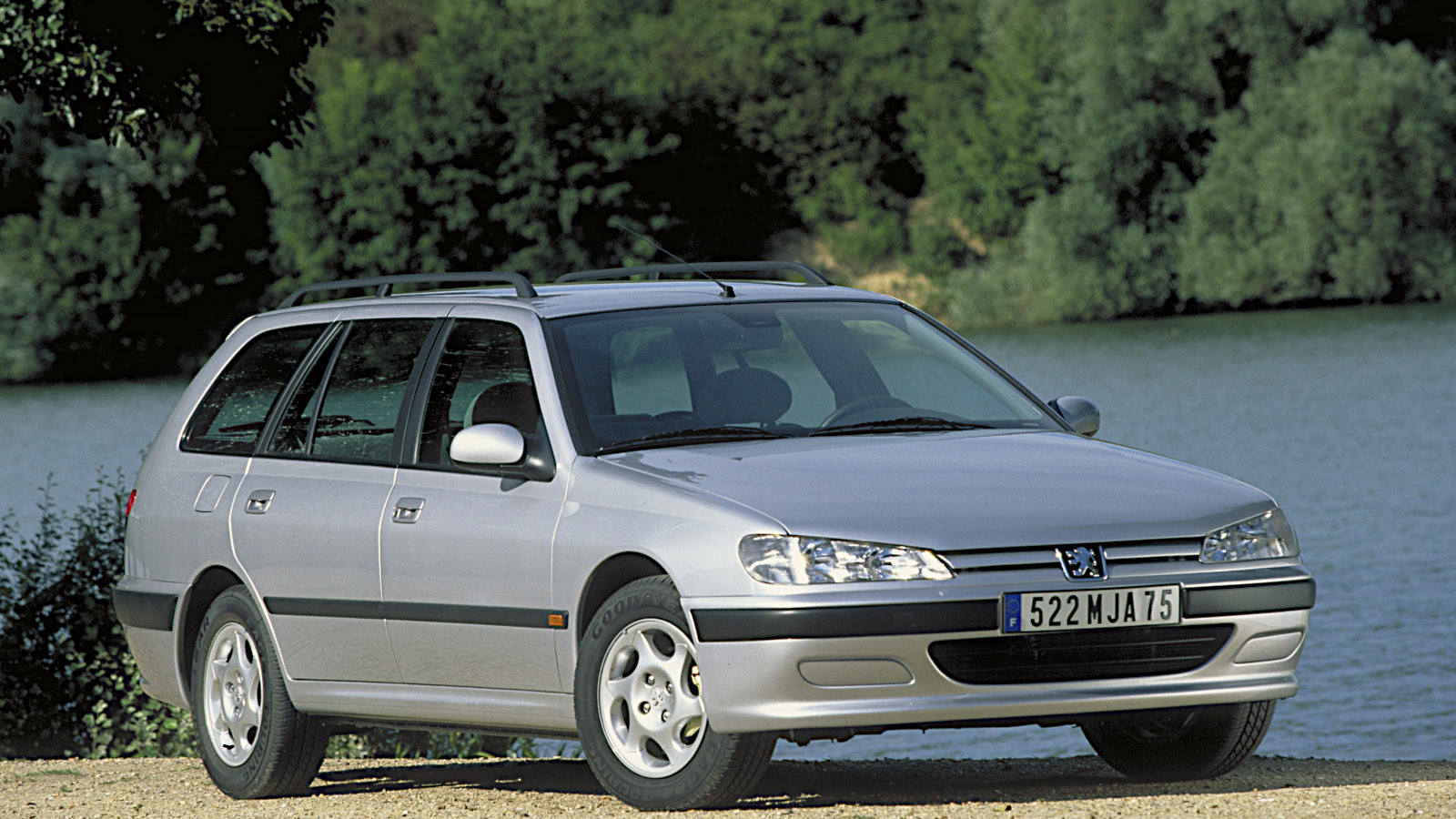
24. Peugeot 406
Although the Peugeot 406 lost out to the Fiat Bravo/Brava in the European Car of the Year Award, it lasted for slightly longer, remaining in production until 2004.
Replacing the 405 as Peugeot’s large family car, it was offered with a comprehensive range of engines, from a 1.6 petrol and a 1.9 turbodiesel, to a far more powerful 3-litre V6.
Examples built by Peugeot itself had saloon or estate bodies, but the 107,633 designed and built from 1996 to 2004 by Pininfarina were coupés, widely regarded as being among the most attractive cars on sale anywhere around the turn of the century.
Pininfarina performed similar work for other manufacturers, including Bentley, Fiat, Ford and Mitsubishi, but in 1998, 1999 and 2001 it built more Peugeot 406 Coupés than anything else.
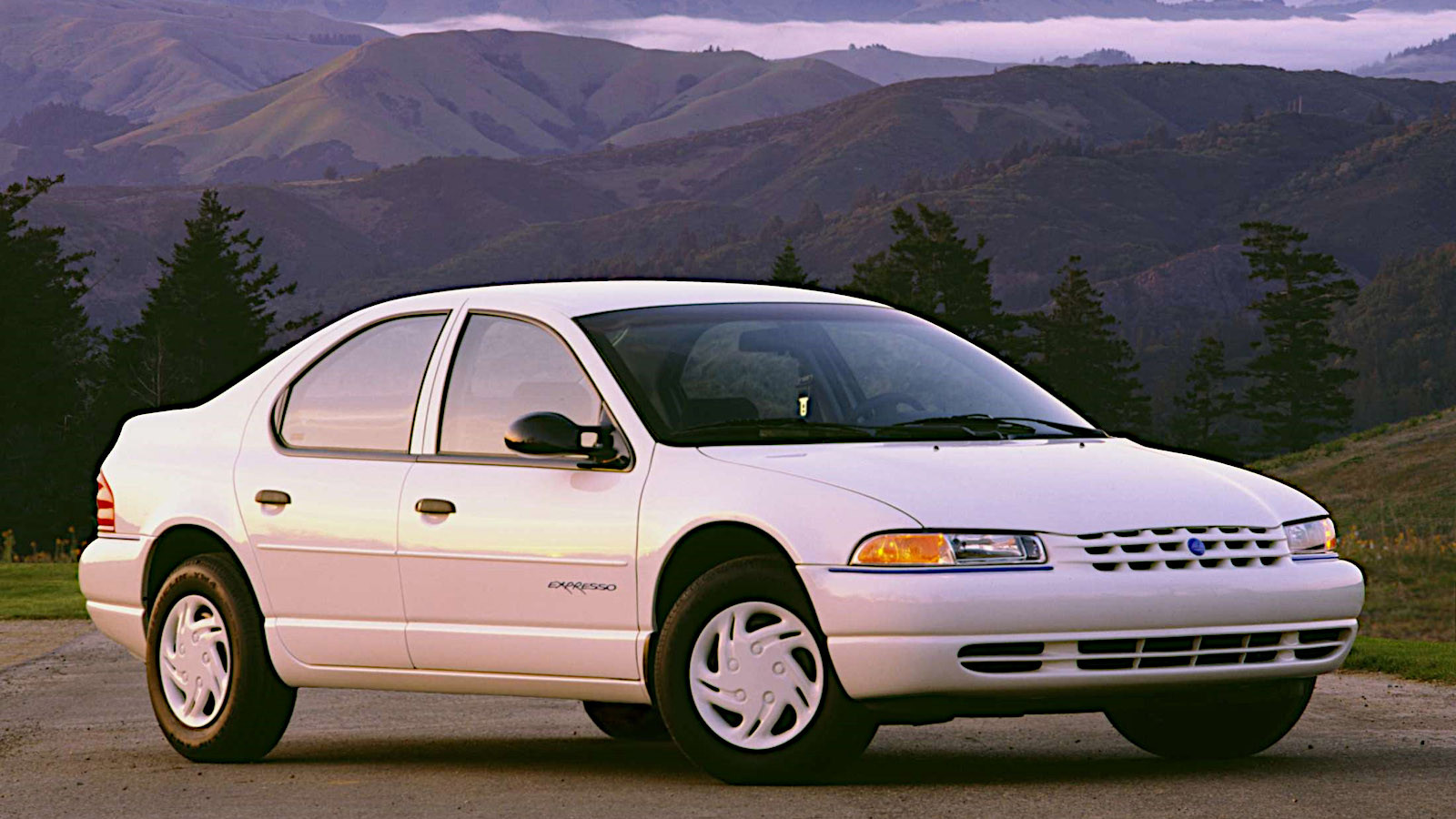
25. Plymouth Breeze
The Plymouth Breeze was launched in 1995 as a 1996 model, joining its fellow ‘cloud car’ four-door saloons, the Chrysler Cirrus and Dodge Stratus.
Though based on the same platform, and mechanically very similar, the Breeze was less well-equipped than the others and therefore cheaper, in line with Plymouth’s position as Chrysler’s budget brand.
It started out with a 2-litre, four-cylinder engine and later acquired a 2.4, but unlike the Cirrus and Stratus it was never fitted with a 2.5-litre V6.
The Breeze was one of the last vehicles produced by Plymouth, which had been established all the way back in 1928 and was shut down in 2001.
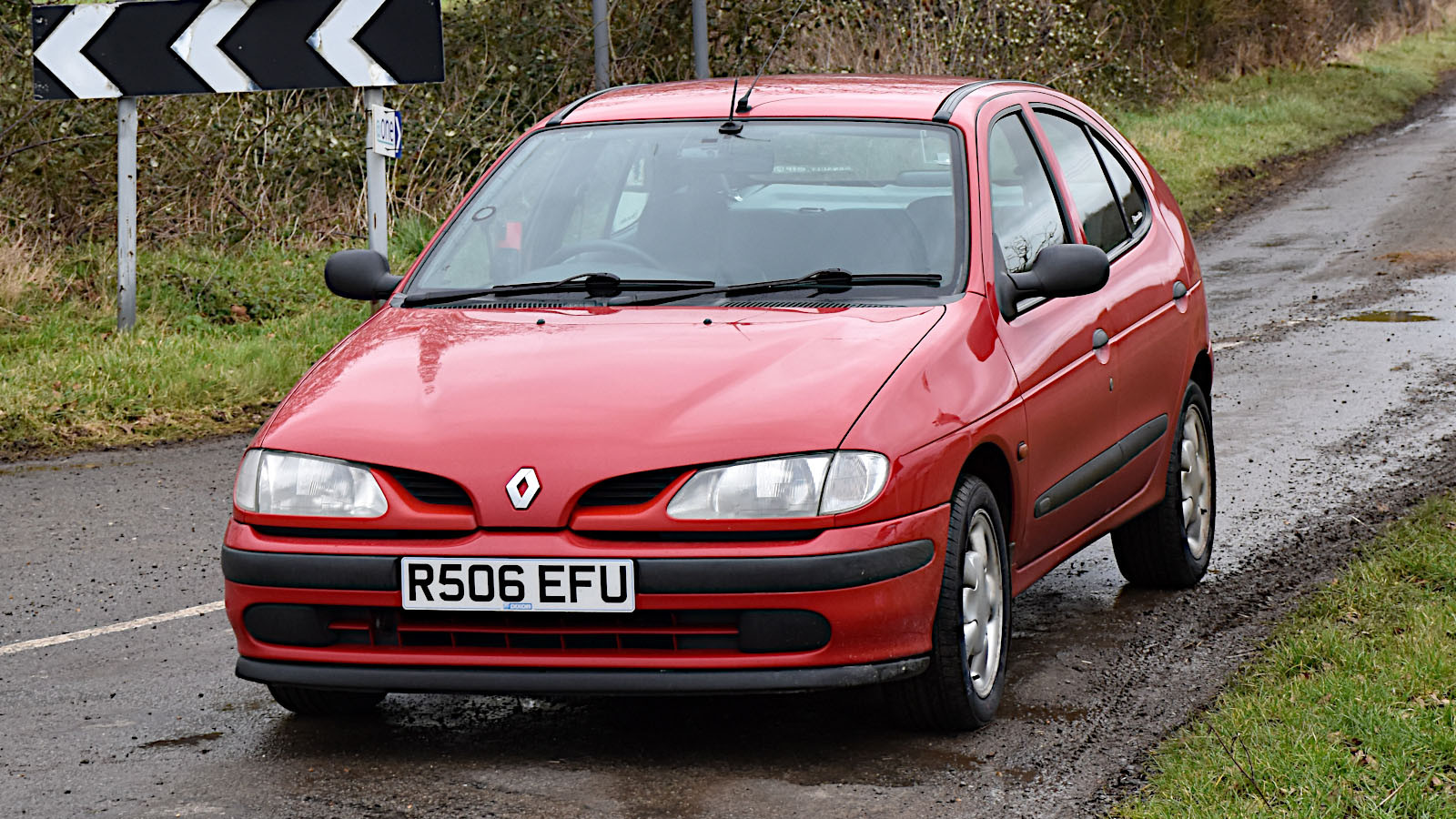
26. Renault Megane
Replacing the 19 (after Renault switched from numbers to names for its models), the Megane was built as a saloon, a hatchback, an estate, a convertible and a very attractive coupé.
The available engines included a modest 1.4 petrol and a 1.9 diesel and, at the other end of the scale, a powerful, 2-litre, 16-valve, petrol unit.
Competition versions of the coupé known as Maxi won the British Rally Championship in 1998 and 1999, and the European Rally Championship and the FIA 2-Litre World Cup in the latter year.
The Megane was also the basis of the Megane Scenic, a very popular little MPV which later became known simply as the Scenic.
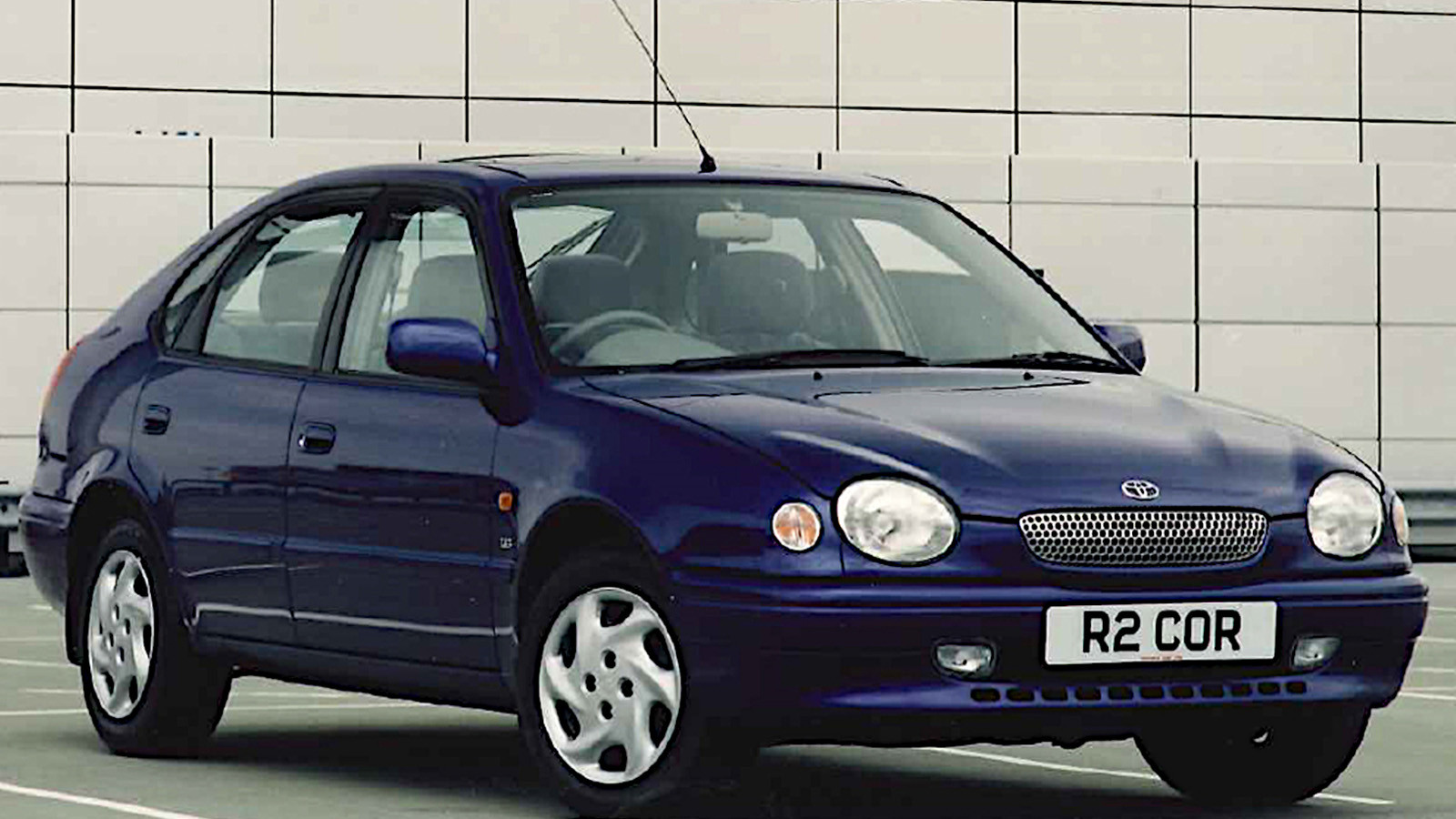
27. Toyota Corolla
During its eighth generation, sales of the Toyota Corolla reached 20 million, a figure which has since more than doubled.
The version of that period was introduced in 1995, and offered with several body styles (five-door liftback pictured) and a range of generally modest engines.
Styling varied according to which market the car was being sold in, those available in Europe and other regions featuring ovoid headlights.
This look was also used for the Corolla WRC, which won the manufacturers’ title in the 1999 World Rally Championship, though the drivers’ title went, for the fourth year in a row, to Mitsubishi’s Tommi Mäkinen.
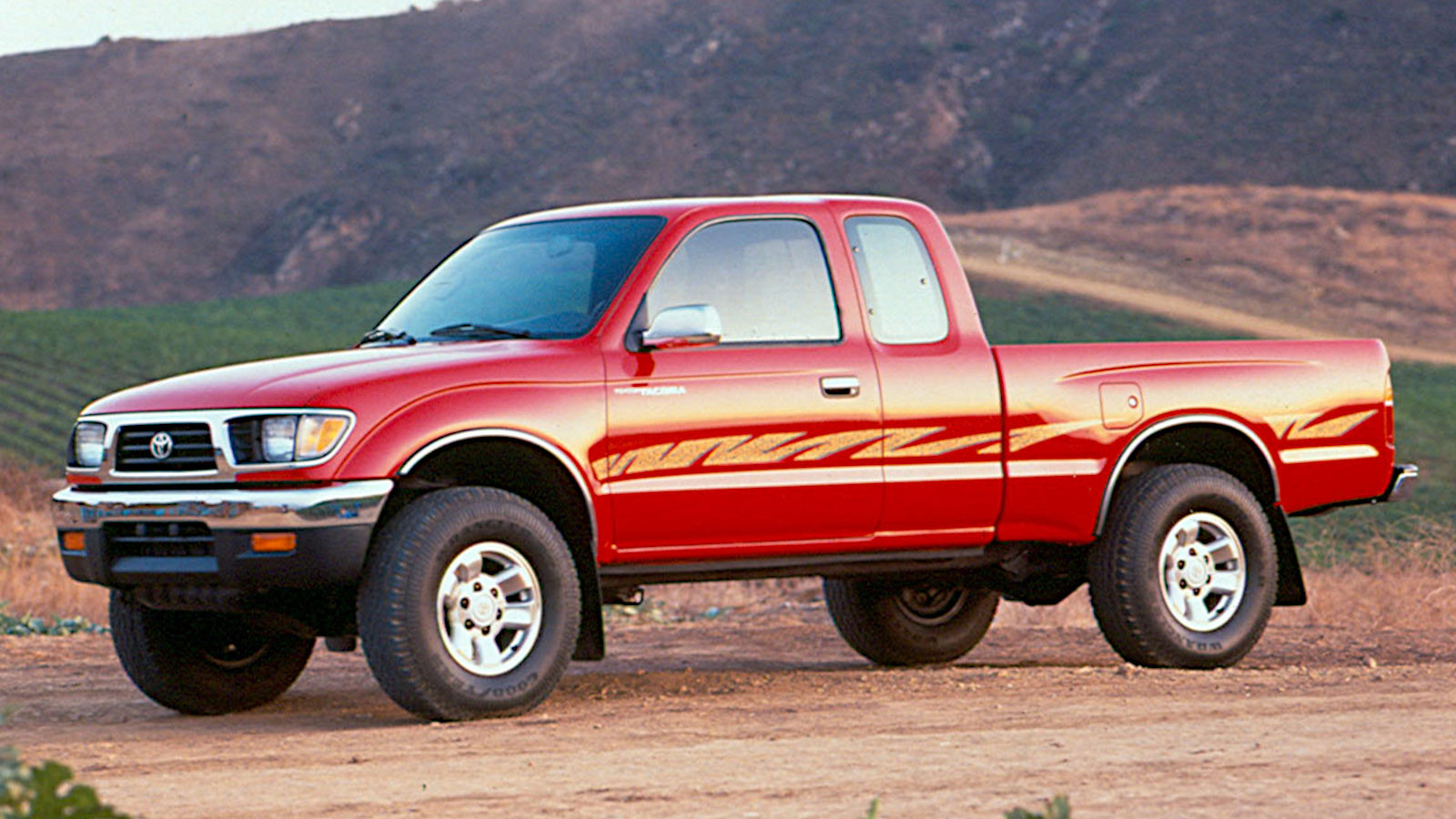
28. Toyota Tacoma
In contrast to the very much global, eighth-generation Corolla, the first Toyota Tacoma was intended entirely for the North American market, and built exclusively in a plant in California co-owned by General Motors.
It was by no means the first Toyota pick-up sold in the region, but it was the first with a specific model name, its predecessors all having been known simply as Pickup.
The name, which refers to a volcano in Washington state also known as Mount Rainier, has been used ever since, the fourth Tacoma being introduced in 2023.
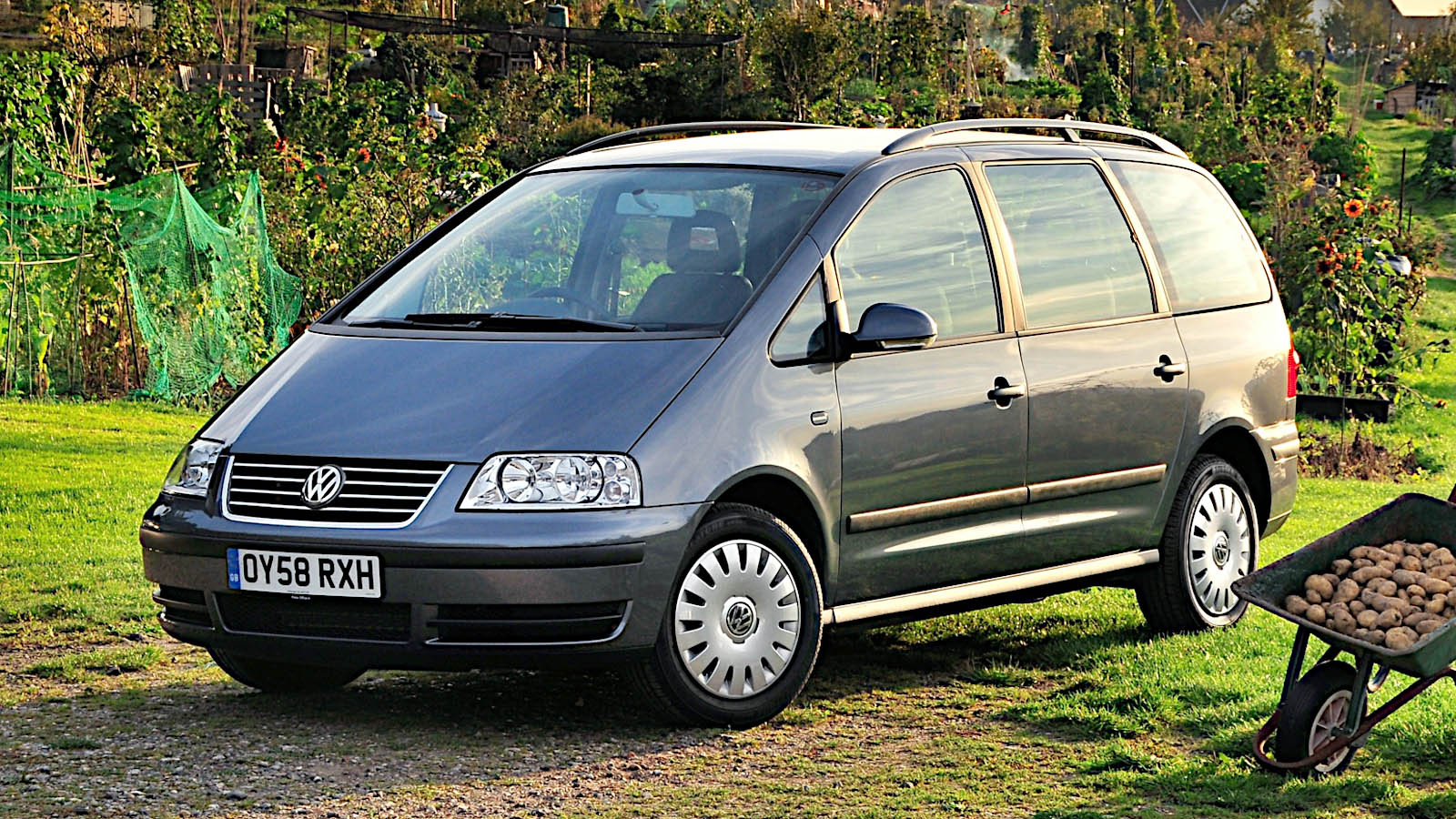
29. Volkswagen Sharan
This large MPV could equally well be described as a Ford or a Seat, since the same vehicle was also marketed by those marques as the Galaxy and the Alhambra respectively.
It was developed jointly by Ford and the VW group (of which Seat is a part), though Ford went its own way with the next Galaxy, launched in 2006.
By contrast, the Germans and Spanish persevered with it all the way to 2010, at which point the Sharan and Alhambra were finally replaced after 15 years.
The new model, though not quite as long-lived, nevertheless survived for more than a decade, but was not itself replaced, because the skyrocketing popularity of SUVs was matched by a collapse in public enthusiasm for MPVs.
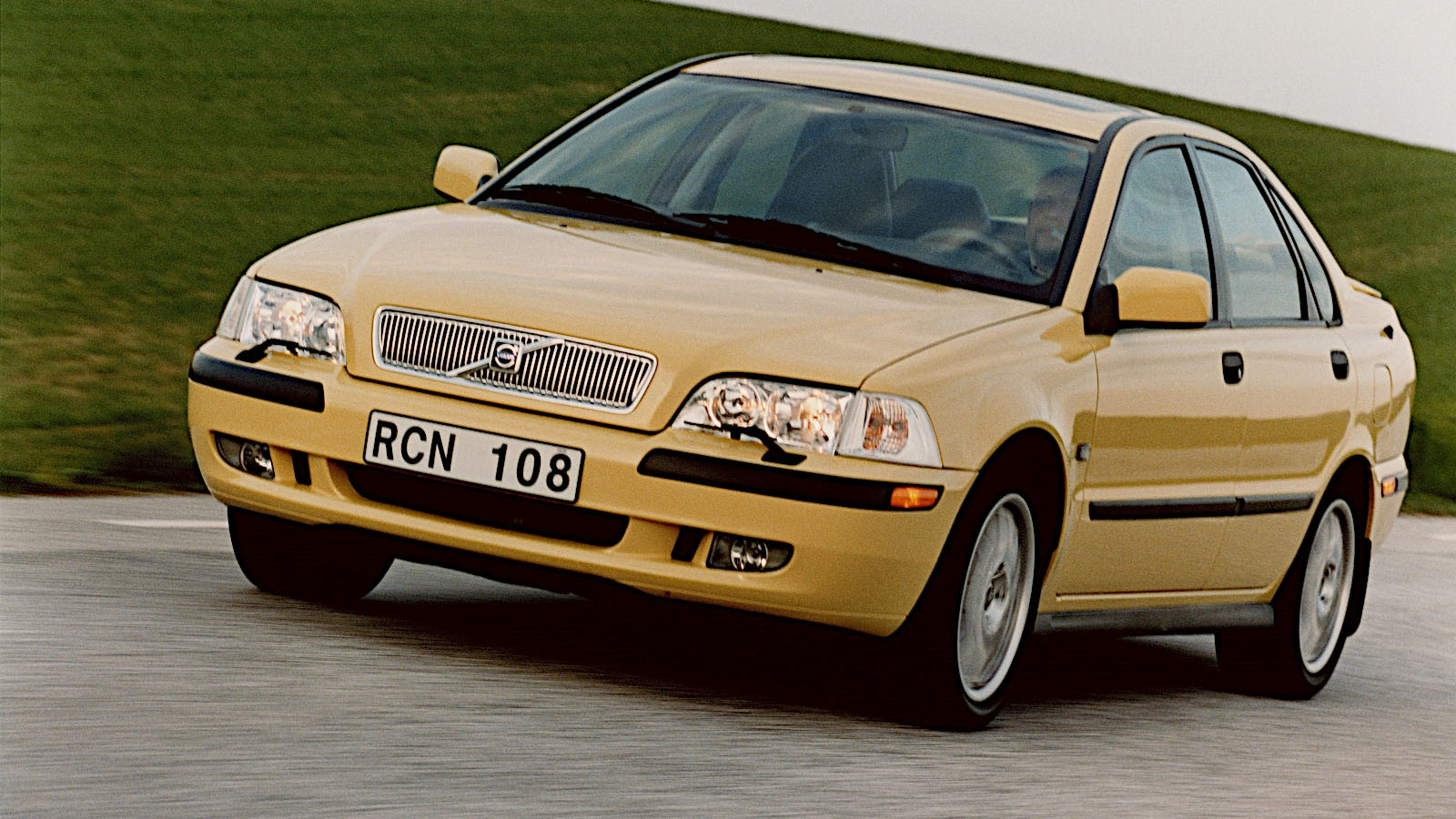
30. Volvo S40 and V40
Related, as previously mentioned, to the Mitsubishi Carisma, the Volvo S40 was a front-wheel-drive car described – if you could read the code – by its name.
S stood for ‘saloon’, while 40 indicated that this was the smallest model Volvo produced at the time, larger numbers indicating greater size.
Volvo took a slightly more fanciful approach when it came to naming the V40 estate, the V in this case representing ‘versatility’.
Both models were produced until 2003 and, in a slight change of policy, their replacements were known as the S40 and V50.