







2025’s half-century heroes
It seems hard to believe some of the cars in this list are now hitting their 50th anniversary, after being launched in 1975.
It was a great year, because important models for several manufacturers arrived and established lines that are still going strong today.
From superminis to luxury saloons, and family saloons to sporting coupés, there was something new to interest almost every buyer throughout 1975.
Here’s our look at some mainstream arrivals, as well as the more unusual and interesting models, that were launched in 1975, as these classic cars make it to their 50th birthdays. They’re listed in alphabetical order.
1. AMC Pacer
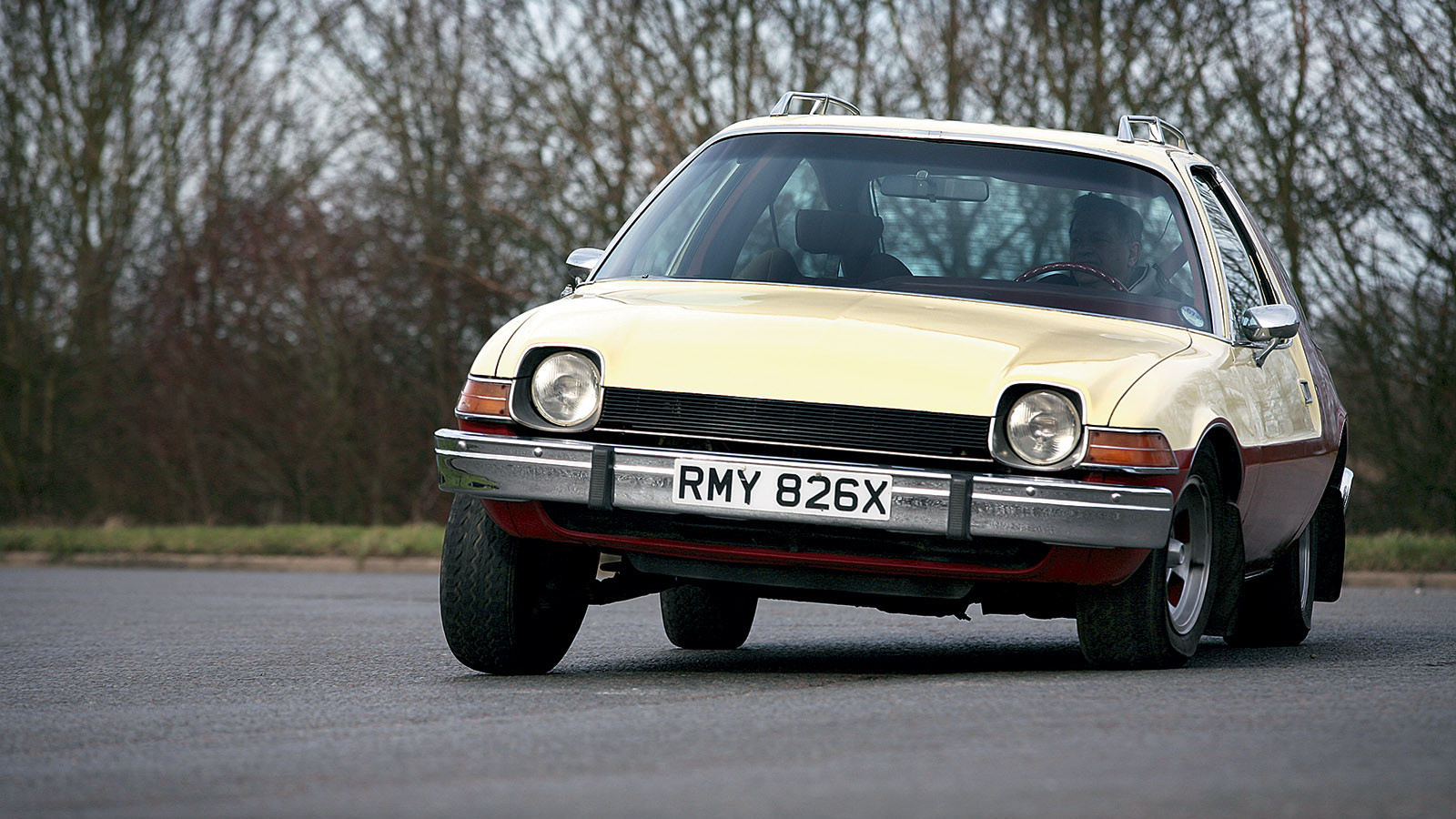
The AMC Pacer could well have been the US market’s ‘Mini moment’ thanks to the way it was packaged and presented.
Designed from the inside out to accommodate four people and luggage in a sub-compact car, it was a bold step on from AMC’s Gremlin.
The large windows added to the roomy feel in the cabin, while the passenger door was longer than the driver’s to help with access to the rear seats. AMC added a station-wagon (estate) version in 1977 to further the car’s practical appeal.
An innovative Wankel rotary engine from General Motors had been planned for the Pacer, but GM pulled the plug on this. As a result, the Pacer came with AMC’s own straight-six and V8 units.
Such large engines did not help sales in Europe, and when Chrysler, Ford and GM launched their own compact models, the Pacer fell by the wayside with total sales of around 280,000 when production ended in 1980.
2. Austin 18-22 Series
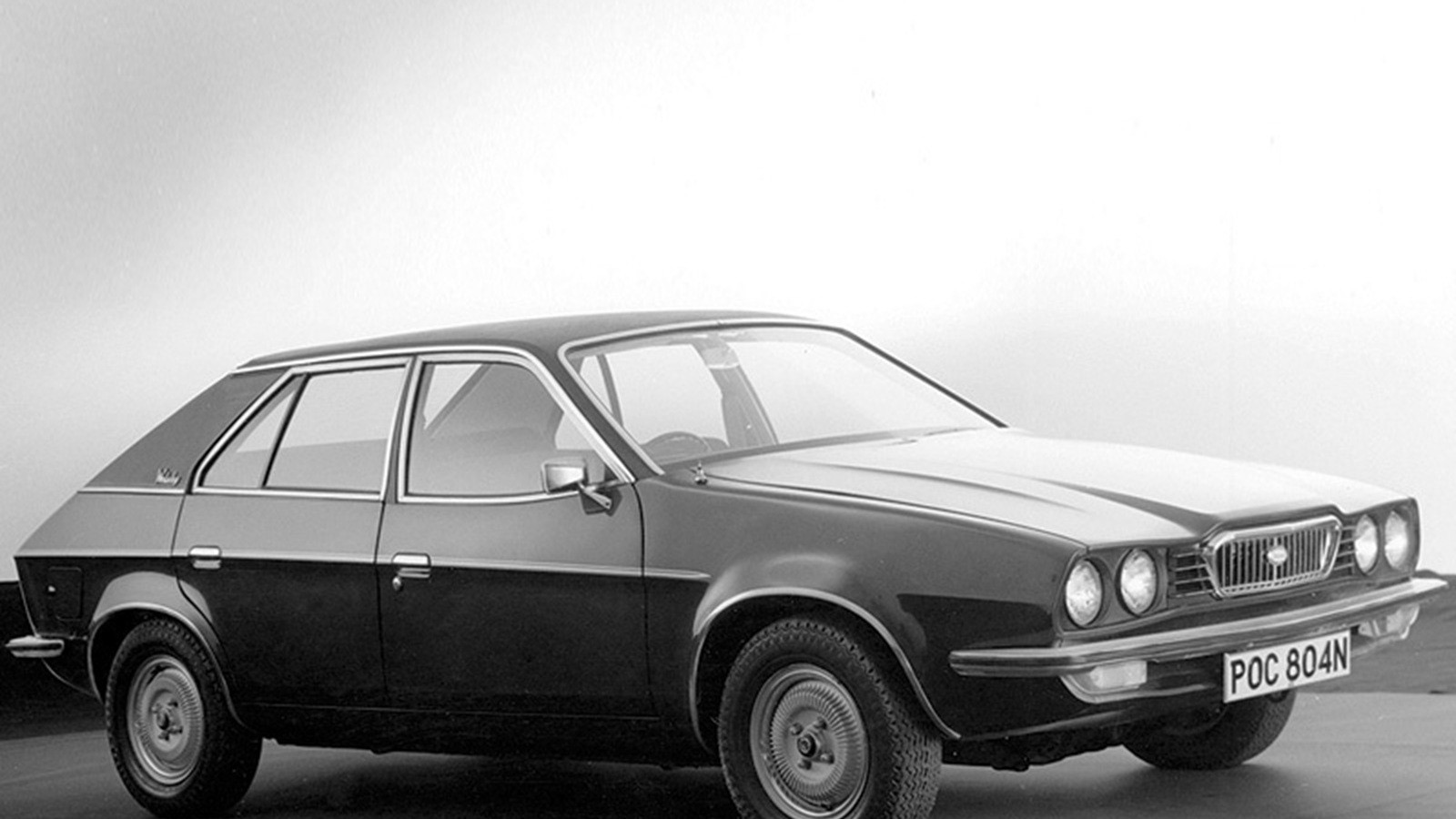
The Austin 18-22, also sold as the Morris 1800 and 2200 or Wolseley Six (pictured), was a brave replacement for the ‘Super Landcrab’ 1800 and 2200 models that looked seriously dated by 1975.
In contrast, the 18-22 Series was thoroughly modern in its looks, even if it didn’t have a hatchback rear when the styling suggested it should.
There was loads of room for people and luggage inside the car, and it offered excellent comfort thanks to the Hydragas suspension. Morris and Wolseley versions differed only in their badges and grille design.
The Wolseley was available with just the larger, 2.2-litre, six-cylinder engine, while Austin and Morris customers could also have the 1.8-litre, four-cylinder motor.
Around 19,000 of all versions were made before the entire range was renamed Princess in 1976.
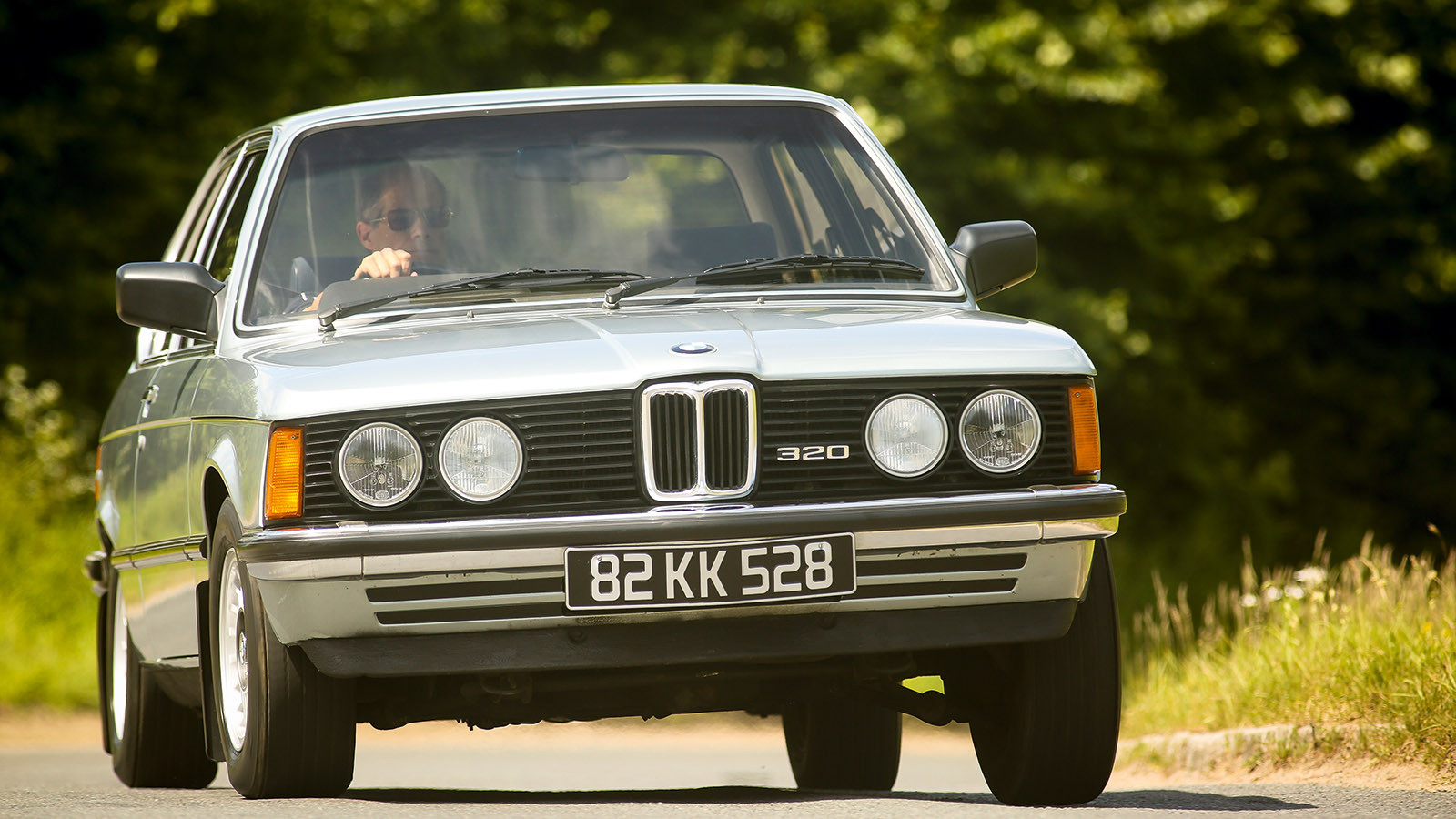
3. BMW 3 Series
When BMW replaced the ’02 range in 1975 with the first 3 Series, it started a dynasty that lasts to the present day.
The E21 3 Series used an all-new bodyshell with a slightly longer wheelbase than the car it replaced to provide more rear-seat space.
There was no four-door version of the E21 – that had to wait for its E30 replacement in the 1980s.
Even so, the first 3 Series was a direct hit for BMW and became the small sporting saloon to beat.
The four-cylinder models were not that quick, while the six-cylinder 323i certainly was with help from its fuel-injected motor. Wayward handling on the limit did nothing to deter buyers from this rapid version.
A Bauer cabriolet arrived in 1977 and when the E21 3 Series was phased out in 1982, BMW had sold 953,487 four-cylinder models, and 410,552 320 and 323i six-cylinder versions.
4. Bristol 412
The 412 introduced a radical new look for Bristol when it arrived in 1975.
This was a complete break from the previous looks of the company’s models and Zagato was responsible for the styling.
Not everyone was bowled over by the design, but the 412 went on to establish a loyal customer base and waiting list.
It was helped by being the first factory convertible from Bristol, with a removable roof panel and fold-down rear section.
Underneath the square-rigged body was much more traditional Bristol fare with a sturdy chassis and Chrysler V8 engines.
The 412 started out with a 6.6-litre V8 and slimmed down to a 5.9-litre unit in 1977, but it retained the same substantial power and performance.
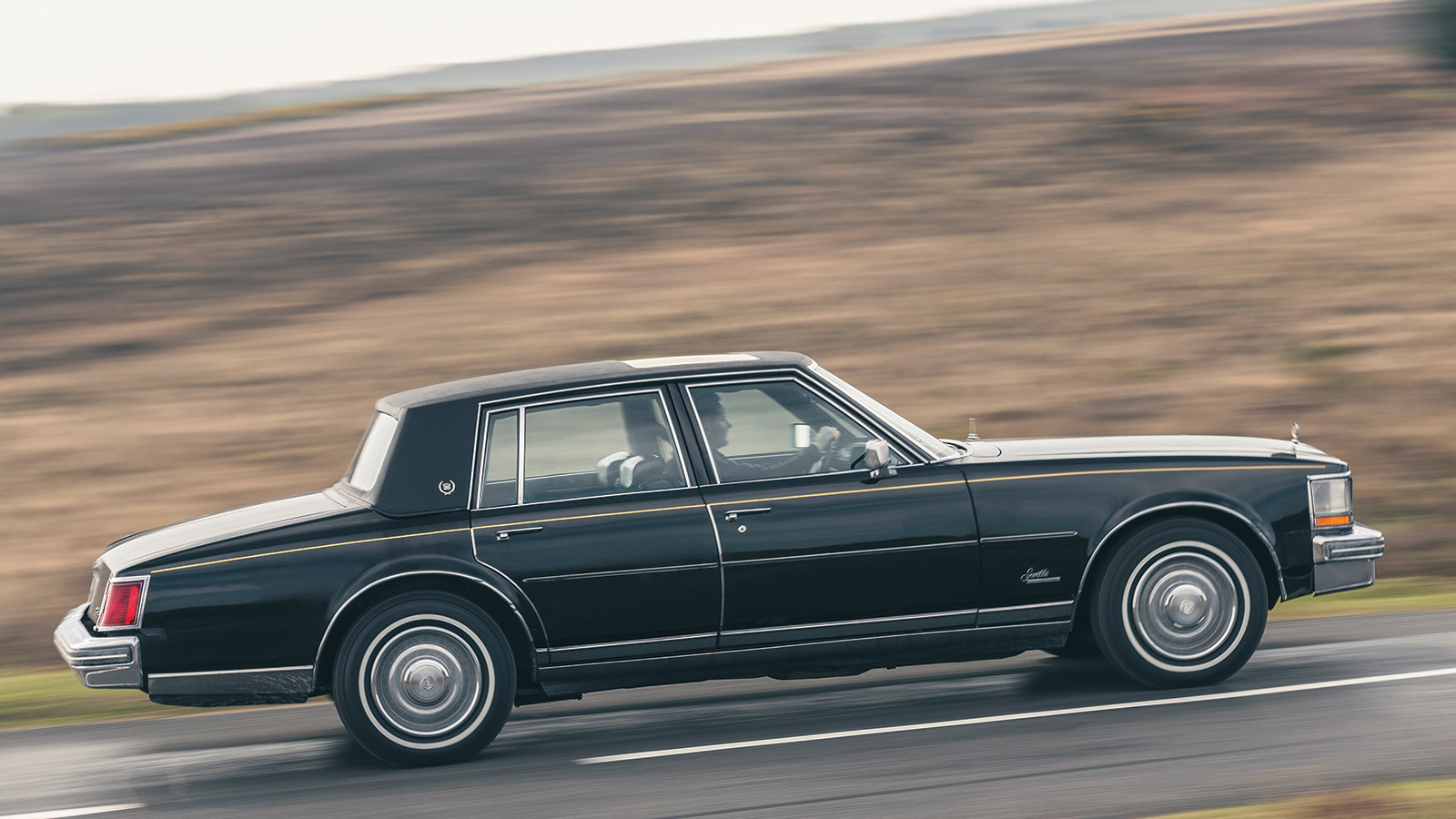
5. Cadillac Seville
With BMW, Jaguar and Mercedes-Benz all gaining momentum in the luxury-saloon market in the USA, Cadillac fought back with its Seville.
It may have been the smallest car it had made in 50 years, but it was still every inch a rival to the European competition.
The smaller size helped it save some 450kg (992lb) over a full-scale Deville model, so performance from the 180bhp 5.7-litre V8 engine was decent, if not brisk, and fuel economy put the company’s land yachts to shame.
The first Seville didn’t sell in the same numbers as larger models of Cadillac, but the company had built 215,659 when it was replaced by the second-generation model in 1979 with its front-wheel drive and 1930s rear styling.
6. Chrysler Alpine
The Chrysler Alpine was the UK version of Simca’s 1307, and the same basic car also appeared as the Dodge Alpine in South American markets or the Chrysler 150 in Spain.
Whatever it was called, the Alpine was very much in the mould of modern, mid-1970s family cars with its angular looks and hatchback rear.
Along with its space-saving front-wheel drive and transverse engine packaging, this was enough to earn the Alpine the 1976 European Car of the Year title.
A supple ride and dependable, safe, front-drive handling made the Alpine a strong contender against the more traditional Ford Cortina and Morris Marina of the same period.
In Simca form, the car sold well in France, but the Alpine could not get on terms with rivals elsewhere and only 108,405 were registered in the UK when the model was rebadged as a Talbot for 1980.
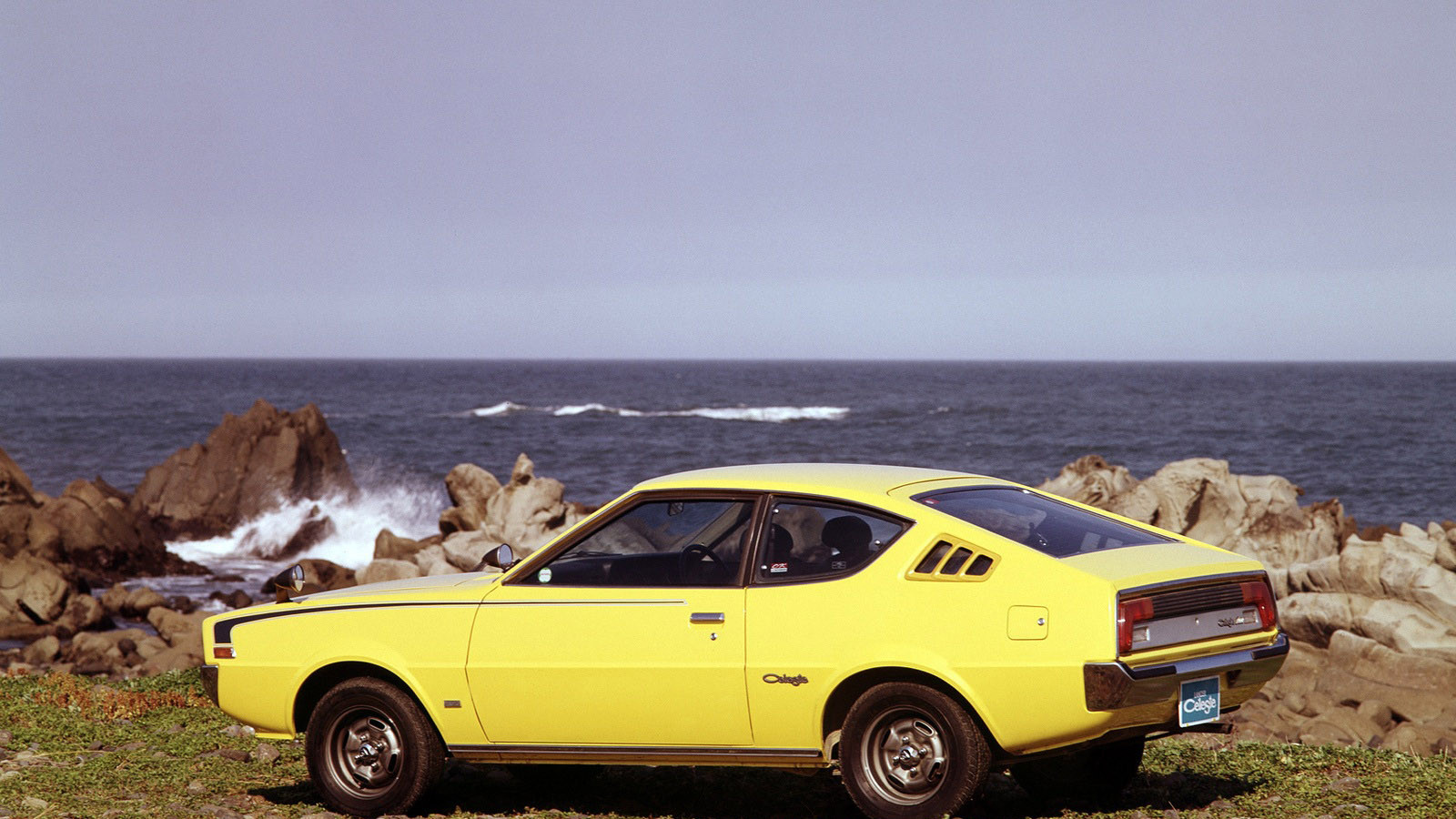
7. Colt Celeste
In the same way other car makers repurposed their mainstream saloons into sportier fastbacks, Mitsubishi did this with its Lancer, which was sold as a Colt in the UK.
In its home market in Japan, the Celeste was initially sold with a 1.4-litre engine, but the rest of the world was given a 1.6-litre motor for a bit more pep.
This was joined in the launch year of 1975 by a 2-litre engine from the Galant to give the Celeste enough performance to bear comparison with rivals such as the Ford Capri and Renault 17. In this more powerful version, the Celeste 2000GT could top 100mph.
A facelift in 1978 brought square headlights, but the Celeste was always a marginal player in the coupé segment.
It wasn’t until Mitsubishi introduced its Starion in 1982 that it became a serious force in this market.
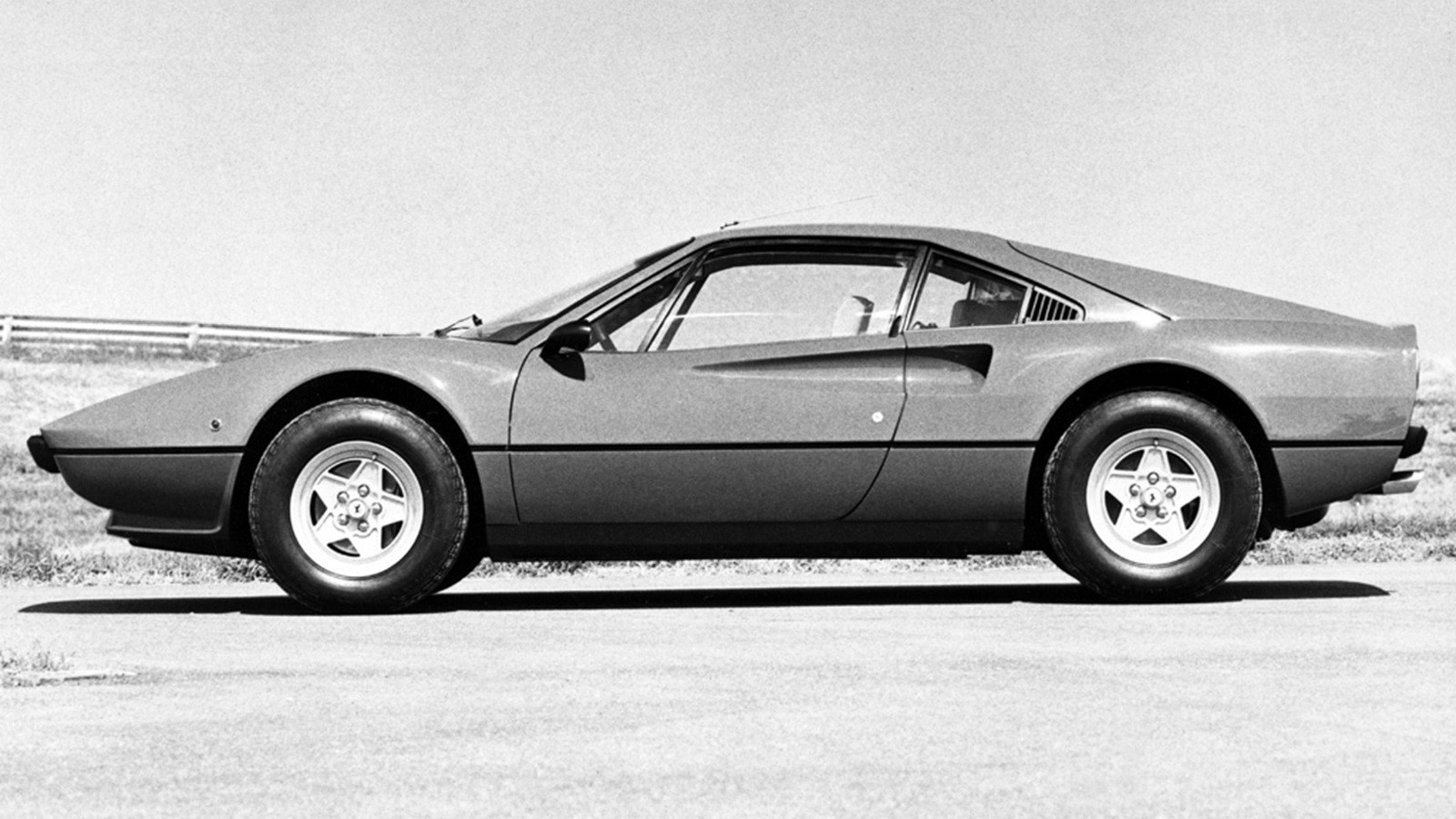
8. Ferrari 308GTB
The ‘308’ designation had first been seen on the GT4 that arrived in 1973, but the GTB was a strict two-seater, as was the open-top GTS that joined the line-up in 1978.
This new compact model was also seen as the true successor to the 246GT as an entry point to the Ferrari range.
It might have been the first rung on the Ferrari ladder, but the 308GTB came with a transversely mounted, 2.9-litre, V8 engine with twin cams for each bank of cylinders.
It produced 252bhp with carburettors to begin with, or 237bhp for the US due to emissions kit. Fuel injection dropped the power to 211bhp in 1980, but this was improved to 237bhp in 1982 with four valves per cylinder in the Quattrovalvole version.
Early 308s had a body made from glassfibre and was the first production Ferrari to use this method.
However, Ferrari returned to steel and aluminium in 1976 for US cars and European versions followed suit in mid-1977.
9. Ford Escort Mk2
The Mk2 version of the Ford Escort was a substantial update on the original model.
Gone were the curvy, ‘Coke-bottle’ looks of the Mk1, replaced by squarer lines. Some press reports thought the styling was bland, but Ford was proved right when the Mk2 went on to shift more than 2 million cars between 1975 and 1980.
It helped that the Mk2 was offered in an even broader selection of models than its predecessor.
As well as 1.1- and 1.3-litre engines, there was a standard 1.6-litre motor, or you could opt for sportier models with a 2-litre engine in the RS 2000.
Ford also paid attention to more frugal buyers with the pared-back Popular that was cheap and, well, popular.
Available as a two- or four-door saloon, estate or van, the Ford Escort Mk2 was a car for all needs.
It also lifted the World Rally Championship for Manufacturers in 1979, and took two WRC drivers’ titles in 1979 and 1981, to cement its place in enthusiasts’ hearts.
10. Holden Gemini
When it was looking to add a compact car to its range, Australian maker Holden did a deal with Isuzu to produce the Gemini locally, which in turn was a variation on the third generation of Opel Kadett.
The result was the TX series of Gemini that went on sale with Holden badges from early 1975.
The car was made at Holden’s factory in Queensland and used a 1.6-litre Isuzu engine.
There was a two-door fastback, three-door estate and van versions, and a four-door saloon.
This latter model became the most popular new sedan in Australia for a time and was voted Australian Car of the Year in 1975.
A second-generation Gemini arrived in 1985 based on the front-wheel-drive Astra platform with a 1.6-litre engine and was only offered as a four-door saloon.
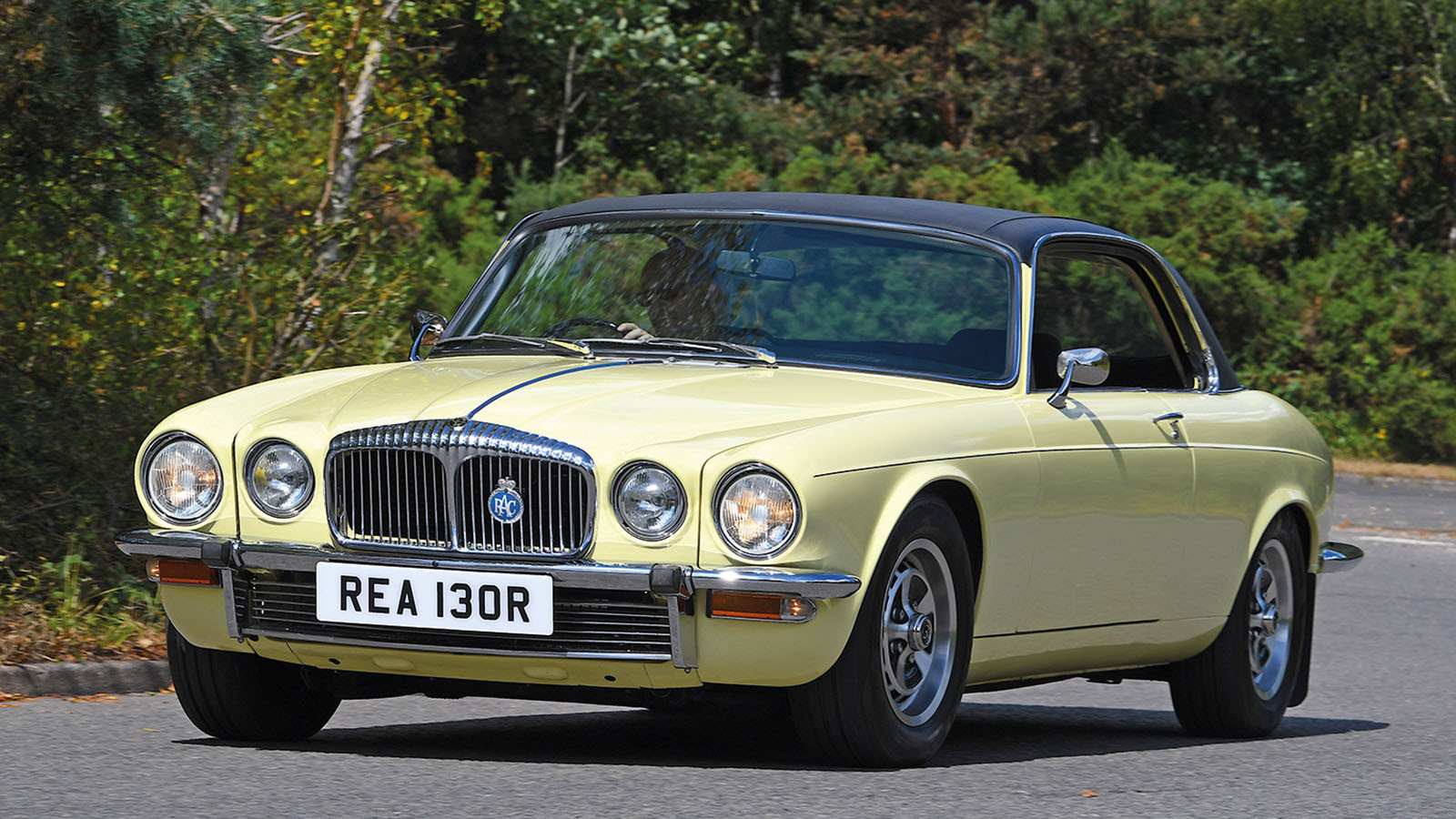
11. Jaguar XJC
Using a shortened XJ saloon platform, Jaguar created the XJ6C and XJ5.3C coupés that had been first seen in 1973.
The delay in these elegant, two-door models reaching production was due to issues with sealing around the frameless windows.
When the XJC range did arrive, it offered a very different coupé experience to the bold new XJ-S and the E-type that preceded it.
Luxury was much more the order of the day, though the XJC models were a little quicker than their saloon counterparts thanks to being 20kg (44lb) lighter. However, the 4in reduction in wheelbase also meant more cramped rear seats.
A number of factors held back the XJC’s sales, including a recession and poor build quality, so only 1873 XJ5.3Cs were made and 6505 XJ6C versions.
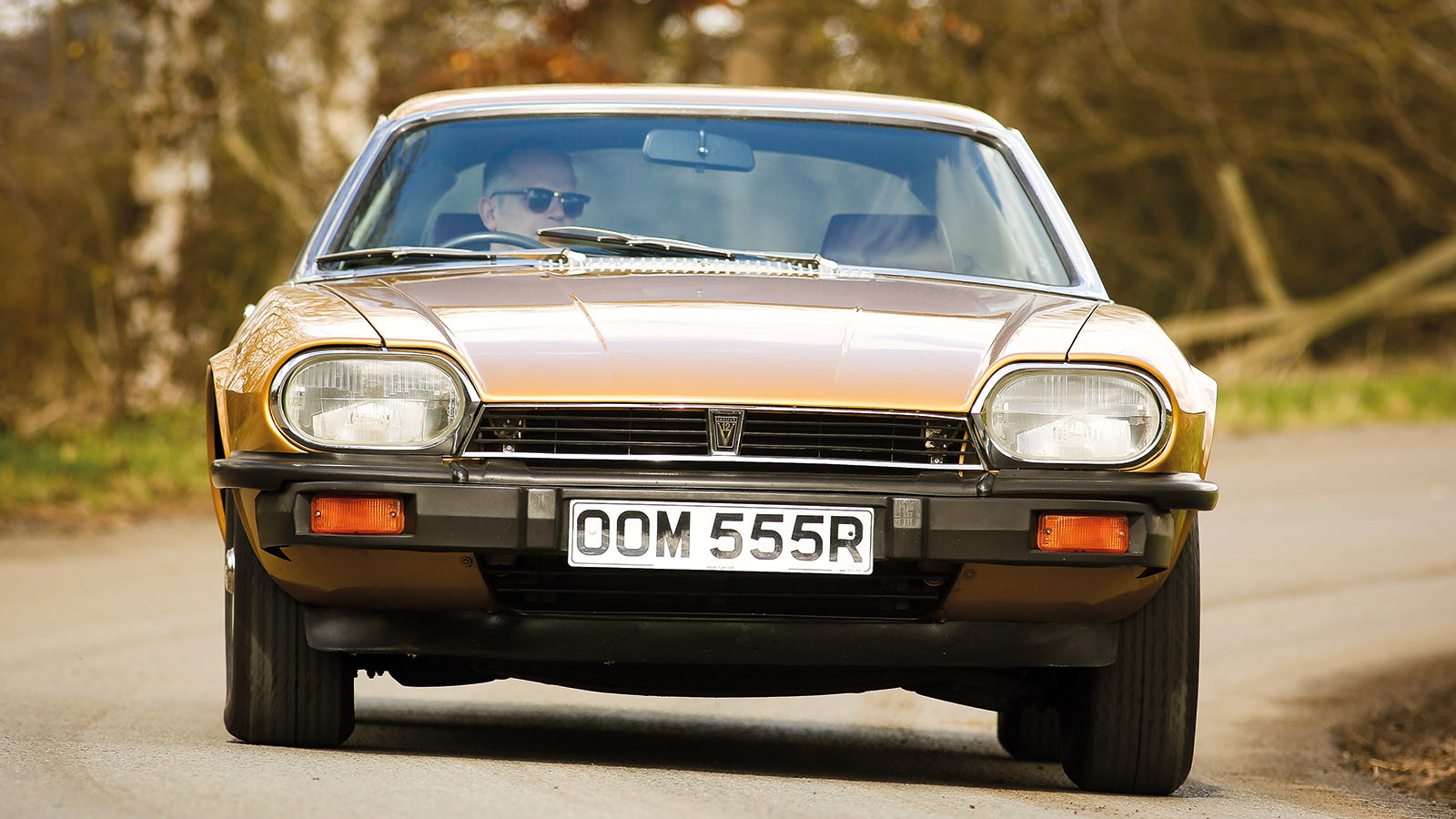
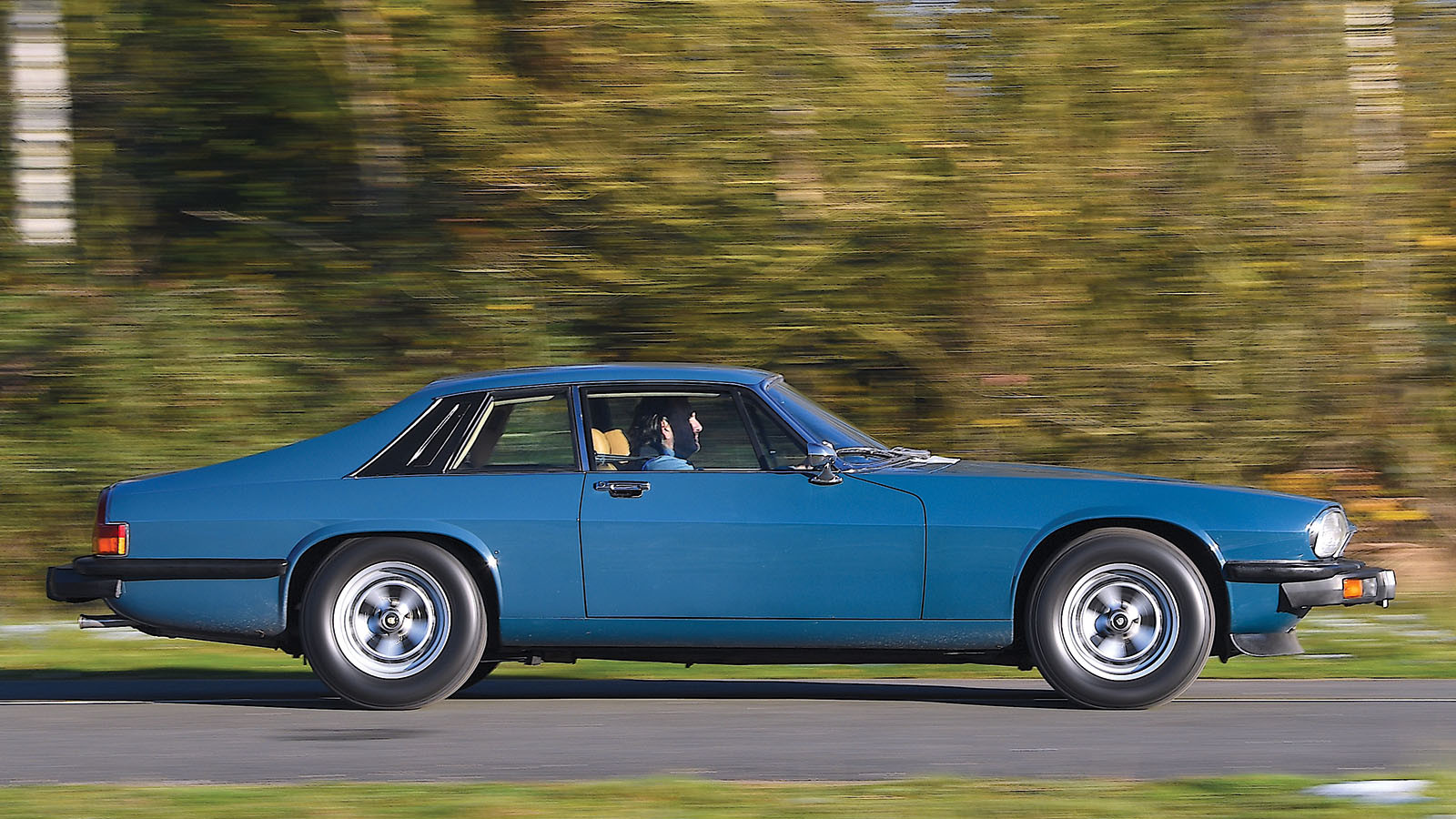
12. Jaguar XJ-S
Replacing the E-type was always going to be a colossal task, so Jaguar sidestepped this by launching the XJ-S as a grand tourer rather than a sports car (it became the XJS from 1991).
Based on a shortened XJ saloon platform and only offered with the 5.3-litre V12 engine in its early years, the XJ-S was a car aimed at jet-setters.
It lived up to the billing with a 155mph top speed and effortless cruising, so long as you could afford the hefty fuel consumption.
The looks of the XJ-S were not universally liked to begin with, but Jaguar’s coupé blossomed in the 1980s into a wider range, with a six-cylinder engine and convertible body options.
It also ended up being Jaguar’s longest-running model by surviving until 1996 – 115,413 of all types were made.
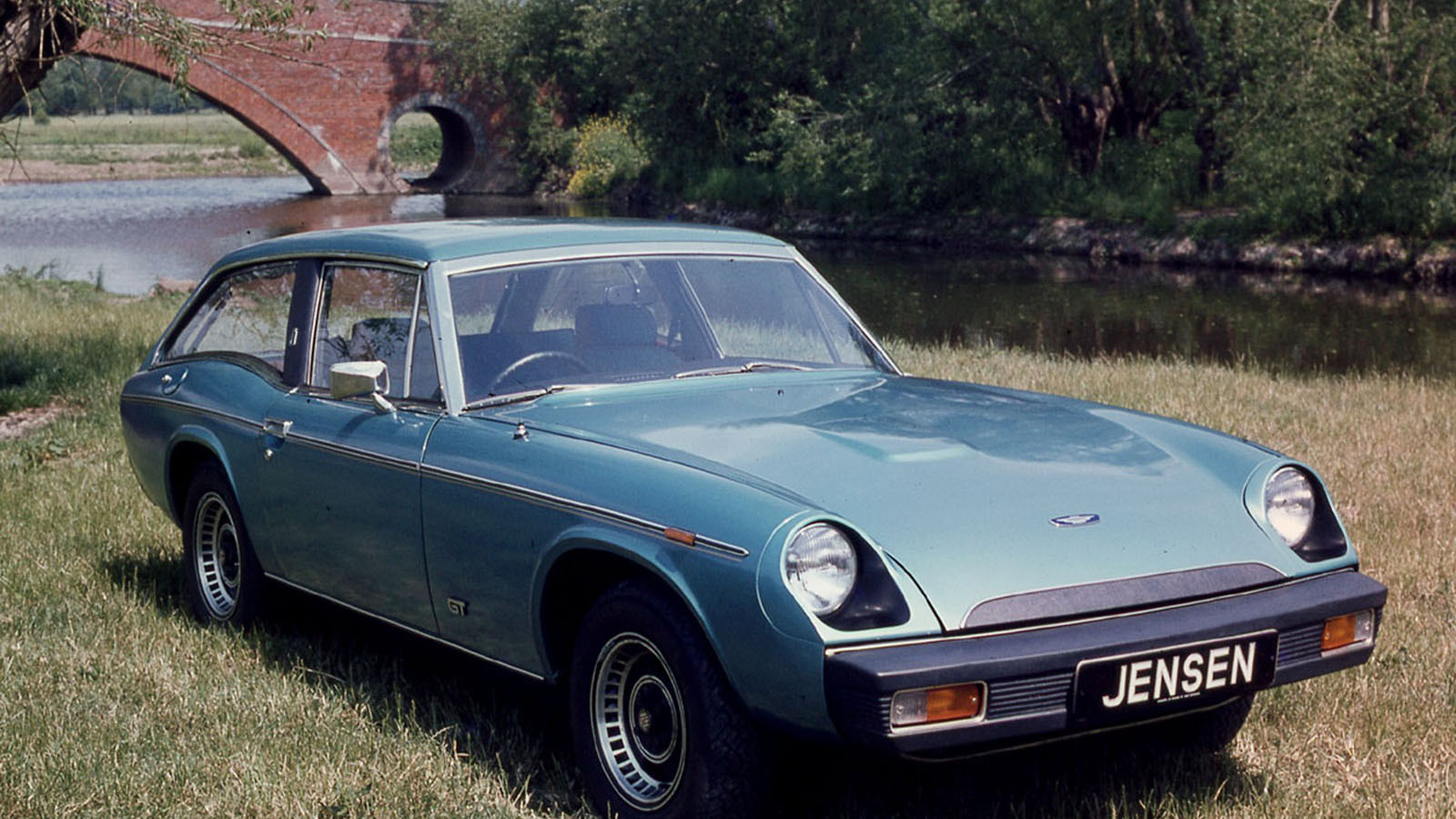
13. Jensen GT
Clearly a sports-estate version of the Jensen-Healey roadster, the GT was always sold without the ‘Healey’ in its name, because Donald Healey had cut all links with the car by the time of its launch in 1975.
Sadly for the GT, its reputation had been undermined by the reliability problems of its roadster sibling, even though these bugs had been ironed out for the estate version.
It was also expensive when compared to a Reliant Scimitar and or Ford Capri 3.0, though performance from the 2-litre, twin-cam engine was on a par with these rivals.
Jensen called time on the GT the year after its introduction, so a mere 473 were made.
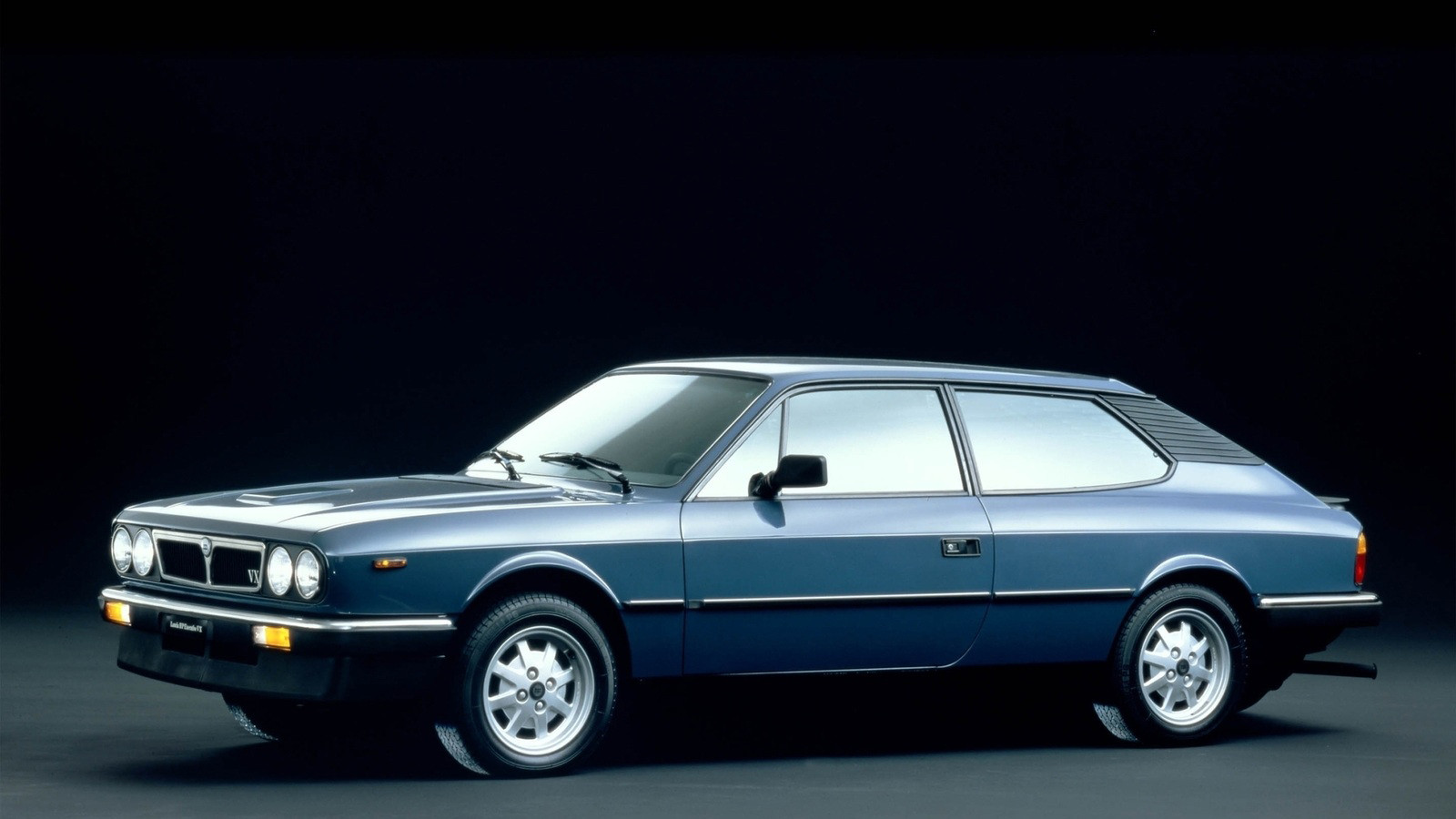
14. Lancia Beta HPE
Lancia might have been late to the sporting-estate market compared to Reliant and Volvo, but its Beta HPE was arguably the best of the breed.
Based on the standard-length Beta saloon chassis, the HPE was a roomy, four-seat fastback with decent luggage space as well.
It had an excellent ride and handling balance in typical Lancia fashion, and there was a choice of 1.6- and 2-litre engines.
The supercharged Volumex 2-litre engine with 135bhp didn’t appear until 1983, but it was the best of the bunch.
Lancia dropped the ‘Beta’ name from this model in 1979, and ‘HPE’ was described as High Performance Estate or High Performance Executive, depending on Lancia’s marketing during the car’s lifetime that came to an end in 1984.
15. Lancia Montecarlo
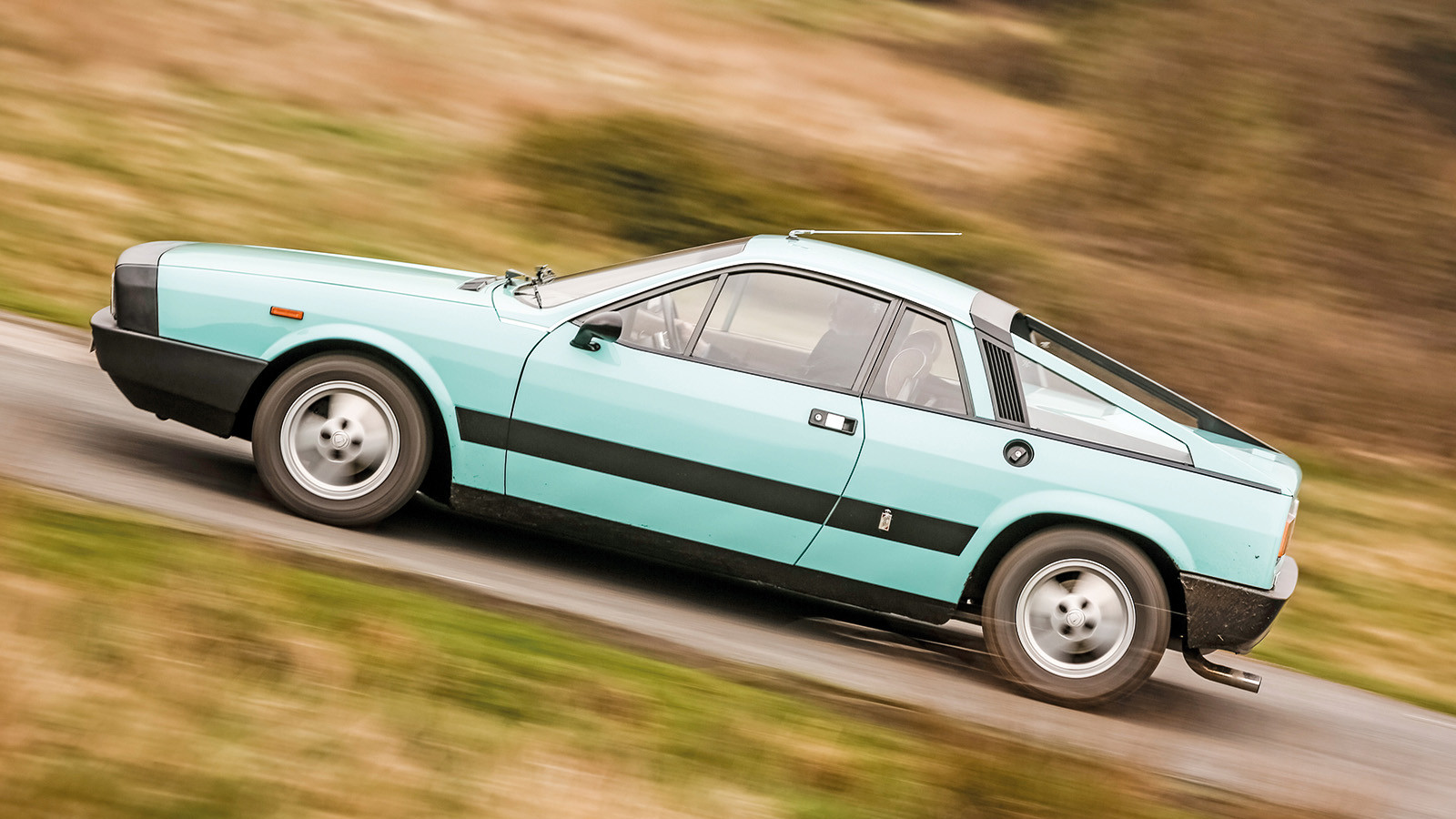
There must have been something in the air at Lancia in 1975, because the company introduced its mid-engined Montecarlo alongside the stylish Beta HPE in the same year.
The first series was sold as the Beta Monte-Carlo, the second simply called the Montecarlo.
The model had been intended as a big sibling to the Fiat X1/9, but it was only ever sold as a Lancia and called Scorpion for US buyers.
Cars for the US market were also sold with a 1.8-litre engine, but the rest of the world enjoyed a perkier, 2-litre motor.
Lancia took the unusual step of removing the Montecarlo from production in 1978 to sort out problems with the handling and front wheels locking under braking.
It was then reintroduced in 1980 and went on to sell a total of 7595 cars.
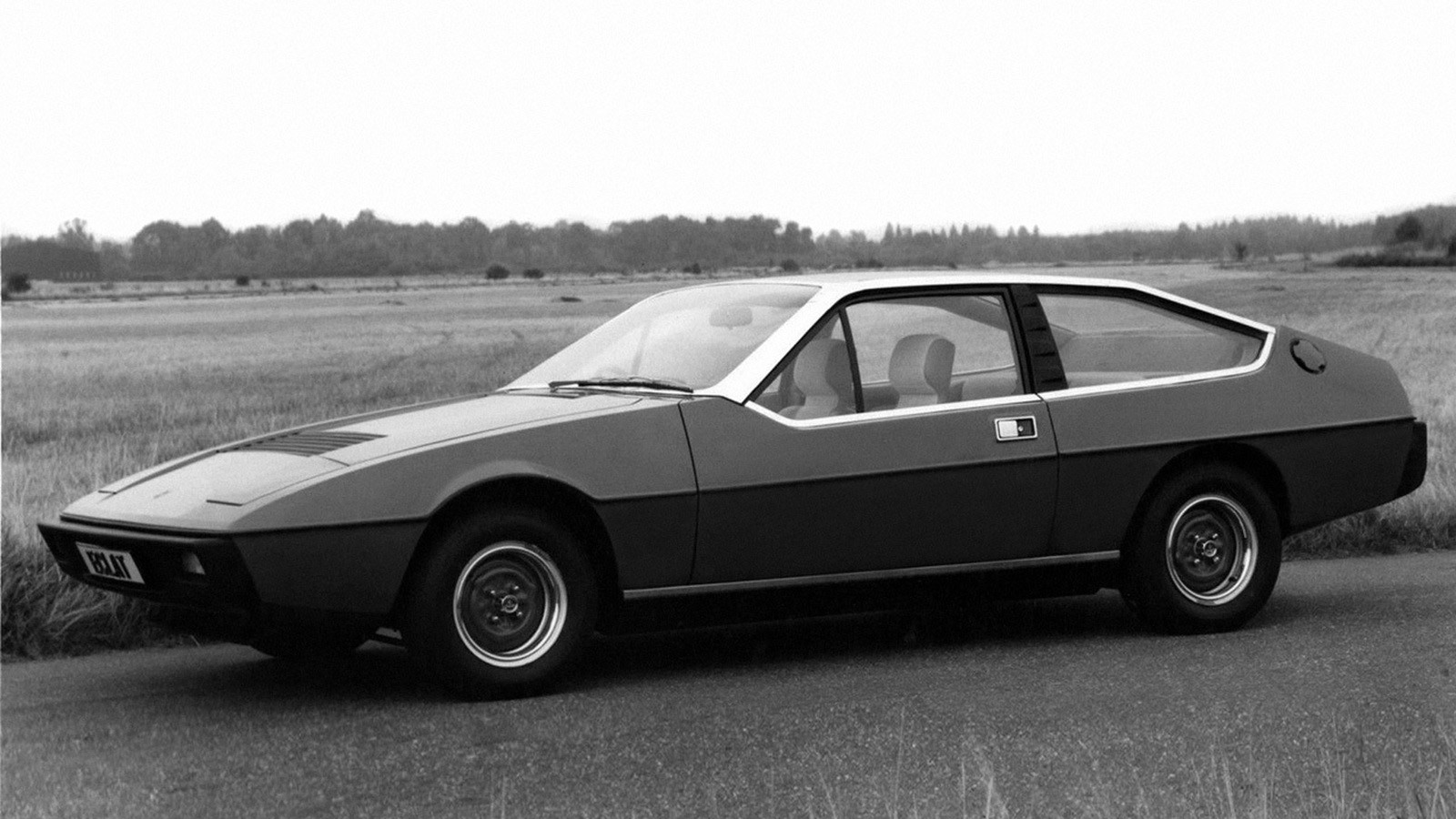
16. Lotus Éclat
Keen to break into the lucrative US market, Lotus was quick to revise its Elite coupé into the Éclat for 1975.
This brought a more traditional, fastback, rear-end look, but with the same front-end style as the Elite.
Underneath, the chassis and engine both remained the same, too, so drivers enjoyed a 2-litre, twin-cam, four-cylinder motor with 161bhp.
It was sufficient for 0-60mph in 7.8 secs and 124mph, all while being able to carry four people in more comfort than you’d expect of such a low-slung coupé.
Despite its more restrained looks, the Éclat’s production total of 1299 cars was easily outdone by its more radical Elite sibling, which found 2398 new buyers during much the same production period.
17. Maserati Quattroporte II
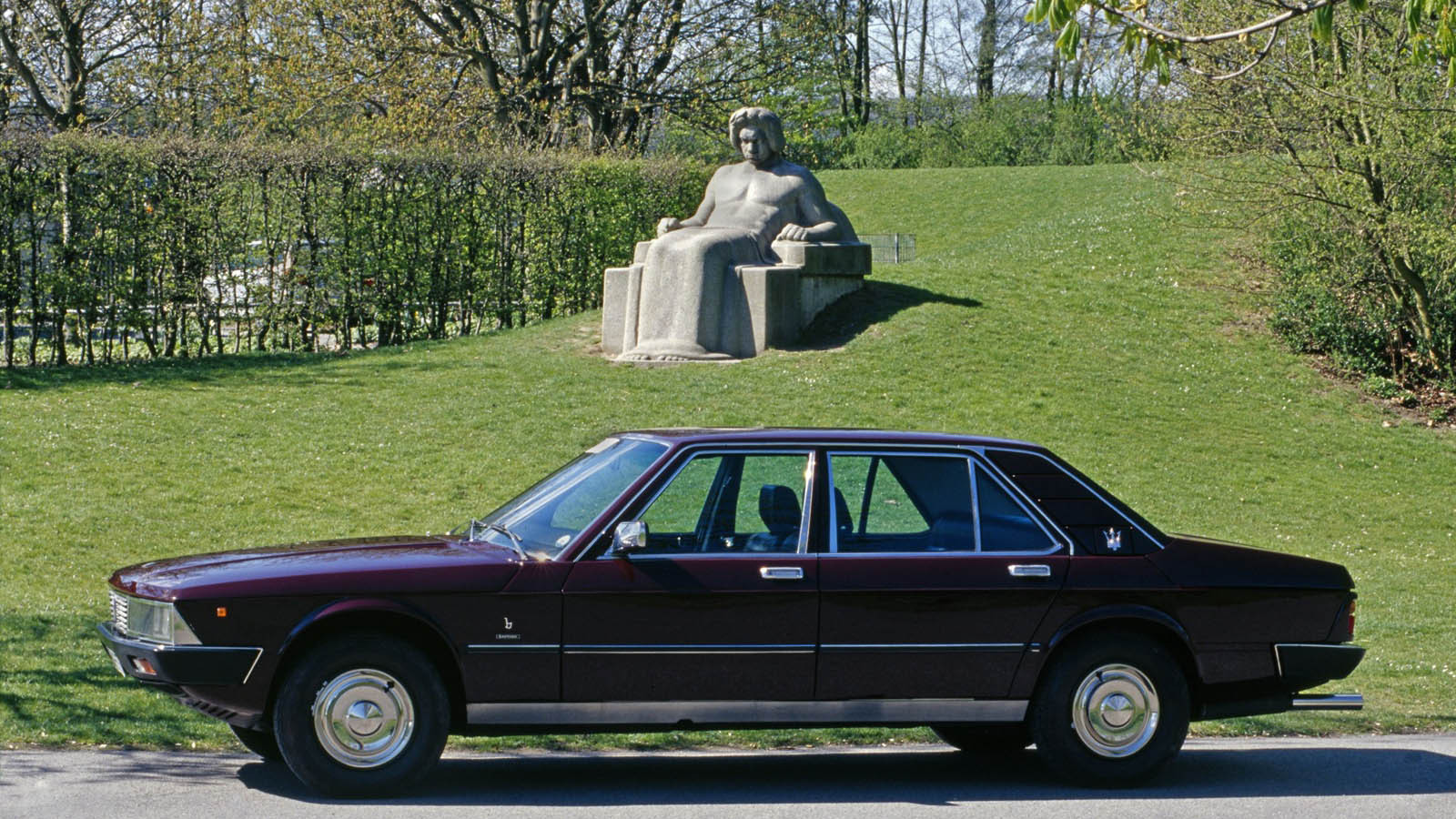
It took Maserati five years to revisit the four-door supersaloon idea with the Quattroporte II in 1975.
When it did, the second-generation Quattroporte was a very different machine and embraced all the technology on offer from its Citroën parent company.
As a result of this approach, the Quattroporte II used the same 3-litre V6 as the Citroën SM to drive the front wheels.
Unfortunately, the V6 didn’t have enough power to overcome the car’s considerable weight, so performance was far from what customers would expect of a Maserati.
Other techy touches for the car included hydropneumatic suspension, plus air conditioning and electric windows as standard.
None of this was enough to save the Quattroporte II from Maserati’s financial woes. Very few examples were made, between five and 13, depending on which source you trust.
18. Mercedes-Benz 123-series
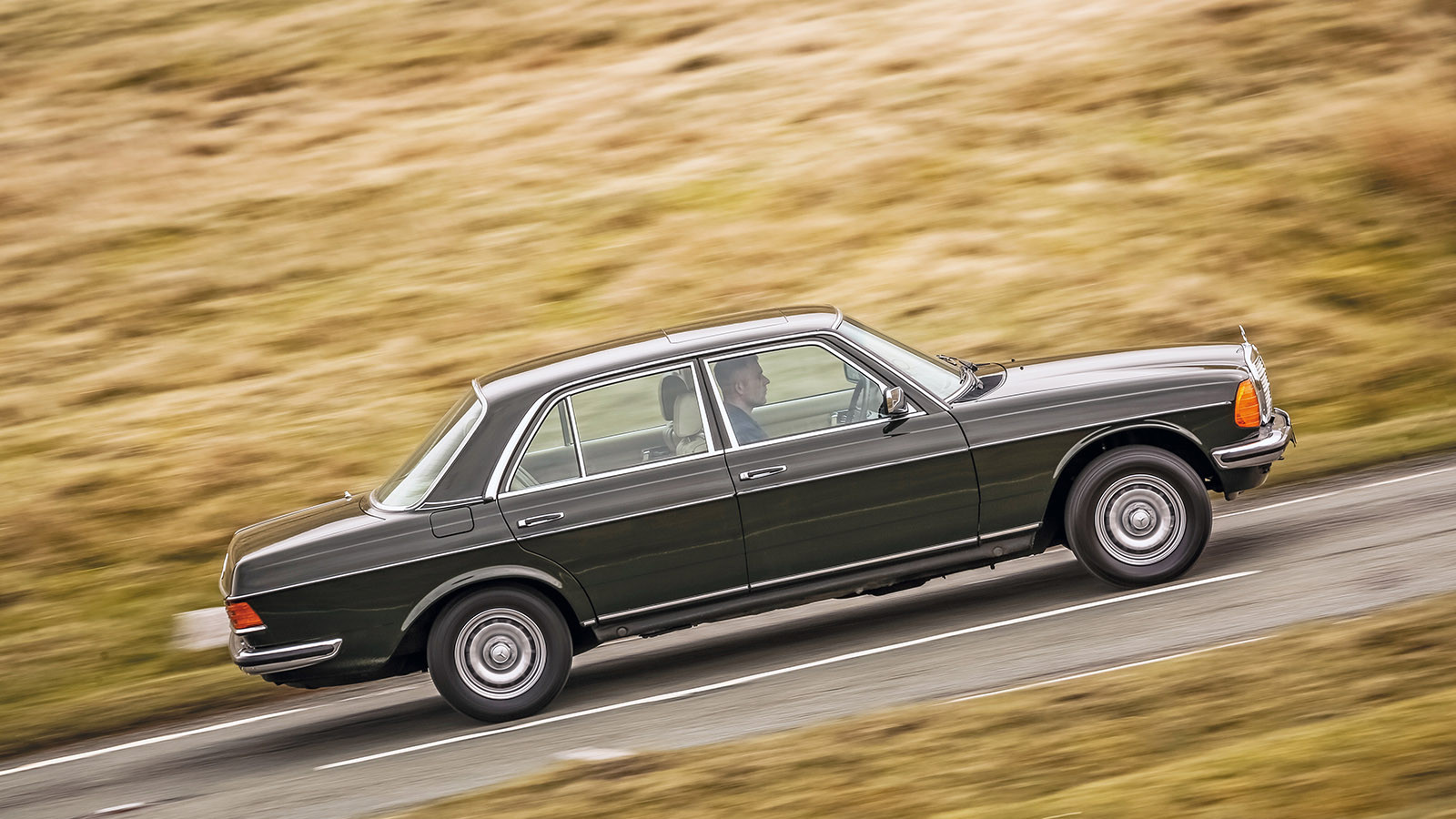
When the 123-generation Mercedes-Benz saloon took over from the gently ageing W114/W115 range, it was very much a case of evolution rather than revolution.
Not for Mercedes the angular styling and wedge shapes that were popular at the time.
What buyers got was a resolutely solid range of four-door saloons and estate models, with a choice of equally upstanding four- and six-cylinder engines.
There were also diesel engine options as there had been with the 123’s predecessors, but sales of these were slow outside Germany.
Mercedes added the handsome 124-series coupé to the line-up in 1977 and the 123 carried on until 1984, by which time almost 2.7 million of all variations had been produced.
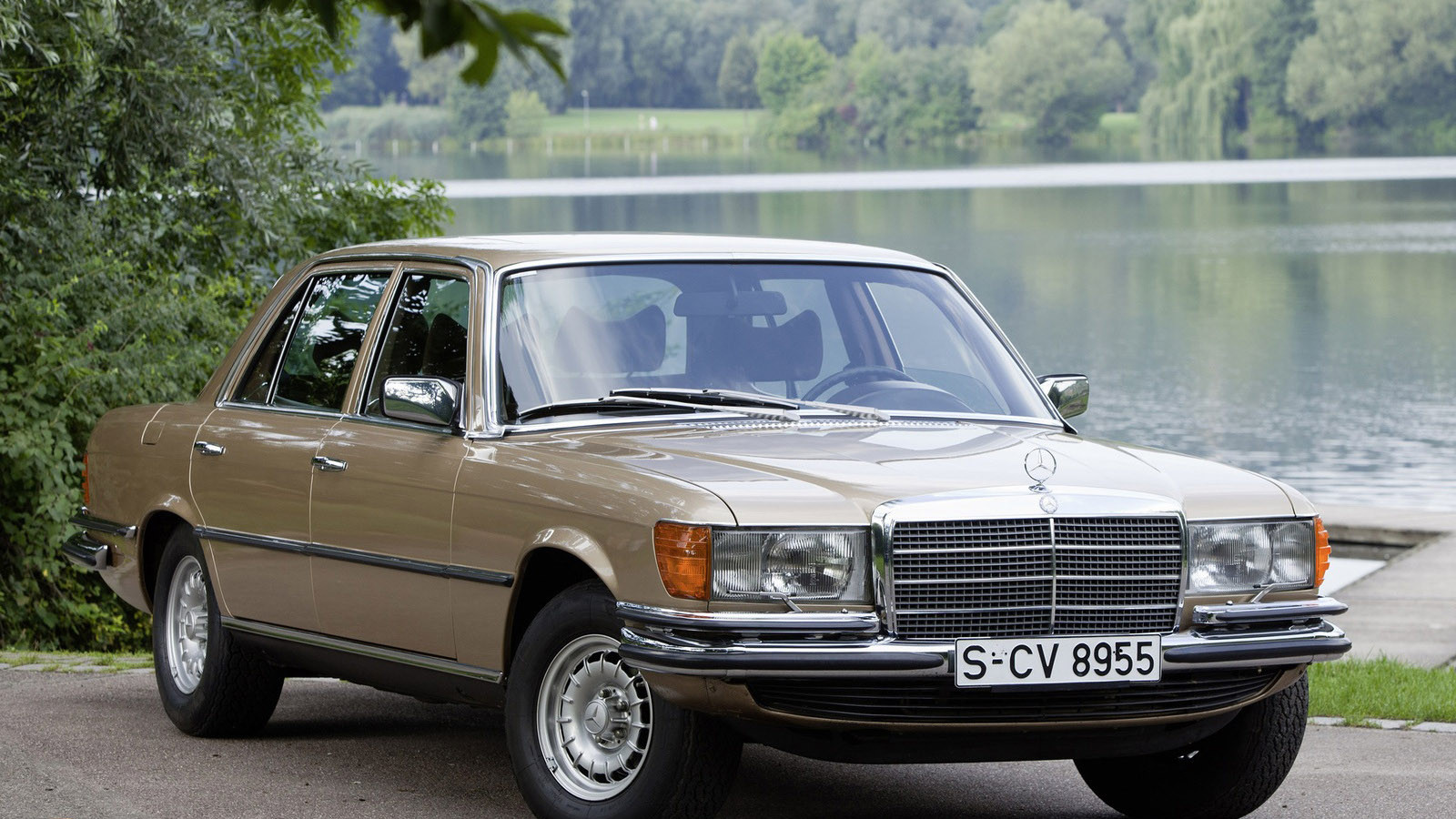
19. Mercedes-Benz 450SEL 6.9
If the 123-series saloon and estate were the most important new models for Mercedes-Benz in 1975, it was the 450SEL 6.9 that got the German firm all the headlines.
Following in the smoking tyre tracks of the earlier 300SEL 6.3, the 450SEL 6.9 packed in a huge V8 engine to turn the sophisticated saloon into a luxury hot rod.
With 282bhp, the 6.9 was good for 0-60mph in 7.3 secs and 140mph all out on the autobahn.
The only downside to this Jaguar XJ12 rival was the price, which was double what Jaguar charged for similar levels of performance, comfort and opulence.
That didn’t stop 7380 customers from ordering the 450SEL 6.9 as the ultimate Mercedes-Benz saloon of the time.
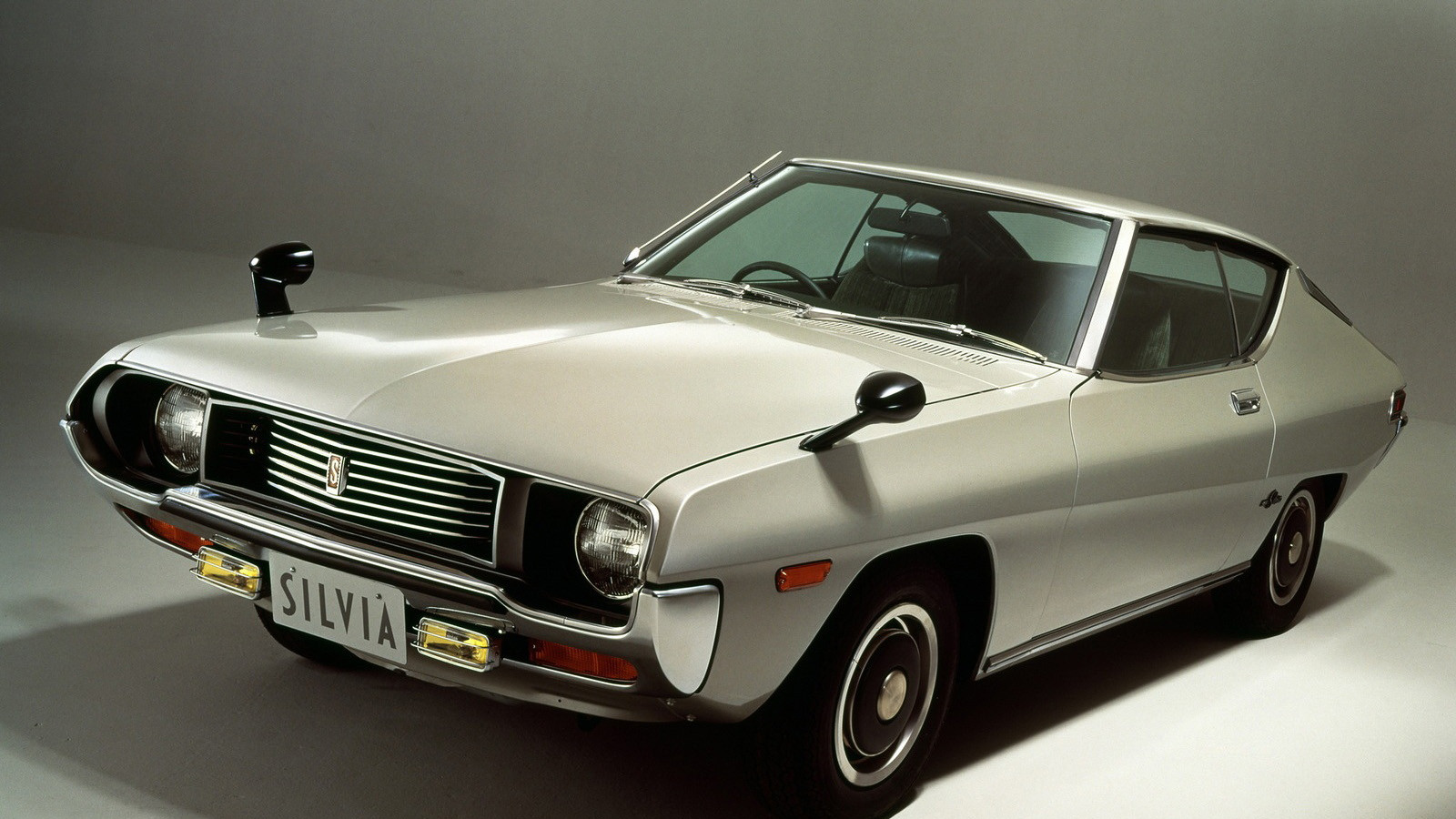
20. Nissan Silvia
Nissan had been on a sabbatical from fastback sporting cars since 1968, but came back with bang in 1975 with its S10 generation of Silvia.
Based on the Datsun Sunny Coupé, the Silvia had been meant to use a rotary engine, but concerns about economy as the world was in the grip of a fuel crisis saw a switch to 1.8-litre, four-cylinder motor. This was upgraded to a 2-litre engine for cars exported to the US.
Even though the Silvia’s handling was not considered nearly as good as a Mazda RX-7’s or Toyota Celica’s, Nissan sold 145,000 of its coupé model before it was replaced by the new S110 in 1979.
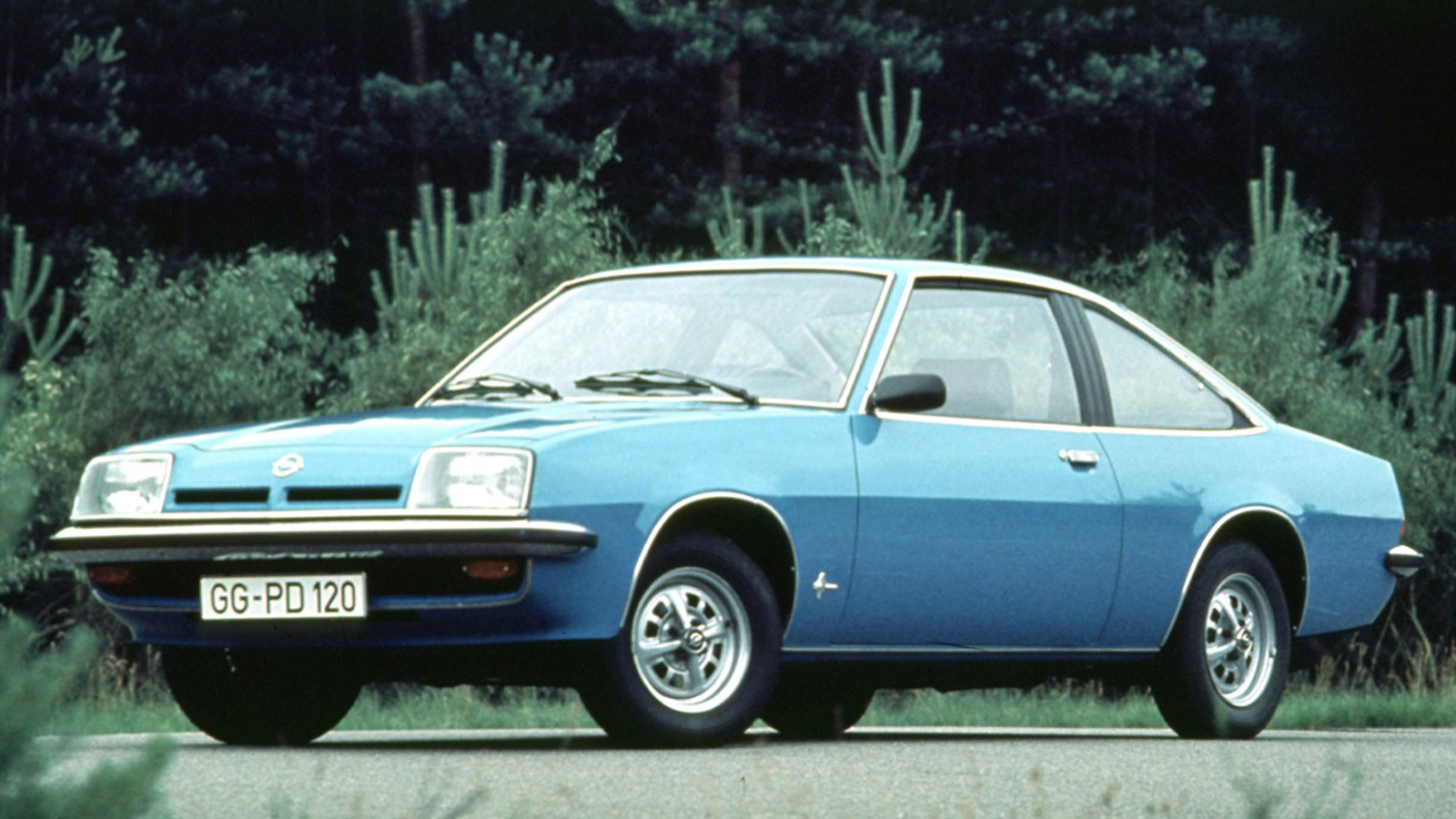
21. Opel Manta
It’s easy to see why Opel was keen to keep a Manta coupé in its line-up when the first-generation model had sold just shy of half a million cars.
For 1975, the second generation arrived, sharing all but its badges with the Vauxhall Cavalier coupé and hatch models for the UK market.
The Manta used the same floorpan as the Ascona/Cavalier saloons, and there was a wide range of engines on offer, from a humble 1.2-litre right up to a rapid 2-litre with 109bhp to give 0-60mph in 8.5 secs and 120mph. That was enough to keep a Ford Capri 3.0 in sight.
The ultimate version was the Manta 400 homologation model with 144bhp in base form but up to 275bhp in full rally spec.
A total of 236 Manta 400s were made, plus 448 Ascona 400 variants, which was on top of 534,634 of the standard models.
22. Panther Rio
The idea of a compact luxury car that didn’t flaunt your wealth in a time of economic difficulty was a good one and the Panther Rio fitted the bill.
British sports-car company Panther introduced its Rio in 1975 based on the Triumph Dolomite, but with hand-formed, aluminium body panels and a grille that made more than a nod to Rolls-Royce.
Inside, there was a completely re-trimmed cabin and plenty of wood detailing.
You could add to the luxury of your Rio by opting for the Especial model, which used Dolomite Sprint mechanicals over the less powerful 1850 base version.
It all sounded very appealing until you read the price-tag and realised a Rio cost as much as a Jaguar XJ12.
This stopped Panther’s sales in their tracks and the Rio was dropped in 1977, when just 38 had been built.
23. Peugeot 604
On paper, the Peugeot 604 had it all: a sophisticated, new V6 engine, independent suspension all round, disc brakes for all four wheels and even a four-speed, automatic transmission option.
When the on-paper spec met the real world, not even styling by Pininfarina could help it from customer indifference.
The looks were deemed too bland and the drive even less inspiring, which were two big problems when you had the likes of the Citroën CX, Ford Granada, and newly launched Renault 20 and 30 models to contend with.
Not even the French took the Peugeot 604 to their hearts. When this saloon reached the end of the line in 1986, Peugeot had sold a modest 240,100.
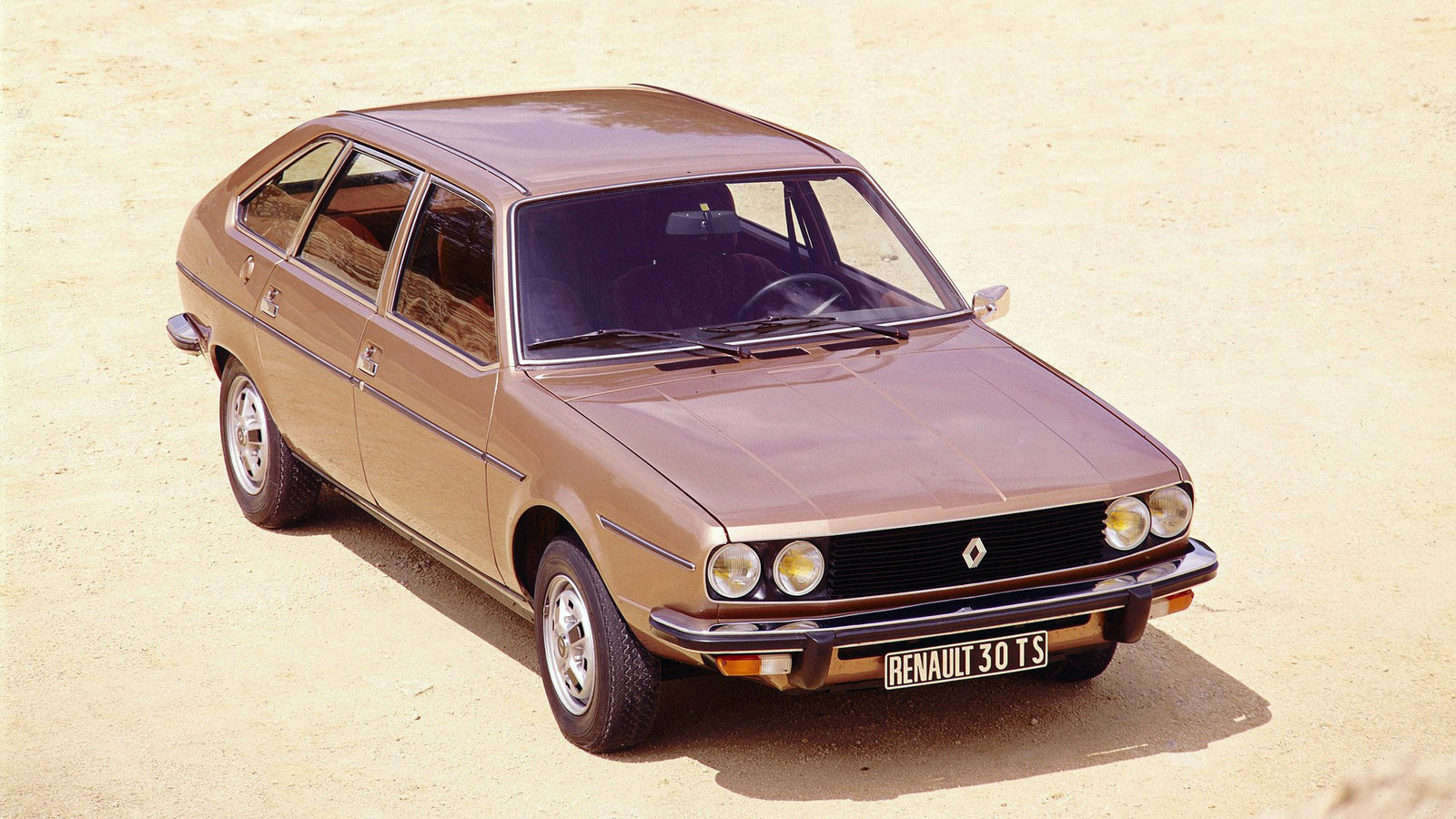
24. Renault 20/30
Renault decided to launch its new 30 first, ahead of the 20 with its smaller engine that was destined to be the bigger selling of the two cars.
A bold move perhaps, but one that earned plenty of column inches and group test wins.
The 2.7-litre, V6 engine in the 30 was smooth and there was a choice of a manual or automatic gearbox, and they came with disc brakes all round.
Smooth suspension and a 110mph top speed were enough to impress many executive buyers, while the 2-litre 20 that arrived towards the end of 1975 found plenty more who might have considered the 30 a touch too expensive.
The front-wheel-drive design of the 20/30 gave it generous cabin space and the hatchback rear made it more practical than its saloon rivals.
This all added up to sales of 160,265 of the 30 and 622,314 for the 20 when they were replaced by the 25 in 1984.
25. Rolls-Royce Camargue
The Camargue was an experiment many thought Rolls-Royce should not have bothered with, yet it found buyers despite (or possibly because of) its huge price-tag.
Regardless of opinion, it also continued to sell in small but steady numbers from 1975 all the way to 1985, when the Silver Shadow it was based on had long since been replaced.
Styled by Pininfarina and built by Mulliner Park Ward, the Camargue’s grille was inclined forwards by seven degrees, further angering Rolls-Royce purists.
However, there was no denying the cosseting luxury of the interior, which was the first in Rolls-Royce’s history to use split-level air conditioning.
Always an acquired taste, the Camargue went on to find 531 customers.
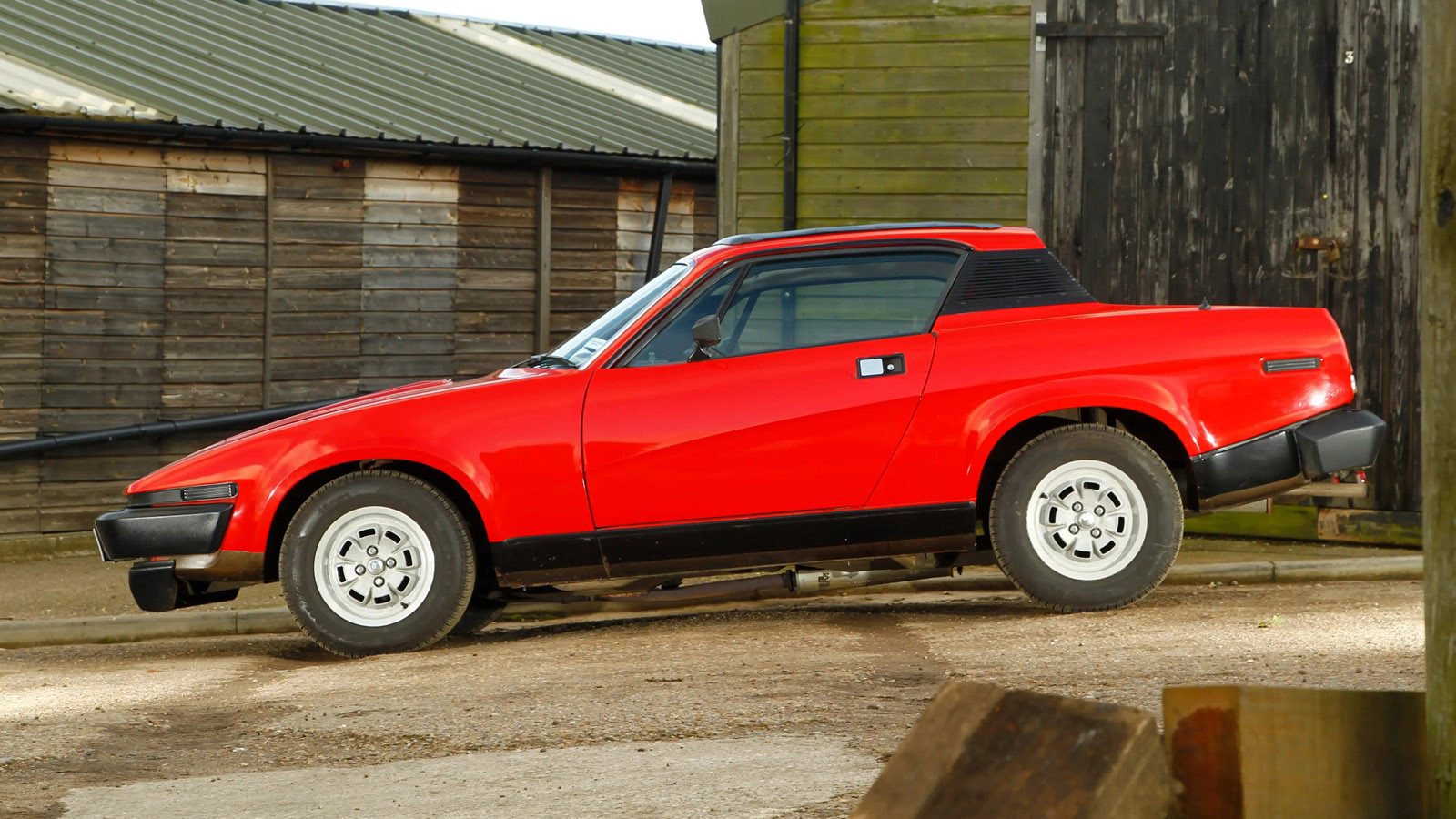
26. Triumph TR7
The Triumph TR7 started out as a bit of a disaster and then belatedly developed into a decent sports car.
When it arrived in 1975, the TR7 was a coupé rather than open-top due to fears about US legislation that might ban convertible cars. That didn’t happen, but the convertible TR7 didn’t show up until 1979.
Other problems the Triumph TR7 faced at its launch were quality issues, a four-speed manual gearbox and styling that divided opinion.
A five-speed manual was added as an option from late 1976, but there was always a feeling the TR7 wasn’t as raw or quick as the TR6 that preceded it.
Even so, the TR7 sold in greater numbers than any previous TR and, by the time production ended in 1980, 112,368 TR7s had rolled off the line.
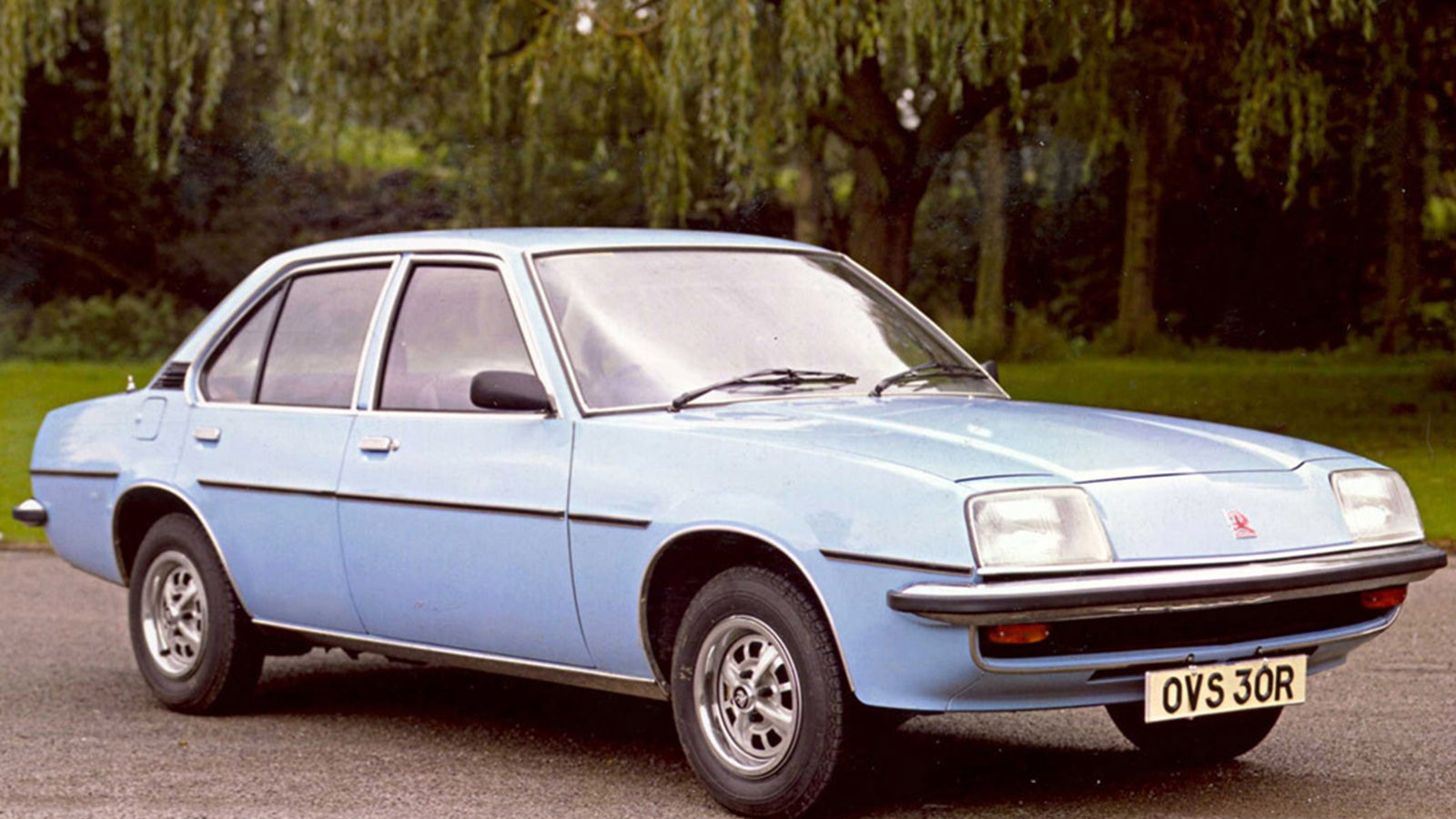
27. Vauxhall Cavalier
The Vauxhall Cavalier, and the Opel Ascona that was different only its front-end styling, was General Motors’ answer to the Ford Cortina.
It used a similar recipe to its arch rival, too, with a range of four-cylinder engines and rear-wheel drive in two- and four-door saloon bodies, but no estate model.
With a choice of trims to give buyers a chance to pick their ideal specification, the Cavalier and Ascona found plenty of favour with the emerging company-car market.
This helped boost sales of the Cavalier to 239,980 in total, while the Ascona notched up 1.5 million across Europe.
The Ascona was made in Antwerp, Belgium, while the Cavalier was built in the British town of Luton and offered a UK-only, 1.3-litre engine below the usual 1.6-, 1.9- and 2-litre motors.
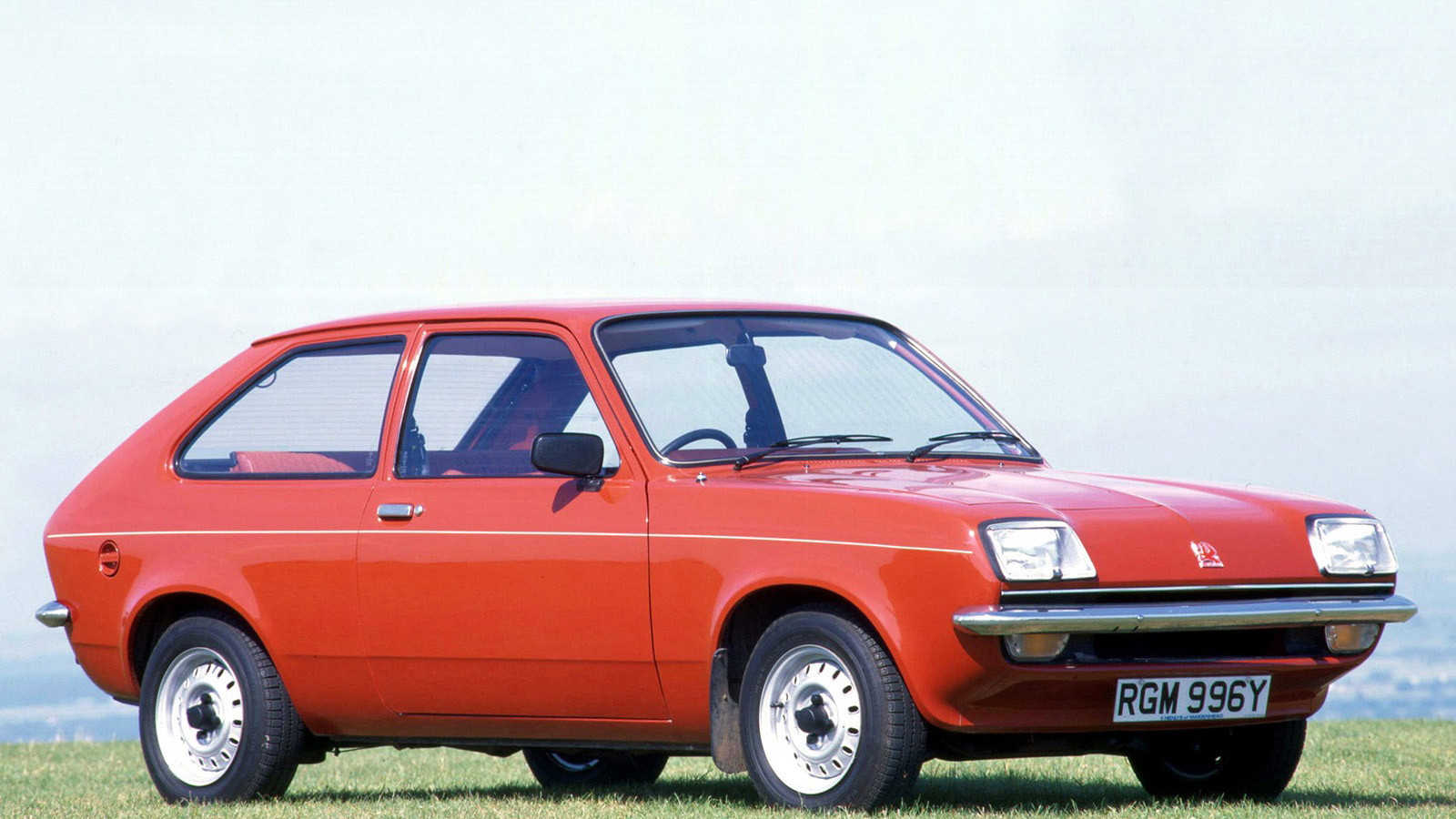
28. Vauxhall Chevette
General Motors provided its T-Car platform to its various sub-divisions and, for the UK, Vauxhall devised the Chevette.
There was a choice of three-door hatch or estate, or two- and four-door saloons, plus a van based on the estate version. This variety helped Vauxhall sell 415,608 Chevettes by the time it went off sale in 1984.
The front-end styling of the Chevette was unique to Vauxhall and all came with the 1256cc, four-cylinder engine that was carried over from the Viva.
While not as peppy as the larger engines in the Ford Escort, the Chevette did well against smaller-engined rivals and could reach 90mph flat out.
If you wanted more performance from a Chevette, you would have had to dig deep into your pockets for the HS homologation special with its 135bhp, 2.3-litre, slant-four engine. Only 400 were made, while the 150bhp HSR was rarer still, with only 50 produced.
29. Volkswagen Golf GTI
The debate about which car was the very first hot hatch will rage on, but there’s no doubt it’s the Volkswagen Golf GTI of 1975 that took this breed mainstream.
Starting as an off-the-books project by some dedicated Volkswagen engineers to create a ‘Sport Golf’, the idea was given the green light by VW management in May 1975.
The original plan was to aim to sell 5000 when the car was unveiled at the Frankfurt motor show in September of the same year.
With a 1.6-litre, fuel-injected engine, the VW Golf GTI was capable of 0-60mph in 10 secs and 113mph.
This was strong stuff for the time and the GTI was marked out by its chin spoiler, alloy wheels, wheelarch extensions and tartan cloth upholstery. It also came with its trademark golf-ball gearknob.
The plan to sell 5000 quickly went out the window as sales rocketed. By the time the Mk1 was replaced in 1983, Volkswagen had sold 456,690 of its first GTI model.
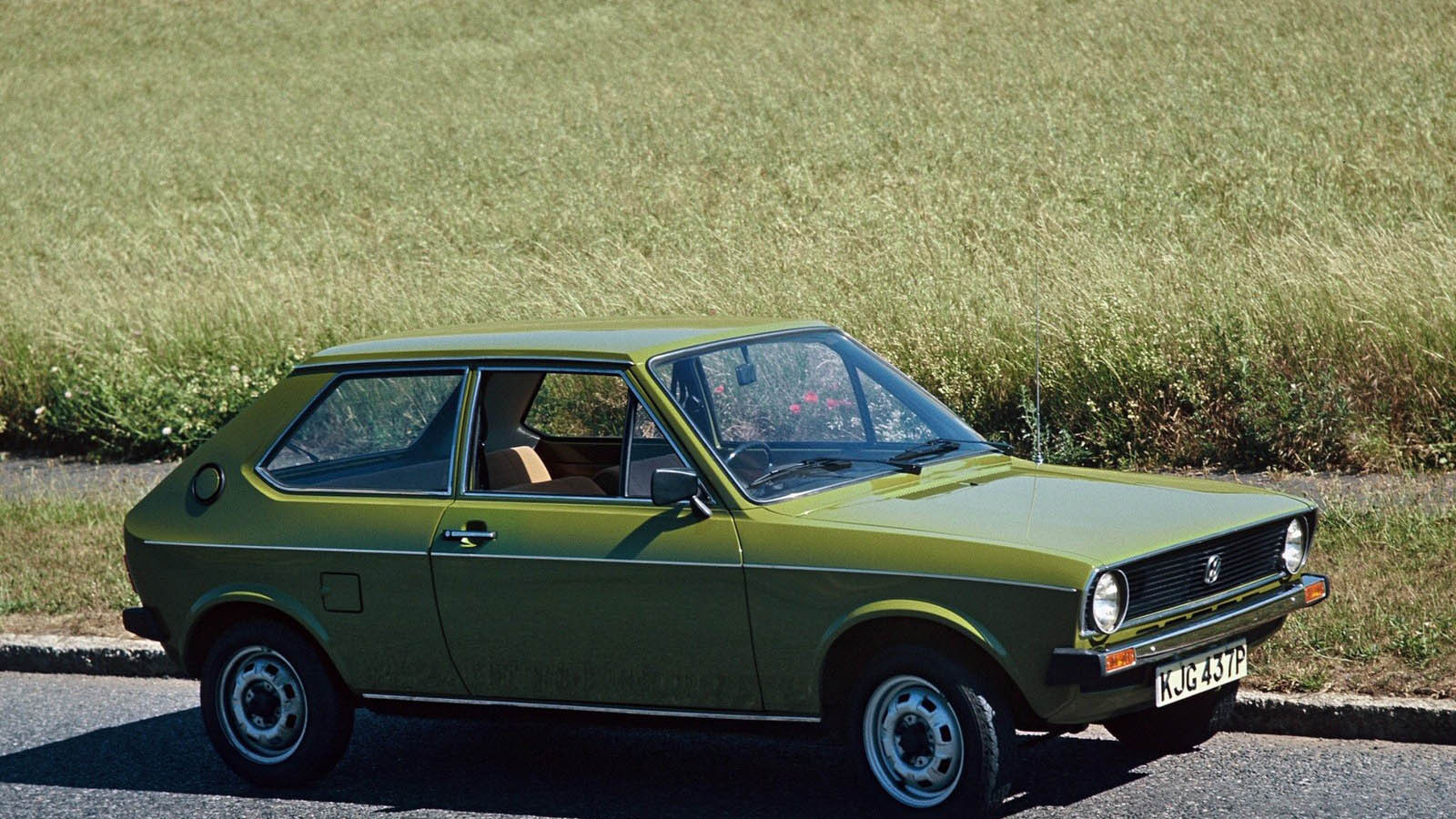
30. Volkswagen Polo
By any standards, 1975 was a seminal year for Volkswagen.
Not only did it launch its era-defining Golf GTI, the German car maker introduced its Polo supermini to take on the likes of the Ford Fiesta and Renault 5.
The Polo’s arrival completed a new car onslaught from VW that had started with the Passat in 1973, followed by the Golf hatch in 1974.
Styling by Bertone gave the Polo pert looks, while the cabin was functional but roomy and very well put together.
That was unsurprising given the Polo had initially been called the Audi 50, but quickly morphed into the Volkswagen model.
Power came from frugal, reliable, 895cc, 1.1- or 1.3-litre engines that could all offer more than 40mpg and as much as 95mph flat out with the largest of the trio.
These numbers added up for many drivers and Volkswagen went on to sell 768,200 first-generation Polos, plus 303,900 of the Derby saloon that was just a Polo with a boot.