

More than a century of success
The US famously has a trio of long-established car manufacturers known as the Big Three, and so, perhaps slightly less famously, does France, where Citroën, Peugeot and Renault have traditionally occupied similar positions to Chrysler, Ford and General Motors.
Renault is alphabetically last in the French group but second in age, having been founded a little more than 125 years ago.
The range of models it has produced in that time is enormous, thanks partly to a major change of emphasis caused by its post-war nationalisation.
We hope to give some idea of that diversity in this list of 31 memorable Renaults, all of them manufactured in the 19th and 20th centuries.
1. 1898 Renault Voiturette
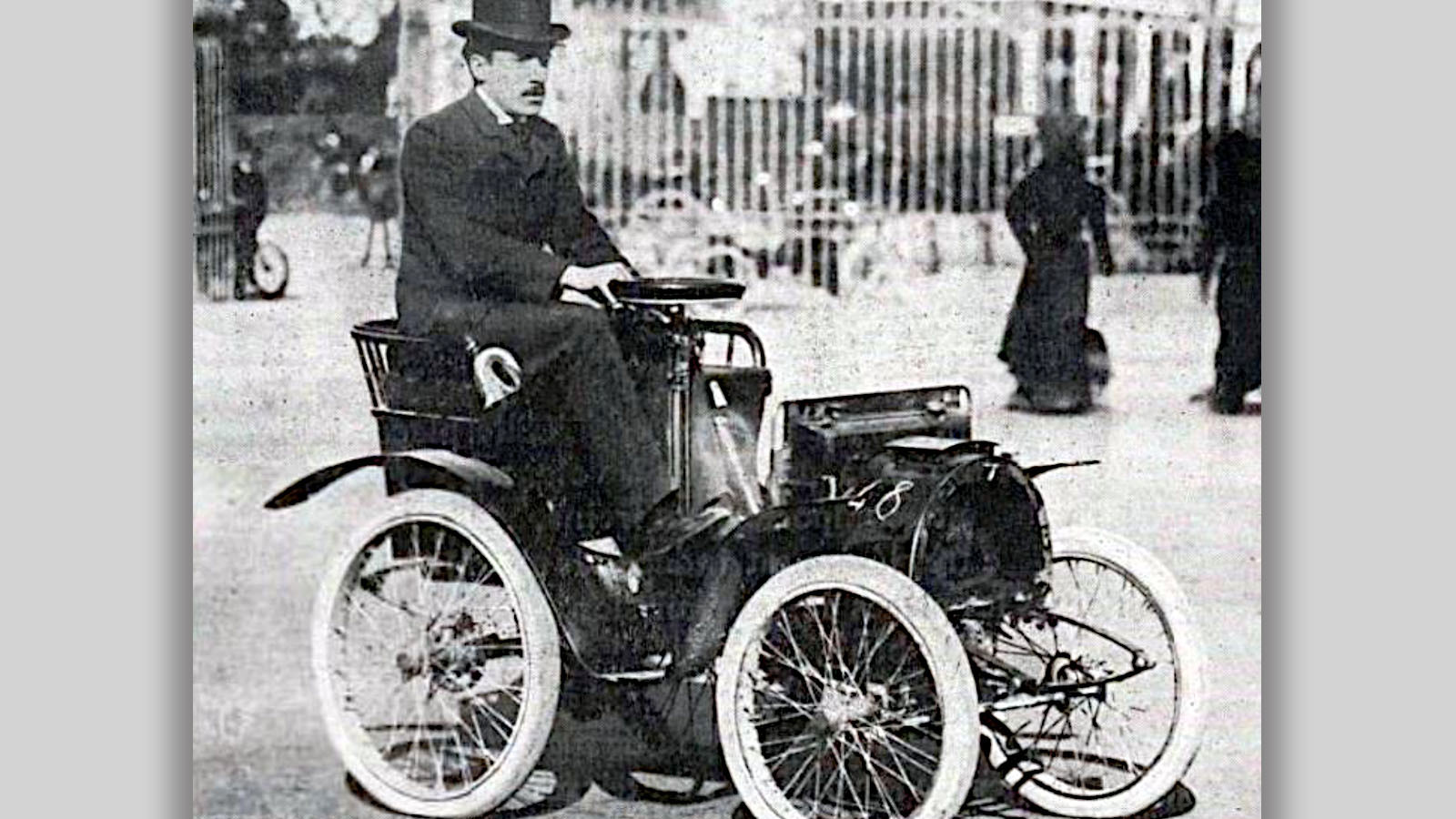
Rue Lepic, named after a French army general, is a steep, narrow street in the 18th arrondissement of Paris, and presents a challenge to anyone wanting to climb it.
For most of 1898, doing this was possible only if you were on foot, or riding or being pulled by a horse, but in December of that year Louis Renault (pictured) showed that he could drive up it in his single-cylinder Voiturette.
The car was only a prototype, but this sensational performance created an immediate demand for replicas, which in turn led to Louis and his brothers Marcel and Fernand establishing Renault as a manufacturer in 1899.
All subsequent Renaults owe their existence to the success of the Voiturette, which was significantly updated several times during its short production run.
2. 1905 Renault Type AG
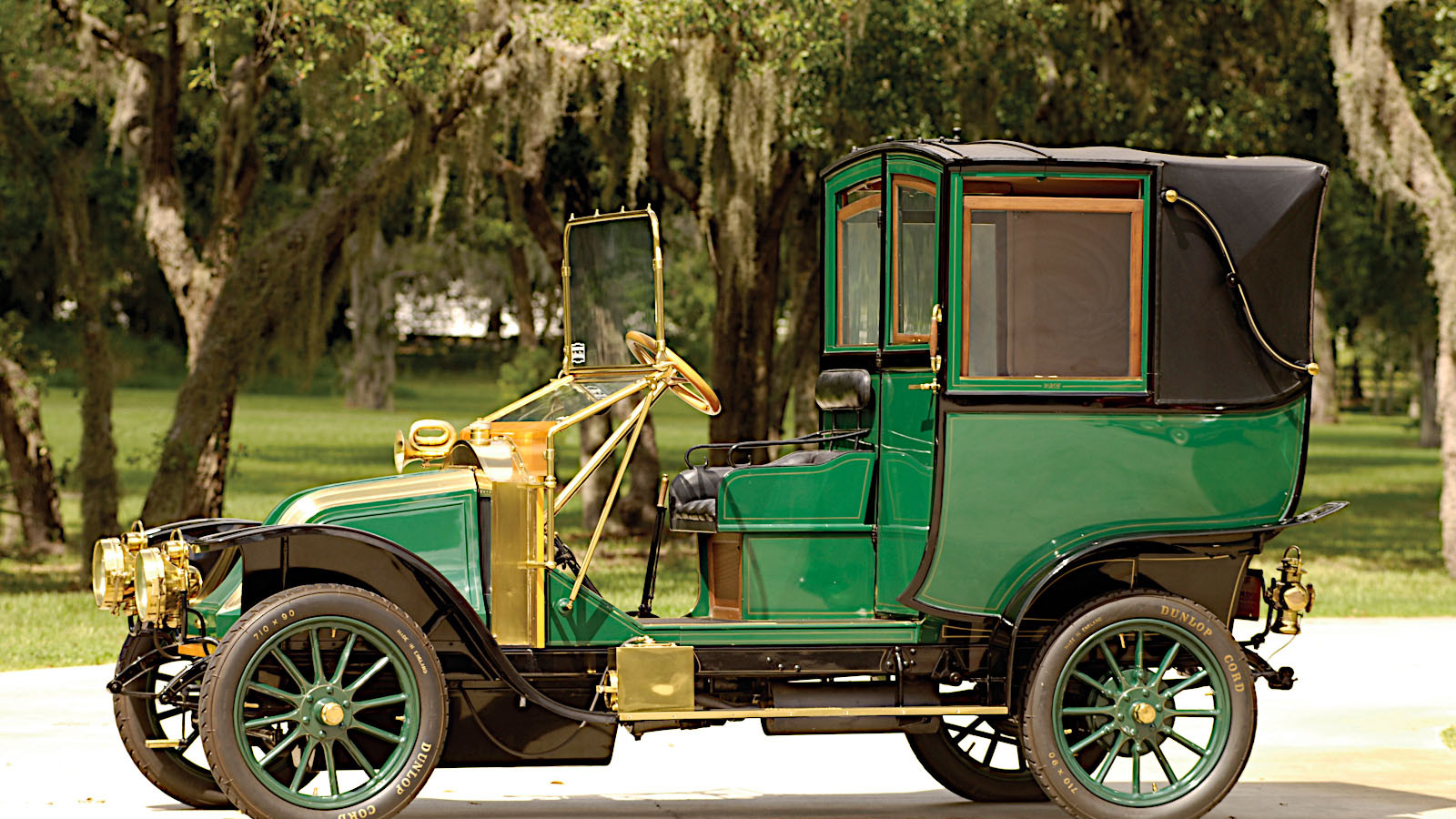
Renault took advantage of the rapidly growing market for petrol-engined taxis with the 1.2-litre, two-cylinder AG.
Annual production soared from 250 in 1905 to 1500 just three years later, and AGs were soon a common sight in both Paris and London.
The model is often referred to as the ‘Marne taxi’ because, by Renault’s figures, 1500 examples were used to transport 6000 French troops to the devastating Battle of the Marne in September 1914.
In a conflict which saw approximately half a million people killed or wounded over the course of a week, the role of the Renaults is not regarded as significant in practical terms, but very much so in its psychological effect.
3. 1911 Renault 40CV
Few of today’s mainstream manufacturers can claim to have built anything as magnificent as the 40CV.
In production from 1911 to 1928, it was Renault’s flagship car, offering both luxury and – thanks to a straight-eight engine whose capacity rose from 7.5 to 9.1 litres – tremendous performance for the period.
A 40CV won the Rallye Monte-Carlo in 1925, and the following year a single-seater version with aerodynamic bodywork set a number of speed records at Montlhéry, including one of 108mph for 24 hours.
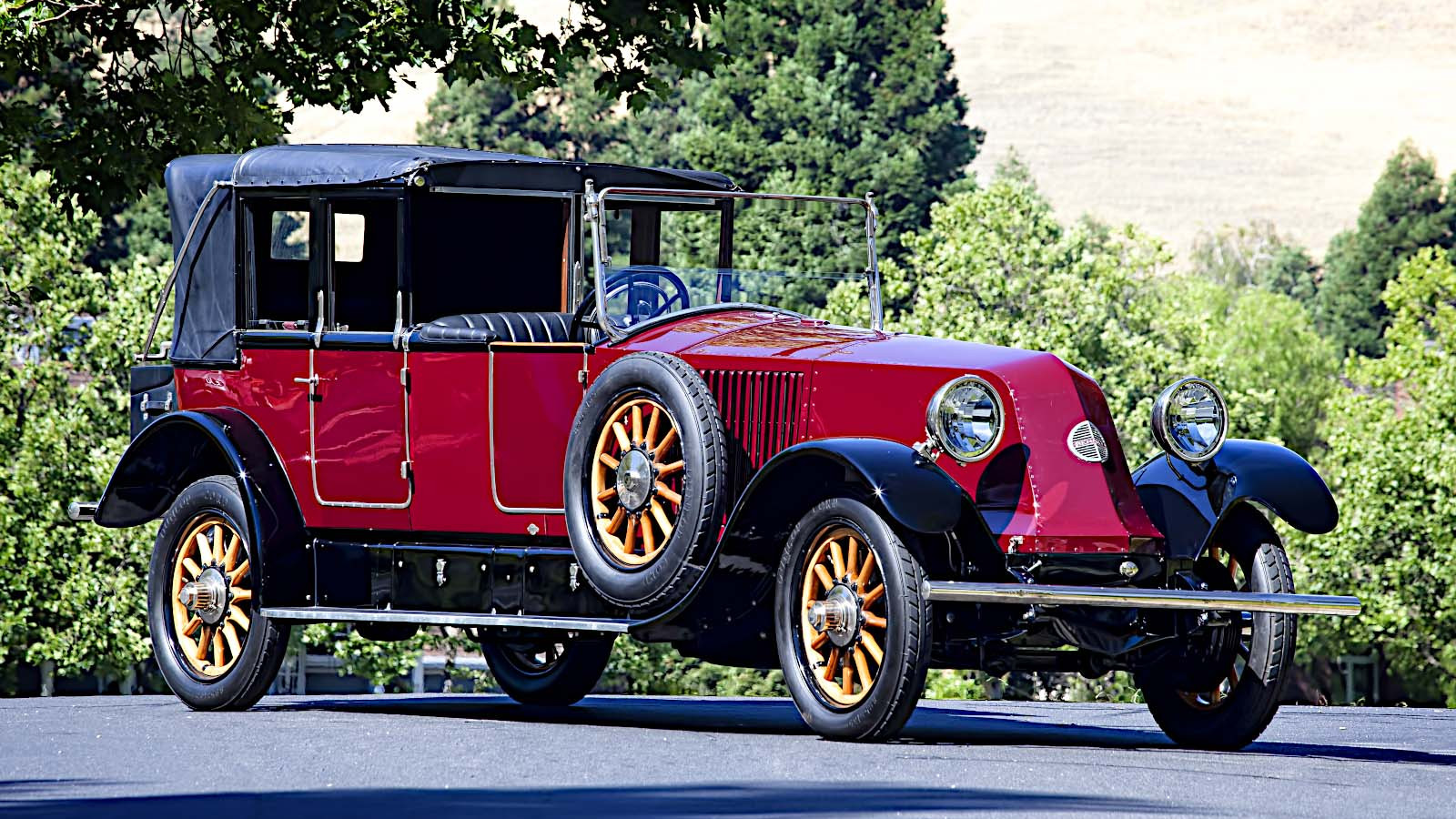
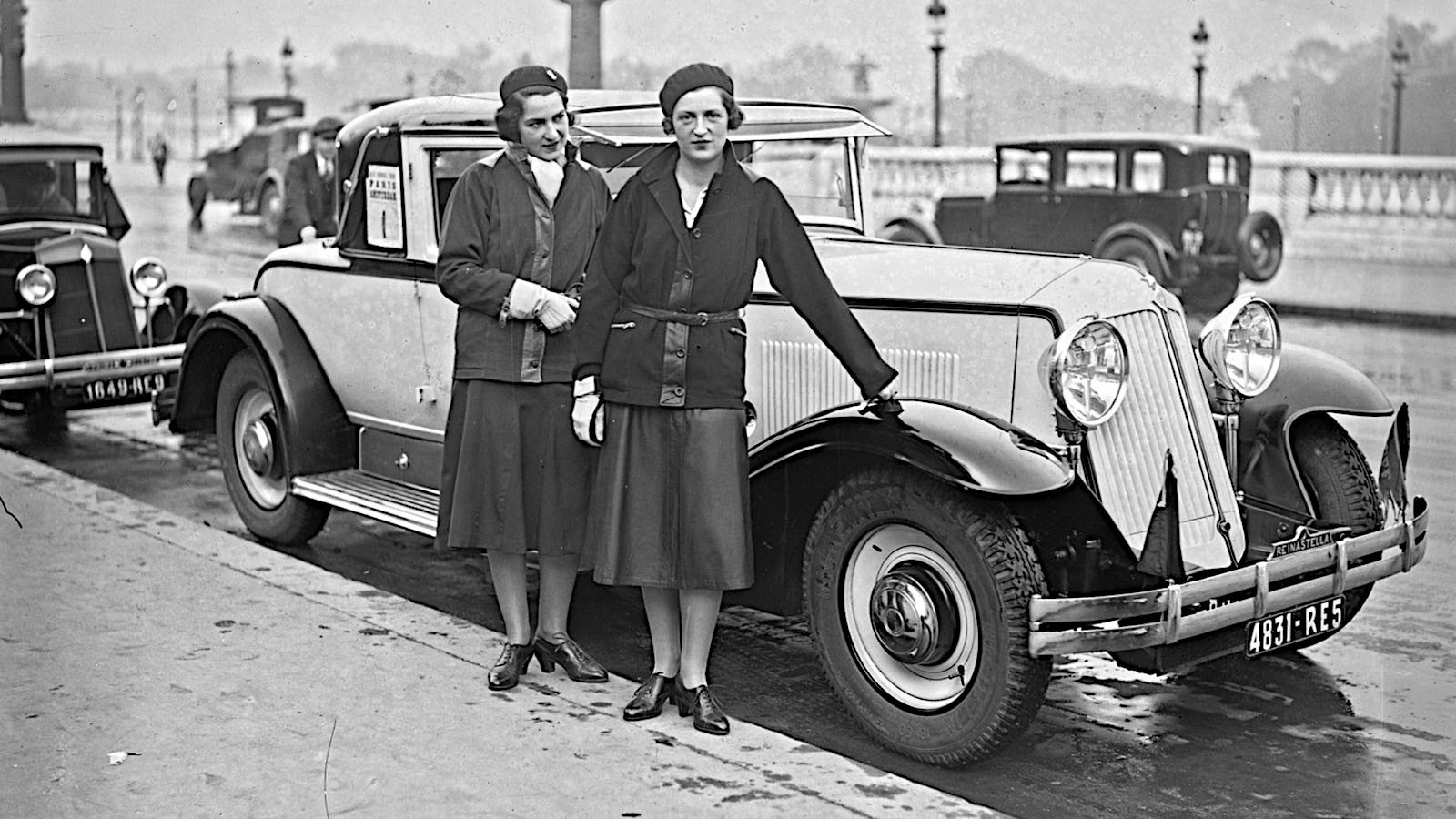
4. 1928 Renault Reinastella
In the late 1920s, Renault began using the suffix ‘stella’ to denote its most luxurious cars.
The Reinastella, which succeeded the 40CV as Renault’s ultimate model and could be spoken of in the same breath as contemporary Rolls-Royces and Cadillacs, was the first of these, and also the first with an eight-cylinder engine, which led to it being temporarily named ‘Renahuit’ for its public debut at the 1928 Paris show.
Another innovation, at least as far as the company was concerned, was to mount the radiator in front of the 7.1-litre straight-eight, reversing previous policy and making the characteristic ‘coal scuttle’ bonnet impossible.
Like other grand, expensive cars, the Reinastella suffered from being introduced just before the onset of the Great Depression, and according to Renault’s own account only 405 examples were built before production stopped in 1932.
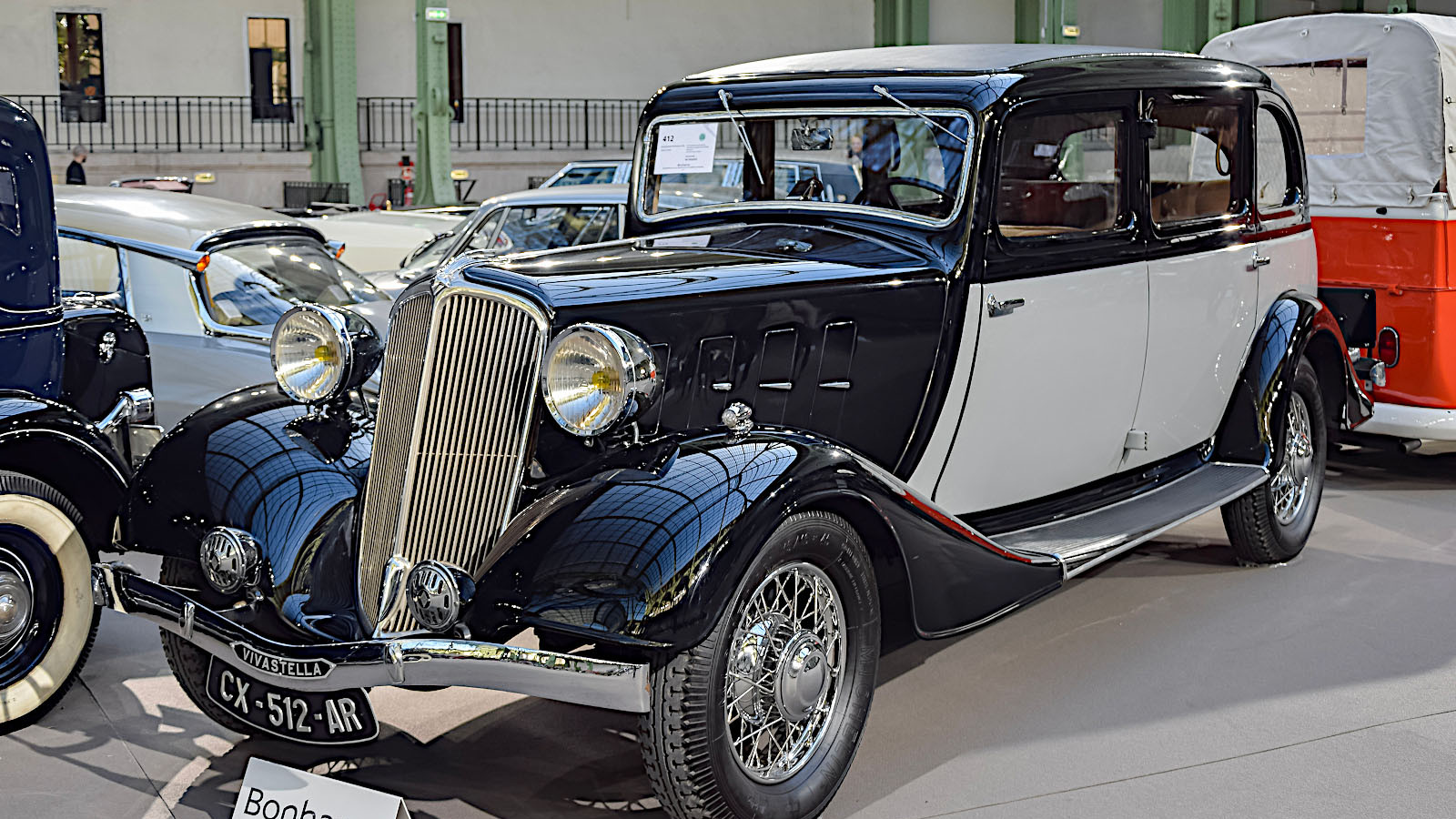
5. 1929 Renault Vivastella
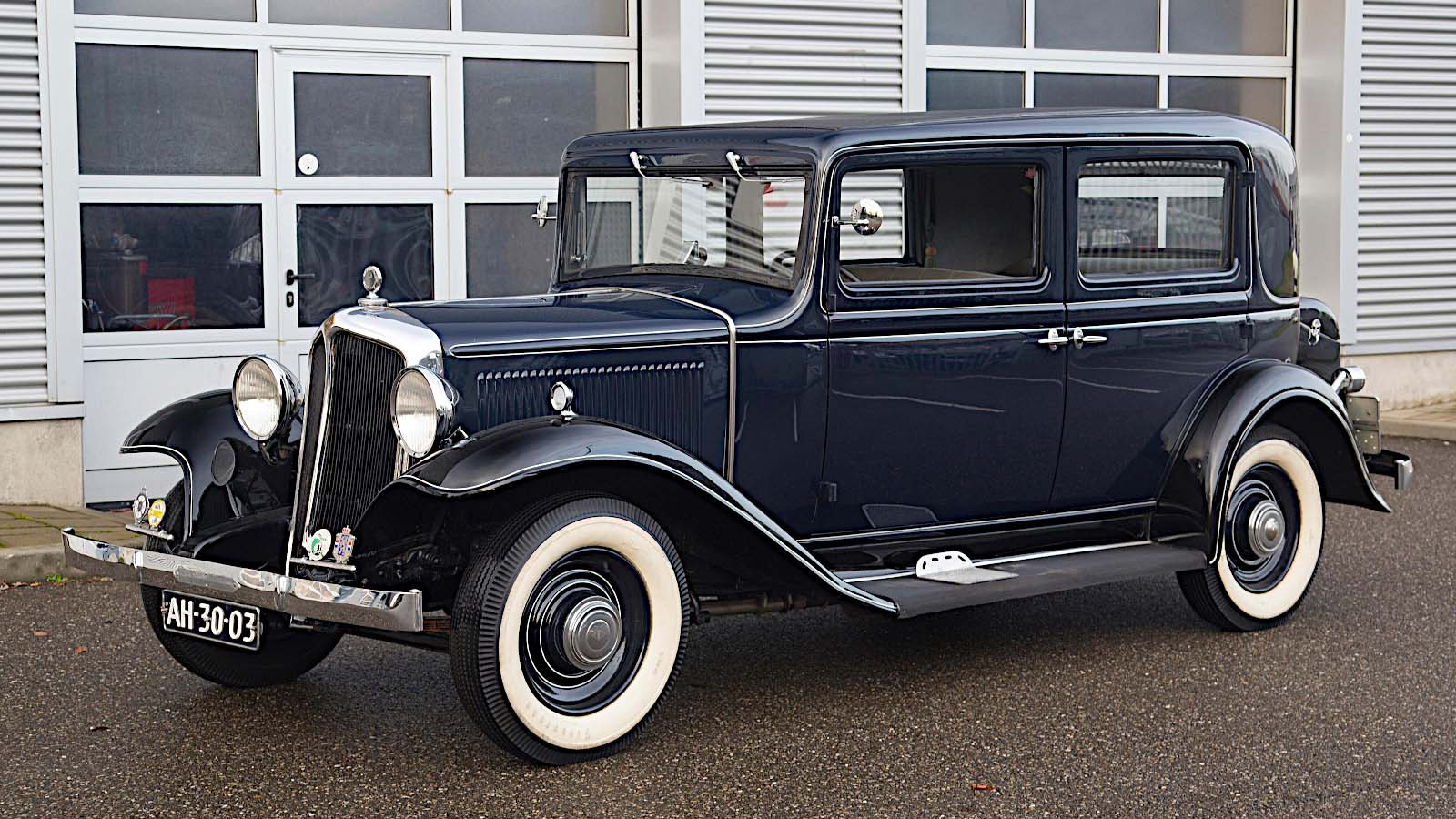
In modern terms, the Renault Vivastella was what would be called an executive car, with a straight-six engine whose capacity was increased several times through the 1930s, from 3.2 to 4.1 litres.
The appearance changed even more substantially, as Renault adopted the aerodynamic styling which became fashionable in the motor industry during the decade.
In 1934, Renault introduced a variant called the Vivastella Grand Sport, later known as the Viva Grand Sport.
This stylish roadster was designed by Marcel Riffard of the Caudron aeroplane company, in which Renault had recently taken a controlling interest, and appropriately promoted by aviator Hélène Boucher, who died in a plane crash shortly afterwards.
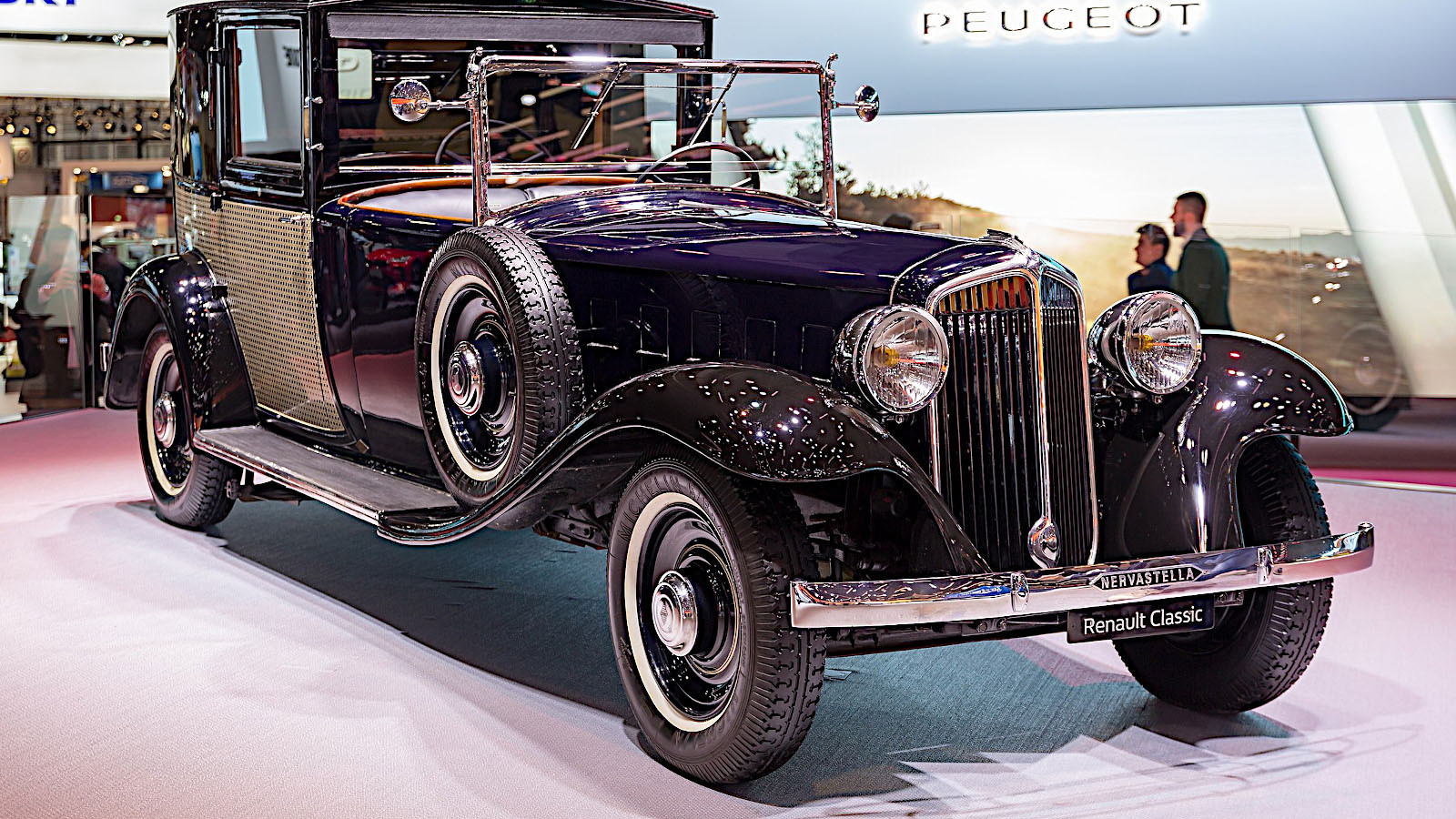
6. 1930 Renault Nervastella
The Renault Nervastella was to some extent simply a longer version of the Vivastella, but with a very different engine.
It was the marque’s second car after the Reinastella to be powered by a straight-eight, though in this case the capacity started at 4.2 litres and was raised during the model’s lifetime to 5.4 litres.
Like the Vivastella, the Nervastella demonstrated a change of priorities in body styling, starting out as something which would not have surprised anyone in the 1920s and ending as very much a product of the new fashion for streamlining.
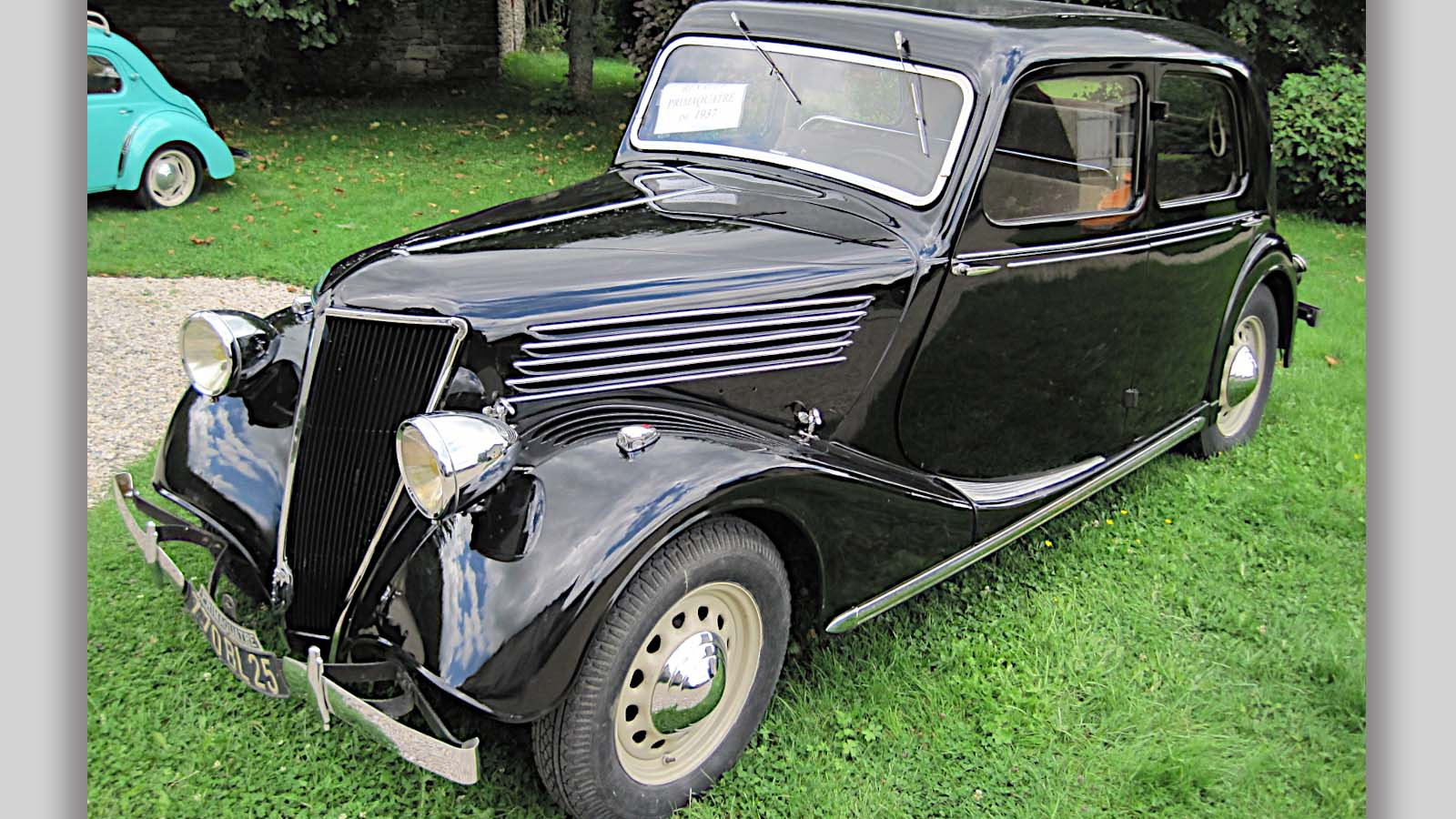
7. 1931 Renault Primaquatre
By now well established as a manufacturer of luxury cars, Renault also catered for less-wealthy customers.
The Primaquatre replaced the Type KZ 10CV of the 1920s, but used the same 2.1-litre, four-cylinder engine which made it, according to the advertising department, ‘surprisingly fast and economical’ and, according to The Autocar, a ‘hearty, strong kind of machine’.
As with the more expensive models, Renault made the engine larger, taking it to 2.4 litres in 1936, and replaced the original body with a much sleeker one.
A more powerful version of the 2.4 was used in the Primaquatre Sport, which was introduced in 1938 and available as both a saloon and a two-seat convertible.
8. 1932 Renault Nervasport
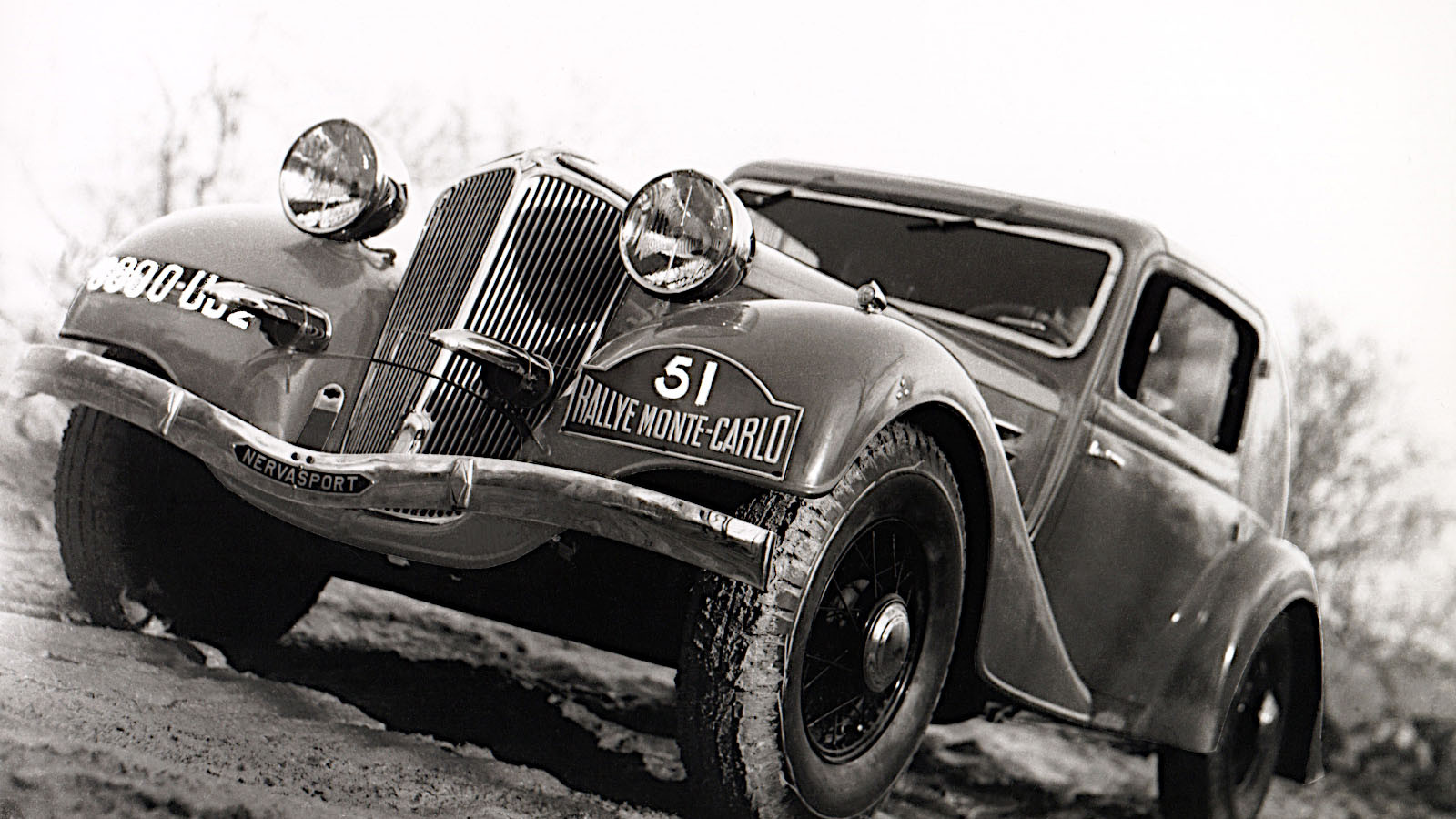
Renault’s Nervasport, a smaller derivative of the Nervastella with the same engine, was used to repeat two of the successes achieved by the 40CV in the previous decade.
An aerodynamic single-seater, with bodywork designed by Marcel Riffard, spent a weekend in early April 1934 setting new records at Montlhéry, the most impressive being 48 hours at an average of 104mph.
That car was far too highly modified to be eligible for the Rallye Monte-Carlo, but the more standard version pictured here won that event in January 1935, exactly a decade after the 40CV had done the same thing.
9. 1932 Renault Vivaquatre
The Vivaquatre was a close relative of the Primaquatre, and went through the same process of having its engine enlarged and its body streamlined in the mid 1930s.
It was substantially longer even in standard form, though, and longer still in the case of the KZ11, which had seven seats.
This version was ideally suited for use as a taxi, and was indeed used as such by the G7 taxi company, which was formed in 1905 and is still in business today.
The car worked so well in this context that G7 continued using it for many years – up to the mid 1960s, according to Renault.
10. 1937 Renault Juvaquatre
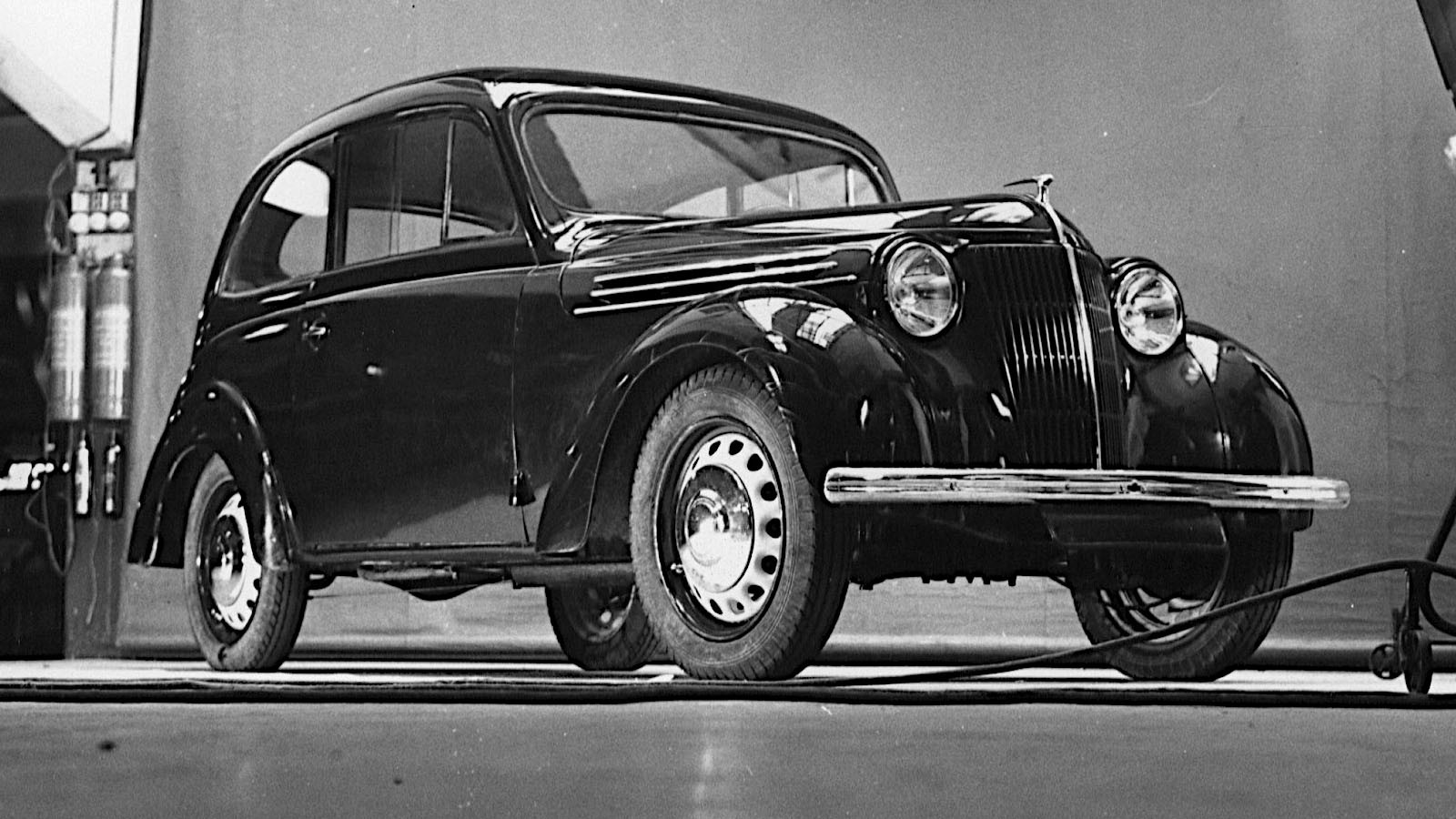
Small, inexpensive and economical, the Renault Juvaquatre can be seen as a distant ancestor of today’s Clio.
A close resemblance to the first-generation Opel Kadett was noted with some concern in Germany, and in using unibody construction and independent front suspension for the first time Renault was following rather than leading fashion.
Still, the little French car with the 1-litre engine was a big success, remaining in production (at least in one of its many forms) until 1960, by which time over a quarter of a million examples had been built.
11. 1947 Renault 4CV
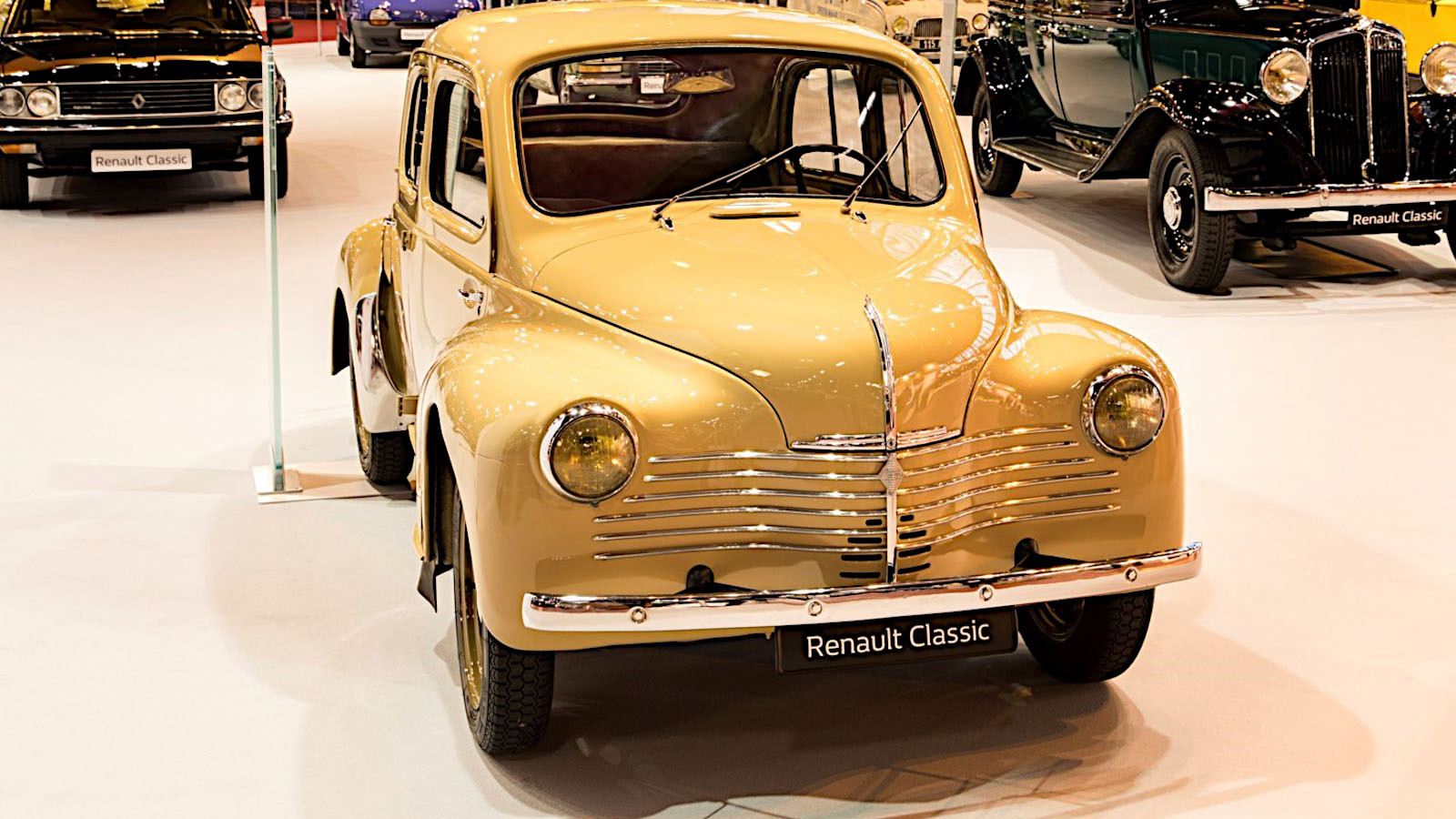
Newly nationalised under a Socialist government, Renault might have been expected to come up with a car for the masses immediately after the Second World War, but in fact Louis Renault had foreseen a need for ‘a small car that sells at a low price and is cheap on petrol’ – a new Juvaquatre, in effect – while the conflict was still taking place.
The 4CV broke new ground for Renault in having its engine mounted in the rear, a feature which would soon become common in small European cars.
That engine was the Billancourt, a four-cylinder unit measuring 760cc in the earliest days (reduced to 747cc but at the same time given more power in 1950) and used in many Renaults, and the first Alpines, through to the 1980s.
The 4CV itself sold in numbers Renault had not come close to achieving before, the final example to leave the factory in July 1961 being the 1,105,547th in the line.
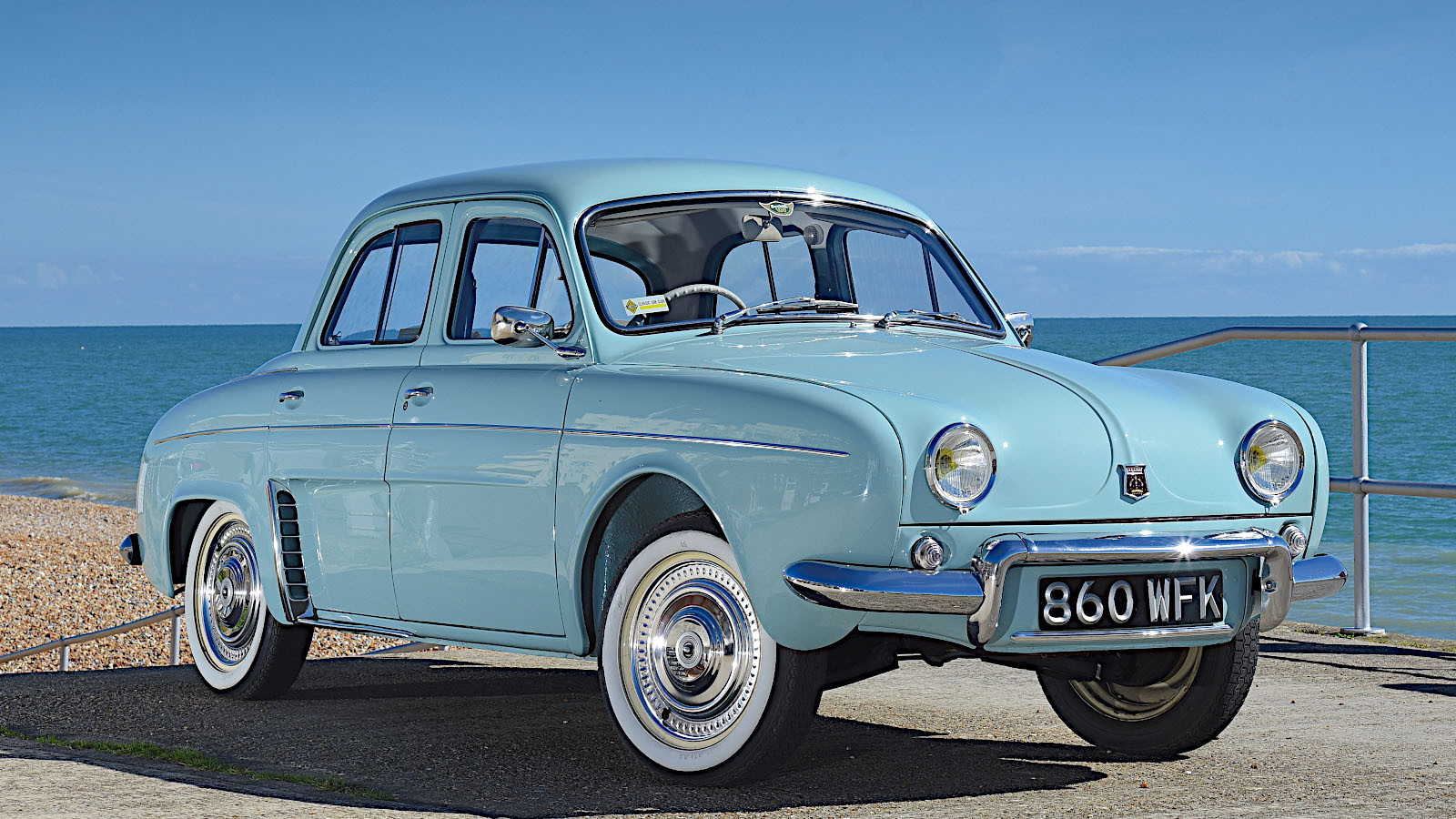
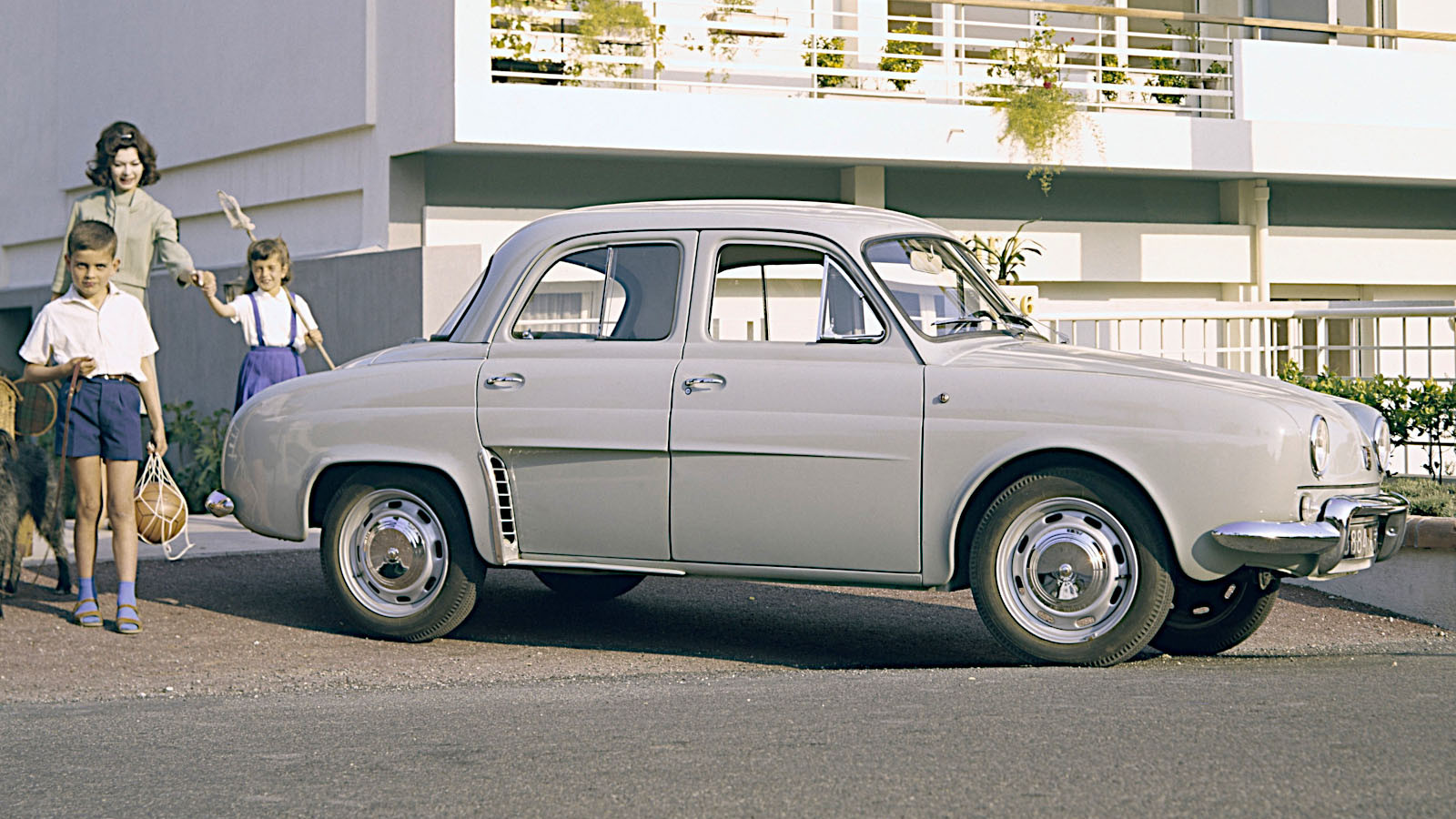
12. 1956 Renault Dauphine
Neither the Frégate nor the Colorale did much to enhance Renault’s reputation in the 1950s, so the marque’s next big hit can be said to have been the Dauphine.
Another rear-engined model (the Billancourt again, now with a capacity of 845cc), this stylish little machine was effectively the replacement for the 4CV, though both cars were produced together for half a decade.
It was popular in the US for a while until Americans noticed its habit of turning to rust and decided to avoid it, causing a collapse in exports which almost ruined Renault.
In Europe, it survived into the late 1960s (some examples being built not by Renault but by Alfa Romeo), and was conspicuously successful in rallying thanks to the engine-tuning work performed by Amédée Gordini.
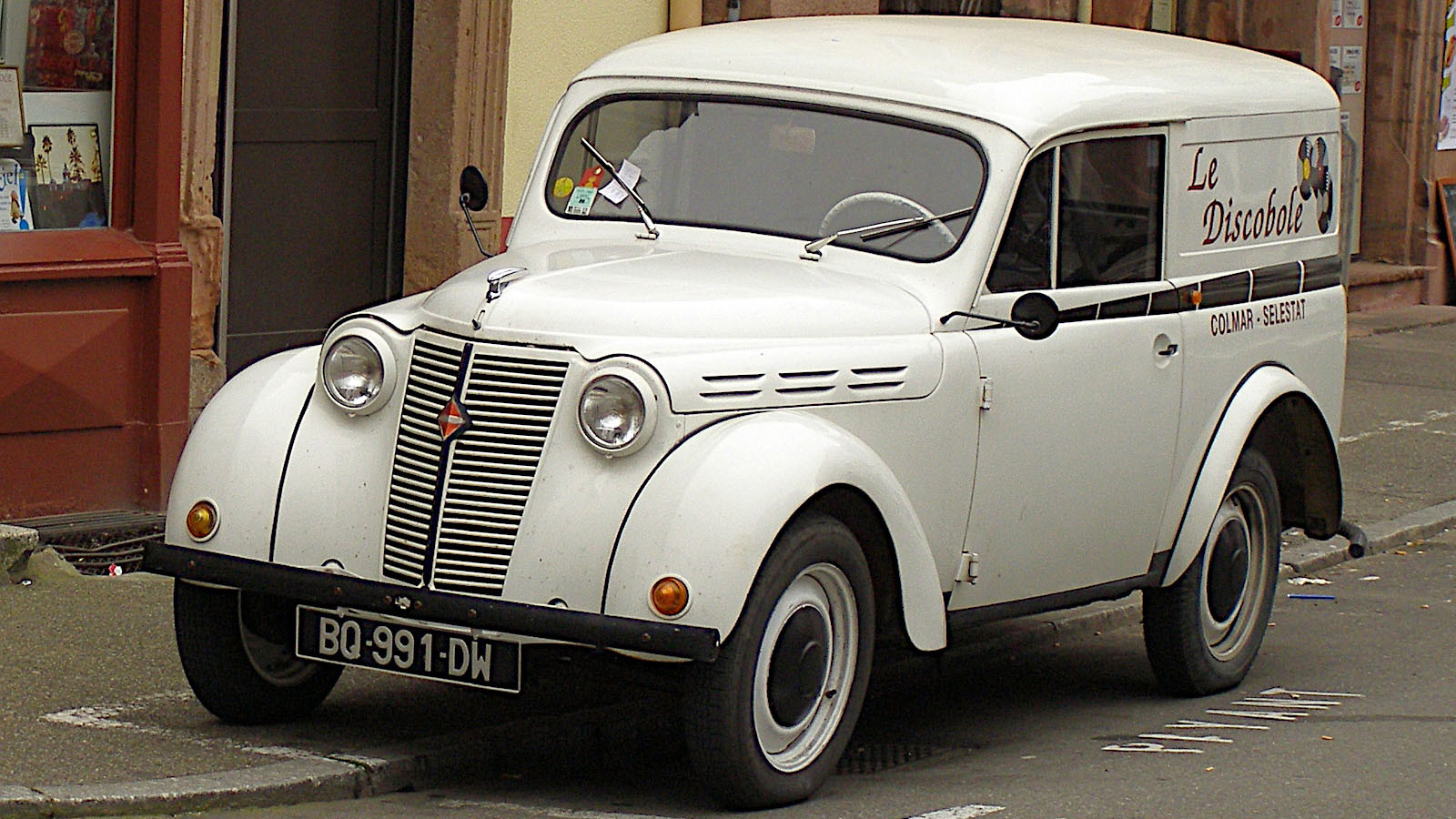
13. 1956 Renault Dauphinoise
Popular though they were, the 4CV and Dauphine both shared a problem: with upright, four-cylinder engines mounted behind the rear axle, it was almost impossible to create van derivatives of them.
Renault got round this by continuing production of the front-engined Juvaquatre van, whose body (with extra windows) was also used for a shooting brake.
In 1956, the old, 1-litre, sidevalve engine was replaced by the smaller but more powerful 845cc Billancourt motor used in the Dauphine.
To emphasise that connection, and perhaps to wipe a pre-war name off the order books, Renault rechristened the model Dauphinoise, and continued building it until the introduction of an important new vehicle made it unnecessary.
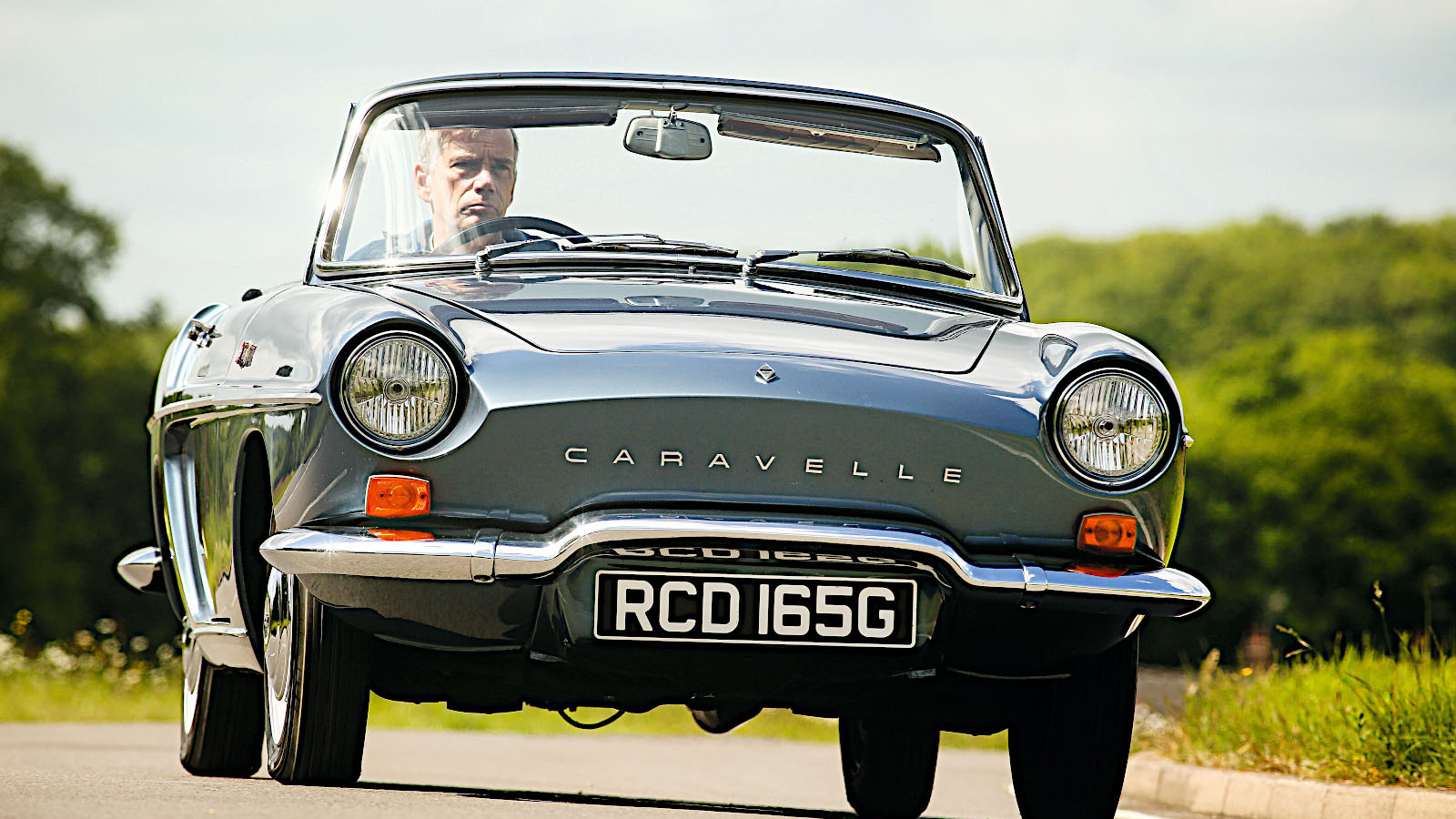
14. 1959 Renault Floride/Caravelle
Known by each of its names at different times and in different markets, the Renault Floride/Caravelle was originally a coupé or convertible derivative of the Dauphine, with the same running gear in a much more glamorous body.
It caused a minor sensation on both sides of the Atlantic (perhaps to some extent because Renault had shrewdly employed actress Brigitte Bardot to help promote it), and 13,000 orders were taken at the New York motor show even though first deliveries were nearly a year away.
In 1962, the Floride/Caravelle became the first passenger car to be retrospectively fitted with the then-new Cléon-Fonte engine, which would become a Renault mainstay and was still being used by Dacia 42 years later.
Production of the model ended in 1968, and there would not be another open-topped Renault sports car until nearly the end of the century.
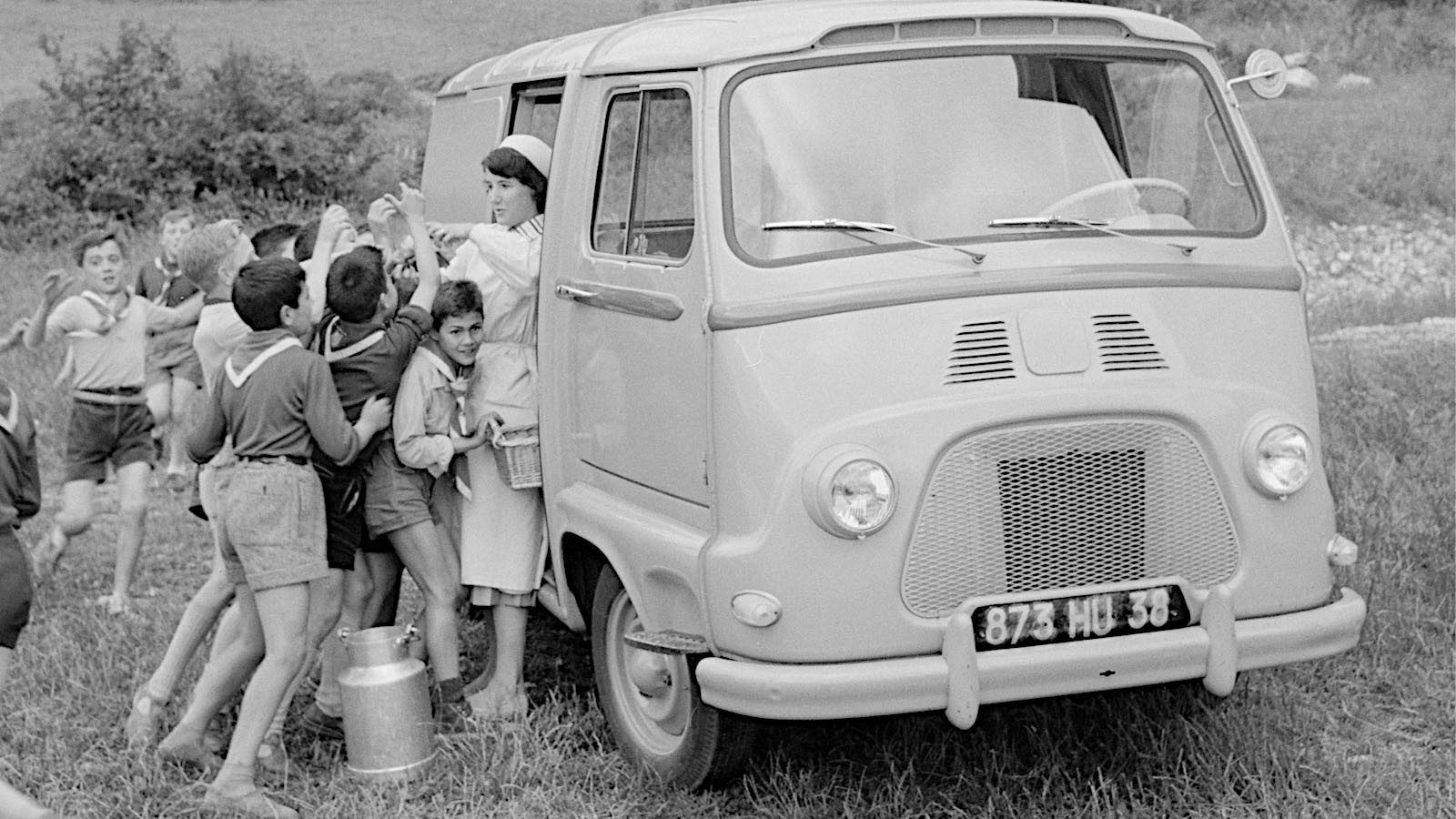
15. 1959 Renault Estafette
There’s nothing surprising today about a front-wheel-drive Renault, but it took 60 years for the company to produce its first vehicle with that layout.
The Estafette was available in many forms: van (of various lengths and heights), nine-seat minibus, camper and pick-up truck.
The engine, mounted ahead of the front axle, was initially the Billancourt, but this was replaced by the Cléon-Fonte as soon as it became available in 1962.
One of Renault’s biggest success stories despite its humble nature, the Estafette was so popular that there was no need to replace it until 1980.
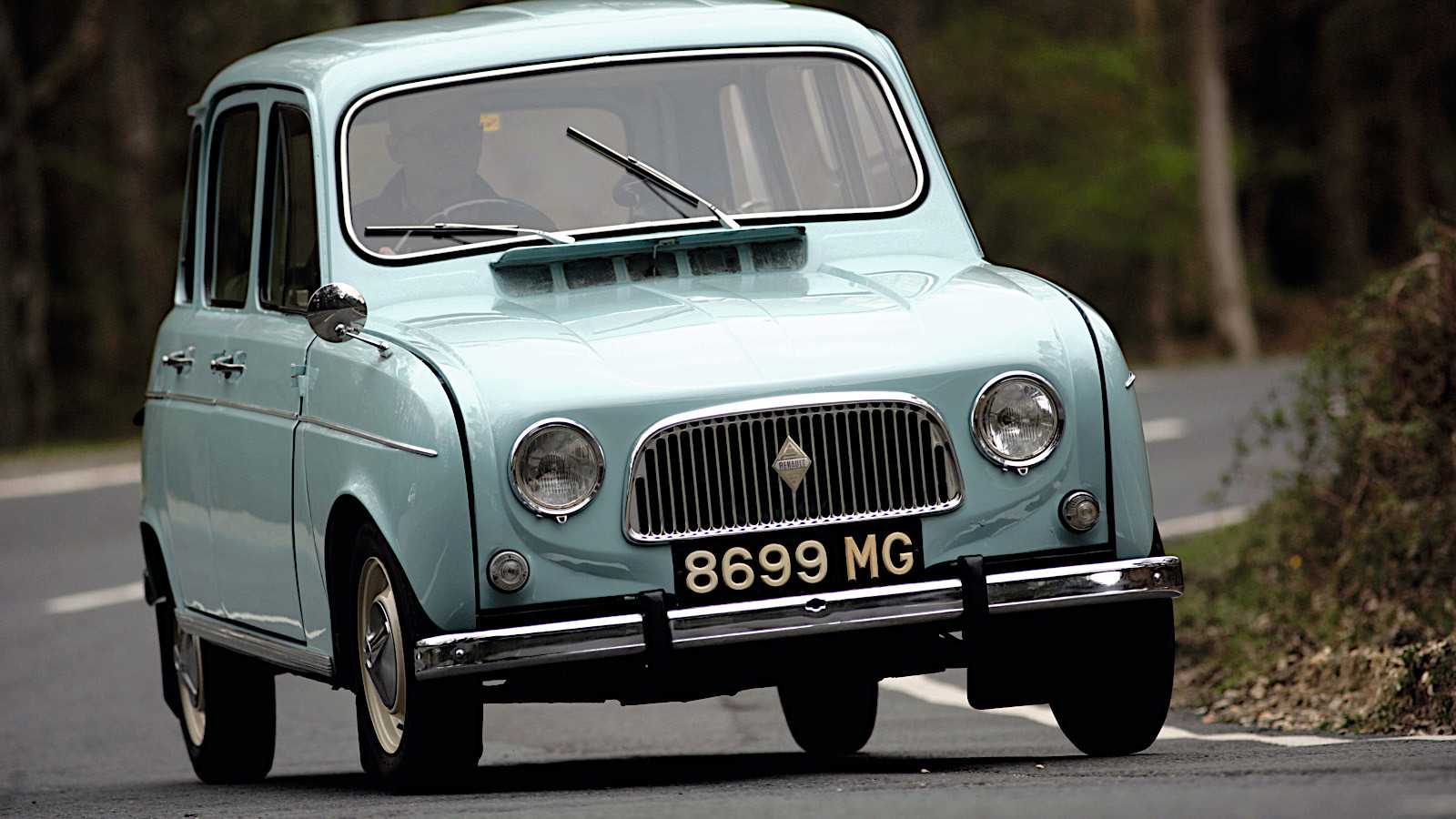
16. 1961 Renault 4
The 4 ranks with the Voiturette as one of the most important cars Renault ever made.
The company was in serious trouble after the calamitous drop in Dauphine sales in the US, but recovered quickly with its new and very basic model, a world away from the 40CV and Reinastella of past years.
Renault’s first front-wheel-drive passenger vehicle was cheap and practical, and French customers went for it in a big way, to the extent that a million examples had to be built in just four and a half years to keep up with the demand.
With a few exceptions such as a gradual switch from the Billancourt engine to the Cléon-Fonte and the fitment of a four-speed gearbox in 1967, the 4 never changed much, yet the formula was so successful that it remained in production for more than 30 years.
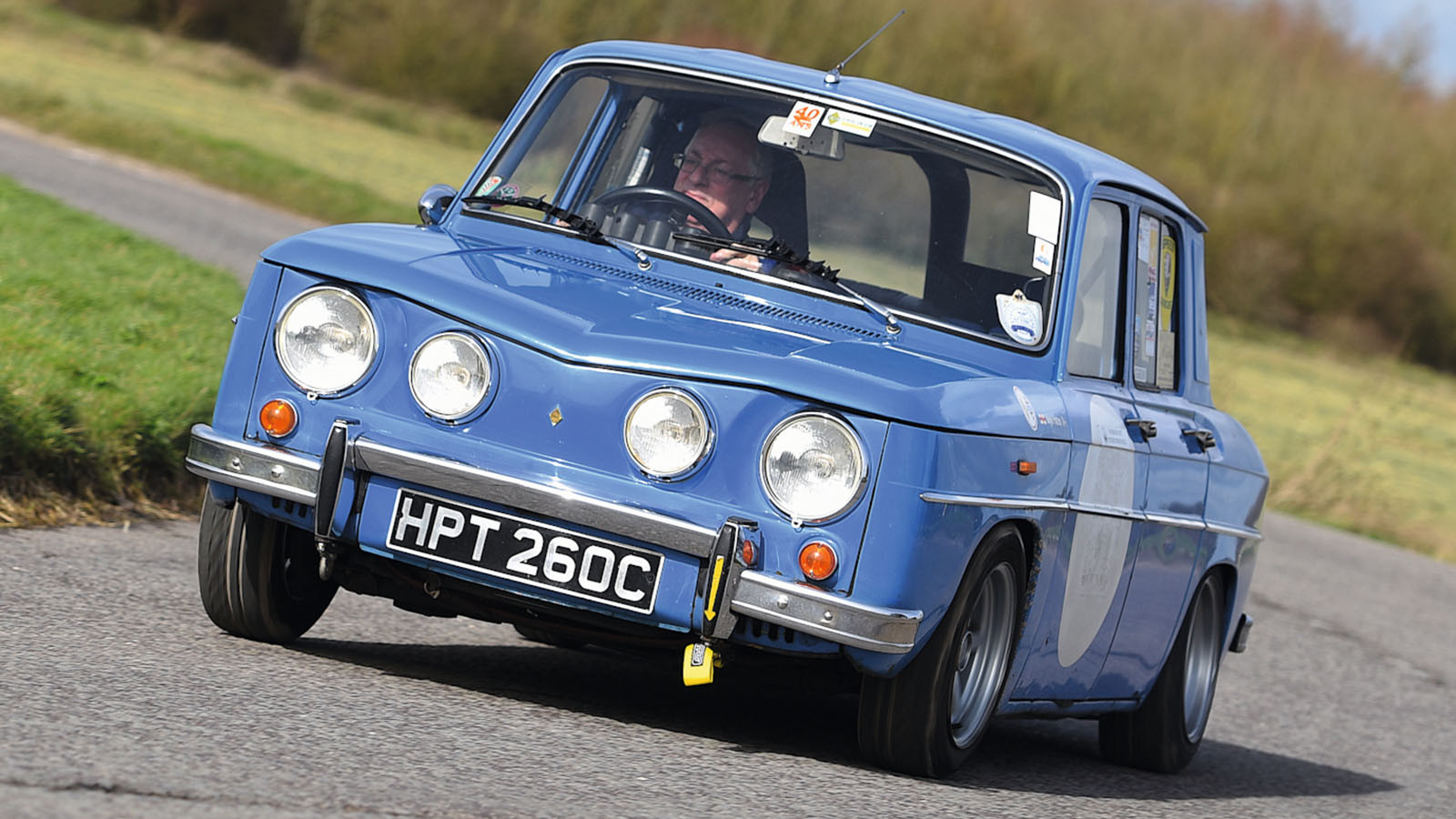
17. 1962 Renault 8
Having already put two front-wheel-drive vehicles on the market before 1962, Renault appeared to take a step backwards with the 8, whose engine was mounted, as those of the 4CV, Dauphine and Floride/Caravelle had been, behind the rear axle.
However, the engine itself, rather than its location, was the 8’s most significant feature, since this was the first car designed from scratch to be powered by the Cléon-Fonte which, as noted previously, had an extraordinarily long production life.
The iconic version was the 8 Gordini (pictured), which performed extremely well in rallying, and was the basis of a hugely well-supported, one-make race series.
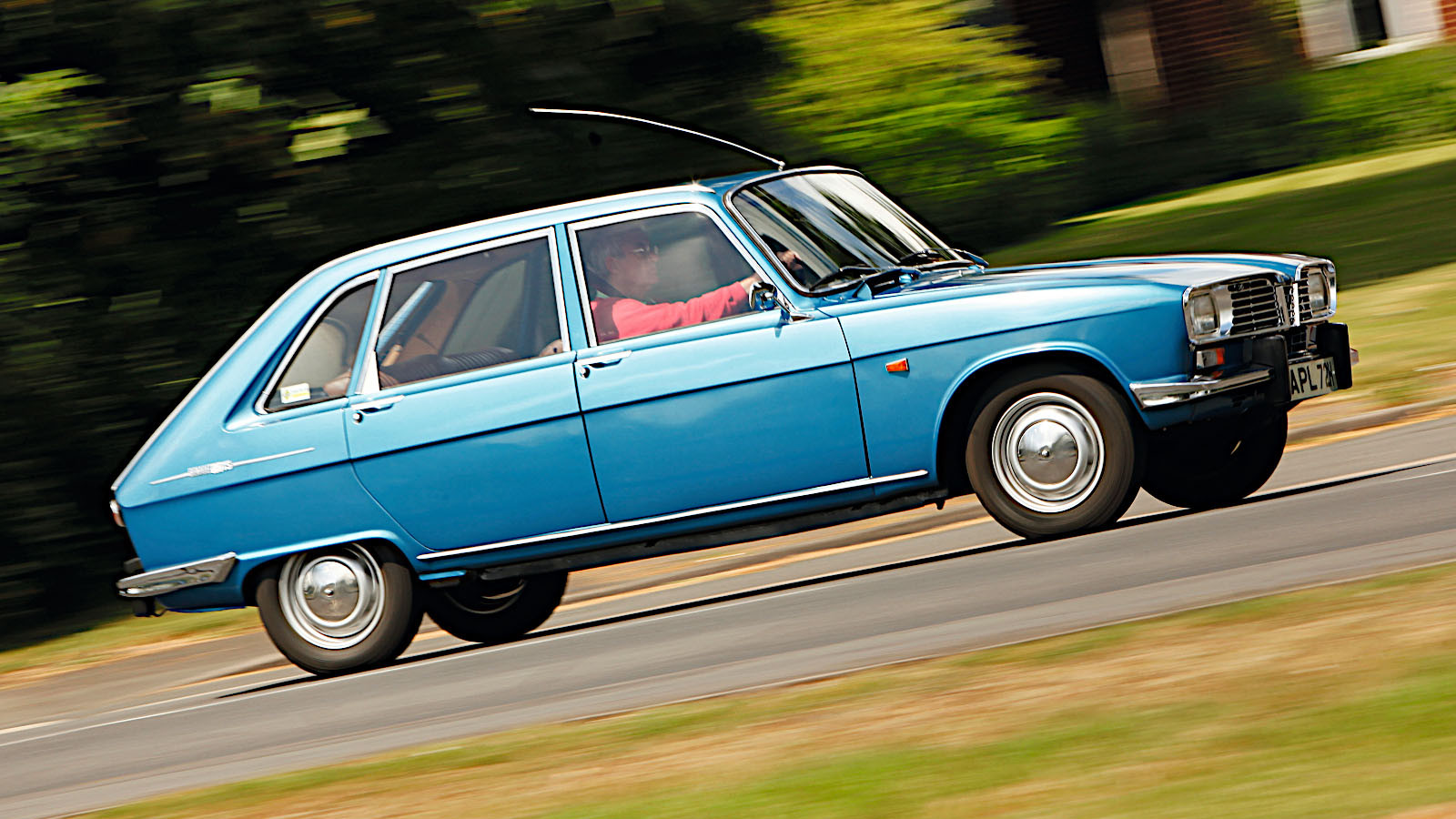
18. 1965 Renault 16
While there is some dispute over who built the first hatchback, the Renault 16 was arguably the first car of that type in the modern sense, with front-wheel drive, a tailgate and folding rear seats.
Extremely common now, this layout was so bizarre in 1965 that no one had a word for it, and the 16 was described by the French journalist and author Jean-Francis Held as ‘a synthesis of a station-wagon with a saloon’.
Almost as significantly, the arrival of the 16 marked the debut of the new Cléon-Alu engine, whose incredible career included powering such un-16-like cars as the Lotus Europa and Alpine A110.
In 1966, the Renault 16 was voted Car of the Year (beating, of all unlikely rivals, the Rolls-Royce Silver Shadow and Oldsmobile Toronado), and after several updates it survived until 1980.
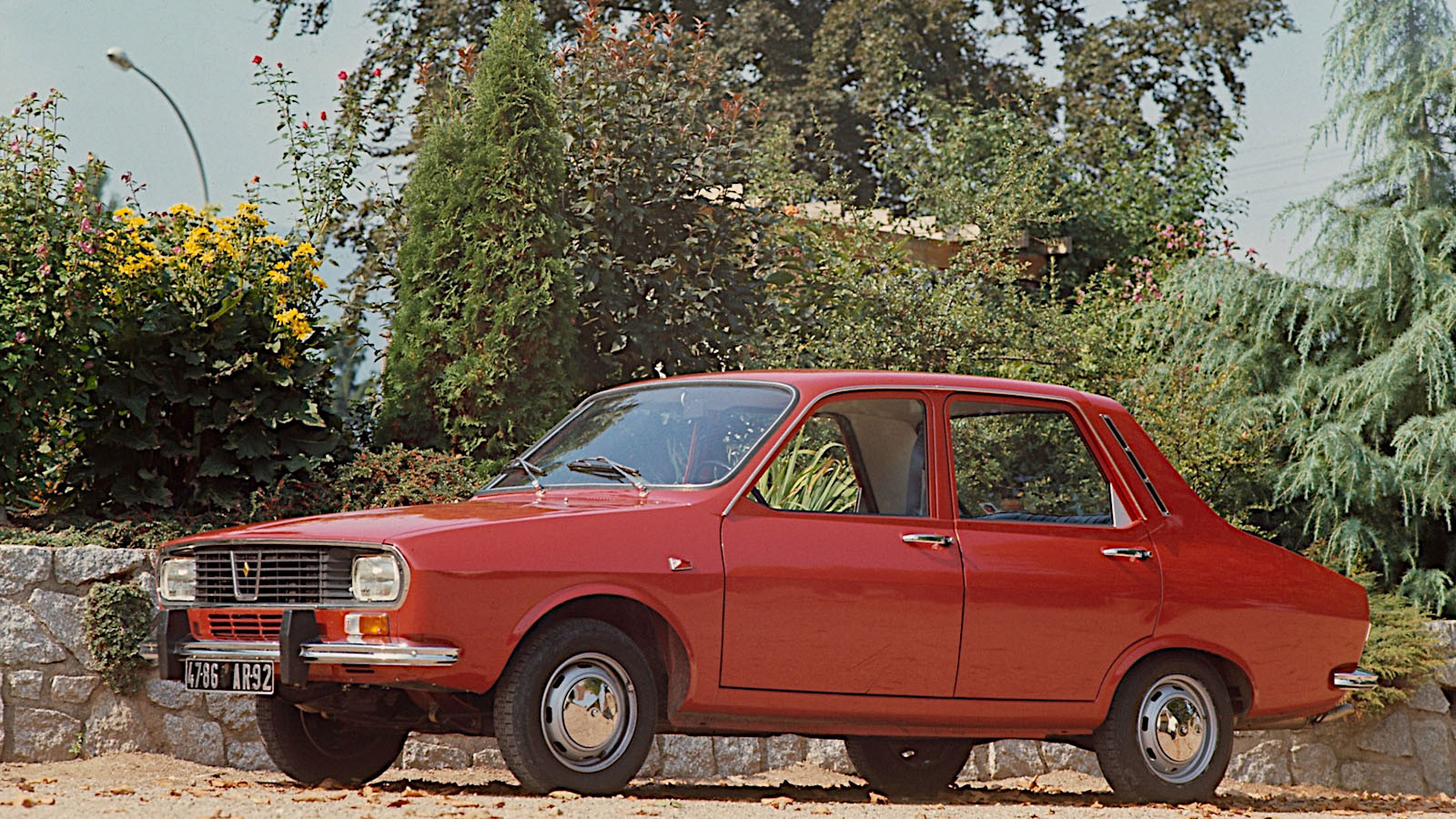
19. 1969 Renault 12
While not as revolutionary as the 16, the Renault 12 usefully filled the gap between that car and the much smaller 8.
It was available as a saloon, an estate and a van, and if fitting the engine ahead of the front axle wasn’t dynamically ideal, it did leave a lot of room for passengers.
The 12 was the basis of the South American Ford Corcel, plus it was built under licence in Romania by Dacia, which called it the 1300.
Dacia extended the car’s life enormously, and was still building a pick-up version in 2006.
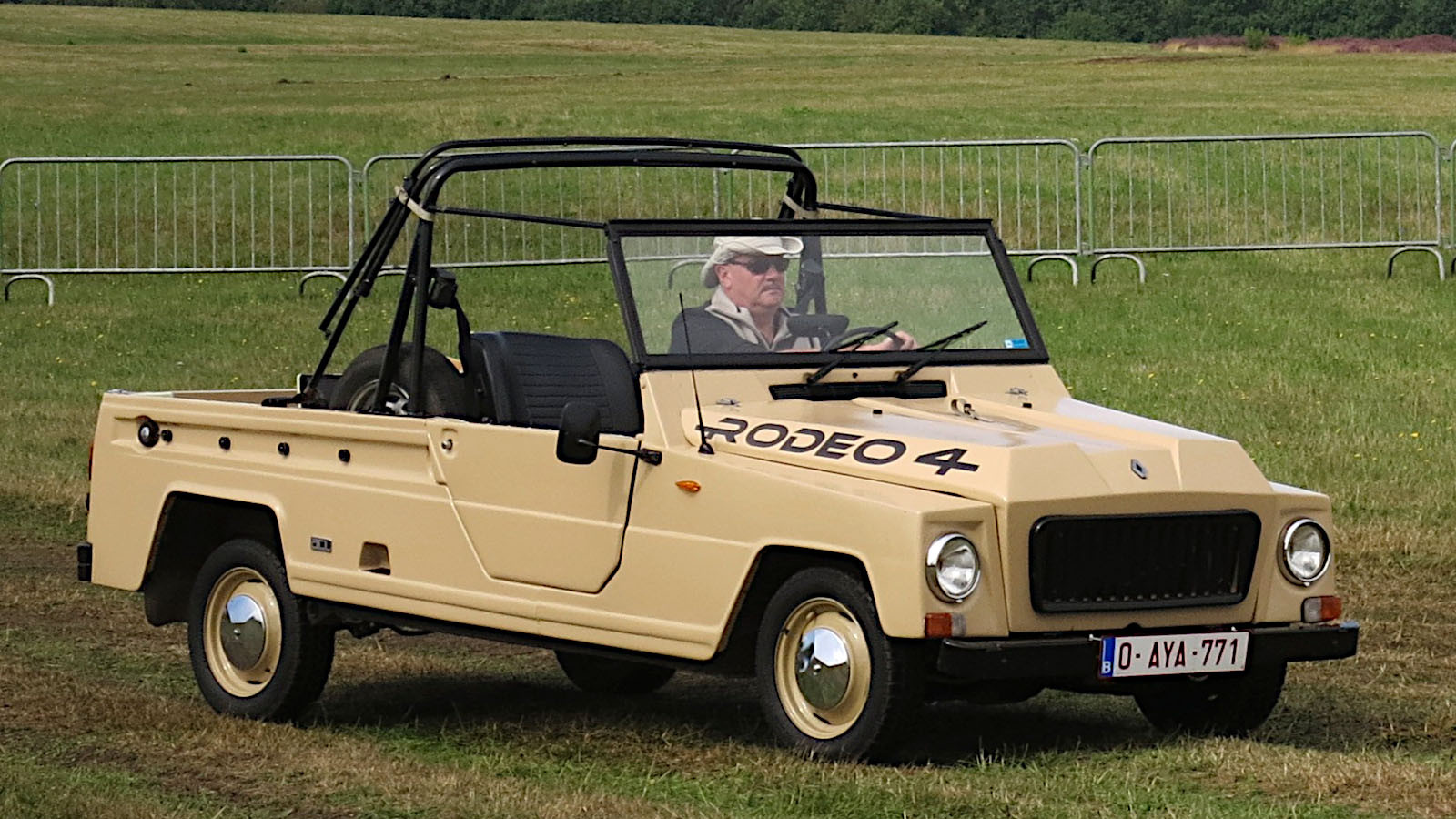
20. 1970 Renault Rodéo
The Renault Rodéo was a successful member of that odd class of very basic vehicles which also included the Citroën Méhari and the Mini Moke.
Based on the platform of the 4 van, to which a laminated polyester body was added, it was initially powered by the 845cc Billancourt engine and available in several versions named (in ascending order of how much body protection they had) Évasion, Chantier, Coursière, Artisanale and Quatre Saisons.
The Rodéo 6, introduced in 1973, had slightly different bodywork and was fitted with the larger Cléon-Fonte motor.
In 1981 (the last year of production, which amounted to around 60,000 units), a four-wheel-drive Rodéo competed in the Paris-Dakar Rally and performed well to begin with, but soon became one of the 114 retirements in the car category.
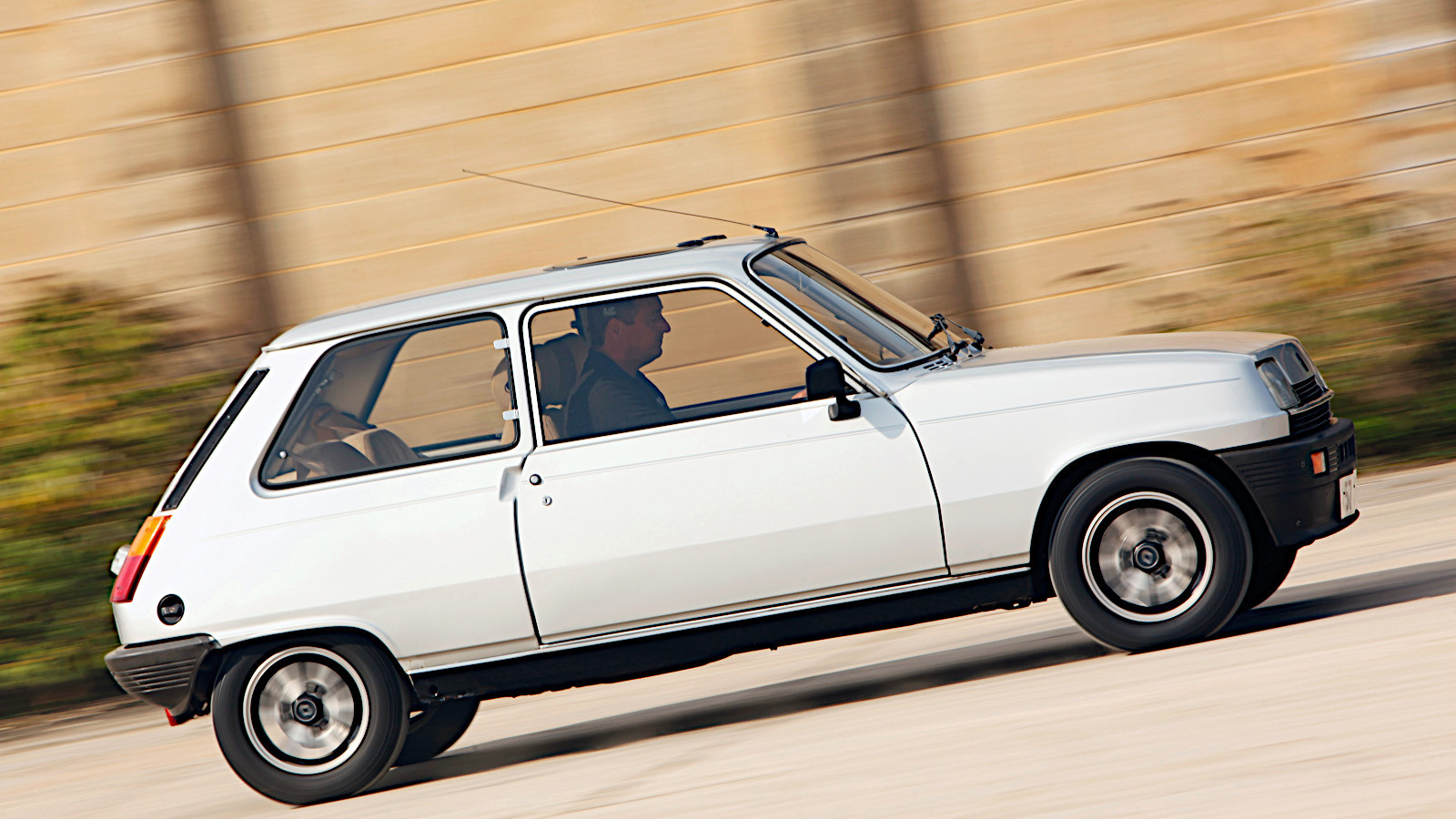
21. 1972 Renault 5
The 5 could well be described as Renault’s first supermini, though it differed from modern cars of that type in that its engine was mounted longitudinally rather than transversely.
Originally available only with the modest 782cc Billancourt or 1108cc Cléon-Fonte, it was an immediate hit, partly because of a very effective advertising campaign and partly because it was perfectly suited for city streets.
Racier versions were known as Alpine in most countries, but as Gordini in the UK.
The Renault 5 Turbo was the outlier in the range, being a mid-engined, rear-wheel-drive version which formed the basis of the marque’s international rallying campaign in the early 1980s.
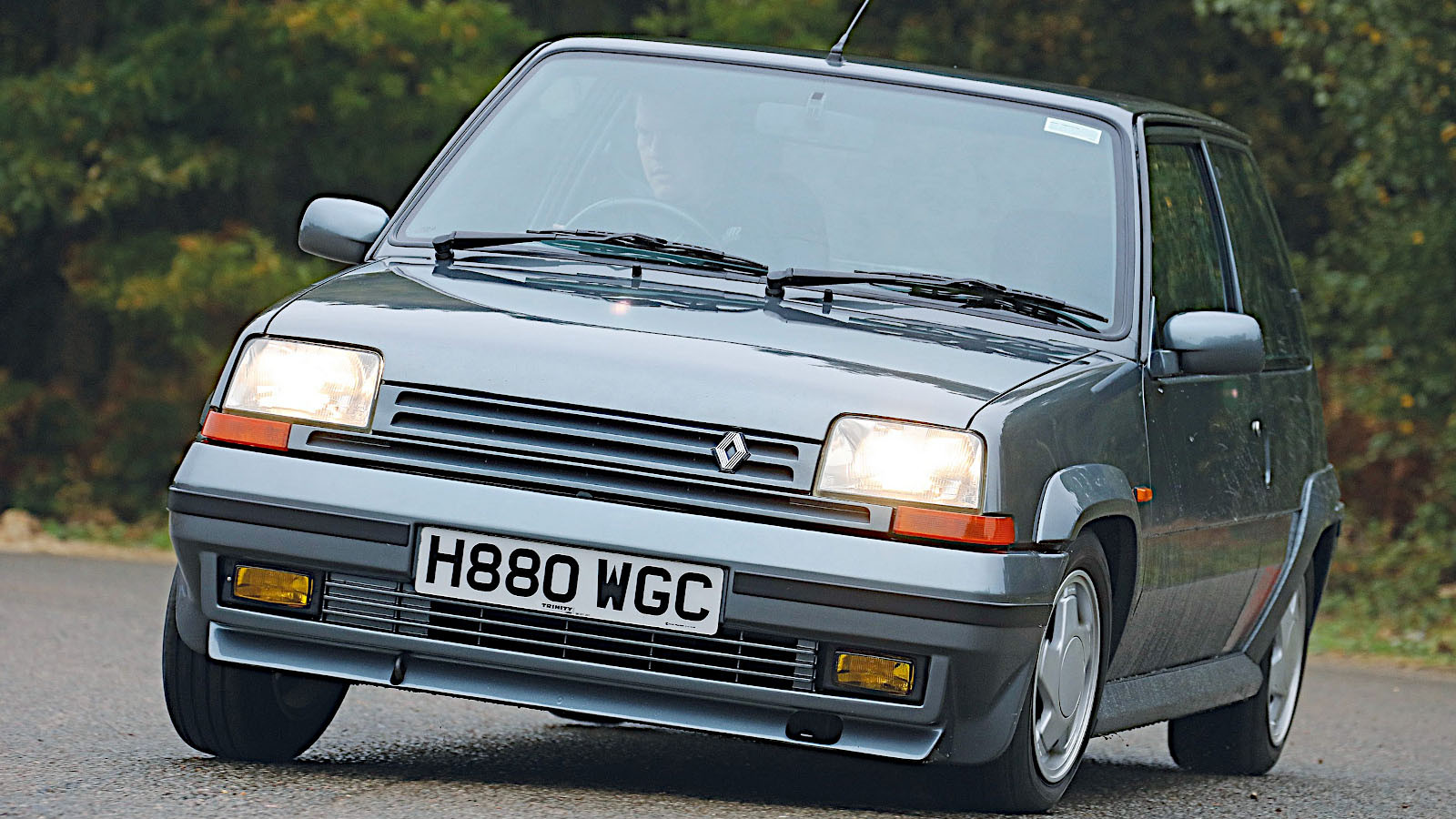
22. 1984 Renault 5
Renault deliberately carried some styling cues of the original 5 to the new one, but this was a very different car, being larger and fitted with a transversely mounted engine.
There was no mid-engined version this time, but the GT Turbo was a popular hot hatch, and performed well in rallying when appropriately modified.
A van derivative replaced the 4 fourgonette, which had still been relevant in the 1970s but was seriously outdated by the following decade.
Renault continued to build 5s after the introduction of the Clio in 1990, but these final examples were all basic and inexpensive, just as the very earliest 5s had been in 1972.
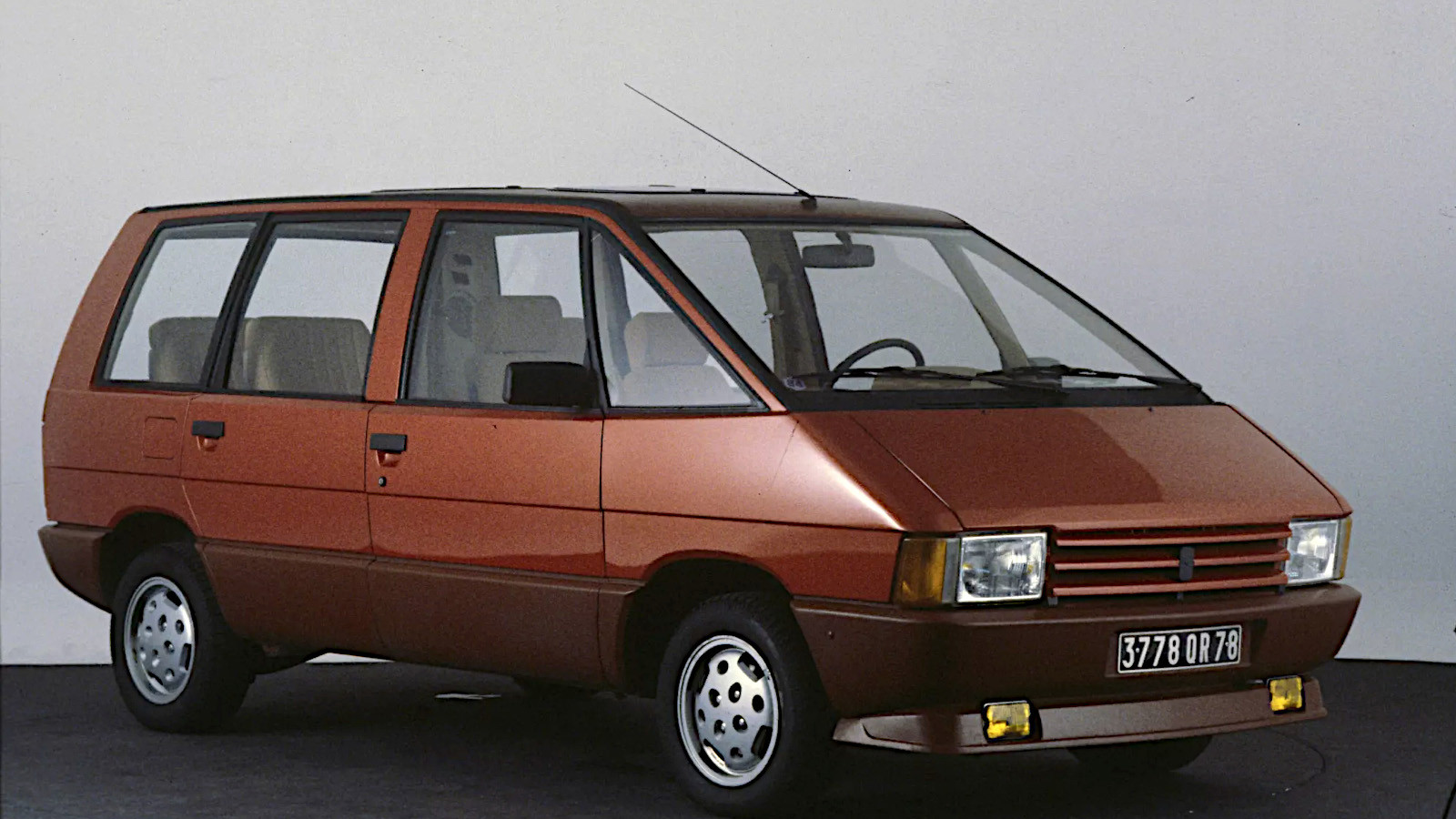
23. 1984 Renault Espace
The design of what became the first-generation Espace had been trying to find a place in the motor industry for more than a decade before Renault decided to commit to it.
Built by Matra, this was the first MPV (multi-purpose vehicle or, colloquially, ‘people carrier’) developed in Europe, and its combination of practicality and versatility soon became greatly sought-after by customers and copied by other manufacturers.
There is still an Espace today, now built by Renault itself, but the decline in the popularity of MPVs means that every version made since 2015 has been an SUV.
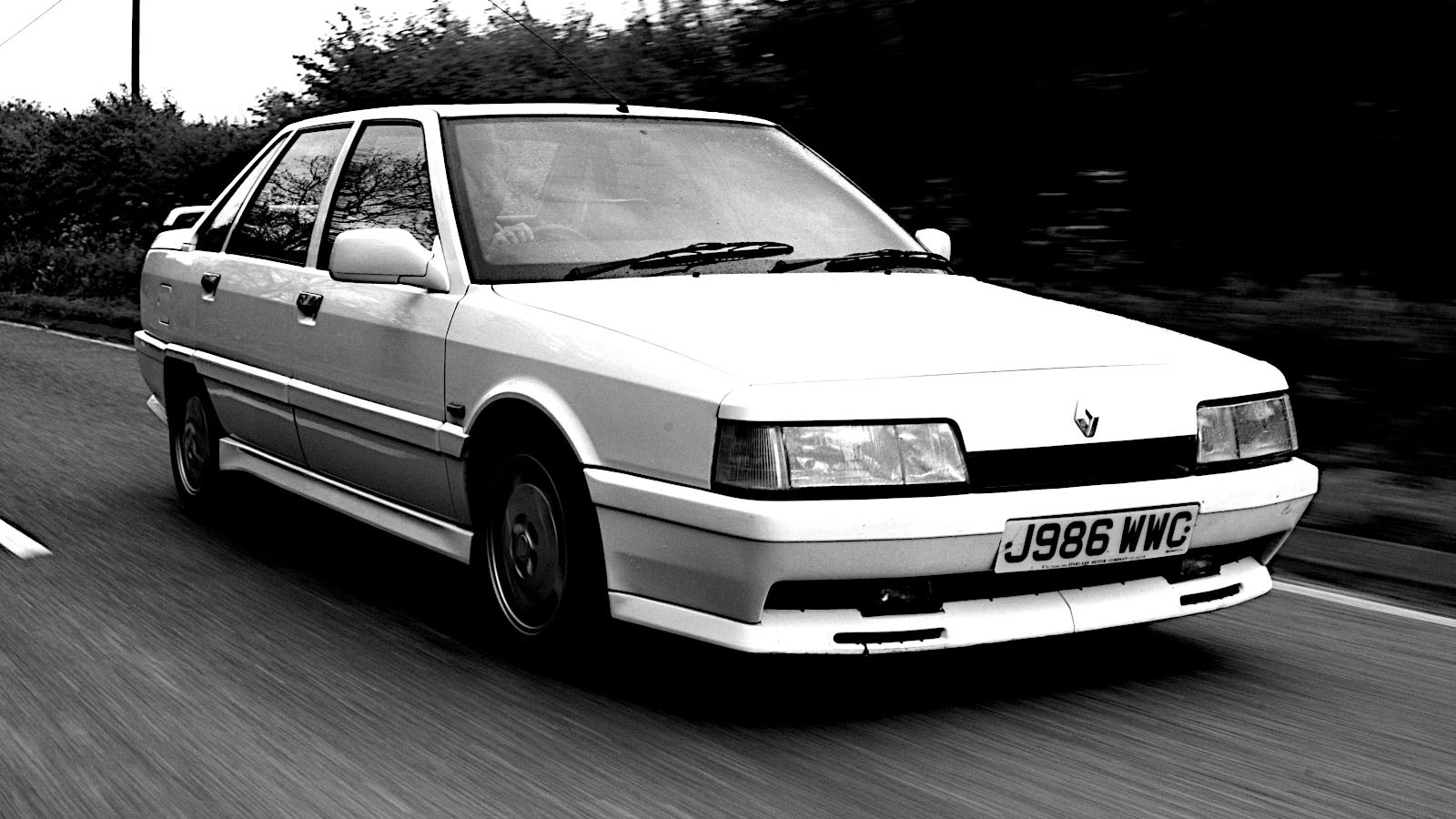
24. 1986 Renault 21
The Renault 21 was an apparently straightforward, medium-sized family car available in a tremendous number of varieties.
Engines were mounted either longitudinally or transversely, and the car might be turbocharged or have a four-wheel-drive system – or indeed both, as in the case of the Turbo Quadra (pictured).
The estate could be specified with seven seats, although since using them all would require placing small children in the luggage compartment, inches away from the tailgate, the safety implications were problematic.
25. 1990 Renault Clio
The car which might otherwise have been known as the third-generation 5 was instead called Clio, following a switch in Renault policy from using numbers for its models – a practice established by the 4 – to words.
With no hint of the original 5’s styling, the Clio looked completely modern, and was very highly regarded, becoming the third Renault (after the 16 in 1966 and the 9 in 1982) to be voted Car of the Year.
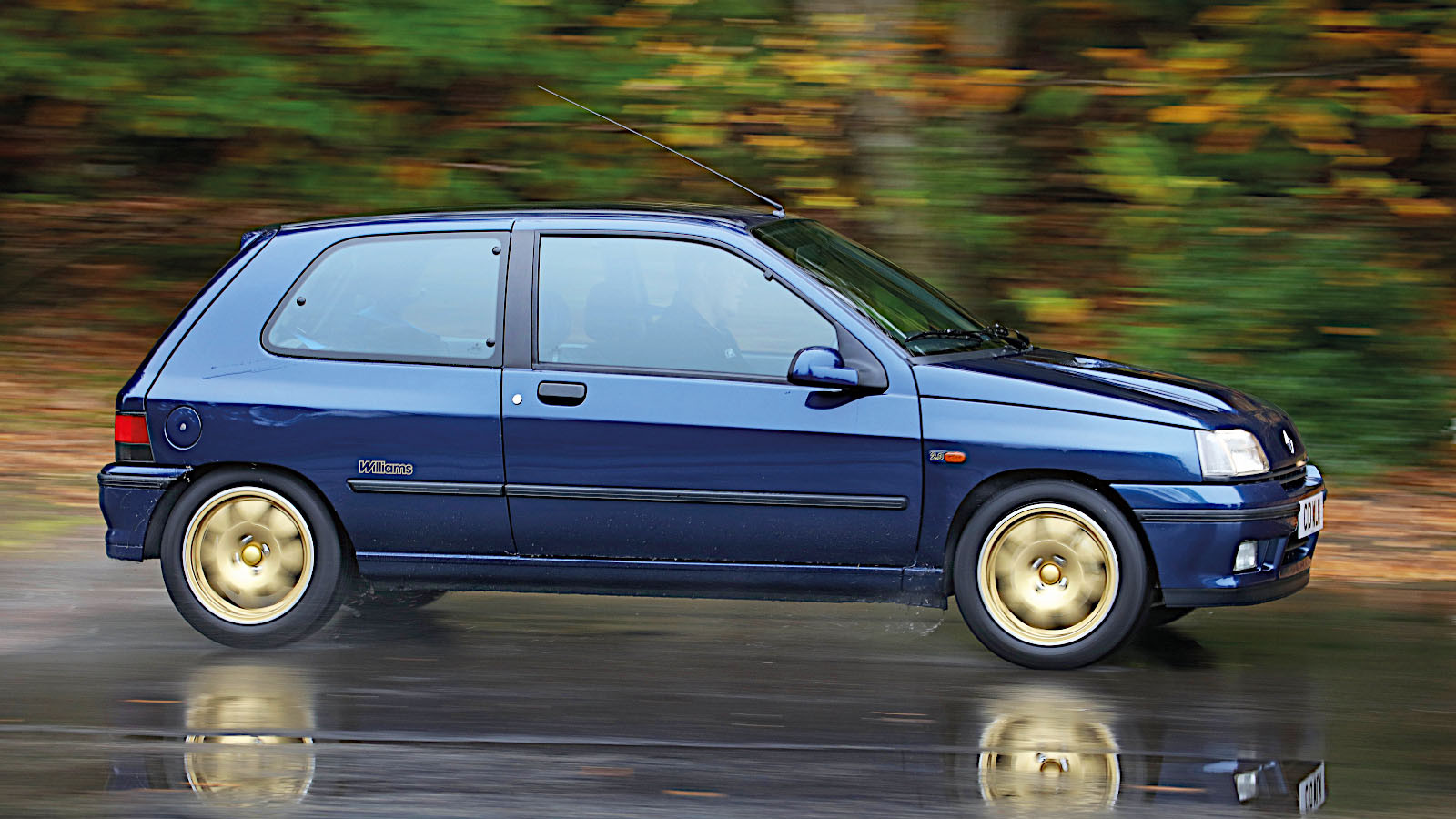
The first sporty version, with a 135bhp, 1.8-litre engine, arrived in 1991, and was followed two years later by the 145bhp, 2-litre Clio Williams (pictured), named after the Williams Formula One team.
A second Clio arrived in 1998, and that range featured the very popular Renault Sport versions and the bizarre mid-engined V6, which might be described as a distant successor to the 5 Turbo.
26. 1992 Renault Twingo
Despite having created some memorable high-performance and luxury cars, Renault has had perhaps its greatest success with more basic models such as the Juvaquatre and the 4.
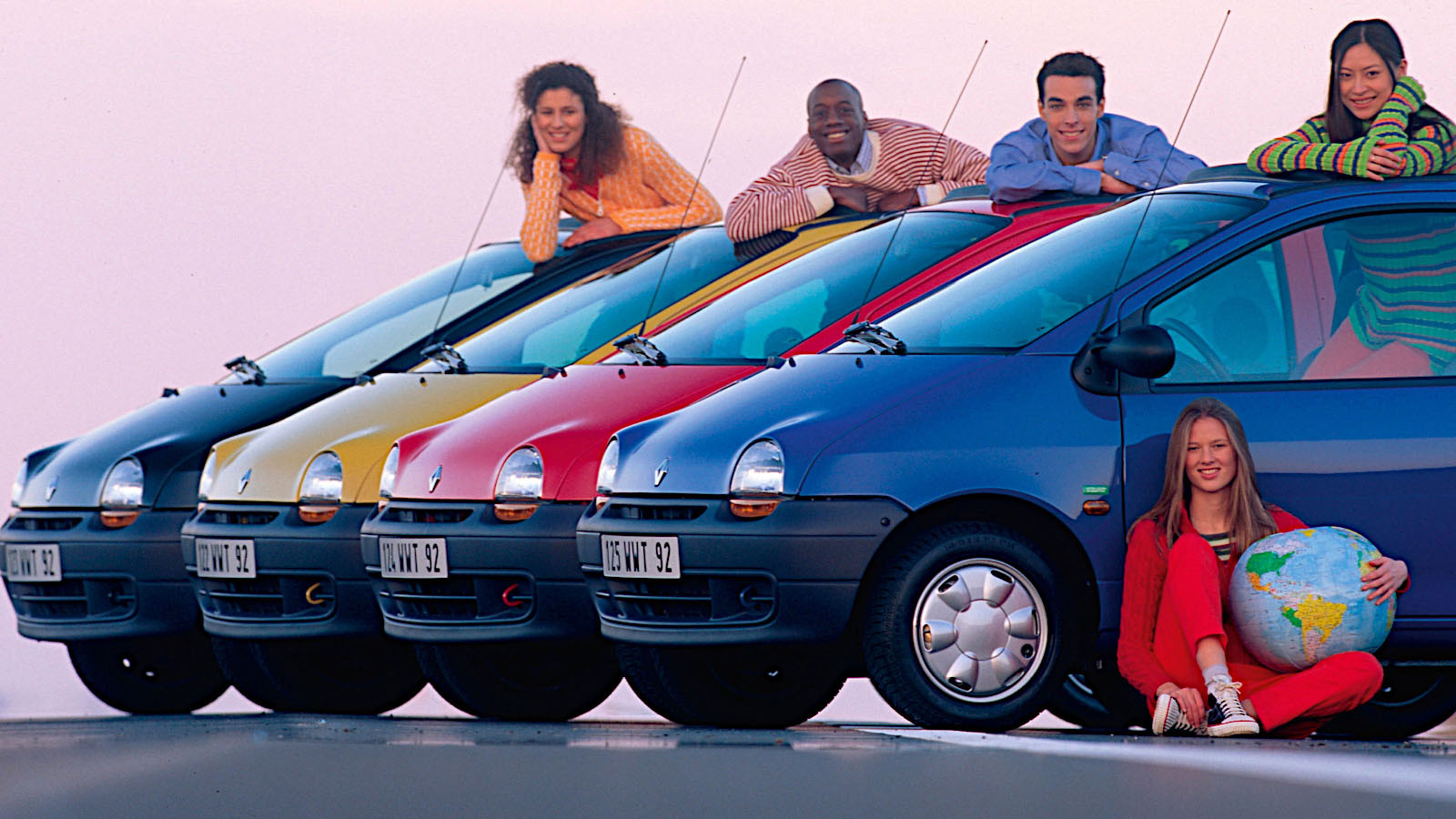
The Twingo was its first vehicle of this type designed from the start to be stylish, as indicated by a name formed by combining the words ‘twist’ and ‘tango’.
Even in its basic form it was undeniably cute, and there were suitably fashionable special editions called Benetton, Kenzo, Perrier and Elite.
The Twingo grew up in its second generation, which included Gordini and RS versions, and recalled the past in its third, which – like the more mainstream small cars from the 4CV to the 8 – was rear-engined.
27. 1994 Renault Laguna
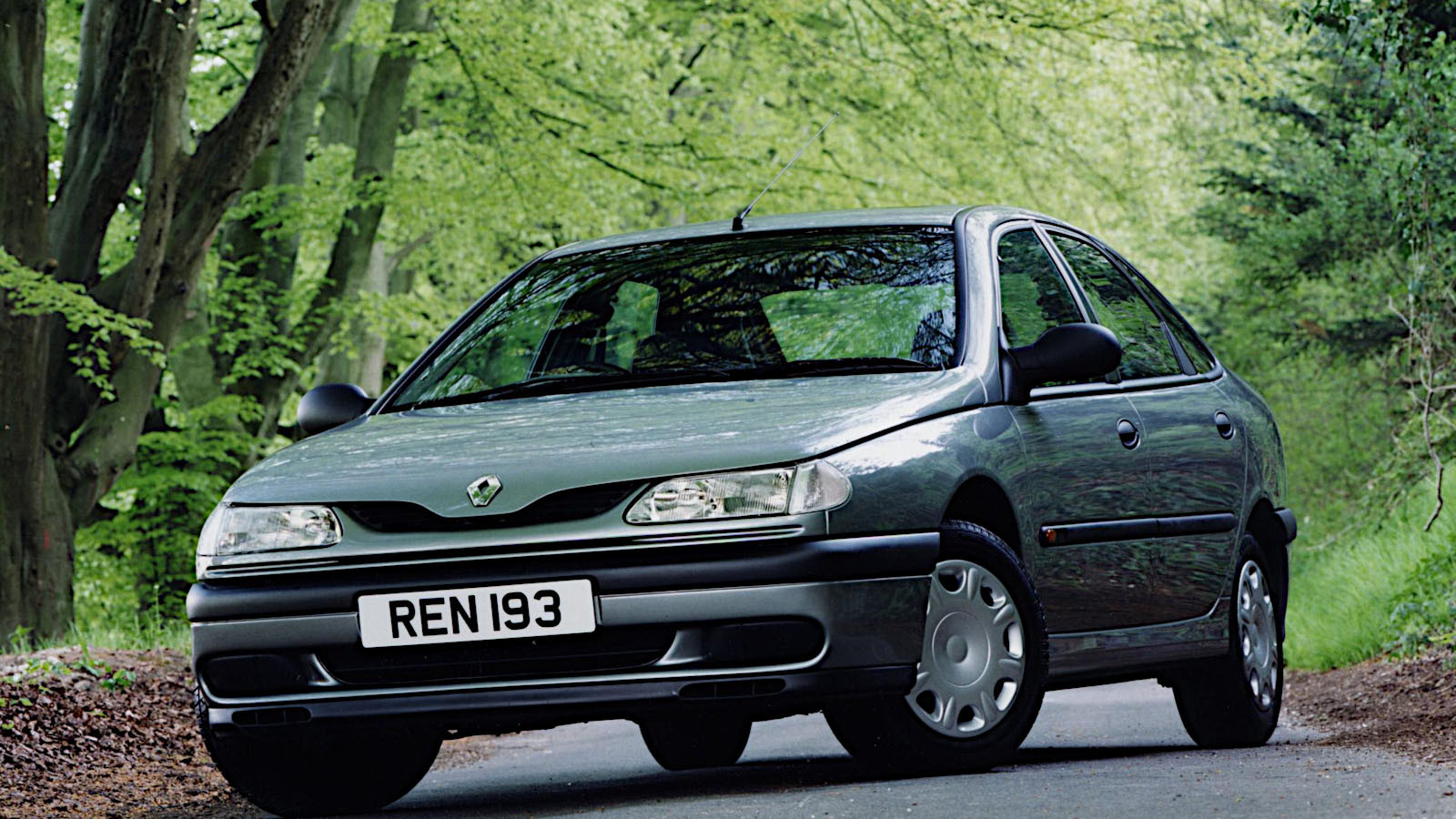
The replacement for the 21 was not available in quite so wide a range of forms, though customers did have the choice of hatchback or estate body styles.
The more adventurous among them could opt for a 3-litre V6 which also powered the mid-engined Clio and, in the case of the Laguna, was offered at an impressively moderate price.
Alain Menu won 12 of the first 14 rounds in the 1997 British Touring Car Championship in his 2-litre Laguna – and went on to beat reigning title holder Frank Biela by the enormous margin of 281 points to 171.
In that year’s manufacturers’ standings, Renault scored 278 to Audi’s 210 and Honda’s 209.
28. 1995 Renault Sport Spider
The first car branded as a Renault Sport stands out from all others, not only on that list but among everything else the company has produced.
The mid-mounted, 148bhp, 2-litre engine was familiar, since it had already been used in the Clio Williams, but resemblances to the hatchback went no further, because the Spider was based on an aluminium structure, and had minimal bodywork and equipment.
It was effectively a racing car for the road, or literally so in the case of the 180bhp Trophy, which was created for a one-make series.
In all, 1726 examples of the Renault Sport Spider were built at the Alpine factory in Dieppe, including 90 Trophies.
29. 1996 Renault Megane
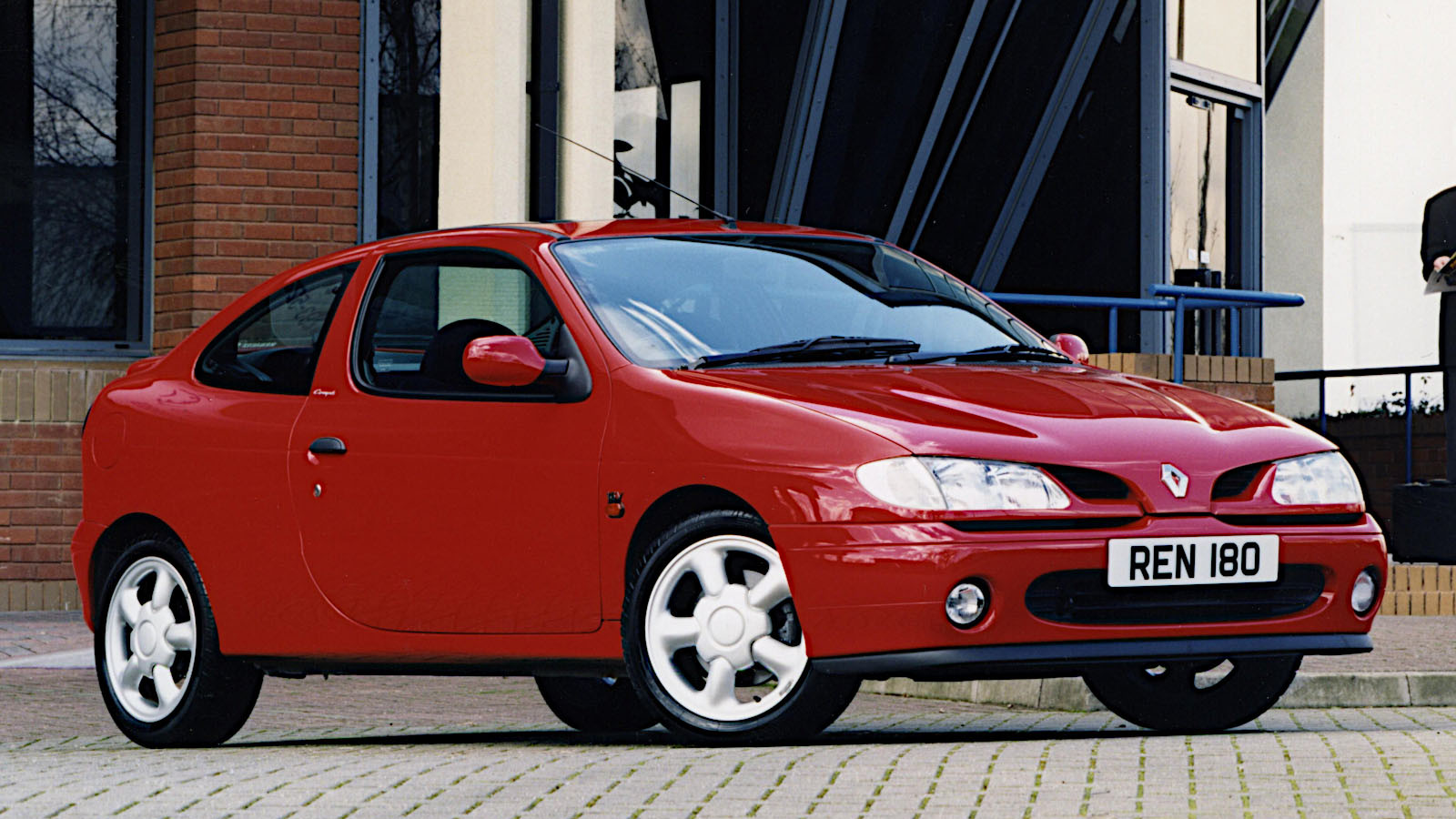
Whatever else might be said of the first in what has become a long series of Meganes, there’s no doubt that it offered customers plenty of choice.
It was available as a saloon, a coupé (pictured), a hatchback, a convertible or an estate, plus an MPV variant which will be considered shortly, and with engines ranging from a modest 1.4 to the 2.0 16-valver also used in the Clio Williams and the Sport Spider.
The styling was attractive but straightforward, and contrasted mightily with that of the bustle-backed, second-generation Megane which arrived in 2002.
A competition version known as the Maxi was very successful in rallying, winning the British championship in 1998 and 1999, and the 2-litre World Rally Cup in the latter year.
30. 1996 Renault Scenic
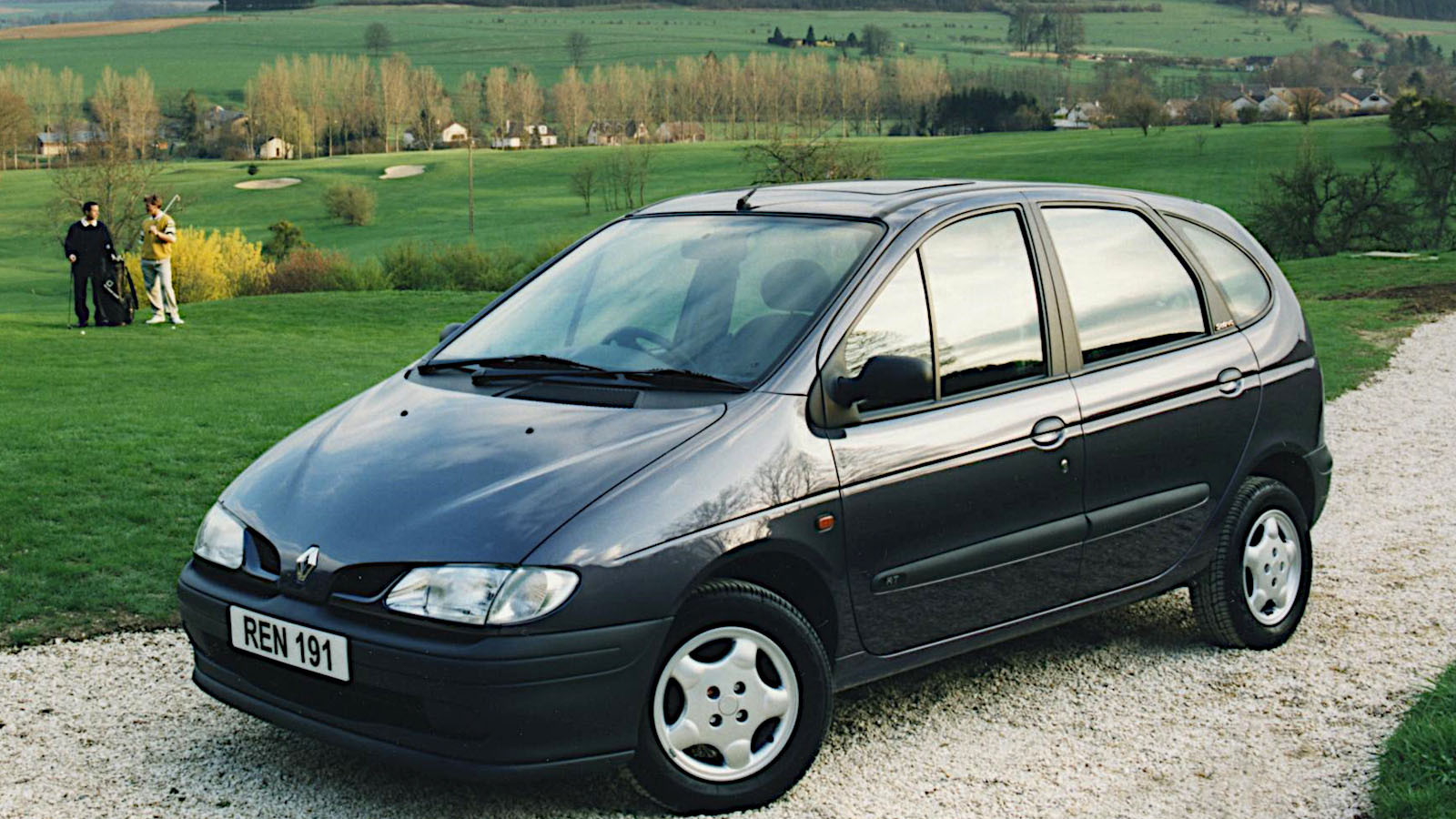
Originally known as the Megane Scenic, this was a compact MPV based on the family car Renault introduced in the same year.
With more interior space and a higher seating position than a conventional car, the Scenic appealed to many people, and sold very strongly.
Less successful, if perhaps more intriguing, than the other versions, the RX4 was a semi-off-road derivative of the regular Scenic, with greater ground clearance, more body protection and four-wheel drive.
31. 1997 Renault Kangoo
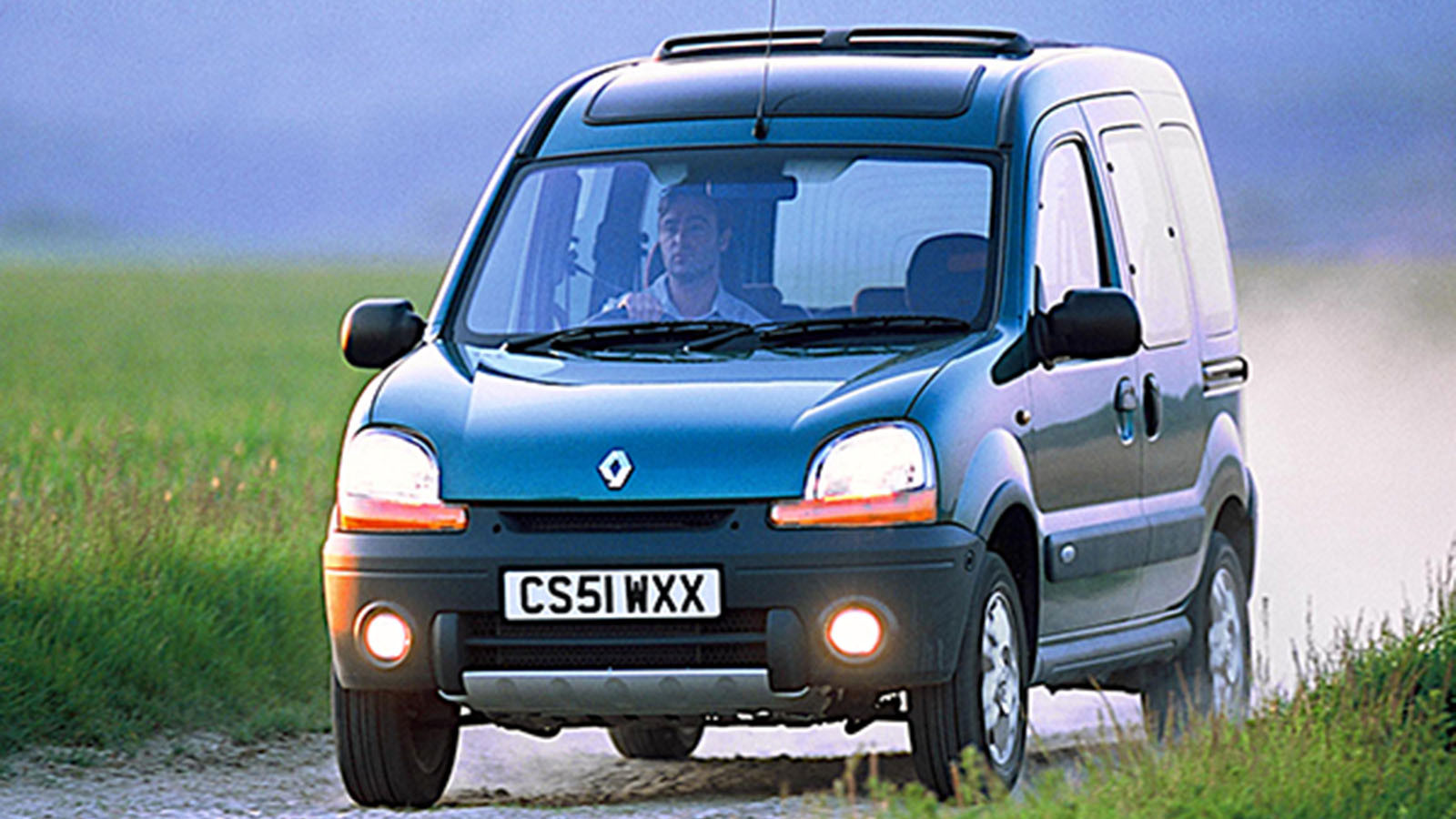
The first Renault Kangoo was an almost stereotypically French vehicle, being cheap, simple and very practical, almost like a modern version of the 4 fourgonette.
It was essentially a van with extra windows and seats, or, in the case of the Kangoo Express commercial version, actually a van with neither windows nor seats.
Vehicles like this have gone out of fashion, but in the late 20th and early 21st centuries there was a small but important demand for them, and the Kangoo met it splendidly.
As with the Scenic, there was a four-wheel-drive version (this one, pictured here, being called Trekka) to cater for customers who needed to go off-road.
We hope you enjoyed this gallery. Please click the ‘Follow’ button above for more super stories from Classic & Sports Car.