
Spoilt for choice
Endurance legends returned to the Circuit des 24 Heures du Mans from 3-6 July 2025 for the brilliant Le Mans Classic.
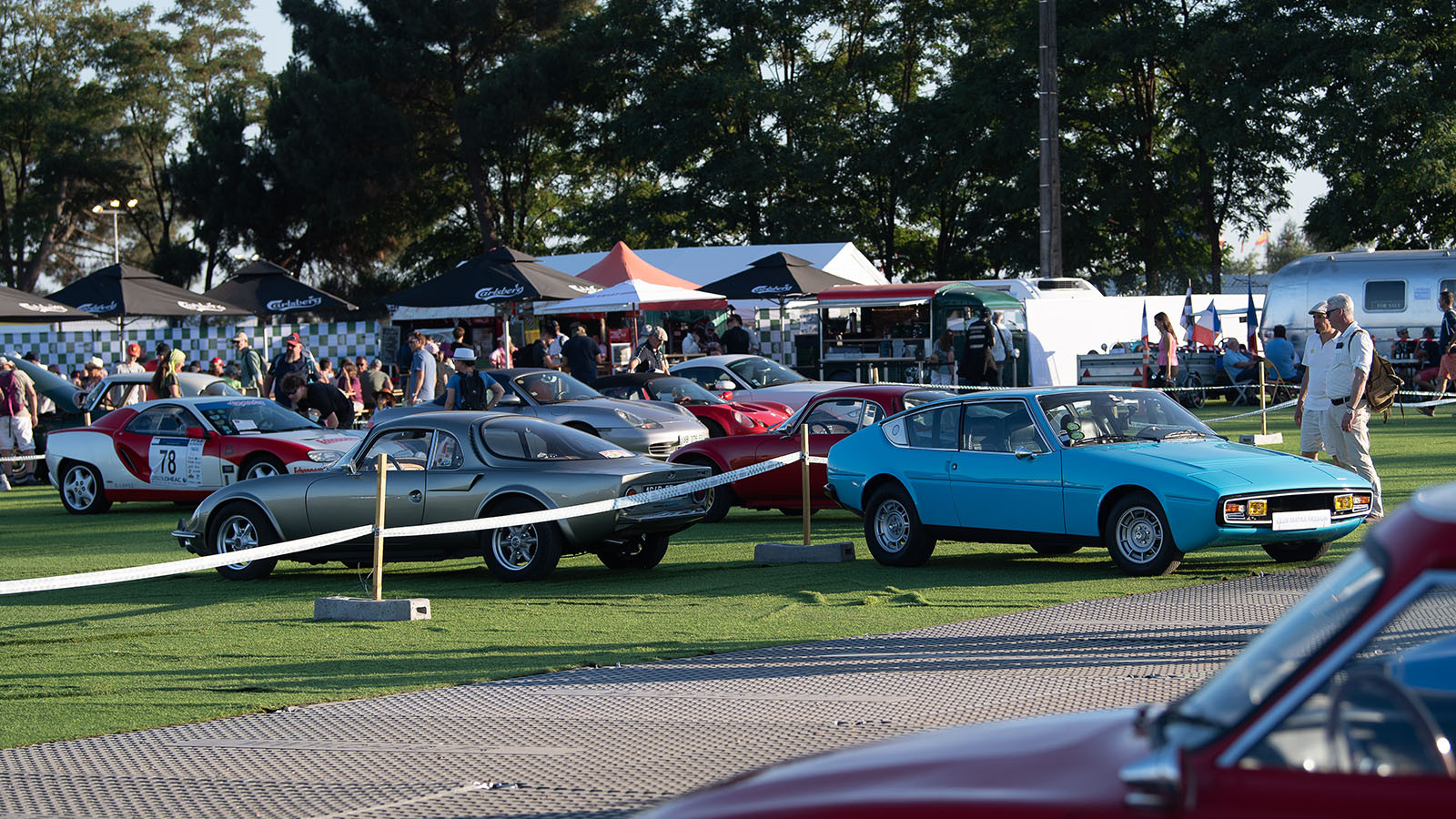
This historic motorsport event isn’t just about the on-track action, though, and there were plenty of classic cars to see in the club displays, campsites, paddocks and car parks, too.
From lesser-spotted racers and unusual French road cars to American rarities and coachbuilt curiosities, here are some of the fantastic vehicles we spotted at this year’s event, presented in alphabetical order.
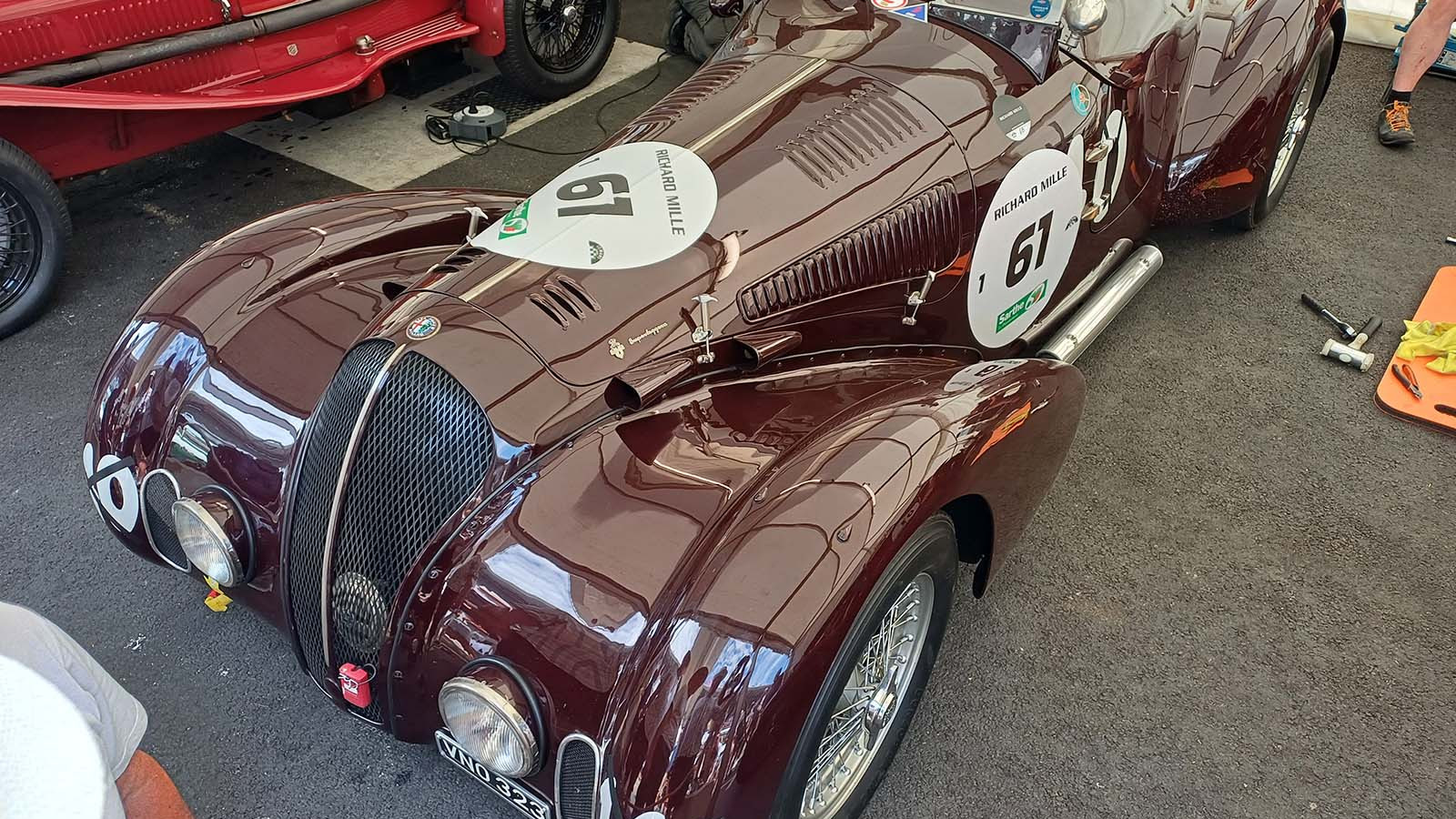
1. Alfa Romeo 6C-2300B MM Pescara Spyder Corsa by Touring
Touring’s swooping Superleggera shape has only recently been restored to this 1938 Alfa Romeo 6C-2300B Mille Miglia, having been refitted with Pininfarina bodywork after the Second World War.
This Pescara-tuned Spyder Corsa won its class in the 1938 Mille Miglia and the wider Campionato Italiano, then was exported to Egypt in 1947 to a squadron leader who eventually brought it home to England, installing the registration it has today, VNO 323.
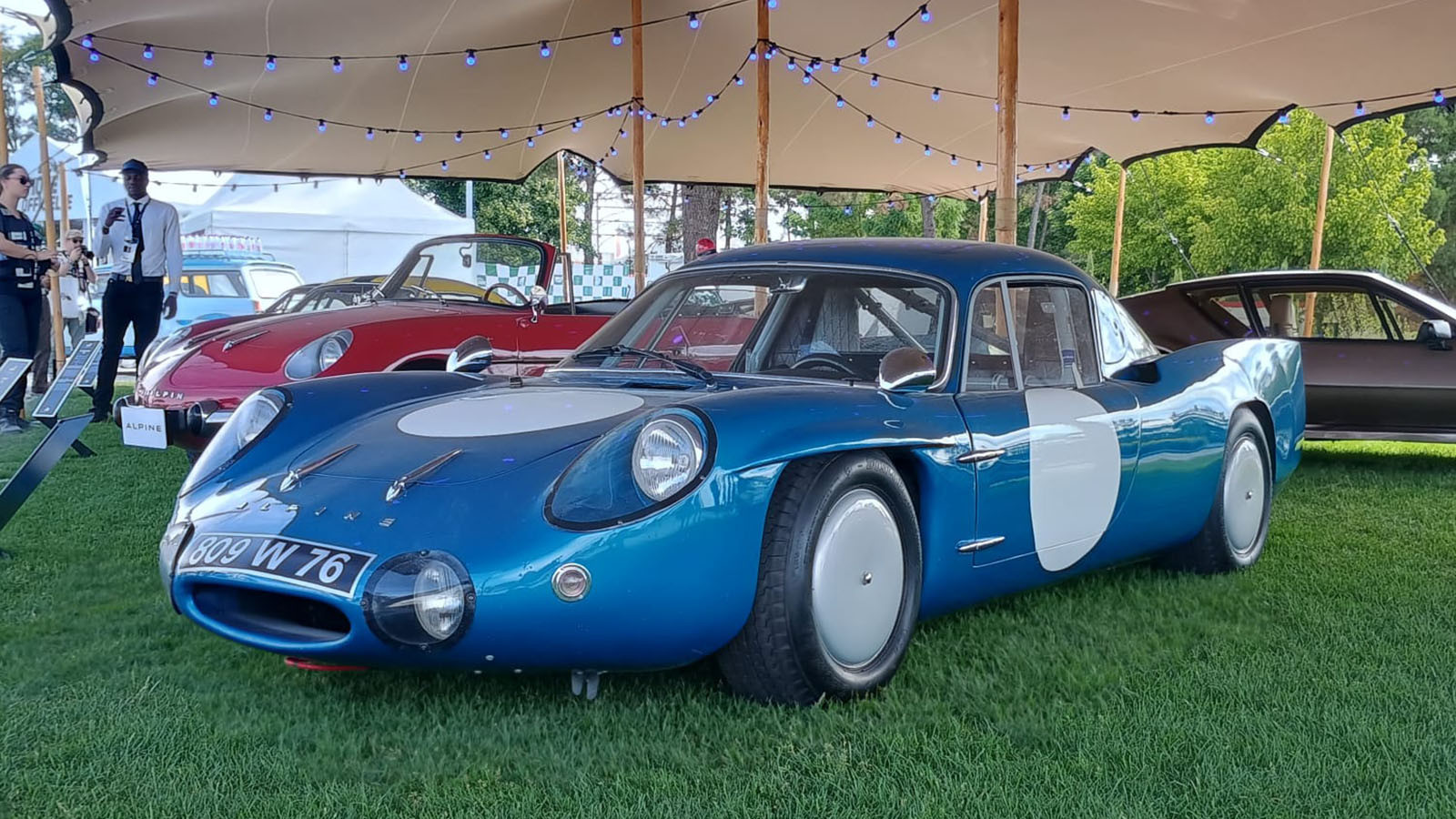
2. Alpine M65
Unable to compete with the likes of Ford and Ferrari with no large engines being made by French manufacturers, Alpine turned its attention to the energy efficiency and performance index awards at Le Mans in the 1960s.
No M65s finished the race in 1965, but the car was the first with an engine smaller than 1.3 litres to lap at an average speed of more than 200kph, showing off for the first time the stabilising tailfins later Alpine racing cars became famous for.
Energy and performance index awards followed in 1966, 1967 and 1969 in the car’s successor, the A210.
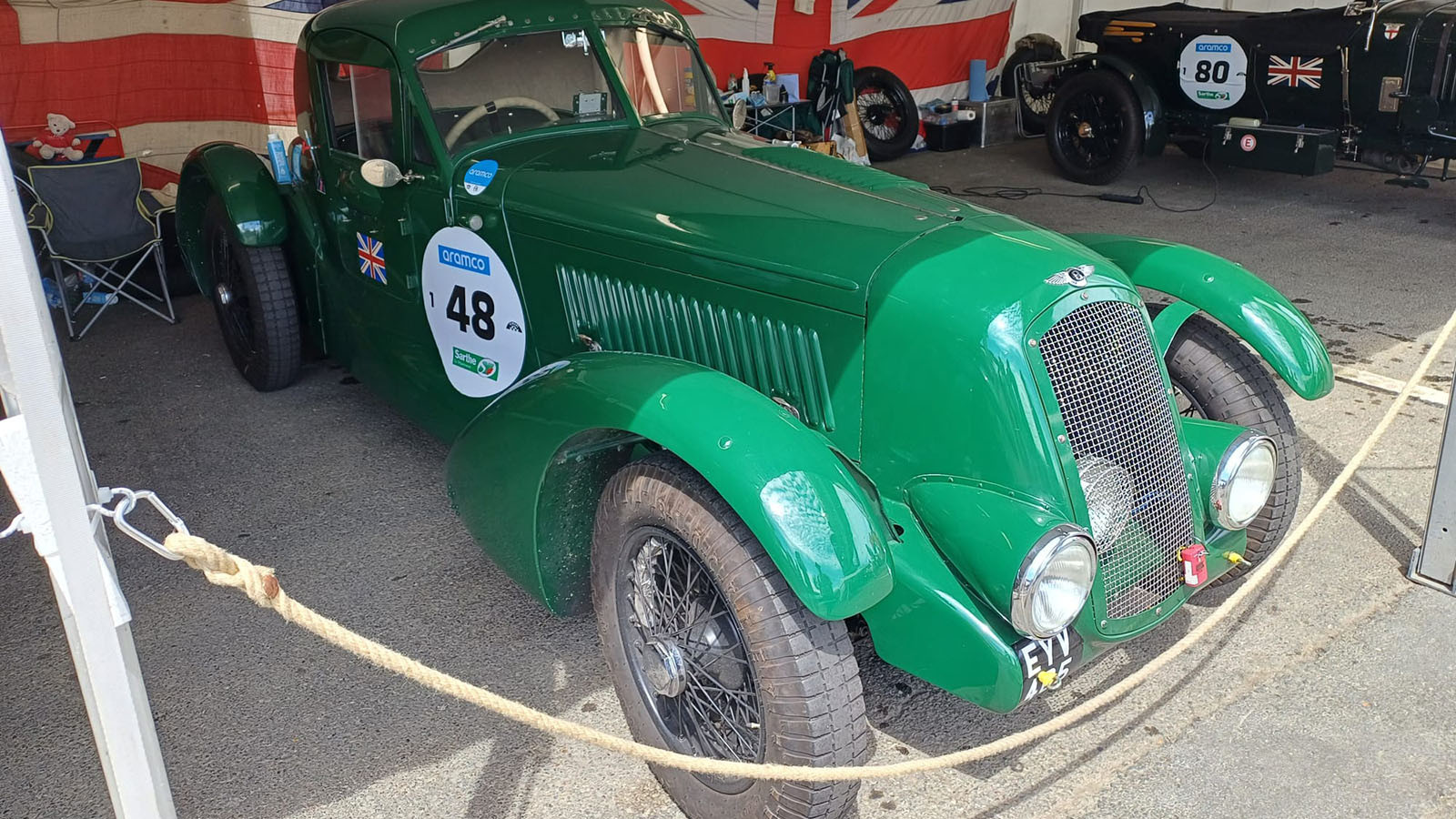
3. Bentley 4¼-litre
Eddie Hall is the only racer to have completed the Le Mans 24 Hours single-handedly, and it was in this 1933 Bentley 4¼-litre in which he achieved it in 1950.
It had been adapted by Rolls-Royce for long-distance racing in 1934, then fitted with its distinctive hardtop roof for Hall’s solo attempt at Le Mans.
At this year’s Le Mans Classic, Sir Paul Carter and Bill Cleyndert shared the wheel.
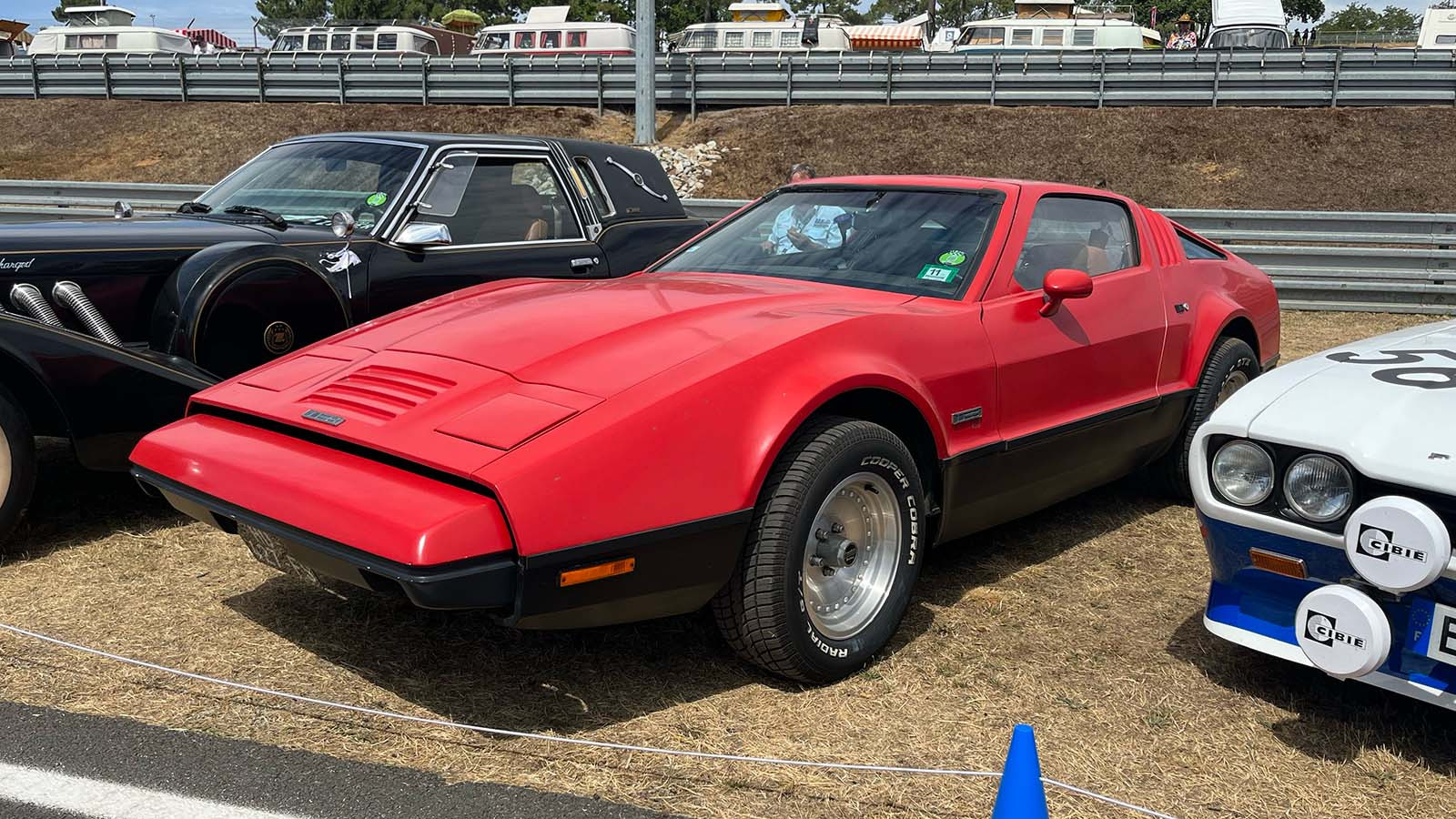
4. Bricklin SV-1
You expect to see plenty of quirky French machines at Le Mans, but a pair of North American cars on the infield was stopping most visitors in their tracks.
This Bricklin ‘Safety Vehicle 1’ must be one of only a handful in Europe.
Brainchild of Pennsylvania-born Malcolm Bricklin, the SV-1 featured impact-absorbing bumpers, gullwing doors and a steel perimeter frame with integral rollcage wrapped in glassfibre and acrylic panels, finished in a variety of eye-catching shades – ‘Safety Red’ in this case.
Some 2897 were built in Canada from 1974-’76, with the aid of backing from the premier of New Brunswick.
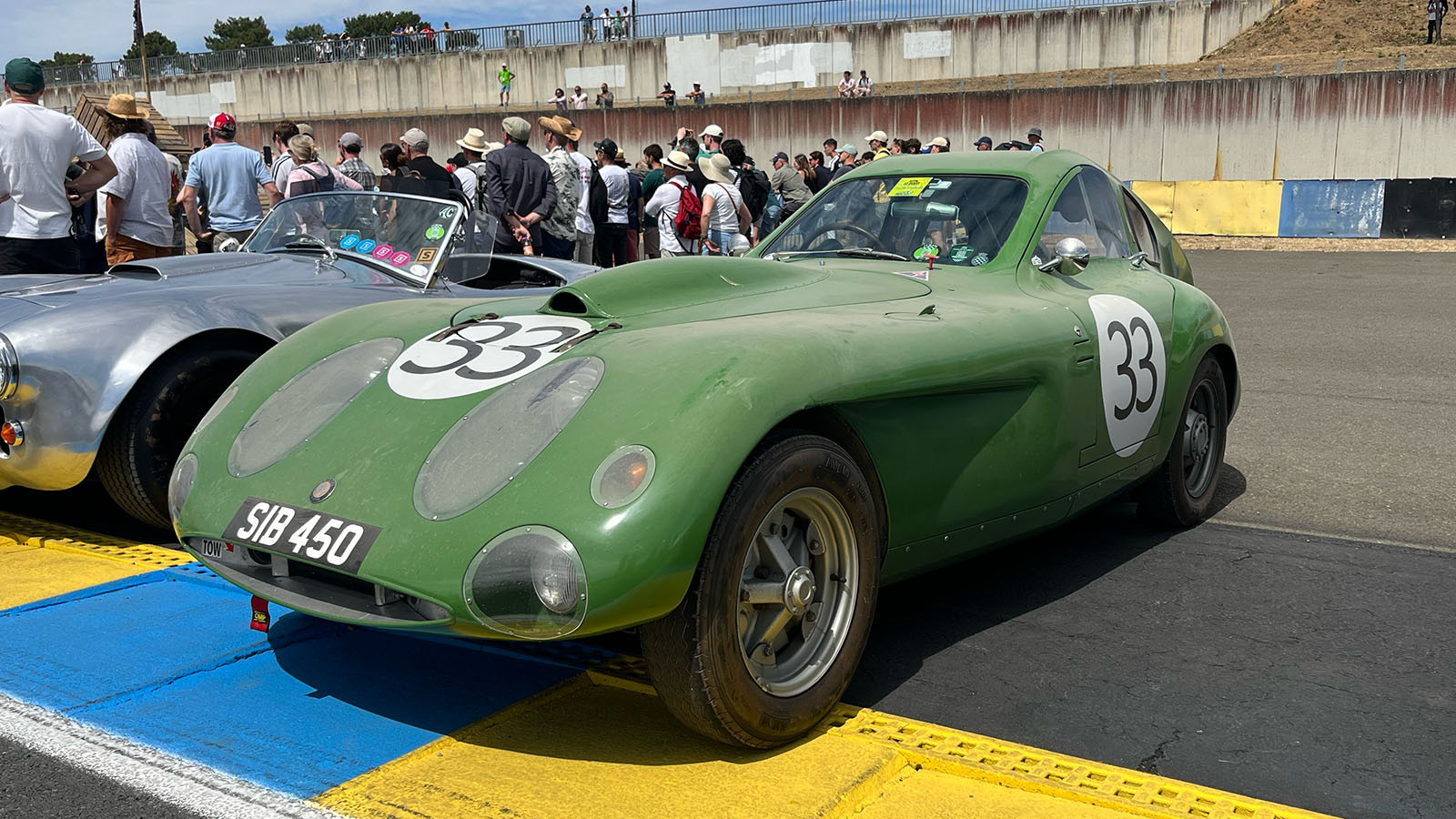
5. Bristol 450 Le Mans
This striking racing car is a replica of the Bristol 450 Le Mans that finished eighth in the 24-hour race in 1954.
The original was destroyed after Bristol withdrew from competition in 1955, so French enthusiast Olivier Boré was inspired to build this faithful recreation in the 2010s.
Hundreds of photographs were used to make a new wooden buck for the bodywork, while Kodak-verified photos helped to colour-match the paintwork.
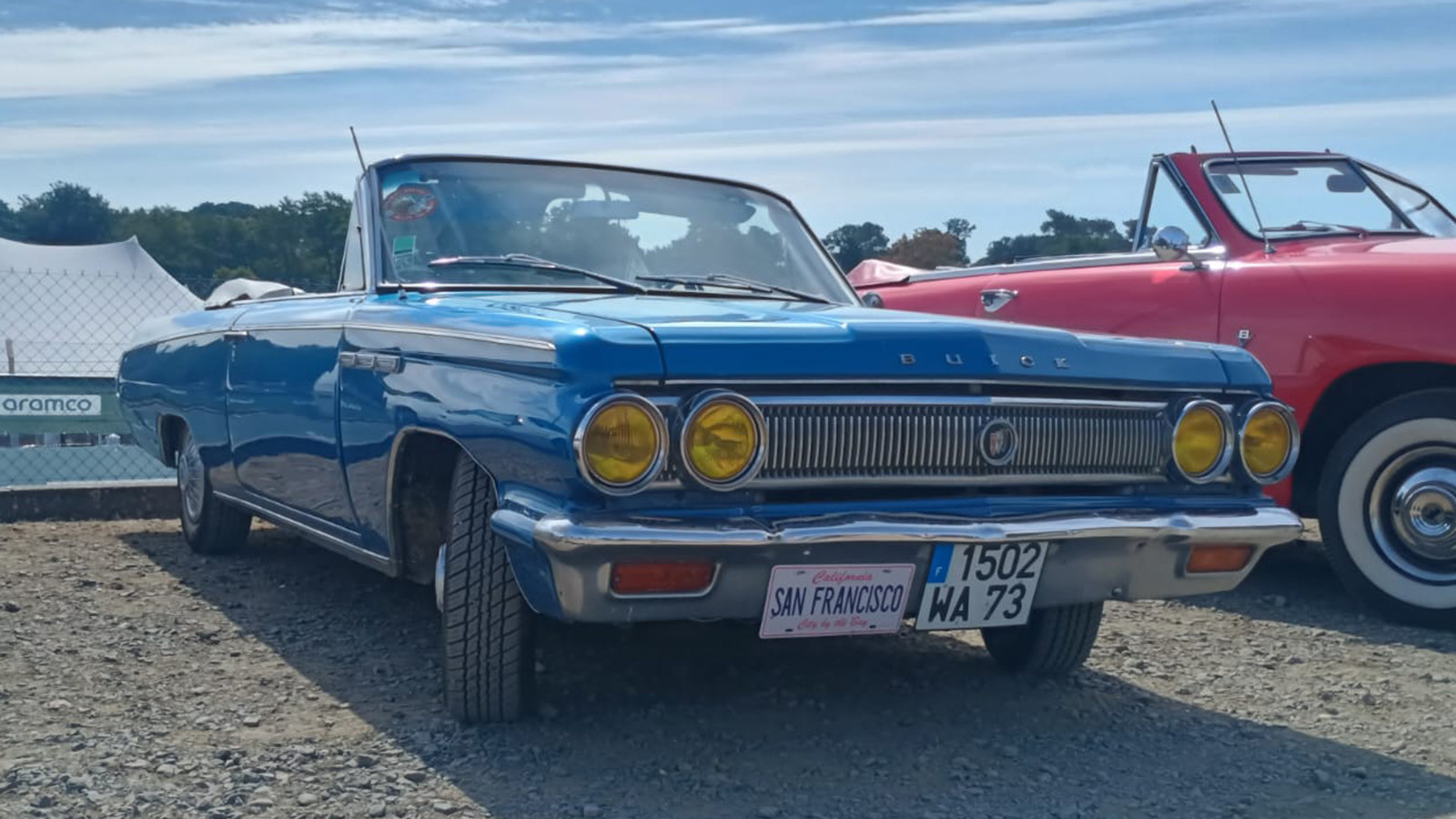
6. Buick Skylark
From the era when Detroit pushed sheet-metal changes every model year to inspire customers to buy a new car more regularly, the 1963 Skylark is the final year of the first-gen model, but has its own, boxier bodywork.
This car’s San Francisco plate suggests it is a later grey import rather than one of the handful of big American cars imported to Europe every year before automotive standards diverged.
Considered a ‘compact’ in US parlance, power came from either a 3.2 litre V6 or a 3.5 litre V8.
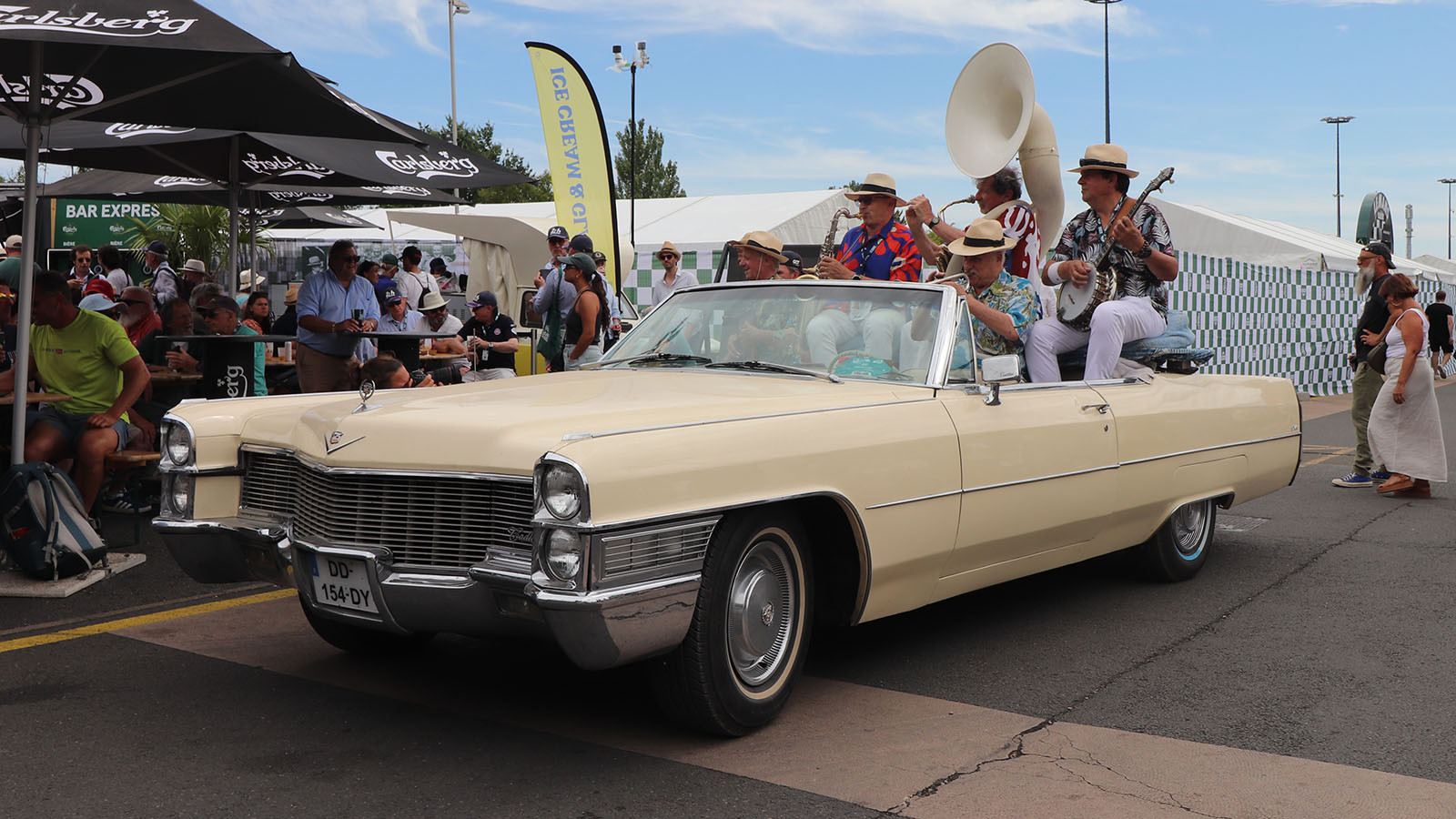
7. Cadillac De Ville
This long and imposing Cadillac De Ville convertible was spotted driving around the Le Mans Classic paddocks.
Surprisingly, its burbling V8 engine was hardly audible.
Perhaps that had something to do with the four men perched in the back, busy playing a saxophone, a trumpet, a banjo and a sousaphone.
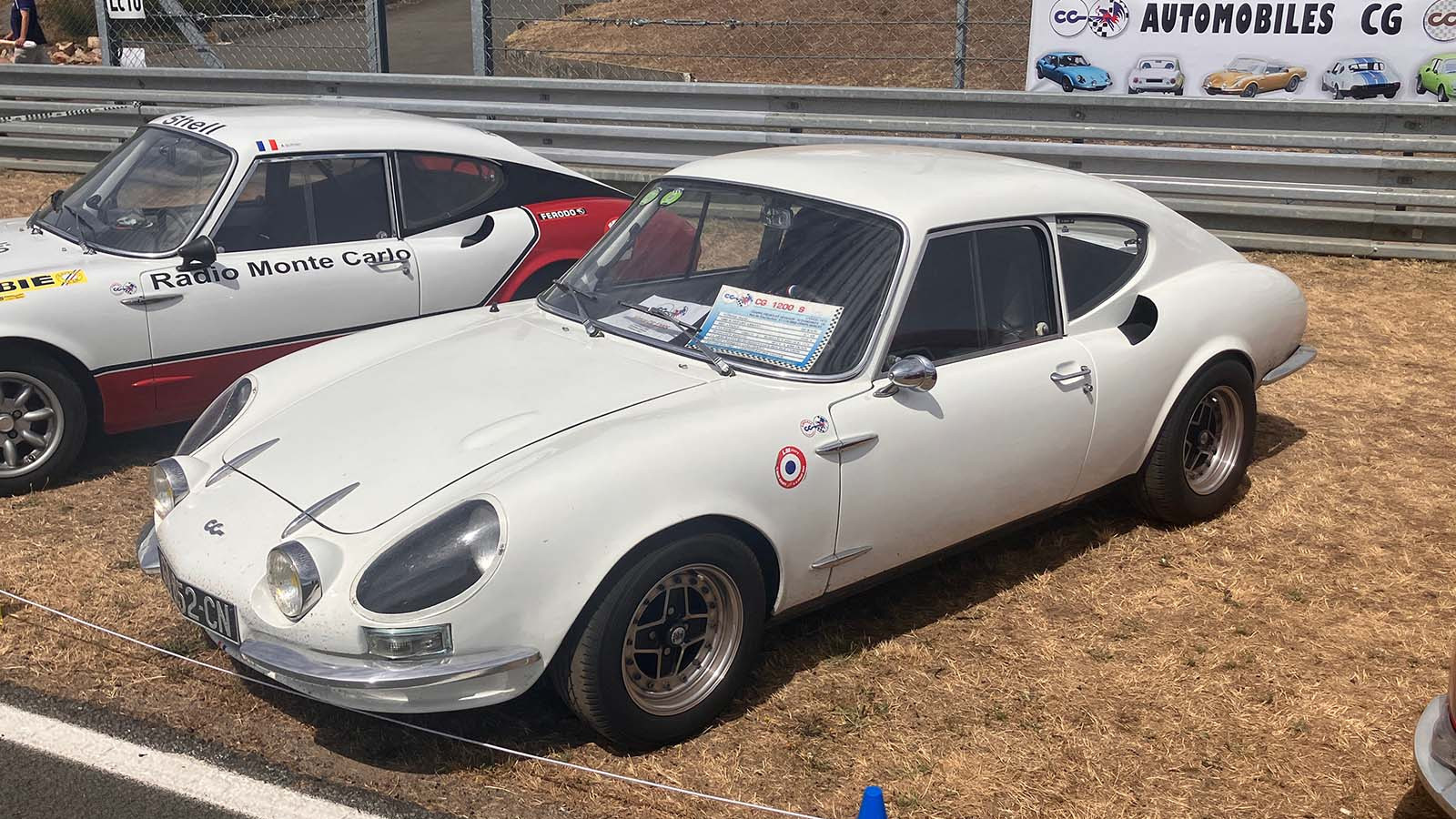
8. CG 1200S
The cute little Chappe et Gessalin (CG) coupé was a one-time rival for Jean Rédélé’s Alpine A110, but unfortunately didn’t manage to achieve the same success.
Built by the three Chappe brothers and their nephew, Jean Gessalin, the CG was powered by a variety of Simca four-cylinder engines, in the case of this 1200S a 1204cc version with a pair of twin-choke carburettors giving 85bhp at 6200rpm – enough for a heady 115mph thanks to the glassfibre-bodied CG’s light weight.
Just 517 of these intriguing cars were built, from 1966-’74.
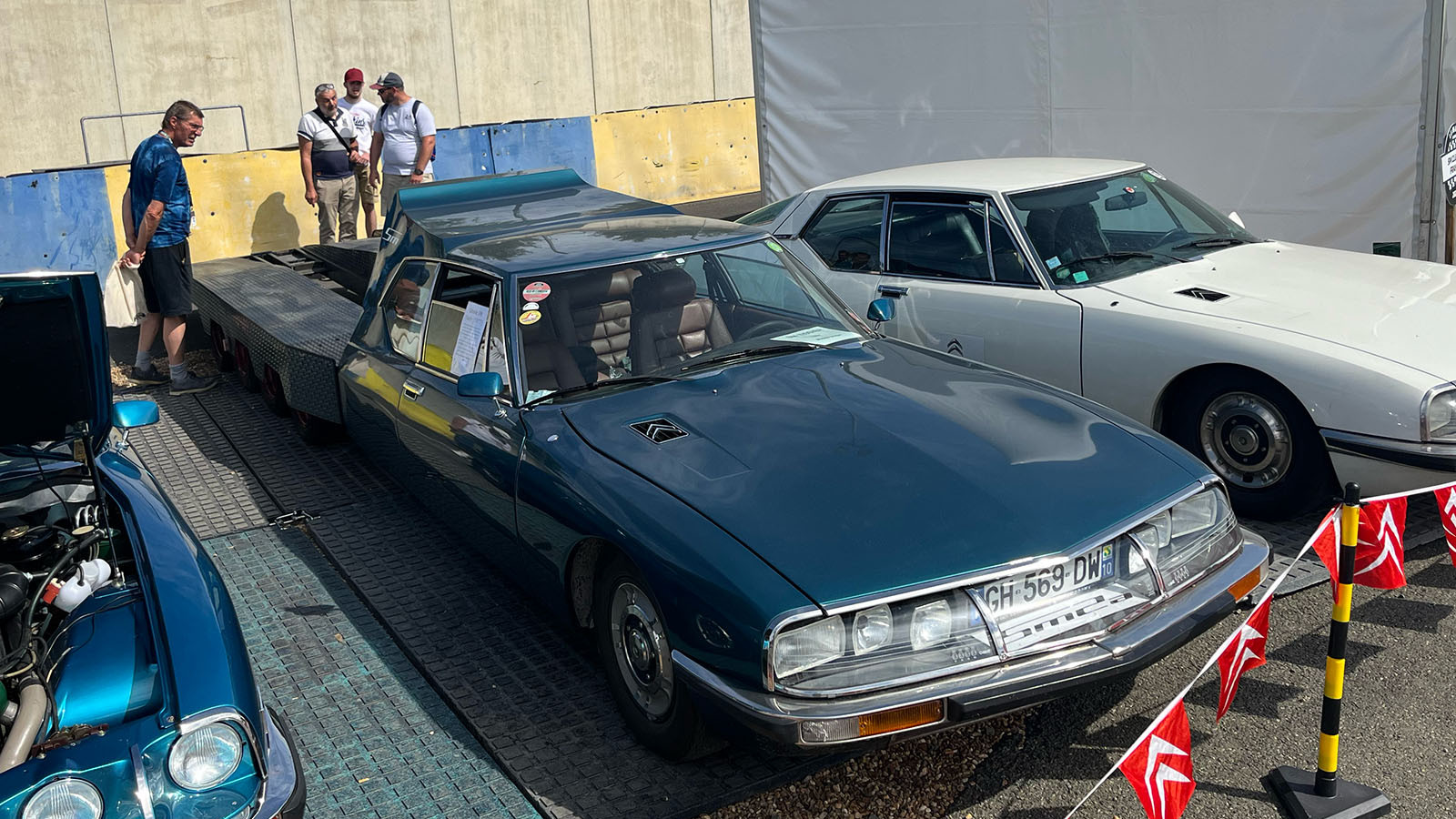
9. Citroën SM Tissier
From the front, this might look like any Citroën SM. But peer past the distinctive, glassed-covered, six-headlight nose and you’ll notice that all is not as it seems with this stretched Citroën.
This 10-wheeler is a one-off car transporter created in 1977 by French firm Tissier.
It emerged from a 2500-hour restoration in 2020.
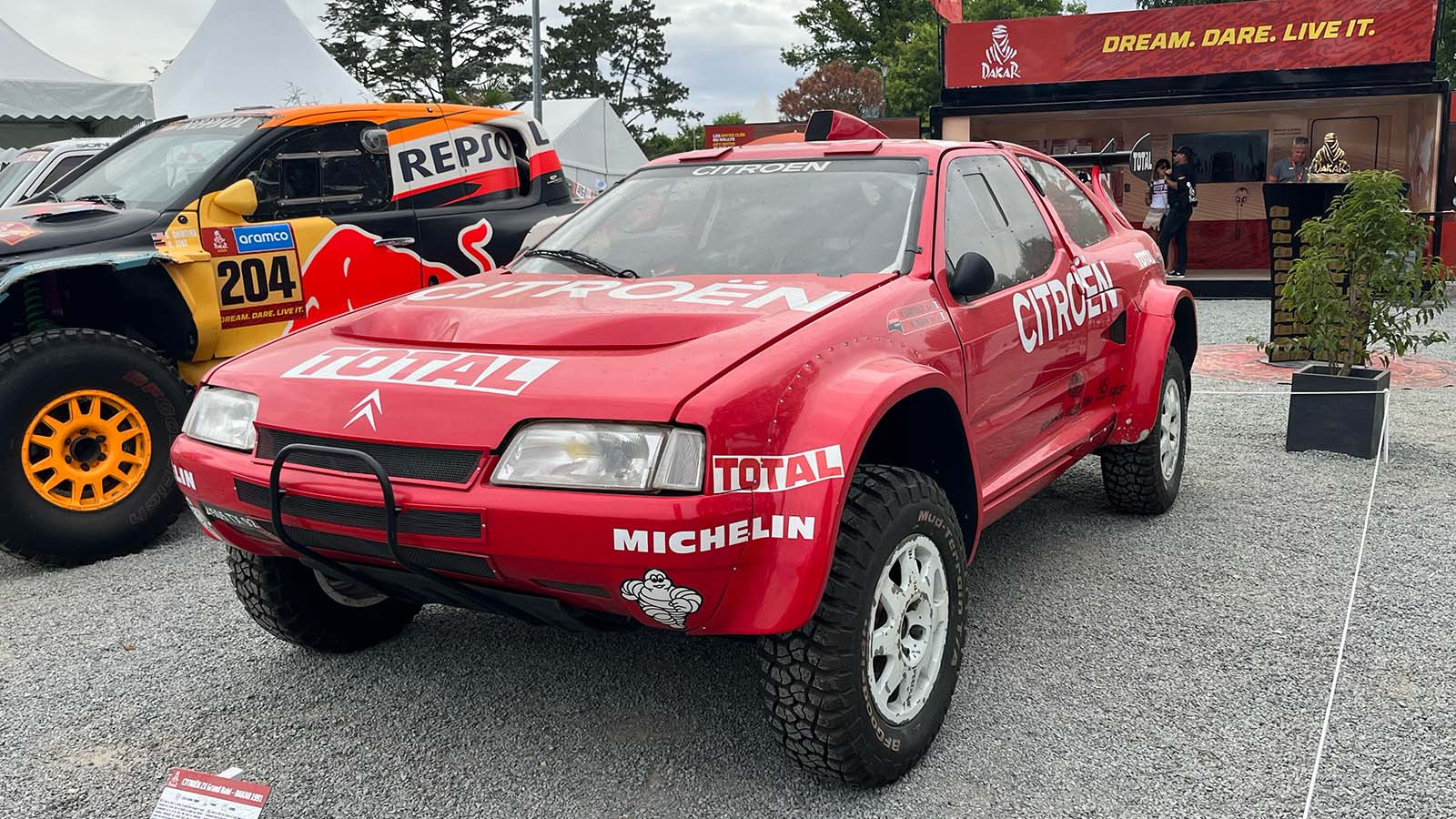
10. Citroën ZX Grand Raid
Visually, this Citroën off-roader somewhat resembles the ZX, the French marque’s ’90s hatchback.
In reality, this 300bhp Dakar Rally competitor owes little to the three-door Vauxhall Astra rival.
It was built by Citroën Sport with help from the team that produced the Peugeot 205 T16 and 405 T16.
Between 1991 and 1996 it won the Dakar Rally four times, with drivers including Ari Vatanen, Hubert Auriol and Pierre Lartigue.
The car we saw at Le Mans Classic 2025 is chassis number one, the development mule that gave way to 1991's Dakar winner.
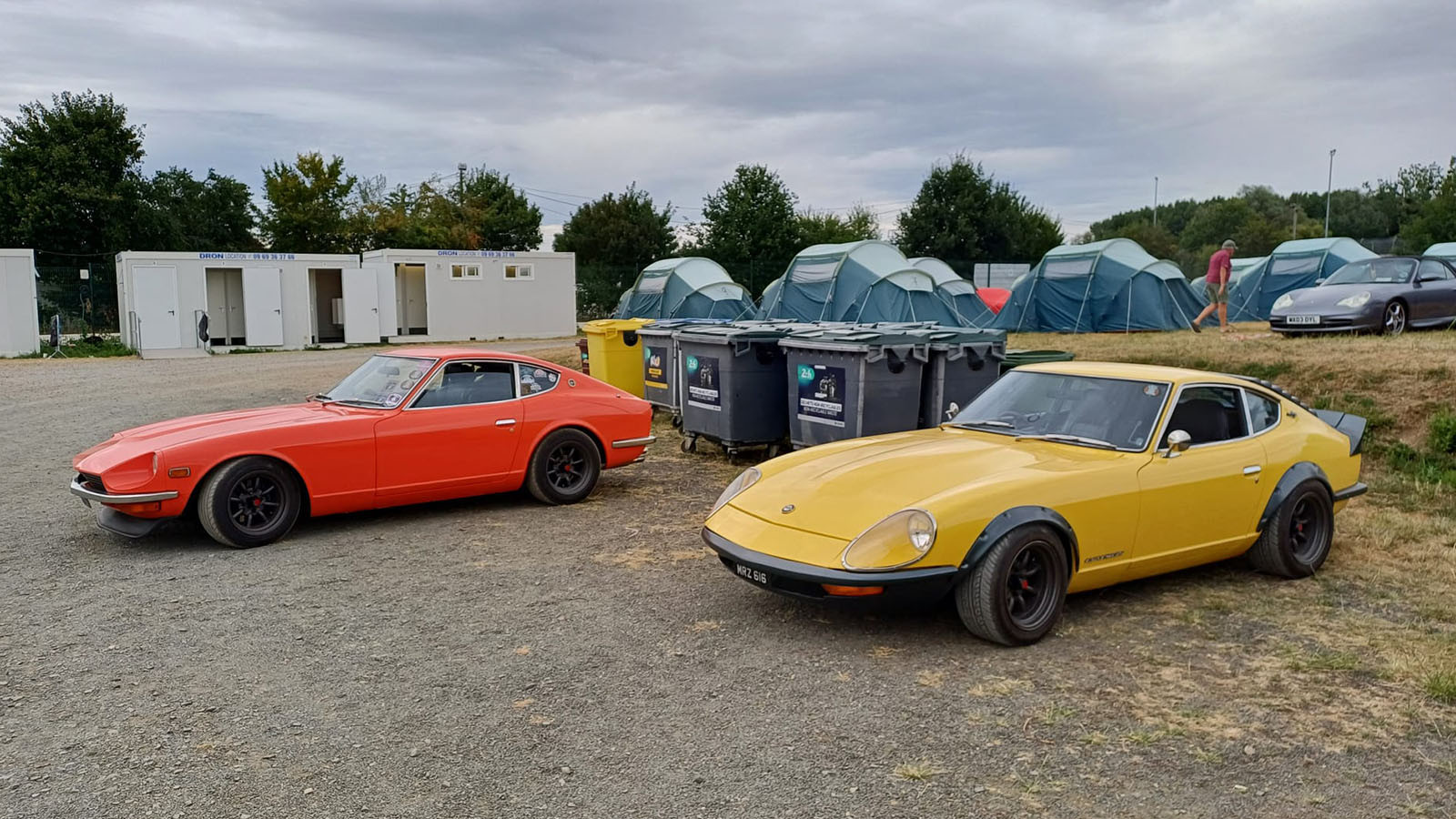
11. Datsun 240ZG
This 240ZG (right) is likely one of those later fitted with the glassfibre nose and extended wheelarches in markets outside Japan, where the ‘ZG’ was built to homologate the model for Group 4 racing.
This treatment reduced the drag coefficient to 0.39Cd, for a 130mph top speed.
In bright yellow, it was a highlight of a surprisingly high number of Z-cars, including the orange one parked next to it.
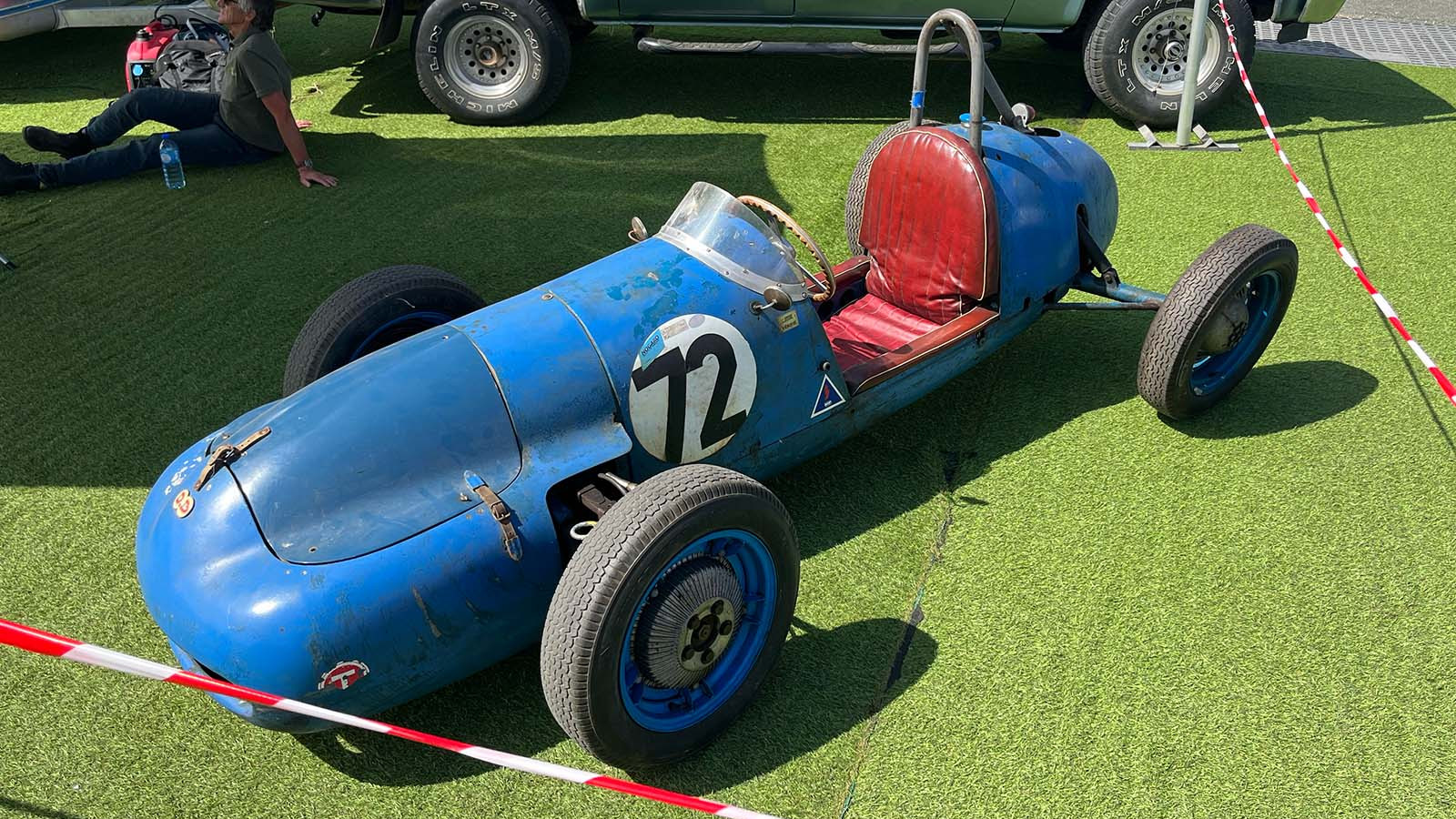
12. DB Monomill
Frenchmen Charles Deutsch and René Bonnet established Deutsch-Bonnet (DB) sports cars in the 1930s.
In the 1950s, the pair created a bunch of front-engined, front-wheel-drive racing cars for a one-make junior motorsport category.
The series was short-lived (because of the 1955 Le Mans disaster) and this bright-blue single-seater must be one of very few still in existence.
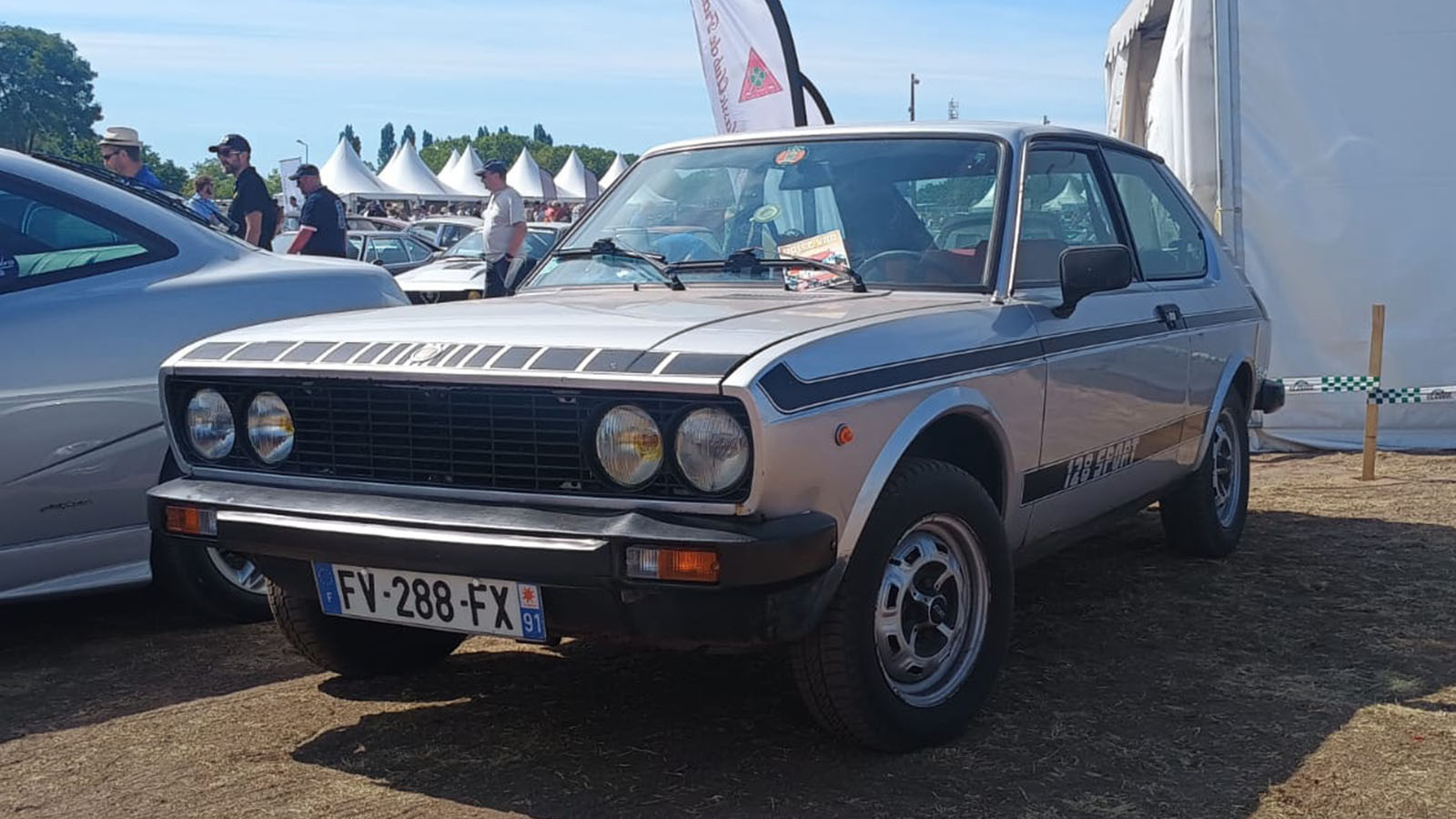
13. Fiat 128 3P Sport
Built for just three years, the 128 3P (for tre porte or three door) was a facelift of the 128 coupé that added a hatchback and pulled the styling into the mid-1970s, with chrome being replaced by black plastic.
An internal competitor to the Bertone-built Fiat X1/9 as the sporty derivative of the 128, the 3P essentially laid out the formula of the far more popular VW Scirocco a year before the German car arrived.
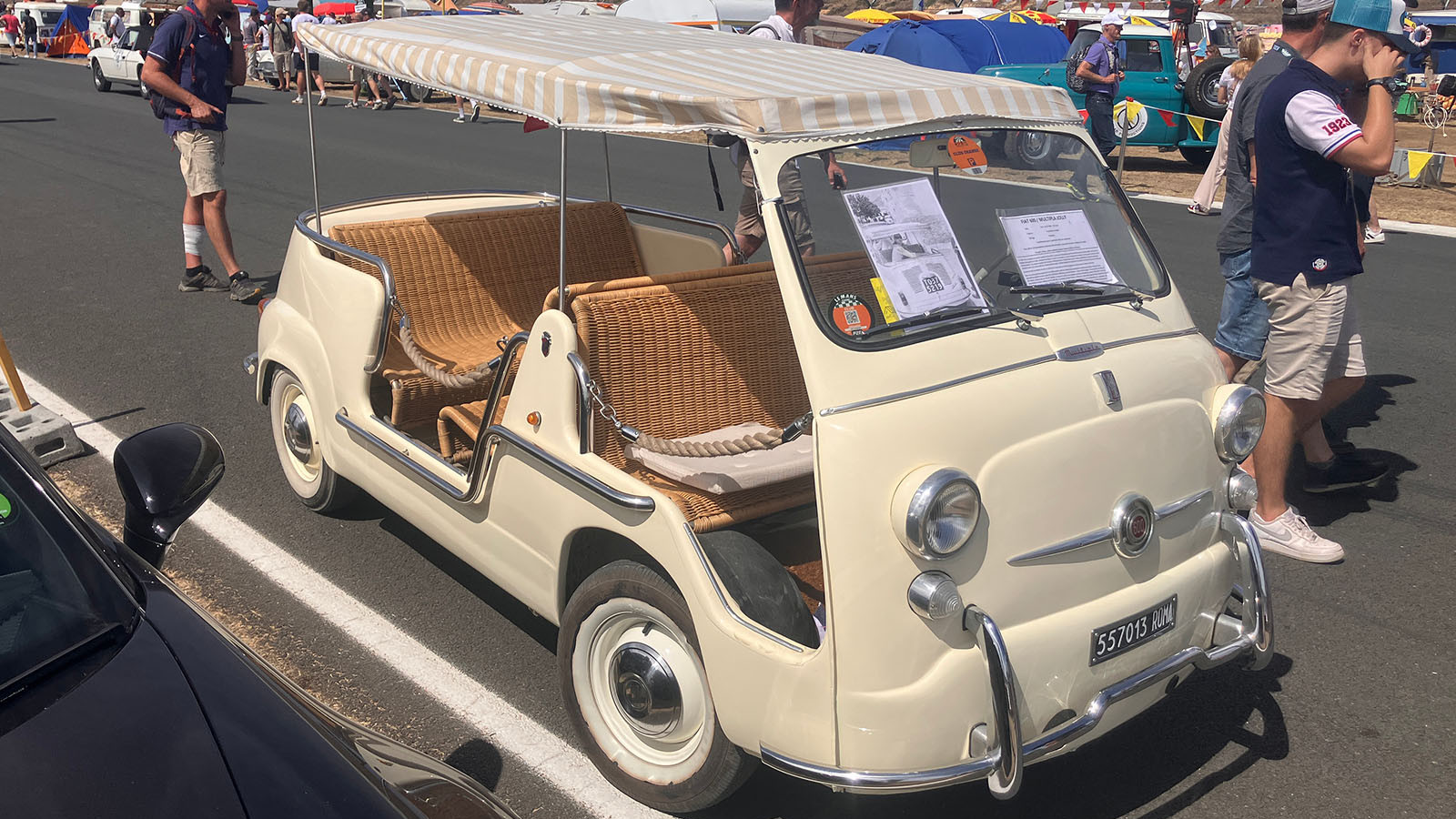
14. Fiat 600 Multipla Jolly
One of a rumoured 200-250 cars to have been converted on request by Ghia, this super-cute Fiat Multipla Jolly beach car was just the thing for cruising around the paddock and infield.
Featuring six wicker seats and a canvas top to keep off the worst of the sun, it was created as a plaything for the rich and famous (it cost double the price of a standard 600) to use as a tender for their yachts when in port.
Aristotle Onassis was reportedly the first buyer to take the plunge on a Multipla Jolly, and 32 of them were bought for use as taxis on the island of Catalina, off the Californian coast.
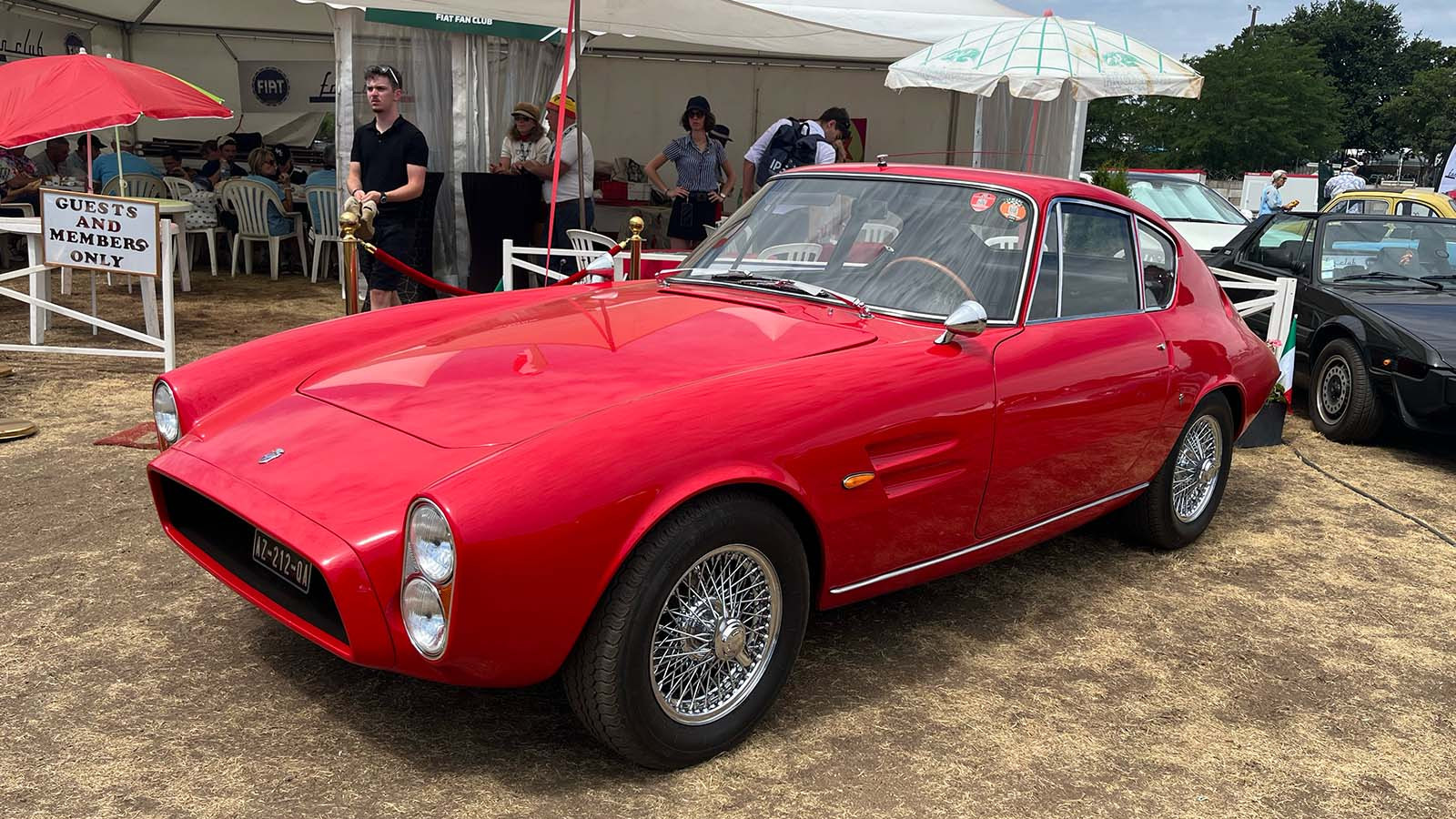
15. Ghia 1500 GT
This little sports car wears a Ghia badge on its bonnet.
The 1500 GT was the Italian coachbuilder’s take on the Fiat 1500 coupé.
Although the standard car’s running gear remained, including the four-cylinder engine, Ghia shortened the wheelbase, created new front subframes, and shifted the engine and gearbox rearwards to improve weight distribution.
Stylist Sergio Sartorelli used a wind tunnel to create the coupé’s shape.
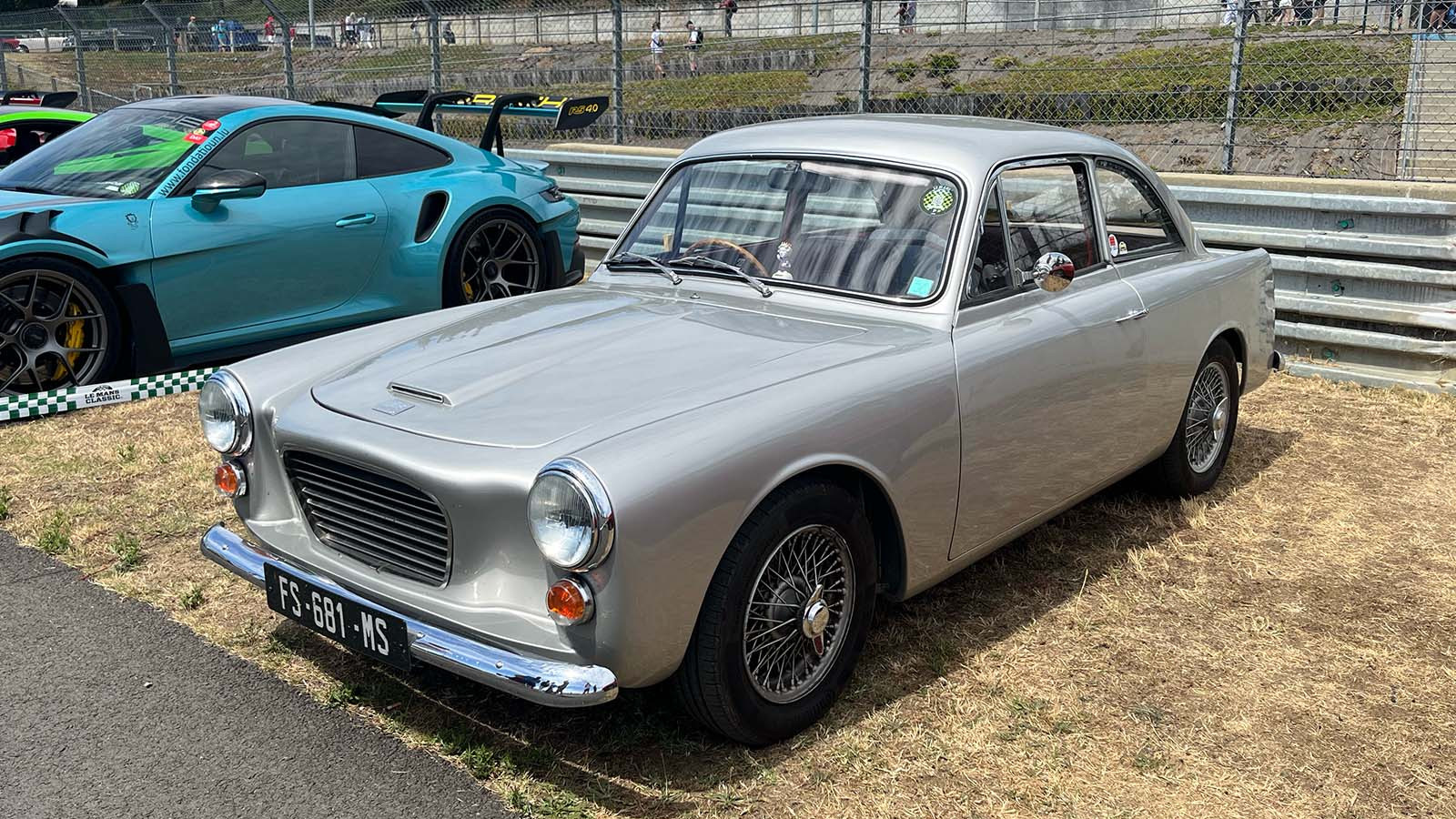
16. Gilbern GT
A German former prisoner of war and a Welsh butcher teamed up to create Gilbern Sports Cars in 1959.
Their first model was this, the BMC-engined Gilbern GT.
Fewer than 300 were built and most were sold in the UK, making this French-registered example of the glassfibre sports car a very rare sight.
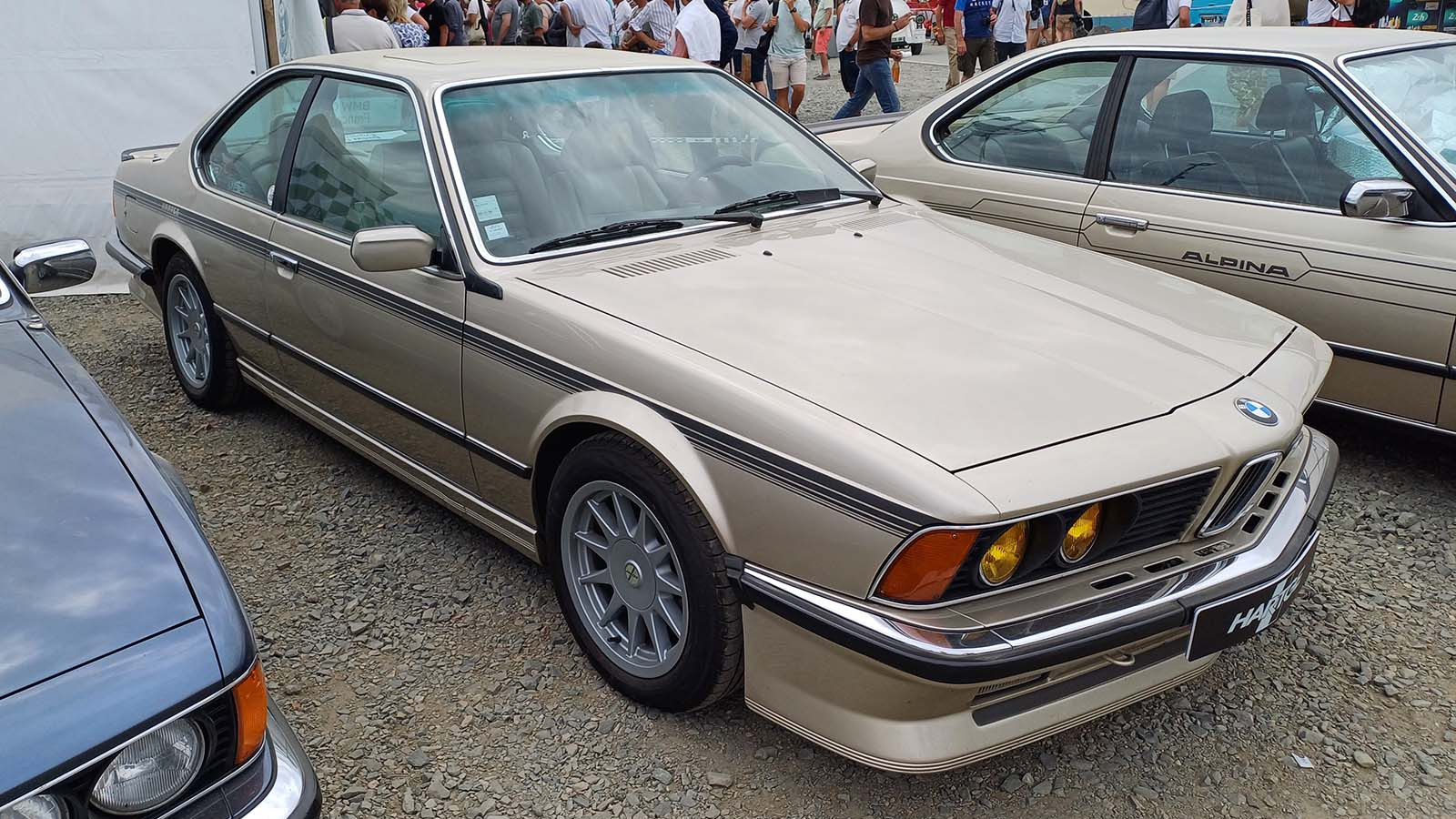
17. Hartge H6S E24 6 Series
Tuned by Hartge in south-east Germany, this early BMW 635CSi became the ‘H6S’ with a 15bhp bump to 240bhp, along with new wheels, a bespoke bodykit and suspension upgrades.
There were also H6SP and H6-24 versions, the latter based on the M635CSi.
This car was one of 25 E24-generation 6 Series on display near the Dunlop bridge, alongside an Alpina B9 3.5.
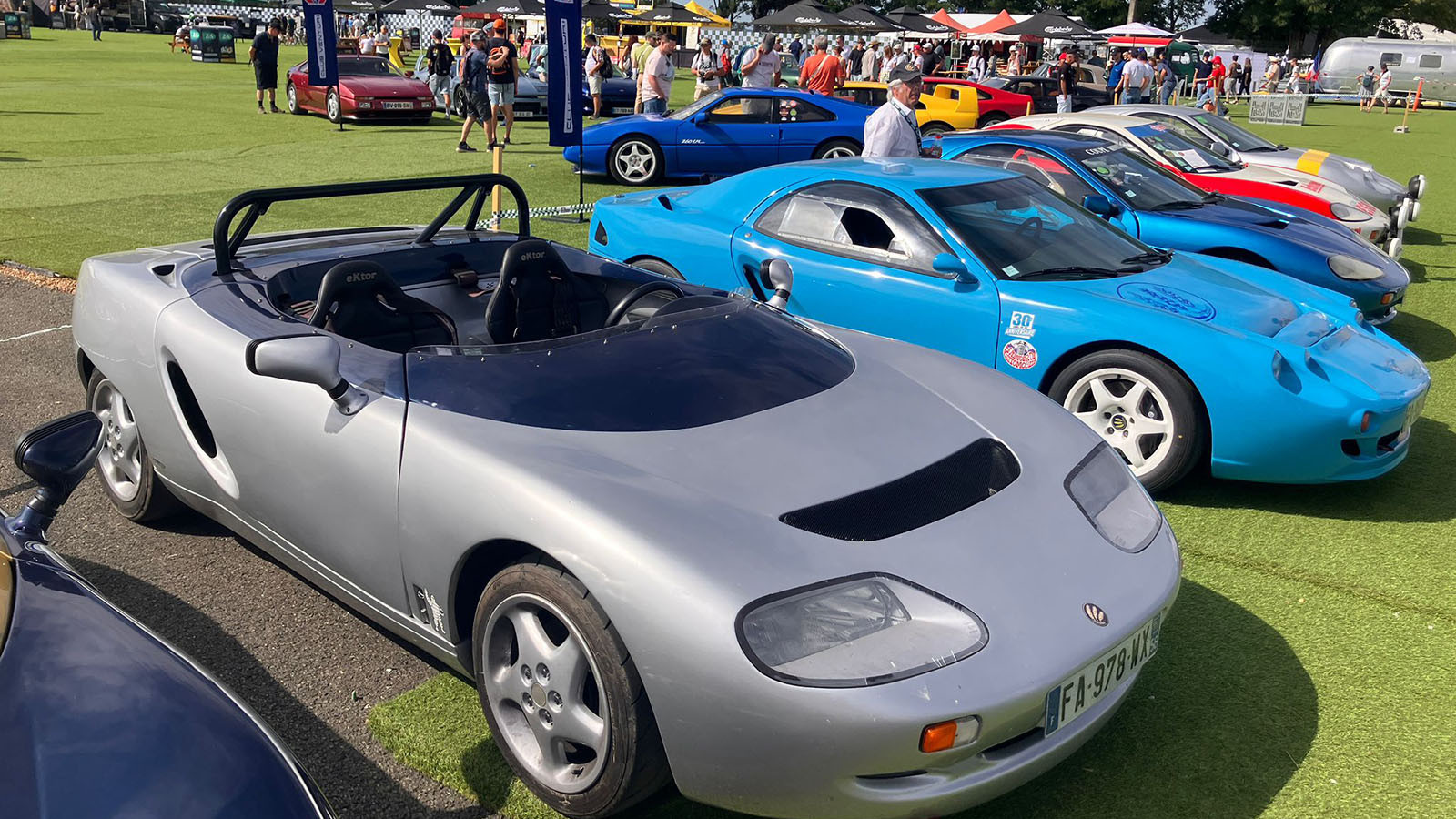
18. Hommell Barquette
The product of a competition by French motoring magazine Echappement to discover the perfect sports car, the Hommell Berlinette was bankrolled by publisher Michel Hommell and launched in 1991.
That perfect recipe comprised two seats, four cylinders, 2 litres, no power steering and an all-in weight of 900kg (1984lb), and in the Berlinette it was wrapped in a slightly plain but chic coupé body.
The Barquette roadster was more extreme, and spawned by a one-make race series that featured some very close competition for the little sports cars propelled by the 16-valve engine from a Peugeot 306.
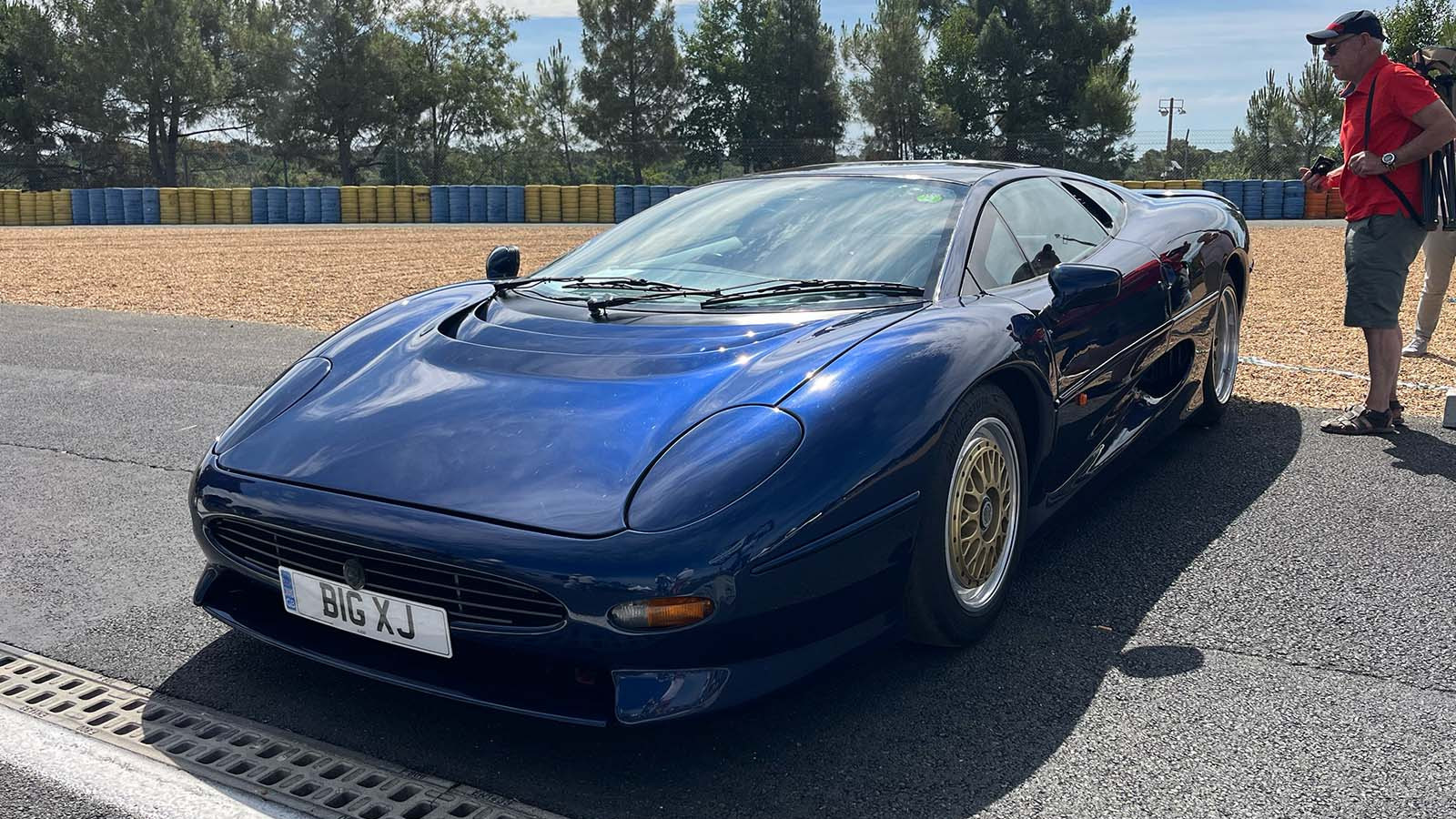
19. Jaguar XJ220
This Jaguar XJ220 attracted a big crowd at 2025’s Le Mans Classic.
Chassis six was one of eight pre-production cars. According to its owner, its twin-turbo V6 was tuned to XJ220 S specification and makes c700bhp.
This example also spent time as Jaguar’s press car, so can be spotted in period magazines.
Its current custodian is determined to maintain this pre-production car’s original quirks, like its gold BBS alloy wheels.
20. Ligier JS2
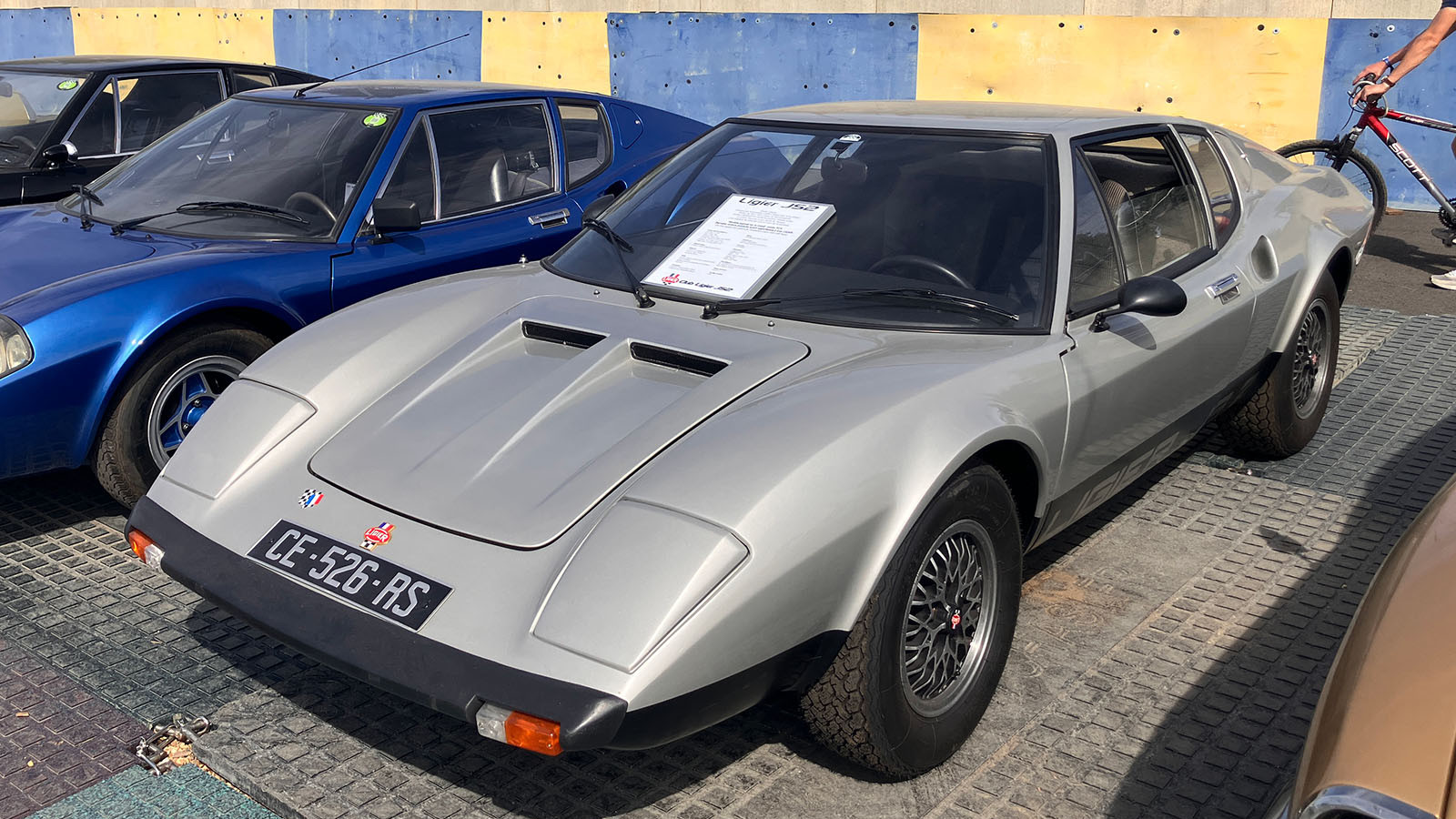
Guy Ligier’s name is best associated with his eponymous Formula One team, but he also produced a spectacular, rare and little-known road car from 1972-’75.
Powered by a mid-mounted Maserati 3-litre V6 from a Merak SS, with triple Weber carburettors giving 220bhp, it weighs just 980kg (2161lb) thanks to a lightweight, glassfibre body, meaning a 157mph maximum speed.
This particular example was reportedly the last of fewer than 100 cars built, featuring a restyled bonnet and bumpers plus pop-up headlights in place of earlier cars’ fixed units, and was previously owned by Monsieur Ligier himself.
21. Mercedes-Benz 320SL Mille Miglia
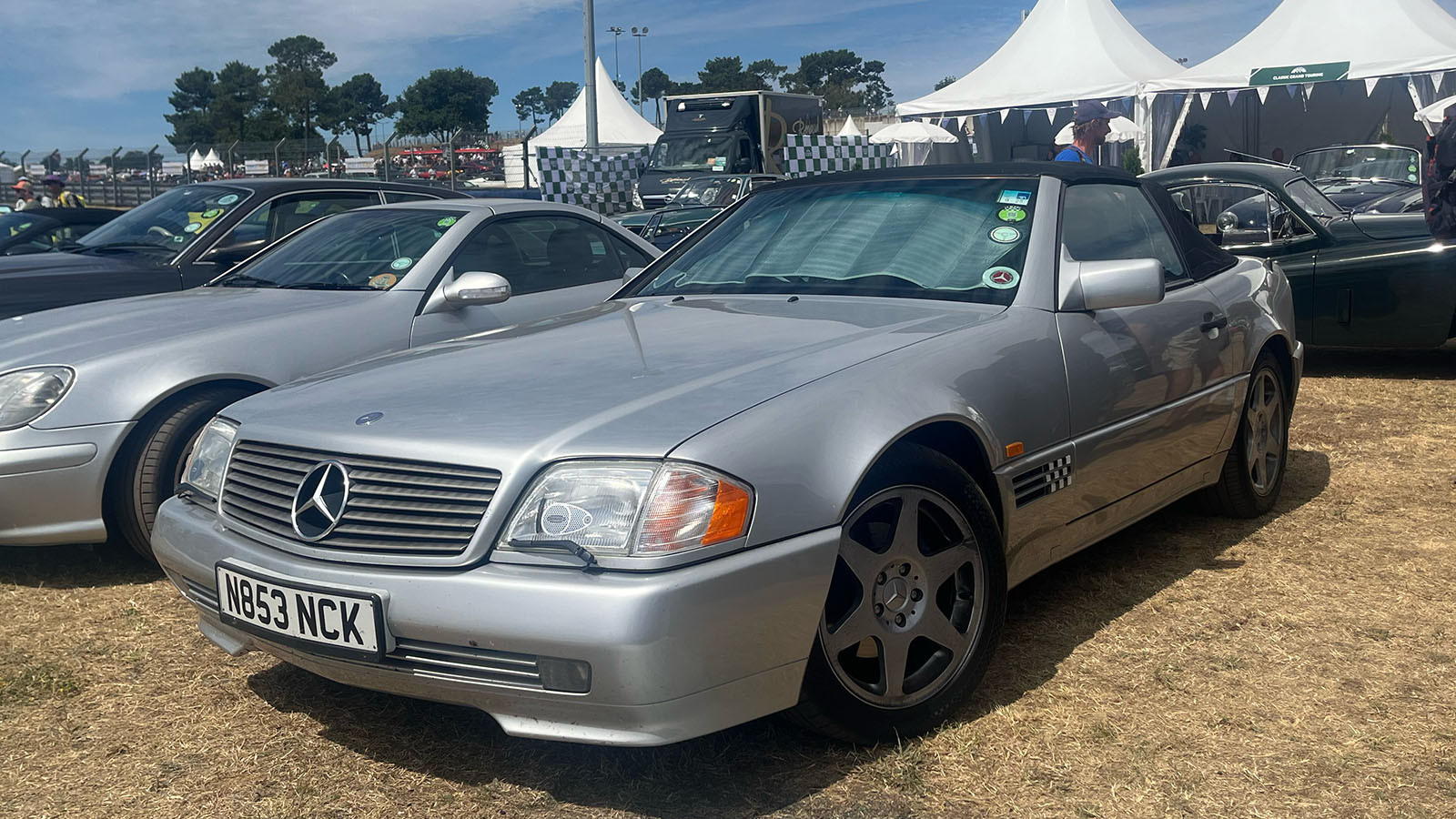
Built to celebrate the 40th anniversary of Stirling Moss winning the fabled 1000-mile race in Italy, this special-edition SL has subtle nods to the 300SLR that took first place in 1955.
Available in both 320SL and 500SL guise, this example is fitted with the M104 3.2-litre, 24-valve straight-six.
Regardless of engine choice, all Mille Miglia SLs were finished in Brilliant Silver Metallic with a red-and-black interior.
There are also six-spoke alloys borrowed from the 190E 2.5-16 Evolution II, carbonfibre interior trim pieces and a chequered-flag motif on the front-wing vents.
22. Mercury Commuter
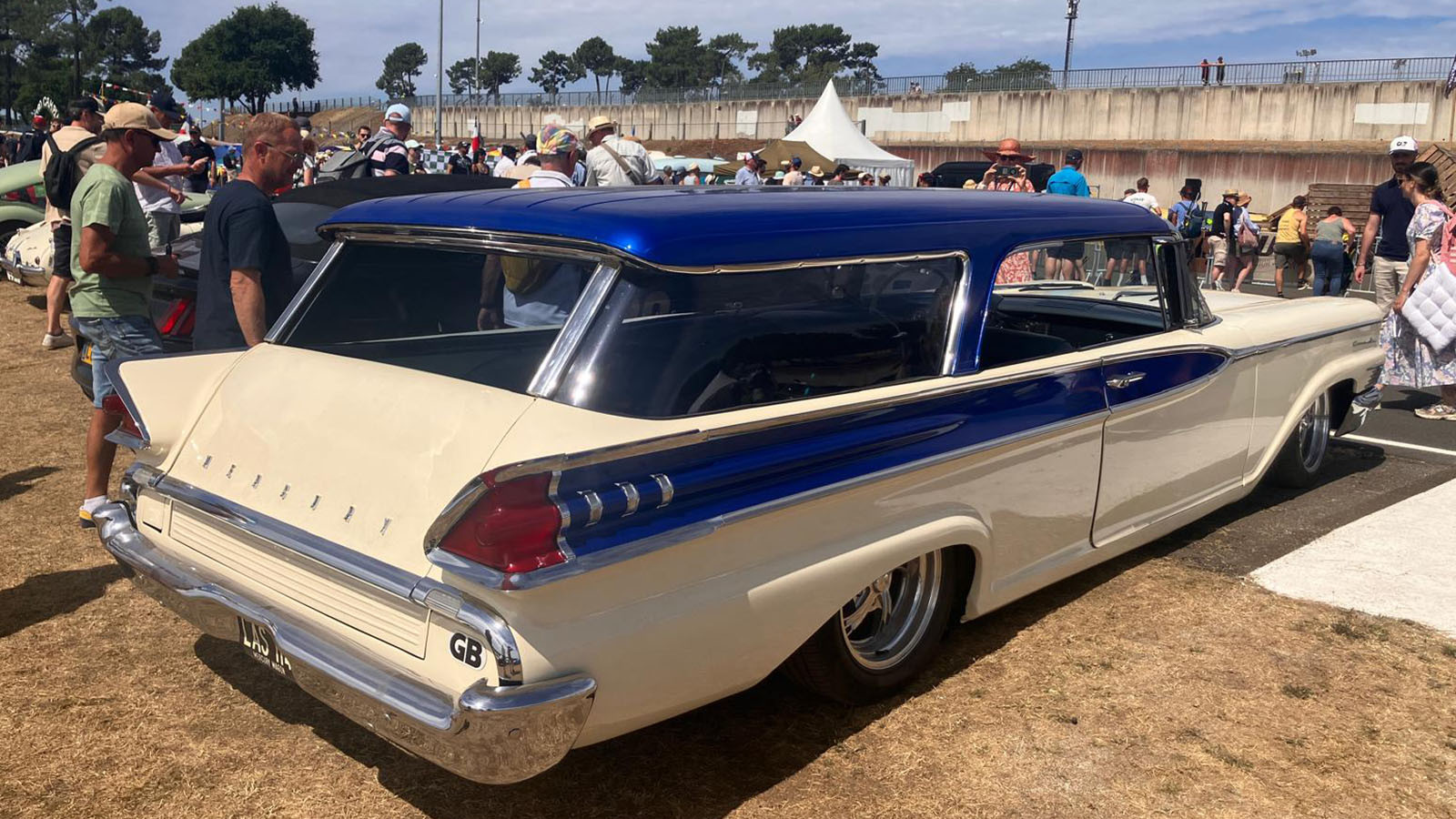
One of a huge number of cars to drive down to the Circuit de la Sarthe from the UK, but originally hailing from the other side of the Atlantic, this sensational, low-riding custom is based on a Mercury Commuter.
Built from 1957-’68, the Commuter was a ‘full-size’ station wagon that came in four-door or, as here, funky two-door style.
It looks for all the world like a more outlandish version of the Chevrolet Nomad, with its stylish wraparound window augmented here by the two-tone laser blue and cream paintjob.
Inside there’s some fabulous gold detailing, and room for four abreast on its vast bench seats – though the 390cu in (6.3-litre) V8 should still provide enough pace.
23. Peugeot 403 Camionnette-Bâché
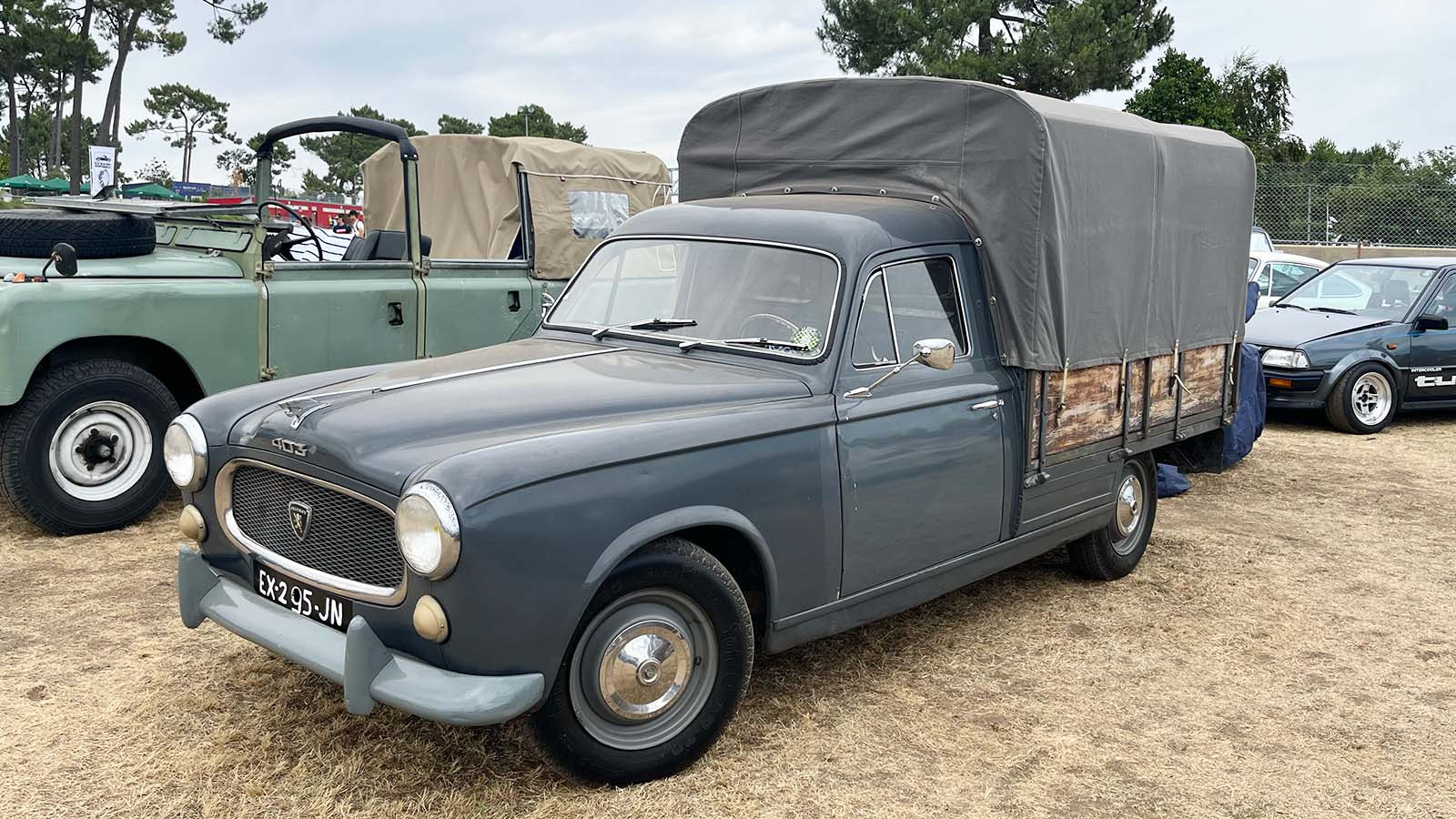
It was perhaps a no-brainer that the car that became known as l’increvable (the indestructible) would be sold as a pick-up.
The workhorse was available from 1956, alongside saloon, estate and convertible versions of the dependable Peugeot 403.
The 403’s broad appeal helped it to become the first Peugeot to pass one million sales.
We spotted this French-registered car in the club display area at the Le Mans Classic 2025.
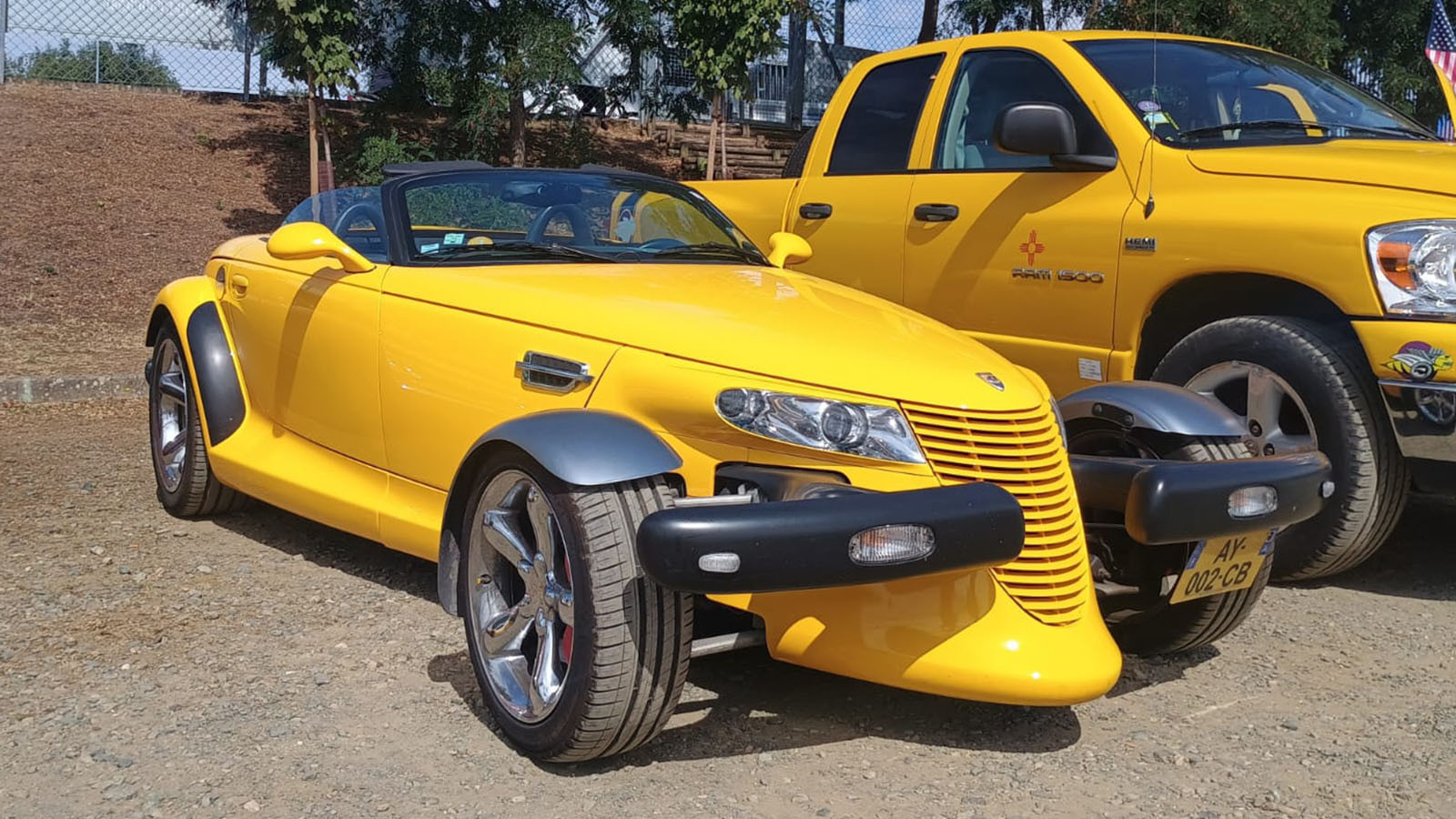
24. Plymouth Prowler
An early and unsuccessful attempt at the retro craze that’d sweep car design in the early 2000s, the Plymouth Prowler was released in 1997 as a from-the-factory hot rod.
Based on the Chrysler Concorde saloon, many were disappointed by the car’s lack of a V8 engine (powered instead by a V6), though other details such as its aluminium bodywork and transaxle gearbox impressed nonetheless.
First intended to be the start of a Plymouth rebirth producing retro-styled cars including the PT Cruiser, it ended up being the last Plymouth built.
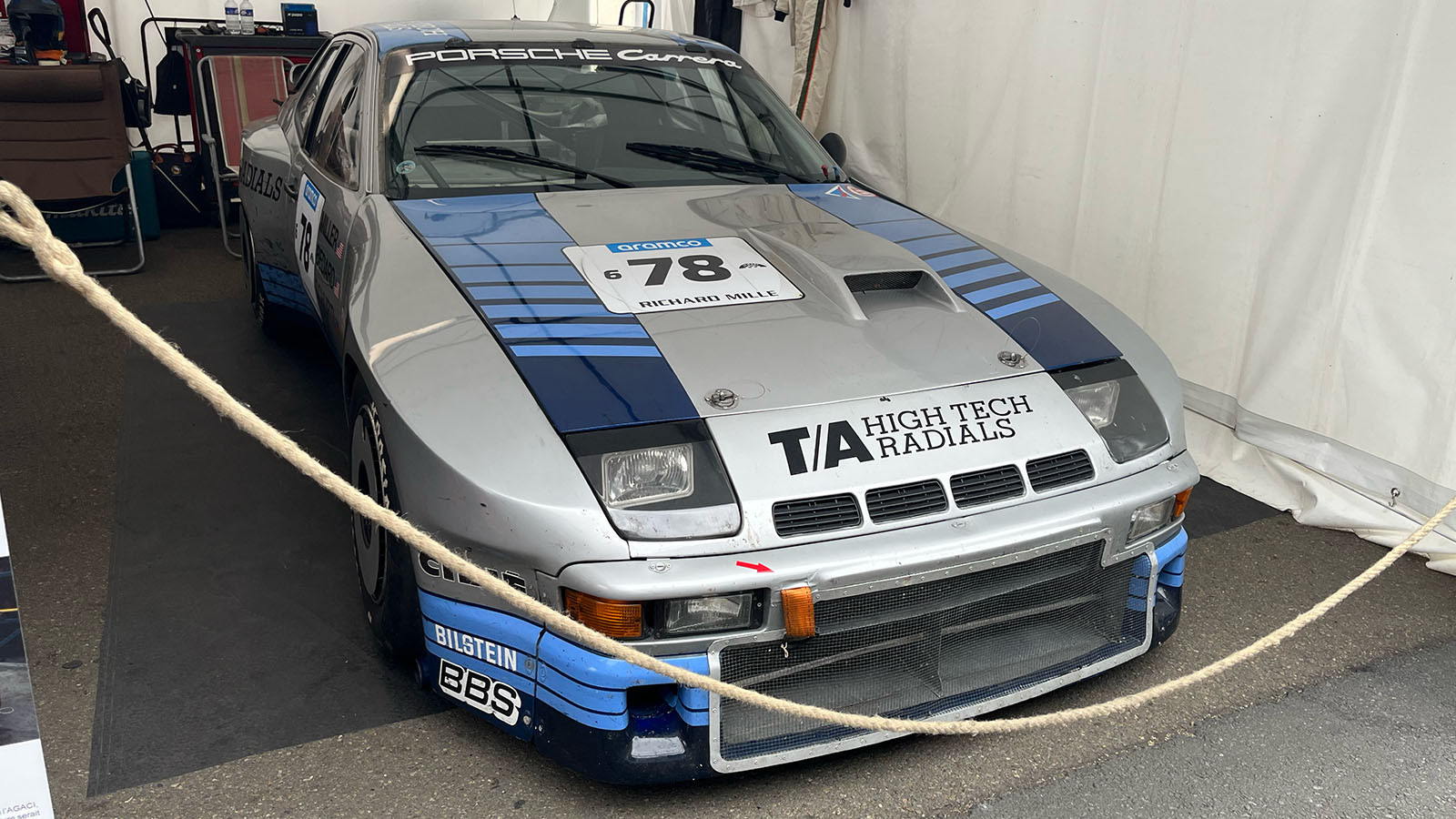
25. Porsche 924 GTR
The Porsche 924’s troubled arrival – the front-engined sports car was originally designed to wear a VW badge – was soon forgotten when the Carrera GTR came along.
The sub-1000kg (2205lb) racer helped silence Porsche fans who decried the roadgoing version of the 912 and 914 replacement.
This car was one of 19 built. It competed at Le Mans, Daytona, Sebring, Riverside and elsewhere in period.
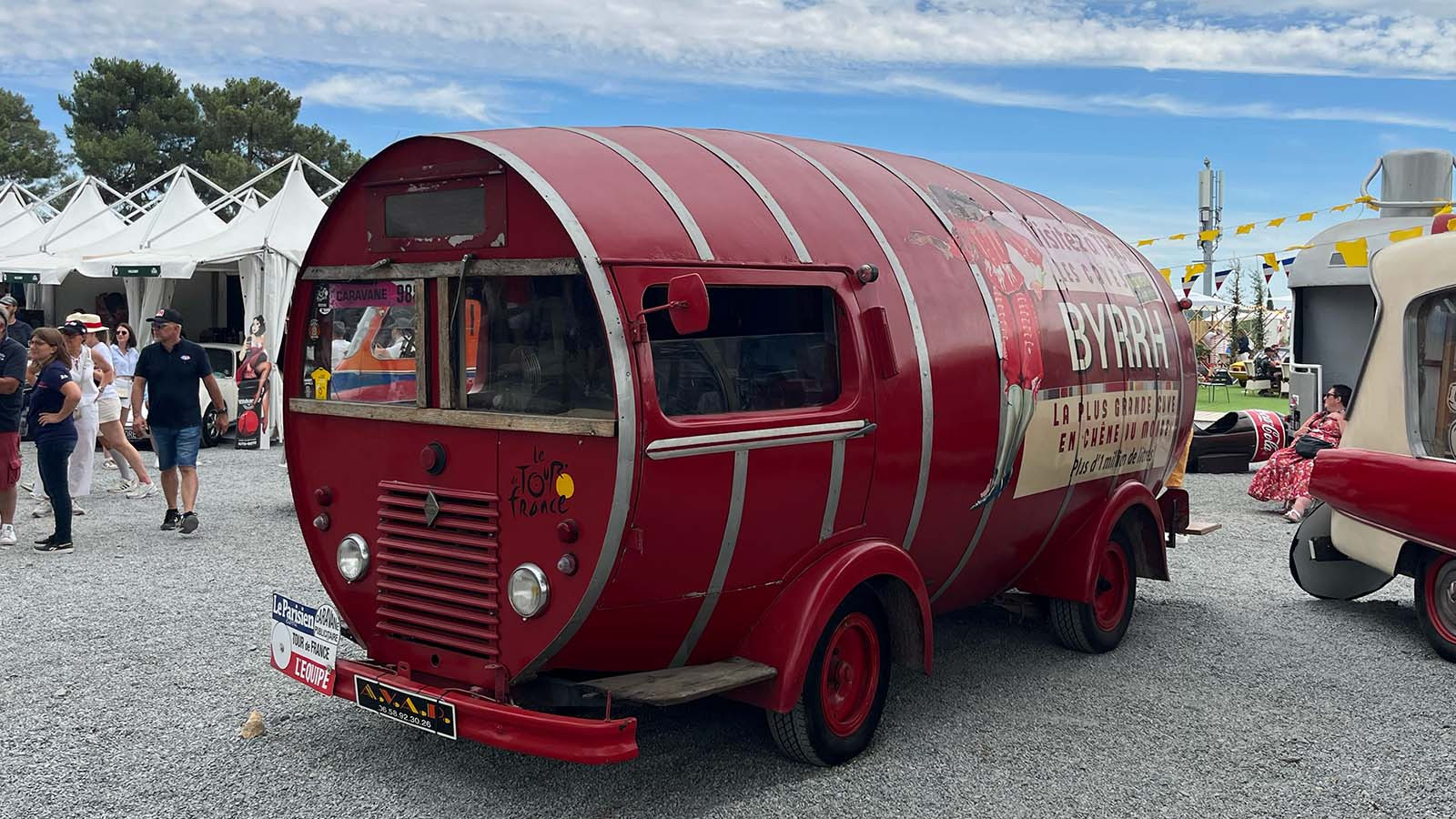
26. Renault 1400kg Le Tonneau BYRRH
This barrel-shaped Renault was part of a display of wacky Tour de France promotional vehicles.
It was built to advertise French wine apéritif producer Byrrh in la caravane publicitaire (publicity caravan), the parade that travels along the Tour de France route a couple of hours ahead of the competitors.
The publicity caravan is still a part of the event, but today’s vehicles are a bit less wild.
That said, French sausage maker Cochonou still uses a modified Citroën 2CV to hand out pork saucisson tasters to roadside spectators.
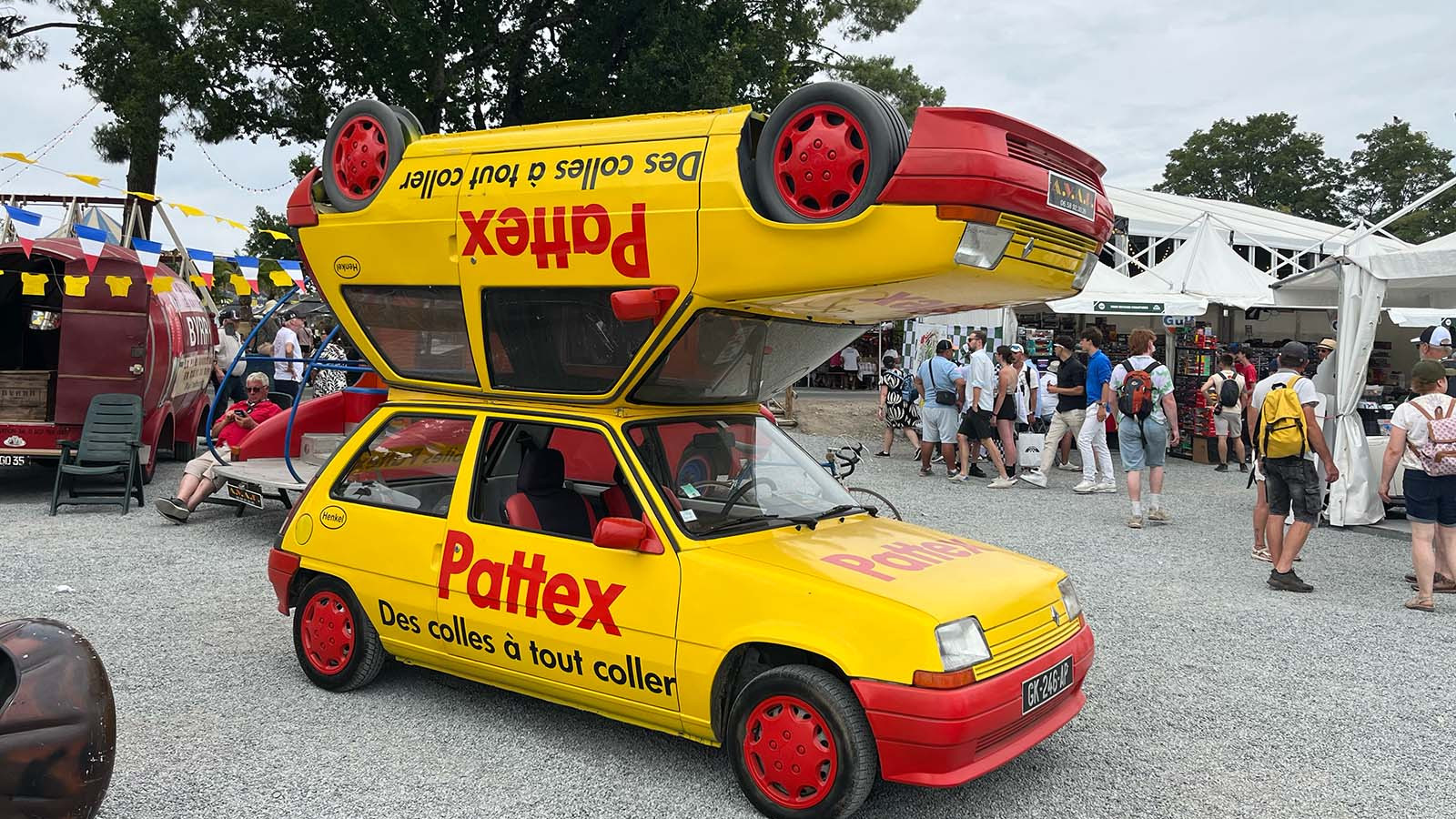
27. Renault 5
‘Des colles à tout coller’ or ‘Glue to stick everything,’ claimed Pattex’s old slogan.
Perhaps buyers weren’t convinced by the German company’s assertion, because the adhesive manufacturer felt the need to bind two Renault 5s together to prove its point for this Tour de France promotional vehicle.
It clearly worked, however we can assume it took more than one squeezy tube of Pattex glue to do the job.
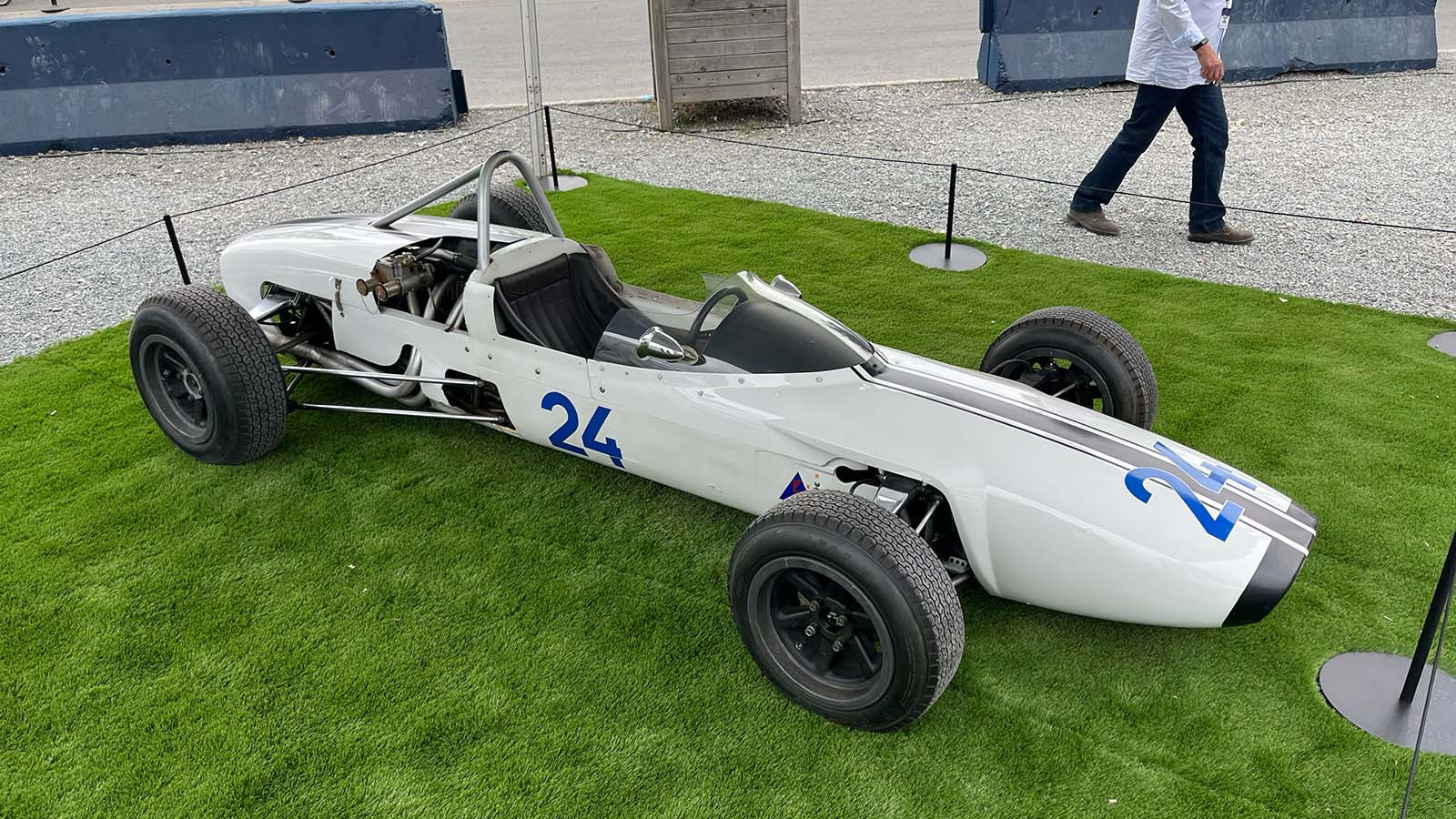
28. Škoda F3
Just three Škoda F3s were built in the mid-1960s, and this was one of them.
Powered by a development of the 1000 MB saloon’s four-cylinder unit, engineers squeezed c90bhp from the F3 car’s 999cc motor.
Brothers and local heroes Jaroslav and Václav Bobek Snr recorded a one-two finish at a race in Brno in 1966, and the former went on to win that year’s Czechoslovakian Formula Three championship.
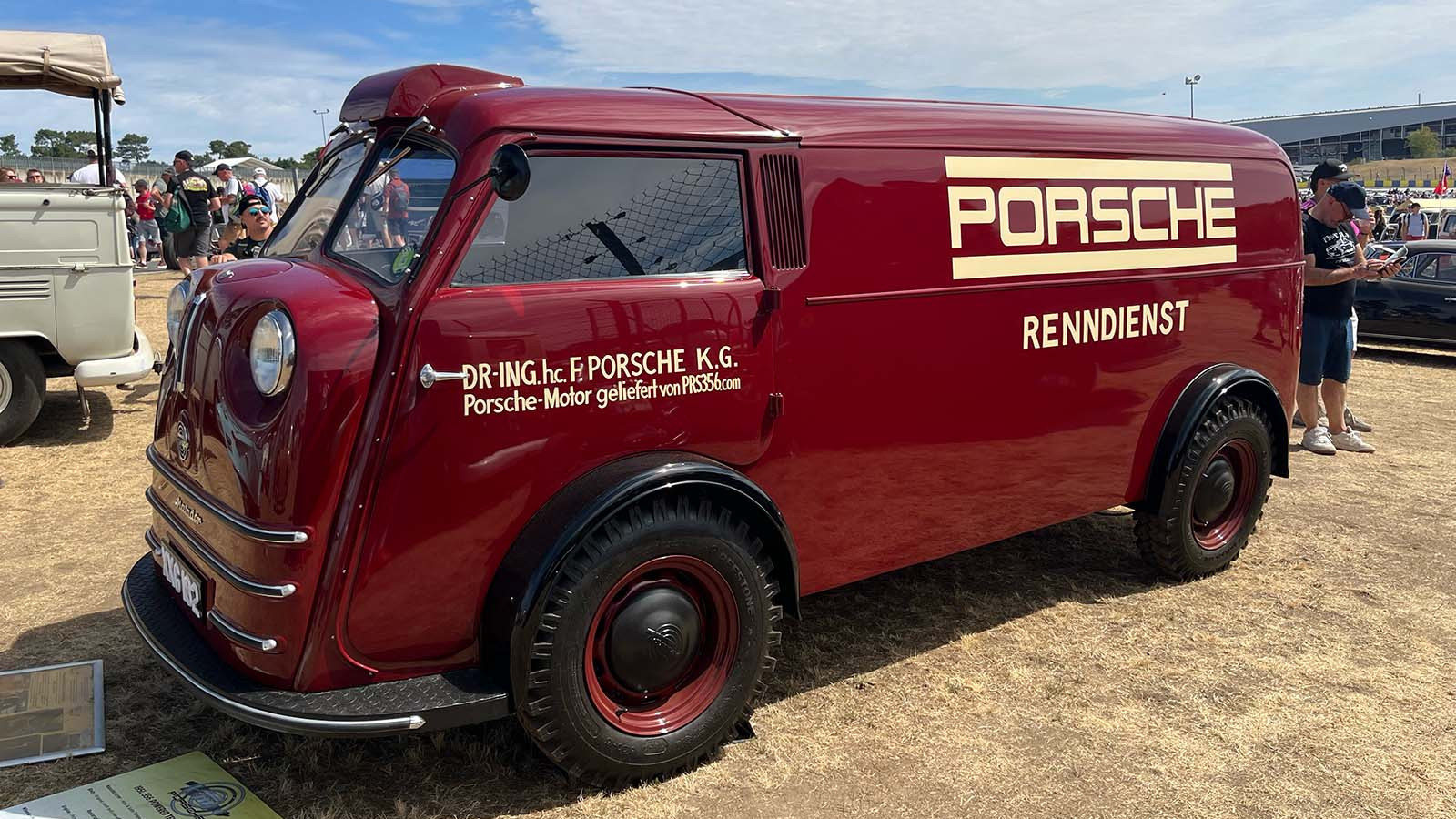
29. Tempo Matador
Tempo’s post-WW2 line-up of delivery vans and minibuses brought some success to the small Hamburg firm.
Although it was outshone by the Volkswagen Type 2 T1 that arrived around the same time, the Matador was a decent commercial vehicle – it was even built under licence in the UK as the Jensen Tempo 1500.
The owner of the restored example we spotted at 2025’s Le Mans Classic has swapped its original VW powerplant for a more potent Porsche 356 motor.
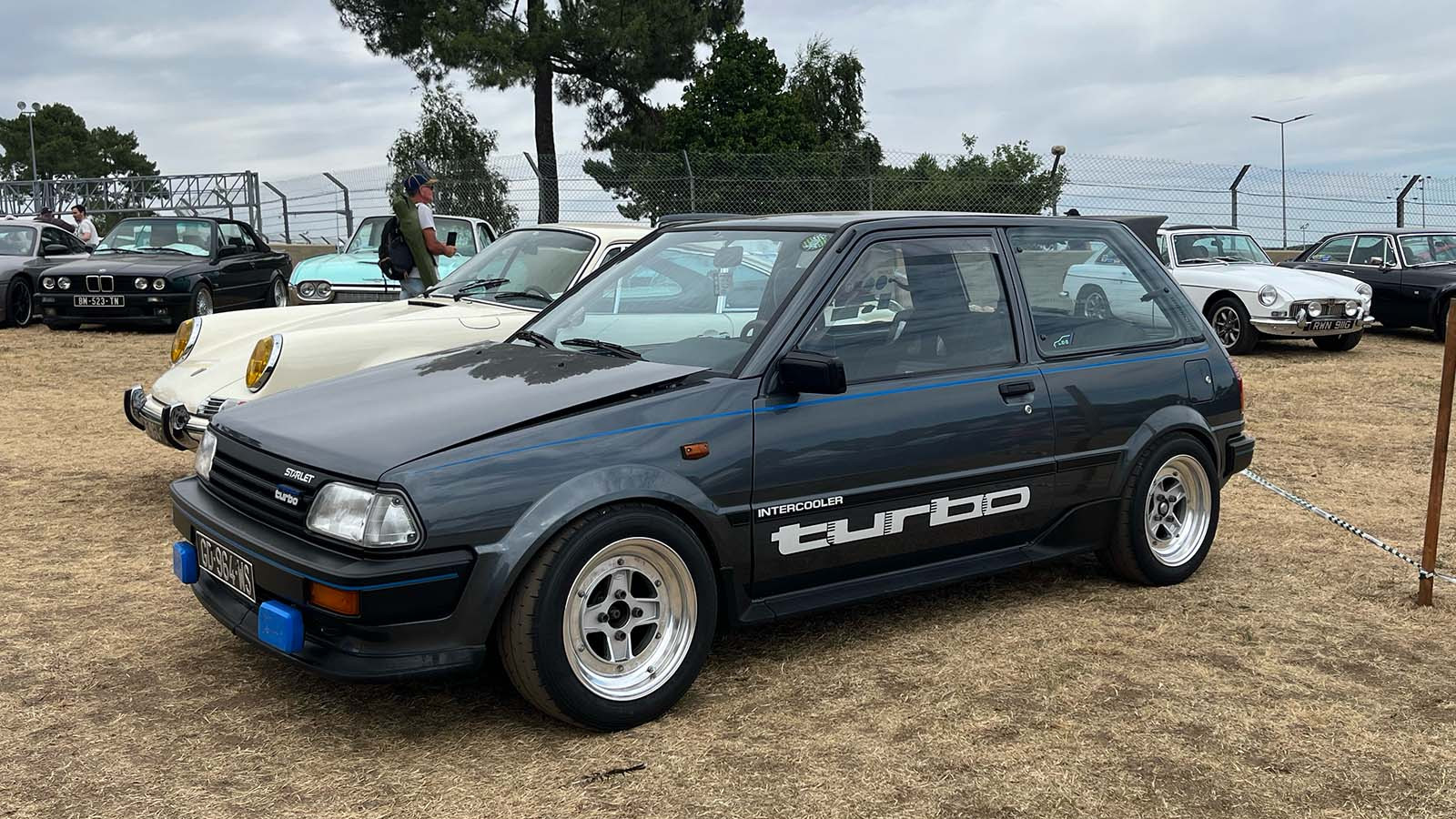
30. Toyota Starlet Turbo
Toyota’s turbocharged hot hatch is an uncommon sight in Europe, so it was a surprise to spot this third-generation, ‘P70’ version at Le Mans.
With 105bhp and 110lb ft of torque moving just 750kg (1653lb), they certainly were hot – and had clever tech such as electronically controlled dampers to complete the package.
There was some doubt here, however, concerning this car’s lower-spec grille and mirrors.
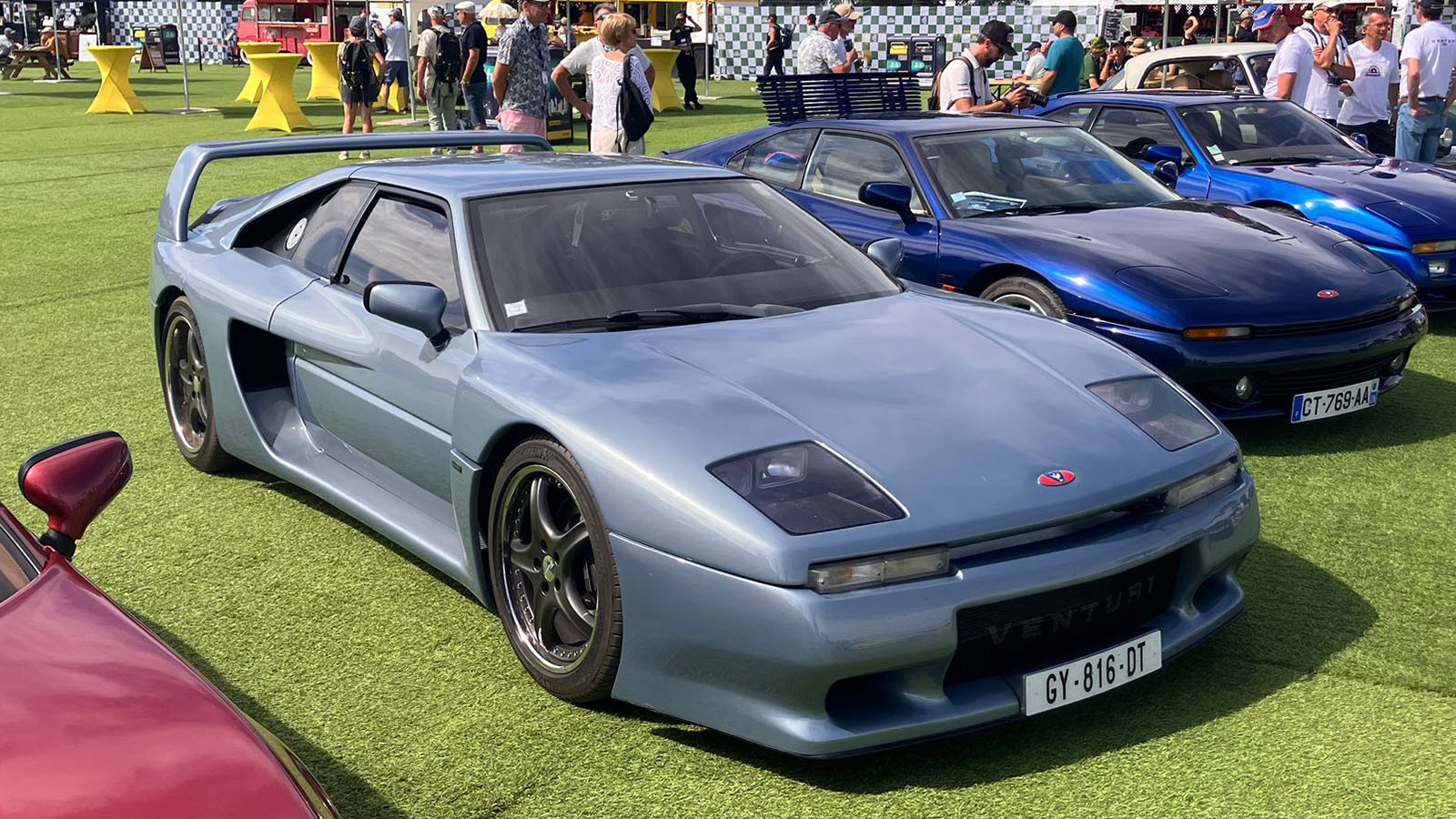
31. Venturi 400GT
A Venturi is a rare sight in the UK, so a line-up of these French sports cars at the Le Mans Classic was a treat for British visitors.
This bewinged Venturi 400GT caught our attention. It’s one of just 88 built from 1994-1997, split between 15 road cars and 73 racers that were created for a one-make series.
Financial woes (not helped by a brief F1 entry) eventually wiped out any chance Venturi had of challenging big guns Ferrari and Lamborghini.
We hope you enjoyed this gallery. Please click the ‘Follow’ button above for more super stories from Classic & Sports Car.