924 reaches 50
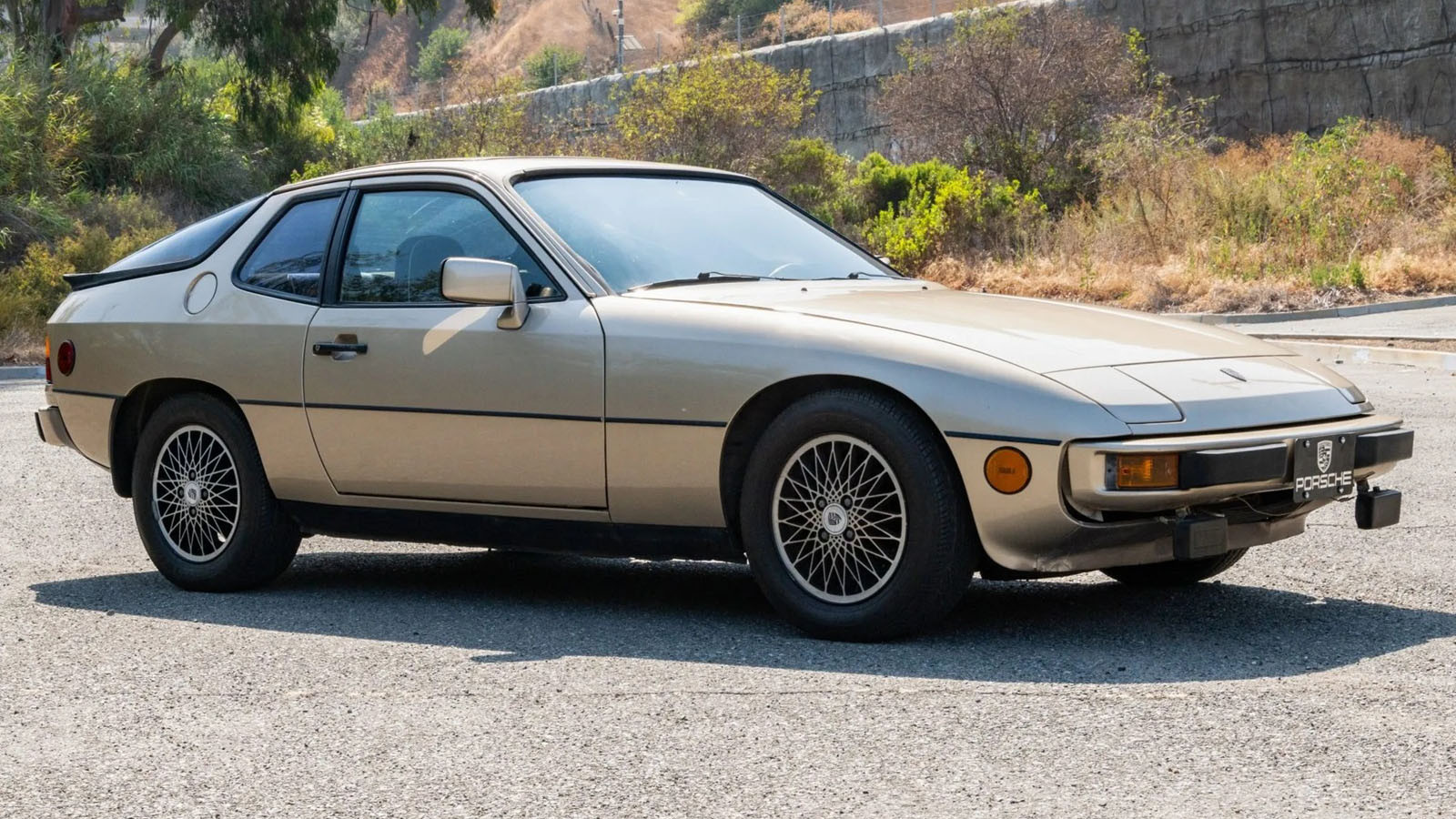
Porsche’s first front-engined and water-cooled production model is now a popular and affordable classic car, just as it was when it was the German marque’s entry-point model – which, it seems hard to believe, is now half a century ago.
While the 924 has lived much of its life in the shadows of more illustrious stablemates, it contributed greatly to Porsche’s longevity and introduced many new customers to the brand.
The 924 also stood up well when tested in the heat of competition, and evolved into a very capable and rounded sports car, as we explore here.
The cars are presented in chronological order.
1972 Volkswagen EA425
The Porsche 924 originated in a design proposal from Volkswagen to create a practical, four-seat sports car.
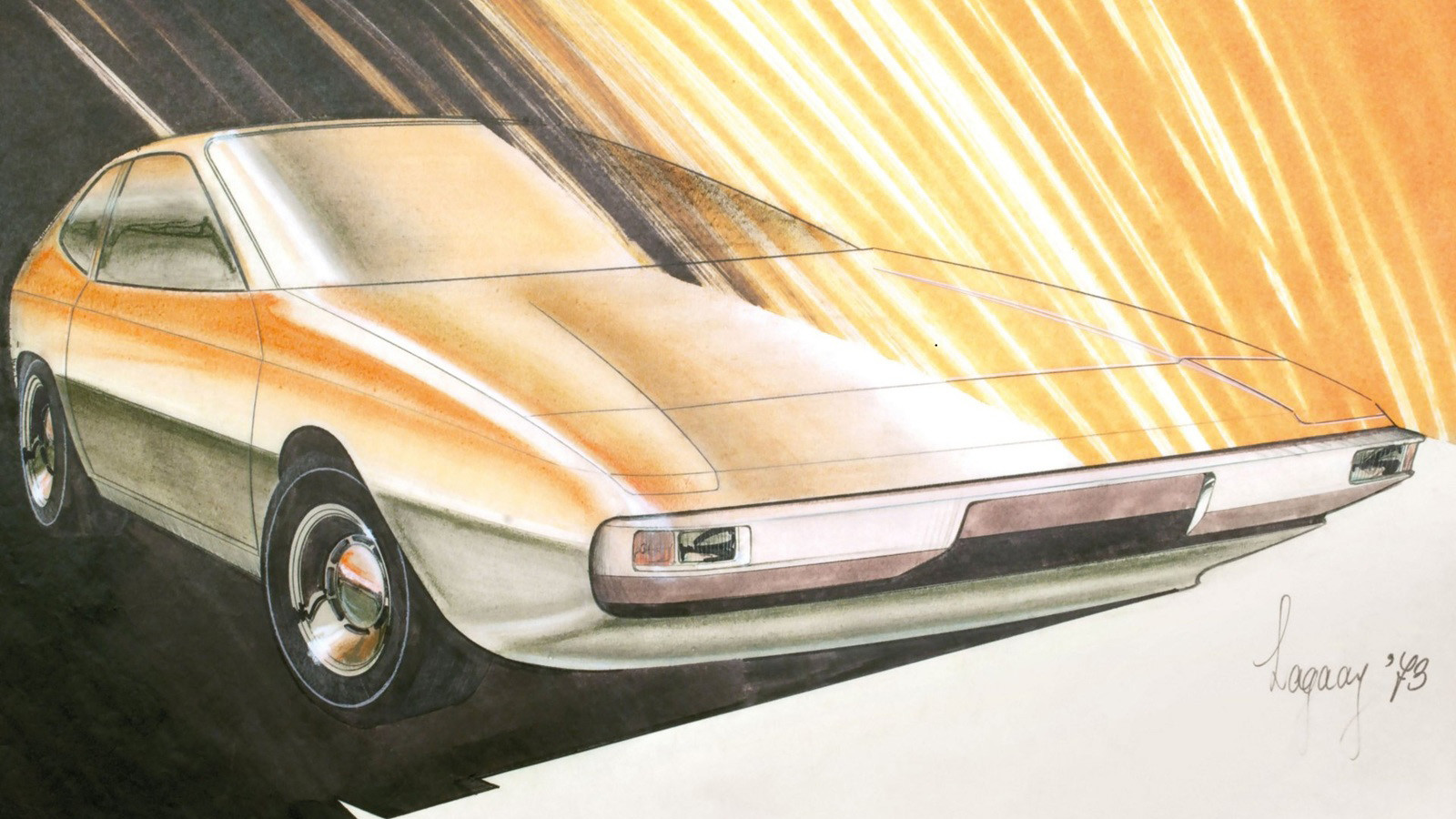
Harm Lagaay, who went on to create a number of other Porsche models and the BMW Z1, led the styling of the car that was codenamed EA425.
When VW decided to go with the Scirocco coupé instead, the EA425 project was bought by Porsche and developed using a 2-litre engine from Audi and a transaxle gearbox, to give near-perfect weight balance front to rear.
Every body panel was changed to create the final 924, which gave Porsche a new type of entry-level model and its first front-engined car.
1976 Porsche 924 2.0
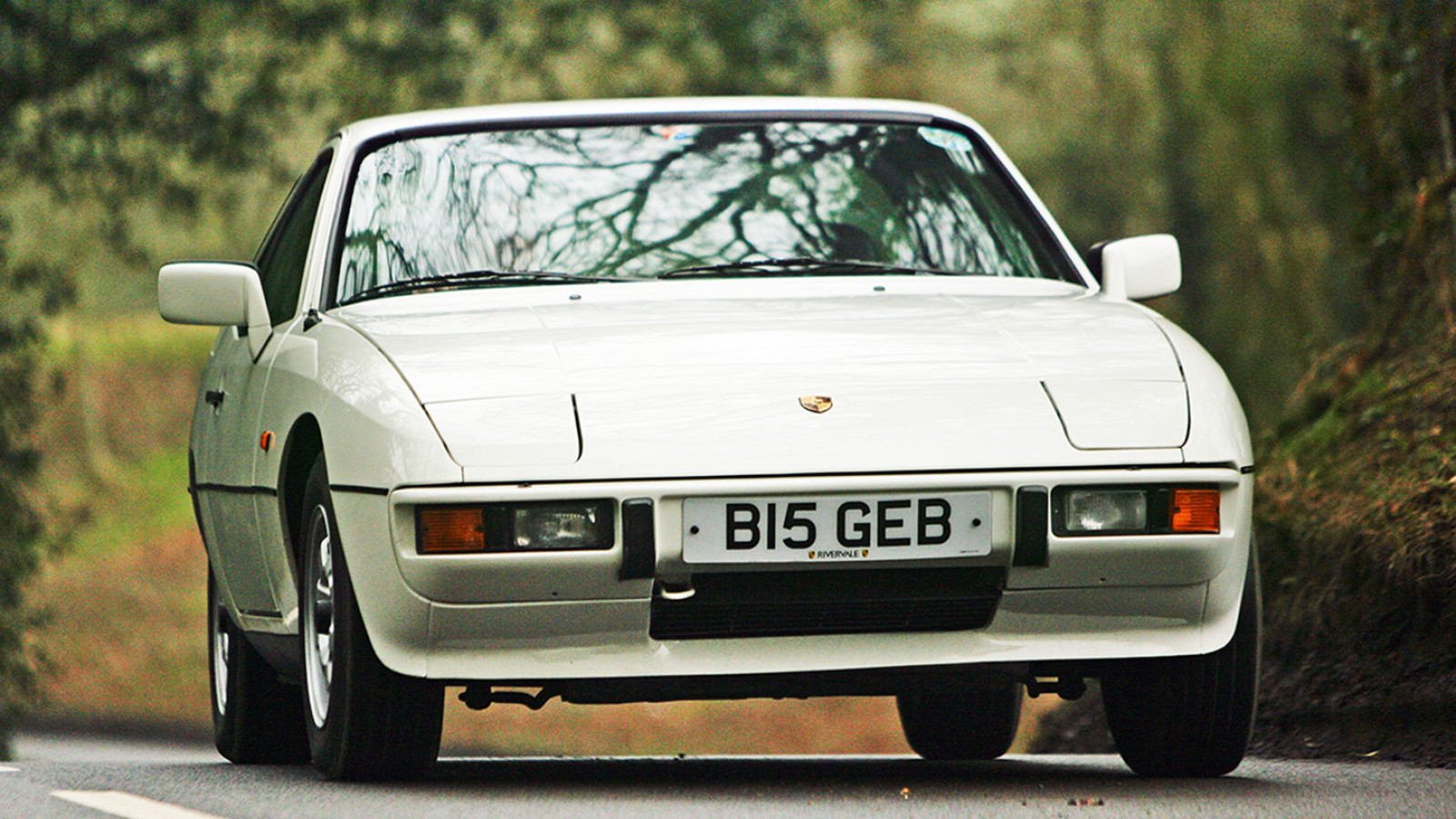
Revealed to the press in November 1975, the all-new Porsche 924 went on sale to the public at the beginning of 1976.
Despite some rumblings from die-hard 911 fans, the 924 was well received, and its low front end with pop-up headlights gave it a modern look and excellent aerodynamics.
Its 2-litre, four-cylinder engine offered 123bhp and drove through a four-speed transaxle gearbox.
It was good for 124mph and 0-60mph in 9.5 secs, while the three-speed auto model lagged a bit behind.
Improvements soon followed with a five-speed manual gearbox, and Porsche sold 25,000 924s in its second year.
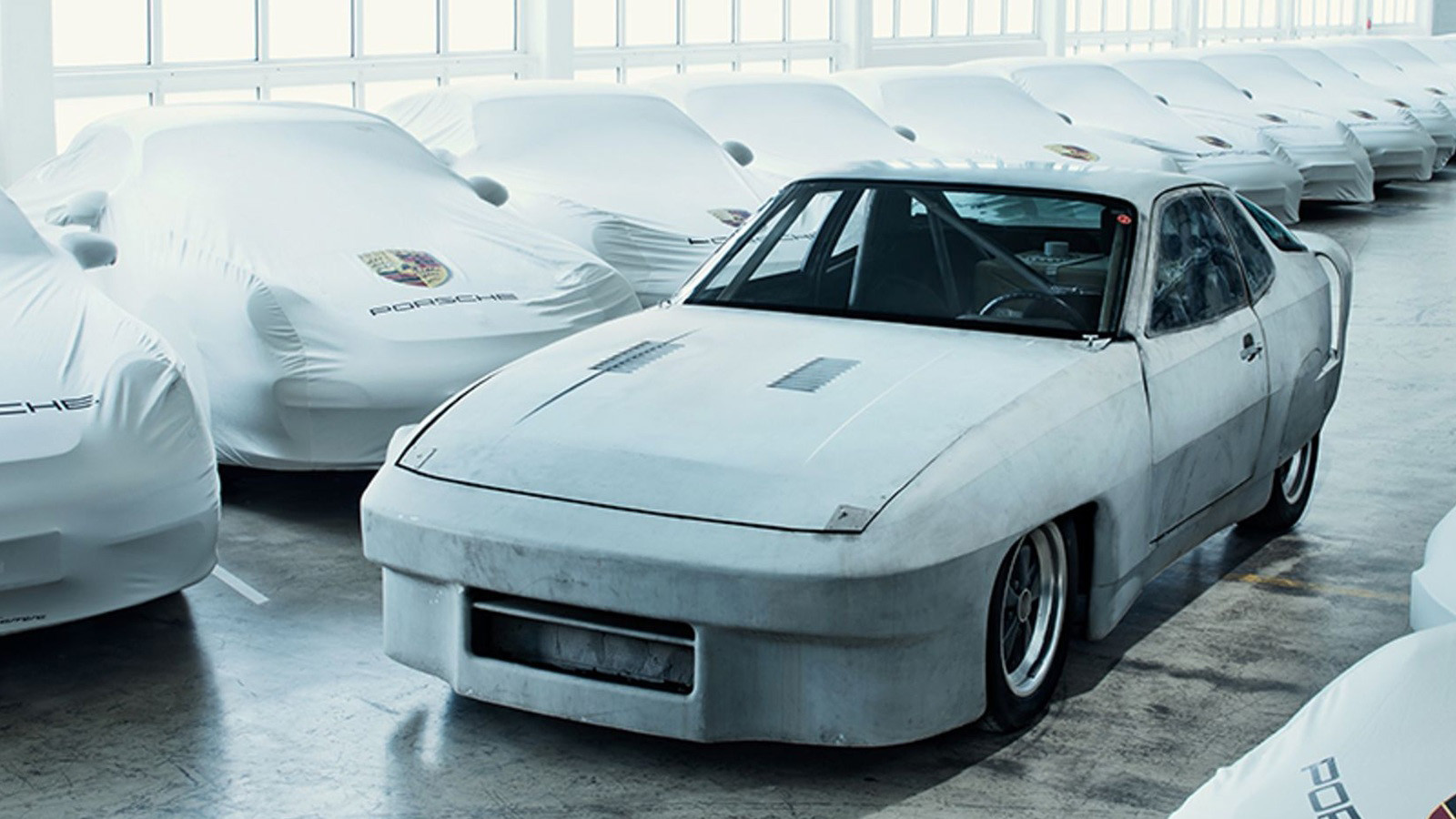
1976 Porsche 924 Nardò
Conscious of the need to build a strong performance image around the 924, Porsche embarked on a record-breaking idea.
Mercedes-Benz held the record for covering 10,000 miles at an average speed of 157mph, and Porsche aimed to beat that at the Nardò test track in Italy.
The 924 Nardò used a 247bhp turbocharged version of the 2-litre engine and a low-drag body of just 0.268Cd to give it a top speed of 174mph.
When Mercedes improved its record in 1977, Porsche quietly dropped the Nardò project and it only came to light again in 2014 when Porsche exhibited some top secret cars at its own museum.
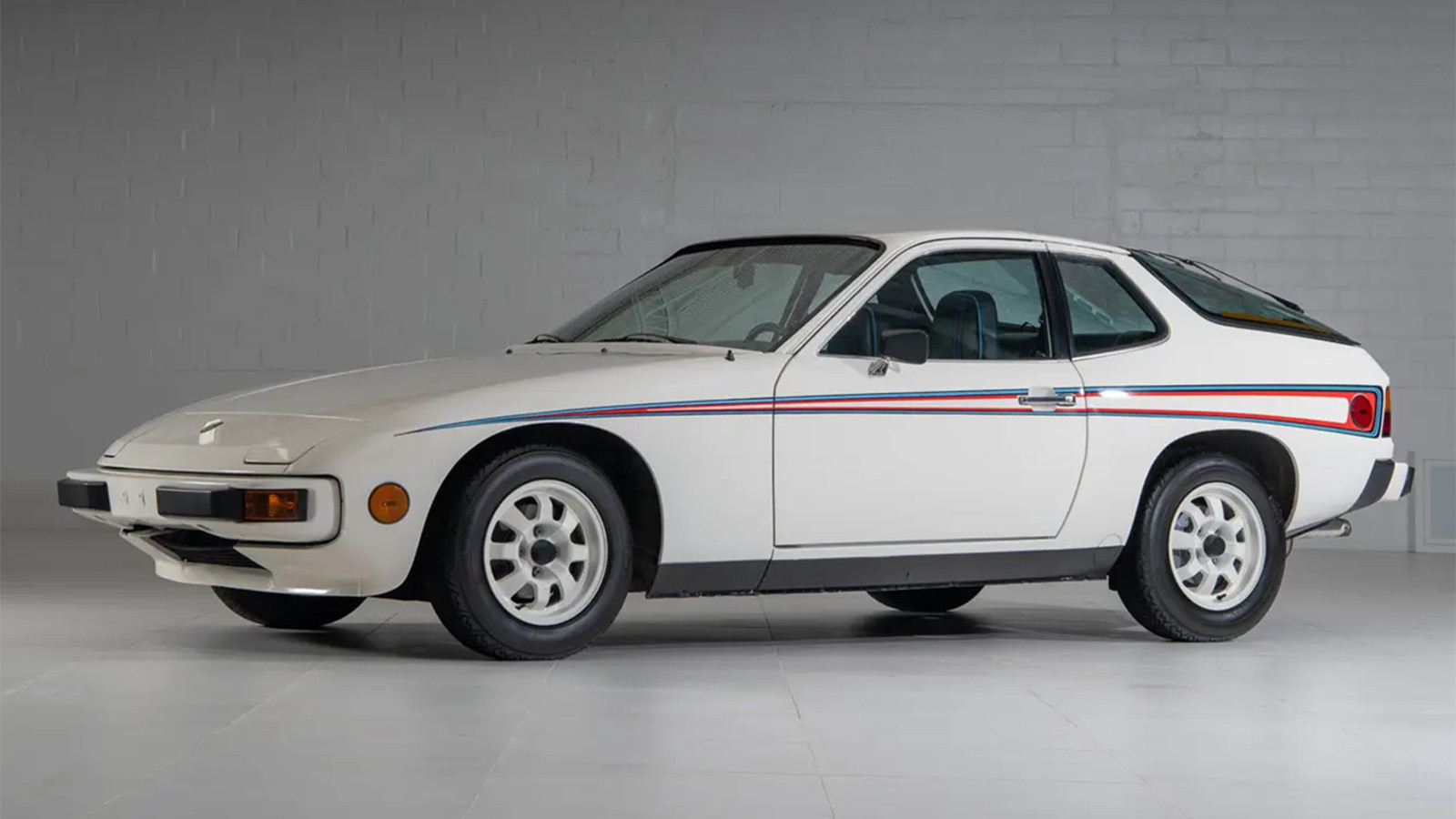
1977 Porsche 924 Martini Championship Edition
Now widely referred to as the 924 Martini Edition, this limited-run Porsche model was built to celebrate the marque winning the 1976 World Sportscar Championship.
Its full name was the Porsche 924 Martini Championship Edition and it came with the distinctive Martini racing stripes along its Police White-painted body.
It also had white wheels, a leather steering wheel, and seats finished in part leather with red centres and blue piping to reflect the Martini & Rossi livery.
Every Martini Edition had a unique plaque and it’s thought Porsche built 3000 of this special version of the 924.
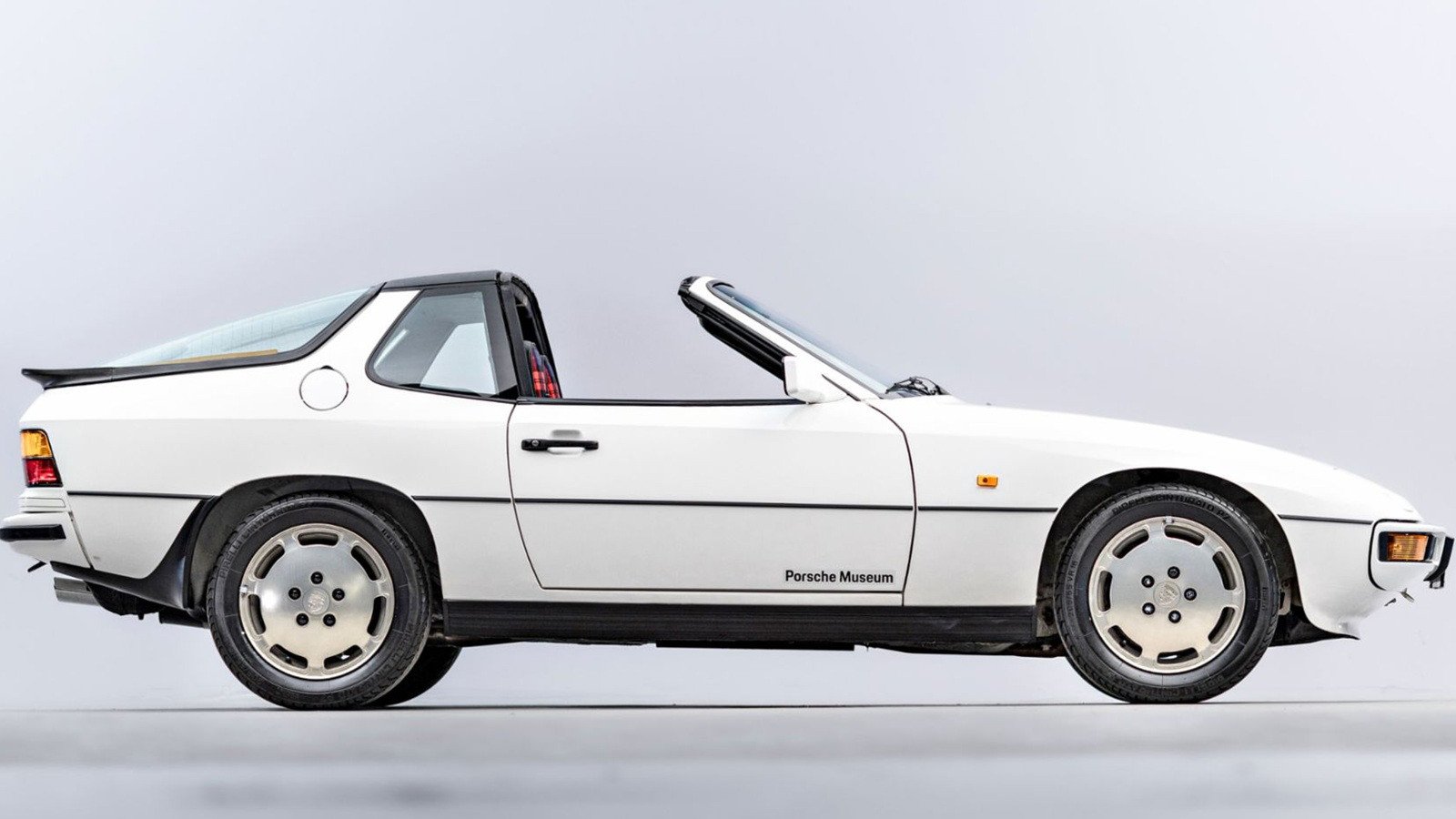
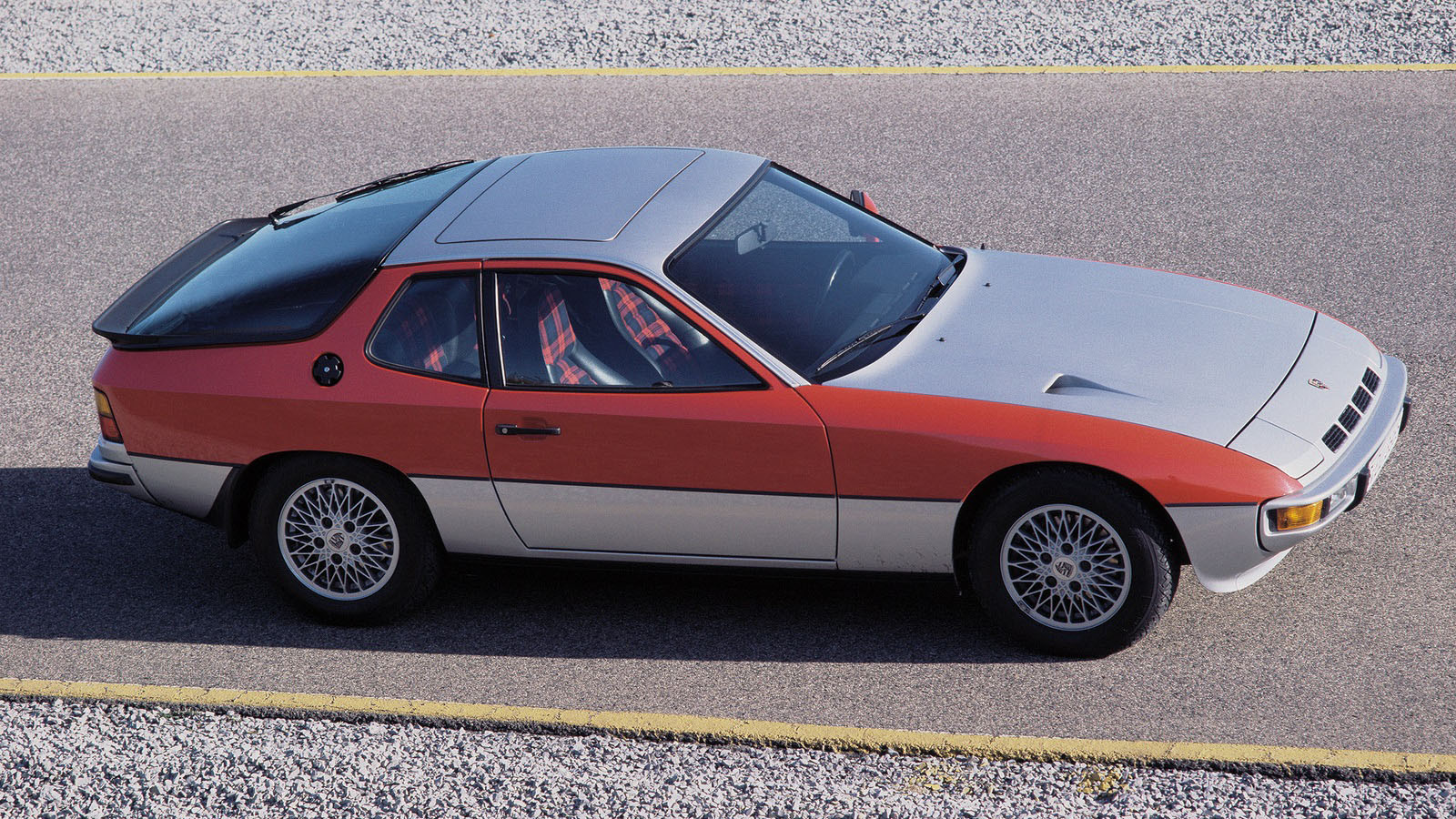
1977 Porsche 924 turbo targa
The 924 turbo targa was an important prototype for Porsche for two reasons, both of which were obvious from the car’s name.
The ‘turbo’ part of this car would bear fruit with a production model that followed in 1979, but the targa roof idea went no further.
It was inspired by the 911 targa’s lift-out roof panel and Porsche applied the same design to its new coupé.
This was a full-width panel, rather than the lift-out sunroof that was already an option for the Porsche 924.
With frameless door windows, it created a much more open cabin, but the cost and its complexity killed off this interesting 924 derivative.
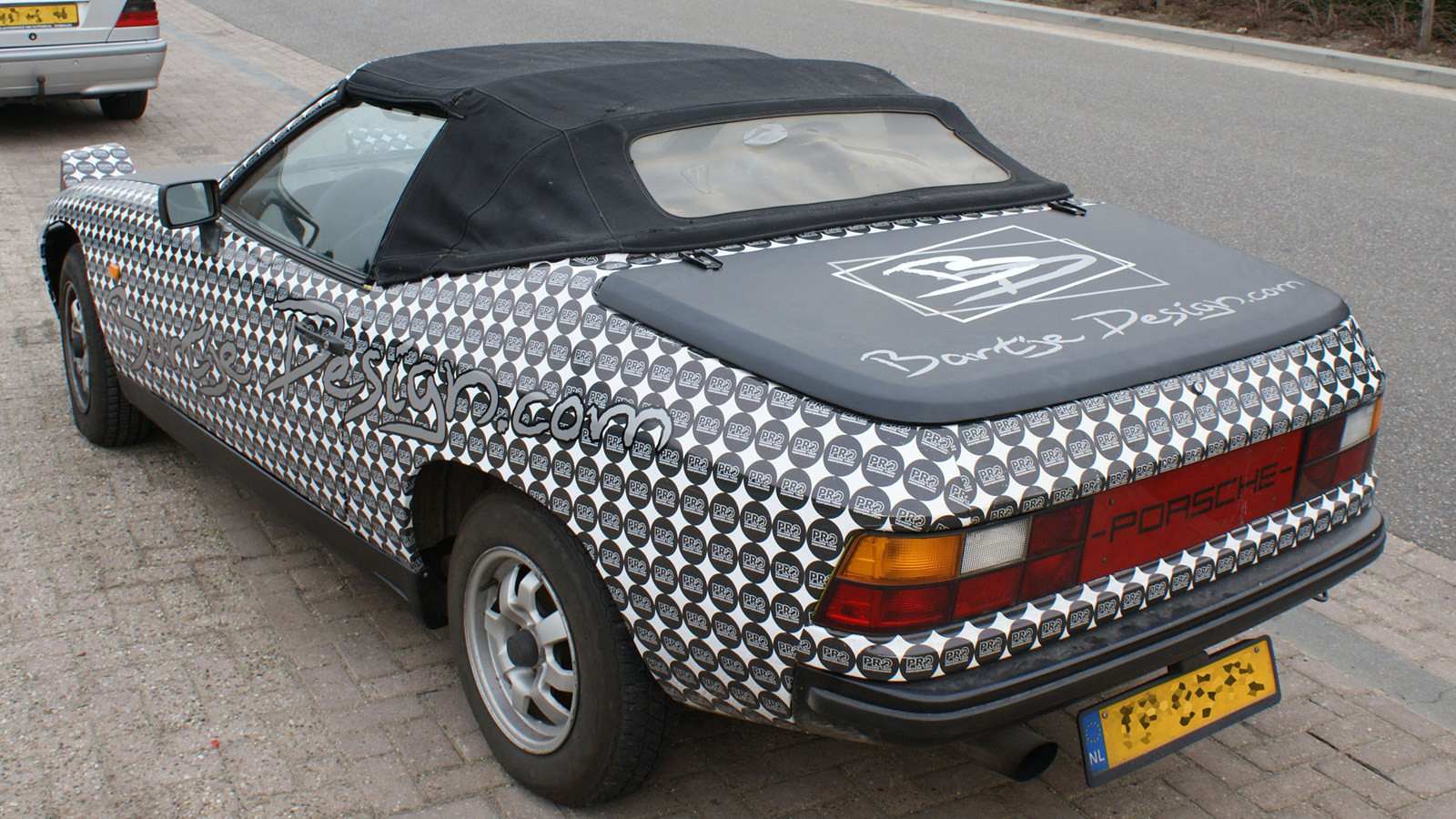
1978 Porsche 924 convertible
If the Porsche 924 turbo targa went no further, the aftermarket was only too happy to oblige fresh-air fans with convertible conversions of the German coupé.
Several companies offered such work, with varying degrees of engineering skill employed to retain the car’s structural integrity.
The folding roof was also a notable difference between the better conversions and less-successful ones.
Bieber was one of the most able at chopping the roof off a 924, and Porsche displayed a 944 Cabriolet prototype in 1985.
However, it took until 1989 for a 944 Cabriolet to go on sale, by which time the 924 was obsolete.
1978 Porsche 924 turbo
In 1978, Porsche answered the questions many 924 drivers had been asking: could the car have more power?
The 924 turbo came with a strengthened and lower-compression version of the four-cylinder, 2-litre motor to cope with the single KKK turbocharger.
With a 168bhp output for the 924 turbo, it could see off 0-60mph in 7.8 secs and achieve a 140mph top speed, bridging the gap between Porsche’s standard 924 and the 911.
To help cool the 924 turbo’s engine, it had four additional air intakes in the front panel and a NACA duct in the bonnet.
Power increased to 175bhp in 1981 and the 924 turbo model ran until 1984.
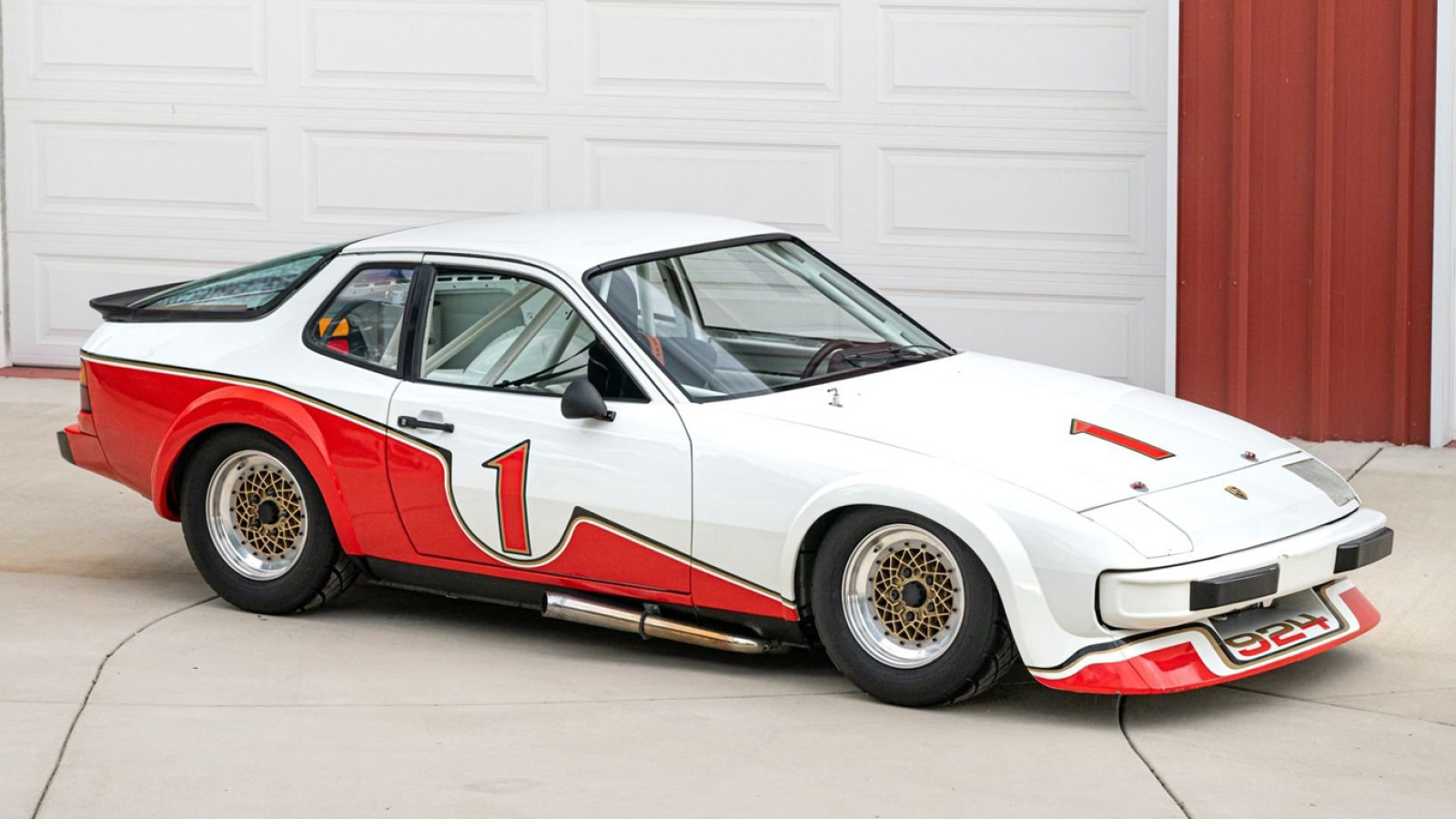
1979 Porsche 924 SCCA
A measure of how seriously Porsche took this off-the-shelf racing car for the US market was that it gave the 924 SCCA its own model designation as the 933.
Built for the Sports Car Club of America D Production Championship in 1979, it came with a high-compression, 2-litre engine.
The stripped bodyshell featured a full rollcage, racing suspension, a stronger transmission and 15in BBS alloy wheels.
Only 16 of the 924 SCCA cars were supplied by the factory, but it was an effort that paid off handsomely with a number of championship wins to promote the Porsche 924 in the crucial US market.
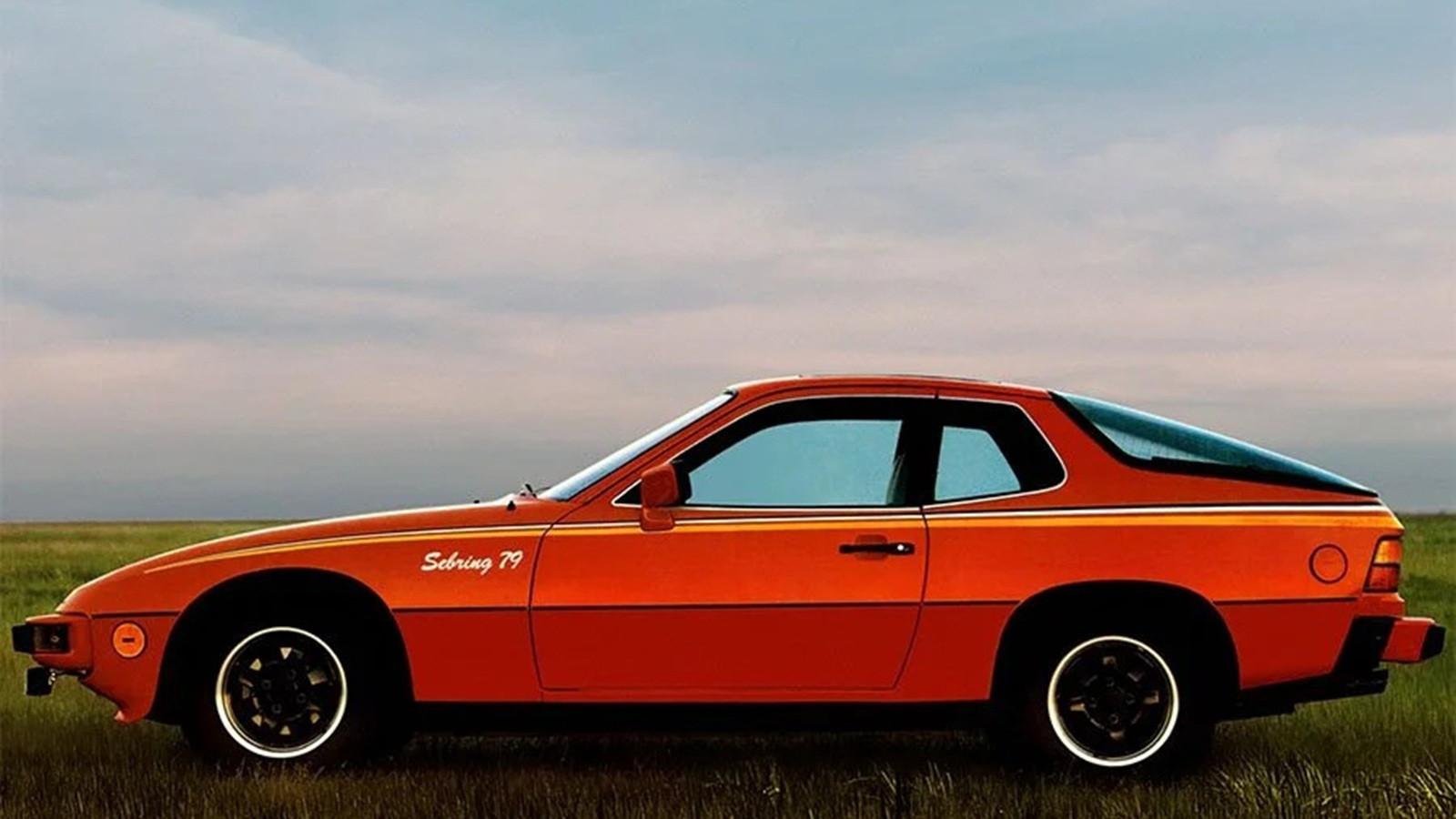
1979 Porsche 924 Sebring
When Porsche took the first 12 places in the 1979 Sebring 12 Hours race, it was all the excuse the car maker needed for a special-edition 924 to mark this feat.
A US-only model, the Porsche 924 Sebring used the slightly detuned, American market, 108bhp 2-litre engine, which meant 0-60mph in 11.2 secs.
However, the Sebring edition did come with Guards Red paint complemented by black, white and yellow racing stripes.
There were also black alloy wheels, a lift-out sunroof and tartan upholstery.
Only 1400 Sebrings were sold, but Porsche had caught the bug for special editions and several others were offered during the 924’s life.
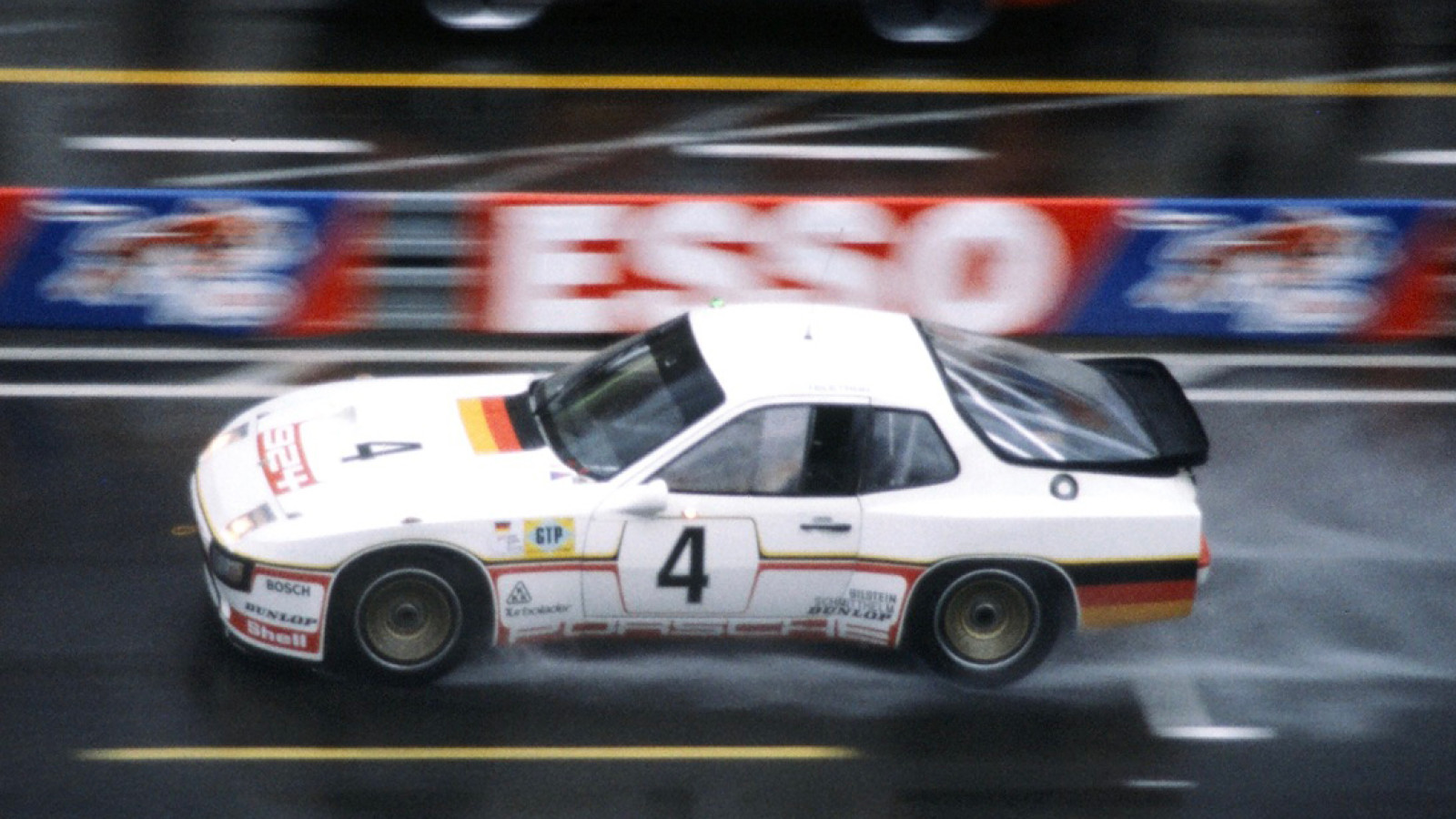
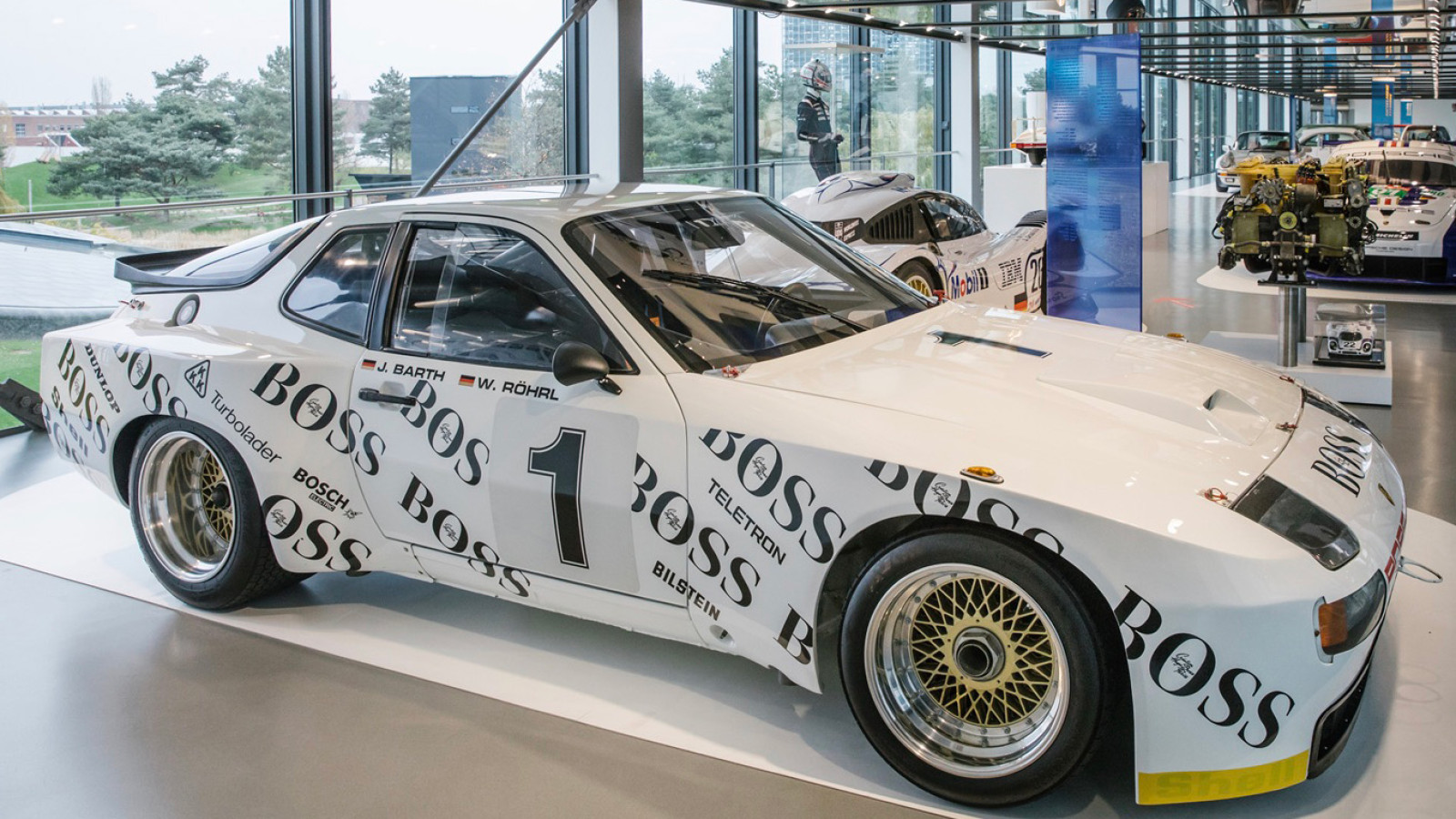
1980 Porsche 924 GTP
Porsche hatched a plan to take on the 1980 24 Hours of Le Mans with a trio of 924s to compete in the Prototype class.
This gave the model its name, 924 GTP, and each car would be run by a national team from Germany, Great Britain and the USA.
To this day, 924 GTP 002 remains the only factory-owned Porsche to race under a British flag.
The lightweight racing car used a 315bhp, turbocharged, 2-litre engine, giving a 180mph top speed on the Mulsanne Straight.
All three of the 924 GTPs completed the 1980 edition of the round-the-clock endurance race, and Porsche offered a run of 1030 Le Mans Edition road cars to celebrate.
1980 Porsche 924 Weissach Commemorative Edition
The Weissach Commemorative Edition was created as a pat on the back for the company’s research and development centre.
Only 400 of this Porsche 924 version were built, all with Platinum Metallic paint, a rear spoiler, electric door mirrors and multi-spoke alloy wheels from the turbo.
The interior was finished with cream tweed fabric for the seats and door cards, plus electric windows, air conditioning and a commemorative plaque.
Only sold in the USA, the Weissach edition was joined by another limited-run model, with 1009 examples of the Porsche 924 50th Anniversary Jubilee Edition made to mark half a century of the Porsche Design Office.
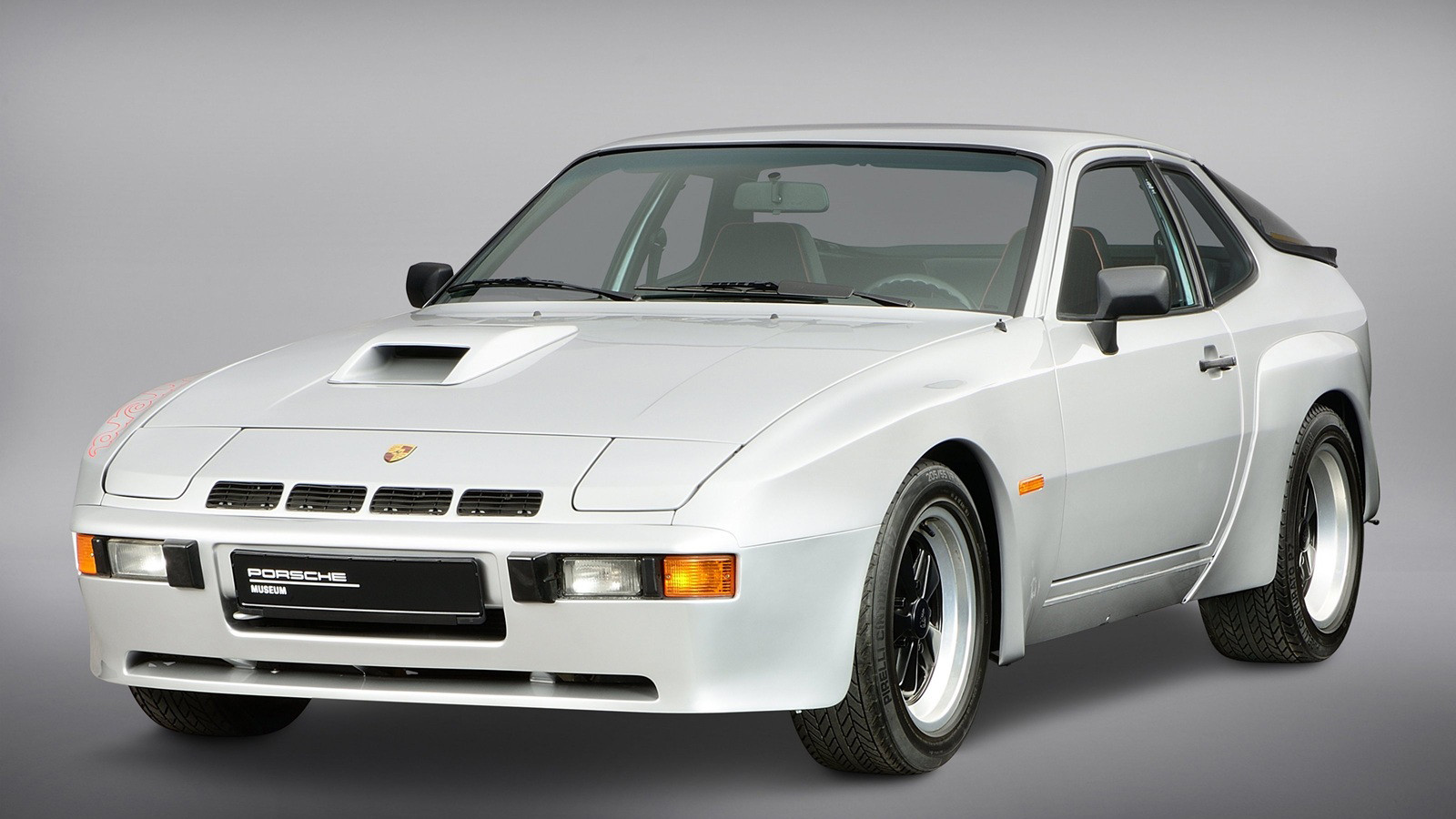
1981 Porsche 924 Carrera GT
Porsche revealed details of its homologation-special 924 Carrera GT in 1980 – and the car followed the next year with a 207bhp version of the turbo’s 2-litre engine.
To comply with motorsport regulations, Porsche had to build 400 units within two years.
In the end, 406 Porsche 924 Carrera GTs were produced and all came with wider bodywork made from polyurethane plastic that foreshadowed the look of the 944.
With upgraded suspension and brakes, and 16in Fuchs alloy wheels, the Carrera GT was very different to a standard 924 and could reach 149mph in road trim.
It also boasted the highest power output based on capacity for a production car in 1981, at 106bhp per litre.
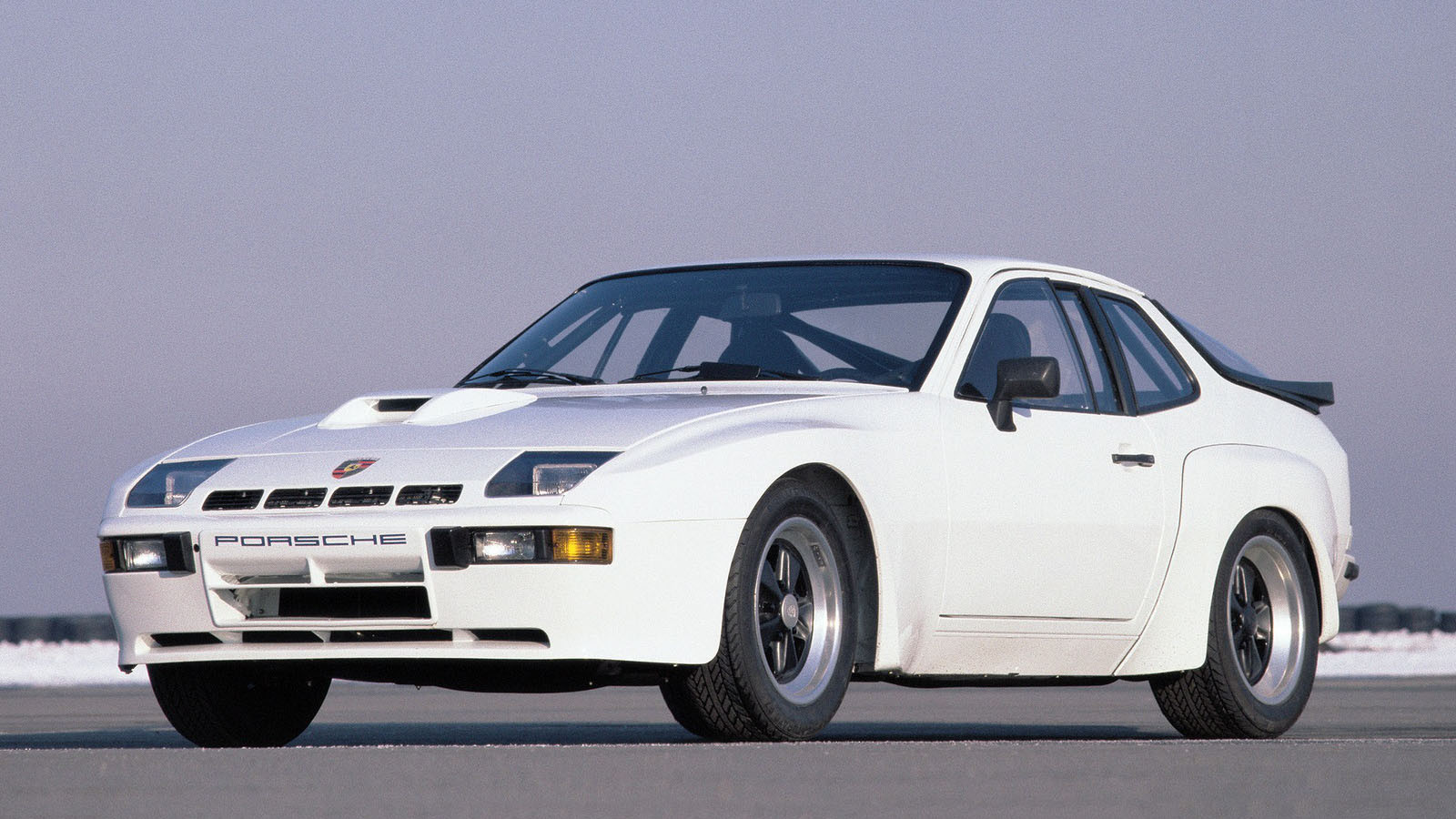
1981 Porsche 924 Carrera GTR
The Carrera GTR was the ultimate development of Porsche’s 924 GTP programme that had earned it a sixth-place finish at Le Mans in 1980.
The GTR shared its widened wings and 16in wheels with its GT and GTS siblings, but the windscreen was made of thinner glass and there were sliding plastic door windows to make it as light as possible.
It’s thought that between 16 and 19 GTRs were made, and each used a 2479cc turbocharged engine developing 370bhp.
That gave the GTR a top speed in excess of 180mph, making it the fastest Porsche 924 variant of them all.
1981 Porsche 924 Carrera GTS
The quickest way to spot a Porsche 924 Carrera GTS from its slightly more numerous GT sibling is by the Perspex headlight covers.
This was one of the upgrades for the GTS for race-homologation reasons, along with moving the turbocharged engine’s intercooler to the front of the engine rather than on top of the motor.
This change helped the GTS produce 237bhp, while the even rarer Clubsport version came with 271bhp in a further lightened body.
The GTS was finished in Guards Red with a stripped interior, and Porsche’s competition department built just 59 of this model, including 15 Clubsports.
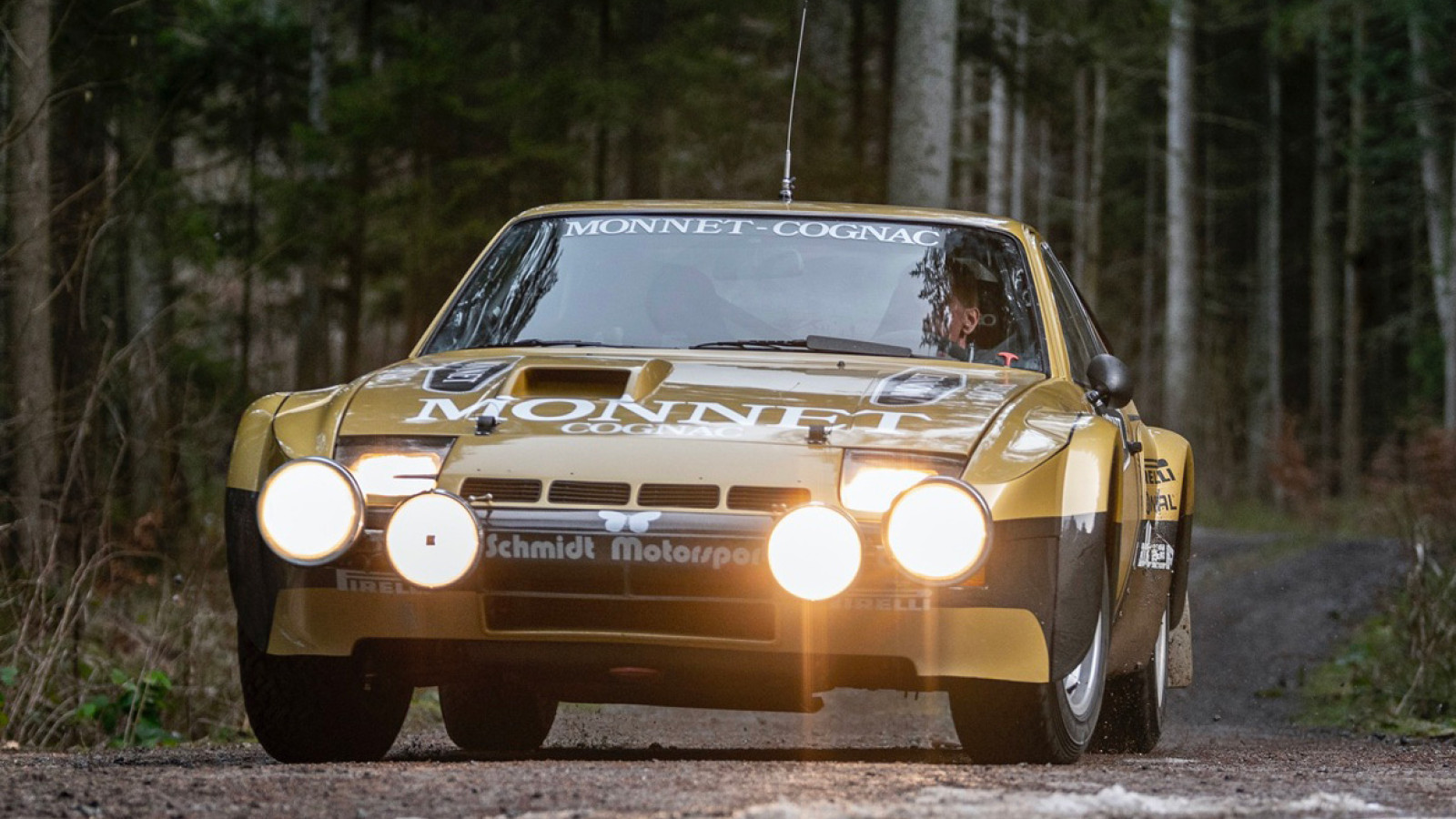
1981 Porsche 924 Carrera GTS Rally
If the 924 GTS wasn’t rare or exotic enough, Porsche decided to create a bespoke model to go rallying with.
It was built for Walter Röhrl and co-driver Christian Geistdörfer to campaign in the 1981 German Rally Championship.
The crew took four wins from seven events, but had to settle for second place in the final standings.
In 1982, Jacky Ickx used the GTS Rally before it was stored in Porsche’s museum.
The 247bhp Rally (Röhrl says this was the original output, but it was developed to produce more) gained extra underbody protection for the rough stages, glassfibre rear-axle links and a fuel distributor from a 928 to cope with the demands of rallying.
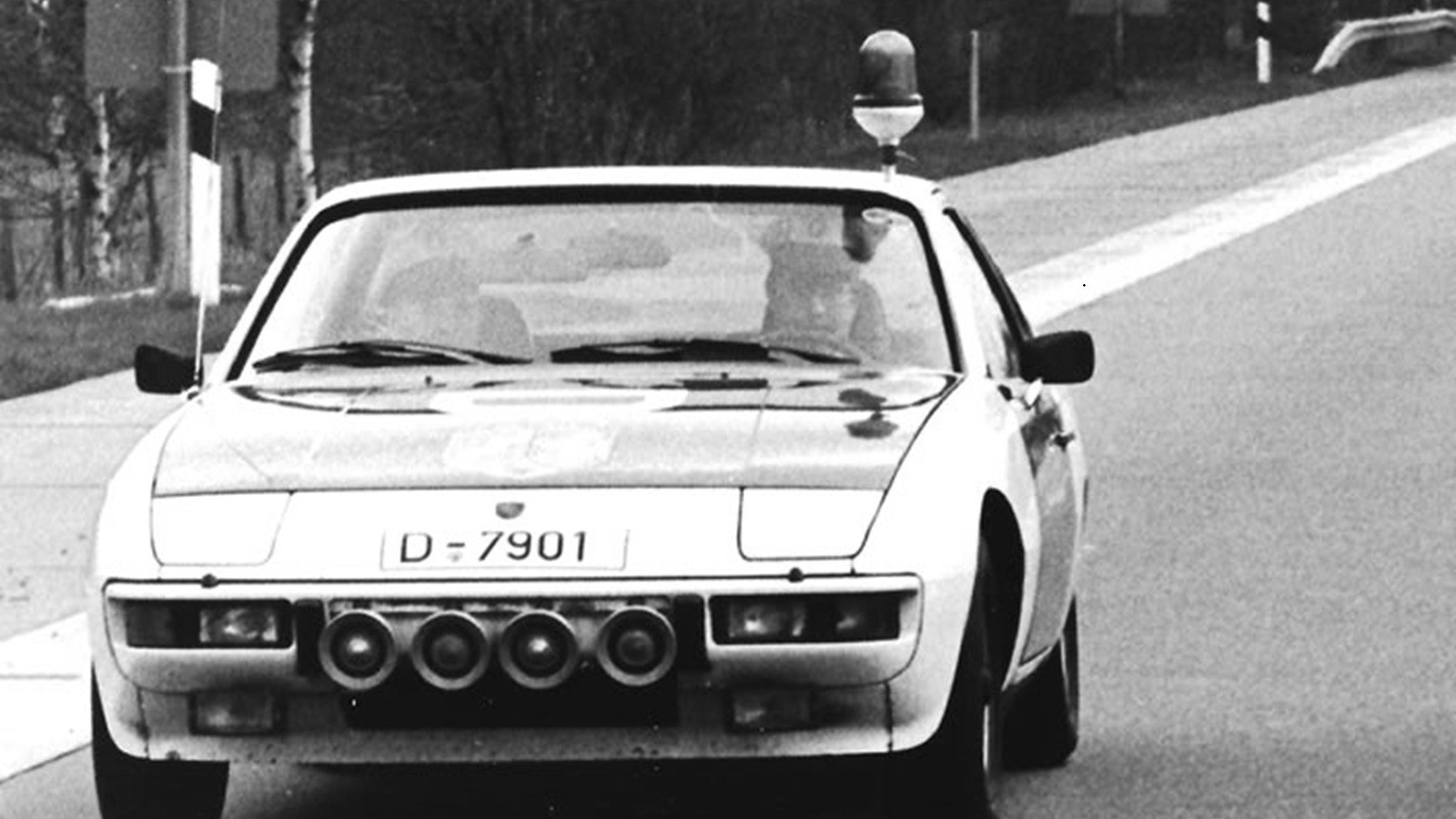
1982 Porsche 924 Police
Porsche already had a long history of providing cars for police use with its 356 and 911 models, so it made sense for the more practical 924 to follow suit.
German and Dutch forces bought a number of police-spec 924s direct from Porsche, and they were used for motorway patrols.
Police 924s came with optional front and rear anti-roll bars, a passenger door mirror, rear wipers, an upper windscreen tint and rear seatbelts.
While most police Porsche 924s were painted white with sirens on the front and blue lights on the roof, a few were sold in black to the Dutch police for covert use.
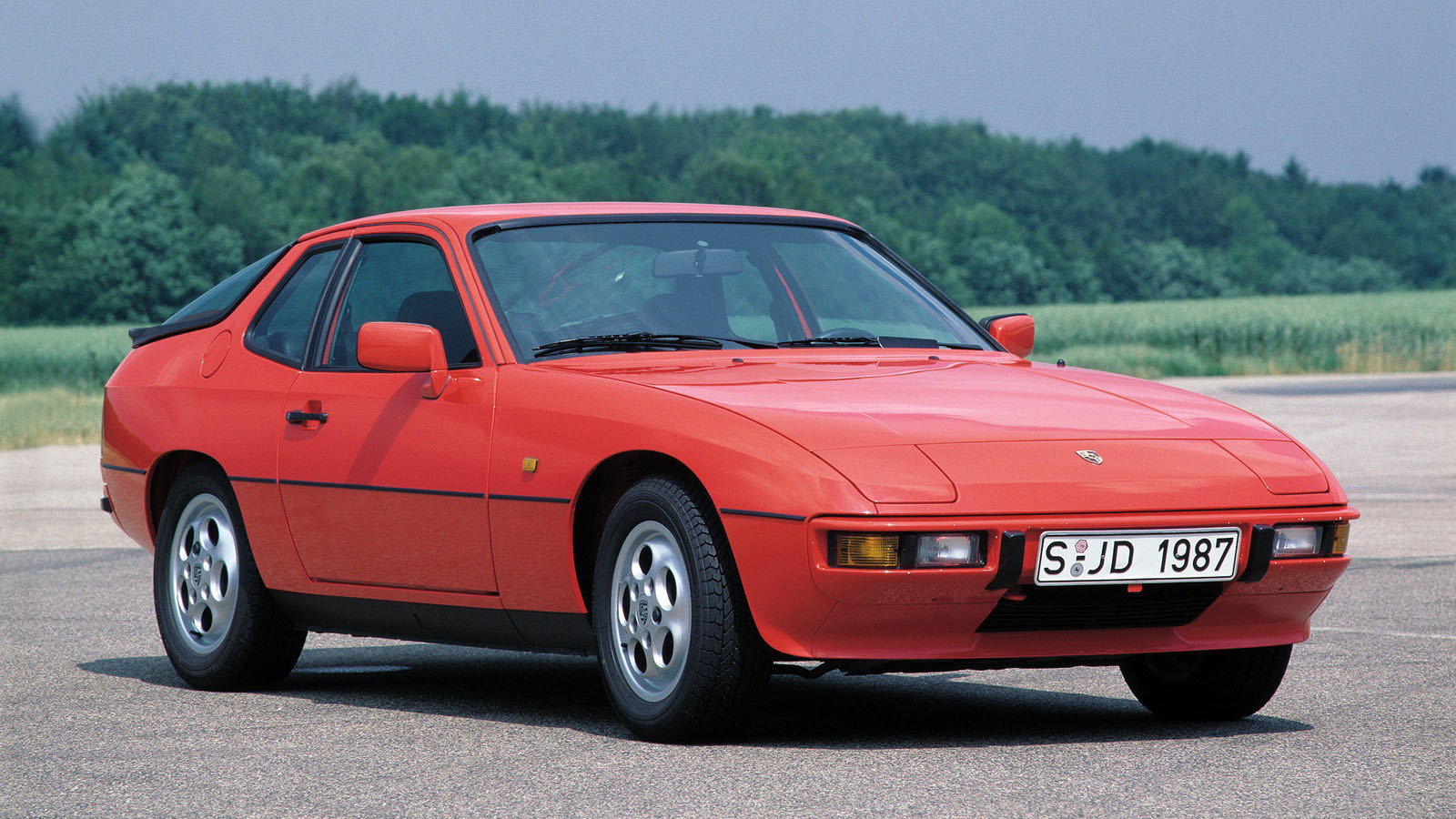
1986 Porsche 924 S
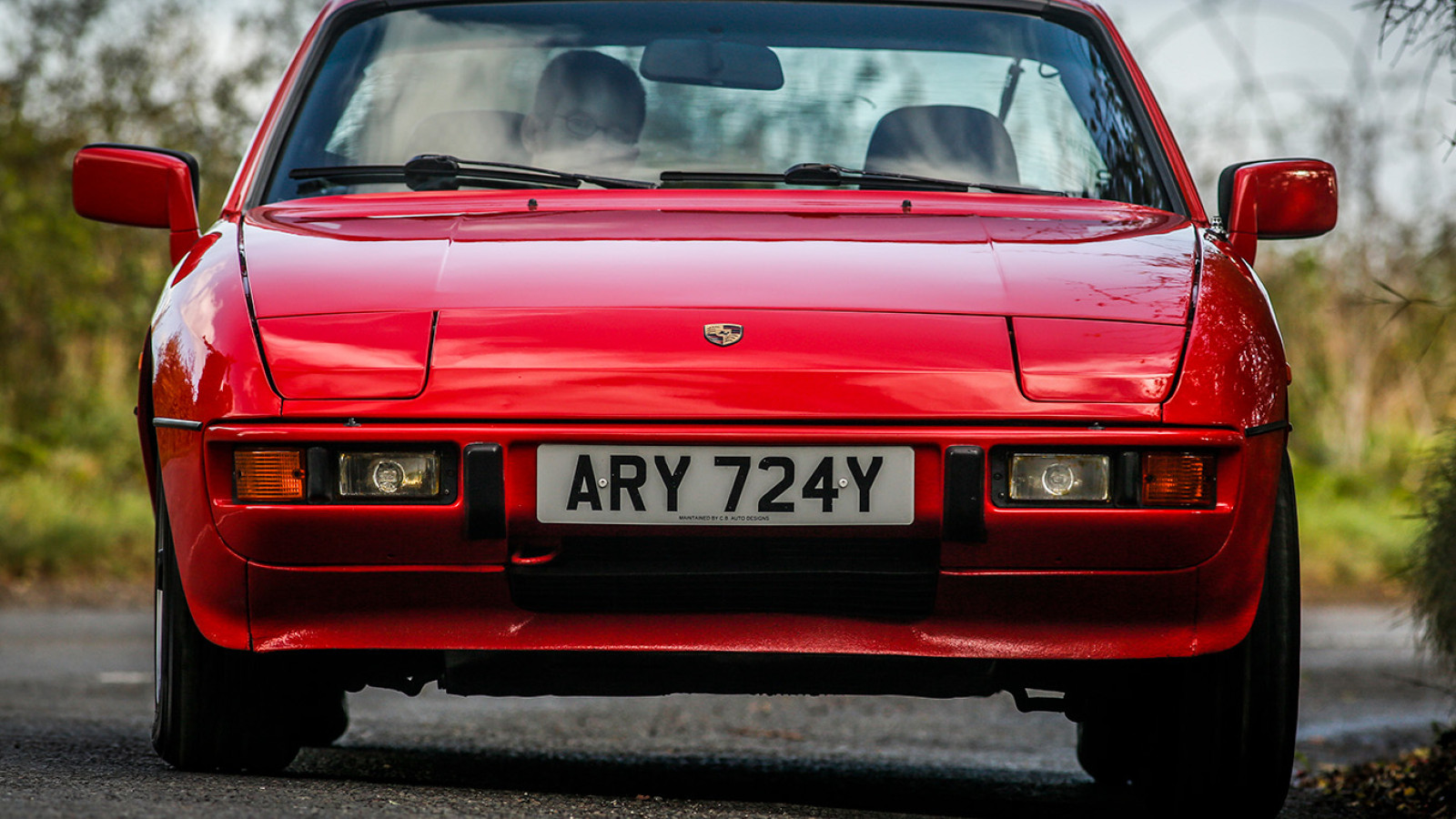
The base 2-litre 924 was upgraded to the S model by Porsche in 1986, by adding the 2.5-litre engine from the 944.
This move was brought about by Volkswagen discontinuing its 2-litre engine, meaning the 924 now gained a true Porsche motor with 148bhp – slightly down from the 944’s 161bhp.
Now, the entry-level 924 was good for 0-60mph in 8 secs and a 134mph top speed, and it gained upgrades to its suspension and brakes to reflect this.
For its final year in production in 1988, the 924 S gained the full 158bhp engine, and the model ended its run with 152,082 Porsche 924s of all types being sold.
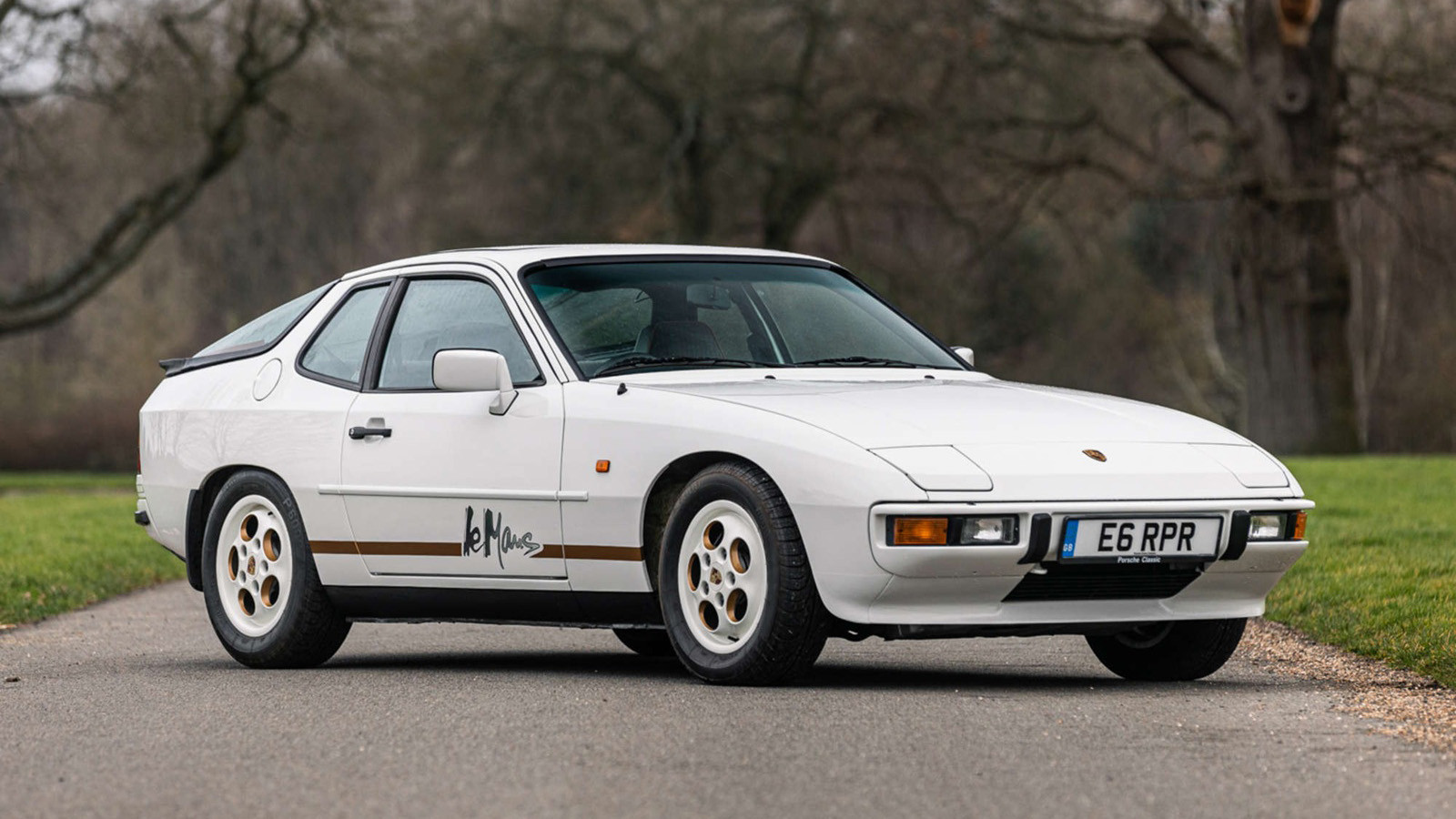
1987 Porsche 924 S Le Mans and Special Edition
The 924 S Le Mans, which was sold as the Special Edition in the USA, celebrated Porsche’s win in the 24-hour race of 1987, driven by Derek Bell, Hans-Joachim Stuck and Al Holbert.
Sports suspension was included, along with manual windows for lightness in place of electric ones, plus these models have no air conditioning. They also had fabric seat upholstery rather than heavier leather.
The 500 US Special Edition cars also did without a sunroof, cruise control or radio, though these could be added again as optional extras.
Porsche made 480 units of the 924 S Le Mans and it sold well, even as the 924 reached the end of the line.