Amazing Alpine
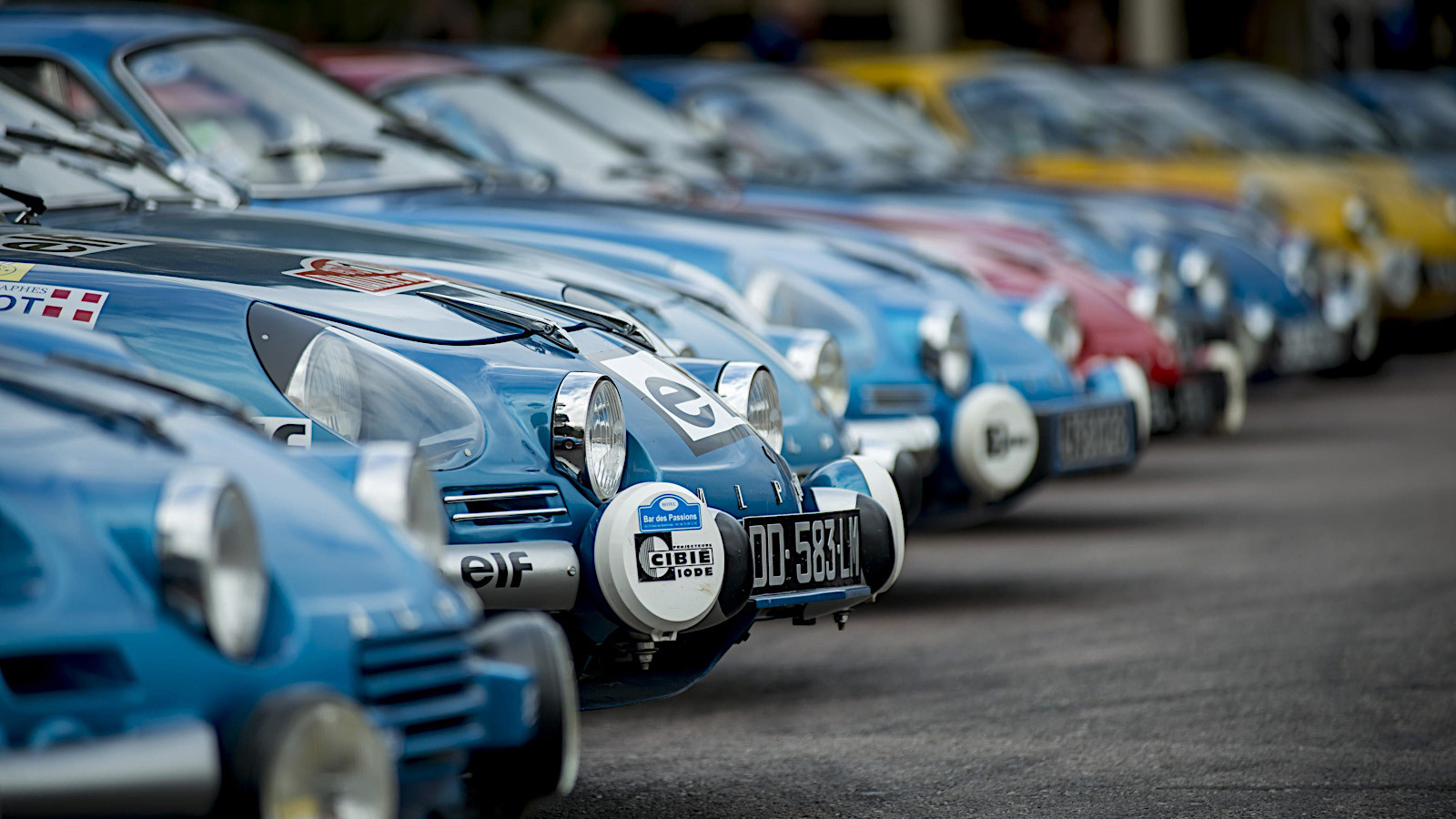
In 2025, Alpine is celebrating its 70th anniversary.
During its long history, it has gone from being a minor player to a big name to a fading and eventually dormant marque, to one which has been revived with great success.
Here we tell its story, from (and indeed before) the very beginning to the present day.
The founder
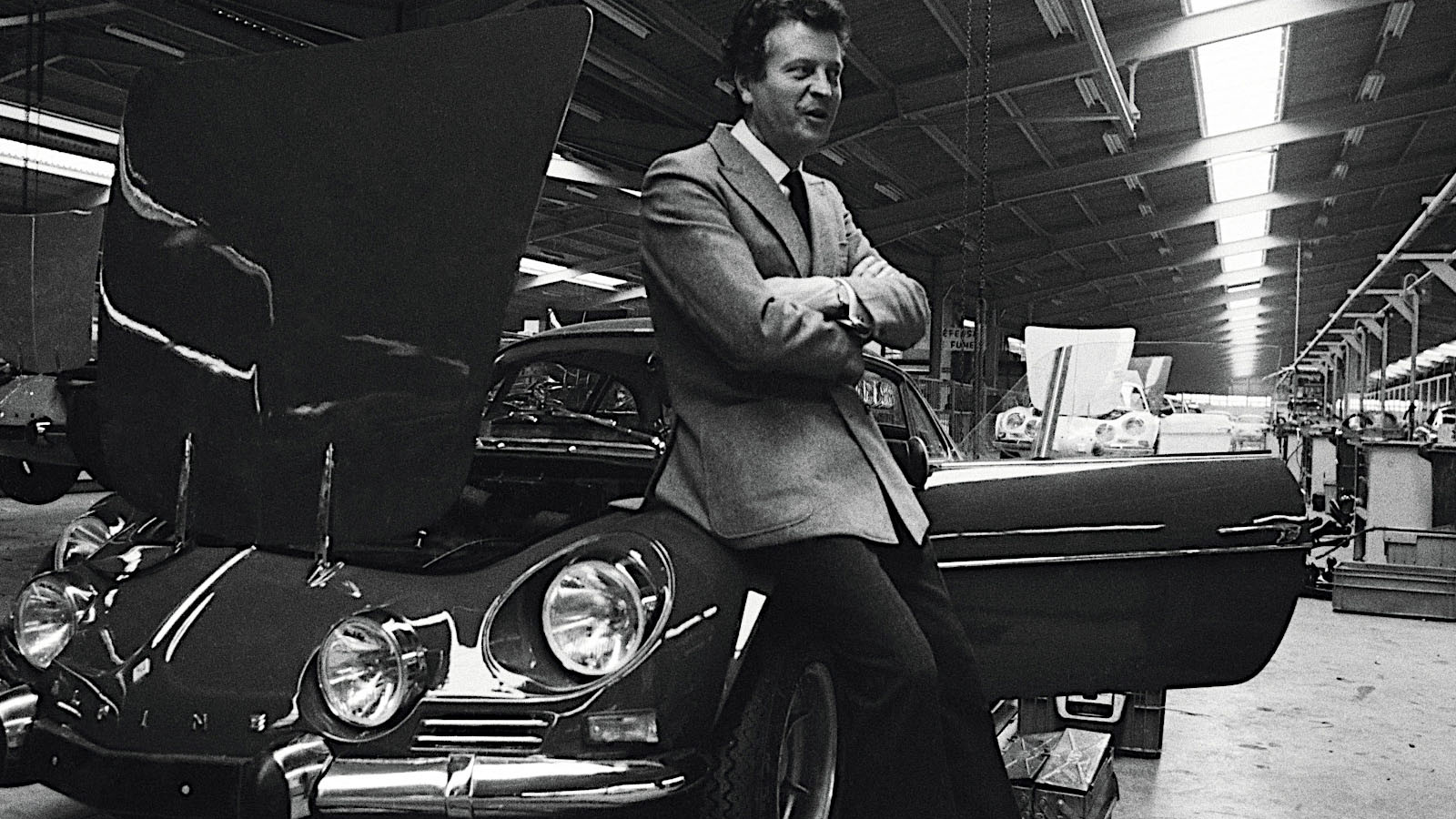
Alpine was created by Jean Rédélé (1922-2007), the owner of a Renault dealership established by his father Émile in their home town of Dieppe on France’s Normandy coast.
Keen on motorsport from an early age, he began rallying Renault’s little, rear-engined 4CV, notably finishing second overall and first in the up to 750cc class in the 1954 Alpine Rally, officially known as the Critérium International des Alpes.
A year later, he founded a company named after that event (later saying that the word “epitomises the pleasure of driving on mountain roads”), and went into production with the first car of his own design.
Alpine A106
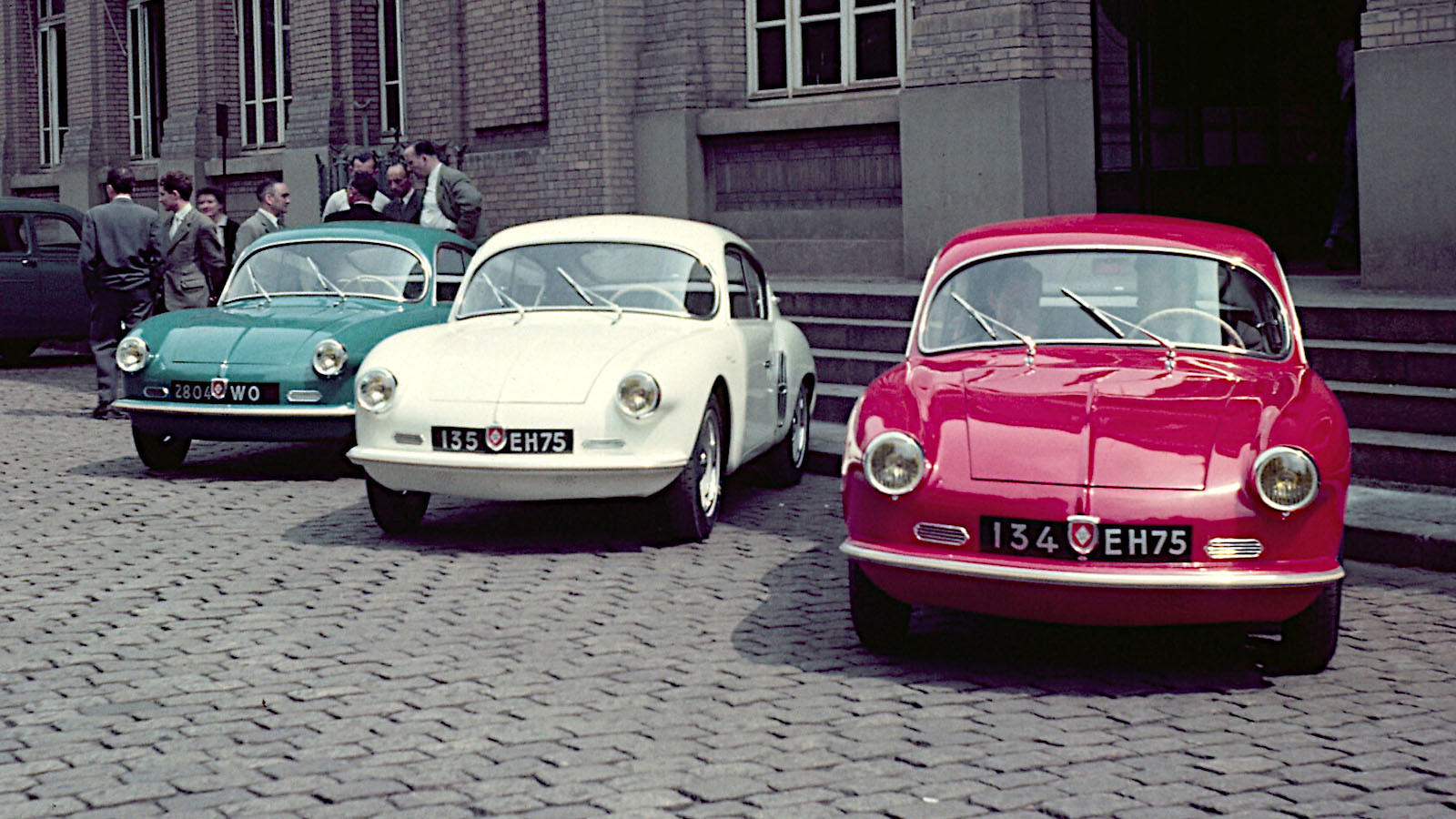
Very familiar with the Renault 4CV through both competing in it and selling it to customers in and around Dieppe, Rédélé used that car’s engine (known as the Billancourt) and gearbox for his first model.
The A106 name was chosen because one, zero and six were the first three of the four numbers in each of the homologation codes used for various versions of the 4CV.
The engine, available in several states of tune, was in the same place as the Renault, mounted behind the rear axle, but there was hardly any visual resemblance between the cars.
While the 4CV had a four-door, steel, saloon body, the A106 was a two-door coupé with a glassfibre body manufactured by Chappe et Gessalin.
Alpine A108
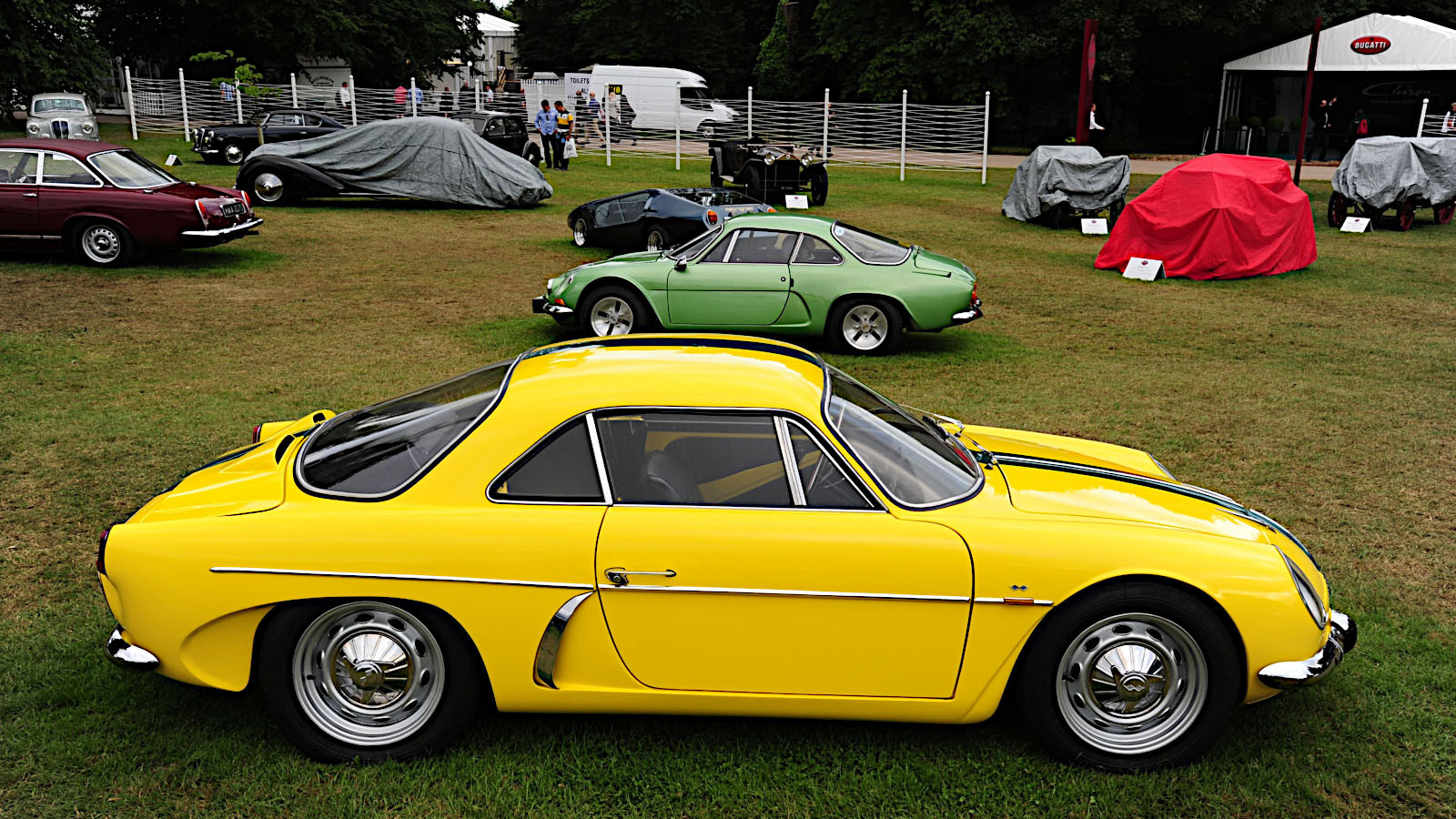
The Alpine A106 was joined in 1958 by the A108, which used the larger, 845cc version of the Billancourt engine as fitted to the Renault Dauphine, introduced two years earlier.
It was available as a two-seat coupé, a 2+2 and a convertible, and latterly had a backbone chassis.
Production continued until 1965, by which time the A106 had been discontinued and a new model had joined the range.
Willys Interlagos
The A108 was the first Alpine built not only in Dieppe but in a distant land.
US-based Willys opened a Brazilian subsidiary in the 1950s, and began building Renaults under licence.
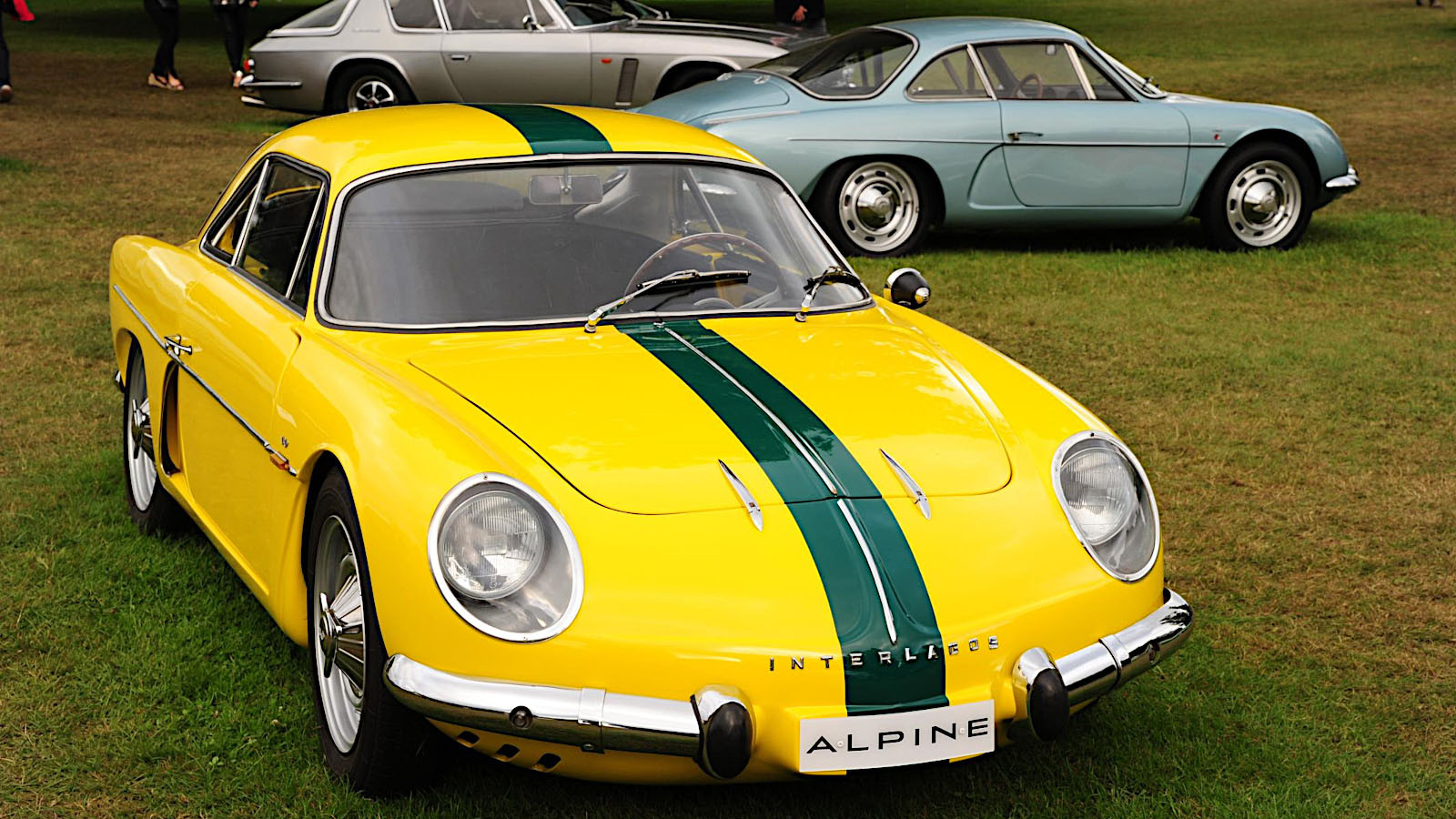
That arrangement was extended to include the A108, which was renamed Willys Interlagos after the race circuit in São Paulo best known for hosting the Brazilian Grand Prix.
The car was a popular choice among young racing drivers of the time including Emerson Fittipaldi, who went on to become Formula One drivers’ world champion in 1972 and 1974, and won the Indianapolis 500 in 1989 and 1993.
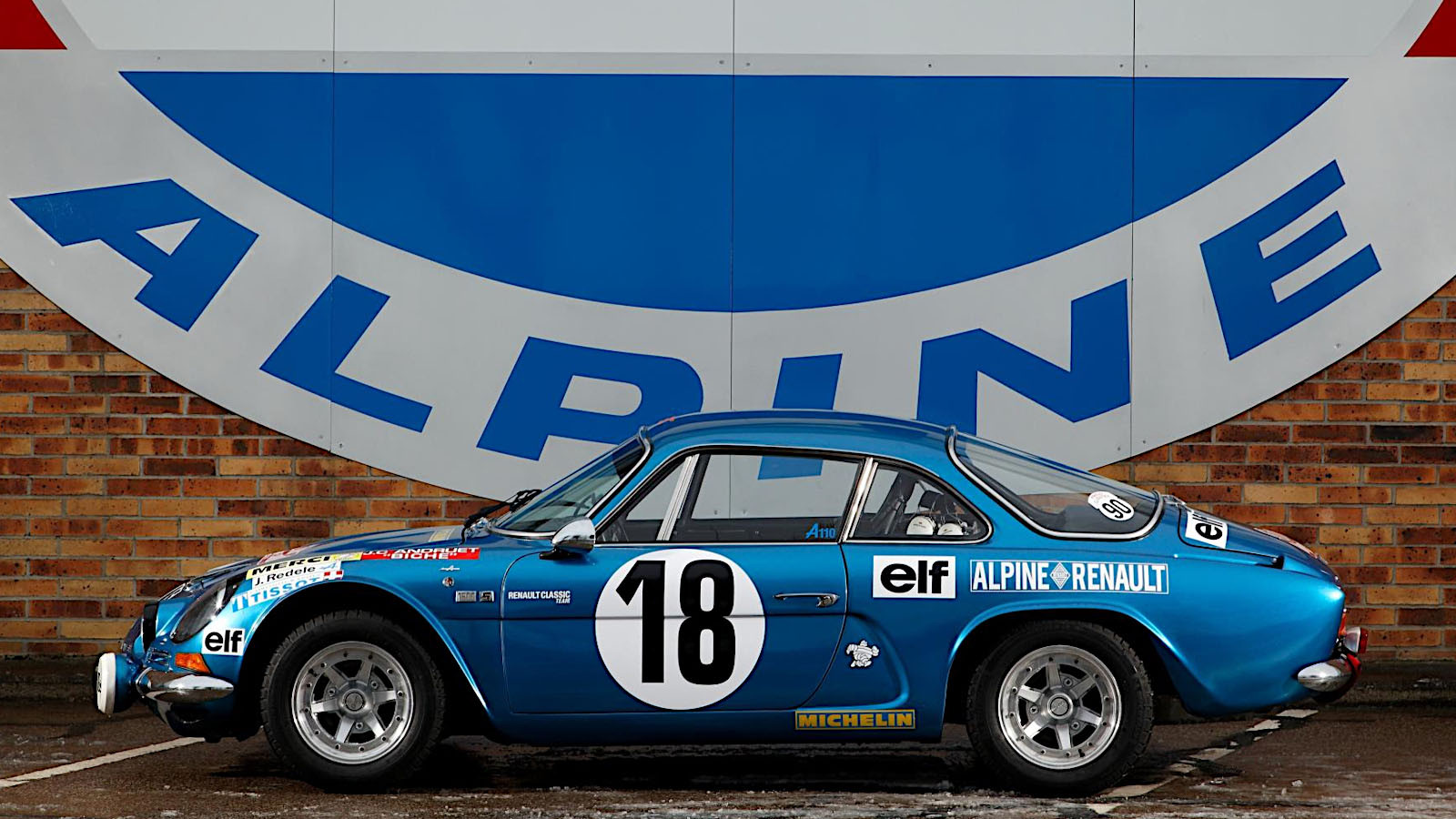
Alpine A110
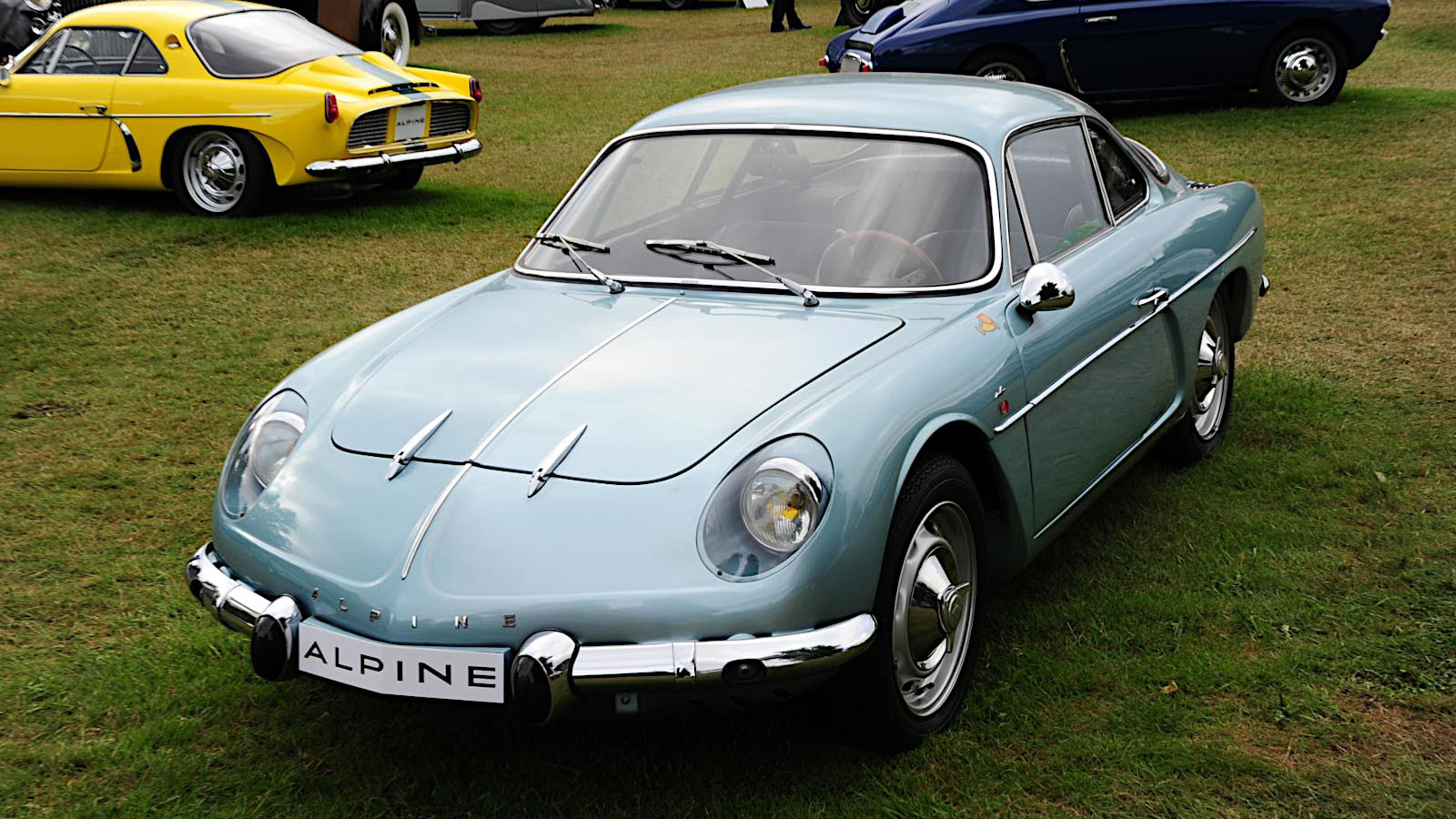
Alpine’s most famous car was launched in 1962 with the Cléon-Fonte engine which Renault introduced in three of its own models – the Estafette van and Floride/Caravelle sports car (both originally powered by the Billancourt) and the 8 – in the same year.
The Cléon-Fonte took up more space than the Billancourt, so the A110 had a more substantial tail than the A108, but otherwise it looked very similar.
It quickly became successful in competition, though another engine would put it into a completely different league within a few years.
The A110 was a big hit, and to meet demand the company had to build a new factory which, now owned by Renault, is still in operation today, and is known, appropriately, as Manufacture Alpine Dieppe Jean Rédélé.
A110s from outside France
Like the A108, the Alpine A110 was manufactured not only in Dieppe, but in factories a long way from the French town.
For example, it was built under licence in Spain by FASA, which also manufactured Renaults locally throughout the second half of the 20th century.
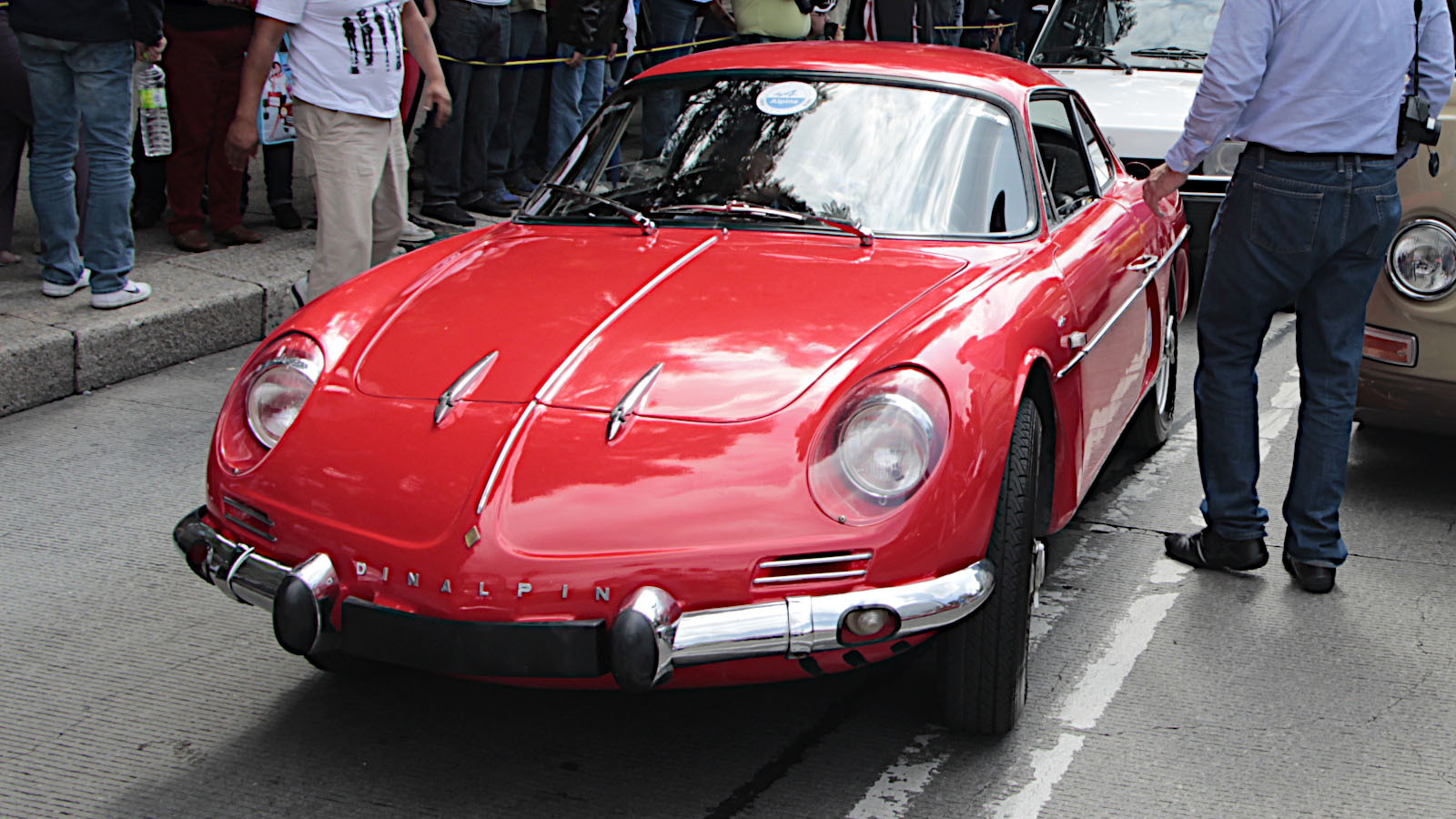
In Mexico, the Diesel Nacional company, usually known as DINA and best known for manufacturing trucks and buses, diverted from its usual policy and assembled its own version of the A110 called the Dinalpin (pictured).
To the east of France, in Bulgaria, locally constructed A110s were sold as Bulgaralpines by the same company which also manufactured the Renault 8 saloon and its slightly longer but mechanically identical equivalent, the 10, and marketed them as Bulgarrenaults.
Alpine A110 GT4
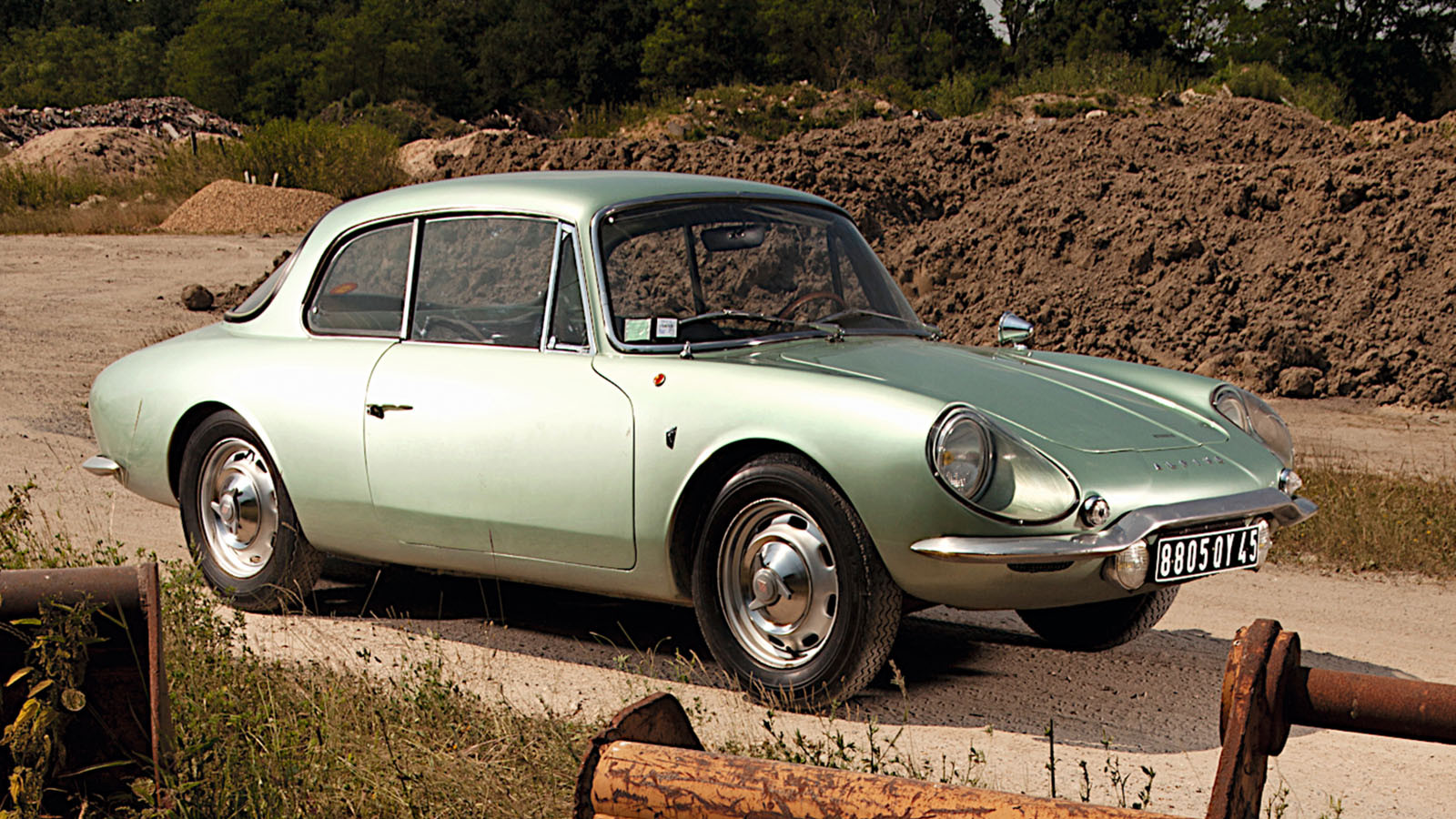
Even people who could recognise a regular Alpine A110 at first glance might be unfamiliar with the GT4.
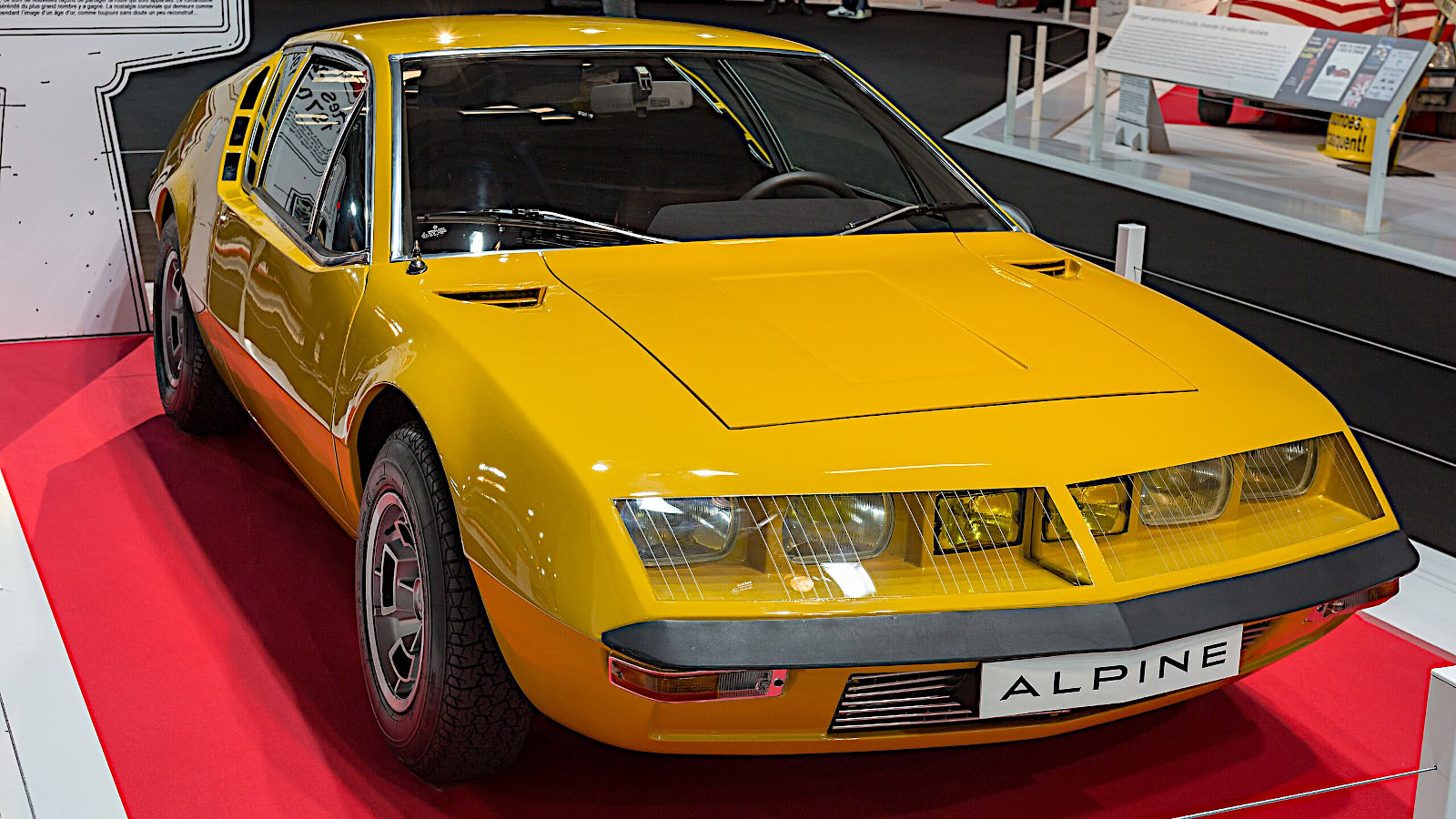
Replacing a similar model in the A108 range, it was a 2+2 coupé with very different styling.
With more room inside than the berlinette, it definitely offered greater practicality, but a certain elegance had been lost, which might explain why not much more than 100 GT4s were ever built.
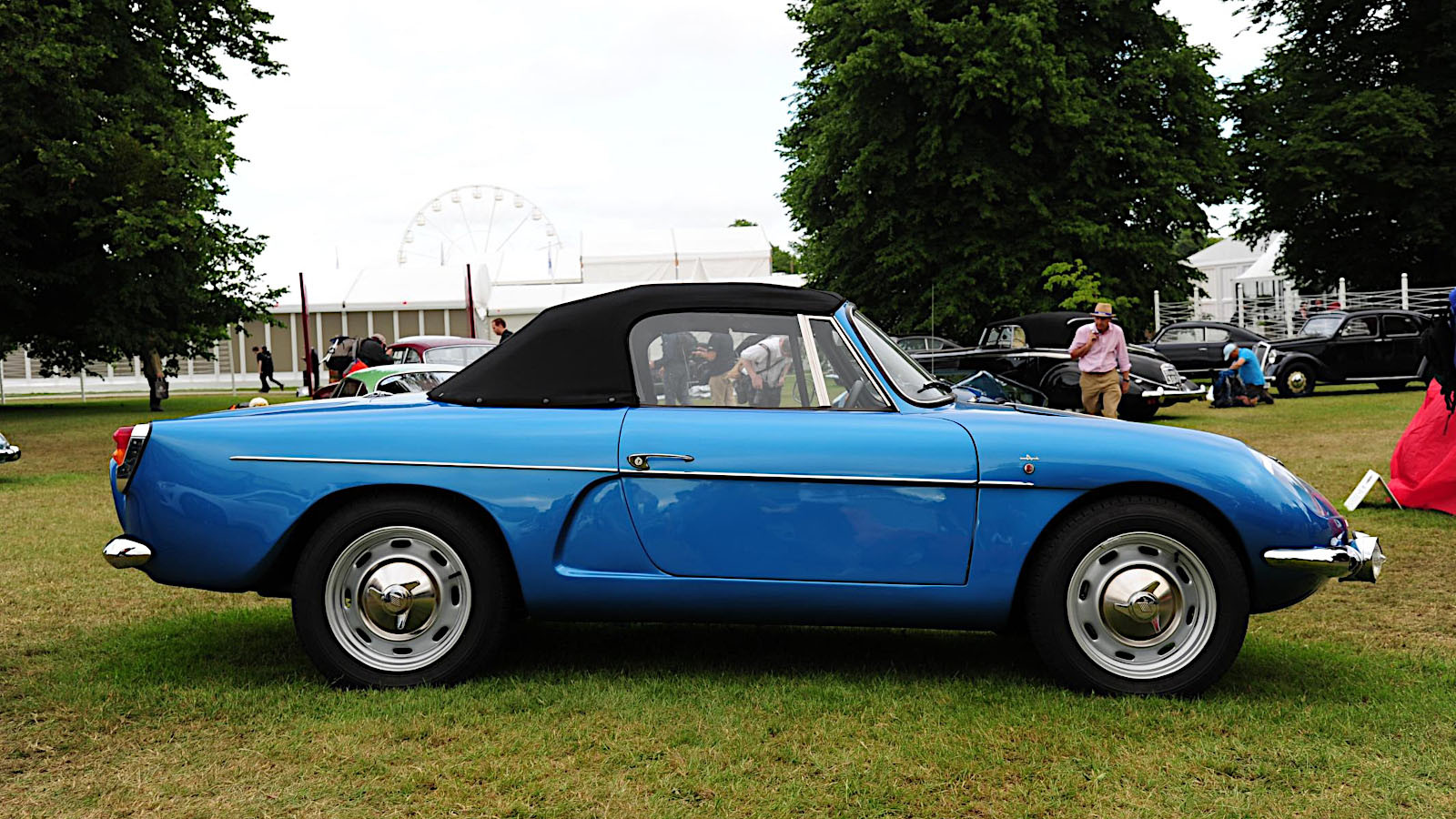
Alpine A110 convertible
In another attempt to broaden the appeal of the A110, Alpine offered a two-seat convertible which it hoped would attract customers keen on top-down motoring.
Once again, though, it was clear that the berlinette body style was almost impossible to improve on, at least in terms of aesthetics.
Buyers were not diverted from the coupé in large numbers, and the convertible is now very rare.
A new engine
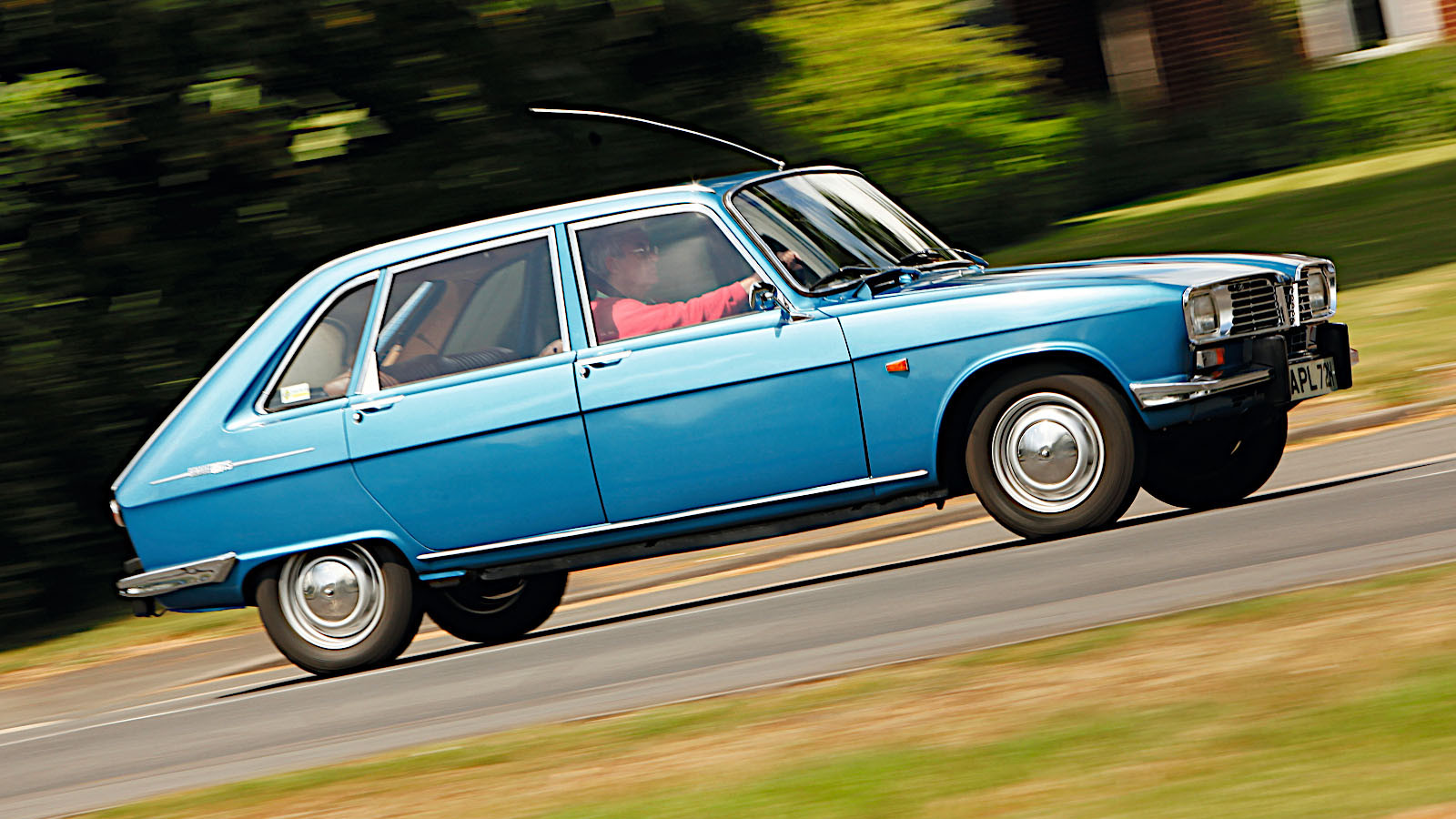
In 1965, 10 years after Alpine was created, Renault launched the 16 hatchback (pictured), a very significant model with an equally significant aluminium-block engine called the Cléon-Alu.
The 16 was in no sense a sports car, but Lotus quickly acquired permission to use the Cléon-Alu in its new Europa, which certainly was a sports car, and at around the same time Alpine began using it in the A110.
Now capable of producing far more power than in its original form, the A110 became a serious high-performance machine even as standard, and was on its way to bringing unprecedented glory to Alpine in the world of motorsport.
International rallying
In the three years before the creation of the World Rally Championship, there was the International Championship for Manufacturers.
Alpine entered the A110 in five of the seven rounds in 1970, one more than Porsche did, but by the end of May Porsche had won three of them, and even after a late charge Alpine finished second in the series with 26 points to its German rival’s 28.
Porsche’s fortunes faded drastically in 1971, and this time Alpine contested four rounds and won all of them, beating Saab by 36 points to 18.
The A110 barely featured in the 1972 ICM, which was dominated by the Lancia Fulvia, but its achievement of the previous year would soon be eclipsed by something even greater.
World champions
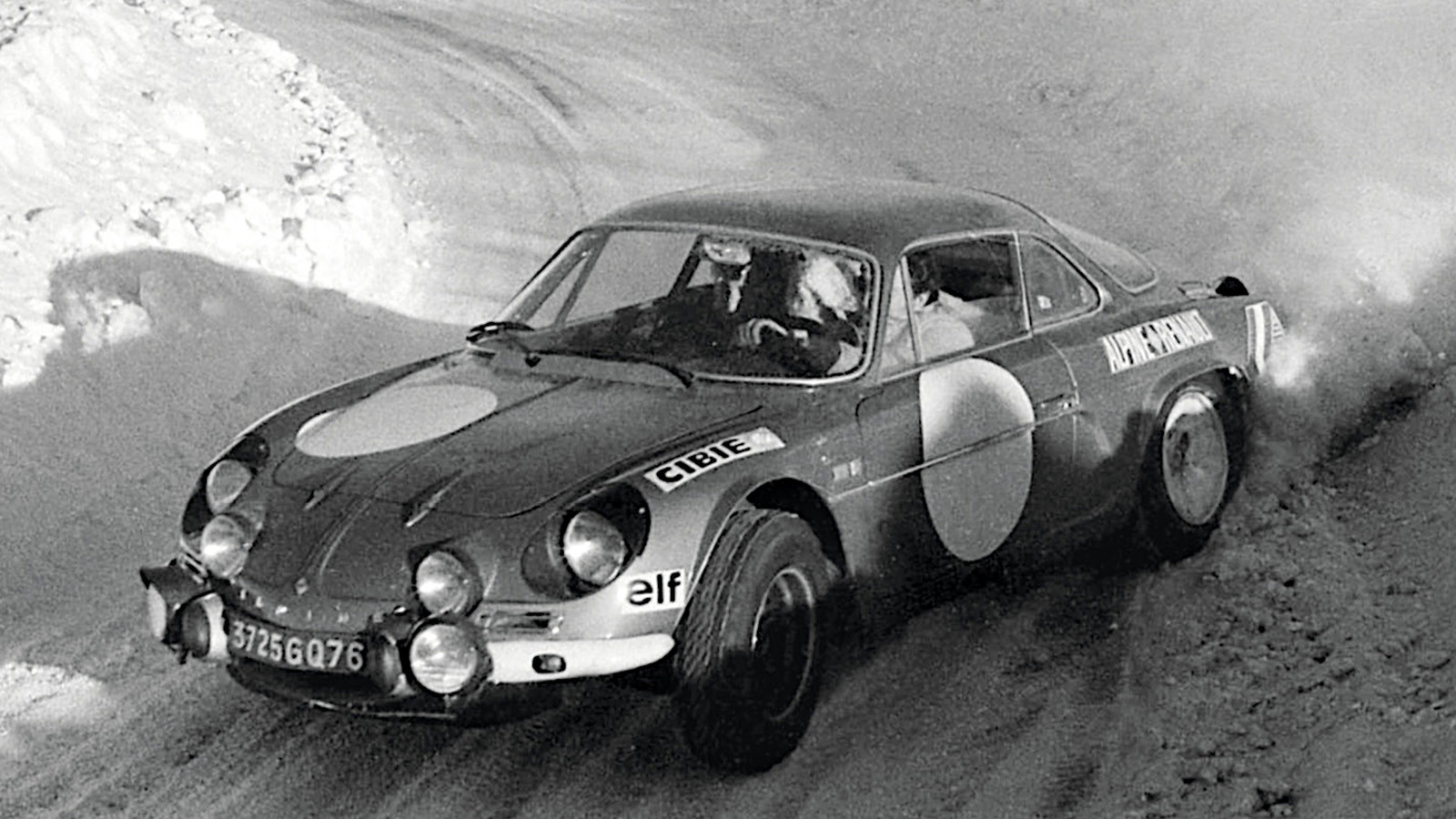
The inaugural World Rally Championship, held in 1973, demonstrated that Alpine built the finest rally car on the planet, at least in that year.
A110s secured all the podium positions on the Rallye Monte-Carlo in January, did the same thing on the Tour de Corse in December, and won five other rounds to give Alpine the title with 147 points, while Fiat (124 Abarth Rallye) and Ford (Escort RS 1600) trailed badly with 84 and 76 respectively.
The A110 remained competitive for a couple more years, but the Lancia Stratos arrived in 1974, and the little Alpine struggled to keep up with it.
Ironically, in the year of its greatest success, Alpine was floundering, and had to be saved by its engine supplier, becoming the Société des Automobiles Alpine Renault.
Alpine A310
By the time the Alpine A110 was leaving every other rally car in the world struggling to keep up, its replacement had already been in production for two years.
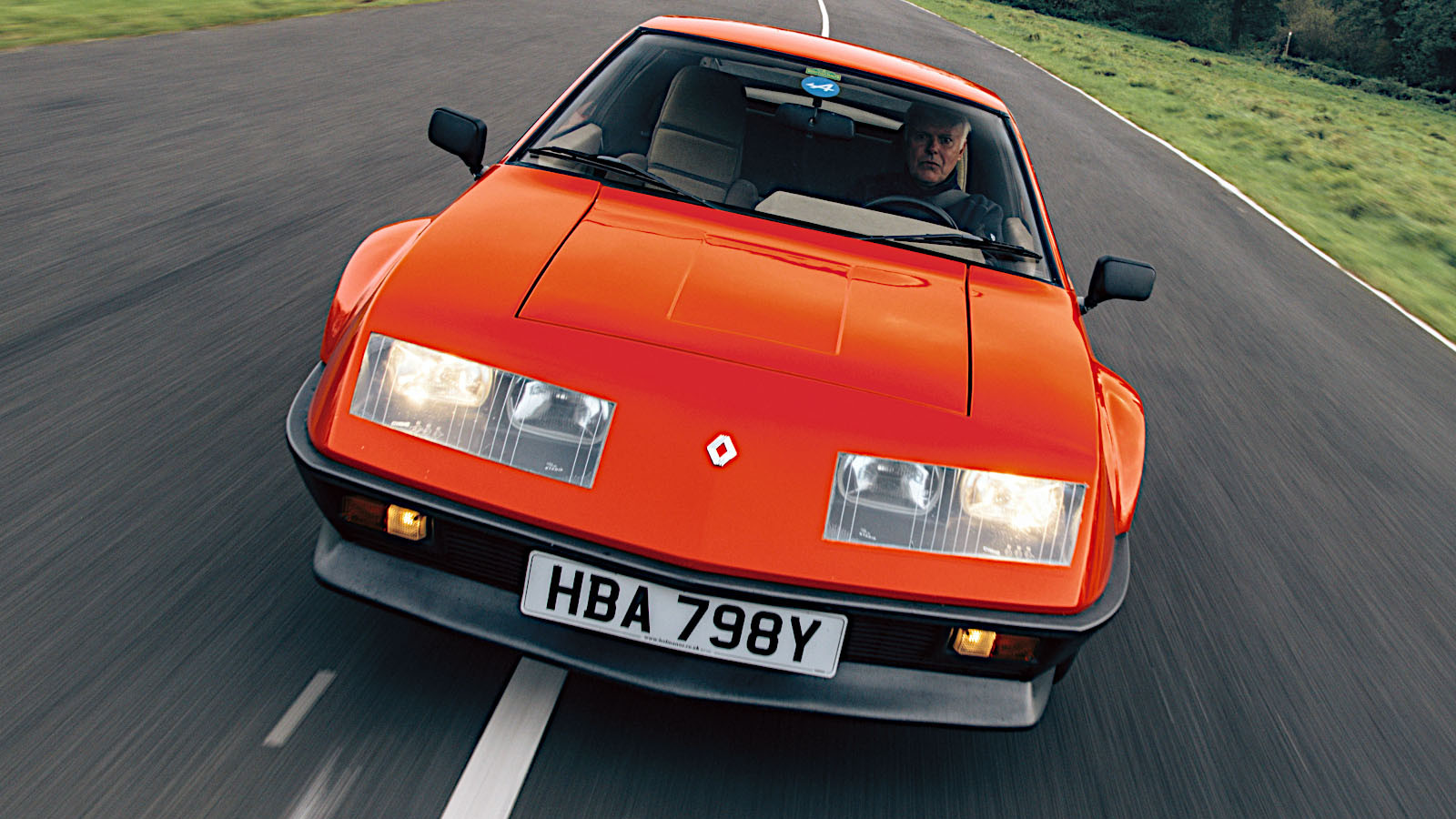
The A310 was larger, had more angular styling and a ‘droop-snoot’ front end, but in other respects it was similar to the older model.
As before, there was a backbone chassis with a glassfibre body, and the engine (mounted, of course, behind the rear axle) was Renault’s Cléon-Alu.
The A310 did not capture the public’s imagination in anything like the way the A110 had, and it soon became clear that a radical change was required.
Alpine A310 V6
The Alpine A310 grew up, in a sense, in 1976.
The great designer Robert Opron, formerly of Simca and Citroën, had joined Renault (Alpine’s new owner, you’ll remember) in 1975, and one of his first jobs was to restyle the car.
At the same time, Alpine dropped the Cléon-Alu engine and replaced it with the PRV V6 co-developed by Peugeot, Renault and Volvo, and used not only in their cars but in many others including the De Lorean.
Other capacities were also available, but in 2.7-litre form, as fitted to the A310, it was by far the largest engine used so far in any Alpine, and the one with the most cylinders.
Alpine A310 in competition
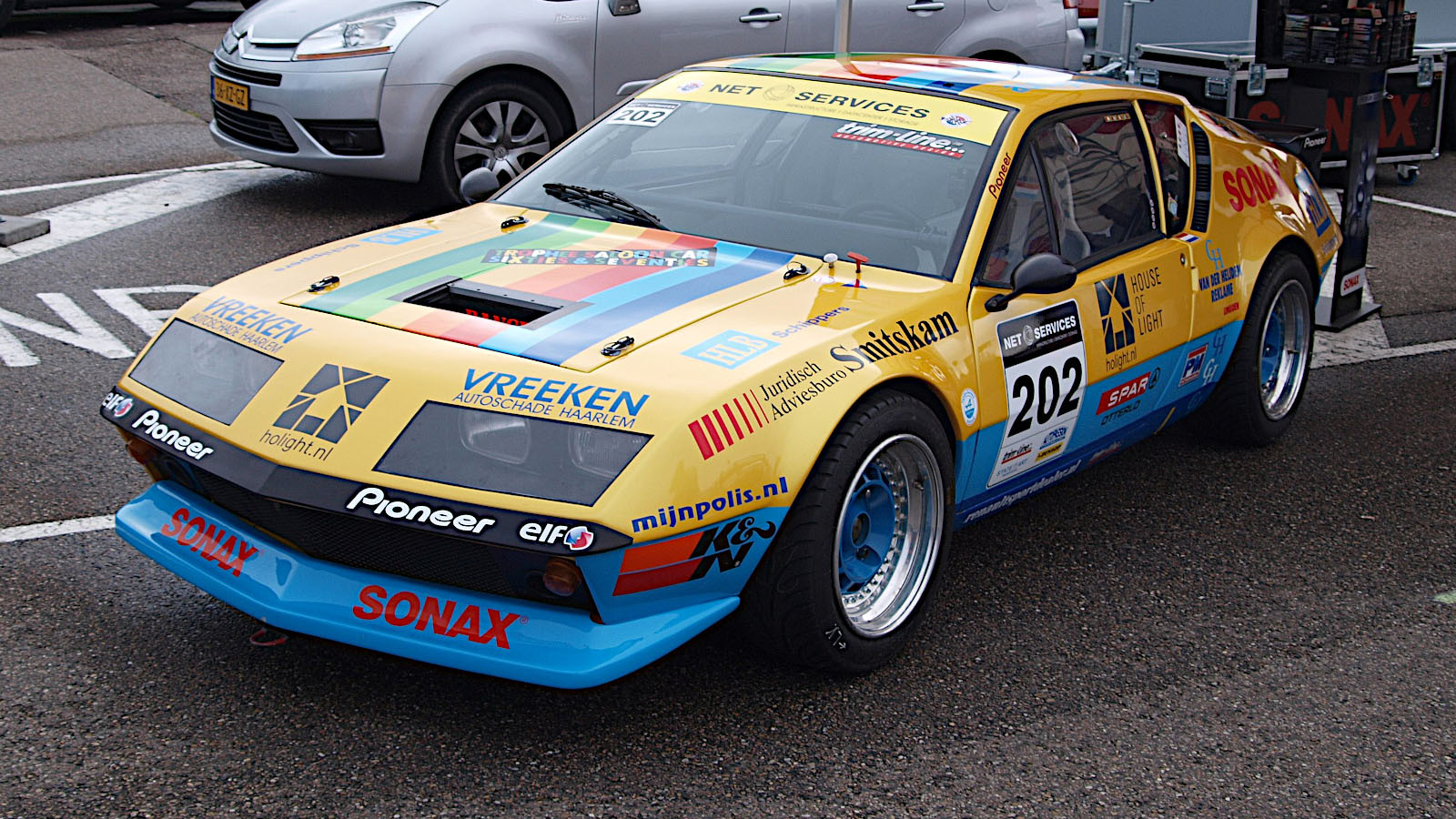
The Alpine A310 had nothing like the success of the A110 in international motorsport, though it could occasionally manage a top 10 finish in rounds of the World Rally Championship.
On a national level, it was a different story.
In 1977 (the year production of the A110 ended), Guy Fréquelin and Jacques Delaval tore the French championship apart in their V6, winning nine rounds when no one else won more than two.
The opposition was tremendous, consisting of a Lancia Stratos and several Porsche 911s, but the Fréquelin/Delaval A310 was uncatchable, and when it didn’t compete in the Rally International du Mont-Blanc, another A310 crewed by Bernard Béguin and Maurice Gélin won instead.
Renault 5 Alpine
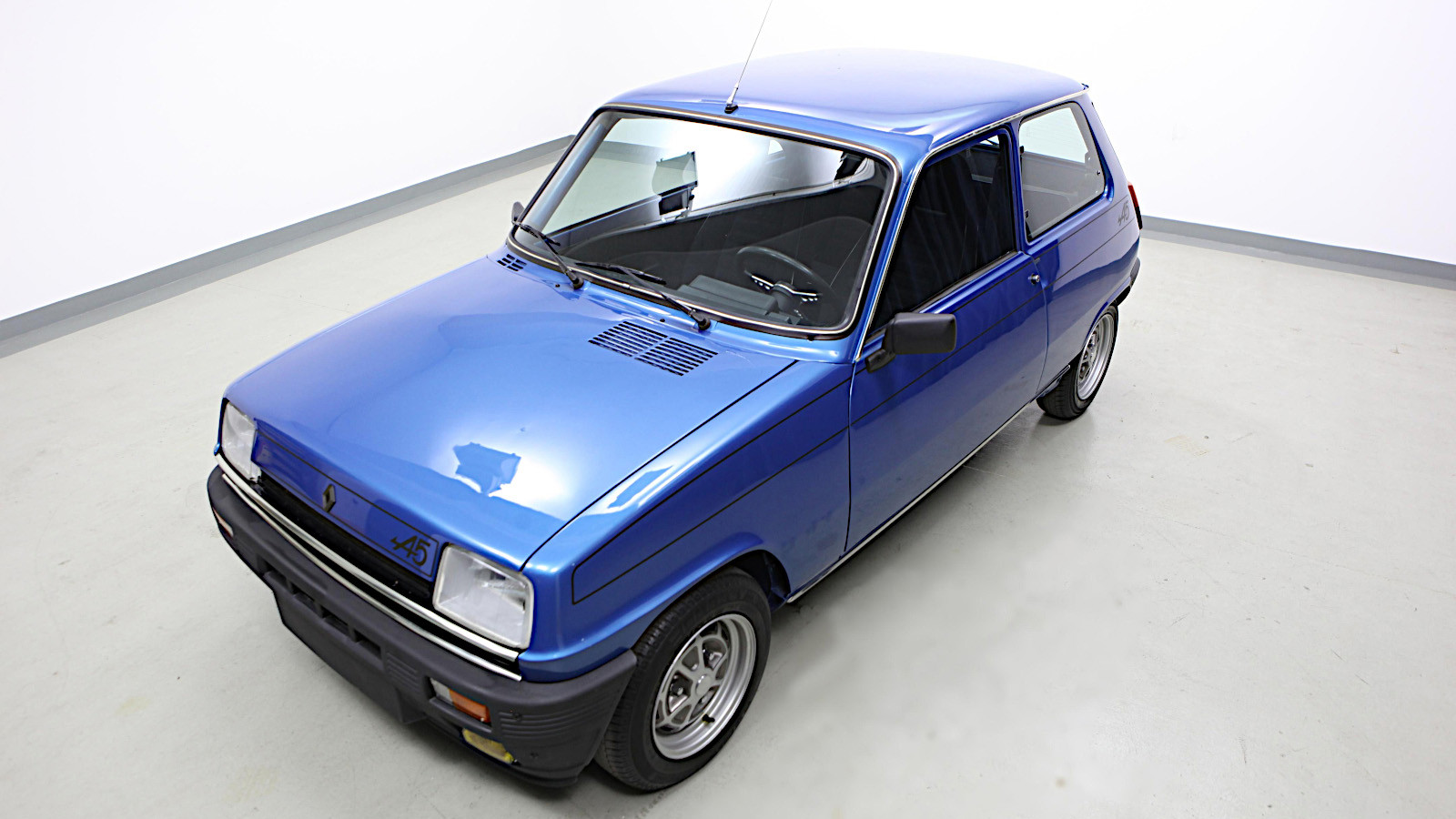
The Alpine name was applied to a Renault model for the first time in 1976, when it was used for the hot-hatch version of the 5.
It was powered by the old Cléon-Fonte engine, measuring 1.4 litres in this application and producing 91bhp – an impressive figure for a small hatchback of the mid 1970s.
Modified versions performed spectacularly on the very snowy Rallye Monte-Carlo in 1978, finishing second and third behind a Porsche 911, and beating every Fiat 131 Abarth and Lancia Stratos in the field.
In the UK, Alpine as a model name had been established by Sunbeam, and was now owned by Chrysler Europe, so Renault couldn’t use it, and the car was known as the 5 Gordini instead.
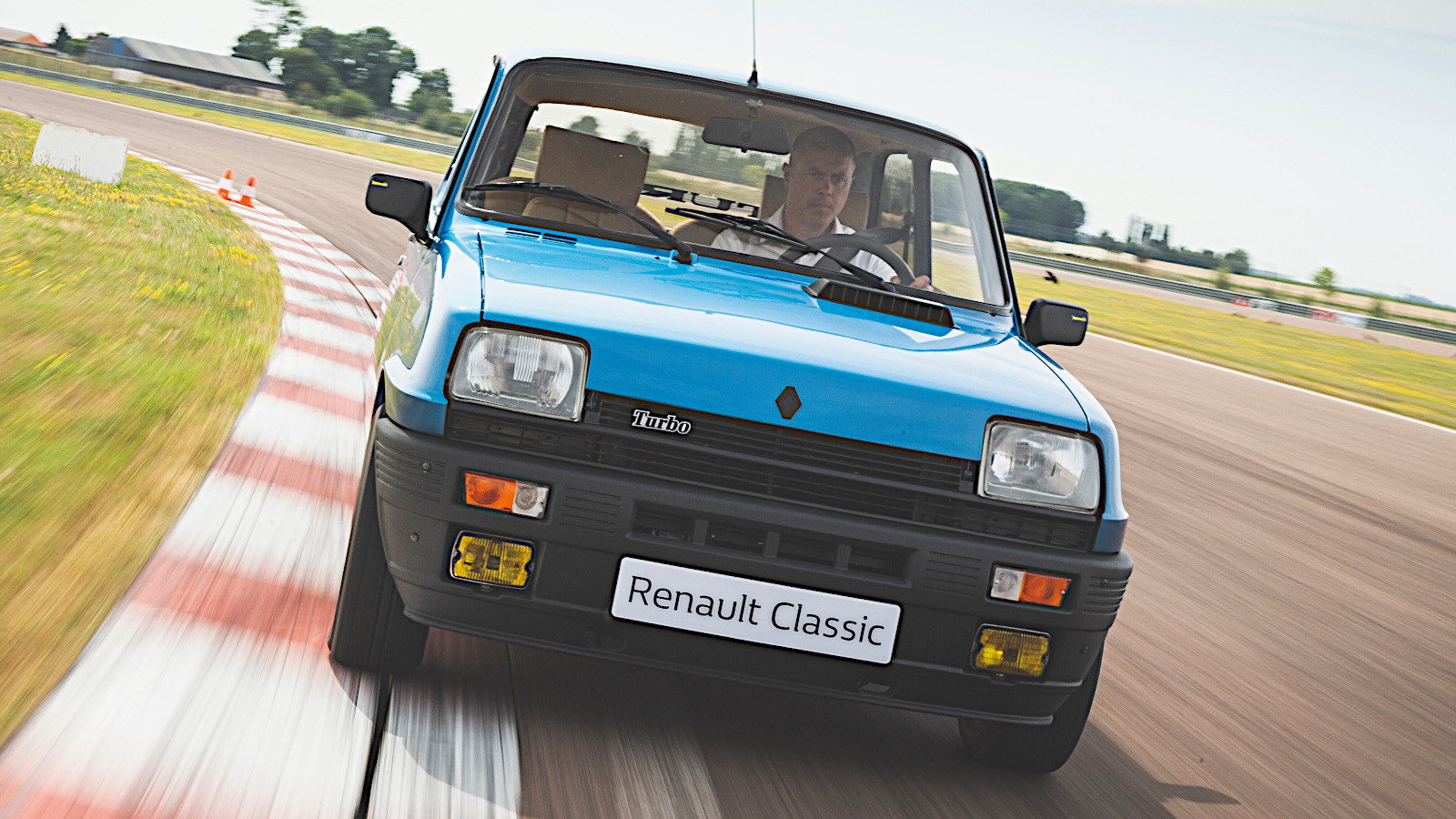
Renault 5 Alpine Turbo
An enthusiastic user of turbocharging in its F1 and sports-racing cars, Renault inevitably applied it to its road cars, too.
A Garrett compressor was added to the 5 Alpine/Gordini’s engine in 1982, and with other necessary modifications it now had an output of 110bhp in standard form.
For comparison, this was about the same as you’d get if you bought a contemporary Volkswagen Golf GTI, the classic hot hatch of the era.
Alpine GTA
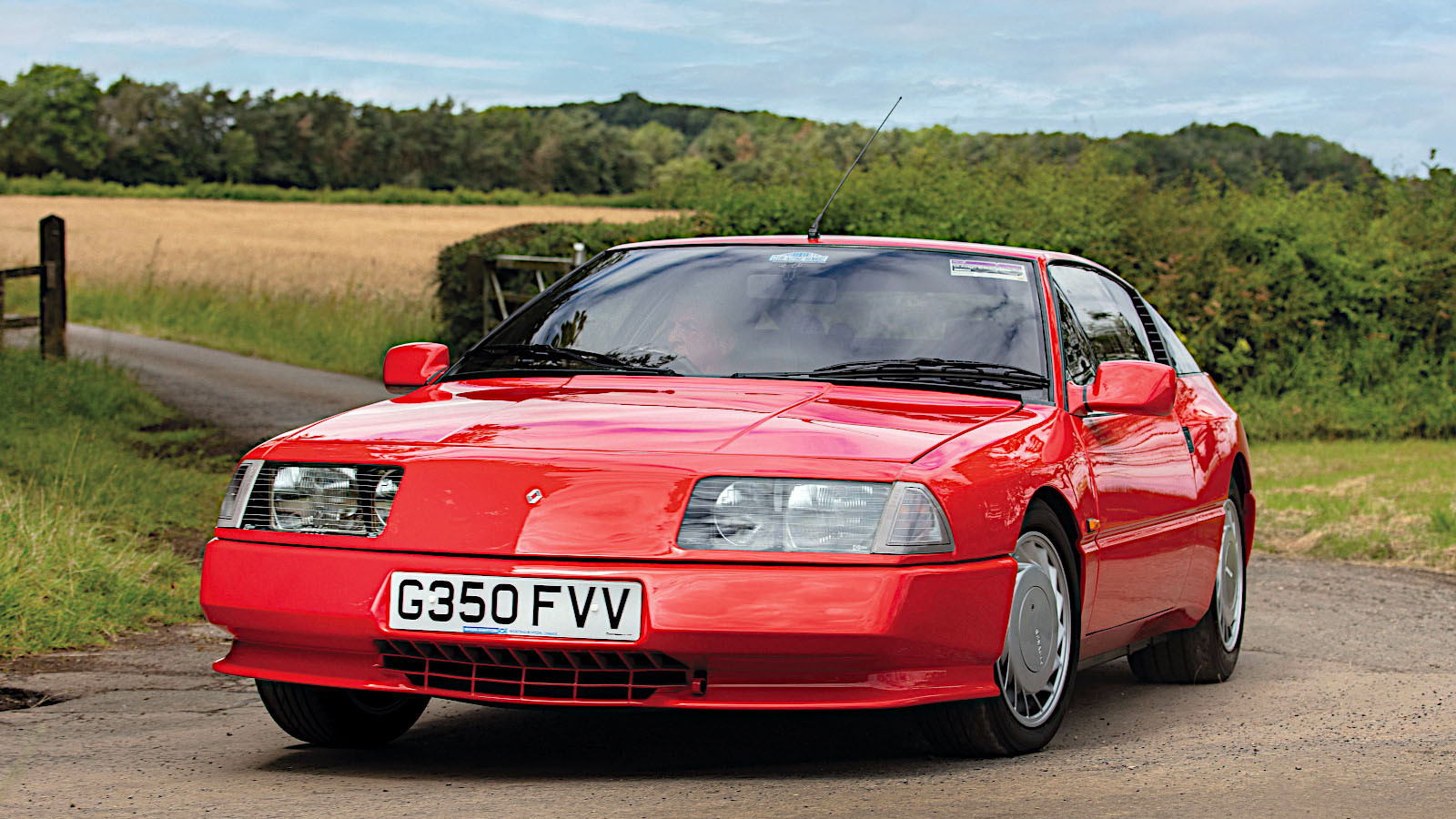
The Alpine A310 was replaced in 1984 by what was known in most countries simply as the Alpine V6, but in the UK (for reasons already mentioned) as the Renault GTA.
Whatever you called it, this was the first Alpine developed entirely under Renault ownership, appearing 11 years after the takeover happened.
Although it was a completely new car, it had the same basic layout as the A310, and used the PRV V6 engine which had powered the earlier model since 1976.
In this case, though, the engine had a capacity of 2.8 litres when naturally aspirated, or 2.5 litres when fitted with a turbocharger.
Alpine A610
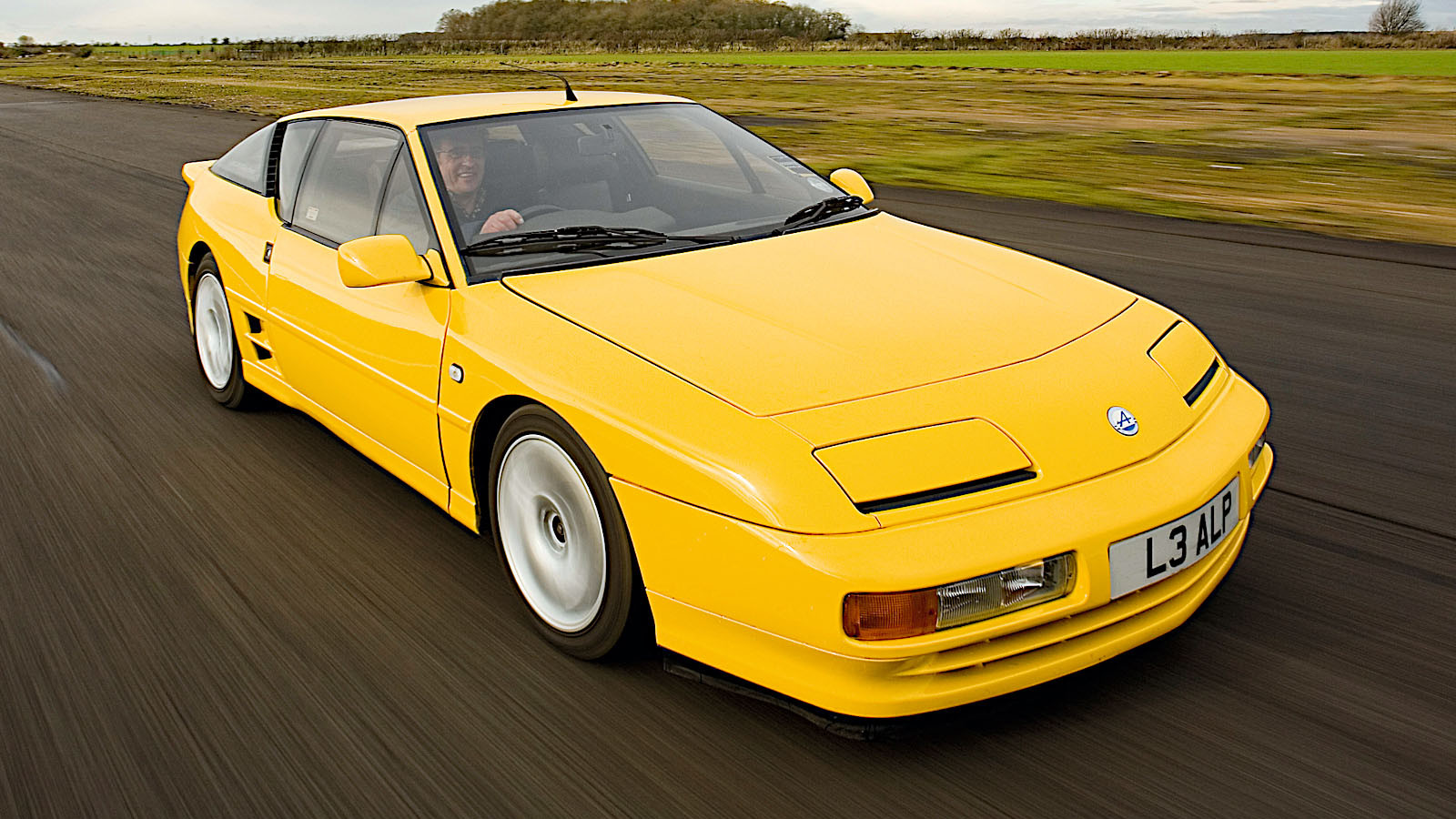
The Alpine A610 was the last model in a line which can to some extent be traced right back to the A106, but particularly to the A310 V6.
The PRV engine was now being used in its largest, 3-litre form, and was only ever turbocharged in this generation.
It was mounted at the back, as usual, though more even front-rear weight distribution made the car less prone to behaviour which Andrew Cowan had described, after rallying an A110, as being “like throwing a hammer backwards”.
Despite improvements over the GTA, the A610 was not a success, and Renault (temporarily, as it turned out) closed down the Alpine marque, while retaining the Dieppe factory and making use of the skills of its workers.
Alpine’s return
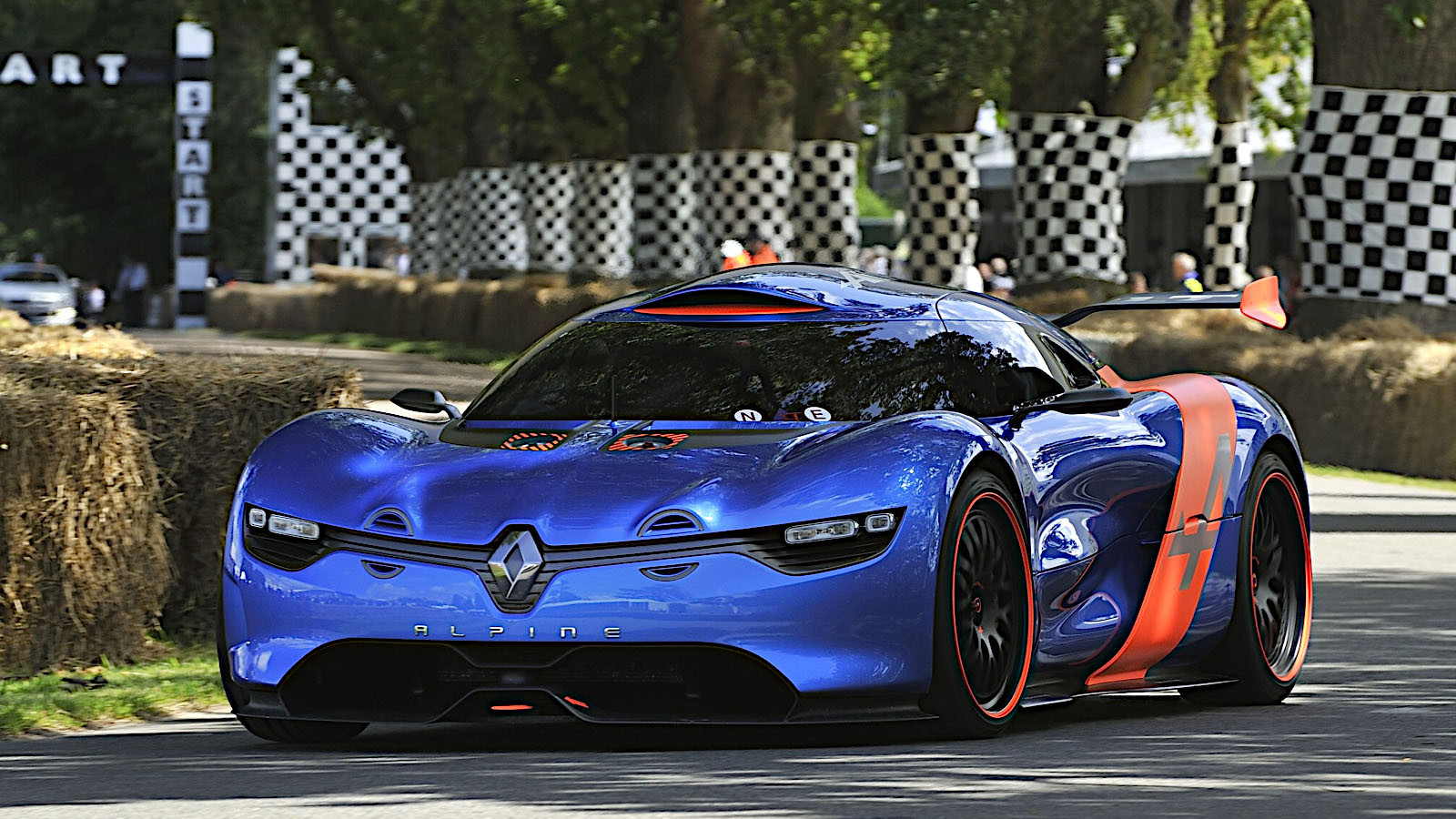
The first sign that Alpine would be making a comeback was a concept called the A110-50, revealed at the Monaco Grand Prix in 2012 and intended partly to celebrate the 50th anniversary of the original A110’s public unveiling at the Paris motor show.
The carbonfibre body bore some resemblance to that of the berlinette, but otherwise the car was essentially a reworking of the competition-only Renault Mégane Trophy.
The Trophy’s 3.5-litre V6 was carried over, but it was mounted, for the first time in Alpine history, ahead of the rear wheels rather than behind them, and the gearbox was a semi-automatic sequential six-speed.
The modern Alpine A110
Looking rather more like the original than the A110-50 concept had, the new Alpine A110 went on sale in 2017.
Its turbocharged, 1.8-litre engine was the first four-cylinder unit fitted to any car from the marque – as opposed to Alpine-badged Renaults – since the early version of the A310, and the first to be mounted between the axles of any of its production cars.
In 2019, production reached 7176, a not obviously important figure until you become aware that, according to Renault, that was how many examples of the berlinette were built.
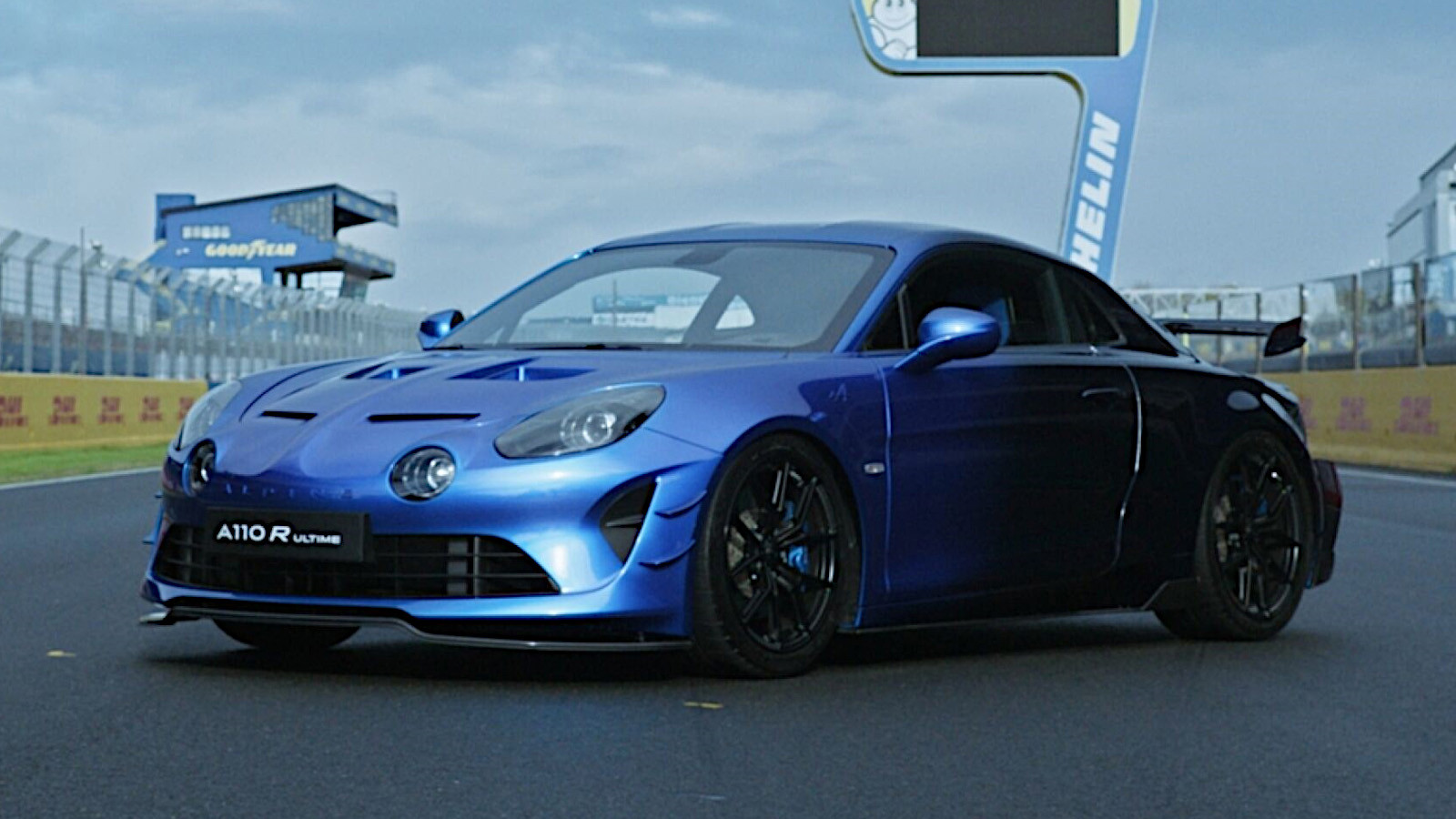
There have been several special editions, the most powerful being the A110 R Ultime (pictured), which was announced in February 2025 and claimed to have an output of ‘up to 345bhp’ when running on high-octane petrol.
Alpine Alpenglow
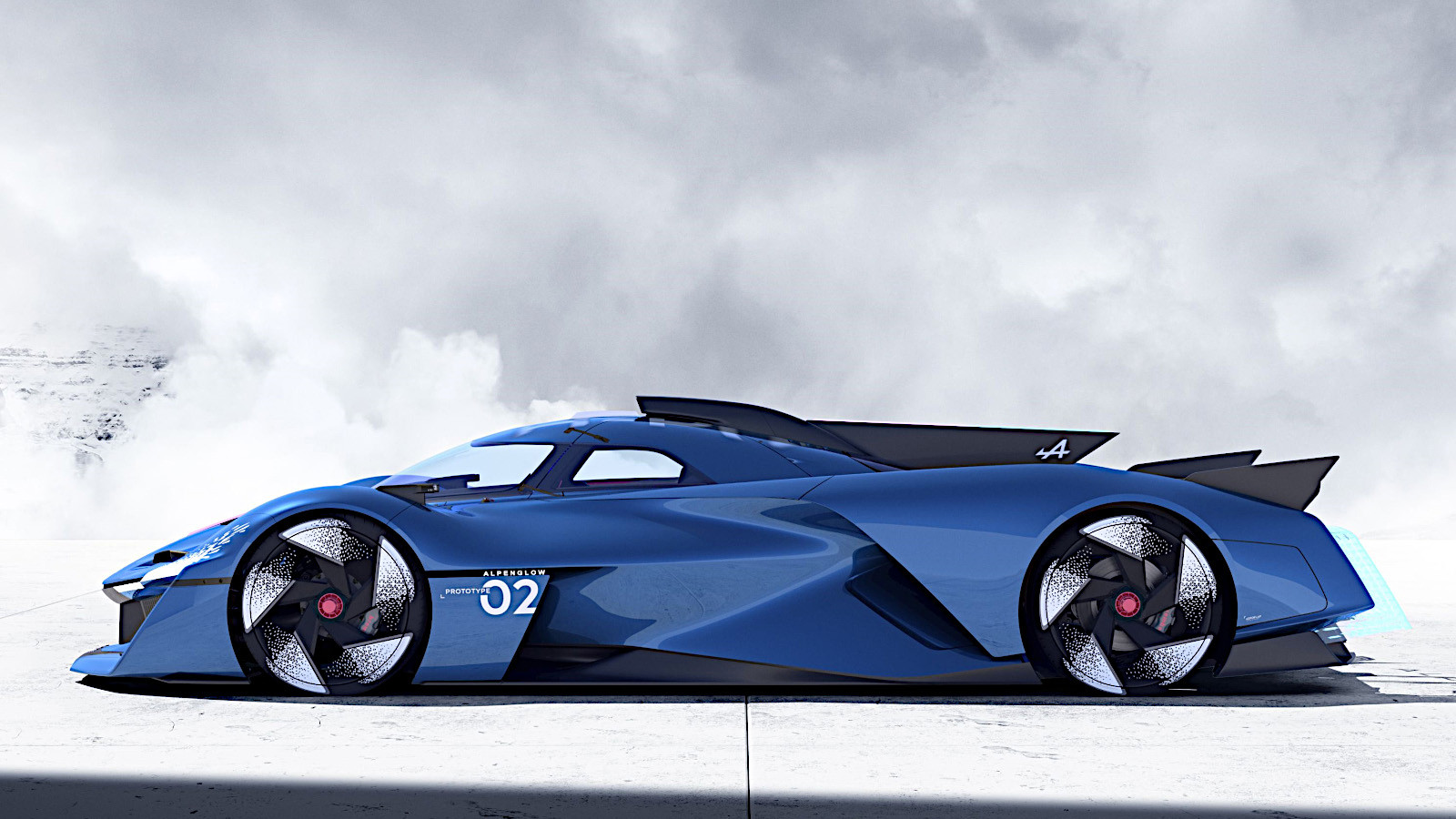
The Alpenglow was first presented as a single-seater concept in late 2022, and revealed in drivable form (and now with two seats) as the Hy4 in May 2024.
‘Hy4’ partly describes the engine, a turbocharged, 2-litre, four-cylinder unit fuelled by hydrogen and with a reported output of around 340bhp.
This figure seemed almost trivial around five months later, when Alpine announced the Alpenglow Hy6 (pictured), a twin-turbo, 3.5-litre V6 – again running on hydrogen – which was said to produce 730bhp.
There has been no talk yet of a production model, but Alpine has said it ‘notes the plan … to authorise the participation of hydrogen-powered cars from the 2028 24 Hours of Le Mans onwards’.
Alpine A290
Alpine's survival into the 2020s made it inevitable that an electric model would be introduced sooner or later.
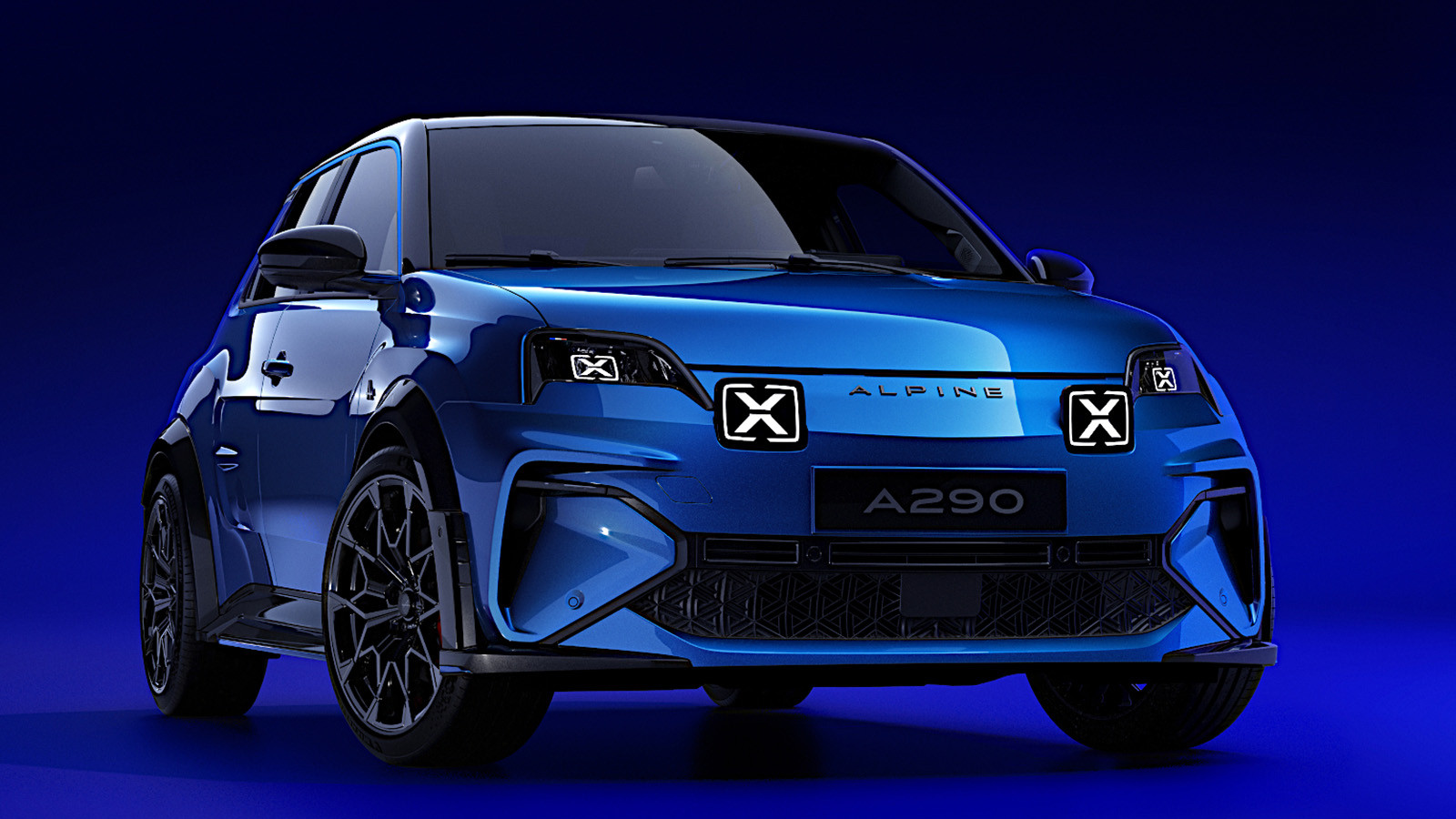
The A290, formally unveiled at Le Mans in June 2024, is essentially the same thing as the Renault 5 E-Tech, and in fact the two models shared the Car of the Year award for 2025.
There are significant differences between the two, however, one of which is that the A290 (referred to by Renault as 'Alpine’s first hot hatch') is more powerful.
Buyers of the 5 E-Tech have a choice of electric motors with outputs of 118bhp and 148bhp, while those available in the Alpine A290 produce 178bhp and 217bhp.
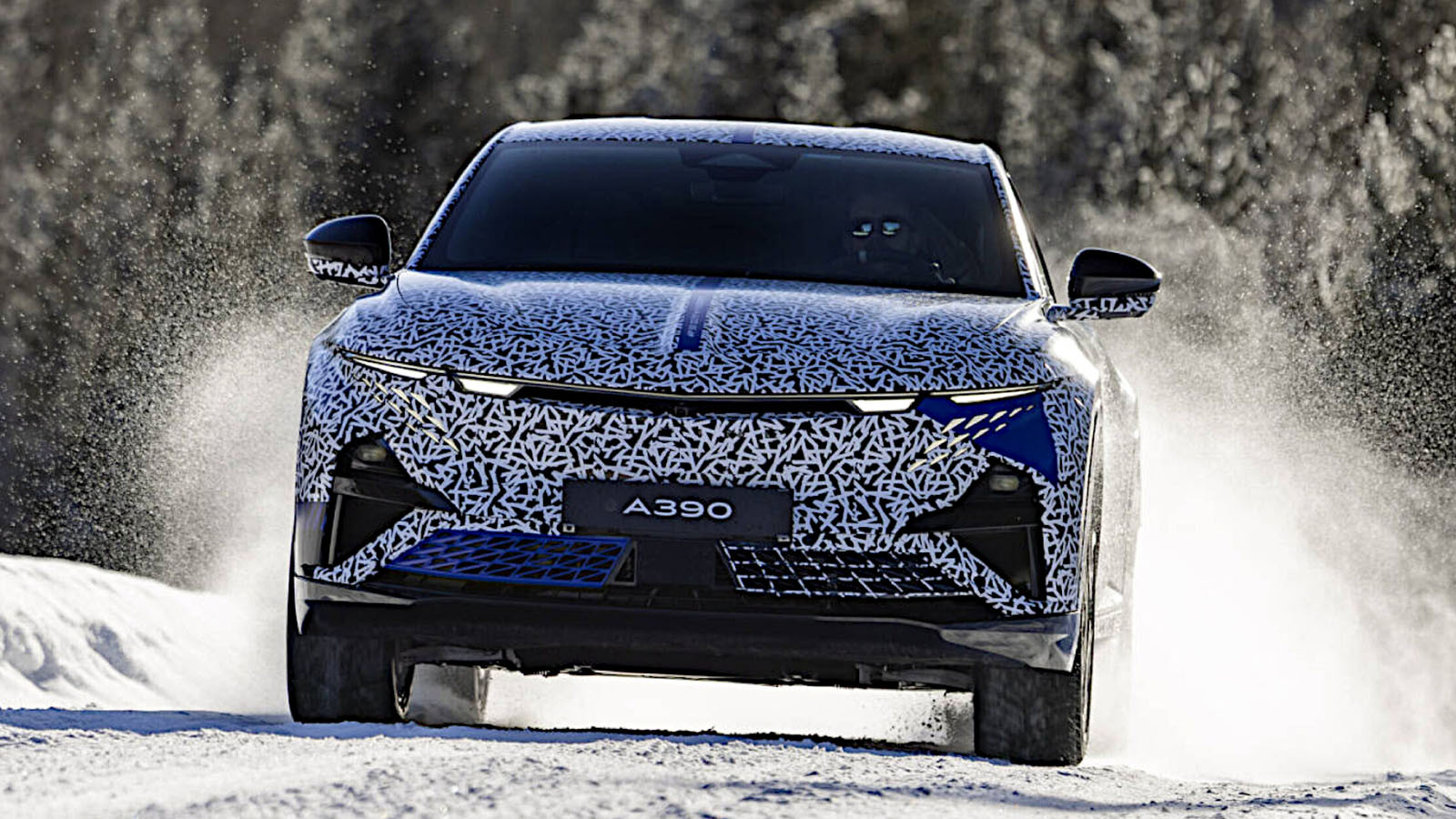
Alpine A390
Alpine describes the A290 as the first model in its Dream Garage, and the second is the significantly larger A390.
Pictured here undergoing cold-weather testing in Lapland, the A390 is not yet available for sale at the time of writing, and many details will remain secret until its official launch in May 2025.
It’s already known, though, that the car will be a five-seat ‘sport fastback’ measuring a little more than 4.6m (181in) in length, and it will have three electric motors and five driving modes, one of them called Alpine Active Torque Vectoring.
Appropriately enough, it will make its public debut in Dieppe, the town where the Alpine story began 70 years ago.