Cars become the canvas
For the first time ever, all 20 of BMW’s Art Cars will come together in one place as they gather at the company’s headquarters in Munich, Germany, this summer.
To mark this meeting, here’s our look at each of these celebrated cars, to discover how they came about and who the artists are.
Many are based on BMW’s motorsport models, while others use more humble saloons or sporting choices as their canvas.
Each has been created by a noted artist to reflect their style, and we’ve presented them here in chronological order.
1. 1975 BMW 3.0 CSL
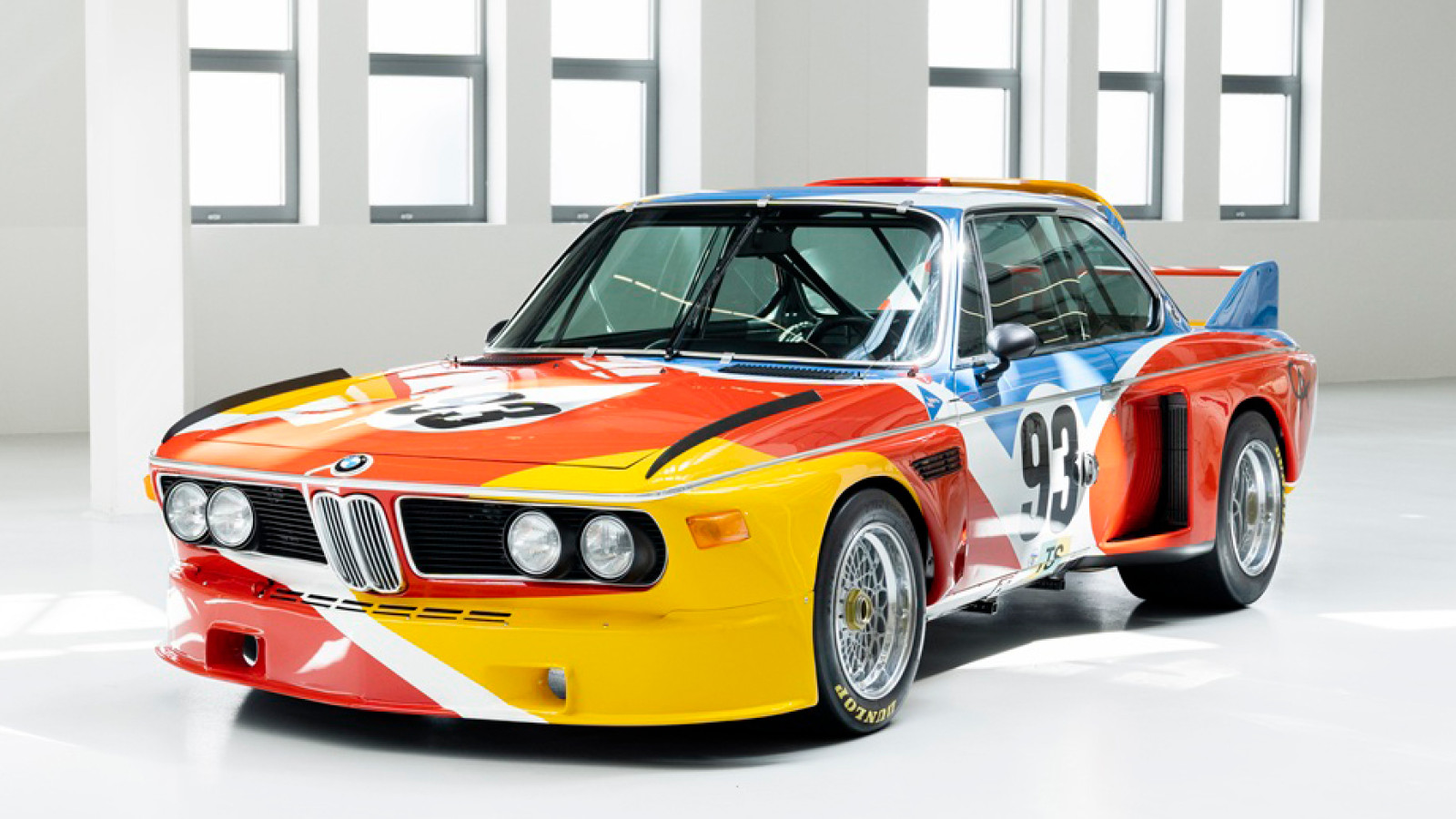
The first BMW Art Car was the idea of French racing driver and auctioneer Hervé Poulain, who wanted his car to stand out at the 1975 24 Hours of Le Mans.
He got his wish when Alexander Calder came up with a vibrant livery for the 3.0 CSL coupé.
BMW Motorsport boss Jochen Neerpasch was equally enthusiastic, because the primary colours of the CSL grabbed plenty of attention before and during the famous race.
The fact the Poulain-entered CSL retired from the event less than halfway through was irrelevant, because by then the car had become a fan favourite and started a long line of BMW Art Cars in competition.
2. 1976 BMW 3.0 CSL
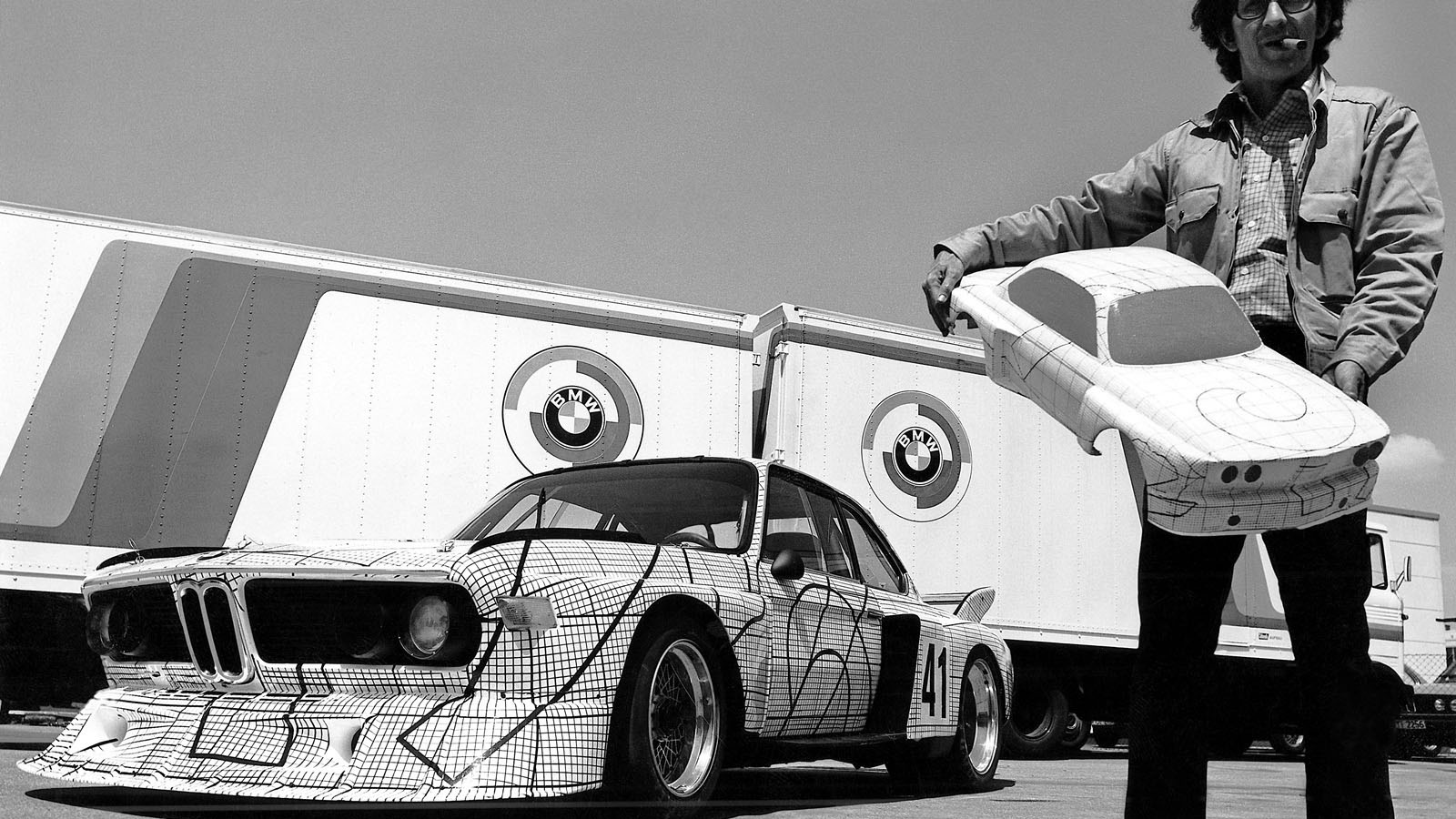
Frank Stella was given the unenviable task of following on from Alexander Calder with the second BMW Art Car, another 3.0 CSL set to compete at Le Mans.
Stella’s deceptively simple design looked like enlarged graph paper laid over the car with added shapes to appear as drawings.
He said: ‘It was just luck and the first thing that I did, but it worked out well’.
Again, BMW garnered huge attention with its art-meets-racing machine, helped by the black-on-white design showing up well in newspaper print.
Driven by Brian Redman and Peter Gregg, the car retired from the 1976 24 Hours of Le Mans race with oil problems.
3. 1977 BMW 320i turbo
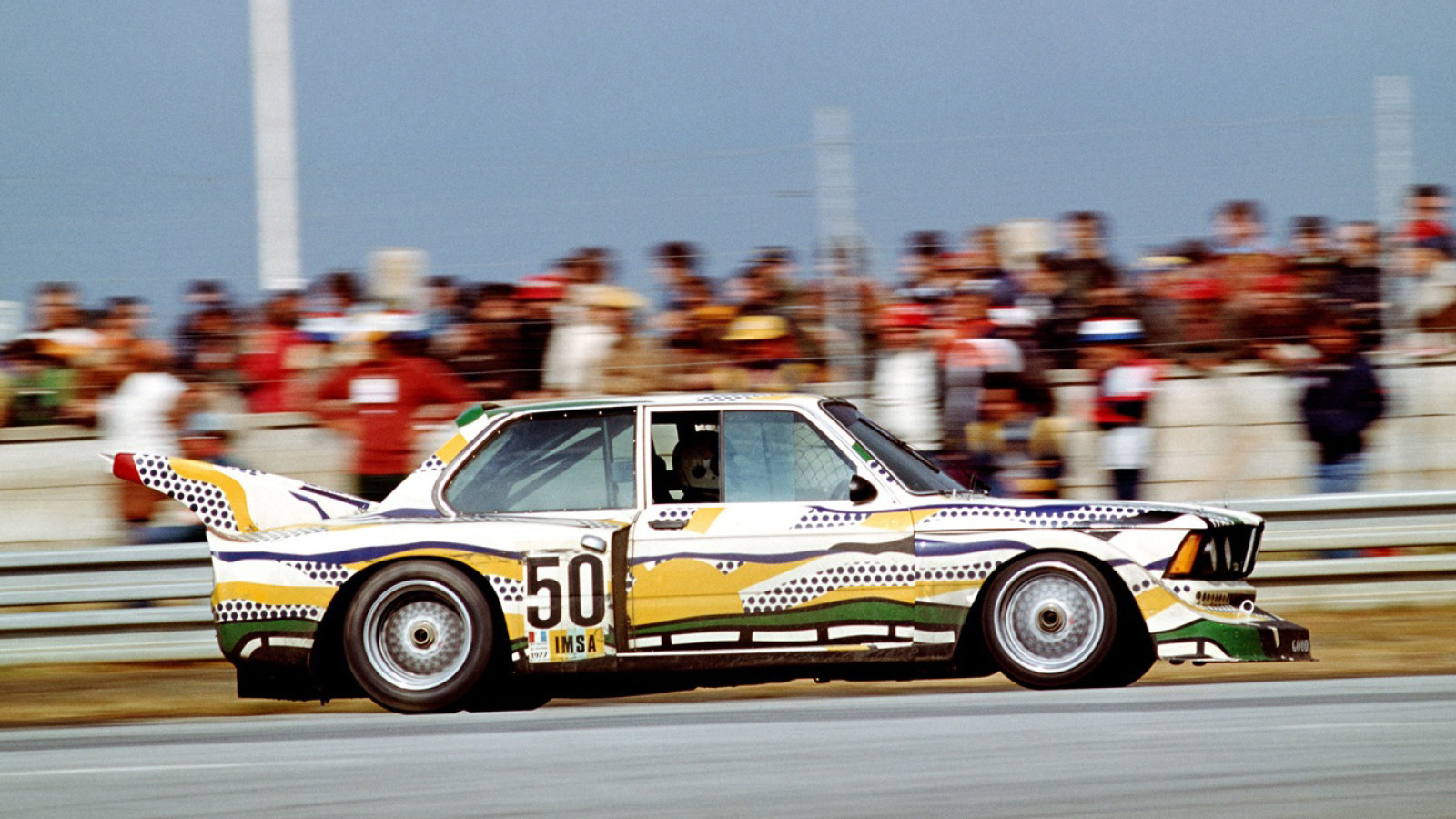
Pop artist Roy Lichtenstein added a third BMW Art Car to the series with his comic-book-inspired design for a 320i turbo.
An American like Calder and Stella, Lichtenstein was also tasked with designing the livery for a Le Mans entry.
The pattern of dots, lines and sunrise made the most of the 320i turbo’s extended bodywork and was another to gain favour with Le Mans spectators.
Unlike its predecessors, the 320i turbo finished the 1977 running of the round-the-clock race, taking ninth spot, driven by Marcel Mignot and the man who had initiated the very first BMW Art Car, Hervé Poulain.
4. 1979 BMW M1
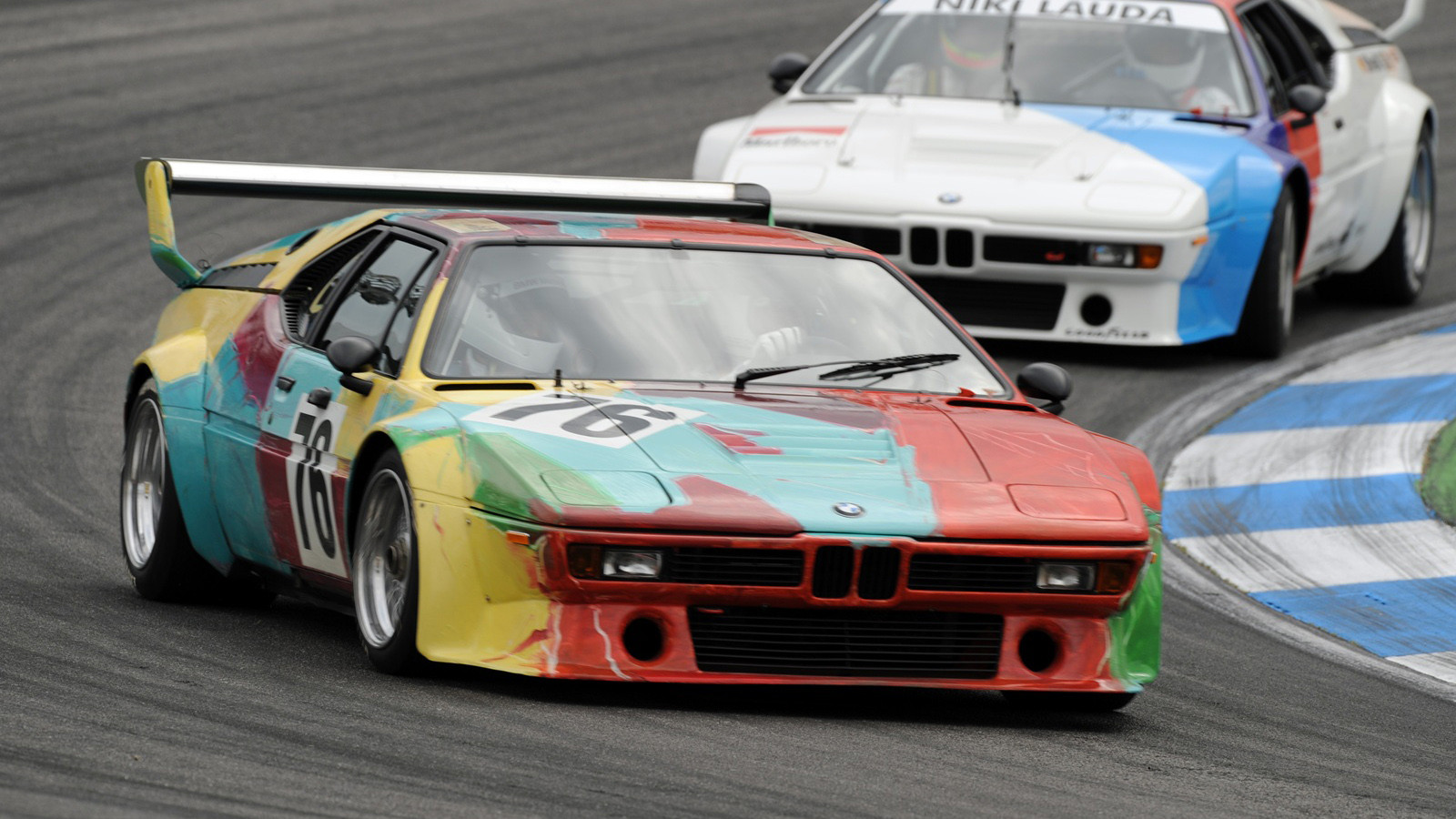
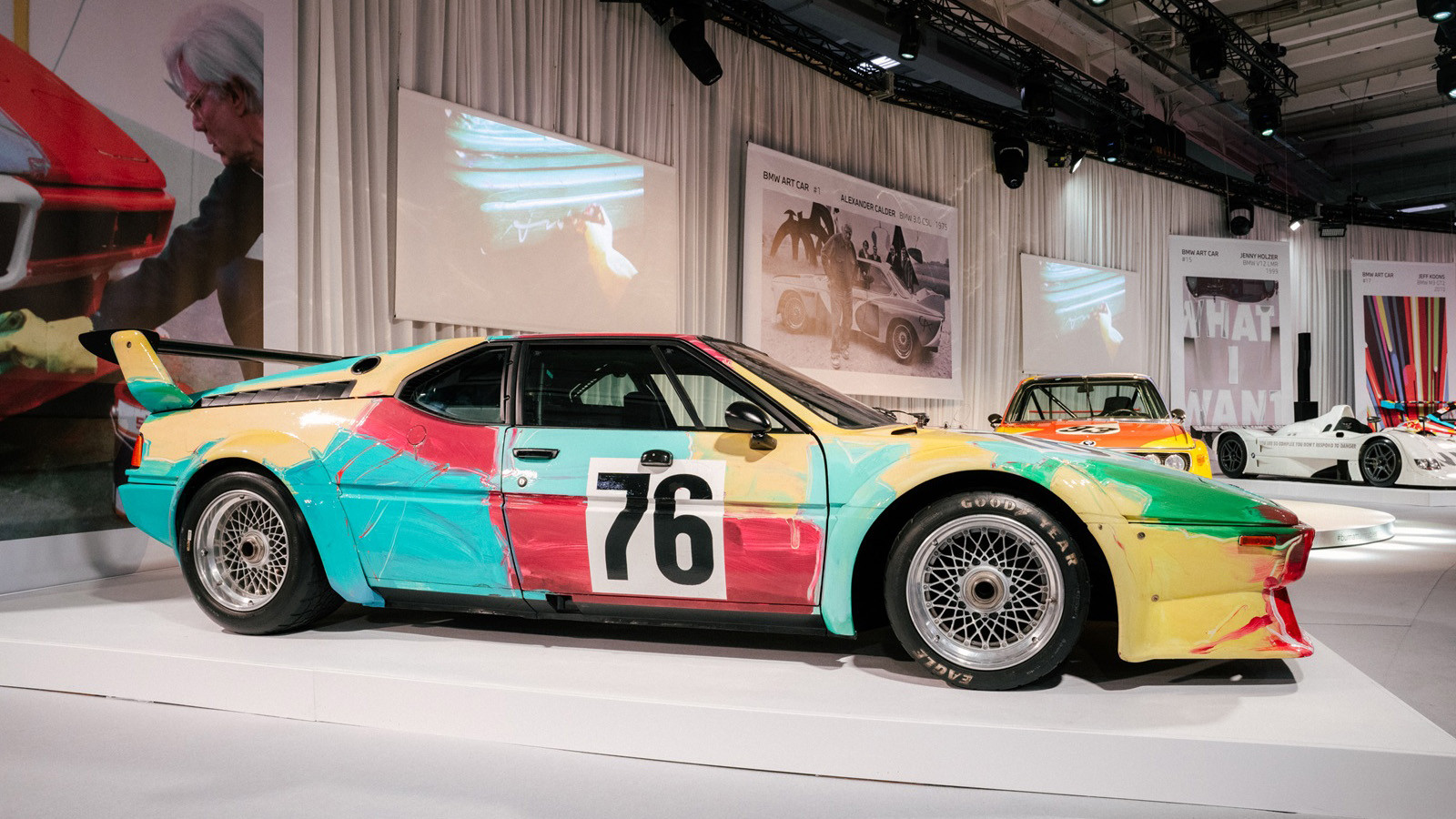
Perhaps the most famous artist to put brush to bodywork for a BMW Art Car is Andy Warhol.
The noted Pop Art exponent was commissioned to paint an M1 to compete in the 1979 Le Mans 24-hour race, again entered by Frenchman Hervé Poulain.
Taking inspiration from the speed of racing cars and the blur that creates as they drive past, Warhol painted with household brushes to appear as if the colours were being pushed along the car’s bodywork.
The Warhol M1 was another BMW to fare well at Le Mans – it finished an impressive sixth overall with Poulain, Marcel Mignot and Manfred Winkelhock driving.
5. 1982 BMW 635CSi
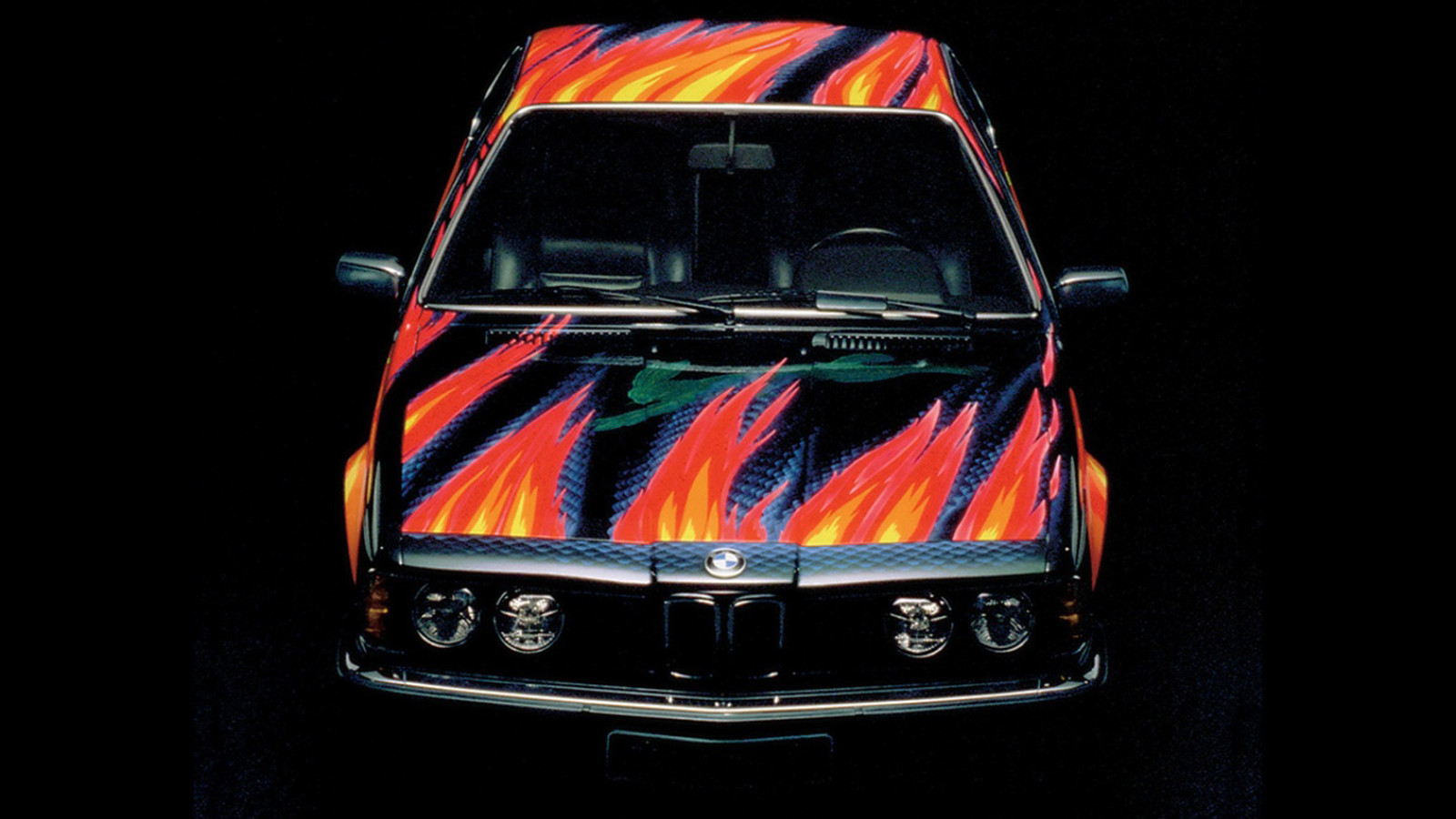
The fifth BMW Art Car represented a break with its predecessors, because it used a roadgoing model and artist Ernst Fuchs was not an American artist.
The Austrian was given a 635CSi coupé as a blank canvas and he came up with a design that he said was inspired by the idea of a hare leaping over a burning car on the motorway.
The flames painted on the 6 Series gave it a dramatic look, though the only animals in evidence appeared to be two Bunny Girls drafted in for publicity shots.
None of that prevented Fuchs from naming his Art Car, ‘Fire Fox on a Hare Hunt’.
6. 1986 BMW 635CSi
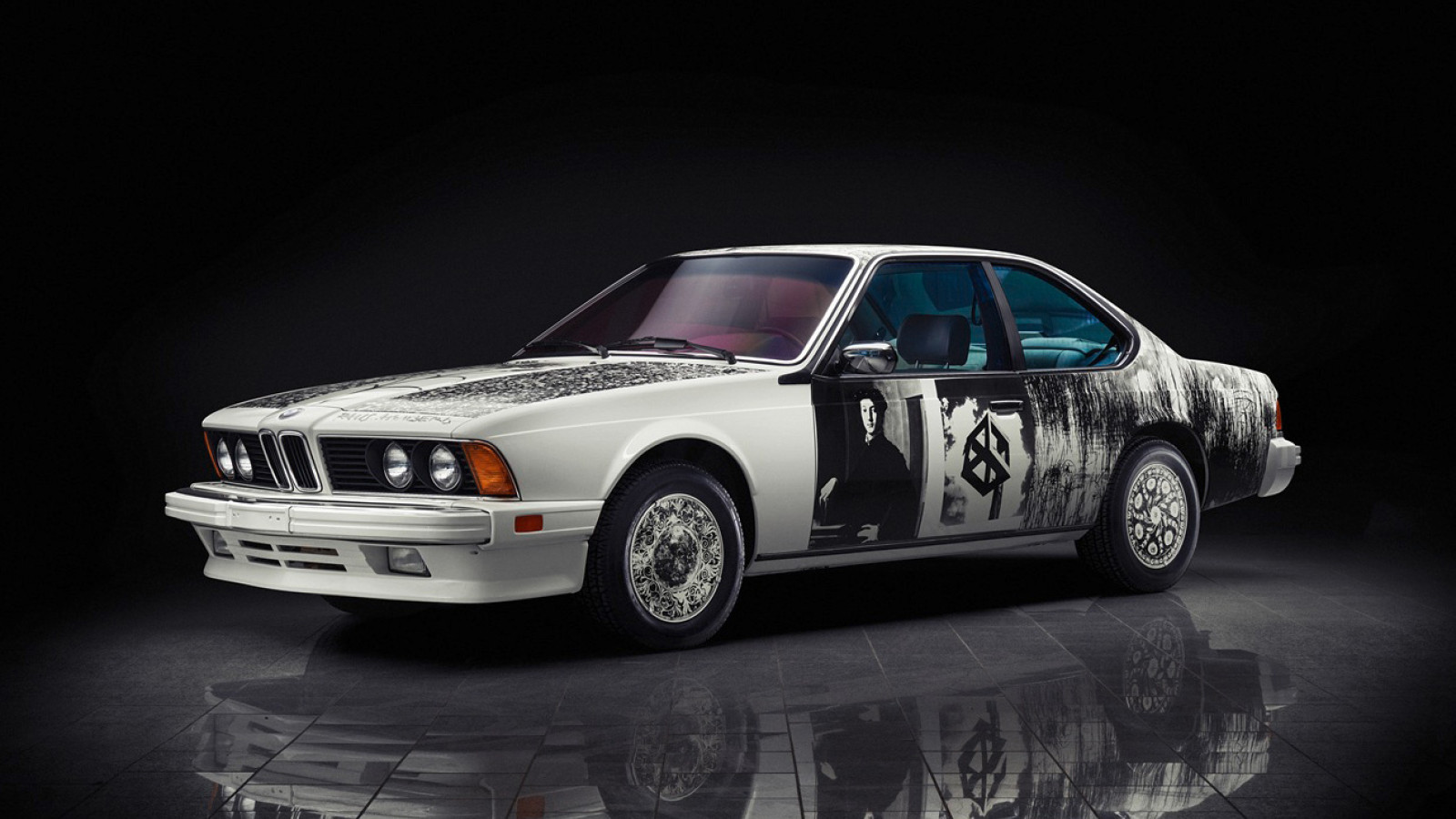
BMW returned to its sporting coupé for the next of its Art Cars as US artist Milton Ernest ‘Robert’ Rauschenberg was asked to paint a 635CSi.
Using another road car, Rauschenberg enlarged photographs of existing artworks to create what he thought of as a drivable museum.
An image of a Bronzino painting is on the left flank of the car, while the right-hand side features a reproduction of an Ingres work.
Going one further than previous Art Cars, Rauschenberg also painted the wheels of the 6 Series, while the roof, rear wings, bonnet and boot were covered in the artist’s own designs.
7. 1989 BMW M3 Group A
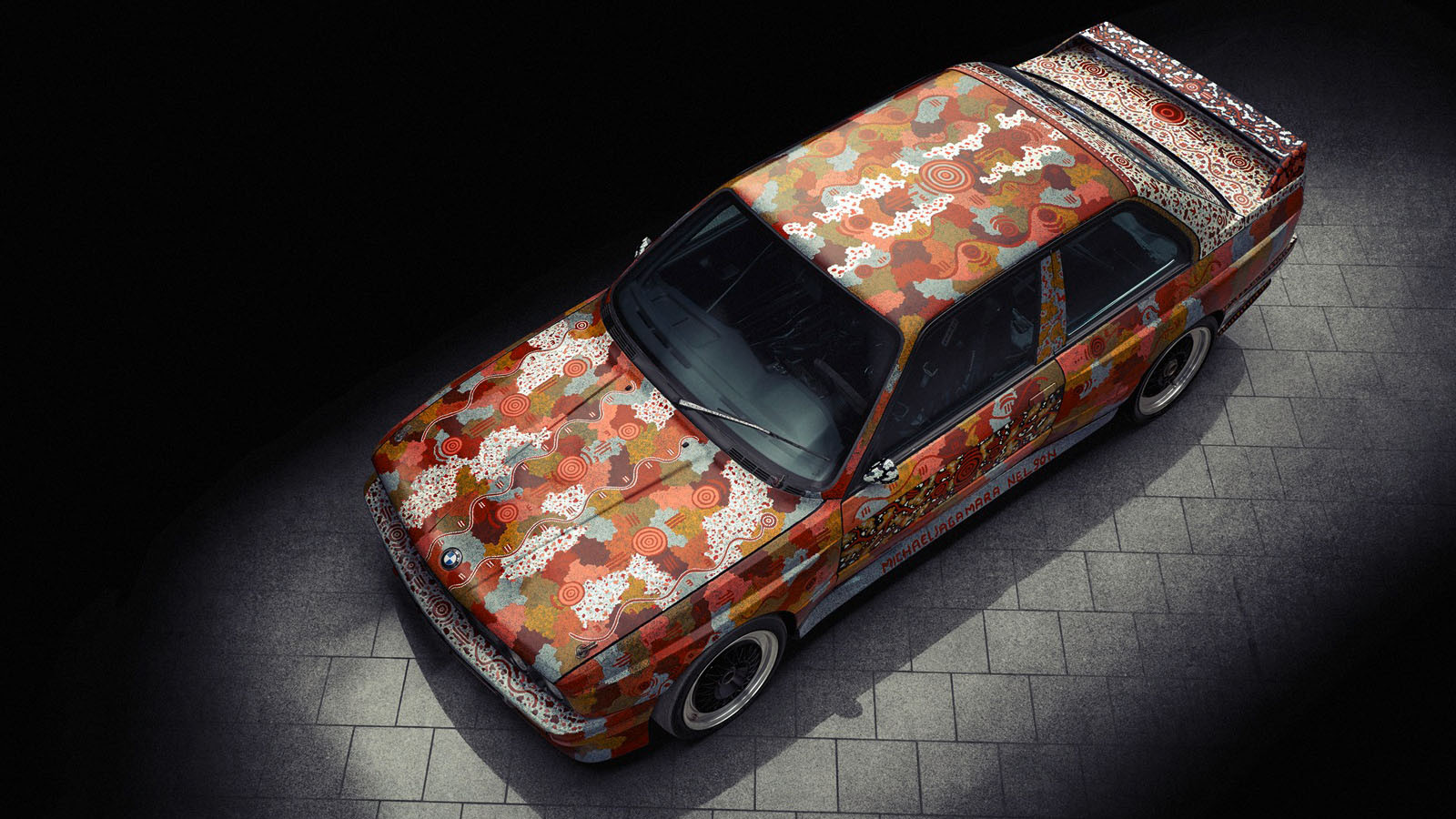
Aboriginal painter Michael Jagamara Nelson used his style developed in the Western Australian Outback to transform a BMW M3 Group A racer into the seventh Art Car.
It took Jagamara Nelson only seven days to complete the detailed paintwork using traditional methods he had learnt from his grandfather.
All done by hand, the design took its cues from Australian animals, including the kangaroo and the possum, as well as the local landscape.
Prior to becoming an Art Car, this M3 had been successfully campaigned by Tony Longhurst and Peter Brock as part of BMW Australia’s Motorsport division.
8. 1989 BMW M3 Group A
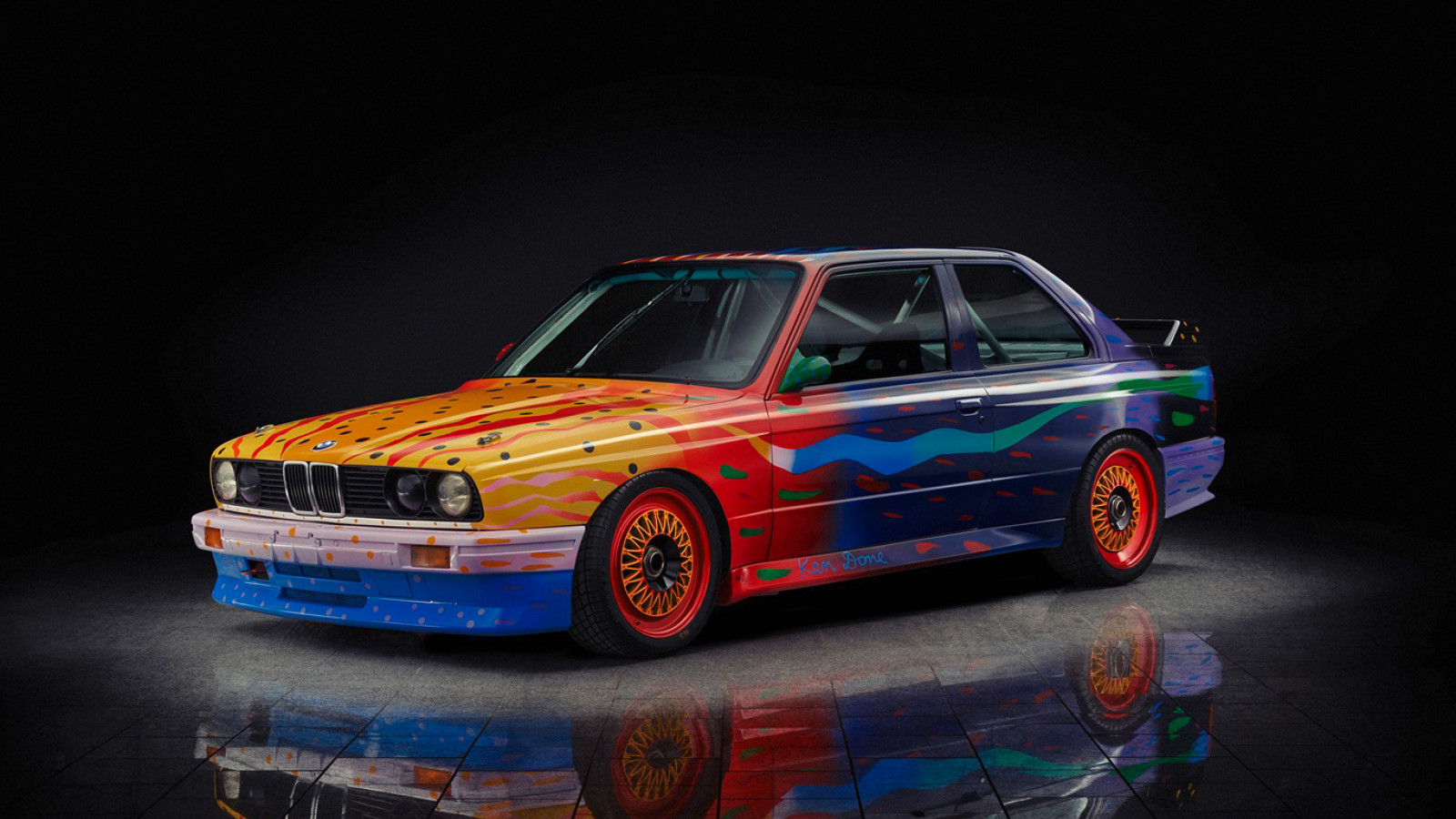
Alongside Michael Jagamara Nelson’s Art Car, BMW commissioned fellow Australian artist Ken Done to create another using an M3 Group A machine.
Done’s bold, bright style was in contrast to the highly detailed work of Jagamara Nelson, but it was no less impressive.
The design was based on the tropical landscapes and beaches of Australia, and Done also worked in abstract images of parrots and parrotfish for good measure.
Before Done applied his design, Jim Richards used this M3 to win the 1987 Australian Group A Drivers’ Championship, but only raced once in 1988 because it was set aside as an Art Car.
9. 1990 BMW 535i
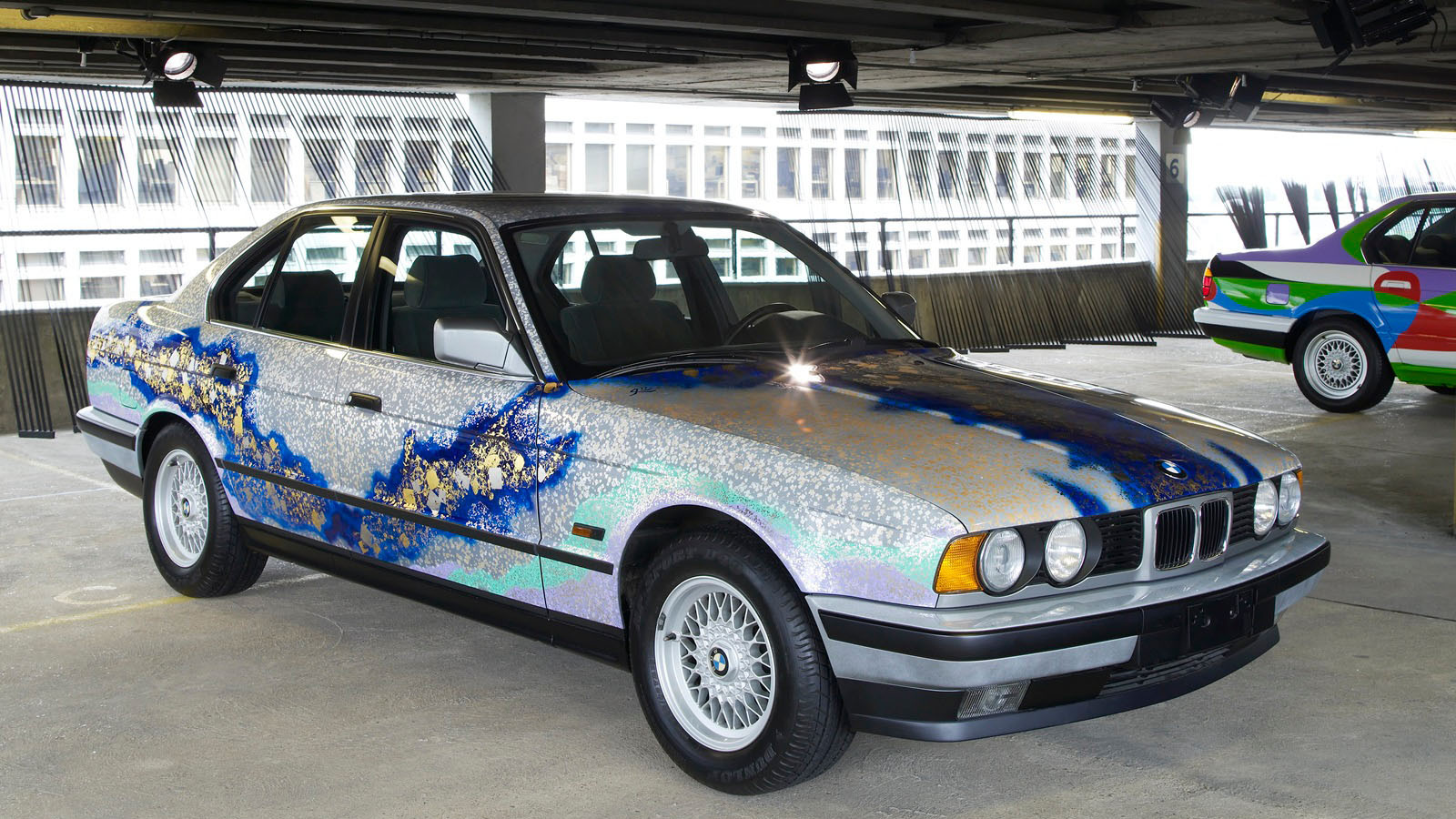
BMW was on a roll with its Art Car project when it asked Japanese artist Matazō Kayama to work his magic on an E34 535i saloon.
Mixing traditional methods with modern air-brush techniques, Kayama transferred his design to the car by first spraying delicate blue shadows.
This was followed by finely cut metal and foil pieces of aluminium, silver and gold.
The design was an adaptation of his earlier work ‘Snow, Moon and Cherry Blossoms’ for the Tokyo National Museum of Arts.
For the 535i, Kayama reinterpreted this and declared it was one of the hardest projects he ever worked on.
10. 1990 BMW 730i
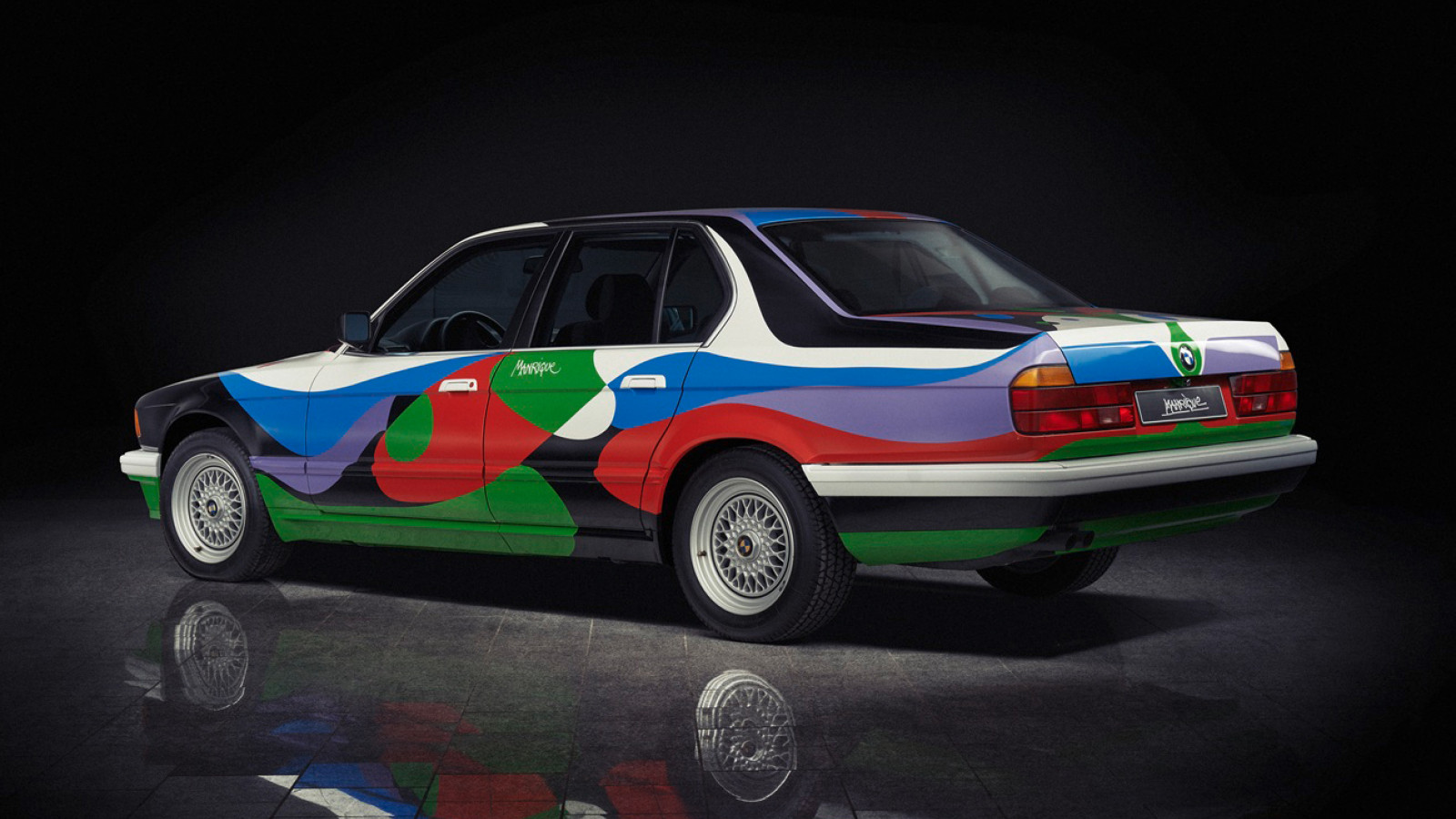
In the same year Japanese artist Matazō Kayama was working on a BMW 535i, Spanish architect, designer, sculptor and landscaper César Manrique was given a 730i to paint.
Manrique wanted to produce a design that looked as if the car was gliding through the landscape.
Using bold colours segmented into sculptural shapes and the long flanks of the 7 Series, he achieved his aim to come up with one of the most eye-catching BMW Art Cars.
Manrique’s love of motoring was also evident in his enthusiasm for this project, which was completed only two years before his death.
11. 1991 BMW Z1
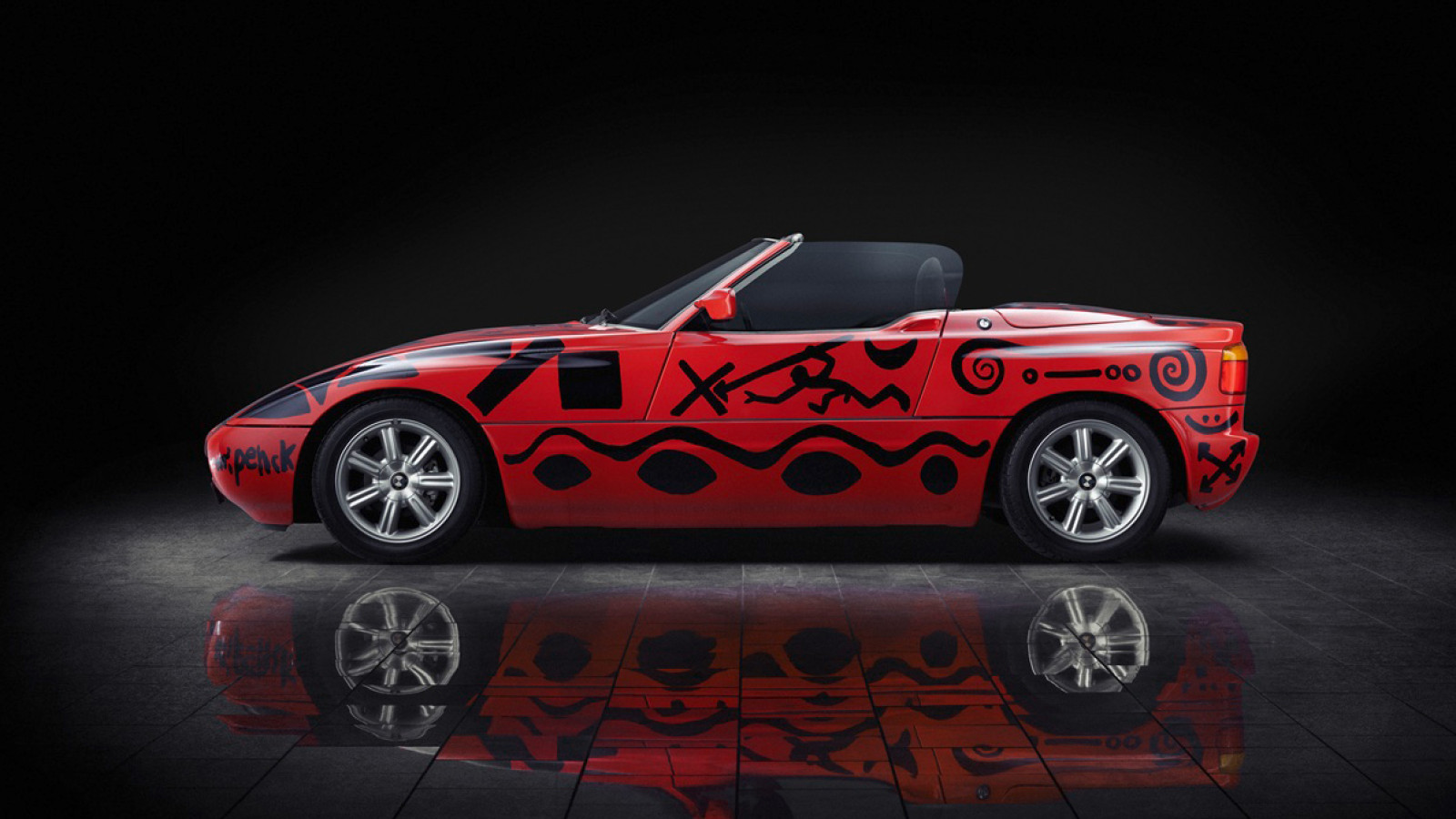
Perhaps it is hard to believe, but AR Penck was the first German artist commissioned by BMW for its Art Car series.
Penck is the only contributor to date who has painted a convertible, because the car he was given as a base was a BMW Z1.
Self-taught Penck was influenced by Picasso, but he also said he was very taken with the design and engineering of the Z1.
The red roadster was then covered in bold black depictions of animals, humans and logos in the style of cave paintings.
He felt the BMW Z1 embodied a freedom of imagination missing in many other cars and this inspired the coded language of his finished design.
12. 1991 BMW 525i
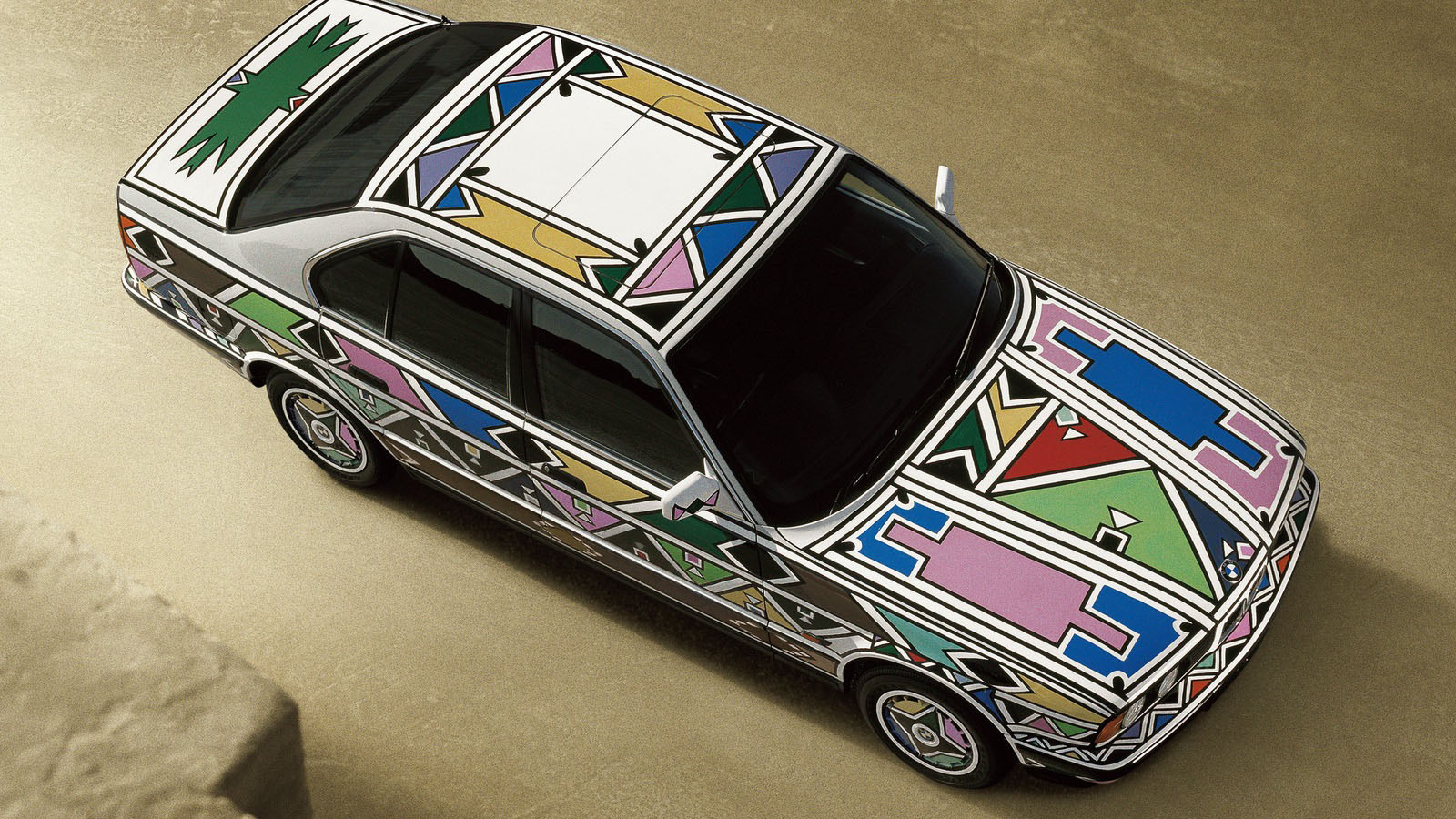
BMW returned to its E34 saloon for the second Art Car of 1991, created by South African artist Esther Mahlangu.
Using her knowledge of Ndebele mural paintings on tribal huts, Mahlangu applied the patterns to the BMW’s body by hand.
Each has its own story and the artist rehearsed the final design on a spare door before tackling the entire car that was finished in white from the factory.
Mahlangu holds the distinction of being the first woman to create one of this series of BMW Art Cars, which by this stage were highly regarded artworks as well as vehicles to be driven.
13. 1992 BMW M3 GTR
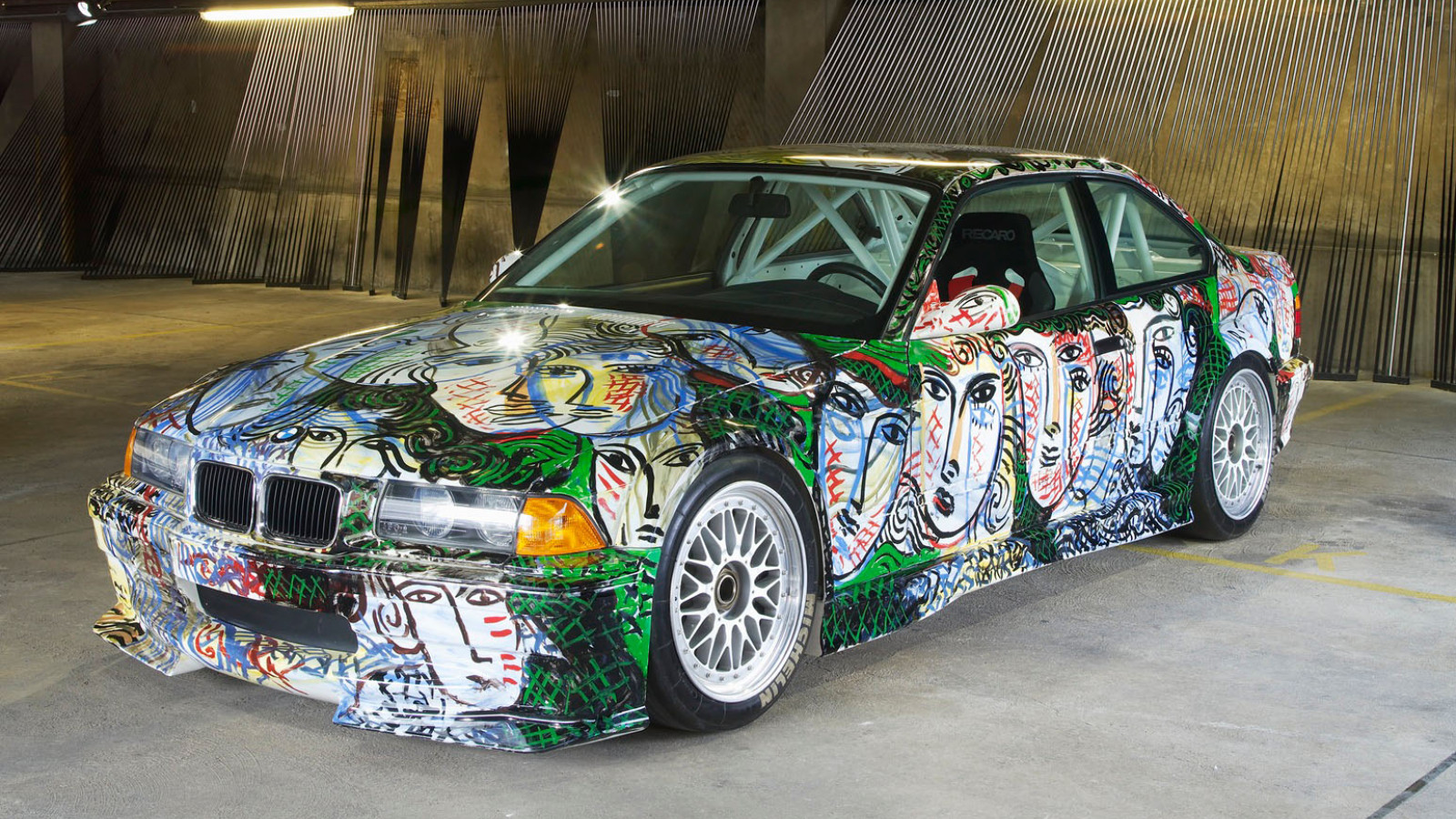
An M3 GTR took BMW back to its motorsport roots of the Art Car project in 1992 as Italian Sandro Chia added to the series.
His idea was based on the notion that people look at cars as they drive by, so he painted faces on the car to reflect their gazes.
The graffiti style of Chia’s work comes from his upbringing, where he often drew on cars.
The BMW M3 GTR used by Chia was the prototype for the M3 GTR that went on to compete in the 1993 German Touring Car Championship, which used a larger 3-litre engine than the 2.5-litre motor in Chia’s car.
14. 1995 BMW 850CSi
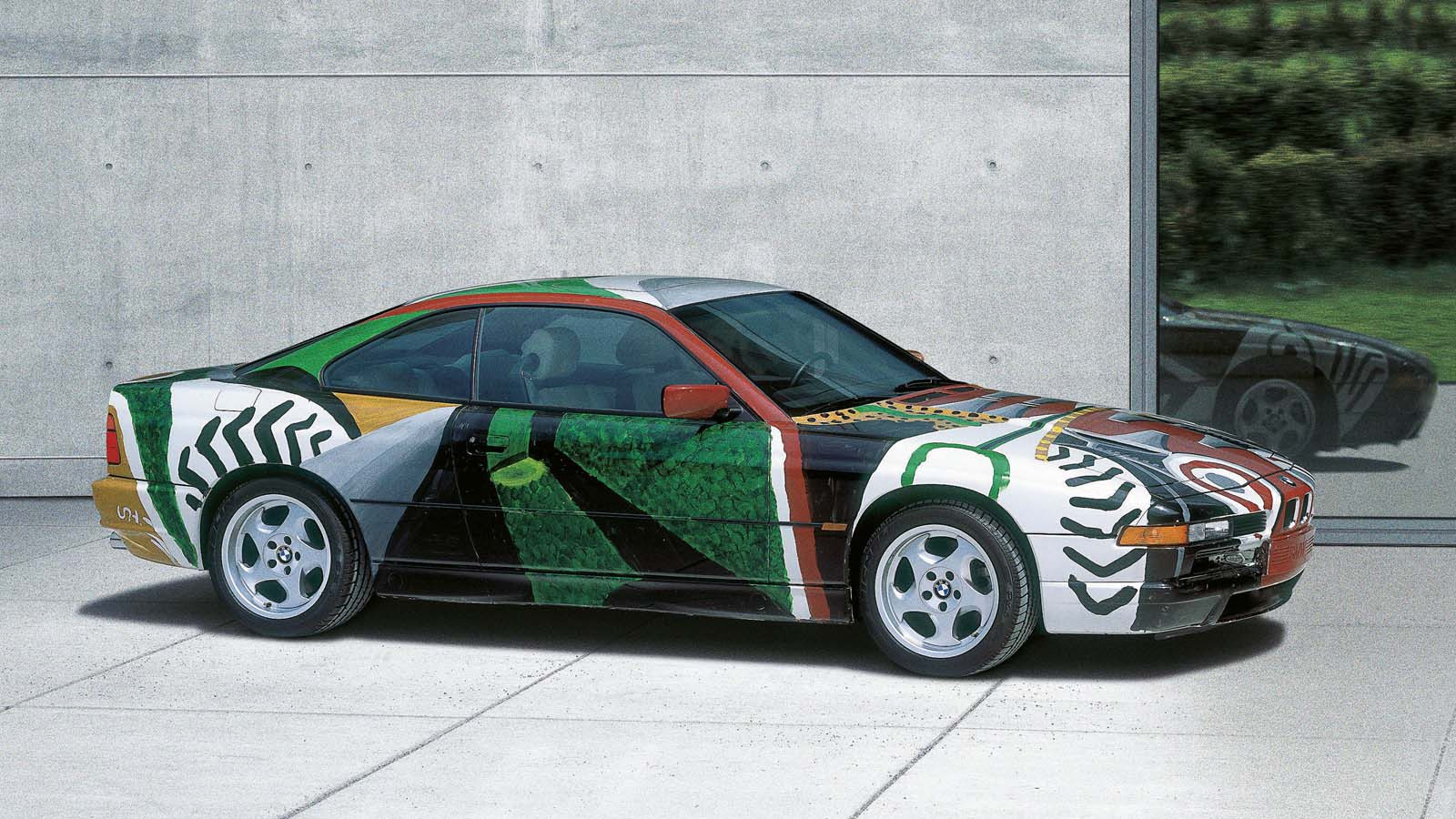
If the BMW 850CSi wasn’t already a special car, the marque asked British artist David Hockney to take on the 14th commission in the Art Car project.
After studying the car and its shape for several months, Hockney hatched a plan to show the insides of the car with his painting.
He played with the idea of making the 375bhp super coupé’s body appear transparent, even adding a small dog behind the left-hand front seat.
A keen driver and car enthusiast who enjoyed driving on the roads around his California home, Hockney later joked that he had ‘destroyed’ the BMW 850CSi with his artwork.
15. 1999 BMW V12 LMR
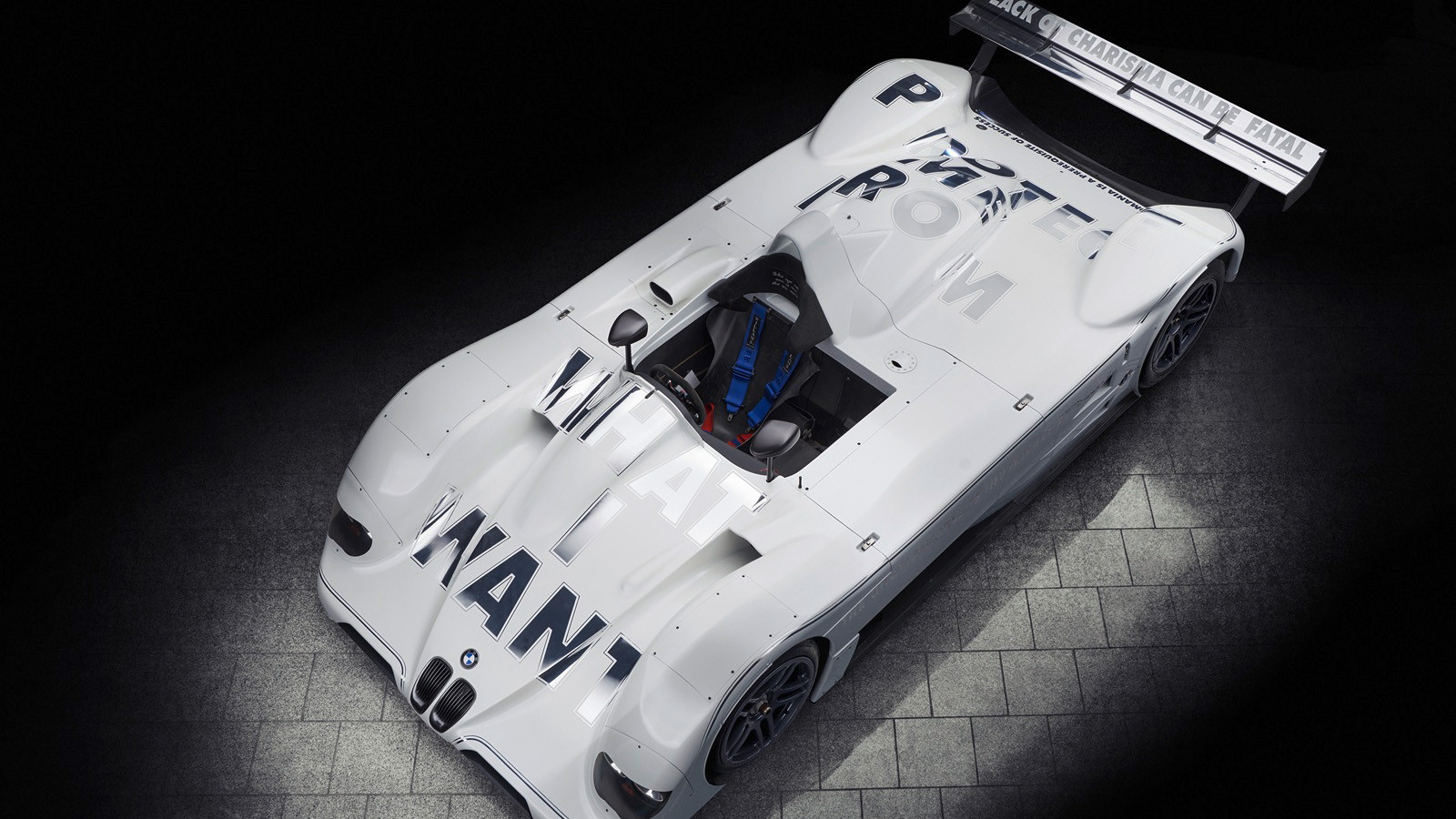
BMW returned to motorsport cars for American artist Jenny Holzer to work on.
The 15th BMW Art Car was no less a machine than a V12 LMR built to race at Le Mans, which the model duly did in 1999.
Holzer’s car entered the same 24-hour race and retired after 304 laps, but it was easily identified by her main design that read: ‘Protect me from what I want’.
Other phrases from her artwork were written on the sides and rear wing.
This used BMW’s traditional colours of blue writing on a white background, but chrome made it stand out in daylight and special paint made it glow in the dark.
16. 2007 BMW H2R
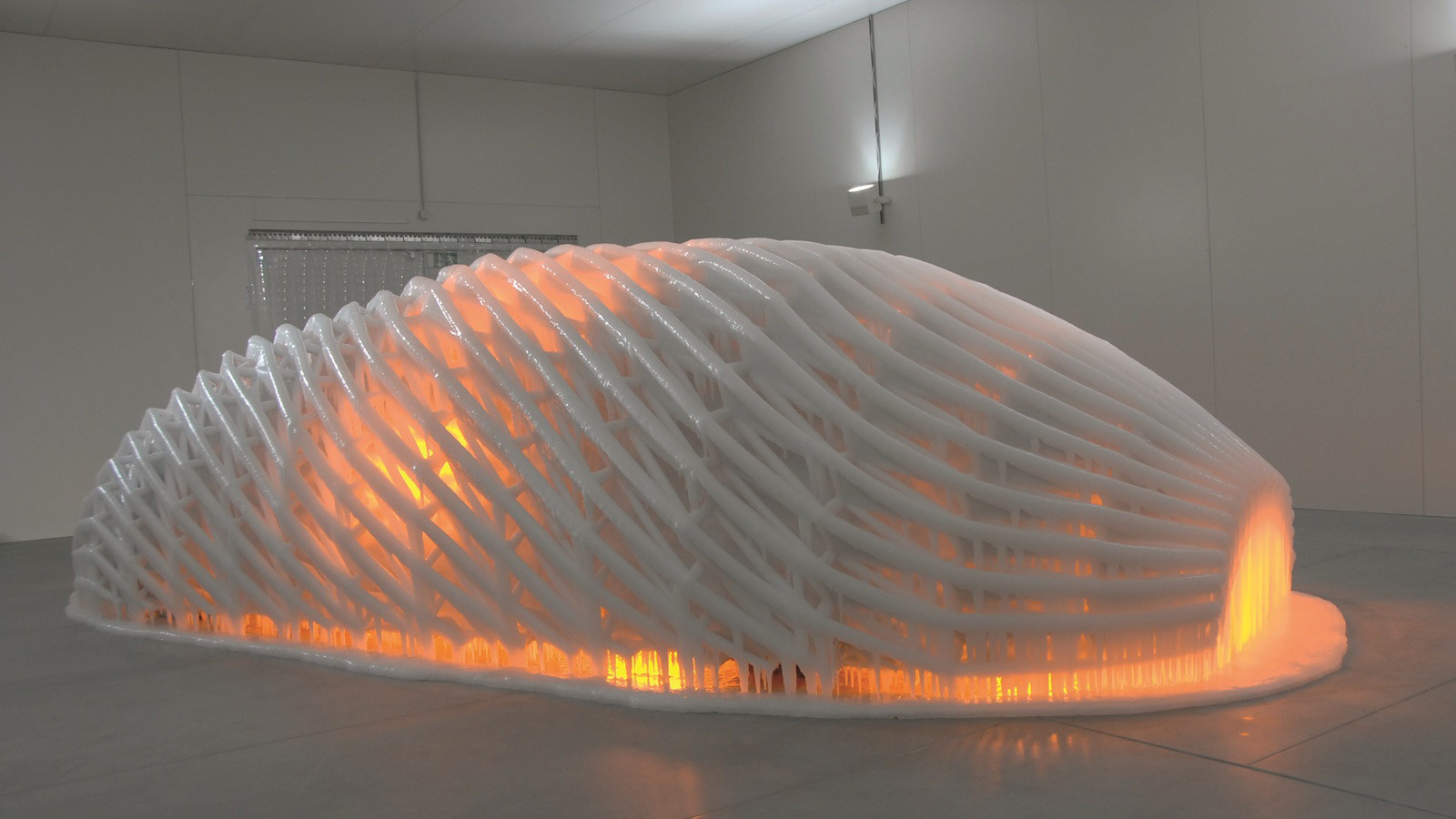
Undoubtedly the strangest take of any of the BMW Art Cars, the 16th member of the group was based on the already unusual H2R hydrogen-powered concept.
Icelandic-Danish artist Olafur Eliasson took this much further by stripping off the low-slung record-breaking car’s body, and replacing it with a complex mix of steel mesh and plates.
It was then covered in ice by placing the car in an industrial freezer as a nod to the way hydrogen fuel is stored.
Prior to this transformation, the H2R set a number of records powered by a modified, 760i, 6-litre, V12 engine that could take it to a top speed of 187.62mph.
17. 2010 BMW M3 GT2
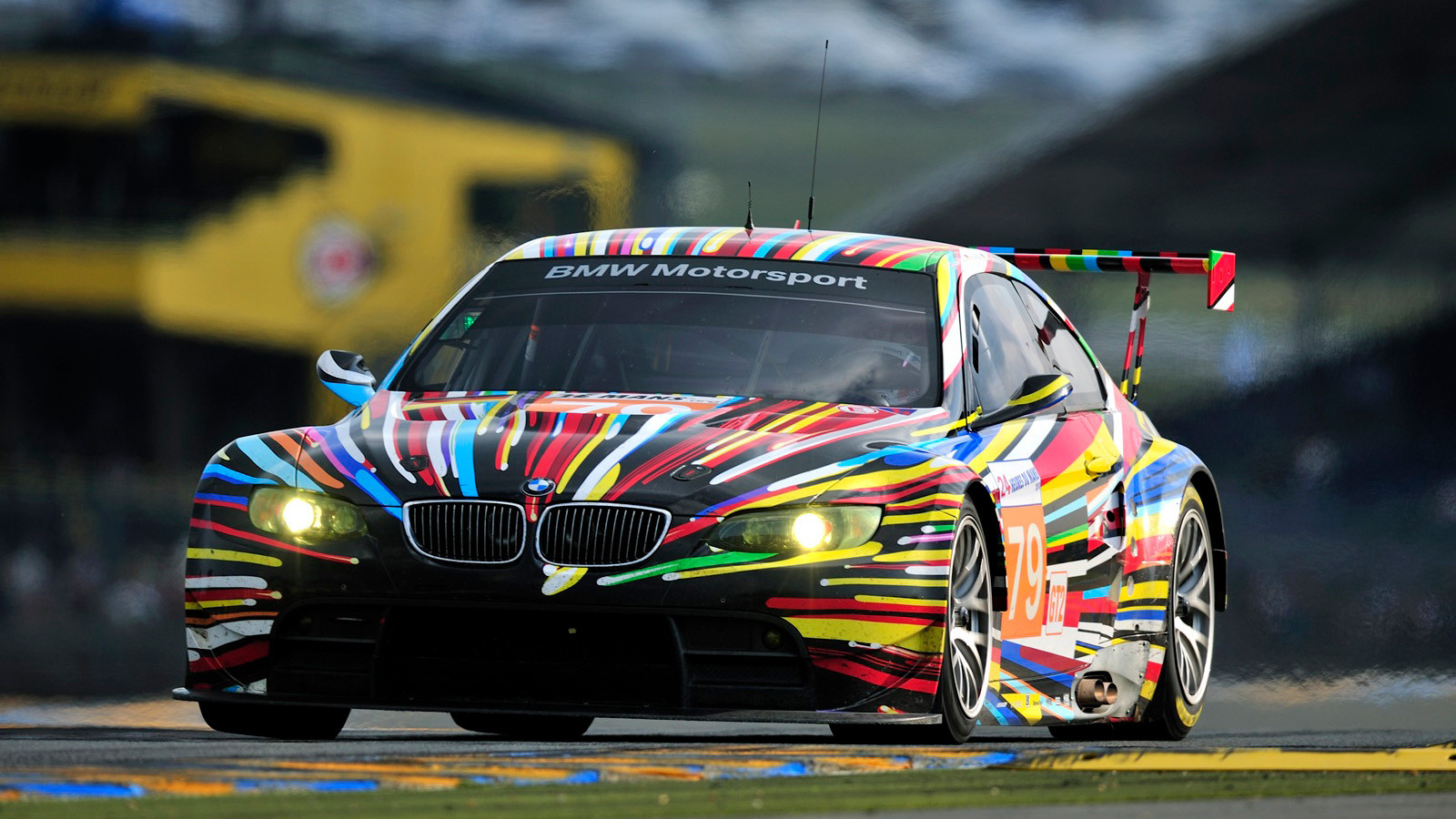
The M3 is the most numerous model plate among BMW’s Art Cars and a 2010 GT2 version was given to Jeff Koons.
The American artist was so taken with the project that he insisted on being driven in an M3 GT2 at race pace.
Using CAD (computer-aided design), Koons’ design gave the impression of speed even when the car was stationary.
An added challenge was the artwork could not add weight to a car that would be used in competition, so it was printed on to vinyl and applied to the body.
The car raced in the 2010 24 Hours of Le Mans, driven by Andy Priaulx, Dirk Müller and Dirk Werner, but failed to finish.
18. 2016 BMW M6 GT3
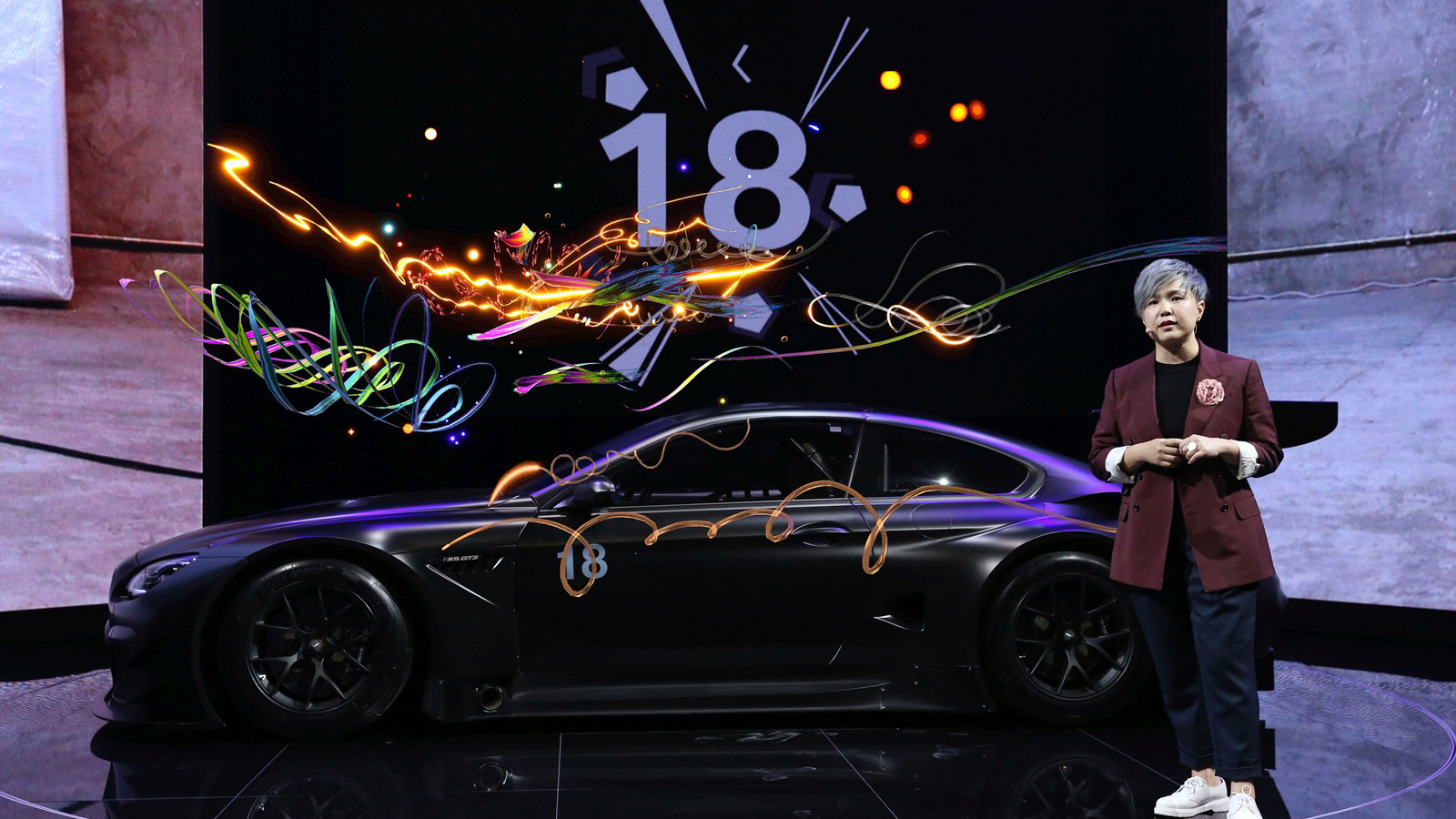
Cao Fei from China was the first to use augmented reality and digital processes to create a BMW Art Car.
An M6 GT3 racing car, which had already competed at the Spa 24-hour event, was chosen for Fei’s work and arrived finished in carbon black.
This paintwork provided the ideal non-reflective surface to show off the colourful light streams used in a six-minute film by Fei.
Bringing the Art Car idea right up to date, this film could be viewed via a smartphone app.
When the 4.4-litre, V8-powered BMW M6 GT3 was being sent to Macau to race, Cao Fei ritually blessed it according to Chinese tradition.
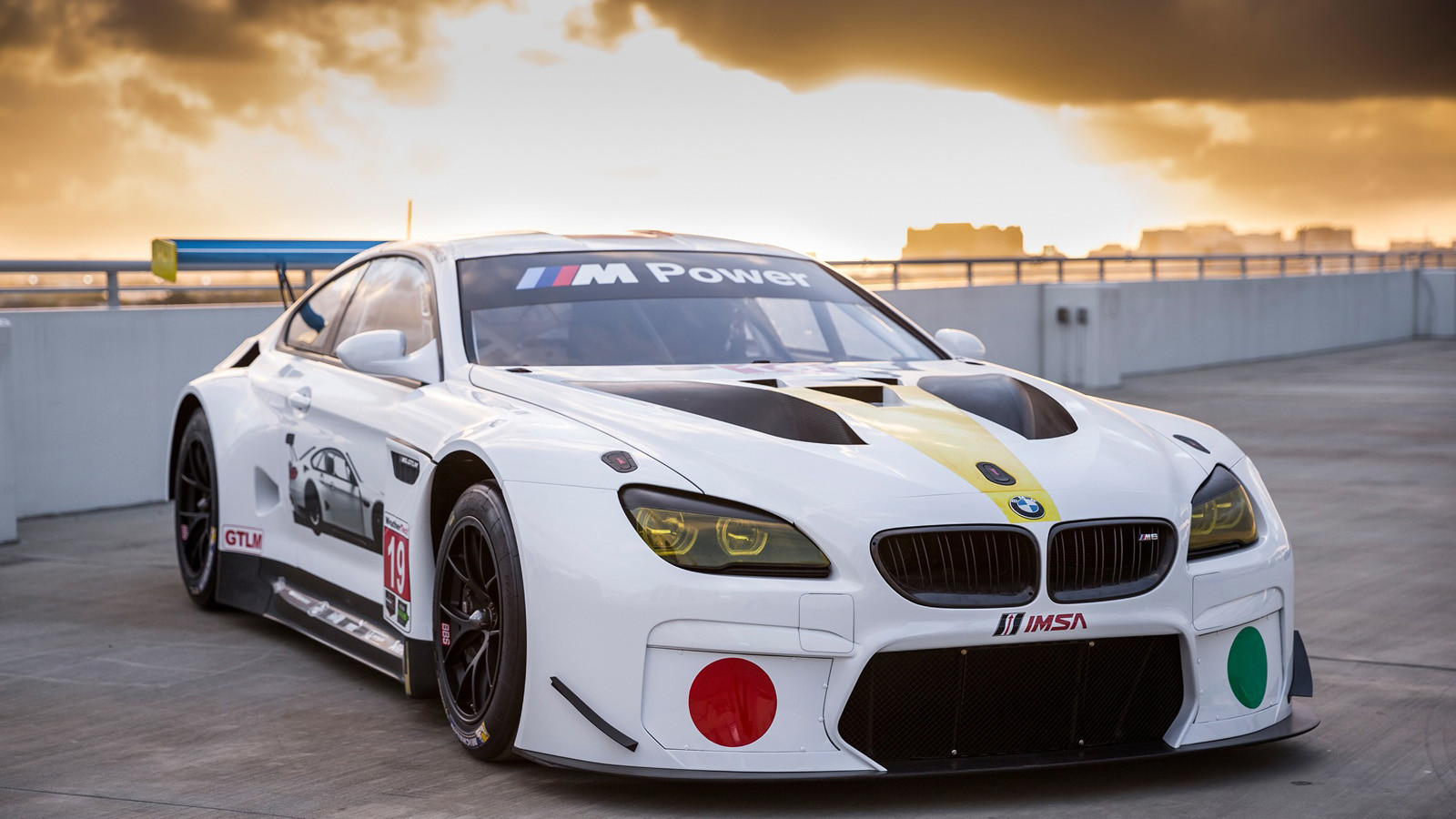
19. 2016 BMW M6 GTLM
John Baldessari is an American artist famed for using primary colours and dots in his work, which featured prominently on his Art Car.
The 19th of BMW’s Art cars took an M6 GTLM racer, which Baldessari left mostly white.
This made the large coloured dots and stripes of his design stand out all the more, as well as the word ‘FAST’ emblazoned down the left-hand side of the car.
Baldessari noted this was ‘the fastest artwork I ever created’.
The car was entered in the 2017 24 Hours of Daytona where it finished in 12th place. It was unusual for having no sponsor logos in case they spoiled the artwork.
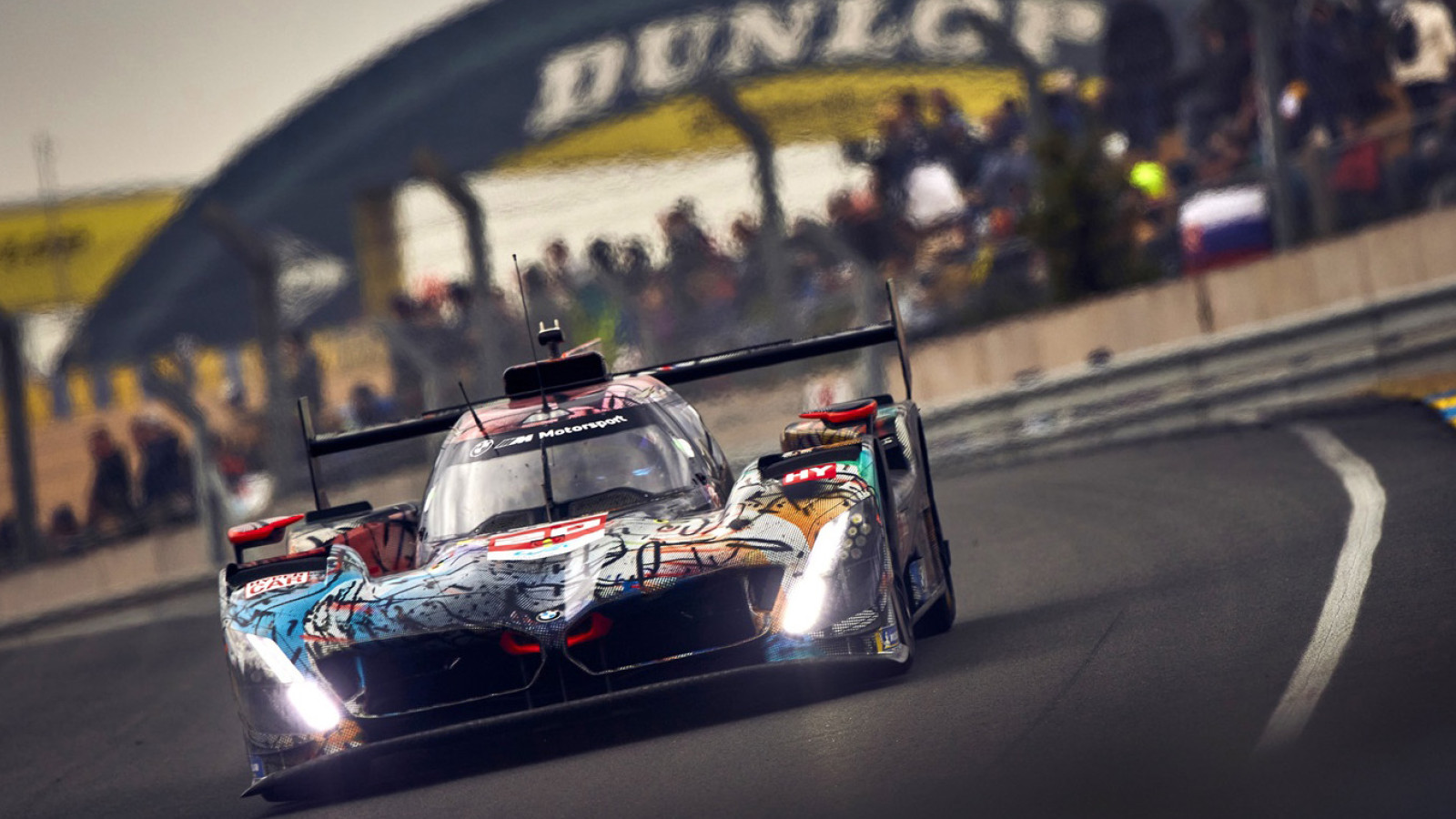
20. 2024 BMW M Hybrid V8
When Julie Mehretu was asked to think of a design for BMW Art Car number 20, the Ethiopian-born and US-based artist was working on her painting Everywhen.
This made her wonder what it would be like if the BMW M Hybrid V8 racing car was to drive through the painting, which resulted in the final design.
As is typical of Mehretu’s work, it includes layers of digitally altered photographs, dots and bold, black lines.
This Art Car was one of two M Hybrid V8s to race at the 2024 24 Hours of Le Mans, taking BMW back there for the first time in 25 years, though both cars failed to finish.