The rally cars that had to be banned
Group B rallying brought huge spectacle, speed and excitement to stages all around the world.
This no-holds-barred category lasted for only a few short years, yet it spawned a breathtaking variety of cars.
Here we’re recognising those cars that were campaigned in what was a dramatic, vivid period of rallying.
The Group B era ran from 1982 until 1986, when it was replaced by the slower Group A, because although this was an exciting period, it was also a very dangerous one, too.
Here’s our look at all the Group B rally cars that made it to the stages, presented in alphabetical order.
1. Audi quattro
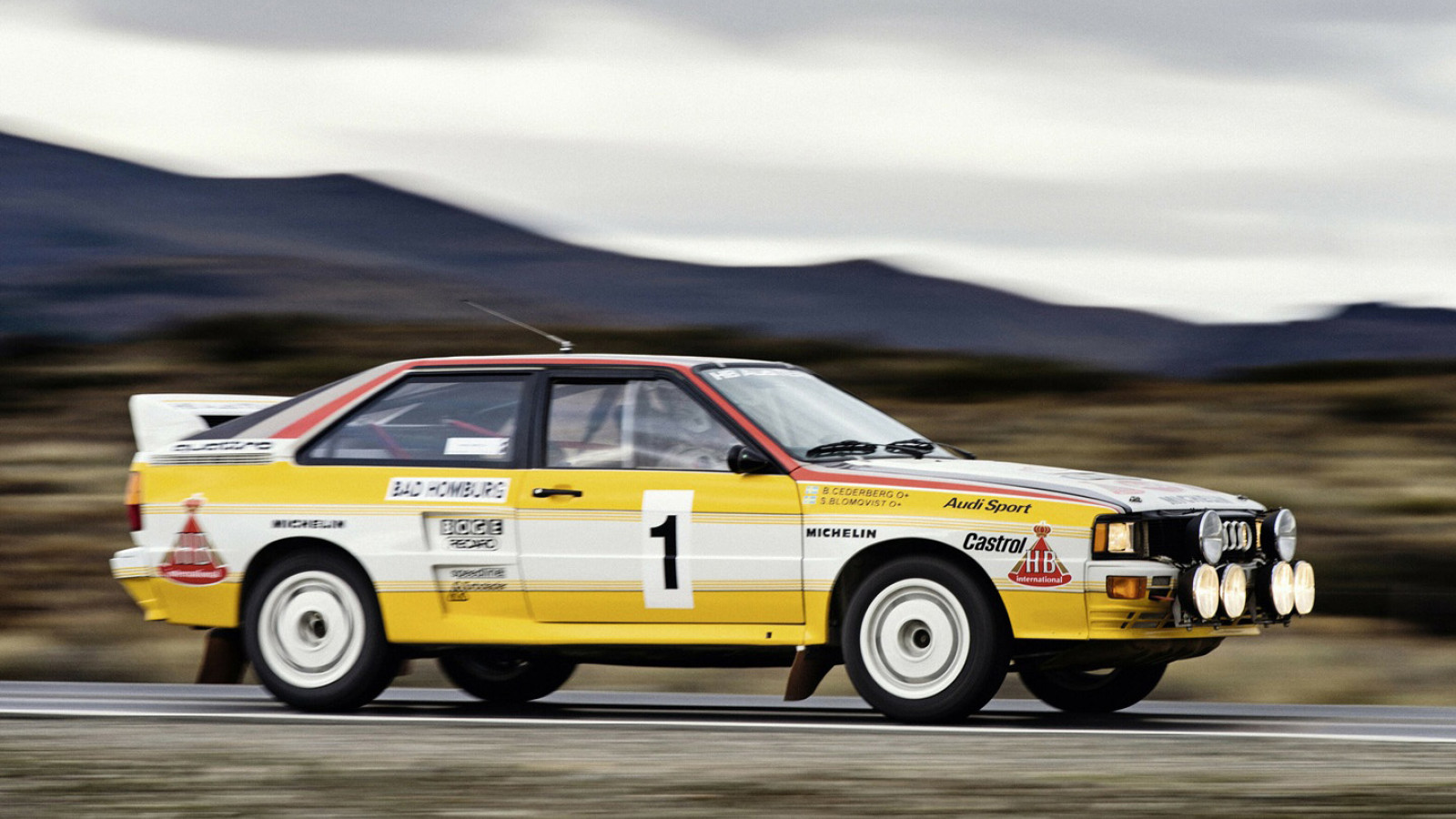
The Audi quattro is one of the cars most closely associated with the Group B era, because it single-handedly introduced four-wheel drive to world rallying in 1980.
When Group B rules kicked in in 1982, Audi was ready with its A1 model that sported a c350bhp, turbocharged, 2.1-litre, five-cylinder engine.
The subsequent A2 and short-wheelbase Sport models gained more power and larger wings for greater aerodynamic stability.
The Audi quattro ran throughout the five years of the Group B rules and earned the marque two drivers’ and two manufacturers’ titles.
2. BMW M1
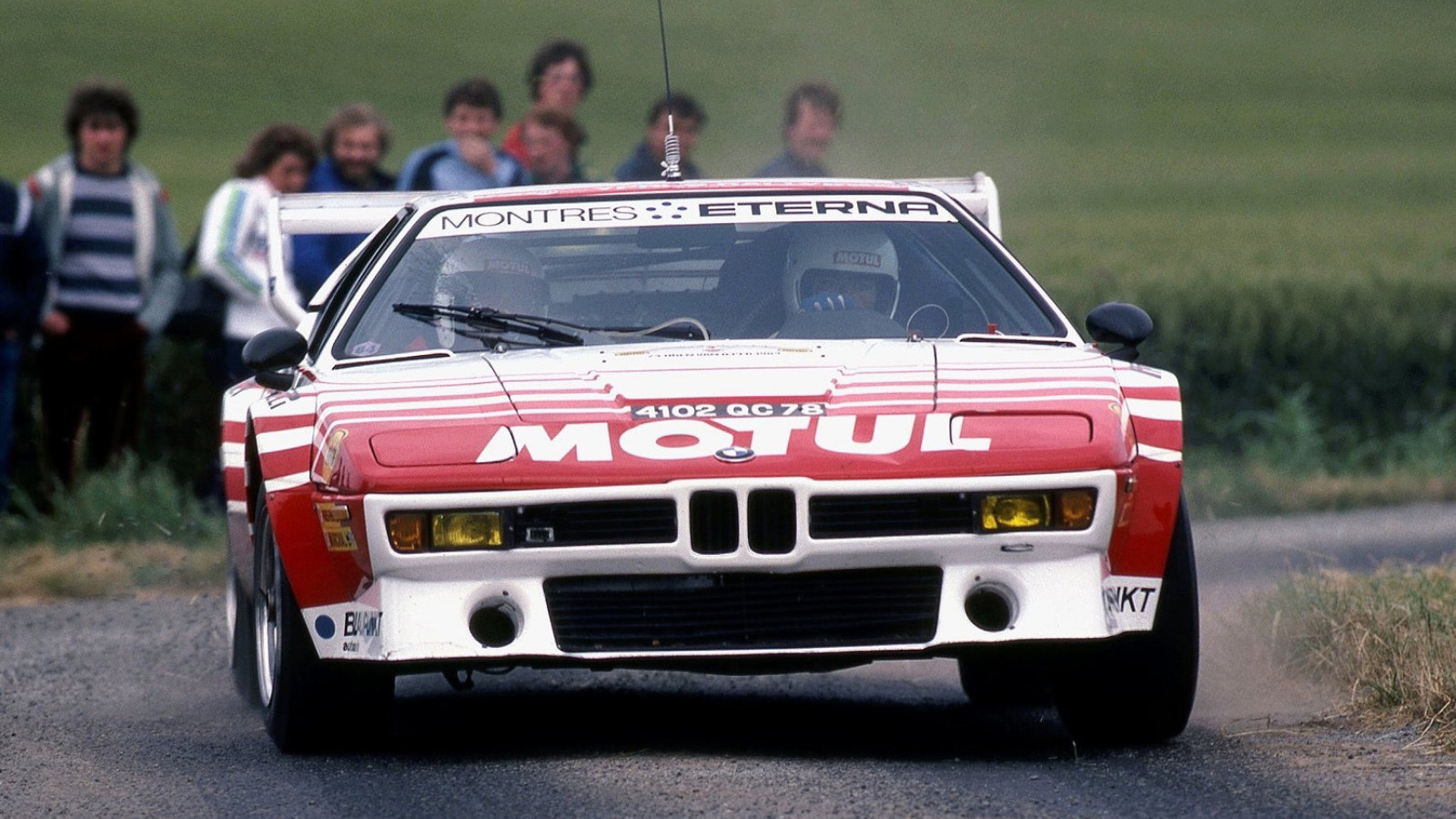
BMW is noted in rallying for its E30 M3, but before this there was a brief dalliance in Group B with the company’s mid-engined M1.
It had been developed for circuit racing, competing in the single-make Procar series and at Le Mans, so rallying was a perhaps unusual departure.
Backed by BMW-France for a limited Tarmac campaign, the M1 made its debut in this formula in the 1983 Tour de Corse, with driver Bérnard Beguin and co-driver Jean-Jacques Lenne, but it failed to finish.
However, the BMW M1 did go on to score a pair of second places in non-WRC events at Lyon-Charbonnières and Antibes.
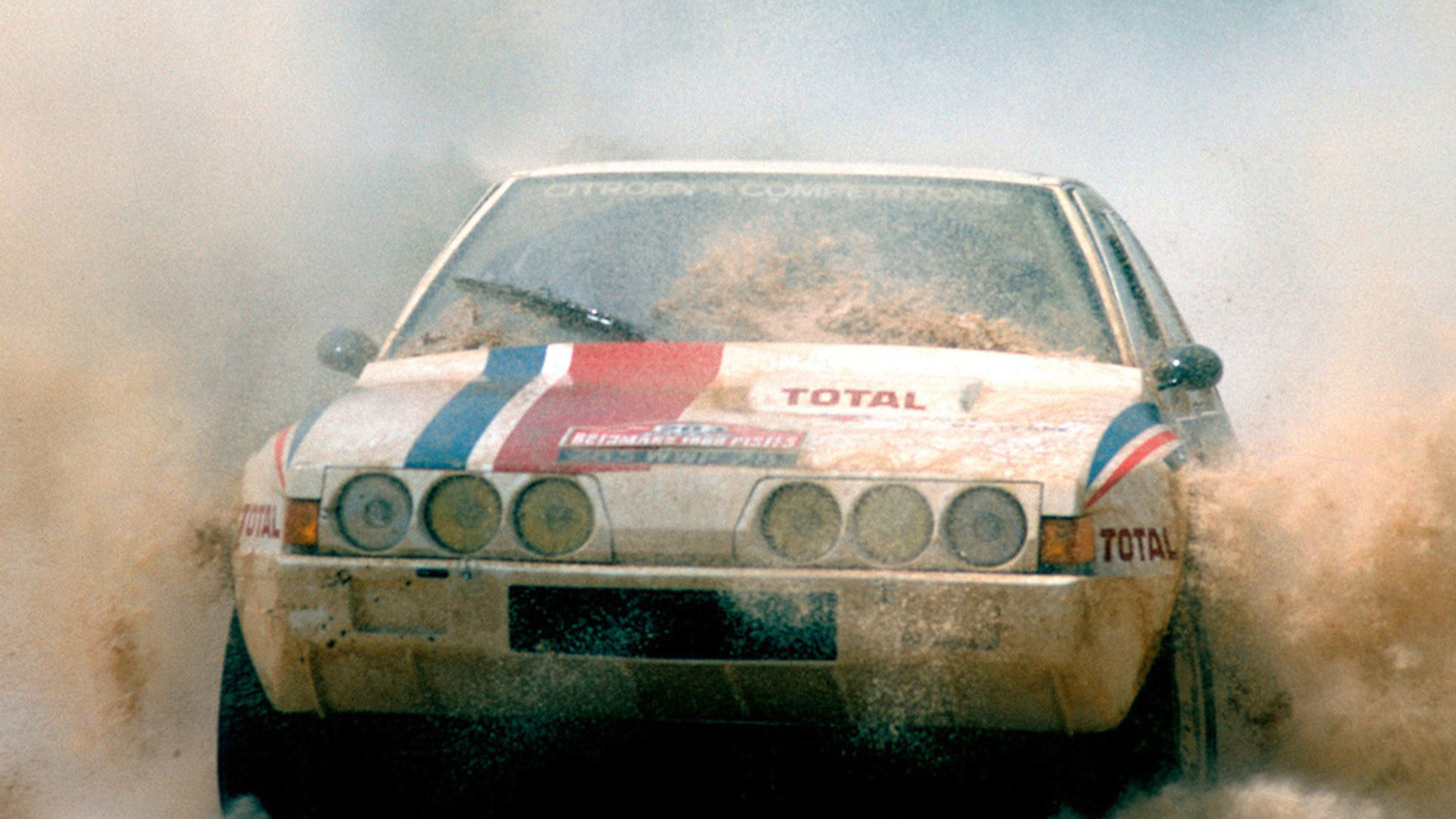
3. Citroën BX 4TC
With a long and proud history in tough rallies, Citroën joined the Group B fray with its BX 4 TC at the beginning of 1986.
It used a Peugeot-sourced, 2.1-litre, turbocharged engine offering c380bhp and driving all four wheels.
Citroën said its new car had been designed for simplicity, but others pointed to the BX 4 TC being built on the cheap.
Either way, it was not a huge success and the car’s best finish was sixth in the Swedish Rally.
After all three 4TCs failed to finish the Acropolis Rally, Citroën cancelled the entire project.
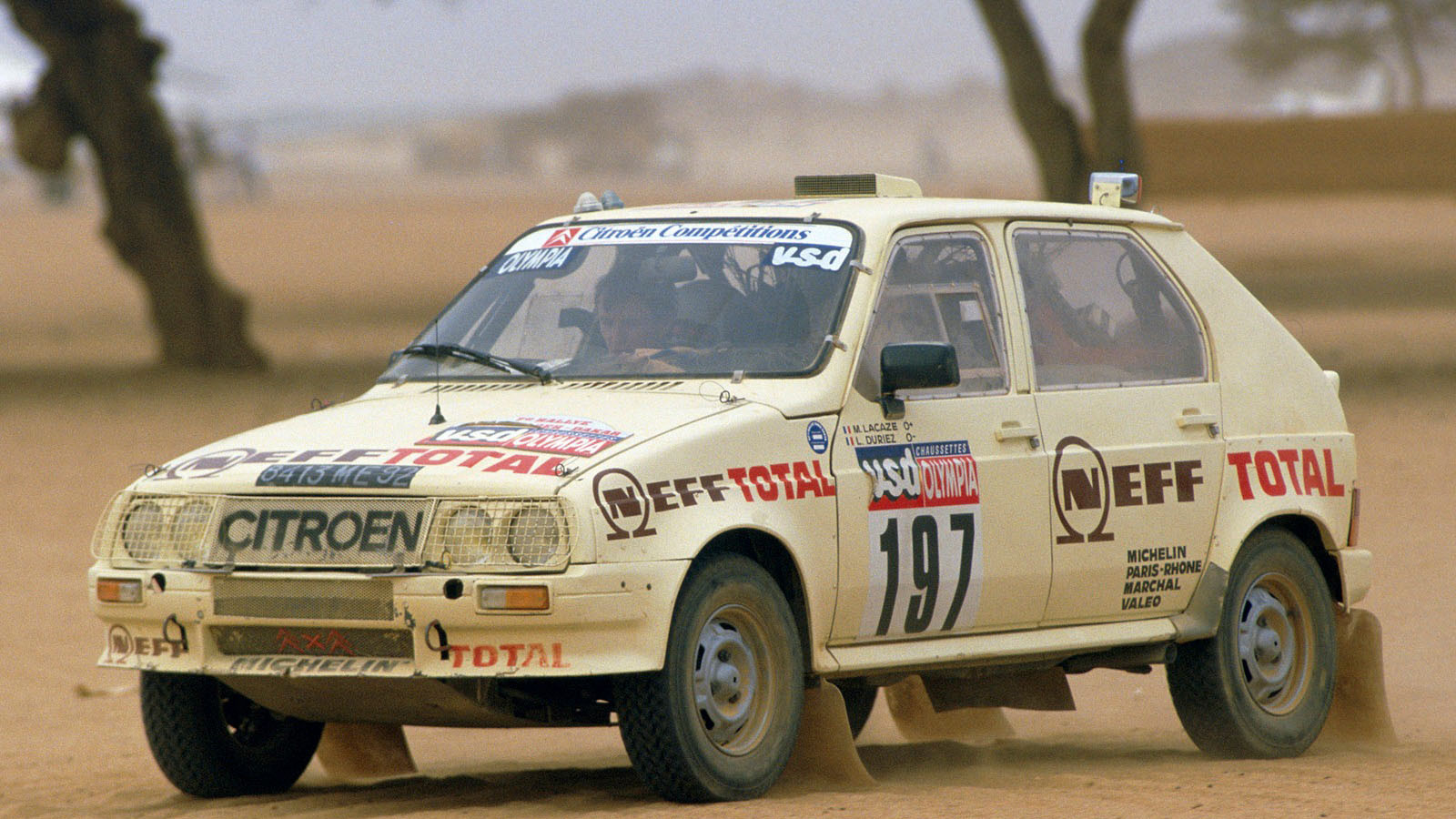
4. Citroën Visa 1000 Pistes
Before Citroën created the BX 4TC, it focused on the smaller Visa.
Starting with front-wheel-drive models called Trophée and Chrono that targeted class wins, it then moved on to the 1000 Pistes for 1984.
This ultimate Visa used a 1.4-litre engine with around 145bhp, so it was one of the least-powerful Group B cars, but it did have four-wheel drive.
The inaugural rally for the 1000 Pistes was no less than the Safari event, where it suffered broken suspension.
However, this mighty Visa did manage 10th overall in 1985’s Rallye Monte-Carlo before Citroën pulled the plug to concentrate on the ill-fated BX 4TC.
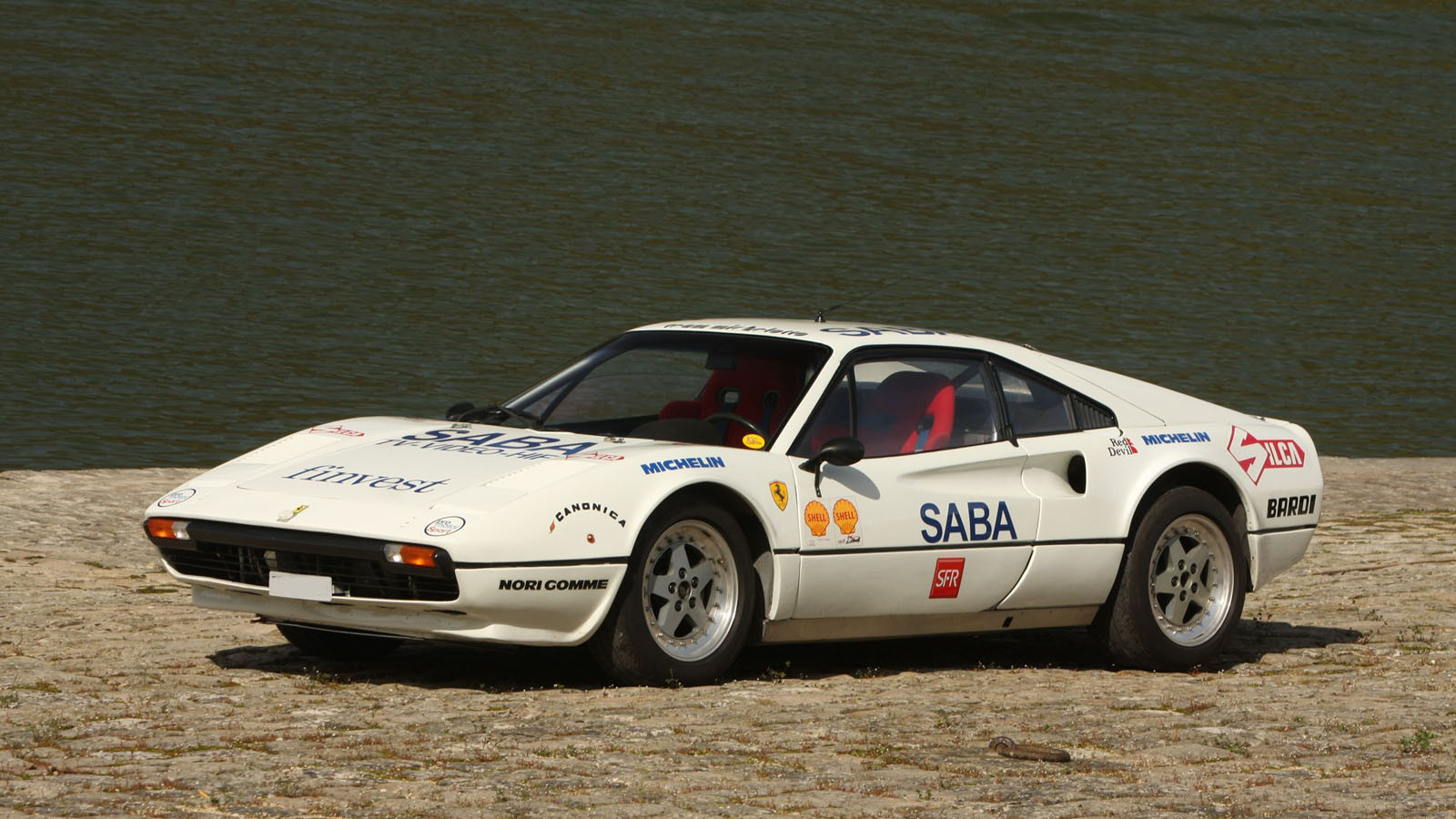
5. Ferrari 308GTB
An unlikely Group B rally contender, the 308GTB was not an official factory car, but the Michelotto-built machine did have approval from Ferrari.
Developed from the earlier Group 4 rally car, the Group B 308GTB had a c300bhp version of the 2.9-litre V8, while the gearbox was adapted to make it easier to remove and replace during events.
Uprated brakes and suspension completed the package, and 15 of these 308s were built.
It may not have made much of an impression in the WRC, but the 308GTB won several Tarmac rallies, the 1984 Spanish Rally Championship and took third in that year’s Targa Florio.
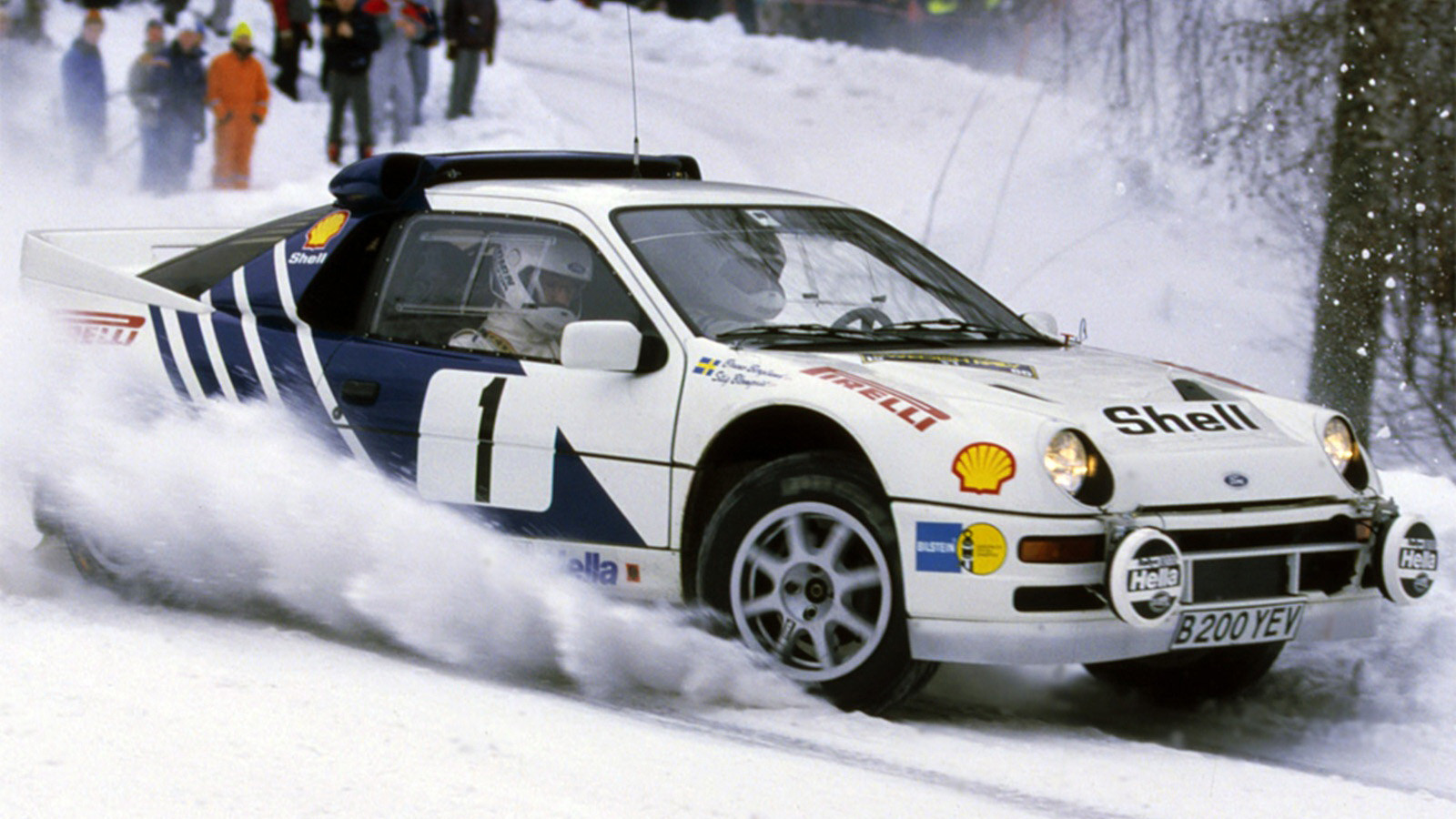
6. Ford RS 200
After huge success with the Escort, Ford quickly realised its new RS 1700T Group B contender was not going to cut it.
The rear-drive RS 1700T was usurped by the four-wheel-drive, mid-engined RS 200 that was unveiled in 1984.
In roadgoing trim it had 247bhp, but the rally cars upped that to around 450bhp from the turbocharged, 1.8-litre, four-cylinder motor.
It took until 1986 for the RS 200 to make its WRC debut and its best result was third in the Swedish Rally, before Group B was cancelled at the end of that season.
As a result, the Ford RS 200 remained an intriguing ‘what if’ of the Group B era.
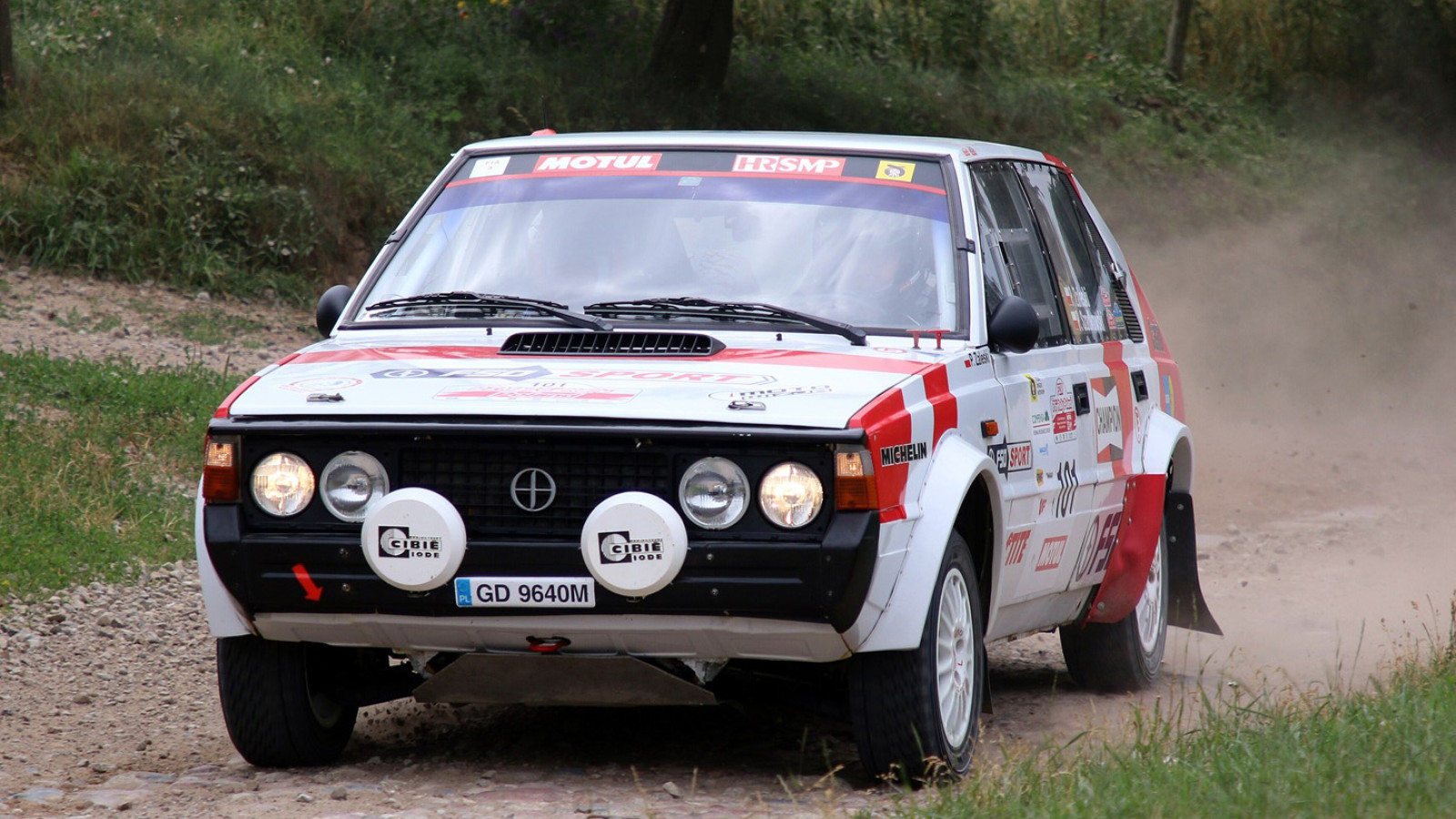
7. FSO Polonez 2000 Group B
The FSO Polonez began its rallying career in 1978 and the Polish machine evolved into a rugged competitor.
It was homologated for Group B at the beginning of 1984 and used a 2-litre, four-cylinder engine with up to c210bhp to drive its rear wheels.
Painted in a distinctive yellow with blue stripes, the FSO Polonez 2000 cars upheld Eastern Bloc pride by competing in the Monte Carlo and Acropolis rallies.
FSO Polonez also developed a turbocharged version of its car for 1986, but the demise of Group B at the end of the year meant it saw little international action.
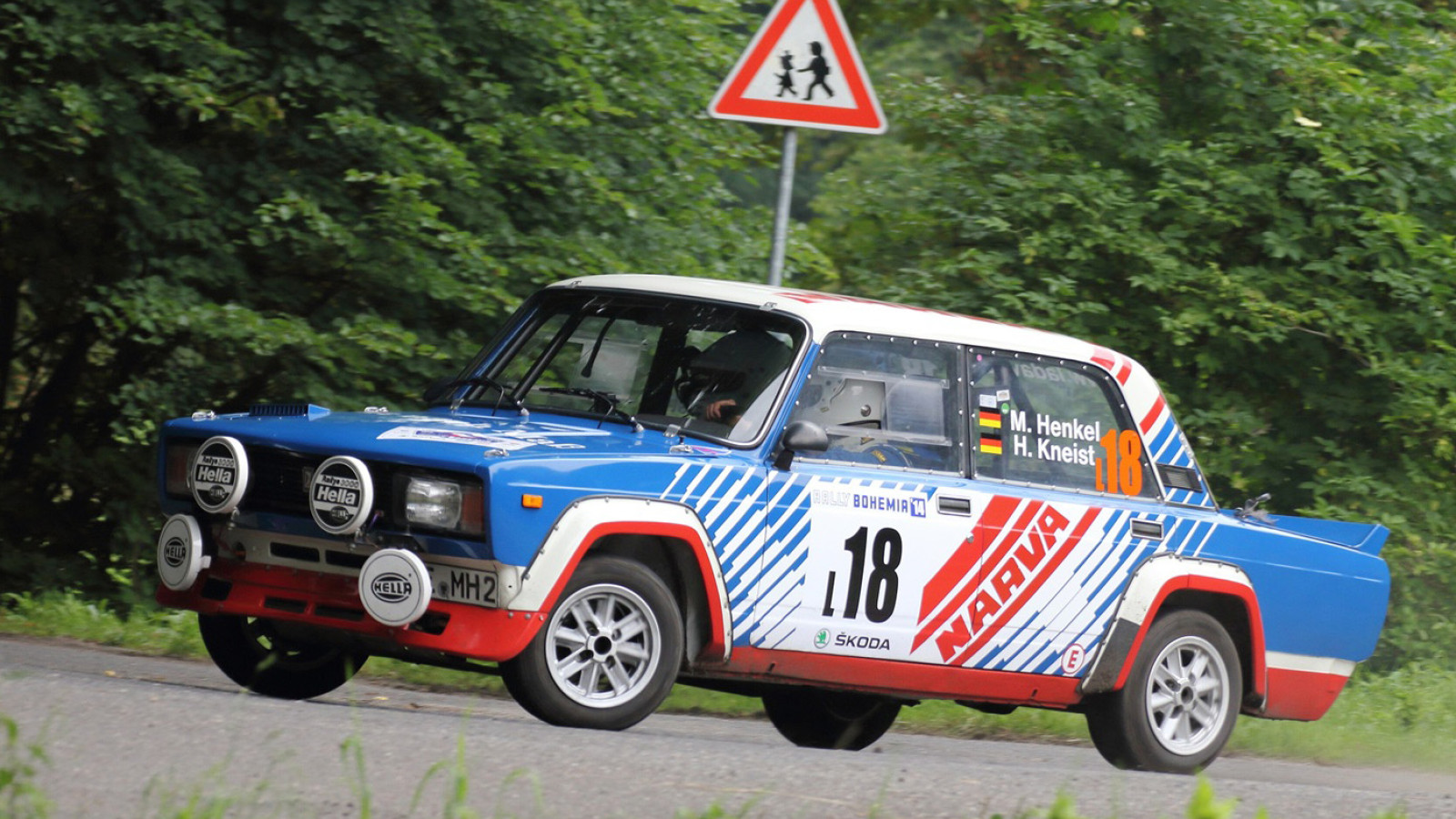
8. Lada 2105 VFTS
Lada had enjoyed plenty of success in rallying in lower classes, but driver Stasys Brundza reckoned he could do better.
With factory approval, he used the leeway of the Group B rules to come up with a mid-engined, silhouette version of the Lada 2015 saloon.
The 1.6-litre engine produced c165bhp, so it would still be a class contender rather than seeking outright wins.
The VFTS was set to later gain a turbocharger to increase power by almost double, but Group B was cancelled before this could happen.
Still, a best result of a 1-2 in class on the 1984 1000 Lakes Rally was a nice reward for Brundza and Lada.
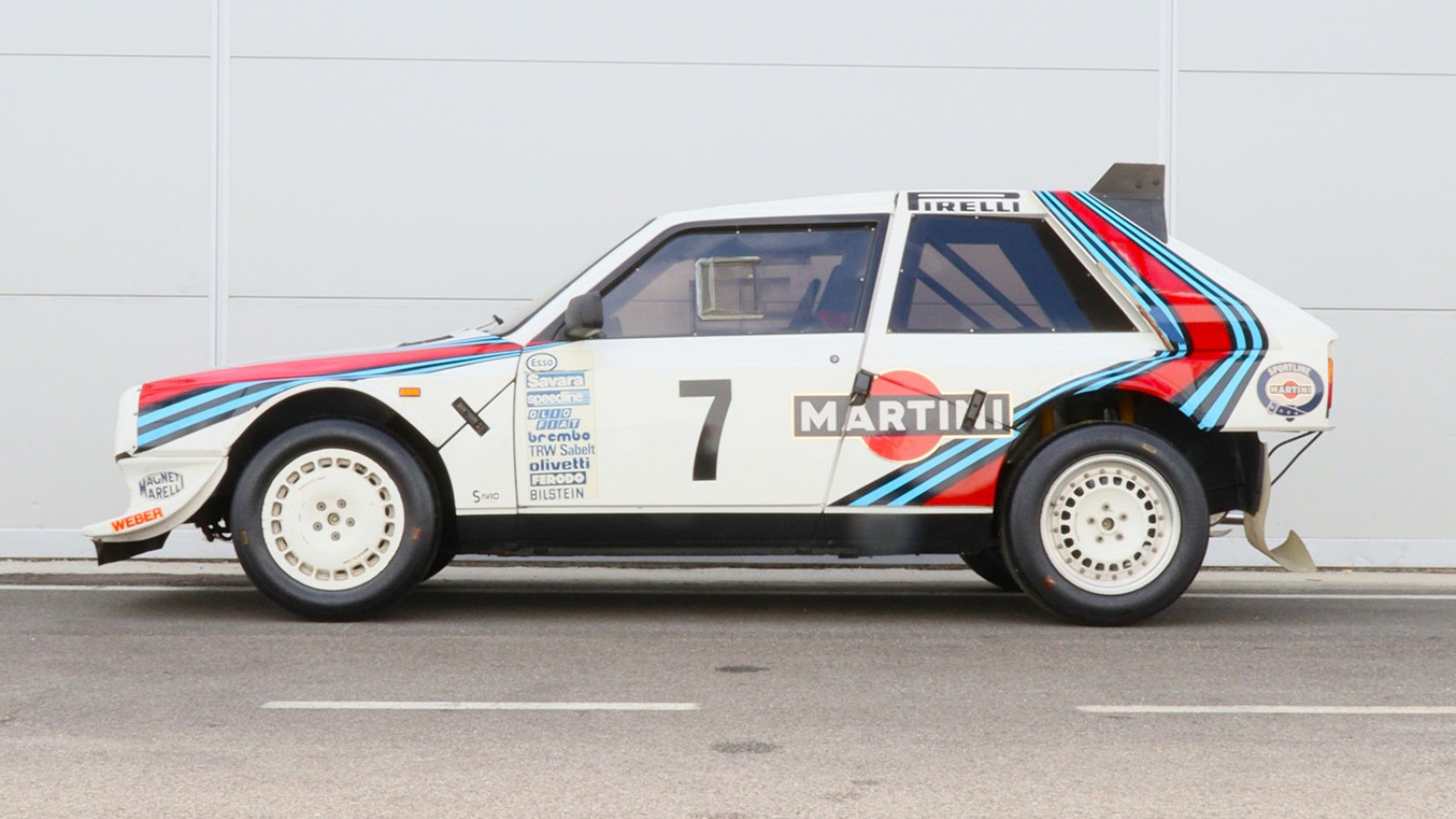
9. Lancia Delta S4
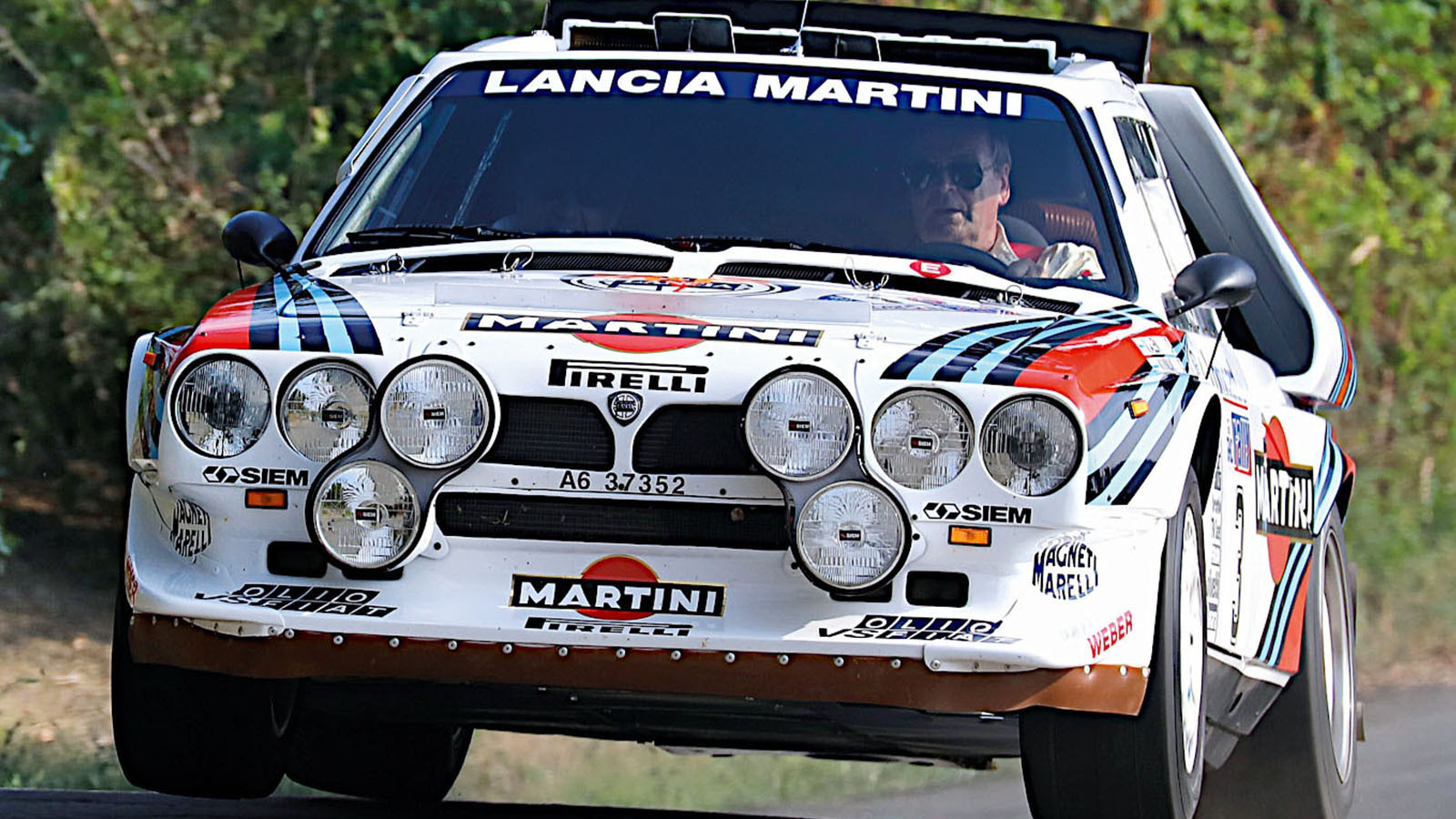
Lancia went all in with the Delta S4 to counter the threat of the Audi quattro and Peugeot 205 T16.
While it might have had a passing resemblance to the Delta road car, the S4’s lightweight, two-door body hid a mid-mounted, 1.75-litre engine.
The motor was not only turbocharged but supercharged, too, for good measure to produce as much as 500bhp.
Fearsomely quick, the Delta S4 won on its first WRC outing at the 1985 Lombard RAC Rally and went on to take four more victories in the 1986 season.
Markku Alén was denied the 1986 drivers’ title due to a technical infringement on the Sanremo Rally.
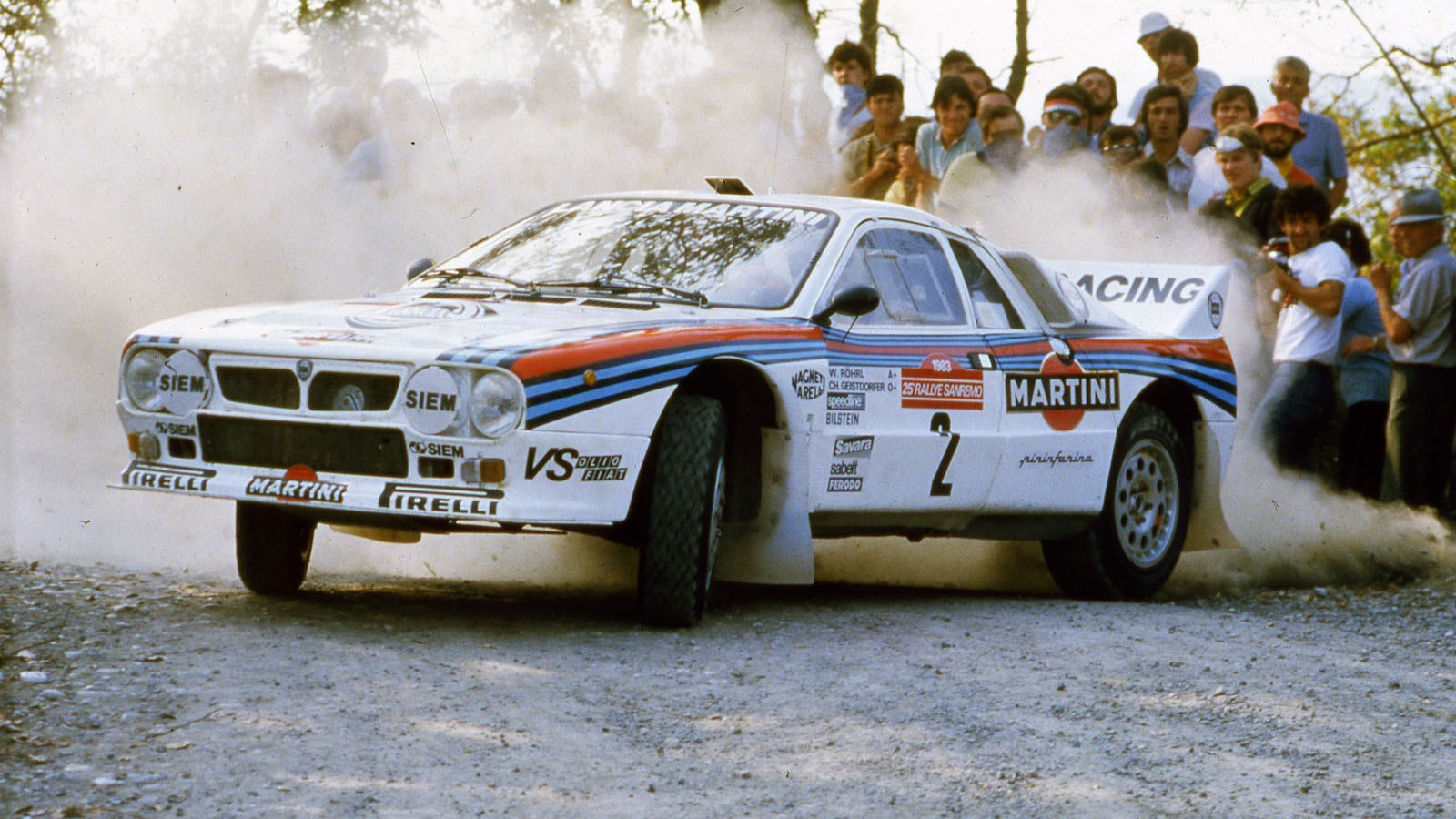
10. Lancia Rally 037
Lancia was among the first to develop a car based around the new Group B regulations with its Rally 037.
While Lancia’s new car did not have four-wheel drive, the 037 impressed with its mid-mounted and supercharged 2-litre engine.
Initially, the motor produced up to c280bhp, rising to around 300bhp when the engine’s capacity was increased to 2.1 litres in 1982 with the Evolution model.
The Rally 037 proved capable on all terrains, with Tarmac wins on the Tour de Corse and Sanremo, as well as gravel success on the Acropolis.
It also won the 1983 Rallye Monte-Carlo with Walter Röhrl and Christian Geistdörfer.
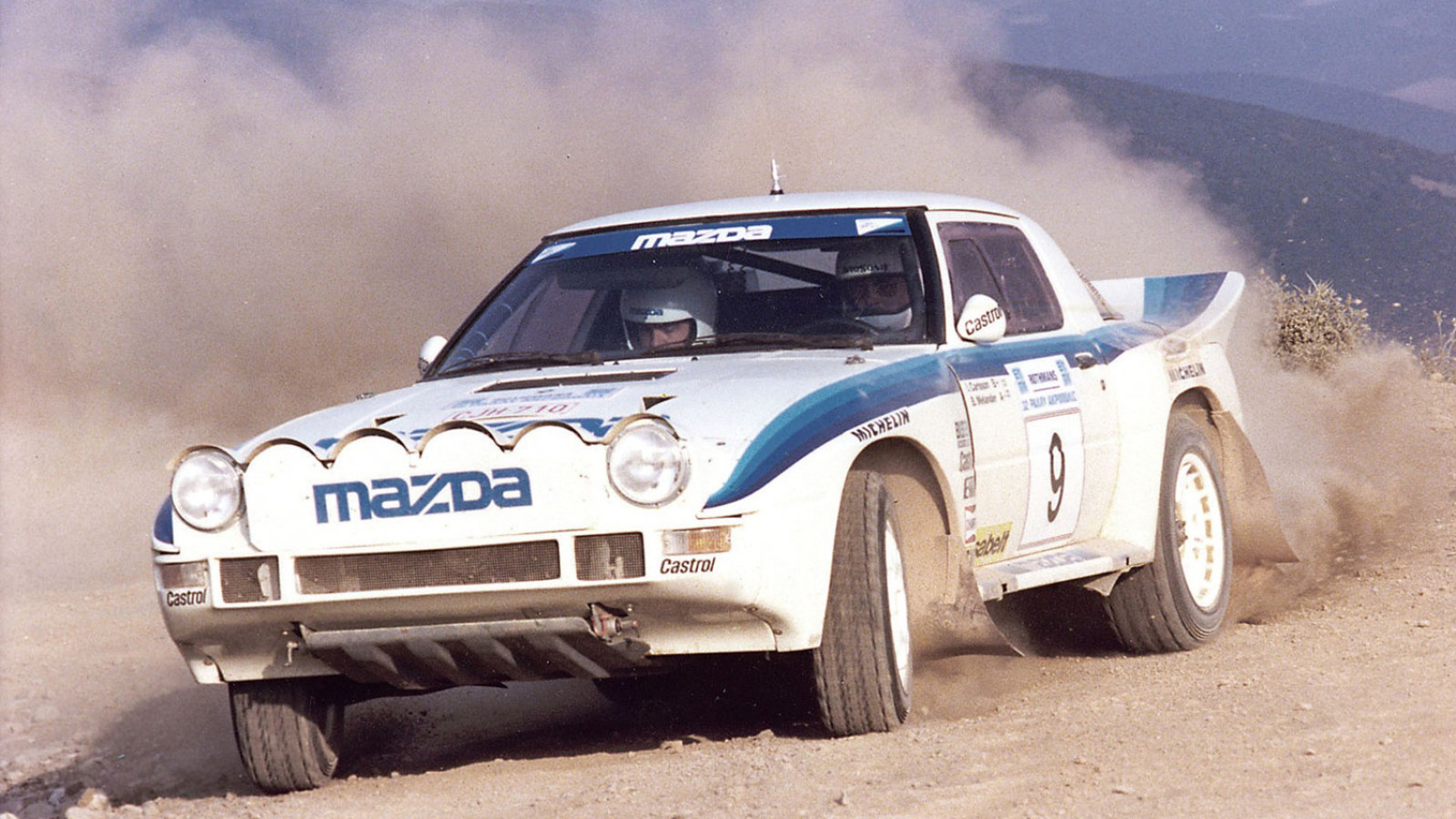
11. Mazda RX-7
Homologated at the start of 1984, the Mazda RX-7 was run by a satellite team based in Europe and set up by German rally driver Achim Warmbold.
The Mazda RX-7 was hampered by its rear-wheel-drive set-up, so it was always more of a flag-waving exercise than a serious threat to the front-running crews.
This didn’t bother Mazda, because it had the four-wheel-drive 323 Turbo waiting in the wings, while the rotary-engined RX-7 gained plenty of publicity.
Its debut was on the 1984 Acropolis Rally driven by Warmbold with co-driver ‘Biche’ (real name Michèle Espinosi-Petit), where they finished ninth overall, and the RX-7 placed well in several other rallies in 1984 and 1985.
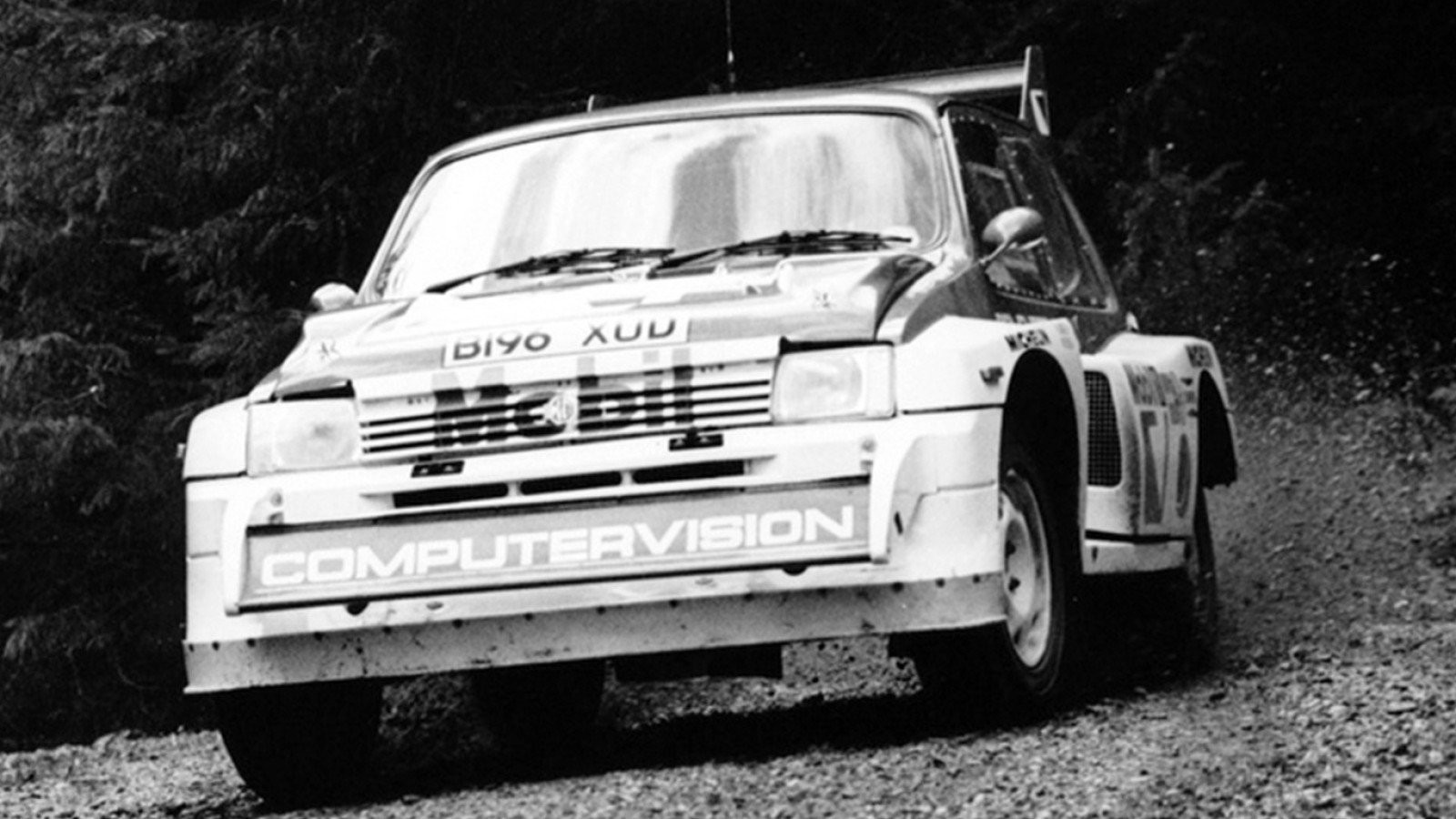
12. MG Metro 6R4
Wary of turbo lag, Austin Rover opted instead for a normally aspirated, 3-litre V6 engine for its new 6R4.
Along with this, there was design input from Williams GP Engineering to make the 6R4 an exotic machine even by Group B standards.
The car came with up to c410bhp in rally-ready trim from the mid-mounted engine that powered all four wheels.
A promising first outing in the 1985 Lombard RAC Rally netted third overall with Tony Pond driving and Rob Arthur alongside, but the 6R4 struggled throughout the 1986 season to make much headway.
Even so, the MG became one of the most iconic cars of the era due to its looks and sound.
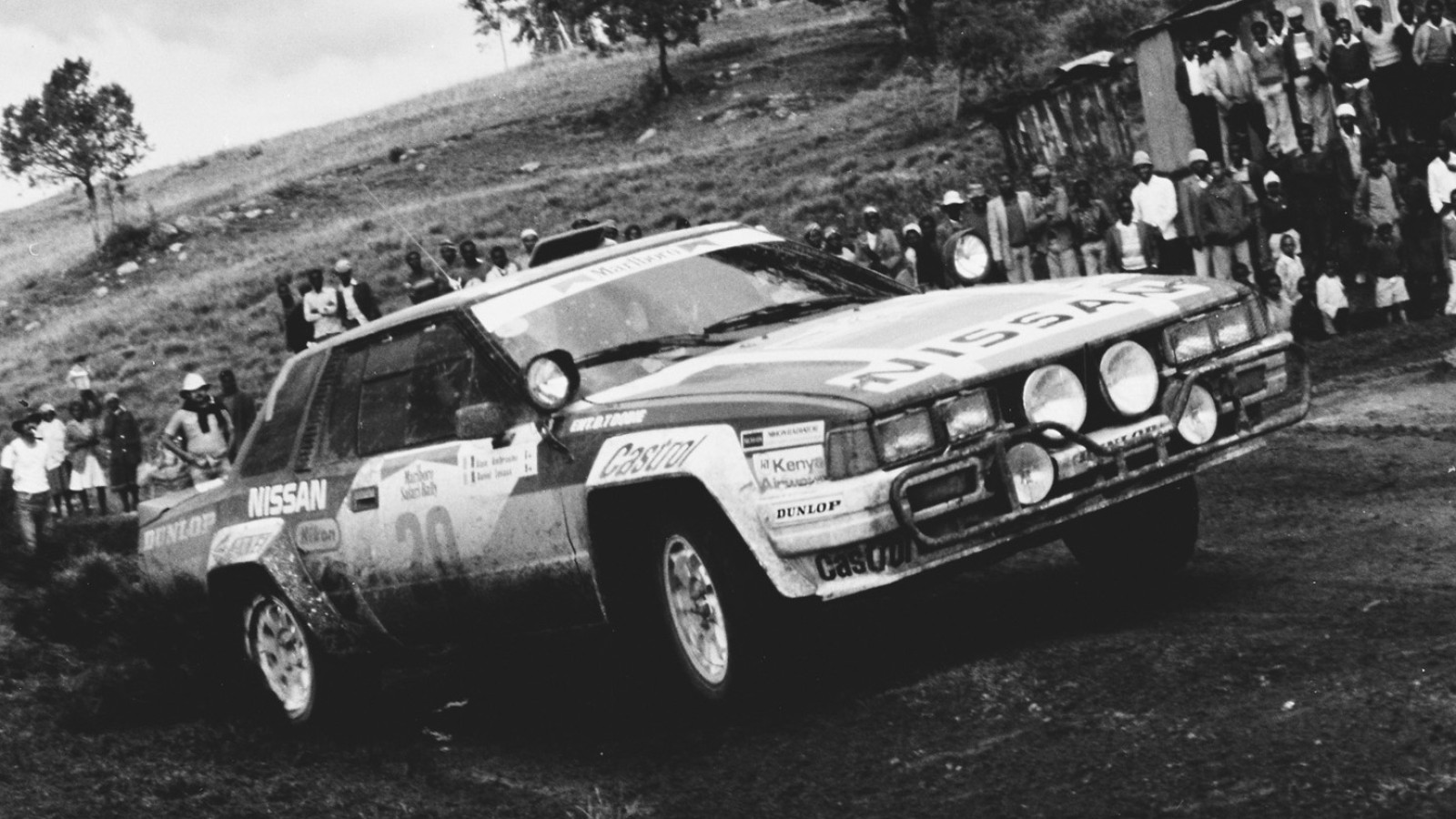
13. Nissan 240RS
The Nissan 240RS was a missed opportunity for the Japanese firm in 1983.
Sticking with rear-wheel drive rather than four-wheel drive, as well as a normally aspirated engine in place of a turbocharged one, meant the 240RS was always going to be at a disadvantage.
With just 247bhp, the RS missed the pace of more potent Group B machines, so it had to rely on its rugged build and reliability.
This helped the Nissan to fourth place in the 1983 Safari Rally and second in New Zealand that same year.
After that, third in the 1985 Safari was the best the 240RS could manage before Nissan dropped it at the end of the season.
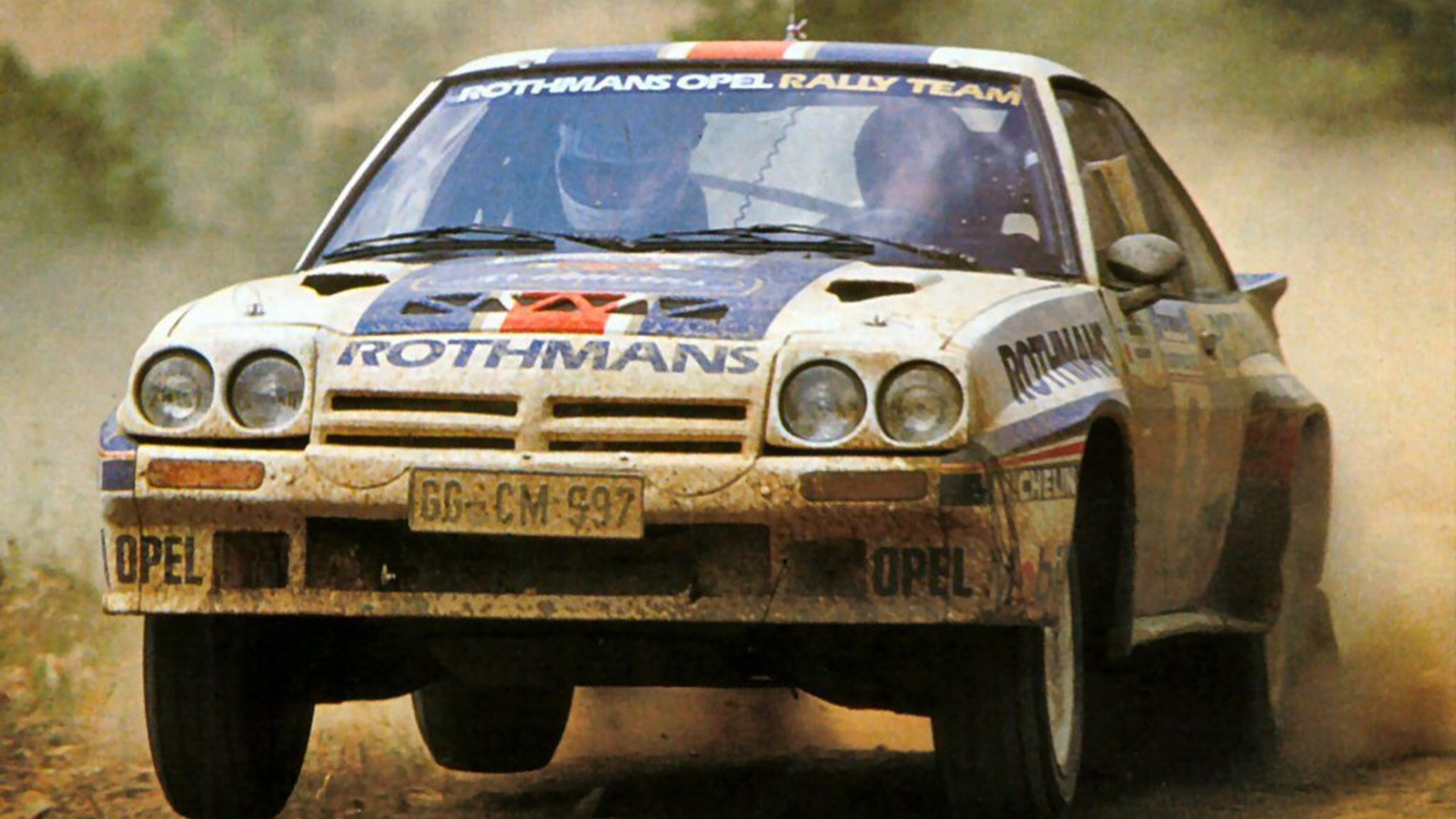
14. Opel Manta 400
The Opel Manta 400 shared the same platform as the Ascona 400, but the Manta was lighter and used more bespoke parts when it was homologated in 1983.
Its lower weight helped offset the 2.4-litre engine’s modest output, but none of this compensated for the car’s rear-drive in a world now dominated by four-wheel drive.
In the World Rally Championship, the Manta managed third in the 1983 Lombard RAC Rally with Jimmy McRae and Ian Grindrod, and second in the 1984 Safari with Rauno Aaltonen and Lofty Drews.
It took fourth and fifth in the 1985 Safari Rally, but by then the Opel was seriously outclassed on the world stage.
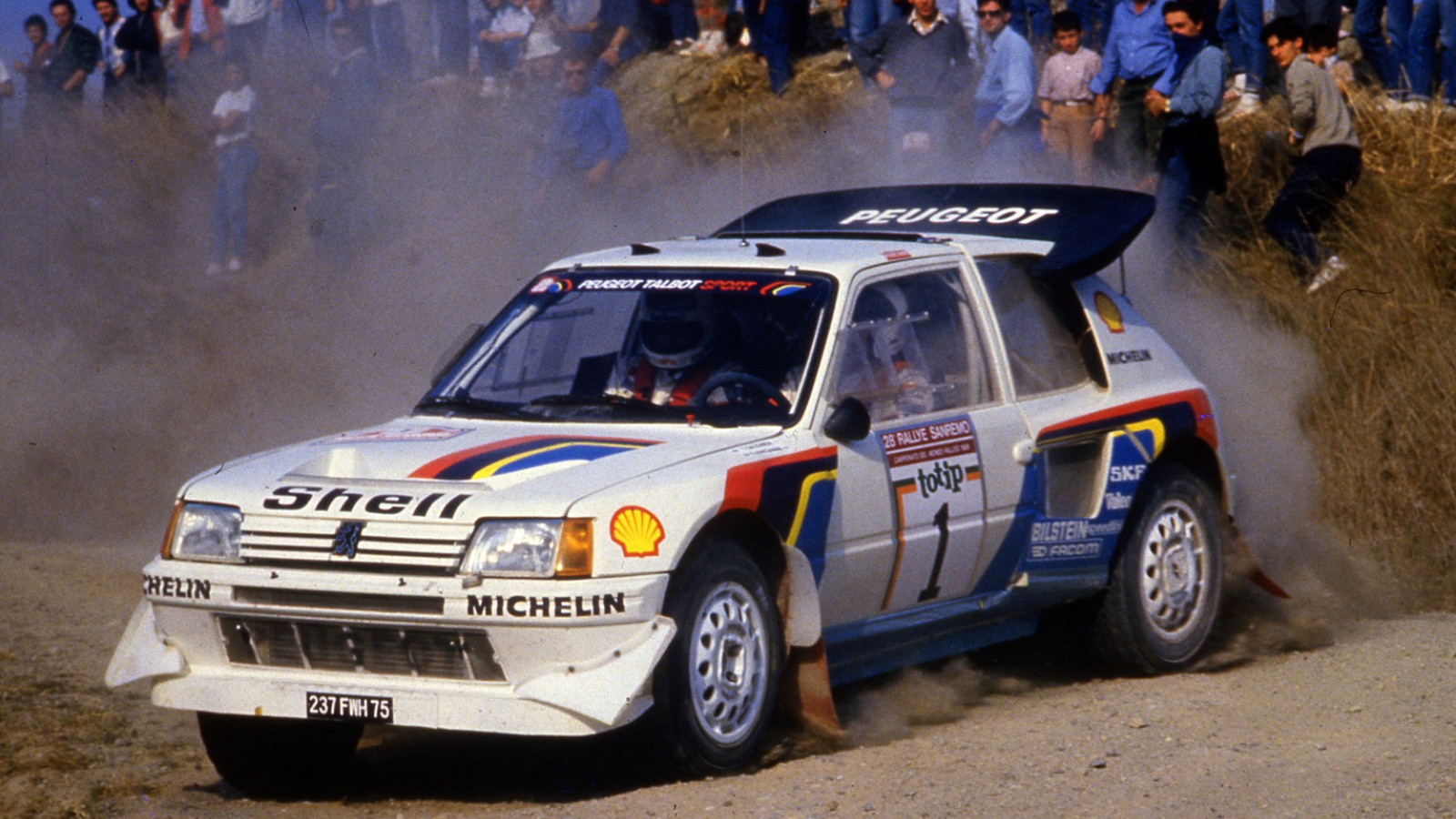
15. Peugeot 205 Turbo 16
There were bits of standard Peugeot 205 in the Group B Turbo 16 machine, but you had to look closely.
The body was based on a standard shell, while the mid-mounted, 1.8-litre engine was developed from a Peugeot diesel motor’s block.
Pretty much everything else was unique when the 205 Turbo 16 arrived in early 1984 with four-wheel drive and at least 450bhp.
Ari Vatanen and Terry Harryman gave the 205 Turbo 16 its first victory at the 1984 1000 Lakes, and the model also claimed an unprecedented five WRC rallies in a row in 1984-’85.
Such success gave Peugeot two world titles and a total of 17 WRC victories – more than any other Group B car.
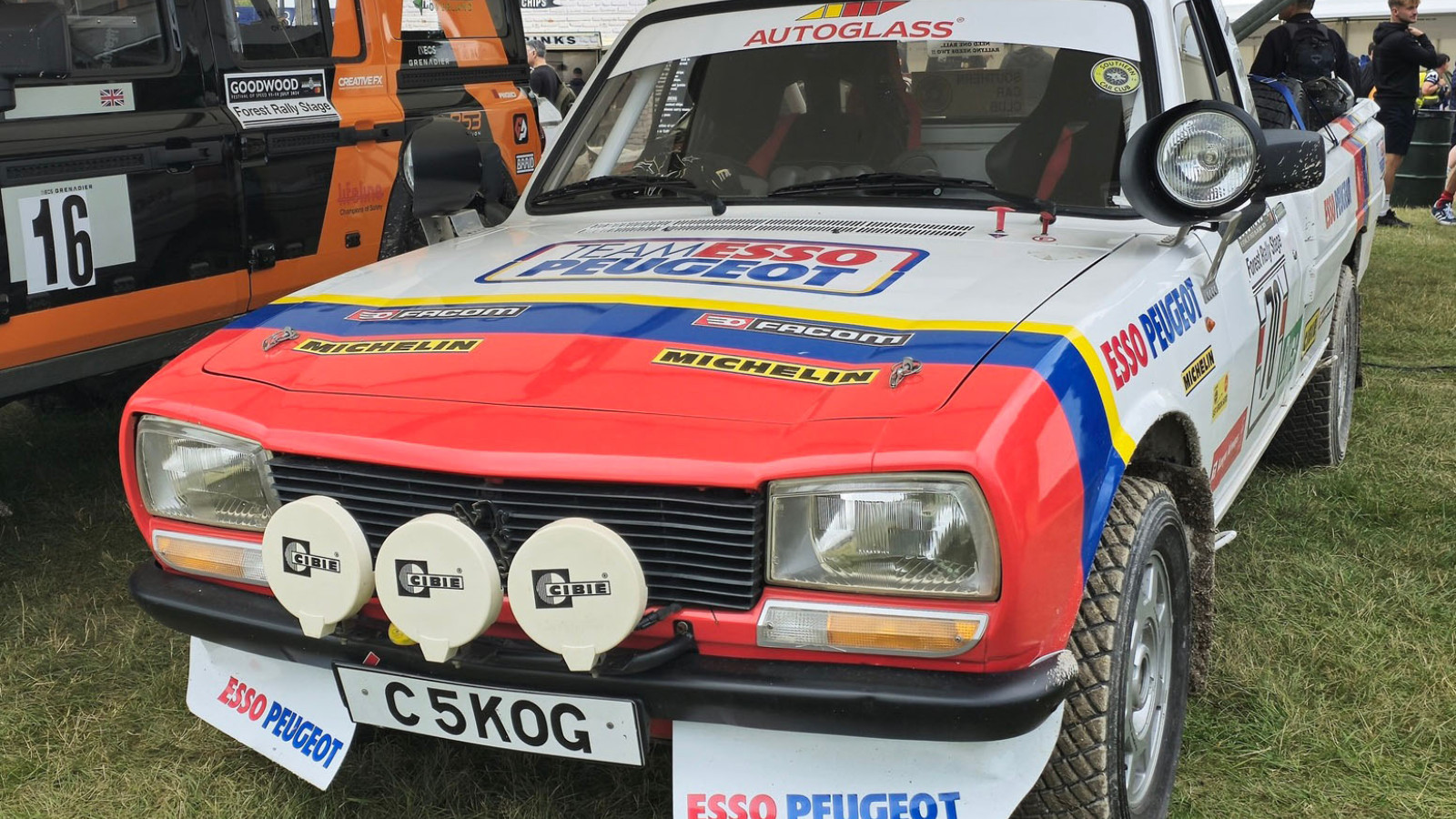
16. Peugeot 504 Pickup
Almost certainly the strangest Group B car to set tyres on a rally stage, the Peugeot 504 Pickup was no joke entry.
Its reason for being in Group B was unusual, however, because its cab was too small to meet Group A rules, so it was pushed into the no-holds-barred Group B.
Ready for 1983, the 504 Pickup used a modestly powered, 2-litre, petrol engine built with reliability in mind.
This strategy paid off – it finished eighth overall in that year’s Safari Rally and 15th the following year.
A Peugeot 504 Pickup also came home fifth overall in the 1984 Côte d’Ivoire Rally, and won the African Championship in the same year.
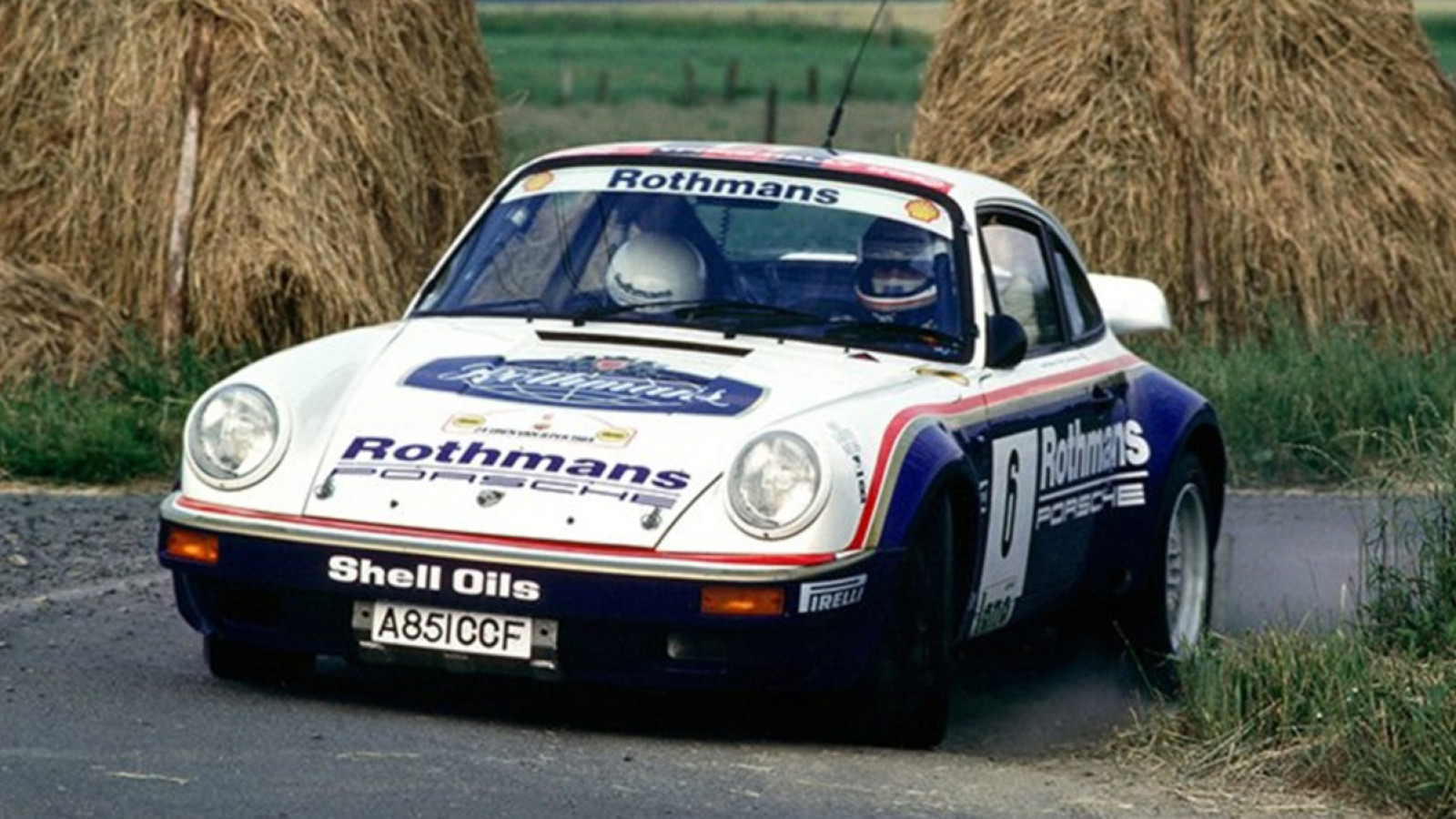
17. Porsche 911 SC/RS
The 911 SC RS was a crafty solution from Porsche for keeping sponsor, rally partner and the public happy.
Only 20 were made and the rally versions run by Prodrive with Rothmans branding.
Known within Porsche as the 954 model, it used a 3-litre flat-six with around 290bhp.
While not the most powerful Group B car, the 911 was light and had excellent traction.
The 911 SC RS enjoyed considerable success in the hands of Henri Toivonen, who narrowly missed out on the 1984 European Championship in this car.
The Porsche was also competitive further afield and won 1984’s Middle Eastern Rally Championship.
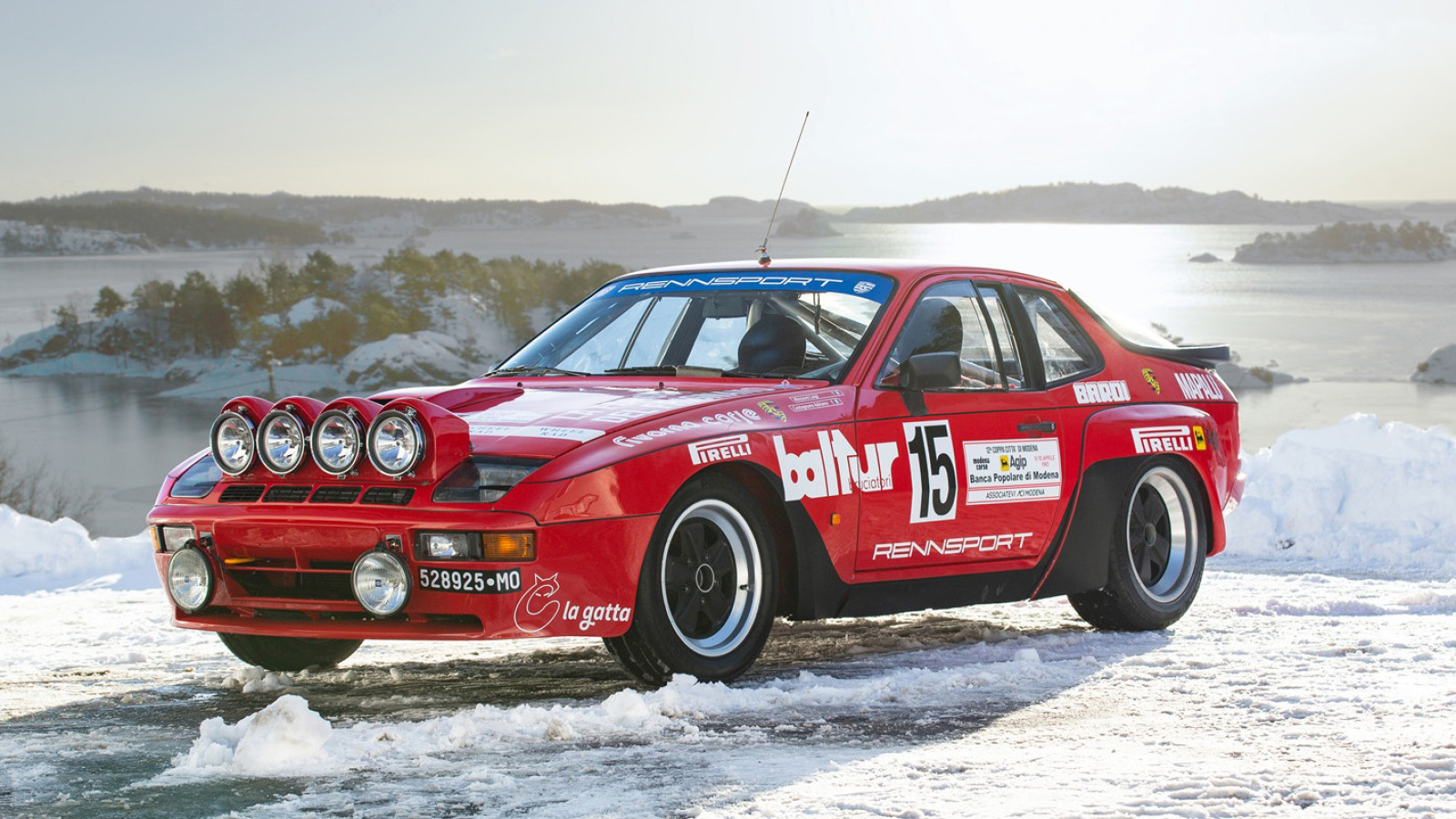
18. Porsche 924 Carrera GTS Club Sport
Porsche built its own 924 Carrera GTS Rally for Walter Röhrl, but that car was run in Group 4 specification.
The Group B 924 Carrera GTS Club Sport was created by Porsche Kundensport Dienst to meet Group B rules and one was sold to Carlos Noce to enter in Italian events.
Noce’s car was driven by Luigi Mazzoni, with Adriano Castagnara co-driving, and it entered three rallies in 1982.
It’s believed only four 924 Carrera GTS Club Sport cars were made for Group B, which included a built-in rollcage and a turbocharged, 2-litre engine producing c270bhp.
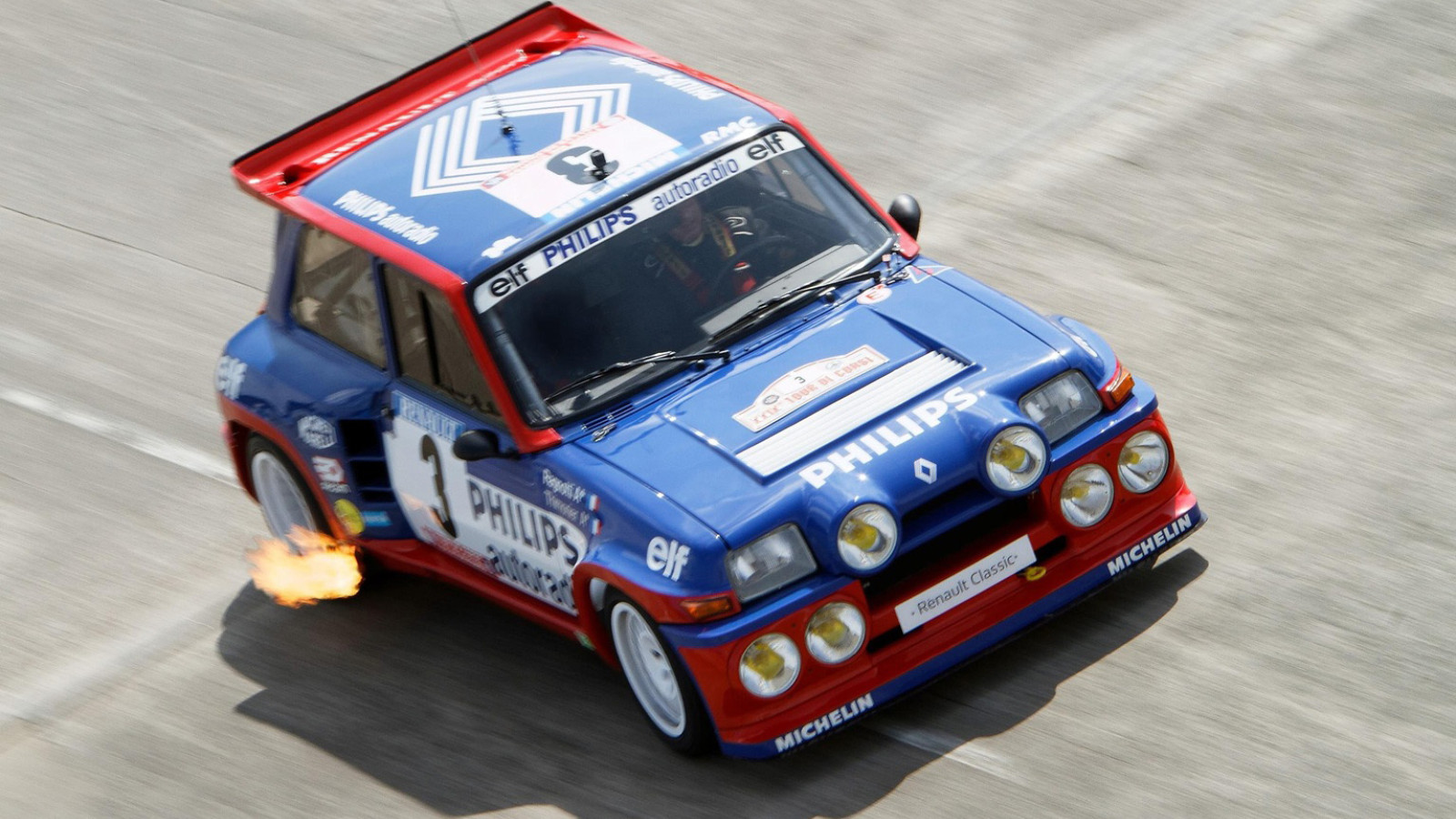
19. Renault 5 Turbo
The Renault 5 Turbo was already a staple of the World Rally Championship when Group B regulations came into effect.
As the 5 Turbo became outgunned by its all-wheel-drive rivals, Renault homologated the 5 for Group B in 1982 and called the car the Tour de Corse, where it won that year with Jean Ragnotti and Jean-Marc Andrié.
With no option for four-wheel drive, Renault then upgraded its car to Maxi 5 Turbo spec with a 345bhp, 1.5-litre engine sat in the middle of the car.
Suited best to Tarmac events, Ragnotti, this time with Pierre Thimonier as his co-driver, took the Maxi 5 Turbo to a second Tour de Corse victory in 1985.
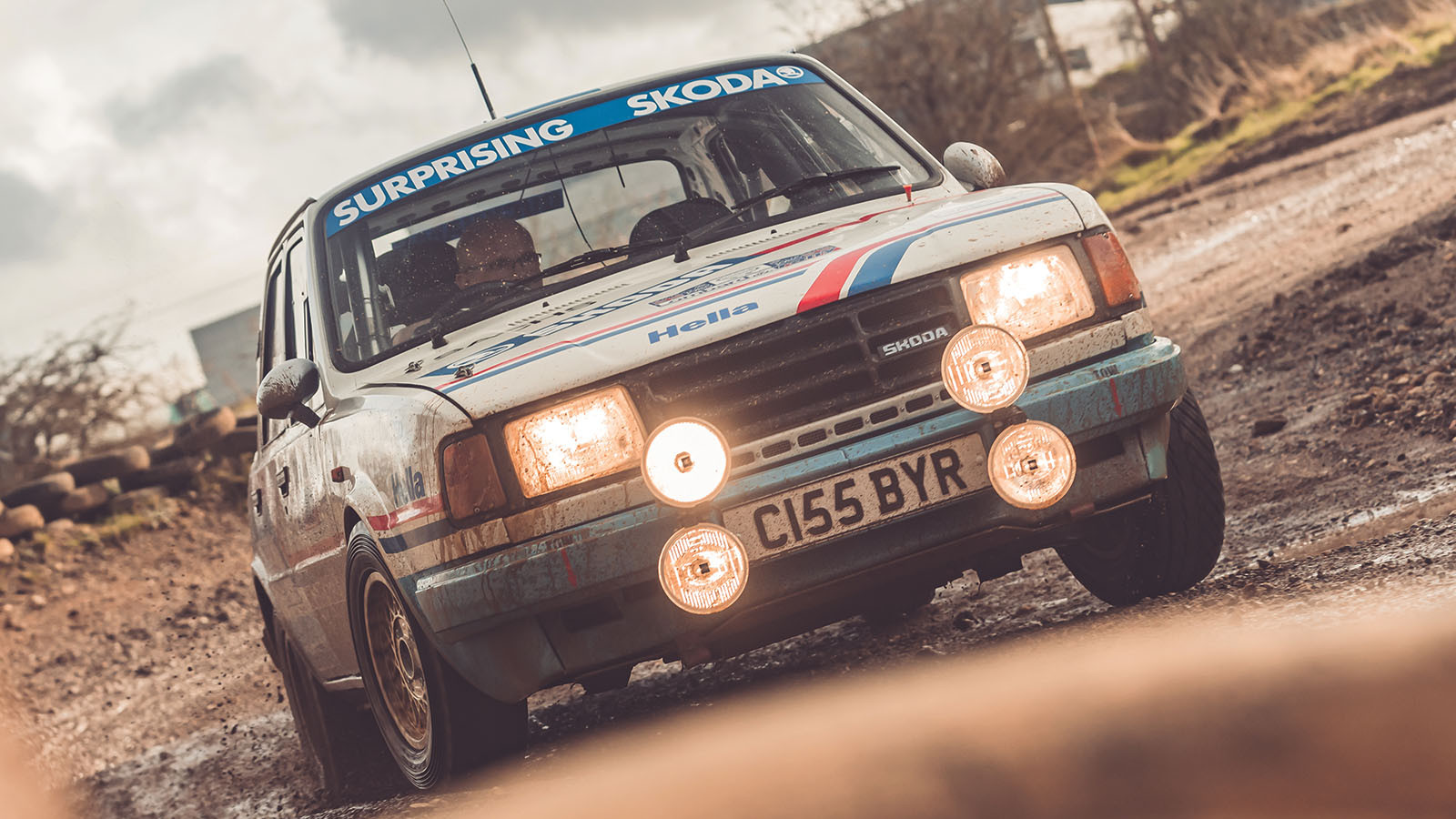
20. Škoda Estelle 130 LR
Škoda’s links to rallying went back to the 1930s, so it was no surprise the Czech team adapted to Group B with its 130 LR.
The 1.3-litre motor might have produced just 128bhp, but this four-door saloon weighed a mere 730kg (1609lb) and the rear-mounted engine gave it superb traction.
Reliability was another strength for this Škoda, which routinely finished in the top 10 overall against many more powerful rivals.
The car’s best result was sixth overall in the 1986 Sanremo Rally, which was Škoda’s best international result ever at that time.
The 130 LR was the last rear-engined rally car built by Škoda.
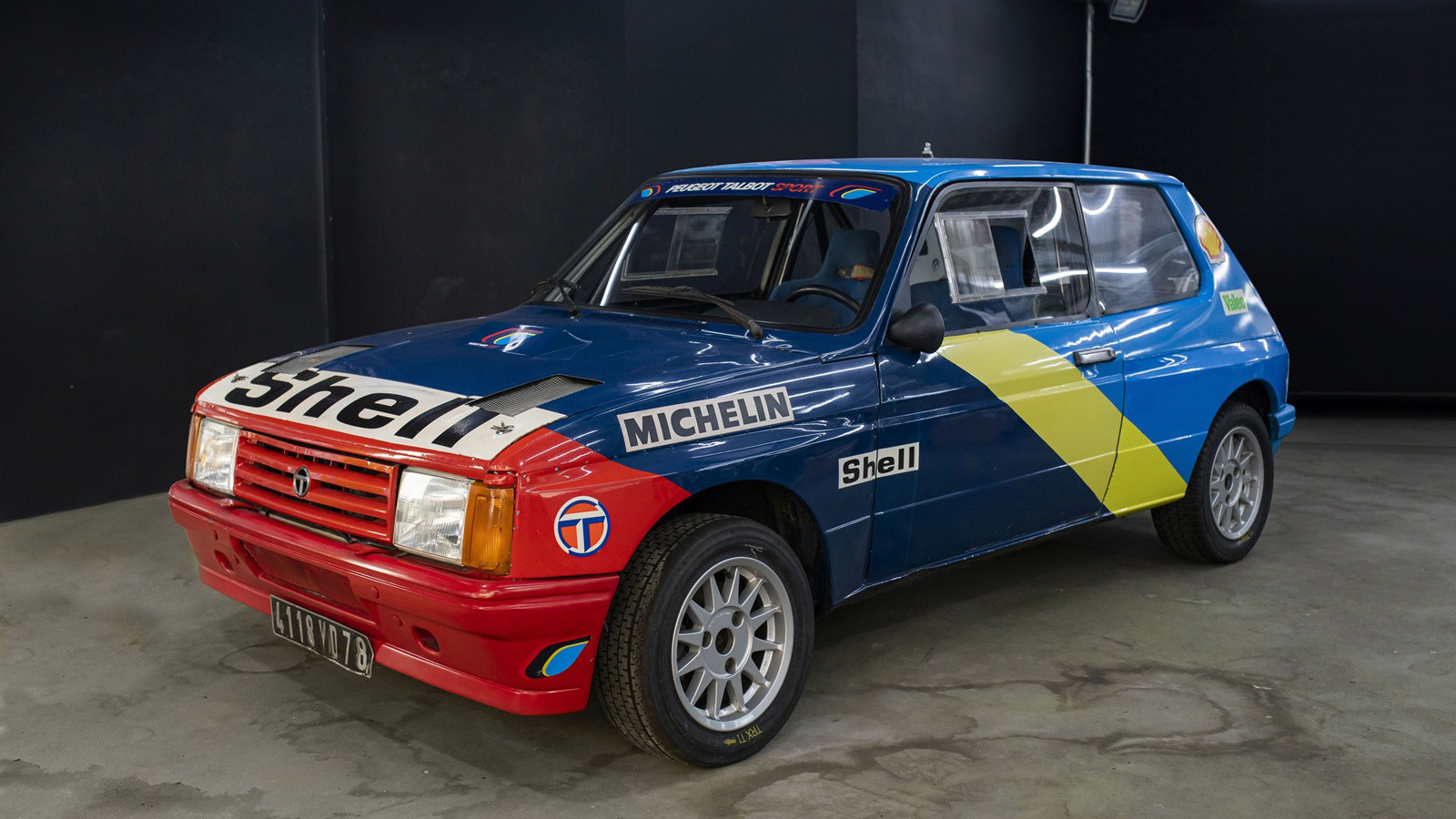
21. Talbot Samba Rallye Group B
With a canny eye on promoting the Talbot brand, competition boss Jean Todt came up with the idea of turning the firm’s Samba Rallye into a Group B car.
The resulting Samba Rallye Group B relied on its low weight of 675kg (1488lb) rather than outright power as the 1285cc engine made only around 130bhp.
However, the nimble Samba was good on Tarmac rallies and offered a cost-effective way into the Group B world for privateers.
An Evolution model offered in 1984 gained a little more power, as well as uprated suspension and brakes.
Todt’s gamble paid off with plenty of class wins, including on the 1984 Tour de Corse.
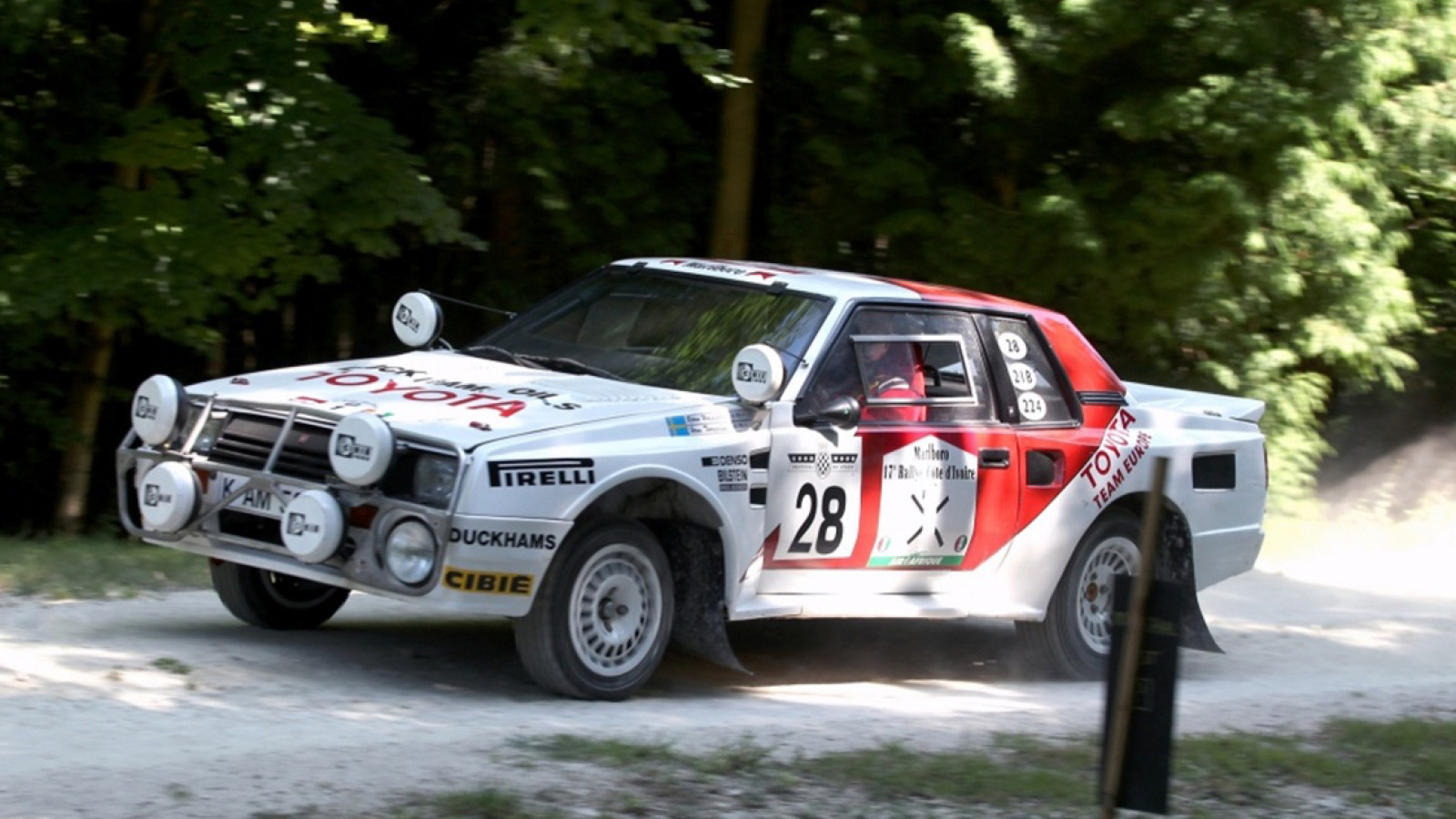
22. Toyota Celica TwinCam Turbo
Toyota went beyond the minimum 200-car production run demanded by Group B for its Celica TwinCam Turbo, with 200 road cars plus a further 20 evolution models with a 2.1-litre engine.
The full works rally versions came with in the region of 380bhp, which made this rear-wheel-drive car fiercely quick on Tarmac, but a handful on gravel rallies.
The Celica TwinCam Turbo’s first event was the 1983 1000 Lakes, where Juha Kankkunen and Staffan Pettersson finished sixth.
Better still, Toyota’s legendary build quality saw the Celica lift the winner’s trophy three times in a row on both the Safari and Côte d’Ivoire rallies between 1984 and 1986.