A life in cars
Very few people have had as varied a career in the British motor industry as Donald Healey.
A Cornishman who was born in 1898 and died in 1988 (and therefore shared his birth and death years with Enzo Ferrari), Healey was at various times a car designer, a manufacturer and an internationally successful rally driver.
There are several ways of telling his story, and the one we’ve chosen is to look at many of the cars he was either directly responsible for or closely involved with; this isn’t an exhaustive list.
They are listed in the order of the years they entered production.
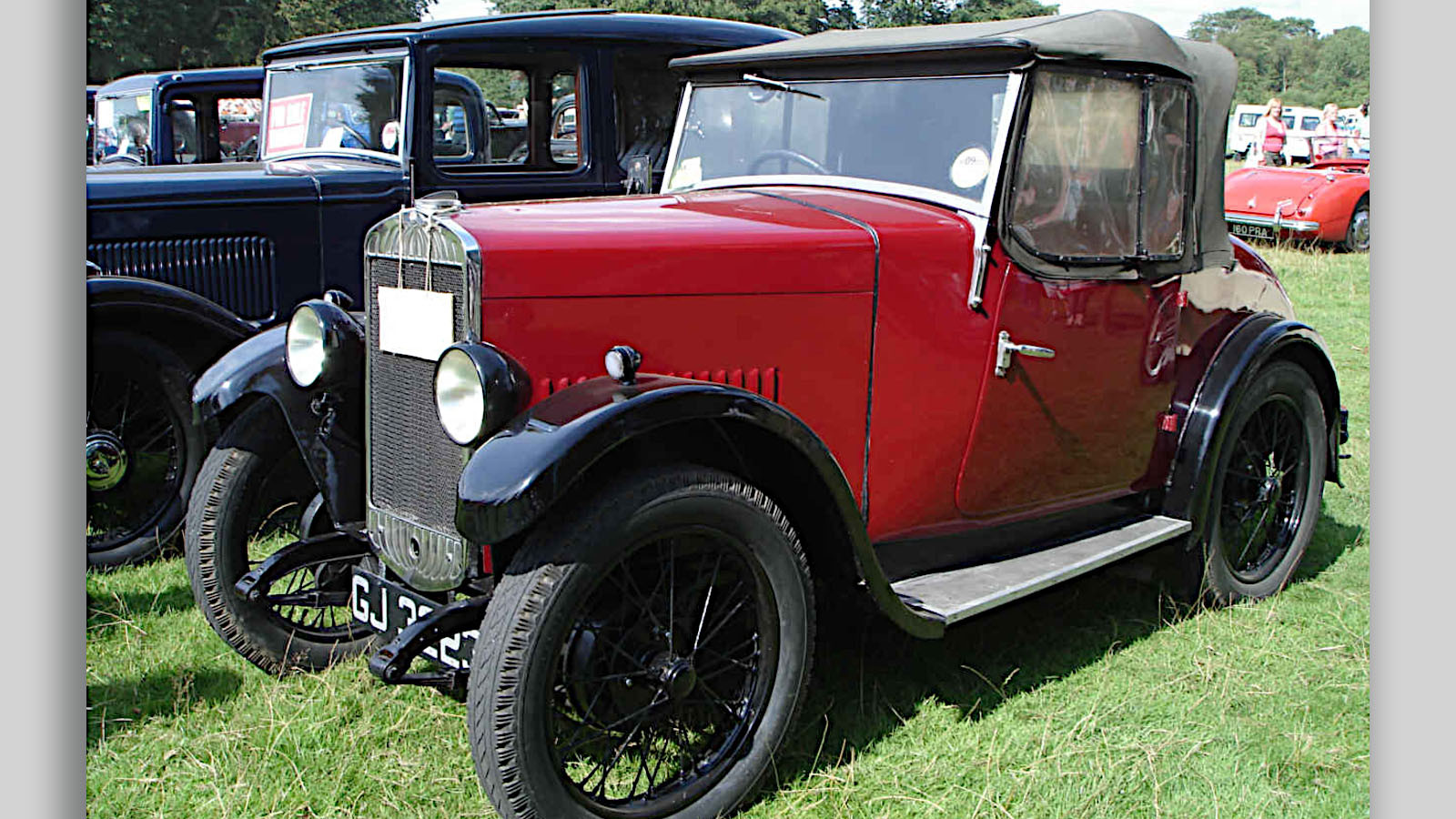
Triumph Super Seven (1927)
The Triumph Super Seven was a slightly upmarket alternative to the wildly successful Austin Seven, with an 832cc engine whose crankshaft was supported by three main bearings rather than the 747cc Austin’s two.
Neither of them might immediately seem to be appropriate for use in international motorsport, but those were different times, and Healey decided to enter the little Triumph in the Rallye Monte-Carlo of 1929.
Co-driven by Tommy Wisdom, he was excluded for being over the maximum time limit, but finished second in class and seventh overall in another Super Seven a year later.
Although Healey was not employed by Triumph at the time, he would later become its Technical Director.
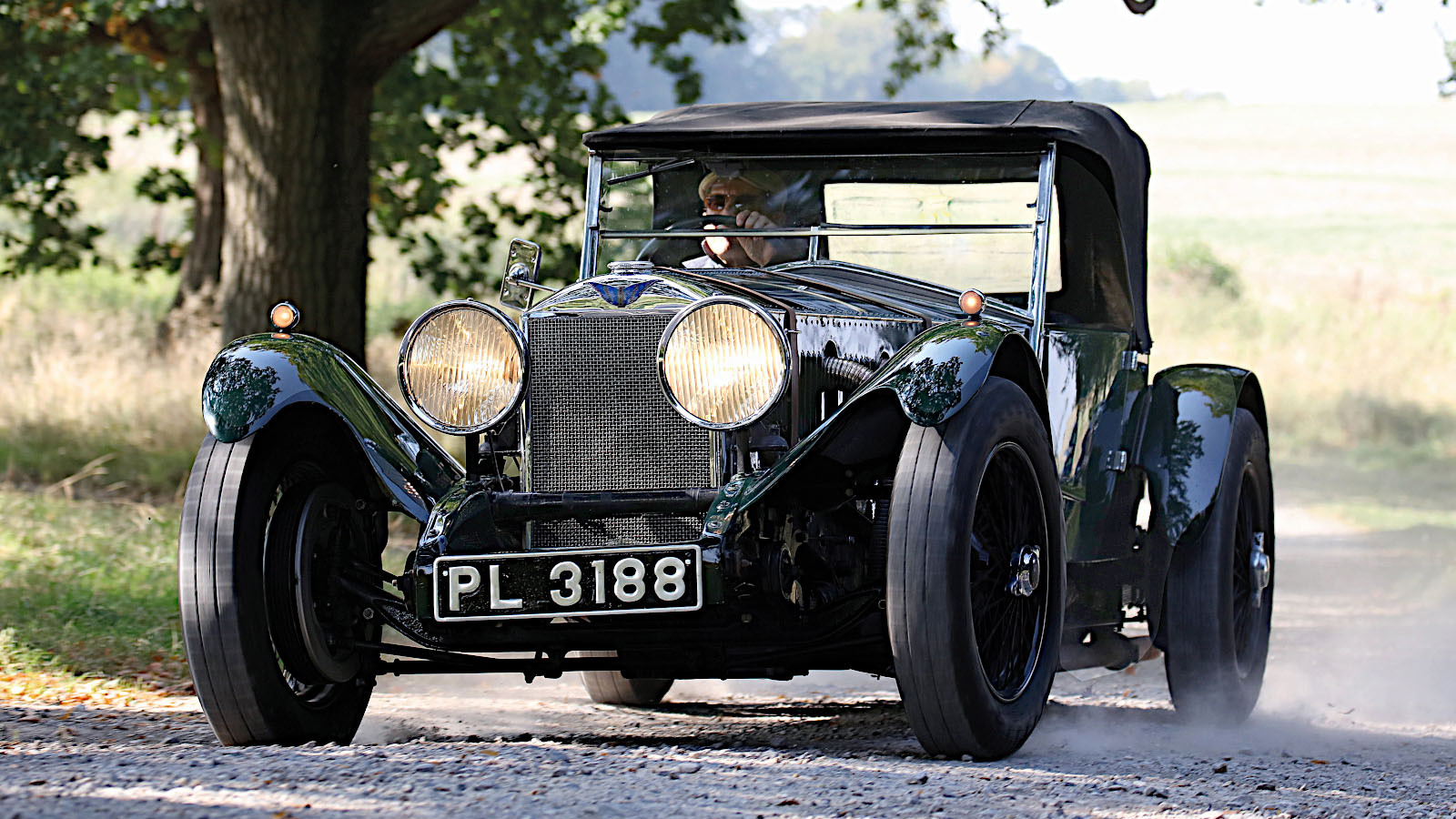
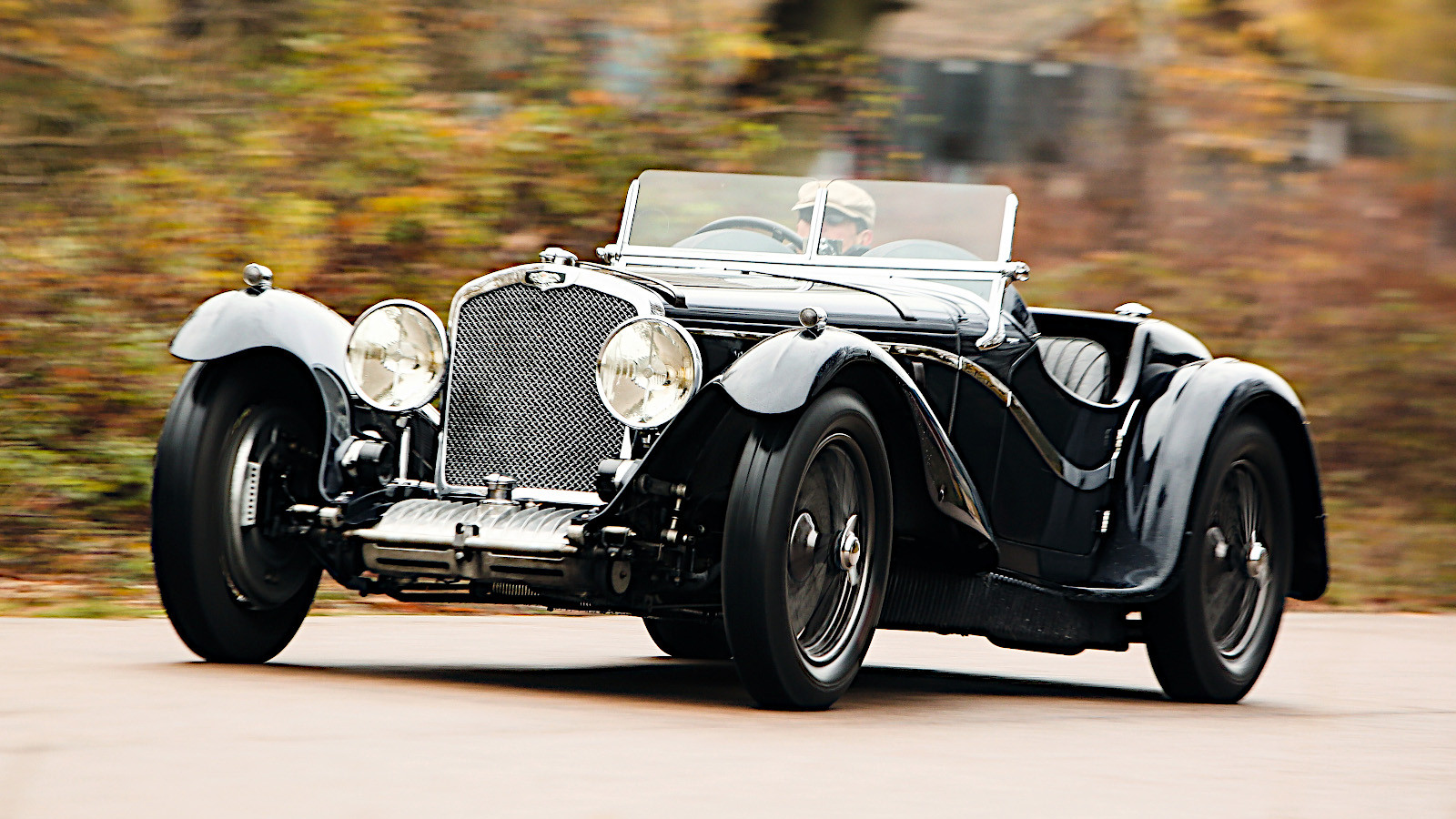
Invicta S-type (1931)
The S-type was one of several Invictas powered by a 4.5-litre Meadows engine, but it was distinguishable from the others thanks to its underslung chassis and consequently very low ride height.
Healey chose the car for his third consecutive Rallye Monte-Carlo, in which he established himself as one of the finest rally drivers of the period by finishing first.
Still in the Invicta, he came second in 1932, having fitted very small wheels for a generally reviled (and never repeated) low-speed test which had to be undertaken only in top gear.
Triumph Gloria (1933)
Triumph used the Gloria name for an exceptionally wide range of saloons and sports models with four- and six-cylinder engines.
A 10hp (tax horsepower) version with a 1087cc Coventry-Climax engine was Healey’s choice for Rallye Monte-Carlo in 1934.
While it couldn’t match the Invicta’s performance of three years earlier, it did finish third overall, plus it won the category for cars with engines of up to 1500cc.
Triumph Dolomite (1937)
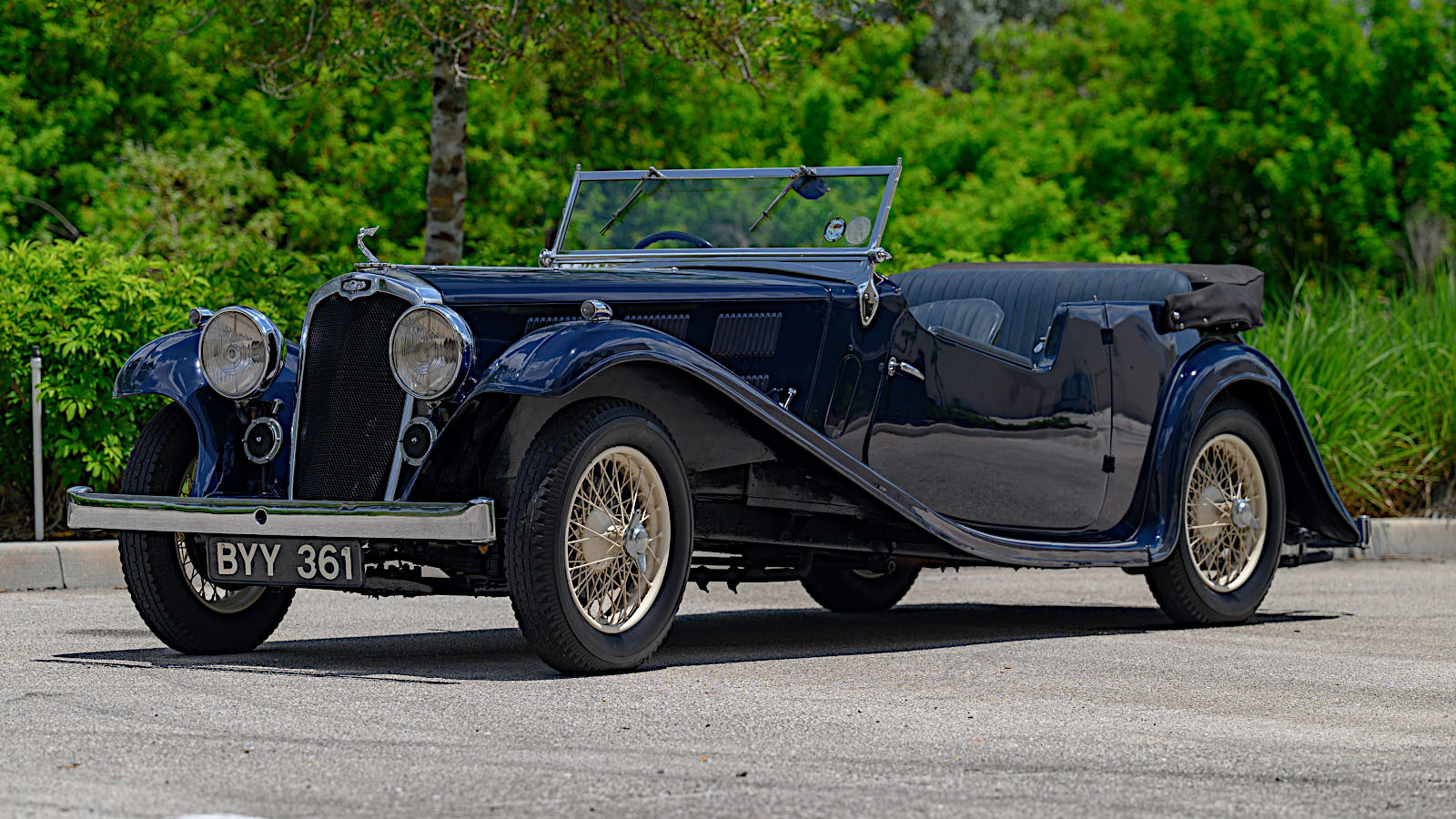
The first Dolomite (pictured) was a sports car with a 2-litre, straight-eight engine and a close resemblance to a contemporary Alfa Romeo.
Healey drove one of the prototypes in the 1935 Rallye Monte-Carlo, but that adventure ended when it hit a train at a level crossing, causing immense damage to the front end but very little to the train or the Dolomite’s occupants.
Triumph abandoned the project shortly afterwards, and tasked Healey (by now one of its leading employees) with creating a new Dolomite, which made its debut in 1937.
It was available with the same engines already used in the Gloria range and featured a radiator grille whose design could reasonably be described as ‘distinctive’.
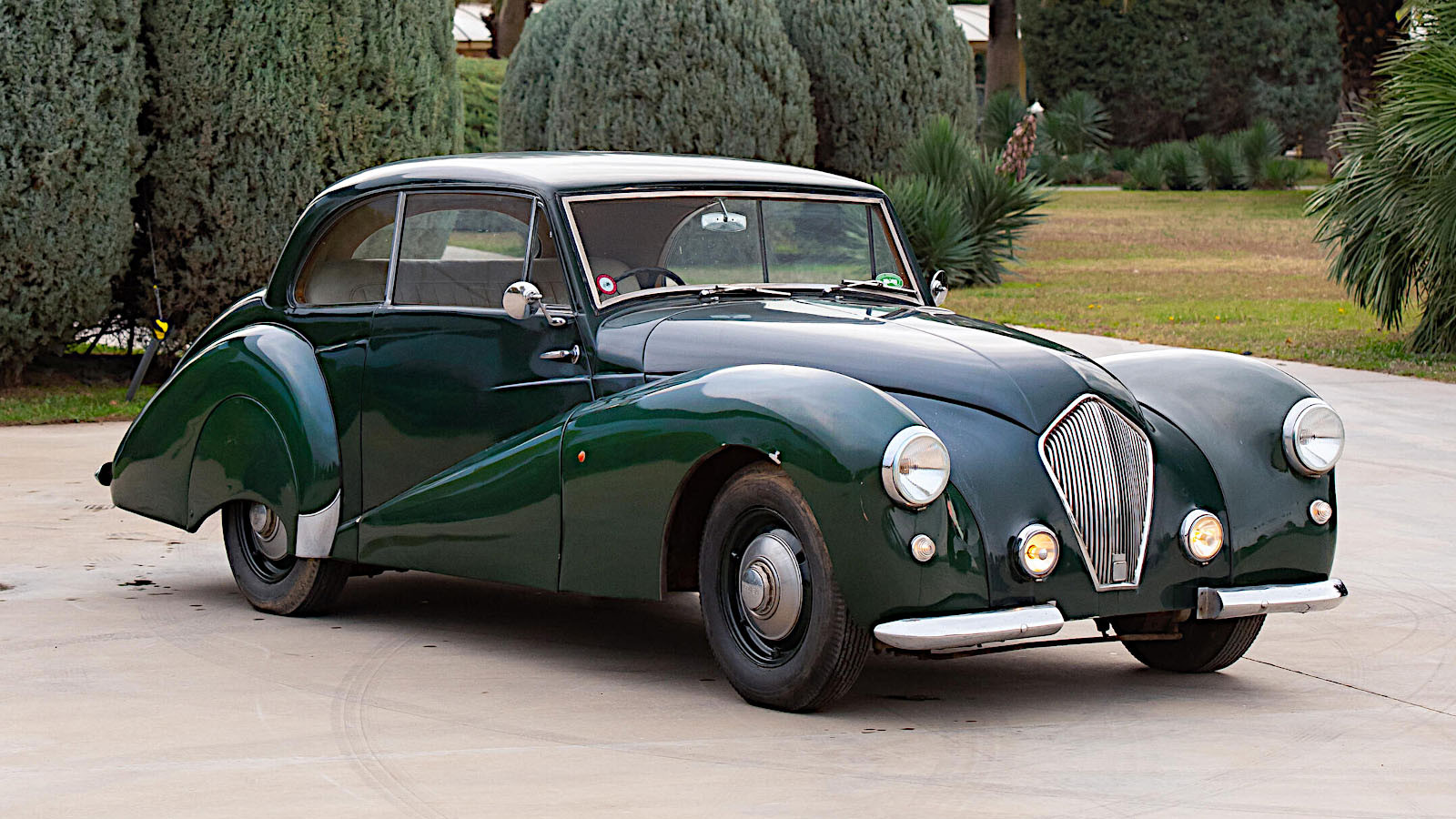
Healey Elliott (1946)
After the Second World War, when Triumph had gone into receivership and become a subsidiary of Standard, Healey set up a car company under his own name.
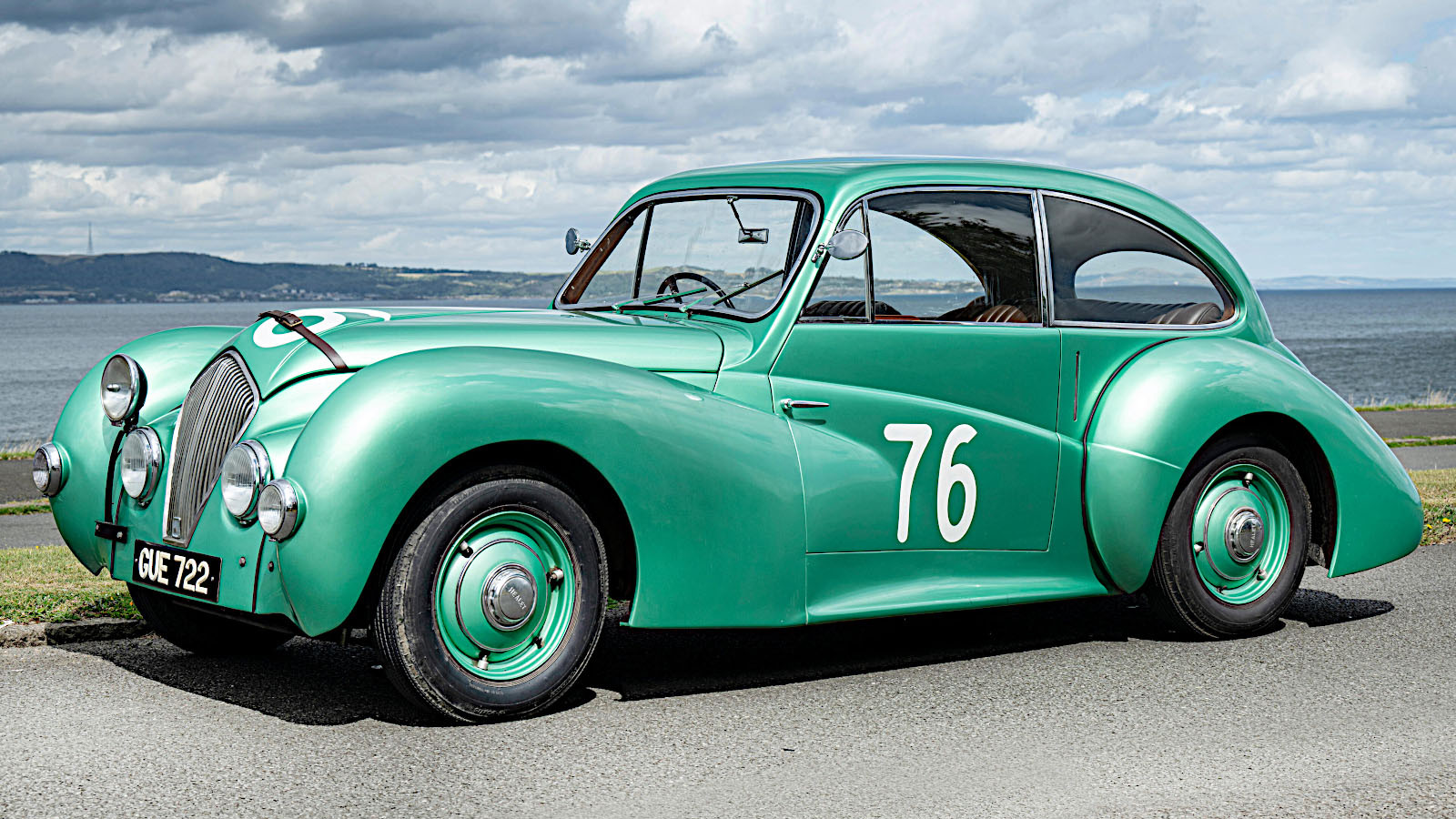
One of its first models was the Elliott, a sporting saloon named after the creator of its bodywork, Samuel Elliott and Sons, and powered by the 2443cc Riley ‘Big Four’ engine which Riley used in its own cars from 1937-’57.
As well as being remarkably fast for a roadgoing car of the period, the Healey Elliott performed well in major sporting events such as the Targa Florio and the Mille Miglia.
Healey Westland (1946)
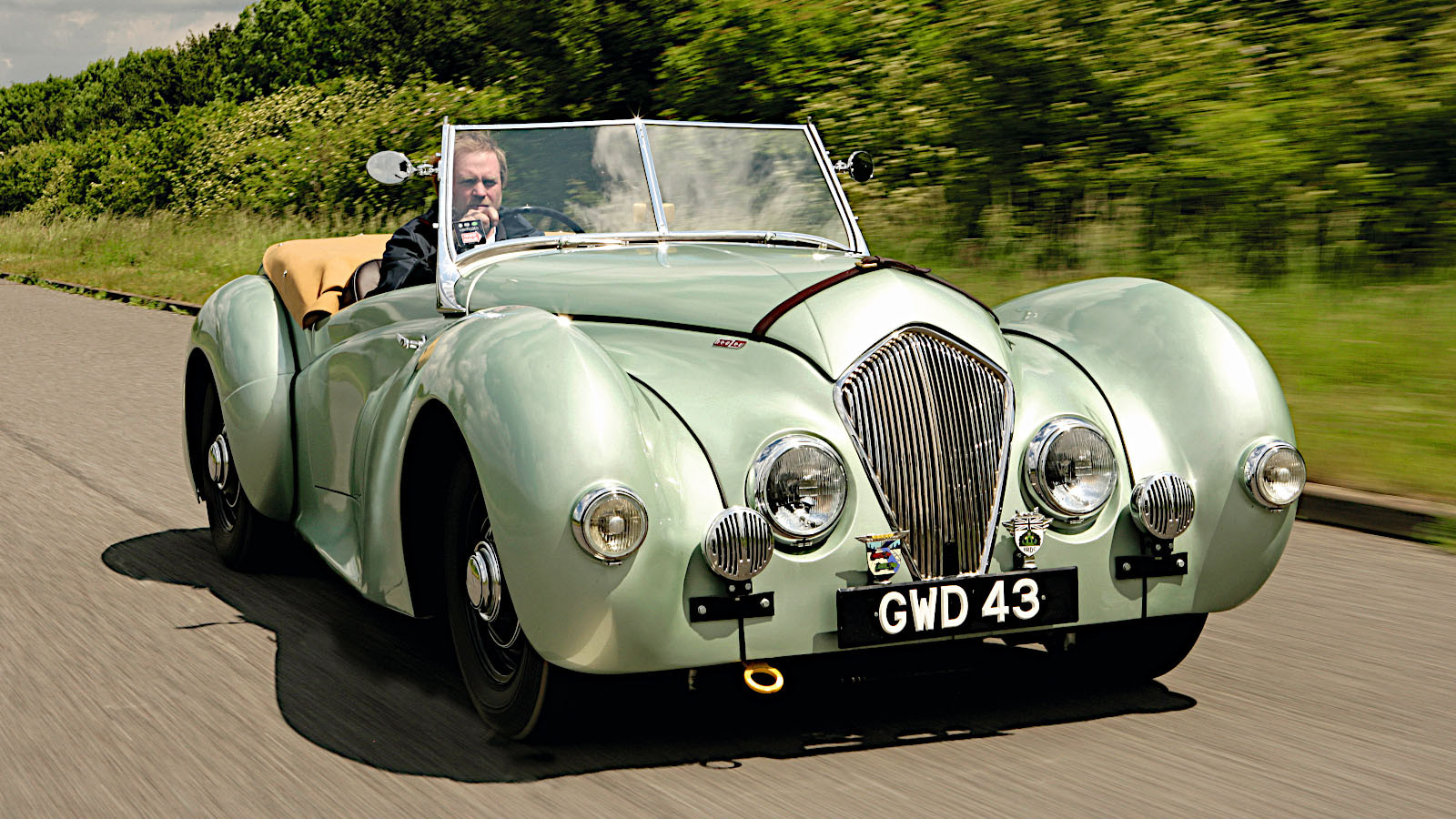
Exactly contemporary with the Elliott, the Healey Westland (named after the company which built the prototype) was mechanically almost precisely the same car.
What distinguished the two was that, while the Elliott was a saloon with a fixed roof, the Westland was an open roadster.
A Westland appeared briefly in the 1949 British comedy film Dear Mr Prohack.
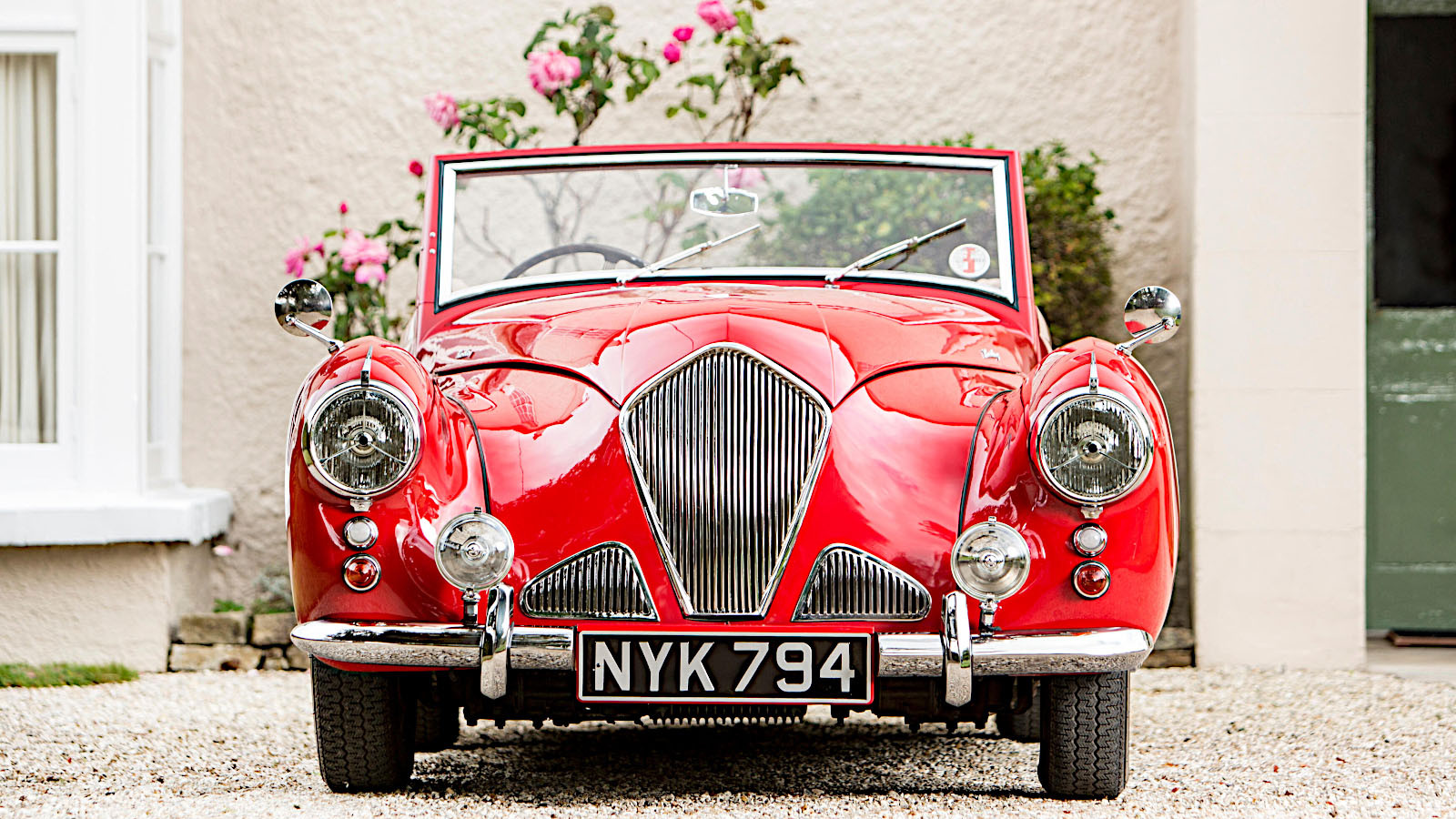
The year before that was released, Donald Healey (accompanied by his son Geoffrey, who was himself a key member of the family business) drove the Westland pictured here on the Mille Miglia; they finished a slightly disappointing ninth overall, after suffering brake and dynamo problems.
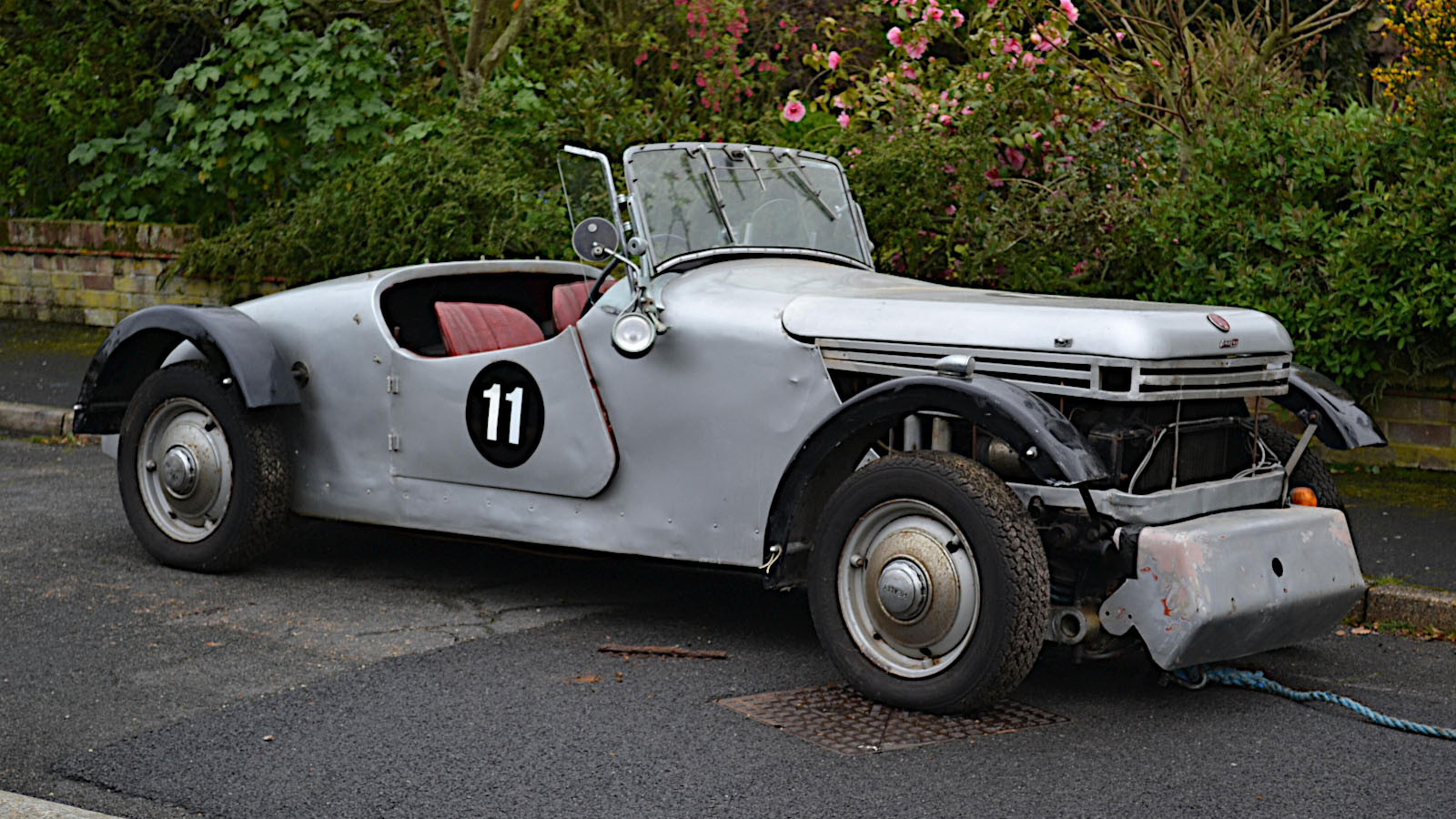
Healey Duncan Drone (1947)
As the Elliott and the Westland demonstrate, early Healey cars often looked unconventional, but none more so than the Duncan Drone.
While this odd device was extremely similar to its immediate predecessors under the skin, it had very rudimentary bodywork and minimal equipment which served to keep its price below the point where an enormous amount of Purchase Tax would be applied.
Customers could, and often did, commission coachbuilders to create more attractive bodies, and ended up with a car similar to the Elliott or Westland at relatively reasonable cost.
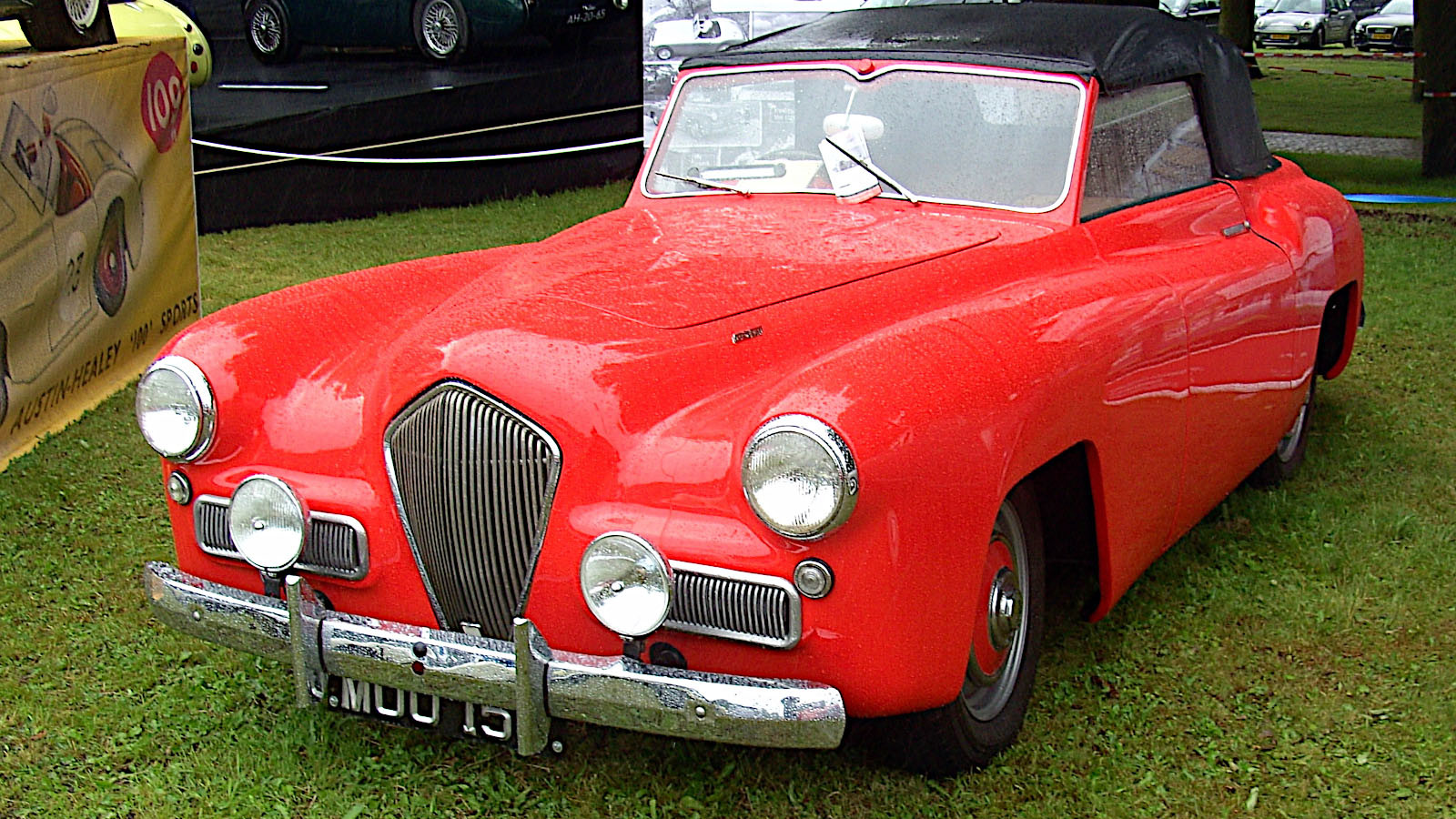
Healey Sportsmobile (1948)
The Sportsmobile was a 2+2 drophead coupé with a more mainstream look than other Healeys of the time.
The 2.4-litre Riley engine was still being used, but the body shape appears to have been influenced to some extent by US design trends.
If the idea was to create mass appeal, it didn’t work. Only 25 Sportsmobiles were built between late 1948 and early October 1950, at which point the model was discontinued.
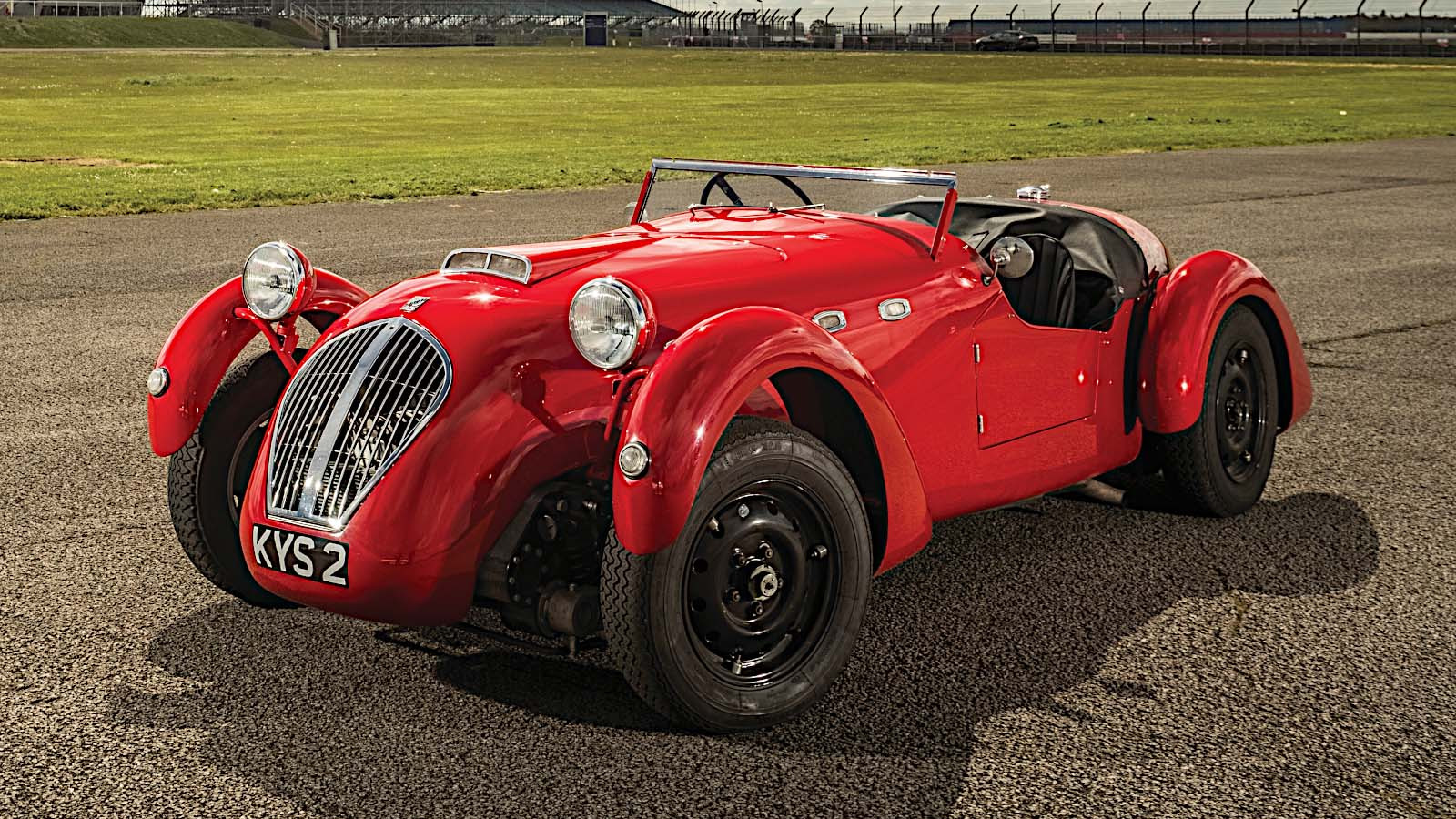
Healey Silverstone (1949)
As its name suggested, the Healey Silverstone was partly intended for use in motorsport, though it could also play a role as a high-performance, and not unduly expensive, road car.
The engine was the usual Riley Big Four, but the bodywork was light, and the emphasis was far more on sportiness than on comfort.
Silverstones were very effective on race circuits (including, but not limited to, Silverstone) and one example was the first car used in competition by Tony Brooks.
This was the start of a career in which Brooks became recognised as one of the finest British drivers of the 1950s, with achievements including finishing second to Jack Brabham in the 1959 Formula One World Championship.
Healey Tickford (1950)
The Tickford was another two-door saloon, and effectively the successor to one of Healey’s equal first models, the Elliott.
Once again, Healey used a car’s name to honour the builder of its body, the Salmon and Sons company (established more than a century before) having been renamed Tickford in the early 1940s.
The Tickford took the concept of swooping wings about as far as it would go, the line of each front wing continuing along the entire length of the door and being interrupted by the start of the rear wing.
Production eclipsed that of all previous Healeys, exceeding 220 units in just over three years.
Healey Abbott (1950)
The Abbott was the drophead coupé version of the Tickford, and yet another Healey named after its coachbuilder.
Mechanically similar to the Abbott, it was the exact equivalent of the Westland introduced four years earlier.
Being more expensive to build than the Tickford, it was also more expensive to buy, which perhaps explains why only 88 were made.
The end of Tickford and Abbott production brought a short era to a close, because these were the last Healeys to use the Riley Big Four engine.
Nash-Healey (1950)
In the first of three major collaborations with another manufacturer, Healey teamed up with Nash Motors in the USA to create its most successful model so far.
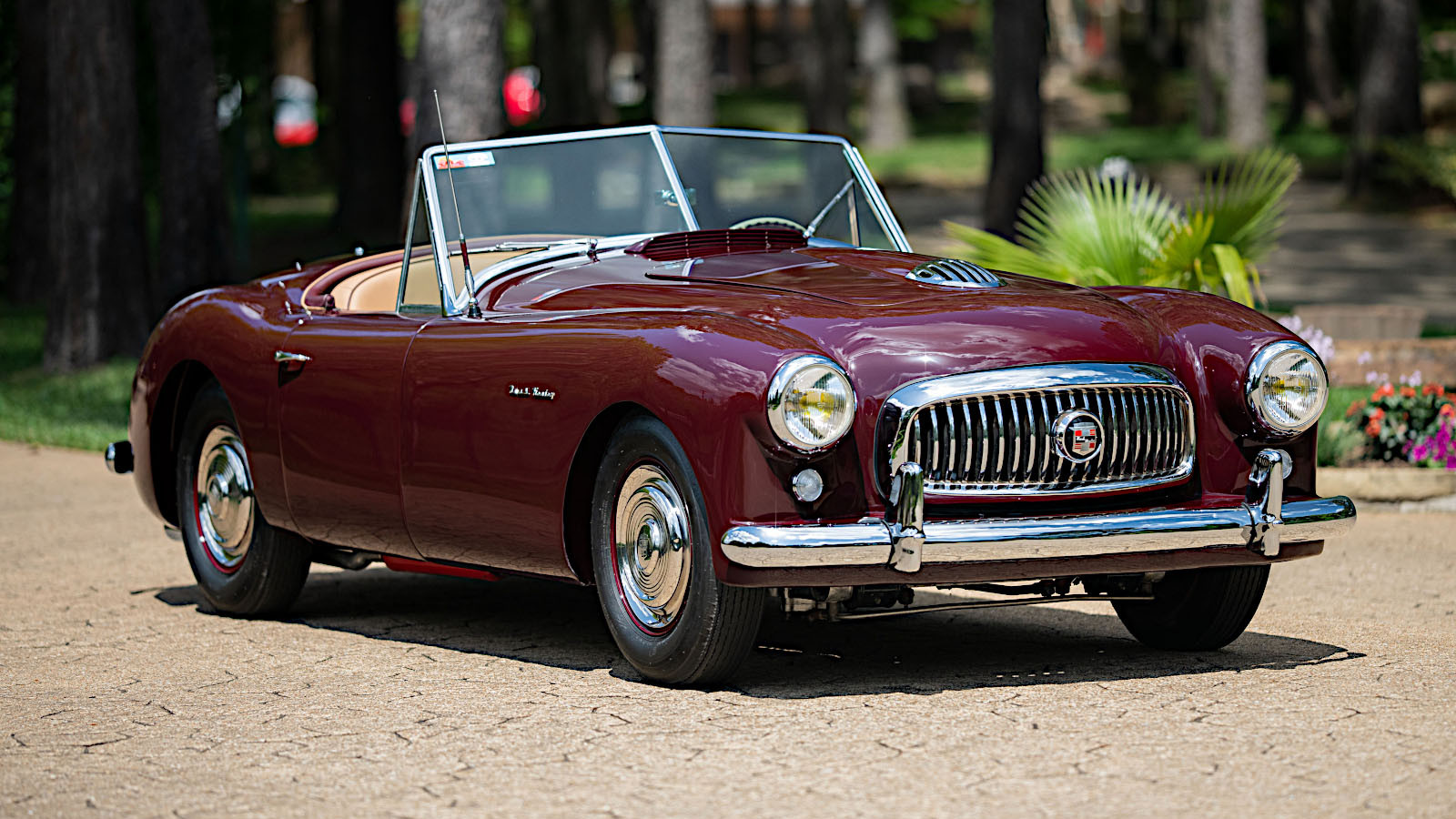
Although it was mostly British, the Nash-Healey roadster, which went into production in late 1950, had a 3848cc, straight-six, pushrod Nash engine and accompanying three-speed automatic transmission, while its Panelcraft-built body featured styling elements common to other Nash cars such as the Statesman and the Ambassador.
In 1952, the original Nash ‘six’ was replaced by a 4138cc version, the largest used in any Healey, and Pinin Farina gave the car a major facelift (notably bringing the headlights inside the radiator grille), while also taking over production of the body.
More than 500 Nash-Healeys were built up to early 1954, including about 100 examples of a coupé introduced late in the run.
Alvis-Healey (1950)
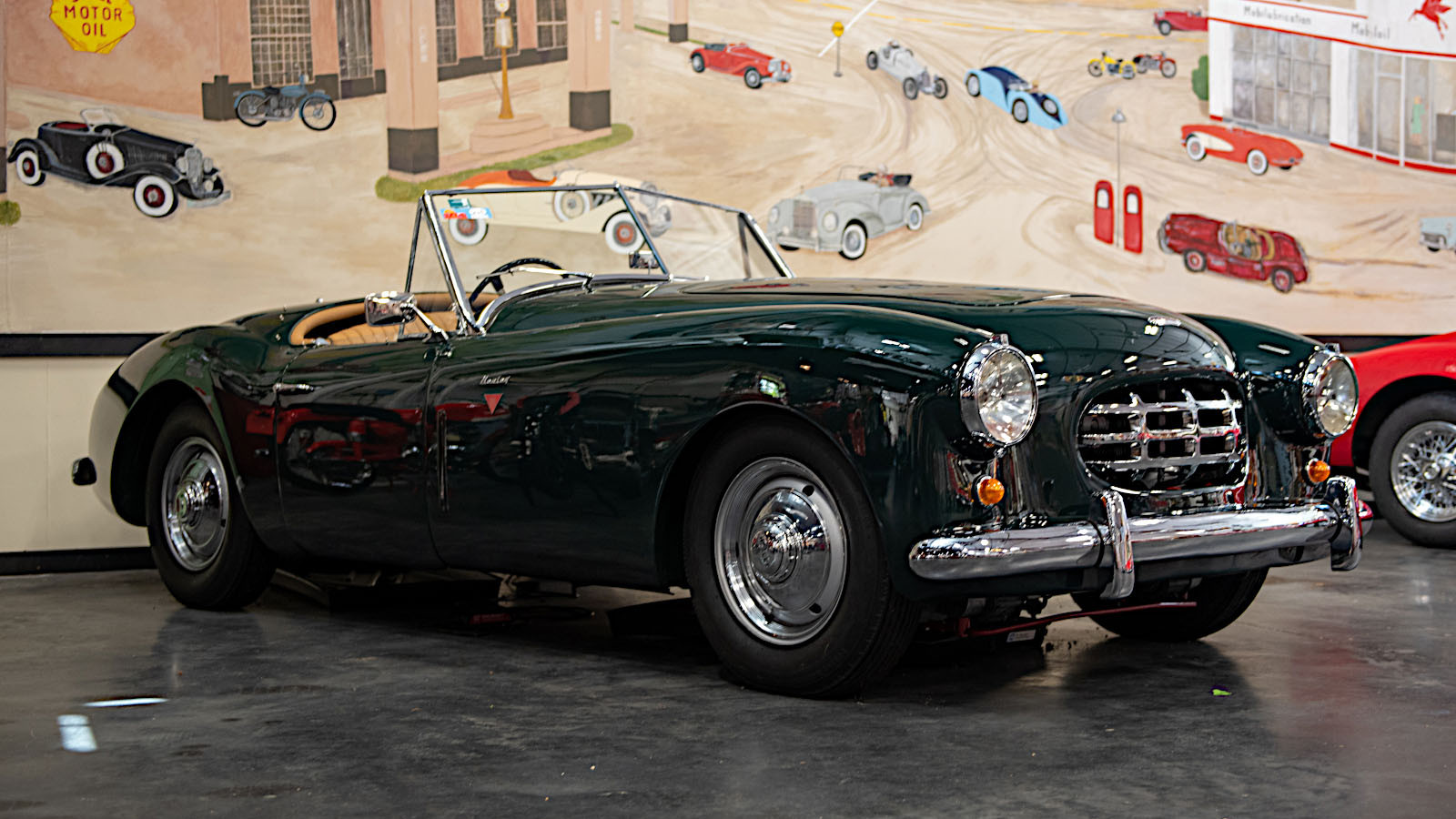
Also known as the Sports Convertible or the G-type Roadster, the Alvis-Healey looked almost identical to the Nash-Healey, with only a few detail differences.
The engine was once again a pushrod straight-six, but this time it was a 2993cc unit supplied by Alvis, smaller and less powerful than either of those supplied by Nash.
Just 25 Alvis-Healeys are believed to have been built in two years, though according to one source a further three were constructed later from available parts.
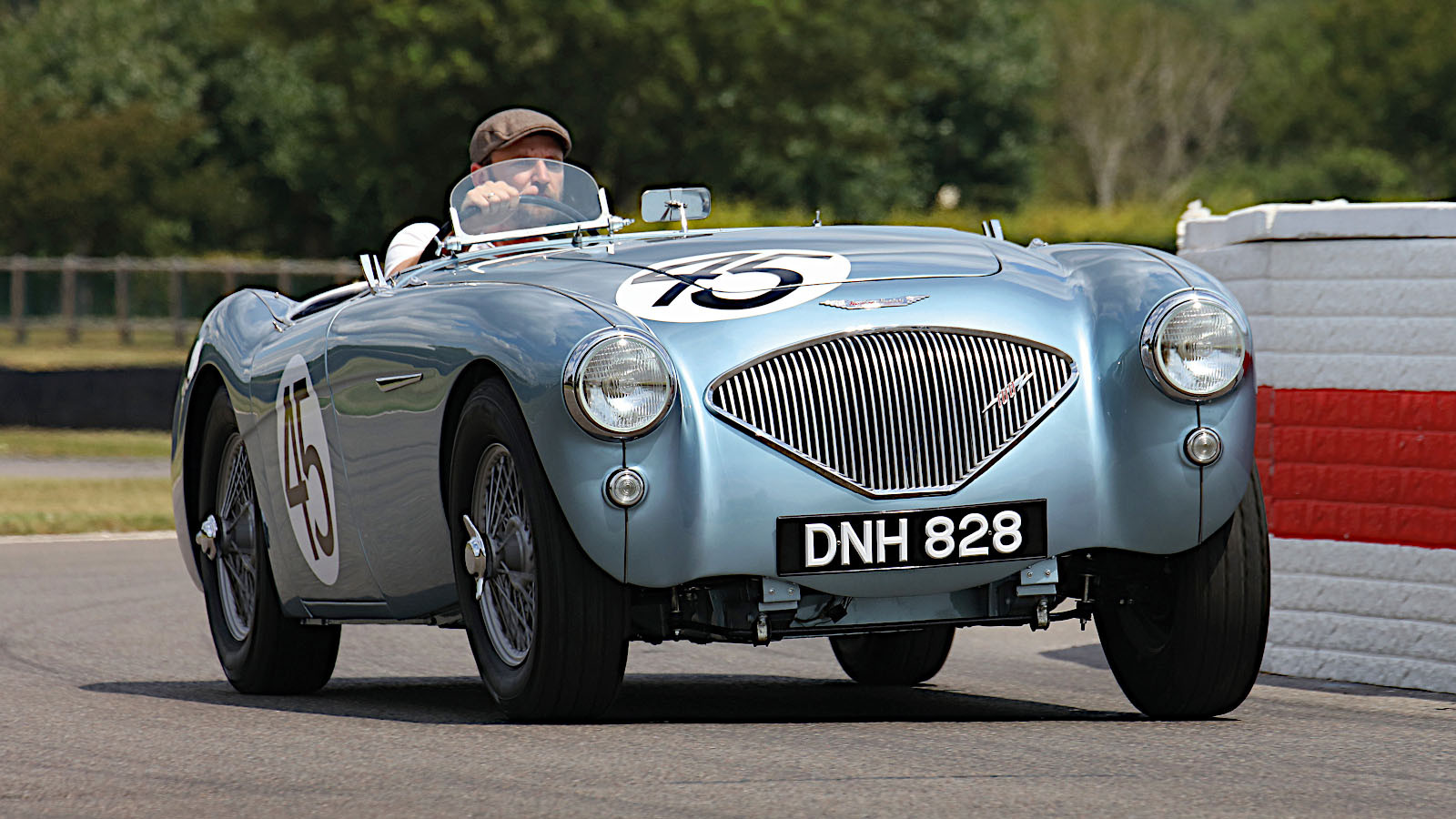
Austin-Healey 100 (1953)
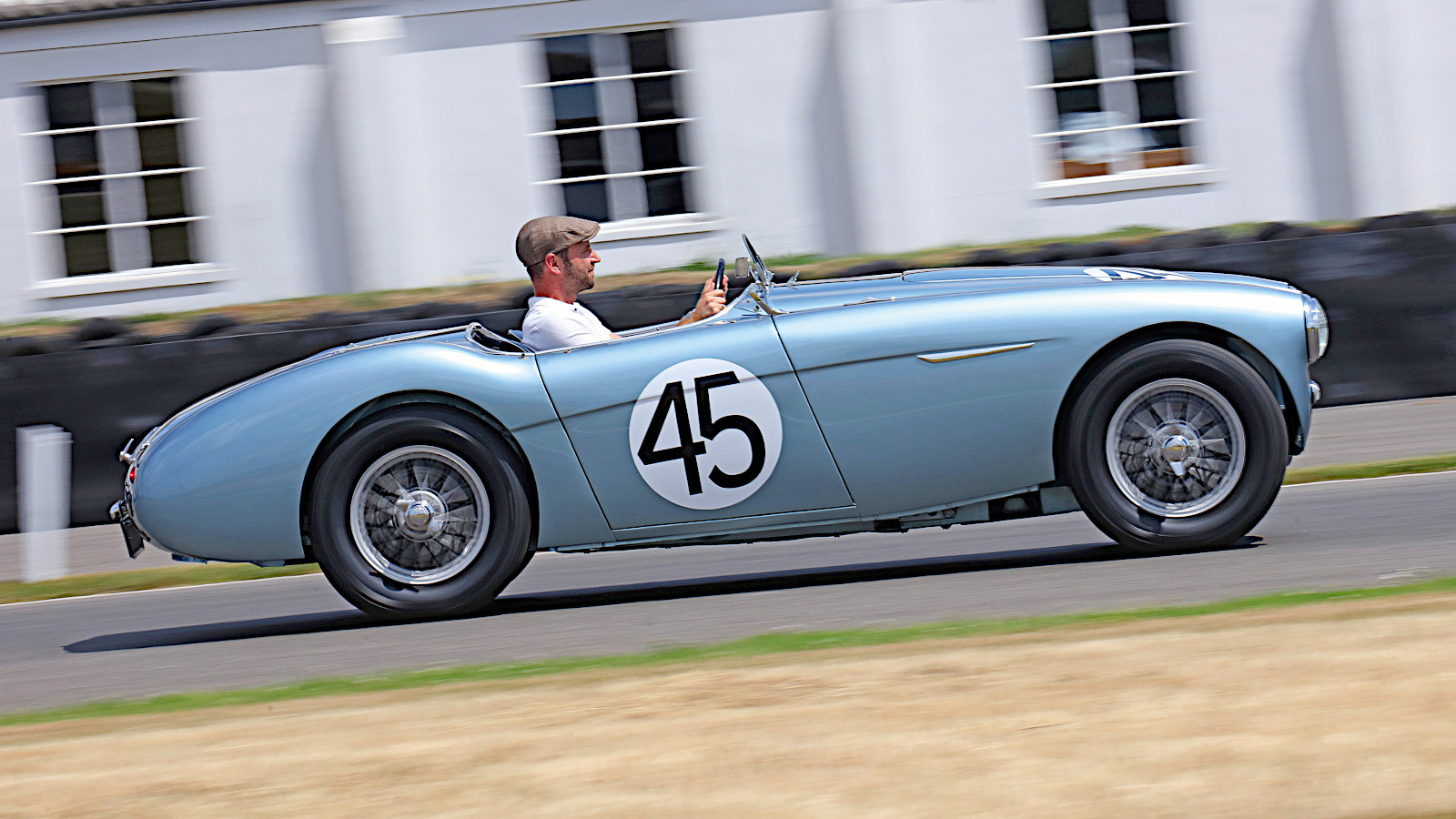
The first of what became known as the Big Healeys was revealed at the 1952 Earls Court Motor Show in the British capital as the Healey 100.
Shortly afterwards, Healey began a partnership with Austin, which both supplied a 2660cc, four-cylinder engine, and assembled the cars from components provided by Healey and bodies built by Jensen.
Now known as the Austin-Healey 100, the cars outsold all previous Healeys put together on a grand scale, despite being in production for only three years.
The 100s were very successful in motorsport, one of their most renowned drivers being Carroll Shelby, who would later win the 1959 Le Mans 24-hour race in an Aston Martin and developed both the AC Cobra and the Sunbeam Tiger.
Austin-Healey 100/6 (1956)
The Austin-Healey 100 was replaced in 1956 by the 100/6, which looked very similar but was fitted with the 2639cc version of the BMC C-series straight-six engine.
Despite having a slightly smaller capacity than the 100’s ‘four’, it was more powerful, though that advantage was more or less negated by the fact that the new model was larger and heavier than its predecessor.
Like the 100, the 100/6 was in production for three years, though during that period responsibility for building it was transferred from the Austin factory in Longbridge to the MG plant in Abingdon more than 70 miles away.
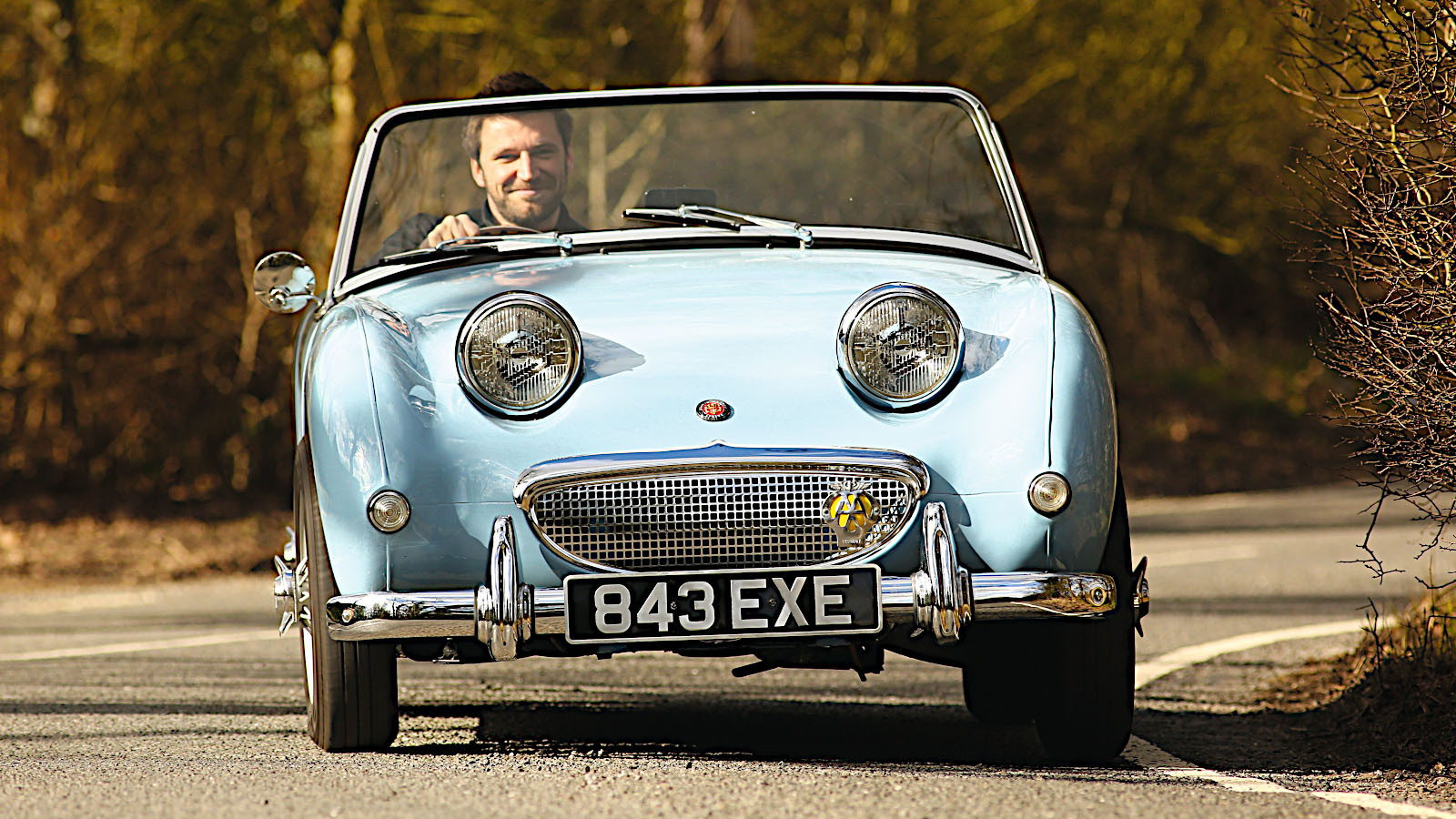
Austin-Healey Sprite (1958)
The Sprite came about because of a desire to create a small, cheap, fun and ideally high-selling Austin-Healey.
With headlights sitting proud of the bonnet line, it looked like very little else (possible exceptions being the Crosley Hotshot and Super Sport produced briefly in the US around 1950), but most of the mechanical parts were taken from existing BMC models.
These included the A-series engine, offered here in its 948cc form though its original capacity, as used in the Austin A30, had been just 803cc.
Enjoyable to drive on the road, and ideal for several forms of amateur motorsport, the Sprite (known as Frogeye in the UK and Bugeye in the US due to its strange appearance) was a big success, with nearly 50,000 examples sold in three years.
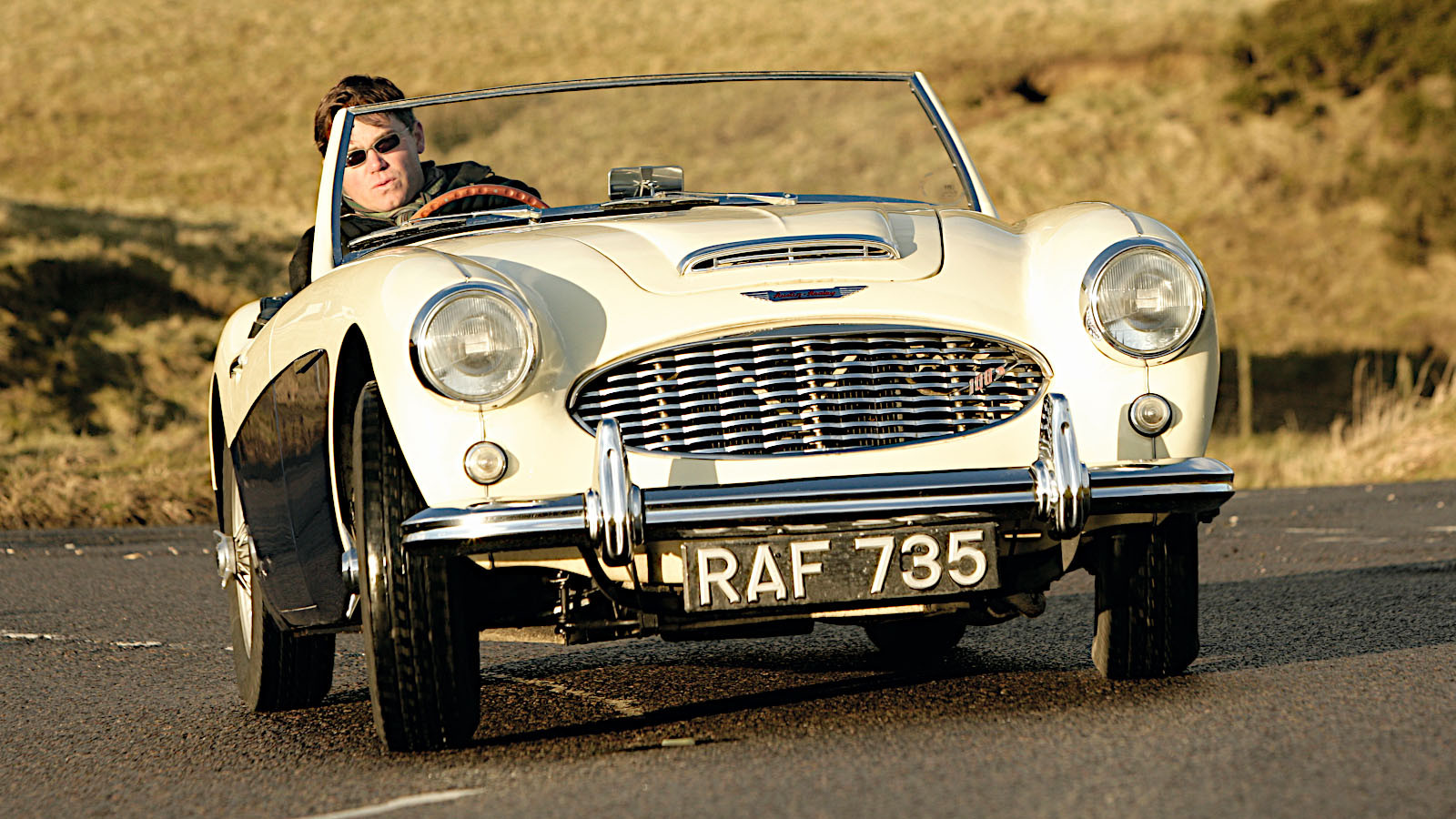
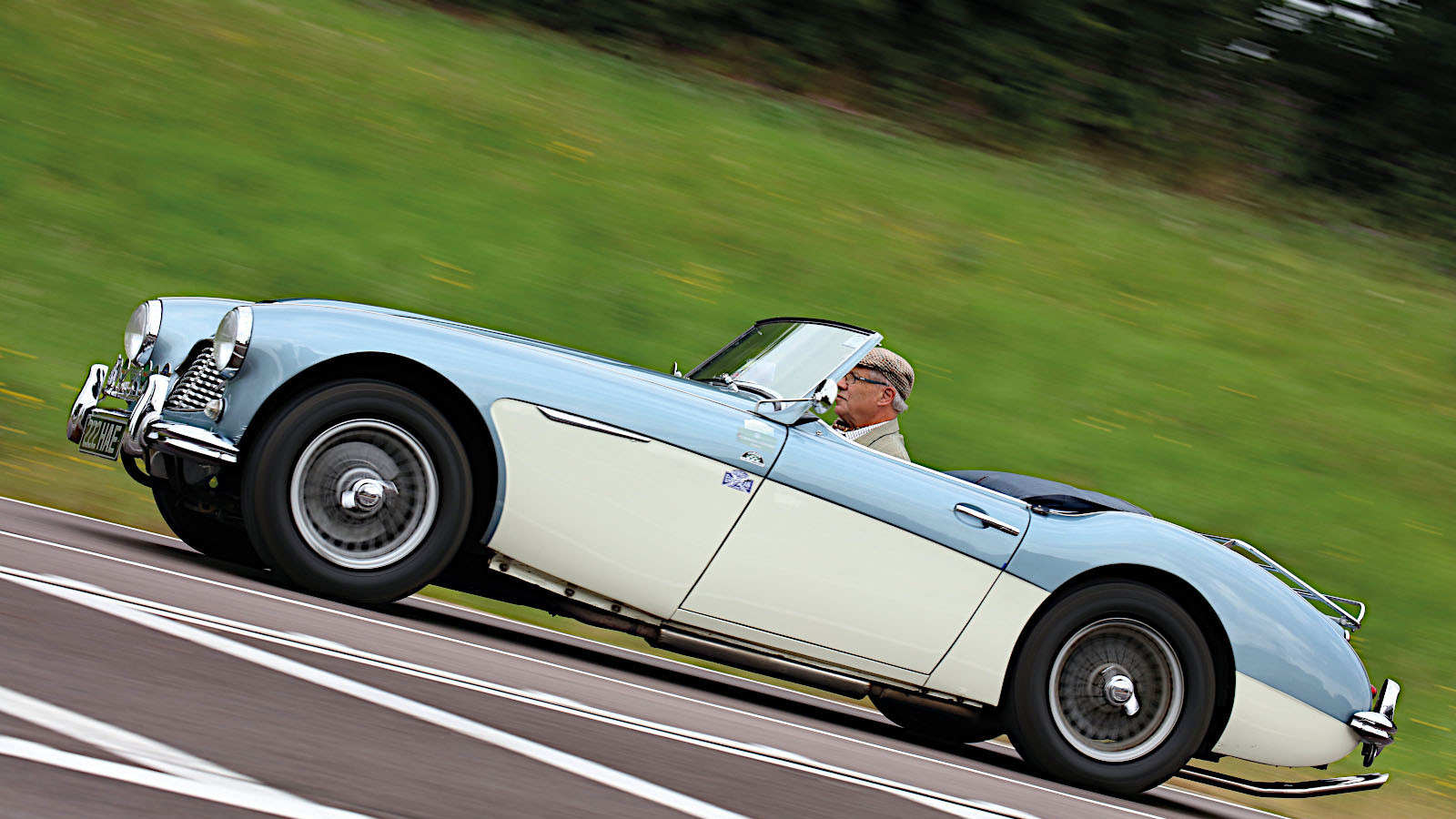
Austin-Healey 3000 (1959)
On the face of it, the third and final Big Healey was powered, as the 100/6 had been, by the BMC C-series straight-six, but that unit had been modified in several ways, including raising its capacity to 2912cc.
The name ‘3000’, implying a 3-litre engine, therefore overstated the case a little, but there was no doubt that this was the best-performing Big Healey by a considerable margin.
Not only was it exhilaratingly fast on the road, it also performed very well in international racing and rallying, the main problem in the latter type of event being that navigators sometimes had to pull their feet back from the increasingly hot front bulkhead to avoid having their shoes burned.
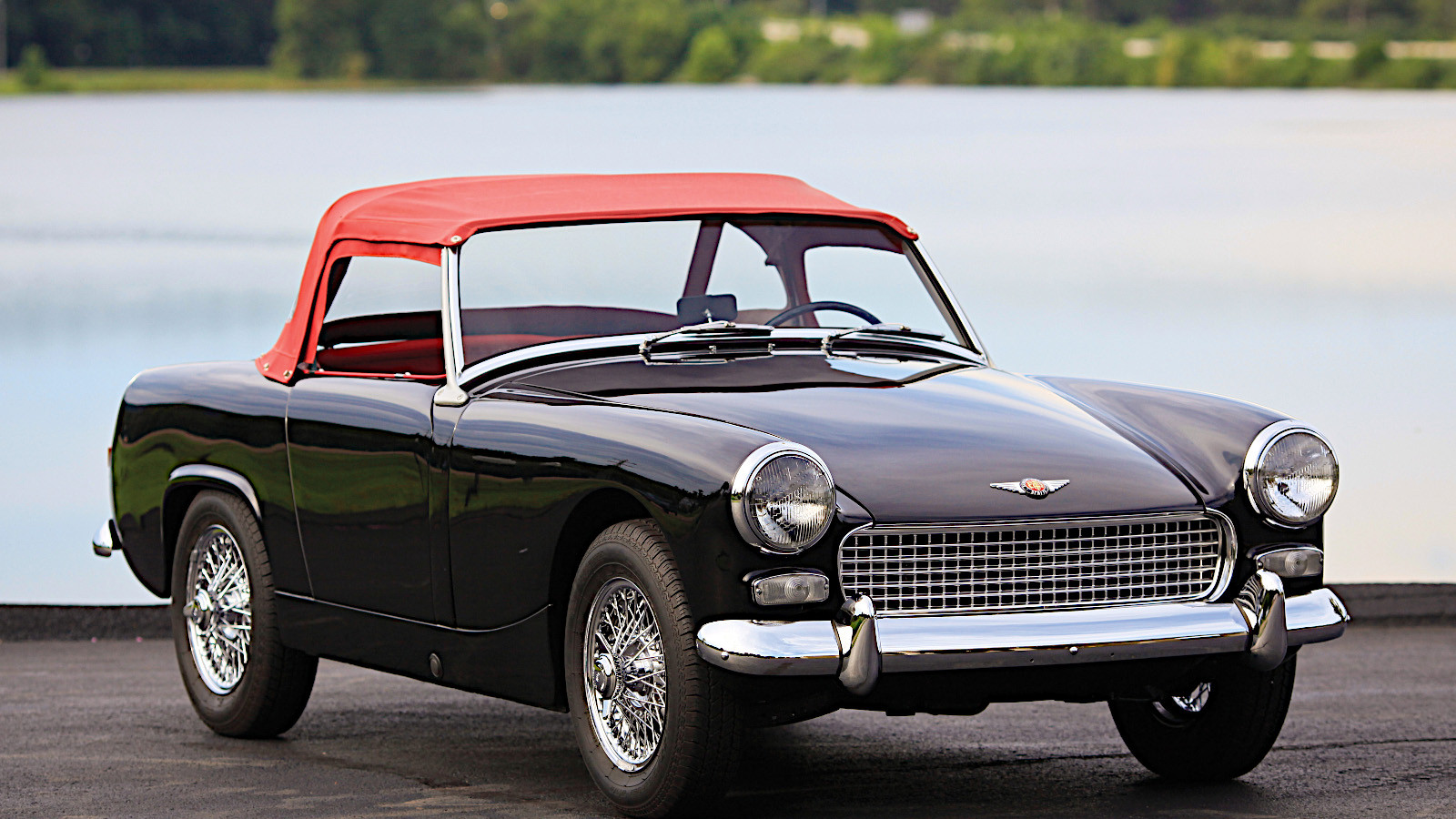
Austin-Healey Sprite (1961)
Although there is a clear mechanical link, it’s worth considering Frogeye and non-Frogeye Sprites separately, for two reasons.
First, they looked completely different, and second, they were accompanied by MG Midgets which differed from the Austin-Healeys only in their badging, equipment level and price.
All Sprites were fitted with the BMC A-series engine, though its capacity grew from 948cc to 1098cc and eventually 1275cc.
The Sprite was the last Austin-Healey model to be manufactured, and production came to an end in 1971, though the Midget went into a further, Triumph-powered generation three years later, and survived until 1980.
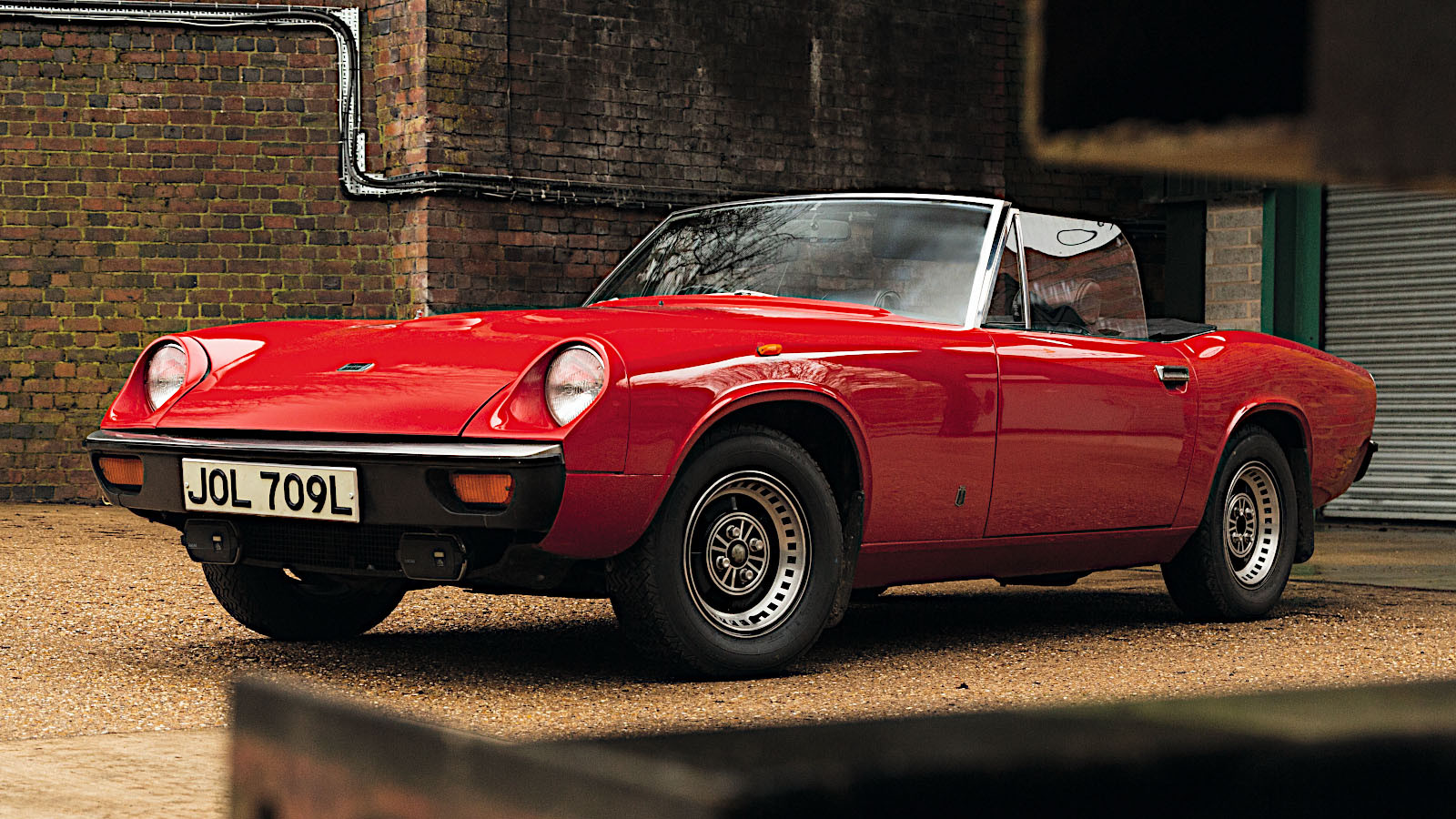
Jensen-Healey (1972)
As the long-standing arrangement with BMC came to an end, Healey entered into a new partnership with Jensen, which had made the bodies for so many Healey cars.
The Jensen-Healey roadster was the first production car powered by the 2-litre, 16-valve Lotus 907 engine, which Lotus offered to provide before putting it in any of its own models.
In a sense, this was a descendant of the Healey 3000, though there was no sign of that model’s curves (and certainly not those of the extravagant Tickford and Abbott) since William Towns came up with a more modern shape in which straight lines featured prominently.
The Jensen-Healey was the last Healey-badged car to enter production, but there is one final development we have to mention.
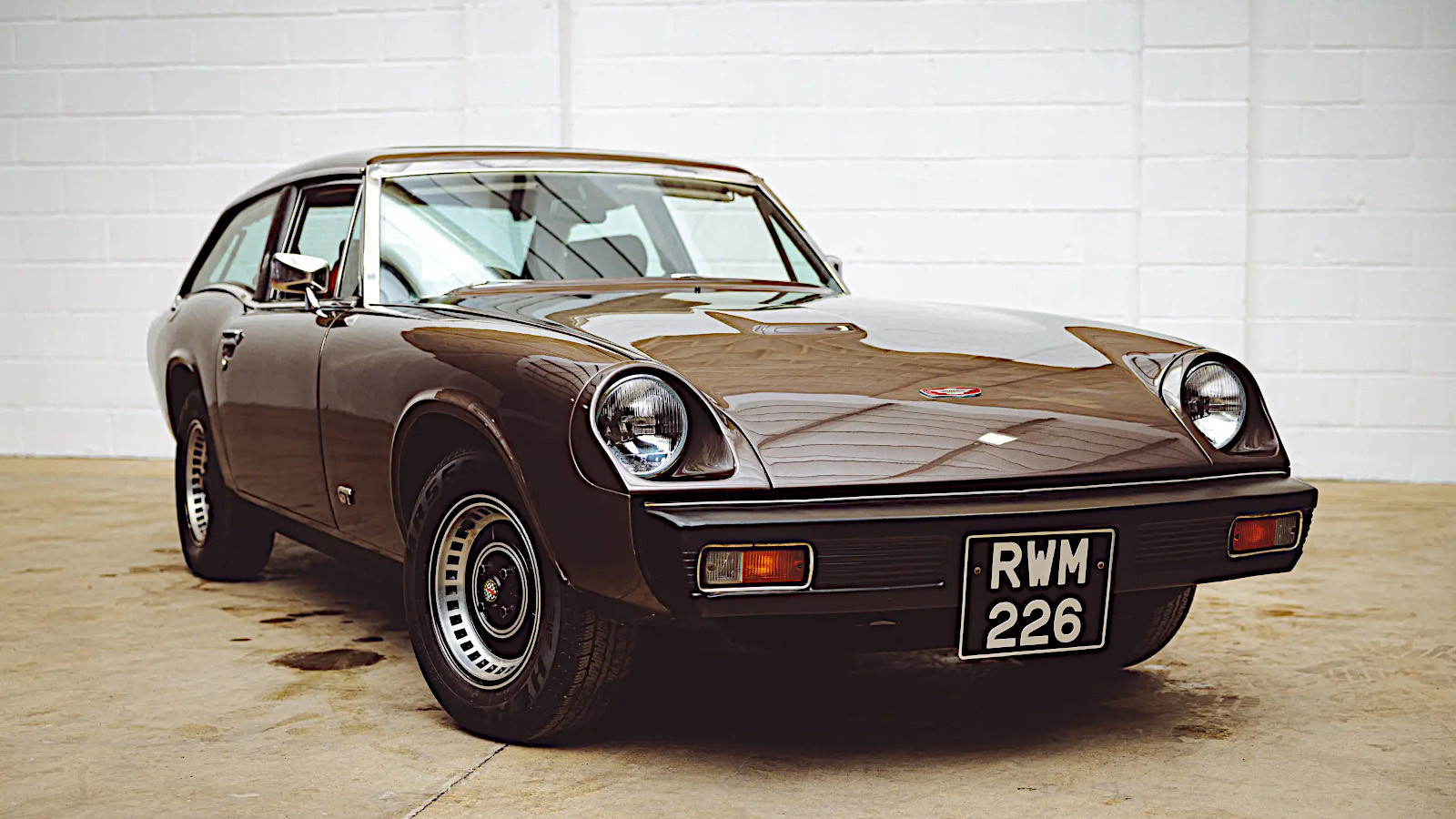
Jensen GT (1975)
In a late and unsuccessful attempt to keep itself solvent, Jensen created a shooting-brake variant of the Jensen-Healey.
By now, Donald Healey had distanced himself from Jensen, so the new car was known simply as the Jensen GT.
Media reviews were favourable, but the GT couldn’t save the troubled company all on its own, and the car was forced into retirement just a few months after its launch when Jensen folded in 1976.
We hope you enjoyed this gallery. Please click the ‘Follow’ button above for more super stories from Classic & Sports Car.