

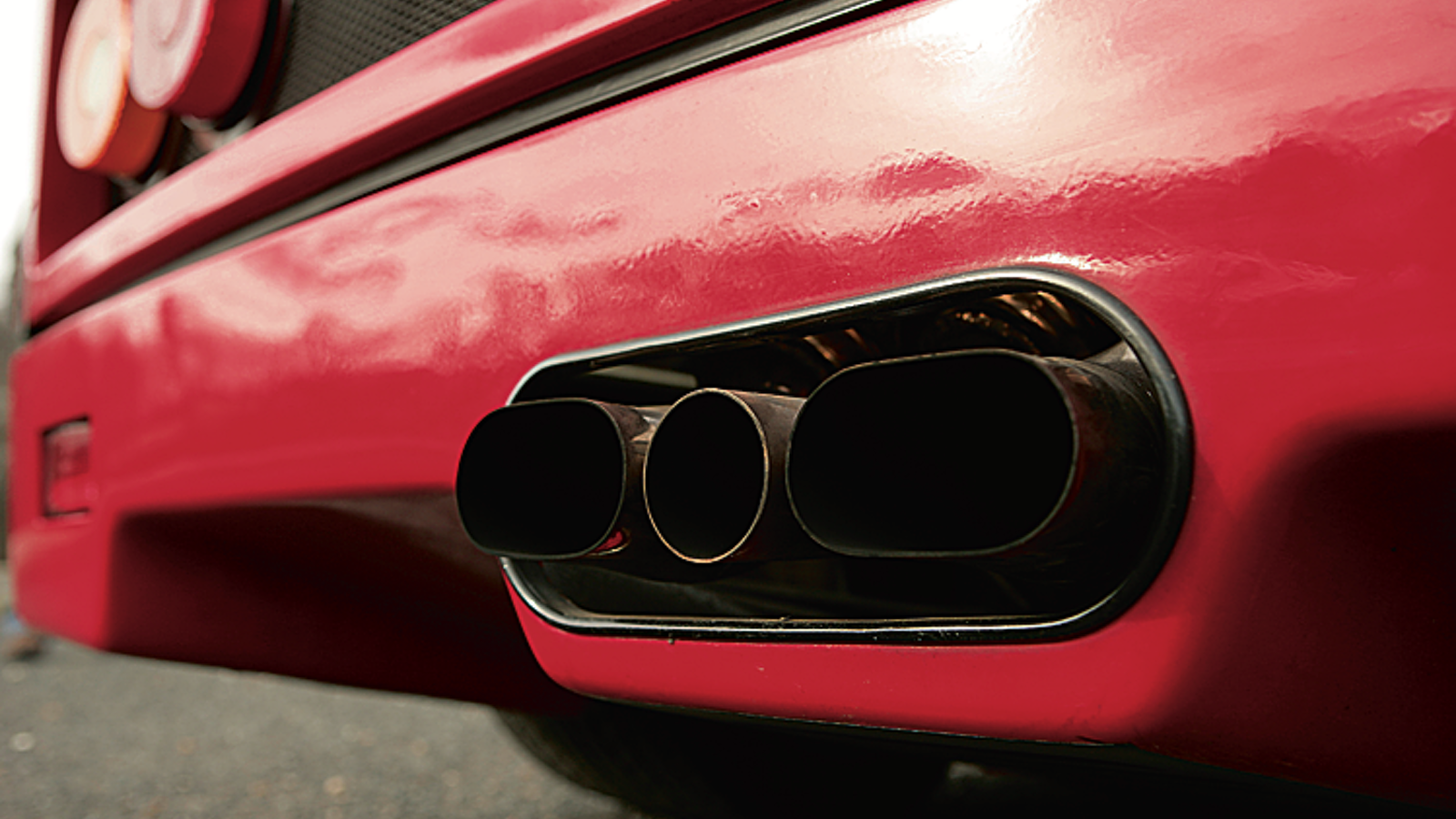


The truth about this extreme Italian machine, from those who tested it
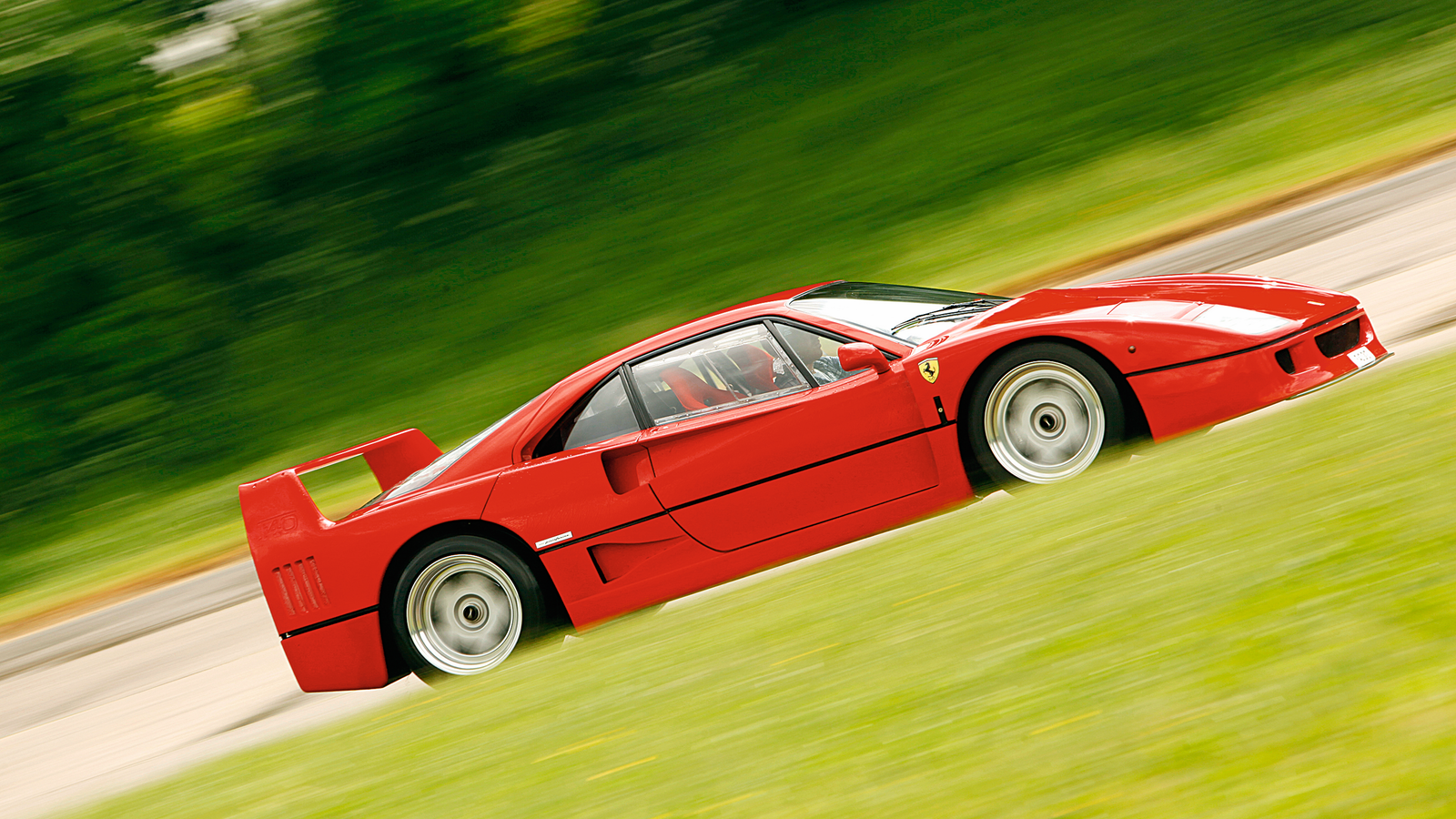
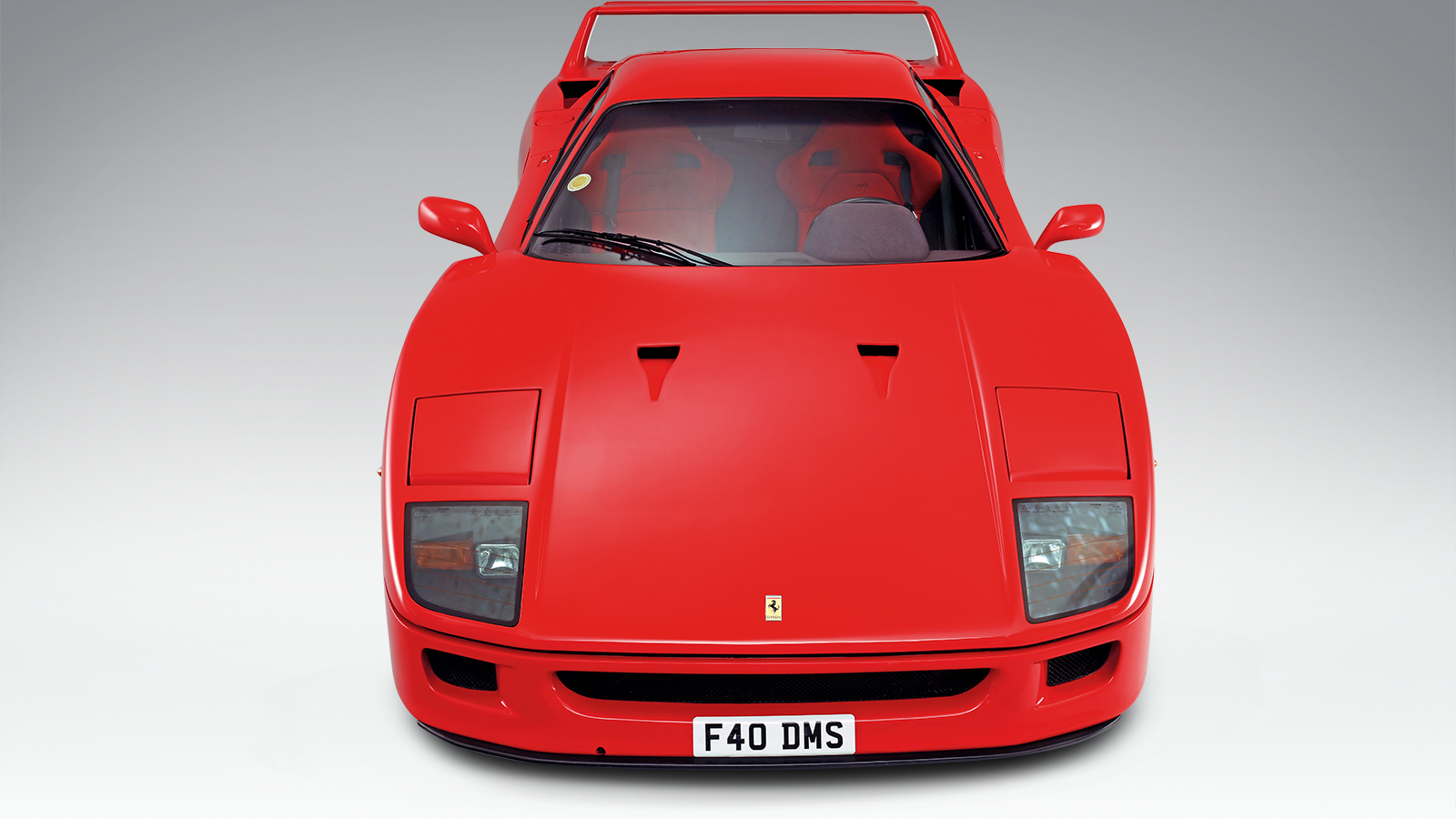
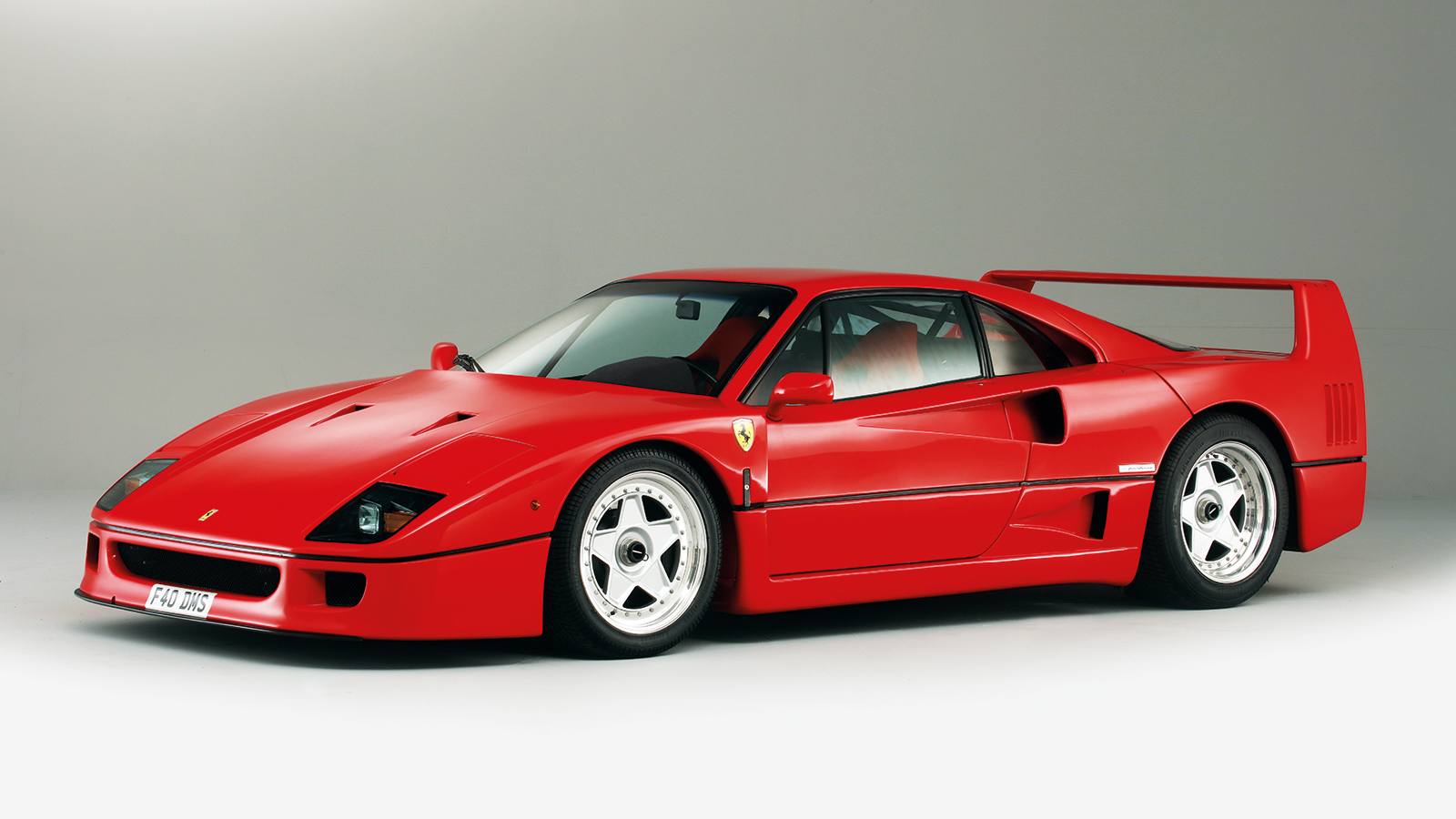
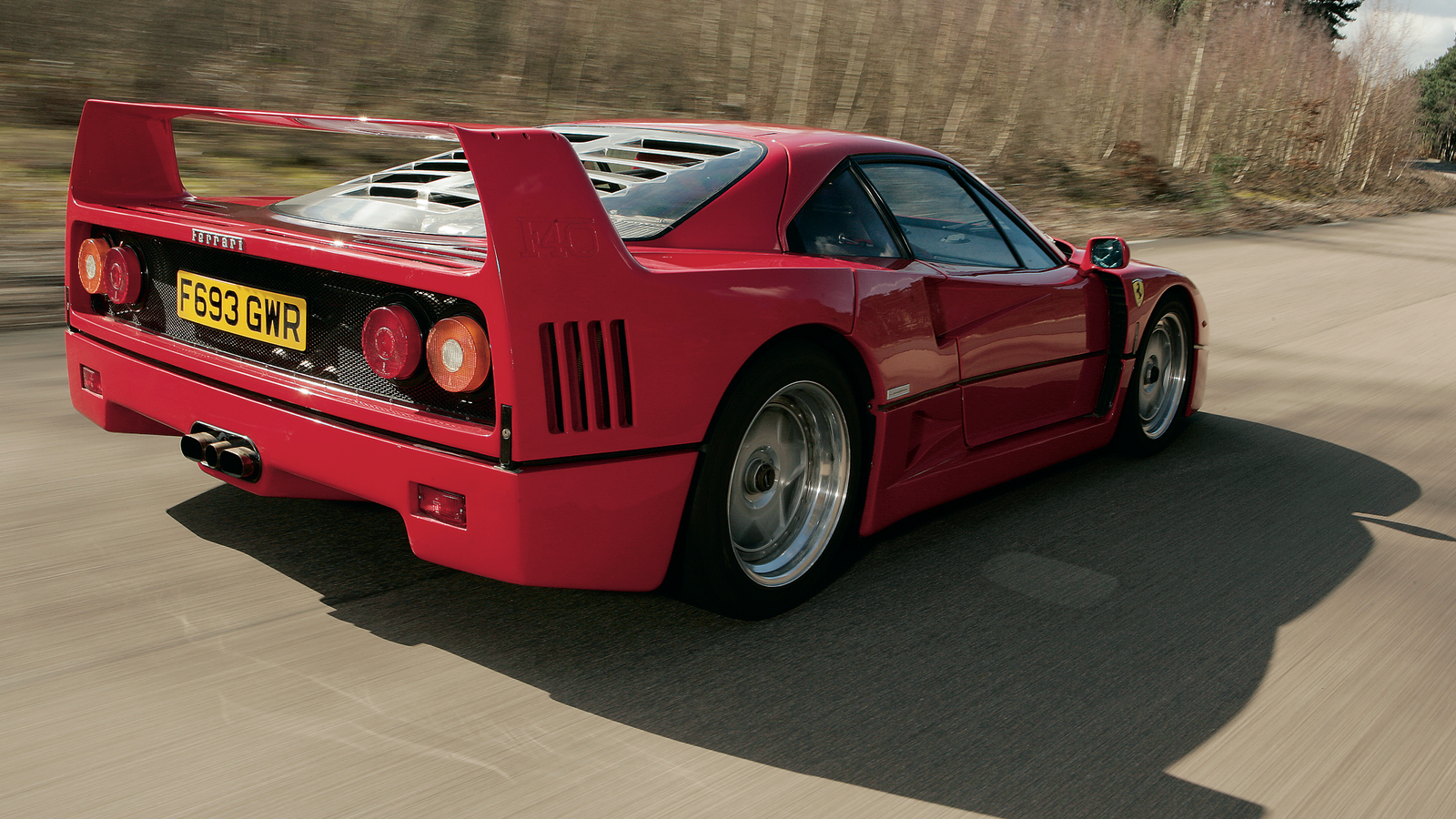
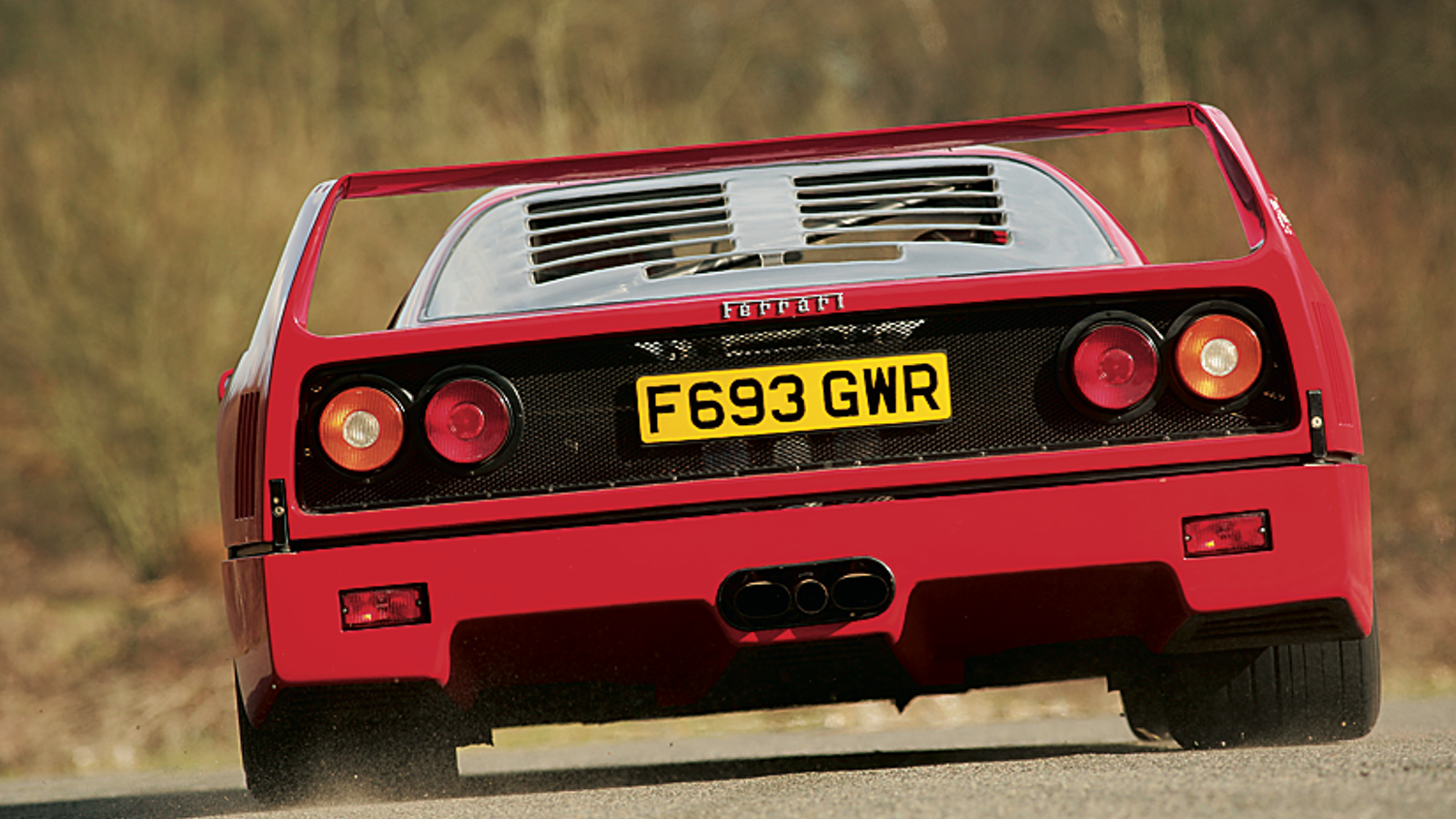
Nothing makes an entrance like a Ferrari F40. Low, wide and impossibly aggressive, it draws a crowd even while it’s being unloaded from a transporter – and for good reason.
This was the poster car for a generation of enthusiasts – a machine that adorned bedroom walls, firing imaginations as magazines detailed its stripped-back focus, its immense value, its savage V8 performance.
Legend has it that the F40 could lap Ferrari’s Fiorano test track faster than the Italian marque’s 1980 Grand Prix car, while Formula One star Gerhard Berger described driving one and almost being caught out by wheelspin. In fourth gear. At 120mph.
But how did this most momentous of supercars come to be? We spoke to those who tested it at the time to find out.
One for the four-oh
A follow-up to the 288GTO, the fabled F40 launched in 1987 as a celebration of the marque’s 40th anniversary – a 200mph Kevlar-bodied monster that would prove to be the last signed off by Enzo Ferrari himself.
V8 made better
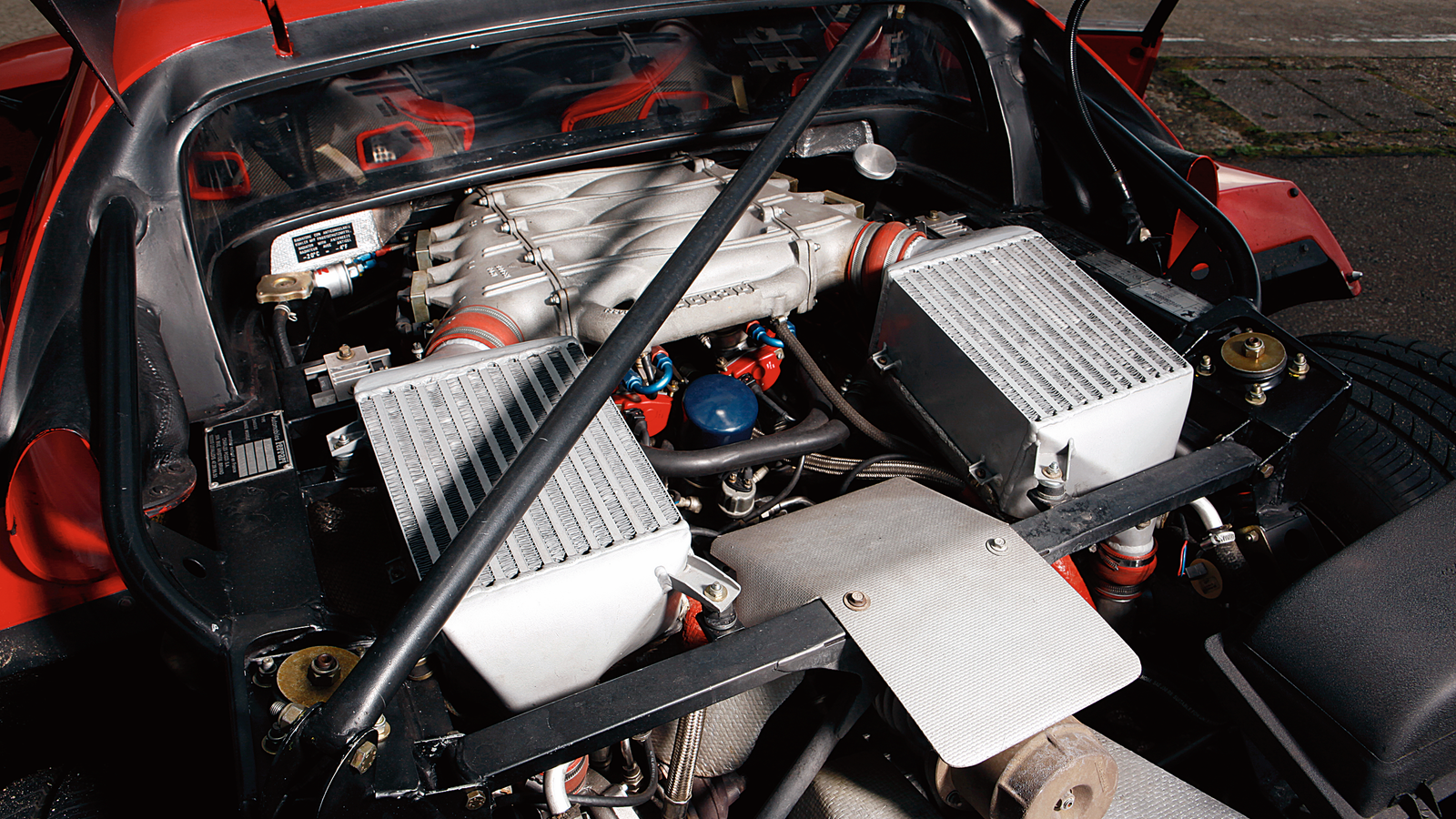
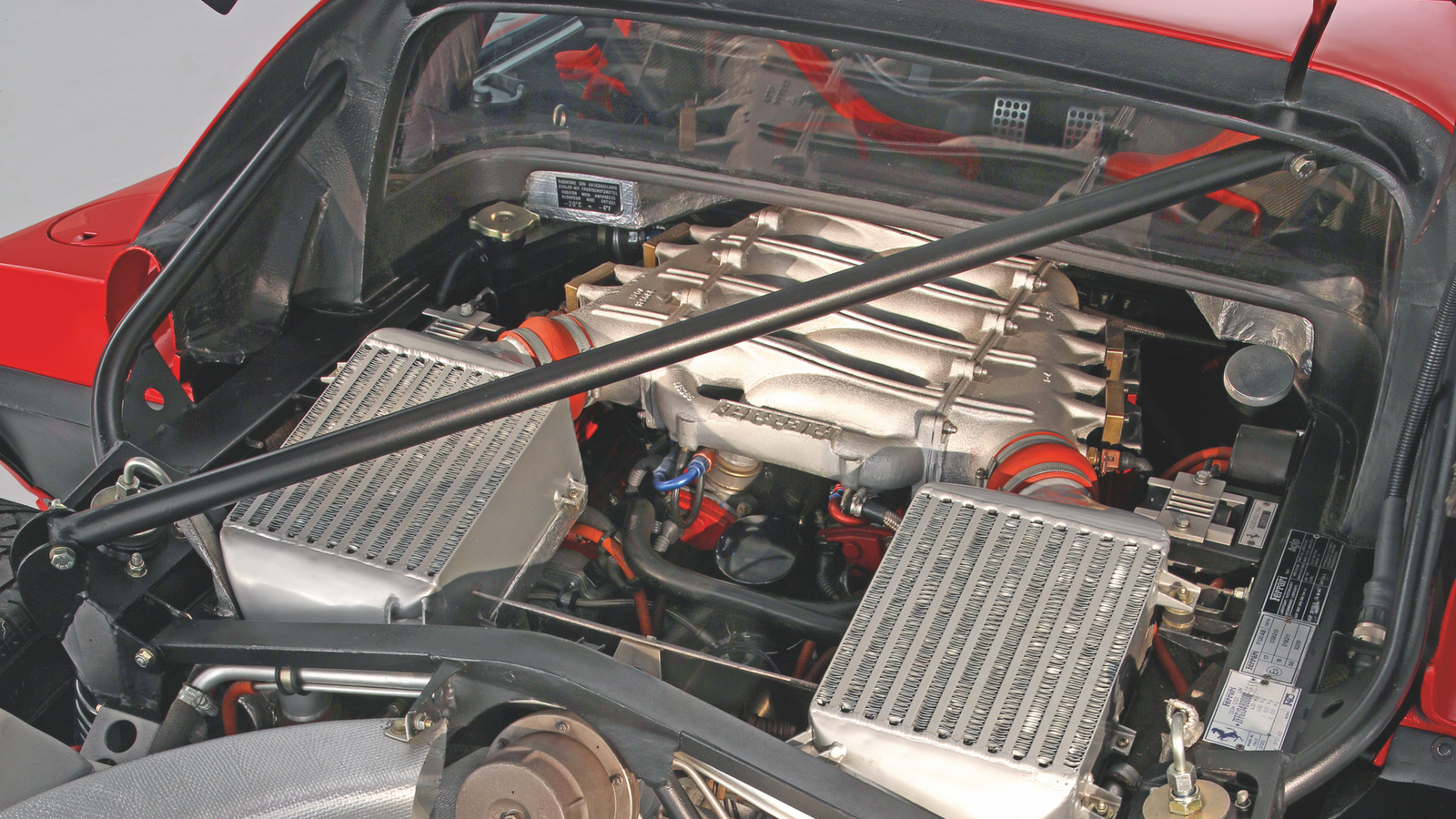
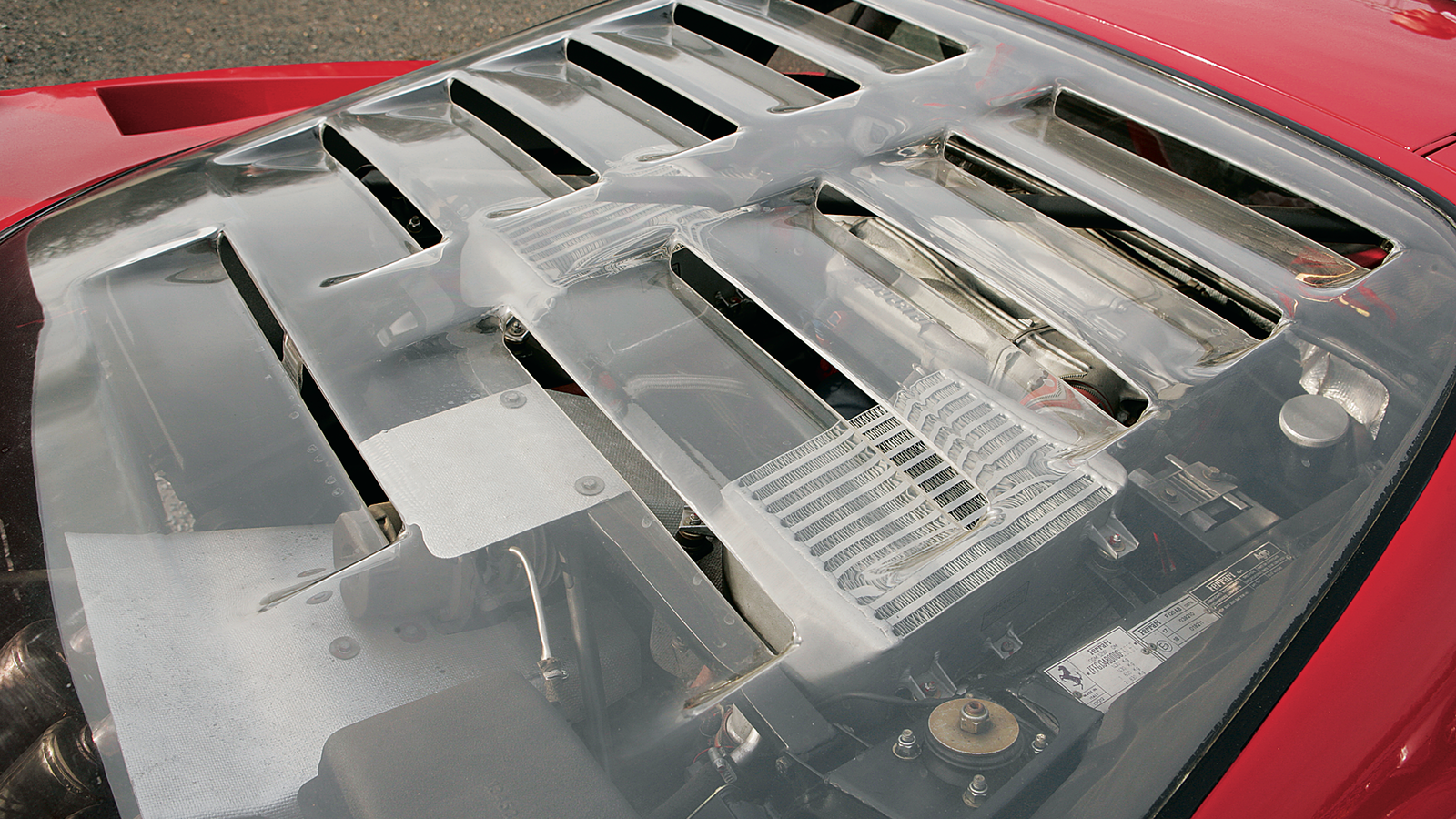
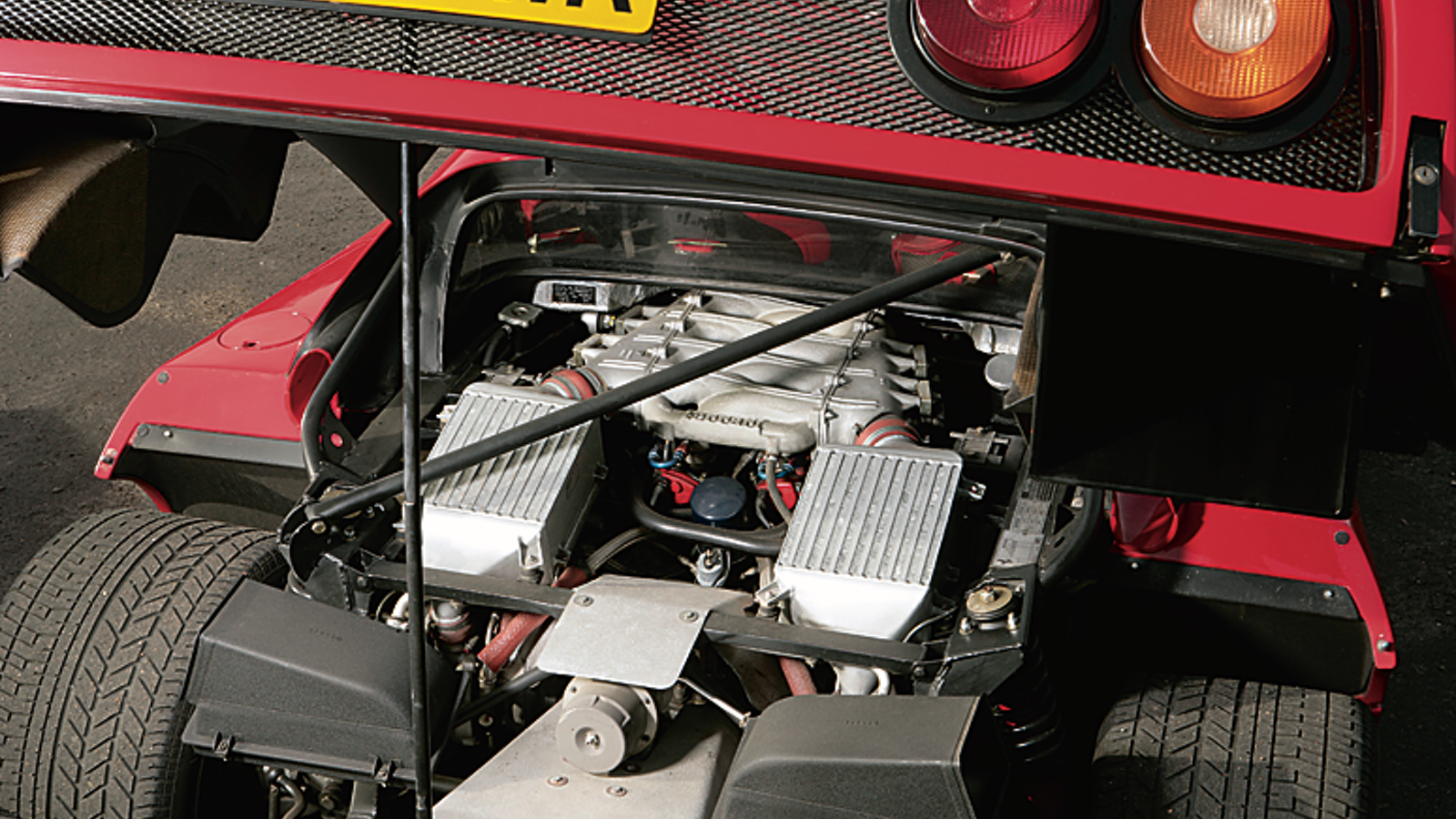
Driving the fearsome machine was a feisty development of the 288’s twin-turbocharged V8 engine, enlarged to 2.9 litres and squeezed for even more power.
With the compression ratio raised, boost increased and twin injectors for each cylinder, output hit a colossal 478bhp – making it the most powerful Prancing Horse ever to take to the road.
Safe pair of hands
The chief test driver for the thoroughbred F40 was one Dario Benuzzi, a man with form when it came to new Ferraris, having helped develop a long line of the legendary firm’s road cars.
“We’d test the engine on the track at Fiorano but also out on the road, using a favourite route to Fanano in the mountains south of Maranello,” he says. “For acceleration and braking tests, we’d go to the aeronautical base in Rimini.”
Turbo switch-up
“One of the biggest challenges was the engine drivability,” Benuzzi remembers. “Early versions were undrivable. The [fuel injection system] engineer would come over to Maranello and we’d test the car. Then he would go back to Bologna, reconfigure it and it went on like that for a long time.”
Both the 288GTO and the contemporary Ferrari Formula 1 car used KKK turbochargers – but the F40 employed units from rival company IHI. Why? Because they were better.
Approval from the top
“We tried both makes, obviously, and for me the best solution was the IHIs. But with the F1 connection, it wasn’t an automatic choice. The engineers said we’d have to go to the Commendatore [Enzo Ferrari].
“So we did, and he said to me, ‘You’re the one who has to drive the car – which do you prefer?’ When I told him, he said to talk to his son, Piero, and inform KKK.”
Trying out the tyres
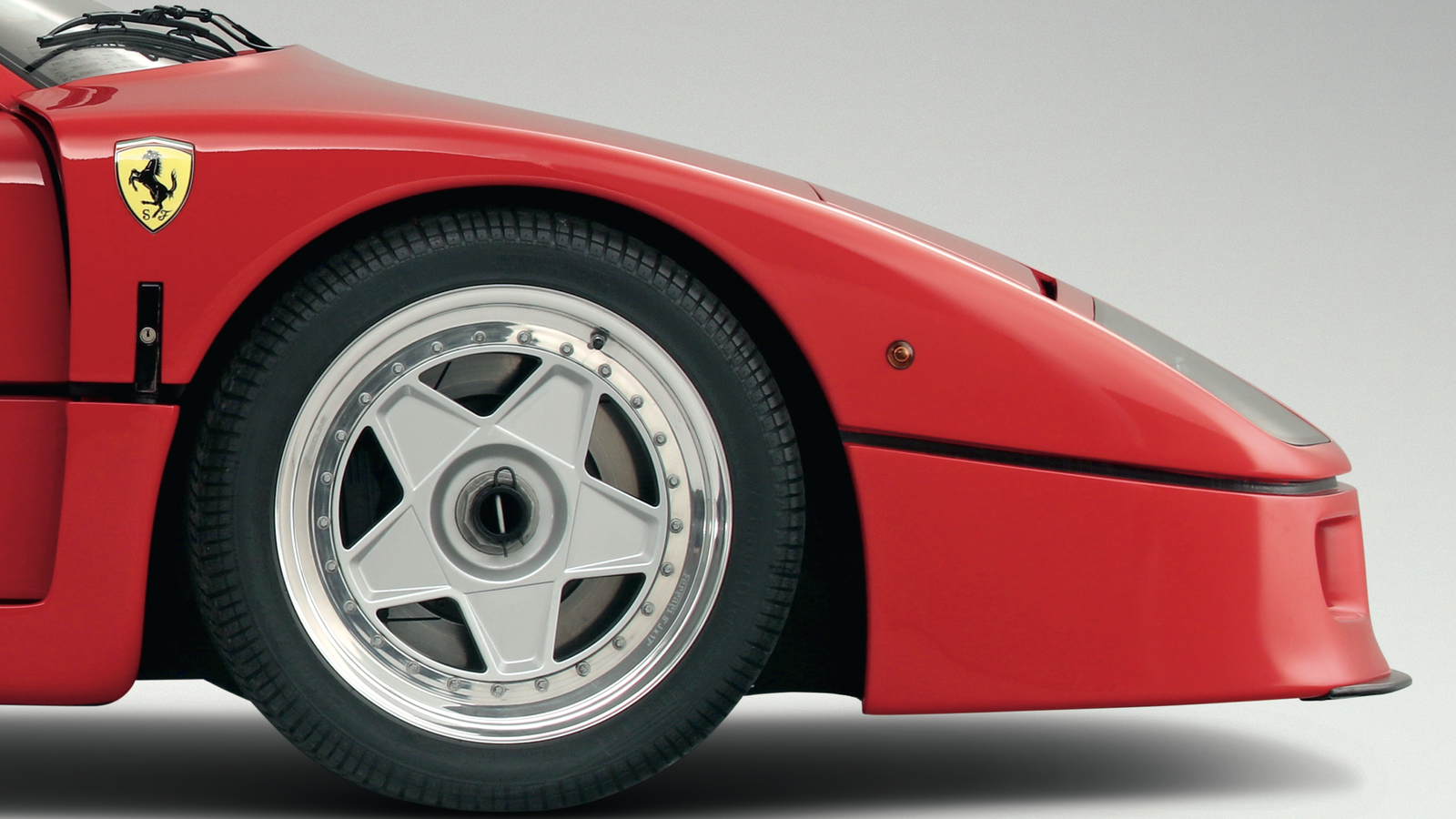
The other problem for Benuzzi was choosing the right rubber for the new beast: “The Pirelli P Zero [tyre] was created specifically for the F40,” he recalls.
“I remember trying out an infinite number of different specifications before we found the right compound and tread design. I also remember [the Pirelli engineer] with a rasp, filing down the rear tyres because they were moving too much!”
Getting flighty
High-speed testing was carried out at Nardo – a banked, 7.8-mile perfect circle of test track.
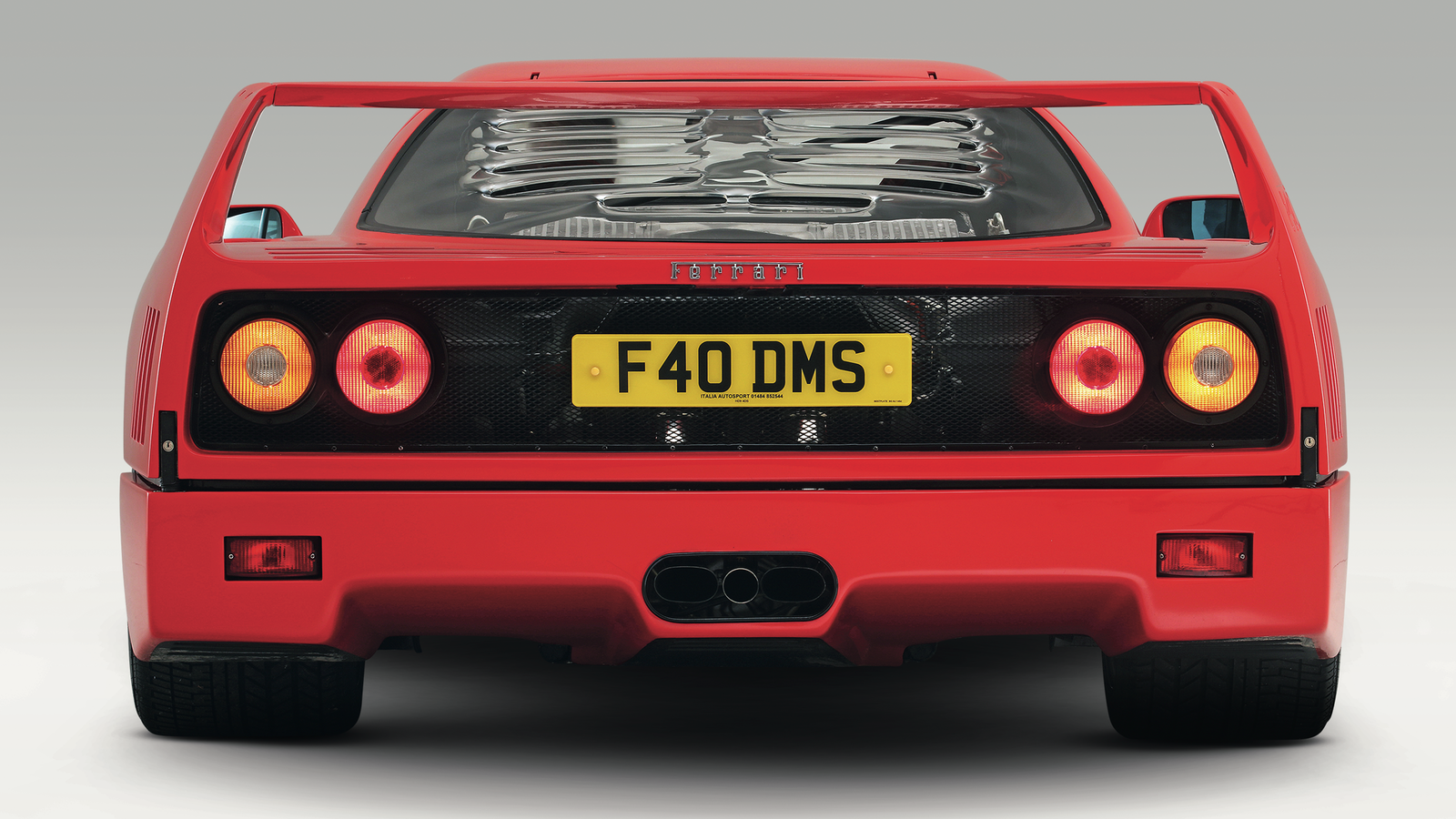
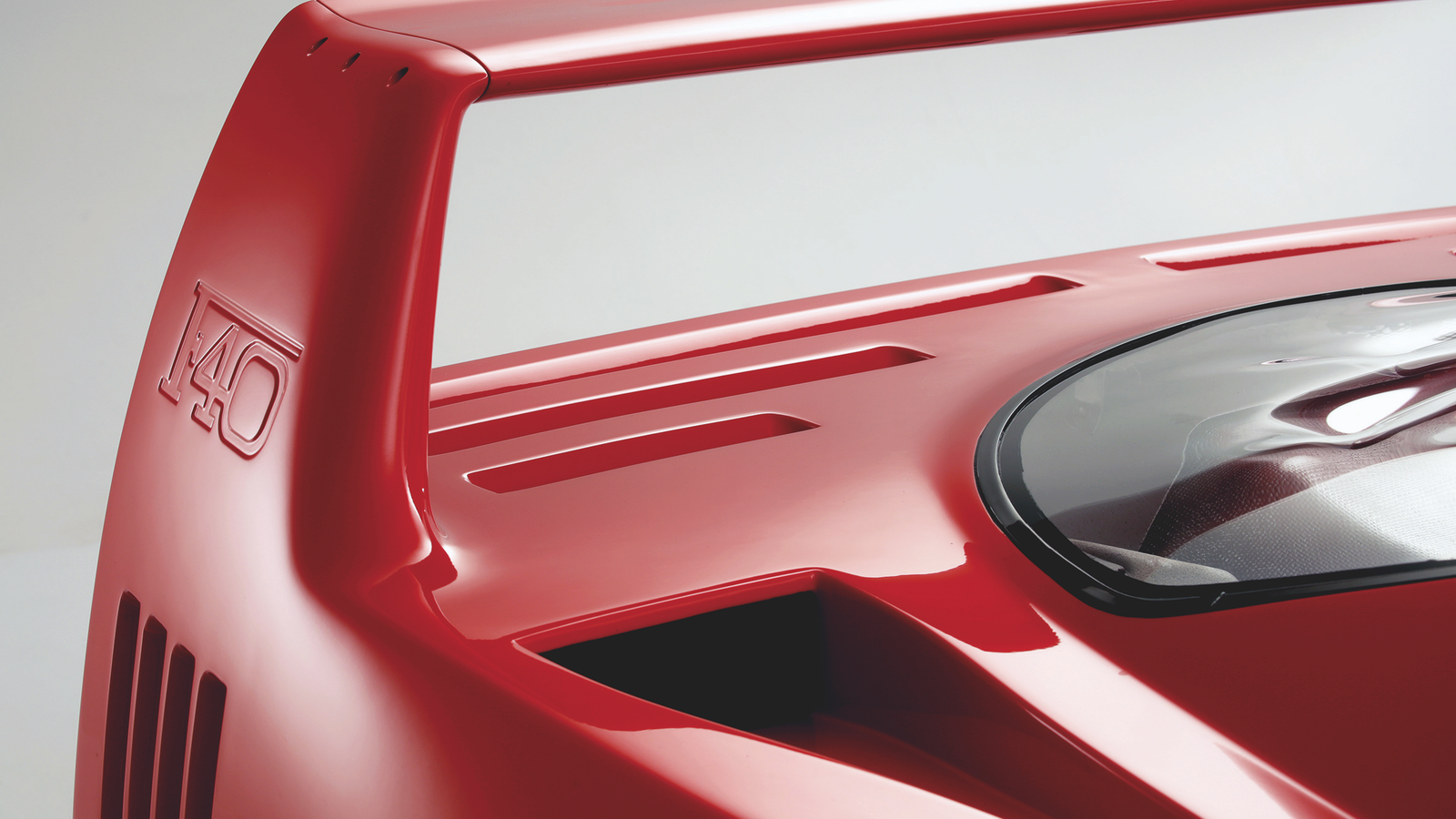
“The only issue we had was that...it lifted a bit at speed,” says Benuzzi. “In fact, the early versions had quite a pronounced rear [lip], so we took a file to it. I remember seeing 391kph (244mph) with the LM version around Nardo.”
Racing pedigree
According to Benuzzi, the F40 was always intended to be a racing car and, at the launch in ’87, Enzo himself stated: “I expressed a wish that we produce a car which could remind us of Le Mans and the GTO.”
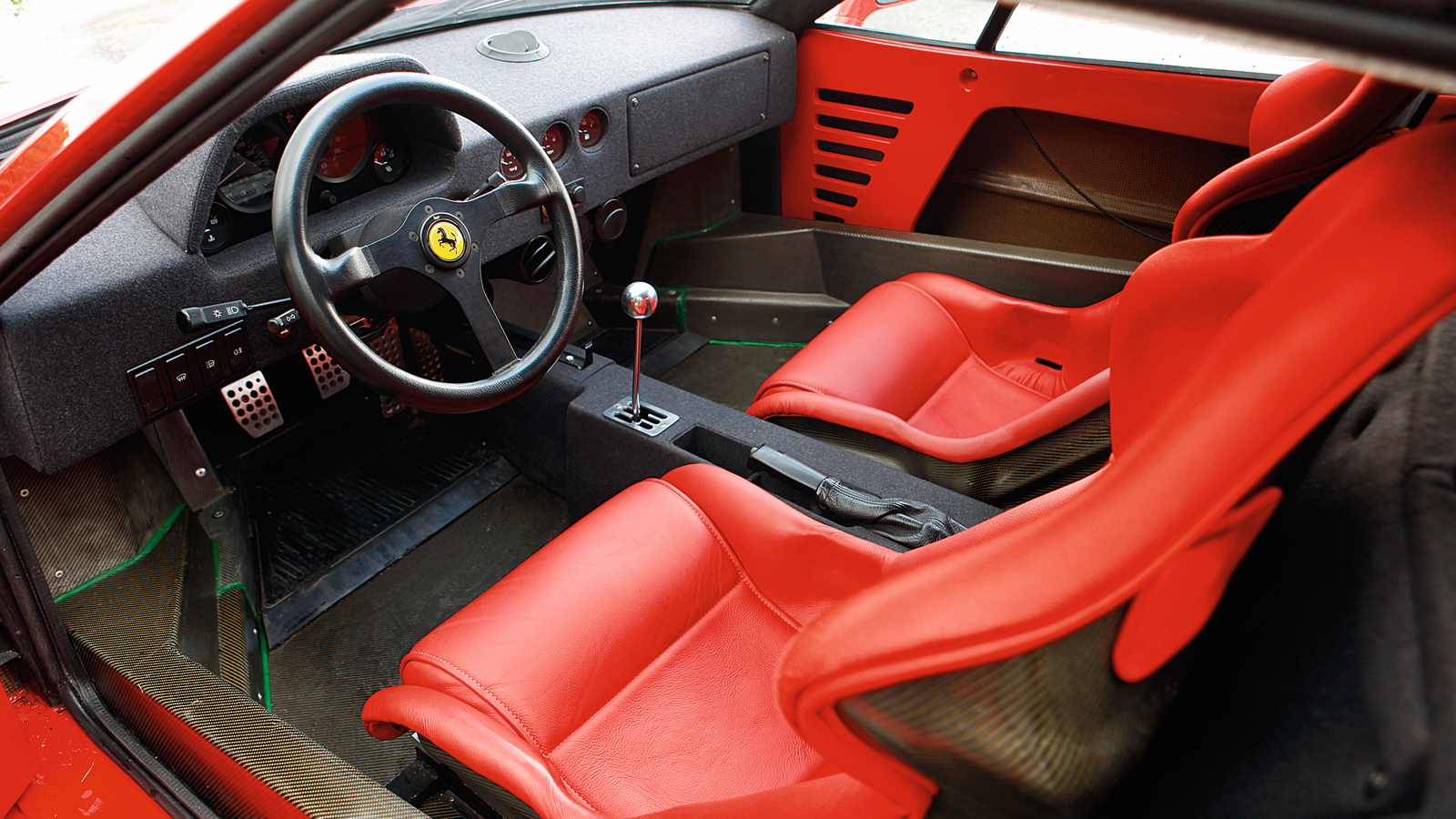
As a result, creature comforts were the last thing on the minds of its makers. Air-con was included only as a necessity to combat the intense heat generated by the engine. Everything else – carpets, door trim, door handles, a radio – was ditched in an attempt to save weight.
Pared-back brilliance
As for the styling, that fell to Pininfarina’s Leonardo Fioravanti.
“What we have done with the F40 is to build a machine which pays little respect to the limitations of modern times,” he said at the launch event. “This world has too many computers, too much technology and here we have recovered the design of a car as an emotion, just as in the old days.”
Negative ink
When the F40 broke cover, there were many who considered the spartan Ferrari to be the product of a bygone era – largely thanks to the launch of Porsche’s technological tour de force, the 959, in 1986.
Others, meanwhile, criticised the firm’s decision to develop a racer for the road that looked like it would never actually race (they were wrong).
Simply staggering
There’s no doubt the Italian car’s ethos was far from that of its German rival – but that didn’t mean it was in any way dull.
As Roger Bell wrote in Car at the time: “The Porsche is by far the safer, more forgiving machine, the Ferrari emphatically the more demanding and exciting.”
Scary potential
Respected road-tester Mel Nichols was working for Autocar at that time: “In late 1987, I’d spent two days in Germany with a 959, so I knew how good that car was in all conditions.
“The Ferrari had a much more raw appeal. We were thinking, ‘OK, it’s the fastest-ever Ferrari, twin-turbo V8’ – it had the potential to be frightening.”
Predictable beast
“Compared to today’s turbos, the F40 had that ‘on-off ’ aspect,” Nichols continues. “Below 3000rpm it didn’t do a lot, then it took off.
“At lower speeds there’d be a touch of understeer, but, as the speed built in a frantic rush, this transformation happened. It would go very swiftly from mild understeer to full-on oversteer.
“The great thing was that you could feel it all – once you had confidence in it, you could balance the attitude as you wished.”
Still turning heads
Thirty-odd years since the F40’s launch, and 25 since production stopped, its legend only continues to grow.
Whether you judge by auction prices (F40s continue to fetch more than a million), reincarnation concepts (of which there have been many) or the reaction of petrolheads (excited squeaking), the general consensus remains that the F40 is uniquely brilliant.
One for the wall
“It was really a statement for Enzo and for the anniversary,” concludes Nichols. “The engineers approached it with real passion and a purity of mission.”
And that purity resulted in a car that remains a poster boy for the Italian marque today – despite the numerous world-beaters Ferrari has subsequently produced.
Unrivalled performance package
“It was a lightweight car with a lot of power and that’s what makes it fun to drive,” says Benuzzi. “And the work we did with Weber on the drivability really made a huge difference. Of course, the handling was also very good. So, all in all, a very good package!
“I think that, if we’d been able to adopt a steering and brake servo, the F40 would still be a force to be reckoned with among supercars today.”
Racing away
Sure, circumstances aligned to mean it never realised its racing potential – GT racing fell out of favour just as the F40 launched, coming back to the fore only as the McLaren F1 arrived to trump everything – but that hasn’t dented the Ferrari’s enduring reputation as a dominant force.
Subsequently trumped
Yes, the F40’s headline figures – 478bhp, 0-100mph in 8.3 seconds, 201mph – have long since been eclipsed by later generations of supercar, but this is not a machine to be measured by statistics.
All-time great
Those numbers give no impression of how the ferocious F40 feels, how visceral the driving experience is, how it oozes malevolent charisma from every pore.
In returning to its roots and placing pure emotion at the core of the F40, Ferrari created the greatest supercar of all time – and one that still captures hearts and minds today.