
Safety first
If you are even vaguely interested in Formula One, you’ll be aware that sometimes a race appears to be led by a car which is not competing against any of the others.
This is the safety car, deployed when an incident of some sort has to be attended to, and driven at well below full racing speed in front of the pack. The competing vehicles must follow it, and are not allowed to overtake each other until the incident has been cleared and the safety car returns to the pits.
From a modern perspective, it might seem that safety cars have been around for ever. In fact, their use was not considered in the first two decades of the F1 World Championship, which was established in 1950, and is a very recent development in the history of Grand Prix racing, which began in 1906.
The variety of F1 safety cars used over the years is also remarkable, as this chronological list will demonstrate.
Photographs are either of the actual safety cars, or of representative models
1. Porsche 914
The use of a safety car in F1 was proposed following the death of Roger Williamson in the Dutch Grand Prix at Zandvoort in late July 1973.
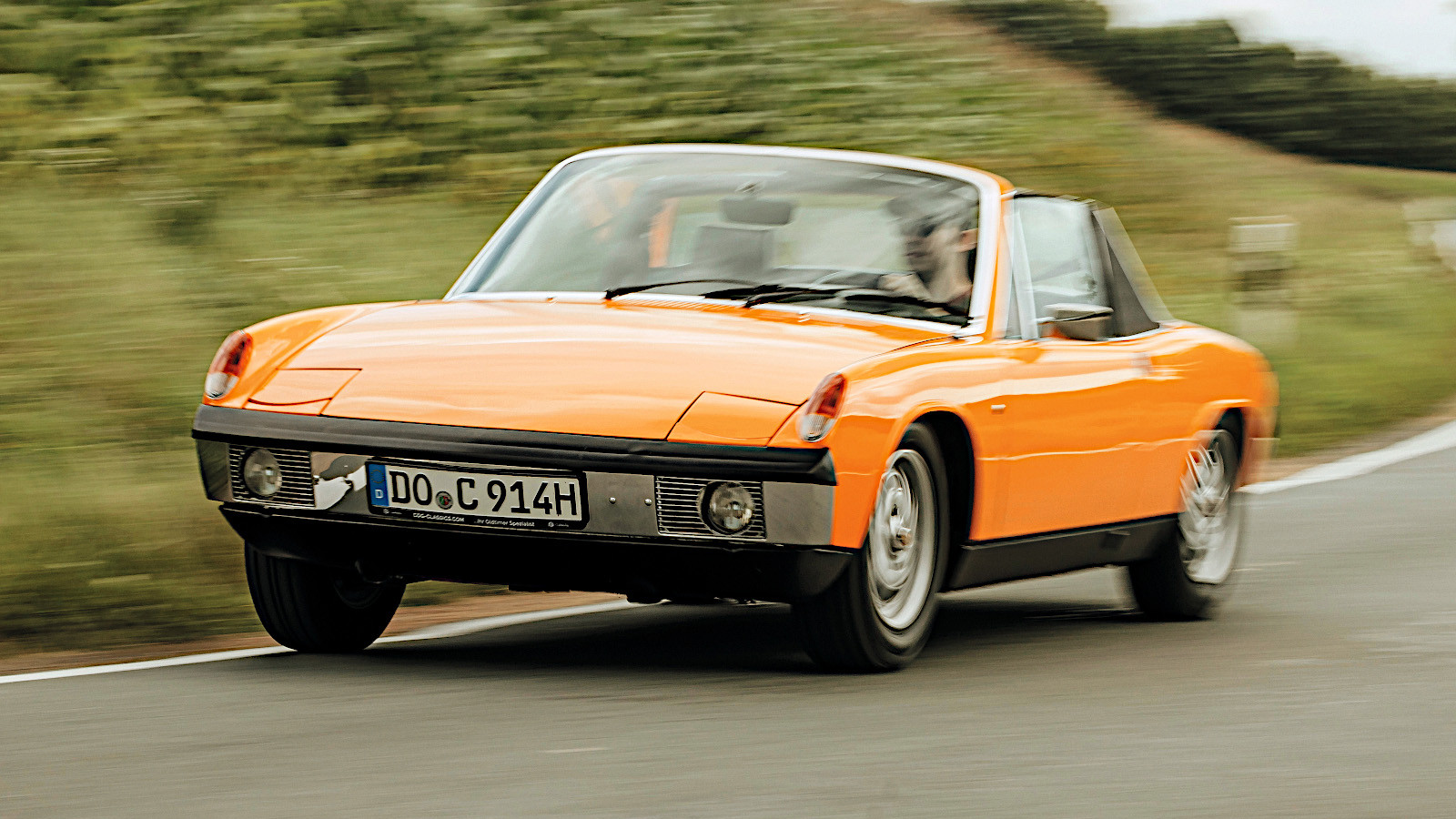
Three weeks later, at what was then called the Österreichring (later remodelled and today known as the Red Bull Ring), Porsche’s mid-engined 914 became F1’s first safety car, making two test runs at the Austrian Grand Prix and causing motorsport writer Denis Jenkinson to splutter, “What a sad reflection on the mentality of the world’s best drivers.”
In September, the Porsche 914 had its one and only outing as a safety car used in a race, when it was deployed during the Canadian Grand Prix at Mosport.
Unfortunately, it was sent out in front of the wrong F1 car. This led to immense confusion, and there was a long gap between the chequered flag being waved and the officials deciding that Peter Revson’s McLaren had won.
2. Porsche 911 turbo
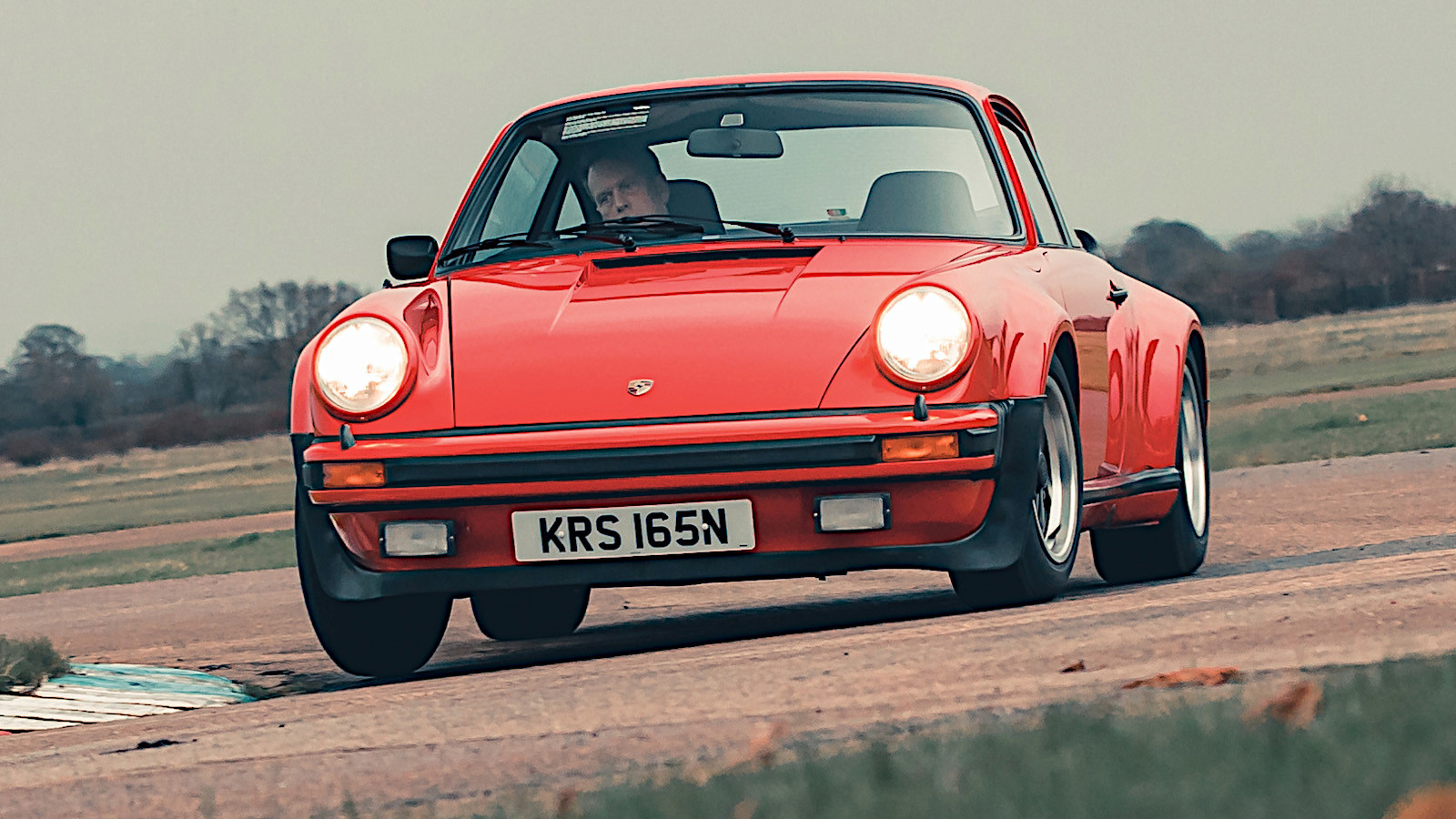
Three years after the 914 appeared in Canada, a very much faster Porsche was assigned the same duty at the 1976 Monaco Grand Prix.
This was the 911 turbo (known as the 930 in North America), which at the time had a 3-litre engine producing around 260bhp.
Contemporary photos show that the Porsche used in Monte Carlo had large stickers bearing the words ‘pace car’ on its bonnet and doors, but that term is interchangeable with ‘safety car’.
In practical terms, the Porsche 911 turbo was neither, because there were no major incidents in the 78-lap race and therefore no need for it to be used on the track.
3. Lamborghini Countach
After the Porsche 911 turbo, there were no more safety cars in F1 for exactly five years.
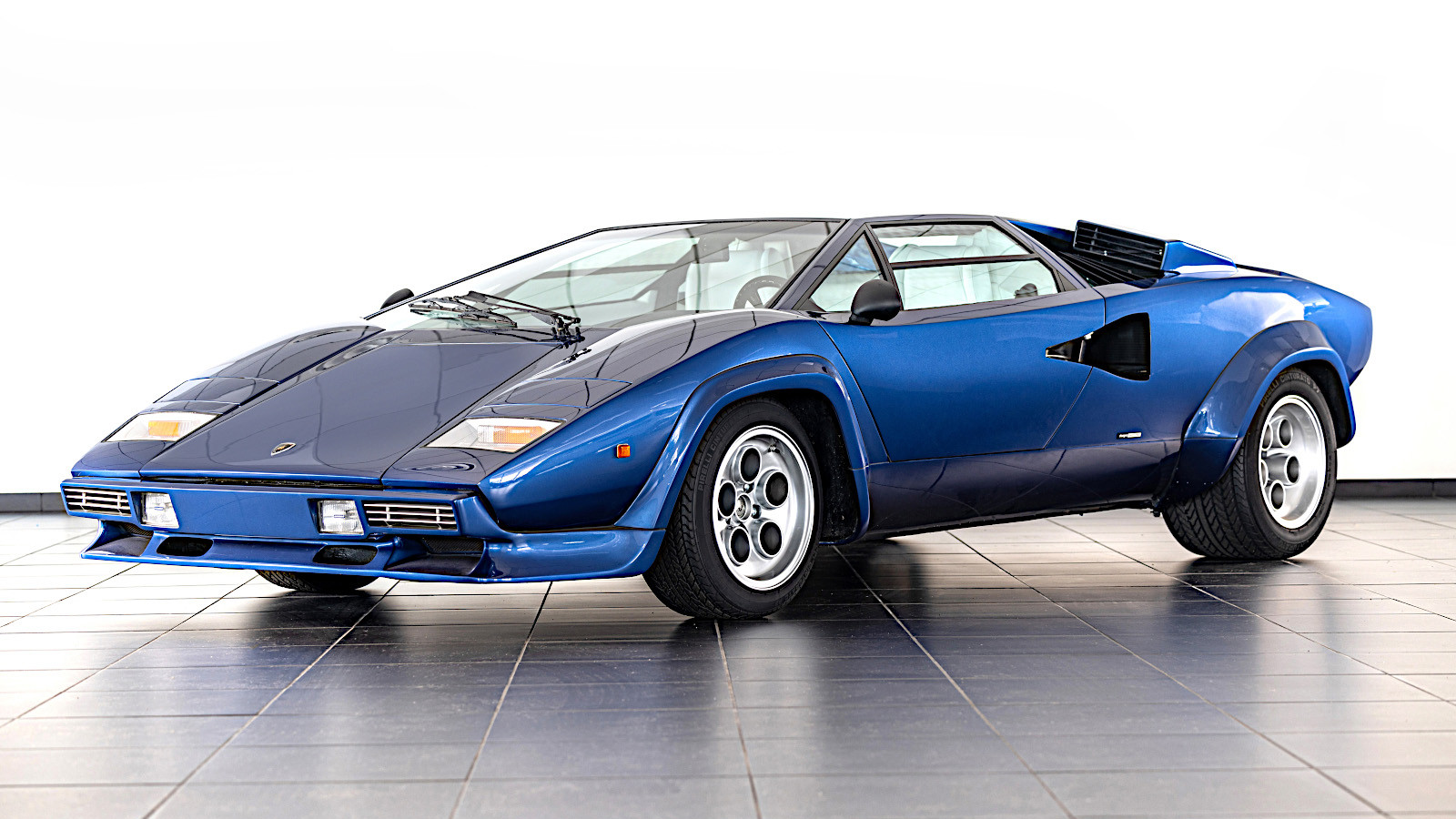
The first non-Porsche on this list, and the second car with a mid-mounted engine (after the 914), was the Lamborghini Countach, which was used for the Monaco Grand Prix in 1981.
It appeared again in Monaco for the next two years, but was never deployed, so spectators had to content themselves with watching it doing parade laps.
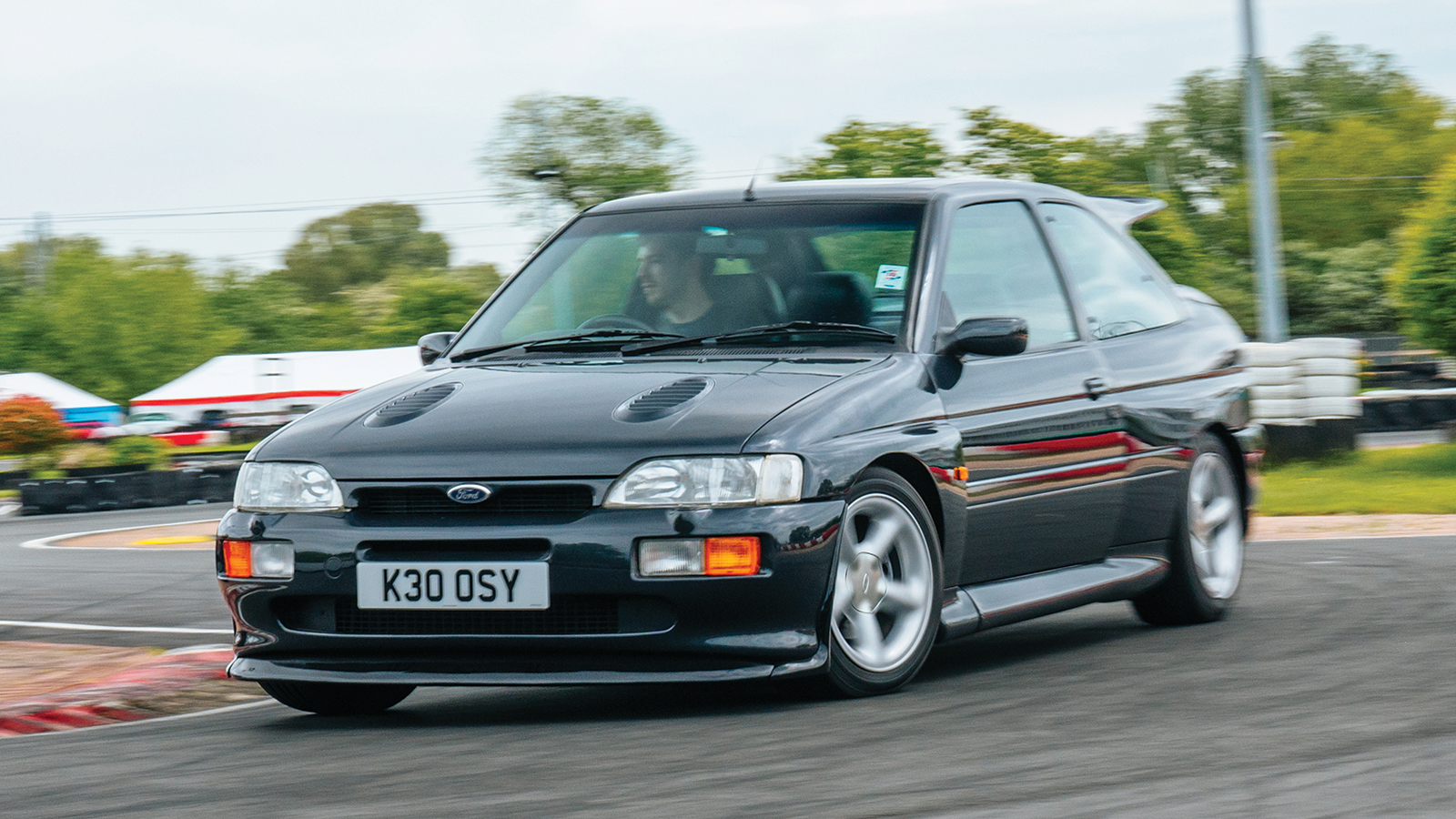
4. Ford Escort RS Cosworth
The longest gap in F1’s safety-car history was the nine years between the Countach’s appearance at Monaco in 1983 and that of the Escort RS Cosworth in the 1992 French Grand Prix.
The Ford wasn’t really an Escort at all, but essentially a rebodied Sierra Cosworth designed as a homologation special to allow Ford to use it in international rallying.
Its appearances at Magny-Cours in early July and at Silverstone for the British Grand Prix a week later were similar to the Porsche 914’s outing in Austria two decades earlier, in the sense that they were trial runs for the safety-car concept.
The Cosworth was at Silverstone again in 1993, this time as an official safety car, and was deployed for a few laps after Luca Badoer parked his ailing Lola-Ferrari at the side of the track.
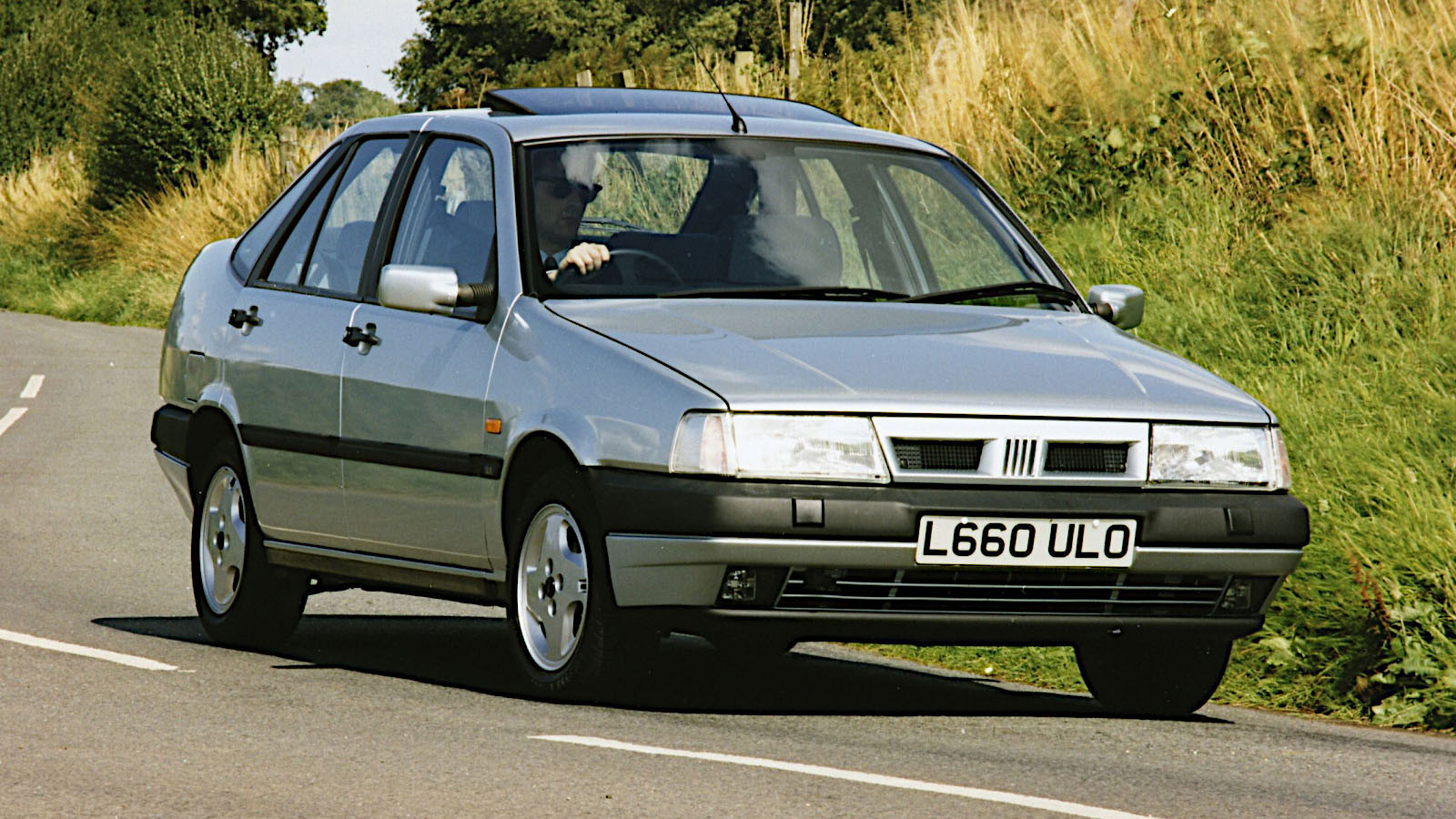
5. Fiat Tempra
Safety cars fully became part of F1 in 1993, but there would be no single supplier for a few years, and that led to a remarkable variety of machinery being used.
One of the more unexpected vehicles was a Fiat Tempra, which played a significant role in the 1993 Brazilian Grand Prix at Interlagos, in São Paulo.
Five minutes after what was initially a light shower began, several cars whose drivers had not come into the pits for a change of tyres were now severely damaged after crashing in extremely heavy rain, and the Tempra was released on to the track where it remained for a further 20 mins while the mess was cleared up.
Although the Tempra was the fifth model nominated as a safety car, it was only the second actually used for that purpose, 19 years and six months after the Porsche 914 in Canada and three and a half months before the Escort RS Cosworth at Silverstone.
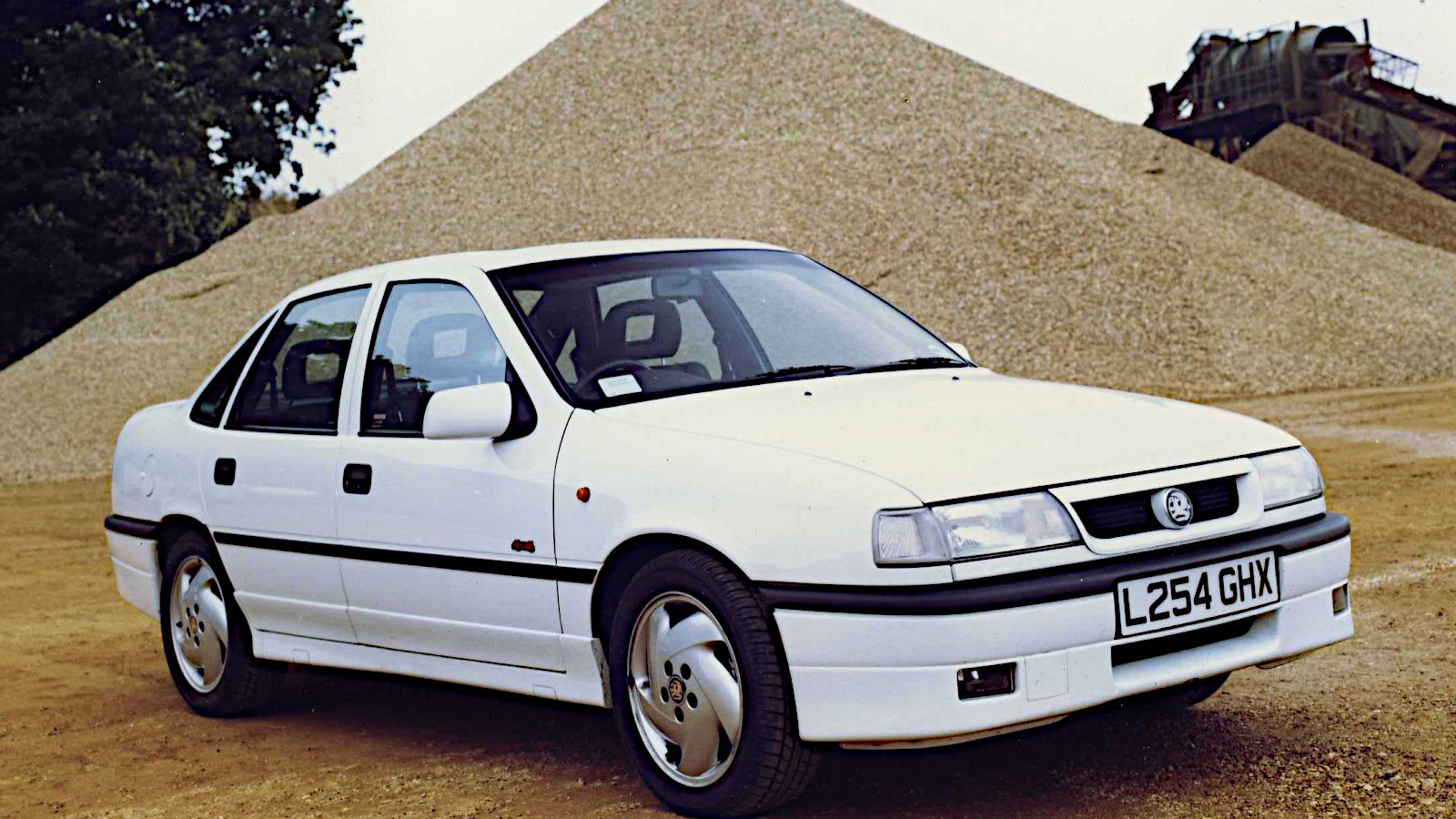
6. Opel Vectra
The first-generation Opel Vectra, marketed in the UK as the third-generation Vauxhall Cavalier, was used as the safety car at one of the most infamous F1 race weekends ever held.
A crash right at the start of the 1994 San Marino Grand Prix (held not in San Marino itself but at Imola in Italy) prompted the organisers to deploy the Vectra which, even in turbocharged form, was unable to maintain a pace suitable for F1 cars, despite being driven flat out.
Whether or not this caused the tyre temperatures of the racers to fall dangerously low has been a subject of debate ever since.
Either way, Ayrton Senna had a fatal crash within moments of the Vectra returning to the pits, just one day after Roland Ratzenberger had been killed in another accident during qualifying.
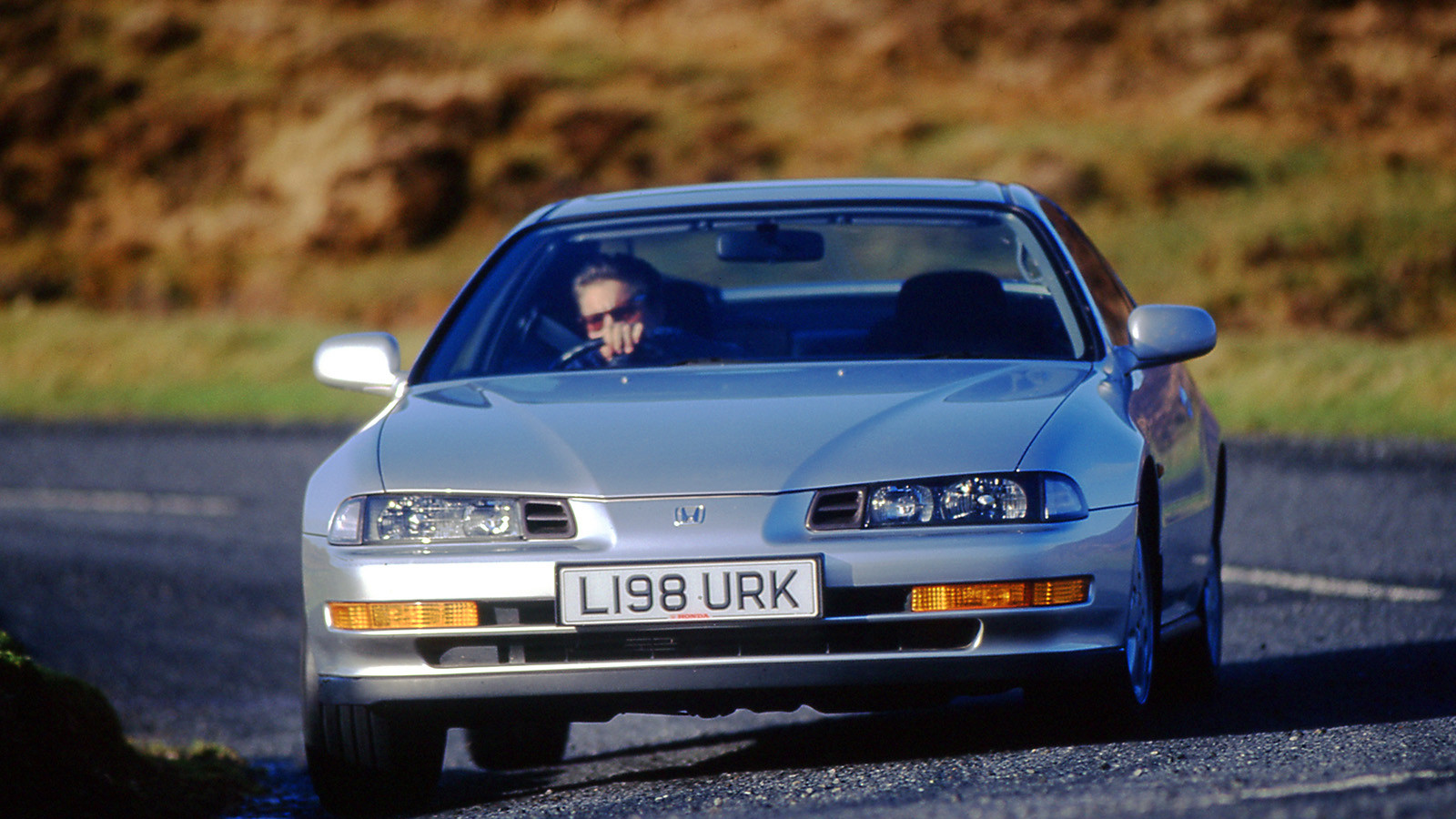
7. Honda Prelude
The penultimate round of the 1994 F1 world championship, held at Suzuka in Japan in early November, began in heavy rain which became much worse within a few laps.
The Honda Prelude safety car was soon called into action, and in the awful conditions it was easily able – unlike the Vectra on the dry track at Imola six months before – to stay ahead of the slithering F1 machines.
It was brought in eventually when the rain eased, but more rain soon followed, leading to several accidents, and this time the organisers brought the race to a temporary halt, rather than sending the Prelude out again.
After a restart, everything went well enough, and the results were determined by adding each driver’s times from both parts of the race, which gave Damon Hill the win ahead of Michael Schumacher by just over 3 secs.
8. Porsche 911 GT2
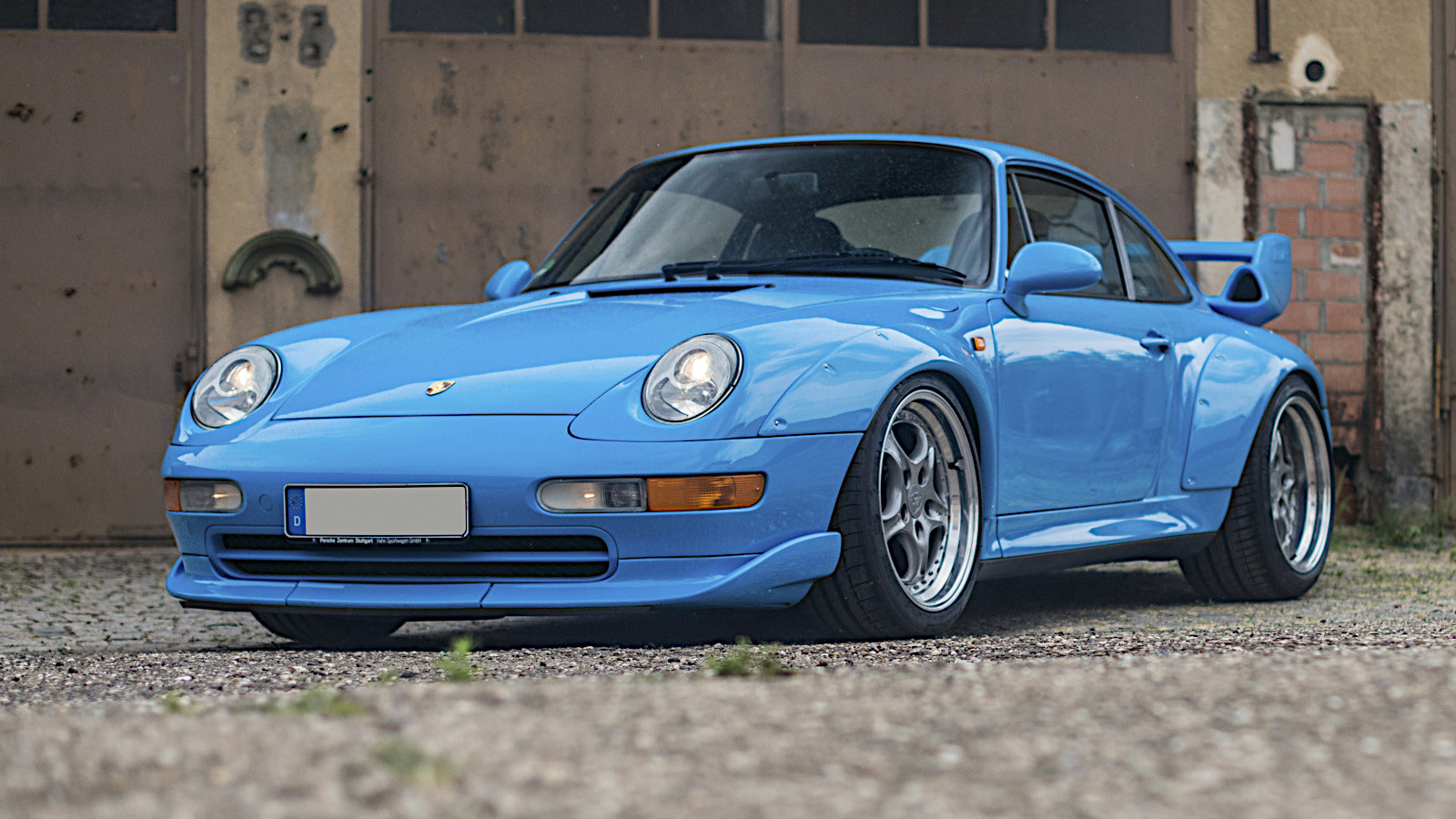
For the first time since the 1970s, and the last as of 2025, a Porsche was nominated as the safety car at the 1995 Belgian Grand Prix.
This was a 911 from the final generation with air-cooled engines (water cooling would be introduced in 1998), and easily identifiable as a GT2 thanks to its distinctive rear wing.
Weather conditions can often be changeable at the Spa-Francorchamps circuit, and in this case several drivers were caught out running on slick tyres during a period of heavy rain.
The organisers decided that a safety-car period would be appropriate, and since the 911 turbo had lain idle despite being on call for three Monaco Grands Prix, the GT2 is to date the only Porsche 911 ever used as a safety car in a world championship F1 race.
9. Renault Clio Williams
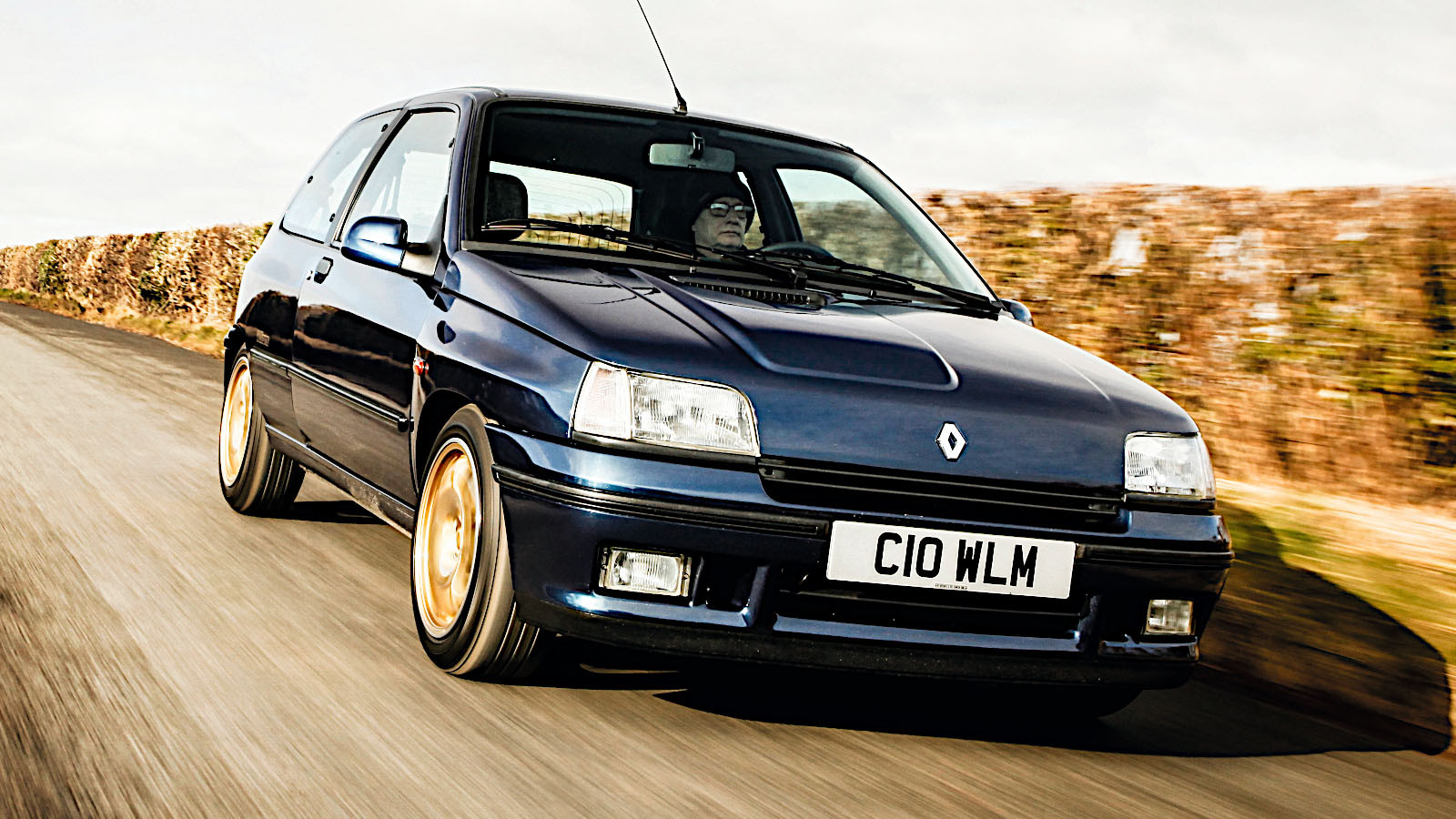
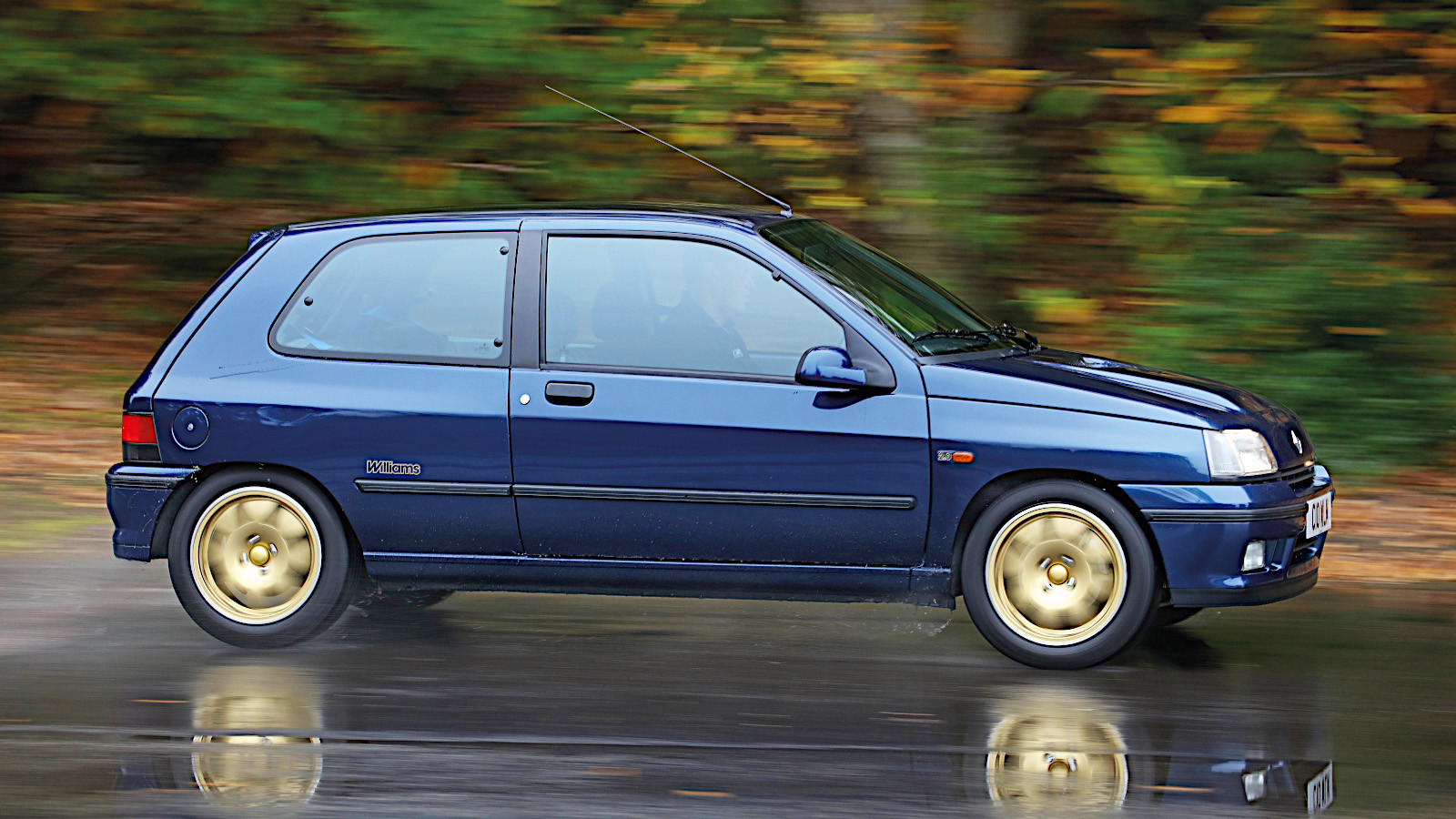
Renault supplied several vehicles to the organisers of the 1996 Argentine Grand Prix in Buenos Aires, one of which – arguably the first true hot hatch among Clios, named after the Williams F1 team – was devoted to safety-car duties.
Though not to quite the same extent as the Fiat Tempra in Brazil three years earlier, the Renault Clio Williams spent a considerable amount of time on track.
It was deployed when Luca Badoer’s Forti landed upside down in a gravel trap, and had to stay out when the Ligier of Pedro Diniz burst into flames.
10. Mercedes-Benz C36 AMG
Several sources claim that a Lamborghini Diablo acted as safety car at the 1995 Canadian Grand Prix, but archive footage clearly shows that this role was taken by a Mercedes-Benz CL.
During the following season, the German marque became the official safety-car supplier for F1 races, though not before the Renault Clio Williams had had its moment in the spotlight.
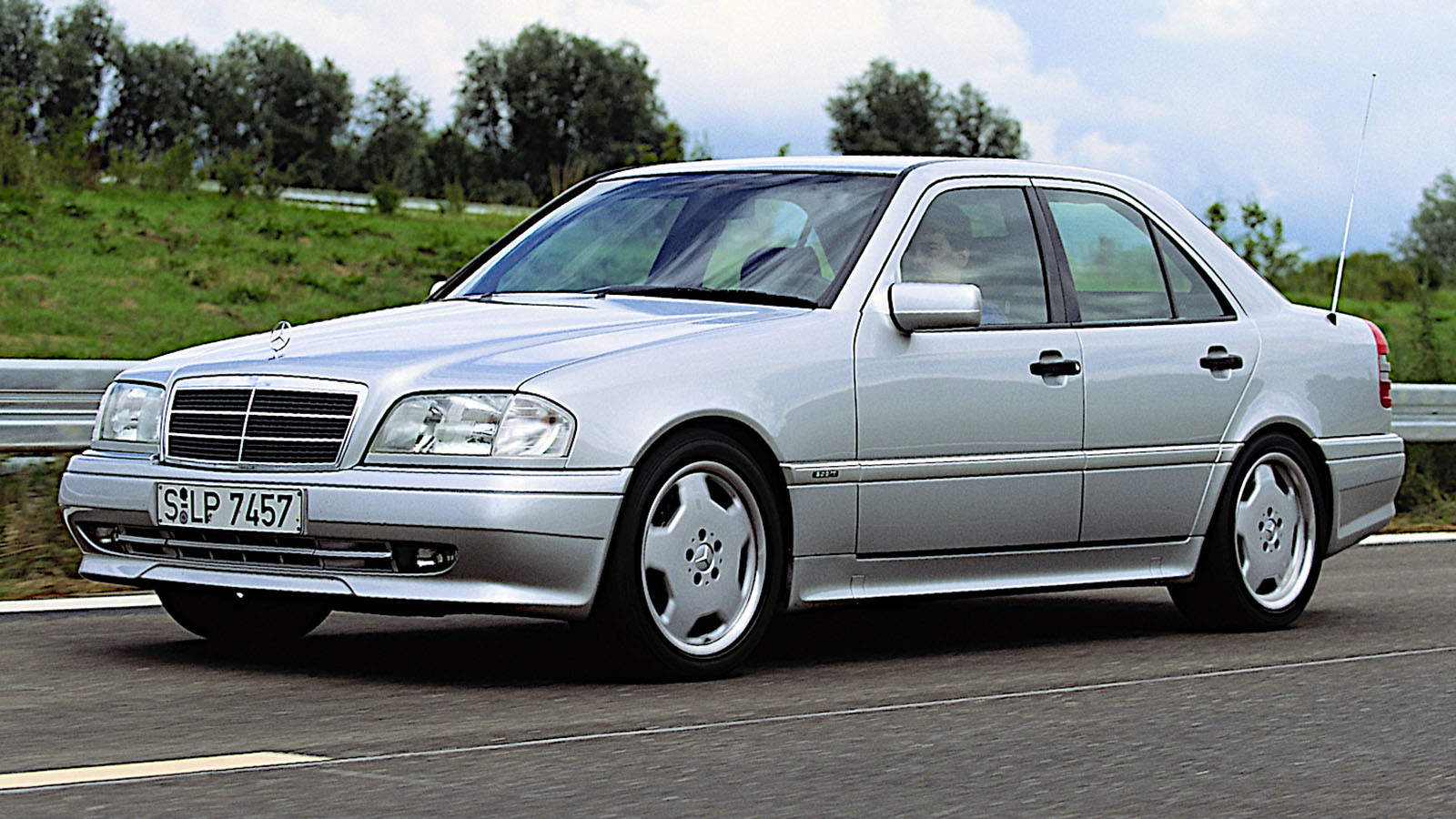
For the remainder of 1996 and some of 1997, the role was given to the C36 AMG, the first car developed jointly by Mercedes-Benz and the much smaller company AMG.
While it looked similar to every other C-Class of its generation, the C36 was far more powerful than anything else in the range, with a 3.6-litre straight-six producing 276bhp.
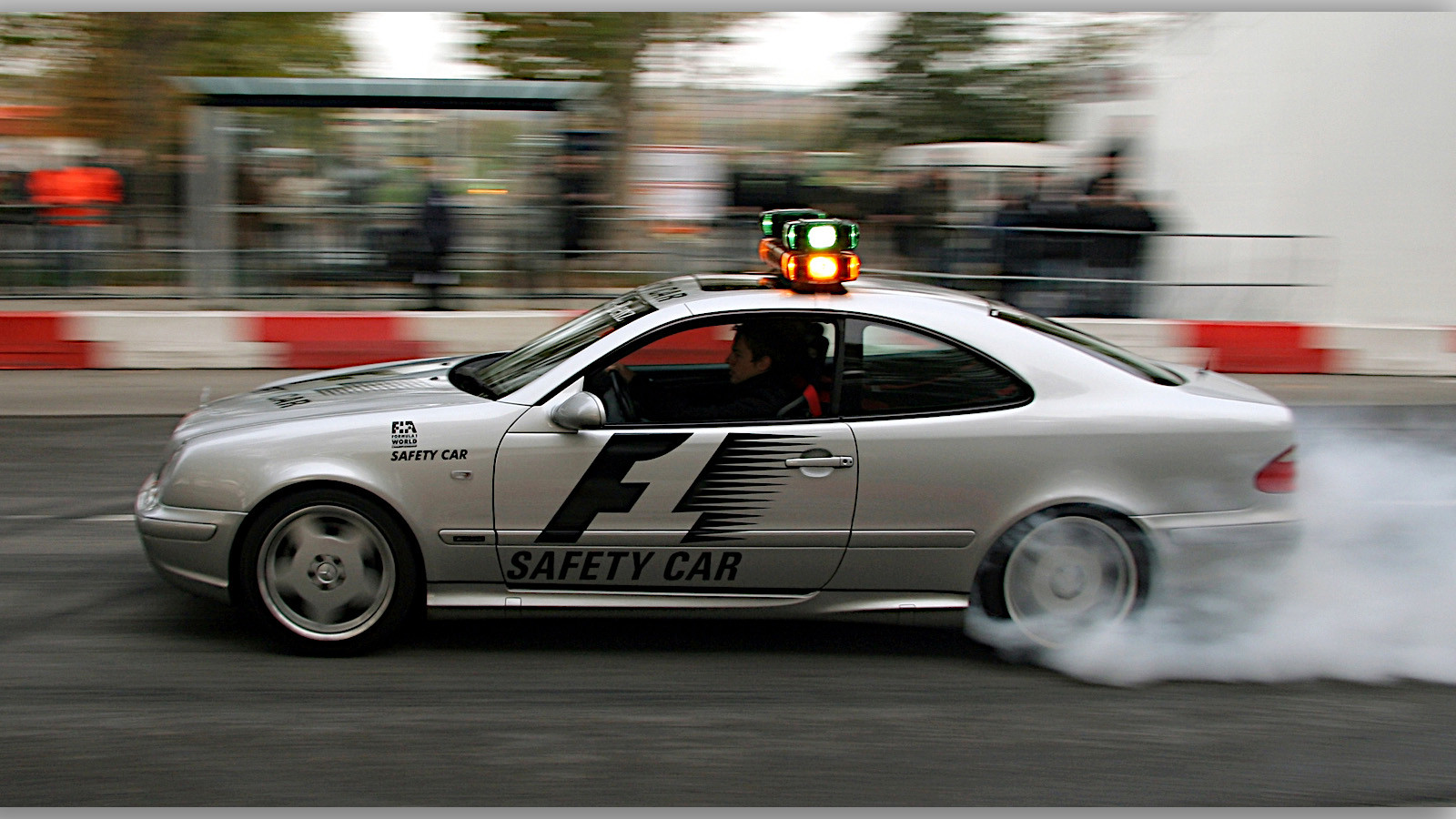
11. Mercedes-Benz CLK55 AMG
According to one source which could normally be considered completely reliable in these matters, the C36 AMG was used throughout 1997, and replaced by the significantly faster, first-generation CLK55 AMG in 1998 and 1999.
This, however, is not true, because the latter certainly performed safety-car duties in Belgium in ’97.
Not yet available to the public, it became the first safety car ever used at the start of a world championship F1 race, due once again to difficult weather conditions at Spa-Francorchamps.
In Canada two years later, it was the first to lead the field across the finish line, having been deployed four times during a memorably eventful Grand Prix.
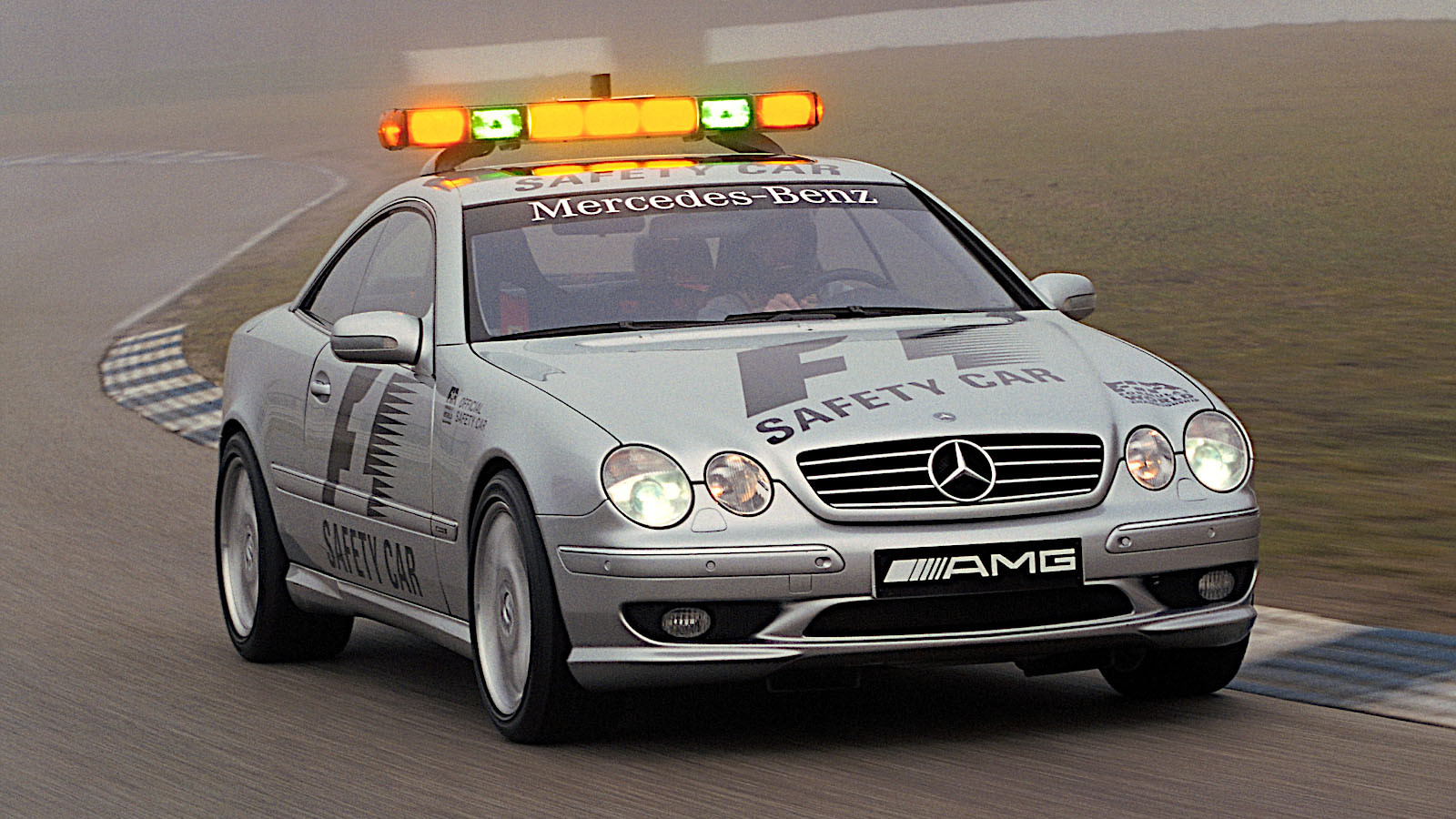
12. Mercedes-Benz CL55 AMG
Of the two safety-car developments in 2000, the more urgent was to find a replacement for its driver, Oliver Gavin, who could not continue due to racing commitments.
His chosen successor was Bernd Mayländer, who has performed the task for many years.
The other development was a switch of Mercedes from the CLK55 AMG. The CL55 AMG was used for just one full year (2000) and featured in a quite bizarre incident during the German Grand Prix at Hockenheim.
A member of the public somehow managed to find his way on to the circuit on lap 25, and the race had to be neutralised so that the marshals could remove him from the scene in safety.
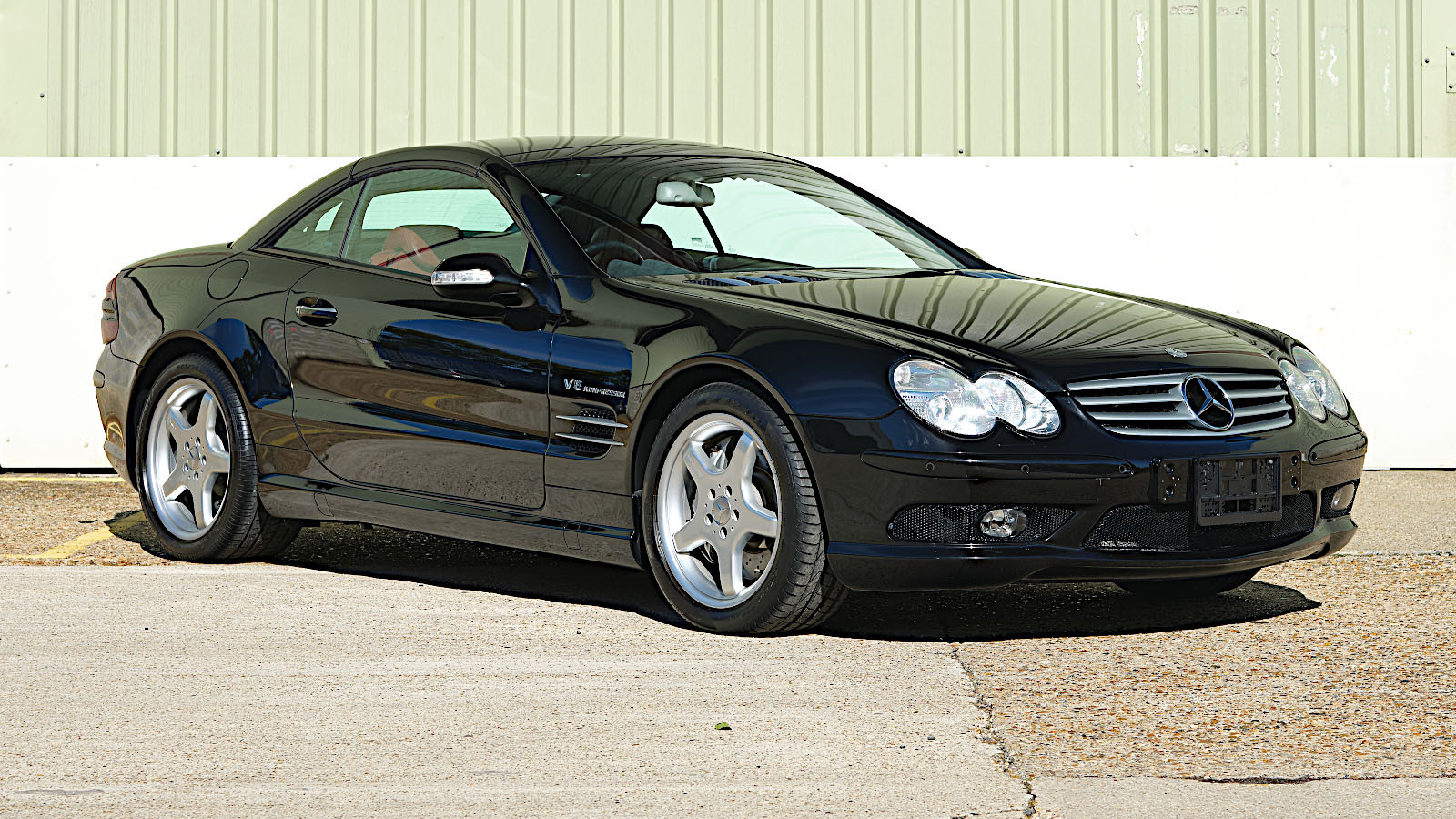
13. Mercedes-Benz SL55 AMG
A year later, the Mercedes-Benz SL55 AMG made its debut as a safety car at the 2001 German Grand Prix.
It was called into action almost immediately, when Michael Schumacher found that his Ferrari wouldn’t shift out of first gear and was clattered into moments later by the Prost of an unsighted Luciano Burti.
Confusingly, the live TV coverage showed some footage of a C32 AMG Estate above a caption which read ‘safety car’, but in fact the C32 was acting as the medical car, which is not the same thing.
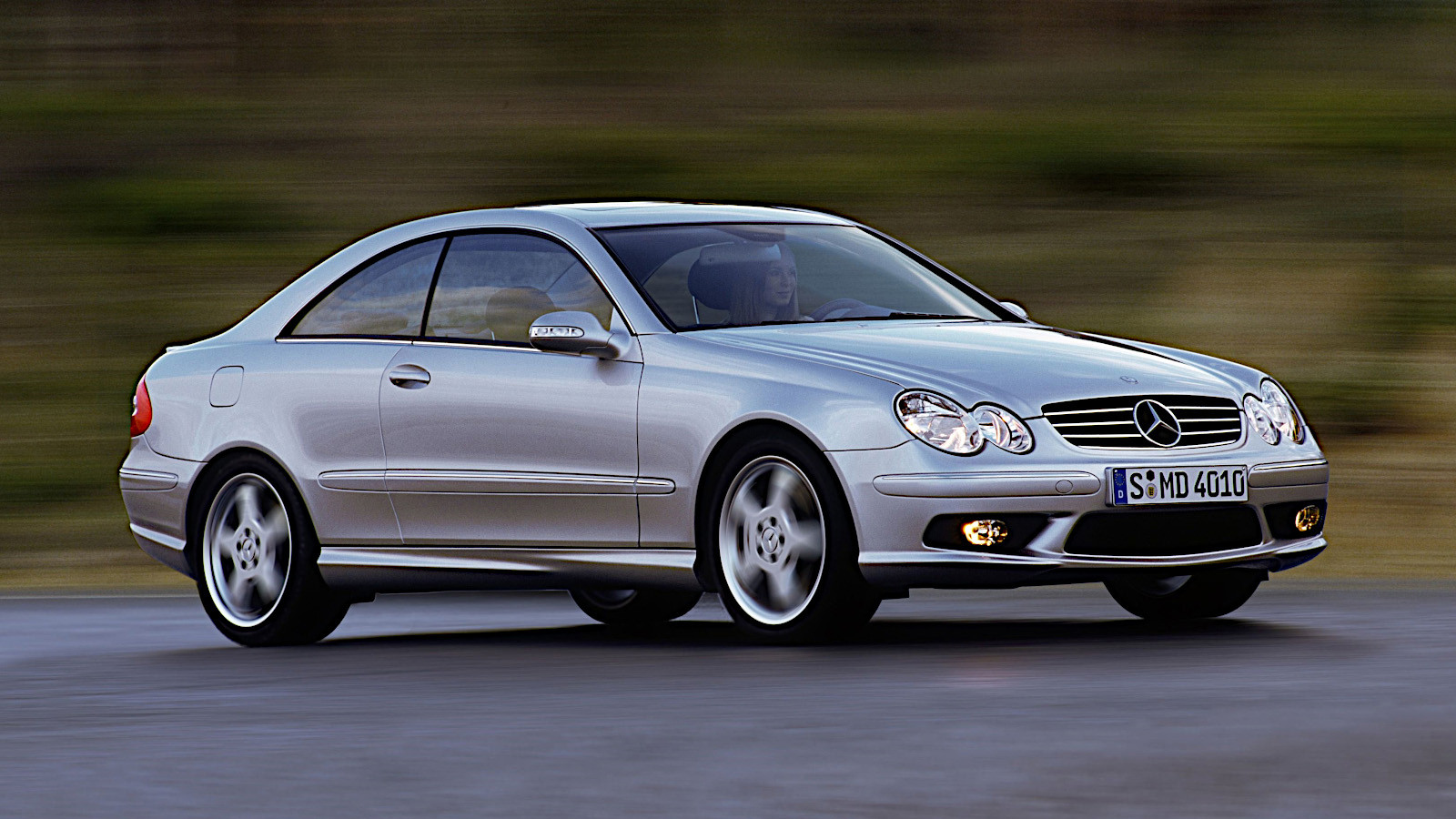
14. Mercedes-Benz CLK55 AMG
The second-generation CLK had a brief but busy run as the F1 safety car.
As its predecessor had been in Belgium in 1997, it was required to lead the pack away from the start line at the 2003 Brazilian Grand Prix in April, and was then deployed a further four times before the race was abandoned following Fernando Alonso’s enormous crash on the pit straight.
In July, it was called out twice at the British Grand Prix, the reason for the second appearance being to remove another person who had invaded the track.
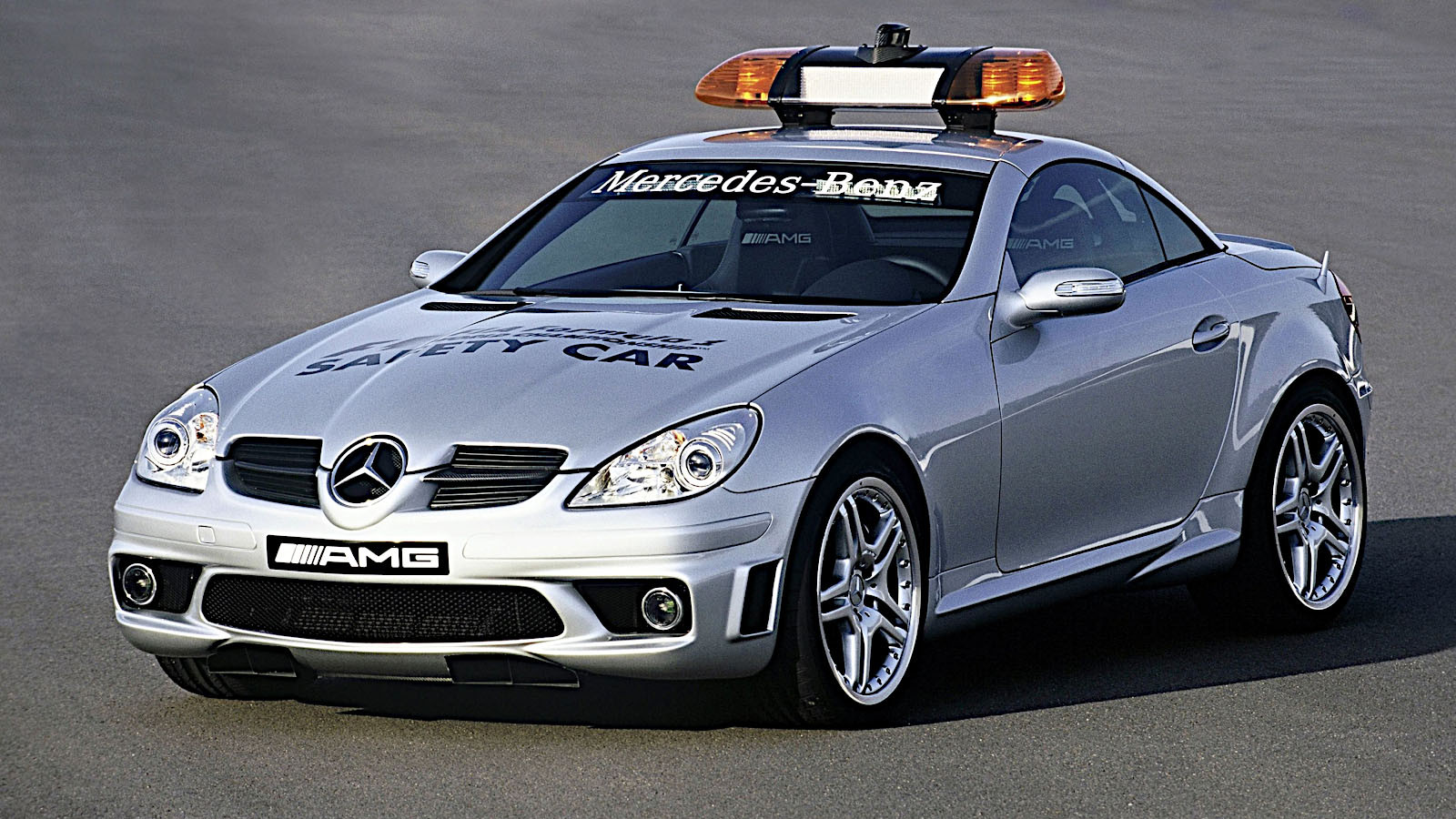
15. Mercedes-Benz SLK55 AMG
AMG’s version of the retractable-hardtop, two-seat SLK was given safety-car duties in the 2004 and 2005 F1 seasons.
It appeared on the track for several reasons in that period, perhaps the most unusual being the need to make the F1 cars slow down so that marshals could retrieve a dislodged drain cover during the 2005 Chinese Grand Prix.
The SLK was the fifth and final safety car to use the Mercedes-AMG 5.4-litre, V8 engine.
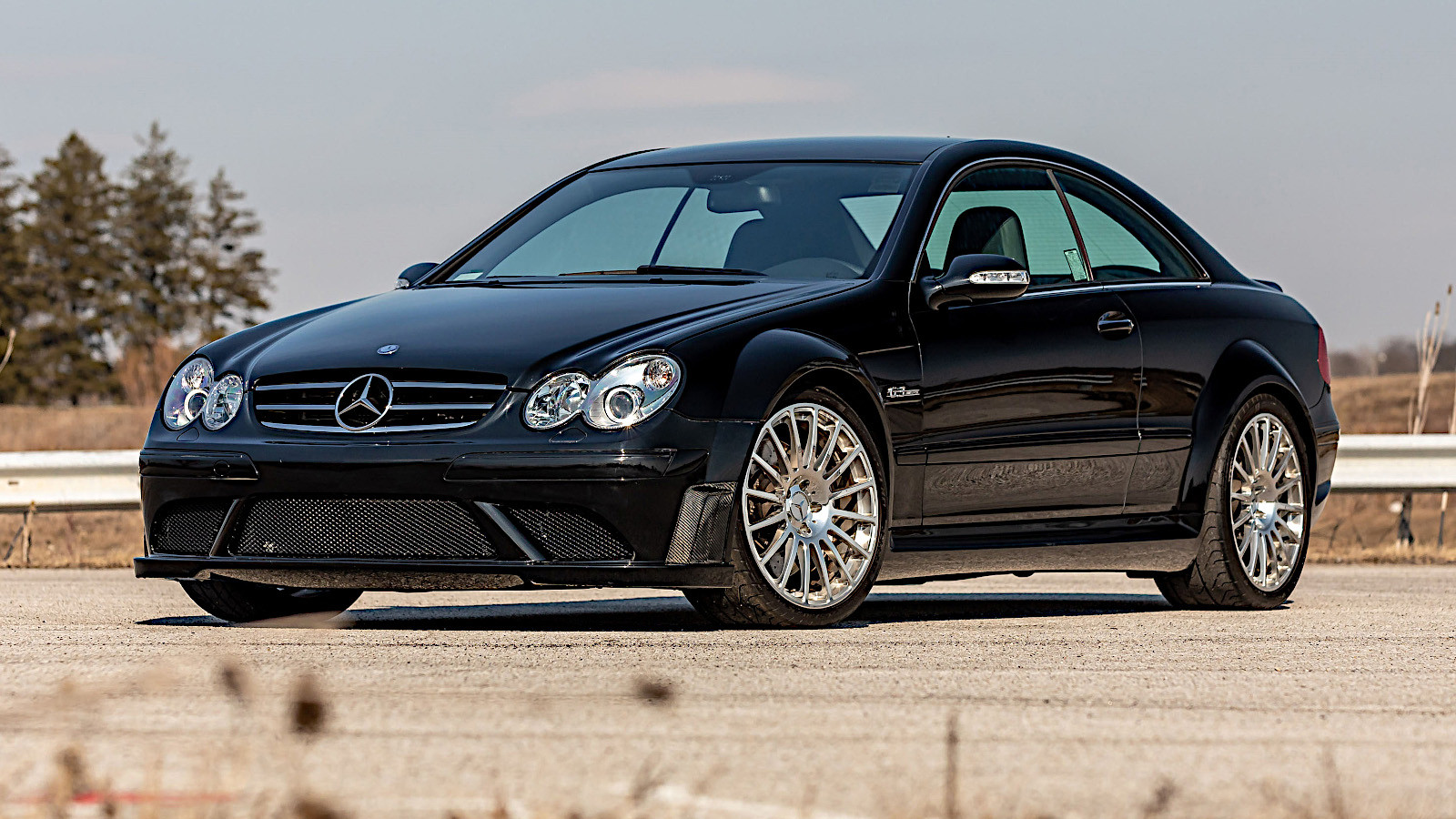
16. Mercedes-Benz CLK63 AMG
Mercedes’ CLK returned in 2006, now powered by a 6.2-litre V8, which would also be found in three of its successors.
Its first job was to neutralise the Australian Grand Prix less than a minute after the start – one of four deployments in that race, of which the third and fourth were separated by just a single lap.
In the extremely wet conditions of the 2007 Japanese Grand Prix at Fuji, the CLK led the way from the start and did not return to the pits until the end of lap 19.
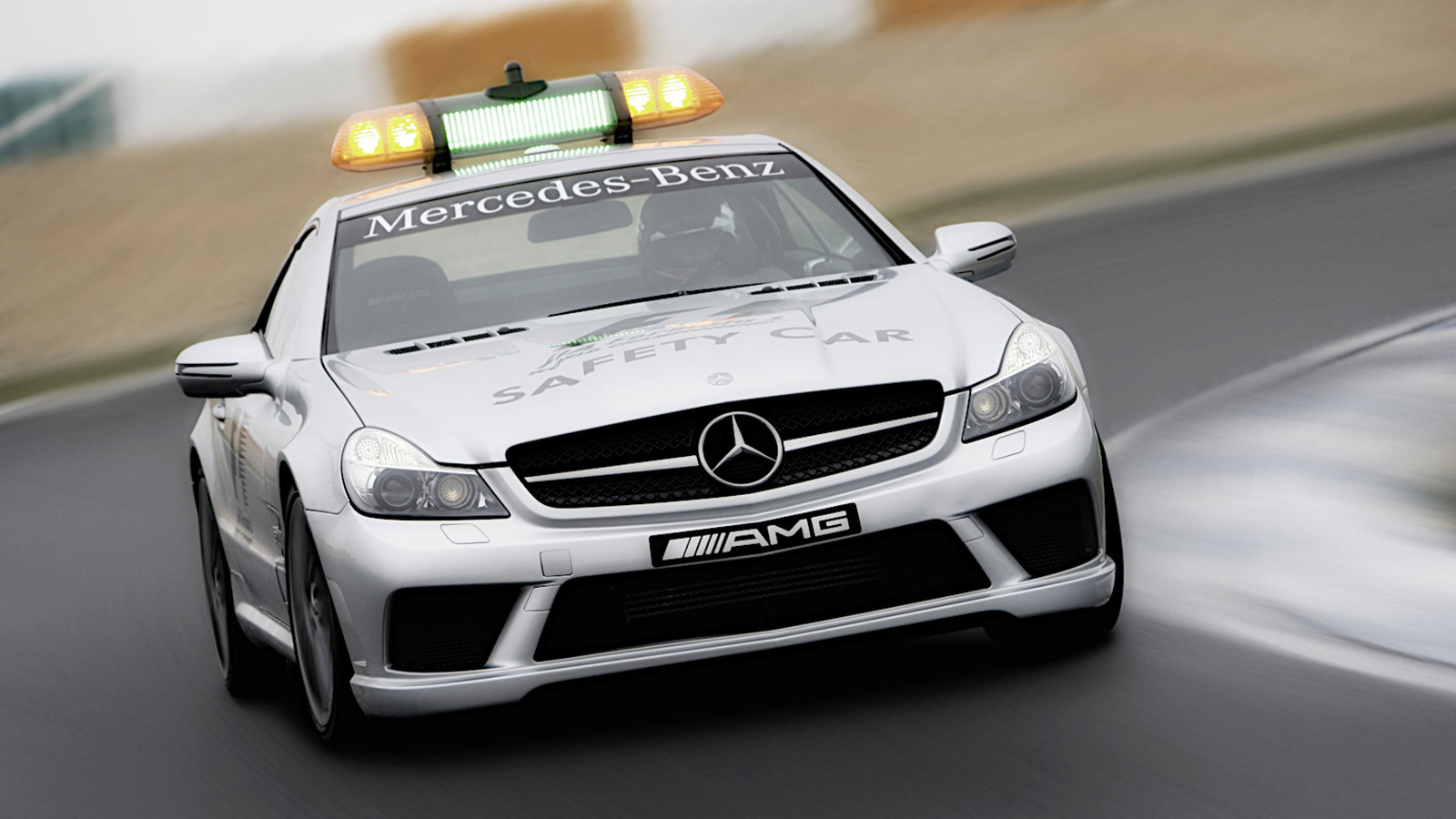
17. Mercedes-Benz SL63 AMG
In the second example of a Mercedes-Benz acting as the safety car when powered by the 5.4-litre engine and later returning with the 6.2, the SL63 AMG was employed for the 2008 and 2009 F1 seasons.
Now in facelifted form, the car was required to lead the field for the first two laps in Italy in 2008, and then for the first eight laps in China the following year, in each case because the track was very wet.
As if to balance this out, the 2009 Grands Prix in Australia and Italy both finished under safety-car conditions.
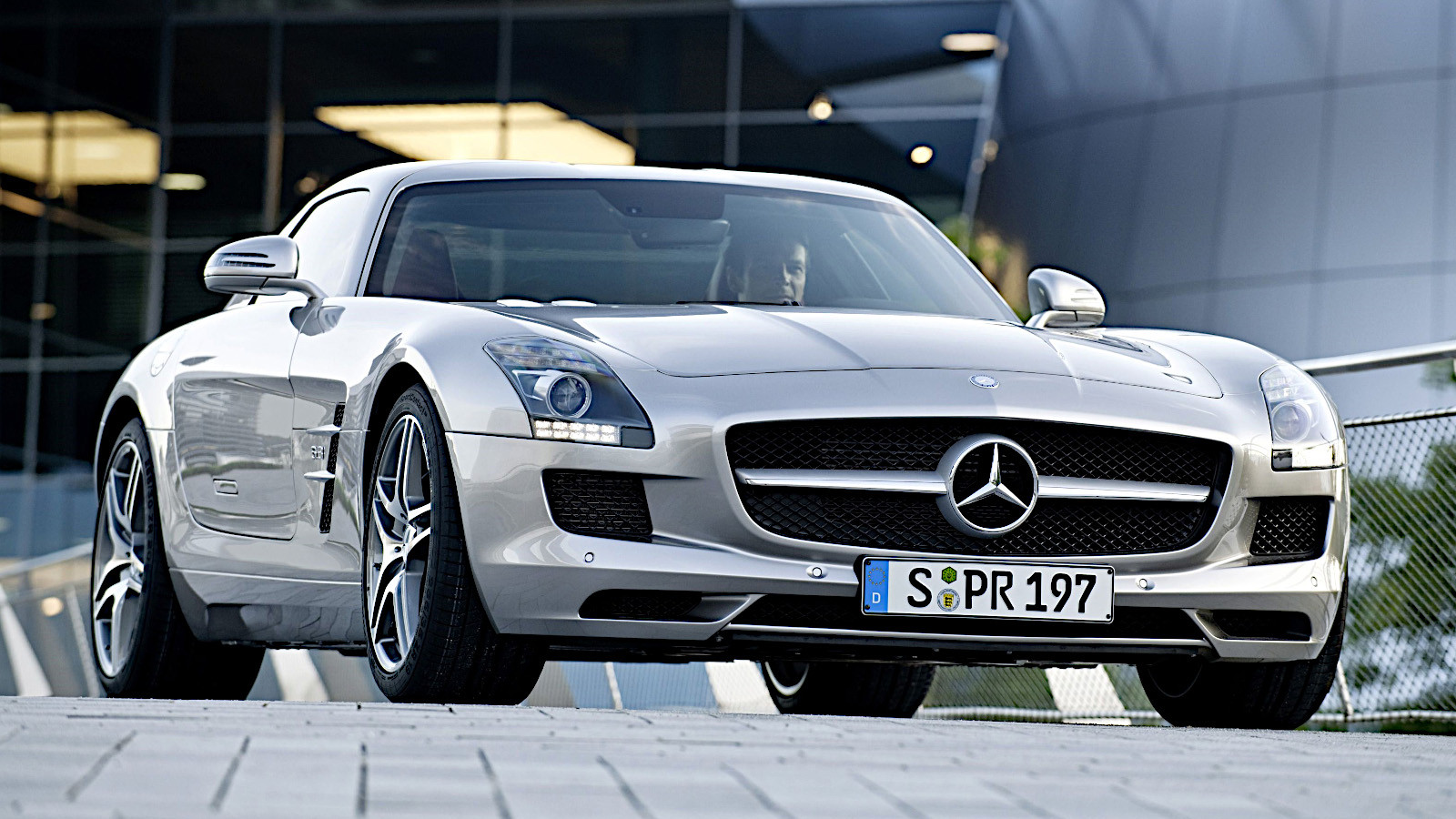
18. Mercedes-Benz SLS AMG
Powered by an uprated version of the 6.2-litre V8, the SLS AMG was, among other notable features, the first F1 safety car with gullwing doors.
It was on standby at the first round of the 2010 season in Bahrain in mid March but was not needed, though it did take to the track two weeks later in Australia, where safety cars frequently get some exercise.
This is also common in Canada, where, the following year, the SLS AMG led the pack from both the start and, following a stoppage due to heavy rain, the restart, and was deployed a further four times during the Grand Prix.
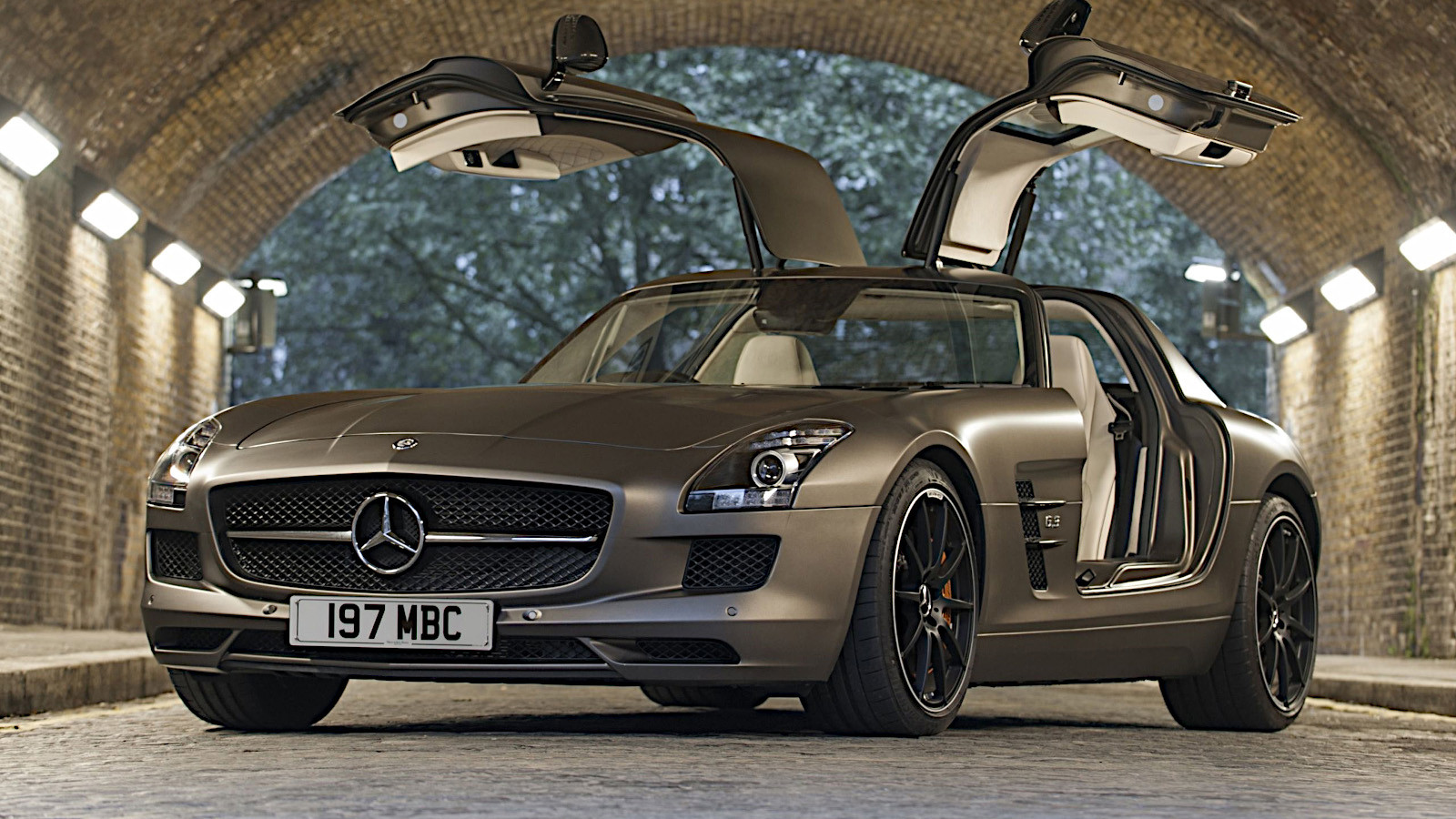
19. Mercedes-Benz SLS AMG GT
Strictly speaking, the SLS AMG was F1’s safety car from the beginning of 2010 to the end of 2014, but there was a minor change in 2012.
That was the year Mercedes introduced the SLS AMG GT, which was similar to the regular model but with more power and several other upgrades.
It made its debut at the Belgian Grand Prix, and was called out almost immediately due to a crash straight after the start.
At the end of the 2012 season, the GT led the field across the finish line in Brazil, as it did again in Canada in 2014.
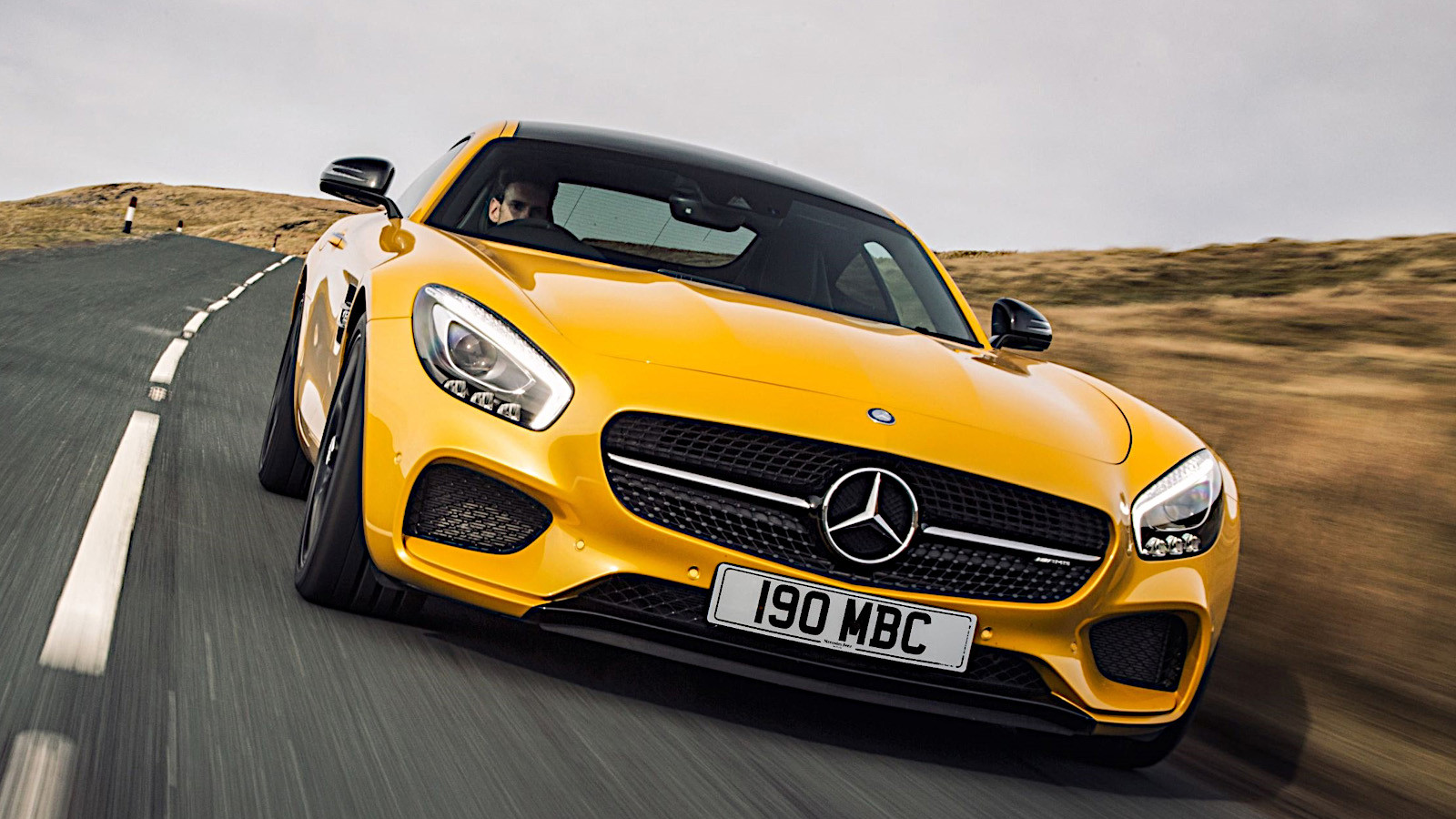
20. Mercedes-AMG GT S
Like the SLS AMG, the AMG GT was used in different forms over a period of several years.
The first version was the S, which took over the role in 2015, and was the first F1 safety car since the SLK55 AMG not to be powered by the 6.2-litre V8.
The new unit was also a V8, but its capacity was much smaller at 4 litres, plus it was fitted with twin turbochargers.
The S was deployed for the final lap of the 2015 Chinese Grand Prix because of a late crash, and at the start of the 2016 rounds in Monaco, the UK and Brazil, all because of heavy rain.
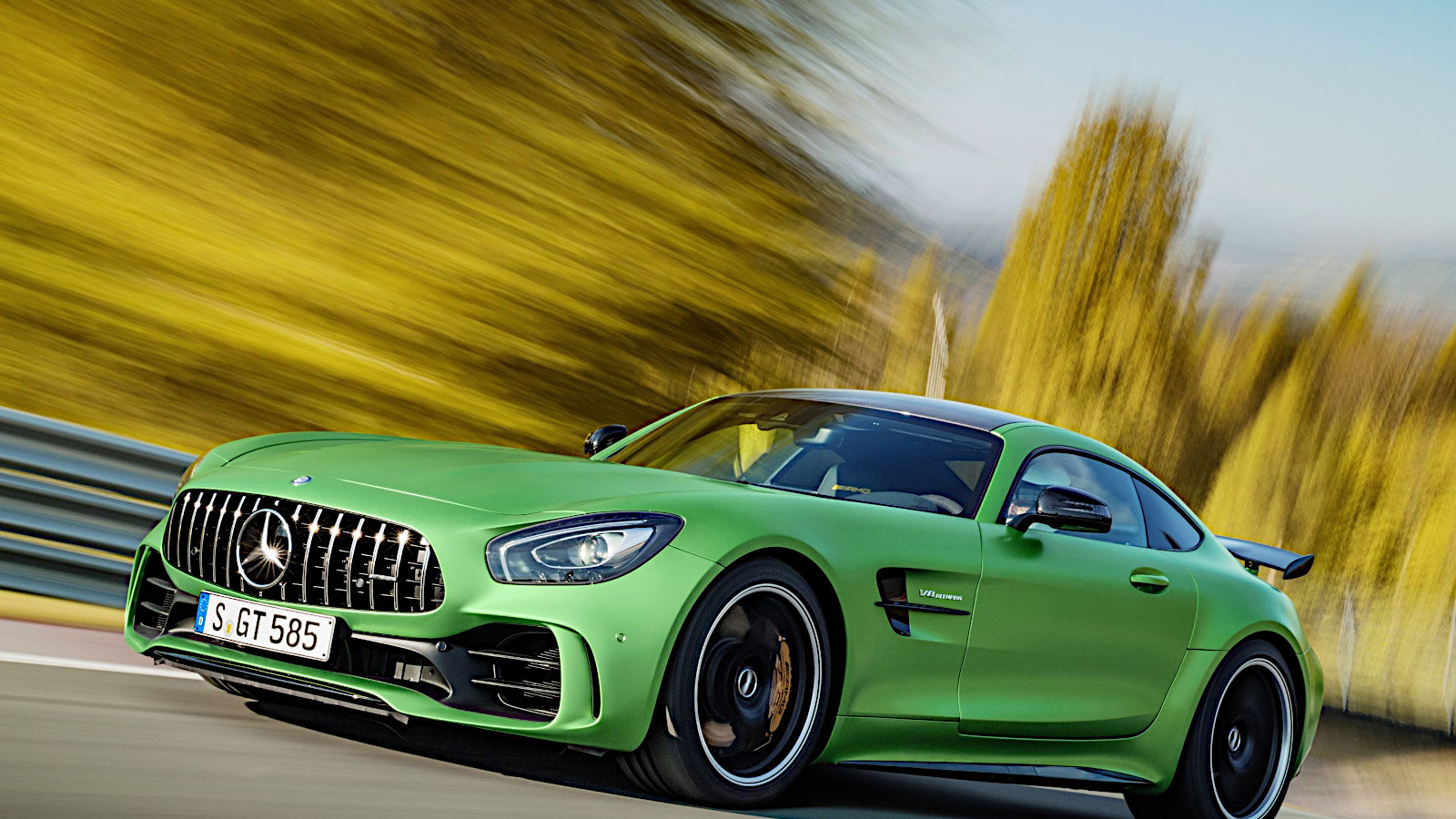
21. Mercedes-AMG GT R
The R, fitted with a more powerful version of the 4-litre, twin-turbo engine, became the new F1 safety car at the beginning of the 2018 season, and Mercedes-AMG pointed out that it was the most powerful yet, though its output was only slightly higher than that of the SLS AMG GT.
The Mercedes-AMG GT R was deployed in approximately half of all the Grands Prix held from 2018 to 2020.
In 2021, it became the first official F1 safety car to be joined in that role by another vehicle.
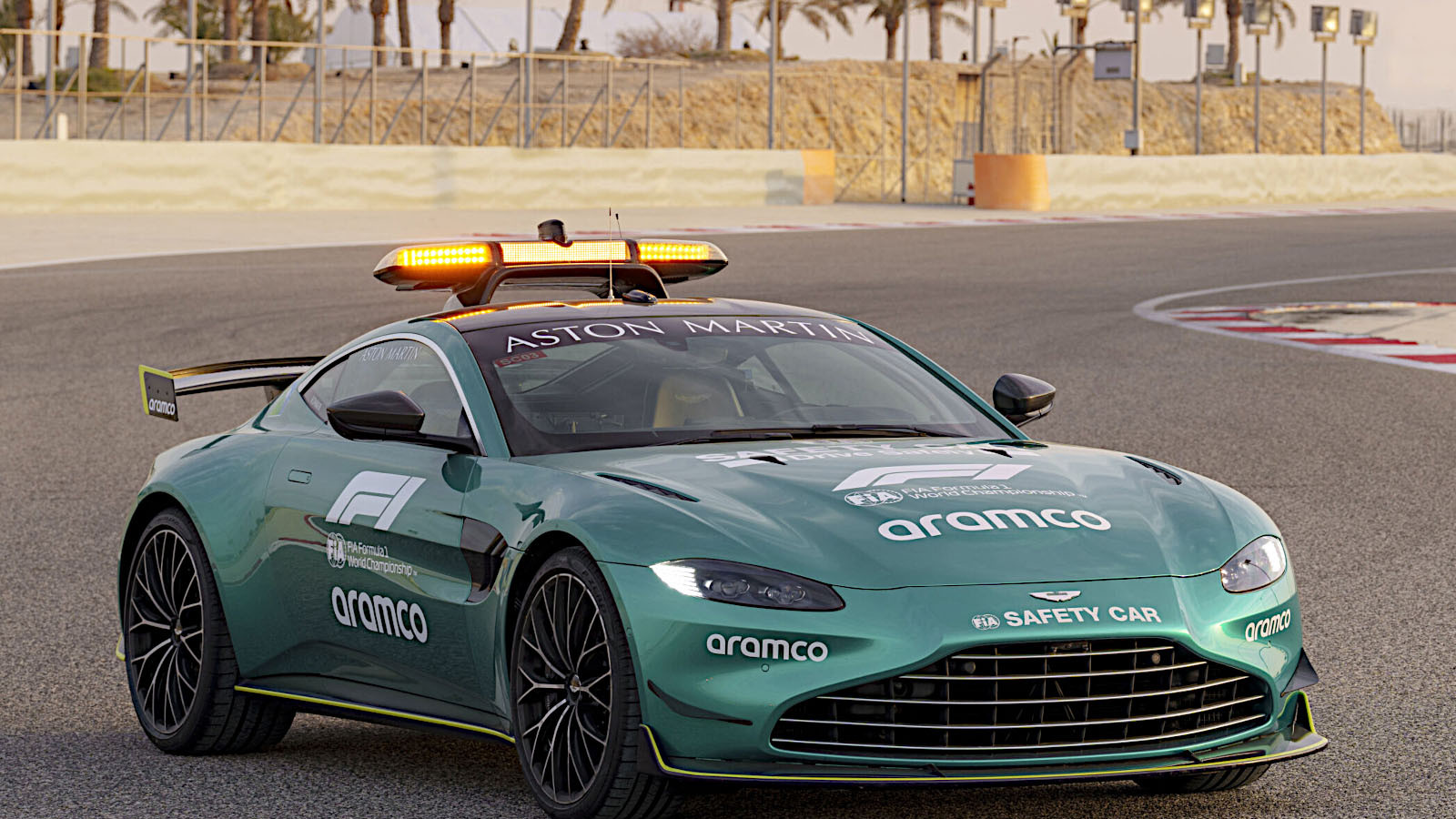
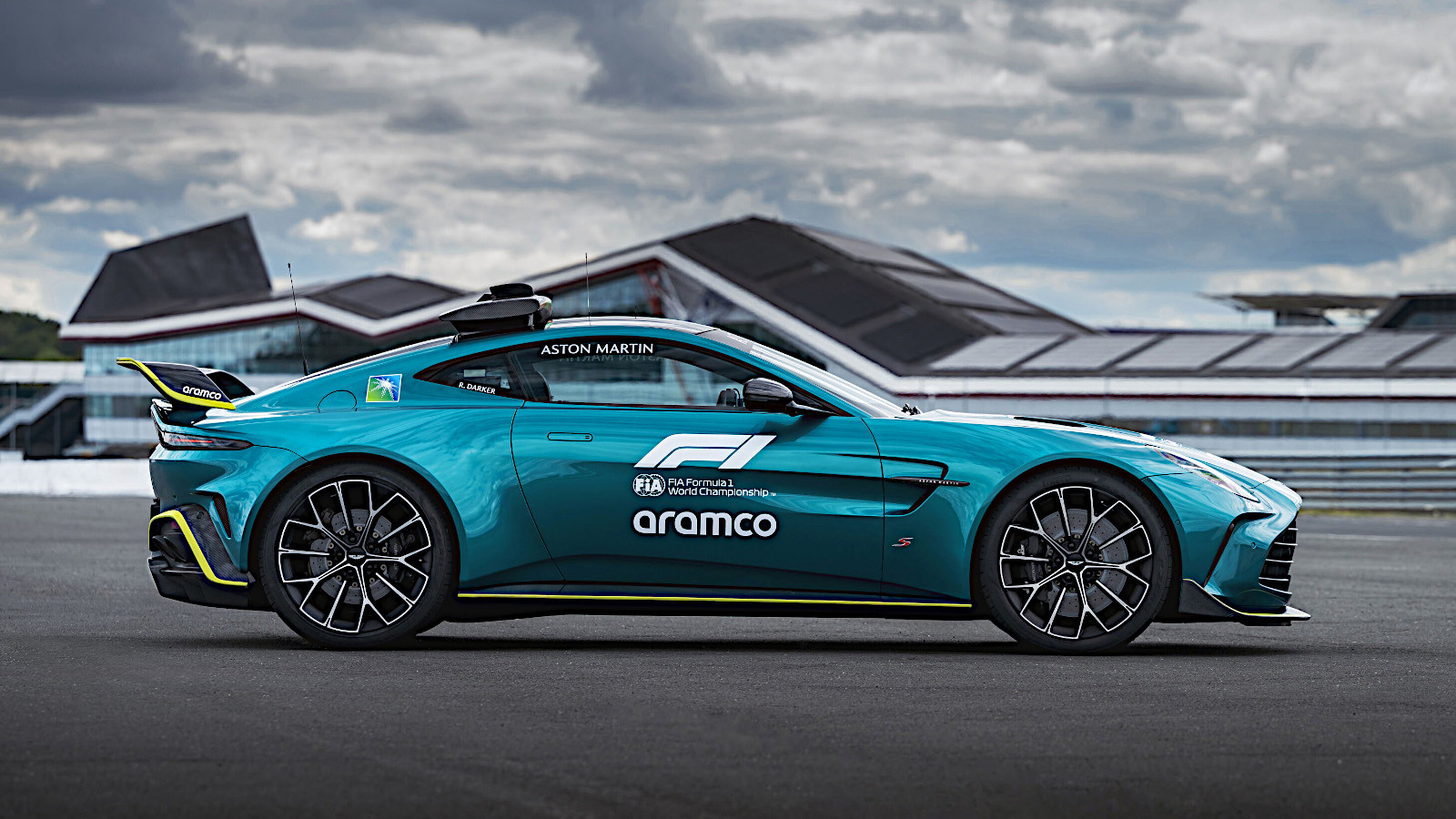
22. Aston Martin Vantage
From the start of the 2021 season, safety-car duties were divided between cars provided by Mercedes-Benz, which had been the sole supplier since 1996, and Aston Martin.
Aston Martin’s first model in this context was the Vantage, which had a 4-litre, twin-turbo engine – the same unit, in fact, that powered the Mercedes-AMG GT.
The Vantage was involved in a controversial safety-car incident near the end of the 2021 Abu Dhabi Grand Prix, which was immediately followed by Max Verstappen winning his first F1 World Championship title.
Aston Martin updated the Vantage considerably in 2024, and the new version was naturally used as a safety car from then on.
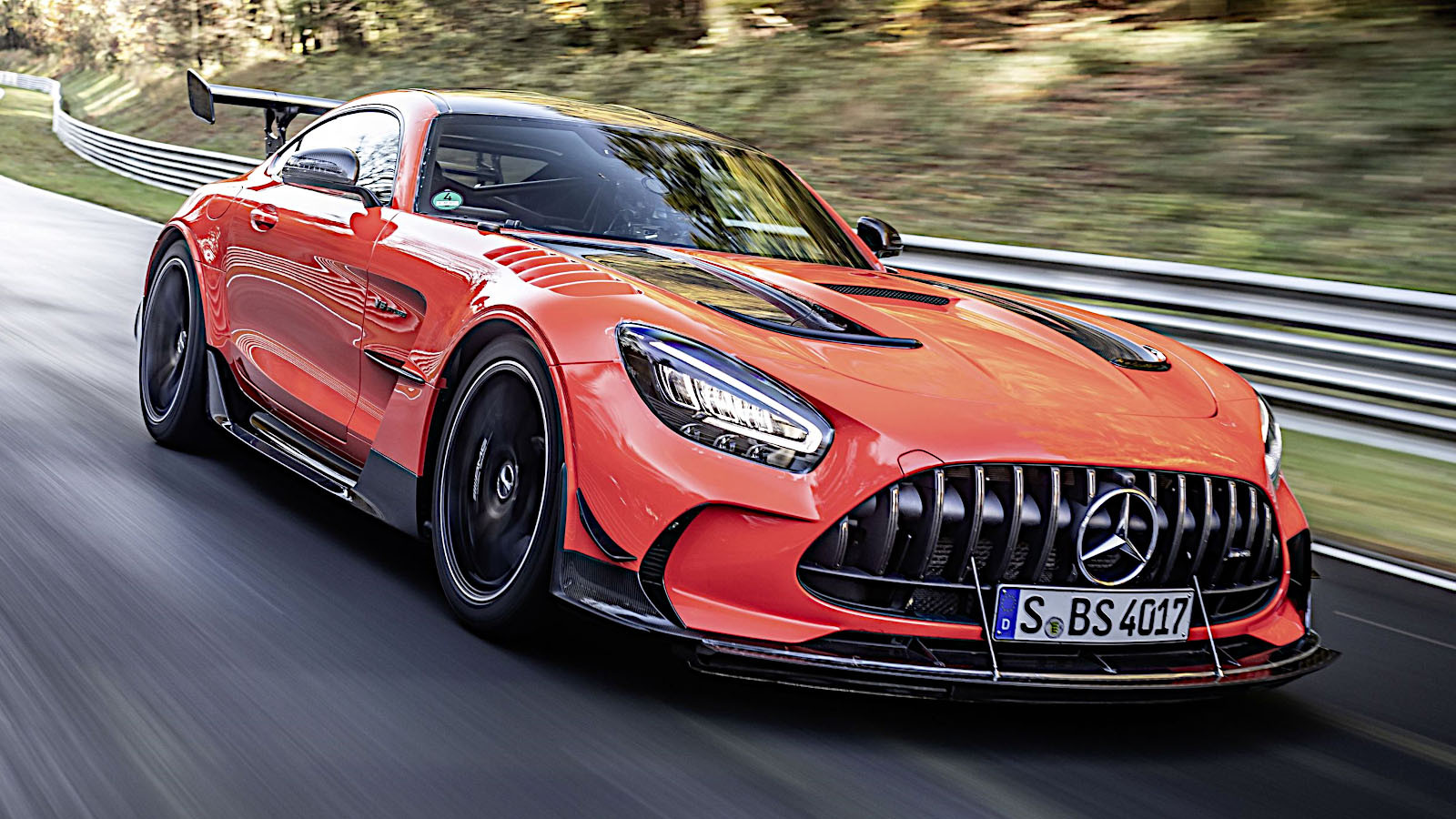
23. Mercedes-AMG GT Black Series
As of 2025, the most recent in the long line of Mercedes-Benz safety cars has been a third GT, known as the Black Series.
Given its official role in 2022, this was yet another model that used a 4-litre, twin-turbo V8, but maximum power was now up to 720bhp.
To put this into safety-car context, that’s significantly more than the combined outputs of its predecessors, the Porsche 914, Fiat Tempra, Opel Vectra and Renault Clio Williams.
24. Aston Martin Vantage S
Having just seen the output of the GT Black Series, you might consider the Vantage S to be relatively underpowered.
However, a maximum output of 671bhp means that it’s certainly capable of safety-car duties in the modern era.
It first appeared as the replacement for the previous Vantage in the 2025 Dutch Grand Prix at Zandvoort, where it was deployed three times.