
The most-imported cars to the USA in 1975
Half a century ago, in 1975, 2,074,653 cars built in other countries were sold from US dealerships.
This was partly the result of an overall sales downturn following the global energy crisis of 1973 (imports had been more than 2.5 million in previous years, and would exceed three million in 1978), but it was a startling advance over the mere 563,673 imports of a decade earlier.
All of the above information, and most of what follows, comes from Automotive Trade Statistics 1964-80, published in December 1981 by the United States International Trade Commission.
Frustratingly, since the USITC was concerned more with imports and exports than with the finer details of automobile sales, its report does not give a sufficiently complete account to satisfy the most curious car enthusiasts, but we can use it to compile a list of the 22 most popular known imported models sold in the USA in 1975, and follow that with a round-up of a few anomalies.
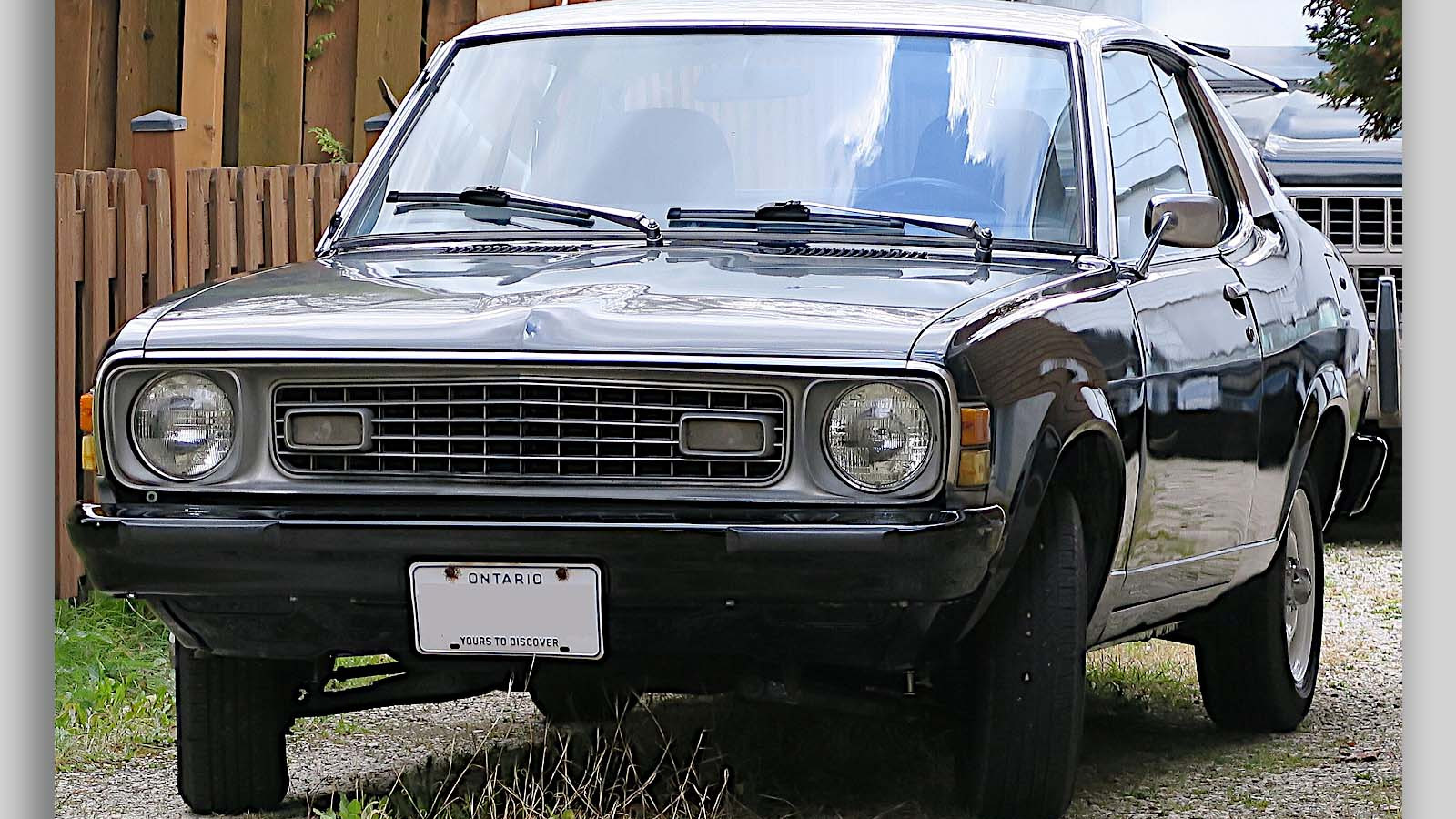
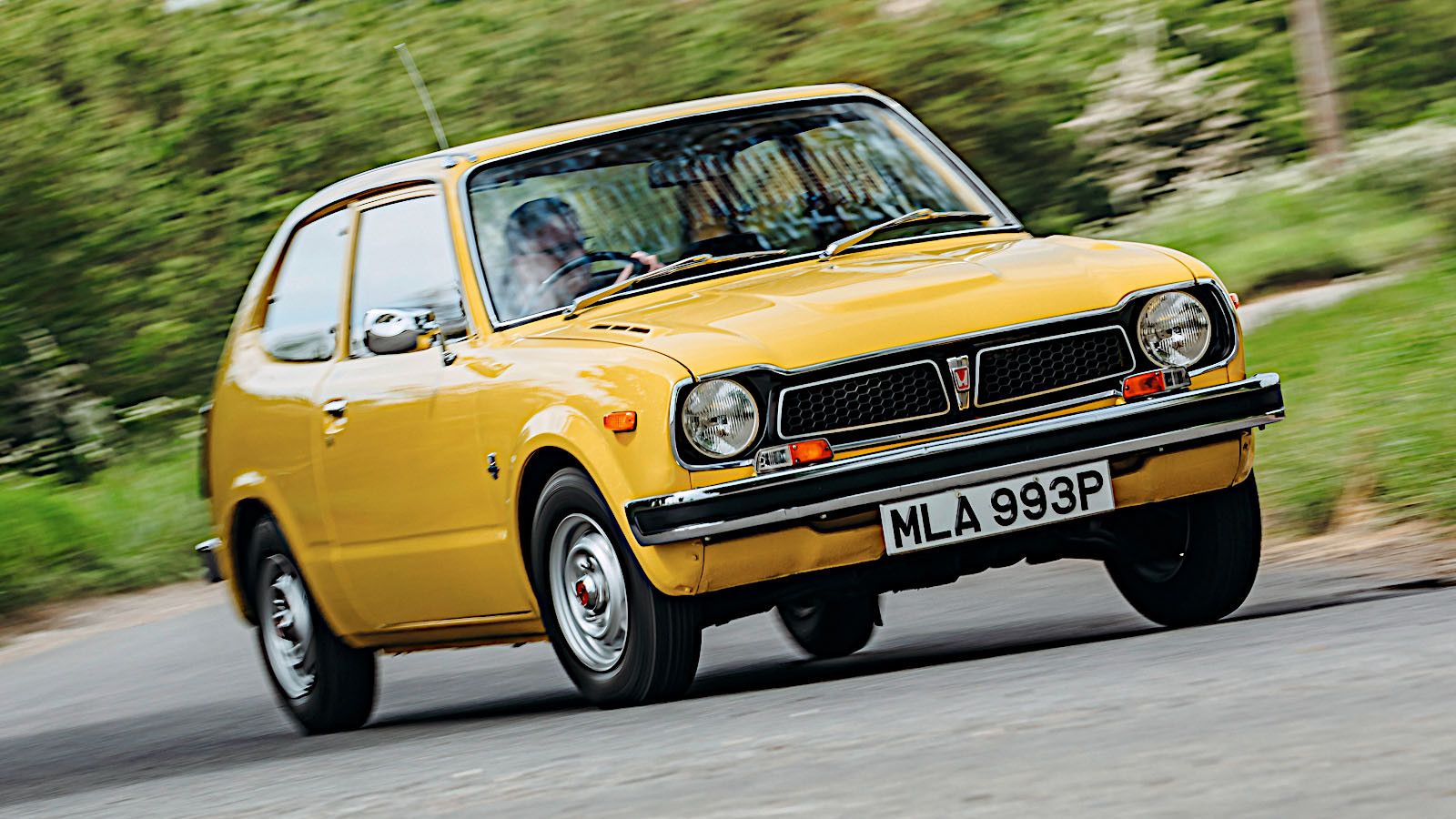
All images are of the correct model, though the individual cars shown might not have been built in 1975 or sold in the US.
The cars are presented in ascending order according to their sales figures.
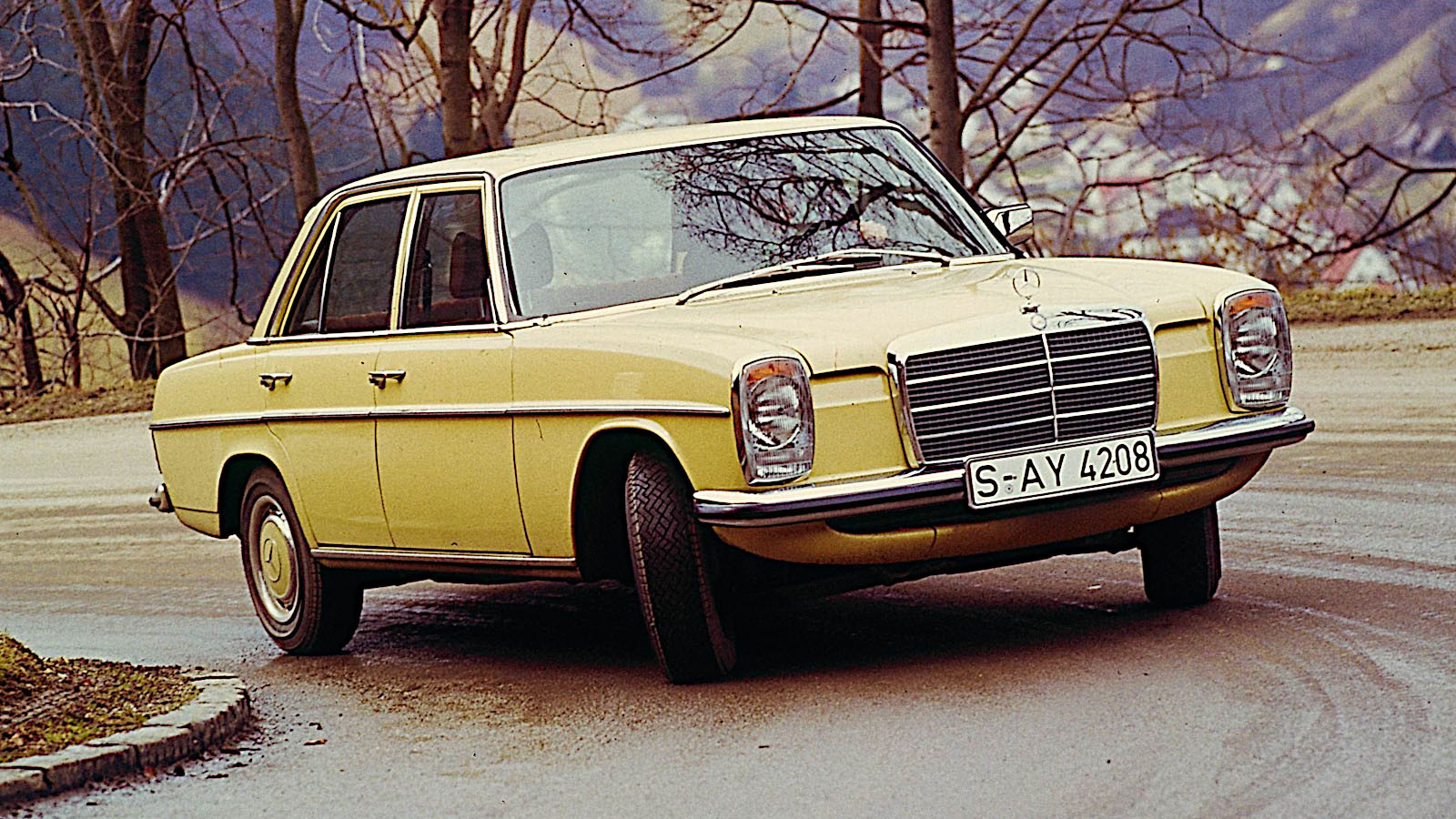
Mercedes-Benz 280: 9218 units
The 280 was part of Mercedes’ W114/W115 range, known less formally as Stroke Eight, which had been introduced in 1968 and would soon be replaced by the W123.
Powered by a 2.7-litre, straight-six, petrol engine, it was the second most popular Mercedes-Benz among US buyers in 1975, despite a crash in sales no doubt caused by the energy crisis.
Just two years earlier, it had attracted 14,884 customers, a figure neither this car nor the next-generation 280 would come close to for the rest of the decade.
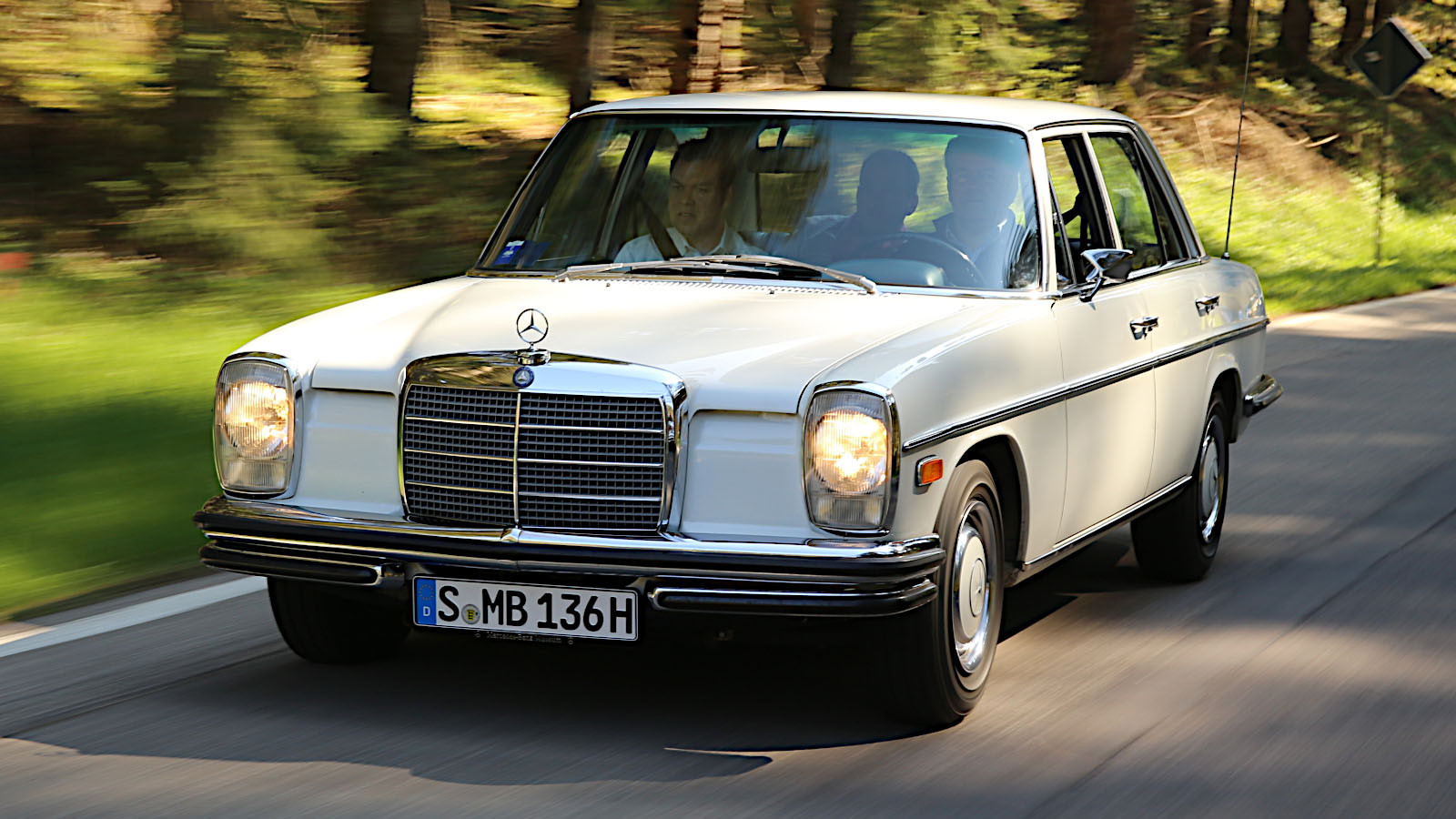
Mercedes-Benz 240D: 9809 units
In the immediate post-1973 world, when fuel prices were far more concerning than they had been only a few years before, it was almost inevitable that the best-selling Mercedes-Benz in the US would have a diesel engine.
The 2.4-litre, four-cylinder 240D’s lack of power, in comparison with the 280, was almost ludicrous at first sight, but it was also far more economical, and that was suddenly a very important consideration.
In fact, sales of the visually almost identical models remained close, but the 240D had taken a small lead in 1974 (9668 sales versus the 280’s 9357), and extended it a little further in the following year.
Mercedes-Benz also produced another 240D with a 3-litre, five-cylinder, diesel engine, but this was sold in the US as the 300D, so its 6648 sales are not included in the above figure.
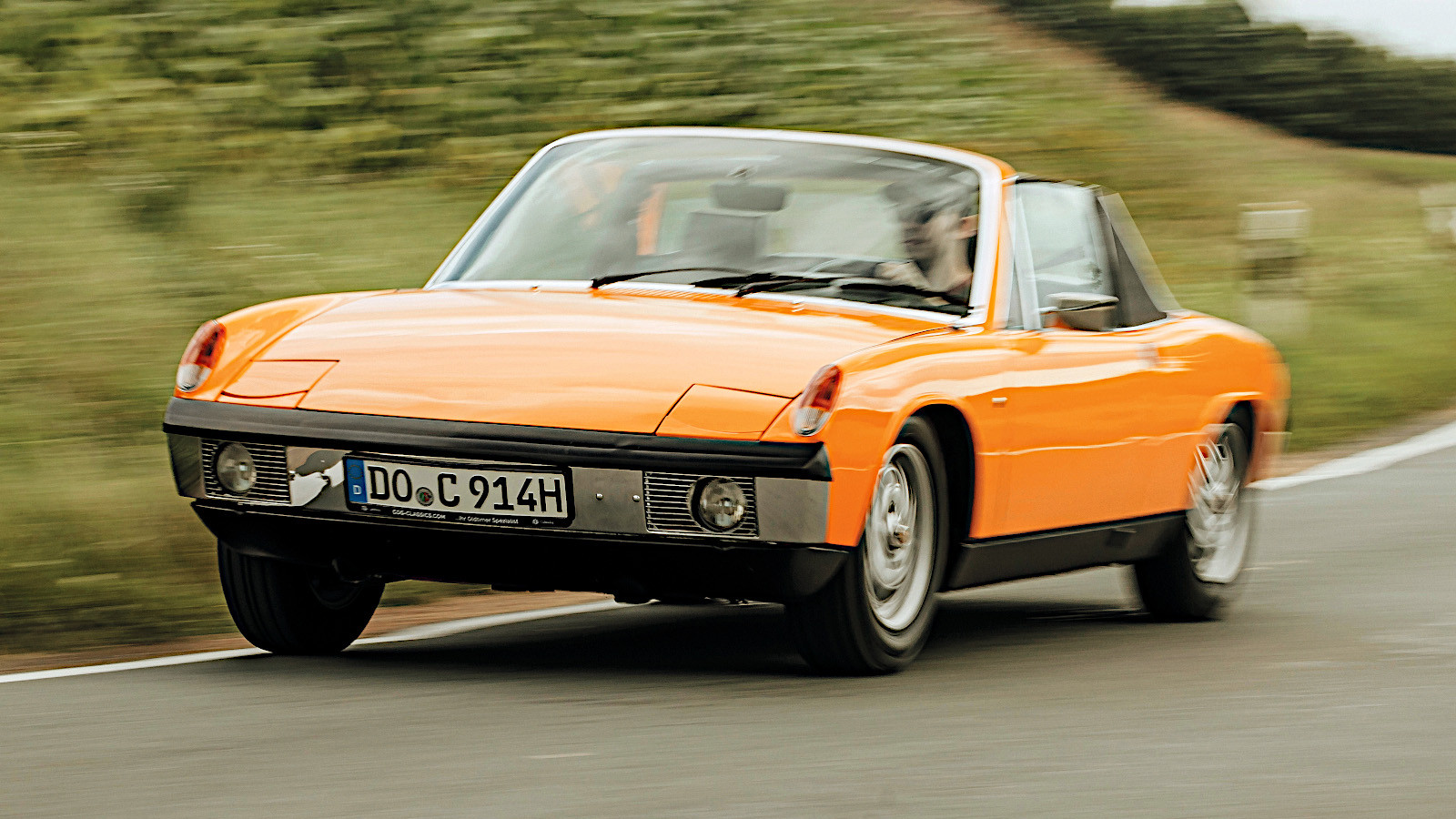
Porsche 914: 11,200 units
The first mid-engined Porsche road car (and the only one until the introduction of the Boxster in the 1990s) was available at first with either Porsche’s own flat-six or an in-line, four-cylinder engine supplied by Volkswagen.
Despite being much faster, the ‘six’ wasn’t popular. Only 3338 Porsche 914s with this engine were built, compared with 115,631 examples of the less-powerful version, and because the ‘six’ was discontinued in 1972 the 11,200 cars sold in the US three years later must all have had the VW unit.
1975 was the 914’s last year of production in any form, so it’s not surprising that sales were well short of the 17,933 recorded two years earlier.
Nevertheless, this was still by far the more popular of the two available Porsches; only 5024 911s left US dealerships in the same period.
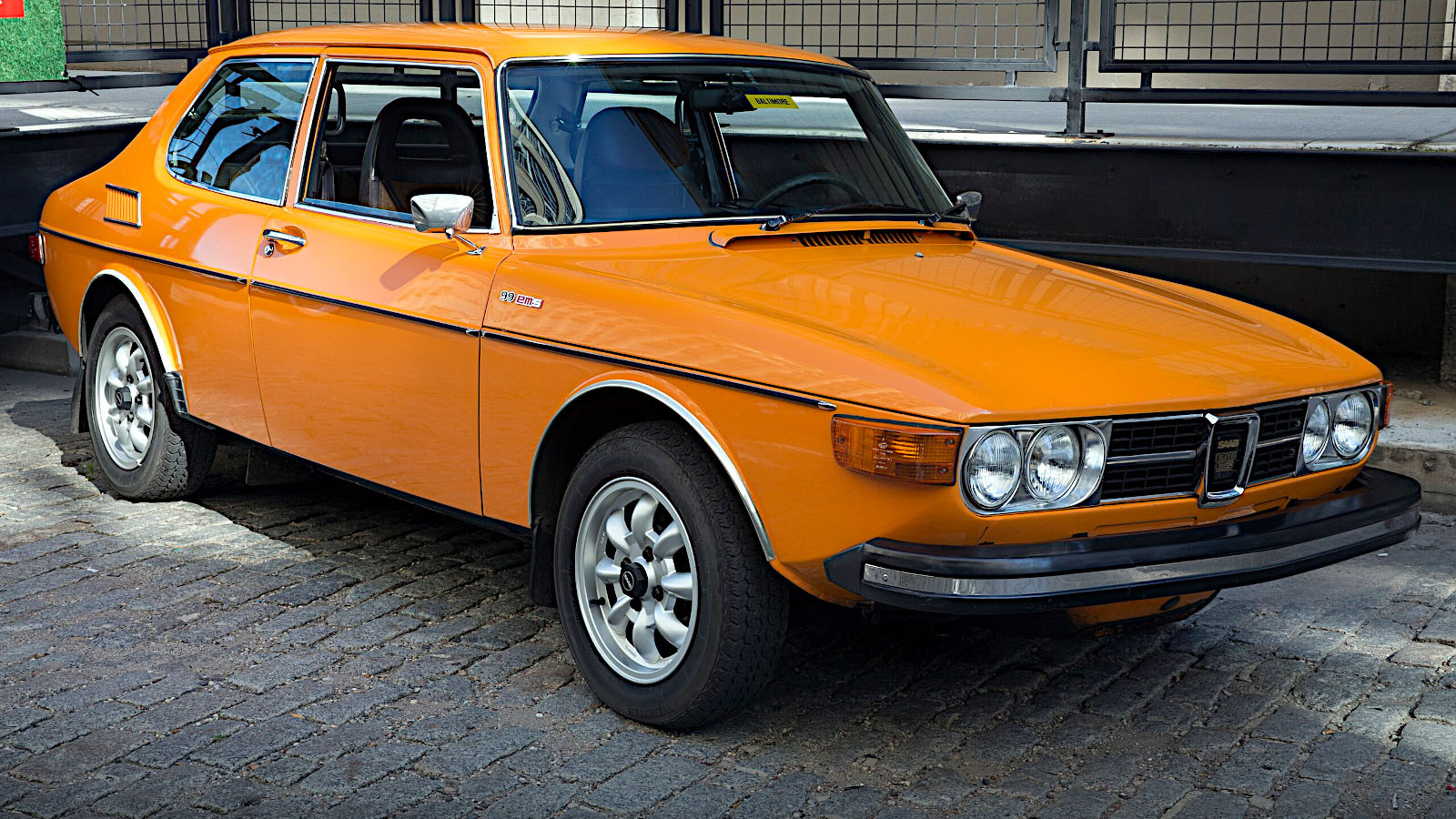
Saab 99: 12,634 units
The USITC can be mildly criticised for vagueness in some parts of its report, but it went the other way in one section, listing the Saab LE and EMS as separate models.
In fact, these cars were simply different versions of the 99, the EMS being more luxurious and (despite having the same 2-litre, four-cylinder engine) sportier than the LE.
There was no doubt about which of them found more favour in 1975 – 10,669 LEs were sold compared with just 1965 examples of the EMS.
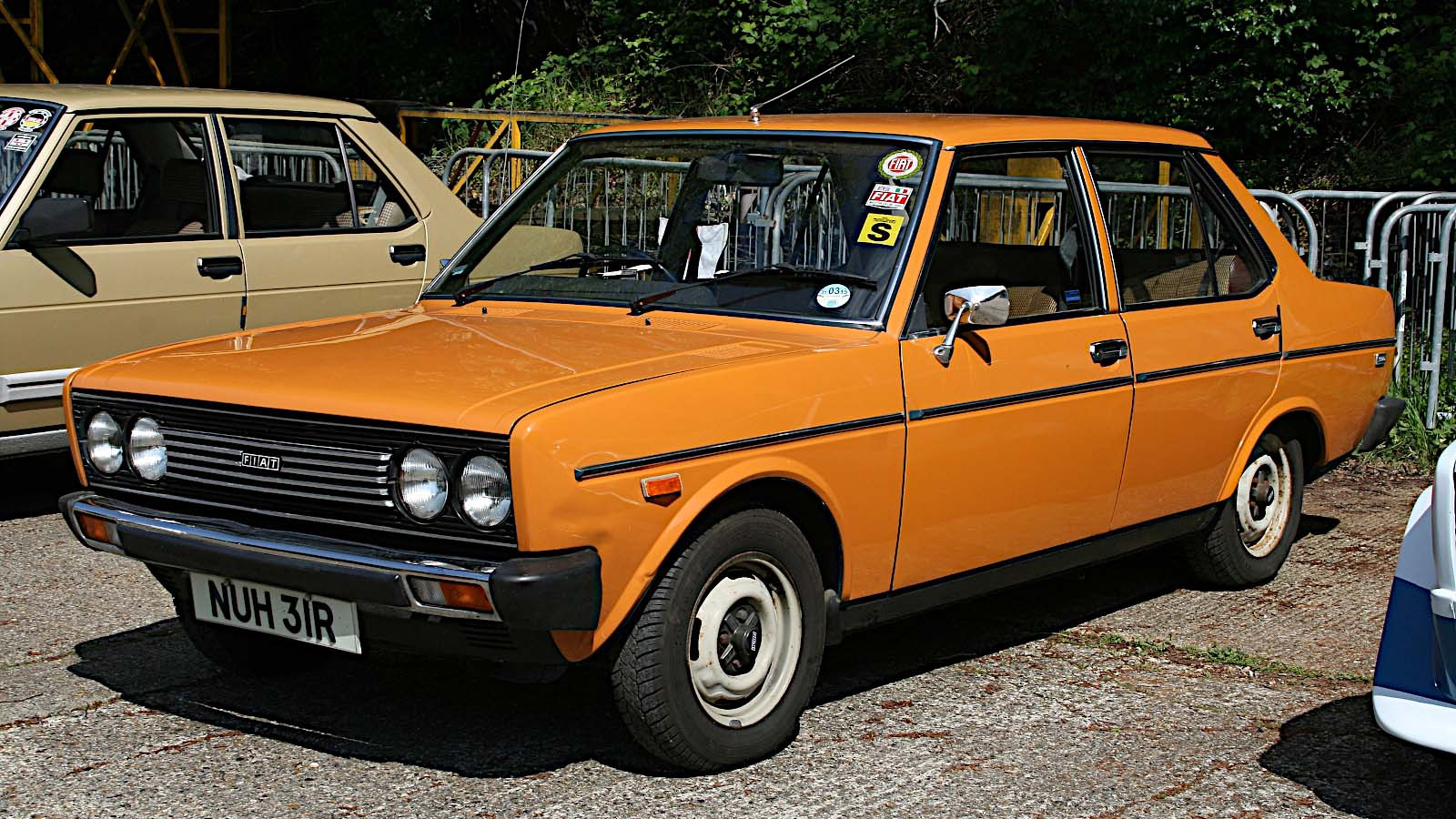
Fiat 131: 12,786 units
Although the 131 wasn’t even close to being the most popular Fiat in the USA in 1975, 12,786 sales could be seen as a respectable performance for a car in its first year on the market.
The situation improved rapidly, to the point where 22,836 131s were sold in 1977.
They remained just above 20,000 for one more year before the Fiat 131 entered a decline which even a facelift and a change of model name to Brava could not reverse.
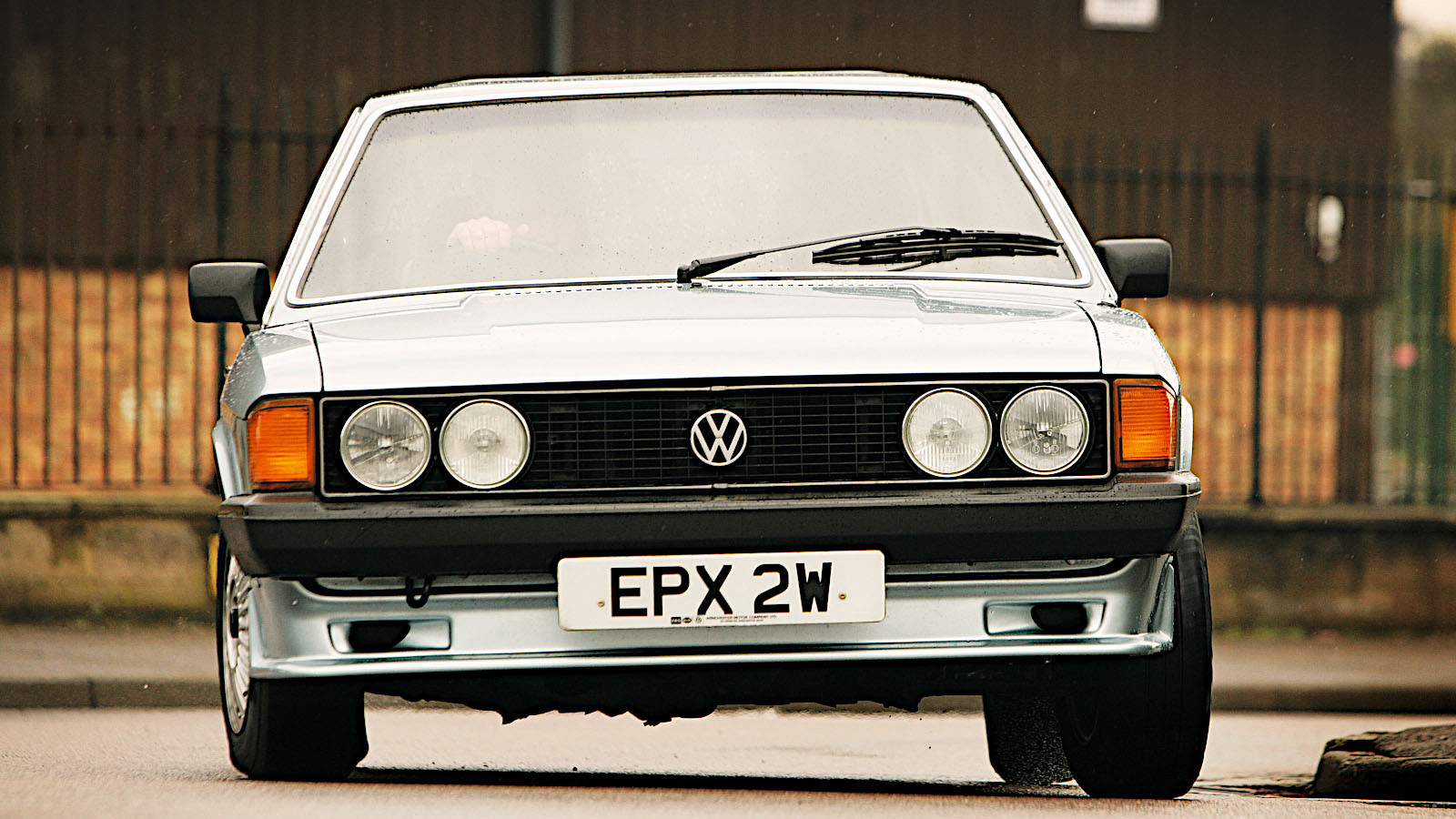
Volkswagen Scirocco: 16,108 units
The coupé derivative of the VW Golf was introduced in Germany in June 1974 and must have taken some time to make its way across the Atlantic, since only 335 examples were sold in the US that year.
In 1975, when Sciroccos were available from January to December, that figure jumped to 16,108.
This made the car the second least popular of the available Volkswagens, beating only the Type 4 (which had already been discontinued), but the fact that it also represented more than a quarter of the 58,942 Sciroccos sold worldwide that year showed that the US was already an important market for the new model.
That was even more true three years later, when the Scirocco reached its peak 1970s US sales figure of 28,156.
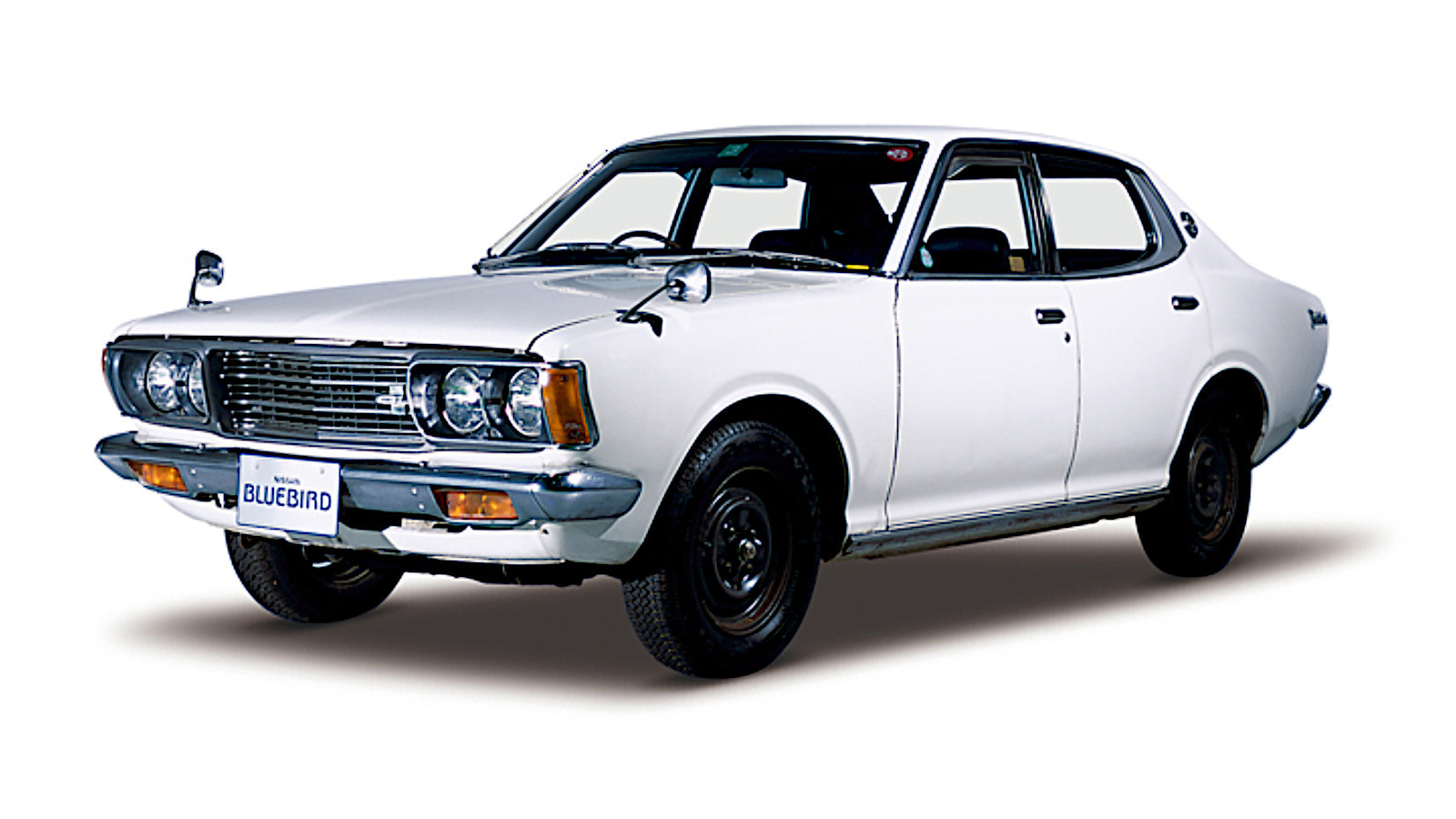
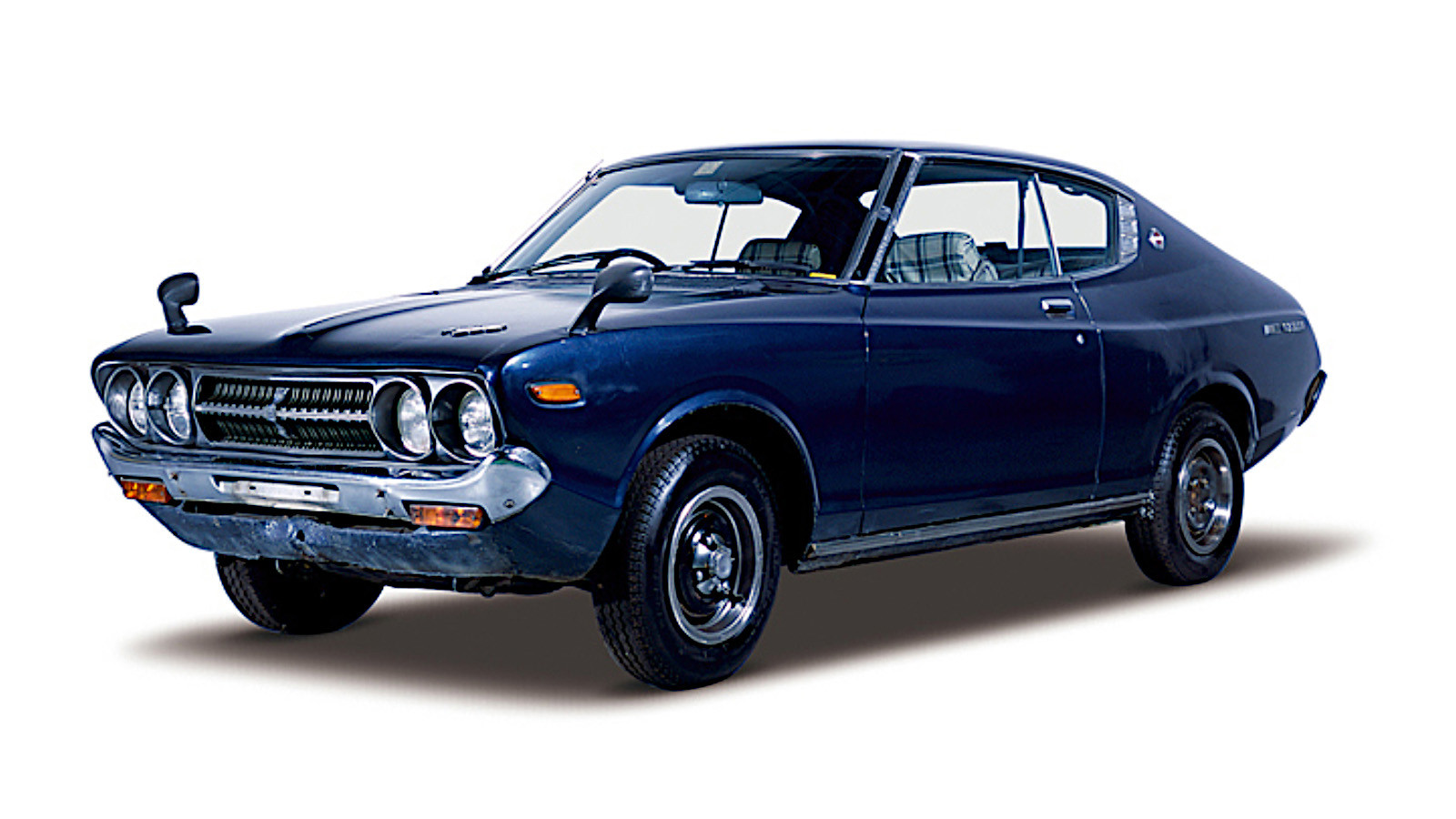
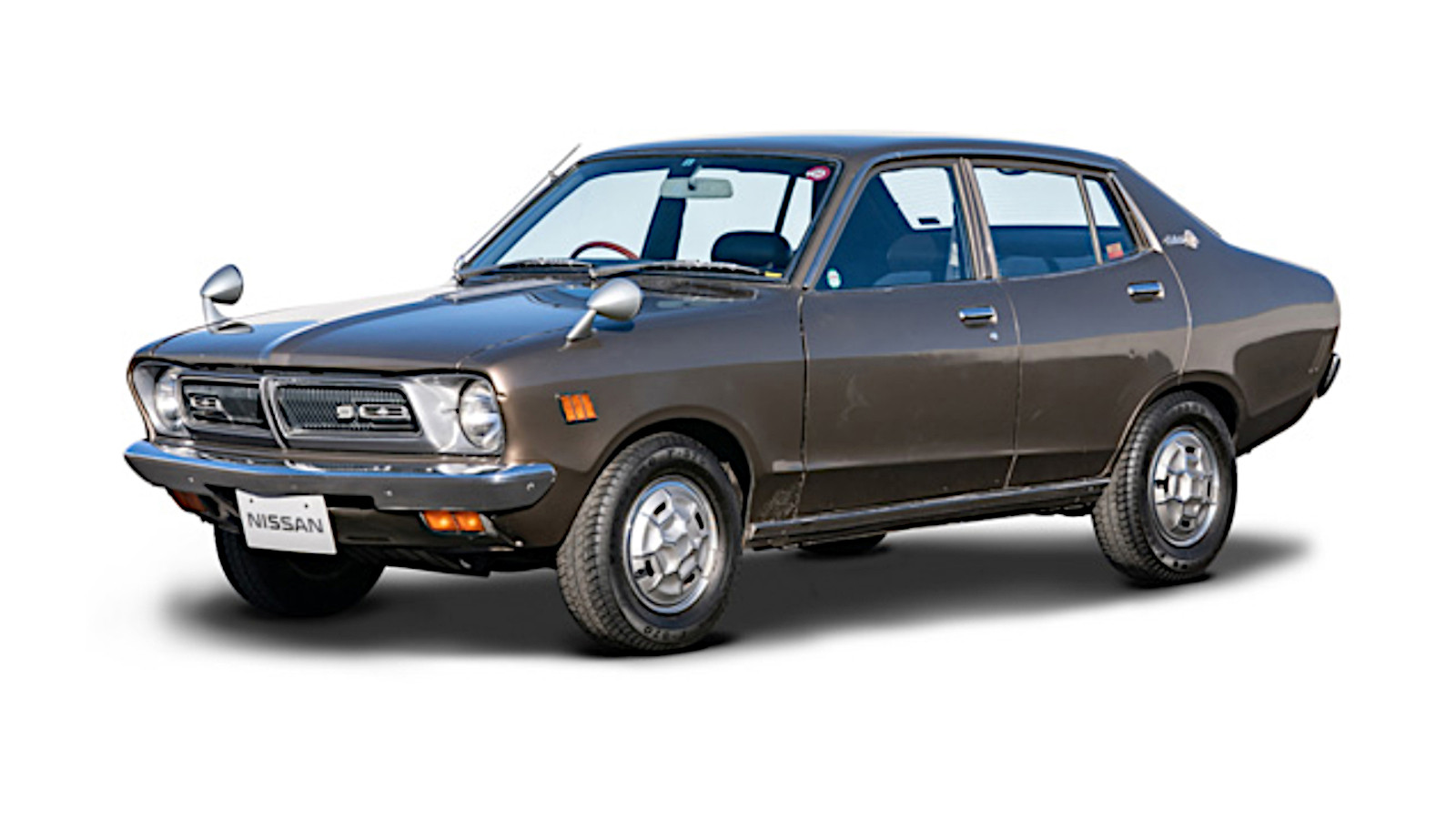
Datsun 610: 18,527 units
Back in 1973, the 610 had been Datsun’s big success story in the USA, obliterating all the company’s other models with sales of 75,511.
By 1975, the car (known in other markets as the Bluebird, 160B or 180B) was almost a thing of the past, and would still have been the least successful of the volume-selling Datsuns in that year even if it had gained twice as many customers as it actually did.
The decline continued, and sales dipped into four figures in 1977, when the 610 was replaced by the next-generation Bluebird, known in the US as the 810.
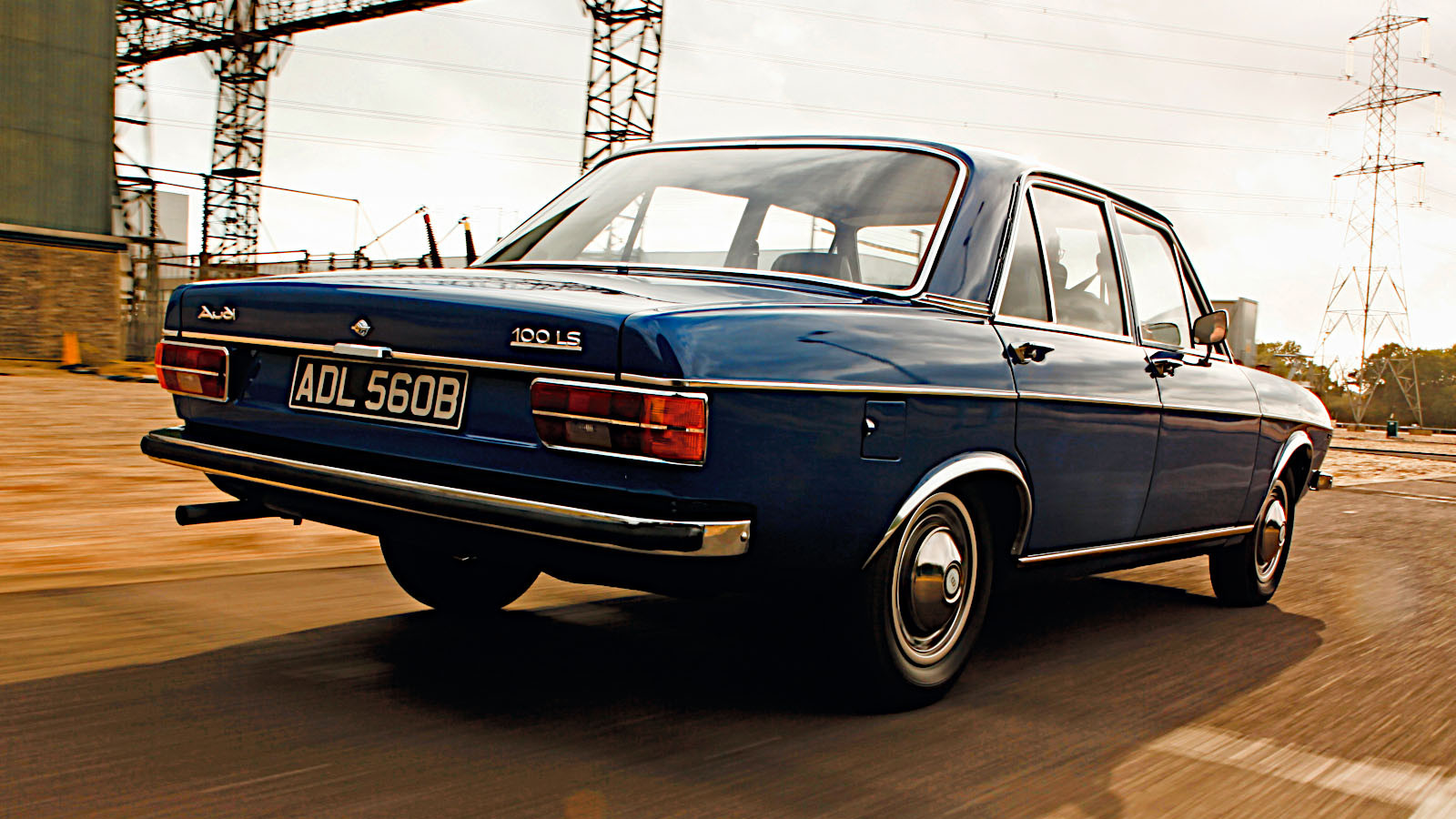
Audi 100 LS: 20,379 units
Listing the 100 LS as a model in its own right seems at first sight to be an unusual piece of precision in the USITC report, but the fact is that the LS was the only version of the Audi 100 sold in the US at this time.
Like the Datsun 610, though less dramatically, it had lost a lot of ground since 1973, with sales falling from 31,065 to a far more modest 20,379.
They continued to drop after that, but this didn’t matter too much, because the car was soon to be replaced by another model known in other countries as the next 100, but in North America as the 5000.
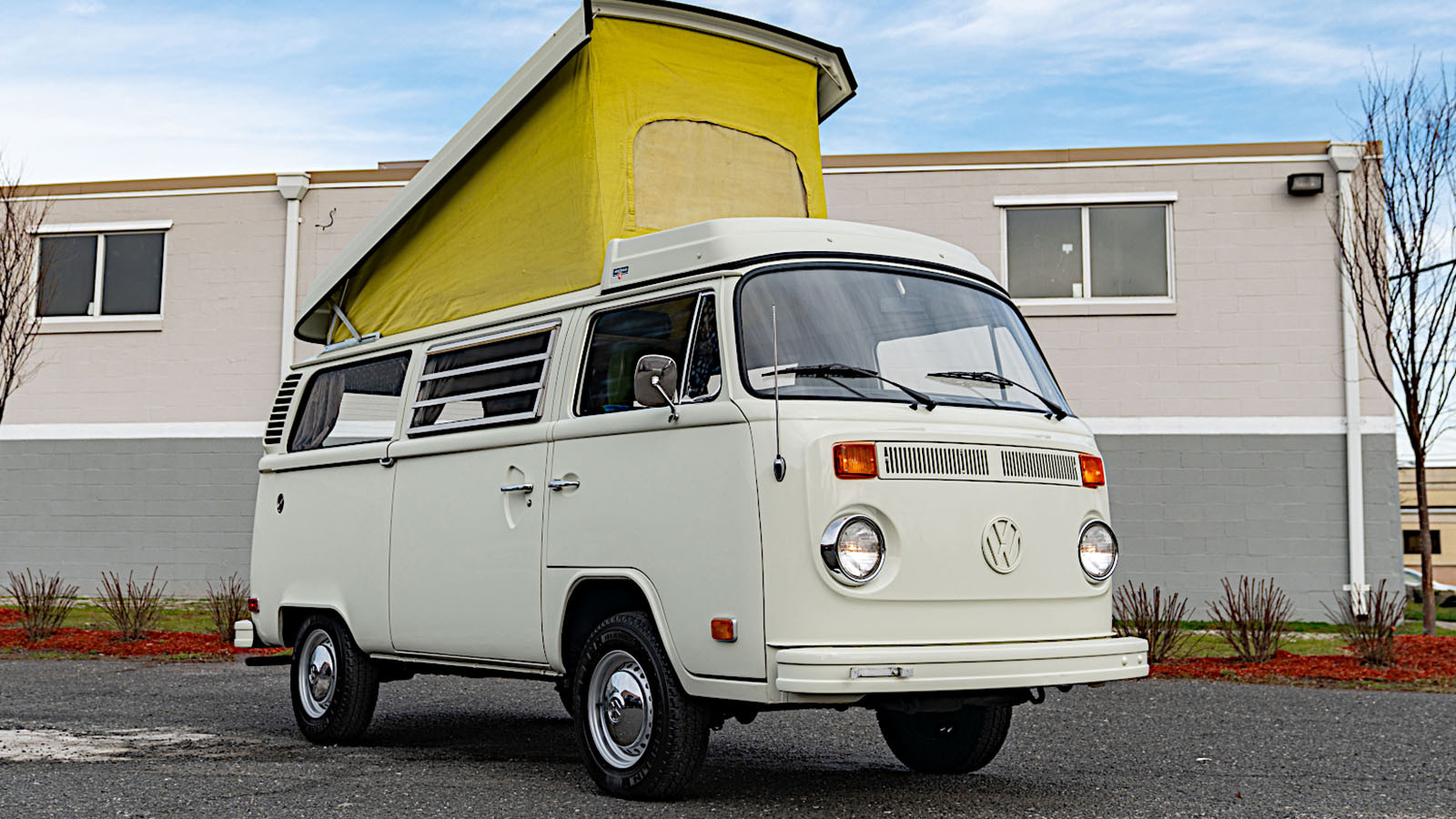
Volkswagen Type 2: 21,547 units
Type 2 refers to any of the various cuboid, rear-engined Volkswagens of which the USITC specifically mentions the Kombi and Microbus, though the listing presumably includes all the others, too.
Following a redesign in 1967, the VW Type 2 was now in its second form, with the codename T2, and was rapidly falling from grace.
As recently as 1970, 65,069 examples had been sold in the States, so the 1975 figure of 21,547 can’t have pleased Volkswagen.
There was a promising improvement to 26,108 two years later, but in 1980 fewer than half that number left dealer lots.
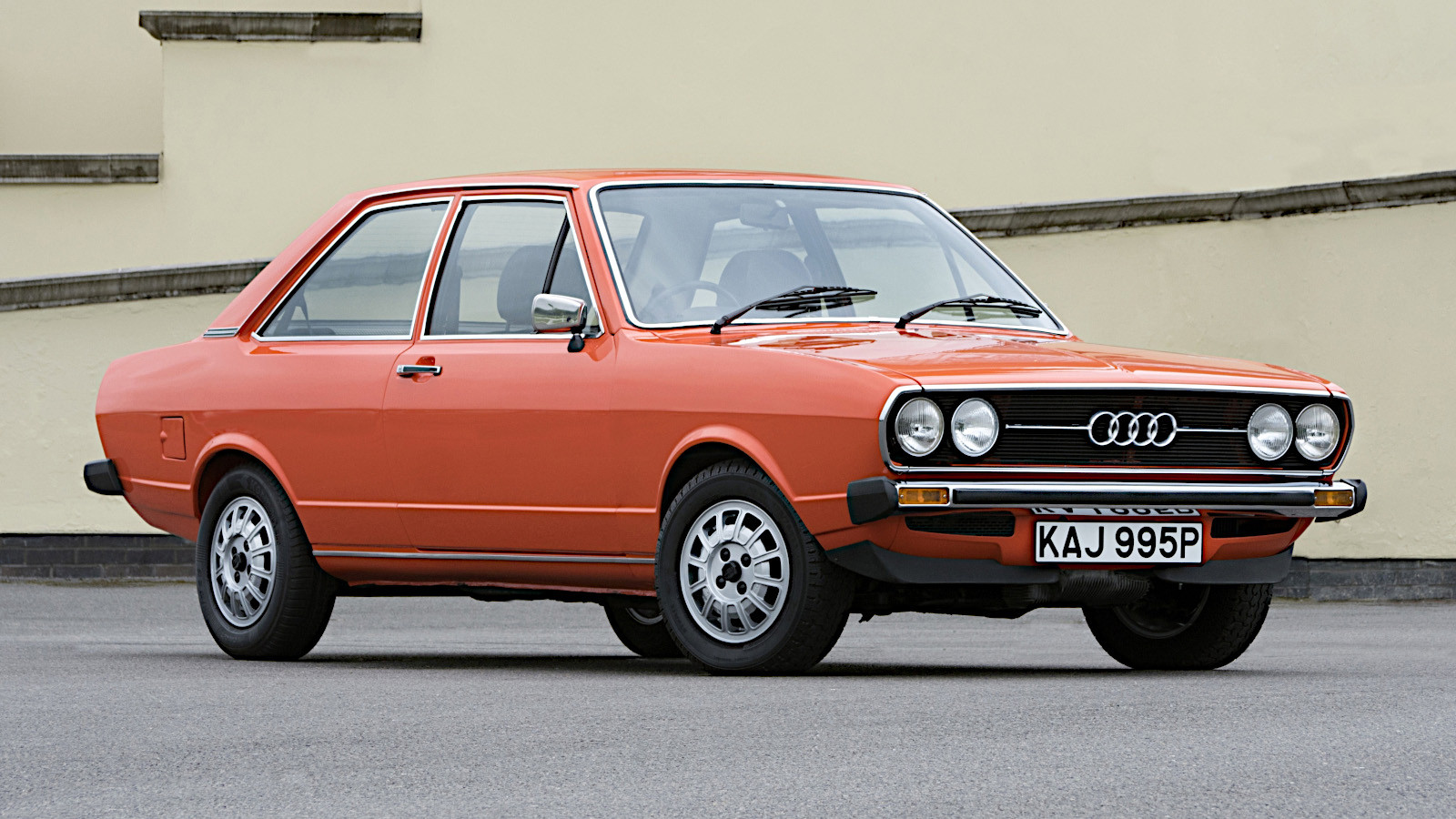
Audi 80: 30,405 units
The car known in most of the world as the Audi 80 is not referred to in the USITC report by that name, for the very good reason that it was sold in the States as the Fox.
In 1974, it had performed approximately as well as the 100 LS, with 26,457 sales compared with the larger model’s 23,978.
A year later, the fortunes of the only Audis available in the country at the time were very different, as the 80/Fox outsold the 100 LS by nearly 50%.
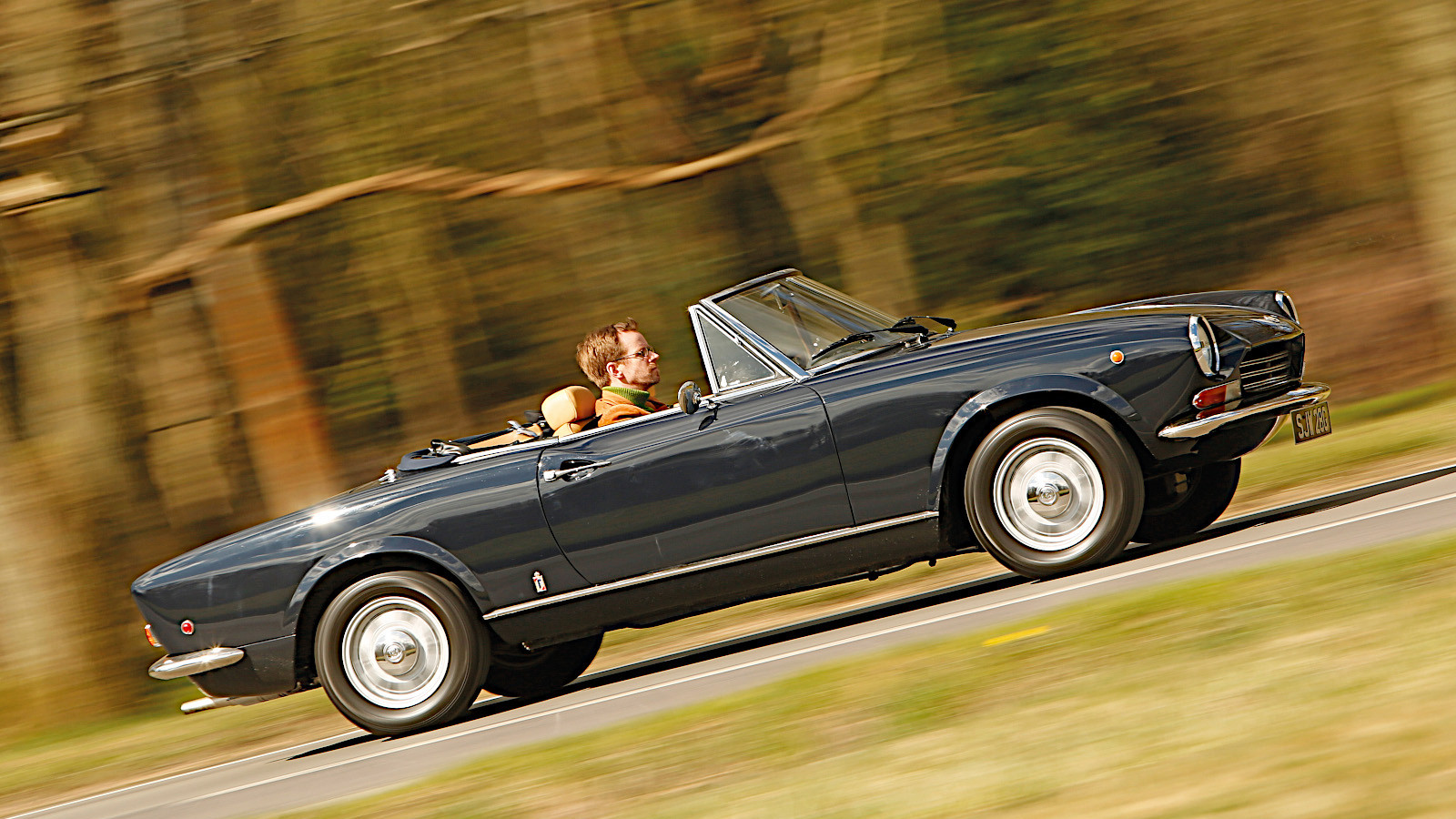
Fiat 124: 32,238 units
The 124 was almost certainly the second highest selling Fiat in the US in 1975, though it’s listed here as the highest of all because of an anomaly in the report which will be discussed later.
The USITC combined the sales for every type of 124, which in 1974 meant the saloon, station wagon, Coupé and Sport Spider (pictured) combined.
In the following year, the saloon and station wagon no longer appeared in Fiat’s brochure, having been replaced by the 131, but there must have been a remaining stock of cars manufactured in 1974, and customers willing to buy them, since sales actually rose very slightly.
Presumably there were none left by 1976, because the 124 range (by now consisting only of the Sport Spider) was well below 20,000 from then until the end of the decade.
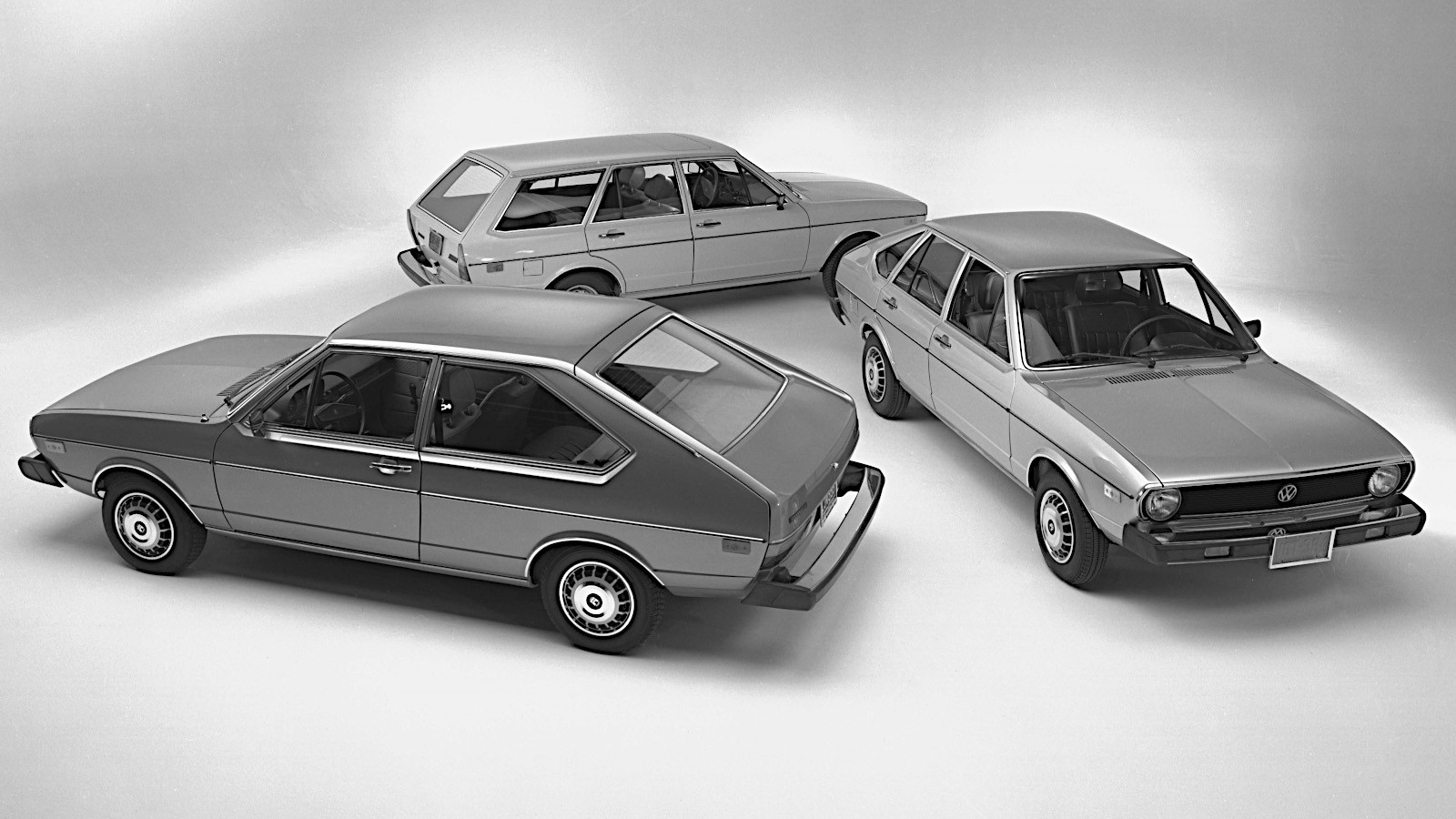
Volkswagen Dasher: 33,271 units
Dasher was the name chosen for the car known in other parts of the world as the first-generation Volkswagen Passat.
Powered only by a 1.5-litre engine, but available with two- and four-door fastback saloon bodies or as a five-door estate, the Dasher was an immediate hit on its introduction in 1974, no doubt assisted by wildly enthusiastic reviews in the motoring magazines.
One of these, quoted in a VW brochure, declared that the Dasher was ‘the family car of the future … for the next 25 years!’, but in fact annual sales dropped from 37,232 to 33,271 in 1975.
For the next four years, they languished in the 20,000s, recovering to 30,947 only in 1980.
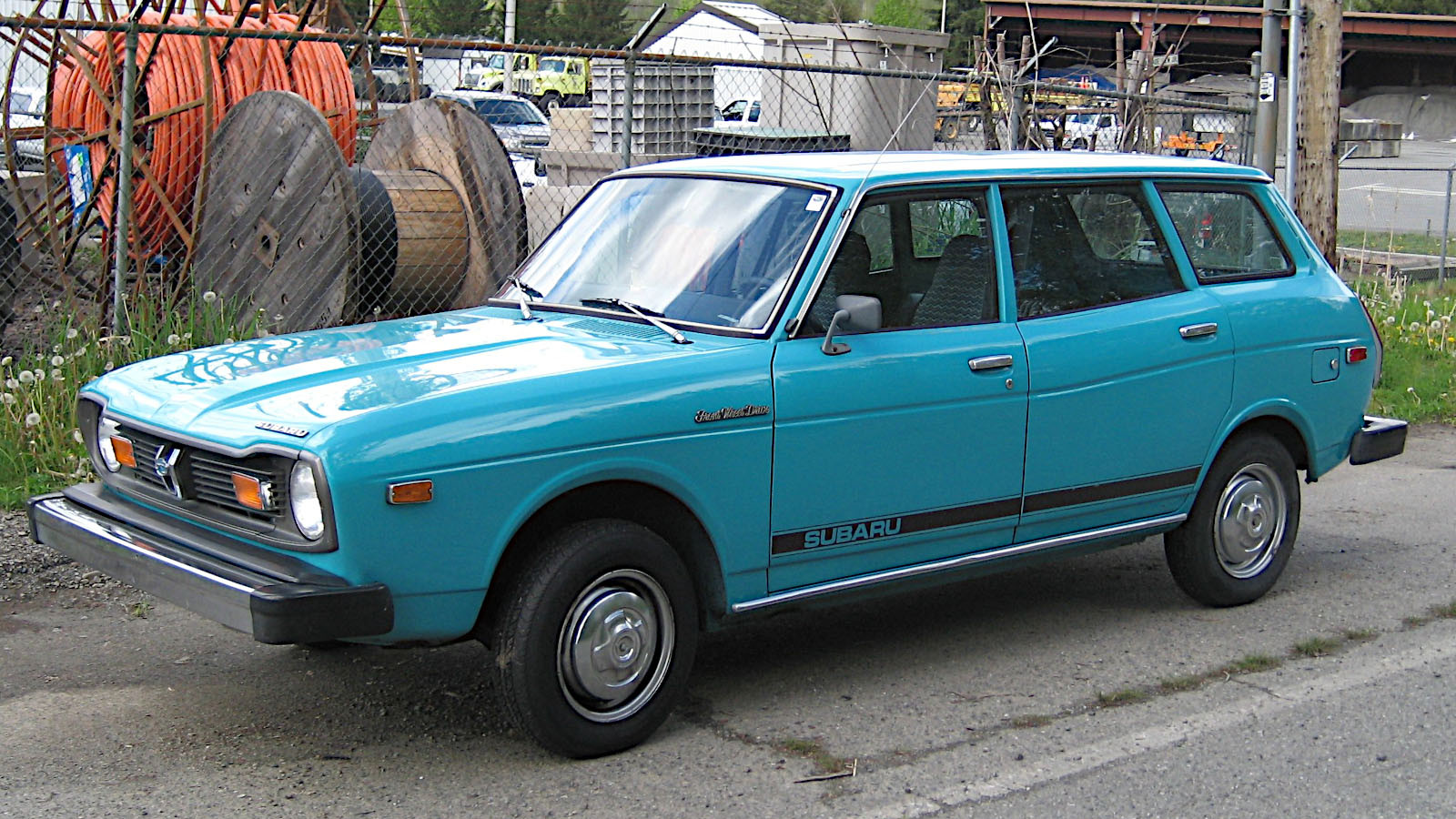
Subaru Leone: 41,587 units
As it also does in other cases, the USITC report lumps all Subarus together, but for 1975 it can only be referring to the car usually marketed (though not in the US) as the Leone.
Customers had many variations to choose from, including two- and four-door saloons, a coupé, a hardtop and a station wagon, the latter available with front- or four-wheel drive.
The Leone transformed Subaru’s sales in the States, sending them to 37,793 on its debut in 1973 and increasing them to 41,587 two years later.
By 1980, the figure had ballooned still further to 130,965, no doubt aided by the arrival in 1978 of the Brat pick-up.
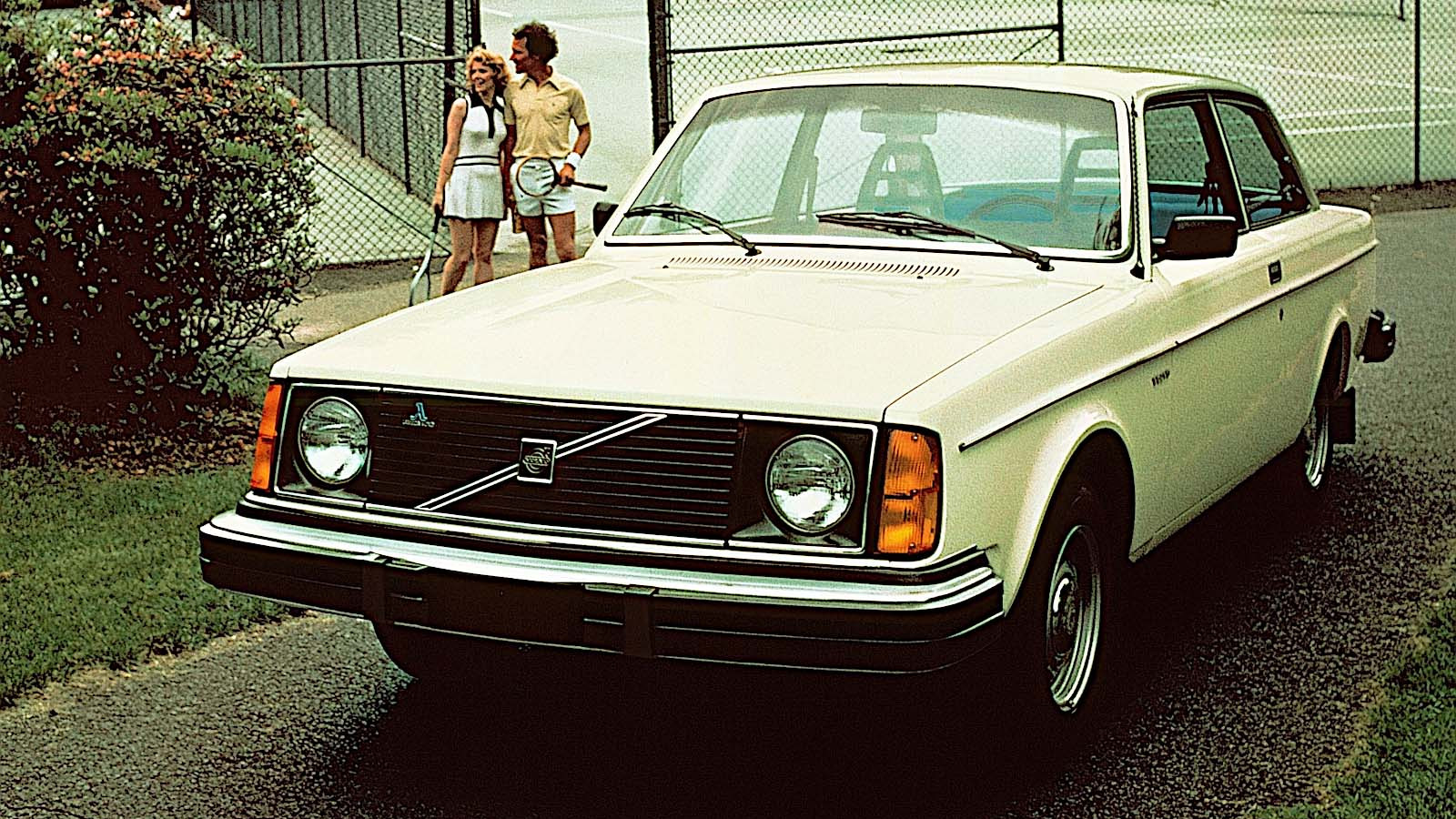
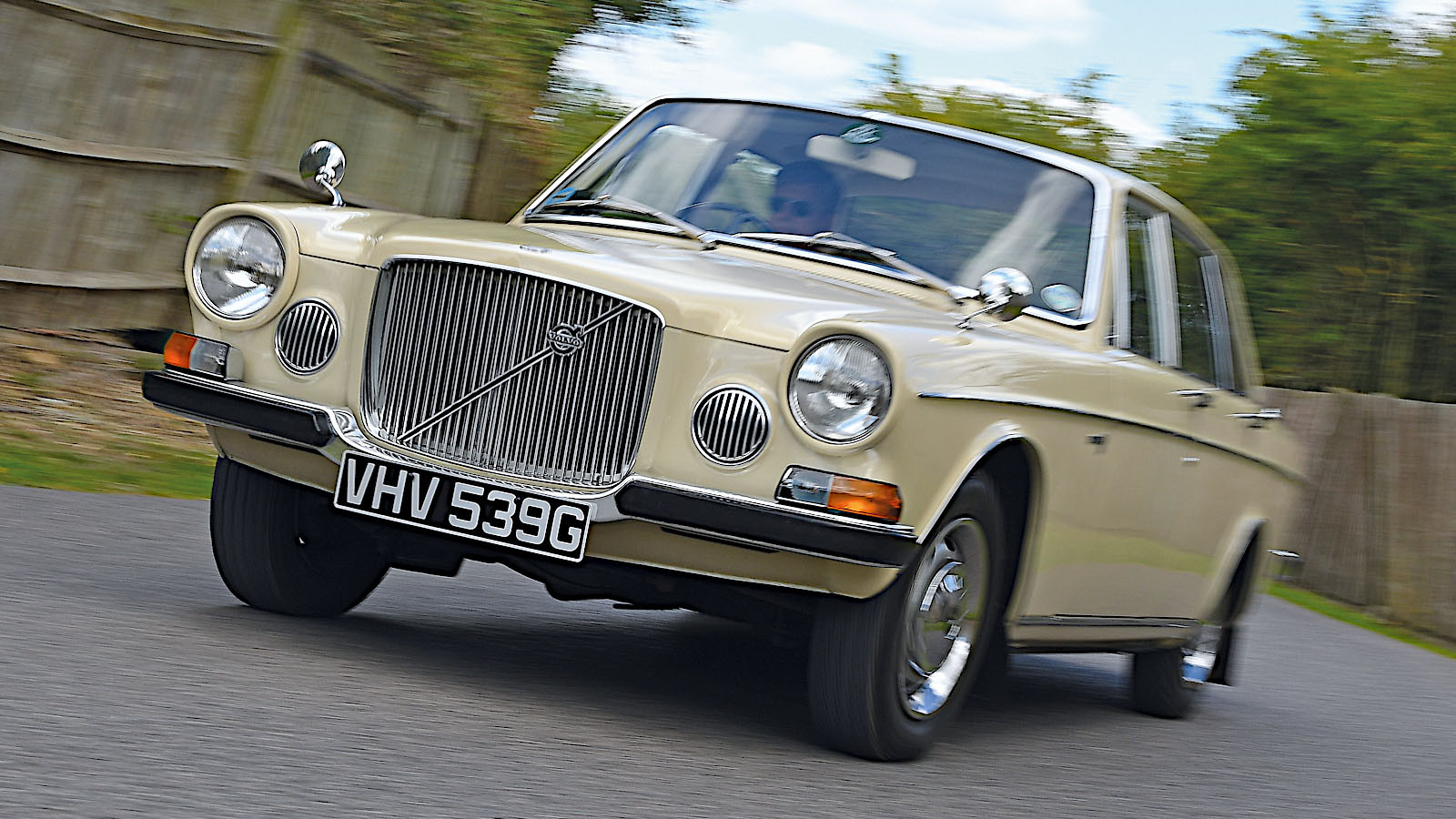
Volvo 200 series: 43,217 units
The USITC divides Volvos into four- and six-cylinder models, which might at first seem unhelpful, but in fact the information can easily be decoded.
The four-cylinder Volvo of this era can only be the 200 series in its 242 (pictured), 244 and 245 forms, the last digit in each case referring to the number of doors – saloons had two or four, the estate five.
Due to their greater economy and lower price, the 200s roundly outsold the six-cylinder cars, which have to be treated as a special case for reasons which will become apparent later.
43,217 sales was the highest figure for the 200 series in the 1970s, though it would very nearly be matched by the 43,032 achieved in 1979.
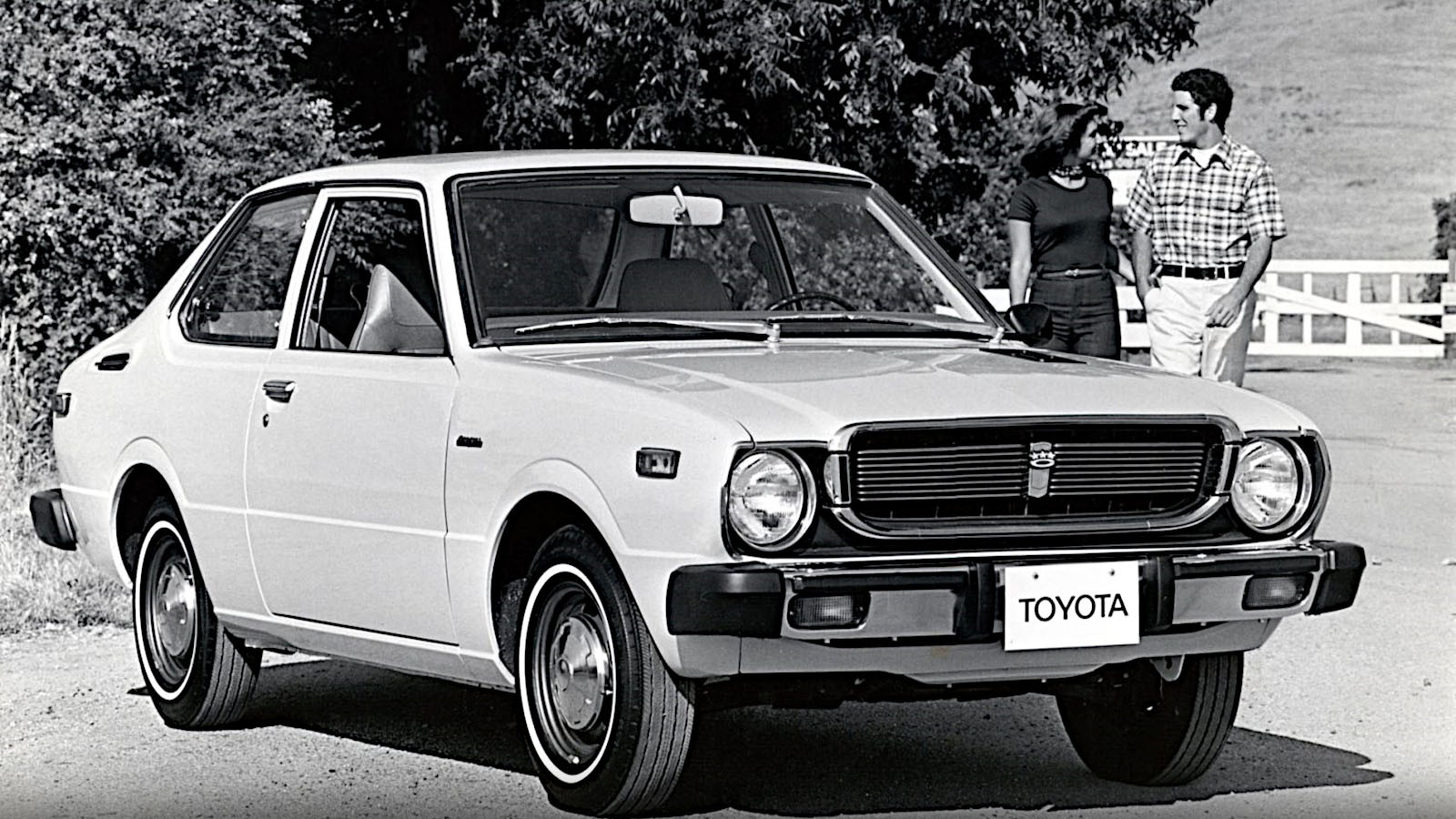
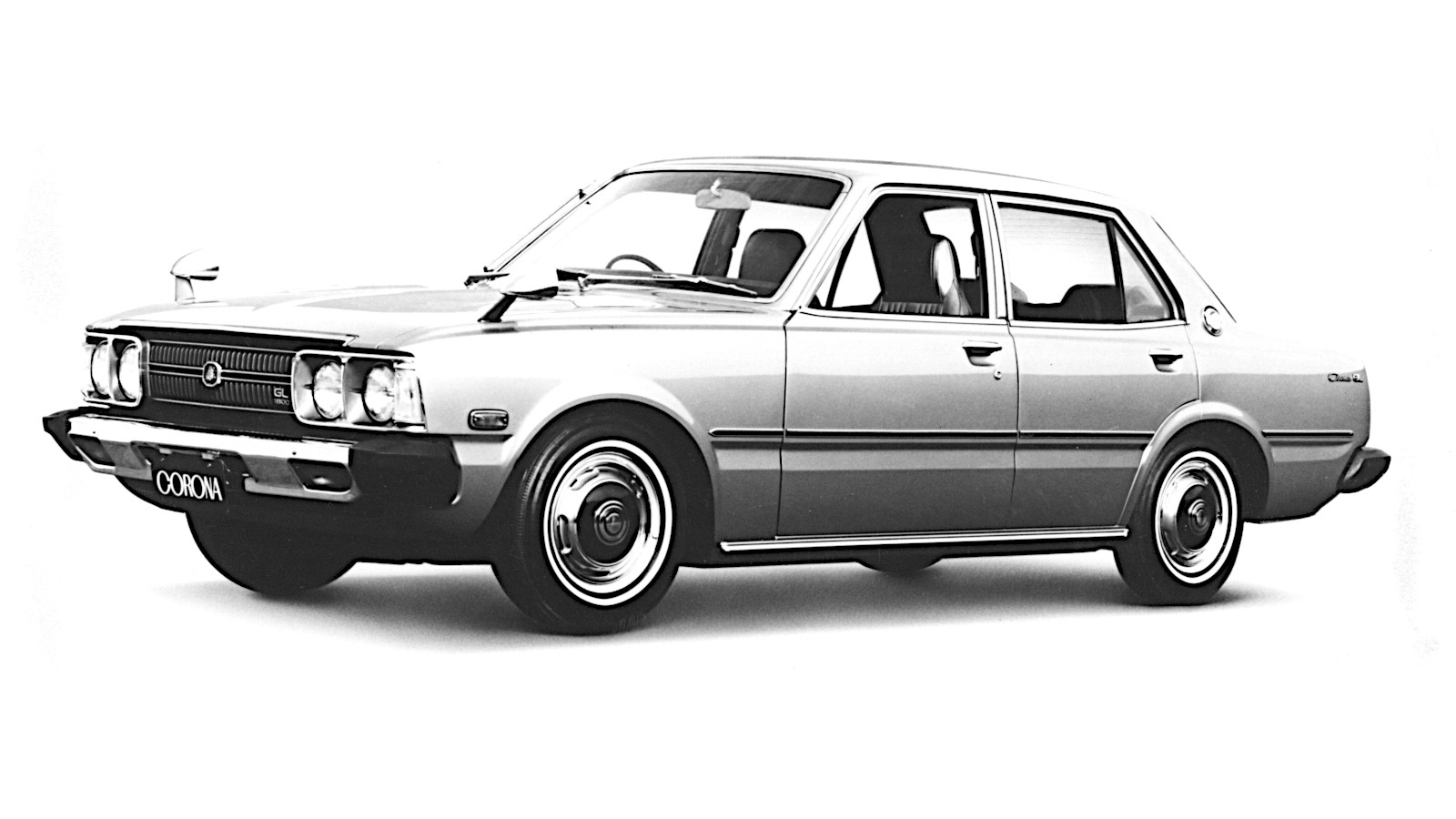
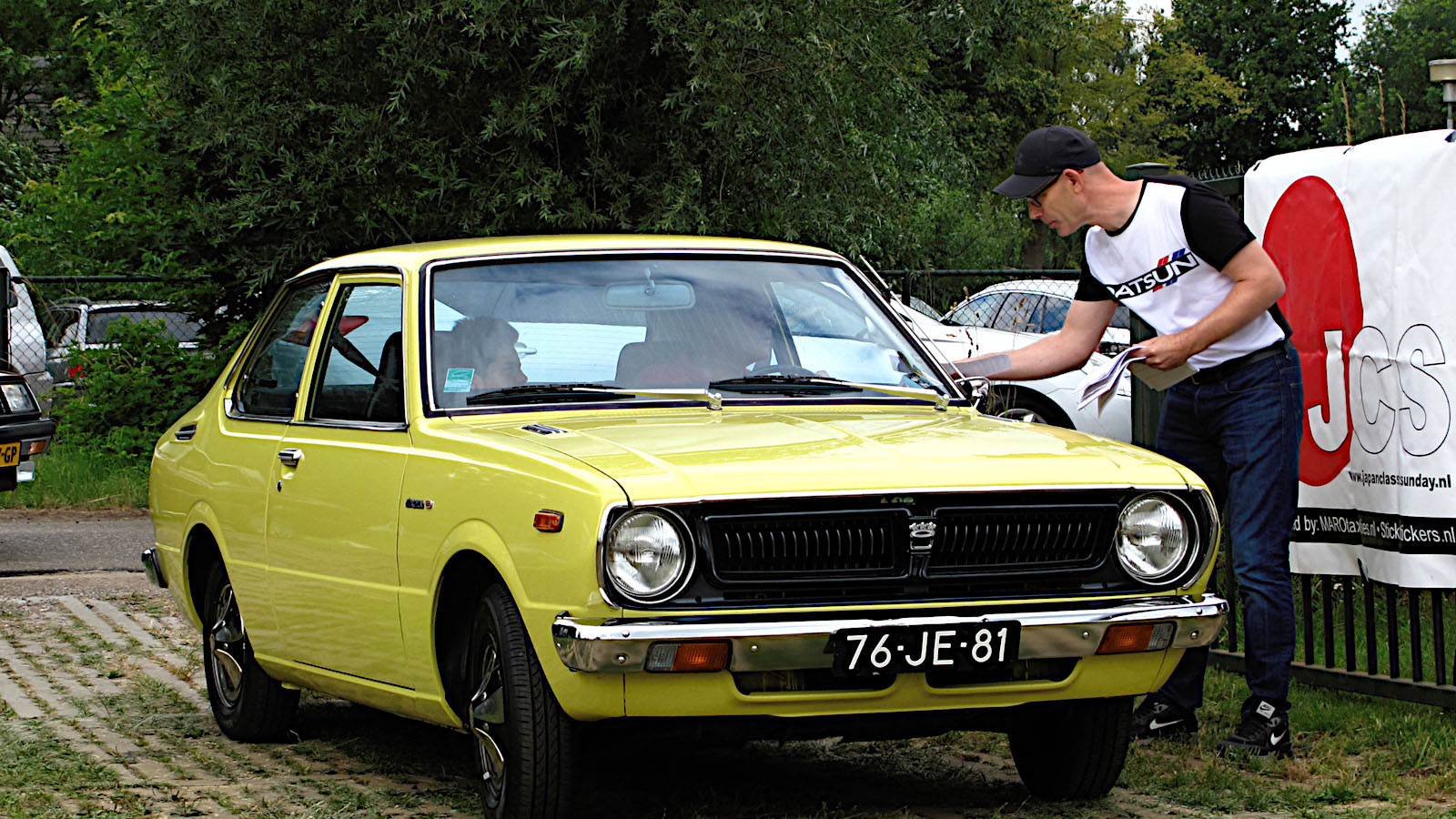
Toyota Corona: 44,156 units
American enthusiasm for Japanese imports in 1975 is made clear by the fact that the Corona makes an appearance in the top 10 despite being, relatively speaking, one of the minor players.
With 44,156 sales, it was the third most popular Toyota in the country, but it had been second as recently as 1973, when it found 61,305 buyers.
After a further dip in 1976, it rebounded to 50,259 a year later before being replaced by the next-generation Corona, which was less popular.
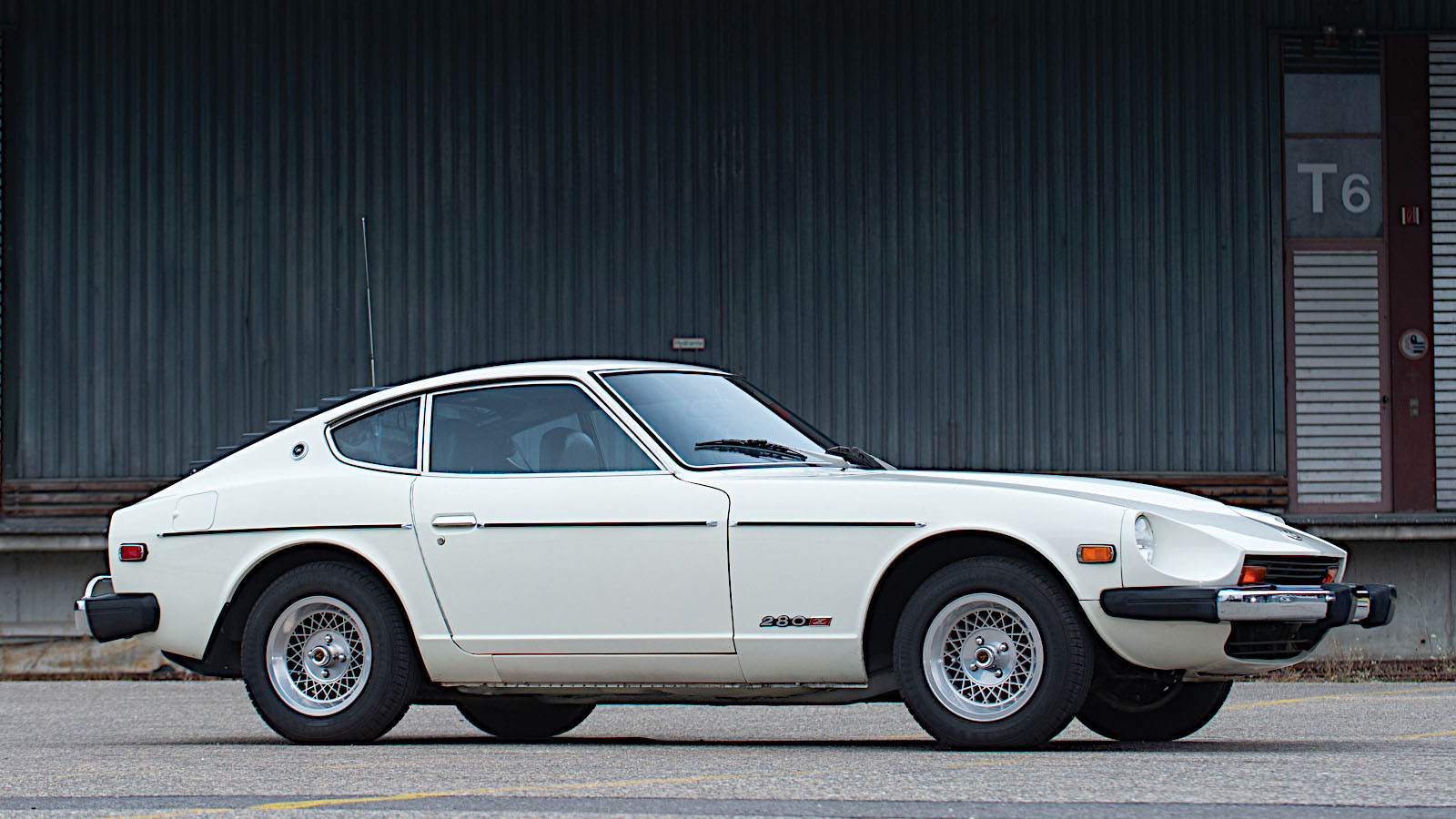
Datsun 280Z: 50,142 units
For convenience, all Datsun sports cars are listed by the USITC simply under ‘Z’.
In the context of 1975, this must refer specifically to the 280Z, known in Japan as the Nissan Fairlady and referred to in US brochures as the 280-Z.
Attracting 50,142 customers was a good result in the car’s first full year on sale, and just two years later the figure was as high as 69,517.
The 280Z was replaced shortly after that by the 280ZX, which is regarded less favourably in the US media but broke through the 70,000 barrier in both 1979 and 1980.
Datsun 710: 50,914 units
710 was the North American name for the car known in other markets as the Datsun 140J, Datsun 160J or Nissan Violet.
It was available to Americans from 1974-’77, and 1975 was both its peak year and the only one in which it sold in greater numbers than the contemporary Z.
After that, the fortunes of the two models diverged dramatically.
While the Zs became increasingly popular, the 710 quickly faded away, dropping to just 24,192 sales in its final year.
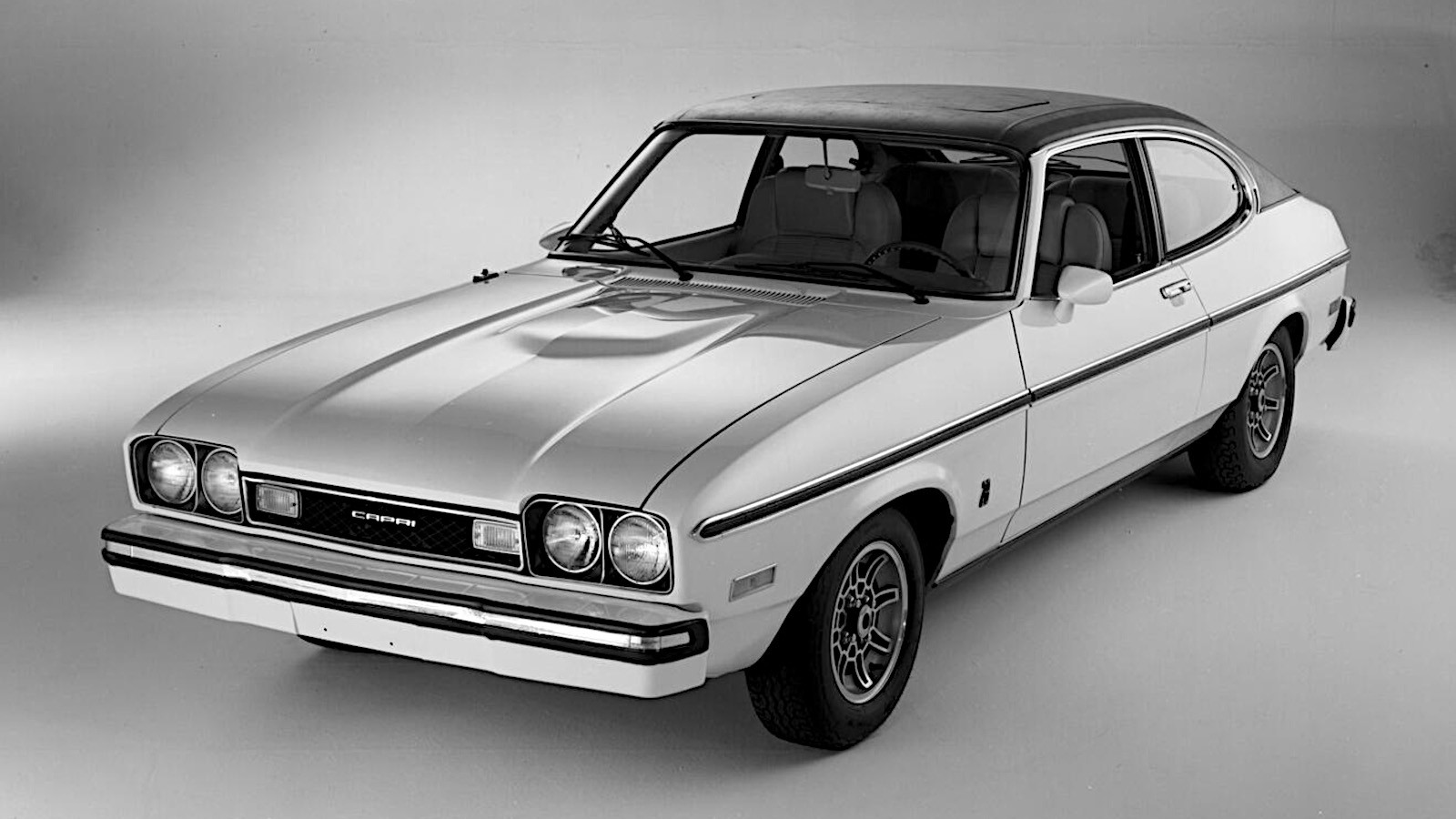
Ford Capri: 54,586 units
The Capri was one of only two European Fords sold in the US in 1975 (the other being the rebadged De Tomaso Pantera) and the only one manufactured by Ford itself.
Available with four- or six-cylinder engines, it was not actually marketed, despite what the USITC report suggests, as a Ford, did not appear in Ford brochures and was sold from Lincoln-Mercury dealerships.
The original model was replaced by the Capri II (pictured) in the 1976 model year, so it’s likely that some of the 54,586 examples mentioned here were IIs purchased in the closing months of 1975.
This does not seem to have worked in the nameplate’s favour. An almighty 113,069 Capris had been sold in 1973, but by 1977 the figure had collapsed to 22,458.
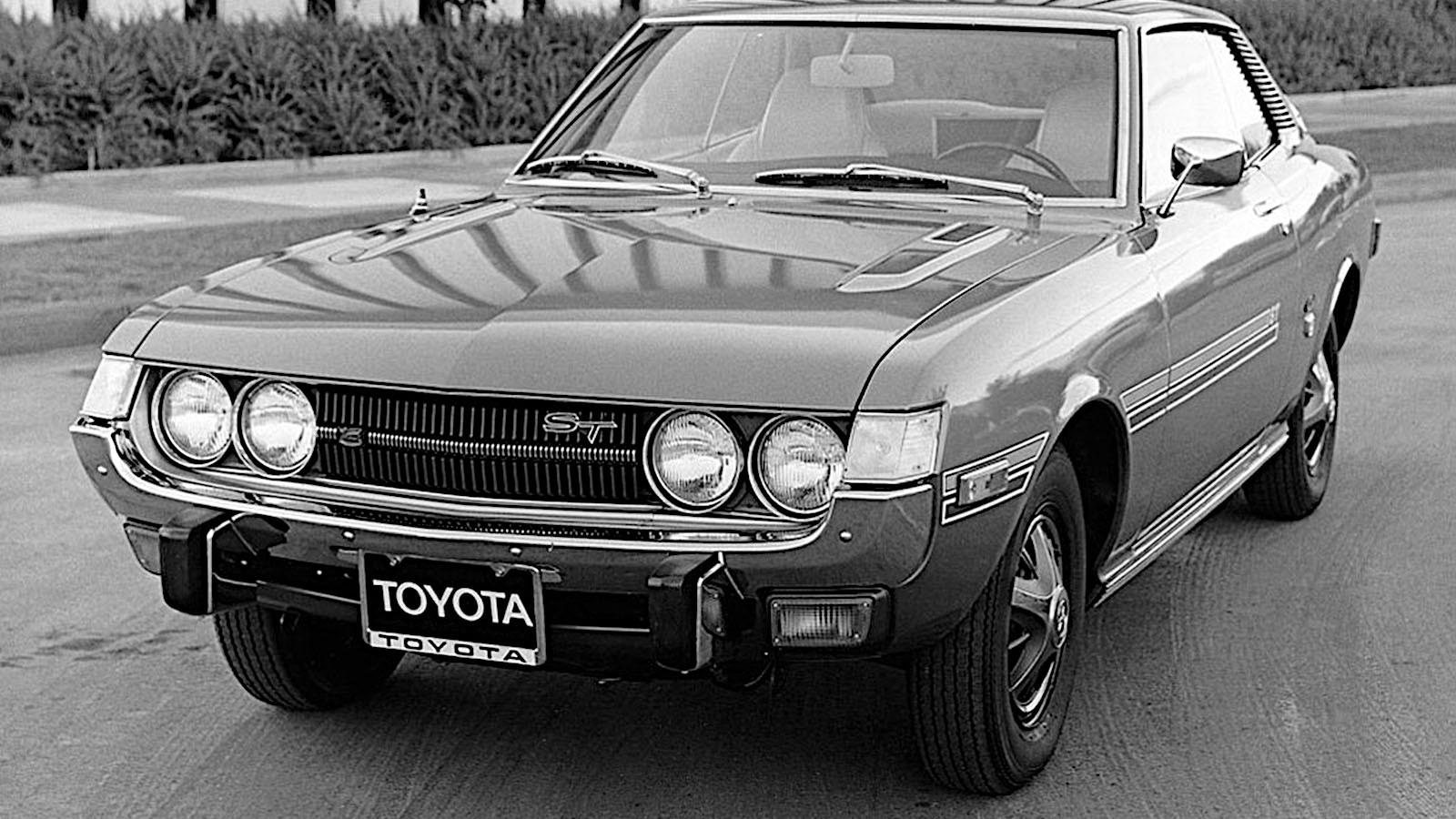
Toyota Celica: 64,922 units
The sportiest Toyota of the era had sold in approximately the same numbers as the Corona a few years earlier, but was now well ahead of it.
This wasn’t just because the Corona was experiencing a downturn. Celica sales increased by nearly 6000 in a single year, firmly establishing the car as Toyota’s second most popular model of 1975.
It stayed that way for the remainder of the decade, reaching a peak (after entering its second generation) of 172,815 in 1979.
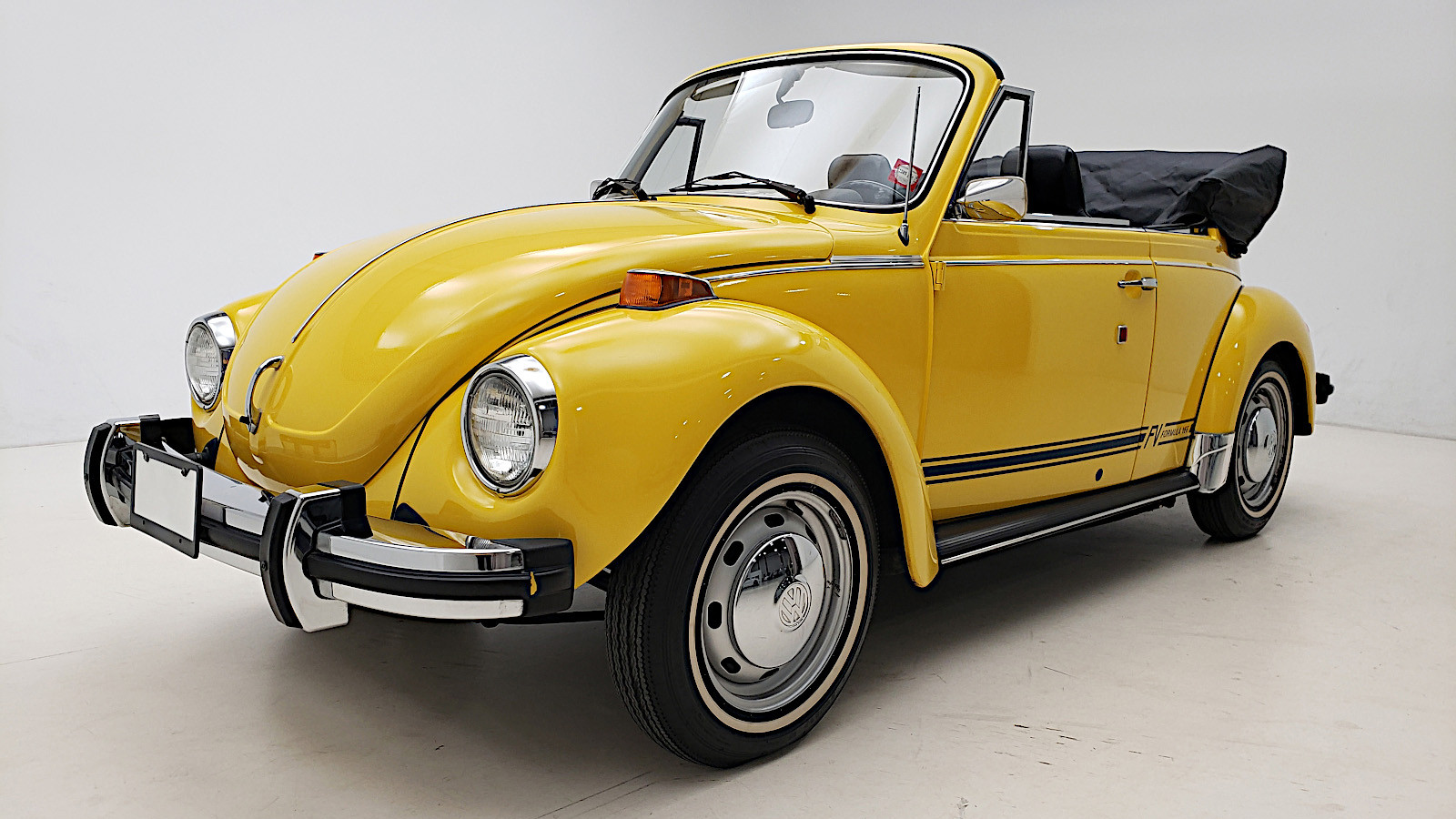
Volkswagen Type 1: 92,034 units
Type 1 refers partly to the Karmann Ghia and partly to the Type 181 off-roader marketed in the US as Thing, but mostly it means the Beetle.
Foreign manufacturers in general would have been delighted to sell 92,034 examples of anything in the States in a single year, but for Volkswagen this was gloomy news.
In 1970, VW had shifted 405,615 Type 1s, equivalent to 71% of its total sales in the country, but now, only five years later, the marque couldn’t even get into six figures.
The situation became much worse after that, with sales plummeting to 27,009 in 1976, but there was consolation in the fact that the Golf introduced in that year (and known locally as the Rabbit) hit 113,530 straight away, and would add 45% to that figure in 1977.
Datsun 210: 140,039 units
Although this car is listed in the report as a 210, it was marketed in the USA as the B-210 and elsewhere as the 120Y or Sunny.
Right from the start, and in tune with the times, Datsun had emphasised the fuel economy of the little 1.4-litre car (available as a saloon or a hatchback), and American buyers responded enthusiastically.
In 1974, its first full year on sale, 73,317 found new homes, and this figure was almost doubled in 1975.
No other Datsun exceeded 100,000 sales in the 1970s, but the 210 wasn’t done yet, reaching 173,281 in 1977.
Toyota Corolla: 151,177 units
The collapse of interest in the Volkswagen Type 1 opened a window of opportunity for the Toyota Corolla.
Corolla sales grew by nearly 50% in 1975 from the previous year’s 103,394, though its performance was still nowhere close to the VW’s 1974 figure of 243,664.
However, with the Type 1 now languishing in the five-figure range, the Toyota Corolla became indisputably the most successful imported car specifically named in the USITC report for 1975.
As is often the way, though, it’s a bit more complicated than that.
The Canadian question
Although the Toyota Corolla was certainly the most popular car imported to the US from outside North America in 1975, it might not have been the best-selling import overall.
This uncertainty is due to the USITC’s decision to include marque-total figures for cars built in Canada by US companies, but not to divide them into individual models.
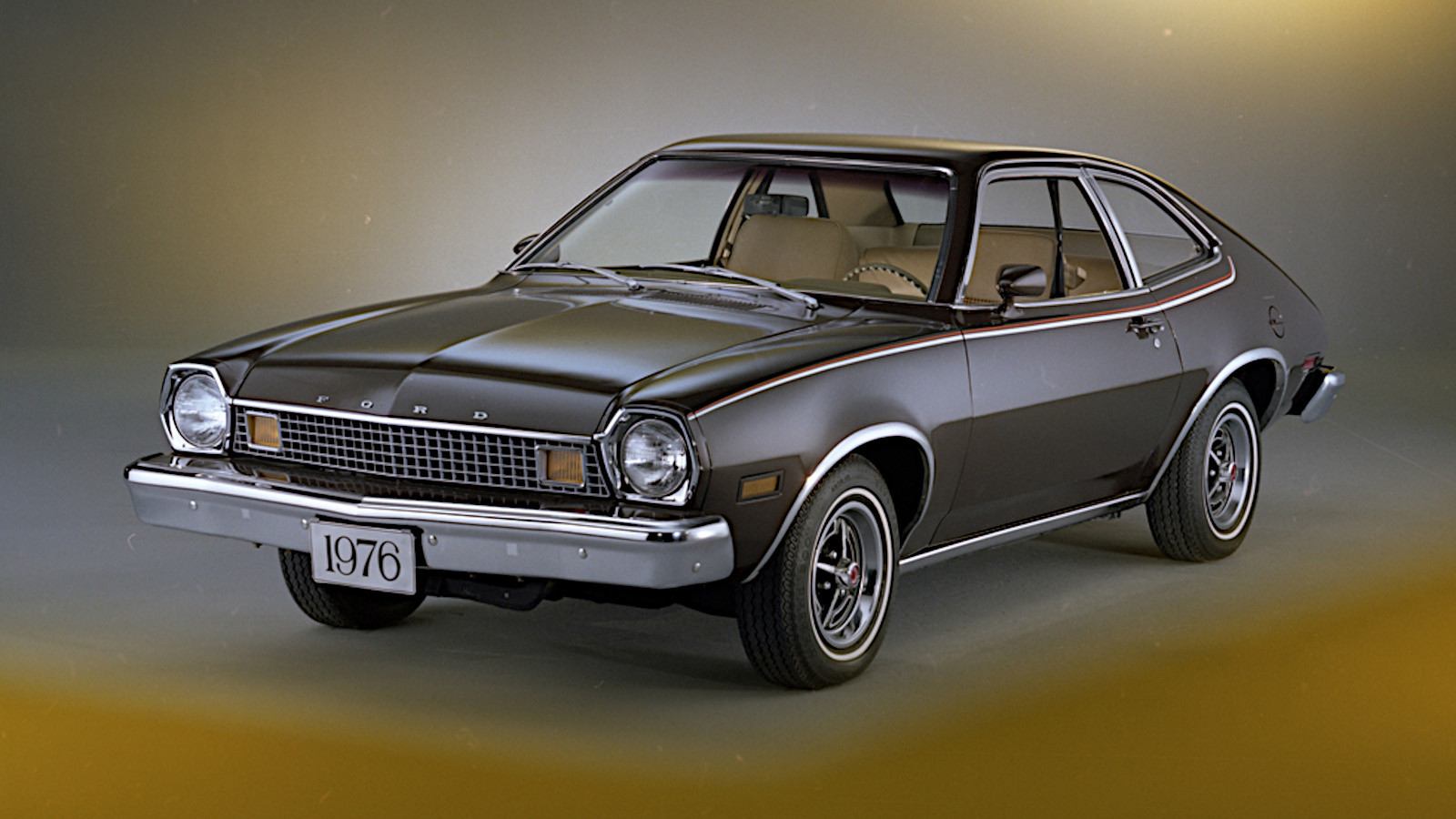
The major players, among marques rather than companies, were Ford (whose Pinto is pictured here), Chrysler and Chevrolet with sales of 233,080, 171,365 and 157,693 respectively.
Among the Canadian imports, only Ford as a whole significantly outsold the Toyota Corolla on its own, so it’s just about feasible that the most popular import in 1975 was built in Canada and wore a Ford badge, but even if this is true there isn’t enough detail in the USITC report for us to be able to identify what it was.
Six-cylinder Volvos
As mentioned earlier, the USITC report divided Volvo into those with four- and six-cylinder engines, and while this is unproblematic in the case of the four-cylinder 200 series, it creates some confusion when we consider the six-cylinder models.
The 15,997 cars sold must have been a combination of the 3-litre straight-six 164E (pictured) and its technical replacement, the 260 series, which was powered by a new 2.7-litre V6 co-developed by Peugeot, Renault and Volvo.
The 164E vanished from most markets in 1975, and according to Volvo most of the examples built in its final year were exported to the US.
The 260 series does not appear in Volvo’s brochure for 1975 but is included in the one published for the ’76 model year, which suggests that it was on sale in the States in the latter months of 1975.
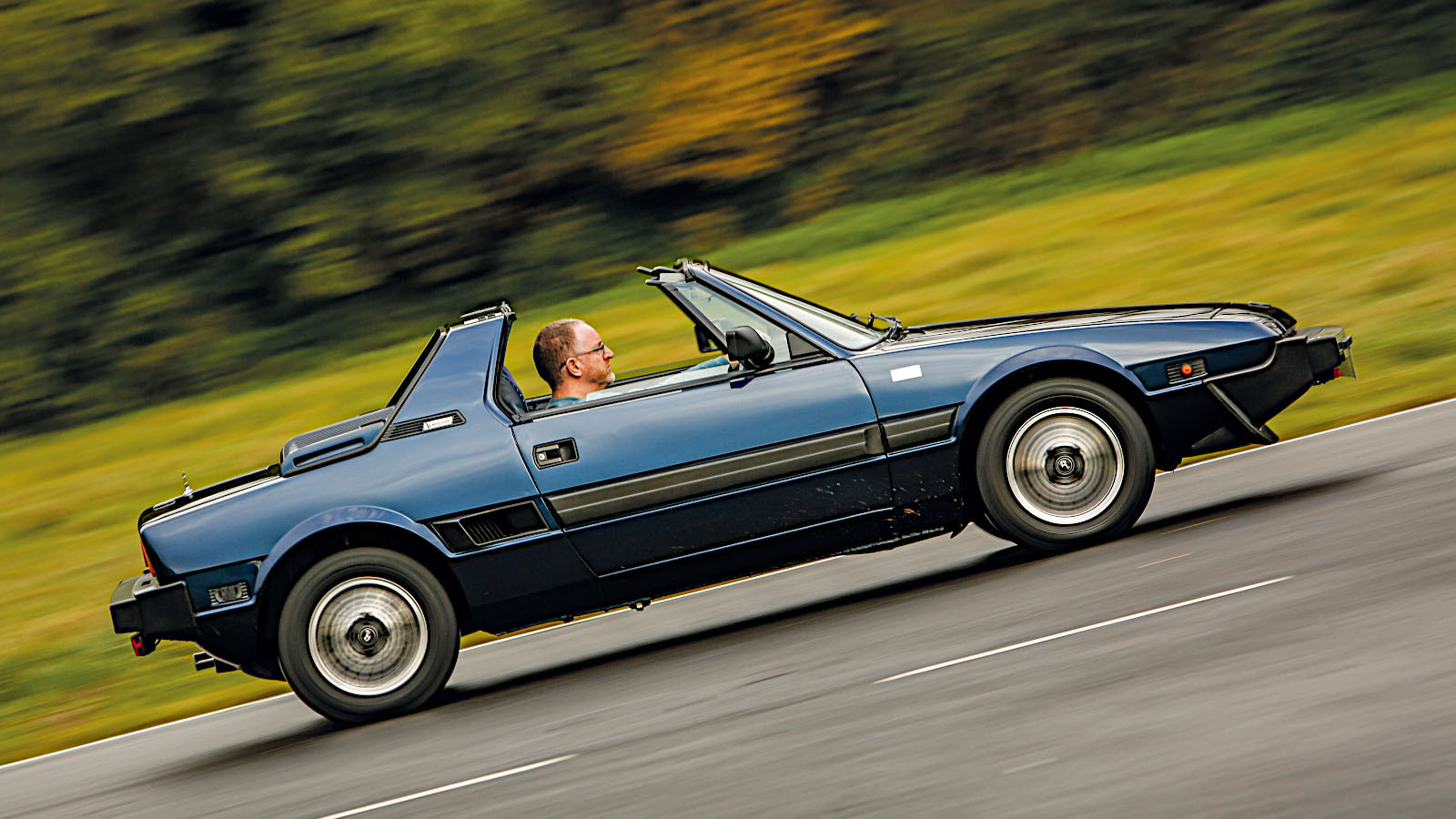
Fiat 128 and X1/9
For some reason, the USITC appears to have considered these two very different Fiats as being the same model.
They shared a drivetrain, but the 128 was a front-wheel-drive saloon, estate or coupé, while the X1/9 (pictured), clearly aimed at a very different type of customer, was a mid-engined two-seater.
Of the 55,487 US combined sales reported for 1975, it seems beyond all doubt or question that the 128 was responsible for the bulk of them.
A different source suggests that 14,538 X1/9s were sent to the US in that year, and even if all of them were sold the 128 would still be well ahead of the 124 on 40,949, but the USITC is silent on this matter.
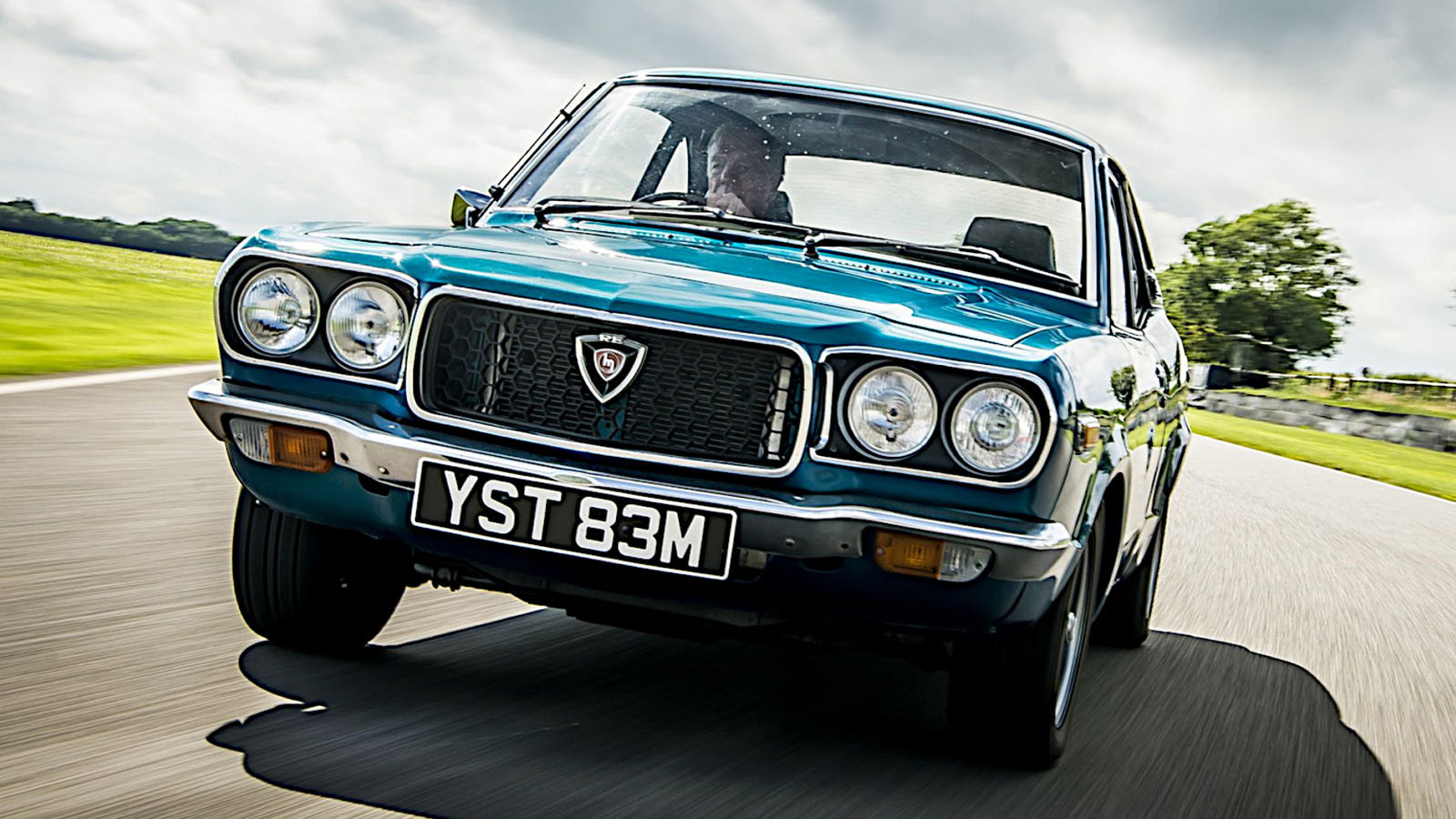
Mazda rotaries
In a similar anomaly to the Fiat one you’ve just read about, the USITC combined sales of the Mazda RX-2, RX-3 (pictured) and RX-4 in one column of its report.
The 1975 figure of 57,879 was impressive, putting the cars ahead of the Ford Capri and not far behind the Toyota Celica, and representing most of Mazda’s 65,351 US sales, but they were in no sense the same model, being rotary-engined versions of what were known in Japan as the Capella, Grand Familia and Luce.
The RX-4 outsold the others globally in 1975, and may also have been the top seller in the US that year, though this is not confirmed by the USITC report.
In the aftermath of the energy crisis, rotary-engined Mazdas were becoming very unpopular, dropping from 96,641 US sales in 1973 to just 14,547 three years later, but the trend was later reversed to some extent by the RX-8, which attracted 54,853 buyers in 1979.
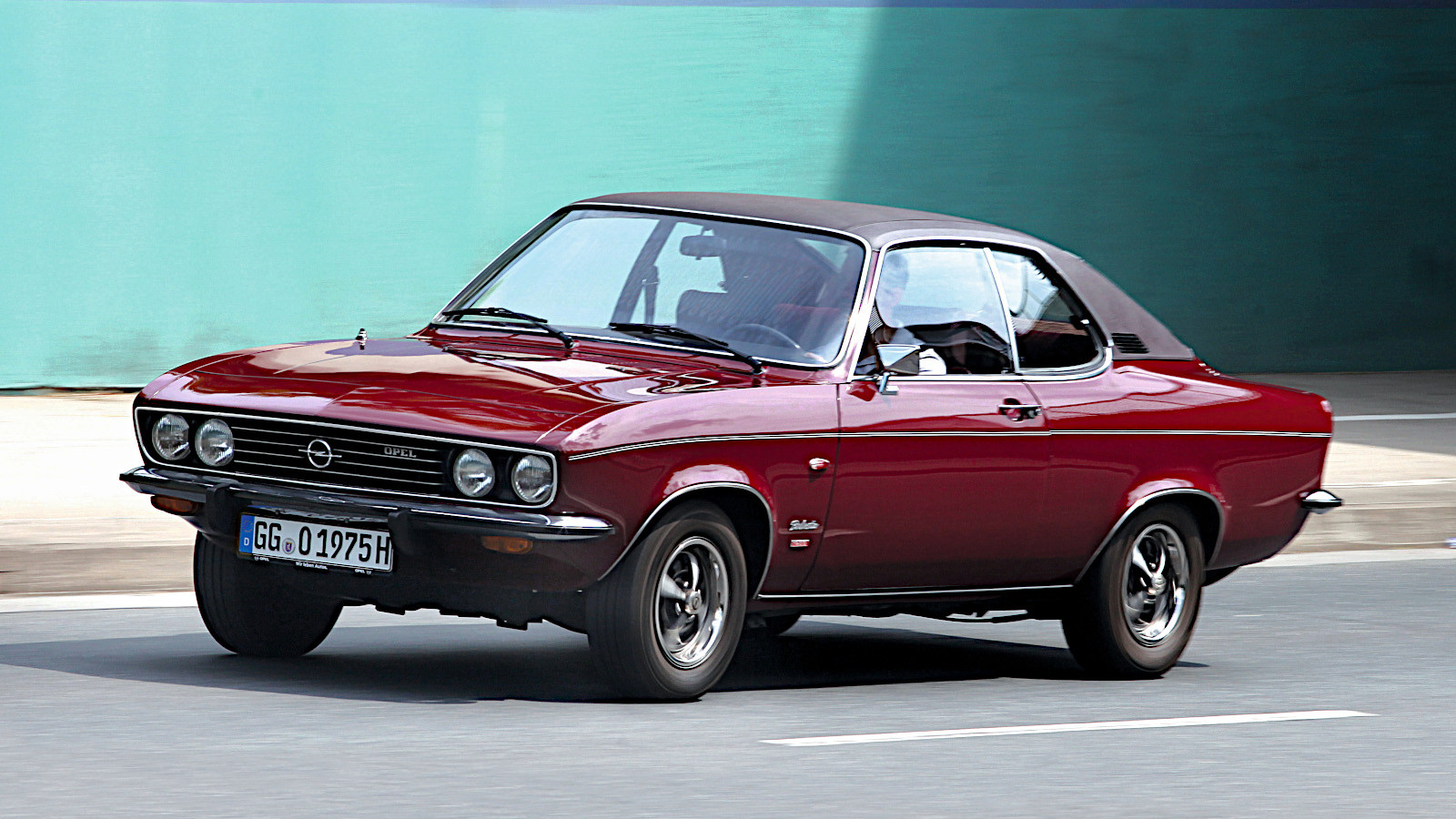
BMW and Opel
While the report goes into considerable detail about individual Volkswagen models, fellow German marques BMW and Opel – which, to be fair, were less significant to the US market – are treated more casually.
In 1975, Opel was selling the Manta (pictured), the 1900 Sedan and the Sportwagen, whose combined sales are shown as 39,730, but there is no indication of how that was split among the three models.
Similarly, several BMWs were available from dealerships in that year, but all the report tells us about them is that total sales amounted to 19,419 units, with no further explanation.
Mitsubishi
Mitsubishi is an almost unique case in the report of a marque whose cars were imported from Japan but are listed under the name of a US manufacturer.
The manufacturer in question was Chrysler, which brought in cars from the other side of the Pacific and rebadged them for North American purposes, the Dodge Colt pictured here (built as the second-generation Mitsubishi Galant) being one example.
1975 was the best year so far for this part of Chrysler’s business, with 60,356 cars sold, but by 1979 the annual figure had more than doubled to 138,053.
In 1976, General Motors began doing the same thing, the Isuzu Gemini based on the GM T-car platform – and therefore a close relative of the Opel Kadett – being renamed for American purposes as the Buick Opel.
Honda
The USITC did not start listing Honda models separately until 1976, but the 102,389 figure for 1975 must largely have been the work of the Civic, a two-door saloon or three-door hatchback with an economical engine which met emissions legislation in all states except California.
The Accord was introduced for the 1976 model year, and was therefore presumably available in late 1975, but ’76 calendar-year figures of 132,286 for the Civic and just 18,643 for the Accord indicate that the latter made a slow start.
More than 140,000 Honda Civics were sold in every remaining year of the car’s first generation, and it was only in 1979 that the Accord moved ahead.
UK marques
British cars sold in the US during the period of this report were all listed by manufacturer rather than by individual model.
In 1975, there were 74,277 of them, of which 50,749 are accounted for by just two makes, both of which were still riding on the long-time American enthusiasm for British sports cars.
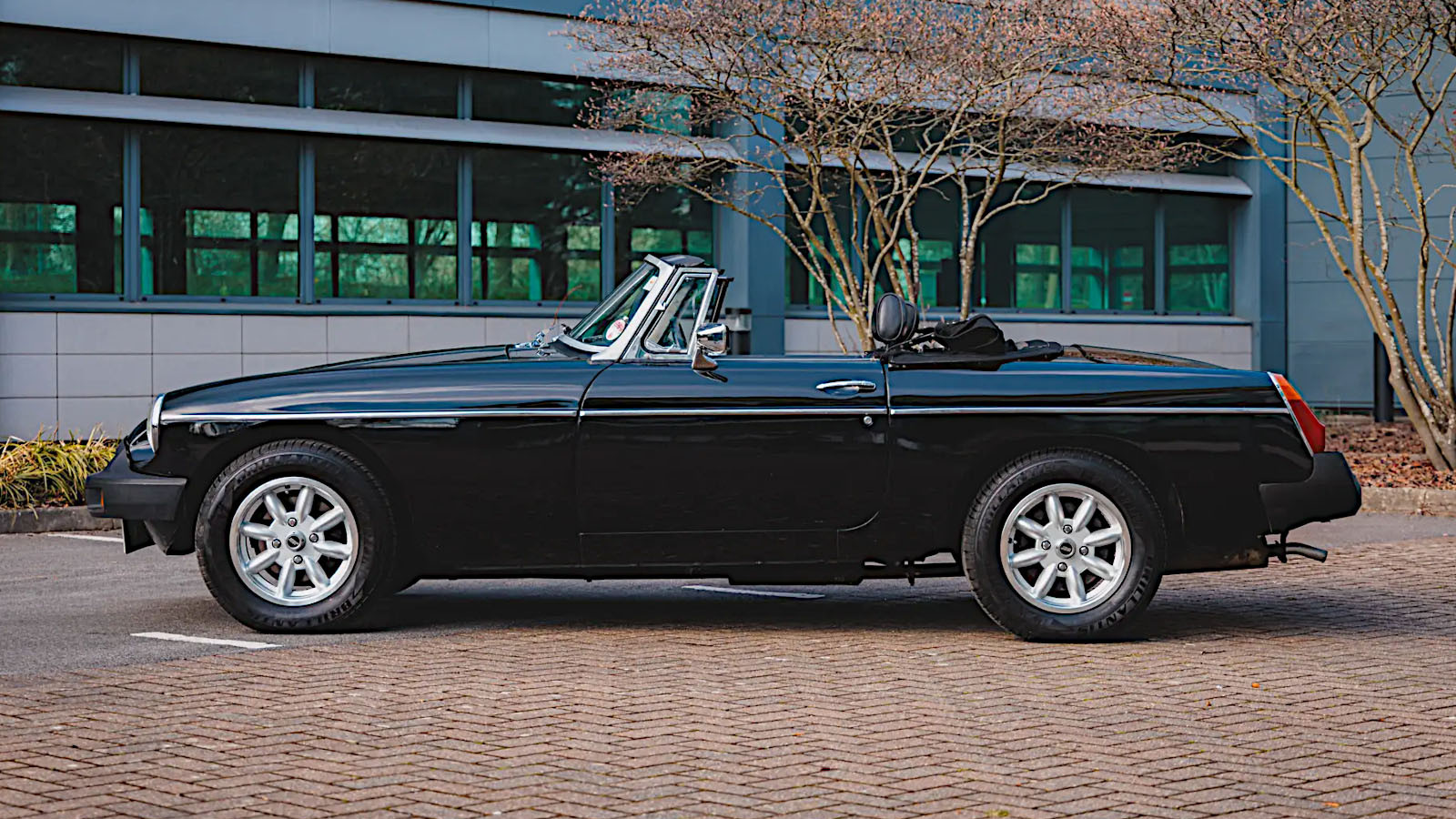
MG, whose MGB (pictured) had just been revised with polyurethane bumpers and an increased ride height specifically to meet new Federal regulations, led the way on 27,946, while Triumph was a reasonably close second on 22,803.
In descending order of success, they were followed by Austin (13,262), Jaguar (6799), Jensen (2255), Rolls-Royce and Bentley (756 combined), Lotus (427) and Rover (29).