Practical magic
For decades, Formula One drivers have aspired to race for Scuderia Ferrari.
The mystique surrounding the Italian team and the support of its devoted fans, the fervent tifosi, are perhaps the most common reasons for joining the Maranello-based squad.
But there’s another important factor: access to Ferrari’s roadgoing models. Is a Prancing Horse not the ultimate company car?
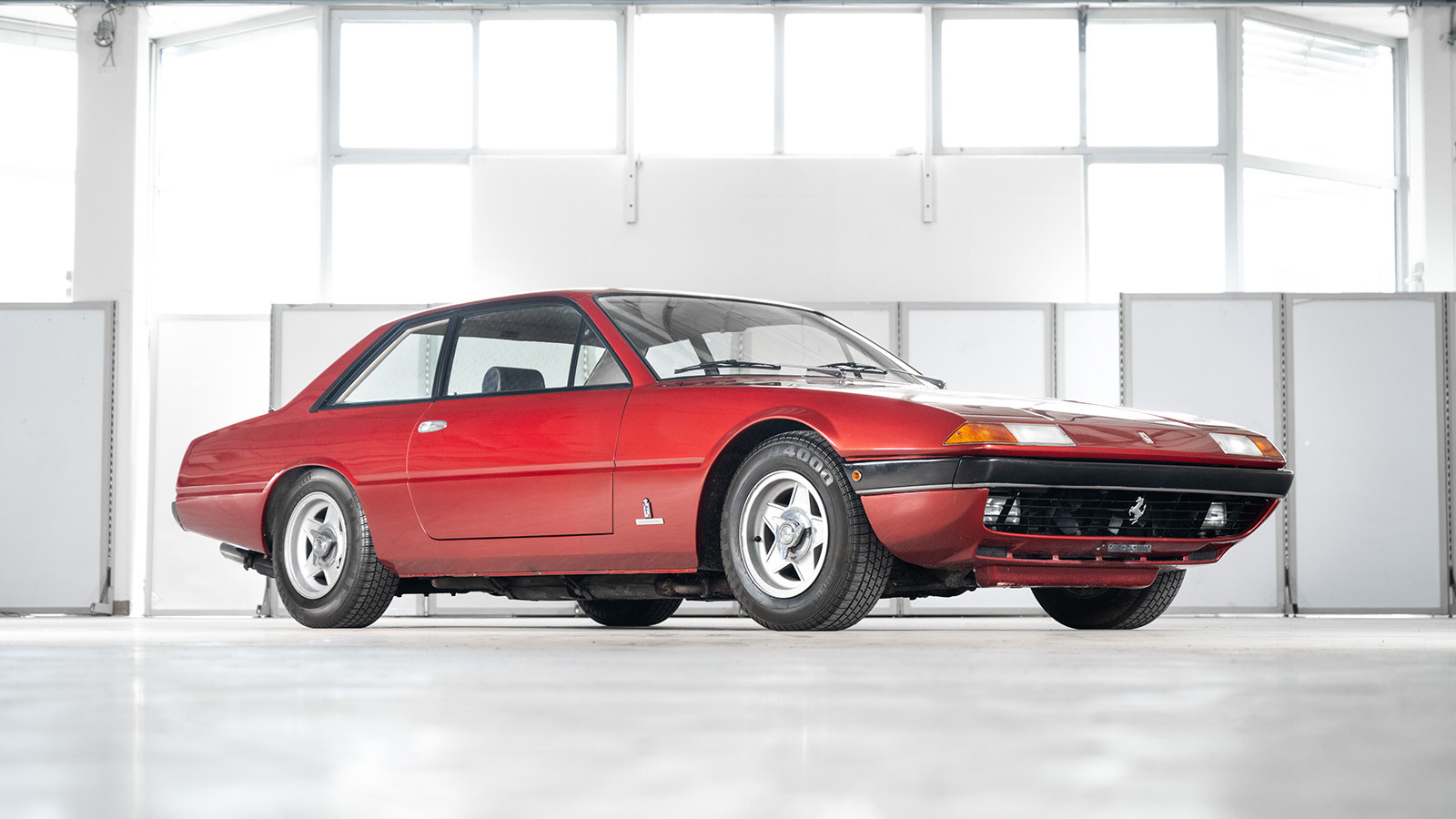
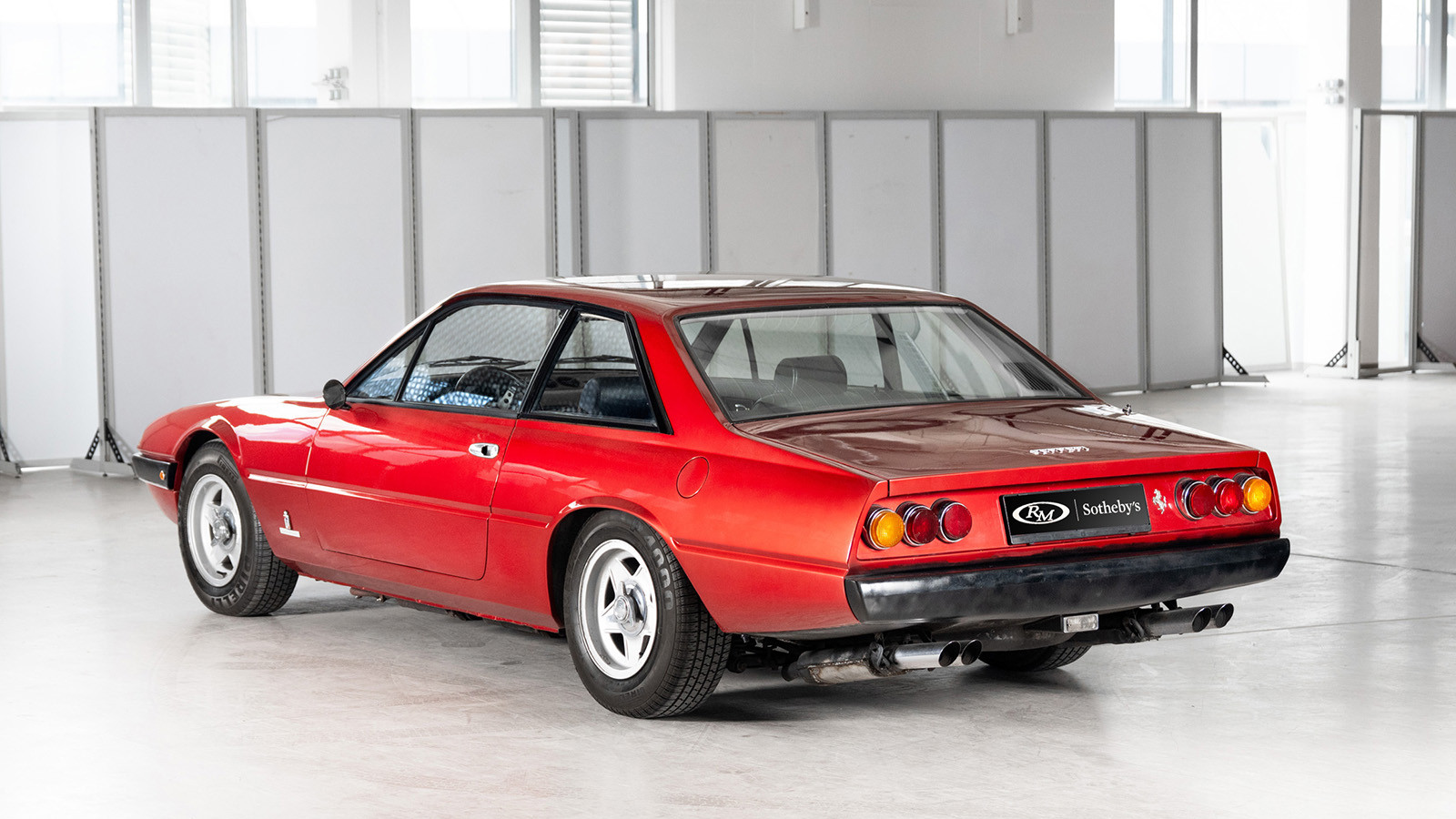
Here is the story of the late Niki Lauda’s 1973 365GT4 2+2, which will cross the block in RM Sotheby’s sale in Munich, Germany on 18 October.
On the up
The Austrian driver took delivery of this Ferrari four-seater in 1974, shortly after he joined the team.
When it was new, this 365GT4 2+2 would’ve cost around £13,000.
Now, RM Sotheby’s expects it to fetch £155-190,000 (€180-220,000/$210-260,000) when it goes under the hammer at Motorworld Munich.
The Lauda effect
If it achieves a figure around its pre-sale estimate, that would make this car one of the highest-priced 365GT4 2+2s ever sold at auction.
Sales-results aggregator Glenmarch notes that a ’72 prototype of this model reached $299,750 in 2014, more than any other 365GT4 2+2, and in December 2022, this ex-Lauda car changed hands for $240,000 with Dorotheum.
The next-highest price is CHF137,200 (c£128,000/$170,000), paid for a white example in Switzerland in December 2023.
Hard work pays off
Niki Lauda’s motorsport career began in a Mini in 1968.
He quickly rose through the ranks and made it to F1 in the early 1970s, driving for March.
A short stint with BRM paved the way for his move to Ferrari in 1974.
Uncertain times
When Lauda joined Ferrari, the Scuderia had not won a championship since 1964.
The no-nonsense Austrian was yet to win an F1 race, but Enzo Ferrari put his faith in the then-25-year-old.
One for the road
For 1974, Niki Lauda’s teammate was Clay Regazzoni.
After a disappointing season in 1973, Ferrari was hoping for more success with its new single-seater, the 312 B3-74.
While Lauda adapted to the flat-12-engined racer, he was given something a bit more practical for his everyday car.
A sensible Ferrari
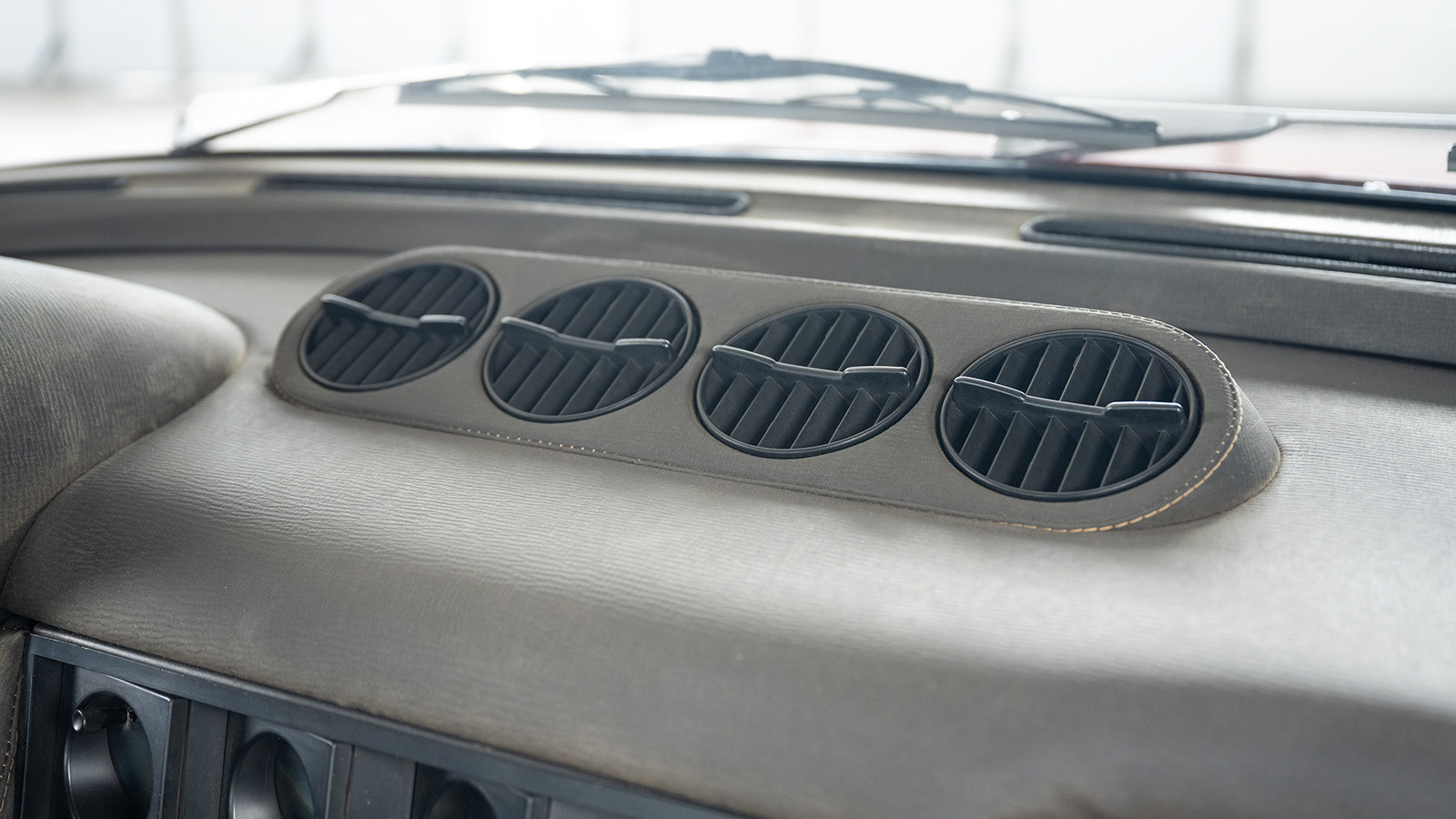
The Ferrari 365GT4 2+2 was perhaps the Italian marque’s most usable car to date.
Based on the 365GTC/4, and with power steering and air conditioning as standard, it was far removed from Lauda’s sub-600kg (c1320lb) 312 B3-74 F1 racer.
The original specification
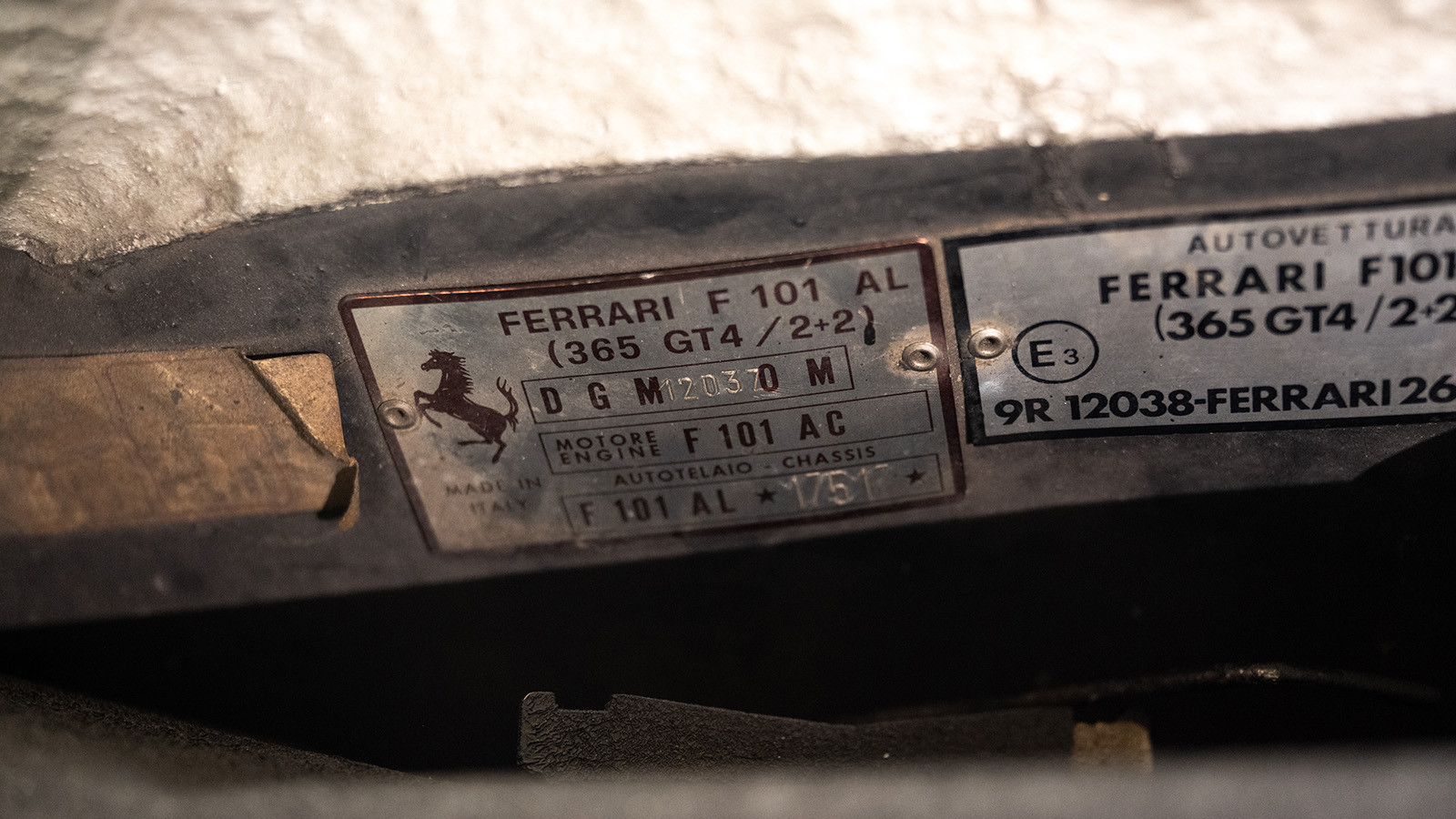
This car, chassis 17517, was built in December 1973 and subsequently delivered to the young Austrian driver.
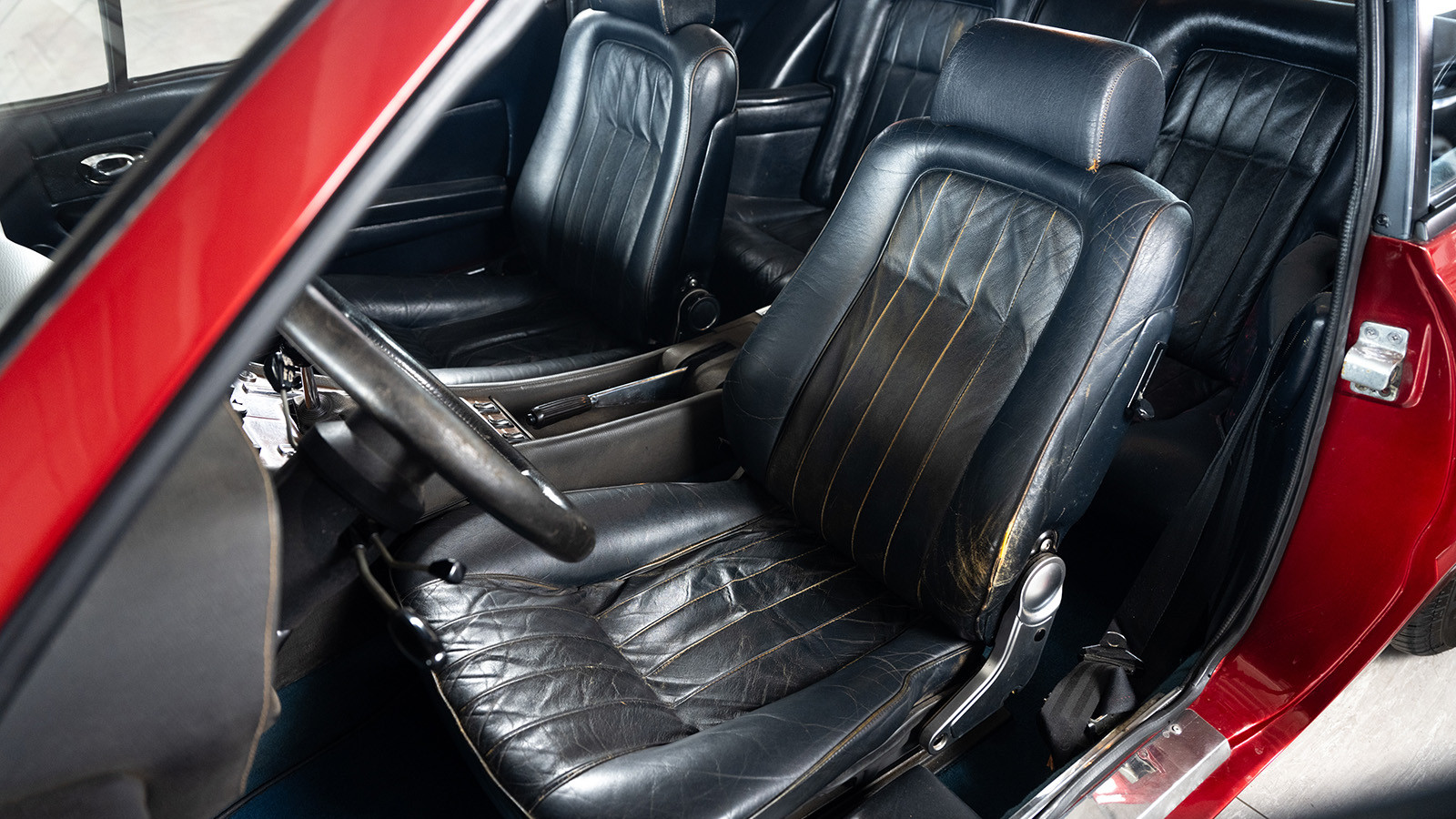
It was originally finished with Argento Metallizzato paintwork and a blue-leather interior.
Squeaky clean
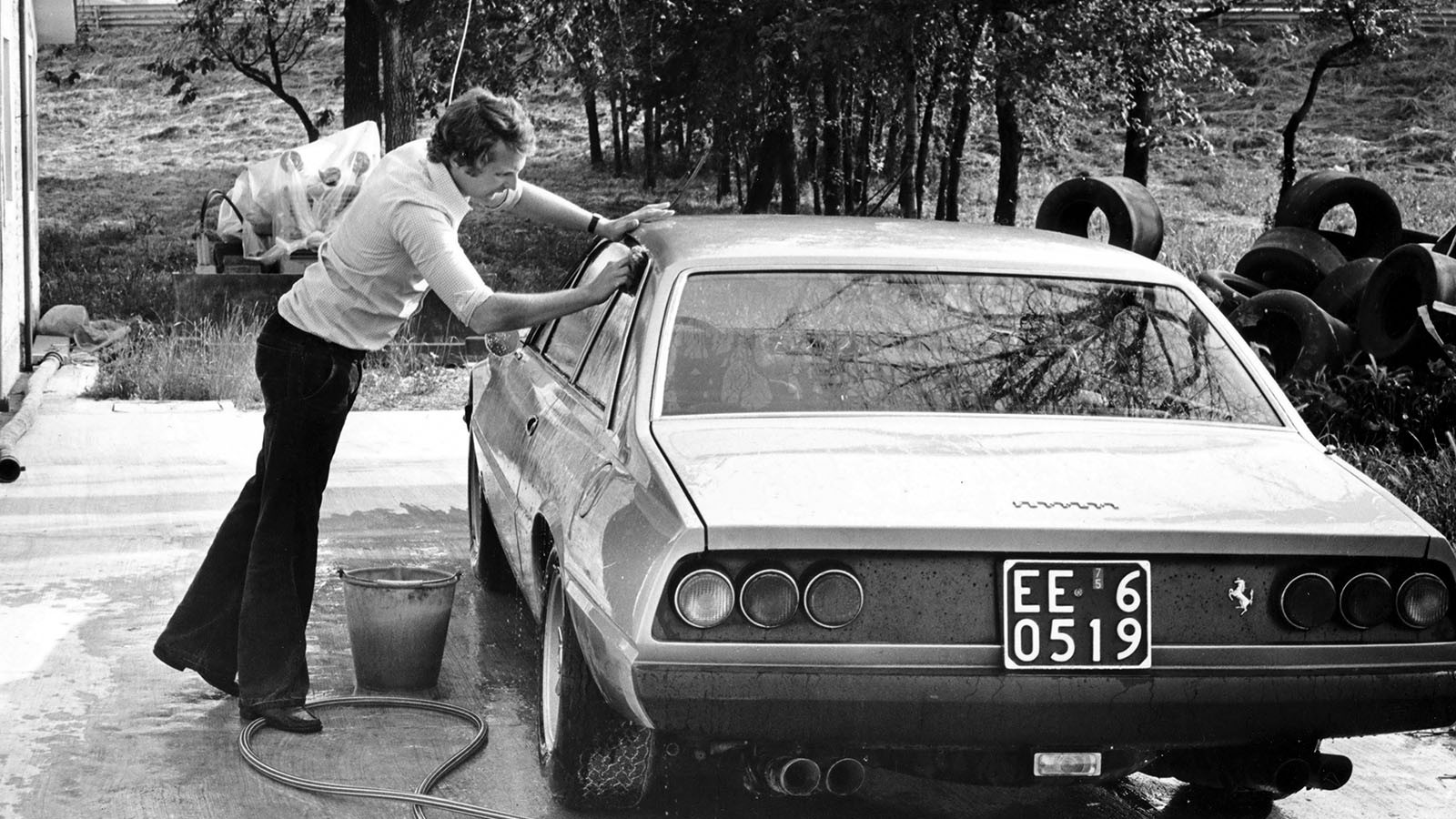
The sale includes black-and-white photographs of Niki Lauda cleaning this Ferrari 365GT4 2+2.
The image is clearly from the 1970s, but what dates it the most: the wedge-shaped Ferrari or Lauda’s bell-bottom trousers?
Under the bonnet
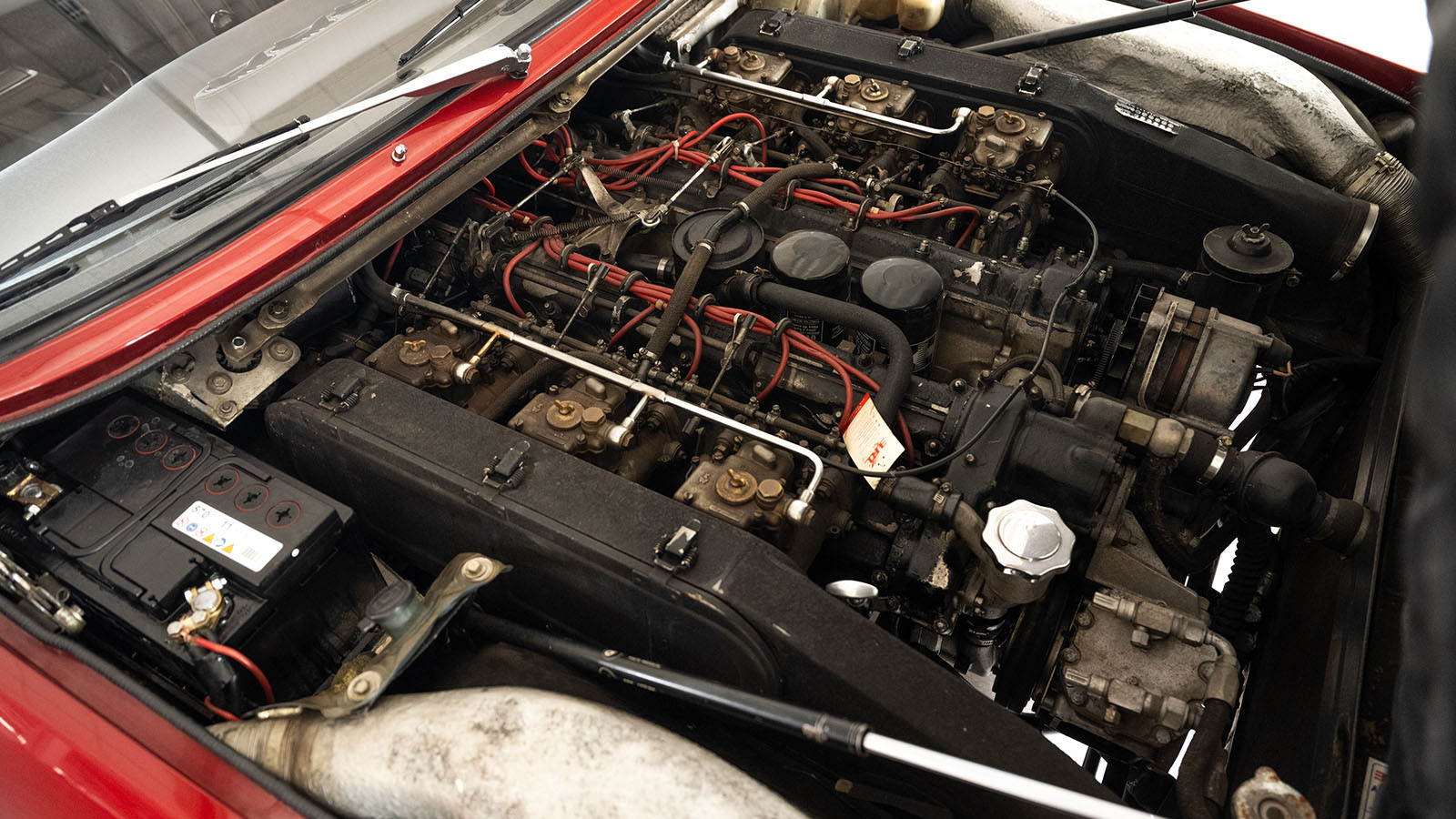
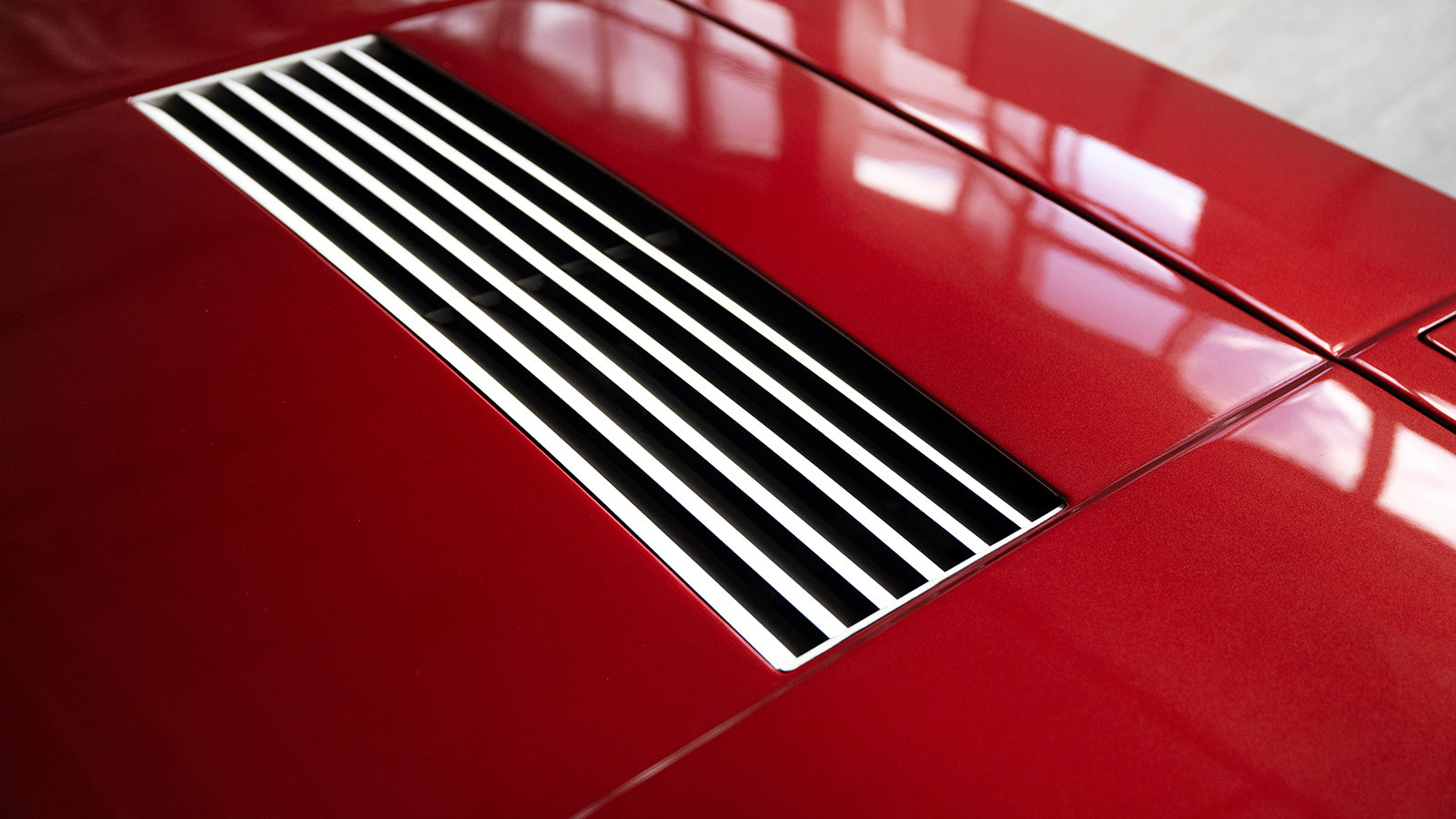
The Aldo Brovarone-styled Ferrari 365GT4 2+2 received a quad-cam version of the 4.4-litre Colombo V12.
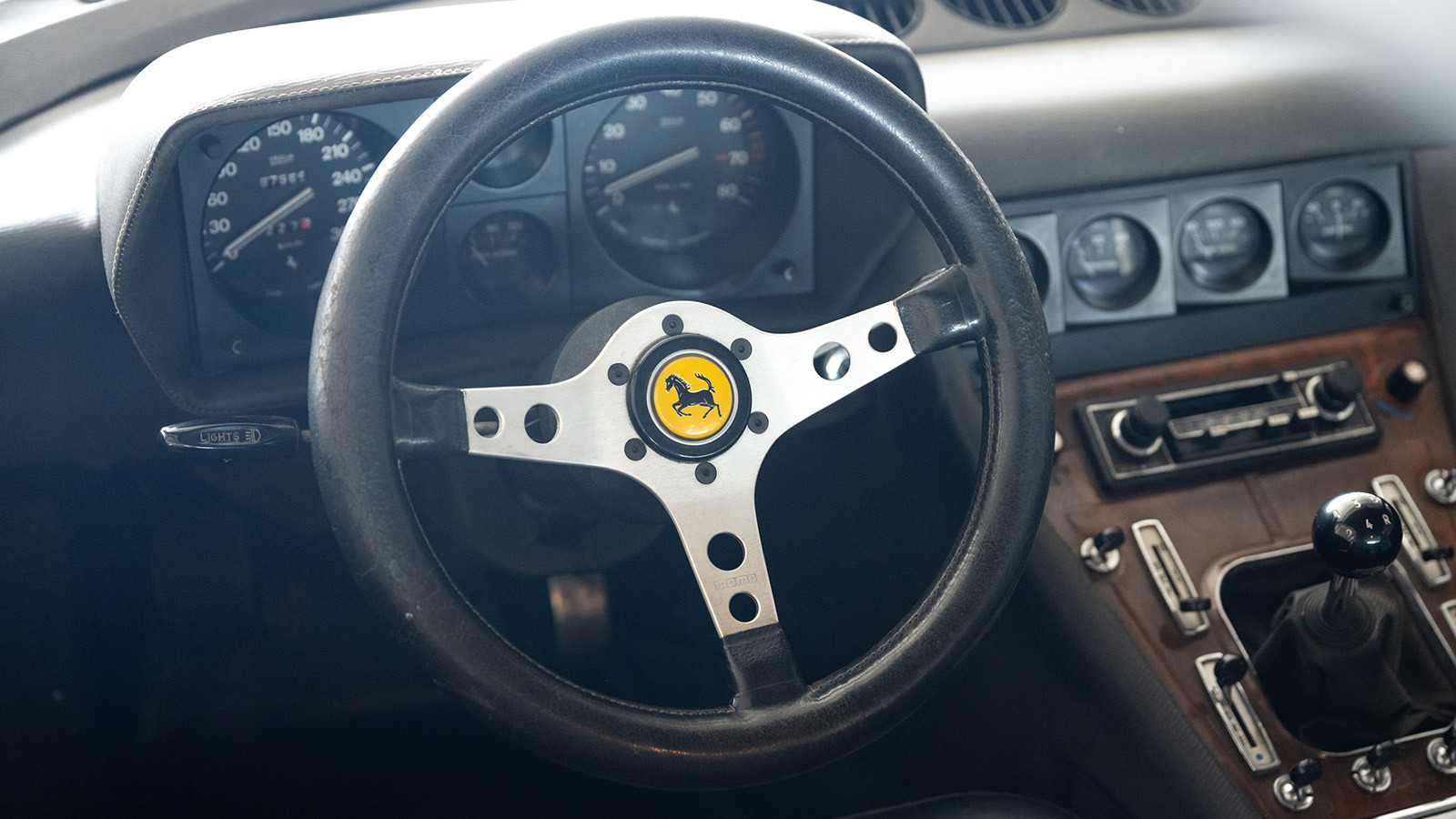
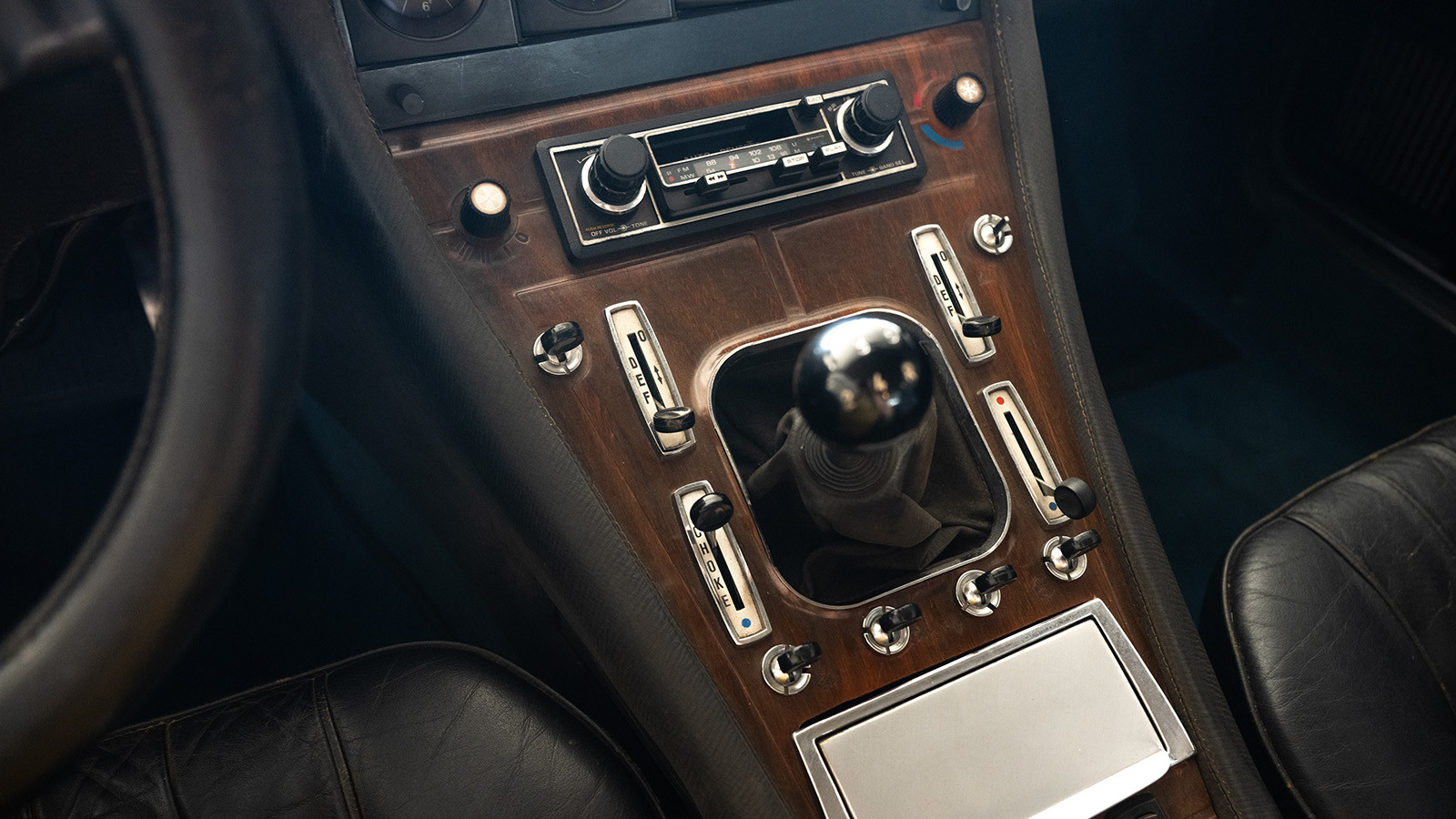
Like all 365GT4 2+2s, Lauda’s car has a five-speed manual gearbox (a three-speed automatic became an option on the visually similar Ferrari 400 in 1976).
Back to the track
Ferrari expected big things from Niki Lauda in 1974 and the Austrian didn’t disappoint.
He got his first F1 win at that year’s Spanish Grand Prix, then achieved his second at the Dutch Grand Prix.
On top of the world
In 1975, he returned to the top step of the podium five more times on his way to becoming an F1 champion for the first time.
Despite on-track success with the new Mauro Forghieri-designed 312T, Niki Lauda’s personal 365GT4 2+2 had caused him some trouble at home.
Home duties
Lauda kept his Italian-registered Ferrari 365GT4 2+2 in Austria.
But, apparently, the cost to officially import the car to his home country was too high, so Lauda sold chassis 17517 in early 1975.
What next?
The Ferrari remained in Austria and changed hands a number of times.
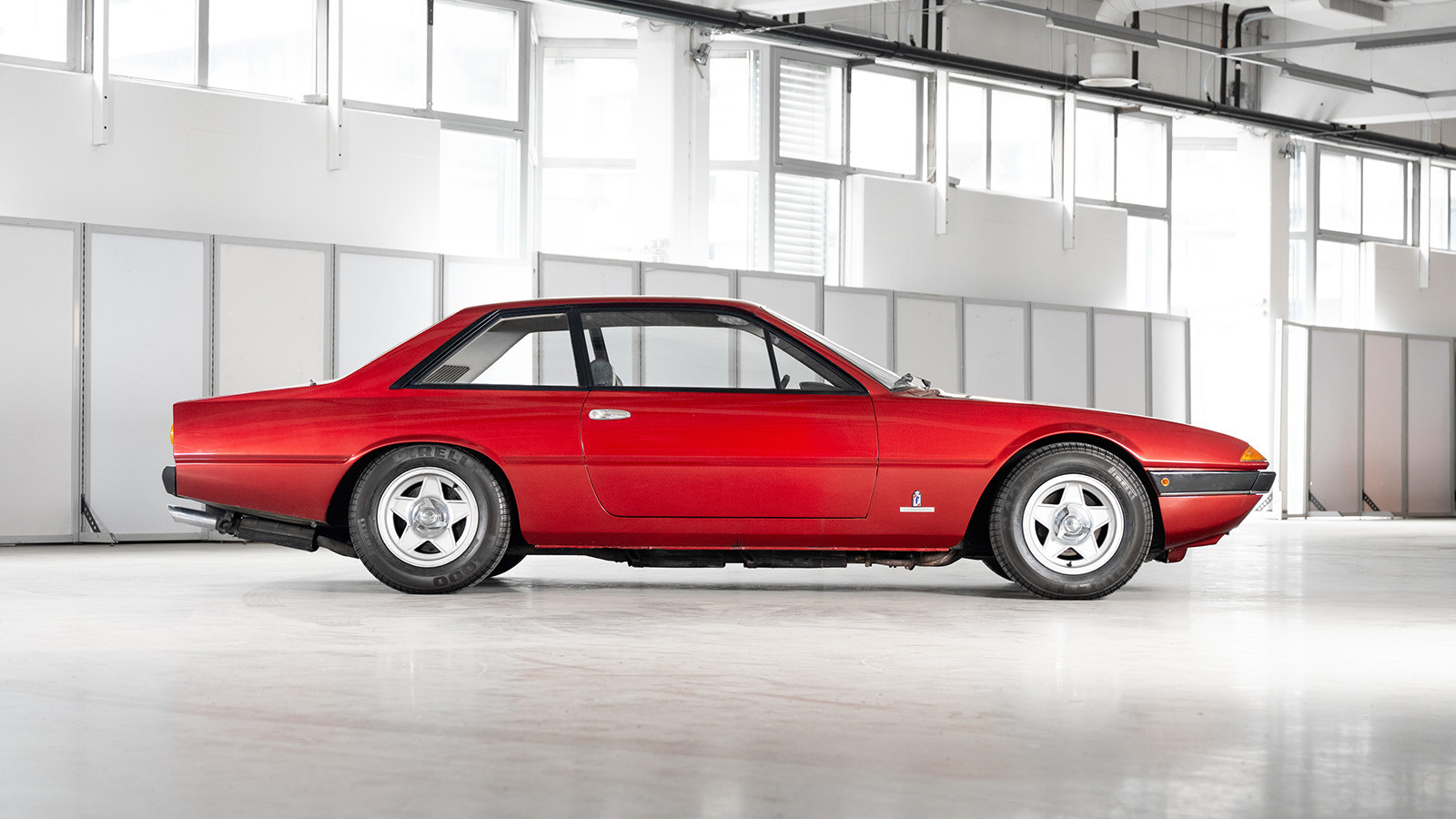
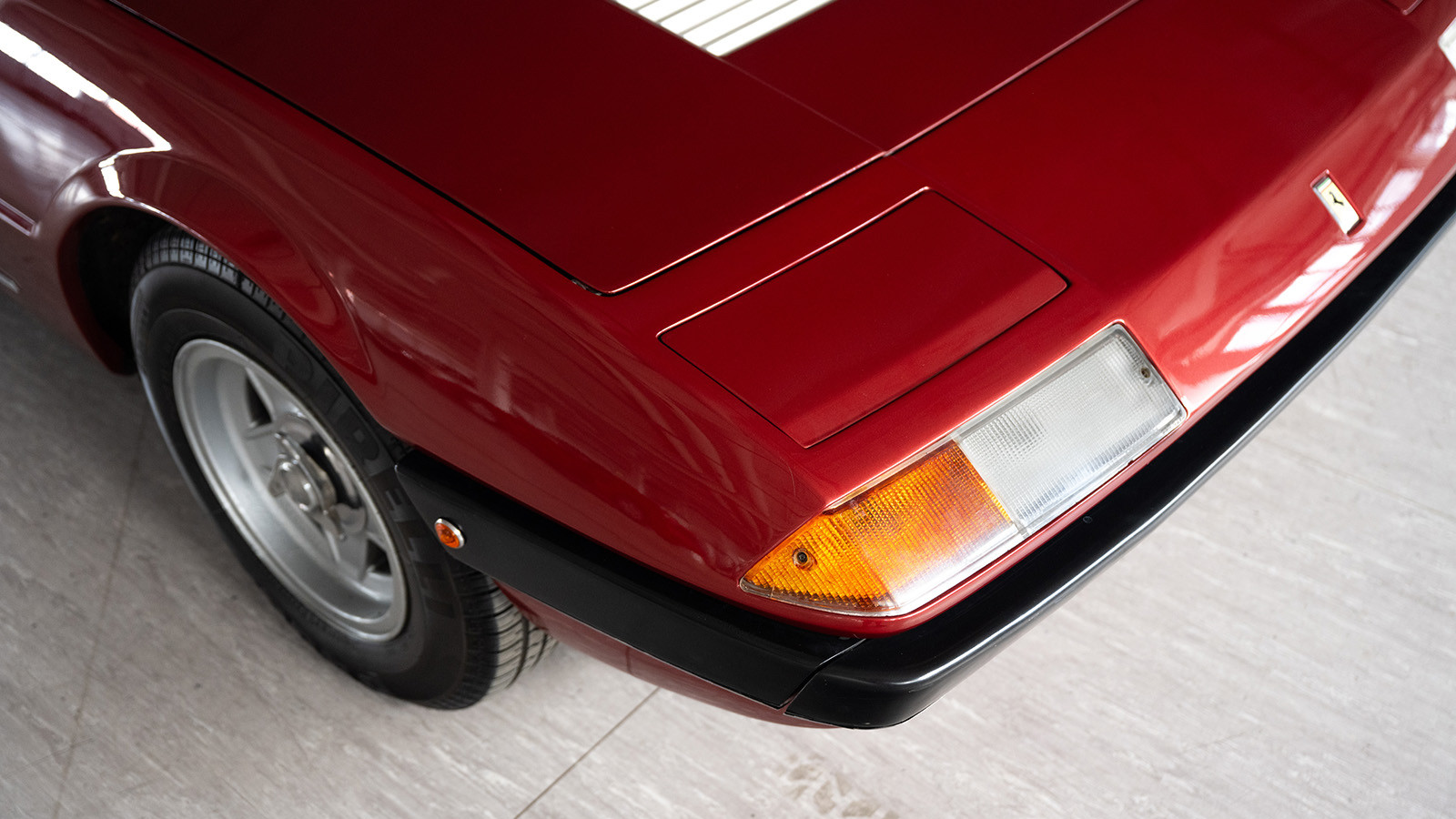
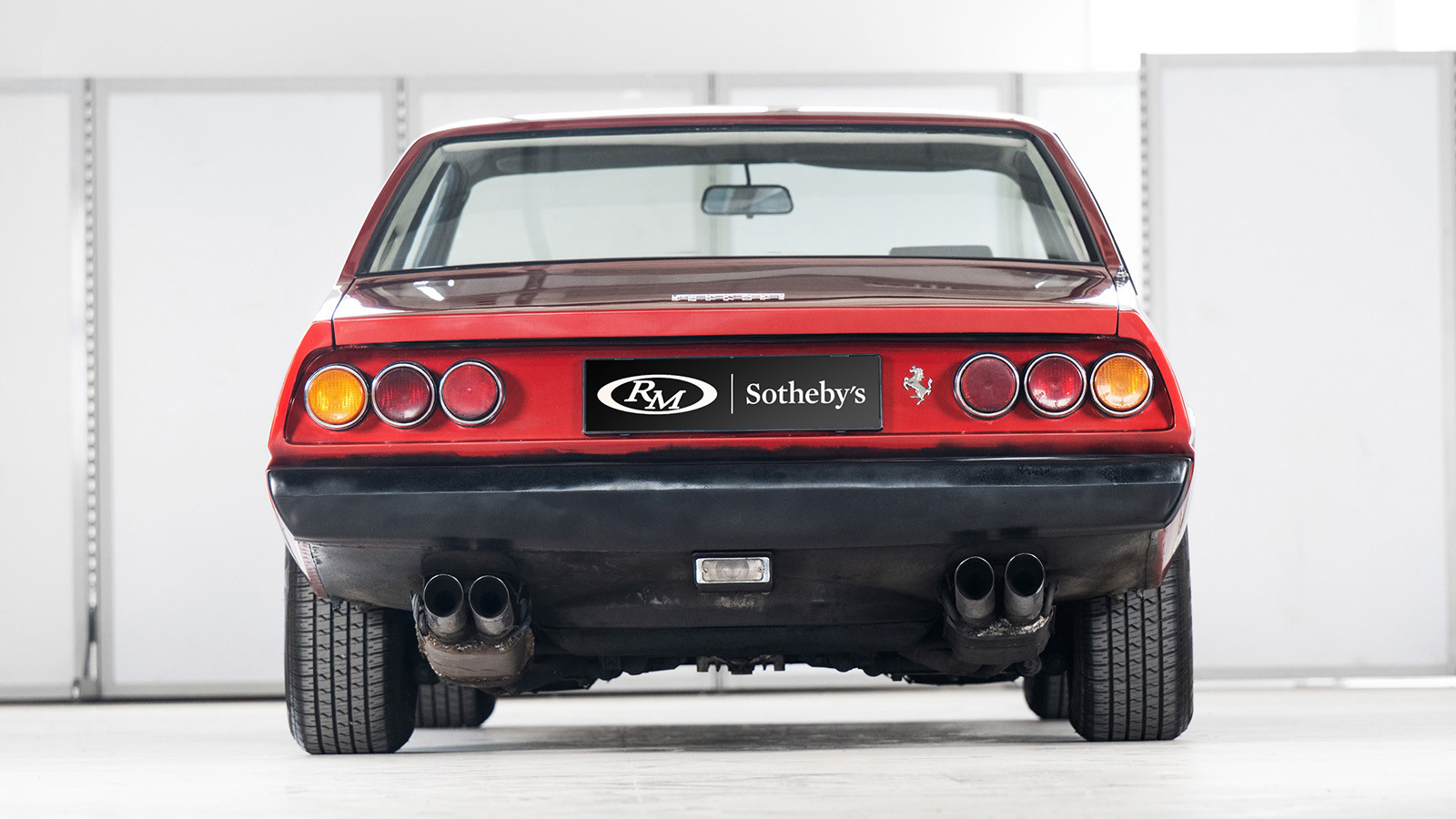
At some point in the 1980s, the car’s original Argento Metallizzato paintwork was replaced with the metallic-red shade it wears today.
Not hanging about
This Ferrari 365GT4 2+2 still has its original engine.
The carburettor-fed 12-cylinder makes 335bhp and propels the 1500kg (3307lb) Ferrari from rest to 60mph in 6.6 secs.
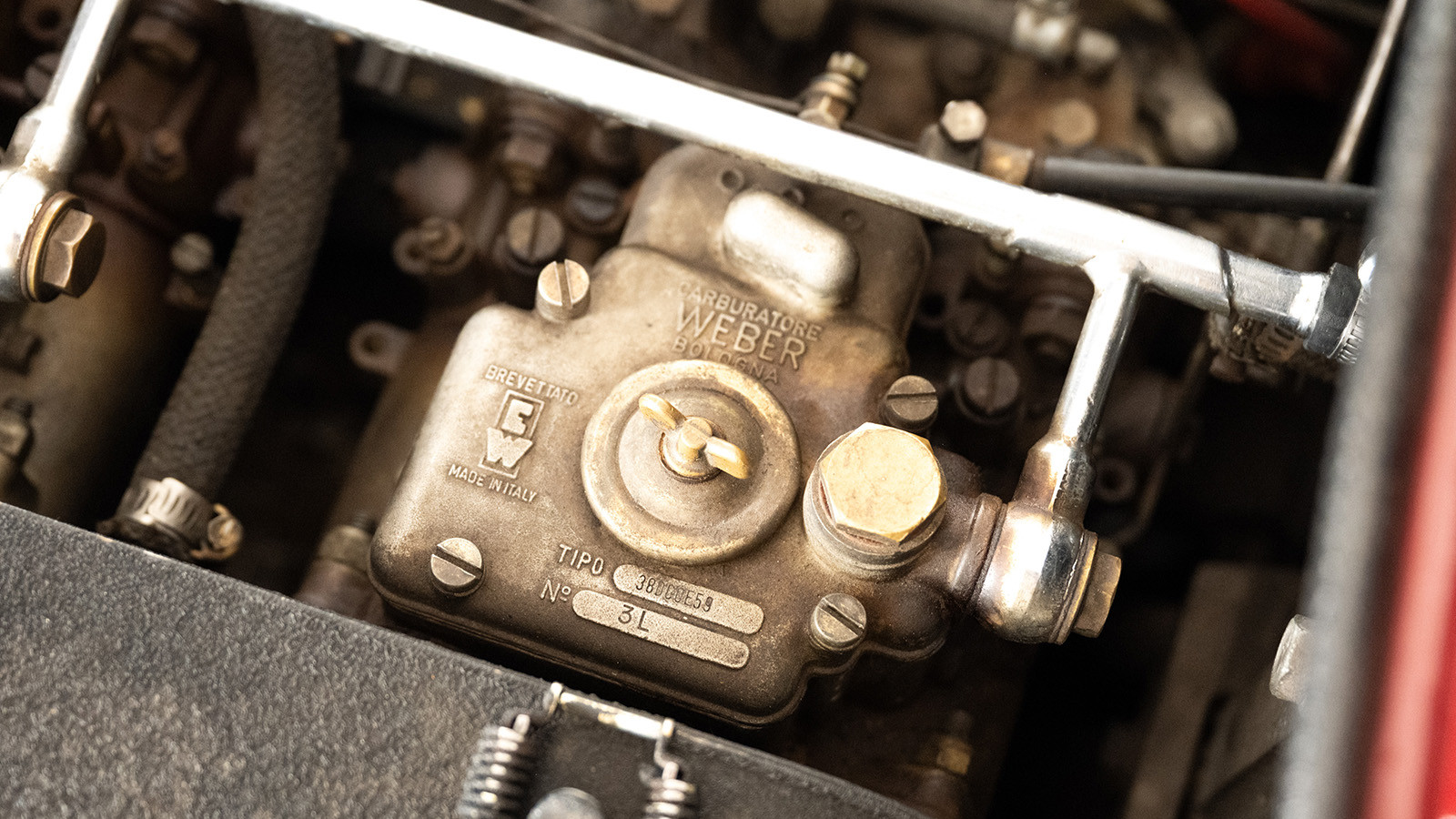
Piling on the carbs
This Ferrari 365GT4 2+2 has six Weber 38DCOE carburettors.
In 1979, the 400i was introduced with a fuel-injection system, which swapped the Webers for a Bosch K-Jetronic set-up.
A spotter’s guide
The Ferrari 365/400/412 series soldiered on for 17 years, during which time the model received some key updates.
But from the outside, very little changed.
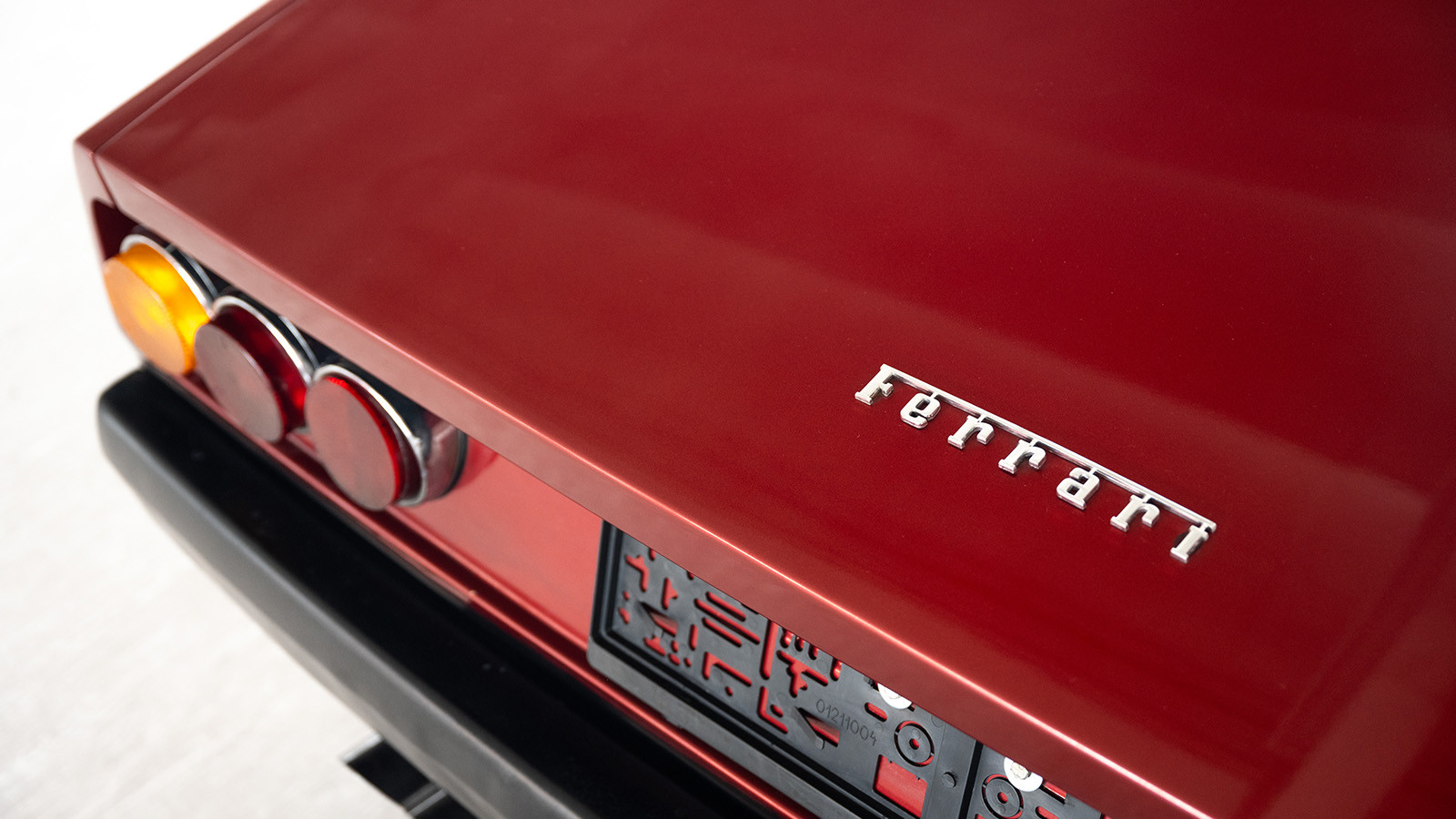
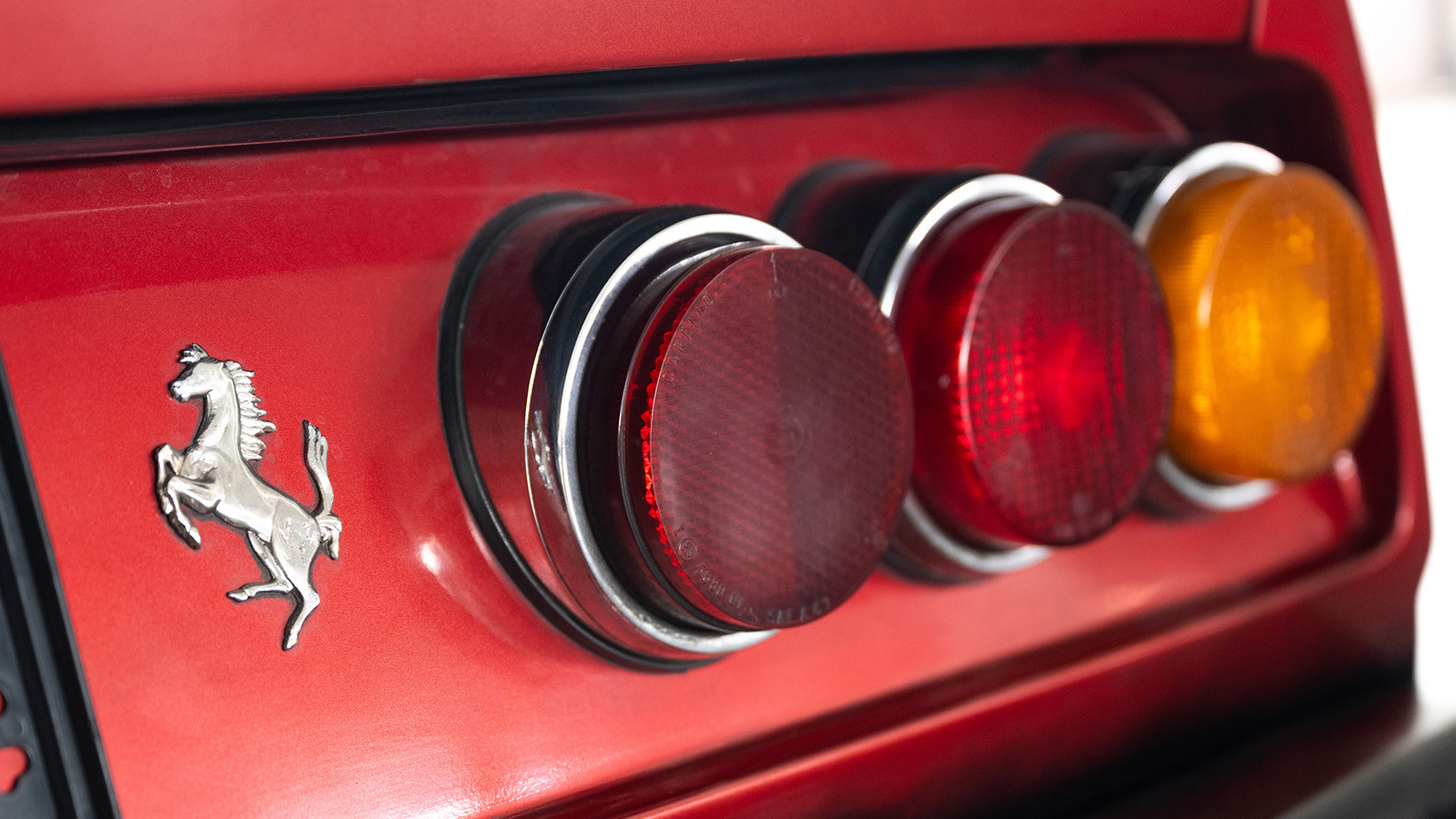
The easy way to identify an early car, like this one, is to look at the back: the 365GT4 2+2 has six tail-lights, while later models have just four.
Hat-trick
Lauda parted with this Ferrari 365GT4 2+2 in 1975, the year he won his first F1 drivers’ title.
He went on to be crowned champion twice more: a second time with Ferrari in 1977 (a year after his horror crash at the Nürburgring) and again in 1984, this time in a McLaren. He retired from F1 in 1985.
Get bidding
If you’d like to own a Ferrari road car once owned by an F1 great, then you can register to bid for Niki Lauda’s 365GT4 2+2 here.
It will cross the block in the RM Sotheby’s sale at Motorworld Munich on 18 October 2025.