From first to last
The Rolls-Royce Silver Shadow is one of the British car manufacturer’s most prolific models and ushered the company into the modern age.
The Shadow, and its Bentley T-series counterpart, went on to create a surprisingly diverse range of models that lasted all the way until 1995.
Across its three-decade lifespan, the Silver Shadow was periodically updated and refined, and there were a few left-field models along the way, too.
Here’s our look at the Rolls-Royce Silver Shadow, from first to last.
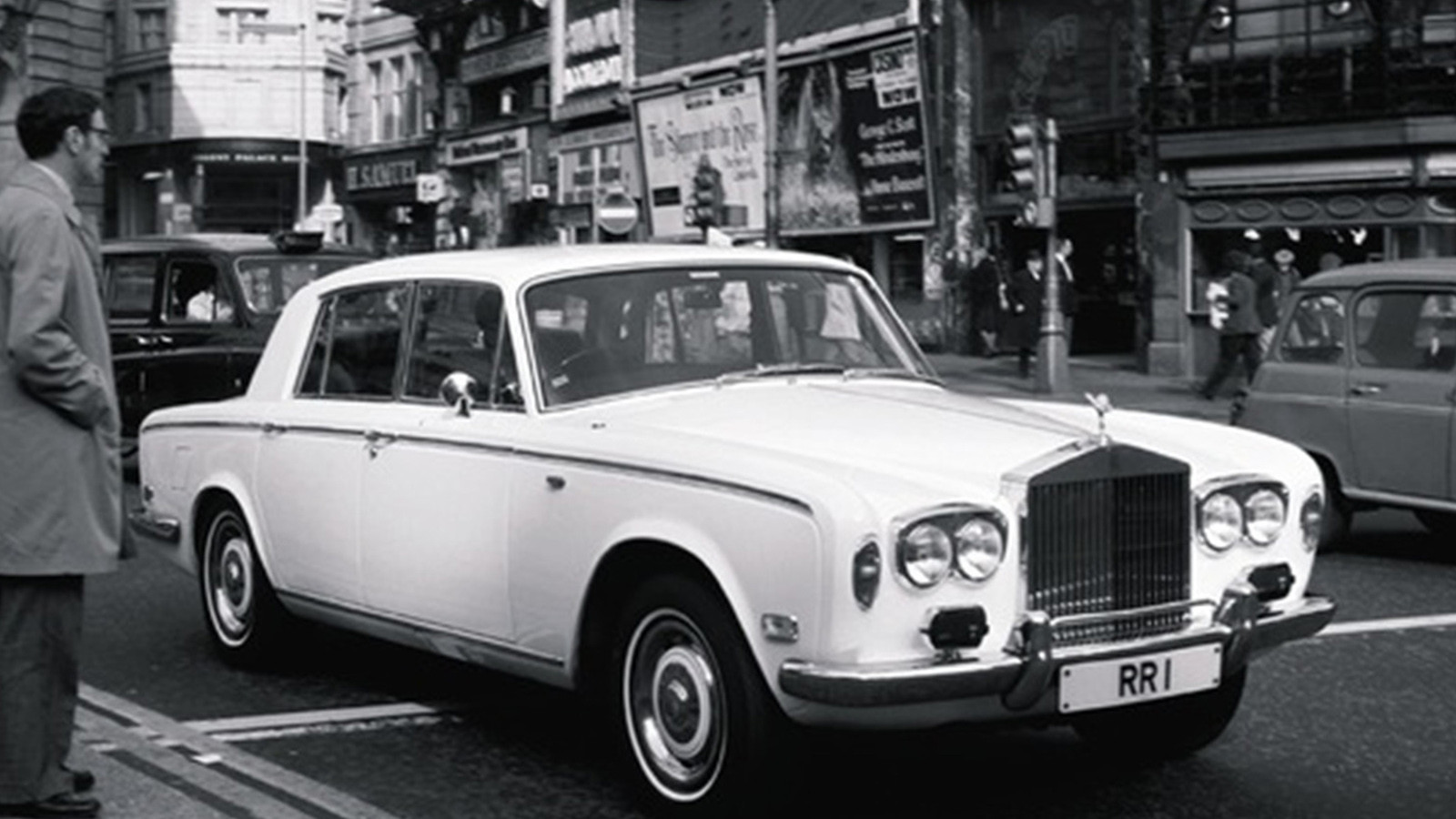
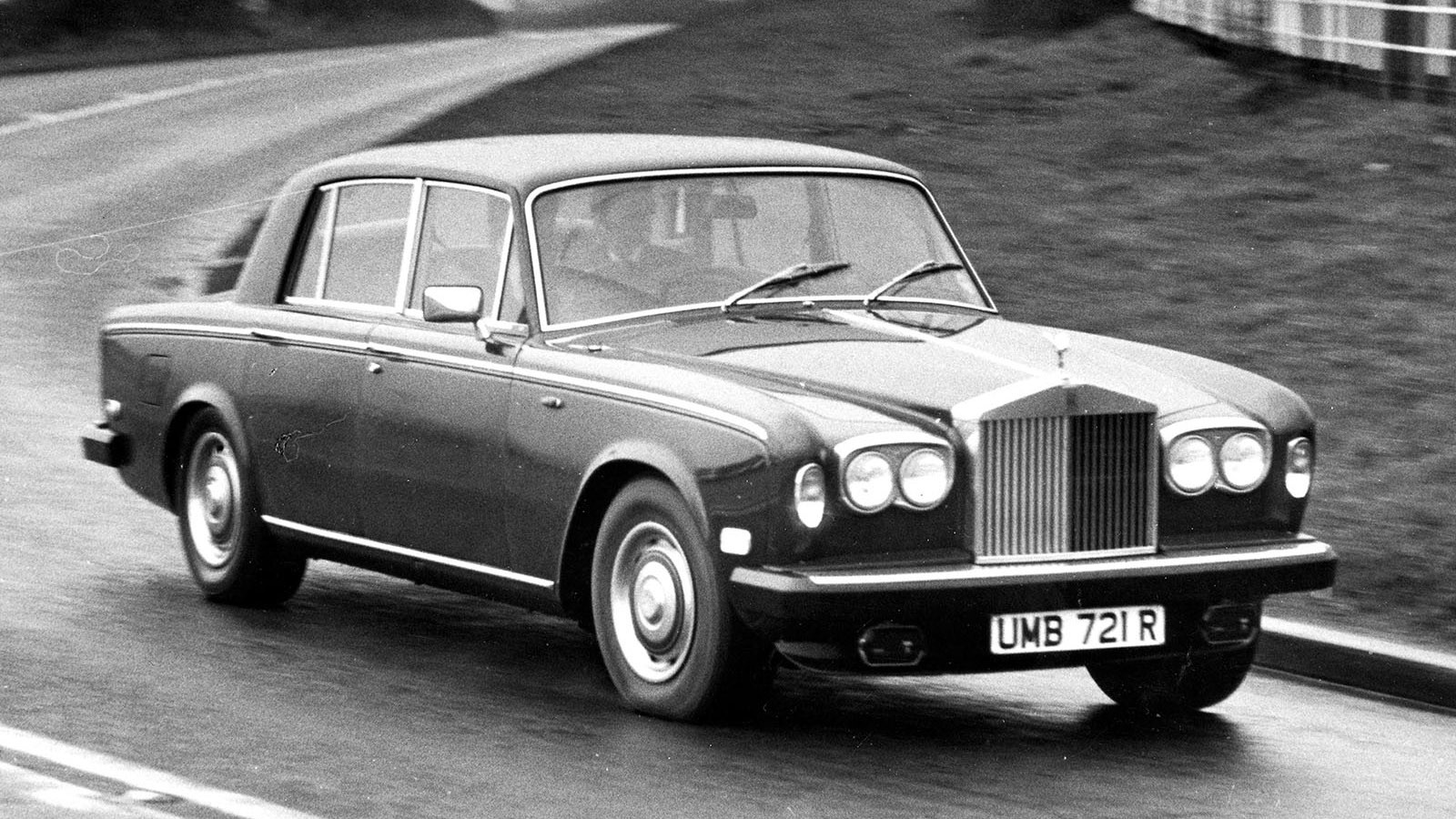
1965 Rolls-Royce Silver Shadow
The Silver Shadow was revolutionary for Rolls-Royce, because it ushered in unitary construction, ending the separate body and chassis of previous models.
Handsomely styled by Rolls-Royce’s John Blatchley, the Shadow also introduced a new high-pressure hydraulic system for the suspension and brakes.
Combined with the 6230cc V8 and a standard automatic gearbox, the engine was enlarged to 6750cc from late 1969.
Such was the success of the original Shadow saloon, and its Bentley T sibling, they notched up 16,721 and 1711 sales respectively by the time the Shadow II arrived in 1977.
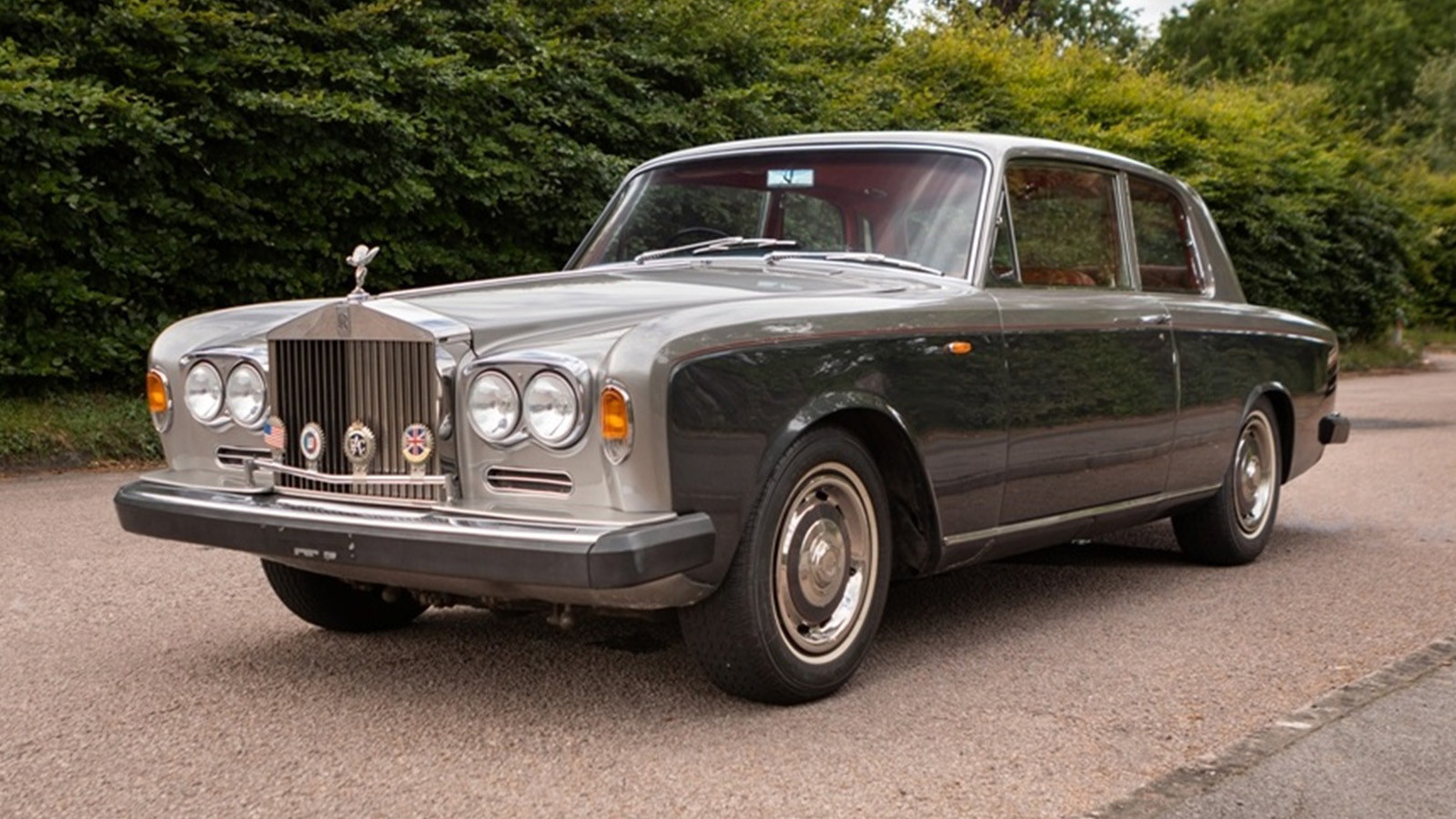
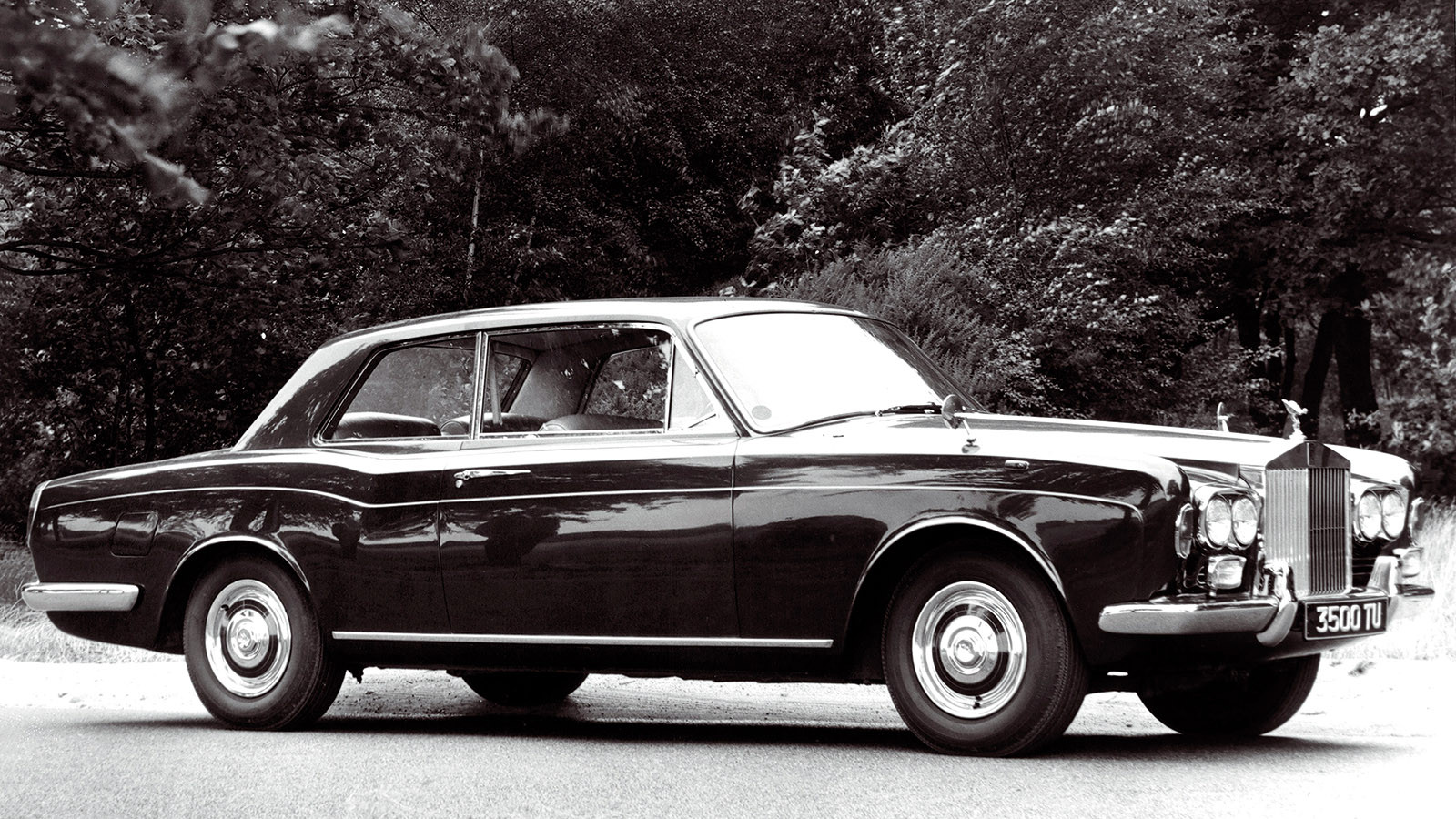
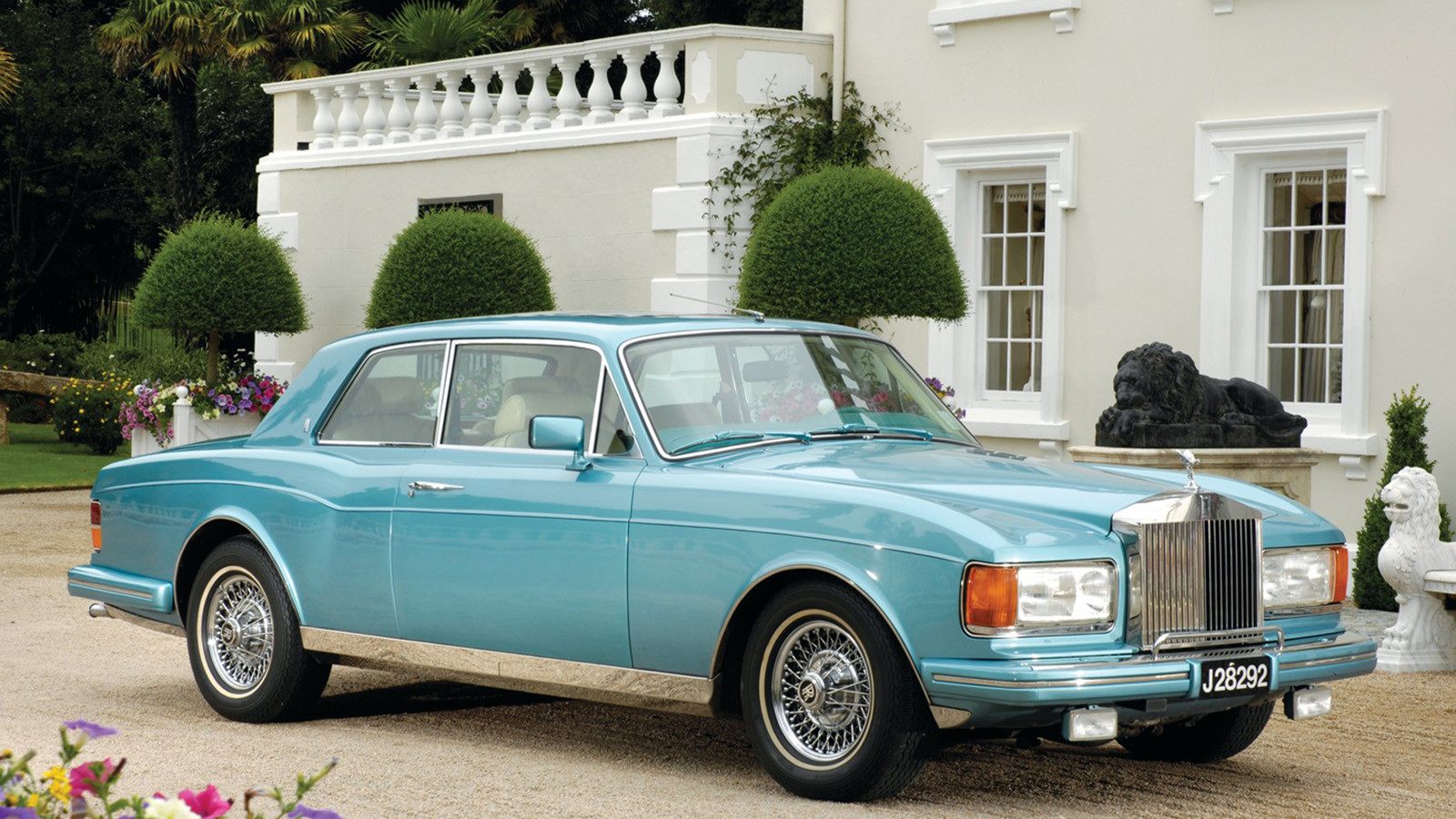
1966 Rolls-Royce Silver Shadow James Young Two-Door Saloon
Those who fancied something more bespoke for their Rolls-Royce Silver Shadow would be drawn to the James Young Two-Door Saloon.
Unlike other two-door versions of the Shadow, the James Young car retained the straight waistline of the four-door, as well as identical front and rear treatments.
What was new were the longer doors to aid access to the rear seats, and all of the side glass was unique to this model.
Mechanically, the James Young Two-Door Saloon was the same as the Shadow four-door, yet the cost of making the two-door was unprofitable and resulted in only 35 being built between 1966 and 1967, plus 15 Bentley versions.
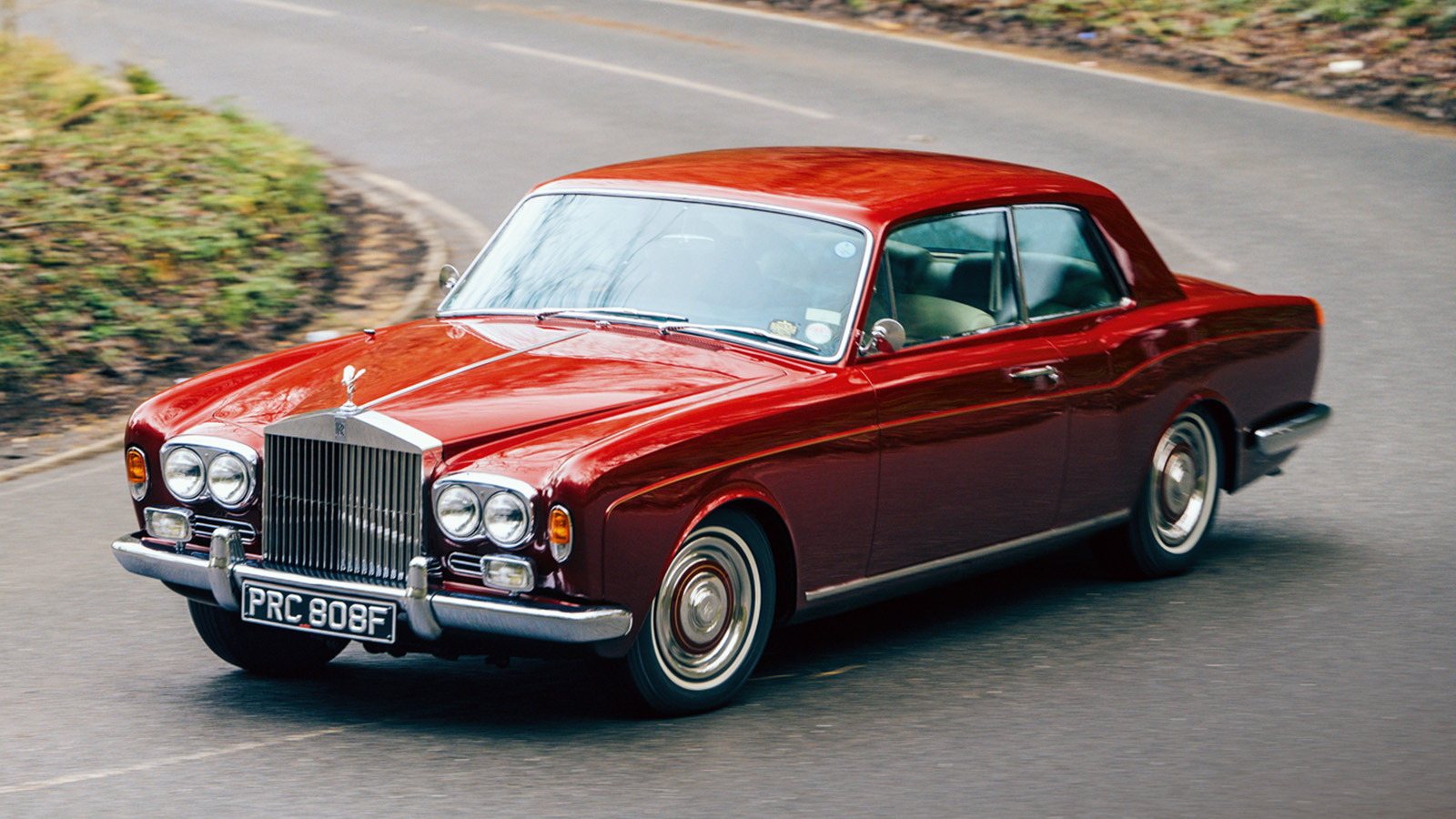
1966 Rolls-Royce Silver Shadow Mulliner Park Ward Two-Door Saloon
The Mulliner Park Ward was another two-door offering based on the Rolls-Royce Silver Shadow, giving buyers a more coachbuilt alternative.
This car set the style that would follow for later two-door Shadows with its ‘Coke-bottle’ kink below the rear side windows.
As well as longer doors, the Mulliner Park Ward sat 1in (25.4mm) lower than its four-door saloon counterpart.
Mechanical changes mirrored the saloon’s and there was a Bentley T variant, too.
In all, 571 Rolls-badged cars were sold as well as 98 with the Bentley grille between 1966 and 1971, when the Corniche name replaced the Mulliner Park Ward title.
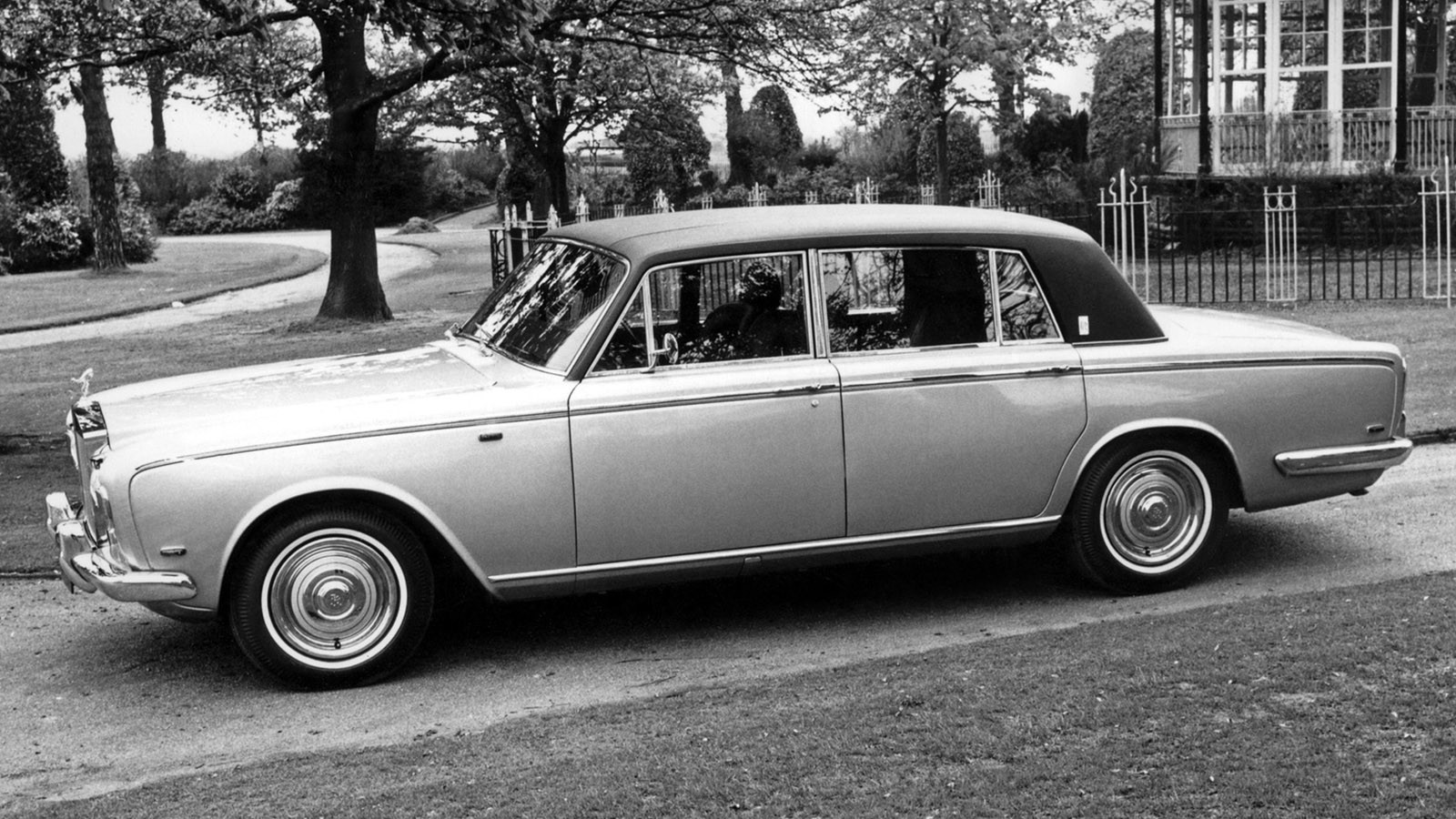
1967 Rolls-Royce Silver Shadow Long Wheelbase
The Rolls-Royce Silver Shadow was the ideal luxury car for the more democratised 1960s, but plenty of buyers still wanted to direct operations from the rear seat.
Therefore a long-wheelbase version was inevitable. It arrived in 1967 with an additional 4in (101.6mm) of rear legroom.
That same measurement was added to the car’s back doors, while a smaller rear window gave greater privacy.
This longer-wheelbase take on the Silver Shadow could be ordered with a glass division and separate air conditioning for back-seat occupants.
Offered until 1977, the Long Wheelbase found 2772 buyers, plus a further nine for a Bentley version.
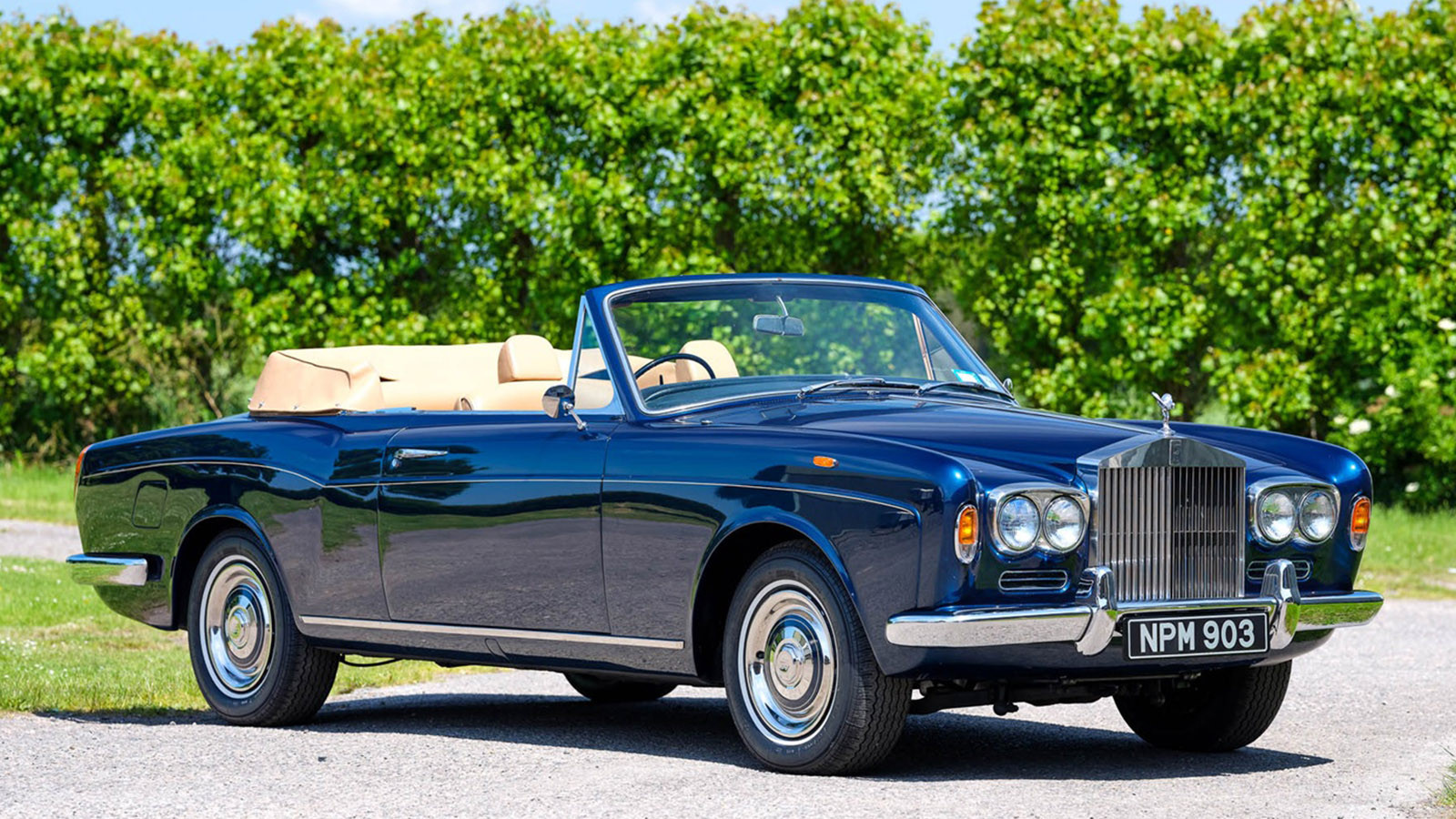
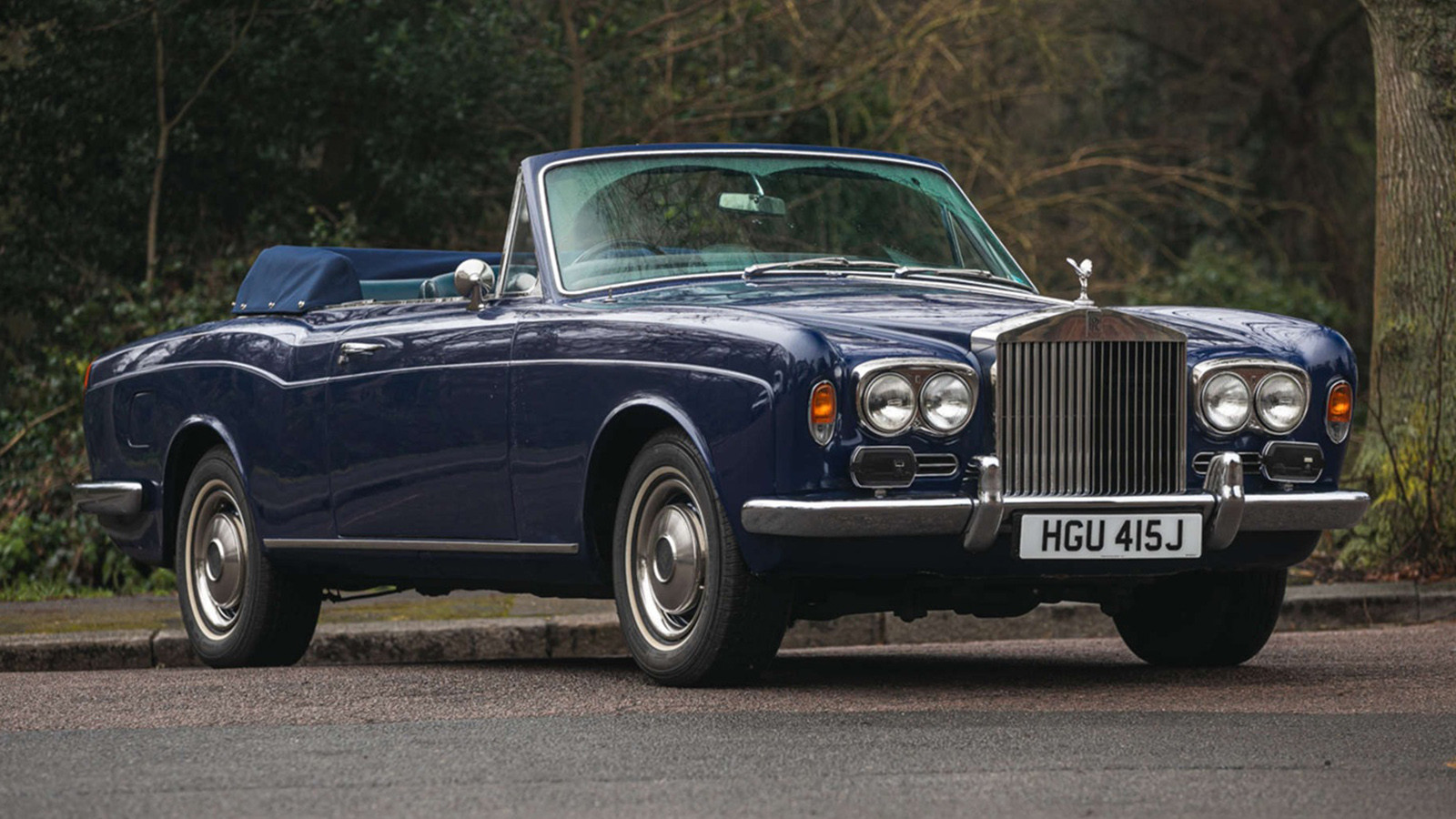
1967 Rolls-Royce Silver Shadow Mulliner Park Ward Convertible
Given the demand for a convertible Rolls-Royce, it was almost remiss of the company not to launch the Silver Shadow Mulliner Park Ward Convertible alongside the saloon.
Customers had to wait until 1966 for the two-door, four-seat drop-top, which came with the same gently swooping waistline as the two-door saloon.
The party piece of the Convertible was its electrically operated soft-top, which the driver was able to lower at the touch of a button.
Plus, that roof was multi-layered and thickly padded, so it provided almost as much weather and noise insulation as the fixed-roof Shadows.
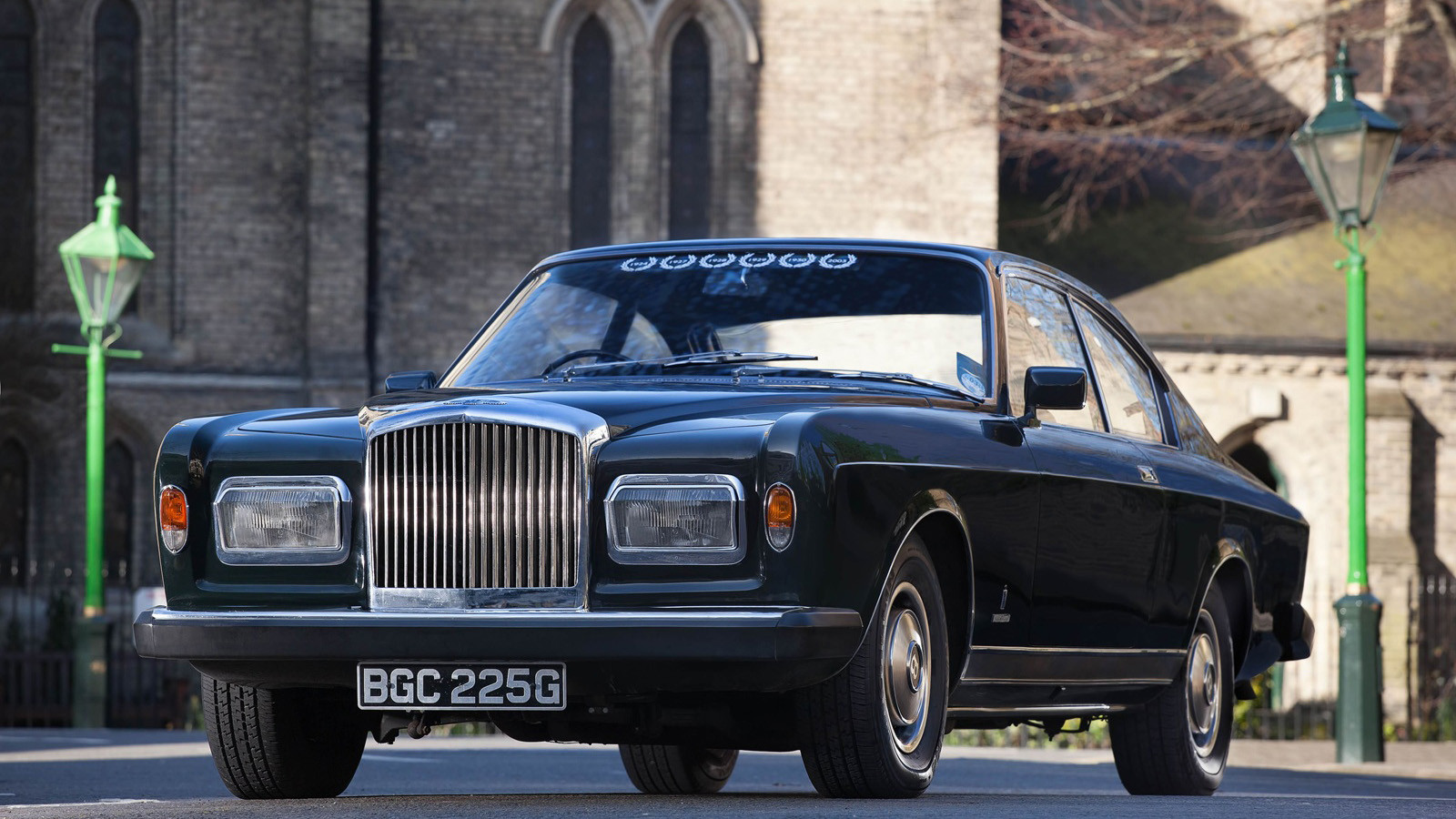
1968 Bentley T Pininfarina Coupé Speziale
Pininfarina was commissioned by James Hanson, later Lord Hanson, to create a one-off coupé using the Rolls-Royce Silver Shadow as its base.
Badged as a Bentley, the Coupé Speziale was styled by Paolo Martin with a pronounced fastback profile.
Pininfarina displayed the coupé at various motor shows in 1968 before Hanson took delivery in 1969.
Hanson had the Bentley updated to Shadow II specification with new bumpers, a three-speed automatic gearbox and hubcaps, between 1978 and 1979.
The Brewster Green coupé was later sold and claimed to be the ‘world’s most expensive used car’ at the time.
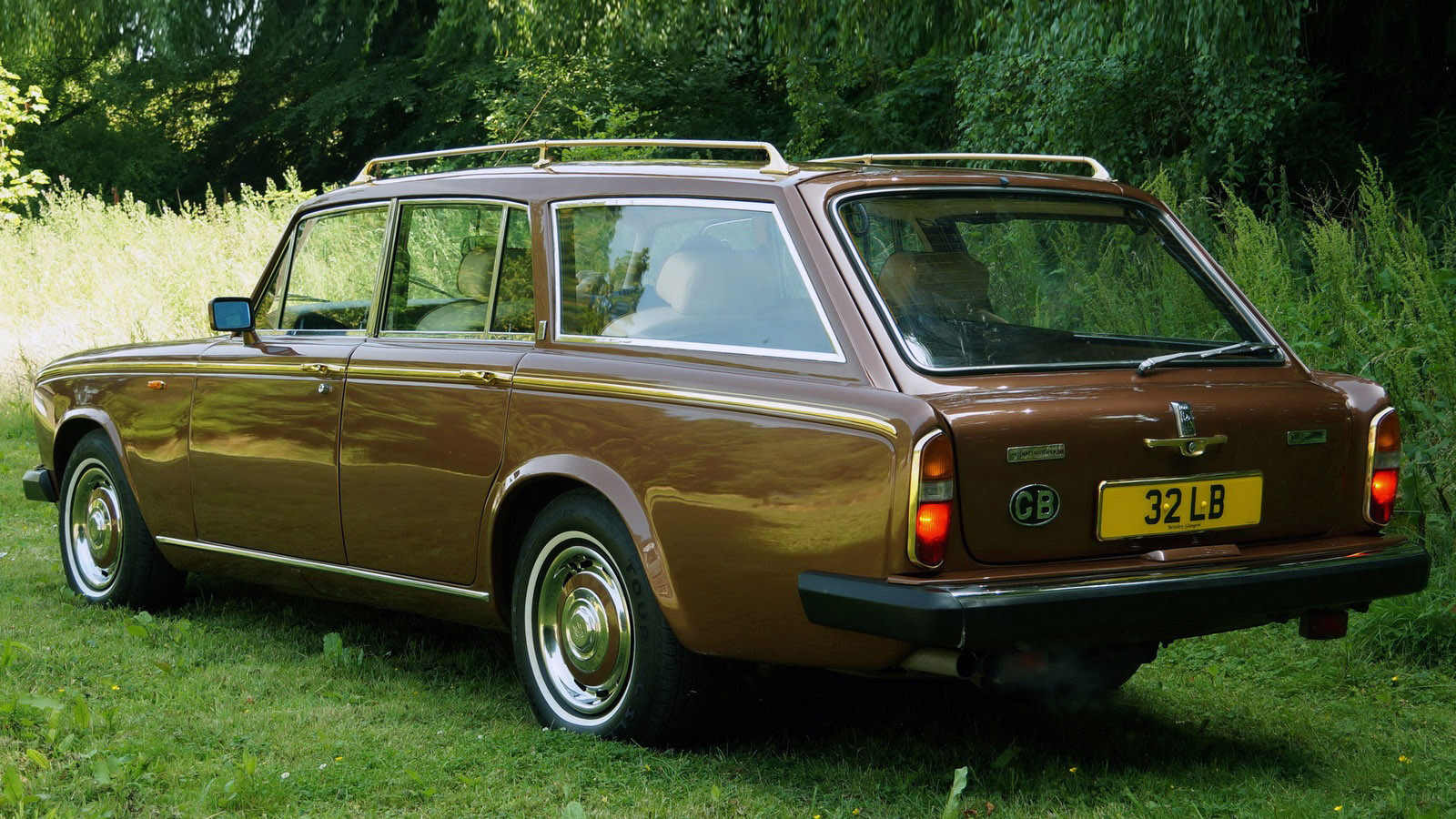
1970 Rolls-Royce Silver Shadow Estate
There have been a number of different estate conversions made using the Rolls-Royce Silver Shadow, with varying degrees of styling coherence.
One of the earliest to offer this body style on the Shadow and Bentley T-series was FLM Panelcraft in London.
Its Shadow Estate managed a clean look thanks to a slim B-pillar and neatly integrated rear glass.
The car shown here was converted for John Entwistle, bass guitarist of The Who, and it’s believed the work was carried out by Hanwells of London.
Fittingly, this car then spent much of its life on a Scottish country estate as a shooting brake.
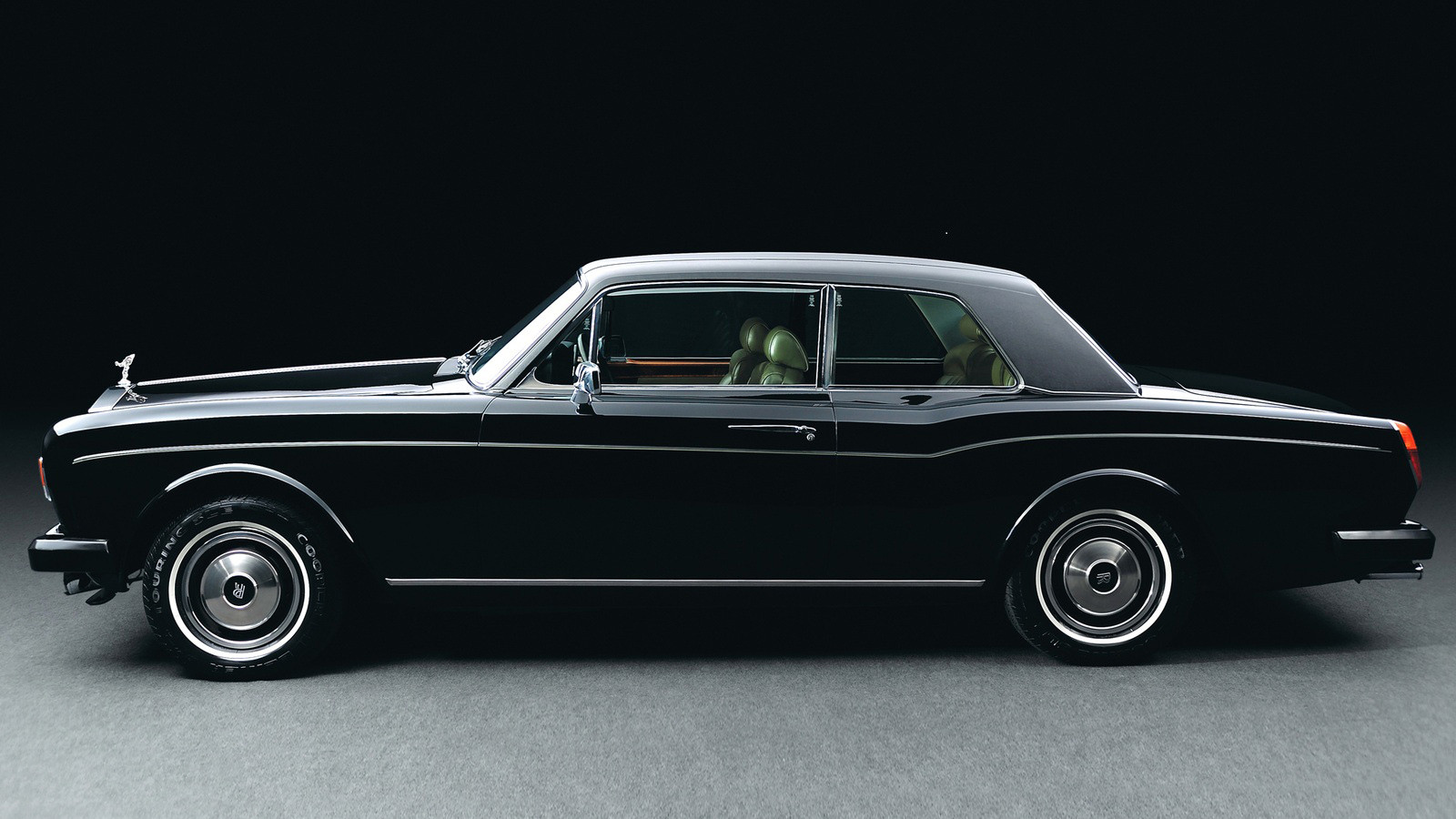
1971 Rolls-Royce Corniche Two-Door Saloon
Rolls-Royce replaced the earlier Mulliner Park Ward Two-Door Saloon with the Corniche in 1971.
Far from being a simple renaming of the model, there were numerous detail changes and updates.
Prime among these was a front grille that was 15% thicker than its predecessor’s, in order to cool the 6.75-litre V8 that had 10% more power than before.
Front foglights were standard and the waistline was revised, while inside the Corniche gained a model-specific dashboard design with a rev counter.
A total of 780 Rolls-Royce and 47 Bentley Corniches were produced up to 1977.
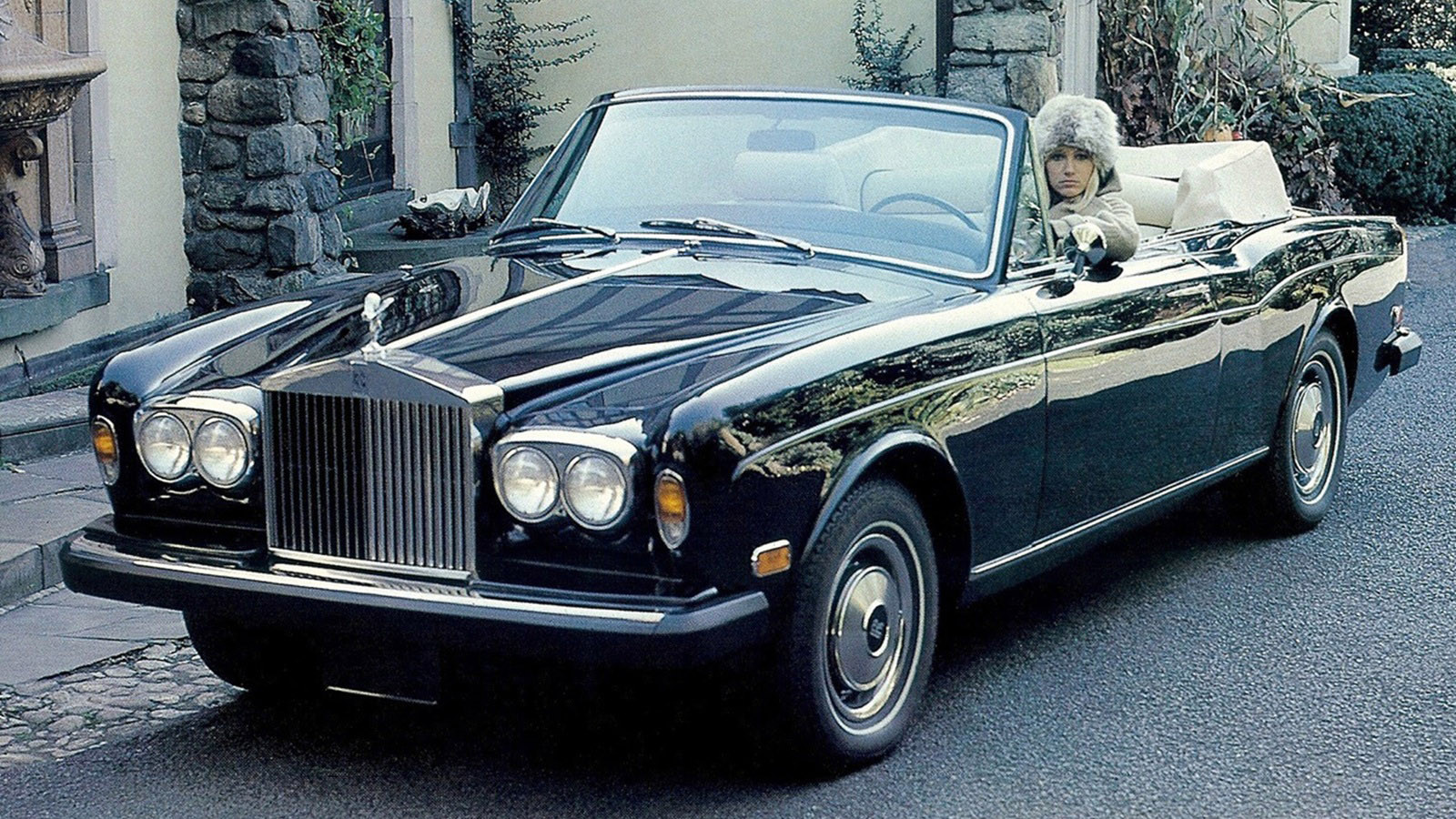
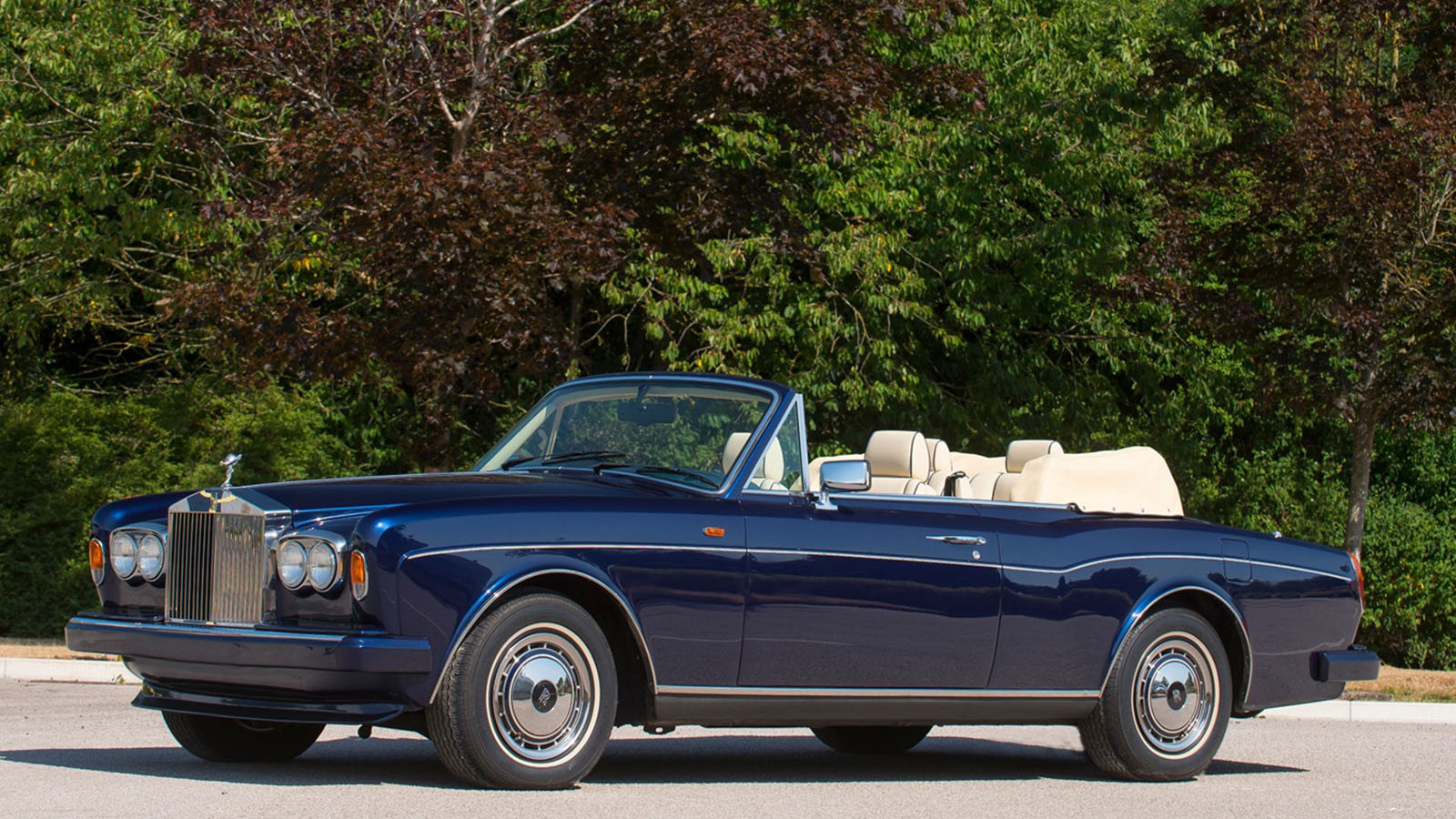
1971 Rolls-Royce Corniche Convertible Series 1
Now referred to as the Series 1 Corniche Convertible, Rolls-Royce applied the same updates to its drop-top as it had to the fixed-roof two-door.
This included model-specific wheel covers for the Corniche variant of the Silver Shadow, as well as front foglights, although not for UK cars.
Other identifying features of this convertible that ran until 1977 were its rectangular reversing lights.
The Rolls-Royce version of the Corniche Convertible Series 1 easily outsold its Bentley counterpart, taking 1232 orders, compared with 43 for those with a winged ‘B’ badge.
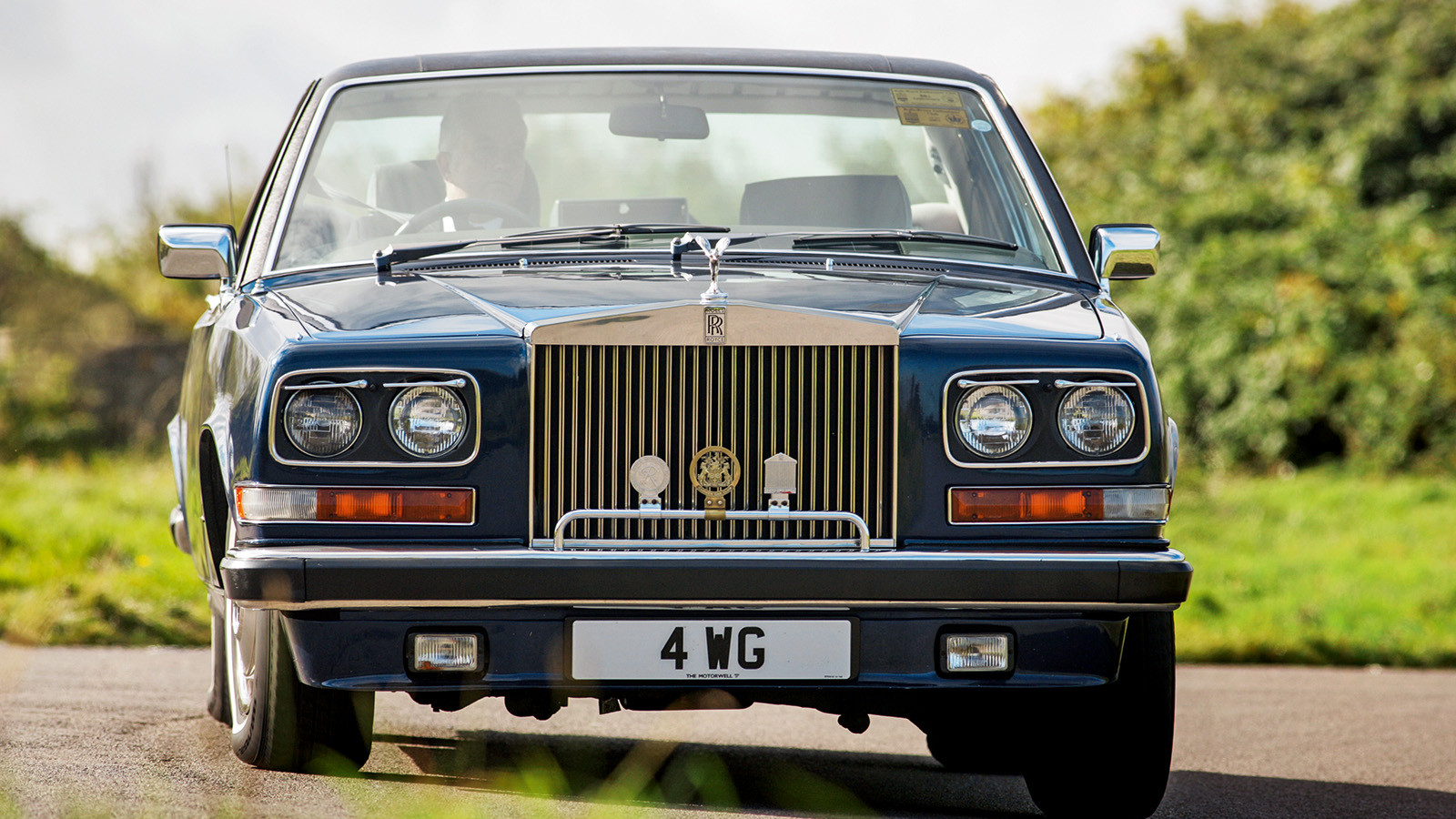
1975 Rolls-Royce Camargue
The influence of the earlier Bentley Coupé Speziale was obvious in the Rolls-Royce Camargue of 1975.
Both cars were styled by Pininfarina, but the Camargue was a full production model, albeit hugely expensive. In all, a total of just 529 cars were sold, plus a single Bentley-badged model.
As well as its bespoke exterior and interior, the Camargue had its grille slanted at a 7° angle and it was the marque’s widest-ever car at that time.
It was also the first Rolls-Royce to feature split-level air conditioning, plus the engine gained a little extra power for European-spec models.
1977 Rolls-Royce Corniche two-door saloon
Be careful not to call this updated two-door a Corniche II, even if it has all the updates applied to the Rolls-Royce Silver Shadow II.
Rolls simply stuck with the Corniche name for this revised two-door saloon and discerning buyers were happy with this, as witnessed by 328 sales for this variant and 17 for the Bentley version.
Easy identification of these later Corniches comes from the larger bumpers with foglights placed underneath and twin exhaust pipes.
From 1979, the Corniche was updated with the rear suspension and a mineral-oil hydraulic system from the Silver Spirit.
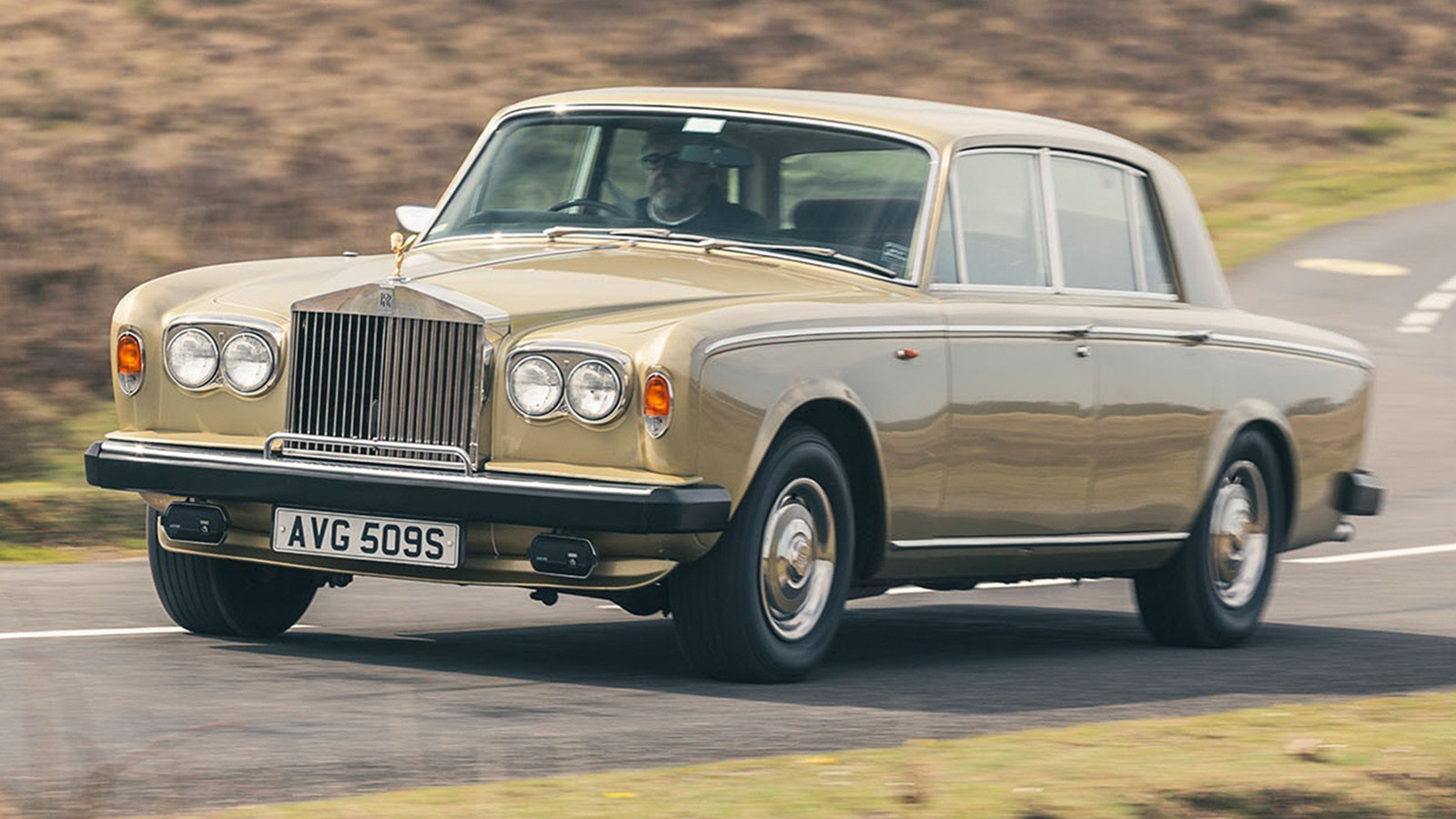
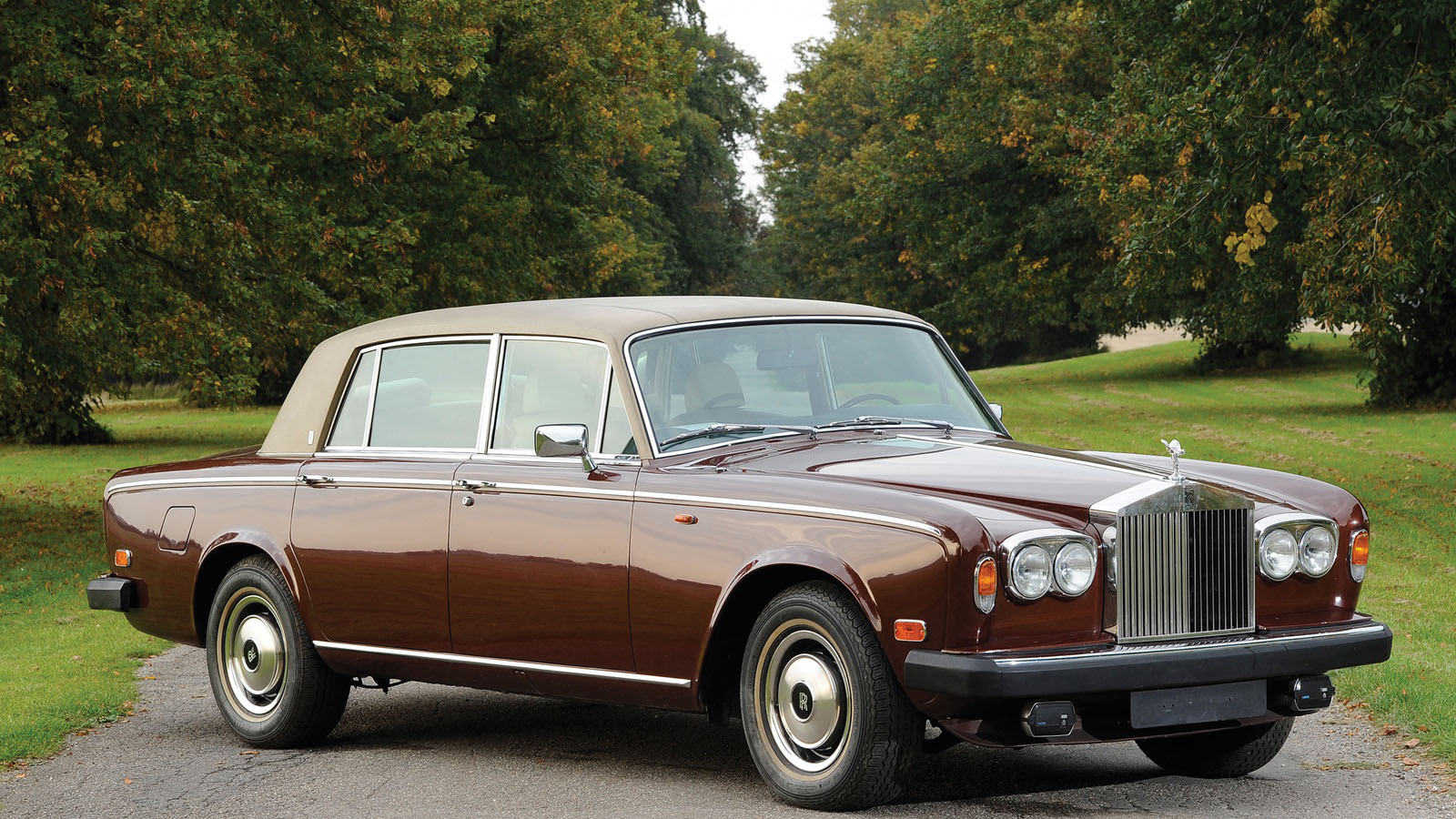
1977 Rolls-Royce Silver Shadow II
For 1977, Rolls-Royce brought in a major update of its Silver Shadow, which was applied to various spin-off models at the same time.
Obvious exterior changes were the new crash-absorbing rubber bumpers, front foglights now mounted beneath the bumper and a thicker grille to aid cooling.
A front air dam helped improve high-speed stability, though this was not fitted for every market.
For the interior, a new dashboard was installed along with the split-level air conditioning first seen on the Camargue.
On sale until 1980, 8424 Shadow IIs were sold, alongside 558 Bentley T2 four-door saloons.
1977 Rolls-Royce Corniche Convertible
In line with the rest of the Silver Shadow range, Rolls-Royce updated the Corniche Convertible to Shadow II specification in 1977.
Then two years later, in 1979, this open-top version of the Shadow and its coupé sibling gained the refreshed Silver Spirit-type, rear-suspension upgrade.
This helped see the Convertible run all the way to 1986, with a total of 2017 built with a Spirit of Ecstasy mascot and a further 31 with the Bentley grille.
Late in its life, in 1985, this Corniche Convertible gained an extended B-pillar to make it easier for front occupants to reach their seatbelts.
1977 Rolls-Royce Silver Wraith II
At the same time Rolls-Royce updated the Shadow, it took the opportunity to rename its long-wheelbase version the Silver Wraith.
It retained the same 4in (101.6mm) stretch to the wheelbase and back doors, as well as the smaller rear window.
All Wraiths came with an Everflex-covered roof as standard, though it could be deleted if the customer wished.
The Wraith also used the same hubcaps as the Corniche as a small distinguishing feature from the Shadow.
While it was only on sale for four years, the Wraith proved very popular and 2136 examples were sold, with a further 10 as the Bentley T2 Long Wheelbase.
1980 Rolls-Royce Corniche Hooper Coupé
From the side, you have to look closely to spot the changes to the Rolls-Royce Corniche Hooper Coupé, but they are obvious from the front or back.
Silver Spirit-style lights are used at both ends, with the bonnet, boot and wings blended to join the Corniche elements with the newer parts.
The work extended beyond this, because the smaller rear window of the Wraith was also incorporated into the design, along with Hooper’s own wire wheels, steering wheel and headrests.
The work took 18 months to complete and more than doubled the price of the original Corniche base car when it was delivered.
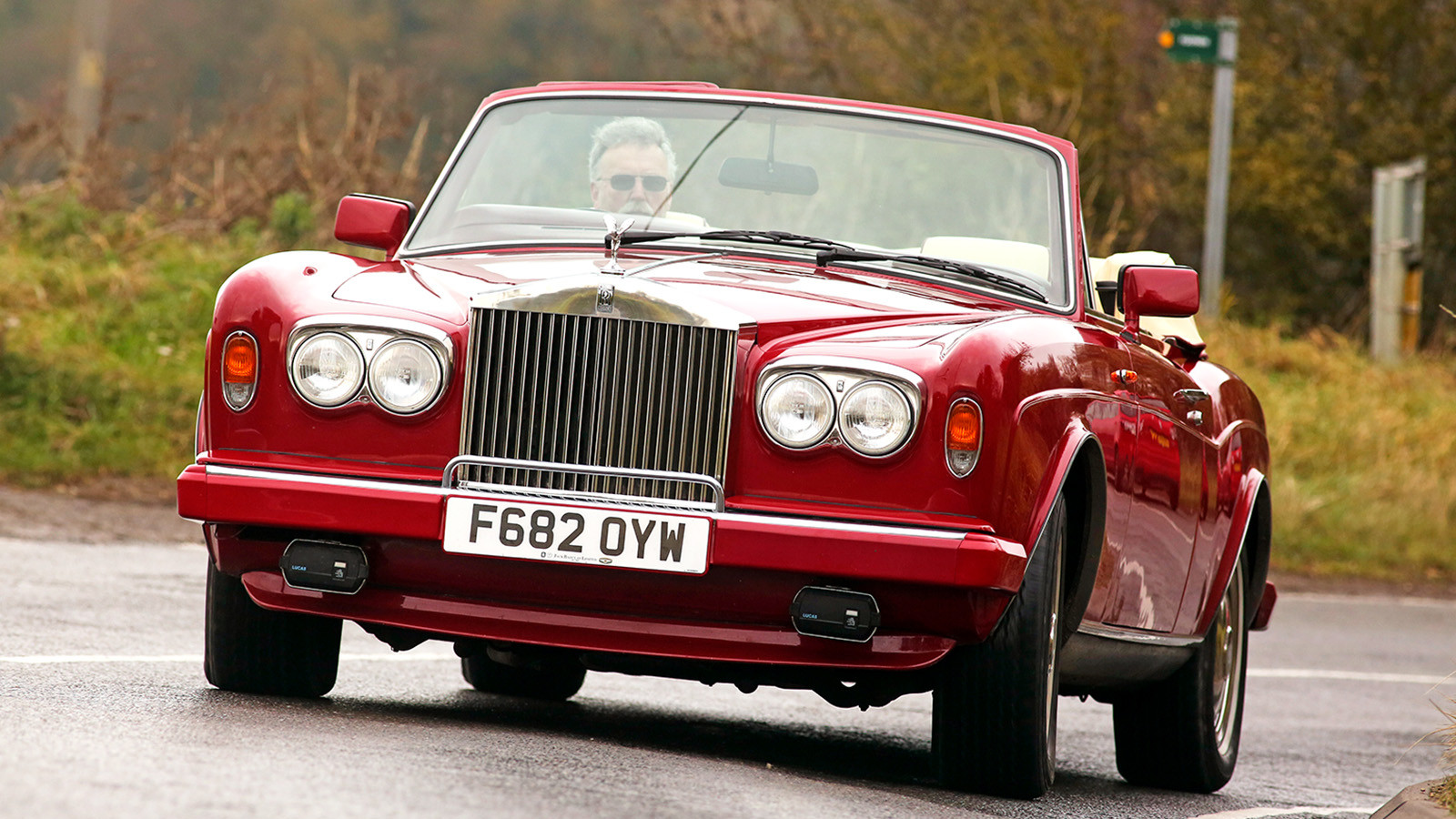
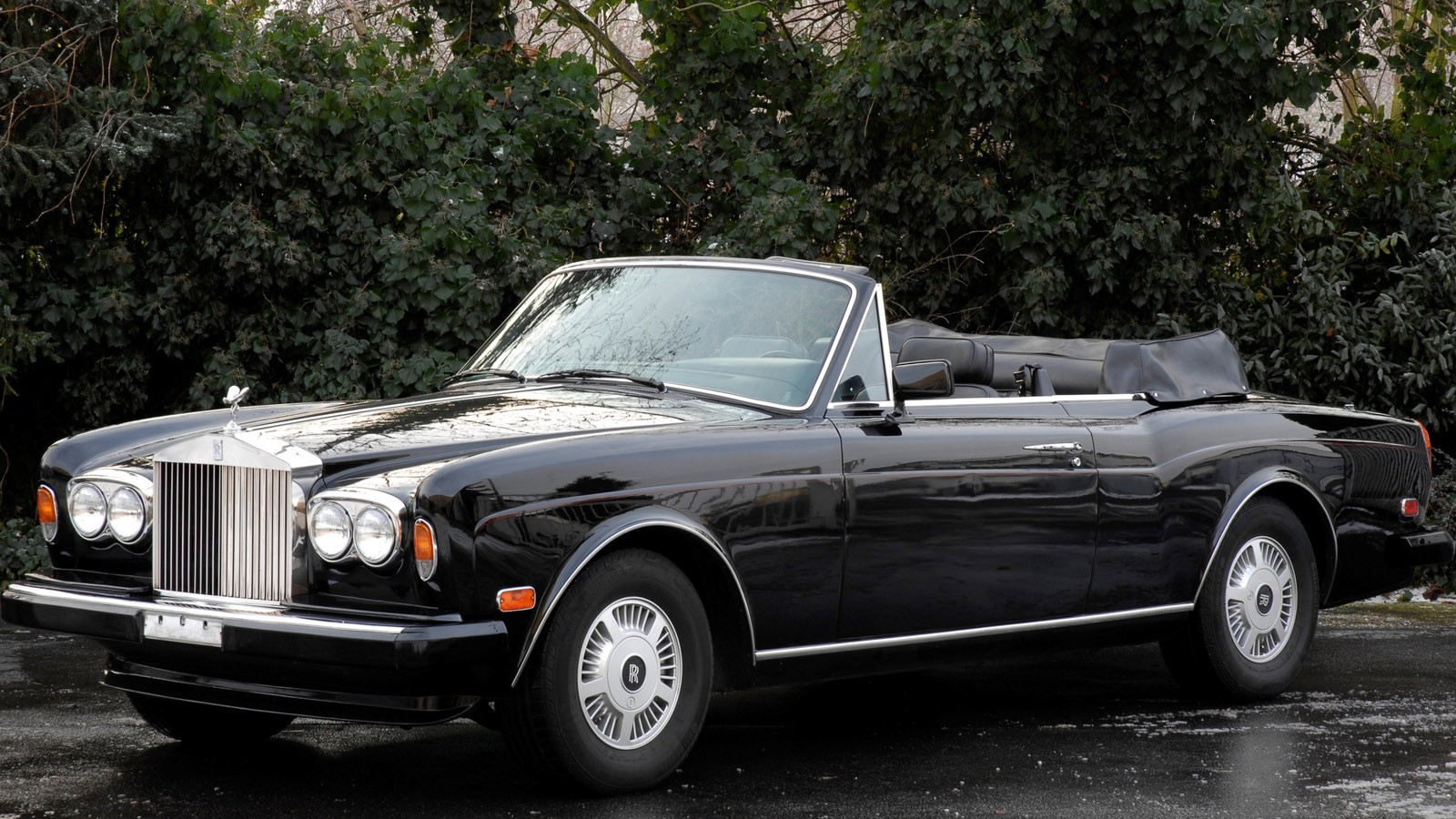
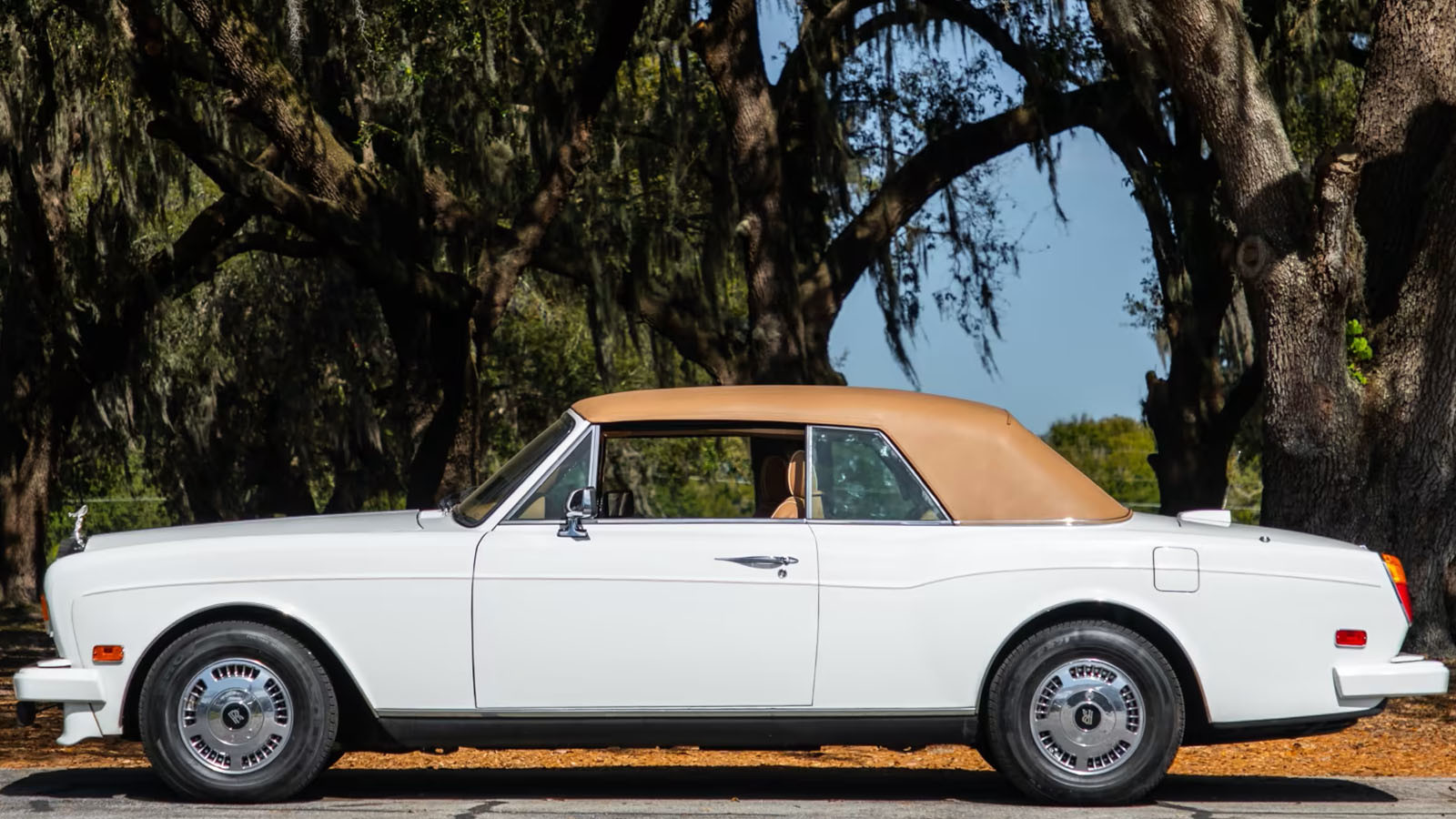
1986 Rolls-Royce Corniche Convertible II
With the Silver Shadow saloon now firmly in the rear-view mirror, Rolls-Royce continued with the convertible version and introduced the Corniche II in 1986.
To give the Corniche II a more modern appearance, it gained colour-coded bumpers and its own bespoke wheel-cover design.
There was also now a chrome trim around the wheelarches, while the rear foglights and reversing lights were repositioned to sit either side of the numberplate.
A third brake light was added on the bootlid to comply with regulations.
The gently ageing model sold 1228 cars as a Rolls-Royce and 194 Bentley Continental variants up to 1989.
1990 Rolls-Royce Corniche Convertible III
For 1990, Rolls-Royce gently refreshed its long-running convertible to create the Corniche III.
There were no obvious exterior revisions, but under the skin the car now had a catalytic converter to keep it compliant with the important US market.
There were also small updates to the convertible top to make it even more insulated, while the wooden dashboard was redesigned and new in-car entertainment installed.
The Corniche III also gained ride-height control to ensure it stayed level and smooth on bumpy roads.
From 1990-’91, 219 Corniche IIIs were sold, as well as 180 Bentley versions.
1992 Rolls-Royce Corniche Convertible IV
Another update of the Corniche drop-top arrived in 1992 that saw Rolls-Royce refresh it to keep pace with safety and customer demands.
The only external clue to this model was that it finally had a glass rear window with a heating element, plus the way the folding roof operated was further refined.
There were changes to the dashboard and the Corniche now came with two airbags, one each for the driver and front passenger.
Rolls-Royce also fitted a four-speed automatic gearbox to replace the long-running, three-speed transmission, and it was equipped with ABS anti-lock brakes.
As well as 219 Rolls-Royce models, 73 examples of the Bentley Continental Convertibles were sold.
1995 Rolls-Royce Corniche S
The ultimate evolution of the Rolls-Royce Silver Shadow in many eyes, the Corniche S was a limited-edition, US-only model.
A mere 25 were built, each individually numbered on a plaque inside the glovebox and all had red lettering on their Rolls-Royce badges. A further eight Bentley Continental Turbos were also produced.
Most importantly, the S came with the turbocharged V8 from the Bentley Turbo, meaning it could do 0-60mph in 8.4 secs and it had a 137mph top speed.
Perhaps unsurprisingly, the model’s front spoiler was revised to direct the air at higher speeds.
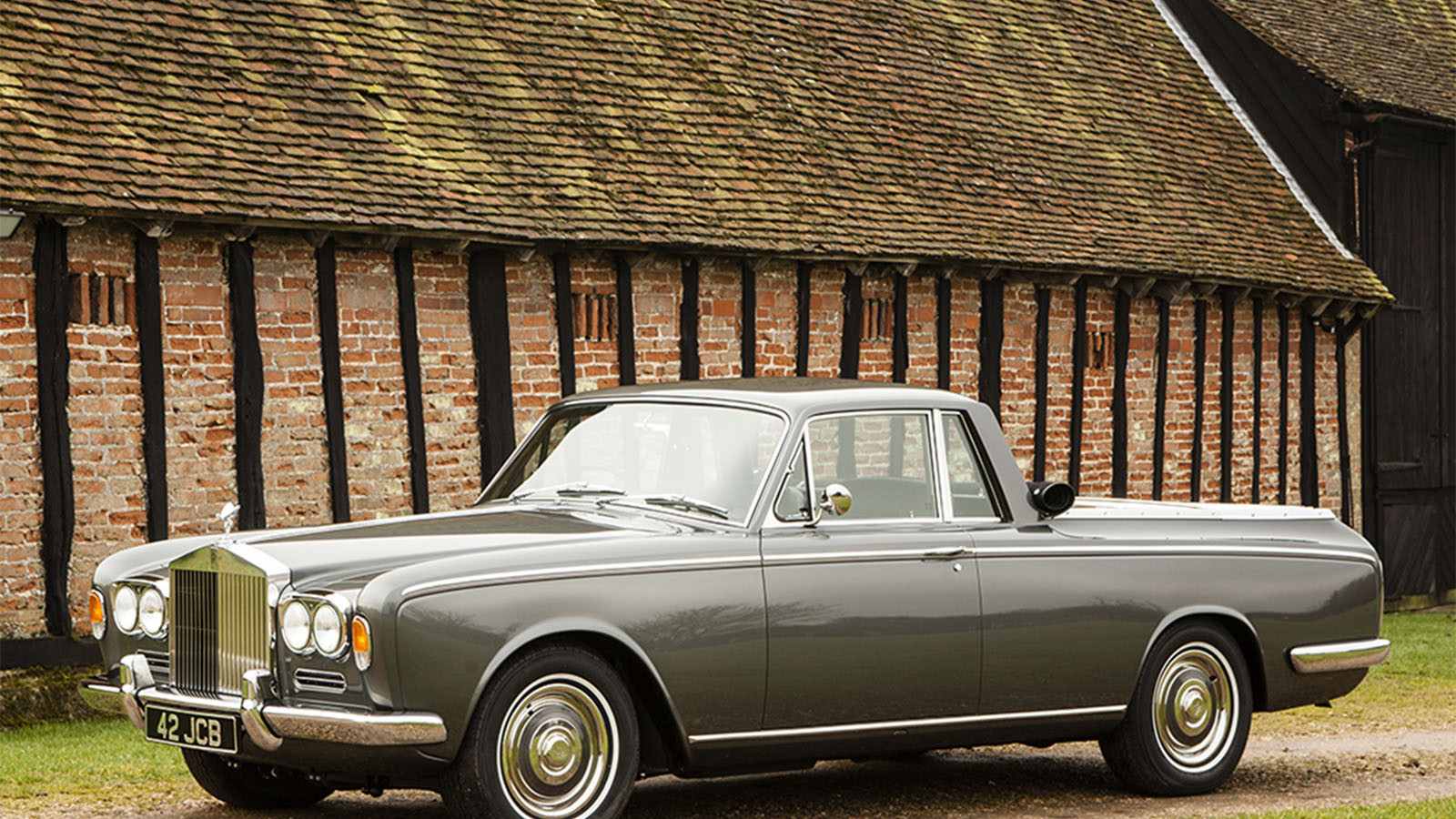
2014 Rolls-Royce Silver Shadow Pick-Up
The Rolls-Royce Silver Shadow has lent itself to all sorts, from rally car to stretched limousine, but one of the most impressive conversions is this pick-up.
Created by specialist Clarke & Carter for Lord Bamford, it used a crudely made Shadow pick-up bought in the US as its base.
From there, the car was crafted into a Silver Shadow Pick-Up that could have left the Crewe factory.
Built as a race-support vehicle, there are specially designed cabinets for tools and a hidden tow-bar mount.
Modified rear suspension copes with the extra weight demands – and there are even bespoke Pick-Up badges on the drop-down tailgate.