How to prepare for new emissions restrictions in the capital
In less than 50 days, the Central London Ultra Low Emissions Zone (or ULEZ) will spring up like a virtual net over the UK capital.
Don’t know what that is? Well, if you ever drive in the city – or plan to – you’d be advised to find out, because from 8 April 2019 it will see many vehicles hit with a daily charge, or even, potentially, a hefty fine.
So what exactly is the ULEZ? Will it apply to all classic cars? And what do you need to do about it? We’ve got all the answers here.
What is the ULEZ?
The ULEZ is the London Ultra Low Emissions Zone: an area covering central London within which cars will be subject to a daily charge, as a way of tackling air pollution in the city.
Not all vehicles will have to pay to drive within it, with low-emissions cars and others that meet certain criteria being exempt. But if yours doesn’t qualify for one of those exemptions – and not all classics will – you will have to pay or face being fined.
Where and when will the ULEZ apply?
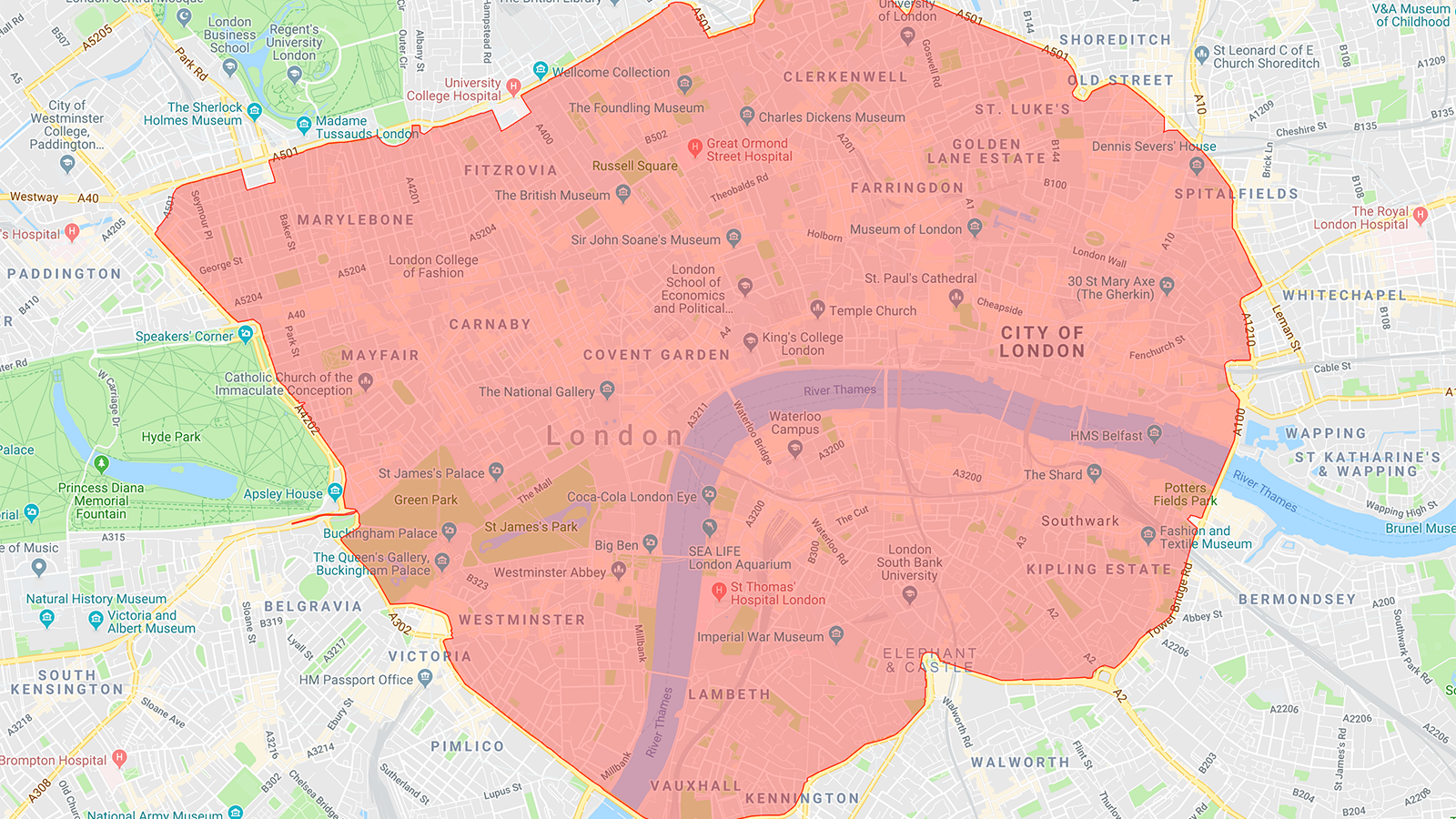
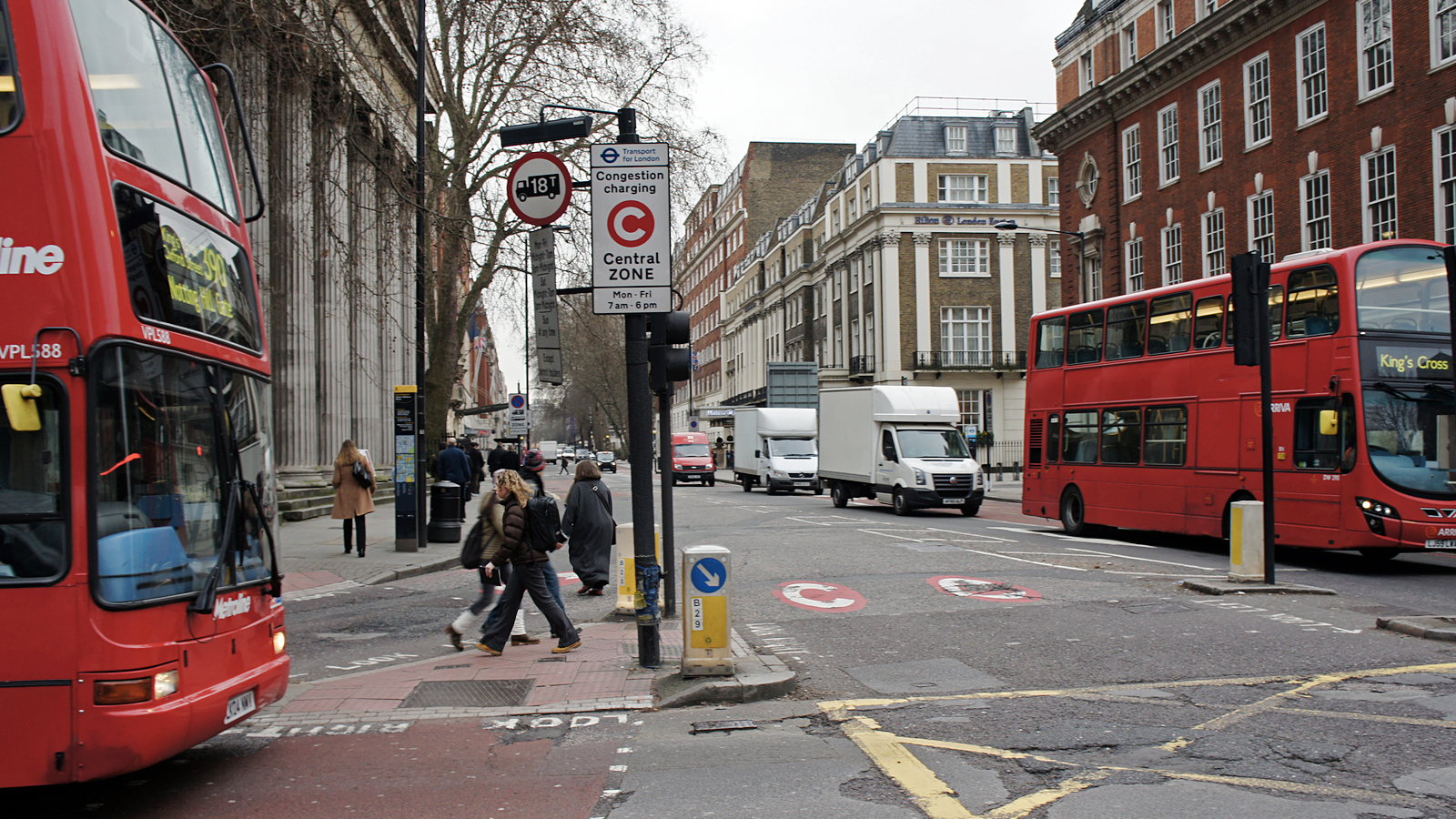
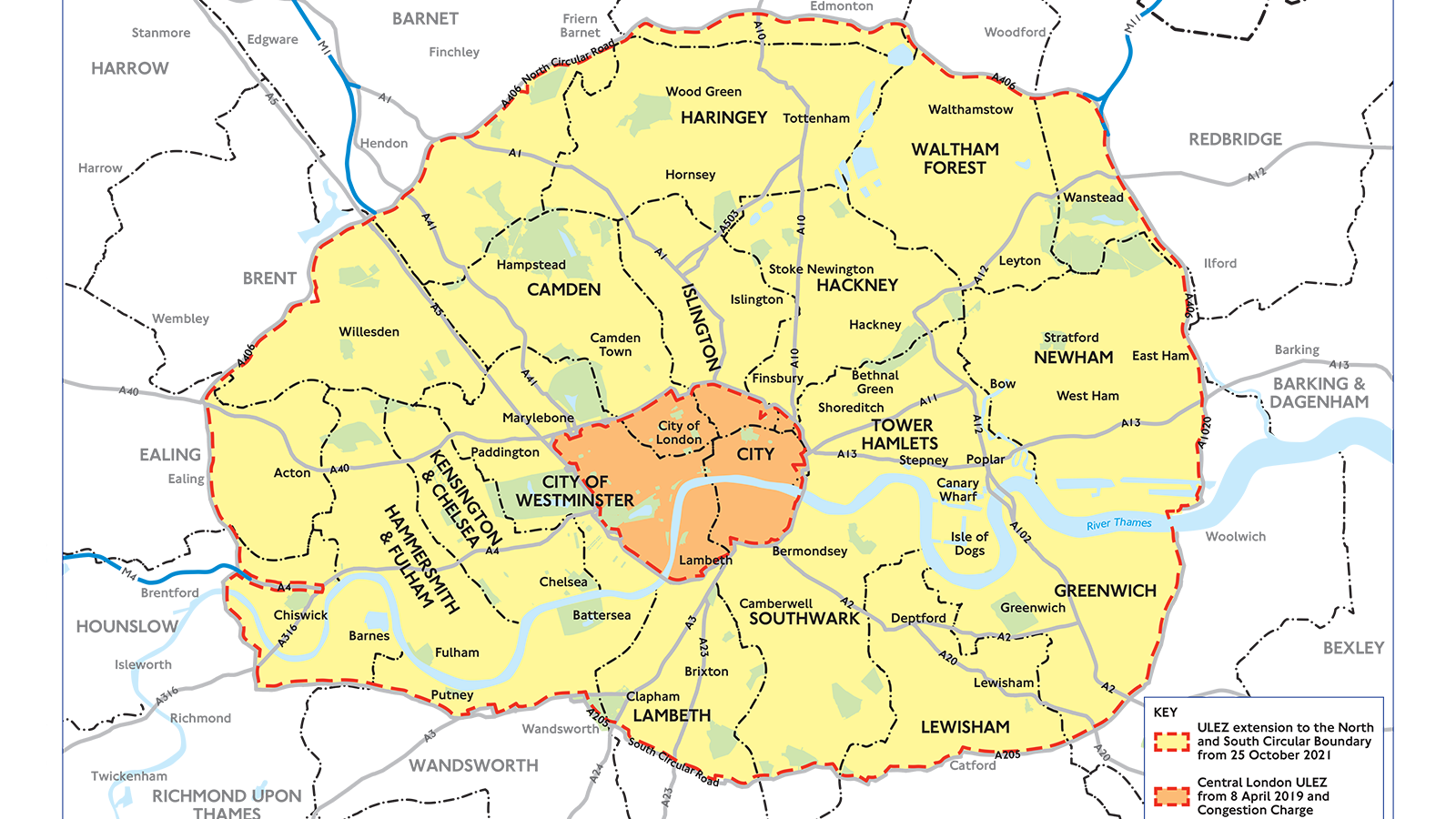
At first, the ULEZ will cover the same area as the existing Congestion Charge zone in the capital, although it will be widened at a later stage. The map above from Transport for London shows where it will apply – but you can use TfL's online postcode checker to find out if a certain road falls within it.
It's worth noting that the ULEZ covers an area that's already part of the wider London Low Emissions Zone (LEZ). If your vehicle already has to pay that charge, you’ll probably need to pay the new one as well.
Unlike the Congestion Charge, the new zone will apply 24 hours a day, seven days a week – including public holidays.
Which cars will have to pay to drive within the ULEZ?
Unlike the existing Low Emissions Zone – which mainly affects large lorries and buses – the ULEZ will apply to many standard cars.
The TfL website has detailed information on the standards that will need to be met in order to comply with the new regulations. There's also a useful vehicle checker: simply enter your car registration and it'll tell you instantly whether you'll need to pay.
Generally, petrol cars made after 2006 will be OK, as will diesel vehicles produced after 2015 – but you’ll definitely want to check your own car just to be sure. There are also a few key exceptions – and one of them applies to some classic cars...
Will classic cars be affected?
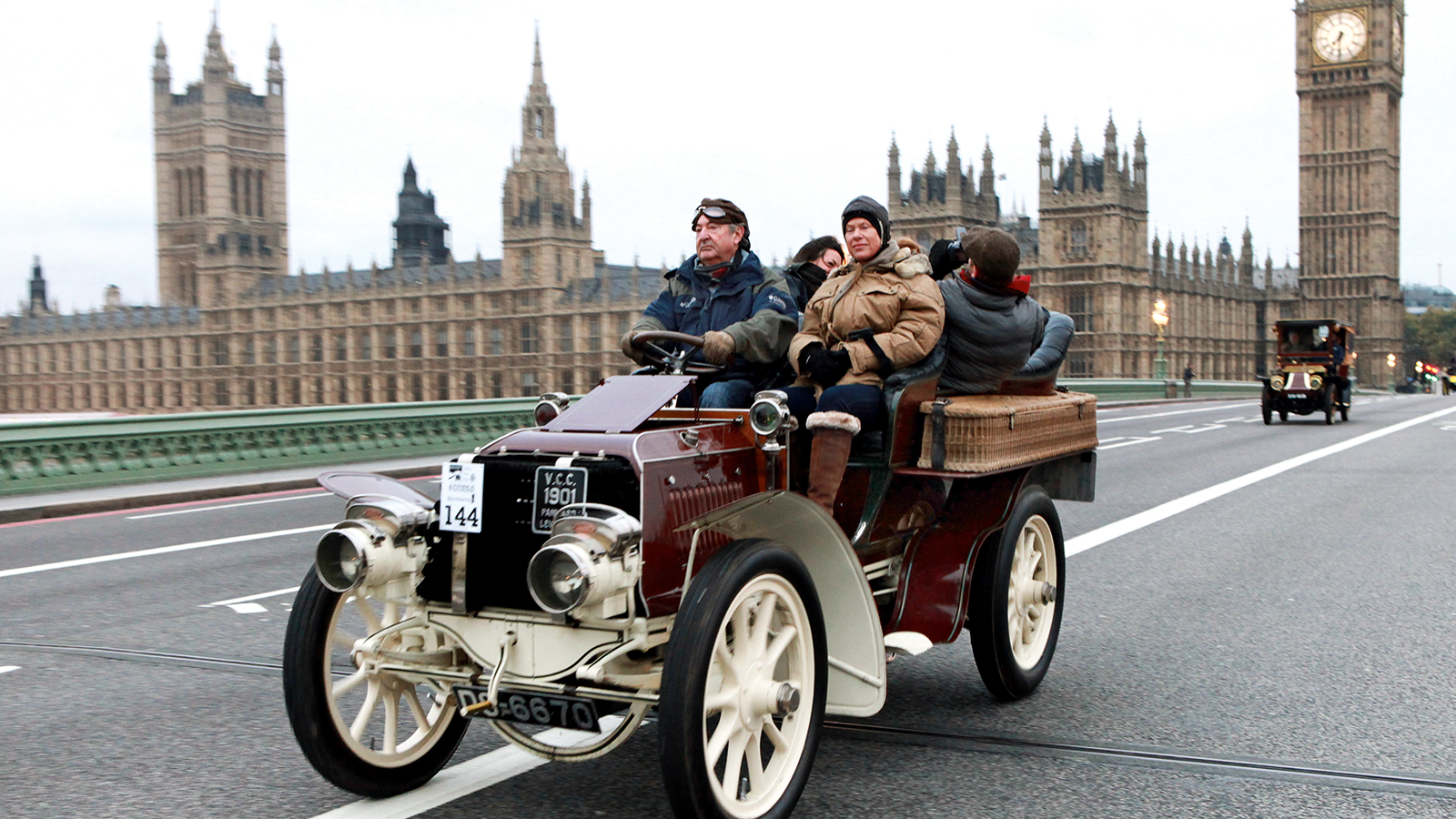
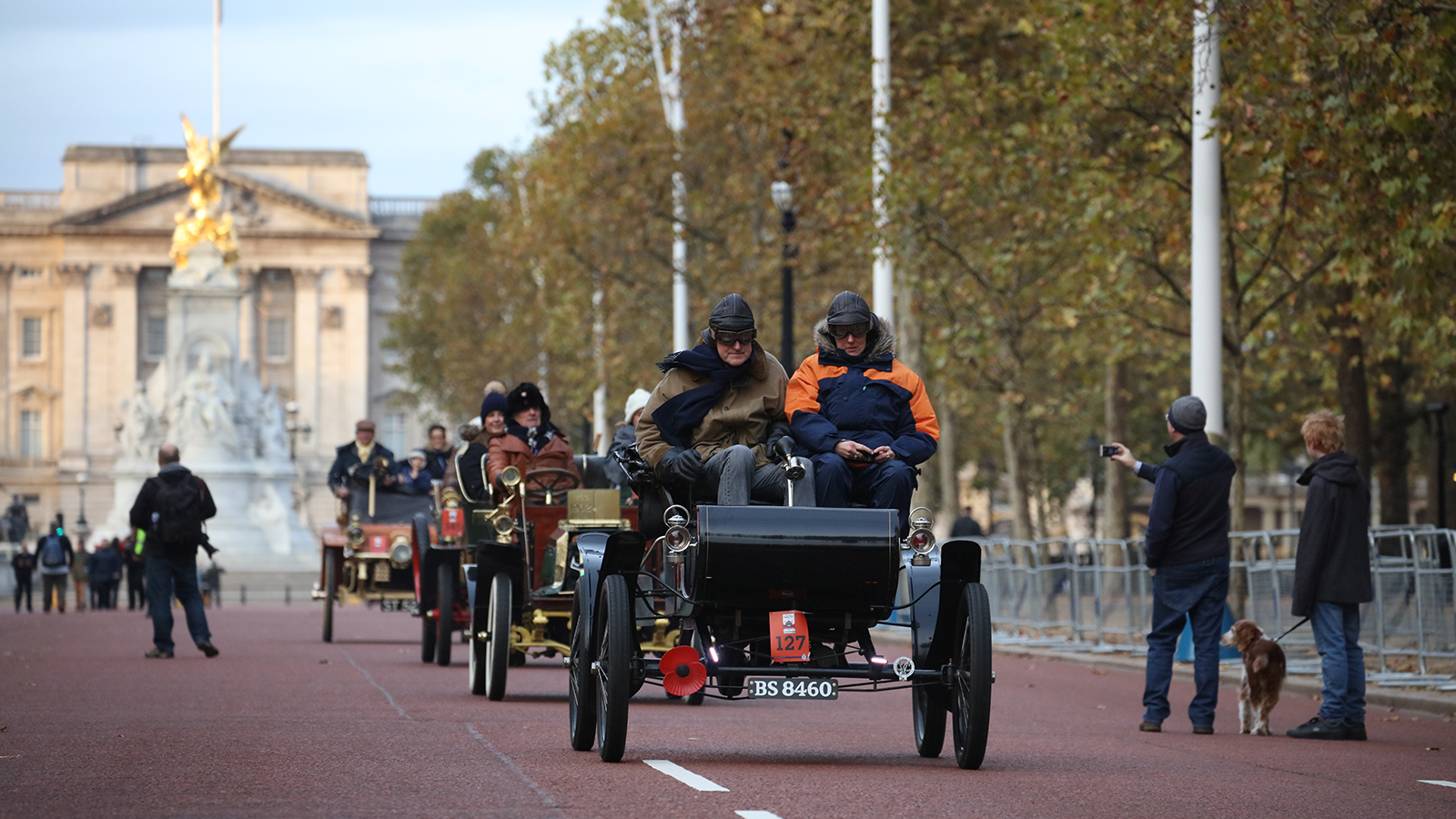
It was initially feared that introduction of the ULEZ would effectively ban classics from central London – causing havoc for owners who live in the area and possibly leading to the cancellation of classic events such as the London to Brighton Run.
Fortunately, following a campaign by Classic & Sports Car, among others, the decision was made to grant exemption to historic vehicles: if your car is more than 40 years old and is registered for the historic vehicle tax class, you will not need to pay the ULEZ charge.
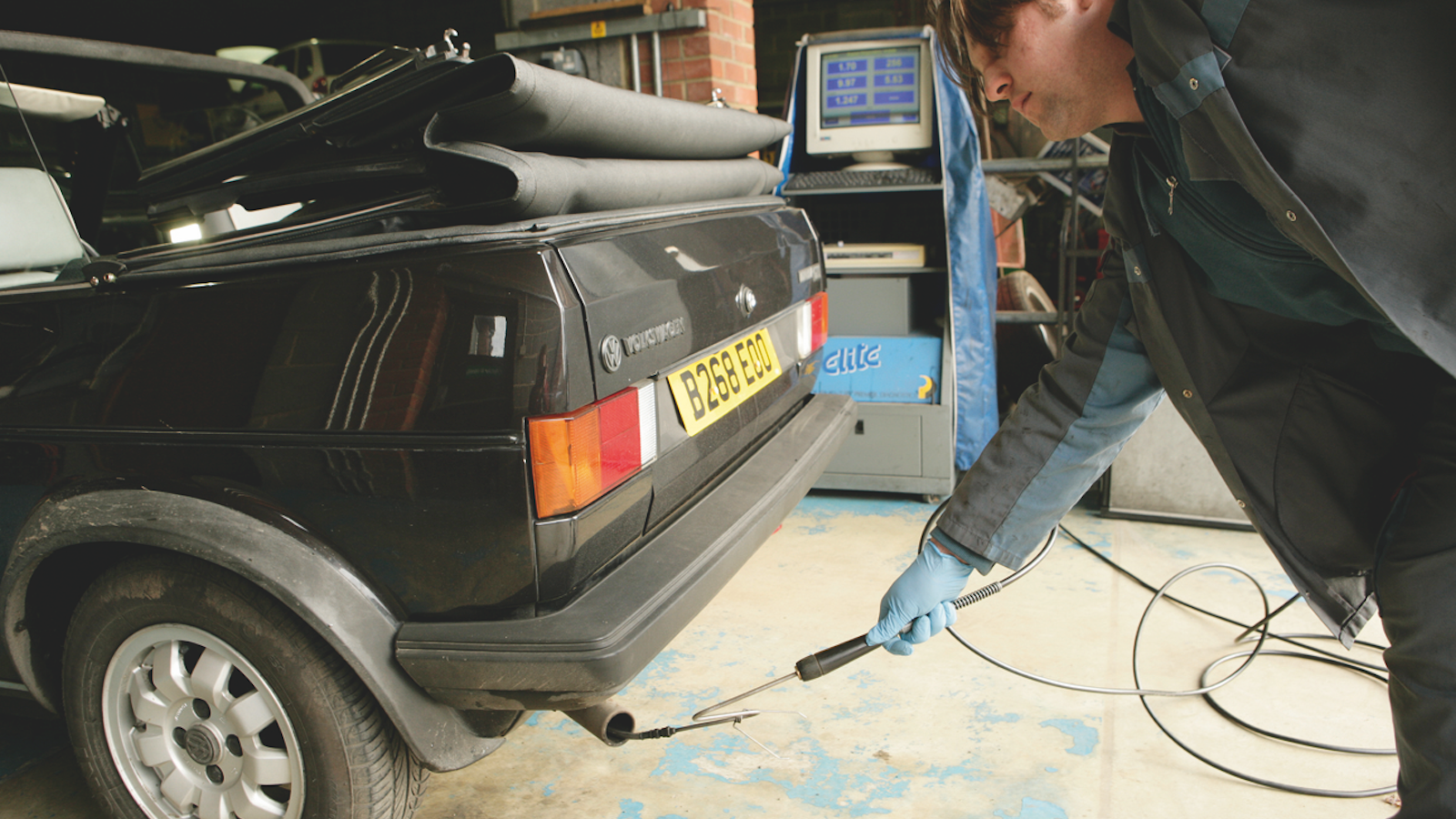
However, huge numbers of classics will still fall foul of the new regulations. If a car is less than 40 but built before 2006 (petrol) or 2015 (diesel), it'll likely be subject to the fees. Sorry, hot hatch fans.
How much will it cost to drive within the ULEZ?
The daily charge for driving within the London ULEZ will be £12.50 for most vehicles, or £100 for (most) bigger heavier goods lorries, buses and coaches. This fee will be on top of the weekday Congestion Charge of £11.50 and the existing £100 or £200 for those vehicles not meeting the current Low Emissions Zone standards.
That means some vehicles – mainly large lorries and buses – could end up paying as much as £312.50 to drive through central London on a weekday.
It’s also worth noting that the £12.50 fee rate resets at midnight each day, so if you enter the ULEZ at 23.59 and exit at 00:01, you’ll be charged for two days.
What other exceptions are there?
Commercial vehicles, including classic ones, face more stringent rules. To be exempt from the ULEZ, they generally need to have been registered before 1 January 1973.
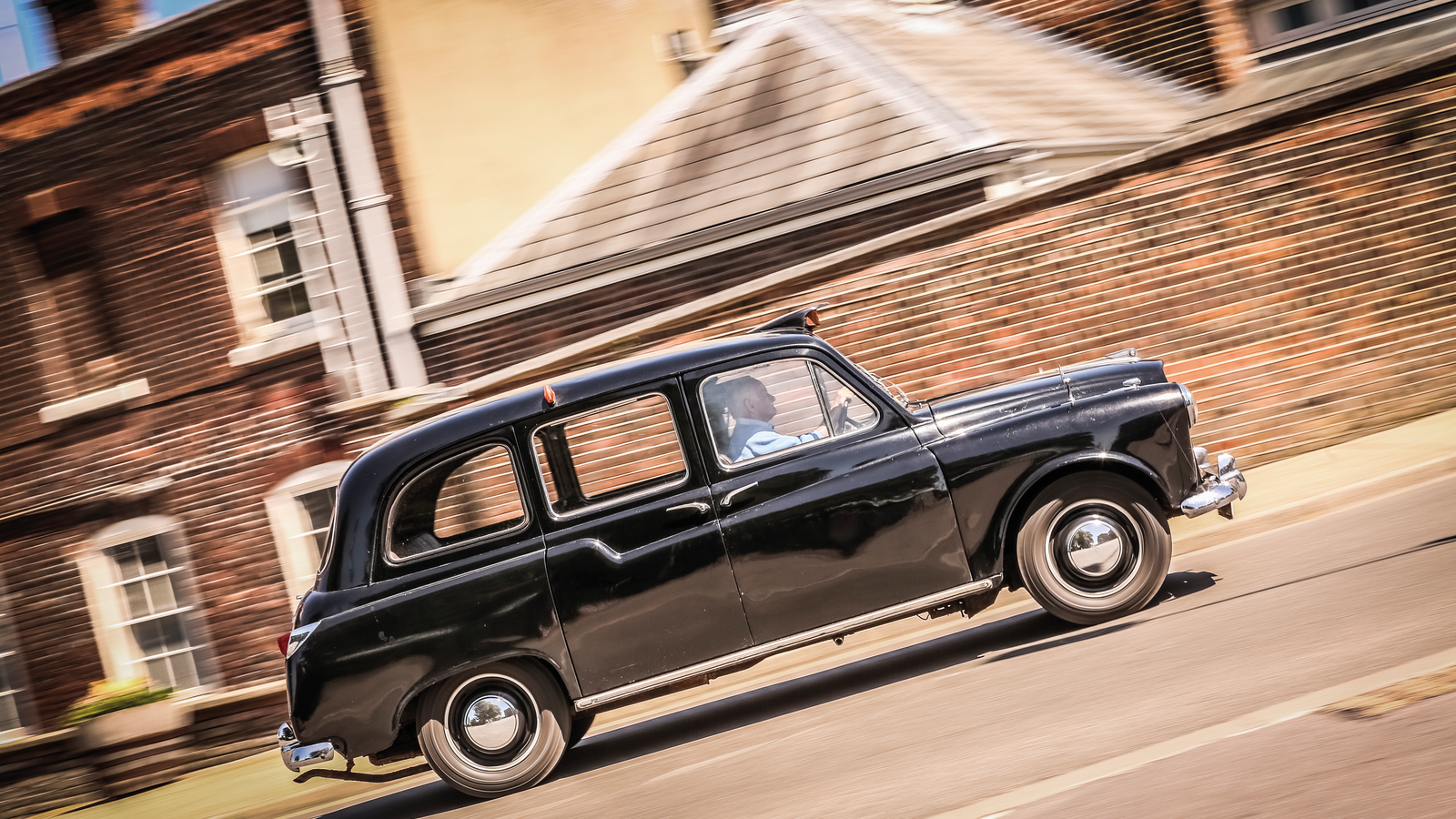
There are notable exceptions, though. Classes such as agricultural and military vehicles may be exempt, for example, while there's also a discount for 'showman's vehicles'. Intriguingly, while many buses and public-service vehicles – including fire engines and ambulances – will be subject to the new rules, licensed taxis won’t.
Existing residents of the zone will qualify for a ‘sunset period’, which will give them a 100% discount from the ULEZ until 24 October 2021. It will also be available to those who live in designated areas next to the boundary where the current Congestion Charge residents' discount applies.
How do you pay the ULEZ charge?
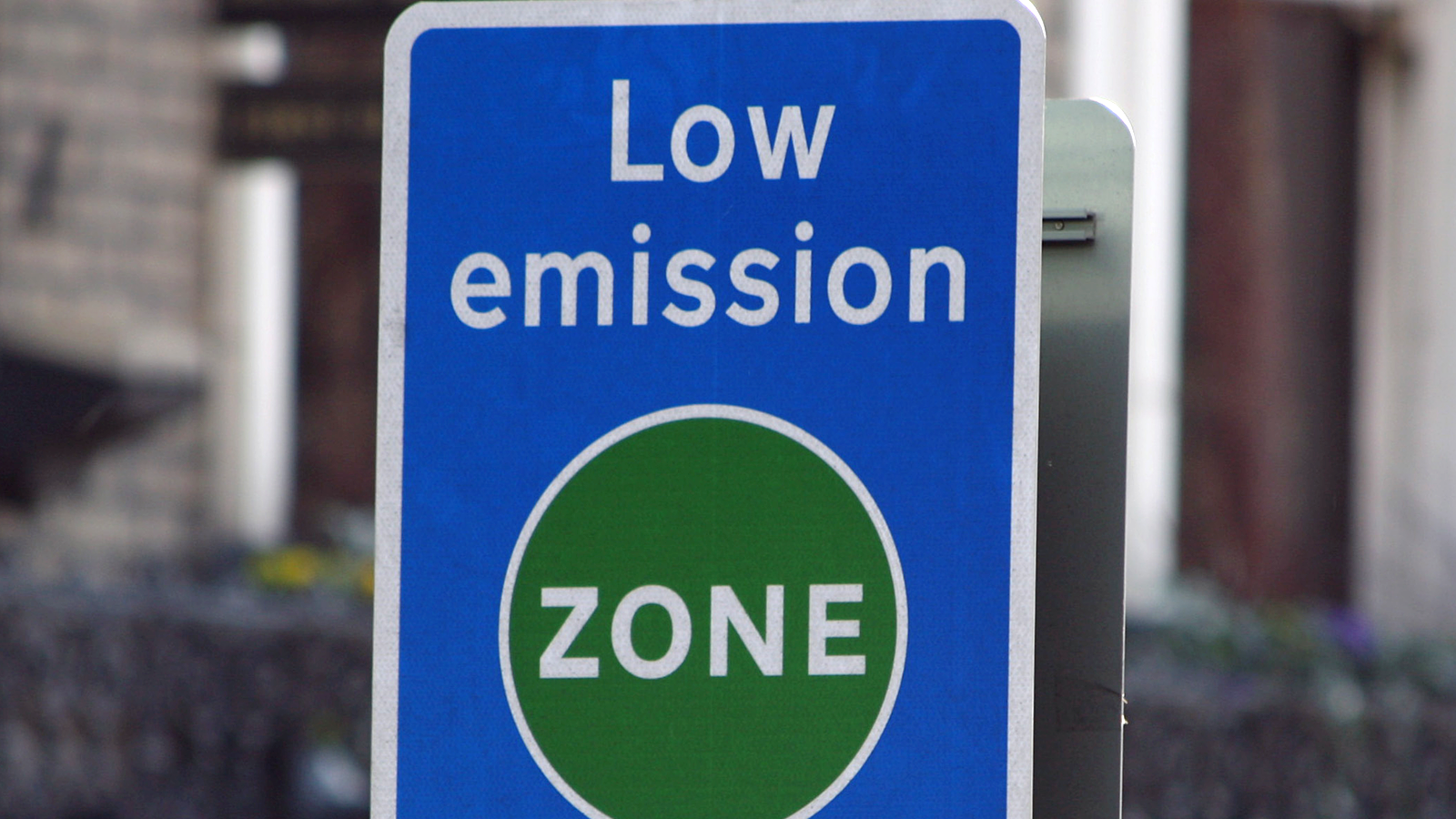
As with the Congestion Charge and LEZ, there won't be any tolls or barriers to mark the ULEZ. Instead, you'll have to look out for signposts and road markings to signal when you enter an affected zone. When you do, cameras will record your numberplate and check it against a database to see if it meets emissions standards.
If you're driving a classic of more than 40 years that's registered for the historic tax class, you won't need to do anything: it'll automatically be exempt. If your vehicle is registered outside of the UK and should be exempt? You'll need to make that clear to the authorities – but there are, as yet, no firm instructions on how to do so.
Not exempt? You can either register to pay automatically every time you enter the ULEZ, or you can pay online within 24 hours of incurring the fee. Failure to pay on time, though, will equal a fine of £160 – or £1000 for lorries.
Why is the ULEZ being introduced?
The ULEZ is all about reducing air pollution in London – a problem which most will agree needs tackling.
It was first mooted by former London mayor Boris Johnson, but is now being introduced earlier than initially intended by the current mayor, Sadiq Khan. He considers it a key part of his strategy to improve the quality of the city’s air, particularly given the effects of nitrogen oxides (NOx) and particulate matter (PM) on children.
“Tackling London’s lethal air and safeguarding the health of Londoners requires bold action,” Khan has said. “Air pollution is a national health crisis and I refuse to stand back as thousands of Londoners breathe in air so filthy that it shortens our life expectancy, harms our lungs and worsens chronic illness.”
What will happen in 2021?
In its initial incarnation the ULEZ will affect a relatively small number of vehicles, with TfL estimating it will reduce traffic in central London by only 5%.
However this is just the start: on 25 October 2021 the area will expand massively to cover the whole of London, within the North and South Circular roads. At that point, officials say, it will affect 100,000 cars, 35,000 vans and 3000 lorries per day; that’s a lot of extra dosh for London – or a lot less pollution.
Either way, it will affect many more classic car owners and drivers from 2021 – so budget now or enjoy driving your classic in London while you can.