Rare variant is worth a packet – and we’re not talking potatoes
What would you do with £97,000? Buy a neat Aston Martin DBS? Maybe an E-type? How about a 2CV?
Yes, you read that correctly: a 2CV – Citroën’s mid-century car for the farming masses, famed for its utilitarian style, spartan interior and egg-friendly suspension.
While your standard deux chevaux is worth roughly £5k today – pushing £10k if it’s older, rarer or in pristine condition – one very special version is going up for auction with Bonhams in Paris next month, and it could be worth more than £90k. Here’s why.
Made in the millions
Citroën built nearly four million 2CV machines between 1948 and 1990, almost all of which followed the same basic formula: pokey two-cylinder engine (good for between 9 and 29bhp), thin steel shell and ultra-pliant suspension.
Set for a sandy time
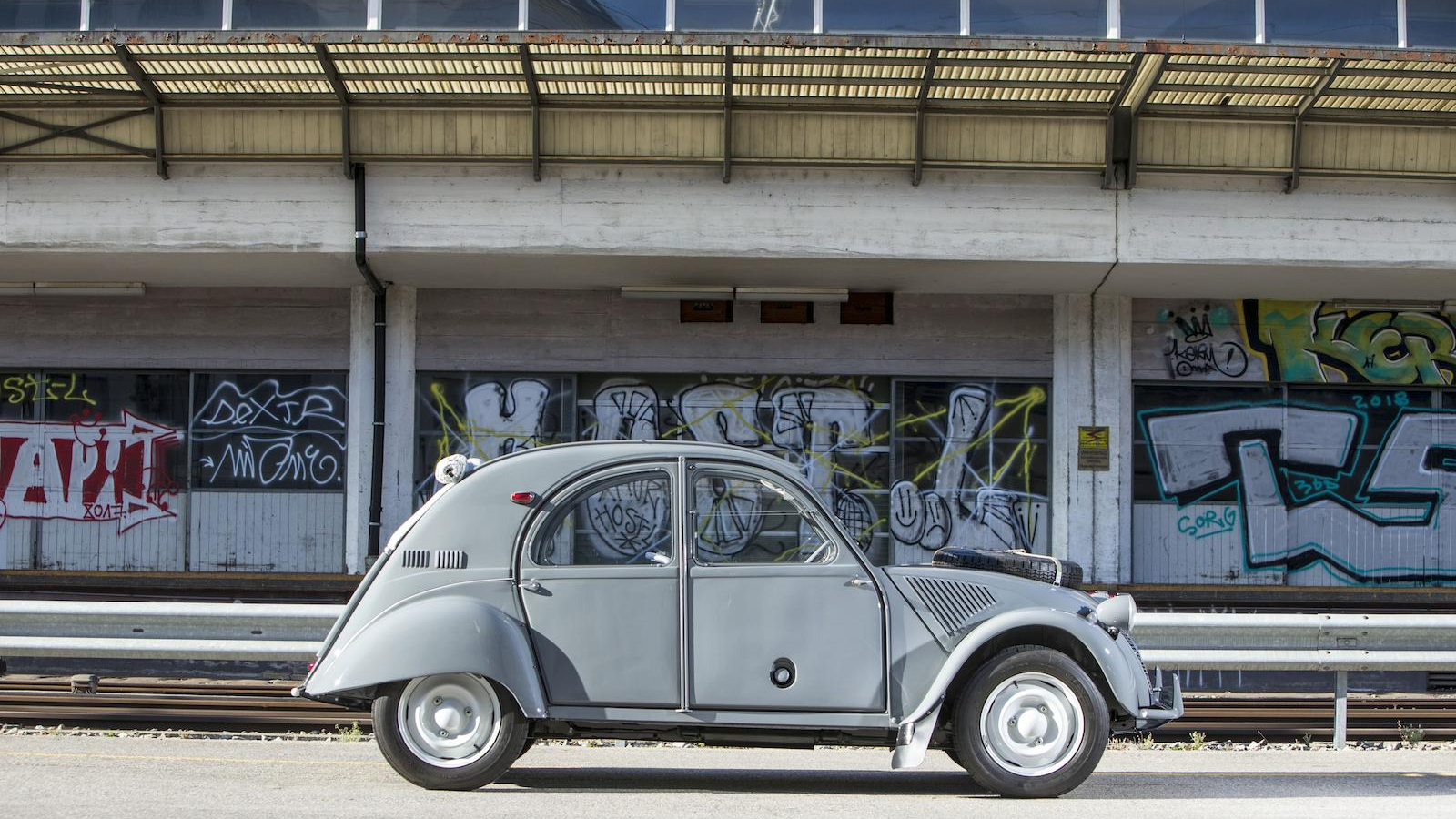
There were, though, exceptions to the rule – and none were more exceptional than the Sahara. While the ordinary 2CV was perfectly capable on the rough tracks and ploughed fields of rural France, this special-edition machine was designed to go even further: the deserts of North Africa, where France held colonies. The clue was in the name.
Two for four
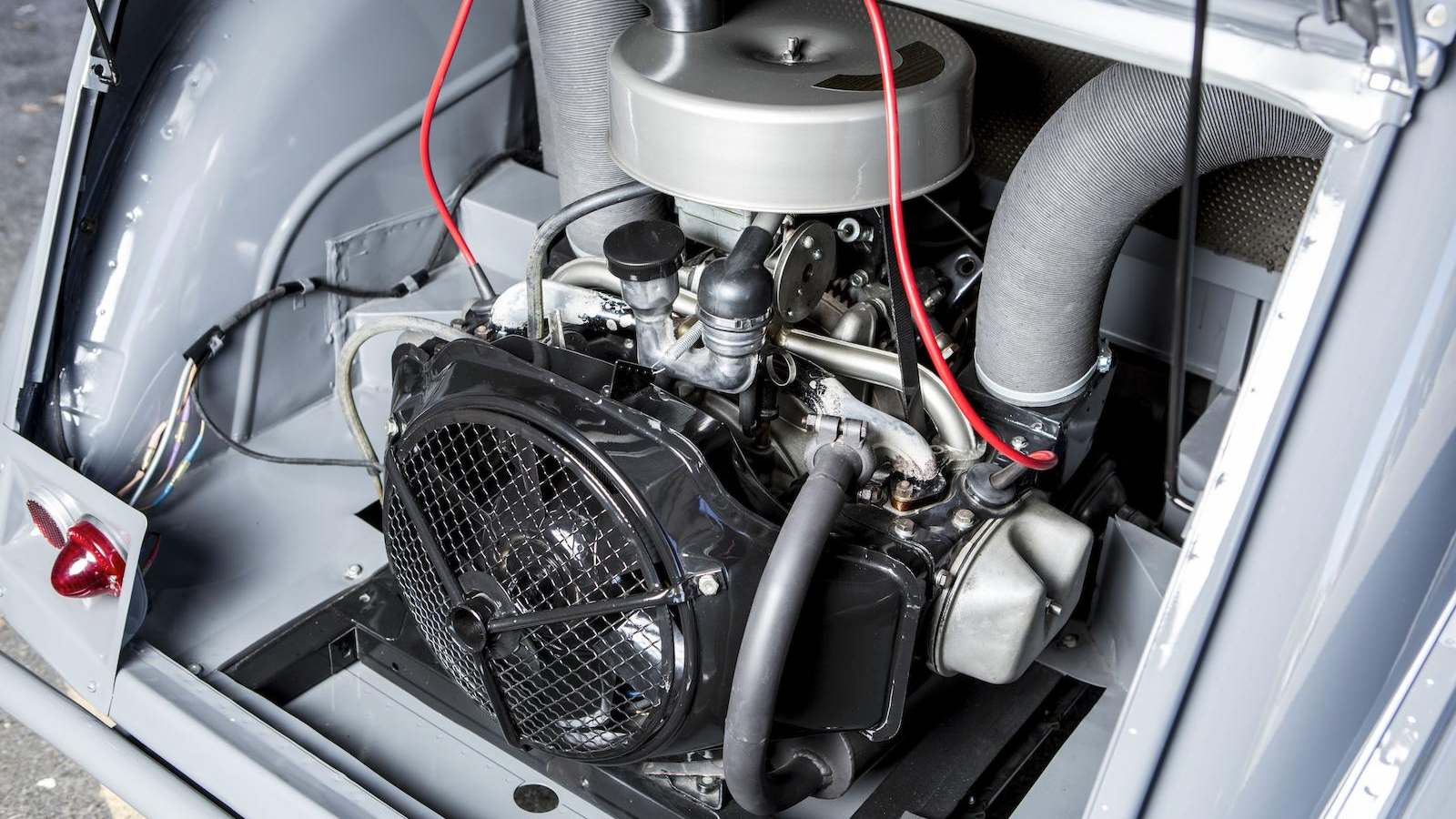
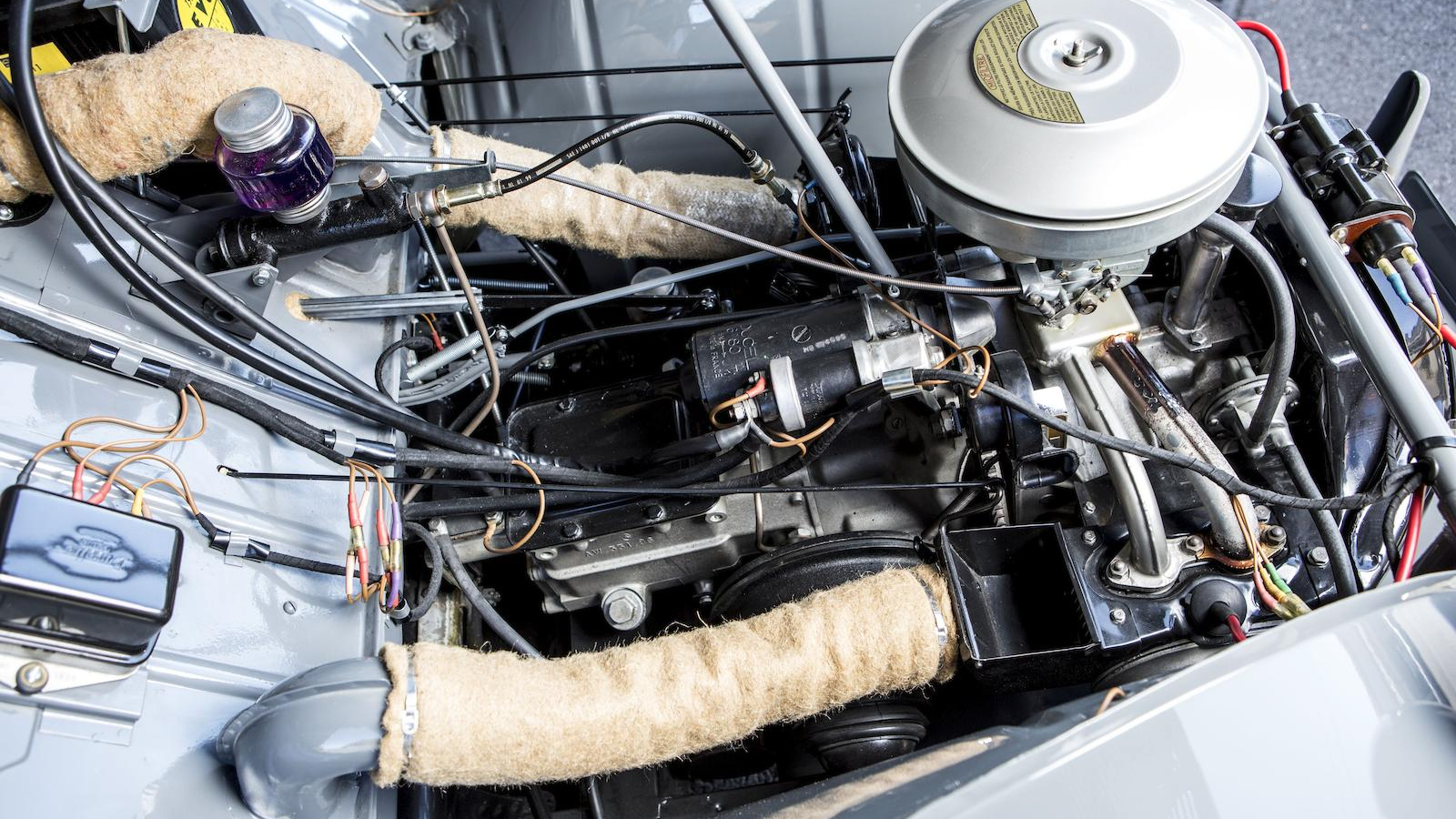
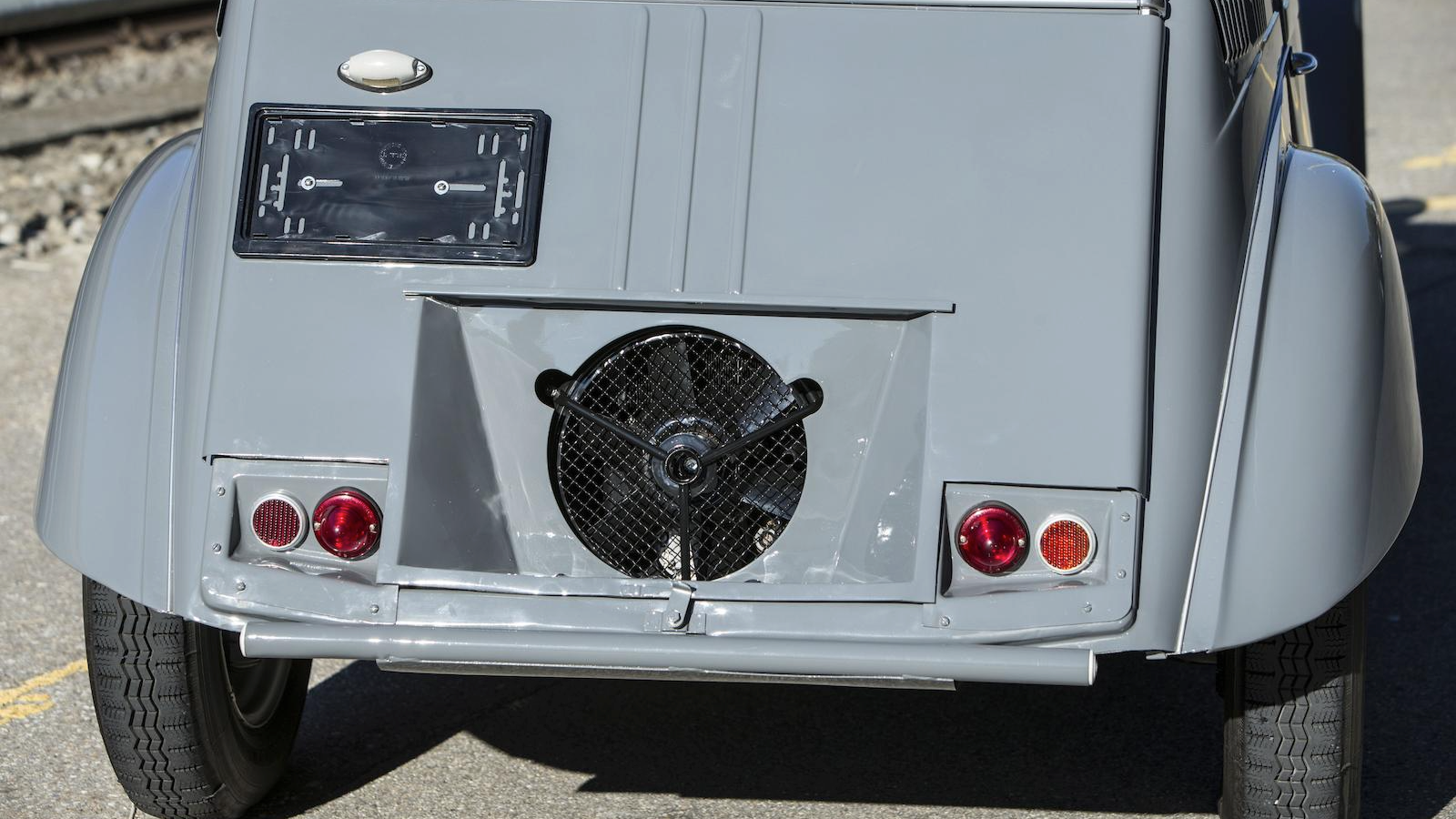
How does one prepare a farmer’s car for desert life? By giving it four-wheel drive – but the French marque went about this in an extraordinary way: it fitted two engines, one to drive the front wheels and one to drive the rear.
Official addition
It was a remarkable concept first explored by Citroën dealers, before the marque itself took the idea and created an official factory version. First shown in 1958, the twin-engine featherweight launched in late 1960, equipped with two 425cc motors.
No diff, no slip
And the arrangement had all sorts of benefits. Because the engines weren’t linked by anything other than a pedal, constant power could sent to one set of wheels, even if the other set was slipping. Equally, one engine could be disengaged to save fuel – or used as a backup if the other went bang. Used together? They could take the 2CV to around 65mph.
Very limited numbers
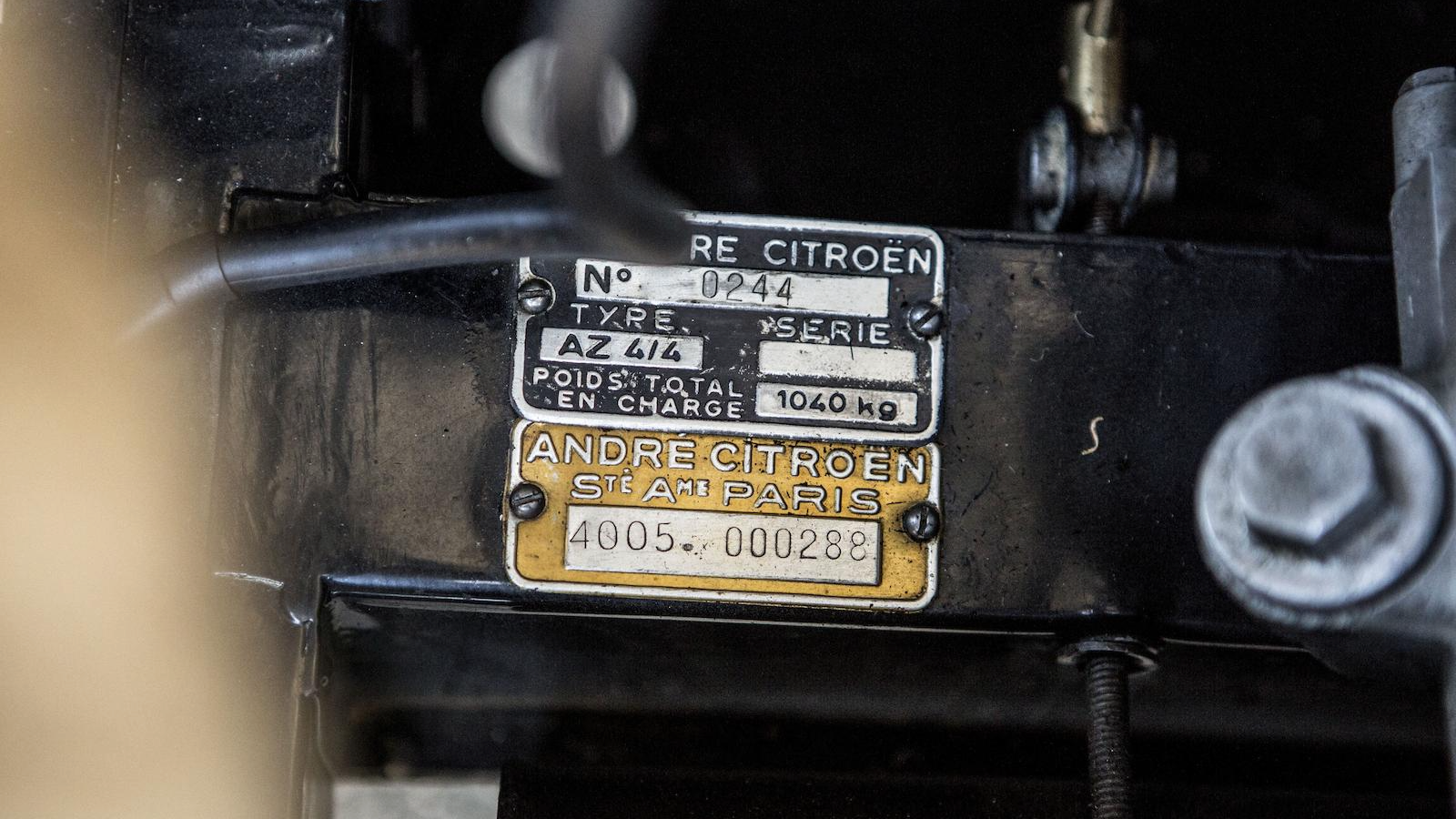
What makes it such a rarity? Fewer than 700 were reportedly built (the most common figure is 694) – with only the first 400 labelled as Saharas. When Algeria gained independence in 1962, the name was apparently changed to the 2CV 4x4.
A rare breed indeed
As a result, the Sahara is one of the most desirable 2CV models you can buy today, particularly because there are so few left. No-one knows exactly how many are still around, but it’s certainly less than 100 – and some reckon it’s closer to a scant 30.
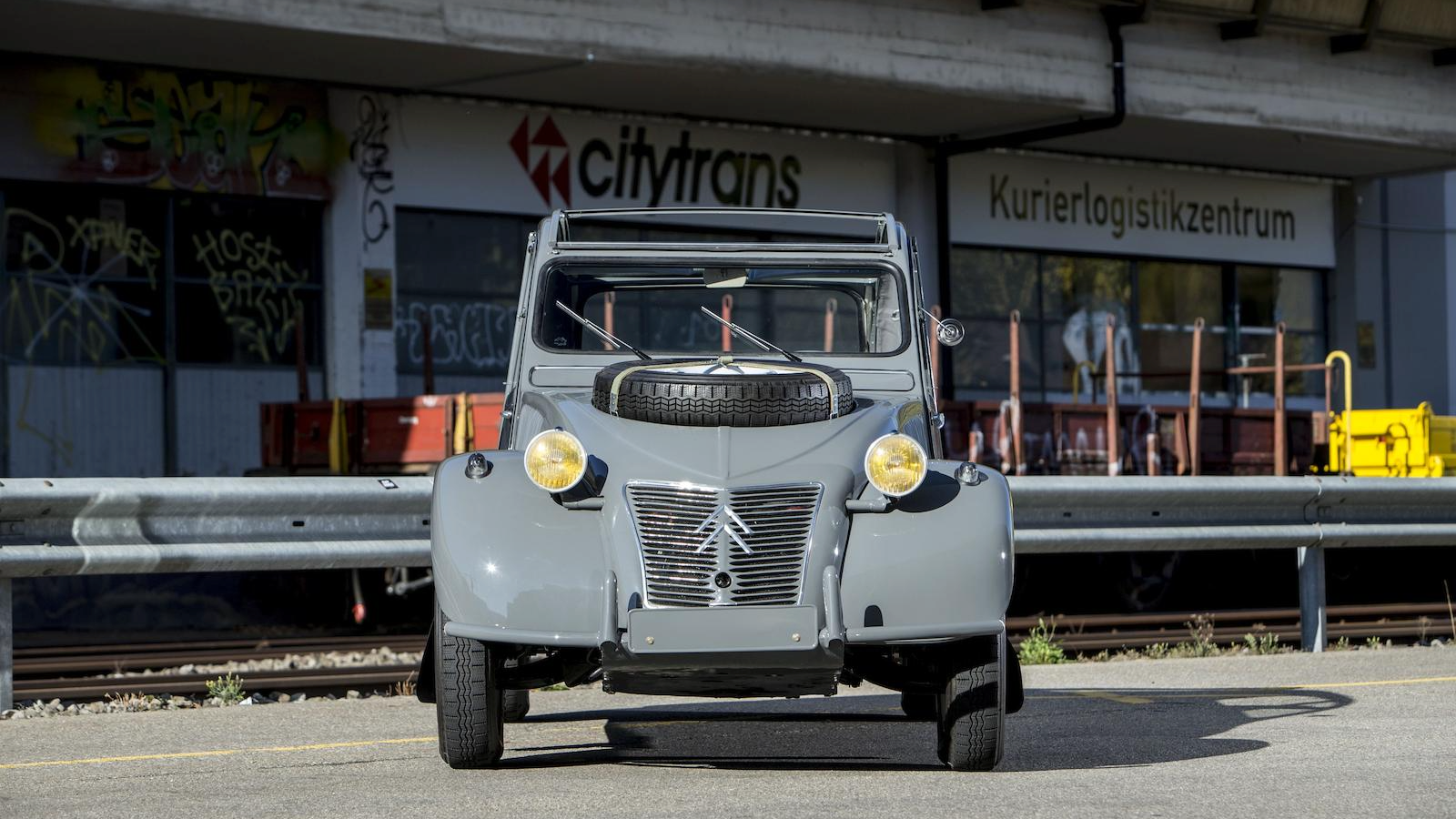
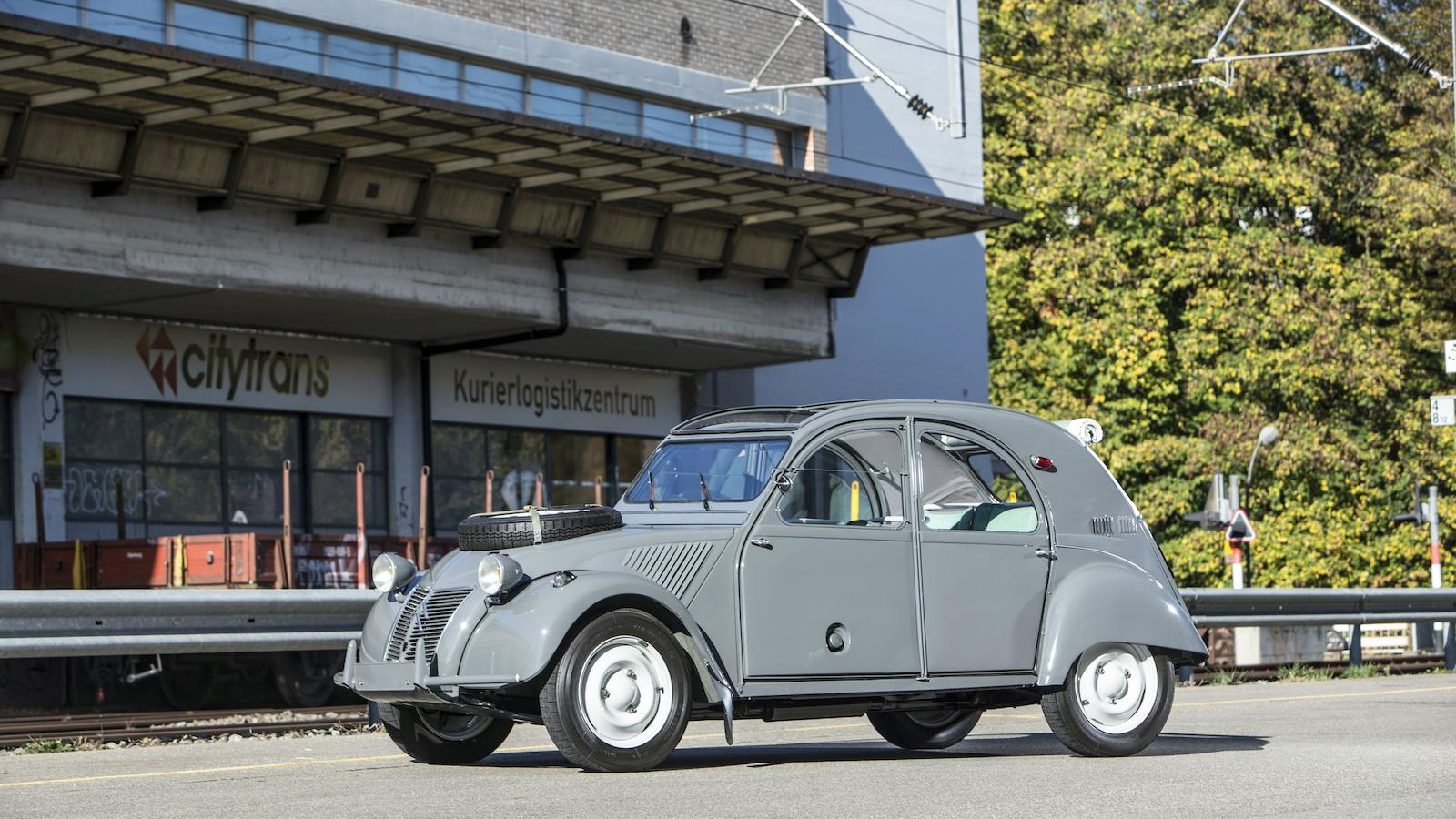
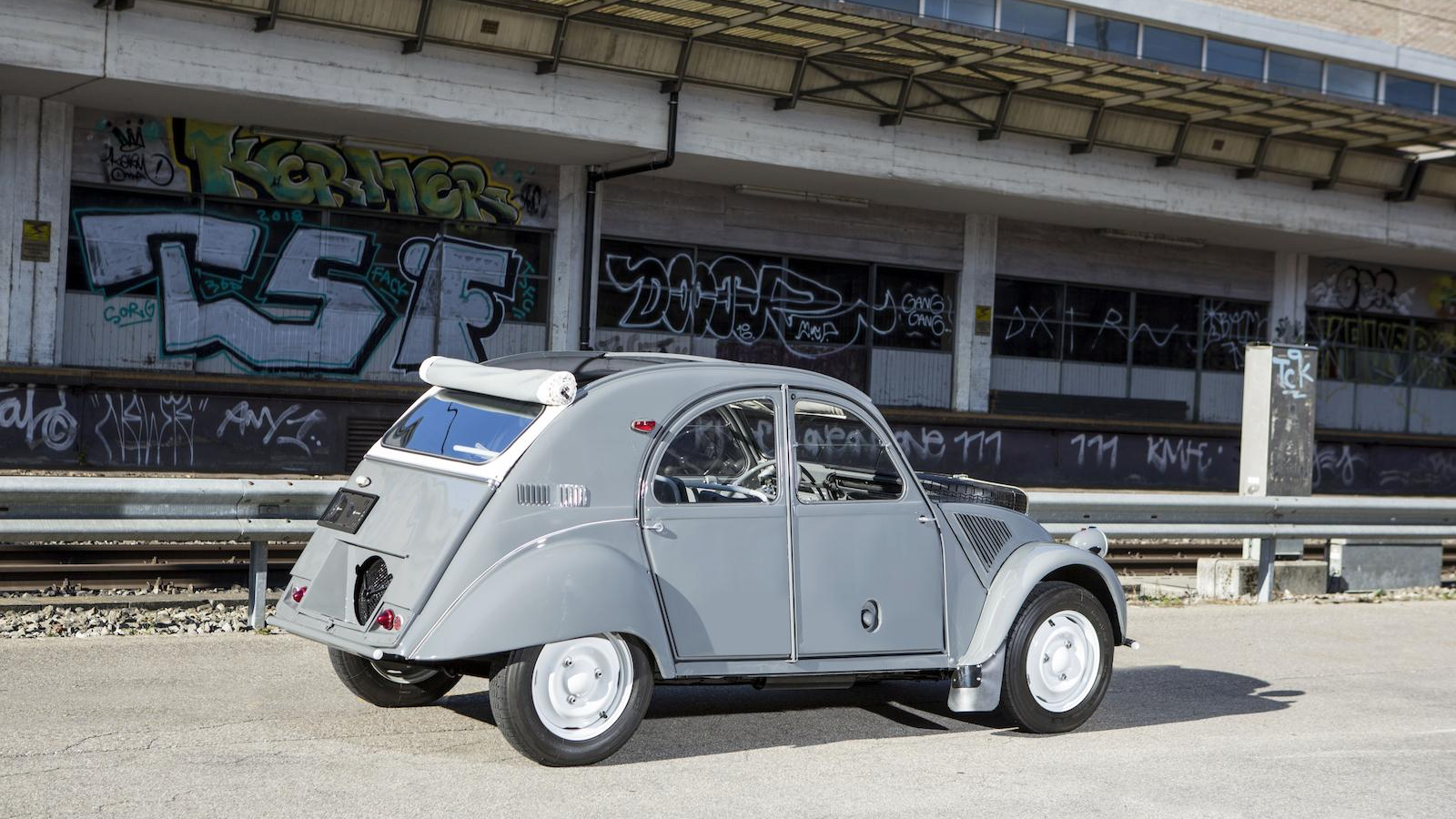
All of which helps to explain why this ultra-rare example from 1962 is expected to fetch between £71k and £97k when it goes to auction with Bonhams in Paris on 7 February.
Driven in the hills
A similar Sahara – which was driven from Nigeria to the UK in the 1960s – sold in 2017 for a respectable £68,000, and this one is arguably more remarkable: it’s had just one previous owner who, according to Bonhams, was a vet and used the utilitarian vehicle to visit mountain farms.
Better than new
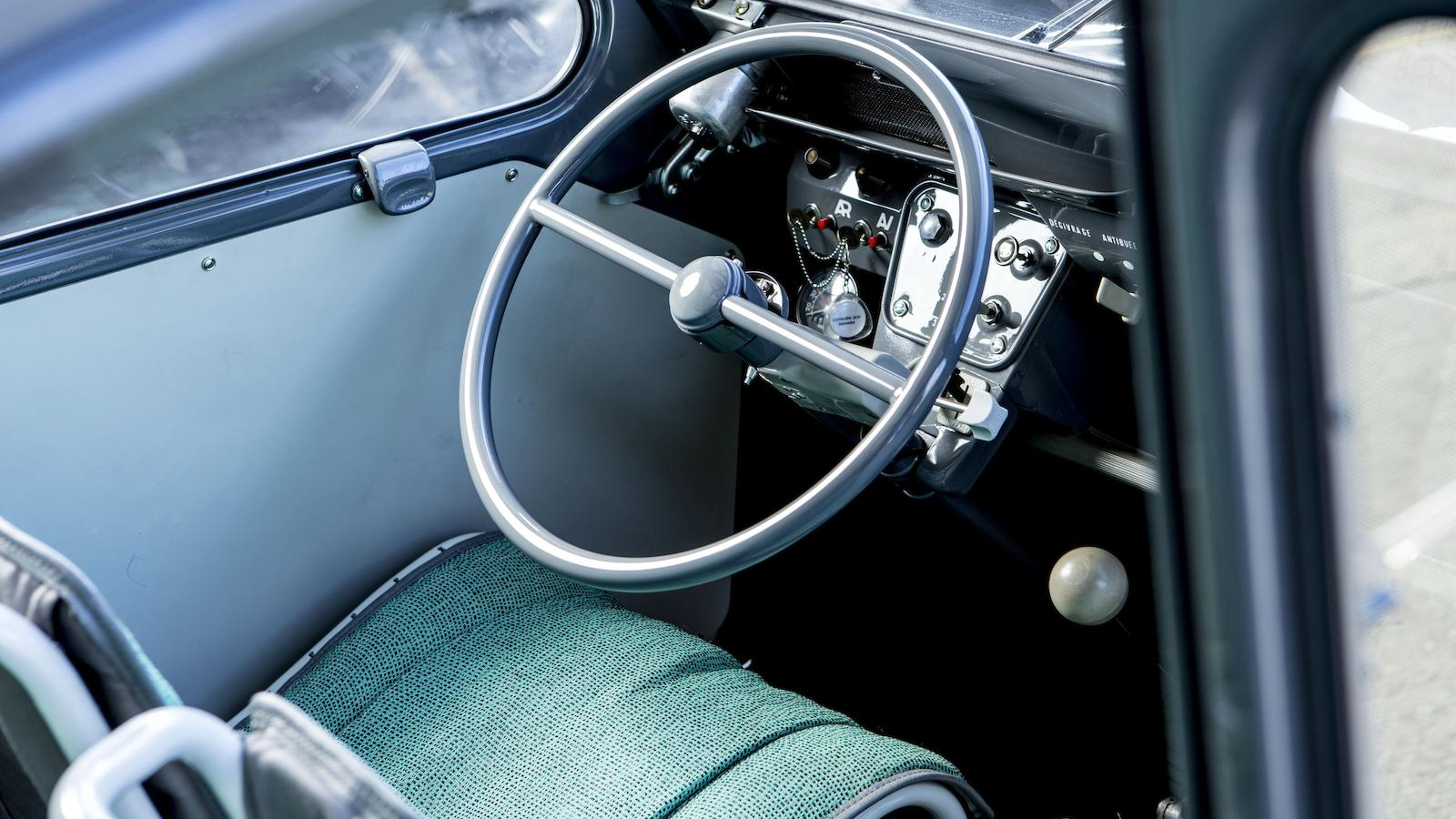
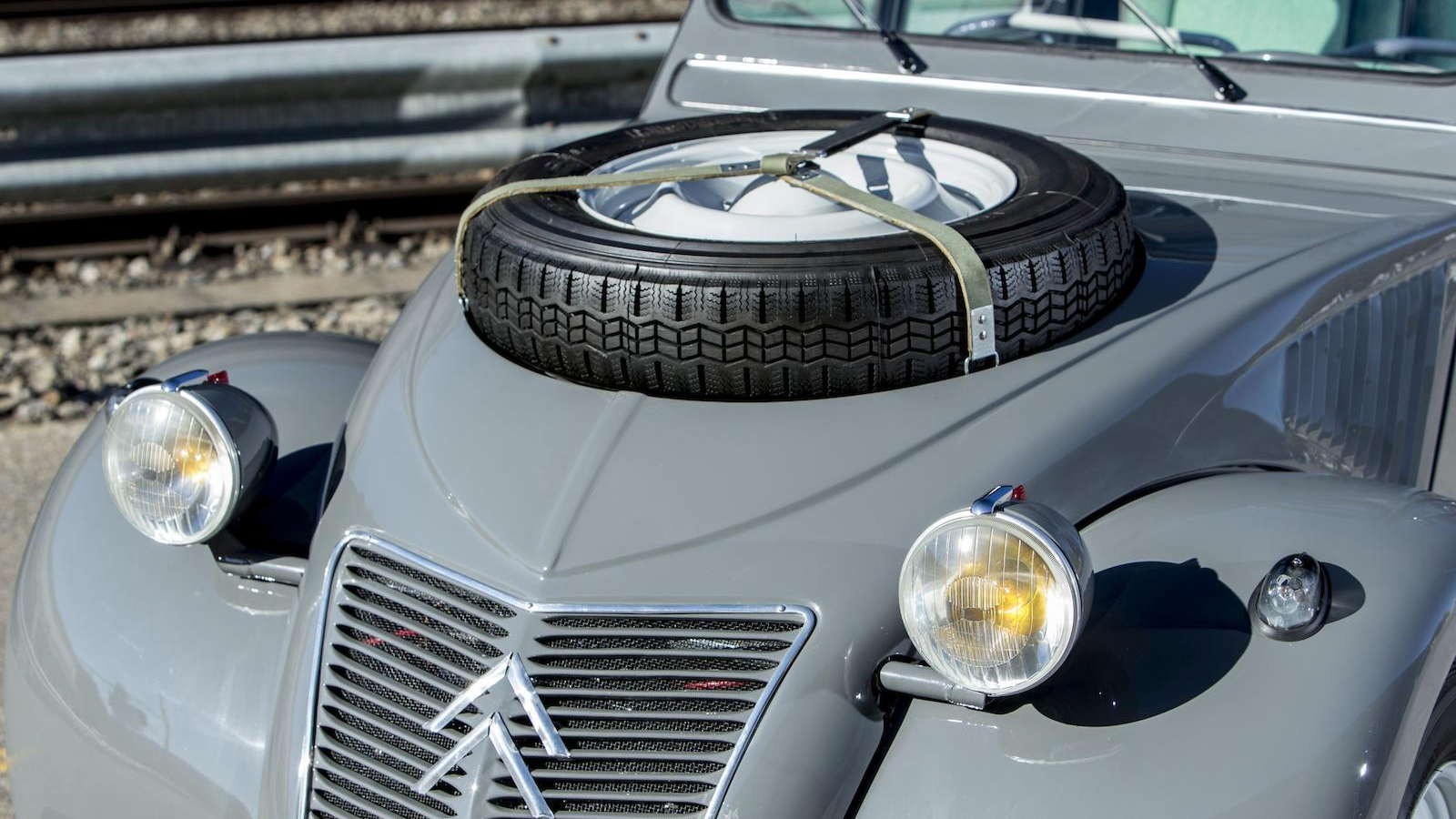
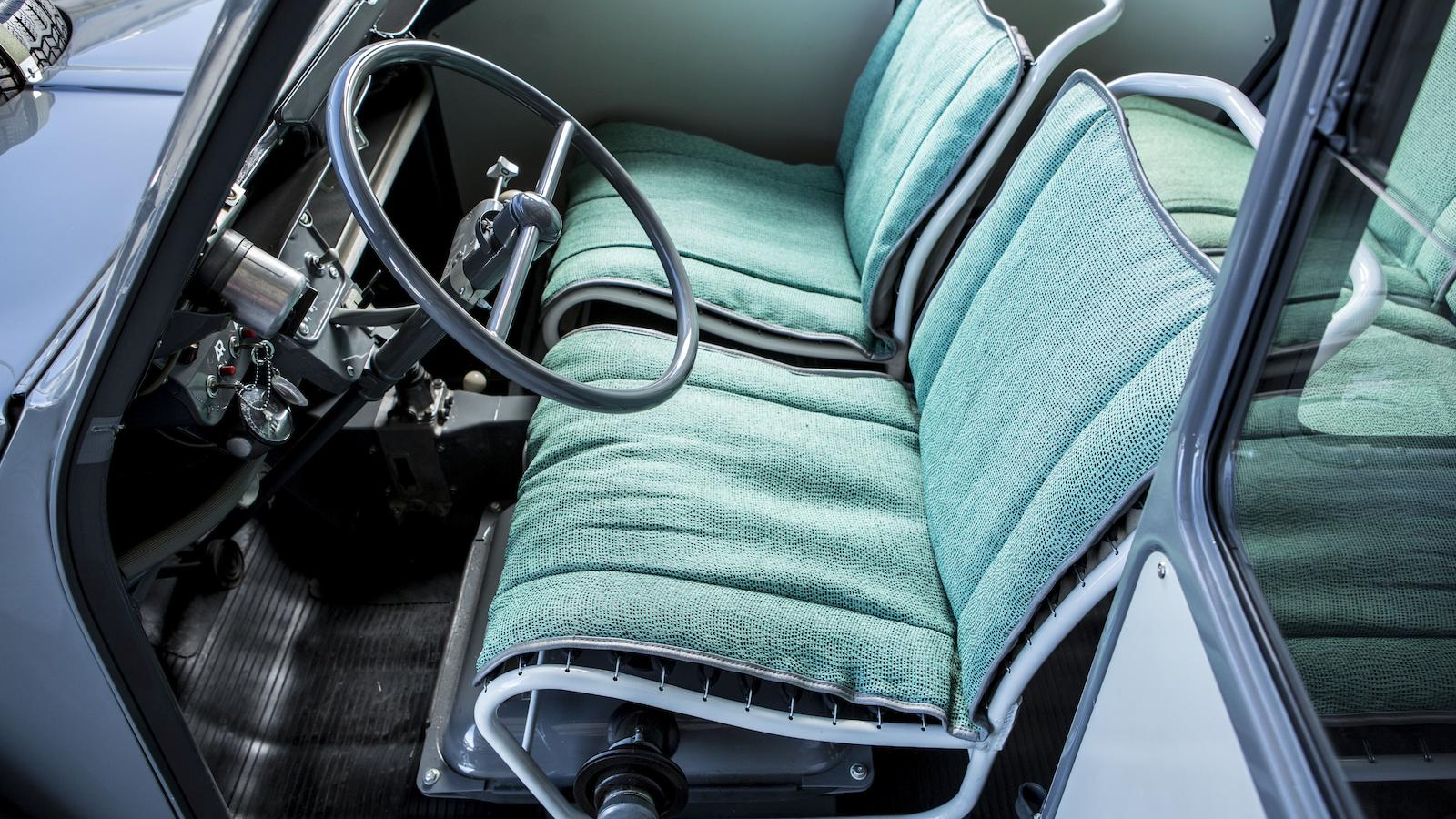
What’s more, the Sahara was comprehensively restored between 2000 and 2010 – and we mean comprehensively: only original parts were used which, when you consider the number of components that were unique to the four-wheel drive variant, is no mean feat.
Number to beat
As a result, it’s going under the hammer in stunning concours condition and, with a strong desert wind behind it, could well break the £100k barrier.
And Paris has form when it comes to Saharas: a barn-find example sold for a record £150k with Artcurial back in 2016 – and this one’s much less dusty. Bonne chance, petit Citroën!