
Stuck in the middle
Junior supercars have been a mainstay of Ferrari’s line-up since the 1960s, when old-fashioned Enzo Ferrari finally accepted that Maranello’s roadgoing cars could have their engine mounted amidships.
After creating the remarkable, V6-powered Dino 206GT, Ferrari continued to develop the formula throughout the 1970s, ’80s and beyond.
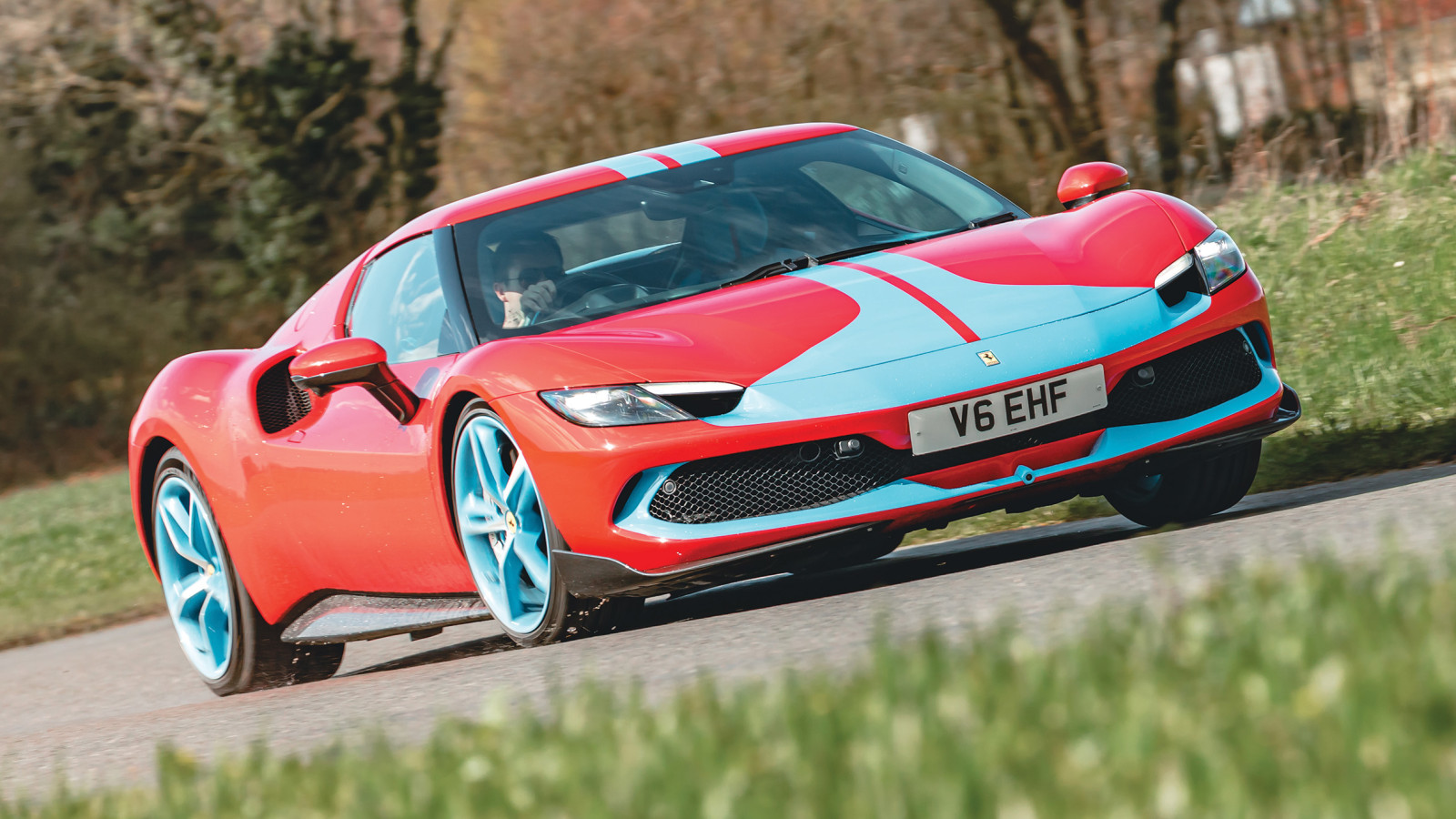
Today, the keeper of the flame is the 819bhp 296GTB.
Here, presented in chronological order, is every one of Ferrari’s junior supercars.
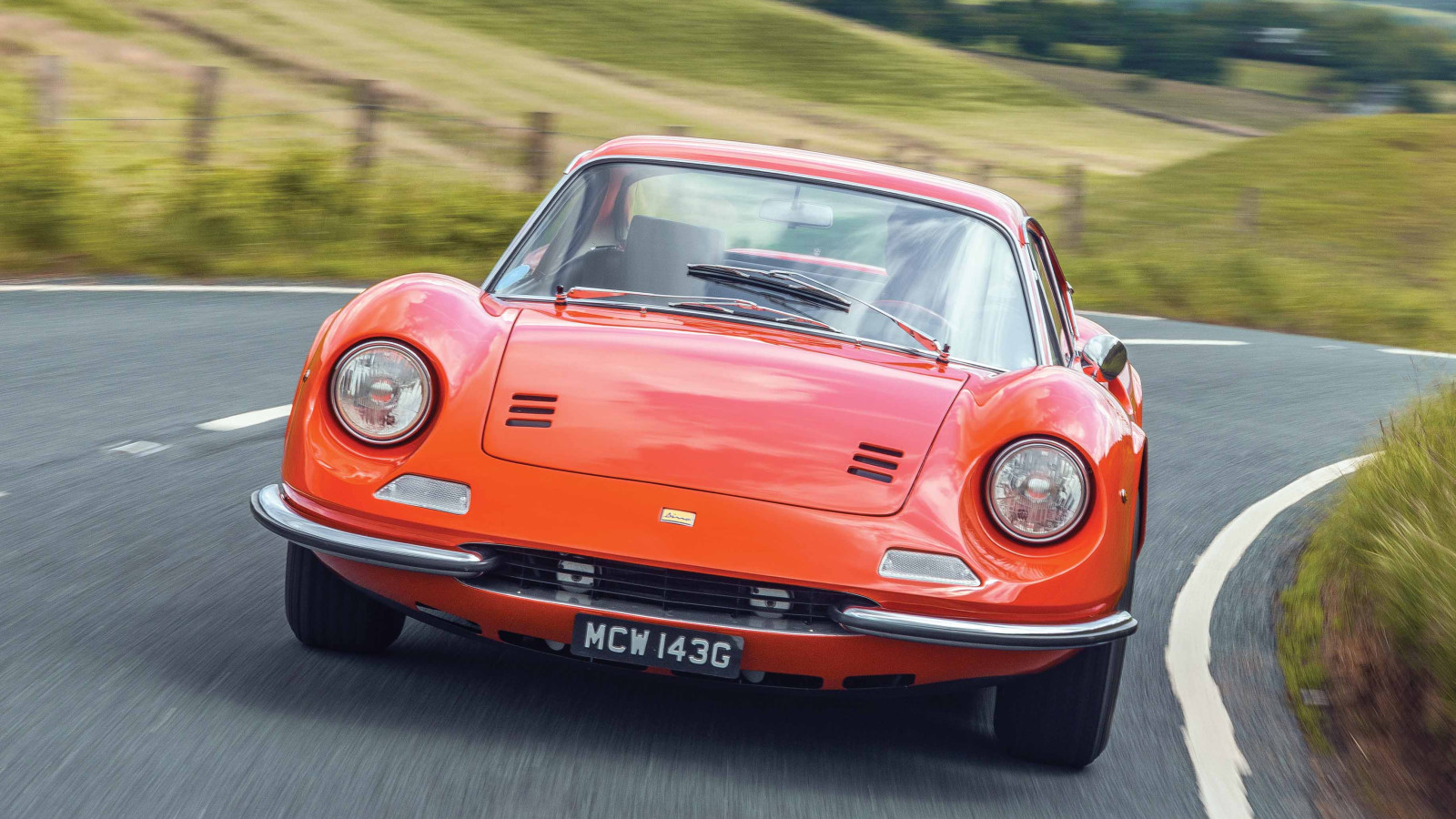
1. Dino 206 (1967-’69)
Introduced at the 1967 Turin Salon, the all-alloy Dino motor in an all-aluminium-bodied 206GT gave 178bhp for just 900kg (1984lb), and a new Ferrari naming system was arranged for its 2-litre V6.
Scaglietti made the bodies to Pininfarina’s design, but only 152 were built.
Factfile: 178bhp, 137lb ft, 0-60mph 6.8 secs, 143mph
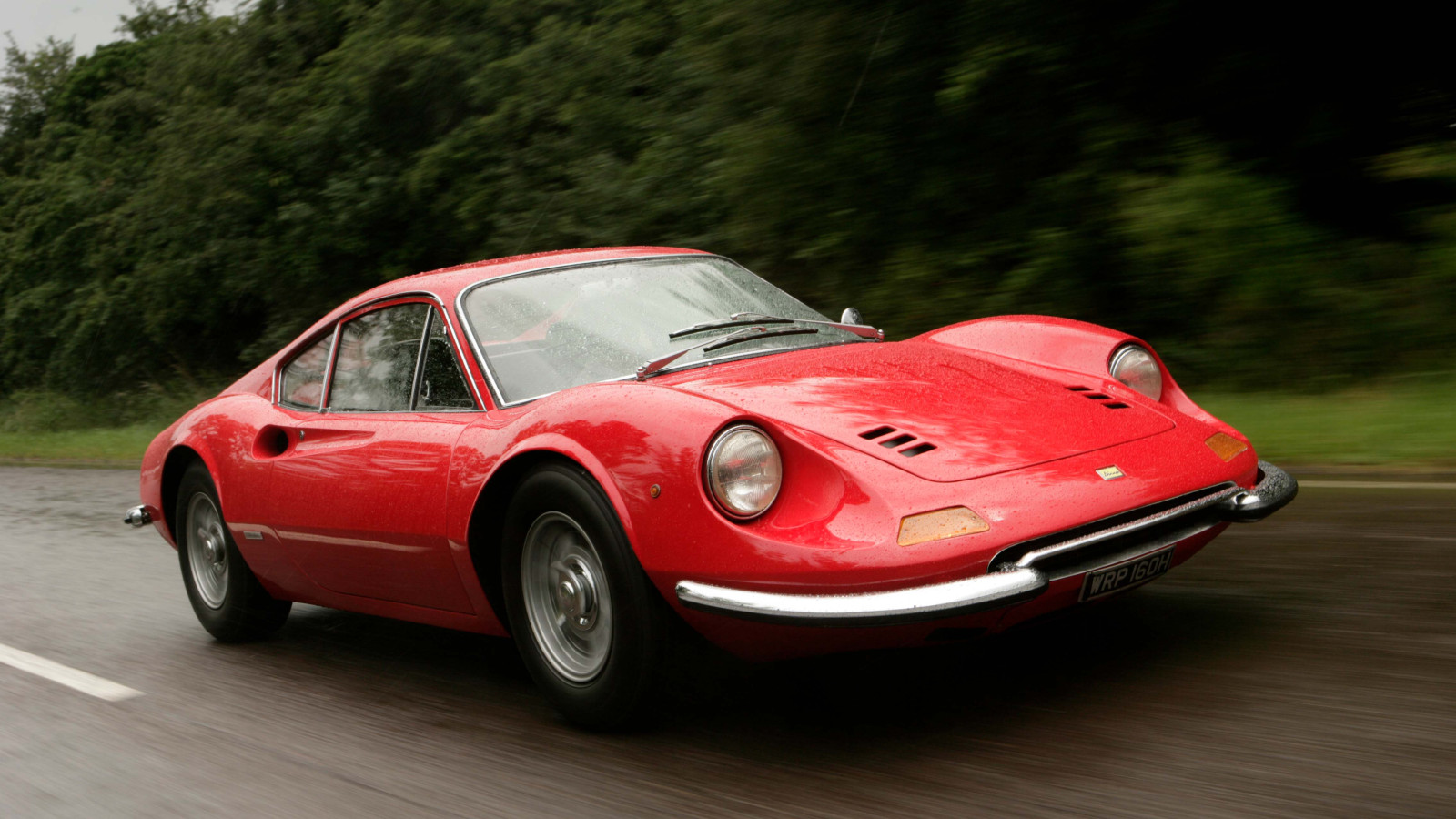
2. Dino 246 (1969-’74)
The rationalised Dino arrived in 1969.
Easier to build and in most ways a better car, the 246GT got a 2418cc version of the V6 with an iron block instead of Silumin alloy; power and torque were up to 192bhp and 165lb ft.
Most aluminium panels were replaced with steel by the end of the 246GT’s five-year production run, during which 3661 were sold.
The wheelbase was 60mm (2⅓in) longer and it sat on five-bolt wheels instead of the 206GT’s Rudge centre-locks.
Factfile: 192bhp, 165lb ft, 0-60mph 7.1 secs, 149mph
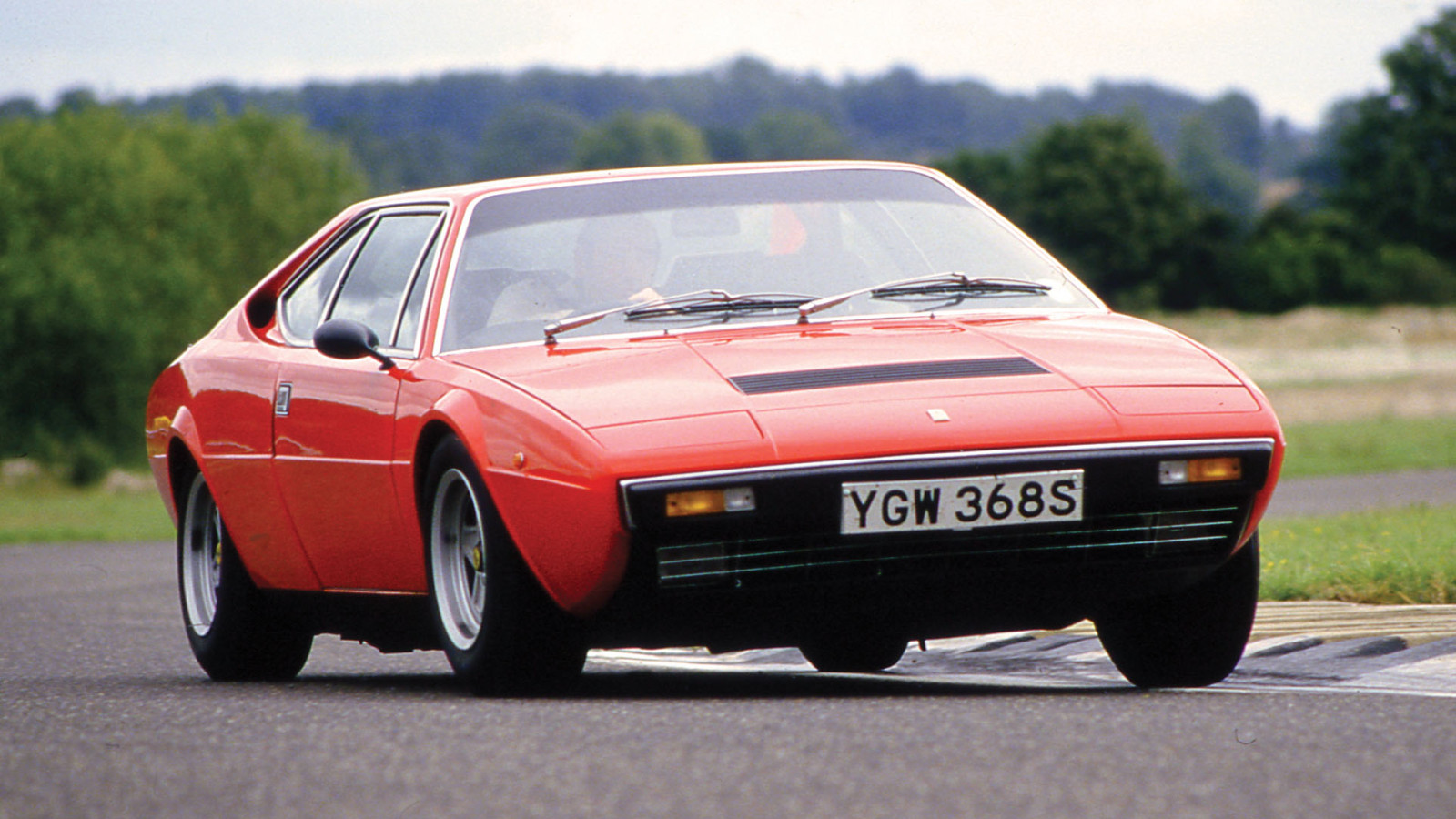
3. Ferrari 308 (1973-’85)
Now with V8 power, the 308GT4 brought 2+2 practicality to the second Dino model in 1973, gaining Ferrari branding two years later.
The wedge shape by Bertone was controversial and sales were slow, but the Pininfarina-styled 1975 GTB and 1977 GTS were a return to form, and nearly 16,000 of all types were built.
Factfile: 252bhp, 210lb ft, 0-60mph 6.4 secs, 152mph
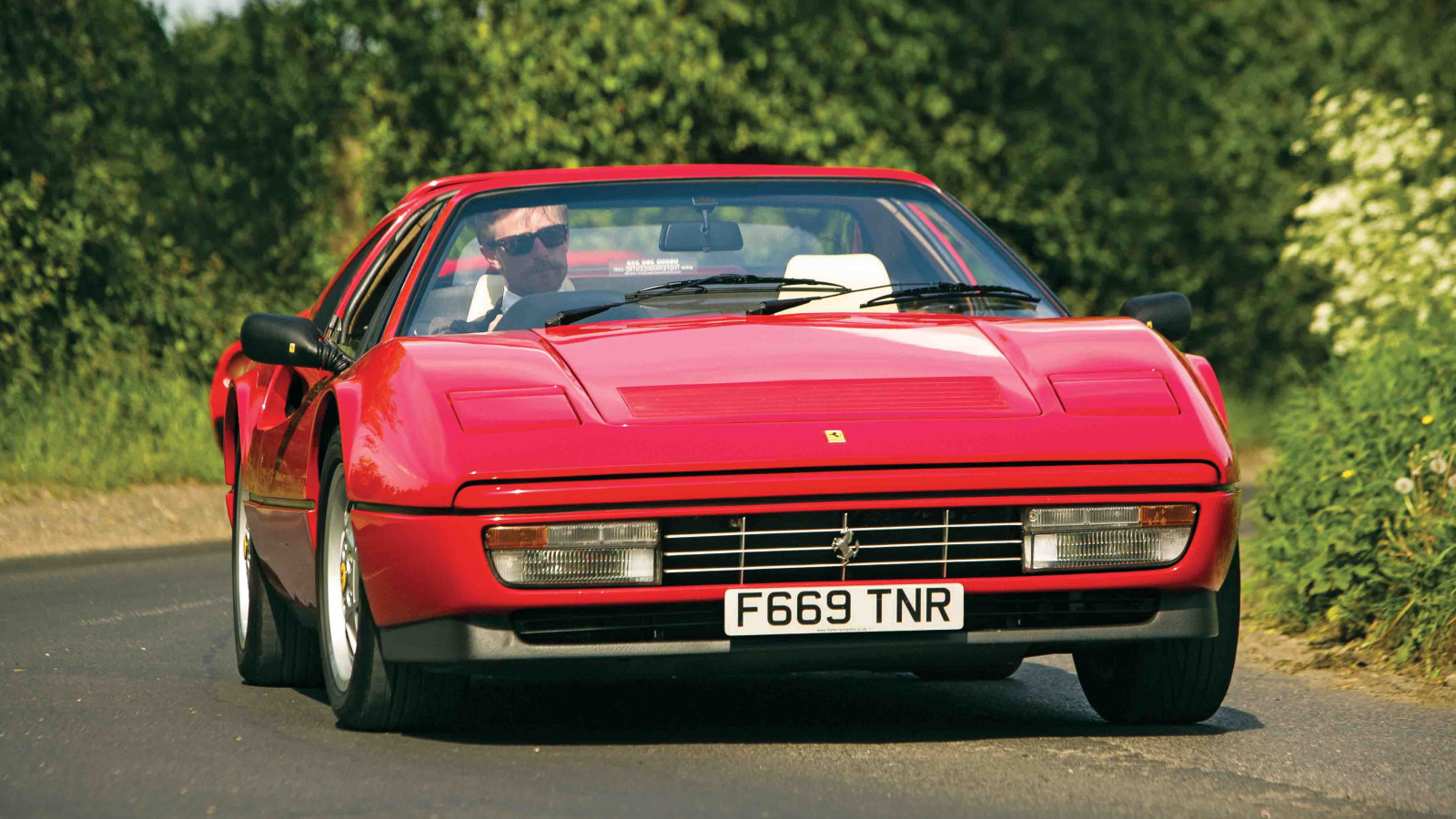
4. Ferrari 328 (1985-’89)
The 3185cc update to the Ferrari 308 arrived in 1985 and saw the model out to 1989, with 7412 produced.
Equipped with the quattrovalvole (four-valve) head and injection of later 308s, the 328GTB and open GTS produced 267bhp.
The Pininfarina lines were still realised at the Scaglietti works and, as with the 308, were also available as a tax-break 2-litre in Italy.
Factfile: 267bhp, 224lb ft, 0-60mph 5.5 secs, 153mph
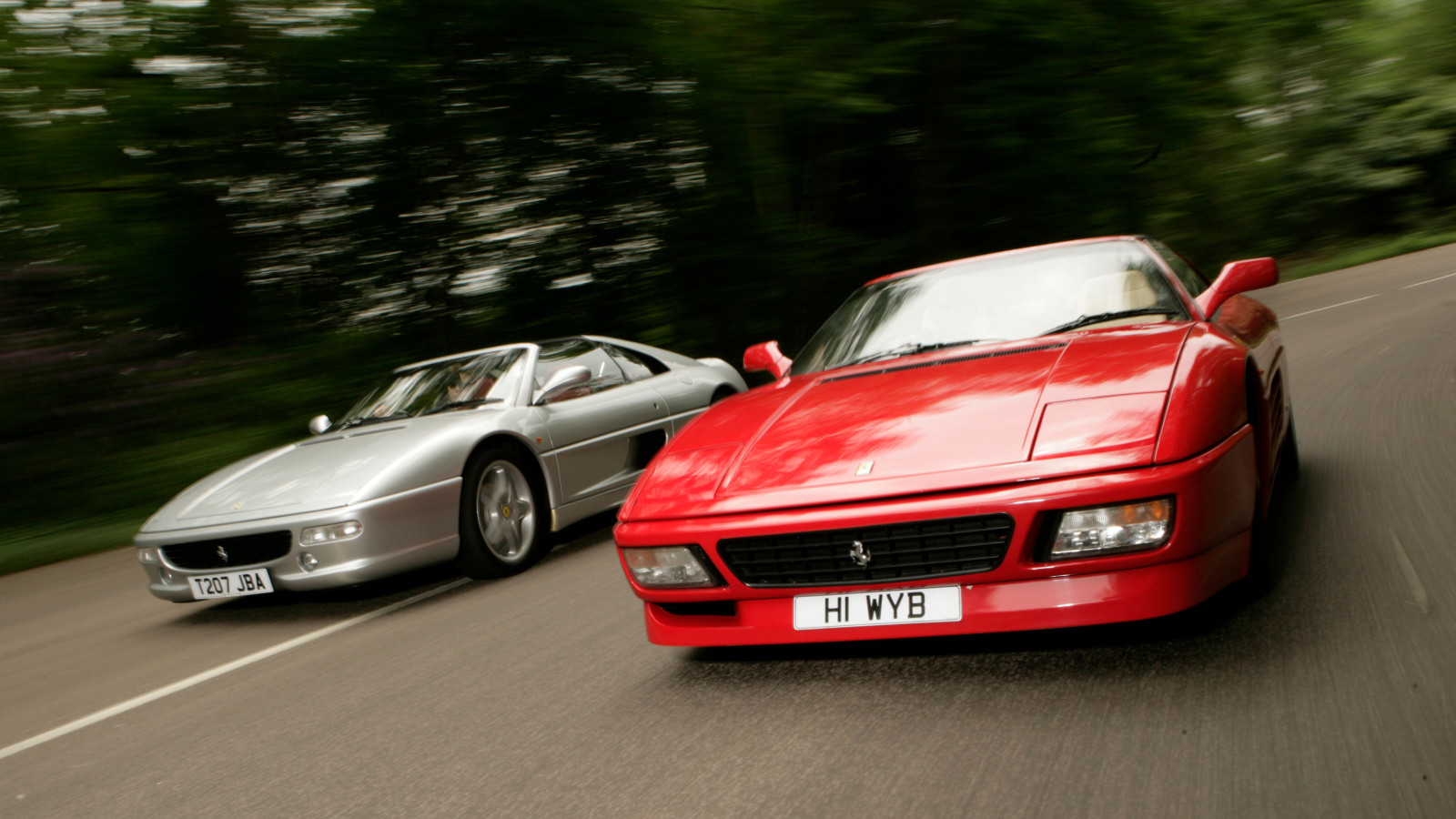
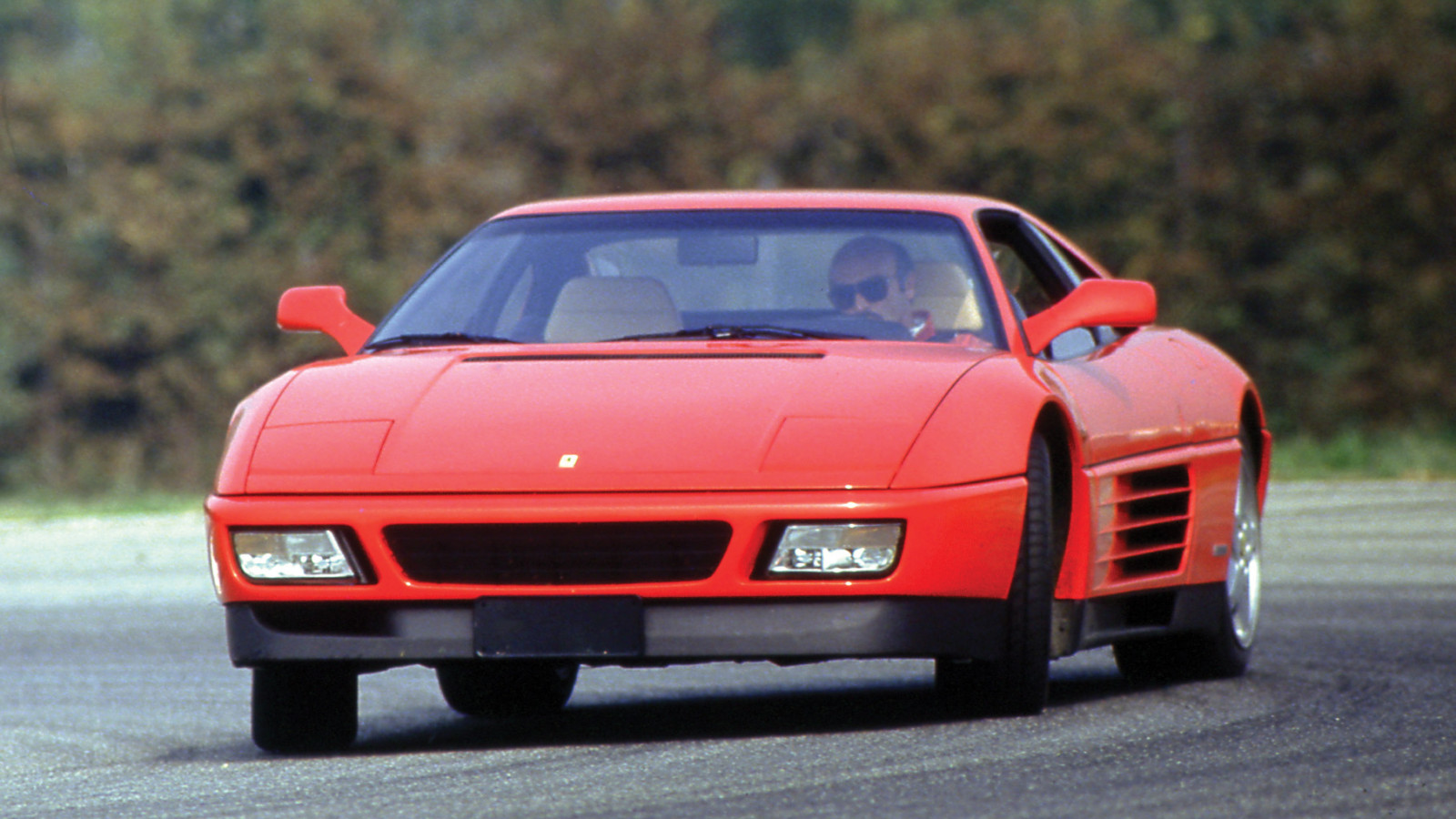
5. Ferrari 348 (1989-’95)
Looking like a miniature Testarossa, the 348tb and ts of 1989 now featured their 3405cc V8s mounted longitudinally.
A Spider arrived in 1993, coinciding with mechanical updates and a renaming of its siblings to 348GTB and GTS.
Until replaced by the F355 in 1995, a total of 8844 were produced.
Factfile: 296bhp, 238lb ft, 0-62mph 5.6 secs, 163mph
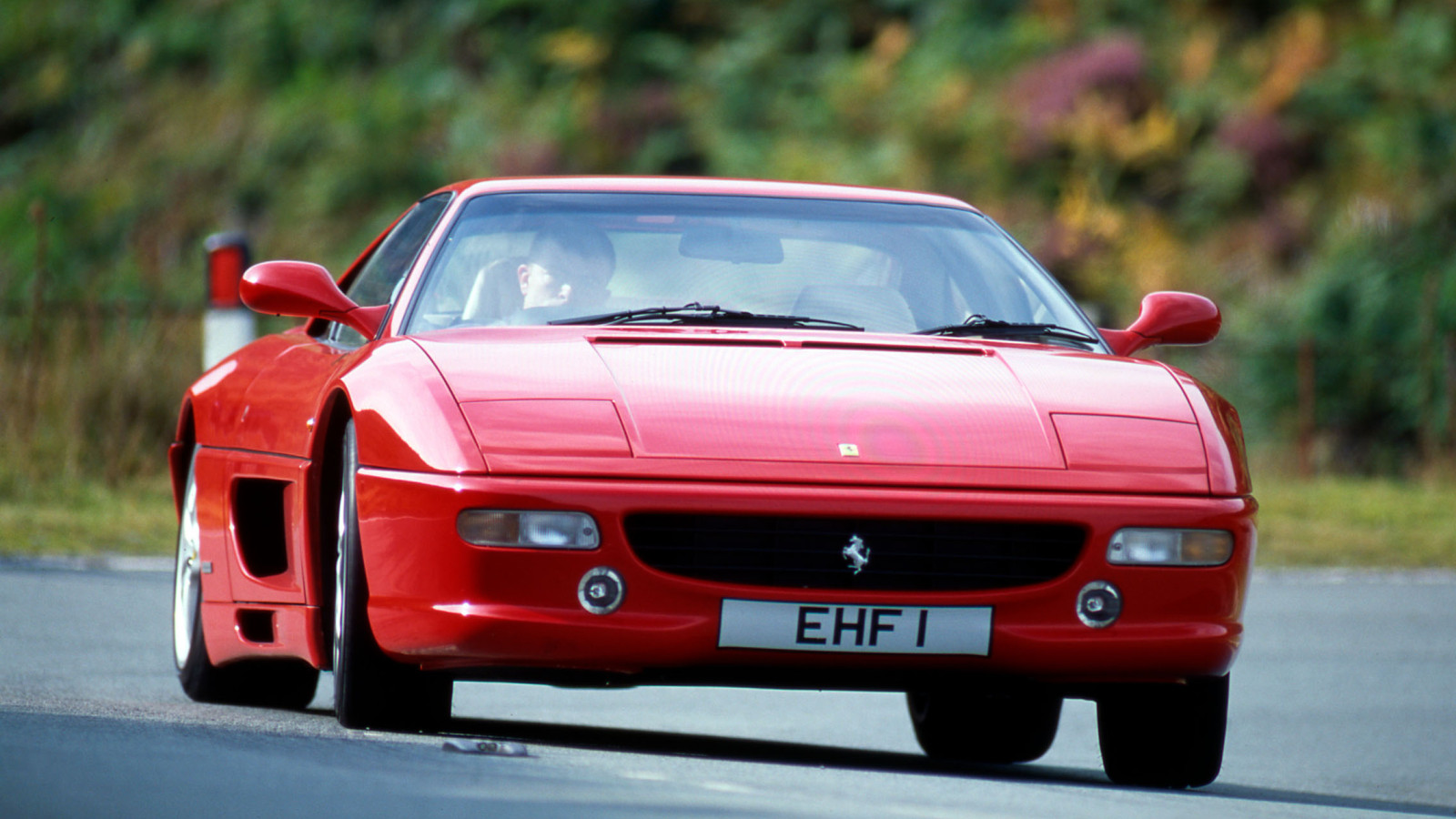
6. Ferrari F355 (1994-’99)
Not to be outdone by rivals from Porsche and Honda, the F355 transformed Ferrari’s fortunes in the mid-1990s.
Engineers squeezed an extra 70bhp from the new, 40-valve, 3496cc V8; its 109bhp per litre exceeded that of a McLaren F1.
An automated-manual gearbox inspired by the Prancing Horse’s Formula One racers arrived in 1997.
The refreshed design – only the 348’s roof, glass and front wings remained – improved aerodynamics, too.
Factfile: 374bhp, 268lb ft, 0-60mph 4.6 secs, 173mph
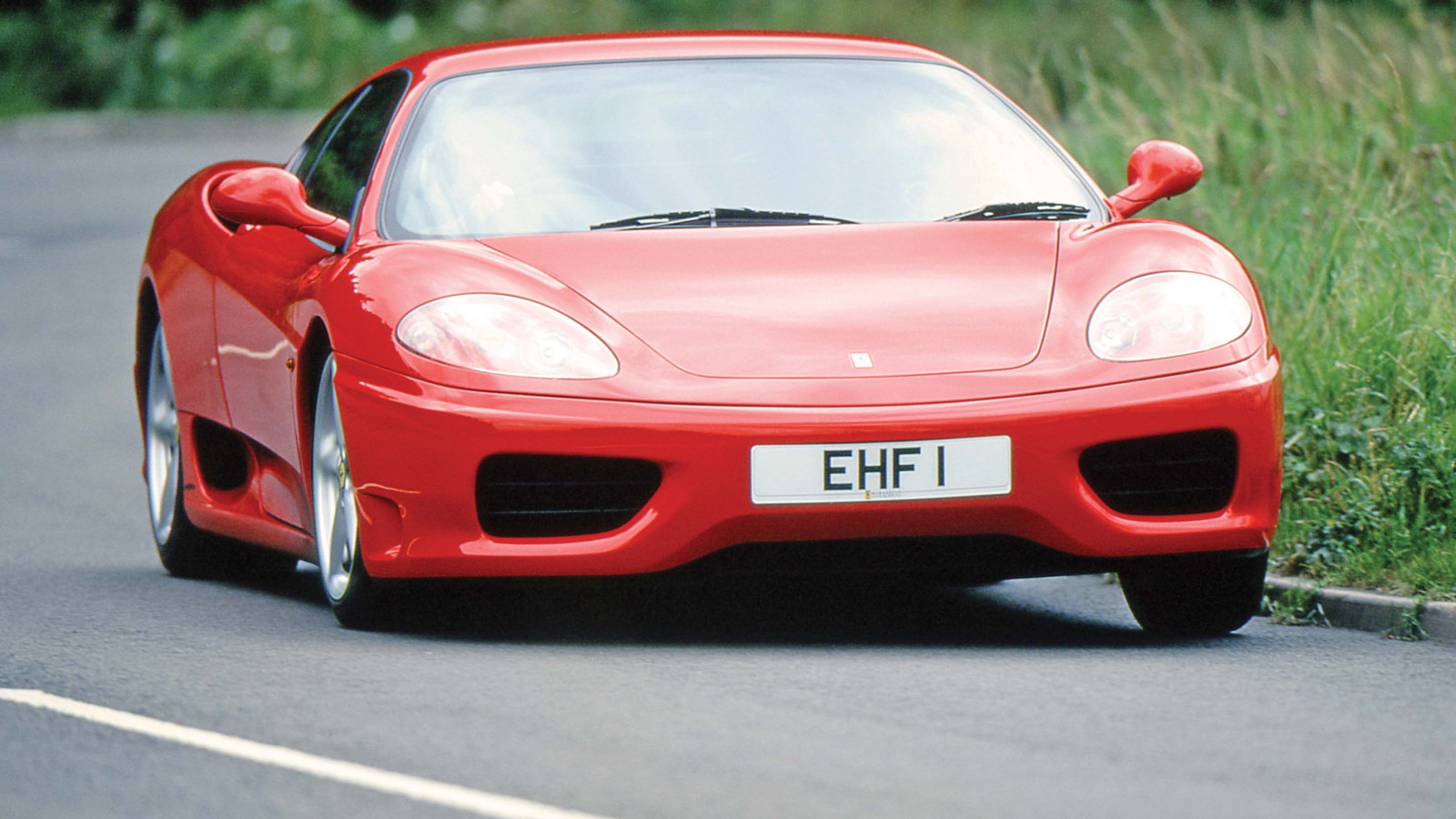
7. Ferrari 360 Modena (1999-2004)
A whole new look ditched the pop-up lights and the traditional, oval-shaped grille of the Ferrari F355 for the 360M in 1999.
Aluminium was used for the spaceframe and double-wishbone suspension, while the whole car grew in size.
A healthy 17,653 were built, with nearly half of them Spiders – now the only open version.
Factfile: 394bhp, 275lb ft, 0-62mph 5.6 secs, 183mph
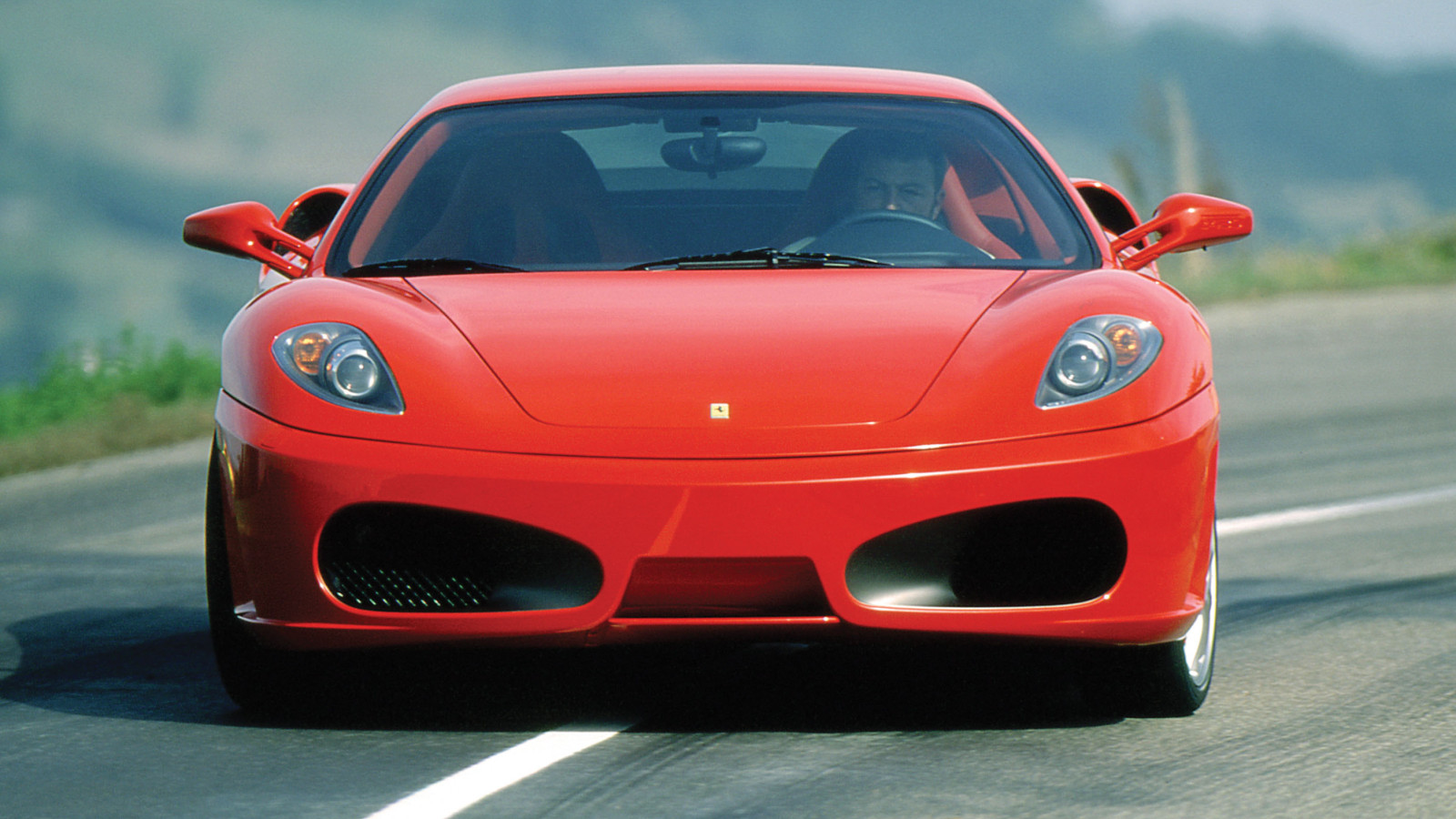
8. Ferrari F430 (2004-’09)
Though an evolution of Ferrari’s 360 series, the F430 of 2005 featured an all-new V8 engine – still reflected in its name, at 4308cc.
The introduction of a clever active limited-slip differential and a ‘manettino’ traction-control dial on the steering wheel were a preview of Ferrari dynamics to come.
Just under 17,000 examples were produced.
Factfile: 483bhp, 343lb ft, 0-60mph 4.4 secs, 196mph
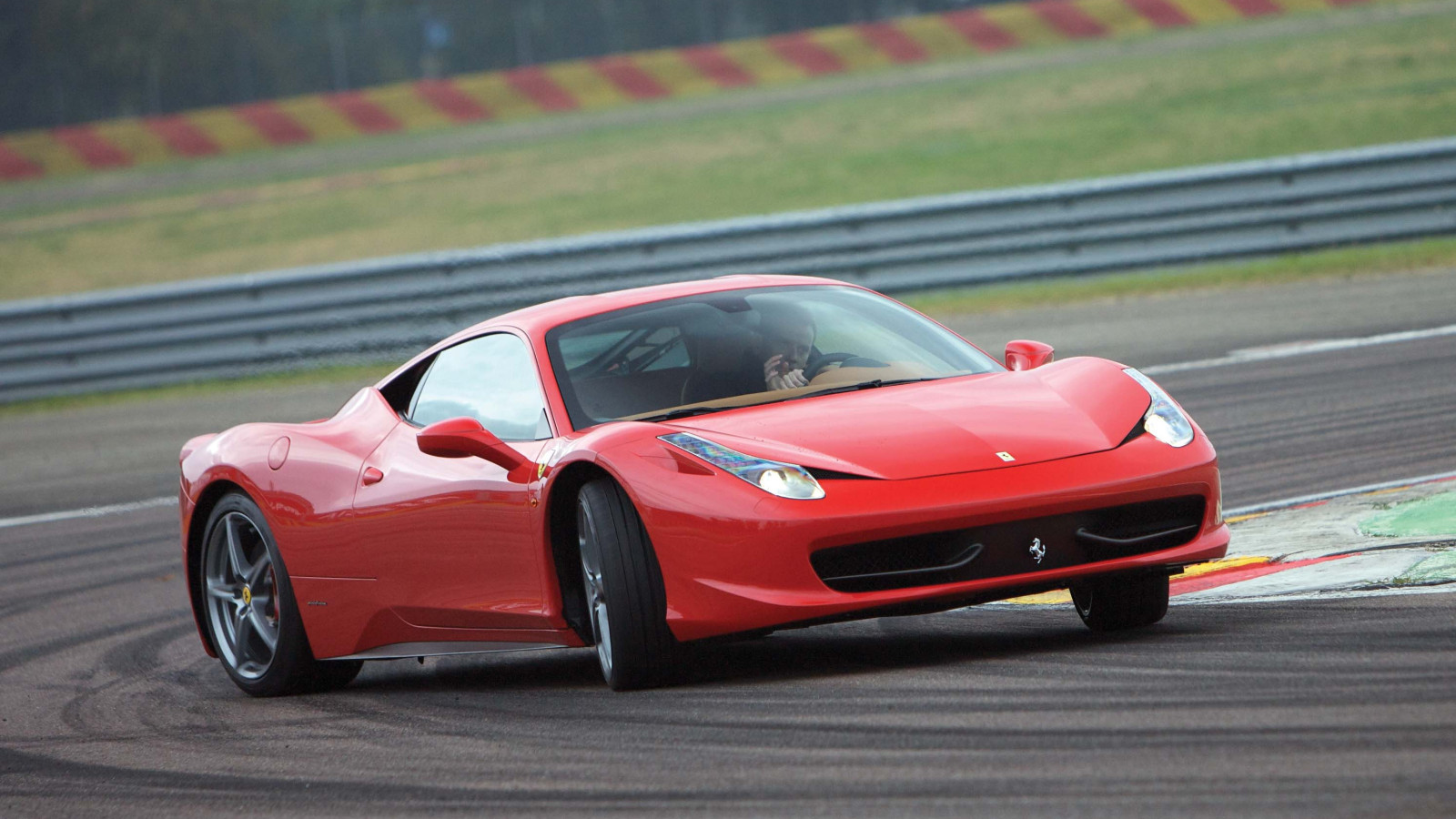
9. Ferrari 458 Italia (2009-’15)
In 2009, Ferrari’s junior broke 200mph thanks to a 127bhp-per-litre, 9000rpm V8 and a new dual-clutch gearbox from Getrag.
Above the new California model, pricing shot up from the F430’s £135k to £170k for the 458 Italia, but it was still wildly popular, with more than 20,000 estimated to have sold.
Factfile: 562bhp, 398lb ft, 0-62mph 3.4 secs, 201mph
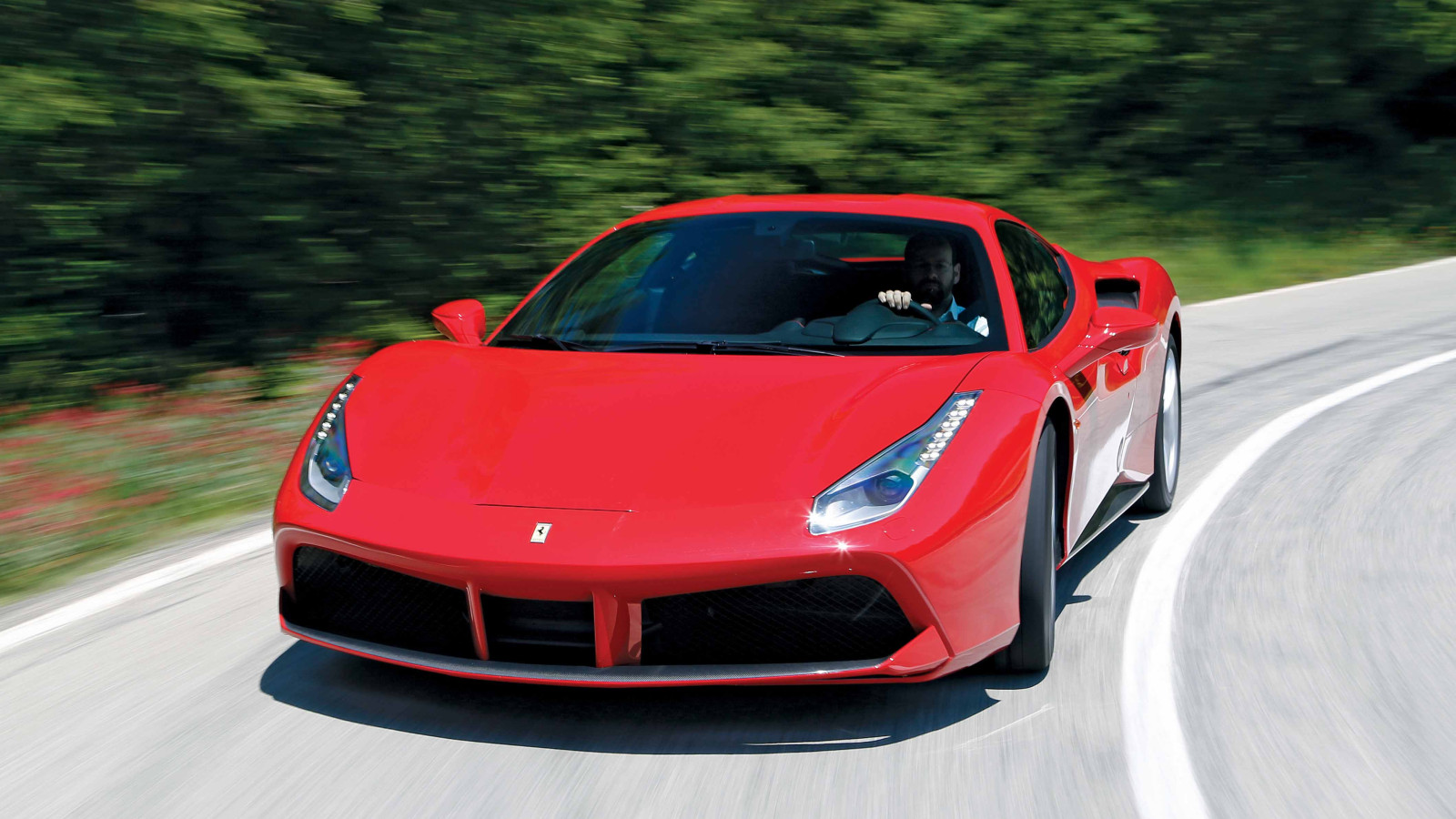
10. Ferrari 488 (2015-’20)
Twin turbocharging threw off the traditional naming system for 2015’s Ferrari 488, but the 3902cc V8’s 661bhp and 561lb ft were key to fending off the challenge of McLaren’s new line of supercar rivals.
A revised version of the ‘side-slip control’ introduced in the track-focused 458 Speciale also featured.
Factfile: 661bhp, 561lb ft, 0-60mph 3 secs, 205mph
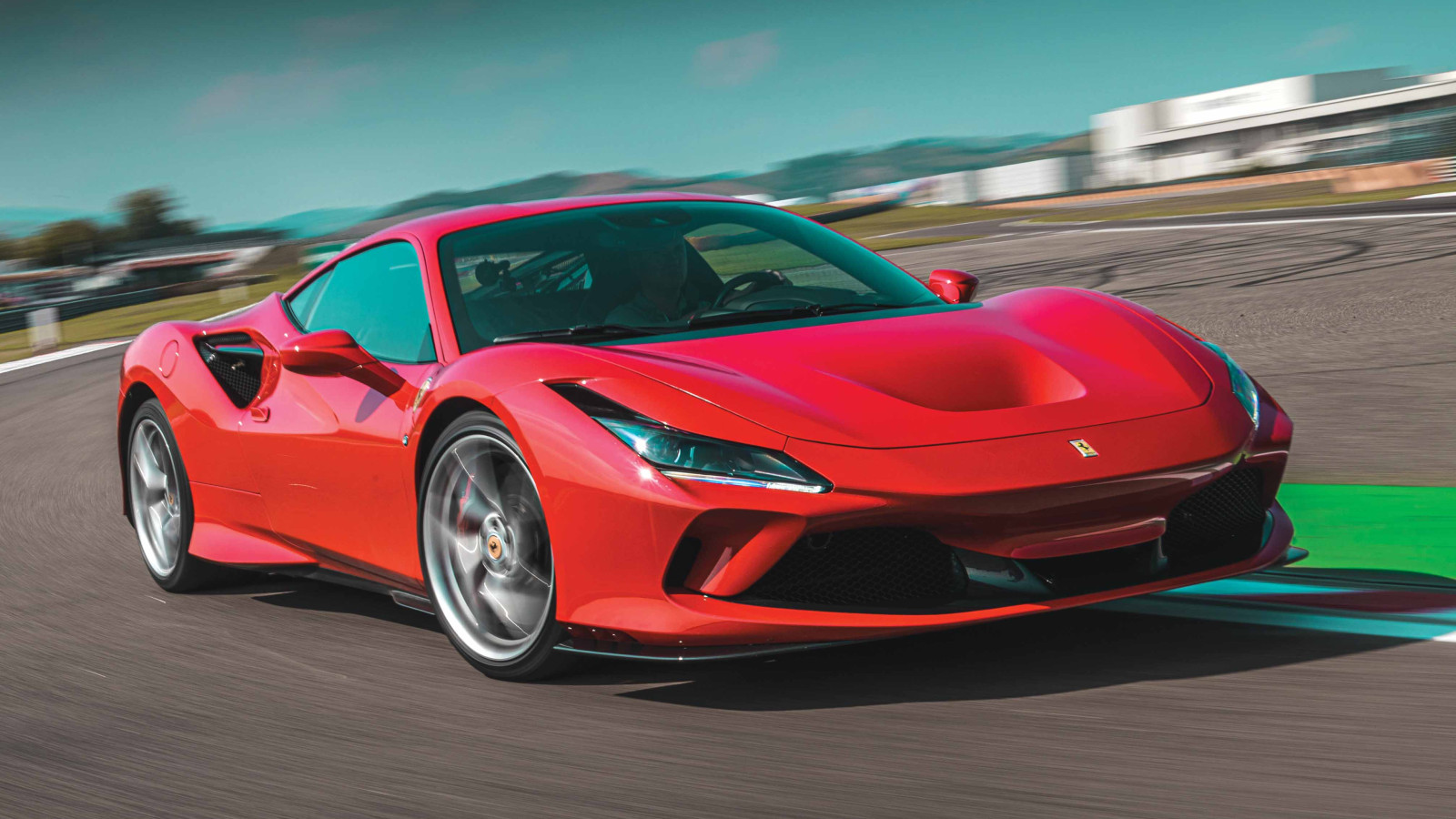
11. Ferrari F8 Tributo (2019-’23)
By 2019, Ferrari was producing 10,000 cars a year when it launched the F8 Tributo.
This evolutionary model incorporated many of the components from the aggressive 488 Pista, while twin round tail-lights were among some retro styling touches.
It was 40kg (88lb) lighter, too.
Factfile: 710bhp, 568lb ft, 0-60mph 2.9 secs, 211mph
12. Ferrari 296GTB (2021-date)
A dramatic change in the formula in 2021 harked back to the Dino with a V6, albeit now twin turbocharged and mated to an electric motor for a combined 819bhp.
A new regime of active aero moulded its distinctive shape, and a world-first, six-way dynamic chassis sensor upped the handling game.
Factfile: 819bhp, 546lb ft, 0-60mph 2.9 secs, 205mph