
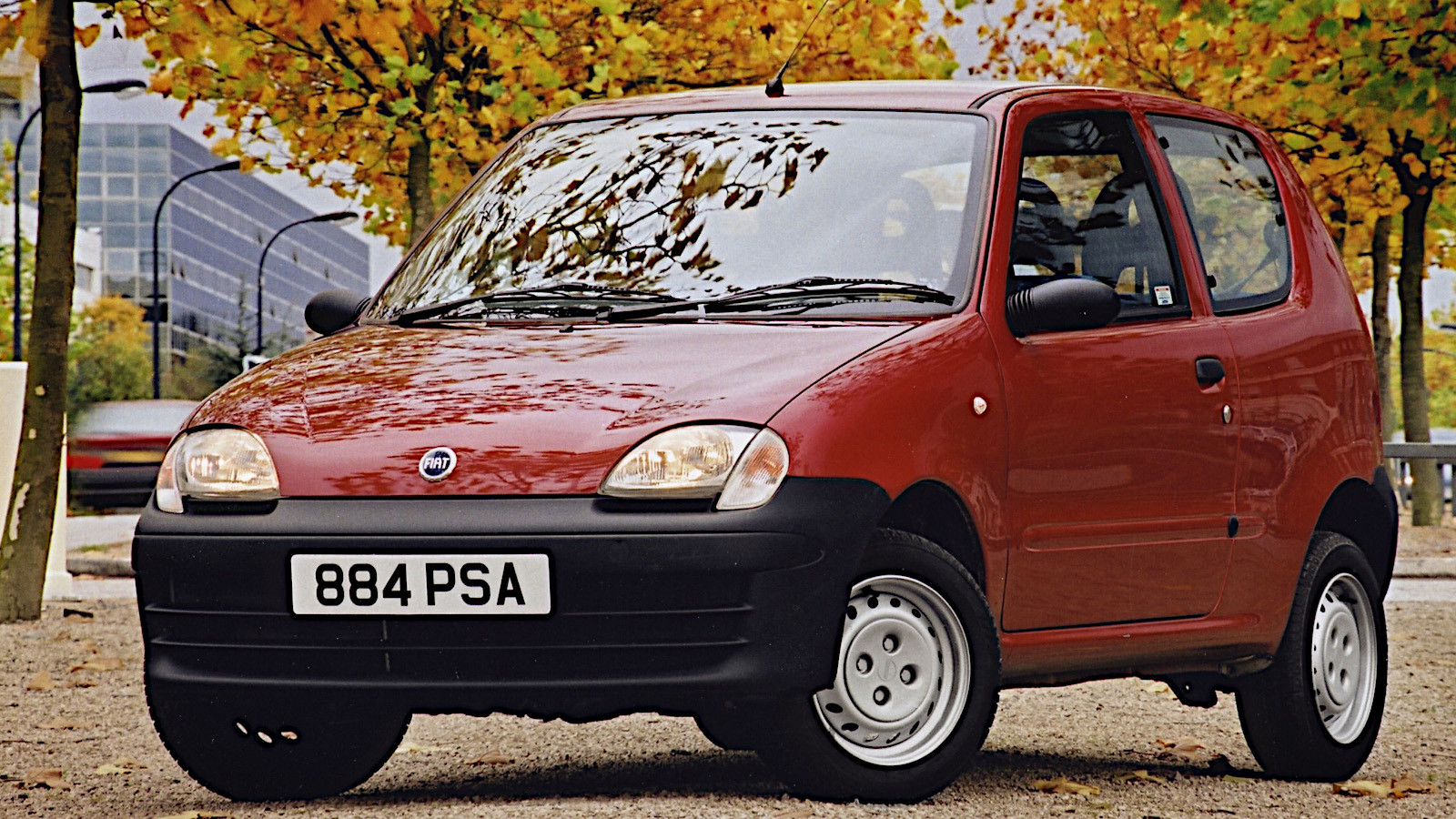
Pint-sized perfection
Since its creation at the turn of the 20th century, Fiat has built cars of many sizes, including some formidable giants.
It seems reasonable to suggest, however, that the Italian marque’s reputation rests to a great extent on its smaller models, of which many have been very successful and at least one is arguably among the best-loved cars ever made.
With apologies to anyone whose idea of a good Fiat is a pre-war racing monster with a vast engine, we’re going to focus here on 24 of the tiddlers, listed in chronological order.
They were all production models available for sale before 2000, though we should acknowledge that if we had included cars built in the 21st century, the modern 500 and 124 Spider would certainly have been given a mention.
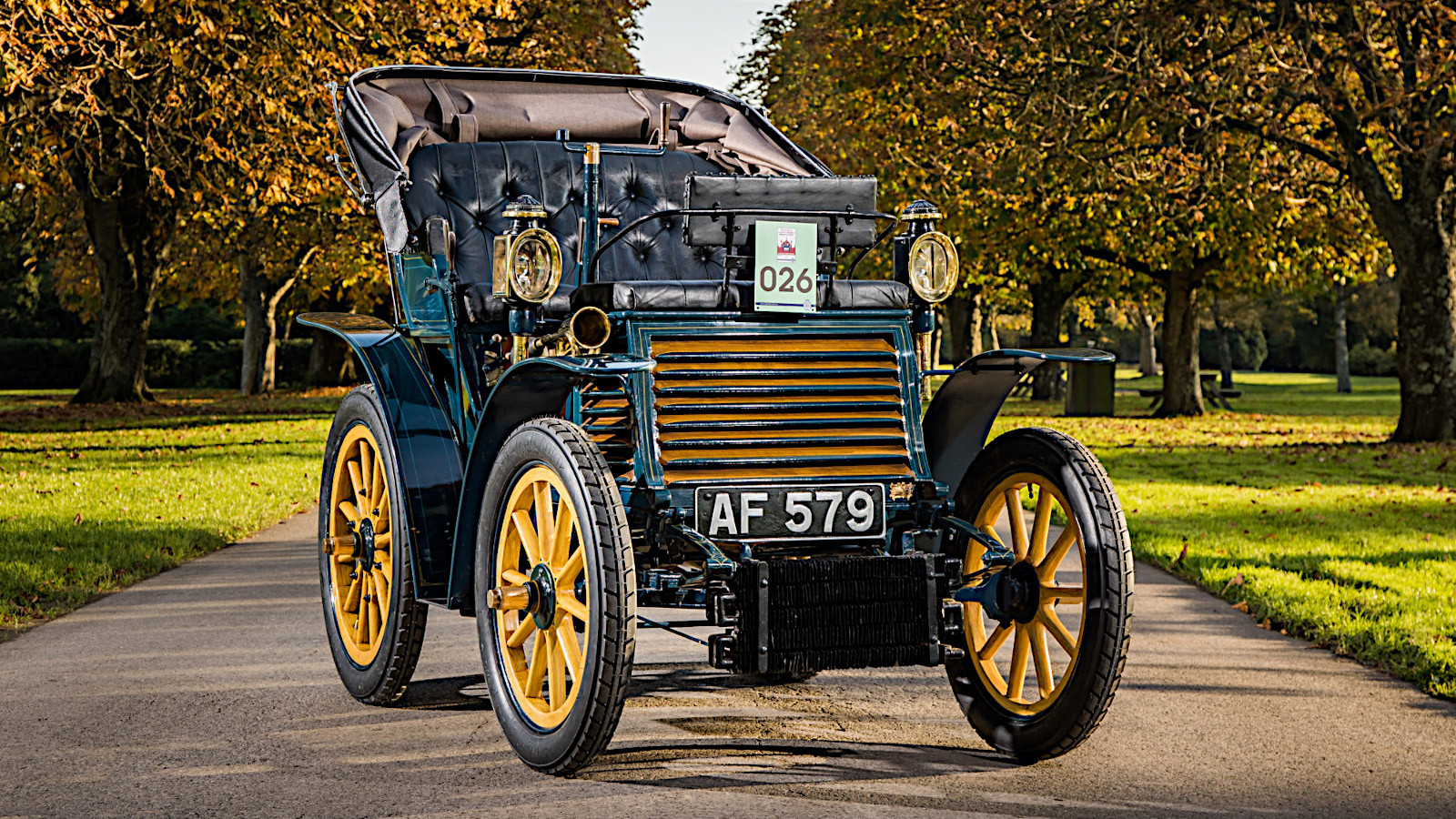
1. 1899 Fiat 3.5hp
Fiat’s first car was created by the Ceirano company and marketed as the Welleyes for a very brief period before being passed over to a new consortium called the Fabbrica Italiana Automobili Torino (shortened to F.I.A.T. and later known as Fiat).
Being Fiat’s only car of the time, it was also obviously the smallest, but while it dwarfed the first Renault, which went on sale in the same year, it was much more compact than the first Cadillac and first Ford, which were both introduced around 1903.
While the 3.5hp led to other models of a similar size, they were not typical of the marque’s early output.
Fiat was already producing the much larger 24-32hp by 1901, and this was followed in 1907 by a magnificent Grand Prix racer and, in 1910, by the colossal, 28.4-litre S76 record car also known as the Beast of Turin.
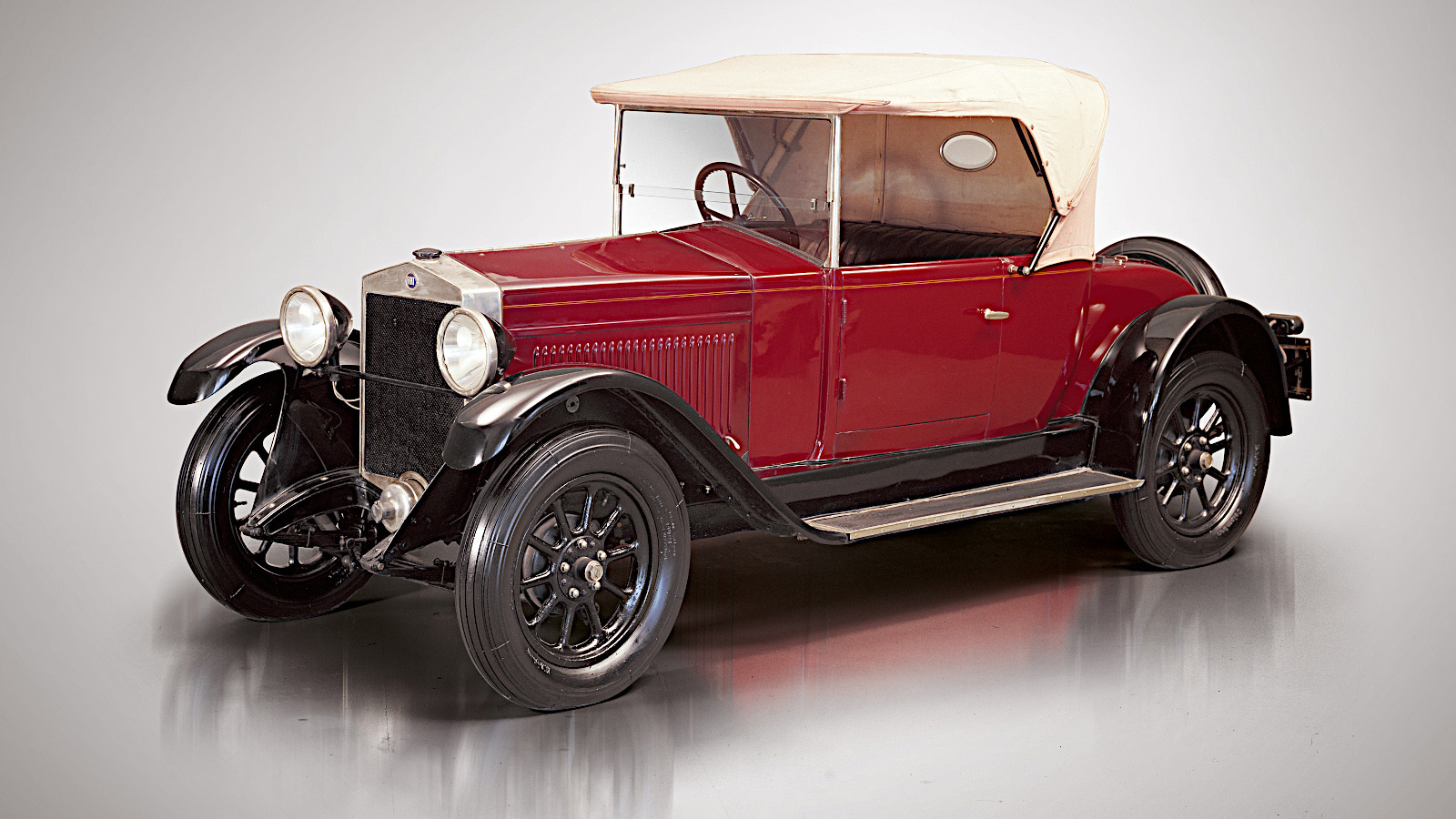
2. 1919 Fiat 501
For its first model produced after the end of the First World War, Fiat knew that something small and inexpensive was required.
The 501 had a 1460cc engine, a choice of bodies – supplied either by Fiat itself (roadster pictured) or by coachbuilders – and a reputation for reliability, and was used in competition as well as for general motoring.
Quoted production figures up to the car’s replacement in 1926 vary hilariously, but all are in the tens of thousands.
The extent to which the Fiat 501 can be considered small becomes apparent when it is placed in contrast with the contemporary 520 ‘Superfiat’, an enormous luxury model with a V12 engine.
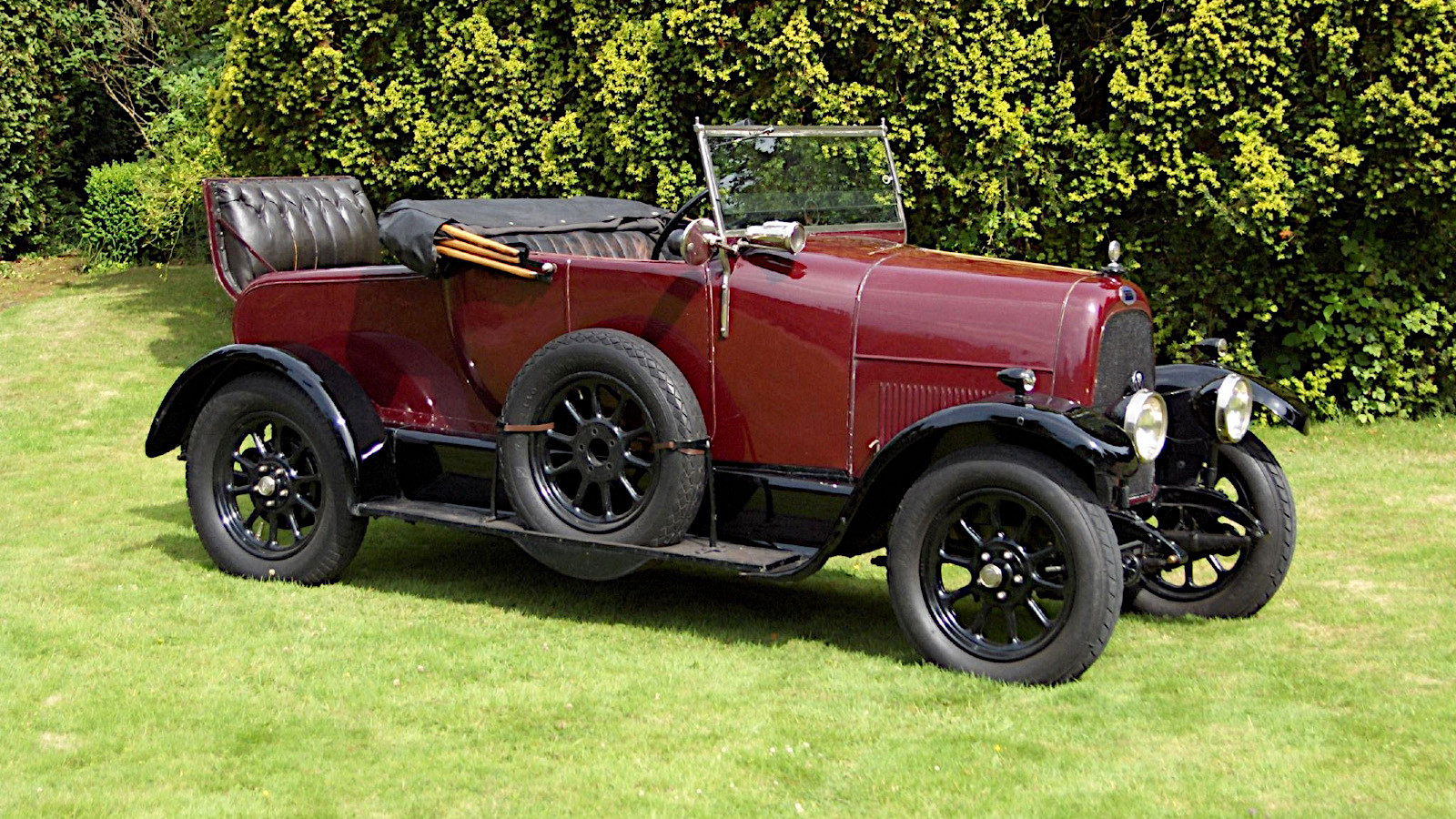
3. 1925 Fiat 509
The replacement for the Fiat 501 was produced only from 1925 to 1929, yet the car maker says that during this relatively brief period it built 90,000 examples.
In addition to its 990cc engine, which produced slightly more power than the 501’s significantly larger unit, and – once again – a variety of body styles (Spider pictured), the 509 was popular because, in what is now a very common situation but was extremely unusual in the 1920s, it could be paid for in instalments through the Sava company, known today as CA Auto Bank.
Many years after production had ended, the Fiat 509 was given a starring, though not particularly complimentary, role as the car owned by Gaston Lagaffe in a long-running cartoon series created by the Belgian artist André Franquin.
(There are claims that Lagaffe’s car was a later 508, but the shape of its radiator surround makes it clear that Franquin was inspired by the 509.)
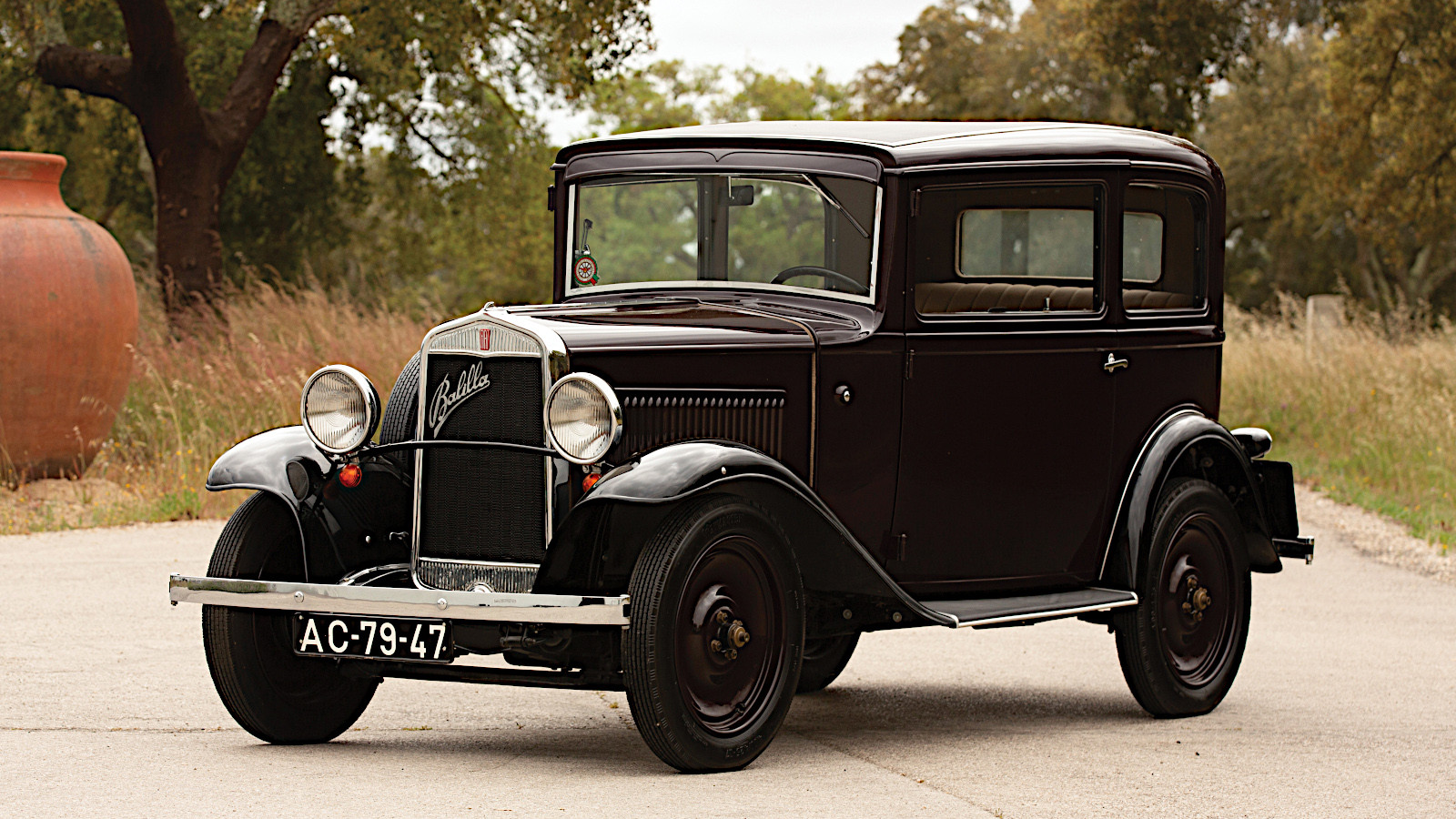
4. 1932 Fiat 508 Balilla
Manufactured for only slightly longer than the 509, the 508 Balilla was perhaps the greatest of the small Fiats so far at the time of its introduction.
Notable for its toughness and good handling, the little car had a 995cc engine which had an output of only around 22bhp in its original form, but could be extended to a mighty c36bhp in the sports models.
This would not have been appropriate for the everyday versions, which included saloons, convertibles and commercial vehicles.
The Fiat 508 Balilla’s appeal extended well beyond the borders of Italy, and many examples were built under licence in France, Germany, Poland and the then Czechoslovakia.
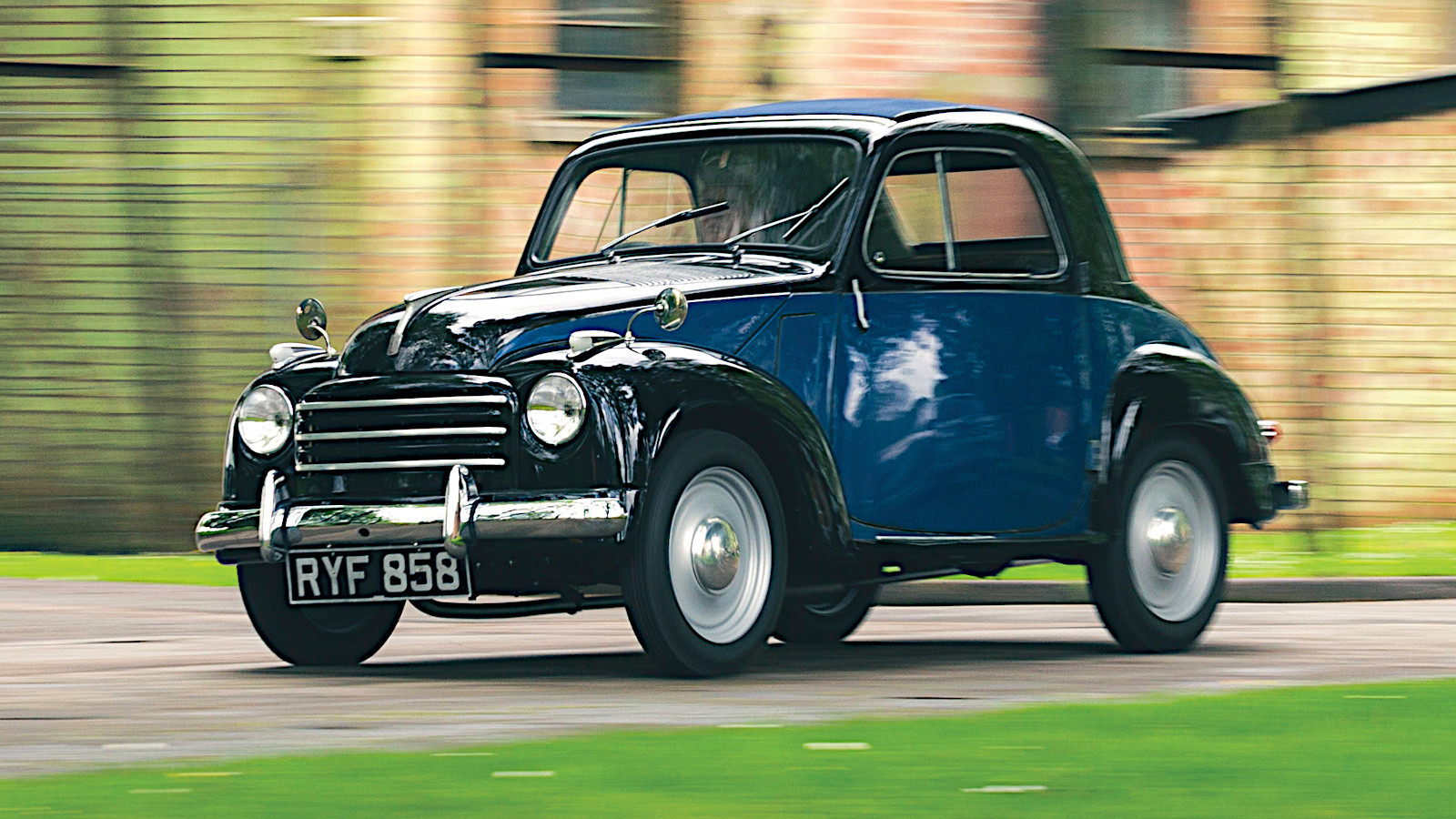
5. 1936 Fiat 500 Topolino
Several of Fiat’s most successful small cars have been named 500.
The first of these is perhaps better known as the Topolino, which translates from Italian as ‘little mouse’ (the word for a full-sized mouse being topo), but also refers to the internationally popular Disney character Mickey Mouse, introduced eight years before the car was.
Production was naturally suspended during the Second World War, but resumed after it and continued until 1955, six years after a facelift which modernised the appearance considerably.
More than 510,000 Topolinos were built during that period (the one pictured here being a facelifted model), but the figure has since risen due to Fiat adopting the name for its version of an electric city car also sold, with different styling, as the Citroën Ami and the Opel Rocks.
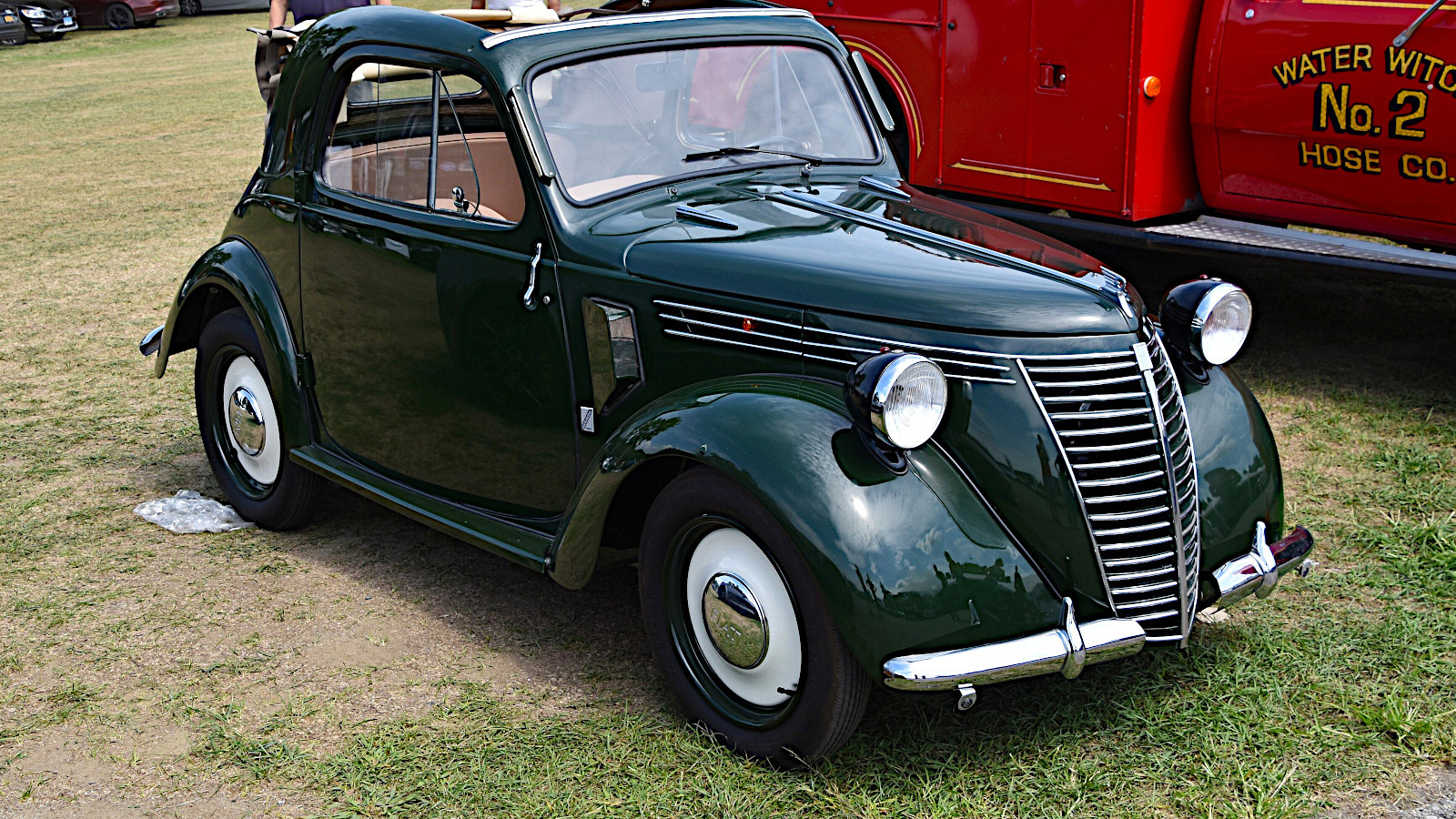
6. 1937 Fiat 1100
Although it was officially known for most of its life as the Fiat 1100, this car started out as the 508C, and was the replacement for the 508 Balilla.
The 1100 name, introduced in 1939, indicated that, although the 508’s engine had been carried over largely unchanged, an increase in its cylinder bore had raised the capacity from 995cc to 1089cc – close enough, by motor industry standards, for ‘1100’ to be an acceptable title.
The styling, initially similar to that of the contemporary 500, was updated only mildly, the result being that by the early 1950s the little 1100 looked much more old-fashioned than the even smaller Topolino.
This Fiat 1100, though not the one that followed it, was also built and sold in France as the Simca 8.
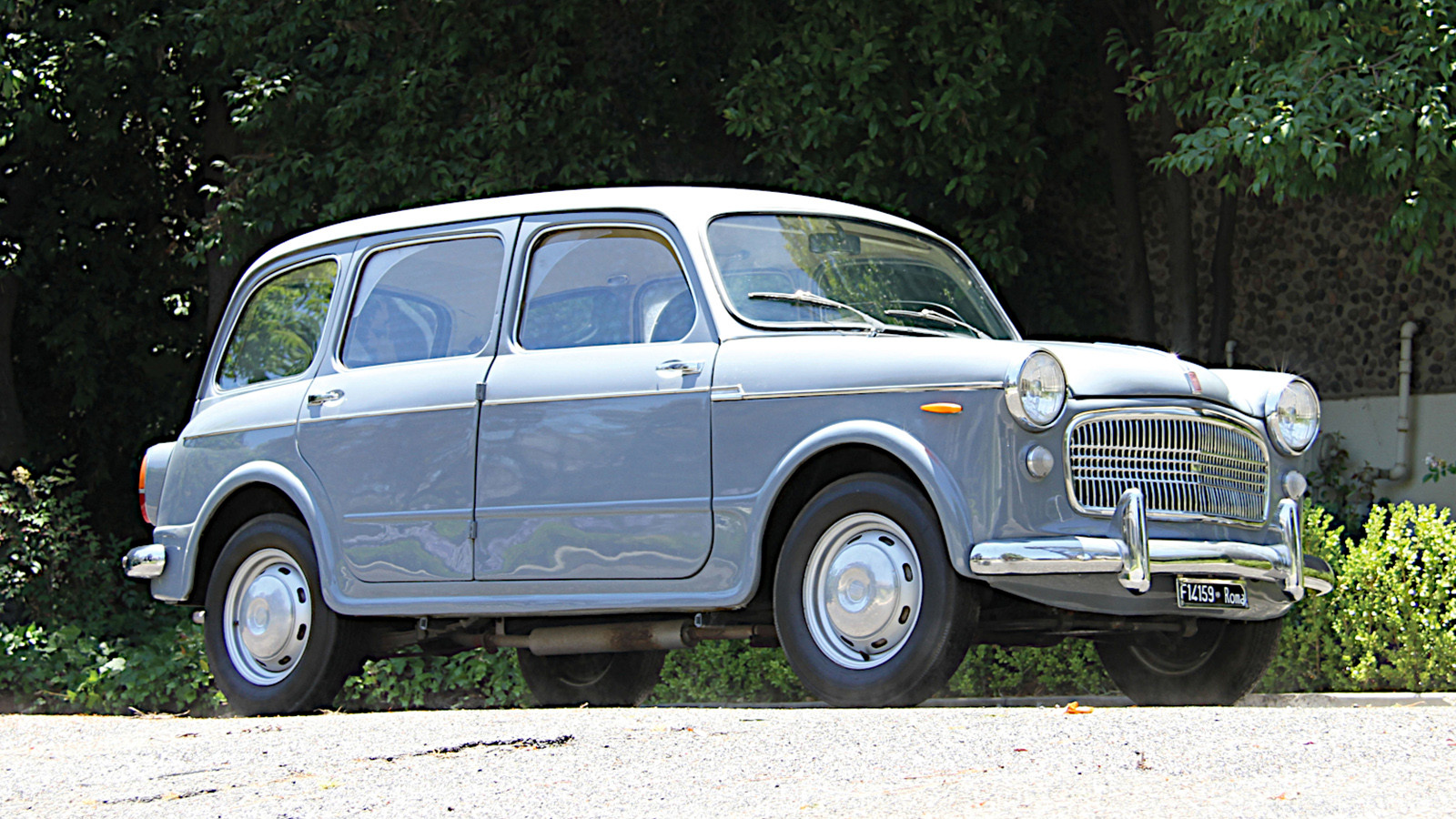
7. 1953 Fiat 1100
The second 1100 was the first small Fiat with unibody construction, a method this car manufacturer had used in 1950 for the larger 1400.
Gradually updated until being replaced by the 128 in 1969, it was at various times available as a saloon, a Familiare estate (pictured) and a Trasformabile two-seat roadster.
The 1100 was built under licence in factories around the globe, but most prolifically in India, where the car was known as the Premier Padmini.
Padmini production continued until around the end of the century, and remained so well-known afterwards that it starred in – and gave its name to – an Indian film released in 2019.
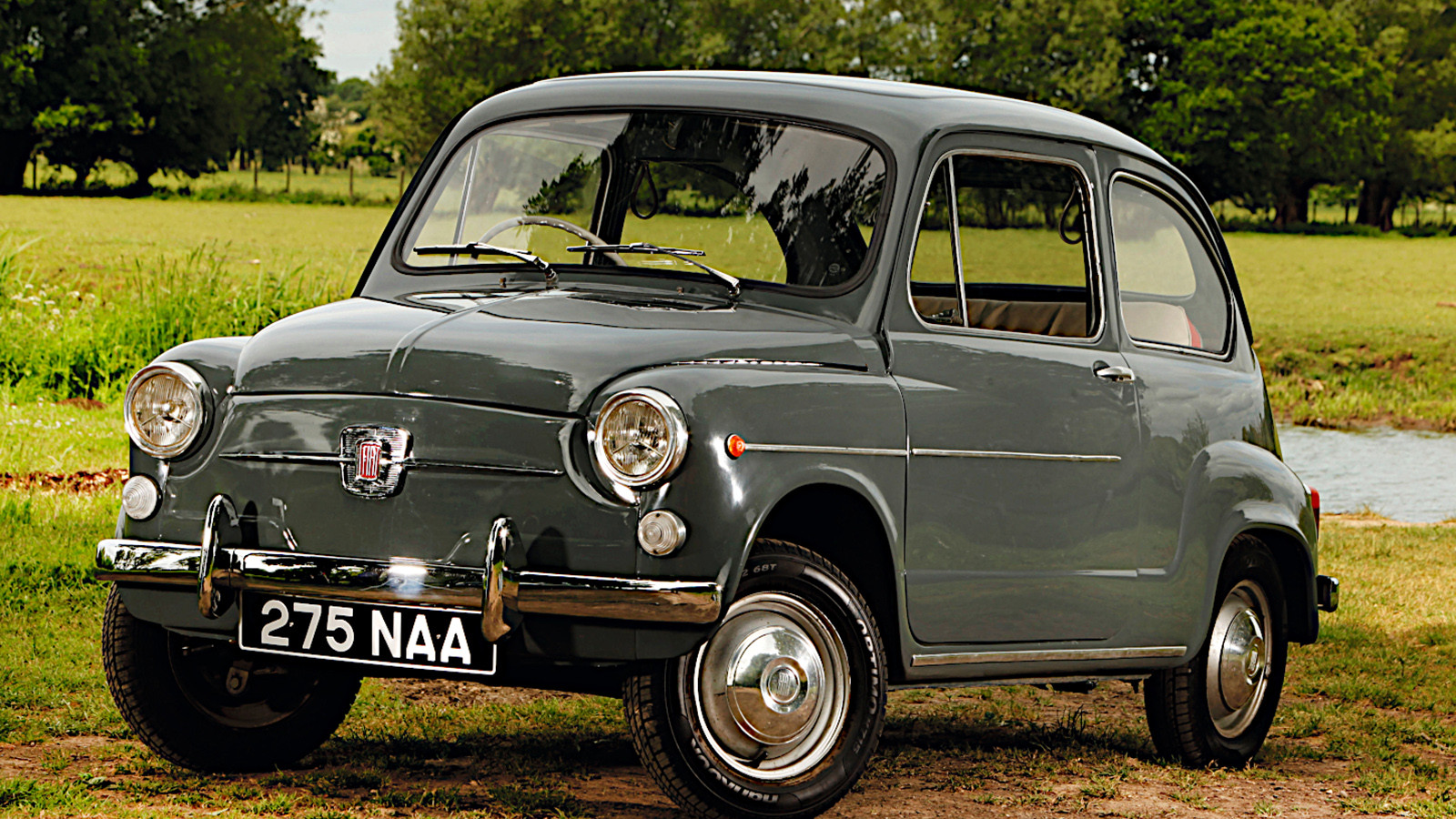
8. 1955 Fiat 600
Like many other small European cars built between the late 1940s and the mid 1970s, the Fiat 600 had both its engine and its gearbox mounted at the back, an excellent way to maximise passenger space in the days before manufacturers had overcome the technical challenges of front-wheel drive.
In the 600’s case, the engine, initially measuring 633cc, was the 100-series, a particularly successful unit which powered a great many vehicles for several decades.
The Fiat 600 was mostly available as a fastback-bodied saloon, but could also be specified as the arguably rather odd-looking Multipla (with space for up to six seats), the Ghia-built Jolly beach car, the 600T van and many Abarth derivatives.
Plus, Fiat 600s were also built outside Italy – perhaps most notably in Spain, where the Seat version is credited with contributing to that country’s post-war economic miracle.
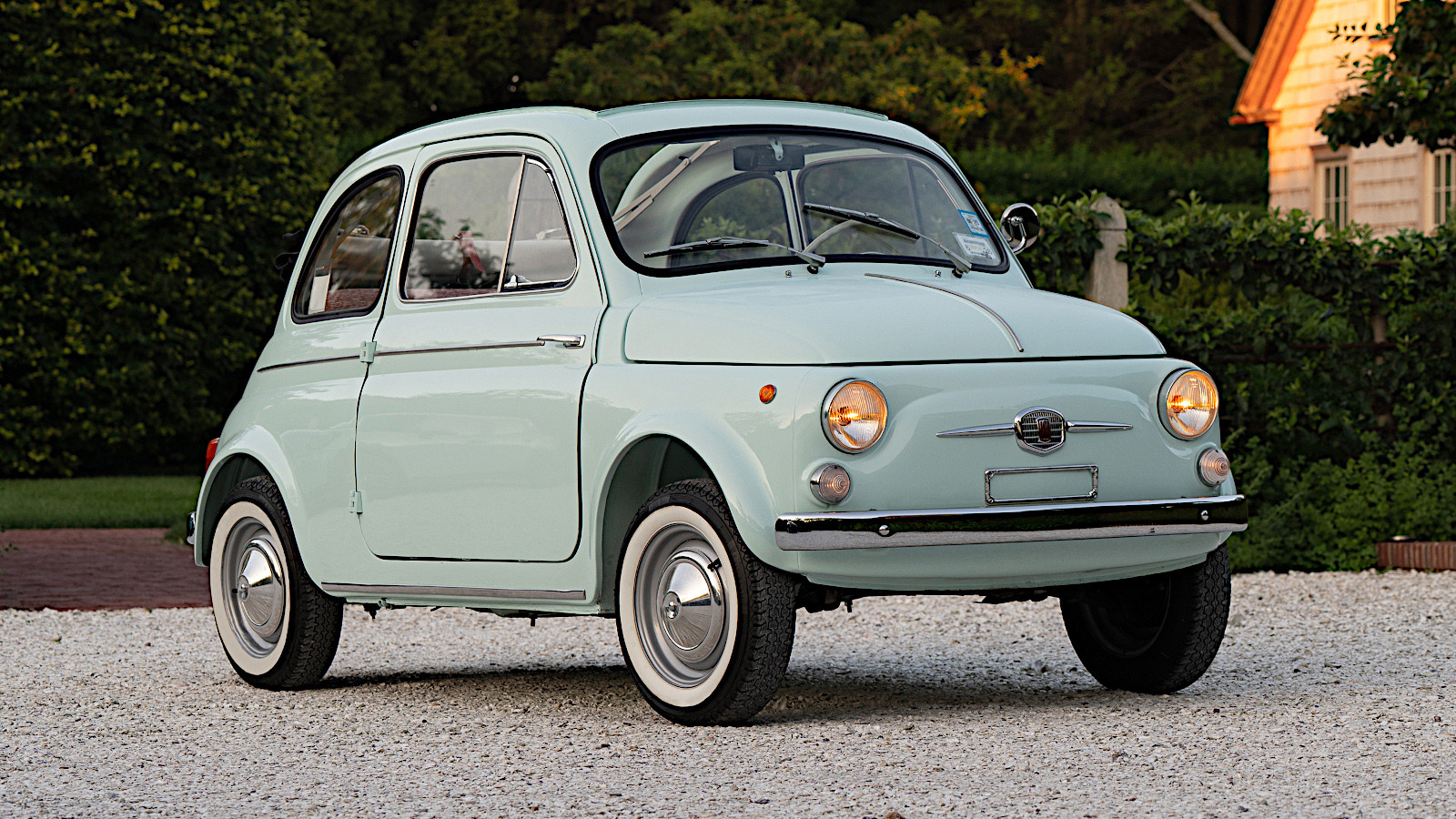
9. 1957 Fiat Nuova 500
Known as the Nuova (‘new’) 500 to distinguish it from the earlier Topolino, this car took over from the 600 as the smallest Fiat of its era.
A more compact car in every respect, it also had a lower-capacity, air-cooled, two-cylinder engine which, as with the 600, was mounted behind the rear axle.
Designed entirely with economy and practicality in mind, yet often regarded as one of the most charming-looking cars ever made, the Fiat Nuova 500 survived until 1975, its 18-year lifespan exceeding that of the 600 by four years.
The Fiat 500 introduced in 2007 was deliberately made to look as much like the Nuova as possible (and, when fitted with the two-cylinder TwinAir engine, to sound like it, too), though its front-wheel-drive layout was as far removed as possible from its predecessor’s.
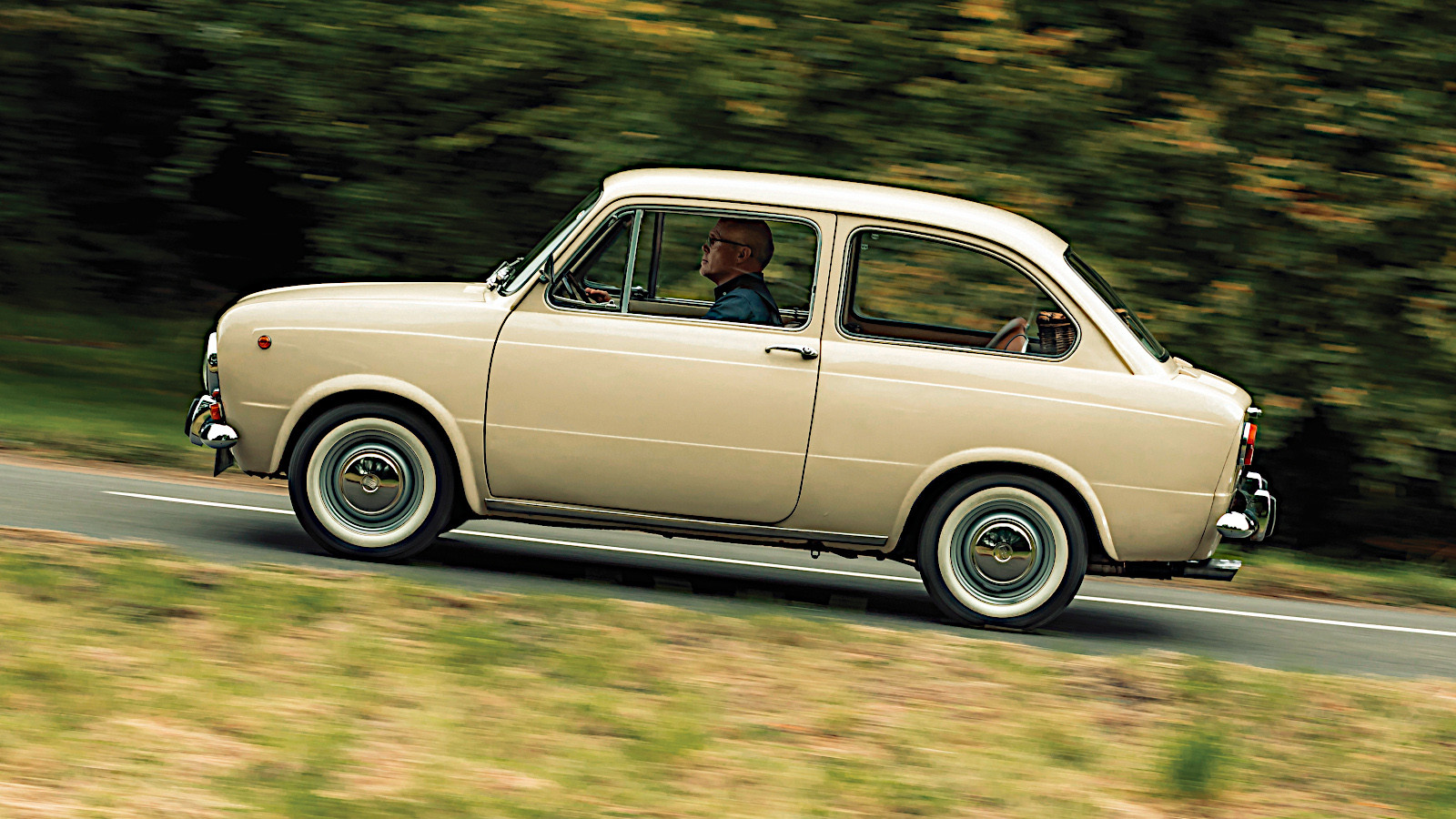
10. 1964 Fiat 850
It says something about Fiat’s commitment to small cars by the 1960s that the 850, while undoubtedly a vehicle of that description, was bigger than both the 500 and the 600, which were still being built when it was introduced.
It was powered by a larger version of the 600’s 100-series engine (again mounted at the rear, a location perilously close to anachronism by 1964), and was mostly produced as a bustle-backed, two-door saloon with an almost coupé-like, rear-window angle.
There was also an actual Coupé, usually considered far more beautiful than the saloon, along with a Spider, a van and a van-adjacent Familiare (essentially an MPV, in modern terms), the last two looking very like each other but not at all like any of the others.
The Fiat 850 lasted until 1973, by which time most small, mainstream, rear-engined European cars had either been discontinued or were only a few years away from that fate.
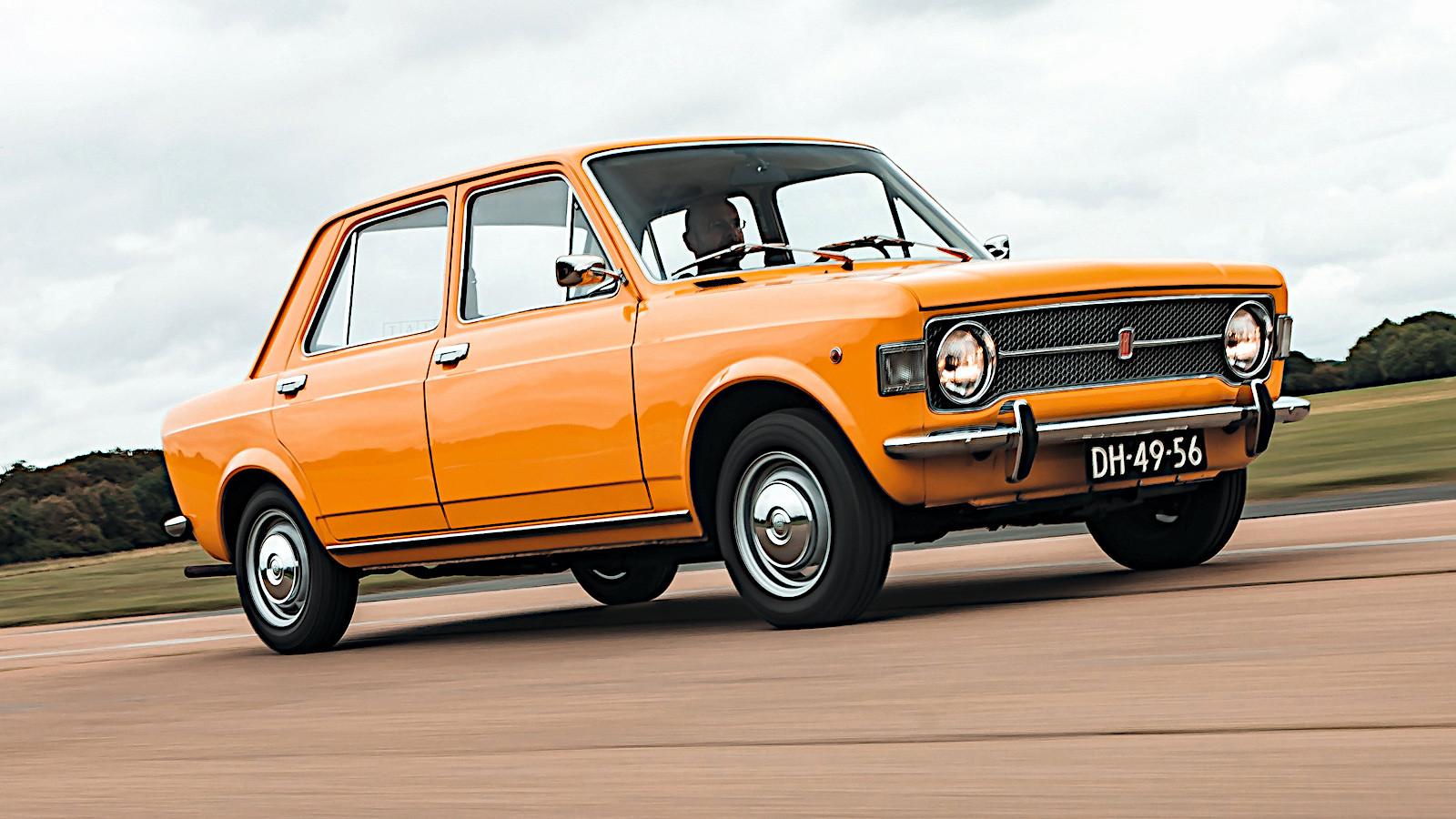
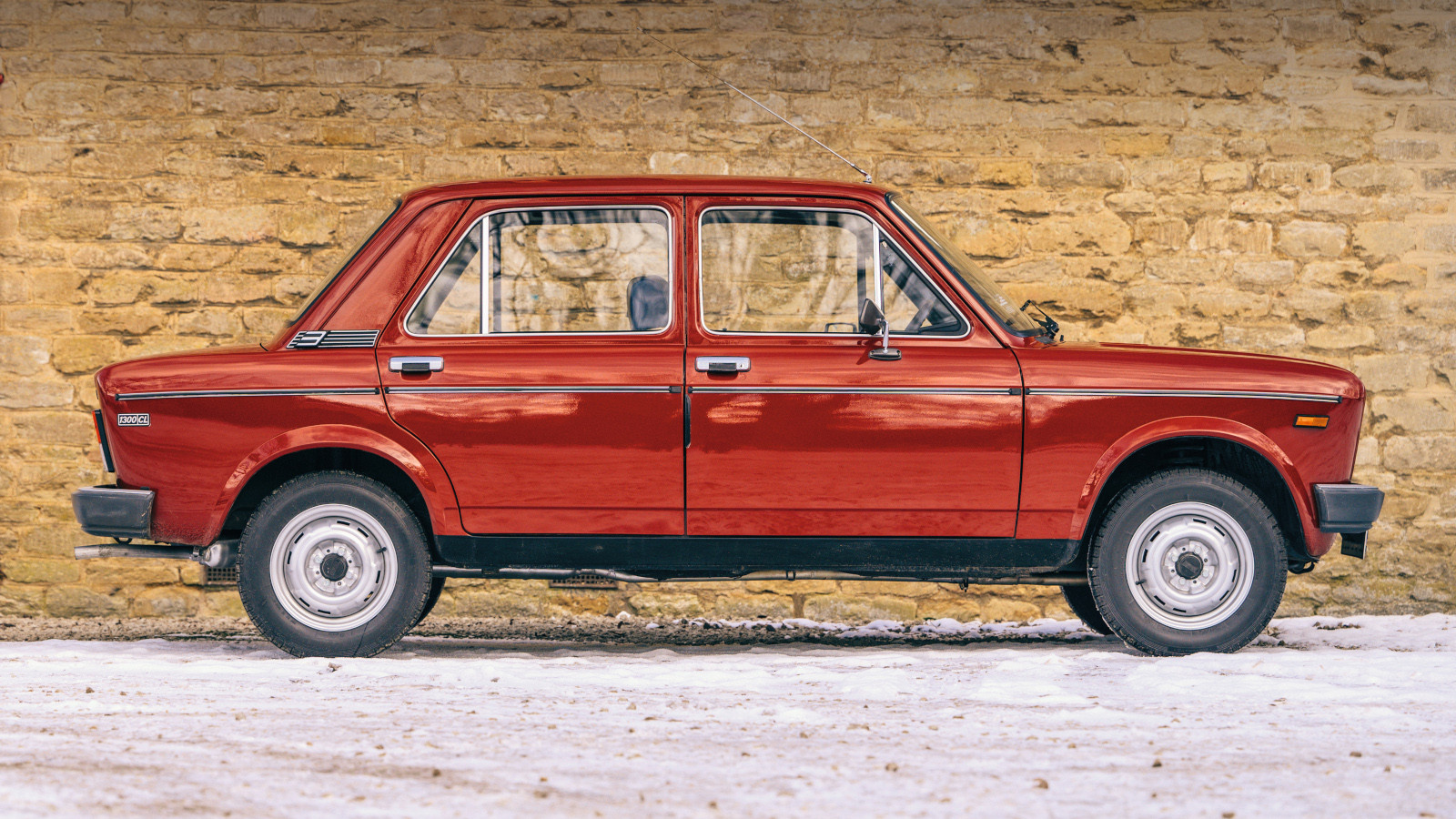
11. 1969 Fiat 128
In a remarkably productive period during which it also brought out the much larger 132 and the flagship V6-engined 130 executive model, Fiat introduced no fewer than four small cars in just three years.
The process began with the launch of the 128, a remarkably innovative model for its time due to its engine (a new overhead-camshaft unit which lasted nearly as long as the 100-series) being mounted transversely and driving the front wheels through a gearbox which sat beside it rather than, as in the by-now 10-year old Mini, underneath.
European journalists reacted extremely positively to the new car, awarding it 235 points in the 1970 Car of the Year award – far more than the 96 they gave to the second-placed Autobianchi A112, which itself used a great deal of Fiat technology.
The Fiat 128 was most commonly available as a three-box saloon or an estate, but it was also built as a coupé which looked far less closely related to the other versions than it actually was.
12. 1971 Fiat 127
Slightly smaller than the 128, the Fiat 127 represented a step backward from it in one sense (all early versions were powered by the old 100-series engine), an equal partner in another (front-wheel drive was standard) and a step forward in a third.
It was available with a hatchback body, which the 128 never was, and therefore qualifies as Fiat’s first supermini as the term is understood in the 21st century.
In terms of Italian production, the Fiat 127 went through three generations (an example of the second is pictured here) until 1983, and later models were given the new and more powerful Fiasa engine, though the 100-series survived in the range until the end.
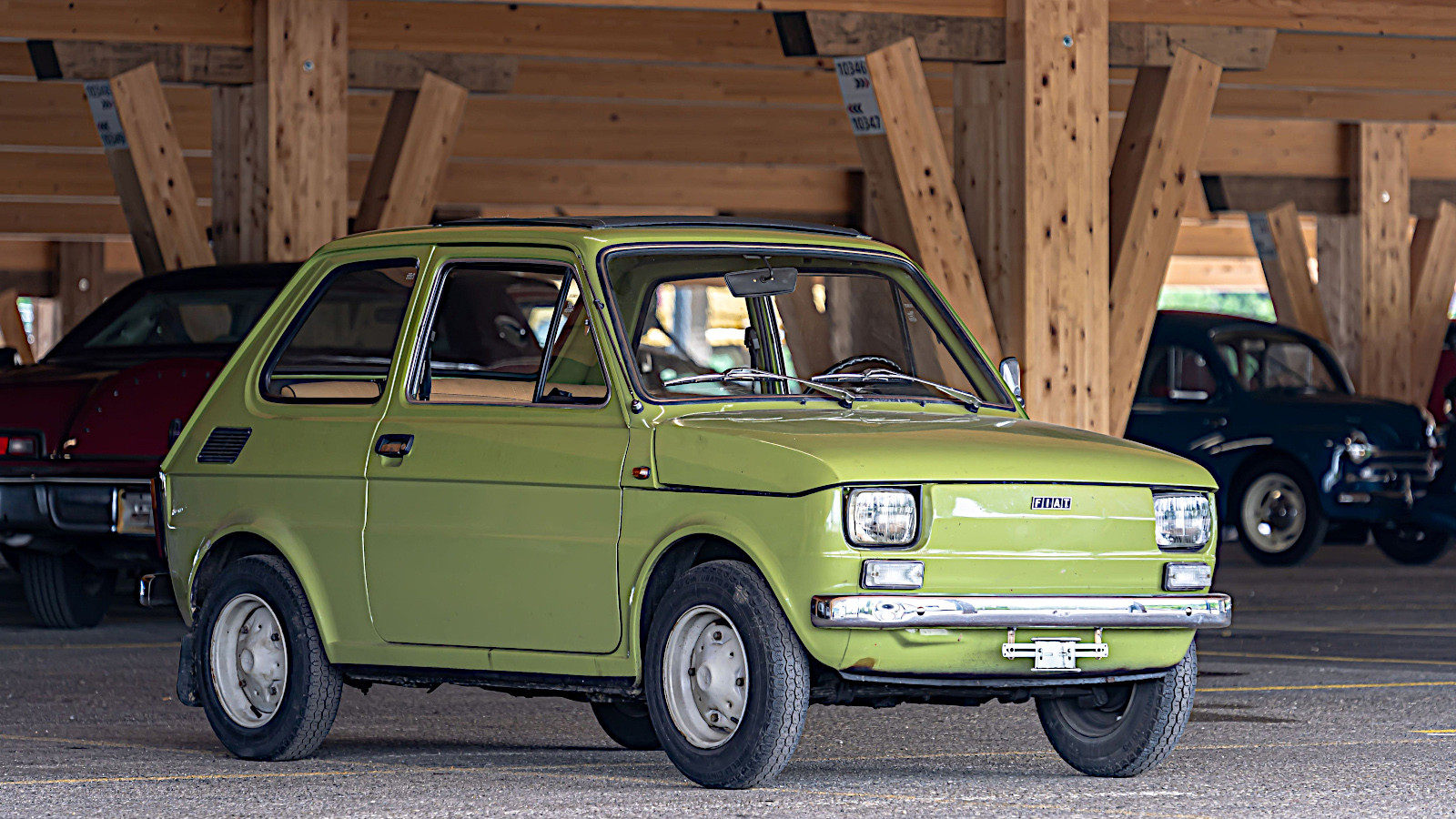
13. 1972 Fiat 126
The Fiat 126 was technically the replacement for the Nuova 500, though both cars were produced simultaneously for three years.
Mechanically, there were some similarities between the two cars, the most obvious being their shared use of a rear-mounted, two-cylinder engine.
In global terms, the Fiat 126 was not as successful as the 500, but it was a huge hit in eastern Europe, and in fact far more examples were built in Poland than in Italy.
Production there lasted until 2000, 28 years after the Fiat 126’s debut and long after it could have had more than a faint interest to buyers further west.
The 600 and the Nuova 500 are more likely to be thought of nowadays as being among the classic small Fiats, and were on the market for a long time by usual motor industry standards, but neither of them came close to matching the staying power of the 126.
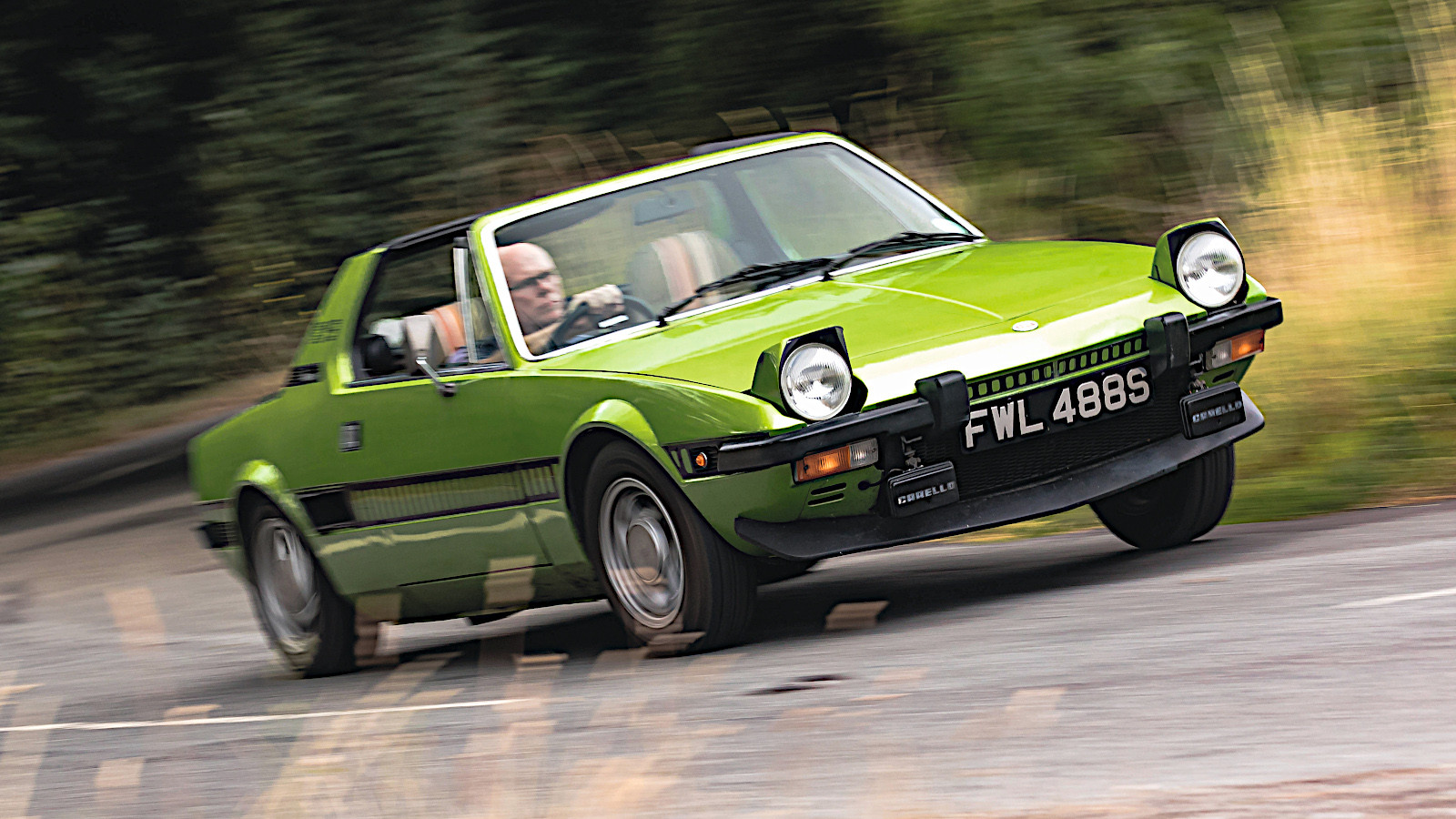
14. 1972 Fiat X1/9
Uniquely among the four small Fiats launched in the late 1960s and early 1970s, the X1/9 was a sports car intended primarily to provide driving pleasure.
Its design was only a few steps away from that of Bertone’s Autobianchi A112-based Runabout concept, which had made its public debut at the 1969 Turin motor show.
Both the concept car and the production model were mid-engined, which would have been a problem for Fiat only a few years earlier, but was now easily achieved by mounting the engine (1290cc at first, later 1498cc) and gearbox of the 128 on the rear axle rather than the front.
Later examples were badged Bertone X1/9, Fiat having decided to stop marketing the car after a full decade.
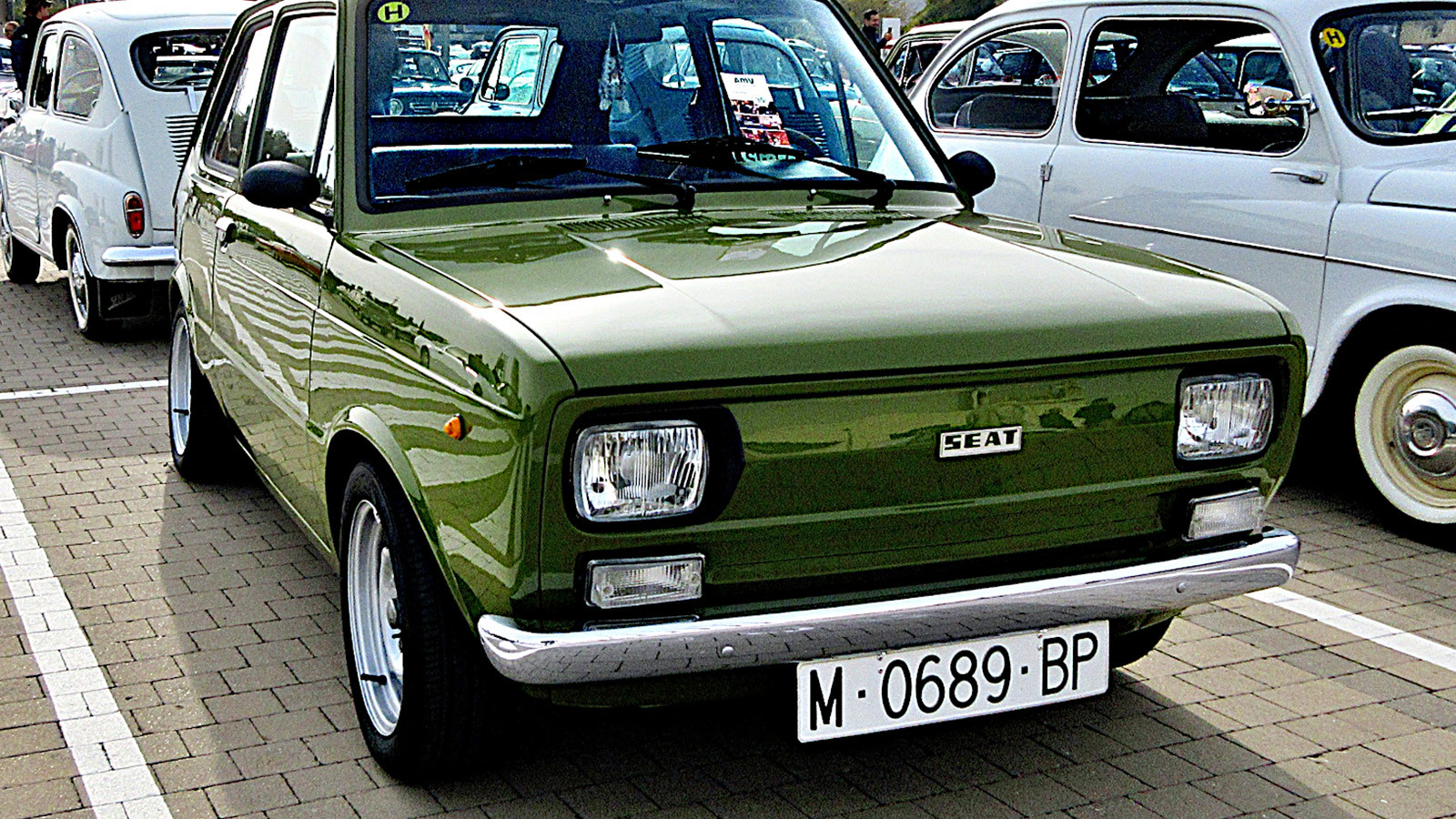
15. 1974 Fiat 133
It might have looked like a mash-up of a 126 and a 127, but the Fiat 133 had very little to do with either, and wasn’t really a Fiat at all.
It was actually developed by Seat, though like all the Spanish marque’s vehicles of the time it was heavily reliant on Fiat technology.
The technology in this case was from the rear-engined Seat 850 (the local version of the Fiat 850), which the Seat 133 pictured here replaced.
Seats were marketed in far fewer countries in the 1970s than they are today, and in countries where they were unknown the car was badged as the Fiat 133.
Seat chose film star Ursula Andress as an ambassador for the car, which she drove regularly while living in Ibiza.
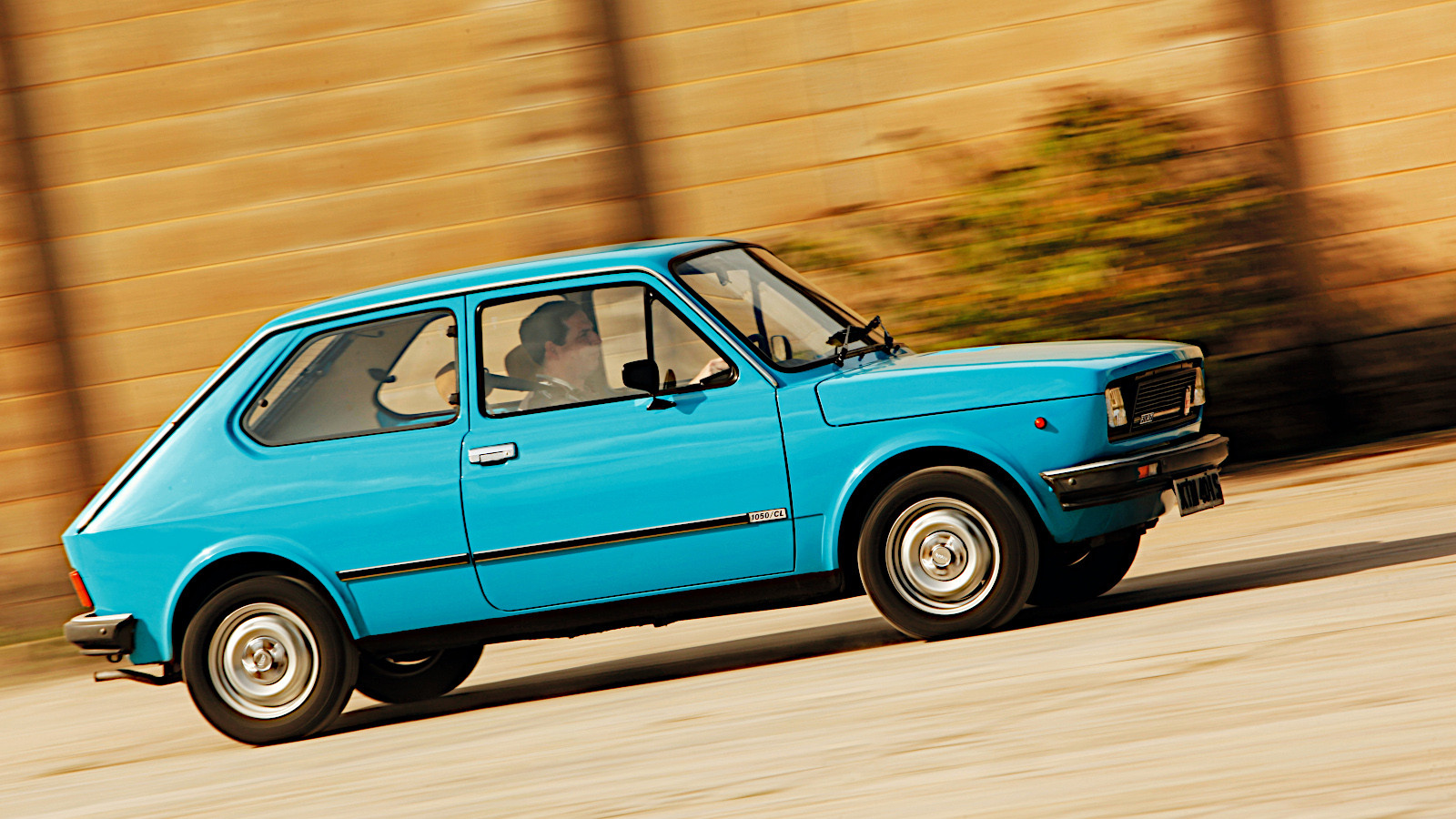
16. 1976 Fiat 147
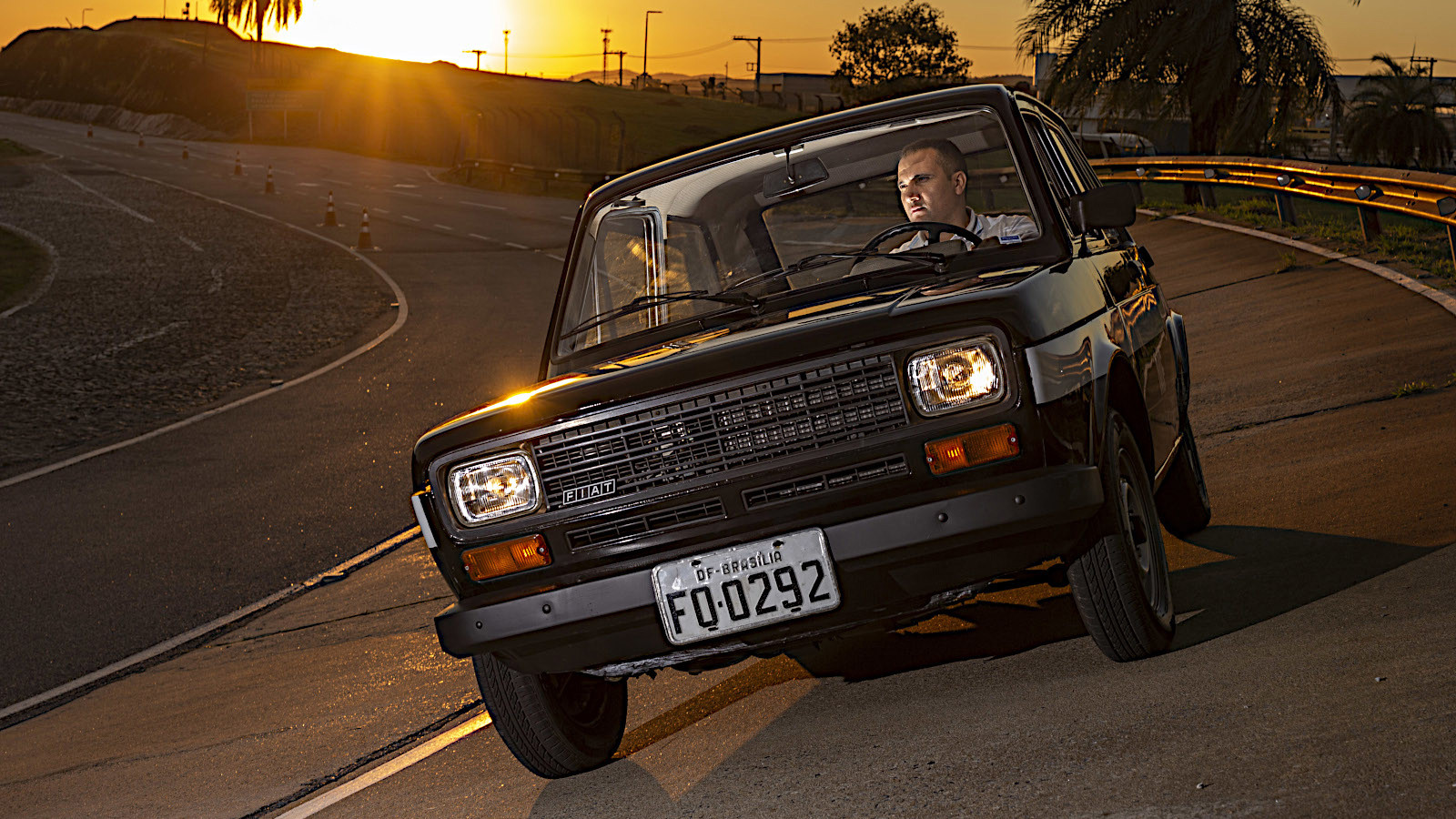
The Fiat 147 was the South American version of the 127, manufactured mostly in Brazil but to some extent elsewhere on the continent, too.
Early versions were powered either by the usual 100-series engine or by the larger Fiasa unit, which had not previously been used in any Fiat and would only later feature in the 127.
In July 1979, the 147 became the first mass-produced car with the option of being fuelled by ethanol, which was so much cheaper than petrol in Brazil that running costs improved greatly, even though consumption was significantly higher.
Unlike the 127, the Fiat 147 was available as an estate car known as the Panorama, and also with another body style which we’ll be investigating shortly.
17. 1980 Fiat Panda
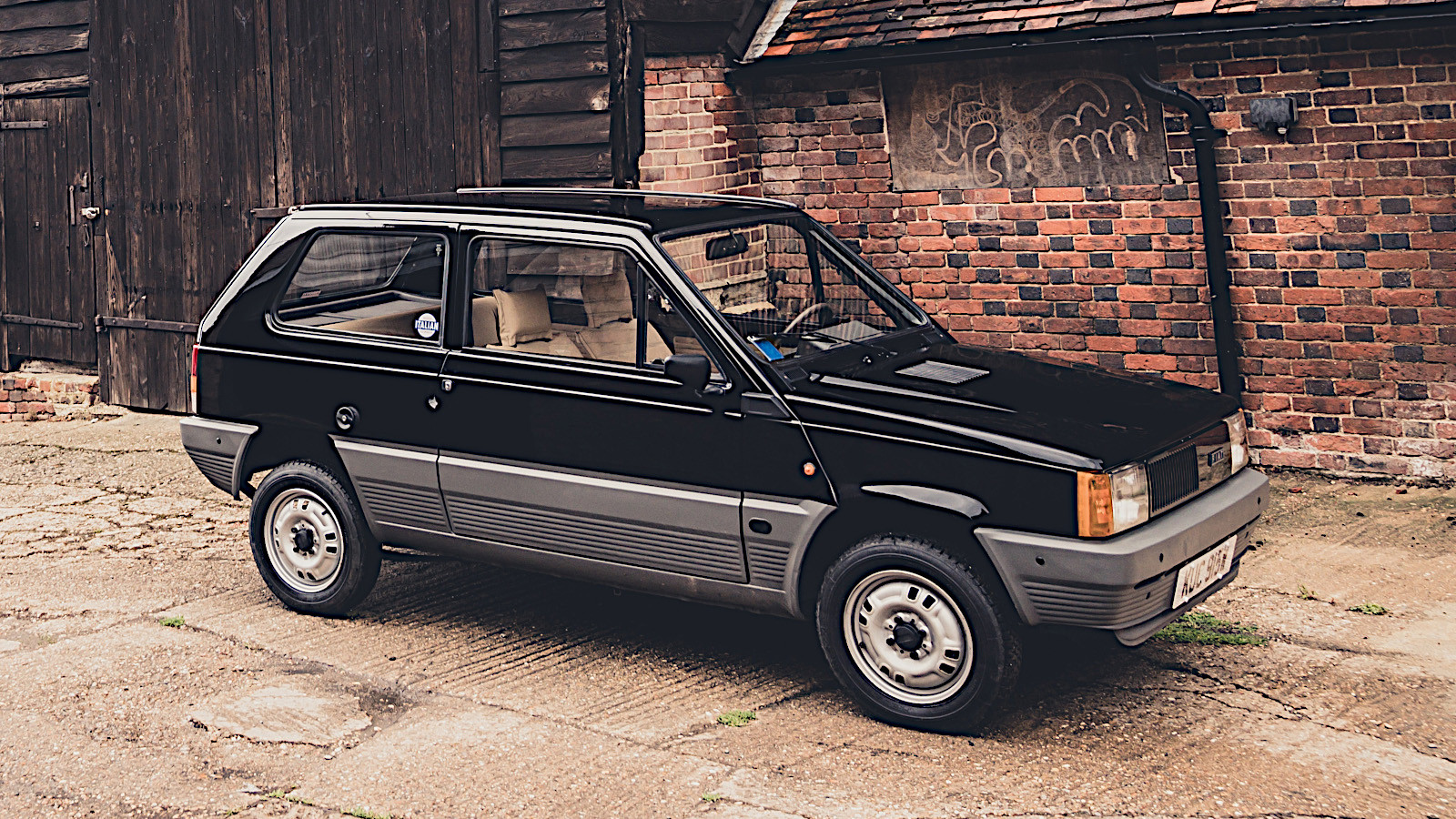
The Fiat Panda was a cheap and, deliberately, an extraordinarily basic car for the 1980s, and one that might not have come as a big shock to a Nuova 500 buyer if it had been possible to transport it back through time to 1957.
There was nothing even approaching a high-performance or luxury version, though there was an outlier in the range in the form of the Fiat Panda 4x4, which was far more capable off-road than it looked as if it should be.
An EV derivative called the Panda Elettra was produced in the 1990s, but the technology was still too young (or, as it might have been considered at the time, too old-fashioned) to be suitable for most buyers.
There have been more generations of Fiat Pandas, but the first is the only one which qualifies for mention here under our ‘not after 2000’ rule, because its maker saw no reason to replace it until 2003.
18. 1983 Fiat Oggi
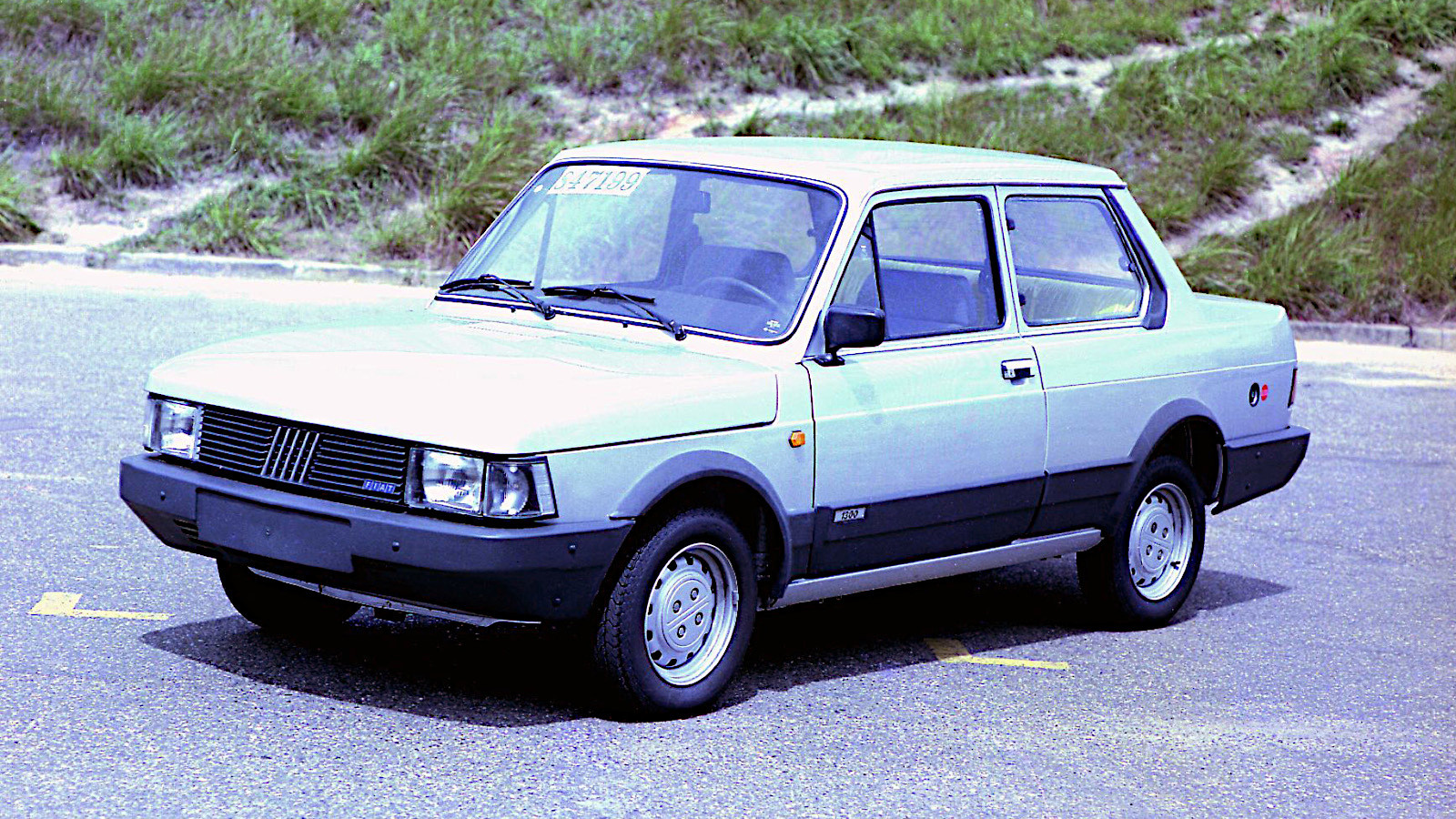
Very late in the life of the 147, and three years after the introduction of the Panorama estate, Fiat’s South American operations launched the related Oggi, whose name is the Italian word for ‘today’.
The Oggi was a two-door, three-box saloon (a body style Fiat never used for the parent 127 in Europe), and was available with both petrol- and ethanol-fuelled versions of the Fiasa engine.
The Oggi and Panorama were both discontinued around the time the Fiat Uno began to be manufactured in South America in 1985.
In that case, too, different body styles were given different names which themselves varied depending on which country the cars were being sold in, the two-door saloon being marketed as the Duna or Prêmio and the estate as the Duna Weekend or Elba.
19. 1983 Fiat Uno
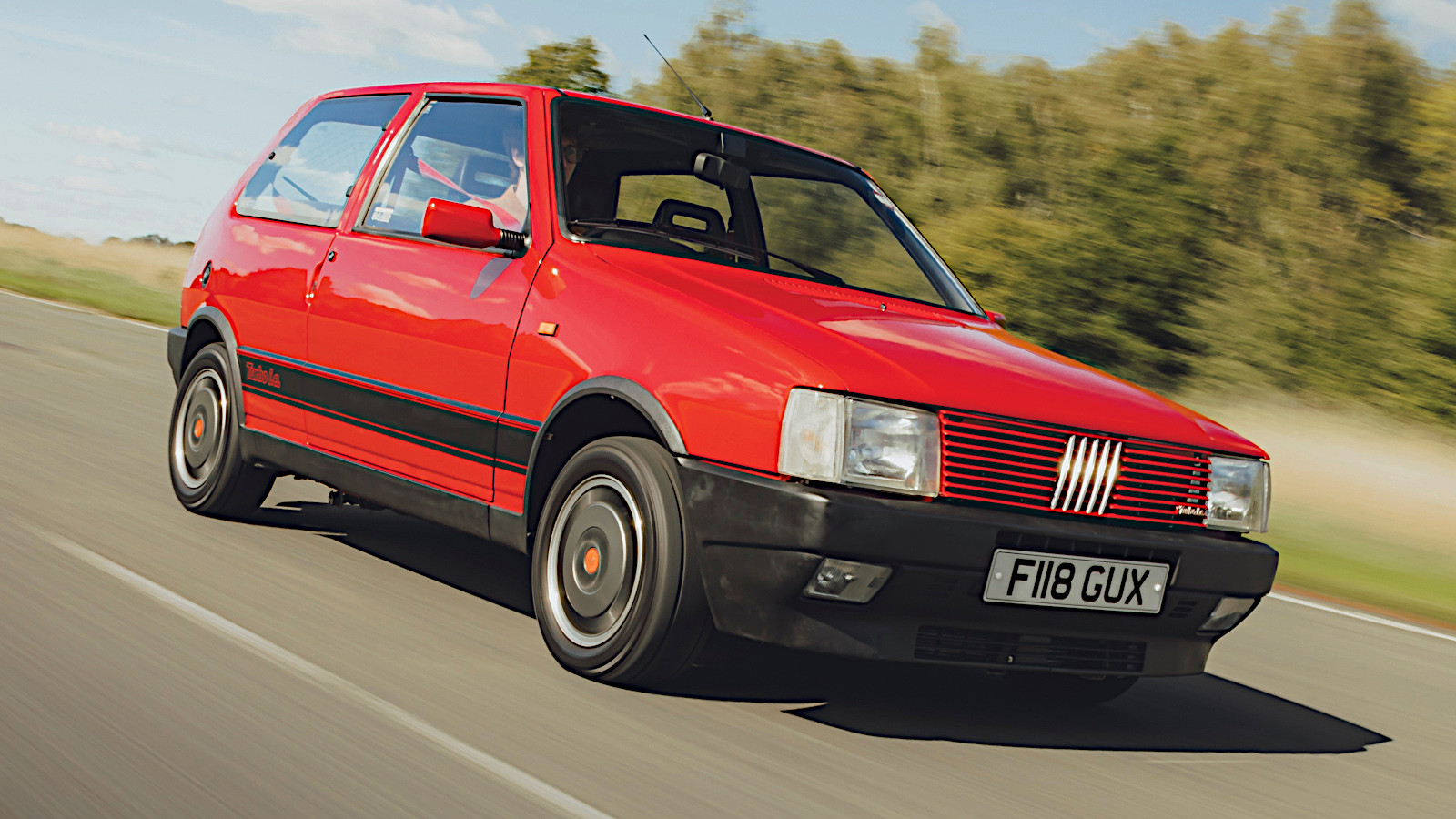
The replacement for the 127, and the fourth Fiat to win Europe’s Car of the Year award, had something of the flat-panel, straight-edge look of the Panda, though this was a styling decision rather than an attempt to keep costs as low as possible.
Available in almost every case as a three- or five-door hatchback (though a van derivative was also offered), the Fiat Uno was primarily an everyday supermini, but the turbocharged version pictured here, powered at first by a 1.3-litre engine and later by a 1.4, was a very potent little hot hatch.
European production came to a complete halt in 1995, but the Brazilian version (latterly known as the Mille) kept going until 2013, three years after the arrival of a South American second-generation Uno.
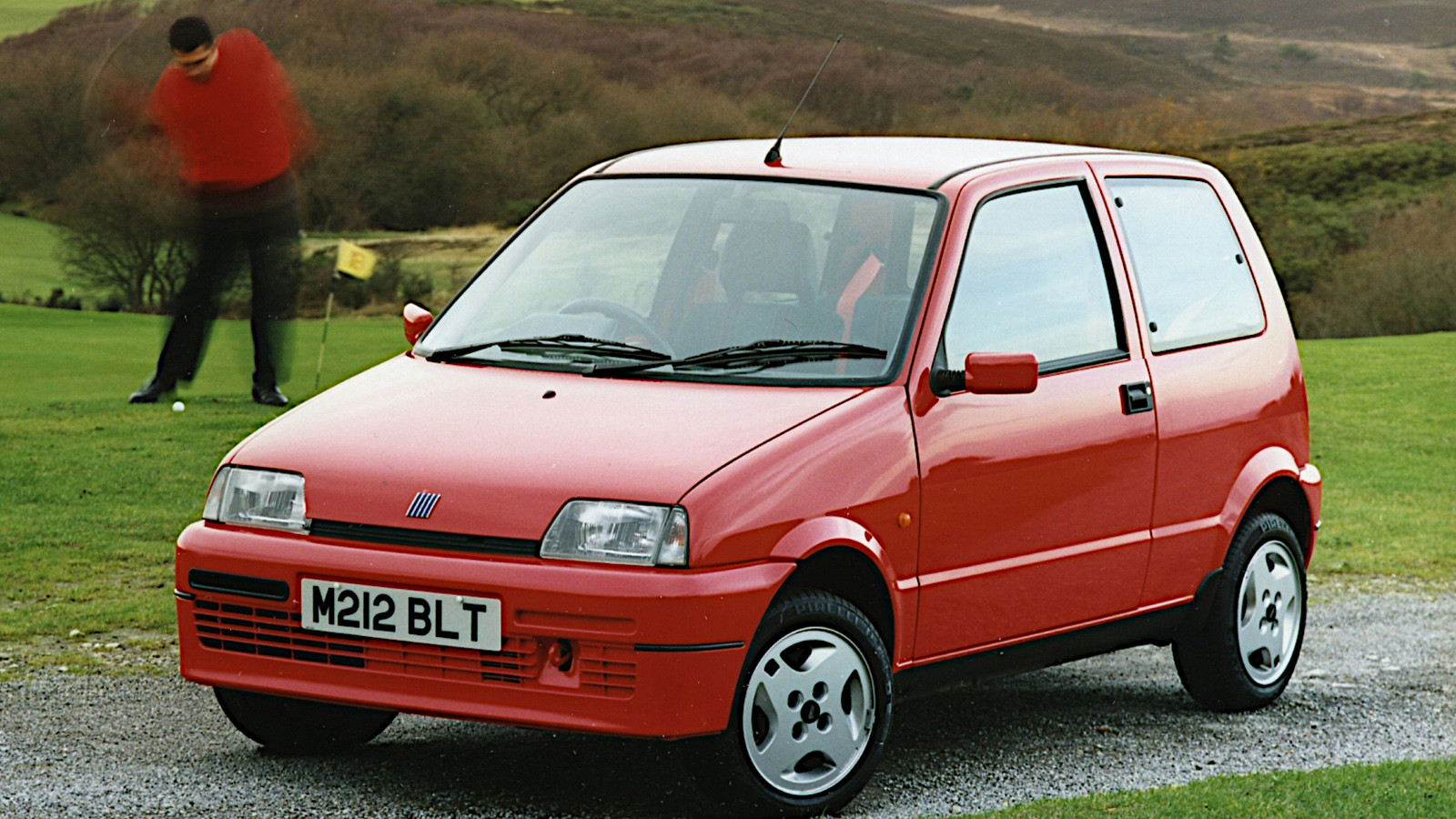
20. 1991 Fiat Cinquecento
Although Cinquecento was a new name in most markets, it is simply the Italian word for ‘five hundred’, and is therefore what Italians had previously called the Topolino and Nuova 500.
Like those cars, the Cinquecento was very small and quite basic, appealing to customers who either couldn’t or didn’t want to pay much for a new car.
The largest engine offered, measuring 1.1 litres, was used in the Sporting (pictured) which, in modified form, was a very popular low-cost rally car in several parts of Europe.
Every Cinquecento was built at the Tychy plant in southern Poland, which had been established in 1975 for the production of Fiat 126s.
In total, 1,164,525 Cinquencentos were built there from 1991 to 1998, 205,296 of them in the peak year of 1996.
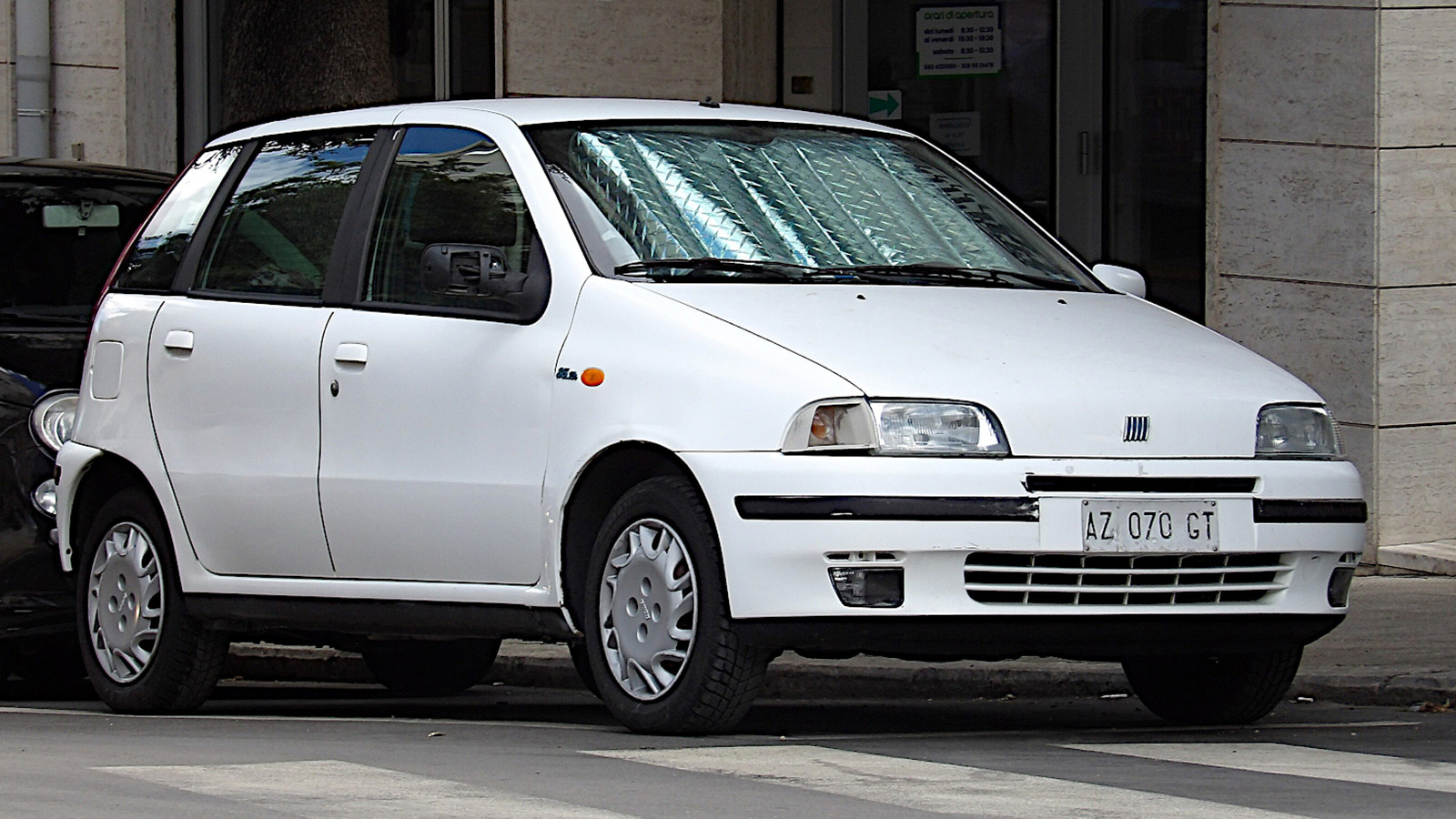
21. 1993 Fiat Punto
After 10 years, the Fiat Uno was replaced by the slightly larger Punto supermini, which had a broadly similar shape but far more rounded edges, and was notable – at least in hatchback form – for its high-level rear light clusters.
Hatchbacks could have three or five doors, and the range also included both a convertible and a van.
Diesel versions of the Fiat Punto were available with or without turbocharger, the Selecta had a continuously variable transmission (CVT), while the high-performance GT had a 1.4-litre, turbocharged, petrol engine which produced more than 130bhp.
The second generation arrived in 1999, followed six years later by a third which Fiat persevered with until 2018.
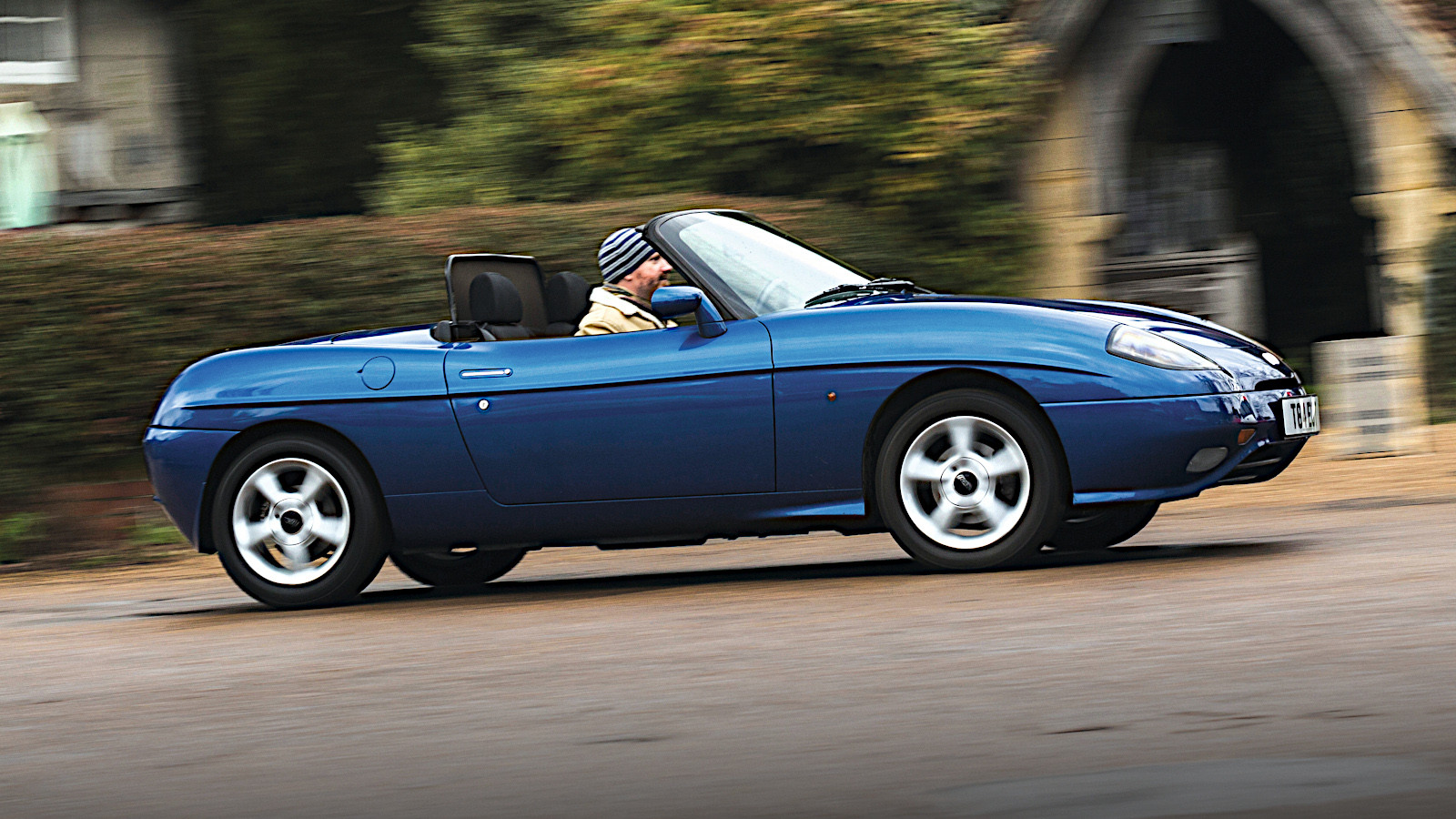
22. 1995 Fiat Barchetta
Only the second small Fiat designed specifically as a sports car, and therefore a delayed successor to the X1/9, the Barchetta was based on a 17cm (6.7in) shorter version of the platform used for the first-generation Punto.
It was therefore front-wheel drive, which seemed unusual for a two-seat roadster, but because the technology was already there, this would have been a more cost-effective approach than creating a mid-engined car or, as in the case of the rival Mazda MX-5, one with a front-mounted engine and rear-wheel drive.
Its engine could also be found in the Punto range, since it was the 1747cc, petrol-fuelled, four-cylinder member of the new Pratola Serra family, producing around 130bhp.
The Fiat Barchetta was revised in 2003 and discontinued two years later, after 57,000 units had been built.
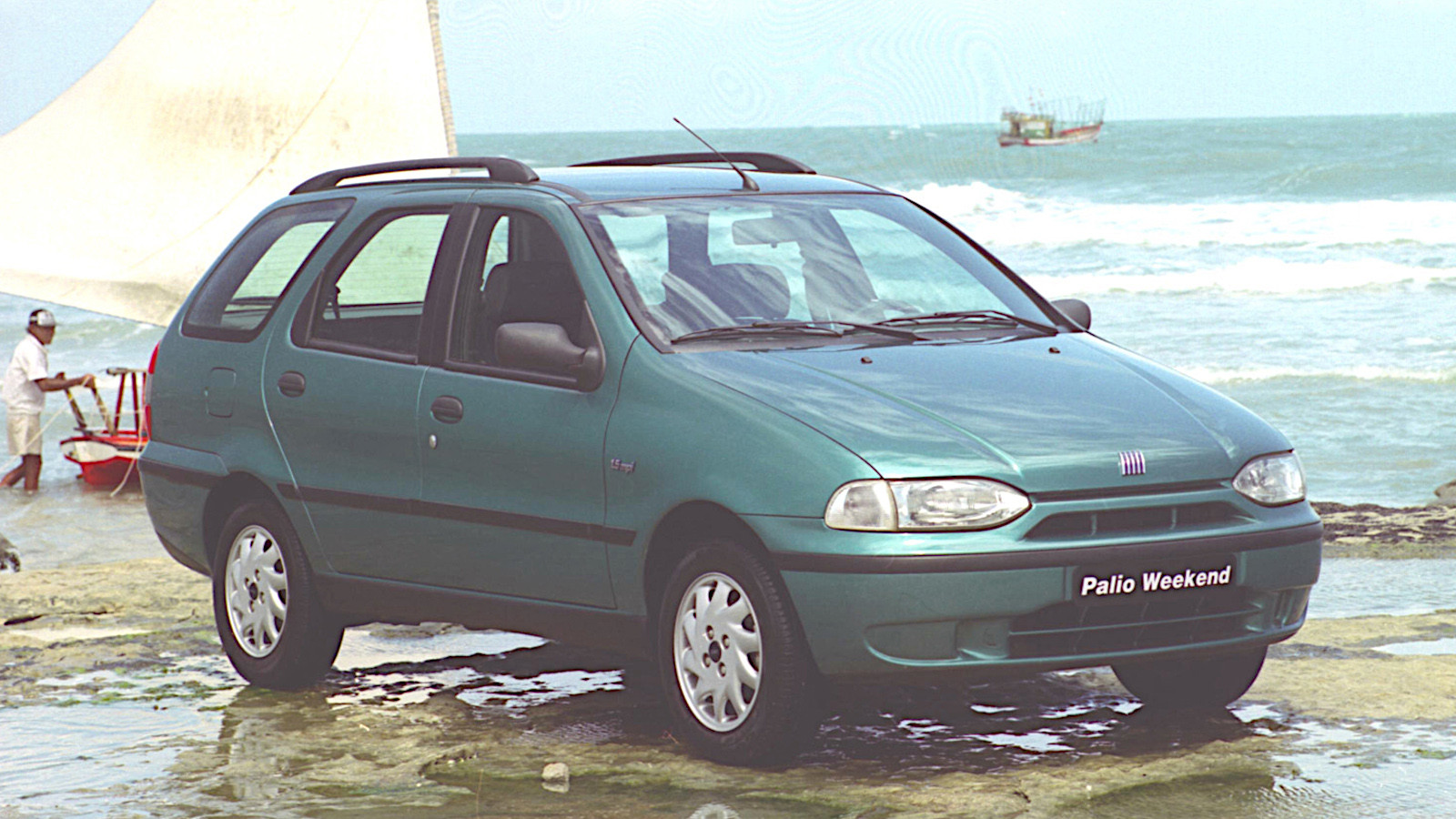
23. 1996 Fiat Palio
Based on the Fiat Uno, the Palio was intended as a world car which could be – and indeed was – manufactured in a wide variety of locations around the globe, though not in Italy.
In its original form, it was a hatchback with either three or five doors, but it also became available as an estate (the Palio Weekend, pictured here), a saloon (the Siena) and a pick-up truck (the Strada).
Later developments would include an electric version, and derivatives homologated for use in international motorsport.
A second generation was introduced in 2011, and continued until 2017.
The majority of Fiat Palios were built in Brazil, where production is reported to have exceeded 200,000 units in some years.
24. 1997 Fiat Seicento
The Fiat Cinquecento was replaced in 1997 by the very similar Seicento, the Italian word for 600, a nameplate which once again recalled a much earlier model.
Production remained at Tychy, and reached 1,328,973 units (with a peak of 253,345 in 1999), though it faded away gradually as other models became more popular, and ended in 2010.
Following the long tradition of small Fiats, inexpensive transport was the main point of the Seicento, with little consideration for high performance.
That said, there was a Sporting version, and even a Michael Schumacher special edition honouring the then Ferrari Formula One driver.