City chic
In their attempts to find an attractive and appealing model name for their latest vehicle, car manufacturers (usually but by no means always based in North America) have often chosen ones shared with cities located in the United States.
From a long list of possibilities, we’ve chosen 23 examples, which are presented here in alphabetical order.
All of them were in production by 2010, and in many cases much earlier, but we should note that the trend has continued since then with, among others, the Chevrolet Menlo and the perhaps less well-known Vanderhall Carmel.
It’s true that the direct reference might occasionally be to something which is also named after a city without actually being one, and we’ll make that clear each time the matter arises, but as long as there is a link between the names of the cars and the cities in the USA, we consider that to be acceptable.
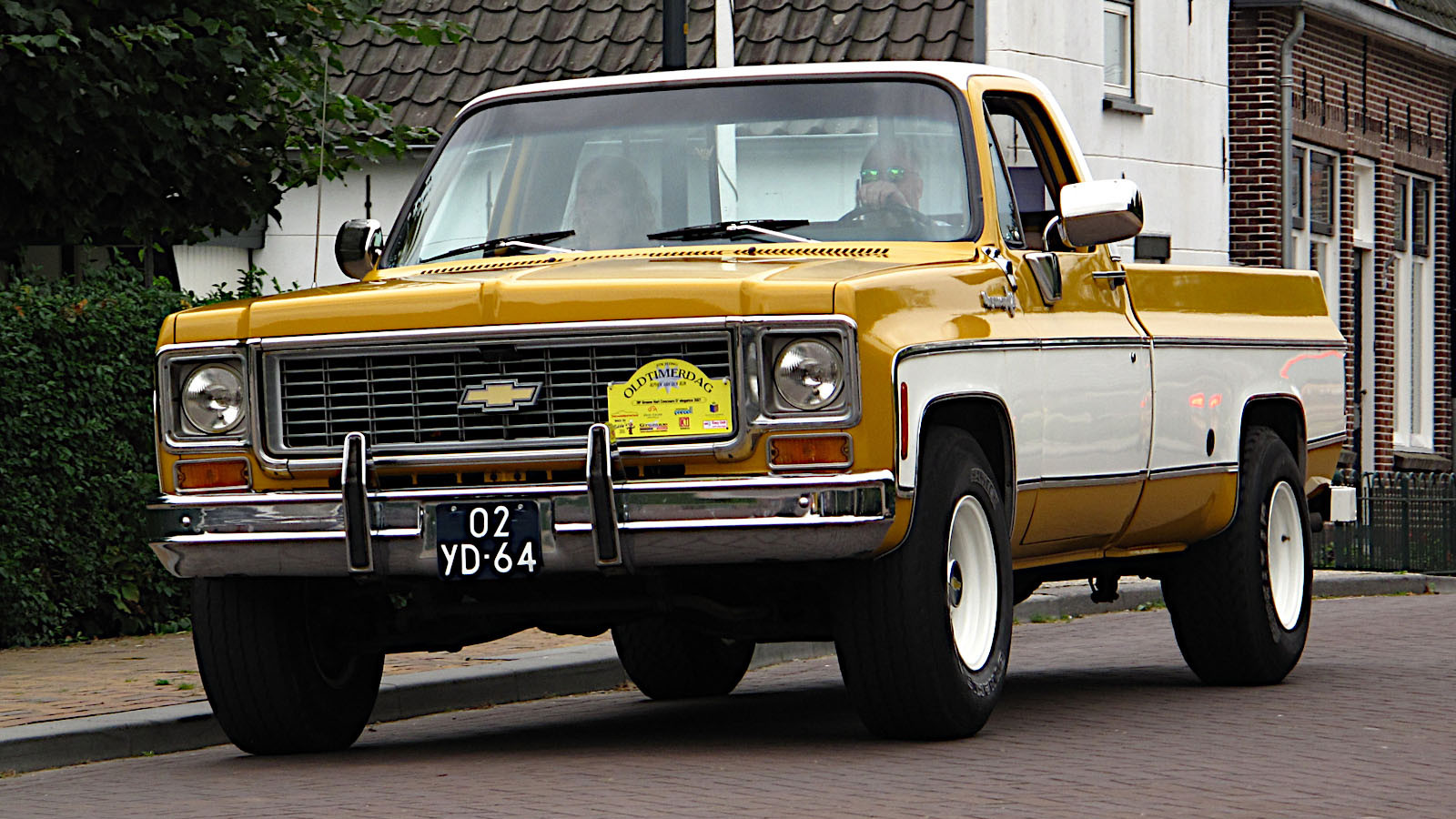
1. Chevrolet Cheyenne
Chevrolet has applied the Cheyenne name to pick-up trucks three times – once for a member of the C/K range in the 1970s (pictured), once for a 2003 concept vehicle and once in Mexico for the truck sold elsewhere in North America as the Silverado.
American Motors Corporation (AMC) used this name even earlier for a version of its Rambler Classic station wagon, but because this only ever existed as a concept and did not lead to a production model, AMC was not in a position to complain, even it wanted to, about one of its rivals adopting the moniker Cheyenne for its own purposes.
Cheyenne is the capital of, and most populous city in, the state of Wyoming, and also the county seat of Laramie County.
Laramie is also a city in Wyoming, but it is located in Albany County.
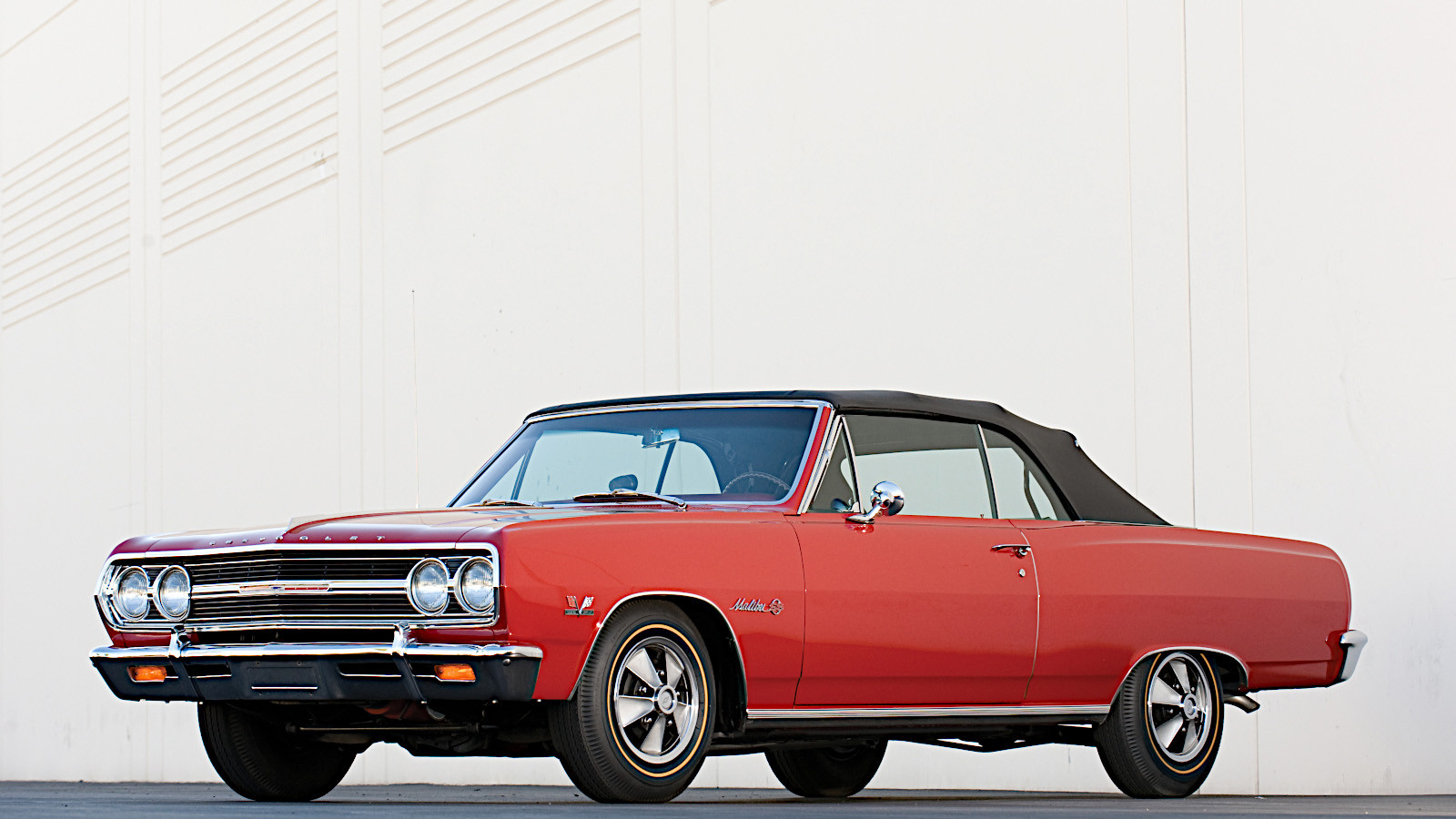
2. Chevrolet Malibu
The Chevrolet Malibu started out in the 1964 model year as a sub-series of the Chevelle (1965 convertible pictured), and did not become a model in its own right until the fourth generation, which began in 1978.
After a gap of more than a decade, the Malibu name returned in 1997, and went out of production in its ninth generation in November 2024, by which time it had become the only General Motors sedan sold in North America.
Famous for its glamorous and expensive ocean-facing houses, Malibu is a Californian city close to, but not part of, the much larger city of Los Angeles, and is located in Los Angeles County.
Malibu suffered terribly in the Palisades Fire which raged for most of January 2025, with nearly 16,000 acres of land destroyed and more than 60,000 people evacuated, according to The Malibu Times, within 36 hours of the fire starting.
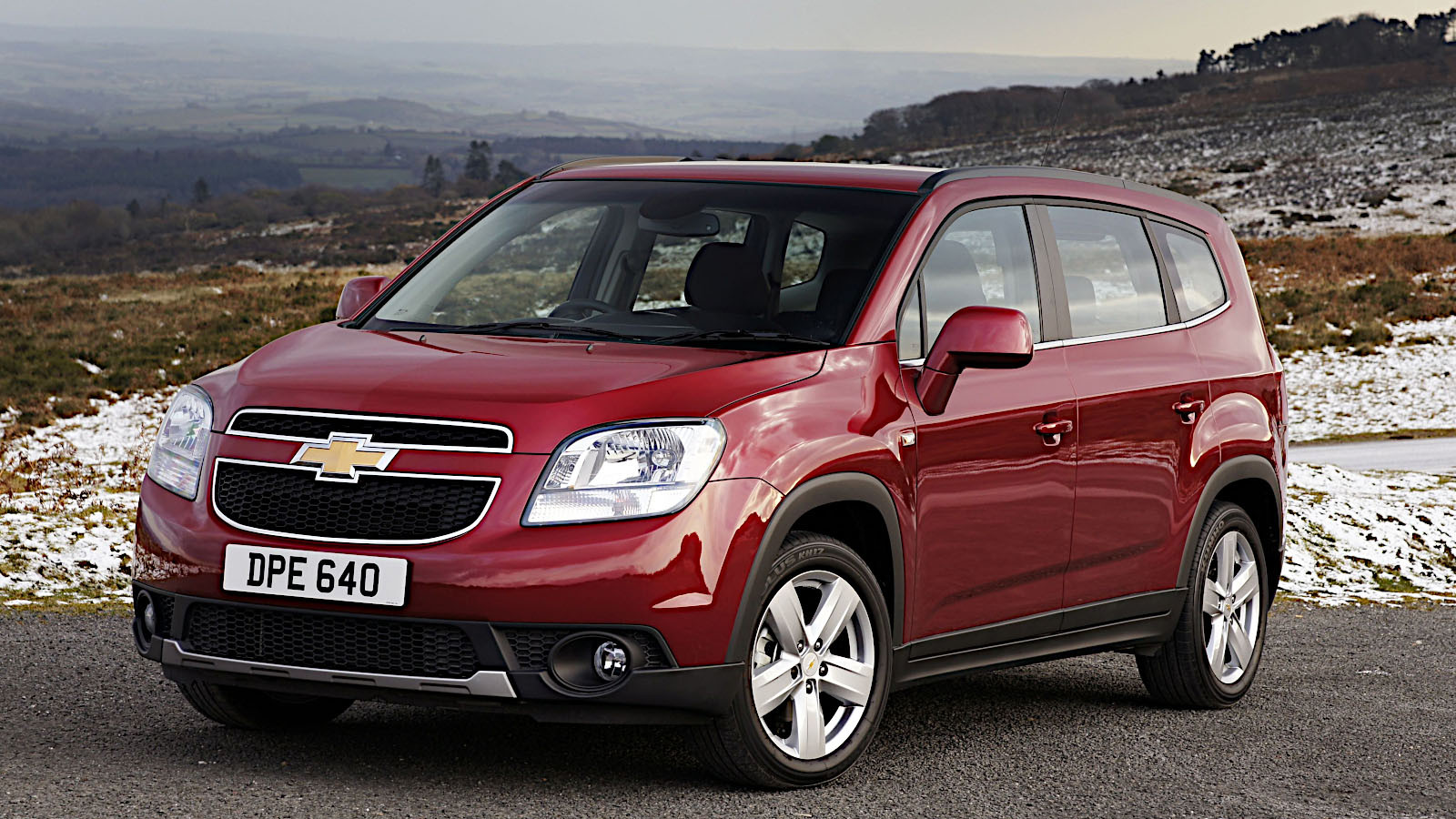
3. Chevrolet Orlando
The newest vehicle on this list, a compact MPV with up to seven seats, was revealed to the public in 2010 and went into production in the same year at the GM Gunsan plant in South Korea, which also supplied parts for assembly in other countries such as Venezuela and Vietnam.
It was not sold in the USA, though a moderate number of examples found owners in Canada.
The second-generation Orlando, which arrived in 2018, was produced in Shenyang, China, and sold only in that country.
Orlando – where, ironically, it has never been possible to buy a Chevrolet Orlando – is in central Florida and, according to a 2023 report, is the fourth most-visited city in the US, behind New York, Miami and Los Angeles, but ahead of San Francisco, Las Vegas and Washington DC.
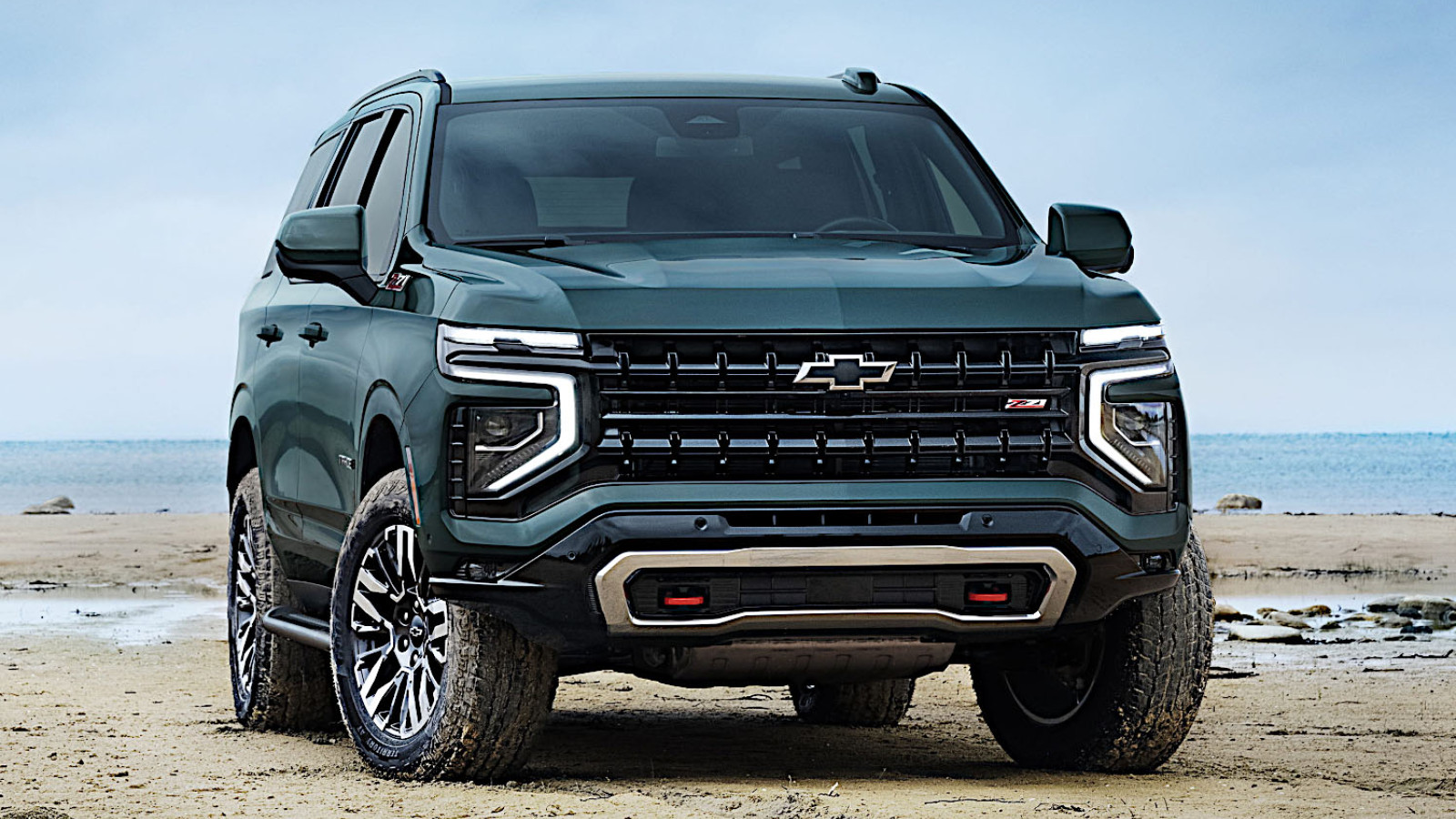
4. Chevrolet Tahoe
The first Chevrolet Tahoe, introduced in the 1995 model year, was simply a rebadged K5 Blazer SUV, with the addition of a four-door body style, to sit alongside the original, shorter, two-door body.
The Tahoe has remained in production for more than 30 years, the fifth generation (pictured) arriving in 2020.
Its name is commonly associated with Lake Tahoe in California, but there is also a city called South Lake Tahoe located – reasonably enough – at the south of the lake, and a Tahoe City (which, confusingly, is actually a town) about three-quarters of the way up its western shore.
For the sake of completeness, we should add that GMC’s equivalent of the Tahoe is called the Yukon, which is the name of the smallest but most highly populated of Canada’s three territories.
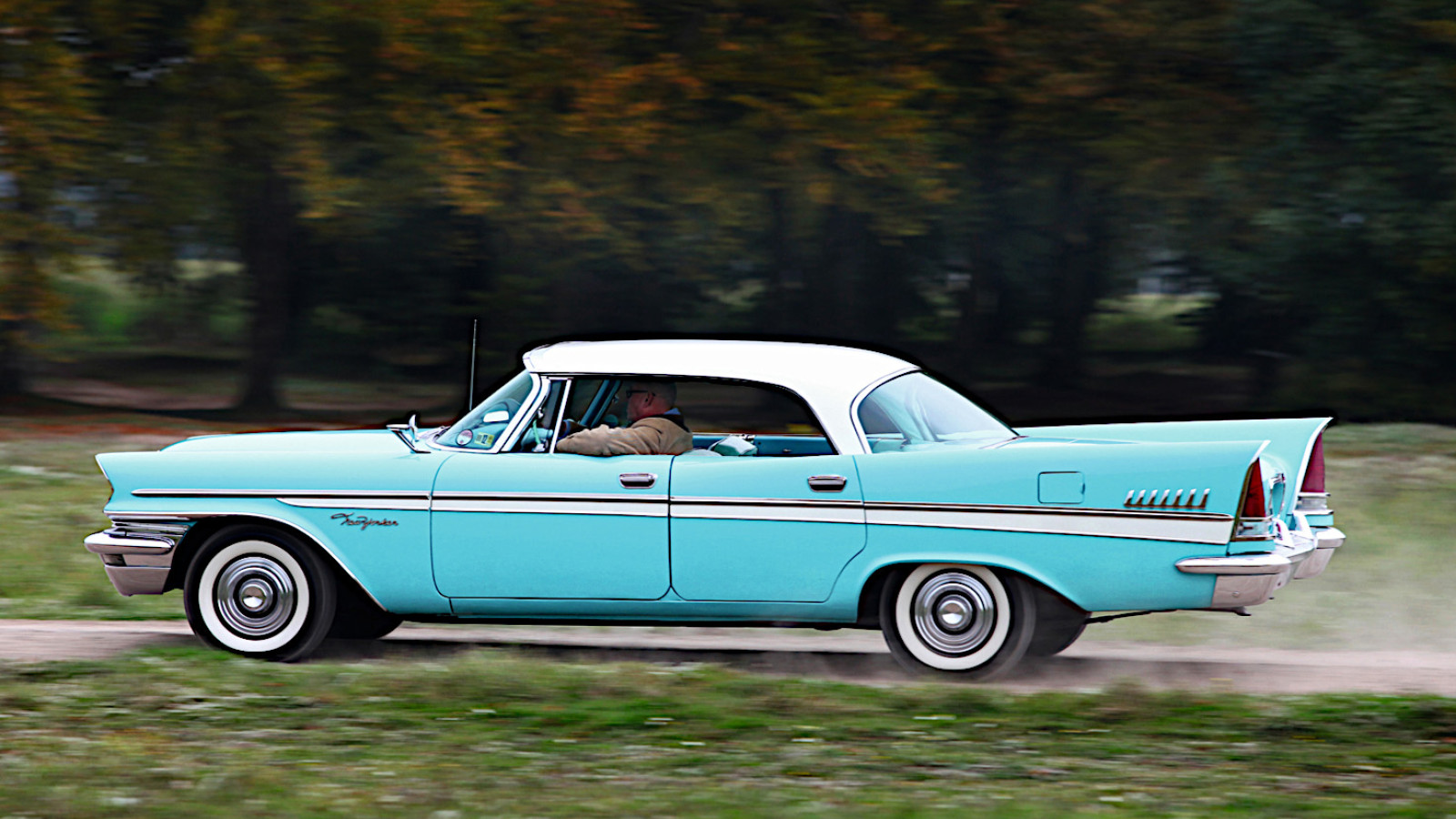
5. Chrysler New Yorker
The Chrysler New York Special of 1938 was a derivative of the luxurious Imperial.
The name quickly evolved into New Yorker, and from 1940 onwards it was applied to a separate model, available in that year with coupe and convertible bodies.
Except during the years when the US was involved with, or recovering from, the Second World War, Chrysler continued producing generations of New Yorker (1957 model pictured here) all the way until 1996.
The reference is obviously to the city – but not the state, which doesn’t count here – of New York, by far the most populous in the USA.
On several occasions Chrysler emphasised the connection by using the name Fifth Avenue, arguably the city’s most famous street, for particularly high-level versions, and for a few years dropped the New Yorker name entirely for these cars.
6. Chrysler Newport
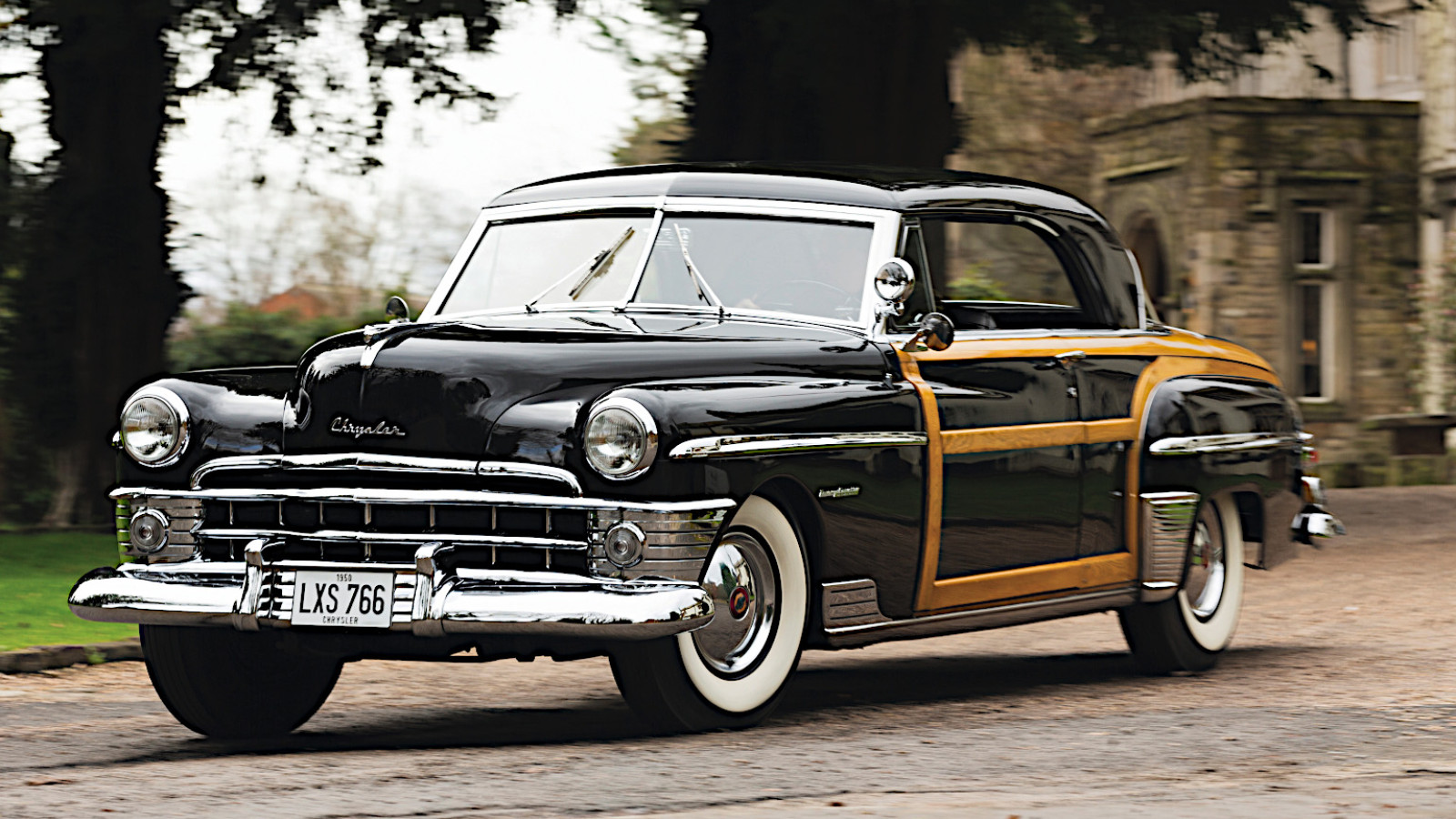
Chrysler first used the Newport name in 1940 for a very small series of utterly glamorous show cars (one of which was owned by the similarly glamorous actress Lana Turner), and then to denote two-door, hardtop versions of other models such as the 1950 ‘woodie’ Town and Country pictured here.
From 1961 to 1981, Newport became a model name in its own right, and was generally applied to relatively inexpensive cars with lower levels of standard equipment than other Chryslers, which could be why Lana Turner is not known to have owned any of them.
More than half of US states, ranging alphabetically from Arkansas to Wisconsin, contain places called Newport, though not all of them are cities, the one in Rhode Island being among the exceptions.
There are also places called Newport in Australia, Canada, Ireland and the UK, and – if we’re going to stretch the definition of ‘place’ to breaking point by including craters – on Mars.
7. Chrysler Sebring
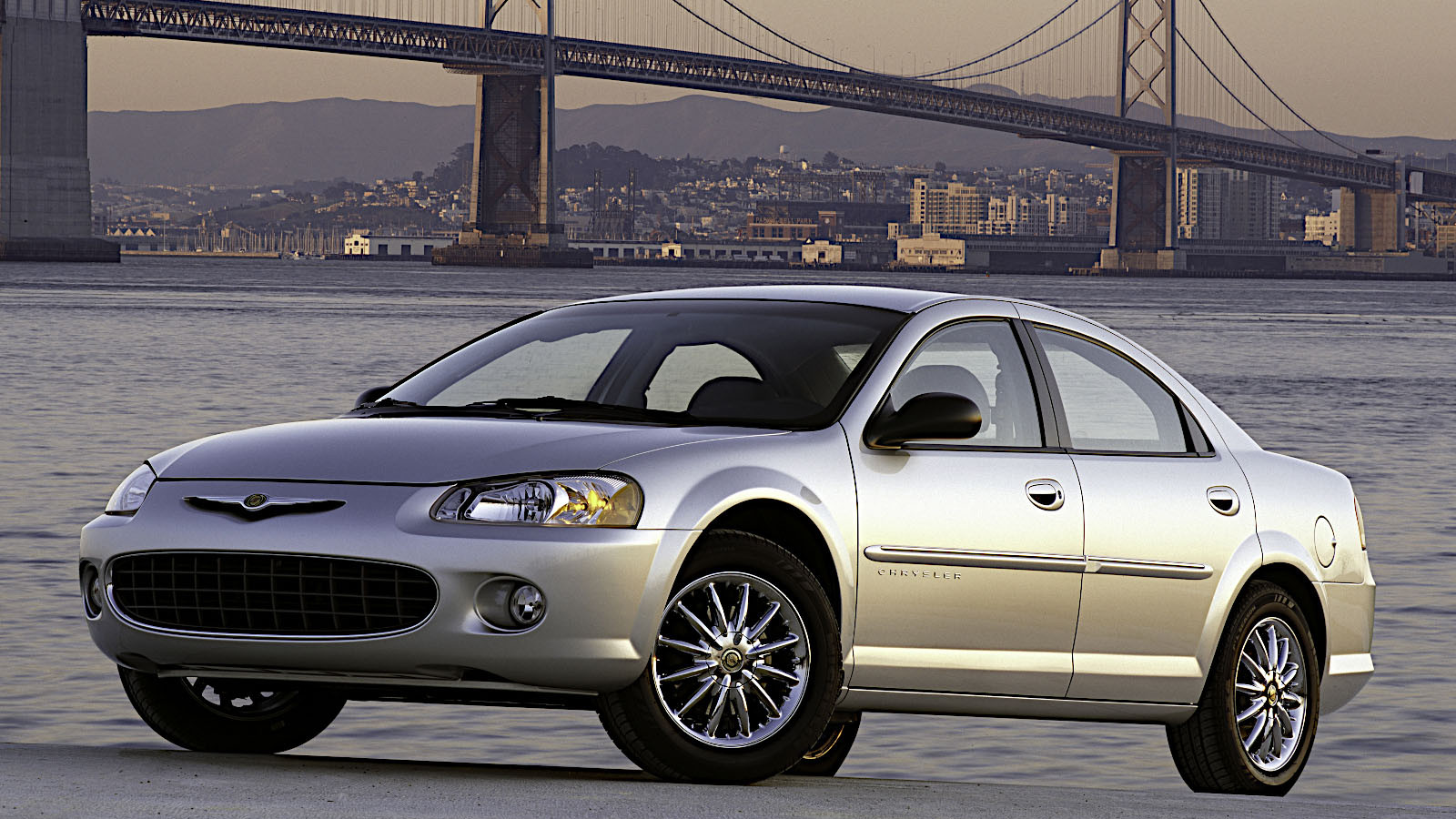
The Sebring was launched in 1995 and went through three generations – all of them with both solid-roof and convertible body styles (2003 sedan pictured) – until 2011, when it was updated and renamed Chrysler 200.
Chrysler had previously used the name in the 1970s, not for a stand-alone model, but for a version of the Plymouth Satellite, Plymouth being a marque which Chrysler had created in 1928 and discontinued in 2001.
Sebring is a city in Florida founded in 1912 by George Sebring, an Ohio businessman who moved south after selling his company.
In motoring (and, particularly, motorsport) circles, Sebring is best known for the nearby race circuit which has hosted a 12-hour endurance sports-car event almost every year since 1950 and has, as we’ll see, been the inspiration for the names of cars built by manufacturers other than Chrysler.
8. Dodge Aspen
Aspen is the county seat of Pitkin County, Colorado, which was reputedly named after the aspen trees that grow in large numbers in that part of the world.
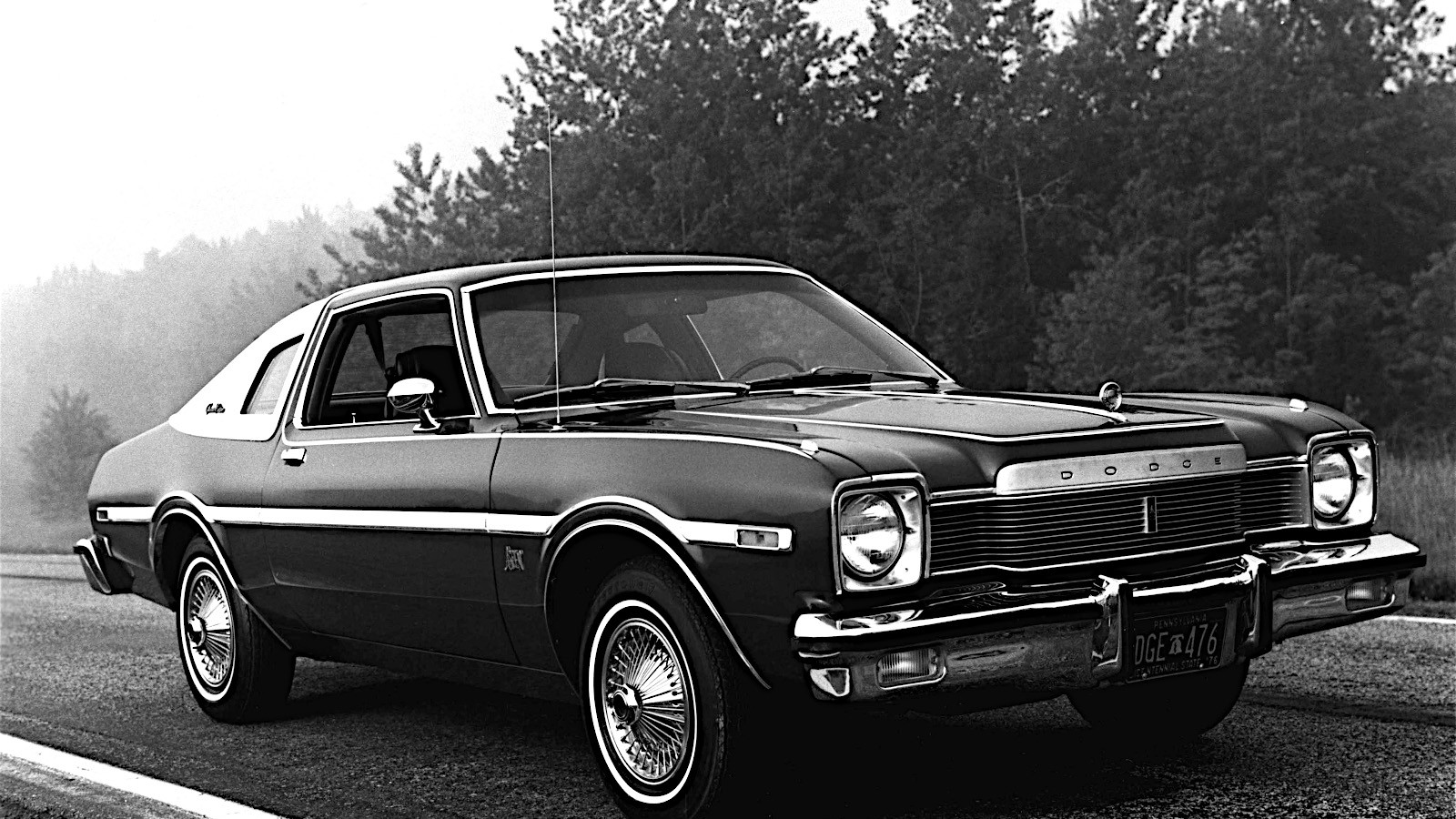
The Dodge Aspen (1976 two-door coupe pictured) is therefore one of the few cars in motoring history to share its name with a plant.
Along with its Chrysler counterpart, the Volare, it was produced from 1976 to 1980, and quickly developed a reputation for unreliability, leading to numerous recalls.
The later Chrysler Aspen, a variant of the Dodge Durango, was a large and powerful luxury SUV launched in 2007.
A combination of rising fuel prices and a global financial crisis rapidly made this model extremely unappealing to customers, and production came to an end during the 2009 model year.
9. Dodge Dakota
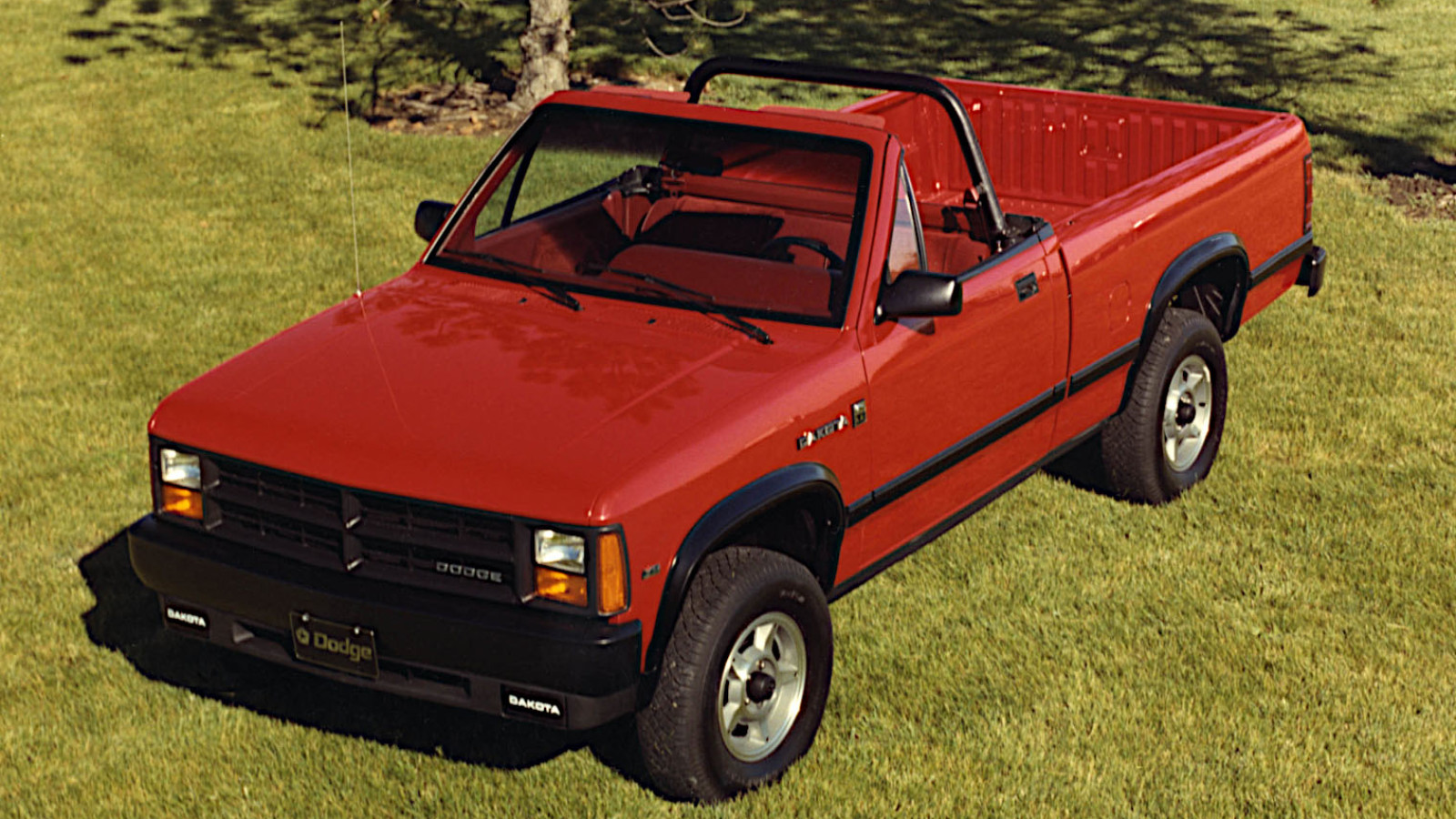
The Dodge Dakota was a mid-sized pick-up truck whose first generation began in 1987, and included a small number of high-performance Shelby derivatives and, briefly, a rather curious and not especially popular convertible (pictured).
There were two more generations before production came to an end in 2011, though the name was subsequently brought back for a fourth version branded as a Ram rather than a Dodge and sold in South America.
That vehicle is also marketed in various parts of the world as the Fiat Titano, the Ram 1200 and the Peugeot Landtrek, all three marques now being part of the Stellantis conglomerate.
There are states in the US called North Dakota and South Dakota, but that doesn’t qualify the Dodge (or Ram) for inclusion here.
It earns its place instead because there are several places in the country named Dakota, including cities in Iowa and Nebraska.
10. Dodge Daytona
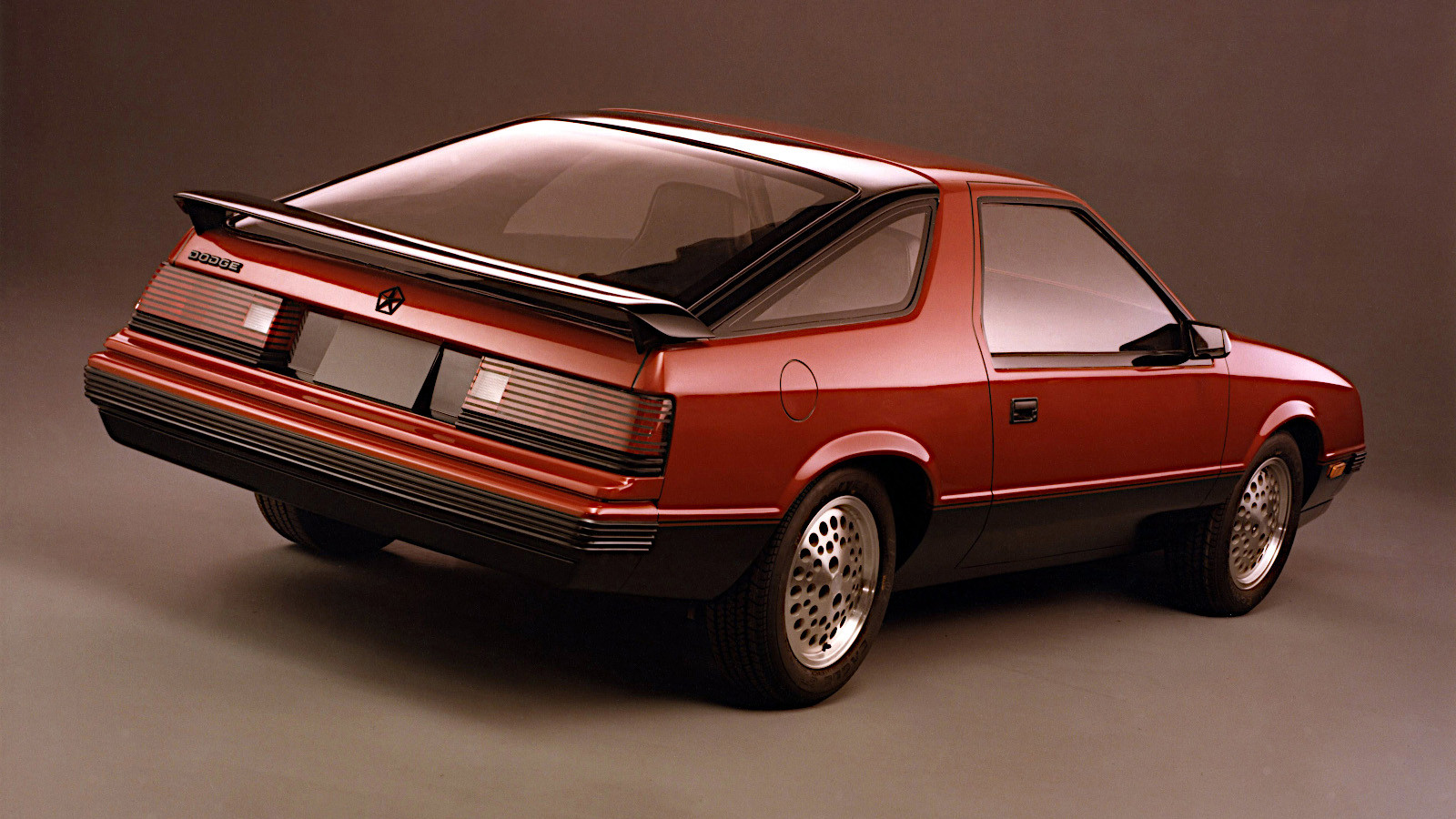
The only Dodge model specifically called Daytona was a sporting three-door hatchback produced, with minor changes in most years, from 1984 to 1993.
The majority of these cars were powered by 2.2- or 2.5-litre four-cylinder engines, with or without turbocharging but, late in the run, Dodge also offered a 3-litre V6 designed by Mitsubishi, with which Dodge (and indeed the Chrysler Corporation in general) had an engineering relationship at the time.
The car was named after Daytona Beach in Florida, well known for its NASCAR track, its 24-hour sports-car race and the many Land Speed Records achieved on the beach itself up to 1935.
Dodge had previously used the name for the Charger Daytona (pictured), one of the two NASCAR homologation specials known as Winged Warriors, and would do so again for other Chargers and for a sporty version of the Dodge Ram pick-up.
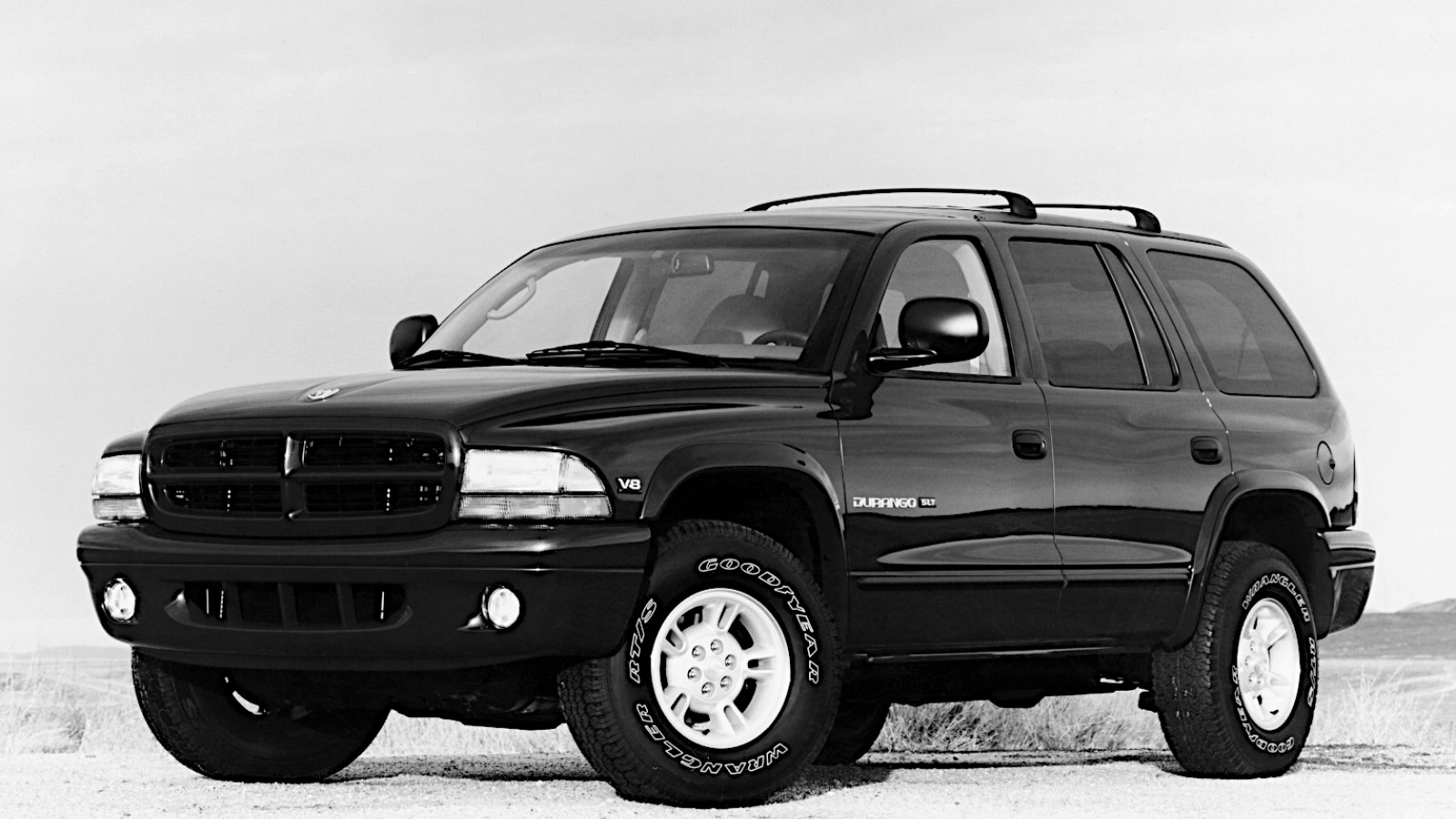
11. Dodge Durango
At the time of writing, Dodge has built three generations of its Durango mid-sized SUV, some of them with large V8 engines whose power outputs, in the most extreme cases, have exceeded 700bhp.
In 2025, it was reported that a fourth Durango would go into production in 2029, 18 years after the launch of the third.
Established in the early 1880s by the Denver and Rio Grande Railroad company, Durango is a small city – but a city nonetheless – which serves as the county seat of La Plata County in Colorado.
It is believed to have been named after another, much larger Durango, the capital city of the state of the same name in Mexico.
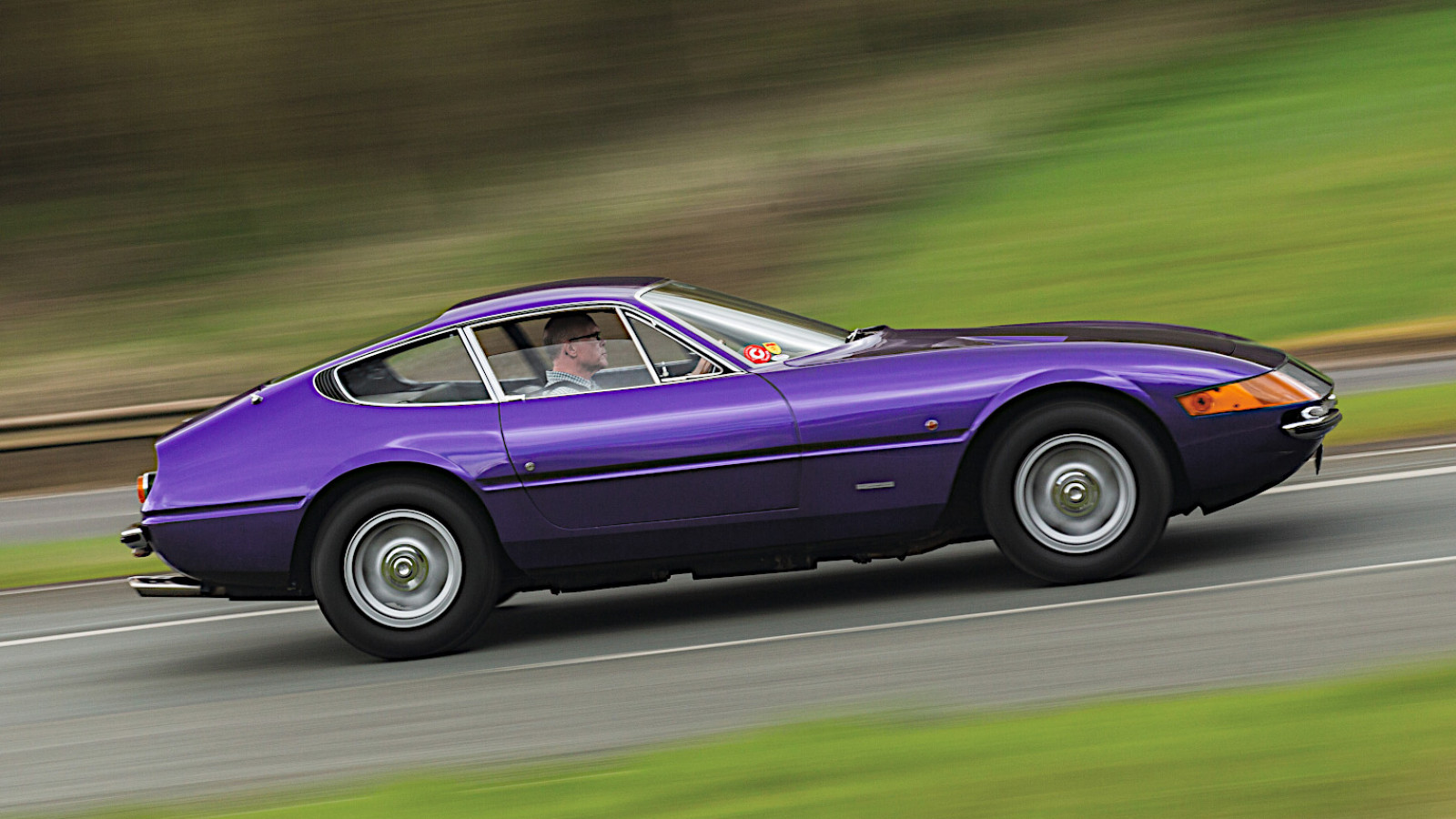
12. Ferrari Daytona
We know some classic car enthusiasts might take issue with this but, please, bear with us.
Ferrari’s Daytona, like Dodge’s, was named indirectly after Daytona Beach, but in this case the more specific reference is to the 1967 24-hour race, in which Ferraris took the first three places overall.
The winning car, driven by Lorenzo Bandini and Chris Amon, beat the highest-placed Ford GT40 by 65 laps, a result which is unlikely to have gone down well in Detroit.
While all the racing cars were mid-engined, the roadgoing Daytona had its 347bhp, 4.4-litre V12 mounted up front, hidden from view by a striking, Pininfarina-styled body.
The twist in the tale, as many readers will have spotted immediately, is that Ferrari named the car 365GTB/4, and never called it anything else.
As the manufacturer acknowledges, however, ‘Many fans know it by its unofficial name of “Daytona”.’
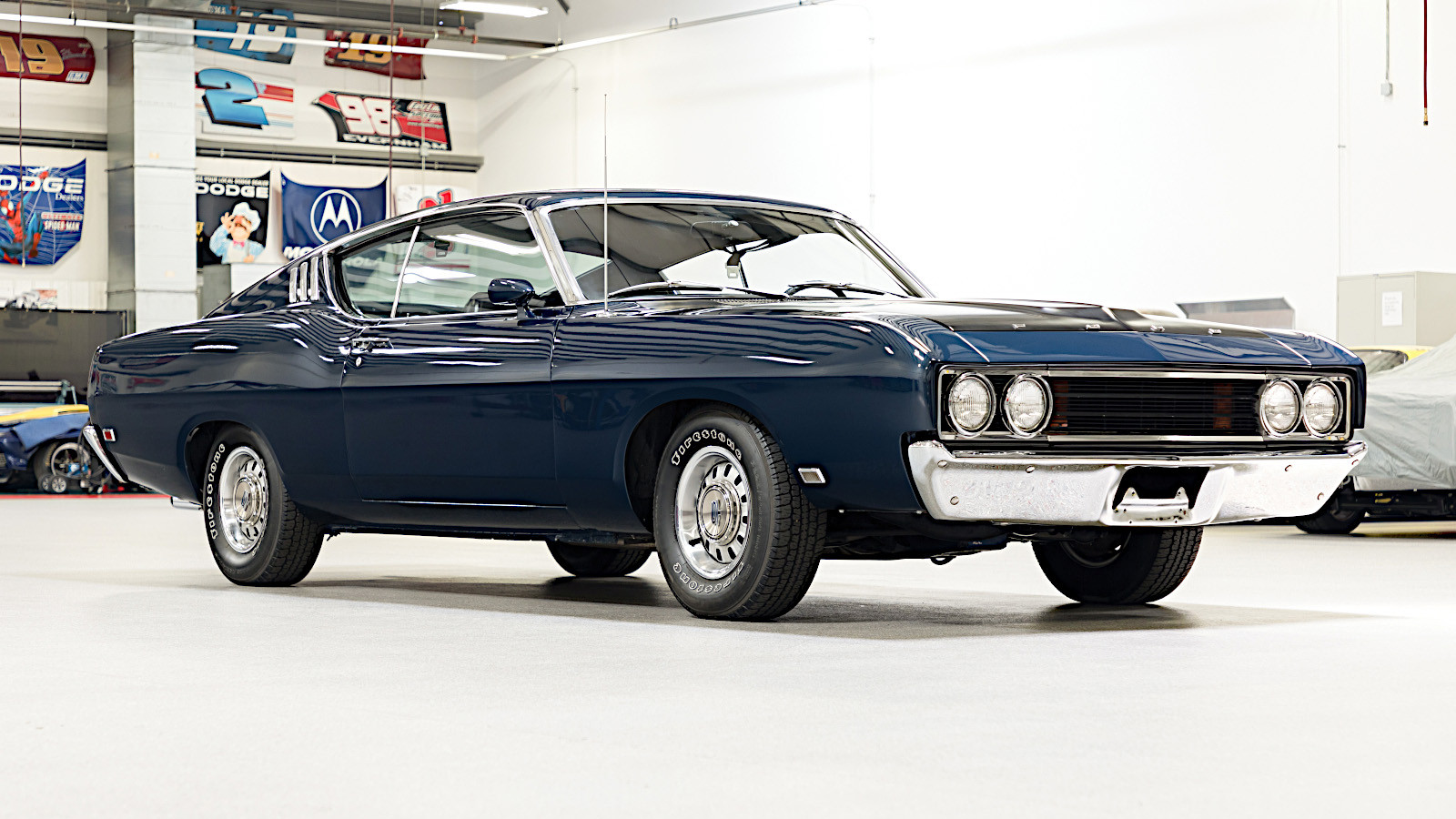
13. Ford Torino Talladega
Produced only for a brief period in early 1969, the Ford Torino Talladega was built in just enough numbers to qualify as a homologation special for NASCAR racing.
In that context, this aerodynamically enhanced version of the regular Torino became known as one of the four Aero Warriors (but not one of the two Winged Warriors) of that period.
Torino is the Italian name for the city of Turin, which is not in the US and has nothing to do with why we’re including this car here.
We’re doing that because Talladega is a city in Alabama, and the county seat of Talladega County.
It gives its name to the Talladega Superspeedway, which hosted its first race in 1969, though in fact the circuit is closer to Lincoln, Alabama, than to Talladega itself.
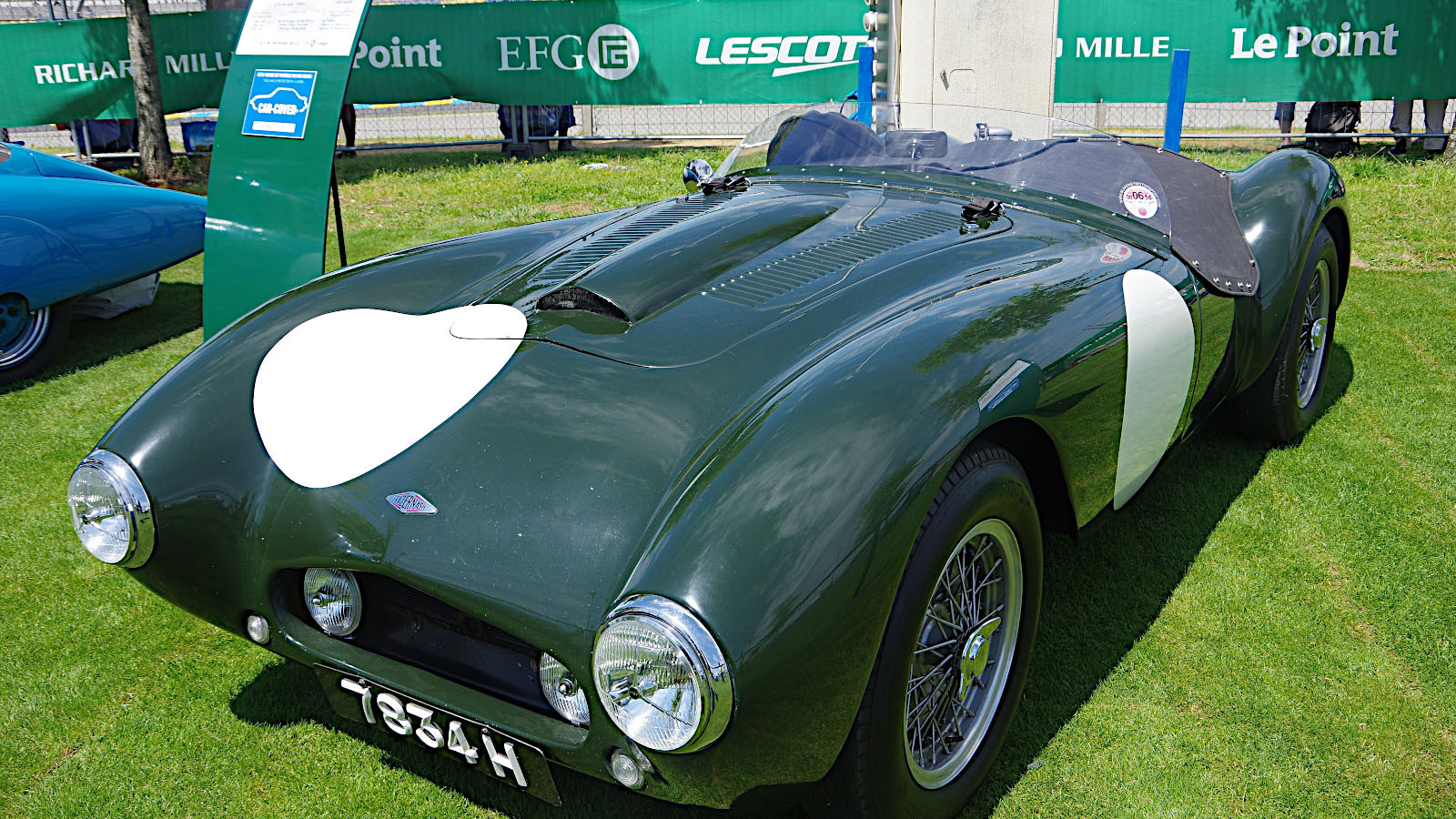
14. Frazer Nash Sebring
As with other car manufacturers who have named models after the Florida city of Sebring, there is a motorsport-related reason for Frazer Nash to have done this.
The marque won the 1952 edition of the 12-hour race held at that track quite convincingly with its Le Mans Replica model, which beat a Jaguar XK120 by five laps and finished seven ahead of the fourth-placed Ferrari 166MM.
The Le Mans Replica remained in production until 1954, but when it was replaced Frazer Nash took the opportunity to celebrate its enormous success of two years previously by calling it the Sebring.
Like the Replica, it was an open two-seater with a 1971cc, Bristol, straight-six engine (derived from a pre-war BMW unit), but it had much more modern styling, similar to that of the Le Mans Fixed Head Coupé at the front and the Mille Miglia at the rear.
15. GMC Sonoma
GMC’s version of the first-generation Chevrolet S-10 compact pick-up truck was introduced in the 1982 model year as the S-10, but had its name changed to Sonoma in 1991.
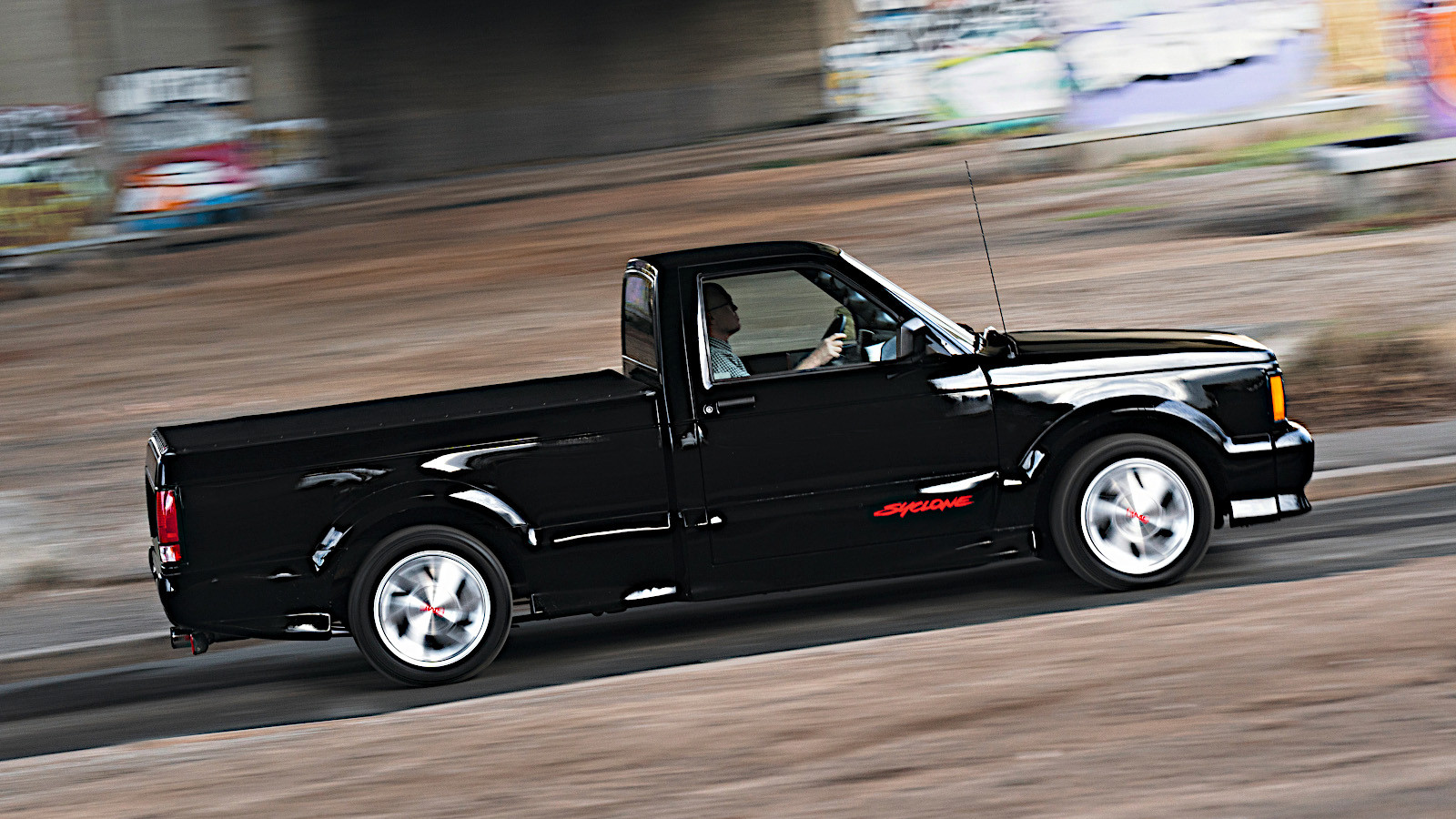
In the same year, GMC introduced a high-performance version called the Syclone (pictured), which had a 4.3-litre V6 and once beat a Ferrari 348 in a quarter-mile race from a standing start, though this was largely because the Syclone had four-wheel drive and the 348 didn’t.
The S-10 and the Sonoma went into a second generation in 1994, but the vehicles that replaced them 10 years later were called Colorado and Canyon respectively.
The ‘real’ Sonoma is a small city in California, almost directly north of – but, due to the shape of the coastline, several miles further inland than – San Francisco.
16. Hyundai Santa Fe
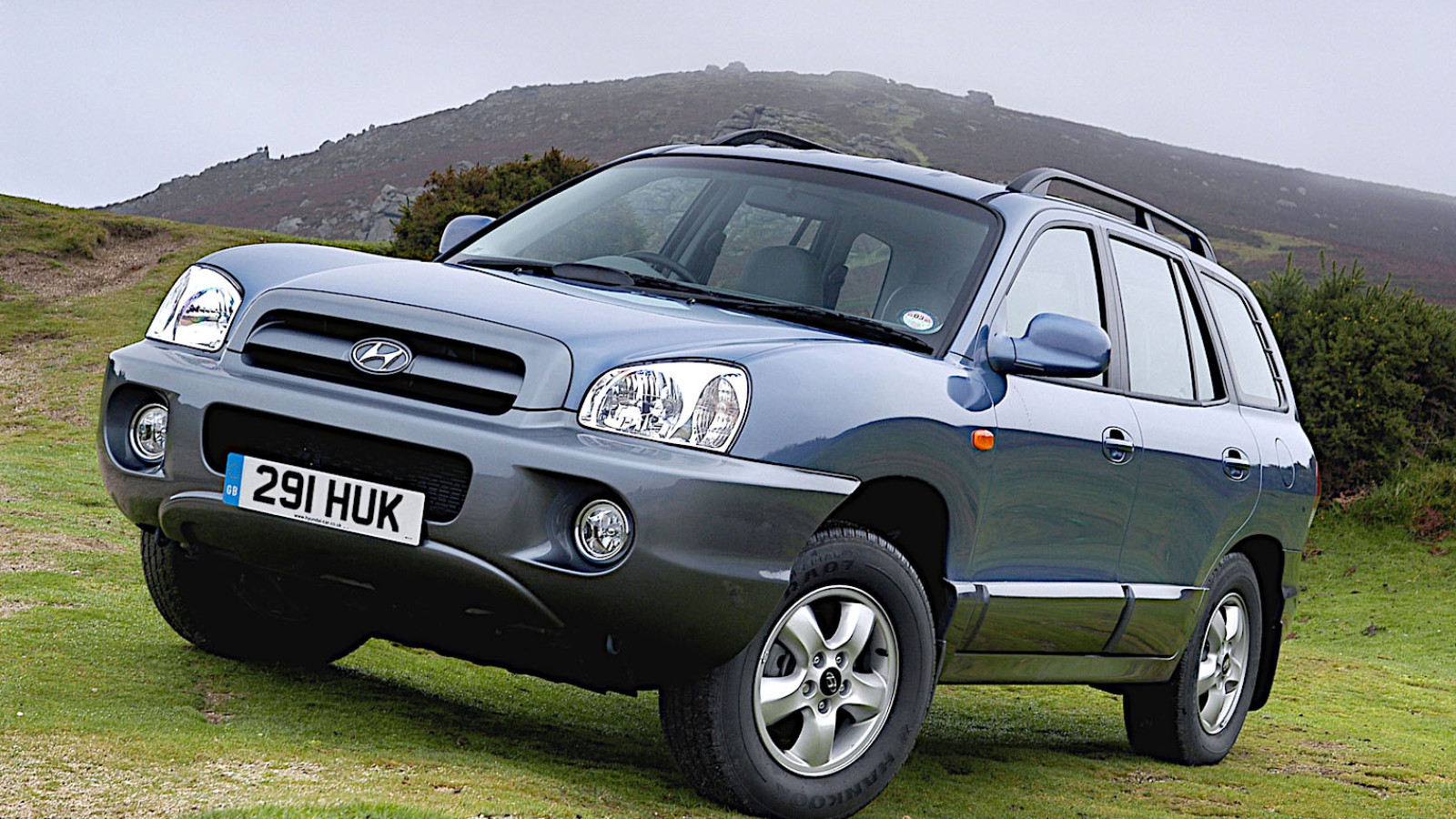
Hyundai put its first SUV into production in 2000, 33 years after the company was created.
The Santa Fe has continued through five generations, the fifth having been launched in 2023.
Two years later, that vehicle (whose styling was radically different from that of its predecessors) won both the Large SUV and the Supreme Winner in the Women’s Worldwide Car of the Year awards.
Santa Fe (Spanish for ‘holy faith’) is the capital city of New Mexico, and is in fact the oldest state capital in the United States of America, having been founded in 1610.
Although it was introduced 11 years after our 2010 cut-off, it’s worth mentioning as an aside that Hyundai also builds a pick-up truck called the Santa Cruz (‘holy cross’), which is named after a city in California.
17. Hyundai Tucson
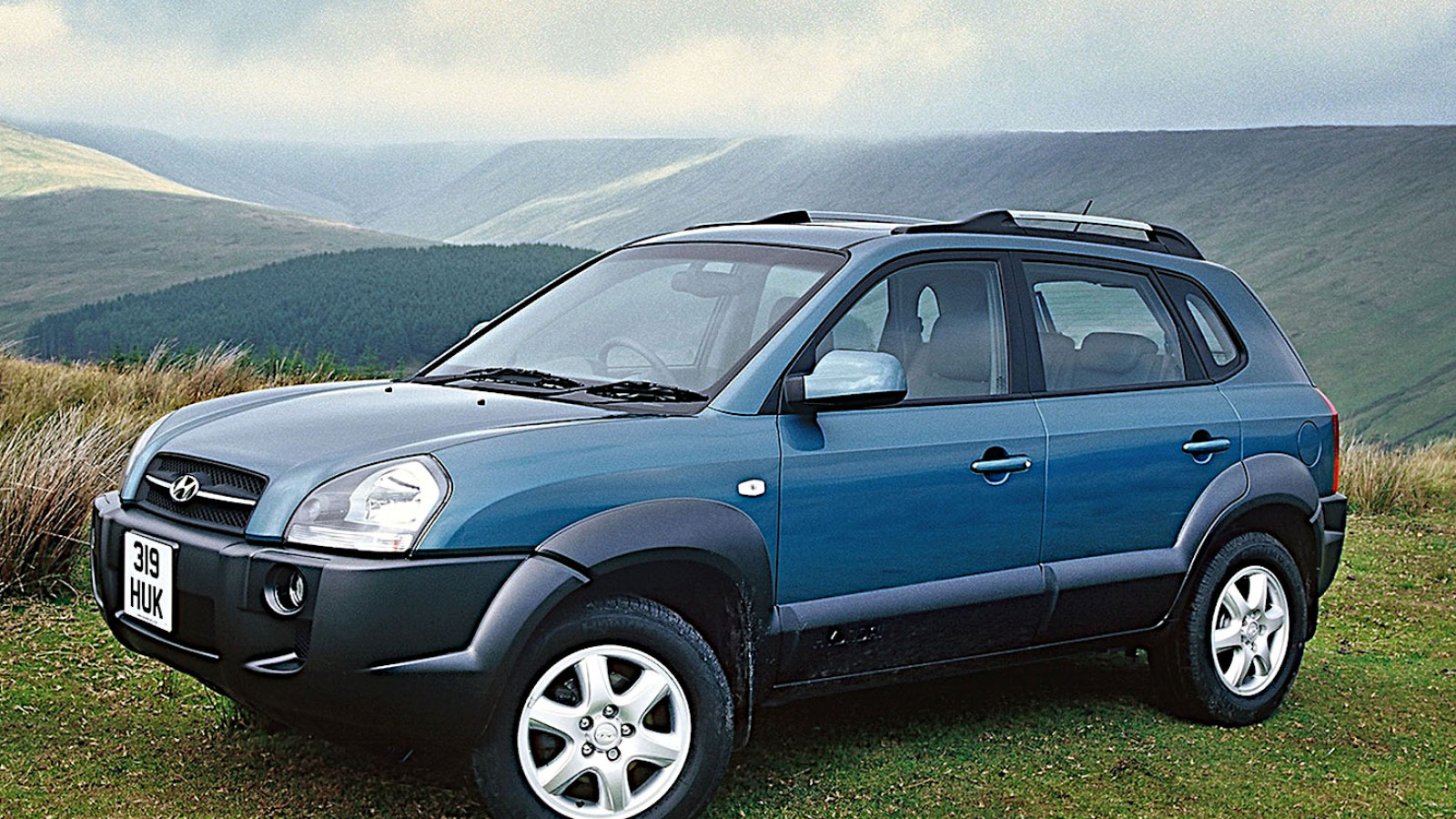
Hyundai added to – or, one might say, doubled – its SUV range in 2004 by introducing the Tucson, a considerably smaller model than the Santa Fe.
At the time of writing, it had been produced in four generations, but a fifth (with, like the Santa Fe, very different styling from what had been seen earlier in the model’s history) was revealed in August 2026.
Tucson is, by one recent study, the second most populous city in Arizona (behind Phoenix and just ahead of Mesa), and the county seat of Pima County.
18. Kia Sedona
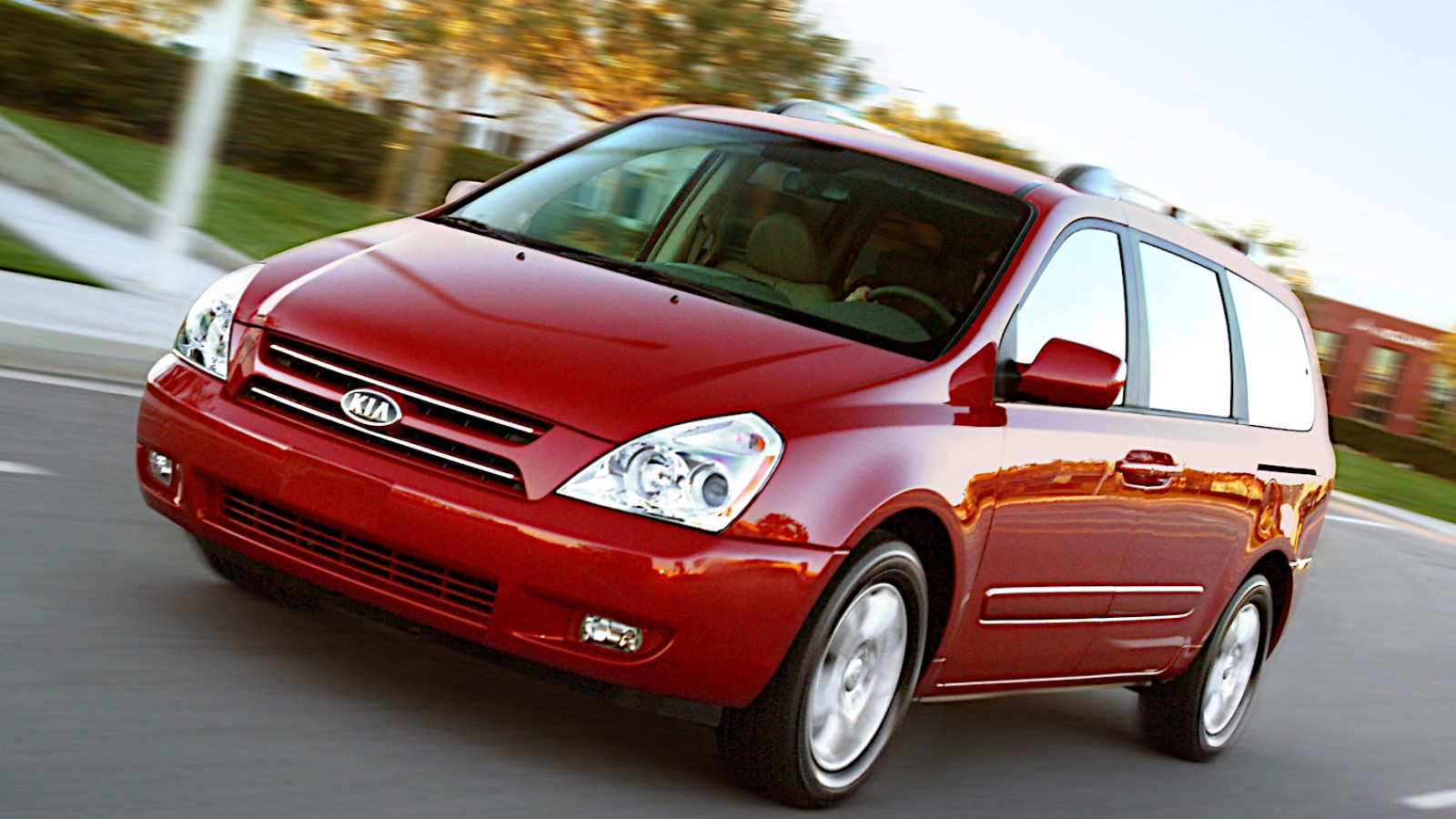
Although it was known in its home country of South Korea as the Carnival, the Kia MPV launched in 1998 was sold as the Sedona in the US and other markets.
This continued to apply for the first three generations, but the fourth, which made its debut in 2020, was called either Carnival or Grand Carnival.
Sedona is a small city in Arizona with the unusual distinction of being located in two of the state’s counties, Coconino and Yavapai.
It was named after Missouri-born Sedona Miller Schnebly (1877-1950), whose husband Theodore Carlton Schnebly was the city’s first postmaster.
Still known today for both her hard work and her kindness, she is commemorated by a statue outside the public library and by the Sedona Schnebly Memorial Garden four miles to the west.
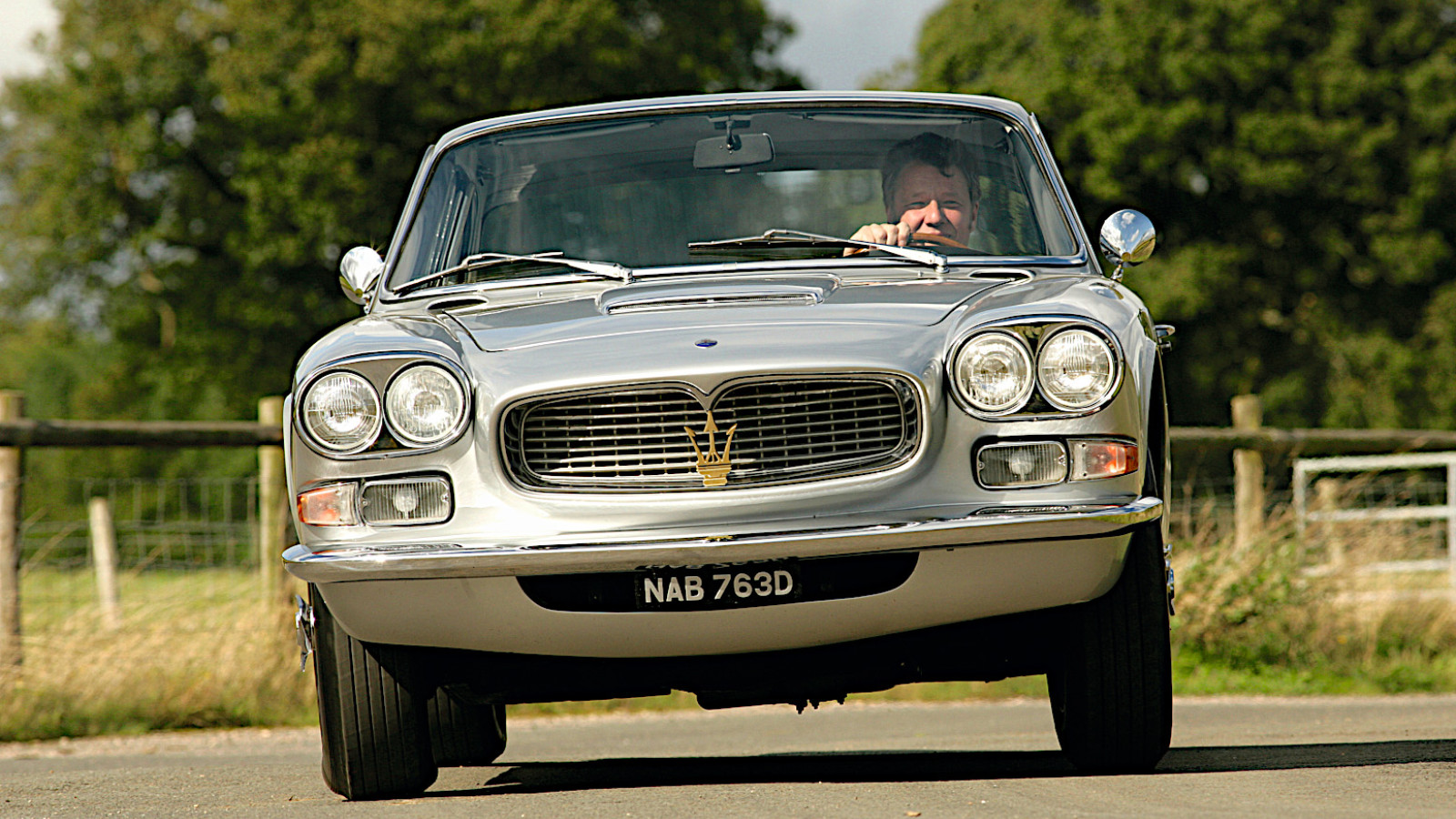
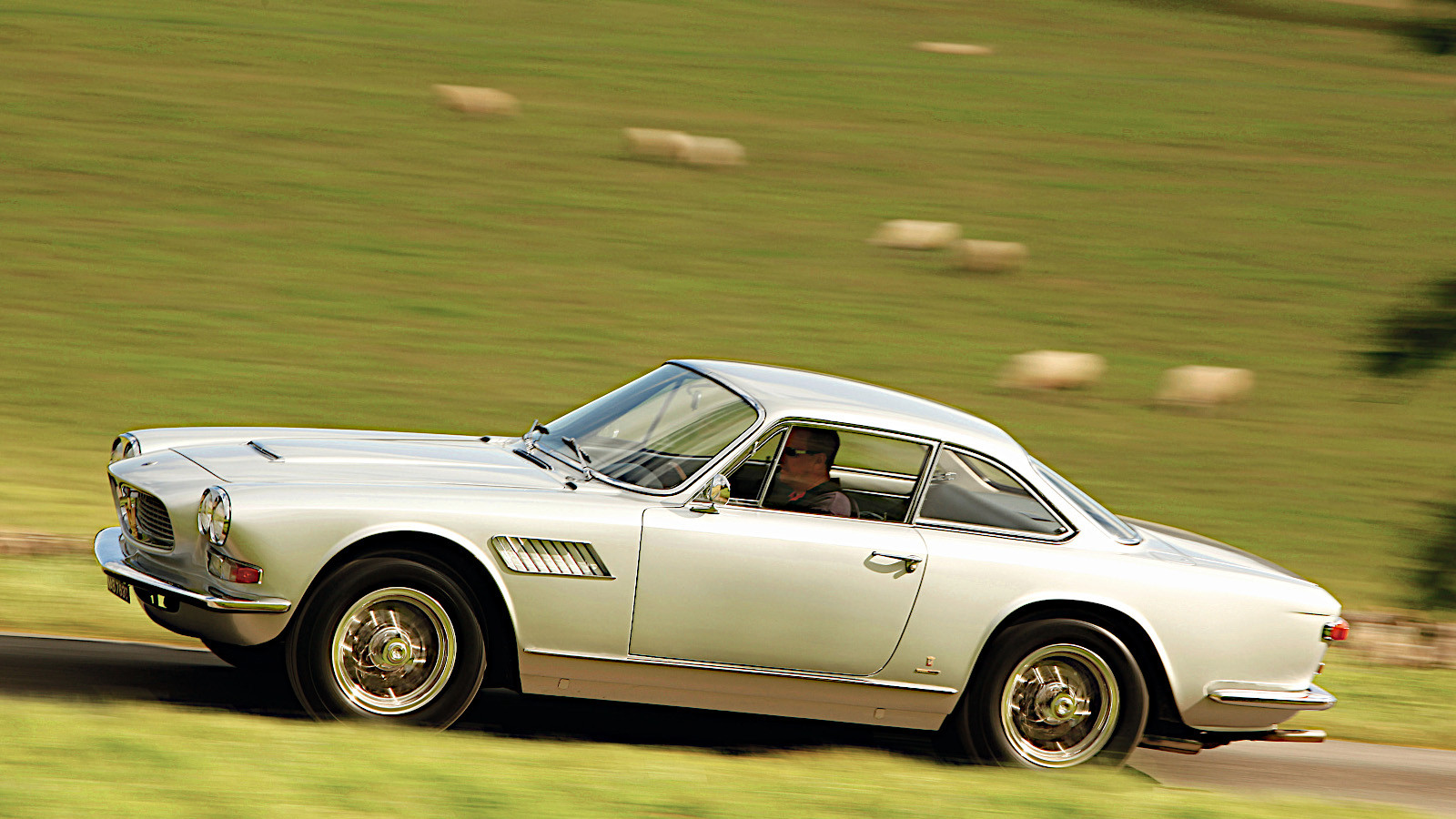
19. Maserati Sebring
The 1957 12 Hours of Sebring motor race was a triumph for Maserati, with Juan Manuel Fangio and Jean Behra winning in the 450S, followed by Stirling Moss and Harry Schell coming home second in their less-powerful 300S.
This major result was commemorated five years later when Maserati introduced what was at first known as the 3500GTI Coupé S but later renamed Sebring, after the circuit and, by extension, the nearby city.
The two-door coupé, with a body designed by Giovanni Michelotti, was initially powered by a 3485cc, twin-cam, straight-six engine, but after a 1964 restyle (which led to future cars being known as Series II), the capacity was increased in two stages to an eventual 4014cc.
Production came to an end in 1969 after 598 Maserati Sebrings had been built.
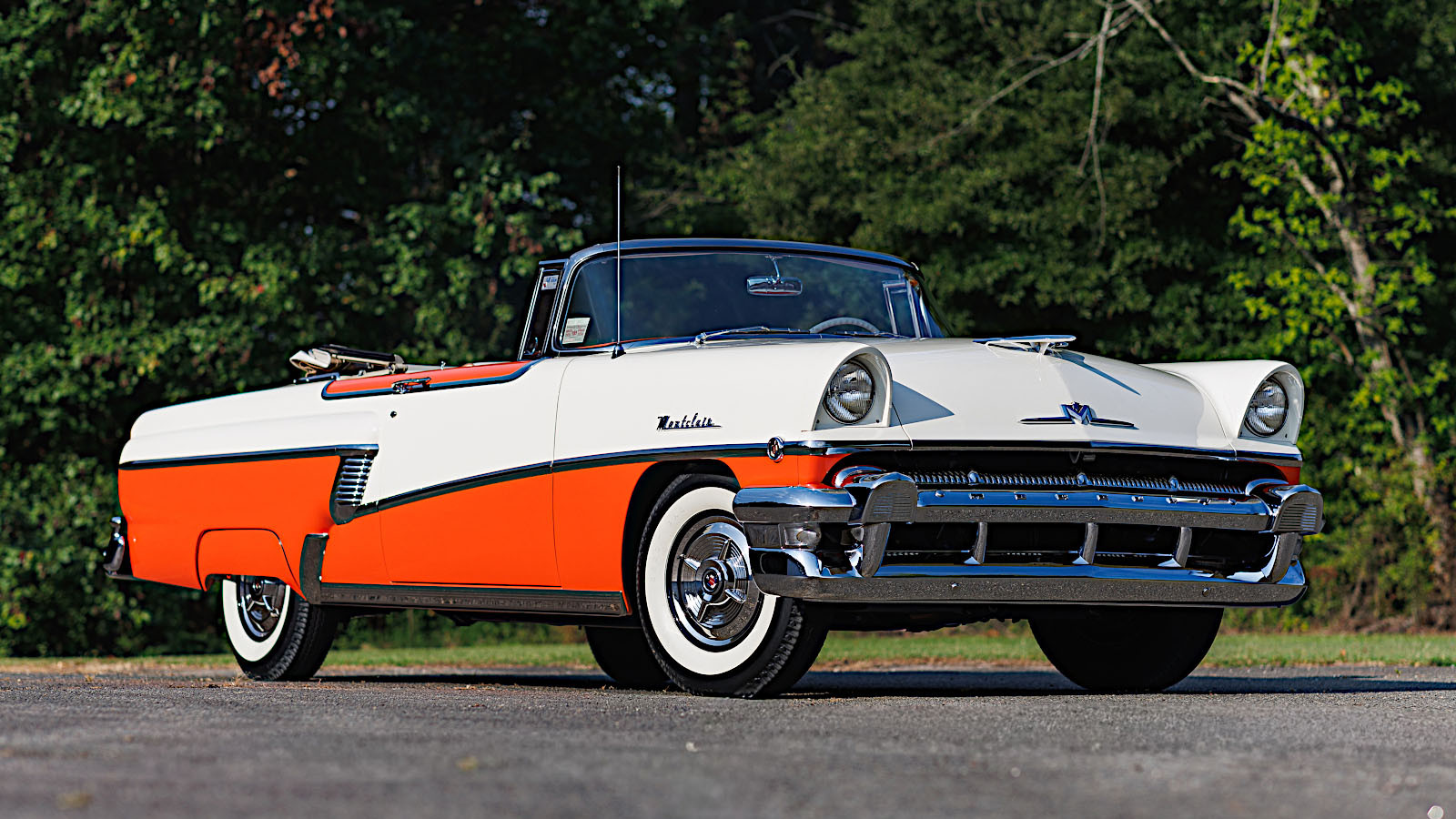
20. Mercury Montclair
The Montclair was produced by Ford’s Mercury division across five generations from 1955 to 1968 (’56 convertible pictured), although the name was dropped after 1960 and did not return until 1964.
These were all large cars, available at one time or another with sedan, coupe, convertible and hardtop bodies, and in 1958 buyers could specify a 7-litre V8 engine rated at a phenomenal 400 horsepower.
They seem to have been named after the city of Montclair in New Jersey, which makes sense because the Mahwah Assembly plant which produced its first car in 1955 is only around 25 miles north of Montclair, depending on which route you take.
However, there is also a Montclair city in California, a few miles inland from Los Angeles, along with several other Montclairs which are not cities.
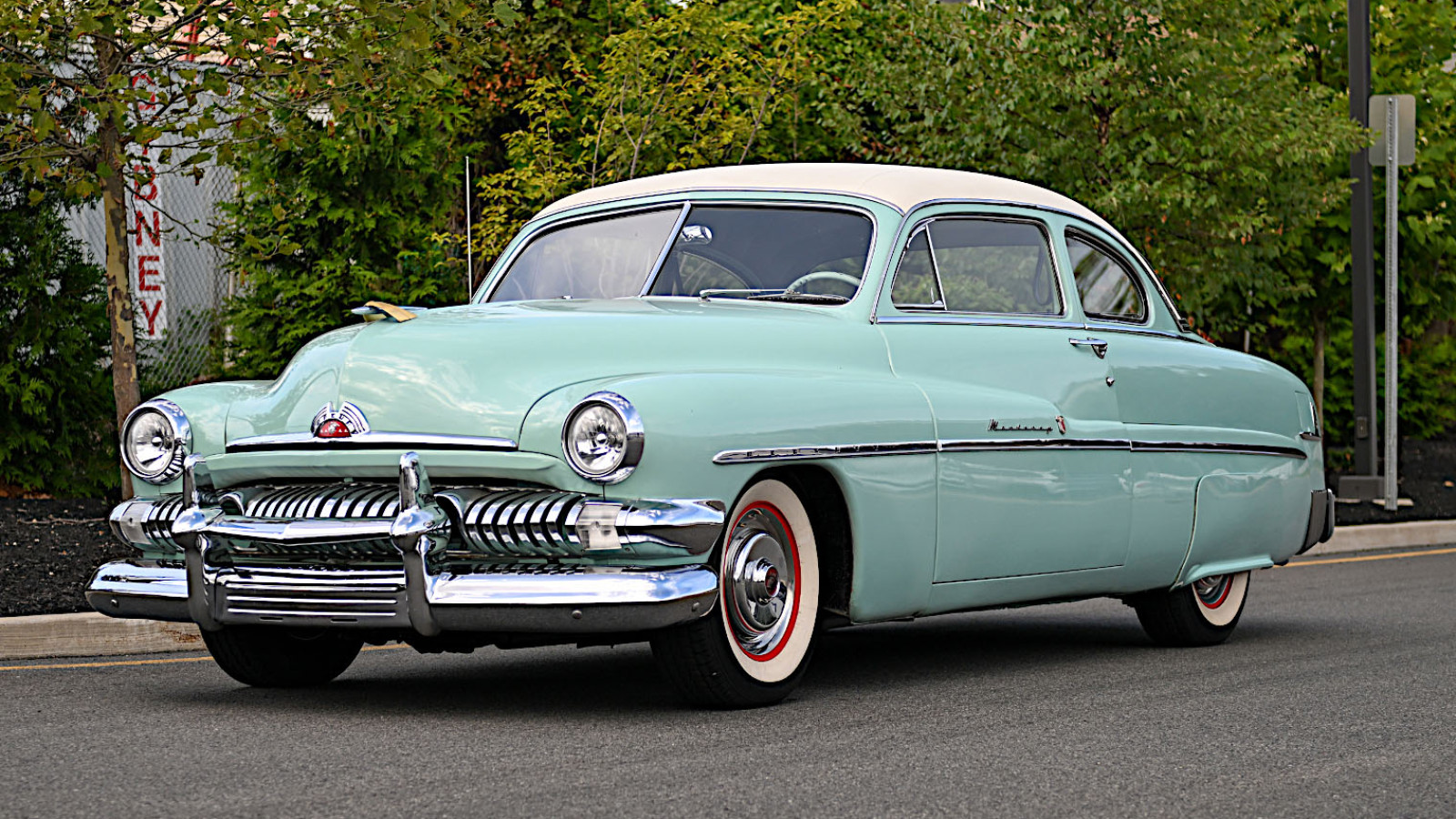
21. Mercury Monterey
Like the Montclair, the Monterey was a full-size car, though in this case Mercury used the model name consistently from 1952 until 1974.
In fact, it dates back even further than that, because the two-door, hardtop version of the Mercury Eight was marketed as a Monterey (1951 example pictured).
In its final year, the Monterey was fitted as standard with a 6.6-litre V8, but a mighty 7.5-litre engine was available as an option.
Although there are several places called Monterey around the world, including a suburb of Sydney, Australia, it’s overwhelmingly likely that the one Mercury had in mind is the city in California, located opposite Santa Cruz at the southern end of Monterey Bay.
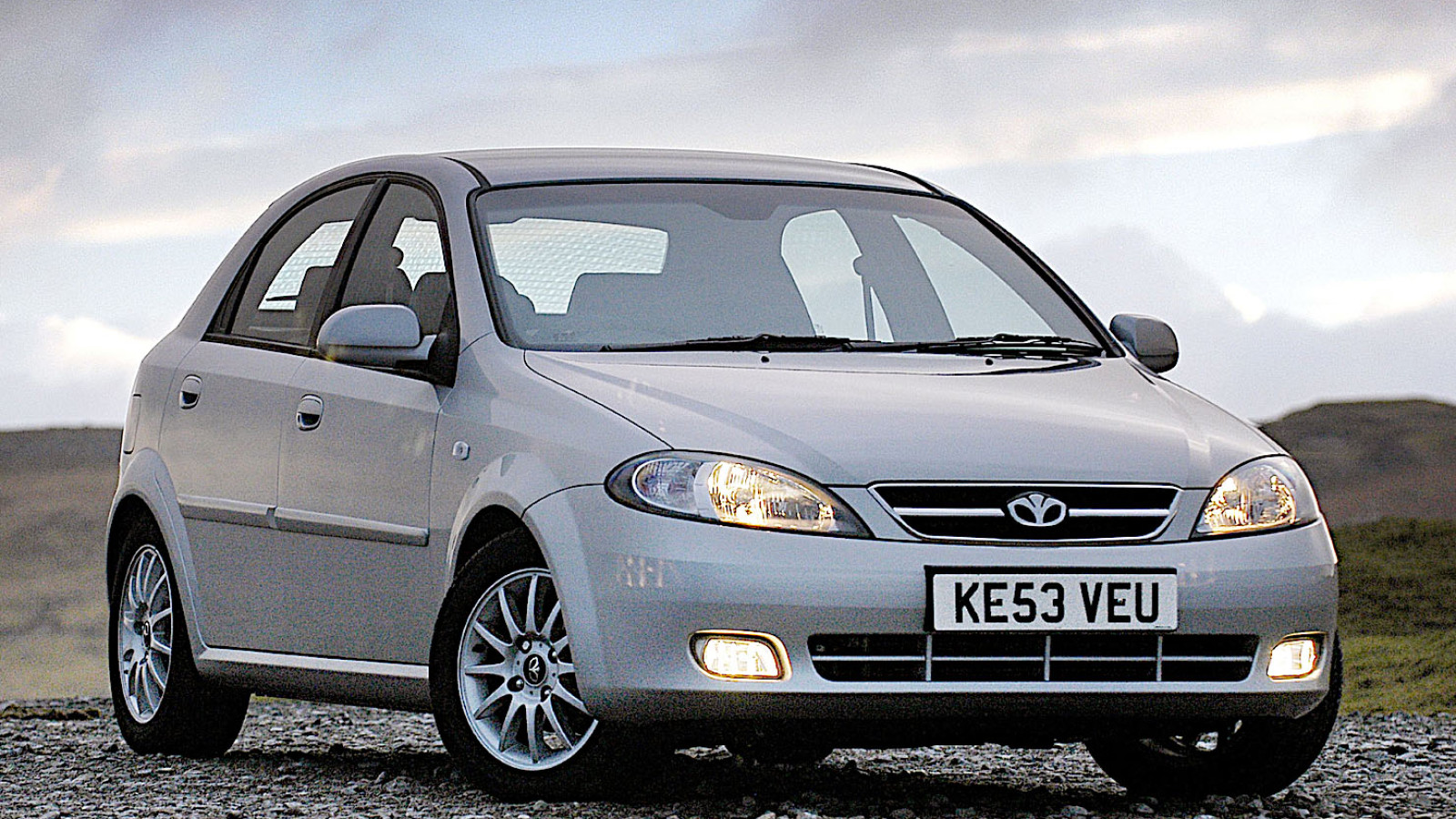
22. Suzuki Reno
Suzuki had very little to do with the Reno other than putting its own badges on it and selling it in the USA.
The car, designed and manufactured by GM Korea, was known in its home country and in some other markets as the Daewoo Lacetti, and its presence in North America was entirely due to an agreement between General Motors and Suzuki.
After a few years of moderate sales, it was withdrawn from the US market, and any Suzuki Renos sold after that came from existing stock.
There are two small cities called Reno in Texas, approximately 165 miles apart from each other by road, but neither is anything like as famous as the much larger one in Nevada, occasionally known as ‘the biggest little city in the world’.
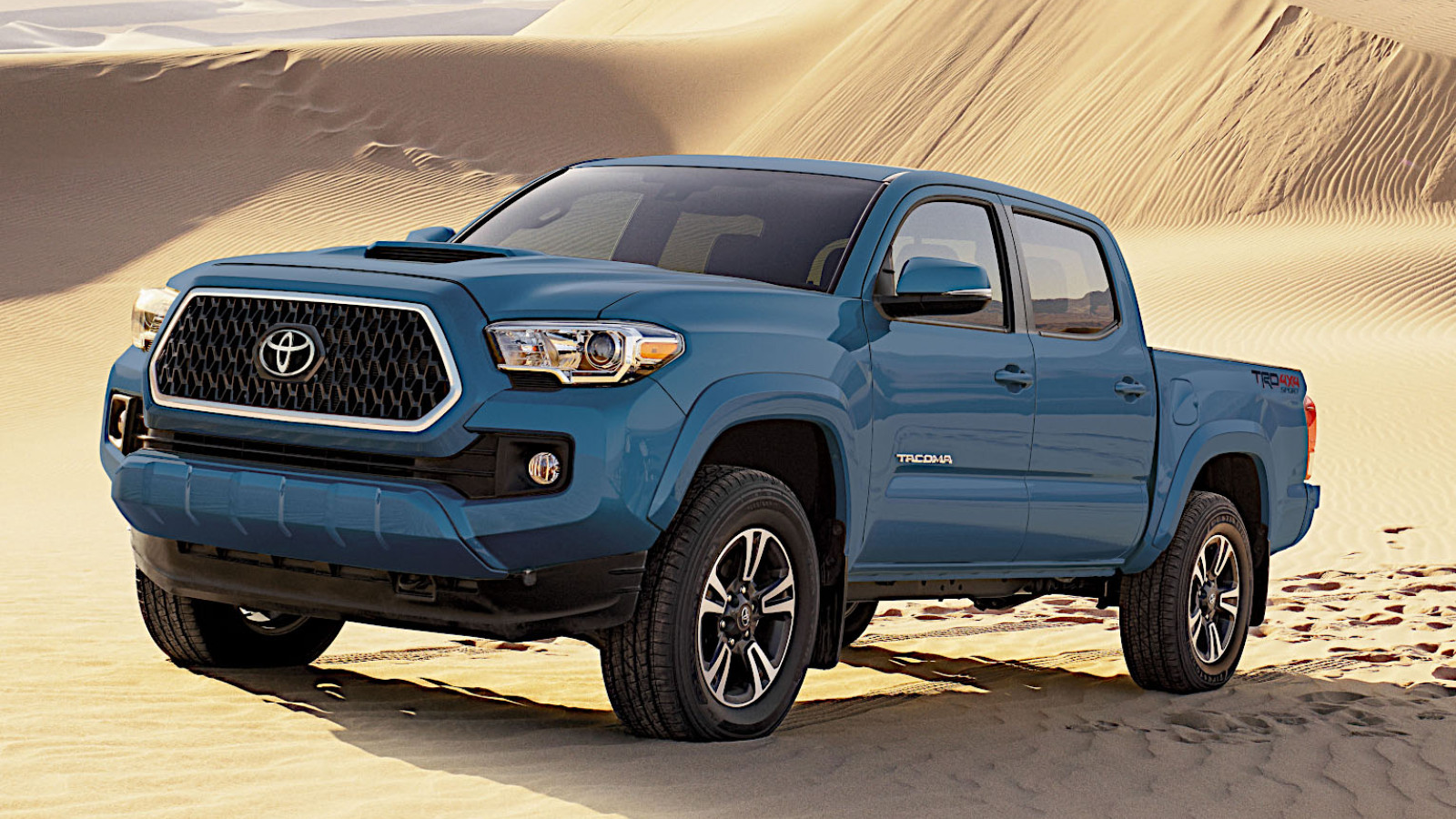
23. Toyota Tacoma
The Tacoma is, in US terms, a relatively small pick-up truck which has been produced in several long-lived generations since 1995 (2019 Tacoma Sport pictured), the fourth having been revealed in 2023.
According to Toyota, its name is derived from the Salish word for Mount Rainier, the highest mountain in the state of Washington and the 17th highest in the country, though in fact several of the Salish languages have names for it which are commonly rendered in English in the same way.
A mountain is not the same as a city, of course, but around 60 miles away on the shores of Puget Sound lies Tacoma, the largest city and county seat of Pierce County, Washington, which was also named after the mountain.