25 Fiats that drove from the rear
For more than 50 years, Fiat has been wedded to front-wheel drive for the core models in its range, so it’s easy to forget that, prior to the 1970s, all its cars drove from the rear.
There was a sea change from 1969, though.
Fiat’s legendary engineering chief, Dante Giacosa, conceived the front-wheel-drive 128 and set the template for all the company’s future small to medium models.
However, that still leaves us with a tantalisingly diverse set of rear-driven models up to the 128’s birth, as well as some memorable (and occasionally forgettable) larger ranges from the 1970s and ’80s.
But let’s start our chronological tour of 25 rear-wheel-drive Fiat classic cars with perhaps the most extreme machine the marque has ever produced.
1. 1910 Fiat S76
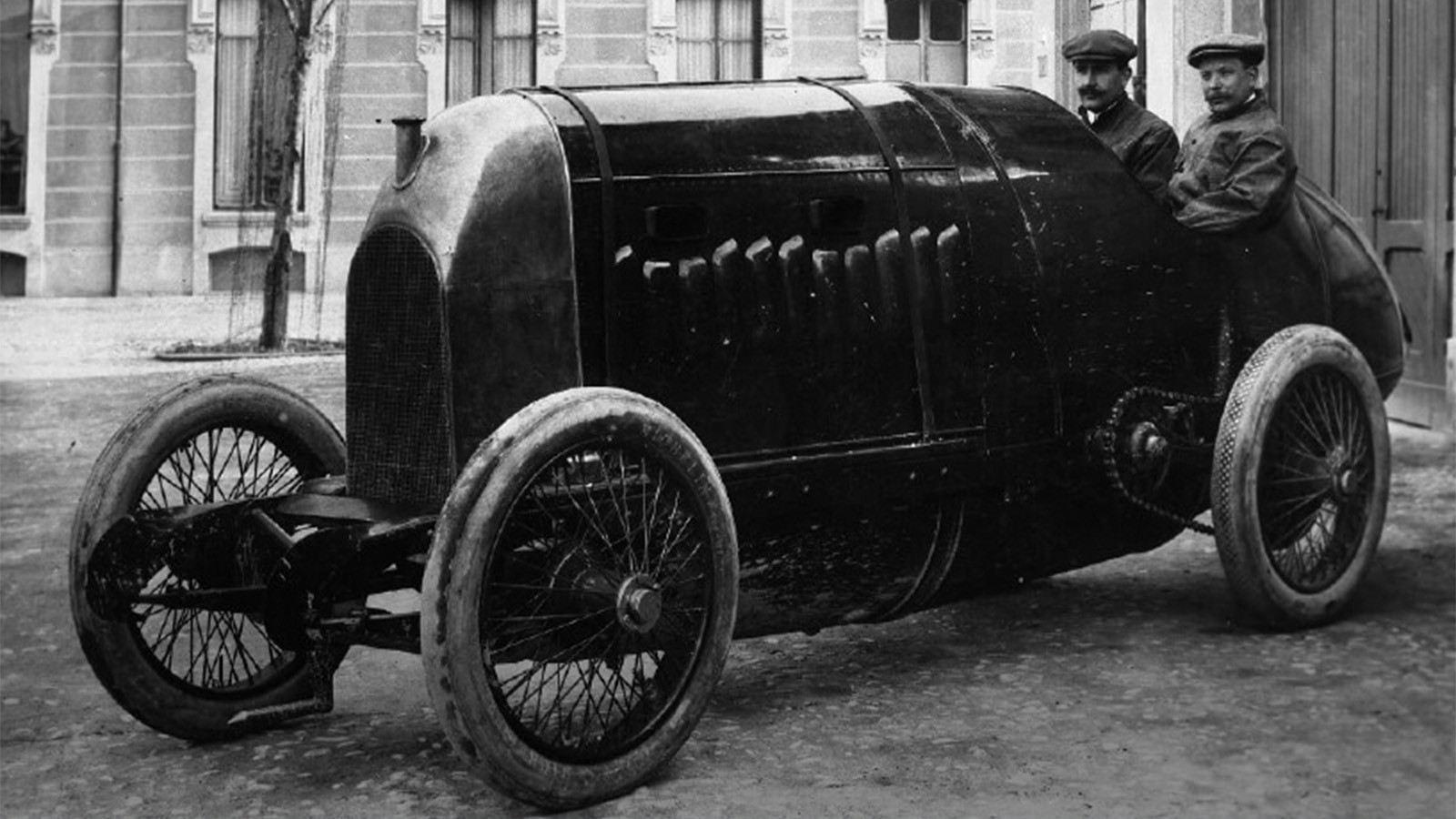
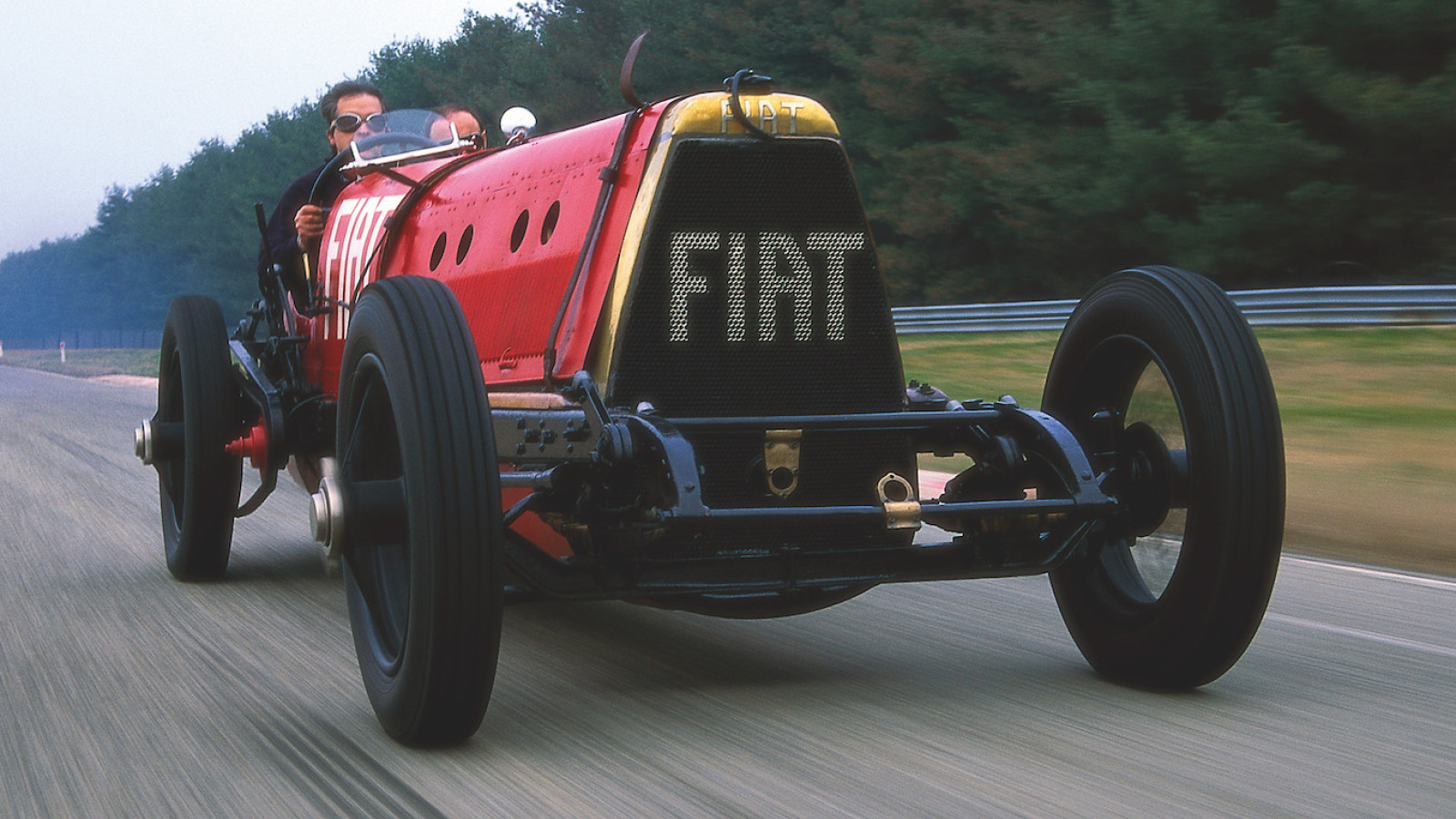
Always a showstopper at the Goodwood Festival of Speed, the fire-breathing (quite literally) S76, also known as the ‘Beast of Turin’, was originally created to defeat the Blitzen Benz for land-speed record honours.
Its mighty, 28.4-litre, four-cylinder engine produced in the region of a towering 300bhp, which was enough to project it to a top speed of 116mph at Saltburn Sands in 1911 (although unofficially it managed just over 132mph two years later in Belgium).
Only two Fiat S76s were ever built, with Duncan Pittaway’s well-known ‘Goodwood car’ a painstaking recreation, using allegedly original mechanicals.
2. 1923 Fiat Mephistopheles
Yet another Fiat land-speed challenger was the 1923 Mephistopheles, built by British racer and designer Ernest Eldridge.
Eldridge based the monstrous hybrid on a lengthened 1908 Fiat SB4 chassis, to which he fitted a 21.7-litre, Fiat A.12 aero engine, producing around 320-350bhp.
On 12 July 1924, in Arpajon, France, Eldridge established a new land-speed record, taking the car to 146.01mph (the last time such a record was set on a public road).
Due to the unsilenced noise from its exhaust combined with the clouds of black smoke it emitted, French spectators referred to the car as ‘Mephistopheles’ and the name stuck.
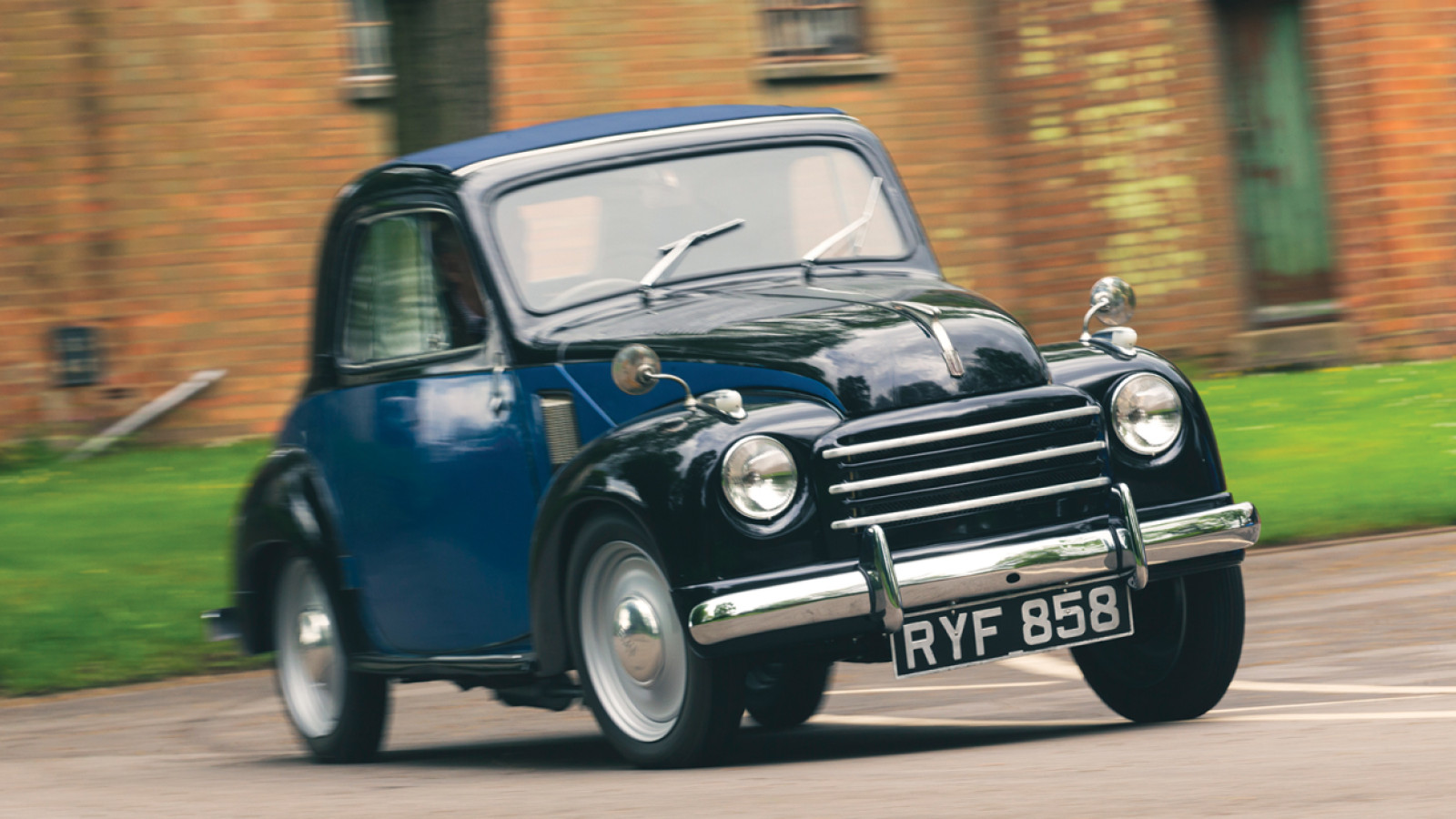
3. 1936 Fiat 500 ‘Topolino’
The first of the really small cars for which Fiat became renowned, the 500 – soon nicknamed Topolino (‘little mouse’) – became as well-known and groundbreaking in Italy as the Austin Seven was in Britain.
Like the Seven, it was essentially a scaled-down larger car, with few compromises for its size.
While it only had two seats, thanks to a tiny, 200cm (c79in) wheelbase, it was a joy to drive, helped by relatively sophisticated independent front suspension.
True to its name, the 500 was powered by a four-cylinder, water-cooled, 569cc engine producing just 13bhp – enough for a top speed of 53mph.
The Fiat 500 mobilised Italy, and between its launch and 1955 when production transferred to the new rear-engined, air-cooled 500, nearly 500,000 Topolinos were built.
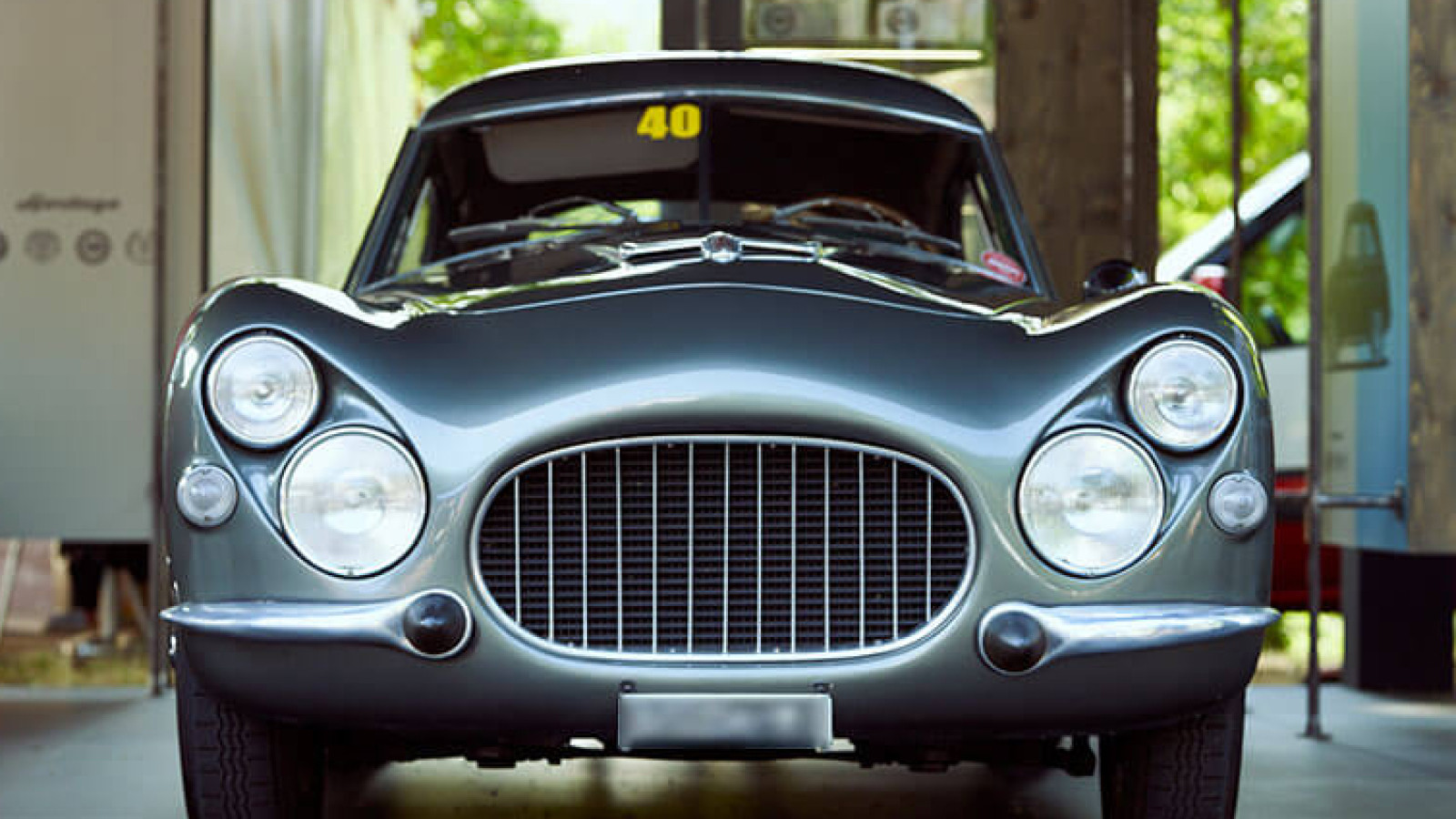
4. 1952 Fiat 8V
You could argue that the 8V was little more than an indulgence by Fiat – and you’d be right.
By the 1950s, the company dominated its domestic market, so the odd sporting whim was justified.
Designed for wealthy buyers who may otherwise have strayed to Ferrari or Maserati, the Giacosa-designed 8V was all about spirited driving; even its passenger seat was set back to allow the driver enough elbow room while grappling with the steering wheel.
The Fiat 8V’s engine was bespoke, its small-capacity, 1996cc, 70° V8, with overhead valves and twin Weber carburettors, producing 104-113bhp, second-series cars gaining a third carburettor and offering 125bhp.
Alas, the engine’s lack of tunability meant it never excelled in competition.
Just 114 8Vs were built in three years, some of which received coachbuilt bodies from Ghia and Zagato.
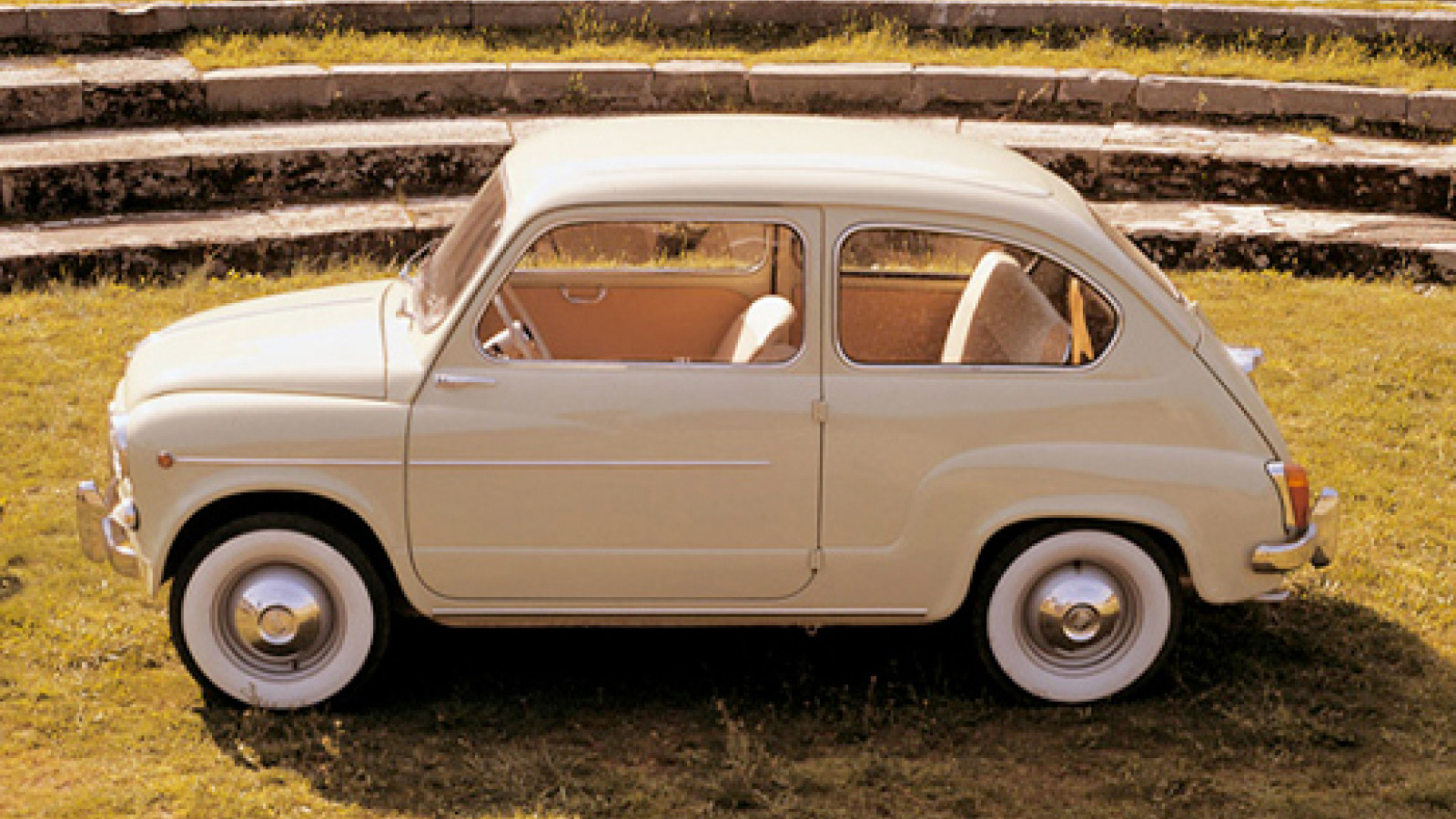
5. 1955 Fiat 600
Unveiled at the Geneva motor show in 1955, the 600 was Fiat’s post-war solution to jump-start the mass-mobilisation of its domestic market.
Relatively advanced, with a space-efficient monocoque body capable of accommodating four people, it was the first of a series of rear-engined Fiats that were to be key to the company’s fortunes over the next two decades.
Powered by a four-cylinder, water-cooled engine displacing 633cc, and mated to a four-speed gearbox, the 600 produced 21bhp and could just about achieve 60mph.
Nearly five million Fiat 600s were produced up to 1969.
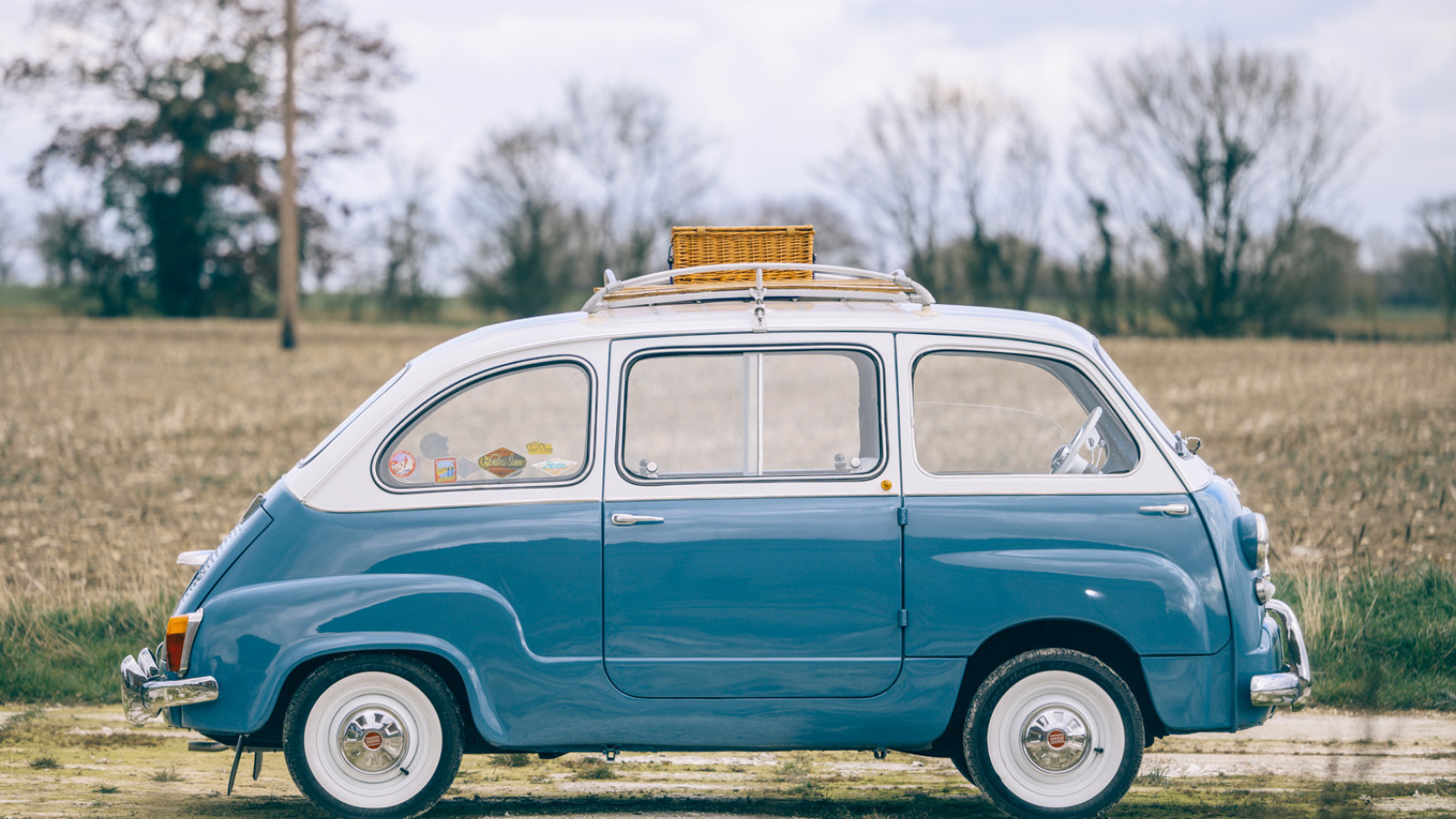
6. 1956 Fiat Multipla
Widely acknowledged as the world’s first multi-purpose vehicle, the Fiat 600 Multipla was yet another Dante Giacosa masterpiece and built on the popularity of the regular 600 model.
While the 600’s engine was still slung behind the rear axle, the driving compartment was pushed forward over the front axle and an upright ‘nose’ created for the body, creating a distinctive, cab-over look.
Even at just 3.5m (c138in) in length, Giacosa’s design liberated enough space inside for three rows of seats capable of accommodating up to six people.
The seats could also fold flat to form a large cargo area or even a double bed.
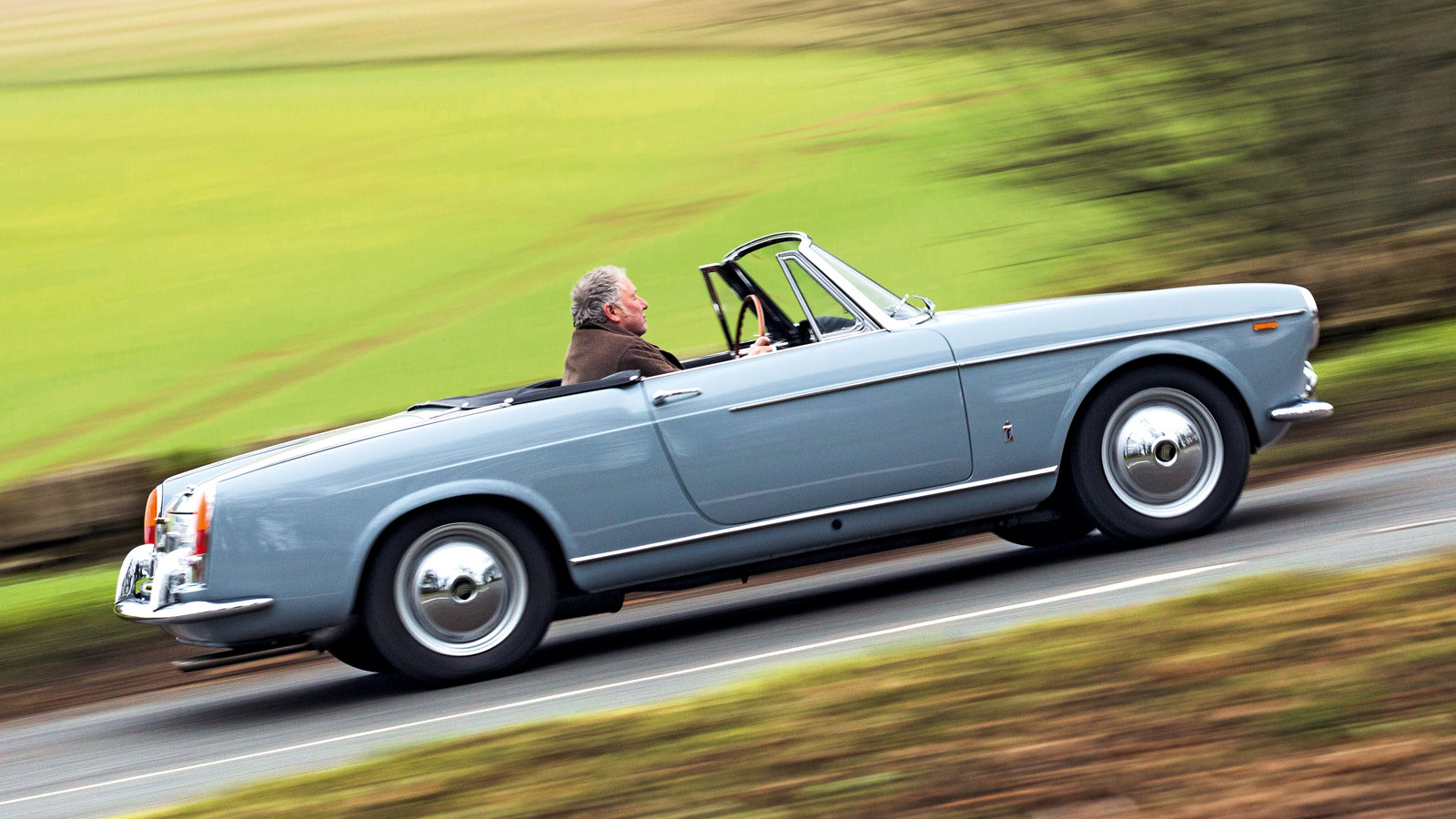
7. 1959 Fiat-Osca 1500S Cabriolet
Ernesto Maserati, head of struggling Osca in the late 1950s, negotiated with Fiat’s Dante Giacosa to put into production a milder version of his racing, twin-cam engine to power a Fiat Spider, while providing Osca with much needed revenue.
The Fiat-Osca 1500S Cabriolet was the result, based on the 1200 model’s underpinnings, with its monocoque body styled and constructed by Pinin Farina.
The ‘S’ signified Osca’s 1491cc, twin-cam, big-valve engine, complete with forged crank, rods and pistons, slightly detuned by Aurelio Lampredi for greater flexibility.
Nonetheless, it practically halved the acceleration time of Fiat’s 1200 Spider, while giving a 13mph boost to its top speed.
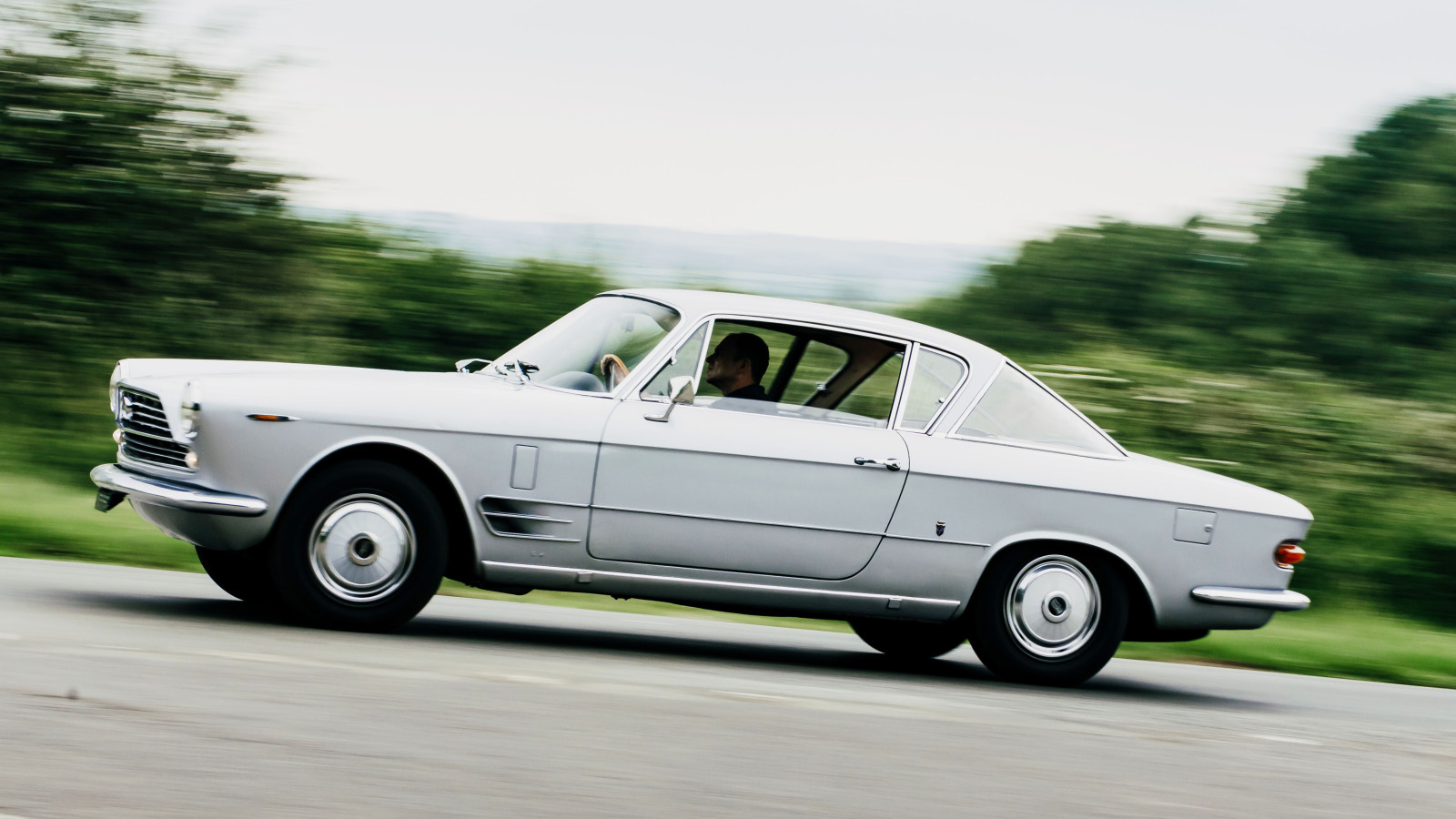
8. 1961 Fiat 2300S Coupé
Often called the ‘poor man’s Ferrari’, Fiat’s 2300 Coupé was designed by Sergio Sartorelli at Carrozzeria Ghia.
Based on the 2300 saloon’s chassis, the Coupé was a rakish and well-equipped four-seater with servo-assisted brake discs all round.
In ‘S’ guise, as depicted here, the Coupé’s 2279cc straight-six engine, fitted with twin carburettors and benefitting from tuning by Abarth, produced 135bhp – enough for a top speed of nearly 120mph.
Salubrious inside, the Coupé’s cabin is perhaps best known for its plethora of lights – and even a couple of warning bells.
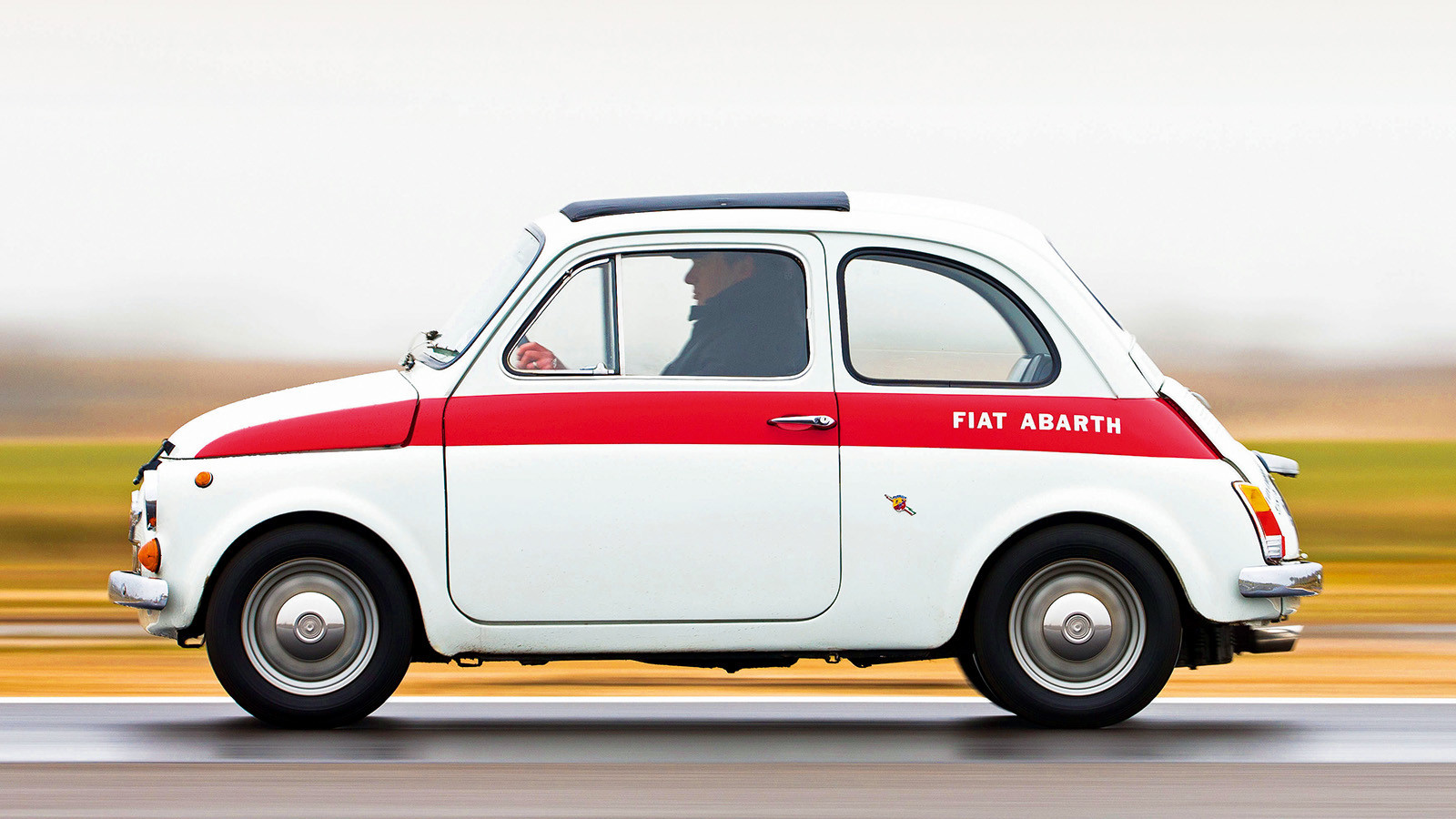
9. 1963 Fiat-Abarth 595SS
The Fiat Nuova 500, launched in 1957, was perhaps not a natural base for a rip-snorting pseudo racing car, but Abarth proved otherwise.
While the 500D’s air-cooled, twin-cylinder engine and crash gearbox were retained for the 595SS, a larger Solex 34PBIC carburettor and modified inlet manifold were added, along with raising the engine’s compression ratio to 10.5:1 and fitting a sports exhaust. All of which nearly doubled the output from around 17bhp to 32bhp.
As with all small Abarths, the 595SS sounded much faster than its performance figures suggested.
A 0-60mph time of 21 secs was hardly earth-shattering – but it could clip 81mph flat out, which, in a tiny, rear-engined Fiat, required quite some courage.
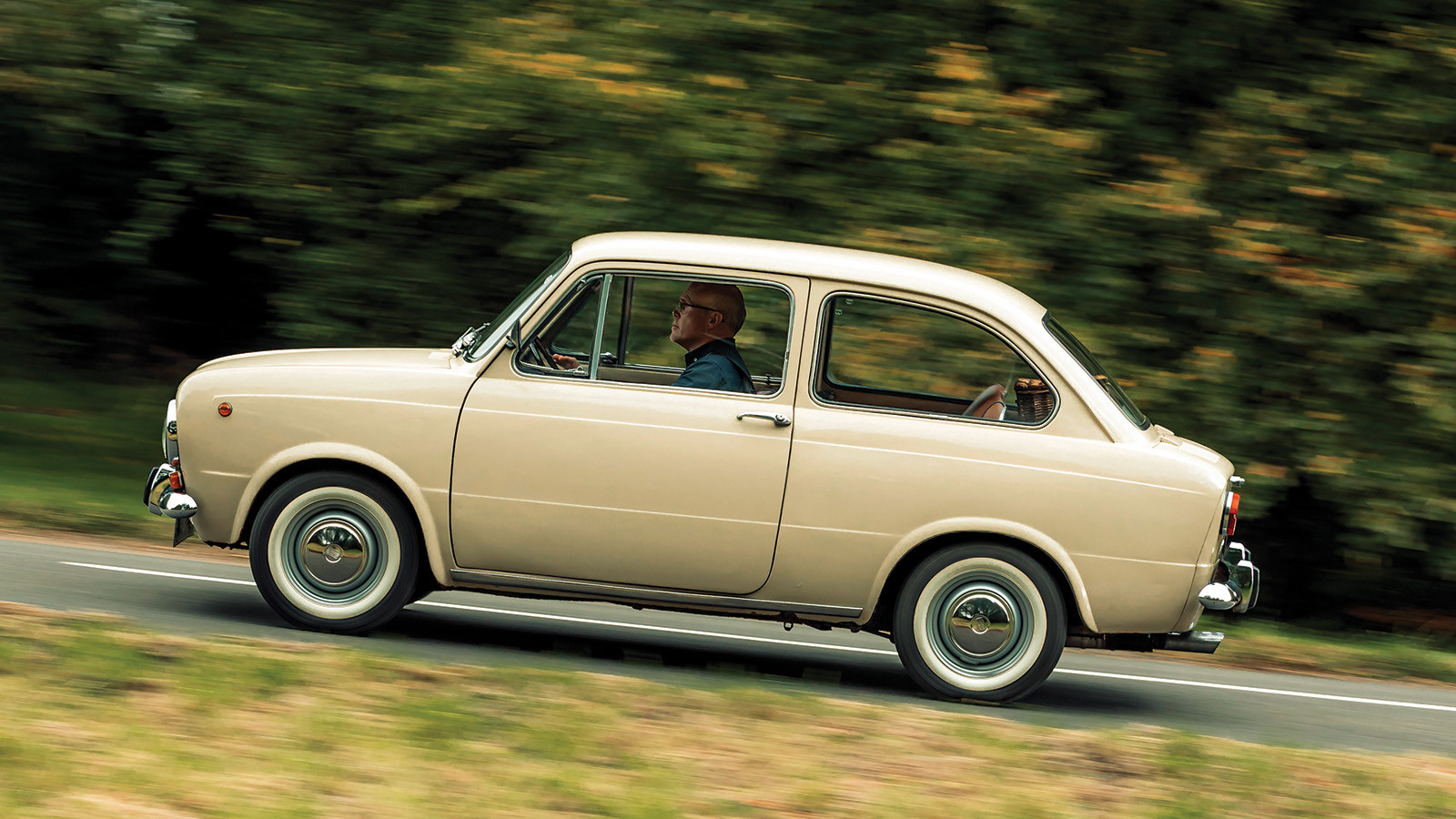
10. 1964 Fiat 850 Berlina
By 1964, Fiat’s 600 was looking a little dated, so Dante Giacosa’s solution was to carry over its basic underpinnings (transverse-leaf front suspension with a trailing-arm set-up at the rear), and create a larger and more practical successor, although the 600 would carry on for a few more years.
The new Fiat 850 also continued to use the 600’s four-cylinder Tipo 100 engine, now bored out to 843cc for an output of 34bhp and a higher top speed of 75mph.
Longer by almost a foot (c305mm) versus the 600, and 2in (51mm) wider, the 850 retained a two-door body, but with a more attractive interior and improved luggage space, the latter helped by moving the fuel tank from front to rear.
And, as we’ll see, the 850 was the perfect platform for some more sporting derivatives.
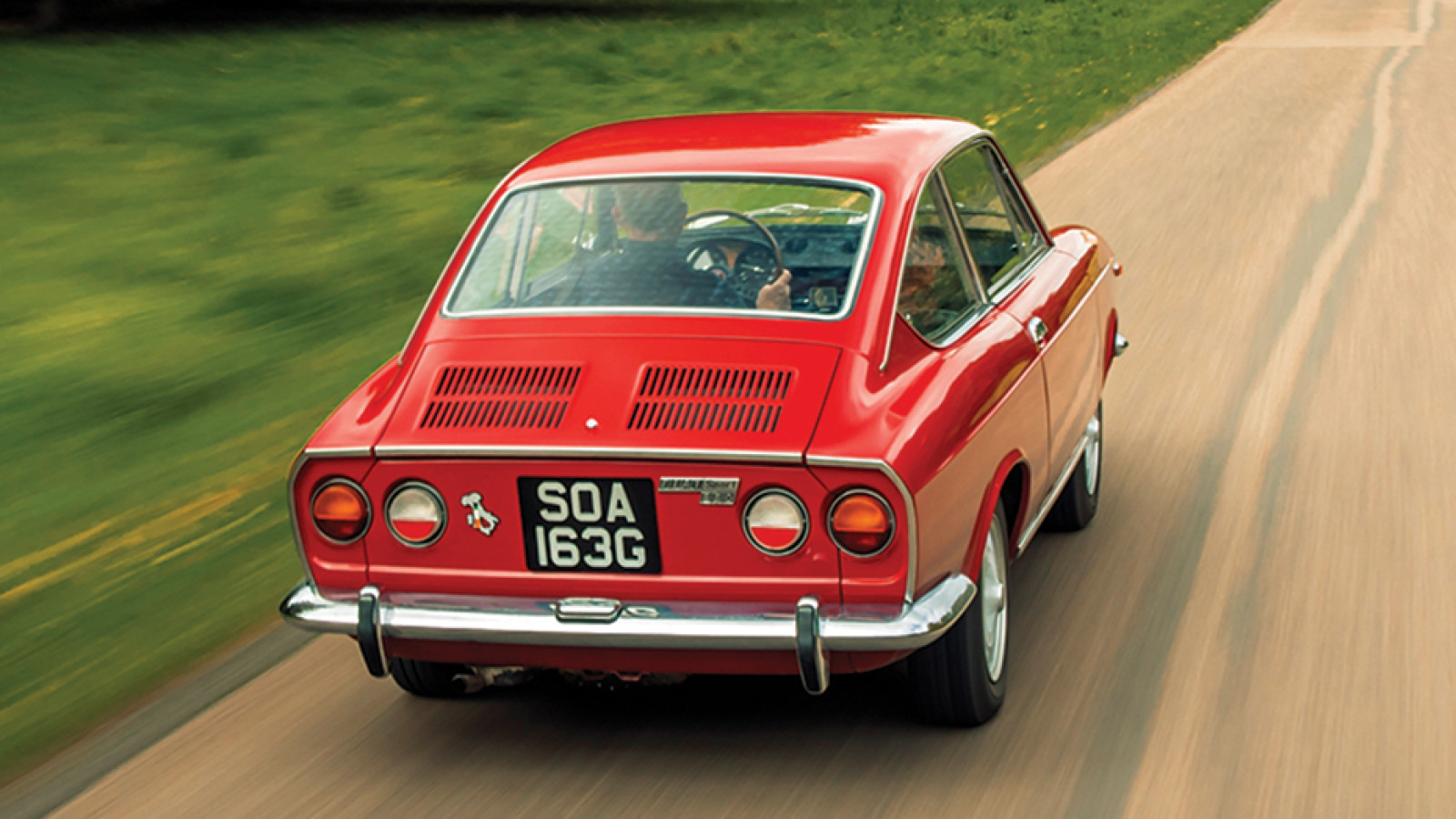
11. 1965 Fiat 850 Coupé
Fiat UK branded the 850 Coupé ‘Britain’s lowest-priced 2+2 GT’ when it first arrived, costing £870 – a £289 premium over the Berlina.
Styled in-house, there were hints of two future Fiat coupés in its design: the 124 and the Bertone-designed Dino.
Like the Spider, the 850 Coupé’s interior added a healthy dose of luxury and sportiness versus the Berlina’s, with another faux-wood dashboard, but incorporating a different fascia layout.
While mechanically identical to the Spider, the Coupé’s c20kg (c44lb) lighter weight meant that it was marginally quicker than the open-topped model, with the same top speed, but a 1-sec quicker 0-60mph time of 17 secs.
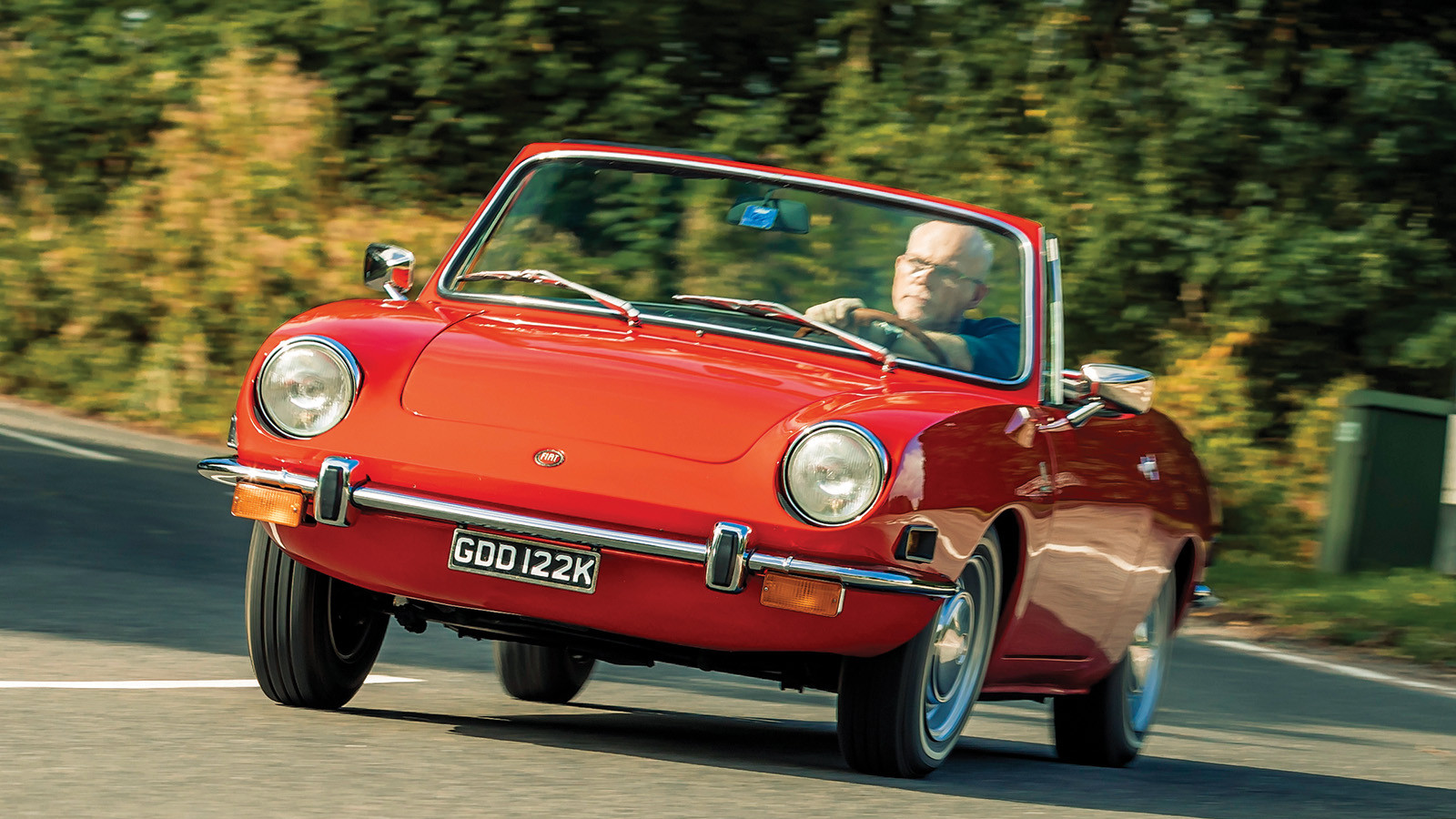
12. 1965 Fiat 850 Spider
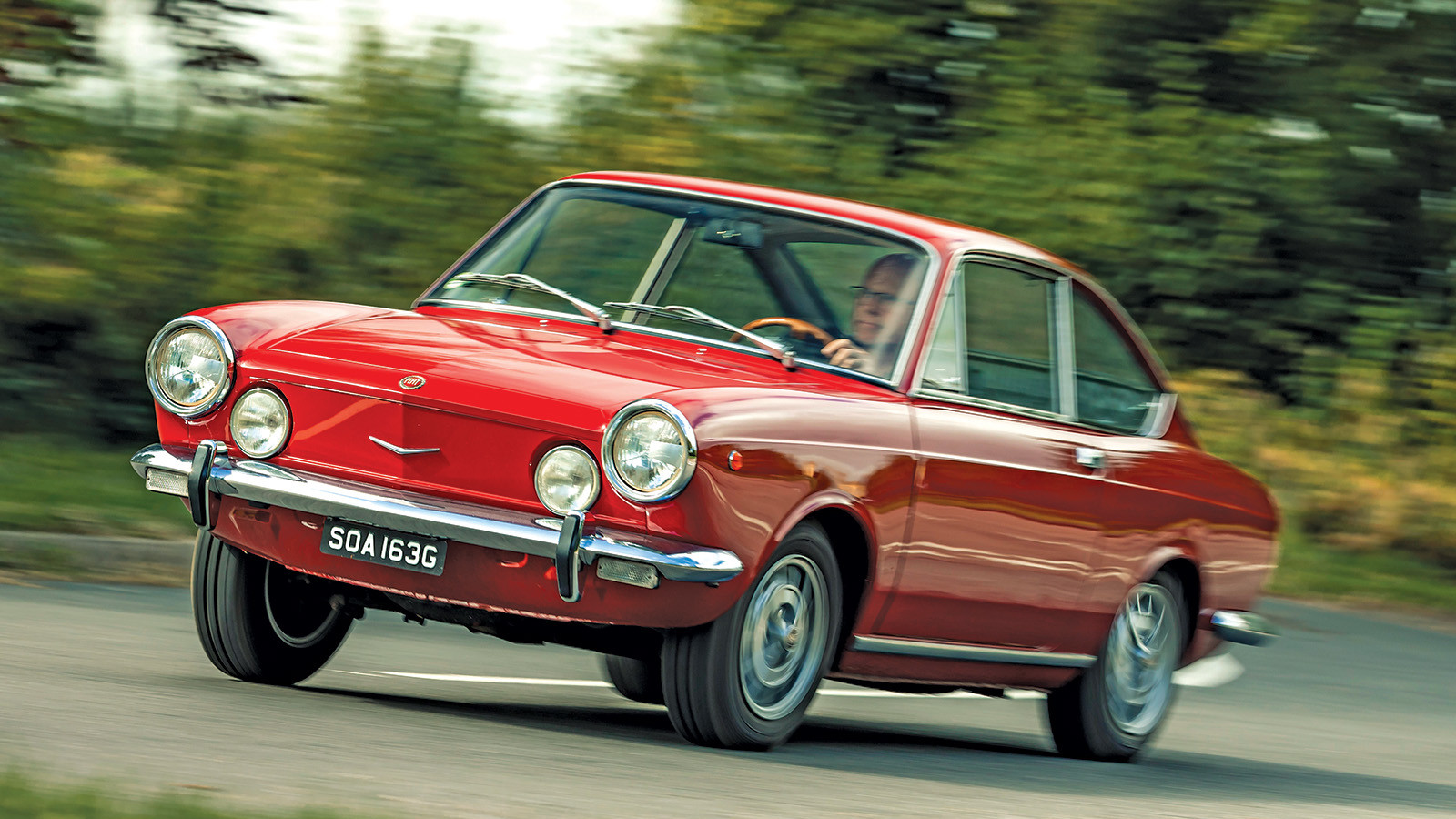
A diminutive and beguiling slice of la dolce vita, the Fiat 850 Spider was launched with the 850 Coupé at the 1965 Geneva Salon.
Designed by Giorgetto Giugiaro at Bertone and built by the Torinese coachbuilder, the Spider’s ‘Ferrari in miniature’ form featured a fabric roof that folded neatly out of sight below a steel flap.
Inside, its well-stocked, faux-wood dashboard and sports seats set a more upmarket tone versus the parsimony of its basic Berlina sibling.
Mechanically, a twin-choke Weber 28/36 carburettor, a reprofiled camshaft and a four-branch exhaust manifold boosted output by 40% versus the standard saloon – enough for a near-90mph top speed.
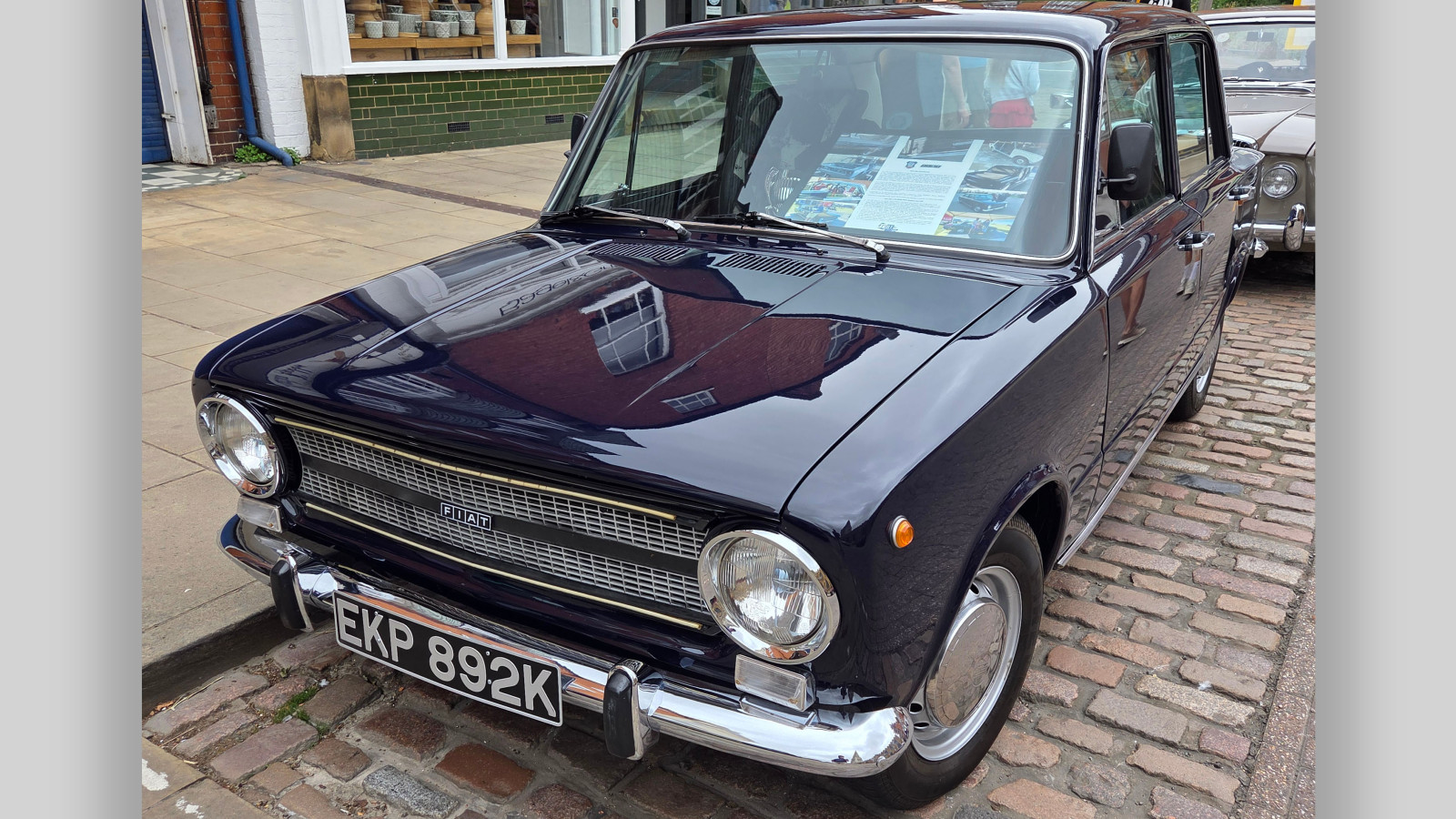
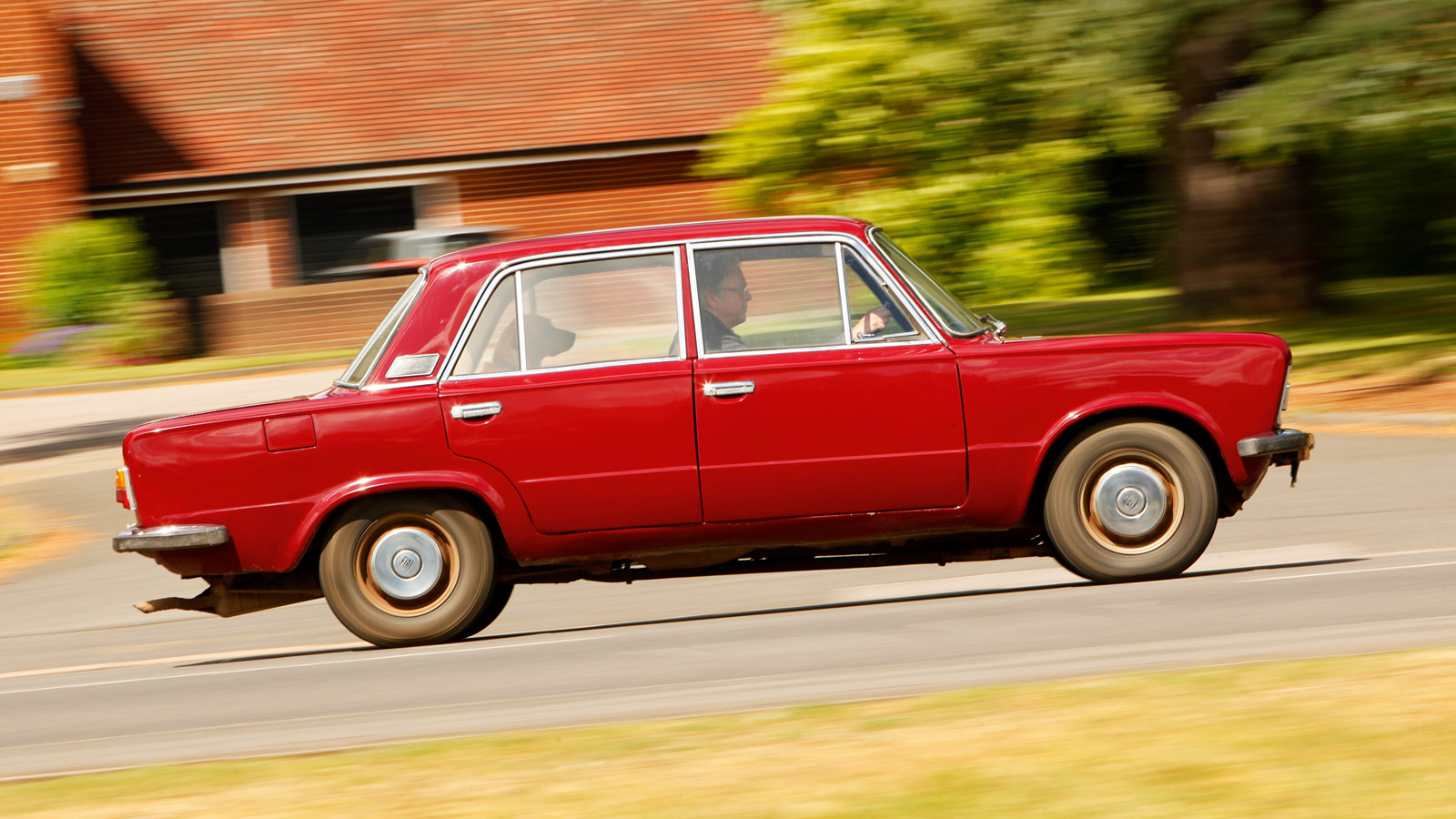
13. 1966 Fiat 124 saloon
Despite its unglamorous, boxy styling (and understandable comparisons with the heavier, mechanically different and dynamically inferior Lada 1200, with which it shared its basic body design), the 124 was Fiat’s technically advanced, spacious, four-door saloon for the mass market.
Succeeding the outgoing 1300 and 1500 models, the 124 was equipped with disc brakes on all four wheels, an all-synchromesh, four-speed gearbox and all-round, coil-sprung suspension.
Even though its longitudinally mounted engine driving the rear wheels followed convention at the time, the motor itself – designed by Aurelio Lampredi – was built to be durable, with a single side camshaft, overhead valves and a five-bearing crankshaft.
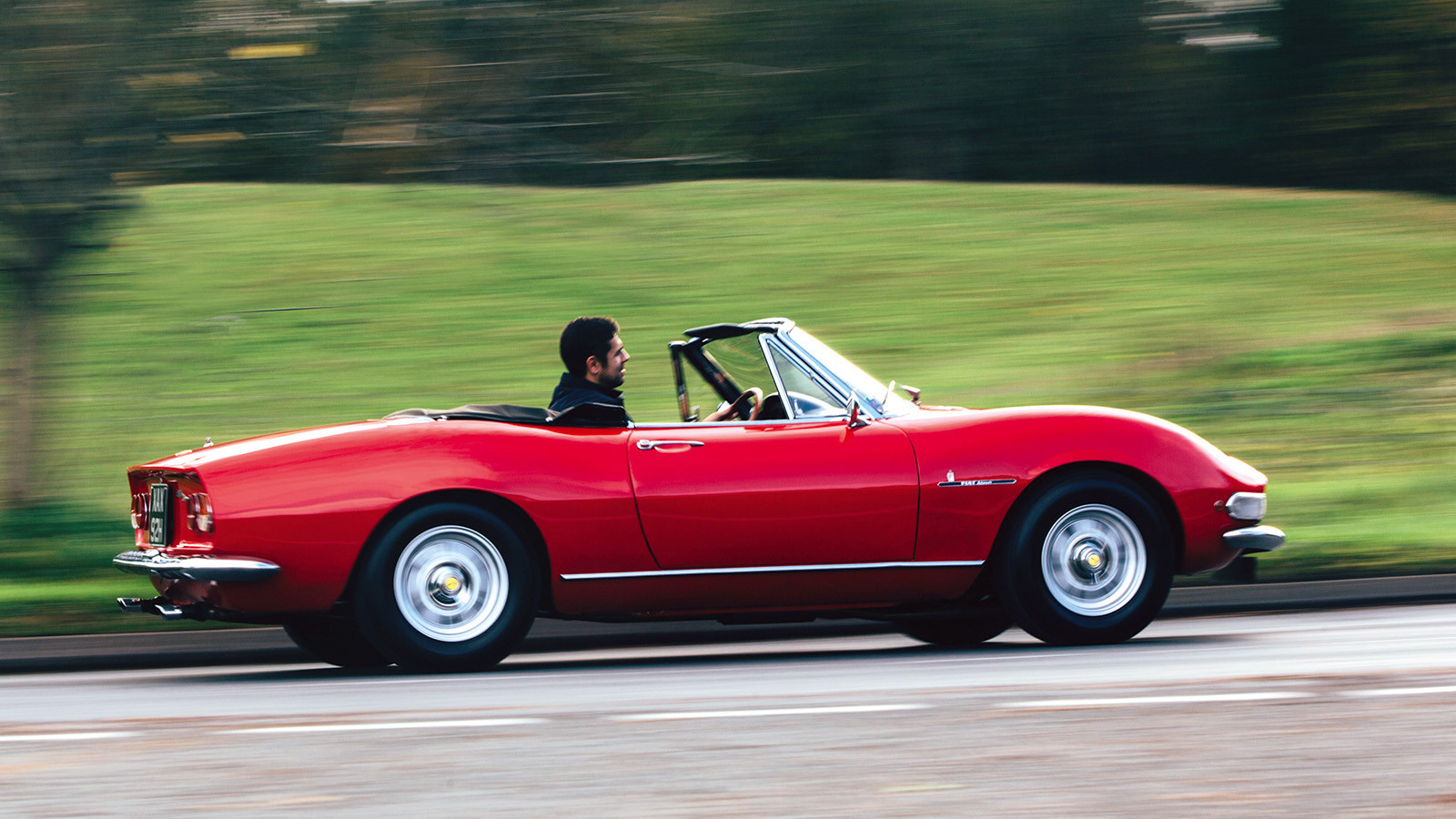
14. 1966 Fiat Dino Spider
Fiat’s working relationship with Ferrari went as far back as 1950, and in 1969 would be formalised when Fiat acquired a 50% stake in Maranello.
But three years before that, Ferrari needed to homologate its 2-litre, V6 engine for Formula Two racing and the Fiat Dino Spider was the result.
The Ferrari engine fitted in the Fiat was heavily related to that of the Dino 206, with all-aluminium construction, twin overhead camshafts per bank and transversely angled valves.
A key difference was the Fiat’s wet-sump lubrication versus Ferrari’s dry-sump system in the 206.
Styled by Pininfarina, the two-seat Dino Spider’s power output rose from 158bhp to 178bhp with the launch of the larger-engined Dino Spider 2400 in 1969.
Production ceased in 1973.
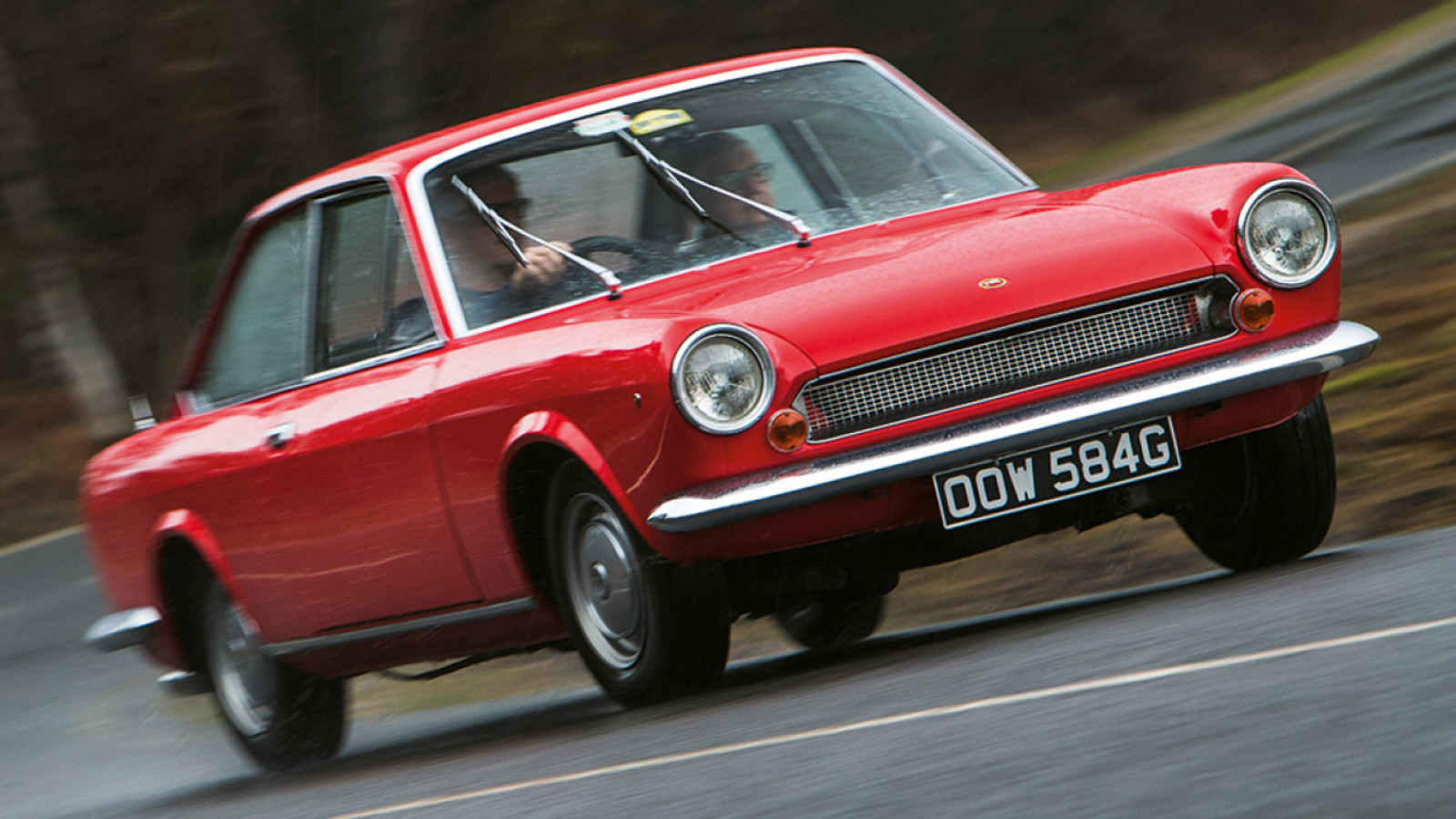
15. 1967 Fiat 124 Coupé
Designed in-house by Centro Stile’s Mario Boano, the two-door, four-seat Fiat 124 Coupé was sold in three iterations during its eight-year life: the AC model, with single headlights, the BC with twin headlights, and the CC with a squared-off grille.
While it was based on the 124 saloon’s underpinnings (four-wheel disc brakes, double-wishbone front suspension) its engines were larger and more powerful, with two double-overhead-camshaft units offered from launch, of 1438cc and 1608cc, each mated to a five-speed gearbox – 1600cc and 1800cc motors were added to the range in later years.
Around 286,000 Fiat 124 Coupés were built before production came to an end in 1975.
16. 1967 Fiat 125
Dante Giacosa’s cost-efficient solution for a large Fiat saloon used the platform from the car maker’s 1500 and the central structure from the 124, onto which were grafted restyled front and rear ends.
Powering the new car, which was developed in just 18 months, was a version of the 1608cc, twin-cam, four-cylinder engine from the Fiat 124 Sport.
The 125’s cabin was well-trimmed, with no bare-metal surfaces showing, and available with a range of options, such as an electronic rev counter, steering lock, a radio and an ‘Idroconvert’ semi-automatic transmission.
This was also among the first cars to be equipped with intermittent wiper control as standard.
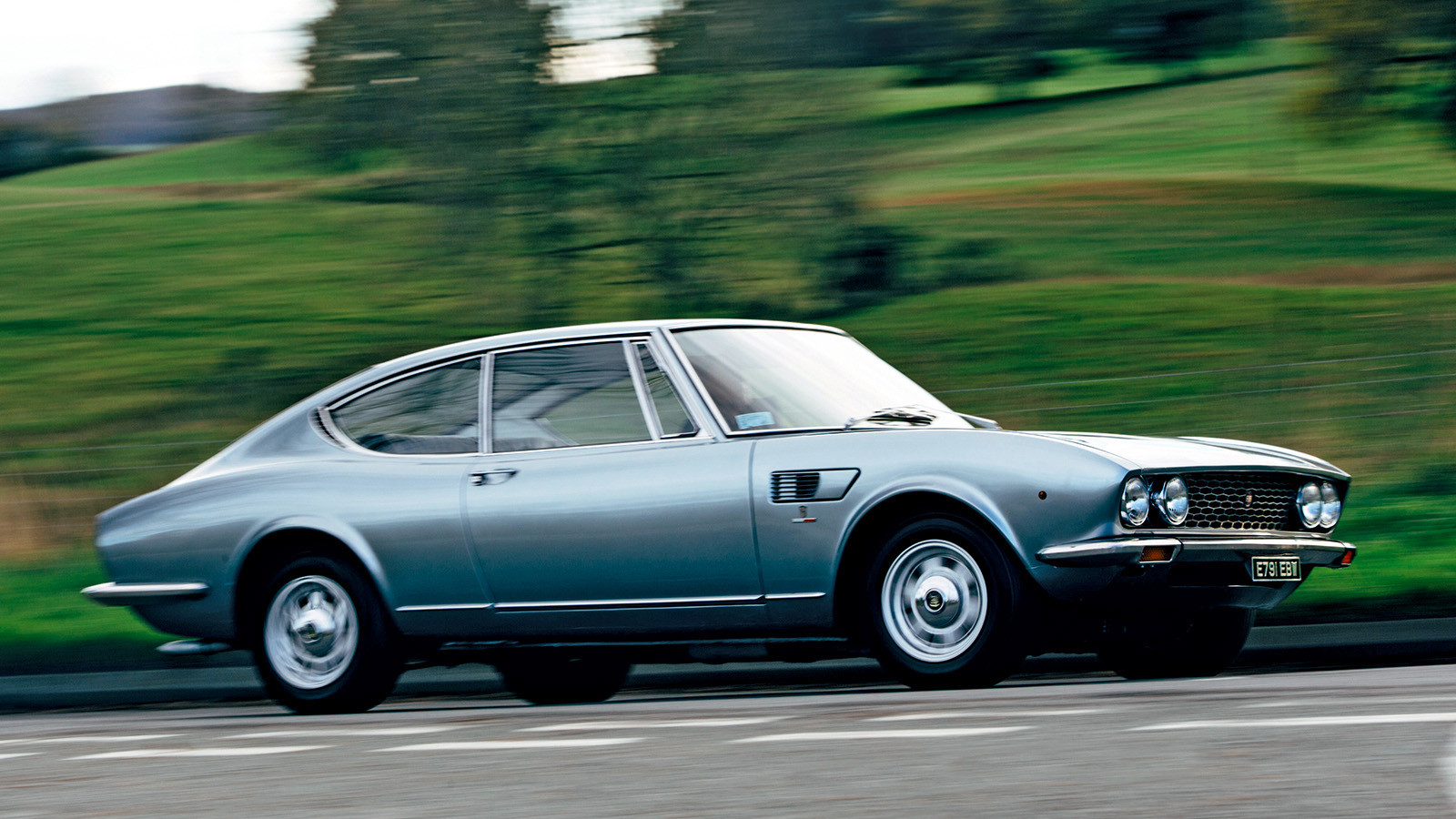
17. 1967 Fiat Dino Coupé
Fiat’s Dino Coupé followed shortly after the Dino Spider was launched, making its debut at Geneva in March 1967.
Giorgetto Giugiaro at Bertone had initially sketched the Coupé’s shape, but it was Marcello Gandini who was responsible for the final two-door, 2+2 design.
Mechanically near-identical to the Dino Spider, the Coupé’s suspension used double wishbones at the front and a rigid axle with semi-elliptic springs at the rear.
When the 2400 model was introduced in 1969, the cars were independently sprung with coils and an anti-roll bar.
The Dino Coupé was more opulently trimmed than its Spider sibling and, by all accounts, a better-quality product overall.
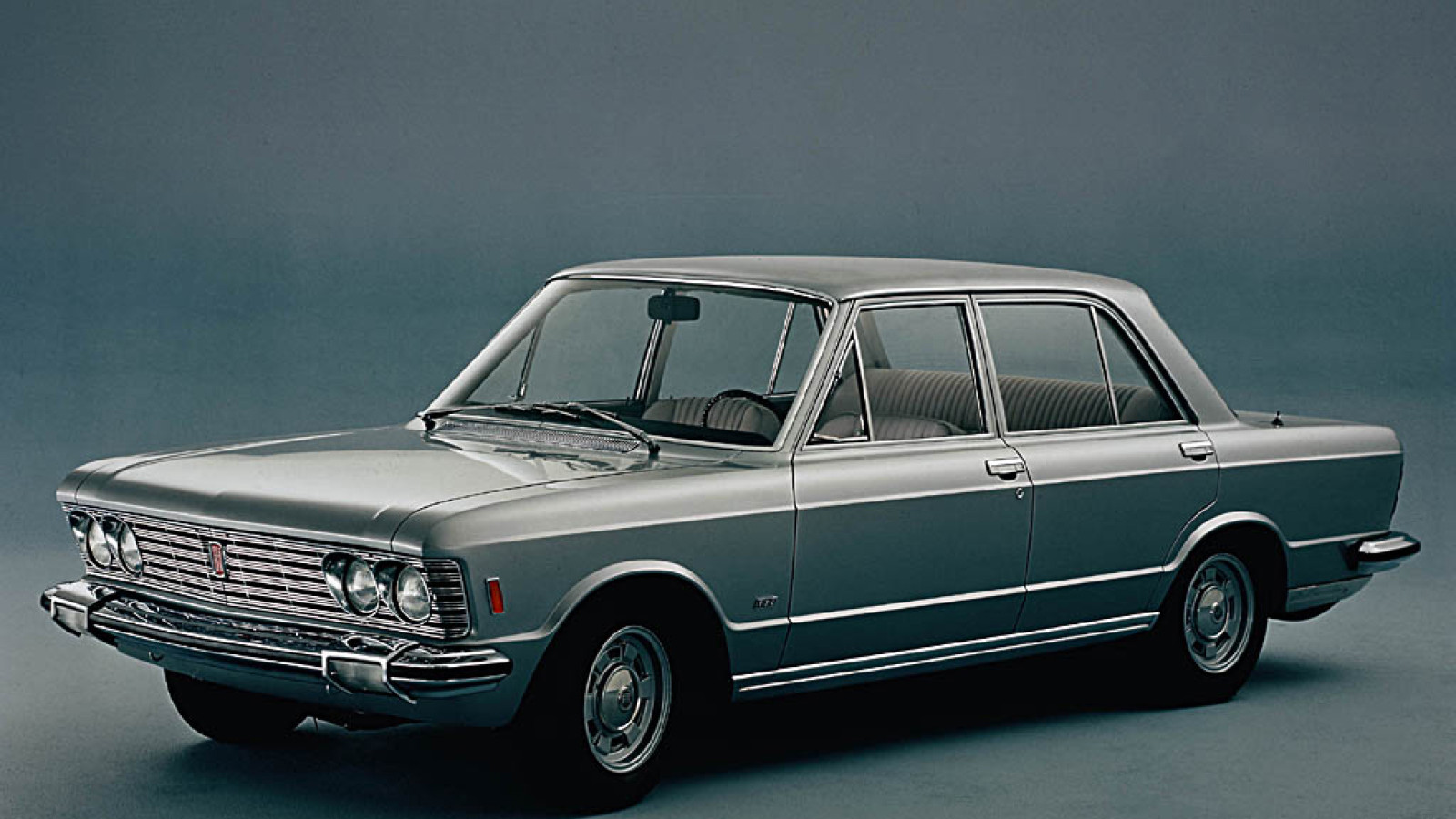
18. 1969 Fiat 130 saloon
Fiat’s three-box executive saloon was conceived to take the fight to rivals from BMW and Mercedes-Benz.
However, beneath the 130’s arguably rather dowdy body styled by Gian Paolo Boano, there lay thoroughly modern underpinnings, with four-wheel independent suspension, plus MacPherson struts front and rear.
Aurelio Lampredi designed an all-new, 60° V6 with a single overhead camshaft per bank and two valves per cylinder, initially displacing 2866cc. Output rose from 139bhp to 158bhp in 1970, and then again to 162bhp the following year when a larger cylinder bore gave a capacity increase to 3235cc.
Earlier Fiat 130 Saloons fell well behind their German rivals for cabin ambience, but by 1971 had improved greatly, taking design and material cues from the then-new 130 Coupé.
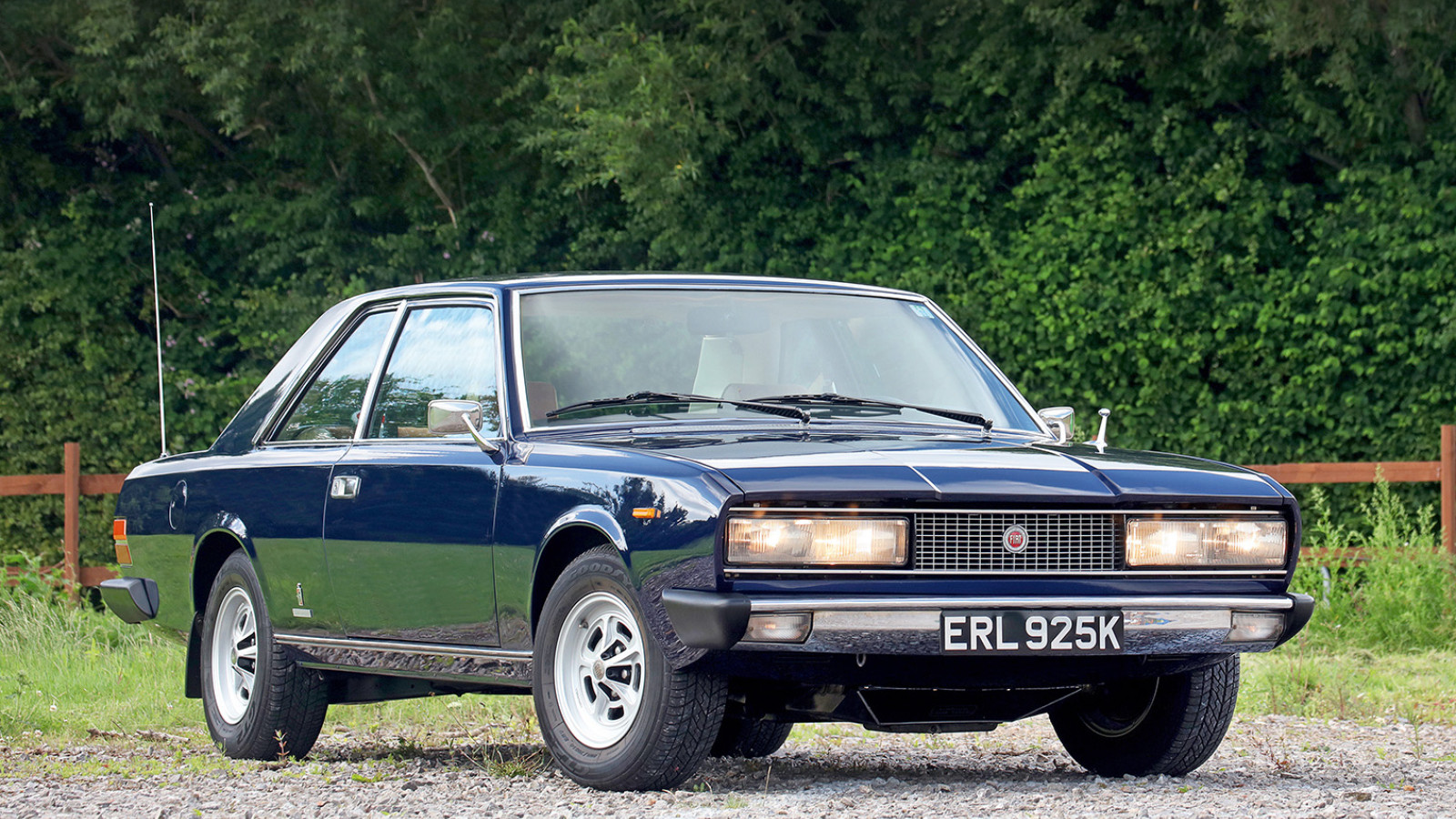
19. 1971 Fiat 130 Coupé
The contrast could not have been greater.
When the Fiat 130 Coupé was launched at Geneva in 1971, its design, inside and out by Pininfarina’s Paolo Martin, was widely praised and finally put the 130 range in the limelight.
Inside, the broad centre console was trimmed with wood veneer, its bank of switches illuminated by state-of-the-art fibre optics.
There was an adjustable steering column, expensive-looking seating for four and even neat gadgets, such as a driver’s-side button that remotely opened the passenger door.
Mechanically, the Coupé benefitted from the four-door’s larger-capacity, 3.2-litre V6 from the start, mated to either a Borg-Warner three-speed automatic gearbox or a ZF manual five-speed transmission.
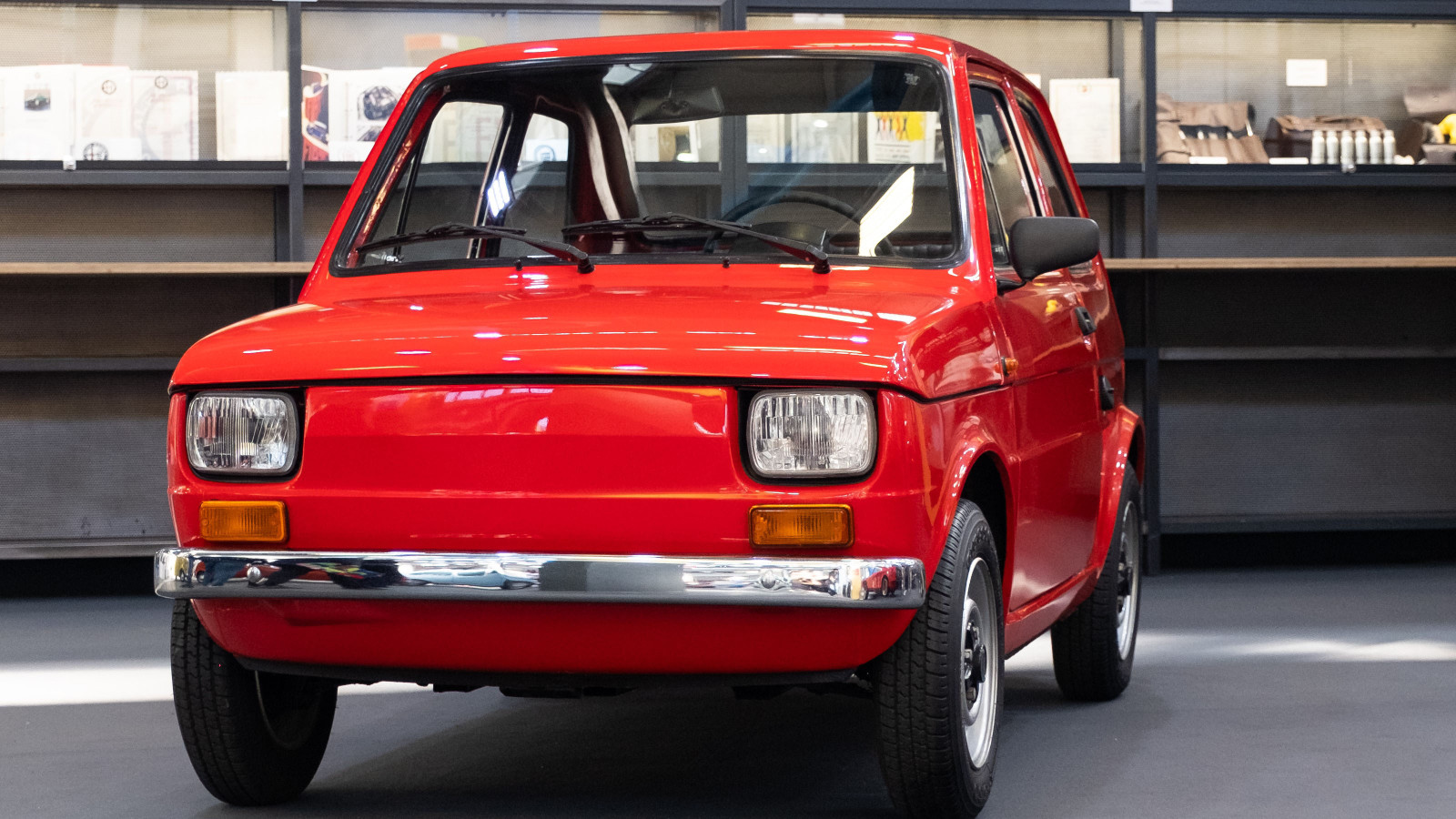
20. 1972 Fiat 126
After 15 years as Fiat’s ubiquitous urban runaround, the 500’s successor had a tough act to follow, but the 126’s fashionable and more angular lines brought the rear-engined city car into the 1970s, despite now being decidedly low-tech beneath its skin.
The 500’s air-cooled, twin-cylinder engine was enlarged to displace 594cc in the 126, gradually increasing in power over the course of the car’s surprisingly long production life, which finally came to an end in 2000.
Early on, Fiat licensed FSM to build the 126 in Poland as the Polski Fiat 126, and after Italian production stopped in 1980, the Polski model’s huge popularity among Eastern European buyers allowed its sales to endure.
By 2000, more than 4.6 million 126s had been produced in Italy and Poland.
21. 1972 Fiat 132
In a way, the Fiat 125 had always been a stop-gap model, so it was no surprise that after only five years it was replaced by the new 132.
Looking somewhat like a scaled-down version of its 130 Saloon big sibling, the 132 was styled by Marcello Gandini, and adopted Fiat’s tried and tested, front longitudinal engine and rear-drive configuration for larger models.
Available at first in two trims with a choice of either 1600 or 1800 twin-cam engines with standard five-speed manual gearboxes (or an optional GM automatic), the 132 was initially – and unusually for this marque – criticised for its handling.
But from 1974, heavily updated front suspension and wider tyres improved matters, as did hastily revised styling, including larger side windows, a new grille and a reshaped C-pillar.
There was a further major facelift in 1977, before production ended in 1981.
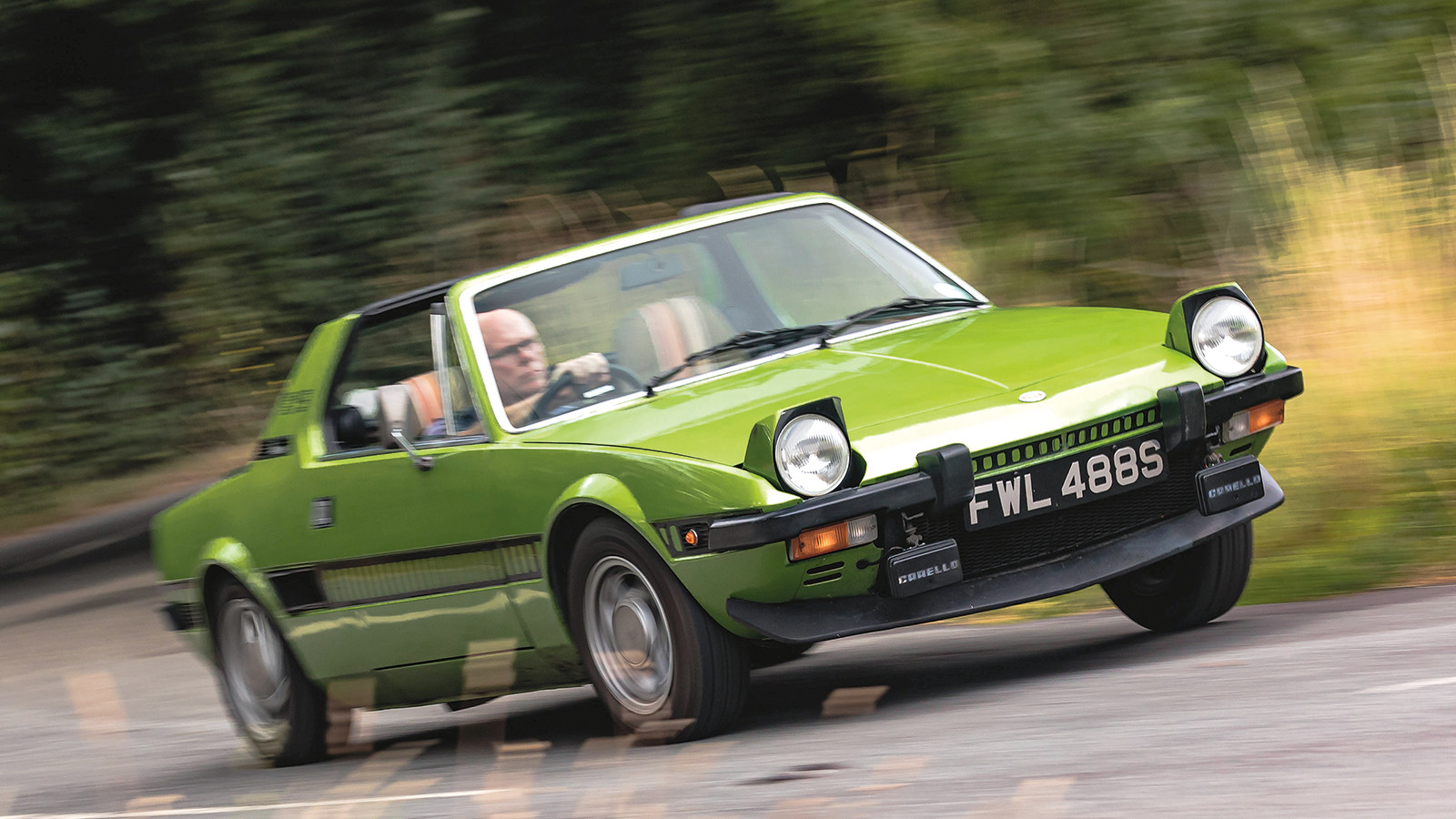
22. 1972 Fiat X1/9
Based on Autobianchi’s wacky A112 Runabout Barchetta concept from 1969, Fiat’s mid-engined, two-seat X1/9 sports car was not only brilliant to drive, but also a commercial success for its manufacturer.
Like the Runabout, the Fiat X1/9 was the work of Marcello Gandini at Bertone, its clever removable roof panel employed in case US authorities banned the sale of new soft-topped cars.
Compact and lightweight, the X1/9 made clever use of the acclaimed 128 saloon’s McPherson-strut suspension set-up, which was repurposed and located by lower links at the front and wishbones at the rear. Solid brake discs were used all round.
The Fiat 128’s then-new, Lampredi-designed, overhead-camshaft, four-cylinder engine was also employed, but in uprated form.
Engine capacity rose from 1290cc to 1500cc from 1979, and two years later all X1/9s were manufactured by Bertone, although still sold through Fiat’s dealers.
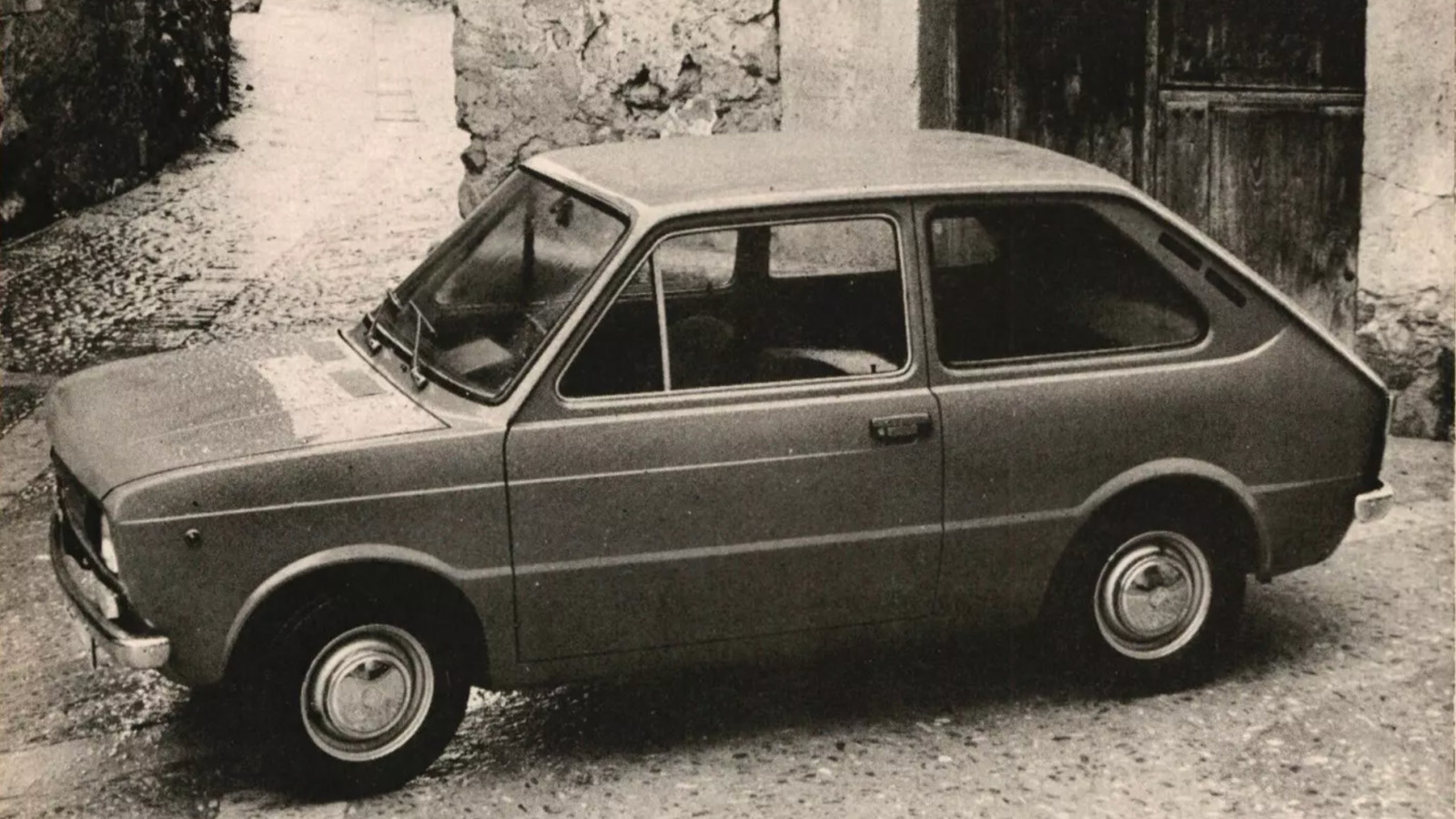
23. 1974 Fiat 133
At a time when small, rear-engined, rear-wheel-drive cars were losing their sheen in the face of more space-efficient, safer-handling, front-wheel-drive models, the Fiat 133 is a bit of a curio.
Developed by Seat in Spain, but sold globally under the Fiat badge though Fiat’s dealer network, the 133 took the outgoing 850’s engine and platform, and dressed it with a more 126-like, angular body.
Available with Fiat’s 843cc or 903cc overhead-valve ‘four’ paired with a four-speed gearbox, the 133 was hardly the last word in mechanical refinement or high performance.
But as a transitional model, bridging the gap between the aged 850 and the all-new, front-wheel-drive Panda, the 133 had its merits.
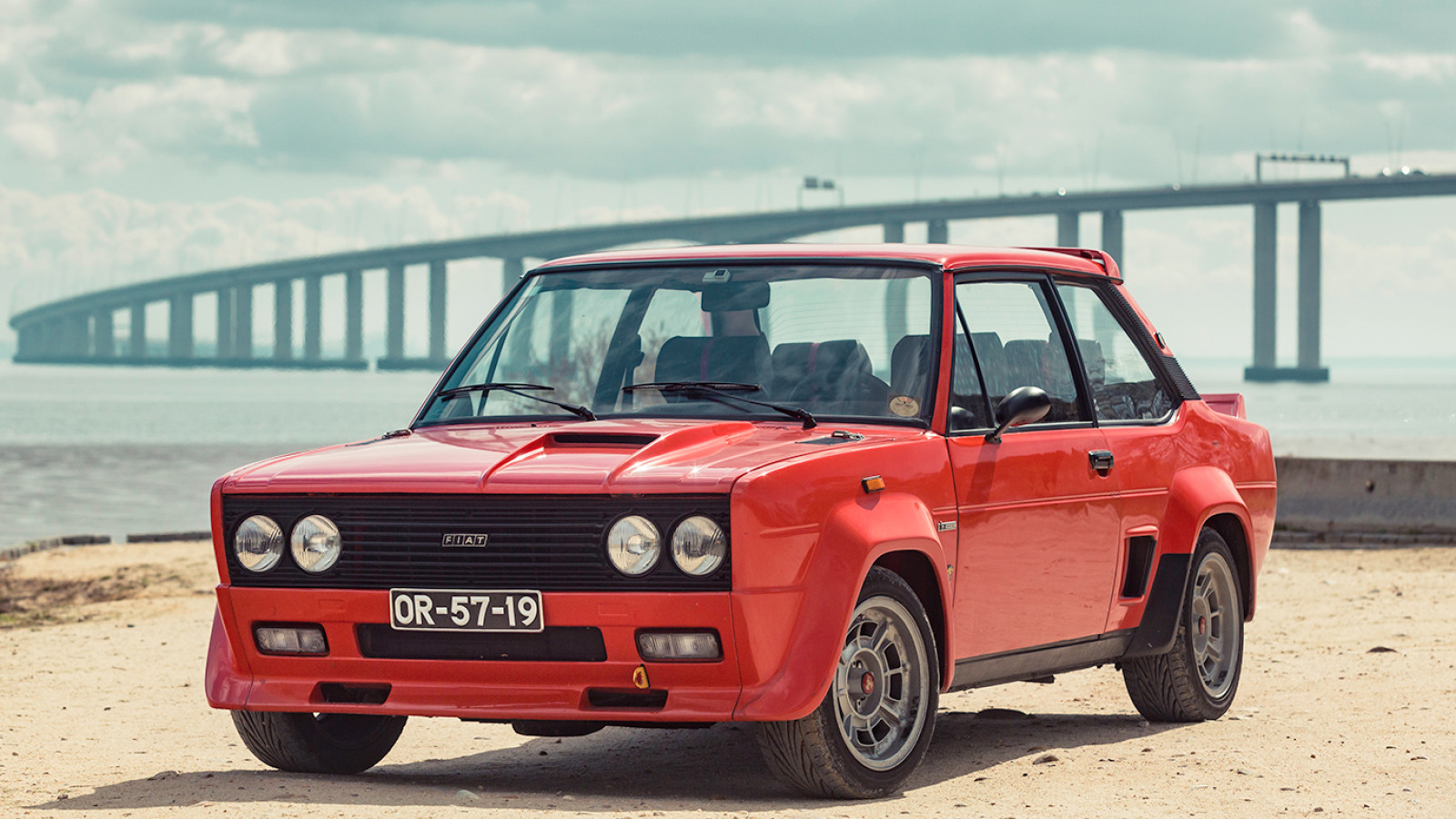
24. 1976 Fiat-Abarth 131 Stradale
In 1977, Autocar magazine labelled Fiat-Abarth’s 131 Stradale: ‘A strange mixture of the clever, the brash, and the sophisticated’.
It was to be the company’s homologation special permitting it access to the global World Rally Championship platform, following the demise of the 124 Abarth Rally.
Powered by a Lampredi-designed, 2-litre, twin-cam, four-cylinder engine, in road form, with a single Weber 34ADF carburettor, it was producing 138bhp.
That was enough, according to Autocar, for a 0-60mph time of 7.2 secs and on to a 112mph top speed.
The Stradale’s cabin was disappointingly standard-looking, but outside, the Bertone-drawn, boxed wheelarches, a deep front spoiler and a quartet of Cibié headlights made it clear this was no humble Mirafiori.
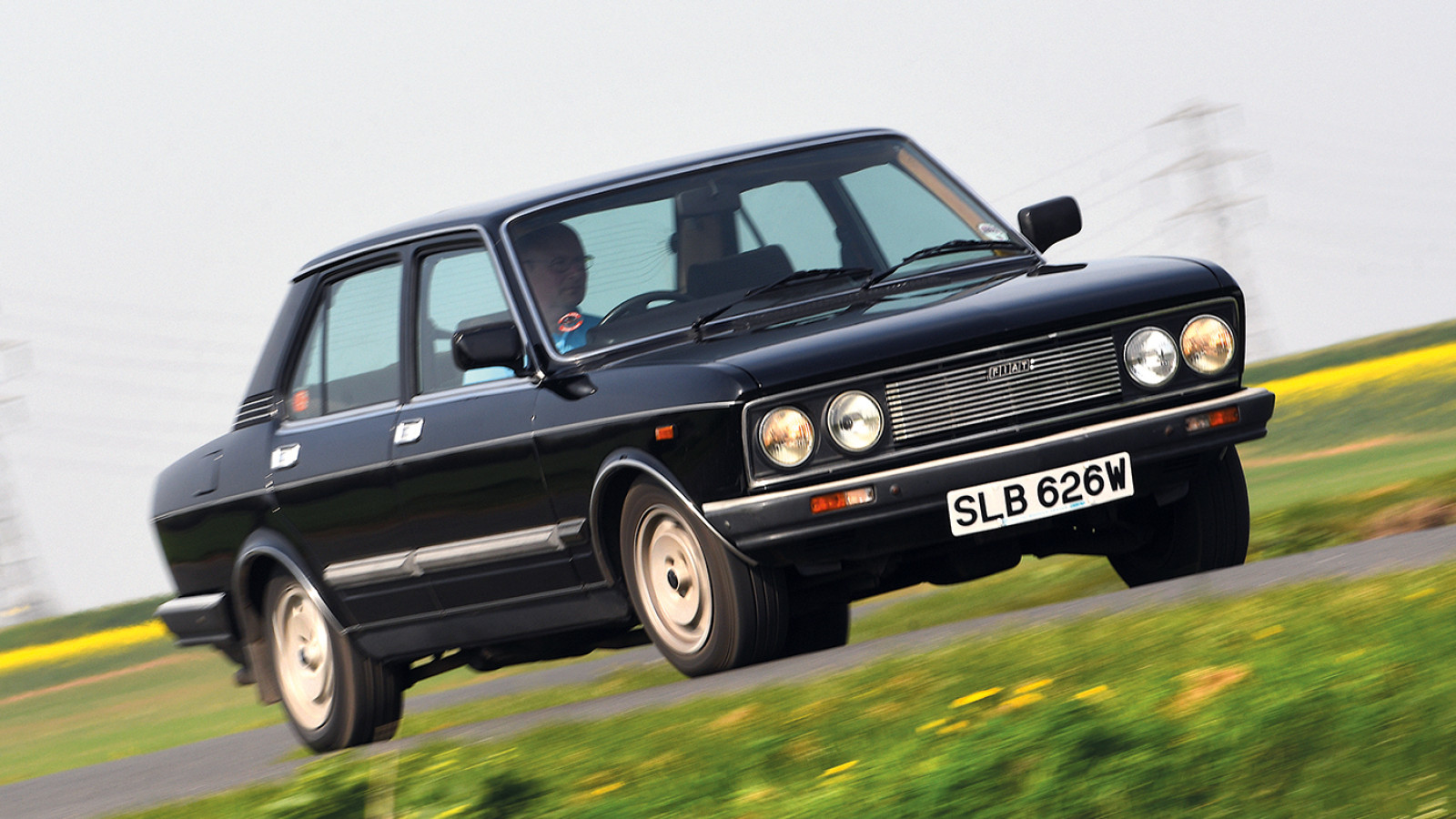
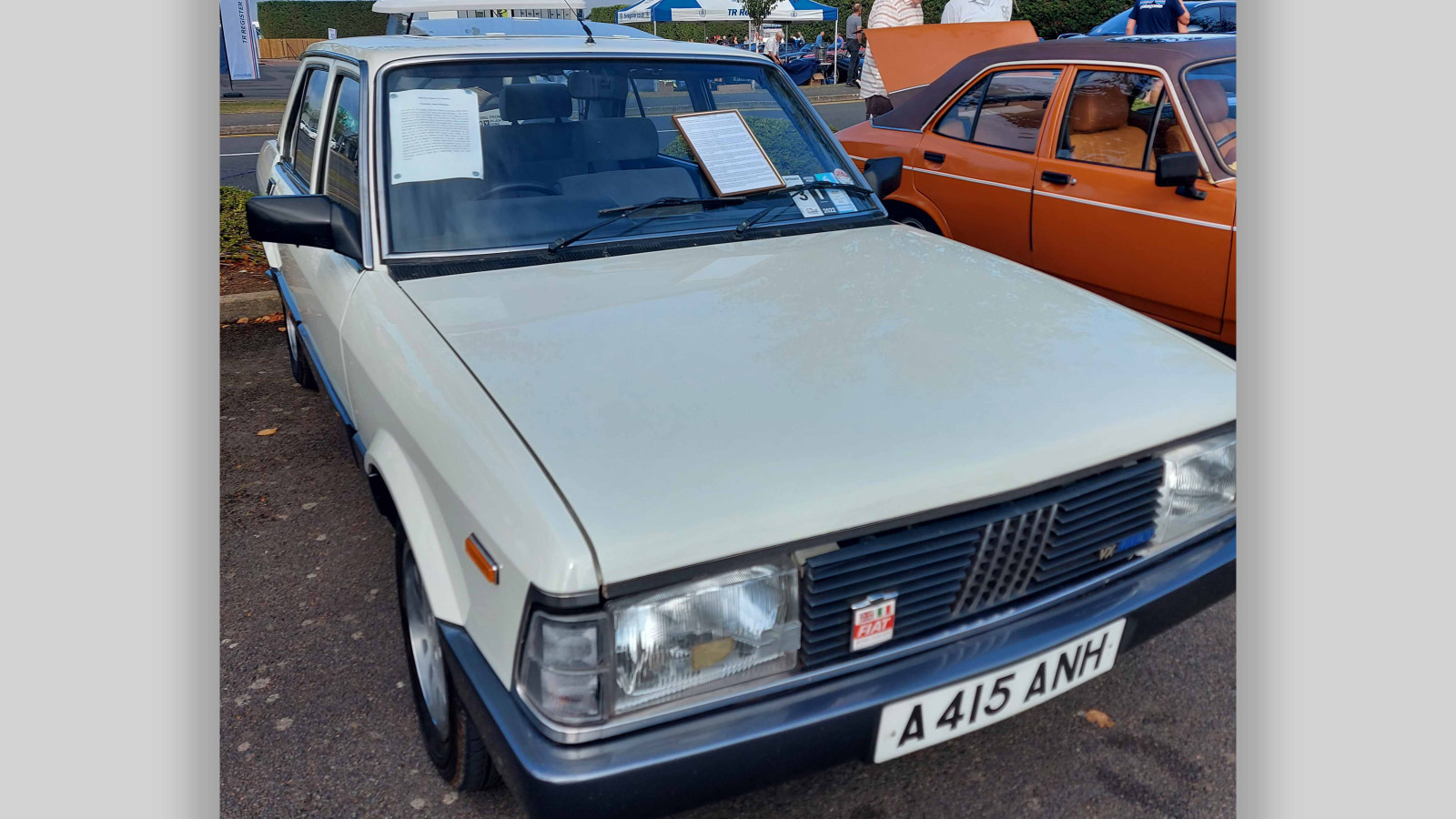
25. 1981 Fiat Argenta Volumex
Launched in 1981, the Fiat Argenta extended the life of what was fundamentally a heavily warmed-over 132 for another four years.
Most body panels were new, as were the front grille, bumpers and headlights, along with many of the interior fittings, including a new diagnostics panel on the dashboard.
However, in 1983, the Argenta was facelifted, and in addition to yet another new grille and some suspension tweaks, a new, 2-litre, supercharged model known as the Argenta VX joined the range.
Fitted with a Roots-type compressor, the engine was shared with Lancia’s HPE, Trevi and Beta Volumex models and produced 133bhp and 155lb ft of torque.
Now fitted with a larger, 70-litre fuel tank (catering for the engine’s greater thirst) and brake discs at the rear replacing drums, the Fiat Argenta Volumex was able to achieve a 115mph top speed.