Rolling the clock back 40 years
The Paris motor show has been the backdrop to the unveiling of many memorable cars and the 1986 edition was no different.
Back then, 40 years ago, the French event saw its usual mix of wondrous concepts and mainstream models revealed to the public.
There were also sleek executive and luxury cars, convertibles, and even some high-performance models for that essential show glitz.
Plenty to see, then, so let’s look back at some of the cars that made their debuts at the Paris motor show in October 1986, presented in alphabetical order.
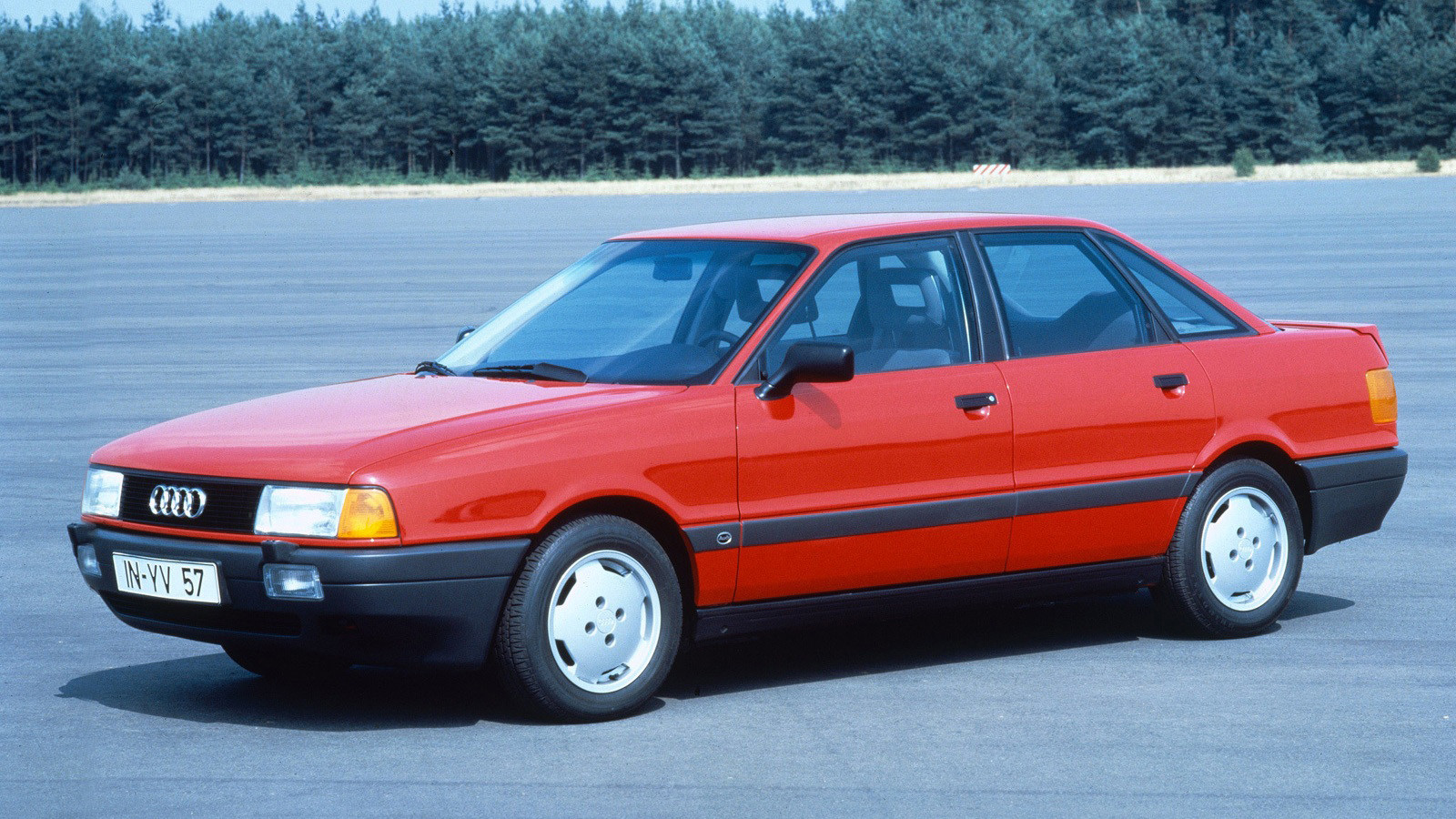
1. Audi 80
When the Audi 80 was launched in Paris to rival BMW’s latest 3 Series, it adopted the smooth and rounded lines of the larger 100.
Known within Audi as the Typ 89 and more widely referred to as the B3 generation, this 80 stuck with the north-south engine location ahead of the front axle.
This gave the 80 a long nose, but the handsome styling helped disguise this and buyers could also opt for the five-cylinder 90 with the option of four-wheel drive.
Well-made and safe, the Audi 80 was also available with the marque’s Procon-ten crash protection, which became standard on all models from 1991.
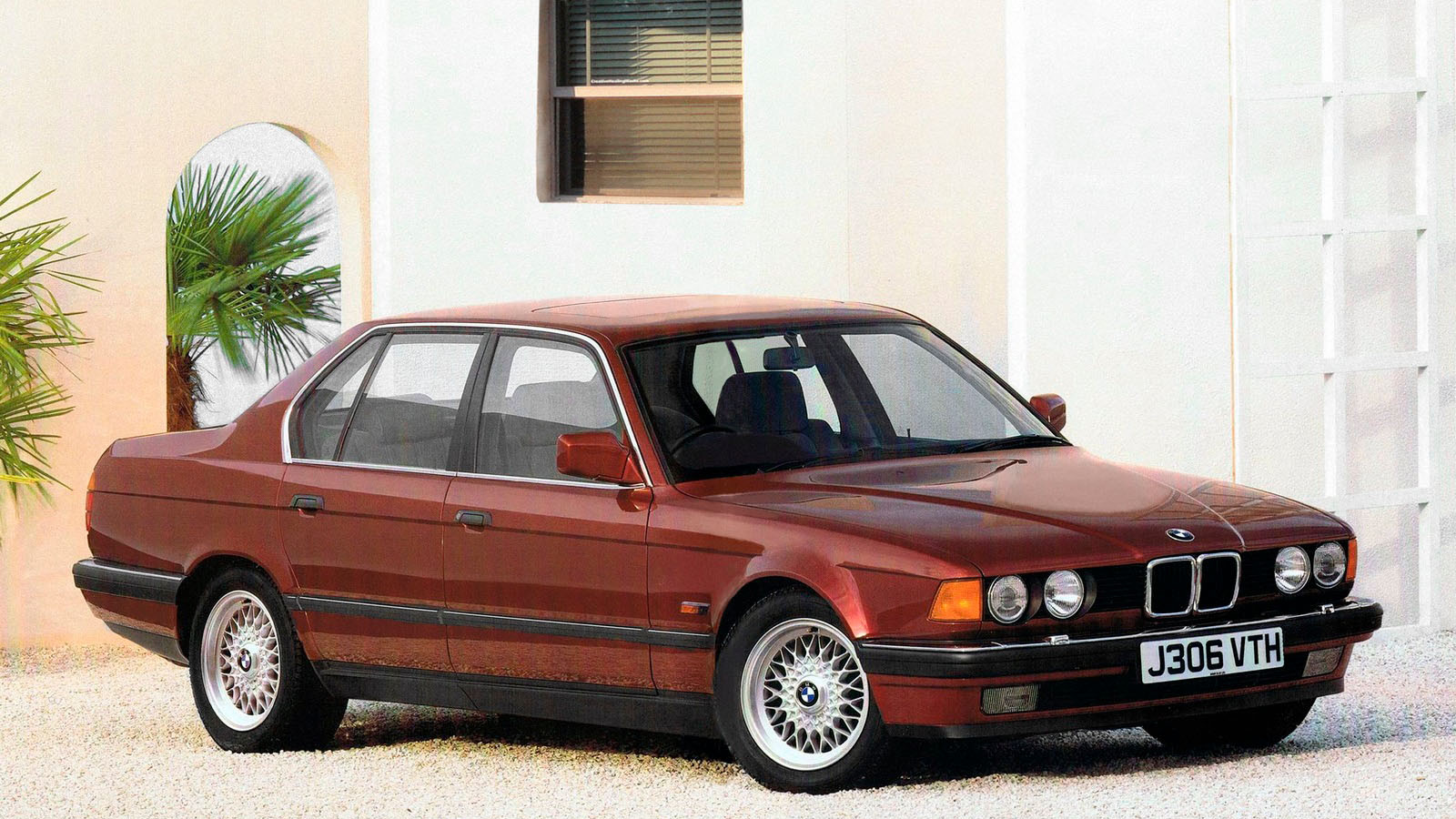
2. BMW 7 Series
At its launch in Paris in 1986, the E32 generation of the BMW 7 Series was only available with 3- and 3.4-litre straight-six engines.
The effortlessly smooth 5-litre V12 appeared in 1987, but few buyers were bothered, because the six-cylinder motors carried over from the previous 7 Series worked a treat, and there was plenty for Paris show visitors to marvel at.
This was the first 7 Series with dual climate control and adaptive suspension, as well as traction control fitted either as standard or as an option.
It was also the first BMW 7 Series to be offered with a choice of two wheelbases – standard, or in 4in (102mm) longer iL form.
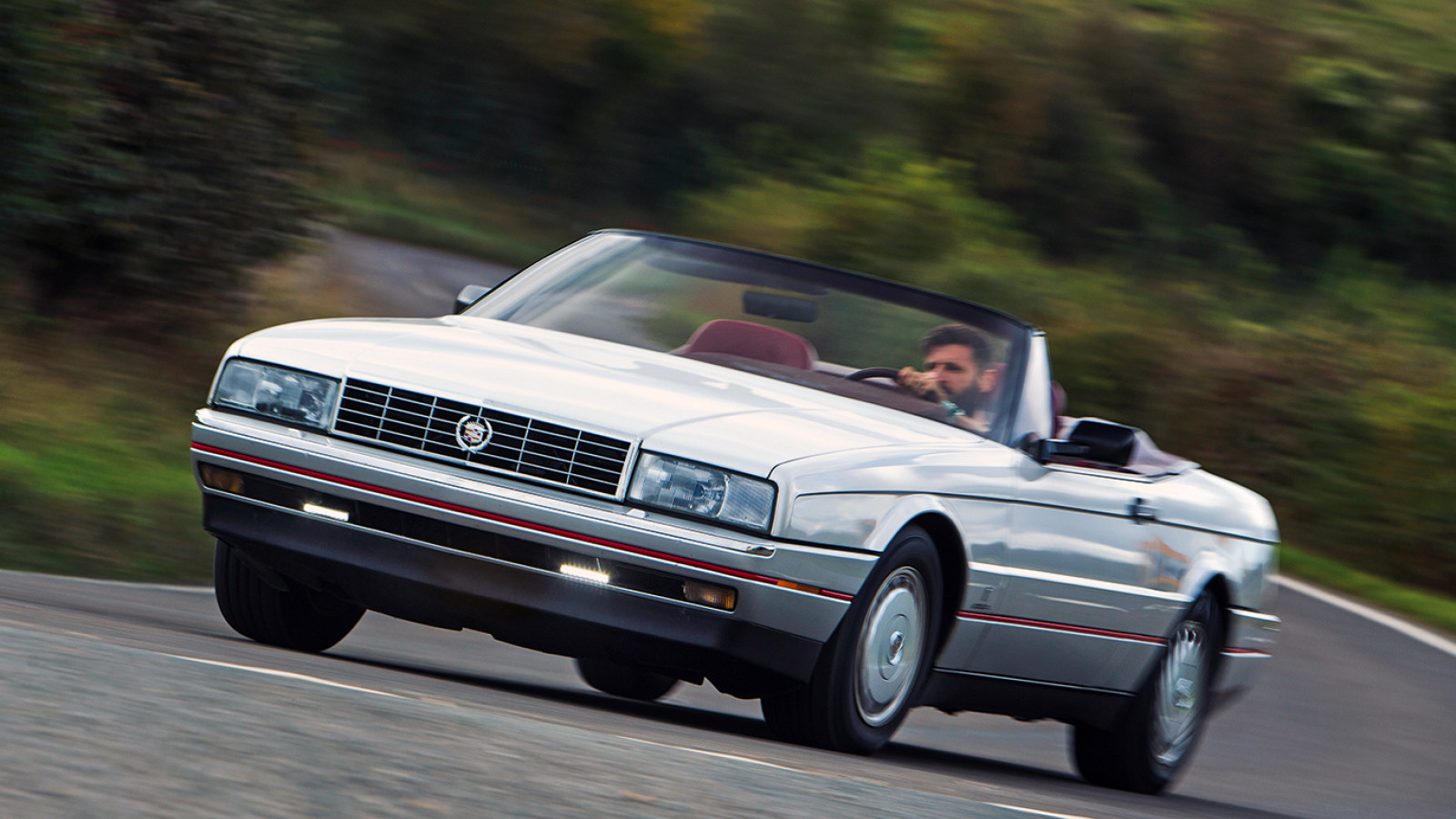
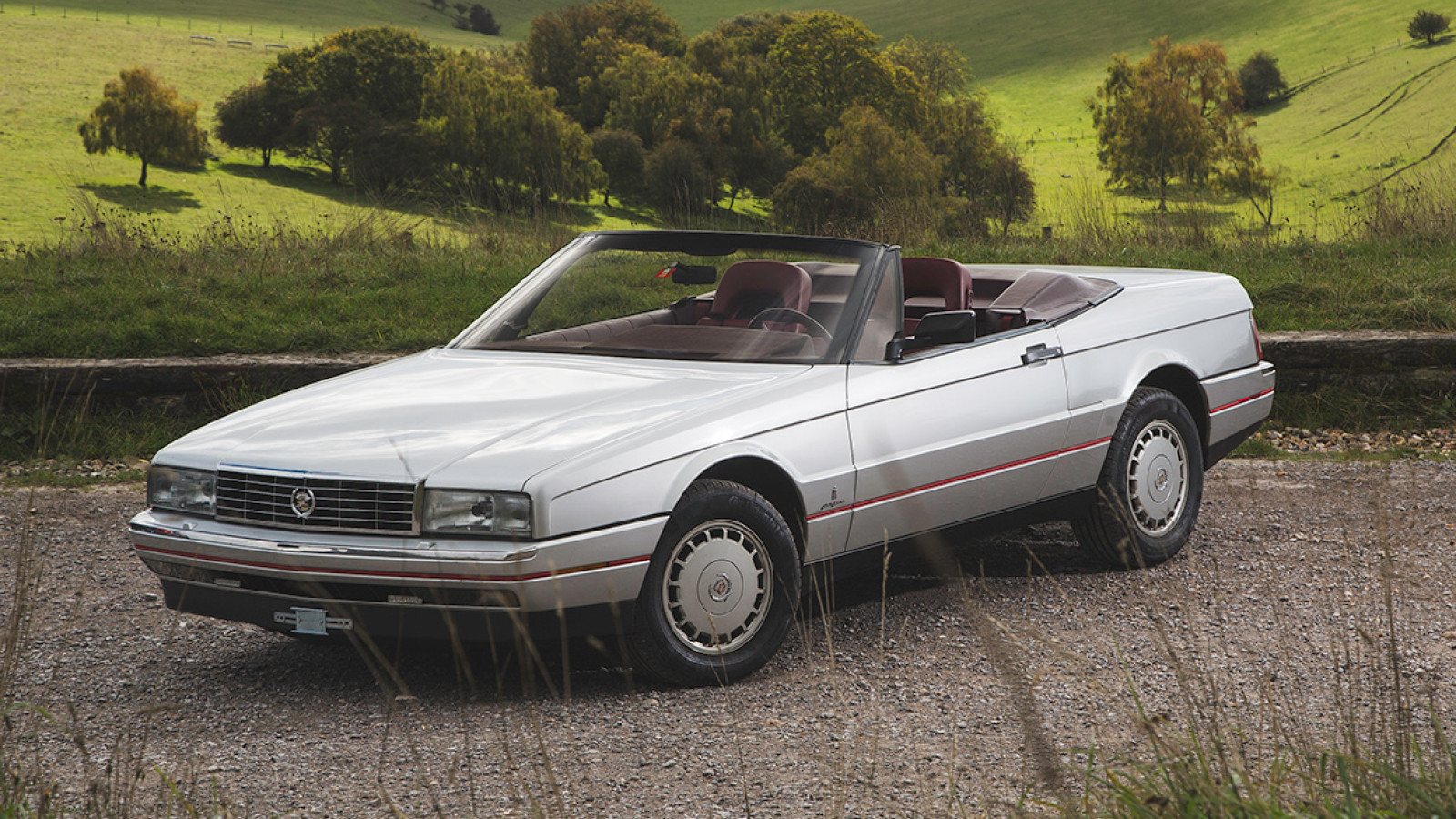
3. Cadillac Allanté
It’s a sign of Cadillac’s ambition for the Allanté that it aimed to sell this car in both the US and European markets.
The Paris motor show gave the Allanté buyers on the European side of the Atlantic Ocean their first glimpse of the two-seat rival to the Mercedes-Benz SL.
It received a warm reception from visitors and press alike, helped by its Pininfarina styling.
The Italian firm also built the bodies, which were then shipped to Detroit in the US in specially converted planes for final assembly.
More than 21,000 Allantés were built and almost all were sold in the US, despite Cadillac’s European efforts.
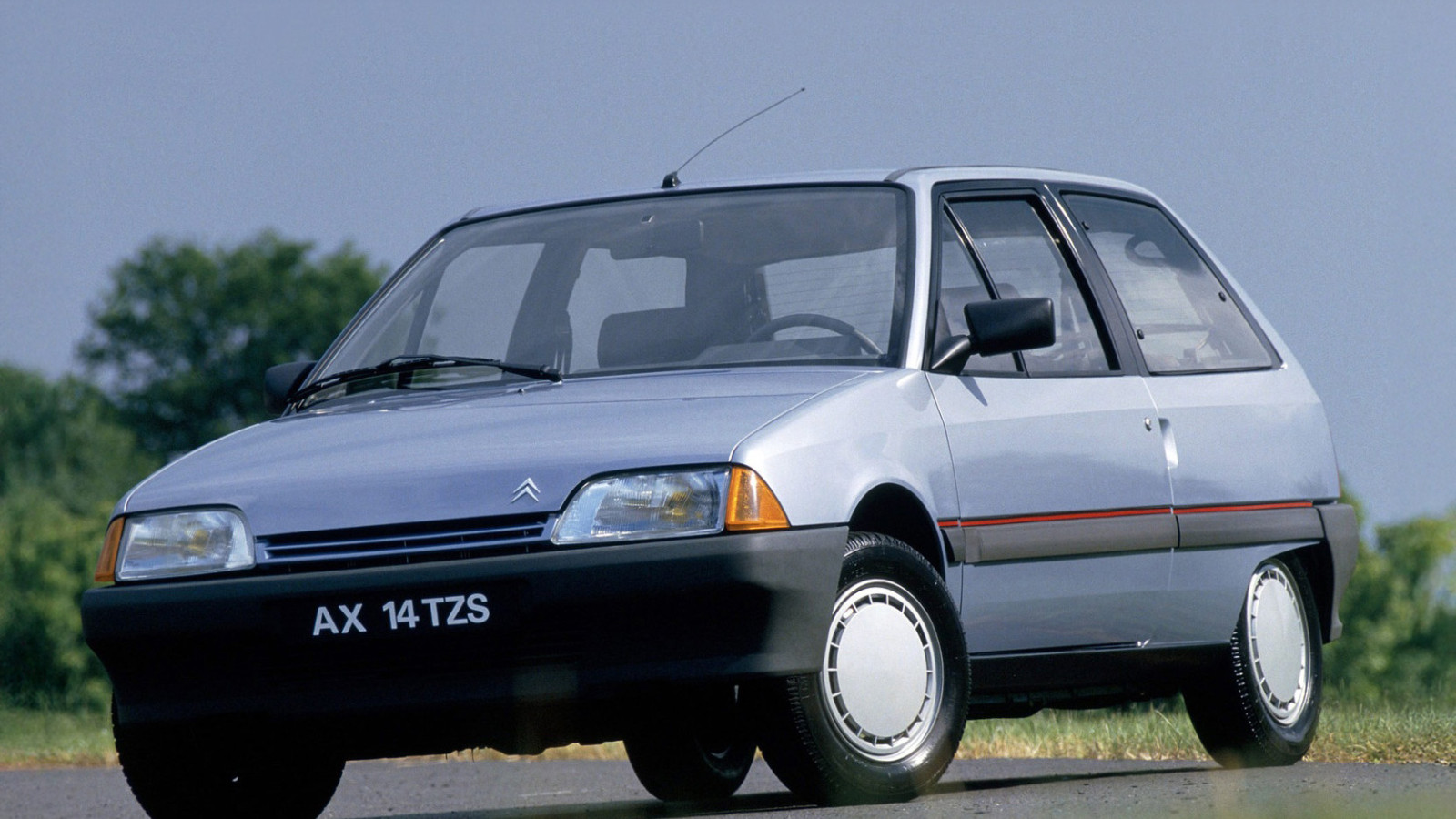
4. Citroën AX
The Peugeot 205 was proving a huge hit and Citroën’s response arrived at the Paris show in 1986 with the AX.
Its engines and running gear were unremarkable, but the AX’s crisp lines made it instantly popular, at home in France and everywhere it was sold.
Offered in three- and five-door forms, much of the AX’s appeal lay in its low running costs, with fuel economy helped by the car’s impressive aerodynamics.
It was also very light thanks to weight-saving measures such as plastic bumpers and a lower tailgate, and a single windscreen wiper.
The Citroën AX lasted until 1998 and more than 2.5 million were built.
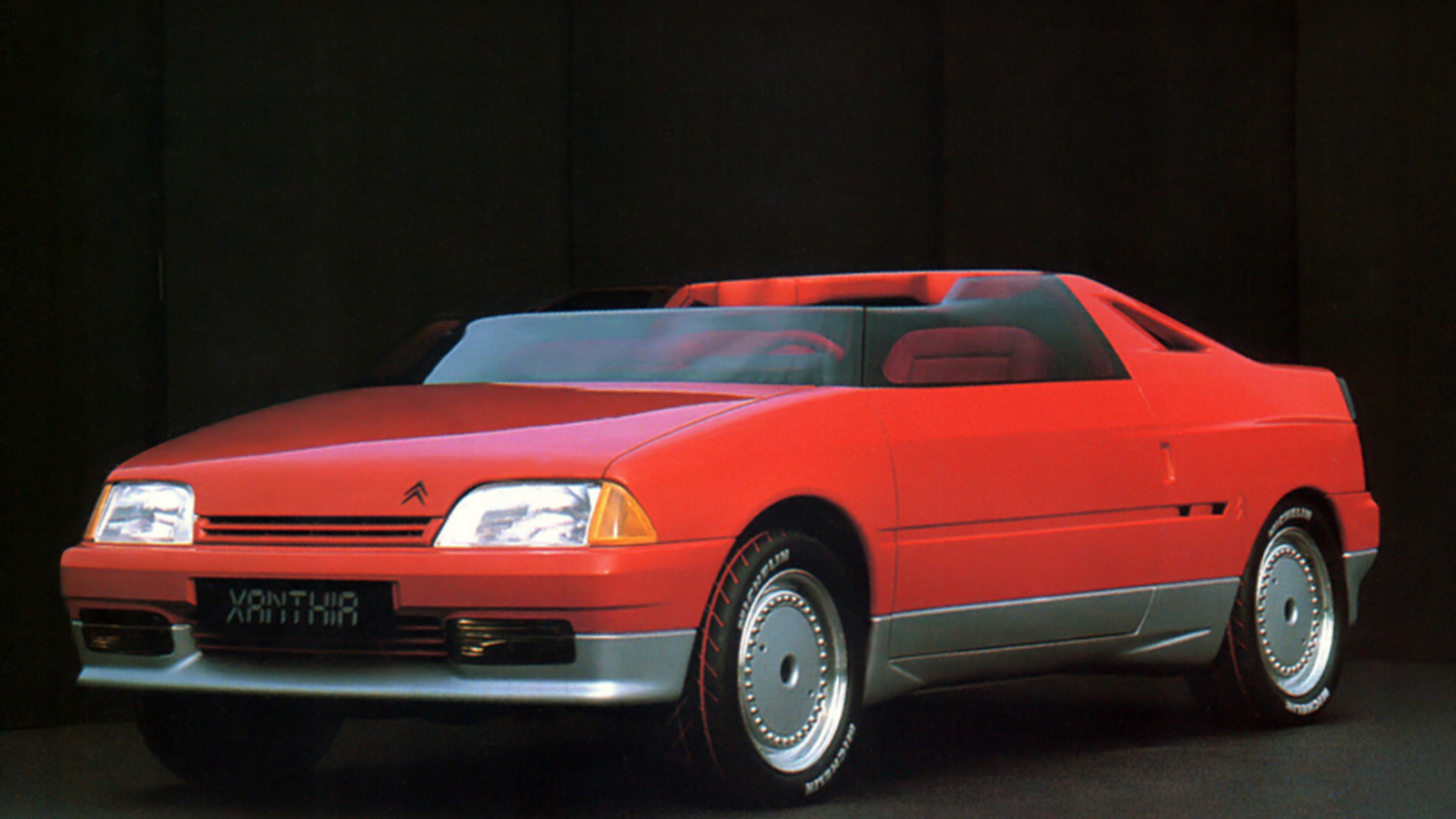
5. Citroën Xanthia
Clearly based on the new AX, Citroën added a dash of glamour to its Paris motor show stand in October 1986 with the Xanthia concept car.
The open-top, two-seat Xanthia hinted that a convertible AX was in the pipeline, although it was more a portent of what was to come with the AX GT.
Trimmed in lots of red leather, the Citroën Xanthia’s cabin came with electrically adjusted seats with position memory function, which was very advanced for the time.
The Xanthia also featured an early form of tyre pressure and temperature monitoring, via a dashboard display to the left of the main binnacle.
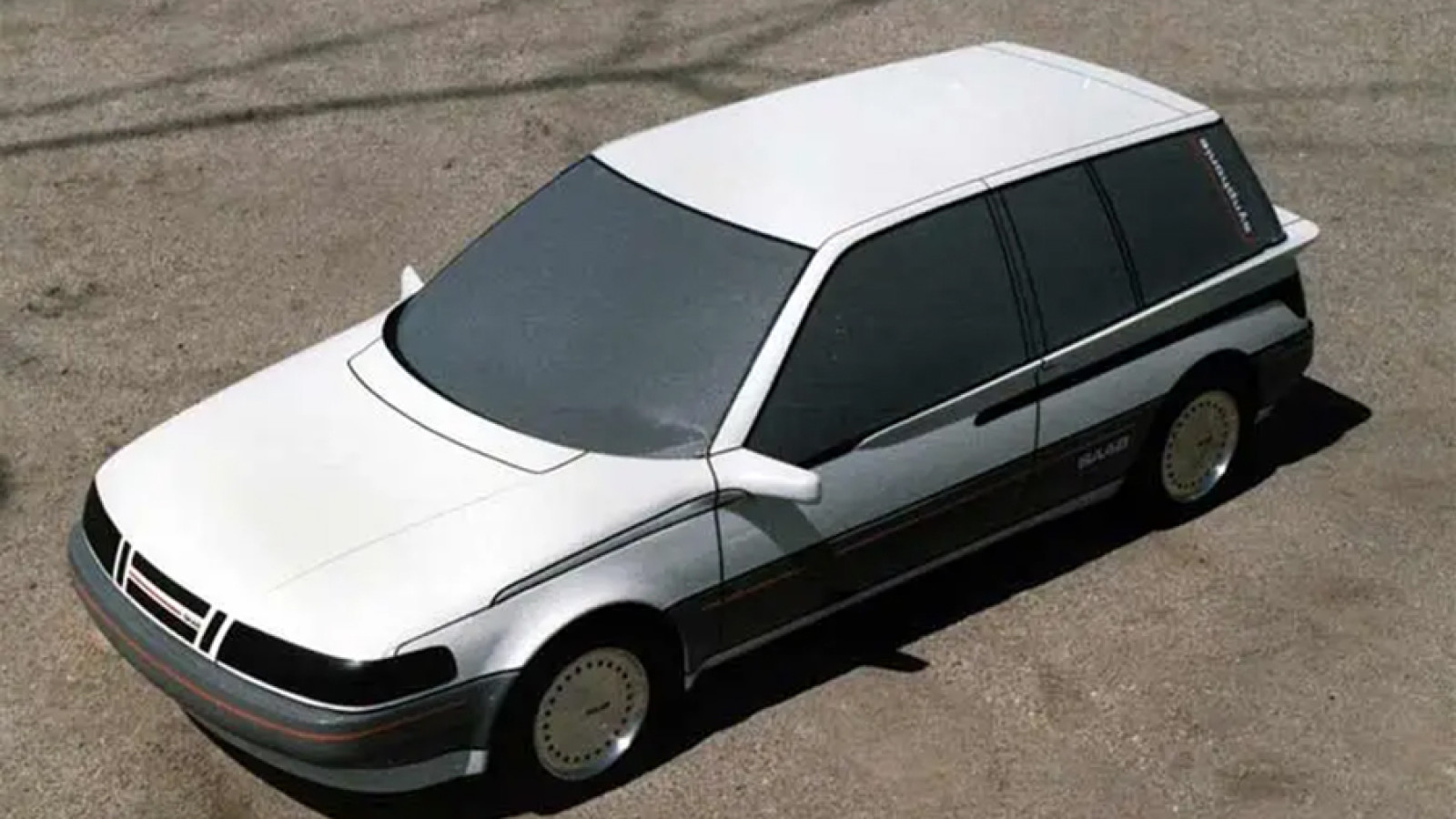
6. Fjord 9001
Aldo Garnero and Joël Brétécher launched their new company, called Euro Design Engineering, with a compact Saab coupé to take on the Volvo 480 that had recently been released and was gaining Volvo plenty of media coverage.
Called the Fjord 9001, the concept had a 2+1 seat layout and estate styling that added plenty of space for luggage.
Based on a Saab 9000 platform, the concept displayed at Paris was a fully working car rather than just a show model.
It didn’t tempt Saab, which was busy promoting its new 900 Convertible that was also unveiled under the Paris show’s lights, as we will see later.
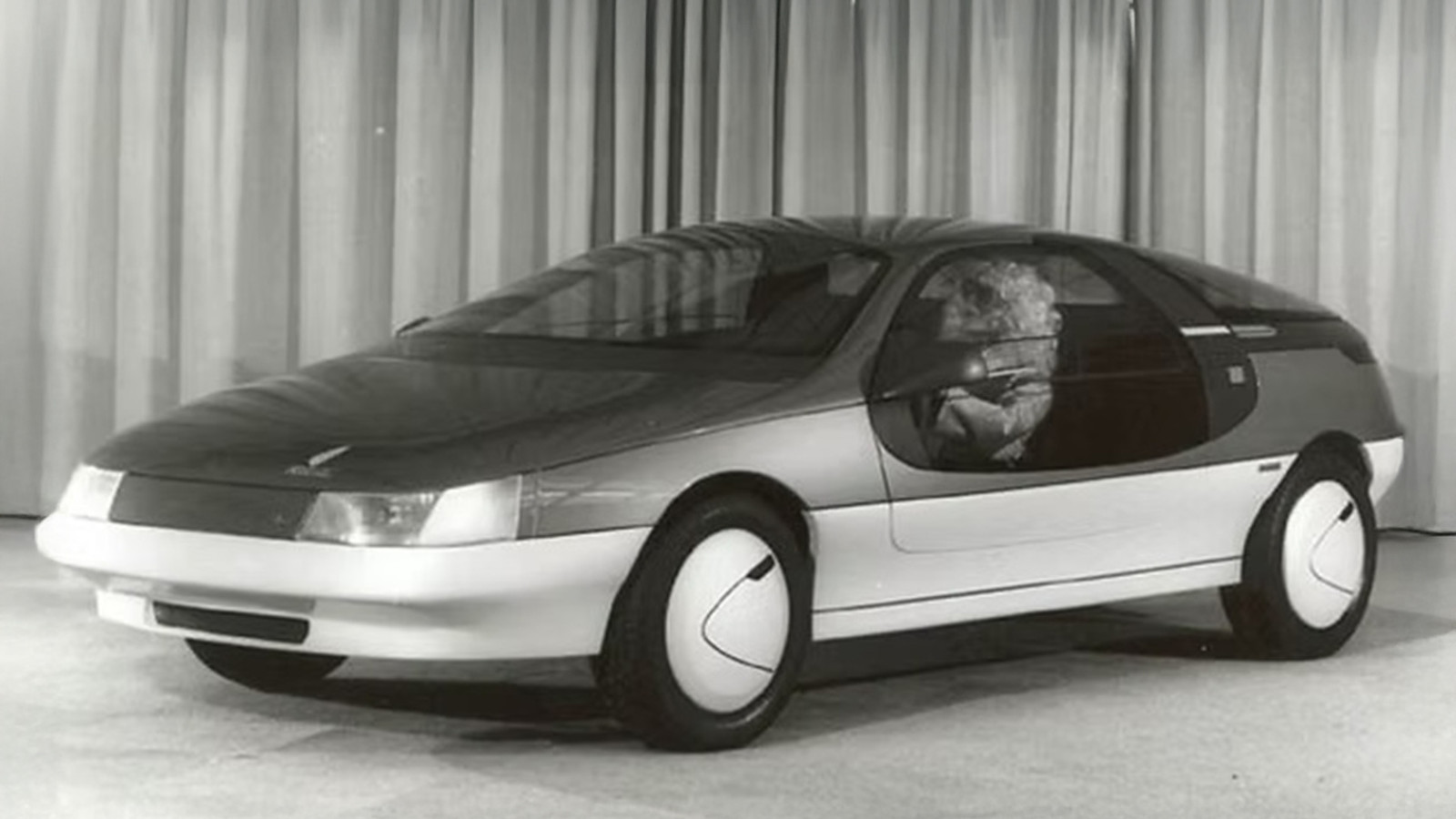
7. Heuliez Atlantic
French coachbuilder Heuliez grabbed lots of attention at its home show in 1986 with the Atlantic.
The concept car had a large glass area thanks to the deep door windows and vast glazed tailgate.
It made for a dramatic coupé, and Heuliez showed off a convertible version called the Stars & Stripes shortly after the Paris event.
Underneath, the Atlantic was a little more modest, because it used a Peugeot 405’s 1.9-litre, petrol engine to give a claimed top speed of 128mph.
Nothing came of the Atlantic, but Heuliez did partner again with Peugeot to build the convertible roof for the 206 CC.
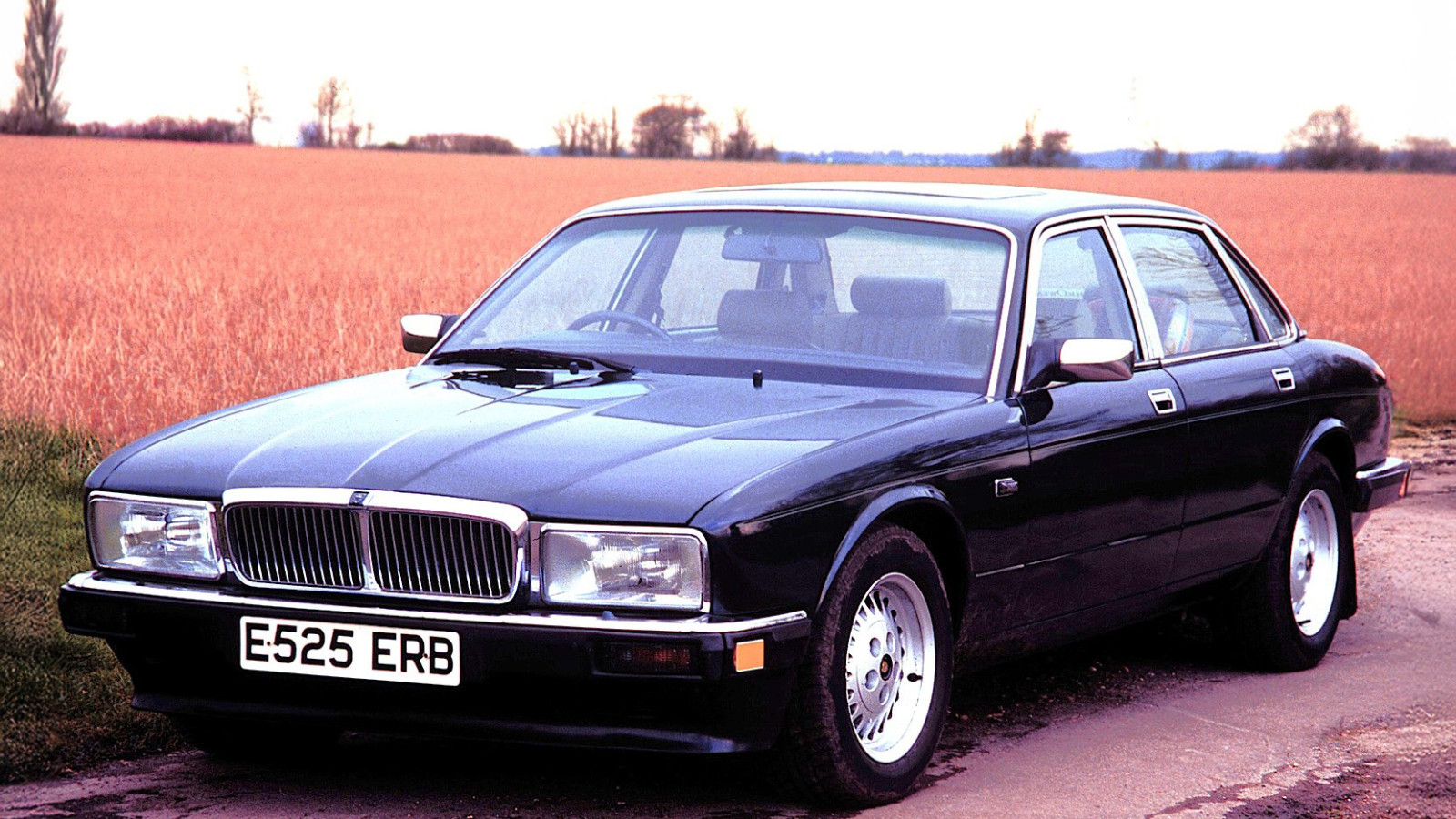
8. Jaguar XJ40
Confusingly, the Jaguar XJ40 had its European debut at the Paris motor show just days before its global launch at the British International Motor Show in Birmingham.
Despite this anomaly, the XJ40 marked a serious turnaround for Jaguar as its new family of straight-six engines replaced the ageing XK units in the outgoing Series 3 XJ.
The XJ40 also introduced the J-gate automatic gearlever, soon nicknamed the ‘Randle Handle’ after Jaguar’s chief engineer Jim Randle.
Lighter, roomier and more aerodynamic than its predecessor, the XJ40 handled and rode superbly, and it was a great success for Jaguar.
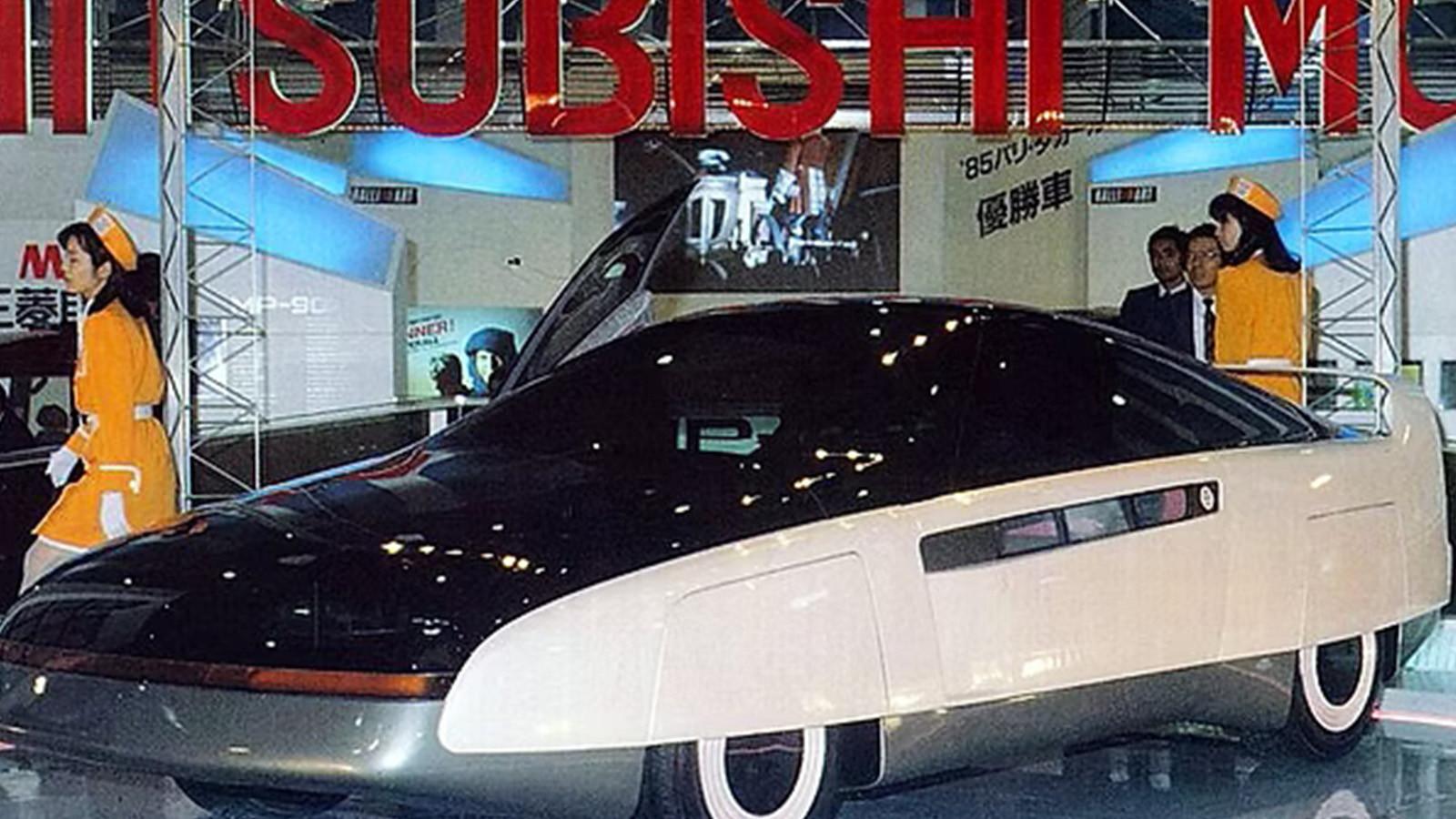
9. Mitsubishi MP90-X
Looking like something from a sci-fi film, the Mitsubishi MP90-X was one of the stars of the October 1986 Paris motor show.
It had been displayed at the previous year’s Tokyo show, but this was the car’s first time outside Japan.
The purpose of the Mitsubishi MP90-X was to explore aerodynamics and it achieved a claimed drag coefficient of just 0.22Cd.
Gullwing doors revealed a four-seat cabin, while an aircraft-style controller replaced the steering wheel and had dials placed in its centre.
The curvy concept was powered by a 1.3-litre engine with an automatic gearbox, and also had height-adjustable suspension.
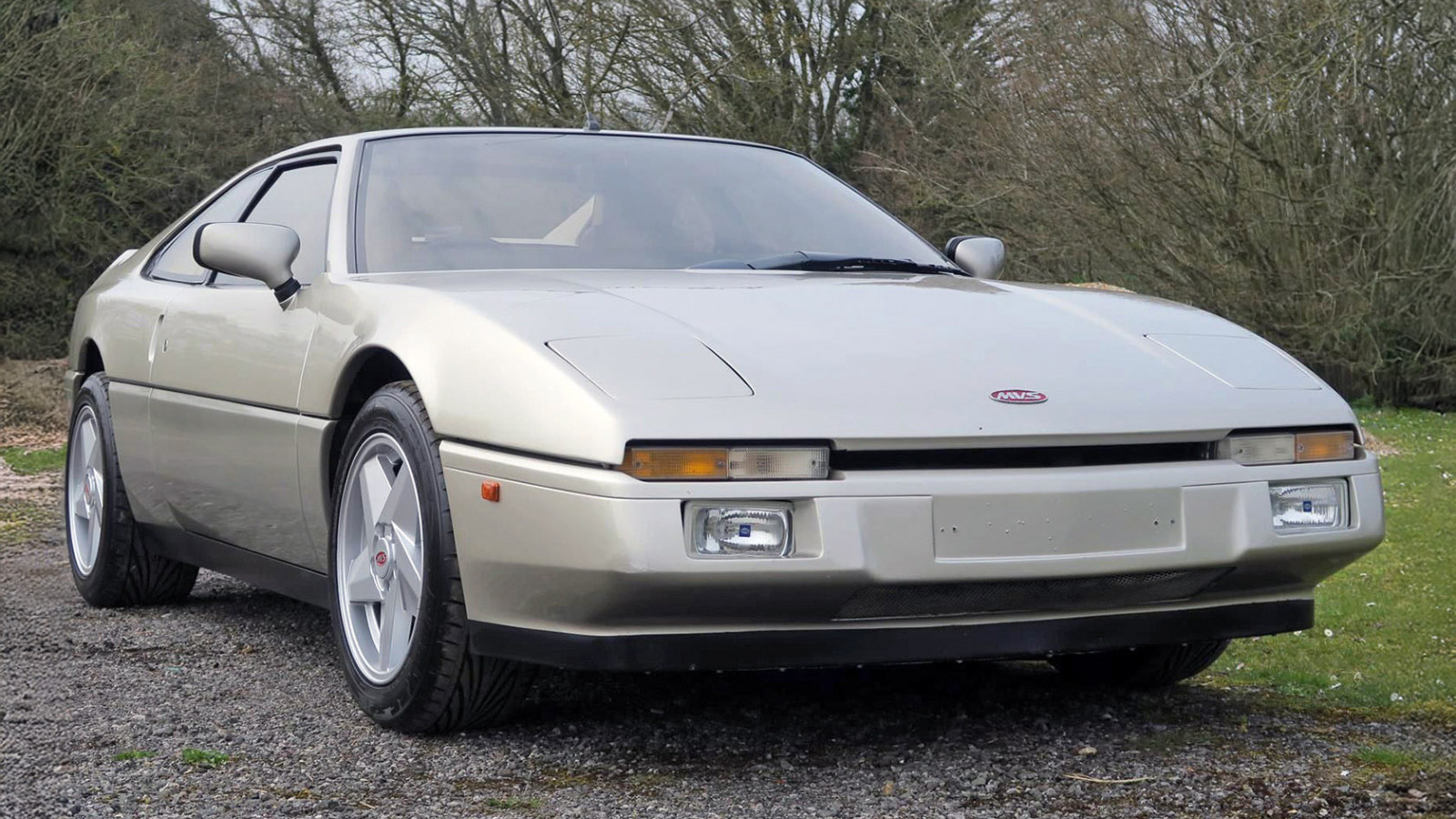
10. MVS Venturi
The MVS Venturi project began in 1984, but it wasn’t until the Paris show in 1986 that it arrived in production-ready form.
What appeared was a V6-powered, sports-car rival to the Porsche 911 and Renault’s Alpine GTA, which used the same engine.
Thanks to turbocharging, the Venturi’s mid-mounted V6 developed around 200bhp to give performance claimed to be on a par with the Ferrari 328.
Later versions of the Venturi had more than 400bhp, but sales were always sluggish and the original model only sold 202 units before it was replaced in 1989 by the more powerful 260 version.
11. Nissan Sunny
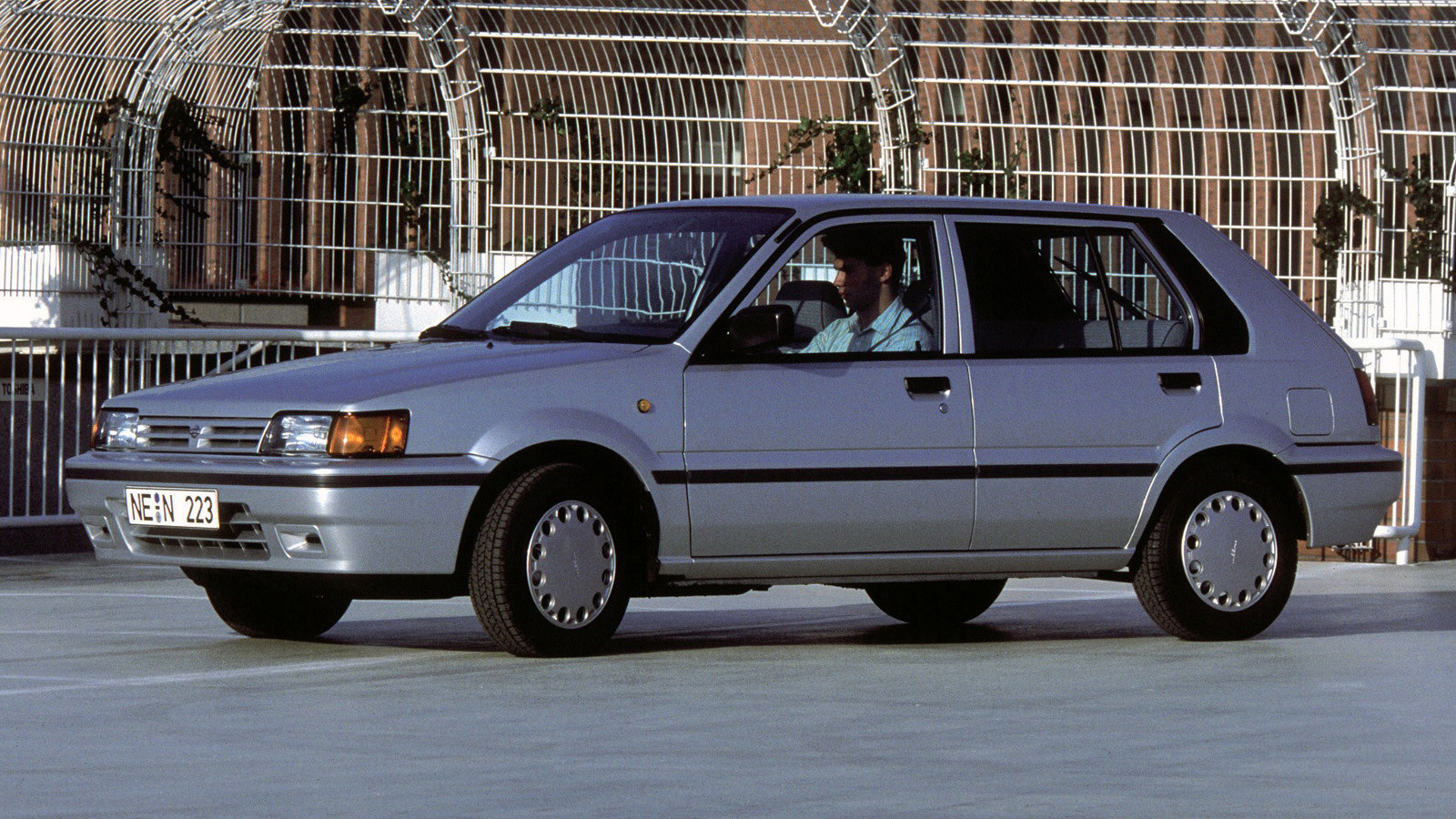
Another car making its European splash at the Paris motor show in October ’86 was the Nissan Sunny, in hatchback and saloon forms.
What it lacked in glitz and glamour, the Sunny more than made up for with its strong buying proposition, thanks to keen pricing, good equipment and reliability.
There was also plenty of choice, with a variety of body styles, trims and engines, which encompassed 1.3- and 1.6-litre petrol units, plus a 1.7-litre diesel.
An estate version followed in 1987, along with the Sunny ZX coupé, and Nissan went on to make just under 2 million of this generation of Sunny.
12. Opel Omega
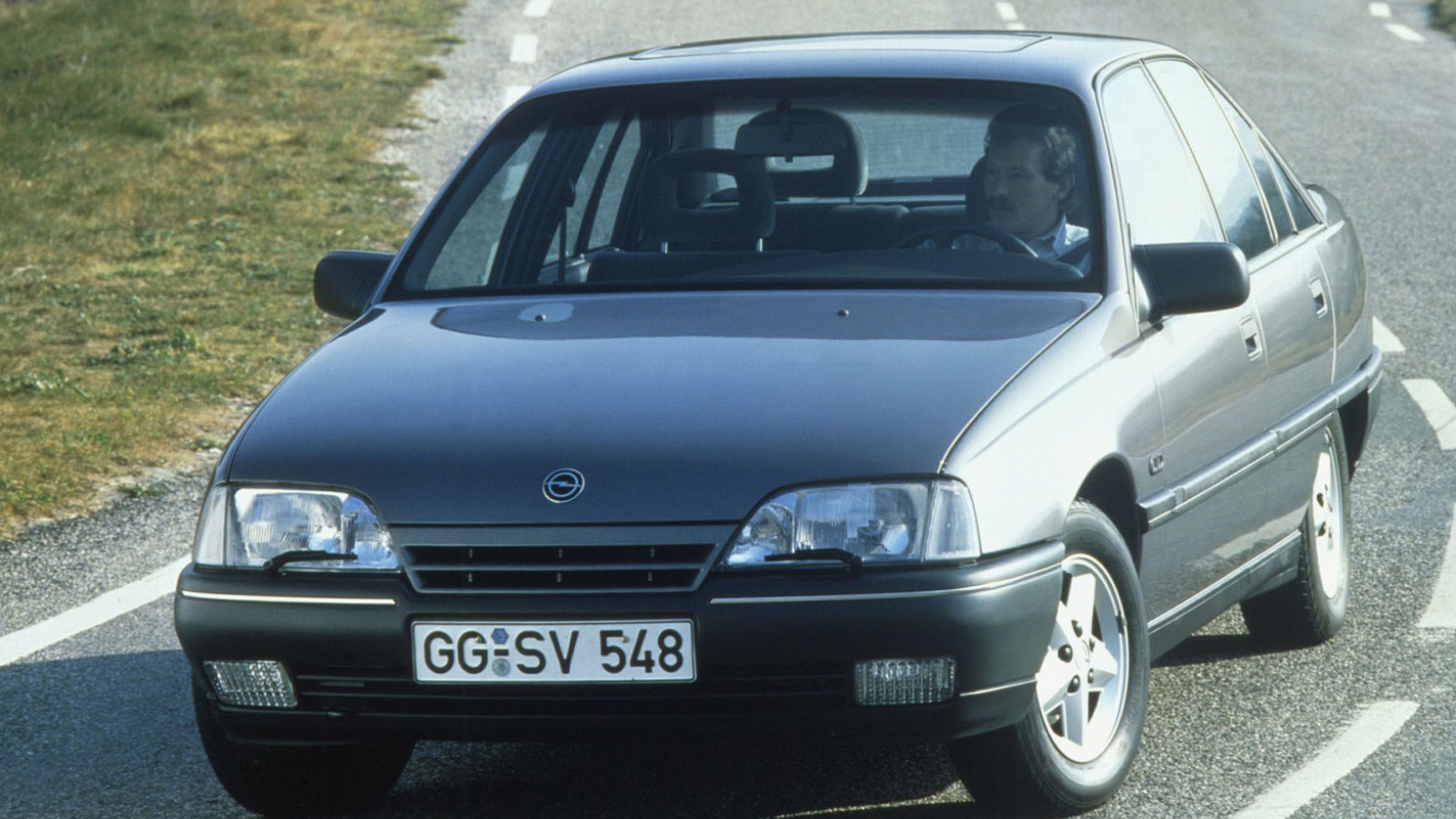
Replacing the Opel Rekord, the new Opel Omega was the same car in all but badging as the UK-only Vauxhall Carlton.
What visitors to the Paris show 40 years ago saw was a four-door saloon designed with aerodynamic efficiency in mind.
The Omega/Carlton had a drag coefficient of 0.28Cd – the estate version managed a figure of 0.32Cd.
It was a roomy and practical rival to the Ford Granada, while the 3000 model (known as the GSi in the UK) arrived in 1987 with a 3-litre straight-six as a performance option.
Competent in every way, the Omega/Carlton went on to be crowned European Car of the Year shortly after its Paris debut.
13. Peugeot 205 GTI 1.9
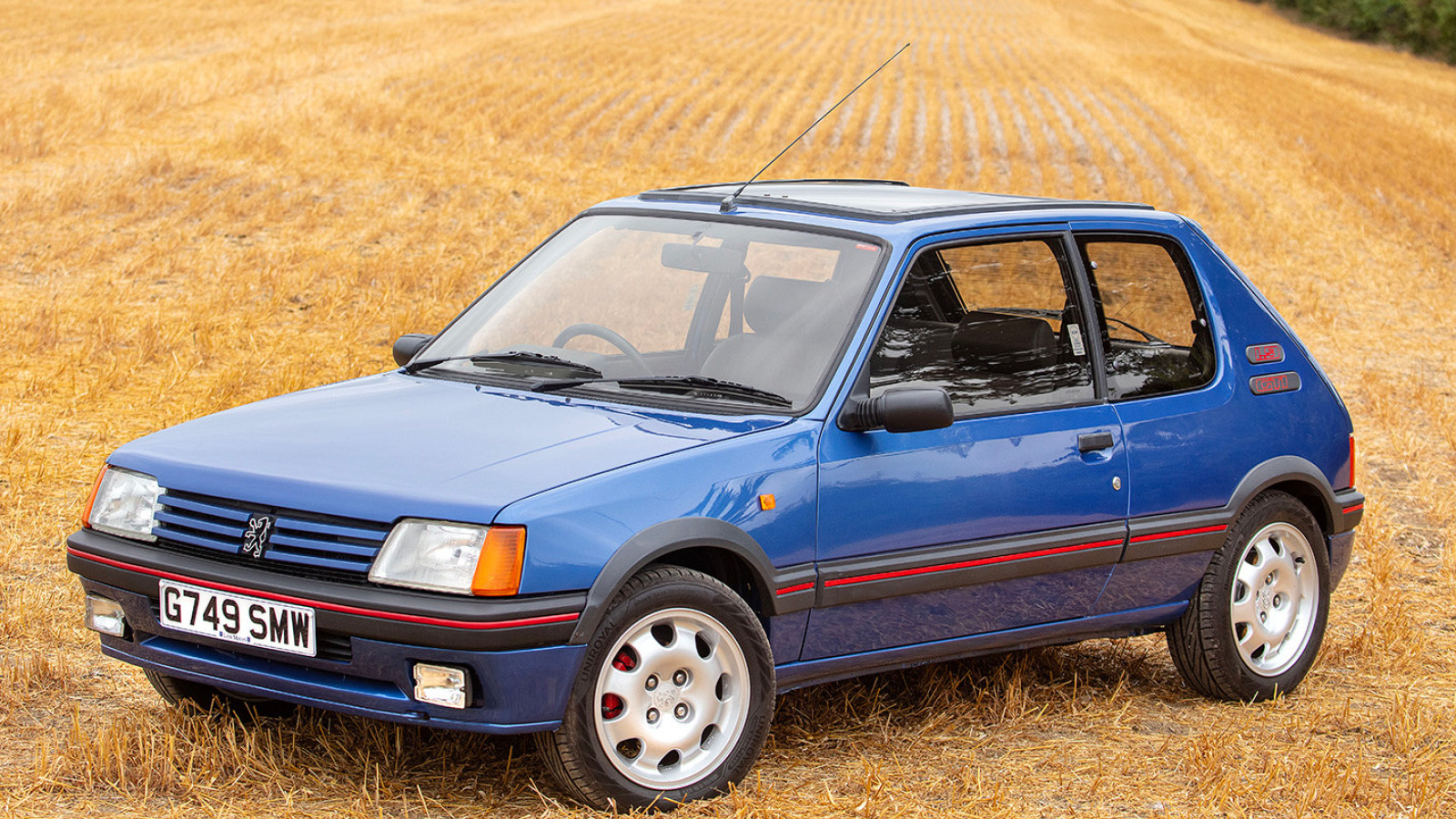
The 205 GTI 1.6 was already a huge hit and Peugeot had added the CTI open-top model earlier in 1986, so what was left for the Paris show?
Simple: Peugeot gave its hot hatch more power with the addition of a 1.9-litre engine.
The 205 GTI’s top speed rose to 124mph and 0-60mph time fell to 7.6 secs, placing this compact Peugeot among the quickest hot hatches of the period.
Identifying the 1.9 was made easier thanks to its half-leather upholstery, all-round disc brakes and eight-hole, 15in alloy wheels.
14. Peugeot Proxima
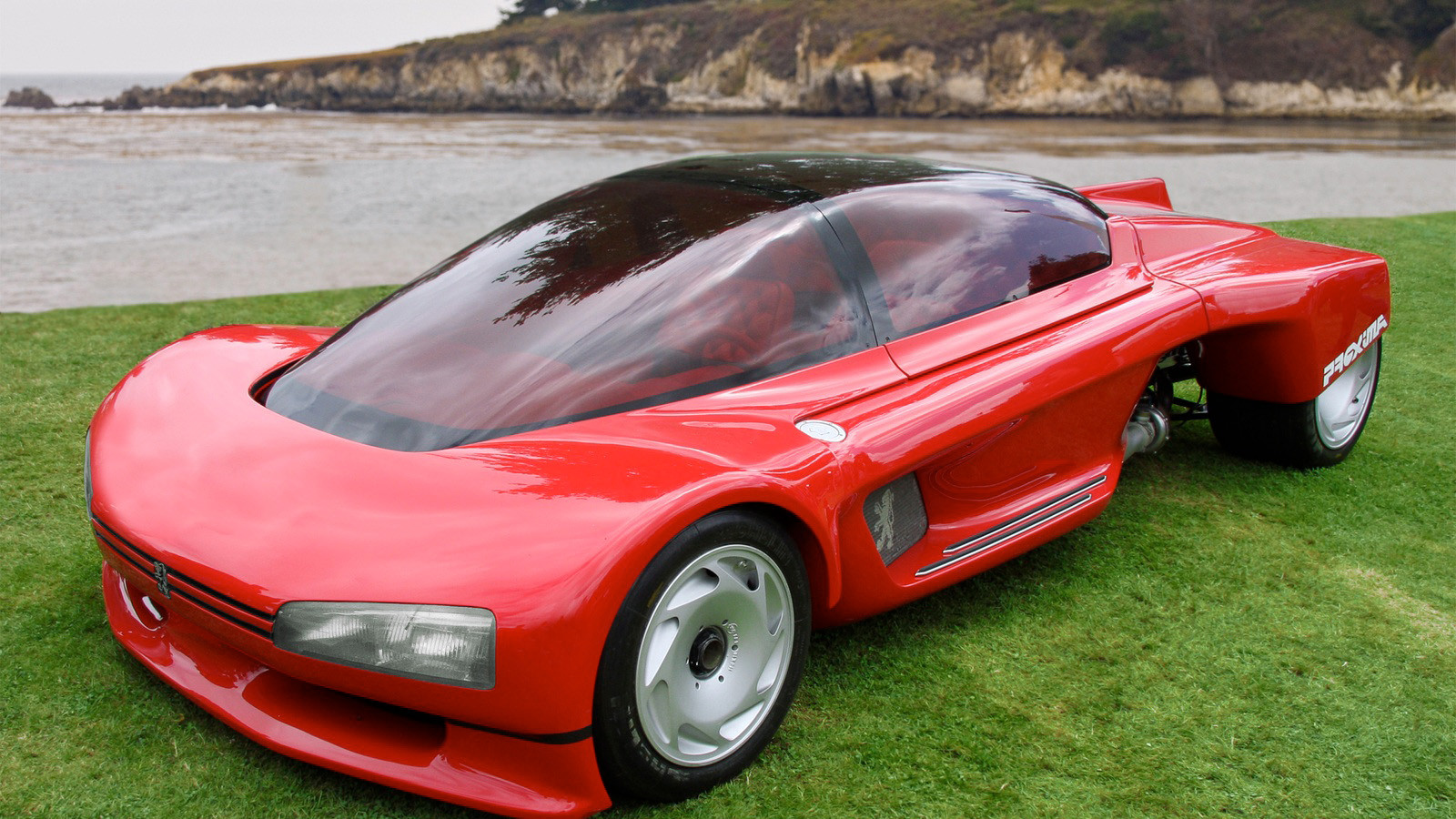
If a new engine for its 205 GTI risked going unnoticed, Peugeot made sure visitors were attracted to its 1986 Paris motor show stand with the Proxima concept car.
Its racing-car style was matched by the exotic carbonfibre and composites used for its body.
A huge, polycarbonate canopy opened to give access to the four-seat cabin, which was drenched in red-leather upholstery.
A mid-mounted, twin-turbo, 2.8-litre, V6 engine produced a claimed c680bhp and delivered power to all four wheels.
The Proxima’s carbon disc brakes were unusual for the era, because they had rarely been seen outside Formula One at the time.
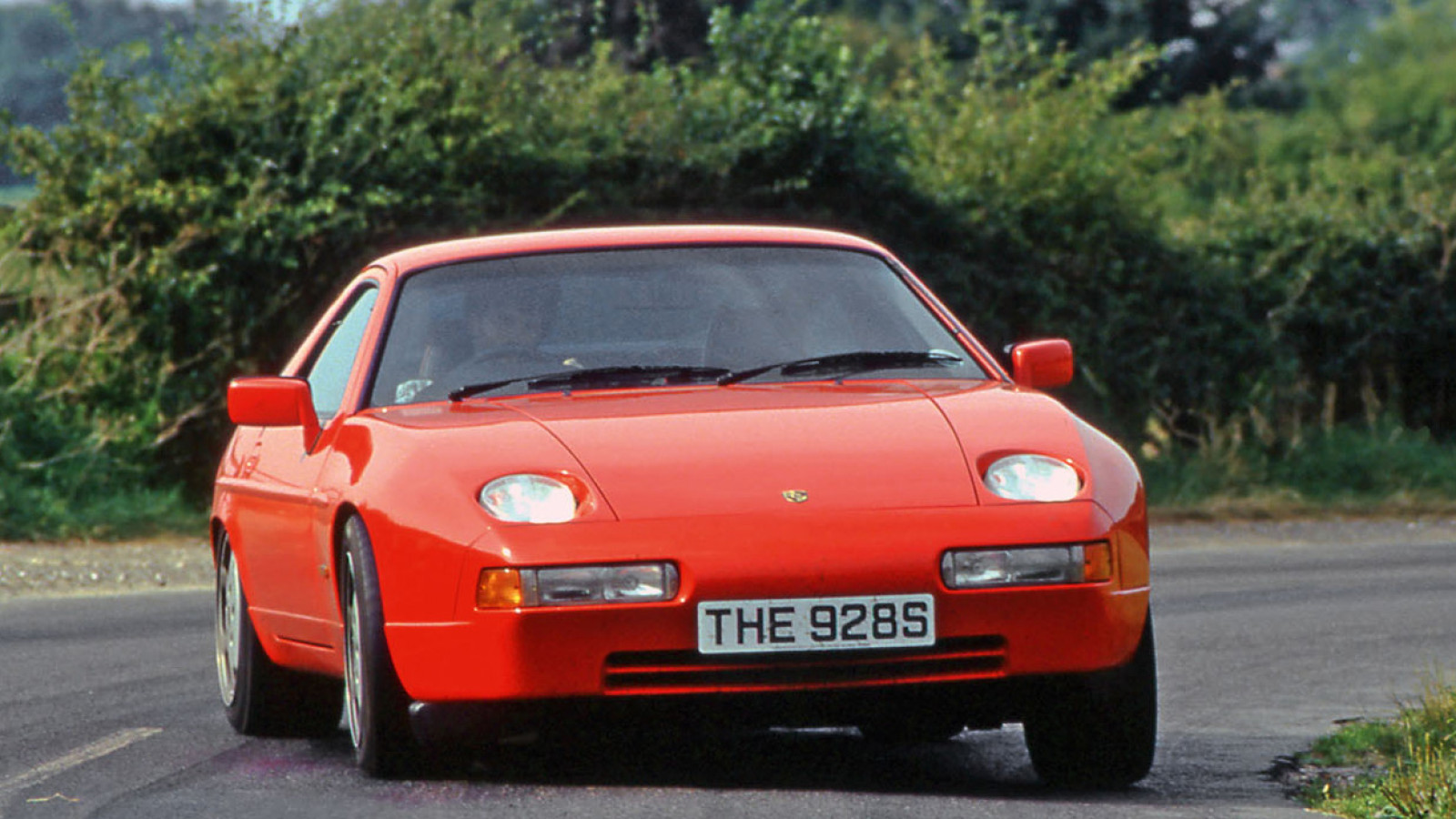
15. Porsche 928 S4
The Porsche 928 came in for its only major cosmetic update at the 1986 Paris motor show with the unveiling of the S4.
A rear spoiler and smoother bumpers, with electrically controlled air intakes at the front, were the obvious clues to the new model.
The S4 also gained a 32-valve, 5-litre V8, while both manual and automatic transmissions were revised.
A number of other variations on the 928 theme were based on the S4, including the rare Club Sport that was lightened by 100kg (220lb) and culminating in the GTS with 345bhp.
In total, Porsche built just more than 61,000 928s.
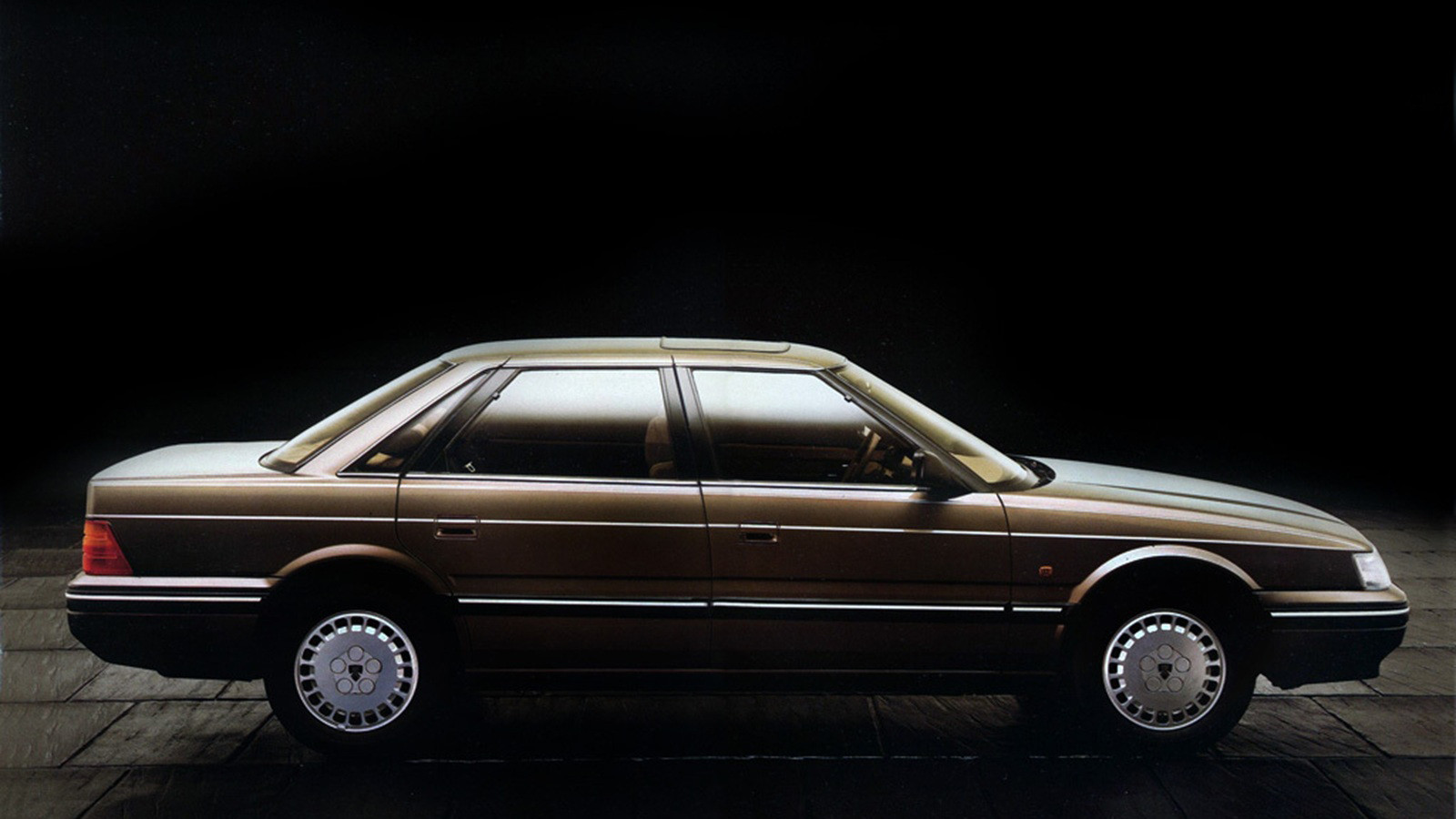
16. Rover 800
Following the 800 executive model’s launch in July 1986, Rover gave the car its European debut as the Sterling at the Paris show in October of the same year.
The name change aimed to position the Rover as a direct rival to the likes of the BMW 5 Series and Mercedes-Benz E-Class.
Offered as a four-door saloon to begin with, the five-door hatch version joined the line-up in 1988 at the same time the Vitesse name was revived.
For the French and other European markets, Rover launched the 800 with four-cylinder, 2-litre, M16 engine and the 2.5-litre, Honda-sourced V6 badged as the more upmarket Sterling.
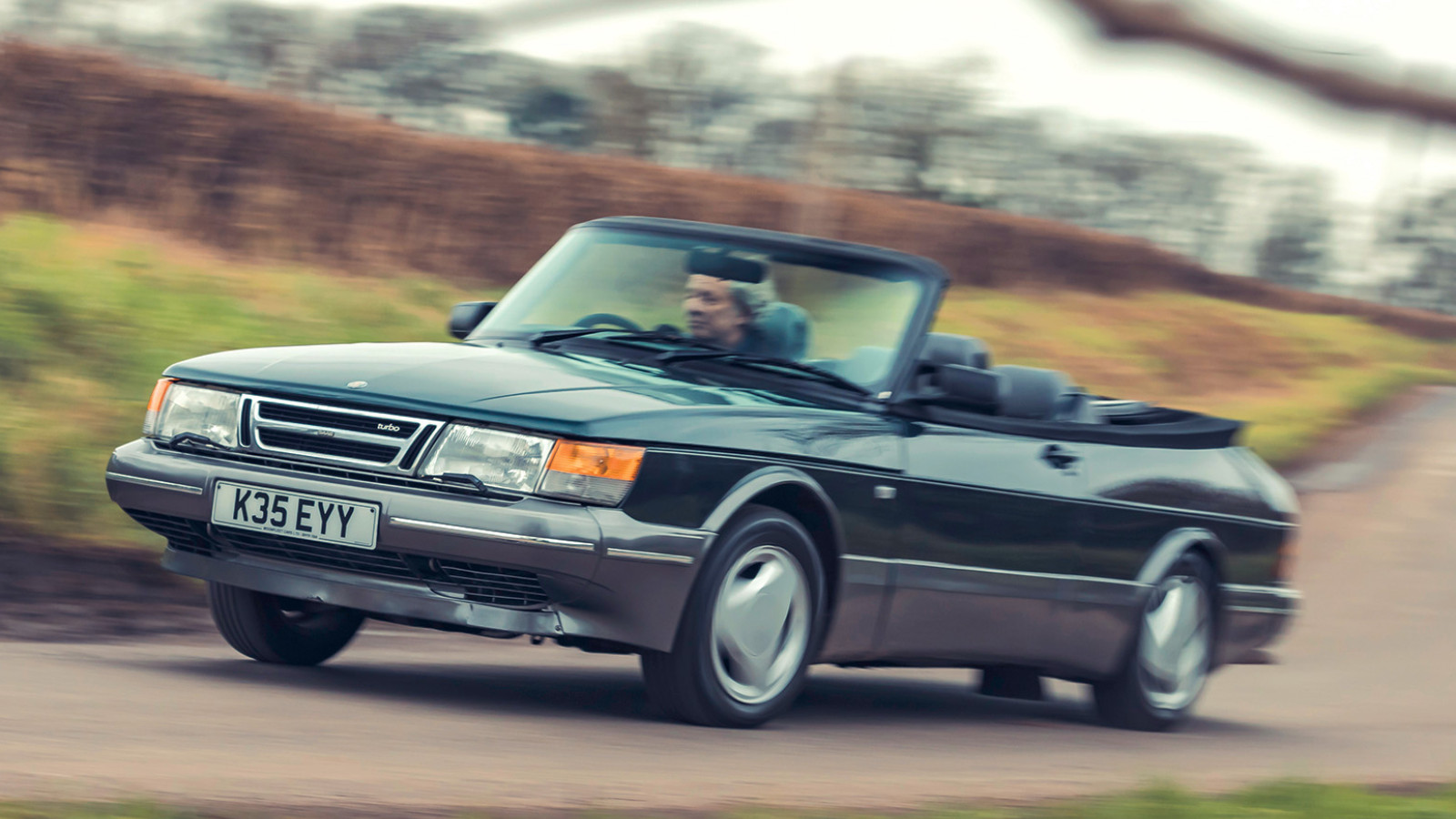
17. Saab 900 Convertible
After a positive response to a design study shown at the 1983 Frankfurt motor show, Saab unveiled the production 900 Convertible in Paris three years later.
Based on the two-door 900 saloon, the Convertible still placed safety high on the agenda thanks to the strong windscreen frame that acted as rollover protection.
The four-seat Saab open-top was a surprise hit at the Paris show for its effortlessly classy appeal.
All 900 Convertibles were built by Valmet in Finland and most used the 16-valve turbo engine with 173bhp, though a non-turbo 2-litre was latterly available with 126bhp.
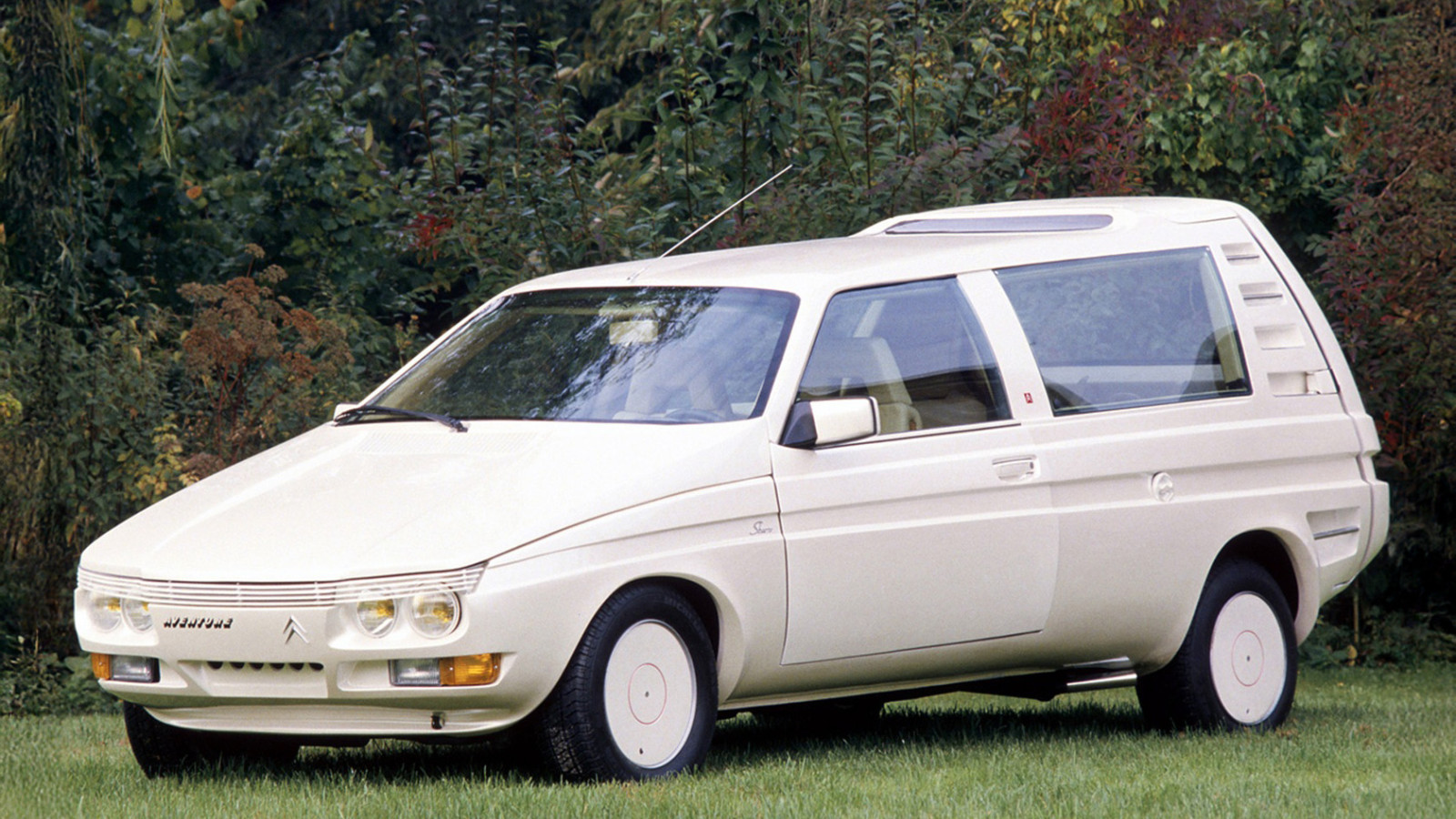
18. Sbarro Citroën Aventure
Renowned for its adventurous motor show concepts, Sbarro even employed the name ‘Aventure’ for this 1986 Paris show car.
Developed with Citroën, Franco Sbarro used a C15 van’s platform as the building block to create a seven-seat vehicle.
The two rearmost seats dropped down from the sides to face inwards, so space was limited for their occupants.
However, the rest of the cabin was trimmed in leather and wood for an opulent effect.
Even if the luxury was only for the concept, the Aventure helped inspire Citroën’s Berlingo with its multitude of storage spaces.
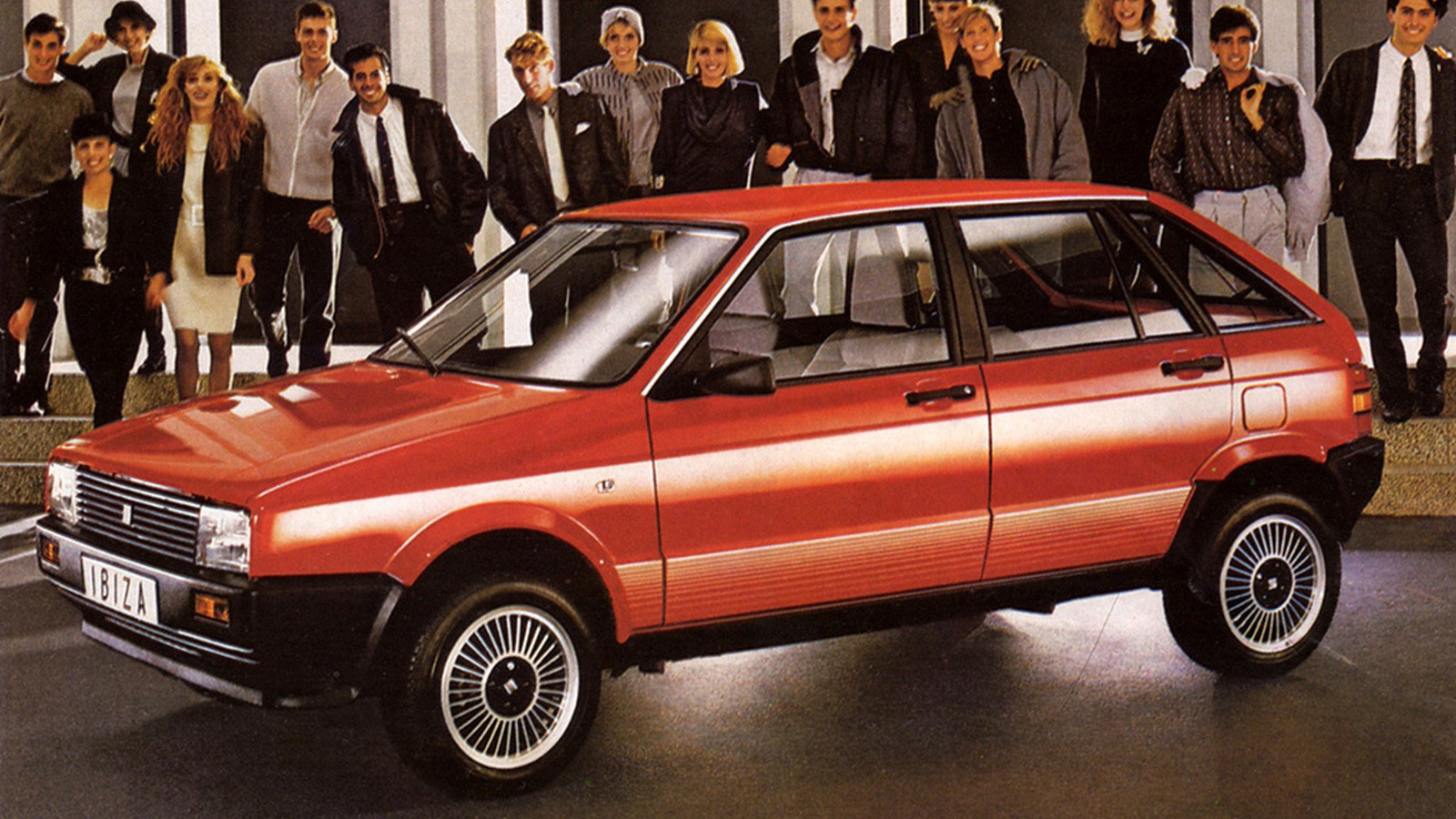
19. Seat Ibiza five-door
Seat introduced the Ibiza at the Paris motor show in 1984, and then two years later in October ’86 it added the five-door version.
While a five-door variant of a supermini was not headline news for those attending this French event, there was more going on behind the scenes with Seat.
Shortly before the Paris show, Volkswagen had taken a controlling stake in the Spanish car manufacturer and by the end of 1990 had full ownership.
This was good news for Seat Ibiza customers, because build quality improved dramatically and the five-door was a very able rival to the likes of the Ford Fiesta and Peugeot 205.