On land and in the sky
Cars preceded aircraft by 18 years, with the first automobile appearing in 1885 and the first plane in 1903.
However, since then their development has proceeded at a roughly equal pace.
Cars have gradually become faster, safer, roomier, more luxurious and more efficient, while the jets of the modern world are in a different universe from the original biplanes in which people truly began to explore the skies.
Both were seen as glamorous, future-focused technologies, so it makes sense that a lot of cars and aircraft have shared names.
Being a motoring magazine, here, in launch order of the land-based vehicles, are 22 classic cars that share their names with machines from the world of aviation.
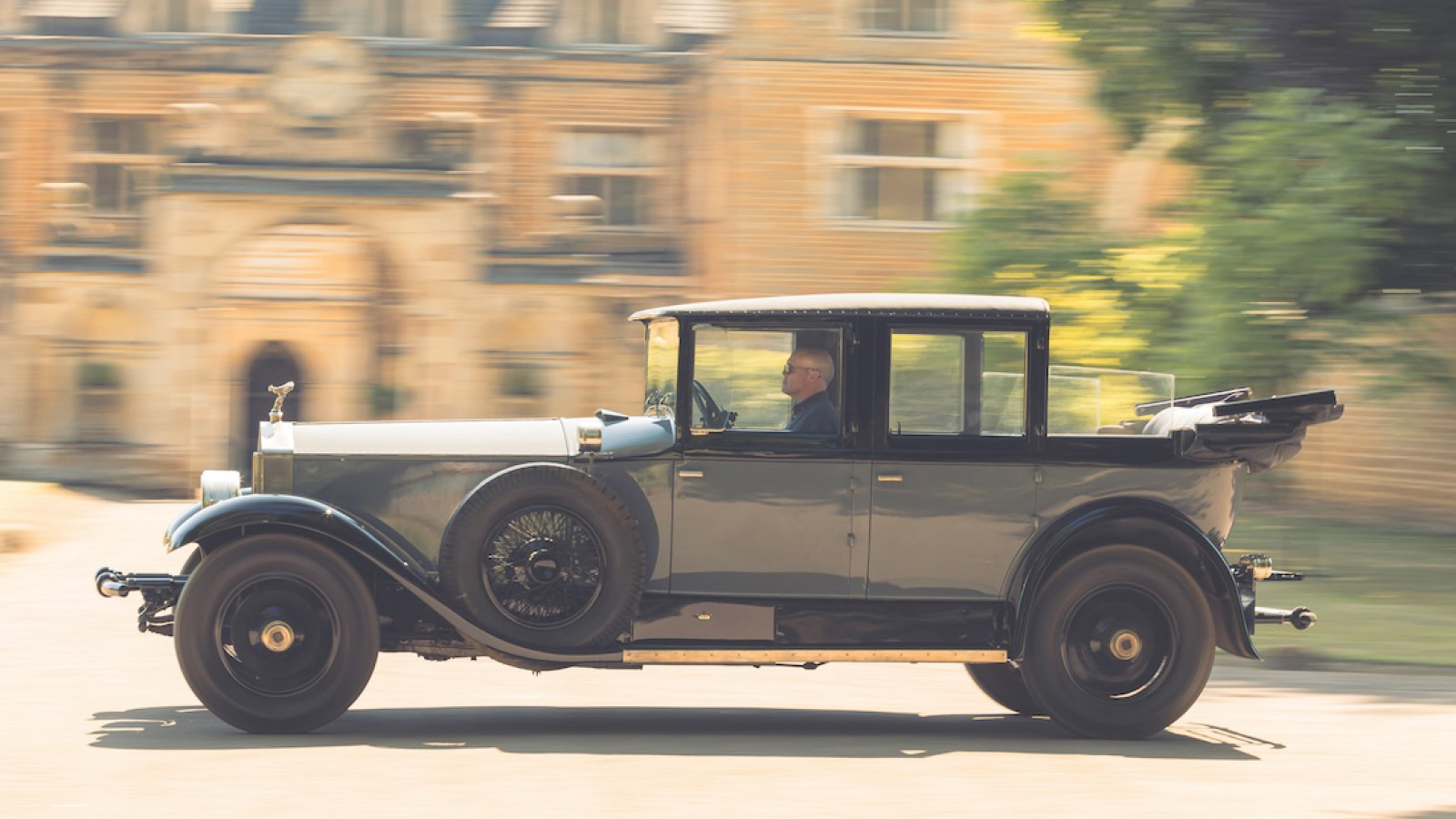
1. 1925 Rolls-Royce Phantom/McDonnell-Douglas F4 Phantom
The same but different was the philosophy behind the new Rolls-Royce Phantom when it appeared in 1925, whereas the military jet McDonnell-Douglas Phantom that entered service in 1961 was cutting edge from tip to tail.
The plane set numerous speed records throughout its life, and indeed its early pilots’ slogan was ‘speed is life’.
The Rolls-Royce Phantom was sort-of new, because it featured a heavily revised, 7.7-litre, straight-six engine with a crankcase-mounted camshaft plus a new single-plate clutch, as well as the latest servo-assisted brakes, all of which significantly improved drivability.
However, the chassis remained one that had been designed in the Edwardian era, and so featured pressed-steel side members with rigidity provided by copious cross-bracing.
It was built with a 12ft (3.66m) wheelbase at the Rolls-Royce factory in the British city of Derby, and with a 12ft 6in (3.81) wheelbase at a factory in Springfield, Massachusetts, in the USA.
Performance and handling remain ‘relaxed’, but as everyone knows, this was a car to be driven in, not to drive yourself.
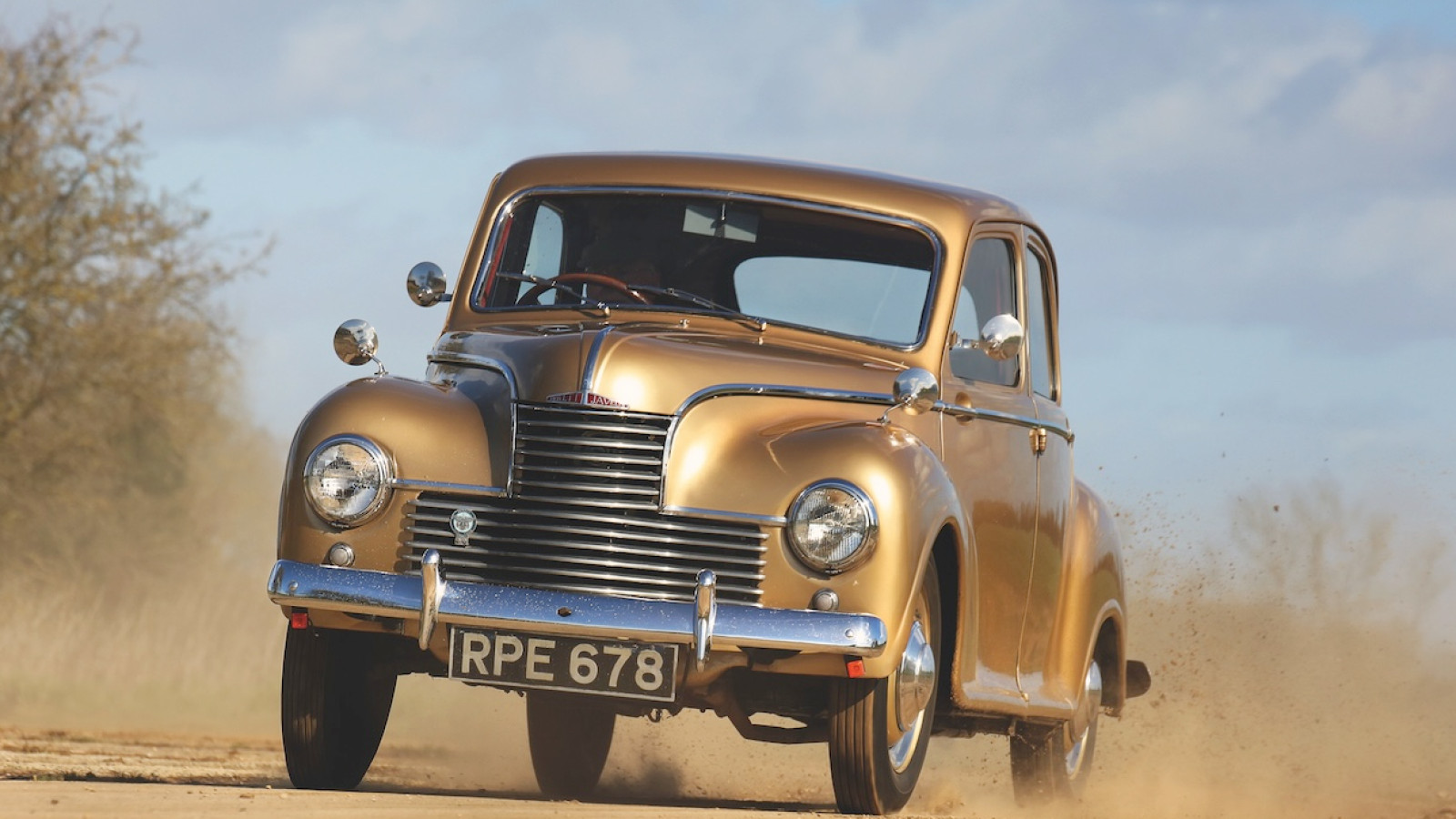
2. 1947 Jowett Javelin/Gloster Javelin
Yorkshire-based Jowett was one of the motoring world’s minnows, but it had big plans for its new Javelin, which began development during WW2.
It went on sale in 1947 featuring an all-new, 1.5-litre, flat-four engine, double-wishbone, torsion-bar suspension, and a pioneering curved and toughened Triplex windscreen.
The Jowett Javelin was pretty advanced for its day, as was the aircraft that came to bear the same name – the Gloster Javelin, a delta-wing fighter jet that entered service with Britain’s Royal Air Force in 1956.
The four-wheeled Javelin proved quite the competition machine, taking class wins in both Rallye Monte-Carlo and at the 24-hour race at Spa-Francorchamps in Belgium.
However, the car company decided to fit its own gearbox to the model in 1951 and reliability was poor, earning the brand a reputation that would ultimately end in it having to close the doors once and for all in 1955.
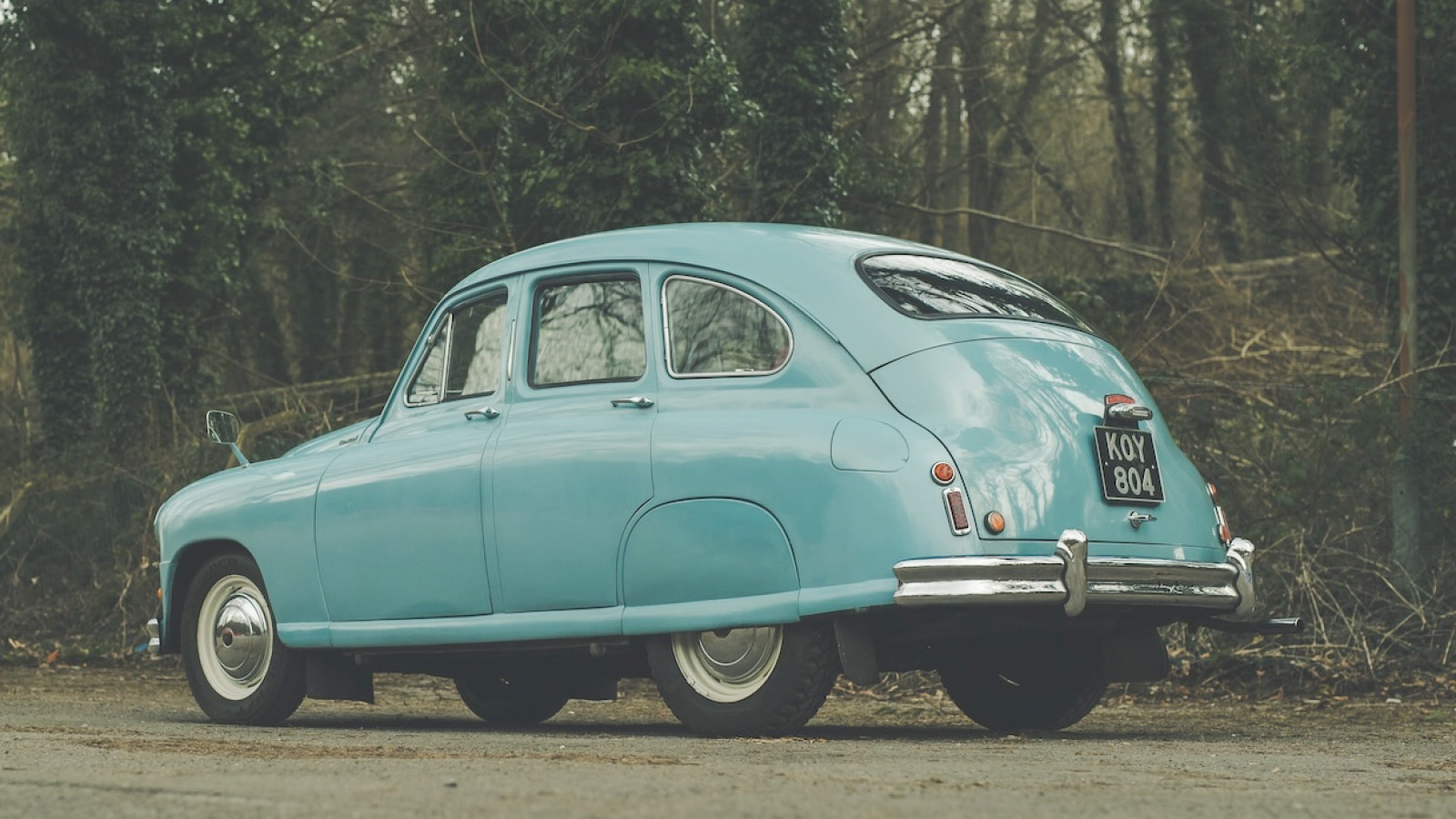
3. 1947 Standard Vanguard/Vickers Vanguard
In the mid-1940s, Standard was preparing for a suddenly brighter future by designing a new car for the masses – and masses around the world at that.
It had a name that would appear on another mode of transport made for moving large numbers of people, too: the Vickers Vanguard airliner of 1960.
The four-wheeled Vanguard was revealed under the slogan ‘Made in Britain, designed for the world’, and at the vanguard of technology, it was certainly adaptable.
It had to be, because car makers were only allocated steel on the understanding that they would export 90% of their production.
Thus the Standard Vanguard was designed with a full 8in (203mm) of ground clearance, to allow it to cope with rutted rural tracks in places as diverse as Africa and Australia, as well as UK lanes and American highways.
Indeed, in the years immediately following the war, the Standard Vanguard became the top-selling car in Germany.
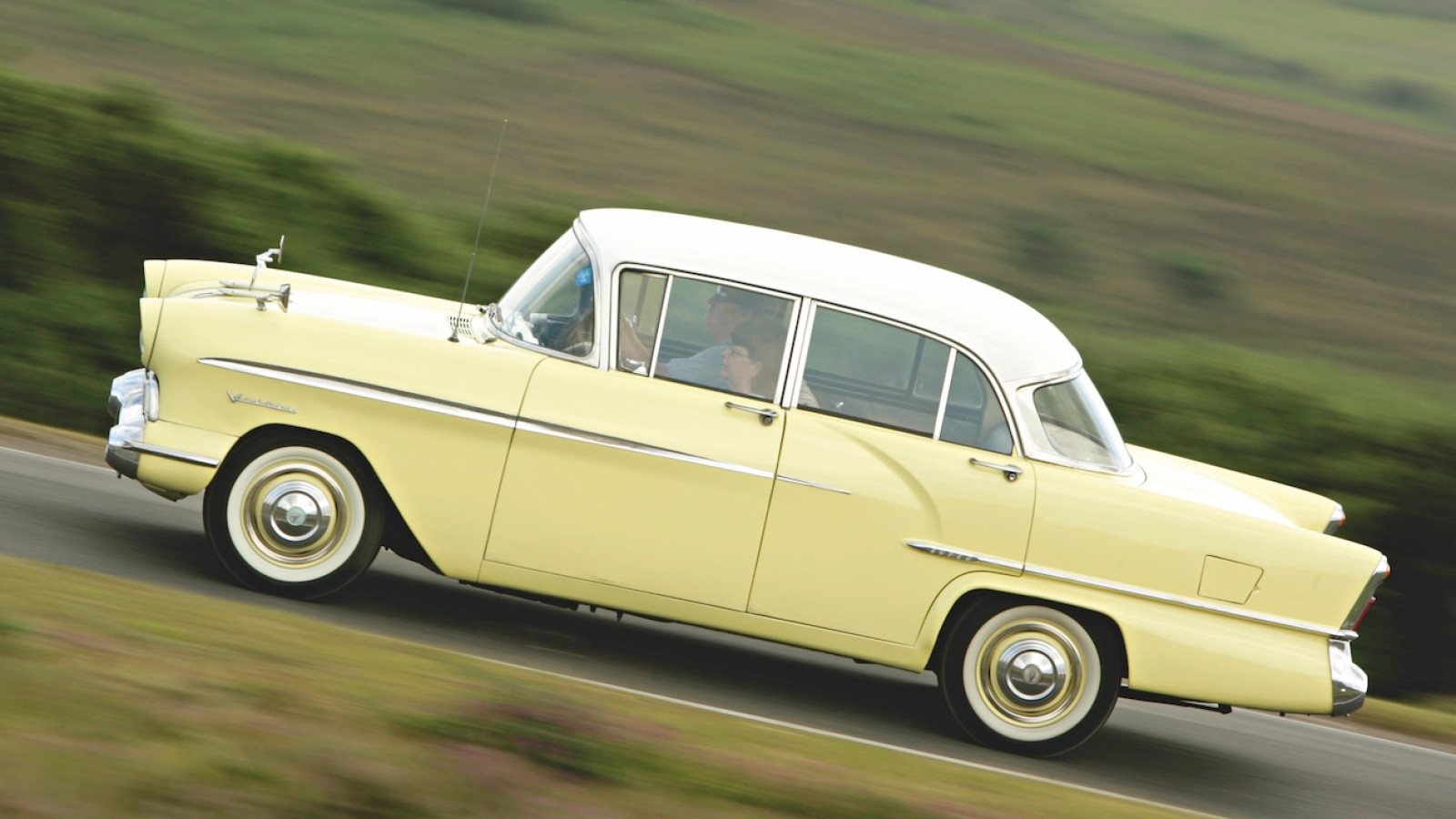
4. 1957 Vauxhall Victor/Handley Page Victor
Vauxhall knew that family motoring was where the big sales (and therefore money) lay, so in 1957 it launched a car designed to combine the sort of everyday usability a family needs, with styling that offered a sprinkle of the glamour of the American Chevrolet Bel Air of the time.
Usability was something the Handley Page Victor needed, too, as part of Britain’s nuclear deterrent from the end of the 1950s, and then becoming part of the mammoth refuelling effort that got a Vulcan bomber down to Port Stanley during the Falklands War of 1982.
Bench seats were standard in the Vauxhall for both the front- and rear-seat occupants, and luxury equipment included armrests on the doors, courtesy lights that illuminated when a door was opened, and even sunvisors for both of those in the front seats.
Super models even had an exhaust pipe that exited through the rear bumper.
There were also two body styles available: a four-door saloon or a five-door estate. This meant there was something for every family’s need.
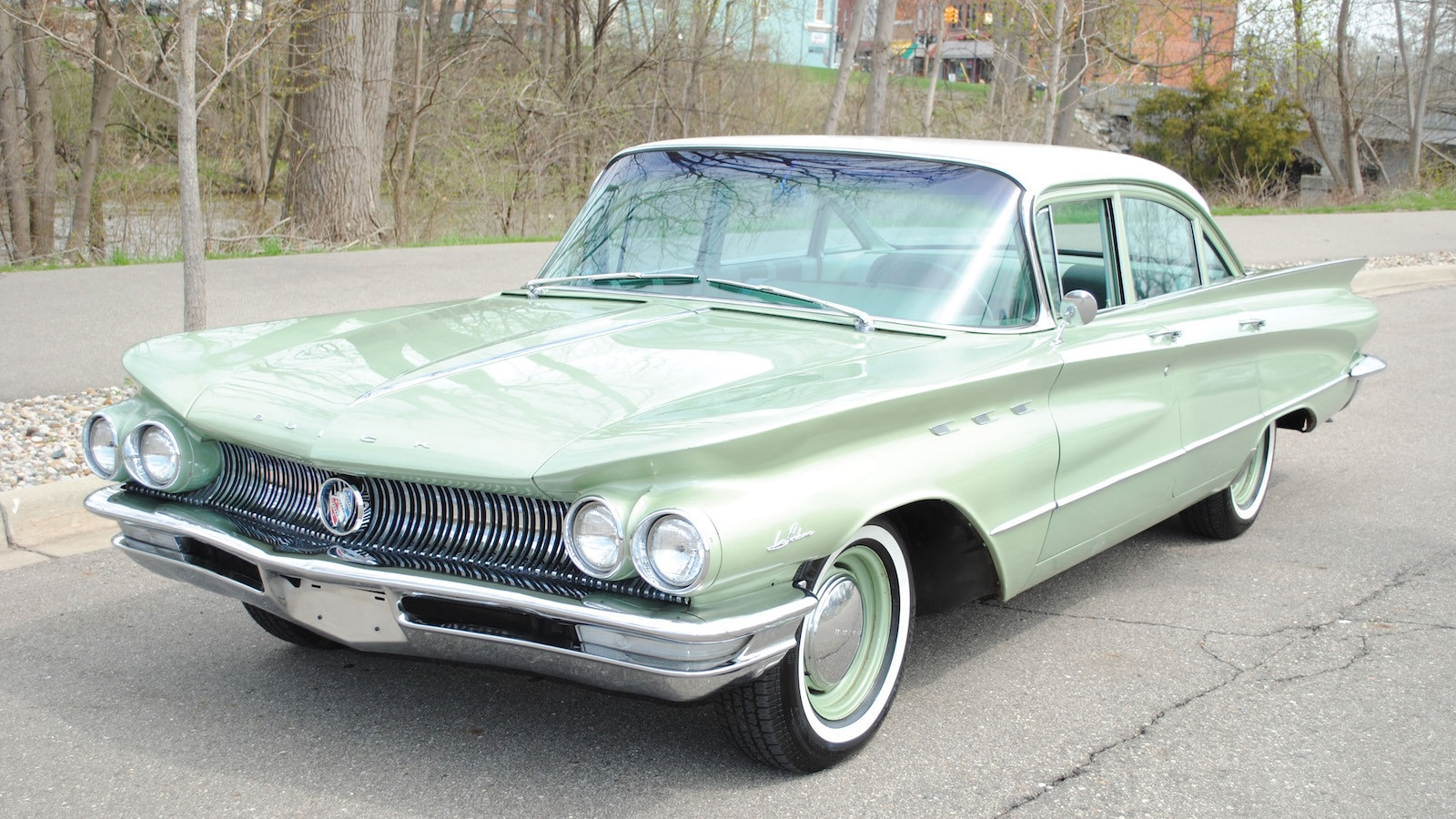
5. 1959 Buick LeSabre/North American F-86 Sabre
Aircraft design had a huge influence on automobiles in the 1950s.
Features such as wraparound windscreens and tailfins were lifted straight from planes such as the North American F86 Sabre fighter, with its glass bubble cockpit.
And the Buick LeSabre of 1959 was no different, because it had clearly been designed to cut the air in half, such was the sharpness of its ‘delta-wing’ fins and edges.
The styling clearly appealed, because the LeSabre was Buick’s top seller almost throughout its life, helped by regular updates.
The car was facelifted after just one year to ditch the original’s slanted headlights in favour of horizontal items, along with a concave front grille and a new badge, which remains in use today.
It also had an innovative dashboard with instruments reflected in an adjustable mirror to reduce the effect of sunlight glinting off the dials.
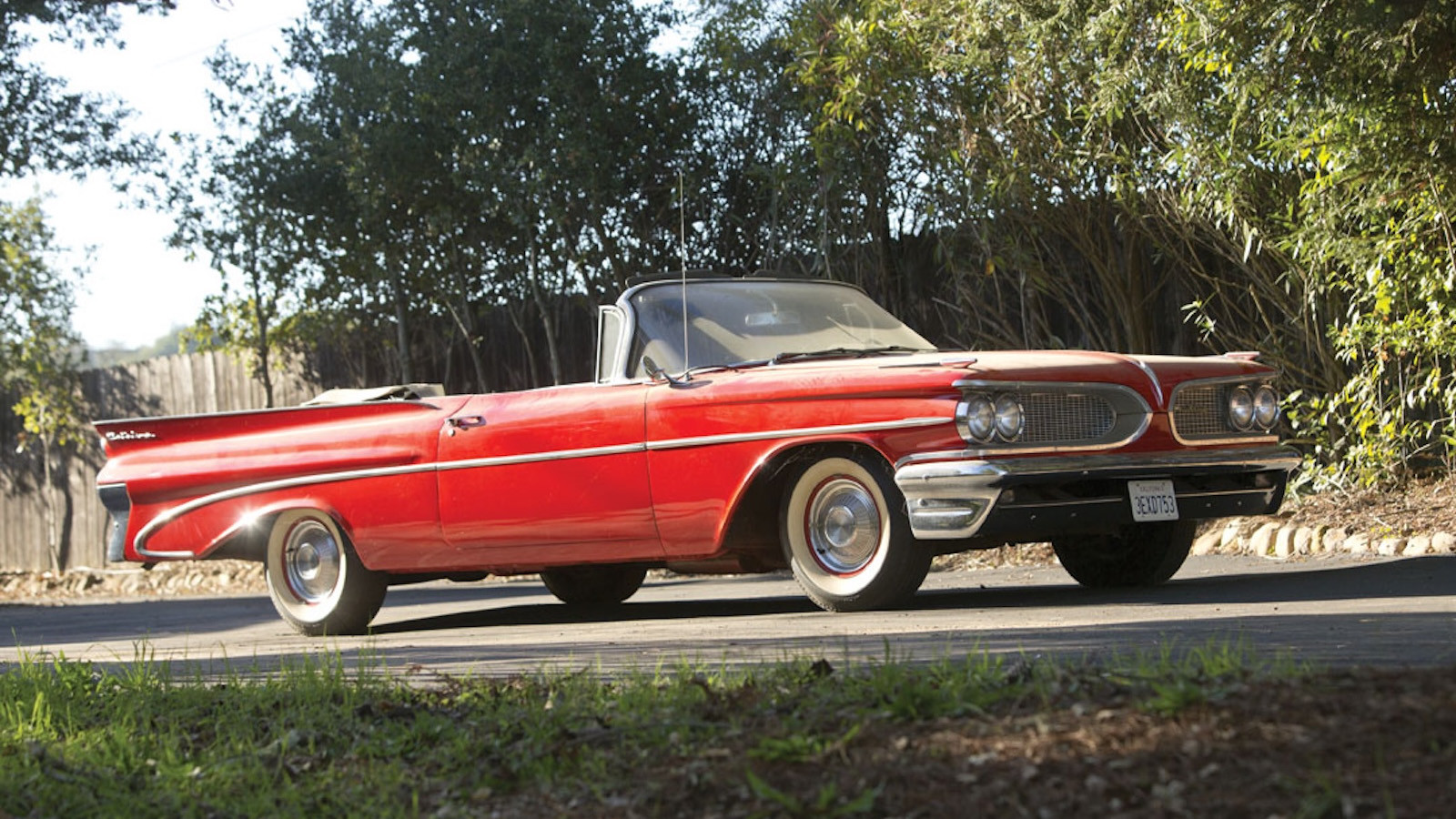
6. 1959 Pontiac Catalina/Consolidated PBY Catalina
The name Catalina was used from 1950 as the designation of a trim level on some Pontiac hardtops, but in 1959 it became a model in its own right.
When launched, the Catalina was the lowest-priced, full-size Pontiac, and was cheaper than the equivalent Chevrolet Impala despite having more standard equipment.
It also had a larger, 6.4-litre V8 engine and was linked to a three-speed manual transmission.
This was a vehicle designed to travel long distances, not unlike the Consolidated PBY Catalina with which it shared its name.
This aircraft was a patrol bomber designed to fly vast distances over the ocean. It could also land on the water, which the Pontiac model most assuredly could not.
The roadgoing Catalina could be ordered with full carpeting, not one but two front ashtrays, illumination for the glovebox and boot, a heater and windscreen defroster, and a choice of upholsteries.
These new Pontiac Catalina cars also had large glass areas and, on early models, a stylistically unusual split front grille.
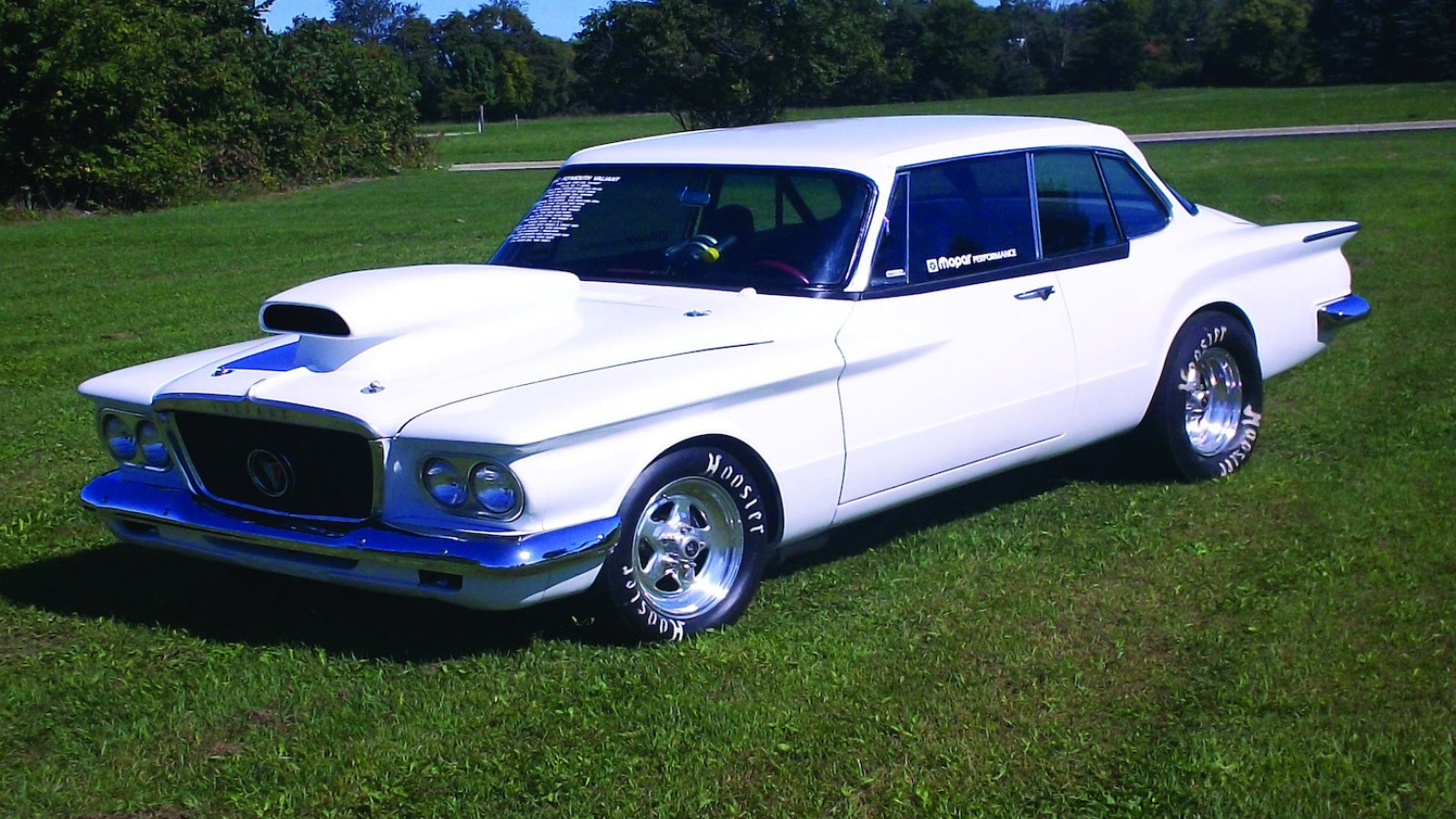
7. 1960 Plymouth Valiant/Vickers Valiant
Until the end of the 1950s, Plymouth had been known for producing bigger, more luxurious cars, but in a bid to expand sales it looked at the rapidly growing, compact-car arena, and the Valiant was its entry.
The similarly named Vickers Valiant aeroplane appeared in 1955 as part of Britain’s nuclear V-bomber force, and was the only V-bomber to release live nuclear weapons in testing.
The Plymouth Valiant was cleverly designed, and managed to offer almost as much passenger and boot space as the brand’s larger cars, but in a significantly smaller footprint.
This intelligent design continued in the areas you couldn’t see as well, because the standard straight-six engine was canted at 30 degrees off vertical to allow the car’s bonnet-line to be lower.
In order to make the engine assembly shorter, the water pump was moved from the front of the motor to the side, to help packaging and handling, while a specially designed intake manifold also helped to boost both power and efficiency.
There was also an estate version, with a locking compartment in the boot. On models with conventional tyres, this housed the spare, but others featured run-flat rubber, in which case this compartment became a secure storage area.
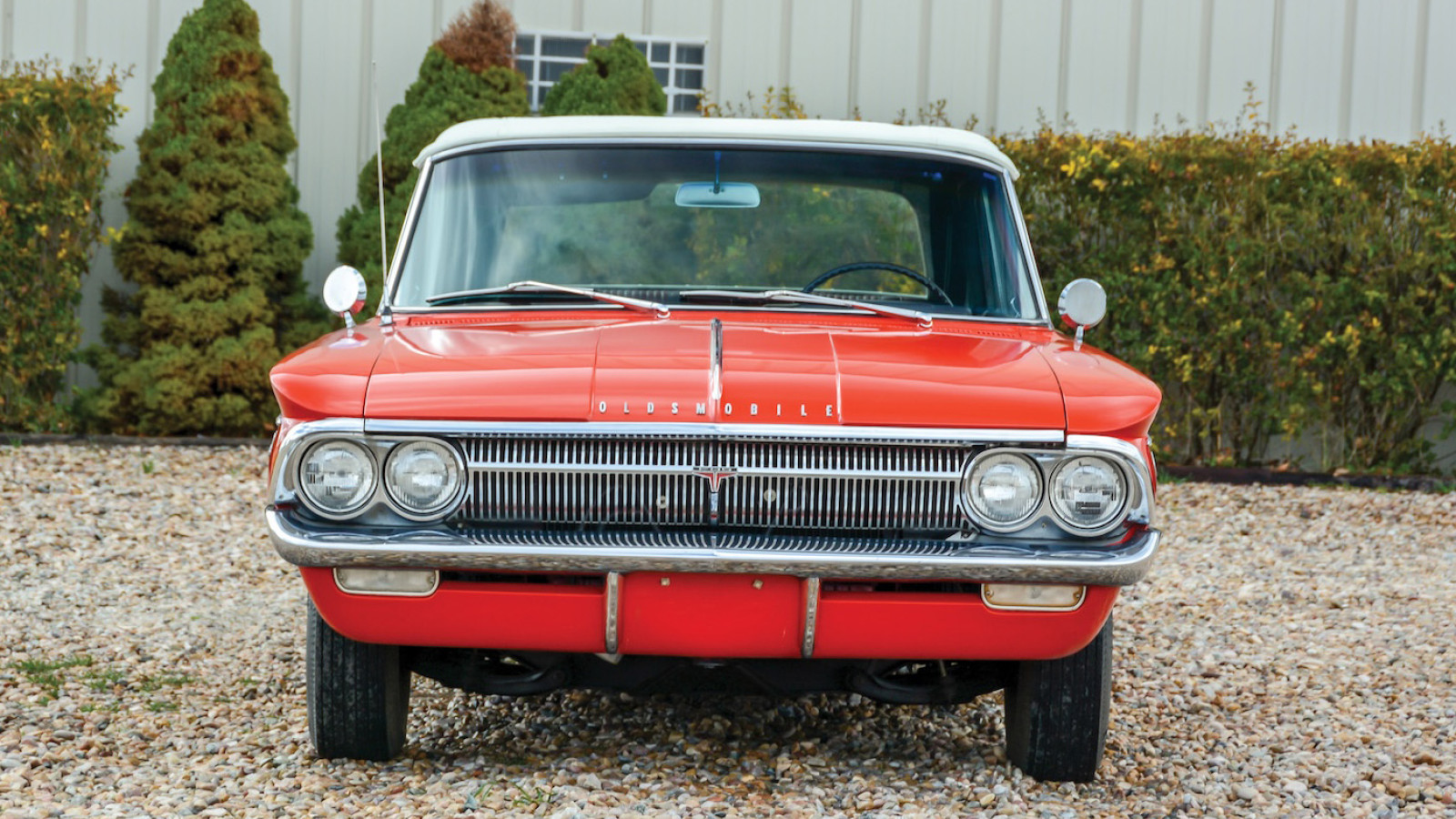
8. 1961 Oldsmobile Cutlass/Vought F7U Cutlass
Compact cars were all the rage in early-1960s America, and manufacturers were keen to get in on the action.
The F85 was the Oldsmobile offering. It was 2ft (0.6m) shorter than anything else the manufacturer produced.
The model also introduced a new 3.5-litre V8 called ‘Rockette’, which would go on to have a long and illustrious life, later becoming known as the Rover V8.
This car shared its name with the Vought F7U Cutlass aeroplane, a carrier-borne multirole fighter that also introduced new technology, including an unusual tailless design.
Returning to the world of cars, the Oldsmobile F85 Cutlass was the sporty model in the range, and so featured a ‘Power Pack’ drivetrain, plus bucket seats that were trimmed in two-tone vinyl.
For 1963, Oldsmobile introduced the Jetfire, which was a pillarless-hardtop Cutlass with a turbocharged version of the Rockette V8. This made it one of the first cars in the world to use turbocharging.
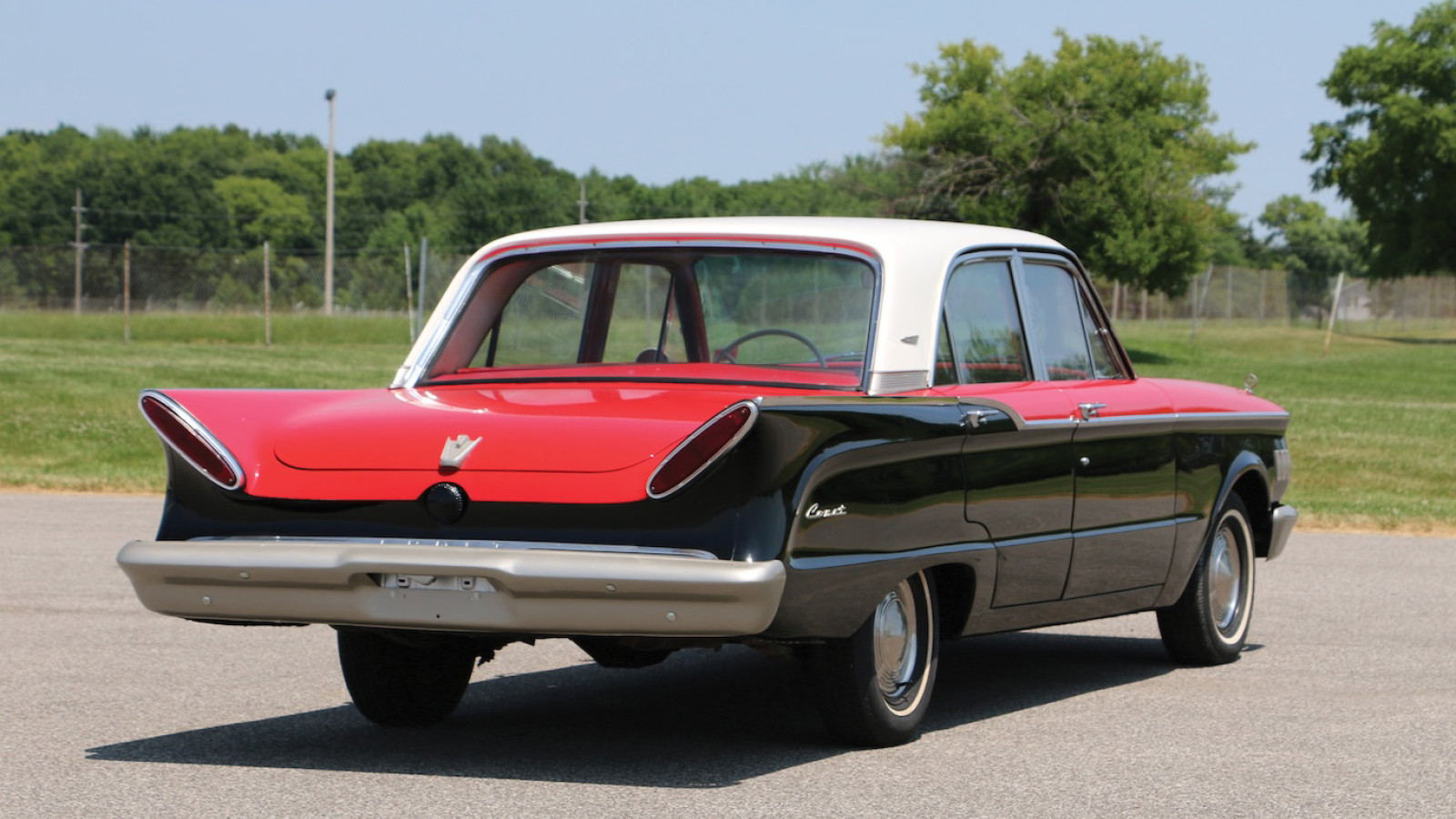
9. 1962 Mercury Comet/De Havilland Comet
The Mercury Comet was actually released in 1960, but only as a Comet, and not under any manufacturer umbrella.
It had originally been intended to be the Edsel Comet, but that brand was closed down in 1959; it wasn’t until 1962 that it became the Mercury Comet.
The car was not as pioneering as the 1949 De Havilland Comet aeroplane, which was the world’s first jet-powered airliner, but suffered worrying early airframe failures.
The car, meanwhile, was available as either a two- or four-door saloon, or a two- or four-door estate, but only one engine was available at first.
This was a 2.4-litre straight-six, leading to complaints from customers about its lackadaisical performance.
In response, Mercury released a 2.8-litre motor, although straight-line pace was never the car’s forte.
In 1963, the model was significantly redesigned to accommodate a 4.3-litre V8, while pillarless coupé and convertible models were added to the range.
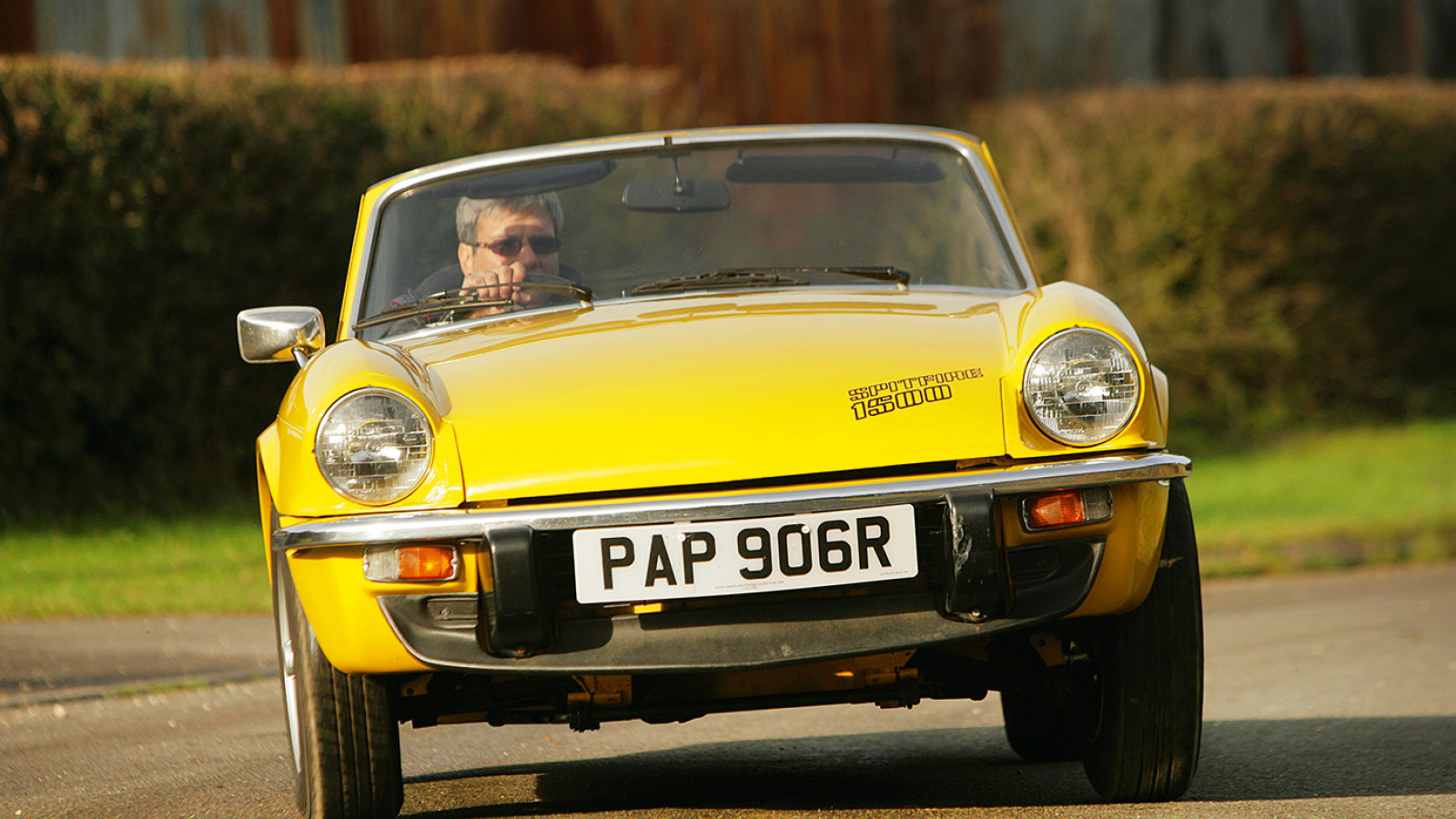
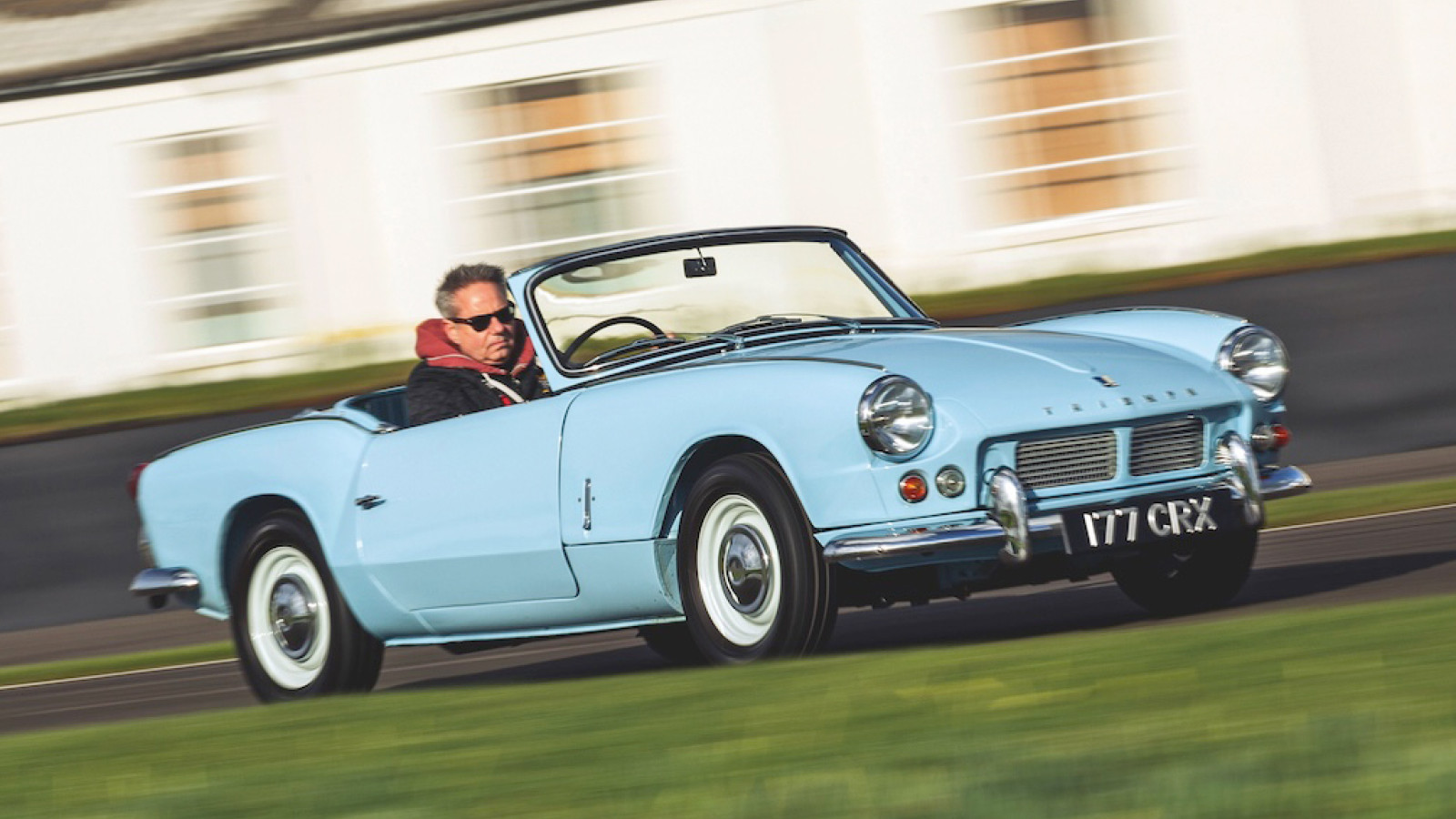
10. 1962 Triumph Spitfire/Supermarine Spitfire
Naming your car after arguably the most famous aircraft of WW2 requires a bit of confidence in what you’re producing, but those behind the Triumph Spitfire of 1962 were right to be bold, because the car lasted for almost 20 years before production ceased.
It was simple underneath, with a shortened chassis from the Triumph Herald and the required stiffening incorporated into the car’s sills.
It went head-to-head with the MGB, and actually outsold it despite being more expensive to buy.
This was because it offered more space for people and luggage, and had upmarket touches such as a wood-veneer dashboard on some versions.
Buyers also loved the fact that it could be ordered with a bolt-on hardtop and no soft-top option.
It was a huge success overseas, too, with 80% of production going to the US, although smog regulations severely curtailed its power output there.
Elsewhere, the engine, which originated in the Standard Eight of 1953, was revvy and punchy, and makes the Spitfire great fun to drive.
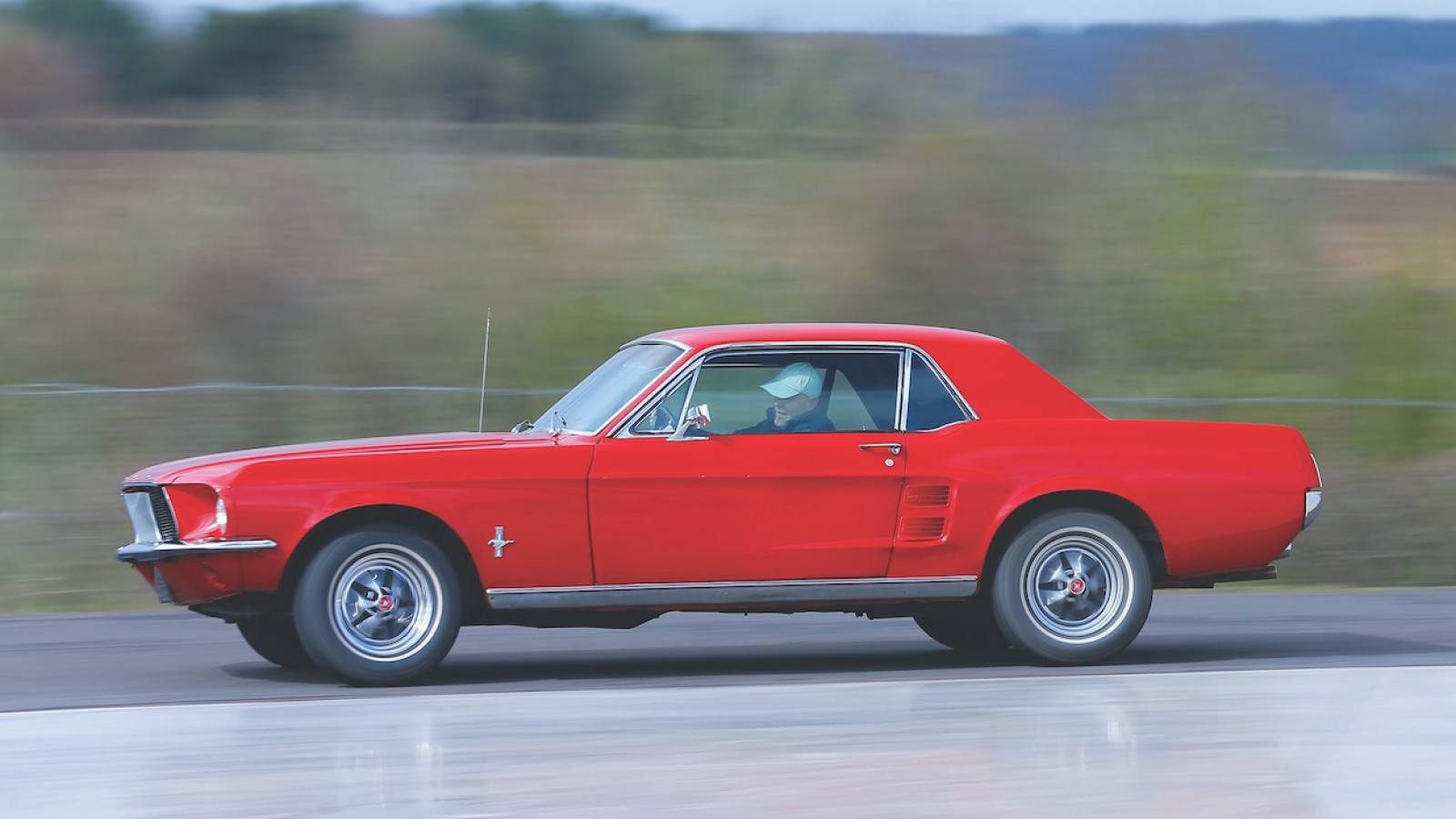
11. 1964 Ford Mustang/North American Aviation P-51 Mustang
Ford had begun the 1960s strongly with the powerful and well-received Falcon, but it wanted something smaller and cooler to attract younger buyers.
The Mustang was the car it came up with, and what better name to give it than that of an aircraft that proved pivotal in WW2.
And as good a start as the Ford Mustang had, it’s doubtful that the people behind it could have possibly imagined that the model would still be in production in 2026.
Ford managed to sell more than 400,000 examples in the car’s first year alone, and in less than two years it hit the one-million milestone.
Today, as a classic car and a modern one, it remains popular and is a celebrated nameplate.
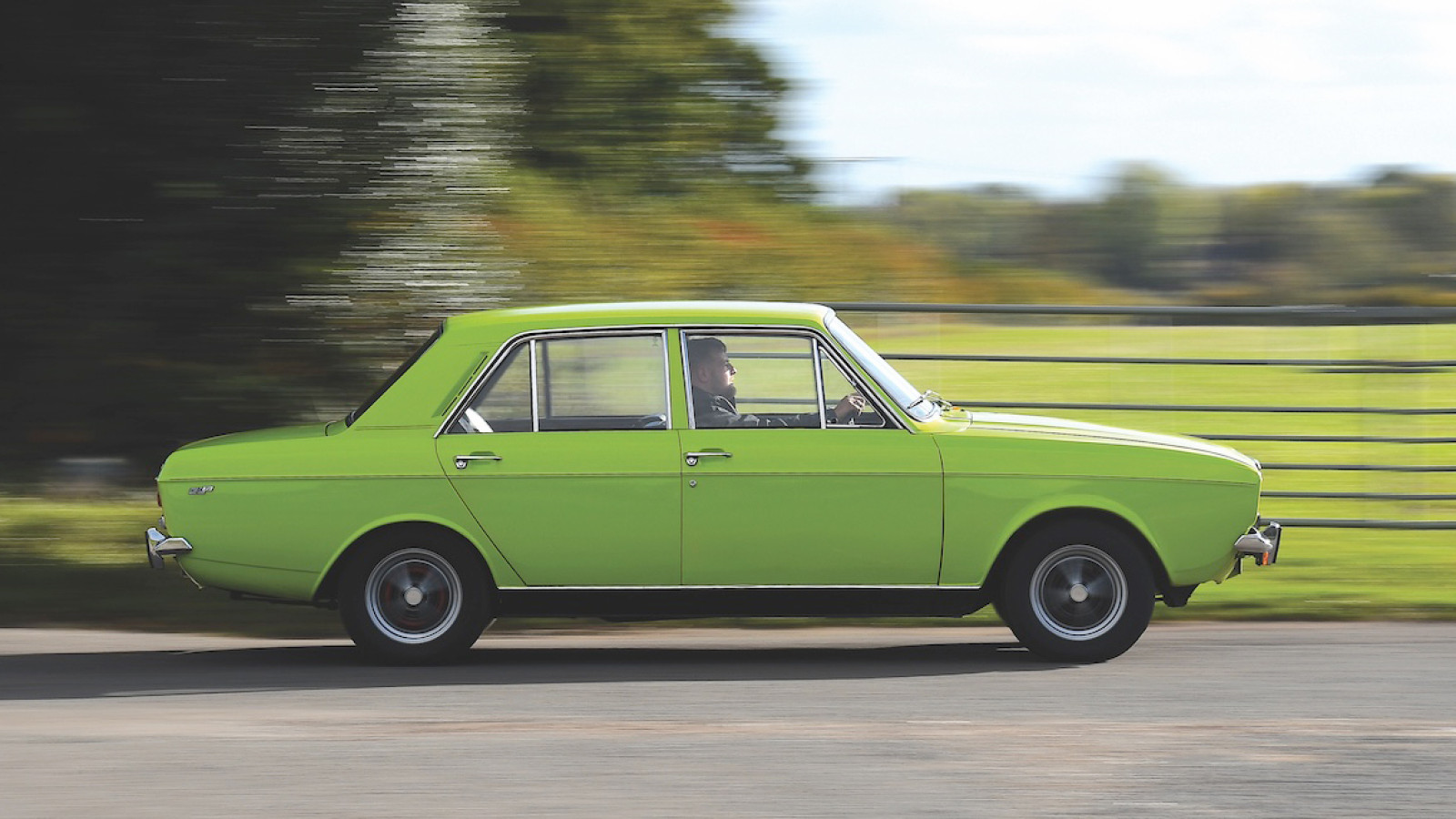
12. 1966 Hillman Hunter/Hawker Siddeley Hunter
In the early 1960s, Hillman owner the Rootes Group was not in a strong financial position, but it needed a new mid-range saloon.
Under the Arrow development name, the Hillman Hunter was a thoroughly conventional, three-box saloon, clearly designed by someone with only a ruler to hand.
In this respect it was utterly unlike the aeroplane with which it shared its name, the Hawker Siddeley Hunter, which was introduced in 1954 as a multi-use fighter-bomber.
The Hillman Hunter was aimed at big-name rivals such as the Ford Cortina Mk2 and Morris Marina, and was slightly unusual in having the handbrake sited between the driver’s seat and the door, instead of between the front seats.
Performance was all very humdrum until you reached the GLS version, which had a Holbay-tuned, 1725cc engine that could get it from 0-60mph in just 10 secs – very sprightly for the day.
The Hunter even earned its motorsport stripes, with a class win in the 1973 Tour of Britain.
Unfortunately, it couldn’t save the Hillman name, which was retired quietly in 1976.
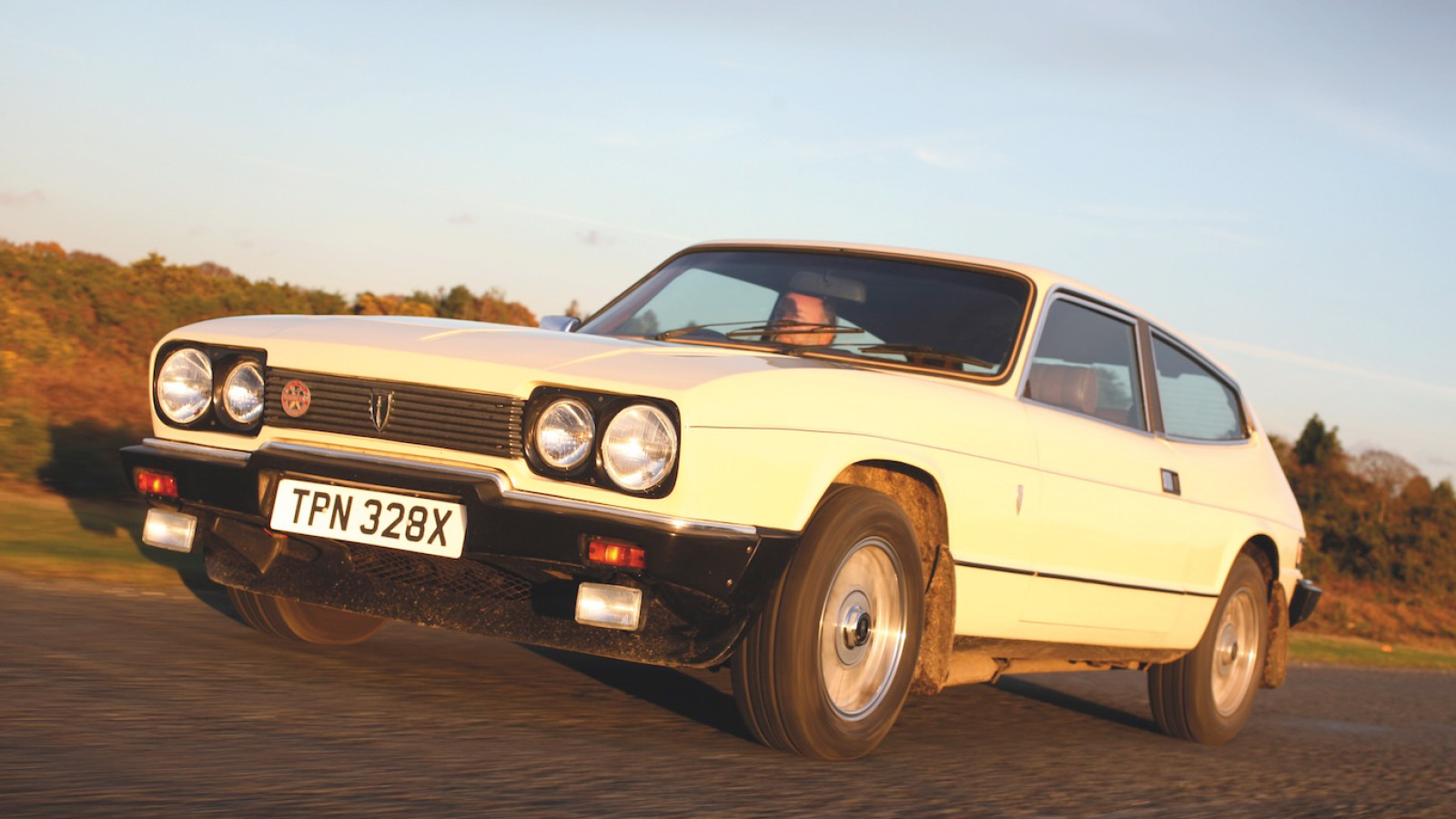
13. 1968 Reliant Scimitar GTE/Supermarine Scimitar
The Scimitar name had adorned a coupé around since 1964, but in 1967 Reliant wanted more, so it commissioned Ogle Design to come up with a four-seat estate car, and so the GTE SE5 was born in less than a year.
Under the bonnet lay Ford’s 3-litre, V6 Essex engine, which gave the car the sort of performance you had to be wary of, for fear of getting into trouble with the law.
Princess Anne discovered that to her cost in her Reliant Scimitar when she was found to be speeding twice in it on consecutive days. Indeed, she has owned eight Scimitars in total.
The Scimitar aircraft was the last one designed by Supermarine, maker of the legendary Spitfire. It was originally intended to be used on rubber decks, and so had no undercarriage, but the Royal Navy changed its mind, and demanded an undercarriage be fitted. It was retired in 1969.
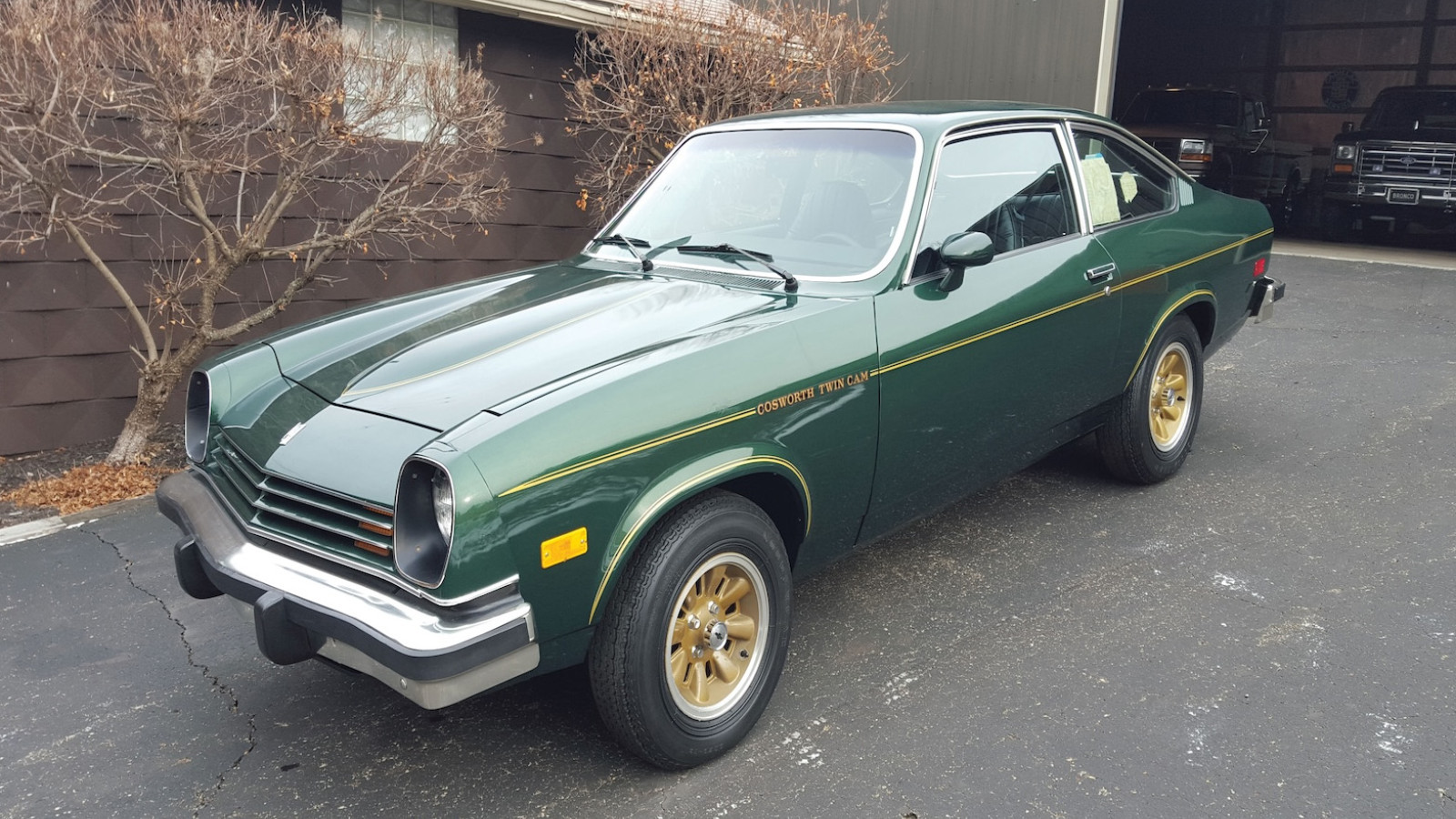
14. 1971 Chevrolet Vega/Lockheed 5B Vega
America was the land of ‘bigger is better’, but in the early 1970s the tide was turning and buyers were embracing smaller cars, largely driven by skyrocketing fuel prices.
The Vega was Chevrolet’s effort, although it hadn’t started as a Chevy; it was a design study by executive vice-president of operating staff Ed Cole and his team, and it was given to Chevrolet to market.
It shared its name with the Lockheed 5B Vega, a 1928 airliner that was famously flown by Amelia Earhart.
The Chevrolet Vega was available in only two-door form, but as a saloon, hatchback, estate and van.
All were powered by a new 2.3-litre, four-cylinder engine, although design boss Cole’s assertion that it wouldn’t need a radiator was soon disproved in testing, and so a small radiator was added later in development.
Nevertheless, the motor displayed a concerning tendency to overheat until resolved by an upgraded cooling package in 1974.
The car was also transported away from the factory vertically in rail carriages, although this method finished when the car ceased production in 1977.
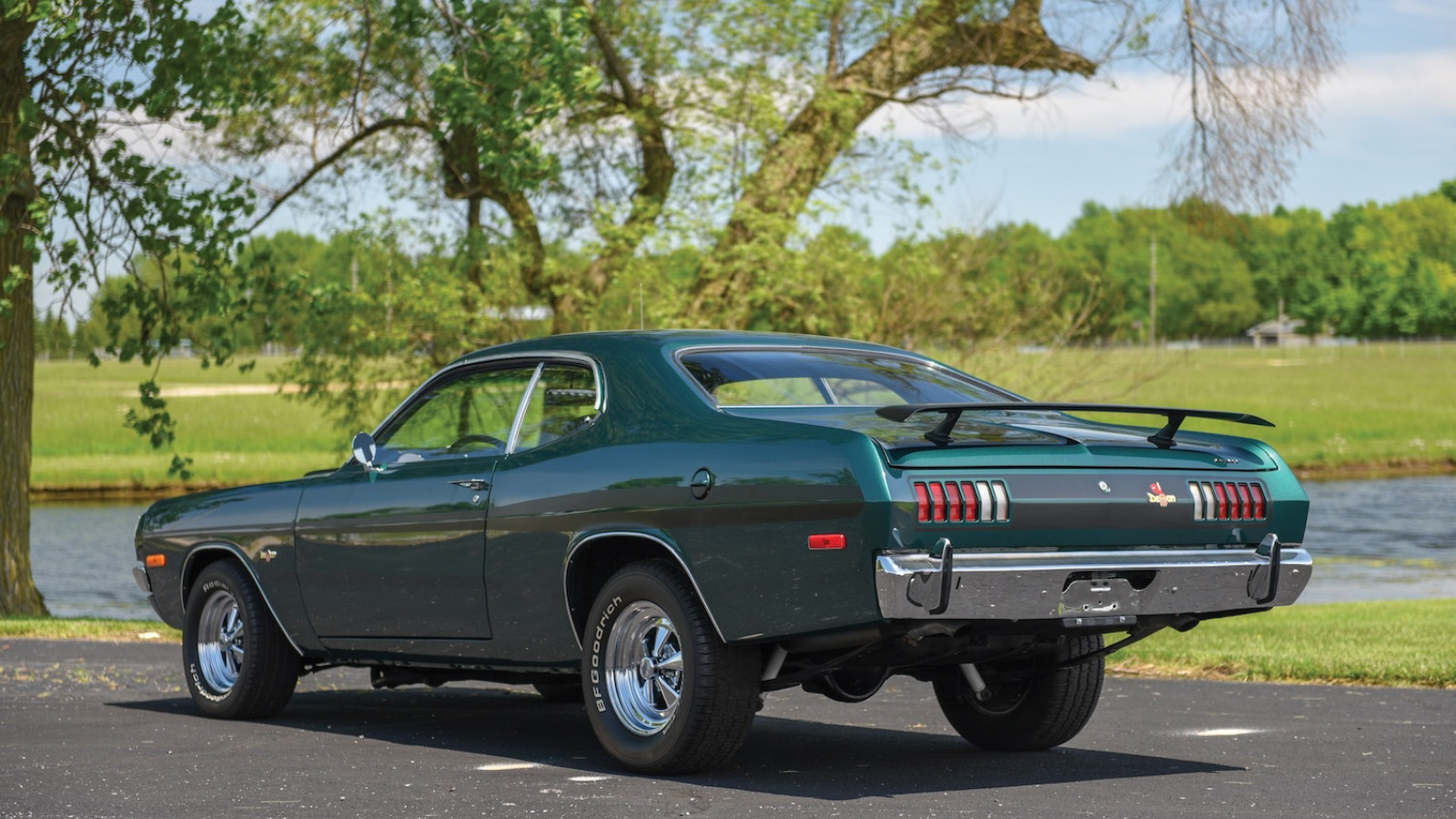
15. 1971 Dodge Dart Demon/McDonnell F3H Demon
The Dodge Dart had always lived in the shadow of its Plymouth Valiant sibling, even though it had offered some sporty V8 GTS models to help woo buyers.
In 1971, the Dodge Dart Demon was the latest attempt to boost sales.
This was, in effect, a rebadged version of the Valiant-based Plymouth Duster coupé, and it was originally slated to be called the Dodger Beaver, but the company later decided to change the name to Demon.
It shared its name with the McDonnell F3 Demon aeroplane, a sub-sonic jet fighter designed for the US Navy.
Returning to the car, Dodge ditched an eight-track audio system for one that played newfangled audio cassettes.
In addition, the company, which had hitherto fitted wheel bolts with right-hand threads on the right of the car and left-hand threads on the left side, decided to follow the rest of the world and with standardised threads all round.
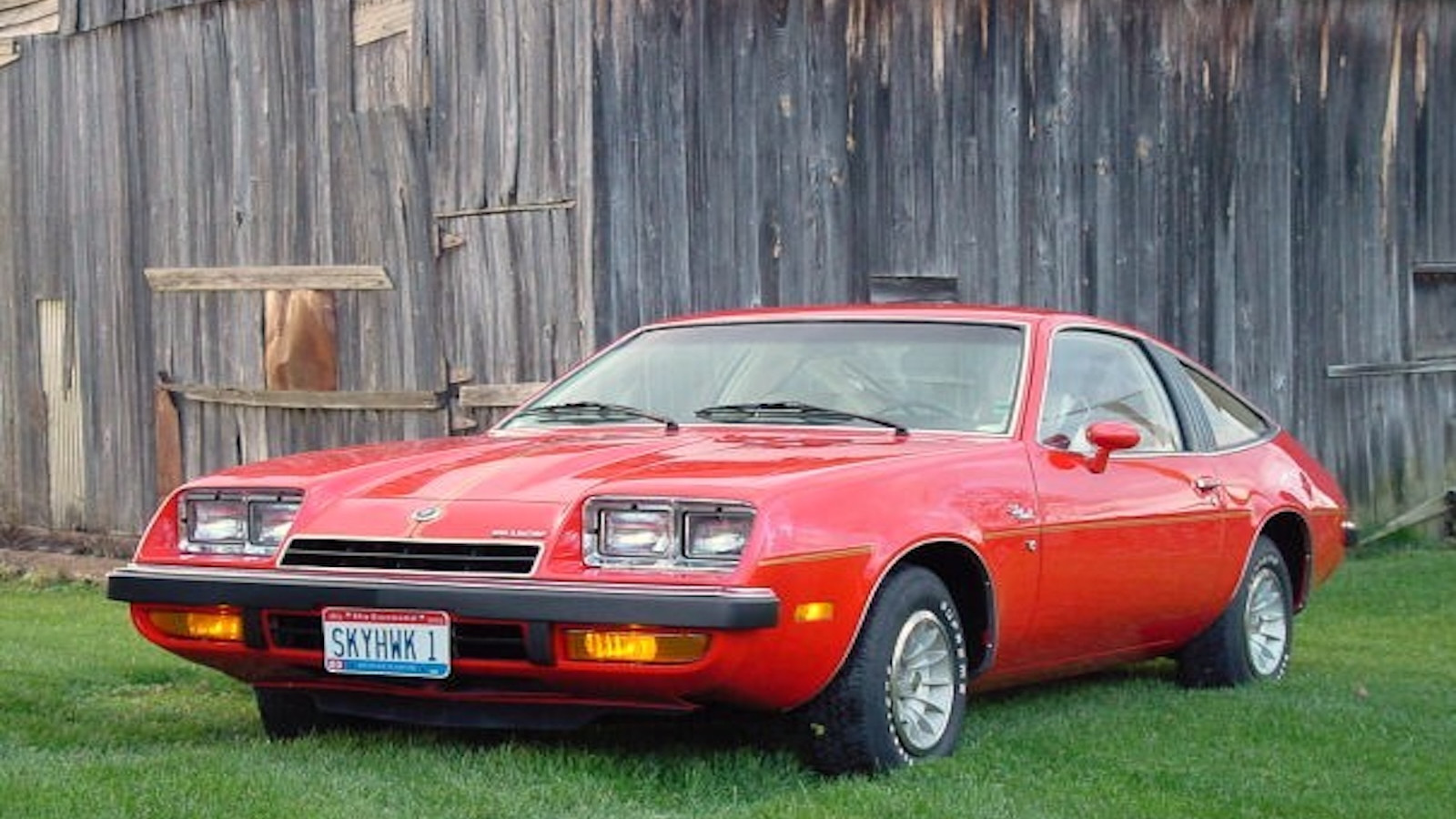
16. 1975 Buick Skyhawk/Douglas A4 Skyhawk
Coupés were cool in early-1979s America, and imports such as the Datsun 240Z and Toyota Celica were proving popular.
The home-grown car industry had to hit back, and one of its weapons was the Buick Skyhawk, a two-door, rear-wheel-drive coupé with a 3.8-litre V6 engine up front.
It was designed to be brisk and nimble, much like its namesake, the Douglas A4 Skyhawk, a single-seat jet fighter with real speed and agility. This aeroplane must have been good, because it was introduced in 1956, and is still used by the Brazilian Air Force to this day.
However, Buick Skyhawk sales always trailed those of its siblings, despite having attractive options such as a five-speed manual gearbox, a panoramic glass roof or an opening sunroof.
However, buyers couldn’t equate the Buick brand with something small and sporty, so this model was discontinued in 1979.
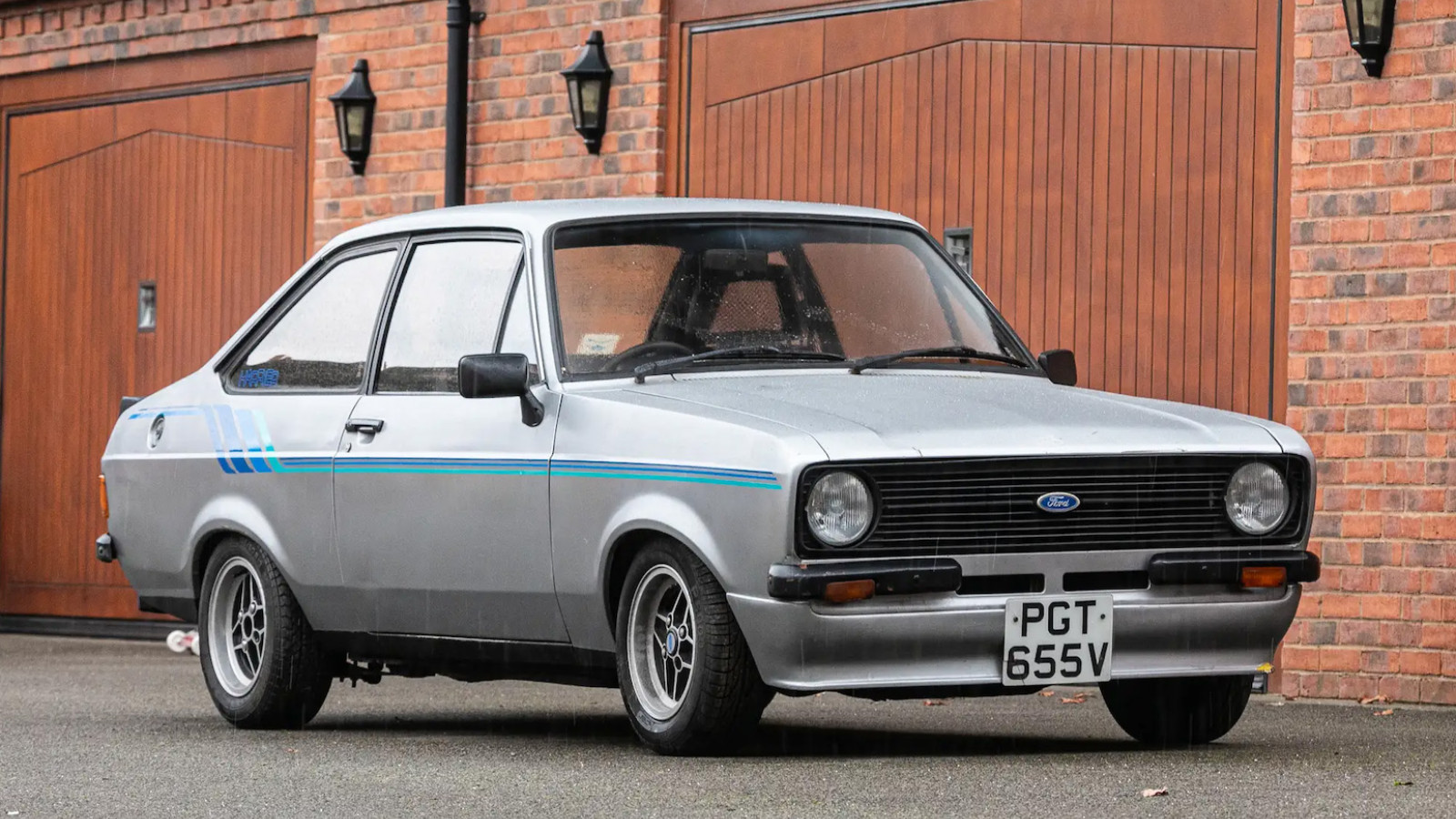
17. 1979 Ford Escort Harrier/Hawker Siddeley Harrier
The Mk2 Ford Escort was coming towards the end of its life in 1979, but was still performing well on the world’s rally stages, winning the RAC Rally eight times in a row, and triumphing in the 1979 World Rally Championship, with Björn Waldegård taking the drivers’ title having used one for almost all the season and Ford topping the manufacturers’ rankings.
Ford wanted the car to go out with a fanfare, so developed the Escort Harrier special edition to celebrate.
The limited-run model was sold with the TV slogan, ‘wouldn’t you like to take off in a Harrier?’, and featured RS alloy wheels, a rear spoiler, front driving lights and Recaro seats.
Mind you, with a top speed of 100mph, the Escort couldn’t compete with its aviation counterpart, the Hawker Siddeley Harrier, a strike aircraft with vertical take-off and landing capabilities, as well as exceptional mid-air agility, as many adversaries found out to their detriment during the Harrier’s 33-year lifespan.
The Ford Escort Harrier was only available in two colours, silver or white, with three blue stripes denoting its special-edition status.
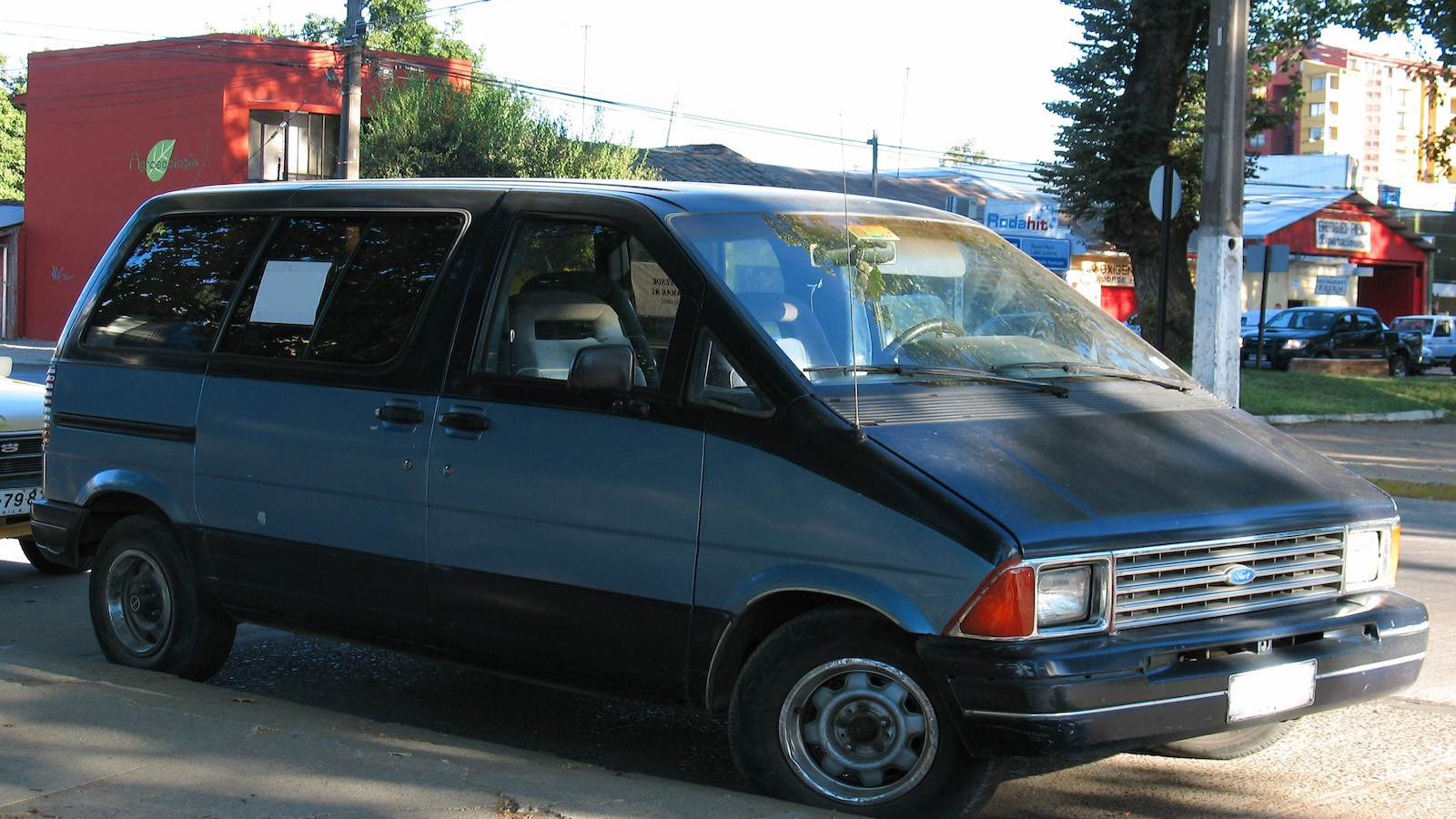
18. 1986 Ford Aerostar/Piper Aerostar
Car makers were getting into the idea of moving larger numbers of people around in the 1980s.
Renault had begun this with its Espace, and Ford was keen to join this new wave of multi-purpose vehicles with its seven-seat Aerostar.
Unusually for the genre, the Aerostar was rear-wheel drive and powered by either a 2.3-litre, four-cylinder unit, or a 2.8-litre V6.
The Ford MPV was similar in concept to the Piper Aerostar aeroplane with which it shared a name. This twin-engined, propeller-driven machine was designed as a utility craft that could move people around cheaply, and first flew in 1967.
On the ground, the Ford Aerostar had been conceived with its four wheels as far into each corner as possible to maximise cabin space, while efficiency was enhanced with the use of plastic bumpers and lightweight materials for the tailgate, doors and bonnet. The fuel tank was plastic, too, to save weight.
All-weather ability was enhanced by the addition, in 1990, of a four-wheel-drive version.
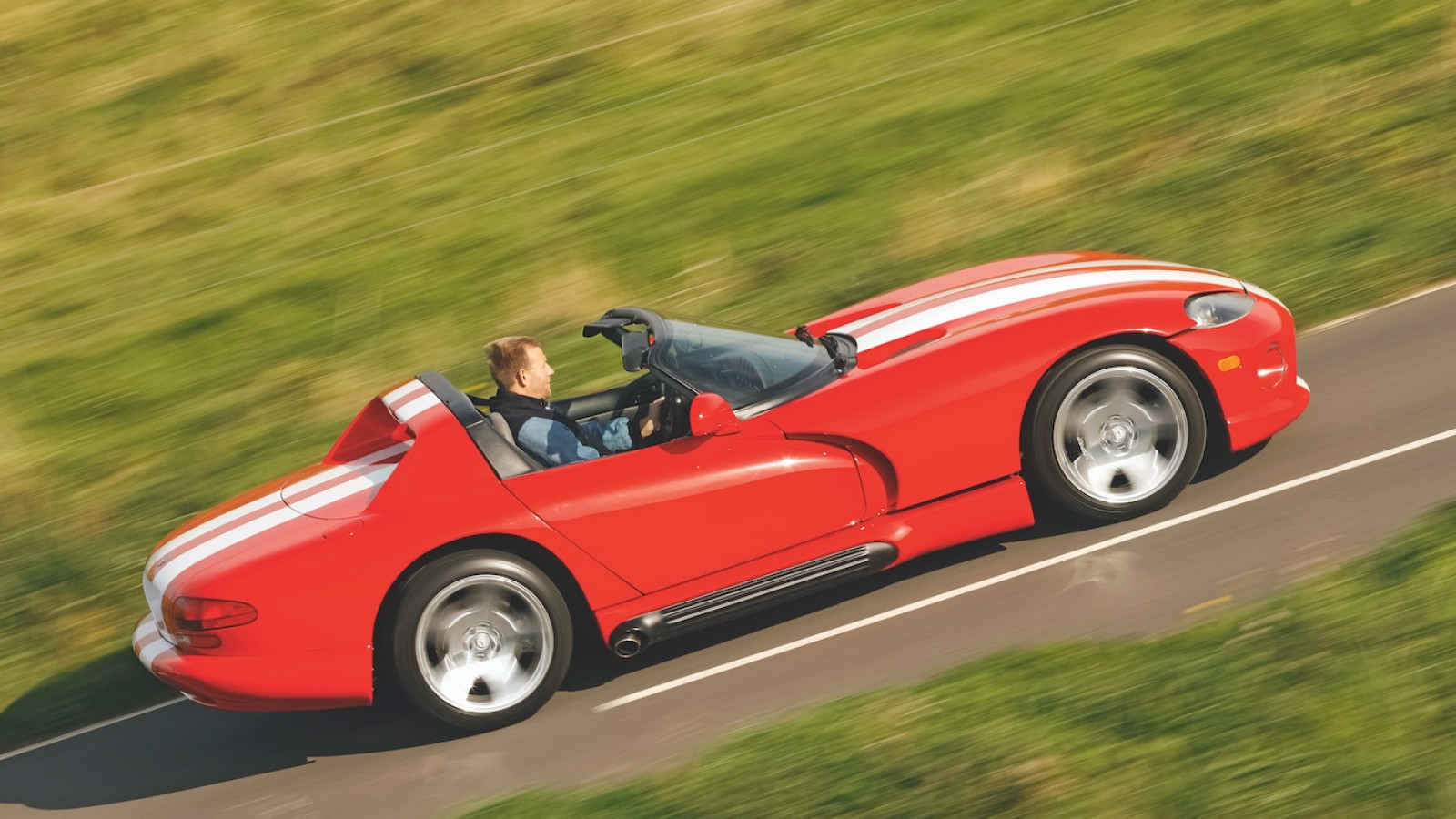
19. 1991 Dodge Viper/Lockheed Martin F16V Viper
In 1991, Chrysler and Dodge didn’t have the most dynamic corporate image, and chairman Bob Lutz was keen to address that.
So, he commissioned a two-seat sports car in the vein of the legendary AC Cobra – and the Dodge Viper was the result.
It wasn’t as cutting edge as the Lockheed Martin F16V Viper, which first flew in 2015 and has been in service since 2021.
This single-engine supersonic multirole fighter aircraft is claimed to be the most advanced of its type in the world.
The Dodge Viper has some serious wow factor, too, starting with the fact it is powered by the world’s first production-car V10 engine.
It also uses double-wishbone suspension front and rear, has a limited-slip differential, no doorhandle and only the very vaguest interpretation of a fabric roof.
It is also a true supercar in the way it conducts itself. The 8-litre V10 pulls from nothing and launches you at the horizon, but you need to hang on tightly – this is a car that demands a lot from its driver.
Bob Lutz’s aim had been achieved.
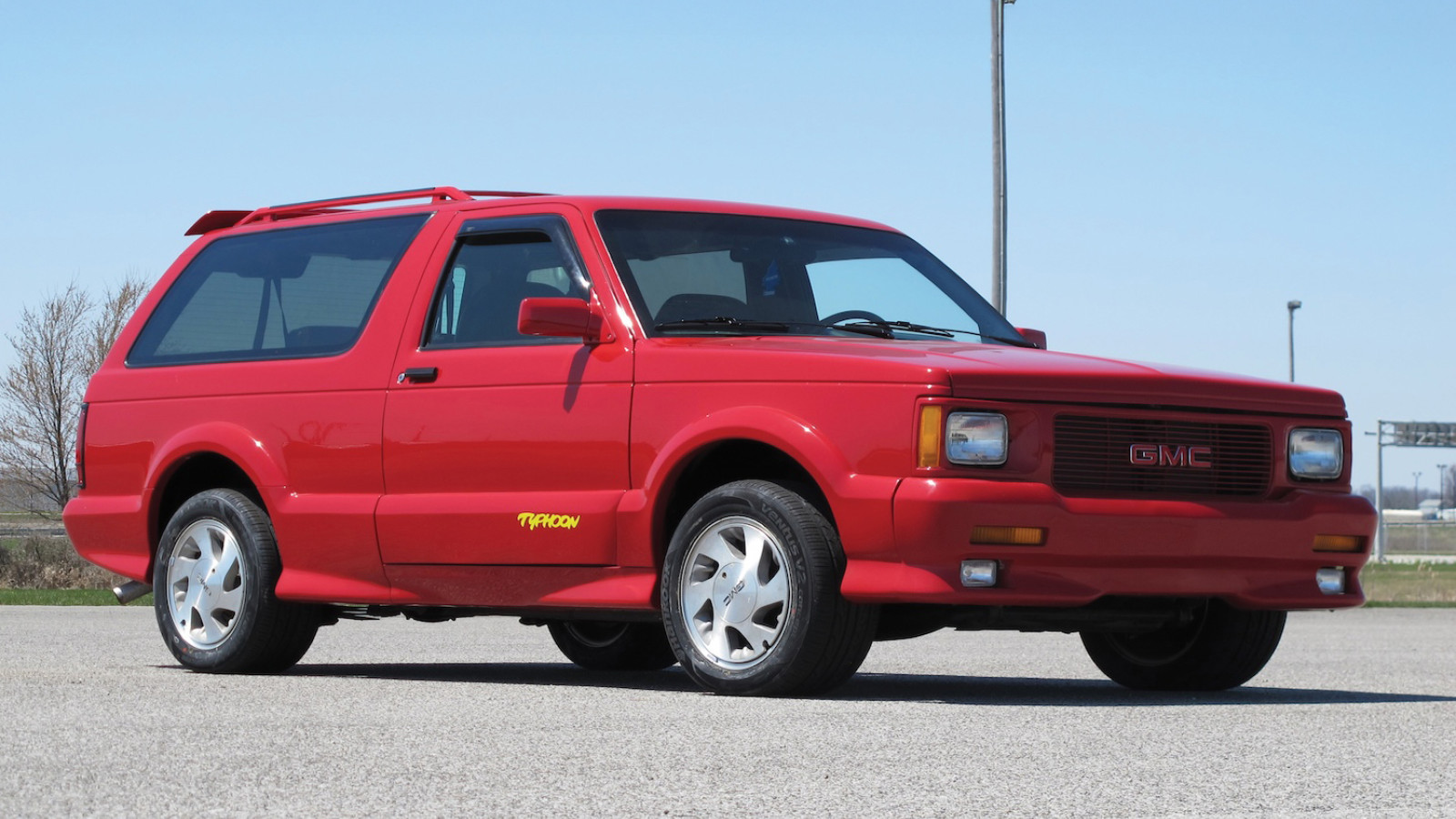
20. 1992 GMC Typhoon/Eurofighter Typhoon
Long before cars such as the Porsche Cayenne turbo appeared, GMC was rocking the SUV world with its own high-performance offering, the 1992 Typhoon.
This was based on the mechanicals of the previous year’s GMC Syclone pick-up, so had a turbocharged, 4.3-litre V6 engine that drove all four wheels through a four-speed automatic gearbox.
It had enough performance to worry a Ferrari 348 driver, with the 0-60mph dash dispensed with in just 5.3 secs.
It came before the Eurofighter Typhoon, which first flew in 1994, and as well as a name, it shares some qualities with this supersonic plane, considered to be one of the most powerful and agile strike aircraft in the world today.
The GMC Typhoon’s agility was aided by the presence of a limited-slip differential, while self-levelling rear suspension kept everything flat, even when there was a heavy load in the back.
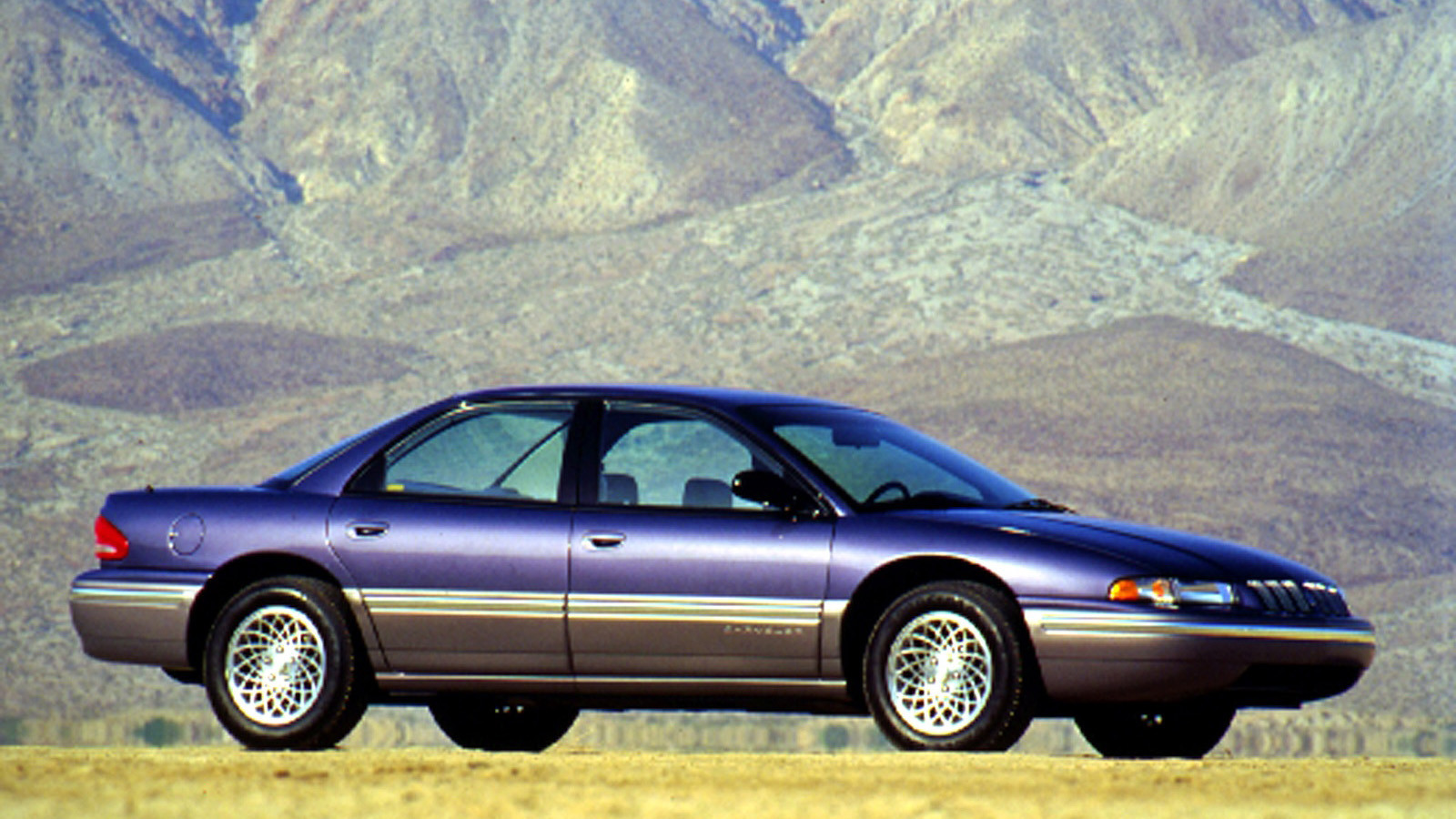
21. 1993 Chrysler Concorde/Concorde
Say the word ‘Concorde’ to pretty much anyone, and their mind will immediately conjure up an image of a sleek, elegant aeroplane that was the epitome of luxury and mind-bending speed, that took its first test flight in 1969 – commercial flights commenced in 1976.
Well, if you’re going to name your new saloon car after the famed supersonic airliner then it had at least better be aerodynamic. Thankfully, the Chrysler Concorde of 1992 was.
It was launched as an upmarket model to compete with European brands such as Audi and BMW, and therefore came with leather upholstery, electrically adjustable front seats, electric windows and central locking.
And, in the spirit of the 1990s, you could also specify the sound system with a graphic equaliser.
Later model-year updates gave buyers the ability to order a Panasonic car phone, cruise control with steering-wheel-mounted switches and a remote-key entry system.
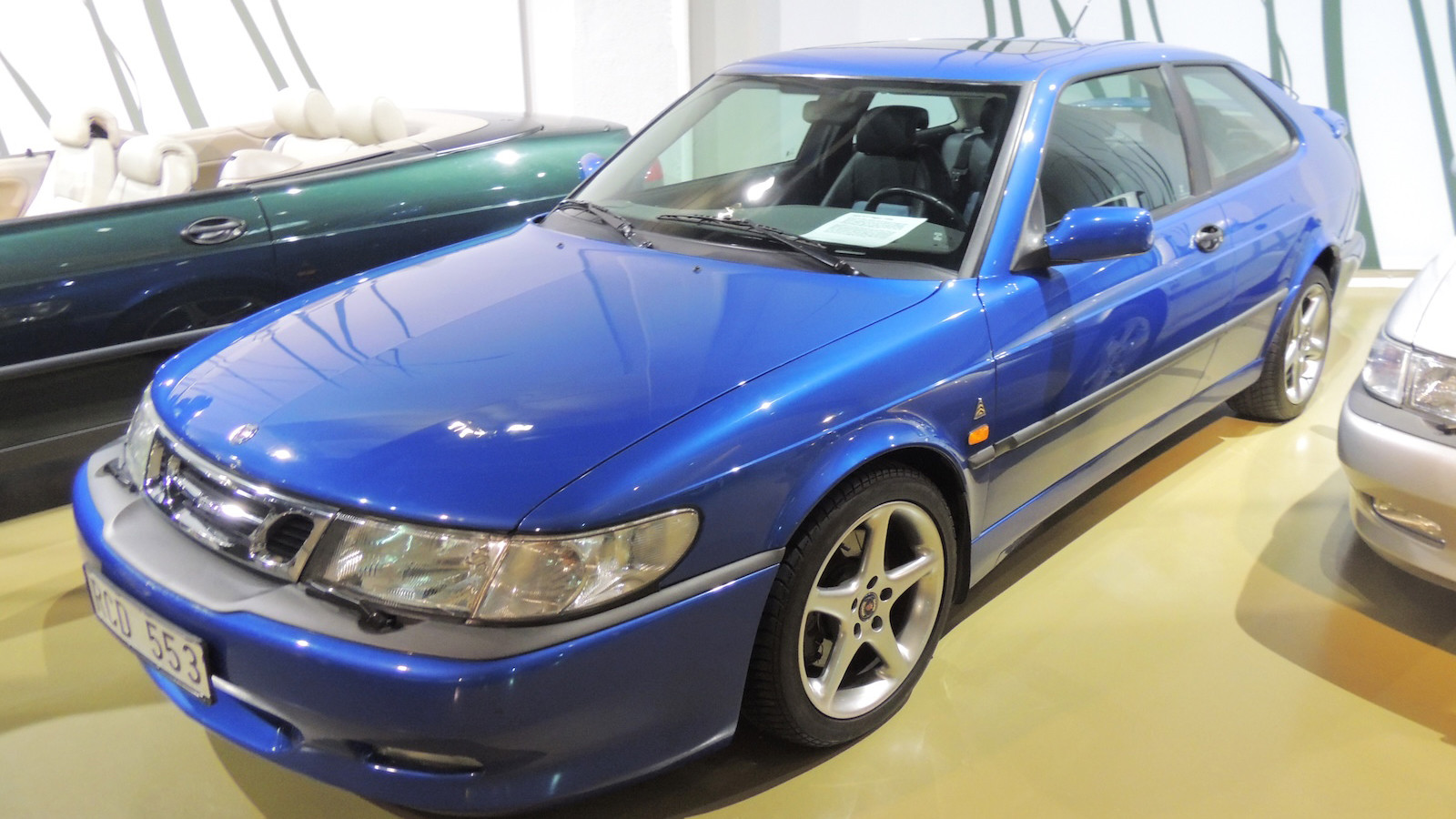
22. 1999 Saab 9-3 Viggen/Saab 37 Viggen
The Saab 9-3 Viggen is one of the very rare cases in which a special-edition car is actually named after an illustrious aircraft, instead of just sharing the same name as one.
The 9-3 Viggen car was named after the Saab 37 Viggen, a 1970 single-seat fighter that was one of the first to use a computer to replace a co-pilot.
The four-wheeled version was developed in tandem with renowned team Tom Walkinshaw Racing (TWR), and was powered by a 2.3-litre, four-cylinder, turbocharged engine, driving the front wheels through a five-speed manual gearbox.
It also had numerous styling and aerodynamic upgrades, as well as bigger brakes and bespoke alloy wheels.
Leather trim was standard inside this special Saab, as were heated and electrically adjustable seats, plus a high-end (for the era) CD audio system.